



Cody Christie
-
Posts
7,810 -
Joined
-
Last visited
-
Days Won
5
Content Type
Profiles
News
Minnesota Twins Videos
2026 Minnesota Twins Top Prospects Ranking
2022 Minnesota Twins Draft Picks
Minnesota Twins Free Agent & Trade Rumors, Notes, & Tidbits
Guides & Resources
2023 Minnesota Twins Draft Picks
The Minnesota Twins Players Project
2024 Minnesota Twins Draft Picks
2025 Minnesota Twins Draft Pick Tracker
2026 Minnesota Twins Draft Tracker: Picks & Bonuses
Forums
Blogs
Events
Store
Downloads
Gallery
Everything posted by Cody Christie
-
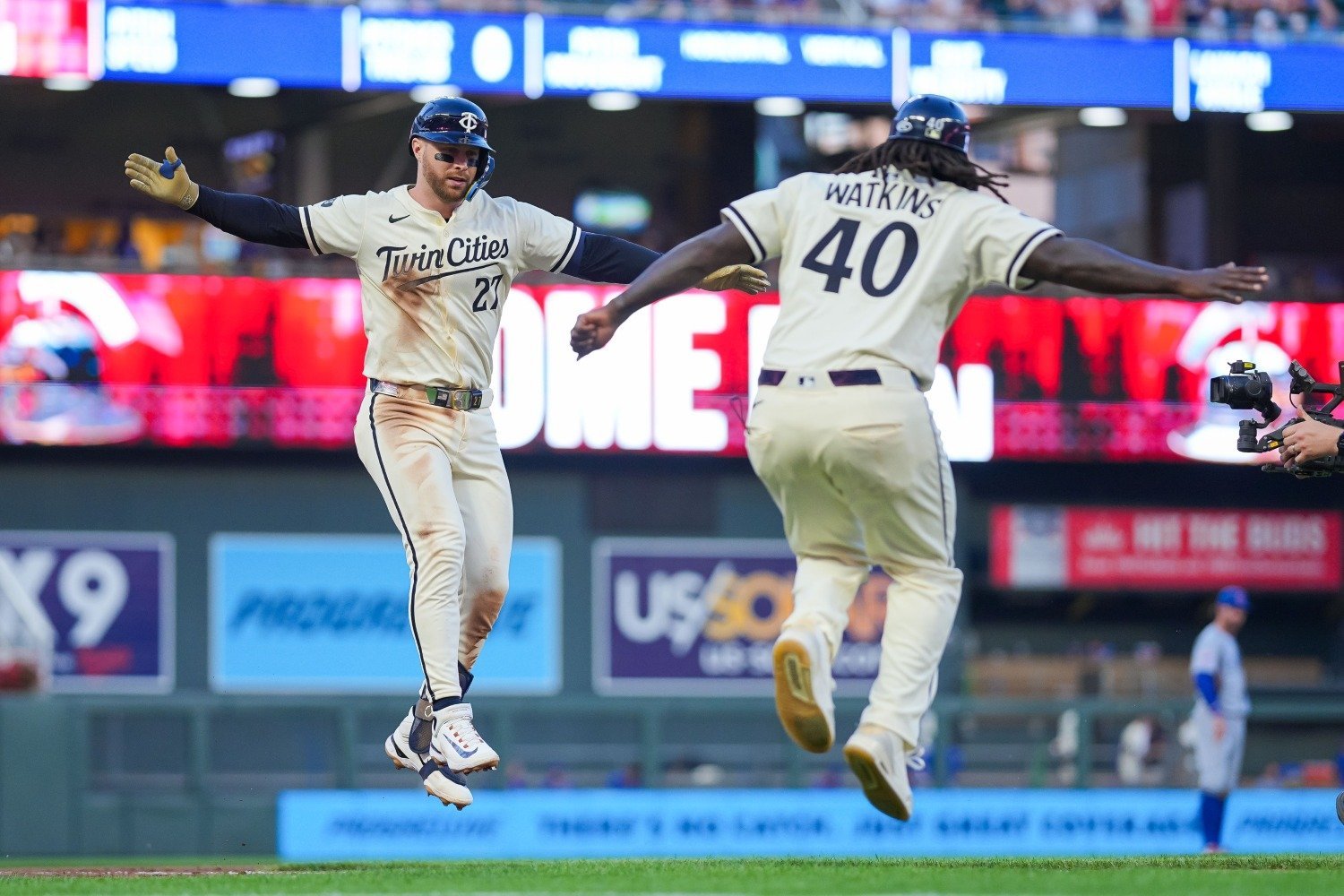 For nearly three years, the Twins have defied one of baseball’s most common trends. They have relied on just two catchers, at a time when depth at the position is critical and injuries often force constant roster shuffling. Minnesota built its game plan around a precise 50/50 timeshare between Ryan Jeffers and Christian Vázquez. It was an intentional move from both the front office and the coaching staff, designed to keep both players fresh and healthy across a 162-game season. That plan is now on hold. On Friday, the Twins placed Vázquez on the 10-day injured list with a left shoulder infection. While the issue is with his non-throwing shoulder, it will still sideline him, ending one of baseball’s rarest streaks. “Yeah, it is kind of, it is almost hard to believe,” Twins manager Rocco Baldelli said. “I bet you are not going to find too many teams that have had that luxury of having guys that are that dependable and durable.” With Vázquez out, the catching duties will now tilt heavily toward Jeffers. Baldelli confirmed that the 50/50 split will disappear, at least for now. “[Jeffers] is going to catch more,” Baldelli explained. “More along the lines of two out of three or three out of four games behind the plate … it will be good for RJ to push himself right now a little bit, get out there and catch a whole bunch.” The shift is an opportunity for Jeffers to step into something he has not had since arriving in the majors: a true full-time role. Last season, he started 81 games at catcher and played behind the plate in 86 games. His 720 1/3 innings catching were a career high, by nearly 50 innings. In 2025, Jeffers has already started 62 games at catcher, so there is a strong possibility that he will surpass his innings squatted and kneeled from last year. The 27-year-old has been one of Minnesota’s more productive hitters this season (112 OPS+), and his ability to provide pop from behind the plate has made him a lineup fixture. Only two AL catchers (Cal Raleigh and Alejandro Kirk) have a higher OBP, among players with 60 or more games played. Even when he is not catching, Baldelli has kept him in the batting order as the designated hitter 23 times, and he's entered more games as a pinch-hitter or as the result of other shuffling more often than in the past. He's amassed 373 plate appearances already, and could easily surpass his career high of 465, set last season. Even as the team leans into using their primary catcher more often, though, it's important that they maintain some semblance of depth; no one can succeed trying to catch every day in the majors. While Vázquez is out, the team could get a long look at either of two candidates for a medium-term backup role. Mickey Gasper Gasper, 28, was touted as a versatile defender when the Twins acquired him this winter. He has spent time at catcher, first base, and in the outfield throughout his minor league career. Minnesota had been hesitant to use him at catcher before Vázquez’s injury. This season, he has dedicated most of his time to catching and has earned praise from the coaching staff for his preparation and receiving skills. He’s been one of Triple-A’s best hitters over the last two seasons, with a .970 OPS in 2024 and a .915 OPS in 2025. His switch-hitting bat adds an extra wrinkle for Baldelli, who can match him up against both left-handed and right-handed pitchers. “And I can see us giving some opportunity to Mickey Gasper, who we think has done a good job behind the plate," Baldelli said. "He's worked hard, like he does, really, at every position, but he's dedicated himself to the catching side of things for much of the year this year.” Jhonny Pereda Pereda, 29, has built a reputation as a steady presence behind the plate, with strong framing and blocking skills. Fans may be unfamiliar with Pereda because the team claimed him off waivers from the Athletics at the end of July. The Twins are his seventh organization, but he continues to draw respect for his ability to manage a pitching staff. In six games in St. Paul, he went 7-for-21 (.333 BA) with four extra-base hits and four walks. This season at Triple-A, he has posted a 120 wRC+ with 11 extra-base hits in 33 games. For the Twins, losing Vázquez changes the formula they have carefully managed for three seasons. For Jeffers, it is a chance to show he can be the guy, not just half of a dependable duo. If his bat stays hot, it might make the Twins more comfortable changing their catching formula for 2026. Of course, that assumes that Jeffers (a free agent at the end of next season) won't be traded, first. Can Jeffers prove that he can be behind the plate on a more regular basis? What stands out about the team’s backup catching options? Leave a comment and start the discussion.
 -
 Image courtesy of © William Purnell-Imagn Images When the Pohlad family confirmed that they will remain the principal owners of the Minnesota Twins, it didn’t just end speculation about the franchise’s sale. It also sent a strong signal about the immediate future of the team’s leadership structure—one that has been remarkably consistent, even during disappointing seasons. In a letter to fans, the Pohlads explained that they explored “a wide range of potential investment and ownership opportunities” before deciding to retain control and add two significant limited partnership groups. That decision essentially secures the positions of the two most visible leaders in the organization: Derek Falvey and Rocco Baldelli. Minimal Change Expected at the Top Falvey, the president of baseball and business operations, has been the franchise’s top baseball executive since 2016. He stepped into one of baseball’s most powerful roles earlier this year, when Dave St. Peter retired. Under his watch, the Twins have won three division titles but have also endured multiple seasons wherein expectations far exceeded results—including the last two seasons, when the club was projected to finish first in the AL Central and will finish out of the playoff picture. Still, the Pohlads have consistently valued stability over dramatic shakeups. Their decision to keep ownership in-house rather than hand the franchise to a new principal owner is a clear sign that a major front-office overhaul is unlikely. On the field, Baldelli appears just as safe. The team picked up his 2026 option earlier this season, a move that now looks even more significant. While some fan frustration has grown during this disappointing year, ownership’s history suggests they see continuity in the dugout as a strength, rather than a weakness. Following Their Long-Term Playbook In some ways, this approach mirrors the Pohlads’ broader philosophy. While other franchises in MLB have cycled through executives and managers in search of quick turnarounds, Minnesota has preferred to give its leadership groups extended time to execute their vision. It’s a philosophy not without risk, especially in an era when playoff contention can be fleeting, but it aligns with the Pohlads’ public statements about valuing “long-term vision” and “shared family values.” Lessons from Other Teams’ Sales This stability-first mindset also stands in contrast to the uncertainty seen when other clubs explore sales. The Los Angeles Angels and Washington Nationals both tested the market in recent years, before deciding to keep their current owners in place. In those cases, lingering questions about leadership often slowed roster planning and created speculation about changes at the top. The Twins, by contrast, seem intent on projecting a united and consistent vision moving forward. Billion-dollar sports franchises have a limited buyer pool, and the complexities of selling often extend far beyond price tags. By ending their sales process, the Pohlads have also eliminated the uncertainty that typically comes with a potential ownership change. A Rarely Changing Guard In the last four decades, the Twins have had just four full-time managers: Tom Kelly (1986-2001), Ron Gardenhire (2002–2014), Paul Molitor (2015–2018), and Rocco Baldelli (2019–present). On the front-office side, the team operated under general manager Terry Ryan for most of 1994–2016 (with a short Bill Smith tenure in between, with Ryan still in the organization) before hiring Falvey to run baseball operations, and eventually business operations, too. By comparison, many MLB clubs have churned through eight or more managers and several top executives in that same stretch. Minnesota has also had some famously long-tenured people in less prominent roles in the front office, and it looks like Byron Buxton will be the third franchise icon in as many generations (following Kirby Puckett and Joe Mauer) to play his entire career with the team. The Twins’ slow turnover at the top reflects the Pohlads’ long-standing belief in patience over quick fixes. The Message to Fans The Pohlads closed their letter with a commitment to “building a winning team and culture for this region.” For now, that culture will continue to be shaped by the same leadership voices that have guided the team for nearly a decade. The Twins’ results in 2025 haven’t matched expectations, but the franchise’s direction, from the front office to the manager’s office, appears locked in. For better or worse, stability remains the Pohlads’ game plan. Should the Pohlads look to make changes to the front office or manager? Will the new limited partners push for different on-field results? Leave a comment and start the discussion. View full article
 -
Like It or Not, Pohlads Staying Put Means Stability for Twins Leadership
Cody Christie posted an article in Twins
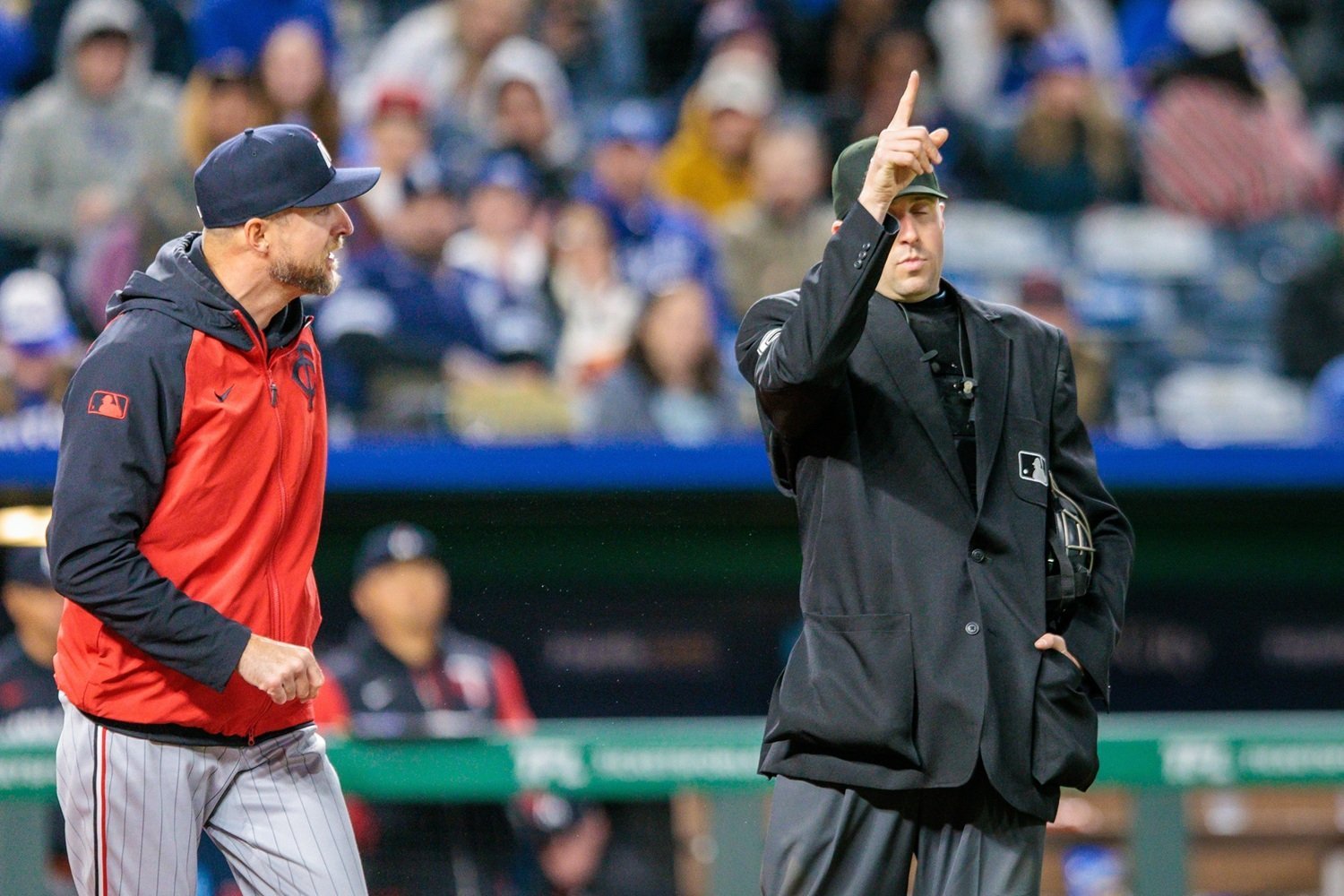 When the Pohlad family confirmed that they will remain the principal owners of the Minnesota Twins, it didn’t just end speculation about the franchise’s sale. It also sent a strong signal about the immediate future of the team’s leadership structure—one that has been remarkably consistent, even during disappointing seasons. In a letter to fans, the Pohlads explained that they explored “a wide range of potential investment and ownership opportunities” before deciding to retain control and add two significant limited partnership groups. That decision essentially secures the positions of the two most visible leaders in the organization: Derek Falvey and Rocco Baldelli. Minimal Change Expected at the Top Falvey, the president of baseball and business operations, has been the franchise’s top baseball executive since 2016. He stepped into one of baseball’s most powerful roles earlier this year, when Dave St. Peter retired. Under his watch, the Twins have won three division titles but have also endured multiple seasons wherein expectations far exceeded results—including the last two seasons, when the club was projected to finish first in the AL Central and will finish out of the playoff picture. Still, the Pohlads have consistently valued stability over dramatic shakeups. Their decision to keep ownership in-house rather than hand the franchise to a new principal owner is a clear sign that a major front-office overhaul is unlikely. On the field, Baldelli appears just as safe. The team picked up his 2026 option earlier this season, a move that now looks even more significant. While some fan frustration has grown during this disappointing year, ownership’s history suggests they see continuity in the dugout as a strength, rather than a weakness. Following Their Long-Term Playbook In some ways, this approach mirrors the Pohlads’ broader philosophy. While other franchises in MLB have cycled through executives and managers in search of quick turnarounds, Minnesota has preferred to give its leadership groups extended time to execute their vision. It’s a philosophy not without risk, especially in an era when playoff contention can be fleeting, but it aligns with the Pohlads’ public statements about valuing “long-term vision” and “shared family values.” Lessons from Other Teams’ Sales This stability-first mindset also stands in contrast to the uncertainty seen when other clubs explore sales. The Los Angeles Angels and Washington Nationals both tested the market in recent years, before deciding to keep their current owners in place. In those cases, lingering questions about leadership often slowed roster planning and created speculation about changes at the top. The Twins, by contrast, seem intent on projecting a united and consistent vision moving forward. Billion-dollar sports franchises have a limited buyer pool, and the complexities of selling often extend far beyond price tags. By ending their sales process, the Pohlads have also eliminated the uncertainty that typically comes with a potential ownership change. A Rarely Changing Guard In the last four decades, the Twins have had just four full-time managers: Tom Kelly (1986-2001), Ron Gardenhire (2002–2014), Paul Molitor (2015–2018), and Rocco Baldelli (2019–present). On the front-office side, the team operated under general manager Terry Ryan for most of 1994–2016 (with a short Bill Smith tenure in between, with Ryan still in the organization) before hiring Falvey to run baseball operations, and eventually business operations, too. By comparison, many MLB clubs have churned through eight or more managers and several top executives in that same stretch. Minnesota has also had some famously long-tenured people in less prominent roles in the front office, and it looks like Byron Buxton will be the third franchise icon in as many generations (following Kirby Puckett and Joe Mauer) to play his entire career with the team. The Twins’ slow turnover at the top reflects the Pohlads’ long-standing belief in patience over quick fixes. The Message to Fans The Pohlads closed their letter with a commitment to “building a winning team and culture for this region.” For now, that culture will continue to be shaped by the same leadership voices that have guided the team for nearly a decade. The Twins’ results in 2025 haven’t matched expectations, but the franchise’s direction, from the front office to the manager’s office, appears locked in. For better or worse, stability remains the Pohlads’ game plan. Should the Pohlads look to make changes to the front office or manager? Will the new limited partners push for different on-field results? Leave a comment and start the discussion.
 -
Image courtesy of © Jesse Johnson-Imagn Images The Twins traded Carlos Correa, Jhoan Duran, Griffin Jax, Louis Varland, and seemingly anyone with any semblance of value in their back pocket. The result? Fans are wandering around Target Field like shoppers in a grocery store that just discontinued their favorite brand of cereal. Don’t panic. I’ve prepared a completely unbiased, absolutely objective guide to selecting your new favorite Twin. Think of this as a dating app for baseball fandom: you’re not swiping left or right, you’re just bracing for whoever is still on the roster come August. Byron Buxton – The Lifelong Hope Investment If you’ve ever said “this is the year” every single season since 2015, Byron is your guy. He’s a franchise mainstay, a walking highlight reel when healthy, and a permanent “day-to-day” designation in human form. Picking Buxton as your favorite player is like buying stock in a company that might go bankrupt or might invent the next iPhone. There is high risk or infinite reward. Ideal Fan Type: Eternal optimists, fans with three unused Buxton shirsey purchases in their closet, and anyone who has the Mayo Clinic bookmarked Luke Keaschall – The Prospect Hipster Pick Keaschall is for the fan who loved Jose Miranda before he popped up on top prospect lists and listens to bands before they hit Spotify’s Top 50. He’s a rising infielder with sneaky power and plenty of “up-the-middle” defensive swagger. If he becomes a star, you’ll be insufferable about how you “always knew." Ideal Fan Type: People who talk about OPS+ at dinner parties, own one of those old-school “Win Twins” pennants, and correct others when they say “Cash-ull” instead of “Keesh-al.” Joe Ryan – The Workhorse With the Perfect Hair Ryan didn’t get traded because you can’t put a price on a facial hair-and-flow combo like his. He’s got a competitive streak, throws more fastballs than your rec league softball team, and delivers the occasional gem to keep you hooked. He’s the safe bet, even if there's a danger that he's traded this winter. Ideal Fan Type: Folks who love reliability, Instagram hair tutorials, and shouting “give him one more inning” from the second deck. Ryan Jeffers – The Lunch-Pail Slugger Jeffers is the guy who just keeps showing up, mashing home runs, and doing interviews in a voice that sounds like it should be narrating truck commercials. He’s become one of the most underrated offensive catchers in baseball, but still somehow looks like he’s filling in until the starter gets back. Ideal Fan Type: Fans who like power hitters who don’t need a spotlight, people who pack their lunch in an old Igloo cooler, and anyone who still remembers Tim Laudner fondly. Royce Lewis – Buxton 2.0 If you’re looking for potential star power that somehow survived the deadline purge, Royce is your man. He’s got charisma, clutch hits, and the kind of smile that makes you forget how many IL stints he’s had. He’s lost some of the prospect shine, but he has a chance to be a core piece until the next fire sale. Ideal Fan Type: Kids who wear eye black for tee-ball, fans who cry during walk-off celebrations, and anyone willing to refresh Twitter for injury updates during dinner. Brooks Lee – The Old-School Baseball Guy in a Young Body Lee plays like he’s been in the league for ten years, even though he still gets carded at restaurants. He’s got smooth hands, a pure swing, and the fundamentally sound play that warms the hearts of “the game used to be better” purists. Ideal Fan Type: Baseball traditionalists, people who complain about shift bans, and anyone who has a favorite fungo bat. Matt Wallner – The Homegrown Hulk Wallner is here for the fans who like their baseball players built like they just walked out of a lumberjack competition. He hits baseballs to places where Statcast can’t find them and throws like he’s trying to dent the catcher’s mitt. Yes, he’ll strike out, but those home runs are worth the price of admission. Ideal Fan Type: People who measure distance in “dingers,” Duluth natives, and anyone who believes launch angle is a lifestyle. Totally Accurate Flowchart for Picking Your New Favorite Twin Do you enjoy disappointment but believe in miracles YES: Welcome to Team BYRON BUXTON NO: Continue… Do you brag about prospects before anyone else knows them? YES: L-U-K-E K-E-A-S-C-H-A-L-L NO: Continue… Are you here for elite hair & reliable innings? YES: Joe "Fastball" Ryan NO: Continue… Do you like catchers who hit bombs & look like they could fix your carburetor? YES: Ryan Jeffers NO: Continue… Do you need a player injured as much as Buxton with less upside? YES: Royce Lewis NO: Continue… Do you wear stirrups unironically and own a scorebook? YES: Brooks Lee NO: Continue… Do you only watch for tape-measure home runs & 100 mph outfield assists? YES: Matt Wallner NO: Try Again… Final Step: Accept the Chaos Remember, your favorite player selection is temporary. The 2025 trade deadline taught us that. So pick someone, root like crazy, and keep an emotional go-bag ready for next July. The Twins may have traded away their stars, but at least you’ve still got options… for now. View full article
-
Image courtesy of © Brad Rempel-Imagn Images For nearly three years, the Twins have defied one of baseball’s most common trends. They have relied on just two catchers in a time when depth at the position is critical and injuries often force constant roster shuffling. Minnesota built its game plan around a near 50/50 timeshare between Ryan Jeffers and Christian Vazquez. It was an intentional move from both the front office and the coaching staff, designed to keep both players fresh and healthy across a 162-game season. That plan is now on hold. On Friday, the Twins placed Vazquez on the 10-day injured list with a left shoulder infection. While the issue is with his non-throwing shoulder, it will still sideline him, ending one of baseball’s rarest streaks. “Yeah, it is kind of, it is almost hard to believe,” Twins manager Rocco Baldelli said. “I bet you are not going to find too many teams that have had that luxury of having guys that are that dependable and durable.” With Vazquez out, the catching duties will now tilt heavily toward Jeffers. Baldelli confirmed that the 50/50 split will disappear, at least for now. “[Jeffers] is going to catch more,” Baldelli explained. “More along the lines of two out of three or three out of four games behind the plate… it will be good for RJ to push himself right now a little bit, get out there and catch a whole bunch.” The shift is an opportunity for Jeffers to step into something he has not had since arriving in the majors, a true full-time role. Last season, he started 81 games at catcher and played behind the plate in 86 games. His 720 1/3 innings catching were a career high by nearly 50 innings. In 2025, Jeffers has started 60 games at catcher so there is a strong possibility that he will surpass his games started at catcher from last year. The 27-year-old has been one of Minnesota’s more productive hitters this season (112 OPS+), and his ability to provide pop from behind the plate has made him a lineup fixture. Only two AL catchers (Cal Raleigh and Alejandro Kirk) have a higher OBP among players with 60 or more games played. Even when he is not catching, Baldelli has kept him in the batting order, as evidenced by his start at designated hitter in Sunday’s series finale against Kansas City. Mickey Gasper Gasper, 28, was touted as a versatile defender when the Twins acquired him this winter. He has spent time at catcher, first base, and in the outfield throughout his minor league career. Minnesota had been hesitant to use him at catcher before Vazquez’s injury. This season, he has dedicated most of his time to catching and has earned praise from the coaching staff for his preparation and receiving skills. He’s been one of Triple-A’s best hitters over the last two seasons with a .970 OPS in 2024 and a .915 OPS in 2025. His switch-hitting bat adds an extra wrinkle for Baldelli, who can match him up against both left-handed and right-handed pitchers. Baldelli also spoke about Gasper. “And I can see us giving some opportunity to Mickey Gasper, who we think has done a good job behind the plate. He's worked hard, like he does, really, at every position, but he's dedicated himself to the catching side of things for much of the year this year.” Jhonny Pereda Pereda, 29, has built a reputation as a steady presence behind the plate with strong framing and blocking skills. Fans may be unfamiliar with Pereda because the team claimed him off waivers from the Athletics at the end of July. The Twins are his seventh organization of his career, but he continues to draw respect for his ability to manage a pitching staff. In six games in St. Paul, he went 7-for-21 (.333 BA) with four extra-base hits and four walks. This season at Triple-A, he has posted a 120 wRC+ with 11 extra-base hits in 33 games. For the Twins, losing Vazquez changes the formula they have carefully managed for three seasons. For Jeffers, it is a chance to show he can be the guy, not just half of a dependable duo. If his bat stays hot, it might make the Twins more comfortable changing their catching formula for 2026. Can Jeffers prove that he can be behind the plate on a more regular basis? What stands out about the team’s backup catching options? Leave a comment and start the discussion. View full article
-
Image courtesy of © Kyle Ross-Imagn Images When the Twins acquired Joe Ryan in the Nelson Cruz trade, he was an overlooked arm in the Tampa Bay Rays system. His minor league numbers were strong, but he was blocked from breaking into a rotation stacked with established big-league arms. The Rays moved him, and the Twins reaped the rewards. Now, the organization hopes to strike gold again. Mick Abel, the 23-year-old right-hander acquired from Philadelphia in the Jhoan Duran trade, found himself in a similar situation. The Phillies’ rotation featured Zack Wheeler, Christopher Sanchez, Jesus Luzardo, and Ranger Suarez, leaving little room for a young starter to break through. Minnesota saw an opportunity to add a talented arm whose timeline and development could align perfectly with their long-term plans. Twins general manager Jeremy Zoll recently discussed Abel’s background on Inside Twins. “He’s still just 23 years old. He’s pitching at Triple-A. The biggest thing Mick has improved upon this year is improving his strike throwing, and that’s really been helpful for him to take another step.” Abel’s repertoire is as promising as it is electric. “[His] fastball averages 96, has touched 99, curveball and changeup are really good swing and miss pitches for him,” Zoll said. Those weapons make him a strong fit for a Twins staff that values high-velocity heaters paired with secondaries that can miss bats. He’s also showing progress in key areas after repeating Triple-A in 2025. Last season, he posted a 22.7% strikeout rate and a 15.1% walk rate over 108 2/3 innings. This year, his strikeout rate is up by 4.6 percentage points, and his walk rate is down by four. His strike percentage has climbed from just under 60% to 63.3%. Those incremental gains are meaningful and signal that his adjustments are paying off. The slider remains a development priority. “I think some opportunities for us to help him refine his slider a little bit more and make that a little bit more of a weapon against righties,” Zoll explained. “For him, it’s really just keep getting innings under your belt and make sure you are as prepared as possible. He got a cameo of sorts at the big-league level earlier this year, and we want to make sure he can keep pushing forward developmentally to take that next step.” There are already signs of improvement. His slider velocity has jumped from an average of 84.4 mph last season to 86.4 mph in 2025, and hitters are offering at it more often. His swing rate against the pitch has increased from 43.9% to 47.4%, helping him generate more whiffs. Even so, the Twins know the leap from Triple-A to the majors remains steep, and they want to make sure Abel has fully adjusted to his new organization before taking it. Some fans have questioned why Abel has not been promoted immediately. Zoll said the decision is about more than just performance. “When a player is traded to a new organization, their whole world is turned upside down,” he explained. “For all these guys, we talked about a lot of different things. How to get them acclimated into the organization. How to give them the best runway to try and take a long-term view and set them up for success for years to come.” That means resisting the urge to rush. “If you put them right at the big-league level, they are going to feel that extra pressure to perform for their new teammates,” Zoll said. “All these expectations that they may be putting on themselves. So, allow them to settle in.” The Twins believe Abel’s development path could mirror Ryan’s in 2021. In the short term, he will continue to make starts in Triple-A while focusing on minor refinements that could pay big dividends. As Zoll summarized, “In Mick’s case, get a few more starts under his belt, see if we can help him make a few of those tweaks to really catapult him for the long-term here.” If Abel’s progress continues, the Twins might once again find themselves with a rotation anchor who only needed the right opportunity to shine. Can Abel turn into the next Ryan? What is his biggest improvement area? Leave a comment and start the discussion. View full article
-
How New Pitching Prospect Mick Abel Can Be Minnesota Twins' Next Joe Ryan
Cody Christie posted an article in Twins
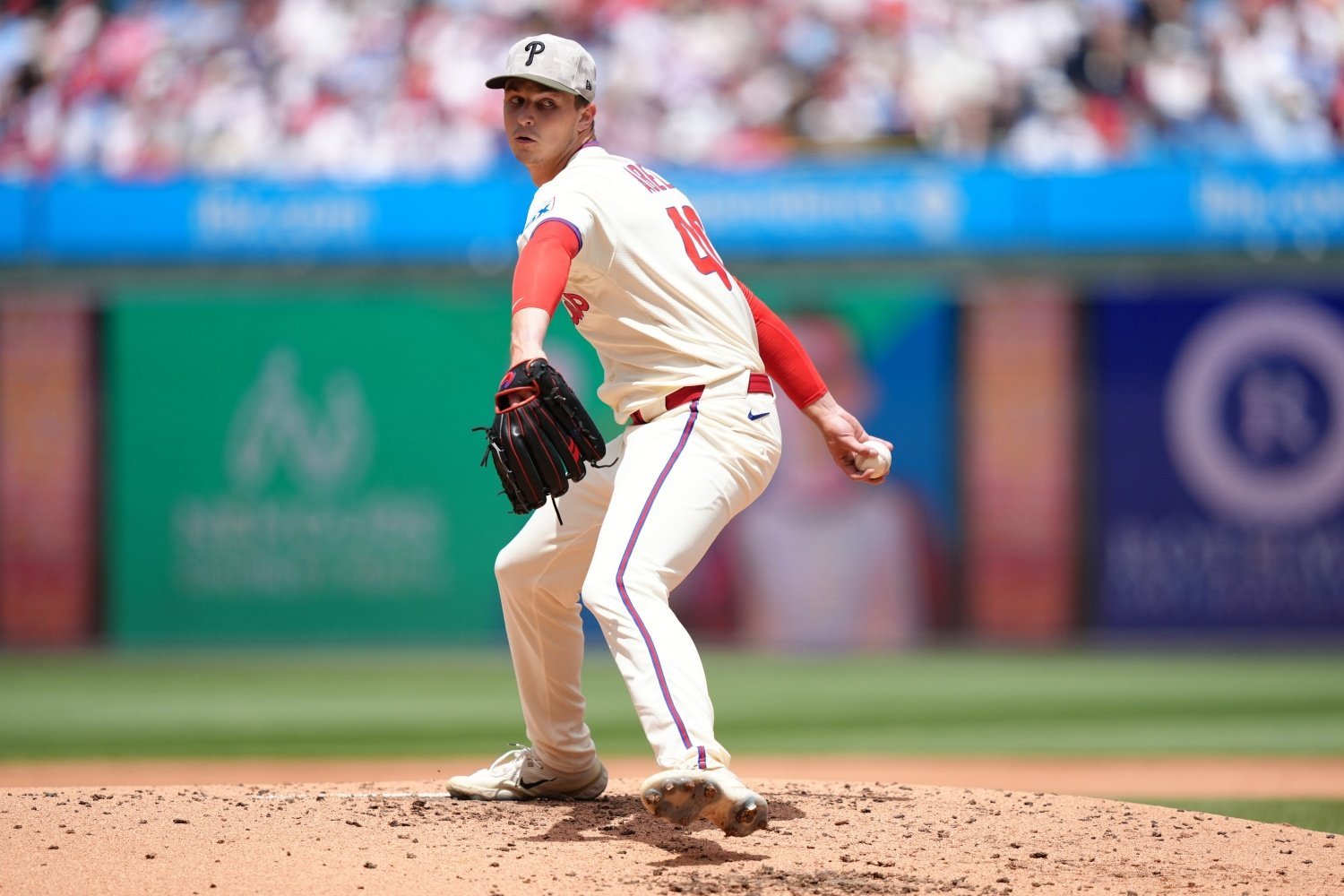 When the Twins acquired Joe Ryan in the Nelson Cruz trade, he was an overlooked arm in the Tampa Bay Rays system. His minor league numbers were strong, but he was blocked from breaking into a rotation stacked with established big-league arms. The Rays moved him, and the Twins reaped the rewards. Now, the organization hopes to strike gold again. Mick Abel, the 23-year-old right-hander acquired from Philadelphia in the Jhoan Duran trade, found himself in a similar situation. The Phillies’ rotation featured Zack Wheeler, Christopher Sanchez, Jesus Luzardo, and Ranger Suarez, leaving little room for a young starter to break through. Minnesota saw an opportunity to add a talented arm whose timeline and development could align perfectly with their long-term plans. Twins general manager Jeremy Zoll recently discussed Abel’s background on Inside Twins. “He’s still just 23 years old. He’s pitching at Triple-A. The biggest thing Mick has improved upon this year is improving his strike throwing, and that’s really been helpful for him to take another step.” Abel’s repertoire is as promising as it is electric. “[His] fastball averages 96, has touched 99, curveball and changeup are really good swing and miss pitches for him,” Zoll said. Those weapons make him a strong fit for a Twins staff that values high-velocity heaters paired with secondaries that can miss bats. He’s also showing progress in key areas after repeating Triple-A in 2025. Last season, he posted a 22.7% strikeout rate and a 15.1% walk rate over 108 2/3 innings. This year, his strikeout rate is up by 4.6 percentage points, and his walk rate is down by four. His strike percentage has climbed from just under 60% to 63.3%. Those incremental gains are meaningful and signal that his adjustments are paying off. The slider remains a development priority. “I think some opportunities for us to help him refine his slider a little bit more and make that a little bit more of a weapon against righties,” Zoll explained. “For him, it’s really just keep getting innings under your belt and make sure you are as prepared as possible. He got a cameo of sorts at the big-league level earlier this year, and we want to make sure he can keep pushing forward developmentally to take that next step.” There are already signs of improvement. His slider velocity has jumped from an average of 84.4 mph last season to 86.4 mph in 2025, and hitters are offering at it more often. His swing rate against the pitch has increased from 43.9% to 47.4%, helping him generate more whiffs. Even so, the Twins know the leap from Triple-A to the majors remains steep, and they want to make sure Abel has fully adjusted to his new organization before taking it. Some fans have questioned why Abel has not been promoted immediately. Zoll said the decision is about more than just performance. “When a player is traded to a new organization, their whole world is turned upside down,” he explained. “For all these guys, we talked about a lot of different things. How to get them acclimated into the organization. How to give them the best runway to try and take a long-term view and set them up for success for years to come.” That means resisting the urge to rush. “If you put them right at the big-league level, they are going to feel that extra pressure to perform for their new teammates,” Zoll said. “All these expectations that they may be putting on themselves. So, allow them to settle in.” The Twins believe Abel’s development path could mirror Ryan’s in 2021. In the short term, he will continue to make starts in Triple-A while focusing on minor refinements that could pay big dividends. As Zoll summarized, “In Mick’s case, get a few more starts under his belt, see if we can help him make a few of those tweaks to really catapult him for the long-term here.” If Abel’s progress continues, the Twins might once again find themselves with a rotation anchor who only needed the right opportunity to shine. Can Abel turn into the next Ryan? What is his biggest improvement area? Leave a comment and start the discussion.
 -
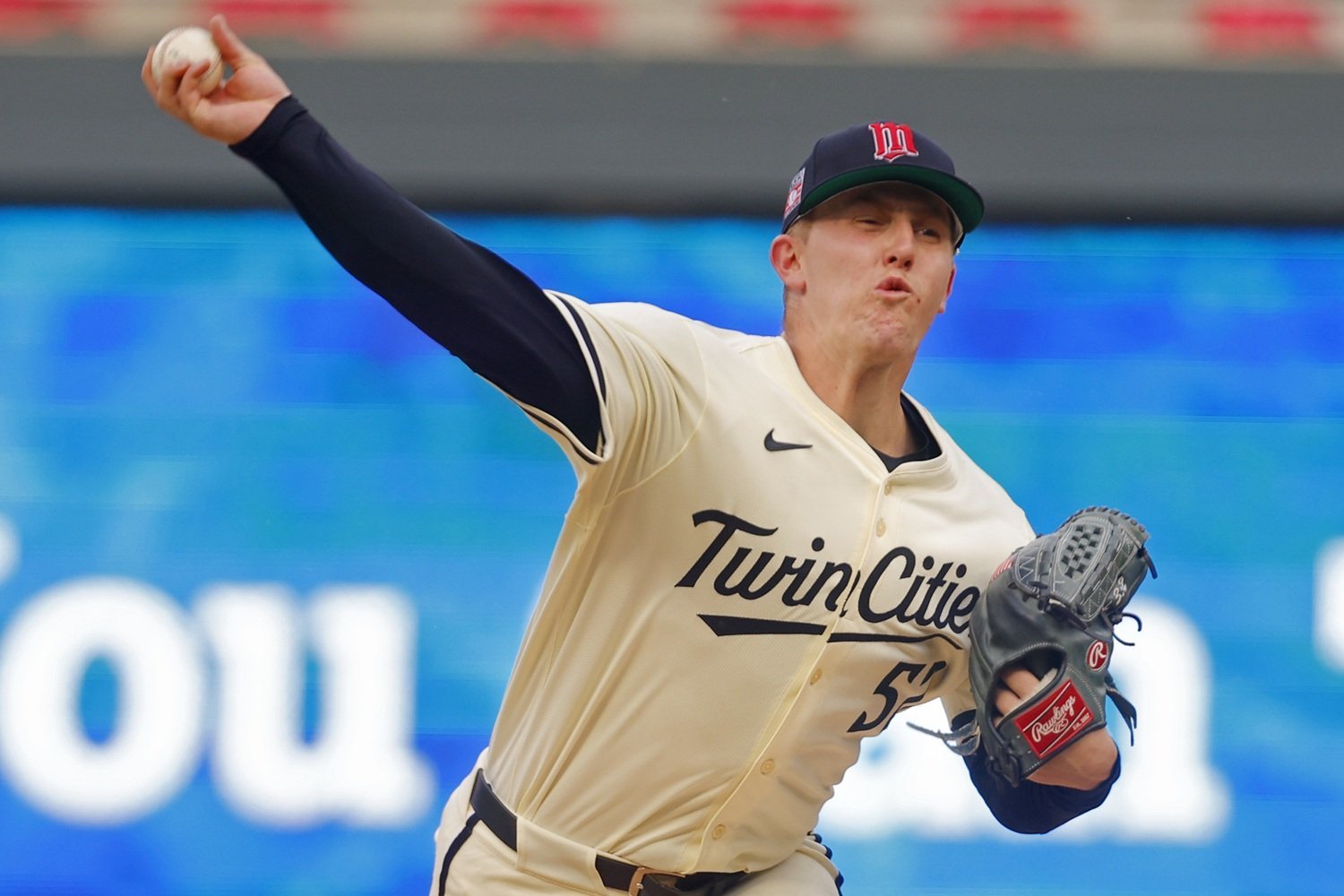 The Minnesota Twins shocked fans and rival executives alike at the 2025 MLB trade deadline, when they moved on from five of their most trusted bullpen arms: Jhoan Duran, Griffin Jax, Brock Stewart, Danny Coulombe and Louis Varland. Each of them (save Coulombe) had multiple years of team control remaining and had been a key piece in the team’s late-inning plans. More importantly, all five were once starting pitchers who failed to stick in that role due to injuries, ineffectiveness, or both. The Twins had turned those failed starters (especially Duran, Jax and Varland, homegrown arms all) into late-inning monsters. Now they have to do it all over again. Minnesota’s key roster-builders are doubling down on their internal development plan. They believe they can construct another dominant bullpen using pieces already in the organization. It will require patience, as the club will continue trying to maximize the long-term value of these arms as starters. But as fans saw with Duran and Jax, the fallback option can still be an elite pitcher in a smaller role. So, who could be next? Let’s take a look at five internal candidates with the tools to become high-leverage relievers down the road. RHP Zebby Matthews Current Level: MLB Matthews may be the best pure strike-thrower in the Twins system. Last season, he dominated the lower minors by attacking hitters with a deep arsenal and excellent command. His fastball velocity has continued to rise, averaging 96.5 mph this season, a 1.6-mph increase compared to last year. His heater plays up, at times, because of deception and precise location. As a starter, his ability to control the zone is an asset, but his apparently intense stuff isn't fooling hitters; he has a 5.84 career ERA. If his velocity ticks up in short stints, he could carve out a future as a high-leverage option. He already has the mindset of a pitcher who trusts his stuff and could be next year’s Varland. LHP Connor Prielipp Current Level: Double-A Wichita Prielipp has dealt with a series of injuries that have slowed his development since being drafted. The former Alabama ace once flashed top-of-the-draft potential, with a wipeout slider and advanced feel for pitching. The goal for the 2025 season was to keep him healthy enough to get a consistent run of starts. But if durability continues to be a problem, the Twins may consider a move to the bullpen, where his slider could be devastating in short bursts. He has the profile of a future left-handed weapon out of the pen, a controllable answer to Coulombe. RHP Marco Raya Current Level: Triple-A St. Paul Raya’s talent is obvious, but so are the workload limitations. He has yet to show the durability needed to handle a full season as a starting pitcher. His fastball and slider combination could thrive in a one-inning role, where his velocity would likely jump, and the command issues may become less of a concern. Similar to Jax, he has five pitches, and his fastball already averages in the mid-90s. The Twins have been cautious with his usage, but at some point, a decision will need to be made. Raya has the makeup to become a high-octane late-inning option if the starter route doesn’t work out. RHP Andrew Morris Current Level: Triple-A St. Paul Morris has flown under the radar in a system filled with high-upside arms, but he brings a competitive edge and a solid mix of pitches to the mound. He battled through minor injuries and went on the injured list with a right forearm strain in June. In 2025, his walk rate has suffered, as he had a BB% below 6.0% last season, and he’s north of 8% this year. While he doesn’t have a single elite pitch, his fastball (93.9 mph) and slider (87.3 mph) both have a chance to be effective against big-league hitters. If his stuff ticks up in a relief role, Morris could follow a similar path to Jax, who also came through the college ranks. RHP Cory Lewis Current Level: Triple-A St. Paul Lewis is one of the most unorthodox arms in the system. His signature pitch is a knuckleball-curve hybrid that confounds hitters at any level. As a starter, he brings entertainment and unpredictability, but his unconventional arsenal might work best in a limited role. He’s struggled this year at Triple-A with a 6.52 ERA, but the Twins are working with him on his pitch mix. They could utilize Lewis as a change-of-pace reliever, someone who throws off timing before handing the ball to a flame-throwing righty. It may not be the most traditional route to success, but Lewis has the type of arsenal that keeps hitters off-balance. Minnesota may have just shipped out its most trusted bullpen arms, but they have a track record of turning failed starters into dominant relievers. It is a developmental path the Twins know well, and the next wave of bullpen talent is already on the roster. If even one or two of these names follow the Duran or Jax blueprint, the bullpen won’t be a weakness for long. Which prospects should the Twins attempt to develop into the next bullpen arms? Leave a comment and start the discussion.
- 66 comments
-
- 4
-

-
- zebby matthews
- connor prielipp
- (and 3 more)
-
Image courtesy of © Bruce Kluckhohn-Imagn Images The Minnesota Twins shocked fans and rival executives alike at the 2025 trade deadline when they moved on from three of their most trusted bullpen arms: Jhoan Duran, Griffin Jax, and Louis Varland. Each of them had multiple years of team control remaining and had been a key piece in the team’s late-inning plans. More importantly, all three were once starting pitchers who failed to stick in that role due to injuries, inconsistencies, or both. The Twins had turned those failed starters into late-inning monsters. Now they are being asked to do it all over again. Minnesota’s front office has signaled they are doubling down on their internal development plan. They believe they can construct another dominant bullpen using pieces already in the organization. It will require patience, as the club will continue trying to maximize the long-term value of these arms as starters. But as fans saw with Duran and Jax, the fallback option can still be an elite outcome. So, who could be next? Let’s take a look at five internal candidates with the tools to become high-leverage relievers down the road. RHP Zebby Matthews Current Level: MLB Matthews may be the best pure strike-thrower in the Twins system. Last season, he dominated the lower minors by attacking hitters with a deep arsenal and elite command. His velocity has continued to rise, with him averaging 96.5 mph this season, a 1.6 mph increase compared to last year. His fastball plays up because of deception and precise location. As a starter, his ability to control the zone is an asset, but if his velocity ticks up in short stints, he could carve out a future as a high-leverage option. He already has the mindset of a pitcher who trusts his stuff and could be next year’s Varland. LHP Connor Prielipp Current Level: Double-A Wichita Prielipp has dealt with a series of injuries that have slowed his development since being drafted. The former Alabama ace once flashed top-of-the-draft potential with a wipeout slider and advanced feel for pitching. The goal for the 2025 season was to keep him healthy enough to get a consistent run of starts. But if durability continues to be a problem, the Twins may consider a move to the bullpen, where his slider could be devastating in short bursts. He has the profile of a future left-handed weapon out of the pen. RHP Marco Raya Current Level: Triple-A St. Paul Raya’s talent is obvious, but so are the workload limitations. He has yet to show the durability needed to handle a full season as a starting pitcher. His fastball and slider combination could thrive in a one-inning role, where his velocity would likely jump, and the command issues may become less of a concern. Similar to Jax, he has five pitches, and his fastball already averages in the mid-90s. The Twins have been cautious with his usage, but at some point, a decision will need to be made. Raya has the makeup to become a high-octane late-inning option if the starter route doesn’t stick. RHP Andrew Morris Current Level: Triple-A St. Paul Morris has flown under the radar in a system filled with high-upside arms, but he brings a competitive edge and a solid mix of pitches to the mound. He battled through minor injuries and went on the injured list with a right forearm strain in June. In 2025, his walk rate has suffered as he had a BB% below 6.0% last season, and he’s north of 8% this year. While he doesn’t have a single elite pitch, his fastball (93.9 mph) and slider (87.3 mph) both have a chance to be effective against big league hitters. If his stuff ticks up in a relief role, Morris could follow a similar path to Jax, who also came through the college ranks. RHP Cory Lewis Current Level: Triple-A St. Paul Lewis is one of the most unique arms in the system. His signature pitch is a knuckleball-curve hybrid that confounds hitters at any level. As a starter, he brings entertainment and unpredictability, but his unconventional arsenal might work best in a limited role. He’s struggled this year at Triple-A with a 6.52 ERA, but the Twins are working with him on his pitch mix. The Twins could utilize Lewis as a change-of-pace reliever, someone who throws off timing before handing the ball to a flame-throwing righty. It may not be the most traditional route to success, but Lewis has the type of arsenal that keeps hitters off balance. Minnesota may have just shipped out its most trusted bullpen arms, but they have a track record of turning failed starters into dominant relievers. It is a developmental path the Twins know well, and the next wave of bullpen talent is already on the roster. If even one or two of these names follow the Duran or Jax blueprint, the bullpen won’t be a weakness for long. Which prospects should the Twins attempt to develop into the next bullpen arms? Leave a comment and start the discussion. View full article
-
Image courtesy of William Parmeter (Photo of Dasan Hill) It was another strong week across the Twins’ farm system, with multiple prospects making noise at different levels. While development can often be a slow process, weeks like this remind fans why the organization remains confident in its young core. This week’s standouts include a fast-rising infielder in Double-A, a teenage left-handed pitcher carving up Low-A hitters, and one of baseball’s premier outfield prospects continuing his steady climb toward the majors. INF Kaelen Culpepper – Double-A Wichita Wind Surge How He Got Here: The Twins selected Culpepper with the 21st overall pick in the first round of the 2024 MLB Draft out of Kansas State University. In his professional debut last year, he split time between Low-A Fort Myers and High-A Cedar Rapids, slashing .242/.330/.394, with eight extra-base hits in 26 games. His combination of quick hands, gap power, and defensive versatility quickly put him on the fast track. Many scouts believed that he was a disciplined hitter who would hit for average over power, but he’s put many of those conversations to rest this season with a power outburst. Hitting the Hot Button: This past week in Wichita, Culpepper caught fire. In six games, he batted .367 (11-for-30) with a triple, two home runs, and seven RBIs, posting a 1.000 OPS. His ability to produce both contact and power continues to stand out, and his athleticism in the field makes him one of the Twins’ most complete prospects. Since being promoted to Double-A, he has a .943 OPS with a 162 wRC+. Now, he looks to be part of the team’s long-term plans at shortstop, with Carlos Correa out of the picture at the big-league level. LHP Dasan Hill – Low-A Fort Myers Mighty Mussels How He Got Here: Hill joined the Twins as their second-round pick (69th overall) in the 2024 MLB Draft out of Grapevine High School in Texas. At just 18 years old last season, the Twins worked on adding muscle to his frame, and he didn’t make his pro debut until 2025. Hill caught the Twins’ attention because of his mid-to-upper 90s fastball and a low 80s sweeper that might be his best pitch. Minnesota wants him to refine his secondary offerings, and he has shown more than enough during his pro debut, especially against older competition. Hitting the Hot Button: The now 19-year-old southpaw delivered one of his cleanest outings yet on Saturday. Hill threw 4 scoreless innings, allowing just one hit, issuing no walks, and striking out three. For the season, he has posted a 30.6 K% with a 14.9 BB%, while holding batters to a .571 OPS. He has only faced younger batters in 15 of his 222 plate appearances this season, and they have yet to record a hit off of him. With a lively fastball and a sharp sweeper, he held his own against Low-A hitters and the organization promoted him to High-A on Monday. OF Walker Jenkins – Double-A Wichita Wind Surge How We Got Here: Minnesota got lucky in the 2023 MLB Draft Lottery and moved into the top five, which allowed the team to select Jenkins out of South Brunswick High School in North Carolina. In his first full pro season in 2024, he moved from Low- to Double-A, posting a combined .833 OPS with 22 doubles, six home runs, four triples, and 17 stolen bases in just 82 games. A hamstring injury impacted his season, but he still showed a polished bat and mature approach that have kept him among the sport’s elite prospects. Hitting the Hot Button: Jenkins and Culpepper have been exciting to watch in the same lineup, as they continue to push one another. Entering play on Sunday, Jenkins had gone 19-for-43 (.442) with four home runs and four doubles in his last 11 games. During that same stretch, he is getting on base nearly 52% of the time and slugging over .800. He has as many walks (7) as strikeouts (7) and continues to be a threat on the bases, with two steals. With production like this, a promotion to Triple-A before the end of the season remains very possible. Jenkins, Culpepper, and Hill are among the team’s top-ranked prospects, and this week showed why they will all be in the conversation as top-100 prospects entering the 2026 campaign. Culpepper and Jenkins are also on a path to Target Field early next season if everything continues to trend in the same direction. What stands out about this week’s top-performing prospects? Leave a comment and start the discussion. View full article
-
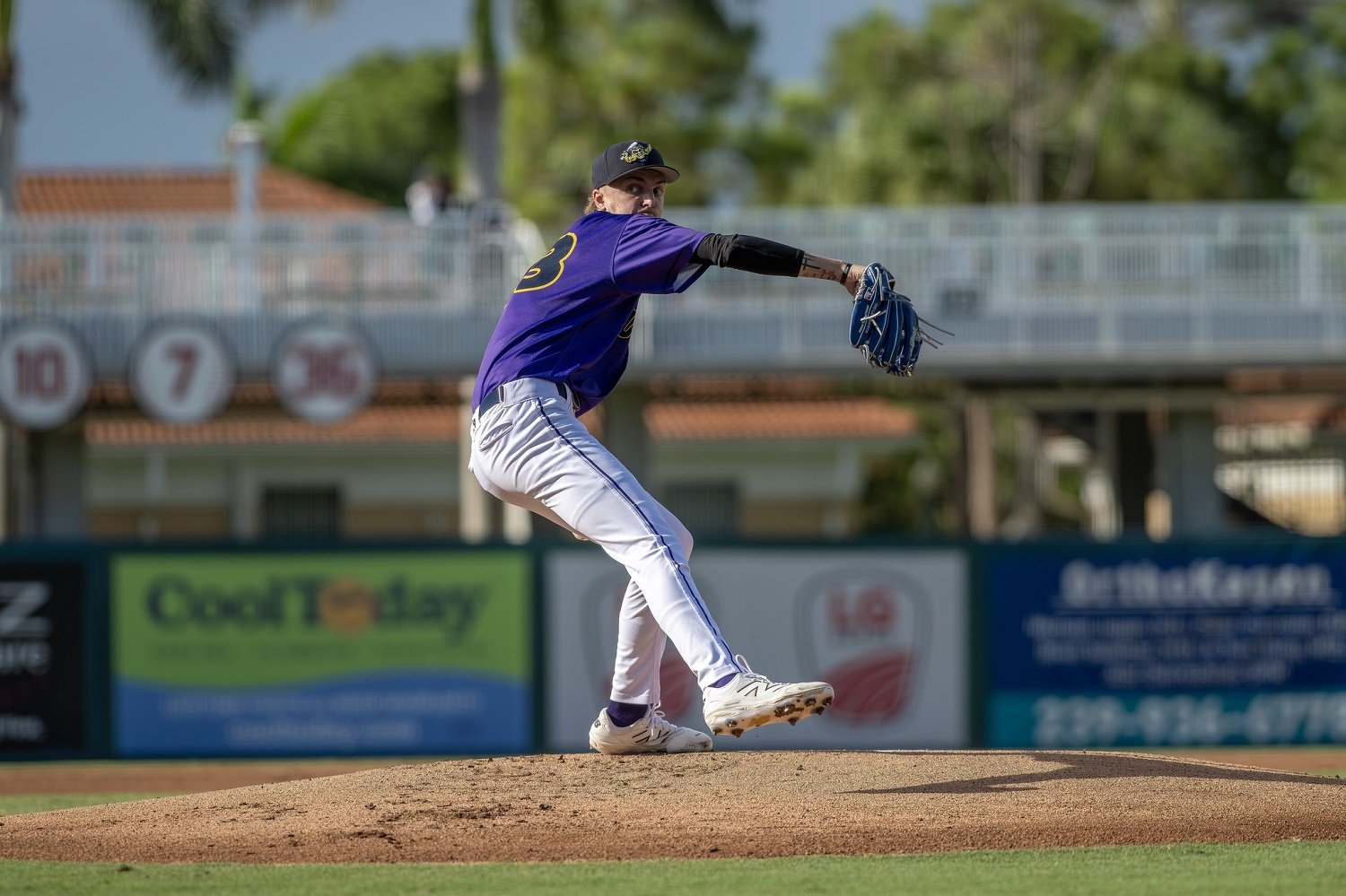 It was another strong week across the Twins’ farm system, with multiple prospects making noise at different levels. While development can often be a slow process, weeks like this remind fans why the organization remains confident in its young core. This week’s standouts include a fast-rising infielder in Double-A, a teenage left-handed pitcher carving up Low-A hitters, and one of baseball’s premier outfield prospects continuing his steady climb toward the majors. INF Kaelen Culpepper – Double-A Wichita Wind Surge How He Got Here: The Twins selected Culpepper with the 21st overall pick in the first round of the 2024 MLB Draft out of Kansas State University. In his professional debut last year, he split time between Low-A Fort Myers and High-A Cedar Rapids, slashing .242/.330/.394, with eight extra-base hits in 26 games. His combination of quick hands, gap power, and defensive versatility quickly put him on the fast track. Many scouts believed that he was a disciplined hitter who would hit for average over power, but he’s put many of those conversations to rest this season with a power outburst. Hitting the Hot Button: This past week in Wichita, Culpepper caught fire. In six games, he batted .367 (11-for-30) with a triple, two home runs, and seven RBIs, posting a 1.000 OPS. His ability to produce both contact and power continues to stand out, and his athleticism in the field makes him one of the Twins’ most complete prospects. Since being promoted to Double-A, he has a .943 OPS with a 162 wRC+. Now, he looks to be part of the team’s long-term plans at shortstop, with Carlos Correa out of the picture at the big-league level. LHP Dasan Hill – Low-A Fort Myers Mighty Mussels How He Got Here: Hill joined the Twins as their second-round pick (69th overall) in the 2024 MLB Draft out of Grapevine High School in Texas. At just 18 years old last season, the Twins worked on adding muscle to his frame, and he didn’t make his pro debut until 2025. Hill caught the Twins’ attention because of his mid-to-upper 90s fastball and a low 80s sweeper that might be his best pitch. Minnesota wants him to refine his secondary offerings, and he has shown more than enough during his pro debut, especially against older competition. Hitting the Hot Button: The now 19-year-old southpaw delivered one of his cleanest outings yet on Saturday. Hill threw 4 scoreless innings, allowing just one hit, issuing no walks, and striking out three. For the season, he has posted a 30.6 K% with a 14.9 BB%, while holding batters to a .571 OPS. He has only faced younger batters in 15 of his 222 plate appearances this season, and they have yet to record a hit off of him. With a lively fastball and a sharp sweeper, he held his own against Low-A hitters and the organization promoted him to High-A on Monday. OF Walker Jenkins – Double-A Wichita Wind Surge How We Got Here: Minnesota got lucky in the 2023 MLB Draft Lottery and moved into the top five, which allowed the team to select Jenkins out of South Brunswick High School in North Carolina. In his first full pro season in 2024, he moved from Low- to Double-A, posting a combined .833 OPS with 22 doubles, six home runs, four triples, and 17 stolen bases in just 82 games. A hamstring injury impacted his season, but he still showed a polished bat and mature approach that have kept him among the sport’s elite prospects. Hitting the Hot Button: Jenkins and Culpepper have been exciting to watch in the same lineup, as they continue to push one another. Entering play on Sunday, Jenkins had gone 19-for-43 (.442) with four home runs and four doubles in his last 11 games. During that same stretch, he is getting on base nearly 52% of the time and slugging over .800. He has as many walks (7) as strikeouts (7) and continues to be a threat on the bases, with two steals. With production like this, a promotion to Triple-A before the end of the season remains very possible. Jenkins, Culpepper, and Hill are among the team’s top-ranked prospects, and this week showed why they will all be in the conversation as top-100 prospects entering the 2026 campaign. Culpepper and Jenkins are also on a path to Target Field early next season if everything continues to trend in the same direction. What stands out about this week’s top-performing prospects? Leave a comment and start the discussion.
- 21 comments
-
- 11
-
-

-
- walker jenkins
- kaelen culpepper
- (and 1 more)
-
Image courtesy of Mitch Stringer-Imagn Images The Minnesota Twins have unexpectedly found themselves at the center of baseball’s national conversation over the last two weeks because of a surprise fire sale at the MLB trade deadline. In a year where the AL Central remained within reach and the Twins still had a roster full of desirable talent, the front office chose to pull the plug. That decision shocked fans across the country and has brought renewed attention to Minnesota’s long-running struggle to meet expectations. Whether the spotlight brings clarity or criticism, it has forced the national media to re-evaluate the Twins’ place in the modern baseball landscape. On a recent episode of The Roundtable, a national podcast hosted by writers from The Athletic, the crew posed a question that stings but might hit too close to home for Minnesota fans: Are the Twins baseball’s most disappointing team of the current era? It’s not an outlandish take. In fact, it might be the most accurate way to describe what’s happened to the Twins over the past half-decade. Minnesota’s decision to sell at the 2025 trade deadline sent shockwaves through the sport. Still, that moment wasn’t the beginning of the problem because it was the culmination of years of underperformance, bad luck, and organizational inertia. Always the Projection, Rarely the Result The Twins have consistently looked good on paper. They’ve regularly been picked by projection systems like FanGraphs to finish above .500 and contend in a weak AL Central. But results on the field haven’t matched the spreadsheets. Here’s a look at how the Twins have stacked up to their preseason projections: Season FanGraphs Projection Final Record +/- 2025 84-78 (1st in ALC) TBD TBD 2024 85-77 (1st in ALC) 82-80 (4th) -3 2023 83-79 (1st in ALC) 87-75 (1st) +4 2022 82-80 (2nd in ALC) 78-84 (3rd) -4 2021 88-74 (1st in ALC) 73-89 (5th) -15 Only once (2023) did the Twins exceed expectations. That was also the only year in the last five that they managed to win a playoff game, finally breaking the infamous two-decade postseason losing streak. Minnesota has been projected to win the AL Central in four of the last five seasons and will miss the playoffs in all but one of those years. But the overall pattern has been frustratingly clear: The Twins are either underwhelming or just plain stuck in the mud. And in a division where no team spends big and few teams try to win consistently, that’s particularly damning. Stars Who Shine in Theory The Roundtable hosts pointed out that this isn’t a talentless roster. The Twins have Byron Buxton, one of the most electrifying players in baseball when healthy. They’ve developed Joe Ryan, Bailey Ober, and more through smart scouting and pitching development. And, before this year’s deadline, they had 10 players that contending teams were actively targeting—proof that the talent was there. They also had Carlos Correa, until they didn’t. That deal was supposed to be a franchise-changer, but his bat disappeared, his legs aged quickly, and the promise of Correa as the anchor of a playoff core never materialized. Whether that’s bad luck, poor evaluation, or something more systemic, it was another swing-and-miss in a long line of them. What’s Actually Wrong? The hardest part in all of this is the diagnosis. What is wrong with the Twins? They spend as much or more than the rest of the AL Central. They develop pitching. They had one of baseball’s best bullpens. But the results haven’t followed. Some of it is health, with players like Buxton, Royce Lewis, and others have been consistently unavailable. Some of it is underperformance with the Twins hoping that players like Correa, Lewis, and Matt Wallner could carry the lineup. But a lot of it comes down to momentum. And the Twins never seem to build any. A Turning Point… or Just the End? Trading away so many Major League pieces at this year’s deadline wasn’t just a signal of where the 2025 season was headed. It felt like the front office was finally waving the white flag on this version of the Minnesota Twins. This era may be remembered for one playoff win, a few fun summers, and a whole lot of what-ifs. What if Buxton stayed healthy? What if Correa found his bat? What if they’d cashed in on the Central while other teams were rebuilding? Instead, from a national perspective, the Twins now serve as a cautionary tale. They were a team that had the talent, the financial edge, and the division within reach, but rarely took the step forward. For Twins fans, that’s not just disappointing. It’s exhausting. What other teams have been disappointing during the current era? Leave a comment and start the discussion. View full article
- 17 replies
-
- 1
-
-
- carlos correa
- byron buxton
- (and 3 more)
-
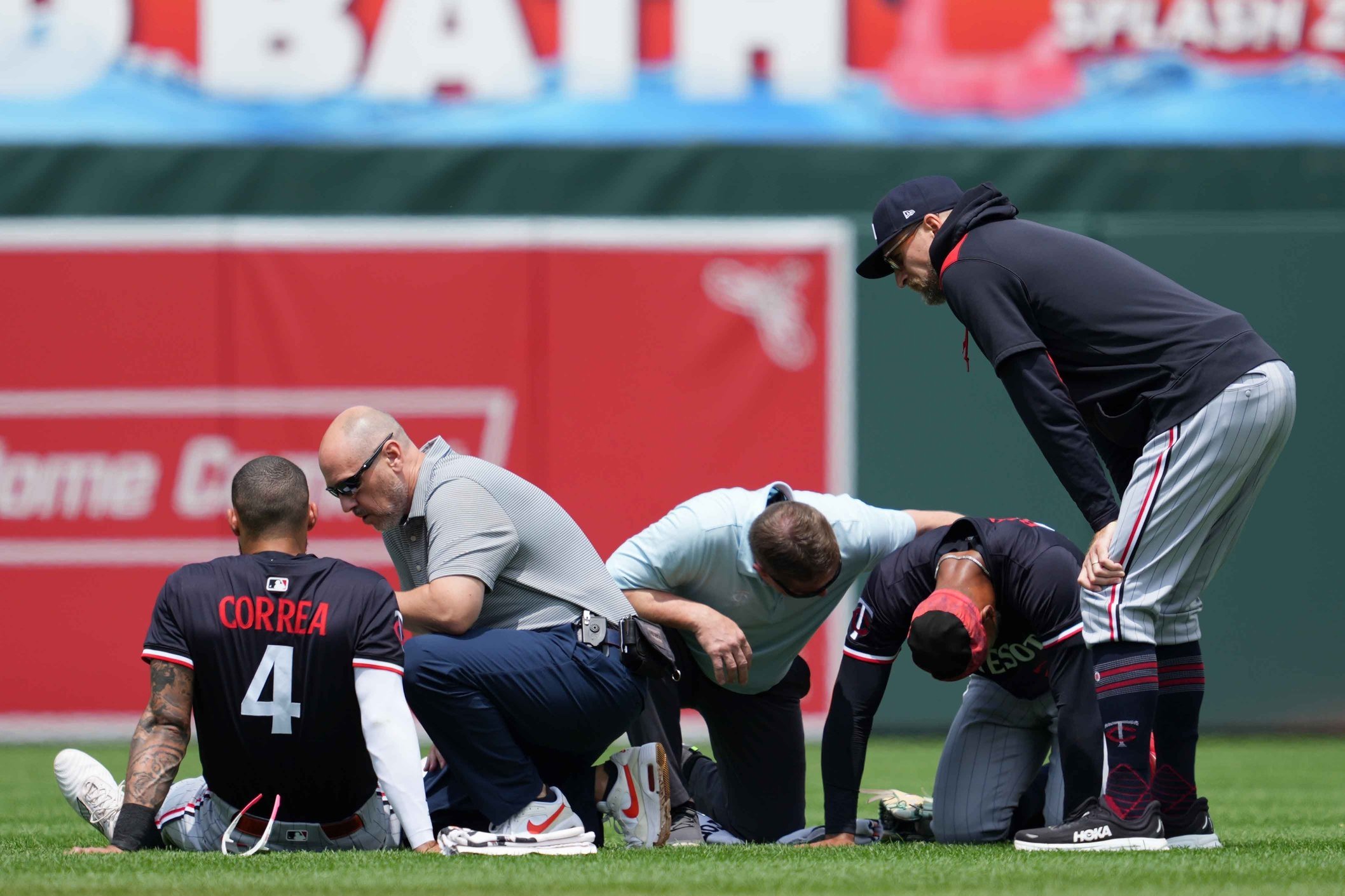 The Minnesota Twins have unexpectedly found themselves at the center of baseball’s national conversation over the last two weeks because of a surprise fire sale at the MLB trade deadline. In a year where the AL Central remained within reach and the Twins still had a roster full of desirable talent, the front office chose to pull the plug. That decision shocked fans across the country and has brought renewed attention to Minnesota’s long-running struggle to meet expectations. Whether the spotlight brings clarity or criticism, it has forced the national media to re-evaluate the Twins’ place in the modern baseball landscape. On a recent episode of The Roundtable, a national podcast hosted by writers from The Athletic, the crew posed a question that stings but might hit too close to home for Minnesota fans: Are the Twins baseball’s most disappointing team of the current era? It’s not an outlandish take. In fact, it might be the most accurate way to describe what’s happened to the Twins over the past half-decade. Minnesota’s decision to sell at the 2025 trade deadline sent shockwaves through the sport. Still, that moment wasn’t the beginning of the problem because it was the culmination of years of underperformance, bad luck, and organizational inertia. Always the Projection, Rarely the Result The Twins have consistently looked good on paper. They’ve regularly been picked by projection systems like FanGraphs to finish above .500 and contend in a weak AL Central. But results on the field haven’t matched the spreadsheets. Here’s a look at how the Twins have stacked up to their preseason projections: Season FanGraphs Projection Final Record +/- 2025 84-78 (1st in ALC) TBD TBD 2024 85-77 (1st in ALC) 82-80 (4th) -3 2023 83-79 (1st in ALC) 87-75 (1st) +4 2022 82-80 (2nd in ALC) 78-84 (3rd) -4 2021 88-74 (1st in ALC) 73-89 (5th) -15 Only once (2023) did the Twins exceed expectations. That was also the only year in the last five that they managed to win a playoff game, finally breaking the infamous two-decade postseason losing streak. Minnesota has been projected to win the AL Central in four of the last five seasons and will miss the playoffs in all but one of those years. But the overall pattern has been frustratingly clear: The Twins are either underwhelming or just plain stuck in the mud. And in a division where no team spends big and few teams try to win consistently, that’s particularly damning. Stars Who Shine in Theory The Roundtable hosts pointed out that this isn’t a talentless roster. The Twins have Byron Buxton, one of the most electrifying players in baseball when healthy. They’ve developed Joe Ryan, Bailey Ober, and more through smart scouting and pitching development. And, before this year’s deadline, they had 10 players that contending teams were actively targeting—proof that the talent was there. They also had Carlos Correa, until they didn’t. That deal was supposed to be a franchise-changer, but his bat disappeared, his legs aged quickly, and the promise of Correa as the anchor of a playoff core never materialized. Whether that’s bad luck, poor evaluation, or something more systemic, it was another swing-and-miss in a long line of them. What’s Actually Wrong? The hardest part in all of this is the diagnosis. What is wrong with the Twins? They spend as much or more than the rest of the AL Central. They develop pitching. They had one of baseball’s best bullpens. But the results haven’t followed. Some of it is health, with players like Buxton, Royce Lewis, and others have been consistently unavailable. Some of it is underperformance with the Twins hoping that players like Correa, Lewis, and Matt Wallner could carry the lineup. But a lot of it comes down to momentum. And the Twins never seem to build any. A Turning Point… or Just the End? Trading away so many Major League pieces at this year’s deadline wasn’t just a signal of where the 2025 season was headed. It felt like the front office was finally waving the white flag on this version of the Minnesota Twins. This era may be remembered for one playoff win, a few fun summers, and a whole lot of what-ifs. What if Buxton stayed healthy? What if Correa found his bat? What if they’d cashed in on the Central while other teams were rebuilding? Instead, from a national perspective, the Twins now serve as a cautionary tale. They were a team that had the talent, the financial edge, and the division within reach, but rarely took the step forward. For Twins fans, that’s not just disappointing. It’s exhausting. What other teams have been disappointing during the current era? Leave a comment and start the discussion.
- 17 comments
-
- 4
-
-
- carlos correa
- byron buxton
- (and 3 more)
-
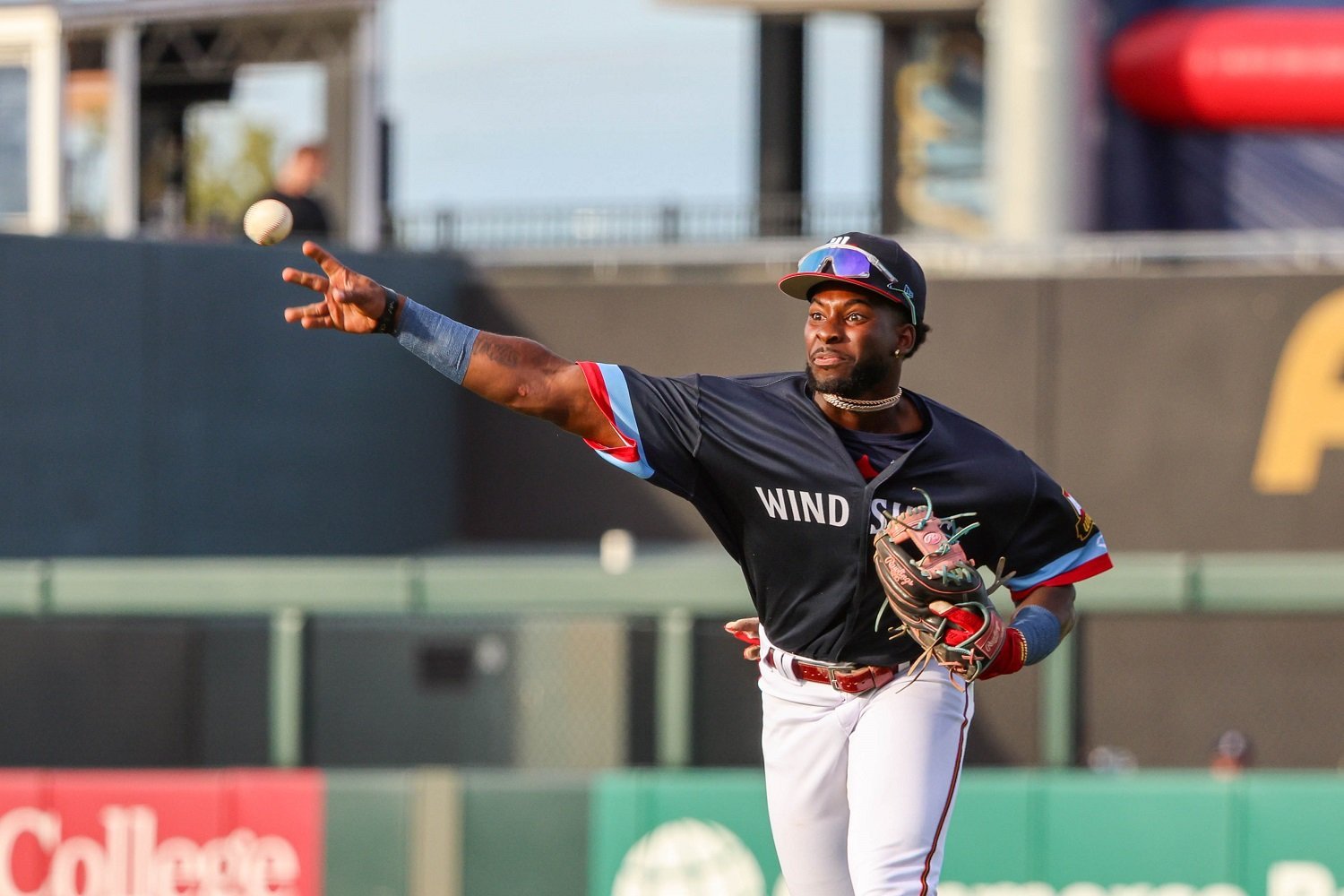 Carlos Correa’s return to Houston at the trade deadline didn’t just mark the end of a high-profile free-agent signing, it left a gaping hole at one of the most vital defensive positions in baseball. While the Twins can’t replace Correa’s leadership and postseason resume overnight, they’ve quietly built up a deep pipeline of potential successors at shortstop. And if there’s one thing you notice when tracking prospects in this game, it’s this: everyone starts at shortstop Even Miguel Sanó was considered a shortstop when the Twins signed him. Teams routinely load their farm systems with athletic shortstops, knowing full well many of them will never sniff the big leagues at that position. Shortstop is where the best players go when they’re young. If they can’t stick there, because of size, speed, or arm strength, they get moved down the defensive spectrum. It’s a filtering system, and the Twins have several names working their way through the funnel Here’s a look at how Minnesota might line things up at shortstop over the next five years. 2025-2026: Brooks Lee, The Heir Apparent Lee’s path to Minnesota was methodical. After the Twins took him with the eighth overall pick in the 2022 MLB Draft, he tore through the minors in less than two seasons. A back injury slowed him earlier this year, but he’s healthy now and should see extended big-league time this fall. In 93 games, he has a 78 OPS+ with 10 home runs and 10 doubles. He doesn’t have the defensive chops of Correa (-2 OAA at SS), but he should be able to hold down the position until another prospect steps in to take over the spot. Lee likely takes over the reins in 2025 and holds the job through at least 2026. That said, there’s always been speculation he’s better suited for third base or second long-term, depending on how his body ages and how much range he maintains. Still, his bat has always been his calling card, and the Twins will need more offensive output from him over the next two years. 2026-2028: Kaelen Culpepper, The Top Prospect in Waiting Culpepper might be one of the most athletic players in the system right now, and that’s one of the reasons the Twins took him in the first round of the 2024 MLB Draft. Among the team’s top prospects, he has seen his stock rise the most this year. In 82 games between High- and Double-A, he is hitting .315/.398/.503 (.901) with 15 homers, 13 doubles, and a 153 wRC+. There’s a strong chance he is the team’s minor league player of the year. Culpepper might debut at second or third to get his feet wet, but long-term, he profiles as a potential everyday shortstop. His arm is so good that many believed that he would shift to the hot corner as he got closer to the big leagues. Many evaluators have changed their tune this season and believe he can stick at short. If Lee shifts off the position by 2026 or 2027, Culpepper could grab the job and run with it through the end of the decade. Keep an eye on his strikeout rate and ability to handle velocity up in the zone. If those develop, his ceiling is sky high. 2028-2030: Marek Houston, The Long-Term Bet The Twins used a first-round pick in 2025 to land Marek Houston, a defense-first college shortstop with a high baseball IQ. He’s the kind of player scouts rave about in quiet tones: advanced footwork, internal clock, great first step, and a smooth, accurate arm. While the bat has a ways to go, there are signs of a quality contact profile and sneaky doubles power. Houston is years away, but if Culpepper outgrows shortstop or shifts to third base, Houston could step in and become the steady, glove-first answer. He has a solid floor, low flash, but reliable as they come A Position in Flux, But Not in Crisis It’s strange to say goodbye to Correa just two and a half years into his massive contract, especially after his postseason heroics and leadership behind the scenes. But the Twins prepared for this. They drafted shortstops. And they’ll keep developing them. In five years, we might look back and see that Correa was just the bridge between one era of Twins baseball and another. The names may change, but the pipeline is full. And odds are, the guy replacing Correa… was once a shortstop, too Who is the team’s best long-term option at shortstop? Leave a comment and start the discussion.
- 32 comments
-
- 7
-
-
-
- brooks lee
- carlos correa
- (and 2 more)
-
Image courtesy of Ed Bailey, Wichita Wind Surge (photo of Kaelen Culpepper) Carlos Correa’s return to Houston at the trade deadline didn’t just mark the end of a high-profile free-agent signing, it left a gaping hole at one of the most vital defensive positions in baseball. While the Twins can’t replace Correa’s leadership and postseason resume overnight, they’ve quietly built up a deep pipeline of potential successors at shortstop. And if there’s one thing you notice when tracking prospects in this game, it’s this: everyone starts at shortstop Even Miguel Sanó was considered a shortstop when the Twins signed him. Teams routinely load their farm systems with athletic shortstops, knowing full well many of them will never sniff the big leagues at that position. Shortstop is where the best players go when they’re young. If they can’t stick there, because of size, speed, or arm strength, they get moved down the defensive spectrum. It’s a filtering system, and the Twins have several names working their way through the funnel Here’s a look at how Minnesota might line things up at shortstop over the next five years. 2025-2026: Brooks Lee, The Heir Apparent Lee’s path to Minnesota was methodical. After the Twins took him with the eighth overall pick in the 2022 MLB Draft, he tore through the minors in less than two seasons. A back injury slowed him earlier this year, but he’s healthy now and should see extended big-league time this fall. In 93 games, he has a 78 OPS+ with 10 home runs and 10 doubles. He doesn’t have the defensive chops of Correa (-2 OAA at SS), but he should be able to hold down the position until another prospect steps in to take over the spot. Lee likely takes over the reins in 2025 and holds the job through at least 2026. That said, there’s always been speculation he’s better suited for third base or second long-term, depending on how his body ages and how much range he maintains. Still, his bat has always been his calling card, and the Twins will need more offensive output from him over the next two years. 2026-2028: Kaelen Culpepper, The Top Prospect in Waiting Culpepper might be one of the most athletic players in the system right now, and that’s one of the reasons the Twins took him in the first round of the 2024 MLB Draft. Among the team’s top prospects, he has seen his stock rise the most this year. In 82 games between High- and Double-A, he is hitting .315/.398/.503 (.901) with 15 homers, 13 doubles, and a 153 wRC+. There’s a strong chance he is the team’s minor league player of the year. Culpepper might debut at second or third to get his feet wet, but long-term, he profiles as a potential everyday shortstop. His arm is so good that many believed that he would shift to the hot corner as he got closer to the big leagues. Many evaluators have changed their tune this season and believe he can stick at short. If Lee shifts off the position by 2026 or 2027, Culpepper could grab the job and run with it through the end of the decade. Keep an eye on his strikeout rate and ability to handle velocity up in the zone. If those develop, his ceiling is sky high. 2028-2030: Marek Houston, The Long-Term Bet The Twins used a first-round pick in 2025 to land Marek Houston, a defense-first college shortstop with a high baseball IQ. He’s the kind of player scouts rave about in quiet tones: advanced footwork, internal clock, great first step, and a smooth, accurate arm. While the bat has a ways to go, there are signs of a quality contact profile and sneaky doubles power. Houston is years away, but if Culpepper outgrows shortstop or shifts to third base, Houston could step in and become the steady, glove-first answer. He has a solid floor, low flash, but reliable as they come A Position in Flux, But Not in Crisis It’s strange to say goodbye to Correa just two and a half years into his massive contract, especially after his postseason heroics and leadership behind the scenes. But the Twins prepared for this. They drafted shortstops. And they’ll keep developing them. In five years, we might look back and see that Correa was just the bridge between one era of Twins baseball and another. The names may change, but the pipeline is full. And odds are, the guy replacing Correa… was once a shortstop, too Who is the team’s best long-term option at shortstop? Leave a comment and start the discussion. View full article
-
Image courtesy of Rob Thompson, St. Paul Saints (photo of Gabriel Gonzalez) Prospect development is rarely linear. Twins fans have seen this firsthand in recent years as several of the organization’s top hitting prospects have struggled to convert promising minor league production into consistent performance at the major league level. From strikeout concerns to developmental stalling, it's been a rocky road for many young bats. But in 2025, Gabriel Gonzalez is doing everything he can to change that narrative. He might just be the hitting prospect the Twins have been waiting for The Twins' trade of Jorge Polanco back in January will be remembered for different reasons. Some fans saw it as a tough goodbye, a salary dump of a longtime clubhouse leader. Others viewed it as a way to spread Polanco’s value across four different players, offering both short-term depth and long-term upside. Veterans Anthony DeSclafani and Justin Topa were expected to contribute in 2024, though injuries derailed those plans. The real intrigue, however, always surrounded the younger pieces: right-hander Darren Bowen and, most notably, outfielder Gabriel Gonzalez. Gonzalez, then a 20-year-old Top 100 prospect, entered the Twins system with significant expectations. His 2024 campaign in High-A Cedar Rapids was solid on the surface, though not overwhelming. He posted below-average numbers overall, but there were signs of promise underneath. His contact skills were clear as he posted a strong 14.5% strikeout rate over 81 games and was more than two years younger than the average Midwest League player. Adding to the challenge, Gonzalez dealt with a back injury that limited his time on the field. There was also the adjustment period that comes with changing organizations mid-development. Twins farm director Drew MacPhail recently addressed that very challenge in discussing both Gonzalez and fellow trade acquisition Jose Salas (from the Pablo López deal). “You can imagine if you are a teenager or 20 years old and all of a sudden you get a phone call that you have been traded to another organization,” said MacPhail. “I think it can be really jarring. I like to think we do a really nice job of getting those guys acclimated and making them feel comfortable, but I think it does take some time.” “When you keep that in mind, these guys have been pushed aggressively,” MacPhail continued. “It’s sort of normal for them to take their lumps and struggle a little bit. They are still really young for their level and once they get acclimated, they go back and know what to expect. They start to take off when they get that comfort level back.” That comfort level has indeed shown up in 2025. The Twins sent Gonzalez back to Cedar Rapids to open the season, and it didn’t take long for him to dominate. Despite still being over a year younger than the average player in the league, Gonzalez slashed .319/.378/.529 (.907 OPS) with five home runs, 12 doubles, and a 150 wRC+ in just 34 games. The performance earned him a late-May promotion to Double-A Wichita, where he’s been even better by posting a .938 OPS and 163 wRC+ over 55 games. From the time of his Double-A debut through the end of July, Gonzalez was among the most productive hitters in all of minor league baseball. His .344 average in that span ranked second in the minors (min. 200 AB), and his .938 OPS was good for eighth. He led all Twins minor leaguers in batting average (.334), hits (117), and doubles (31) through the first four months of the season. Even more impressively, he posted a system-best 12.9% strikeout rate across High-A and Double-A. This is remarkable for a player with his power and age. The Twins rewarded Gonzalez with a promotion to Triple-A St. Paul on August 1st, capping a meteoric rise in his age-21 season. Now, he’s knocking on the door of the big leagues. And with the team’s trade deadline fire sale opening the door for opportunities across the roster, Gonzalez could very well debut in Minnesota before season’s end. He’s not the loudest name in the Twins’ prospect ranks, but his development this season should have him rising on prospect lists. Quietly and consistently, Gonzalez has made himself impossible to ignore. What stands out about Gonzalez’s season so far? Leave a comment and start the discussion. View full article
-
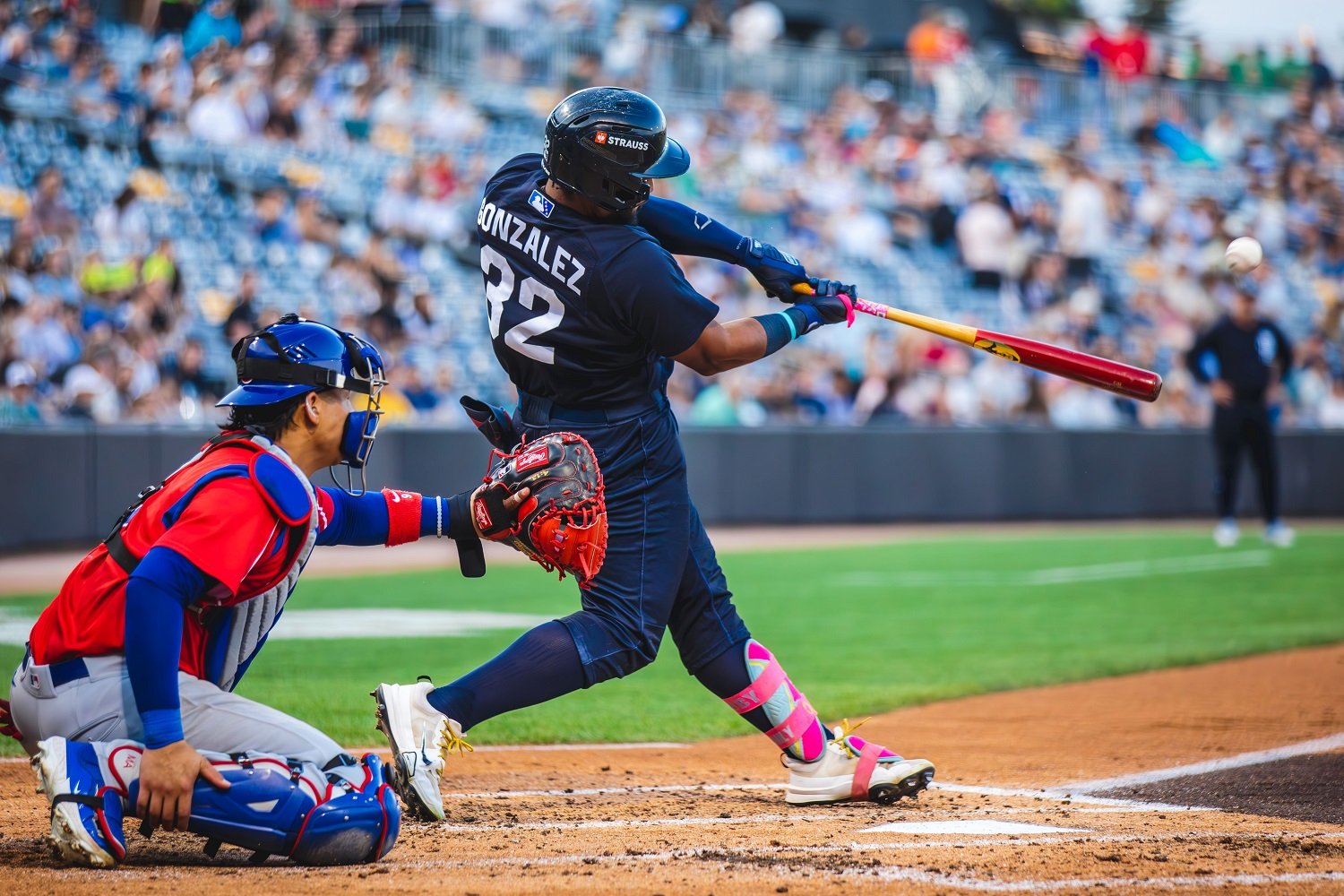 Prospect development is rarely linear. Twins fans have seen this firsthand in recent years as several of the organization’s top hitting prospects have struggled to convert promising minor league production into consistent performance at the major league level. From strikeout concerns to developmental stalling, it's been a rocky road for many young bats. But in 2025, Gabriel Gonzalez is doing everything he can to change that narrative. He might just be the hitting prospect the Twins have been waiting for The Twins' trade of Jorge Polanco back in January will be remembered for different reasons. Some fans saw it as a tough goodbye, a salary dump of a longtime clubhouse leader. Others viewed it as a way to spread Polanco’s value across four different players, offering both short-term depth and long-term upside. Veterans Anthony DeSclafani and Justin Topa were expected to contribute in 2024, though injuries derailed those plans. The real intrigue, however, always surrounded the younger pieces: right-hander Darren Bowen and, most notably, outfielder Gabriel Gonzalez. Gonzalez, then a 20-year-old Top 100 prospect, entered the Twins system with significant expectations. His 2024 campaign in High-A Cedar Rapids was solid on the surface, though not overwhelming. He posted below-average numbers overall, but there were signs of promise underneath. His contact skills were clear as he posted a strong 14.5% strikeout rate over 81 games and was more than two years younger than the average Midwest League player. Adding to the challenge, Gonzalez dealt with a back injury that limited his time on the field. There was also the adjustment period that comes with changing organizations mid-development. Twins farm director Drew MacPhail recently addressed that very challenge in discussing both Gonzalez and fellow trade acquisition Jose Salas (from the Pablo López deal). “You can imagine if you are a teenager or 20 years old and all of a sudden you get a phone call that you have been traded to another organization,” said MacPhail. “I think it can be really jarring. I like to think we do a really nice job of getting those guys acclimated and making them feel comfortable, but I think it does take some time.” “When you keep that in mind, these guys have been pushed aggressively,” MacPhail continued. “It’s sort of normal for them to take their lumps and struggle a little bit. They are still really young for their level and once they get acclimated, they go back and know what to expect. They start to take off when they get that comfort level back.” That comfort level has indeed shown up in 2025. The Twins sent Gonzalez back to Cedar Rapids to open the season, and it didn’t take long for him to dominate. Despite still being over a year younger than the average player in the league, Gonzalez slashed .319/.378/.529 (.907 OPS) with five home runs, 12 doubles, and a 150 wRC+ in just 34 games. The performance earned him a late-May promotion to Double-A Wichita, where he’s been even better by posting a .938 OPS and 163 wRC+ over 55 games. From the time of his Double-A debut through the end of July, Gonzalez was among the most productive hitters in all of minor league baseball. His .344 average in that span ranked second in the minors (min. 200 AB), and his .938 OPS was good for eighth. He led all Twins minor leaguers in batting average (.334), hits (117), and doubles (31) through the first four months of the season. Even more impressively, he posted a system-best 12.9% strikeout rate across High-A and Double-A. This is remarkable for a player with his power and age. The Twins rewarded Gonzalez with a promotion to Triple-A St. Paul on August 1st, capping a meteoric rise in his age-21 season. Now, he’s knocking on the door of the big leagues. And with the team’s trade deadline fire sale opening the door for opportunities across the roster, Gonzalez could very well debut in Minnesota before season’s end. He’s not the loudest name in the Twins’ prospect ranks, but his development this season should have him rising on prospect lists. Quietly and consistently, Gonzalez has made himself impossible to ignore. What stands out about Gonzalez’s season so far? Leave a comment and start the discussion.
 -
Image courtesy of © Jesse Johnson-Imagn Images When the dust settled on the Minnesota Twins’ shocking trade deadline fire sale, fans and players alike were left stunned. Carlos Correa? Gone. Jhoan Duran? Traded. But there was one move that cut deeper than the rest, not because of WAR or contract math, but because it stripped away one of the most human elements left in baseball. Louis Varland is not just a pitcher. He is not just a stat line. He is not just “team-controlled through 2030.” He’s a hometown kid from St. Paul who fulfilled a childhood dream by taking the mound at Target Field in front of his family and friends. In a sport that so often feels like business, Varland was a reminder that sometimes, it still means something to play for your hometown team. Now, that dream has been ripped away. The Deal That Shook the Clubhouse Just minutes before the deadline passed, the Twins shipped Varland and veteran first baseman Ty France to the Toronto Blue Jays in exchange for left-handed pitching prospect Kendry Rojas and outfielder Alan Roden. The return was decent, maybe even good on paper. Roden debuted with the Twins the very next day. But even President of Baseball Operations Derek Falvey’s carefully worded explanations couldn’t disguise the cold calculus behind this one. "It's difficult. We love Louis, who he is and the way he's gone about the work," Falvey said on the Twins television broadcast. "We felt like in the deal that we got with Toronto there, a young, exciting starter who has reached Triple-A, someone who we think can be one of those guys who fits into the rotation sooner than later and has a great deal of upside from the left side. And then in Alan Roden, who you're seeing tonight, we think he's a guy who can join us as a potential everyday position player. Falvey went on to say, “Those are really difficult decisions in those moments, around how do you make your team better in aggregate? You understand that maybe you have to take something away to get really good talent. We felt like the chance for a starter and a position player in that deal gave us additional upside." What Falvey didn’t say is what everyone already knew: Varland was beloved in that clubhouse. And the Twins didn’t have to trade him. An Inexplicable Exit By every measure, Varland was enjoying a breakout year. A 2.02 ERA. Nearly a strikeout per inning. A legitimate leverage reliever who gave the Twins a reliable arm every time out. And he was doing it for just a salary barely above the league minimum with five more years of team control. You don’t just find that kind of value on the open market, especially since the Twins have talked openly about being competitive in 2026 and beyond. So why do it? That’s the question that left rival executives, according to USA Today’s Bob Nightengale, “dumbfounded.” The answer, apparently, is upside. Or, more cynically, it’s the front office hedging bets on the next wave of controllable players even if it means burning bridges with the guys who are already in your dugout. Baseball Trades, But At What Cost? Falvey made it clear in the aftermath that this wasn’t a financial dump. “By and large across the board, [these] were baseball trades,” he said. But even baseball trades can carry human consequences. Varland wasn’t just a statistical asset. He was a guy who had worked through failures as a starter, reinvented himself as a reliever, and had become a key part of the Twins’ bullpen. More than that, he was one of us. His family was in the stands almost every night. His heart was here. And now he’s gone, with no warning, and no real reason that anyone inside that clubhouse can wrap their heads around. It’s no wonder players were reportedly “seething” about the move. The Twins sent a message and not a good one. If Louis Varland can be traded in the middle of a breakout season, while making less than a million dollars and pouring everything he had into this team, anyone can be traded. There’s no denying that baseball is a business. But at a time when the Twins are asking fans to invest in yet another rebuild, to trust a front office that’s now dealing away franchise cornerstones and hometown heroes alike, there’s something unsettling about the way this deadline played out. Roden may become a useful outfielder. Rojas might develop into a capable starter. But those names are going to have to work hard to earn the kind of loyalty Varland had in that clubhouse, and in this community. You can trade away talent. You can trade away payroll. But once you start trading away trust from players and fans, that’s a harder thing to rebuild. And no matter how many prospects you bring in, there’s no return that makes up for that. Did the Twins ignore the human element in the Varland trade? Leave a comment and start the discussion. View full article
- 87 replies
-
- 1
-
-
- louis varland
- kendry rojas
- (and 2 more)
-
Twins Ignored the Human Side of Baseball in Louis Varland Trade
Cody Christie posted an article in Twins
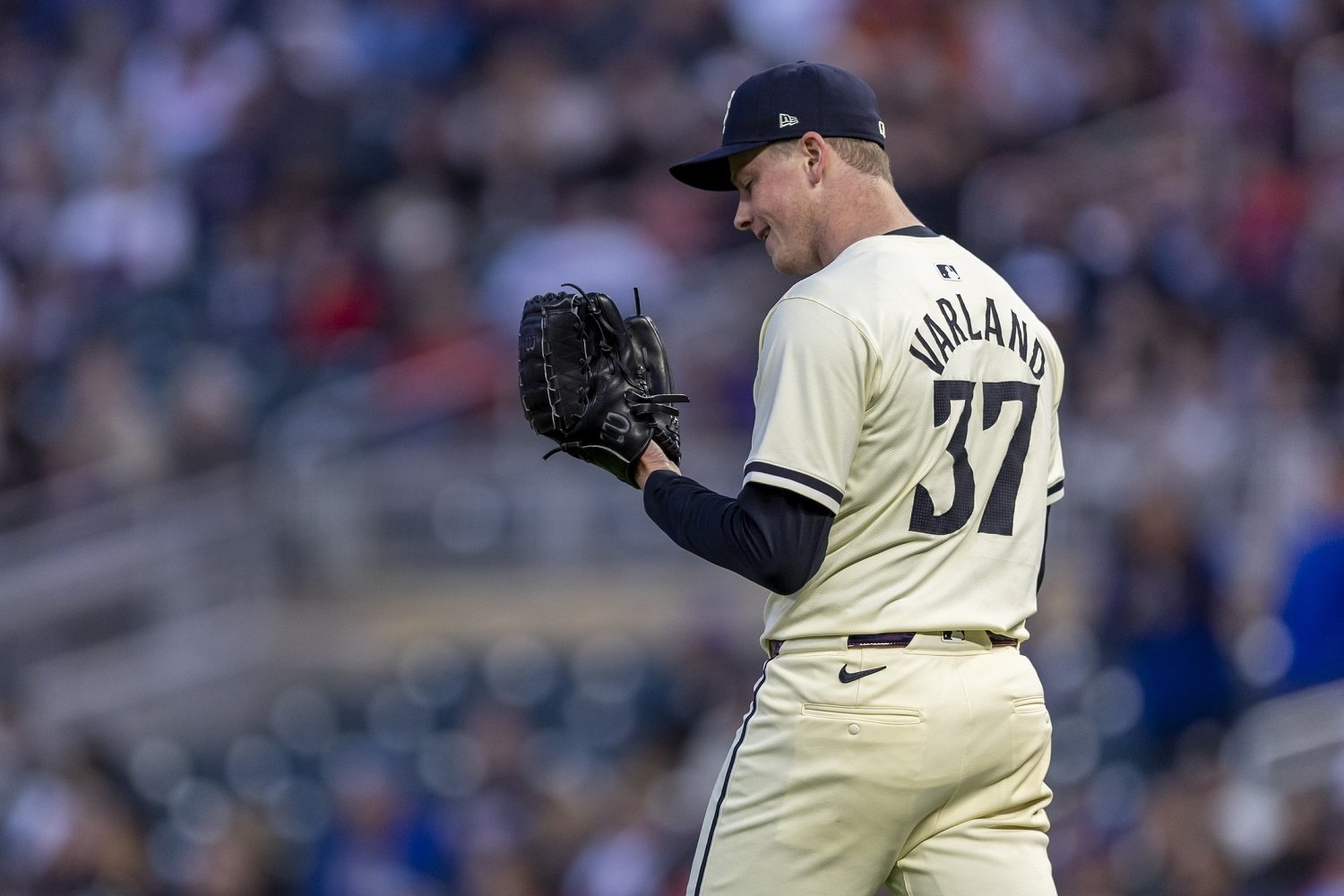 When the dust settled on the Minnesota Twins’ shocking trade deadline fire sale, fans and players alike were left stunned. Carlos Correa? Gone. Jhoan Duran? Traded. But there was one move that cut deeper than the rest, not because of WAR or contract math, but because it stripped away one of the most human elements left in baseball. Louis Varland is not just a pitcher. He is not just a stat line. He is not just “team-controlled through 2030.” He’s a hometown kid from St. Paul who fulfilled a childhood dream by taking the mound at Target Field in front of his family and friends. In a sport that so often feels like business, Varland was a reminder that sometimes, it still means something to play for your hometown team. Now, that dream has been ripped away. The Deal That Shook the Clubhouse Just minutes before the deadline passed, the Twins shipped Varland and veteran first baseman Ty France to the Toronto Blue Jays in exchange for left-handed pitching prospect Kendry Rojas and outfielder Alan Roden. The return was decent, maybe even good on paper. Roden debuted with the Twins the very next day. But even President of Baseball Operations Derek Falvey’s carefully worded explanations couldn’t disguise the cold calculus behind this one. "It's difficult. We love Louis, who he is and the way he's gone about the work," Falvey said on the Twins television broadcast. "We felt like in the deal that we got with Toronto there, a young, exciting starter who has reached Triple-A, someone who we think can be one of those guys who fits into the rotation sooner than later and has a great deal of upside from the left side. And then in Alan Roden, who you're seeing tonight, we think he's a guy who can join us as a potential everyday position player. Falvey went on to say, “Those are really difficult decisions in those moments, around how do you make your team better in aggregate? You understand that maybe you have to take something away to get really good talent. We felt like the chance for a starter and a position player in that deal gave us additional upside." What Falvey didn’t say is what everyone already knew: Varland was beloved in that clubhouse. And the Twins didn’t have to trade him. An Inexplicable Exit By every measure, Varland was enjoying a breakout year. A 2.02 ERA. Nearly a strikeout per inning. A legitimate leverage reliever who gave the Twins a reliable arm every time out. And he was doing it for just a salary barely above the league minimum with five more years of team control. You don’t just find that kind of value on the open market, especially since the Twins have talked openly about being competitive in 2026 and beyond. So why do it? That’s the question that left rival executives, according to USA Today’s Bob Nightengale, “dumbfounded.” The answer, apparently, is upside. Or, more cynically, it’s the front office hedging bets on the next wave of controllable players even if it means burning bridges with the guys who are already in your dugout. Baseball Trades, But At What Cost? Falvey made it clear in the aftermath that this wasn’t a financial dump. “By and large across the board, [these] were baseball trades,” he said. But even baseball trades can carry human consequences. Varland wasn’t just a statistical asset. He was a guy who had worked through failures as a starter, reinvented himself as a reliever, and had become a key part of the Twins’ bullpen. More than that, he was one of us. His family was in the stands almost every night. His heart was here. And now he’s gone, with no warning, and no real reason that anyone inside that clubhouse can wrap their heads around. It’s no wonder players were reportedly “seething” about the move. The Twins sent a message and not a good one. If Louis Varland can be traded in the middle of a breakout season, while making less than a million dollars and pouring everything he had into this team, anyone can be traded. There’s no denying that baseball is a business. But at a time when the Twins are asking fans to invest in yet another rebuild, to trust a front office that’s now dealing away franchise cornerstones and hometown heroes alike, there’s something unsettling about the way this deadline played out. Roden may become a useful outfielder. Rojas might develop into a capable starter. But those names are going to have to work hard to earn the kind of loyalty Varland had in that clubhouse, and in this community. You can trade away talent. You can trade away payroll. But once you start trading away trust from players and fans, that’s a harder thing to rebuild. And no matter how many prospects you bring in, there’s no return that makes up for that. Did the Twins ignore the human element in the Varland trade? Leave a comment and start the discussion.
- 87 comments
-
- 16
-
-

-
-

-
- louis varland
- kendry rojas
- (and 2 more)
-
Image courtesy of © Brian Fluharty-Imagn Images The Minnesota Twins stunned their fanbase and the baseball world when they shipped Carlos Correa back to the Houston Astros ahead of the 2025 trade deadline. It was the final signal that the club is rebuilding its core. This was a decision underscored by the minimal return in the deal, a 26-year-old low-minors hopeful named Matt Mikulski, and $33 million in retained salary. But as we’re now learning, the trade could have looked much different. According to a report from Bob Nightengale of USA Today, Minnesota originally floated the name of veteran first baseman Christian Walker in talks with Houston. The Astros declined. He has two years, $40 million remaining on the free agent contract he signed last winter. It’s a clear sign that the Twins were trying to find ways to be competitive in the short term, even with Correa out of the picture. It’s a missed opportunity. And while there are understandable reasons for the current ownership group to balk at that price tag, it raises uncomfortable questions about the direction and competitiveness of the team moving forward. A Costly Decline in Value On paper, the Astros' refusal to part ways with Walker makes sense. Walker is 34 and amid a down season. His .237 average and .711 OPS are both below his career norms, and though he has hit 14 home runs and driven in 56 runs, his overall production has declined in 2025. There is hope he can turn it around, and Houston had enough faith in him this winter to give him a significant contract. From the Twins' perspective, the team is reportedly carrying over $400 million in debt and has already shed tens of millions in salary. In that light, avoiding another significant commitment during the early stages of a rebuild makes fiscal sense. The Twins do not need another aging veteran on a multi-year deal, especially one with a declining bat and limited versatility. But the bigger picture might be getting lost in the accounting. A Position of Need The Twins' first base situation is shaky at best. Kody Clemens has provided some short-term pop since arriving in Minnesota, but his overall profile as a career 82 wRC+ hitter suggests that the surge is unlikely to last. Other internal options like Edouard Julien and Jose Miranda have spent much of the year in Triple-A due to poor performance. Walker, even in decline, would have instantly been the team’s best and most reliable first baseman. A three-time Gold Glove winner, he brings defensive stability that Clemens cannot match. While his 2025 numbers are underwhelming, he’s rebounded nicely in recent weeks, posting a .288 average with six home runs in his last 45 games. That version of Walker could have brought both value and leadership to a young roster now stripped of veterans like Correa, Willi Castro, and Harrison Bader. The Bigger Question By missing out on Walker, the Twins' narrative becomes that financial flexibility was the sole focus for the 2025 trade deadline. It’s important to note that the front office was at least attempting to stabilize key positions or fielding a more competitive roster in 2026. First base has been a revolving door for the Twins, and Walker could have stopped that rotation for the life of his contract. In the long run, it might be best that the Twins missed out on him, especially if they believe a rebuild will take multiple years and Walker would be past his prime by the time it concludes. But it is fair for fans to wonder what, exactly, the long-term plan looks like. With Correa, Duran, Castro, and Griffin Jax gone, there are more holes than answers. Walker may not have been a long-term cornerstone, but he could have bridged the gap and provided mentorship to young hitters trying to find their place. A Second Chance? Nightengale noted that the Astros are likely to shop Walker this winter, especially with Isaac Paredes poised to take over first base in 2026. There may still be an opportunity for the Twins to circle back, particularly if Houston is willing to eat part of the contract. However, waiting until the offseason may invite competition from other clubs and reduce Minnesota’s leverage. Missing out on Walker may end up being just a footnote in a summer of transition. Still, it could also come to symbolize a turning point, where the front office doubled down on cost-cutting and flexibility at the expense of short-term improvement and stability. If the goal is to build a competitive core for 2027 and beyond, that path must start taking shape soon. For now, it remains unclear if missing out on Walker will be remembered as prudent or problematic. Either way, it was a choice the Astros made instead of the Twins, and that may be the most frustrating part of all. Should the Twins have pushed harder to get Walker? Leave a comment and start the discussion. View full article
-
Did The Twins Miss Out on a Key Piece in Carlos Correa Trade?
Cody Christie posted an article in Twins
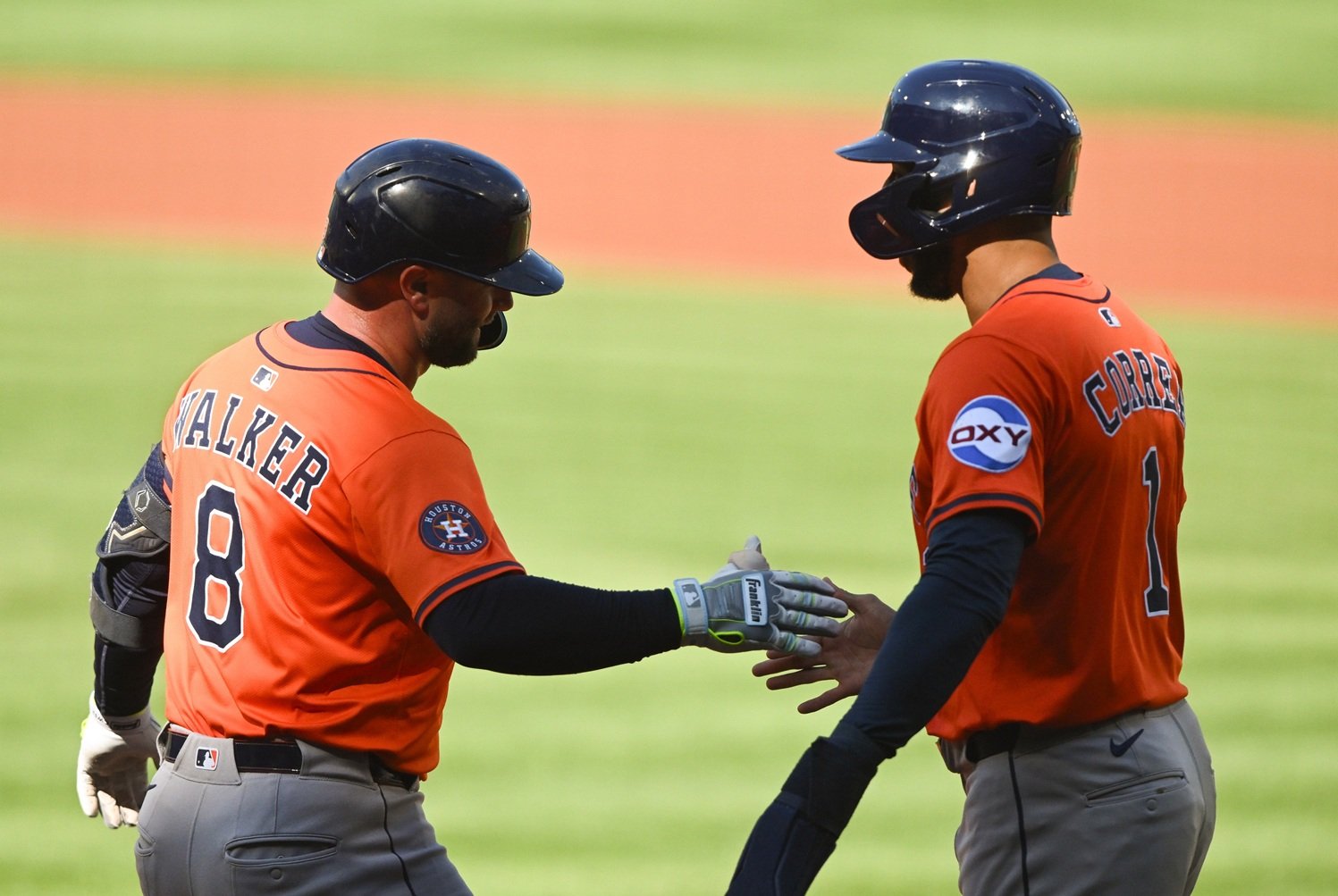 The Minnesota Twins stunned their fanbase and the baseball world when they shipped Carlos Correa back to the Houston Astros ahead of the 2025 trade deadline. It was the final signal that the club is rebuilding its core. This was a decision underscored by the minimal return in the deal, a 26-year-old low-minors hopeful named Matt Mikulski, and $33 million in retained salary. But as we’re now learning, the trade could have looked much different. According to a report from Bob Nightengale of USA Today, Minnesota originally floated the name of veteran first baseman Christian Walker in talks with Houston. The Astros declined. He has two years, $40 million remaining on the free agent contract he signed last winter. It’s a clear sign that the Twins were trying to find ways to be competitive in the short term, even with Correa out of the picture. It’s a missed opportunity. And while there are understandable reasons for the current ownership group to balk at that price tag, it raises uncomfortable questions about the direction and competitiveness of the team moving forward. A Costly Decline in Value On paper, the Astros' refusal to part ways with Walker makes sense. Walker is 34 and amid a down season. His .237 average and .711 OPS are both below his career norms, and though he has hit 14 home runs and driven in 56 runs, his overall production has declined in 2025. There is hope he can turn it around, and Houston had enough faith in him this winter to give him a significant contract. From the Twins' perspective, the team is reportedly carrying over $400 million in debt and has already shed tens of millions in salary. In that light, avoiding another significant commitment during the early stages of a rebuild makes fiscal sense. The Twins do not need another aging veteran on a multi-year deal, especially one with a declining bat and limited versatility. But the bigger picture might be getting lost in the accounting. A Position of Need The Twins' first base situation is shaky at best. Kody Clemens has provided some short-term pop since arriving in Minnesota, but his overall profile as a career 82 wRC+ hitter suggests that the surge is unlikely to last. Other internal options like Edouard Julien and Jose Miranda have spent much of the year in Triple-A due to poor performance. Walker, even in decline, would have instantly been the team’s best and most reliable first baseman. A three-time Gold Glove winner, he brings defensive stability that Clemens cannot match. While his 2025 numbers are underwhelming, he’s rebounded nicely in recent weeks, posting a .288 average with six home runs in his last 45 games. That version of Walker could have brought both value and leadership to a young roster now stripped of veterans like Correa, Willi Castro, and Harrison Bader. The Bigger Question By missing out on Walker, the Twins' narrative becomes that financial flexibility was the sole focus for the 2025 trade deadline. It’s important to note that the front office was at least attempting to stabilize key positions or fielding a more competitive roster in 2026. First base has been a revolving door for the Twins, and Walker could have stopped that rotation for the life of his contract. In the long run, it might be best that the Twins missed out on him, especially if they believe a rebuild will take multiple years and Walker would be past his prime by the time it concludes. But it is fair for fans to wonder what, exactly, the long-term plan looks like. With Correa, Duran, Castro, and Griffin Jax gone, there are more holes than answers. Walker may not have been a long-term cornerstone, but he could have bridged the gap and provided mentorship to young hitters trying to find their place. A Second Chance? Nightengale noted that the Astros are likely to shop Walker this winter, especially with Isaac Paredes poised to take over first base in 2026. There may still be an opportunity for the Twins to circle back, particularly if Houston is willing to eat part of the contract. However, waiting until the offseason may invite competition from other clubs and reduce Minnesota’s leverage. Missing out on Walker may end up being just a footnote in a summer of transition. Still, it could also come to symbolize a turning point, where the front office doubled down on cost-cutting and flexibility at the expense of short-term improvement and stability. If the goal is to build a competitive core for 2027 and beyond, that path must start taking shape soon. For now, it remains unclear if missing out on Walker will be remembered as prudent or problematic. Either way, it was a choice the Astros made instead of the Twins, and that may be the most frustrating part of all. Should the Twins have pushed harder to get Walker? Leave a comment and start the discussion.
 -
Image courtesy of © Lily Smith/The Register / USA TODAY NETWORK via Imagn Images The Minnesota Twins have claimed right-handed pitcher Brooks Kriske off waivers from the Chicago Cubs, continuing their recent trend of adding experienced bullpen depth as the team reshapes its roster following the trade deadline. Earlier this week, the team claimed Thomas Hatch from the Royals as the team tries to replenish the five bullpen arms that were traded away. Kriske, 31, was designated for assignment by the Cubs over the weekend despite posting a solid line in his brief stint with the club. He appeared in four games this season, tossing six scoreless innings out of the bullpen while allowing just two hits and striking out four. Command remains a concern, as evidenced by five walks in that span, but the Twins are clearly intrigued by his ability to miss bats and navigate tough spots. At Triple-A, he had very good numbers this season. In 23 appearances (31 2/3 innings), he posted a 3.13 ERA with a 1.07 WHIP. More remarkably, he had a 39.4 K% with a 7.6 BB% that was significantly improved compared to his recent seasons, where his BB% averaged above 14%. The Twins have space in the bullpen to take some flyers over the last month, and those minor league totals are tough to ignore. During his time with the Cubs in 2025, Kriske leaned heavily on two primary offerings: the split-finger fastball, which accounted for roughly 57% of his pitches, and a four-seam fastball, making up about 36%, with occasional cutters sprinkled in (6%). His split finger averages 82.2 mph, and batters have yet to register a hit against it this season. Overall, the split-finger finder served as his go‑to swing‑and‑miss weapon (30.4 Whiff%) with fastball usage supplementing for establishment and velocity contrast. Still, command has been a concern given his walk rates during these outings. Originally a sixth-round pick by the Yankees in 2016, Kriske has seen time with four big league clubs: the Yankees, Orioles, Royals, and, most recently, the Cubs. His overall MLB numbers are underwhelming with an 8.78 ERA and a 1.70 WHIP across 27 2/3 innings. It’s important to add in the caveat about a small sample size, and there are flashes of potential beneath the surface. In 2022 and 2023, Kriske spent parts of two seasons overseas pitching in Japan’s NPB, where he showed improved command and struck out nearly 13 batters per nine innings. The Twins are likely hoping that some of that success translates back to MLB, especially with an expanded role in a bullpen that will need competent veteran pitching. Kriske has a chance to carve out a role beyond this season if he performs well. To make room for Kriske on the 40-man roster, the Twins have designated Darren McCaughan for release or assignment. McCaughan had just been added to the roster on Monday and did not appear in a game before being bumped. It’s a tough break for the right-hander, but roster flexibility is at a premium right now. Kriske will be active for Wednesday afternoon’s series finale in Detroit against the Tigers, giving manager Rocco Baldelli another option out of the bullpen as the Twins navigate the final two months of the season. What’s Next? With a restructured roster and a focus on evaluating depth options, expect the Twins to continue testing out fringe arms over the next few weeks. Kriske might not be a long-term answer, but his recent effectiveness gives him a shot to carve out a role, especially if he can throw strikes consistently. What stands out about Kriske’s career so far? Can he replicate his minor league numbers? Leave a comment and start the discussion. View full article
-
 The Minnesota Twins have claimed right-handed pitcher Brooks Kriske off waivers from the Chicago Cubs, continuing their recent trend of adding experienced bullpen depth as the team reshapes its roster following the trade deadline. Earlier this week, the team claimed Thomas Hatch from the Royals as the team tries to replenish the five bullpen arms that were traded away. Kriske, 31, was designated for assignment by the Cubs over the weekend despite posting a solid line in his brief stint with the club. He appeared in four games this season, tossing six scoreless innings out of the bullpen while allowing just two hits and striking out four. Command remains a concern, as evidenced by five walks in that span, but the Twins are clearly intrigued by his ability to miss bats and navigate tough spots. At Triple-A, he had very good numbers this season. In 23 appearances (31 2/3 innings), he posted a 3.13 ERA with a 1.07 WHIP. More remarkably, he had a 39.4 K% with a 7.6 BB% that was significantly improved compared to his recent seasons, where his BB% averaged above 14%. The Twins have space in the bullpen to take some flyers over the last month, and those minor league totals are tough to ignore. During his time with the Cubs in 2025, Kriske leaned heavily on two primary offerings: the split-finger fastball, which accounted for roughly 57% of his pitches, and a four-seam fastball, making up about 36%, with occasional cutters sprinkled in (6%). His split finger averages 82.2 mph, and batters have yet to register a hit against it this season. Overall, the split-finger finder served as his go‑to swing‑and‑miss weapon (30.4 Whiff%) with fastball usage supplementing for establishment and velocity contrast. Still, command has been a concern given his walk rates during these outings. Originally a sixth-round pick by the Yankees in 2016, Kriske has seen time with four big league clubs: the Yankees, Orioles, Royals, and, most recently, the Cubs. His overall MLB numbers are underwhelming with an 8.78 ERA and a 1.70 WHIP across 27 2/3 innings. It’s important to add in the caveat about a small sample size, and there are flashes of potential beneath the surface. In 2022 and 2023, Kriske spent parts of two seasons overseas pitching in Japan’s NPB, where he showed improved command and struck out nearly 13 batters per nine innings. The Twins are likely hoping that some of that success translates back to MLB, especially with an expanded role in a bullpen that will need competent veteran pitching. Kriske has a chance to carve out a role beyond this season if he performs well. To make room for Kriske on the 40-man roster, the Twins have designated Darren McCaughan for release or assignment. McCaughan had just been added to the roster on Monday and did not appear in a game before being bumped. It’s a tough break for the right-hander, but roster flexibility is at a premium right now. Kriske will be active for Wednesday afternoon’s series finale in Detroit against the Tigers, giving manager Rocco Baldelli another option out of the bullpen as the Twins navigate the final two months of the season. What’s Next? With a restructured roster and a focus on evaluating depth options, expect the Twins to continue testing out fringe arms over the next few weeks. Kriske might not be a long-term answer, but his recent effectiveness gives him a shot to carve out a role, especially if he can throw strikes consistently. What stands out about Kriske’s career so far? Can he replicate his minor league numbers? Leave a comment and start the discussion.
 -
Image courtesy of © Matt Blewett-Imagn Images The Minnesota Twins remain stuck in a strange limbo. Their competitive window slammed shut in late July with a jarring, franchise-altering trade deadline fire sale. In one week, the front office moved 11 players, including eight on deadline day alone. That number represents 40% of the active roster and a whopping $26 million off the payroll. Yet the question dominating fan conversations isn’t about the prospects received in return or even how bad the big-league product might look in August and September. The question now is simple: When is this team getting sold? Pohlads’ Time Nearly Up? It’s been 10 months since the Pohlad family, the franchise’s owners since 1984, announced their intention to sell. Since then, the on-field results have been a roller coaster. A 13-game winning streak in May pushed the team above .500 and into playoff contention. But that high didn’t last long, and the recent selloff made one thing clear: This ownership group is no longer operating with long-term success in mind. The Front Office Sports report that dropped just hours after the deadline set off alarm bells across Twins Territory. A source indicated that there was “momentum” toward a sale. While no potential buyers have publicly stepped forward and MLB hasn’t confirmed any deals, the timing is raising plenty of eyebrows. After all, why would an ownership group planning to hang around tear its roster down to the studs with two months left in the season? MLB Commissioner Rob Manfred hinted at an impending sale during All-Star break interviews. “I can tell you with a lot of confidence that there will be a transaction there,” Manfred said, noting that a clear front-runner had emerged earlier in the process, reportedly Phoenix Suns owner Justin Ishbia before shifting his attention to the Chicago White Sox instead. “When it becomes clear that you have a leader in the clubhouse, everybody else kind of backs away, right?” Manfred explained. “Because they kind of get a feel for the price, and unless they’re prepared to top it, they’re going to move on and do something else. That stall may have delayed the process, but momentum seems to be building again. What’s the Franchise Worth? The Pohlads have been reported sticking to their $1.7 billion asking price and they might have been their best business move in quite some time. The Twins might be entering the most valuable seller’s market in team history. Consider the comps: Orioles sold in 2023 for $1.725 billion Mets in 2020 for $2.475 billion Rays, despite a stadium crisis, agreed to a sale in June for $1.7 billion Minnesota doesn’t have a major stadium issue with the publicly funded Target Field being one of baseball’s best ballparks. It does have one thing those other clubs didn’t, over $400 million in debt. The Pohlads erased some of that debt with the salary dump of Carlos Correa and traded away other team controlled pieces that would become more expensive through the arbitration process. That looming financial burden could muddy the waters and potentially push the sale price south of the $1.7 billion mark. But even with the debt, the Twins remain an attractive asset. They’re a mid-market team in a modern ballpark with a loyal (albeit frustrated) fan base, (finally) stable TV deal, and a strong regional presence. The hope, among fans and league insiders alike, is that a deal can be finalized before the offseason, so the new ownership can guide the team’s forward path. What’s Next? That’s the most complicated part. Nobody knows. The only certainty is that the Twins need direction and fast. This deadline fire sale wasn’t the result of a front office with a bold new plan. It was a franchise in transition, shedding payroll, hitting reset, and waiting for a new voice to steer the ship. Will a new owner come in and spend aggressively to rebuild around Byron Buxton and Joe Ryan? Or will they commit to a multi-year rebuild built around the growing stable of prospects now flooding the farm system? The Pohlads oversaw three distinct eras of Twins baseball: the '90s struggle years, the early-2000s Metrodome miracle runs, and the Target Field optimism that faded into inconsistency. In the end, they leave behind a complicated legacy with financial caution, flashes of success, and a fanbase that always wanted more. For now, all Minnesota can do is wait. Wait for news. Wait for a fresh vision. Wait for someone, anyone, to take the reins and start putting the pieces back together. Because one thing is clear: the teardown is complete. The future now depends on who’s willing to build it back up. Will the Twins have new ownership in place before the 2026 season? Leave a comment and start the discussion. View full article
-
 The Minnesota Twins remain stuck in a strange limbo. Their competitive window slammed shut in late July with a jarring, franchise-altering trade deadline fire sale. In one week, the front office moved 11 players, including eight on deadline day alone. That number represents 40% of the active roster and a whopping $26 million off the payroll. Yet the question dominating fan conversations isn’t about the prospects received in return or even how bad the big-league product might look in August and September. The question now is simple: When is this team getting sold? Pohlads’ Time Nearly Up? It’s been 10 months since the Pohlad family, the franchise’s owners since 1984, announced their intention to sell. Since then, the on-field results have been a roller coaster. A 13-game winning streak in May pushed the team above .500 and into playoff contention. But that high didn’t last long, and the recent selloff made one thing clear: This ownership group is no longer operating with long-term success in mind. The Front Office Sports report that dropped just hours after the deadline set off alarm bells across Twins Territory. A source indicated that there was “momentum” toward a sale. While no potential buyers have publicly stepped forward and MLB hasn’t confirmed any deals, the timing is raising plenty of eyebrows. After all, why would an ownership group planning to hang around tear its roster down to the studs with two months left in the season? MLB Commissioner Rob Manfred hinted at an impending sale during All-Star break interviews. “I can tell you with a lot of confidence that there will be a transaction there,” Manfred said, noting that a clear front-runner had emerged earlier in the process, reportedly Phoenix Suns owner Justin Ishbia before shifting his attention to the Chicago White Sox instead. “When it becomes clear that you have a leader in the clubhouse, everybody else kind of backs away, right?” Manfred explained. “Because they kind of get a feel for the price, and unless they’re prepared to top it, they’re going to move on and do something else. That stall may have delayed the process, but momentum seems to be building again. What’s the Franchise Worth? The Pohlads have been reported sticking to their $1.7 billion asking price and they might have been their best business move in quite some time. The Twins might be entering the most valuable seller’s market in team history. Consider the comps: Orioles sold in 2023 for $1.725 billion Mets in 2020 for $2.475 billion Rays, despite a stadium crisis, agreed to a sale in June for $1.7 billion Minnesota doesn’t have a major stadium issue with the publicly funded Target Field being one of baseball’s best ballparks. It does have one thing those other clubs didn’t, over $400 million in debt. The Pohlads erased some of that debt with the salary dump of Carlos Correa and traded away other team controlled pieces that would become more expensive through the arbitration process. That looming financial burden could muddy the waters and potentially push the sale price south of the $1.7 billion mark. But even with the debt, the Twins remain an attractive asset. They’re a mid-market team in a modern ballpark with a loyal (albeit frustrated) fan base, (finally) stable TV deal, and a strong regional presence. The hope, among fans and league insiders alike, is that a deal can be finalized before the offseason, so the new ownership can guide the team’s forward path. What’s Next? That’s the most complicated part. Nobody knows. The only certainty is that the Twins need direction and fast. This deadline fire sale wasn’t the result of a front office with a bold new plan. It was a franchise in transition, shedding payroll, hitting reset, and waiting for a new voice to steer the ship. Will a new owner come in and spend aggressively to rebuild around Byron Buxton and Joe Ryan? Or will they commit to a multi-year rebuild built around the growing stable of prospects now flooding the farm system? The Pohlads oversaw three distinct eras of Twins baseball: the '90s struggle years, the early-2000s Metrodome miracle runs, and the Target Field optimism that faded into inconsistency. In the end, they leave behind a complicated legacy with financial caution, flashes of success, and a fanbase that always wanted more. For now, all Minnesota can do is wait. Wait for news. Wait for a fresh vision. Wait for someone, anyone, to take the reins and start putting the pieces back together. Because one thing is clear: the teardown is complete. The future now depends on who’s willing to build it back up. Will the Twins have new ownership in place before the 2026 season? Leave a comment and start the discussion.


