Cody Christie
-
Posts
7,809 -
Joined
-
Last visited
-
Days Won
5
Content Type
Profiles
News
Minnesota Twins Videos
2026 Minnesota Twins Top Prospects Ranking
2022 Minnesota Twins Draft Picks
Minnesota Twins Free Agent & Trade Rumors, Notes, & Tidbits
Guides & Resources
2023 Minnesota Twins Draft Picks
The Minnesota Twins Players Project
2024 Minnesota Twins Draft Picks
2025 Minnesota Twins Draft Pick Tracker
2026 Minnesota Twins Draft Tracker: Picks & Bonuses
Forums
Blogs
Events
Store
Downloads
Gallery
Everything posted by Cody Christie
-
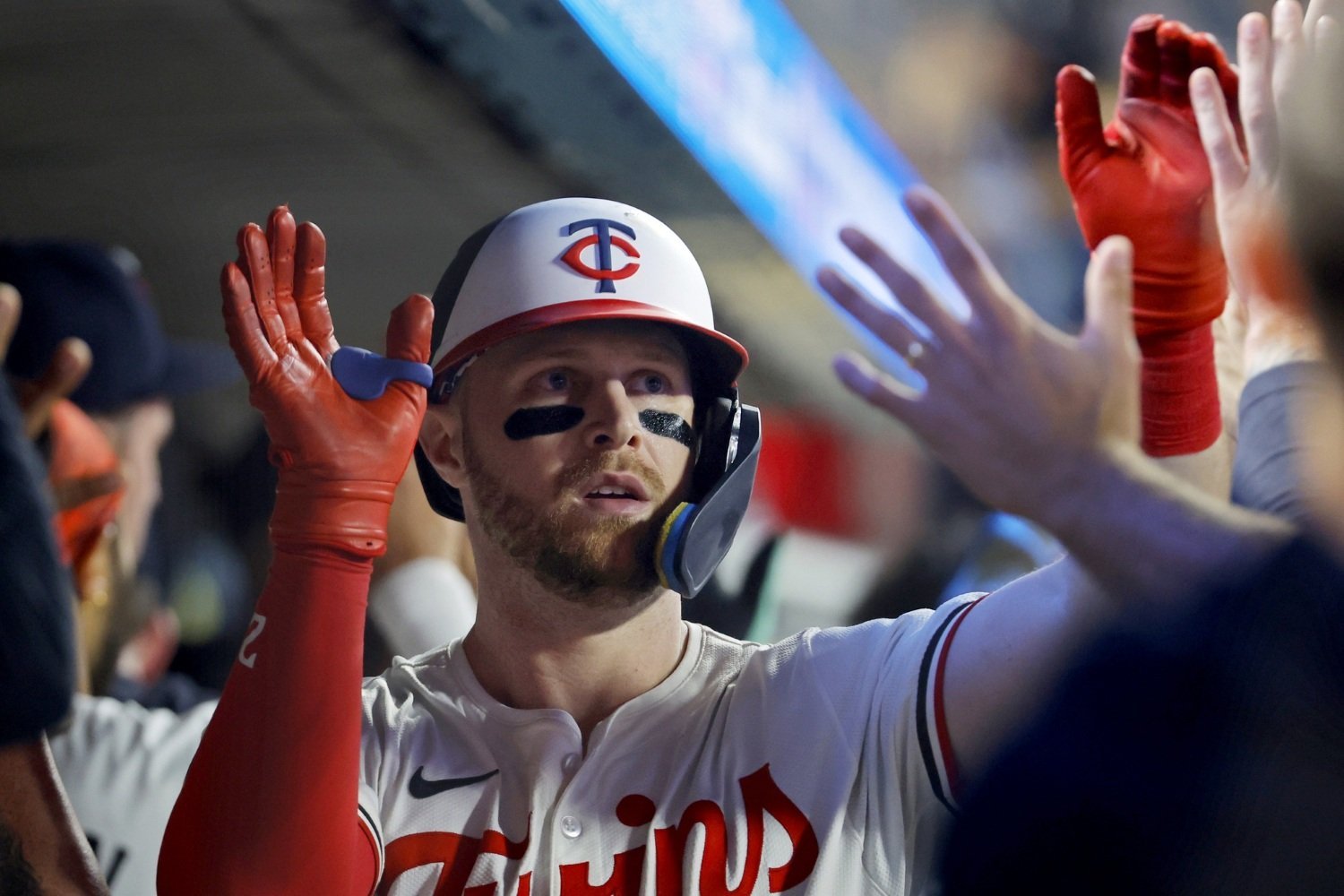 It’s easy for fans to read into the Twins' trade deadline sell-off and assume that payroll is headed in the wrong direction this winter. If the front office wants to get creative, they’ll need to balance talent retention with a willingness to shake up the roster. Some players hold more value on the trade market than others, whether it’s tied to contract status, performance, or overall fit with the franchise’s uncertain competitive window. Here’s a look at five players the Twins could move this offseason, ranked from least likely to most valuable trade chip. 5. 3B Royce Lewis Team Control Through 2028 Once viewed as a franchise cornerstone, Lewis has struggled to find consistency at the plate. His 80 OPS+ this season underscores the offensive regression that started late in 2024. Still, there have been glimmers of life in recent weeks. Since August 17, he's batted .250/.308/.521, with four home runs in 52 plate appearances. Trading him now would be selling low, but it could also serve as a “jolt to the core” move, the kind that signals Minnesota is trying to reshape its future heading into 2026. His value may rise or fall drastically based on how he closes the year. 4. OF Matt Wallner Team Control Through 2029 Wallner’s left-handed power has been one of the lone bright spots in an otherwise bleak lineup. Behind Byron Buxton, he’s arguably been the Twins’ most consistent offensive force, with a 120 OPS+. The catch? He’s still pre-arbitration eligible and comes with four full years of team control. That’s precisely the kind of profile front offices drool over. However, he is the type of player who can age poorly when he starts to lose bat speed. Minnesota would have no urgency to move him, but if another team makes an aggressive offer, they’d have to listen. Like Lewis, trading Wallner could signal a true shake-up of the team’s identity. 3. C Ryan Jeffers Team Control Through 2026 Catching depth always carries trade value, and Jeffers offers more than most. His 105 OPS+ in 2025 proves he’s no slouch with the bat, and he’s steady behind the plate. With just one year of team control left, though, the clock is ticking. If the Twins don’t deal him this offseason, he’s almost certainly gone by next July’s deadline. A playoff contender desperate for an upgrade at catcher would be willing to pay a premium. From the Twins' perspective, there are no clear options ready to take over big-league catching duties, so it might be a tough sell if the Twins want to be in contention in 2026. 2. RHP Pablo López Team Control Through 2027 The Pablo López era in Minnesota has been a mixed bag. At his best, he’s looked like a frontline starter, but injuries (most notably, a shoulder issue this year) have dimmed some of the shine. López is set to make $21.75 million in 2026, the highest salary on the books for a team that has already signaled its intent to slash payroll. If he can prove he’s healthy to close out 2025, López becomes an obvious candidate to be shipped to a club looking for a rotation upgrade with some upside. 1. RHP Joe Ryan Team Control Through 2027 At the top of the list sits Ryan, who has emerged as one of the American League’s most reliable arms in 2025. He’s under team control for two more years through arbitration, making him both affordable and highly attractive to pitching-needy contenders. Rival teams reportedly checked in on him at the trade deadline, with some social media sites claiming that he had been dealt. It's safe to assume those calls will come again this winter. While trading Ryan would be painful, he’s the Twins’ most valuable chip if the front office decides to lean wholly into a retool. Twins Upcoming Free Agent Classes Following 2026 Following 2027 Following 2028 Following 2029 Ryan Jeffers Pablo Lopez Byron Buxton Taj Bradley Justin Topa Bailey Ober Royce Lewis Kody Clemens Michael Tonkin Joe Ryan Cole Sands Matt Wallner Trevor Larnach The Twins enter the offseason facing difficult decisions. Do they cling to their remaining controllable talent and hope for a quick turnaround, or do they cash in some of their most valuable pieces to reset the franchise timeline? If nothing else, the winter months promise to be as intriguing off the field as they are on it. Do you agree with these rankings? Leave a comment and start the discussion.
- 46 comments
-
- 2
-

-
- ryan jeffers
- pablo lopez
- (and 3 more)
-
 Image courtesy of © Bruce Kluckhohn-Imagn Images It’s easy for fans to read into the Twins' trade deadline sell-off and assume that payroll is headed in the wrong direction this winter. If the front office wants to get creative, they’ll need to balance talent retention with a willingness to shake up the roster. Some players hold more value on the trade market than others, whether it’s tied to contract status, performance, or overall fit with the franchise’s uncertain competitive window. Here’s a look at five players the Twins could move this offseason, ranked from least likely to most valuable trade chip. 5. 3B Royce Lewis Team Control Through 2028 Once viewed as a franchise cornerstone, Lewis has struggled to find consistency at the plate. His 80 OPS+ this season underscores the offensive regression that started late in 2024. Still, there have been glimmers of life in recent weeks. Since August 17, he's batted .250/.308/.521, with four home runs in 52 plate appearances. Trading him now would be selling low, but it could also serve as a “jolt to the core” move, the kind that signals Minnesota is trying to reshape its future heading into 2026. His value may rise or fall drastically based on how he closes the year. 4. OF Matt Wallner Team Control Through 2029 Wallner’s left-handed power has been one of the lone bright spots in an otherwise bleak lineup. Behind Byron Buxton, he’s arguably been the Twins’ most consistent offensive force, with a 120 OPS+. The catch? He’s still pre-arbitration eligible and comes with four full years of team control. That’s precisely the kind of profile front offices drool over. However, he is the type of player who can age poorly when he starts to lose bat speed. Minnesota would have no urgency to move him, but if another team makes an aggressive offer, they’d have to listen. Like Lewis, trading Wallner could signal a true shake-up of the team’s identity. 3. C Ryan Jeffers Team Control Through 2026 Catching depth always carries trade value, and Jeffers offers more than most. His 105 OPS+ in 2025 proves he’s no slouch with the bat, and he’s steady behind the plate. With just one year of team control left, though, the clock is ticking. If the Twins don’t deal him this offseason, he’s almost certainly gone by next July’s deadline. A playoff contender desperate for an upgrade at catcher would be willing to pay a premium. From the Twins' perspective, there are no clear options ready to take over big-league catching duties, so it might be a tough sell if the Twins want to be in contention in 2026. 2. RHP Pablo López Team Control Through 2027 The Pablo López era in Minnesota has been a mixed bag. At his best, he’s looked like a frontline starter, but injuries (most notably, a shoulder issue this year) have dimmed some of the shine. López is set to make $21.75 million in 2026, the highest salary on the books for a team that has already signaled its intent to slash payroll. If he can prove he’s healthy to close out 2025, López becomes an obvious candidate to be shipped to a club looking for a rotation upgrade with some upside. 1. RHP Joe Ryan Team Control Through 2027 At the top of the list sits Ryan, who has emerged as one of the American League’s most reliable arms in 2025. He’s under team control for two more years through arbitration, making him both affordable and highly attractive to pitching-needy contenders. Rival teams reportedly checked in on him at the trade deadline, with some social media sites claiming that he had been dealt. It's safe to assume those calls will come again this winter. While trading Ryan would be painful, he’s the Twins’ most valuable chip if the front office decides to lean wholly into a retool. Twins Upcoming Free Agent Classes Following 2026 Following 2027 Following 2028 Following 2029 Ryan Jeffers Pablo Lopez Byron Buxton Taj Bradley Justin Topa Bailey Ober Royce Lewis Kody Clemens Michael Tonkin Joe Ryan Cole Sands Matt Wallner Trevor Larnach The Twins enter the offseason facing difficult decisions. Do they cling to their remaining controllable talent and hope for a quick turnaround, or do they cash in some of their most valuable pieces to reset the franchise timeline? If nothing else, the winter months promise to be as intriguing off the field as they are on it. Do you agree with these rankings? Leave a comment and start the discussion. View full article
 -
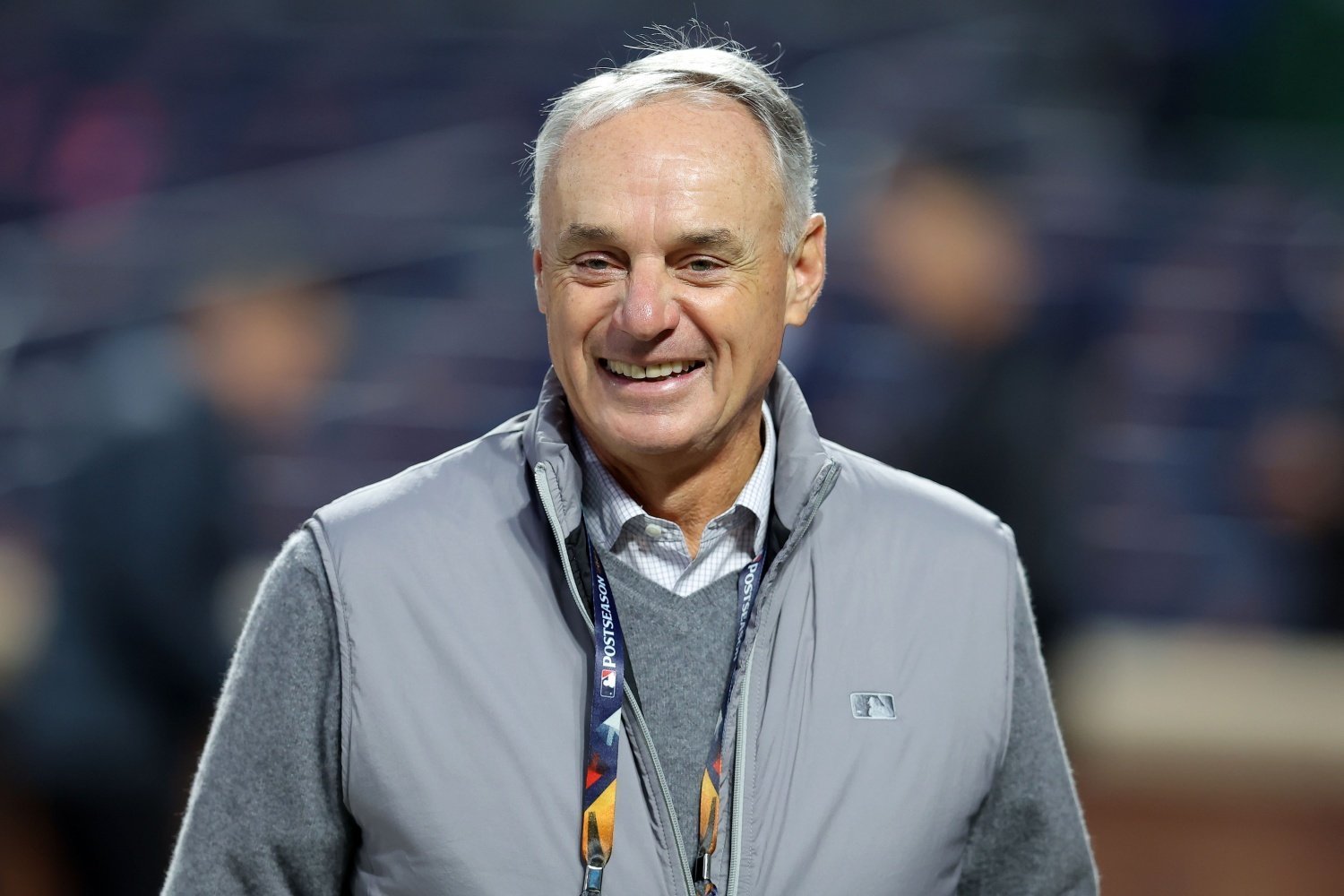 Major League Baseball is a sport that thrives on tradition, but tradition has also been one of the league’s most significant roadblocks to innovation. After the next labor negotiation, expansion and realignment are expected to be serious discussion points. Twins president Dave St. Peter recently joined Rosen’s Sports Monday on the Talk North podcast and offered a candid look at where things might be heading. “I do think that that is a realistic possibility after this next labor negotiation; both expansion and realignment are going to get a serious consideration,” St. Peter said. “I also think there's going to be other things on the table. I think they'll look at the length of the season, which is a little bit of a sacred cow in baseball. Why do we play 162 games? What does postseason baseball look like? Do you find a runway for maybe a little bit more postseason?” That quote highlights the broad scope of change MLB is willing to consider. However, realignment, in particular, has pros and cons that fans and franchises, such as the Twins, will need to weigh carefully. The Pros of Realignment The most significant benefit is a reduction in travel. Teams like the Twins, who often face long cross-country road trips, would benefit from a friendlier schedule with more games against nearby opponents. Less time on airplanes can mean fresher players and potentially higher-quality baseball. Realignment would also give MLB the chance to foster more compelling rivalries. While Minnesota has long had regional battles with Kansas and Cleveland, an adjusted map could place them more frequently against Milwaukee or even teams like Toronto. Rivalries drive attendance, boost ratings, and create the kind of energy that baseball needs to attract younger fans. Playoff scheduling is another plus. More logical divisions and expanded playoffs could prevent awkward situations where 90-win teams sit at home in October while sub-.500 squads sneak in. Combine that with the potential for a major TV and streaming overhaul, and the league could be sitting on a revenue windfall. As St. Peter noted, MLB is eyeing a future where broadcast rights are pooled and shared equally, much like the NFL model. That would be a significant win for mid-market teams like the Twins, who often feel boxed out by the sport’s financial powerhouses. The Cons of Realignment For all the possible gains, realignment risks alienating one of MLB’s most loyal audiences: its traditionalist fan base. The split between the American League and National League has defined the game for over a century. Throwing those designations out the window could be viewed as a betrayal of history, similar to when the designated hitter rule started crossing leagues. Another challenge is competitive balance. Smaller-market teams like the Twins could end up lumped together in divisions that don’t make much sense. In that scenario, one division might feature a clear juggernaut while another limps along with a sub-.500 “champion.” That does little to boost the sport’s credibility. Expansion only complicates matters. New franchises inevitably begin with rosters filled with players who are below replacement level, which can distort offensive and pitching environments in unpredictable ways. Fans who already complain about inconsistent league-wide run scoring would have new ammunition for frustration. What It Means for the Twins For Minnesota, realignment could represent both opportunity and risk. A division reshuffle that features Milwaukee and Toronto as annual rivals could be a marketing dream. On the other hand, being placed in a loaded grouping with large-market teams could make playoff paths even steeper. Still, the money might outweigh everything. The Twins are already rumored to be heading to ESPN for their broadcast home from 2026 through 2028, and larger revenue-sharing agreements could follow in 2029 and beyond. “There's a plan here,” St. Peter said. “This commissioner, more than any other commissioner, has talked openly about the desire to aggregate all 30 teams' rights, particularly on the streaming side, to one platform. The Twins were actually a forerunner in this, so we feel like we're part of building that.” If that plan materializes, the Twins could suddenly find themselves with deeper pockets to allocate toward payroll. Realignment might stir fan discontent in the short term, but the promise of competitive rosters and enhanced TV exposure could be enough to win people over. What are your thoughts on potential realignment? Leave a comment and start the discussion.
 -
Image courtesy of © Brad Penner-Imagn Images Major League Baseball is a sport that thrives on tradition, but tradition has also been one of the league’s most significant roadblocks to innovation. After the next labor negotiation, expansion and realignment are expected to be serious discussion points. Twins president Dave St. Peter recently joined Rosen’s Sports Monday on the Talk North podcast and offered a candid look at where things might be heading. “I do think that that is a realistic possibility after this next labor negotiation; both expansion and realignment are going to get a serious consideration,” St. Peter said. “I also think there's going to be other things on the table. I think they'll look at the length of the season, which is a little bit of a sacred cow in baseball. Why do we play 162 games? What does postseason baseball look like? Do you find a runway for maybe a little bit more postseason?” That quote highlights the broad scope of change MLB is willing to consider. However, realignment, in particular, has pros and cons that fans and franchises, such as the Twins, will need to weigh carefully. The Pros of Realignment The most significant benefit is a reduction in travel. Teams like the Twins, who often face long cross-country road trips, would benefit from a friendlier schedule with more games against nearby opponents. Less time on airplanes can mean fresher players and potentially higher-quality baseball. Realignment would also give MLB the chance to foster more compelling rivalries. While Minnesota has long had regional battles with Kansas and Cleveland, an adjusted map could place them more frequently against Milwaukee or even teams like Toronto. Rivalries drive attendance, boost ratings, and create the kind of energy that baseball needs to attract younger fans. Playoff scheduling is another plus. More logical divisions and expanded playoffs could prevent awkward situations where 90-win teams sit at home in October while sub-.500 squads sneak in. Combine that with the potential for a major TV and streaming overhaul, and the league could be sitting on a revenue windfall. As St. Peter noted, MLB is eyeing a future where broadcast rights are pooled and shared equally, much like the NFL model. That would be a significant win for mid-market teams like the Twins, who often feel boxed out by the sport’s financial powerhouses. The Cons of Realignment For all the possible gains, realignment risks alienating one of MLB’s most loyal audiences: its traditionalist fan base. The split between the American League and National League has defined the game for over a century. Throwing those designations out the window could be viewed as a betrayal of history, similar to when the designated hitter rule started crossing leagues. Another challenge is competitive balance. Smaller-market teams like the Twins could end up lumped together in divisions that don’t make much sense. In that scenario, one division might feature a clear juggernaut while another limps along with a sub-.500 “champion.” That does little to boost the sport’s credibility. Expansion only complicates matters. New franchises inevitably begin with rosters filled with players who are below replacement level, which can distort offensive and pitching environments in unpredictable ways. Fans who already complain about inconsistent league-wide run scoring would have new ammunition for frustration. What It Means for the Twins For Minnesota, realignment could represent both opportunity and risk. A division reshuffle that features Milwaukee and Toronto as annual rivals could be a marketing dream. On the other hand, being placed in a loaded grouping with large-market teams could make playoff paths even steeper. Still, the money might outweigh everything. The Twins are already rumored to be heading to ESPN for their broadcast home from 2026 through 2028, and larger revenue-sharing agreements could follow in 2029 and beyond. “There's a plan here,” St. Peter said. “This commissioner, more than any other commissioner, has talked openly about the desire to aggregate all 30 teams' rights, particularly on the streaming side, to one platform. The Twins were actually a forerunner in this, so we feel like we're part of building that.” If that plan materializes, the Twins could suddenly find themselves with deeper pockets to allocate toward payroll. Realignment might stir fan discontent in the short term, but the promise of competitive rosters and enhanced TV exposure could be enough to win people over. What are your thoughts on potential realignment? Leave a comment and start the discussion. View full article
-
Two Versions of Taj Bradley: Twins Hope to Unlock the Right One
Cody Christie posted an article in Twins
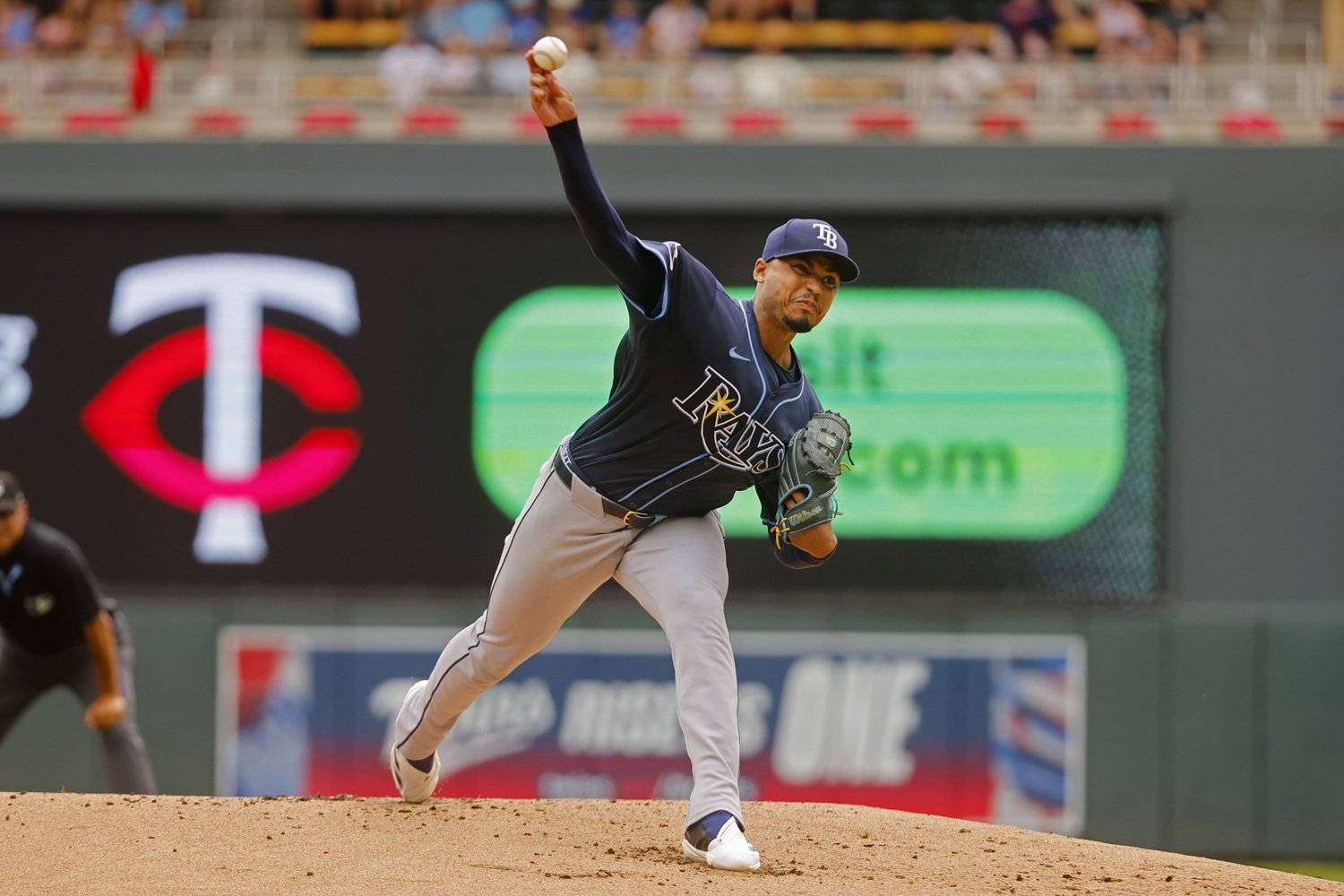 Taj Bradley’s big-league career has been a tale of two pitchers. At times, the 24-year-old right-hander has looked like a future frontline starter, armed with swing-and-miss stuff that leaves hitters baffled. At other times, he has struggled to find efficiency, leaning too heavily on certain pitches and failing to work consistently deep into games. Tampa Bay Roots: A Strikeout Arm When Bradley first broke in with Tampa Bay, his electric fastball and devastating splitter turned heads across baseball. In parts of two seasons with the Rays (2023-24), he struck out over 27 percent of the batters he faced, an impressive figure for a young arm still learning the league. Across 240 innings, Bradley posted a 4.75 ERA (86 ERA+) with a 1.29 WHIP. The numbers reflected both his upside and his growing pains. He averaged only five innings per start, showing swing-and-miss ability but not yet the polish to work through lineups multiple times consistently. His best weapon was the splitter. In 2024, the pitch produced a 33.0 Whiff% while holding opponents to a .280 expected slugging percentage. By itself, that offering looked like the foundation for a long-term role in the rotation. Bradley struck out 154 batters in just 138 innings, a sign of how dangerous his arsenal could be when locked in. A Shift in Approach But the Rays, always tinkering with pitching models, tried to steer Bradley in a different direction this season. Instead of chasing whiffs, they emphasized ground balls. His cutter became more prominent, and his curveball usage jumped by over five percent. The trade-off was clear. Bradley’s splitter, once his most reliable out-pitch, lost its bite. His strikeout rate with the splitter plummeted from 37.1 percent last season to just 21.1 percent this year, and its Run Value fell from plus-four to zero. For a pitcher whose identity was built on missing bats, the adjustment came with growing pains. “It’s one of the harder pitches to learn,” Bradley said. “A lot of guys struggle with it. I can get the feel for it if I remain athletic and don’t think too much about it. Every other pitch, it feels like wrist position is going to fix everything. But this is a release point kind of thing, finger on the ball, pressure. I’m learning what pronating and supinating is. Figuring out what you do best and putting it all in one pitch. It’s a lot to think about, but if I can keep athletic, I think I’ll be good at it.” Searching in St. Paul That loss of feel is a big reason the Twins have kept Bradley at Triple-A St. Paul. Instead of being forced to learn on the fly against the league’s best hitters, the organization wants him to rediscover the splitter in a lower-pressure environment. “It’s still not quite where it was last year or the year before,” Twins pitching development director Tommy Bergjans said. “He’s still going to have to make another comparable jump to what he’s done the past few weeks. … It’s specifically trying to get the shape and some of the underlying movement quality back to what it was in ’24 and ’23.” For now, Bradley’s two identities remain in tension with the strikeout-heavy arm that looks like a rotation anchor, and the contact-focused experiment still searching for balance. The Twins are betting they can help him thread the needle, blending efficiency with swing-and-miss stuff. If he can rediscover the splitter and pair it with his cutter-heavy approach, Bradley has the tools to finally bridge the gap between flashes of brilliance and consistent performance. The question is whether the Twins can help unlock the correct version of Bradley and whether he can keep it unlocked. What It Means for the Twins' Rotation Minnesota’s starting staff already features long-term anchors in Pablo López and Joe Ryan, with Bailey Ober and Simeon Woods Richardson carving out important roles. But the organization still lacks depth behind that core, especially as injuries and workload management continue to test the rotation. There are also questions swirling about whether or not the Twins will look to trade arms like López and Ryan this winter. Bradley represents a potential difference-maker. If he regains the strikeout version of himself, he could be a mid-rotation weapon with top-of-the-rotation upside. If the adjustments stall, his profile will resemble that of a depth starter who struggles to cover innings consistently. The Twins don’t need him to be an ace right away. They need him to become a reliable option who can slot into the middle of the rotation and take pressure off younger arms. In the long run, his development could be one of the key factors that determine whether the Twins are merely competitive in the AL Central or build a staff capable of carrying them deep into October. Are you a Bradley believer? How can he reach his ceiling? Leave a comment and start the discussion.
 -
Image courtesy of © Bruce Kluckhohn-Imagn Images A year ago, Twins fans were given reason to believe that the endless cycle of Pohlad family ownership might finally be nearing its conclusion. Instead, the supposed light at the end of the tunnel turned out to be nothing more than a painted brick wall—in the form of two minority ownership groups whose buy-ins were used to help cover the family’s reported $400 million in debt. Rather than accepting what was rumored to be at least one serious, competitive bid for the franchise, the Pohlads chose to maintain their majority stake in the team. The decision kept control firmly in the same hands that have long frustrated fans, even as outside interest in full ownership appeared both real and aggressive. Last weekend, Charlie Walters reported what many around Twins Territory have been wondering for months: the Pohlad family still plans to sell the Minnesota Twins. After exploring the market over the past year, they were unable to find the valuation they wanted. The expectation now is that they will bring the team back to market next offseason when conditions may be more favorable. The challenge is that Major League Baseball’s labor agreement is set to expire on Dec. 1, 2026. Commissioner Rob Manfred has already made it clear that owners intend to make their strongest push yet for a hard salary cap, along with expanded revenue sharing. The possibility of a lockout looms large, creating significant uncertainty for any prospective buyer. “The Pohlads are expected to wait until baseball’s labor agreement is settled after next season, then hope to get the price they want," Walters wrote. "But a lockout seems likely, because baseball’s owners are hell-bent on getting a salary cap.” The Lockout Question The last round of CBA negotiations in 2022 provided a preview of what can happen when owners and players clash. From the Twins' perspective, that dispute delayed free agency, leading to the team signing Carlos Correa to a short-term deal that evolved into an unusual courtship and ultimately resulted in a long-term contract. That deal didn’t work out in the team’s favor in the long term, but he did help Minnesota end its two-decade playoff losing streak. This time around, the negotiations are expected to be even more contentious. The owners are determined to establish a salary cap, while the MLBPA is just as determined to resist. If neither side relents, regular-season games in 2027 could be lost. That type of instability is a significant concern for anyone considering a multi-billion-dollar purchase. Minority Partners in Position Reports earlier this summer suggested that the new minority investors in the Twins do not have a built-in path to majority ownership. However, Walters indicated that these partners may hold a right of first refusal if the Pohlads decide to sell. The investors are believed to have spent around $200 million each to join the ownership group, potentially with the understanding that they could match any future outside offer. That arrangement does not guarantee a smooth sale. A right of first refusal only provides an opportunity to match the price, and if franchise values rise once the labor issues are resolved, the cost could be higher than these partners anticipated. The same labor battle that complicates a sale might also make the Twins a more valuable franchise in the long run. If owners succeed in implementing a salary cap and stronger revenue sharing, small- and mid-market clubs would become more profitable and more attractive investments. The Pohlads may be betting on that outcome before finalizing their exit. What It Means for Twins Fans For now, the Twins continue to operate under Pohlad ownership, and the front office remains focused on roster construction and development. The long-term picture, however, is unsettled. The family has owned the team since 1984, but the possibility of a sale feels more real than it has at any point in the last 40 years. Whether the Pohlads choose to sell next year or wait until the labor dispute concludes will shape the franchise's future. Until then, Twins fans are left to watch both the standings and the business side of baseball with equal curiosity. Will the Pohlads attempt to sell the team after a new CBA is in place? Leave a comment and start the discussion. View full article
-
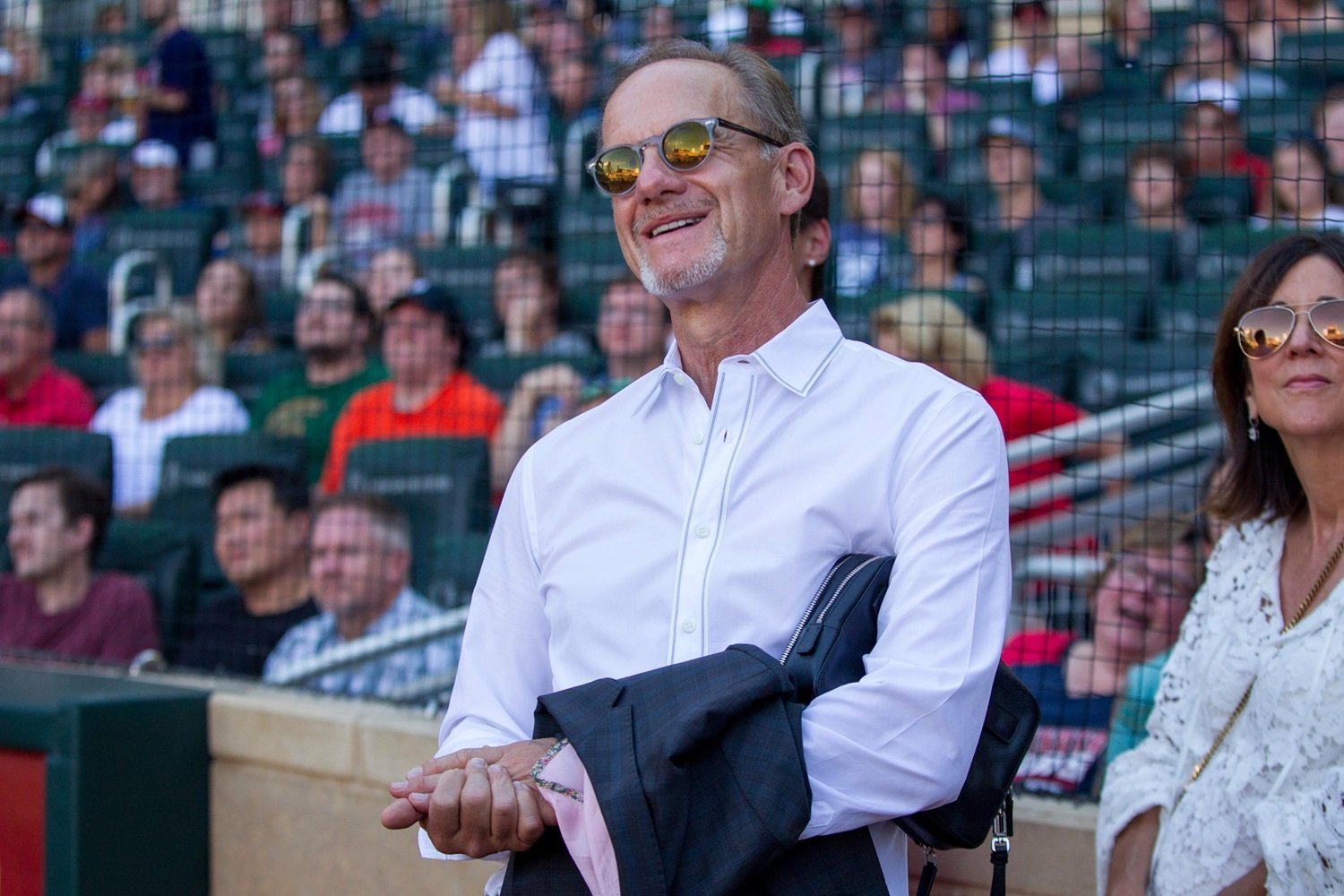 A year ago, Twins fans were given reason to believe that the endless cycle of Pohlad family ownership might finally be nearing its conclusion. Instead, the supposed light at the end of the tunnel turned out to be nothing more than a painted brick wall—in the form of two minority ownership groups whose buy-ins were used to help cover the family’s reported $400 million in debt. Rather than accepting what was rumored to be at least one serious, competitive bid for the franchise, the Pohlads chose to maintain their majority stake in the team. The decision kept control firmly in the same hands that have long frustrated fans, even as outside interest in full ownership appeared both real and aggressive. Last weekend, Charlie Walters reported what many around Twins Territory have been wondering for months: the Pohlad family still plans to sell the Minnesota Twins. After exploring the market over the past year, they were unable to find the valuation they wanted. The expectation now is that they will bring the team back to market next offseason when conditions may be more favorable. The challenge is that Major League Baseball’s labor agreement is set to expire on Dec. 1, 2026. Commissioner Rob Manfred has already made it clear that owners intend to make their strongest push yet for a hard salary cap, along with expanded revenue sharing. The possibility of a lockout looms large, creating significant uncertainty for any prospective buyer. “The Pohlads are expected to wait until baseball’s labor agreement is settled after next season, then hope to get the price they want," Walters wrote. "But a lockout seems likely, because baseball’s owners are hell-bent on getting a salary cap.” The Lockout Question The last round of CBA negotiations in 2022 provided a preview of what can happen when owners and players clash. From the Twins' perspective, that dispute delayed free agency, leading to the team signing Carlos Correa to a short-term deal that evolved into an unusual courtship and ultimately resulted in a long-term contract. That deal didn’t work out in the team’s favor in the long term, but he did help Minnesota end its two-decade playoff losing streak. This time around, the negotiations are expected to be even more contentious. The owners are determined to establish a salary cap, while the MLBPA is just as determined to resist. If neither side relents, regular-season games in 2027 could be lost. That type of instability is a significant concern for anyone considering a multi-billion-dollar purchase. Minority Partners in Position Reports earlier this summer suggested that the new minority investors in the Twins do not have a built-in path to majority ownership. However, Walters indicated that these partners may hold a right of first refusal if the Pohlads decide to sell. The investors are believed to have spent around $200 million each to join the ownership group, potentially with the understanding that they could match any future outside offer. That arrangement does not guarantee a smooth sale. A right of first refusal only provides an opportunity to match the price, and if franchise values rise once the labor issues are resolved, the cost could be higher than these partners anticipated. The same labor battle that complicates a sale might also make the Twins a more valuable franchise in the long run. If owners succeed in implementing a salary cap and stronger revenue sharing, small- and mid-market clubs would become more profitable and more attractive investments. The Pohlads may be betting on that outcome before finalizing their exit. What It Means for Twins Fans For now, the Twins continue to operate under Pohlad ownership, and the front office remains focused on roster construction and development. The long-term picture, however, is unsettled. The family has owned the team since 1984, but the possibility of a sale feels more real than it has at any point in the last 40 years. Whether the Pohlads choose to sell next year or wait until the labor dispute concludes will shape the franchise's future. Until then, Twins fans are left to watch both the standings and the business side of baseball with equal curiosity. Will the Pohlads attempt to sell the team after a new CBA is in place? Leave a comment and start the discussion.
 -
Taj Bradley’s big-league career has been a tale of two pitchers. At times, the 24-year-old right-hander has looked like a future frontline starter, armed with swing-and-miss stuff that leaves hitters baffled. At other times, he has struggled to find efficiency, leaning too heavily on certain pitches and failing to work consistently deep into games. Tampa Bay Roots: A Strikeout Arm When Bradley first broke in with Tampa Bay, his electric fastball and devastating splitter turned heads across baseball. In parts of two seasons with the Rays (2023-24), he struck out over 27 percent of the batters he faced, an impressive figure for a young arm still learning the league. Across 240 innings, Bradley posted a 4.75 ERA (86 ERA+) with a 1.29 WHIP. The numbers reflected both his upside and his growing pains. He averaged only five innings per start, showing swing-and-miss ability but not yet the polish to work through lineups multiple times consistently. His best weapon was the splitter. In 2024, the pitch produced a 33.0 Whiff% while holding opponents to a .280 expected slugging percentage. By itself, that offering looked like the foundation for a long-term role in the rotation. Bradley struck out 154 batters in just 138 innings, a sign of how dangerous his arsenal could be when locked in. A Shift in Approach But the Rays, always tinkering with pitching models, tried to steer Bradley in a different direction this season. Instead of chasing whiffs, they emphasized ground balls. His cutter became more prominent, and his curveball usage jumped by over five percent. The trade-off was clear. Bradley’s splitter, once his most reliable out-pitch, lost its bite. His strikeout rate with the splitter plummeted from 37.1 percent last season to just 21.1 percent this year, and its Run Value fell from plus-four to zero. For a pitcher whose identity was built on missing bats, the adjustment came with growing pains. “It’s one of the harder pitches to learn,” Bradley said. “A lot of guys struggle with it. I can get the feel for it if I remain athletic and don’t think too much about it. Every other pitch, it feels like wrist position is going to fix everything. But this is a release point kind of thing, finger on the ball, pressure. I’m learning what pronating and supinating is. Figuring out what you do best and putting it all in one pitch. It’s a lot to think about, but if I can keep athletic, I think I’ll be good at it.” Searching in St. Paul That loss of feel is a big reason the Twins have kept Bradley at Triple-A St. Paul. Instead of being forced to learn on the fly against the league’s best hitters, the organization wants him to rediscover the splitter in a lower-pressure environment. “It’s still not quite where it was last year or the year before,” Twins pitching development director Tommy Bergjans said. “He’s still going to have to make another comparable jump to what he’s done the past few weeks. … It’s specifically trying to get the shape and some of the underlying movement quality back to what it was in ’24 and ’23.” For now, Bradley’s two identities remain in tension with the strikeout-heavy arm that looks like a rotation anchor, and the contact-focused experiment still searching for balance. The Twins are betting they can help him thread the needle, blending efficiency with swing-and-miss stuff. If he can rediscover the splitter and pair it with his cutter-heavy approach, Bradley has the tools to finally bridge the gap between flashes of brilliance and consistent performance. The question is whether the Twins can help unlock the correct version of Bradley and whether he can keep it unlocked. What It Means for the Twins' Rotation Minnesota’s starting staff already features long-term anchors in Pablo López and Joe Ryan, with Bailey Ober and Simeon Woods Richardson carving out important roles. But the organization still lacks depth behind that core, especially as injuries and workload management continue to test the rotation. There are also questions swirling about whether or not the Twins will look to trade arms like López and Ryan this winter. Bradley represents a potential difference-maker. If he regains the strikeout version of himself, he could be a mid-rotation weapon with top-of-the-rotation upside. If the adjustments stall, his profile will resemble that of a depth starter who struggles to cover innings consistently. The Twins don’t need him to be an ace right away. They need him to become a reliable option who can slot into the middle of the rotation and take pressure off younger arms. In the long run, his development could be one of the key factors that determine whether the Twins are merely competitive in the AL Central or build a staff capable of carrying them deep into October. How can Bradley reach his ceiling? Leave a comment and start the discussion. View full article
-
Minnesota Twins’ 2026 MLB Draft Lottery Odds Rising With Every Loss
Cody Christie posted an article in Twins
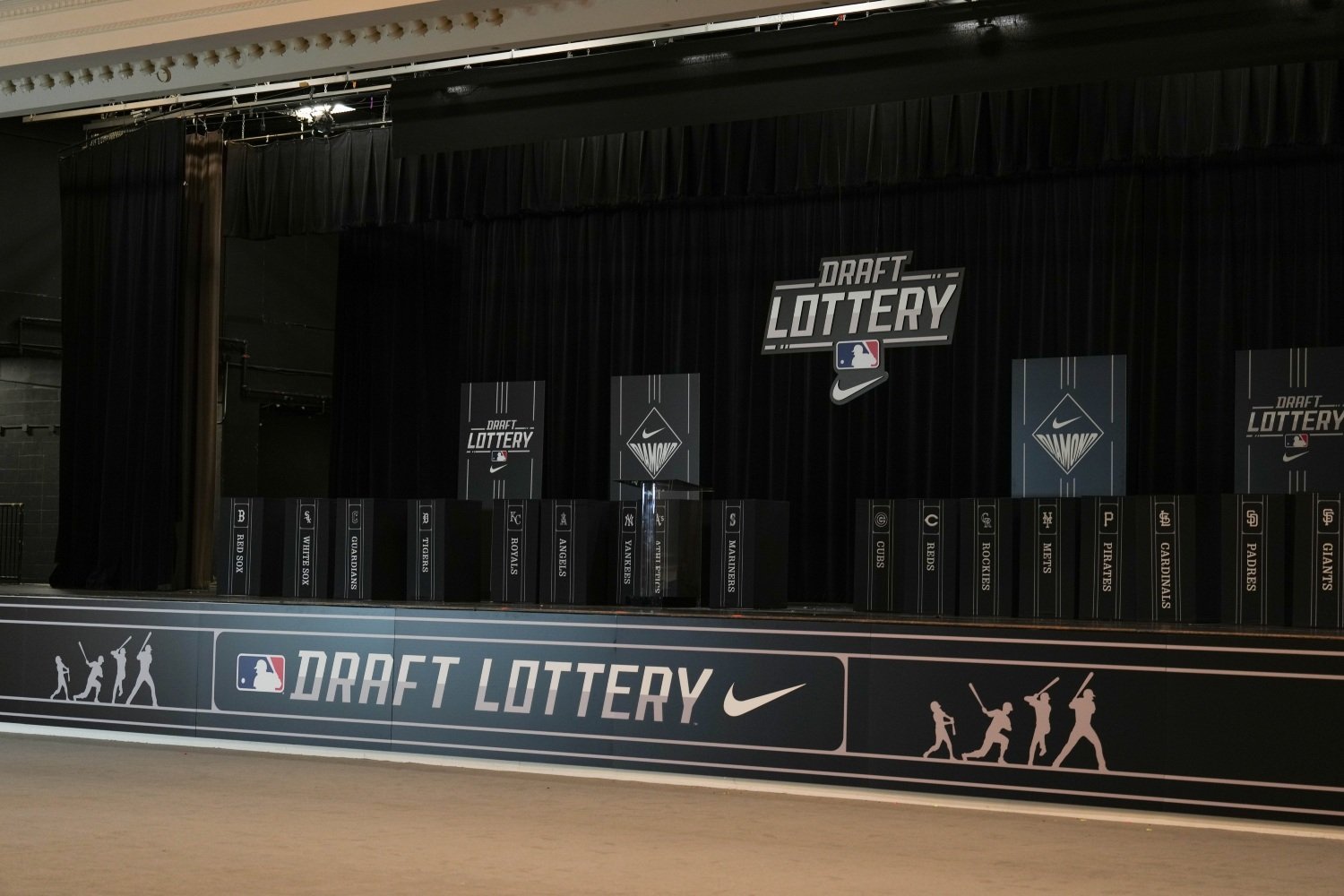 Since the All-Star break, the Minnesota Twins have struggled to find a consistent footing. Losses have piled up, and the standings have grown more discouraging by the day. While no fan enjoys watching their team tumble, the Twins’ recent skid has at least one hidden benefit: improving their draft stock for 2026. If a team is going to be bad, it pays to be really bad. How the Lottery Works in Minnesota’s Favor The 2026 MLB Draft lottery is scheduled for early December, and Minnesota has quietly positioned itself to get access to an elite talent. As of this week, the Twins sit with the third-best odds (15.3%) of landing the No. 1 overall selection, a potential franchise-altering opportunity. Despite being tied with the Orioles for the fifth-worst record in the league, the Twins benefit from MLB’s draft eligibility rules. Both the Rockies and Nationals sit below Minnesota in the standings, but because each has picked near the top in consecutive drafts, they are barred from drafting inside the top 10 next summer. That quirk bumps the Twins up the board even without sinking entirely to the bottom. The Race Below the White Sox The White Sox have effectively locked down the worst record in the AL, even while playing near .500 since the break. It would be almost impossible for the Twins to finish below Chicago, as Minnesota sits over 10 games up in the standings. That leaves Minnesota jockeying with the Pirates, O's and Atlanta Braves for positioning behind them. Atlanta was expected to be in contention this year, but has struggled with injuries and inconsistency. Pittsburgh has shown some fight in recent weeks, with an above-.500 record, lightening its schedule down the stretch and opening the door for the Twins to climb as high as second in the lottery odds. Of course, it’s just as easy to slide backward. The Braves, Athletics, Orioles, and Marlins are all within a couple of games of Minnesota, meaning any late-season winning streak could quickly hurt their draft position. Below is the 2026 MLB Draft Lottery simulator from Tankathon, as of games played on August 27, 2025. Who Are the Top Available Draft Prospects in 2026? The prize of next year’s draft is expected to be UCLA shortstop Roch Cholowsky, a polished defender with legitimate power after hitting 23 home runs as a sophomore. He compiled a .353/.480/.710, while being named an All-American. There’s always a chance that his performance drops during his junior year, but he is lined up to be a top-five pick. Alabama’s Justin Lebron is on nearly the same level as Cholowsky, as a collegiate shortstop, and could easily move up the draft board based on his 2026 season. Last season, he posted a 1.058 OPS and hit 18 home runs in the competitive SEC. Many evaluators believe he can stick at shortstop, and he fits the profile of players the Twins have targeted with their first-round picks over the last two seasons (Kaelen Culpepper, Marek Houston). High school players Jacob Lombard and Grady Emerson are also generating early top-10 buzz. Lombard is the brother of Yankees prospect George Lombard Jr. He grades as an 80 runner and is considered a five-tool talent. Emerson has a similar profile, with budding power from the left side. The Twins know how valuable a draft lottery jump can be. Just two years ago, the franchise vaulted up eight spots to secure Walker Jenkins, who is now their consensus top prospect and a cornerstone of their long-term plans. Another opportunity to ensnare that type of talent could significantly shift the organization’s future trajectory. Minnesota Twins Recent Top-10 Picks Player Pick, Draft Year Walker Jenkins, OF 5th Overall, 2023 Brooks Lee, SS 8th Overall, 2022 Royce Lewis, SS 1st Overall, 2017 Tyler Jay, LHP 6th Overall, 2015 Nick Gordon, SS 5th Overall, 2014 Kohl Stewart, RHP 4th Overall, 2013 Byron Buxton, OF 2nd Overall 2012 A Bitter But Understandable Silver Lining No player in the Twins clubhouse is taking the field hoping to lose, and it’s clear this stretch of games has been tough on both the roster and fans. Add in uncertainty around ownership, and the mood around Target Field has rarely felt this bleak. Still, in the big picture, each loss brings with it a brighter possibility come December. The Twins’ draft fate won’t erase the frustration of a lost season, but if recent struggles lead to another cornerstone talent like Jenkins, the pain of 2025 may look more like a necessary step in shaping a stronger future. How low will the Twins fall in the standings? Can they earn the top overall pick in next year’s draft? Leave a comment and start the discussion.
 -
Image courtesy of © Reid Glenn / USA TODAY NETWORK The world rejoiced Tuesday, when Taylor Swift said “yes” to NFL star Travis Kelce, completing America’s favorite crossover event since peanut butter met jelly. But in the shadows of this pop-cultural fireworks show lies a story the national media refuses to cover: the tragic love triangle between Swift, Kelce, and Minnesota’s own T.C. Bear. That’s right, before Kelce ever shot his shot with a friendship bracelet, Swift was entangled in a fuzzy, home-run-hitting romance with the Twins’ beloved mascot. The Secret Ceremony Sources inside the organization confirmed that T.C. and Taylor once planned a small, intimate wedding at Target Field. “I was there,” said a still-shaken Byron Buxton. “He had the tux, the bow tie, everything. She was supposed to walk down the warning track. But instead, she hopped on a private jet to Kansas City. He never saw it coming.” Pablo López added his own perspective: “It was heartbreaking. T.C. stood on home plate waiting for her, holding a bouquet of cotton candy. The organist even played 'Love Story'. She just… never showed.” The untold story left many in the clubhouse rattled. Some even speculated that Swift’s relationship with the mascot was doomed from the start. “I mean, she’s dated actors, rock stars, British royalty-adjacent types,” said Rocco Baldelli. “At some point, she was bound to realize she couldn’t bring a giant bear to the Grammys, even if [Kelce] resembles a bear. His head fits through regular-sized doorways. It's different.” A Last-Ditch Attempt at the Eras Tour Still unwilling to let go, T.C. tried to win her back. When the Eras Tour came to Minneapolis, he reportedly lumbered up to U.S. Bank Stadium with a glitter-covered sign reading, ‘You Belong With Me (and a T-Shirt Toss Between Innings).’ One source said the song alluded to in the sign was originally about T.C., with the lyric "You were Romeo in gloves of scarlet leather," rather than "I was a scarlet letter". But security was not impressed. “They said he wasn’t on the guest list,” explained Joe Ryan, who tagged along for emotional support. “Apparently, if you want backstage access to Taylor Swift, you need a podcast and a Pro Bowl résumé. Mascot-ing for the AL Central doesn’t cut it.” Eyewitnesses claim T.C. tried sneaking in through the merch stand, only to be escorted out after knocking over three racks of sequined cardigans. He left heartbroken, though insiders say he still hums 'All Too Well' during between-inning races. The Swiftie Conspiracy Files As with all things Taylor, Swifties have turned this saga into a full-blown conspiracy theory. Online detectives claim TC Bear is secretly featured in her “You Need to Calm Down” music video, lurking in the background of a poolside scene holding what appears to be a hot dog cannon. “Look closely,” one fan account posted on X. “The bear’s fur matches T.C.’s exact shade of light brown. This wasn’t random. Taylor was leaving us a clue.” Other theories suggest the Midnights bonus track “Hits Different” is really about a furry fiancé who struck out in love. “The lyric about 'Now the sun burns my heart and the sand hurts my feelings’ clearly refers to T.C. in her music video,” one particularly passionate Reddit thread declared. So far, Swift’s camp has declined to comment, though MLB reportedly requested she stop inserting mascot Easter eggs in her videos until (at least) after her wedding to Kelce. As for the Twins themselves, owner Joe Pohlad wanted to make a clear statement of support. "I honestly wasn't informed in advance, but my understanding is that that was a purely romantic decision," he said. The team's demand that Swift allow T.C. to take control of the original masters of her music and their insistence that she live up to her promise to marry the gigantic ursid in paper rings were non-factors, Pohlad indicated. What’s Next for T.C. Bear? While Swift and Kelce plan their happily-ever-after, T.C. is left to pick up the pieces. “We’re just trying to help him move on,” said Royce Lewis. “We’ve set him up on a few dates with the Milwaukee Brewers’ sausage mascots. Nothing serious yet, but, hey, at least they understand the life.” In the end, maybe this is just another verse in Taylor’s ongoing love ballad. But for T.C. Bear, it’s more than a song. It’s a ninth-inning heartbreak that will never fully heal. And if Kelce ever gets cold feet? Well, let’s just say there’s a bear in Minnesota waiting by the dugout with cotton candy and a boom box—and his feet are always very warm. View full article
-
The Untold Story of Taylor Swift Leaving T.C. Bear at the Altar
Cody Christie posted an article in Just For Fun
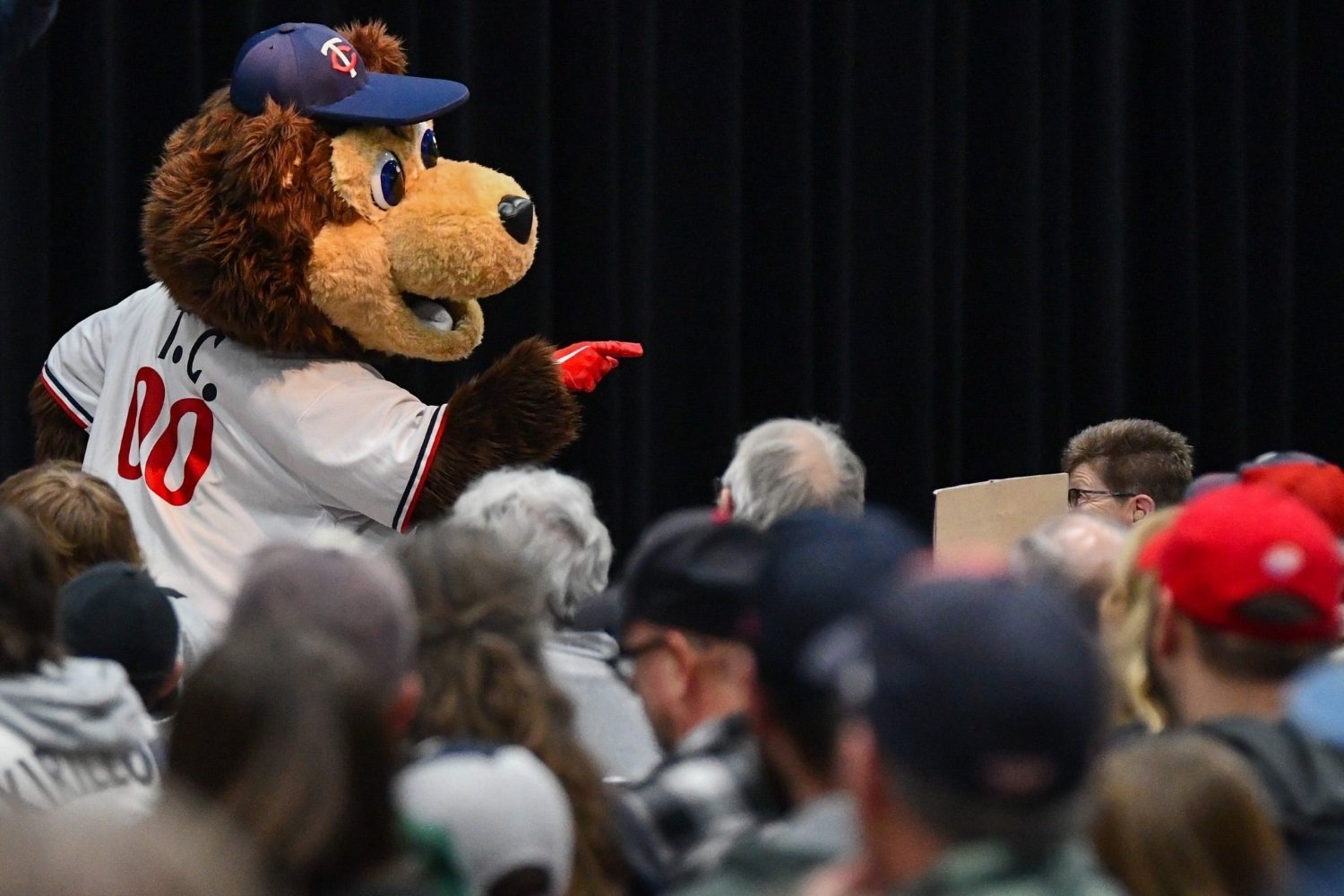 The world rejoiced Tuesday, when Taylor Swift said “yes” to NFL star Travis Kelce, completing America’s favorite crossover event since peanut butter met jelly. But in the shadows of this pop-cultural fireworks show lies a story the national media refuses to cover: the tragic love triangle between Swift, Kelce, and Minnesota’s own T.C. Bear. That’s right, before Kelce ever shot his shot with a friendship bracelet, Swift was entangled in a fuzzy, home-run-hitting romance with the Twins’ beloved mascot. The Secret Ceremony Sources inside the organization confirmed that T.C. and Taylor once planned a small, intimate wedding at Target Field. “I was there,” said a still-shaken Byron Buxton. “He had the tux, the bow tie, everything. She was supposed to walk down the warning track. But instead, she hopped on a private jet to Kansas City. He never saw it coming.” Pablo López added his own perspective: “It was heartbreaking. T.C. stood on home plate waiting for her, holding a bouquet of cotton candy. The organist even played 'Love Story'. She just… never showed.” The untold story left many in the clubhouse rattled. Some even speculated that Swift’s relationship with the mascot was doomed from the start. “I mean, she’s dated actors, rock stars, British royalty-adjacent types,” said Rocco Baldelli. “At some point, she was bound to realize she couldn’t bring a giant bear to the Grammys, even if [Kelce] resembles a bear. His head fits through regular-sized doorways. It's different.” A Last-Ditch Attempt at the Eras Tour Still unwilling to let go, T.C. tried to win her back. When the Eras Tour came to Minneapolis, he reportedly lumbered up to U.S. Bank Stadium with a glitter-covered sign reading, ‘You Belong With Me (and a T-Shirt Toss Between Innings).’ One source said the song alluded to in the sign was originally about T.C., with the lyric "You were Romeo in gloves of scarlet leather," rather than "I was a scarlet letter". But security was not impressed. “They said he wasn’t on the guest list,” explained Joe Ryan, who tagged along for emotional support. “Apparently, if you want backstage access to Taylor Swift, you need a podcast and a Pro Bowl résumé. Mascot-ing for the AL Central doesn’t cut it.” Eyewitnesses claim T.C. tried sneaking in through the merch stand, only to be escorted out after knocking over three racks of sequined cardigans. He left heartbroken, though insiders say he still hums 'All Too Well' during between-inning races. The Swiftie Conspiracy Files As with all things Taylor, Swifties have turned this saga into a full-blown conspiracy theory. Online detectives claim TC Bear is secretly featured in her “You Need to Calm Down” music video, lurking in the background of a poolside scene holding what appears to be a hot dog cannon. “Look closely,” one fan account posted on X. “The bear’s fur matches T.C.’s exact shade of light brown. This wasn’t random. Taylor was leaving us a clue.” Other theories suggest the Midnights bonus track “Hits Different” is really about a furry fiancé who struck out in love. “The lyric about 'Now the sun burns my heart and the sand hurts my feelings’ clearly refers to T.C. in her music video,” one particularly passionate Reddit thread declared. So far, Swift’s camp has declined to comment, though MLB reportedly requested she stop inserting mascot Easter eggs in her videos until (at least) after her wedding to Kelce. As for the Twins themselves, owner Joe Pohlad wanted to make a clear statement of support. "I honestly wasn't informed in advance, but my understanding is that that was a purely romantic decision," he said. The team's demand that Swift allow T.C. to take control of the original masters of her music and their insistence that she live up to her promise to marry the gigantic ursid in paper rings were non-factors, Pohlad indicated. What’s Next for T.C. Bear? While Swift and Kelce plan their happily-ever-after, T.C. is left to pick up the pieces. “We’re just trying to help him move on,” said Royce Lewis. “We’ve set him up on a few dates with the Milwaukee Brewers’ sausage mascots. Nothing serious yet, but, hey, at least they understand the life.” In the end, maybe this is just another verse in Taylor’s ongoing love ballad. But for T.C. Bear, it’s more than a song. It’s a ninth-inning heartbreak that will never fully heal. And if Kelce ever gets cold feet? Well, let’s just say there’s a bear in Minnesota waiting by the dugout with cotton candy and a boom box—and his feet are always very warm.
 -
Image courtesy of © Kyle Schwab - Imagn Images Since the All-Star break, the Minnesota Twins have struggled to find a consistent footing. Losses have piled up, and the standings have grown more discouraging by the day. While no fan enjoys watching their team tumble, the Twins’ recent skid has at least one hidden benefit: improving their draft stock for 2026. If a team is going to be bad, it pays to be really bad. How the Lottery Works in Minnesota’s Favor The 2026 MLB Draft lottery is scheduled for early December, and Minnesota has quietly positioned itself in a strong spot. As of this week, the Twins sit with the third-best odds (15.3%) of landing the No. 1 overall selection, a potential franchise-altering opportunity. Despite being tied with the Braves for the fifth-worst record in the league, the Twins benefit from MLB’s draft eligibility rules. Both the Rockies and Nationals sit below Minnesota in the standings, but because each has picked near the top in consecutive drafts, they are barred from drafting inside the top 10 next summer. That quirk bumps the Twins up the board even without sinking entirely to the bottom. The Race Below the White Sox The White Sox have effectively locked down the worst record in the AL, even while playing near .500 since the break. It would be almost impossible for the Twins to finish below Chicago, as Minnesota sits over 10 games up in the standings. That leaves Minnesota jockeying with the Pirates and Braves for positioning behind them. Atlanta was expected to be in contention this year, but has struggled with injuries and inconsistencies. Pittsburgh has shown some fight in recent weeks with an above-.500 record, lightening its schedule down the stretch and opening the door for the Twins to climb as high as second in the lottery odds. Of course, it’s just as easy to slide backward. The Braves, Athletics, Orioles, and Marlins are all within a couple of games of Minnesota, meaning any late-season winning streak could quickly hurt their draft position. Below is the 2026 MLB Draft Lottery simulator from Tankathon, as of games played on August 25, 2025. Who Are the Top Available Draft Prospects in 2026? The prize of next year’s draft is expected to be UCLA shortstop Roch Cholowsky, a polished defender with legitimate power after hitting 23 home runs as a sophomore. He compiled a .353/.480/.710 (1.190) while being named an All-American. There’s always a chance that his performance drops during his junior year, but he is lined up to be a top-five pick. Alabama’s Justin Lebron is nearly the same level as Cholowsky as a collegiate shortstop and could easily move up the draft board based on his 2026 season. Last season, he posted a 1.058 OPS and hit 18 home runs in the competitive SEC. Many evaluators believe he can stick at shortstop, and he fits the profile of players the Twins have targeted with their first-round picks over the last two seasons (Kaelen Culpepper, Marek Houston). High school players Jacob Lombard and Grady Emerson are also generating early top-10 buzz. Lombard is the brother of Yankees prospect George Lombard Jr. He grades as an 80+ runner and is considered a five-tool talent. Emerson has a similar profile with budding power from the left side. The Twins know how valuable a draft lottery jump can be. Just two years ago, the franchise vaulted up eight spots to secure Walker Jenkins, who is now their consensus top prospect and a cornerstone of their long-term plans. Another opportunity at that caliber of talent could significantly shift the organization’s future trajectory. Minnesota Twins Recent Top-10 Picks Player Pick, Draft Year Walker Jenkins, OF 5th Overall, 2023 Brooks Lee, SS 8th Overall, 2022 Royce Lewis, SS 1st Overall, 2017 Tyler Jay, LHP 6th Overall, 2015 Nick Gordon, SS 5th Overall, 2014 Kohl Stewart, RHP 4th Overall, 2013 Byron Buxton, OF 2nd Overall 2012 A Bitter But Understandable Silver Lining No player in the Twins clubhouse is taking the field hoping to lose, and it’s clear this stretch of games has been tough on both the roster and fans. Add in uncertainty around ownership, and the mood around Target Field has rarely felt this bleak. Still, in the big picture, each loss brings with it a brighter possibility come December. The Twins’ draft fate won’t erase the frustration of a lost season, but if recent struggles lead to another cornerstone talent like Jenkins, the pain of 2025 may look more like a necessary step in shaping a stronger future. How low will the Twins fall in the standings? Can they earn the top overall pick in next year’s draft? Leave a comment and start the discussion. View full article
-
How Rocco Baldelli and the Twins Plan “Something Drastic” On the Bases
Cody Christie posted an article in Twins
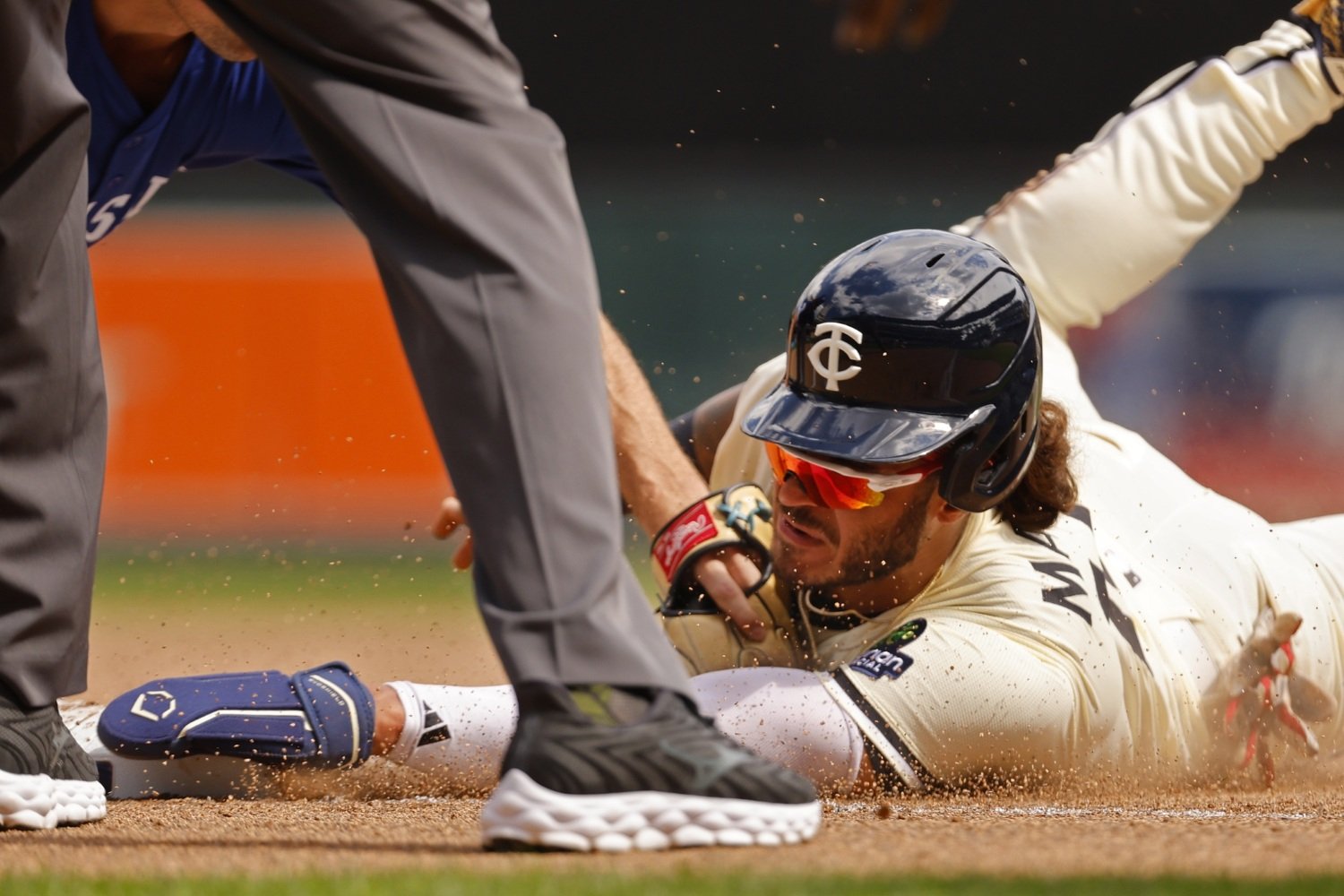 Since Rocco Baldelli took over as manager in 2019, the Minnesota Twins have been built to slug. That first year, the “Bomba Squad” shattered records, launching baseballs into the seats while Baldelli mostly sat back and let the lineup do the heavy lifting. The half-decade since has been marked by attempts to recreate that magic, with lineups stacked with power but lacking speed and athleticism. The result? An offense that too often stalls when the long ball isn’t there. Now, Baldelli and his staff are pushing a new agenda—one that looks nothing like the passive, station-to-station approach of recent years. On Sunday’s Inside Twins broadcast, Baldelli pulled back the curtain on the team’s new emphasis on basepath aggressiveness. Why Now? Baldelli admitted that the shift had been on his mind for some time, but it wasn’t until bench coach Jayce Tingler presented the idea that the wheels started turning. “Jayce Tingler, our bench coach, actually came to me last week and said, ‘Hey, what do you think about doing something drastic? What do you think about really opening this thing up on the bases,’” Baldelli said. “Knowing that it might get a little wild out there at times, but leaving it in the hands of the players to be more aggressive in every possible way.” The timing, Baldelli explained, felt right for experimentation. “I thought to myself, if we are ever going to do this, there’s no better time than right now to see what it looks like if you allow our players to open it up,” he said. “We’ve seen some great, seen some good, seen some not so good, but overall I’ve been really pleased with what I’ve seen from it. I like this team more aggressive than not-aggressive.” Minnesota has added players to the roster in the second half, like Luke Keaschall, James Outman, Austin Martin, and Ryan Fitzgerald. While they have seen various levels of baserunning success, there is more speed on the roster compared to earlier in the season. There’s also nothing to lose in a season heading toward 90 losses. Let the players run wild and see if the team can perform better than expected. A Missed Opportunity Earlier? Of course, some fans might wonder if the team waited too long to make such a shift. Outside the team’s 13-game winning streak, the offense struggled to find consistency. However, Baldelli pushed back against that narrative. “It’s always easier to say after the fact that something could have been done,” Baldelli said. “I think at that point, we were actually playing really good baseball. Say we didn’t play well for a week, that I was going to make a massive overhaul to let our players go wild and aggressively on the bases. I don’t think that was the right time to do it.” That restraint, though, may give way to a new identity for this roster, a team that makes opponents uncomfortable by applying pressure on the bases. Player Sprint Speed (ft/s) Extra Bases Taken Byron Buxton 30.1 3 James Outman 28.7 1 Luke Keaschall 28.5 0 Austin Martin 28.3 0 Ryan Fitzgerald 28.0 0 Kody Clemens 27.8 1 Aggressive vs. Reckless Of course, with freedom comes the risk of chaos. Fans watching from home will wonder: how do you know if it’s aggression or simply recklessness? “Truthfully, I’m watching it the same way that fans are watching it,” Baldelli admitted. “I’m used to putting signs on dictating when we do what, and right now, the players are going to have a little more openness and ability and freedom out there.” It’s a fine line, but one Baldelli seems willing to live with as the Twins shift gears. Baldelli was known for his aggressive approach as a player, so it makes sense that that’s the type of team he’d want to manage. For fans looking to spot the difference in this new approach, Baldelli pointed to a handful of cues. “There’s a lot to watch,” he explained. “The jumps, the leads. It’s going to be the number of times we go out there trying to take extra bases. You do that out of the box and on your initial first couple of steps on the base paths. You should see guys on their toes and trying to make things happen and not just waiting for things to happen.” In a season where power production has not come easily, the Twins are looking for an edge. Speed and aggressiveness may not be as flashy as 400-foot home runs, but they can grind down opponents, turn singles into doubles, and manufacture the kind of runs that win close games. The “Bomba Squad” identity carried Minnesota for a season. If Baldelli’s vision takes hold, this new style might carry them further. Have you noticed the Twins approaching base running differently in recent weeks? Leave a comment and start the discussion.
- 44 comments
-
- 1
-
-
- byron buxton
- luke keaschall
- (and 5 more)
-
Image courtesy of © Bruce Kluckhohn-Imagn Images Since Rocco Baldelli took over as manager in 2019, the Minnesota Twins have been built to slug. That first year, the “Bomba Squad” shattered records, launching baseballs into the seats while Baldelli mostly sat back and let the lineup do the heavy lifting. The half-decade since has been marked by attempts to recreate that magic, with lineups stacked with power but lacking speed and athleticism. The result? An offense that too often stalls when the long ball isn’t there. Now, Baldelli and his staff are pushing a new agenda—one that looks nothing like the passive, station-to-station approach of recent years. On Sunday’s Inside Twins broadcast, Baldelli pulled back the curtain on the team’s new emphasis on basepath aggressiveness. Why Now? Baldelli admitted that the shift had been on his mind for some time, but it wasn’t until bench coach Jayce Tingler presented the idea that the wheels started turning. “Jayce Tingler, our bench coach, actually came to me last week and said, ‘Hey, what do you think about doing something drastic? What do you think about really opening this thing up on the bases,’” Baldelli said. “Knowing that it might get a little wild out there at times, but leaving it in the hands of the players to be more aggressive in every possible way.” The timing, Baldelli explained, felt right for experimentation. “I thought to myself, if we are ever going to do this, there’s no better time than right now to see what it looks like if you allow our players to open it up,” he said. “We’ve seen some great, seen some good, seen some not so good, but overall I’ve been really pleased with what I’ve seen from it. I like this team more aggressive than not-aggressive.” Minnesota has added players to the roster in the second half, like Luke Keaschall, James Outman, Austin Martin, and Ryan Fitzgerald. While they have seen various levels of baserunning success, there is more speed on the roster compared to earlier in the season. There’s also nothing to lose in a season heading toward 90 losses. Let the players run wild and see if the team can perform better than expected. A Missed Opportunity Earlier? Of course, some fans might wonder if the team waited too long to make such a shift. Outside the team’s 13-game winning streak, the offense struggled to find consistency. However, Baldelli pushed back against that narrative. “It’s always easier to say after the fact that something could have been done,” Baldelli said. “I think at that point, we were actually playing really good baseball. Say we didn’t play well for a week, that I was going to make a massive overhaul to let our players go wild and aggressively on the bases. I don’t think that was the right time to do it.” That restraint, though, may give way to a new identity for this roster, a team that makes opponents uncomfortable by applying pressure on the bases. Player Sprint Speed (ft/s) Extra Bases Taken Byron Buxton 30.1 3 James Outman 28.7 1 Luke Keaschall 28.5 0 Austin Martin 28.3 0 Ryan Fitzgerald 28.0 0 Kody Clemens 27.8 1 Aggressive vs. Reckless Of course, with freedom comes the risk of chaos. Fans watching from home will wonder: how do you know if it’s aggression or simply recklessness? “Truthfully, I’m watching it the same way that fans are watching it,” Baldelli admitted. “I’m used to putting signs on dictating when we do what, and right now, the players are going to have a little more openness and ability and freedom out there.” It’s a fine line, but one Baldelli seems willing to live with as the Twins shift gears. Baldelli was known for his aggressive approach as a player, so it makes sense that that’s the type of team he’d want to manage. For fans looking to spot the difference in this new approach, Baldelli pointed to a handful of cues. “There’s a lot to watch,” he explained. “The jumps, the leads. It’s going to be the number of times we go out there trying to take extra bases. You do that out of the box and on your initial first couple of steps on the base paths. You should see guys on their toes and trying to make things happen and not just waiting for things to happen.” In a season where power production has not come easily, the Twins are looking for an edge. Speed and aggressiveness may not be as flashy as 400-foot home runs, but they can grind down opponents, turn singles into doubles, and manufacture the kind of runs that win close games. The “Bomba Squad” identity carried Minnesota for a season. If Baldelli’s vision takes hold, this new style might carry them further. Have you noticed the Twins approaching base running differently in recent weeks? Leave a comment and start the discussion. View full article
-
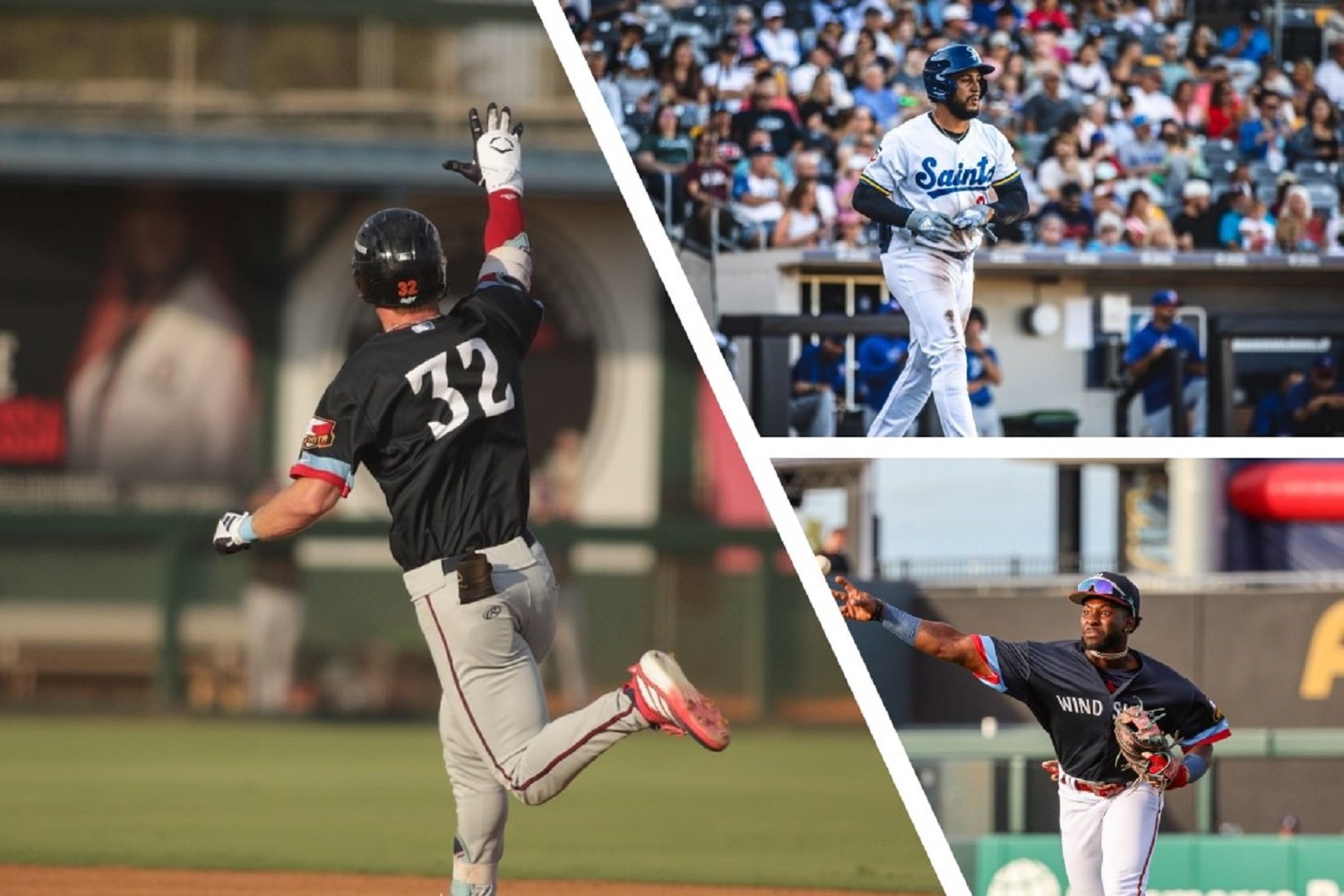 The Twins’ front office has tried to walk a fine line in recent years: remaining competitive while holding onto top prospects that represent the future core. That balancing act is nearing its end. Within the next year, Minnesota is expected to see one of the largest waves of homegrown talent the franchise has had since the early 2000s. The result could be a lineup packed with youth, upside, and plenty of growing pains. Here’s a look at what the 2026 Twins lineup might realistically look like in the second half of next season, and why these names are part of the long-term plan. Catcher: TBD The catcher position remains a question mark, after years of stability. With Ryan Jeffers likely on the move by the 2026 trade deadline, Minnesota seems sure to bring in a stopgap veteran. That player will handle most of the second-half catching duties in 2026, while the organization takes a longer look at its internal options. Most fans will be waiting on Eduardo Tait, the top prospect acquired for Jhoan Duran, but he won’t be ready for Target Field until 2027 or later. First Base: <Insert Veteran First Baseman Name> First base continues to be a revolving door. The club has gone the veteran route in recent years, with Ty France underperforming and Carlos Santana exceeding expectations defensively en route to a Gold Glove. Aaron Sabato lingers as a potential internal option, but the Twins have yet to show real belief in him. Expect another short-term veteran acquisition until a long-term solution emerges—but don't expect it to be a high-profile or high-cost one. Second Base: Luke Keaschall The former third-round pick has made his mark on the Twins this season and pushed himself into the team’s long-term plans. Keaschall’s feel for contact and his athleticism make him a strong candidate to grab hold of the second base job. He likely will also see some time in the outfield as he gets further away from last summer’s Tommy John surgery. His steady bat gives the Twins a reliable option in the middle infield, and his on-base skills fit nicely into a developing core. Third Base: Brooks Lee While Royce Lewis has been the face of the franchise’s future at third base, the Twins may look to move on from him this winter in an attempt to shake up the core of the roster. That would shift Lee to the hot corner, as other shortstop prospects matriculate through the farm system behind him. Lee’s switch-hitting ability and consistent contact skills have shown some flaws in his first full season in the big leagues. He must start proving he can lay off borderline pitches and hit for more power. Shortstop: Kaelen Culpepper Drafted as a projectable shortstop, Culpepper has made steady progress offensively and answered some draft day questions about his defense. His development with the glove gives him a chance to stick at one of the most demanding positions, and his emerging bat could make him a long-term answer up the middle. In his first 100 games this season, he posted an .843 OPS while being two years younger than the average age of the competition in the Texas League. With Lee’s speed as a question mark up the middle, Culpepper may get the nod sooner, rather than later. Left Field: Walker Jenkins The Twins’ crown jewel prospect should be ready to take on Target Field’s spacious left field as early as next year. An argument can be made that the Twins should have him on next year’s Opening Day roster. That likely won’t happen, but Jenkins has all the makings of a franchise cornerstone, including size, power, patience, and an advanced feel for hitting. Minnesota promoted him to Triple-A this weekend, where the 20-year-old will get an opportunity to compile numbers in the offense-friendly International League. When he reaches the majors, he likely will endure some early struggles, but his upside is unmatched in the organization. Center Field: Byron Buxton The heart of the franchise still beats in center field. While health remains an ongoing concern, Buxton continues to be a difference-maker when on the field. If he’s able to stay in the lineup like he has in 2025, his veteran presence will be invaluable to a young group learning how to win. This is a similar role to the one played by Matt Lawton in 2001, when the Twins surprised many by being in contention in the first half (before slumping down the stretch). Right Field: Emmanuel Rodriguez Rodriguez brings a tantalizing power-and-patience profile that should translate well at the big-league level. Unfortunately, injuries have limited him throughout his pro career. His ability to get on base and drive the ball into the gaps could make him one of the most dangerous hitters in the lineup. The Twins see him as a key part of the corner outfield mix moving forward. Designated Hitter: Matt Wallner Wallner has shown flashes of becoming a serious power threat, and the designated hitter role gives him the flexibility to focus on his bat. While contact issues remain a concern, his left-handed power is an asset the Twins will need as they enter a new era. He’s been the team’s second-best hitter (behind Buxton) over the last two seasons. Like Lewis, he could be a trade candidate if the Twins want to shake up the core. Projected 2026 Twins Batting Order (2nd Half of Season) Luke Keaschall – 2B Byron Buxton – CF Matt Wallner – DH Brooks Lee – 3B Walker Jenkins – LF Emmanuel Rodriguez – RF Kaelen Culpepper – SS First Base – TBD Catcher – TBD If this lineup comes together as expected, it will be one of the youngest rosters in baseball. That means plenty of ups and downs, similar to the early-2000s Twins teams at the Metrodome. But like those squads, this group has the potential to grow together into a contender. The stands at Target Field may look sparse at first, but the next wave of Twins baseball could bring fans back in a big way. What changes will occur to this lineup before the second half of next season? Leave a comment and start the discussion.
- 117 comments
-
- 4
-
-
- walker jenkins
- emmanuel rodriguez
- (and 5 more)
-
Image courtesy of Ed Bailey (Photos of Walker Jenkins & Kaelen Culpepper), Rob Thompson (Photo of Emmanuel Rodriguez) The Twins’ front office has tried to walk a fine line in recent years: remaining competitive while holding onto top prospects that represent the future core. That balancing act is nearing its end. Within the next year, Minnesota is expected to see one of the largest waves of homegrown talent the franchise has had since the early 2000s. The result could be a lineup packed with youth, upside, and plenty of growing pains. Here’s a look at what the 2026 Twins lineup might realistically look like in the second half of next season, and why these names are part of the long-term plan. Catcher: TBD The catcher position remains a question mark, after years of stability. With Ryan Jeffers likely on the move by the 2026 trade deadline, Minnesota seems sure to bring in a stopgap veteran. That player will handle most of the second-half catching duties in 2026, while the organization takes a longer look at its internal options. Most fans will be waiting on Eduardo Tait, the top prospect acquired for Jhoan Duran, but he won’t be ready for Target Field until 2027 or later. First Base: <Insert Veteran First Baseman Name> First base continues to be a revolving door. The club has gone the veteran route in recent years, with Ty France underperforming and Carlos Santana exceeding expectations defensively en route to a Gold Glove. Aaron Sabato lingers as a potential internal option, but the Twins have yet to show real belief in him. Expect another short-term veteran acquisition until a long-term solution emerges—but don't expect it to be a high-profile or high-cost one. Second Base: Luke Keaschall The former third-round pick has made his mark on the Twins this season and pushed himself into the team’s long-term plans. Keaschall’s feel for contact and his athleticism make him a strong candidate to grab hold of the second base job. He likely will also see some time in the outfield as he gets further away from last summer’s Tommy John surgery. His steady bat gives the Twins a reliable option in the middle infield, and his on-base skills fit nicely into a developing core. Third Base: Brooks Lee While Royce Lewis has been the face of the franchise’s future at third base, the Twins may look to move on from him this winter in an attempt to shake up the core of the roster. That would shift Lee to the hot corner, as other shortstop prospects matriculate through the farm system behind him. Lee’s switch-hitting ability and consistent contact skills have shown some flaws in his first full season in the big leagues. He must start proving he can lay off borderline pitches and hit for more power. Shortstop: Kaelen Culpepper Drafted as a projectable shortstop, Culpepper has made steady progress offensively and answered some draft day questions about his defense. His development with the glove gives him a chance to stick at one of the most demanding positions, and his emerging bat could make him a long-term answer up the middle. In his first 100 games this season, he posted an .843 OPS while being two years younger than the average age of the competition in the Texas League. With Lee’s speed as a question mark up the middle, Culpepper may get the nod sooner, rather than later. Left Field: Walker Jenkins The Twins’ crown jewel prospect should be ready to take on Target Field’s spacious left field as early as next year. An argument can be made that the Twins should have him on next year’s Opening Day roster. That likely won’t happen, but Jenkins has all the makings of a franchise cornerstone, including size, power, patience, and an advanced feel for hitting. Minnesota promoted him to Triple-A this weekend, where the 20-year-old will get an opportunity to compile numbers in the offense-friendly International League. When he reaches the majors, he likely will endure some early struggles, but his upside is unmatched in the organization. Center Field: Byron Buxton The heart of the franchise still beats in center field. While health remains an ongoing concern, Buxton continues to be a difference-maker when on the field. If he’s able to stay in the lineup like he has in 2025, his veteran presence will be invaluable to a young group learning how to win. This is a similar role to the one played by Matt Lawton in 2001, when the Twins surprised many by being in contention in the first half (before slumping down the stretch). Right Field: Emmanuel Rodriguez Rodriguez brings a tantalizing power-and-patience profile that should translate well at the big-league level. Unfortunately, injuries have limited him throughout his pro career. His ability to get on base and drive the ball into the gaps could make him one of the most dangerous hitters in the lineup. The Twins see him as a key part of the corner outfield mix moving forward. Designated Hitter: Matt Wallner Wallner has shown flashes of becoming a serious power threat, and the designated hitter role gives him the flexibility to focus on his bat. While contact issues remain a concern, his left-handed power is an asset the Twins will need as they enter a new era. He’s been the team’s second-best hitter (behind Buxton) over the last two seasons. Like Lewis, he could be a trade candidate if the Twins want to shake up the core. Projected 2026 Twins Batting Order (2nd Half of Season) Luke Keaschall – 2B Byron Buxton – CF Matt Wallner – DH Brooks Lee – 3B Walker Jenkins – LF Emmanuel Rodriguez – RF Kaelen Culpepper – SS First Base – TBD Catcher – TBD If this lineup comes together as expected, it will be one of the youngest rosters in baseball. That means plenty of ups and downs, similar to the early-2000s Twins teams at the Metrodome. But like those squads, this group has the potential to grow together into a contender. The stands at Target Field may look sparse at first, but the next wave of Twins baseball could bring fans back in a big way. What changes will occur to this lineup before the second half of next season? Leave a comment and start the discussion. View full article
-
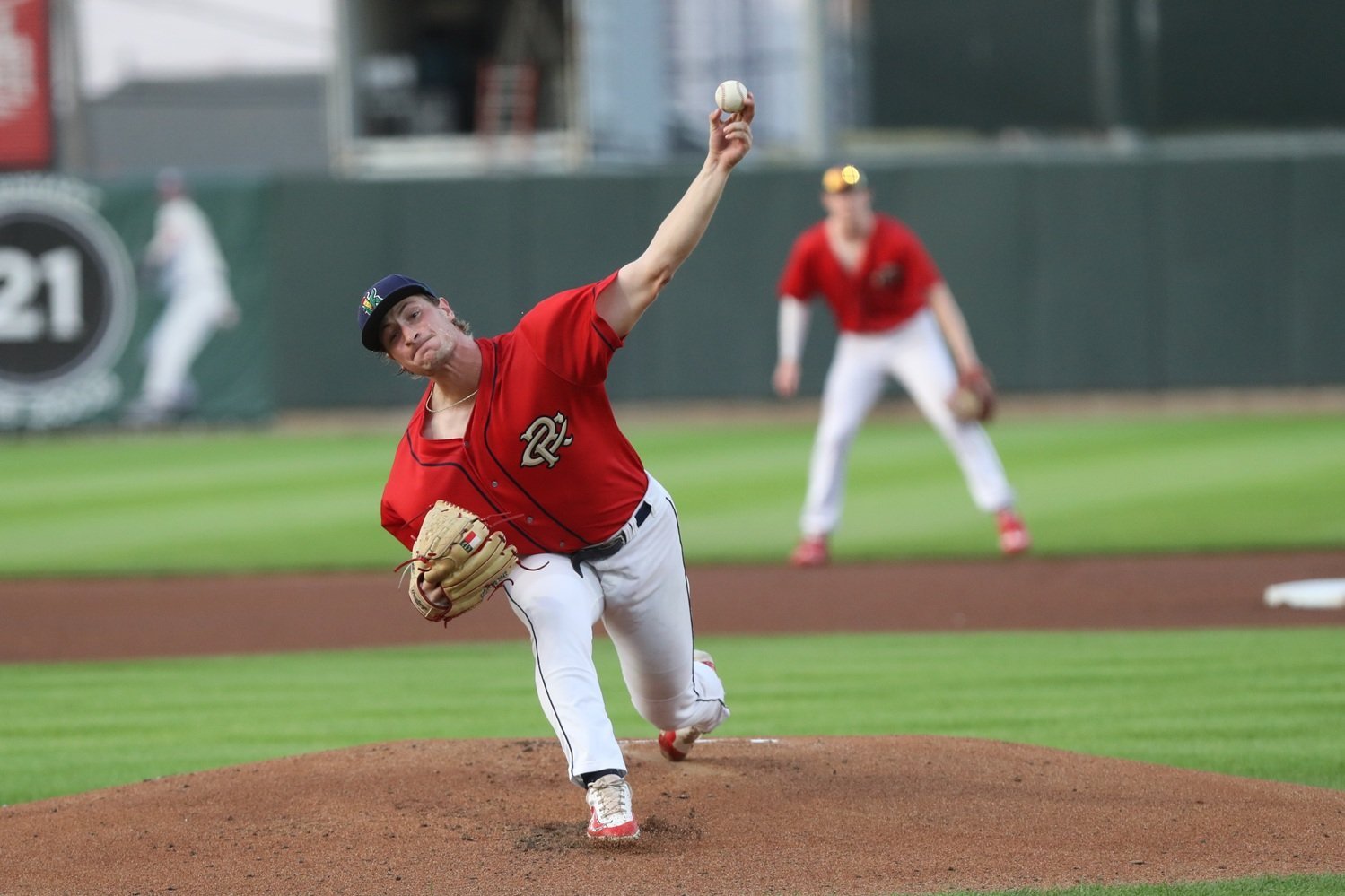 Each week, standout performances from across the Minnesota Twins farm system shine a light on the next wave of potential big-leaguers. This week’s hot sheet features a mix of Triple-A power, High-A pitching dominance, and a rising arm making steady progress. From veterans of the system making noise at the upper levels to newly acquired talent settling in and thriving, the organization continues to showcase the depth and upside of its pipeline. These performances not only highlight individual growth, but also hint at how the Twins’ future roster could be shaped in the seasons ahead. RHP Ty Langenberg – RHP, Cedar Rapids Kernels How He Got Here: Langenberg, 23, was selected by the Twins in the 11th round of the 2023 MLB Draft out of the University of Iowa. Last season, he split time between Low and High-A, with a 3.67 ERA, 1.26 WHIP, 25.4 K%, and 6.6 BB%. His college experience allowed him to immediately show the ability to throw strikes and work deep into games, with all but two of his appearances lasting five innings or more. Hitting the Hot Button: Langenberg has quietly become a steady force in the Kernels' rotation this summer. Since the calendar turned to July, he has posted a 2.63 ERA, with a 43:14 strikeout-to-walk ratio in 48 innings. During that stretch, he has held opponents to a .569 OPS, including not allowing a home run since June 24. His recent outings have highlighted improved command, putting him in a position to finish the season strong and potentially move to Double-A Wichita. OF Kyler Fedko – St. Paul Saints How He Got Here: Fedko, 25, was drafted by the Twins in the 12th round of the 2021 Draft out of UConn. He spent the entire 2024 season with Wichita before breaking into Triple-A this season. In 77 games, he hit .227/.327/.319, with three home runs and 14 doubles. Minnesota had him repeat Double-A to start the 2025 season, and he found his groove with an .868 OPS and 35 extra-base hits in 88 games. Hitting the Hot Button: Fedko has been the talk of the Twins system in recent weeks, and was named the Twins’ Minor League Player of the Week after a dominant run with St. Paul. In six games, he hit .407 (11-for-27) with two doubles, three home runs, four RBIs, and a 1.299 OPS. On Tuesday against Round Rock, he tied a Saints franchise record with five hits in a single game. The Twins promoted him to Triple-A on August 1, and he’s posted a 1.061 OPS in 20 games. Fedko’s power surge has been especially encouraging, and he’s quickly proving he can handle upper-level pitching. LHP Garrett Horn – Cedar Rapids Kernels How He Got Here: Horn, 22, joined the Twins organization last month from Texas, in exchange for reliever Danny Coulombe. The Greensboro, NC native was a sixth-round pick by the Rangers in the 2024 MLB Draft, out of Liberty University. Before the trade, he made six starts at Low-A, posting a sub-3.00 ERA and a 0.98 WHIP. His 29.6 K% and 4.2 BB% had to be intriguing for the Twins, especially since they were dealing Coulombe and his expiring contract. Hitting the Hot Button: Horn’s strong start to his Twins career reached a new peak this week, as he earned Minor League Pitcher of the Week honors. In two starts for Cedar Rapids, he allowed just one run on one hit across eight innings. He struck out 13 batters, while holding opponents to a .042 batting average and a .233 OBP. Walks remain something to monitor, as he has issued 10 free passes in 11 2/3 innings since joining the Twins organization. His swing-and-miss stuff has been electric, though, giving him one of the highest ceilings in the Twins’ High-A rotation. The Twins continue to see contributions from across all levels of the farm system, and this week highlighted how both recent draft picks and trade acquisitions are finding ways to stand out. With Fedko heating up in St. Paul and Horn and Langenberg carving their paths in Cedar Rapids, the system is once again flashing depth that could impact the big-league roster in the near future. Whose performance stands out the most in recent weeks? Leave a comment and start the discussion.
- 22 comments
-
- 6
-
-
- kyler fedko
- ty langenberg
- (and 1 more)
-
Image courtesy of David Malamut (photo of Garrett Horn) Each week, standout performances from across the Minnesota Twins farm system shine a light on the next wave of potential big-leaguers. This week’s hot sheet features a mix of Triple-A power, High-A pitching dominance, and a rising arm making steady progress. From veterans of the system making noise at the upper levels to newly acquired talent settling in and thriving, the organization continues to showcase the depth and upside of its pipeline. These performances not only highlight individual growth, but also hint at how the Twins’ future roster could be shaped in the seasons ahead. RHP Ty Langenberg – RHP, Cedar Rapids Kernels How He Got Here: Langenberg, 23, was selected by the Twins in the 11th round of the 2023 MLB Draft out of the University of Iowa. Last season, he split time between Low and High-A, with a 3.67 ERA, 1.26 WHIP, 25.4 K%, and 6.6 BB%. His college experience allowed him to immediately show the ability to throw strikes and work deep into games, with all but two of his appearances lasting five innings or more. Hitting the Hot Button: Langenberg has quietly become a steady force in the Kernels' rotation this summer. Since the calendar turned to July, he has posted a 2.63 ERA, with a 43:14 strikeout-to-walk ratio in 48 innings. During that stretch, he has held opponents to a .569 OPS, including not allowing a home run since June 24. His recent outings have highlighted improved command, putting him in a position to finish the season strong and potentially move to Double-A Wichita. OF Kyler Fedko – St. Paul Saints How He Got Here: Fedko, 25, was drafted by the Twins in the 12th round of the 2021 Draft out of UConn. He spent the entire 2024 season with Wichita before breaking into Triple-A this season. In 77 games, he hit .227/.327/.319, with three home runs and 14 doubles. Minnesota had him repeat Double-A to start the 2025 season, and he found his groove with an .868 OPS and 35 extra-base hits in 88 games. Hitting the Hot Button: Fedko has been the talk of the Twins system in recent weeks, and was named the Twins’ Minor League Player of the Week after a dominant run with St. Paul. In six games, he hit .407 (11-for-27) with two doubles, three home runs, four RBIs, and a 1.299 OPS. On Tuesday against Round Rock, he tied a Saints franchise record with five hits in a single game. The Twins promoted him to Triple-A on August 1, and he’s posted a 1.061 OPS in 20 games. Fedko’s power surge has been especially encouraging, and he’s quickly proving he can handle upper-level pitching. LHP Garrett Horn – Cedar Rapids Kernels How He Got Here: Horn, 22, joined the Twins organization last month from Texas, in exchange for reliever Danny Coulombe. The Greensboro, NC native was a sixth-round pick by the Rangers in the 2024 MLB Draft, out of Liberty University. Before the trade, he made six starts at Low-A, posting a sub-3.00 ERA and a 0.98 WHIP. His 29.6 K% and 4.2 BB% had to be intriguing for the Twins, especially since they were dealing Coulombe and his expiring contract. Hitting the Hot Button: Horn’s strong start to his Twins career reached a new peak this week, as he earned Minor League Pitcher of the Week honors. In two starts for Cedar Rapids, he allowed just one run on one hit across eight innings. He struck out 13 batters, while holding opponents to a .042 batting average and a .233 OBP. Walks remain something to monitor, as he has issued 10 free passes in 11 2/3 innings since joining the Twins organization. His swing-and-miss stuff has been electric, though, giving him one of the highest ceilings in the Twins’ High-A rotation. The Twins continue to see contributions from across all levels of the farm system, and this week highlighted how both recent draft picks and trade acquisitions are finding ways to stand out. With Fedko heating up in St. Paul and Horn and Langenberg carving their paths in Cedar Rapids, the system is once again flashing depth that could impact the big-league roster in the near future. Whose performance stands out the most in recent weeks? Leave a comment and start the discussion. View full article
- 22 replies
-
- 1
-
-
- kyler fedko
- ty langenberg
- (and 1 more)
-
Exclusive: Twins Daily Uncovers Joe Pohlad’s Burner Account
Cody Christie posted an article in Just For Fun
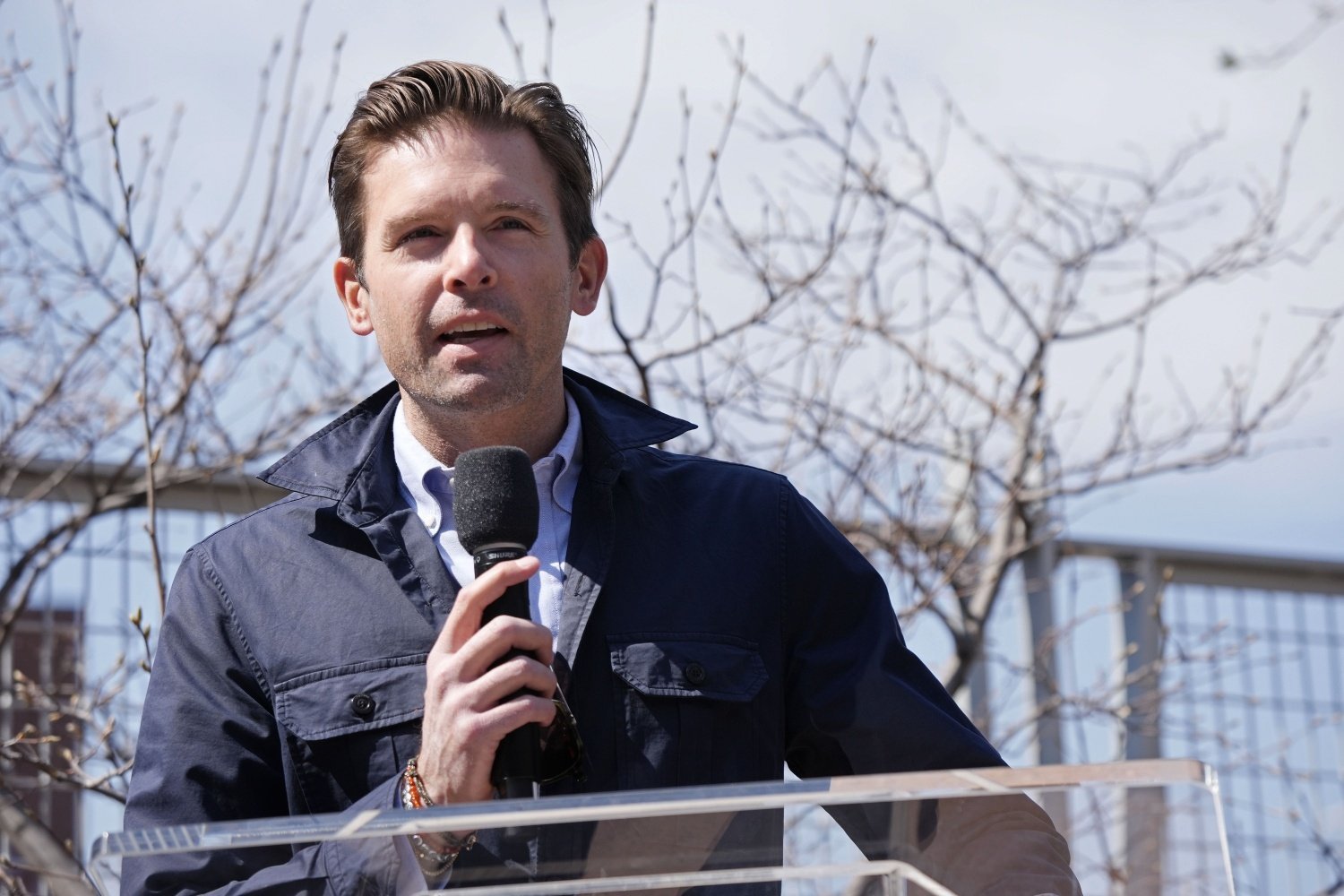 Twins Daily has exclusively found what appears to be the most shocking revelation of the summer: Joe Pohlad, the team’s Executive Chair, has been running a burner account on X (formerly Twitter). While it’s not uncommon for athletes to have secret accounts to clap back at critics, it’s a bit more unusual when the owner of a professional baseball team does the same. Through advanced forensic journalism (read: we noticed the account only follows Byron Buxton, Chipotle, and the Timberwolves), we’ve pieced together what appears to be a treasure trove of digital breadcrumbs that point directly to Pohlad. Below are some of the best posts from @DefinitelyNotJoePohlad47, an account with six followers; a default egg profile picture; and a suspicious tendency to defend the ownership group at all costs. The Fire Sale Spin @DefinitelyNotJoePohlad47: Everyone’s mad about the “fire sale,” but let’s call it what it is: a “fireworks sale.” BOOM. Exciting prospects! BANG. Payroll flexibility! KA-POW. Hope for 2029! 🔥💥 #TrustThePohladProcess Yes, nothing screams “competitive window” like fireworks scheduled for half a decade from now. Also, payroll flexibility is just code for the ownership group needed to pay off their $400 million in debt. Building Up the Brand @DefinitelyNotJoePohlad47: Some fans don’t get it: the Pohlad family is the most dedicated group in baseball. They gave you Target Field, complete with a Prince-themed dance party, and a $14 hot dog. What else do you people want? Honestly, hard to argue with the Prince dance party. But it does raise the question: Can even Purple Rain wash away the sting of a 90-loss season? Keeping the Franchise in the Family @DefinitelyNotJoePohlad47: Fans wanted the Pohlads to sell? To WHO? Some “tech billionaire” from California? No thanks. Only the Pohlads understand the sacred art of running a team with a below average payroll every year. Tradition matters. Hard to argue against tradition. The Twins have been falling short of expectations since before half the (shrinking) fan base was born. Rebranding Disappointment @DefinitelyNotJoePohlad47: “Mediocrity” is such a harsh word. I prefer “consistently humble.” 💜 #Blessed #WhereYourFeetAre It’s unclear if Pohlad has trademarked “consistently humble,” but don’t be surprised if you see it on a billboard off I-94 next season. Responding to Criticism @DefinitelyNotJoePohlad47: People always say, “Sell the team!” Okay, but imagine how sad you’d be if the Pohlads didn’t get to pass this franchise down to the next three generations of Pohlads. Think about the children! #Legacy The good news: Legacy does last forever. The bad news: so do screenshots. If you ever stumble across an account defending the sanctity of family ownership, praising the glory of a 20th-ranked payroll, or reminding you that “we still have Buxton under contract for a long time,” don’t be surprised if it’s coming from the very top of the organizational ladder. After all, in an age where transparency is rare, it’s refreshing to know the team’s Executive Chair might be secretly tweeting from his couch, reminding us that everything is fine—so long as you don’t look too closely (or at all, perhaps) at the standings.
 -
 Major League Baseball is headed back to Iowa, and this time, the Twins will get their moment in the spotlight. The Athletic is reporting that Minnesota is set to face the Philadelphia Phillies in a special regular-season game at the Field of Dreams site during August 2026. It will be a home game for the Twins, with MLB’s full schedule for next season set to be released on Tuesday. Baseball Returns to Dyersville It’s been a few years since MLB last ventured into the Iowa cornfields. The Cubs and Reds played the most recent game there in 2022, while the Yankees and White Sox opened the tradition the summer before. After those first two showcases, the temporary stadium was torn down, but a new, permanent ballpark has been built on the grounds. Seating will be limited compared to the roughly 8,000 fans that packed the original games, but the intimacy adds to the charm of the event. Twins fans looking for tickets will likely have to shell out a pretty penny. MLB has experimented with staging games in unique venues recently, bringing contests to places like Tennessee (Bristol Motor Speedway) and Alabama (Rickwood Field). Still, few locations resonate with fans quite like the movie-inspired diamond in Dyersville. With a dedicated stadium now in place, this matchup could cement the Field of Dreams event as a recurring part of the league calendar, much like the annual Little League Classic. Rare Spotlight for the Twins The Twins haven’t been frequent participants in these showcase series. Their last alternate-site game came in 2018, when they played in Puerto Rico against Cleveland. Minnesota had multiple players on that roster who were of Puerto Rican descent, so it made sense for the club to play in the game. This Iowa contest offers Minnesota a chance to step back into the national spotlight, and it’s a particularly fitting venue for a franchise rooted in the Midwest. The Phillies, on the other hand, are no strangers to these special events. In recent years, they’ve suited up in Williamsport twice and traveled overseas for the London Series in 2024. Adding Iowa to their résumé fits right into MLB’s push to make the game more accessible and visible in unique ways. Twins vs. Phillies Storylines Beyond the setting, the matchup itself carries extra juice. The two clubs were linked earlier this year in one of the biggest trades of the season, with Minnesota sending flamethrower Jhoan Duran to Philadelphia in exchange for a package that included top pitching prospect Mick Abel and talented young catcher Eduardo Tait. Duran has flourished in his new role as the Phillies’ closer, bringing his triple-digit heat and his electric entrance to the back end of their bullpen. Abel, meanwhile, made his Twins debut just days ago, though his first outing was a rough one against the White Sox. Still, his upside remains considerable, and it isn’t hard to picture a national TV audience watching Abel start against his former organization next summer. If the Twins move veteran starters like Pablo López or Joe Ryan this offseason, the door for Abel could swing wide open. And if Duran gets the chance to close out the game against Minnesota, it would make for one of the most compelling storylines of the season. (What, one might fairly ask, is the Field of Dreams version of the Duran entrance? It's a contrast of aesthetics that begs to be played with in an interesting way.) Kody Clemens has also settled into an essential role with the Twins. Minnesota acquired Clemens from the Phillies in late April for cash considerations, after he had been designated for assignment. In 83 games for the Twins, he has slashed .217/.285/.455, with a 99 OPS+, 14 home runs and 10 doubles. Clemens already has a famous last name that draws attention, so a revenge game against his former club could add to the game’s intrigue. The Field of Dreams Games is about more than just the standings, because it's a celebration of baseball’s past, present, and future. For the Twins, it’s an opportunity to showcase their young core and connect with fans on a national stage in a uniquely Midwestern setting. In August 2026, the spotlight shifts to Iowa. The corn will be tall, the crowd will be small, but the storylines will be massive. What are you most looking forward to with the Field of Dreams game? Leave a comment and start the discussion.
- 22 comments
-
- 3
-
-
- jhoan duran
- mick abel
- (and 2 more)
-
Image courtesy of © Bryon Houlgrave/The Register / USA TODAY NETWORK Major League Baseball is headed back to Iowa, and this time, the Twins will get their moment in the spotlight. The Athletic is reporting that Minnesota is set to face the Philadelphia Phillies in a special regular-season game at the Field of Dreams site during August 2026. It will be a home game for the Twins, with MLB’s full schedule for next season set to be released on Tuesday. Baseball Returns to Dyersville It’s been a few years since MLB last ventured into the Iowa cornfields. The Cubs and Reds played the most recent game there in 2022, while the Yankees and White Sox opened the tradition the summer before. After those first two showcases, the temporary stadium was torn down, but a new, permanent ballpark has been built on the grounds. Seating will be limited compared to the roughly 8,000 fans that packed the original games, but the intimacy adds to the charm of the event. Twins fans looking for tickets will likely have to shell out a pretty penny. MLB has experimented with staging games in unique venues recently, bringing contests to places like Tennessee (Bristol Motor Speedway) and Alabama (Rickwood Field). Still, few locations resonate with fans quite like the movie-inspired diamond in Dyersville. With a dedicated stadium now in place, this matchup could cement the Field of Dreams event as a recurring part of the league calendar, much like the annual Little League Classic. Rare Spotlight for the Twins The Twins haven’t been frequent participants in these showcase series. Their last alternate-site game came in 2018, when they played in Puerto Rico against Cleveland. Minnesota had multiple players on that roster who were of Puerto Rican descent, so it made sense for the club to play in the game. This Iowa contest offers Minnesota a chance to step back into the national spotlight, and it’s a particularly fitting venue for a franchise rooted in the Midwest. The Phillies, on the other hand, are no strangers to these special events. In recent years, they’ve suited up in Williamsport twice and traveled overseas for the London Series in 2024. Adding Iowa to their résumé fits right into MLB’s push to make the game more accessible and visible in unique ways. Twins vs. Phillies Storylines Beyond the setting, the matchup itself carries extra juice. The two clubs were linked earlier this year in one of the biggest trades of the season, with Minnesota sending flamethrower Jhoan Duran to Philadelphia in exchange for a package that included top pitching prospect Mick Abel and talented young catcher Eduardo Tait. Duran has flourished in his new role as the Phillies’ closer, bringing his triple-digit heat and his electric entrance to the back end of their bullpen. Abel, meanwhile, made his Twins debut just days ago, though his first outing was a rough one against the White Sox. Still, his upside remains considerable, and it isn’t hard to picture a national TV audience watching Abel start against his former organization next summer. If the Twins move veteran starters like Pablo López or Joe Ryan this offseason, the door for Abel could swing wide open. And if Duran gets the chance to close out the game against Minnesota, it would make for one of the most compelling storylines of the season. (What, one might fairly ask, is the Field of Dreams version of the Duran entrance? It's a contrast of aesthetics that begs to be played with in an interesting way.) Kody Clemens has also settled into an essential role with the Twins. Minnesota acquired Clemens from the Phillies in late April for cash considerations, after he had been designated for assignment. In 83 games for the Twins, he has slashed .217/.285/.455, with a 99 OPS+, 14 home runs and 10 doubles. Clemens already has a famous last name that draws attention, so a revenge game against his former club could add to the game’s intrigue. The Field of Dreams Games is about more than just the standings, because it's a celebration of baseball’s past, present, and future. For the Twins, it’s an opportunity to showcase their young core and connect with fans on a national stage in a uniquely Midwestern setting. In August 2026, the spotlight shifts to Iowa. The corn will be tall, the crowd will be small, but the storylines will be massive. What are you most looking forward to with the Field of Dreams game? Leave a comment and start the discussion. View full article
-
The International League is a very hitter friendly environment. It will be interesting to see if Jenkins can continue to produce with the promotion.
-
Image courtesy of © Kamil Krzaczynski-Imagn Images When the dust settled on this year’s trade deadline, the Minnesota Twins looked like a team in transition, but not necessarily one that had been truly overhauled. On the surface, dealing 10 players from the 26-man roster sounds like a seismic shake-up, but most of those moves involved expiring contracts, bullpen arms, and one high-priced veteran who had long since failed to live up to his contract. Relievers often burn bright and fast, and then (just as quickly) flame out. We’ve seen this before in Minnesota. Tyler Duffey was an indispensable piece of Rocco Baldelli’s bullpen for a short stretch, before he became expendable. Taylor Rogers rose to All-Star status, only to be dealt when the shine wore off. It’s the cycle of relief pitching, with high volatility and short shelf lives. The Twins cashed in on most of their current crop while they still had value. The headliner, of course, was moving on from Carlos Correa. It’s difficult to frame it as anything but a salary dump. Correa seemed relatively healthy this season, with a chance to match his superstar paycheck. Instead, he turned in another year of inconsistency and nagging health issues. From a roster-construction standpoint, the Twins are probably better for reallocating those dollars. But does that really constitute shaking up the “core?” Not exactly. The Real Core Problem If Minnesota truly wants to change its long-term trajectory, the team can’t stop at moving veterans and relievers. The elephant in the room remains a group of once-promising, now-underperforming position players: Royce Lewis, Edouard Julien, Jose Miranda, and Trevor Larnach. All are still in their mid- to late 20s. All have flashed stretches of MLB productivity. And yet, none have proven they can be cornerstone-caliber players over a 162-game season. The Twins have banked heavily on these players to fill everyday roles, but the return has been wildly inconsistent. Larnach’s power has always been enticing, but his approach leaves too many empty at-bats. Miranda has contact skills, but too often puts pitchers’ pitches in play, and now is stuck at Triple-A, even in a lost season. Julien’s bat is supposed to carry him, but holes in his defense and streaky offense leave questions about his long-term fit. And Lewis, who still flashes the tools of a star, has struggled to live up to his numbers from earlier in his career. Some of the career numbers below are sufficient, but all four of these players are trending in the wrong direction. Lewis has an 83 OPS+ in 2025, Julien and Miranda have a negative WAR, and Larnach is going to cost even more through the arbitration process. At this point, none look like long-term core pieces. Player OPS+ WAR WPA Royce Lewis 112 3.9 -0.05 Edouard Julien 99 1.6 -1.37 Jose Miranda 101 2.0 -2.80 Trevor Larnach 101 3.2 -2.08 A Developmental Reckoning All of this leads to a larger question: can the Twins actually develop their top young players once they reach the majors? Prospects are drafted because of raw tools and potential. But turning tools into production requires consistent coaching, development, and refinement at the big-league level. This has long been a weak point for Minnesota. When Derek Falvey arrived from Cleveland, his reputation was as a pitching guru, someone who could spot and develop talent as well as anyone in baseball. The Twins have, indeed, made strides in pitching depth, from drafting college arms to maximizing trade acquisitions. But the organization’s track record with position players leaves plenty to be desired. The list of recent homegrown hitters who turned into actual core pieces is short, and the jury remains out on whether this current crop will ever get there. Matt Wallner and Luke Keaschall have shown promising signs, but there is a long way to go before either can be considered a star, rather than another promising bat—in an environment where that promise feels a lot like a threat. What Comes Next So, did the Twins really shake up their core at the trade deadline? Not yet. They shed bad contracts, moved relievers at peak value, and cleared a few short-term veterans off the books. Those were necessary steps, but they weren’t revolutionary. The actual test of this front office’s vision will be whether they stick by Lewis, Julien, Miranda, and Larnach or finally decide to move on from players who may never reach the heights once expected of them. There is little to no value left in these players, so the front office may have to trade them for underwhelming returns. Until that happens, the so-called “core” of the Twins remains essentially unchanged. Do you believe the Twins shook up their core at the trade deadline? Which player's leaving would signal a true shake-up? Leave a comment and start the discussion. View full article
-
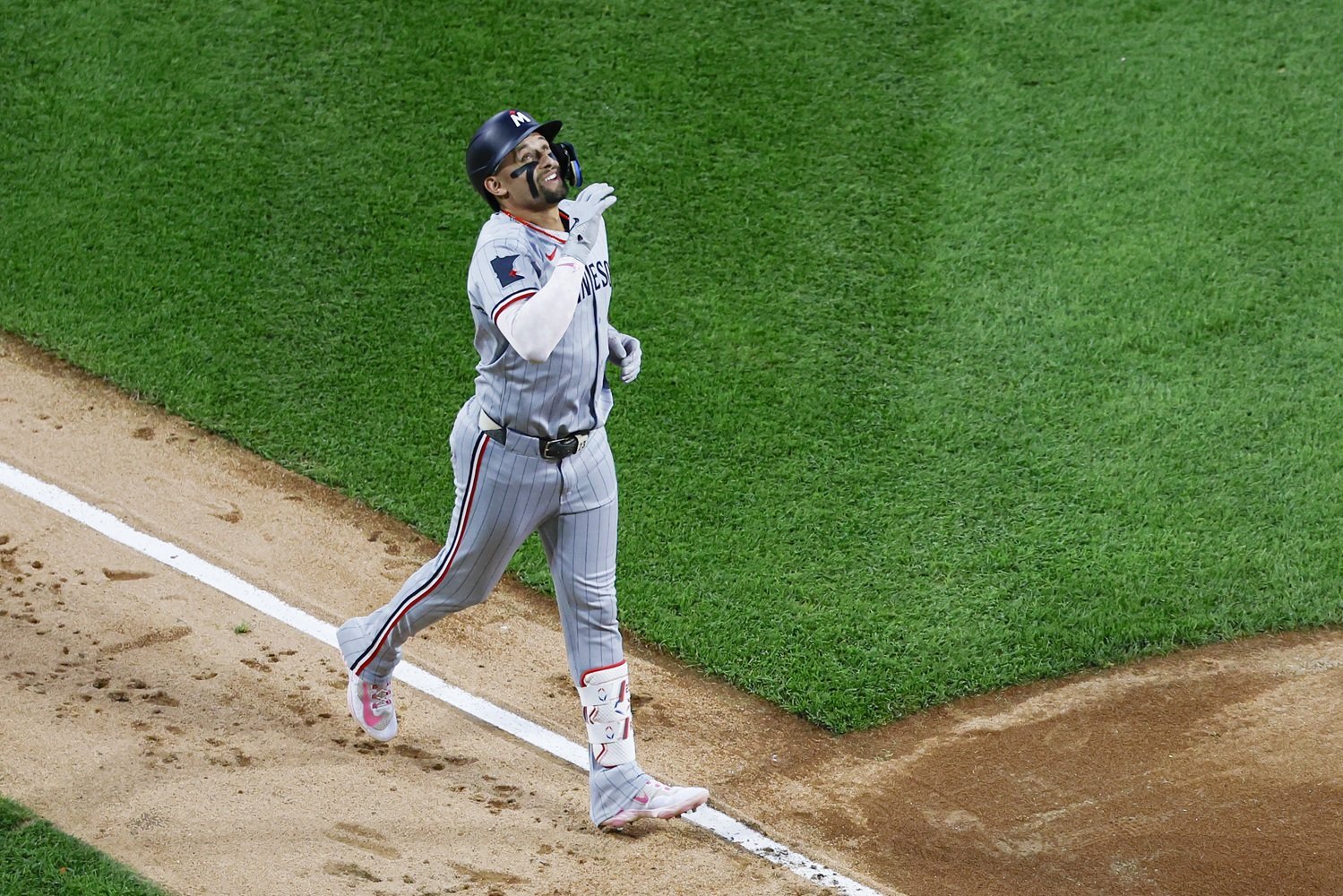 When the dust settled on this year’s trade deadline, the Minnesota Twins looked like a team in transition, but not necessarily one that had been truly overhauled. On the surface, dealing 10 players from the 26-man roster sounds like a seismic shake-up, but most of those moves involved expiring contracts, bullpen arms, and one high-priced veteran who had long since failed to live up to his contract. Relievers often burn bright and fast, and then (just as quickly) flame out. We’ve seen this before in Minnesota. Tyler Duffey was an indispensable piece of Rocco Baldelli’s bullpen for a short stretch, before he became expendable. Taylor Rogers rose to All-Star status, only to be dealt when the shine wore off. It’s the cycle of relief pitching, with high volatility and short shelf lives. The Twins cashed in on most of their current crop while they still had value. The headliner, of course, was moving on from Carlos Correa. It’s difficult to frame it as anything but a salary dump. Correa seemed relatively healthy this season, with a chance to match his superstar paycheck. Instead, he turned in another year of inconsistency and nagging health issues. From a roster-construction standpoint, the Twins are probably better for reallocating those dollars. But does that really constitute shaking up the “core?” Not exactly. The Real Core Problem If Minnesota truly wants to change its long-term trajectory, the team can’t stop at moving veterans and relievers. The elephant in the room remains a group of once-promising, now-underperforming position players: Royce Lewis, Edouard Julien, Jose Miranda, and Trevor Larnach. All are still in their mid- to late 20s. All have flashed stretches of MLB productivity. And yet, none have proven they can be cornerstone-caliber players over a 162-game season. The Twins have banked heavily on these players to fill everyday roles, but the return has been wildly inconsistent. Larnach’s power has always been enticing, but his approach leaves too many empty at-bats. Miranda has contact skills, but too often puts pitchers’ pitches in play, and now is stuck at Triple-A, even in a lost season. Julien’s bat is supposed to carry him, but holes in his defense and streaky offense leave questions about his long-term fit. And Lewis, who still flashes the tools of a star, has struggled to live up to his numbers from earlier in his career. Some of the career numbers below are sufficient, but all four of these players are trending in the wrong direction. Lewis has an 83 OPS+ in 2025, Julien and Miranda have a negative WAR, and Larnach is going to cost even more through the arbitration process. At this point, none look like long-term core pieces. Player OPS+ WAR WPA Royce Lewis 112 3.9 -0.05 Edouard Julien 99 1.6 -1.37 Jose Miranda 101 2.0 -2.80 Trevor Larnach 101 3.2 -2.08 A Developmental Reckoning All of this leads to a larger question: can the Twins actually develop their top young players once they reach the majors? Prospects are drafted because of raw tools and potential. But turning tools into production requires consistent coaching, development, and refinement at the big-league level. This has long been a weak point for Minnesota. When Derek Falvey arrived from Cleveland, his reputation was as a pitching guru, someone who could spot and develop talent as well as anyone in baseball. The Twins have, indeed, made strides in pitching depth, from drafting college arms to maximizing trade acquisitions. But the organization’s track record with position players leaves plenty to be desired. The list of recent homegrown hitters who turned into actual core pieces is short, and the jury remains out on whether this current crop will ever get there. Matt Wallner and Luke Keaschall have shown promising signs, but there is a long way to go before either can be considered a star, rather than another promising bat—in an environment where that promise feels a lot like a threat. What Comes Next So, did the Twins really shake up their core at the trade deadline? Not yet. They shed bad contracts, moved relievers at peak value, and cleared a few short-term veterans off the books. Those were necessary steps, but they weren’t revolutionary. The actual test of this front office’s vision will be whether they stick by Lewis, Julien, Miranda, and Larnach or finally decide to move on from players who may never reach the heights once expected of them. There is little to no value left in these players, so the front office may have to trade them for underwhelming returns. Until that happens, the so-called “core” of the Twins remains essentially unchanged. Do you believe the Twins shook up their core at the trade deadline? Which player's leaving would signal a true shake-up? Leave a comment and start the discussion.
- 48 comments
-
- 5
-
-

-
- royce lewis
- edouard julien
- (and 3 more)
-
Walker Jenkins and the Path to the Twins Opening Day Roster
Cody Christie posted an article in Minor Leagues
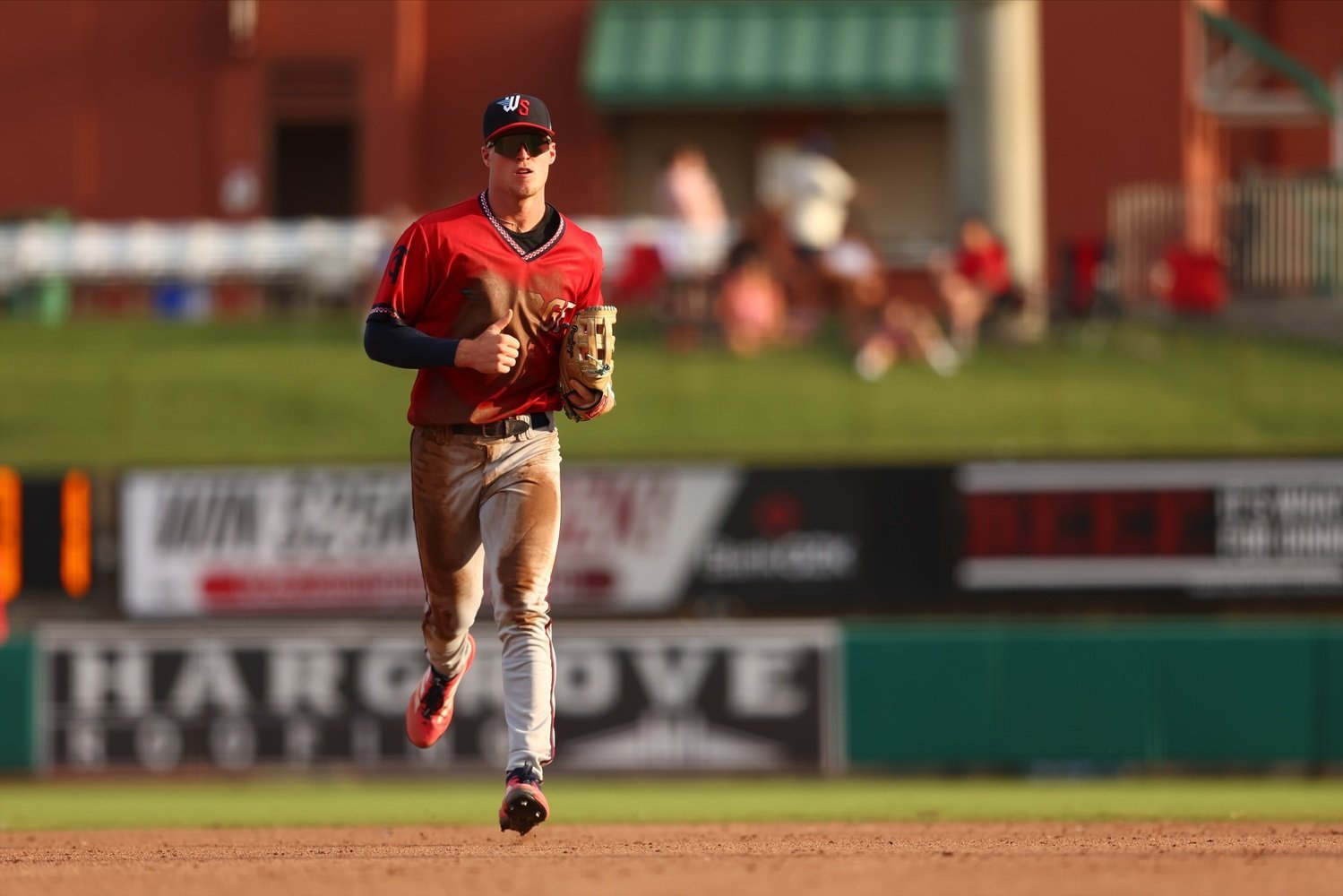 The Minnesota Twins find themselves in an interesting spot when it comes to their crown jewel prospect, Walker Jenkins. The 20-year-old outfielder has handled everything the organization has thrown his way. His strong showing at Double-A Wichita has positioned him for a late-season bump to Triple-A St. Paul, setting the stage for a pivotal spring training next year. The question becomes: can Jenkins break camp with the big-league club in 2026? The Path Forward Minnesota has taken a patient approach with its position players in recent years, preferring to give them plenty of at-bats at each level. But Jenkins has looked like an outlier since the moment he signed. His bat speed, pitch recognition, and advanced approach scream "big-league ready" sooner than most recently drafted players. If he carries that success into a late-season Triple-A stint, he’ll enter Fort Myers next March with the chance to push his way onto the 26-man roster. The Twins’ outfield picture also creates opportunity. Injuries and inconsistencies have left room for a cornerstone to emerge. If Jenkins’ bat proves too loud to ignore, the organization may have no choice but to let him skip the final developmental checkpoints and see how he handles major-league pitching right away. Is He Ready? Jenkins has already shown in 2025 that his bat is ahead of the curve. Through his Double-A season, he’s posted an OPS north of .880 while limiting strikeouts against advanced pitching (17.9 K% vs. 14.3 BB%), a sign of his mature approach at the plate. He also flashed the all-around game that made him a top five draft pick, with steady defense in the outfield and improved baserunning instincts (12-for-16 in stolen base attempts). Simply put, he hasn’t just held his own, he’s looked like one of the best players on the field most nights, which is precisely the kind of performance that forces an organization to consider skipping the usual development timeline. Since July 18, he is hitting .362/.436/.574 (1.011) with six doubles and four home runs. The Twins haven’t had a prospect of Jenkins’ caliber in quite some time. Royce Lewis and Byron Buxton were in the same category of prospect, but injuries slowed their progress in the minors. That made it less likely for them to start the year on the big-league roster, and it also gave the Twins more service time control. Joe Mauer was the last prominent Twins prospect to make the jump from Double-A to the majors the next season. Those are some big footsteps to follow, but the Twins may have another incentive to move quickly with Jenkins that didn’t exist when Mauer was a prospect. Prospect Promotion Incentive Factor The Collective Bargaining Agreement added another wrinkle for teams making decisions with elite prospects. The Prospect Promotion Incentive (PPI) was created to encourage teams to promote their top players when they’re ready, rather than holding them down for service-time manipulation. The rules are clear: to qualify, a player must rank on at least two of the three major preseason Top 100 lists (MLB Pipeline, Baseball America, ESPN), retain rookie eligibility, and make the Opening Day roster. If the rookie accrues a full year of service time and finishes in the top three of MVP or Cy Young voting or wins Rookie of the Year, the team earns an extra draft pick. It’s happened four times since the system was implemented: Julio Rodríguez (2022 AL ROY) → Mariners gained an extra pick in 2023 Gunnar Henderson (2023 AL ROY) → Orioles gained an extra pick in 2024 Corbin Carroll (2023 NL ROY) → Diamondbacks gained an extra pick in 2024 Bobby Witt Jr. (2024 AL MVP finalist) → Royals gained an extra pick in 2025 On the other side, the Pirates missed out when Paul Skenes debuted in mid-May 2024 despite winning Rookie of the Year. His late arrival cost Pittsburgh a valuable selection. The Twins will have every incentive to give Jenkins a real chance next spring. If he makes the team and lives up to expectations, Minnesota could end up with an extra draft pick as a reward, an opportunity no front office should take lightly. Balancing Act Of course, this all comes down to readiness. The Twins can’t force the issue to chase a draft pick. A player’s confidence and long-term development come first. However, some teams may value the service time aspect and team control over a player compared to the extra draft pick. But Jenkins’ profile puts him in rare territory as a big bat that is polished beyond his years for a big-league team that has struggled to find an offensive spark for the past two seasons. If he hits the ground running in Triple-A this September, fans should keep their eyes on Fort Myers next March. Jenkins could give Minnesota a cornerstone outfielder for the next decade and potentially a bonus draft pick in the process. Can Jenkins break camp with the club next spring? Leave a comment and start the discussion.
- 77 comments
-
- 8
-
-
- walker jenkins
- royce lewis
- (and 2 more)