Cody Christie
-
Posts
7,810 -
Joined
-
Last visited
-
Days Won
5
Content Type
Profiles
News
Minnesota Twins Videos
2026 Minnesota Twins Top Prospects Ranking
2022 Minnesota Twins Draft Picks
Minnesota Twins Free Agent & Trade Rumors, Notes, & Tidbits
Guides & Resources
2023 Minnesota Twins Draft Picks
The Minnesota Twins Players Project
2024 Minnesota Twins Draft Picks
2025 Minnesota Twins Draft Pick Tracker
2026 Minnesota Twins Draft Tracker: Picks & Bonuses
Forums
Blogs
Events
Store
Downloads
Gallery
Everything posted by Cody Christie
-

The Pohlad Playbook: Promises, Narratives, and Fan Frustrations
Cody Christie posted an article in Twins
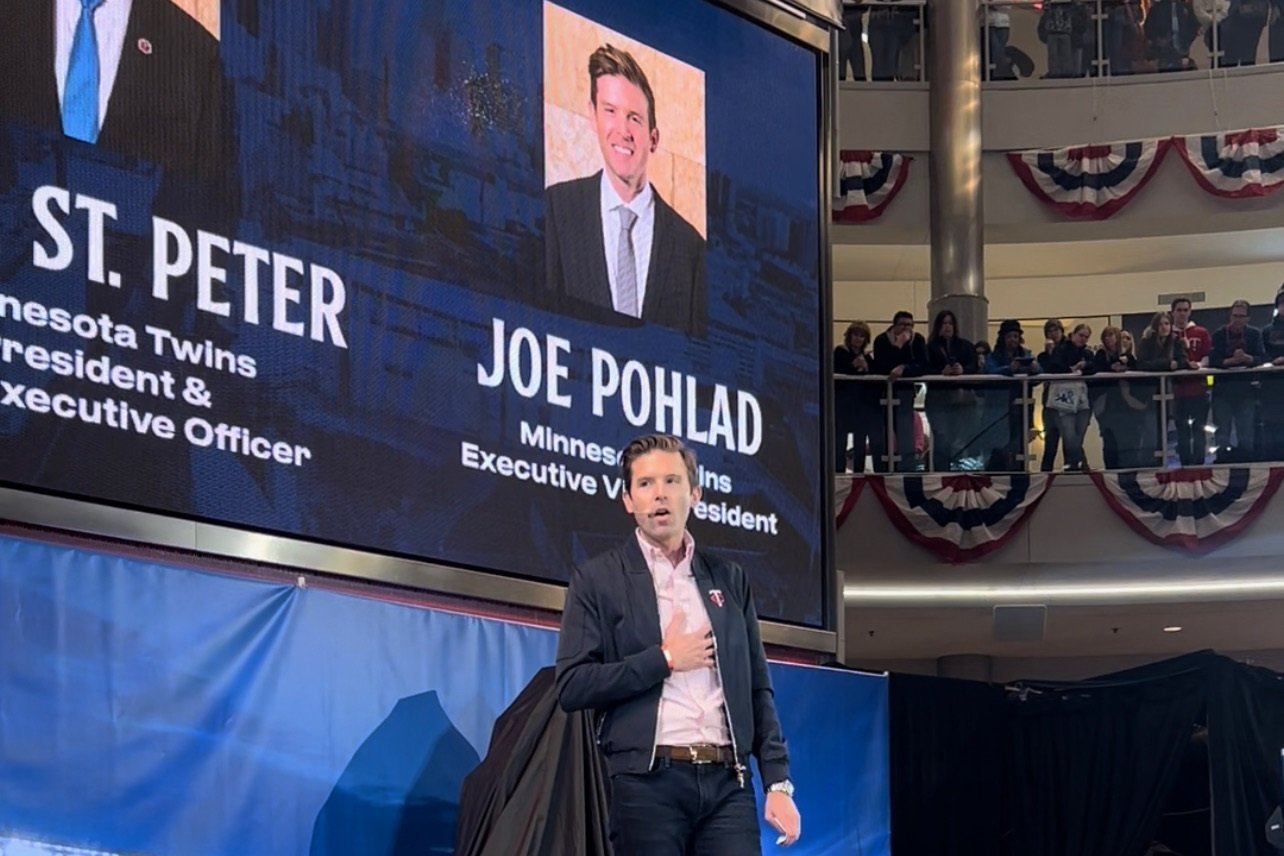 The Pohlad family has been at the helm of the Minnesota Twins for generations, guiding the club through both high points and lengthy rebuilds. Throughout that tenure, ownership has leaned on familiar talking points to explain their approach to spending, roster construction, and long-term planning. Yet over time, many of those narratives have worn thin with fans, creating frustration when actions don’t seem to match the words. “We need a new stadium to compete.” The campaign for Target Field leaned heavily on the argument that the Metrodome’s revenue limitations made it impossible for the Twins to retain star players or raise payroll. In fairness, the Dome was outdated, and Target Field has since provided one of the best fan experiences in baseball. But when the gates opened in 2010, many expected payrolls to take a permanent leap forward. Instead, the team’s spending rose only modestly, and it rarely kept pace with other mid- to large-market teams. While Target Field did improve financial flexibility, the promise of a new spending tier hasn’t been fully realized. Fan Perspective: “We gave you a ballpark. Where’s the payroll we were promised?” “We can’t afford to keep our stars.” The Pohlad family has consistently leaned on the “small-market team” label. This has been used to explain trades and departures of beloved players like Johan Santana, Torii Hunter, and even José Berríos. Now, Minnesota is paying Houston $10 million per year to keep Carlos Correa off its payroll. It’s been a challenging dynamic as the team tries to stay competitive with a relatively low payroll compared to the rest of the league. Fans, however, see the broader picture. National TV deals, revenue sharing, and new streams of MLB income mean all 30 franchises enjoy unprecedented financial stability. Even if Minnesota doesn’t have Dodgers-level resources, ownership wealth and modern MLB economics have undermined the notion that the Twins can’t retain their cornerstone players. The Pohlads choose not to at specific price points. Fan Perspective: “Small-market? Maybe in population, but not in revenue anymore.” “We’ll be aggressive when the time is right.” Perhaps no refrain has been repeated more often than this one. Whenever the team is building through a youth movement or retooling, front office and ownership figures stress that aggression will come once the roster is in position to contend. Yet Twins fans can point to multiple contention windows where “aggression” translated into mid-tier free agent signings or modest trade deadline additions, rather than transformative moves. Following the success of 2023, the ownership group should have invested in the team. Instead, they cut payroll by $30 million, and the results on the field have matched that cut. While some of this can be attributed to baseball’s inherent unpredictability, the pattern has left many to wonder if the franchise’s definition of “going for it” differs from the fans' perception. Fan Perspective: “Every window ends with bargain shopping and hoping it works out.” “Payroll will reflect attendance.” This narrative gained particular prominence after Target Field opened. Ownership suggested that as fans showed up in larger numbers, payroll would rise accordingly. And to some degree, it did. Minnesota’s payroll ranked in the top 10 during Target Field's first two seasons. From there, things deteriorated as the team ranked in the 20s from 2013 to 2017. In 2023, the Twins reached a payroll of nearly $167 million, ranking 16th in MLB. Still, compared to the dramatic attendance spike in those early years, payroll increases felt incremental. The connection between fan support and player spending hasn’t always been as direct as ownership implied. Now, the Twins are in a no-win situation. Attendance dropped in 2025, and the season ticket base is likely going to be at a Target Field low point in 2026. However, if ownership continues to keep payroll stagnant (or even drops further), the team’s attendance problem will persist. Fan Perspective: “Why would we fill the seats when ownership doesn’t follow through?” “We’re committed to championships.” Every owner in professional sports insists their ultimate goal is a championship, and the Pohlads are no different. Press conferences, radio appearances, and team statements often highlight the World Series as the standard they’re chasing. The reality, however, is more complicated. Since the Pohlads took over, the Twins have enjoyed pockets of success, including the Gardenhire-led division titles of the 2000s, the Bomba Squad’s record-setting offense in 2019, and the recent streak-snapping playoff win in 2023. But in each of those moments, the team stopped short of making the kind of bold, high-risk moves that can elevate a contender into a true favorite. Fan Perspective: “Committed to championships? More like committed to staying in the middle.” The Pohlads aren’t unique among MLB ownership groups, with many franchises deploying similar talking points. However, for Twins fans, these recurring narratives have become a source of frustration, especially when actions fail to align with the rhetoric. While the family has ensured the franchise’s stability in Minnesota, the gap between promises and outcomes remains one of the defining aspects of their tenure. The Twins’ fan base has proven its loyalty time and again, through the lean years of the Dome, the excitement of Target Field’s opening, and the rollercoaster of recent seasons. What fans want now is more than words: real, tangible action that backs up the narratives ownership has leaned on for decades. If the Pohlads want to rebuild trust, they’ll need to show that competing for championships is more than a slogan. Do you agree with the fan perspectives above? What are some of the other narratives from the ownership group? Leave a comment and start the discussion.
 -
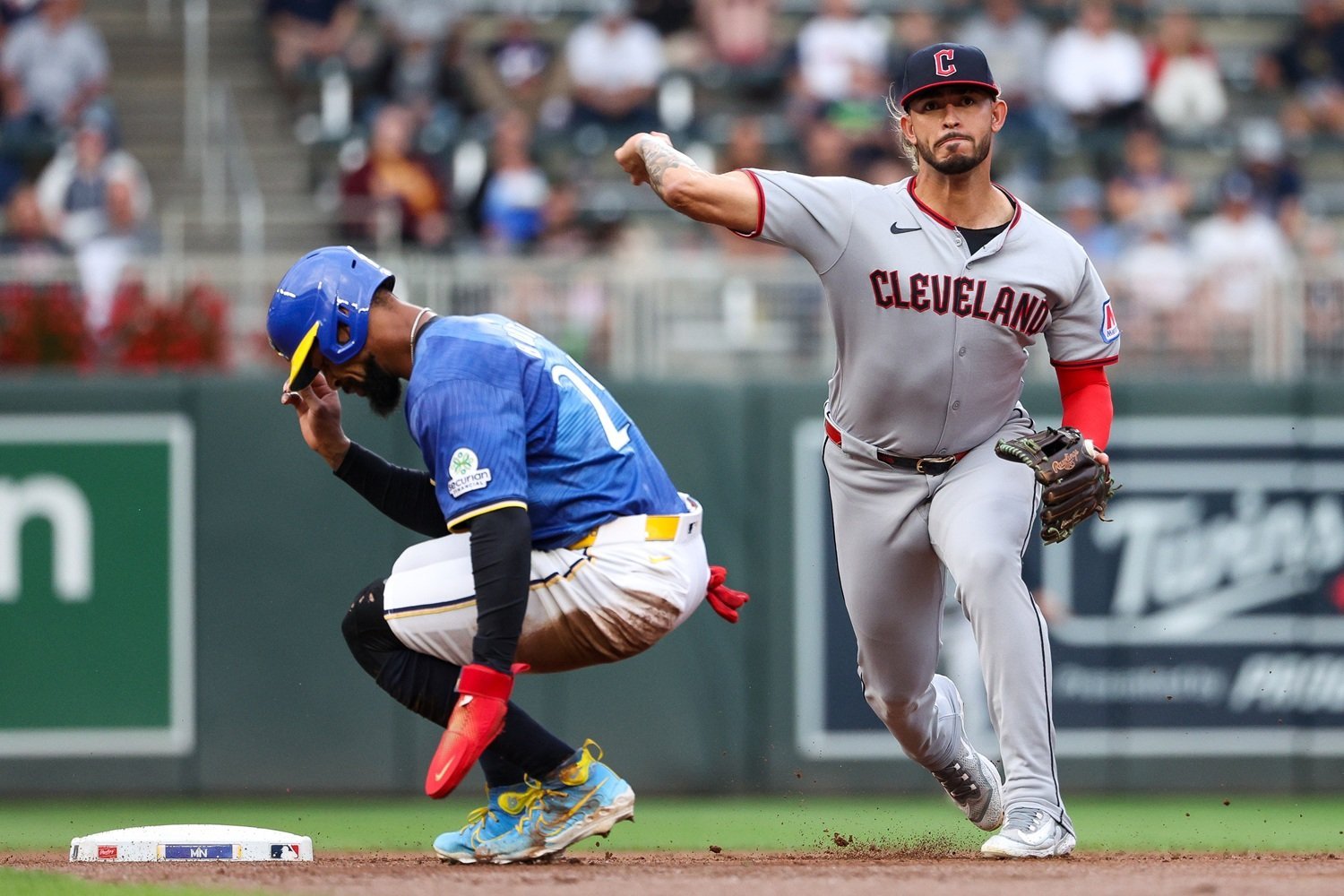 The last two seasons in the American League Central have offered up something rarely seen in baseball: historic comebacks. Both the Detroit Tigers in 2024 and the Cleveland Guardians in 2025 demonstrated that a club can transition from being out of contention to playing meaningful baseball deep into September. While those teams made their moves, the Minnesota Twins were left watching from the sidelines, questioning what could have been. Detroit’s September Surge Heading into 2024, PECOTA projected Detroit for 75 wins, a middling finish for a roster that seemed stuck between youth and experience. By the end of August, that projection was close to accurate. Sitting at 69-68 and 8.5 games out of the division, the Tigers were barely clinging to postseason hope. The pitching staff gave Detroit life, including the eventual AL Cy Young winner, Tarik Skubal, regularly silencing opposing lineups. The early-season problem was their own bats, which struggled to produce consistent offense. Still, baseball has a way of flipping narratives in a matter of weeks. Detroit ripped through September with a 17-8 record, securing an 86-76 finish and their first playoff appearance since 2014. In a month, they turned from an afterthought into a dangerous Wild Card club that beat the Astros and moved on to the ALDS. Cleveland’s Historic Charge As remarkable as Detroit’s run was, Cleveland has somehow managed to one-up it in 2025. In early July, the Guardians trailed the division by 15.5 games. By every historical marker, their season should have been over. Instead, they’ve charged all the way back, now standing one game ahead of Detroit with only four left to play. No team since division play began in 1969 has erased a deficit that large to take sole possession of first place this late in the year. For added context, the Guardians trailed the Twins by half a game at the All-Star Break. Now, they’re poised to complete one of the most improbable division comebacks the league has ever seen. The Twins’ “What If?” Watching divisional rivals mount incredible turnarounds only twists the knife for Twins fans. Minnesota chose a different path in 2025, moving nearly 40% of its active roster at the trade deadline and signaling a retreat from contention. Derek Falvey and Jeremy Zoll opted to sell, betting on the future rather than letting the roster they’d built continue to fight for a postseason push. If the Tigers and Guardians have proven anything, it’s that the AL Central provides a rare environment where no team is truly out of it until the very end. The division produced three playoff teams in 2024 and looks to have multiple teams again in 2025. To reach the postseason, both clubs relied on internal belief and late-season momentum to completely alter the course of their seasons. What Comes Next Two years, two historic comebacks. The message is clear: the AL Central doesn’t demand perfection, but it does reward resilience. If the Twins want to be on the right side of history in 2026, they’ll need to craft a roster capable of weathering the storm and catching fire when the calendar flips to September. That means addressing more than just roster depth. Detroit and Cleveland both showed the value of pitching staffs that could stabilize the club when the offense lagged behind. The Twins will need to add rotation insurance behind Joe Ryan and Pablo López while also rethinking how their bullpen is constructed. On the offensive side, Minnesota must prioritize consistency, including lineups that don’t vanish for weeks at a time. Just as important will be the mindset in the front office. The Tigers and Guardians believed in what they had, even when the standings suggested otherwise. Minnesota, on the other hand, pivoted toward the future. If Derek Falvey and Jeremy Zoll want the Twins to return to the postseason, they’ll have to balance building long-term sustainability with keeping the door open for a late-season charge. The AL Central has proven to be wide open, and the margin between selling and celebrating can be as slim as a strong September run. Detroit and Cleveland have taken their turns rewriting the script. The 2026 season will tell if Minnesota finally gets the chance to write its own comeback story. For now, the question lingers: what could have happened if Minnesota had stayed the course instead of waving the white flag? Should the Twins have tried to mount their own comeback in 2025? Leave a comment and start the discussion.
- 11 comments
-
- 4
-

-
- tarik skubal
- joe ryan
- (and 3 more)
-
Image courtesy of © Raymond Carlin III-Imagn Images The 2025 season has not gone the way anyone inside Target Field imagined. Injuries, inconsistency, and missed opportunities left the Twins outside of serious contention, and the frustration has been evident among the fan base. However, in a recent episode of Inside Twins, Derek Falvey, the president of baseball operations, was asked to give his two-minute pitch to fans on why they should believe that better days are coming. His answers reveal a blueprint for how Minnesota plans to reclaim its position at the top of the AL Central. Youth Movement “I think that when I look out at this team and I see a group that's really young, that's still learning, that's still growing, that is going through some pains and moments in time," Falvey said. But I also see a lot of players that are taking those steps forward.” Falvey’s first point focused on youth, and for good reason. While many veterans on the roster have struggled to stay healthy or consistent, the next wave of Twins talent has been cutting its teeth in the big leagues. That means growing pains, but it also means development. The organization believes this group’s rough patches in 2025 will translate into smoother roads by 2026. For Minnesota to climb back into contention, those young players will need to show that these lessons are sticking, whether it’s Austin Martin finding his footing, Brooks Lee reaching his full potential, or the pitching depth (Taj Bradley, Mick Abel, etc.) continuing to progress. The losses in 2025 could be the foundation of wins in 2026. Veterans Finding Consistency “And I don't see this as a team that maybe is kind of aged out, so to speak, and gotten to the end of the line in their careers," Falvey continued. "I see a lot of guys that are on the front end, that are still climbing, that are still getting better. This month of September has been that opportunity for them.” One of the most significant differences between the Twins and other clubs hitting reset is that the roster isn’t in decline due to age. Byron Buxton has shown that he is still in his prime. Royce Lewis, Matt Wallner, and others are entering their late 20s, when they should perform at a high level. The rotation is anchored not by veterans at the end of their careers, but by pitchers still working toward their ceiling. Falvey is banking on the idea that the core has room to grow, rather than being in danger of fading. For a front office that has tried to thread the needle between developing and contending, this is a critical distinction. The Twins clearly believe the team is closer to a rebound than a rebuild. September baseball has been more about auditions than standings, and Falvey views that as an investment in the future. Giving younger players extended run in meaningful roles (rather than sprinkling them in as depth pieces) sets the stage for a more prepared roster next spring. The front office knows 2025 tested the patience of fans, but the hope is that those trials accelerate development. Falvey bets that by the time February rolls around, the Twins won’t just be the same group with the same flaws, because they’ll be a more seasoned, battle-tested version of themselves. The Base of the 2026 Twins "So I feel really good about the group that we have at the base, and we'll see how the rest of the offseason shakes out going forward," Falvey concluded. Ultimately, Falvey is selling belief in the foundation, and that’s what every front office must do. The Twins’ base of talent of Buxton, Pablo López, Joe Ryan, Wallner, and a wave of young contributors is enough to dream on. The front office has holes to fill, especially in pitching depth and lineup balance, but they aren’t starting from scratch. The 2025 season has been frustrating, and fans are justified in feeling disappointed. But Falvey’s message is clear: this isn’t the end of the Twins’ competitive window. The foundation remains strong, the youth is still climbing, and with a healthier roster and a few strategic moves this winter, Minnesota has a path back to October baseball in 2026. Do you believe in Falvey’s message? Leave a comment and start the discussion. View full article
-
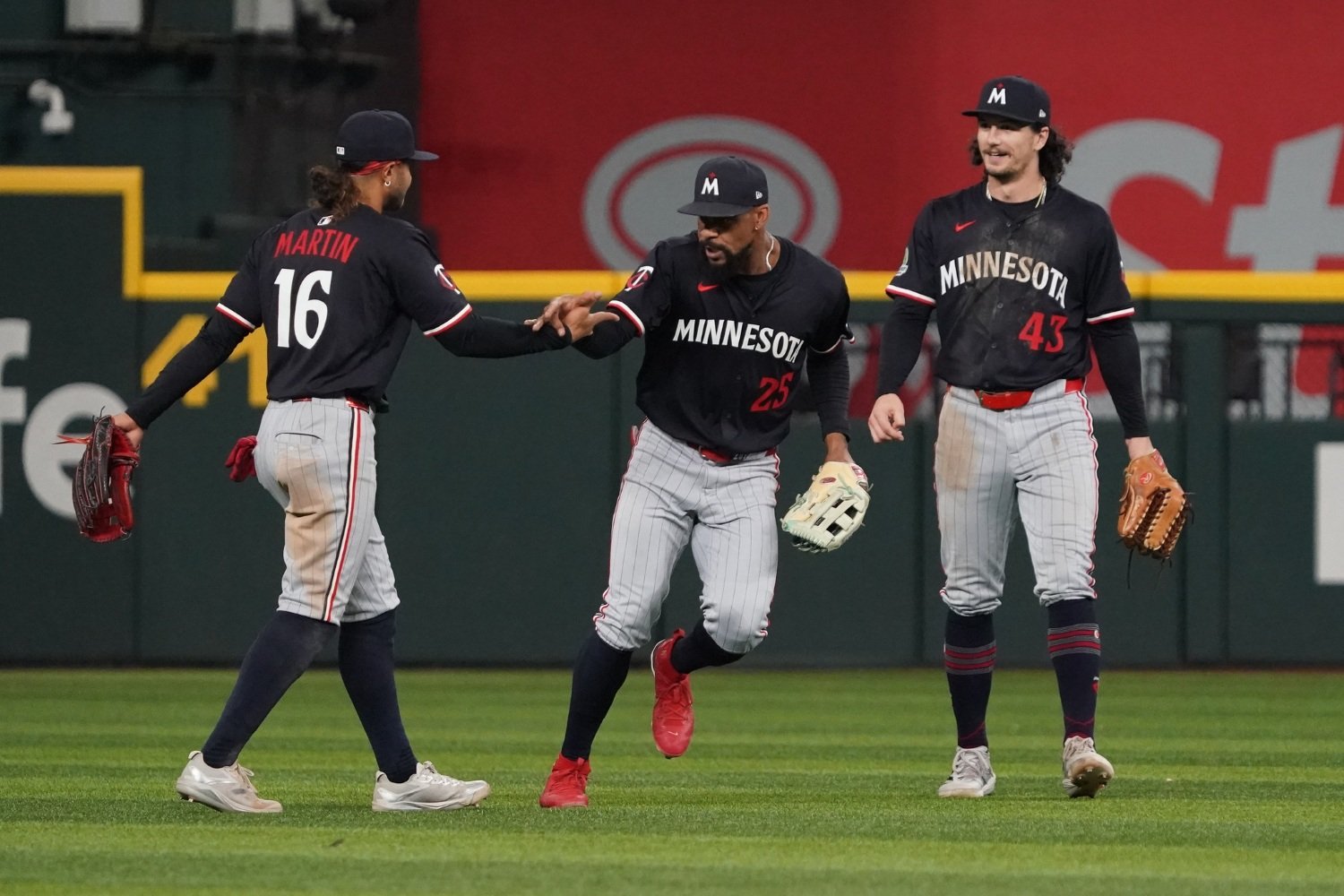 The 2025 season has not gone the way anyone inside Target Field imagined. Injuries, inconsistency, and missed opportunities left the Twins outside of serious contention, and the frustration has been evident among the fan base. However, in a recent episode of Inside Twins, Derek Falvey, the president of baseball operations, was asked to give his two-minute pitch to fans on why they should believe that better days are coming. His answers reveal a blueprint for how Minnesota plans to reclaim its position at the top of the AL Central. Youth Movement “I think that when I look out at this team and I see a group that's really young, that's still learning, that's still growing, that is going through some pains and moments in time," Falvey said. But I also see a lot of players that are taking those steps forward.” Falvey’s first point focused on youth, and for good reason. While many veterans on the roster have struggled to stay healthy or consistent, the next wave of Twins talent has been cutting its teeth in the big leagues. That means growing pains, but it also means development. The organization believes this group’s rough patches in 2025 will translate into smoother roads by 2026. For Minnesota to climb back into contention, those young players will need to show that these lessons are sticking, whether it’s Austin Martin finding his footing, Brooks Lee reaching his full potential, or the pitching depth (Taj Bradley, Mick Abel, etc.) continuing to progress. The losses in 2025 could be the foundation of wins in 2026. Veterans Finding Consistency “And I don't see this as a team that maybe is kind of aged out, so to speak, and gotten to the end of the line in their careers," Falvey continued. "I see a lot of guys that are on the front end, that are still climbing, that are still getting better. This month of September has been that opportunity for them.” One of the most significant differences between the Twins and other clubs hitting reset is that the roster isn’t in decline due to age. Byron Buxton has shown that he is still in his prime. Royce Lewis, Matt Wallner, and others are entering their late 20s, when they should perform at a high level. The rotation is anchored not by veterans at the end of their careers, but by pitchers still working toward their ceiling. Falvey is banking on the idea that the core has room to grow, rather than being in danger of fading. For a front office that has tried to thread the needle between developing and contending, this is a critical distinction. The Twins clearly believe the team is closer to a rebound than a rebuild. September baseball has been more about auditions than standings, and Falvey views that as an investment in the future. Giving younger players extended run in meaningful roles (rather than sprinkling them in as depth pieces) sets the stage for a more prepared roster next spring. The front office knows 2025 tested the patience of fans, but the hope is that those trials accelerate development. Falvey bets that by the time February rolls around, the Twins won’t just be the same group with the same flaws, because they’ll be a more seasoned, battle-tested version of themselves. The Base of the 2026 Twins "So I feel really good about the group that we have at the base, and we'll see how the rest of the offseason shakes out going forward," Falvey concluded. Ultimately, Falvey is selling belief in the foundation, and that’s what every front office must do. The Twins’ base of talent of Buxton, Pablo López, Joe Ryan, Wallner, and a wave of young contributors is enough to dream on. The front office has holes to fill, especially in pitching depth and lineup balance, but they aren’t starting from scratch. The 2025 season has been frustrating, and fans are justified in feeling disappointed. But Falvey’s message is clear: this isn’t the end of the Twins’ competitive window. The foundation remains strong, the youth is still climbing, and with a healthier roster and a few strategic moves this winter, Minnesota has a path back to October baseball in 2026. Do you believe in Falvey’s message? Leave a comment and start the discussion.
- 64 comments
-
- 4
-

-
-
- derek falvey
- byron buxton
- (and 2 more)
-
Image courtesy of Thieres Rabelo Minnesota’s pitching pipeline saw multiple rookies impact the big-league roster this season, with mixed results. Technically, Zebby Matthews and David Festa didn't number among that group, but they're important to the team's future—as is the incoming next wave of homegrown hurlers. Derek Falvey and Minnesota’s player development team have prided themselves on building a pitching pipeline. If the team’s winning window reopens in 2026, the organization’s top-performing pitchers will need to get to the big leagues and perform well. Before exploring this year’s top vote getters, here’s a look back at Twins Daily’s recent winners of this award. 2024: Zebby Matthews 2023: Cory Lewis 2022: Louie Varland 2021: Louie Varland 2019: Randy Dobnak 2018: Tyler Wells 2017: Stephen Gonsalves 2016: Stephen Gonsalves 2015: Jose Berrios 2014: Jose Berrios 2013: Taylor Rogers 2012: BJ Hermsen Let’s get into this year’s voting, starting with the honorable mentions and others receiving votes. Honorable Mentions: RHP Michael Ross (Low-A): 3.18 ERA, 1.23 WHIP, 76 K, 22.0 K%, 29 BB, 8.4 BB%, 82 IP RHP Jose Olivares (High-A): 4.38 ERA, 1.36 WHIP, 107 K, 27.6 K%, 57 BB, 14.7 BB%, 90 1/3 IP RHP Adrian Bohorquez (Low-A, High-A): 4.29 ERA, 1.18 WHIP, 85 K, 27.2 K%, 31 BB, 9.9 BB%, 71 1/3 IP Others Receiving Votes: Chase Chaney, Cole Peschl, Trent Baker, Andrew Morris 4. RHP C.J. Culpepper , Double-A 2025 Stats: 2.43 ERA, 1.31 WHIP, 53 K, 21.2 K%, 31 BB, 12.4 BB%, 59 1/3 IP (17 GS) Culpepper didn’t rank among the largest innings totals among Twins pitching prospects, but he made every start count. He missed two-plus months with a pinched nerve in his right elbow, and got sick with a virus multiple times. Despite the missed time, a sub-2.50 ERA across 17 outings in Wichita showed that he can keep hitters off balance and limit damage even when batters find way on base. The 23-year-old was still a year and a half younger than the competition in the Texas League, and held older batters to a .544 OPS for the season. His strikeout rate didn’t jump off the page, but he paired it with a knack for inducing weak contact and working his way out of jams. If he can trim the walks, Culpepper has the foundation of a back-end starter with the stuff to surprise. 3. LHP Connor Prielipp, Double-A/Triple-A 2025 Stats: 4.03 ERA, 1.51 WHIP, 98 K, 31 BB, 82 2/3 IP (23 GS, 24 G) The Twins have been patient with Prielipp after his injury history, and 2025 represented his most consistent season of work yet. He took the ball regularly in Double-A before earning a bump to St. Paul, where he held his own against veteran hitters. He faced older batters in over 57% of his plate appearances and struck them out 27% of the time. His ERA hovered just above 4.00, but the left-hander showed stretches where his slider looked like a big-league weapon. For a pitcher still working his way back to full strength and consistency, this season was a step in the right direction. The next challenge will be refining his command so that his strikeout ability can shine through more consistently at the upper levels. He’s arguably the team’s top pitching prospect, and the organization recently named him their own pick for minor league pitcher of the year. 2. RHP John Klein, Double-A/Triple-A 2025 Stats: 3.98 ERA, 1.25 WHIP, 128 K, 27.6 K%, 37 BB, 8.0 BB%, 106 1/3 IP (15 GS, 31 G) The Twins took a revolutionary approach with a group of pitching prospects this season, and Klein was among them. Instead of being part of the regular rotation, the Twins had a group stay on a four-day rotation while throwing fewer pitches in each appearance. Klein quietly thrived in this pitching environment and put together one of the more reliable seasons among Twins pitching prospects. He logged over 100 innings across two levels and held hitters in check, with a balanced mix that allowed him to both miss bats and limit free passes. His strikeout-to-walk ratio stood out as a strength, and he adapted well when moving between the rotation and the bullpen. That versatility could end up being his ticket to the big leagues, where he may eventually profile as a swingman or multi-inning reliever. Regardless of role, Klein’s steady production has made him a name worth watching. 1. LHP Dasan Hill, Low-A/High-A 2025 Stats: 3.19 ERA, 1.36 WHIP, 83 K, 31.3 K%, 40 BB, 15.0 BB%, 62 IP (19 GS) Hill’s season was the definition of a breakout. At just 19 years old, he showed a maturity on the mound that belied his age while making the jump from Low-A to High-A. His fastball routinely overpowered hitters at both levels, and his sharp slider gave him a true out pitch that piled up strikeouts in bunches. That dominance is reflected in his gaudy 31.3% strikeout rate, one of the best marks in the organization. In his first 11 starts (33 IP), he posted a 2.45 ERA while limiting batters to a .561 OPS. The one bad side of his season was the command. With a 15.0% walk rate, Hill often put himself in tough situations, but what stood out was how often he pitched his way out of trouble. His OPS with runners on base was over 20 points lower, compared to when the bases were empty. For a young arm still refining his mechanics, the ability to miss bats at such a high clip outweighed the occasional lack of control. He faced younger batters in only 15 plate appearances this season, and they went 0-for-10 with six strikeouts. That combination makes him both raw and incredibly exciting. He is the kind of prospect who could make significant developmental strides in a short period. Beyond the stats, Hill’s profile is exactly what the Twins have been searching for: a high-upside left-handed arm who can project into a starting role. Minnesota has rarely had this type of pitcher rising through the system in recent years, and Hill’s emergence gives them a legitimate candidate to grow into that mold. His final start in Cedar Rapids put a bow on his season. In five innings, he limited Beloit to two earned runs on two hits, with seven strikeouts and two walks. He kept the team’s playoff hopes alive and dominated as a teenager. If he can smooth out the command, his ceiling is that of a playoff-caliber starter—the type of arm who could anchor the staff for years to come. With his youth, strikeout ability, and fearless approach, Hill became the most exciting pitching story in the Twins’ system in 2025. The Twins saw progress from several different arms in 2025, with each name on this list taking critical steps forward. Prielipp and Klein showed durability and flashes of upside at the upper levels, while Culpepper quietly dominated in Double-A. Still, it was Hill’s emergence that stole the spotlight, as his combination of strikeouts and youth made him one of the most intriguing pitchers in the organization. With arms like these pushing upward, Minnesota’s pitching pipeline may be better stocked than it has been in quite some time. How would your ballot look for the Twins’ top minor league starter this season? Leave a comment and start the discussion. View full article
-
Twins Daily's 2025 Minor League Starting Pitcher of the Year
Cody Christie posted an article in Minor Leagues
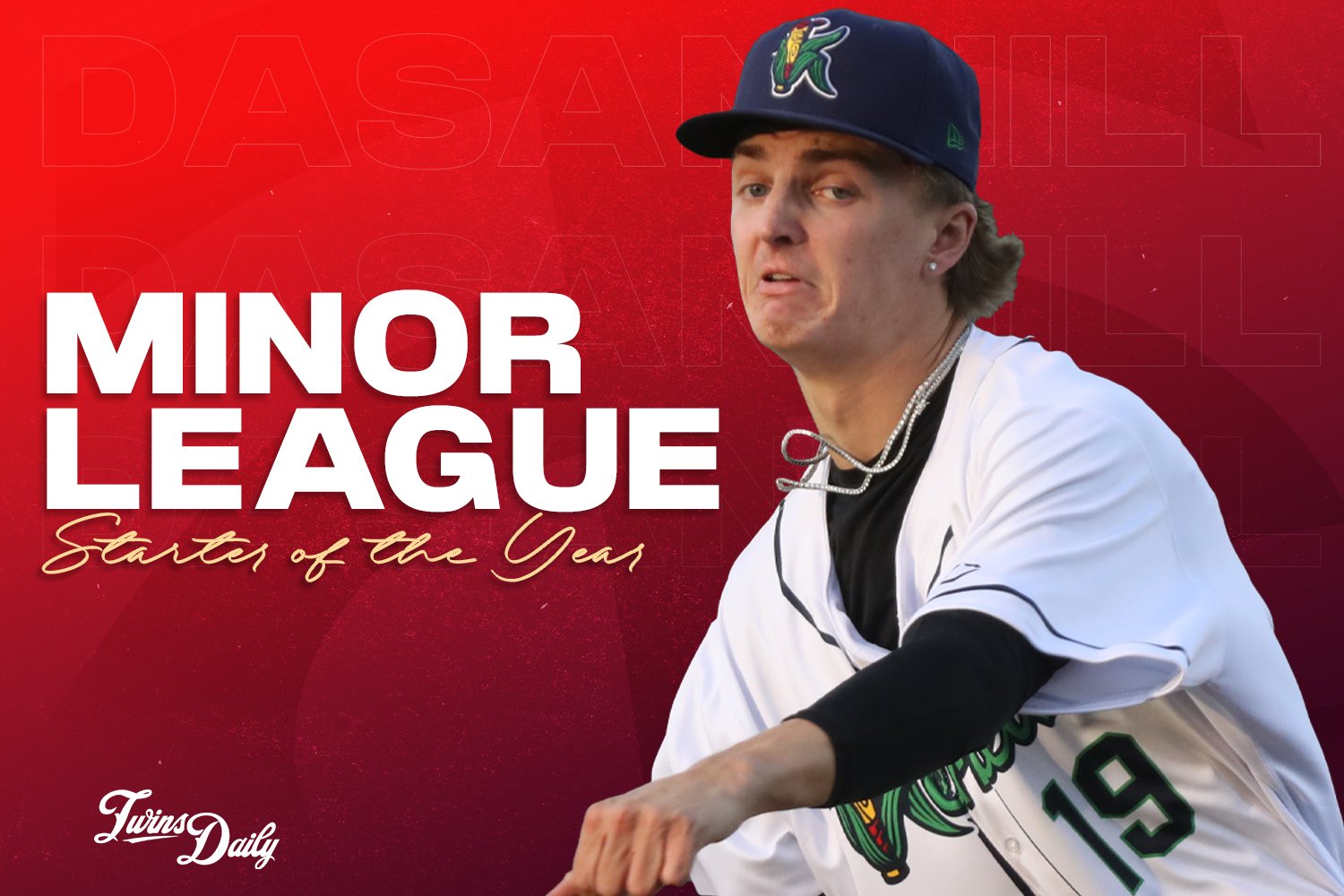 Minnesota’s pitching pipeline saw multiple rookies impact the big-league roster this season, with mixed results. Technically, Zebby Matthews and David Festa didn't number among that group, but they're important to the team's future—as is the incoming next wave of homegrown hurlers. Derek Falvey and Minnesota’s player development team have prided themselves on building a pitching pipeline. If the team’s winning window reopens in 2026, the organization’s top-performing pitchers will need to get to the big leagues and perform well. Before exploring this year’s top vote getters, here’s a look back at Twins Daily’s recent winners of this award. 2024: Zebby Matthews 2023: Cory Lewis 2022: Louie Varland 2021: Louie Varland 2019: Randy Dobnak 2018: Tyler Wells 2017: Stephen Gonsalves 2016: Stephen Gonsalves 2015: Jose Berrios 2014: Jose Berrios 2013: Taylor Rogers 2012: BJ Hermsen Let’s get into this year’s voting, starting with the honorable mentions and others receiving votes. Honorable Mentions: RHP Michael Ross (Low-A): 3.18 ERA, 1.23 WHIP, 76 K, 22.0 K%, 29 BB, 8.4 BB%, 82 IP RHP Jose Olivares (High-A): 4.38 ERA, 1.36 WHIP, 107 K, 27.6 K%, 57 BB, 14.7 BB%, 90 1/3 IP RHP Adrian Bohorquez (Low-A, High-A): 4.29 ERA, 1.18 WHIP, 85 K, 27.2 K%, 31 BB, 9.9 BB%, 71 1/3 IP Others Receiving Votes: Chase Chaney, Cole Peschl, Trent Baker, Andrew Morris 4. RHP C.J. Culpepper , Double-A 2025 Stats: 2.43 ERA, 1.31 WHIP, 53 K, 21.2 K%, 31 BB, 12.4 BB%, 59 1/3 IP (17 GS) Culpepper didn’t rank among the largest innings totals among Twins pitching prospects, but he made every start count. He missed two-plus months with a pinched nerve in his right elbow, and got sick with a virus multiple times. Despite the missed time, a sub-2.50 ERA across 17 outings in Wichita showed that he can keep hitters off balance and limit damage even when batters find way on base. The 23-year-old was still a year and a half younger than the competition in the Texas League, and held older batters to a .544 OPS for the season. His strikeout rate didn’t jump off the page, but he paired it with a knack for inducing weak contact and working his way out of jams. If he can trim the walks, Culpepper has the foundation of a back-end starter with the stuff to surprise. 3. LHP Connor Prielipp, Double-A/Triple-A 2025 Stats: 4.03 ERA, 1.51 WHIP, 98 K, 31 BB, 82 2/3 IP (23 GS, 24 G) The Twins have been patient with Prielipp after his injury history, and 2025 represented his most consistent season of work yet. He took the ball regularly in Double-A before earning a bump to St. Paul, where he held his own against veteran hitters. He faced older batters in over 57% of his plate appearances and struck them out 27% of the time. His ERA hovered just above 4.00, but the left-hander showed stretches where his slider looked like a big-league weapon. For a pitcher still working his way back to full strength and consistency, this season was a step in the right direction. The next challenge will be refining his command so that his strikeout ability can shine through more consistently at the upper levels. He’s arguably the team’s top pitching prospect, and the organization recently named him their own pick for minor league pitcher of the year. 2. RHP John Klein, Double-A/Triple-A 2025 Stats: 3.98 ERA, 1.25 WHIP, 128 K, 27.6 K%, 37 BB, 8.0 BB%, 106 1/3 IP (15 GS, 31 G) The Twins took a revolutionary approach with a group of pitching prospects this season, and Klein was among them. Instead of being part of the regular rotation, the Twins had a group stay on a four-day rotation while throwing fewer pitches in each appearance. Klein quietly thrived in this pitching environment and put together one of the more reliable seasons among Twins pitching prospects. He logged over 100 innings across two levels and held hitters in check, with a balanced mix that allowed him to both miss bats and limit free passes. His strikeout-to-walk ratio stood out as a strength, and he adapted well when moving between the rotation and the bullpen. That versatility could end up being his ticket to the big leagues, where he may eventually profile as a swingman or multi-inning reliever. Regardless of role, Klein’s steady production has made him a name worth watching. 1. LHP Dasan Hill, Low-A/High-A 2025 Stats: 3.19 ERA, 1.36 WHIP, 83 K, 31.3 K%, 40 BB, 15.0 BB%, 62 IP (19 GS) Hill’s season was the definition of a breakout. At just 19 years old, he showed a maturity on the mound that belied his age while making the jump from Low-A to High-A. His fastball routinely overpowered hitters at both levels, and his sharp slider gave him a true out pitch that piled up strikeouts in bunches. That dominance is reflected in his gaudy 31.3% strikeout rate, one of the best marks in the organization. In his first 11 starts (33 IP), he posted a 2.45 ERA while limiting batters to a .561 OPS. The one bad side of his season was the command. With a 15.0% walk rate, Hill often put himself in tough situations, but what stood out was how often he pitched his way out of trouble. His OPS with runners on base was over 20 points lower, compared to when the bases were empty. For a young arm still refining his mechanics, the ability to miss bats at such a high clip outweighed the occasional lack of control. He faced younger batters in only 15 plate appearances this season, and they went 0-for-10 with six strikeouts. That combination makes him both raw and incredibly exciting. He is the kind of prospect who could make significant developmental strides in a short period. Beyond the stats, Hill’s profile is exactly what the Twins have been searching for: a high-upside left-handed arm who can project into a starting role. Minnesota has rarely had this type of pitcher rising through the system in recent years, and Hill’s emergence gives them a legitimate candidate to grow into that mold. His final start in Cedar Rapids put a bow on his season. In five innings, he limited Beloit to two earned runs on two hits, with seven strikeouts and two walks. He kept the team’s playoff hopes alive and dominated as a teenager. If he can smooth out the command, his ceiling is that of a playoff-caliber starter—the type of arm who could anchor the staff for years to come. With his youth, strikeout ability, and fearless approach, Hill became the most exciting pitching story in the Twins’ system in 2025. The Twins saw progress from several different arms in 2025, with each name on this list taking critical steps forward. Prielipp and Klein showed durability and flashes of upside at the upper levels, while Culpepper quietly dominated in Double-A. Still, it was Hill’s emergence that stole the spotlight, as his combination of strikeouts and youth made him one of the most intriguing pitchers in the organization. With arms like these pushing upward, Minnesota’s pitching pipeline may be better stocked than it has been in quite some time. How would your ballot look for the Twins’ top minor league starter this season? Leave a comment and start the discussion.
- 25 comments
-
- 12
-
-

-
- connor prielipp
- dasan hill
- (and 2 more)
-
Image courtesy of © Eric Canha-Imagn Images The Minnesota Twins entered the last two seasons with playoff expectations, but the end results haven’t been quite what the front office envisioned. Between bullpen blowups, injured stars, and an offense that disappears like Wi-Fi in Target Field’s left-field concourse, manager Rocco Baldelli has found himself answering more questions than an IT help desk at a high school. While no one knows for certain what this winter will bring, Baldelli seems to be preparing for the possibility that the Twins could move on. Sources close to the clubhouse have confirmed that he’s been updating his resume, tweaking his LinkedIn profile, and even considering a new professional headshot, something less “concerned in the dugout” and more “ready to lead a corporate team-building seminar.” Explaining What Went Wrong On his updated resume, Baldelli has had to delicately describe his recent managerial years in ways that don’t sound quite so bleak. Instead of “bullpen collapses,” he phrases it as “delegating high-leverage opportunities with a focus on character-building.” Rather than “failure to hold divisional lead,” he calls it “emphasizing parity in a competitive market.” And the line about “teamwide offensive inconsistency”? That’s been masterfully rebranded as “encouraging players to embrace unpredictability as a lifestyle.” He’s even found a way to market the daily rest schedule that has driven fans mad. Under “innovative strategy,” Rocco proudly notes that he “optimized long-term employee performance by minimizing workplace burnout,” which sounds a lot better than “sat Byron Buxton in three straight division games.” In the section about postseason play, Baldelli has opted against using the words “swept again” and instead highlights his “commitment to efficiency by reducing October workloads.” And his ability to swap pitchers mid-inning with almost algorithmic precision? That’s been reframed as “embracing the principles of agile project management.” If nothing else, Rocco has proven he can spin the darkest days of Twins baseball into something that sounds suspiciously like a TED Talk or at least a PowerPoint pitch for middle management. Possible Jobs for Rocco Baldelli’s Next Chapter If Baldelli’s Twins tenure does end this winter, here are some of the most likely next steps on his employment journey: Peloton Instructor – He already specializes in resting people, so encouraging a group to sit down after 12 minutes on a bike feels like a natural fit. Middle School Hall Monitor – Perfect training for explaining to confused teenagers (or Twins relievers) why they’re not allowed to do something they were just told was fine yesterday. Target Field Concessions Consultant – No one in Minnesota is better at finding creative ways to explain why the product on the field isn’t quite what you ordered. Plus, he's already on the Pohlad payroll for next season. Escape Room Designer – Years of watching Twins hitters try to figure out how to leave the batter’s box with a hit makes him uniquely qualified. Starbucks Shift Manager – Finally, an environment where over-managing who’s on the clock every day is a job requirement. Motivational Speaker on “Work-Life Balance” – Nobody rests starters on a random Tuesday in Detroit quite like Rocco. He’s practically the Dalai Lama of scheduled days off. Dog Walker – If you thought his pitching staff management was unpredictable, wait until you see how he handles six leashes at once. Baldelli has accomplished a lot in his time with the Twins, including division titles, playoff appearances, and even convincing Minnesotans that “bullpen games” are a legitimate strategy. But baseball is a results-driven business, and with his resume polished and ready, it seems Baldelli is preparing for whatever the next chapter may bring, whether that’s another dugout, a corporate office, or a yoga studio. Of course, he’ll probably get pulled halfway through the interview just to be safe. View full article
-
Image courtesy of © Jesse Johnson-Imagn Images Last Friday, the Minnesota Twins announced that Matt Wallner’s season is officially over, with an oblique strain sending him to the injured list. For the 27-year-old Forest Lake native, it closes the book on a year where he fell short of expectations. Hopes were sky-high for Wallner entering the season, as the team talked glowingly about him throughout the spring and even had him penciled in to take over the role of leadoff hitter. By season's end, that felt like a remote memory. Injuries and Rhythm Wallner never really found his footing in 2025. A hamstring strain cost him six weeks during the first half, and the interruption seemed to derail his offensive rhythm. Across 104 games, he slashed just .202/.311/.464, numbers that look odd for a player with his track record. For context, over 2023-24, Wallner had posted an .885 OPS and was worth 4.4 WAR in just 151 games, even with plenty of time spent shuttling back and forth from St. Paul. This year, he ended up with only 0.5 WAR in 104 games. “It's not the way anyone wants their season to end, but his goal now is to make sure he's going into the offseason as healthy as possible to get himself in a good spot,” said Twins manager Rocco Baldelli. “I don't think that's going to be an issue, but it might take some time once the season ends to make sure his body is in a good spot.” An Unorthodox Stat Line Wallner’s statistical profile has always been unusual, but 2025 took that reputation to another level. His 22 home runs set a career high, yet he drove in only 40 runs, the fewest RBIs ever for a player with at least that many long balls. Barring a ferocious finish by Kody Clemens, Wallner will finish second on the team in home runs and slugging percentage, behind Byron Buxton. There’s more: of his 68 hits on the season, 41 went for extra bases. He joined just three other players in MLB history to reach 40 extra-base hits while finishing with fewer than 70 total hits. That’s the definition of boom-or-bust. Still, a .776 OPS equates to a 110 OPS+, meaning he was 10 percent above league average offensively. That tells the story of 2025 Matt Wallner perfectly: disappointing compared to his past, but still valuable in the Twins’ lineup. Baldelli was asked about the potential adjustments Wallner could make. "Closing up some gaps in his [swing] path, taking away some direct avenues in the way pitchers will attack him," the manager said. "Close up any of those holes—not completely, just by a fair amount—and it takes away a lot of different ways to pitch him.” Indeed, the league has figured out how to pitch Wallner, even after he made a major change to his swing this season. His next step is to make another adjustment, be it physical or in his approach, to create more hard contact on pitches inside and cover the top half of the zone better. What Went Wrong? The most obvious source of lost value was Wallner's batting average. After hovering in the .250-.260 range the last two seasons, Wallner cratered to .202. However, a closer examination suggests that some bad fortune may have played a role. His BABIP fell to .228, after sitting above .300 in each of his first three seasons. His ground-ball rate only crept up a little, and he still hit the ball with authority. On top of that, his strikeout rate actually dipped slightly to 29%, and his walk rate also improved. Those ingredients typically indicate better outcomes, which makes 2026 a strong candidate for positive regression if Wallner can stay on the field. What Comes Next? The Twins have some decisions to make with Wallner. He won’t reach arbitration until after next year, so he remains a cost-controlled power bat. If healthy, it’s easy to envision a 30-homer season in 2026. The bigger questions revolve around his role: Outfield spot? He’s serviceable in the corners, but the Twins have more athletic options coming, including Austin Martin and top prospects Walker Jenkins and Emmanuel Rodriguez. His strong arm has been his calling card on the defensive side, but he's rarely created real value with it, and opponents don't fear it. DH role? Shifting Wallner to a full-time designated hitter role could keep him healthier and maximize his power, while allowing others to handle the outfield workload. The Twins haven’t employed a dominant DH since Nelson Cruz was traded to Tampa Bay. Perhaps Wallner can take over this role next season. Platoon future? Wallner is a career .181 hitter with a .641 OPS against left-handed pitching, which means he may always be a matchup-dependent bat. Some fans have called for the team’s left-handed bats to get more opportunities against southpaws, but the Twins aren’t likely to follow that path with Wallner. Even with those caveats, it’s worth noting: Wallner’s “down year” still included 22 homers and a 110 OPS+. For most players, that’s a career year. For Wallner, it just felt strange. The Twins will gladly roll the dice on positive improvements and good health in 2026, because if he looks more like the 2023–24 version, Wallner remains one of the franchise’s most dangerous hitters. What do you make of Wallner’s 2025 season? Leave a comment and start the discussion. View full article
-
Matt Wallner’s Unfulfilling 2025 Season and Uncertain Future
Cody Christie posted an article in Twins
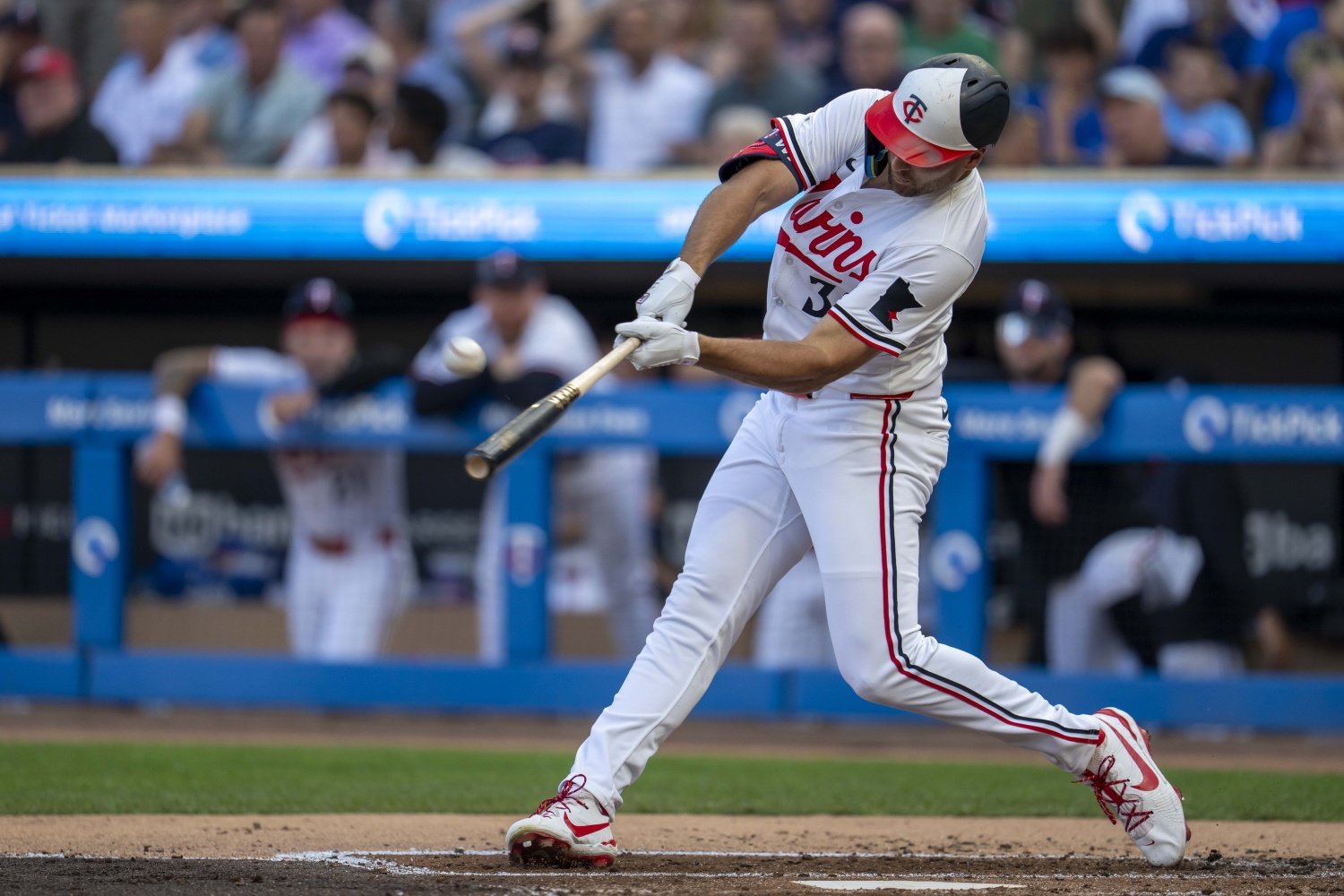 Last Friday, the Minnesota Twins announced that Matt Wallner’s season is officially over, with an oblique strain sending him to the injured list. For the 27-year-old Forest Lake native, it closes the book on a year where he fell short of expectations. Hopes were sky-high for Wallner entering the season, as the team talked glowingly about him throughout the spring and even had him penciled in to take over the role of leadoff hitter. By season's end, that felt like a remote memory. Injuries and Rhythm Wallner never really found his footing in 2025. A hamstring strain cost him six weeks during the first half, and the interruption seemed to derail his offensive rhythm. Across 104 games, he slashed just .202/.311/.464, numbers that look odd for a player with his track record. For context, over 2023-24, Wallner had posted an .885 OPS and was worth 4.4 WAR in just 151 games, even with plenty of time spent shuttling back and forth from St. Paul. This year, he ended up with only 0.5 WAR in 104 games. “It's not the way anyone wants their season to end, but his goal now is to make sure he's going into the offseason as healthy as possible to get himself in a good spot,” said Twins manager Rocco Baldelli. “I don't think that's going to be an issue, but it might take some time once the season ends to make sure his body is in a good spot.” An Unorthodox Stat Line Wallner’s statistical profile has always been unusual, but 2025 took that reputation to another level. His 22 home runs set a career high, yet he drove in only 40 runs, the fewest RBIs ever for a player with at least that many long balls. Barring a ferocious finish by Kody Clemens, Wallner will finish second on the team in home runs and slugging percentage, behind Byron Buxton. There’s more: of his 68 hits on the season, 41 went for extra bases. He joined just three other players in MLB history to reach 40 extra-base hits while finishing with fewer than 70 total hits. That’s the definition of boom-or-bust. Still, a .776 OPS equates to a 110 OPS+, meaning he was 10 percent above league average offensively. That tells the story of 2025 Matt Wallner perfectly: disappointing compared to his past, but still valuable in the Twins’ lineup. Baldelli was asked about the potential adjustments Wallner could make. "Closing up some gaps in his [swing] path, taking away some direct avenues in the way pitchers will attack him," the manager said. "Close up any of those holes—not completely, just by a fair amount—and it takes away a lot of different ways to pitch him.” Indeed, the league has figured out how to pitch Wallner, even after he made a major change to his swing this season. His next step is to make another adjustment, be it physical or in his approach, to create more hard contact on pitches inside and cover the top half of the zone better. What Went Wrong? The most obvious source of lost value was Wallner's batting average. After hovering in the .250-.260 range the last two seasons, Wallner cratered to .202. However, a closer examination suggests that some bad fortune may have played a role. His BABIP fell to .228, after sitting above .300 in each of his first three seasons. His ground-ball rate only crept up a little, and he still hit the ball with authority. On top of that, his strikeout rate actually dipped slightly to 29%, and his walk rate also improved. Those ingredients typically indicate better outcomes, which makes 2026 a strong candidate for positive regression if Wallner can stay on the field. What Comes Next? The Twins have some decisions to make with Wallner. He won’t reach arbitration until after next year, so he remains a cost-controlled power bat. If healthy, it’s easy to envision a 30-homer season in 2026. The bigger questions revolve around his role: Outfield spot? He’s serviceable in the corners, but the Twins have more athletic options coming, including Austin Martin and top prospects Walker Jenkins and Emmanuel Rodriguez. His strong arm has been his calling card on the defensive side, but he's rarely created real value with it, and opponents don't fear it. DH role? Shifting Wallner to a full-time designated hitter role could keep him healthier and maximize his power, while allowing others to handle the outfield workload. The Twins haven’t employed a dominant DH since Nelson Cruz was traded to Tampa Bay. Perhaps Wallner can take over this role next season. Platoon future? Wallner is a career .181 hitter with a .641 OPS against left-handed pitching, which means he may always be a matchup-dependent bat. Some fans have called for the team’s left-handed bats to get more opportunities against southpaws, but the Twins aren’t likely to follow that path with Wallner. Even with those caveats, it’s worth noting: Wallner’s “down year” still included 22 homers and a 110 OPS+. For most players, that’s a career year. For Wallner, it just felt strange. The Twins will gladly roll the dice on positive improvements and good health in 2026, because if he looks more like the 2023–24 version, Wallner remains one of the franchise’s most dangerous hitters. What do you make of Wallner’s 2025 season? Leave a comment and start the discussion.
 -
Image courtesy of Rob Thompson, St. Paul Saints (graphic by Thieres Rabelo) Baseball is a game of stories, and one of the most enjoyable parts of the minor league award season is diving into the stories behind the names on the ballot. This year’s top-five Twins hitters feature a mix of former high draft selections alongside players who had to take the long road as they developed in the system. Every path looks different, and there’s no single blueprint for reaching the majors. Looking ahead to next year, Minnesota’s farm system is projected to rank among the very best in the game. The current front office has carefully assembled that depth through a combination of savvy drafting, trades, and player development. The performances highlighted below demonstrate the organization's ongoing efforts to develop talent, ensuring the major league club has the resources to maintain its competitive edge well into the future. Who have been the previous winners of this award? PREVIOUS WINNERS 2012 - Oswaldo Arcia 2013 - Miguel Sano 2014 - Mitch Garver 2015 - Max Kepler 2016 - Daniel Palka 2017 - Mitch Garver 2018 - Alex Kirilloff 2019 - Trevor Larnach 2021 - Jose Miranda 2022 - Matt Wallner 2023 - Yunior Severino 2024 - Luke Keaschall Here are some of the hitters who received votes on writers’ ballots: Honorable Mentions: 1B/DH Aaron Sabato: 109 G, .261/.327/.481 (.809), 23 HR, 18 2B, 1 3B, 68 RBI, 38 BB, 129 K C/1B Nate Baez: 96 G, .278/.371/.423 (.794), 8 HR, 17 2B, 4 3B, 54 RBI, 45 BB, 65 K UTL Jay Thomason: 64 G, .244/.397/.477 (.873), 10 HR, 11 2B, 2 3B, 29 RBI, 45 BB, 66 K OF Maddux Houghton: 97 G, .270/.356/.456 (.812), 12 HR, 13 2B, 3 3B, 45 RBI, 34 BB, 93 K C Noah Cardenas: 69 G, .245/.387/.438 (.824), 10 HR, 10 2B, 33 RBI, 42 BB, 51 K Others Receiving Votes: Carson McCusker, Kyle DeBarge, Ricardo Olivar, Billy Amick , Khadim Diaw Twins Minor League Hitter of the Year Here are the top five players for the Twins Daily Hitter of the Year, leading up to the choice for the Twins Minor League Hitter of the Year. 5. OF Walker Jenkins, 20, Wichita/St. Paul 84 G, .286/.399/.451 (.850), 10 HR, 17 2B, 2 3B, 34 RBI, 56 R, 50 BB, 76 K, 17 SB The Twins’ top prospect entered the 2025 season with plenty of hype, and he didn’t disappoint. Jenkins started the year in Wichita, where he quickly established himself as one of the most polished bats in the Texas League, despite being nearly four years younger than the competition at that level. Over his final 23 Double-A games, he posted a 1.105 OPS while showing his true power potential with five home runs and six doubles. A late-season promotion to St. Paul allowed him to face more advanced pitching, and his ability to get on base consistently stood out at both levels. His combination of power, patience, and speed continues to give the Twins confidence that he could be a cornerstone bat in the big leagues sooner rather than later. 4. OF Kala'i Rosario , 23, Wichita 130 G, .256/.358/.487 (.844), 25 HR, 30 2B, 5 3B, 83 RBI, 92 R, 73 BB, 159 K, 32 SB Rosario entered the 2025 campaign at a critical juncture in his career, especially after the Twins left him unprotected in the 2024 Rule 5 Draft. He has always had the raw power, but 2025 showcased his ability to be more than just a slugger. He set career-highs across the board while playing in 130 games for Wichita. Rosario faced older batters in over 84% of his plate appearances and posted an .852 OPS. His 25 home runs and 30 doubles highlight the damage he can do when he makes contact. He dominated during August as he posted a 1.135 OPS with 11 homers and six doubles in 27 games. While the strikeouts remain high, Rosario’s development into a more complete hitter, especially a right-handed power threat, has put him firmly on the radar for a future role in Minnesota’s outfield mix. 3. SS Kaelen Culpepper, 22, Cedar Rapids/Wichita 113 G, .289/.375/.469 (.844), 20 HR, 16 2B, 3 3B, 64 RBI, 77 R, 50 BB, 90 K, 25 SB Culpepper entered the season with the hype of being a first-round pick in 2024, but few envisioned him putting together a season that vaulted him into national top-100 lists. He started the year with Cedar Rapids but quickly proved he was advanced for the level by hitting .293/.385/.479 (.864) with nine home runs and nine doubles in 54 games. Some scouts questioned his power potential when the Twins drafted him, but his 20 home runs illustrate his growing pop. Also, his ability to swipe 25 bags and play a premium defensive position makes him one of the most intriguing prospects in the organization. The Twins haven’t had many shortstops with this kind of offensive upside in recent years, and Culpepper is starting to make the case that he could be part of the long-term infield picture. 2. OF Kyler Fedko, 26, Wichita/St. Paul 130 G, .258/.367/.487 (.855), 28 HR, 25 2B, 82 RBI, 91 R, 79 BB, 120 K, 38 SB Few players in the system can match Fedko’s mix of patience and power. The 2021 12th round pick broke out in a big way this year, hitting 28 homers while maintaining an on-base percentage near .370. In 88 Double-A games, he posted an .868 OPS with 35 extra base hits and a 79-to-58 strikeout-to-walk ratio. On top of that, he was a real weapon on the basepaths with 38 steals. He was promoted to Triple-A at the beginning of August and posted a 1.104 OPS with six homers and seven doubles in his first 22 games. At 26, he may be older than some of the other names on this list, but his production speaks for itself. Like Rosario, he is a right-handed power option that could fit into the team’s plans as soon as next season. 1. OF Gabriel Gonzalez, 21, Cedar Rapids/Wichita/St. Paul 123 G, .329/.395/.513 (.909), 15 HR, 38 2B, 3 3B, 66 RBI, 75 R, 48 BB, 80 K, 8 SB Gonzalez entered the season as a promising but somewhat overlooked prospect. He joined the Twins organization last season in the Jorge Polanco trade and struggled at Cedar Rapids with a .706 OPS. There were still hopes he could turn it around in 2025, and he leaves the year as the clear-cut offensive star of the system. At just 21 years old, he made an aggressive climb through three levels, finishing the year in Triple-A while never looking out of place. His calling card in 2025 was consistency: he hit over .315 at every stop, and his 38 doubles show how frequently he found the gaps. While some of the other outfielders in the system showcased more raw power or speed, Gonzalez’s ability to combine hit tool, approach, and extra-base ability is what sets him apart. His .909 OPS was the highest among the organization’s top bats. He faced older pitchers in all but 30 of his plate appearances and hit .338/.405/.527 (.932) against them. He dominated left-handed pitchers with a 1.022 OPS, which included a .592 SLG. The Twins have had plenty of high-profile outfield prospects in recent years, but Gonzalez’s blend of polish and production at such a young age might make him one of the safest bets to contribute in Minnesota soon. The fact that he adjusted so seamlessly after each promotion suggests a maturity beyond his years. For a 21-year-old to go from High-A to Triple-A in one season and still improve his production is rare, and that’s why Gonzalez stood out as the system’s top hitter in 2025. Each of these players took significant strides forward in 2025, giving the Twins plenty of reasons to feel optimistic about their offensive depth. From top prospects like Jenkins to breakout performers like Fedko, the organization saw development across multiple levels. Still, no story stood taller than Gonzalez’s meteoric rise through the system, and his performance serves as a reminder that impact talent can emerge quickly. With this group pushing toward the big leagues, Minnesota’s lineup of the future looks as promising as it has in years. How would your ballot look for the Twins' top hitter in 2025? Leave a comment and start the discussion. View full article
- 24 replies
-
- 2
-
-
- gabriel gonzalez
- walker jenkins
- (and 3 more)
-
Minnesota Twins Minor League Hitter of the Year– 2025
Cody Christie posted an article in Minor Leagues
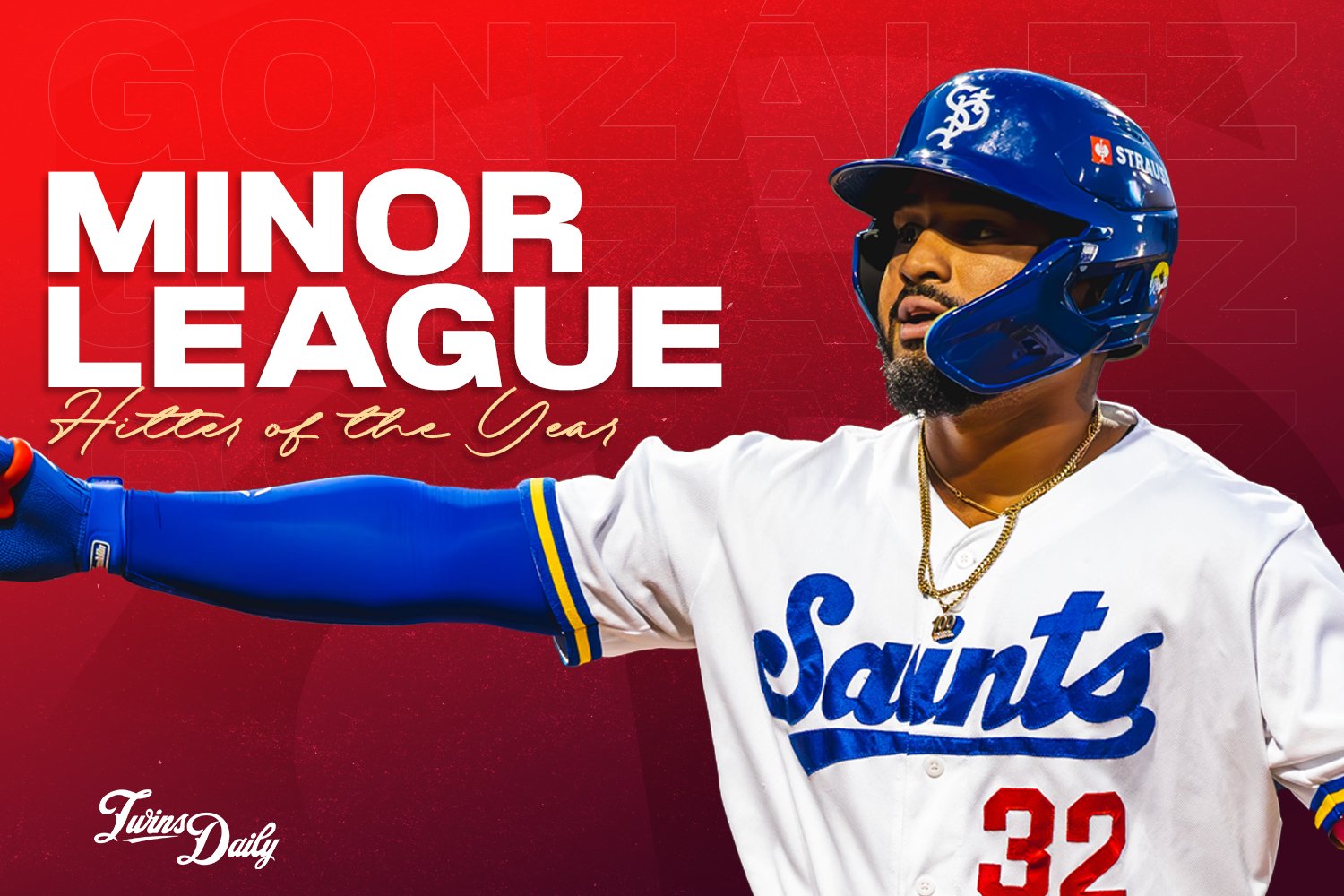 Baseball is a game of stories, and one of the most enjoyable parts of the minor league award season is diving into the stories behind the names on the ballot. This year’s top-five Twins hitters feature a mix of former high draft selections alongside players who had to take the long road as they developed in the system. Every path looks different, and there’s no single blueprint for reaching the majors. Looking ahead to next year, Minnesota’s farm system is projected to rank among the very best in the game. The current front office has carefully assembled that depth through a combination of savvy drafting, trades, and player development. The performances highlighted below demonstrate the organization's ongoing efforts to develop talent, ensuring the major league club has the resources to maintain its competitive edge well into the future. Who have been the previous winners of this award? PREVIOUS WINNERS 2012 - Oswaldo Arcia 2013 - Miguel Sano 2014 - Mitch Garver 2015 - Max Kepler 2016 - Daniel Palka 2017 - Mitch Garver 2018 - Alex Kirilloff 2019 - Trevor Larnach 2021 - Jose Miranda 2022 - Matt Wallner 2023 - Yunior Severino 2024 - Luke Keaschall Here are some of the hitters who received votes on writers’ ballots: Honorable Mentions: 1B/DH Aaron Sabato: 109 G, .261/.327/.481 (.809), 23 HR, 18 2B, 1 3B, 68 RBI, 38 BB, 129 K C/1B Nate Baez: 96 G, .278/.371/.423 (.794), 8 HR, 17 2B, 4 3B, 54 RBI, 45 BB, 65 K UTL Jay Thomason: 64 G, .244/.397/.477 (.873), 10 HR, 11 2B, 2 3B, 29 RBI, 45 BB, 66 K OF Maddux Houghton: 97 G, .270/.356/.456 (.812), 12 HR, 13 2B, 3 3B, 45 RBI, 34 BB, 93 K C Noah Cardenas: 69 G, .245/.387/.438 (.824), 10 HR, 10 2B, 33 RBI, 42 BB, 51 K Others Receiving Votes: Carson McCusker, Kyle DeBarge, Ricardo Olivar, Billy Amick , Khadim Diaw Twins Minor League Hitter of the Year Here are the top five players for the Twins Daily Hitter of the Year, leading up to the choice for the Twins Minor League Hitter of the Year. 5. OF Walker Jenkins, 20, Wichita/St. Paul 84 G, .286/.399/.451 (.850), 10 HR, 17 2B, 2 3B, 34 RBI, 56 R, 50 BB, 76 K, 17 SB The Twins’ top prospect entered the 2025 season with plenty of hype, and he didn’t disappoint. Jenkins started the year in Wichita, where he quickly established himself as one of the most polished bats in the Texas League, despite being nearly four years younger than the competition at that level. Over his final 23 Double-A games, he posted a 1.105 OPS while showing his true power potential with five home runs and six doubles. A late-season promotion to St. Paul allowed him to face more advanced pitching, and his ability to get on base consistently stood out at both levels. His combination of power, patience, and speed continues to give the Twins confidence that he could be a cornerstone bat in the big leagues sooner rather than later. 4. OF Kala'i Rosario , 23, Wichita 130 G, .256/.358/.487 (.844), 25 HR, 30 2B, 5 3B, 83 RBI, 92 R, 73 BB, 159 K, 32 SB Rosario entered the 2025 campaign at a critical juncture in his career, especially after the Twins left him unprotected in the 2024 Rule 5 Draft. He has always had the raw power, but 2025 showcased his ability to be more than just a slugger. He set career-highs across the board while playing in 130 games for Wichita. Rosario faced older batters in over 84% of his plate appearances and posted an .852 OPS. His 25 home runs and 30 doubles highlight the damage he can do when he makes contact. He dominated during August as he posted a 1.135 OPS with 11 homers and six doubles in 27 games. While the strikeouts remain high, Rosario’s development into a more complete hitter, especially a right-handed power threat, has put him firmly on the radar for a future role in Minnesota’s outfield mix. 3. SS Kaelen Culpepper, 22, Cedar Rapids/Wichita 113 G, .289/.375/.469 (.844), 20 HR, 16 2B, 3 3B, 64 RBI, 77 R, 50 BB, 90 K, 25 SB Culpepper entered the season with the hype of being a first-round pick in 2024, but few envisioned him putting together a season that vaulted him into national top-100 lists. He started the year with Cedar Rapids but quickly proved he was advanced for the level by hitting .293/.385/.479 (.864) with nine home runs and nine doubles in 54 games. Some scouts questioned his power potential when the Twins drafted him, but his 20 home runs illustrate his growing pop. Also, his ability to swipe 25 bags and play a premium defensive position makes him one of the most intriguing prospects in the organization. The Twins haven’t had many shortstops with this kind of offensive upside in recent years, and Culpepper is starting to make the case that he could be part of the long-term infield picture. 2. OF Kyler Fedko, 26, Wichita/St. Paul 130 G, .258/.367/.487 (.855), 28 HR, 25 2B, 82 RBI, 91 R, 79 BB, 120 K, 38 SB Few players in the system can match Fedko’s mix of patience and power. The 2021 12th round pick broke out in a big way this year, hitting 28 homers while maintaining an on-base percentage near .370. In 88 Double-A games, he posted an .868 OPS with 35 extra base hits and a 79-to-58 strikeout-to-walk ratio. On top of that, he was a real weapon on the basepaths with 38 steals. He was promoted to Triple-A at the beginning of August and posted a 1.104 OPS with six homers and seven doubles in his first 22 games. At 26, he may be older than some of the other names on this list, but his production speaks for itself. Like Rosario, he is a right-handed power option that could fit into the team’s plans as soon as next season. 1. OF Gabriel Gonzalez, 21, Cedar Rapids/Wichita/St. Paul 123 G, .329/.395/.513 (.909), 15 HR, 38 2B, 3 3B, 66 RBI, 75 R, 48 BB, 80 K, 8 SB Gonzalez entered the season as a promising but somewhat overlooked prospect. He joined the Twins organization last season in the Jorge Polanco trade and struggled at Cedar Rapids with a .706 OPS. There were still hopes he could turn it around in 2025, and he leaves the year as the clear-cut offensive star of the system. At just 21 years old, he made an aggressive climb through three levels, finishing the year in Triple-A while never looking out of place. His calling card in 2025 was consistency: he hit over .315 at every stop, and his 38 doubles show how frequently he found the gaps. While some of the other outfielders in the system showcased more raw power or speed, Gonzalez’s ability to combine hit tool, approach, and extra-base ability is what sets him apart. His .909 OPS was the highest among the organization’s top bats. He faced older pitchers in all but 30 of his plate appearances and hit .338/.405/.527 (.932) against them. He dominated left-handed pitchers with a 1.022 OPS, which included a .592 SLG. The Twins have had plenty of high-profile outfield prospects in recent years, but Gonzalez’s blend of polish and production at such a young age might make him one of the safest bets to contribute in Minnesota soon. The fact that he adjusted so seamlessly after each promotion suggests a maturity beyond his years. For a 21-year-old to go from High-A to Triple-A in one season and still improve his production is rare, and that’s why Gonzalez stood out as the system’s top hitter in 2025. Each of these players took significant strides forward in 2025, giving the Twins plenty of reasons to feel optimistic about their offensive depth. From top prospects like Jenkins to breakout performers like Fedko, the organization saw development across multiple levels. Still, no story stood taller than Gonzalez’s meteoric rise through the system, and his performance serves as a reminder that impact talent can emerge quickly. With this group pushing toward the big leagues, Minnesota’s lineup of the future looks as promising as it has in years. How would your ballot look for the Twins' top hitter in 2025? Leave a comment and start the discussion.
- 24 comments
-
- 8
-
-
-
- gabriel gonzalez
- walker jenkins
- (and 3 more)
-
Image courtesy of Isaiah J. Downing-Imagn Images The first pitch hit the zone, and the stakes were invisible but heavy. Baseball is a game of microseconds, but some seconds feel like they can tilt a franchise. In July 2025, at Coors Field, the Minnesota Twins discovered exactly how fragile momentum can be. 2024’s Warning Twins fans saw this story play out before. In August 2024, Jorge Alcala’s meltdown in Texas became shorthand for a second-half collapse. The team had over 90% odds of making the playoffs, but injuries, slumps, and poor pitching turned a season of promise into disappointment. Some fans blame Joe Ryan’s shoulder injury or the lack of offensive punch in September. There are always places to point fingers, and multi-layered narratives to write. Still, one game, one inning, and one pitch can feel like the turning point. Sometimes, it truly is. The Stage Was Set Coming out of the All-Star break, the Twins hovered at .500. The Rockies were historically bad. Win the series, and Minnesota could flirt with contention. Lose, and the front office might pivot toward the future. It was a crossroads. On July 18, Chris Paddack (aka The Sheriff) strode to the mound, a veteran ready to stabilize a rotation looking to make a quick second-half impact. Alas, nothing that night went according to plan. Before fans had time to settle into their seats, Tyler Freeman worked the count full. Crack. A leadoff double. Not yet catastrophic, but it was a first hint of trouble. Three pitches later, Mickey Moniak sent a line drive to deep right-center. The ball screamed off his bat, bouncing into the gap. Colorado led 1-0. Paddack tried to smooth things out. The next batter, Jordan Beck, worked a 2-0 count before ripping a triple into the alley. Byron Buxton seemed to have the ball in his sights, and made a diving attempt. Maybe a younger, faster Buxton makes the catch and keeps the Twins in the game. Instead, the ball eluded him, and scoreboard ticked: 2-0. There have been plenty of games where the Twins were down a couple of runs early and mounted a comeback, but the Rockies weren’t done yet. Ryan McMahon stepped to the plate and took a massive swing at the first pitch he saw. The hanging curveball was crushed for a two-run homer, sending the pitch sailing into the Rockies’ corner seats. Colorado’s win probability jumped by nearly 7%, to 87.1%, and the Twins were back on their heels. Four runs in a single inning, and Minnesota’s season suddenly felt fragile. Paddack pitched five innings, gave up five earned runs, and left the mound without answers; the damage was done. He had a -.236 WPA, one of his lowest totals of the season. However, there were much larger ramifications to that one inning. That first frame wasn’t just a stumble. It was a gut punch that redefined the team’s trajectory. The Deadline Domino Effect After two losses in three games in Colorado, the front office shifted into high gear. By the trade deadline, nearly 40% of the active roster was gone. Carlos Correa, Jhoan Duran, Paddack, Griffin Jax, Louis Varland, Brock Stewart, Danny Coulombe, Harrison Bader, Willi Castro, and Ty France were all traded, in a whirlwind selloff that few teams have seen at a trade deadline. Had Minnesota swept that series, it’s likely many of the pieces with team control beyond this year would have remained. Instead, one inning snowballed, and accelerated a rebuild (or retool, if you ask the Twins’ front office). That inning didn’t just lose a series; it arguably reshaped the next half-decade of Twins baseball. What Comes Next Now, the spotlight shines on the organization's next long-term core, including Walker Jenkins, Emmanuel Rodriguez, Kaelen Culpepper, Luke Keaschall, and others. Payroll flexibility opens doors to potential bold acquisitions, but there are no guarantees that the Pohlad ownership group will invest in the team for the 2026 season. This puts the farm system under pressure to produce results quickly, including some of the players acquired in the now-famous trade deadline deals. Fans will adjust to a roster in flux, while the front office bets that short-term pain will seed long-term gain. In baseball, one pitch rarely defines history. But some innings? They do. For the 2025 Twins, one nightmare inning in Colorado may have rewritten the future entirely. Do you believe that inning was the turning point in the season? Leave a comment and start the discussion. View full article
-
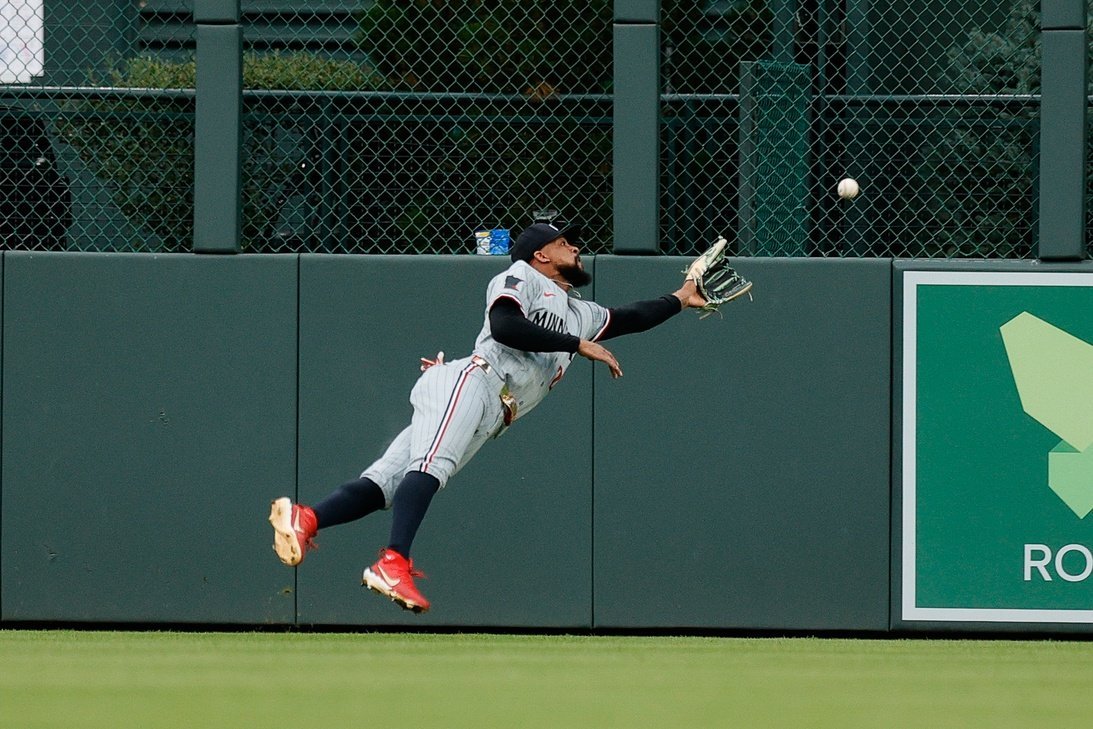 The first pitch hit the zone, and the stakes were invisible but heavy. Baseball is a game of microseconds, but some seconds feel like they can tilt a franchise. In July 2025, at Coors Field, the Minnesota Twins discovered exactly how fragile momentum can be. 2024’s Warning Twins fans saw this story play out before. In August 2024, Jorge Alcala’s meltdown in Texas became shorthand for a second-half collapse. The team had over 90% odds of making the playoffs, but injuries, slumps, and poor pitching turned a season of promise into disappointment. Some fans blame Joe Ryan’s shoulder injury or the lack of offensive punch in September. There are always places to point fingers, and multi-layered narratives to write. Still, one game, one inning, and one pitch can feel like the turning point. Sometimes, it truly is. The Stage Was Set Coming out of the All-Star break, the Twins hovered at .500. The Rockies were historically bad. Win the series, and Minnesota could flirt with contention. Lose, and the front office might pivot toward the future. It was a crossroads. On July 18, Chris Paddack (aka The Sheriff) strode to the mound, a veteran ready to stabilize a rotation looking to make a quick second-half impact. Alas, nothing that night went according to plan. Before fans had time to settle into their seats, Tyler Freeman worked the count full. Crack. A leadoff double. Not yet catastrophic, but it was a first hint of trouble. Three pitches later, Mickey Moniak sent a line drive to deep right-center. The ball screamed off his bat, bouncing into the gap. Colorado led 1-0. Paddack tried to smooth things out. The next batter, Jordan Beck, worked a 2-0 count before ripping a triple into the alley. Byron Buxton seemed to have the ball in his sights, and made a diving attempt. Maybe a younger, faster Buxton makes the catch and keeps the Twins in the game. Instead, the ball eluded him, and scoreboard ticked: 2-0. There have been plenty of games where the Twins were down a couple of runs early and mounted a comeback, but the Rockies weren’t done yet. Ryan McMahon stepped to the plate and took a massive swing at the first pitch he saw. The hanging curveball was crushed for a two-run homer, sending the pitch sailing into the Rockies’ corner seats. Colorado’s win probability jumped by nearly 7%, to 87.1%, and the Twins were back on their heels. Four runs in a single inning, and Minnesota’s season suddenly felt fragile. Paddack pitched five innings, gave up five earned runs, and left the mound without answers; the damage was done. He had a -.236 WPA, one of his lowest totals of the season. However, there were much larger ramifications to that one inning. That first frame wasn’t just a stumble. It was a gut punch that redefined the team’s trajectory. The Deadline Domino Effect After two losses in three games in Colorado, the front office shifted into high gear. By the trade deadline, nearly 40% of the active roster was gone. Carlos Correa, Jhoan Duran, Paddack, Griffin Jax, Louis Varland, Brock Stewart, Danny Coulombe, Harrison Bader, Willi Castro, and Ty France were all traded, in a whirlwind selloff that few teams have seen at a trade deadline. Had Minnesota swept that series, it’s likely many of the pieces with team control beyond this year would have remained. Instead, one inning snowballed, and accelerated a rebuild (or retool, if you ask the Twins’ front office). That inning didn’t just lose a series; it arguably reshaped the next half-decade of Twins baseball. What Comes Next Now, the spotlight shines on the organization's next long-term core, including Walker Jenkins, Emmanuel Rodriguez, Kaelen Culpepper, Luke Keaschall, and others. Payroll flexibility opens doors to potential bold acquisitions, but there are no guarantees that the Pohlad ownership group will invest in the team for the 2026 season. This puts the farm system under pressure to produce results quickly, including some of the players acquired in the now-famous trade deadline deals. Fans will adjust to a roster in flux, while the front office bets that short-term pain will seed long-term gain. In baseball, one pitch rarely defines history. But some innings? They do. For the 2025 Twins, one nightmare inning in Colorado may have rewritten the future entirely. Do you believe that inning was the turning point in the season? Leave a comment and start the discussion.
 -
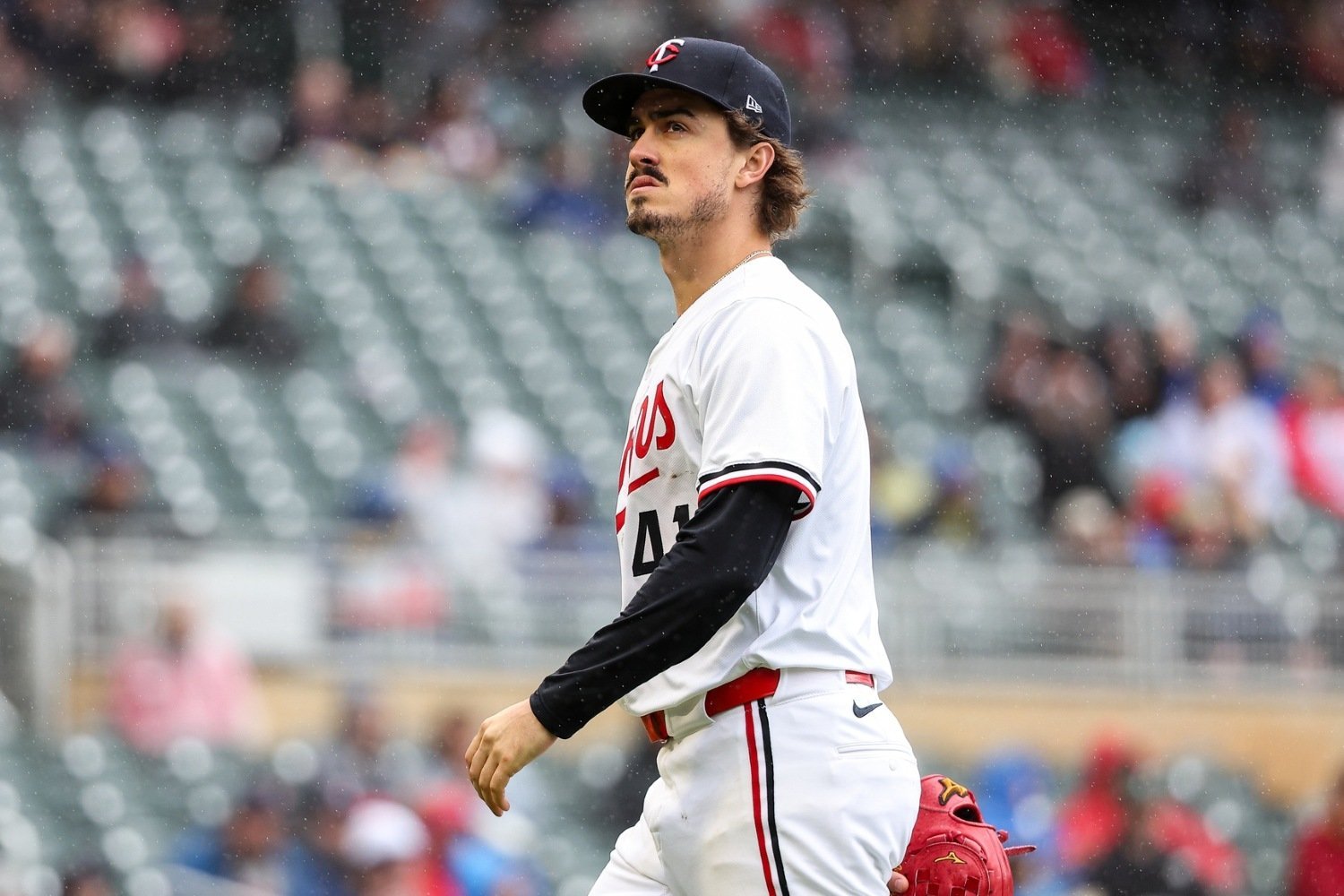 For a long stretch this year, Joe Ryan looked like everything the Twins always hoped he could be: swing-and-miss stuff, elite control, a bona fide frontline starter. His surface numbers backed that up, with elite peripherals and counting stats that put him among the American League’s better arms. But the storyline that’s defined his career, more than the strikeouts, is durability—or the lack thereof. That thread keeps showing up, even in a season where he finally got the All-Star nod. This isn't the first time Ryan's ability to take the mound and pitch competitively for a full season has been questioned. In 2023, the Twins were unsure of how to use Ryan and Bailey Ober in their postseason rotation. The club knew that Pablo López and Sonny Gray would be in the top two spots. When it came to the club’s first game versus Houston, the reins were turned over to Ober, instead of Ryan. Ryan got the start in Game 4, which became the decisive game. However, Minnesota only let him pitch two innings (1 ER on two hits) and turned it over to the bullpen. Ryan had been too inconsistent to earn any more trust than that, partially due to pitching through injury for much of the second half. Last season, the Twins were in the hunt for the playoffs in the second half, with 90% playoff odds in mid-August. Ryan suffered a season-ending shoulder strain on August 7, though, after he exited a start at Wrigley Field. He didn’t require surgery, but his season was over. The team had an epic collapse down the stretch, and it’s easy to wonder: what if Ryan had been healthy? Could he have helped the club avoid their grisly fate? Why This Matters The Twins know, on paper, that Ryan is a top-of-the-rotation arm. However, they have tougher decisions to make about committing future payroll and roster construction to a pitcher whose calendar has an asterisk: “great, if he gets through the back half.” The Twins know what they’re getting when he’s right: a starter who can give the bullpen breathing room and dominate. But they also know what they get when the wear shows up: short starts, extra bullpen usage, and the subtle (or sudden) collapse of a rotation plan in September. This year, he's been able to stay on the mound and establish a new career high in workload, but his performance has been markedly worse since the beginning of August. If the Twins decide to retain Ryan and build their 2026 plan around him, it may be time to reevaluate his usage. That means: Aggressive workload management: An innings cap or series-of-starts cap in the early season, with a ramp tailored to his history. Let the calendar, not panic, dictate his place in September. Rest and recovery emphasis: Deeper in-season monitoring, scheduled extra days between starts if metrics trend poorly, start having rest conversations before anything becomes a bigger problem. Rotation construction that protects him: Continue to build the organization's pitching pipeline. If the back end of the rotation is unreliable, Ryan’s failures cascade. A deeper rotation means the Twins can accept the occasional two-inning outing, without turning September into a bullpen apocalypse. Retaining him this way buys upside: the Twins still have an ace when he’s right, but you try to blunt the damage when he’s not. That’s a reasonable strategy, if the Twins aren’t convinced the market will pay top value for him in a trade. Right now, the market is at least whispering about interest. He’s been listed among the offseason’s top trade candidates, which underscores how other clubs value his present performance despite the worry about the back halves of seasons. The alternative is blunt and transactional: the Twins could sell high on a pitcher who’s shown All-Star-level production and still has two years of control left. Moving him would solve the durability headache by making it someone else’s problem, and it would accelerate a rebuild or restock the farm system with controllable talent. Teams in win-now mode often overpay for present performance. If other front offices believe Ryan is a 4+ WAR difference-maker when healthy, the return could be significant. That said, trade markets price in risk. Other teams aren’t blind to the shoulder history or the second-half fades. Any package the Twins get will be discounted by how much prospective buyers think Ryan might buckle late in the season. If the Twins’ front office is convinced they can better manage Ryan and extract more value than a trade return, they’ll keep him. This summer’s roster shakeups showed the Twins were willing to move many pieces, but they retained Ryan as part of the core construction at that time. All the debate, projections, and contract math come down to one simple thing: what happens when Ryan goes through a full spring, a regular season, and into September without the physical hiccups he’s shown before? That’s the question investors (the front office or trade suitors) want to see answered. To whatever extent we got an answer to that this year, though, it wasn't a happy one. If the Twins keep him and 2026 shows those things, they’ve got a frontline starter they can build around, and the “what-if” of 2025 fades into a memory. There’s also a chance that Ryan again wears down, or an injury pops up. Then the narrative flips: his trade value tanks, his arbitration trajectory becomes a liability, and the Twins are left balancing lost wins with future payroll commitments. Ryan’s 2025 told two truths at once: he’s legitimately good, and he’s still a gamble. For the Twins, keeping him is a bet that smarter load management and surrounding pieces can turn upside into reliability. Trading him is a bet that the market will overvalue current performance and spare the Twins a long, expensive experiment. Which gamble is smarter? That depends on how patient Minnesota wants to be, and how many heartbreaks they’re willing to endure before Ryan finally, fully answers the simple question he’s failed to solve so far. Can Ryan ever answer his biggest question? Will the Twins trade him this winter? Leave a comment and start the discussion.
 -
Image courtesy of © Matt Krohn-Imagn Images For a long stretch this year, Joe Ryan looked like everything the Twins hoped he could be: swing-and-miss stuff, elite control, and a bona fide frontline starter. His surface numbers back that up with elite peripherals (K/9, BB/9, FIP) and counting stats that put him among the American League’s better arms. But the storyline that’s defined his career more than the strikeouts is durability. That thread keeps showing up, even in a season where he finally got the All-Star nod. This isn't the first season where Ryan's durability has been questioned. In 2023, the Twins were unsure of how to use Ryan and Bailey Ober in their postseason rotation. The club knew that Pablo Lopez and Sonny Gray would be in the top two spots. When it came to the club’s first game versus Houston, the reins were turned over to Bailey Ober instead of Ryan. Ryan got the start in Game 4, which became the decisive game. However, Minnesota only let him pitch two innings (1 ER on two hits) and turned it over to the bullpen. Last season, the Twins were in the hunt for the playoffs in the second half with 90% playoff odds during August. Ryan suffered a season-ending shoulder strain on August 7, 2024 after he exited a start at Wrigley Field. He didn’t require surgery but his season was over. The team had an epic collapse down the stretch and it’s easy to wonder “what if” Ryan had been healthy. Could he have helped the club avoid their collapse? Why This Matters The Twins know on paper that Ryan is a top-of-the-rotation arm. However, they have tougher decisions to make about committing future payroll and roster construction to a pitcher whose calendar has an asterisk: “great, if he gets through the back half.” The Twins know what they’re getting when he’s right with high-leverage innings and a starter who can give the bullpen breathing room. But they also know what they get when the wear shows up: short starts, extra bullpen usage, and the subtle collapse of a rotation plan in September. It came to life with a shoulder strain that ended his 2024 season and his end to 2025 looks, uncomfortably, like deja vu. If the Twins decide to retain Ryan and build their 2026 plan around him, it may be time to reevaluate his usage. That means: Aggressive workload management: An innings cap or series-of-starts cap in the early season, with a ramp tailored to his history. Let the calendar, not panic, dictate his place in September. Rest and recovery emphasis: Deeper in-season monitoring, scheduled extra days between starts if metrics trend poorly, start having rest conversations before anything becomes a bigger problem. Rotation construction that protects him: Continue to build the organization's pitching pipeline. If the back end of the rotation is unreliable, Ryan’s failures cascade. A more conservative rotation means the Twins can accept the occasional two-inning outing without turning September into a bullpen apocalypse. Retaining him this way buys upside: the Twins still have an ace when he’s right, but you try to blunt the damage when he’s not. That’s a reasonable strategy if the Twins aren’t convinced the market will pay top value for him in a trade. And right now, the market is at least whispering about interest. He’s been listed among the offseason’s top trade candidates, which underscores how other clubs value his present performance despite the worry about the back half of seasons. The alternative is blunt and transactional: the Twins could sell high on a pitcher who’s shown All-Star level production and still has two years of control left. Moving him would solve the durability headache by making it someone else’s problem, and it would accelerate a rebuild or restock the farm system with controllable talent. Teams in win-now mode often overpay for present performance. If other front offices believe Ryan is a four-plus WAR difference-maker when healthy, the return could be significant. That said, trade markets price risk. Other teams aren’t blind to the shoulder history or the second-half fade. Any package the Twins get will be discounted by how much prospective buyers think Ryan might bow out late in the season. And if the Twins’ front office is convinced they can better manage Ryan and extract more value than a trade return, they’ll keep him. This summer’s roster shakeups showed the Twins were willing to move many pieces but retained Ryan as part of the core construction at that time, which tells you how they were already sizing his value versus trade capital. All the debate, projections, and contract math come down to one simple thing: what happens when Ryan goes through a full spring, a regular season, and into September without the physical hiccups he’s shown before? That’s the proof investors (the front office or trade suitors) want to see. If the Twins keep him and 2026 shows those things, they’ve got a frontline starter they can build around, and the “what-if” of 2025 fades into a memory. There’s also a chance that Ryan again wears down, or an injury pops up. Then the narrative flips: his trade value tanks, his arbitration trajectory becomes a liability, and the Twins are left balancing lost wins with future payroll commitments. Ryan’s 2025 told two truths at once: he’s legitimately good, and he’s still a gamble. For the Twins, keeping him is a bet that smarter load management and surrounding pieces can turn upside into reliability. Trading him is a bet the market will overvalue current performance and spare the Twins a long, expensive experiment. Which gamble is smarter? That depends on how patient Minnesota wants to be, and how many heartbreaks they’re willing to endure before Ryan finally, fully answers the simple question he’s failed to solve so far. Can Ryan ever answer his biggest question? Will the Twins trade him this winter? Leave a comment and start the discussion. View full article
-
Image courtesy of © Bruce Kluckhohn-Imagn Images When Royce Lewis entered the Twins’ system as the number one overall pick in 2017, much of the hype centered on his athleticism. He was a rangy shortstop who could track down anything in the hole, and on the bases, his speed profile nearly mirrored Byron Buxton’s. The thought of two high-octane burners atop Minnesota’s lineup had fans dreaming about endless doubles stretched into triples and pressure-packed stolen bases. Two ACL tears later, those dreams had to be recalibrated. Lewis’s defensive home shifted to third base, and his legs—once his calling card—had to be preserved, rather than pushed. The Twins didn’t want him risking his long-term health by swiping unnecessary bags, and in 2024, he didn’t attempt any steals. His running game had become a non-factor, because the Twins were worried about keeping him off the injured list. Now, late in 2025, Lewis is offering a glimpse of his former self. Speed on the Rebound In the first half of 2025, Lewis swiped just two bases. Since the All-Star break, though, he has flipped a switch, going a perfect 10-for-10 on stolen base attempts over the past month. For context, Lewis had only six successful steals in 2023 and didn’t run at all in 2024. The sudden resurgence is both surprising and encouraging, particularly for a player with his injury history. This isn’t Buxton-level speed anymore, but Lewis looks comfortable choosing his moments, picking up pitchers’ tendencies, and maximizing every opportunity. Early in his career, his sprint speed ranked in the 70th percentile or higher. During the 2025 season, he ranks in the 34th percentile, a far cry from the player he once was. It’s not about raw sprint speed, though; it’s about becoming a smarter base runner. A Team-Wide Emphasis The Twins’ post-deadline pivot has been one of the biggest talking points of the second half. After selling off key veterans, Rocco Baldelli and his staff emphasized fundamentals, particularly baserunning, as a way to maximize the current roster’s competitiveness. We’ve seen younger players being given the green light to steal more often, and the team has begun taking extra bases with an aggressiveness not seen in past years. Besides Lewis, other players (such as Luke Keaschall and Austin Martin) have benefited from this approach. Arguably, Lewis has been the biggest beneficiary. His 86 OPS+ in 2025 reflects the difficulty he's had in replicating the success he's enjoyed in the past, even when he's been able to stay on the field. No longer just a station-to-station slugger, he’s reintroducing pressure to opposing defenses, partially to make up for his lost thump. The combination of his bat and his legs gives him a more complete profile, and helps the Twins manufacture offense even when the long ball isn’t there. What It Means for 2026 Lewis is never going to be the pure burner he was as a prospect, but the evidence suggests he can still be a 20-plus stolen base threat. If he maintains his current aggressiveness and efficiency, he could finish 2026 among the team leaders in steals—something few would have predicted after his knee surgeries. Of course, there are risks. Sliding into second isn’t the same as jogging around the bases after a homer. Aggressive baserunning can lead to awkward landings, collisions, or unnecessary wear on knees that have already been tested. The Twins will need to strike a balance between Lewis’s green light and his health, ensuring he doesn’t push things too far. Still, the reward outweighs the risk. A healthy Lewis who can hit for power and swipe bags changes the complexion of Minnesota’s offense. Instead of relying solely on his home run stroke, the Twins can pencil him in as a dynamic player who creates havoc in multiple ways. If this current version of Lewis holds into next season, the Twins may have to adjust their long-term view of their former top prospect. He’s shown improved defensive ability at the hot corner, making him a player capable of impacting games with his bat, glove, and legs. Minnesota may want to be more athletic in 2026, and Lewis has a chance to be part of the solution, rather than part of the problem. Can Lewis continue to steal bases at a high rate? Will the Twins focus on more athleticism in 2026? Leave a comment and start the discussion. View full article
-
Royce Lewis’ Reemerging Speed Could Unlock Another Level for Him in 2026
Cody Christie posted an article in Twins
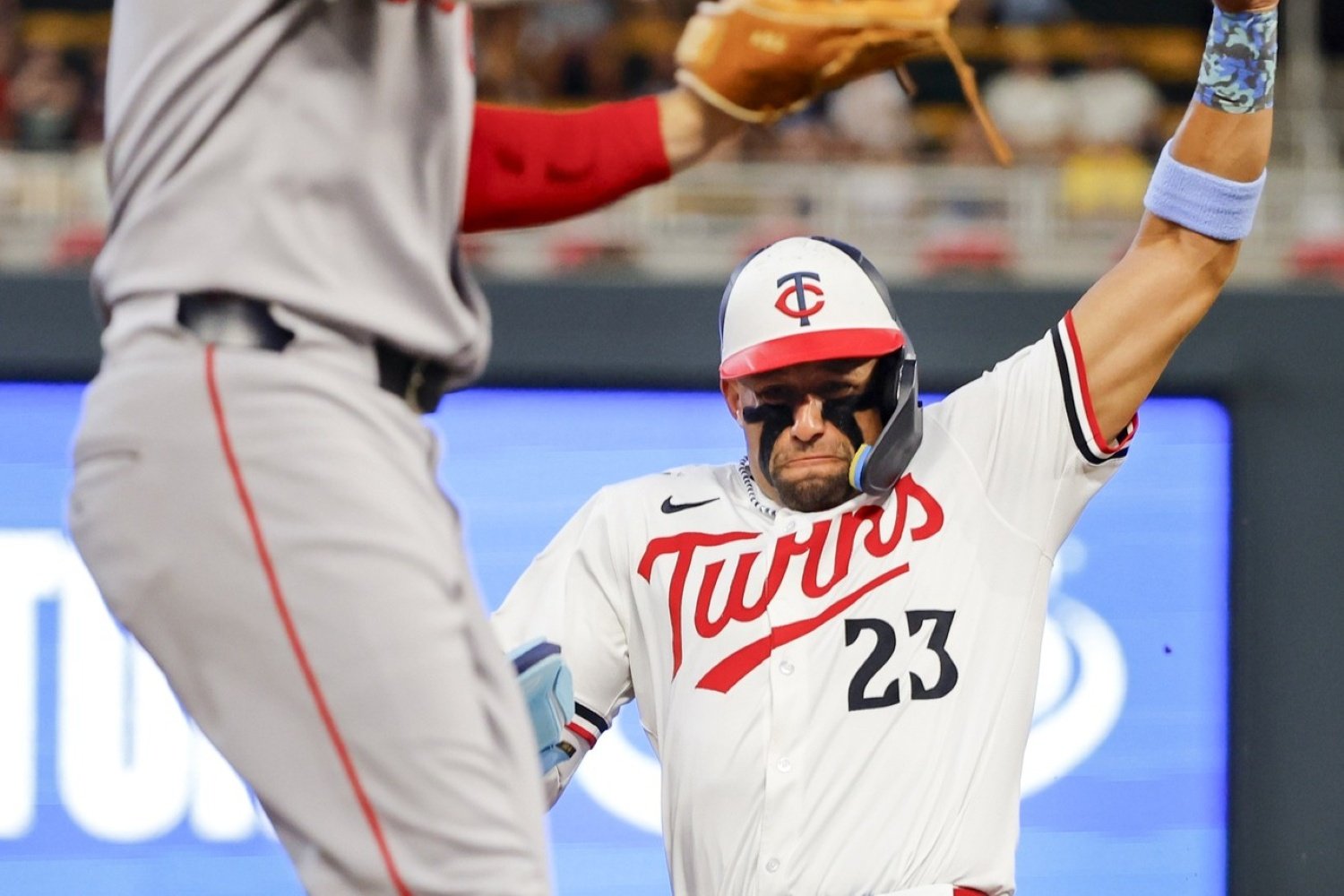 When Royce Lewis entered the Twins’ system as the number one overall pick in 2017, much of the hype centered on his athleticism. He was a rangy shortstop who could track down anything in the hole, and on the bases, his speed profile nearly mirrored Byron Buxton’s. The thought of two high-octane burners atop Minnesota’s lineup had fans dreaming about endless doubles stretched into triples and pressure-packed stolen bases. Two ACL tears later, those dreams had to be recalibrated. Lewis’s defensive home shifted to third base, and his legs—once his calling card—had to be preserved, rather than pushed. The Twins didn’t want him risking his long-term health by swiping unnecessary bags, and in 2024, he didn’t attempt any steals. His running game had become a non-factor, because the Twins were worried about keeping him off the injured list. Now, late in 2025, Lewis is offering a glimpse of his former self. Speed on the Rebound In the first half of 2025, Lewis swiped just two bases. Since the All-Star break, though, he has flipped a switch, going a perfect 10-for-10 on stolen base attempts over the past month. For context, Lewis had only six successful steals in 2023 and didn’t run at all in 2024. The sudden resurgence is both surprising and encouraging, particularly for a player with his injury history. This isn’t Buxton-level speed anymore, but Lewis looks comfortable choosing his moments, picking up pitchers’ tendencies, and maximizing every opportunity. Early in his career, his sprint speed ranked in the 70th percentile or higher. During the 2025 season, he ranks in the 34th percentile, a far cry from the player he once was. It’s not about raw sprint speed, though; it’s about becoming a smarter base runner. A Team-Wide Emphasis The Twins’ post-deadline pivot has been one of the biggest talking points of the second half. After selling off key veterans, Rocco Baldelli and his staff emphasized fundamentals, particularly baserunning, as a way to maximize the current roster’s competitiveness. We’ve seen younger players being given the green light to steal more often, and the team has begun taking extra bases with an aggressiveness not seen in past years. Besides Lewis, other players (such as Luke Keaschall and Austin Martin) have benefited from this approach. Arguably, Lewis has been the biggest beneficiary. His 86 OPS+ in 2025 reflects the difficulty he's had in replicating the success he's enjoyed in the past, even when he's been able to stay on the field. No longer just a station-to-station slugger, he’s reintroducing pressure to opposing defenses, partially to make up for his lost thump. The combination of his bat and his legs gives him a more complete profile, and helps the Twins manufacture offense even when the long ball isn’t there. What It Means for 2026 Lewis is never going to be the pure burner he was as a prospect, but the evidence suggests he can still be a 20-plus stolen base threat. If he maintains his current aggressiveness and efficiency, he could finish 2026 among the team leaders in steals—something few would have predicted after his knee surgeries. Of course, there are risks. Sliding into second isn’t the same as jogging around the bases after a homer. Aggressive baserunning can lead to awkward landings, collisions, or unnecessary wear on knees that have already been tested. The Twins will need to strike a balance between Lewis’s green light and his health, ensuring he doesn’t push things too far. Still, the reward outweighs the risk. A healthy Lewis who can hit for power and swipe bags changes the complexion of Minnesota’s offense. Instead of relying solely on his home run stroke, the Twins can pencil him in as a dynamic player who creates havoc in multiple ways. If this current version of Lewis holds into next season, the Twins may have to adjust their long-term view of their former top prospect. He’s shown improved defensive ability at the hot corner, making him a player capable of impacting games with his bat, glove, and legs. Minnesota may want to be more athletic in 2026, and Lewis has a chance to be part of the solution, rather than part of the problem. Can Lewis continue to steal bases at a high rate? Will the Twins focus on more athleticism in 2026? Leave a comment and start the discussion.
 -
Image courtesy of Matt Blewett-Imagn Images When it comes to loyalty, few fans can match Twins Daily’s own John Bonnes. He’s the kind of season ticket holder who has been racking up loyalty rewards points all summer. Those precious tokens that, in theory, convert into gift cards, merch discounts, and maybe even a reason to keep paying for 81 home games a year. But when Bonnes went to cash in those points during the final homestand, he learned a hard truth: the Twins had quietly removed the concession gift card option. Suddenly, his months of loyalty translated not into hot dogs and beers, but into… what? A tote bag? A commemorative keychain? A sense of existential dread? Bonnes aired his grievances on social media, and on KFAN’s morning show that got the hosts buzzing about it. The backlash was swift enough that the Twins backtracked, sheepishly restoring the gift card option like a kid sneaking the broken lamp back onto the shelf. But make no mistake: the damage had been done. That concession perk cost the team a couple bucks, and now the front office is scheming about how to claw that money back from the most loyal fans. Bring Your Own Toilet Paper Night We’ve all heard of “Fan Appreciation Night,” but the Twins are reportedly exploring a more budget-conscious option: “BYOTP.” You can bring in your own peanuts, your own Cracker Jack, and now, your own toilet paper. The stadium will still provide stalls, but the team’s accountants are hoping fans shoulder the, uh, rest. Need to go number two? That’s on you. Think of it as an immersive, frontier-style experience. Target Field is basically just Little House on the Prairie with better lighting. DIY Scoreboard Animations The Twins’ production crew has been told to scale back on those fun “Kiss Cam” and “Flex Cam” graphics. Instead, season ticket holders will be issued whiteboards and dry erase markers upon entry. Want to propose on the big screen? Hope your handwriting is legible from Section 334. Cut-Rate Fireworks You thought postgame fireworks were safe? Think again. The team has reportedly reached a handshake agreement with a local gas station manager to supply sparklers and maybe a couple of Roman candles. Don’t worry, the “fireworks” will still be synchronized to music, assuming your cousin remembered to bring his Bluetooth speaker. Ballpark Cuisine, Minimalism Style The club is also experimenting with a cost-saving concession model. For example: nachos. Rather than a tray, you’ll now get a single chip placed lovingly on a napkin with a dollop of cold cheese sauce. The $11 price tag remains, but hey, they’ll throw in a jalapeño slice if you hit your loyalty point quota. Revenge or Genius? The Twins will say these “enhancements” are about sustainability, or fan engagement, or some other buzzword. But make no mistake, this is about revenge. They had to give Twins Geek his gift card back, and now the rest of us are left holding the (very empty) bag. But who knows…maybe BYOTP will catch on. At the very least, it’ll make Target Field bathrooms the most honest reflection yet of being a Twins fan: you have to do all the dirty work yourself. View full article
-
 When it comes to loyalty, few fans can match Twins Daily’s own John Bonnes. He’s the kind of season ticket holder who has been racking up loyalty rewards points all summer. Those precious tokens that, in theory, convert into gift cards, merch discounts, and maybe even a reason to keep paying for 81 home games a year. But when Bonnes went to cash in those points during the final homestand, he learned a hard truth: the Twins had quietly removed the concession gift card option. Suddenly, his months of loyalty translated not into hot dogs and beers, but into… what? A tote bag? A commemorative keychain? A sense of existential dread? Bonnes aired his grievances on social media, and on KFAN’s morning show that got the hosts buzzing about it. The backlash was swift enough that the Twins backtracked, sheepishly restoring the gift card option like a kid sneaking the broken lamp back onto the shelf. But make no mistake: the damage had been done. That concession perk cost the team a couple bucks, and now the front office is scheming about how to claw that money back from the most loyal fans. Bring Your Own Toilet Paper Night We’ve all heard of “Fan Appreciation Night,” but the Twins are reportedly exploring a more budget-conscious option: “BYOTP.” You can bring in your own peanuts, your own Cracker Jack, and now, your own toilet paper. The stadium will still provide stalls, but the team’s accountants are hoping fans shoulder the, uh, rest. Need to go number two? That’s on you. Think of it as an immersive, frontier-style experience. Target Field is basically just Little House on the Prairie with better lighting. DIY Scoreboard Animations The Twins’ production crew has been told to scale back on those fun “Kiss Cam” and “Flex Cam” graphics. Instead, season ticket holders will be issued whiteboards and dry erase markers upon entry. Want to propose on the big screen? Hope your handwriting is legible from Section 334. Cut-Rate Fireworks You thought postgame fireworks were safe? Think again. The team has reportedly reached a handshake agreement with a local gas station manager to supply sparklers and maybe a couple of Roman candles. Don’t worry, the “fireworks” will still be synchronized to music, assuming your cousin remembered to bring his Bluetooth speaker. Ballpark Cuisine, Minimalism Style The club is also experimenting with a cost-saving concession model. For example: nachos. Rather than a tray, you’ll now get a single chip placed lovingly on a napkin with a dollop of cold cheese sauce. The $11 price tag remains, but hey, they’ll throw in a jalapeño slice if you hit your loyalty point quota. Revenge or Genius? The Twins will say these “enhancements” are about sustainability, or fan engagement, or some other buzzword. But make no mistake, this is about revenge. They had to give Twins Geek his gift card back, and now the rest of us are left holding the (very empty) bag. But who knows…maybe BYOTP will catch on. At the very least, it’ll make Target Field bathrooms the most honest reflection yet of being a Twins fan: you have to do all the dirty work yourself.
 -
Image courtesy of Left: © Brad Rempel- Imagn Images (Gardenhire), Upper Right: RVR Photos-Imagn Images (Kelly), Lower Right: Nathan Ray Seebeck-Imagn Images (Baldelli) Rocco Baldelli recently passed Sam Mele for third-most wins in Minnesota Twins managerial history, behind only Tom Kelly and Ron Gardenhire. That milestone has renewed debates: how high does Baldelli rank among the franchise’s great managers, and what will the Twins’ brass do if the team’s middling recent performance leads fans to demand change? Below is a look at the top managers in Twins history, how Baldelli stacks up, and whether the criticism he’s getting is earned or misplaced. Tom Kelly (1986-2001) The standard by which all others are judged. Kelly’s tenure brought the Twins their only two World Series titles (1987, 1991), along with multiple playoff runs, consistent regular-season success, and deep roots in player development. He logged 1,140 wins as Twins manager, the franchise record. Even when the team was rebuilding, Kelly was known for a steady hand, patience, and doing the little things well. Ron Gardenhire (2002-2014) Next in line in terms of longevity and success. Gardenhire guided the Twins to 1,068 wins during his 13 seasons. He won six AL Central division titles, kept the team competitive, and (despite playoff under-achievement) built a culture of ruggedness and consistency that Twins fans remember fondly. Sam Mele (1961-1967) Mele was the early benchmark. While the Twins were still adjusting to their Minnesota identity, Mele led them to multiple 90-win seasons, a club-record 102 wins in 1965, and their first AL pennant (though they lost the World Series that year). His wins total (522) has been in one of the top three spots throughout the franchise’s history. Paul Molitor (2015-2018) Molitor’s tenure was shorter and more uneven. He didn’t win as many games as Kelly, Gardenhire, or Mele, but he did earn a Manager of the Year Award (2017), helped stabilize the team, and presided over a sensitive transition era. Rocco Baldelli’s Rise — What the Numbers Say When Baldelli arrived, expectations were mixed: a new front office, a young core, and a fan base hungry for something beyond mediocrity. His first season (2019) was explosive: 101 wins, a division title, and AL Manager of the Year honors. There was little he needed to do during that first season, because the team was hitting home runs at a record-breaking pace. Over the following seasons, the results have been more inconsistent: injuries, underperformances, missed playoff opportunities, and late-season fadeouts have plagued the team. Earlier this month, he moved past Mele in total wins as a Twins manager, becoming third all-time in franchise managerial wins. At the same time, his postseason record is mixed. Through several playoff appearances, the Twins under Baldelli have not advanced far. His regular-season record is above .500, but expectations from fans and media have risen with each season, making the last two seasons’ collapses sting more. Ranking Baldelli Relative to the Greats Here’s a sketch of how one might rank Baldelli in the pantheon of Twins managers, given what we know now, including their strengths and weaknesses. 1. Tom Kelly Strengths: Championships, longevity, consistency, deep institutional legacy. Weaknesses: Late-career fade, but few managers have such a complete legacy. 2. Ron Gardenhire Strengths: Strong regular-season track record, many playoff berths, and a fan favorite. Weaknesses: Never got over certain playoff hurdles, less hardware than Kelly. 3. Rocco Baldelli Strengths: Won over 100 games in 2019, ended the playoff losing streak, modern managerial strengths (player rest, data, etc.). Weaknesses: The team has missed the playoffs in four of the last five seasons, and there have been recent notable collapses. 4. Sam Mele Strengths: Set early peaks (102 wins, first pennant, foundational in club history. Weaknesses: Short tenure, fewer overall wins vs. those who followed. 5. Paul Molitor Strengths: Had flashes of success, won Manager of the Year, helped implement transitions Weaknesses: Less long-term impact, mixed record, fewer cumulative wins. This ranking puts Baldelli above Mele on total wins and modern expectations, but not yet at the level of Kelly or Gardenhire. Though there’s a case to be made that if he strings together a couple more solid seasons (especially with postseason wins), he could challenge for #2. Where Baldelli Stands Now, and What’s Next Baldelli has earned his place among the best managers in Twins history. He’s now third in wins, has captured division titles, won Manager of the Year, and, in general, met the expectations assigned to him when he took over. But he isn’t yet in the class of Kelly or Gardenhire, at least in terms of championships and defining legacy moments. Going forward, the key for Baldelli is: Playoff success: If the Twins can win in October under his leadership, many of the criticisms will fade fast. Closing strong in seasons: Avoiding late-season collapses that turn good potential into mediocrity. Roster health and construction: He can’t control everything, but when injuries aren’t overwhelming, performance must track with talent. If he fails to produce postseason wins, or if the team continues to fold under pressure, ownership may well consider a change. However, it would be harsh to place all the blame on Baldelli now, since he deserves more credit than he often receives and more time than some fans are willing to give. How do you rank the top five managers in Twins history? Leave a comment and start the discussion. View full article
-
Where Does Rocco Baldelli Rank Among the Best Managers in Twins History?
Cody Christie posted an article in History
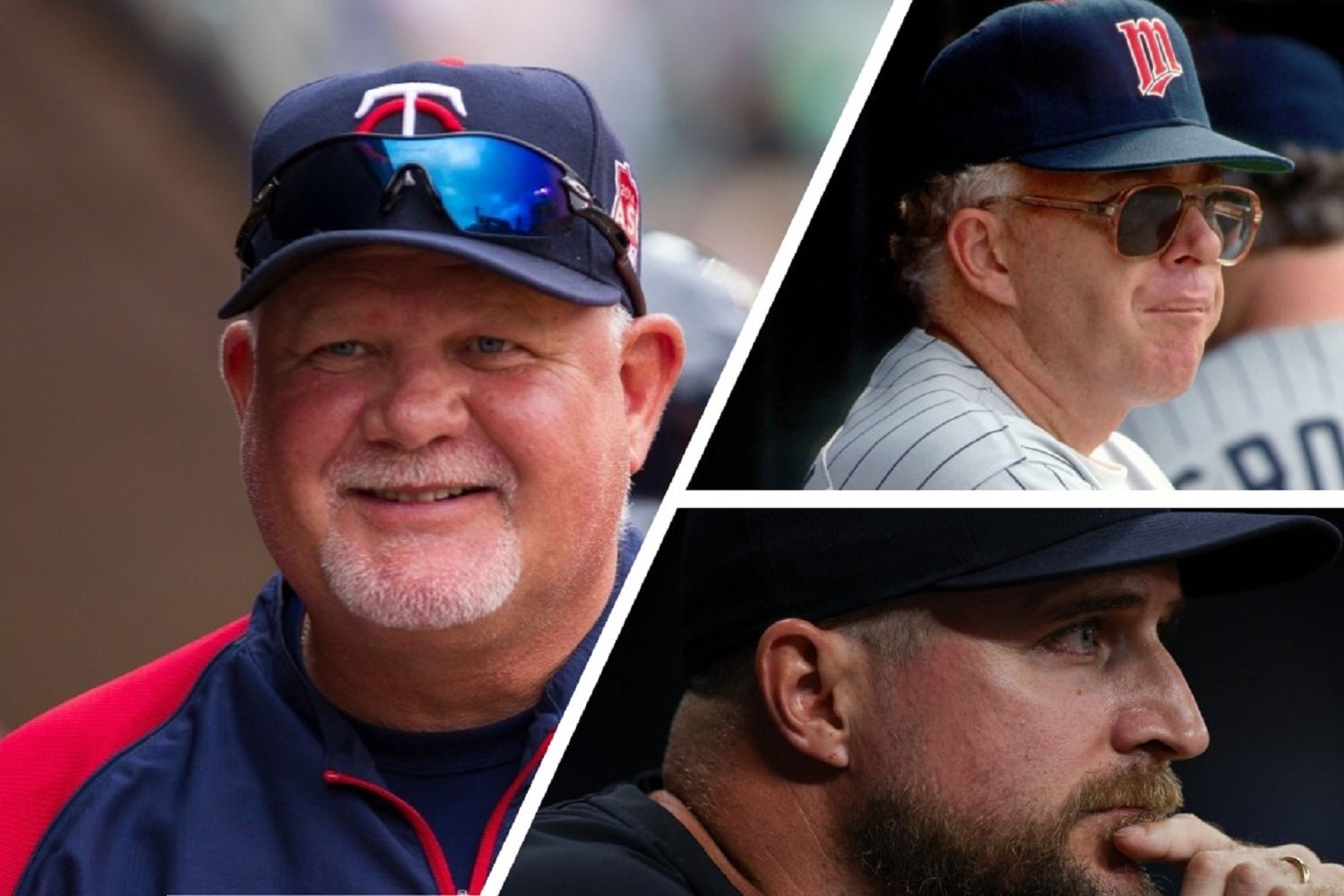 Rocco Baldelli recently passed Sam Mele for third-most wins in Minnesota Twins managerial history, behind only Tom Kelly and Ron Gardenhire. That milestone has renewed debates: how high does Baldelli rank among the franchise’s great managers, and what will the Twins’ brass do if the team’s middling recent performance leads fans to demand change? Below is a look at the top managers in Twins history, how Baldelli stacks up, and whether the criticism he’s getting is earned or misplaced. Tom Kelly (1986-2001) The standard by which all others are judged. Kelly’s tenure brought the Twins their only two World Series titles (1987, 1991), along with multiple playoff runs, consistent regular-season success, and deep roots in player development. He logged 1,140 wins as Twins manager, the franchise record. Even when the team was rebuilding, Kelly was known for a steady hand, patience, and doing the little things well. Ron Gardenhire (2002-2014) Next in line in terms of longevity and success. Gardenhire guided the Twins to 1,068 wins during his 13 seasons. He won six AL Central division titles, kept the team competitive, and (despite playoff under-achievement) built a culture of ruggedness and consistency that Twins fans remember fondly. Sam Mele (1961-1967) Mele was the early benchmark. While the Twins were still adjusting to their Minnesota identity, Mele led them to multiple 90-win seasons, a club-record 102 wins in 1965, and their first AL pennant (though they lost the World Series that year). His wins total (522) has been in one of the top three spots throughout the franchise’s history. Paul Molitor (2015-2018) Molitor’s tenure was shorter and more uneven. He didn’t win as many games as Kelly, Gardenhire, or Mele, but he did earn a Manager of the Year Award (2017), helped stabilize the team, and presided over a sensitive transition era. Rocco Baldelli’s Rise — What the Numbers Say When Baldelli arrived, expectations were mixed: a new front office, a young core, and a fan base hungry for something beyond mediocrity. His first season (2019) was explosive: 101 wins, a division title, and AL Manager of the Year honors. There was little he needed to do during that first season, because the team was hitting home runs at a record-breaking pace. Over the following seasons, the results have been more inconsistent: injuries, underperformances, missed playoff opportunities, and late-season fadeouts have plagued the team. Earlier this month, he moved past Mele in total wins as a Twins manager, becoming third all-time in franchise managerial wins. At the same time, his postseason record is mixed. Through several playoff appearances, the Twins under Baldelli have not advanced far. His regular-season record is above .500, but expectations from fans and media have risen with each season, making the last two seasons’ collapses sting more. Ranking Baldelli Relative to the Greats Here’s a sketch of how one might rank Baldelli in the pantheon of Twins managers, given what we know now, including their strengths and weaknesses. 1. Tom Kelly Strengths: Championships, longevity, consistency, deep institutional legacy. Weaknesses: Late-career fade, but few managers have such a complete legacy. 2. Ron Gardenhire Strengths: Strong regular-season track record, many playoff berths, and a fan favorite. Weaknesses: Never got over certain playoff hurdles, less hardware than Kelly. 3. Rocco Baldelli Strengths: Won over 100 games in 2019, ended the playoff losing streak, modern managerial strengths (player rest, data, etc.). Weaknesses: The team has missed the playoffs in four of the last five seasons, and there have been recent notable collapses. 4. Sam Mele Strengths: Set early peaks (102 wins, first pennant, foundational in club history. Weaknesses: Short tenure, fewer overall wins vs. those who followed. 5. Paul Molitor Strengths: Had flashes of success, won Manager of the Year, helped implement transitions Weaknesses: Less long-term impact, mixed record, fewer cumulative wins. This ranking puts Baldelli above Mele on total wins and modern expectations, but not yet at the level of Kelly or Gardenhire. Though there’s a case to be made that if he strings together a couple more solid seasons (especially with postseason wins), he could challenge for #2. Where Baldelli Stands Now, and What’s Next Baldelli has earned his place among the best managers in Twins history. He’s now third in wins, has captured division titles, won Manager of the Year, and, in general, met the expectations assigned to him when he took over. But he isn’t yet in the class of Kelly or Gardenhire, at least in terms of championships and defining legacy moments. Going forward, the key for Baldelli is: Playoff success: If the Twins can win in October under his leadership, many of the criticisms will fade fast. Closing strong in seasons: Avoiding late-season collapses that turn good potential into mediocrity. Roster health and construction: He can’t control everything, but when injuries aren’t overwhelming, performance must track with talent. If he fails to produce postseason wins, or if the team continues to fold under pressure, ownership may well consider a change. However, it would be harsh to place all the blame on Baldelli now, since he deserves more credit than he often receives and more time than some fans are willing to give. How do you rank the top five managers in Twins history? Leave a comment and start the discussion.
- 68 comments
-
- 2
-
-
-
- rocco baldelli
- ron gardenhire
- (and 3 more)
-
Image courtesy of Mitch Stringer-Imagn Images For more than a decade, Minnesota Twins fans have trained themselves to use the injured list as a shield against disappointment. Every season, it felt like a key player was lost before things even started to click. Byron Buxton made IL trips so routine that it almost became a spring tradition. Joe Ryan seemed to always be on the shelf in the second half, while Royce Lewis saw multiple seasons end before he could establish himself as a cornerstone. In past years, the injury bug was always buzzing loudly enough to explain away missed opportunities. But in 2025, something unusual happened. Injuries haven’t ravaged the Twins, compared to other teams. In fact, the numbers suggest they’ve been relatively healthy, and that makes the club’s struggles all the more alarming. Looking at the Numbers Earlier this week, FanGraphs rolled out a fascinating look at potential WAR lost due to injuries. The Twins checked in at just 7.2 WAR, with only three American League clubs losing less production. Across MLB, eight teams had fewer injury-related setbacks. That’s a far cry from the days when Minnesota was leading the league in disabled list days. Spotrac tells a similar story. Their IL tracker indicates that Minnesota has $23.8 million in salary lost to injury this season, ranking 17th. The Twins’ total days lost to injury sit around 840, with only the Phillies, Giants, and Cardinals showing fewer. In other words, while other clubs have seen rosters shredded by injuries, the Twins’ key pieces have, for the most part, been available. The Key Injuries That Did Happen Of course, no season is entirely free of adversity. Pablo López’s absence was the most damaging blow. Losing the team’s ace for three months ripped a hole in the rotation, forcing less-experienced arms to shoulder innings. Even though the Twins had other options, it was clear that the pitching staff wasn’t the same without López’s presence at the top. Bailey Ober’s case has been different. He hasn’t missed the same amount of time, but pitching through a hip injury has made him inconsistent. His command has wavered, and his velocity has dipped at times, leaving the Twins with a less reliable option in the middle of their rotation. This has been tough to swallow for a player who has been one of the team’s most consistent arms over the last two seasons. Luke Keaschall has been a breath of fresh air to the Twins roster, especially when he made his debut and was wreaking havoc at the plate and on the bases immediately. He broke his arm at the end of April and didn’t return until the beginning of August. To be fair, the Twins likely weren’t counting on him to have a significant impact this year, but he may have provided a spark for a team that fell out of contention while he was gone. There have also been other injuries throughout the season, including a freak collision. When Buxton and Carlos Correa ran into each other in the outfield, it was a collective gut punch. Both suffered concussions and spent time on the shelf. Ryan Jeffers (concussion) and Christian Vázquez (shoulder infection) both missed time after not being on the IL in 2023 or 2024. David Festa tried to pitch through a shoulder injury before being diagnosed with thoracic outlet syndrome. Not all of these injuries were major, but they did impact the team’s depth and on-field performance. Zebby Matthews's absence, particularly because it overlapped with López's and Ober's, stretched the rotation too thin to be viable. A Different Kind of Problem Even with those notable absences, the big-picture story is clear: Minnesota hasn’t endured the injury nightmare that defined other seasons. They haven’t lost Buxton for half a year, or Lewis for another torn ACL, or a full rotation crumbling at once. This year, the roster’s health has been closer to average—or better. That leaves the finger to be pointed elsewhere. The Twins’ 2025 issues can’t be chalked up to health. They have more to do with underwhelming performances, inconsistent pitching depth, and an offense that has struggled to find balance outside of Buxton’s MVP-caliber performance. Why It Matters for the Future If injuries had defined this season, there might be comfort in assuming better health could bring better results in 2026. Instead, the lesson is more sobering. Even with relatively good health, this roster hasn’t been good or deep enough to compete. That should force the front office to look inward at construction, depth, and player development, rather than shrugging and pointing toward the IL report. For fans, it’s unsettling. The “injury excuse” has long been a crutch—one that was sometimes valid. But in 2025, it simply doesn’t apply. The Twins had the health to compete. They just didn’t have the performance. And that, more than anything else, is the scary truth heading into the offseason. What stands out about the team’s injuries this season? Leave a comment and start the discussion. View full article
-
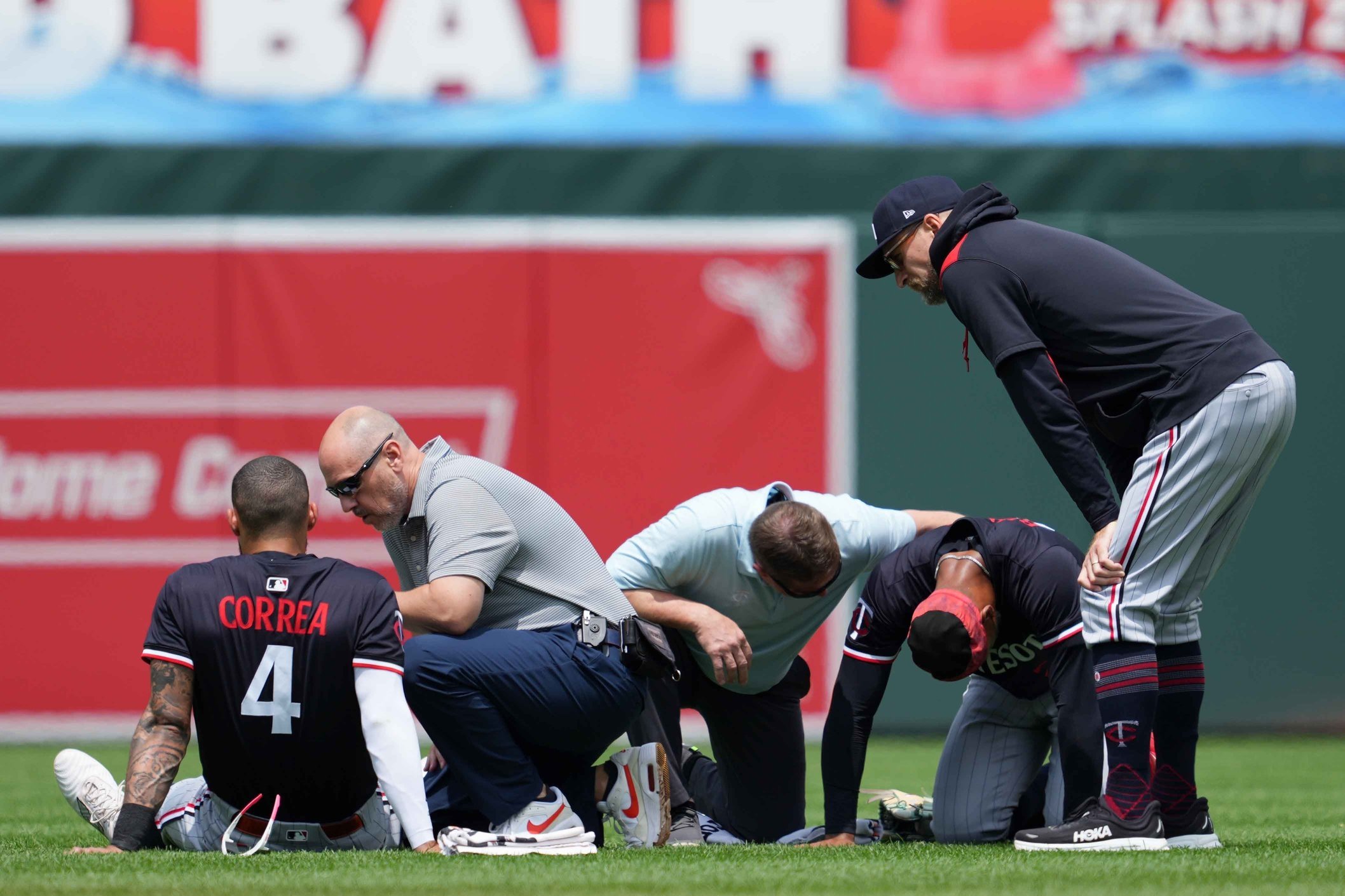 For more than a decade, Minnesota Twins fans have trained themselves to use the injured list as a shield against disappointment. Every season, it felt like a key player was lost before things even started to click. Byron Buxton made IL trips so routine that it almost became a spring tradition. Joe Ryan seemed to always be on the shelf in the second half, while Royce Lewis saw multiple seasons end before he could establish himself as a cornerstone. In past years, the injury bug was always buzzing loudly enough to explain away missed opportunities. But in 2025, something unusual happened. Injuries haven’t ravaged the Twins, compared to other teams. In fact, the numbers suggest they’ve been relatively healthy, and that makes the club’s struggles all the more alarming. Looking at the Numbers Earlier this week, FanGraphs rolled out a fascinating look at potential WAR lost due to injuries. The Twins checked in at just 7.2 WAR, with only three American League clubs losing less production. Across MLB, eight teams had fewer injury-related setbacks. That’s a far cry from the days when Minnesota was leading the league in disabled list days. Spotrac tells a similar story. Their IL tracker indicates that Minnesota has $23.8 million in salary lost to injury this season, ranking 17th. The Twins’ total days lost to injury sit around 840, with only the Phillies, Giants, and Cardinals showing fewer. In other words, while other clubs have seen rosters shredded by injuries, the Twins’ key pieces have, for the most part, been available. The Key Injuries That Did Happen Of course, no season is entirely free of adversity. Pablo López’s absence was the most damaging blow. Losing the team’s ace for three months ripped a hole in the rotation, forcing less-experienced arms to shoulder innings. Even though the Twins had other options, it was clear that the pitching staff wasn’t the same without López’s presence at the top. Bailey Ober’s case has been different. He hasn’t missed the same amount of time, but pitching through a hip injury has made him inconsistent. His command has wavered, and his velocity has dipped at times, leaving the Twins with a less reliable option in the middle of their rotation. This has been tough to swallow for a player who has been one of the team’s most consistent arms over the last two seasons. Luke Keaschall has been a breath of fresh air to the Twins roster, especially when he made his debut and was wreaking havoc at the plate and on the bases immediately. He broke his arm at the end of April and didn’t return until the beginning of August. To be fair, the Twins likely weren’t counting on him to have a significant impact this year, but he may have provided a spark for a team that fell out of contention while he was gone. There have also been other injuries throughout the season, including a freak collision. When Buxton and Carlos Correa ran into each other in the outfield, it was a collective gut punch. Both suffered concussions and spent time on the shelf. Ryan Jeffers (concussion) and Christian Vázquez (shoulder infection) both missed time after not being on the IL in 2023 or 2024. David Festa tried to pitch through a shoulder injury before being diagnosed with thoracic outlet syndrome. Not all of these injuries were major, but they did impact the team’s depth and on-field performance. Zebby Matthews's absence, particularly because it overlapped with López's and Ober's, stretched the rotation too thin to be viable. A Different Kind of Problem Even with those notable absences, the big-picture story is clear: Minnesota hasn’t endured the injury nightmare that defined other seasons. They haven’t lost Buxton for half a year, or Lewis for another torn ACL, or a full rotation crumbling at once. This year, the roster’s health has been closer to average—or better. That leaves the finger to be pointed elsewhere. The Twins’ 2025 issues can’t be chalked up to health. They have more to do with underwhelming performances, inconsistent pitching depth, and an offense that has struggled to find balance outside of Buxton’s MVP-caliber performance. Why It Matters for the Future If injuries had defined this season, there might be comfort in assuming better health could bring better results in 2026. Instead, the lesson is more sobering. Even with relatively good health, this roster hasn’t been good or deep enough to compete. That should force the front office to look inward at construction, depth, and player development, rather than shrugging and pointing toward the IL report. For fans, it’s unsettling. The “injury excuse” has long been a crutch—one that was sometimes valid. But in 2025, it simply doesn’t apply. The Twins had the health to compete. They just didn’t have the performance. And that, more than anything else, is the scary truth heading into the offseason. What stands out about the team’s injuries this season? Leave a comment and start the discussion.
- 25 comments
-
- 5
-
-
- pablo lopez
- joe ryan
- (and 4 more)
-
Image courtesy of © Joe Nicholson-Imagn Images The Minnesota Twins are headed into an offseason where the budget will remain snug, but there will be flexibility. With the current roster and estimated arbitration totals landing around $95 million, even a payroll reduction to $125 million (down from $140 million in 2025) would leave Derek Falvey and company with roughly $30 million to spend. That isn’t enough to lure a Kyle Tucker or Alex Bregman, but it does put Minnesota in a position to shop the second tier of free agency. MLB.com recently highlighted the top 10 free agents for this winter, and while those players may be out of the Twins’ reach, there are still plenty of interesting fits just outside that group. Let’s look at eight names that could realistically make sense in Minnesota. 1B Josh Naylor Profile: The 28-year-old left-handed slugger terrorized the Twins in five years with the Cleveland organization. Over the last four seasons, he has averaged a 122 OPS+ while being a below-average defender at first base (0 OAA). Fit in Minnesota: With the Twins lacking a consistent first baseman, Naylor would provide an offensive upgrade for a team that needs veteran consistency. He’d stabilize the infield and immediately slot into the middle of the order. Last winter, he signed for just under $11 million, so the Twins could hope for a similar deal. 1B/DH Luis Arraez Profile: A familiar face, Arraez won three straight batting titles from 2022-24, but is having a down season (.286 BA). Power will never be part of his game (107 OPS+), but the bat-to-ball skills are elite. It will be his first chance at free agency, so he might be looking for a multi-year contract. Fit in Minnesota: Bringing Arraez back could solve Minnesota’s revolving door at first base while also giving them a natural leadoff hitter. The Twins moved on for Pablo López, but if the Pohlads want to score some points with fans, a reunion would be a feel-good and practical move. 2B Gleyber Torres Profile: Torres has been inconsistent since bursting onto the scene with the Yankees, but he still provides 20-HR pop from the middle infield. He’s entering his age-29 season with plenty left in the tank. Last winter, he signed a one-year pact with the Tigers for $15 million and has a 2.4 rWAR. Fit in Minnesota: If the Twins don’t fully trust Edouard Julien or Luke Keaschall at second base, Torres could step in as a proven bat. Julien could shift into a DH role, and Keaschall could move to a corner outfield spot. Torres is a right-handed bat with a 111 OPS+ over the last four seasons. 3B Eugenio Suárez Profile: Suárez has long been one of the streakiest sluggers in baseball, capable of 30+ HR power but also prone to high strikeout totals. He brings veteran leadership, but should shift to a DH role due to his poor defense at third. Fit in Minnesota: The Twins have Royce Lewis at third, but Suárez could provide insurance if/when Lewis deals with injuries. If Lewis stays on the field, Suárez’s power would still lengthen the lineup, especially for a Twins team lacking right-handed pop. OF Cedric Mullins Profile: Mullins has been an above-average hitter since he was an All-Star in 2021, but the 2025 season has been his first with a sub-100 OPS+. He’s still capable of 15+ home runs and 20+ steals with 4 OAA in center field. Fit in Minnesota: The Twins have hunted the free agent market for affordable center field options over the last two offseasons. Think of him as next season’s Harrison Bader. Mullins could give the Twins a left-handed option in center behind Byron Buxton while also offering speed at the top of the order. DH Marcell Ozuna Profile: Ozuna remains a defensive liability but has transformed into one of the game’s most reliable power DHs. Over the last three seasons, he has produced over 3.0 WAR per season, with an OPS+ of 138. Fit in Minnesota: The Twins could add 30-HR power to their lineup by signing Ozuna, but he’d lock up the DH spot and limit flexibility. His presence could make it harder to rotate players through the DH spot, but maybe that’s in the team’s best interest. RHP Merrill Kelly Profile: Kelly has quietly been one of the most consistent starters in the National League, posting multiple seasons with a sub-3.50 ERA for the Diamondbacks. He thrives on command and a deep pitch mix rather than overpowering stuff. Fit in Minnesota: With López and Joe Ryan leading the rotation, Kelly would slot in as a reliable No. 3 starter. He’d give the Twins veteran stability behind their top arms. He will be 38 next season and likely looking for a multi-year deal, so it seems likely for the Twins to avoid signing him. RHP Ryan Pressly Profile: The former Twins reliever has spent the past half-decade closing games for Houston, thriving in the postseason spotlight. His stuff has dipped (5.06 FIP, 1.52 WHIP), and the Cubs released him at the end of July. Fit in Minnesota: Minnesota’s bullpen has a lot of holes for next season, and adding Pressly would give them a veteran option. Pressly might want to finish his career where he started, as a feel-good story. He will likely come on a cheap deal if he wants to continue to pitch. Candidly, he looked cooked this summer, but relievers sometimes do that—only to unaccountably bounce back one last time. The Twins are unlikely to chase the headline names at the top of free agency, but with $30 million to work with, they can make meaningful additions. A first baseman like Naylor or Arraez could lock down a position of need. A rotation stabilizer like Kelly or a bullpen arm like Pressly could add much-needed depth. The front office’s choices will determine whether Minnesota uses its financial flexibility to make targeted upgrades or spreads money across multiple positions. Either way, second-tier free agents could play a first-rate role in shaping the 2026 Twins. Which free agent would fit the best in Minnesota? Leave a comment and start the discussion. View full article
-
Where Could Minnesota Twins Spend $30 Million (or More) This Offseason?
Cody Christie posted an article in Twins
 The Minnesota Twins are headed into an offseason where the budget will remain snug, but there will be flexibility. With the current roster and estimated arbitration totals landing around $95 million, even a payroll reduction to $125 million (down from $140 million in 2025) would leave Derek Falvey and company with roughly $30 million to spend. That isn’t enough to lure a Kyle Tucker or Alex Bregman, but it does put Minnesota in a position to shop the second tier of free agency. MLB.com recently highlighted the top 10 free agents for this winter, and while those players may be out of the Twins’ reach, there are still plenty of interesting fits just outside that group. Let’s look at eight names that could realistically make sense in Minnesota. 1B Josh Naylor Profile: The 28-year-old left-handed slugger terrorized the Twins in five years with the Cleveland organization. Over the last four seasons, he has averaged a 122 OPS+ while being a below-average defender at first base (0 OAA). Fit in Minnesota: With the Twins lacking a consistent first baseman, Naylor would provide an offensive upgrade for a team that needs veteran consistency. He’d stabilize the infield and immediately slot into the middle of the order. Last winter, he signed for just under $11 million, so the Twins could hope for a similar deal. 1B/DH Luis Arraez Profile: A familiar face, Arraez won three straight batting titles from 2022-24, but is having a down season (.286 BA). Power will never be part of his game (107 OPS+), but the bat-to-ball skills are elite. It will be his first chance at free agency, so he might be looking for a multi-year contract. Fit in Minnesota: Bringing Arraez back could solve Minnesota’s revolving door at first base while also giving them a natural leadoff hitter. The Twins moved on for Pablo López, but if the Pohlads want to score some points with fans, a reunion would be a feel-good and practical move. 2B Gleyber Torres Profile: Torres has been inconsistent since bursting onto the scene with the Yankees, but he still provides 20-HR pop from the middle infield. He’s entering his age-29 season with plenty left in the tank. Last winter, he signed a one-year pact with the Tigers for $15 million and has a 2.4 rWAR. Fit in Minnesota: If the Twins don’t fully trust Edouard Julien or Luke Keaschall at second base, Torres could step in as a proven bat. Julien could shift into a DH role, and Keaschall could move to a corner outfield spot. Torres is a right-handed bat with a 111 OPS+ over the last four seasons. 3B Eugenio Suárez Profile: Suárez has long been one of the streakiest sluggers in baseball, capable of 30+ HR power but also prone to high strikeout totals. He brings veteran leadership, but should shift to a DH role due to his poor defense at third. Fit in Minnesota: The Twins have Royce Lewis at third, but Suárez could provide insurance if/when Lewis deals with injuries. If Lewis stays on the field, Suárez’s power would still lengthen the lineup, especially for a Twins team lacking right-handed pop. OF Cedric Mullins Profile: Mullins has been an above-average hitter since he was an All-Star in 2021, but the 2025 season has been his first with a sub-100 OPS+. He’s still capable of 15+ home runs and 20+ steals with 4 OAA in center field. Fit in Minnesota: The Twins have hunted the free agent market for affordable center field options over the last two offseasons. Think of him as next season’s Harrison Bader. Mullins could give the Twins a left-handed option in center behind Byron Buxton while also offering speed at the top of the order. DH Marcell Ozuna Profile: Ozuna remains a defensive liability but has transformed into one of the game’s most reliable power DHs. Over the last three seasons, he has produced over 3.0 WAR per season, with an OPS+ of 138. Fit in Minnesota: The Twins could add 30-HR power to their lineup by signing Ozuna, but he’d lock up the DH spot and limit flexibility. His presence could make it harder to rotate players through the DH spot, but maybe that’s in the team’s best interest. RHP Merrill Kelly Profile: Kelly has quietly been one of the most consistent starters in the National League, posting multiple seasons with a sub-3.50 ERA for the Diamondbacks. He thrives on command and a deep pitch mix rather than overpowering stuff. Fit in Minnesota: With López and Joe Ryan leading the rotation, Kelly would slot in as a reliable No. 3 starter. He’d give the Twins veteran stability behind their top arms. He will be 38 next season and likely looking for a multi-year deal, so it seems likely for the Twins to avoid signing him. RHP Ryan Pressly Profile: The former Twins reliever has spent the past half-decade closing games for Houston, thriving in the postseason spotlight. His stuff has dipped (5.06 FIP, 1.52 WHIP), and the Cubs released him at the end of July. Fit in Minnesota: Minnesota’s bullpen has a lot of holes for next season, and adding Pressly would give them a veteran option. Pressly might want to finish his career where he started, as a feel-good story. He will likely come on a cheap deal if he wants to continue to pitch. Candidly, he looked cooked this summer, but relievers sometimes do that—only to unaccountably bounce back one last time. The Twins are unlikely to chase the headline names at the top of free agency, but with $30 million to work with, they can make meaningful additions. A first baseman like Naylor or Arraez could lock down a position of need. A rotation stabilizer like Kelly or a bullpen arm like Pressly could add much-needed depth. The front office’s choices will determine whether Minnesota uses its financial flexibility to make targeted upgrades or spreads money across multiple positions. Either way, second-tier free agents could play a first-rate role in shaping the 2026 Twins. Which free agent would fit the best in Minnesota? Leave a comment and start the discussion.
- 84 comments
-
- 4
-
-
- ryan pressly
- cedric mullins
- (and 5 more)