



Cody Christie
-
Posts
7,806 -
Joined
-
Last visited
-
Days Won
5
Content Type
Profiles
News
Minnesota Twins Videos
2026 Minnesota Twins Top Prospects Ranking
2022 Minnesota Twins Draft Picks
Minnesota Twins Free Agent & Trade Rumors, Notes, & Tidbits
Guides & Resources
2023 Minnesota Twins Draft Picks
The Minnesota Twins Players Project
2024 Minnesota Twins Draft Picks
2025 Minnesota Twins Draft Pick Tracker
2026 Minnesota Twins Draft Tracker: Picks & Bonuses
Forums
Blogs
Events
Store
Downloads
Gallery
Everything posted by Cody Christie
-
 Image courtesy of © John Hefti-Imagn Images The Minnesota Twins are expected to dump salary this winter, and the San Francisco Giants are expected to be aggressive. With franchise legend Buster Posey now overseeing baseball operations, the team appears ready to make significant moves to return to contention. Ownership has given Posey the green light to pursue major trades and free-agent signings, and pitching should be near the top of his list. One name that could make sense for the Giants is Twins starter Joe Ryan, a California native. The right-hander is coming off the best season of his young career and has become an intriguing target for clubs looking to add a playoff-caliber starter. Revisiting a Familiar Name When the Twins put their roster through its own round of right-sizing at this July’s trade deadline, Ryan was one of the few regulars who remained in Minnesota. There were rumors that he had been traded to the Red Sox, but that never came to fruition. However, as the hot stove begins to crackle, his name is resurfacing in trade speculation. Ryan’s profile suits the needs of the Giants (or any contenting team): a controllable starter who provides reliability and value, without the cost of a frontline ace. Ryan, 28, posted a 3.42 ERA (125 ERA+) across 171 innings in 2025, while striking out 194 batters. He’s under team control for two more seasons, making him a cost-effective option for any contender that values stability in the middle of the rotation. With Robbie Ray and Logan Webb at the top of the Giants’ staff, Ryan would slide comfortably into the No. 3 spot, forming a potent trio that could carry the club through the rigors of a 162-game season. A Match Built on Prospect Depth The Giants’ farm system was MLB Pipeline’s most improved system in its last rankings update. It is deep in young infield talent, which could entice Minnesota’s front office. High-ceiling shortstops Josuar Gonzalez and Jhonny Level headline the type of return that could make a Ryan deal worthwhile. Gonzalez, 18, is one of the more athletic shortstops in the lower levels of the minors, flashing elite defensive instincts and emerging power. MLB Pipeline currently ranks him as San Francisco’s second-best prospect, and he was considered the best position player in the 2025 international signing period. Last season, he hit .288/.404/.455 with a 129 wRC+ in the Dominican Summer League. His speed and improving bat-to-ball skills could make him a long-term fit up the middle, but he’s a long way from impacting the big-league roster. Level, an 18-year-old shortstop, has shown an advanced approach at the plate, with a developing ability to impact the baseball. In 2025, he came Stateside and hit .269/.360/.436 (good for a 109 wRC+), while reaching Low-A as a teenager. He is under six feet tall, but has shown an ability to drive the ball to all fields. He has speed and athleticism that should allow him to stick at an up-the-middle defensive position. Both players would help the Twins replenish a farm system that needs infield depth after years of aggressive trades. Beyond position players, San Francisco could also offer one of its young arms to fill Ryan’s rotation spot in the near future. Landen Roupp and Hayden Birdsong each offer an intriguing mix of control and upside. Roupp’s polished arsenal and ability to limit hard contact could make him an MLB-ready contributor by 2026. The 26-year-old posted a 3.80 ERA with a 105 ERA+ and a 21.4 K% in 106 2/3 innings. He is under team control through 2030. Birdsong’s fastball-slider combination gives him the look of a future mid-rotation starter with strikeout potential. His 28.4% whiff rate on opposing batters' swings ranked in the 74th percentile, with his slider and changeup both above 30%. His overall numbers don’t scream frontline starter (4.80 ERA with a 1.49 WHIP), but he is nearly three years younger than Roupp. He is also under team control through the 2030 season. What a Deal Could Mean for Both Clubs For the Giants, landing Ryan would solidify the top of their rotation and create much-needed balance behind Webb and Ray. It also fits Posey’s plan to modernize San Francisco’s roster with a mix of established veterans and cost-controlled contributors. For the Twins, moving Ryan would be about continuing their roster reset, while replenishing the farm system with talent that aligns with their next competitive window. Minnesota’s front office has shown a willingness to move established players if the return facilitates long-term success, and a Giants package headlined by young infielders and an MLB-ready pitcher could check that box. Ryan’s trade value is at its peak, and with multiple teams seeking dependable starters, Minnesota is positioned to take advantage. If the Twins decide it’s time to cash in on their consistent right-hander, the Giants might be the perfect partner. What do you think? Should the Twins explore a Joe Ryan trade, and do the Giants have the right mix of talent to make it happen? Leave a comment and start the discussion. View full article
 -
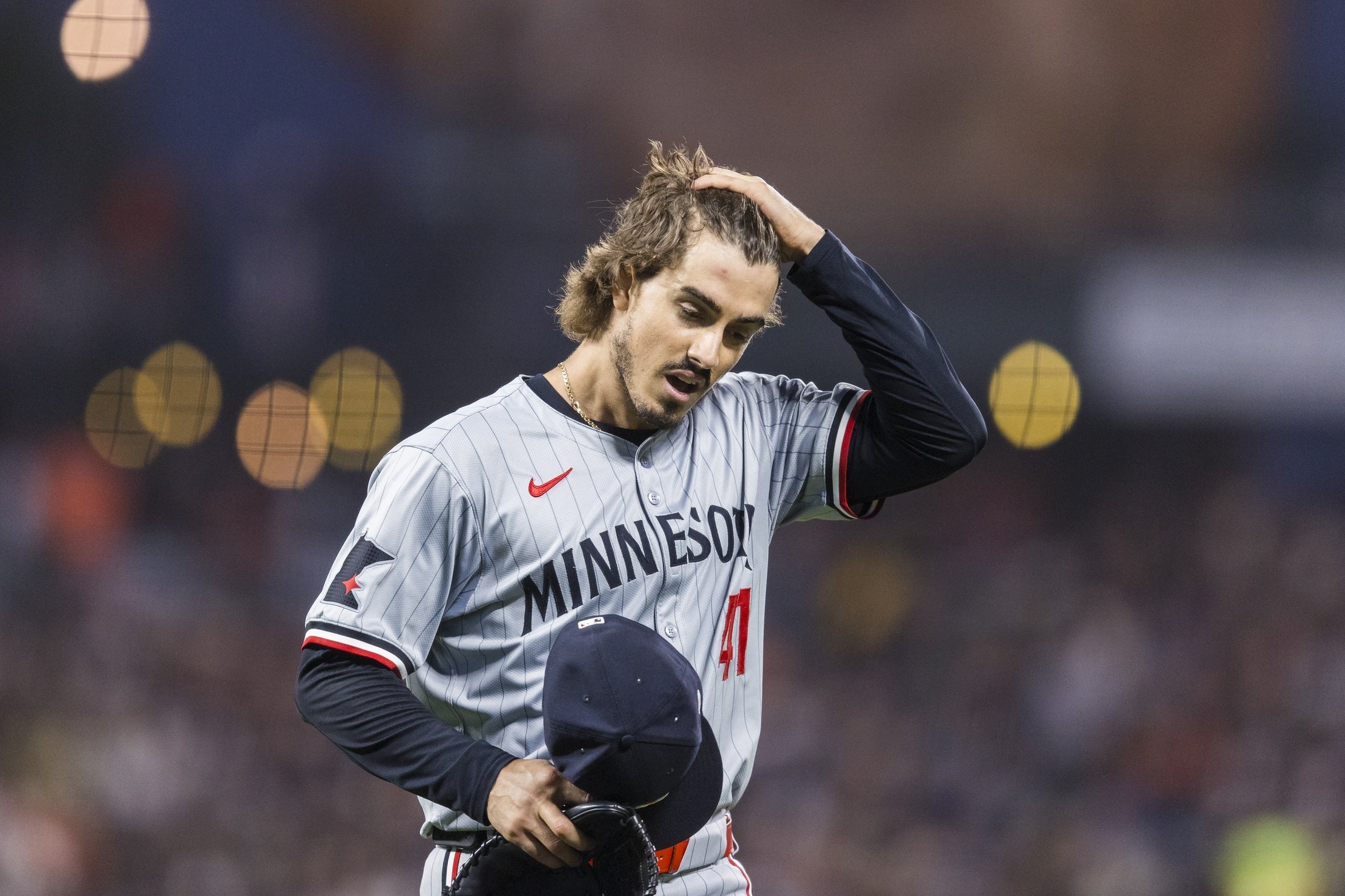 The Minnesota Twins are expected to dump salary this winter, and the San Francisco Giants are expected to be aggressive. With franchise legend Buster Posey now overseeing baseball operations, the team appears ready to make significant moves to return to contention. Ownership has given Posey the green light to pursue major trades and free-agent signings, and pitching should be near the top of his list. One name that could make sense for the Giants is Twins starter Joe Ryan, a California native. The right-hander is coming off the best season of his young career and has become an intriguing target for clubs looking to add a playoff-caliber starter. Revisiting a Familiar Name When the Twins put their roster through its own round of right-sizing at this July’s trade deadline, Ryan was one of the few regulars who remained in Minnesota. There were rumors that he had been traded to the Red Sox, but that never came to fruition. However, as the hot stove begins to crackle, his name is resurfacing in trade speculation. Ryan’s profile suits the needs of the Giants (or any contenting team): a controllable starter who provides reliability and value, without the cost of a frontline ace. Ryan, 28, posted a 3.42 ERA (125 ERA+) across 171 innings in 2025, while striking out 194 batters. He’s under team control for two more seasons, making him a cost-effective option for any contender that values stability in the middle of the rotation. With Robbie Ray and Logan Webb at the top of the Giants’ staff, Ryan would slide comfortably into the No. 3 spot, forming a potent trio that could carry the club through the rigors of a 162-game season. A Match Built on Prospect Depth The Giants’ farm system was MLB Pipeline’s most improved system in its last rankings update. It is deep in young infield talent, which could entice Minnesota’s front office. High-ceiling shortstops Josuar Gonzalez and Jhonny Level headline the type of return that could make a Ryan deal worthwhile. Gonzalez, 18, is one of the more athletic shortstops in the lower levels of the minors, flashing elite defensive instincts and emerging power. MLB Pipeline currently ranks him as San Francisco’s second-best prospect, and he was considered the best position player in the 2025 international signing period. Last season, he hit .288/.404/.455 with a 129 wRC+ in the Dominican Summer League. His speed and improving bat-to-ball skills could make him a long-term fit up the middle, but he’s a long way from impacting the big-league roster. Level, an 18-year-old shortstop, has shown an advanced approach at the plate, with a developing ability to impact the baseball. In 2025, he came Stateside and hit .269/.360/.436 (good for a 109 wRC+), while reaching Low-A as a teenager. He is under six feet tall, but has shown an ability to drive the ball to all fields. He has speed and athleticism that should allow him to stick at an up-the-middle defensive position. Both players would help the Twins replenish a farm system that needs infield depth after years of aggressive trades. Beyond position players, San Francisco could also offer one of its young arms to fill Ryan’s rotation spot in the near future. Landen Roupp and Hayden Birdsong each offer an intriguing mix of control and upside. Roupp’s polished arsenal and ability to limit hard contact could make him an MLB-ready contributor by 2026. The 26-year-old posted a 3.80 ERA with a 105 ERA+ and a 21.4 K% in 106 2/3 innings. He is under team control through 2030. Birdsong’s fastball-slider combination gives him the look of a future mid-rotation starter with strikeout potential. His 28.4% whiff rate on opposing batters' swings ranked in the 74th percentile, with his slider and changeup both above 30%. His overall numbers don’t scream frontline starter (4.80 ERA with a 1.49 WHIP), but he is nearly three years younger than Roupp. He is also under team control through the 2030 season. What a Deal Could Mean for Both Clubs For the Giants, landing Ryan would solidify the top of their rotation and create much-needed balance behind Webb and Ray. It also fits Posey’s plan to modernize San Francisco’s roster with a mix of established veterans and cost-controlled contributors. For the Twins, moving Ryan would be about continuing their roster reset, while replenishing the farm system with talent that aligns with their next competitive window. Minnesota’s front office has shown a willingness to move established players if the return facilitates long-term success, and a Giants package headlined by young infielders and an MLB-ready pitcher could check that box. Ryan’s trade value is at its peak, and with multiple teams seeking dependable starters, Minnesota is positioned to take advantage. If the Twins decide it’s time to cash in on their consistent right-hander, the Giants might be the perfect partner. What do you think? Should the Twins explore a Joe Ryan trade, and do the Giants have the right mix of talent to make it happen? Leave a comment and start the discussion.
- 40 comments
-
- 2
-

-
- joe ryan
- buster posey
- (and 4 more)
-
Building a Bullpen from Scratch: How the Twins Can Rebound in 2026
Cody Christie posted an article in Twins
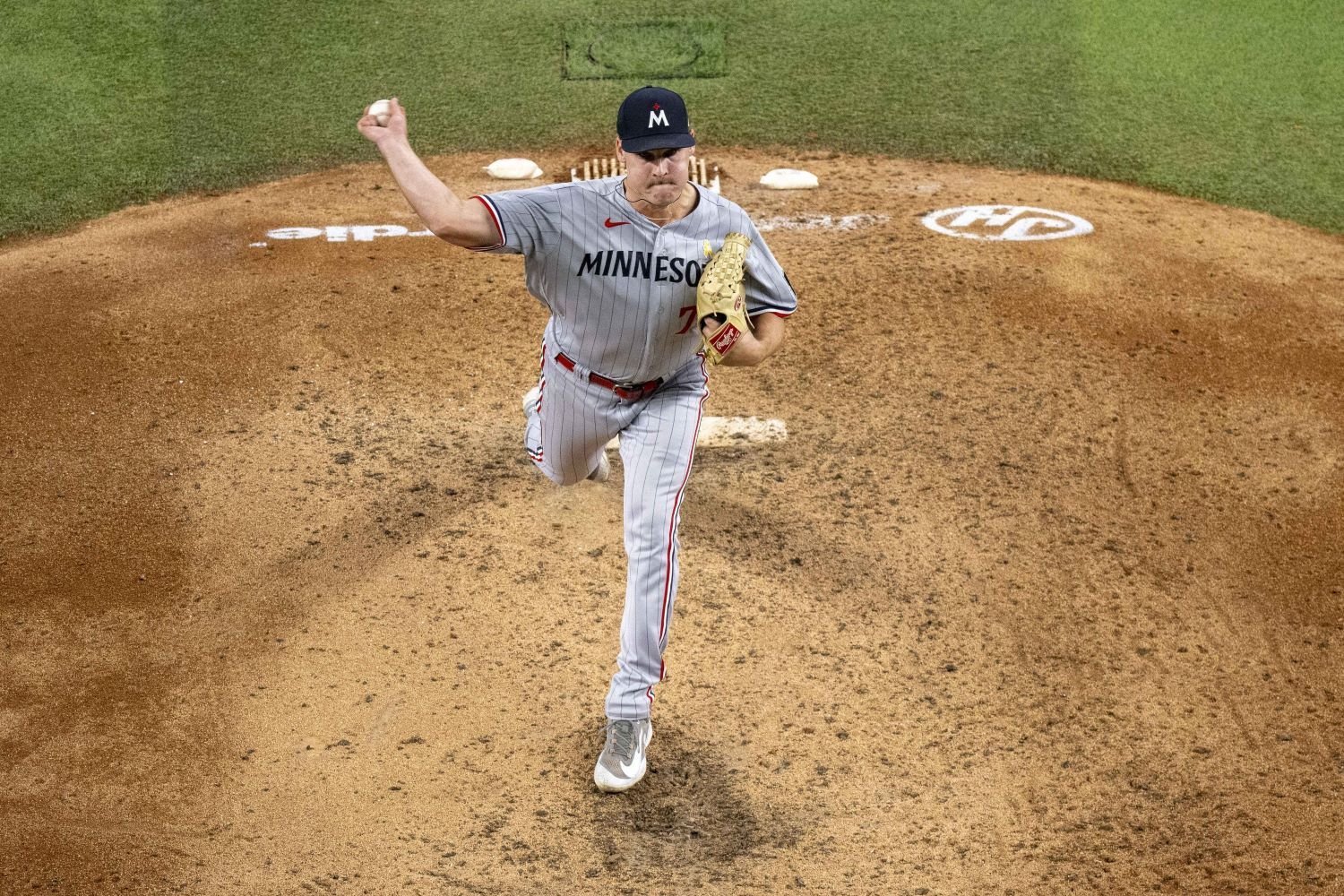 The Twins' bullpen was once a reliable force. Between 2022 and 2024, Jhoan Duran and Griffin Jax anchored the late innings, while role players like Caleb Thielbar, Cole Sands, and Brock Stewart provided valuable depth. But after the 2025 trade deadline, that group is mostly gone. Minnesota dealt several relievers with years of team control to retool the farm system, leaving the bullpen thin and uncertain heading into 2026. Still, there is a path to rebuilding an effective unit without breaking the bank. The Twins have internal arms with upside, a few conversion candidates who could thrive in shorter stints, and affordable veterans on the open market who can provide stability. This is how they can build a bullpen capable of competing next season. Returning Pieces Justin Topa: The Twins traded for Topa before the 2024 season, hoping to bolster their late-inning depth, and when healthy, he showed flashes of being that dependable arm. His sinker-slider combo generates weak contact, and he has experience in high-leverage spots, which was one of the reasons the Twins targeted him in the Jorge Polanco trade. In 2025, he ranked in the 88th percentile for Barrel rate and the 72nd percentile or better in both walk and ground-ball rate. If he can avoid the injuries that limited his usage, Topa could easily slide into a setup or closer role. Cole Sands: Sands quietly became one of the most reliable relievers in the organization in 2024. However, he took a step back in the first half of 2025, before a better performance following the trade deadline. His Offspeed Run Value ranked in the 95th percentile, led by a splitter that was worth seven runs and held batters to a .184 SLG. The Twins will need late-inning options early in the year as roles solidify, and Sands’s versatility fits that need perfectly. Kody Funderburk: Funderburk’s deceptive delivery and sweeping slider make him a tough matchup for left-handed hitters. Last season, he held lefties to a .292 SLG, which was nearly 130 points lower than what righties posted. While command can waver, his ability to miss bats from the left side gives the bullpen valuable balance. His barrel and ground-ball rates would have ranked among the league’s best, had he had enough innings to qualify. With more consistency, he could take on a larger role as a sixth- or seventh-inning option in 2026. Starters Turned Relievers Zebby Matthews – The Next Griffin Jax? Like Jax before him, Zebby Matthews may find his long-term fit in the bullpen. He has the command and competitive edge to attack hitters aggressively, and his fastball could tick up in shorter outings (96.3 mph in 2025). He is arguably a two-pitch pitcher, with his fastball and slider being his best weapons. If he cuts out the other pitches in his repertoire, he may be more effective out of the bullpen. Matthews has spent his developmental years as a starter, but a move to relief could accelerate his path to the majors while helping Minnesota fill a significant need. Connor Prielipp – The Next Jhoan Duran? Duran was considered a starter throughout his minor-league career, before injuries forced the Twins to make a shift. The Twins have waited patiently for Prielipp to recover and rediscover the form that made him a top draft pick. His electric slider and mid-90s fastball can be devastating weapons when unleashed in one- or two-inning bursts. Last season, he made 24 appearances (23 starts) and posted a 4.03 ERA with a 27.0% strikeout rate. Much like Duran, Prielipp’s path might not be linear, but if he embraces a relief role, he could emerge as a dominant late-inning force by midseason. Travis Adams – A Max Effort Option Adams has spent most of his professional career as a control-oriented starter, but the Twins moved him to a different role last season, with him pitching every four days. A switch to relief could unlock a different version of his arsenal. Instead of pacing himself through multiple innings, Adams could focus on emptying the tank in one frame. His slider had a 32% whiff rate in his first taste of the majors, and his fastball had a 26% whiff rate with an average velocity of 94.8 mph. A sharper slider and increased velocity could turn him into a valuable multi-use arm who can handle leverage or mop-up duties as needed. Free Agents Caleb Thielbar – A Familiar Face Returns If the Twins want a veteran presence who knows the organization and thrives in big spots, Thielbar would be a natural reunion. Even as he nears 40, his ability to command his breaking ball and neutralize left-handed hitters makes him a steadying force. Bringing Thielbar back could also provide leadership for younger pitchers adjusting to life in the bullpen. The Twins could also turn to other veteran free agent lefties like Taylor Rogers or Danny Coulombe. Minor-League Flyer – A Smart Gamble Every year, teams find undervalued arms who turn into reliable contributors. Think of this as finding the next Brock Stewart. Minnesota could take a low-risk chance on someone like Stewart, who has shown flashes of potential when healthy. A minor-league deal with an invite to spring training could uncover the next breakout bullpen piece without straining payroll flexibility. Multiple players who fit this mold will likely be in camp with the Twins. The Blueprint for 2026 The Twins do not need to recreate the Duran-Jax pairing overnight. What they need is functionality, flexibility, and a plan that blends experience with upside. Topa and Sands can handle leverage early. Funderburk and Adams provide innings stability. Matthews and Prielipp represent the next wave of internal talent, while a veteran like Thielbar and a flyer addition round out the mix. The 2026 bullpen might not grab national headlines in April. Still, with patience and development, it could once again evolve into one of the American League’s more reliable groups by season’s end. Minnesota has rebuilt a bullpen before, and it can do it again. Can the group outlined above compete in the AL Central? Leave a comment and start the discussion.
- 34 comments
-
- 7
-

-
-
- cole sands
- connor prielipp
- (and 5 more)
-
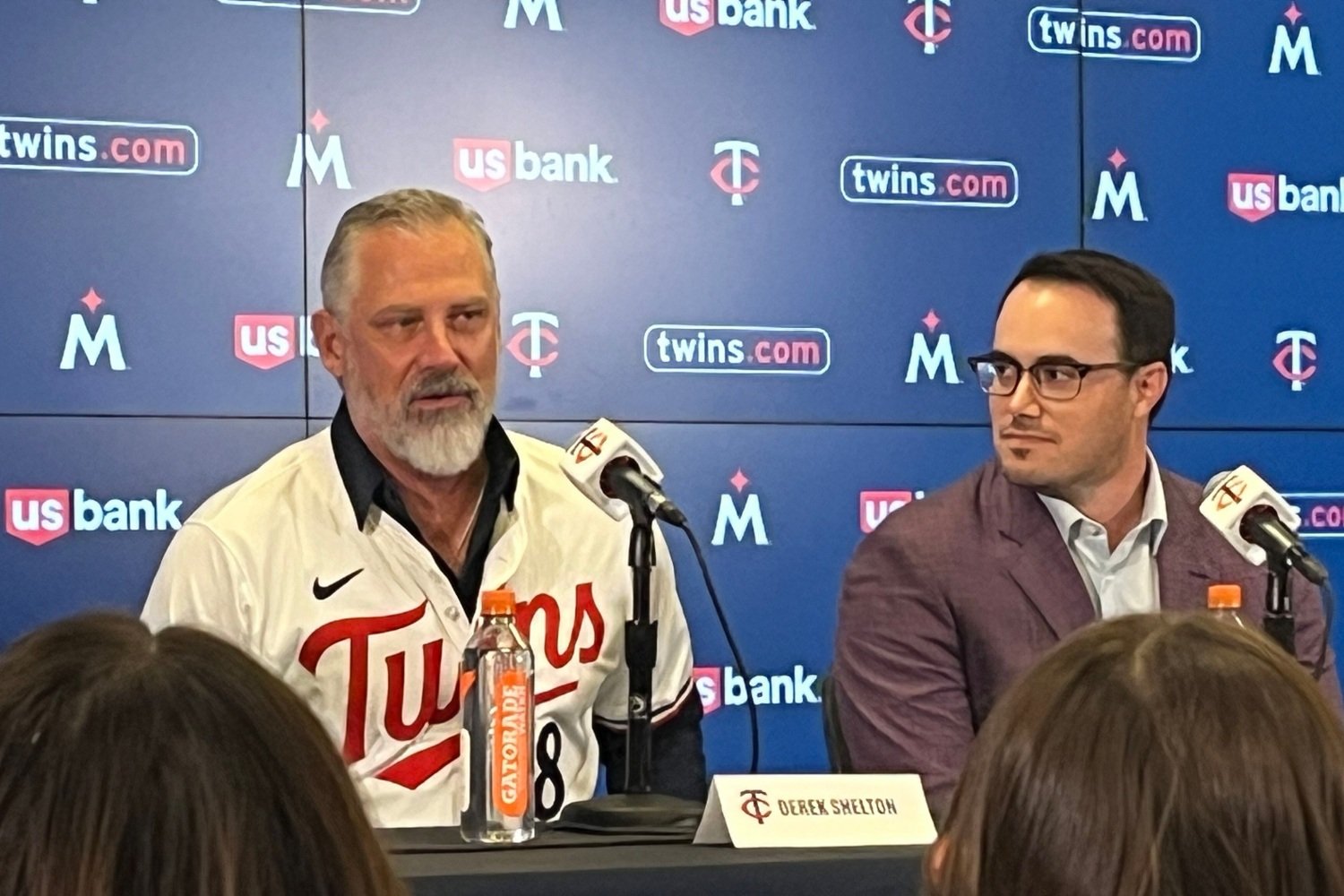 The Twins formally introduced Derek Shelton on Tuesday as the team’s next manager, bringing him back to Minnesota after a five-and-a-half-year stint leading the Pittsburgh Pirates. Shelton was a member of Rocco Baldelli’s original coaching staff in 2019, and now returns to a much different Twins organization—one trying to reset after a flurry of trades and disappointing ends to the last two seasons. The question now is simple: was this the right hire for where the franchise stands? The Pros Shelton’s return comes with several clear positives. First and foremost, he is familiar with the Twins organization and its existing infrastructure. He understands the analytical approach the front office values and has established relationships with several players and staff members. That continuity could help smooth what might otherwise be a rocky transition. During his time in Pittsburgh, Shelton worked through an extended rebuild. He understands the challenges of developing young talent at the major-league level, while keeping a clubhouse motivated. With the Twins’ roster turning over and several prospects poised to debut in 2026, that experience could prove valuable. Another notable strength is his background as a hitting coach. Before managing the Pirates, Shelton spent time as the hitting coach for both the Rays and Guardians, earning a reputation for improving plate discipline and approach. Minnesota’s offense struggled with inconsistency in 2025, so his input could help reignite bats that have gone quiet. Finally, Shelton’s even-keeled demeanor may help stabilize a team that has faced its share of turbulence. He’s regarded as a strong communicator who values collaboration—a trait that often resonates in the Twins’ organizational culture. The Cons Of course, the hire is not without its drawbacks. Shelton is not a new voice or an outsider who can bring a fresh perspective to a club that appears to have lost some of its edge. In some ways, this is a continuation of the same philosophy, rather than a bold new direction. His track record in Pittsburgh also raises questions. While the Pirates improved modestly during his tenure, they never posted a winning record under his watch. That doesn’t necessarily fall squarely on Shelton’s shoulders, but it does beg the question of whether he’s capable of elevating a team beyond the sum of its parts. The Twins also passed on the chance to hire a younger or first-time manager who might’ve brought a new energy or approach to a roster in transition. Names like Stephen Vogt have shown that untested candidates can thrive quickly with the proper support. Instead, Minnesota opted for a safe, familiar choice, one that might not spark much excitement among fans. There’s also the risk that Shelton’s calm style could border on complacency if things go south. The Twins need a leader who can push players to take the next step, not merely guide them through the motions of a rebuild. The Final Grade Overall, the Shelton hire feels solid but unspectacular. It's a move rooted in familiarity rather than risk. He checks many boxes the Twins value, but it’s fair to wonder if this decision will actually change the team’s trajectory. Grade: B- What do you think of the Twins bringing Derek Shelton back to Minnesota? Is he the right fit for this roster, or should the front office have looked elsewhere? Leave a comment and start the discussion.
 -
Image courtesy of John Bonnes The Twins formally introduced Derek Shelton on Tuesday as the team’s next manager, bringing him back to Minnesota after a five-and-a-half-year stint leading the Pittsburgh Pirates. Shelton was a member of Rocco Baldelli’s original coaching staff in 2019, and now returns to a much different Twins organization—one trying to reset after a flurry of trades and disappointing ends to the last two seasons. The question now is simple: was this the right hire for where the franchise stands? The Pros Shelton’s return comes with several clear positives. First and foremost, he is familiar with the Twins organization and its existing infrastructure. He understands the analytical approach the front office values and has established relationships with several players and staff members. That continuity could help smooth what might otherwise be a rocky transition. During his time in Pittsburgh, Shelton worked through an extended rebuild. He understands the challenges of developing young talent at the major-league level, while keeping a clubhouse motivated. With the Twins’ roster turning over and several prospects poised to debut in 2026, that experience could prove valuable. Another notable strength is his background as a hitting coach. Before managing the Pirates, Shelton spent time as the hitting coach for both the Rays and Guardians, earning a reputation for improving plate discipline and approach. Minnesota’s offense struggled with inconsistency in 2025, so his input could help reignite bats that have gone quiet. Finally, Shelton’s even-keeled demeanor may help stabilize a team that has faced its share of turbulence. He’s regarded as a strong communicator who values collaboration—a trait that often resonates in the Twins’ organizational culture. The Cons Of course, the hire is not without its drawbacks. Shelton is not a new voice or an outsider who can bring a fresh perspective to a club that appears to have lost some of its edge. In some ways, this is a continuation of the same philosophy, rather than a bold new direction. His track record in Pittsburgh also raises questions. While the Pirates improved modestly during his tenure, they never posted a winning record under his watch. That doesn’t necessarily fall squarely on Shelton’s shoulders, but it does beg the question of whether he’s capable of elevating a team beyond the sum of its parts. The Twins also passed on the chance to hire a younger or first-time manager who might’ve brought a new energy or approach to a roster in transition. Names like Stephen Vogt have shown that untested candidates can thrive quickly with the proper support. Instead, Minnesota opted for a safe, familiar choice, one that might not spark much excitement among fans. There’s also the risk that Shelton’s calm style could border on complacency if things go south. The Twins need a leader who can push players to take the next step, not merely guide them through the motions of a rebuild. The Final Grade Overall, the Shelton hire feels solid but unspectacular. It's a move rooted in familiarity rather than risk. He checks many boxes the Twins value, but it’s fair to wonder if this decision will actually change the team’s trajectory. Grade: B- What do you think of the Twins bringing Derek Shelton back to Minnesota? Is he the right fit for this roster, or should the front office have looked elsewhere? Leave a comment and start the discussion. View full article
-
Image courtesy of © Lou Capozzola-Imagn Images When LaTroy Hawkins talks about pitching, there’s wisdom that comes from experience. It's not just the kind that can be measured in spin rates or extension data, but the kind that comes from 21 years in the big leagues—from being on the mound when things go wrong, and from learning how to make them right again. If the Twins are looking to fill their bullpen coach position, Hawkins should be at the top of their list. Since returning to the organization in 2017, Hawkins has become one of the most respected voices in the Twins’ player development system. He’s worked closely with pitchers in the upper minors and has a deep understanding of how the organization operates, both on the field and behind the scenes. When he coached the USA Baseball 18U national team in 2023, he got an even better sense of how today’s young pitchers think and train. He’s comfortable with modern analytics, but he’s also one of the few people who can still bridge the gap between data and humanity. “Throwing 100 miles an hour, RPMs and vertical break—we’re so caught up in them,” Hawkins said. “We forget there’s a human element to it, the mental part of the game.” That mindset is precisely what the Twins bullpen could use. The organization’s pitching infrastructure is strong, but even the best analytics department can’t account for what’s going on in a player’s head. Hawkins has lived that side of the game. He knows the pressure of a bases-loaded jam in Yankee Stadium, the grind of a long season, and the toll it takes on a player’s confidence. He believes that part of coaching is helping players navigate those challenges, just as much as refining their mechanics. “My value wasn’t in teaching guys how to throw two-seam fastballs or sliders or a curveball or a changeup,” Hawkins said. “My value was in teaching the young guys from the neck up.” From Struggling Starter to Bullpen Mainstay Hawkins’s credibility comes not just from his longevity, but from his evolution. When he debuted with the Twins in 1995, he was expected to be a key part of the rotation. The results, however, didn’t match the expectations. Over five seasons as a starter, Hawkins posted an ERA north of 6.00 (79 ERA+) and struggled to find consistency. Many players in that situation fade out of the league entirely. Hawkins, instead, found reinvention. The move to the bullpen in the early 2000s changed everything. Freed from the demands of starting every fifth day, Hawkins was able to focus on his strengths: a lively fastball, sharp command, and a calm presence in pressure moments. He went on to pitch for more than a decade after that transition, logging over 1,000 career appearances and earning the trust of managers across the league. That transformation is precisely the kind of example the Twins could use right now. With several pitchers in the organization, including some who have struggled to stick as starters, a voice like Hawkins could help them embrace new roles without seeing it as a step backward. He understands how difficult that transition can be mentally, and how it can ultimately extend a career rather than shorten it. A Perfect Fit for a New Era The Twins have prided themselves on developing arms through technology, but the next step might be finding ways to connect that technology with the human side of the game. Hawkins embodies that balance. His influence has already helped young pitchers throughout the system feel more confident, more accountable, and more connected to what it means to be a professional. He’s also made it clear that he wants to stay with the organization that drafted him back in 1991. “Twin for life” isn’t just a slogan for Hawkins. It’s a belief. And if the right opportunity opens up soon, he’s ready to take it. For the Twins, that opportunity may have arrived. A bullpen coach with Hawkins’s blend of empathy, experience, and organizational familiarity could be the missing link between development and execution. After all, it’s not every day that a team has the chance to add a coach who’s both fluent in modern metrics and fluent in the human side of baseball. Hawkins has spent years helping Twins pitchers find their way. Now, the Twins have a chance to let him do it from the dugout (or bullpen). Should Hawkins take on a larger role with the Twins next season? Leave a comment and start the discussion. View full article
-
LaTroy Hawkins Could Be the Steady Hand Twins Bullpen Needs
Cody Christie posted an article in Twins
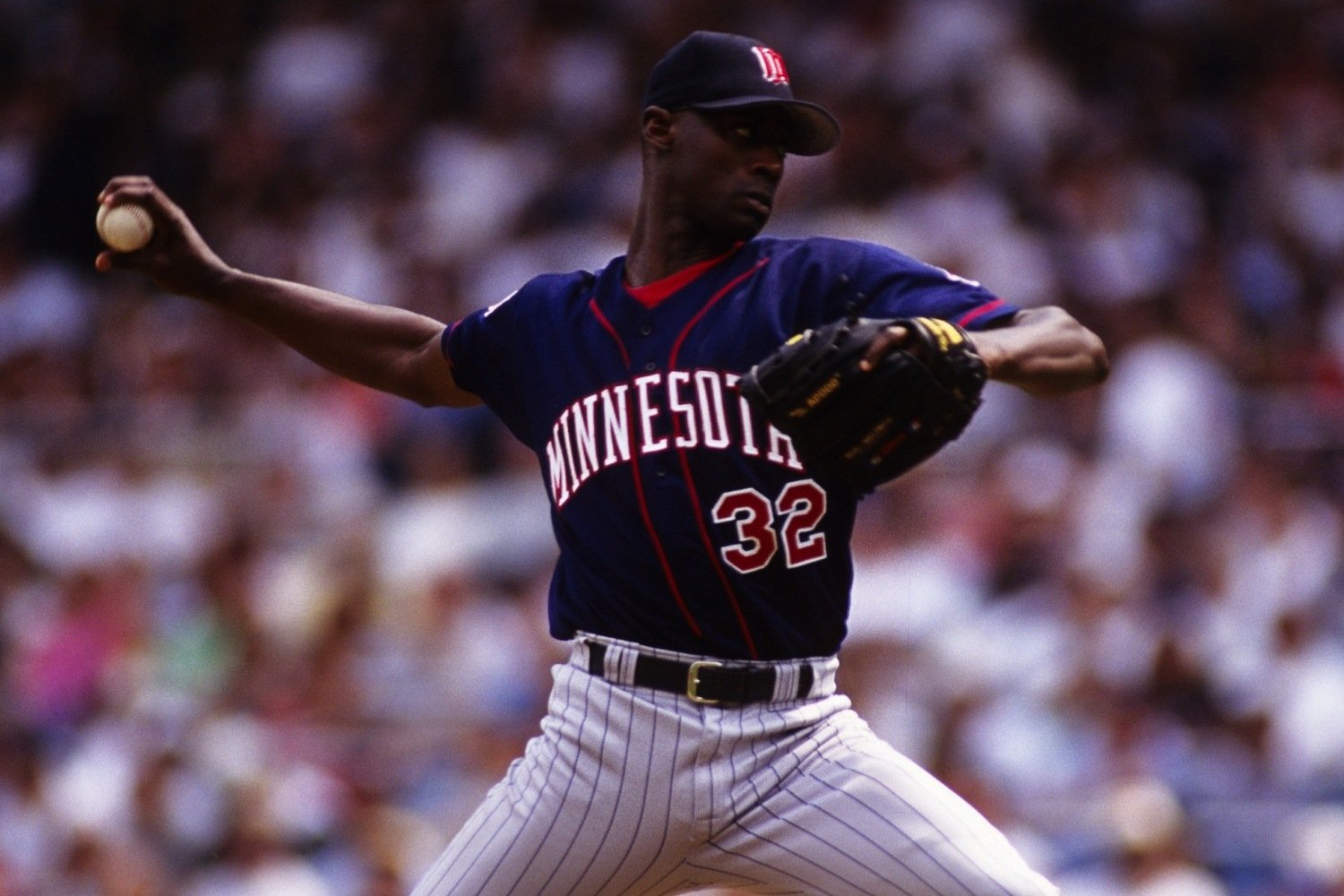 When LaTroy Hawkins talks about pitching, there’s wisdom that comes from experience. It's not just the kind that can be measured in spin rates or extension data, but the kind that comes from 21 years in the big leagues—from being on the mound when things go wrong, and from learning how to make them right again. If the Twins are looking to fill their bullpen coach position, Hawkins should be at the top of their list. Since returning to the organization in 2017, Hawkins has become one of the most respected voices in the Twins’ player development system. He’s worked closely with pitchers in the upper minors and has a deep understanding of how the organization operates, both on the field and behind the scenes. When he coached the USA Baseball 18U national team in 2023, he got an even better sense of how today’s young pitchers think and train. He’s comfortable with modern analytics, but he’s also one of the few people who can still bridge the gap between data and humanity. “Throwing 100 miles an hour, RPMs and vertical break—we’re so caught up in them,” Hawkins said. “We forget there’s a human element to it, the mental part of the game.” That mindset is precisely what the Twins bullpen could use. The organization’s pitching infrastructure is strong, but even the best analytics department can’t account for what’s going on in a player’s head. Hawkins has lived that side of the game. He knows the pressure of a bases-loaded jam in Yankee Stadium, the grind of a long season, and the toll it takes on a player’s confidence. He believes that part of coaching is helping players navigate those challenges, just as much as refining their mechanics. “My value wasn’t in teaching guys how to throw two-seam fastballs or sliders or a curveball or a changeup,” Hawkins said. “My value was in teaching the young guys from the neck up.” From Struggling Starter to Bullpen Mainstay Hawkins’s credibility comes not just from his longevity, but from his evolution. When he debuted with the Twins in 1995, he was expected to be a key part of the rotation. The results, however, didn’t match the expectations. Over five seasons as a starter, Hawkins posted an ERA north of 6.00 (79 ERA+) and struggled to find consistency. Many players in that situation fade out of the league entirely. Hawkins, instead, found reinvention. The move to the bullpen in the early 2000s changed everything. Freed from the demands of starting every fifth day, Hawkins was able to focus on his strengths: a lively fastball, sharp command, and a calm presence in pressure moments. He went on to pitch for more than a decade after that transition, logging over 1,000 career appearances and earning the trust of managers across the league. That transformation is precisely the kind of example the Twins could use right now. With several pitchers in the organization, including some who have struggled to stick as starters, a voice like Hawkins could help them embrace new roles without seeing it as a step backward. He understands how difficult that transition can be mentally, and how it can ultimately extend a career rather than shorten it. A Perfect Fit for a New Era The Twins have prided themselves on developing arms through technology, but the next step might be finding ways to connect that technology with the human side of the game. Hawkins embodies that balance. His influence has already helped young pitchers throughout the system feel more confident, more accountable, and more connected to what it means to be a professional. He’s also made it clear that he wants to stay with the organization that drafted him back in 1991. “Twin for life” isn’t just a slogan for Hawkins. It’s a belief. And if the right opportunity opens up soon, he’s ready to take it. For the Twins, that opportunity may have arrived. A bullpen coach with Hawkins’s blend of empathy, experience, and organizational familiarity could be the missing link between development and execution. After all, it’s not every day that a team has the chance to add a coach who’s both fluent in modern metrics and fluent in the human side of baseball. Hawkins has spent years helping Twins pitchers find their way. Now, the Twins have a chance to let him do it from the dugout (or bullpen). Should Hawkins take on a larger role with the Twins next season? Leave a comment and start the discussion.
 -
Twins Offseason Trade Watch: 3 Players Already Making National Lists
Cody Christie posted an article in Twins
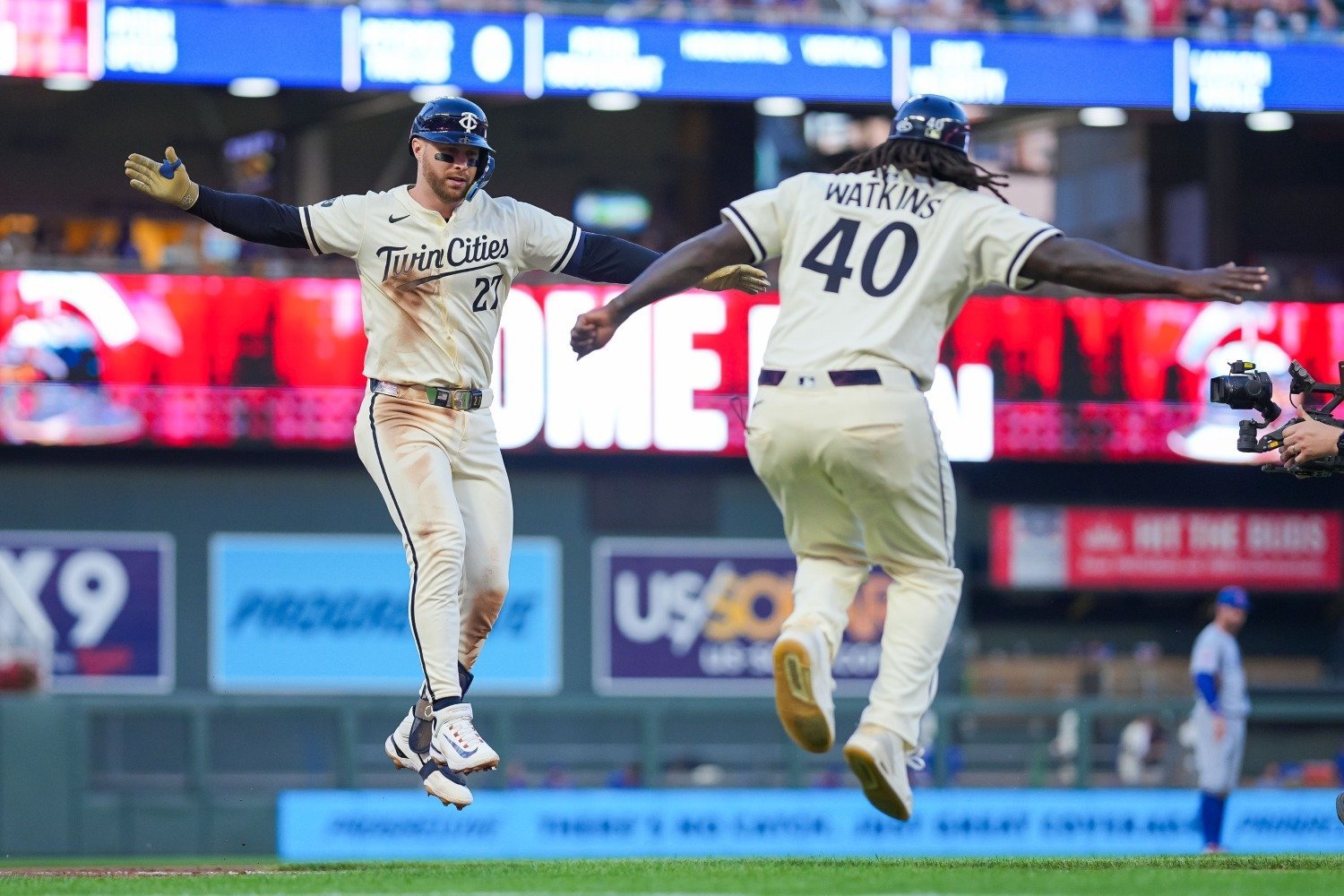 The Dodgers are World Series champions once again, and for the Twins, the offseason has officially begun. As teams around the league prepare for free agency and the Winter Meetings, Minnesota finds itself in an uncomfortable but familiar position. Payroll is expected to dip, the roster is in transition, and the front office will have to balance short-term competitiveness with long-term sustainability. That means trades are coming. The Twins already sold off several controllable pieces at the 2025 trade deadline, and more could follow this winter. National lists see the Twins as rebuilding (or “retooling”, if you ask the front office), which means they are open for business. MLB Trade Rumors released their top 40 trade candidates over the weekend, and three Twins made their top 10. Here are the three most likely Twins players to be traded as the club shifts their focus toward the future. Ryan Jeffers, C MLB Trade Rumors Rank: 9 Jeffers has quietly become one of the more productive catchers in the American League (105 OPS+ since 2024), but the clock is ticking on his time in Minnesota. He’s entering his final year of team control, and with the Twins unlikely to extend him or contend in 2026, his trade value may never be higher than it is right now. However, the Twins have few options behind the plate if Jeffers is off the roster. There are few free-agent catching options this winter. Catcher trades at the deadline are always tricky. Learning a new pitching staff on the fly is no easy task, so if Minnesota intends to move Jeffers, this offseason is the logical time to do it. Teams looking for a veteran backstop with power and leadership could make compelling offers. The Twins would have to find other veteran options to take the reins with Jeffers out of the picture. Joe Ryan, RHP MLB Trade Rumors Rank: 2 (Behind Washington’s MacKenzie Gore) Few players have had their names pop up in trade rumors more than Ryan. Reports swirled last July that he might be part of the Twins’ trade deadline sell-off, but he remained in Minneapolis. The situation feels unsustainable. Ryan is under team control through 2027 and will earn far less than his on-field value through arbitration, making him a cost-efficient asset for pitching-hungry contenders. The Twins may be hesitant to move their All-Star starter, but that same logic could make him the centerpiece of a trade that replenishes their farm system. If he isn’t dealt this winter, expect his name to resurface again by the 2026 trade deadline. The Red Sox were interested in Ryan in July, but the offseason should find a longer list of teams interested in cost-controlled starting pitching. Pablo López, RHP MLB Trade Rumors Rank: 6 This is the big one (as far as salary goes). López is owed $21.75 million in each of the next two seasons, which would be a bargain for most teams but may be too steep for the cost-conscious Twins. López has been the ace they hoped for when they traded Luis Arraez to get him, but the reality of Minnesota’s financial outlook could make him their most valuable trade chip. If the Twins believe contention is unlikely for the next two years, trading López now would allow them to maximize his value and begin a deeper reset. Contenders across the league would line up for a playoff-caliber starter with swing-and-miss stuff. Some teams might try to lowball the Twins since he is coming off a season wherein he missed time with injury. It would be a painful move, but one that might define this front office’s offseason strategy. The Twins enter the winter with difficult choices and limited flexibility. Moving on from players like López, Ryan, or Jeffers would not be easy, but staying the course might not be an option, either. As the offseason unfolds, Minnesota will attempt to strike a balance between retooling and rebuilding. The extent of their success at that could reshape the organization for years to come. Do you agree with the rankings above? Who should the Twins trade this winter? Who will the Twins trade this winter? Leave a comment and start the discussion.
- 52 comments
-
- 5
-
-

-
- joe ryan
- pablo lopez
- (and 2 more)
-
Image courtesy of © Brad Rempel-Imagn Images The Dodgers are World Series champions once again, and for the Twins, the offseason has officially begun. As teams around the league prepare for free agency and the Winter Meetings, Minnesota finds itself in an uncomfortable but familiar position. Payroll is expected to dip, the roster is in transition, and the front office will have to balance short-term competitiveness with long-term sustainability. That means trades are coming. The Twins already sold off several controllable pieces at the 2025 trade deadline, and more could follow this winter. National lists see the Twins as rebuilding (or “retooling”, if you ask the front office), which means they are open for business. MLB Trade Rumors released their top 40 trade candidates over the weekend, and three Twins made their top 10. Here are the three most likely Twins players to be traded as the club shifts their focus toward the future. Ryan Jeffers, C MLB Trade Rumors Rank: 9 Jeffers has quietly become one of the more productive catchers in the American League (105 OPS+ since 2024), but the clock is ticking on his time in Minnesota. He’s entering his final year of team control, and with the Twins unlikely to extend him or contend in 2026, his trade value may never be higher than it is right now. However, the Twins have few options behind the plate if Jeffers is off the roster. There are few free-agent catching options this winter. Catcher trades at the deadline are always tricky. Learning a new pitching staff on the fly is no easy task, so if Minnesota intends to move Jeffers, this offseason is the logical time to do it. Teams looking for a veteran backstop with power and leadership could make compelling offers. The Twins would have to find other veteran options to take the reins with Jeffers out of the picture. Joe Ryan, RHP MLB Trade Rumors Rank: 2 (Behind Washington’s MacKenzie Gore) Few players have had their names pop up in trade rumors more than Ryan. Reports swirled last July that he might be part of the Twins’ trade deadline sell-off, but he remained in Minneapolis. The situation feels unsustainable. Ryan is under team control through 2027 and will earn far less than his on-field value through arbitration, making him a cost-efficient asset for pitching-hungry contenders. The Twins may be hesitant to move their All-Star starter, but that same logic could make him the centerpiece of a trade that replenishes their farm system. If he isn’t dealt this winter, expect his name to resurface again by the 2026 trade deadline. The Red Sox were interested in Ryan in July, but the offseason should find a longer list of teams interested in cost-controlled starting pitching. Pablo López, RHP MLB Trade Rumors Rank: 6 This is the big one (as far as salary goes). López is owed $21.75 million in each of the next two seasons, which would be a bargain for most teams but may be too steep for the cost-conscious Twins. López has been the ace they hoped for when they traded Luis Arraez to get him, but the reality of Minnesota’s financial outlook could make him their most valuable trade chip. If the Twins believe contention is unlikely for the next two years, trading López now would allow them to maximize his value and begin a deeper reset. Contenders across the league would line up for a playoff-caliber starter with swing-and-miss stuff. Some teams might try to lowball the Twins since he is coming off a season wherein he missed time with injury. It would be a painful move, but one that might define this front office’s offseason strategy. The Twins enter the winter with difficult choices and limited flexibility. Moving on from players like López, Ryan, or Jeffers would not be easy, but staying the course might not be an option, either. As the offseason unfolds, Minnesota will attempt to strike a balance between retooling and rebuilding. The extent of their success at that could reshape the organization for years to come. Do you agree with the rankings above? Who should the Twins trade this winter? Who will the Twins trade this winter? Leave a comment and start the discussion. View full article
-
Image courtesy of © Jerome Miron-Imagn Images The Twins' bullpen was once a reliable force. Between 2022 and 2024, Jhoan Duran and Griffin Jax anchored the late innings, while role players like Caleb Thielbar, Cole Sands, and Brock Stewart provided valuable depth. But after the 2025 trade deadline, that group is mostly gone. Minnesota dealt several relievers with years of team control to retool the farm system, leaving the bullpen thin and uncertain heading into 2026. Still, there is a path to rebuilding an effective unit without breaking the bank. The Twins have internal arms with upside, a few conversion candidates who could thrive in shorter stints, and affordable veterans on the open market who can provide stability. This is how they can build a bullpen capable of competing next season. Returning Pieces Justin Topa: The Twins traded for Topa before the 2024 season, hoping to bolster their late-inning depth, and when healthy, he showed flashes of being that dependable arm. His sinker-slider combo generates weak contact, and he has experience in high-leverage spots, which was one of the reasons the Twins targeted him in the Jorge Polanco trade. In 2025, he ranked in the 88th percentile for Barrel % and above the 72nd percentile in BB% and GB%. If he can avoid the injuries that limited his usage, Topa could easily slide into a setup or closer role. Cole Sands: Sands quietly became one of the most reliable relievers in the organization in 2024. However, he took a step back in the first half of 2025 before showing a better performance following the trade deadline. His Offspeed Run Value ranked in the 95th percentile, led by his split-finger that was worth seven runs and held batters to a .184 SLG. The Twins will need late-inning options early in the year as roles solidify, and Sands’ versatility fits that need perfectly. Kody Funderburk: Funderburk’s deceptive delivery and sweeping slider make him a tough matchup for left-handed hitters. Last season, he held lefties to a .292 SLG, which was nearly 130 points lower than what righties posted. While command can waver, his ability to miss bats from the left side gives the bullpen valuable balance. His Barrel % and Groundball % would have ranked among the league’s best had he had enough innings to qualify. With more consistency, he could take on a larger role as a sixth- or seventh-inning option in 2026. Starters Turned Relievers Zebby Matthews – The Next Griffin Jax? Like Jax before him, Zebby Matthews may find his long-term fit in the bullpen. He has the command and competitive edge to attack hitters aggressively, and his fastball could tick up in shorter outings (96.3 mph in 2025). He is arguably a two-pitch pitcher with his fastball and slider being his best weapons. If he cuts out the other pitches in his repertoire, he may be more effective out of the bullpen. Matthews has spent his development years as a starter, but a move to relief could accelerate his path to the majors while helping Minnesota fill a significant need. Connor Prielipp – The Next Jhoan Duran? Duran was considered a starter throughout his minor league career before injuries forced the Twins to make a shift. The Twins have waited patiently for Prielipp to recover and rediscover the form that made him a top draft pick. His electric slider and mid-90s fastball can be devastating weapons when unleashed in one- or two-inning bursts. Last season, he made 24 appearances (23 starts) and posted a 4.03 ERA with a 27.0 K%. Much like Duran, Prielipp’s path might not be linear, but if he embraces a relief role, he could emerge as a dominant late-inning force by midseason. Travis Adams – A Max Effort Option Adams has spent most of his professional career as a control-oriented starter, but the Twins moved him to a different role last season, with him pitching every four days. A switch to relief could unlock a different version of his arsenal. Instead of pacing himself through multiple innings, Adams could focus on emptying the tank in one frame. His slider had a 32 Whiff% and his fastball had a 26 Whiff% with an average velocity of 94.8 mph. A sharper slider and increased velocity could turn him into a valuable multi-use arm who can handle leverage or mop-up duties as needed. Free Agents Caleb Thielbar – A Familiar Face Returns If the Twins want a veteran presence who knows the organization and thrives in big spots, Thielbar would be a natural reunion. Even as he sits in his late 30s, his ability to command his breaking ball and neutralize left-handed hitters makes him a steadying force. Bringing Thielbar back could also provide leadership for younger pitchers adjusting to life in the bullpen. The Twins could also turn to other veteran free agent lefties like Taylor Rogers or Danny Coulombe. Minor League Flyer – A Smart Gamble Every year, teams find undervalued arms who turn into reliable contributors. Think of this as finding the next Brock Stewart. Minnesota could take a low-risk chance on someone like Stewart, who has shown flashes of potential when healthy. A minor league deal with an invite to spring training could uncover the next breakout bullpen piece without straining payroll flexibility. Multiple players who fit this mold will likely be in camp with the Twins. The Blueprint for 2026 The Twins do not need to recreate the Duran-Jax pairing overnight. What they need is functionality, flexibility, and a plan that blends experience with upside. Topa and Sands can handle leverage early. Funderburk and Adams provide innings stability. Matthews and Prielipp represent the next wave of internal talent, while a veteran like Thielbar and a flyer addition round out the mix. The 2026 bullpen might not grab national headlines in April. Still, with patience and development, it could once again evolve into one of the American League’s more reliable groups by season’s end. Minnesota has rebuilt a bullpen before, and it can do it again. Can the group outlined above compete in the AL Central? Leave a comment and start the discussion. View full article
-
Could the Twins Bring Back Christian Vázquez as Their Backup Catcher?
Cody Christie posted an article in Twins
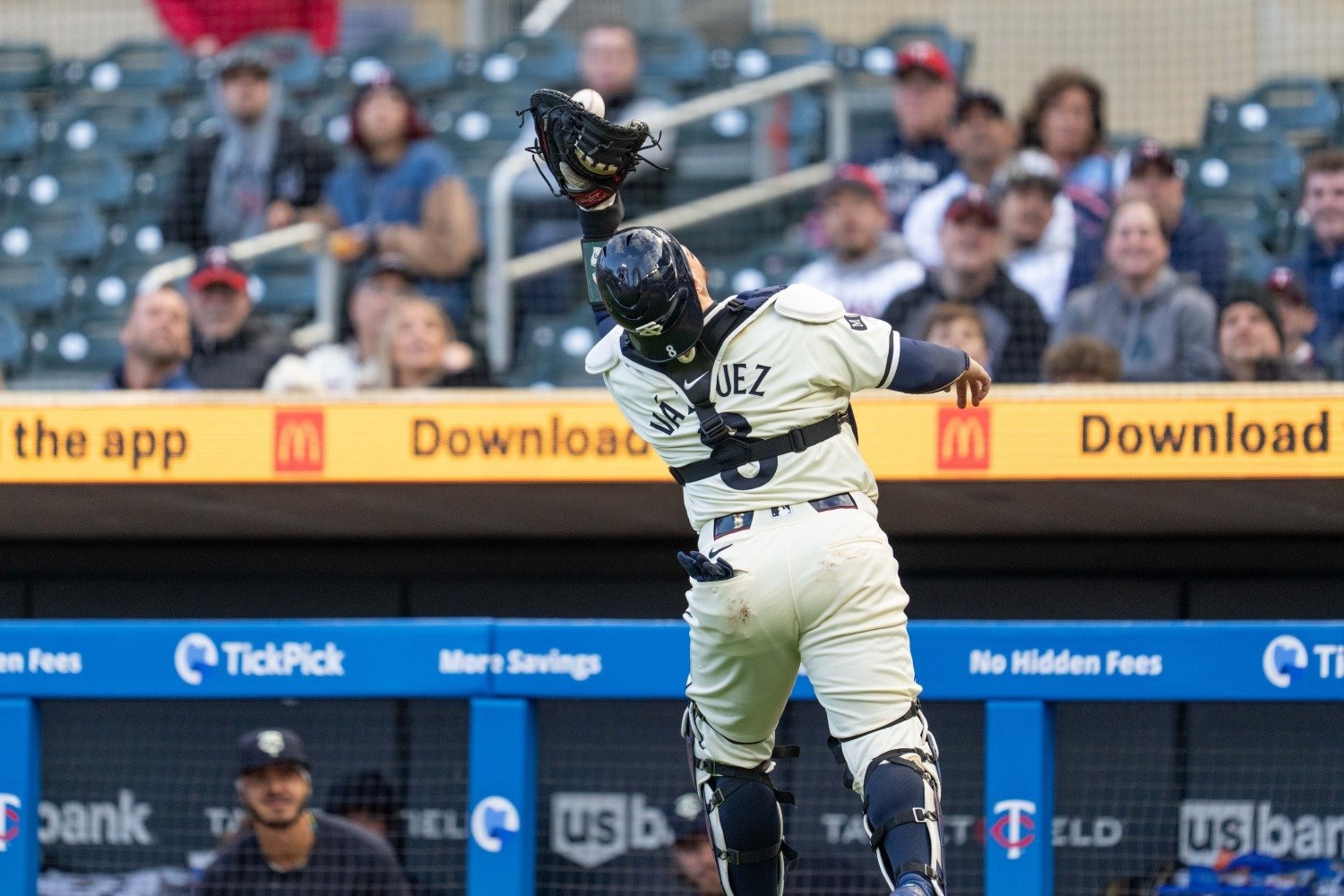 When the Minnesota Twins signed Christian Vazquez to a three-year, $30 million contract before the 2023 season, the move was meant to add experience and stability behind the plate. Ryan Jeffers was still viewed as a developing catcher with offensive potential, but he lacked the track record to be handed a full-time role. Vázquez, fresh off years of playoff experience with the Boston Red Sox and Houston Astros, seemed like the perfect complement. However, the vision never materialized. Over the course of his Twins tenure, Vázquez’s offensive struggles outweighed his defensive reputation. He had an 85 OPS+ before signing with Minnesota, a reasonable total for a strong defensive catcher. During his Twins tenure, he posted a 58 OPS+, a total tough for a manager to continue to use. Besides the non-existent bat, his defensive metrics declined more rapidly than expected. He ranked in the 75th percentile or higher in Blocks Above Avg, CS Above Avg, and Framing during the 2023 season. Last year, his CS Above Avg (68th percentile) and Framing (27th percentile) started showing his age. Now, as Minnesota looks ahead to 2026, the question has come full circle. The Twins once again need to identify a reliable backup catcher. The irony is hard to ignore. After three years of trying to balance the position, the team could find itself revisiting the same name to fill that role once again. Why the Twins Might Need Him As things stand, Jeffers is the only established big-league catcher on the Twins roster. He continues to be one of the AL’s best-hitting catchers, but every team needs a dependable second option. Catchers wear down quickly, and even the best require regular rest to stay fresh over a long season. The Twins have used Jeffers and Vazquez in a timeshare behind the plate, and it seems likely that Vazquez will be used in a lesser role as he nears the end of his career. The issue is that Minnesota’s internal options are thin. Mickey Gasper and Jhonny Pereda saw playing time over the season’s final weeks, but neither are a long-term solution. Other minor league options like Ricardo Olivar or Noah Cardenas profile more as Triple-A depth than reliable big-league backups. That leaves the front office with two realistic paths: bring back Vázquez or find another veteran through free agency or trade. Both routes carry risk, but Vázquez’s familiarity with the Twins’ pitching staff could be a key factor. He has already worked with most of the projected rotation and bullpen. That experience could be especially valuable with young arms like David Festa and Zebby Matthews potentially taking on more significant roles. What It Would Cost At the time the Twins signed him, Vázquez was one of the best catchers on the market. Minnesota’s three-year, $30 million deal was one of the largest commitments ever made to a catcher in franchise history. The front office justified the contract by emphasizing Vázquez’s strong defensive resume, postseason experience, and leadership qualities. But those strengths have faded. Now, the situation is very different. Vázquez is entering the next phase of his career, likely as a part-time or backup option. His offensive production has cratered, and most teams will view him as a low-cost signing rather than a potential starter. For the Twins, that could mean an opportunity to bring him back on a modest one-year contract (something in the range of $2–4 million) if both sides are open to a reunion. This type of deal would align with the Twins’ payroll flexibility heading into the offseason. The team is expected to operate with a reduced budget so that every dollar will matter. A low-risk, short-term deal for a familiar veteran might be more appealing than spending resources on an untested free agent or parting with talent in a trade. Freezer Burn and Familiarity There is no denying that a reunion with Vázquez carries some baggage. Fans remember his underwhelming performance and may not be eager to see the team revisit a partnership that never quite clicked. The concept of “freezer burn” fits here, something that once seemed appetizing but didn’t age well over time. Still, there is a case to be made for comfort and continuity. Vázquez’s knowledge of the pitching staff, game preparation habits, and familiarity with the Twins’ defensive system could all be helpful in a supporting role. His veteran presence might help guide younger pitchers as they transition into full-time major league contributors. While there is little upside remaining in his game, there is also value in dependability. The Twins know what they are getting with Vázquez. He is a steady professional who can handle pitchers, call a game, and step in when needed. Sometimes, that predictability is worth more than taking a gamble on an unknown alternative. The Decision Ahead Ultimately, the Twins’ decision will come down to balancing comfort against opportunity. Bringing back Vázquez would offer stability, but it would also mean passing on the chance to try something new. The front office must decide whether experience outweighs the potential upside of a fresh face behind the plate. If the price is right and the market remains limited, Vázquez could make sense as a short-term solution. His familiarity with the organization might help smooth the transition into another season of roster turnover. However, if Minnesota prefers to move in a new direction, there will be veteran catchers available through free agency who could fill the role just as effectively. Either way, the Twins cannot afford to enter next season without a dependable plan behind Jeffers. Whether that means turning back to a familiar veteran or exploring a new path, the backup catcher question remains one of the quieter but more important decisions of the offseason. Should the Twins consider bringing back Vázquez? Leave a comment and start the discussion.
 -
Image courtesy of © Matt Blewett-Imagn Images When the Minnesota Twins signed Christian Vazquez to a three-year, $30 million contract before the 2023 season, the move was meant to add experience and stability behind the plate. Ryan Jeffers was still viewed as a developing catcher with offensive potential, but he lacked the track record to be handed a full-time role. Vázquez, fresh off years of playoff experience with the Boston Red Sox and Houston Astros, seemed like the perfect complement. However, the vision never materialized. Over the course of his Twins tenure, Vázquez’s offensive struggles outweighed his defensive reputation. He had an 85 OPS+ before signing with Minnesota, a reasonable total for a strong defensive catcher. During his Twins tenure, he posted a 58 OPS+, a total tough for a manager to continue to use. Besides the non-existent bat, his defensive metrics declined more rapidly than expected. He ranked in the 75th percentile or higher in Blocks Above Avg, CS Above Avg, and Framing during the 2023 season. Last year, his CS Above Avg (68th percentile) and Framing (27th percentile) started showing his age. Now, as Minnesota looks ahead to 2026, the question has come full circle. The Twins once again need to identify a reliable backup catcher. The irony is hard to ignore. After three years of trying to balance the position, the team could find itself revisiting the same name to fill that role once again. Why the Twins Might Need Him As things stand, Jeffers is the only established big-league catcher on the Twins roster. He continues to be one of the AL’s best-hitting catchers, but every team needs a dependable second option. Catchers wear down quickly, and even the best require regular rest to stay fresh over a long season. The Twins have used Jeffers and Vazquez in a timeshare behind the plate, and it seems likely that Vazquez will be used in a lesser role as he nears the end of his career. The issue is that Minnesota’s internal options are thin. Mickey Gasper and Jhonny Pereda saw playing time over the season’s final weeks, but neither are a long-term solution. Other minor league options like Ricardo Olivar or Noah Cardenas profile more as Triple-A depth than reliable big-league backups. That leaves the front office with two realistic paths: bring back Vázquez or find another veteran through free agency or trade. Both routes carry risk, but Vázquez’s familiarity with the Twins’ pitching staff could be a key factor. He has already worked with most of the projected rotation and bullpen. That experience could be especially valuable with young arms like David Festa and Zebby Matthews potentially taking on more significant roles. What It Would Cost At the time the Twins signed him, Vázquez was one of the best catchers on the market. Minnesota’s three-year, $30 million deal was one of the largest commitments ever made to a catcher in franchise history. The front office justified the contract by emphasizing Vázquez’s strong defensive resume, postseason experience, and leadership qualities. But those strengths have faded. Now, the situation is very different. Vázquez is entering the next phase of his career, likely as a part-time or backup option. His offensive production has cratered, and most teams will view him as a low-cost signing rather than a potential starter. For the Twins, that could mean an opportunity to bring him back on a modest one-year contract (something in the range of $2–4 million) if both sides are open to a reunion. This type of deal would align with the Twins’ payroll flexibility heading into the offseason. The team is expected to operate with a reduced budget so that every dollar will matter. A low-risk, short-term deal for a familiar veteran might be more appealing than spending resources on an untested free agent or parting with talent in a trade. Freezer Burn and Familiarity There is no denying that a reunion with Vázquez carries some baggage. Fans remember his underwhelming performance and may not be eager to see the team revisit a partnership that never quite clicked. The concept of “freezer burn” fits here, something that once seemed appetizing but didn’t age well over time. Still, there is a case to be made for comfort and continuity. Vázquez’s knowledge of the pitching staff, game preparation habits, and familiarity with the Twins’ defensive system could all be helpful in a supporting role. His veteran presence might help guide younger pitchers as they transition into full-time major league contributors. While there is little upside remaining in his game, there is also value in dependability. The Twins know what they are getting with Vázquez. He is a steady professional who can handle pitchers, call a game, and step in when needed. Sometimes, that predictability is worth more than taking a gamble on an unknown alternative. The Decision Ahead Ultimately, the Twins’ decision will come down to balancing comfort against opportunity. Bringing back Vázquez would offer stability, but it would also mean passing on the chance to try something new. The front office must decide whether experience outweighs the potential upside of a fresh face behind the plate. If the price is right and the market remains limited, Vázquez could make sense as a short-term solution. His familiarity with the organization might help smooth the transition into another season of roster turnover. However, if Minnesota prefers to move in a new direction, there will be veteran catchers available through free agency who could fill the role just as effectively. Either way, the Twins cannot afford to enter next season without a dependable plan behind Jeffers. Whether that means turning back to a familiar veteran or exploring a new path, the backup catcher question remains one of the quieter but more important decisions of the offseason. Should the Twins consider bringing back Vázquez? Leave a comment and start the discussion. View full article
-
Kirby Puckett’s First Game 6 Magic Set the Stage for a Dynasty Moment
Cody Christie posted an article in History
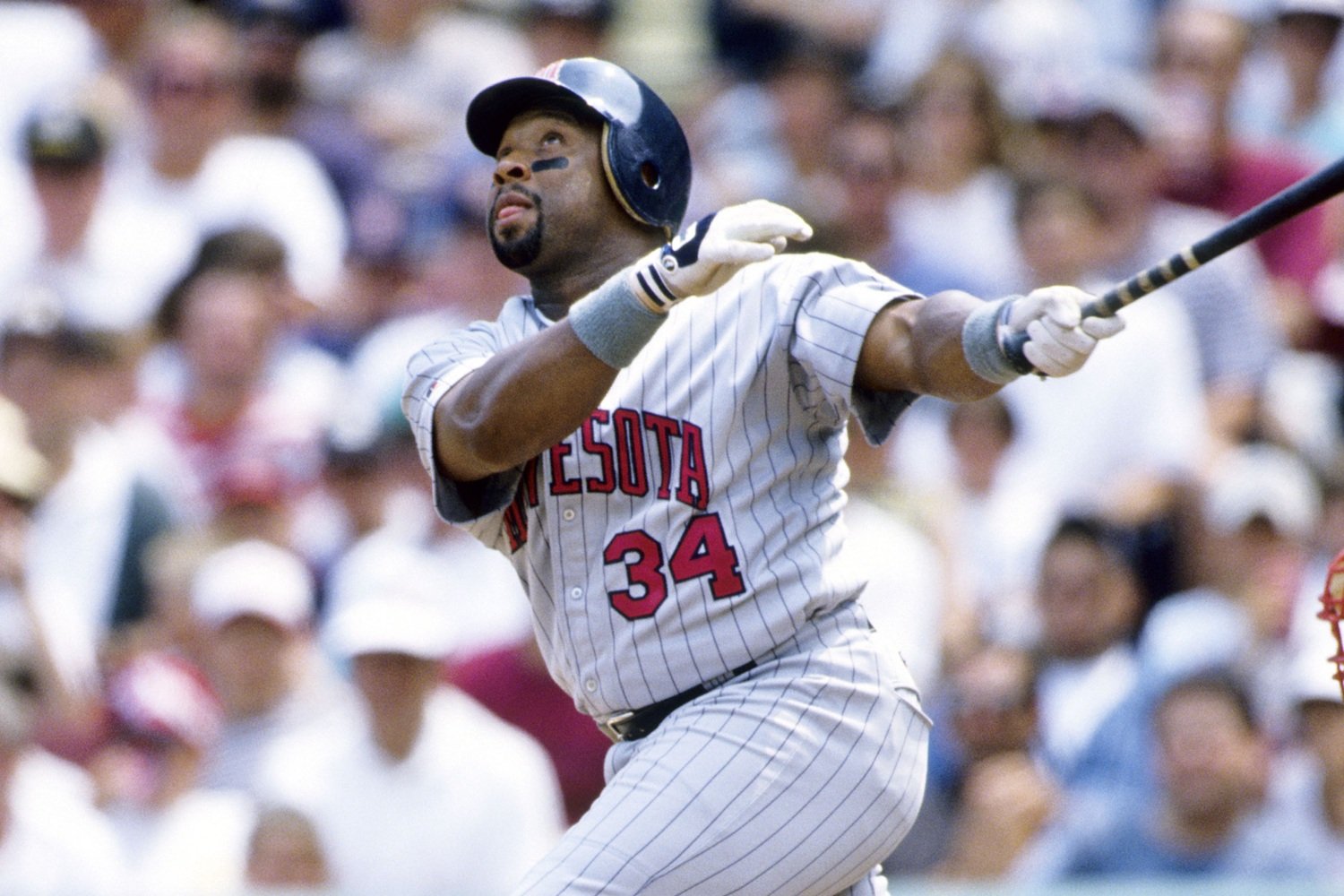 When Twins fans think of Kirby Puckett and Game 6, one image usually comes to mind. It is the unforgettable leap against the Metrodome plexiglass and the iconic swing that sent the baseball soaring into the left-center field seats, followed by the famous call, “And we’ll see you tomorrow night.” That moment immortalized Puckett as a franchise legend, the face of Minnesota’s greatest baseball memories. But four years earlier, before the national spotlight fully embraced him, Puckett had already authored a Game 6 performance that changed the course of franchise history. It did not end with fireworks or walk-off jubilation, but without it, there might not have been a 1991 moment to remember at all. A Game the Twins Could Not Afford to Lose The 1987 World Series was hanging in the balance. Minnesota trailed St. Louis three games to two and returned home to the Metrodome needing back-to-back wins to capture its first championship. The atmosphere was tense, the crowd hungry, and the Twins’ offense searching for a spark. That spark turned out to be Puckett. From the start, Puckett’s energy set the tone. He reached base in all five of his plate appearances, going 4-for-4 with a walk and a stolen base. His trademark blend of hustle and instinct was on full display. Every time he got on, something good happened for the Twins. He scored four times, tying a World Series record for runs in a single game. In a contest where Minnesota needed every ounce of offense, Puckett seemed to embody the will to win that defined the 1987 team. Turning the Tide in the Fifth Perhaps Puckett’s most crucial moment came in the bottom of the fifth inning. The Twins were down 5-2 and in danger of letting the series slip away. Puckett led off with a single, setting in motion a four-run rally that electrified the Metrodome. Gary Gaetti drove in Puckett with a double and Don Baylor followed with a two-run homer. Puckett’s speed, timing, and baserunning aggression helped Minnesota claw its way back, flipping the momentum and silencing a St. Louis team that had appeared poised to celebrate soon. The Twins never looked back after that inning. They took the lead and held it, powered by the heartbeat of their lineup. It was not the dramatic finish of 1991, but it was every bit as essential. Puckett’s relentless effort and perfect night at the plate ensured there would be a Game 7, and history would remember what came next: Frank Viola’s masterful performance, a parade through downtown Minneapolis, and a World Series pennant that waves proudly above Target Field. The Birth of a Legend Game 6 of 1987 marked the moment Puckett became more than an All-Star. It was his arrival as a postseason force, a player who thrived when the lights burned brightest. He was still only 27 years old, but his leadership and spark already defined the Twins’ identity. Four years later, he would top himself in legendary fashion, cementing his place in baseball lore with another Game 6 masterpiece. But before that moment ever happened, Puckett’s first great Game 6 helped write the first chapter of Minnesota’s championship story. It was a performance that kept a dream alive and proved that when the Twins needed him most, Puckett was always ready to deliver. What do you remember about Game 6 in 1987? Leave a comment and start the discussion.
- 5 comments
-
- 1
-
-
- kirby puckett
- gary gaetti
- (and 1 more)
-
Image courtesy of © RVR Photos-Imagn Images When Twins fans think of Kirby Puckett and Game 6, one image usually comes to mind. It is the unforgettable leap against the Metrodome plexiglass and the iconic swing that sent the baseball soaring into the left-center field seats, followed by the famous call, “And we’ll see you tomorrow night.” That moment immortalized Puckett as a franchise legend, the face of Minnesota’s greatest baseball memories. But four years earlier, before the national spotlight fully embraced him, Puckett had already authored a Game 6 performance that changed the course of franchise history. It did not end with fireworks or walk-off jubilation, but without it, there might not have been a 1991 moment to remember at all. A Game the Twins Could Not Afford to Lose The 1987 World Series was hanging in the balance. Minnesota trailed St. Louis three games to two and returned home to the Metrodome needing back-to-back wins to capture its first championship. The atmosphere was tense, the crowd hungry, and the Twins’ offense searching for a spark. That spark turned out to be Puckett. From the start, Puckett’s energy set the tone. He reached base in all five of his plate appearances, going 4-for-4 with a walk and a stolen base. His trademark blend of hustle and instinct was on full display. Every time he got on, something good happened for the Twins. He scored four times, tying a World Series record for runs in a single game. In a contest where Minnesota needed every ounce of offense, Puckett seemed to embody the will to win that defined the 1987 team. Turning the Tide in the Fifth Perhaps Puckett’s most crucial moment came in the bottom of the fifth inning. The Twins were down 5-2 and in danger of letting the series slip away. Puckett led off with a single, setting in motion a four-run rally that electrified the Metrodome. Gary Gaetti drove in Puckett with a double and Don Baylor followed with a two-run homer. Puckett’s speed, timing, and baserunning aggression helped Minnesota claw its way back, flipping the momentum and silencing a St. Louis team that had appeared poised to celebrate soon. The Twins never looked back after that inning. They took the lead and held it, powered by the heartbeat of their lineup. It was not the dramatic finish of 1991, but it was every bit as essential. Puckett’s relentless effort and perfect night at the plate ensured there would be a Game 7, and history would remember what came next: Frank Viola’s masterful performance, a parade through downtown Minneapolis, and a World Series pennant that waves proudly above Target Field. The Birth of a Legend Game 6 of 1987 marked the moment Puckett became more than an All-Star. It was his arrival as a postseason force, a player who thrived when the lights burned brightest. He was still only 27 years old, but his leadership and spark already defined the Twins’ identity. Four years later, he would top himself in legendary fashion, cementing his place in baseball lore with another Game 6 masterpiece. But before that moment ever happened, Puckett’s first great Game 6 helped write the first chapter of Minnesota’s championship story. It was a performance that kept a dream alive and proved that when the Twins needed him most, Puckett was always ready to deliver. What do you remember about Game 6 in 1987? Leave a comment and start the discussion. View full article
-
Bringing Back Familiar Lefties Could Help Rebuild Minnesota Twins Bullpen
Cody Christie posted an article in Twins
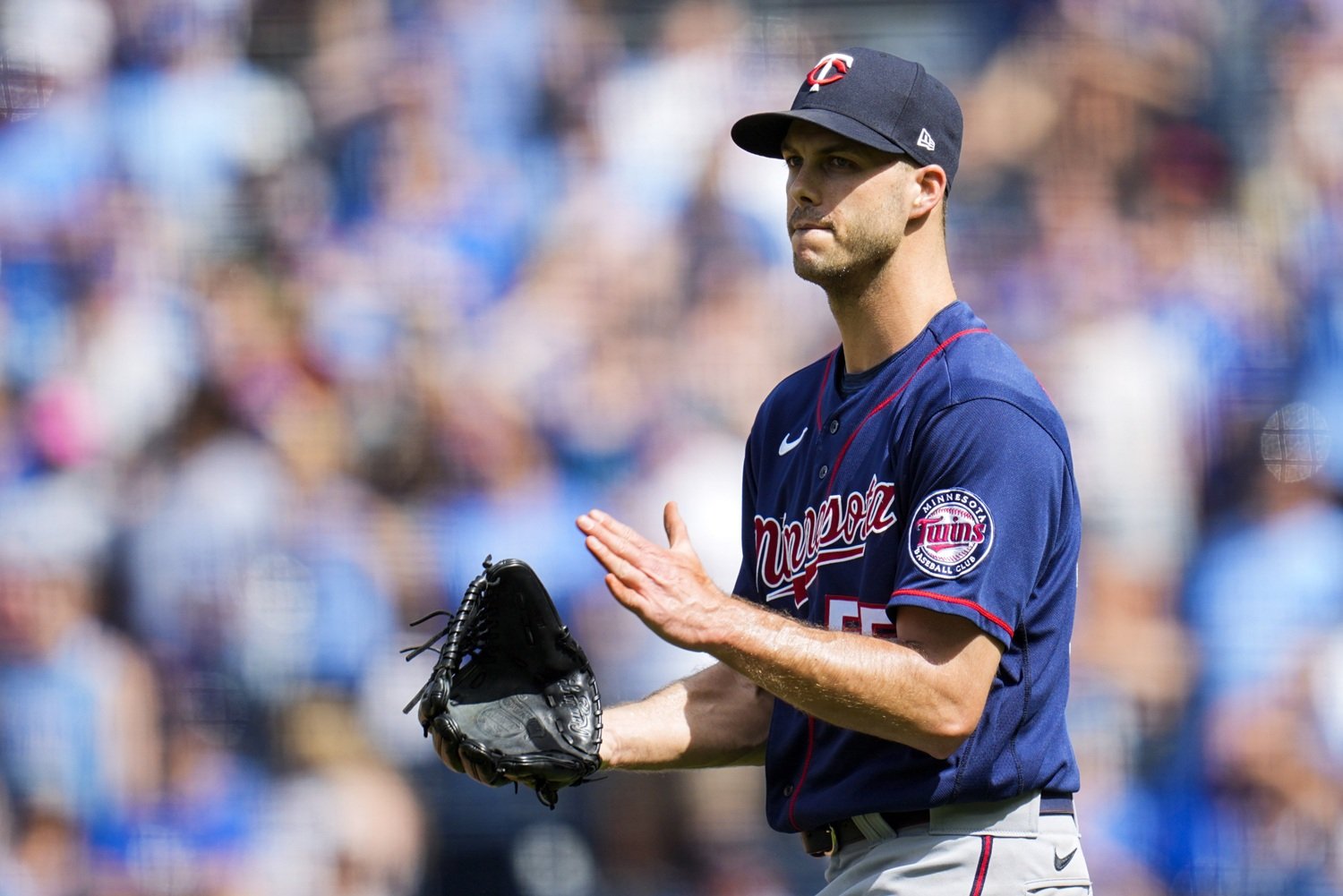 The Minnesota Twins enter the offseason facing a self-inflicted challenge: rebuilding a bullpen that was stripped down at the trade deadline. In an effort to retool the organization, the team traded away Jhoan Duran, Griffin Jax, and Louis Varland (all pitchers with multiple years of team control). The moves left a glaring hole in the late innings, and raised questions about how the club plans to protect leads in 2026. While the front office may pursue young, controllable arms, there is also value in bringing back trusted veterans who have worn a Twins uniform before. Three familiar left-handers are all free agents this winter and could provide steady production, leadership, and perhaps trade value later in the season. Danny Coulombe: A Dependable Option When Healthy Coulombe has made a career out of defying expectations. The 36-year-old lefty was dominant in his time with Minnesota last season, posting a 1.16 ERA across 31 innings before being traded to the Rangers. His time in Texas was rockier, with a 5.25 ERA in 12 innings, but shoulder fatigue and a previous forearm strain limited his effectiveness. Even with his modest velocity (his four-seamer and sinker average around 90 mph), Coulombe continues to find ways to get hitters out. Since 2020, he has produced a 2.60 ERA over 173 1/3 innings, supported by strong strikeout and walk rates. He thrives on command, deception, and a sharp breaking ball that keeps hitters guessing. Coulombe made $3 million last season, and another one-year deal in that range would make sense for both sides. If healthy, he could again be a stabilizing presence in the middle innings and a mentor to younger arms. Taylor Rogers: A Familiar Face with Proven Results Rogers’s tenure with the Twins ended in a 2022 trade, but his consistency since then makes him an appealing reunion candidate. He peaked as an All-Star with the Twins, but has been a steady contributor over the last three seasons, posting a 3.16 ERA with a 26.4% strikeout rate since 2023. His velocity has dipped (his average sinker now sits around 92.7 mph, down from 95 mph during his prime), but he has adapted well, relying more on location and his signature sweeping slider. Though teams haven’t used him in many high-leverage spots recently, Rogers still handles left-handed hitters well and limits hard contact. At 35, Rogers brings experience, composure, and familiarity with the Twins organization. For a bullpen seeking stability and leadership, his presence could help bridge the gap between young relievers and the big moments late in games. Caleb Thielbar: The Steady Veteran Returns? Thielbar has been one of the best stories in Twins history, and his performance with the Cubs in 2025 showed that he still has something left in the tank. The 39-year-old southpaw posted a 2.64 ERA in 58 innings and tied for the team lead with 25 holds. His strong command and ability to attack hitters from both sides of the plate make him a reliable option, even as he nears 40. Thielbar’s 2024 season was forgettable (5.32 ERA, 4.10 FIP), but outside of that blip, he has consistently posted ERAs below 3.50 since 2020. He doesn’t overpower hitters, but his control and composure fit perfectly into a bullpen needing reliable innings. A one-year deal seems likely, and few pitchers embody the perseverance and professionalism the Twins value more than Thielbar. A Smart and Sentimental Solution The Twins have multiple holes to fill, and rebuilding the bullpen from scratch will not be easy. Bringing back any of these three left-handers (or perhaps more than one) would add experience, versatility, and familiarity to a group that needs it. Each pitcher could handle late-inning work early in the season, while the team evaluates younger arms. If Minnesota falls out of contention by midseason, any of these veterans could become valuable trade chips at the deadline, much as they were in past years. The combination of low-cost contracts, consistent results, and familiarity with the organization makes them ideal candidates for short-term success and long-term flexibility. Reuniting with Coulombe, Rogers, or Thielbar would be a practical move for a team that needs dependable relief pitching to navigate the ups and downs of a transitional season. It might also make new skipper Derek Shelton feel more comfortable, not just to have trustworthy left-handed relief, but to see another gray beard or two in the clubhouse. Which southpaw makes the most sense for the Twins? Leave a comment and start the discussion.
- 33 comments
-
- 6
-
-
- taylor rogers
- caleb thielbar
- (and 1 more)
-
Image courtesy of © Jay Biggerstaff-Imagn Images The Minnesota Twins enter the offseason facing a self-inflicted challenge: rebuilding a bullpen that was stripped down at the trade deadline. In an effort to retool the organization, the team traded away Jhoan Duran, Griffin Jax, and Louis Varland (all pitchers with multiple years of team control). The moves left a glaring hole in the late innings, and raised questions about how the club plans to protect leads in 2026. While the front office may pursue young, controllable arms, there is also value in bringing back trusted veterans who have worn a Twins uniform before. Three familiar left-handers are all free agents this winter and could provide steady production, leadership, and perhaps trade value later in the season. Danny Coulombe: A Dependable Option When Healthy Coulombe has made a career out of defying expectations. The 36-year-old lefty was dominant in his time with Minnesota last season, posting a 1.16 ERA across 31 innings before being traded to the Rangers. His time in Texas was rockier, with a 5.25 ERA in 12 innings, but shoulder fatigue and a previous forearm strain limited his effectiveness. Even with his modest velocity (his four-seamer and sinker average around 90 mph), Coulombe continues to find ways to get hitters out. Since 2020, he has produced a 2.60 ERA over 173 1/3 innings, supported by strong strikeout and walk rates. He thrives on command, deception, and a sharp breaking ball that keeps hitters guessing. Coulombe made $3 million last season, and another one-year deal in that range would make sense for both sides. If healthy, he could again be a stabilizing presence in the middle innings and a mentor to younger arms. Taylor Rogers: A Familiar Face with Proven Results Rogers’s tenure with the Twins ended in a 2022 trade, but his consistency since then makes him an appealing reunion candidate. He peaked as an All-Star with the Twins, but has been a steady contributor over the last three seasons, posting a 3.16 ERA with a 26.4% strikeout rate since 2023. His velocity has dipped (his average sinker now sits around 92.7 mph, down from 95 mph during his prime), but he has adapted well, relying more on location and his signature sweeping slider. Though teams haven’t used him in many high-leverage spots recently, Rogers still handles left-handed hitters well and limits hard contact. At 35, Rogers brings experience, composure, and familiarity with the Twins organization. For a bullpen seeking stability and leadership, his presence could help bridge the gap between young relievers and the big moments late in games. Caleb Thielbar: The Steady Veteran Returns? Thielbar has been one of the best stories in Twins history, and his performance with the Cubs in 2025 showed that he still has something left in the tank. The 39-year-old southpaw posted a 2.64 ERA in 58 innings and tied for the team lead with 25 holds. His strong command and ability to attack hitters from both sides of the plate make him a reliable option, even as he nears 40. Thielbar’s 2024 season was forgettable (5.32 ERA, 4.10 FIP), but outside of that blip, he has consistently posted ERAs below 3.50 since 2020. He doesn’t overpower hitters, but his control and composure fit perfectly into a bullpen needing reliable innings. A one-year deal seems likely, and few pitchers embody the perseverance and professionalism the Twins value more than Thielbar. A Smart and Sentimental Solution The Twins have multiple holes to fill, and rebuilding the bullpen from scratch will not be easy. Bringing back any of these three left-handers (or perhaps more than one) would add experience, versatility, and familiarity to a group that needs it. Each pitcher could handle late-inning work early in the season, while the team evaluates younger arms. If Minnesota falls out of contention by midseason, any of these veterans could become valuable trade chips at the deadline, much as they were in past years. The combination of low-cost contracts, consistent results, and familiarity with the organization makes them ideal candidates for short-term success and long-term flexibility. Reuniting with Coulombe, Rogers, or Thielbar would be a practical move for a team that needs dependable relief pitching to navigate the ups and downs of a transitional season. It might also make new skipper Derek Shelton feel more comfortable, not just to have trustworthy left-handed relief, but to see another gray beard or two in the clubhouse. Which southpaw makes the most sense for the Twins? Leave a comment and start the discussion. View full article
-
Derek Shelton, Paul Skenes, and the Next Wave of Twins Stars
Cody Christie posted an article in Twins
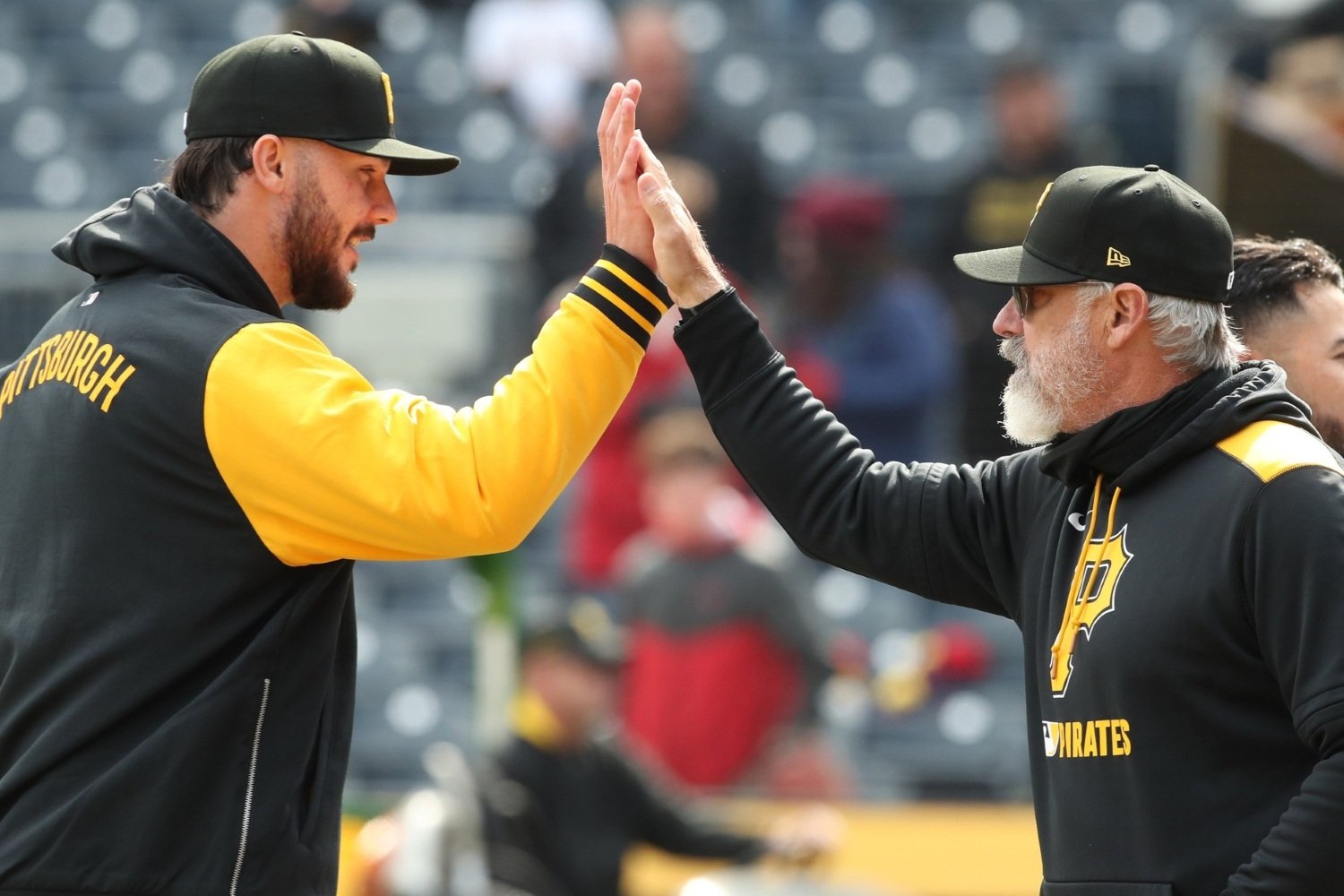 The Minnesota Twins appear set to bring a familiar face back into the fold, as multiple reports indicate Derek Shelton is expected to be named the team’s next manager. Shelton, who previously served as the Twins’ bench coach under Rocco Baldelli, spent most of the last six seasons managing the Pittsburgh Pirates. While his win-loss record in Pittsburgh may not jump off the page, his reputation for player development and leadership has earned him another opportunity to guide a major-league club. Shelton’s tenure with the Pirates was defined by the steady climb of a young roster learning to compete at the game’s highest level. The brightest example of his impact came in 2024, when top overall pick Paul Skenes burst onto the scene and instantly became one of the most dominant pitchers in baseball. Getting the Most Out of a Phenom When Skenes debuted for the Pirates, the hype surrounding him was almost impossible to live up to. A former No. 1 overall pick and college superstar, Skenes carried the expectations of a franchise desperate for an ace. Under Shelton’s leadership, he met those expectations—and even exceeded them. During his rookie season, Skenes went 11-3 with a 1.96 ERA in 23 starts, striking out 170 batters across 133 innings. He was even better in 2025, leading the NL in ERA (1.97), ERA+ (217), FIP (2.36), WHIP (0.95), and HR/9 (0.5). His combination of overpowering stuff and unwavering composure helped him become the front-runner for the 2025 National League Cy Young Award. Shelton’s approach was a key part of that success. He managed Skenes’s workload carefully, never pushing him too far too fast, and allowed the young right-hander to find his own rhythm within the structure of a big-league routine. At the same time, he allowed the young hurler to blossom into a true workhorse. “I don’t know if I’ve ever seen a rookie that poised,” Shelton said at last year’s MLB Winter Meetings. “To see the lack of emotion, I think right now if you call Paul Skenes, he’s ready for the season to start.” That poise became Skenes’s calling card, and Shelton deserves credit for helping him navigate the pressure of being the face of a rebuilding franchise. On a Pirates team that often struggled to provide run support or defensive consistency, Skenes remained the club’s constant. Even during losing streaks, his preparation and demeanor reflected the calm leadership Shelton preached. Leadership Through Adversity Shelton’s record with the Pirates was an ugly 306-440, but those numbers tell only part of the story. He took over in November 2019, during a full-scale franchise reset led by owner Bob Nutting. The first three years were grueling, with the club winning less than 40 percent of its games, including back-to-back 100-loss seasons. Yet, by 2023, there were clear signs of progress. Pittsburgh won 76 games and briefly flirted with playoff contention that summer, before a late-season slide. When Skenes arrived the following spring, the team’s energy changed. Shelton fostered a clubhouse culture that emphasized accountability and preparation, traits that became essential for a rookie handling enormous expectations. Even when the offense faltered in 2025 and the Pirates fell out of contention early, players continued to praise Shelton’s steadiness. When he was dismissed earlier this year, Skenes summed up the clubhouse sentiment perfectly. “Unfortunately, I wasn’t shocked,” he said. “Someone’s got to be held accountable, and unfortunately right now, it’s him. That’s just kind of how it goes, but I don’t know that it fixes the root of the issue, which is we need to play better.” Those words carried weight coming from a player Shelton had mentored so closely. They reflected mutual respect and the type of bond that can only form between a player and a manager who share a singular goal: maximizing potential. Returning to Minnesota with a Familiar Mission Now, Shelton is poised to bring that developmental mindset back to Minnesota. His first stint with the Twins helped shape Baldelli’s early success, particularly in building cohesive communication across a diverse roster. This time, the challenge will be different. The Twins are shifting toward a younger core, and Shelton’s ability to guide emerging stars could prove invaluable. The organization’s top prospect, Walker Jenkins, isn’t far from his major-league debut. Like Skenes, he will arrive with considerable expectations as a potential franchise cornerstone. Shelton’s experience managing a phenom through that type of pressure should serve him well. He knows how to balance patience with performance, and he understands the importance of nurturing both the physical and mental aspects of a young player’s transition to the big leagues. If Shelton can replicate even a fraction of the success he helped Skenes achieve, the Twins could be entering an exciting new chapter. A return to familiar surroundings, combined with a proven track record of getting the most out of elite talent, makes Shelton a fitting choice to lead Minnesota’s next wave of stars. What stands out most about the relationship between Shelton and Skenes? Leave a comment and start the discussion.
- 35 comments
-
- 4
-
-
- derek shelton
- paul skenes
- (and 2 more)
-
The Minnesota Twins appear set to bring a familiar face back into the fold, as multiple reports indicate Derek Shelton is expected to be named the team’s next manager. Shelton, who previously served as the Twins’ bench coach under Rocco Baldelli, has spent the last six seasons managing the Pittsburgh Pirates. While his win-loss record in Pittsburgh may not jump off the page, his reputation for player development and leadership has earned him another opportunity to guide a major league club. Shelton’s tenure with the Pirates was defined by the steady climb of a young roster learning to compete at the game’s highest level. The brightest example of his impact came in 2024, when top overall pick Paul Skenes burst onto the scene and instantly became one of the most dominant pitchers in baseball. Getting the Most Out of a Phenom When Skenes debuted for the Pirates, the hype surrounding him was almost impossible to live up to. A former No. 1 overall pick and college superstar, Skenes carried the expectations of a franchise desperate for an ace. Under Shelton’s leadership, he met those expectations and shattered them. During his rookie season, Skenes went 11-3 with a 1.96 ERA in 23 starts, striking out 170 batters across 133 innings. He was even better in 2025, leading the NL in ERA (1.97), ERA+ (217), FIP (2.36), WHIP (0.948), and HR/9 (0.5). His combination of overpowering stuff and unwavering composure helped him become the front-runner for the 2025 National League Cy Young Award. Shelton’s approach was a key part of that success. He managed Skenes’ workload carefully, never pushing him too far too fast, and allowed the young right-hander to find his own rhythm within the structure of a big-league routine. “I don’t know if I’ve ever seen a rookie that poised,” Shelton said at last year’s MLB Winter Meetings. “To see the lack of emotion, I think right now if you call Paul Skenes, he’s ready for the season to start.” That poise became Skenes’ calling card, and Shelton deserves credit for helping him navigate the pressure of being the face of a rebuilding franchise. On a Pirates team that often struggled to provide run support or defensive consistency, Skenes remained the club’s constant. Even during losing streaks, his preparation and demeanor reflected the calm leadership Shelton preached. Leadership Through Adversity Shelton’s record with the Pirates sits at 306-440, but those numbers tell only part of the story. He took over in November 2019 during a full-scale franchise reset led by owner Bob Nutting. The first three years were grueling, with the club winning less than 40 percent of its games, including back-to-back 100-loss seasons. Yet, by 2023, there were clear signs of progress. Pittsburgh won 76 games and briefly flirted with playoff contention before a late-season slide. When Skenes arrived the following spring, the team’s energy changed. Shelton fostered a clubhouse culture that emphasized accountability and preparation, traits that became essential for a rookie handling enormous expectations. Even when the offense faltered in 2025 and the Pirates fell out of contention early, players continued to praise Shelton’s steadiness. When he was dismissed earlier this year, Skenes summed up the clubhouse sentiment perfectly. “Unfortunately, I wasn’t shocked,” he said. “Someone’s got to be held accountable, and unfortunately right now, it’s him. That’s just kind of how it goes, but I don’t know that it fixes the root of the issue, which is we need to play better.” Those words carried weight coming from a player Shelton had mentored so closely. They reflected mutual respect and the type of bond that can only form between a player and a manager who share a singular goal: maximizing potential. Returning to Minnesota with a Familiar Mission Now, Shelton is poised to bring that developmental mindset back to Minnesota. His first stint with the Twins helped shape Baldelli’s early success, particularly in building cohesive communication across a diverse roster. This time, the challenge will be different. The Twins are shifting toward a younger core, and Shelton’s ability to guide emerging stars could prove invaluable. The organization’s top prospect, Walker Jenkins, isn’t far from his major league debut. Like Skenes, he will arrive with considerable expectations as a potential franchise cornerstone. Shelton’s experience managing a phenom through that type of pressure should serve him well. He knows how to balance patience with performance, and he understands the importance of nurturing both the physical and mental aspects of a young player’s transition to the big leagues. If Shelton can replicate even a fraction of the success he helped Skenes achieve, the Twins could be entering an exciting new chapter. A return to familiar surroundings, combined with a proven track record of getting the most out of elite talent, makes Shelton a fitting choice to lead Minnesota’s next wave of stars. What stands out most about the relationship between Shelton and Skenes? Leave a comment and start the discussion. View full article
-
Image courtesy of © Tim Heitman-Imagn Images When the Twins announced that they were moving on from Rocco Baldelli, the team said it was time for a “fresh perspective” and “new energy.” Less than three weeks later, that fresh perspective apparently includes someone who sounds, looks, and even acts an awful lot like the guy they just fired. Multiple sources have confirmed that among the finalists for the Twins’ managerial opening is a mysterious candidate named Rocky Baldellini, who interviewed earlier this week. According to those in attendance, Baldellini arrived at Target Field wearing a neatly pressed Twins polo, a faint New England accent, and a mustache that “appeared to have been purchased from a Halloween store clearance bin.” “We were really impressed with his familiarity with our roster, our developmental philosophy, and our clubhouse dynamics,” said Twins president of baseball operations Derek Falvey. “He knew everyone’s name, remembered every bullpen usage pattern from the last two years, and even referenced a team meeting we had in July 2023. It’s like he’s been here before.” When asked about his managerial style, Baldellini offered answers that sounded strikingly similar to those of his almost-namesake predecessor. “I believe in collaboration, process, and trusting our data,” he told reporters. “I also think managing workloads is important. I just have this deep, inexplicable understanding of how the Twins handle pitching changes.” Reporters pressed him on his uncanny resemblance to the recently dismissed skipper, but Baldellini quickly brushed it off. “People say I look like a lot of guys,” he said, adjusting his conspicuously peeling mustache. “But I’m my own person. Totally different guy. I even spell my name with an extra ‘i.’” Inside sources say the interview ended with Baldellini sharing a heartfelt story about overcoming adversity following a promising playing career cut short by injury, something that really resonated with the Twins’ front office. “It was powerful,” said Falvey. “You just do not meet many managerial candidates who happen to have the exact same career trajectory, philosophy, and speaking cadence as Rocco Baldelli. It’s uncanny.” When asked if the mustache might have been a disguise, Falvey declined to speculate but admitted it was “surprisingly distracting.” “Look, we’re focused on finding the best leader for our team,” he said. “If that person just happens to have the same face as Rocco with some new facial hair, we’ll cross that bridge when we get there.” As for next steps, the Twins plan to continue their “thorough and thoughtful” search process before making a final decision. However, one front office member admitted that Baldellini made quite the impression. “We came into this process wanting change,” he said. “But maybe what we really want is change that looks almost exactly like what we had before—just with a mustache.” When asked if he had any final words for Twins fans, Baldellini smiled and replied, “I just hope they give me a chance. After all, how often do you get a second chance to make a first impression?” Hey. Wait a minute. View full article
-
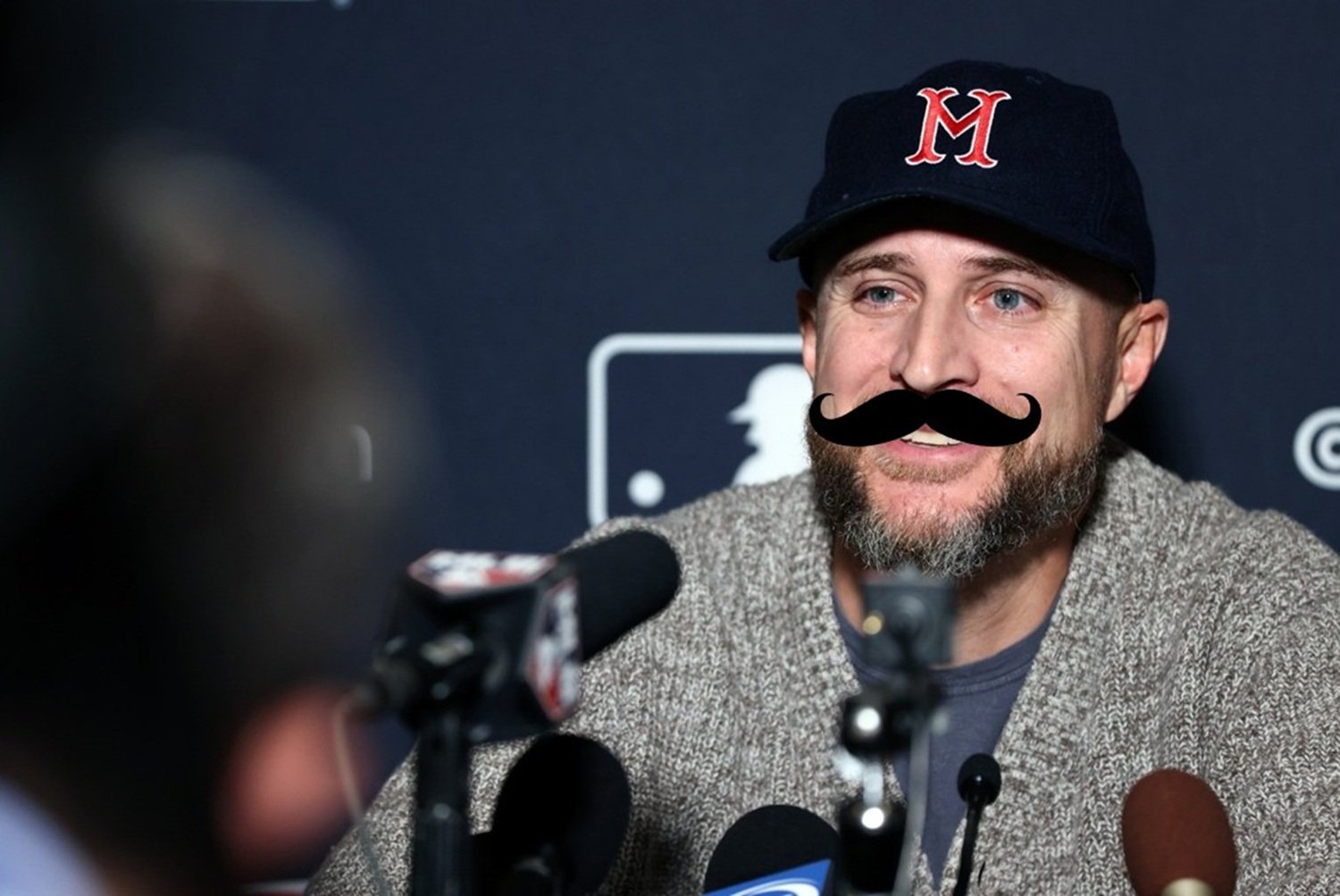 When the Twins announced that they were moving on from Rocco Baldelli, the team said it was time for a “fresh perspective” and “new energy.” Less than three weeks later, that fresh perspective apparently includes someone who sounds, looks, and even acts an awful lot like the guy they just fired. Multiple sources have confirmed that among the finalists for the Twins’ managerial opening is a mysterious candidate named Rocky Baldellini, who interviewed earlier this week. According to those in attendance, Baldellini arrived at Target Field wearing a neatly pressed Twins polo, a faint New England accent, and a mustache that “appeared to have been purchased from a Halloween store clearance bin.” “We were really impressed with his familiarity with our roster, our developmental philosophy, and our clubhouse dynamics,” said Twins president of baseball operations Derek Falvey. “He knew everyone’s name, remembered every bullpen usage pattern from the last two years, and even referenced a team meeting we had in July 2023. It’s like he’s been here before.” When asked about his managerial style, Baldellini offered answers that sounded strikingly similar to those of his almost-namesake predecessor. “I believe in collaboration, process, and trusting our data,” he told reporters. “I also think managing workloads is important. I just have this deep, inexplicable understanding of how the Twins handle pitching changes.” Reporters pressed him on his uncanny resemblance to the recently dismissed skipper, but Baldellini quickly brushed it off. “People say I look like a lot of guys,” he said, adjusting his conspicuously peeling mustache. “But I’m my own person. Totally different guy. I even spell my name with an extra ‘i.’” Inside sources say the interview ended with Baldellini sharing a heartfelt story about overcoming adversity following a promising playing career cut short by injury, something that really resonated with the Twins’ front office. “It was powerful,” said Falvey. “You just do not meet many managerial candidates who happen to have the exact same career trajectory, philosophy, and speaking cadence as Rocco Baldelli. It’s uncanny.” When asked if the mustache might have been a disguise, Falvey declined to speculate but admitted it was “surprisingly distracting.” “Look, we’re focused on finding the best leader for our team,” he said. “If that person just happens to have the same face as Rocco with some new facial hair, we’ll cross that bridge when we get there.” As for next steps, the Twins plan to continue their “thorough and thoughtful” search process before making a final decision. However, one front office member admitted that Baldellini made quite the impression. “We came into this process wanting change,” he said. “But maybe what we really want is change that looks almost exactly like what we had before—just with a mustache.” When asked if he had any final words for Twins fans, Baldellini smiled and replied, “I just hope they give me a chance. After all, how often do you get a second chance to make a first impression?” Hey. Wait a minute.
 -
When Will It Happen Again? Predicting the Twins’ Next World Series Window
Cody Christie posted an article in Twins
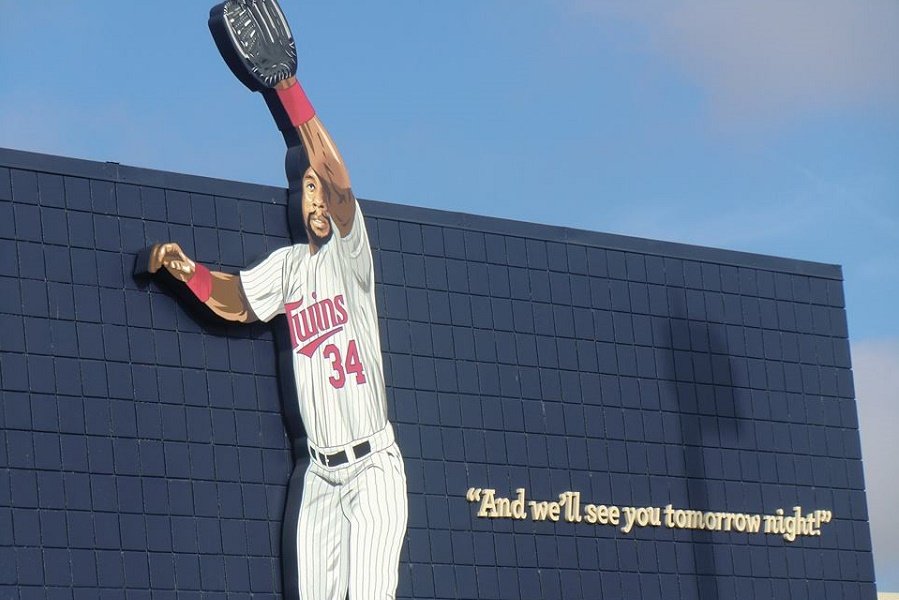 It's been more than three decades since the Minnesota Twins last celebrated on baseball’s biggest stage. The memories of 1987 and 1991 have faded into nostalgia. Fans have watched the years roll by, with only flashes of postseason success. After the club’s back-to-back disappointing seasons in 2024 and 2025, the search for the next renaissance of Twins baseball is officially on. But how long will it take for that rebirth to mature into a parade down Hennepin Avenue? A Franchise Searching for the Next Peak As one of baseball’s small- to mid-market franchises, the Twins have always had to show resilience and resourcefulness. With championships in 1987 and 1991, they’ve experienced highs that some organizations never reach. Yet, since that magical Game 7 win over Atlanta, the postseason story has mostly been one of frustration. Minnesota has built some strong teams, even breaking its playoff losing streak in 2023, but sustained October success has remained elusive. The key question is whether the current front office and player development group can turn another cycle of talent into something lasting. The organization’s next era will depend on a few familiar pillars: developing homegrown pitching, balancing payroll with smart acquisitions, and building the kind of depth that holds up under injuries and pressure. To explore what might come next, let's explore three potential team-building paths the team might pursue: “Aggressive Rebuild”, “Moderate Build”, and “Stalled Build.” Each scenario estimates the Twins' likelihood of winning the World Series between now and 2040, based on factors including player development success and front-office performance. Aggressive Rebuild In an “Aggressive Rebuild,” the front office and ownership commit to short-term pain for long-term gain. That means developing top-tier prospects quickly, moving veterans for young talent, and being bold on the trade market. This model gives the Twins a chance to win, but it likely pushes their window of real and substantial opportunity to at least five years from now. For the Twins, that approach in the winter following the 2025 season would likely mean difficult decisions on several familiar faces. Players nearing free agency or arbitration spikes could be traded for controllable prospects (e.g., Joe Ryan, Ryan Jeffers), while the club leans heavily on its player development pipeline. It might involve dealing an established starter or a middle-of-the-order bat to replenish depth at the Double-A and Triple-A levels. The team should take a step back standings-wise in 2026, but the goal is to build a young, cost-controlled roster that peaks together by the end of the decade. Moderate Build A “Moderate Build” scenario is a steadier approach. The Twins make gradual improvements, while maintaining a competitive roster—a philosophy similar to the current one. In this case, the World Series odds climb more slowly, because the team is caught between contender and pretender. For the Twins, a “Moderate build” this winter would mean staying the course, rather than tearing things down. The front office could focus on more minor but targeted upgrades, perhaps adding a mid-rotation starter or a reliable bullpen arm while keeping the core of the roster intact. Younger players such as Brooks Lee and Luke Keaschall would be expected to take on larger roles, while veterans like Byron Buxton or Pablo López would remain key pieces. This approach also includes signing short-term deals with bounce-back candidates to maintain flexibility for future offseasons. The goal would be to stay competitive in the AL Central, contend for playoff spots, and hope that the next internal wave of talent matures into a championship-caliber core within the next several seasons. Stalled Build The “Stalled Build” paints a bleaker picture. If development falters or payroll limits restrict progress, Minnesota’s chances linger in the low single digits for much of the next decade. Even by 2040, the probability of a championship remains low in this scenario. If the Twins fall into a “Stalled Build” this offseason, it would likely mean another quiet winter, with minimal roster movement. Financial constraints could keep the team from pursuing top free agents, while hesitation to trade key players might leave the roster stuck in the middle, good enough to hover around .500 but not to truly contend. Prospect development could slow as young players are rushed or blocked, and the lack of significant additions might frustrate both fans and veterans in the clubhouse. In this version of events, 2026 becomes another year of waiting, with the organization treading water rather than taking meaningful steps toward a championship window, be it near or far. The Most Likely Window So, when might it finally happen? Based on historical context and projections for next season, the most likely window for a Twins championship falls after 2031. That gives the team a few years to rebuild momentum, develop its next wave of talent, and align a roster capable of surviving the postseason gauntlet. There are plenty of unknowns that could shift the timeline. A breakout from a young core player, a smart trade for (or of) a frontline starter, or an unexpected free-agent splash could accelerate the clock. On the other hand, another cycle of injuries, regression, or conservative roster decisions could push the wait even longer. Much hinges, for instance, on who the new minority owners of the team are, and how much their investment will encourage the team to increase spending in the medium-term future. The road back to the World Series is long, but Twins fans have been down this road before. The franchise’s greatest triumphs came when young stars rose together and the organization trusted its process. If that formula returns, the next celebration might not be as far away as it feels. Maybe it will happen in 2031. Maybe it will come earlier. What’s certain is that when it finally comes, it will feel just as magical as the first time the Metrodome erupted under a cloud of confetti—if only, alas, because many of the celebrants will be too young to remember when that happened, more than a generation ago. Can the Twins win the World Series in the next decade? Leave a comment and start the discussion.
- 64 comments
-
- 1
-
-
- byron buxton
- pablo lopez
- (and 2 more)
-
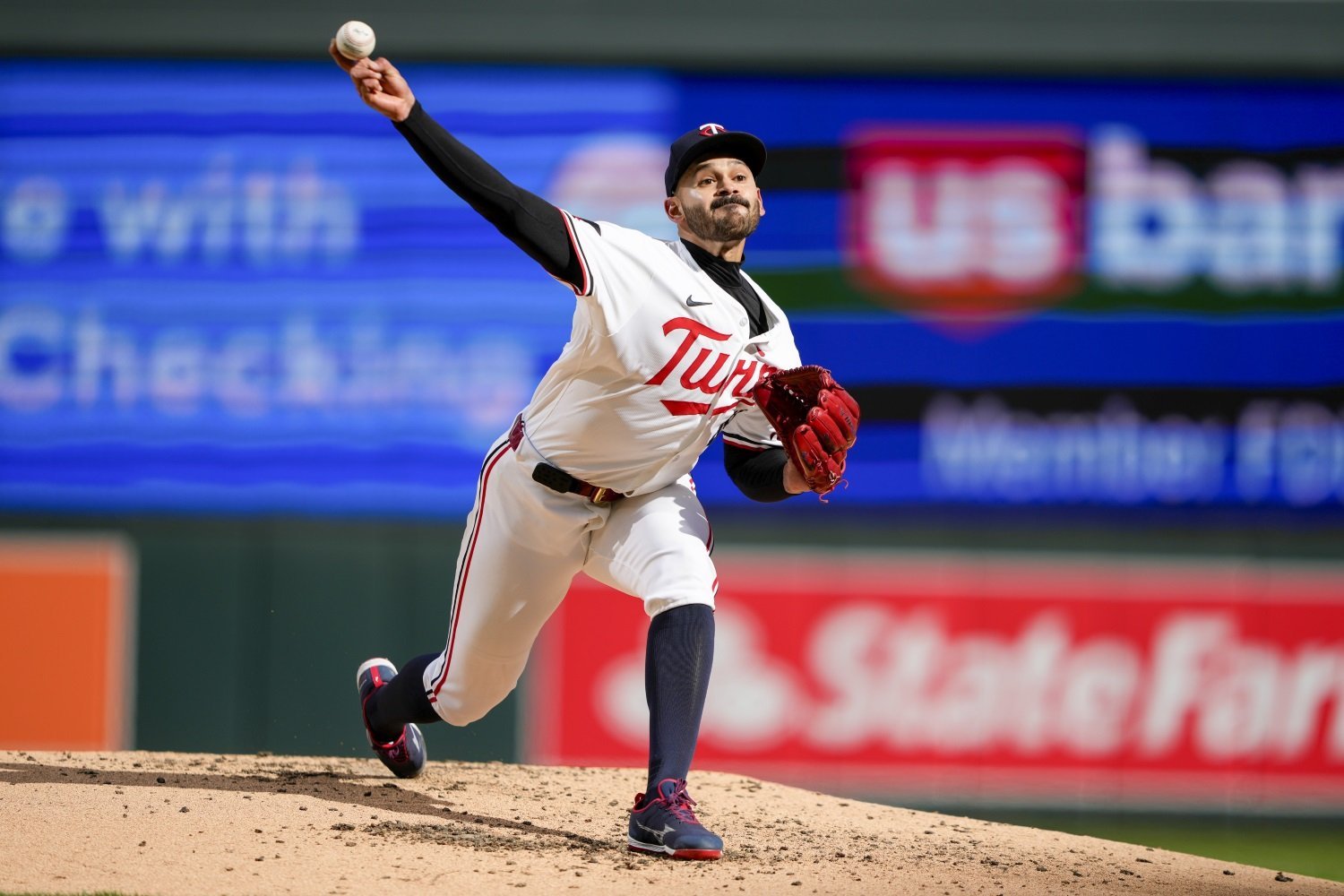 The Minnesota Twins enter this offseason facing a familiar but unsettling question: how low will ownership let payroll go? After consecutive disappointing seasons and amid shrinking local TV revenues, the front office is navigating a financial landscape far different from the one that fueled their 2023 postseason run. The organization has long operated with a mid-market mindset, but the tone this winter suggests a more dramatic pullback could be on the way. Across baseball, payroll flexibility has become a buzzword, often serving as a polite way of saying “spend less.” For the Twins, that 'flexibility' could turn into a euphemism for rigidity and constraint. With ownership hinting at reductions and early projections showing significant cuts, fans are bracing for a quieter offseason. While Minnesota has never been a major spender, it’s rare for the franchise to face such visible belt-tightening following years of on-field progress and roster investment. FanGraphs’s Jon Becker, who manages the site’s Roster Resource payroll pages, recently outlined just how far things could theoretically fall. His analysis underscores a point many around baseball have suspected: while the Twins aren’t headed for a complete teardown, ownership’s directive could push the payroll into uncomfortable territory. The Current Payroll Picture FanGraphs currently projects Minnesota’s payroll at roughly $95 million, a steep decline from last year’s $136 million. That total already represents a significant step back for a team that, just a year ago, looked like a division favorite. Even so, Becker noted, “In theory, you can get through a season with a payroll of, say, $30–40 million if you were committed to cheapness, though of course they’re not going to actually go that low.” Minnesota’s only guaranteed contracts are tied to Pablo López ($21.5 million) and Byron Buxton ($15 million). MLB Trade Rumors has also posted the team’s projected arbitration salaries, which are obviously tied to the team’s bottom line. Ryan Jeffers ($6.6 million), Joe Ryan ($5.8 million), Trevor Larnach ($4.7 million), Bailey Ober ($4.6 million), and Royce Lewis ($3 million) are the highest projected arbitration salaries. Out of this group, Larnach is the lone player who is a non-tender candidate. Non-Tender and Option Decisions If Minnesota truly wanted to operate on a bare-bones budget, additional trimming would be possible. The current projection doesn’t include decisions on players like Justin Topa, who could have his option picked up or go through arbitration, but it paints a clear picture of contraction. The Twins need bullpen arms, so it seems likely for Topa to be on the team in some capacity. Becker also mentioned that non-tendering likely candidates like Michael Tonkin, Génesis Cabrera, and Anthony Misiewicz would be part of the equation. Those decisions alone could save an estimated $4.5 million and open spots for younger, league-minimum players. The Twins have shown a willingness in recent years to churn through low-cost relievers, so cutting loose fringe bullpen pieces would fit their recent operational pattern. Moving Core Players Even with those non-tenders, Becker suggested that Minnesota could push the payroll even lower. “They very well could get under $110 million even if Buxton insists on staying, by moving López, Jeffers, and Ryan,” he said. Trading any of those players would dramatically reshape the roster and send a clear message that a reset is underway. López remains under team control for two seasons, and Ryan and Jeffers are both controllable contributors who would bring back strong returns. Those types of moves would prioritize long-term flexibility and prospect depth over immediate competitiveness. Reviewing the Deadline Deals Becker also pointed out why a total teardown might not make much sense. “I’m not sure I expect that much of a blow-up, since they got a lot of MLB-ready guys in the trades (at the deadline),” he wrote. At the 2025 deadline, Minnesota focused on acquiring players who could contribute soon, not just prospects for the distant future. Many of the players the Twins acquired were at Double A or higher, including Hendry Mendez, Mick Abel, Ryan Gallagher, Sam Armstrong, Taj Bradley, James Outman, Kendry Rojas and Alan Roden. That approach signaled the organization’s intent to remain somewhat competitive while managing financial realities. It could allow them to trim payroll while maintaining a respectable big-league roster filled with younger, cost-controlled talent. As the winter unfolds, the Twins front office faces a delicate balance between budgetary restraint and fielding a credible team. The direction ownership takes will reveal whether this is a one-year reset, or the start of a longer austerity era in Minnesota baseball. What is your estimate for next year’s payroll? Leave a comment and start the discussion.
- 63 comments
-
- 3
-
-
- byron buxton
- pablo lopez
- (and 4 more)
-
Image courtesy of © Jesse Johnson-Imagn Images The Minnesota Twins enter this offseason facing a familiar but unsettling question: how low will ownership let payroll go? After consecutive disappointing seasons and amid shrinking local TV revenues, the front office is navigating a financial landscape far different from the one that fueled their 2023 postseason run. The organization has long operated with a mid-market mindset, but the tone this winter suggests a more dramatic pullback could be on the way. Across baseball, payroll flexibility has become a buzzword, often serving as a polite way of saying “spend less.” For the Twins, that 'flexibility' could turn into a euphemism for rigidity and constraint. With ownership hinting at reductions and early projections showing significant cuts, fans are bracing for a quieter offseason. While Minnesota has never been a major spender, it’s rare for the franchise to face such visible belt-tightening following years of on-field progress and roster investment. FanGraphs’s Jon Becker, who manages the site’s Roster Resource payroll pages, recently outlined just how far things could theoretically fall. His analysis underscores a point many around baseball have suspected: while the Twins aren’t headed for a complete teardown, ownership’s directive could push the payroll into uncomfortable territory. The Current Payroll Picture FanGraphs currently projects Minnesota’s payroll at roughly $95 million, a steep decline from last year’s $136 million. That total already represents a significant step back for a team that, just a year ago, looked like a division favorite. Even so, Becker noted, “In theory, you can get through a season with a payroll of, say, $30–40 million if you were committed to cheapness, though of course they’re not going to actually go that low.” Minnesota’s only guaranteed contracts are tied to Pablo López ($21.5 million) and Byron Buxton ($15 million). MLB Trade Rumors has also posted the team’s projected arbitration salaries, which are obviously tied to the team’s bottom line. Ryan Jeffers ($6.6 million), Joe Ryan ($5.8 million), Trevor Larnach ($4.7 million), Bailey Ober ($4.6 million), and Royce Lewis ($3 million) are the highest projected arbitration salaries. Out of this group, Larnach is the lone player who is a non-tender candidate. Non-Tender and Option Decisions If Minnesota truly wanted to operate on a bare-bones budget, additional trimming would be possible. The current projection doesn’t include decisions on players like Justin Topa, who could have his option picked up or go through arbitration, but it paints a clear picture of contraction. The Twins need bullpen arms, so it seems likely for Topa to be on the team in some capacity. Becker also mentioned that non-tendering likely candidates like Michael Tonkin, Génesis Cabrera, and Anthony Misiewicz would be part of the equation. Those decisions alone could save an estimated $4.5 million and open spots for younger, league-minimum players. The Twins have shown a willingness in recent years to churn through low-cost relievers, so cutting loose fringe bullpen pieces would fit their recent operational pattern. Moving Core Players Even with those non-tenders, Becker suggested that Minnesota could push the payroll even lower. “They very well could get under $110 million even if Buxton insists on staying, by moving López, Jeffers, and Ryan,” he said. Trading any of those players would dramatically reshape the roster and send a clear message that a reset is underway. López remains under team control for two seasons, and Ryan and Jeffers are both controllable contributors who would bring back strong returns. Those types of moves would prioritize long-term flexibility and prospect depth over immediate competitiveness. Reviewing the Deadline Deals Becker also pointed out why a total teardown might not make much sense. “I’m not sure I expect that much of a blow-up, since they got a lot of MLB-ready guys in the trades (at the deadline),” he wrote. At the 2025 deadline, Minnesota focused on acquiring players who could contribute soon, not just prospects for the distant future. Many of the players the Twins acquired were at Double A or higher, including Hendry Mendez, Mick Abel, Ryan Gallagher, Sam Armstrong, Taj Bradley, James Outman, Kendry Rojas and Alan Roden. That approach signaled the organization’s intent to remain somewhat competitive while managing financial realities. It could allow them to trim payroll while maintaining a respectable big-league roster filled with younger, cost-controlled talent. As the winter unfolds, the Twins front office faces a delicate balance between budgetary restraint and fielding a credible team. The direction ownership takes will reveal whether this is a one-year reset, or the start of a longer austerity era in Minnesota baseball. What is your estimate for next year’s payroll? Leave a comment and start the discussion. View full article
-
Image courtesy of Seth Stohs, Twins Daily It has been more than three decades since the Minnesota Twins last celebrated on baseball’s biggest stage. The memories of 1987 and 1991 have faded into nostalgia, while fans have watched the years roll by with only flashes of postseason success. After the club’s back-to-back disappointing seasons in 2024 and 2025, the search for the next chapter of Twins baseball is officially on. But how long will it take for that chapter to include a parade down Hennepin Avenue? A Franchise Searching for the Next Peak The Twins have shown resilience as one of baseball’s small- to mid-market franchises. With championships in 1987 and 1991, they’ve experienced the highs that some organizations never reach. Yet, since that magical Game 7 win over Atlanta, the postseason story has mostly been one of frustration. Minnesota has built some strong teams, even breaking its playoff losing streak in 2023, but sustained October success has remained elusive. The key question is whether this current front office and player development group can turn another cycle of talent into something lasting. The organization’s next era will depend on a few familiar pillars: developing homegrown pitching, balancing payroll with smart acquisitions, and building the kind of roster depth that holds up under injuries and pressure. To explore what might come next, there are three potential team-building paths to explore: “Aggressive Rebuild”, “Moderate Build”, and “Stalled Build.” Each scenario estimates the Twins' likelihood of winning the World Series between now and 2040, based on factors including player development success and front-office performance. Aggressive Rebuild In an “Aggressive Rebuild,” the front office and ownership commit to short-term pain for long-term gain. That means developing top-tier prospects quickly, moving veterans for young talent, and being bold on the trade market. This model gives the Twins a chance to win, but it likely pushes their window of opportunity to at least 5 years from now. For the Twins, that approach in the winter following the 2025 season would likely mean difficult decisions on several familiar faces. Players nearing free agency or arbitration spikes could be traded for controllable prospects (e.g., Joe Ryan, Ryan Jeffers), while the club leans heavily on its player development pipeline. It might involve dealing an established starter or a middle-of-the-order bat to replenish depth at the Double-A and Triple-A levels. The team should take a step back standings-wise in 2026, but the goal is to build a young, cost-controlled roster that peaks together by the end of the decade. Moderate Build A “Moderate Build” scenario follows a steadier approach. The Twins make gradual improvements while maintaining a competitive roster, a philosophy similar to the current one. In this case, the World Series odds climb more slowly because the team is caught between contender and pretender. For the Twins, a “Moderate Rebuild” this winter would mean staying the course rather than tearing things down. The front office could focus on more minor but targeted upgrades, perhaps adding a mid-rotation starter or a reliable bullpen arm while keeping the core of the roster intact. Younger players such as Brooks Lee and Luke Keaschall would be expected to take on larger roles, while veterans like Byron Buxton or Pablo Lopez would remain key pieces. This approach also includes signing short-term deals with bounce-back candidates to maintain flexibility for future offseasons. The goal would be to stay competitive in the AL Central, contend for playoff spots, and hope that the next internal wave of talent matures into a championship-caliber core within the next several seasons. Stalled Build The “Stalled Build” paints a bleaker picture. If development falters or payroll limits restrict progress, Minnesota’s chances linger in the low single digits for much of the next decade. Even by 2040, the probability of a championship remains low in this scenario. If the Twins fall into a “Stalled Build” this offseason, it would likely mean another quiet winter with minimal roster movement. Financial constraints could keep the team from pursuing top free agents, while hesitation to trade key players might leave the roster stuck in the middle, good enough to hover around .500 but not built to truly contend. Prospect development could slow as young players are rushed or blocked, and the lack of significant additions might frustrate both fans and veterans in the clubhouse. In this version of events, 2026 becomes another year of waiting, with the organization treading water rather than taking meaningful steps toward a championship window. The Most Likely Window So, when might it finally happen? Based on historical context and projections for next season, the most likely window for a Twins championship falls after 2031. That gives the team a few years to rebuild momentum, develop its next wave of talent, and align a roster capable of surviving the postseason gauntlet. There are plenty of unknowns that could shift the timeline. A breakout from a young core player, a smart trade for a frontline starter, or an unexpected free-agent splash could accelerate the clock. On the other hand, another cycle of injuries, regression, or conservative roster decisions could push the wait even longer. The road back to the World Series is long, but Twins fans have been down this road before. The franchise’s greatest triumphs came when young stars rose together and the organization trusted its process. If that formula returns, the next celebration might not be as far away as it feels. Maybe it will happen in 2031. Maybe earlier. What’s certain is that when it finally comes, it will feel just as magical as the first time the Metrodome erupted under a cloud of confetti. Can the Twins win the World Series in the next decade? Leave a comment and start the discussion. View full article
-
Image courtesy of © Bruce Kluckhohn-Imagn Images In a move that has left Major League Baseball’s front offices confused, amused, and deeply uncomfortable, the Minnesota Twins have officially filed paperwork to initiate the rarely used “Takesies Backsies” clause on their trade with the Toronto Blue Jays. The clause, reportedly scribbled in the margins of an old CBA draft and written in crayon, allows a team to reclaim a player if “vibes change dramatically” after the trade is completed. Minnesota dealt right-hander Louis Varland to the Blue Jays at the trade deadline in exchange for outfielder Alan Roden and lefty prospect Kendry Rojas. The Twins were initially thrilled, with one front office source saying they “couldn’t wait to see Varland thrive somewhere else while we tried to convince ourselves it was part of the plan.” However, after Toronto’s stunning run to the World Series, the Twins’ enthusiasm cooled. Roden hit just .158 with the Twins and Rojas reportedly gave up five runs in a simulated inning against a lineup made up of Twins employees from the analytics department. That was enough for the front office to act. “Yeah, look, at the time we thought it made sense,” Twins President of Baseball Operations Derek Falvey said, nervously shuffling a pile of old Little League rulebooks. “But then we watched the Blue Jays pop champagne on TV and thought, wait a second… that guy used to pitch for us. So, we called MLB and asked if we could, you know, undo it. They said no at first, but then we said ‘Takesies backsies,’ and they had to honor it. It’s in the rulebook somewhere. Probably.” Varland, who pitched multiple high-leverage innings in the ALCS for Toronto and reportedly became the clubhouse dog barker, was less than thrilled to hear the news. “I just figured I was, you know, in Canada now,” Varland said. “They even taught me how to apologize properly. But I guess I’ll go back to Minnesota if they really want me. I still have the keycard for Target Field, I think.” Toronto’s front office seemed baffled by the development. General Manager Ross Atkins appeared on Sportsnet shaking his head in disbelief. “We’ve had some tough trades before, but no one’s ever tried to use playground rules to undo one. We’re not sure if this is legal, but MLB told us to just roll with it until they find the right section of the Collective Bargaining Agreement that deals with ‘do-overs.’” Roden was equally confused. “They told me to unpack, then repack, then unpack again,” he said. “At this point, I just want to know which team’s group chat I’m supposed to be in.” The Twins maintain that this is not a reflection on Roden or Rojas, but rather on their bullpen situation heading into 2026. “We’re just realizing that we actually need pitchers who can get major league hitters out,” Falvey explained. “It’s something we probably should’ve thought about before trading one who could.” When reached for comment, MLB Commissioner Rob Manfred confirmed that this situation is “unprecedented but technically permissible under Rule 9.2.3-B, which states that all trades can be reconsidered if the regret reaches at least a 9 out of 10 on the panic scale.” As the Twins prepare to reacquaint themselves with Varland, the mood around Target Field remains awkward. “We’re all pretending this is normal,” one coach said. “We’re setting up a ‘Welcome Back, Louis’ banner, but we still have the ‘Thanks for Everything, Louis’ one hanging right next to it. It’s confusing for everyone.” The team hopes to have the matter resolved before spring training. Until then, Falvey says the front office will continue to review all trades made in the last five years, “just to see if we can call any more do-overs. “If the Brewers can reinvent themselves every season,” Falvey said, “why can’t we just rewind ours?” View full article


