


Twins Video
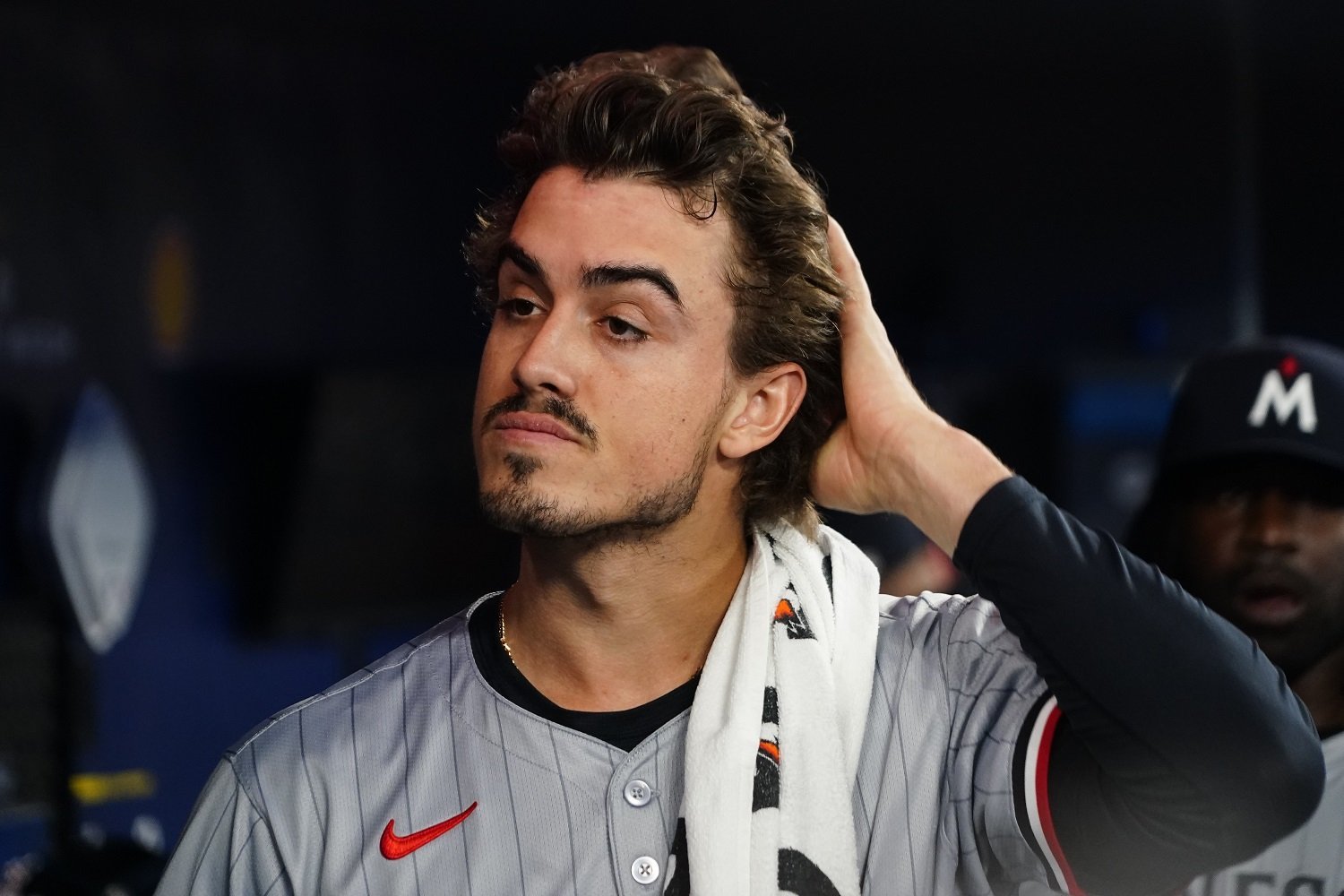
The Minnesota Twins have a solid rotation foundation heading into 2025, but stability can be fleeting. Injuries, inconsistency, and expiring contracts can quickly turn strengths into question marks. Joe Ryan has emerged as one of the club's most reliable arms when healthy. With three years of team control remaining, the Twins face a familiar question: Should they look to extend Ryan beyond the 2027 season?
The Twins acquired Ryan from the Tampa Bay Rays for Nelson Cruz’s expiring contract in 2021, and that deal is shaping up to be one of the most lopsided trades in team history. Ryan has emerged as an effective big-league starter with the potential to still develop into an ace. Young, controllable starting pitching can be the lifeblood of a competitive organization, and that’s why it makes sense for the Twins to consider Ryan for an extension.
Last season, Ryan posted a 3.60 ERA (115 ERA+) with a 0.96 WHIP and a 27.3% strikeout rate. It was arguably his best season at the big-league level, thanks especially to his emerging ability to fill up the strike zone; he walked a career-low 4.3% of opposing batters. In early August, though, he left a start against the Chicago Cubs with a Grade 2 teres major strain behind his right shoulder. The injury ended his season, which meant the Twins were forced to rely on three rookie starters for the remainder of the second half.
Extending Ryan wouldn’t be about locking down an ace, but solidifying a durable piece of the rotation puzzle. Ryan debuted during his age-25 season, so the Twins already have him under team control into his early 30s. With the growing cost of free-agent pitching, the Twins could strike early and save themselves significant financial headaches in future seasons.
A few recent deals stand out as comparable to what Ryan might look for in an extension:
- Logan Webb (San Francisco Giants): Entering 2023, Webb agreed to a five-year, $90-million extension with the Giants. This deal covers his remaining arbitration years and extends into his free-agent eligibility, ensuring his presence in the Giants' rotation through at least the 2028 season.
- Luis Castillo (Seattle Mariners): After acquiring him at the 2022 trade deadline, the Mariners locked up Castillo on a five-year, $108-million deal with a vesting option for a sixth year. Castillo was a year closer to free agency than Ryan is, but the example is illustrative, especially because Castillo is a fellow low-slot slinger with a riding fastball and a tight slider.
- Mitch Keller (Pittsburgh Pirates): Keller and the Pirates agreed to a five-year, $77-million extension on Feb. 22, 2024. He was coming off an All-Star season and is only a couple months older than Ryan. This extension covers his arbitration period and secures his role with the team into his early free-agent years.
Why Joe Ryan Would Want to Sign an Extension
While some players prefer to bet on themselves in arbitration, Ryan has compelling reasons to consider an early deal:
- Injury Concerns: Ryan has missed time in the last two seasons, including extended IL stints. An extension would provide financial security in case future injuries derail his trajectory.
- Age: Ryan is older than most players with his level of service time, due to his non-traditional path to the majors. He would hit free agency in his early 30s, a risky age for pitchers seeking long-term deals.
- Rising Market for Starters: Extensions are increasingly popular among pitchers looking to avoid the uncertainty of arbitration and free agency. A deal now could offer Ryan both stability and a fair value for his contributions.
Why the Twins Would Want to Sign Him Long-Term
For Minnesota, an extension for Ryan makes sense for several reasons:
- Cost Certainty: By locking Ryan in now, the Twins can avoid escalating arbitration salaries and secure a predictable payroll figure for years to come.
- Rotation Stability: Minnesota has helped Ryan develop into a playoff-caliber starter, and the club will need long-term solutions in the rotation. While prospects like David Festa and Simeon Woods Richardson offer promise, Ryan provides proven value.
- Team-Friendly Upside: If Ryan continues to improve, especially as he refines his fastball usage, the Twins could benefit from significant surplus value on an early extension. He’s already shown a knack for missing bats and generating weak contact, two hallmarks of a reliable starter.
- Avoiding the Free Agent Market: Finding dependable mid-rotation arms in free agency can be expensive. Ryan’s potential free-agent price tag could exceed what the Twins are willing to pay, making an extension a proactive move.
The Twins have no immediate pressure to extend Ryan, but waiting could be costly. If Ryan stays healthy and continues to perform, his arbitration salaries will rise, and his free-agent value will soar. An extension would allow Minnesota to mitigate that risk while rewarding one of their most productive pitchers.
For Ryan, an early deal offers financial security and the chance to be a cornerstone of the Twins’ rotation. For Minnesota, it’s an opportunity to lock in a reliable starter at a manageable price, which is a move that has paid dividends for other organizations. The Twins could also approach Bailey Ober with a similar contract extension.
If the Twins believe Ryan can anchor their rotation for the next several years, a well-timed extension could be a win-win for both sides. Should the Twins extend Ryan? Leave a comment and start the discussion.







Recommended Comments
Create an account or sign in to comment
You need to be a member in order to leave a comment
Create an account
Sign up for a new account in our community. It's easy!
Register a new accountSign in
Already have an account? Sign in here.
Sign In Now