Cody Christie
-
Posts
7,810 -
Joined
-
Last visited
-
Days Won
5
Content Type
Profiles
News
Minnesota Twins Videos
2026 Minnesota Twins Top Prospects Ranking
2022 Minnesota Twins Draft Picks
Minnesota Twins Free Agent & Trade Rumors, Notes, & Tidbits
Guides & Resources
2023 Minnesota Twins Draft Picks
The Minnesota Twins Players Project
2024 Minnesota Twins Draft Picks
2025 Minnesota Twins Draft Pick Tracker
2026 Minnesota Twins Draft Tracker: Picks & Bonuses
Forums
Blogs
Events
Store
Downloads
Gallery
Everything posted by Cody Christie
-
 Image courtesy of © Jonathan Dyer-Imagn Images When the Twins selected Brandon Winokur in the third round of the 2023 MLB Draft, they knew they were betting on upside. The California prep star came with plenty of athleticism, raw strength, and projection, but also a fair share of uncertainty about where he’d eventually fit on the diamond. Two years later, that description still feels accurate. At 6-foot-6, Winokur is one of the most physically imposing athletes in the Twins’ system. His combination of power, speed, and arm strength makes him a standout during any workout. What remains to be seen is where he will use those tools most effectively. Since turning pro, he has split time between shortstop, third base, and center field, all while showing flashes of potential at each spot. “Third base, short, center—it doesn’t really matter to me,” Winokur said recently. “As long as I’m in the lineup, I’m happy. It’s actually kind of fun to look up before the game and see which spot I’m playing that day.” While many evaluators assume that a player of Winokur’s size will eventually move off shortstop, he isn’t ready to give up on that dream. “There’s no reason I can’t play shortstop or third base long term,” he said. “If I keep working and improving, I think my size can actually help me make plays that smaller guys can’t.” That kind of confidence isn’t misplaced. History has shown that taller infielders can thrive with the right combination of athleticism and work ethic. Cal Ripken Jr. (6-foot-4) redefined the shortstop position for bigger players, while Corey Seager (6-foot-4) and Elly De La Cruz (6-foot-5) have continued to prove that height doesn’t have to be a disadvantage on the dirt. If Winokur’s defensive instincts and footwork continue to develop, he could follow a similar path. At the plate, the 20-year-old’s raw talent is just as intriguing. During his first full professional season, he launched 14 home runs, stole 23 bases, and posted a 118 wRC+ as a teenager in the Florida State League. This past season with High-A Cedar Rapids, those totals climbed to 17 homers and 26 steals, but his wRC+ dropped to 97. He was over two years younger than the competition at his level and faced older pitchers in all but 18 of his plate appearances. Even so, the Twins and Winokur know there’s room to grow when it comes to consistent contact. In his pro debut, he had a 32.4 K% which he improved to 28% during the 2024 season. Last season, he made even greater improvements by posting a 24.8 K% in a career-high 529 plate appearances. After hitting .204 with a .670 OPS through June, he rebounded to .258 with a .727 OPS the rest of the way, cutting down his swings and misses in the process (23.1 K%). “Reducing strikeouts was a big focus going into the season,” Winokur explained. “The Twins really pushed me to put the ball in play more, especially with two strikes. That work definitely paid off as the year went on.” This fall, Winokur is suiting up for the Peoria Javelinas in the Arizona Fall League, where his attention remains on refining his swing mechanics and unlocking more of his raw power. His combination of size, athleticism, and competitive drive continues to make him one of the more fascinating prospects in the Twins organization. Currently, Twins Daily ranks him as the organization’s 12th best prospect. Whether his long-term defensive home ends up being shortstop, third base, or the outfield, the tools are there for Winokur to make an impact. For now, the Twins will let him keep exploring all his options, and that’s exactly how he likes it. What will be Winokur’s long-term defensive home? Can he stick on the infield even at his height? Leave a comment and start the discussion. View full article
 -
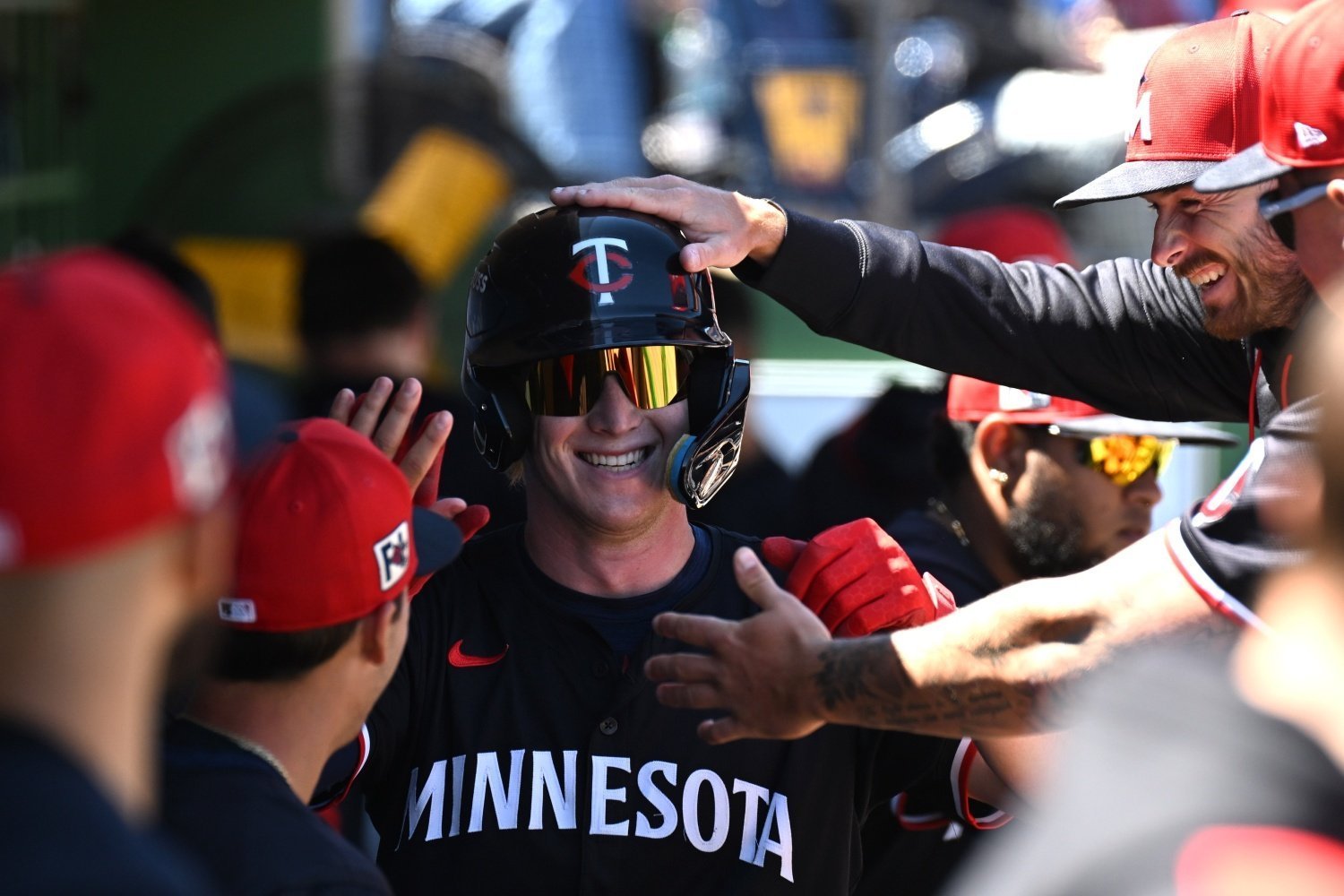 When the Twins selected Brandon Winokur in the third round of the 2023 MLB Draft, they knew they were betting on upside. The California prep star came with plenty of athleticism, raw strength, and projection, but also a fair share of uncertainty about where he’d eventually fit on the diamond. Two years later, that description still feels accurate. At 6-foot-6, Winokur is one of the most physically imposing athletes in the Twins’ system. His combination of power, speed, and arm strength makes him a standout during any workout. What remains to be seen is where he will use those tools most effectively. Since turning pro, he has split time between shortstop, third base, and center field, all while showing flashes of potential at each spot. “Third base, short, center—it doesn’t really matter to me,” Winokur said recently. “As long as I’m in the lineup, I’m happy. It’s actually kind of fun to look up before the game and see which spot I’m playing that day.” While many evaluators assume that a player of Winokur’s size will eventually move off shortstop, he isn’t ready to give up on that dream. “There’s no reason I can’t play shortstop or third base long term,” he said. “If I keep working and improving, I think my size can actually help me make plays that smaller guys can’t.” That kind of confidence isn’t misplaced. History has shown that taller infielders can thrive with the right combination of athleticism and work ethic. Cal Ripken Jr. (6-foot-4) redefined the shortstop position for bigger players, while Corey Seager (6-foot-4) and Elly De La Cruz (6-foot-5) have continued to prove that height doesn’t have to be a disadvantage on the dirt. If Winokur’s defensive instincts and footwork continue to develop, he could follow a similar path. At the plate, the 20-year-old’s raw talent is just as intriguing. During his first full professional season, he launched 14 home runs, stole 23 bases, and posted a 118 wRC+ as a teenager in the Florida State League. This past season with High-A Cedar Rapids, those totals climbed to 17 homers and 26 steals, but his wRC+ dropped to 97. He was over two years younger than the competition at his level and faced older pitchers in all but 18 of his plate appearances. Even so, the Twins and Winokur know there’s room to grow when it comes to consistent contact. In his pro debut, he had a 32.4 K% which he improved to 28% during the 2024 season. Last season, he made even greater improvements by posting a 24.8 K% in a career-high 529 plate appearances. After hitting .204 with a .670 OPS through June, he rebounded to .258 with a .727 OPS the rest of the way, cutting down his swings and misses in the process (23.1 K%). “Reducing strikeouts was a big focus going into the season,” Winokur explained. “The Twins really pushed me to put the ball in play more, especially with two strikes. That work definitely paid off as the year went on.” This fall, Winokur is suiting up for the Peoria Javelinas in the Arizona Fall League, where his attention remains on refining his swing mechanics and unlocking more of his raw power. His combination of size, athleticism, and competitive drive continues to make him one of the more fascinating prospects in the Twins organization. Currently, Twins Daily ranks him as the organization’s 12th best prospect. Whether his long-term defensive home ends up being shortstop, third base, or the outfield, the tools are there for Winokur to make an impact. For now, the Twins will let him keep exploring all his options, and that’s exactly how he likes it. What will be Winokur’s long-term defensive home? Can he stick on the infield even at his height? Leave a comment and start the discussion.
 -
Image courtesy of © Junfu Han / USA TODAY NETWORK The Minnesota Twins’ managerial search is starting to take shape, and early indications show a clear theme: the club is keeping things in the family. As the front office works to replace Rocco Baldelli, several of the early names connected to the job come with Twins ties, player familiarity, or a shared emphasis on fundamentals and development. Few of the candidates, however, carry an extensive track record of success managing at the major-league level, suggesting the Twins could prioritize leadership style and organizational alignment over pure experience. Nick Punto Brings “Shredder” Mentality to the Conversation Few names could spark as much nostalgia among Twins fans as Nick Punto. According to The Athletic’s Dan Hayes and Dennis Lin, the team has received permission from the Padres to interview the former Minnesota utilityman. Punto, who played seven of his 14 major-league seasons with the Twins, is known as “the Shredder” for his signature move: ripping the jerseys off teammates during celebrations of walkoff hits. His dirt-on-the-uniform ethos helped make him a fan favorite. Punto’s reputation as a hard-nosed, detail-oriented player aligns closely with Twins President Derek Falvey’s recent comments about the next phase of Twins baseball. Falvey emphasized that the club will prioritize baserunning, fundamentals, and precision. Punto seems to embody those traits, though his coaching experience is limited. He managed in MLB’s Prospect Development Pipeline League in 2021, coached at the high-school level, and joined San Diego’s staff in 2024, where he worked with the team’s infielders. At 48 years old, Punto represents a young, enthusiastic option who understands the Twins’ culture, but he would be taking a major leap into his first big-league managerial position. James Rowson Could Reunite With Familiar Faces Another candidate with direct Twins ties is current Yankees hitting coach James Rowson. Rowson, 49, served as Minnesota’s hitting coach from 2017 to 2019 and helped guide one of the most powerful lineups in franchise history. During his tenure, the Twins produced a 105 wRC+ across three seasons and famously launched 307 home runs during the 2019 “Bomba Squad” campaign. After leaving Minnesota, Rowson worked for the Marlins and Tigers before joining the Yankees in 2024. New York’s offense has been among the league’s best during his time there, and his track record as a communicator and teacher could fit well with a Twins roster built on young talent. While he lacks managerial experience, Rowson’s reputation around the league as a strong motivator and developer of players gives him an edge among first-time candidates. Derek Shelton Brings Experience but Faces Mixed Reviews Among the names linked to the search, Shelton stands out as the only candidate with prior major-league managerial experience. Shelton led the Pittsburgh Pirates from 2020 until his dismissal earlier this year, compiling a 306-440 record. The results on paper were underwhelming, but Pittsburgh’s ongoing rebuild calls into question how much of that record can be attributed directly to Shelton’s leadership. Before joining the Pirates, Shelton spent time on the Twins’ staff under Baldelli, where he earned respect for his attention to detail and ability to connect with players. He knows the organization well, and his combination of experience and familiarity could appeal to Falvey and general manager Jeremy Zoll as they look for a steady hand to guide a roster that may have some rough years ahead before contending again. Ramón Vázquez Adds Leadership and International Experience Red Sox bench coach Ramón Vázquez rounds out the list of known candidates. The Twins have formally requested permission to interview him, according to Jon Heyman of The New York Post. A former utility infielder who played nine MLB seasons, Vázquez has over a decade of coaching experience and currently serves as Alex Cora’s right-hand man in Boston. While Vázquez has yet to manage in the majors, he has done so in both the Puerto Rican Winter League and the minor leagues. His bilingual background and history of connecting with diverse clubhouse environments could make him a valuable leader for a Twins team that could have even more international talent across the roster. Ryan Flaherty’s Rising Stock Could Put Him Out of Reach One other name connected to the Twins’ search is Cubs bench coach Ryan Flaherty, whose growing reputation may make him difficult for Minnesota to land. Flaherty, 38, has been linked to multiple openings this offseason, including the Padres and Orioles managerial jobs. His ties to both organizations could give them an inside track, compared to the Twins. A former utility player known for his baseball intellect, Flaherty has earned praise for his work as a strategist and communicator during his time on big-league coaching staffs in Chicago and San Diego. While he has yet to manage at the MLB level, his combination of youth, preparation, and an analytics-driven approach has made Flaherty one of the most sought-after candidates in baseball’s current hiring cycle. If the Twins hope to get in the mix, they may need to move quickly before another club makes a formal offer. A Search Centered on Familiarity and Fundamentals As the search unfolds, the Twins appear focused on candidates who reflect the organization’s values, rather than chasing the biggest name on the market. Each of the five known candidates brings an emphasis on preparation, communication, and development. Overall, the Twins seem intent on finding a manager who fits their identity as much as their strategy. It remains to be seen if more experienced names will emerge as the process continues, but for now, the Twins’ approach feels intentional. The franchise is leaning into its history, searching for a leader who understands what it means to wear the “TC” and who can build a disciplined, fundamentally sound team for years to come. Which candidate makes the most sense for the Twins? Leave a comment and start the discussion. View full article
-
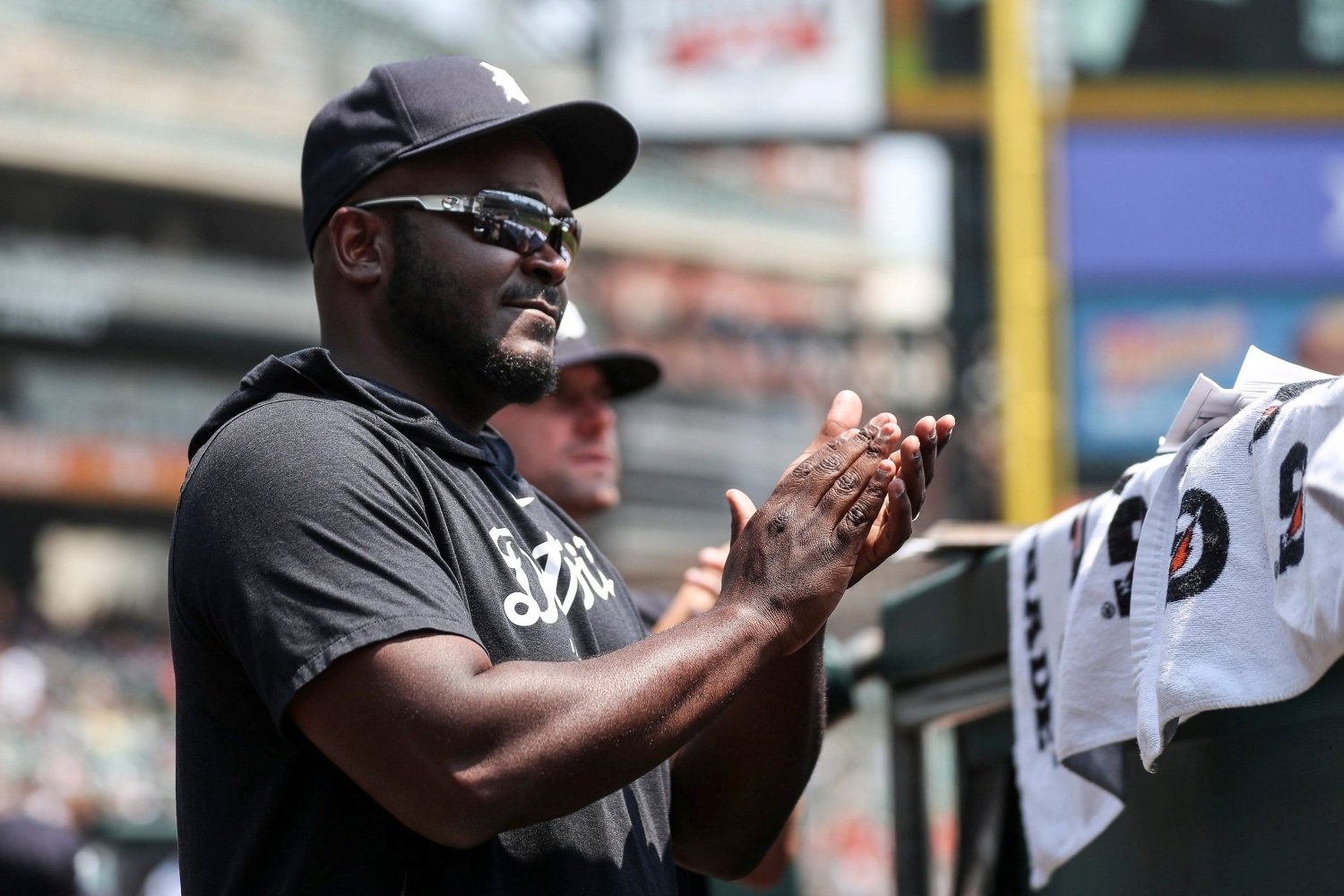 The Minnesota Twins’ managerial search is starting to take shape, and early indications show a clear theme: the club is keeping things in the family. As the front office works to replace Rocco Baldelli, several of the early names connected to the job come with Twins ties, player familiarity, or a shared emphasis on fundamentals and development. Few of the candidates, however, carry an extensive track record of success managing at the major-league level, suggesting the Twins could prioritize leadership style and organizational alignment over pure experience. Nick Punto Brings “Shredder” Mentality to the Conversation Few names could spark as much nostalgia among Twins fans as Nick Punto. According to The Athletic’s Dan Hayes and Dennis Lin, the team has received permission from the Padres to interview the former Minnesota utilityman. Punto, who played seven of his 14 major-league seasons with the Twins, is known as “the Shredder” for his signature move: ripping the jerseys off teammates during celebrations of walkoff hits. His dirt-on-the-uniform ethos helped make him a fan favorite. Punto’s reputation as a hard-nosed, detail-oriented player aligns closely with Twins President Derek Falvey’s recent comments about the next phase of Twins baseball. Falvey emphasized that the club will prioritize baserunning, fundamentals, and precision. Punto seems to embody those traits, though his coaching experience is limited. He managed in MLB’s Prospect Development Pipeline League in 2021, coached at the high-school level, and joined San Diego’s staff in 2024, where he worked with the team’s infielders. At 48 years old, Punto represents a young, enthusiastic option who understands the Twins’ culture, but he would be taking a major leap into his first big-league managerial position. James Rowson Could Reunite With Familiar Faces Another candidate with direct Twins ties is current Yankees hitting coach James Rowson. Rowson, 49, served as Minnesota’s hitting coach from 2017 to 2019 and helped guide one of the most powerful lineups in franchise history. During his tenure, the Twins produced a 105 wRC+ across three seasons and famously launched 307 home runs during the 2019 “Bomba Squad” campaign. After leaving Minnesota, Rowson worked for the Marlins and Tigers before joining the Yankees in 2024. New York’s offense has been among the league’s best during his time there, and his track record as a communicator and teacher could fit well with a Twins roster built on young talent. While he lacks managerial experience, Rowson’s reputation around the league as a strong motivator and developer of players gives him an edge among first-time candidates. Derek Shelton Brings Experience but Faces Mixed Reviews Among the names linked to the search, Shelton stands out as the only candidate with prior major-league managerial experience. Shelton led the Pittsburgh Pirates from 2020 until his dismissal earlier this year, compiling a 306-440 record. The results on paper were underwhelming, but Pittsburgh’s ongoing rebuild calls into question how much of that record can be attributed directly to Shelton’s leadership. Before joining the Pirates, Shelton spent time on the Twins’ staff under Baldelli, where he earned respect for his attention to detail and ability to connect with players. He knows the organization well, and his combination of experience and familiarity could appeal to Falvey and general manager Jeremy Zoll as they look for a steady hand to guide a roster that may have some rough years ahead before contending again. Ramón Vázquez Adds Leadership and International Experience Red Sox bench coach Ramón Vázquez rounds out the list of known candidates. The Twins have formally requested permission to interview him, according to Jon Heyman of The New York Post. A former utility infielder who played nine MLB seasons, Vázquez has over a decade of coaching experience and currently serves as Alex Cora’s right-hand man in Boston. While Vázquez has yet to manage in the majors, he has done so in both the Puerto Rican Winter League and the minor leagues. His bilingual background and history of connecting with diverse clubhouse environments could make him a valuable leader for a Twins team that could have even more international talent across the roster. Ryan Flaherty’s Rising Stock Could Put Him Out of Reach One other name connected to the Twins’ search is Cubs bench coach Ryan Flaherty, whose growing reputation may make him difficult for Minnesota to land. Flaherty, 38, has been linked to multiple openings this offseason, including the Padres and Orioles managerial jobs. His ties to both organizations could give them an inside track, compared to the Twins. A former utility player known for his baseball intellect, Flaherty has earned praise for his work as a strategist and communicator during his time on big-league coaching staffs in Chicago and San Diego. While he has yet to manage at the MLB level, his combination of youth, preparation, and an analytics-driven approach has made Flaherty one of the most sought-after candidates in baseball’s current hiring cycle. If the Twins hope to get in the mix, they may need to move quickly before another club makes a formal offer. A Search Centered on Familiarity and Fundamentals As the search unfolds, the Twins appear focused on candidates who reflect the organization’s values, rather than chasing the biggest name on the market. Each of the five known candidates brings an emphasis on preparation, communication, and development. Overall, the Twins seem intent on finding a manager who fits their identity as much as their strategy. It remains to be seen if more experienced names will emerge as the process continues, but for now, the Twins’ approach feels intentional. The franchise is leaning into its history, searching for a leader who understands what it means to wear the “TC” and who can build a disciplined, fundamentally sound team for years to come. Which candidate makes the most sense for the Twins? Leave a comment and start the discussion.
- 73 comments
-
- 6
-

-
- derek shelton
- nick punto
- (and 3 more)
-
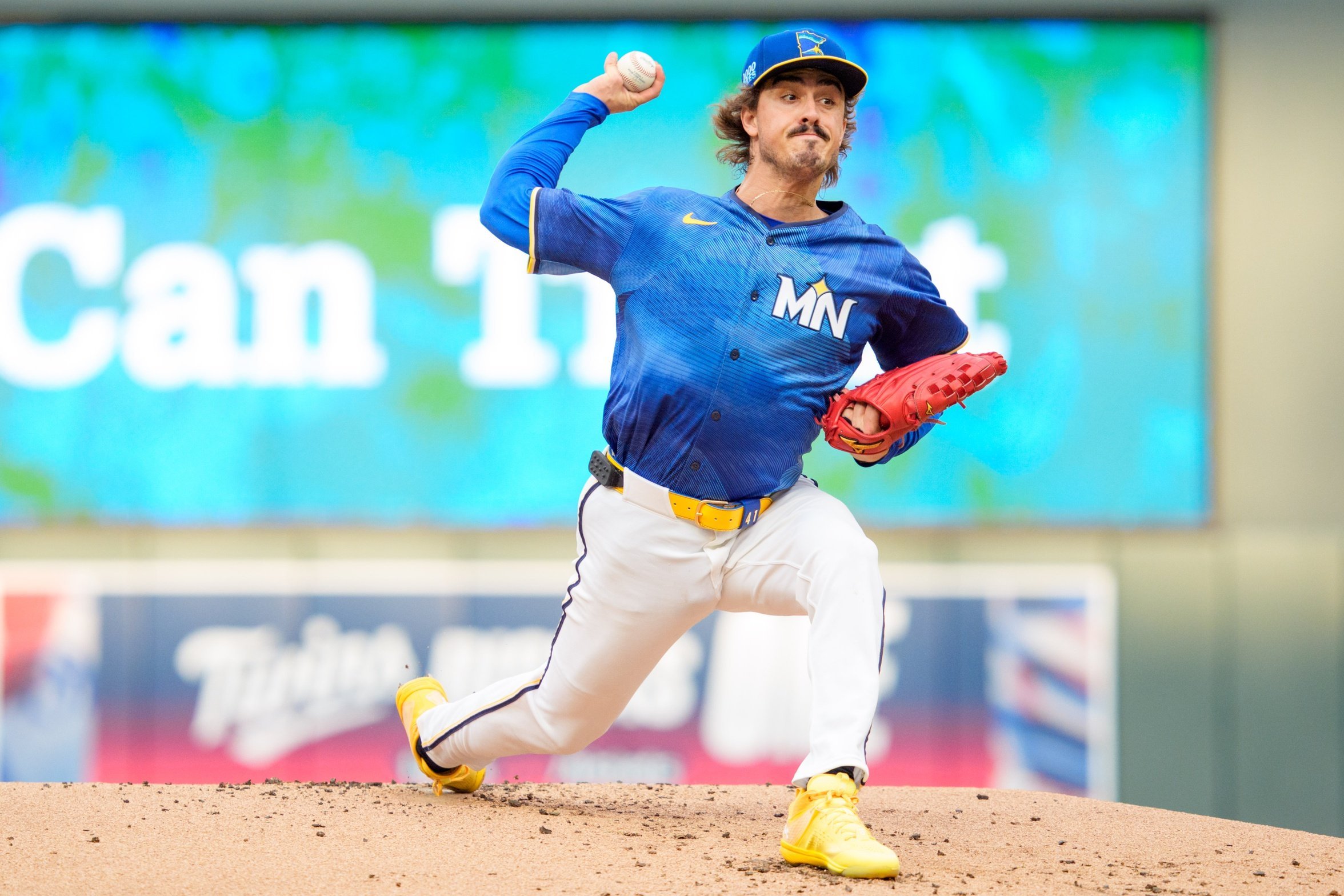 As the Minnesota Twins tore down their roster at the trade deadline, rumors about Joe Ryan’s future were flying fast. Amid trading away 10 players from their major-league roster, the Twins’ decision to hold on to their All-Star right-hander was one of the biggest surprises of the summer. At one point, a false report even circulated on social media claiming that Ryan had been traded to the Boston Red Sox, briefly sending Twins Territory into an even greater frenzy. Ryan was the most notable name that the team held onto during the fire sale. His contract control and consistent performance made him valuable both on the mound and in trade talks. Given his talent and affordable salary, it should be expected that Ryan will once again be pursued by numerous teams this winter. Ryan’s Breakout 2025 Season Ryan rewarded Minnesota’s faith in him with the best season of his career in 2025. The 29-year-old righty earned his first All-Star selection, posting a 3.42 ERA with a 1.04 WHIP and 194 strikeouts in 171 innings. His command and ability to miss bats were among the best in the American League, and his reliability helped stabilize an otherwise patchwork rotation. With MLB Trade Rumors projecting his 2026 salary at $5.8 million during a second trip through arbitration, Ryan remains an incredible value. The Twins also have team control through the 2027 season, meaning any acquiring team would be landing a front-line starter for multiple years at a below-market rate. That kind of control makes Ryan an especially appealing trade chip for a club looking to restock its farm system while staying competitive in the long term. The Mets Have the Assets and Motivation Danny Abriano of SNY recently identified Ryan as a potential target for the New York Mets, noting that “the Twins can definitely get a haul for Ryan this offseason, and it would behoove them to cash in as they embark on some form of a rebuild.” The Mets, who finished the 2025 season short of expectations, are once again positioned to be aggressive this winter. Ryan’s relatively low salary and remaining years of control make him a perfect fit for a club with New York’s financial flexibility. His projected 2026 salary is a negligible amount for a team operating in the upper echelon of payrolls. Ryan himself seems unfazed by the idea of being traded. Speaking at the All-Star Game in Atlanta, he said, “It’s fun for me. July is awesome. I think everyone in the clubhouse gets excited just seeing where guys are going to go around the league. You don’t know, and I think that’s exciting—and being someone that could get traded, it would be exciting. I mean, I do love Minnesota, and I love where I’m at, so it would be sad—definitely hard to go. But at the end of the day, it’s never up to me.” If the Twins do decide to move him, the Mets appear to be one of the few teams who could offer the type of prospect package Minnesota would require. According to midseason farm rankings, New York’s system currently ranks seventh in baseball, with multiple blue-chip players nearing the majors. Industry consensus has them rising even higher than that heading into the winter. Potential Mets Trade Targets Here's a look at the top five prospects in the Mets organization, according to MLB Pipeline. Like the Jhoan Duran trade, it will likely take multiple top-100-caliber prospects to acquire Ryan. New York currently has four prospects who rank in MLB’s top-50. RHP Nolan McLean (MLB #11): A dynamic two-way player in college, McLean has since focused on pitching and quickly climbed through the Mets’ system. His fastball touches the upper 90s, and his slider projects as a true out pitch. This season, he made his MLB debut and posted a 2.06 ERA with a 1.04 WHIP and a 30.3% strikeout rate in 48 innings. He profiles as a playoff-caliber starter, if his command continues to improve. OF Carson Benge (MLB #21): A left-handed hitter with advanced plate discipline, Benge has impressed scouts with his ability to drive the ball to all fields. In 2025, he ascended from High-A to Triple-A, while posting a .281/.385/.472 line. His combination of on-base ability and athleticism gives him the ceiling of a high-end everyday corner outfielder. INF Jett Williams (MLB #30): Known for his elite bat-to-ball skills and defensive versatility, Williams has already played shortstop, second base, and center field in the minors. His speed and contact-oriented approach could make him a top-of-the-order spark plug at the big-league level. He split time between Double- and Triple-A last season and hit .261/.363/.465, with 34 steals. RHP Jonah Tong (MLB #46): One of the biggest risers in the Mets system, Tong’s strikeout numbers have been electric thanks to a fastball-changeup combo that misses bats at a high rate. He dominated the upper minors last season with a 1.43 ERA and a 0.92 WHIP in 113 2/3 innings. He’s still refining the rest of his arsenal (his curveball might not turn out to be usable in the big leagues; his cutter and slider are works in progress), but he could contribute to a major-league rotation in 2026. Like McLean, he's already made his big-league debut. RHP Brandon Sproat: Though not currently on the top 100 list, Sproat has drawn praise for his durability and competitive edge. This season, he made 26 appearances at Triple-A and posted a 4.24 ERA with a 1.21 WHIP, then earned a four-start audition with the spiraling big-league squad to close the campaign. His six-pitch mix gives him mid-rotation upside, and he could reach that as soon as next season. The Twins have a valuable trade chip in Ryan, and the Mets have the farm system to make a deal happen. Minnesota may not be eager to part with its All-Star right-hander, but the opportunity to restock the organization with multiple top prospects could prove too enticing to ignore. With both teams aiming to reshape their futures, a Ryan trade between the Twins and Mets might be one of the most logical moves of the winter. Should the Twins engage the Mets in trade talks for Ryan? Leave a comment and start the discussion.
 -
Image courtesy of © Matt Blewett-Imagn Images As the Minnesota Twins tore down their roster at the trade deadline, rumors about Joe Ryan’s future were flying fast. Amidst trading away ten players from their major league roster, the Twins’ decision to hold on to their All-Star right-hander was one of the biggest surprises of the summer. At one point, a false report even circulated on social media claiming that Ryan had been traded to the Boston Red Sox, briefly sending Twins Territory into a frenzy. Ryan was the most notable name that the team held onto during the fire sale. His contract control and consistent performance made him valuable both on the mound and in trade talks. Given his talent and affordable salary, it should be expected that Ryan will once again be pursued by numerous teams this winter. Ryan’s Breakout 2025 Season Ryan rewarded Minnesota’s faith in him with the best season of his career in 2025. The 29-year-old righty earned his first All-Star selection while posting a 3.42 ERA with a 1.04 WHIP and 194 strikeouts in 171 innings. His command and ability to miss bats were among the best in the American League, and his reliability helped stabilize an otherwise patchwork Twins rotation. With MLB Trade Rumors projecting his 2026 arbitration salary at $5.8 million, Ryan remains an incredible value given his production. The Twins also have team control through the 2027 season, meaning any acquiring team would be landing a front-line starter for multiple years at a below-market rate. That kind of control makes Ryan an especially appealing trade chip for a club looking to restock its farm system while staying competitive in the long term. The Mets Have the Assets and Motivation Danny Abriano of SNY recently identified Ryan as a potential target for the New York Mets this offseason, noting that “the Twins can definitely get a haul for Ryan this offseason, and it would behoove them to cash in as they embark on some form of a rebuild.” The Mets, who finished the 2025 season short of expectations, are once again positioned to be aggressive this winter. Ryan’s relatively low salary and remaining years of control make him a perfect fit for a club with New York’s financial flexibility. Ryan’s projected 2026 salary is a negligible amount for a team operating in the upper echelon of payrolls. Ryan himself seems unfazed by the idea of being traded. Speaking at the All-Star Game in Atlanta, he said, “It’s fun for me. July is awesome. I think everyone in the clubhouse gets excited just seeing where guys are going to go around the league. You don’t know, and I think that’s exciting — and being someone that could get traded, it would be exciting. I mean, I do love Minnesota, and I love where I’m at, so it would be sad — definitely hard to go. But at the end of the day, it’s never up to me.” If the Twins do decide to move him, the Mets appear to be one of the few teams that could offer the type of prospect package Minnesota would require. According to midseason farm rankings, New York’s system currently ranks seventh in baseball, with multiple blue-chip players nearing the majors. Potential Mets Trade Targets Here is a look at the top five prospects in the Mets organization according to MLB Pipeline. Like the Jhoan Duran trade, it will likely take multiple top-100 caliber prospects to acquire Ryan. New York currently has four prospects that rank in MLB’s top-50. RHP Nolan McLean (MLB #11): A dynamic two-way player in college, McLean has since focused on pitching and quickly climbed through the Mets’ system. His fastball touches the upper 90s, and his slider projects as a true out pitch. Last season, he made his MLB debut and posted a 2.06 ERA with a 1.04 WHIP and 10.7 K/9 in 48 innings. He profiles as a potential playoff-caliber starter if his command continues to improve. OF Carson Benge (MLB #21): A left-handed hitter with advanced plate discipline, Benge has impressed scouts with his ability to drive the ball to all fields. In 2025, he moved from High-A to Triple-A while posting a .281/.385/.472 (.857) slash line. His combination of on-base ability and athleticism gives him the ceiling of a high-end everyday corner outfielder. INF Jett Williams (MLB #30): Known for his elite bat-to-ball skills and defensive versatility, Williams has already played shortstop, second base, and center field in the minors. His speed and contact approach could make him a top-of-the-order spark plug at the big-league level. He split time between Double- and Triple-A last season and hit .261/.363/.465 (.828) with 34 steals. RHP Jonah Tong (MLB #46): One of the biggest risers in the Mets’ system, Tong’s strikeout numbers have been electric thanks to a fastball-slider combo that misses bats at a high rate. He dominated the upper minors last season with a 1.43 ERA and a 0.92 WHIP in 113 2/3 innings. He’s still refining his third pitch, but could contribute to a major league rotation in the near future. RHP Brandon Sproat: Though not currently on the top 100 list, Sproat has drawn praise for his durability and competitive edge. Last season, he made 26 appearances at Triple-A and posted a 4.24 ERA with a 1.21 WHIP. His four-pitch mix gives him mid-rotation upside, and his college pedigree out of Florida suggests he’s close to MLB readiness. The Twins have a valuable trade chip in Ryan, and the Mets have the farm system depth to make a deal happen. Minnesota may not be eager to part with its All-Star right-hander, but the opportunity to restock its organization with multiple top prospects could prove too enticing to ignore. With both teams aiming to reshape their futures this offseason, a Ryan trade between the Twins and Mets might be one of the most logical moves of the winter. Should the Twins engage the Mets in trade talks for Ryan? Leave a comment and start the discussion. View full article
-
Local Twins Fan Furious After Dreaming Minnesota Made it to ALCS
Cody Christie posted an article in Just For Fun
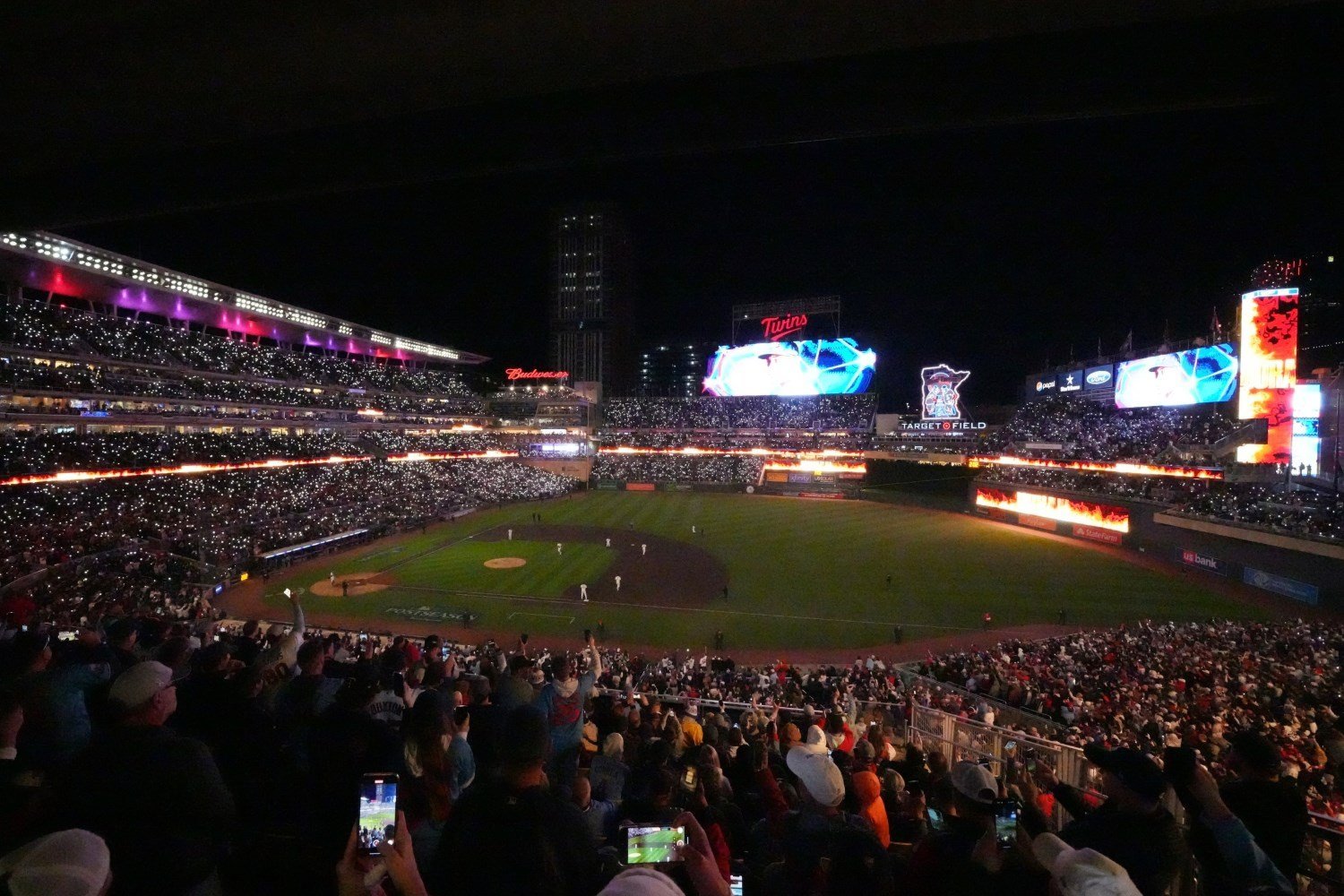 It was a rough morning for lifelong Minnesota Twins fan Steve Halvorson, who woke up Thursday deeply frustrated after dreaming that the Twins reached the American League Championship Series. “It felt so real,” Halvorson said, sipping a Circle K gas station coffee while staring blankly into space. “They beat the Astros in five games. Royce Lewis hit three home runs. I even bought an ALCS hoodie in the dream. Then I woke up and remembered it was October, and they finished at the bottom of the AL. I’ve never felt so betrayed by my own brain.” Halvorson described the dream as “cruelly detailed,” including a Target Field packed with fans, Joe Mauer throwing out the first pitch, and Dan Gladden mispronouncing everyone’s name on the radio broadcast. “I swear I smelled mini donuts,” he added. “That’s how vivid it was. I think my subconscious hates me.” Coworkers say this isn’t the first time Halvorson’s emotions have been hijacked by dream-based Twins drama. “He came in and slammed his lunch bag on the counter like the team actually lost something,” said his coworker, Angela Peterson. “Then he spent twenty minutes explaining how the bullpen collapsed in Game 4, which, again, didn’t actually happen. I tried to tell him it was just a dream, but he said, ‘That’s exactly what the Twins would want me to believe.’” By 10 a.m., Halvorson had reportedly composed and sent a strongly worded email to the Twins front office. According to a copy he posted on Facebook, the message began: “To whom it may concern, I am beyond disappointed in your fictional postseason performance.” He then demanded an apology “for the emotional damage caused by dream-level playoff incompetence” and urged the team to “please consider hiring a dream psychologist for your fan base.” Sources at Target Field confirmed they received the email, but indicated they have not yet decided whether to respond. “We’ve dealt with passionate fans before,” said one team employee on the condition of anonymity, “but this is the first time someone’s been angry about a dream. We’re checking if that falls under community relations or mental health outreach.” Despite the ordeal, Halvorson says he’s not giving up on the Twins, either awake or asleep. “Next time I dream about them, I’m making sure I change the ending,” he said. “If my brain doesn’t let us win the World Series this time, I might start dreaming about the Timberwolves instead. At least there, disappointment feels normal.”
 -
Image courtesy of © Matt Blewett-USA TODAY Sports It was a rough morning for lifelong Minnesota Twins fan Steve Halvorson, who woke up Thursday deeply frustrated after dreaming that the Twins reached the American League Championship Series. “It felt so real,” Halvorson said, sipping a Circle K gas station coffee while staring blankly into space. “They beat the Astros in five games. Royce Lewis hit three home runs. I even bought an ALCS hoodie in the dream. Then I woke up and remembered it was October, and they finished at the bottom of the AL. I’ve never felt so betrayed by my own brain.” Halvorson described the dream as “cruelly detailed,” including a Target Field packed with fans, Joe Mauer throwing out the first pitch, and Dan Gladden mispronouncing everyone’s name on the radio broadcast. “I swear I smelled mini donuts,” he added. “That’s how vivid it was. I think my subconscious hates me.” Coworkers say this isn’t the first time Halvorson’s emotions have been hijacked by dream-based Twins drama. “He came in and slammed his lunch bag on the counter like the team actually lost something,” said his coworker, Angela Peterson. “Then he spent twenty minutes explaining how the bullpen collapsed in Game 4, which, again, didn’t actually happen. I tried to tell him it was just a dream, but he said, ‘That’s exactly what the Twins would want me to believe.’” By 10 a.m., Halvorson had reportedly composed and sent a strongly worded email to the Twins front office. According to a copy he posted on Facebook, the message began: “To whom it may concern, I am beyond disappointed in your fictional postseason performance.” He then demanded an apology “for the emotional damage caused by dream-level playoff incompetence” and urged the team to “please consider hiring a dream psychologist for your fan base.” Sources at Target Field confirmed they received the email, but indicated they have not yet decided whether to respond. “We’ve dealt with passionate fans before,” said one team employee on the condition of anonymity, “but this is the first time someone’s been angry about a dream. We’re checking if that falls under community relations or mental health outreach.” Despite the ordeal, Halvorson says he’s not giving up on the Twins, either awake or asleep. “Next time I dream about them, I’m making sure I change the ending,” he said. “If my brain doesn’t let us win the World Series this time, I might start dreaming about the Timberwolves instead. At least there, disappointment feels normal.” View full article
-
Image courtesy of © Andrew Weber-Imagn Images After losing 92 games in 2025 and missing the playoffs for the fourth time in five seasons, the Minnesota Twins decided it was time to move on from Rocco Baldelli. Despite overseeing the snapping of a postseason drought and the temptation to direct blame for a roster gutted by midseason trades to the front office, Baldelli’s dismissal wasn’t exactly shocking. The Twins had lost their identity, and perhaps their spark, over the past few years. Now, a familiar name has surfaced as a potential candidate to bring that spark back. According to The Athletic’s Brittany Ghiroli, former Twins All-Star Torii Hunter “could be in the mix” for Minnesota’s managerial opening. Hunter, currently a special assistant with the Los Angeles Angels, held a similar role with the Twins from 2019 to 2023 and has recently expressed his interest in managing at the big-league level. “If the opportunity presents itself, I think that’s something I would definitely look into, a hard consideration,” Hunter told the Orange County Register in August. While Hunter is also being connected to the Angels’ vacancy, his long history in Minnesota (where he played 12 of his 19 major-league seasons) makes him a natural fit to return to the franchise where his career began. The Angels also appear to be closing in on hiring Albert Pujols instead. Built-in Patience from the Fans The Twins probably won’t be very good in 2026. After trading away several veterans and retooling the roster around younger talent, the team appears headed for another transitional year. Typically, that’s when fans start to sour on a new manager before he even gets a chance to build something. But Hunter’s relationship with Minnesota is different. Fans adored him during his playing days, through the Gold Glove catches, the clubhouse dance parties, and the ever-present smile. He’s the kind of personality who could buy the front office time to get the roster right. His reputation as a leader and entertainer would immediately give him more leeway than most first-year managers. From an ownership perspective, hiring Hunter would also be a marketing win. The Twins are coming off one of their lowest-attendance seasons in a decade, and bringing back a beloved franchise icon could generate goodwill and excitement during a difficult stretch. A Torii Hunter press conference at Target Field would sell tickets, jerseys, and nostalgia—three things this organization could use right now. A Proven Voice During Tough Times Hunter’s career mirrors the type of challenge facing the Twins today. When he debuted in the late 1990s, Minnesota was one of baseball’s laughingstocks. Attendance was plummeting, payroll was slashed, and contraction rumors loomed over the franchise. But Hunter and a young core that included Corey Koskie, Doug Mientkiewicz, and Jacque Jones changed everything. His fearless defense and infectious energy became symbolic of the early 2000s Twins’ resurgence. That leadership trait is exactly what Minnesota needs again: someone who can connect with young players, keep spirits high, and set a tone of accountability without losing the clubhouse. If anyone understands how to steer the Twins through dark times and back into relevance, it’s Hunter. He’s done it before. The Power of Connection One underrated reason Hunter would thrive as a manager is his ability to connect with players across generations. As someone who played in both the old-school and modern analytics eras, Hunter understands both sides of today’s baseball culture. He’s charismatic enough to inspire young stars like Brooks Lee and Luke Keaschall, yet respected enough to command a clubhouse filled with veterans. More importantly, Hunter is fluent in the modern player’s mindset. He’s coached, mentored, and worked alongside dozens of players in multiple organizations. His ability to blend data-driven preparation with emotional intelligence could help bridge the gap between the front office and the players, something the Twins have quietly struggled with in recent years. The Perfect Fit The Twins have been at their best when the organization feels unified, and when the energy in the clubhouse matches the optimism in the stands. That connection has been missing. Hunter represents a bridge between the past and the future, between the franchise’s proudest moments and its next chapter. He’s not just a fan favorite; he’s a leader with deep roots in Minnesota’s baseball identity. Even former Twin Trevor Plouffe thinks Hunter would be a prime candidate. If the Twins truly want to recapture their spark and rebuild the right way, there may be no better choice than the man who helped save the franchise once before. Hunter could be the perfect person to do it again. Is Hunter the perfect fit for the Twins managerial opening? Leave a comment and start the discussion. View full article
-
Why Torii Hunter is the Perfect Manager for the Minnesota Twins
Cody Christie posted an article in Twins
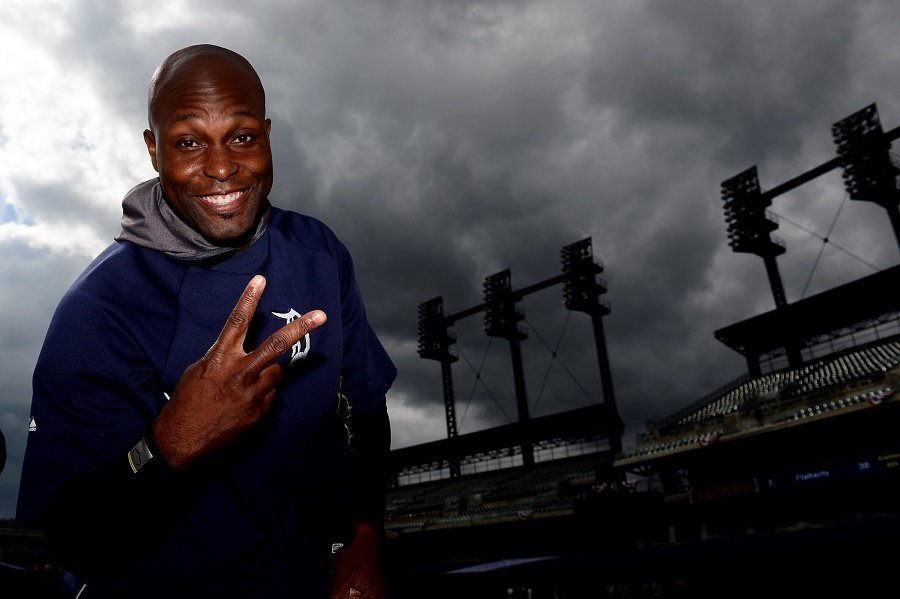 After losing 92 games in 2025 and missing the playoffs for the fourth time in five seasons, the Minnesota Twins decided it was time to move on from Rocco Baldelli. Despite overseeing the snapping of a postseason drought and the temptation to direct blame for a roster gutted by midseason trades to the front office, Baldelli’s dismissal wasn’t exactly shocking. The Twins had lost their identity, and perhaps their spark, over the past few years. Now, a familiar name has surfaced as a potential candidate to bring that spark back. According to The Athletic’s Brittany Ghiroli, former Twins All-Star Torii Hunter “could be in the mix” for Minnesota’s managerial opening. Hunter, currently a special assistant with the Los Angeles Angels, held a similar role with the Twins from 2019 to 2023 and has recently expressed his interest in managing at the big-league level. “If the opportunity presents itself, I think that’s something I would definitely look into, a hard consideration,” Hunter told the Orange County Register in August. While Hunter is also being connected to the Angels’ vacancy, his long history in Minnesota (where he played 12 of his 19 major-league seasons) makes him a natural fit to return to the franchise where his career began. The Angels also appear to be closing in on hiring Albert Pujols instead. Built-in Patience from the Fans The Twins probably won’t be very good in 2026. After trading away several veterans and retooling the roster around younger talent, the team appears headed for another transitional year. Typically, that’s when fans start to sour on a new manager before he even gets a chance to build something. But Hunter’s relationship with Minnesota is different. Fans adored him during his playing days, through the Gold Glove catches, the clubhouse dance parties, and the ever-present smile. He’s the kind of personality who could buy the front office time to get the roster right. His reputation as a leader and entertainer would immediately give him more leeway than most first-year managers. From an ownership perspective, hiring Hunter would also be a marketing win. The Twins are coming off one of their lowest-attendance seasons in a decade, and bringing back a beloved franchise icon could generate goodwill and excitement during a difficult stretch. A Torii Hunter press conference at Target Field would sell tickets, jerseys, and nostalgia—three things this organization could use right now. A Proven Voice During Tough Times Hunter’s career mirrors the type of challenge facing the Twins today. When he debuted in the late 1990s, Minnesota was one of baseball’s laughingstocks. Attendance was plummeting, payroll was slashed, and contraction rumors loomed over the franchise. But Hunter and a young core that included Corey Koskie, Doug Mientkiewicz, and Jacque Jones changed everything. His fearless defense and infectious energy became symbolic of the early 2000s Twins’ resurgence. That leadership trait is exactly what Minnesota needs again: someone who can connect with young players, keep spirits high, and set a tone of accountability without losing the clubhouse. If anyone understands how to steer the Twins through dark times and back into relevance, it’s Hunter. He’s done it before. The Power of Connection One underrated reason Hunter would thrive as a manager is his ability to connect with players across generations. As someone who played in both the old-school and modern analytics eras, Hunter understands both sides of today’s baseball culture. He’s charismatic enough to inspire young stars like Brooks Lee and Luke Keaschall, yet respected enough to command a clubhouse filled with veterans. More importantly, Hunter is fluent in the modern player’s mindset. He’s coached, mentored, and worked alongside dozens of players in multiple organizations. His ability to blend data-driven preparation with emotional intelligence could help bridge the gap between the front office and the players, something the Twins have quietly struggled with in recent years. The Perfect Fit The Twins have been at their best when the organization feels unified, and when the energy in the clubhouse matches the optimism in the stands. That connection has been missing. Hunter represents a bridge between the past and the future, between the franchise’s proudest moments and its next chapter. He’s not just a fan favorite; he’s a leader with deep roots in Minnesota’s baseball identity. Even former Twin Trevor Plouffe thinks Hunter would be a prime candidate. If the Twins truly want to recapture their spark and rebuild the right way, there may be no better choice than the man who helped save the franchise once before. Hunter could be the perfect person to do it again. Is Hunter the perfect fit for the Twins managerial opening? Leave a comment and start the discussion.
 -
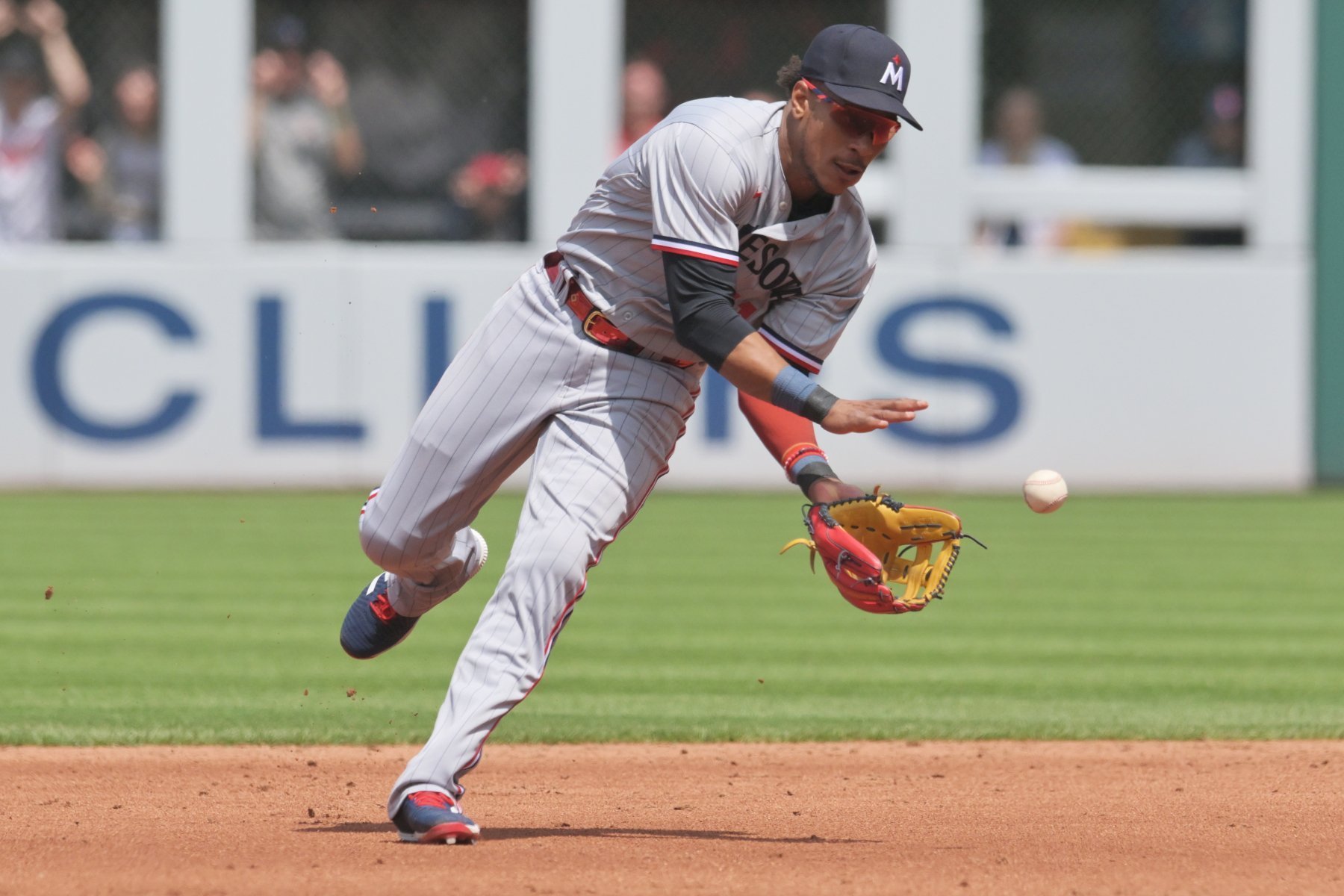 When the Minnesota Twins traded Jorge Polanco to the Seattle Mariners before the 2024 season, it felt like more than a typical baseball move. It was a signal about the organization’s financial direction and how the front office would be forced to operate in the coming years. Now, as the team enters another uncertain offseason, that trade may once again serve as a blueprint for what is to come. The Ownership Caused Payroll Problem Heading into the 2026 season, the Twins find themselves in a familiar financial position. The organization has just under $100 million tied to next year’s roster, if they tender contracts to all arbitration-eligible players. That number might seem unreasonably low, for a team with postseason aspirations, and it provides a challenge in what it represents. There is speculation that ownership may aim to keep payroll lower than last season’s $120-140 million, after a disappointing 2025 season saw both revenues and attendance drop sharply. The connection between attendance and spending is hard to ignore. Fans were slow to return to Target Field after the team flopped at the end of 2024, leading to the lowest-attended season in Target Field history. For many, the enthusiasm and optimism that followed the 2023 Wild Card Series win over Toronto have faded. That playoff run was supposed to be the start of something bigger, and the $160-million payroll that year reflected a commitment to winning. But the Pohlads chose to “right-size” spending that winter, trimming roughly $30 million from the budget. That shift in philosophy continues to define how the Twins operate. Rather than expanding payroll to maintain a competitive roster, the front office has had to find ways to retool within financial limits. This makes every dollar and every trade critical to sustaining competitiveness. Revisiting the Jorge Polanco Trade The decision to trade Jorge Polanco was both financially and strategically motivated. Polanco was set to make $10.5 million in 2024 with a club option for 2025, making him one of the Twins’ more expensive players. When the team sent him to Seattle, it not only saved about $6 million in salary, but also reshaped the roster in several subtle ways. In return, the Twins received right-handed reliever Justin Topa, veteran starter Anthony DeSclafani, and prospects Gabriel Gonzalez and Darren Bowen. DeSclafani’s injury-ruined season limited his impact, but Topa provided a solid bullpen performance in 2025. The real long-term value from the deal comes from Gonzalez, a young outfielder who quickly emerged as one of the organization’s most exciting prospects. He finished 2025 as one of the top hitters in the entire system and could debut in Minnesota as early as the first half of 2026. While the trade did not immediately transform the major-league roster, it reflected a pattern the Twins may follow again: saving short-term payroll while acquiring controllable talent and upside for the future. The move allowed the front office to bring in Carlos Santana as a stopgap at first base, but it also highlighted the team's limitations when it cannot spend freely to fill gaps. What It Means for the 2025-2026 Offseason The lessons from the Polanco trade may be more relevant than ever, as the Twins prepare for another critical winter. The front office will need to find creative solutions to improve the roster without increasing payroll. The most significant needs are clear: a consistent first baseman, more power from the designated hitter spot, and reinforcements for a bullpen that saw five players depart at the July 31 trade deadline. With ownership likely lowering payroll, trades may once again become the primary tool for roster improvement. Players like Ryan Jeffers, Joe Ryan, and Pablo López could become candidates to be moved, in exchange for lower-cost options with upside. The front office has shown it can find value in unexpected places, but it will need to do so again if the team hopes to stay competitive in the American League Central. The Polanco trade showed that the Twins can find future assets even while cutting costs, but it also came at a price. The excitement that followed 2023 has faded, and fan patience is wearing thin. If the front office can navigate their financial constraints by cashing in high-priced players for packages that balance the present and the future, they may yet steer the team back toward contention. But if the upcoming offseason feels like another exercise in cost-cutting, the echoes of that Polanco trade will only grow louder in Twins Territory. Will the Twins follow the Polanco trade route this winter? Leave a comment and start the discussion.
- 101 comments
-
- 4
-
-
- jorge polanco
- gabriel gonzalez
- (and 5 more)
-
Image courtesy of © Ken Blaze-Imagn Images When the Minnesota Twins traded Jorge Polanco to the Seattle Mariners before the 2024 season, it felt like more than a typical baseball move. It was a signal about the organization’s financial direction and how the front office would be forced to operate in the coming years. Now, as the team enters another uncertain offseason, that trade may once again serve as a blueprint for what is to come. The Ownership Caused Payroll Problem Heading into the 2026 season, the Twins find themselves in a familiar financial position. The organization has just under $100 million tied to next year’s roster if all arbitration-eligible players are brought back. That number alone might seem unreasonable for a team with postseason aspirations, and it provides a challenge in what it represents. There is speculation that ownership may aim to keep payroll lower than last season’s $120-140 million after a disappointing 2025 season saw revenues and attendance both drop sharply. The connection between attendance and spending is hard to ignore. Fans were slow to return to Target Field after the team flopped at the end of 2024, leading to the lowest attended season in Target Field history. For many, the enthusiasm and optimism that followed the 2023 Wild Card Series win over Toronto have faded. That playoff run was supposed to be the start of something bigger, and the $160 million payroll that year reflected a commitment to winning. But the Pohlads chose to “right-size” spending the following winter, trimming roughly $30 million from the budget. That shift in philosophy continues to define how the Twins operate. Rather than expanding payroll to maintain a competitive roster, the front office has had to find ways to retool within financial limits. This makes every dollar and every trade critical to sustaining competitiveness. Revisiting the Jorge Polanco Trade The decision to trade Jorge Polanco was both financially and strategically motivated. Polanco was set to make $10.5 million in 2024 with a club option for 2025, making him one of the Twins’ more expensive players. When the team sent him to Seattle, it not only saved about $6 million in salary but also reshaped the roster in several subtle ways. In return, the Twins received right-handed reliever Justin Topa, veteran starter Anthony DeSclafani, and prospects Gabriel Gonzalez and Darren Bowen. DeSclafani’s injury-shortened season limited his impact, but Topa provided a solid bullpen performance in 2025. The real long-term value from the deal came from Gonzalez, a young outfielder who quickly emerged as one of the organization’s most exciting prospects. He finished 2025 as one of the top hitters in the entire system and could debut in Minnesota as early as 2026. While the trade did not immediately transform the major league roster, it reflected a pattern the Twins may follow again: saving short-term payroll while acquiring controllable talent and upside for the future. The move allowed the front office to bring in Carlos Santana as a stopgap at first base, but it also highlighted the team's limitations when it cannot spend freely to fill gaps. What It Means for the 2026 Offseason The lessons from the Polanco trade may be more relevant than ever as the Twins prepare for another critical winter. The front office will need to find creative solutions to improve the roster without increasing payroll. The most significant needs are clear: a consistent first baseman, more power from the designated hitter spot, and reinforcements for a bullpen that saw five players depart at last year’s trade deadline. With ownership likely lowering payroll, trades may once again become the primary tool for roster improvement. Players like Ryan Jeffers, Joe Ryan, and Pablo Lopez could become candidates to be moved in exchange for lower-cost options with upside. The front office has shown it can find value in unexpected places, but it will need to do so again if the team hopes to stay competitive in the American League Central. The Polanco trade showed that the Twins can find future assets even while cutting costs, but it also came at a price. The excitement that followed 2023 has faded, and fan patience is wearing thin. If the front office can blend financial restraint with on-field results, they may yet steer the team back toward contention. But if the upcoming offseason feels like another exercise in cost-cutting, the echoes of that Polanco trade will only grow louder in Twins Territory. Will the Twins follow the Polanco trade route this winter? Leave a comment and start the discussion. View full article
-
Image courtesy of © Jesse Johnson-Imagn Images The Minnesota Twins enter the 2025-26 offseason facing a familiar question. Once again, the team lacks a clear answer at first base, one of the most critical positions in the lineup. The organization has tried multiple approaches in recent years, mixing veteran free agents with internal options, but none have provided a long-term solution. As the front office looks to retool the roster while keeping payroll manageable, finding a productive and affordable first baseman will be one of the club’s biggest challenges. Minnesota’s path forward may depend on creativity. With several roster holes to fill and limited financial flexibility, the Twins are unlikely to chase a top-tier free agent. Instead, the solution might come from within, possibly by reimagining how the team uses some of its existing players. The front office has not been afraid to take unconventional approaches before, and this offseason could be another test of their resourcefulness. Recent Free Agent Attempts at First Base Over the past two seasons, the Twins have turned to veteran free agents to fill their first base void. In 2024, the club signed Carlos Santana to a one-year, $6-million deal, and the move paid off in a big way. Santana provided steady production at the plate (109 OPS+), while capturing a Gold Glove, giving Minnesota a reliable veteran presence both on and off the field. This past offseason, the front office had less financial room to work with and opted for a low-cost addition in Ty France. The team signed him to a $1-million, non-guaranteed contract, but his stay in Minnesota was short-lived. France and Louis Varland were traded to the Toronto Blue Jays at the July trade deadline, leaving the Twins (once again) without a clear solution at first base. The veteran stopgap approach has produced mixed results; France posted an 87 OPS+. With payroll limitations expected to continue, the club may need to explore other options. Reviewing the Internal Options After France’s departure, the Twins turned to Kody Clemens and Edouard Julien to cover first base. Clemens displayed some power by hitting 19 home runs, but with a 94 OPS+, he fell short of being an impact hitter. For a club attempting to contend, that level of production does not cut it at a power spot like first base. Julien’s 2025 season was even more uneven. He spent most of the year at Triple A and posted a 76 OPS+ in his limited big-league time. His bat did not meet expectations, and his defense remains a liability, especially at first base. It is becoming increasingly clear that neither Clemens nor Julien projects as a viable everyday option. Clemens could stick around as a bench player, but Julien’s future in the organization looks uncertain. Getting Creative at First Base If the Twins are serious about keeping costs down, they will need to think creatively about who handles first base next season. One option could be shifting Matt Wallner to the position. Wallner’s bat has proven capable of impacting games, but his outfield defense has been below average. A move to first base might help maximize his offensive value, while minimizing his defensive shortcomings. Even in a down year, Wallner remained one of Minnesota’s more productive hitters, and finding a way to keep his bat in the lineup makes sense. Another possibility is Trevor Larnach, though his future with the club is less certain. With an estimated arbitration salary of $4.7 million for 2026, Larnach may be a non-tender candidate, given the team’s payroll constraints and their younger, cheaper corner outfield options. Wallner’s path to first base looks clearer, and if the Twins are willing to experiment, he could emerge as their next productive power hitter at the position. First base has been a revolving door for the Twins in recent years, but that does not mean a solution is out of reach. Whether it comes from a position change or another low-cost acquisition, the front office must find stability at a spot that has long lacked consistency. Wallner’s potential move to first could bring both offensive firepower and roster flexibility, helping the club stretch its limited budget while maintaining competitiveness. For a team built on resourcefulness, finding a way to make first base work in 2026 could be one of the defining storylines of the offseason. Is Wallner the team's best option at first base? Leave a comment and start the discussion. View full article
- 97 replies
-
- 1
-

-
- carlos santana
- ty france
- (and 4 more)
-
It’s Time for the Minnesota Twins to Get Creative at First Base
Cody Christie posted an article in Twins
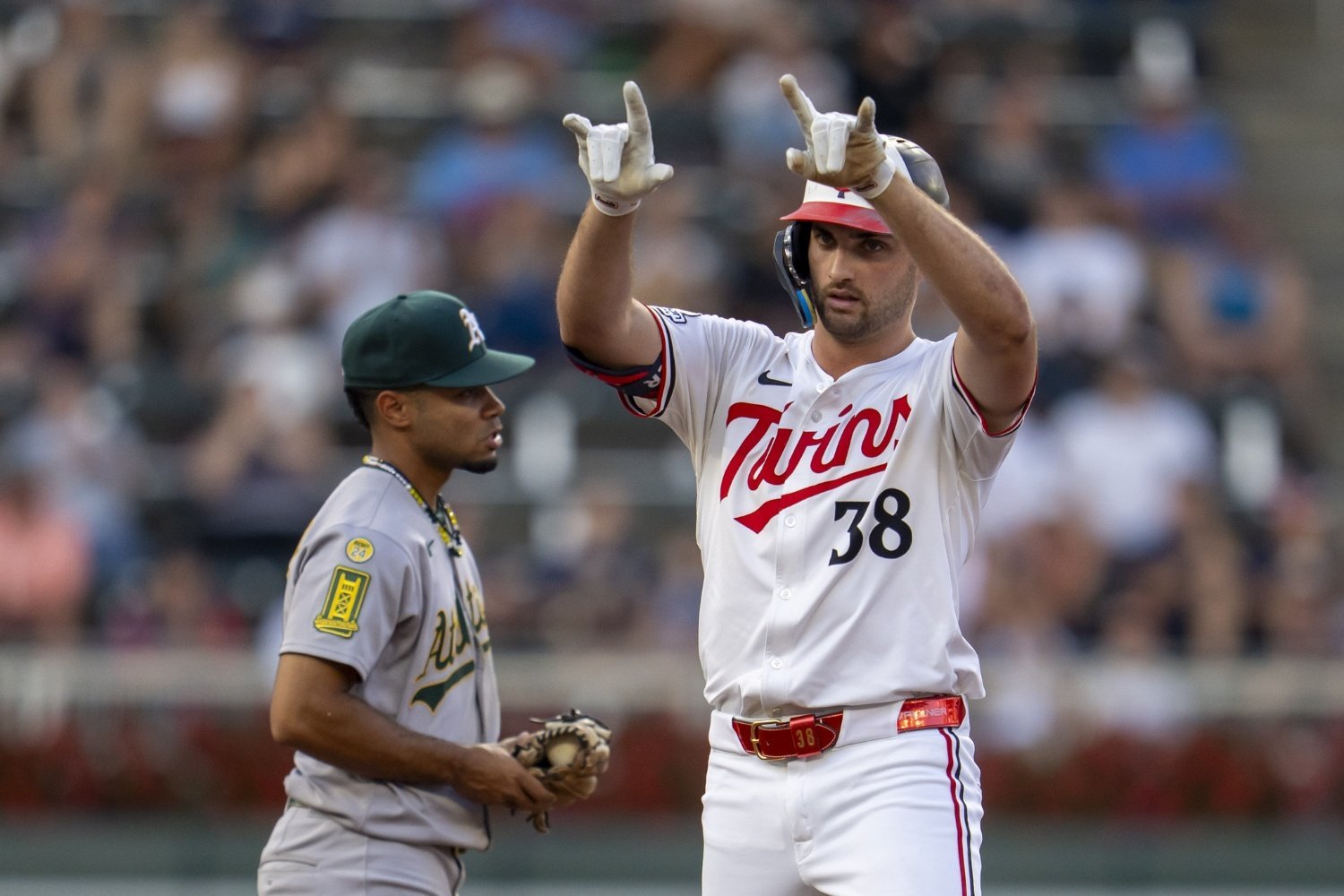 The Minnesota Twins enter the 2025-26 offseason facing a familiar question. Once again, the team lacks a clear answer at first base, one of the most critical positions in the lineup. The organization has tried multiple approaches in recent years, mixing veteran free agents with internal options, but none have provided a long-term solution. As the front office looks to retool the roster while keeping payroll manageable, finding a productive and affordable first baseman will be one of the club’s biggest challenges. Minnesota’s path forward may depend on creativity. With several roster holes to fill and limited financial flexibility, the Twins are unlikely to chase a top-tier free agent. Instead, the solution might come from within, possibly by reimagining how the team uses some of its existing players. The front office has not been afraid to take unconventional approaches before, and this offseason could be another test of their resourcefulness. Recent Free Agent Attempts at First Base Over the past two seasons, the Twins have turned to veteran free agents to fill their first base void. In 2024, the club signed Carlos Santana to a one-year, $6-million deal, and the move paid off in a big way. Santana provided steady production at the plate (109 OPS+), while capturing a Gold Glove, giving Minnesota a reliable veteran presence both on and off the field. This past offseason, the front office had less financial room to work with and opted for a low-cost addition in Ty France. The team signed him to a $1-million, non-guaranteed contract, but his stay in Minnesota was short-lived. France and Louis Varland were traded to the Toronto Blue Jays at the July trade deadline, leaving the Twins (once again) without a clear solution at first base. The veteran stopgap approach has produced mixed results; France posted an 87 OPS+. With payroll limitations expected to continue, the club may need to explore other options. Reviewing the Internal Options After France’s departure, the Twins turned to Kody Clemens and Edouard Julien to cover first base. Clemens displayed some power by hitting 19 home runs, but with a 94 OPS+, he fell short of being an impact hitter. For a club attempting to contend, that level of production does not cut it at a power spot like first base. Julien’s 2025 season was even more uneven. He spent most of the year at Triple A and posted a 76 OPS+ in his limited big-league time. His bat did not meet expectations, and his defense remains a liability, especially at first base. It is becoming increasingly clear that neither Clemens nor Julien projects as a viable everyday option. Clemens could stick around as a bench player, but Julien’s future in the organization looks uncertain. Getting Creative at First Base If the Twins are serious about keeping costs down, they will need to think creatively about who handles first base next season. One option could be shifting Matt Wallner to the position. Wallner’s bat has proven capable of impacting games, but his outfield defense has been below average. A move to first base might help maximize his offensive value, while minimizing his defensive shortcomings. Even in a down year, Wallner remained one of Minnesota’s more productive hitters, and finding a way to keep his bat in the lineup makes sense. Another possibility is Trevor Larnach, though his future with the club is less certain. With an estimated arbitration salary of $4.7 million for 2026, Larnach may be a non-tender candidate, given the team’s payroll constraints and their younger, cheaper corner outfield options. Wallner’s path to first base looks clearer, and if the Twins are willing to experiment, he could emerge as their next productive power hitter at the position. First base has been a revolving door for the Twins in recent years, but that does not mean a solution is out of reach. Whether it comes from a position change or another low-cost acquisition, the front office must find stability at a spot that has long lacked consistency. Wallner’s potential move to first could bring both offensive firepower and roster flexibility, helping the club stretch its limited budget while maintaining competitiveness. For a team built on resourcefulness, finding a way to make first base work in 2026 could be one of the defining storylines of the offseason. Is Wallner the team's best option at first base? Leave a comment and start the discussion.
- 97 comments
-
- 6
-
-
- carlos santana
- ty france
- (and 4 more)
-
Image courtesy of © Matt Blewett-Imagn Images In what can only be described as a perfectly Twins moment, Derek Falvey and the front office apparently accidentally sent their entire offseason blueprint to the local beat writers earlier this week. The plan, which reportedly included color-coded spreadsheets, a 37-slide PowerPoint, and a section titled “How to Pretend We’re Spending Money Without Actually Doing It,” was intended to stay in-house until at least December (or forever, depending on how things went). Instead, Aaron Gleeman of The Athletic, Betsy Helfand of the Pioneer Press, and Matthew Leach of MLB.com all received the same email from Derek.Falvey@twinsbaseball.biz with the subject line: “CONFIDENTIAL: Operation Moderate Competence 2026.” The Accidental Leak According to multiple sources (and Gleeman’s now-deleted tweet of the PDF), the leaked document outlined the Twins’ offseason priorities as follows: Trade at least one starting-caliber player for a prospect who will debut in 2028. Explore “value signings” of players who peaked during the Obama administration. Pretend to be in on top free agents for leverage purposes. Hire a new hitting coach named “either Dave or Jason, doesn’t matter which.” Consider offering Byron Buxton a lifetime contract, but only if he promises not to slide headfirst ever again. Falvey’s office quickly sent a follow-up email labeled “URGENT: Please Delete Previous Message.” It reportedly contained the same attachment. Reactions from the Beat Gleeman seemed amused by the situation. “Honestly, I just thought it was one of those fan surveys about beer prices again,” he said. “But once I got to the section titled ‘2025 Payroll Targets: The Floor Is Lava’, I knew it was real.” Helfand took a more measured approach. “I’ve covered this team long enough to know that any time you see the word ‘creative solutions’ next to ‘rotation depth’, it’s time to update your offseason bingo card,” she noted. Meanwhile, Leach of MLB.com was reportedly stunned. “They had a bullet point that said, ‘Sign a reliever who throws 94 and hope for the best.’ That’s not a plan, that’s a coping mechanism.” The Wicked Confusion In a hastily arranged press conference, a visibly flustered Falvey attempted to explain the fiasco. “This is… uh, clearly a misunderstanding,” Falvey stammered. “We meant to send out a press release about the upcoming special showing of Wicked at Target Field later this month. Apparently, someone, possibly me, attached the wrong file.” Falvey then added, “That’s what happens when you’re in charge of both baseball and business operations at 1 Twins Way. Sometimes the lines get crossed.” According to sources close to the situation, the intended press release was supposed to promote the Twins’ latest attempt to merge sports and box office smashes, titled ‘Defying Gravity (and Payroll Constraints)’. A Familiar Tune Fans on social media wasted no time mocking the organization. One post read: “Only the Twins could turn a musical into a metaphor for their roster-building: all high notes and no chorus.” Another simply said: “Can’t wait to see the team’s new motto: No bad contracts, just misunderstood lyrics.” While Falvey insisted the leak would not impact the team’s offseason strategy, insiders say several rival executives are already preparing offers for Twins players “expected to be part of next July’s midseason ‘retool.’” Still, Falvey tried to put a positive spin on the debacle. “Look, accidents happen,” he said. “At least this time, it wasn’t another arbitration case gone viral.” For now, the Twins’ offseason plan (part mystery, part musical) remains one of baseball’s great unsung comedies. And as Falvey walked off the podium, a microphone picked up what might go down as his most honest line yet: “At least Wicked has a happy ending.” View full article
-
Twins Accidentally Leak Offseason Plan to Beat Writers
Cody Christie posted an article in Just For Fun
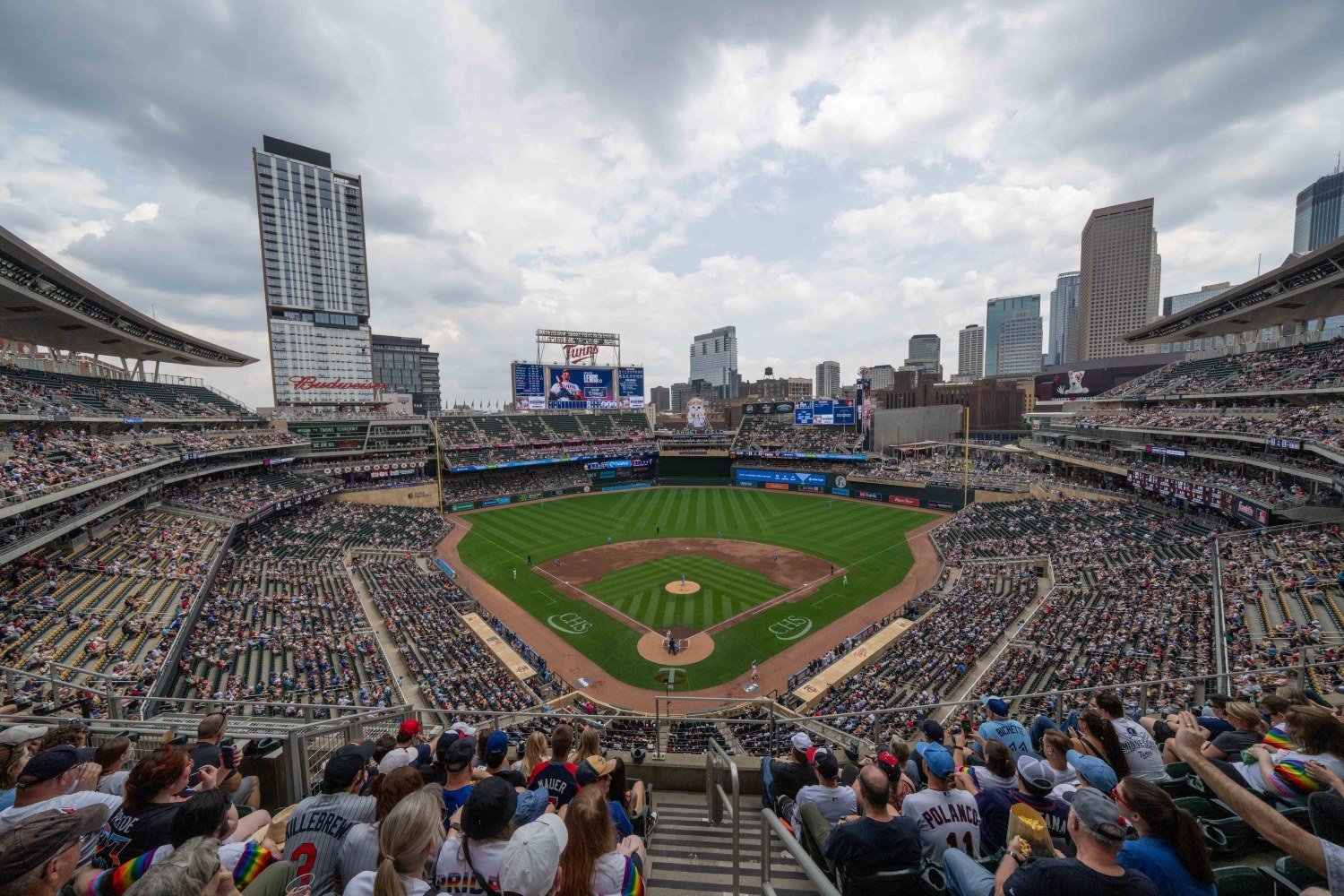 In what can only be described as a perfectly Twins moment, Derek Falvey and the front office apparently accidentally sent their entire offseason blueprint to the local beat writers earlier this week. The plan, which reportedly included color-coded spreadsheets, a 37-slide PowerPoint, and a section titled “How to Pretend We’re Spending Money Without Actually Doing It,” was intended to stay in-house until at least December (or forever, depending on how things went). Instead, Aaron Gleeman of The Athletic, Betsy Helfand of the Pioneer Press, and Matthew Leach of MLB.com all received the same email from Derek.Falvey@twinsbaseball.biz with the subject line: “CONFIDENTIAL: Operation Moderate Competence 2026.” The Accidental Leak According to multiple sources (and Gleeman’s now-deleted tweet of the PDF), the leaked document outlined the Twins’ offseason priorities as follows: Trade at least one starting-caliber player for a prospect who will debut in 2028. Explore “value signings” of players who peaked during the Obama administration. Pretend to be in on top free agents for leverage purposes. Hire a new hitting coach named “either Dave or Jason, doesn’t matter which.” Consider offering Byron Buxton a lifetime contract, but only if he promises not to slide headfirst ever again. Falvey’s office quickly sent a follow-up email labeled “URGENT: Please Delete Previous Message.” It reportedly contained the same attachment. Reactions from the Beat Gleeman seemed amused by the situation. “Honestly, I just thought it was one of those fan surveys about beer prices again,” he said. “But once I got to the section titled ‘2025 Payroll Targets: The Floor Is Lava’, I knew it was real.” Helfand took a more measured approach. “I’ve covered this team long enough to know that any time you see the word ‘creative solutions’ next to ‘rotation depth’, it’s time to update your offseason bingo card,” she noted. Meanwhile, Leach of MLB.com was reportedly stunned. “They had a bullet point that said, ‘Sign a reliever who throws 94 and hope for the best.’ That’s not a plan, that’s a coping mechanism.” The Wicked Confusion In a hastily arranged press conference, a visibly flustered Falvey attempted to explain the fiasco. “This is… uh, clearly a misunderstanding,” Falvey stammered. “We meant to send out a press release about the upcoming special showing of Wicked at Target Field later this month. Apparently, someone, possibly me, attached the wrong file.” Falvey then added, “That’s what happens when you’re in charge of both baseball and business operations at 1 Twins Way. Sometimes the lines get crossed.” According to sources close to the situation, the intended press release was supposed to promote the Twins’ latest attempt to merge sports and box office smashes, titled ‘Defying Gravity (and Payroll Constraints)’. A Familiar Tune Fans on social media wasted no time mocking the organization. One post read: “Only the Twins could turn a musical into a metaphor for their roster-building: all high notes and no chorus.” Another simply said: “Can’t wait to see the team’s new motto: No bad contracts, just misunderstood lyrics.” While Falvey insisted the leak would not impact the team’s offseason strategy, insiders say several rival executives are already preparing offers for Twins players “expected to be part of next July’s midseason ‘retool.’” Still, Falvey tried to put a positive spin on the debacle. “Look, accidents happen,” he said. “At least this time, it wasn’t another arbitration case gone viral.” For now, the Twins’ offseason plan (part mystery, part musical) remains one of baseball’s great unsung comedies. And as Falvey walked off the podium, a microphone picked up what might go down as his most honest line yet: “At least Wicked has a happy ending.”
 -
Image courtesy of © Matt Krohn-Imagn Images The 2025 Minnesota Twins’ 92-loss campaign was filled with disappointment. Still, for every standout like Byron Buxton and Joe Ryan, some players did the opposite, pushing the team further away from contention. Whether it was young hitters struggling to adjust to big-league pitching or relievers imploding in critical spots, the Twins’ roster was riddled with underperformance from top to bottom. The offensive side saw a mix of rookies and young regulars fail to build on the optimism that surrounded the club last spring. DaShawn Keirsey Jr. (-1.2 rWAR) and Brooks Lee (-1.0 rWAR) both received extended playing time but often looked overmatched at the plate. Edouard Julien (-1.0 rWAR) fell out of the team’s long-term plans, and Jose Miranda (-0.3 rWAR) spent much of 2025 underperforming at Triple-A. On the pitching side, the bullpen was supposed to be the team’s strength, and it proved unreliable at times. Jorge Alcala (-0.8 rWAR) and Brooks Kriske (-0.8 rWAR) provided multiple blowups. Even depth arms like Travis Adams (-0.9 rWAR) and Joey Wentz (-0.4 rWAR) couldn’t provide stability when injuries struck. So, with another losing season in the books, it’s time to look back at the players who hurt the team the most in 2025. 5. Travis Adams, RHP 2025 Stats: -0.9 rWAR, -11 RAA, -1.1 WAA 2026 Outlook: Adams entered the season as a late-blooming depth starter, and the Twins decided to go a different route with him and a group of pitchers in the minors. Instead of a traditional starter role, they kept Adams on a regular routine of pitching every four days. The results were mixed in the minors, and he struggled when called up to the Twins. His command issues and inability to finish off hitters kept him from seizing the opportunity. Entering 2026, Adams and the Twins may need to consider shifting him to a one-inning role to maximize his performance. 4. Edouard Julien, IF 2025 Stats: -1.0 rWAR, -7 Rbat, -5 Rfield, -2 Rbaser, -1.5 WAA 2026 Outlook: The Twins hoped Julien would rebound after a sophomore season where he posted a 74 OPS+ in 94 big-league games. However, his bat never reignited the way it did in 2023. Pitchers adjusted, exploiting holes in his swing, while his glove and baserunning continued to cost the team runs. He saw a slight bump in his OPS (+17), but his 76 OPS+ was nearly identical to his 2025 performance. With other infield options, Julien’s role for 2026 looks murky. He’ll need a hot spring and a rediscovery of his plate discipline if he wants to remain in Minnesota’s plans. 3. Brooks Lee, SS/3B 2025 Stats: -1.0 rWAR, -14 Rbat, -17 Rfield, -2.7 WAA 2026 Outlook: It’s hard to gauge Lee's performance during his first 189 games at the big-league level. As a prospect, he was projected as the Twins’ cornerstone infielder of the future. Unfortunately, his bat hasn’t lived up to the numbers he produced in the minor leagues with a 75 OPS+ and an OBP below .280 for his career. The club still believes in his talent because Lee’s approach and contact skills were elite in the minors, but the pressure will be immense heading into 2026. On paper, he’s the team’s Opening Day starting shortstop, but the team will likely need a veteran backup to push him this spring. 2. Jorge Alcala, RHP 2025 Stats: -0.8 rWAR, -12 RAA, -1.3 WAA 2026 Outlook: Alcala’s blowup last year in Texas sent the Twins into a tailspin from which they have yet to recover. After showing flashes of dominance early in his career, Alcala’s 2025 season may have been his breaking point. His velocity returned after shoulder issues, but his command didn’t. Walks and home runs piled up, turning late leads into losses far too often. In June, the Twins traded Alcala to the Red Sox for Andy Lugo. By August, he was selected off waivers by the St. Louis Cardinals. There always seemed to be promise in his arm, but he never put it all together in a Twins uniform. 1. DaShawn Keirsey Jr., OF 2025 Stats: -1.2 rWAR, -12 Rbat, -1.5 WAA 2026 Outlook: Few players had a tougher introduction to the majors than Keirsey Jr. After years of quietly producing in the minors, he earned his shot but couldn’t capitalize. The Twins also didn’t do him any favors as he failed to get regular playing time and struggled when given limited opportunities. His strikeout rate ballooned (37.5%), and his -13 OPS+ was one of MLB’s worst totals. The Twins value his speed and effort, but 2025 showed he might need to get more regular playing time to be successful. Minnesota added multiple outfielders at the trade deadline, like James Outman and Alan Roden, which likely pushes the 28-year-old Keirsey out of their plans. The Twins’ disappointing 2025 wasn’t about one player or one decision; it was a result of a thousand small failures. From top prospects struggling to develop to veterans failing to provide stability, Minnesota’s depth evaporated when it mattered most. As the front office reshapes the roster this winter, it’ll need to decide which of these players still fit into the organization’s future and which belong in the past. Do you agree with the rankings above? Should other players be added to the list? Leave a comment and start the discussion. View full article
-
Ranking the Minnesota Twins’ Least Valuable Players in 2025
Cody Christie posted an article in Twins
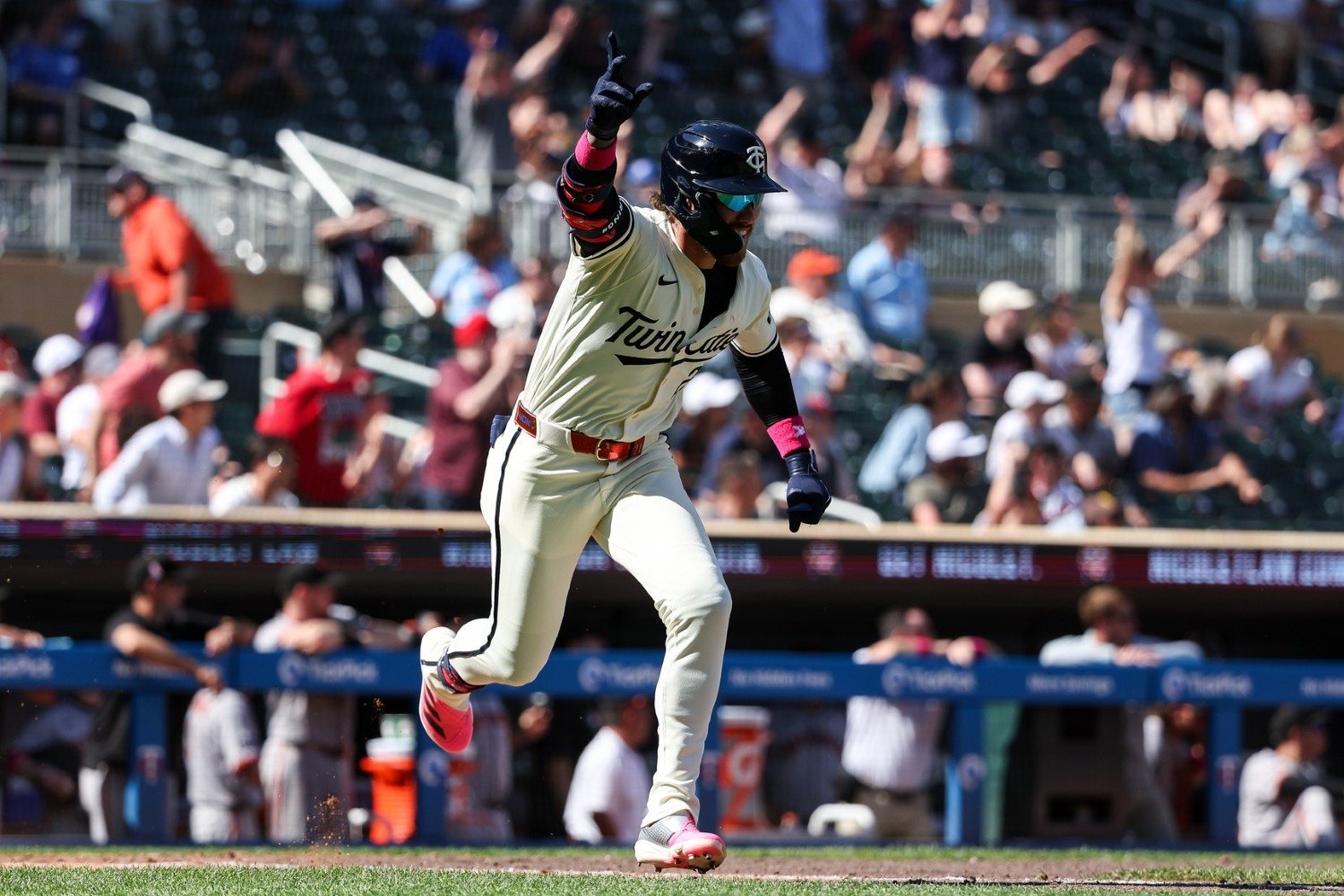 The 2025 Minnesota Twins’ 92-loss campaign was filled with disappointment. Still, for every standout like Byron Buxton and Joe Ryan, some players did the opposite, pushing the team further away from contention. Whether it was young hitters struggling to adjust to big-league pitching or relievers imploding in critical spots, the Twins’ roster was riddled with underperformance from top to bottom. The offensive side saw a mix of rookies and young regulars fail to build on the optimism that surrounded the club last spring. DaShawn Keirsey Jr. (-1.2 rWAR) and Brooks Lee (-1.0 rWAR) both received extended playing time but often looked overmatched at the plate. Edouard Julien (-1.0 rWAR) fell out of the team’s long-term plans, and Jose Miranda (-0.3 rWAR) spent much of 2025 underperforming at Triple-A. On the pitching side, the bullpen was supposed to be the team’s strength, and it proved unreliable at times. Jorge Alcala (-0.8 rWAR) and Brooks Kriske (-0.8 rWAR) provided multiple blowups. Even depth arms like Travis Adams (-0.9 rWAR) and Joey Wentz (-0.4 rWAR) couldn’t provide stability when injuries struck. So, with another losing season in the books, it’s time to look back at the players who hurt the team the most in 2025. 5. Travis Adams, RHP 2025 Stats: -0.9 rWAR, -11 RAA, -1.1 WAA 2026 Outlook: Adams entered the season as a late-blooming depth starter, and the Twins decided to go a different route with him and a group of pitchers in the minors. Instead of a traditional starter role, they kept Adams on a regular routine of pitching every four days. The results were mixed in the minors, and he struggled when called up to the Twins. His command issues and inability to finish off hitters kept him from seizing the opportunity. Entering 2026, Adams and the Twins may need to consider shifting him to a one-inning role to maximize his performance. 4. Edouard Julien, IF 2025 Stats: -1.0 rWAR, -7 Rbat, -5 Rfield, -2 Rbaser, -1.5 WAA 2026 Outlook: The Twins hoped Julien would rebound after a sophomore season where he posted a 74 OPS+ in 94 big-league games. However, his bat never reignited the way it did in 2023. Pitchers adjusted, exploiting holes in his swing, while his glove and baserunning continued to cost the team runs. He saw a slight bump in his OPS (+17), but his 76 OPS+ was nearly identical to his 2025 performance. With other infield options, Julien’s role for 2026 looks murky. He’ll need a hot spring and a rediscovery of his plate discipline if he wants to remain in Minnesota’s plans. 3. Brooks Lee, SS/3B 2025 Stats: -1.0 rWAR, -14 Rbat, -17 Rfield, -2.7 WAA 2026 Outlook: It’s hard to gauge Lee's performance during his first 189 games at the big-league level. As a prospect, he was projected as the Twins’ cornerstone infielder of the future. Unfortunately, his bat hasn’t lived up to the numbers he produced in the minor leagues with a 75 OPS+ and an OBP below .280 for his career. The club still believes in his talent because Lee’s approach and contact skills were elite in the minors, but the pressure will be immense heading into 2026. On paper, he’s the team’s Opening Day starting shortstop, but the team will likely need a veteran backup to push him this spring. 2. Jorge Alcala, RHP 2025 Stats: -0.8 rWAR, -12 RAA, -1.3 WAA 2026 Outlook: Alcala’s blowup last year in Texas sent the Twins into a tailspin from which they have yet to recover. After showing flashes of dominance early in his career, Alcala’s 2025 season may have been his breaking point. His velocity returned after shoulder issues, but his command didn’t. Walks and home runs piled up, turning late leads into losses far too often. In June, the Twins traded Alcala to the Red Sox for Andy Lugo. By August, he was selected off waivers by the St. Louis Cardinals. There always seemed to be promise in his arm, but he never put it all together in a Twins uniform. 1. DaShawn Keirsey Jr., OF 2025 Stats: -1.2 rWAR, -12 Rbat, -1.5 WAA 2026 Outlook: Few players had a tougher introduction to the majors than Keirsey Jr. After years of quietly producing in the minors, he earned his shot but couldn’t capitalize. The Twins also didn’t do him any favors as he failed to get regular playing time and struggled when given limited opportunities. His strikeout rate ballooned (37.5%), and his -13 OPS+ was one of MLB’s worst totals. The Twins value his speed and effort, but 2025 showed he might need to get more regular playing time to be successful. Minnesota added multiple outfielders at the trade deadline, like James Outman and Alan Roden, which likely pushes the 28-year-old Keirsey out of their plans. The Twins’ disappointing 2025 wasn’t about one player or one decision; it was a result of a thousand small failures. From top prospects struggling to develop to veterans failing to provide stability, Minnesota’s depth evaporated when it mattered most. As the front office reshapes the roster this winter, it’ll need to decide which of these players still fit into the organization’s future and which belong in the past. Do you agree with the rankings above? Should other players be added to the list? Leave a comment and start the discussion.
- 29 comments
-
- 8
-
-
-
- dashawn keirsey jr
- jorge alcala
- (and 4 more)
-
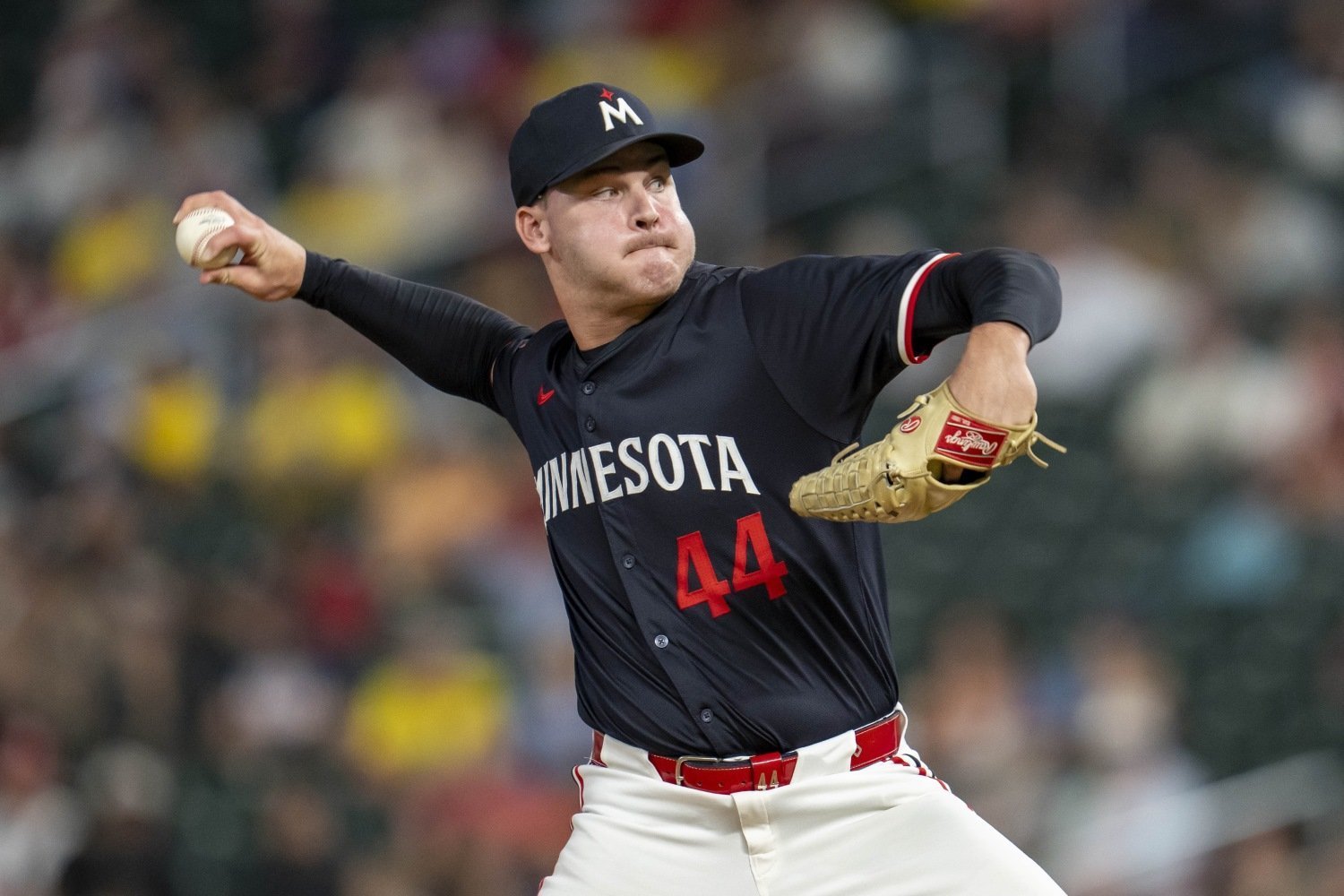 RHP Cole Sands Age on Opening Day 2026: 28 years old Service Time: Three years, 17 days 2023 Salary: $723,650 2024 Salary: $749,450 2025 Salary: $778,000 2026 MLB Trade Rumor Estimate: $1.3 million Background: The Minnesota Twins selected Sands in the fifth round of the 2018 MLB Draft out of Florida State University, banking on his mix of polish and pitchability translating to professional success. During his time in the minors, Sands developed a reputation as a steady, mid-tier starting pitching prospect. He was never a top name, but consistently productive. His strong numbers in the low minors kept him on the organization’s radar as a potential back-end starter at the big-league level. That projection came into focus when Sands made his MLB debut in 2022, splitting time between the rotation and bullpen. The results were uneven: a 5.87 ERA, 1.57 WHIP, 8.2 K/9, and 3.8 BB/9 across his rookie campaign. While the numbers didn’t jump off the page, his stuff looked sharper in shorter bursts, prompting the Twins to transition him into a full-time relief role the following season. The move paid off. From 2023-24, Sands emerged as one of Minnesota’s most trusted bullpen arms, compiling a 3.39 ERA, 1.12 WHIP, and 10.8 K/9 with only 2.4 BB/9. He excelled at limiting hard contact and pounding the strike zone, traits that earned him a consistent spot in high-leverage situations. By the end of the 2024 season, he had accumulated 1.3 rWAR and solidified his reputation as a stabilizing force in an otherwise unpredictable relief corps. The 2025 season, however, told two very different stories. Sands opened the season as one of the most trusted members of the Twins bullpen. As the year wore on, and especially following the team’s trade deadline selloff, he became one of the few arms manager Rocco Baldelli could reliably turn to. From August 1 through the end of the season, Sands posted a 3.25 FIP with a 28-to-5 strikeout-to-walk ratio across 26 innings. Unfortunately, a brutal five-game stretch in September, during which he allowed ten earned runs in just 5 1/3 innings, skewed his overall numbers. By season’s end, he carried a 4.50 ERA despite peripherals that suggested he was far better than that headline figure. Even with the inflated ERA, Sands remained an above-average strike thrower and continued to suppress hard contact. His FIP, walk rate, and WHIP all remained in line with his breakout 2023–24 seasons, hinting that his downturn was more about poor luck and small sample volatility than real regression. 2025 Stats: 69 G, 4.50 ERA, 3.58 FIP, 1.17 WHIP, 72 IP, 64 K, 21.4 K%, 19 BB, 6.4 BB% Twins Depth at His Position (RH Relievers) 40-Man Roster: Justin Topa, Cody Laweryson, Michael Tonkin, Pierson Ohl, Thomas Hatch Triple-A: Kyle Bischoff, Mike Paredes, Jarret Whorff, John Stankiewicz, Jaylen Nowlin Double-A: Jacob Kisting, Paulshawn Pasqualotto, Xander Hamilton, Logan Whitaker, Matt Gabbert, Ruddy Gomez Summary: Minnesota’s relief depth is functional but not particularly inspiring. Several arms on the 40-man roster could be designated for assignment this winter. While a few intriguing pitchers are developing in the minors, none appear ready to seize a bullpen role on Opening Day 2026. With the bullpen’s instability and lack of proven performers, the Twins can’t afford to part with one of their few dependable right-handers. Why the Twins Should Offer Him Arbitration Over the last two seasons, Sands has provided $18.6 million in value according to FanGraphs WAR, all while earning the league minimum. Even if his first arbitration salary lands slightly north of $1 million, he remains one of the biggest bargains on the roster relative to his production. Sands has proven that he can handle high-leverage innings, and the Twins desperately need reliable arms to stabilize a bullpen that’s been overhauled multiple times in recent seasons. With his strike-throwing ability, late-inning experience, and affordable cost, Sands should be viewed as a potential setup man or even closer candidate for 2026. If Minnesota is serious about staying competitive, retaining Sands is a must. Why the Twins Should Non-Tender Him There’s only one reason to non-tender Sands: if the team knows something we don’t. Perhaps the Twins have internal concerns about his health or declining metrics that aren’t visible in surface stats. To be clear, there is no sign of this from the Twins. Otherwise, moving on from him would make little sense. He’s young, cost-controlled, and capable of handling leverage innings, which are traits the Twins bullpen sorely lacks. Unless there’s a hidden red flag, Sands should be viewed as part of the solution, not a problem to cut loose. Projection: This feels like one of the easiest arbitration decisions the Twins will make this offseason. Tendering Sands a contract is a no-brainer. He’s underpaid relative to his production, still improving, and represents the type of steady, affordable bullpen arm every contending team needs. With few proven right-handers behind him, Minnesota can’t afford to let one of its most dependable relievers go. What should the Twins do with Sands? Is he an easy arbitration decision? Leave a comment and start the discussion.
 -
Image courtesy of © Jesse Johnson-Imagn Images RHP Cole Sands Age on Opening Day 2026: 28 years old Service Time: Three years, 17 days 2023 Salary: $723,650 2024 Salary: $749,450 2025 Salary: $778,000 2026 MLB Trade Rumor Estimate: $1.3 million Background: The Minnesota Twins selected Sands in the fifth round of the 2018 MLB Draft out of Florida State University, banking on his mix of polish and pitchability translating to professional success. During his time in the minors, Sands developed a reputation as a steady, mid-tier starting pitching prospect. He was never a top name, but consistently productive. His strong numbers in the low minors kept him on the organization’s radar as a potential back-end starter at the big-league level. That projection came into focus when Sands made his MLB debut in 2022, splitting time between the rotation and bullpen. The results were uneven: a 5.87 ERA, 1.57 WHIP, 8.2 K/9, and 3.8 BB/9 across his rookie campaign. While the numbers didn’t jump off the page, his stuff looked sharper in shorter bursts, prompting the Twins to transition him into a full-time relief role the following season. The move paid off. From 2023-24, Sands emerged as one of Minnesota’s most trusted bullpen arms, compiling a 3.39 ERA, 1.12 WHIP, and 10.8 K/9 with only 2.4 BB/9. He excelled at limiting hard contact and pounding the strike zone, traits that earned him a consistent spot in high-leverage situations. By the end of the 2024 season, he had accumulated 1.3 rWAR and solidified his reputation as a stabilizing force in an otherwise unpredictable relief corps. The 2025 season, however, told two very different stories. Sands opened the season as one of the most trusted members of the Twins bullpen. As the year wore on, and especially following the team’s trade deadline selloff, he became one of the few arms manager Rocco Baldelli could reliably turn to. From August 1 through the end of the season, Sands posted a 3.25 FIP with a 28-to-5 strikeout-to-walk ratio across 26 innings. Unfortunately, a brutal five-game stretch in September, during which he allowed ten earned runs in just 5 1/3 innings, skewed his overall numbers. By season’s end, he carried a 4.50 ERA despite peripherals that suggested he was far better than that headline figure. Even with the inflated ERA, Sands remained an above-average strike thrower and continued to suppress hard contact. His FIP, walk rate, and WHIP all remained in line with his breakout 2023–24 seasons, hinting that his downturn was more about poor luck and small sample volatility than real regression. 2025 Stats: 69 G, 4.50 ERA, 3.58 FIP, 1.17 WHIP, 72 IP, 64 K, 21.4 K%, 19 BB, 6.4 BB% Twins Depth at His Position (RH Relievers) 40-Man Roster: Justin Topa, Cody Laweryson, Michael Tonkin, Pierson Ohl, Thomas Hatch Triple-A: Kyle Bischoff, Mike Paredes, Jarret Whorff, John Stankiewicz, Jaylen Nowlin Double-A: Jacob Kisting, Paulshawn Pasqualotto, Xander Hamilton, Logan Whitaker, Matt Gabbert, Ruddy Gomez Summary: Minnesota’s relief depth is functional but not particularly inspiring. Several arms on the 40-man roster could be designated for assignment this winter. While a few intriguing pitchers are developing in the minors, none appear ready to seize a bullpen role on Opening Day 2026. With the bullpen’s instability and lack of proven performers, the Twins can’t afford to part with one of their few dependable right-handers. Why the Twins Should Offer Him Arbitration Over the last two seasons, Sands has provided $18.6 million in value according to FanGraphs WAR, all while earning the league minimum. Even if his first arbitration salary lands slightly north of $1 million, he remains one of the biggest bargains on the roster relative to his production. Sands has proven that he can handle high-leverage innings, and the Twins desperately need reliable arms to stabilize a bullpen that’s been overhauled multiple times in recent seasons. With his strike-throwing ability, late-inning experience, and affordable cost, Sands should be viewed as a potential setup man or even closer candidate for 2026. If Minnesota is serious about staying competitive, retaining Sands is a must. Why the Twins Should Non-Tender Him There’s only one reason to non-tender Sands: if the team knows something we don’t. Perhaps the Twins have internal concerns about his health or declining metrics that aren’t visible in surface stats. To be clear, there is no sign of this from the Twins. Otherwise, moving on from him would make little sense. He’s young, cost-controlled, and capable of handling leverage innings, which are traits the Twins bullpen sorely lacks. Unless there’s a hidden red flag, Sands should be viewed as part of the solution, not a problem to cut loose. Projection: This feels like one of the easiest arbitration decisions the Twins will make this offseason. Tendering Sands a contract is a no-brainer. He’s underpaid relative to his production, still improving, and represents the type of steady, affordable bullpen arm every contending team needs. With few proven right-handers behind him, Minnesota can’t afford to let one of its most dependable relievers go. What should the Twins do with Sands? Is he an easy arbitration decision? Leave a comment and start the discussion. View full article
-
Image courtesy of © Isaiah J. Downing-Imagn Images Every fall, baseball’s MVP conversation stirs debates across the league, and this year’s American League race is no different. The top of the ballot seems destined to be a battle between Aaron Judge and Cal Raleigh, two stars who carried their teams in very different ways. Judge was once again a machine, leading the league in both versions of WAR and serving as the offensive engine behind another dominant Yankees campaign. But Raleigh’s case might be just as compelling. He produced one of the greatest offensive seasons ever by both a catcher and a switch-hitter, all while helping guide the Mariners’ pitching staff to an AL West title. It’s rare to see a backstop enter the MVP discussion this seriously, but Raleigh’s combination of power, leadership, and workload makes him the biggest challenger to Judge’s throne. Still, when looking beyond those two, there’s no shortage of elite talent in the mix. A Deep Field of MVP Contenders Many MVP races have a handful of stars who could win in almost any other season, and this year is that kind of abundant harvest. Bobby Witt Jr. continues to look like a future MVP. His blend of speed, power, and defense makes him a perennial top-five candidate. José Ramírez remains one of baseball’s most underappreciated superstars, quietly leading the Guardians back to the top of the AL Central. On the pitching side, Tarik Skubal and Garrett Crochet deserve recognition for being the best starters in the American League this year. Both were dominant, reliable, and essential to their teams’ competitiveness. And in Seattle, Julio Rodríguez did Julio things, posting another dynamic season while sharing the spotlight (and the lineup) with Raleigh. That brings us to Byron Buxton, whose 2025 campaign was one of the brightest individual seasons in a dark year for the Minnesota Twins. Buxton’s Case: MVP Numbers, Mediocre Team Despite Minnesota’s struggles, Buxton quietly put together a season worthy of serious down-ballot MVP consideration. He put himself on the national stage by competing in the Home Run Derby in front of his hometown fans in Atlanta. He played in 140 games, a notable achievement considering his injury history, and reminded everyone just how dynamic he can be when healthy. Buxton finished 8th in the AL in Offensive WAR, 5th in slugging percentage, 5th in OPS, 7th in runs scored, 8th in home runs, and 5th in Adjusted OPS+. His Offensive Win Percentage ranked 4th, and he was the most efficient base stealer in the league, going a perfect 24-for-24. Add in a top-10 finish in Win Probability Added (9th), and the numbers paint a picture of one of baseball’s most impactful all-around hitters. His combination of power and speed (35 home runs and 24 stolen bases) put him in rare company for a Twins player. The last Twin to combine that kind of pop and athleticism for a full season was Kirby Puckett, who mixed power, defense, and flair in ways Buxton continues to echo. Unfortunately for Buxton, MVP voters often punish players on non-contending teams. The Twins’ 92-loss season makes it unlikely he’ll climb higher than the back end of the top 10, even if the numbers suggest he should. He has an incentive in his contract that will pay him $3 million if he finishes in the top 10, so he (and the Twins) will watch the voting carefully. A Realistic Spot on the Ballot Buxton’s 2025 production should be good enough to earn him a top-10 finish, but he’ll probably show up in the 7–10 range on most ballots and be left off entirely by a few voters focusing on playoff teams. Still, that kind of recognition would trigger one of the performance incentives in his contract, a small but deserved reward for a player who finally stayed healthy and played like the superstar Twins fans have long envisioned. My Hypothetical AL MVP Ballot: Aaron Judge Cal Raleigh José Ramírez Bobby Witt Jr. Tarik Skubal George Springer Garrett Crochet Byron Buxton Julio Rodríguez Corey Seager If nothing else, Buxton’s place on this list serves as a reminder that even in a disappointing team season, individual greatness still shines through. For Twins fans, it’s a glimpse of what could be possible if a healthy Buxton leads a winning roster again in 2026. How would your ballot look for the AL MVP? Does Judge or Raleigh get the top spot? Leave a comment and start the discussion. View full article
-
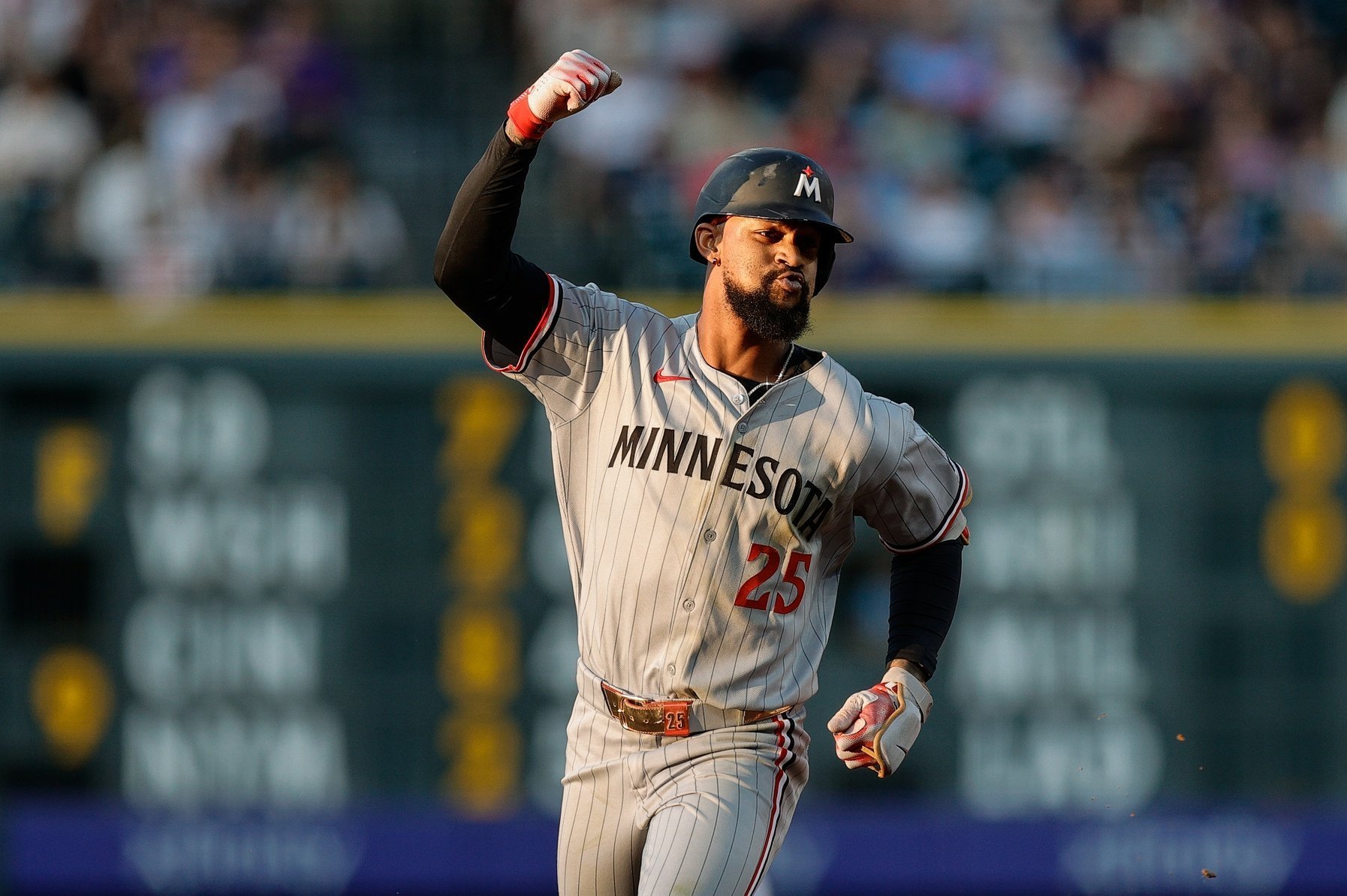 Every fall, baseball’s MVP conversation stirs debates across the league, and this year’s American League race is no different. The top of the ballot seems destined to be a battle between Aaron Judge and Cal Raleigh, two stars who carried their teams in very different ways. Judge was once again a machine, leading the league in both versions of WAR and serving as the offensive engine behind another dominant Yankees campaign. But Raleigh’s case might be just as compelling. He produced one of the greatest offensive seasons ever by both a catcher and a switch-hitter, all while helping guide the Mariners’ pitching staff to an AL West title. It’s rare to see a backstop enter the MVP discussion this seriously, but Raleigh’s combination of power, leadership, and workload makes him the biggest challenger to Judge’s throne. Still, when looking beyond those two, there’s no shortage of elite talent in the mix. A Deep Field of MVP Contenders Many MVP races have a handful of stars who could win in almost any other season, and this year is that kind of abundant harvest. Bobby Witt Jr. continues to look like a future MVP. His blend of speed, power, and defense makes him a perennial top-five candidate. José Ramírez remains one of baseball’s most underappreciated superstars, quietly leading the Guardians back to the top of the AL Central. On the pitching side, Tarik Skubal and Garrett Crochet deserve recognition for being the best starters in the American League this year. Both were dominant, reliable, and essential to their teams’ competitiveness. And in Seattle, Julio Rodríguez did Julio things, posting another dynamic season while sharing the spotlight (and the lineup) with Raleigh. That brings us to Byron Buxton, whose 2025 campaign was one of the brightest individual seasons in a dark year for the Minnesota Twins. Buxton’s Case: MVP Numbers, Mediocre Team Despite Minnesota’s struggles, Buxton quietly put together a season worthy of serious down-ballot MVP consideration. He put himself on the national stage by competing in the Home Run Derby in front of his hometown fans in Atlanta. He played in 140 games, a notable achievement considering his injury history, and reminded everyone just how dynamic he can be when healthy. Buxton finished 8th in the AL in Offensive WAR, 5th in slugging percentage, 5th in OPS, 7th in runs scored, 8th in home runs, and 5th in Adjusted OPS+. His Offensive Win Percentage ranked 4th, and he was the most efficient base stealer in the league, going a perfect 24-for-24. Add in a top-10 finish in Win Probability Added (9th), and the numbers paint a picture of one of baseball’s most impactful all-around hitters. His combination of power and speed (35 home runs and 24 stolen bases) put him in rare company for a Twins player. The last Twin to combine that kind of pop and athleticism for a full season was Kirby Puckett, who mixed power, defense, and flair in ways Buxton continues to echo. Unfortunately for Buxton, MVP voters often punish players on non-contending teams. The Twins’ 92-loss season makes it unlikely he’ll climb higher than the back end of the top 10, even if the numbers suggest he should. He has an incentive in his contract that will pay him $3 million if he finishes in the top 10, so he (and the Twins) will watch the voting carefully. A Realistic Spot on the Ballot Buxton’s 2025 production should be good enough to earn him a top-10 finish, but he’ll probably show up in the 7–10 range on most ballots and be left off entirely by a few voters focusing on playoff teams. Still, that kind of recognition would trigger one of the performance incentives in his contract, a small but deserved reward for a player who finally stayed healthy and played like the superstar Twins fans have long envisioned. My Hypothetical AL MVP Ballot: Aaron Judge Cal Raleigh José Ramírez Bobby Witt Jr. Tarik Skubal George Springer Garrett Crochet Byron Buxton Julio Rodríguez Corey Seager If nothing else, Buxton’s place on this list serves as a reminder that even in a disappointing team season, individual greatness still shines through. For Twins fans, it’s a glimpse of what could be possible if a healthy Buxton leads a winning roster again in 2026. How would your ballot look for the AL MVP? Does Judge or Raleigh get the top spot? Leave a comment and start the discussion.
- 10 comments
-
- 2
-
-
- aaron judge
- cal raleigh
- (and 5 more)
-
 For much of the past decade, the Minnesota Twins took pride in being a small-market success story, a team that could win without spending like the Yankees or Dodgers. But after a disastrous 2025 campaign and a fire sale that gutted much of the roster, the franchise is starting to flirt with an uncomfortable comparison: the Pittsburgh Pirates of the American League. Like the Pirates, the Twins are slipping into a pattern that prioritizes financial flexibility over on-field competitiveness. In the most recent Gleeman and the Geek podcast, Aaron and John discussed the connections between the Pirates and Twins. The warning signs are hard to miss, from payroll slashing to dwindling attendance and an organizational model that risks turning the club into a developmental stopover for stars of other teams. Payroll Problems and Profit Priorities The Pirates have long been one of baseball’s poster children for maximizing ownership profits while minimizing payroll. Last season, Pittsburgh’s Opening Day payroll was a meager $87 million, ranking near the bottom of Major League Baseball. Only the Miami Marlins and Oakland Athletics spent less. Minnesota hasn’t reached those depths yet, but the direction is eerily familiar. The Twins’ 2025 payroll averaged around $136 million, ranking 20th in MLB. After the team’s late-season sell-off, that number dipped closer to $120 million, and early indicators suggest that the front office could trim even more heading into 2026. A payroll in the $100 million range would put the Twins dangerously close to the Pirates’ operating zone. For years, ownership has sold the narrative that spending efficiency, not spending limits, is the goal. But at some point, it’s fair for fans to wonder if the Twins are still trying to win or simply trying to make the balance sheet look better. Empty Seats in Beautiful Ballparks PNC Park and Target Field are often celebrated as two of the most beautiful venues in baseball. Both parks sit along scenic backdrops, one with the Pittsburgh skyline, the other overlooking downtown Minneapolis. But lately, the view from the stands has come with a lot more empty seats. Minnesota entered 2025 hoping to top two million fans in attendance for the season, but the reality was far bleaker. The Twins finished with 1.77 million total fans, averaging just under 22,000 per game. That marks one of the franchise’s lowest totals since Target Field opened in 2010. Meanwhile, the Pirates drew 1.52 million fans to PNC Park, averaging about 18,800 per game. The gap between the two clubs’ attendance figures has nearly evaporated. With season ticket renewals expected to drop for 2026, the Twins could soon find themselves right next to Pittsburgh on the attendance charts, a place no ownership group wants to be. Minnesota’s ownership touted that Target Field was built to keep the team competitive and financially stable. But like in Pittsburgh, a sparkling ballpark doesn’t mean much when the product on the field fails to inspire confidence. Fans can only be sold on skyline views and craft beer for so long before apathy takes over. From Contenders to a “Quad-A” Club In Pittsburgh, the model has been clear for decades: draft and develop elite talent, utilize it for a few years, and then watch those players become stars elsewhere. Gerrit Cole became a Yankee ace. Tyler Glasnow and Austin Meadows were traded away. Now, Paul Skenes appears to be the next great Pirate who may eventually find himself in a different uniform once the price tag becomes too high. Minnesota’s recent moves echo that same troubling trend. The 2025 trade deadline saw the front office flip established talent for prospects, signaling a potential reset rather than a retool. And with rumors swirling that players like Joe Ryan, Ryan Jeffers, and Pablo López could be on the block this winter, it’s fair to ask whether the Twins are becoming a “Quad-A” franchise, one that grooms top talent just long enough for richer clubs to reap the benefits. It’s a path the Pirates have walked for years, one that trades long-term competitiveness for short-term cost control. The Twins were supposed to be different. They had modern analytics, a player-friendly culture, and a new stadium built on promises of sustained contention. But as payroll shrinks, attendance falls, and key players are dangled in trade rumors, those promises feel increasingly hollow. The Slippery Slope No one expects the Twins to spend like the Dodgers or Phillies. But there’s a big difference between fiscal responsibility and competitive apathy. The Pirates have shown how quickly a team can slip into irrelevance when ownership treats baseball like a business first and a sport second. If the Twins continue to cut payroll, lose stars, and alienate their fan base, they won’t just resemble the Pirates. They’ll become them. And for a franchise that once prided itself on doing more with less, that would be the ultimate failure. Are the Twins the Pirates of the American League? Leave a comment and start the discussion.
- 91 comments
-
- 4
-
-

-
- joe ryan
- ryan jeffers
- (and 3 more)
-
Image courtesy of © Sam Greene/The Enquirer / Imagn Images For much of the past decade, the Minnesota Twins took pride in being a small-market success story, a team that could win without spending like the Yankees or Dodgers. But after a disastrous 2025 campaign and a fire sale that gutted much of the roster, the franchise is starting to flirt with an uncomfortable comparison: the Pittsburgh Pirates of the American League. Like the Pirates, the Twins are slipping into a pattern that prioritizes financial flexibility over on-field competitiveness. In the most recent Gleeman and the Geek podcast, Aaron and John discussed the connections between the Pirates and Twins. The warning signs are hard to miss, from payroll slashing to dwindling attendance and an organizational model that risks turning the club into a developmental stopover for stars of other teams. Payroll Problems and Profit Priorities The Pirates have long been one of baseball’s poster children for maximizing ownership profits while minimizing payroll. Last season, Pittsburgh’s Opening Day payroll was a meager $87 million, ranking near the bottom of Major League Baseball. Only the Miami Marlins and Oakland Athletics spent less. Minnesota hasn’t reached those depths yet, but the direction is eerily familiar. The Twins’ 2025 payroll averaged around $136 million, ranking 20th in MLB. After the team’s late-season sell-off, that number dipped closer to $120 million, and early indicators suggest that the front office could trim even more heading into 2026. A payroll in the $100 million range would put the Twins dangerously close to the Pirates’ operating zone. For years, ownership has sold the narrative that spending efficiency, not spending limits, is the goal. But at some point, it’s fair for fans to wonder if the Twins are still trying to win or simply trying to make the balance sheet look better. Empty Seats in Beautiful Ballparks PNC Park and Target Field are often celebrated as two of the most beautiful venues in baseball. Both parks sit along scenic backdrops, one with the Pittsburgh skyline, the other overlooking downtown Minneapolis. But lately, the view from the stands has come with a lot more empty seats. Minnesota entered 2025 hoping to top two million fans in attendance for the season, but the reality was far bleaker. The Twins finished with 1.77 million total fans, averaging just under 22,000 per game. That marks one of the franchise’s lowest totals since Target Field opened in 2010. Meanwhile, the Pirates drew 1.52 million fans to PNC Park, averaging about 18,800 per game. The gap between the two clubs’ attendance figures has nearly evaporated. With season ticket renewals expected to drop for 2026, the Twins could soon find themselves right next to Pittsburgh on the attendance charts, a place no ownership group wants to be. Minnesota’s ownership touted that Target Field was built to keep the team competitive and financially stable. But like in Pittsburgh, a sparkling ballpark doesn’t mean much when the product on the field fails to inspire confidence. Fans can only be sold on skyline views and craft beer for so long before apathy takes over. From Contenders to a “Quad-A” Club In Pittsburgh, the model has been clear for decades: draft and develop elite talent, utilize it for a few years, and then watch those players become stars elsewhere. Gerrit Cole became a Yankee ace. Tyler Glasnow and Austin Meadows were traded away. Now, Paul Skenes appears to be the next great Pirate who may eventually find himself in a different uniform once the price tag becomes too high. Minnesota’s recent moves echo that same troubling trend. The 2025 trade deadline saw the front office flip established talent for prospects, signaling a potential reset rather than a retool. And with rumors swirling that players like Joe Ryan, Ryan Jeffers, and Pablo López could be on the block this winter, it’s fair to ask whether the Twins are becoming a “Quad-A” franchise, one that grooms top talent just long enough for richer clubs to reap the benefits. It’s a path the Pirates have walked for years, one that trades long-term competitiveness for short-term cost control. The Twins were supposed to be different. They had modern analytics, a player-friendly culture, and a new stadium built on promises of sustained contention. But as payroll shrinks, attendance falls, and key players are dangled in trade rumors, those promises feel increasingly hollow. The Slippery Slope No one expects the Twins to spend like the Dodgers or Phillies. But there’s a big difference between fiscal responsibility and competitive apathy. The Pirates have shown how quickly a team can slip into irrelevance when ownership treats baseball like a business first and a sport second. If the Twins continue to cut payroll, lose stars, and alienate their fan base, they won’t just resemble the Pirates. They’ll become them. And for a franchise that once prided itself on doing more with less, that would be the ultimate failure. Are the Twins the Pirates of the American League? Leave a comment and start the discussion. View full article
-
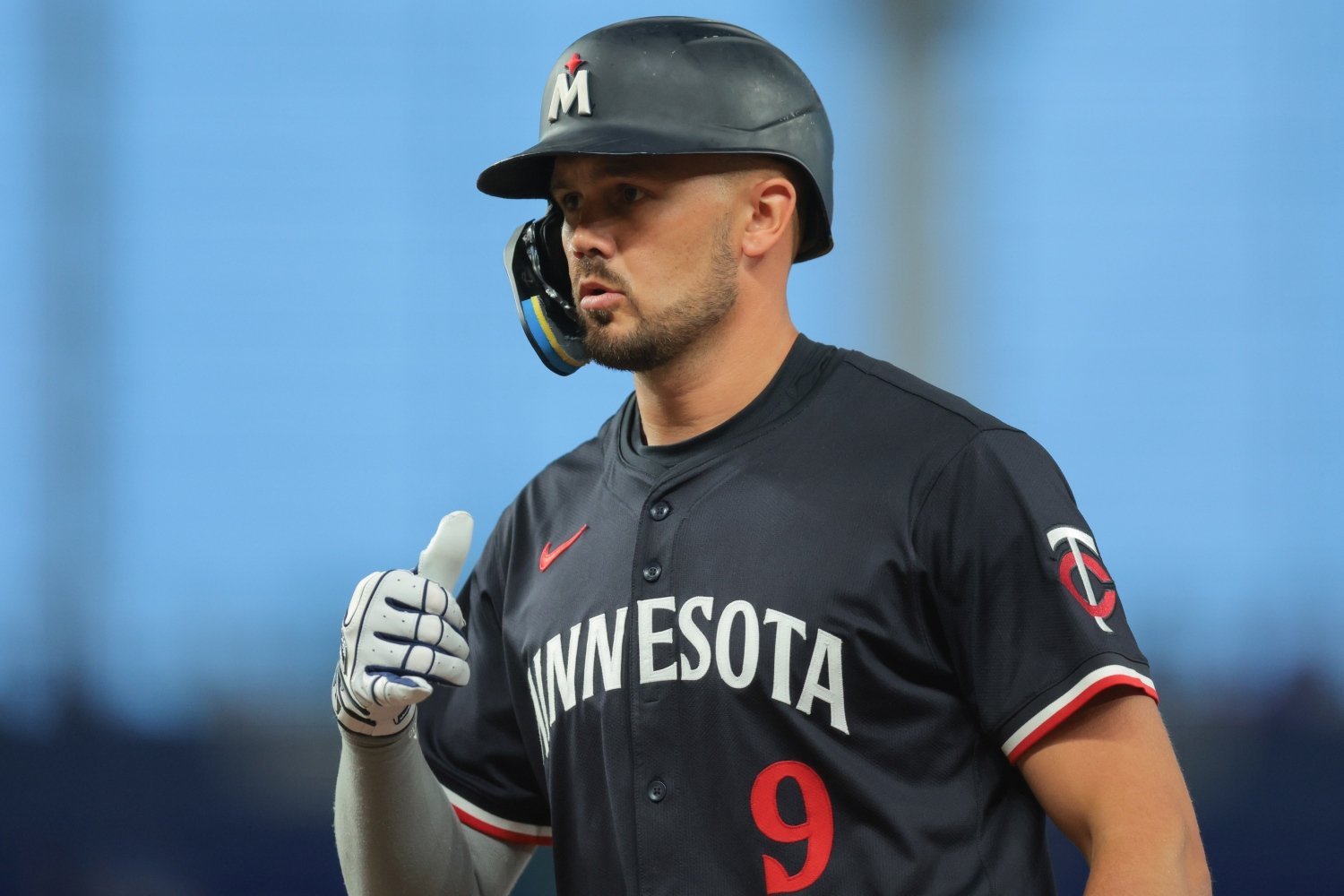 OF Trevor Larnach Age on Opening Day 2026: 29 Service Time: Four years, 14 days 2023 Salary: $733,650 2024 Salary: $740,000 2025 Salary: $2.1 million 2026 MLB Trade Rumor Estimate: $4.7 million Background: When the Minnesota Twins selected Larnach out of Oregon State University with the 20th overall pick in the 2018 MLB Draft, they believed they were adding a cornerstone bat to their future lineup. Larnach had just helped lead the Beavers to a College World Series championship, showcasing his polished left-handed swing and advanced approach at the plate. By the time he debuted in 2021, he was one of the organization’s most highly regarded prospects, a consensus top-100 player in baseball who projected to hit for both average and power. His early big-league years, however, have been a roller coaster. Over his first four seasons in the majors, Larnach hit .236/.323/.403 (.726) with a 102 OPS+, showing flashes of the middle-of-the-order bat the Twins envisioned but never sustaining that success for long stretches. There were times when his power and patience carried the offense, but just as often, he’d drift into prolonged slumps where he struggled to make consistent contact. For a player whose defense has graded as below average in the corner outfield, being merely a slightly above-average hitter wasn’t enough to cement his place as an everyday regular. Still, his 2024 season offered hope. Larnach was worth $11.6 million in value that year, according to FanGraphs, posting 1.4 fWAR with a 116 OPS+ in 112 games. He looked like he had finally turned the corner. But then came 2025, and with it, another regression. Across 142 games, Larnach hit .250/.323/.404 (.727) with a 99 OPS+, and his defense dipped further to -4 Outs Above Average. He still hit the ball hard, ranking in the 70th percentile in Average Exit Velocity and above the 60th percentile in Hard Hit%, Squared Up%, and Walk Rate. The Twins tried to protect him by limiting exposure to left-handed pitching, giving him just over 100 plate appearances against southpaws, but he still posted an OPS 150 points lower in those matchups. However, the overall results didn’t match the quality of contact. FanGraphs valued his overall contribution at $1.8 million this season. 2025 Stats: 142 G, 567 PA, .250/.323/.404 (.727), 17 HR, 24 2B, 1 3B, 60 RBI, 9.3 BB%, 21.5 K% Twins Depth at His Position (Corner Outfield) Matt Wallner - 40-man roster Austin Martin - 40-man roster James Outman - 40-man roster Carson McCusker - 40-man roster Alan Roden - 40-man roster Emmanuel Rodriguez - 40-man roster Triple-A: Walker Jenkins, Gabriel Gonzalez, Kala'i Rosario, Kyler Fedko Double-A: Hendry Mendez, Maddux Houghton, Kyle Hess Summary: The corner outfield is one of the deepest areas in the organization. With Rodriguez and Jenkins both projected as future franchise-building blocks, the Twins may soon have to make tough roster calls. Several other players already occupy 40-man spots, meaning Larnach could become expendable if the team needs space for younger, higher-upside talent. Why the Twins Should Offer Him Arbitration There’s still a compelling case for keeping Larnach around. The front office, led by Derek Falvey, clearly saw long-term potential when they invested a first-round pick in him. Sometimes, front offices are reluctant to cut ties with players they developed and believed in. More importantly, Larnach has shown that he can be an above-average offensive contributor when things click. During the second half of 2024, while the Twins’ season was unraveling, he was one of the lone bright spots by slashing .272/.368/.443 (.811) with six home runs and nine doubles. That kind of production over a full season would make him a clear everyday player, and the Twins could reasonably hope he finds that form again. At 28 years old, there’s still time for Larnach to carve out a steady MLB role, even if it’s as a platoon bat or bench contributor with pop from the left side. Why the Twins Should Non-Tender Him But this front office will also have to make financially motivated decisions this winter. The Twins are expected to trim payroll after a disappointing 92-loss season, and Larnach’s projected arbitration salary could make him a casualty. According to MLB Trade Rumors, he’s in line for the third-highest arbitration salary on the roster behind Ryan Jeffers and Joe Ryan. When weighed against his uneven production and defensive shortcomings, the value may not be there. The Twins also have multiple younger and cheaper outfield options who can fill similar roles. Add in the looming arrivals of Jenkins and Rodriguez, and it becomes harder to justify Larnach’s cost when the team has bigger holes elsewhere, particularly in the infield and pitching staff. If the Twins want to free up resources for offseason additions, non-tendering Larnach could be an unfortunate but practical move. Projection Currently, it seems more likely that Larnach will be non-tendered this winter. The Twins’ outfield logjam and financial constraints make him a natural roster casualty. Still, the front office has shown patience with homegrown talent before. If Falvey and company believe Larnach can rediscover his 2024 form, they might give him one final opportunity to prove he belongs. Whether that chance comes in Minnesota (or somewhere else) remains to be seen. What should the Twins do with Larnach? Is he an easy DFA decision? Leave a comment and start the discussion.