



Cody Christie
-
Posts
7,806 -
Joined
-
Last visited
-
Days Won
5
Content Type
Profiles
News
Minnesota Twins Videos
2026 Minnesota Twins Top Prospects Ranking
2022 Minnesota Twins Draft Picks
Minnesota Twins Free Agent & Trade Rumors, Notes, & Tidbits
Guides & Resources
2023 Minnesota Twins Draft Picks
The Minnesota Twins Players Project
2024 Minnesota Twins Draft Picks
2025 Minnesota Twins Draft Pick Tracker
2026 Minnesota Twins Draft Tracker: Picks & Bonuses
Forums
Blogs
Events
Store
Downloads
Gallery
Everything posted by Cody Christie
-

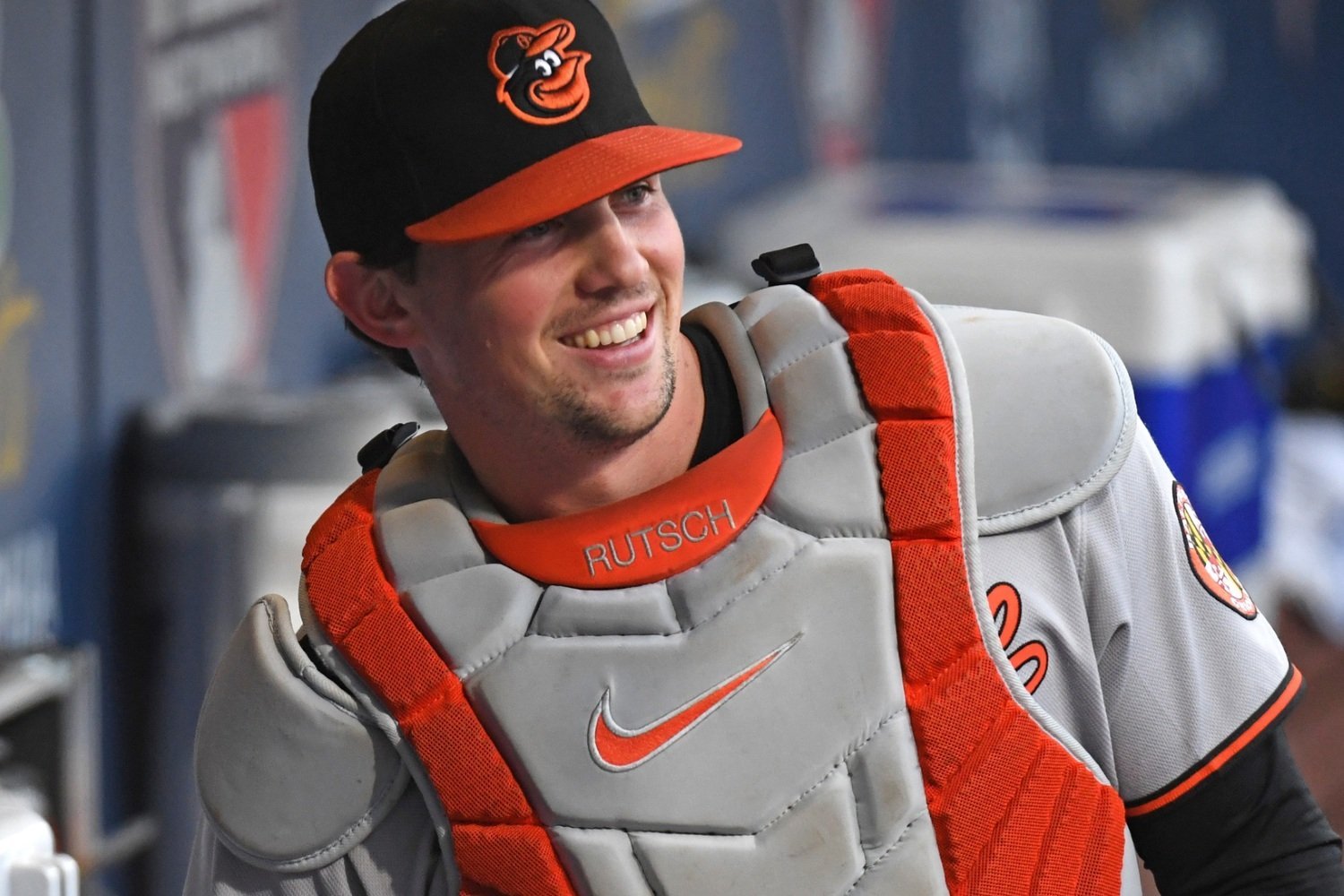 The offseason always brings surprising conversations, but few topics around the league have created more quiet buzz than the idea of Baltimore listening on Adley Rutschman. The Orioles remain well-positioned to contend, yet their roster is reaching a point where difficult decisions are unavoidable. Rutschman, once viewed as the foundation of their turnaround, is now part of a more complicated catching picture after a frustrating 2025 season and the rise of Samuel Basallo. Rutschman hit below expectations this past year (90 OPS+) after back-to-back All-Star campaigns (117 OPS+), and multiple oblique injuries limited both his availability and overall impact. Meanwhile, Basallo arrived in the big leagues, and the organization doubled down by locking him in for eight seasons at an affordable rate, giving them long-term cost certainty behind the plate. With Rutschman entering his fifth year and only under control through 2027, the Orioles suddenly face a reality in which their younger, cheaper option may fit their long-range structure more cleanly. That does not mean Baltimore is eager to subtract a two-time All-Star. It simply means they are willing to hear what other teams are willing to pay. Early reports suggest that several clubs have reached out, and any realistic offer would need to feature proven major-leaguers rather than long-term development projects. For a team intent on staying in the thick of the playoff picture, a Rutschman trade only makes sense if it helps them win immediately. This is where the Twins enter the conversation. Minnesota is at a crossroads of its own after two disappointing seasons and a roster full of difficult long-term decisions. Trading Joe Ryan or Pablo López is not something the front office would take lightly, but both pitchers hold significant value in a market light on dependable starters. The question is whether the Twins could justify moving from a strength to solidify a position that could quickly become a weakness. Ryan Jeffers has been a major success story, but he is approaching his final year of club control and will be one of the most intriguing free agent catchers next winter. Minnesota has no clear succession plan behind him, and catching depth throughout the organization remains thin. Adding a player like Rutschman, even after a down year, would immediately provide stability, upside, and long-term certainty at a premium position. His ability to control the zone, elevate an offense, and handle pitching staffs still stands out even after a season of setbacks. For Minnesota, dealing Ryan or López would hurt, but each presents a different type of fit for Baltimore. López offers frontline ability and several years of team control at a competitive price. Ryan brings All-Star potential, strong strike-throwing, and the type of personality that meshes well in a young clubhouse. He also comes at a cheaper price point for an Orioles ownership group that has kept payroll in the middle of the pack. Either pitcher would give the Orioles the ready-made, playoff-caliber rotation help they currently lack and cannot easily acquire through free agency, as many fans assume. Would either side consider a one-for-one swap? In theory, it is possible. Catchers with Rutschman’s pedigree rarely become available, but frontline or near frontline pitching with multiple years of control is just as scarce. The Twins would be betting heavily on Rutschman returning to his All-Star form, while the Orioles would be betting that their internal catching depth remains strong enough to support a return to October baseball. The more likely outcome would involve additional pieces to balance risk, but the framework is not unrealistic. It solves a looming problem for each franchise. Minnesota gains a catcher capable of anchoring the roster for years, and Baltimore adds the type of rotation stability that may be the difference between a strong regular season and a playoff run. With both clubs navigating complicated offseasons and both showing a willingness to at least consider impactful moves, this is a scenario worth watching closely. If the Orioles decide that Basallo is ready to take over and the Twins determine that this is the moment to reimagine their core, an unlikely match could suddenly make perfect sense. Should the Twins and Orioles connect on a trade? Who should Minnesota center the trade around, Lopez or Ryan? Leave a comment and start the discussion.
- 35 comments
-
- 2
-

-
- adley rutschman
- joe ryan
- (and 2 more)
-
Four Minnesota Twins Players Most Likely to Regress in 2026
Cody Christie posted an article in Twins
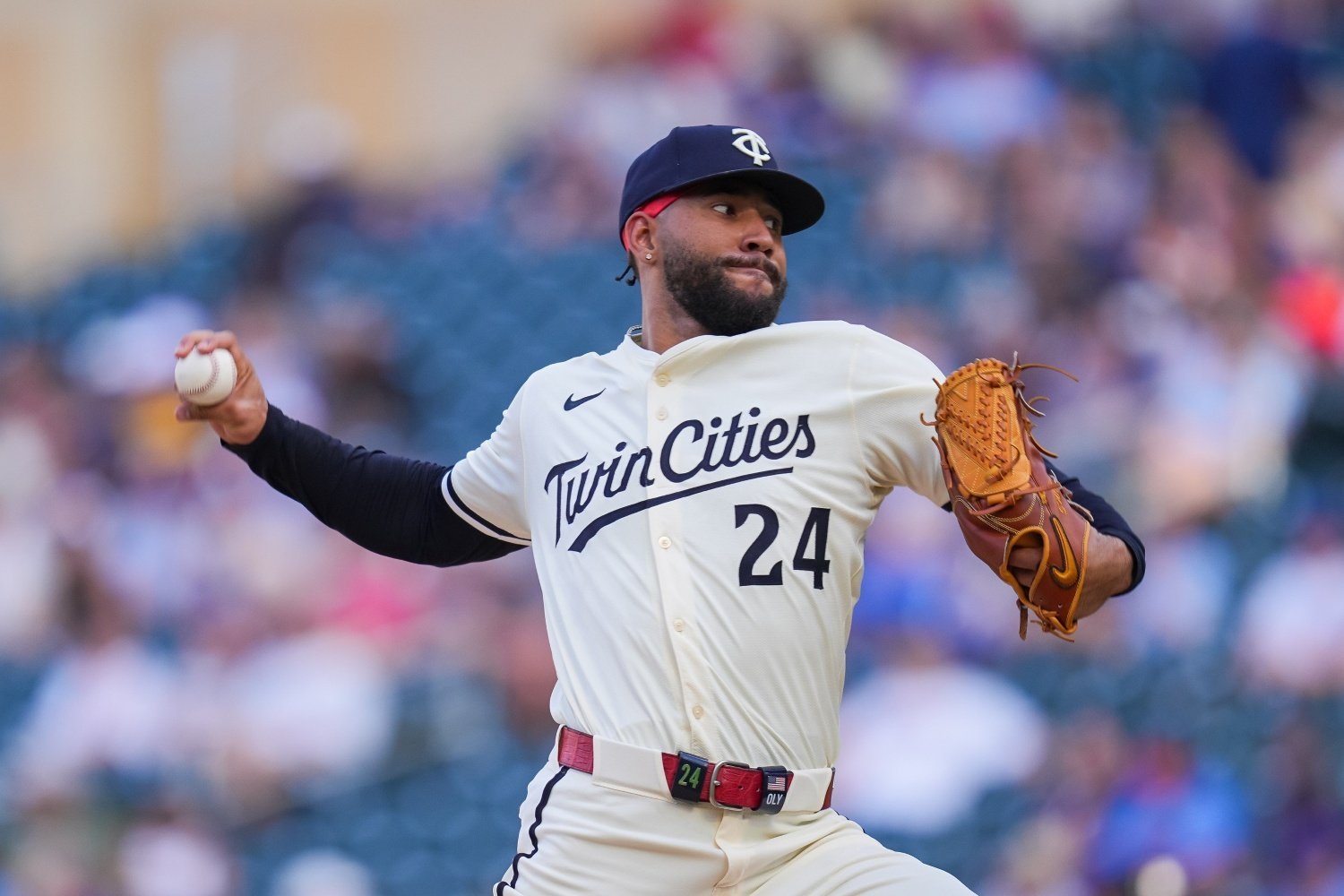 After a disappointing finish to the 2025 campaign, the Minnesota Twins enter 2026 hoping to get back into the playoff mix. Several players took significant steps forward last season, which helped keep the club semi-competitive despite a transition-heavy year. However, not everyone who excelled in 2025 is a sure bet to maintain that level of production. Regression is a natural part of baseball, and the following four players could see their numbers dip as the Twins try to reestablish themselves as contenders. OF Byron Buxton Buxton is coming off arguably the best season of his career, one in which he rediscovered his elite form and reminded everyone how dynamic he can be when healthy. Yet as he enters his age-32 season, it is fair to question how much longer he can maintain that level of explosiveness. Father Time remains undefeated, and Buxton’s speed and defensive range may begin to wane. The Twins could soon face a difficult conversation about whether to keep him in center field or shift him to a corner spot to preserve his health and extend his production window. 2026 Outlook: The Twins will continue to rely on Buxton as a key lineup piece and clubhouse leader, but his role could evolve. If he can stay on the field for 120-plus games and maintain league-average defense, he remains a valuable everyday player. A transition to left or right field could allow his bat to stay in the lineup more often while easing the physical demands that have limited his availability in past seasons. RHP Joe Ryan Ryan has been a dependable presence in Minnesota’s rotation, but his second-half numbers from last year provide some warning signs. He allowed a .790 OPS in the second half compared to a .591 mark in the first half, a pattern that has appeared in previous seasons. Injuries and inconsistency tend to creep in as workloads build, and that could again impact his overall performance. Ryan should remain a valuable playoff-caliber starter, but his final 2026 line may not match the highs he posted early last year. 2026 Outlook: Ryan enters 2026 as one of the most important arms in the rotation, particularly with several younger pitchers still developing. His ability to adjust midseason and maintain his fastball effectiveness will determine whether he can stabilize his year-to-year numbers. Even with some regression, a durable 180-inning season with solid strikeout totals would provide the consistency the Twins need. INF Kody Clemens Clemens became one of the more pleasant surprises of 2025 after the Twins gave him his first extended big-league opportunity. He responded with 19 home runs and a 96 OPS+, helping stabilize first base in a season of transition. However, those numbers might represent his ceiling rather than his new baseline. First base is traditionally a power-driven position, and Clemens’s overall offensive profile may not hold up if his power production dips even slightly. The Twins are betting on him to replicate his success, but that could prove difficult over a full season. 2026 Outlook: Clemens enters spring training with an opportunity to earn regular at-bats, but the team may also look to add competition at first base or designated hitter. If he can sustain his contact quality and improve his on-base skills, he could carve out a role as a versatile left-handed bat. However, if his slugging numbers regress, he might find himself in a platoon or bench role by midseason. RHP Simeon Woods Richardson Woods Richardson gets lost in the shuffle of the Twins’ young starting pitchers, but he has proven his worth over the last two seasons. He posted a 4.04 ERA and a 106 ERA+, becoming a steady presence behind the team’s top starters. Yet his underlying metrics raise some concerns about potential regression. His walk rate increased from 8.4% to 9.8%, and his hard-hit rate jumped by more than five percentage points. While his strikeout rate improved, his .265 BABIP suggests he benefited from some batted-ball luck that may not hold. The Twins still view him as part of their long-term rotation, but fans should temper expectations heading into 2026. 2026 Outlook: Woods Richardson will likely open the season as the team’s fourth or fifth starter, and his continued development will be key for the rotation’s depth. If he can keep his walk rate in check and induce more weak contact, he could solidify himself as a reliable mid-rotation arm. However, if his command wavers and hard contact remains an issue, regression could lead to a move to long relief or Triple-A for a reset. Minnesota’s path back to contention depends on balancing breakout performances with stability from its veterans. If these players can stave off regression, the Twins could make a serious push in 2026. But if their numbers slide, the front office may be forced to look elsewhere for answers. Do you agree that these players are headed for regression? Leave a comment and start the discussion.
- 43 comments
-
- 5
-

-
-

-
- byron buxton
- joe ryan
- (and 2 more)
-
Image courtesy of © Brad Rempel-Imagn Images After a disappointing finish to the 2025 campaign, the Minnesota Twins enter 2026 hoping to get back into the playoff mix. Several players took significant steps forward last season, which helped keep the club semi-competitive despite a transition-heavy year. However, not everyone who excelled in 2025 is a sure bet to maintain that level of production. Regression is a natural part of baseball, and the following four players could see their numbers dip as the Twins try to reestablish themselves as contenders. OF Byron Buxton Buxton is coming off arguably the best season of his career, one in which he rediscovered his elite form and reminded everyone how dynamic he can be when healthy. Yet as he enters his age-32 season, it is fair to question how much longer he can maintain that level of explosiveness. Father Time remains undefeated, and Buxton’s speed and defensive range may begin to wane. The Twins could soon face a difficult conversation about whether to keep him in center field or shift him to a corner spot to preserve his health and extend his production window. 2026 Outlook: The Twins will continue to rely on Buxton as a key lineup piece and clubhouse leader, but his role could evolve. If he can stay on the field for 120-plus games and maintain league-average defense, he remains a valuable everyday player. A transition to left or right field could allow his bat to stay in the lineup more often while easing the physical demands that have limited his availability in past seasons. RHP Joe Ryan Ryan has been a dependable presence in Minnesota’s rotation, but his second-half numbers from last year provide some warning signs. He allowed a .790 OPS in the second half compared to a .591 mark in the first half, a pattern that has appeared in previous seasons. Injuries and inconsistency tend to creep in as workloads build, and that could again impact his overall performance. Ryan should remain a valuable playoff-caliber starter, but his final 2026 line may not match the highs he posted early last year. 2026 Outlook: Ryan enters 2026 as one of the most important arms in the rotation, particularly with several younger pitchers still developing. His ability to adjust midseason and maintain his fastball effectiveness will determine whether he can stabilize his year-to-year numbers. Even with some regression, a durable 180-inning season with solid strikeout totals would provide the consistency the Twins need. INF Kody Clemens Clemens became one of the more pleasant surprises of 2025 after the Twins gave him his first extended big-league opportunity. He responded with 19 home runs and a 96 OPS+, helping stabilize first base in a season of transition. However, those numbers might represent his ceiling rather than his new baseline. First base is traditionally a power-driven position, and Clemens’s overall offensive profile may not hold up if his power production dips even slightly. The Twins are betting on him to replicate his success, but that could prove difficult over a full season. 2026 Outlook: Clemens enters spring training with an opportunity to earn regular at-bats, but the team may also look to add competition at first base or designated hitter. If he can sustain his contact quality and improve his on-base skills, he could carve out a role as a versatile left-handed bat. However, if his slugging numbers regress, he might find himself in a platoon or bench role by midseason. RHP Simeon Woods Richardson Woods Richardson gets lost in the shuffle of the Twins’ young starting pitchers, but he has proven his worth over the last two seasons. He posted a 4.04 ERA and a 106 ERA+, becoming a steady presence behind the team’s top starters. Yet his underlying metrics raise some concerns about potential regression. His walk rate increased from 8.4% to 9.8%, and his hard-hit rate jumped by more than five percentage points. While his strikeout rate improved, his .265 BABIP suggests he benefited from some batted-ball luck that may not hold. The Twins still view him as part of their long-term rotation, but fans should temper expectations heading into 2026. 2026 Outlook: Woods Richardson will likely open the season as the team’s fourth or fifth starter, and his continued development will be key for the rotation’s depth. If he can keep his walk rate in check and induce more weak contact, he could solidify himself as a reliable mid-rotation arm. However, if his command wavers and hard contact remains an issue, regression could lead to a move to long relief or Triple-A for a reset. Minnesota’s path back to contention depends on balancing breakout performances with stability from its veterans. If these players can stave off regression, the Twins could make a serious push in 2026. But if their numbers slide, the front office may be forced to look elsewhere for answers. Do you agree that these players are headed for regression? Leave a comment and start the discussion. View full article
-
Image courtesy of © Eric Hartline-Imagn Images The offseason always brings surprising conversations, but few topics around the league have created more quiet buzz than the idea of Baltimore listening on Adley Rutschman. The Orioles remain well-positioned to contend, yet their roster is reaching a point where difficult decisions are unavoidable. Rutschman, once viewed as the foundation of their turnaround, is now part of a more complicated catching picture after a frustrating 2025 season and the rise of Samuel Basallo. Rutschman hit below expectations this past year (90 OPS+) after back-to-back All-Star campaigns (117 OPS+), and multiple oblique injuries limited both his availability and overall impact. Meanwhile, Basallo arrived in the big leagues, and the organization doubled down by locking him in for eight seasons at an affordable rate, giving them long-term cost certainty behind the plate. With Rutschman entering his fifth year and only under control through 2027, the Orioles suddenly face a reality in which their younger, cheaper option may fit their long-range structure more cleanly. That does not mean Baltimore is eager to subtract a two-time All-Star. It simply means they are willing to hear what other teams are willing to pay. Early reports suggest that several clubs have reached out, and any realistic offer would need to feature proven major leaguers rather than long-term development projects. For a team intent on staying in the thick of the playoff picture, a Rutschman trade only makes sense if it helps them win immediately. This is where the Twins enter the conversation. Minnesota is at a crossroads of its own after two disappointing seasons and a roster full of difficult long-term decisions. Trading Joe Ryan or Pablo López is not something the front office would take lightly, but both pitchers hold significant value in a market light on dependable starters. The question is whether the Twins could justify moving from a strength to solidify a position that could quickly become a weakness. Ryan Jeffers has been a major success story, but he is approaching his final year of club control and will be one of the most intriguing free agent catchers next winter. Minnesota has no clear succession plan behind him, and catching depth throughout the organization remains thin. Adding a player like Rutschman, even after a down year, would immediately provide stability, upside, and long-term certainty at a premium position. His ability to control the zone, elevate an offense, and handle pitching staffs still stands out even after a season of setbacks. For Minnesota, dealing Ryan or López would hurt, but each presents a different type of fit for Baltimore. López offers frontline ability and several years of team control at a competitive price. Ryan brings All-Star potential, strong strike-throwing, and the type of personality that meshes well in a young clubhouse. He also comes at a cheaper price point for an Orioles ownership group that has kept payroll in the middle of the pack. Either pitcher would give the Orioles the ready-made, playoff-caliber rotation help they currently lack and cannot easily acquire through free agency, as many fans assume. Would either side consider a one-for-one swap? In theory, it is possible. Catchers with Rutschman’s pedigree rarely become available, but frontline or near frontline pitching with multiple years of control is just as scarce. The Twins would be betting heavily on Rutschman returning to his All-Star form, while the Orioles would be betting that their internal catching depth remains strong enough to support a return to October baseball. The more likely outcome would involve additional pieces to balance risk, but the framework is not unrealistic. It solves a looming problem for each franchise. Minnesota gains a catcher capable of anchoring the roster for years, and Baltimore adds the type of rotation stability that may be the difference between a strong regular season and a playoff run. With both clubs navigating complicated offseasons and both showing a willingness to at least consider impactful moves, this is a scenario worth watching closely. If the Orioles decide that Basallo is ready to take over and the Twins determine that this is the moment to reimagine their core, an unlikely match could suddenly make perfect sense. Should the Twins and Orioles connect on a trade? Who should Minnesota center the trade around, Lopez or Ryan? Leave a comment and start the discussion. View full article
-
Why Minnesota Twins’ Outfield Depth Could Be a Valuable Offseason Asset
Cody Christie posted an article in Twins
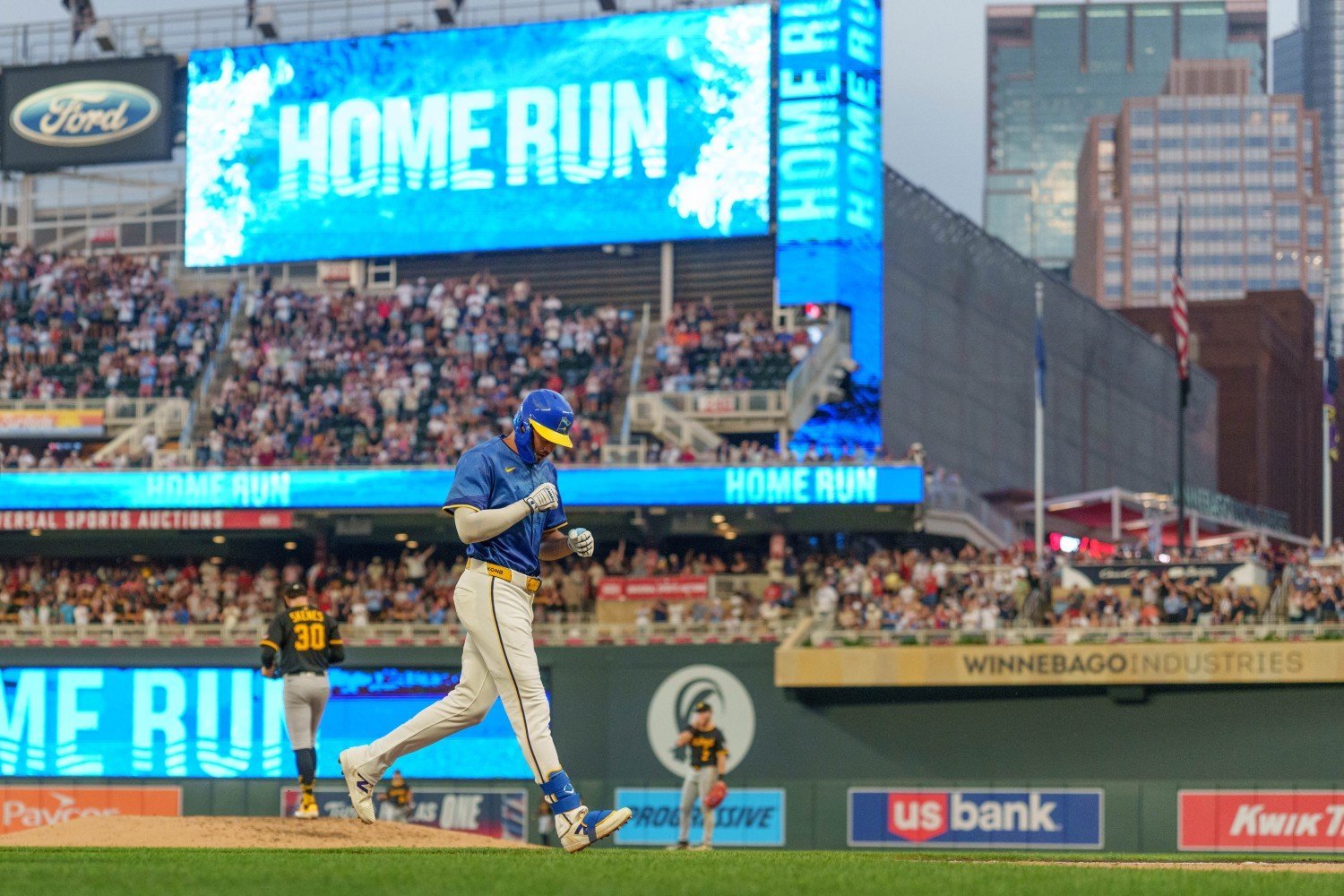 The Minnesota Twins enter the offseason with more questions than answers. Ownership appears poised to reduce payroll, but the front office still hopes to be competitive in a winnable AL Central. That balancing act could push Derek Falvey and company to explore creative ways to improve the roster without adding significant salary. One of the clearest paths to doing that might be to deal from their outfield depth, an area where the organization has plenty of talent and intrigue. At this week's GM Meetings in Las Vegas, Jon Morosi reported that the demand for starting-caliber outfielders is high. That's a bit obvious, and the report is short on details or newsworthy nuggets, but it might turn out to signal something real about the outfield market this winter. For the Minnesota Twins, that could not come at a better time. The organization boasts a deep group of major-league and near-ready outfielders, giving the front office an opportunity to get creative. Byron Buxton: Unlikely though it seemed a few months ago, Buxton might waive his no-trade clause to join a contending club—particularly if the Twins continue to move veteran players this winter. He's coming off one of the best offensive stretches of his career and remains a highly athletic center fielder. His contract is team-friendly, and with several clubs looking for star-level outfielders, his value is at an all-time high. Trading Buxton would be a seismic move for the franchise, but it is one the front office might entertain if ownership prioritizes trimming costs. Matt Wallner: Wallner experienced ups and downs last season but still managed to post a 110 OPS+, making him one of the more productive hitters in the Twins’ lineup. His combination of raw power and patience makes him an intriguing trade piece for teams looking for a controllable corner outfielder with upside. Minnesota could decide to hold onto Wallner and hope for another step forward in his development, but if the front office wants to shake up the core, he could be one of the first players moved. Trevor Larnach: Larnach’s future with the Twins appears uncertain. He is projected to make $4.7 million through arbitration, too high a salary for a player without a clear path to everyday playing time. He had a 116 OPS+ in 2024, but that dipped below average in 2025 (99 OPS+). Minnesota could explore trading him before the non-tender deadline, but his market value might be limited. While his raw tools still stand out, most teams view Larnach as a depth piece, rather than a lineup cornerstone. Austin Martin: Martin quietly finished the season strong and flashed the all-around game that once made him a top prospect. In 50 games, he produced a .740 OPS with 11 steals and a solid 31-to-22 strikeout-to-walk ratio. His ability to play multiple positions adds value, but another team could view him as an emerging regular after a promising finish. Trading Martin could address another area of need, though they may prefer to see if he can take another step forward next spring. Minnesota’s outfield picture becomes even more crowded when factoring in recent trade deadline acquisitions. James Outman and Alan Roden both project to step into more consistent playing time if the Twins move one or more of their current outfielders. Top prospects Emmanuel Rodriguez and Walker Jenkins both finished last season at Triple-A St. Paul and should arrive in the majors as early as 2026, giving the organization even more reason to consider dealing from its depth. The Twins are in a rare position: they can trade from strength without compromising their long-term outlook. If the rest of the league’s demand for outfielders remains high, Minnesota may find that its deepest position could also be its best source of value this winter. Whom should the Twins consider trading from the list above? Leave a comment and start the discussion.
- 100 comments
-
- 2
-
-
- byron buxton
- matt wallner
- (and 2 more)
-
Image courtesy of © Matt Blewett-Imagn Images The Minnesota Twins enter the offseason with more questions than answers. Ownership appears poised to reduce payroll, but the front office still hopes to be competitive in a winnable AL Central. That balancing act could push Derek Falvey and company to explore creative ways to improve the roster without adding significant salary. One of the clearest paths to doing that might be to deal from their outfield depth, an area where the organization has plenty of talent and intrigue. At this week's GM Meetings in Las Vegas, Jon Morosi reported that the demand for starting-caliber outfielders is high. That's a bit obvious, and the report is short on details or newsworthy nuggets, but it might turn out to signal something real about the outfield market this winter. For the Minnesota Twins, that could not come at a better time. The organization boasts a deep group of major-league and near-ready outfielders, giving the front office an opportunity to get creative. Byron Buxton: Unlikely though it seemed a few months ago, Buxton might waive his no-trade clause to join a contending club—particularly if the Twins continue to move veteran players this winter. He's coming off one of the best offensive stretches of his career and remains a highly athletic center fielder. His contract is team-friendly, and with several clubs looking for star-level outfielders, his value is at an all-time high. Trading Buxton would be a seismic move for the franchise, but it is one the front office might entertain if ownership prioritizes trimming costs. Matt Wallner: Wallner experienced ups and downs last season but still managed to post a 110 OPS+, making him one of the more productive hitters in the Twins’ lineup. His combination of raw power and patience makes him an intriguing trade piece for teams looking for a controllable corner outfielder with upside. Minnesota could decide to hold onto Wallner and hope for another step forward in his development, but if the front office wants to shake up the core, he could be one of the first players moved. Trevor Larnach: Larnach’s future with the Twins appears uncertain. He is projected to make $4.7 million through arbitration, too high a salary for a player without a clear path to everyday playing time. He had a 116 OPS+ in 2024, but that dipped below average in 2025 (99 OPS+). Minnesota could explore trading him before the non-tender deadline, but his market value might be limited. While his raw tools still stand out, most teams view Larnach as a depth piece, rather than a lineup cornerstone. Austin Martin: Martin quietly finished the season strong and flashed the all-around game that once made him a top prospect. In 50 games, he produced a .740 OPS with 11 steals and a solid 31-to-22 strikeout-to-walk ratio. His ability to play multiple positions adds value, but another team could view him as an emerging regular after a promising finish. Trading Martin could address another area of need, though they may prefer to see if he can take another step forward next spring. Minnesota’s outfield picture becomes even more crowded when factoring in recent trade deadline acquisitions. James Outman and Alan Roden both project to step into more consistent playing time if the Twins move one or more of their current outfielders. Top prospects Emmanuel Rodriguez and Walker Jenkins both finished last season at Triple-A St. Paul and should arrive in the majors as early as 2026, giving the organization even more reason to consider dealing from its depth. The Twins are in a rare position: they can trade from strength without compromising their long-term outlook. If the rest of the league’s demand for outfielders remains high, Minnesota may find that its deepest position could also be its best source of value this winter. Whom should the Twins consider trading from the list above? Leave a comment and start the discussion. View full article
-
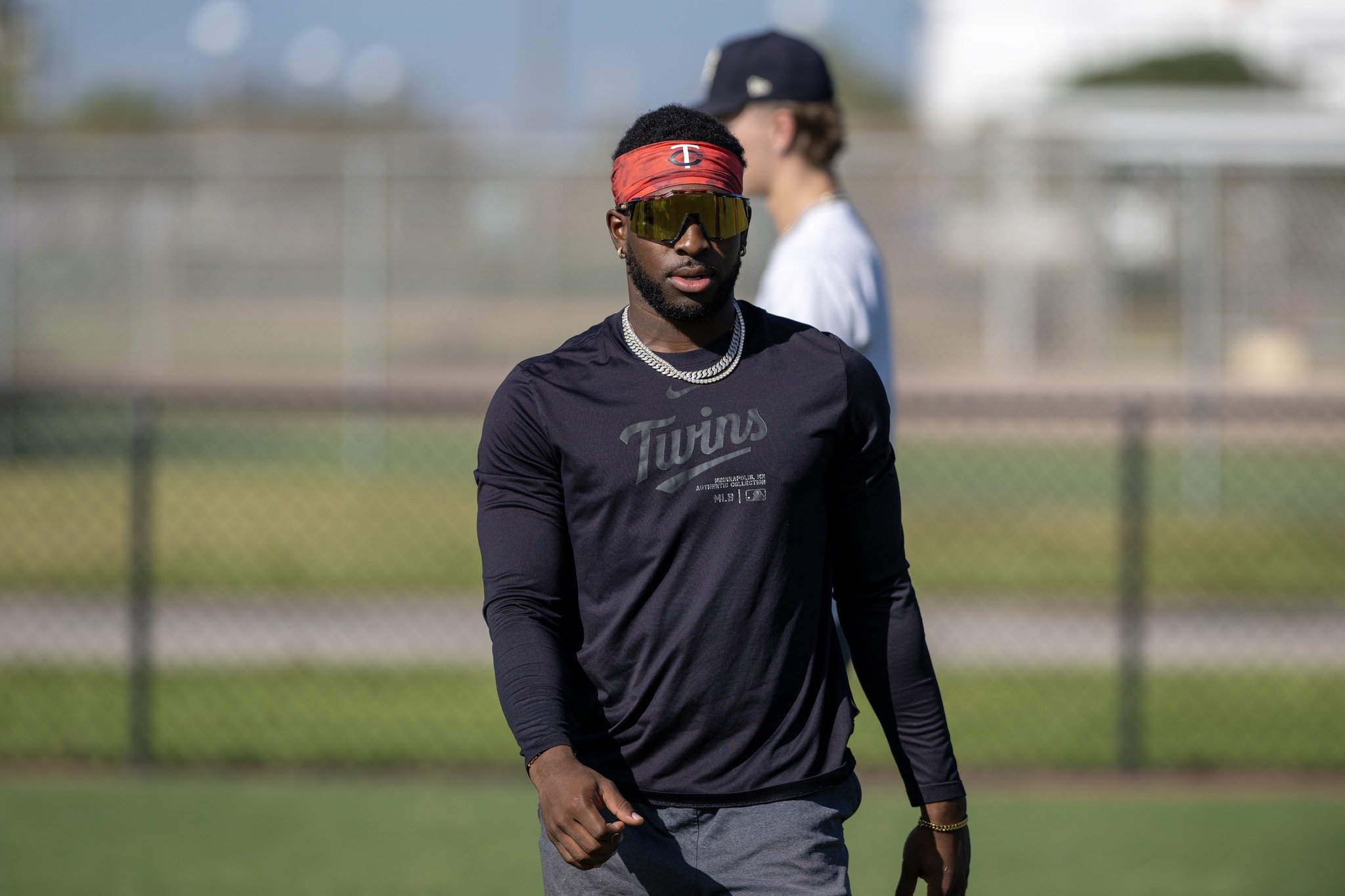 The Twins’ farm system continued to show its strength in 2025, with several top names taking significant steps forward while others refined their games against tougher competition. Each of Minnesota’s top five prospects provided new clues about what kind of player they could become at the next level. Two of those players joined the organization during last season’s trade deadline sell-off, when Minnesota moved veteran pieces to restock a thinning prospect pool. Those deals, combined with strong player development and recent draft success, have helped the Twins build one of baseball’s highest-ranked farm systems. The group is now deep, balanced, and full of players who project to make an impact in the near future, with the five names at the top standing out as the foundation for that success. Walker Jenkins: He’s The Best Twins Prospect Since… Jenkins entered the season with enormous expectations, and he somehow managed to exceed them. After dominating at Double A (154 wRC+), Jenkins was promoted to Triple-A St. Paul before his 21st birthday, a rare feat even for baseball’s best prospects. The Twins have been aggressive with him, despite injuries causing him to miss time in his first two pro seasons. Scouts have compared his combination of bat speed, plate discipline, and raw power to the early days of Joe Mauer or Byron Buxton, two of the best prospects in Twins history. Minnesota hasn’t had a prospect this complete in years, and his ceiling looks every bit as high as advertised. Kaelen Culpepper: He Can Stick at Shortstop When the Twins selected Culpepper out of Kansas State, there were questions about whether he would eventually move to third base. This season, he silenced those doubts. His footwork, range, and arm strength all took visible steps forward; he handled every defensive challenge thrown his way. Offensively, his consistent contact and improving gap power (138 wRC+) make him a valuable piece for the organization’s future infield plans. Jenkins gets a lot of the prospect love, but Culpepper has a chance to be an All-Star. For a team looking to build around athletic, versatile players, Culpepper’s progress was a significant win. Eduardo Tait: He’s the Organization’s Catcher of the Future It’s been a while since the Twins have had a catching prospect who looked like a long-term answer behind the plate, but Tait is quickly changing that narrative. Minnesota acquired him as the headliner in the Jhoan Duran trade. The young Panamanian backstop made a name for himself in 2025 with strong defensive skills and advanced pitch-framing ability for his age. Even more encouraging was his offensive consistency, showing power to all fields with a 103 wRC+, despite being one of the youngest players in the Midwest League. If his development continues on this trajectory, he could become the everyday catcher by the time the next core of Twins prospects reaches Target Field. Emmanuel Rodriguez: His OBP Is Still High, Even Against Advanced Pitching Rodriguez’s on-base skills have always been elite, and that remained true in 2025 despite facing more advanced competition. His walk rate has stayed above 21% over the last two seasons at Triple-A, while being over four years younger than the average age of the competition. Pitchers continued to challenge him with breaking balls and elevated fastballs, but his strike-zone judgment held firm. Even when his batting average dipped (down 11 points compared to 2024), Rodriguez found ways to get on base and impact games. While he still needs to cut down on swing-and-miss tendencies, his approach gives him a high floor as a future regular who can provide power and patience in the middle of the order. Mick Abel: He Has the Chance to Be the Next Joe Ryan Acquired from Philadelphia (along with Tait), Abel joined the Twins organization with high expectations. His fastball played well up in the zone, and his curveball showed the kind of late movement that generates weak contact and strikeouts (39.1 Whiff%). There were some rough patches during his first taste of the big leagues, but even future All-Stars can struggle early in their careers. The Twins’ player development staff will get an entire offseason to work with him to refine his pitch mix, with a chance for him to take the next step in 2026. Much like Joe Ryan before him, Abel combines competitiveness with plus stuff, and if he establishes better control, he could be the next pitcher to thrive under Minnesota’s pitching development model. The Twins’ top five prospects each progressed in meaningful ways in 2025, from flashing elite hitting potential to steady defensive growth and emerging leadership. Four of these players could impact the big-league roster next season. For a team looking to put the last two seasons in the rearview mirror, that's exciting. As the organization looks to sustain success at the major-league level, this group constitutes a strong foundation for the next wave of talent ready to make its mark in Minnesota. What stands out about Minnesota’s top five prospects and their 2025 performances? Leave a comment and start the discussion.
- 31 comments
-
- 12
-
-

-
- walker jenkins
- emmanuel rodriguez
- (and 3 more)
-
Image courtesy of William Parmeter The Twins’ farm system continued to show its strength in 2025, with several top names taking significant steps forward while others refined their games against tougher competition. Each of Minnesota’s top five prospects provided new clues about what kind of player they could become at the next level. Two of those players joined the organization during last season’s trade deadline sell-off, when Minnesota moved veteran pieces to restock a thinning prospect pool. Those deals, combined with strong player development and recent draft success, have helped the Twins build one of baseball’s highest-ranked farm systems. The group is now deep, balanced, and full of players who project to make an impact in the near future, with the five names at the top standing out as the foundation for that success. Walker Jenkins: He’s The Best Twins Prospect Since… Jenkins entered the season with enormous expectations, and he somehow managed to exceed them. After dominating at Double A (154 wRC+), Jenkins was promoted to Triple-A St. Paul before his 21st birthday, a rare feat even for baseball’s best prospects. The Twins have been aggressive with him, despite injuries causing him to miss time in his first two pro seasons. Scouts have compared his combination of bat speed, plate discipline, and raw power to the early days of Joe Mauer or Byron Buxton, two of the best prospects in Twins history. Minnesota hasn’t had a prospect this complete in years, and his ceiling looks every bit as high as advertised. Kaelen Culpepper: He Can Stick at Shortstop When the Twins selected Culpepper out of Kansas State, there were questions about whether he would eventually move to third base. This season, he silenced those doubts. His footwork, range, and arm strength all took visible steps forward; he handled every defensive challenge thrown his way. Offensively, his consistent contact and improving gap power (138 wRC+) make him a valuable piece for the organization’s future infield plans. Jenkins gets a lot of the prospect love, but Culpepper has a chance to be an All-Star. For a team looking to build around athletic, versatile players, Culpepper’s progress was a significant win. Eduardo Tait: He’s the Organization’s Catcher of the Future It’s been a while since the Twins have had a catching prospect who looked like a long-term answer behind the plate, but Tait is quickly changing that narrative. Minnesota acquired him as the headliner in the Jhoan Duran trade. The young Panamanian backstop made a name for himself in 2025 with strong defensive skills and advanced pitch-framing ability for his age. Even more encouraging was his offensive consistency, showing power to all fields with a 103 wRC+, despite being one of the youngest players in the Midwest League. If his development continues on this trajectory, he could become the everyday catcher by the time the next core of Twins prospects reaches Target Field. Emmanuel Rodriguez: His OBP Is Still High, Even Against Advanced Pitching Rodriguez’s on-base skills have always been elite, and that remained true in 2025 despite facing more advanced competition. His walk rate has stayed above 21% over the last two seasons at Triple-A, while being over four years younger than the average age of the competition. Pitchers continued to challenge him with breaking balls and elevated fastballs, but his strike-zone judgment held firm. Even when his batting average dipped (down 11 points compared to 2024), Rodriguez found ways to get on base and impact games. While he still needs to cut down on swing-and-miss tendencies, his approach gives him a high floor as a future regular who can provide power and patience in the middle of the order. Mick Abel: He Has the Chance to Be the Next Joe Ryan Acquired from Philadelphia (along with Tait), Abel joined the Twins organization with high expectations. His fastball played well up in the zone, and his curveball showed the kind of late movement that generates weak contact and strikeouts (39.1 Whiff%). There were some rough patches during his first taste of the big leagues, but even future All-Stars can struggle early in their careers. The Twins’ player development staff will get an entire offseason to work with him to refine his pitch mix, with a chance for him to take the next step in 2026. Much like Joe Ryan before him, Abel combines competitiveness with plus stuff, and if he establishes better control, he could be the next pitcher to thrive under Minnesota’s pitching development model. The Twins’ top five prospects each progressed in meaningful ways in 2025, from flashing elite hitting potential to steady defensive growth and emerging leadership. Four of these players could impact the big-league roster next season. For a team looking to put the last two seasons in the rearview mirror, that's exciting. As the organization looks to sustain success at the major-league level, this group constitutes a strong foundation for the next wave of talent ready to make its mark in Minnesota. What stands out about Minnesota’s top five prospects and their 2025 performances? Leave a comment and start the discussion. View full article
-
How Twins Ownership May Have Broken Byron Buxton’s Moral Code
Cody Christie posted an article in Twins
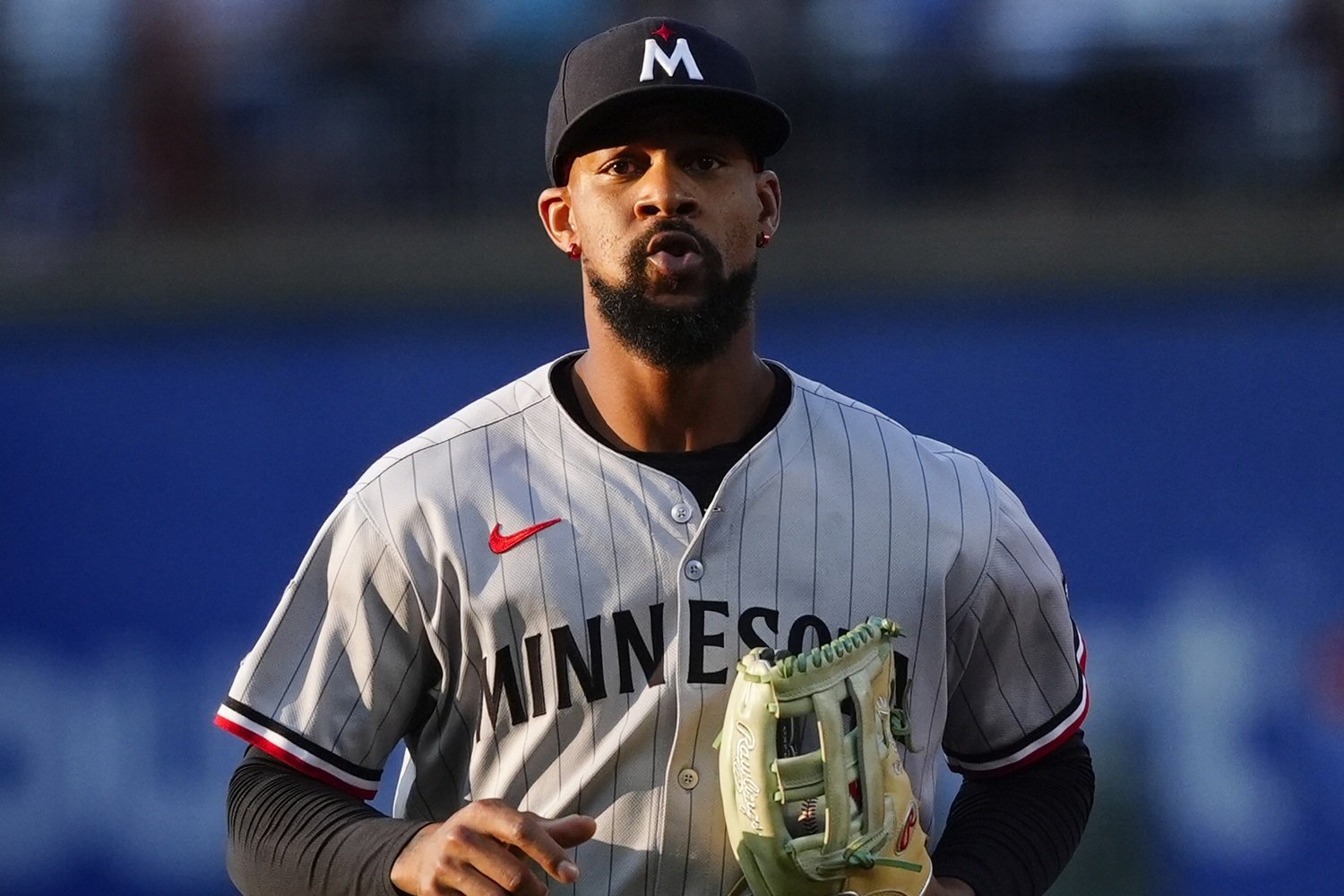 Byron Buxton has never wavered when it comes to his feelings about the Minnesota Twins. He was asked at the All-Star Game, following the trade deadline, and after the team struggled down the stretch. He told anyone who would listen that he was a Twin for life. He refused to entertain trade rumors, insisting that he wanted to win in Minnesota. Even after the club dealt 10 players at the trade deadline, including several teammates he had grown close to, Buxton publicly held firm. To him, the jersey matters as much as the name on the back. For the first time, that unshakable loyalty may be cracking. According to reporting from The Athletic’s Dan Hayes, a major-league source indicated that Buxton may be reconsidering his no-trade stance if the Twins continue breaking apart their core. “Buxton, who turns 32 next month, wants to play for a winner,” Hayes wrote, suggesting that even the two-time All-Star’s patience has limits. With three years and $45 million remaining on his contract, and full no-trade protection, the idea that he would even consider leaving speaks volumes about where the organization stands. Ironically, this moment of doubt comes just after Buxton turned in the best season of his career. After years of injuries and limited playing time, he finally stayed on the field long enough to remind everyone why he’s been considered one of the most dynamic players in baseball. In the last week, he won his first Silver Slugger, and on Thursday, he has a chance to receive down-ballot AL MVP consideration. With Buxton healthy and productive, his trade value may never be higher. There are front offices across baseball that would jump at the chance to add a player with his skill set and leadership qualities, especially if they believe his health has turned a corner. That makes the current situation even more complicated for Minnesota. Trading him now could bring back a significant return, but it would also signal that the Twins are ready to reset their identity completely. A Reflection of Ownership If Buxton is truly reconsidering his loyalty to the Twins, it is less an indictment of him and more a reflection on the organization that let things reach this point. The Twins have long marketed themselves as a team built on relationships, culture, and stability. But when ownership signals an unwillingness to sustain payroll or invest in a winning roster, even the most committed players begin to lose faith. Team president Derek Falvey recently spoke about his approach to communicating with players amid uncertainty. “My view is you always want to be transparent and open with your players about where you’re headed and what it looks like, just like we were after the deadline,” Falvey said. “I’ve talked to Byron and other players through this offseason already about ways we can get better as a team. With Shelty coming in, you can already tell there’s a little bit of fresh ideas brewing around how do we make the team the best it can be, no matter who’s on the roster at that moment in time? My focus will continue to be on ways we can put players around the players that are on our roster and not subtract from it.” It is a reassuring sentiment, but one that rings hollow after a summer defined by subtraction. The players who remain—especially veterans like Buxton—have seen firsthand how quickly things can change. When ownership decides that financial flexibility matters more than roster continuity, even the strongest bonds begin to fray. Buxton has spent his entire career representing what the Twins claim to value most: loyalty, effort, and belief in the team’s long-term vision. To make a player like that question his future says something profound about the current state of the franchise. It suggests that the front office’s decisions and ownership’s indifference have eroded the trust of their most loyal star. Buxton’s potential willingness to waive his no-trade clause is more than a transaction rumor. It is a warning sign. For years, he stood as the embodiment of what it meant to be a Minnesota Twin. If even Buxton is starting to look elsewhere for hope, then maybe the organization needs to take a hard look at what it has become and who it is pushing away in the process. Will the Twins consider trading Buxton this winter? Leave a comment and start the discussion.
 -
Image courtesy of © Ron Chenoy-Imagn Images Byron Buxton has never wavered when it comes to his feelings about the Minnesota Twins. He was asked at the All-Star Game, following the trade deadline, and after the team struggled down the stretch. He told anyone who would listen that he was a Twin for life. He refused to entertain trade rumors, insisting that he wanted to win in Minnesota. Even after the club dealt 10 players at the trade deadline, including several teammates he had grown close to, Buxton publicly held firm. To him, the jersey matters as much as the name on the back. For the first time, that unshakable loyalty may be cracking. According to reporting from The Athletic’s Dan Hayes, a major-league source indicated that Buxton may be reconsidering his no-trade stance if the Twins continue breaking apart their core. “Buxton, who turns 32 next month, wants to play for a winner,” Hayes wrote, suggesting that even the two-time All-Star’s patience has limits. With three years and $45 million remaining on his contract, and full no-trade protection, the idea that he would even consider leaving speaks volumes about where the organization stands. Ironically, this moment of doubt comes just after Buxton turned in the best season of his career. After years of injuries and limited playing time, he finally stayed on the field long enough to remind everyone why he’s been considered one of the most dynamic players in baseball. In the last week, he won his first Silver Slugger, and on Thursday, he has a chance to receive down-ballot AL MVP consideration. With Buxton healthy and productive, his trade value may never be higher. There are front offices across baseball that would jump at the chance to add a player with his skill set and leadership qualities, especially if they believe his health has turned a corner. That makes the current situation even more complicated for Minnesota. Trading him now could bring back a significant return, but it would also signal that the Twins are ready to reset their identity completely. A Reflection of Ownership If Buxton is truly reconsidering his loyalty to the Twins, it is less an indictment of him and more a reflection on the organization that let things reach this point. The Twins have long marketed themselves as a team built on relationships, culture, and stability. But when ownership signals an unwillingness to sustain payroll or invest in a winning roster, even the most committed players begin to lose faith. Team president Derek Falvey recently spoke about his approach to communicating with players amid uncertainty. “My view is you always want to be transparent and open with your players about where you’re headed and what it looks like, just like we were after the deadline,” Falvey said. “I’ve talked to Byron and other players through this offseason already about ways we can get better as a team. With Shelty coming in, you can already tell there’s a little bit of fresh ideas brewing around how do we make the team the best it can be, no matter who’s on the roster at that moment in time? My focus will continue to be on ways we can put players around the players that are on our roster and not subtract from it.” It is a reassuring sentiment, but one that rings hollow after a summer defined by subtraction. The players who remain—especially veterans like Buxton—have seen firsthand how quickly things can change. When ownership decides that financial flexibility matters more than roster continuity, even the strongest bonds begin to fray. Buxton has spent his entire career representing what the Twins claim to value most: loyalty, effort, and belief in the team’s long-term vision. To make a player like that question his future says something profound about the current state of the franchise. It suggests that the front office’s decisions and ownership’s indifference have eroded the trust of their most loyal star. Buxton’s potential willingness to waive his no-trade clause is more than a transaction rumor. It is a warning sign. For years, he stood as the embodiment of what it meant to be a Minnesota Twin. If even Buxton is starting to look elsewhere for hope, then maybe the organization needs to take a hard look at what it has become and who it is pushing away in the process. Will the Twins consider trading Buxton this winter? Leave a comment and start the discussion. View full article
-
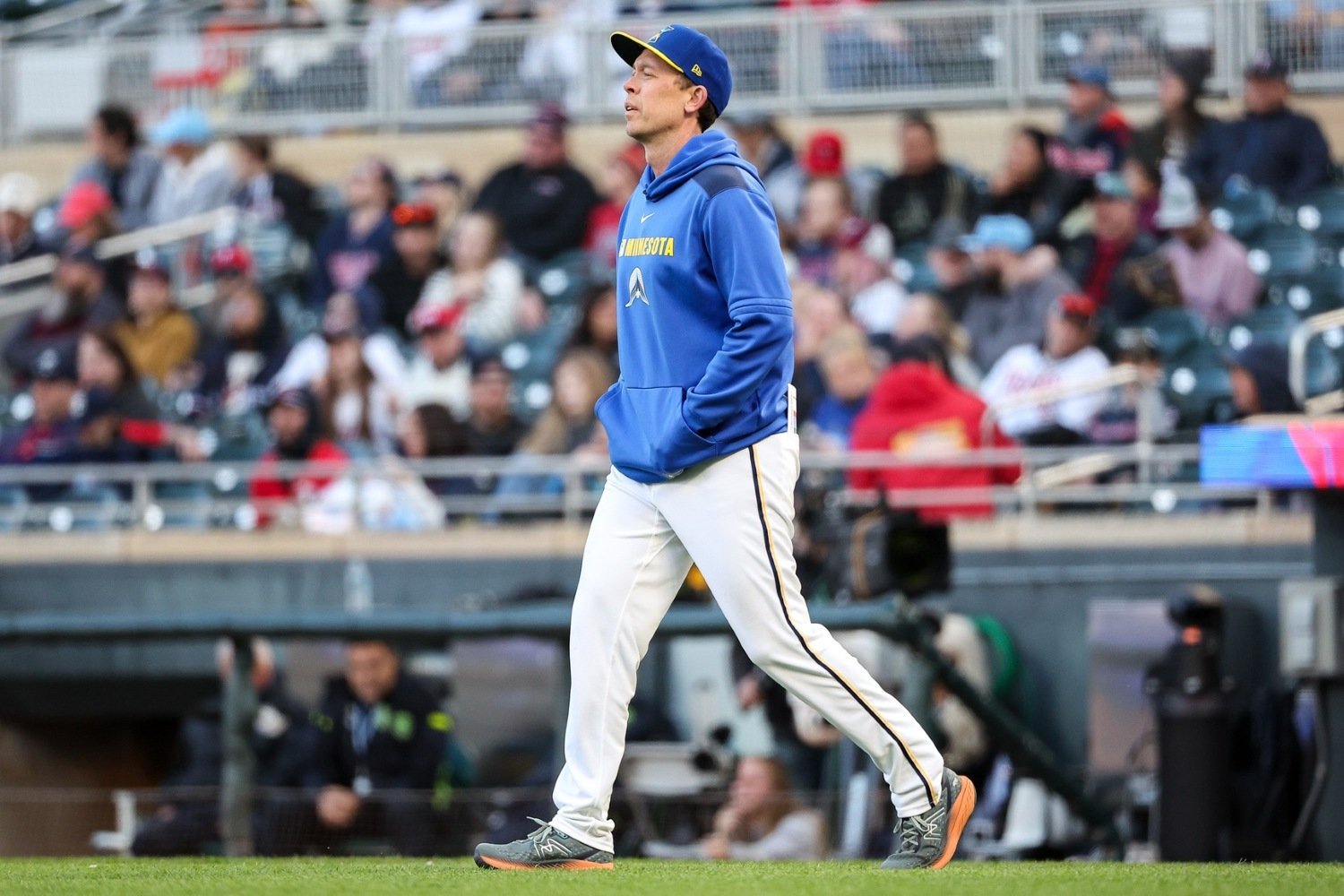 The Minnesota Twins are starting to piece together their coaching staff under new manager Derek Shelton, and familiar faces will play key roles in the dugout next season. According to multiple reports, Pete Maki will return as the team’s pitching coach while LaTroy Hawkins steps into the bullpen coach role. Hawkins’ addition comes after nearly a decade of work in the organization’s player development system and regular appearances on Bally Sports North broadcasts. His move back to the field adds an experienced, respected voice to a staff tasked with helping Minnesota rebuild one of baseball’s most dominant pitching groups from just a year ago. Maki’s return provides continuity for a pitching unit that was expected to be a strength in 2024 but stumbled due to injuries and underperformance. Pablo López and Bailey Ober both took steps back, and by the trade deadline, the bullpen had been stripped down as the team dealt Jhoan Duran, Danny Coulombe, Griffin Jax, Louis Varland, and Brock Stewart in a series of moves signaling a shift toward the future. One notable departure from the organization is longtime coach Tommy Watkins, who spent 27 years in the Twins system as a player, minor-league instructor, and coach. Watkins has accepted a position with the Atlanta Braves, closing a chapter that spanned nearly three decades in Minnesota baseball. With Maki and Hawkins in place, Shelton’s coaching staff is starting to form, though several other roles remain undecided as the Twins continue shaping the next phase of their clubhouse leadership.
 -
The Minnesota Twins are starting to piece together their coaching staff under new manager Derek Shelton, and familiar faces will play key roles in the dugout next season. According to multiple reports, Pete Maki will return as the team’s pitching coach while LaTroy Hawkins steps into the bullpen coach role. Hawkins’ addition comes after nearly a decade of work in the organization’s player development system and regular appearances on Bally Sports North broadcasts. His move back to the field adds an experienced, respected voice to a staff tasked with helping Minnesota rebuild one of baseball’s most dominant pitching groups from just a year ago. Maki’s return provides continuity for a pitching unit that was expected to be a strength in 2024 but stumbled due to injuries and underperformance. Pablo López and Bailey Ober both took steps back, and by the trade deadline, the bullpen had been stripped down as the team dealt Jhoan Duran, Danny Coulombe, Griffin Jax, Louis Varland, and Brock Stewart in a series of moves signaling a shift toward the future. One notable departure from the organization is longtime coach Tommy Watkins, who spent 27 years in the Twins system as a player, minor-league instructor, and coach. Watkins has accepted a position with the Atlanta Braves, closing a chapter that spanned nearly three decades in Minnesota baseball. With Maki and Hawkins in place, Shelton’s coaching staff is starting to form, though several other roles remain undecided as the Twins continue shaping the next phase of their clubhouse leadership. View full rumor
-
Image courtesy of © Sergio Estrada-Imagn Images The Twins’ offseason outlook at catcher is more uncertain than it has been in recent years. Christian Vázquez is now a free agent, and Ryan Jeffers has been floated as a potential trade candidate. If both veterans are moved or one departs without a clear replacement, the front office will need to act quickly to find a reliable presence behind the plate. One name that makes a lot of sense is Victor Caratini. Caratini has spent the past two seasons with the Houston Astros, after signing a two-year, $12-million deal. He became a valuable part of Joe Espada’s roster, providing steady defense, switch-hitting versatility, and a dependable approach at the plate. He was often the first player called upon off the bench and started 103 games at catcher over the past two years. With Yainer Diaz locked in as the primary backstop for Houston, Caratini may look for a larger role elsewhere this winter. If that opportunity is what he’s seeking, Minnesota could be an ideal landing spot. Caratini has shown a willingness to move around the diamond, starting 32 games at designated hitter and 18 at first base over the last two seasons. That kind of flexibility would fit perfectly with the Twins' approach to mixing and matching. At the plate, he’s been quietly productive, posting a 105 OPS+ since the start of 2023. That’s the same mark Jeffers has produced over that stretch, making Caratini an intriguing option whether the Twins keep or trade their current catcher. Other offensive metrics also paint him in a positive light. He ranked in the 77th percentile or higher in strikeout, per-swing whiff and chase rates. His 30.6% rate of squaring up the ball on contact was in the 80th percentile. As a switch-hitter, the majority of his plate appearances came as a left-handed batter. In those, he posted a .726 OPS. His right-handed swing produced a .740 OPS in only 62 plate appearances. More regular at-bats (especially against righties) could help him prove he deserves to be a starter. From a defensive standpoint, Caratini is steady, if unspectacular. He manages pitching staffs well, controls the running game, and provides consistent framing and blocking. In 2024, Baseball Savant credited him with 5 catching runs (3 Framing, 2 Throwing/Blocking), but that total dipped to -3 in 2025. He also ranked in the 72nd percentile for Blocks Above Average. Last season saw the fewest innings he had caught since 2020, so sample size may have been a factor. For a team that values defensive reliability and game-calling, that combination has significant appeal. The Twins could utilize Caratini in several ways. If Jeffers stays, the two could form a natural timeshare, with Caratini giving Derek Shelton the added benefit of a switch-hitting option to balance lineups. If Jeffers is traded, Caratini could step in as the regular catcher, while also mentoring a younger option or keeping Jhonny Pereda in a backup role. Either way, he brings stability to a position that suddenly feels uncertain. With the market unlikely to be bullish for catchers this winter, a short-term deal in the same range as his last contract could make sense for both sides. However, there is no guarantee the Twins will have the payroll flexibility to add free agents without trading other pieces. From Caratini's perspective, the benefit of a deal would be more consistent playing time. For their part, the Twins would fill a significant need without a long-term commitment. As the offseason begins to take shape, Minnesota’s catching situation will be one of the most critical areas to monitor. Caratini may not be the flashiest name available. Still, his experience, switch-hitting ability, and steady play behind the plate could make him the perfect fit for the Twins heading into 2026. Should the Twins aggressively pursue Caratini? Would he be willing to come to the Twins for a more regular role than the Astros? Leave a comment and start the discussion. View full article
-
Victor Caratini Could Be Perfect Fit for Minnesota Twins Behind the Plate
Cody Christie posted an article in Twins
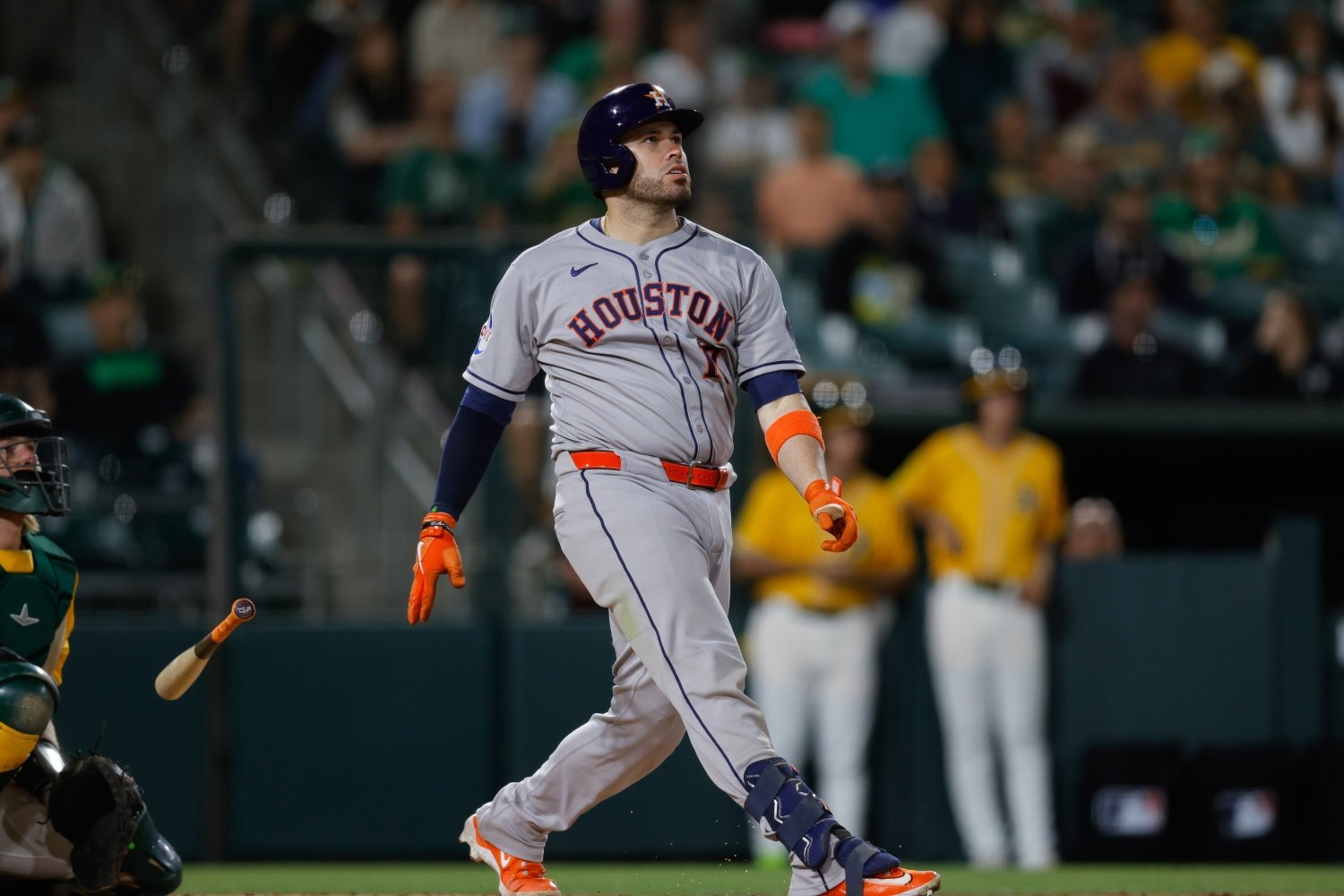 The Twins’ offseason outlook at catcher is more uncertain than it has been in recent years. Christian Vázquez is now a free agent, and Ryan Jeffers has been floated as a potential trade candidate. If both veterans are moved or one departs without a clear replacement, the front office will need to act quickly to find a reliable presence behind the plate. One name that makes a lot of sense is Victor Caratini. Caratini has spent the past two seasons with the Houston Astros, after signing a two-year, $12-million deal. He became a valuable part of Joe Espada’s roster, providing steady defense, switch-hitting versatility, and a dependable approach at the plate. He was often the first player called upon off the bench and started 103 games at catcher over the past two years. With Yainer Diaz locked in as the primary backstop for Houston, Caratini may look for a larger role elsewhere this winter. If that opportunity is what he’s seeking, Minnesota could be an ideal landing spot. Caratini has shown a willingness to move around the diamond, starting 32 games at designated hitter and 18 at first base over the last two seasons. That kind of flexibility would fit perfectly with the Twins' approach to mixing and matching. At the plate, he’s been quietly productive, posting a 105 OPS+ since the start of 2023. That’s the same mark Jeffers has produced over that stretch, making Caratini an intriguing option whether the Twins keep or trade their current catcher. Other offensive metrics also paint him in a positive light. He ranked in the 77th percentile or higher in strikeout, per-swing whiff and chase rates. His 30.6% rate of squaring up the ball on contact was in the 80th percentile. As a switch-hitter, the majority of his plate appearances came as a left-handed batter. In those, he posted a .726 OPS. His right-handed swing produced a .740 OPS in only 62 plate appearances. More regular at-bats (especially against righties) could help him prove he deserves to be a starter. From a defensive standpoint, Caratini is steady, if unspectacular. He manages pitching staffs well, controls the running game, and provides consistent framing and blocking. In 2024, Baseball Savant credited him with 5 catching runs (3 Framing, 2 Throwing/Blocking), but that total dipped to -3 in 2025. He also ranked in the 72nd percentile for Blocks Above Average. Last season saw the fewest innings he had caught since 2020, so sample size may have been a factor. For a team that values defensive reliability and game-calling, that combination has significant appeal. The Twins could utilize Caratini in several ways. If Jeffers stays, the two could form a natural timeshare, with Caratini giving Derek Shelton the added benefit of a switch-hitting option to balance lineups. If Jeffers is traded, Caratini could step in as the regular catcher, while also mentoring a younger option or keeping Jhonny Pereda in a backup role. Either way, he brings stability to a position that suddenly feels uncertain. With the market unlikely to be bullish for catchers this winter, a short-term deal in the same range as his last contract could make sense for both sides. However, there is no guarantee the Twins will have the payroll flexibility to add free agents without trading other pieces. From Caratini's perspective, the benefit of a deal would be more consistent playing time. For their part, the Twins would fill a significant need without a long-term commitment. As the offseason begins to take shape, Minnesota’s catching situation will be one of the most critical areas to monitor. Caratini may not be the flashiest name available. Still, his experience, switch-hitting ability, and steady play behind the plate could make him the perfect fit for the Twins heading into 2026. Should the Twins aggressively pursue Caratini? Would he be willing to come to the Twins for a more regular role than the Astros? Leave a comment and start the discussion.
- 27 comments
-
- 3
-
-
- victor caratini
- christian vazquez
- (and 1 more)
-
The Rise and Fall of Jose Miranda: From Breakout Prospect to Forgotten Bat
Cody Christie posted an article in Twins
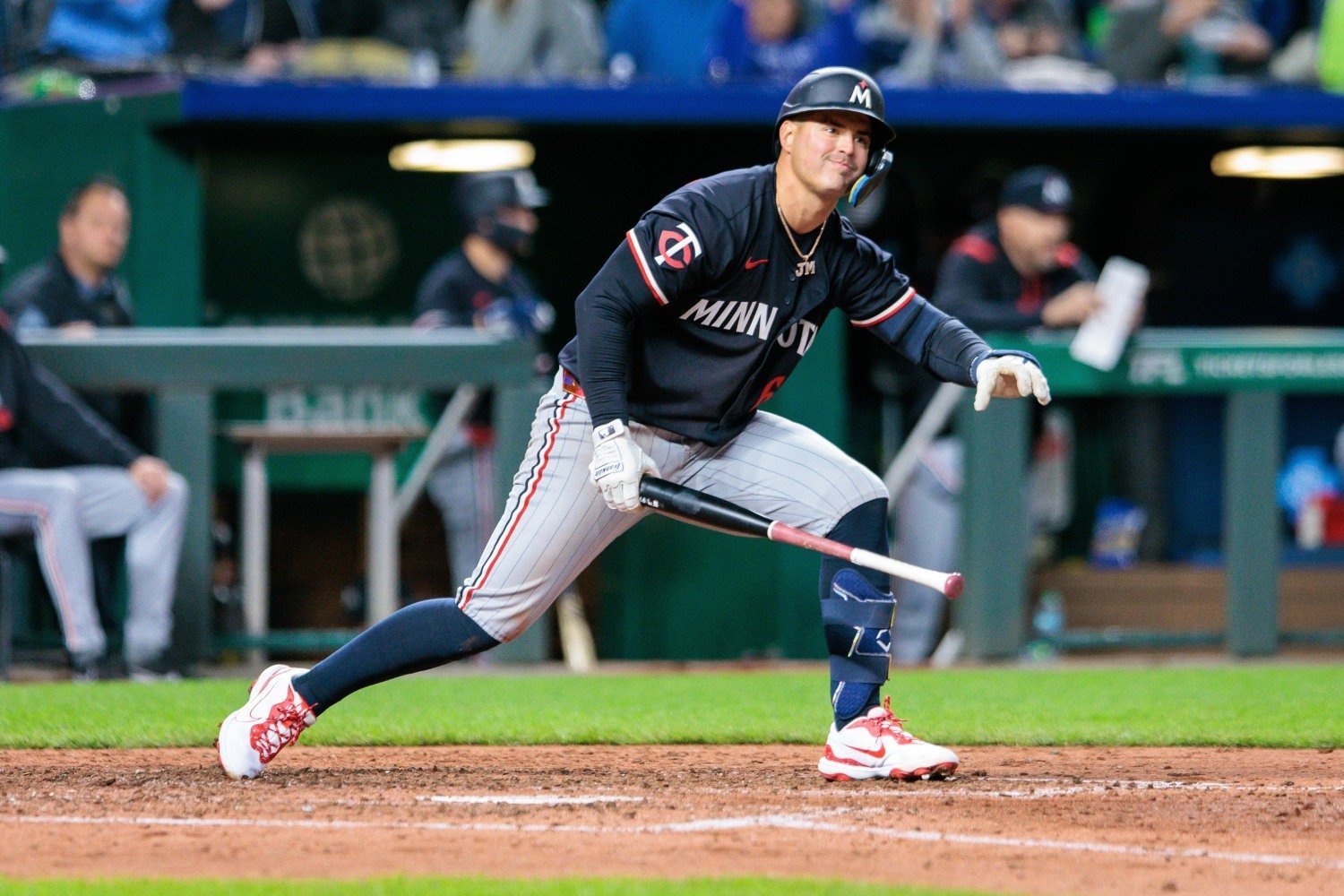 When the Minnesota Twins selected Jose Miranda out of Puerto Rico in Competitive Balance Round B of the 2016 MLB Draft, they believed his advanced bat could someday make him a fixture in their infield. It took several seasons for Miranda to emerge as a legitimate prospect, but when he finally did, his breakout was loud enough to make everyone in baseball take notice. The problem is, that peak proved fleeting. A Star in the Making Miranda’s path through the minors was slow and steady. After spending two summers in rookie ball, he gradually climbed the ladder, reaching Double A by the end of 2019. He wasn’t protected on the 40-man roster that winter, and every team in baseball passed on him in the Rule 5 Draft. Those decisions aged poorly when he erupted in 2021. That season, Miranda led all of Minor League Baseball in hits and posted a .973 OPS, while launching over 30 doubles and 30 homers between Double-A Wichita and Triple-A St. Paul. His contact-first approach suddenly came with power, and his walk rate improved without sacrificing his elite ability to put the ball in play. Miranda struck out in just 12.5 percent of his plate appearances, rarely missing fastballs and routinely producing hard contact. It was the type of offensive development the Twins’ system hadn’t seen in years. Scouts praised his compact swing and balanced approach, though some wondered if his aggressive tendencies would eventually be exploited. Still, it was hard to overlook a player who could make that much contact with that much authority. Finding His Place Miranda’s defense never matched his offensive profile. He moved between third base, second base, and first base, but his limited range and average arm strength left questions about his long-term position. The Twins didn’t seem to care. They believed the bat would play anywhere, and by 2022, he was proving them right. In his rookie season, Miranda hit .268 with 15 home runs and 66 RBIs across 125 games, providing stability to a lineup ravaged by injuries. The Twins saw him as part of their young core, alongside players like Alex Kirilloff, Trevor Larnach, and Royce Lewis. Even after a step backward in 2023, he bounced back with a strong 2024 season that included tying a major-league record by recording hits in 12 straight at-bats. His confidence appeared to have returned, and his bat looked like it belonged. The Collapse Then came 2025. Miranda’s season began with a spot on the Opening Day roster, but unraveled almost immediately. Through 12 games, he batted just .167 with 13 strikeouts in 36 plate appearances. His timing was off, his contact quality evaporated, and the plate discipline that once fueled his breakout vanished. The Twins demoted him to St. Paul, where things somehow got worse. Shortly after his demotion, he had a freak accident at Target while carrying a case of bottled water. One has to wonder if that injury impacted him throughout the year. Across 90 games with the Saints, Miranda slashed .195/.272/.296 with 57 strikeouts. His once-reliable contact ability seemed to disappear entirely. What had once been a plus bat-to-ball skill turned into a liability, as he continued to swing at pitches out of the zone and struggled to make solid contact when he did connect. It was a shocking collapse for a player who, just a year earlier, had looked like one of the team’s most reliable hitters. In total, Miranda’s four-year Twins career ended with a .263 average, 28 home runs, and a 101 OPS+. What Comes Next Miranda’s fall from promising cornerstone to organizational afterthought culminated last week with the Twins dropping him from the 40-man roster. At 27, he’s still young enough to rebound, but the margin for error has shrunk considerably. He will need to rediscover his approach at the plate and prove that his 2021-22 breakthrough wasn’t a mirage. For the Twins, Miranda’s story raises uncomfortable questions about player development and sustainability. How did a player with such natural contact ability and offensive instincts fade so quickly? Was it a matter of mechanical flaws, mental pressure, or organizational missteps? The answer is probably a mix of all three. Miranda’s rise and fall is one of the most abrupt turnarounds in recent Twins history. He once symbolized the promise of homegrown offensive talent, but now stands as a cautionary tale about how difficult it can be to stay on top once you get there. If Miranda finds his way back to the majors, it will be through the same perseverance that once defined his rise. But for now, his fall serves as a reminder that success in baseball can be as fragile as it is thrilling. What stands out about Miranda’s time in the organization? Leave a comment and start the discussion.
 -
Image courtesy of © William Purnell-Imagn Images When the Minnesota Twins selected Jose Miranda out of Puerto Rico in the Competitive Balance Round B of the 2016 MLB Draft, they believed his advanced bat could someday make him a fixture in their infield. It took several seasons for Miranda to emerge as a legitimate prospect, but when he finally did, his breakout was loud enough to make everyone in baseball take notice. The problem is, that peak proved fleeting. A Star in the Making Miranda’s path through the minors was slow and steady. After spending two summers in rookie ball, he gradually climbed the ladder, reaching Double-A by the end of 2019. He wasn’t protected on the 40-man roster that winter, and every team in baseball passed on him in the Rule 5 Draft. Those decisions aged poorly when he erupted in 2021. That season, Miranda led all of Minor League Baseball in hits and posted a .973 OPS while launching over 30 doubles and 30 homers between Double-A Wichita and Triple-A St. Paul. His contact-first approach suddenly came with power, and his walk rate improved without sacrificing his elite ability to put the ball in play. Miranda struck out in just 12.5 percent of his plate appearances, rarely missing fastballs and routinely producing hard contact. It was the type of offensive development the Twins’ system hadn’t seen in years. Scouts praised his compact swing and balanced approach, though some wondered if his aggressive tendencies would eventually be exploited at the next level. Still, it was hard to overlook a player who could make that much contact with that much authority. Finding His Place Miranda’s defense never matched his offensive profile. He moved between third base, second base, and first base, but his limited range and average arm strength left questions about his long-term position. The Twins didn’t seem to care. They believed the bat would play anywhere, and by 2022, he was proving them right. In his rookie season, Miranda hit .268 with 15 home runs and 66 RBIs across 125 games, providing stability to a lineup ravaged by injuries. The Twins saw him as part of their young core alongside players like Alex Kirilloff, Trevor Larnach, and Royce Lewis. Even after a step backward in 2023, he bounced back with a strong 2024 season that included tying a Major League record by recording hits in 12 straight at-bats. His confidence appeared to have returned, and his bat looked like it belonged. The Collapse Then came 2025. Miranda’s season began with a spot on the Opening Day roster but unraveled almost immediately. Through 12 games, he batted just .167 with 13 strikeouts in 36 plate appearances. His timing was off, his contact quality evaporated, and the plate discipline that once fueled his breakout vanished. The Twins demoted him to Triple-A St. Paul, where things somehow got worse. Shortly after his demotion, he had a freak accident at Target while carrying a case of bottled water. One has to wonder if that injury impacted him throughout the year. Across 90 games with the Saints, Miranda slashed .195/.272/.296 with 57 strikeouts. His once-reliable contact ability seemed to disappear entirely. What had once been a plus bat-to-ball skill turned into a liability, as he continued to swing at pitches out of the zone and struggled to make solid contact when he did connect. It was a shocking collapse for a player who, just a year earlier, had looked like one of the team’s most reliable hitters. In total, Miranda’s four-year Twins career ended with a .263 average, 28 home runs, and a 101 OPS+. What Comes Next Miranda’s fall from promising cornerstone to organizational afterthought came to a head this week with the Twins dropping him from the 40-man roster. At 27, he’s still young enough to rebound, but the margin for error has shrunk considerably. He will need to rediscover his approach at the plate and prove that his 2021-22 breakthrough wasn’t a mirage. For the Twins, Miranda’s story raises uncomfortable questions about player development and sustainability. How did a player with such natural contact ability and offensive instincts fade so quickly? Was it a matter of mechanical flaws, mental pressure, or organizational missteps? The answer is probably a mix of all three. What’s clear is that Jose Miranda’s rise and fall is one of the most abrupt turnarounds in recent Twins history. He once symbolized the promise of homegrown offensive talent, but now stands as a cautionary tale about how difficult it can be to stay on top once you get there. If Miranda finds his way back to the majors, it will be through the same perseverance that once defined his rise. But for now, his fall serves as a reminder that success in baseball can be as fragile as it is fleeting. What stands out about Miranda’s time in the organization? Leave a comment and start the discussion. View full article
-
Inside Four Decades of Twins Prospects with Baseball America
Cody Christie posted an article in History
 Baseball America recently released a comprehensive look back at every organization’s top prospects dating to 1983, the first year it began ranking talent across the league. For the Minnesota Twins, the list provides an opportunity to reflect on the organization’s long history of developing and scouting talent. Some names have become franchise legends, while others faded before ever reaching Target Field or the Metrodome. Together, they tell the story of how the Twins have developed talent for more than 40 years. Minnesota Twins' Best Prospects As part of the retrospective, Baseball America created a “Mount Rushmore of WAR” for each organization. These are players who ranked as top prospects for that team and went on to accumulate the highest career Wins Above Replacement in the major leagues, even if that success came elsewhere. For the Twins, that list included Joe Mauer, Kirby Puckett, Byron Buxton, and Jay Bell. Mauer is the most iconic homegrown player of his generation. The former number one overall pick in 2001 was a local legend before he even signed, and his career lived up to the hype. Mauer became the face of the franchise, winning three batting titles, an MVP award, and three Gold Gloves while transitioning from catcher to first base late in his career. His 55.2 fWAR with the Twins cements his status among the greatest players in team history. Puckett’s arrival in the mid-1980s helped shape a golden era for Minnesota baseball. He combined leadership, charisma, and elite performance at the plate and in center field. A six-time Silver Slugger and six-time Gold Glove winner, Puckett’s postseason heroics in 1987 and 1991 are the stuff of Twins legend. Before his career was tragically cut short, he was one of baseball’s true stars and one of the most successful top prospects the organization ever developed. Buxton represents the modern version of that elite homegrown talent. Once Baseball America’s number one overall prospect, he has flashed game-changing ability on both sides of the ball when healthy. Injuries have prevented him from reaching his full potential. Still, his combination of elite defense, power, and speed keeps him in the conversation as one of the most talented players to ever wear a Twins uniform. The fourth name on the list, Bell, might surprise some Twins fans. Bell was the eighth overall pick in the 1984 MLB Draft out of high school, and while he never played a game for Minnesota, his inclusion highlights the ripple effects of prospect development. In August 1985, Bell was traded to Cleveland as part of the deal that brought Bert Blyleven back to Minnesota. Blyleven, of course, played a pivotal role in the 1987 World Series championship. Bell went on to enjoy an impressive big-league career, finishing with 37.9 fWAR, two All-Star appearances, a Gold Glove, a Silver Slugger, and multiple seasons of down-ballot MVP consideration. Worst Big-League WAR While some prospects became franchise cornerstones, others failed to meet lofty expectations. Among the Twins’ former top prospects, Bryan Oelkers, Billy Beane, and Dave McCarty posted the lowest big-league WAR totals. Oelkers was Minnesota’s first-round pick in 1982, a left-handed pitcher out of the University of Illinois. He made his debut in 1983 but struggled with command and never established himself in the rotation, finishing his brief career with a -1.7 fWAR. Beane’s name will always be associated with his front office success more than his playing career. Drafted by the Mets in the first round of the 1980 draft, he was a highly touted outfielder who could not translate his tools into consistent big-league results. His -1.7 fWAR as a player is a far cry from the analytical revolution he later spearheaded as an executive with the Oakland Athletics. McCarty, the third overall pick in the 1991 draft, had the type of smooth right-handed swing scouts dream about. Unfortunately, it never translated into sustained major league success. He bounced around several organizations and ended his career with a -2.6 fWAR, the lowest among the Twins’ former top prospects. Names You Likely Forgot Scrolling through Baseball America’s list also unearths names that may only ring a faint bell for longtime Twins followers. Will Bankes, Adam Johnson, and Rich Garces all appeared as top prospects during their respective eras but never made the impact many expected. Johnson, in particular, was a notable case as the second overall pick in 2000, ahead of future stars like Chase Utley and Adam Wainwright. His career unraveled quickly due to injuries and inconsistency. Garces, meanwhile, eventually found success elsewhere as a reliever for the Boston Red Sox, and Bankes’ name has long since faded into minor league obscurity. Two former top Twins prospects, Steve Gasser and Johnny Ard, never reached the majors. Gasser, a right-handed pitcher, was a second-round pick in 1985 but struggled with injuries that derailed his path. Ard, a first-round selection in 1988, had a powerful arm but could not find the command needed to move through the system. Both serve as reminders of how unpredictable prospect development can be, even for highly regarded talents. Looking Back (and Forward) Baseball America’s retrospective offers a fascinating window into the Twins’ player development journey. For every Mauer or Puckett, there have been players who never realized their promise. Yet across four decades of rankings, one consistent thread emerges: Minnesota has a long history of identifying talent capable of becoming elite at the major league level. Whether those players wore a Twins uniform for one day or a decade, their stories all began in the same place, as prospects with big dreams and the potential to shape baseball history. Now the Twins hope Walker Jenkins becomes the next prospect to join their Mount Rushmore. What stands out about Baseball America’s list? Leave a comment and start the discussion.
 -
Image courtesy of © Jerome Miron-Imagn Images Baseball America recently released a comprehensive look back at every organization’s top prospects dating to 1983, the first year it began ranking talent across the league. For the Minnesota Twins, the list provides an opportunity to reflect on the organization’s long history of developing and scouting talent. Some names have become franchise legends, while others faded before ever reaching Target Field or the Metrodome. Together, they tell the story of how the Twins have developed talent for more than 40 years. Minnesota Twins' Best Prospects As part of the retrospective, Baseball America created a “Mount Rushmore of WAR” for each organization. These are players who ranked as top prospects for that team and went on to accumulate the highest career Wins Above Replacement in the major leagues, even if that success came elsewhere. For the Twins, that list included Joe Mauer, Kirby Puckett, Byron Buxton, and Jay Bell. Mauer is the most iconic homegrown player of his generation. The former number one overall pick in 2001 was a local legend before he even signed, and his career lived up to the hype. Mauer became the face of the franchise, winning three batting titles, an MVP award, and three Gold Gloves while transitioning from catcher to first base late in his career. His 55.2 fWAR with the Twins cements his status among the greatest players in team history. Puckett’s arrival in the mid-1980s helped shape a golden era for Minnesota baseball. He combined leadership, charisma, and elite performance at the plate and in center field. A six-time Silver Slugger and six-time Gold Glove winner, Puckett’s postseason heroics in 1987 and 1991 are the stuff of Twins legend. Before his career was tragically cut short, he was one of baseball’s true stars and one of the most successful top prospects the organization ever developed. Buxton represents the modern version of that elite homegrown talent. Once Baseball America’s number one overall prospect, he has flashed game-changing ability on both sides of the ball when healthy. Injuries have prevented him from reaching his full potential. Still, his combination of elite defense, power, and speed keeps him in the conversation as one of the most talented players to ever wear a Twins uniform. The fourth name on the list, Bell, might surprise some Twins fans. Bell was the eighth overall pick in the 1984 MLB Draft out of high school, and while he never played a game for Minnesota, his inclusion highlights the ripple effects of prospect development. In August 1985, Bell was traded to Cleveland as part of the deal that brought Bert Blyleven back to Minnesota. Blyleven, of course, played a pivotal role in the 1987 World Series championship. Bell went on to enjoy an impressive big-league career, finishing with 37.9 fWAR, two All-Star appearances, a Gold Glove, a Silver Slugger, and multiple seasons of down-ballot MVP consideration. Worst Big-League WAR While some prospects became franchise cornerstones, others failed to meet lofty expectations. Among the Twins’ former top prospects, Bryan Oelkers, Billy Beane, and Dave McCarty posted the lowest big-league WAR totals. Oelkers was Minnesota’s first-round pick in 1982, a left-handed pitcher out of the University of Illinois. He made his debut in 1983 but struggled with command and never established himself in the rotation, finishing his brief career with a -1.7 fWAR. Beane’s name will always be associated with his front office success more than his playing career. Drafted by the Mets in the first round of the 1980 draft, he was a highly touted outfielder who could not translate his tools into consistent big-league results. His -1.7 fWAR as a player is a far cry from the analytical revolution he later spearheaded as an executive with the Oakland Athletics. McCarty, the third overall pick in the 1991 draft, had the type of smooth right-handed swing scouts dream about. Unfortunately, it never translated into sustained major league success. He bounced around several organizations and ended his career with a -2.6 fWAR, the lowest among the Twins’ former top prospects. Names You Likely Forgot Scrolling through Baseball America’s list also unearths names that may only ring a faint bell for longtime Twins followers. Will Bankes, Adam Johnson, and Rich Garces all appeared as top prospects during their respective eras but never made the impact many expected. Johnson, in particular, was a notable case as the second overall pick in 2000, ahead of future stars like Chase Utley and Adam Wainwright. His career unraveled quickly due to injuries and inconsistency. Garces, meanwhile, eventually found success elsewhere as a reliever for the Boston Red Sox, and Bankes’ name has long since faded into minor league obscurity. Two former top Twins prospects, Steve Gasser and Johnny Ard, never reached the majors. Gasser, a right-handed pitcher, was a second-round pick in 1985 but struggled with injuries that derailed his path. Ard, a first-round selection in 1988, had a powerful arm but could not find the command needed to move through the system. Both serve as reminders of how unpredictable prospect development can be, even for highly regarded talents. Looking Back (and Forward) Baseball America’s retrospective offers a fascinating window into the Twins’ player development journey. For every Mauer or Puckett, there have been players who never realized their promise. Yet across four decades of rankings, one consistent thread emerges: Minnesota has a long history of identifying talent capable of becoming elite at the major league level. Whether those players wore a Twins uniform for one day or a decade, their stories all began in the same place, as prospects with big dreams and the potential to shape baseball history. Now the Twins hope Walker Jenkins becomes the next prospect to join their Mount Rushmore. What stands out about Baseball America’s list? Leave a comment and start the discussion. View full article
-
López and Festa Give the Twins Reason for Optimism This Offseason
Cody Christie posted an article in Twins
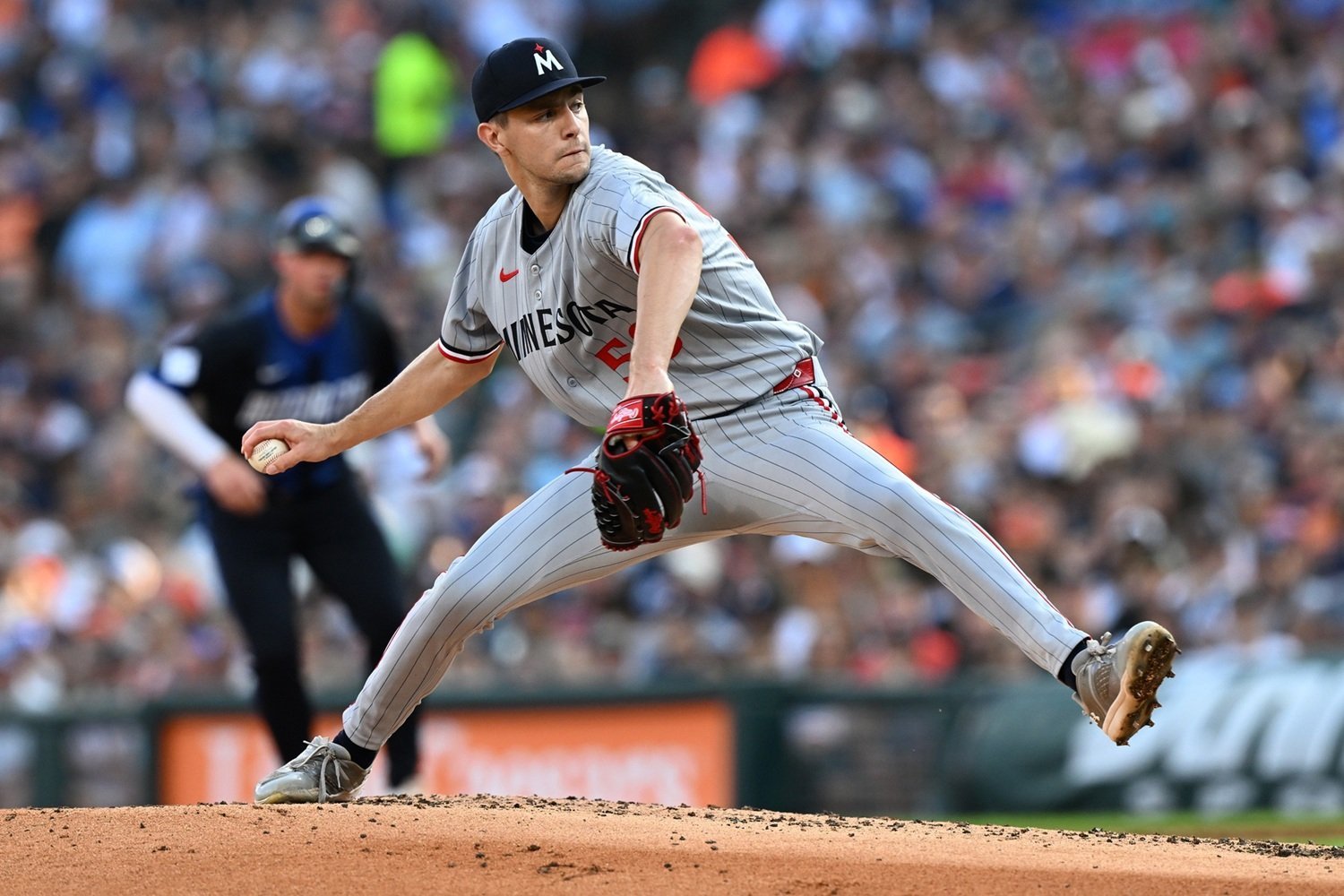 The Minnesota Twins entered the offseason with more questions than answers surrounding their starting rotation. However, the team received an early wave of good news that could help stabilize things moving forward. President of baseball operations Derek Falvey shared positive updates on both Pablo Lopez and David Festa, signaling that two key arms are on track to enter spring training in good health. Lopez is reportedly already fully recovered and preparing for a normal offseason routine, while Festa is expected to start throwing soon and should be ready for the start of camp. After an injury-filled 2025 season that forced both pitchers to miss significant time, their health will be a major storyline as the Twins plan for 2026. Pablo Lopez’s Rebound Opportunity When the Twins extended Lopez before the 2024 season, they envisioned him as a steady frontline starter to anchor the rotation for years to come. While multiple injuries disrupted his 2025 campaign, his performance when healthy reaffirmed Minnesota's optimism. Lopez’s year was bookended by health issues, beginning with a hamstring strain in April and ending with a minor right forearm strain in late September. In between, a shoulder injury cost him much of the summer and led to a stint on the 60-day injured list. When he was on the mound, though, he looked every bit like the ace the Twins hoped for by posting a 2.74 ERA (156 ERA+) across 75 2/3 innings. Some of his underlying metrics took a step back, including a career-low 93 Stuff+ rating and a drop in strikeout rate to 23.4% (down from 24.9% for his career). Those dips can be explained by the start-and-stop nature of his season, which disrupted his rhythm and mechanics. With a full, uninterrupted offseason ahead, the Twins expect Lopez to return to peak form and lead the rotation once again. The 29-year-old remains under contract for two more years at a team-friendly $43 million. That deal makes him both a valuable trade chip and a stabilizing force should the Twins decide to keep him. Falvey and his staff will surely field calls from pitching-needy contenders this winter, but Lopez’s strong recent track record makes him just as appealing as a cornerstone piece for 2026. Outlook for 2026: If Lopez stays healthy, he profiles as the leader of the pitching staff and a potential AL Cy Young contender. Expect him to handle 170-plus innings with strong command, high strikeout totals, and veteran leadership that will help guide a young pitching staff through a transitional year. David Festa’s Chance to Claim a Rotation Spot Festa’s first two seasons in the big leagues have been a mixed bag. The young right-hander has shown flashes of promise, including the ability to miss bats, but he’s also struggled with consistency. Through 117 2/3 innings at the major league level, he has posted a 5.12 ERA and a 4.27 FIP, numbers that reflect both his inexperience and his potential. Festa missed the final month of 2025 with a minor shoulder issue, but the Twins are confident he’ll be fully ready for the start of spring training. His ability to stay on the field and refine his secondary pitches could determine whether he begins 2026 in the rotation or in the minors to refine his arsenal. His overall numbers are likely affected by his attempts to pitch through shoulder issues last season. Festa was only recently removed from being one of the team’s top prospects and still represents one of the more intriguing young arms in the organization. His fastball velocity and developing changeup give him a foundation to build upon, while his competitive demeanor has impressed coaches throughout his rise in the system. With the Twins leaning toward a youth movement, Festa will get a legitimate chance to earn a starting spot in a rotation that could also include Zebby Matthews, Taj Bradley, and Mick Abel. Outlook for 2026: The Twins view 2026 as a key evaluation year for Festa. If he can translate his raw stuff into consistent command and efficiency, he has the potential to solidify himself as a potential playoff-caliber starter. Expect the team to give him a long look early in the season, even if growing pains continue to surface. Rotation Picture Coming into Focus The Twins’ pitching situation has been a puzzle for much of the past year, but healthy updates on Lopez and Festa help provide some clarity. If Lopez returns to form and Festa continues to develop, Minnesota could enter 2026 with a balanced mix of experience and youth on the mound. How the rotation ultimately looks will depend heavily on the club’s offseason strategy. The front office may explore trades involving veteran starters like Lopez or Joe Ryan to restock the system, or they could keep their core intact to remain competitive in the American League Central. Either way, having both Lopez and Festa trending in the right direction gives the Twins a much-needed foundation to build upon. As the offseason unfolds, optimism around the pitching staff feels justified. After a year of frustration and uncertainty, Minnesota’s rotation may finally be ready to turn the corner, one healthy arm at a time. Will Lopez and Festa both be part of the team’s starting rotation on Opening Day? Leave a comment and start the discussion.
 -
Image courtesy of © Lon Horwedel-Imagn Images The Minnesota Twins entered the offseason with more questions than answers surrounding their starting rotation. However, the team received an early wave of good news that could help stabilize things moving forward. President of baseball operations Derek Falvey shared positive updates on both Pablo Lopez and David Festa, signaling that two key arms are on track to enter spring training in good health. Lopez is reportedly already fully recovered and preparing for a normal offseason routine, while Festa is expected to start throwing soon and should be ready for the start of camp. After an injury-filled 2025 season that forced both pitchers to miss significant time, their health will be a major storyline as the Twins plan for 2026. Pablo Lopez’s Rebound Opportunity When the Twins extended Lopez before the 2024 season, they envisioned him as a steady frontline starter to anchor the rotation for years to come. While multiple injuries disrupted his 2025 campaign, his performance when healthy reaffirmed Minnesota's optimism. Lopez’s year was bookended by health issues, beginning with a hamstring strain in April and ending with a minor right forearm strain in late September. In between, a shoulder injury cost him much of the summer and led to a stint on the 60-day injured list. When he was on the mound, though, he looked every bit like the ace the Twins hoped for by posting a 2.74 ERA (156 ERA+) across 75 2/3 innings. Some of his underlying metrics took a step back, including a career-low 93 Stuff+ rating and a drop in strikeout rate to 23.4% (down from 24.9% for his career). Those dips can be explained by the start-and-stop nature of his season, which disrupted his rhythm and mechanics. With a full, uninterrupted offseason ahead, the Twins expect Lopez to return to peak form and lead the rotation once again. The 29-year-old remains under contract for two more years at a team-friendly $43 million. That deal makes him both a valuable trade chip and a stabilizing force should the Twins decide to keep him. Falvey and his staff will surely field calls from pitching-needy contenders this winter, but Lopez’s strong recent track record makes him just as appealing as a cornerstone piece for 2026. Outlook for 2026: If Lopez stays healthy, he profiles as the leader of the pitching staff and a potential AL Cy Young contender. Expect him to handle 170-plus innings with strong command, high strikeout totals, and veteran leadership that will help guide a young pitching staff through a transitional year. David Festa’s Chance to Claim a Rotation Spot Festa’s first two seasons in the big leagues have been a mixed bag. The young right-hander has shown flashes of promise, including the ability to miss bats, but he’s also struggled with consistency. Through 117 2/3 innings at the major league level, he has posted a 5.12 ERA and a 4.27 FIP, numbers that reflect both his inexperience and his potential. Festa missed the final month of 2025 with a minor shoulder issue, but the Twins are confident he’ll be fully ready for the start of spring training. His ability to stay on the field and refine his secondary pitches could determine whether he begins 2026 in the rotation or in the minors to refine his arsenal. His overall numbers are likely affected by his attempts to pitch through shoulder issues last season. Festa was only recently removed from being one of the team’s top prospects and still represents one of the more intriguing young arms in the organization. His fastball velocity and developing changeup give him a foundation to build upon, while his competitive demeanor has impressed coaches throughout his rise in the system. With the Twins leaning toward a youth movement, Festa will get a legitimate chance to earn a starting spot in a rotation that could also include Zebby Matthews, Taj Bradley, and Mick Abel. Outlook for 2026: The Twins view 2026 as a key evaluation year for Festa. If he can translate his raw stuff into consistent command and efficiency, he has the potential to solidify himself as a potential playoff-caliber starter. Expect the team to give him a long look early in the season, even if growing pains continue to surface. Rotation Picture Coming into Focus The Twins’ pitching situation has been a puzzle for much of the past year, but healthy updates on Lopez and Festa help provide some clarity. If Lopez returns to form and Festa continues to develop, Minnesota could enter 2026 with a balanced mix of experience and youth on the mound. How the rotation ultimately looks will depend heavily on the club’s offseason strategy. The front office may explore trades involving veteran starters like Lopez or Joe Ryan to restock the system, or they could keep their core intact to remain competitive in the American League Central. Either way, having both Lopez and Festa trending in the right direction gives the Twins a much-needed foundation to build upon. As the offseason unfolds, optimism around the pitching staff feels justified. After a year of frustration and uncertainty, Minnesota’s rotation may finally be ready to turn the corner, one healthy arm at a time. Will Lopez and Festa both be part of the team’s starting rotation on Opening Day? Leave a comment and start the discussion. View full article
-
Few Fits for Frugal Minnesota Twins Among Top-50 Free Agent Lists
Cody Christie posted an article in Twins
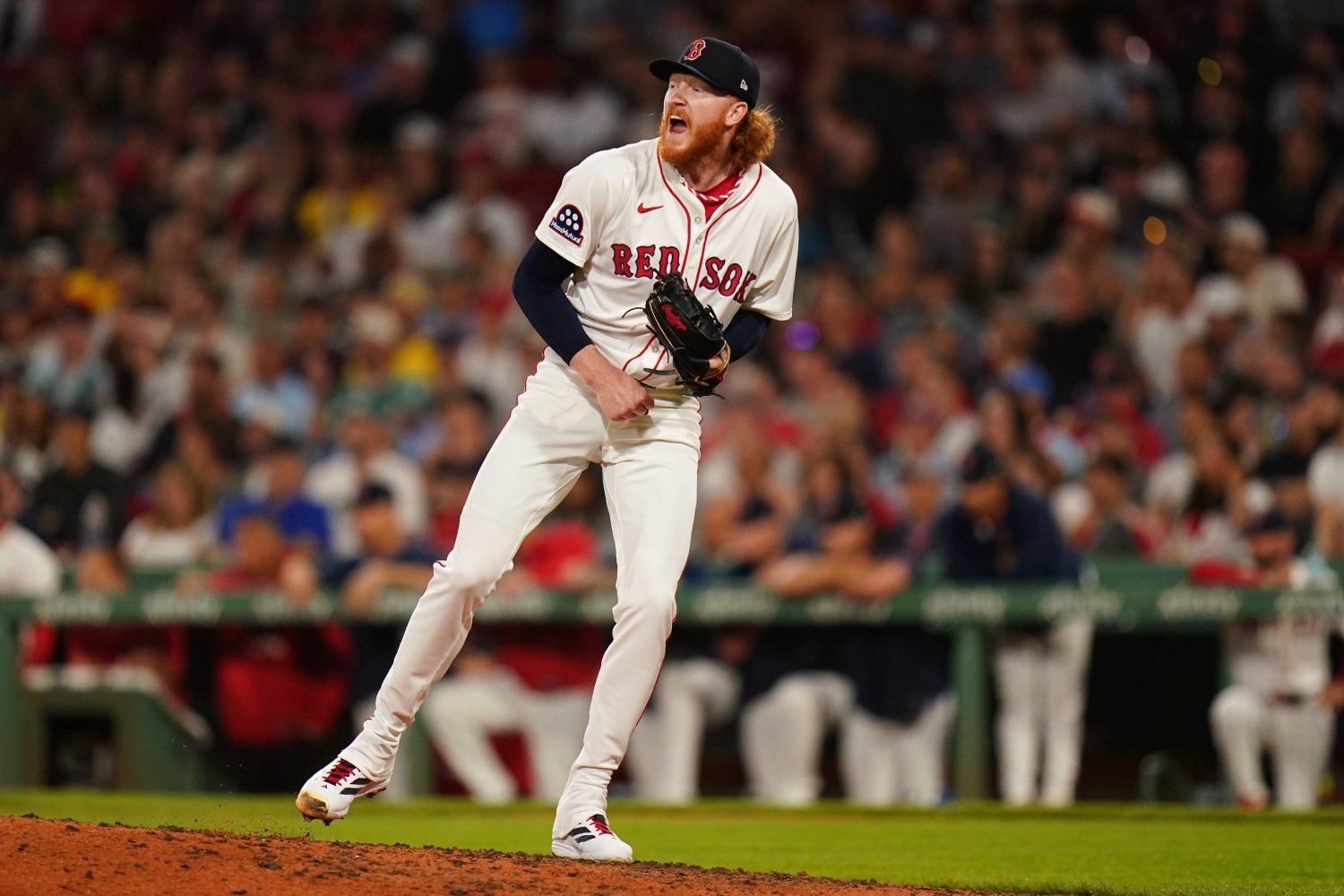 The 2025-26 MLB free agent market is heating up across baseball, and national outlets are rolling out their annual top 50 lists, complete with projected contracts and potential landing spots. For the Minnesota Twins, those lists highlight the financial constraints they may face this winter. After last year’s midseason sell-off, the Twins ended 2025 with a payroll well below their Opening Day estimate of around $136 million. If ownership directs the front office to cut even further (currently projected at $95 million), it could be difficult for the team to add meaningful talent from outside the organization. Instead, the Twins might once again need to get creative, much as they did in 2024 when they traded Jorge Polanco in January to clear salary and reallocate funds toward more minor free-agent signings. This offseason could bring more of the same. With significant money tied up in Pablo López, the team could explore trading him and the $43 million owed to him over the next two seasons. Other trade possibilities could include Joe Ryan or Ryan Jeffers, as the Twins look for ways to reshape the roster without inflating payroll. The Athletic recently released its top 50 free agents for this winter, and only two players were listed as potential fits for Minnesota. Both were ranked in the 40s and were absent from FanGraphs’s own top 50 list. Here’s a closer look at those two names and how they might fit the Twins’ plans for 2026. Dustin May, RHP The Athletic Rank: 42 Projected Contract: 2 years, $26 million May is the type of player who could intrigue the Twins front office, if the team decides to trade away established arms like López or Ryan. May’s upside has always been tantalizing, but constant interruptions have defined his career. It has been more than six years since his major-league debut, yet May has managed only 57 career starts. The 2025 campaign marked the first time he exceeded 56 innings in a season. Injuries have come in every variety: elbow, back, and even a bizarre esophagus injury that required emergency surgery in 2024 after a piece of salad became lodged in his throat. From 2019 to 2023, May posted a 3.10 ERA across 191 2/3 innings, flashing frontline potential whenever healthy. In 2025, he made 23 starts and recorded a 4.96 ERA, struggling after a midseason trade to Boston and eventually landing back on the injured list with right elbow neuritis. For the Twins, May’s appeal would center on his ceiling. If he stays healthy, his stuff could rival anyone in the rotation. However, with The Athletic projecting a two-year, $26-million deal, that price tag may prove too steep for a team prioritizing financial flexibility. (That projection, of course, is not gospel.) Rhys Hoskins, 1B The Athletic Rank: 43 Projected Contract: 1 year, $10 million Minnesota has recently found success with short-term, low-cost first-base signings. In 2024, the team used savings from the Polanco trade to sign Carlos Santana to a one-year, $6-million deal, and he rewarded them with elite defense that earned him a Gold Glove. Last season, Ty France joined on a one-year, $1 million non-guaranteed deal and followed in Santana’s footsteps by winning another Gold Glove. Given that pattern, it’s hard to imagine the Twins committing $10 million to Rhys Hoskins without first clearing significant payroll, possibly by trading López. Since missing all of 2023 with a torn ACL, Hoskins hasn’t fully recaptured his pre-injury form. He lost playing time late in 2025 as Milwaukee leaned on Andrew Vaughn, and his offensive output dipped. Over the past two seasons, he’s hit 38 home runs but batted just .223 with a 102 OPS+, production that’s solid overall but underwhelming for a first baseman. Still, Hoskins offers power potential that could lengthen Minnesota’s lineup. If he’s open to a one-year “prove-it” deal closer to the range the Twins have favored recently, he might be a realistic option. Outlook for 2026 The Twins are facing an offseason of financial restraint. That doesn’t mean they can’t improve the roster, but it does mean they’ll need to rely on shrewd trades, bounce-back candidates, and internal development rather than headline signings. If the front office can navigate those limitations effectively, Minnesota could remain competitive in the AL Central. But if payroll restrictions tighten even further, fans may have to brace for a quieter winter and hope that creativity and player development can make up the difference. Do Hoskins or May fit better into Minnesota’s 2026 blueprint? Are any other top free agents a fit for the Twins? Leave a comment and start the discussion.
- 71 comments
-
- 4
-
-
- dustin may
- rhys hoskins
- (and 1 more)
-
Image courtesy of © David Butler II-Imagn Images The 2025-26 MLB free agent market is heating up across baseball, and national outlets are rolling out their annual top 50 lists, complete with projected contracts and potential landing spots. For the Minnesota Twins, those lists highlight the financial constraints they may face this winter. After last year’s midseason sell-off, the Twins ended 2025 with a payroll well below their Opening Day estimate of around $136 million. If ownership directs the front office to cut even further (currently projected at $95 million), it could be difficult for the team to add meaningful talent from outside the organization. Instead, the Twins might once again need to get creative, much as they did in 2024 when they traded Jorge Polanco in January to clear salary and reallocate funds toward more minor free-agent signings. This offseason could bring more of the same. With significant money tied up in Pablo López, the team could explore trading him and the $43 million owed to him over the next two seasons. Other trade possibilities could include Joe Ryan or Ryan Jeffers, as the Twins look for ways to reshape the roster without inflating payroll. The Athletic recently released its top 50 free agents for this winter, and only two players were listed as potential fits for Minnesota. Both were ranked in the 40s and were absent from FanGraphs’s own top 50 list. Here’s a closer look at those two names and how they might fit the Twins’ plans for 2026. Dustin May, RHP The Athletic Rank: 42 Projected Contract: 2 years, $26 million May is the type of player who could intrigue the Twins front office, if the team decides to trade away established arms like López or Ryan. May’s upside has always been tantalizing, but constant interruptions have defined his career. It has been more than six years since his major-league debut, yet May has managed only 57 career starts. The 2025 campaign marked the first time he exceeded 56 innings in a season. Injuries have come in every variety: elbow, back, and even a bizarre esophagus injury that required emergency surgery in 2024 after a piece of salad became lodged in his throat. From 2019 to 2023, May posted a 3.10 ERA across 191 2/3 innings, flashing frontline potential whenever healthy. In 2025, he made 23 starts and recorded a 4.96 ERA, struggling after a midseason trade to Boston and eventually landing back on the injured list with right elbow neuritis. For the Twins, May’s appeal would center on his ceiling. If he stays healthy, his stuff could rival anyone in the rotation. However, with The Athletic projecting a two-year, $26-million deal, that price tag may prove too steep for a team prioritizing financial flexibility. (That projection, of course, is not gospel.) Rhys Hoskins, 1B The Athletic Rank: 43 Projected Contract: 1 year, $10 million Minnesota has recently found success with short-term, low-cost first-base signings. In 2024, the team used savings from the Polanco trade to sign Carlos Santana to a one-year, $6-million deal, and he rewarded them with elite defense that earned him a Gold Glove. Last season, Ty France joined on a one-year, $1 million non-guaranteed deal and followed in Santana’s footsteps by winning another Gold Glove. Given that pattern, it’s hard to imagine the Twins committing $10 million to Rhys Hoskins without first clearing significant payroll, possibly by trading López. Since missing all of 2023 with a torn ACL, Hoskins hasn’t fully recaptured his pre-injury form. He lost playing time late in 2025 as Milwaukee leaned on Andrew Vaughn, and his offensive output dipped. Over the past two seasons, he’s hit 38 home runs but batted just .223 with a 102 OPS+, production that’s solid overall but underwhelming for a first baseman. Still, Hoskins offers power potential that could lengthen Minnesota’s lineup. If he’s open to a one-year “prove-it” deal closer to the range the Twins have favored recently, he might be a realistic option. Outlook for 2026 The Twins are facing an offseason of financial restraint. That doesn’t mean they can’t improve the roster, but it does mean they’ll need to rely on shrewd trades, bounce-back candidates, and internal development rather than headline signings. If the front office can navigate those limitations effectively, Minnesota could remain competitive in the AL Central. But if payroll restrictions tighten even further, fans may have to brace for a quieter winter and hope that creativity and player development can make up the difference. Do Hoskins or May fit better into Minnesota’s 2026 blueprint? Are any other top free agents a fit for the Twins? Leave a comment and start the discussion. View full article
-
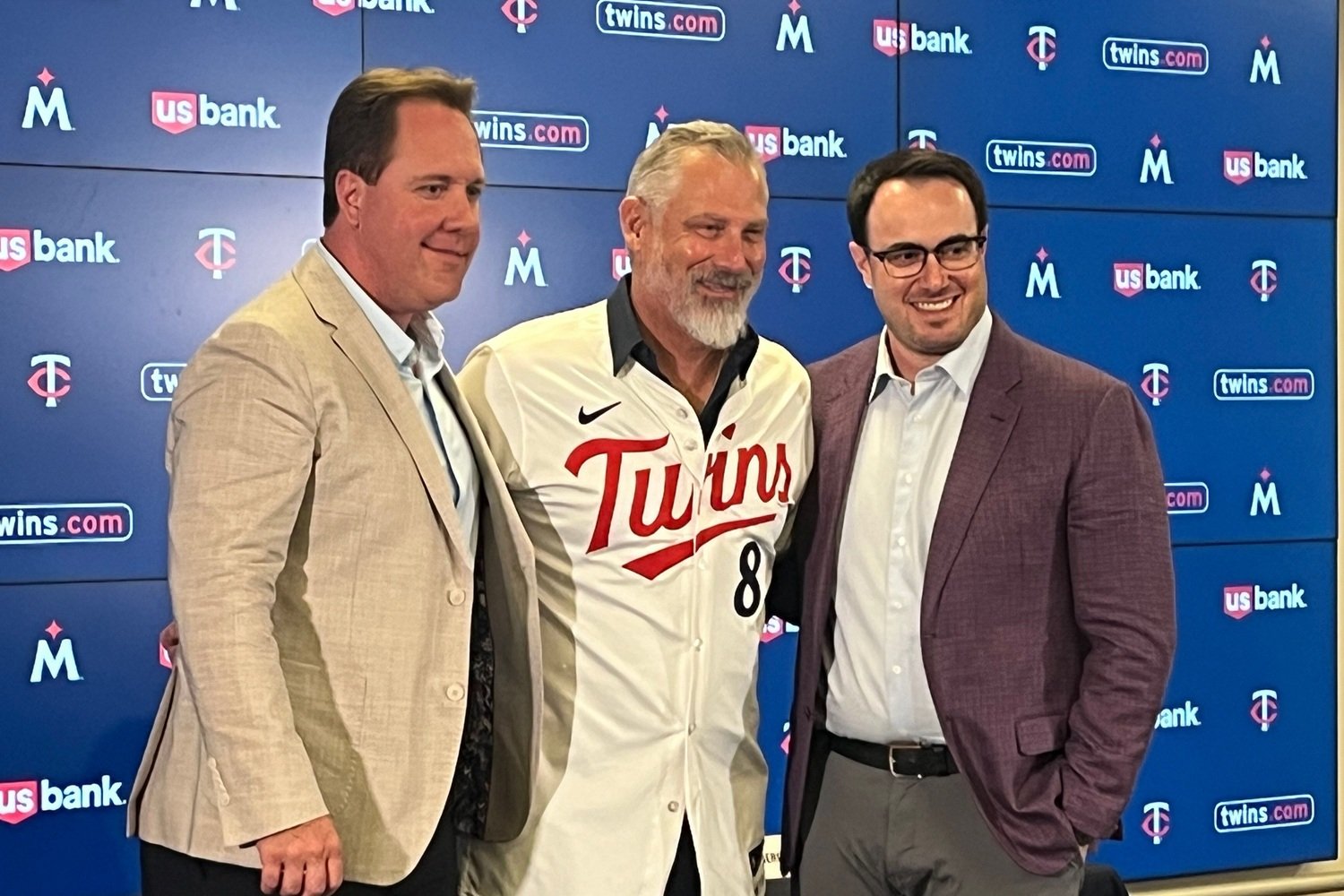 The Minnesota Twins believe Derek Shelton is ready for his second act as a big-league manager. After five-plus challenging seasons leading the Pittsburgh Pirates, he takes the reins in Minnesota with lessons learned, perspective gained, and a model to follow. One of the best modern examples of that kind of professional rebirth is Terry Francona. Before he became a two-time World Series champion with the Boston Red Sox, Francona failed in Philadelphia. Over four seasons with the Phillies, he posted a 285-363 record (a .440 winning percentage) and never won more than 77 games. The franchise was rebuilding, the roster was limited, and Francona was a young manager still learning how to navigate the daily grind of the major leagues. That failure, though, became foundational. Without the hard lessons in Philadelphia, Francona might never have become the calm, steady leader who helped break Boston’s 86-year curse. He won World Series titles in two of his first four seasons on the Red Sox bench. He went on to Cleveland and helped them win their first AL pennant since the late 1990s. Throughout his career, he has become one of the most respected managers of the modern era. Shelton hopes to travel a similar path. After his dismissal in Pittsburgh, he spent his first summer at home since his playing days reflecting on what went wrong and how he could approach things differently if given another chance. That process caught the attention of Twins president of baseball operations Derek Falvey, who has long admired Francona’s willingness to own his early missteps. “People that spend time reflecting on what they would do differently, I think, give themselves a much better chance to learn from that experience,” Falvey said Tuesday, after the team's introductory press conference for Shelton. “He gave very specific examples of things he would have done and would have handled differently, and I think that was a real strength of his in the process.” Falvey’s connection to Francona goes back to their years together in Cleveland. He saw firsthand how Francona’s lessons from Philadelphia shaped his leadership style with the Guardians. Francona often credited that difficult first job for giving him the humility and adaptability that defined his later success. It's no surprise that Falvey saw something similar in Shelton’s reflections. Shelton has already acknowledged that managing a big-league club is an entirely different challenge from any previous baseball role. “When I left here, I thought I was really prepared to manage because I’d been given a lot of responsibility,” Shelton said. “But you’re never ready until you sit in the chair. You’re never ready until different things come your way. I think those experiences are what help build you moving forward.” That mindset aligns perfectly with how Francona rebuilt his own career. He embraced his mistakes, surrounded himself with trusted voices, and developed a better understanding of how to manage both players and expectations. Shelton, too, will need to show growth in how he connects with his roster, handles bullpen decisions, and navigates the ups and downs of a long season. The Twins are betting that the man who once helped shape their hitters and culture as a bench coach can now lead a clubhouse that has failed to live up to expectations in recent seasons. It will not be easy, but history shows that baseball often rewards those who learn from failure. Francona’s career proves that the first opportunity does not define a manager. Derek Shelton’s second chance in Minnesota will be his shot to prove that the lessons from Pittsburgh can pave the way for long-term success. What do you think? Can Shelton follow Francona’s path and turn lessons from his first job into lasting success with the Twins? Leave a comment and start the discussion.
- 18 comments
-
- 2
-
-
- derek shelton
- derek falvey
- (and 1 more)
-
Image courtesy of Twins Daily The Minnesota Twins believe Derek Shelton is ready for his second act as a big-league manager. After six challenging seasons leading the Pittsburgh Pirates, he now takes the reins in Minnesota with lessons learned, perspective gained, and a model to follow. One of the best modern examples of that kind of professional rebirth is Terry Francona. Before he became a two-time World Series champion with the Boston Red Sox, Francona failed in Philadelphia. Over four seasons with the Phillies, he posted a 285-363 record with a .440 winning percentage and never won more than 77 games. The franchise was rebuilding, the roster was limited, and Francona was a young manager still learning how to navigate the daily grind of the major leagues. That failure, though, became foundational. Without the hard lessons in Philadelphia, Francona might never have become the calm, steady leader who helped break Boston’s 86-year curse. He won World Series titles in two of his first four seasons on the Red Sox bench. He went on to Cleveland and helped them win their first AL pennant since the late 1990s. Throughout his career, he has become one of the most respected managers of the modern era. Shelton hopes to travel a similar path. After his dismissal in Pittsburgh, he spent his first summer at home since his playing days reflecting on what went wrong and how he could approach things differently if given another chance. That process caught the attention of Twins president of baseball operations Derek Falvey, who has long admired Francona’s willingness to own his early missteps. “People that spend time reflecting on what they would do differently, I think give themselves a much better chance to learn from that experience,” Falvey said. “He gave very specific examples of things he would have done and would have handled differently, and I think that was a real strength of his in the process.” Falvey’s connection to Francona goes back to their years together in Cleveland. He saw firsthand how Francona’s lessons from Philadelphia shaped his leadership style with the Guardians. Francona often credited that difficult first job for giving him the humility and adaptability that defined his later success. It is no surprise that Falvey saw something similar in Shelton’s reflections. Shelton has already acknowledged that managing a big-league club is an entirely different challenge from any previous baseball role. “When I left here, I thought I was really prepared to manage because I’d been given a lot of responsibility,” Shelton said. “But you’re never ready until you sit in the chair. You’re never ready until different things come your way. I think those experiences are what help build you moving forward.” That mindset aligns perfectly with how Francona rebuilt his own career. He embraced his mistakes, surrounded himself with trusted voices, and developed a better understanding of how to manage both players and expectations. Shelton, too, will need to show growth in how he connects with his roster, handles bullpen decisions, and navigates the ups and downs of a long season. The Twins are betting that the man who once helped shape their hitters and culture as a bench coach can now lead a clubhouse that has failed to live up to expectations in recent seasons. It will not be easy, but history shows that baseball often rewards those who learn from failure. Francona’s career proves that the first opportunity does not define a manager. Derek Shelton’s second chance in Minnesota will be his opportunity to prove that the lessons from Pittsburgh can pave the way for long-term success. What do you think? Can Shelton follow Francona’s path and turn lessons from his first job into lasting success with the Twins? Leave a comment and start the discussion. View full article
-
Image courtesy of © Isaiah J. Downing-Imagn Images The Dodgers are World Series champions once again, and for the Twins, the offseason has officially begun. As teams around the league prepare for free agency and the winter meetings, Minnesota finds itself in an uncomfortable but familiar position. Payroll is expected to dip, the roster is in transition, and the front office will have to balance short-term competitiveness with long-term sustainability. That means trades are coming. The Twins already sold off several controllable pieces at the 2025 trade deadline, and more could follow this winter. Here are the five most likely Twins players to be traded as the club retools for the future. 5. Trevor Larnach, OF Larnach was shopped at last year’s deadline, but he ultimately stayed put. Either the Twins didn’t receive an offer they liked, or other teams were hesitant to bet on his inconsistency. Now, as he enters arbitration with an estimated salary of $4.7 million, Minnesota faces a decision. Larnach was worth $11.6 million in on-field value during 2024, but that number plummeted to $1.7 million in 2025, according to FanGraphs. The Twins could hold on and hope he rebounds, but that gamble might not align with a payroll-conscious front office. He has enough raw power and corner-outfield defense to attract interest, and if the Twins can find a team willing to take a chance, Larnach could finally be on the move. 4. Royce Lewis, 3B Lewis was supposed to be the cornerstone of the next great Twins lineup. His electric rookie season in 2023 offered a glimpse of that potential. But the two seasons since have been a frustrating mix of injuries, inconsistency, and unfulfilled expectations. In 2025, he played a career-high 106 games but posted an 83 OPS+, a career low. Minnesota’s offense has been among the worst in the league the past two years, and Lewis has often symbolized that decline. His trade value has taken a hit, but sometimes a change of scenery benefits both player and team. Trading Lewis would be a bold move, signaling the front office's willingness to shake up the core. The Twins need offensive stability, and Lewis’s uncertainty may make him expendable in the right deal. 3. Ryan Jeffers, C Jeffers has quietly become one of the more productive catchers in the American League (105 OPS+ since 2024), but the clock is ticking on his time in Minnesota. He’s entering his final year of team control, and with the Twins unlikely to extend him or contend in 2026, his trade value may never be higher than it is right now. However, the Twins have few options behind the plate if Jeffers is off the roster. Catcher trades at the deadline are always tricky. Learning a new pitching staff on the fly is no easy task, so if Minnesota intends to move Jeffers, this offseason is the logical time to do it. Teams looking for a veteran backstop with power and leadership could make compelling offers. The Twins would have to find other veteran options to take the reins with Jeffers out of the picture. 2. Joe Ryan, RHP Few players have had their names pop up in trade rumors more than Ryan. Reports swirled last July that he might be part of the Twins’ trade deadline sell-off, but he remained in Minneapolis. The situation feels unsustainable. Ryan is under team control through 2027 and will earn far less than his on-field value through arbitration, making him a cost-efficient asset for pitching-hungry contenders. The Twins may be hesitant to move their All-Star starter, but that same logic could make him the centerpiece of a trade that replenishes their farm system. If he isn’t dealt this winter, expect his name to resurface again by the 2026 trade deadline. 1. Pablo López, RHP This is the big one. López is owed $21.75 million in each of the next two seasons, which would be a bargain for most teams but may be too steep for the cost-conscious Twins. López has been the ace they hoped for when they traded Luis Arraez to get him, but the reality of Minnesota’s financial outlook could make him their most valuable trade chip. If the Twins believe contention is unlikely in the next two years, trading López now would allow them to maximize his value and begin a deeper reset. Contenders across the league would line up for a playoff-caliber starter with swing-and-miss stuff. It would be a painful move, but one that might define this front office’s offseason strategy. The Twins enter the winter with difficult choices and limited flexibility. Moving on from players like López, Ryan, or Lewis would not be easy, but staying the course might not be an option either. As the offseason unfolds, Minnesota will look to strike a balance between retooling and rebuilding, an act that could reshape the organization for years to come. Do you agree with the rankings above? Who should the Twins trade this winter? Who will the Twins trade this winter? Leave a comment and start the discussion. View full article

