


Twins Video
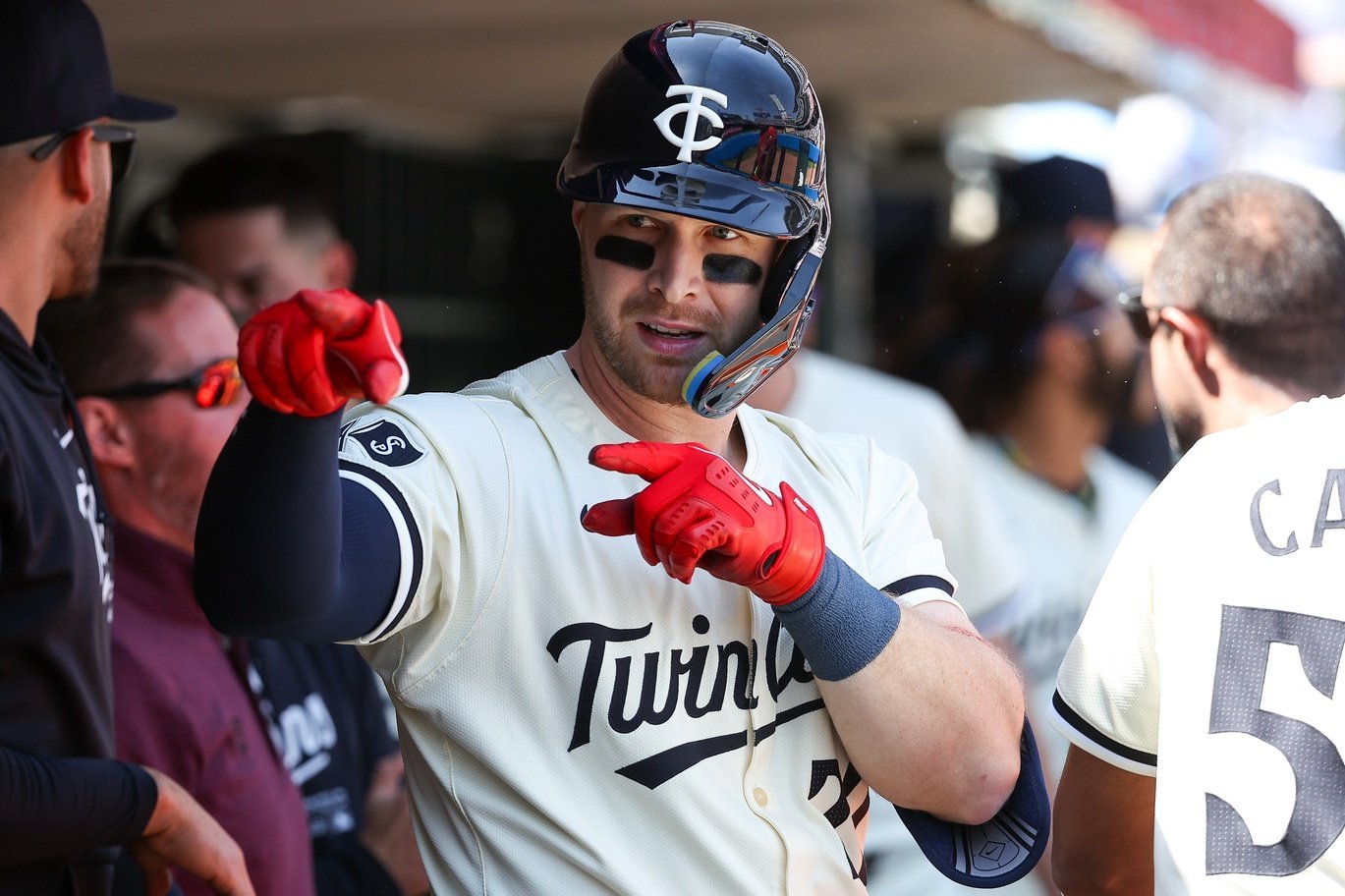
When he was drafted, Ryan Jeffers wasn’t supposed to be the team’s long-term answer at catcher. However, he has developed into a solid big-league regular. Has he done enough to warrant a long-term extension?
The Minnesota Twins head into the 2025 season with several decisions to make regarding their long-term roster construction. One name that has quietly emerged in this conversation is Ryan Jeffers. The 27-year-old catcher has shown promising potential in recent seasons but has yet to solidify his role as the team's primary backstop. With an organizational void in catching depth looming behind him, should the Twins consider signing Jeffers to a contract extension?
The Case for an Extension
Jeffers took significant strides backward offensively and defensively last season, but the Twins might believe in his long-term value and potential performance. He played in a career-high 122 games and had a .791 OPS in the first half. Over the last two seasons, he has been worth -15 runs defensively, but he performed better in CS Above Average and Pop Time last season. Catchers who can provide league-average or better offensive production alongside solid defense are rare commodities, and Jeffers’ age makes him an even more intriguing candidate for an extension.
The Twins also face a barren organizational landscape for catching depth. Beyond Jeffers, the farm system lacks a clear heir apparent or even a reliable backup option. Jair Camargo is on the 40-man roster but the Twins showed little faith in him playing behind the plate at the big-league level last season. Ricardo Olivar and Noah Cardenas have shown some promise in the minors, but remain a few years away from being MLB-ready. This gap puts added pressure on the Twins to retain Jeffers, especially given how critical a reliable catcher is to a pitching staff’s success.
Signing Jeffers to an extension now could also provide financial benefits. The Twins could lock him into a team-friendly deal that offers cost certainty during his final two arbitration years while potentially buying out a year or two of free agency. A back-loaded extension that saves the team $1-2 million in the immediate term could free up resources for other offseason needs, such as bullpen help or additional offensive depth.
The Case Against an Extension
Despite his improvements, Jeffers is not without limitations. In 2023, he hit .276/.369/.490 (.858) with 31 extra-base hits and a 133 OPS+ in 96 games. His offensive breakout in 2023 was impressive, but his track record suggests it could be an outlier. Last season, he set career highs in home runs (21) and doubles (22) but saw his OPS+ drop by 30 points compared to 2023. If Jeffers regresses at the plate, the Twins could find themselves overcommitted to a player who’s a liability on both sides of the ball.
There’s also the inherent risk of signing any catcher to a long-term deal. The position’s physical demands often lead to injuries and shortened careers, making multi-year contracts for backstops particularly precarious. Minnesota has preferred to use a two-catcher rotation, which has helped keep Jeffers and Christian Vázquez healthy. The Twins targeted Vázquez in free agency and have seen the poor side of his long-term deal. Would a Jeffers extension tie up valuable payroll space that could be better allocated elsewhere?
Is a Back Loaded Deal a Perfect Contract?
A back-loaded extension might seem like a savvy way to manage the payroll, but it’s not without its pitfalls. By pushing the financial burden into future seasons, the Twins could compromise their flexibility down the road, particularly if Jeffers doesn’t return to his 2023 performance. It’s a calculated gamble that hinges on the front office’s confidence in his ability to sustain or build upon his previous production.
That said, a well-structured extension (one with performance-based incentives or manageable buyouts) could mitigate some of this risk. It would signal the team’s commitment to stability behind the plate while preserving financial flexibility for other areas of need. Minnesota's new ownership group may also be willing to invest more in the team's payroll so his contract will be less of a burden in future years.
The Twins are at a crossroads with Jeffers. On one hand, the lack of internal catching depth makes him an appealing candidate for an extension. On the other hand, his uneven track record and the inherent risks of long-term deals for catchers give pause.
Ultimately, the decision may come down to how much the Twins believe in Jeffers. If the front office can structure a deal that balances immediate savings with long-term flexibility, an extension could be a galaxy-brain move. But if there’s any doubt about his staying power, overcommitting to a limited player could prove costly in more ways than one.
Should the Twins approach Jeffers about a long-term extension? Does the team’s lack of long-term catching depth impact the front office’s decision? Leave a comment and start the discussion.
Do you approve of the job Derek Shelton is doing as Twins manager?

Follow Twins Daily For Minnesota Twins News & Analysis



- nclahammer and Hrbeks Divot
-
 2
2


Recommended Comments
Create an account or sign in to comment
You need to be a member in order to leave a comment
Create an account
Sign up for a new account in our community. It's easy!
Register a new accountSign in
Already have an account? Sign in here.
Sign In Now