


Twins Video
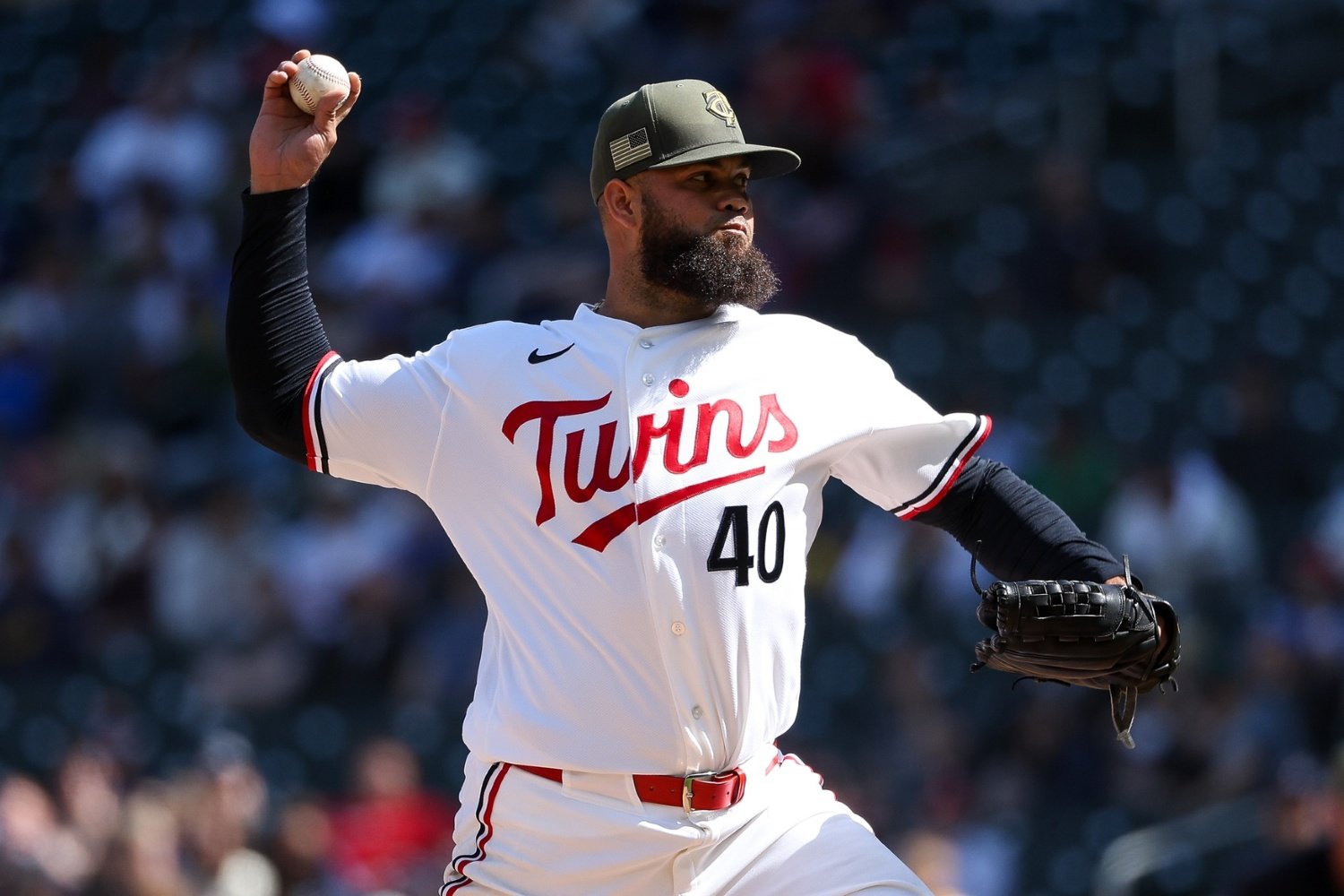
The 2026 Minnesota Twins bullpen is markedly different than those of past years. Obviously, there’s a clear talent gap, but beyond that, the arms are being deployed in a seemingly inconsistent manner. Minor-league veteran Luis García threw two innings of 9th-inning mop-up to begin his Twins career (allowing two runs in two innings across two games), and the next day, he was trusted to throw the 8th inning of a 4-3 game that the Twins were winning.
In April, the Twins had back-to-back games (which they won) that required four relievers to record eight outs and five relievers to record 10. Justin Topa and Kody Funderburk both picked up saves, despite neither pitcher starting the 9th inning. To date, eight Twins have a save on their ledger, with none having more than two (Topa, García).
As stated, this pattern is a far cry from the typical usage in prior seasons. It’s much easier to set it and forget it when the backend contains Jhoan Durán, Griffin Jax, Louis Varland, and Brock Stewart. Sure, there may be some shuffling required, but whatever day-to-day usage variance existed with a more structured pen, it doesn’t hold a candle to what we’ve seen from Derek Shelton’s relief corps.
From the outside, this seems like the Twins are relying on gut instinct and hot hands to try to find a way through the late innings of every ballgame. (So up yours, analytics wonks!) However, it’s a bit naïve to believe that Shelton’s ability to white-knuckle his way through ballgames can all be chalked up to his baseball acumen and willingness to switch to another arm as soon as things start to skid.
Before every game, professional scouts and analysts prepare game plans and scouting reports to prepare players for action. They also prepare material for coaches, and Shelton has confirmed that he has long meetings about the best possible plans to get through a game with his coaching staff, just as Rocco Baldelli did.
Most teams have some hierarchy in the bullpen, all things being equal. But part of a pro scout's or analyst's role is helping managers make informed decisions within that hierarchy. One of the tools many organizations make available to managers is an in-game bullpen hierarchy. This tool might come in several forms. Many teams use a (close your ears if you hate nerds) laminated notecard listing the opposing team’s lineup. For each spot in the lineup, relievers are organized one through eight, based on the quality of the matchup with that specific hitter.
Last season, that hierarchy might not have seen much variation. The best matchup against any hitter was Durán. After that, it was Jax. If the hitter was a lefty, third might be Danny Coulombe, but otherwise it’d be Stewart and Varland, in some order. Given the caliber of arms we’re talking about, throw the best one available.
If pitchers are more evenly matched, though, that hitter-to-hitter differentiation might be more obvious. Naturally, there are platoon splits to be aware of—a guy like Taylor Rogers or Anthony Banda will get the nod against a lefty over someone like Cody Laweryson or Yoendrys Gómez. But there are also more idiosyncratic factors to consider. For instance, arm angle, pitch mix, velocity, swing trajectory and/or plate discipline can come into play.
With a bunch of pitchers who can charitably be called “fine,” chasing the matchups becomes more useful and necessary. Take Topa (who has been designated for assignment since the writing of this piece, but who knows, he may remain in the organization) and Eric Orze. Both pitchers are righties who throw their fastball in the low 90s, but they have very different profiles. Topa is a sinker-sweeper/cutter pitcher who throws sidearm and mostly operates east-west. Orze has a much higher arm angle, and over half of his pitches are splitters. When he’s not throwing a splitter, you’ll probably see a fastball, giving him a much more distinct north-south profile.
You should be able to see where I’m going here. Some hitters struggle more with north-south, and others struggle with east-west. There will be righties in an opposing lineup who should have Orze deployed against them, and others whom Topa would best match.
Tyler Duffey referenced this type of system in a Twin Cities Territory episode last month, relaying how, when he was with the Twins, relievers would be prepped before each game on which part of the opposing lineup they would likely be deployed against. This scouting seems even more vital when the bullpen has to fight and claw for every advantage possible.
So, in practice, to an outsider, that can look like Shelton pushing buttons at random. Topa may be trusted to close one day and throw the sixth the next, based on where his advantage is in the opponent’s lineup. And that quick hook for relievers may be a jumpy manager, or it might be that Cole Sands had the best matchup for the previous three batters, but Andrew Morris’s pitch mix is a better matchup for the next two, and Shelton wants to take advantage of that. Don't forget to factor recent workload in, too! There are always more layers to these decisions than meet the eye; teams work hard to keep it that way.
Of course, there will still be stuff thrown at the wall to see what sticks. They don’t know what they have in John Klein or Kody Funderburk until they’ve been tested, and Shelton can also do a little Minnesota politicking (that is, passive aggression) if he believes it will compel the front office to make a roster move he feels is overdue. All told, though, the method is probably outweighing the madness in this regard. They have a plan, even if they’re working with lesser material. One fun way to pass the next month might be to figure out what patterns we can spot in that plan, as a few pitchers settle into their roles with the club.








Recommended Comments
Create an account or sign in to comment
You need to be a member in order to leave a comment
Create an account
Sign up for a new account in our community. It's easy!
Register a new accountSign in
Already have an account? Sign in here.
Sign In Now