



Cody Christie
-
Posts
7,810 -
Joined
-
Last visited
-
Days Won
5
Content Type
Profiles
News
Minnesota Twins Videos
2026 Minnesota Twins Top Prospects Ranking
2022 Minnesota Twins Draft Picks
Minnesota Twins Free Agent & Trade Rumors, Notes, & Tidbits
Guides & Resources
2023 Minnesota Twins Draft Picks
The Minnesota Twins Players Project
2024 Minnesota Twins Draft Picks
2025 Minnesota Twins Draft Pick Tracker
2026 Minnesota Twins Draft Tracker: Picks & Bonuses
Forums
Blogs
Events
Store
Downloads
Gallery
Everything posted by Cody Christie
-
Image courtesy of © Sam Navarro-Imagn Images OF Trevor Larnach Age on Opening Day 2026: 29 Service Time: Four years, 14 days 2023 Salary: $733,650 2024 Salary: $740,000 2025 Salary: $2.1 million 2026 MLB Trade Rumor Estimate: $4.7 million Background: When the Minnesota Twins selected Larnach out of Oregon State University with the 20th overall pick in the 2018 MLB Draft, they believed they were adding a cornerstone bat to their future lineup. Larnach had just helped lead the Beavers to a College World Series championship, showcasing his polished left-handed swing and advanced approach at the plate. By the time he debuted in 2021, he was one of the organization’s most highly regarded prospects, a consensus top-100 player in baseball who projected to hit for both average and power. His early big-league years, however, have been a roller coaster. Over his first four seasons in the majors, Larnach hit .236/.323/.403 (.726) with a 102 OPS+, showing flashes of the middle-of-the-order bat the Twins envisioned but never sustaining that success for long stretches. There were times when his power and patience carried the offense, but just as often, he’d drift into prolonged slumps where he struggled to make consistent contact. For a player whose defense has graded as below average in the corner outfield, being merely a slightly above-average hitter wasn’t enough to cement his place as an everyday regular. Still, his 2024 season offered hope. Larnach was worth $11.6 million in value that year, according to FanGraphs, posting 1.4 fWAR with a 116 OPS+ in 112 games. He looked like he had finally turned the corner. But then came 2025, and with it, another regression. Across 142 games, Larnach hit .250/.323/.404 (.727) with a 99 OPS+, and his defense dipped further to -4 Outs Above Average. He still hit the ball hard, ranking in the 70th percentile in Average Exit Velocity and above the 60th percentile in Hard Hit%, Squared Up%, and Walk Rate. The Twins tried to protect him by limiting exposure to left-handed pitching, giving him just over 100 plate appearances against southpaws, but he still posted an OPS 150 points lower in those matchups. However, the overall results didn’t match the quality of contact. FanGraphs valued his overall contribution at $1.8 million this season. 2025 Stats: 142 G, 567 PA, .250/.323/.404 (.727), 17 HR, 24 2B, 1 3B, 60 RBI, 9.3 BB%, 21.5 K% Twins Depth at His Position (Corner Outfield) Matt Wallner - 40-man roster Austin Martin - 40-man roster James Outman - 40-man roster Carson McCusker - 40-man roster Alan Roden - 40-man roster Emmanuel Rodriguez - 40-man roster Triple-A: Walker Jenkins, Gabriel Gonzalez, Kala'i Rosario, Kyler Fedko Double-A: Hendry Mendez, Maddux Houghton, Kyle Hess Summary: The corner outfield is one of the deepest areas in the organization. With Rodriguez and Jenkins both projected as future franchise-building blocks, the Twins may soon have to make tough roster calls. Several other players already occupy 40-man spots, meaning Larnach could become expendable if the team needs space for younger, higher-upside talent. Why the Twins Should Offer Him Arbitration There’s still a compelling case for keeping Larnach around. The front office, led by Derek Falvey, clearly saw long-term potential when they invested a first-round pick in him. Sometimes, front offices are reluctant to cut ties with players they developed and believed in. More importantly, Larnach has shown that he can be an above-average offensive contributor when things click. During the second half of 2024, while the Twins’ season was unraveling, he was one of the lone bright spots by slashing .272/.368/.443 (.811) with six home runs and nine doubles. That kind of production over a full season would make him a clear everyday player, and the Twins could reasonably hope he finds that form again. At 28 years old, there’s still time for Larnach to carve out a steady MLB role, even if it’s as a platoon bat or bench contributor with pop from the left side. Why the Twins Should Non-Tender Him But this front office will also have to make financially motivated decisions this winter. The Twins are expected to trim payroll after a disappointing 92-loss season, and Larnach’s projected arbitration salary could make him a casualty. According to MLB Trade Rumors, he’s in line for the third-highest arbitration salary on the roster behind Ryan Jeffers and Joe Ryan. When weighed against his uneven production and defensive shortcomings, the value may not be there. The Twins also have multiple younger and cheaper outfield options who can fill similar roles. Add in the looming arrivals of Jenkins and Rodriguez, and it becomes harder to justify Larnach’s cost when the team has bigger holes elsewhere, particularly in the infield and pitching staff. If the Twins want to free up resources for offseason additions, non-tendering Larnach could be an unfortunate but practical move. Projection Currently, it seems more likely that Larnach will be non-tendered this winter. The Twins’ outfield logjam and financial constraints make him a natural roster casualty. Still, the front office has shown patience with homegrown talent before. If Falvey and company believe Larnach can rediscover his 2024 form, they might give him one final opportunity to prove he belongs. Whether that chance comes in Minnesota (or somewhere else) remains to be seen. What should the Twins do with Larnach? Is he an easy DFA decision? Leave a comment and start the discussion. View full article
-
 Image courtesy of © Matt Blewett-Imagn Images The Minnesota Twins entered this season with dreams of young stars leading the next competitive core. Some of those dreams became reality, as second baseman Luke Keaschall emerged as one of the most exciting rookies in baseball. In 49 games, he hit .302/.382/.445 (good for a 128 OPS+) and 14 stolen bases. His aggressive play, quick bat, and sparkplug energy became a rare bright spot in a long and disappointing year. But as Twins fans have learned over the past decade, “exciting” and “durable” don’t always go hand in hand—perhaps, alas, an unfortunate turn of phrase. Keaschall’s latest setback, a thumb surgery scheduled for this winter after injuring himself sliding into second base, feels like déjà vu. Minnesota’s history of promising prospects being derailed by injuries has become one of the defining storylines of the organization’s modern era. To fully understand why Keaschall’s health concerns feel so familiar, it’s worth revisiting the trail of talented, injury-prone stars who came before him. Byron Buxton: The Five-Tool Superstar Buxton was supposed to be the next face of the franchise, a five-tool phenom who could do it all. When healthy, he has lived up to that billing, including the 2025 campaign, where Twins Daily named him MVP. The problem, of course, has been staying on the field. From wrist and knee issues to hip, shoulder, and concussion problems, Buxton’s injury history reads like a medical file instead of a résumé. He’s played over 100 games for the second consecutive season, and it feels like a victory, but the inconsistency has limited his ability to anchor the Twins’ lineup fully. Royce Lewis: Star Potential If anyone embodies resilience, it’s Royce Lewis. The former No. 1 overall pick has torn his ACL twice, missed full seasons of development, and struggled to establish himself as one of the team’s top hitters. In 2025, he played 106 games and posted a career-low 83 OPS+. His 2023 postseason heroics gave fans a glimpse of his superstar potential. Still, even this season, injuries crept back in; hamstring tightness and other lower-body issues kept him from staying in the lineup consistently. When he’s healthy, Lewis has shown flashes of his full potential. But that phrase—when he’s healthy—has haunted him since draft day. Alex Kirilloff: Pushed to Retirement Kirilloff’s swing had always been his calling card, and it’s why the Twins drafted him with a first-round pick. His wrists and spine, unfortunately, have been his undoing. After multiple surgeries and recurring pain, Kirilloff was forced to retire last winter. For many years, evaluators believed his bat would be penciled into the middle of the Twins’ lineup, but now he is selling real estate in Florida instead of impacting the roster. Austin Martin: Derailed by Delays Martin’s development path was already winding when he arrived from Toronto in the José Berríos trade, but a series of soft-tissue injuries only made things worse. He’s shown flashes of the on-base skills that made him a top draft pick. He ended the year on a high note, hitting .282/.374/.365 with a 106 OPS+ and 11 steals. The Twins hope he can carve out a role in 2026, but it’s been a long, uneven climb. The Next Wave: Walker Jenkins and Emmanuel Rodriguez Even the next generation hasn’t been immune. Walker Jenkins, the team’s prized 2023 first-round pick, has dealt with multiple injuries in his first two professional seasons. Still, the Twins were aggressive with him and pushed him to Triple-A before he turned 21. Emmanuel Rodriguez, one of the system’s most dynamic outfielders, has also battled lower-body issues that kept him off the field for long stretches in the minors. Both have superstar ceilings, but the first step is staying on the diamond. Keaschall: The Spark Plug That brings us back to Keaschall. His rookie season was everything fans hoped for: energy, athleticism, a contact-first approach, and sneaky power. He looked like the kind of player who could shift a clubhouse’s culture, a relentless competitor who played the game at full speed. However, that full-speed mentality comes at a cost. After Tommy John surgery last year, Keaschall broke his forearm early this season, only to return and reestablish himself before his latest thumb injury. Three significant injuries in less than two years would be a concern for any player, let alone one whose game depends so heavily on aggression and athleticism. The Twins love Keaschall’s makeup, and believe his style will help define their next winning team. Still, there’s a quiet anxiety around whether his body can keep up with the way he plays. Fans have seen this movie before, and they know how quickly a promise can turn to frustration when health becomes the storyline. A Hopeful but Cautious Future Keaschall could absolutely be part of the Twins’ long-term core. His instincts, leadership, and contact ability make him an ideal fit for a lineup looking to rediscover its identity. But Minnesota’s front office and training staff have to find a way to rewrite the script to keep this next generation of stars on the field, instead of in the training room. The Twins are starting to shift their reputation to drafting and developing athletic, high-upside talent. To make the most of that philosophy, they’ll need one thing above all else: durability. Keaschall might be the next great Twin—or the next great “what if.” Are you worried about injuries impacting the next generation of Twins' top prospects? Leave a comment and start the discussion. View full article
 -
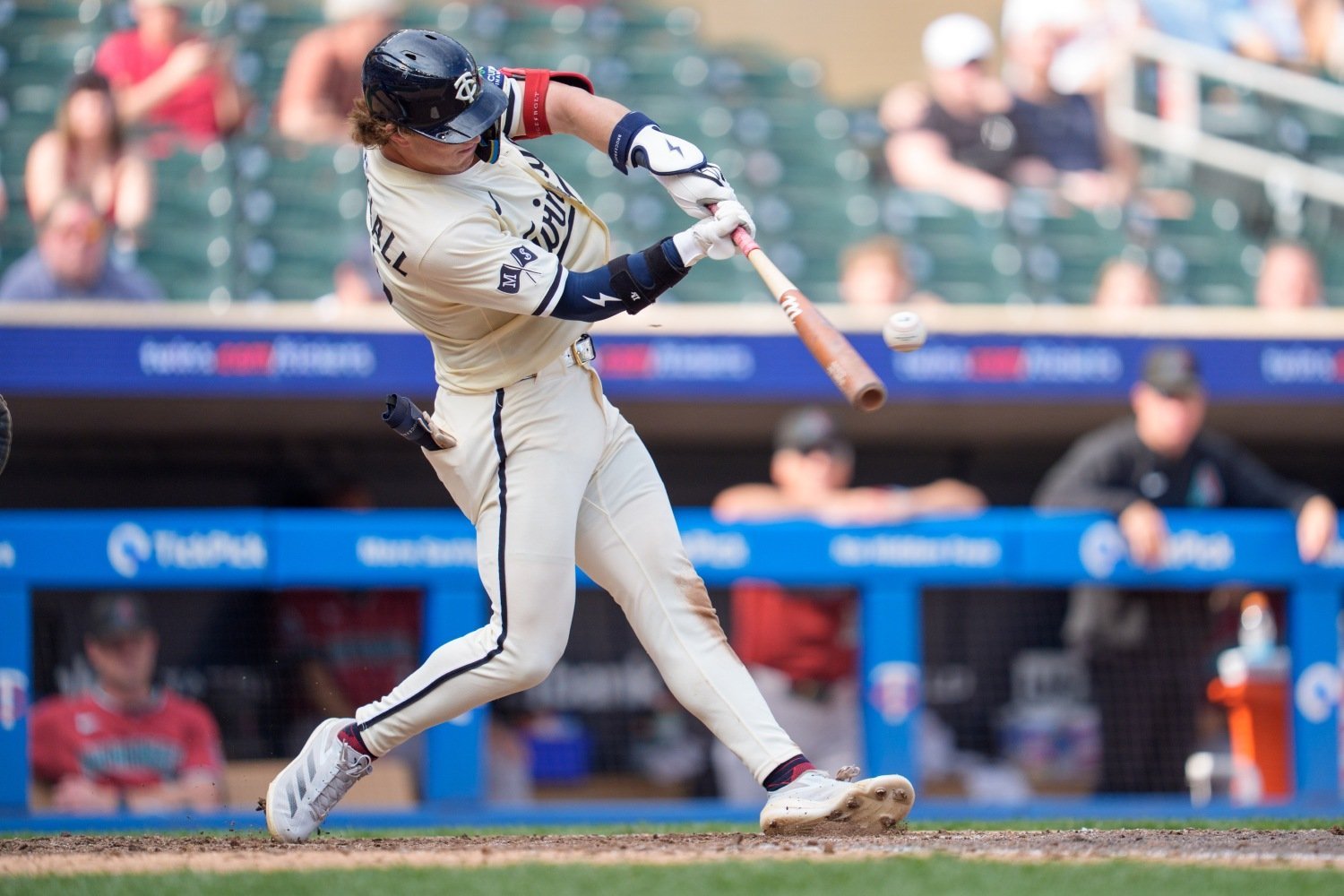 The Minnesota Twins entered this season with dreams of young stars leading the next competitive core. Some of those dreams became reality, as second baseman Luke Keaschall emerged as one of the most exciting rookies in baseball. In 49 games, he hit .302/.382/.445 (good for a 128 OPS+) and 14 stolen bases. His aggressive play, quick bat, and sparkplug energy became a rare bright spot in a long and disappointing year. But as Twins fans have learned over the past decade, “exciting” and “durable” don’t always go hand in hand—perhaps, alas, an unfortunate turn of phrase. Keaschall’s latest setback, a thumb surgery scheduled for this winter after injuring himself sliding into second base, feels like déjà vu. Minnesota’s history of promising prospects being derailed by injuries has become one of the defining storylines of the organization’s modern era. To fully understand why Keaschall’s health concerns feel so familiar, it’s worth revisiting the trail of talented, injury-prone stars who came before him. Byron Buxton: The Five-Tool Superstar Buxton was supposed to be the next face of the franchise, a five-tool phenom who could do it all. When healthy, he has lived up to that billing, including the 2025 campaign, where Twins Daily named him MVP. The problem, of course, has been staying on the field. From wrist and knee issues to hip, shoulder, and concussion problems, Buxton’s injury history reads like a medical file instead of a résumé. He’s played over 100 games for the second consecutive season, and it feels like a victory, but the inconsistency has limited his ability to anchor the Twins’ lineup fully. Royce Lewis: Star Potential If anyone embodies resilience, it’s Royce Lewis. The former No. 1 overall pick has torn his ACL twice, missed full seasons of development, and struggled to establish himself as one of the team’s top hitters. In 2025, he played 106 games and posted a career-low 83 OPS+. His 2023 postseason heroics gave fans a glimpse of his superstar potential. Still, even this season, injuries crept back in; hamstring tightness and other lower-body issues kept him from staying in the lineup consistently. When he’s healthy, Lewis has shown flashes of his full potential. But that phrase—when he’s healthy—has haunted him since draft day. Alex Kirilloff: Pushed to Retirement Kirilloff’s swing had always been his calling card, and it’s why the Twins drafted him with a first-round pick. His wrists and spine, unfortunately, have been his undoing. After multiple surgeries and recurring pain, Kirilloff was forced to retire last winter. For many years, evaluators believed his bat would be penciled into the middle of the Twins’ lineup, but now he is selling real estate in Florida instead of impacting the roster. Austin Martin: Derailed by Delays Martin’s development path was already winding when he arrived from Toronto in the José Berríos trade, but a series of soft-tissue injuries only made things worse. He’s shown flashes of the on-base skills that made him a top draft pick. He ended the year on a high note, hitting .282/.374/.365 with a 106 OPS+ and 11 steals. The Twins hope he can carve out a role in 2026, but it’s been a long, uneven climb. The Next Wave: Walker Jenkins and Emmanuel Rodriguez Even the next generation hasn’t been immune. Walker Jenkins, the team’s prized 2023 first-round pick, has dealt with multiple injuries in his first two professional seasons. Still, the Twins were aggressive with him and pushed him to Triple-A before he turned 21. Emmanuel Rodriguez, one of the system’s most dynamic outfielders, has also battled lower-body issues that kept him off the field for long stretches in the minors. Both have superstar ceilings, but the first step is staying on the diamond. Keaschall: The Spark Plug That brings us back to Keaschall. His rookie season was everything fans hoped for: energy, athleticism, a contact-first approach, and sneaky power. He looked like the kind of player who could shift a clubhouse’s culture, a relentless competitor who played the game at full speed. However, that full-speed mentality comes at a cost. After Tommy John surgery last year, Keaschall broke his forearm early this season, only to return and reestablish himself before his latest thumb injury. Three significant injuries in less than two years would be a concern for any player, let alone one whose game depends so heavily on aggression and athleticism. The Twins love Keaschall’s makeup, and believe his style will help define their next winning team. Still, there’s a quiet anxiety around whether his body can keep up with the way he plays. Fans have seen this movie before, and they know how quickly a promise can turn to frustration when health becomes the storyline. A Hopeful but Cautious Future Keaschall could absolutely be part of the Twins’ long-term core. His instincts, leadership, and contact ability make him an ideal fit for a lineup looking to rediscover its identity. But Minnesota’s front office and training staff have to find a way to rewrite the script to keep this next generation of stars on the field, instead of in the training room. The Twins are starting to shift their reputation to drafting and developing athletic, high-upside talent. To make the most of that philosophy, they’ll need one thing above all else: durability. Keaschall might be the next great Twin—or the next great “what if.” Are you worried about injuries impacting the next generation of Twins' top prospects? Leave a comment and start the discussion.
- 16 comments
-
- 4
-

-
- luke keaschall
- byron buxton
- (and 3 more)
-
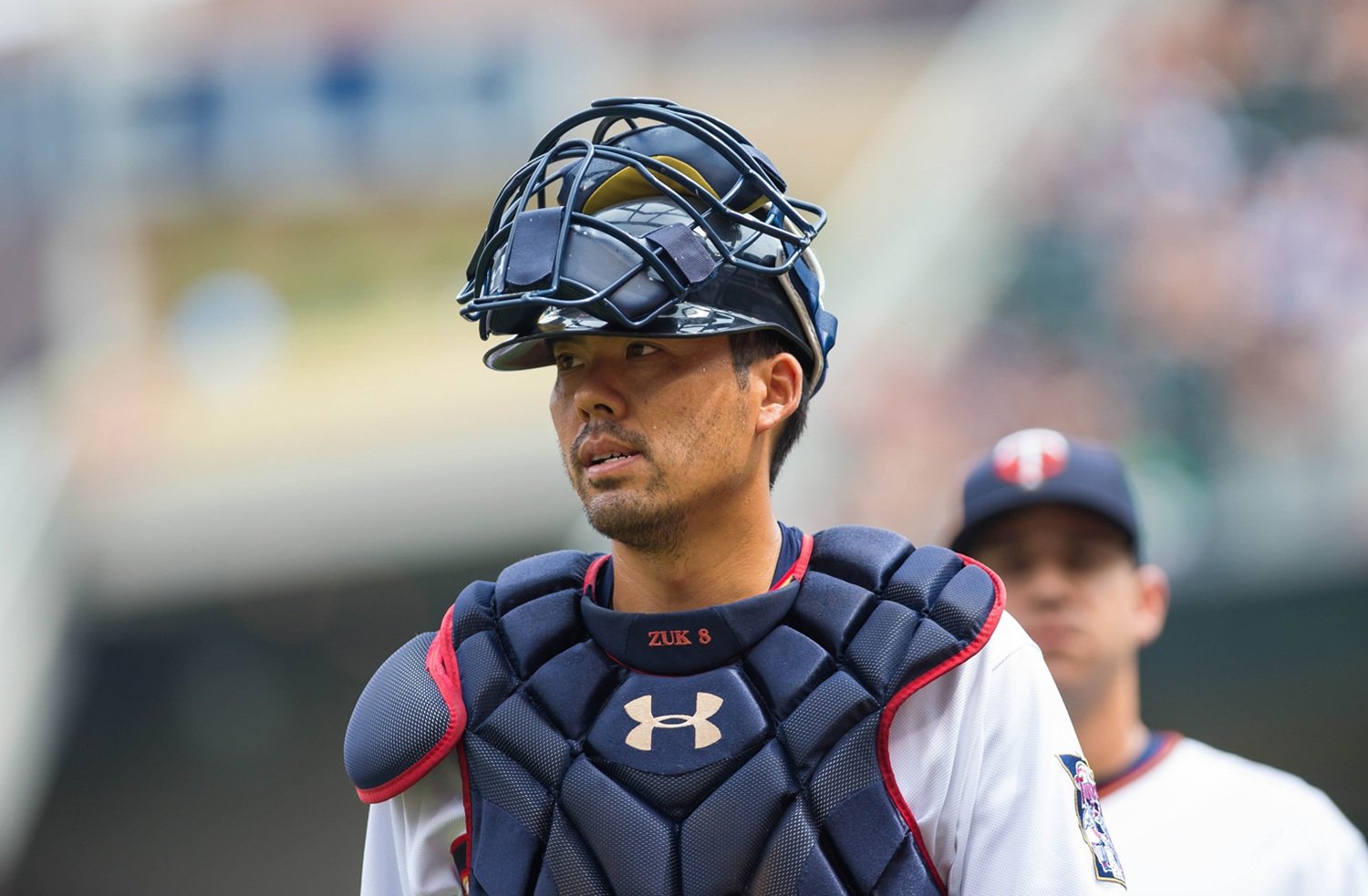 The Minnesota Twins are once again at a crossroads. Following a 92-loss season and another October spent watching from home, the organization announced that Rocco Baldelli would not return as manager in 2026. It marked the team’s fourth playoff miss in the past five seasons and a sobering reminder that the momentum from their 2023 postseason breakthrough quickly evaporated (even if it was tied to ownership cutting payroll). Not all of the team’s shortcomings can be directly attributed to Baldelli. The roster struggled with inconsistency on both sides of the ball, and injuries once again depleted the core's depth. Still, after back-to-back disappointing seasons, it was clear someone had to take the fall for a club that underperformed relative to expectations. President of Baseball Operations Derek Falvey acknowledged the problematic nature of the decision but emphasized that the change was part of a broader evaluation of the organization. Now, the attention turns toward the next voice to lead the dugout. Minnesota’s search is expected to cast a wide net, with both internal candidates and external names being considered. Among the early possibilities is a familiar face behind the plate. According to Susan Slusser of the San Francisco Chronicle, former Twins catcher Kurt Suzuki is reportedly in the running for the Twins’ managerial vacancy. Suzuki, 42, currently serves as a special advisor in the Los Angeles Angels’ front office and is also believed to be under consideration for the San Francisco Giants’ open job. The Angels themselves are searching for a new manager, making Suzuki’s name one of the most talked-about in early offseason circles. Suzuki has yet to manage or coach at the professional level, but his baseball résumé commands respect. During his 16-year Major League career, he played for the Oakland Athletics, Washington Nationals, Atlanta Braves, Angels, and Twins, where he earned his lone All-Star selection in 2014. That season, Suzuki slashed .288/.345/.383 (.727) with 34 doubles and a 105 OPS+, providing leadership and stability for a young Twins pitching staff. After retiring following the 2022 campaign, Suzuki transitioned immediately into a front office role with the Angels, While Suzuki lacks on-field coaching experience, his long tenure as a catcher could make him an appealing candidate in today’s game. Catchers are often viewed as natural leaders, tasked with managing pitching staffs, reading opposing hitters, and maintaining clubhouse communication. Suzuki’s reputation as a respected, steady presence during his playing days fits the mold of several recent managerial hires across the league. It’s worth noting that Stephen Vogt, last year’s American League Manager of the Year, made a similarly rapid transition. Vogt retired in 2022, spent a single season as a coach with the Seattle Mariners, and then took over the Cleveland Guardians' job, leading them to back-to-back postseason appearances. For a Twins front office that values communication and collaboration, Suzuki could represent an intriguing blend of player perspective and modern analytical understanding. What exactly are the Twins looking for in their next manager? Falvey cautioned against narrowing the search too tightly. Still, the organization’s direction will undoubtedly play a role in determining the right fit. With payroll questions lingering and an uncertain competitive window, candidates will want to know whether they’re inheriting a team poised to contend or one headed for a transition phase. In that sense, Suzuki might check more boxes than his résumé initially suggests. He is a bridge between eras, a veteran of both the “old school” clubhouse and the modern analytics-driven environment. He is connected across multiple organizations, respected by players, and familiar to Twins fans who remember his calm presence during some transitional years in the mid-2010s. The Twins are looking for a new voice, and while Suzuki’s may not be the loudest, it could be precisely the kind of leadership tone Minnesota needs right now. Should the Twins try to hire Suzuki before another team makes their move? Leave a comment and start the discussion.
 -
Image courtesy of © Brad Rempel-Imagn Images The Minnesota Twins are once again at a crossroads. Following a 92-loss season and another October spent watching from home, the organization announced that Rocco Baldelli would not return as manager in 2026. It marked the team’s fourth playoff miss in the past five seasons and a sobering reminder that the momentum from their 2023 postseason breakthrough quickly evaporated (even if it was tied to ownership cutting payroll). Not all of the team’s shortcomings can be directly attributed to Baldelli. The roster struggled with inconsistency on both sides of the ball, and injuries once again depleted the core's depth. Still, after back-to-back disappointing seasons, it was clear someone had to take the fall for a club that underperformed relative to expectations. President of Baseball Operations Derek Falvey acknowledged the problematic nature of the decision but emphasized that the change was part of a broader evaluation of the organization. Now, the attention turns toward the next voice to lead the dugout. Minnesota’s search is expected to cast a wide net, with both internal candidates and external names being considered. Among the early possibilities is a familiar face behind the plate. According to Susan Slusser of the San Francisco Chronicle, former Twins catcher Kurt Suzuki is reportedly in the running for the Twins’ managerial vacancy. Suzuki, 42, currently serves as a special advisor in the Los Angeles Angels’ front office and is also believed to be under consideration for the San Francisco Giants’ open job. The Angels themselves are searching for a new manager, making Suzuki’s name one of the most talked-about in early offseason circles. Suzuki has yet to manage or coach at the professional level, but his baseball résumé commands respect. During his 16-year Major League career, he played for the Oakland Athletics, Washington Nationals, Atlanta Braves, Angels, and Twins, where he earned his lone All-Star selection in 2014. That season, Suzuki slashed .288/.345/.383 (.727) with 34 doubles and a 105 OPS+, providing leadership and stability for a young Twins pitching staff. After retiring following the 2022 campaign, Suzuki transitioned immediately into a front office role with the Angels, While Suzuki lacks on-field coaching experience, his long tenure as a catcher could make him an appealing candidate in today’s game. Catchers are often viewed as natural leaders, tasked with managing pitching staffs, reading opposing hitters, and maintaining clubhouse communication. Suzuki’s reputation as a respected, steady presence during his playing days fits the mold of several recent managerial hires across the league. It’s worth noting that Stephen Vogt, last year’s American League Manager of the Year, made a similarly rapid transition. Vogt retired in 2022, spent a single season as a coach with the Seattle Mariners, and then took over the Cleveland Guardians' job, leading them to back-to-back postseason appearances. For a Twins front office that values communication and collaboration, Suzuki could represent an intriguing blend of player perspective and modern analytical understanding. What exactly are the Twins looking for in their next manager? Falvey cautioned against narrowing the search too tightly. Still, the organization’s direction will undoubtedly play a role in determining the right fit. With payroll questions lingering and an uncertain competitive window, candidates will want to know whether they’re inheriting a team poised to contend or one headed for a transition phase. In that sense, Suzuki might check more boxes than his résumé initially suggests. He is a bridge between eras, a veteran of both the “old school” clubhouse and the modern analytics-driven environment. He is connected across multiple organizations, respected by players, and familiar to Twins fans who remember his calm presence during some transitional years in the mid-2010s. The Twins are looking for a new voice, and while Suzuki’s may not be the loudest, it could be precisely the kind of leadership tone Minnesota needs right now. Should the Twins try to hire Suzuki before another team makes their move? Leave a comment and start the discussion. View full article
-
Image courtesy of © Jerry Lai (Santana) and Jesse Johnson (Lewis)-Imagn Images When it comes to October baseball, it’s been a rough couple of decades for Minnesota Twins fans. The postseason heartbreaks are well-documented: a multi-decade losing streak, a revolving door of Yankees villains, and plenty of “what-ifs” scattered along the way. But despite the pain, there have been moments (short bursts of brilliance) where individual Twins players delivered performances worthy of postseason lore. From one pitcher’s dominance in the mid-2000s to a rookie’s instant legend moment in 2023, these are the playoff performances that stood above the rest in the 21st century. 8. Joe Mays – 2002 AL Championship Series (0.35 WPA) 13 1/3 IP, 3 ER, 12 H, 3 K, 0 BB Mays isn’t usually a name that comes up in franchise “best-of” discussions, but in 2002, he was everything the Twins could have hoped for in the ALCS. Against a powerful Angels lineup, Mays threw strikes, avoided walks, and kept his team in games they had no business being in. He didn’t overpower anyone, but his efficiency was surgical. Unfortunately, the Twins’ offense went cold, and Anaheim went on to win the World Series, but Mays’s effort deserves a spotlight. 7. Kenta Maeda – 2020 AL Wild Card Series, Game 1 (0.29 WPA) 5 IP, 0 ER, 2 H, 5 K, 3 BB In the strange, fanless 2020 postseason, Maeda gave Twins fans a brief moment of optimism. He blanked the Houston Astros over five innings, flashing the elite command that made him a Cy Young finalist that season. Unfortunately, the bullpen couldn’t close it out, and the Twins dropped both games of the short series. Still, Maeda’s effort stands out as one of the few bright spots in an otherwise bleak October stretch. 6. Torii Hunter – 2004 AL Division Series (0.34 WPA) 6-for-17 (.353), 1 HR, 1 2B Hunter had his share of memorable moments in October, and the 2004 ALDS was one of them. His bat showed up in a big way, highlighted by clutch hits that briefly gave the Twins life against the Yankees. Hunter’s energy and emotion were contagious, and he provided a rare offensive spark in a lineup that too often went quiet in the postseason. While the series ended in heartbreak, Hunter’s performance cemented him in Twins lore. 5. Johan Santana – 2006 AL Division Series, Game 1 (0.16 WPA) 8 IP, 2 ER, 5 H, 8 K, 1 BB Santana did everything he could in the 2006 ALDS opener against the Athletics, but the Twins’ bats never showed up. Santana’s outing (two earned runs over eight innings) was vintage dominance that deserved better support. It wasn’t his fault the series spiraled from there, and this performance serves as a reminder of how often Santana’s brilliance was squandered by lackluster offense (see below for even more evidence). 4. Pablo López – 2023 AL Division Series, Game 2 (0.26 WPA) 7 IP, 0 ER, 6 H, 7 K, 1 BB After nearly two decades of postseason futility, López helped usher in a new era of hope. His seven shutout innings against the Houston Astros in Game 2 of the 2023 ALDS were a masterclass in poise and precision. Armed with his changeup and confidence, López gave the Twins their first road postseason win in over a decade. Even though the Twins eventually fell short in the series, López’s performance reminded fans what a legitimate frontline starter looks like on the October stage. 3. A.J. Pierzynski – 2002 AL Division Series (0.44 WPA) 7-for-16 (.438), 1 HR, 1 3B Few Twins players embodied the scrappy early-2000s teams like Pierzynski. In the 2002 ALDS against the Oakland Athletics, Pierzynski was relentless, smacking extra-base hits, driving in runs, and getting under opponents’ skin in classic fashion. His home run in Game 5 helped clinch Minnesota’s first postseason series win since 1991. This was a defining performance, in a series that reintroduced the Twins to October baseball. It was the kind of gritty, emotional energy that fans still miss. Little did fans know that it would be the team’s last winning playoff series until 2023. 2. Royce Lewis – 2023 AL Wild Card Series, Game 1 (0.24 WPA) 2-for-3, 2 HR, 3 RBI, BB The streak was over, and the team’s electric rookie made sure of it. In his first-ever playoff game, Lewis launched two home runs (one to left, one to right), ending Minnesota’s multi-decade postseason losing streak. The Target Field crowd was electric, the moment was cinematic, and Lewis instantly etched his name into Twins lore. Few performances in team history have meant more, emotionally. 1. Johan Santana – 2004 AL Division Series (0.67 WPA) 12 IP, 1 ER, 14 H, 12 K, 4 BB This was the peak of Santana’s powers, and the numbers prove it. In 2004, Santana had just earned his first Cy Young Award and entered the postseason as the most dominant pitcher in baseball. He delivered eight shutout innings in Game 1 against the Yankees, silencing the Bronx crowd and reminding everyone that the Twins could hang with the giants. He followed it up with another gutsy effort in Game 4, on short rest. Even though Minnesota’s bullpen let the series slip away, Santana’s performance remains one of the most impressive playoff showings in franchise history. When Twins fans talk about what “ace” energy looks like, this is it. When you sort through the rubble of the Twins’ modern postseason history, these performances stand out like small fires on a cold night. They didn’t lead to championships (or even series wins, in most cases), but they showed that Minnesota has still had its share of October heroes. From Santana’s sustained excellence to Lewis’s breakout moment, these games prove that even amid decades of frustration, greatness has still felt comfortable in a Twins uniform. It just hasn’t stayed long enough. Would you add any other performances to this list? How would you rank these performances? Leave a comment and start the discussion. View full article
-
Ranking the Minnesota Twins’ Top 8 Playoff Performances Since 2000
Cody Christie posted an article in History
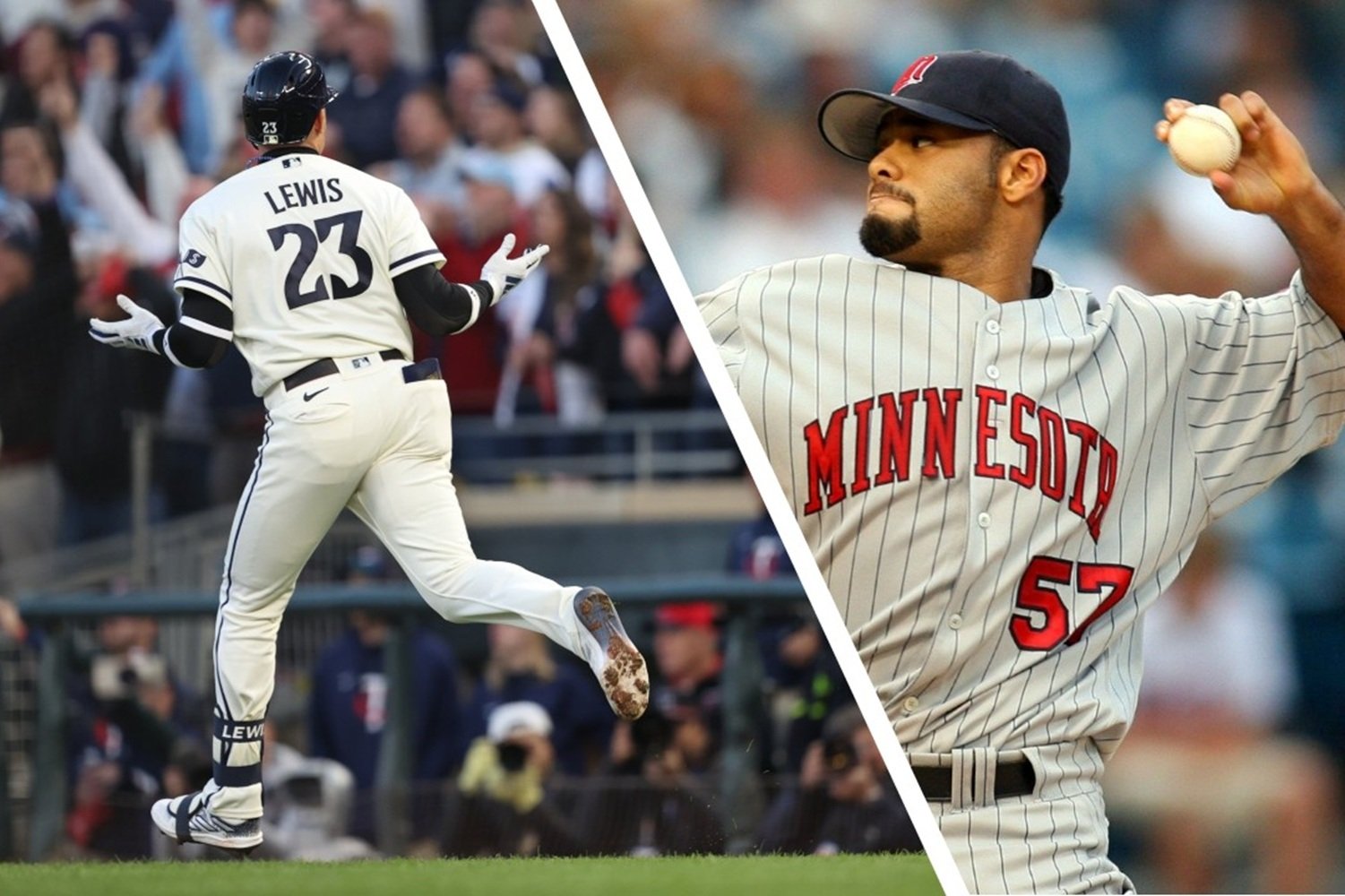 When it comes to October baseball, it’s been a rough couple of decades for Minnesota Twins fans. The postseason heartbreaks are well-documented: a multi-decade losing streak, a revolving door of Yankees villains, and plenty of “what-ifs” scattered along the way. But despite the pain, there have been moments (short bursts of brilliance) where individual Twins players delivered performances worthy of postseason lore. From one pitcher’s dominance in the mid-2000s to a rookie’s instant legend moment in 2023, these are the playoff performances that stood above the rest in the 21st century. 8. Joe Mays – 2002 AL Championship Series (0.35 WPA) 13 1/3 IP, 3 ER, 12 H, 3 K, 0 BB Mays isn’t usually a name that comes up in franchise “best-of” discussions, but in 2002, he was everything the Twins could have hoped for in the ALCS. Against a powerful Angels lineup, Mays threw strikes, avoided walks, and kept his team in games they had no business being in. He didn’t overpower anyone, but his efficiency was surgical. Unfortunately, the Twins’ offense went cold, and Anaheim went on to win the World Series, but Mays’s effort deserves a spotlight. 7. Kenta Maeda – 2020 AL Wild Card Series, Game 1 (0.29 WPA) 5 IP, 0 ER, 2 H, 5 K, 3 BB In the strange, fanless 2020 postseason, Maeda gave Twins fans a brief moment of optimism. He blanked the Houston Astros over five innings, flashing the elite command that made him a Cy Young finalist that season. Unfortunately, the bullpen couldn’t close it out, and the Twins dropped both games of the short series. Still, Maeda’s effort stands out as one of the few bright spots in an otherwise bleak October stretch. 6. Torii Hunter – 2004 AL Division Series (0.34 WPA) 6-for-17 (.353), 1 HR, 1 2B Hunter had his share of memorable moments in October, and the 2004 ALDS was one of them. His bat showed up in a big way, highlighted by clutch hits that briefly gave the Twins life against the Yankees. Hunter’s energy and emotion were contagious, and he provided a rare offensive spark in a lineup that too often went quiet in the postseason. While the series ended in heartbreak, Hunter’s performance cemented him in Twins lore. 5. Johan Santana – 2006 AL Division Series, Game 1 (0.16 WPA) 8 IP, 2 ER, 5 H, 8 K, 1 BB Santana did everything he could in the 2006 ALDS opener against the Athletics, but the Twins’ bats never showed up. Santana’s outing (two earned runs over eight innings) was vintage dominance that deserved better support. It wasn’t his fault the series spiraled from there, and this performance serves as a reminder of how often Santana’s brilliance was squandered by lackluster offense (see below for even more evidence). 4. Pablo López – 2023 AL Division Series, Game 2 (0.26 WPA) 7 IP, 0 ER, 6 H, 7 K, 1 BB After nearly two decades of postseason futility, López helped usher in a new era of hope. His seven shutout innings against the Houston Astros in Game 2 of the 2023 ALDS were a masterclass in poise and precision. Armed with his changeup and confidence, López gave the Twins their first road postseason win in over a decade. Even though the Twins eventually fell short in the series, López’s performance reminded fans what a legitimate frontline starter looks like on the October stage. 3. A.J. Pierzynski – 2002 AL Division Series (0.44 WPA) 7-for-16 (.438), 1 HR, 1 3B Few Twins players embodied the scrappy early-2000s teams like Pierzynski. In the 2002 ALDS against the Oakland Athletics, Pierzynski was relentless, smacking extra-base hits, driving in runs, and getting under opponents’ skin in classic fashion. His home run in Game 5 helped clinch Minnesota’s first postseason series win since 1991. This was a defining performance, in a series that reintroduced the Twins to October baseball. It was the kind of gritty, emotional energy that fans still miss. Little did fans know that it would be the team’s last winning playoff series until 2023. 2. Royce Lewis – 2023 AL Wild Card Series, Game 1 (0.24 WPA) 2-for-3, 2 HR, 3 RBI, BB The streak was over, and the team’s electric rookie made sure of it. In his first-ever playoff game, Lewis launched two home runs (one to left, one to right), ending Minnesota’s multi-decade postseason losing streak. The Target Field crowd was electric, the moment was cinematic, and Lewis instantly etched his name into Twins lore. Few performances in team history have meant more, emotionally. 1. Johan Santana – 2004 AL Division Series (0.67 WPA) 12 IP, 1 ER, 14 H, 12 K, 4 BB This was the peak of Santana’s powers, and the numbers prove it. In 2004, Santana had just earned his first Cy Young Award and entered the postseason as the most dominant pitcher in baseball. He delivered eight shutout innings in Game 1 against the Yankees, silencing the Bronx crowd and reminding everyone that the Twins could hang with the giants. He followed it up with another gutsy effort in Game 4, on short rest. Even though Minnesota’s bullpen let the series slip away, Santana’s performance remains one of the most impressive playoff showings in franchise history. When Twins fans talk about what “ace” energy looks like, this is it. When you sort through the rubble of the Twins’ modern postseason history, these performances stand out like small fires on a cold night. They didn’t lead to championships (or even series wins, in most cases), but they showed that Minnesota has still had its share of October heroes. From Santana’s sustained excellence to Lewis’s breakout moment, these games prove that even amid decades of frustration, greatness has still felt comfortable in a Twins uniform. It just hasn’t stayed long enough. Would you add any other performances to this list? How would you rank these performances? Leave a comment and start the discussion.
- 10 comments
-
- 1
-
-
- johan santana
- joe mays
- (and 5 more)
-
Image courtesy of TwinsCentric, LLC Minnesota Twins fans are no strangers to patience. They’ve endured rebuilds, payroll freezes, postseason collapses, and front-office overhauls. But as the franchise stumbles through another disappointing stretch, ownership has stepped forward with a series of public comments meant to reassure. For many, those words feel like echoes of the past. “The Sun’s Going to Come Up Tomorrow” Joe Pohlad compared the current state of the franchise to parenting: “When your kid’s having a hard time, you try not to have them focus on the moment itself but realize the sun’s going to come up tomorrow.” It’s an optimistic, human response, but for fans, the problem is that tomorrow keeps looking like yesterday. The Twins have missed the playoffs in consecutive years and lost 92 games this season. A fan base that hasn’t seen a World Series title since 1991 is tired of hearing that “things will get better.” The sun always rises, but so far, the horizon doesn’t look much different. Confidence in the “Right Pieces” Pohlad doubled down on his optimism: “I am overwhelmingly confident about Twins baseball. I’m confident because we have got all the right [pieces] … And we have the resources that we’re ready to invest when needed.” Fans have heard versions of this before. Every ownership group in sports claims they’ll spend when the time is right, yet Minnesota continues to hover around the middle of the pack in payroll. “The right pieces” are hard to identify on a roster riddled with injuries, regression, and depth concerns. Until ownership matches words with aggressive action, confidence will remain a tough sell. “The Goal is Not to Compete. The Goal is to Win a World Series.” This is the line fans want to hear most. But for a franchise that hasn’t advanced past the ALDS since 2002, there’s a gulf between intention and execution. Competing has been the organizational mantra for years: stay relevant, fight for a division title, and hope to catch fire in October. That model has yielded plenty of division banners but little else. The Pohlads say they’re aiming higher, but fans wonder if their definition of “winning a World Series” is the same as theirs. Building “a true winner” requires risks, and Minnesota has often played it safe. Owning the Frustration “At some point you gotta look at yourself and be like, ‘You know what? We’ve gotta try something different,’” Pohlad admitted. That acknowledgment might be the most important quote of all. Fans are already living in frustration. Ownership openly admitting that the same old approach won’t cut it anymore could signal change. The trade deadline sell-off this summer was one such pivot, moving veterans to restock the farm system. Firing Rocco Baldelli signals another major change, but the current roster might be the bigger problem. While ownership pointed to long-term stability, many fans saw it as waving the white flag. Patience, once again, was the ask. Terry Ryan’s Perspective Even Terry Ryan, the former GM, weighed in: “A year and a half or two years ago, they were darn near a model franchise … But it wasn’t working. They turned around and did something good [at the trade deadline]. They might have gone further than fans hoped they would. But that attitude might change here in the next 12 months.” Ryan’s comments frame the Twins as a team at a crossroads. The club is still respected around baseball, but struggling to maintain credibility with their own fan base. His suggestion that attitudes may shift next year is hopeful, though it relies heavily on trust, something in short supply right now. “Totally Justified” Fan Frustration Tom Pohlad was more direct than Joe: “It’s been 34 years since the World Series … That’s unacceptable. The fans are totally justified to think it’s unacceptable.” That admission resonates. Ownership rarely calls out its own failures so bluntly. But it also begs the obvious question: If everyone agrees the results are unacceptable, what will actually change? Fans don’t want apologies—they want a plan. Where Words Meet Action At their core, the Pohlads’ comments sound like the right things: accountability, optimism, and a commitment to winning. But Twins fans have learned that rhetoric rarely translates to trophies. The next 12 months will determine if this is another chapter of “wait and see” or if the franchise truly embraces risk and ambition. Until then, frustration will linger, even if ownership insists the sun will rise tomorrow. The Twins are entering a critical stretch. With the roster in transition, a new manager coming in, and resources allegedly ready to be deployed, ownership’s actions this offseason will speak louder than any press conference. If Joe and Tom Pohlad want to convince a skeptical fan base, they’ll need to pair their words with bold moves: investing in the roster, extending young talent, and showing urgency instead of waiting for things to click. Because while fans may understand that building a champion takes time, 34 years of waiting has drained nearly all the patience left in Twins Territory. 2026 won’t just be another season because it will be the litmus test of whether the Pohlads’ vision is more than just talk. How do you view the recent comments by Twins ownership? Leave a comment and start the discussion. View full article
-
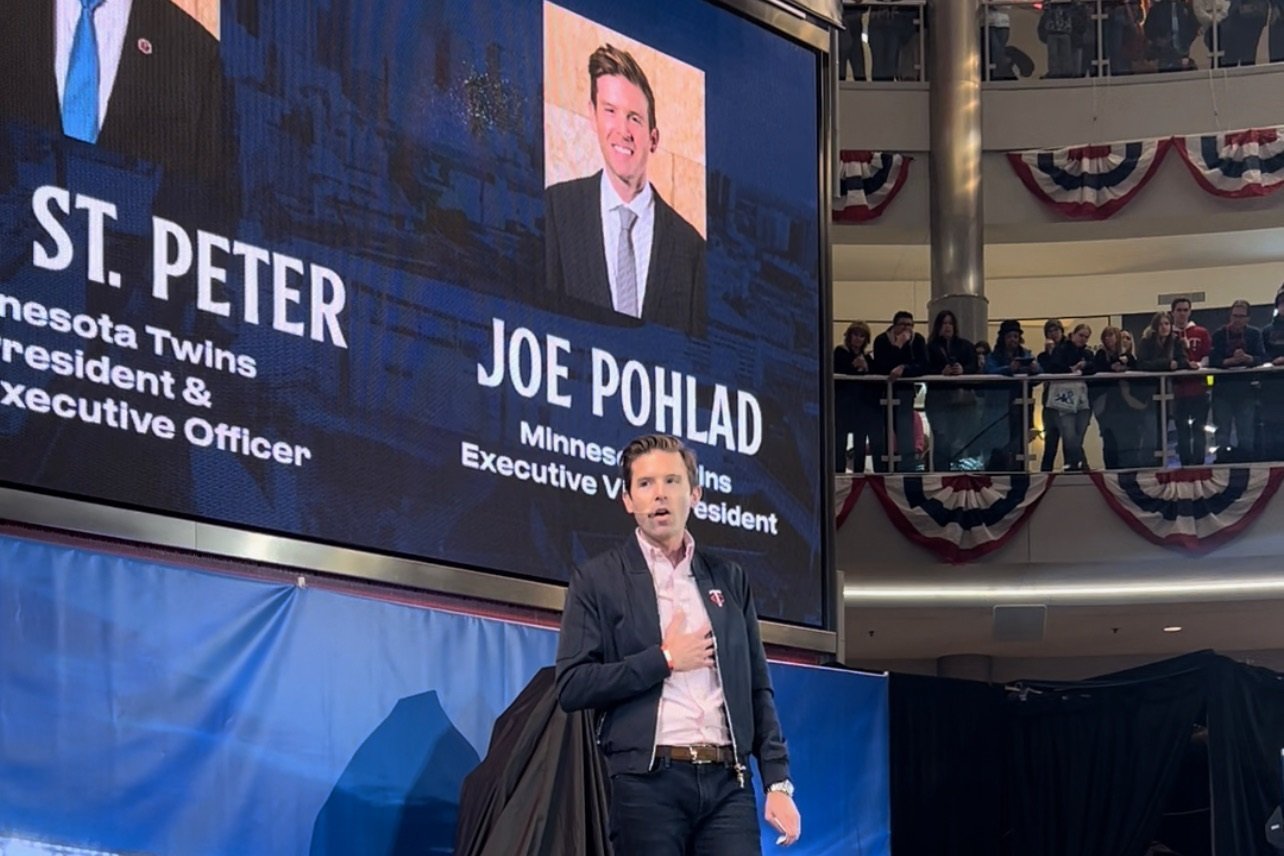 Minnesota Twins fans are no strangers to patience. They’ve endured rebuilds, payroll freezes, postseason collapses, and front-office overhauls. But as the franchise stumbles through another disappointing stretch, ownership has stepped forward with a series of public comments meant to reassure. For many, those words feel like echoes of the past. “The Sun’s Going to Come Up Tomorrow” Joe Pohlad compared the current state of the franchise to parenting: “When your kid’s having a hard time, you try not to have them focus on the moment itself but realize the sun’s going to come up tomorrow.” It’s an optimistic, human response, but for fans, the problem is that tomorrow keeps looking like yesterday. The Twins have missed the playoffs in consecutive years and lost 92 games this season. A fan base that hasn’t seen a World Series title since 1991 is tired of hearing that “things will get better.” The sun always rises, but so far, the horizon doesn’t look much different. Confidence in the “Right Pieces” Pohlad doubled down on his optimism: “I am overwhelmingly confident about Twins baseball. I’m confident because we have got all the right [pieces] … And we have the resources that we’re ready to invest when needed.” Fans have heard versions of this before. Every ownership group in sports claims they’ll spend when the time is right, yet Minnesota continues to hover around the middle of the pack in payroll. “The right pieces” are hard to identify on a roster riddled with injuries, regression, and depth concerns. Until ownership matches words with aggressive action, confidence will remain a tough sell. “The Goal is Not to Compete. The Goal is to Win a World Series.” This is the line fans want to hear most. But for a franchise that hasn’t advanced past the ALDS since 2002, there’s a gulf between intention and execution. Competing has been the organizational mantra for years: stay relevant, fight for a division title, and hope to catch fire in October. That model has yielded plenty of division banners but little else. The Pohlads say they’re aiming higher, but fans wonder if their definition of “winning a World Series” is the same as theirs. Building “a true winner” requires risks, and Minnesota has often played it safe. Owning the Frustration “At some point you gotta look at yourself and be like, ‘You know what? We’ve gotta try something different,’” Pohlad admitted. That acknowledgment might be the most important quote of all. Fans are already living in frustration. Ownership openly admitting that the same old approach won’t cut it anymore could signal change. The trade deadline sell-off this summer was one such pivot, moving veterans to restock the farm system. Firing Rocco Baldelli signals another major change, but the current roster might be the bigger problem. While ownership pointed to long-term stability, many fans saw it as waving the white flag. Patience, once again, was the ask. Terry Ryan’s Perspective Even Terry Ryan, the former GM, weighed in: “A year and a half or two years ago, they were darn near a model franchise … But it wasn’t working. They turned around and did something good [at the trade deadline]. They might have gone further than fans hoped they would. But that attitude might change here in the next 12 months.” Ryan’s comments frame the Twins as a team at a crossroads. The club is still respected around baseball, but struggling to maintain credibility with their own fan base. His suggestion that attitudes may shift next year is hopeful, though it relies heavily on trust, something in short supply right now. “Totally Justified” Fan Frustration Tom Pohlad was more direct than Joe: “It’s been 34 years since the World Series … That’s unacceptable. The fans are totally justified to think it’s unacceptable.” That admission resonates. Ownership rarely calls out its own failures so bluntly. But it also begs the obvious question: If everyone agrees the results are unacceptable, what will actually change? Fans don’t want apologies—they want a plan. Where Words Meet Action At their core, the Pohlads’ comments sound like the right things: accountability, optimism, and a commitment to winning. But Twins fans have learned that rhetoric rarely translates to trophies. The next 12 months will determine if this is another chapter of “wait and see” or if the franchise truly embraces risk and ambition. Until then, frustration will linger, even if ownership insists the sun will rise tomorrow. The Twins are entering a critical stretch. With the roster in transition, a new manager coming in, and resources allegedly ready to be deployed, ownership’s actions this offseason will speak louder than any press conference. If Joe and Tom Pohlad want to convince a skeptical fan base, they’ll need to pair their words with bold moves: investing in the roster, extending young talent, and showing urgency instead of waiting for things to click. Because while fans may understand that building a champion takes time, 34 years of waiting has drained nearly all the patience left in Twins Territory. 2026 won’t just be another season because it will be the litmus test of whether the Pohlads’ vision is more than just talk. How do you view the recent comments by Twins ownership? Leave a comment and start the discussion.
 -
Image courtesy of Thieres Rabelo The 2025 Minnesota Twins season did not go as planned. A year that started with postseason expectations ended in frustration as the team stumbled to the finish line. Even so, there were individual bright spots that gave fans reasons to stay invested, and that’s what makes TwinsDaily’s annual Team MVP voting so interesting. With the front office already pivoting toward reshaping the roster for 2026, this vote provided an opportunity to acknowledge the few players who carried their weight in a turbulent season. From emerging young contributors to established stars who managed to stay healthy, the ballot reflected both the hope and the frustration of Twins Territory. Before diving into the top three, let’s tip the cap to a few guys who received votes and played meaningful roles this season: Honorable Mentions Luke Keaschall — In his rookie campaign, Keaschall hit .302/.382/.445 (.827) with a 128 OPS+ and 14 stolen bases in 182 at-bats. Pablo López — Despite being limited by injury, López made 14 starts and posted a stellar 2.74 ERA, striking out 73 in 75 2/3 innings. Harrison Bader — The Twins acquired Bader on a one-year deal, and in 271 at-bats, he slashed .258/.339/.439 (.778) with 12 homers and ten steals before being dealt. Kody Clemens — Clemens chipped in as a versatile bench option and had some key moments during the team’s 13-game winning streak. Overall, he posted a 96 OPS+ and was a team leader. All four made valuable contributions and earned recognition in the voting, but none secured a spot in the top three. 3. Ryan Jeffers Jeffers secured third place in the MVP vote, and for good reason. Offensively, he put up a solid line of .266/.356/.397 (.752) with a 108 OPS+ over 119 games. His fWAR ranked second on the team, but his rWAR ranked 11th on the team behind Brock Stewart and Danny Coulombe. Defensive metrics continue to paint him in a poor light, but he’s still one of baseball’s best offensive catchers. On the offensive side, he made significant gains in Chase% (-10%), Whiff% (-2.5%), and BB% (+3.9%), with all three categories ranking in the 72nd percentile or higher. While his overall totals lacked the eye-catching peaks of the other two players on this list, his balanced contributions on both sides of the game made him a worthy third-place finisher. 2. Joe Ryan Ryan’s second-place finish was anchored in another season of pitching dominance. Ryan logged an impressive 3.42 ERA with a 125 ERA+ and 10.2 K/9. He continued to be a horse in the rotation and earned an All-Star nod in 2025, a testament to his status among the staff. His fWAR (3.1) and rWAR (4.5) were second only to Buxton among Twins in the 2025 vote. He finished in the AL’s top-10 in WAR for Pitchers (6th), ERA (10th), BB/9 (6th), K/9 (3rd), and K/BB (5th). He has a chance to get down-ballot votes for AL Cy Young, and it’s not hard to imagine his numbers being even better if he hadn’t struggled over the season’s final two months. In a down year for the club, his dependability held tremendous value, but he just fell short of being the team’s top overall player. 1. Byron Buxton (Unanimous Selection) Not even a healthy, thriving Buxton could save the Minnesota Twins from their demise in 2025. Amid the chaos of a 92-loss season, the 31-year-old center fielder authored one of the finest individual performances of his career. Buxton slugged a career-high 35 home runs in a career-high 542 plate appearances, and he went a perfect 24-for-24 stealing bases, a dazzling combination of power and speed that made him one of the most dynamic players in baseball. After finally breaking the triple-digit games barrier in 2024 (102 games, his first time doing so in seven years), he upped the mark again in 2025 with 126 games played, setting career bests nearly across the board: hits, total bases, homers, triples, RBIs, runs, walks, and Win Probability Added. It wasn’t just statistical accumulation, either. Buxton produced highlight moments that stuck with fans all year. Chief among them? Hitting for the cycle on his bobblehead day was a storybook accomplishment that felt ripped straight out of a marketing department dream. Advanced metrics backed up his dominance. Buxton delivered 5.0 Wins Above Replacement (per FanGraphs), another career high that not only led the Twins but also ranked No. 9 among American League position players. To put it in perspective, that’s the highest fWAR by a Twins center fielder since Kirby Puckett’s 5.9 in 1992. The fact that Buxton was the unanimous team MVP selection tells you all you need to know. In a season where nearly everything else went wrong for the Twins, he stood tall as the one constant. His year won’t erase the sting of 92 losses, but it did remind Twins Territory what peak Buxton looks like and why he remains the most indispensable player in the organization. 2025 may go down as one of the most challenging stretches in recent Twins history. Still, the MVP vote underscored an overarching theme: when the chips were down, Buxton continued to perform at the highest level of his career. Jeffers deserves credit for being the most consistent two-way contributor, and Ryan once again proved why he’s the anchor of this rotation. How would your team MVP ballot look? Leave your rankings in the comments and start the discussion. View full article
- 16 replies
-
- 1
-
-
- byron buxton
- joe ryan
- (and 1 more)
-
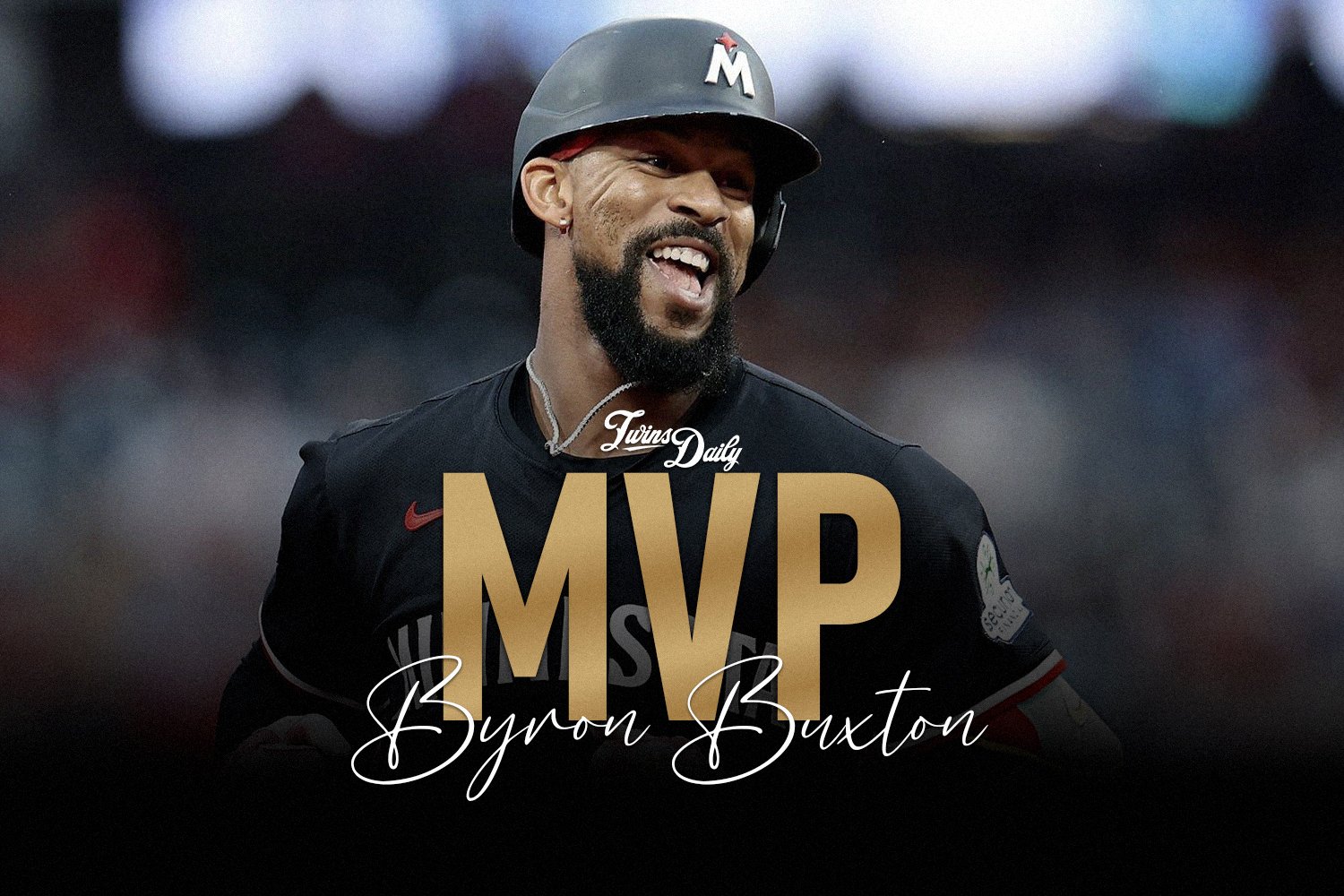 The 2025 Minnesota Twins season did not go as planned. A year that started with postseason expectations ended in frustration as the team stumbled to the finish line. Even so, there were individual bright spots that gave fans reasons to stay invested, and that’s what makes TwinsDaily’s annual Team MVP voting so interesting. With the front office already pivoting toward reshaping the roster for 2026, this vote provided an opportunity to acknowledge the few players who carried their weight in a turbulent season. From emerging young contributors to established stars who managed to stay healthy, the ballot reflected both the hope and the frustration of Twins Territory. Before diving into the top three, let’s tip the cap to a few guys who received votes and played meaningful roles this season: Honorable Mentions Luke Keaschall — In his rookie campaign, Keaschall hit .302/.382/.445 (.827) with a 128 OPS+ and 14 stolen bases in 182 at-bats. Pablo López — Despite being limited by injury, López made 14 starts and posted a stellar 2.74 ERA, striking out 73 in 75 2/3 innings. Harrison Bader — The Twins acquired Bader on a one-year deal, and in 271 at-bats, he slashed .258/.339/.439 (.778) with 12 homers and ten steals before being dealt. Kody Clemens — Clemens chipped in as a versatile bench option and had some key moments during the team’s 13-game winning streak. Overall, he posted a 96 OPS+ and was a team leader. All four made valuable contributions and earned recognition in the voting, but none secured a spot in the top three. 3. Ryan Jeffers Jeffers secured third place in the MVP vote, and for good reason. Offensively, he put up a solid line of .266/.356/.397 (.752) with a 108 OPS+ over 119 games. His fWAR ranked second on the team, but his rWAR ranked 11th on the team behind Brock Stewart and Danny Coulombe. Defensive metrics continue to paint him in a poor light, but he’s still one of baseball’s best offensive catchers. On the offensive side, he made significant gains in Chase% (-10%), Whiff% (-2.5%), and BB% (+3.9%), with all three categories ranking in the 72nd percentile or higher. While his overall totals lacked the eye-catching peaks of the other two players on this list, his balanced contributions on both sides of the game made him a worthy third-place finisher. 2. Joe Ryan Ryan’s second-place finish was anchored in another season of pitching dominance. Ryan logged an impressive 3.42 ERA with a 125 ERA+ and 10.2 K/9. He continued to be a horse in the rotation and earned an All-Star nod in 2025, a testament to his status among the staff. His fWAR (3.1) and rWAR (4.5) were second only to Buxton among Twins in the 2025 vote. He finished in the AL’s top-10 in WAR for Pitchers (6th), ERA (10th), BB/9 (6th), K/9 (3rd), and K/BB (5th). He has a chance to get down-ballot votes for AL Cy Young, and it’s not hard to imagine his numbers being even better if he hadn’t struggled over the season’s final two months. In a down year for the club, his dependability held tremendous value, but he just fell short of being the team’s top overall player. 1. Byron Buxton (Unanimous Selection) Not even a healthy, thriving Buxton could save the Minnesota Twins from their demise in 2025. Amid the chaos of a 92-loss season, the 31-year-old center fielder authored one of the finest individual performances of his career. Buxton slugged a career-high 35 home runs in a career-high 542 plate appearances, and he went a perfect 24-for-24 stealing bases, a dazzling combination of power and speed that made him one of the most dynamic players in baseball. After finally breaking the triple-digit games barrier in 2024 (102 games, his first time doing so in seven years), he upped the mark again in 2025 with 126 games played, setting career bests nearly across the board: hits, total bases, homers, triples, RBIs, runs, walks, and Win Probability Added. It wasn’t just statistical accumulation, either. Buxton produced highlight moments that stuck with fans all year. Chief among them? Hitting for the cycle on his bobblehead day was a storybook accomplishment that felt ripped straight out of a marketing department dream. Advanced metrics backed up his dominance. Buxton delivered 5.0 Wins Above Replacement (per FanGraphs), another career high that not only led the Twins but also ranked No. 9 among American League position players. To put it in perspective, that’s the highest fWAR by a Twins center fielder since Kirby Puckett’s 5.9 in 1992. The fact that Buxton was the unanimous team MVP selection tells you all you need to know. In a season where nearly everything else went wrong for the Twins, he stood tall as the one constant. His year won’t erase the sting of 92 losses, but it did remind Twins Territory what peak Buxton looks like and why he remains the most indispensable player in the organization. 2025 may go down as one of the most challenging stretches in recent Twins history. Still, the MVP vote underscored an overarching theme: when the chips were down, Buxton continued to perform at the highest level of his career. Jeffers deserves credit for being the most consistent two-way contributor, and Ryan once again proved why he’s the anchor of this rotation. How would your team MVP ballot look? Leave your rankings in the comments and start the discussion.
- 16 comments
-
- 4
-
-

-
- byron buxton
- joe ryan
- (and 1 more)
-
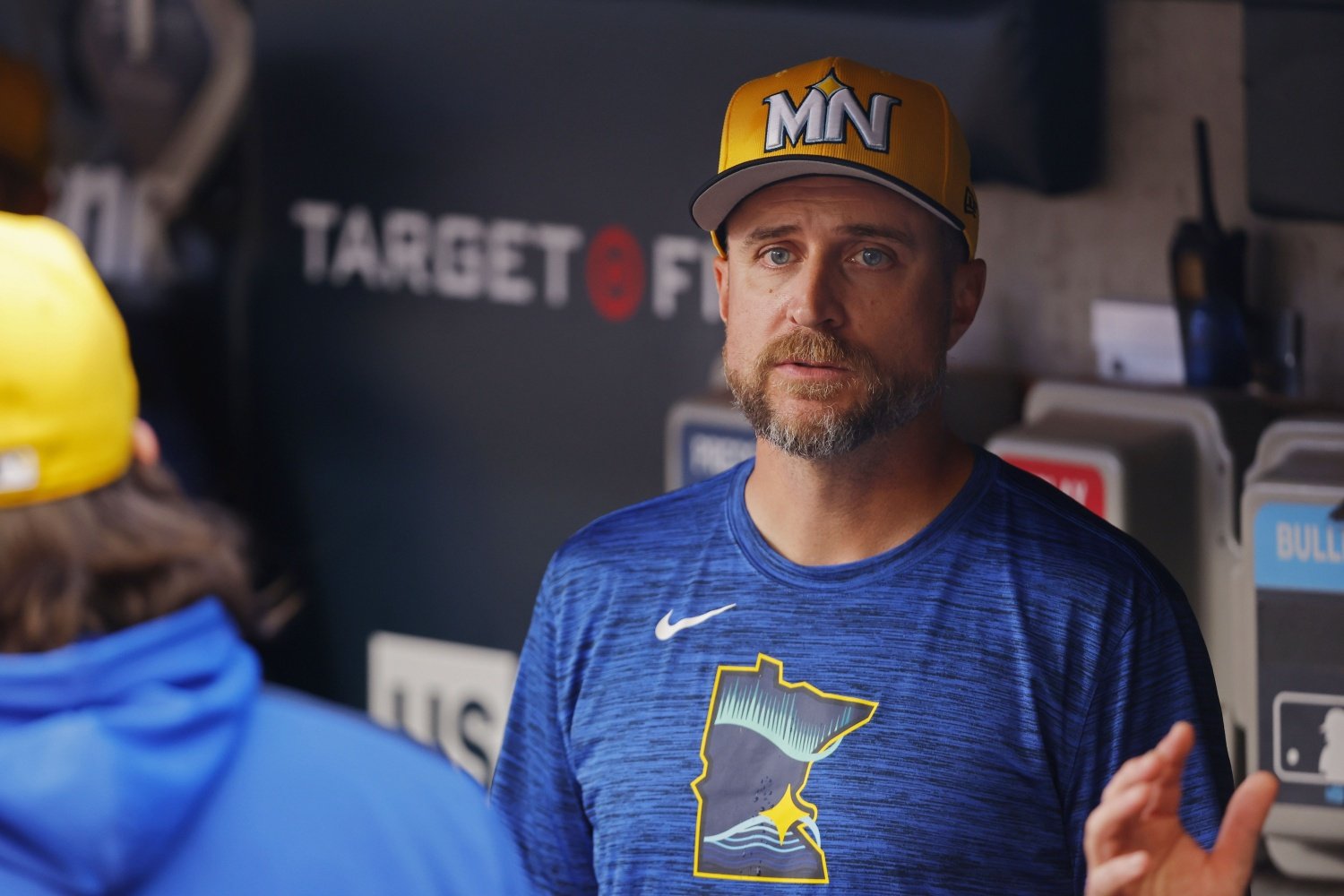 The Minnesota Twins made headlines this September by dismissing Rocco Baldelli after seven seasons at the helm. A disappointing 70–92 record, combined with a midseason sell-off and a second straight year missing the playoffs, left leadership convinced it was time for a change. “This game is ultimately measured by results,” Derek Falvey said, announcing the decision, “and over the past two seasons we did not reach the goals we set.” However, Baldelli’s dismissal occurred during a rare offseason in Major League Baseball, when the managerial carousel is exceptionally crowded. Seven other franchises (Atlanta, plus the Texas Rangers, San Francisco Giants, Baltimore Orioles, Washington Nationals, Los Angeles Angels, and Colorado Rockies) are also seeking new leadership in the dugout. For Minnesota, this means the search for their next skipper won’t occur in isolation. With so many teams looking for managers, the Twins might not get their first choice among top candidates. Here’s how the eight current openings stack up, with each job’s pros, cons, 2025 context, and future outlook. 1. Atlanta (2025 Record: 76-86) Previous manager: Brian Snitker Farm system rank: 28 Pros: The roster remains loaded with elite talent like Ronald Acuña Jr., Austin Riley, and Spencer Strider. An organizational culture of winning and stability. A chance to contend immediately. Cons: Expectations are sky-high; anything short of a deep postseason run is a failure. The farm system is thin, leaving few reinforcements. Following Snitker, a beloved figure, will be challenging. Outlook: This vacancy is the most desirable. With a proven core and steady leadership, this is a chance to manage one of baseball’s premier clubs. 2. Texas Rangers (2025 Record: 81-81) Previous manager: Bruce Bochy Farm system rank: 26 Pros: Core players like Corey Seager, Marcus Semien, and Wyatt Langford remain. Ownership has shown a willingness to spend aggressively. Bochy’s success in 2023 demonstrated that the roster can compete at the highest level. Cons: Rotation depth is an issue, with injuries hampering progress. The farm system is weak, limiting internal fixes. Pressure to rebound quickly. Outlook: Texas is only a few pieces away from returning to October. The next manager inherits both opportunity and responsibility. 3. San Francisco Giants (2025 Record: 81-81) Previous manager: Bob Melvin Farm system rank: 18 Pros: Buster Posey, now leading baseball operations, gets to select his first manager. The farm system is mid-tier but includes several near-ready arms. A large market and dedicated fan base. Cons: Have missed out on superstar players in free agency. Tough division with the Los Angeles Dodgers and San Diego Padres. A restless fan base is tired of mediocrity. Outlook: A solid, middle-of-the-pack job that offers stability and resources. The challenge will be creating a new identity for the club. 4. Baltimore Orioles (2025 Record: 75-87) Previous manager: Brandon Hyde (interim: Tony Mansolino) Farm system rank: 15 Pros: A young core remains, featuring talent like Adley Rutschman, Gunnar Henderson, and Jackson Holliday. The farm system continues to provide depth. Potential to rebound quickly if players take steps forward. Cons: Competing annually with the New York Yankees, Boston Red Sox, and Toronto Blue Jays is a daunting task. Expectations have grown since the rebuild, and patience may be in short supply. Early-season struggles in 2025 revealed lingering weaknesses. Outlook: Not the powerhouse many envisioned, but still a respectable position, with tools for success if the right leader emerges. 5. Minnesota Twins (2025 Record: 70-92) Previous manager: Rocco Baldelli Farm system rank: 2 Pros: One of the best farm systems in baseball, with prospects ready to make an impact. The fan base has demonstrated the ability to support the team when a consistent winning product is on the field. Opportunity to guide the next wave of Twins talent. Cons: Recent struggles have eroded confidence in the core of the roster. Payroll limitations restrict flexibility compared to bigger-market clubs. New manager’s job security may be tied to the future of Derek Falvey and the front office. Outlook: A high-risk, high-reward opportunity. If the farm system delivers, this could be one of the fastest turnarounds in baseball. 6. Washington Nationals (2025 Record: 66-96) Previous manager: Dave Martinez (interim: Miguel Cairo) Farm system rank: 23 Pros: New leadership direction with a reset after Mike Rizzo’s departure. Some young major-league talent is already in place, including James Wood, MacKenzie Gore and CJ Abrams. Lower short-term expectations than some of the other open positions. Cons: Six straight losing seasons. The farm system has lagged despite years of rebuilding. Still overshadowed by their 2019 title run. Outlook: Patience will be key. This job is a long-term project more than an immediate opportunity. 7. Los Angeles Angels (2025 Record: 72-90) Previous manager: Ron Washington (interim: Ray Montgomery) Farm system rank: 27 Pros: A chance to reset a franchise badly in need of a new direction. Southern California lifestyle, with the ability to pencil Mike Trout into the lineup on a daily basis. Expectations are very low after a decade of losing seasons. Cons: The farm system is barren. Organizational instability has derailed managers repeatedly. A franchise still struggling to move on from the Shohei Ohtani era. Outlook: History suggests limited patience for managers, but the Angels desperately need stability. A long-term rebuild awaits. 8. Colorado Rockies (43-119) Previous manager: Bud Black (interim: Warren Schaeffer) Farm system rank: 24 Pros: A new general manager will arrive alongside the current manager, offering a fresh start. Expectations are nonexistent after a historically bad season. Hitting at Coors Field will always produce some fun offensive numbers. Cons: Organizational instability. Thin farm system and constant pitching struggles. The worst record in franchise history sets a very low baseline. Outlook: This is the most challenging job available. The Rockies will need a manager with patience and a thick skin, because quick success is unlikely. For the Twins, the challenge is not just finding the right voice to replace Baldelli, but doing so in a year when seven other teams are also searching for a replacement. Top candidates may have their pick of opportunities, and jobs like Atlanta or Texas offer quicker paths to postseason baseball. Minnesota’s pitch will hinge on its elite farm system and the chance to build something sustainable. Whether that is enough to land their preferred candidate remains to be seen. How would you rank the top available managerial jobs? Leave a comment and start the discussion.
- 43 comments
-
- 7
-
-
- rocco baldelli
- ron washington
- (and 4 more)
-
Image courtesy of © Bruce Kluckhohn-Imagn Images The Minnesota Twins made headlines this September by dismissing Rocco Baldelli after seven seasons at the helm. A disappointing 70–92 record, combined with a midseason sell-off and a second straight year missing the playoffs, left leadership convinced it was time for a change. “This game is ultimately measured by results,” Derek Falvey said, announcing the decision, “and over the past two seasons we did not reach the goals we set.” However, Baldelli’s dismissal occurred during a rare offseason in Major League Baseball, when the managerial carousel is exceptionally crowded. Seven other franchises (Atlanta, plus the Texas Rangers, San Francisco Giants, Baltimore Orioles, Washington Nationals, Los Angeles Angels, and Colorado Rockies) are also seeking new leadership in the dugout. For Minnesota, this means the search for their next skipper won’t occur in isolation. With so many teams looking for managers, the Twins might not get their first choice among top candidates. Here’s how the eight current openings stack up, with each job’s pros, cons, 2025 context, and future outlook. 1. Atlanta (2025 Record: 76-86) Previous manager: Brian Snitker Farm system rank: 28 Pros: The roster remains loaded with elite talent like Ronald Acuña Jr., Austin Riley, and Spencer Strider. An organizational culture of winning and stability. A chance to contend immediately. Cons: Expectations are sky-high; anything short of a deep postseason run is a failure. The farm system is thin, leaving few reinforcements. Following Snitker, a beloved figure, will be challenging. Outlook: This vacancy is the most desirable. With a proven core and steady leadership, this is a chance to manage one of baseball’s premier clubs. 2. Texas Rangers (2025 Record: 81-81) Previous manager: Bruce Bochy Farm system rank: 26 Pros: Core players like Corey Seager, Marcus Semien, and Wyatt Langford remain. Ownership has shown a willingness to spend aggressively. Bochy’s success in 2023 demonstrated that the roster can compete at the highest level. Cons: Rotation depth is an issue, with injuries hampering progress. The farm system is weak, limiting internal fixes. Pressure to rebound quickly. Outlook: Texas is only a few pieces away from returning to October. The next manager inherits both opportunity and responsibility. 3. San Francisco Giants (2025 Record: 81-81) Previous manager: Bob Melvin Farm system rank: 18 Pros: Buster Posey, now leading baseball operations, gets to select his first manager. The farm system is mid-tier but includes several near-ready arms. A large market and dedicated fan base. Cons: Have missed out on superstar players in free agency. Tough division with the Los Angeles Dodgers and San Diego Padres. A restless fan base is tired of mediocrity. Outlook: A solid, middle-of-the-pack job that offers stability and resources. The challenge will be creating a new identity for the club. 4. Baltimore Orioles (2025 Record: 75-87) Previous manager: Brandon Hyde (interim: Tony Mansolino) Farm system rank: 15 Pros: A young core remains, featuring talent like Adley Rutschman, Gunnar Henderson, and Jackson Holliday. The farm system continues to provide depth. Potential to rebound quickly if players take steps forward. Cons: Competing annually with the New York Yankees, Boston Red Sox, and Toronto Blue Jays is a daunting task. Expectations have grown since the rebuild, and patience may be in short supply. Early-season struggles in 2025 revealed lingering weaknesses. Outlook: Not the powerhouse many envisioned, but still a respectable position, with tools for success if the right leader emerges. 5. Minnesota Twins (2025 Record: 70-92) Previous manager: Rocco Baldelli Farm system rank: 2 Pros: One of the best farm systems in baseball, with prospects ready to make an impact. The fan base has demonstrated the ability to support the team when a consistent winning product is on the field. Opportunity to guide the next wave of Twins talent. Cons: Recent struggles have eroded confidence in the core of the roster. Payroll limitations restrict flexibility compared to bigger-market clubs. New manager’s job security may be tied to the future of Derek Falvey and the front office. Outlook: A high-risk, high-reward opportunity. If the farm system delivers, this could be one of the fastest turnarounds in baseball. 6. Washington Nationals (2025 Record: 66-96) Previous manager: Dave Martinez (interim: Miguel Cairo) Farm system rank: 23 Pros: New leadership direction with a reset after Mike Rizzo’s departure. Some young major-league talent is already in place, including James Wood, MacKenzie Gore and CJ Abrams. Lower short-term expectations than some of the other open positions. Cons: Six straight losing seasons. The farm system has lagged despite years of rebuilding. Still overshadowed by their 2019 title run. Outlook: Patience will be key. This job is a long-term project more than an immediate opportunity. 7. Los Angeles Angels (2025 Record: 72-90) Previous manager: Ron Washington (interim: Ray Montgomery) Farm system rank: 27 Pros: A chance to reset a franchise badly in need of a new direction. Southern California lifestyle, with the ability to pencil Mike Trout into the lineup on a daily basis. Expectations are very low after a decade of losing seasons. Cons: The farm system is barren. Organizational instability has derailed managers repeatedly. A franchise still struggling to move on from the Shohei Ohtani era. Outlook: History suggests limited patience for managers, but the Angels desperately need stability. A long-term rebuild awaits. 8. Colorado Rockies (43-119) Previous manager: Bud Black (interim: Warren Schaeffer) Farm system rank: 24 Pros: A new general manager will arrive alongside the current manager, offering a fresh start. Expectations are nonexistent after a historically bad season. Hitting at Coors Field will always produce some fun offensive numbers. Cons: Organizational instability. Thin farm system and constant pitching struggles. The worst record in franchise history sets a very low baseline. Outlook: This is the most challenging job available. The Rockies will need a manager with patience and a thick skin, because quick success is unlikely. For the Twins, the challenge is not just finding the right voice to replace Baldelli, but doing so in a year when seven other teams are also searching for a replacement. Top candidates may have their pick of opportunities, and jobs like Atlanta or Texas offer quicker paths to postseason baseball. Minnesota’s pitch will hinge on its elite farm system and the chance to build something sustainable. Whether that is enough to land their preferred candidate remains to be seen. How would you rank the top available managerial jobs? Leave a comment and start the discussion. View full article
-
A Minnesota Twins Fan Guide to Picking the Next Manager
Cody Christie posted an article in Just For Fun
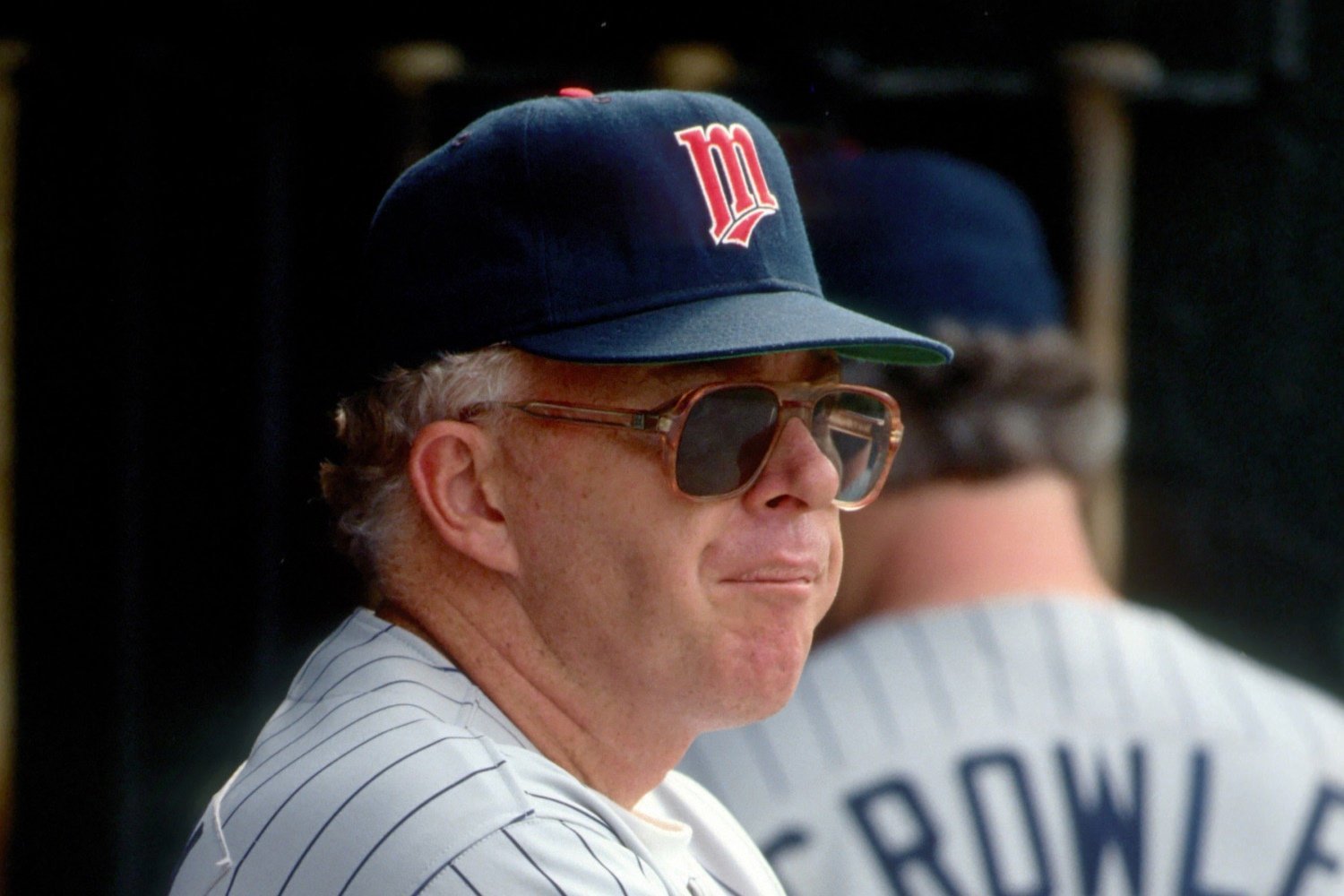 The Minnesota Twins have officially parted ways with Rocco Baldelli, and with the managerial seat now empty, fans everywhere are suddenly experts on what it takes to run a clubhouse. Forget years of baseball operations experience, minor league development know-how, or cutting-edge analytics. What Twins fans really want in their next manager can be boiled down into one very scientific, absolutely flawless guide. Step One: Hire a Fan Favorite Player If you’ve ever taken batting practice in a Metrodome dome dog costume or been immortalized in a Target Field bobblehead, congratulations: you’re already qualified to manage the Minnesota Twins. Forget tactical bullpen management; all you need to do is be a name fans recognize from the good old days. Torii Hunter has publicly said he wants to manage. He also has the added bonus of smiling more in one week than Baldelli did in six seasons. Hunter’s résumé might be light on tactical acumen, but does it matter? Fans just want him sprinting out of the dugout, waving his arms in protest after every borderline strike call. That’s leadership. Lew Ford has managed in independent ball, and if you can herd 37 guys who haven’t been paid in weeks and still convince them to run out grounders, you’re basically overqualified for MLB. Or better yet, just lock in a lifetime deal with a universally beloved fan favorite. It doesn’t even matter who: Michael Cuddyer, Johan Santana, Mike Redmond. Whoever makes you most nostalgic for 2006 gets the job. Cuddyer's already a contracted special assistant to the front office! You're halfway home. Step Two: Bring Back a Living Legend If a fan favorite player isn’t available, the backup plan is obvious: drag a legend out of retirement. Why reinvent the wheel? Tom Kelly is a crisp 75 years young. He already knows how to win in Minnesota (granted, it was before the entire roster was born), and after Bruce Bochy led Texas to the World Series, Twins fans are convinced age is just a number. Besides, Kelly would never use the word “load management” unironically, which fans would find refreshing after years of Baldelli’s “scheduled rest” charts. If TK can’t be coaxed back, maybe the Twins can call up Ron Gardenhire and see if he’s interested in returning with his RonCo Brand Grit™. Even if he doesn’t win, at least the postgame interviews will be more entertaining. Step Three: Non-Negotiable Fan Traits Every good fan-sourced managerial search needs a checklist. Here are the must-haves that no CV (not you, Christian Vázquez... although you know what—) should overlook: Pull the Starter After Exactly 105 Pitches. Not 104, not 106. 105 is the new magic number. It’s time to get back to the Jack Morris era. Bunt More. Modern baseball hates bunting. Fans love it. The new manager should bunt in every inning, no exceptions. Sacrifice bunts with two outs? Why not? Bunt for a double now and then. It'll be fine. Get Thrown Out Once a Week. Baldelli was tossed only sparingly in six years. That’s not nearly enough fire. The new skipper needs to storm the field like it’s a WWE Royal Rumble. The fans will crowdfund a set of wrestling shorts and boots, in fact. Call Up the Hot Prospect Immediately. Doesn’t matter if he’s 19 years old or currently playing in Rookie ball. If a prospect homers twice in Wichita, he should be leading off in Minneapolis by Friday. Never Lose a Postseason Game. This one is non-negotiable. Fans have been through enough. Step Four: The Job Posting (According to Twins Territory) Now Hiring: Minnesota Twins Manager Location: Minneapolis, MN Compensation: $2 million annually plus free Caribou Coffee and a lifetime supply of Dome Dogs (Yes, they are left over from the 2009 Playoffs) Minimum Qualifications: Must have once hit a walk-off at the Metrodome OR at least high-fived Joe Mauer. Experience with baseball optional; “played MLB The Show on Rookie Mode” preferred. Ability to wave arms furiously while yelling “C’MON BLUE!” required. Must own at least one pair of stirrups and an authentic Starter jacket. Familiarity with bunting, even in absurd scenarios (bases empty, two outs, down by 10). Preferred Experience: Previous independent league managerial experience (bonus points if your team bus broke down on I-94 and you still got the guys to the game on time). Played in the 2002 ALCS or can convincingly pretend you did. Willingness to pull a starter the second he gives up a single to right field, no questions asked. Step Five: Fan Poll Results The Twins Daily Department of Very Serious Research™ surveyed 10,000 Minnesotans (and three Wisconsinites who accidentally wandered over). Here are the official results: Nicest Autograph: Cuddyer (45%) narrowly beat out Hunter (42%). Redmond received 1%, as voters called his scribble “hard to read, looks like a doctor’s note.” Most Likely to Bunt With the Bases Loaded: Kelly (91%). The other 9% thought it might be Nick Punto, if he’s available. (And he is. In fact, he's a coach on the Padres staff.) Most “Managerial” Jawline: Santana (65%), because fans felt “he’d look good in slow-motion camera shots.” Fan Write-In Candidate: Justin Morneau (12%)—though half of those ballots were accidentally cast for “Justin Moreno,” a dentist in Eagan. At the end of the day, the Twins could hire a seasoned baseball lifer, a former star, or just someone who knows how to toss a rally sausage on the dugout rail. Whoever it is, fans won’t be satisfied unless the new manager both delivers a World Series and makes everyone feel warm and fuzzy about the early 2000s. Because in Minnesota, winning is nice, but a healthy dose of nostalgia, bunting, and good dugout theatrics is the real dream.
 -
Image courtesy of © RVR Photos-Imagn Images The Minnesota Twins have officially parted ways with Rocco Baldelli, and with the managerial seat now empty, fans everywhere are suddenly experts on what it takes to run a clubhouse. Forget years of baseball operations experience, minor league development know-how, or cutting-edge analytics. What Twins fans really want in their next manager can be boiled down into one very scientific, absolutely flawless guide. Step One: Hire a Fan Favorite Player If you’ve ever taken batting practice in a Metrodome dome dog costume or been immortalized in a Target Field bobblehead, congratulations: you’re already qualified to manage the Minnesota Twins. Forget tactical bullpen management; all you need to do is be a name fans recognize from the good old days. Torii Hunter has publicly said he wants to manage. He also has the added bonus of smiling more in one week than Baldelli did in six seasons. Hunter’s résumé might be light on tactical acumen, but does it matter? Fans just want him sprinting out of the dugout, waving his arms in protest after every borderline strike call. That’s leadership. Lew Ford has managed in independent ball, and if you can herd 37 guys who haven’t been paid in weeks and still convince them to run out grounders, you’re basically overqualified for MLB. Or better yet, just lock in a lifetime deal with a universally beloved fan favorite. It doesn’t even matter who: Michael Cuddyer, Johan Santana, Mike Redmond. Whoever makes you most nostalgic for 2006 gets the job. Cuddyer's already a contracted special assistant to the front office! You're halfway home. Step Two: Bring Back a Living Legend If a fan favorite player isn’t available, the backup plan is obvious: drag a legend out of retirement. Why reinvent the wheel? Tom Kelly is a crisp 75 years young. He already knows how to win in Minnesota (granted, it was before the entire roster was born), and after Bruce Bochy led Texas to the World Series, Twins fans are convinced age is just a number. Besides, Kelly would never use the word “load management” unironically, which fans would find refreshing after years of Baldelli’s “scheduled rest” charts. If TK can’t be coaxed back, maybe the Twins can call up Ron Gardenhire and see if he’s interested in returning with his RonCo Brand Grit™. Even if he doesn’t win, at least the postgame interviews will be more entertaining. Step Three: Non-Negotiable Fan Traits Every good fan-sourced managerial search needs a checklist. Here are the must-haves that no CV (not you, Christian Vázquez... although you know what—) should overlook: Pull the Starter After Exactly 105 Pitches. Not 104, not 106. 105 is the new magic number. It’s time to get back to the Jack Morris era. Bunt More. Modern baseball hates bunting. Fans love it. The new manager should bunt in every inning, no exceptions. Sacrifice bunts with two outs? Why not? Bunt for a double now and then. It'll be fine. Get Thrown Out Once a Week. Baldelli was tossed only sparingly in six years. That’s not nearly enough fire. The new skipper needs to storm the field like it’s a WWE Royal Rumble. The fans will crowdfund a set of wrestling shorts and boots, in fact. Call Up the Hot Prospect Immediately. Doesn’t matter if he’s 19 years old or currently playing in Rookie ball. If a prospect homers twice in Wichita, he should be leading off in Minneapolis by Friday. Never Lose a Postseason Game. This one is non-negotiable. Fans have been through enough. Step Four: The Job Posting (According to Twins Territory) Now Hiring: Minnesota Twins Manager Location: Minneapolis, MN Compensation: $2 million annually plus free Caribou Coffee and a lifetime supply of Dome Dogs (Yes, they are left over from the 2009 Playoffs) Minimum Qualifications: Must have once hit a walk-off at the Metrodome OR at least high-fived Joe Mauer. Experience with baseball optional; “played MLB The Show on Rookie Mode” preferred. Ability to wave arms furiously while yelling “C’MON BLUE!” required. Must own at least one pair of stirrups and an authentic Starter jacket. Familiarity with bunting, even in absurd scenarios (bases empty, two outs, down by 10). Preferred Experience: Previous independent league managerial experience (bonus points if your team bus broke down on I-94 and you still got the guys to the game on time). Played in the 2002 ALCS or can convincingly pretend you did. Willingness to pull a starter the second he gives up a single to right field, no questions asked. Step Five: Fan Poll Results The Twins Daily Department of Very Serious Research™ surveyed 10,000 Minnesotans (and three Wisconsinites who accidentally wandered over). Here are the official results: Nicest Autograph: Cuddyer (45%) narrowly beat out Hunter (42%). Redmond received 1%, as voters called his scribble “hard to read, looks like a doctor’s note.” Most Likely to Bunt With the Bases Loaded: Kelly (91%). The other 9% thought it might be Nick Punto, if he’s available. (And he is. In fact, he's a coach on the Padres staff.) Most “Managerial” Jawline: Santana (65%), because fans felt “he’d look good in slow-motion camera shots.” Fan Write-In Candidate: Justin Morneau (12%)—though half of those ballots were accidentally cast for “Justin Moreno,” a dentist in Eagan. At the end of the day, the Twins could hire a seasoned baseball lifer, a former star, or just someone who knows how to toss a rally sausage on the dugout rail. Whoever it is, fans won’t be satisfied unless the new manager both delivers a World Series and makes everyone feel warm and fuzzy about the early 2000s. Because in Minnesota, winning is nice, but a healthy dose of nostalgia, bunting, and good dugout theatrics is the real dream. View full article
-
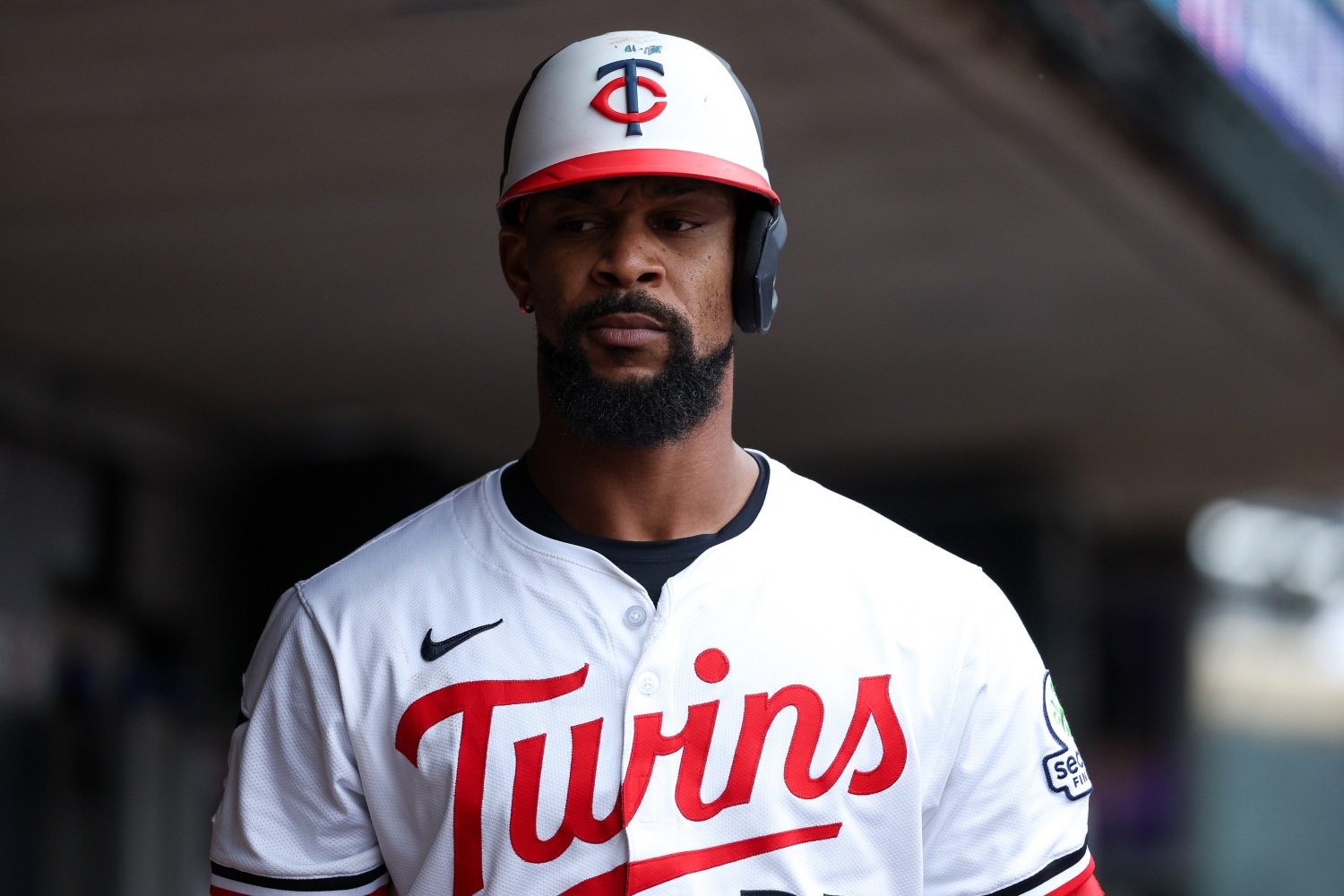 The Minnesota Twins ended the 2025 season with 92 losses and no postseason appearance for the second consecutive year. For all the chatter about “retooling on the fly,” it looks more like the team has dug itself into a deeper hole. Now, with a new manager coming in for 2026, the front office may be setting them up to fail before the season even starts. Buxton and Ryan Were Great, and It Didn’t Matter Byron Buxton’s season was about as perfect as any Twins fan could dream of. He stayed healthy, dominated at the plate, and played center field with his usual highlight-reel flair. Joe Ryan looked like one of the best pitchers in the American League until fatigue (and perhaps discontent) caught up with him late in the year. Those two performances should have been the backbone of a playoff team. Instead, the Twins collapsed. That’s the harshest evidence that this core isn’t good enough. Even if Buxton and Ryan repeat those seasons (a big “if”), they can’t drag this roster to contention on their own. Regression is more likely, and that means the team’s secondary pieces must step up. The problem? The track record suggests they won’t. Trade Deadline Priorities: Floor Over Ceiling The Twins’ front office made clear choices at the deadline: they wanted players who could impact the roster in the short term. Mick Abel, Taj Bradley, Kendry Rojas, Alan Roden, and James Outman all fit that mold. Abel’s stuff is real, but he’s still working through command issues. Bradley has emitted flashes of brilliance but comes with plenty of volatility. Rojas is young and intriguing, but not a sure thing; his injury track record says that much. Roden’s injured thumb prevented him from making an impact. Outman looks more like a fourth outfielder than an everyday solution. Could the Twins have traded for higher-upside prospects further away from the majors? Sure. But they didn’t. Instead, they’ve built a roster that looks like it could hang around .500 if everything goes right, which is rarely the case. Banking on Rebounds and Breakouts Beyond the deadline additions, the Twins are counting on a list of names that comes with more questions than answers. Matt Wallner needs to rediscover his power stroke after a disappointing season. Royce Lewis flashed excitement and improved as a third baseman, but hasn’t found offensive consistency. Austin Martin thrived in a partial-season audition, but can he replicate those results for 162 games? Brooks Lee owns the shortstop job, but must prove he can hit enough to keep it. Luke Keaschall showed promise when healthy, but his durability remains a concern. The front office will also dangle hope in the form of Walker Jenkins, Emmanuel Rodriguez, and Gabriel Gonzalez. All three ended 2025 at Triple A and are expected to debut in 2026. While they bring excitement, it’s unreasonable to assume they’ll carry the team as rookies. If the Twins are already leaning on prospects to save the season, that’s a major red flag. That’s a lot of “ifs” in one infield and outfield mix. And the danger with building around “ifs” is that they rarely all hit at once. Maybe Wallner rediscovers his power stroke and shows a newfound capacity to handle high-velocity hurlers, but what if Lewis’s offensive inconsistency lingers? Maybe Lee steadies himself at shortstop, but what if Martin’s strong finish turns out to be just a hot streak? The Twins don’t need one or two of these bets to pay off; they need almost all of them to click just to be respectable. It’s the exact opposite of how sustainable contenders are built. Winning teams insulate themselves with depth and proven production, so that if a player backslides, the roster doesn’t collapse. Right now, Minnesota’s roster construction feels like a house of cards, waiting for the first gust of wind to send it tumbling. It's the planning fallacy in baseball team form. The Bigger Picture: A No-Win Situation The Twins’ brass will hand their new manager a roster that has the potential to look competitive on paper but is riddled with volatility. If things go sideways early, fans will blame the skipper, and not be stern enough with regard to the flawed roster construction. If everything clicks, the Twins might hang around in the Wild Card race, but it’s hardly the kind of setup that screams long-term stability. It feels like the front office is trying to buy time while hoping a few lottery tickets cash in. That leaves the new manager stuck in the middle: judged on wins and losses while managing a team built more on wishful thinking than certainty. And that’s why, unless something changes dramatically this winter, the Twins aren’t setting up their new manager to succeed. They’re setting him up to fail. Are the Twins putting their new manager in a no-win situation? Leave a comment and start the discussion.
- 62 comments
-
- 5
-
-
- byron buxton
- joe ryan
- (and 6 more)
-
The Minnesota Twins ended the 2025 season with 92 losses and no postseason appearance for the second consecutive year. For all the chatter about “retooling on the fly,” it looks more like the team has dug itself into a deeper hole. Now, with a new manager coming in for 2026, the front office may be setting him up to fail before the season even starts. Buxton and Ryan Were Great, and It Didn’t Matter Byron Buxton’s season was about as perfect as any Twins fan could dream of. He stayed healthy, dominated at the plate, and played center field with his usual highlight-reel flair. Joe Ryan looked like one of the best pitchers in the American League until fatigue caught up with him late in the year. Those two performances should have been the backbone of a playoff team. Instead, the Twins collapsed. That’s the harshest evidence that this core isn’t good enough. Even if Buxton and Ryan repeat those seasons (a big “if”), they can’t drag this roster to contention on their own. Regression is more likely, and that means the team’s secondary pieces must step up. The problem? The track record suggests they won’t. Trade Deadline Priorities: Floor Over Ceiling The Twins’ front office made clear choices at the deadline: they wanted players who could impact the roster in the short term. Mick Abel, Taj Bradley, Kendry Rojas, Alan Roden, and James Outman all fit that mold. Abel’s stuff is real, but he’s still working through command issues. Bradley has front-line flashes but comes with plenty of volatility. Rojas is young and intriguing, but not a sure thing. Roden’s injured thumb prevented him from making an impact. Outman looks more like a fourth outfielder than an everyday solution. Could the Twins have traded for higher-upside prospects further away from the majors? Sure. But they didn’t. Instead, they’ve built a roster that looks like it could hang around .500 if everything goes right, which is rarely the case. Banking on Bounce Backs and Breakouts Beyond the deadline additions, the Twins are counting on a list of names that comes with more questions than answers. Matt Wallner needs to rediscover his power stroke after a disappointing season. Royce Lewis flashed excitement, but hasn’t found offensive consistency. Austin Martin thrived in a half-season audition, but can he replicate those results for 162? Brooks Lee owns the shortstop job but must prove he can hit enough to keep it. Luke Keaschall showed promise when healthy, but his durability remains a concern. The front office will also dangle hope in the form of Walker Jenkins, Emmanuel Rodriguez, and Gabriel Gonzalez. All three ended 2025 at Triple-A and are expected to debut in 2026. While they bring excitement, it’s unreasonable to assume they’ll carry the team as rookies. If the Twins are already leaning on prospects to save the season, that’s a major red flag. That’s a lot of “ifs” in one infield and outfield mix. And the danger with building around “ifs” is that they rarely all hit at once. Maybe Wallner rediscovers his power stroke, but what if Lewis’s offensive inconsistency lingers? Maybe Lee steadies himself at shortstop, but what if Martin’s strong finish turns out to be just a hot streak? The Twins don’t need one or two of these bets to pay off, because they need almost all of them to click just to be respectable. It’s the exact opposite of how sustainable contenders are built. Winning teams insulate themselves with depth and proven production so that if a player backslides, the roster doesn’t collapse. Right now, Minnesota’s roster construction feels like a house of cards, waiting for the first gust of wind to send it tumbling. The Bigger Picture: A No-Win Situation The Twins’ brass will hand their new manager a roster that has the potential to look competitive on paper but is riddled with volatility. If things go sideways early, fans will blame the skipper, not the flawed roster construction. If everything clicks, the Twins might hang around in the Wild Card race, but it’s hardly the kind of setup that screams long-term stability. It feels like the front office is trying to buy time while hoping a few lottery tickets cash in. That leaves the new manager stuck in the middle: judged on wins and losses while managing a team built more on wishful thinking than certainty. And that’s why, unless something changes dramatically this winter, the Twins aren’t setting up their new manager to succeed. They’re setting him up to fail. Are the Twins putting their new manager in a no-win situation? Leave a comment and start the discussion. View full article
-
Image courtesy of Rob Thompson, St. Paul Saints When Derek Falvey was hired away from Cleveland, the expectation was clear: bring that organization's steady stream of arms to Minnesota. In Cleveland, pitching prospects seem to appear out of thin air, whether it’s a starter stepping in to cover a rotation spot or a reliever throwing 98 mph with a wipeout slider. Nearly a decade later, fans are still waiting to see if the same can happen in Minneapolis. A Different Path to Development Minnesota hasn’t replicated Cleveland’s high draft pedigree or international pitching dominance. Instead, the front office has adopted a unique approach: identifying unheralded college arms in the mid-to-late rounds, refining their mechanics, expanding their pitch mix, and emphasizing velocity gains. It’s how Bailey Ober, David Festa, and Zebby Matthews all forced their way onto prospect lists and into major-league roles. But 2025 served as a harsh reminder of the risks. All three dealt with injuries this summer, and while velocity gains can elevate a pitcher’s ceiling, they also push arms closer to breaking down. The pipeline looked stocked in February. By September, it looked more fragile than fans had hoped. The Current Rotation Picture The Twins’ top three (Pablo López, Joe Ryan, and Ober) were supposed to be the bedrock of the 2025 staff. Instead, injuries and inconsistency have raised questions about all three, with trade rumors swirling as the front office reassesses roster priorities. López and Ryan are set to be two of the highest-paid players on next year’s roster, and that could mean shopping them this winter in an attempt to further reduce payroll and amass even more young talent. Festa was one of the organization’s brightest pitching hopes, but a thoracic outlet syndrome diagnosis casts a long shadow over his career path. Initial reports are positive, in that it is the less devastating form of TOC, but it is still one of the worst diagnoses for a pitcher. Simeon Woods Richardson and Matthews both had chances, but were unable to seize rotation spots. They showed flashes, but flashes don’t win a division. Other Reinforcements At the trade deadline, the Twins went shopping for arms to fortify the future. Mick Abel and Taj Bradley both come with pedigree as former top-100 prospects, while Kendry Rojas offers intriguing upside. The Twins have talked very highly of him since he was acquired. Minnesota had other prospects who were expected to break through in the minors this year, but that did not happen. Andrew Morris, though slowed by injury, showed promise late in the season. Marco Raya flashed his potential, while Cory Lewis endured a season to forget. There is hope that these three can have a healthy winter and return in 2026 with something to prove. These young arms highlight a familiar theme: the Twins are still searching for their “pipeline identity.” Cleveland can rely on a constant churn of major-league-ready pitchers. Minnesota has to piece theirs together through trades, tweaks, and patience. The 2026 Pitching Pipeline: Tiers of Hope Instead of a single clear pipeline, Minnesota’s future appears more like a layered system of possibilities. Projected Opening Day Options López, Ryan, Ober – All three could anchor the rotation if healthy and not traded, but each carries questions about durability or performance. Bradley, Woods Richardson – The former trade acquisitions will push for full-time roles, especially with their big-league experience over the last two seasons. Bradley has frontline upside if he clicks, while Woods Richardson needs to sharpen his command. Next Wave of Starters Abel, Matthews – Both showed flashes in 2025, but need consistency. Each could profile as a back-end starter or a dominant relief option. Raya, Morris, and Rojas – Young arms with enough stuff to break through in 2026. If the frontline group falters, these pitchers may get opportunities. Wild Cards Festa – Everything hinges on how he recovers from thoracic outlet syndrome. If he avoids surgery and bounces back, he could still be a long-term piece. Lewis – After a rough year, he’ll need a strong rebound to reestablish himself in the pipeline. Connor Prielipp – He was one of the top-performing starters in the system this season. Does it make sense for him to shift to a bullpen role, or to stay in the rotation? This tiered structure highlights the Twins’ reality: plenty of options, but few certainties. And given how many bullpen spots are up for grabs after the trade deadline selloff, some of these names (particularly the “next wave” and “wild cards”) may be asked to shift into relief roles. That could accelerate their path to the big leagues, while also giving the Twins a chance to stabilize a bullpen in flux. When Falvey arrived, the vision of a self-sustaining pitching pipeline was one of the biggest selling points. In 2025, the promise remains only partially fulfilled. Minnesota has discovered hidden gems, taken calculated risks on projects, and acquired talent through trades. But until the Twins can count on consistent, reliable production from their pipeline, both in the rotation and bullpen, fans will keep wondering when the “Cleveland magic” is finally going to show up at Target Field. Next season could be the year it finally starts to become a reality—or it could be another reminder that Minnesota’s pipeline still leaks. How do you feel about the pitching pipeline heading into 2026? Leave a comment and start the discussion. View full article
-
Minnesota Twins Pitching Pipeline: Fact, Fiction, and the Future
Cody Christie posted an article in Twins
 When Derek Falvey was hired away from Cleveland, the expectation was clear: bring that organization's steady stream of arms to Minnesota. In Cleveland, pitching prospects seem to appear out of thin air, whether it’s a starter stepping in to cover a rotation spot or a reliever throwing 98 mph with a wipeout slider. Nearly a decade later, fans are still waiting to see if the same can happen in Minneapolis. A Different Path to Development Minnesota hasn’t replicated Cleveland’s high draft pedigree or international pitching dominance. Instead, the front office has adopted a unique approach: identifying unheralded college arms in the mid-to-late rounds, refining their mechanics, expanding their pitch mix, and emphasizing velocity gains. It’s how Bailey Ober, David Festa, and Zebby Matthews all forced their way onto prospect lists and into major-league roles. But 2025 served as a harsh reminder of the risks. All three dealt with injuries this summer, and while velocity gains can elevate a pitcher’s ceiling, they also push arms closer to breaking down. The pipeline looked stocked in February. By September, it looked more fragile than fans had hoped. The Current Rotation Picture The Twins’ top three (Pablo López, Joe Ryan, and Ober) were supposed to be the bedrock of the 2025 staff. Instead, injuries and inconsistency have raised questions about all three, with trade rumors swirling as the front office reassesses roster priorities. López and Ryan are set to be two of the highest-paid players on next year’s roster, and that could mean shopping them this winter in an attempt to further reduce payroll and amass even more young talent. Festa was one of the organization’s brightest pitching hopes, but a thoracic outlet syndrome diagnosis casts a long shadow over his career path. Initial reports are positive, in that it is the less devastating form of TOC, but it is still one of the worst diagnoses for a pitcher. Simeon Woods Richardson and Matthews both had chances, but were unable to seize rotation spots. They showed flashes, but flashes don’t win a division. Other Reinforcements At the trade deadline, the Twins went shopping for arms to fortify the future. Mick Abel and Taj Bradley both come with pedigree as former top-100 prospects, while Kendry Rojas offers intriguing upside. The Twins have talked very highly of him since he was acquired. Minnesota had other prospects who were expected to break through in the minors this year, but that did not happen. Andrew Morris, though slowed by injury, showed promise late in the season. Marco Raya flashed his potential, while Cory Lewis endured a season to forget. There is hope that these three can have a healthy winter and return in 2026 with something to prove. These young arms highlight a familiar theme: the Twins are still searching for their “pipeline identity.” Cleveland can rely on a constant churn of major-league-ready pitchers. Minnesota has to piece theirs together through trades, tweaks, and patience. The 2026 Pitching Pipeline: Tiers of Hope Instead of a single clear pipeline, Minnesota’s future appears more like a layered system of possibilities. Projected Opening Day Options López, Ryan, Ober – All three could anchor the rotation if healthy and not traded, but each carries questions about durability or performance. Bradley, Woods Richardson – The former trade acquisitions will push for full-time roles, especially with their big-league experience over the last two seasons. Bradley has frontline upside if he clicks, while Woods Richardson needs to sharpen his command. Next Wave of Starters Abel, Matthews – Both showed flashes in 2025, but need consistency. Each could profile as a back-end starter or a dominant relief option. Raya, Morris, and Rojas – Young arms with enough stuff to break through in 2026. If the frontline group falters, these pitchers may get opportunities. Wild Cards Festa – Everything hinges on how he recovers from thoracic outlet syndrome. If he avoids surgery and bounces back, he could still be a long-term piece. Lewis – After a rough year, he’ll need a strong rebound to reestablish himself in the pipeline. Connor Prielipp – He was one of the top-performing starters in the system this season. Does it make sense for him to shift to a bullpen role, or to stay in the rotation? This tiered structure highlights the Twins’ reality: plenty of options, but few certainties. And given how many bullpen spots are up for grabs after the trade deadline selloff, some of these names (particularly the “next wave” and “wild cards”) may be asked to shift into relief roles. That could accelerate their path to the big leagues, while also giving the Twins a chance to stabilize a bullpen in flux. When Falvey arrived, the vision of a self-sustaining pitching pipeline was one of the biggest selling points. In 2025, the promise remains only partially fulfilled. Minnesota has discovered hidden gems, taken calculated risks on projects, and acquired talent through trades. But until the Twins can count on consistent, reliable production from their pipeline, both in the rotation and bullpen, fans will keep wondering when the “Cleveland magic” is finally going to show up at Target Field. Next season could be the year it finally starts to become a reality—or it could be another reminder that Minnesota’s pipeline still leaks. How do you feel about the pitching pipeline heading into 2026? Leave a comment and start the discussion.
- 71 comments
-
- 9
-
-
- pablo lopez
- joe ryan
- (and 5 more)
-
 The Minnesota Twins made headlines Monday, by announcing they were parting ways with manager Rocco Baldelli following another playoff miss, a fourth in the last five years. Baldelli was hardly the primary issue over this stretch, but the organization had already exhausted its other scapegoats. Last offseason, the Twins cleaned house on the hitting side, firing coaches across the board. David Popkins was quickly hired for the same job with the Toronto Blue Jays and helped that club win a competitive AL East division this season. On the front office side, the Twins moved on from general manager Thad Levine, allowing them to promote others from within the organization. That left Baldelli as the next logical choice. Still, his dismissal might have been written weeks earlier, when the Pohlad family unexpectedly pulled the club off the market and recommitted themselves as majority owners. A Different Timeline With a Sale Had the Twins’ ownership sale gone through as planned initially, it would have made sense to keep Baldelli in place at least through the 2026 season. His contract extension had already been picked up. A carryover manager would have given a new ownership group time to learn the inner workings of the organization while providing stability in the dugout. It also would have been pragmatic. Minnesota’s current roster construction doesn’t point to a likely playoff run in 2026, unless something drastic changes. There’s talk that the team could potentially trade Pablo López and/or Joe Ryan, making it even more difficult to compete in the AL Central. If the club underperformed again, new owners could have cut ties with Baldelli at that point and made their own hire without rushing into a decision. Instead, the Pohlads’ renewed presence changed the calculation. Once they reaffirmed their control, the clock sped up. Patience became less of a virtue and more of a liability, especially after back-to-back disappointing campaigns in 2024 and 2025. Appeasing the Fan Base For years, a portion of the Twins’ fan base has loudly called for a change in the manager’s seat. Social media and comment sections have long been filled with critiques of Baldelli’s bullpen usage, lineup construction, and reliance on organizational philosophies. By moving on from him now, the Twins can appease that vocal group and give the appearance of a fresh start. A new manager may provide a short-term spark, if only by virtue of being different. There’s always excitement around a new face in the dugout, and that novelty can buy both the team and front office a bit of goodwill. Still, the grass isn’t always greener on the other side. The Twins’ underlying roster issues remain, and no managerial change can magically transform the talent level of the current core. If the same problems surface in 2026, fan frustrations will quickly shift from the manager’s office back to the front office and ownership. Falvey’s Last Card to Play With the sale off the table, Derek Falvey’s position as president of baseball operations seems secure for now, but the pressure has never been greater. Ownership has little appetite to hit reset at the top of the front office, after already committing to him as their lead decision-maker. That left one final ace card to play: firing the manager. Baldelli’s dismissal was as much about optics as performance. The reality is that Falvey is now running out of levers to pull. His influence spans both baseball and business operations, meaning that dwindling attendance and sagging revenue will be directly tied to him moving forward. Baldelli’s exit removes the last convenient shield, leaving Falvey as the ultimate target if things don’t turn around soon. What It Means for the Future The Pohlad pivot ended Baldelli’s tenure and reshaped the Twins’ trajectory. By choosing to hold onto the club, ownership signaled that short-term results now matter more than ever. A manager once seen as a stabilizer through transition became expendable. This is especially telling for an ownership group that has been loyal to managers through some rough seasons. Falvey, meanwhile, has bought himself time, but only in the short term. For fans, this all sets the stage for a pivotal 2026 season. The Twins will either prove they can retool and compete under current leadership, or the Pohlad family may be forced into the most difficult decision of all by moving on from the architect of the “Falvey era.” Either way, Baldelli’s firing serves as the clearest reminder yet: when ownership changes direction, the fallout is felt from the top of the dugout all the way down to the turnstiles. Do you believe the Pohlads' decision to keep the team led to Baldelli's firing?
- 39 comments
-
- 2
-
-
- rocco baldelli
- joe pohlad
- (and 1 more)
-
The Minnesota Twins made headlines by announcing they were parting ways with manager Rocco Baldelli following another playoff miss, a fourth in the last five years. Baldelli was hardly the primary issue over this stretch, but the organization had already exhausted its other scapegoats. Last offseason, the Twins cleaned house on the hitting side, firing coaches across the board. David Popkins was quickly hired for the same job with the Toronto Blue Jays and helped that club win a competitive AL East division this season. On the front office side, the Twins moved on from general manager Thad Levine, allowing the club to promote others from within the organization. That left Baldelli as the next logical choice. Still, his dismissal might have been written months earlier when the Pohlad family unexpectedly pulled the club off the market and recommitted themselves as majority owners. A Different Timeline With a Sale Had the Twins’ ownership sale gone through as planned initially, it would have made sense to keep Baldelli in place at least through the 2026 season. His contract extension had already been picked up for next year. A carryover manager would have given a new ownership group time to learn the inner workings of the organization while providing stability in the dugout. It also would have been pragmatic. Minnesota’s current roster construction doesn’t point to a likely playoff run in 2026 unless something drastic changes. There’s talk that the team could potentially trade Pablo Lopez and/or Joe Ryan, making it even more difficult for the team to compete in the AL Central. If the club underperformed again, new owners could have cut ties with Baldelli at that point and made their own hire without rushing into a decision. Instead, the Pohlads’ renewed presence changed the calculation. Once they reaffirmed their control, the clock sped up. Patience became less of a virtue and more of a liability, especially after back-to-back disappointing campaigns in 2024 and 2025. Appeasing the Fan Base For years, a portion of the Twins’ fan base has loudly called for a change in the manager’s seat. Social media and comment sections have long been filled with critiques of Baldelli’s bullpen usage, lineup construction, and reliance on organizational philosophies. By moving on from him now, the Twins can appease that vocal group and give the appearance of a fresh start. A new manager may provide a short-term spark, if only by virtue of being different. There’s always excitement around a new face in the dugout, and that novelty can buy both the team and front office a bit of goodwill. Still, the grass isn’t always greener on the other side. The Twins’ underlying roster issues remain, and no managerial change can magically transform the talent level of the current core. If the same problems surface in 2026, fan frustrations will quickly shift from the manager’s office back to the front office and ownership. Falvey’s Last Card to Play With the sale off the table, Derek Falvey’s position as president of baseball operations seems secure for now, but the pressure has never been greater. Ownership has little appetite to hit reset at the top of the front office after already committing to him as their lead decision-maker. That left one final ace card to play: firing the manager. Baldelli’s dismissal was as much about optics as performance. The reality is that Falvey is now running out of levers to pull. His influence spans both baseball and business operations, meaning that dwindling attendance and sagging revenue will be directly tied to him moving forward. Baldelli’s exit removes the last convenient shield, leaving Falvey as the ultimate target if things don’t turn around soon. What It Means for the Future The Pohlad pivot ended Baldelli’s tenure and reshaped the Twins’ trajectory. By choosing to hold onto the club, ownership signaled that short-term results now matter more than ever. A manager once seen as a stabilizer through transition became expendable. This is especially telling for an ownership group that has been loyal to managers through some rough seasons. Falvey, meanwhile, has bought himself time, but only in the short term. For fans, this all sets the stage for a pivotal 2026 season. The Twins will either prove they can retool and compete under current leadership, or the Pohlad family may be forced into the most difficult decision of all by moving on from the architect of the “Falvey era.” Either way, Baldelli’s firing serves as the clearest reminder yet: when ownership changes direction, the fallout is felt from the top of the dugout all the way down to the turnstiles. Do you believe the Pohlads' decision to keep the team led to Baldelli's firing? View full article
-
Rocco Baldelli’s Resume is Updated and Ready to Send Out
Cody Christie posted an article in Just For Fun
 The Minnesota Twins entered the last two seasons with playoff expectations, but the end results haven’t been quite what the front office envisioned. Between bullpen blowups, injured stars, and an offense that disappears like Wi-Fi in Target Field’s left-field concourse, manager Rocco Baldelli has found himself answering more questions than an IT help desk at a high school. While no one knows for certain what this winter will bring, Baldelli seems to be preparing for the possibility that the Twins could move on. Sources close to the clubhouse have confirmed that he’s been updating his resume, tweaking his LinkedIn profile, and even considering a new professional headshot, something less “concerned in the dugout” and more “ready to lead a corporate team-building seminar.” Explaining What Went Wrong On his updated resume, Baldelli has had to delicately describe his recent managerial years in ways that don’t sound quite so bleak. Instead of “bullpen collapses,” he phrases it as “delegating high-leverage opportunities with a focus on character-building.” Rather than “failure to hold divisional lead,” he calls it “emphasizing parity in a competitive market.” And the line about “teamwide offensive inconsistency”? That’s been masterfully rebranded as “encouraging players to embrace unpredictability as a lifestyle.” He’s even found a way to market the daily rest schedule that has driven fans mad. Under “innovative strategy,” Rocco proudly notes that he “optimized long-term employee performance by minimizing workplace burnout,” which sounds a lot better than “sat Byron Buxton in three straight division games.” In the section about postseason play, Baldelli has opted against using the words “swept again” and instead highlights his “commitment to efficiency by reducing October workloads.” And his ability to swap pitchers mid-inning with almost algorithmic precision? That’s been reframed as “embracing the principles of agile project management.” If nothing else, Rocco has proven he can spin the darkest days of Twins baseball into something that sounds suspiciously like a TED Talk or at least a PowerPoint pitch for middle management. Possible Jobs for Rocco Baldelli’s Next Chapter If Baldelli’s Twins tenure does end this winter, here are some of the most likely next steps on his employment journey: Peloton Instructor – He already specializes in resting people, so encouraging a group to sit down after 12 minutes on a bike feels like a natural fit. Middle School Hall Monitor – Perfect training for explaining to confused teenagers (or Twins relievers) why they’re not allowed to do something they were just told was fine yesterday. Target Field Concessions Consultant – No one in Minnesota is better at finding creative ways to explain why the product on the field isn’t quite what you ordered. Plus, he's already on the Pohlad payroll for next season. Escape Room Designer – Years of watching Twins hitters try to figure out how to leave the batter’s box with a hit makes him uniquely qualified. Starbucks Shift Manager – Finally, an environment where over-managing who’s on the clock every day is a job requirement. Motivational Speaker on “Work-Life Balance” – Nobody rests starters on a random Tuesday in Detroit quite like Rocco. He’s practically the Dalai Lama of scheduled days off. Dog Walker – If you thought his pitching staff management was unpredictable, wait until you see how he handles six leashes at once. Baldelli has accomplished a lot in his time with the Twins, including division titles, playoff appearances, and even convincing Minnesotans that “bullpen games” are a legitimate strategy. But baseball is a results-driven business, and with his resume polished and ready, it seems Baldelli is preparing for whatever the next chapter may bring, whether that’s another dugout, a corporate office, or a yoga studio. Of course, he’ll probably get pulled halfway through the interview just to be safe.
 -
Image courtesy of Steven Bisig-Imagn Images For the second straight October, Twins fans won’t have to rearrange their schedules around playoff baseball. Instead of stressing over late-inning bullpen decisions or a lineup change that doesn’t make sense, Minnesotans get to sit back, relax, and decide whom they’re going to casually cheer for in the postseason. It's a luxury, in a way. Here’s a guide to help navigate the options, while I try to sell you this bridge in Brooklyn. Big Market, No Thank You: Yankees, Dodgers, Red Sox This is the easiest category to cross off the list. Nobody in Twins Territory is itching to see the Yankees add another banner to their overcrowded wall. That rivalry pain runs deep. From the endless playoff heartbreak to the constant national hype, Minnesota fans have seen enough pinstripes for a lifetime. The Dodgers and Red Sox fall into a similar boat. Both are loaded with star power, big payrolls, and national TV attention. They’ll get their shine no matter what, but they hardly represent the underdog spirit Minnesotans tend to root for. These teams are like seeing the same blockbuster sequel every October. Fans already know the plot, and it usually ends with someone else’s parade. If you’re looking for joy in October, it probably isn’t going to come from watching one of these teams steamroll the bracket. AL Central Foes: Tigers, Guardians There’s no good outcome here. Detroit and Cleveland face each other in the Wild Card round, which at least guarantees that one rival will be eliminated quickly. Unfortunately, the other will move on. Twins fans know these lineups all too well, and the idea of sitting through national broadcasts gushing over Spencer Torkelson or Steven Kwan is enough to make stomachs churn. Maybe the best advice is to root for chaos: extra-inning marathons, defensive blunders, and bullpen meltdowns. The Guardians completed a historic comeback to win the AL Central, so Twins fans can pull for the Tigers in the Wild Card round as the lesser of two evils. The Shrug Group: Padres, Cubs, Reds San Diego, Chicago, and Cincinnati all fall into the “why not?” tier. The Padres have Luis Arraez, forever beloved in Minnesota for his pure hitting and infectious smile. He hasn’t been the batting champ version of himself this season, but that doesn’t mean he can’t flick a few opposite-field singles in October. The Cubs have Willi Castro, who became a surprisingly valuable utility player during his stint with the Twins, including being an All-Star last season. They also have old friends Caleb Thielbar and Taylor Rogers in their bullpen. No one in that group is likely to carry their teams, but stranger things have happened in October. Heck, Delmon Young won ALCS MVP back in 2012. The Reds snuck into the postseason and have a handful of former Twins (e.g. Emilio Pagan, Spencer Steer, Zack Littell, etc.), but none who were fan favorites during their Twins' tenure. Pick Your AL Favorite: Mariners or Blue Jays If you want a storyline that mirrors the Twins’ own struggles, the Mariners are a perfect fit. They’ve got playoff futility baked into their DNA, and their fan base knows the pain of waiting too long for postseason success. On top of that, familiar faces like Jorge Polanco and Mitch Garver are easy to root for. The Blue Jays, meanwhile, bring their own Minnesota connection. Jose Berrios, Louis Varland, and Ty France all wore a Twins uniform at one point. Sadly, Berríos’s elbow injury has sidelined him during the most critical stretch of the year, so he may only reappear if Toronto makes a deep run. Still, fans can pick their favorite alum and live vicariously through them. Pick Your NL Favorite: Phillies or Brewers The Phillies are practically “Twins East” at this point. Jhoan Duran, Harrison Bader, and Max Kepler are all postseason-bound, and West Fargo’s Matt Strahm adds a regional angle. The roster is stacked, but there’s enough Minnesota flavor to make it palatable, even for fans wary of another big-market contender. The Brewers might be the other logical choice. They’re a small-market squad that continues to punch above its weight, and there’s something fun about imagining the NL Central running through Milwaukee. Of course, Minnesota-Wisconsin rivalries die hard, and for some fans, decades of Packers pain will outweigh any reason to cheer for the Brew Crew. When a fan’s favorite team isn’t in the postseason, fandom becomes about narratives, connections, and rooting interests. Whether it’s picking the Mariners because they feel like the Twins’ baseball siblings, latching onto Arraez’s singles in San Diego, or hoping the Phillies’ collection of ex-Twins makes noise, October is still full of storylines for fans to enjoy. Whoever you choose, remember: at least the Yankees can’t beat the Twins this October. Which club are you hoping wins the 2026 World Series? Leave a comment and start the discussion. View full article
-
 For the second straight October, Twins fans won’t have to rearrange their schedules around playoff baseball. Instead of stressing over late-inning bullpen decisions or a lineup change that doesn’t make sense, Minnesotans get to sit back, relax, and decide whom they’re going to casually cheer for in the postseason. It's a luxury, in a way. Here’s a guide to help navigate the options, while I try to sell you this bridge in Brooklyn. Big Market, No Thank You: Yankees, Dodgers, Red Sox This is the easiest category to cross off the list. Nobody in Twins Territory is itching to see the Yankees add another banner to their overcrowded wall. That rivalry pain runs deep. From the endless playoff heartbreak to the constant national hype, Minnesota fans have seen enough pinstripes for a lifetime. The Dodgers and Red Sox fall into a similar boat. Both are loaded with star power, big payrolls, and national TV attention. They’ll get their shine no matter what, but they hardly represent the underdog spirit Minnesotans tend to root for. These teams are like seeing the same blockbuster sequel every October. Fans already know the plot, and it usually ends with someone else’s parade. If you’re looking for joy in October, it probably isn’t going to come from watching one of these teams steamroll the bracket. AL Central Foes: Tigers, Guardians There’s no good outcome here. Detroit and Cleveland face each other in the Wild Card round, which at least guarantees that one rival will be eliminated quickly. Unfortunately, the other will move on. Twins fans know these lineups all too well, and the idea of sitting through national broadcasts gushing over Spencer Torkelson or Steven Kwan is enough to make stomachs churn. Maybe the best advice is to root for chaos: extra-inning marathons, defensive blunders, and bullpen meltdowns. The Guardians completed a historic comeback to win the AL Central, so Twins fans can pull for the Tigers in the Wild Card round as the lesser of two evils. The Shrug Group: Padres, Cubs, Reds San Diego, Chicago, and Cincinnati all fall into the “why not?” tier. The Padres have Luis Arraez, forever beloved in Minnesota for his pure hitting and infectious smile. He hasn’t been the batting champ version of himself this season, but that doesn’t mean he can’t flick a few opposite-field singles in October. The Cubs have Willi Castro, who became a surprisingly valuable utility player during his stint with the Twins, including being an All-Star last season. They also have old friends Caleb Thielbar and Taylor Rogers in their bullpen. No one in that group is likely to carry their teams, but stranger things have happened in October. Heck, Delmon Young won ALCS MVP back in 2012. The Reds snuck into the postseason and have a handful of former Twins (e.g. Emilio Pagan, Spencer Steer, Zack Littell, etc.), but none who were fan favorites during their Twins' tenure. Pick Your AL Favorite: Mariners or Blue Jays If you want a storyline that mirrors the Twins’ own struggles, the Mariners are a perfect fit. They’ve got playoff futility baked into their DNA, and their fan base knows the pain of waiting too long for postseason success. On top of that, familiar faces like Jorge Polanco and Mitch Garver are easy to root for. The Blue Jays, meanwhile, bring their own Minnesota connection. Jose Berrios, Louis Varland, and Ty France all wore a Twins uniform at one point. Sadly, Berríos’s elbow injury has sidelined him during the most critical stretch of the year, so he may only reappear if Toronto makes a deep run. Still, fans can pick their favorite alum and live vicariously through them. Pick Your NL Favorite: Phillies or Brewers The Phillies are practically “Twins East” at this point. Jhoan Duran, Harrison Bader, and Max Kepler are all postseason-bound, and West Fargo’s Matt Strahm adds a regional angle. The roster is stacked, but there’s enough Minnesota flavor to make it palatable, even for fans wary of another big-market contender. The Brewers might be the other logical choice. They’re a small-market squad that continues to punch above its weight, and there’s something fun about imagining the NL Central running through Milwaukee. Of course, Minnesota-Wisconsin rivalries die hard, and for some fans, decades of Packers pain will outweigh any reason to cheer for the Brew Crew. When a fan’s favorite team isn’t in the postseason, fandom becomes about narratives, connections, and rooting interests. Whether it’s picking the Mariners because they feel like the Twins’ baseball siblings, latching onto Arraez’s singles in San Diego, or hoping the Phillies’ collection of ex-Twins makes noise, October is still full of storylines for fans to enjoy. Whoever you choose, remember: at least the Yankees can’t beat the Twins this October. Which club are you hoping wins the 2026 World Series? Leave a comment and start the discussion.
- 28 comments
-
- 7
-
-

-

-
- jorge polanco
- jhoan duran
- (and 5 more)
-
Image courtesy of TwinsCentric, LLC The Pohlad family has been at the helm of the Minnesota Twins for generations, guiding the club through both high points and lengthy rebuilds. Throughout that tenure, ownership has leaned on familiar talking points to explain their approach to spending, roster construction, and long-term planning. Yet over time, many of those narratives have worn thin with fans, creating frustration when actions don’t seem to match the words. “We need a new stadium to compete.” The campaign for Target Field leaned heavily on the argument that the Metrodome’s revenue limitations made it impossible for the Twins to retain star players or raise payroll. In fairness, the Dome was outdated, and Target Field has since provided one of the best fan experiences in baseball. But when the gates opened in 2010, many expected payrolls to take a permanent leap forward. Instead, the team’s spending rose only modestly, and it rarely kept pace with other mid- to large-market teams. While Target Field did improve financial flexibility, the promise of a new spending tier hasn’t been fully realized. Fan Perspective: “We gave you a ballpark. Where’s the payroll we were promised?” “We can’t afford to keep our stars.” The Pohlad family has consistently leaned on the “small-market team” label. This has been used to explain trades and departures of beloved players like Johan Santana, Torii Hunter, and even José Berríos. Now, Minnesota is paying Houston $10 million per year to keep Carlos Correa off its payroll. It’s been a challenging dynamic as the team tries to stay competitive with a relatively low payroll compared to the rest of the league. Fans, however, see the broader picture. National TV deals, revenue sharing, and new streams of MLB income mean all 30 franchises enjoy unprecedented financial stability. Even if Minnesota doesn’t have Dodgers-level resources, ownership wealth and modern MLB economics have undermined the notion that the Twins can’t retain their cornerstone players. The Pohlads choose not to at specific price points. Fan Perspective: “Small-market? Maybe in population, but not in revenue anymore.” “We’ll be aggressive when the time is right.” Perhaps no refrain has been repeated more often than this one. Whenever the team is building through a youth movement or retooling, front office and ownership figures stress that aggression will come once the roster is in position to contend. Yet Twins fans can point to multiple contention windows where “aggression” translated into mid-tier free agent signings or modest trade deadline additions, rather than transformative moves. Following the success of 2023, the ownership group should have invested in the team. Instead, they cut payroll by $30 million, and the results on the field have matched that cut. While some of this can be attributed to baseball’s inherent unpredictability, the pattern has left many to wonder if the franchise’s definition of “going for it” differs from the fans' perception. Fan Perspective: “Every window ends with bargain shopping and hoping it works out.” “Payroll will reflect attendance.” This narrative gained particular prominence after Target Field opened. Ownership suggested that as fans showed up in larger numbers, payroll would rise accordingly. And to some degree, it did. Minnesota’s payroll ranked in the top 10 during Target Field's first two seasons. From there, things deteriorated as the team ranked in the 20s from 2013 to 2017. In 2023, the Twins reached a payroll of nearly $167 million, ranking 16th in MLB. Still, compared to the dramatic attendance spike in those early years, payroll increases felt incremental. The connection between fan support and player spending hasn’t always been as direct as ownership implied. Now, the Twins are in a no-win situation. Attendance dropped in 2025, and the season ticket base is likely going to be at a Target Field low point in 2026. However, if ownership continues to keep payroll stagnant (or even drops further), the team’s attendance problem will persist. Fan Perspective: “Why would we fill the seats when ownership doesn’t follow through?” “We’re committed to championships.” Every owner in professional sports insists their ultimate goal is a championship, and the Pohlads are no different. Press conferences, radio appearances, and team statements often highlight the World Series as the standard they’re chasing. The reality, however, is more complicated. Since the Pohlads took over, the Twins have enjoyed pockets of success, including the Gardenhire-led division titles of the 2000s, the Bomba Squad’s record-setting offense in 2019, and the recent streak-snapping playoff win in 2023. But in each of those moments, the team stopped short of making the kind of bold, high-risk moves that can elevate a contender into a true favorite. Fan Perspective: “Committed to championships? More like committed to staying in the middle.” The Pohlads aren’t unique among MLB ownership groups, with many franchises deploying similar talking points. However, for Twins fans, these recurring narratives have become a source of frustration, especially when actions fail to align with the rhetoric. While the family has ensured the franchise’s stability in Minnesota, the gap between promises and outcomes remains one of the defining aspects of their tenure. The Twins’ fan base has proven its loyalty time and again, through the lean years of the Dome, the excitement of Target Field’s opening, and the rollercoaster of recent seasons. What fans want now is more than words: real, tangible action that backs up the narratives ownership has leaned on for decades. If the Pohlads want to rebuild trust, they’ll need to show that competing for championships is more than a slogan. Do you agree with the fan perspectives above? What are some of the other narratives from the ownership group? Leave a comment and start the discussion. View full article


