



Cody Christie
-
Posts
7,806 -
Joined
-
Last visited
-
Days Won
5
Content Type
Profiles
News
Minnesota Twins Videos
2026 Minnesota Twins Top Prospects Ranking
2022 Minnesota Twins Draft Picks
Minnesota Twins Free Agent & Trade Rumors, Notes, & Tidbits
Guides & Resources
2023 Minnesota Twins Draft Picks
The Minnesota Twins Players Project
2024 Minnesota Twins Draft Picks
2025 Minnesota Twins Draft Pick Tracker
2026 Minnesota Twins Draft Tracker: Picks & Bonuses
Forums
Blogs
Events
Store
Downloads
Gallery
Everything posted by Cody Christie
-

What Derek Shelton Learned in Pittsburgh Now Matters in Minnesota
Cody Christie posted an article in Twins
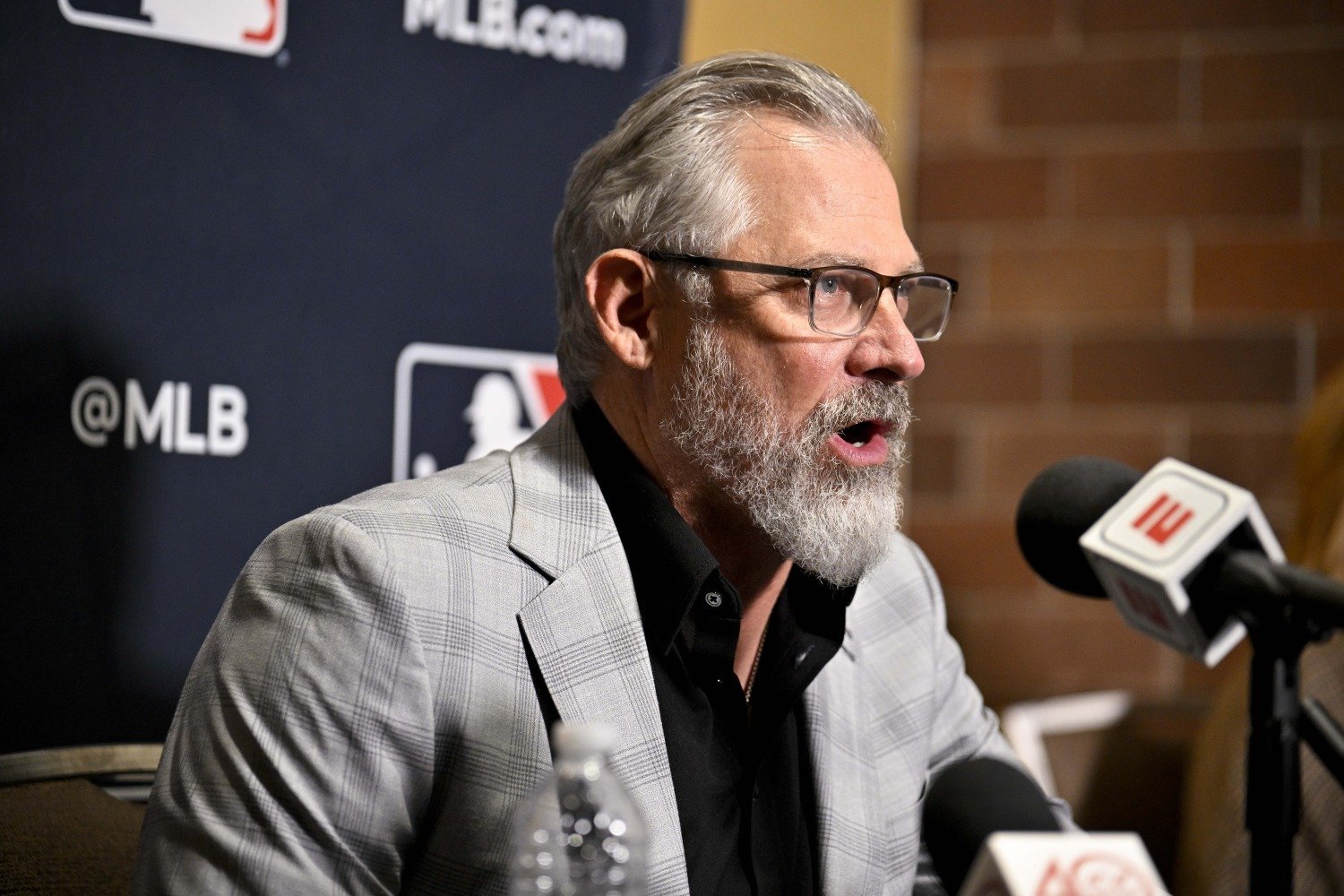 Derek Shelton arrived in Minnesota this winter with years of perspective, gleaned from guiding one of baseball’s youngest rosters. But when reporters asked him what he truly learned in Pittsburgh about developing young hitters, he didn’t hesitate. The biggest takeaway was startling and straightforward: Triple-A competition no longer prepares players for the major leagues. Shelton’s blunt assessment sets the tone for a Twins organization preparing to lean heavily on its next wave of position-player talent. And if Minnesota wants its top prospects to hit the ground running, it will need to understand the widening gulf in today’s game—one Shelton witnessed firsthand. Triple A is No Longer a Finishing School When asked what he learned during his Pirates tenure, Shelton offered a candid answer. “I learned that Triple A does not prepare you for the big leagues," he said. "I think that's the biggest thing I learned.” That gap has continued to grow. “It’s just the automated strike zone in Triple A, the quality of pitching, the velocity is just not the same,” Shelton said. Shelton watched young players dominate Triple-A opponents, only to struggle immediately in the majors. It was not just a Pittsburgh problem. It was baseball-wide. “It’s why we’re seeing, as an industry, so many young players come to the big leagues and struggle," Shelton explained. "They just don't hit. The pitching is just too good here. And the pitching they're facing in Triple A is not there.” As the distinction sharpens, the hitting lines in Triple A have become increasingly misleading. “As an industry, we’re seeing more young players fail and go back to the minor leagues, and you guys are able to write articles this guy has 1.100 OPS in Triple A, and he comes to the big leagues… it's throughout the industry that guys are struggling,” Shelton lamented. Shelton acknowledged that he doesn’t have a magic fix. No one does. “I wish I had a really good answer for you, but it’s just the fact that the distance between the talent in Triple A and the big leagues is probably the greatest it’s ever been,” said Shelton, who has been continuously employed in professional baseball for 30 years. That widening distance forces clubs into difficult decisions when players hit their first wall. Reporters asked how sending players back to Triple A helps, when the competition level is part of the problem. Shelton said the benefits are not always physical. “Sometimes it just helps them mentally. I mean, obviously," he replied. "You get your teeth kicked in enough times, sometimes you need a reset, you need a refresh.” There are still real adjustments players can make, even in an imperfect environment. “There are mechanical adjustments you can make. And I think, depending on the organization and where they’re at, they have to make that decision of, you know, does this individual stay in the big leagues and try to figure it out, or do you send him down, give him a little bit of confidence?” Shelton’s perspective matters, because the Twins are about to rely heavily on young hitters making this exact transition. By mid-2026, Minnesota could have one of the most prospect-driven lineups in the American League. Walker Jenkins and Emmanuel Rodriguez finished last season in St. Paul, where both showed flashes of elite upside. Jenkins finished the year with a 135 wRC+ as a 20-year-old. Rodriguez used the offseason to become one of the best hitters in the Dominican Winter League, posting a 1.063 OPS in 18 games. They will enter spring training just one rung away from Target Field. Each has the power, plate discipline, and athleticism to become a foundational piece. Still, Shelton’s experience is a reminder that dominating Triple-A pitching no longer guarantees early major-league success. Kaelen Culpepper, the organization’s Minor League Player of the Year, rocketed to Double-A Wichita with strong bat-to-ball skills and athleticism. In 113 games, he posted a 138 wRC+ and answered many of the questions that surrounded him on draft day. His development curve has already accelerated faster than expected, making him a likely Triple-A candidate by early 2026. That move puts him on the doorstep of an even bigger leap—one that will challenge how the Twins choose to prepare their hitters before promotion. Gabriel Gonzalez turned in a breakout season of his own, hitting his way to Triple A while showcasing improved swing decisions and run-producing ability (148 wRC+). Twins Daily named him the organization’s Minor League Hitter of the Year. His offensive skill set fits the modern Twins lineup, but like Jenkins and Rodriguez, his path runs straight through the talent gap Shelton described. From now through late 2026, Shelton will play a central role in helping these young players navigate the steepest transition in professional baseball. He has already watched countless hitters sail through Triple A, only to get humbled in the big leagues. His challenge will be using that experience to soften the landing for a group expected to define the organization’s next era. Shelton did not come to Minnesota with easy answers, but he did bring clarity about one of the sport’s most pressing development issues. The jump from Triple A to the majors has never been tougher, and the Twins will soon place some of their brightest stars on that tightrope. What Shelton learned in Pittsburgh may ultimately shape how ready Minnesota’s next wave truly is when their time arrives. Can Shelton help the next group of stars transition to MLB? Leave a comment and start the discussion.
- 38 comments
-
- 7
-

-

-
- derek shelton
- walker jenkins
- (and 3 more)
-
Image courtesy of © Matt Blewett-Imagn Images Minnesota Twins fans enter every offseason with hope, worry, and a healthy dose of debate. But this winter feels different. The front office has spent weeks hinting at multiple possible directions, and each scenario dramatically reshapes what 2026 and beyond might look like. So it leads to the big question hovering over every move and rumor. Do fans actually want the Twins to win next year, or are they ready for something very different? This winter has presented three potential outcomes for the franchise. Each one comes with its own stakes and timelines. Each one could shift the outlook for years. And each one says something about the organization's current core beliefs. A Full Teardown Resets Everything The biggest swing would be a complete rebuild. This is the do not just retool, raze it to the ground approach. In this version, the Twins listen on Joe Ryan, Pablo López, Byron Buxton, Ryan Jeffers, and almost anyone else who is not permanently attached to the Target Field foundation. It is not hard to imagine rival clubs lining up to acquire pitching and cost-controlled position players, and the return could be enormous. Minnesota already boasts one of baseball’s strongest farm systems. Adding another wave of top-tier prospects could supercharge the organization. But the cost is immediate and steep. Fans would be staring at multiple losing seasons and a roster filled with young players learning how to survive in the majors. There would be flashes of excitement, but also plenty of rough stretches. This is the long game. It is also the most painful game for fans who still want to enjoy summer baseball while the rebuild happens. Staying the Course With the Current Core On the other end is the stay-put scenario. For the last week, reports have indicated that Minnesota is planning to keep Buxton, Ryan, and López. Derek Falvey has repeatedly said this offseason that his preference is to add to the roster to stay competitive in 2026. The AL Central remains one of the sport’s most forgiving divisions. Even with a tight payroll, the Twins can talk themselves into being in the mix. FanGraphs already projects the current roster for an 82-win season, and that is without significant offseason additions. There is also built-in flexibility. If the first half looks rough again, the team could pivot at the deadline and use one more sell-off to reshape the roster. This is the safest direction for a front office that wants to remain competitive without stepping back. It may not inspire fireworks, but it keeps the window open while letting prospects like Walker Jenkins, Emmanuel Rodriguez, and Connor Prielipp inch closer to contributing. The Middle Ground Offers Creativity The third path blends both approaches. Minnesota could trade a significant piece, but not its entire core. The most obvious example is López. Moving him could free up meaningful payroll space to patch multiple holes while still leaving a strong rotation intact. However, the Twins traded Carlos Correa in a salary dump and aren't reinvesting those savings in the roster. Ryan is another possibility. If a team offers multiple top-100 prospects who arrive in the next two to three years, the Twins would have to think hard. There are other hybrid options. The Twins could shop Jeffers before his contract expires at the end of 2026 or move a left-handed outfielder like Matt Wallner to capitalize on value. They could target big-league-ready talent instead of teenagers and try to remain competitive while freshening the roster. This outcome still recognizes the payroll crunch but does not fully commit to a rebuild. What Do Fans Really Want? Every path has supporters. Some fans are ready for a reset after years of frustration. Others feel this core still has unfinished business and deserves one more true run. The middle ground option appeals to fans who want competitiveness without a long winter in the standings. But the honest answer may depend on what fans value most. Do they want a chance at 85 wins and October baseball next year, or are they willing to trade short-term success for a stronger long-term foundation? Do they believe this group can bounce back, or have they seen enough? The front office will ultimately decide, but the tension between winning now and building for later has rarely felt sharper. The Twins are at a crossroads with no easy answers. A rebuild would bring hope for the future but frustration in the present. Staying the course offers stability but less upside. The hybrid route might be the most flexible, but also the hardest to execute effectively. As rumors swirl and decisions loom, one thing is clear. What fans want and what the organization chooses could shape the next decade of Twins baseball. Which path should the Twins follow? Do you want the Twins to win next year? Leave a comment and start the discussion. View full article
-
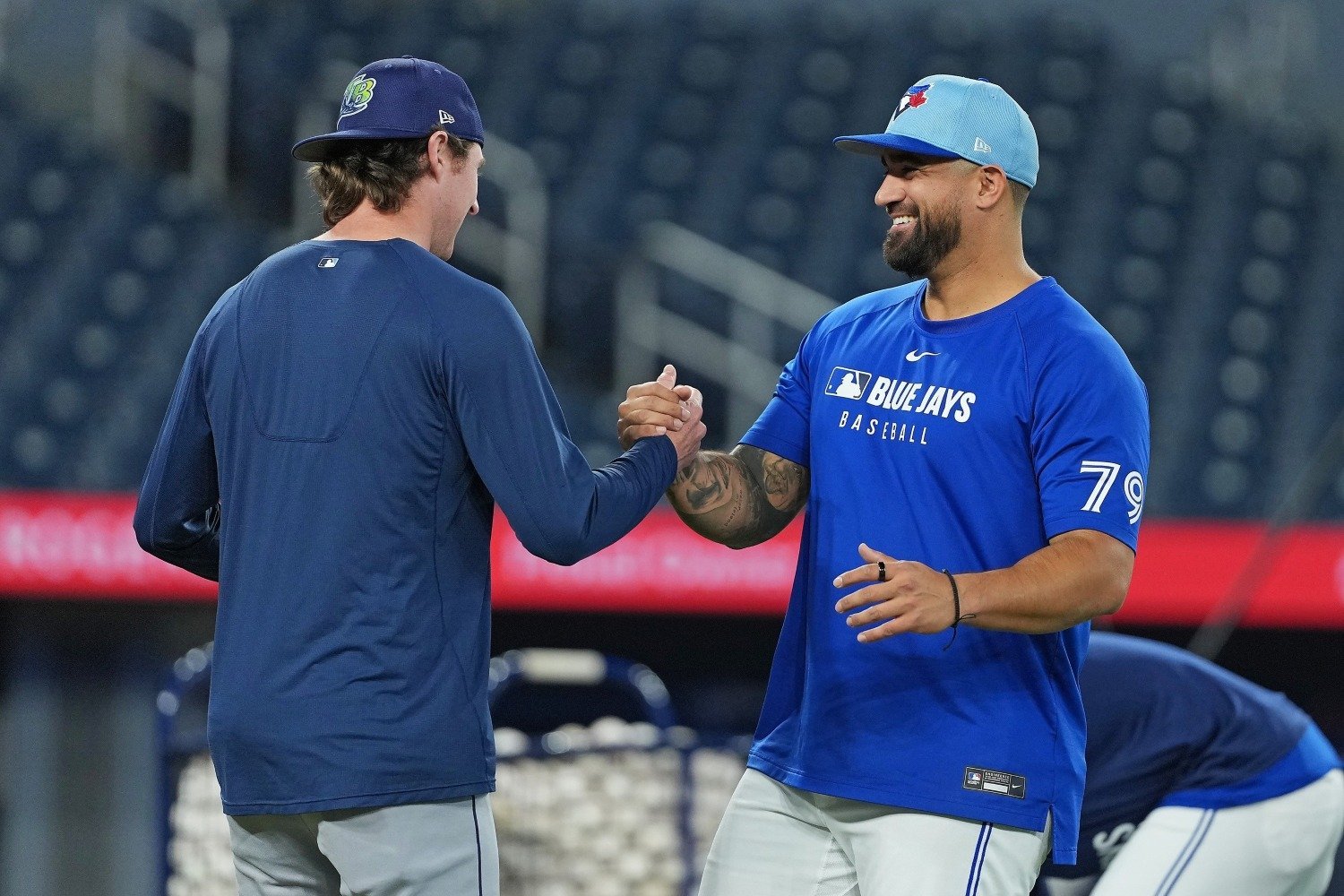 David Popkins’ 2024 season in Minnesota ended with a thud, but his work in 2025 has now earned him one of baseball’s most notable coaching honors. Baseball America named Popkins its MLB Coach of the Year, highlighting a philosophy that has resonated across one of the league’s most improved offenses. For a coach who was dismissed after Minnesota’s late-season collapse, the honor marks a dramatic reversal in how his skill set is viewed across the sport. Baseball America emphasized that Popkins’ entire approach revolves around problem-solving. He believes that every hitter presents a unique puzzle. By identifying the underlying issue and drawing on a wide range of systems and instructors, he can craft individualized solutions. The publication credited this method with laying the foundation for Toronto’s offensive revival, noting that many players described his teaching style as both modern and deeply adaptable. The Twins did not get to see that evolution firsthand. Popkins was one of four coaches dismissed following Minnesota’s disappointing finish in 2024. This group also included assistant hitting coaches Derek Shomon and Rudy Hernandez, as well as assistant bench and infield coach Tony Diaz. General manager Thad Levine was also let go in the same sweep. According to reporting from The Athletic, Popkins even held early-season discussions about a contract extension, but the talks never progressed. When the offense unraveled down the stretch of an injury-riddled season, he was left as one of the clearest scapegoats. What happened next showed how highly the rest of the league regarded him. Popkins received calls from three teams within hours of his dismissal, and the Toronto Blue Jays moved quickly to bring him aboard. The fit proved immediate and impactful. His communication style meshed well with a clubhouse seeking a new direction after its own disappointing offensive year. Under his guidance, veterans and young players alike found renewed confidence. George Springer became the most prominent example. At 35 and coming off a decline in production, Springer looked rejuvenated with Popkins’ help, finishing the year with a 161 OPS+. Toronto finished the regular season third in baseball in OPS, fourth in runs scored, and fifth in xwOBA. The turnaround pushed the Blue Jays all the way to the brink of their first World Series title since 1993. Players and team officials repeatedly pointed to Popkins’ influence as a key reason for their sustained improvement. For the Twins, the award serves as a reminder of what might have been. For Popkins, it is proof that his approach works when given trust and time. His journey from early-season extension talks to post-collapse dismissal to industry-wide acclaim in just over a year is one of the more remarkable coaching arcs in recent memory.
 -
David Popkins’ 2024 season in Minnesota ended with a thud, but his work in 2025 has now earned him one of baseball’s most notable coaching honors. Baseball America named Popkins its MLB Coach of the Year, highlighting a philosophy that has resonated across one of the league’s most improved offenses. For a coach who was dismissed after Minnesota’s late-season collapse, the honor marks a dramatic reversal in how his skill set is viewed across the sport. Baseball America emphasized that Popkins’ entire approach revolves around problem-solving. He believes that every hitter presents a unique puzzle. By identifying the underlying issue and drawing on a wide range of systems and instructors, he can craft individualized solutions. The publication credited this method with laying the foundation for Toronto’s offensive revival, noting that many players described his teaching style as both modern and deeply adaptable. The Twins did not get to see that evolution firsthand. Popkins was one of four coaches dismissed following Minnesota’s disappointing finish in 2024. This group also included assistant hitting coaches Derek Shomon and Rudy Hernandez, as well as assistant bench and infield coach Tony Diaz. General manager Thad Levine was also let go in the same sweep. According to reporting from The Athletic, Popkins even held early-season discussions about a contract extension, but the talks never progressed. When the offense unraveled down the stretch of an injury-riddled season, he was left as one of the clearest scapegoats. What happened next showed how highly the rest of the league regarded him. Popkins received calls from three teams within hours of his dismissal, and the Toronto Blue Jays moved quickly to bring him aboard. The fit proved immediate and impactful. His communication style meshed well with a clubhouse seeking a new direction after its own disappointing offensive year. Under his guidance, veterans and young players alike found renewed confidence. George Springer became the most prominent example. At 35 and coming off a decline in production, Springer looked rejuvenated with Popkins’ help, finishing the year with a 161 OPS+. Toronto finished the regular season third in baseball in OPS, fourth in runs scored, and fifth in xwOBA. The turnaround pushed the Blue Jays all the way to the brink of their first World Series title since 1993. Players and team officials repeatedly pointed to Popkins’ influence as a key reason for their sustained improvement. For the Twins, the award serves as a reminder of what might have been. For Popkins, it is proof that his approach works when given trust and time. His journey from early-season extension talks to post-collapse dismissal to industry-wide acclaim in just over a year is one of the more remarkable coaching arcs in recent memory. View full rumor
-
Image courtesy of © Matt Blewett-Imagn Images The Minnesota Twins have not been subtle about their belief in Royce Lewis this winter. Shortly after being hired, manager Derek Shelton made a point to visit several core players in person, a gesture that sent a message about how he intends to lead. Lewis was one of the first stops. At the Winter Meetings, Shelton took that message public on MLB Network, calling Lewis the type of player who can elevate a franchise. “This guy has a chance to be a superstar," Shelton said. Minnesota’s front office echoed that tone throughout the week. Their collective approach feels intentional. They want Lewis to feel supported, challenged, and surrounded by stability as he enters a pivotal stage of his career. For a player whose performance often rises with confidence, it is clear the Twins see value in reaffirming his place in their long-term plans. Highs and Lows of His Career The story of Lewis has always been dramatic, from the day the Twins took him with the first overall pick. At his best, he looks like one of the most electric players in the sport. Falvey highlighted that when speaking with reporters. “Royce has gone through so many ups and downs in his career at this point. We all know that," Falvey said. "There were huge, awesome moments, right? Go back to [2023] and big moments in postseason games and things you could not really believe were happening.” Those moments are the reason the Twins refuse to give up on the idea that he could still become a franchise pillar. But the team has also been forced to navigate long absences, extended recovery periods, and the uncertainty that comes with repeated setbacks “Obviously, the injuries that he’s dealt with at different times," Falvey said. "I think quite frankly, some of his performance was a result of some of those injuries and trying to track back and try to get himself where he needs to be physically.” This ebb and flow has made it challenging to project Lewis from one season to the next. Yet, the organization believes that with maturity and better health, the extremes in his performance will gradually smooth out. Falvey noted that Lewis is beginning to understand how to manage those waves, both physically and emotionally. Defensive Improvements Last Season One of the most encouraging developments last year was Lewis’s defensive trajectory. Early in the season, there were questions about how consistently he could handle third base, but by late summer, he appeared more polished and reliable. Falvey pointed to that progress as evidence that Lewis can grow when given repetition and structure. “The thing I took away from the end of the season with him was how much better he got defensively by staying consistent with the work, by doing the things every day,” he said. Behind the scenes, coaches praised Lewis for taking ownership of his preparation. He embraced early work, leaned on infield instructors, and made the incremental gains the Twins had hoped to see. Falvey emphasized that this consistency was not accidental, but the result of a player starting to understand what everyday excellence requires. “That’s the type of small wins every day that you build upon each other, and you find a way to become a better overall player. I think he found a way to do that.” With Lewis now projected as the primary third baseman for 2026, the Twins are optimistic that last year’s improvements were the beginning of a more stable defensive foundation. Need for Offensive Consistency in 2026 The offensive side, however, remains the most significant area of concern. Lewis has flashed elite bat speed and strength, but extended slumps, health interruptions, and an inability to stay in rhythm have limited his overall impact. Falvey addressed this directly. “Now we have to get a little more consistency on that on the offensive side, and he knows that,” Falvey said. The Twins believe that if Lewis can enter spring training fully healthy, he may finally get the uninterrupted runway necessary to find his timing and approach. The organization sees parallels to last year’s defensive gains, hoping that the same daily focus can push him toward becoming a more balanced hitter. Falvey added that a stable offseason and a cleaner spring could give Lewis a “build-up” similar to the one he experienced in the field. Lewis does have superstar talent; the ingredients are all there. The question is whether 2026 becomes the season when everything finally lines up. The Twins are betting that it will, and based on the messaging from the front office and the manager’s chair, they want to make sure Lewis believes it, too. Do you still believe in Royce Lewis? Leave a comment and start the discussion. View full article
-
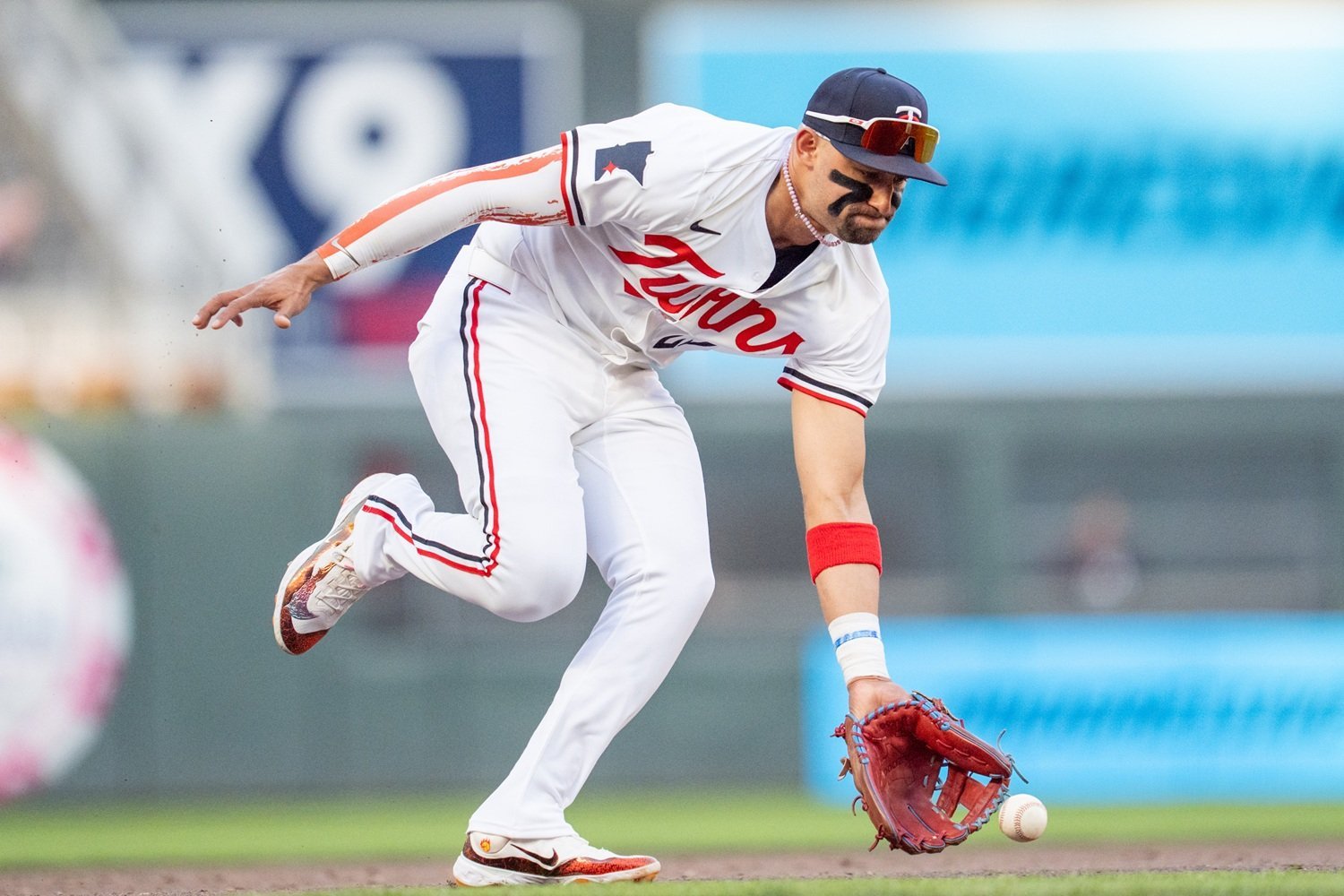 The Minnesota Twins have not been subtle about their belief in Royce Lewis this winter. Shortly after being hired, manager Derek Shelton made a point to visit several core players in person, a gesture that sent a message about how he intends to lead. Lewis was one of the first stops. At the Winter Meetings, Shelton took that message public on MLB Network, calling Lewis the type of player who can elevate a franchise. “This guy has a chance to be a superstar," Shelton said. Minnesota’s front office echoed that tone throughout the week. Their collective approach feels intentional. They want Lewis to feel supported, challenged, and surrounded by stability as he enters a pivotal stage of his career. For a player whose performance often rises with confidence, it is clear the Twins see value in reaffirming his place in their long-term plans. Highs and Lows of His Career The story of Lewis has always been dramatic, from the day the Twins took him with the first overall pick. At his best, he looks like one of the most electric players in the sport. Falvey highlighted that when speaking with reporters. “Royce has gone through so many ups and downs in his career at this point. We all know that," Falvey said. "There were huge, awesome moments, right? Go back to [2023] and big moments in postseason games and things you could not really believe were happening.” Those moments are the reason the Twins refuse to give up on the idea that he could still become a franchise pillar. But the team has also been forced to navigate long absences, extended recovery periods, and the uncertainty that comes with repeated setbacks “Obviously, the injuries that he’s dealt with at different times," Falvey said. "I think quite frankly, some of his performance was a result of some of those injuries and trying to track back and try to get himself where he needs to be physically.” This ebb and flow has made it challenging to project Lewis from one season to the next. Yet, the organization believes that with maturity and better health, the extremes in his performance will gradually smooth out. Falvey noted that Lewis is beginning to understand how to manage those waves, both physically and emotionally. Defensive Improvements Last Season One of the most encouraging developments last year was Lewis’s defensive trajectory. Early in the season, there were questions about how consistently he could handle third base, but by late summer, he appeared more polished and reliable. Falvey pointed to that progress as evidence that Lewis can grow when given repetition and structure. “The thing I took away from the end of the season with him was how much better he got defensively by staying consistent with the work, by doing the things every day,” he said. Behind the scenes, coaches praised Lewis for taking ownership of his preparation. He embraced early work, leaned on infield instructors, and made the incremental gains the Twins had hoped to see. Falvey emphasized that this consistency was not accidental, but the result of a player starting to understand what everyday excellence requires. “That’s the type of small wins every day that you build upon each other, and you find a way to become a better overall player. I think he found a way to do that.” With Lewis now projected as the primary third baseman for 2026, the Twins are optimistic that last year’s improvements were the beginning of a more stable defensive foundation. Need for Offensive Consistency in 2026 The offensive side, however, remains the most significant area of concern. Lewis has flashed elite bat speed and strength, but extended slumps, health interruptions, and an inability to stay in rhythm have limited his overall impact. Falvey addressed this directly. “Now we have to get a little more consistency on that on the offensive side, and he knows that,” Falvey said. The Twins believe that if Lewis can enter spring training fully healthy, he may finally get the uninterrupted runway necessary to find his timing and approach. The organization sees parallels to last year’s defensive gains, hoping that the same daily focus can push him toward becoming a more balanced hitter. Falvey added that a stable offseason and a cleaner spring could give Lewis a “build-up” similar to the one he experienced in the field. Lewis does have superstar talent; the ingredients are all there. The question is whether 2026 becomes the season when everything finally lines up. The Twins are betting that it will, and based on the messaging from the front office and the manager’s chair, they want to make sure Lewis believes it, too. Do you still believe in Royce Lewis? Leave a comment and start the discussion.
- 36 comments
-
- 6
-
-

-
- royce lewis
- derek shelton
- (and 1 more)
-
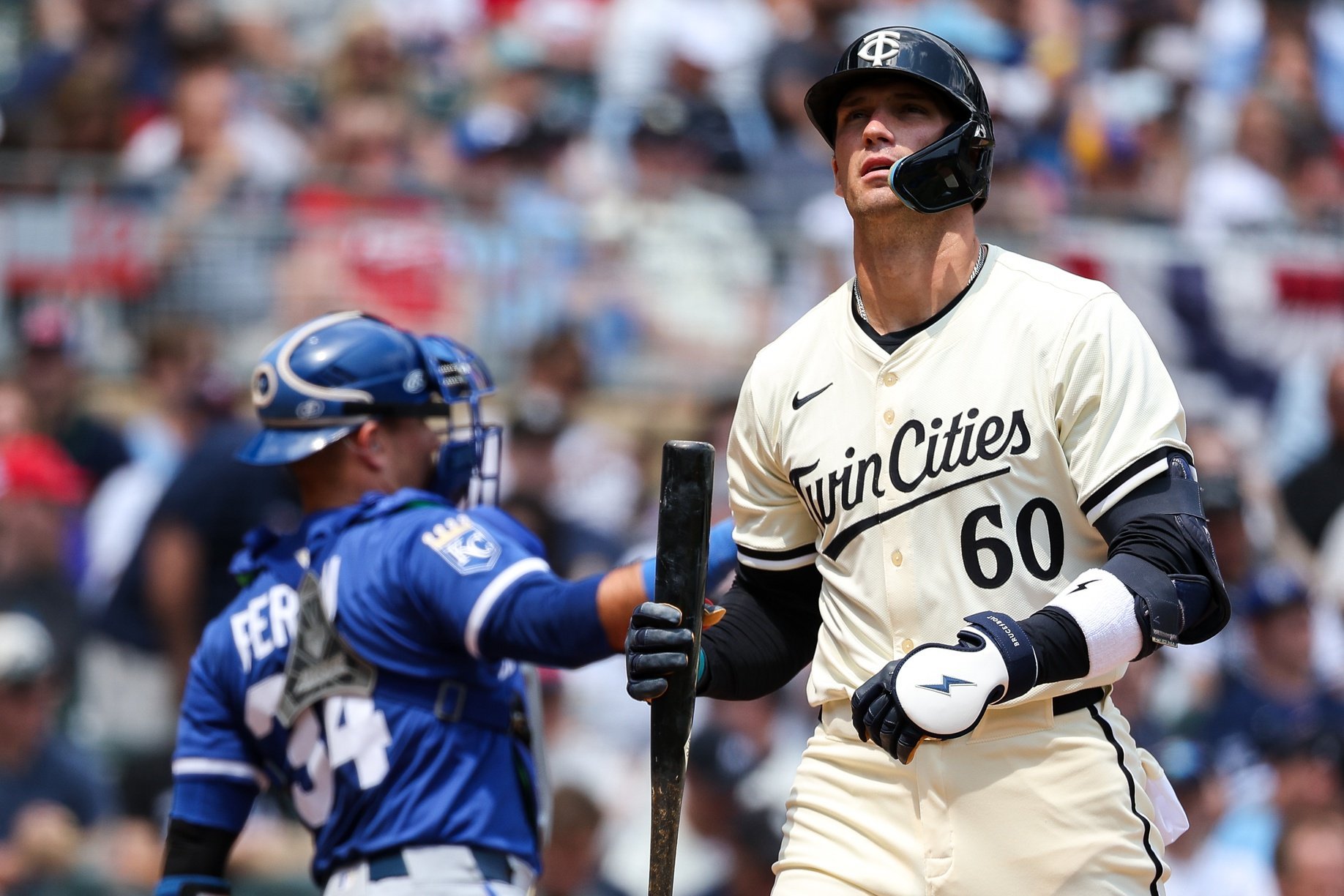 The Minnesota Twins created space on their 40-man roster on Wednesday morning, placing outfielder Carson McCusker on unconditional release waivers. The move comes just hours before the Rule 5 Draft, where the club is expected to make at least one selection. It is a procedural decision with immediate implications for roster construction, but it also marks the end of a unique and memorable chapter in the organization. McCusker’s story has been anything but conventional. He joined the Twins as a signing out of the independent leagues, a late bloomer with imposing size and raw power who needed the right environment to refine his game. Minnesota believed there was more in his swing and approach than previous evaluations suggested, and McCusker rewarded that faith with one of the better early-season performances in the system during 2025. At Triple-A St. Paul last spring, McCusker put together an impressive first half with a 1.048 OPS in April and a .948 OPS in May. He controlled the strike zone better than expected, posted strong on-base numbers, and showed the kind of damage potential that made him a frequent middle-of-the-order presence. His run of production pushed him firmly onto the radar for a big league opportunity, and the Twins eventually called him up during a stretch when they needed additional depth The opportunity, however, never fully developed. Despite earning his way to the highest level, McCusker saw limited action and never received the extended look some thought he had earned. The Twins used him primarily as a bench option and sporadic pinch hitter, a role that made it difficult for him to build rhythm or make a lasting impression. In 16 games, he went 5-for-29 with 16 strikeouts and no extra-base hits. When the roster became crowded again, he was optioned back to St. Paul and remained there for most of the second half. Even with minimal major league exposure, McCusker did enough within the organization to maintain interest from clubs abroad. While nothing is finalized, industry speculation suggests he will explore opportunities to play in Asia during the 2026 season. His size, power, and plate discipline make him an intriguing fit for teams in Japan or Korea, where a change of environment could offer consistent at-bats and a more defined role. For the Twins, Wednesday’s decision reflects the tight roster calculus that comes with balancing present depth and future investment. Opening a spot before the Rule 5 Draft signals that Minnesota sees value in adding an external player it believes can contribute in the near future. McCusker’s release is a reminder that player development paths are rarely linear and that opportunities often hinge on timing as much as talent. His journey from the independent leagues to the doorstep of a major league job was a success story in itself, even if the Twins chapter concludes earlier than anticipated. Now he will look for the next stage of his career while the Twins move forward into the offseason with another key decision ahead.
 -
The Minnesota Twins created space on their 40-man roster on Wednesday morning, placing outfielder Carson McCusker on unconditional release waivers. The move comes just hours before the Rule 5 Draft, where the club is expected to make at least one selection. It is a procedural decision with immediate implications for roster construction, but it also marks the end of a unique and memorable chapter in the organization. McCusker’s story has been anything but conventional. He joined the Twins as a signing out of the independent leagues, a late bloomer with imposing size and raw power who needed the right environment to refine his game. Minnesota believed there was more in his swing and approach than previous evaluations suggested, and McCusker rewarded that faith with one of the better early-season performances in the system during 2025. At Triple-A St. Paul last spring, McCusker put together an impressive first half with a 1.048 OPS in April and a .948 OPS in May. He controlled the strike zone better than expected, posted strong on-base numbers, and showed the kind of damage potential that made him a frequent middle-of-the-order presence. His run of production pushed him firmly onto the radar for a big league opportunity, and the Twins eventually called him up during a stretch when they needed additional depth The opportunity, however, never fully developed. Despite earning his way to the highest level, McCusker saw limited action and never received the extended look some thought he had earned. The Twins used him primarily as a bench option and sporadic pinch hitter, a role that made it difficult for him to build rhythm or make a lasting impression. In 16 games, he went 5-for-29 with 16 strikeouts and no extra-base hits. When the roster became crowded again, he was optioned back to St. Paul and remained there for most of the second half. Even with minimal major league exposure, McCusker did enough within the organization to maintain interest from clubs abroad. While nothing is finalized, industry speculation suggests he will explore opportunities to play in Asia during the 2026 season. His size, power, and plate discipline make him an intriguing fit for teams in Japan or Korea, where a change of environment could offer consistent at-bats and a more defined role. For the Twins, Wednesday’s decision reflects the tight roster calculus that comes with balancing present depth and future investment. Opening a spot before the Rule 5 Draft signals that Minnesota sees value in adding an external player it believes can contribute in the near future. McCusker’s release is a reminder that player development paths are rarely linear and that opportunities often hinge on timing as much as talent. His journey from the independent leagues to the doorstep of a major league job was a success story in itself, even if the Twins chapter concludes earlier than anticipated. Now he will look for the next stage of his career while the Twins move forward into the offseason with another key decision ahead. View full rumor
-
USA manager Mark DeRosa: “It’s time for the world to see him.”
-
A Rare Commodity: Why Byron Buxton’s Trade Value Might Never Be Higher
Cody Christie posted an article in Twins
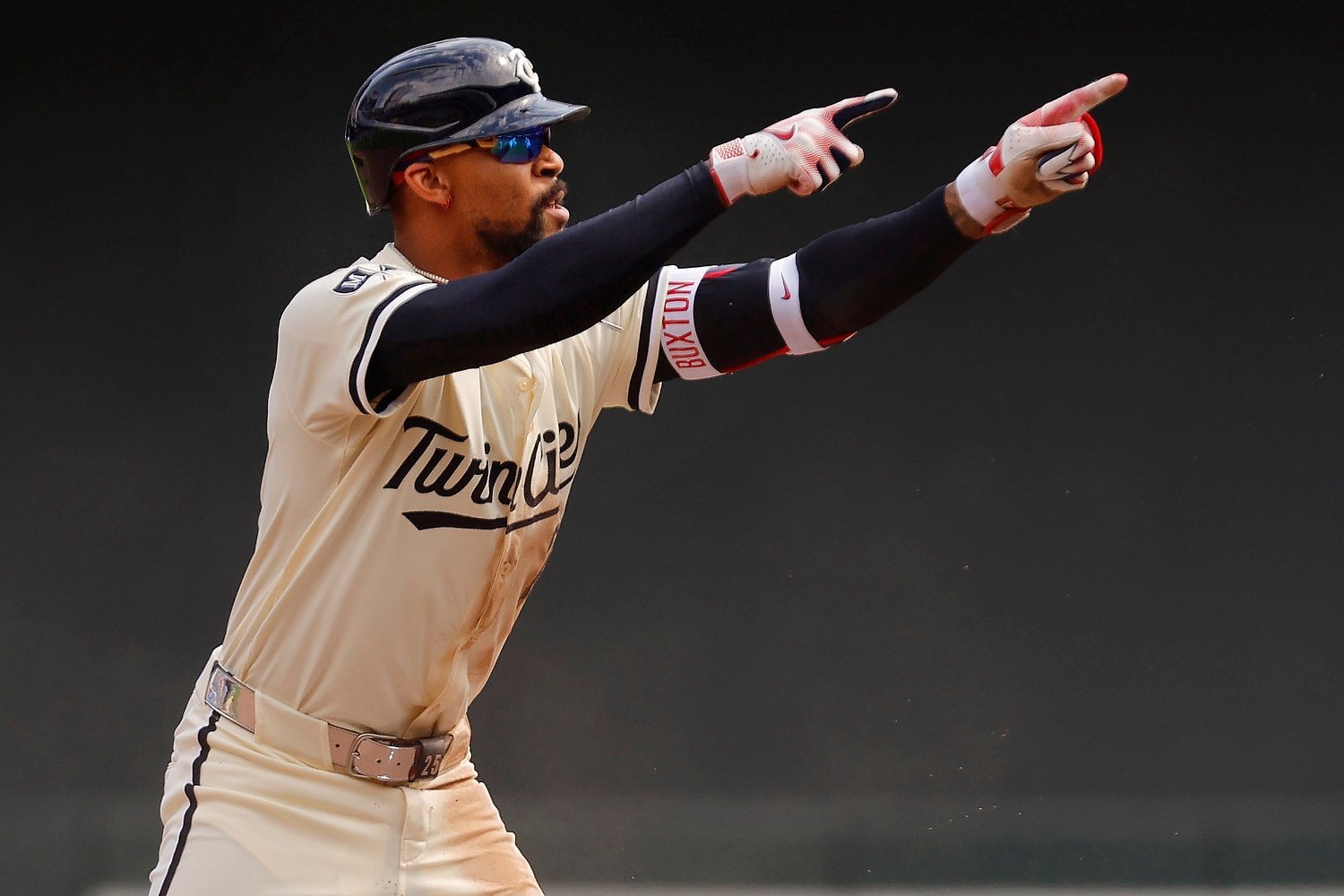 Byron Buxton has never been shy about his feelings toward Minnesota. Across multiple interviews last season, he made it clear that he wants to remain a Twin for life. His connection to the organization, the fan base, and the community is something he has spoken about with pride and sincerity. Under normal circumstances, that would make the idea of trading him seem almost unthinkable. This offseason has created a different kind of challenge. Reports have surfaced suggesting that Buxton may be open to waiving his no-trade clause if the Twins continue to move veteran players such as Pablo Lopez, Joe Ryan, or Ryan Jeffers. That possibility introduces a significant layer of complication. Even if the Twins found a strong market for Buxton, no deal could happen without his approval. Any conversation about trading him must account for whether he views the franchise as moving toward contention or slipping away from it. At the same time, the broader league context has changed in a way no one predicted. According to MLB.com, right-handed hitting outfielders have become the hardest type of player to find this winter. That reality could elevate Buxton’s value to its highest point in years. Look across free agency, and the scarcity becomes obvious. Rob Refsnyder, Miguel Andujar, and Harrison Bader headline the group. Each offers something useful. Refsnyder and Andujar can handle left-handed pitching. Bader’s defense remains elite (as Twins fans saw last season). But none of them are stars, and none profile as everyday impact players for contending teams. They are better suited for supporting roles. Beyond them is a class of respected veterans who have passed their prime. Andrew McCutchen, Tommy Pham, Starling Marte, and Chris Taylor have accomplished plenty in their careers, but they no longer have the upside or durability teams are seeking for a full season. They can help someone win, but they are not centerpieces. Scarcity has already pushed teams to surprising decisions. MLB.com highlighted the deal in which Baltimore traded four years of control over 24-year-old starter Grayson Rodriguez to the Angels for just one year of 31-year-old outfielder Taylor Ward. It shocked the industry, but it also revealed how aggressively clubs may act to secure a reliable right-handed outfield bat. If that is the current price, Buxton becomes one of the most intriguing trade pieces (semi-)available. Even with the injuries, his ceiling remains extraordinary. When he is right, he alters games with power, speed, and strong defense. Last season was the most complete campaign of Buxton’s career, as he set career highs in home runs (35), RBIs (83), runs (97), walks (41), plate appearances (542), and at-bats (488) while topping 120 games played for the second time in 11 seasons. He posted a .264/.327/.551 line with a 136 OPS+ on his way to winning his first Silver Slugger. No free-agent right-handed outfielder offers anything close to that combination. In a market starving for this player type, someone may be willing to take a big swing. Buxton has three years remaining on his deal at only $15 million per season, a very team-friendly contract for whatever team he suits up for in 2026. For the Twins, the decision is delicate. Buxton’s desire to stay carries real weight, but so does the possibility that the roster could continue to change around him. If the team moves more veterans, he might view a fresh start as a better path. If they hold firm, he may want to remain the face of the franchise. Minnesota will need to balance his preferences, his health, the market forces working in their favor, and the long-term shape of the roster. Trading a player like Buxton requires conviction and timing. This winter presents a rare confluence of events. Right-handed-hitting outfielders are scarce; Buxton’s value may be peaking; and the Twins are navigating a crossroads. Whether they act on that opportunity or choose continuity will define much of their offseason, and possibly much more of their future. Should Buxton be the first veteran traded by the Twins this winter? Can they take advantage of the right-handed-hitting outfielder shortage? Leave a comment and start the discussion.
 -
Image courtesy of © Bruce Kluckhohn-Imagn Images Byron Buxton has never been shy about his feelings toward Minnesota. Across multiple interviews last season, he made it clear that he wants to remain a Twin for life. His connection to the organization, the fan base, and the community is something he has spoken about with pride and sincerity. Under normal circumstances, that would make the idea of trading him seem almost unthinkable. This offseason has created a different kind of challenge. Reports have surfaced suggesting that Buxton may be open to waiving his no-trade clause if the Twins continue to move veteran players such as Pablo Lopez, Joe Ryan, or Ryan Jeffers. That possibility introduces a significant layer of complication. Even if the Twins found a strong market for Buxton, no deal could happen without his approval. Any conversation about trading him must account for whether he views the franchise as moving toward contention or slipping away from it. At the same time, the broader league context has changed in a way no one predicted. According to MLB.com, right-handed hitting outfielders have become the hardest type of player to find this winter. That reality could elevate Buxton’s value to its highest point in years. Look across free agency, and the scarcity becomes obvious. Rob Refsnyder, Miguel Andujar, and Harrison Bader headline the group. Each offers something useful. Refsnyder and Andujar can handle left-handed pitching. Bader’s defense remains elite (as Twins fans saw last season). But none of them are stars, and none profile as everyday impact players for contending teams. They are better suited for supporting roles. Beyond them is a class of respected veterans who have passed their prime. Andrew McCutchen, Tommy Pham, Starling Marte, and Chris Taylor have accomplished plenty in their careers, but they no longer have the upside or durability teams are seeking for a full season. They can help someone win, but they are not centerpieces. Scarcity has already pushed teams to surprising decisions. MLB.com highlighted the deal in which Baltimore traded four years of control over 24-year-old starter Grayson Rodriguez to the Angels for just one year of 31-year-old outfielder Taylor Ward. It shocked the industry, but it also revealed how aggressively clubs may act to secure a reliable right-handed outfield bat. If that is the current price, Buxton becomes one of the most intriguing trade pieces (semi-)available. Even with the injuries, his ceiling remains extraordinary. When he is right, he alters games with power, speed, and strong defense. Last season was the most complete campaign of Buxton’s career, as he set career highs in home runs (35), RBIs (83), runs (97), walks (41), plate appearances (542), and at-bats (488) while topping 120 games played for the second time in 11 seasons. He posted a .264/.327/.551 line with a 136 OPS+ on his way to winning his first Silver Slugger. No free-agent right-handed outfielder offers anything close to that combination. In a market starving for this player type, someone may be willing to take a big swing. Buxton has three years remaining on his deal at only $15 million per season, a very team-friendly contract for whatever team he suits up for in 2026. For the Twins, the decision is delicate. Buxton’s desire to stay carries real weight, but so does the possibility that the roster could continue to change around him. If the team moves more veterans, he might view a fresh start as a better path. If they hold firm, he may want to remain the face of the franchise. Minnesota will need to balance his preferences, his health, the market forces working in their favor, and the long-term shape of the roster. Trading a player like Buxton requires conviction and timing. This winter presents a rare confluence of events. Right-handed-hitting outfielders are scarce; Buxton’s value may be peaking; and the Twins are navigating a crossroads. Whether they act on that opportunity or choose continuity will define much of their offseason, and possibly much more of their future. Should Buxton be the first veteran traded by the Twins this winter? Can they take advantage of the right-handed-hitting outfielder shortage? Leave a comment and start the discussion. View full article
-
Image courtesy of © Jerome Miron-Imagn Images Derek Shelton arrived in Minnesota this winter with years of perspective from guiding one of baseball’s youngest rosters. But when reporters asked him what he truly learned in Pittsburgh about developing young hitters, he didn’t hesitate. The biggest takeaway was startling and straightforward. Triple-A no longer prepares players for the major leagues. Shelton’s blunt assessment sets the tone for a Twins organization preparing to lean heavily on its next wave of position talent. And if Minnesota wants its top prospects to hit the ground running, it will need to understand the widening gulf in today’s game that Shelton witnessed firsthand. Triple-A is No Longer a Finishing School When asked what he learned during his Pirates tenure, Shelton offered a candid answer: “I learned that Triple-A does not prepare you for the big leagues. I think that's the biggest thing I learned.” That gap has continued to grow. “It’s just the automated strike zone in Triple-A, the quality of pitching, the velocity is just not the same,” he said. Shelton watched young players dominate Triple-A numbers only to struggle immediately in the majors. It was not just a Pittsburgh problem. It was baseball wide. “It’s why we’re seeing, as an industry, so many young players come to the big leagues and struggle. They just don't hit. The pitching is just too good here. And the pitching they're facing in Triple-A is not there.” As the separation sharpens, the hitting lines in Triple-A have become increasingly misleading. “As an industry, we’re seeing more young players fail and go back to the minor leagues, and you guys are able to write articles this guy has 1.100 OPS in Triple-A, and he comes to the big leagues… it's throughout the industry that guys are struggling.” A Growing Challenge Without Easy Solutions Shelton acknowledged that he doesn’t have a magic fix. No one does. “I wish I had a really good answer for you, but it’s just the fact that the distance between the talent in Triple-A and the big leagues is probably the greatest it’s ever been.” That widening distance forces clubs into difficult decisions when players hit their first wall. Reporters asked how sending players back to Triple-A helps when the competition level is part of the problem. Shelton said the benefits are not always physical. “Sometimes it just helps them mentally. I mean, obviously. You get your teeth kicked in enough times, sometimes you need a reset, you need a refresh.” There are still real adjustments players can make, even in an imperfect environment. “There are mechanical adjustments you can make. And I think, depending on the organization and where they’re at, they have to make that decision of, you know, does this individual stay in the big leagues and try to figure it out or do you send him down, give him a little bit of confidence?” Minnesota’s Next Wave Will Put Shelton’s Experience to the Test Shelton’s perspective matters because the Twins are about to rely heavily on young hitters making this exact transition. By mid-2026, Minnesota could have one of the most prospect-driven lineups in the American League. Walker Jenkins and Emmanuel Rodriguez finished last season in St. Paul, where both showed flashes of elite upside. Jenkins finished the year with a 135 wRC+ as a 20-year-old. Rodriguez used the offseason to become one of the best hitters in the Dominican Winter League, posting a 1.063 OPS in 18 games. They will enter spring training just one rung away from Target Field. Each has the power, plate discipline, and athleticism to become a foundational piece. Still, Shelton’s experience is a reminder that dominating Triple-A pitching no longer guarantees early major league success. Kaelen Culpepper, the organization’s minor league player of the year, rocketed to Double-A with elite bat-to-ball skills and athleticism. In 113 games, he posted a 138 wRC+ and answered many of the questions that surrounded him on draft day. His development curve has already accelerated faster than expected, making him a likely Triple-A candidate by early 2026. That move puts him on the doorstep of an even bigger leap, one that will challenge how the Twins choose to prepare their hitters before promotion. Gabriel Gonzalez turned in a breakout season of his own, hitting his way to Triple-A while showcasing improved swing decisions and run-producing ability (148 wRC+). Twins Daily named him the organization’s Minor League Hitter of the Year. His offensive skill set fits the modern Twins lineup, but like Jenkins and Rodriguez, his path runs straight through the talent gap Shelton described. From now through late 2026, Shelton will play a central role in helping these young players navigate the steepest transition in professional baseball. He has already watched countless hitters sail through Triple-A only to get humbled in the big leagues. His challenge in Minnesota will be using that experience to soften the landing for a group expected to define the organization’s next era. Shelton did not come to Minnesota with easy answers, but he did bring clarity about one of the sport’s most pressing development issues. The jump from Triple-A to the majors has never been tougher, and the Twins will soon place some of their brightest stars on that tightrope. What Shelton learned in Pittsburgh may ultimately shape how ready Minnesota’s next wave truly is when their time arrives. Can Shelton help the next group of stars transition to MLB? Leave a comment and start the discussion. View full article
- 38 replies
-
- 1
-

-
- derek shelton
- walker jenkins
- (and 3 more)
-
Cleveland won the lottery in 2023. Are you sure it wasn't a video from that night?
-
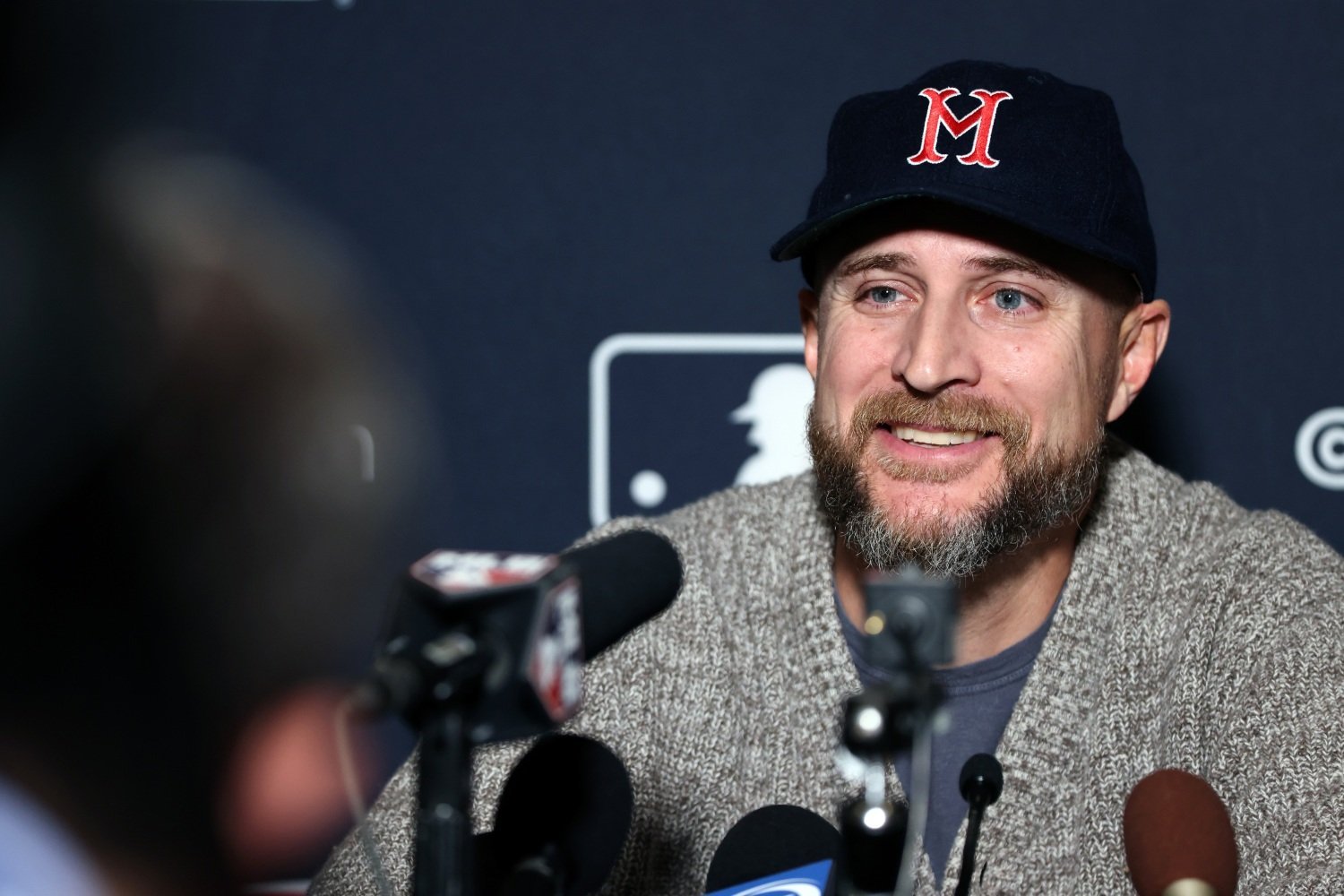 Rocco Baldelli’s time in Minnesota officially came following the 2025 season, but his next chapter has already begun. After a difficult 92 loss season led to his dismissal, the former Twins manager is joining the Los Angeles Dodgers front office according to reporting from the Star Tribune’s Bobby Nightengale. The move brings Baldelli into the heart of baseball’s most dominant organization and reunites him with a familiar face. The Twins chose to move on from Baldelli after missing the playoffs for the fourth time in five years. It was a decision driven more by frustration than by a clear indictment of his abilities. Baldelli was never the sole reason the team stumbled through 2025, and he certainly was not the source of the deep flaws that defined the club’s roster and performance. Instead he became the public face of accountability when those above him would not accept their share of the responsibility. Even so it was never expected that Baldelli would remain unemployed for long. The real question was whether he wanted to jump back into the grind immediately. His answer came sooner than many anticipated. The Dodgers have brought him aboard in a front office role, a path he knows well from earlier in his career. Before he ever filled out a lineup card Baldelli worked in the Tampa Bay Rays system after a mitochondrial disorder ended his playing career in 2010. He joined Andrew Friedman’s baseball operations group as a special assistant and quickly earned a reputation as a thoughtful evaluator with a strong grasp of player development. That experience helped launch his coaching and managerial trajectory, and now he returns to work alongside Friedman for an organization with unmatched resources and championship expectations. Baldelli’s tenure in Minnesota ends with a 527-505 record across seven seasons, including three American League Central titles and the drought breaking playoff series win in 2023. He captured the American League Manager of the Year award in 2019 and helped guide several young players into key roles. With one year left on his contract the Twins dismissed him after their 70-92 finish, setting off broad changes across the staff. Many of his former coaches quickly landed on their feet in new roles around the league, a sign of how well respected that group had become. While Baldelli is stepping out of the dugout for now, a front office role does not signal the end of his managerial aspirations. Minnesota even considered a similar transition with Scott Servais earlier this winter. If anything this move may serve as a launching pad. The Dodgers operate with a level of infrastructure and financial backing that could not be more different from what Baldelli experienced with the Twins. Working under Friedman again and within an ownership group that pushes relentlessly for championships may give him an even broader skill set. For Baldelli this is a chance to reset and reemerge. For the Dodgers it is another savvy addition to a front office that rarely misses.
 -
Rocco Baldelli’s time in Minnesota officially came following the 2025 season, but his next chapter has already begun. After a difficult 92 loss season led to his dismissal, the former Twins manager is joining the Los Angeles Dodgers front office according to reporting from the Star Tribune’s Bobby Nightengale. The move brings Baldelli into the heart of baseball’s most dominant organization and reunites him with a familiar face. The Twins chose to move on from Baldelli after missing the playoffs for the fourth time in five years. It was a decision driven more by frustration than by a clear indictment of his abilities. Baldelli was never the sole reason the team stumbled through 2025, and he certainly was not the source of the deep flaws that defined the club’s roster and performance. Instead he became the public face of accountability when those above him would not accept their share of the responsibility. Even so it was never expected that Baldelli would remain unemployed for long. The real question was whether he wanted to jump back into the grind immediately. His answer came sooner than many anticipated. The Dodgers have brought him aboard in a front office role, a path he knows well from earlier in his career. Before he ever filled out a lineup card Baldelli worked in the Tampa Bay Rays system after a mitochondrial disorder ended his playing career in 2010. He joined Andrew Friedman’s baseball operations group as a special assistant and quickly earned a reputation as a thoughtful evaluator with a strong grasp of player development. That experience helped launch his coaching and managerial trajectory, and now he returns to work alongside Friedman for an organization with unmatched resources and championship expectations. Baldelli’s tenure in Minnesota ends with a 527-505 record across seven seasons, including three American League Central titles and the drought breaking playoff series win in 2023. He captured the American League Manager of the Year award in 2019 and helped guide several young players into key roles. With one year left on his contract the Twins dismissed him after their 70-92 finish, setting off broad changes across the staff. Many of his former coaches quickly landed on their feet in new roles around the league, a sign of how well respected that group had become. While Baldelli is stepping out of the dugout for now, a front office role does not signal the end of his managerial aspirations. Minnesota even considered a similar transition with Scott Servais earlier this winter. If anything this move may serve as a launching pad. The Dodgers operate with a level of infrastructure and financial backing that could not be more different from what Baldelli experienced with the Twins. Working under Friedman again and within an ownership group that pushes relentlessly for championships may give him an even broader skill set. For Baldelli this is a chance to reset and reemerge. For the Dodgers it is another savvy addition to a front office that rarely misses. View full rumor
-
Byron Buxton’s 2025 resurgence continues to pay dividends, and this time, the spotlight is coming from the international stage. According to reporter Francys Romero, Buxton has been included on Team USA’s preliminary roster for the 2026 World Baseball Classic. While preliminary rosters are not final, this early nod signals how dramatically his status has shifted in the eyes of evaluators across baseball. The 2026 World Baseball Classic is scheduled for March 5 through March 17 and will feature 20 teams competing across four host cities. Pool play will take place in Miami, Houston, San Juan, and Tokyo. After that, quarterfinals will be split between Miami and Houston before the tournament returns to Miami for the semifinals and championship round. It will be the sixth edition of the tournament, and Japan will enter as the defending champions after winning the 2023 event. For Buxton and the Twins, the timing of this recognition could not be better. It was not long ago that the idea of Buxton participating in the WBC would have been dismissed immediately. During the previous edition of the tournament the Twins were protective of their star center fielder as he worked to prepare his body for the upcoming season. The focus then was strictly on building the foundation for a healthy year rather than adding competitive innings in March. Everything changed last year. Buxton delivered the most complete season of his career, rewriting personal bests across the board and reminding fans of the superstar talent he brings when healthy. He set career highs in home runs with 35, runs batted in with 83, and runs scored with 97. He also reached new marks in walks, plate appearances, and at bats while surpassing 120 games played for only the second time in his eleven major league seasons. His .264 batting average, .327 on base percentage, and .551 slugging percentage added up to an impressive .878 OPS and a 136 OPS plus. The season culminated with his first career Silver Slugger Award and a renewed belief that he could still elevate his game even further. That level of production combined with his elite athleticism makes Buxton an enticing fit for Team USA’s roster construction. More importantly for Minnesota, his inclusion on the preliminary list suggests that other evaluators share the Twins confidence in his health and long term outlook. Participating in the WBC would give Buxton a chance to showcase his abilities on one of the sport’s biggest stages while entering the regular season with competitive momentum. While the final Team USA roster will not be set for some time, Buxton’s presence on the early list stands as another milestone in his return to form. For the Twins, it is the latest reminder of how valuable a fully operational Buxton can be. View full rumor
-
Image courtesy of © Brett Davis-Imagn Images The MLB Draft Lottery arrives on Tuesday at 4:30 PM Central, and the Minnesota Twins enter with the second-best odds to land the first overall selection. It should be a moment of optimism. It should be the kind of scenario where a franchise dreams of future superstars. But this is Minnesota, and hope is more of a seasonal rental than a long-term investment. In a search for any possible edge, the Twins reportedly reached out to the Minnesota Timberwolves to learn how they once navigated NBA Draft Lottery night. The goal was simple. The Twins wanted the MLB version of Anthony Edwards or Karl Anthony Towns. Unfortunately, the Wolves sent advice from a different era—one that Twins leadership quickly realized should have been left in the vault. Derek Falvey admitted the team was simply looking for any insight that might help them avoid the standard Minnesota drop on lottery night. “We thought they would walk us through the Anthony Edwards process,” Falvey said. “Next thing we know, they're showing us grainy footage of the David Kahn years. I called the room to an immediate halt when someone said the phrase 'dual point guard theory'.” Initially, the Twins were hoping to build off their own success, since they vaulted from the projected 13th overall pick to the 5th overall pick in MLB’s inaugural lottery, conducted in 2022 ahead of the 2023 Draft. That jump allowed Minnesota to land Walker Jenkins, who has been the organization’s top prospect ever since. But instead of championing good fortune, the Wolves insisted on teaching the principles of accidental chaos. Tim Connelly was reportedly confused by the request, but still tried to offer what he called “institutional wisdom.” “The old files are what they are. If your scouts believe in the baseball equivalent of Jonny Flynn, you cannot let public pressure stop you," Connelly said. "You have to ignore everything and take the shortstop who won the dunk contest at his high school pep rally.” At one point, a Wolves staffer offered a laminated sheet titled: “Approaches That Definitely Do Not Work Anymore.” The Twins say it included handwritten notes on drafting players who share agents, searching for prospects with the best smile, and selecting multiple identical skill sets because it looks cool on paper. A Twins analytics employee reportedly fainted after reading the final line, which read simply, “Trust your gut, even if the numbers beg you not to.” Falvey tried to remain polite as the meeting spiraled. “We kept waiting for the moment when they explained how they got Edwards,” Falvey said. “Instead, they kept telling us that if two prospects look the same, the correct answer is drafting both. I am not sure that translates to baseball. Also, someone tried to argue that swing decisions are overrated. I am pretty confident that is not true.” The Twins attempted to redirect the meeting by asking how the Wolves avoided lottery heartbreak in recent years. “We traded all our picks for Rudy Gobert," Connelly said. "It really simplifies lottery night.” Falvey reportedly wrote the phrase down and circled it 17 times. Still, the Twins are hoping luck will remain on their side. The organization knows how dramatically fortunes can shift, just as they did the year Minnesota jumped to fifth with no expectations and landed Jenkins. Falvey remained hopeful, despite the questionable guidance. “We still love our odds and our process,” he said. “We are just choosing to forget everything we heard today.” By the end of the consultation, the Twins promised to send the Wolves a fruit basket. The Wolves suggested including two identical baskets because “sometimes you just take both and let the future sort it out.” The Twins left Target Center immediately. Now, Minnesota waits to see if the lottery gods reward their bold curiosity or punish them for taking advice from the one franchise that accidentally taught an entire city what could go wrong on draft night. View full article
-
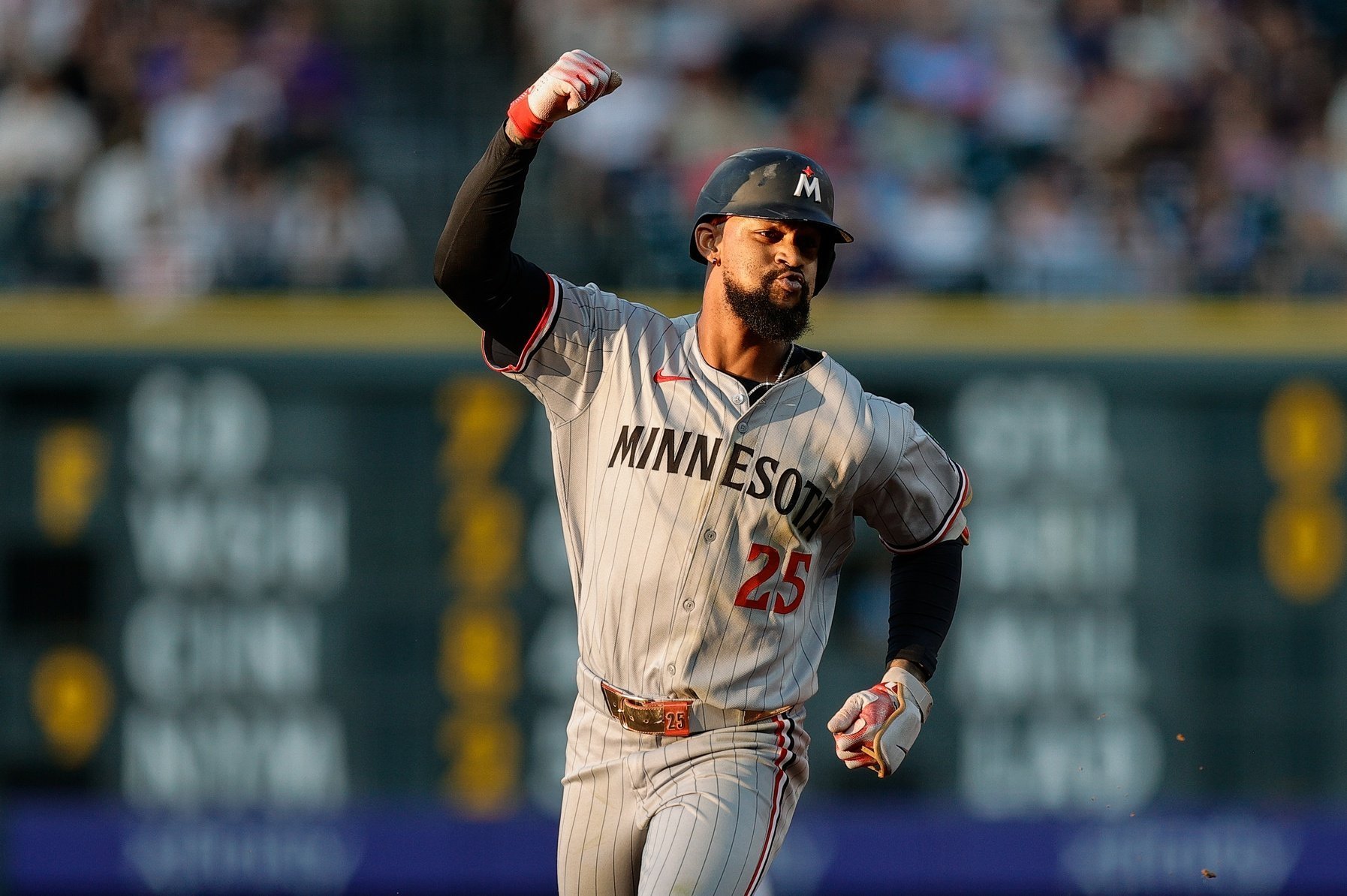 Byron Buxton’s 2025 resurgence continues to pay dividends, and this time, the spotlight is coming from the international stage. According to reporter Francys Romero, Buxton has been included on Team USA’s preliminary roster for the 2026 World Baseball Classic. While preliminary rosters are not final, this early nod signals how dramatically his status has shifted in the eyes of evaluators across baseball. The 2026 World Baseball Classic is scheduled for March 5 through March 17 and will feature 20 teams competing across four host cities. Pool play will take place in Miami, Houston, San Juan, and Tokyo. After that, quarterfinals will be split between Miami and Houston before the tournament returns to Miami for the semifinals and championship round. It will be the sixth edition of the tournament, and Japan will enter as the defending champions after winning the 2023 event. For Buxton and the Twins, the timing of this recognition could not be better. It was not long ago that the idea of Buxton participating in the WBC would have been dismissed immediately. During the previous edition of the tournament the Twins were protective of their star center fielder as he worked to prepare his body for the upcoming season. The focus then was strictly on building the foundation for a healthy year rather than adding competitive innings in March. Everything changed last year. Buxton delivered the most complete season of his career, rewriting personal bests across the board and reminding fans of the superstar talent he brings when healthy. He set career highs in home runs with 35, runs batted in with 83, and runs scored with 97. He also reached new marks in walks, plate appearances, and at bats while surpassing 120 games played for only the second time in his eleven major league seasons. His .264 batting average, .327 on base percentage, and .551 slugging percentage added up to an impressive .878 OPS and a 136 OPS plus. The season culminated with his first career Silver Slugger Award and a renewed belief that he could still elevate his game even further. That level of production combined with his elite athleticism makes Buxton an enticing fit for Team USA’s roster construction. More importantly for Minnesota, his inclusion on the preliminary list suggests that other evaluators share the Twins confidence in his health and long term outlook. Participating in the WBC would give Buxton a chance to showcase his abilities on one of the sport’s biggest stages while entering the regular season with competitive momentum. While the final Team USA roster will not be set for some time, Buxton’s presence on the early list stands as another milestone in his return to form. For the Twins, it is the latest reminder of how valuable a fully operational Buxton can be.
 -
Twins Ask Wolves for Draft Lottery Advice, Regret It Immediately
Cody Christie posted an article in Just For Fun
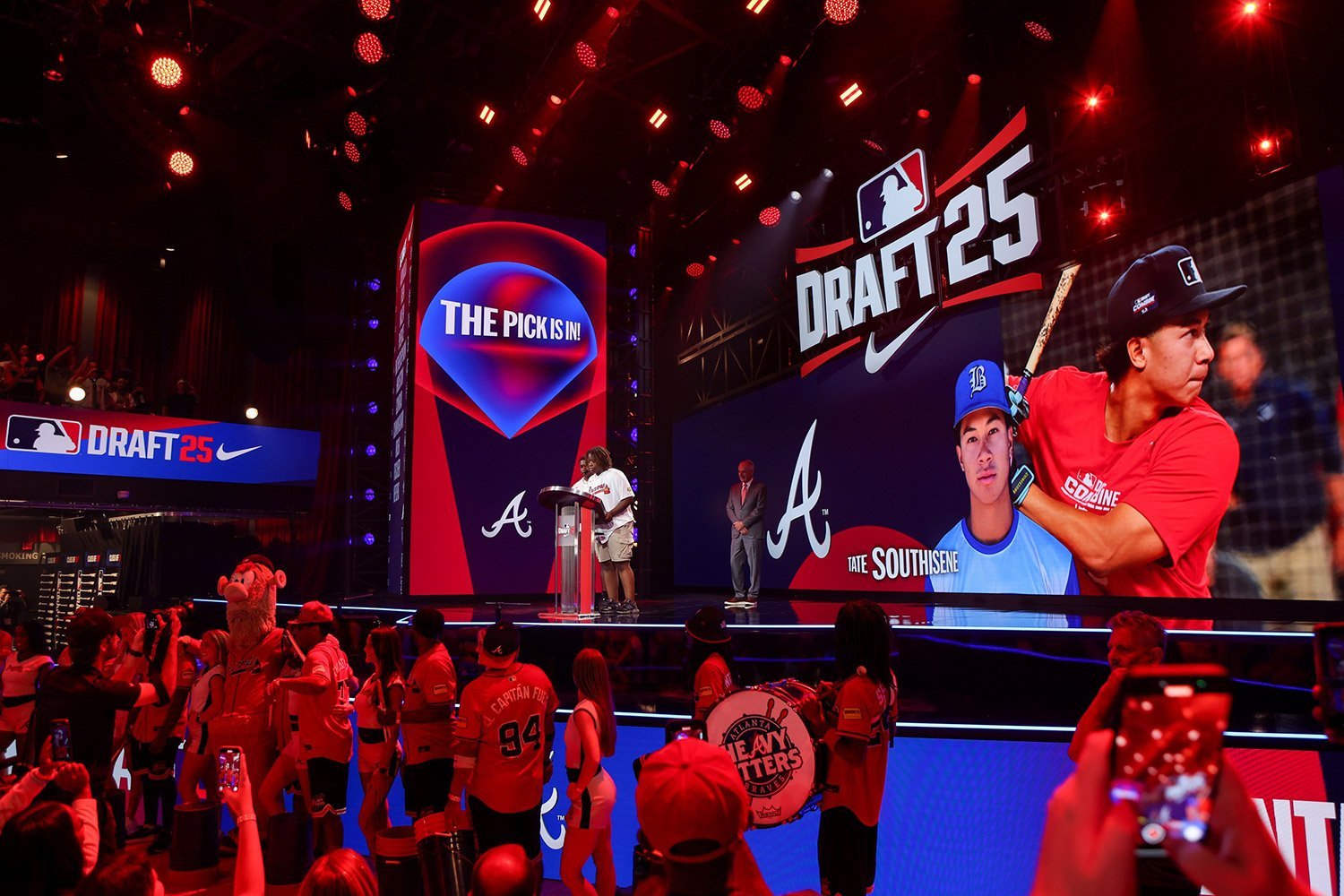 The MLB Draft Lottery arrives on Tuesday at 4:30 PM Central, and the Minnesota Twins enter with the second-best odds to land the first overall selection. It should be a moment of optimism. It should be the kind of scenario where a franchise dreams of future superstars. But this is Minnesota, and hope is more of a seasonal rental than a long-term investment. In a search for any possible edge, the Twins reportedly reached out to the Minnesota Timberwolves to learn how they once navigated NBA Draft Lottery night. The goal was simple. The Twins wanted the MLB version of Anthony Edwards or Karl Anthony Towns. Unfortunately, the Wolves sent advice from a different era—one that Twins leadership quickly realized should have been left in the vault. Derek Falvey admitted the team was simply looking for any insight that might help them avoid the standard Minnesota drop on lottery night. “We thought they would walk us through the Anthony Edwards process,” Falvey said. “Next thing we know, they're showing us grainy footage of the David Kahn years. I called the room to an immediate halt when someone said the phrase 'dual point guard theory'.” Initially, the Twins were hoping to build off their own success, since they vaulted from the projected 13th overall pick to the 5th overall pick in MLB’s inaugural lottery, conducted in 2022 ahead of the 2023 Draft. That jump allowed Minnesota to land Walker Jenkins, who has been the organization’s top prospect ever since. But instead of championing good fortune, the Wolves insisted on teaching the principles of accidental chaos. Tim Connelly was reportedly confused by the request, but still tried to offer what he called “institutional wisdom.” “The old files are what they are. If your scouts believe in the baseball equivalent of Jonny Flynn, you cannot let public pressure stop you," Connelly said. "You have to ignore everything and take the shortstop who won the dunk contest at his high school pep rally.” At one point, a Wolves staffer offered a laminated sheet titled: “Approaches That Definitely Do Not Work Anymore.” The Twins say it included handwritten notes on drafting players who share agents, searching for prospects with the best smile, and selecting multiple identical skill sets because it looks cool on paper. A Twins analytics employee reportedly fainted after reading the final line, which read simply, “Trust your gut, even if the numbers beg you not to.” Falvey tried to remain polite as the meeting spiraled. “We kept waiting for the moment when they explained how they got Edwards,” Falvey said. “Instead, they kept telling us that if two prospects look the same, the correct answer is drafting both. I am not sure that translates to baseball. Also, someone tried to argue that swing decisions are overrated. I am pretty confident that is not true.” The Twins attempted to redirect the meeting by asking how the Wolves avoided lottery heartbreak in recent years. “We traded all our picks for Rudy Gobert," Connelly said. "It really simplifies lottery night.” Falvey reportedly wrote the phrase down and circled it 17 times. Still, the Twins are hoping luck will remain on their side. The organization knows how dramatically fortunes can shift, just as they did the year Minnesota jumped to fifth with no expectations and landed Jenkins. Falvey remained hopeful, despite the questionable guidance. “We still love our odds and our process,” he said. “We are just choosing to forget everything we heard today.” By the end of the consultation, the Twins promised to send the Wolves a fruit basket. The Wolves suggested including two identical baskets because “sometimes you just take both and let the future sort it out.” The Twins left Target Center immediately. Now, Minnesota waits to see if the lottery gods reward their bold curiosity or punish them for taking advice from the one franchise that accidentally taught an entire city what could go wrong on draft night.
 -
Image courtesy of © Matt Blewett-Imagn Images The Minnesota Twins enter Tuesday’s MLB Draft Lottery with the second-best odds at securing the No. 1 overall pick, and they are guaranteed to select in the top 10 for the 2026 MLB Draft. It's a rare opportunity for a club that has spent most of the past decade trying to compete while still building internally. Any time a front office gets access to elite amateur talent, the stakes rise. Minnesota’s recent history with premium picks shows promise in some places, frustration in others, and plenty of room for debate, as the club prepares for what could be a franchise-shaping selection. Here’s a look back at Minnesota’s recent track record with top-10 picks and how those players have developed in the team’s farm system. 2023 MLB Draft: OF Walker Jenkins (5th Overall Pick) Minnesota used the fifth overall pick in the 2023 MLB Draft on outfielder Jenkins, and his rapid rise through the system has earned him national attention. In many other draft classes, he likely would have been the first overall pick. Few prospects reach Triple A as 20-year-olds, and players who do often develop into above-average big-league regulars. Jenkins has shown advanced bat speed and a mature approach, but he is still an unfinished product. Last season, he posted a 135 wRC+ in 84 games. There are no guarantees in prospect development, though, and the Twins will need patience as he adjusts to the highest levels of the minors. His trajectory is encouraging, but stardom is not yet assured. 2022 MLB Draft: SS Brooks Lee (8th Overall Pick) One year before Jenkins, the Twins grabbed college shortstop Lee with the eighth overall pick. His plus hit tool turned him into one of the fastest-moving prospects in baseball, and helped him reach the major leagues ahead of schedule. Minnesota pushed him to Triple-A St. Paul in his first full professional season, and he made his MLB debut in 2024. That intriguingly natural feel for hitting has yet to translate to production in his early MLB returns. Over the last two seasons, Lee has posted a 75 OPS+ in 189 games. He's slated to open next season as Minnesota’s starting shortstop, and that comes with pressure on both sides of the ball. The organization still believes his approach and swing will win out in the long run, but it is fair to say he has been more frustrating than fulfilling so far. His upcoming season may be one of the most critical individual storylines on the roster. 2017 MLB Draft: SS Royce Lewis (1st Overall) Lewis was Derek Falvey’s first premium draft choice as chief of Twins baseball operations, when they selected him first overall in 2017. The Twins took Lewis over a group that included Hunter Greene, Brendan McKay, and MacKenzie Gore, ultimately signing him to an underslot deal to distribute additional money to the rest of the class. For stretches, that decision looked brilliant. Lewis has flashed superstar ability, launching big home runs and showcasing a dynamic skill set that few players can match. The trouble, of course, is that injuries and inconsistent playing time have made it difficult for the Twins to view him as their long-term anchor. Last season, he played in a career-high 106 games but posted an 83 OPS+. Lewis remains a fascinating talent whose next chapter could swing the team’s overall trajectory. Looking Back at the Previous Regime’s Track Record Before the current front office took over, Minnesota went through a stretch of four straight top-10 picks under Terry Ryan. The results were uninspiring, except for one undeniable success story. Tyler Jay, Nick Gordon, and Kohl Stewart were all selected in the top six picks, but none developed into cornerstone players. Gordon provided some big-league value, but not enough to justify his draft spot. Stewart never found traction. Jay moved to the bullpen and battled injuries. Byron Buxton, selected second overall in 2012, became the exception. When healthy, he has played at an MVP level and turned into a franchise icon. Without Buxton’s success, that run of picks would be remembered far more harshly. The MLB Draft remains one of the most unpredictable talent pipelines in sports. Variability in development, wide gaps in competition levels, and the number of professional levels a player must climb after being drafted before getting to the majors all contribute to uncertainty. Still, teams must hit on top-10 picks if they want sustained success—especially teams like Minnesota, who operate with a below-average payroll. Minnesota’s recent record shows both optimism and caution as it prepares for a potentially pivotal selection in 2026. With the lottery approaching and talent evaluations underway, the Twins know this opportunity does not come around often. The true test will be turning a premium pick into a premium player. What stands out about Minnesota’s recent top-10 picks? Leave a comment and start the discussion. View full article
-
 The Minnesota Twins enter Tuesday’s MLB Draft Lottery with the second-best odds at securing the No. 1 overall pick, and they are guaranteed to select in the top 10 for the 2026 MLB Draft. It's a rare opportunity for a club that has spent most of the past decade trying to compete while still building internally. Any time a front office gets access to elite amateur talent, the stakes rise. Minnesota’s recent history with premium picks shows promise in some places, frustration in others, and plenty of room for debate, as the club prepares for what could be a franchise-shaping selection. Here’s a look back at Minnesota’s recent track record with top-10 picks and how those players have developed in the team’s farm system. 2023 MLB Draft: OF Walker Jenkins (5th Overall Pick) Minnesota used the fifth overall pick in the 2023 MLB Draft on outfielder Jenkins, and his rapid rise through the system has earned him national attention. In many other draft classes, he likely would have been the first overall pick. Few prospects reach Triple A as 20-year-olds, and players who do often develop into above-average big-league regulars. Jenkins has shown advanced bat speed and a mature approach, but he is still an unfinished product. Last season, he posted a 135 wRC+ in 84 games. There are no guarantees in prospect development, though, and the Twins will need patience as he adjusts to the highest levels of the minors. His trajectory is encouraging, but stardom is not yet assured. 2022 MLB Draft: SS Brooks Lee (8th Overall Pick) One year before Jenkins, the Twins grabbed college shortstop Lee with the eighth overall pick. His plus hit tool turned him into one of the fastest-moving prospects in baseball, and helped him reach the major leagues ahead of schedule. Minnesota pushed him to Triple-A St. Paul in his first full professional season, and he made his MLB debut in 2024. That intriguingly natural feel for hitting has yet to translate to production in his early MLB returns. Over the last two seasons, Lee has posted a 75 OPS+ in 189 games. He's slated to open next season as Minnesota’s starting shortstop, and that comes with pressure on both sides of the ball. The organization still believes his approach and swing will win out in the long run, but it is fair to say he has been more frustrating than fulfilling so far. His upcoming season may be one of the most critical individual storylines on the roster. 2017 MLB Draft: SS Royce Lewis (1st Overall) Lewis was Derek Falvey’s first premium draft choice as chief of Twins baseball operations, when they selected him first overall in 2017. The Twins took Lewis over a group that included Hunter Greene, Brendan McKay, and MacKenzie Gore, ultimately signing him to an underslot deal to distribute additional money to the rest of the class. For stretches, that decision looked brilliant. Lewis has flashed superstar ability, launching big home runs and showcasing a dynamic skill set that few players can match. The trouble, of course, is that injuries and inconsistent playing time have made it difficult for the Twins to view him as their long-term anchor. Last season, he played in a career-high 106 games but posted an 83 OPS+. Lewis remains a fascinating talent whose next chapter could swing the team’s overall trajectory. Looking Back at the Previous Regime’s Track Record Before the current front office took over, Minnesota went through a stretch of four straight top-10 picks under Terry Ryan. The results were uninspiring, except for one undeniable success story. Tyler Jay, Nick Gordon, and Kohl Stewart were all selected in the top six picks, but none developed into cornerstone players. Gordon provided some big-league value, but not enough to justify his draft spot. Stewart never found traction. Jay moved to the bullpen and battled injuries. Byron Buxton, selected second overall in 2012, became the exception. When healthy, he has played at an MVP level and turned into a franchise icon. Without Buxton’s success, that run of picks would be remembered far more harshly. The MLB Draft remains one of the most unpredictable talent pipelines in sports. Variability in development, wide gaps in competition levels, and the number of professional levels a player must climb after being drafted before getting to the majors all contribute to uncertainty. Still, teams must hit on top-10 picks if they want sustained success—especially teams like Minnesota, who operate with a below-average payroll. Minnesota’s recent record shows both optimism and caution as it prepares for a potentially pivotal selection in 2026. With the lottery approaching and talent evaluations underway, the Twins know this opportunity does not come around often. The true test will be turning a premium pick into a premium player. What stands out about Minnesota’s recent top-10 picks? Leave a comment and start the discussion.
- 10 comments
-
- 2
-
-
- walker jenkins
- brooks lee
- (and 5 more)
-
 The Boston Red Sox have hovered around Joe Ryan trade rumors for more than a year, but the conversation appears to be cooling. At last season’s trade deadline, Boston was one of several clubs connected to Minnesota’s All Star right hander as the Twins shipped out 10 players, including multiple relievers with years of team control. The speculation even reached the point where a false social media report briefly had Ryan headed to Fenway Park. This winter brought more of the same chatter, though Derek Falvey has repeatedly emphasized that Minnesota intends to build around a core of Ryan, Byron Buxton and Pablo Lopez. Any trade discussion involving those players was always going to require an overwhelming offer, and it seems the Red Sox have decided not to press forward. Rob Bradford of WEEI is reporting that the Red Sox have “drawn back on their pursuit of Joe Ryan.” He also notes, “Connelly Early was never introduced by the Red Sox as part of the trade deadline talks last season." Bradford added a follow up that said that this could still change. Early would have been a huge pick up for the Twins if he was the trade centerpiece. He is ranked as Boston’s number four prospect by MLB Pipeline after posting a 2.60 ERA with a 31.9 K% and a 9.7 BB% across 100 minor league innings last season. He also made his major league debut and performed well in a small sample size (four starts), raising his value even further. While Boston is not the only club with interest in Ryan, their strong farm system made them a logical suitor capable of offering multiple top 100 prospects. For now, though, it appears the Red Sox are stepping aside as the Twins remain committed to keeping their rotation anchored by one of their most dependable arms.
 -
Boston Red Sox Pull Back on Pursuit of Joe Ryan
Cody Christie posted a topic in Minnesota Twins Talk
The Boston Red Sox have hovered around Joe Ryan trade rumors for more than a year, but the conversation appears to be cooling. At last season’s trade deadline, Boston was one of several clubs connected to Minnesota’s All Star right hander as the Twins shipped out 10 players, including multiple relievers with years of team control. The speculation even reached the point where a false social media report briefly had Ryan headed to Fenway Park. This winter brought more of the same chatter, though Derek Falvey has repeatedly emphasized that Minnesota intends to build around a core of Ryan, Byron Buxton and Pablo Lopez. Any trade discussion involving those players was always going to require an overwhelming offer, and it seems the Red Sox have decided not to press forward. Rob Bradford of WEEI is reporting that the Red Sox have “drawn back on their pursuit of Joe Ryan.” He also notes, “Connelly Early was never introduced by the Red Sox as part of the trade deadline talks last season." Bradford added a follow up that said that this could still change. Early would have been a huge pick up for the Twins if he was the trade centerpiece. He is ranked as Boston’s number four prospect by MLB Pipeline after posting a 2.60 ERA with a 31.9 K% and a 9.7 BB% across 100 minor league innings last season. He also made his major league debut and performed well in a small sample size (four starts), raising his value even further. While Boston is not the only club with interest in Ryan, their strong farm system made them a logical suitor capable of offering multiple top 100 prospects. For now, though, it appears the Red Sox are stepping aside as the Twins remain committed to keeping their rotation anchored by one of their most dependable arms. View full rumor -
Back in August, I wrote about how I think the Pohlads are still going to sell the team but are waiting until the new CBA offers a better financial situation for mid-market teams. An equity firm could be looking at the same situation and seeing and opportunity to make money.
-
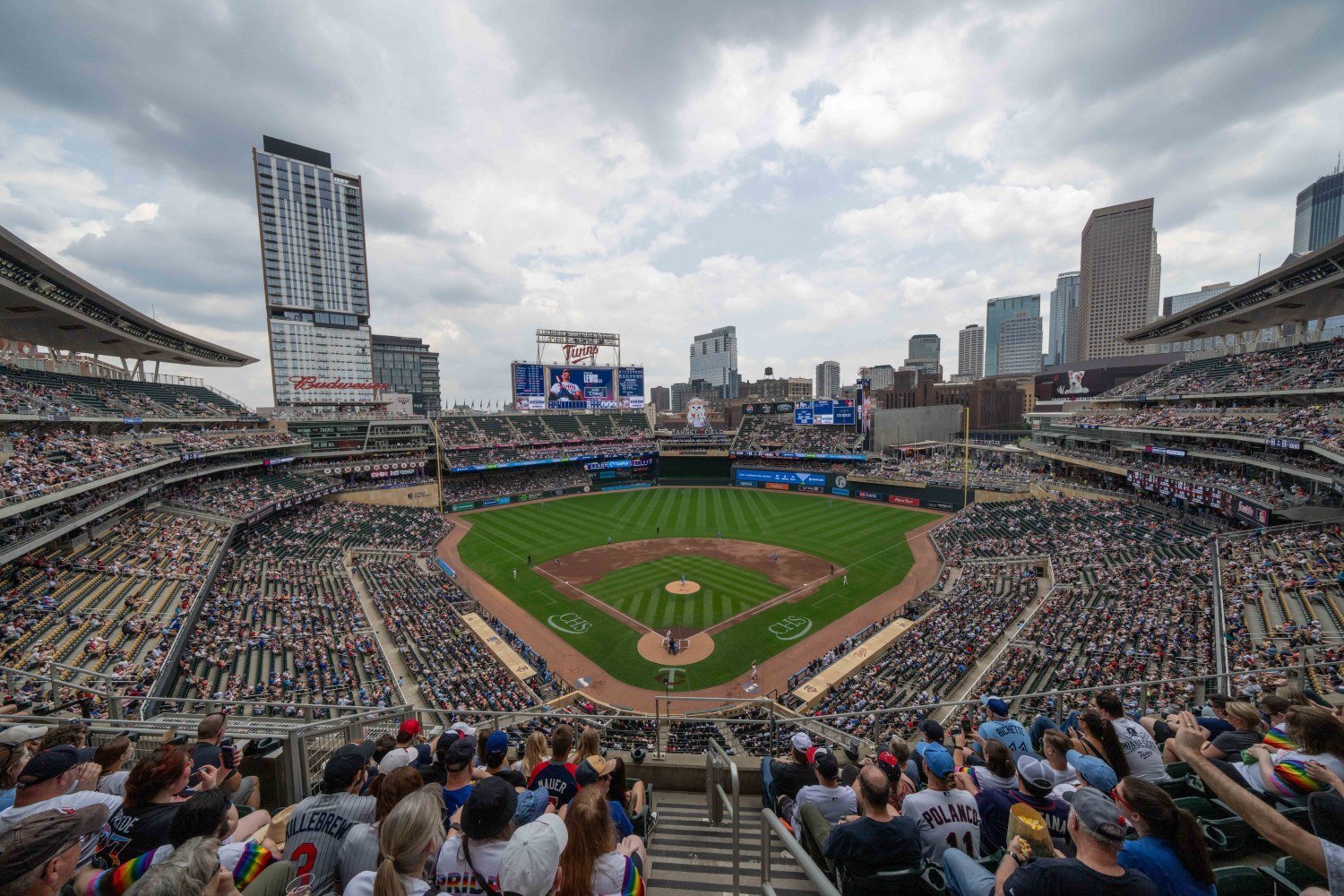 The Minnesota Twins entered the offseason navigating a unique organizational crossroads. After spending much of the past year evaluating a potential sale, the Pohlads abruptly pulled the franchise off the market in August. Instead of changing principal ownership, the club pivoted to bringing in two new minority partners. Reports said that one group would be based locally and the other led by an investor family from the East Coast. Now, the first half of that picture is finally coming into focus. Charley Walters of the Pioneer Press reported the development earlier this week, writing, “Look for Minneapolis based Varde Partners, a worldwide multi billion dollar credit investment corporation, to be announced soon as a limited partner with the Minnesota Twins. The firm is one of at least two limited partners expected to assist in diminishing the team’s reported 500 million dollar debt.” The addition of Varde Partners marks a notable shift in the composition of Twins leadership. Headquartered in Minneapolis, Varde is a global credit and investment firm overseeing an estimated $16 to 17 billion in assets with more than 300 employees across the world. The company is led by managing partners Brad Bauer, Francisco Milone, and Tim Mooney, all of whom bring deep experience in large scale financial strategy and corporate development. Given their background, it is difficult to imagine that Varde Partners will be anything less than a stabilizing force for a franchise navigating a sizable debt load. Their presence alone signals that the Twins are looking for more structured, more sophisticated financial guidance than the current iteration of the Pohlad family has typically leaned on. For an organization supposedly carrying around $500 million in debt, a partner with extensive investment acumen is not a small addition. What remains unclear is how much influence these new partners will wield when it comes to baseball decisions. Minority stakes rarely dictate roster construction, but their involvement does lighten the financial strain on the club. If that reduction in debt eventually leads to more flexibility in retaining talent or supplementing the roster, fans will welcome the impact. At a minimum, the presence of motivated and financially savvy investors should nudge the overall organizational direction toward a more modern and competitive mindset. With one partner now identified, attention naturally turns to the second expected minority owner from the East Coast. If the timing of this first announcement is any indication, that reveal may not be far behind. As the Twins navigate a pivotal offseason, the business side of the franchise is reshaping itself in a way that could have long term implications for the organization’s stability and ambition.

