



Cody Christie
-
Posts
7,805 -
Joined
-
Last visited
-
Days Won
5
Content Type
Profiles
News
Minnesota Twins Videos
2026 Minnesota Twins Top Prospects Ranking
2022 Minnesota Twins Draft Picks
Minnesota Twins Free Agent & Trade Rumors, Notes, & Tidbits
Guides & Resources
2023 Minnesota Twins Draft Picks
The Minnesota Twins Players Project
2024 Minnesota Twins Draft Picks
2025 Minnesota Twins Draft Pick Tracker
2026 Minnesota Twins Draft Tracker: Picks & Bonuses
Forums
Blogs
Events
Store
Downloads
Gallery
Everything posted by Cody Christie
-
The Twins continued their arbitration housekeeping on Thursday by reaching an agreement with Bailey Ober, avoiding a hearing and keeping one of their longest tenured starters in the fold for the 2026 season. According to KSTP’s Darren Wolfson, Minnesota and Ober settled on a $5.2 million deal that covers the upcoming season. Ober remains under team control through 2027, meaning he will be arbitration eligible one more time before potentially reaching free agency. MLB Trade Rumors projected Ober to earn $4.6 million, so the right-hander came out ahead in the process, earning a notable raise despite a down year. That dip in production was real. Ober endured the toughest season of his big league career in 2025, never quite getting right after dealing with a lingering hip injury. Even with time off, the issue persisted, and Ober ultimately tried to pitch through it. The results reflected that struggle. His fastball velocity dipped, his margin for error shrank, and hitters punished more mistakes than they had in previous seasons. Over 146 1/3 innings, Ober posted a 5.10 ERA and a 1.30 WHIP, numbers that looked jarring compared to his typically steady profile. Home runs were a significant problem (1.8 HR/9), and the lack of velocity made his trademark command-based approach far less effective. Still, the Twins clearly believe there is enough of a track record to justify the investment, as his second year of arbitration eligibility brings a $1.65 million raise and a continued spot in the rotation. Assuming health, Ober remains a key part of Minnesota’s pitching plans. The rotation is expected to be anchored by Pablo Lopez and Joe Ryan, with Ober firmly in that next tier if he looks anything like his pre-2025 self. His ability to eat innings, limit walks, and deliver reliable starts has been invaluable when he is right. That said, the margin for error is thinner than it once was. Behind the projected top three sits a wave of young arms eager to make their mark. Simeon Woods Richardson showed he belongs. Zebby Matthews is knocking on the door. Mick Abel, Taj Bradley, and David Festa all bring varying degrees of upside and urgency. The competition is real, and it is not going away. Even deeper down the pipeline, help could arrive by midseason. Kendry Rojas continues to develop into an intriguing option. Marco Raya and Connor Prielipp have the stuff to force the issue if they aren’t moved to bullpen roles. Andrew Morris has quietly put himself on the radar as well. Minnesota’s organizational pitching depth means performance will matter more than pedigree. For Ober, the path forward is straightforward. He must show that the hip injury is behind him and that his velocity and command have returned. If he does, the Twins have a mid-rotation starter on a reasonable salary who can stabilize things behind Lopez and Ryan. If not, the pressure from below will only intensify. Thursday’s agreement is a vote of confidence, but it is not unconditional. The Twins avoided arbitration and secured cost certainty, while Ober earned a raise and another opportunity to prove that 2025 was the exception, not the new rule. How he responds will go a long way in shaping Minnesota’s rotation not just in 2026, but beyond. View full rumor
-

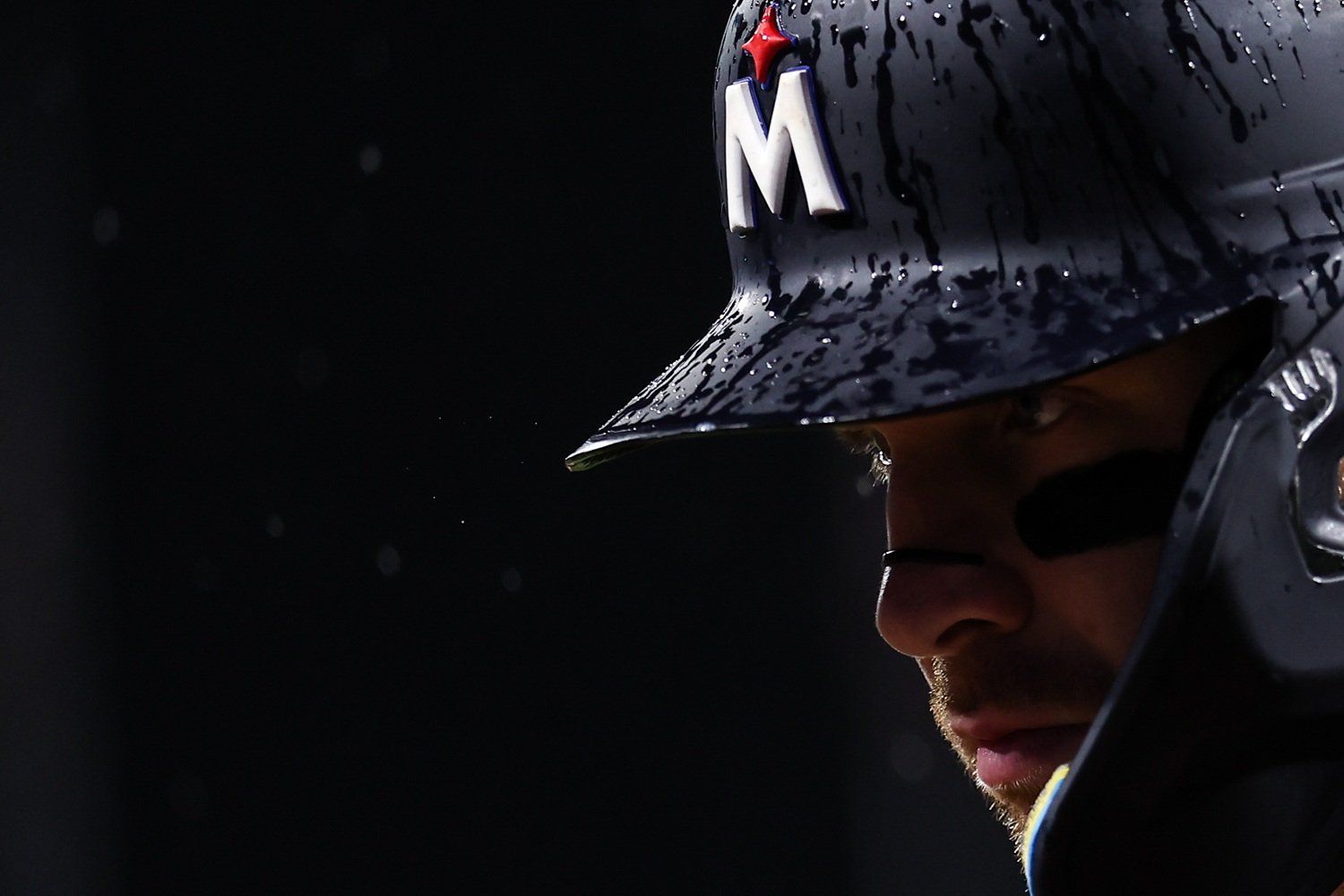 The Minnesota Twins checked off another vital offseason box by avoiding arbitration with Ryan Jeffers. According to KSTP’s Darren Wolfson, the two sides agreed to a one-year deal worth $6.7 million, covering Jeffers’ final season of arbitration eligibility. The number landed almost exactly where industry expectations pointed. MLB Trade Rumors projected Jeffers to earn $6.6 million. With free agency now looming next winter, both sides secured cost certainty while keeping flexibility for what comes next. That flexibility matters because Jeffers’ name continues to surface in trade speculation. Rumors have linked the Philadelphia Phillies to the Twins catcher if they are unable to come to terms with longtime backstop J.T. Realmuto. Minnesota could theoretically hold Jeffers into the regular season and revisit trade discussions closer to the trade deadline. Still, most teams prefer stability at catcher from the first day of spring training. Catchers need time to build trust with a pitching staff, and that reality often pushes deals earlier rather than later. While Jeffers is not Realmuto, the gap between the two is smaller than it might appear at first glance. During the 2025 season, Jeffers slashed .266/.356/.397, adding nine home runs and 47 RBI across 119 games. Realmuto produced a .257/.315 /.384 line, along with 12 home runs and 52 RBI in 134 games. The larger body of work still favors Realmuto, who owns a .270/.328/.447 career line over 1,373 games, while Jeffers sits at .239/.321/.419 through 515 contests. Even so, Jeffers has quietly grown into a better-than-average offensive catcher, especially over the last three seasons. Minnesota has leaned on a tandem behind the plate in recent years, splitting time between Jeffers and Christian Vazquez, who is now a free agent. The Twins have indicated that Jeffers will see more regular work moving forward, though few catchers reach 120 games caught in a season. Depth remains a concern. Alex Jackson and Jhonny Pereda currently profile as the next options, leaving the organization thin at the position with no clear answers knocking on the door in the upper minors. For now, the arbitration agreement keeps things simple. Jeffers remains the Twins’ top catcher, the payroll stays predictable, and the front office retains options. Whether Jeffers spends all of 2026 in a Twins uniform or becomes a trade chip later on, Minnesota has positioned itself well. Avoiding arbitration was not just about dollars and cents. It was about buying time, and in this case, time may prove to be the most valuable asset of all.
 -
The Minnesota Twins checked off another vital offseason box by avoiding arbitration with Ryan Jeffers. According to KSTP’s Darren Wolfson, the two sides agreed to a one-year deal worth $6.7 million, covering Jeffers’ final season of arbitration eligibility. The number landed almost exactly where industry expectations pointed. MLB Trade Rumors projected Jeffers to earn $6.6 million. With free agency now looming next winter, both sides secured cost certainty while keeping flexibility for what comes next. That flexibility matters because Jeffers’ name continues to surface in trade speculation. Rumors have linked the Philadelphia Phillies to the Twins catcher if they are unable to come to terms with longtime backstop J.T. Realmuto. Minnesota could theoretically hold Jeffers into the regular season and revisit trade discussions closer to the trade deadline. Still, most teams prefer stability at catcher from the first day of spring training. Catchers need time to build trust with a pitching staff, and that reality often pushes deals earlier rather than later. While Jeffers is not Realmuto, the gap between the two is smaller than it might appear at first glance. During the 2025 season, Jeffers slashed .266/.356/.397, adding nine home runs and 47 RBI across 119 games. Realmuto produced a .257/.315 /.384 line, along with 12 home runs and 52 RBI in 134 games. The larger body of work still favors Realmuto, who owns a .270/.328/.447 career line over 1,373 games, while Jeffers sits at .239/.321/.419 through 515 contests. Even so, Jeffers has quietly grown into a better-than-average offensive catcher, especially over the last three seasons. Minnesota has leaned on a tandem behind the plate in recent years, splitting time between Jeffers and Christian Vazquez, who is now a free agent. The Twins have indicated that Jeffers will see more regular work moving forward, though few catchers reach 120 games caught in a season. Depth remains a concern. Alex Jackson and Jhonny Pereda currently profile as the next options, leaving the organization thin at the position with no clear answers knocking on the door in the upper minors. For now, the arbitration agreement keeps things simple. Jeffers remains the Twins’ top catcher, the payroll stays predictable, and the front office retains options. Whether Jeffers spends all of 2026 in a Twins uniform or becomes a trade chip later on, Minnesota has positioned itself well. Avoiding arbitration was not just about dollars and cents. It was about buying time, and in this case, time may prove to be the most valuable asset of all. View full rumor
-
The Minnesota Twins and Royce Lewis avoided arbitration on Thursday, agreeing to a one-year contract for the 2026 season. According to KSTP’s Darren Wolfson, Lewis will earn $2.85 million, slightly below the $3 million projection from MLB Trade Rumors. For a player whose recent seasons have been defined by both brilliance and frustration, the Twins have been hyping him up this winter. No one needs to be reminded what Lewis is capable of. He remembers it. Twins fans certainly remember it. Even his new manager remembers it. At his healthiest, Lewis has been one of the most dynamic, most dangerous, and best players in baseball. He keyed the Twins' run to the postseason with a tremendous second-half surge in 2023, and before a late slump in 2024, he was driving them toward another apparent playoff berth. Few players in the organization have shown that kind of ability to change the direction of a season. Since late 2024, Lewis has searched not only for health but for consistent form at the plate. If he can recapture the magic of his first 100 or so big league games, the entire outlook for the 2026 Twins would change. He slashed .309/.372/.548 (.920) in 58 games in 2023 and was slugging .685 in 23 games before the All-Star break in 2024. When Lewis is right, the lineup looks different. Pitchers approach him differently. Games feel shorter. “I truly believe if I play at the level that I’ve shown before, that I can be one of the best hitters in the league, on any team,” Lewis said. The Twins are likely to run back much of the same roster in 2026. Any real optimism for a rebound rests on the young core producing closer to its ceiling. That group includes Brooks Lee and Matt Wallner, but it starts with Lewis. “This guy has a chance to be a superstar,” said Twins manager Derek Shelton. Lewis’ struggles have come from a complicated mix of factors, with health chief among them. He suffered a hamstring injury in Spring Training in 2025 and now believes he returned too quickly. That decision led to a slow start at the plate, and just as he appeared to be finding his timing again, he aggravated the injury and missed more time. When Lewis finally had an extended stretch of health in the second half of 2025, the consistency still did not fully return. Soon after being hired, Shelton traveled to Texas to visit Lewis. The gesture resonated. “We definitely vibed really well,” Lewis said. “He came out to Texas to see me, and honestly I told him that meant my whole year. I was blown away that he came out to see me. I didn’t realize that I was that important to him and to the organization. I felt like I was starting to lose that kind of feeling, and I just felt like a different vibe at the end of last year, parts of last year, but he definitely corrected that. And we’re still keeping in touch.” Even during an uneven 2025, Lewis showed signs that matter. Defensively, he looked smooth and athletic down the stretch. He began running again, stealing bases and trusting his body. From a physical standpoint, he finally started to resemble the player the Twins envisioned when they drafted him first overall. Now comes the hard part. Staying healthy. Finding rhythm. Letting confidence snowball instead of doubt. None of that is guaranteed. The Twins still believe in Lewis, and 2026 is the most critical season in his young career. View full rumor
-
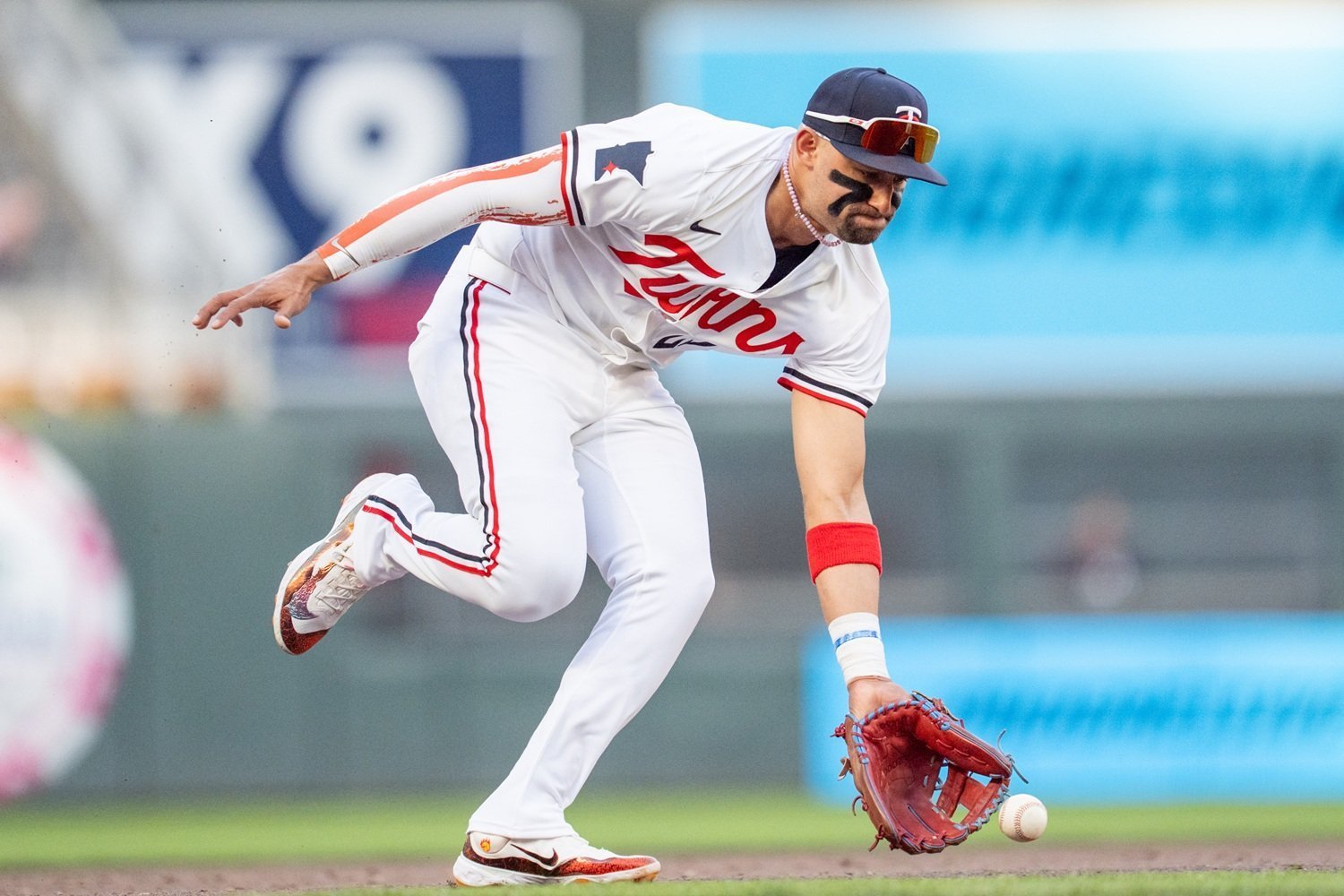 The Minnesota Twins and Royce Lewis avoided arbitration on Thursday, agreeing to a one-year contract for the 2026 season. According to KSTP’s Darren Wolfson, Lewis will earn $2.85 million, slightly below the $3 million projection from MLB Trade Rumors. For a player whose recent seasons have been defined by both brilliance and frustration, the Twins have been hyping him up this winter. No one needs to be reminded what Lewis is capable of. He remembers it. Twins fans certainly remember it. Even his new manager remembers it. At his healthiest, Lewis has been one of the most dynamic, most dangerous, and best players in baseball. He keyed the Twins' run to the postseason with a tremendous second-half surge in 2023, and before a late slump in 2024, he was driving them toward another apparent playoff berth. Few players in the organization have shown that kind of ability to change the direction of a season. Since late 2024, Lewis has searched not only for health but for consistent form at the plate. If he can recapture the magic of his first 100 or so big league games, the entire outlook for the 2026 Twins would change. He slashed .309/.372/.548 (.920) in 58 games in 2023 and was slugging .685 in 23 games before the All-Star break in 2024. When Lewis is right, the lineup looks different. Pitchers approach him differently. Games feel shorter. “I truly believe if I play at the level that I’ve shown before, that I can be one of the best hitters in the league, on any team,” Lewis said. The Twins are likely to run back much of the same roster in 2026. Any real optimism for a rebound rests on the young core producing closer to its ceiling. That group includes Brooks Lee and Matt Wallner, but it starts with Lewis. “This guy has a chance to be a superstar,” said Twins manager Derek Shelton. Lewis’ struggles have come from a complicated mix of factors, with health chief among them. He suffered a hamstring injury in Spring Training in 2025 and now believes he returned too quickly. That decision led to a slow start at the plate, and just as he appeared to be finding his timing again, he aggravated the injury and missed more time. When Lewis finally had an extended stretch of health in the second half of 2025, the consistency still did not fully return. Soon after being hired, Shelton traveled to Texas to visit Lewis. The gesture resonated. “We definitely vibed really well,” Lewis said. “He came out to Texas to see me, and honestly I told him that meant my whole year. I was blown away that he came out to see me. I didn’t realize that I was that important to him and to the organization. I felt like I was starting to lose that kind of feeling, and I just felt like a different vibe at the end of last year, parts of last year, but he definitely corrected that. And we’re still keeping in touch.” Even during an uneven 2025, Lewis showed signs that matter. Defensively, he looked smooth and athletic down the stretch. He began running again, stealing bases and trusting his body. From a physical standpoint, he finally started to resemble the player the Twins envisioned when they drafted him first overall. Now comes the hard part. Staying healthy. Finding rhythm. Letting confidence snowball instead of doubt. None of that is guaranteed. The Twins still believe in Lewis, and 2026 is the most critical season in his young career.
 -
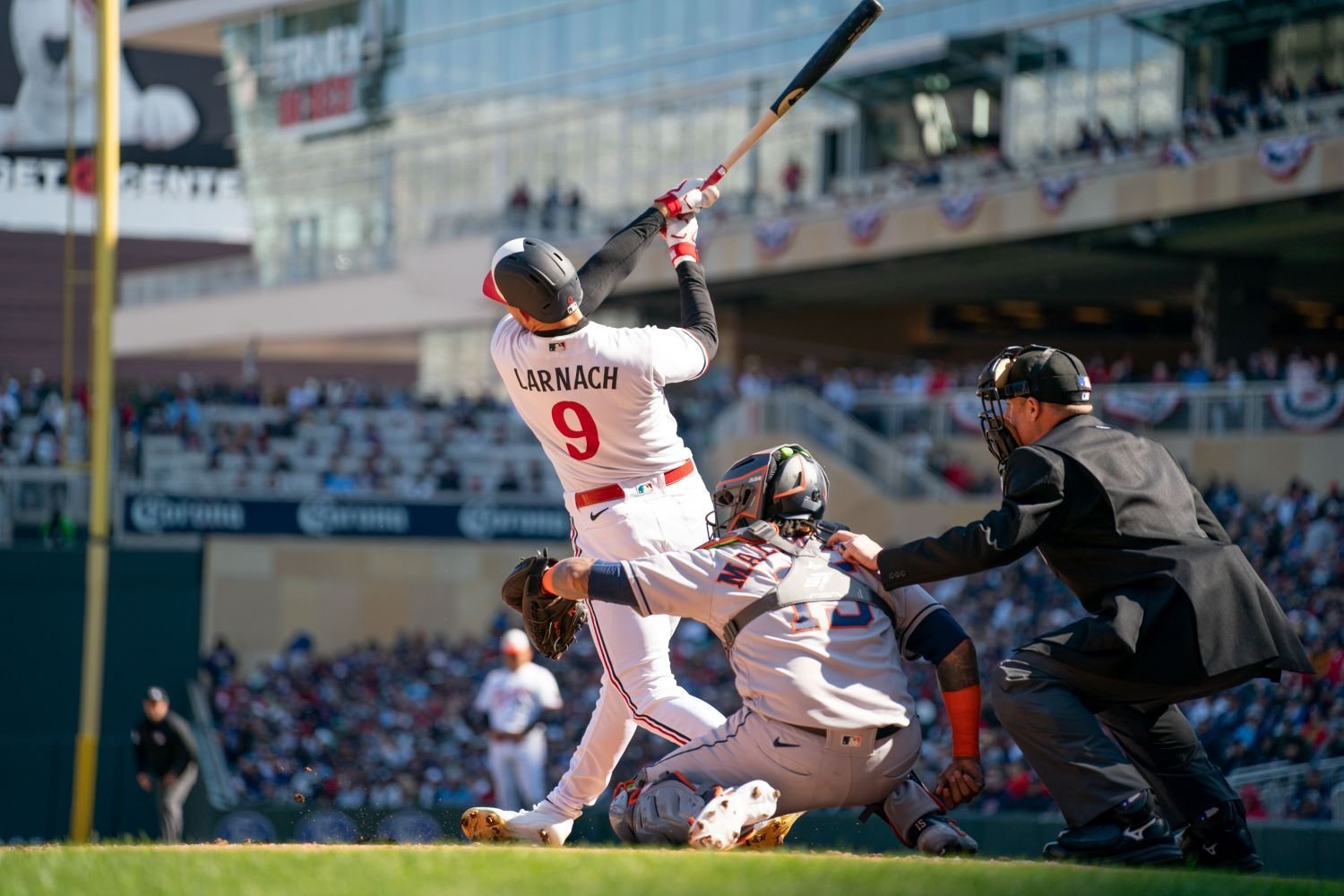 According to KSTP’s Darren Wolfson, the Twins and Trevor Larnach have agreed to terms on a $4.475 million contract for next season, avoiding an arbitration hearing. MLB Trade Rumors had projected Larnach to earn $4.7 million, so the final number comes in just under expectations and gives the Twins a bit of financial clarity as they continue to shape the roster for 2026. On the surface, avoiding arbitration feels like standard operating procedure. Dig a little deeper, though, and this agreement says more about the Twins’ current roster crunch than it does about a long-term commitment to Larnach. There had been speculation that Minnesota could non-tender the outfielder altogether, mainly because the organization is flush with younger, cheaper alternatives. While $4.475 million is not the most expensive arbitration salary on the roster, it represents roughly five percent of a payroll estimated to land around $100 million in 2026. For this front office, every dollar still matters. Larnach agreeing to terms with the Twins does not mean his future in Minnesota is secure. In fact, the opposite may be true. The Twins now have six left-handed hitting outfielders on the 40-man roster, and that group includes Larnach, Hendry Mendez, James Outman, Alan Roden, Emmanuel Rodriguez, and Matt Wallner. That list does not even include top prospect Walker Jenkins, who is waiting in the wings at Triple-A and is very much part of the long-term plan. As things stand, the Twins favor Wallner and Roden for regular roles early in 2026, with Outman serving as the primary backup to Byron Buxton in center field. Rodriguez and Mendez are expected to open the season in the minors, though Rodriguez in particular has the kind of upside that will force the issue if he is healthy and productive. In that context, it is difficult to find a clear path to consistent playing time for Larnach outside of a shared DH role. With a set salary in place for 2026, Larnach becomes easier to move in a trade than he was during the arbitration guessing game. Cost certainty matters to other clubs, especially those trying to fill a corner outfield need without committing to a long-term deal. From a performance standpoint, Larnach’s 2025 season was steady but unspectacular. He set a career high with 142 games played and led the team in that category, but his overall production landed just below league average. A 99 OPS+, a .250/.323/.404 (.727) slash line, 17 home runs, 60 RBI, a 9.3 BB%, and a 21.5 K% added up to a 0.1 bWAR. There is value there, particularly in durability, but it is not the kind of profile that brings back a significant return on its own. The most realistic recent comparison for a potential Larnach deal is the Twins trading Nick Gordon for Steven Okert during spring training in 2024. That type of modest swap feels far more plausible than anything splashy. The challenge will be finding the right partner. Minnesota needs a team that is thin in the corner outfield and deep in bullpen arms, a combination that is not especially common around the league. In the end, the Twins and Larnach avoiding arbitration is less about stability and more about flexibility. Minnesota gets a known cost on a player who still has some appeal, and Larnach gets paid without the uncertainty of a hearing. Whether he spends that season in a Twins uniform is another question entirely. As the outfield picture continues to crowd itself, this agreement feels like one step toward an eventual resolution rather than the final word.
 -
According to KSTP’s Darren Wolfson, the Twins and Trevor Larnach have agreed to terms on a $4.475 million contract for next season, avoiding an arbitration hearing. MLB Trade Rumors had projected Larnach to earn $4.7 million, so the final number comes in just under expectations and gives the Twins a bit of financial clarity as they continue to shape the roster for 2026. On the surface, avoiding arbitration feels like standard operating procedure. Dig a little deeper, though, and this agreement says more about the Twins’ current roster crunch than it does about a long-term commitment to Larnach. There had been speculation that Minnesota could non-tender the outfielder altogether, mainly because the organization is flush with younger, cheaper alternatives. While $4.475 million is not the most expensive arbitration salary on the roster, it represents roughly five percent of a payroll estimated to land around $100 million in 2026. For this front office, every dollar still matters. Larnach agreeing to terms with the Twins does not mean his future in Minnesota is secure. In fact, the opposite may be true. The Twins now have six left-handed hitting outfielders on the 40-man roster, and that group includes Larnach, Hendry Mendez, James Outman, Alan Roden, Emmanuel Rodriguez, and Matt Wallner. That list does not even include top prospect Walker Jenkins, who is waiting in the wings at Triple-A and is very much part of the long-term plan. As things stand, the Twins favor Wallner and Roden for regular roles early in 2026, with Outman serving as the primary backup to Byron Buxton in center field. Rodriguez and Mendez are expected to open the season in the minors, though Rodriguez in particular has the kind of upside that will force the issue if he is healthy and productive. In that context, it is difficult to find a clear path to consistent playing time for Larnach outside of a shared DH role. With a set salary in place for 2026, Larnach becomes easier to move in a trade than he was during the arbitration guessing game. Cost certainty matters to other clubs, especially those trying to fill a corner outfield need without committing to a long-term deal. From a performance standpoint, Larnach’s 2025 season was steady but unspectacular. He set a career high with 142 games played and led the team in that category, but his overall production landed just below league average. A 99 OPS+, a .250/.323/.404 (.727) slash line, 17 home runs, 60 RBI, a 9.3 BB%, and a 21.5 K% added up to a 0.1 bWAR. There is value there, particularly in durability, but it is not the kind of profile that brings back a significant return on its own. The most realistic recent comparison for a potential Larnach deal is the Twins trading Nick Gordon for Steven Okert during spring training in 2024. That type of modest swap feels far more plausible than anything splashy. The challenge will be finding the right partner. Minnesota needs a team that is thin in the corner outfield and deep in bullpen arms, a combination that is not especially common around the league. In the end, the Twins and Larnach avoiding arbitration is less about stability and more about flexibility. Minnesota gets a known cost on a player who still has some appeal, and Larnach gets paid without the uncertainty of a hearing. Whether he spends that season in a Twins uniform is another question entirely. As the outfield picture continues to crowd itself, this agreement feels like one step toward an eventual resolution rather than the final word. View full rumor
-
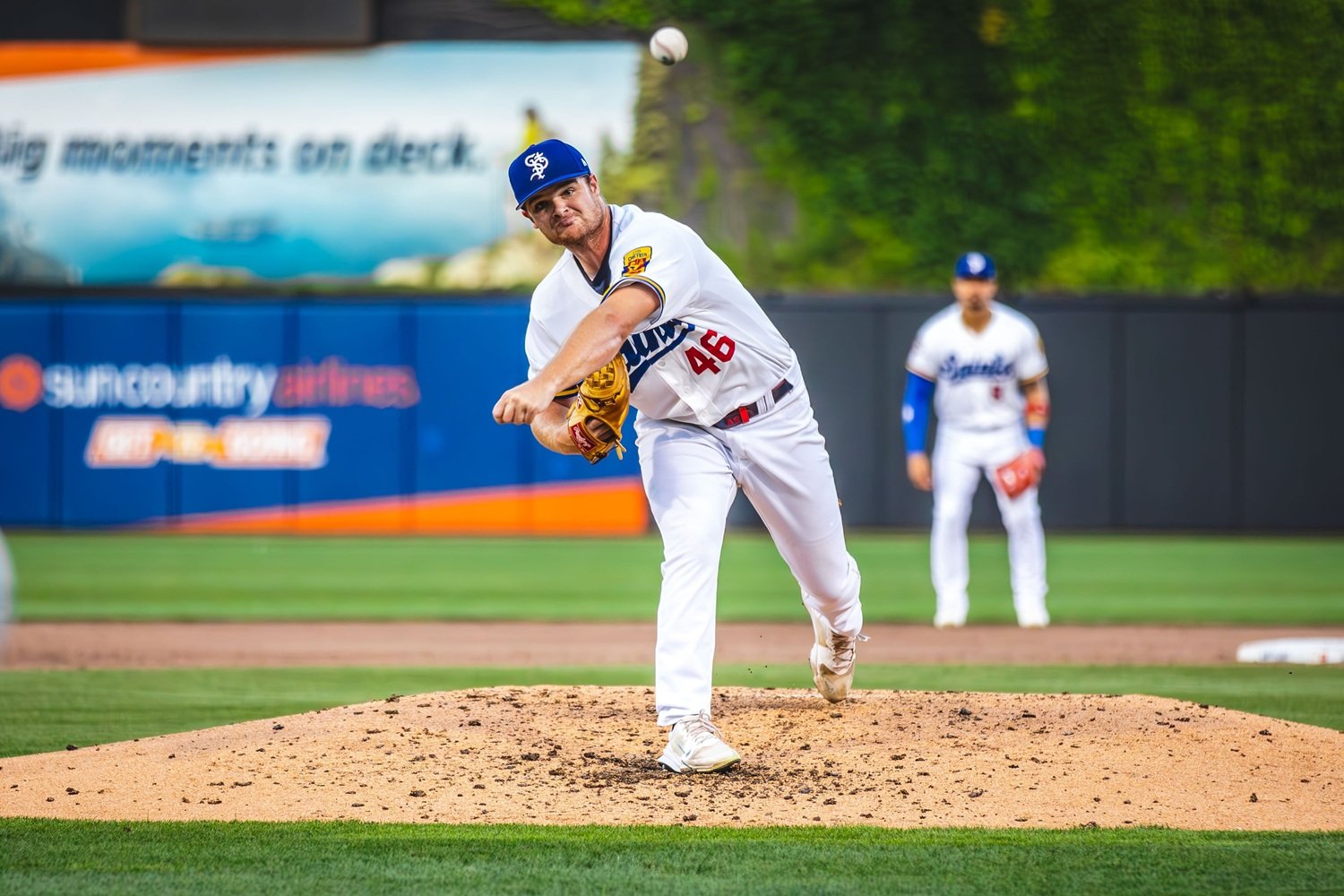 The Minnesota Twins enter 2026 walking a familiar line between patience and urgency. The big-league roster is far from a juggernaut, but the organization underneath it has quietly transformed into one of baseball’s strongest farm systems. After years of prospect droughts, Minnesota finally has waves of talent approaching readiness for the majors. That shift changes the conversation. Development matters as much as results. Decisions made in St. Paul, Wichita, Cedar Rapids, Fort Myers, and on draft day will ripple all the way to Target Field. These are the five prospect storylines that will shape the Twins organization throughout the 2026 season. The Walker Jenkins Debut Timeline Given a healthy spring, Walker Jenkins will open 2026 right where the Twins want him: playing in Triple-A St. Paul. Comfortable. Dominant. And still waiting. After finishing last season with the Saints, Jenkins still has something to prove against minor-league pitching, so Minnesota doesn’t need to rush him. He posted a 154 wRC+ at Double-A Wichita, but saw that drop to an 88 wRC+ in 23 Triple-A games. He is not on the 40-man roster, and the outfield depth chart has bodies in front of him, including Emmanuel Rodriguez, who remains one of the organization’s most polished bats. The Twins gain nothing by forcing the issue. Jenkins will be given time to settle in, refine his approach, and wait for the right opening. When that call finally comes, it will be one of the most anticipated prospect debuts in franchise history. The hype will feel familiar to fans who watched Royce Lewis and Byron Buxton arrive with massive expectations. A Rebuilt Farm System That Must Now Perform Last year’s trade deadline marked a turning point for the Twins organization. The sell-off injected talent, depth, and upside into a system that badly needed all three. Minnesota went from thin to loaded in a matter of weeks. Now comes the hard part—proving the evaluations were right. Players acquired at the deadline are no longer names on a transaction log. Eduardo Tait, Kendry Rojas, Mick Abel, Enrique Jimenez, Ryan Gallagher, Sam Armstrong, and Garrett Horn will all be watched closely in the coming year. These players are expected to form the backbone of the next competitive Twins roster. Adjusting to a new organization can be difficult, but by Opening Day, those growing pains should be a thing of the past. The Twins believe they now have one of the best farm systems in baseball. This season is about distinguishing true building blocks from organizational depth. Draft Day Pressure at Pick Number Three The 2026 MLB Draft could play a massive role in shaping the Twins' long-term outlook, with Minnesota selecting third overall. UCLA shortstop Roch Cholowsky has emerged as the consensus top prospect in the class and appears likely to go first overall. After that, the board opens quickly. College shortstop Justin Lebron and high school shortstops Grady Emerson and Jacob Lombard headline a talented and volatile next tier. If Lebron slides to number three, the Twins may find themselves staring at a player who could become the organization’s top prospect by this time next season. Draft boards will shift between now and July, but Minnesota is positioned to add another premium talent to an already crowded system. Another Trade Deadline Reset The Twins are not exactly gearing up for a 2026 playoff push. Josh Bell has been the team’s most significant addition, and while he fills a need, he does not change the broader trajectory. The bullpen remains thin, with Cole Sands and Justin Topa currently projected as late-inning options. It's easy to see Minnesota with a sub-.500 record at the trade deadline. If that happens, the front office may again lean into selling veterans. Joe Ryan, Pablo López, and impending free agents (led by Ryan Jeffers) all could be moved. The Connor Prielipp Role Decision Connor Prielipp finally enjoyed something that had eluded him since turning professional: a healthy season. Used as a starter, Prielipp showed real promise, but the Twins handled him cautiously. He reached five innings only twice and never surpassed 85 pitches. That workload tells you everything about how carefully the organization views his future. Derek Falvey has already mentioned the possibility of moving Prielipp to the bullpen, and it feels like the most logical path. His high-end stuff could make him a devastating late-inning weapon; his injury history makes him a risky proposition as a starter. In a system rich with starting pitching options, Prielipp’s role may end up being one of the most critical decisions the Twins make in 2026. A Franchise at a Crossroads The common thread tying all of these storylines together is timing. The Twins are no longer in a race to accumulate talent. They are waiting for the right moments to deploy their top prospects. That is a very different problem from the one the organization has faced in recent years. The coming season is about alignment. It's about balancing acquisition and development and keeping the future in mind while the present unfolds. If the Twins navigate these decisions correctly, the next competitive window will feel close to opening. If they get it wrong, the rebuild risks stretching longer than anyone wants to admit. Which of these storylines do you think will have the most significant impact on the Twins' future, and is there another prospect situation you are watching closely? Let us know your thoughts in the comments below.
- 8 comments
-
- 8
-

-
- walker jenkins
- connor prielipp
- (and 1 more)
-
Image courtesy of Rob Thompson, St. Paul Saints (photo of Connor Prielipp) The Minnesota Twins enter 2026 walking a familiar line between patience and urgency. The big-league roster is far from a juggernaut, but the organization underneath it has quietly transformed into one of baseball’s strongest farm systems. After years of prospect droughts, Minnesota finally has waves of talent approaching readiness for the majors. That shift changes the conversation. Development matters as much as results. Decisions made in St. Paul, Wichita, Cedar Rapids, Fort Myers, and on draft day will ripple all the way to Target Field. These are the five prospect storylines that will shape the Twins organization throughout the 2026 season. The Walker Jenkins Debut Timeline Given a healthy spring, Walker Jenkins will open 2026 right where the Twins want him: playing in Triple-A St. Paul. Comfortable. Dominant. And still waiting. After finishing last season with the Saints, Jenkins still has something to prove against minor-league pitching, so Minnesota doesn’t need to rush him. He posted a 154 wRC+ at Double-A Wichita, but saw that drop to an 88 wRC+ in 23 Triple-A games. He is not on the 40-man roster, and the outfield depth chart has bodies in front of him, including Emmanuel Rodriguez, who remains one of the organization’s most polished bats. The Twins gain nothing by forcing the issue. Jenkins will be given time to settle in, refine his approach, and wait for the right opening. When that call finally comes, it will be one of the most anticipated prospect debuts in franchise history. The hype will feel familiar to fans who watched Royce Lewis and Byron Buxton arrive with massive expectations. A Rebuilt Farm System That Must Now Perform Last year’s trade deadline marked a turning point for the Twins organization. The sell-off injected talent, depth, and upside into a system that badly needed all three. Minnesota went from thin to loaded in a matter of weeks. Now comes the hard part—proving the evaluations were right. Players acquired at the deadline are no longer names on a transaction log. Eduardo Tait, Kendry Rojas, Mick Abel, Enrique Jimenez, Ryan Gallagher, Sam Armstrong, and Garrett Horn will all be watched closely in the coming year. These players are expected to form the backbone of the next competitive Twins roster. Adjusting to a new organization can be difficult, but by Opening Day, those growing pains should be a thing of the past. The Twins believe they now have one of the best farm systems in baseball. This season is about distinguishing true building blocks from organizational depth. Draft Day Pressure at Pick Number Three The 2026 MLB Draft could play a massive role in shaping the Twins' long-term outlook, with Minnesota selecting third overall. UCLA shortstop Roch Cholowsky has emerged as the consensus top prospect in the class and appears likely to go first overall. After that, the board opens quickly. College shortstop Justin Lebron and high school shortstops Grady Emerson and Jacob Lombard headline a talented and volatile next tier. If Lebron slides to number three, the Twins may find themselves staring at a player who could become the organization’s top prospect by this time next season. Draft boards will shift between now and July, but Minnesota is positioned to add another premium talent to an already crowded system. Another Trade Deadline Reset The Twins are not exactly gearing up for a 2026 playoff push. Josh Bell has been the team’s most significant addition, and while he fills a need, he does not change the broader trajectory. The bullpen remains thin, with Cole Sands and Justin Topa currently projected as late-inning options. It's easy to see Minnesota with a sub-.500 record at the trade deadline. If that happens, the front office may again lean into selling veterans. Joe Ryan, Pablo López, and impending free agents (led by Ryan Jeffers) all could be moved. The Connor Prielipp Role Decision Connor Prielipp finally enjoyed something that had eluded him since turning professional: a healthy season. Used as a starter, Prielipp showed real promise, but the Twins handled him cautiously. He reached five innings only twice and never surpassed 85 pitches. That workload tells you everything about how carefully the organization views his future. Derek Falvey has already mentioned the possibility of moving Prielipp to the bullpen, and it feels like the most logical path. His high-end stuff could make him a devastating late-inning weapon; his injury history makes him a risky proposition as a starter. In a system rich with starting pitching options, Prielipp’s role may end up being one of the most critical decisions the Twins make in 2026. A Franchise at a Crossroads The common thread tying all of these storylines together is timing. The Twins are no longer in a race to accumulate talent. They are waiting for the right moments to deploy their top prospects. That is a very different problem from the one the organization has faced in recent years. The coming season is about alignment. It's about balancing acquisition and development and keeping the future in mind while the present unfolds. If the Twins navigate these decisions correctly, the next competitive window will feel close to opening. If they get it wrong, the rebuild risks stretching longer than anyone wants to admit. Which of these storylines do you think will have the most significant impact on the Twins' future, and is there another prospect situation you are watching closely? Let us know your thoughts in the comments below. View full article
-
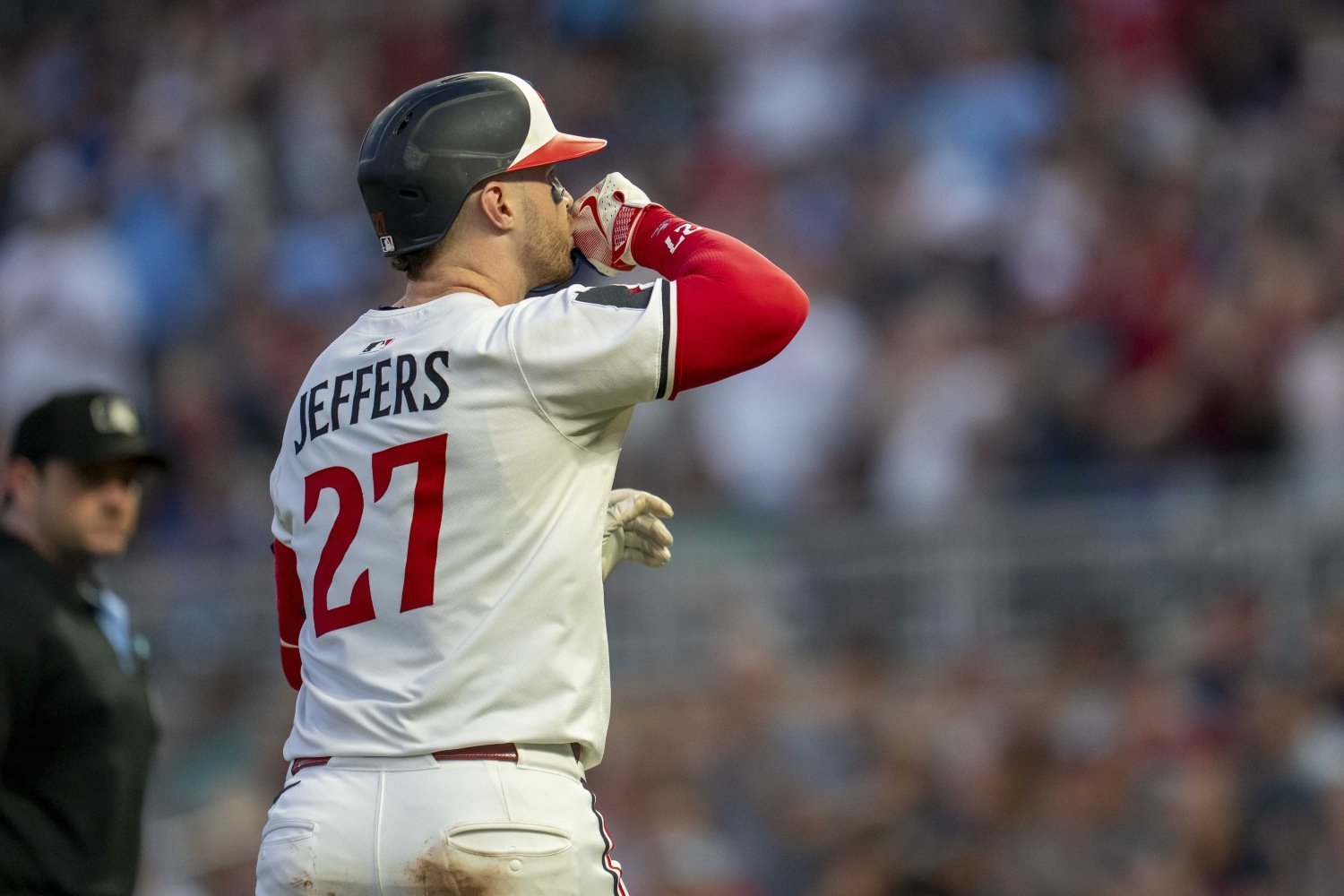 The Minnesota Twins have spent much of the offseason in a holding pattern, with Josh Bell standing as the lone notable addition. That quiet approach could change quickly if events on the East Coast continue to unfold, as the Twins have been connected to the Philadelphia Phillies in trade discussions centered on catcher Ryan Jeffers. According to The Athletic’s Matt Gelb, the Phillies are exploring backup plans in case they do not re-sign longtime catcher J.T. Realmuto. Realmuto has been a fixture in Philadelphia since 2019, earning three All-Star selections along the way. Now 35 years old and coming off his worst offensive season with the club, he has reached free agency with no resolution in sight. With pitchers and catchers set to report soon, Philadelphia’s sense of urgency is growing. As Gelb wrote, “The Phillies have explored contingencies because pitchers and catchers report to Florida in five weeks. It would be ideal to have a starting catcher report. The Phillies have talked trades for catchers, young and old; Minnesota’s Ryan Jeffers is one potential target, league sources told The Athletic.” That urgency cuts both ways. Gelb also noted, “But the closer everyone gets to camps opening, the more reluctant teams are to trade away a catcher. Victor Caratini, who has never started more than 87 games in a season at catcher, is still on the free agent market and could wait until Realmuto decides to pick his own destination.” Jeffers is not Realmuto, but the comparison is closer than it might initially appear. In 2025, Jeffers slashed .266/.356/.397 with nine home runs and 47 RBI across 119 games. Realmuto posted a .257/.315/.384 line with 12 home runs and 52 RBI over 134 games. The larger body of work still favors Realmuto, who owns a .270/.328/.447 career line over 1,373 games, while Jeffers sits at .239/.321/.419 through 515 contests. Still, Jeffers has quietly established himself as an above-average offensive catcher, particularly over the past three seasons. From Minnesota’s perspective, the timing is complicated. Jeffers is projected to earn $6.5 million in his final year of arbitration in 2026 before reaching free agency. Trading him now could bring back meaningful value, especially if Philadelphia’s leverage erodes as camp approaches. At the same time, the Twins lack a clear replacement. Christian Vazquez is a free agent, and the current depth chart includes Alex Jackson and Jhonny Pereda, neither of whom profiles as a true starting catcher. The farm system offers little immediate relief. Eduardo Tait, acquired from Philadelphia in the Jhoan Duran trade, is just 19 years old and several years away despite being the organization’s number three prospect. Ricardo Olivar at Double A is the most advanced catching prospect, but he is not viewed as a near-term solution. Any Jeffers trade would almost certainly require Minnesota to add a replacement via trade or free agency. The free agent market includes names like Jonah Heim, Mitch Garver, Victor Caratini, Elias Diaz, Gary Sanchez, and Christian Vazquez, but each option represents some degree of downgrade for a team that still wants to contend in the AL Central. If Realmuto’s negotiations continue to stall, Minnesota may find itself holding the leverage. In that scenario, the Twins should be demanding rising young big leaguers and meaningful prospects. Trading Jeffers would hurt in the short term, but if the return is strong enough, it could be a calculated move that aligns with a longer view of the roster. For now, it remains a rumor. But it is one that neatly captures where both franchises stand, one searching for stability behind the plate and the other weighing whether its best option might be to cash in before the window quietly closes.
 -
The Minnesota Twins have spent much of the offseason in a holding pattern, with Josh Bell standing as the lone notable addition. That quiet approach could change quickly if events on the East Coast continue to unfold, as the Twins have been connected to the Philadelphia Phillies in trade discussions centered on catcher Ryan Jeffers. According to The Athletic’s Matt Gelb, the Phillies are exploring backup plans in case they do not re-sign longtime catcher J.T. Realmuto. Realmuto has been a fixture in Philadelphia since 2019, earning three All-Star selections along the way. Now 35 years old and coming off his worst offensive season with the club, he has reached free agency with no resolution in sight. With pitchers and catchers set to report soon, Philadelphia’s sense of urgency is growing. As Gelb wrote, “The Phillies have explored contingencies because pitchers and catchers report to Florida in five weeks. It would be ideal to have a starting catcher report. The Phillies have talked trades for catchers, young and old; Minnesota’s Ryan Jeffers is one potential target, league sources told The Athletic.” That urgency cuts both ways. Gelb also noted, “But the closer everyone gets to camps opening, the more reluctant teams are to trade away a catcher. Victor Caratini, who has never started more than 87 games in a season at catcher, is still on the free agent market and could wait until Realmuto decides to pick his own destination.” Jeffers is not Realmuto, but the comparison is closer than it might initially appear. In 2025, Jeffers slashed .266/.356/.397 with nine home runs and 47 RBI across 119 games. Realmuto posted a .257/.315/.384 line with 12 home runs and 52 RBI over 134 games. The larger body of work still favors Realmuto, who owns a .270/.328/.447 career line over 1,373 games, while Jeffers sits at .239/.321/.419 through 515 contests. Still, Jeffers has quietly established himself as an above-average offensive catcher, particularly over the past three seasons. From Minnesota’s perspective, the timing is complicated. Jeffers is projected to earn $6.5 million in his final year of arbitration in 2026 before reaching free agency. Trading him now could bring back meaningful value, especially if Philadelphia’s leverage erodes as camp approaches. At the same time, the Twins lack a clear replacement. Christian Vazquez is a free agent, and the current depth chart includes Alex Jackson and Jhonny Pereda, neither of whom profiles as a true starting catcher. The farm system offers little immediate relief. Eduardo Tait, acquired from Philadelphia in the Jhoan Duran trade, is just 19 years old and several years away despite being the organization’s number three prospect. Ricardo Olivar at Double A is the most advanced catching prospect, but he is not viewed as a near-term solution. Any Jeffers trade would almost certainly require Minnesota to add a replacement via trade or free agency. The free agent market includes names like Jonah Heim, Mitch Garver, Victor Caratini, Elias Diaz, Gary Sanchez, and Christian Vazquez, but each option represents some degree of downgrade for a team that still wants to contend in the AL Central. If Realmuto’s negotiations continue to stall, Minnesota may find itself holding the leverage. In that scenario, the Twins should be demanding rising young big leaguers and meaningful prospects. Trading Jeffers would hurt in the short term, but if the return is strong enough, it could be a calculated move that aligns with a longer view of the roster. For now, it remains a rumor. But it is one that neatly captures where both franchises stand, one searching for stability behind the plate and the other weighing whether its best option might be to cash in before the window quietly closes. View full rumor
-
3 Twins Bats That Will Decide the Fate of Their 2026 Season
Cody Christie posted an article in Twins
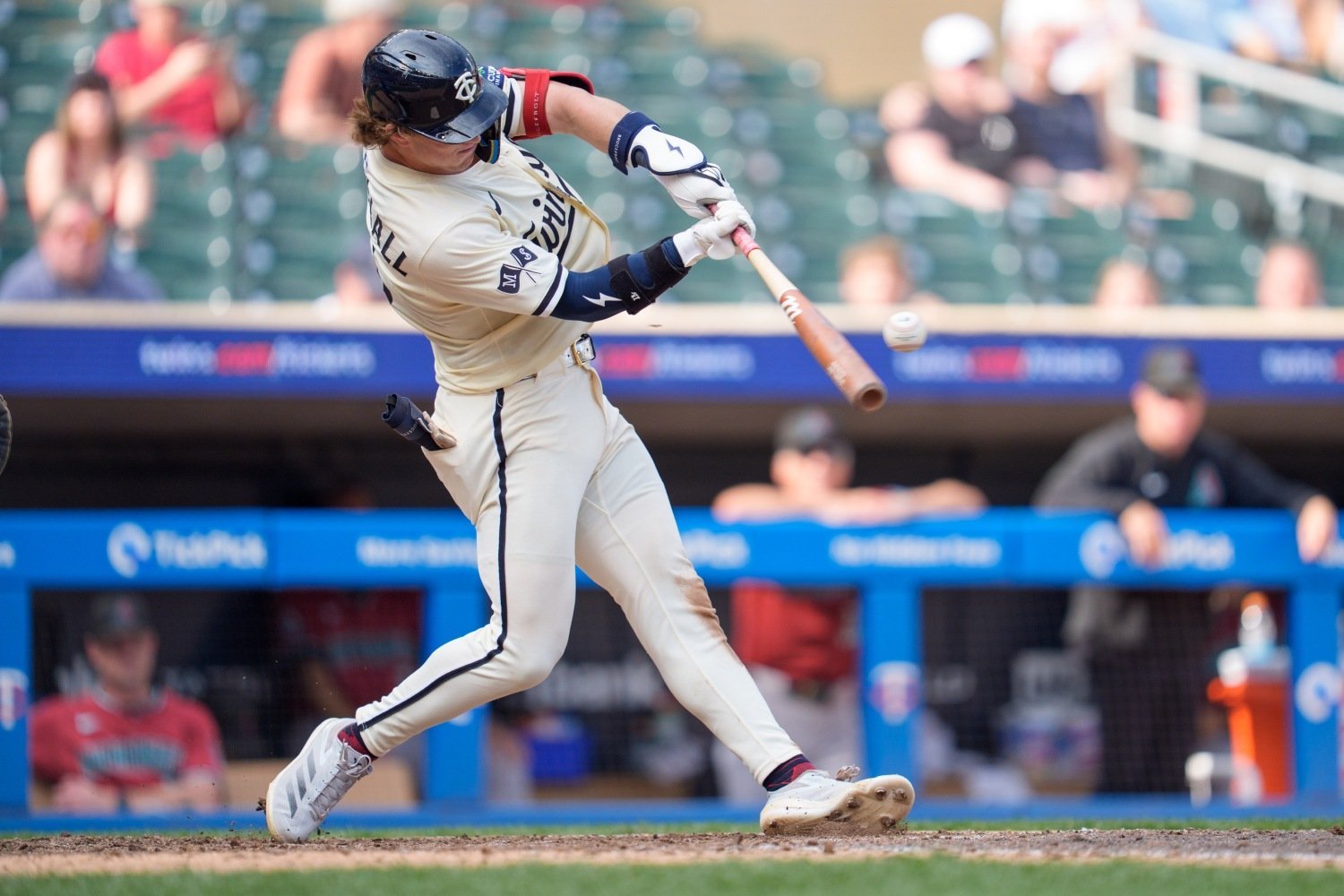
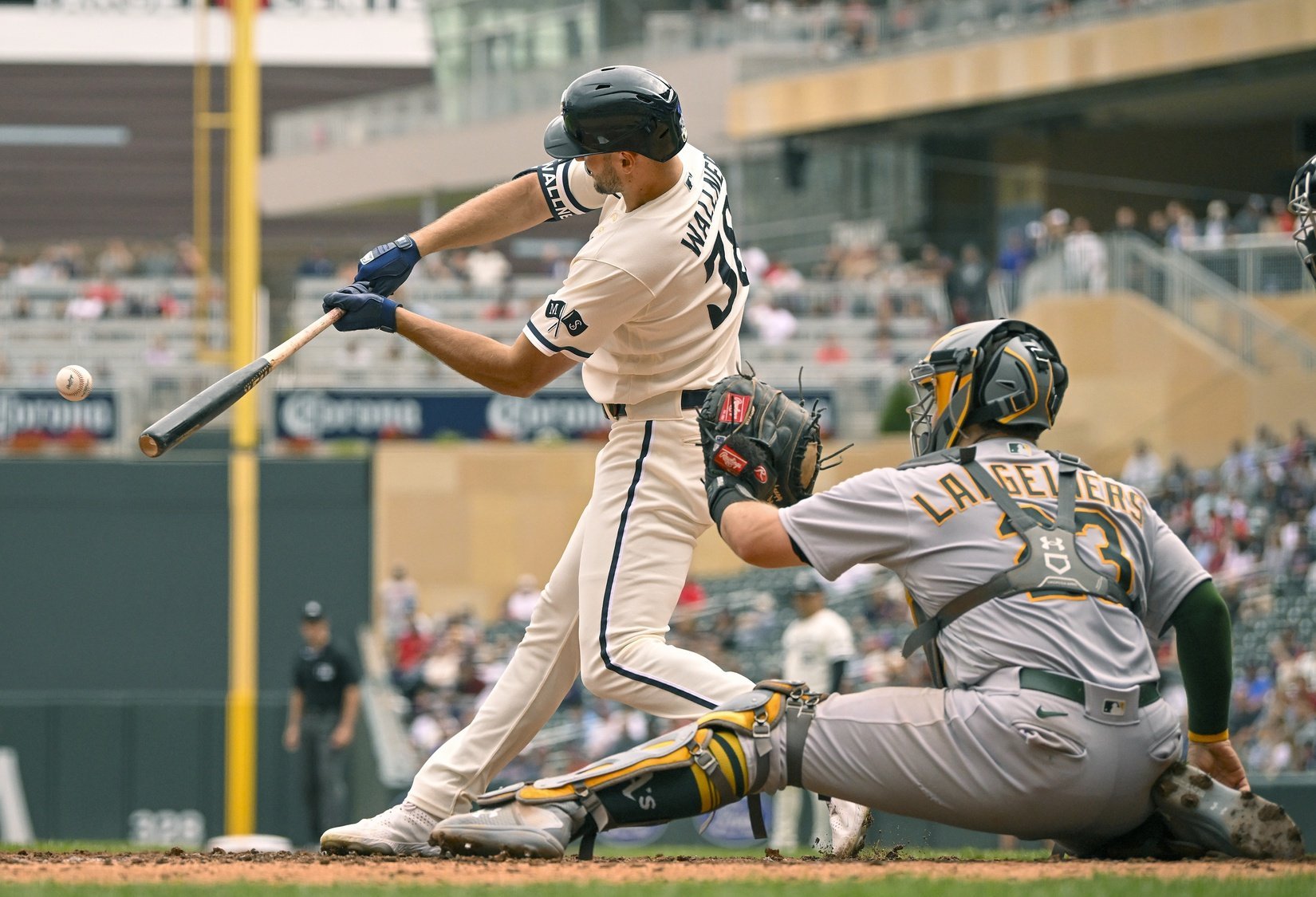 Every season brings a handful of players who rewrite their own narratives. Sometimes it's health. Sometimes it's timing. Sometimes it's simply baseball being baseball. For the Minnesota Twins, 2026 sets up as a year where several familiar names could remind the league why the expectations were so high in the first place. Matt Wallner, Royce Lewis, and Brooks Lee all entered 2025 with hype and finished it in a cloud of disappointment. That combination makes them ideal candidates to surprise in the season ahead. Matt Wallner Wallner entered 2025 as one of the few hitters coming off a legitimately strong 2024 campaign. He was expected to be a middle-of-the-order force and a stabilizing presence, alongside the veteran bats. Instead, his season never quite found a rhythm. An oblique strain and back spasms limited his availability and consistency, and while a 110 OPS+ is nothing to scoff at, it paled in comparison to the 143 OPS+ he averaged across 2023 and 2024. When Wallner was healthy, the impact still flashed, but it came in shorter bursts than the Twins needed. Looking ahead to 2026, the underlying traits remain extremely enticing. Wallner’s 76.6-mph bat speed is among the best in the league, and his 11.8% walk rate shows a hitter who understands the strike zone. Those two skills tend to age well, and offer a sturdy foundation even when things are not clicking perfectly. With better health and a full season of at-bats, Wallner has a clear path back to being a difference maker in the heart of the lineup. Royce Lewis Trying to define Lewis’s next step feels like trying to hit a moving target. On paper, 2025 looked like progress. He appeared in a career-high 106 games and showed tangible defensive improvement at third base. Offensively, however, the offensive results were jarring. His 83 OPS+ was not what anyone envisioned, especially for a player once viewed as a franchise cornerstone. A hamstring injury in spring training cost him Opening Day, and the same issue resurfaced later in the summer, interrupting any momentum. The Twins are betting that a healthy runway changes everything. This winter, the organization has been vocal in its support of Lewis, which feels intentional. Confidence has always been part of his profile, and the flashes are still there. Last June offered a glimpse, when he went 11-for-28 (.393 BA) with three extra base hits. Once the hamstring acted up again, that stretch became a footnote, instead of a turning point. As a right-handed hitter on a roster heavy with left-side bats, Lewis brings lineup balance that Minnesota sorely needs. If his body cooperates, the impact could be immediate. Brooks Lee From the moment the Twins selected Lee in the first round of the 2022 draft, his calling card was simple: He hit. That profile carried him through the minors, where he posted a .289 batting average with an .836 OPS across parts of four seasons. The transition to the majors has been far less kind. Over his first two big-league seasons, Lee owns a .636 OPS and a 75 OPS+, numbers that fall well short of expectations. What makes Lee intriguing is that many of the building blocks remain intact. He continues to square the ball up at a strong rate (28.6% of the time, as a percentage of all swings), and his 17.5% strikeout rate suggests a hitter who is not overmatched. In 2026, Lee is set to take over as the primary shortstop, a role that comes with both opportunity and pressure. In the minors, his power was more pronounced from the right side of the plate. So far in the majors, his production has been more evenly split, with just 33 points of OPS separating his two sides. If that right-sided power shows up consistently, Lee’s offensive profile could take a meaningful step forward. What It Means If They All Click Individually, each of these players has a chance for a major rebound. Collectively, the impact could be enormous. A productive Wallner lengthens the lineup and protects the middle order. A healthy and confident Lewis adds right-handed thump and positional stability at third base. A more comfortable Lee at shortstop provides on-base skills and contact ability. Suddenly, the Twins' lineup looks deeper, more balanced, and far less dependent on a small group of veterans carrying the load. Baseball seasons often hinge on these types of internal surprises. If even two of these three take a step forward, Minnesota benefits. If all three find their stride in the same season, the Twins could field one of their most complete lineups in years. Of course, that's a big collection of 'if's. Which of these three players do you believe is most likely to surprise the league in 2026, and why? Share your thoughts in the comments and join the conversation.
- 39 comments
-
- 7
-
-
- matt wallner
- royce lewis
- (and 1 more)
-
Image courtesy of © Nick Wosika-Imagn Images Every season brings a handful of players who rewrite their own narratives. Sometimes it's health. Sometimes it's timing. Sometimes it's simply baseball being baseball. For the Minnesota Twins, 2026 sets up as a year where several familiar names could remind the league why the expectations were so high in the first place. Matt Wallner, Royce Lewis, and Brooks Lee all entered 2025 with hype and finished it in a cloud of disappointment. That combination makes them ideal candidates to surprise in the season ahead. Matt Wallner Wallner entered 2025 as one of the few hitters coming off a legitimately strong 2024 campaign. He was expected to be a middle-of-the-order force and a stabilizing presence, alongside the veteran bats. Instead, his season never quite found a rhythm. An oblique strain and back spasms limited his availability and consistency, and while a 110 OPS+ is nothing to scoff at, it paled in comparison to the 143 OPS+ he averaged across 2023 and 2024. When Wallner was healthy, the impact still flashed, but it came in shorter bursts than the Twins needed. Looking ahead to 2026, the underlying traits remain extremely enticing. Wallner’s 76.6-mph bat speed is among the best in the league, and his 11.8% walk rate shows a hitter who understands the strike zone. Those two skills tend to age well, and offer a sturdy foundation even when things are not clicking perfectly. With better health and a full season of at-bats, Wallner has a clear path back to being a difference maker in the heart of the lineup. Royce Lewis Trying to define Lewis’s next step feels like trying to hit a moving target. On paper, 2025 looked like progress. He appeared in a career-high 106 games and showed tangible defensive improvement at third base. Offensively, however, the offensive results were jarring. His 83 OPS+ was not what anyone envisioned, especially for a player once viewed as a franchise cornerstone. A hamstring injury in spring training cost him Opening Day, and the same issue resurfaced later in the summer, interrupting any momentum. The Twins are betting that a healthy runway changes everything. This winter, the organization has been vocal in its support of Lewis, which feels intentional. Confidence has always been part of his profile, and the flashes are still there. Last June offered a glimpse, when he went 11-for-28 (.393 BA) with three extra base hits. Once the hamstring acted up again, that stretch became a footnote, instead of a turning point. As a right-handed hitter on a roster heavy with left-side bats, Lewis brings lineup balance that Minnesota sorely needs. If his body cooperates, the impact could be immediate. Brooks Lee From the moment the Twins selected Lee in the first round of the 2022 draft, his calling card was simple: He hit. That profile carried him through the minors, where he posted a .289 batting average with an .836 OPS across parts of four seasons. The transition to the majors has been far less kind. Over his first two big-league seasons, Lee owns a .636 OPS and a 75 OPS+, numbers that fall well short of expectations. What makes Lee intriguing is that many of the building blocks remain intact. He continues to square the ball up at a strong rate (28.6% of the time, as a percentage of all swings), and his 17.5% strikeout rate suggests a hitter who is not overmatched. In 2026, Lee is set to take over as the primary shortstop, a role that comes with both opportunity and pressure. In the minors, his power was more pronounced from the right side of the plate. So far in the majors, his production has been more evenly split, with just 33 points of OPS separating his two sides. If that right-sided power shows up consistently, Lee’s offensive profile could take a meaningful step forward. What It Means If They All Click Individually, each of these players has a chance for a major rebound. Collectively, the impact could be enormous. A productive Wallner lengthens the lineup and protects the middle order. A healthy and confident Lewis adds right-handed thump and positional stability at third base. A more comfortable Lee at shortstop provides on-base skills and contact ability. Suddenly, the Twins' lineup looks deeper, more balanced, and far less dependent on a small group of veterans carrying the load. Baseball seasons often hinge on these types of internal surprises. If even two of these three take a step forward, Minnesota benefits. If all three find their stride in the same season, the Twins could field one of their most complete lineups in years. Of course, that's a big collection of 'if's. Which of these three players do you believe is most likely to surprise the league in 2026, and why? Share your thoughts in the comments and join the conversation. View full article
-
Image courtesy of © Matt Krohn-Imagn Images If Minnesota Twins fans feel like they've heard this story before, it is because they have. Nearly 30 years separate the current financial messaging from the late 1990s, but the current posture from ownership feels almost identical. The numbers have grown, the league has changed, and revenues have exploded, but the Pohlad family continues to rely on the same explanations and expectations. In December 1998, Jim Pohlad and Twins president Jerry Bell attempted to justify a dramatic rollback in spending by saying, “We’re open to suggestions.” Those suggestions came alongside the revelation that the Twins would operate on a payroll as low as $10 million for the 1999 season, easily the lowest in Major League Baseball. The Pohlads claimed losses of up to $60 million over the prior five seasons, despite the team carrying a $27-million payroll in 1998. At that time, 10 individual MLB players were earning higher average salaries than the Twins' entire roster. To be fair, ownership did have a tangible grievance in that era. The Metrodome lease was widely viewed as one of the worst stadium deals in baseball. Revenue streams were limited, premium seating was minimal, and the Twins had little control over key income sources. That poor stadium arrangement was often cited as a primary reason for the team’s financial struggles, and it was not without merit. The economics of baseball in the 1990s were far different, and Minnesota was genuinely operating at a disadvantage compared to teams with modern facilities. That context, however, came with a darker edge. The Pohlad family did not simply plead poverty. They openly flirted with contraction. The Twins were repeatedly floated as a candidate for elimination, a threat that hung over the fan base and the state. It was leverage then, just as financial distress often feels like leverage now. It might well be that the intention to contract was never real, but the elaborate charade the team and league undertook was proof of their commitment to extracting money and power from the community. The baseball operations side of the organization leaned into the same logic. Then-general manager Terry Ryan attempted to normalize the payroll gap. “After this season, everyone could see that the teams that were paying $40 million weren’t doing any better than the teams paying $15 million," he said. "Right now, if you’re at $60 million, you might as well be at $20 million.” It was a convenient argument, at the dawn of an era that would soon prove spending absolutely mattered. Fast-forward nearly three decades, and the justifications sound hauntingly familiar. The Twins reportedly accumulated more than $500 million in debt (much of it, whether the family cares to admit it or not, freighted onto the Twins as the Pohlads' commercial real estate investments took huge post-COVID hits) and were put up for sale in late 2024. When a full sale failed to materialize, the team was pulled off the market, and minority shares were sold to multiple investment groups to stabilize finances. Once again, the Pohlad family has suggested that operating the team itself costs more than they make. That explanation lands far differently in 2026. The Twins now play in a publicly funded, revenue-friendly ballpark that dramatically altered the franchise’s financial outlook. Target Field was supposed to put an end to the Metrodome excuses. There is no bad lease to point to now. There is no outdated facility suppressing revenue. There is no legitimate comparison to the late 1990s environment. Yet, the same talking points persist. For 2026, the Twins are projected to have a payroll of around $100 million. In today’s MLB landscape, that places them uncomfortably close to the bottom. Eight teams are currently projected lower, and four more are within $5 million and could easily surpass Minnesota before Opening Day. Cleveland, Tampa Bay, and Miami all sit below $80 million, and the Twins would likely only join them by trading Pablo López (and his $21-million contract) and further thinning the roster. For a franchise that insists it wants sustained competitiveness, the margin for error remains razor-thin. Ownership continues to rely on the same narrative it has used for decades. They say (implausibly) that the team is losing money. They say the economics are complex, and that spending must be restrained. If that is truly the case, the solution is obvious: Sell the team. Owning a Major League Baseball franchise is not a civic obligation. Other organizations are making money while fielding competitive teams, year after year. If the Twins are a financial burden rather than a viable business, then it is time for the Pohlad family to step aside. They aren't, of course; that's a lie. If the family is dedicated to that lie, though, they still ought to sell. For fans searching for hope, it may exist beyond the 2027 season and the potential for another lockout. A reset of baseball’s economic structure could create a more favorable environment and allow the Pohlads to sell the franchise at a price they consider acceptable. That outcome might finally close a chapter that has dragged on far too long. Until then, Twins fans are left watching the same movie on repeat. The excuses are familiar. The stakes feel lower than contraction, but the frustration is just as real. Is this simply history repeating itself, or is there still a path forward with the current ownership group? Share your thoughts in the comments. View full article
-
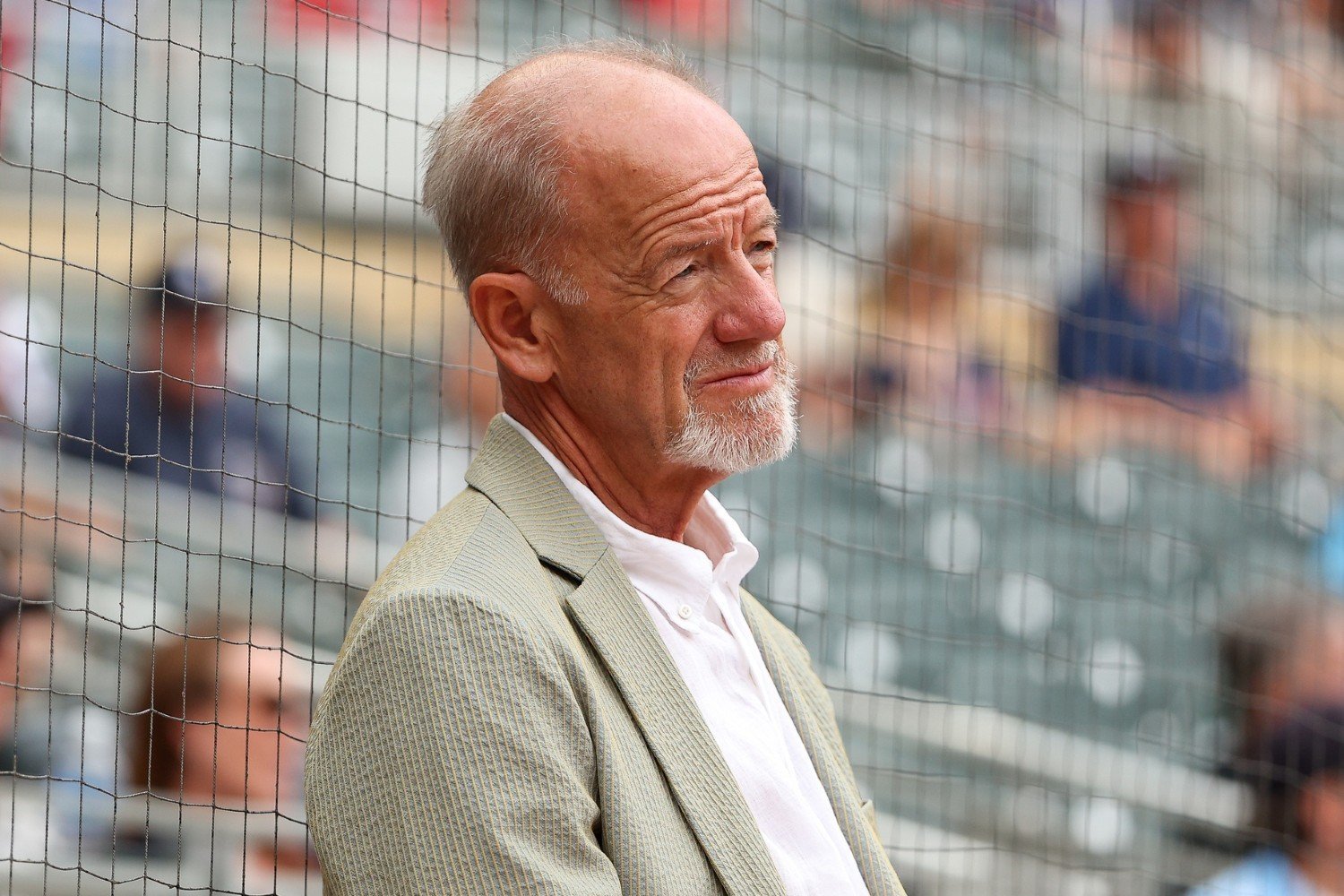 If Minnesota Twins fans feel like they've heard this story before, it is because they have. Nearly 30 years separate the current financial messaging from the late 1990s, but the current posture from ownership feels almost identical. The numbers have grown, the league has changed, and revenues have exploded, but the Pohlad family continues to rely on the same explanations and expectations. In December 1998, Jim Pohlad and Twins president Jerry Bell attempted to justify a dramatic rollback in spending by saying, “We’re open to suggestions.” Those suggestions came alongside the revelation that the Twins would operate on a payroll as low as $10 million for the 1999 season, easily the lowest in Major League Baseball. The Pohlads claimed losses of up to $60 million over the prior five seasons, despite the team carrying a $27-million payroll in 1998. At that time, 10 individual MLB players were earning higher average salaries than the Twins' entire roster. To be fair, ownership did have a tangible grievance in that era. The Metrodome lease was widely viewed as one of the worst stadium deals in baseball. Revenue streams were limited, premium seating was minimal, and the Twins had little control over key income sources. That poor stadium arrangement was often cited as a primary reason for the team’s financial struggles, and it was not without merit. The economics of baseball in the 1990s were far different, and Minnesota was genuinely operating at a disadvantage compared to teams with modern facilities. That context, however, came with a darker edge. The Pohlad family did not simply plead poverty. They openly flirted with contraction. The Twins were repeatedly floated as a candidate for elimination, a threat that hung over the fan base and the state. It was leverage then, just as financial distress often feels like leverage now. It might well be that the intention to contract was never real, but the elaborate charade the team and league undertook was proof of their commitment to extracting money and power from the community. The baseball operations side of the organization leaned into the same logic. Then-general manager Terry Ryan attempted to normalize the payroll gap. “After this season, everyone could see that the teams that were paying $40 million weren’t doing any better than the teams paying $15 million," he said. "Right now, if you’re at $60 million, you might as well be at $20 million.” It was a convenient argument, at the dawn of an era that would soon prove spending absolutely mattered. Fast-forward nearly three decades, and the justifications sound hauntingly familiar. The Twins reportedly accumulated more than $500 million in debt (much of it, whether the family cares to admit it or not, freighted onto the Twins as the Pohlads' commercial real estate investments took huge post-COVID hits) and were put up for sale in late 2024. When a full sale failed to materialize, the team was pulled off the market, and minority shares were sold to multiple investment groups to stabilize finances. Once again, the Pohlad family has suggested that operating the team itself costs more than they make. That explanation lands far differently in 2026. The Twins now play in a publicly funded, revenue-friendly ballpark that dramatically altered the franchise’s financial outlook. Target Field was supposed to put an end to the Metrodome excuses. There is no bad lease to point to now. There is no outdated facility suppressing revenue. There is no legitimate comparison to the late 1990s environment. Yet, the same talking points persist. For 2026, the Twins are projected to have a payroll of around $100 million. In today’s MLB landscape, that places them uncomfortably close to the bottom. Eight teams are currently projected lower, and four more are within $5 million and could easily surpass Minnesota before Opening Day. Cleveland, Tampa Bay, and Miami all sit below $80 million, and the Twins would likely only join them by trading Pablo López (and his $21-million contract) and further thinning the roster. For a franchise that insists it wants sustained competitiveness, the margin for error remains razor-thin. Ownership continues to rely on the same narrative it has used for decades. They say (implausibly) that the team is losing money. They say the economics are complex, and that spending must be restrained. If that is truly the case, the solution is obvious: Sell the team. Owning a Major League Baseball franchise is not a civic obligation. Other organizations are making money while fielding competitive teams, year after year. If the Twins are a financial burden rather than a viable business, then it is time for the Pohlad family to step aside. They aren't, of course; that's a lie. If the family is dedicated to that lie, though, they still ought to sell. For fans searching for hope, it may exist beyond the 2027 season and the potential for another lockout. A reset of baseball’s economic structure could create a more favorable environment and allow the Pohlads to sell the franchise at a price they consider acceptable. That outcome might finally close a chapter that has dragged on far too long. Until then, Twins fans are left watching the same movie on repeat. The excuses are familiar. The stakes feel lower than contraction, but the frustration is just as real. Is this simply history repeating itself, or is there still a path forward with the current ownership group? Share your thoughts in the comments.
- 24 comments
-
- 5
-
-
- jim pohlad
- jerry bell
- (and 1 more)
-
Twins Add Veteran Shortstop Depth with Orlando Arcia Signing
Cody Christie posted an article in Twins
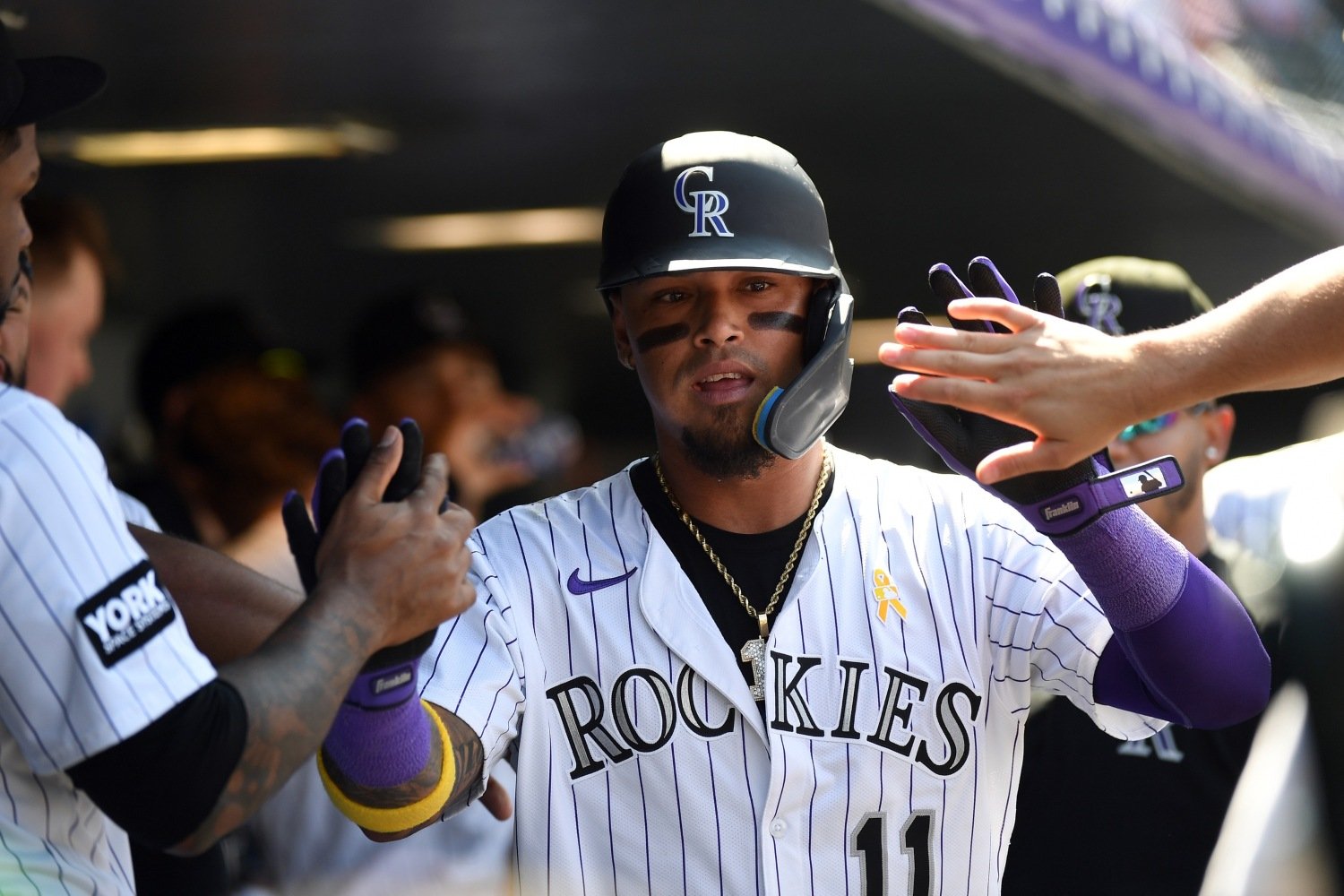 The Minnesota Twins made a quiet but telling roster move this week, bringing veteran shortstop Orlando Arcia into the organization on a minor-league contract with an invitation to big-league camp. It is not the type of signing that sells jerseys or sparks a hot stove frenzy, but it fits squarely into the front office's plan for 2026. Derek Falvey loves to set a floor for the roster, and Arcia adds depth to a critical position. Arcia arrives in Minnesota with a decade of major-league experience. He split last season between Atlanta and Colorado, logging time with two very different clubs and producing very similar results. By nearly every modern metric, he was among the least productive hitters in baseball with regular playing time. That is not new; he's always been a glove-first shortstop. Now 32, he has been the worst hitter with 800 or more plate appearances over the past two seasons. His 33 wRC+ was both a career low and the second-lowest of any player who took at least 200 trips to the plate in 2025. His glove keeps him employable, but only in a limited role, and only on a team willing to accept the offensive tradeoff. There is some modest platoon usefulness, as his numbers have historically played a bit better against left-handed pitching (his OPS was 50 points higher versus lefties in 2025), but even that comes with caveats. The appeal here is almost entirely about defense, experience, and surviving a long season. Earlier in his career with Milwaukee, Arcia was a plus defender at shortstop, combining for 13 OAA from 2017-18. Those days are gone, but he still grades out as serviceable, and last year he expanded his résumé by appearing at every infield position, including first base. On a roster where flexibility is often the difference between treading water and sinking, a player who can competently move around the diamond carries real value. This signing is best understood through the lens of Brooks Lee. After being thrust into the starting shortstop role following the Carlos Correa trade, Lee handled a challenging assignment with professionalism, even if the results were uneven. Over 139 games, he posted a .236/.285/.370 line for a 79 OPS+. The Twins remain confident in his long-term outlook, but he hasn't shown enough to be trusted as the only true shortstop on an active roster. Behind Lee, the depth chart thins quickly. Ryan Kreidler provides defensive value but makes Arcia look like a robust hitter. Minnesota learned painfully over the last two seasons how quickly an infield can unravel when injuries hit, and Lee isn't even an inspiring first choice. Arcia gives the Twins a veteran option who can start 40 to 60 games if needed, and prevent the position from becoming a nightly adventure. If he breaks camp with the club, he'll have a short leash. If he does not, he becomes a highly experienced presence at Triple-A St. Paul and the first call when things go sideways. This is not a move about upside. It is about competence and protection. The Twins can afford creativity in the corners and even in the outfield. Shortstop is different. Minnesota cannot afford another season in which defensive erosion forces the roster into damage-control mode. Signing Arcia will not fix the lineup, but it might keep a small problem from becoming a big one. Sometimes that is exactly the point. What are your initial impressions of the Arcia signing? Leave a comment and start the discussion.
 -
Image courtesy of © Christopher Hanewinckel-Imagn Images The Minnesota Twins made a quiet but telling roster move this week, bringing veteran shortstop Orlando Arcia into the organization on a minor-league contract with an invitation to big-league camp. It is not the type of signing that sells jerseys or sparks a hot stove frenzy, but it fits squarely into the front office's plan for 2026. Derek Falvey loves to set a floor for the roster, and Arcia adds depth to a critical position. Arcia arrives in Minnesota with a decade of major-league experience. He split last season between Atlanta and Colorado, logging time with two very different clubs and producing very similar results. By nearly every modern metric, he was among the least productive hitters in baseball with regular playing time. That is not new; he's always been a glove-first shortstop. Now 32, he has been the worst hitter with 800 or more plate appearances over the past two seasons. His 33 wRC+ was both a career low and the second-lowest of any player who took at least 200 trips to the plate in 2025. His glove keeps him employable, but only in a limited role, and only on a team willing to accept the offensive tradeoff. There is some modest platoon usefulness, as his numbers have historically played a bit better against left-handed pitching (his OPS was 50 points higher versus lefties in 2025), but even that comes with caveats. The appeal here is almost entirely about defense, experience, and surviving a long season. Earlier in his career with Milwaukee, Arcia was a plus defender at shortstop, combining for 13 OAA from 2017-18. Those days are gone, but he still grades out as serviceable, and last year he expanded his résumé by appearing at every infield position, including first base. On a roster where flexibility is often the difference between treading water and sinking, a player who can competently move around the diamond carries real value. This signing is best understood through the lens of Brooks Lee. After being thrust into the starting shortstop role following the Carlos Correa trade, Lee handled a challenging assignment with professionalism, even if the results were uneven. Over 139 games, he posted a .236/.285/.370 line for a 79 OPS+. The Twins remain confident in his long-term outlook, but he hasn't shown enough to be trusted as the only true shortstop on an active roster. Behind Lee, the depth chart thins quickly. Ryan Kreidler provides defensive value but makes Arcia look like a robust hitter. Minnesota learned painfully over the last two seasons how quickly an infield can unravel when injuries hit, and Lee isn't even an inspiring first choice. Arcia gives the Twins a veteran option who can start 40 to 60 games if needed, and prevent the position from becoming a nightly adventure. If he breaks camp with the club, he'll have a short leash. If he does not, he becomes a highly experienced presence at Triple-A St. Paul and the first call when things go sideways. This is not a move about upside. It is about competence and protection. The Twins can afford creativity in the corners and even in the outfield. Shortstop is different. Minnesota cannot afford another season in which defensive erosion forces the roster into damage-control mode. Signing Arcia will not fix the lineup, but it might keep a small problem from becoming a big one. Sometimes that is exactly the point. What are your initial impressions of the Arcia signing? Leave a comment and start the discussion. View full article
-
 Baseball is not supposed to be as easy as Byron Buxton made it look at times during the 2025 season. Even the best hitters in the world need a little help from batted ball luck, sequencing, and timing for numbers to truly pop. For the Minnesota Twins, several hitters posted surface-level results that outpaced what underlying metrics suggested should have happened. That does not mean those performances were flukes, but it does provide valuable context as we look ahead to 2026. To frame the discussion, the league-wide average wOBA in 2025 sat at .313, while the average expected wOBA came in slightly higher at .315. wOBA is designed to measure overall offensive value by weighing the quality of contact alongside strikeouts and walks. Expected wOBA uses batted ball data to estimate what a hitter should have produced based on how hard and at what angles the ball was hit. When wOBA significantly outpaces expected wOBA, it often points toward overachievement that may be difficult to repeat. Luke Keaschall Keaschall posted a .363 wOBA in 2025, despite an expected mark of .323. That gap of roughly forty points stands out quickly. The underlying reasons are pretty straightforward when digging into his batted ball profile. Keaschall did not barrel the baseball often, finishing with a 5.2% Barrel rate. That is well below what you would typically expect from a hitter producing at that level. Where Keaschall made his money was against offspeed pitches. He slugged .556 against them and actually outperformed his expected numbers by +.122 xwOBA compared to his wOBA in that pitch bucket. That suggests a combination of good pitch recognition and favorable outcomes on balls that weren't always crushed. Looking ahead to 2026, some offensive pullback feels likely. Still, Keaschall does not need to repeat a near .360 wOBA to be valuable. If he tightens up the quality of contact even marginally, he can remain a productive bat who helps the lineup reach the next level. Alan Roden Roden is an interesting case because the majority of his at-bats came in Toronto. Acquired as part of the Louis Varland trade, Roden appeared in just 12 games for the Twins. For the season, he finished with a .249 wOBA, compared to an expected mark of .225, a gap of about 24 points. Roden struggled to hit the ball with authority, posting a 2.0% Barrel rate. Much of his contact was on the softer side, which generally caps offensive upside. However, his biggest separation between results and expectations came against breaking pitches. That is where he hit both of his home runs and most of his extra-base hits, outperforming his expected numbers by +.089 in that area. The 2026 outlook is more optimistic than the Twins sample alone would suggest. Roden profiles nicely as a fourth outfielder and has the defensive ability to back up Buxton in center field. There is also real offensive upside here, as evidenced by his 151 wRC+ at Triple-A last season. If that production translates even partially, Roden could carve out a meaningful role. Byron Buxton Buxton’s 2025 season featured a .367 wOBA and a .348 expected mark, a difference of just under twenty points. While smaller than the other gaps on this list, it still qualifies as overachievement given how high the baseline already is. The reasons are primarily tied to Buxton doing Buxton things. He punishes fastballs, producing a wOBA that was 32 points higher than his expected output against them. He also continues to hit the ball extremely hard, posting a 53.8% Hard Hit rate that places him among the elite in baseball. His expected slugging percentage has topped .500 in each of the last two seasons, which helps explain why his offensive floor is so high. Replicating his 2025 totals will not be easy. Some dip in production is a reasonable expectation. However, the Twins' bigger goal is availability. If Buxton can play more than 100 games for a third straight season, something he has yet to do in his career, even a slightly reduced offensive line would be a massive boost to the roster. Overachieving seasons are not inherently bad things. They often represent players maximizing their strengths and benefiting from favorable conditions along the way. For the Twins, understanding where production outpaced expectations helps set realistic goals for 2026. Keaschall, Roden, and Buxton each bring different skill sets and different risk profiles, but all three showed how impactful things can be when results break the right way. Which of these hitters do you think is most likely to beat the projections again in 2026, and who worries you the most when it comes to regression? Let us know your thoughts in the comments.
- 15 comments
-
- 2
-
-
- byron buxton
- luke keaschall
- (and 1 more)
-
Image courtesy of © Matt Blewett-Imagn Images Baseball is not supposed to be as easy as Byron Buxton made it look at times during the 2025 season. Even the best hitters in the world need a little help from batted ball luck, sequencing, and timing for numbers to truly pop. For the Minnesota Twins, several hitters posted surface-level results that outpaced what underlying metrics suggested should have happened. That does not mean those performances were flukes, but it does provide valuable context as we look ahead to 2026. To frame the discussion, the league-wide average wOBA in 2025 sat at .313, while the average expected wOBA came in slightly higher at .315. wOBA is designed to measure overall offensive value by weighing the quality of contact alongside strikeouts and walks. Expected wOBA uses batted ball data to estimate what a hitter should have produced based on how hard and at what angles the ball was hit. When wOBA significantly outpaces expected wOBA, it often points toward overachievement that may be difficult to repeat. Luke Keaschall Keaschall posted a .363 wOBA in 2025, despite an expected mark of .323. That gap of roughly forty points stands out quickly. The underlying reasons are pretty straightforward when digging into his batted ball profile. Keaschall did not barrel the baseball often, finishing with a 5.2% Barrel rate. That is well below what you would typically expect from a hitter producing at that level. Where Keaschall made his money was against offspeed pitches. He slugged .556 against them and actually outperformed his expected numbers by +.122 xwOBA compared to his wOBA in that pitch bucket. That suggests a combination of good pitch recognition and favorable outcomes on balls that weren't always crushed. Looking ahead to 2026, some offensive pullback feels likely. Still, Keaschall does not need to repeat a near .360 wOBA to be valuable. If he tightens up the quality of contact even marginally, he can remain a productive bat who helps the lineup reach the next level. Alan Roden Roden is an interesting case because the majority of his at-bats came in Toronto. Acquired as part of the Louis Varland trade, Roden appeared in just 12 games for the Twins. For the season, he finished with a .249 wOBA, compared to an expected mark of .225, a gap of about 24 points. Roden struggled to hit the ball with authority, posting a 2.0% Barrel rate. Much of his contact was on the softer side, which generally caps offensive upside. However, his biggest separation between results and expectations came against breaking pitches. That is where he hit both of his home runs and most of his extra-base hits, outperforming his expected numbers by +.089 in that area. The 2026 outlook is more optimistic than the Twins sample alone would suggest. Roden profiles nicely as a fourth outfielder and has the defensive ability to back up Buxton in center field. There is also real offensive upside here, as evidenced by his 151 wRC+ at Triple-A last season. If that production translates even partially, Roden could carve out a meaningful role. Byron Buxton Buxton’s 2025 season featured a .367 wOBA and a .348 expected mark, a difference of just under twenty points. While smaller than the other gaps on this list, it still qualifies as overachievement given how high the baseline already is. The reasons are primarily tied to Buxton doing Buxton things. He punishes fastballs, producing a wOBA that was 32 points higher than his expected output against them. He also continues to hit the ball extremely hard, posting a 53.8% Hard Hit rate that places him among the elite in baseball. His expected slugging percentage has topped .500 in each of the last two seasons, which helps explain why his offensive floor is so high. Replicating his 2025 totals will not be easy. Some dip in production is a reasonable expectation. However, the Twins' bigger goal is availability. If Buxton can play more than 100 games for a third straight season, something he has yet to do in his career, even a slightly reduced offensive line would be a massive boost to the roster. Overachieving seasons are not inherently bad things. They often represent players maximizing their strengths and benefiting from favorable conditions along the way. For the Twins, understanding where production outpaced expectations helps set realistic goals for 2026. Keaschall, Roden, and Buxton each bring different skill sets and different risk profiles, but all three showed how impactful things can be when results break the right way. Which of these hitters do you think is most likely to beat the projections again in 2026, and who worries you the most when it comes to regression? Let us know your thoughts in the comments. View full article
-
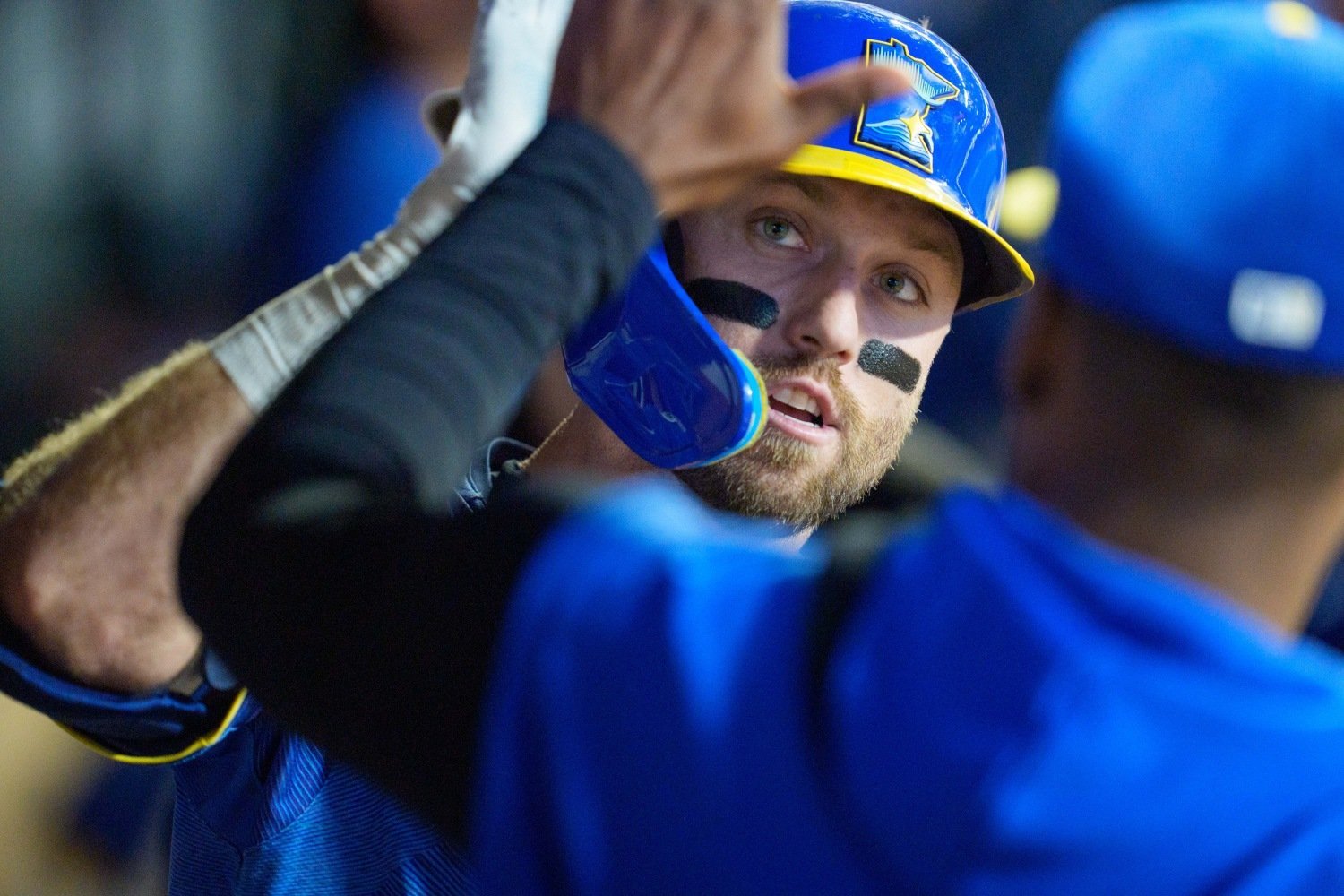 The 2025 season was another frustrating chapter for the Minnesota Twins. After another disappointing finish, a brief poll of fans might include nearly everyone on the roster when asked who underachieved at the plate. Royce Lewis struggled to stay on the field. Matt Wallner could not recapture his earlier impact. A slew of other players fell short of expectations as well. Still, when digging into the underlying data, the totals for three hitters are hard to ignore because the gap between results and the quality of contact tells a very different story. League-wide context helps frame the discussion. MLB average wOBA in 2025 sat at .313, while average xwOBA checked in at .315. For those unfamiliar, wOBA is a catch-all metric that values the quality of contact along with strikeouts and walks. At the same time, xwOBA uses Statcast inputs like exit velocity and launch angle to estimate what should have happened. When a hitter shows a significant positive gap between xwOBA and wOBA, it often points toward bad luck rather than a broken approach. Edouard Julien Julien posted a .286 wOBA compared to a .330 xwOBA, creating a massive +.044 difference. The most glaring issue came against offspeed pitches, where he showed a 165-point gap between actual and expected production. His .208 slugging percentage versus a .471 expected slugging against those offerings underscores just how much damage failed to show up in the box score. Julien continued to hit the ball hard with a 12.2 Barrel percentage and a 39.0 LA-Sweet Spot rate, both strong indicators of sustainable offense. Looking ahead to 2026, Julien’s elite plate discipline remains his calling card. He chased just 19.8 percent of pitches, which should continue to put him in favorable counts. If he can get back to punishing fastballs the way he did during his rookie season, the production should rebound. With no minor league options remaining, Julien will need to prove he can provide consistent value to the big league roster. Since he doesn’t have a defensive home, his production must come at the plate. Kody Clemens Clemens finished 2025 with a .307 wOBA and a .331 xwOBA, a +.024 gap that hints at some missed opportunities. The Twins gave him extended playing time for the first time in his career and largely liked what they saw. Clemens made solid contact with a 12.0 Barrel percentage and a 35.9 Sweet-Spot rate. Fastballs were the pitch type whose results lagged most behind expectations, with a 32-point difference. He saw heaters more than 58 percent of the time, so doing more damage there could quickly lift his overall line. The outlook for 2026 is more complicated. Minnesota discussed using Clemens as the regular first baseman before signing Josh Bell. Clemens is the better defender at the position, so there is still a path for both players to share the lineup, with Bell sliding to designated hitter. His theoretical defensive versatility will get him playing time, and he was one of the team’s clubhouse leaders in the second half. With a 96 OPS+, Clemens already profiles as close to a league-average bat. Closing the gap between actual and expected numbers could push him firmly into that tier. James Outman Outman’s surface numbers were rough, highlighted by a .237 wOBA and a .267 xwOBA for a +.030 difference. He arrived at the trade deadline in the deal that sent Brock Stewart away, and most of his big league plate appearances in 2025 came with Minnesota. Outside of his excellent 16.9 Barrel percentage, many of his Statcast metrics lagged behind league norms. That makes his minor league track record impossible to ignore. At Triple-A last season, Outman posted a .945 OPS with a 131 wRC+, showing a hitter who still knows how to punish mistakes. For 2026, roster status looms large. Outman is out of minor league options, meaning the Twins must either find him a role or risk losing him. His ability to cover all three outfield spots makes him a natural fit as the team’s fourth outfielder. If even a portion of his Triple-A production carries over, the Twins could uncover sneaky value. Underachievement defined much of the Twins offense in 2025, but Julien, Clemens, and Outman stand out because the data suggests they deserved better outcomes. Expected metrics are not guarantees, yet they often serve as early indicators of rebound potential. If luck swings back toward the mean in 2026, this trio could quietly reshape the lineup. Which of these hitters do you believe is most likely to bounce back next season, or is there another Twin you would add to this list? Let us know your thoughts in the comments. And stop by later today to see who the Twins' three luckiest hitters were.
- 27 comments
-
- 4
-
-
- james outman
- edouard julien
- (and 1 more)
-
Image courtesy of © Matt Blewett-Imagn Images The 2025 season was another frustrating chapter for the Minnesota Twins. After another disappointing finish, a brief poll of fans might include nearly everyone on the roster when asked who underachieved at the plate. Royce Lewis struggled to stay on the field. Matt Wallner could not recapture his earlier impact. A slew of other players fell short of expectations as well. Still, when digging into the underlying data, the totals for three hitters are hard to ignore because the gap between results and the quality of contact tells a very different story. League-wide context helps frame the discussion. MLB average wOBA in 2025 sat at .313, while average xwOBA checked in at .315. For those unfamiliar, wOBA is a catch-all metric that values the quality of contact along with strikeouts and walks. At the same time, xwOBA uses Statcast inputs like exit velocity and launch angle to estimate what should have happened. When a hitter shows a significant positive gap between xwOBA and wOBA, it often points toward bad luck rather than a broken approach. Edouard Julien Julien posted a .286 wOBA compared to a .330 xwOBA, creating a massive +.044 difference. The most glaring issue came against offspeed pitches, where he showed a 165-point gap between actual and expected production. His .208 slugging percentage versus a .471 expected slugging against those offerings underscores just how much damage failed to show up in the box score. Julien continued to hit the ball hard with a 12.2 Barrel percentage and a 39.0 LA-Sweet Spot rate, both strong indicators of sustainable offense. Looking ahead to 2026, Julien’s elite plate discipline remains his calling card. He chased just 19.8 percent of pitches, which should continue to put him in favorable counts. If he can get back to punishing fastballs the way he did during his rookie season, the production should rebound. With no minor league options remaining, Julien will need to prove he can provide consistent value to the big league roster. Since he doesn’t have a defensive home, his production must come at the plate. Kody Clemens Clemens finished 2025 with a .307 wOBA and a .331 xwOBA, a +.024 gap that hints at some missed opportunities. The Twins gave him extended playing time for the first time in his career and largely liked what they saw. Clemens made solid contact with a 12.0 Barrel percentage and a 35.9 Sweet-Spot rate. Fastballs were the pitch type whose results lagged most behind expectations, with a 32-point difference. He saw heaters more than 58 percent of the time, so doing more damage there could quickly lift his overall line. The outlook for 2026 is more complicated. Minnesota discussed using Clemens as the regular first baseman before signing Josh Bell. Clemens is the better defender at the position, so there is still a path for both players to share the lineup, with Bell sliding to designated hitter. His theoretical defensive versatility will get him playing time, and he was one of the team’s clubhouse leaders in the second half. With a 96 OPS+, Clemens already profiles as close to a league-average bat. Closing the gap between actual and expected numbers could push him firmly into that tier. James Outman Outman’s surface numbers were rough, highlighted by a .237 wOBA and a .267 xwOBA for a +.030 difference. He arrived at the trade deadline in the deal that sent Brock Stewart away, and most of his big league plate appearances in 2025 came with Minnesota. Outside of his excellent 16.9 Barrel percentage, many of his Statcast metrics lagged behind league norms. That makes his minor league track record impossible to ignore. At Triple-A last season, Outman posted a .945 OPS with a 131 wRC+, showing a hitter who still knows how to punish mistakes. For 2026, roster status looms large. Outman is out of minor league options, meaning the Twins must either find him a role or risk losing him. His ability to cover all three outfield spots makes him a natural fit as the team’s fourth outfielder. If even a portion of his Triple-A production carries over, the Twins could uncover sneaky value. Underachievement defined much of the Twins offense in 2025, but Julien, Clemens, and Outman stand out because the data suggests they deserved better outcomes. Expected metrics are not guarantees, yet they often serve as early indicators of rebound potential. If luck swings back toward the mean in 2026, this trio could quietly reshape the lineup. Which of these hitters do you believe is most likely to bounce back next season, or is there another Twin you would add to this list? Let us know your thoughts in the comments. And stop by later today to see who the Twins' three luckiest hitters were. View full article
-
 The start of a new year is supposed to bring optimism, fresh goals, and the belief that this time things will be different. For the Minnesota Twins, that optimism usually lasts until about mid-April, when the weather is bad, the bats are cold, and everyone is already checking the wild-card standings. Still, resolutions are important, and if nothing else, they give us something to laugh about while waiting for baseball to matter again. With that in mind, here are some New Year’s resolutions for key members of the Twins organization as they brace for another season of vibes, missed opportunities, and selective optimism. Tom Pohlad: Learning Where the Checkbook Is Taking over the reins from Joe Pohlad means Tom now gets the privilege of being blamed for everything. His resolution is simple in theory and impossible in practice: figure out how to look like a modern baseball owner without actually spending like one. This includes mastering the art of saying the words 'competitive' and 'sustainable' in the same sentence while carefully avoiding any firm commitments. Bonus points if he can attend a game in April and convince fans that better days are coming without specifying when. Derek Falvey: Turning Water Into Wins on a Budget Falvey resolves to once again prove that a roughly $100 million payroll can survive in a league where that figure barely buys a top-tier starter elsewhere. The goal is to outsmart teams that simply buy stars by finding value in versatility, depth, and guys who once had a good month in 2019. If the Twins sneak into contention, Falvey will be praised as a genius. If not, the team can always trade away its stars at next year’s trade deadline. Derek Shelton: Watching From Afar and Doing the Math After being fired by Pittsburgh, Shelton now has the unique experience of watching his former team potentially outspend the Twins. His resolution is to process that information without laughing too loudly. Somewhere along the way, he might also remind people that managing with limited resources builds character, even if it does not build playoff rosters. At the very least, he can take comfort in knowing he escaped before Paul Skenes is traded to the Yankees. Byron Buxton: Solving the MVP Equation With a Calculator and a Calendar Buxton’s New Year’s resolution is less about baseball skill and more about advanced math and load management. The goal is to finish top-10 in MVP voting while appearing in just enough games to qualify without angering the baseball gods. This will require perfectly timed hot streaks, national TV highlights, and at least one stretch in which he carries the team for two weeks before being immediately listed as day-to-day. If executed properly, Buxton can secure his contract bonus, remind everyone of his ceiling, and still leave fans wondering what might have happened if he had played another 30 games. Royce Lewis: Becoming Indispensable Before the Next Spreadsheet Update Lewis enters the year with a resolution to force his way back into the Twins’ long-term plans before his name becomes a movable asset in trade deadline rumors. The strategy is straightforward. Stay healthy just long enough to mash in high-leverage situations and make any conversation about his future deeply uncomfortable for the front office. Ideally, Lewis will produce at a level where fans argue he should be untouchable while decision makers quietly check his service time and injury history. If all goes well, he will be both central to the future and perpetually discussed as expendable, which is the true mark of a Twins cornerstone. T.C. Bear: Bringing the Energy to a Quiet Ballpark Perhaps the toughest resolution of all belongs to T.C. Bear. His task is to get fewer than one thousand fans fired up during an early-season weekday game when the temperature is barely above freezing, and half the crowd is there for the free beanie. With season tickets expected to crater, the mascot will need new routines, new jokes, and possibly new pyrotechnics. If he can get a genuine roar out of that crowd, he deserves a roster spot. Resolutions are easy to make and more challenging to keep, especially in baseball, where patience is preached, and urgency is avoided. The Twins will enter another season promising flexibility, smart decisions, and internal improvement. Maybe some of these resolutions will stick, and maybe they will quietly fade by summer. Either way, the calendar has turned, and hope has been renewed, which in Minnesota might be the most reliable tradition of all.
- 2 comments
-
- 4
-
-
- tom pohlad
- derek shelton
- (and 4 more)
-
Image courtesy of © Reid Glenn / USA TODAY NETWORK The start of a new year is supposed to bring optimism, fresh goals, and the belief that this time things will be different. For the Minnesota Twins, that optimism usually lasts until about mid-April, when the weather is bad, the bats are cold, and everyone is already checking the wild-card standings. Still, resolutions are important, and if nothing else, they give us something to laugh about while waiting for baseball to matter again. With that in mind, here are some New Year’s resolutions for key members of the Twins organization as they brace for another season of vibes, missed opportunities, and selective optimism. Tom Pohlad: Learning Where the Checkbook Is Taking over the reins from Joe Pohlad means Tom now gets the privilege of being blamed for everything. His resolution is simple in theory and impossible in practice: figure out how to look like a modern baseball owner without actually spending like one. This includes mastering the art of saying the words 'competitive' and 'sustainable' in the same sentence while carefully avoiding any firm commitments. Bonus points if he can attend a game in April and convince fans that better days are coming without specifying when. Derek Falvey: Turning Water Into Wins on a Budget Falvey resolves to once again prove that a roughly $100 million payroll can survive in a league where that figure barely buys a top-tier starter elsewhere. The goal is to outsmart teams that simply buy stars by finding value in versatility, depth, and guys who once had a good month in 2019. If the Twins sneak into contention, Falvey will be praised as a genius. If not, the team can always trade away its stars at next year’s trade deadline. Derek Shelton: Watching From Afar and Doing the Math After being fired by Pittsburgh, Shelton now has the unique experience of watching his former team potentially outspend the Twins. His resolution is to process that information without laughing too loudly. Somewhere along the way, he might also remind people that managing with limited resources builds character, even if it does not build playoff rosters. At the very least, he can take comfort in knowing he escaped before Paul Skenes is traded to the Yankees. Byron Buxton: Solving the MVP Equation With a Calculator and a Calendar Buxton’s New Year’s resolution is less about baseball skill and more about advanced math and load management. The goal is to finish top-10 in MVP voting while appearing in just enough games to qualify without angering the baseball gods. This will require perfectly timed hot streaks, national TV highlights, and at least one stretch in which he carries the team for two weeks before being immediately listed as day-to-day. If executed properly, Buxton can secure his contract bonus, remind everyone of his ceiling, and still leave fans wondering what might have happened if he had played another 30 games. Royce Lewis: Becoming Indispensable Before the Next Spreadsheet Update Lewis enters the year with a resolution to force his way back into the Twins’ long-term plans before his name becomes a movable asset in trade deadline rumors. The strategy is straightforward. Stay healthy just long enough to mash in high-leverage situations and make any conversation about his future deeply uncomfortable for the front office. Ideally, Lewis will produce at a level where fans argue he should be untouchable while decision makers quietly check his service time and injury history. If all goes well, he will be both central to the future and perpetually discussed as expendable, which is the true mark of a Twins cornerstone. T.C. Bear: Bringing the Energy to a Quiet Ballpark Perhaps the toughest resolution of all belongs to T.C. Bear. His task is to get fewer than one thousand fans fired up during an early-season weekday game when the temperature is barely above freezing, and half the crowd is there for the free beanie. With season tickets expected to crater, the mascot will need new routines, new jokes, and possibly new pyrotechnics. If he can get a genuine roar out of that crowd, he deserves a roster spot. Resolutions are easy to make and more challenging to keep, especially in baseball, where patience is preached, and urgency is avoided. The Twins will enter another season promising flexibility, smart decisions, and internal improvement. Maybe some of these resolutions will stick, and maybe they will quietly fade by summer. Either way, the calendar has turned, and hope has been renewed, which in Minnesota might be the most reliable tradition of all. View full article
-
Image courtesy of William Parmeter (Photo of Yasser Mercedes) For an organization operating without the financial muscle of baseball’s biggest spenders, the international market has always been a necessary avenue for the Minnesota Twins. It is also one where the returns have been frustratingly limited. Looking back at the international classes from 2019 through 2022 provides a snapshot of both promise and persistent questions about development, patience, and ceiling. 2019 International Class The clear success story from this group is Emmanuel Rodriguez, currently ranked as a consensus top-100 prospect. At the time, he was MLB Pipeline’s 12th overall prospect in his international class. At the time of his signing, MLB Pipeline wrote, “Athletic with a strong body and medium frame, Rodriguez has shown a solid hitting approach and advanced knowledge of the strike zone for a player his age. He has an efficient swing that creates lots of backspin and generates power to all fields.” Rodriguez has become one of the most intriguing players in the system, even drawing internal comparisons that place him just behind Walker Jenkins. Injuries have slowed his rise, but the underlying profile remains rare. A walk rate north of 20 percent paired with a strikeout rate above 30 percent is unusual, yet Rodriguez has still produced a 135 wRC+ in 2025 thanks to his power and elite strike zone awareness. He played the entire season at Triple-A, putting him on track for a 2026 debut. Rodriguez represents the best version of what the Twins hope to find internationally. Advanced plate discipline, projection, and a carrying tool that can survive modern pitching environments. 2021 International Class There was no 2020 signing period as MLB combined two international classes because of the pandemic. Danny De Andrade has quietly built one of the more stable offensive resumes in the system. At the time of his signing, MLB Pipeline ranked him the 14th-best prospect in his class. At the time, MLB Pipeline wrote, “De Andrade has the ingredients to develop into an impact hitter. He shows off excellent bat speed from the right side of the plate and can drive the ball to all fields.” Last season, De Andrade repeated High-A and posted a wRC+ above 100 for the fourth straight season. His .317 OBP and .387 slugging percentage do not jump off the page, but a career-best .158 ISO hints at gradual strength gains. Defensively, De Andrade has moved off shortstop, splitting time between second and third base, which puts more pressure on the bat to carry. Fredy Michel shows the other side of the international equation. Once ranked 27th in his signing class, Michel never found consistency at the plate. Across parts of three seasons, he hit no higher than .163 and averaged a 77 wRC+. Despite early speed and double-digit steal totals, his bat stalled, and he has not appeared in affiliated ball since 2023. 2022 International Class Yasser Mercedes entered 2025 looking like a potential breakout. After a strong 2024, he struggled in Fort Myers, slashing .199/.309/.331 with an 87 wRC+. The speed remains loud, with 36 steals, and he continues to log most of his innings in center field. The offensive inconsistency underscores how thin the margin can be for toolsy international prospects. At the time of his signing, MLB Pipeline said, “The 17 year old Mercedes had some of the best raw tools in this international class…He has the chance to drive the ball from the right side of the plate and could end up having better than average power as he fills out that frame and physically matures.” Yilber Herrera might be the most extreme example of modern plate discipline without contact. In 49 games between the Complex League and Low-A, he posted a .361 wOBA and a 114 wRC+ despite hitting below .160. A 25.9 walk rate carried the profile, but the lack of contact will be tested quickly as he climbs. Defensively, he has begun to see less time at shortstop. When he signed, MLB Pipeline said, “The teen has a good feel for hitting and can spray the ball across the outfield. He’s a smart baserunner when he gets on base. Herrera has a chance to stay at shortstop because of his above-average defensive actions and plus arm potential.” Bryan Acuna brings pedigree and projection, as both his brothers played in the big leagues last season (Ronald Acuna Jr. and Luisangel Acuna). Ranked just inside MLB Pipeline’s top-40 in his class, he reached Low-A in 2025 and posted a 96 wRC+ in 78 games. Strikeouts remain an issue, and power production has been minimal so far. The feel for the game is evident, but the bat needs to translate that feel into results. At the time, MLB Pipeline said, “Bryan grew up around the game, and it shows. He’s been praised for his plus makeup and feel for hitting. He’s aggressive and a playmaker. What he lacks in now tools, he makes up for with his baseball IQ, feel for the game and overall awareness.” Across these four classes, a pattern emerges. The Twins have found players with strong plate discipline, athleticism, and makeup, but turning those traits into consistent impact has been elusive. Rodriguez stands as the exception, not yet the rule. For a mid-market team, falling behind internationally is not an option. These signings show flashes of a coherent philosophy, but the next step is to translate that promise into big-league production. Which of these international prospects do you believe still has the best chance to break through, and what changes would you like to see from the Twins in their approach to the international market? Leave a comment and start the discussion. View full article
-
Image courtesy of © Gary Cosby Jr.-Tuscaloosa News / USA TODAY NETWORK via Imagn Images Prospect lists are snapshots in time, and for the Twins, the picture is already starting to blur. The current Twins Daily top five of Walker Jenkins, Kaelen Culpepper, Eduardo Tait, Emmanuel Rodriguez, and Mick Abel represents a system that is very close to turning the page. Jenkins, Culpepper, Rodriguez, and Abel all finished last season at Double-A or higher, and Connor Prielipp, Kendry Rojas, and Gabriel Gonzalez are right there with them. Only Dasan Hill and Tait remain below that level. With that many players knocking on the big-league door, it feels inevitable that next winter’s list will look very different. A year ago, my New Year’s Day projection included Jenkins and Culpepper at the top, followed by Charlee Soto, Brandon Winokur, and Marco Raya. In hindsight, the exercise was always going to be unfair. Few could have predicted the fire sale at last year’s trade deadline, which reshaped the system overnight. Tait and Abel were not even in the organization at that point. Soto likely would have been closer to a Top 5 spot if not for injuries, while Winokur still has upside but needs to regain momentum after a disappointing stint in the Arizona Fall League. Raya struggled at Triple A and now looks more likely to impact the club out of the bullpen in 2026. With that context in mind, here is an early look at what the Twins' Top 5 prospects could look like on New Year’s Day 2027. 5. Marek Houston, SS Houston, Minnesota’s 2025 first-round pick, sneaks onto the list thanks to his defensive foundation and hope for steady offensive growth. He will never be a middle-of-the-order bat, but the Twins value shortstops who can stay at the position, and Houston has the instincts and arm to do just that. If the bat continues to progress, he becomes a very safe everyday projection. He could quickly rise through the system in 2026 and finish the year in the upper minors. 2026 Prediction: Houston makes his big-league debut in September. 4. Charlee Soto, RHP Soto gets a second chance here after an injury interrupted his rise. He was limited to three starts last season, but there is a reason the Twins targeted him with the 34th overall pick in the 2024 MLB Draft. When healthy, he shows the type of fastball and breaking ball combination that can anchor a rotation. Durability remains the question, but the upside is still very real, and the Twins will give him every opportunity to start. 2026 Prediction: Soto gets back on track in 2026 and pitches over 100 innings between High- and Double-A. 3. Riley Quick, RHP Minnesota took Quick with the 36th overall pick in the 2025 MLB Draft and could have been a higher pick if not for missing his entire sophomore season following Tommy John surgery. Quick represents the modern pitching prospect with power stuff and some remaining refinement needed. In his junior season, he posted a 3.92 ERA with a 3.49 FIP and a 25.9 K%. His velocity and ability to miss bats could push him quickly through the upper minors. 2026 Prediction: Quick will be the organization’s minor league pitcher of the year as he jumps from the low minors to Triple-A. 2. Eduardo Tait, C Catchers with offensive upside can be tough to fit on prospect lists because they have to hit and provide defensive value. Tait’s bat is the carrying tool, and if he continues to hit as he climbs the ladder, his defensive questions will matter less. In 2025, he posted a 103 wRC+ across two levels while facing older pitchers in every plate appearance. By 2027, he could be viewed as the Twins catcher of the future. 2026 Prediction: Tait’s defense and game calling will make significant strides as he gets accustomed to the Twins system. 1. Justin Lebron, SS There are many different directions the Twins could go with the number three pick in July. College shortstop Roch Cholowsky is the consensus number one pick, with prep shortstop Grady Emerson as the likely second pick. Minnesota could take Lebron if they want to go the college route, or Jacob Lombard, a prep shortstop with a baseball bloodline. LeBron is the favorite at this point, and the Alabama shortstop earns 60 grades across four of his five tools. If he lands in the Twins system, he becomes the obvious choice at the top. 2026 Prediction: Lebron solidifies himself at the top of the draft as the clear third pick for the Twins. Predicting prospect lists is always risky, but the direction is clear. The Twins are on the verge of graduating a wave of talent, and the next era will be defined by a new group of high upside players stepping into the spotlight. Who will make the Twins top prospect list in one year? What direction will the Twins go with the third pick next July? Leave a comment and start the discussion. View full article
