



Cody Christie
-
Posts
7,806 -
Joined
-
Last visited
-
Days Won
5
Content Type
Profiles
News
Minnesota Twins Videos
2026 Minnesota Twins Top Prospects Ranking
2022 Minnesota Twins Draft Picks
Minnesota Twins Free Agent & Trade Rumors, Notes, & Tidbits
Guides & Resources
2023 Minnesota Twins Draft Picks
The Minnesota Twins Players Project
2024 Minnesota Twins Draft Picks
2025 Minnesota Twins Draft Pick Tracker
2026 Minnesota Twins Draft Tracker: Picks & Bonuses
Forums
Blogs
Events
Store
Downloads
Gallery
Everything posted by Cody Christie
-
 Image courtesy of Ed Bailey, Wichita Wind Surge (photo of Kaelen Culpepper) Projection systems are not in the business of hype. They are cold, calculating, and often conservative. That's what makes it so interesting when one of them plants a flag on a player who has barely cracked the upper minors. FanGraphs’s ZiPS has done exactly that with Kaelen Culpepper. The Twins likely don’t agree with ZiPS's plan to promote him aggressively in 2026. It seems more likely that they'll roll with Brooks Lee at shortstop. But after a dynamite first full professional season, the Twins' 2024 first-rounder has quickly become one of the system’s favorites, and that's no accident. A Massive Step Forward Culpepper took a massive step forward last season, showing he can impact the game with his bat while sticking at shortstop. In 113 games, he posted a 138 wRC+ with 25 steals, flashing both on-base ability and speed. The organization named him its Minor League Player of the Year, and he enters 2026 as a consensus top-100 prospect. ZiPS noticed. He was among MLB’s biggest ZiPS gainers for 2026, a list that includes Aaron Judge and Yordan Alvarez. A year ago, he was projected for just 0.3 fWAR. Now he sits at 1.9 fWAR, were he to get a full year's worth of playing time. That's a substantial jump for a player who has yet to play at Triple-A. To reach that 1.9 fWAR mark, ZiPS projects Culpepper for 510 plate appearances in 2026. Obviously, that's essentially a default number, to give a sense of what a full season would look like from him. He's unlikely to play that much at Target Field this year. If he did, though, the model thinks he'd be perfectly serviceable. The offensive line is modest on the surface. ZiPS projects a 94 wRC+ and a .376 slugging percentage, pointing to a lack of present power. But there is value baked in elsewhere. He's projected for a .305 wOBA, positive defensive value, and enough overall contribution to be an above-average regular. His player comparisons are not superstar names: Bill Spiers. Howard Freigau. Ricky Adams. Those comps speak to versatility and steady value, more than flash. ZiPS isn't projecting stardom right now. It just shows promise, with room to grow. That's where it gets interesting. The Defense Debate The Twins front office believes Culpepper improved his overall outlook with defensive gains last season. That belief is reflected in the positive defensive projection. “His makeup and his leadership on the field, the way he goes about his work, have all been exactly what we’ve been looking for,” Twins GM Jeremy Zoll said. The arm strength is there. The internal reviews are strong. But not everyone is convinced he sticks at shortstop long term. Baseball America’s JJ Cooper has expressed skepticism about Culpepper’s ability to remain at the position. While he has the arm, some evaluators question his range and actions. Many scouts believe he may ultimately slide to third base. That positional uncertainty matters, because the offensive bar changes depending on where he plays. A 90 OPS+ with solid defense is more palatable at shortstop than at third base. ZiPS, at least for now, is betting that the glove will be good enough. A Complicated Shortstop Picture The Twins' shortstop depth chart adds another wrinkle. Lee is expected to open the season as the starter. The team added a veteran backup option, Orlando Arcia, to provide depth and stability. On paper, there is no everyday job available for Culpepper. But depth charts have a way of unraveling. One injury to a significant player could change the equation quickly. If Lee misses time or struggles offensively, Culpepper could force the issue. Whether it's Lee, Royce Lewis or Luke Keaschall, a major injury to any of the injury-prone infielders slated to start could crack the door for Culpepper. For that matter, Lee is projected for a lousy 84 wRC+ and worse defense than Culpepper, so if you ask ZiPS, the Twins should simply escalate the young player past the incumbent right now. The Twins haven't been shy about promoting prospects who prove ready. Culpepper may not need much Triple-A seasoning. Minnesota saw this in 2025, with Luke Keaschall playing only 28 games at Triple-A before his promotion. The Offensive Ceiling Culpepper is not a finished product offensively. He can be prone to chasing off-speed pitches out of the zone. That approach will be tested at higher levels. But there were encouraging signs, too. He walked 50 times and struck out just 90 times, showing better swing decisions than some evaluators expected. He also reached the 20-home run mark, despite posting the system’s third-highest groundball rate. That's significant. If he can learn to elevate consistently, there's more power in the profile than the current projections imply. That's part of why ZiPS is optimistic. The system sees a player who already produces value and has room to grow if the batted-ball profile improves. Why You Can Love Him, Too Culpepper profiles as an above-average regular with All-Star upside at an infield spot still to be determined. That kind of player doesn't need to be a franchise cornerstone to be immensely valuable. He's played just 139 minor-league games and has yet to face Triple-A pitching. On the surface, it might feel aggressive to expect a big-league debut this season. It's not unrealistic, though. If Culpepper keeps hitting as he did in 2025, the Twins will have no choice but to give him a look at the major-league level. ZiPS already believes he can handle a near-everyday role. Now, it becomes a matter of timing. Projection systems don't often fall in love. When they do, it's worth paying attention. ZiPS loves Culpepper. You probably should, too. Do you believe in the ZiPS projection for Culpepper? If not, what are realistic expectations for him in 2026? Leave a comment and start the discussion. View full article
 -
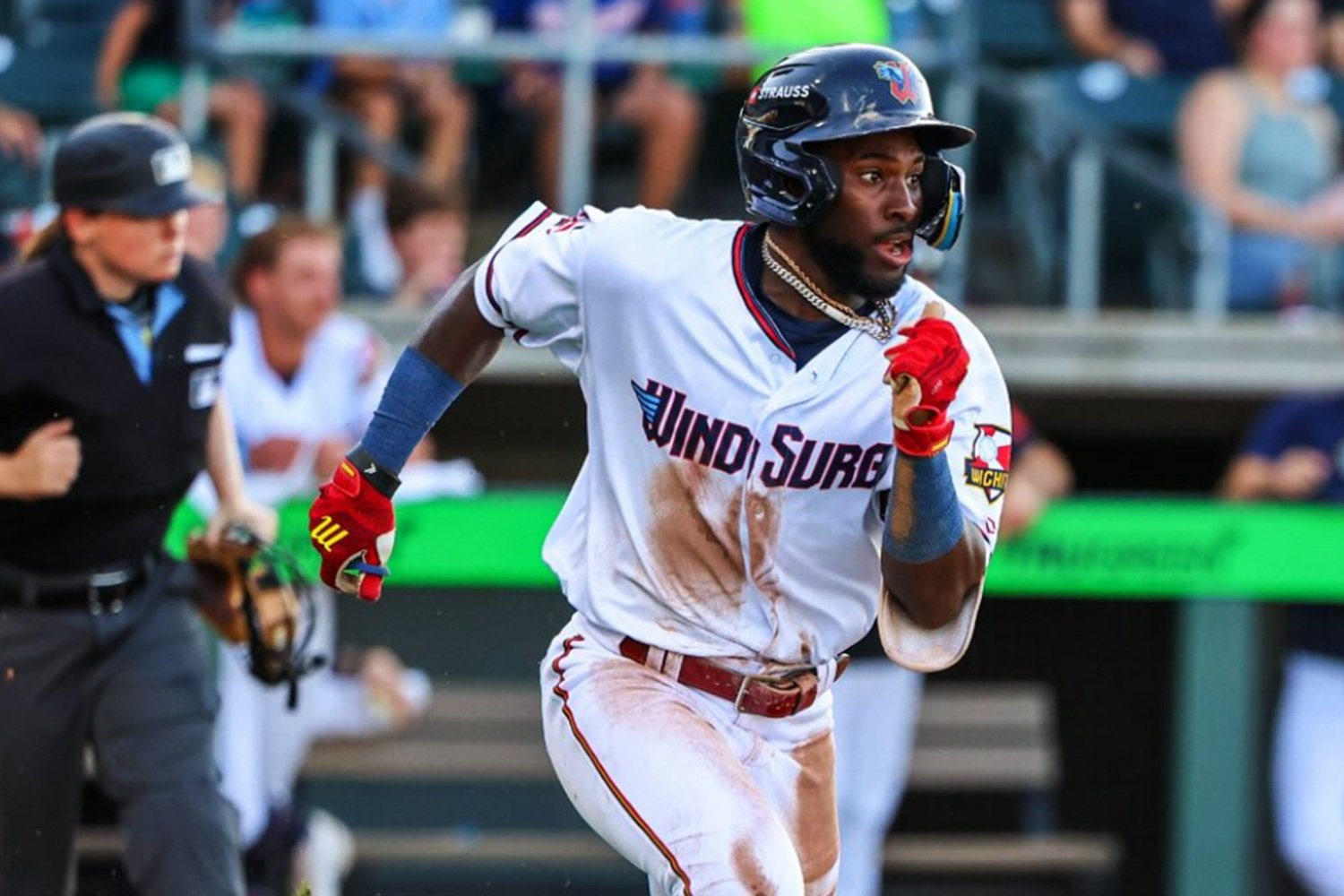 Projection systems are not in the business of hype. They are cold, calculating, and often conservative. That's what makes it so interesting when one of them plants a flag on a player who has barely cracked the upper minors. FanGraphs’s ZiPS has done exactly that with Kaelen Culpepper. The Twins likely don’t agree with ZiPS's plan to promote him aggressively in 2026. It seems more likely that they'll roll with Brooks Lee at shortstop. But after a dynamite first full professional season, the Twins' 2024 first-rounder has quickly become one of the system’s favorites, and that's no accident. A Massive Step Forward Culpepper took a massive step forward last season, showing he can impact the game with his bat while sticking at shortstop. In 113 games, he posted a 138 wRC+ with 25 steals, flashing both on-base ability and speed. The organization named him its Minor League Player of the Year, and he enters 2026 as a consensus top-100 prospect. ZiPS noticed. He was among MLB’s biggest ZiPS gainers for 2026, a list that includes Aaron Judge and Yordan Alvarez. A year ago, he was projected for just 0.3 fWAR. Now he sits at 1.9 fWAR, were he to get a full year's worth of playing time. That's a substantial jump for a player who has yet to play at Triple-A. To reach that 1.9 fWAR mark, ZiPS projects Culpepper for 510 plate appearances in 2026. Obviously, that's essentially a default number, to give a sense of what a full season would look like from him. He's unlikely to play that much at Target Field this year. If he did, though, the model thinks he'd be perfectly serviceable. The offensive line is modest on the surface. ZiPS projects a 94 wRC+ and a .376 slugging percentage, pointing to a lack of present power. But there is value baked in elsewhere. He's projected for a .305 wOBA, positive defensive value, and enough overall contribution to be an above-average regular. His player comparisons are not superstar names: Bill Spiers. Howard Freigau. Ricky Adams. Those comps speak to versatility and steady value, more than flash. ZiPS isn't projecting stardom right now. It just shows promise, with room to grow. That's where it gets interesting. The Defense Debate The Twins front office believes Culpepper improved his overall outlook with defensive gains last season. That belief is reflected in the positive defensive projection. “His makeup and his leadership on the field, the way he goes about his work, have all been exactly what we’ve been looking for,” Twins GM Jeremy Zoll said. The arm strength is there. The internal reviews are strong. But not everyone is convinced he sticks at shortstop long term. Baseball America’s JJ Cooper has expressed skepticism about Culpepper’s ability to remain at the position. While he has the arm, some evaluators question his range and actions. Many scouts believe he may ultimately slide to third base. That positional uncertainty matters, because the offensive bar changes depending on where he plays. A 90 OPS+ with solid defense is more palatable at shortstop than at third base. ZiPS, at least for now, is betting that the glove will be good enough. A Complicated Shortstop Picture The Twins' shortstop depth chart adds another wrinkle. Lee is expected to open the season as the starter. The team added a veteran backup option, Orlando Arcia, to provide depth and stability. On paper, there is no everyday job available for Culpepper. But depth charts have a way of unraveling. One injury to a significant player could change the equation quickly. If Lee misses time or struggles offensively, Culpepper could force the issue. Whether it's Lee, Royce Lewis or Luke Keaschall, a major injury to any of the injury-prone infielders slated to start could crack the door for Culpepper. For that matter, Lee is projected for a lousy 84 wRC+ and worse defense than Culpepper, so if you ask ZiPS, the Twins should simply escalate the young player past the incumbent right now. The Twins haven't been shy about promoting prospects who prove ready. Culpepper may not need much Triple-A seasoning. Minnesota saw this in 2025, with Luke Keaschall playing only 28 games at Triple-A before his promotion. The Offensive Ceiling Culpepper is not a finished product offensively. He can be prone to chasing off-speed pitches out of the zone. That approach will be tested at higher levels. But there were encouraging signs, too. He walked 50 times and struck out just 90 times, showing better swing decisions than some evaluators expected. He also reached the 20-home run mark, despite posting the system’s third-highest groundball rate. That's significant. If he can learn to elevate consistently, there's more power in the profile than the current projections imply. That's part of why ZiPS is optimistic. The system sees a player who already produces value and has room to grow if the batted-ball profile improves. Why You Can Love Him, Too Culpepper profiles as an above-average regular with All-Star upside at an infield spot still to be determined. That kind of player doesn't need to be a franchise cornerstone to be immensely valuable. He's played just 139 minor-league games and has yet to face Triple-A pitching. On the surface, it might feel aggressive to expect a big-league debut this season. It's not unrealistic, though. If Culpepper keeps hitting as he did in 2025, the Twins will have no choice but to give him a look at the major-league level. ZiPS already believes he can handle a near-everyday role. Now, it becomes a matter of timing. Projection systems don't often fall in love. When they do, it's worth paying attention. ZiPS loves Culpepper. You probably should, too. Do you believe in the ZiPS projection for Culpepper? If not, what are realistic expectations for him in 2026? Leave a comment and start the discussion.
- 31 comments
-
- 8
-

-
- kaelen culpepper
- brooks lee
- (and 3 more)
-
“It’s Just a Dumb System:” Joe Ryan Critiques MLB’s Arbitration System
Cody Christie posted an article in Twins
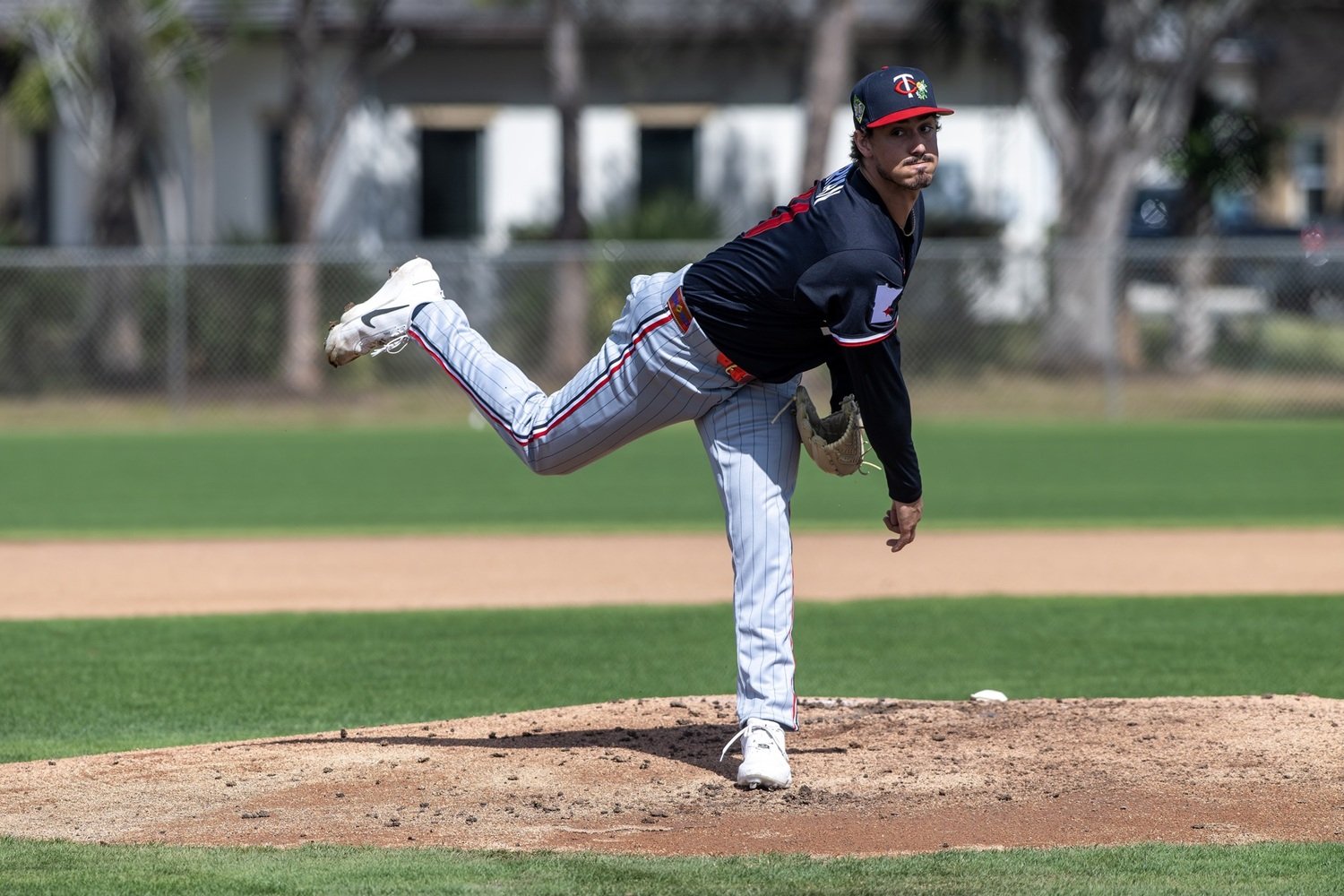 Joe Ryan did not sound bitter. He did not sound triumphant. Mostly, he sounded tired of the whole thing. “It is what it is—it’s done,” Ryan said, after he and the Minnesota Twins agreed to a one-year, $6.2-million contract on January 26 that includes a $13-million mutual option for 2027. The deal came together just hours before Ryan and team officials were scheduled to board flights to Phoenix for an arbitration hearing. In the end, cooler heads and simple math won out. The Twins and Ryan were just $500,000 apart when they filed figures ahead of the January 8 deadline. For a pitcher coming off a 13-10 season with a 3.42 ERA and 194 strikeouts in 171 innings, the gap was relatively minor. But the process is rarely about the gap. It's about the ritual, and the ritual remains as uncomfortable as ever. A Strong Season With Some Late Noise Ryan’s platform year was strong, by any reasonable measure. He worked 171 innings, missed bats at an elite clip (28.2% strikeout rate), and (for much of the season) was a steadying force in a rotation that needed one. Through his first 121 1/3 innings, he posted a 2.82 ERA and allowed just 14 home runs. He looked like the type of arm who could anchor a playoff series, and was named to his first All-Star team. Then the context changed, and so did his performance. Following a rough outing in Toronto on August 25, Ryan acknowledged that his energy dipped in the weeks after the August 1 trade deadline, when the Twins were no longer positioned to chase a postseason spot. Over his final 10 starts, he logged a 4.89 ERA and allowed 2.2 home runs per nine innings, across 49 2/3 frames. The sharpness faded. The fastball command wavered. The ball left the yard more frequently. In arbitration, those details matter. The late-season fade becomes an exhibit. The home run rate becomes a bullet point. The human context often gets stripped away. For teams and players, this can create wounds that are hard to heal. Ryan recently switched representation to VC Sports Group, but the figures for the filing had already been exchanged with his previous agency. When talks stalled, the numbers went in. When neither side blinked immediately, the hearing date loomed. Ryan admitted he was not a fan of the system and feels like baseball needs to find a new salary system for young players. “They’re trying to win, and that’s kind of their show,” Ryan said. “That’s their baseball game. … I think at the end of the day that process is pretty antiquated, and kind of stupid. No one in the league likes it. No team likes it. No one that works for a team likes it. No players like it. It doesn’t benefit anyone. It’s just a dumb system.” The Skubal Effect If there is any momentum for change, it may come from cases like Tarik Skubal’s. The Tigers ace recently secured a significant arbitration win, as he filed at $32 million and Detroit countered at $19 million. The ruling in favor of the two-time defending Cy Young Award winner broke the previous arbitration salary record of $31 million, set by Juan Soto in 2024. More importantly, it represented a raise of $21.85 million, more than double the previous record increase of $9.6 million set by Jacob deGrom in 2019. Skubal’s victory reinforced the fact that frontline starters with elite results are being rewarded aggressively by panels. When a Cy Young-caliber arm walks into a hearing with comparable stats and walks out with the number he filed, it shifts the landscape. For pitchers like Ryan, that matters. While Ryan is not coming off a complete and excellent season, he is part of a wave of arbitration-eligible starters who combine innings volume with swing-and-miss ability. As salaries for that tier climb through arbitration, teams will have a harder time suppressing numbers by leaning on selective splits or brief downturns. Panels have shown a willingness to reward impact and durability. Skubal’s case strengthens the argument that pitchers with high strikeout totals, strong run prevention, and meaningful innings loads deserve to be paid accordingly. It nudges the system slightly toward the players, even if the framework remains flawed. Business as Usual For the Twins, avoiding the hearing was the priority. Arbitration hearings can strain relationships. They force teams to highlight weaknesses. They require players to sit quietly while their value is dissected in an adversarial fashion. Minnesota has generally tried to avoid that outcome with its core pieces. Getting a deal done at $6.2 million keeps Ryan in the fold on reasonable terms and leaves open the possibility of a $13-million mutual option next season. From a roster-building standpoint, it's tidy. From a player relations standpoint, it avoids unnecessary scars. Still, Ryan’s blunt assessment lingers. The system is antiquated. It benefits both sides, but in somewhat brutal fashion. Both sides play their roles because the collective bargaining agreement requires it. In the end, the Twins and Ryan did what most teams (and players) eventually do. They compromised. They shook hands. They moved forward. The process may be dumb, as Ryan put it. But until something replaces it, this is the game within the game. Do you agree with Ryan that something needs to change? What system would be fair for both players and teams in the next CBA? Leave a comment and start the discussion.
 -
Image courtesy of William Parmeter Joe Ryan did not sound bitter. He did not sound triumphant. Mostly, he sounded tired of the whole thing. “It is what it is — it’s done,” Ryan said after he and the Minnesota Twins agreed to a one-year, $6.2 million contract on January 26 that includes a $13 million mutual option for 2027. The deal came together just hours before Ryan and team officials were scheduled to board flights to Phoenix for an arbitration hearing. In the end, cooler heads and simple math won out. The Twins and Ryan were just $500,000 apart when they filed figures ahead of the Jan. 8 deadline. For a pitcher coming off a 13-10 season with a 3.42 ERA and 194 strikeouts in 171 innings, the gap was relatively minor. But the process is rarely about the gap. It is about the ritual. And the ritual remains as uncomfortable as ever. A Strong Season With Some Late Noise Ryan’s platform year was strong by any reasonable measure. He worked 171 innings, missed bats at an elite clip (28.2 K%), and for much of the season pitched like a steadying force in a rotation that needed one. Through his first 121 1/3 innings, he posted a 2.82 ERA and allowed just 14 home runs. He looked like the type of arm who could anchor a playoff series and was named to his first All-Star team. Then the context changed. Following a rough outing in Toronto on August 25th, Ryan acknowledged that his energy dipped in the weeks after the August 1st trade deadline when the Twins were no longer positioned to chase a postseason spot. Over his final 10 starts, he logged a 4.89 ERA and allowed 2.17 home runs per nine innings across 49 2/3 innings. The sharpness faded. The fastball command wavered. The ball left the yard more frequently. In arbitration, those details matter. The late-season fade becomes an exhibit. The home run rate becomes a bullet point. The human context often gets stripped away. For teams and players, this can create wounds that are hard to heal. Ryan recently switched representation to VC Sports Group, but the figures for the filing had already been exchanged with his previous agency. When talks stalled, the numbers went in. When neither side blinked immediately, the hearing date loomed. Ryan admitted he was not a fan of the system and feels like baseball needs to find a new salary system for young players. “They’re trying to win, and that’s kind of their show,” Ryan said. “That’s their baseball game. … I think at the end of the day that process is pretty antiquated and kind of stupid. No one in the league likes it. No team likes it. No one that works for a team likes it. No players like it. It doesn’t benefit anyone. It’s just a dumb system.” The Skubal Effect If there is any momentum for change, it may come from cases like Tarik Skubal’s. The Tigers ace recently secured a significant arbitration win, as he filed at $32 million and Detroit countered at $19 million. The ruling shattered the previous arbitration salary record of $31 million set by Juan Soto in 2024. More importantly, it represented a raise of $21.85 million, more than double the previous record increase of $9.6 million set by deGrom in 2019. Skubal’s decisions reinforced the fact that frontline starters with elite results are being rewarded aggressively by panels. When a Cy Young caliber arm walks into a hearing with comparable stats and walks out with the number he filed, it shifts the landscape. For pitchers like Ryan, that matters. While Ryan is not coming off a Cy Young season, he is part of a wave of arbitration-eligible starters who combine innings volume with swing-and-miss ability. As salaries for that tier climb through arbitration, teams will have a harder time suppressing numbers by leaning on selective splits or brief downturns. Panels have shown a willingness to reward impact and durability. Skubal’s case strengthens the argument that pitchers with high strikeout totals, strong run prevention, and meaningful innings loads deserve to be paid accordingly. It nudges the system slightly toward the players, even if the framework remains flawed. Business as Usual For the Twins, avoiding the hearing was the priority. Arbitration hearings can strain relationships. They force teams to highlight weaknesses. They require players to sit quietly while their value is dissected in an adversarial fashion. Minnesota has generally tried to avoid that outcome with its core pieces. Getting a deal done at $6.2 million keeps Ryan in the fold on reasonable terms and leaves open the possibility of a $13 million mutual option next season. From a roster-building standpoint, it is tidy. From a player relations standpoint, it avoids unnecessary scars. Still, Ryan’s blunt assessment lingers. The system is antiquated. It benefits no one. Both sides play their roles because the collective bargaining agreement requires it. In the end, the Twins and Ryan did what most teams and players eventually do. They compromised. They shook hands. They moved forward. The process may be dumb, as Ryan put it. But until something replaces it, this is the game within the game. Do you agree with Ryan that something needs to change? What system would be fair for both players and teams in the next CBA? Leave a comment and start the discussion. View full article
-
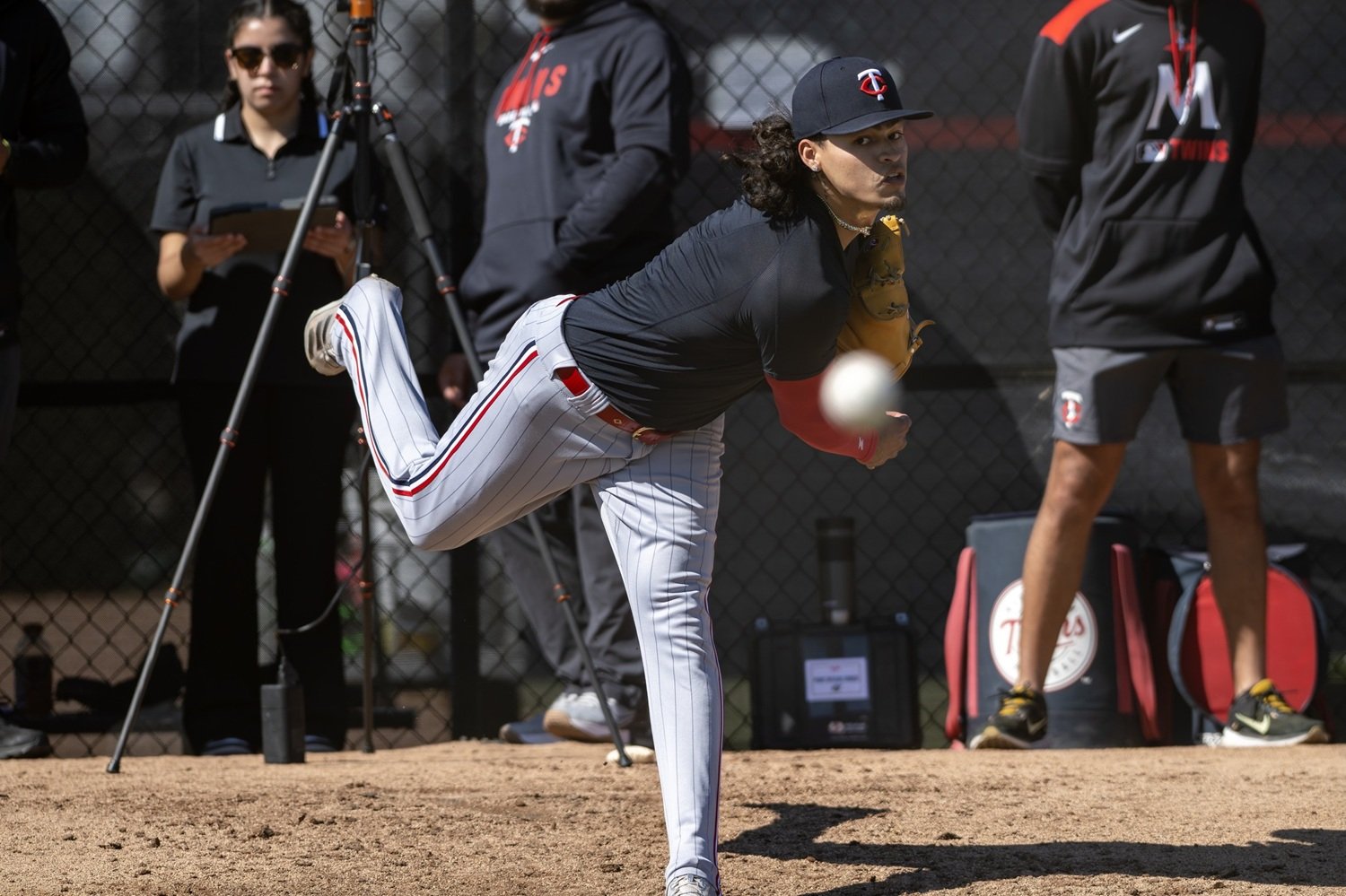 Pitchers and catchers report this week, which means optimism is officially back on the menu in Fort Myers. Every organization arrives believing that this will be the year injuries cooperate, prospects take the leap, and depth charts magically sort themselves out. For the Twins, spring training feels especially important, because there are real decisions to be made on the mound. Roles are open, and a few arms could reshape how this staff looks by Opening Day. Pitching should be one of Minnesota’s clear strengths. The Twins have more usable arms than rotation spots, a good problem to have after years of scrambling for innings. Last summer’s trade deadline played a major role in that shift, as the front office targeted pitching help that could impact both the short- and long-term future. With more than five starters capable of handling big-league innings and a bullpen that is lacking upside options, spring training will be less about finding warm bodies and more about determining the right fit for everyone. That depth makes the following three pitchers particularly interesting to watch over the next few weeks. RHP Bailey Ober Why Watch: Can his velocity return? Joe Ryan and Pablo López will be away with their national teams for the World Baseball Classic, which quietly places Ober at the top of the Twins rotation this spring. That alone makes him worth paying attention to, but there is more going on here than spring training optics. The 2025 season was a frustrating one for Ober. A lingering hip injury sapped velocity from a pitcher who already lives on precision rather than raw power. In 2024, his four-seamer averaged 91.7 mph; that dipped to 90.3 mph last season. It was never about dominance disappearing overnight. It was about margins shrinking. The Twins believed the injury would resolve itself over the winter without surgery, and that belief will be tested immediately once Ober starts stacking outings in camp. Traditionally, he's run higher velocities in February and March than in August and September, so if he doesn't have any juice in his arm in the spring, he's unlikely to discover it later. RHP Marco Raya Why Watch: How does he transition to the bullpen? Over the last week, Twins general manager Jeremy Zoll discussed Raya as one of the former starting pitchers in the organization who is transitioning to a bullpen role. It's a notable pivot for a pitcher who has been one of the Twins' top prospects since being drafted out of high school in the shortened 2020 MLB Draft. Raya’s 2025 season at Triple A was rough. A 6.02 ERA and 5.48 FIP came alongside a 22.6 K% and a career-worst 12.6 BB%. That last number is the one that really matters now. Moving to the bullpen can unlock velocity and simplify pitch usage, but free passes become even more damaging in shorter stints. As the old Metrodome video board famously reminded everyone, walks will haunt. LHP Connor Prielipp Why Watch: Will he be a starter or a reliever for the long term? Prielipp has been one of the most dominant pitching prospects in the system when healthy, but that qualifier—'when healthy'—has followed him since before he turned pro. Drafted in the second round in 2022, Prielipp made just two starts in A ball before undergoing Tommy John surgery that wiped out his 2023 season. He returned in limited fashion in 2024 before finally getting a chance to build momentum last year. The results were encouraging. Across Double and Triple A, Prielipp posted a 4.03 ERA with a 3.54 FIP and a 98:31 strikeout-to-walk ratio over 82 ⅔ innings. The organization used him almost exclusively as a starter, while carefully monitoring his workload. His stuff and injury history naturally invite bullpen speculation. Spring training may not provide a definitive answer, but how the Twins deploy him will be telling. Spring training is rarely about results, but it is always about information. For the Twins, these three pitchers represent different questions that need answering before the games start to count. Is a veteran starter healthy again? Can a former top prospect reinvent himself in a new role? And where does a talented but injury-tested arm fit best going forward? If pitching is going to carry Minnesota in 2026, the clues will start showing up this spring. What pitchers will you be watching in spring training? Leave a comment and start the discussion.
- 29 comments
-
- 6
-
-
- marco raya
- bailey ober
- (and 1 more)
-
Image courtesy of © Daniel Kucin Jr.-Imagn Images Pitchers and catchers report to Twins camp in Ft. Myers Wednesday. With that milestone comes the annual ritual of looking back at what the Twins did (or didn’t do) over the winter. This offseason was not defined by splashy headlines or aggressive spending. Instead, it was marked by modest depth additions and a series of transactions that mostly reshuffled the bottom of the roster. Minnesota thus enters spring training with many of the same questions it had when the season ended—and, perhaps, with a bit more business left to do. Free Agents 1B/DH Josh Bell 1-year, $7 million C Victor Caratini 2-years, $14 million LHP Taylor Rogers 1-year, $2 million The most notable additions came through free agency, starting with Bell. Signing the slugger to a one-year deal worth $7 million was a strong way to open the winter. He provides an immediate offensive upgrade for a lineup that badly needed a reliable veteran bat. Bell’s switch-hitting power lengthens the order and gives the Twins some much-needed stability, regardless of whether he plays first base or DH. The downside is his defense. Bell is a clear liability at first base, which is why he might spend more time as the designated hitter. That creates some roster tension, as Minnesota already has several players who profile best there (including Matt Wallner and Trevor Larnach), along with some lineup regulars who will need partial rest days. Caratini’s two-year, $14-million deal raised more eyebrows. The Twins have been open about their desire to give Ryan Jeffers regular time behind the plate, and they also acquired Alex Jackson in a trade with Baltimore. Jackson is out of minor-league options, which complicates the roster math. Carrying three catchers seems unlikely, unless Caratini sees frequent time at first base or designated hitter. (General manager Jeremy Zoll indicated when the signing became official that Caratini could play those spots.) That said, catching depth is rarely a bad thing, and Caratini provides a steady presence with experience handling pitching staffs. Rogers returned on a one-year, $2-million deal, addressing the need for bullpen depth at a reasonable cost. The issue is that this move alone does not come close to replacing what the Twins lost last summer, when five relievers were dealt away at the trade deadline. The bullpen remains inexperienced, and while the front office has spoken openly about adding another arm, the free agent market is essentially dry. That leaves trades or internal conversions as the only realistic paths forward. Trades: Acquired C Alex Jackson from the Orioles for 2B Payton Eeles Acquired 1B Eric Wagaman from the Marlins for LHP Kade Bragg Acquired IF Tristan Gray from the Red Sox for C Nate Baez Acquired cash considerations from Mariners for C Jhonny Pereda Acquired RHP Jace Kaminska and cash from the Rockies for 2B Edouard Julien and RHP Pierson Ohl The trade market brought volume, but little impact. Jackson came over from the Orioles. a move that clearly focused on raising the floor of the catching depth after Christian Vázquez departed in free agency. Wagaman and Gray were acquired as infield depth, but neither significantly changed the outlook of the roster. Pereda was moved shortly after the Caratini signing, making his brief stint in the organization officially forgettable. The most notable transaction sent Julien and Ohl to Colorado for Kaminska and cash considerations, a deal that largely reflected roster management decisions at the fringes of the 40-man roster. None of these trades made the Twins meaningfully better for 2026. They added depth and flexibility, but not wins. When you zoom out, the offseason feels uninspiring. Bell, Caratini, and Rogers are useful players, but none move the needle significantly. The roster looks deeper, but not stronger. That reality was underscored by the unexpected news that longtime baseball head Derek Falvey and the Twins mutually parted ways just as spring training approached, adding another layer of uncertainty to an already underwhelming winter. There is still time for the front office to make a meaningful addition before Opening Day, but as things stand now, this offseason earns a D. It is a passing grade only in the sense that the Twins showed up and turned something in. There is a chance to resubmit the assignment, but it will require more than marginal depth moves to change the final mark. What grade would you give the Twins for this winter? Leave a comment and start the discussion. View full article
-
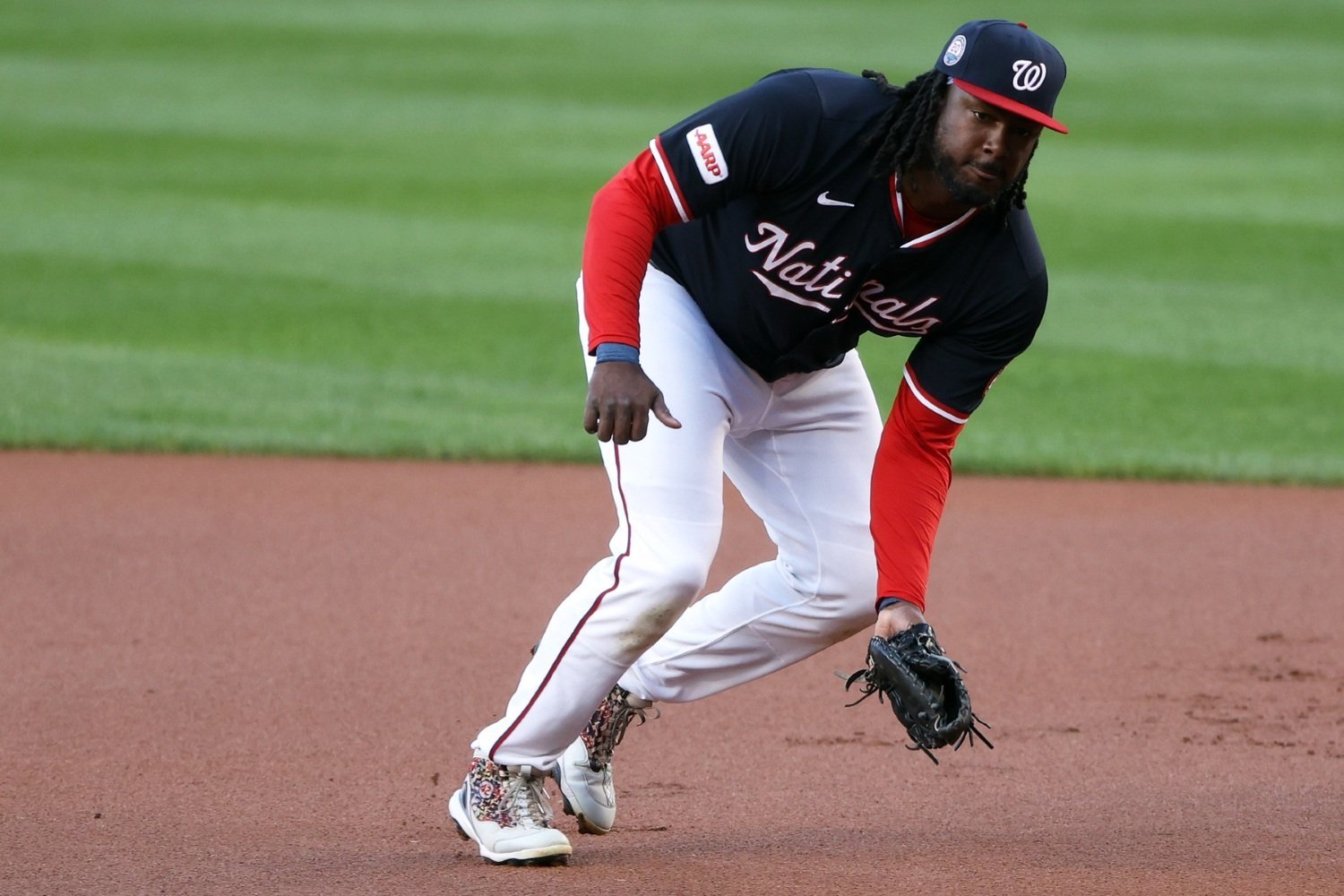 Pitchers and catchers report to Twins camp in Ft. Myers Wednesday. With that milestone comes the annual ritual of looking back at what the Twins did (or didn’t do) over the winter. This offseason was not defined by splashy headlines or aggressive spending. Instead, it was marked by modest depth additions and a series of transactions that mostly reshuffled the bottom of the roster. Minnesota thus enters spring training with many of the same questions it had when the season ended—and, perhaps, with a bit more business left to do. Free Agents 1B/DH Josh Bell 1-year, $7 million C Victor Caratini 2-years, $14 million LHP Taylor Rogers 1-year, $2 million The most notable additions came through free agency, starting with Bell. Signing the slugger to a one-year deal worth $7 million was a strong way to open the winter. He provides an immediate offensive upgrade for a lineup that badly needed a reliable veteran bat. Bell’s switch-hitting power lengthens the order and gives the Twins some much-needed stability, regardless of whether he plays first base or DH. The downside is his defense. Bell is a clear liability at first base, which is why he might spend more time as the designated hitter. That creates some roster tension, as Minnesota already has several players who profile best there (including Matt Wallner and Trevor Larnach), along with some lineup regulars who will need partial rest days. Caratini’s two-year, $14-million deal raised more eyebrows. The Twins have been open about their desire to give Ryan Jeffers regular time behind the plate, and they also acquired Alex Jackson in a trade with Baltimore. Jackson is out of minor-league options, which complicates the roster math. Carrying three catchers seems unlikely, unless Caratini sees frequent time at first base or designated hitter. (General manager Jeremy Zoll indicated when the signing became official that Caratini could play those spots.) That said, catching depth is rarely a bad thing, and Caratini provides a steady presence with experience handling pitching staffs. Rogers returned on a one-year, $2-million deal, addressing the need for bullpen depth at a reasonable cost. The issue is that this move alone does not come close to replacing what the Twins lost last summer, when five relievers were dealt away at the trade deadline. The bullpen remains inexperienced, and while the front office has spoken openly about adding another arm, the free agent market is essentially dry. That leaves trades or internal conversions as the only realistic paths forward. Trades: Acquired C Alex Jackson from the Orioles for 2B Payton Eeles Acquired 1B Eric Wagaman from the Marlins for LHP Kade Bragg Acquired IF Tristan Gray from the Red Sox for C Nate Baez Acquired cash considerations from Mariners for C Jhonny Pereda Acquired RHP Jace Kaminska and cash from the Rockies for 2B Edouard Julien and RHP Pierson Ohl The trade market brought volume, but little impact. Jackson came over from the Orioles. a move that clearly focused on raising the floor of the catching depth after Christian Vázquez departed in free agency. Wagaman and Gray were acquired as infield depth, but neither significantly changed the outlook of the roster. Pereda was moved shortly after the Caratini signing, making his brief stint in the organization officially forgettable. The most notable transaction sent Julien and Ohl to Colorado for Kaminska and cash considerations, a deal that largely reflected roster management decisions at the fringes of the 40-man roster. None of these trades made the Twins meaningfully better for 2026. They added depth and flexibility, but not wins. When you zoom out, the offseason feels uninspiring. Bell, Caratini, and Rogers are useful players, but none move the needle significantly. The roster looks deeper, but not stronger. That reality was underscored by the unexpected news that longtime baseball head Derek Falvey and the Twins mutually parted ways just as spring training approached, adding another layer of uncertainty to an already underwhelming winter. There is still time for the front office to make a meaningful addition before Opening Day, but as things stand now, this offseason earns a D. It is a passing grade only in the sense that the Twins showed up and turned something in. There is a chance to resubmit the assignment, but it will require more than marginal depth moves to change the final mark. What grade would you give the Twins for this winter? Leave a comment and start the discussion.
- 66 comments
-
- 6
-
-
- josh bell
- taylor rogers
- (and 4 more)
-
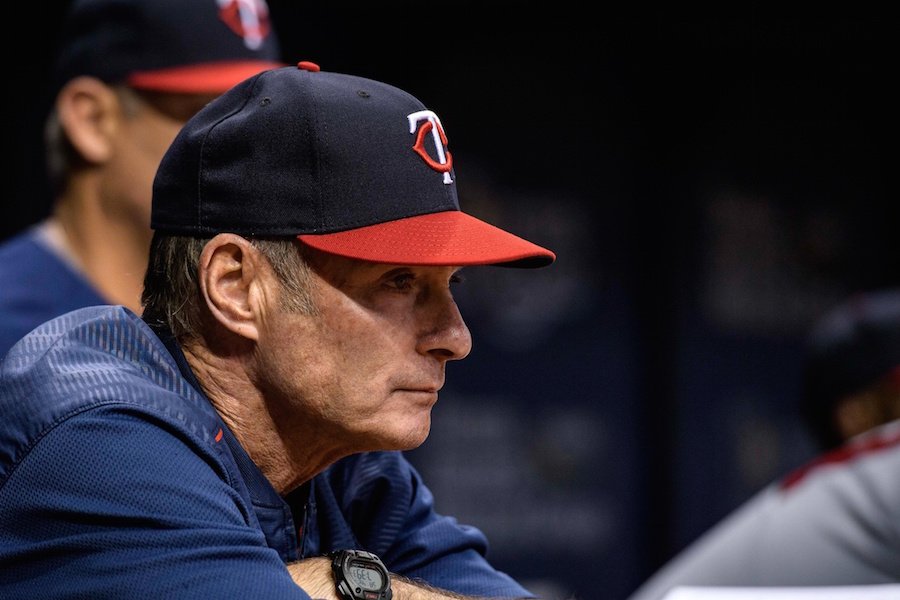 The Minnesota Twins are welcoming one of the franchise’s most beloved figures back into the fold as they approach the 2026 season. Paul Molitor’s connection to the Twins stretches back decades, both as a hometown player and an influential presence in the organization. His return in a new capacity is sure to resonate with long-time fans and offer fresh insight to viewers tuning in this year. This week, the Twins revealed Molitor’s latest role. “Hall of Famer Paul Molitor is joining the Twins' rotation of TV analysts this season, along with Justin Morneau, Trevor Plouffe, Denard Span, and Glen Perkins. Cory Provus returns as the play-by-play voice and Audra Martin is back as the sideline reporter,” reported Aaron Gleeman of The Athletic on Tuesday. Molitor’s addition to the broadcast team brings a respected voice with firsthand experience in nearly every corner of the sport. He has been a superstar player, a veteran leader, a manager, and a special assistant in the front office. There are not many perspectives within baseball that he has not experienced. His playing credentials remain among the most impressive in the game’s history. Over a 21-year career, Molitor compiled 3,319 hits, a .306 batting average, 234 home runs, 1,307 RBIs, and 1,782 runs scored. He also stole 504 bases, making him one of the rare players to pair 3,000 hits with 500 steals. His .817 OPS reflected a balanced offensive profile built on consistency, durability, and intelligence. Those accomplishments secured his induction into the National Baseball Hall of Fame in 2004. Although Molitor built the bulk of his playing legacy with the Milwaukee Brewers and added a World Series title with the Toronto Blue Jays, his time with the Twins holds a special place. A native of St. Paul, he finished his career in Minnesota from 1996 through 1998, batting .312 across those three seasons, earning a Silver Slugger Award, and producing 5.2 bWAR in what were supposed to be his twilight years. For a player in his late thirties, that level of production was remarkable, and it provided a bridge between eras for the franchise. Molitor’s impact in Minnesota extended well beyond his playing days. He managed the Twins from 2015 through 2018 and authored one of the more memorable managerial seasons in team history. In 2017, he guided Minnesota to the postseason one year after a 100-loss campaign, earning American League Manager of the Year honors in the process. Even after being let go from that role, Molitor remained involved as a Special Assistant in Baseball Operations, helping shape player development and instruction throughout the organization. He has also made radio appearances over the years, offering thoughtful and measured analysis. There is a reason Molitor has remained intertwined with the Twins for much of the past decade. His Hall of Fame resume commands respect on its own, but his steady demeanor and deep understanding of the game make him a natural fit in any role. He is not necessarily remembered first as a Twin when it comes to his playing career, yet his post-playing identity has become closely tied to Minnesota. That matters to him, and it matters to the organization. Now, as he joins a television rotation that already includes Morneau, Plouffe, Span, and Perkins, Molitor brings historical context and credibility to the broadcast. He understands what it means to chase 3,000 hits. He understands what it feels like to manage through a 100-loss season and then turn it into a playoff berth. He understands the pressure of expectations in this market. For fans, that means more than just another analyst in the booth. It means hearing the game explained by someone who has lived every angle of it. Even if the Twins encounter bumps along the way in 2026, Molitor’s presence on the broadcast will offer perspective, nostalgia, and a connection to the franchise’s past. That is a win for the organization and a win for viewers tuning in all summer long.
 -
The Minnesota Twins are welcoming one of the franchise’s most beloved figures back into the fold as they approach the 2026 season. Paul Molitor’s connection to the Twins stretches back decades, both as a hometown player and an influential presence in the organization. His return in a new capacity is sure to resonate with long-time fans and offer fresh insight to viewers tuning in this year. This week, the Twins revealed Molitor’s latest role. “Hall of Famer Paul Molitor is joining the Twins' rotation of TV analysts this season, along with Justin Morneau, Trevor Plouffe, Denard Span, and Glen Perkins. Cory Provus returns as the play-by-play voice and Audra Martin is back as the sideline reporter,” reported Aaron Gleeman of The Athletic on Tuesday. Molitor’s addition to the broadcast team brings a respected voice with firsthand experience in nearly every corner of the sport. He has been a superstar player, a veteran leader, a manager, and a special assistant in the front office. There are not many perspectives within baseball that he has not experienced. His playing credentials remain among the most impressive in the game’s history. Over a 21-year career, Molitor compiled 3,319 hits, a .306 batting average, 234 home runs, 1,307 RBIs, and 1,782 runs scored. He also stole 504 bases, making him one of the rare players to pair 3,000 hits with 500 steals. His .817 OPS reflected a balanced offensive profile built on consistency, durability, and intelligence. Those accomplishments secured his induction into the National Baseball Hall of Fame in 2004. Although Molitor built the bulk of his playing legacy with the Milwaukee Brewers and added a World Series title with the Toronto Blue Jays, his time with the Twins holds a special place. A native of St. Paul, he finished his career in Minnesota from 1996 through 1998, batting .312 across those three seasons, earning a Silver Slugger Award, and producing 5.2 bWAR in what were supposed to be his twilight years. For a player in his late thirties, that level of production was remarkable, and it provided a bridge between eras for the franchise. Molitor’s impact in Minnesota extended well beyond his playing days. He managed the Twins from 2015 through 2018 and authored one of the more memorable managerial seasons in team history. In 2017, he guided Minnesota to the postseason one year after a 100-loss campaign, earning American League Manager of the Year honors in the process. Even after being let go from that role, Molitor remained involved as a Special Assistant in Baseball Operations, helping shape player development and instruction throughout the organization. He has also made radio appearances over the years, offering thoughtful and measured analysis. There is a reason Molitor has remained intertwined with the Twins for much of the past decade. His Hall of Fame resume commands respect on its own, but his steady demeanor and deep understanding of the game make him a natural fit in any role. He is not necessarily remembered first as a Twin when it comes to his playing career, yet his post-playing identity has become closely tied to Minnesota. That matters to him, and it matters to the organization. Now, as he joins a television rotation that already includes Morneau, Plouffe, Span, and Perkins, Molitor brings historical context and credibility to the broadcast. He understands what it means to chase 3,000 hits. He understands what it feels like to manage through a 100-loss season and then turn it into a playoff berth. He understands the pressure of expectations in this market. For fans, that means more than just another analyst in the booth. It means hearing the game explained by someone who has lived every angle of it. Even if the Twins encounter bumps along the way in 2026, Molitor’s presence on the broadcast will offer perspective, nostalgia, and a connection to the franchise’s past. That is a win for the organization and a win for viewers tuning in all summer long. View full rumor
-
Image courtesy of William Parmeter (photo of Marco Raya) Pitchers and catchers report this week, which means optimism is officially back on the menu in Fort Myers. Every organization arrives believing that this will be the year injuries cooperate, prospects take the leap, and depth charts magically sort themselves out. For the Twins, spring training feels especially important because there are real decisions to be made on the mound and not all of them are theoretical. Roles are open. Health matters. And a few arms could reshape how this staff looks by Opening Day. Pitching enters the spring as one of Minnesota’s clear strengths. The Twins have more usable arms than rotation spots, and that is a good problem to have after years of scrambling for innings. Last summer’s trade deadline played a major role in that shift, as the front office targeted pitching help that could impact both the short and long term. With multiple starters capable of handling big league innings and a bullpen that is lacking upside options, spring training will be less about finding warm bodies and more about determining fit. That depth makes the following three pitchers particularly interesting to watch over the next few weeks. RHP Bailey Ober Why To Watch: Can his velocity return? Joe Ryan and Pablo Lopez will be away with their national teams for the World Baseball Classic, which quietly places Ober at the top of the Twins rotation this spring. That alone makes him worth paying attention to, but there is more going on here than spring training optics. The 2025 season was a frustrating one for Ober. A lingering hip injury sapped velocity from a pitcher who already lives on precision rather than raw power. In 2024, his four-seamer averaged 91.7 mph, and that dipped to 90.3 mph last season. It was never about dominance disappearing overnight. It was about margins shrinking. The Twins believed the injury would resolve itself over the winter without surgery, and that belief will be tested immediately once Ober starts stacking outings in camp. RHP Marco Raya Why To Watch: How does he transition to the bullpen? Over the last week, Twins general manager Jeremy Zoll discussed Raya as one of the former starting pitchers in the organization who is transitioning to a bullpen role. It is a notable pivot for a pitcher who has been one of the Twins' top prospects since being drafted out of high school in the shortened 2020 MLB Draft. Raya’s 2025 season at Triple A was rough. A 6.02 ERA and 5.48 FIP came alongside a 22.6 K% and a career-worst 12.6 BB%. That last number is the one that really matters now. Moving to the bullpen can unlock velocity and simplify pitch usage, but free passes become even more damaging in shorter stints. As the old Metrodome video board famously reminded everyone, walks will haunt. LHP Connor Prielipp Why To Watch: Will he be a starter or a reliever for the long term? Prielipp has been one of the most dominant pitching prospects in the system when healthy, and that qualifier has followed him since he turned pro. Drafted in the second round in 2022, Prielipp made just two starts in A ball before undergoing Tommy John surgery that wiped out his 2023 season. He returned in limited fashion in 2024 before finally getting a chance to build momentum last year. The results were encouraging. Across Double- and Triple-A, Prielipp posted a 4.03 ERA with a 3.54 FIP and a 98 to 31 strikeout-to-walk ratio over 82 ⅔ innings. The organization used him almost exclusively as a starter, while carefully monitoring his workload. His stuff and injury history naturally invite bullpen speculation. Spring training may not provide a definitive answer, but how the Twins deploy him will be telling. Spring training is rarely about results, but it is always about information. For the Twins, these three pitchers represent different questions that need answering before the games start to count. Is a veteran starter healthy again? Can a former top prospect reinvent himself in a new role? And where does a talented but injury-tested arm fit best going forward? If pitching is going to carry Minnesota in 2026, the clues will start showing up this spring. What pitchers will you be watching in spring training? Leave a comment and start the discussion. View full article
-
Image courtesy of © Bruce Kluckhohn-Imagn Images Welcome to your next real estate opportunity in the heart of downtown Minneapolis. After introducing a budget-friendly ticket package earlier this week to encourage fans to return to the ballpark, the Minnesota Twins have decided to think even bigger. If cheap tickets get people through the gates, selling the gates themselves might finally balance the books. Target Field is officially on the market. Not as a whole, of course. That would be drastic. Instead, the Twins are offering fans the chance to purchase individual sections, concourse corners, and possibly a bullpen bench, if the price is right. Think of it less as a baseball stadium and more as a sprawling mixed-use property with occasional professional sports interruptions. Property Overview This expansive outdoor venue features natural grass, skyline views, and a retractable sense of fiscal responsibility. With seating for over 38,000 and standing room for plenty more, the space offers endless customization options. Want to rename a section after your dog? Done. Interested in turning the third deck into a home office that overlooks left field? The Twins are listening. Buyers will enjoy access to exposed steel beams, limestone finishes, and a light rail stop that occasionally reminds you that you live in a city. The stadium has hosted playoff games, concerts, and several seasons of optimistic rebuilding. Comparable properties simply do not exist. Interior Highlights Each section comes fully furnished with fold-down seats, cup holders, and fans who may or may not agree with your life choices. Club-level ownership includes exclusive access to climate-controlled areas and the quiet satisfaction of knowing you paid extra to watch the same product as everyone else. Concourse ownership is ideal for buyers looking to dabble in a small business. Beer sales, helmet nachos, and passive-aggressive signage about standing in the aisles are all included. Plumbing is shared, which really brings the community together. Neighborhood and Amenities Located steps from downtown nightlife, Target Field offers walkable access to bars, restaurants, and people explaining how they would manage the bullpen better. The surrounding area is vibrant and lively, and several parking ramps are conveniently close, though they cost more than some ticket packages. Owners should be aware that the property is shared with 81 home games a year and a front office that still insists this is a competitive window. Noise levels may increase during fireworks nights and whenever the wave starts for no clear reason. Important Disclosures The Twins are only slightly concerned about new owners fully embracing the live-at-the-park lifestyle. While robes are not explicitly prohibited, management asks that owners at least pretend to wear real clothes while walking the concourse. This is a family-friendly environment, even if the payroll no longer suggests it. Security will gently remind robe-clad owners that wandering near the hot dog stands barefoot is frowned upon. Repeat offenses may result in a polite email and a strongly worded comment from someone named Dave on social media. Investment Potential With revenue streams shrinking and creativity expanding, Target Field represents a once-in-a-lifetime opportunity to own a piece of baseball history. Values may fluctuate depending on win totals, weather, and how often ownership reminds fans to be patient. Serious buyers only. Cash preferred. Emotional attachment to the Twins is optional but discouraged. Schedule a tour today. Even if buying doesn't turn out to be for you, consider an October rental. There's always plenty of space to enjoy the fall colors. View full article
-
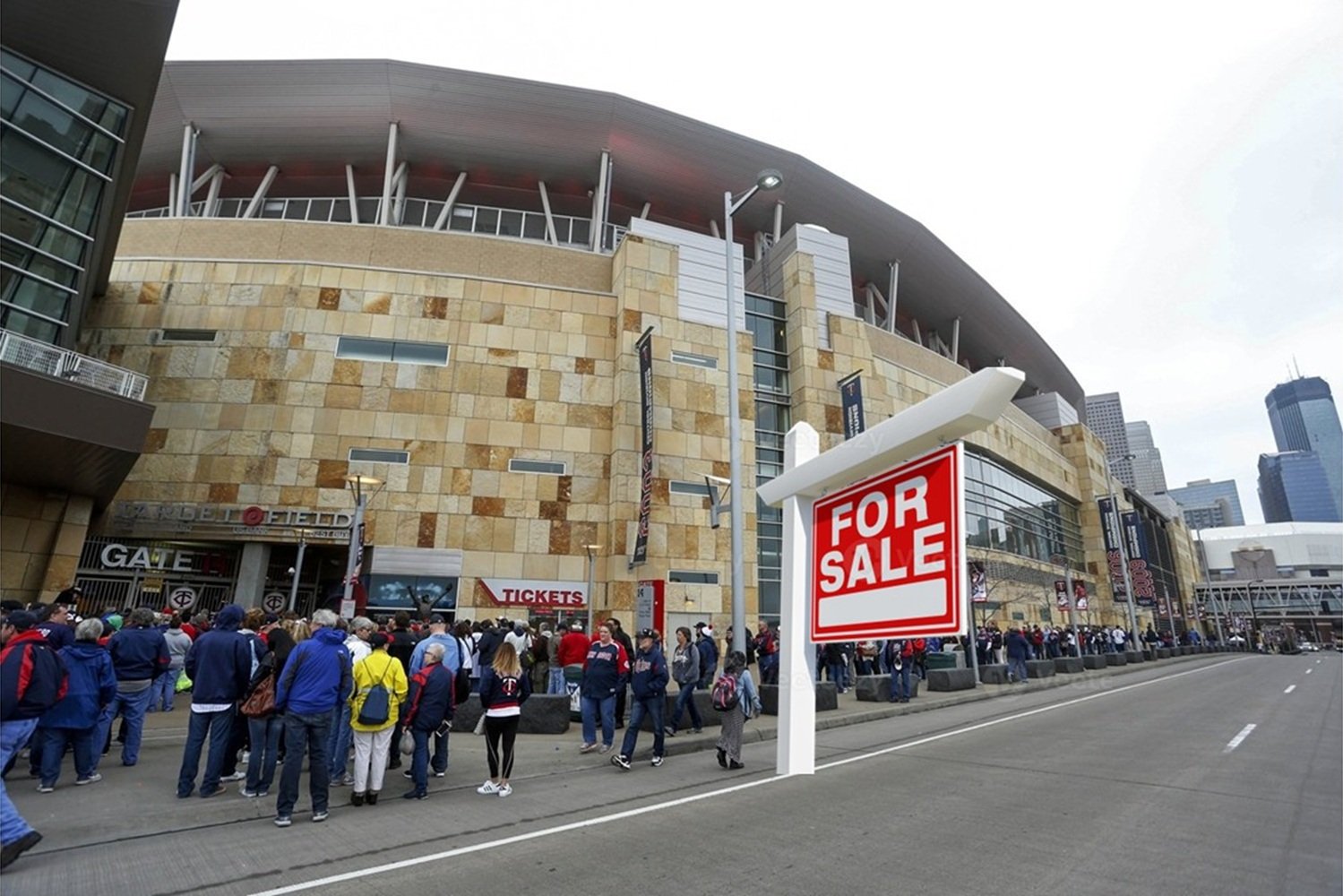 Welcome to your next real estate opportunity in the heart of downtown Minneapolis. After introducing a budget-friendly ticket package earlier this week to encourage fans to return to the ballpark, the Minnesota Twins have decided to think even bigger. If cheap tickets get people through the gates, selling the gates themselves might finally balance the books. Target Field is officially on the market. Not as a whole, of course. That would be drastic. Instead, the Twins are offering fans the chance to purchase individual sections, concourse corners, and possibly a bullpen bench, if the price is right. Think of it less as a baseball stadium and more as a sprawling mixed-use property with occasional professional sports interruptions. Property Overview This expansive outdoor venue features natural grass, skyline views, and a retractable sense of fiscal responsibility. With seating for over 38,000 and standing room for plenty more, the space offers endless customization options. Want to rename a section after your dog? Done. Interested in turning the third deck into a home office that overlooks left field? The Twins are listening. Buyers will enjoy access to exposed steel beams, limestone finishes, and a light rail stop that occasionally reminds you that you live in a city. The stadium has hosted playoff games, concerts, and several seasons of optimistic rebuilding. Comparable properties simply do not exist. Interior Highlights Each section comes fully furnished with fold-down seats, cup holders, and fans who may or may not agree with your life choices. Club-level ownership includes exclusive access to climate-controlled areas and the quiet satisfaction of knowing you paid extra to watch the same product as everyone else. Concourse ownership is ideal for buyers looking to dabble in a small business. Beer sales, helmet nachos, and passive-aggressive signage about standing in the aisles are all included. Plumbing is shared, which really brings the community together. Neighborhood and Amenities Located steps from downtown nightlife, Target Field offers walkable access to bars, restaurants, and people explaining how they would manage the bullpen better. The surrounding area is vibrant and lively, and several parking ramps are conveniently close, though they cost more than some ticket packages. Owners should be aware that the property is shared with 81 home games a year and a front office that still insists this is a competitive window. Noise levels may increase during fireworks nights and whenever the wave starts for no clear reason. Important Disclosures The Twins are only slightly concerned about new owners fully embracing the live-at-the-park lifestyle. While robes are not explicitly prohibited, management asks that owners at least pretend to wear real clothes while walking the concourse. This is a family-friendly environment, even if the payroll no longer suggests it. Security will gently remind robe-clad owners that wandering near the hot dog stands barefoot is frowned upon. Repeat offenses may result in a polite email and a strongly worded comment from someone named Dave on social media. Investment Potential With revenue streams shrinking and creativity expanding, Target Field represents a once-in-a-lifetime opportunity to own a piece of baseball history. Values may fluctuate depending on win totals, weather, and how often ownership reminds fans to be patient. Serious buyers only. Cash preferred. Emotional attachment to the Twins is optional but discouraged. Schedule a tour today. Even if buying doesn't turn out to be for you, consider an October rental. There's always plenty of space to enjoy the fall colors.
 -
Image courtesy of © Bruce Kluckhohn-Imagn Images Tom Pohlad has talked more openly about the Minnesota Twins in recent months than, perhaps, any member of the Pohlad family ever has. The problem is not a lack of transparency. It's that the transparency points in several different directions at once. Taken individually, each quote sounds thoughtful. Put together, they paint a picture of an organization apologizing for the past, promising competitiveness in the future, and asking fans to ignore the present. That's a difficult sell when the current reality is a payroll just north of $100 million; the departure of the team’s top baseball executive; and a fan base that feels more deflated than it did during the very period Pohlad admits was mishandled. Speaking about the decisions made following the 2023 season, Pohlad didn't mince words. “We made what we thought at the time was a responsible financial decision, and we obviously failed to consider the long-term impact of that decision, and the short-term impact of that decision, frankly,” he said. “We sucked the air right out of our fan base, and it did significant damage to our brand and to our family from a confidence standpoint. Plain and simple, we got it wrong.” That is an extraordinary admission for a Twins owner. It also lands awkwardly when paired with the state of the team today. Payroll is lower now than it was then. Confidence is not restored. If anything, the air feels even thinner. Pohlad has repeatedly pointed to 2026 as a pivotal season, framing it as both a goal and a justification for the current approach. “We will be competitive in 2026,” Pohlad replied. “Yes. I expect that. But the sense of urgency is about making sure that we start, right this second, getting after what the long-term plan is for this organization. And I’ve talked a lot recently about finding a way to build a business that can support a level of investment in the team, two or three years from now, that can be playing competitive baseball for a string of seasons in a row. That’s what we’re trying to build. And I think 2026 is critical to that success.” There is logic in building toward sustained competitiveness, rather than chasing short bursts of performance. The issue is that the Twins are asking fans and employees alike to buy into a long-term vision, while simultaneously scaling back in the short term. That tension became impossible to ignore when Derek Falvey stepped away from the organization. Whatever else his departure represented, it signaled that the internal understanding of competitiveness did not match the public one. Pohlad has also tried to shift the conversation away from payroll, urging observers to focus instead on results. “Yes, our payroll is down from last year,” he said. “I think there’s still investments to be made between now and Opening Day. And I’d also say that, at some point, I’d love to get off this ‘payroll’ thing for a second and let’s get halfway through the year, to the end of the year, and let’s judge the success of this year on wins and losses, on whether we’re playing meaningful baseball in September. And if we’re doing that, I think we’re gonna be in position to grow payroll the following year, and the following year. That’s what I hope we can start focusing on.” In theory, judging a season on wins and losses makes perfect sense. In practice, payroll remains the clearest signal of intent in modern baseball. Asking fans to ignore that signal requires trust, and trust is hard to rebuild after publicly acknowledging that it was broken. Now look at the roster construction. Few experienced and healthy free agent relief options remain. Teams rarely make significant trades during spring training, even if it is not impossible. That leaves the Twins (probably) relying on young starting pitchers to transition into bullpen roles, a process that often takes time and rarely goes smoothly. None of this means Tom Pohlad is being dishonest. It means he's speaking from multiple timelines at once. He's apologizing for past restraint while practicing present restraint. He's promising future competitiveness while overseeing the Twins' lowest payroll in over a decade. He is asking for urgency while preaching patience. Fans are not confused because they're ignoring what he is saying. They're confused because they're listening to it all. Pohlad needs to fix that, and changing actions (rather than words) seems the only way to do so. What do you make of Pohlad’s comments? Leave a comment and start the discussion. View full article
-
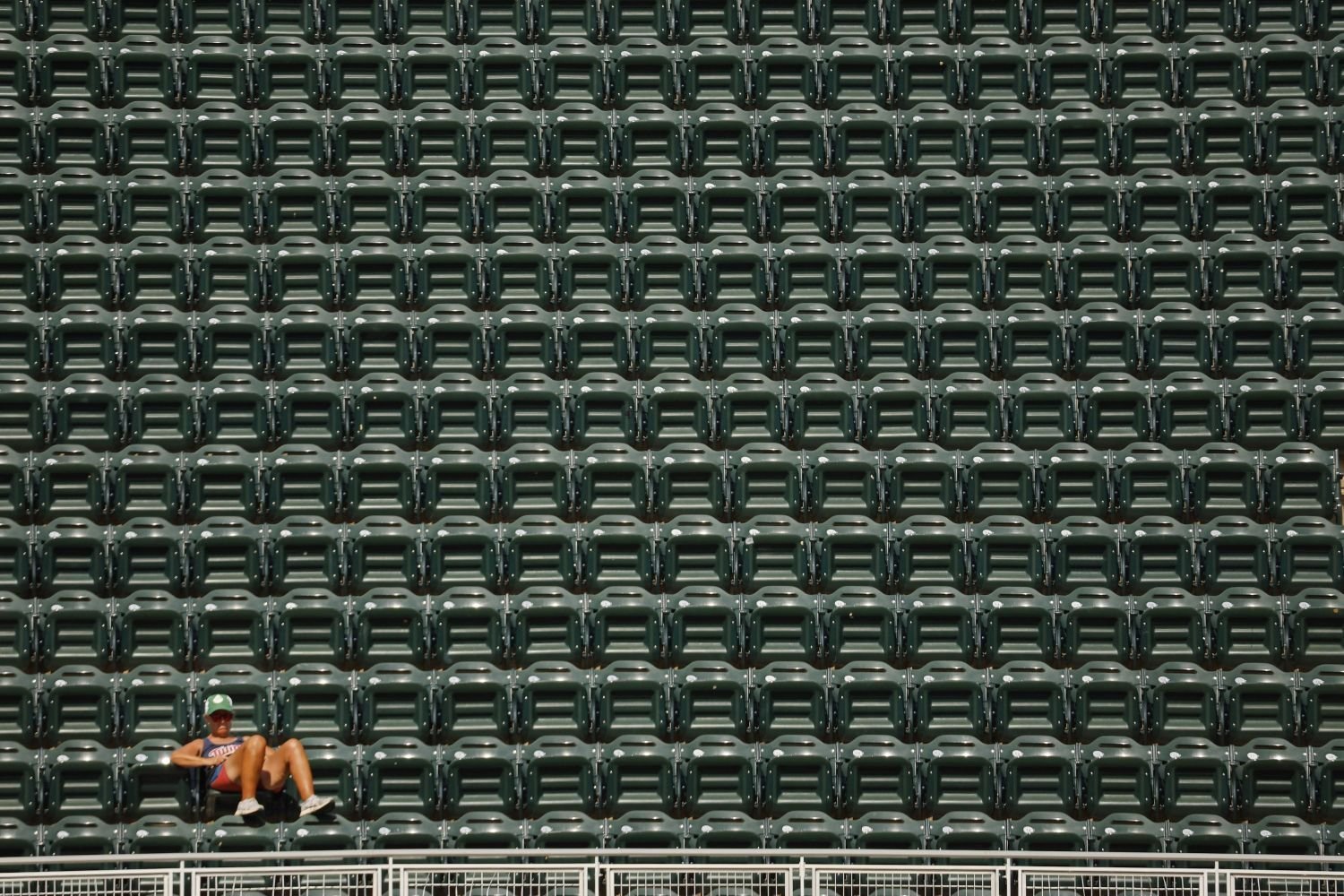 Tom Pohlad has talked more openly about the Minnesota Twins in recent months than, perhaps, any member of the Pohlad family ever has. The problem is not a lack of transparency. It's that the transparency points in several different directions at once. Taken individually, each quote sounds thoughtful. Put together, they paint a picture of an organization apologizing for the past, promising competitiveness in the future, and asking fans to ignore the present. That's a difficult sell when the current reality is a payroll just north of $100 million; the departure of the team’s top baseball executive; and a fan base that feels more deflated than it did during the very period Pohlad admits was mishandled. Speaking about the decisions made following the 2023 season, Pohlad didn't mince words. “We made what we thought at the time was a responsible financial decision, and we obviously failed to consider the long-term impact of that decision, and the short-term impact of that decision, frankly,” he said. “We sucked the air right out of our fan base, and it did significant damage to our brand and to our family from a confidence standpoint. Plain and simple, we got it wrong.” That is an extraordinary admission for a Twins owner. It also lands awkwardly when paired with the state of the team today. Payroll is lower now than it was then. Confidence is not restored. If anything, the air feels even thinner. Pohlad has repeatedly pointed to 2026 as a pivotal season, framing it as both a goal and a justification for the current approach. “We will be competitive in 2026,” Pohlad replied. “Yes. I expect that. But the sense of urgency is about making sure that we start, right this second, getting after what the long-term plan is for this organization. And I’ve talked a lot recently about finding a way to build a business that can support a level of investment in the team, two or three years from now, that can be playing competitive baseball for a string of seasons in a row. That’s what we’re trying to build. And I think 2026 is critical to that success.” There is logic in building toward sustained competitiveness, rather than chasing short bursts of performance. The issue is that the Twins are asking fans and employees alike to buy into a long-term vision, while simultaneously scaling back in the short term. That tension became impossible to ignore when Derek Falvey stepped away from the organization. Whatever else his departure represented, it signaled that the internal understanding of competitiveness did not match the public one. Pohlad has also tried to shift the conversation away from payroll, urging observers to focus instead on results. “Yes, our payroll is down from last year,” he said. “I think there’s still investments to be made between now and Opening Day. And I’d also say that, at some point, I’d love to get off this ‘payroll’ thing for a second and let’s get halfway through the year, to the end of the year, and let’s judge the success of this year on wins and losses, on whether we’re playing meaningful baseball in September. And if we’re doing that, I think we’re gonna be in position to grow payroll the following year, and the following year. That’s what I hope we can start focusing on.” In theory, judging a season on wins and losses makes perfect sense. In practice, payroll remains the clearest signal of intent in modern baseball. Asking fans to ignore that signal requires trust, and trust is hard to rebuild after publicly acknowledging that it was broken. Now look at the roster construction. Few experienced and healthy free agent relief options remain. Teams rarely make significant trades during spring training, even if it is not impossible. That leaves the Twins (probably) relying on young starting pitchers to transition into bullpen roles, a process that often takes time and rarely goes smoothly. None of this means Tom Pohlad is being dishonest. It means he's speaking from multiple timelines at once. He's apologizing for past restraint while practicing present restraint. He's promising future competitiveness while overseeing the Twins' lowest payroll in over a decade. He is asking for urgency while preaching patience. Fans are not confused because they're ignoring what he is saying. They're confused because they're listening to it all. Pohlad needs to fix that, and changing actions (rather than words) seems the only way to do so. What do you make of Pohlad’s comments? Leave a comment and start the discussion.
 -
Image courtesy of © Matt Blewett-Imagn Images It's easy to imagine the Louis Varland trade as one of those moves that will linger in the background for a while. Varland and Ty France landed with a Blue Jays team that went on to win the American League pennant, and any contribution on a stage that big tends to tilt public opinion quickly. From the Twins’ perspective, the return has mostly been discussed through the lens of Kendry Rojas, a left-handed starter the organization remains high on despite a rocky performance in Triple-A after the deal. He's the player whose upside so tantalized Derek Falvey and the front office that they were willing to deal away a local kid with several years of team control remaining. That's not quite fair to Alan Roden, the quieter piece of the trade and arguably the one who could make the whole transaction feel a lot different by the end of the 2026 campaign. When the Twins and Blue Jays lined up on the deal, Varland was still viewed by many as a controllable arm with upside, and France provided immediate major league depth. Rojas fits Minnesota’s long-term pitching mold as a young lefty with traits the organization believes it can develop. Roden, though already having played in the majors and being a more instantly recognizable name than Rojas, was viewed as a low-ceiling inclusion—a perception that has stuck. Though immediately brought to the big-league team, Roden wasn't able to demonstrate his value down the stretch. His year ended on the 60-day injured list, after he sprained a ligament in his left thumb on a headfirst slide. Surgery followed, and the timing could not have been worse for someone trying to establish momentum in a new organization. The good news is that the 25-year-old is healthy now and had a normal offseason, which matters a lot for a player whose game is built on rhythm and consistency. The roster math in Minnesota does him no favors. The Twins already have a logjam of left-handed-hitting corner outfielders, in Matt Wallner, Trevor Larnach, and fellow traded deadline addition James Outman. Roden adds another lefty bat to the mix, but his profile is different enough to matter. He is more athletic than Larnach or Wallner, can handle all three outfield spots, and does not bring the same swing-and-miss concerns as each of the other three do. In the minors, he showed an ability to hit for average, draw walks, and sprinkle in occasional power, rather than sell out for it. Before the trade, Roden was one of the most productive hitters at Triple-A Buffalo, in the Blue Jays system. In 32 games, he slashed .331/.423/.496, with nine doubles, 3 home runs, and more walks (16) than strikeouts (13). That wasn't just a hot month, either. Across four minor-league seasons, Roden has posted a .302/.409/.457 line, walking and striking out exactly 165 times each over 1,319 plate appearances. He also graded out as a plus defender, something that can give him a leg up on the other lefty corner options. There are still obstacles to clear and questions to answer. Roden has two minor-league options remaining, while Outman is out of options entirely. That reality likely sends Roden to St. Paul, unless injuries open a door. At the same time, he is entering his age-26 season, and there isn't much left for him to prove against minor-league pitching. Players with his track record tend to force the issue eventually, especially when their skill set fits multiple roster needs. He also needs to prove adaptable and smart in making changes to his swing and/or approach. Although the sample is small, his big-league time showed below-average bat speed, a flat swing plane and some issues with timing he'll need to iron out. If he makes progress on those points this spring, though, he'll rise especially quickly in the organization's esteem. There's an important precedent to consider. Roden was the star of Blue Jays spring training last year and played his way onto the Opening Day roster by hitting .423 with a 1.287 OPS. He did exactly what organizations say they want from their prospects: He made it impossible to keep him off the roster. If he repeats anything close to that in Twins camp, the calculus changes quickly. The Varland trade may not be judged fairly for another year or two, but it's worth paying attention to the quieter parts now. Rojas still has a chance to develop into a meaningful arm. Roden might be closer to helping than most people think. If he turns his on-base skills, athletic defense, and low-maintenance approach into real production at the major-league level, the narrative around that deal could flip faster than expected. Can Roden make the Twins’ Opening Day roster? Leave a comment and start the discussion. View full article
-
How Alan Roden Can Make Twins Fans Accept the Louis Varland Trade
Cody Christie posted an article in Twins
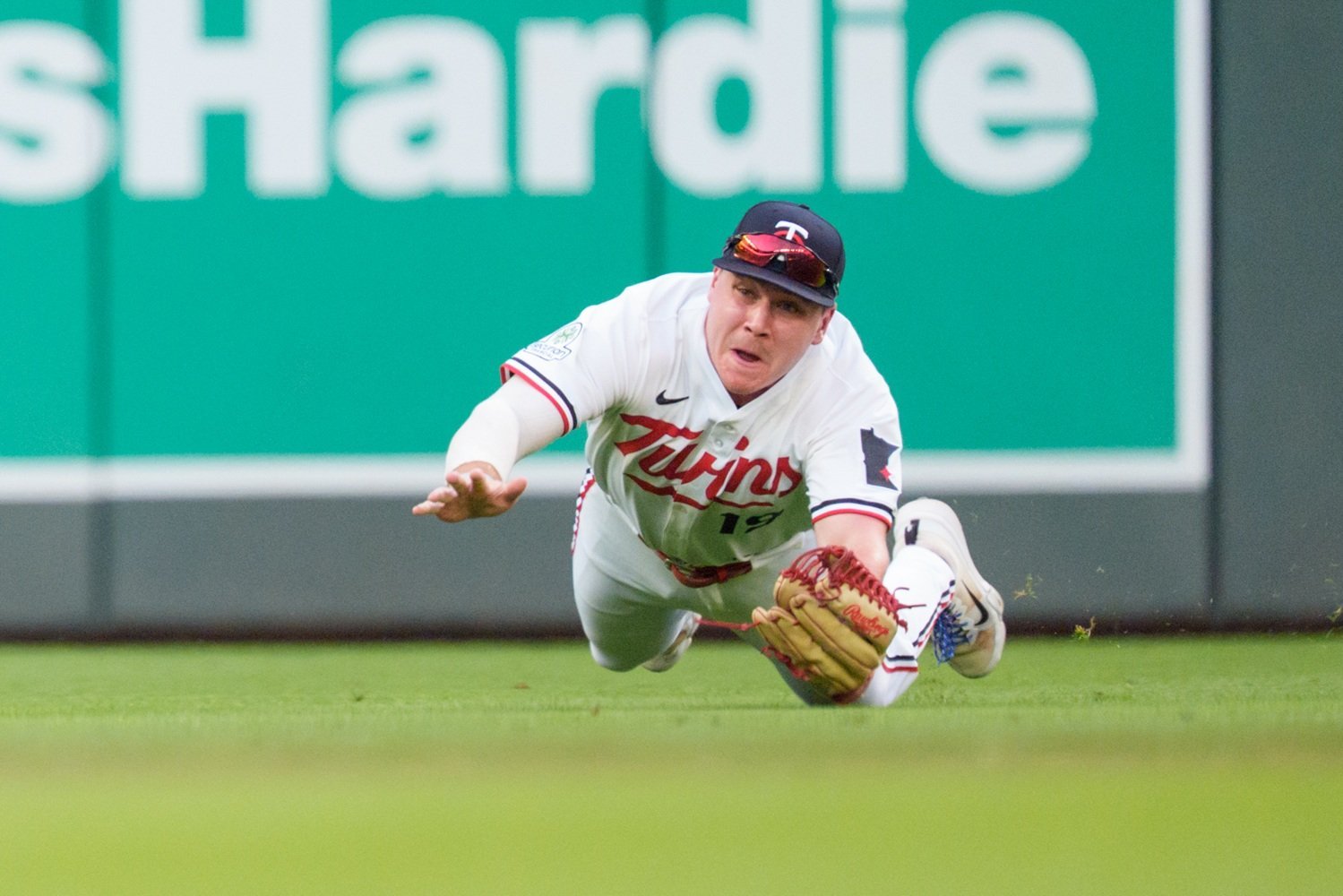 It's easy to imagine the Louis Varland trade as one of those moves that will linger in the background for a while. Varland and Ty France landed with a Blue Jays team that went on to win the American League pennant, and any contribution on a stage that big tends to tilt public opinion quickly. From the Twins’ perspective, the return has mostly been discussed through the lens of Kendry Rojas, a left-handed starter the organization remains high on despite a rocky performance in Triple-A after the deal. He's the player whose upside so tantalized Derek Falvey and the front office that they were willing to deal away a local kid with several years of team control remaining. That's not quite fair to Alan Roden, the quieter piece of the trade and arguably the one who could make the whole transaction feel a lot different by the end of the 2026 campaign. When the Twins and Blue Jays lined up on the deal, Varland was still viewed by many as a controllable arm with upside, and France provided immediate major league depth. Rojas fits Minnesota’s long-term pitching mold as a young lefty with traits the organization believes it can develop. Roden, though already having played in the majors and being a more instantly recognizable name than Rojas, was viewed as a low-ceiling inclusion—a perception that has stuck. Though immediately brought to the big-league team, Roden wasn't able to demonstrate his value down the stretch. His year ended on the 60-day injured list, after he sprained a ligament in his left thumb on a headfirst slide. Surgery followed, and the timing could not have been worse for someone trying to establish momentum in a new organization. The good news is that the 25-year-old is healthy now and had a normal offseason, which matters a lot for a player whose game is built on rhythm and consistency. The roster math in Minnesota does him no favors. The Twins already have a logjam of left-handed-hitting corner outfielders, in Matt Wallner, Trevor Larnach, and fellow traded deadline addition James Outman. Roden adds another lefty bat to the mix, but his profile is different enough to matter. He is more athletic than Larnach or Wallner, can handle all three outfield spots, and does not bring the same swing-and-miss concerns as each of the other three do. In the minors, he showed an ability to hit for average, draw walks, and sprinkle in occasional power, rather than sell out for it. Before the trade, Roden was one of the most productive hitters at Triple-A Buffalo, in the Blue Jays system. In 32 games, he slashed .331/.423/.496, with nine doubles, 3 home runs, and more walks (16) than strikeouts (13). That wasn't just a hot month, either. Across four minor-league seasons, Roden has posted a .302/.409/.457 line, walking and striking out exactly 165 times each over 1,319 plate appearances. He also graded out as a plus defender, something that can give him a leg up on the other lefty corner options. There are still obstacles to clear and questions to answer. Roden has two minor-league options remaining, while Outman is out of options entirely. That reality likely sends Roden to St. Paul, unless injuries open a door. At the same time, he is entering his age-26 season, and there isn't much left for him to prove against minor-league pitching. Players with his track record tend to force the issue eventually, especially when their skill set fits multiple roster needs. He also needs to prove adaptable and smart in making changes to his swing and/or approach. Although the sample is small, his big-league time showed below-average bat speed, a flat swing plane and some issues with timing he'll need to iron out. If he makes progress on those points this spring, though, he'll rise especially quickly in the organization's esteem. There's an important precedent to consider. Roden was the star of Blue Jays spring training last year and played his way onto the Opening Day roster by hitting .423 with a 1.287 OPS. He did exactly what organizations say they want from their prospects: He made it impossible to keep him off the roster. If he repeats anything close to that in Twins camp, the calculus changes quickly. The Varland trade may not be judged fairly for another year or two, but it's worth paying attention to the quieter parts now. Rojas still has a chance to develop into a meaningful arm. Roden might be closer to helping than most people think. If he turns his on-base skills, athletic defense, and low-maintenance approach into real production at the major-league level, the narrative around that deal could flip faster than expected. Can Roden make the Twins’ Opening Day roster? Leave a comment and start the discussion.
- 41 comments
-
- 10
-
-
- alan roden
- kendry rojas
- (and 2 more)
-
Image courtesy of William Parmeter (Photo of Marek Houston) The Twins have spent most of the winter creating problems rather than solving them. A manager was fired. Payroll was cut for a second consecutive offseason. New voices were promoted in the front office with spring training less than two weeks away. None of that inspires confidence, but the biggest issue might be the one that has barely registered in the public conversation so far. Shortstop depth is thin, and the plan behind the plan is murky at best. Brooks Lee is scheduled to be the Twins' Opening Day shortstop, and that part is fairly straightforward. What happens after that is where things start to unravel. No one expects Lee to log 140-plus games at the position, and the Twins do not have an obvious fallback option on the major league roster. That reality was bluntly summed up on a recent episode of Baseball America’s Prospect Podcast by JJ Cooper and Ian Cundall. “But I'm just going to say right now, the Minnesota Twins do not have a shortstop right now,” Cooper said. “And I do mean, Brooks Lee is not a shortstop. I'm sorry, but there is no logical path where you say Brooks Lee is going to be defensively what you want to get from an MLB shortstop.” That is not a fringe take from a hot-take artist. That is an evaluator pointing out a structural issue. Lee can handle the position in stretches, and the Twins hope his bat plays almost anywhere on the infield. The problem is that asking him to be the everyday answer ignores both defensive limitations and the physical reality of a long season. If the Twins want Lee’s bat in the lineup consistently, they may have to accept that it cannot always come from shortstop. Orlando Arcia is the most obvious name behind Lee, but even that comes with caveats. He arrived on a minor league deal and still has to earn a roster spot in camp. Even if he does, there are legitimate questions about whether he can still handle shortstop at a level that makes the defense workable over extended stretches. He is insurance, not a solution, and the Twins know it. That pushes the conversation toward the minors, where things get interesting quickly. Kaelen Culpepper is the name most fans will gravitate toward after his breakout 2025 season. The tools are loud, and the confidence is obvious, but the shortstop question has followed him since draft day. Baseball America did not shy away from that concern with Cooper adding, “I don't even think Kaelen Culpepper's a shortstop.” That assessment does not slam the door completely, but it frames the challenge. Culpepper has the arm and the athleticism. What remains in question is whether his range and actions allow him to stick at the position long term. Cundall left open the possibility of Culpepper sticking up the middle. “If Culpepper comes out this year and shows improvement at shortstop because he has the arm, it's just a range question and actions question talking to scouts about him, that a lot of them think he can play third base and so if he can stay on the left side of the infield, there's a pathway and I think that he has that drive that he wants to stay at shortstop.” That pathway matters. If Culpepper shows real progress early in the season, the Twins could be tempted to accelerate his timeline or at least view him as a viable depth option by late summer. If not, the organization may be forced to look elsewhere sooner than planned. That brings us to Marek Houston, last July’s first-round pick and arguably the cleanest defensive shortstop in the system. The bat is still a question, but the glove is not. “We could get to Marek Houston, who is, we don't know how much he's going to hit," said Cooper. "But Marek Houston is 100% is a shortstop. He is the best shortstop that the Twins have at this moment. He's so much better defensively than Brooks Lee right now.” That statement alone should make the Twins pause. Houston is not expected to be in the major league mix this season, but the defensive gap is significant enough to not be ignored. “It’s a lot easier to push Houston, quicker because the hit tool’s a question, but how much is that going to improve in the minors?” Cundall said. “I’m not sure. So, you might as well just push him more aggressively if you know that he’s MLB-ready at defense.” Cooper expanded on Houston’s defensive reputation. “I looked at the best plays for every shortstop in our top-100 and then the guys within the range of the top-100. Marek is the best.” “We’re looking at what guy can make the plays that most shortstops can’t make. Marek Houston makes plays on the other side of second base,” Cooper said. “How did he get to that ball? How is he going to get his body in position to throw? How did he make that throw? He does. Check, check, and check.” The Twins may not push Houston aggressively, but the contrast highlights how thin the current shortstop plan really is. Lee is the best offensive option. Houston is the best defensive option. Culpepper might be something in between. None of that adds up to short-term stability. This is why creativity will be required. That could mean more rotation between shortstop and third base for Lee. It could mean quicker hooks for Arcia if the defense slips. It could even mean an uncomfortable midseason decision to test a prospect before the organization feels fully ready. In a winter defined by uncertainty and cost-cutting, shortstop may end up being the position that exposes just how fragile the roster construction really is. The Twins do not need perfection there, but they do need a plan that extends beyond Opening Day. Right now, that plan feels unfinished. Do you believe Lee can handle shortstop in 2026? How quickly can Houston move through the system? Leave a comment and start the discussion. View full article
-
“They Don’t Have a Shortstop”: Baseball America Puts It Bluntly
Cody Christie posted an article in Minor Leagues
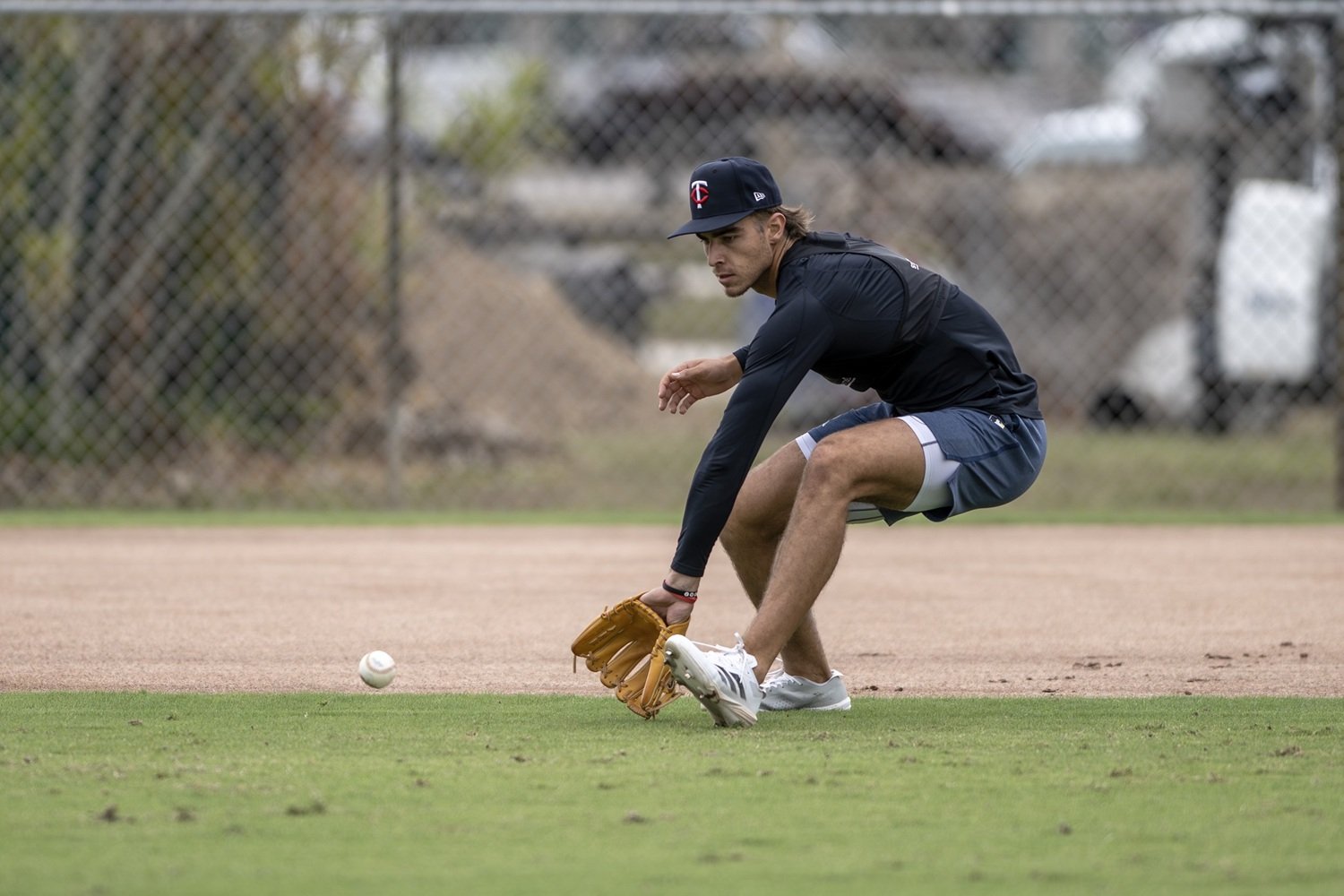 The Twins have spent most of the winter creating problems rather than solving them. A manager was fired. Payroll was cut for a second consecutive offseason. New voices were promoted in the front office with spring training less than two weeks away. None of that inspires confidence, but the biggest issue might be the one that has barely registered in the public conversation so far. Shortstop depth is thin, and the plan behind the plan is murky at best. Brooks Lee is scheduled to be the Twins' Opening Day shortstop, and that part is fairly straightforward. What happens after that is where things start to unravel. No one expects Lee to log 140-plus games at the position, and the Twins do not have an obvious fallback option on the major league roster. That reality was bluntly summed up on a recent episode of Baseball America’s Prospect Podcast by JJ Cooper and Ian Cundall. “But I'm just going to say right now, the Minnesota Twins do not have a shortstop right now,” Cooper said. “And I do mean, Brooks Lee is not a shortstop. I'm sorry, but there is no logical path where you say Brooks Lee is going to be defensively what you want to get from an MLB shortstop.” That is not a fringe take from a hot-take artist. That is an evaluator pointing out a structural issue. Lee can handle the position in stretches, and the Twins hope his bat plays almost anywhere on the infield. The problem is that asking him to be the everyday answer ignores both defensive limitations and the physical reality of a long season. If the Twins want Lee’s bat in the lineup consistently, they may have to accept that it cannot always come from shortstop. Orlando Arcia is the most obvious name behind Lee, but even that comes with caveats. He arrived on a minor league deal and still has to earn a roster spot in camp. Even if he does, there are legitimate questions about whether he can still handle shortstop at a level that makes the defense workable over extended stretches. He is insurance, not a solution, and the Twins know it. That pushes the conversation toward the minors, where things get interesting quickly. Kaelen Culpepper is the name most fans will gravitate toward after his breakout 2025 season. The tools are loud, and the confidence is obvious, but the shortstop question has followed him since draft day. Baseball America did not shy away from that concern with Cooper adding, “I don't even think Kaelen Culpepper's a shortstop.” That assessment does not slam the door completely, but it frames the challenge. Culpepper has the arm and the athleticism. What remains in question is whether his range and actions allow him to stick at the position long term. Cundall left open the possibility of Culpepper sticking up the middle. “If Culpepper comes out this year and shows improvement at shortstop because he has the arm, it's just a range question and actions question talking to scouts about him, that a lot of them think he can play third base and so if he can stay on the left side of the infield, there's a pathway and I think that he has that drive that he wants to stay at shortstop.” That pathway matters. If Culpepper shows real progress early in the season, the Twins could be tempted to accelerate his timeline or at least view him as a viable depth option by late summer. If not, the organization may be forced to look elsewhere sooner than planned. That brings us to Marek Houston, last July’s first-round pick and arguably the cleanest defensive shortstop in the system. The bat is still a question, but the glove is not. “We could get to Marek Houston, who is, we don't know how much he's going to hit," said Cooper. "But Marek Houston is 100% is a shortstop. He is the best shortstop that the Twins have at this moment. He's so much better defensively than Brooks Lee right now.” That statement alone should make the Twins pause. Houston is not expected to be in the major league mix this season, but the defensive gap is significant enough to not be ignored. “It’s a lot easier to push Houston, quicker because the hit tool’s a question, but how much is that going to improve in the minors?” Cundall said. “I’m not sure. So, you might as well just push him more aggressively if you know that he’s MLB-ready at defense.” Cooper expanded on Houston’s defensive reputation. “I looked at the best plays for every shortstop in our top-100 and then the guys within the range of the top-100. Marek is the best.” “We’re looking at what guy can make the plays that most shortstops can’t make. Marek Houston makes plays on the other side of second base,” Cooper said. “How did he get to that ball? How is he going to get his body in position to throw? How did he make that throw? He does. Check, check, and check.” The Twins may not push Houston aggressively, but the contrast highlights how thin the current shortstop plan really is. Lee is the best offensive option. Houston is the best defensive option. Culpepper might be something in between. None of that adds up to short-term stability. This is why creativity will be required. That could mean more rotation between shortstop and third base for Lee. It could mean quicker hooks for Arcia if the defense slips. It could even mean an uncomfortable midseason decision to test a prospect before the organization feels fully ready. In a winter defined by uncertainty and cost-cutting, shortstop may end up being the position that exposes just how fragile the roster construction really is. The Twins do not need perfection there, but they do need a plan that extends beyond Opening Day. Right now, that plan feels unfinished. Do you believe Lee can handle shortstop in 2026? How quickly can Houston move through the system? Leave a comment and start the discussion.
- 85 comments
-
- 7
-

-
-
- marek houston
- kaelen culpepper
- (and 2 more)
-
 This winter has felt like a contradiction wrapped in plausible deniability for the Minnesota Twins. On one hand, the organization has preached restraint while trimming payroll and reshuffling leadership. On the other hand, reports keep popping up that suggest the Twins at least poked around on some of the most expensive starting pitching available. Framber Valdez sits at the top of that list. As his free agency dragged deeper into the offseason, ESPN’s Jesse Rogers reported that Minnesota was among the teams involved. That alone raised eyebrows. A Valdez deal would have represented a dramatic shift for an organization that has been cutting costs and just parted ways with president of baseball operations Derek Falvey in a move that landed somewhere between shocking and confusing. Valdez was not the only surprise. The Twins also reportedly jumped into conversations on Freddy Peralta before Milwaukee ultimately sent him to the Mets. Whether Minnesota was a serious contender or simply checking in is impossible to know. Given the context of this winter, diligence feels like the safer assumption. Ownership has reduced spending. The front office structure is still settling. Plans for a full rebuild were shelved after minority investors came aboard to help stabilize the franchise financially. All of that has happened while the on-field product desperately needs help. The Twins lost the second-most games in the American League last season. The winter additions have been modest at best. Victor Caratini adds some flexibility behind the plate. Josh Bell brings a strong bat to an offense that struggled in the second half. Taylor Rogers returns to a bullpen that barely resembles last year’s version. None of that screams urgency. And yet, the rotation is quietly one of the more stable areas of the roster. Pablo Lopez, Joe Ryan, and Bailey Ober give Minnesota a legitimate top three. Simeon Woods Richardson showed real progress. Taj Bradley brings upside. Zebby Matthews, David Festa, Mick Abel, Connor Prielipp, Kendry Rojas, Andrew Morris, and Marco Raya round out a group that is deep if not perfectly defined. Teams never have enough starting pitching, but the Twins might have too many arms for too few rotation spots. Realistically, some of those pitchers will end up in the bullpen, whether by design or necessity. That internal depth is likely a big reason why Minnesota can talk itself out of a major free agent splurge. There are still high-end starters available, or they were recently available. Zac Gallen headlines that group after declining Arizona’s qualifying offer. Signing him would cost a draft pick, something the Twins rarely treat lightly. Lucas Giolito, Chris Bassitt, and Zack Littell represent solid but less transformative options. None carries the same impact as Gallen, and none feels like an obvious fit for a team trying to balance competitiveness with financial caution. So where does that leave Minnesota? Interested but not aggressive. Aware but not reckless. The Twins can tell agents and rival teams that they checked in on Valdez and Peralta, and technically, that can be true. It also does not mean they were ever close. Still, the fact that Minnesota keeps appearing on the periphery of these conversations matters. It suggests a front office that understands the need for impact talent, even if circumstances prevent them from acting on it. For now, browsing might be all they can afford.
 -
This winter has felt like a contradiction wrapped in plausible deniability for the Minnesota Twins. On one hand, the organization has preached restraint while trimming payroll and reshuffling leadership. On the other hand, reports keep popping up that suggest the Twins at least poked around on some of the most expensive starting pitching available. Framber Valdez sits at the top of that list. As his free agency dragged deeper into the offseason, ESPN’s Jesse Rogers reported that Minnesota was among the teams involved. That alone raised eyebrows. A Valdez deal would have represented a dramatic shift for an organization that has been cutting costs and just parted ways with president of baseball operations Derek Falvey in a move that landed somewhere between shocking and confusing. Valdez was not the only surprise. The Twins also reportedly jumped into conversations on Freddy Peralta before Milwaukee ultimately sent him to the Mets. Whether Minnesota was a serious contender or simply checking in is impossible to know. Given the context of this winter, diligence feels like the safer assumption. Ownership has reduced spending. The front office structure is still settling. Plans for a full rebuild were shelved after minority investors came aboard to help stabilize the franchise financially. All of that has happened while the on-field product desperately needs help. The Twins lost the second-most games in the American League last season. The winter additions have been modest at best. Victor Caratini adds some flexibility behind the plate. Josh Bell brings a strong bat to an offense that struggled in the second half. Taylor Rogers returns to a bullpen that barely resembles last year’s version. None of that screams urgency. And yet, the rotation is quietly one of the more stable areas of the roster. Pablo Lopez, Joe Ryan, and Bailey Ober give Minnesota a legitimate top three. Simeon Woods Richardson showed real progress. Taj Bradley brings upside. Zebby Matthews, David Festa, Mick Abel, Connor Prielipp, Kendry Rojas, Andrew Morris, and Marco Raya round out a group that is deep if not perfectly defined. Teams never have enough starting pitching, but the Twins might have too many arms for too few rotation spots. Realistically, some of those pitchers will end up in the bullpen, whether by design or necessity. That internal depth is likely a big reason why Minnesota can talk itself out of a major free agent splurge. There are still high-end starters available, or they were recently available. Zac Gallen headlines that group after declining Arizona’s qualifying offer. Signing him would cost a draft pick, something the Twins rarely treat lightly. Lucas Giolito, Chris Bassitt, and Zack Littell represent solid but less transformative options. None carries the same impact as Gallen, and none feels like an obvious fit for a team trying to balance competitiveness with financial caution. So where does that leave Minnesota? Interested but not aggressive. Aware but not reckless. The Twins can tell agents and rival teams that they checked in on Valdez and Peralta, and technically, that can be true. It also does not mean they were ever close. Still, the fact that Minnesota keeps appearing on the periphery of these conversations matters. It suggests a front office that understands the need for impact talent, even if circumstances prevent them from acting on it. For now, browsing might be all they can afford. View full rumor
-
Image courtesy of William Parmeter (Photo of Dasan Hill) The Minnesota Twins' farm system has quietly reloaded over the last few seasons, and the national rankings are finally starting to catch up. Depending on the publication, the organization currently boasts as many as six prospects landing on Top 100 lists, a reflection of aggressive drafting, targeted international spending, and meaningful deadline trades that infused the system with upside. Even with that level of recognition, prospect lists can only stretch so far. Every organization has players just outside the cut line, and in the Twins' case, several names feel far closer to breaking through than their current status suggests. Some are polished hitters whose statistical profiles lag behind flashier peers. Others are arms with loud tools but have incomplete resumes due to age or health. Two of the players below arrived via trade, while two were selected in the MLB Draft, a snapshot of how Minnesota has diversified its talent acquisition. None currently carry Top-100 prospect labels, but each has a clear path to forcing that conversation by this time next year. Gabriel Gonzalez, OF Gonzalez has already lived the Top-100 life once with MLB.com ranking him 79th in 2024, which makes his exclusion now feel more like a temporary detour than a verdict. Signed out of Venezuela by Seattle in 2021, Gonzalez established himself as a premium bat-to-ball hitter early in his career and reached national prominence before being dealt to Minnesota in the Jorge Polanco trade. A back injury derailed his 2024 season and robbed him of the impact he showed the year prior. Rather than stagnate, Gonzalez used that lost year as motivation. He reported to camp in better shape in 2025, added strength, and reminded everyone why his offensive foundation is so appealing. Across three levels, he hit well north of .300 with a 148 wRC+ and finished the year as one of the youngest regulars in Triple A, holding his own against advanced pitching. The profile is built around contact and aggression. Gonzalez rarely strikes out (14.5 K%) and consistently finds barrels, even if his swing plane and approach are not optimized for over-the-fence power. Defensively, he has improved with better conditioning, but still projects best in a corner, which places pressure on his bat to carry everyday value. 2026 focus: Gonzalez tightening his strike zone and lifting the ball more consistently would go a long way. Even a modest power bump would change how evaluators view his ceiling. Kendry Rojas, LHP The Twins did not acquire Rojas for what he has already done. They acquired him for what they believe he can still become. Injuries limited his workload in Toronto’s system, but Minnesota saw enough raw stuff at the deadline to part with meaningful big league pieces (Louis Varland, Ty France) to bring him over. When healthy, Rojas flashes a fastball that creeps into the upper 90s and a slider that misses bats at a high rate. His changeup gives him a third legitimate weapon, and the ingredients are there for a starter who can turn over a lineup. Last season, he posted a 28.8 K% while reaching Triple-A in his age-22 season. The problem has been availability and consistency. His brief Triple-A run highlighted both sides of the coin: dominant stuff paired with erratic command that led to far too many free passes (15.9 BB% after the deadline) . Rojas will pitch the entire 2026 season at 23 years old, and for the first time in years, the priority is simply staying on the mound. The Twins have a strong track record of maximizing arms with this kind of profile, and even if the rotation path narrows, there is a fallback as a high-leverage reliever. 2026 focus: Health and strike throwing. A full season with improved command would quickly push Rojas into national conversations. Dasan Hill, RHP Hill may not have cracked any Top 100 lists yet, but the ingredients scream breakout. A towering right-hander with premium velocity, Hill overwhelmed Low-A hitters with pure stuff in his first full professional season (40.2 Swing%). Opponents struggled to make contact, and when they did, it was often weak. The challenge was control. Walks piled up as Hill adjusted to longer outings and a professional workload (15.0 BB%), and his late-season jump to High-A exposed how far he still needs to go with fastball command. That said, it is hard to overstate how rare it is to find a teenager with this combination of size, velocity, and secondary pitch quality. The Twins have been patient with similar arms in the past, and Hill’s development arc suggests his biggest gains are still ahead. If the control comes even a step forward, the upside looks like a rotation anchor. 2026 focus: Throwing more strikes and working deeper into games. Efficiency will determine how fast Hill climbs. Marek Houston, SS Houston entered pro ball with one carrying tool that never came into question. His defense. Widely viewed as the best shortstop glove in last July’s draft class, Houston immediately showed why Minnesota valued him so highly with his range, arm strength, and instincts on the left side of the infield. The offensive side remains the swing factor (pun intended). Houston surprised evaluators with a power spike during his final college season (.597 SLG), but skepticism followed him into his debut due to park factors and underlying contact data. His first taste of pro ball offered a mixed picture, with a strong start at Low-A (.868 OPS) followed by a difficult transition after a promotion (.459 OPS). The floor here is relatively high because elite defense at shortstop is always valuable. The ceiling depends on whether Houston’s bat settles somewhere above playable. If it does, the Twins may have found a long-term answer at a premium position. 2026 focus: Adjusting to better pitching and finding a consistent offensive approach at higher levels will determine his trajectory. The Twins system is no longer just top-heavy. Prospects like Gonzalez, Rojas, Hill, and Houston illustrate the depth that exists beyond the headline names. If even one or two take the expected step forward in 2026, Minnesota’s presence on national Top 100 lists could grow even stronger heading into 2027. Which prospect has the best chance to be on next winter’s top-100 lists? Would you add any other prospects to the ones outlined above? Leave a comment and start the discussion. View full article
-
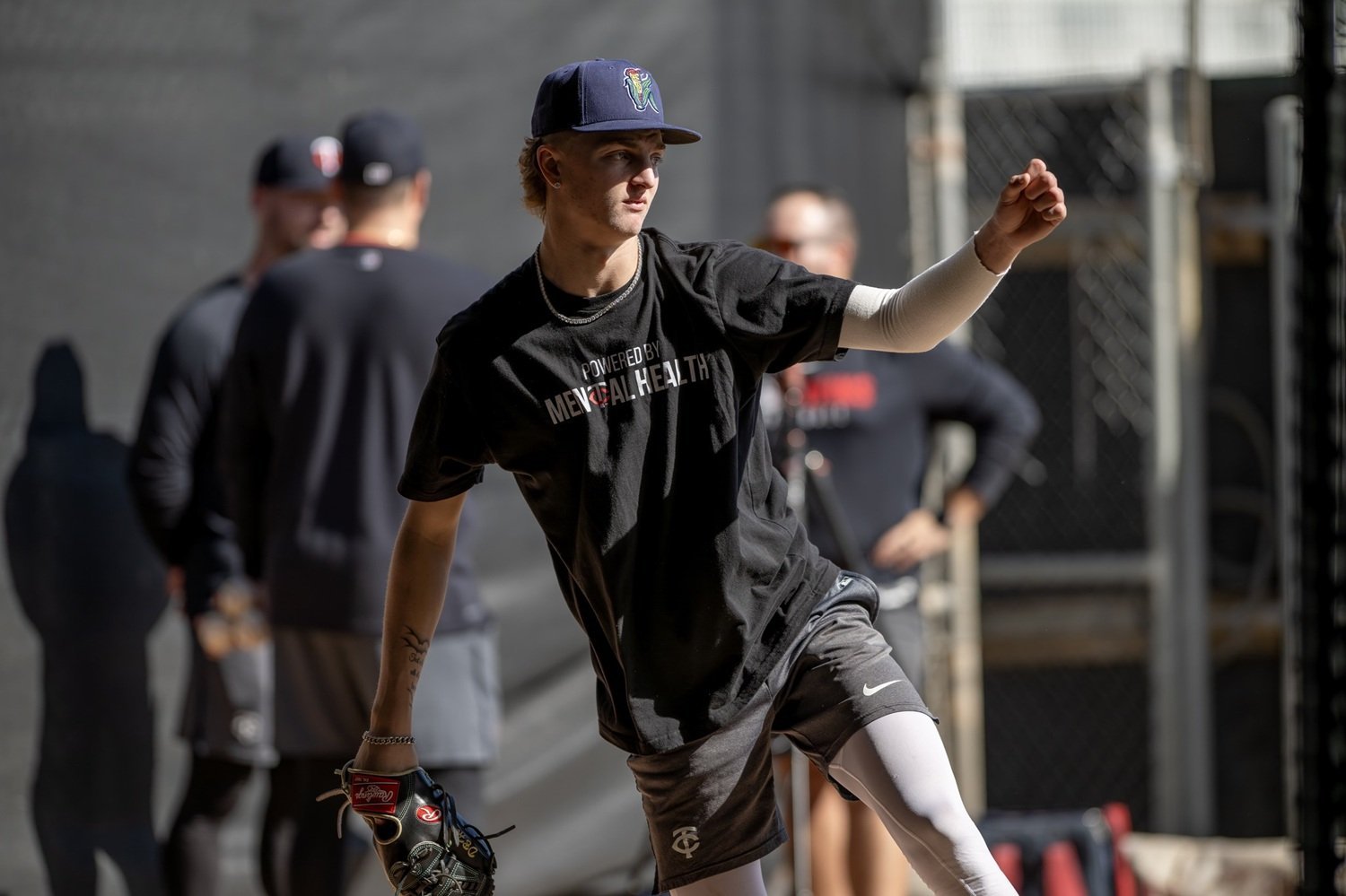 The Minnesota Twins' farm system has quietly reloaded over the last few seasons, and the national rankings are finally starting to catch up. Depending on the publication, the organization currently boasts as many as six prospects landing on Top 100 lists, a reflection of aggressive drafting, targeted international spending, and meaningful deadline trades that infused the system with upside. Even with that level of recognition, prospect lists can only stretch so far. Every organization has players just outside the cut line, and in the Twins' case, several names feel far closer to breaking through than their current status suggests. Some are polished hitters whose statistical profiles lag behind flashier peers. Others are arms with loud tools but have incomplete resumes due to age or health. Two of the players below arrived via trade, while two were selected in the MLB Draft, a snapshot of how Minnesota has diversified its talent acquisition. None currently carry Top-100 prospect labels, but each has a clear path to forcing that conversation by this time next year. Gabriel Gonzalez, OF Gonzalez has already lived the Top-100 life once with MLB.com ranking him 79th in 2024, which makes his exclusion now feel more like a temporary detour than a verdict. Signed out of Venezuela by Seattle in 2021, Gonzalez established himself as a premium bat-to-ball hitter early in his career and reached national prominence before being dealt to Minnesota in the Jorge Polanco trade. A back injury derailed his 2024 season and robbed him of the impact he showed the year prior. Rather than stagnate, Gonzalez used that lost year as motivation. He reported to camp in better shape in 2025, added strength, and reminded everyone why his offensive foundation is so appealing. Across three levels, he hit well north of .300 with a 148 wRC+ and finished the year as one of the youngest regulars in Triple A, holding his own against advanced pitching. The profile is built around contact and aggression. Gonzalez rarely strikes out (14.5 K%) and consistently finds barrels, even if his swing plane and approach are not optimized for over-the-fence power. Defensively, he has improved with better conditioning, but still projects best in a corner, which places pressure on his bat to carry everyday value. 2026 focus: Gonzalez tightening his strike zone and lifting the ball more consistently would go a long way. Even a modest power bump would change how evaluators view his ceiling. Kendry Rojas, LHP The Twins did not acquire Rojas for what he has already done. They acquired him for what they believe he can still become. Injuries limited his workload in Toronto’s system, but Minnesota saw enough raw stuff at the deadline to part with meaningful big league pieces (Louis Varland, Ty France) to bring him over. When healthy, Rojas flashes a fastball that creeps into the upper 90s and a slider that misses bats at a high rate. His changeup gives him a third legitimate weapon, and the ingredients are there for a starter who can turn over a lineup. Last season, he posted a 28.8 K% while reaching Triple-A in his age-22 season. The problem has been availability and consistency. His brief Triple-A run highlighted both sides of the coin: dominant stuff paired with erratic command that led to far too many free passes (15.9 BB% after the deadline) . Rojas will pitch the entire 2026 season at 23 years old, and for the first time in years, the priority is simply staying on the mound. The Twins have a strong track record of maximizing arms with this kind of profile, and even if the rotation path narrows, there is a fallback as a high-leverage reliever. 2026 focus: Health and strike throwing. A full season with improved command would quickly push Rojas into national conversations. Dasan Hill, RHP Hill may not have cracked any Top 100 lists yet, but the ingredients scream breakout. A towering right-hander with premium velocity, Hill overwhelmed Low-A hitters with pure stuff in his first full professional season (40.2 Swing%). Opponents struggled to make contact, and when they did, it was often weak. The challenge was control. Walks piled up as Hill adjusted to longer outings and a professional workload (15.0 BB%), and his late-season jump to High-A exposed how far he still needs to go with fastball command. That said, it is hard to overstate how rare it is to find a teenager with this combination of size, velocity, and secondary pitch quality. The Twins have been patient with similar arms in the past, and Hill’s development arc suggests his biggest gains are still ahead. If the control comes even a step forward, the upside looks like a rotation anchor. 2026 focus: Throwing more strikes and working deeper into games. Efficiency will determine how fast Hill climbs. Marek Houston, SS Houston entered pro ball with one carrying tool that never came into question. His defense. Widely viewed as the best shortstop glove in last July’s draft class, Houston immediately showed why Minnesota valued him so highly with his range, arm strength, and instincts on the left side of the infield. The offensive side remains the swing factor (pun intended). Houston surprised evaluators with a power spike during his final college season (.597 SLG), but skepticism followed him into his debut due to park factors and underlying contact data. His first taste of pro ball offered a mixed picture, with a strong start at Low-A (.868 OPS) followed by a difficult transition after a promotion (.459 OPS). The floor here is relatively high because elite defense at shortstop is always valuable. The ceiling depends on whether Houston’s bat settles somewhere above playable. If it does, the Twins may have found a long-term answer at a premium position. 2026 focus: Adjusting to better pitching and finding a consistent offensive approach at higher levels will determine his trajectory. The Twins system is no longer just top-heavy. Prospects like Gonzalez, Rojas, Hill, and Houston illustrate the depth that exists beyond the headline names. If even one or two take the expected step forward in 2026, Minnesota’s presence on national Top 100 lists could grow even stronger heading into 2027. Which prospect has the best chance to be on next winter’s top-100 lists? Would you add any other prospects to the ones outlined above? Leave a comment and start the discussion.
- 20 comments
-
- 8
-
-
- marek houston
- gabriel gonzalez
- (and 2 more)
-
Image courtesy of © Jesse Johnson-Imagn Images There was a moment, not that long ago, when the sweeper felt unavoidable. Every broadcast featured it. Every Pitching Ninja clip highlighted it. Every development staff wanted one more guy who could rip a Frisbee-like breaking ball that darted horizontally and embarrassed hitters. The pitch existed before, of course, but the league finally figured out how to define it, measure it, and teach it. According to The Athletic, pitchers had been throwing slider-like pitches with sweep for years. The breakthrough came when teams identified the specific properties that made a sweeper effective and used that information to scout and develop arms who could do what was needed to produce those results. Once that door opened, the flood followed. From 2020 through 2023, the league added roughly 10,000 sweepers each season. It was the hot new pitch type, and everyone wanted in. Then, hitters did what hitters always do. They adapted. As sweepers proliferated, they became less exotic, and thus less deceptive. The league's batting average against the pitch climbed from .183 in 2020 to .215 by 2025. Slugging jumped more dramatically, from .280 to .364. Hitters chased less often and swung more frequently when the pitch actually entered the zone. What was once a deception-driven pitch became something batters could recognize earlier and square up more consistently. When a pitch goes from rare to common, the advantage flips. Hitters see it in bullpens. They see it on video. They see it on highly specialized Trajekt pitching machines. They see it in games multiple times a week. Training catches up. The sweeper did not suddenly get worse. The league just got better at hitting it. This is where Stuff+ comes into play. Stuff+ is designed to answer a deceptively simple question for teams: “What inherent qualities make a pitch good?” Velocity, movement, release traits, and shape are all baked in. The challenge is that baseball never stops moving. What worked in 2020 does not necessarily work in 2026. That forced a difficult decision. How much old data should inform what we think makes a pitch effective today? How relevant is the early sweeper boom to the current environment, where hitters are actively hunting the pitch? To address that, Stuff+ removed 2020 and 2021 from its training data and added 2025. The goal shifted from being a historical artifact to answering a more practical question. What makes a pitch good right now? That reduces its usefulness for comparing across eras, but it strengthens its predictive value, which is where Stuff+ shines, anyway. In small samples, it can tell scouts, teams, and fantasy players a lot about pitch quality before the results stabilize. The update by the engineers of Stuff+ brought with it a reckoning. As batters improved against sweepers, the pitch type itself lost Stuff+. Some pitchers took a hit as the model adjusted to the new reality. Zebby Matthews was one of them. He tied for the third-largest Stuff+ drop following the update, falling from a 106 to a 101. Only Luis Severino and Aaron Civale saw larger declines. On paper, that looks concerning. In practice, it's more complicated. Matthews still leaned heavily on the pitch, throwing his sweeper 25.1% of the time in 2025, just a slight dip from 25.9% the year before. The results, however, were dramatically better. Opponents slugged .252 against the pitch last season, down from .462 during his rookie year. Contact quality declined as well, with average exit velocity dropping from 90.2 to 87.5 mph. Part of that improvement came from added life. Matthews generated an additional 70 rpm of spin, giving the pitch more late action. Within his arsenal, the sweeper remained his best bat-missing weapon. It posted a 38.5% whiff rate on swings and successfully put a hitter away in two-strike counts 24.3% of the time, both of which were the top results for his pitch mix. Even as the league cooled on sweepers overall, Matthews found a way to refine his version and stay ahead of the curve. Pablo López's sweeper arc is a slightly different story. When the Twins acquired him before the 2023 season, one of the first changes they made was adding a sweeper. The early returns were excellent. In its first season, hitters managed just a .210 wOBA against the pitch, with a 36.5% whiff rate. It gave López another look that complemented his fastball and changeup beautifully. Last season was more complicated. Injuries likely influenced his approach and execution, but the sweeper clearly changed. López held batters to a .163 wOBA with the pitch, his lowest mark for any offering, but the swing-and-miss wasn’t the same. His whiff rate dropped to 30.1%, the lowest since he introduced the pitch. Hitters were making more contact, even if that contact did not always turn into damage. That tension captures where the sweeper sits in 2026. It can still work. It can still produce weak contact, because it has lots of horizontal movement, which traditionally does better at limiting damage. But it no longer consistently fools hitters the way it once did, and because it often has less vertical depth than a traditional slider or a hard curve, it doesn't miss as many bats. Vertical movement is better at producing whiffs. The league is already adjusting. The kick-change is gaining momentum, offering deception through velocity separation and late movement rather than a sweeping horizontal break. That's an innovation that benefits pitchers most when they face opposite-handed batters, rather than same-handed ones, but teams can adjust to the changing pitch design-and-adjustment cycle by sacrificing the platoon advantage to chase exoticism and deception in key matchups. Even when it comes to same-handed batters, though, the sweeper might be overtaken by another tack soon. Something else will follow. It always does. The story of the sweeper is a reminder that no pitch remains king forever. As hitters learn, pitchers must evolve. The question now is, which pitch will be next to explode across the league, and how long will it take hitters to catch up this time? How will Matthews and López change their approach in 2026? Leave a comment and start the discussion. View full article
-
 There was a moment, not that long ago, when the sweeper felt unavoidable. Every broadcast featured it. Every Pitching Ninja clip highlighted it. Every development staff wanted one more guy who could rip a Frisbee-like breaking ball that darted horizontally and embarrassed hitters. The pitch existed before, of course, but the league finally figured out how to define it, measure it, and teach it. According to The Athletic, pitchers had been throwing slider-like pitches with sweep for years. The breakthrough came when teams identified the specific properties that made a sweeper effective and used that information to scout and develop arms who could do what was needed to produce those results. Once that door opened, the flood followed. From 2020 through 2023, the league added roughly 10,000 sweepers each season. It was the hot new pitch type, and everyone wanted in. Then, hitters did what hitters always do. They adapted. As sweepers proliferated, they became less exotic, and thus less deceptive. The league's batting average against the pitch climbed from .183 in 2020 to .215 by 2025. Slugging jumped more dramatically, from .280 to .364. Hitters chased less often and swung more frequently when the pitch actually entered the zone. What was once a deception-driven pitch became something batters could recognize earlier and square up more consistently. When a pitch goes from rare to common, the advantage flips. Hitters see it in bullpens. They see it on video. They see it on highly specialized Trajekt pitching machines. They see it in games multiple times a week. Training catches up. The sweeper did not suddenly get worse. The league just got better at hitting it. This is where Stuff+ comes into play. Stuff+ is designed to answer a deceptively simple question for teams: “What inherent qualities make a pitch good?” Velocity, movement, release traits, and shape are all baked in. The challenge is that baseball never stops moving. What worked in 2020 does not necessarily work in 2026. That forced a difficult decision. How much old data should inform what we think makes a pitch effective today? How relevant is the early sweeper boom to the current environment, where hitters are actively hunting the pitch? To address that, Stuff+ removed 2020 and 2021 from its training data and added 2025. The goal shifted from being a historical artifact to answering a more practical question. What makes a pitch good right now? That reduces its usefulness for comparing across eras, but it strengthens its predictive value, which is where Stuff+ shines, anyway. In small samples, it can tell scouts, teams, and fantasy players a lot about pitch quality before the results stabilize. The update by the engineers of Stuff+ brought with it a reckoning. As batters improved against sweepers, the pitch type itself lost Stuff+. Some pitchers took a hit as the model adjusted to the new reality. Zebby Matthews was one of them. He tied for the third-largest Stuff+ drop following the update, falling from a 106 to a 101. Only Luis Severino and Aaron Civale saw larger declines. On paper, that looks concerning. In practice, it's more complicated. Matthews still leaned heavily on the pitch, throwing his sweeper 25.1% of the time in 2025, just a slight dip from 25.9% the year before. The results, however, were dramatically better. Opponents slugged .252 against the pitch last season, down from .462 during his rookie year. Contact quality declined as well, with average exit velocity dropping from 90.2 to 87.5 mph. Part of that improvement came from added life. Matthews generated an additional 70 rpm of spin, giving the pitch more late action. Within his arsenal, the sweeper remained his best bat-missing weapon. It posted a 38.5% whiff rate on swings and successfully put a hitter away in two-strike counts 24.3% of the time, both of which were the top results for his pitch mix. Even as the league cooled on sweepers overall, Matthews found a way to refine his version and stay ahead of the curve. Pablo López's sweeper arc is a slightly different story. When the Twins acquired him before the 2023 season, one of the first changes they made was adding a sweeper. The early returns were excellent. In its first season, hitters managed just a .210 wOBA against the pitch, with a 36.5% whiff rate. It gave López another look that complemented his fastball and changeup beautifully. Last season was more complicated. Injuries likely influenced his approach and execution, but the sweeper clearly changed. López held batters to a .163 wOBA with the pitch, his lowest mark for any offering, but the swing-and-miss wasn’t the same. His whiff rate dropped to 30.1%, the lowest since he introduced the pitch. Hitters were making more contact, even if that contact did not always turn into damage. That tension captures where the sweeper sits in 2026. It can still work. It can still produce weak contact, because it has lots of horizontal movement, which traditionally does better at limiting damage. But it no longer consistently fools hitters the way it once did, and because it often has less vertical depth than a traditional slider or a hard curve, it doesn't miss as many bats. Vertical movement is better at producing whiffs. The league is already adjusting. The kick-change is gaining momentum, offering deception through velocity separation and late movement rather than a sweeping horizontal break. That's an innovation that benefits pitchers most when they face opposite-handed batters, rather than same-handed ones, but teams can adjust to the changing pitch design-and-adjustment cycle by sacrificing the platoon advantage to chase exoticism and deception in key matchups. Even when it comes to same-handed batters, though, the sweeper might be overtaken by another tack soon. Something else will follow. It always does. The story of the sweeper is a reminder that no pitch remains king forever. As hitters learn, pitchers must evolve. The question now is, which pitch will be next to explode across the league, and how long will it take hitters to catch up this time? How will Matthews and López change their approach in 2026? Leave a comment and start the discussion.


