



Cody Christie
-
Posts
7,805 -
Joined
-
Last visited
-
Days Won
5
Content Type
Profiles
News
Minnesota Twins Videos
2026 Minnesota Twins Top Prospects Ranking
2022 Minnesota Twins Draft Picks
Minnesota Twins Free Agent & Trade Rumors, Notes, & Tidbits
Guides & Resources
2023 Minnesota Twins Draft Picks
The Minnesota Twins Players Project
2024 Minnesota Twins Draft Picks
2025 Minnesota Twins Draft Pick Tracker
2026 Minnesota Twins Draft Tracker: Picks & Bonuses
Forums
Blogs
Events
Store
Downloads
Gallery
Everything posted by Cody Christie
-
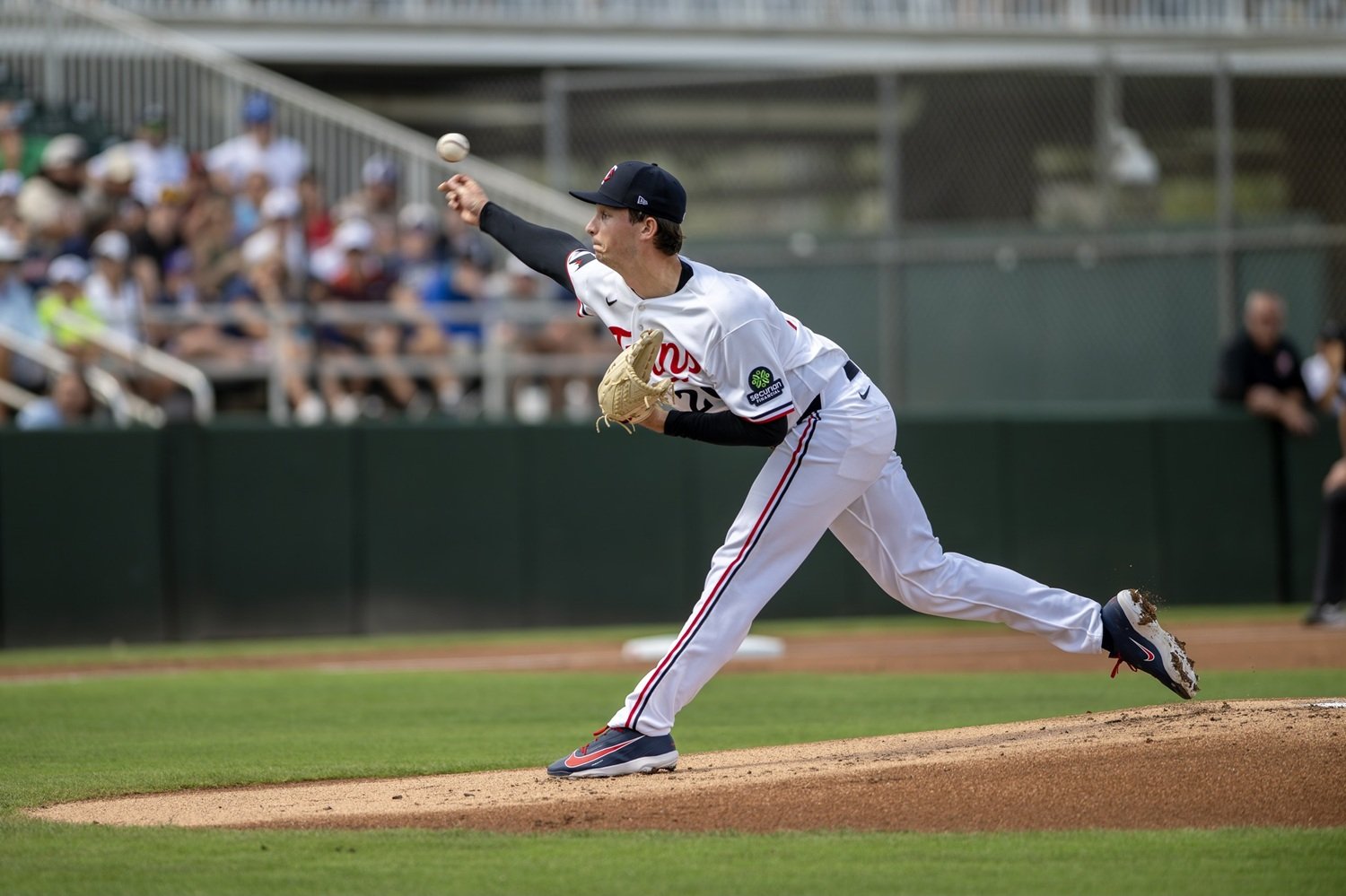 Spring training is ending, and final roster decisions loom for the Minnesota Twins. Injuries to Pablo López and David Festa have unexpectedly created an opening in the rotation. Now, two young pitchers compete for the last rotation spot. Zebby Matthews began spring as the favorite, but Mick Abel’s recent electric performance has made the decision tougher. Only one will break camp with the club for Opening Day in Baltimore. Why Matthews Should Make the Roster To begin with, Matthews entered spring training as the leading candidate for the final rotation spot, and his overall profile still makes him a strong option for the Opening Day staff. Matthews’ 5.92 ERA through 25 starts raises concerns at first glance. Yet a closer look reveals tools that suggest greater potential than the ERA implies. Matthews has the type of velocity teams crave in a modern starter. His four-seam fastball averaged 96.5 mph last season, and he pairs it with a slider that generated 50 strikeouts and a 38.5% whiff rate. That combination alone gives him the ability to miss bats consistently. Matthews has recorded 131 strikeouts in 117 innings, showing that his stuff is capable of producing outs at the highest level. What makes Matthews even more intriguing is the depth of his arsenal. In addition to the fastball and slider, he mixes a cutter, changeup, curveball, and sinker. Few young pitchers possess that many options, and the variety allows him to attack hitters in multiple ways throughout a lineup. Control has also been one of his greatest strengths. Over the past two seasons across all professional levels, Matthews has posted a 4.8% walk rate. Among pitchers with at least 50 combined starts during that span, that mark ranks seventh best. That type of command provides a solid foundation for long-term success. Why Matthews Could Be Left Off the Roster Despite the tools and upside, Matthews has struggled to turn his raw ability into consistent results. One of the biggest concerns has been his command within the strike zone. While Matthews does an excellent job limiting walks, his pitches often drift into dangerous locations once they cross the plate. Over the past two seasons, opposing hitters have posted a .362 batting average and a .979 OPS against his strikes, the second-worst marks among pitchers with at least 25 starts. Left-handed hitters have been especially problematic. They have crushed Matthews’ pitches in the zone for a .406 batting average and a 9.1% home run rate. Those numbers suggest that his pitch placement needs significant improvement before he can fully harness his arsenal. Still, there are signs that better days could be ahead. Matthews’ career FIP sits 1.51 runs lower than his ERA, suggesting he has been somewhat unlucky. Even a modest improvement in his in-zone command could significantly raise his ceiling. Why Abel Should Make the Roster Abel has made a case this spring. In 10 innings, he struck out nearly 40 percent of batters and issued no walks, quickly garnering attention for his control. Abel’s early outings were nearly flawless. He threw his first 10 innings without a walk or run, displaying the command the Twins wanted. Even when tested, Abel responded well. Facing the Toronto Blue Jays, he walked George Springer on eight pitches, then left a slider that Daulton Varsho hit for a two-run homer. Abel rebounded by striking out the next three, then finished 3 1/3 innings. He gave up only three singles and erased a runner with a double play. That ability to recover could be a sign of maturation. Abel has always possessed excellent raw stuff and a wide pitch mix. If his improved control is real, he could quickly become one of the most dynamic arms in the Twins’ rotation. On the fringes of contention, Abel might offer the highest upside among the pitchers competing for the final spot. Why Abel Could Be Left Off the Roster Abel still faces a challenge: experience. He has the fewest major league innings in the starting group, making him the easiest to send to Triple A. Developmentally, that option could make sense. Abel has struggled with walks throughout his minor league career, and the organization may want to see a larger sample size of improved command before handing him a permanent spot in the rotation. Roster management also matters. Teams often keep younger pitchers in the minors early to avoid inconsistency in the big league rotation. Even with Abel showing the most electric arm this spring, the Twins may see a few more Triple-A starts as the safest path for his long-term growth. The final rotation decision depends on philosophy. Matthews offers more experience and stability. Abel brings more upside. The Twins must weigh early-season safety against the potential boost Abel could provide. Realistically, both pitchers will be needed for critical roles throughout the 162-game season. With Opening Day approaching quickly, the Twins must decide whether to trust Matthews’ experience or gamble on Abel’s potential. Either way, the outcome of this spring battle could have a significant impact on who heads north with the club. Who should earn the final rotation spot? Leave a comment and start the discussion.
 -
 Investing heavily in a high school pitcher is always risky. Pitchers are fragile, their development can take longer than planned, and injuries are common. The Twins accepted those risks when they picked Charlee Soto with the 34th overall pick in the 2023 MLB Draft. Now, the early portion of Soto’s professional career has served as a reminder of that risk. According to MLB.com reporter Matthew Leach, Soto is behind schedule this spring as he continues to recover from bone spur surgery that took place last summer. The Twins Daily No. 10 prospect will open the 2026 season on the injured list, though there is some encouraging progress. Soto is expected to begin throwing live batting practice in early April, which could put him on a path toward returning to game action sometime later in the spring. Though not ideal, the delay is just another twist in Soto’s development. The Twins rarely use early picks on prep pitchers because it’s a volatile profile, often preferring college arms or position players at the top of the draft. Soto was an exception. The 17-year-old right-hander out of Reborn Christian Academy in Florida had the type of electric arm talent that made the gamble worthwhile. Minnesota signed him for a 2.48 million bonus and immediately placed him among the most intriguing young arms in the system. Since then, however, the results have been mixed. Soto made his professional debut in 2024 and spent the year with Fort Myers. The Twins managed his workload carefully, which is common for young pitchers in their first full season. Across 21 appearances, he posted a 5.23 ERA while showing flashes of the raw stuff that made him such an appealing draft target. His fastball velocity and overall athleticism remained impressive, but consistency proved difficult to maintain. The following season brought even more frustration. In 2025, Soto managed only 13 innings before injuries interrupted his year. A triceps strain sidelined him after just three starts with Cedar Rapids. As he worked his way through that recovery process, another issue emerged. In August, Soto underwent a procedure to remove a partially detached bone spur in his elbow. The positive news was that doctors found no structural damage in the elbow itself. For a pitcher, that distinction matters. Structural issues involving ligaments often lead to lengthy recoveries and, in some cases, major surgery. Soto avoided that scenario, which allowed the Twins to remain optimistic about his long-term outlook. This spring represents the first step toward putting those health questions behind him. Even though Soto will begin the season on the injured list, the expectation is that he will gradually build up his workload once he returns to the mound. Live batting practice in early April is typically one of the final checkpoints before pitchers resume competitive innings. If everything progresses as planned, Soto could see game action not long after that. Soto’s talent has never been the primary concern. His fastball already flashes the type of life that scouts dream about when projecting future big-league starters. His secondary pitches still require refinement, but the foundation of a legitimate pitching arsenal is there. What the Twins need to see now is durability and repetition. That means building innings. After throwing only a small number of frames over the last two seasons, Soto’s goal in 2026 should be to push past the 100-inning mark. Reaching that threshold would represent a meaningful step in his progression and help answer some of the durability questions that currently surround him. Equally important will be his ability to refine his command and pitch sequencing. Young pitchers often rely on raw velocity early in their careers, but long-term success requires learning how to navigate lineups, adjust during games, and consistently locate pitches in competitive counts. If Soto can combine improved health with those developmental gains, his prospect stock could rebound quickly. For now, patience remains the key. His 2026 season may begin later than expected, but it will offer another opportunity for Soto to show why the Twins believed in his potential in the first place. If he can return to the mound, stay healthy, and steadily build his workload, the narrative surrounding his development could start to shift again. For a pitcher with Soto’s ceiling, simply getting back on the field and logging consistent innings would be a meaningful step toward the future the organization envisioned on draft day. View full rumor
 -
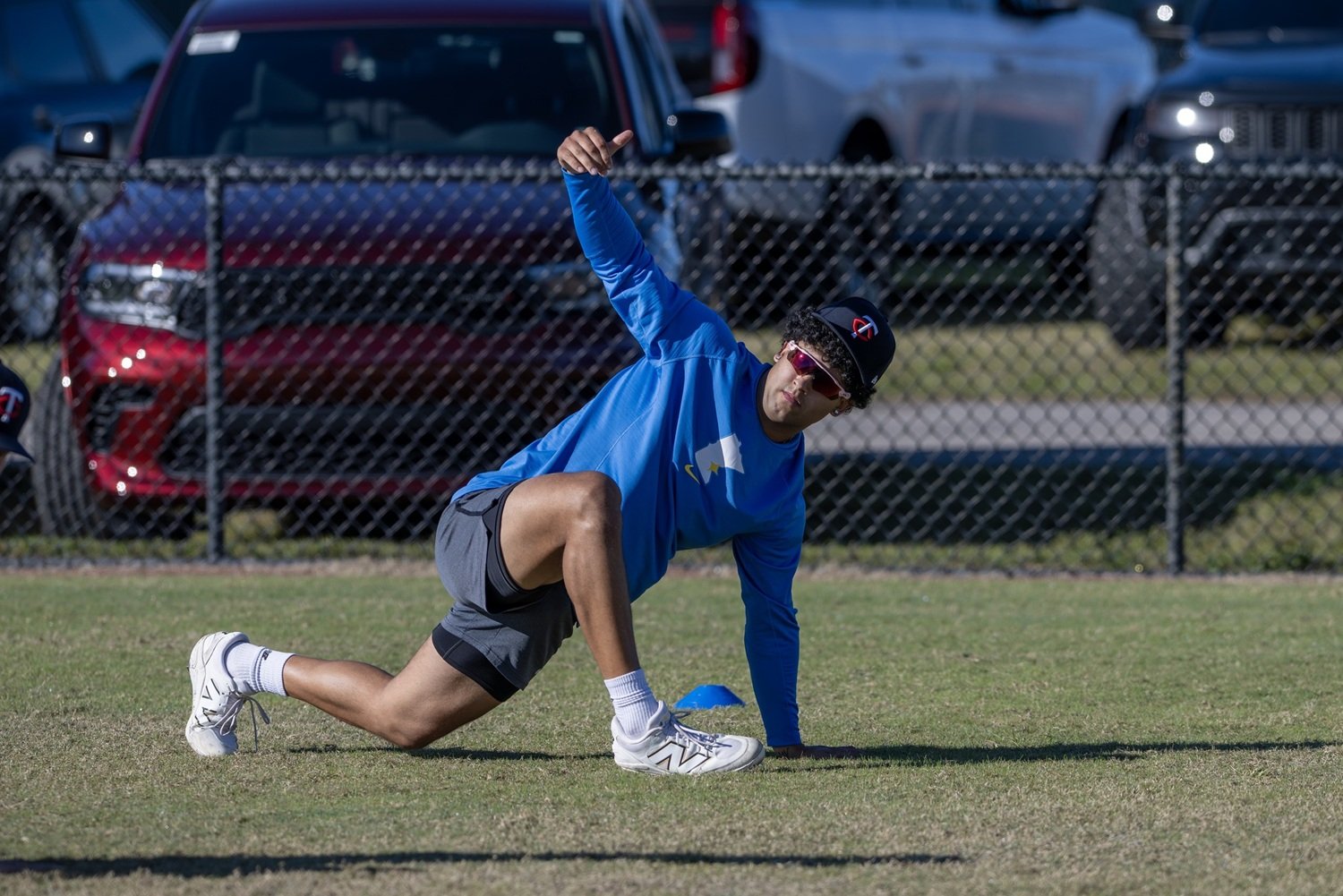 Investing heavily in a high school pitcher is always risky. Pitchers are fragile, their development can take longer than planned, and injuries are common. The Twins accepted those risks when they picked Charlee Soto with the 34th overall pick in the 2023 MLB Draft. Now, the early portion of Soto’s professional career has served as a reminder of that risk. According to MLB.com reporter Matthew Leach, Soto is behind schedule this spring as he continues to recover from bone spur surgery that took place last summer. The Twins Daily No. 10 prospect will open the 2026 season on the injured list, though there is some encouraging progress. Soto is expected to begin throwing live batting practice in early April, which could put him on a path toward returning to game action sometime later in the spring. Though not ideal, the delay is just another twist in Soto’s development. The Twins rarely use early picks on prep pitchers because it’s a volatile profile, often preferring college arms or position players at the top of the draft. Soto was an exception. The 17-year-old right-hander out of Reborn Christian Academy in Florida had the type of electric arm talent that made the gamble worthwhile. Minnesota signed him for a 2.48 million bonus and immediately placed him among the most intriguing young arms in the system. Since then, however, the results have been mixed. Soto made his professional debut in 2024 and spent the year with Fort Myers. The Twins managed his workload carefully, which is common for young pitchers in their first full season. Across 21 appearances, he posted a 5.23 ERA while showing flashes of the raw stuff that made him such an appealing draft target. His fastball velocity and overall athleticism remained impressive, but consistency proved difficult to maintain. The following season brought even more frustration. In 2025, Soto managed only 13 innings before injuries interrupted his year. A triceps strain sidelined him after just three starts with Cedar Rapids. As he worked his way through that recovery process, another issue emerged. In August, Soto underwent a procedure to remove a partially detached bone spur in his elbow. The positive news was that doctors found no structural damage in the elbow itself. For a pitcher, that distinction matters. Structural issues involving ligaments often lead to lengthy recoveries and, in some cases, major surgery. Soto avoided that scenario, which allowed the Twins to remain optimistic about his long-term outlook. This spring represents the first step toward putting those health questions behind him. Even though Soto will begin the season on the injured list, the expectation is that he will gradually build up his workload once he returns to the mound. Live batting practice in early April is typically one of the final checkpoints before pitchers resume competitive innings. If everything progresses as planned, Soto could see game action not long after that. Soto’s talent has never been the primary concern. His fastball already flashes the type of life that scouts dream about when projecting future big-league starters. His secondary pitches still require refinement, but the foundation of a legitimate pitching arsenal is there. What the Twins need to see now is durability and repetition. That means building innings. After throwing only a small number of frames over the last two seasons, Soto’s goal in 2026 should be to push past the 100-inning mark. Reaching that threshold would represent a meaningful step in his progression and help answer some of the durability questions that currently surround him. Equally important will be his ability to refine his command and pitch sequencing. Young pitchers often rely on raw velocity early in their careers, but long-term success requires learning how to navigate lineups, adjust during games, and consistently locate pitches in competitive counts. If Soto can combine improved health with those developmental gains, his prospect stock could rebound quickly. For now, patience remains the key. His 2026 season may begin later than expected, but it will offer another opportunity for Soto to show why the Twins believed in his potential in the first place. If he can return to the mound, stay healthy, and steadily build his workload, the narrative surrounding his development could start to shift again. For a pitcher with Soto’s ceiling, simply getting back on the field and logging consistent innings would be a meaningful step toward the future the organization envisioned on draft day.
 -
The Minnesota Twins have spent the past three seasons watching one of the most talented prospects in baseball climb through their farm system. Now, after a brief injury scare this spring, Walker Jenkins appears to be getting back on track. According to Matthew Leach of MLB.com, Jenkins is “tracking well” to be available for Opening Day with the St. Paul Saints. The update came Sunday from Twins general manager Jeremy Zoll, offering a positive outlook for the organization’s most important young player. Jenkins suffered a Grade 1 left hamstring strain on February 28, an injury that forced the Twins to slow his spring workload. Fortunately for both the player and the organization, the strain was considered mild, and his recovery has gone smoothly. The 21-year-old outfielder is expected to begin appearing in Minor League games by the end of the upcoming week as he continues ramping up his activity. His availability for the Twins’ upcoming Spring Breakout showcase on Thursday remains uncertain, and the club is unlikely to rush him into that event if he is not fully ready. Even without the Spring Breakout appearance, the most important goal for Jenkins is simply returning to a regular schedule before the Minor League season begins. Jenkins is widely considered the top prospect in the Twins system and one of the best prospects in baseball. Baseball America ranks him as the no. 9 overall prospect, a reflection of the tools that made him the fifth overall pick in the 2023 MLB Draft. Last week, Twins Daily profiled him as the organization’s top prospect. Since entering professional baseball, Jenkins has done little to challenge those expectations. Scouts praise his advanced hitting approach, elite bat-to-ball skills, and the type of plate discipline rarely seen from a player his age. His combination of athleticism and offensive potential has led many evaluators to project him as a future cornerstone in the middle of the Twins' lineup. The Twins believe the best path forward is allowing Jenkins to start the season with St. Paul, where he can continue facing upper-level pitching while adjusting to the grind of a full professional season. Triple-A will provide the final developmental stage before a potential big league opportunity. That timeline also gives the organization flexibility. If Jenkins performs well and stays healthy, the Twins could view him as a legitimate option for the major league roster during the second half of the season. For now, the most important step is simply getting back on the field. A return to Minor League games in the coming days would represent another step in Jenkins’ steady climb through the system. If everything continues trending in the right direction, the Twins may soon have one of baseball’s brightest young talents knocking on the door of the big leagues. View full rumor
-
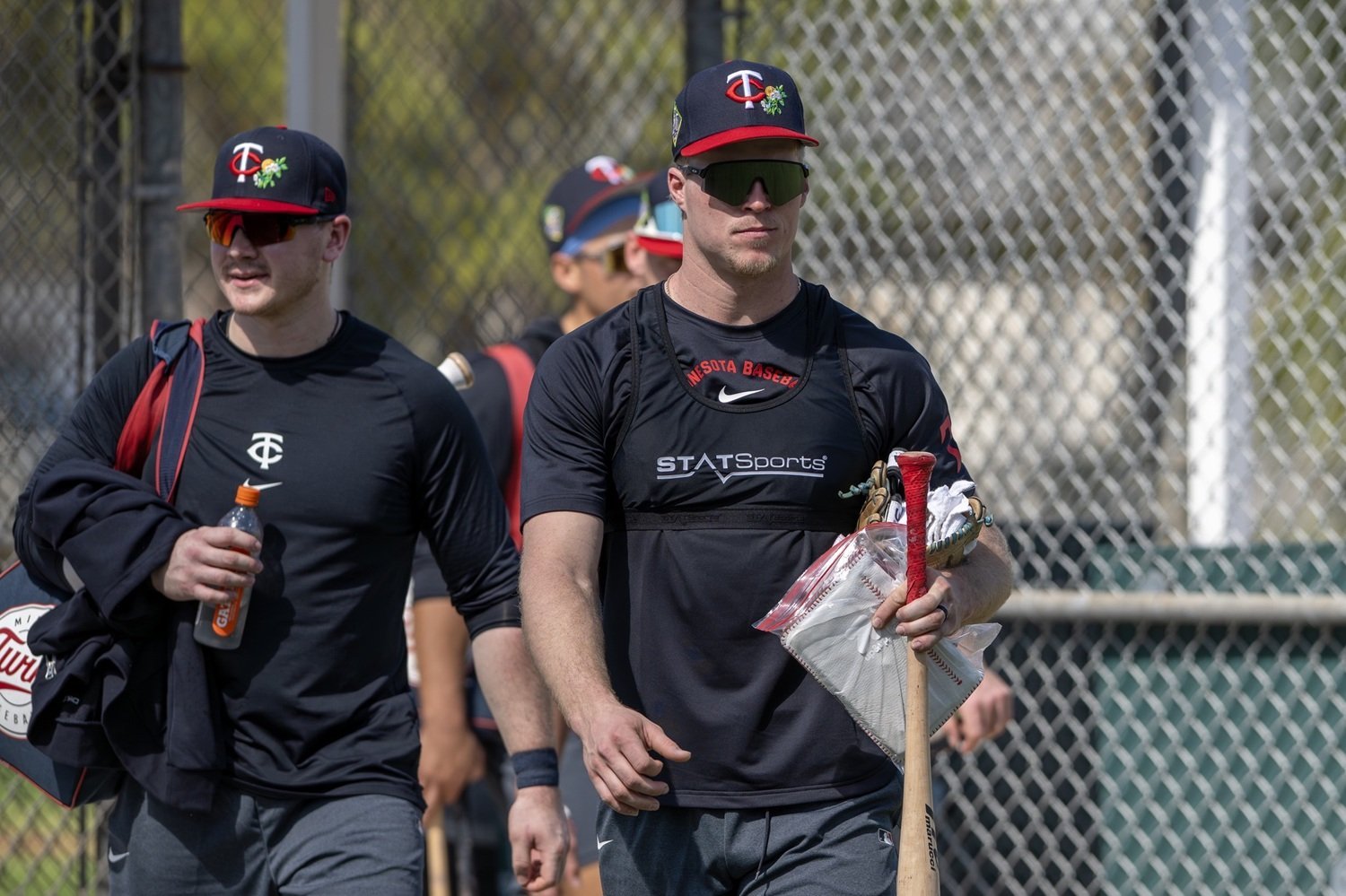 The Minnesota Twins have spent the past three seasons watching one of the most talented prospects in baseball climb through their farm system. Now, after a brief injury scare this spring, Walker Jenkins appears to be getting back on track. According to Matthew Leach of MLB.com, Jenkins is “tracking well” to be available for Opening Day with the St. Paul Saints. The update came Sunday from Twins general manager Jeremy Zoll, offering a positive outlook for the organization’s most important young player. Jenkins suffered a Grade 1 left hamstring strain on February 28, an injury that forced the Twins to slow his spring workload. Fortunately for both the player and the organization, the strain was considered mild, and his recovery has gone smoothly. The 21-year-old outfielder is expected to begin appearing in Minor League games by the end of the upcoming week as he continues ramping up his activity. His availability for the Twins’ upcoming Spring Breakout showcase on Thursday remains uncertain, and the club is unlikely to rush him into that event if he is not fully ready. Even without the Spring Breakout appearance, the most important goal for Jenkins is simply returning to a regular schedule before the Minor League season begins. Jenkins is widely considered the top prospect in the Twins system and one of the best prospects in baseball. Baseball America ranks him as the no. 9 overall prospect, a reflection of the tools that made him the fifth overall pick in the 2023 MLB Draft. Last week, Twins Daily profiled him as the organization’s top prospect. Since entering professional baseball, Jenkins has done little to challenge those expectations. Scouts praise his advanced hitting approach, elite bat-to-ball skills, and the type of plate discipline rarely seen from a player his age. His combination of athleticism and offensive potential has led many evaluators to project him as a future cornerstone in the middle of the Twins' lineup. The Twins believe the best path forward is allowing Jenkins to start the season with St. Paul, where he can continue facing upper-level pitching while adjusting to the grind of a full professional season. Triple-A will provide the final developmental stage before a potential big league opportunity. That timeline also gives the organization flexibility. If Jenkins performs well and stays healthy, the Twins could view him as a legitimate option for the major league roster during the second half of the season. For now, the most important step is simply getting back on the field. A return to Minor League games in the coming days would represent another step in Jenkins’ steady climb through the system. If everything continues trending in the right direction, the Twins may soon have one of baseball’s brightest young talents knocking on the door of the big leagues.
 -
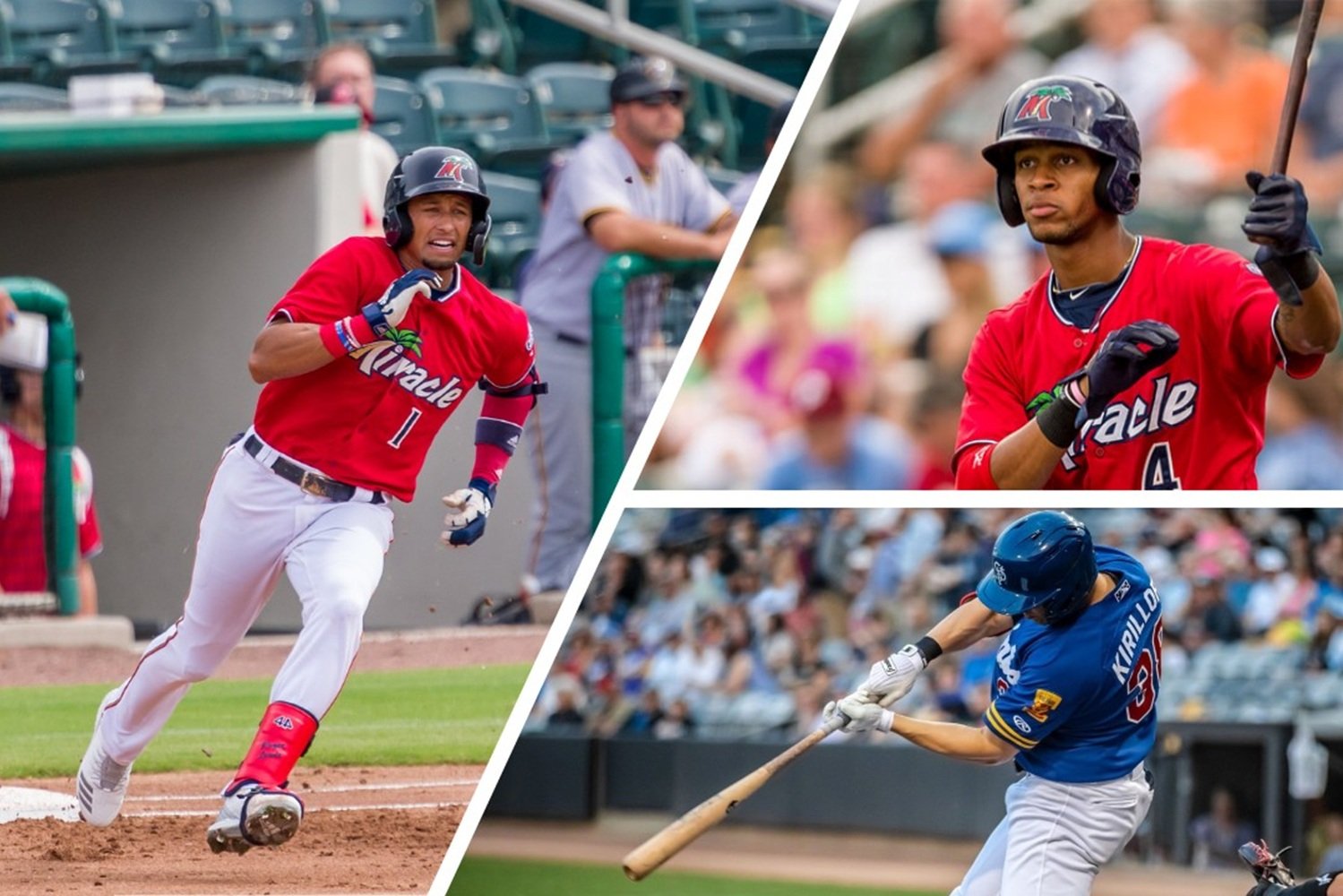 Over the last decade, the Minnesota Twins have experienced multiple waves of highly ranked prospects moving through the organization. At different points, the farm system was considered one of baseball’s best. Those rankings fostered optimism about the future and helped define the franchise's direction during periods of rebuilding and transition. Some of those prospects eventually became core contributors at the big-league level. Others stalled in development or never fully translated their talent to the majors. Looking back at the last 10 years shows how each wave shaped the roster in different ways, and how prospect rankings tell only part of the story. 2015-2016 Wave The Twins entered the 2015 season with one of the strongest farm systems in baseball, ranked third overall by MLB Pipeline. That group stayed near the top of the rankings for multiple evaluations, sitting at fifth during the 2015 midseason update and again entering the 2016 season. Minnesota had spent the previous half-decade near the bottom of the AL standings, which gave the organization access to multiple high draft picks. Those selections created a prospect pipeline filled with high-end talent and national attention. At the top of the list was Byron Buxton, who entered 2015 as the number one overall prospect in baseball. His presence alone helped elevate the system’s national profile. The Twins also had several other prospects ranked inside the top-100. Miguel Sanó was 11th overall, Alex Meyer came in at 29th, José Berríos ranked 32nd, Nick Gordon sat at 33rd, and Kohl Stewart was 36th. The organization had both high-end talent and depth across several levels of the minor leagues. The system continued to evolve heading into 2016. Max Kepler broke out in the minors and climbed to 44th overall on the prospect rankings. Tyler Jay entered the list at 60th, while Jorge Polanco also cracked the top 100 at 97th. When looking back, this wave is most closely tied to the Twins' record-breaking 2019 season. That team won more than 100 games and set the major league record for home runs in a single season. Several players from that prospect class became important parts of the lineup, including Buxton, Kepler, and Polanco. Those same players also remained important contributors when the Twins ended their two-decade playoff losing streak in 2023. While the position players from this group found success, the pitching prospects told a different story. Meyer, Stewart, and several others never developed into consistent big league starters despite the early expectations. 2018-2020 Wave As the previous group began graduating to the major leagues, Minnesota briefly slipped out of the top ten farm system rankings. However, the organization quickly rebuilt the pipeline and returned to the back half of the top ten from 2018 through 2020. By the middle of the 2018 season, the Twins had climbed into the top five again. The system eventually settled around eighth overall throughout much of the 2019 campaign. The centerpiece of this group was Royce Lewis, the number one overall pick in the 2017 draft. He entered the 2018 season ranked as the 20th overall prospect in baseball and quickly became one of the most exciting young players in the organization. Other names also appeared on the rankings. Fernando Romero was listed at 68th overall, with Stephen Gonsalves at 78th and Nick Gordon at 80th. The system’s star power grew even more heading into 2019. Lewis rose to become a top-five prospect in baseball while Alex Kirilloff joined him inside the top ten. Brusdar Graterol also appeared on the list as the 68th-ranked prospect and, at that time, was still viewed as a potential starting pitcher. The Twins continued adding depth over the next year. Trevor Larnach ranked 81st entering 2020, while Jordan Balazovic appeared at 85th. This wave helped sustain the Twins' competitive window. Players from this group contributed to division titles in both 2020 and 2023, though the paths were different from what was originally expected. Once again, the pitching prospects struggled to reach their projected ceilings. Romero, Gonsalves, and Balazovic never developed into reliable major league options. Graterol eventually moved to the bullpen and was traded to the Los Angeles Dodgers in the deal that brought Kenta Maeda to Minnesota. Injuries also reshaped the outcome for some of the system’s most talented hitters. Kirilloff battled persistent health issues that ultimately forced him to retire earlier than expected. Lewis and Larnach enter the 2026 season still trying to establish themselves as long-term roster pieces. Prospect rankings often create the impression that success at the major league level is inevitable. The Twins' experience over the past decade shows how unpredictable that process can be. Both waves of talent produced impact players who helped the organization win division titles and break a historic postseason drought. At the same time, several highly ranked prospects never reached their projected potential due to injuries, stalled development, or changing roles. Even so, those highly ranked farm systems played an important role in shaping the modern Twins roster. They provided the core position players who powered the 2019 lineup and helped the team remain competitive in the years that followed. As new prospects continue to move through the system, the next wave will aim to deliver what previous groups could not. Ins have repeatedly shown they can build highly ranked pipelines. The challenge moving forward is turning that prospect promise into long-term success at the major league level. What stands out about the previous waves of top prospects? Leave a comment and start the discussion.
- 13 comments
-
- 2
-

-
- byron buxton
- royce lewis
- (and 8 more)
-
Image courtesy of Linwood Ferguson, Captive Photos (Buxton, Lewis), Rob Thompson, St. Paul Saints (Kirilloff) Over the last decade, the Minnesota Twins have experienced multiple waves of highly ranked prospects moving through the organization. At different points, the farm system was considered one of baseball’s best. Those rankings fostered optimism about the future and helped define the franchise's direction during periods of rebuilding and transition. Some of those prospects eventually became core contributors at the big-league level. Others stalled in development or never fully translated their talent to the majors. Looking back at the last 10 years shows how each wave shaped the roster in different ways, and how prospect rankings tell only part of the story. 2015-2016 Wave The Twins entered the 2015 season with one of the strongest farm systems in baseball, ranked third overall by MLB Pipeline. That group stayed near the top of the rankings for multiple evaluations, sitting at fifth during the 2015 midseason update and again entering the 2016 season. Minnesota had spent the previous half-decade near the bottom of the AL standings, which gave the organization access to multiple high draft picks. Those selections created a prospect pipeline filled with high-end talent and national attention. At the top of the list was Byron Buxton, who entered 2015 as the number one overall prospect in baseball. His presence alone helped elevate the system’s national profile. The Twins also had several other prospects ranked inside the top-100. Miguel Sanó was 11th overall, Alex Meyer came in at 29th, José Berríos ranked 32nd, Nick Gordon sat at 33rd, and Kohl Stewart was 36th. The organization had both high-end talent and depth across several levels of the minor leagues. The system continued to evolve heading into 2016. Max Kepler broke out in the minors and climbed to 44th overall on the prospect rankings. Tyler Jay entered the list at 60th, while Jorge Polanco also cracked the top 100 at 97th. When looking back, this wave is most closely tied to the Twins' record-breaking 2019 season. That team won more than 100 games and set the major league record for home runs in a single season. Several players from that prospect class became important parts of the lineup, including Buxton, Kepler, and Polanco. Those same players also remained important contributors when the Twins ended their two-decade playoff losing streak in 2023. While the position players from this group found success, the pitching prospects told a different story. Meyer, Stewart, and several others never developed into consistent big league starters despite the early expectations. 2018-2020 Wave As the previous group began graduating to the major leagues, Minnesota briefly slipped out of the top ten farm system rankings. However, the organization quickly rebuilt the pipeline and returned to the back half of the top ten from 2018 through 2020. By the middle of the 2018 season, the Twins had climbed into the top five again. The system eventually settled around eighth overall throughout much of the 2019 campaign. The centerpiece of this group was Royce Lewis, the number one overall pick in the 2017 draft. He entered the 2018 season ranked as the 20th overall prospect in baseball and quickly became one of the most exciting young players in the organization. Other names also appeared on the rankings. Fernando Romero was listed at 68th overall, with Stephen Gonsalves at 78th and Nick Gordon at 80th. The system’s star power grew even more heading into 2019. Lewis rose to become a top-five prospect in baseball while Alex Kirilloff joined him inside the top ten. Brusdar Graterol also appeared on the list as the 68th-ranked prospect and, at that time, was still viewed as a potential starting pitcher. The Twins continued adding depth over the next year. Trevor Larnach ranked 81st entering 2020, while Jordan Balazovic appeared at 85th. This wave helped sustain the Twins' competitive window. Players from this group contributed to division titles in both 2020 and 2023, though the paths were different from what was originally expected. Once again, the pitching prospects struggled to reach their projected ceilings. Romero, Gonsalves, and Balazovic never developed into reliable major league options. Graterol eventually moved to the bullpen and was traded to the Los Angeles Dodgers in the deal that brought Kenta Maeda to Minnesota. Injuries also reshaped the outcome for some of the system’s most talented hitters. Kirilloff battled persistent health issues that ultimately forced him to retire earlier than expected. Lewis and Larnach enter the 2026 season still trying to establish themselves as long-term roster pieces. Prospect rankings often create the impression that success at the major league level is inevitable. The Twins' experience over the past decade shows how unpredictable that process can be. Both waves of talent produced impact players who helped the organization win division titles and break a historic postseason drought. At the same time, several highly ranked prospects never reached their projected potential due to injuries, stalled development, or changing roles. Even so, those highly ranked farm systems played an important role in shaping the modern Twins roster. They provided the core position players who powered the 2019 lineup and helped the team remain competitive in the years that followed. As new prospects continue to move through the system, the next wave will aim to deliver what previous groups could not. Ins have repeatedly shown they can build highly ranked pipelines. The challenge moving forward is turning that prospect promise into long-term success at the major league level. What stands out about the previous waves of top prospects? Leave a comment and start the discussion. View full article
-
Three Twins With Something to Prove in Spring Training’s Final Days
Cody Christie posted an article in Twins
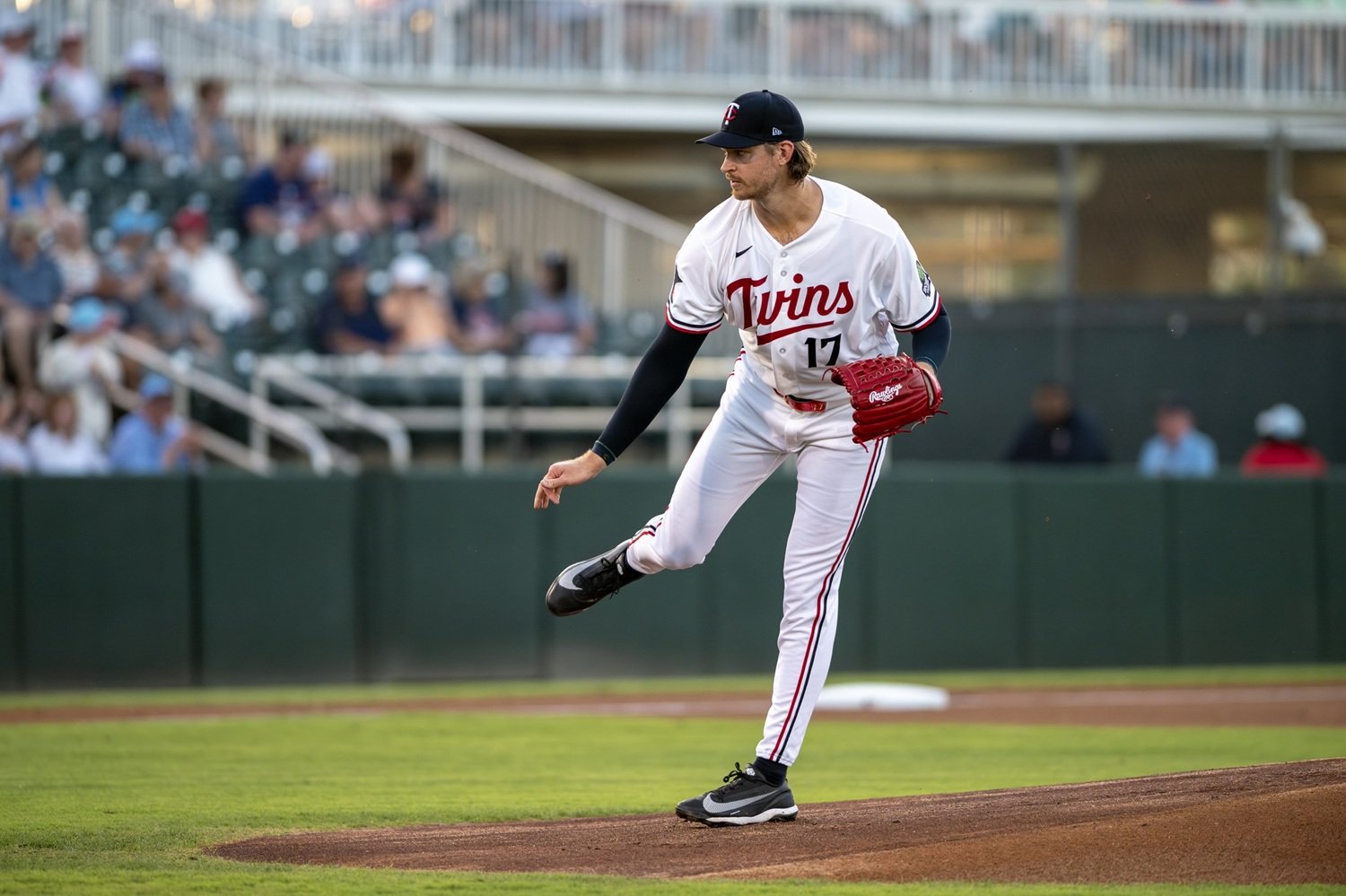 Spring training is winding down, and urgency is rising. Only a couple of weeks remain for players to make final impressions before the club heads north. The roster for the March 26 opener in Baltimore is coming into focus. For many, the final stretch is about maintaining momentum and health. For others, the next two weeks could decide whether they open in the majors or minors. Some players still have something to prove before Opening Day. Bailey Ober and the Velocity Question The Twins have counted on Ober to be a reliable piece of their rotation over the past few seasons. When he is at his best, the tall right-hander uses deception and command to keep hitters off balance despite not having overpowering stuff. However, his velocity remains one of the most important storylines to watch during the final weeks of spring training. Ober allowed one run on five hits and a walk while striking out two over 2 2/3 innings in Thursday’s Grapefruit League matchup against the Boston Red Sox. On the surface, the line was fairly modest, but the radar gun numbers drew attention. Ober averaged just 88.8 mph with his fastball in the outing. That number continues a concerning trend. Ober’s fastball sat in the lower 90s early in camp but averaged 89.9 mph during his first spring appearance and dipped even lower in his most recent outing. Last season, his average fastball velocity of 90.3 mph was already a career low, as he posted a 5.10 ERA and 1.30 WHIP. Velocity is not everything for Ober, but it does impact how effective his entire arsenal can be. His approach relies heavily on tunneling and location, and losing even a small amount of velocity can shrink the margin for error. With a rotation spot essentially locked in, Ober’s spring is less about making the roster and more about proving that the declining velocity is not going to become a long-term issue. The Twins will likely monitor his next few outings closely. Brooks Lee and the Search for More Quickness When Lee arrived in the majors, his bat had been his calling card throughout his college and early pro career. The bigger question surrounded his overall athleticism and defensive range. That is why Lee made improving his quickness a priority heading into this year. Observers around camp have noted that his body composition looks different. Lee reportedly weighs about the same as last year, but he appears leaner because his weight is distributed differently. The visual changes have been noticeable during workouts and early game action. There have already been a couple of defensive plays in which Lee has appeared to show better range than he did a year ago. He has also looked slightly quicker running the bases, which could be an encouraging sign for the Twins if it continues. Still, early data does not yet show a measurable difference. According to Matthew Leach and MLB.com research, there is no data to definitively prove Lee is faster than last season. At this point in spring training, samples are very small. The next few weeks are important for Lee. If his added quickness proves real, it could help solidify his defensive profile and expand his infield roles. Zak Kent Making a Case in the Bullpen Of the recent pitching additions, Zak Kent received little fanfare. He did not arrive with the attention of names like Taylor Rogers or Liam Hendriks, but his early camp results have turned heads. Kent is already on the 40-man roster and features a slider that has impressed the Twins’ coaching staff. More importantly, he has shown an ability to miss bats. In three Grapefruit League innings, Kent has yielded just one hit, struck out six, and walked none. He has also produced 13 swings and misses on just 43 pitches. Those numbers stand out for a bullpen that could use another right-handed arm capable of generating strikeouts. The Twins have several relievers who rely on contact management, but power stuff in the late innings always carries value. Kent still has to prove that his success can continue against stronger competition as spring training progresses. If he keeps generating swings and misses at this rate, he could force the Twins to consider giving him a bigger opportunity. Final Days to Make an Impression Every spring brings a few surprises, and the final roster decisions are often shaped by performances in the last two weeks of camp. For the Twins, those evaluations are happening quickly as Opening Day approaches. Ober is trying to show that his declining velocity won't define his season. Lee is working to prove that the adjustments he made to his body will translate into improved quickness. Kent is attempting to turn a strong spring into a legitimate bullpen opportunity. With the opener against Baltimore approaching fast, the margin for error is shrinking. The next handful of games may determine who heads north with the team and who begins the season waiting for another opportunity. What players will you be watching over in spring’s final weeks? Leave a comment and start the discussion.
- 23 comments
-
- 7
-
-
- bailey ober
- brooks lee
- (and 1 more)
-
Image courtesy of William Parmeter Spring training is winding down, and urgency is rising. Only a couple of weeks remain for players to make final impressions before the club heads north. The roster for the March 26 opener in Baltimore is coming into focus. For many, the final stretch is about maintaining momentum and health. For others, the next two weeks could decide whether they open in the majors or minors. Some players still have something to prove before Opening Day. Bailey Ober and the Velocity Question The Twins have counted on Ober to be a reliable piece of their rotation over the past few seasons. When he is at his best, the tall right-hander uses deception and command to keep hitters off balance despite not having overpowering stuff. However, his velocity remains one of the most important storylines to watch during the final weeks of spring training. Ober allowed one run on five hits and a walk while striking out two over 2 2/3 innings in Thursday’s Grapefruit League matchup against the Boston Red Sox. On the surface, the line was fairly modest, but the radar gun numbers drew attention. Ober averaged just 88.8 mph with his fastball in the outing. That number continues a concerning trend. Ober’s fastball sat in the lower 90s early in camp but averaged 89.9 mph during his first spring appearance and dipped even lower in his most recent outing. Last season, his average fastball velocity of 90.3 mph was already a career low, as he posted a 5.10 ERA and 1.30 WHIP. Velocity is not everything for Ober, but it does impact how effective his entire arsenal can be. His approach relies heavily on tunneling and location, and losing even a small amount of velocity can shrink the margin for error. With a rotation spot essentially locked in, Ober’s spring is less about making the roster and more about proving that the declining velocity is not going to become a long-term issue. The Twins will likely monitor his next few outings closely. Brooks Lee and the Search for More Quickness When Lee arrived in the majors, his bat had been his calling card throughout his college and early pro career. The bigger question surrounded his overall athleticism and defensive range. That is why Lee made improving his quickness a priority heading into this year. Observers around camp have noted that his body composition looks different. Lee reportedly weighs about the same as last year, but he appears leaner because his weight is distributed differently. The visual changes have been noticeable during workouts and early game action. There have already been a couple of defensive plays in which Lee has appeared to show better range than he did a year ago. He has also looked slightly quicker running the bases, which could be an encouraging sign for the Twins if it continues. Still, early data does not yet show a measurable difference. According to Matthew Leach and MLB.com research, there is no data to definitively prove Lee is faster than last season. At this point in spring training, samples are very small. The next few weeks are important for Lee. If his added quickness proves real, it could help solidify his defensive profile and expand his infield roles. Zak Kent Making a Case in the Bullpen Of the recent pitching additions, Zak Kent received little fanfare. He did not arrive with the attention of names like Taylor Rogers or Liam Hendriks, but his early camp results have turned heads. Kent is already on the 40-man roster and features a slider that has impressed the Twins’ coaching staff. More importantly, he has shown an ability to miss bats. In three Grapefruit League innings, Kent has yielded just one hit, struck out six, and walked none. He has also produced 13 swings and misses on just 43 pitches. Those numbers stand out for a bullpen that could use another right-handed arm capable of generating strikeouts. The Twins have several relievers who rely on contact management, but power stuff in the late innings always carries value. Kent still has to prove that his success can continue against stronger competition as spring training progresses. If he keeps generating swings and misses at this rate, he could force the Twins to consider giving him a bigger opportunity. Final Days to Make an Impression Every spring brings a few surprises, and the final roster decisions are often shaped by performances in the last two weeks of camp. For the Twins, those evaluations are happening quickly as Opening Day approaches. Ober is trying to show that his declining velocity won't define his season. Lee is working to prove that the adjustments he made to his body will translate into improved quickness. Kent is attempting to turn a strong spring into a legitimate bullpen opportunity. With the opener against Baltimore approaching fast, the margin for error is shrinking. The next handful of games may determine who heads north with the team and who begins the season waiting for another opportunity. What players will you be watching over in spring’s final weeks? Leave a comment and start the discussion. View full article
-
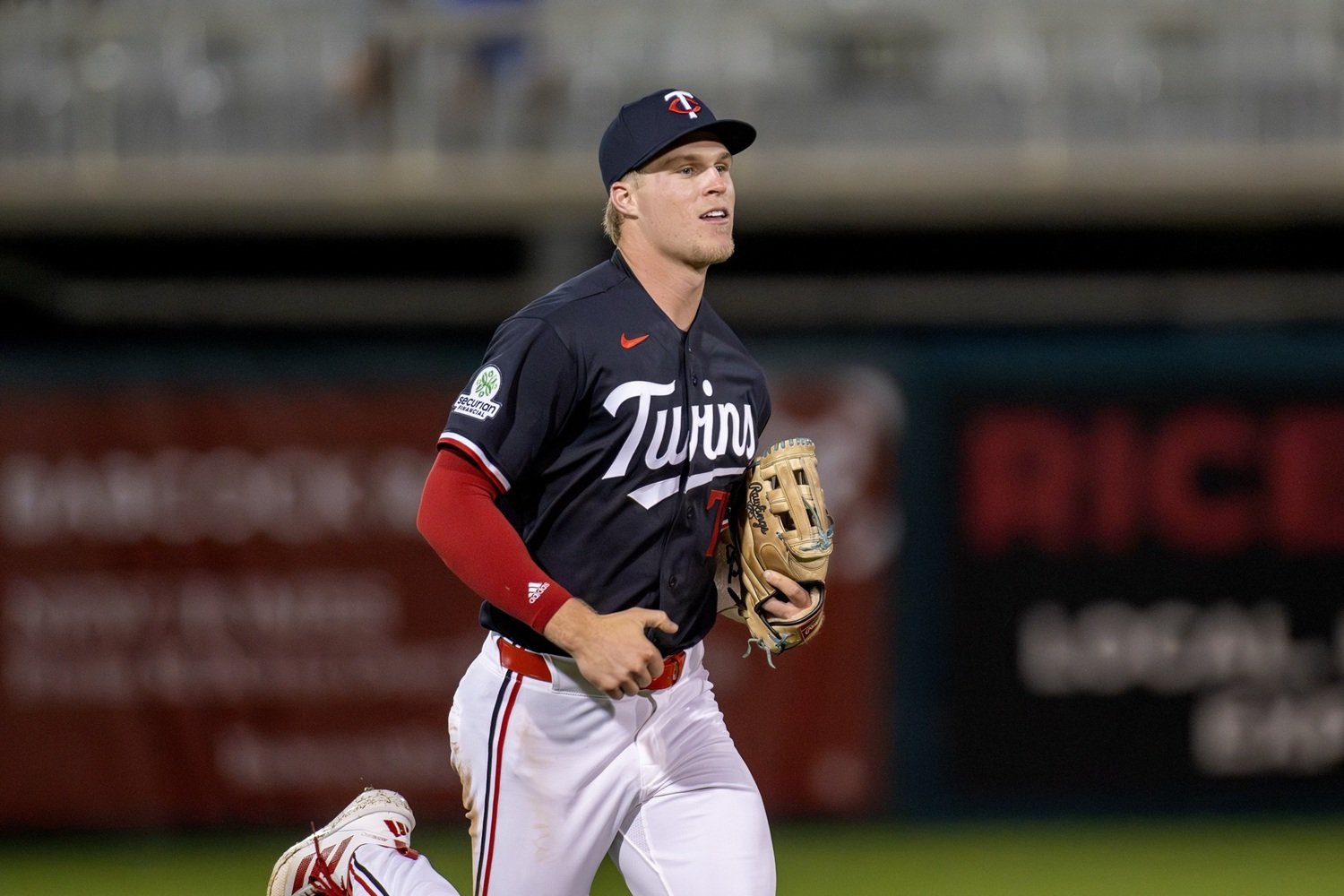 Walker Jenkins has largely lived up to the billing since the Twins selected him fifth overall in 2023. Before his 21st birthday, he had climbed to Triple-A, a sure sign of a top prospect progressing at top speed. Jenkins's has not been a flawless ascent. He's missed chunks of time with lower-body and related injuries. Even with the missed time, though, his production says he's the real deal—and the eye test corroborates that assessment. For a 20-year-old to pair strong Double-A numbers with meaningful Triple-A exposure is rare and important. Jenkins has the frame, the bat path, and the instincts to make evaluators optimistic. He can run, he can play center field, and his approach at the plate is advanced enough to instill confidence, despite the lack of a robust track record. Walker Jenkins Age: 21 (DOB: 2/19/2005) 2025 Stats (AA/AAA): .286/.399/.451 (.850), 17 2B, 2 3B, 10 HR, 34 RBI, 17 SB, 135 wRC+, 84 G ETA: 2026 2025 Ranking: 1 National Top 100 Rankings BA: 5 | MLB: 14 | ATH: 11 | BP: 19 | ESPN: 9 What To Like Jenkins checks almost every box you want from a premium position-player prospect. He pairs a smooth, repeatable left-handed swing with elite pitch recognition and selectivity. That combination produces lots of barrels, a steady walk rate (13.5 BB%), and far fewer strikeouts (20.5%) than you might expect from a player with his size at his age. Though it came in just 58 games, his .292/.407/.454 line in Double-A testifies to his ability to adjust and win the difficult battles within the strike zone. He's a fluid athlete in the outfield. At 6-foot-3, he looks like he was built to cover ground and make plays. Jenkins has primarily played center field in the minors, and his reads and routes have received positive reviews. He's not a straight-line burner, but his instincts and above-average footwork allow him to make the plays that matter. On the basis, he's shown good instincts and graded out as a plus baserunner, in however limited a sample. Speed should be a boon to his offensive value, rather than a limiting factor for it. What’s Left To Work On Power remains the most obvious question. Jenkins has hit plenty of doubles and triples, and he's hit the occasional tape-measure shot. Still, he's totaled 19 home runs in 192 professional games, and true over-the-fence power has been sparse. Part of that is mechanical. His bat head takes a little while to get on plane, which can cap exit velocities and lead more of his best contact to be hit on a line to the opposite field than is strictly optimal. There is room for more bat speed and strength gains as he matures. If those gains come, he could push into the 25-plus home run range. If they don't, his floor still reads as a very good contact-based run producer, but maybe not a perennial All-Star. Durability is the other major worry. Jenkins has missed significant time in nearly every pro season to date because of hamstring, quad, ankle, and other lower-body issues. He’s already missed time this spring with a hamstring injury. Those have not been one lingering malady, but a string of discrete setbacks. The good news is that he has repeatedly come back and produced at a high level. The bad news is that availability matters, and repeated trips to the injured list can slow development and erode a team’s willingness to rely on a young player in high-leverage situations. Finally, there is the matter of consistent hard contact, by big-league standards. Jenkins’s hard-hit rate and peak exit velocities sit around league average. He destroys mistakes, but pitchers have shown they can limit his damage with soft stuff away and spin that keeps him from turning on the ball. If he can continue to tweak his swing plane and get the bat head out quicker, those pitches will get punished more often. What’s Next Jenkins is likely to start 2026 in St. Paul, and he should have a long look there early in the season. The projection is simple. If he stays healthy, a midseason arrival to the big-league club is a real and reasonable expectation. Whether he arrives as a center fielder or moves to right field will be dictated as much by health and team need as by his sheer skill set. The upside is clear. Jenkins looks like an everyday major-league outfielder with the tools to be a middle-of-the-lineup contributor and the potential to be an All-Star if the power and health line up. Jenkins is the kind of prospect who makes you excited about the future of the organization. He blends feel and polish with a physical profile that still has room to grow. The rest of 2026 will go a long way toward telling us whether Jenkins becomes a very good major-leaguer or something closer to a star. For now, he sits at the top of the system, for good reason. Catch Up on the Rest of Twins Daily's Top 20 Prospects (Part 1) 20. James Ellwanger, RHP 19. Khadim Diaw, C/CF 18. C.J. Culpepper, RHP 17. Kyle DeBarge, 2B/SS/CF 16. Hendry Mendez, OF (Part 2) 15. Marco Raya, RHP 14. Quentin Young, SS 13. Brandon Winokur, SS/CF 12. Andrew Morris, RHP 11. Riley Quick, RHP 10. Charlee Soto, RHP 9. Marek Houston, SS 8. Kendry Rojas, LHP 7. Gabriel Gonzalez, OF 6. Dasan Hill, LHP 5. Connor Prielipp, LHP 4. Eduardo Tait, C 3. Emmanuel Rodriguez, OF 2. Kaelen Culpepper, SS 1. Walker Jenkins, OF
 -
Image courtesy of William Parmeter Walker Jenkins has largely lived up to the billing since the Twins selected him fifth overall in 2023. Before his 21st birthday, he had climbed to Triple-A, a sure sign of a top prospect progressing at top speed. Jenkins's has not been a flawless ascent. He's missed chunks of time with lower-body and related injuries. Even with the missed time, though, his production says he's the real deal—and the eye test corroborates that assessment. For a 20-year-old to pair strong Double-A numbers with meaningful Triple-A exposure is rare and important. Jenkins has the frame, the bat path, and the instincts to make evaluators optimistic. He can run, he can play center field, and his approach at the plate is advanced enough to instill confidence, despite the lack of a robust track record. Walker Jenkins Age: 21 (DOB: 2/19/2005) 2025 Stats (AA/AAA): .286/.399/.451 (.850), 17 2B, 2 3B, 10 HR, 34 RBI, 17 SB, 135 wRC+, 84 G ETA: 2026 2025 Ranking: 1 National Top 100 Rankings BA: 5 | MLB: 14 | ATH: 11 | BP: 19 | ESPN: 9 What To Like Jenkins checks almost every box you want from a premium position-player prospect. He pairs a smooth, repeatable left-handed swing with elite pitch recognition and selectivity. That combination produces lots of barrels, a steady walk rate (13.5 BB%), and far fewer strikeouts (20.5%) than you might expect from a player with his size at his age. Though it came in just 58 games, his .292/.407/.454 line in Double-A testifies to his ability to adjust and win the difficult battles within the strike zone. He's a fluid athlete in the outfield. At 6-foot-3, he looks like he was built to cover ground and make plays. Jenkins has primarily played center field in the minors, and his reads and routes have received positive reviews. He's not a straight-line burner, but his instincts and above-average footwork allow him to make the plays that matter. On the basis, he's shown good instincts and graded out as a plus baserunner, in however limited a sample. Speed should be a boon to his offensive value, rather than a limiting factor for it. What’s Left To Work On Power remains the most obvious question. Jenkins has hit plenty of doubles and triples, and he's hit the occasional tape-measure shot. Still, he's totaled 19 home runs in 192 professional games, and true over-the-fence power has been sparse. Part of that is mechanical. His bat head takes a little while to get on plane, which can cap exit velocities and lead more of his best contact to be hit on a line to the opposite field than is strictly optimal. There is room for more bat speed and strength gains as he matures. If those gains come, he could push into the 25-plus home run range. If they don't, his floor still reads as a very good contact-based run producer, but maybe not a perennial All-Star. Durability is the other major worry. Jenkins has missed significant time in nearly every pro season to date because of hamstring, quad, ankle, and other lower-body issues. He’s already missed time this spring with a hamstring injury. Those have not been one lingering malady, but a string of discrete setbacks. The good news is that he has repeatedly come back and produced at a high level. The bad news is that availability matters, and repeated trips to the injured list can slow development and erode a team’s willingness to rely on a young player in high-leverage situations. Finally, there is the matter of consistent hard contact, by big-league standards. Jenkins’s hard-hit rate and peak exit velocities sit around league average. He destroys mistakes, but pitchers have shown they can limit his damage with soft stuff away and spin that keeps him from turning on the ball. If he can continue to tweak his swing plane and get the bat head out quicker, those pitches will get punished more often. What’s Next Jenkins is likely to start 2026 in St. Paul, and he should have a long look there early in the season. The projection is simple. If he stays healthy, a midseason arrival to the big-league club is a real and reasonable expectation. Whether he arrives as a center fielder or moves to right field will be dictated as much by health and team need as by his sheer skill set. The upside is clear. Jenkins looks like an everyday major-league outfielder with the tools to be a middle-of-the-lineup contributor and the potential to be an All-Star if the power and health line up. Jenkins is the kind of prospect who makes you excited about the future of the organization. He blends feel and polish with a physical profile that still has room to grow. The rest of 2026 will go a long way toward telling us whether Jenkins becomes a very good major-leaguer or something closer to a star. For now, he sits at the top of the system, for good reason. Catch Up on the Rest of Twins Daily's Top 20 Prospects (Part 1) 20. James Ellwanger, RHP 19. Khadim Diaw, C/CF 18. C.J. Culpepper, RHP 17. Kyle DeBarge, 2B/SS/CF 16. Hendry Mendez, OF (Part 2) 15. Marco Raya, RHP 14. Quentin Young, SS 13. Brandon Winokur, SS/CF 12. Andrew Morris, RHP 11. Riley Quick, RHP 10. Charlee Soto, RHP 9. Marek Houston, SS 8. Kendry Rojas, LHP 7. Gabriel Gonzalez, OF 6. Dasan Hill, LHP 5. Connor Prielipp, LHP 4. Eduardo Tait, C 3. Emmanuel Rodriguez, OF 2. Kaelen Culpepper, SS 1. Walker Jenkins, OF View full article
-
Spring training schedules can change quickly this time of year, and that is exactly what is happening for Minnesota Twins starter Joe Ryan. Minnesota’s right-hander is departing Twins camp and joining Team USA following the quarterfinal round of the World Baseball Classic. The move comes after Team USA needed to adjust its pitching plans late in the tournament. According to a report from Bob Nightengale of USA Today, Ryan will take the roster spot originally held by veteran starter Clayton Kershaw once the quarterfinal stage concludes. Team USA’s immediate focus is on its quarterfinal matchup with Team Canada. That game is scheduled for Friday night in Houston. If the Americans advance, they would move on to the semifinal round on Sunday against the winner of the matchup between Team Korea and Team Dominican Republic. For Ryan, the next step is to throw a bullpen session on Saturday as part of his normal spring progression. Team USA manager Mark DeRosa confirmed that Ryan is expected to report after the quarterfinal round. That timing would make it extremely difficult for Ryan to be available in Sunday’s semifinal game. Throwing a bullpen on Saturday would effectively rule him out of pitching the following day. That leaves one realistic opportunity for Ryan to see game action in the tournament. If Team USA reaches the championship game, he could potentially be available either in relief or as a spot starter, depending on how the pitching situation develops. Ryan has made it clear he would love to contribute if the opportunity arises, but the situation remains fluid. At this point, he would be joining the team more as a depth option rather than with a guaranteed role in the rotation. Even a small role would be meaningful for the Twins starter. The World Baseball Classic has become one of the sport’s premier international events, and the chance to represent the United States on that stage carries plenty of appeal. Of course, Minnesota also has its own calendar to consider. Opening Day for the Twins is approaching quickly, with the club set to begin the season on the road against the Baltimore Orioles on March 26. That leaves roughly two weeks between the end of the Classic and the start of the regular season. If Ryan ends up pitching briefly in relief during the championship game or never appears at all, he should remain on track to start Opening Day in Baltimore. However, if he were to start the championship game, the team could adjust its rotation plans. In that case, another Twins pitcher might take the ball for the opener while Ryan would slide back a few days and make his first start later in the series against the Orioles. From Minnesota’s perspective, the preference is obviously to have Ryan lined up for the first game of the season. At the same time, the organization understands the significance of the opportunity and has expressed support for his potential participation. For now, everything hinges on how Team USA performs in the quarterfinal round. If the Americans keep advancing, Ryan’s spring could suddenly include one of the biggest stages in baseball. View full rumor
-
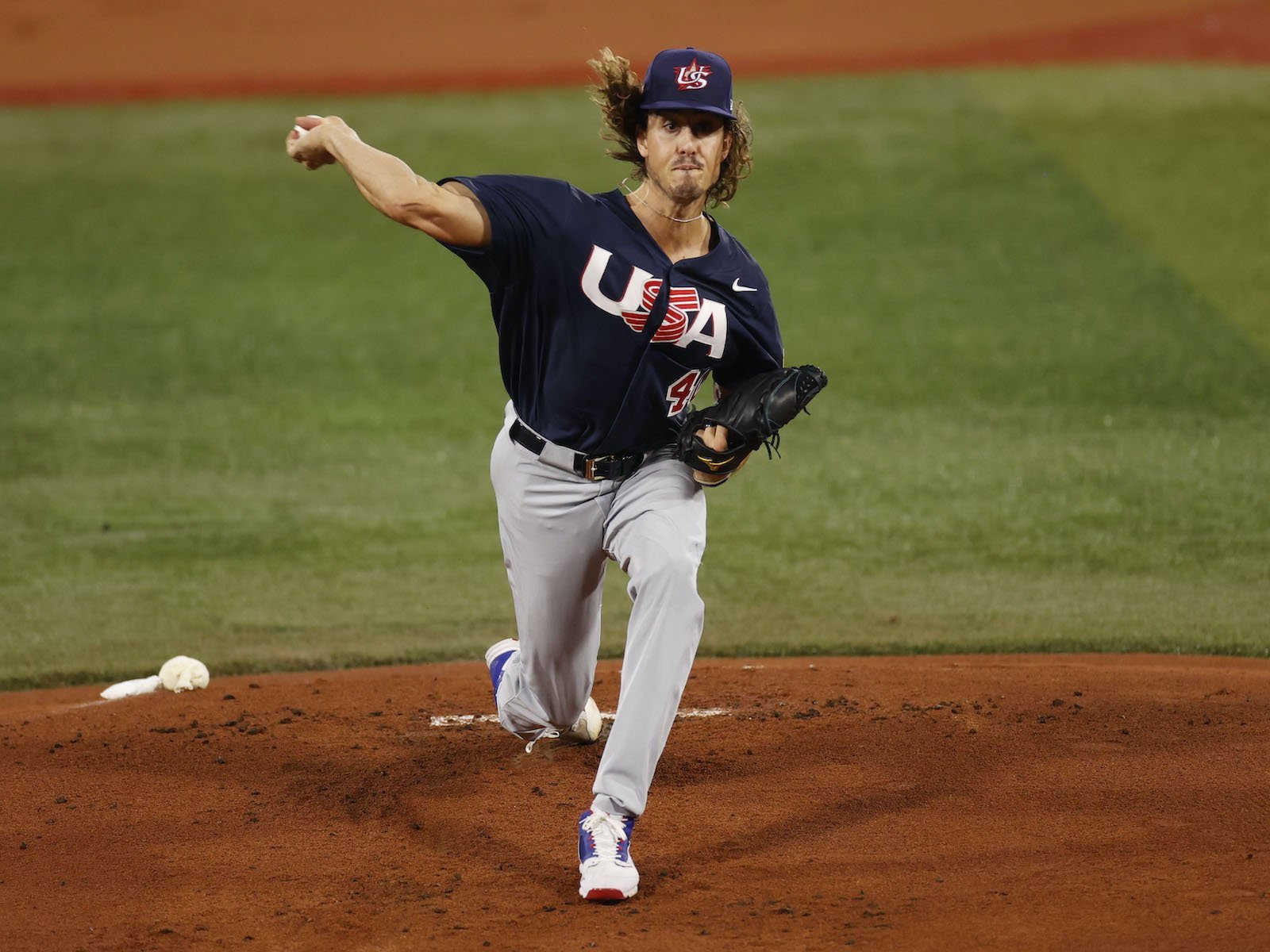 Spring training schedules can change quickly this time of year, and that is exactly what is happening for Minnesota Twins starter Joe Ryan. Minnesota’s right-hander is departing Twins camp and joining Team USA following the quarterfinal round of the World Baseball Classic. The move comes after Team USA needed to adjust its pitching plans late in the tournament. According to a report from Bob Nightengale of USA Today, Ryan will take the roster spot originally held by veteran starter Clayton Kershaw once the quarterfinal stage concludes. Team USA’s immediate focus is on its quarterfinal matchup with Team Canada. That game is scheduled for Friday night in Houston. If the Americans advance, they would move on to the semifinal round on Sunday against the winner of the matchup between Team Korea and Team Dominican Republic. For Ryan, the next step is to throw a bullpen session on Saturday as part of his normal spring progression. Team USA manager Mark DeRosa confirmed that Ryan is expected to report after the quarterfinal round. That timing would make it extremely difficult for Ryan to be available in Sunday’s semifinal game. Throwing a bullpen on Saturday would effectively rule him out of pitching the following day. That leaves one realistic opportunity for Ryan to see game action in the tournament. If Team USA reaches the championship game, he could potentially be available either in relief or as a spot starter, depending on how the pitching situation develops. Ryan has made it clear he would love to contribute if the opportunity arises, but the situation remains fluid. At this point, he would be joining the team more as a depth option rather than with a guaranteed role in the rotation. Even a small role would be meaningful for the Twins starter. The World Baseball Classic has become one of the sport’s premier international events, and the chance to represent the United States on that stage carries plenty of appeal. Of course, Minnesota also has its own calendar to consider. Opening Day for the Twins is approaching quickly, with the club set to begin the season on the road against the Baltimore Orioles on March 26. That leaves roughly two weeks between the end of the Classic and the start of the regular season. If Ryan ends up pitching briefly in relief during the championship game or never appears at all, he should remain on track to start Opening Day in Baltimore. However, if he were to start the championship game, the team could adjust its rotation plans. In that case, another Twins pitcher might take the ball for the opener while Ryan would slide back a few days and make his first start later in the series against the Orioles. From Minnesota’s perspective, the preference is obviously to have Ryan lined up for the first game of the season. At the same time, the organization understands the significance of the opportunity and has expressed support for his potential participation. For now, everything hinges on how Team USA performs in the quarterfinal round. If the Americans keep advancing, Ryan’s spring could suddenly include one of the biggest stages in baseball.
 -
Every franchise wants to believe it has been among baseball’s elite over the last quarter-century. A new set of rankings from The Athletic attempts to answer that question by putting a number on sustained success across Major League Baseball. Each year, the publication releases its MLB Franchise Rankings, measuring how teams have performed over the last 25 seasons. The system rewards postseason success while also accounting for division titles and long stretches of losing seasons. It is designed to measure consistency rather than simply rewarding a single championship window. The Athletic’s formula, adapted from Bob Sturm’s football system, fits baseball’s postseason: nine points for a World Series win, six for runner-up, three for losing in the Championship Series, two for Division Series, one for Wild Card loss. Additional adjustments include a point for division titles and a deduction for consecutive 90-loss seasons. Unlike many rankings that focus on recent performance, this system does not give extra weight to the most recent seasons. The goal is to capture the entire 25-year stretch from 2001 through today and determine which franchises have consistently found ways to stay competitive. Twins Land at No. 14 Minnesota ranked 14th overall with 25 total points over the 25-year period. That position places them in the top half of baseball but just barely, reflecting a franchise that has experienced bursts of success mixed with frustrating postseason outcomes. Within the American League, only six teams ranked higher than Minnesota. The teams ahead of the Twins include the New York Yankees at second overall, the Boston Red Sox at fourth, and the Houston Astros at fifth. Those franchises have combined for multiple championships and deep playoff runs during the ranking period. A few more familiar American League rivals also finished ahead of Minnesota. The Cleveland Guardians ranked tenth, the Texas Rangers placed eleventh, and the Los Angeles Angels came in twelfth. For Twins fans, the ranking feels both fair and frustrating. Minnesota has been competitive in several stretches over the last two decades, but postseason success has been harder to come by. A few deeper October runs could have pushed the franchise comfortably into the top ten. A Steady Climb in Recent Years Even though the Twins sit in the middle of the pack today, the trend line has been moving in the right direction. The franchise ranked 14th in 2025 with 24 points. In 2024, Minnesota ranked 15th overall with 22 points. The year before that, they were down at 17th with 19 points. Just a short time ago, the franchise was much closer to the bottom half of baseball. The biggest jump came between 2022 and 2023. In the 2022 rankings, the Twins placed 22nd with only 11 points. At that point, the organization was still feeling the impact of several losing seasons and limited postseason success during the ranking window. Since then, the club has slowly climbed back toward the middle of the league. It is not a dramatic rise, but it shows that recent competitive seasons have helped stabilize Minnesota’s standing. What Comes Next While the recent climb is encouraging, these rankings may soon be challenging for the Twins. The system uses a rolling 25-year window, so Minnesota’s best seasons from the early 2000s will eventually drop out. When those years fall off, the Twins could lose points that now keep them mid-standings. The team will need new postseason appearances and division titles to maintain or boost its position. Fortunately for Minnesota, the path to those points might not be overly complicated. The American League Central has frequently been one of baseball’s most competitive but unpredictable divisions. No team has completely dominated the division in recent seasons, leaving opportunities for a club that gets hot at the right time. For now, the latest rankings paint a clear picture of the franchise over the last quarter-century. The Twins have not been among baseball’s true powerhouses, but they also have not fallen into the category of long-term struggling organizations. Instead, Minnesota sits right where the numbers say it belongs. Solid, competitive, and still searching for the October breakthrough that could change the entire conversation. View full rumor
-
 Every franchise wants to believe it has been among baseball’s elite over the last quarter-century. A new set of rankings from The Athletic attempts to answer that question by putting a number on sustained success across Major League Baseball. Each year, the publication releases its MLB Franchise Rankings, measuring how teams have performed over the last 25 seasons. The system rewards postseason success while also accounting for division titles and long stretches of losing seasons. It is designed to measure consistency rather than simply rewarding a single championship window. The Athletic’s formula, adapted from Bob Sturm’s football system, fits baseball’s postseason: nine points for a World Series win, six for runner-up, three for losing in the Championship Series, two for Division Series, one for Wild Card loss. Additional adjustments include a point for division titles and a deduction for consecutive 90-loss seasons. Unlike many rankings that focus on recent performance, this system does not give extra weight to the most recent seasons. The goal is to capture the entire 25-year stretch from 2001 through today and determine which franchises have consistently found ways to stay competitive. Twins Land at No. 14 Minnesota ranked 14th overall with 25 total points over the 25-year period. That position places them in the top half of baseball but just barely, reflecting a franchise that has experienced bursts of success mixed with frustrating postseason outcomes. Within the American League, only six teams ranked higher than Minnesota. The teams ahead of the Twins include the New York Yankees at second overall, the Boston Red Sox at fourth, and the Houston Astros at fifth. Those franchises have combined for multiple championships and deep playoff runs during the ranking period. A few more familiar American League rivals also finished ahead of Minnesota. The Cleveland Guardians ranked tenth, the Texas Rangers placed eleventh, and the Los Angeles Angels came in twelfth. For Twins fans, the ranking feels both fair and frustrating. Minnesota has been competitive in several stretches over the last two decades, but postseason success has been harder to come by. A few deeper October runs could have pushed the franchise comfortably into the top ten. A Steady Climb in Recent Years Even though the Twins sit in the middle of the pack today, the trend line has been moving in the right direction. The franchise ranked 14th in 2025 with 24 points. In 2024, Minnesota ranked 15th overall with 22 points. The year before that, they were down at 17th with 19 points. Just a short time ago, the franchise was much closer to the bottom half of baseball. The biggest jump came between 2022 and 2023. In the 2022 rankings, the Twins placed 22nd with only 11 points. At that point, the organization was still feeling the impact of several losing seasons and limited postseason success during the ranking window. Since then, the club has slowly climbed back toward the middle of the league. It is not a dramatic rise, but it shows that recent competitive seasons have helped stabilize Minnesota’s standing. What Comes Next While the recent climb is encouraging, these rankings may soon be challenging for the Twins. The system uses a rolling 25-year window, so Minnesota’s best seasons from the early 2000s will eventually drop out. When those years fall off, the Twins could lose points that now keep them mid-standings. The team will need new postseason appearances and division titles to maintain or boost its position. Fortunately for Minnesota, the path to those points might not be overly complicated. The American League Central has frequently been one of baseball’s most competitive but unpredictable divisions. No team has completely dominated the division in recent seasons, leaving opportunities for a club that gets hot at the right time. For now, the latest rankings paint a clear picture of the franchise over the last quarter-century. The Twins have not been among baseball’s true powerhouses, but they also have not fallen into the category of long-term struggling organizations. Instead, Minnesota sits right where the numbers say it belongs. Solid, competitive, and still searching for the October breakthrough that could change the entire conversation.
 -
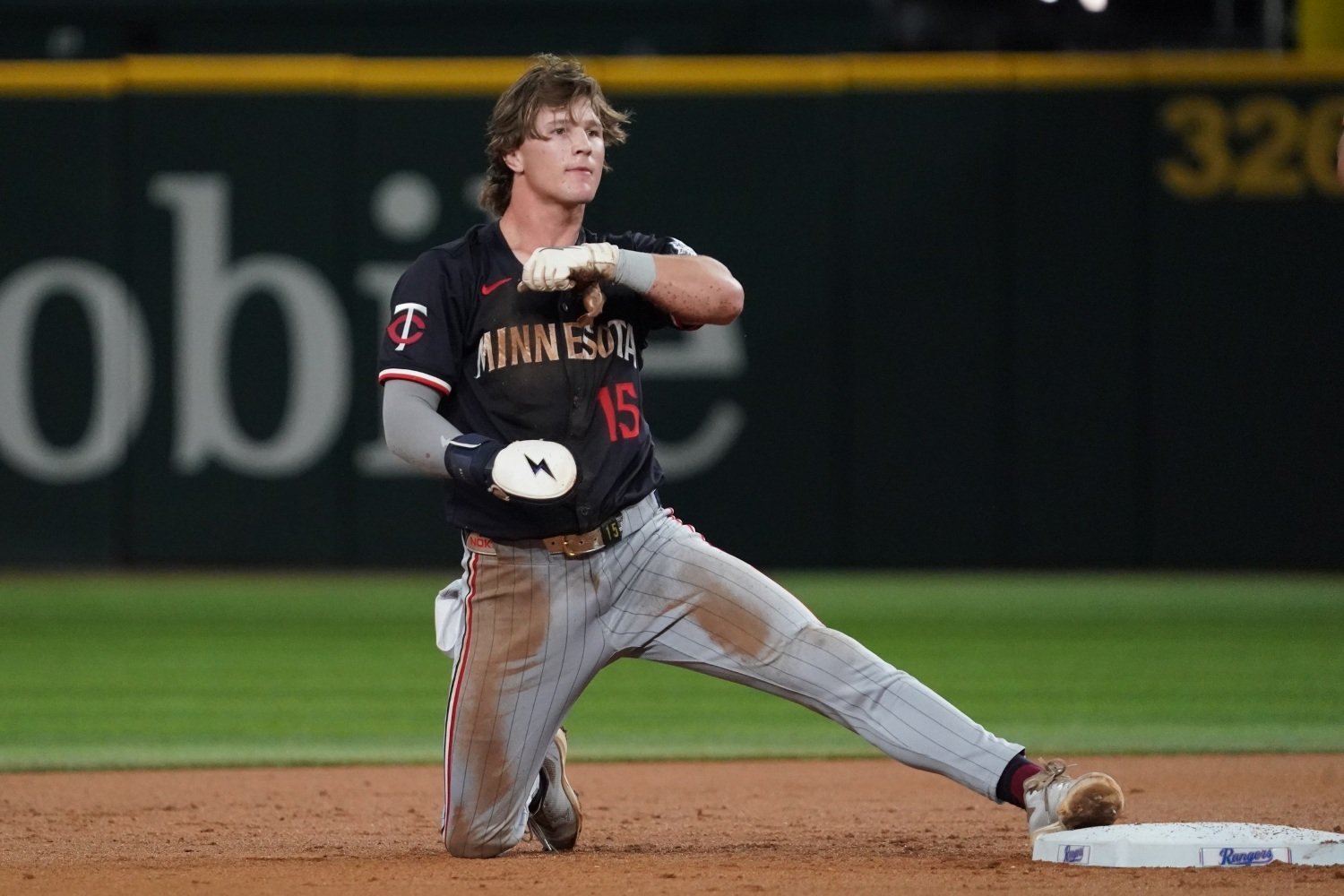 Major League Baseball has spent the last few seasons trying to bring the stolen base back into the spotlight. The league limited pitchers' pickoff attempts and step-offs as part of the implementation of the pitch timer in 2023. The bases were made larger. It wasn't solely about boosting steals, but that was part of the plan. The strategy is working. Stolen bases are up across the league, and teams are increasingly willing to push the envelope. The Minnesota Twins joined that trend during the second half of last season. Following the trade deadline, no American League team stole more bases than Minnesota, with 59. During that stretch, Austin Martin and Royce Lewis led the club with 11 steals each. Luke Keaschall swiped nine bags, while Byron Buxton added seven. The more aggressive approach raises an interesting possibility: Will the Twins have another 20-homer, 20-steal player in 2026? It's not something that happens often in Twins Territory. The Twins have seen just eight 20-20 seasons, from seven different players. Torii Hunter accomplished the feat twice in 2002 and 2004. The others to reach the milestone include Buxton in 2025, Brian Dozier in 2014, Corey Koskie in 2001, Marty Cordova in 1995, Kirby Puckett in 1986, and Larry Hisle in 1977. With the current roster construction and the organization encouraging more activity on the bases, Minnesota could have multiple candidates. Byron Buxton 2025 Totals: 35 home runs, 24 steals 2026 ZiPS Projection: 24 home runs, 14 steals Buxton cruised to his first career 20-20 season last year, with room to spare. His 35 home runs and 24 stolen bases were career highs. He even stole third base for the first time in his major-league career, an example of the Twins encouraging more aggressive baserunning. It also ended a long drought for the organization. Buxton became the first Twins player to reach the milestone in over a decade. What is standing in the way of a repeat? The answer has always been health. Buxton has battled injuries throughout his career, but the Twins hope the last two seasons prove to have been a turning point. He has now appeared in more than 100 games in back-to-back years, something that once seemed difficult to imagine. If Buxton stays on the field for another full season, he remains the most obvious candidate to reach the mark again. Royce Lewis 2025 Totals: 13 home runs, 12 steals 2026 ZiPS Projection: 14 home runs, 9 steals Early in his career, Lewis was not much of a factor on the bases. From 2022 through 2024, he stole only six total bases. Injuries certainly played a role in that limited production, but it also seemed like his running game had taken a backseat. That changed in 2025. Lewis swiped 12 bags across 106 games and showed a willingness to run when the opportunity was there. A full healthy season could push that number even higher. Reaching 20 steals is not unrealistic for an athletic infielder who has always possessed above-average speed. The bigger question is the power. Lewis has hit at least 13 home runs in each of the last three seasons despite never playing more than 106 games in a year. He revamped his swing during the offseason in an effort to create more consistent contact and power output. What is stopping him from joining the club? Offensive consistency. If the swing adjustments help him tap into more power while staying on the field, Lewis has the athleticism to threaten a 20-20 season. Luke Keaschall 2025 Totals: 4 home runs, 14 steals 2026 ZiPS Projection: 7 home runs, 17 steals Keaschall might be the most intriguing player on this list. Across three minor-league seasons, he hit .294 with 125 runs, 19 home runs, 72 RBI, and 49 steals in 585 at-bats. His approach at the plate has always stood out. He walked at a 13.6% clip, while keeping his strikeout rate at a manageable 16.9%. The Twins promoted him to the majors last season despite only 28 games at Triple-A, because the team had multiple injuries in the infield. Over his final 163 at-bats in the big leagues, Keaschall hit .294 with 21 runs, four home runs, 26 RBI, and nine stolen bases. The speed component of a 20-20 season is clearly within reach. If he plays regularly, 20 steals are well within the range of outcomes. What’s stopping him from joining the club? The question revolves around his power. Some evaluators believe his swing mechanics may limit his ability to reach 20 home runs. A season in the 12-15 home run range feels more realistic at this point. Still, if Keaschall finds another gear in his power development, he could become a surprising entrant into the conversation. A New Era of Aggressive Baserunning For years, the Twins were not known as a particularly aggressive team on the bases. The second half of last season suggested that the mindset may be shifting. With the league encouraging stolen bases and the roster featuring several athletic players, Minnesota has the personnel to take advantage. Buxton already proved he can reach the milestone. Lewis has the athletic profile to join him if his power continues to develop. Keaschall represents the wild card, a player whose speed is already an asset but whose power ceiling will determine just how high his offensive value can climb. The 20-20 club remains a rare achievement in franchise history, but the conditions might be lining up for another entry. If the Twins continue pushing the tempo on the basepaths in 2026, more than one player could find himself chasing a place alongside some of the most dynamic seasons the organization has ever seen. Will any of this trio reach the 20-20 mark in 2026? Leave a comment and start the discussion.
- 10 comments
-
- 2
-
-
- byron buxton
- royce lewis
- (and 1 more)
-
Image courtesy of © Raymond Carlin III-Imagn Images Major League Baseball has spent the last few seasons trying to bring the stolen base back into the spotlight. The league limited pitchers' pickoff attempts and step-offs as part of the implementation of the pitch timer in 2023. The bases were made larger. It wasn't solely about boosting steals, but that was part of the plan. The strategy is working. Stolen bases are up across the league, and teams are increasingly willing to push the envelope. The Minnesota Twins joined that trend during the second half of last season. Following the trade deadline, no American League team stole more bases than Minnesota, with 59. During that stretch, Austin Martin and Royce Lewis led the club with 11 steals each. Luke Keaschall swiped nine bags, while Byron Buxton added seven. The more aggressive approach raises an interesting possibility: Will the Twins have another 20-homer, 20-steal player in 2026? It's not something that happens often in Twins Territory. The Twins have seen just eight 20-20 seasons, from seven different players. Torii Hunter accomplished the feat twice in 2002 and 2004. The others to reach the milestone include Buxton in 2025, Brian Dozier in 2014, Corey Koskie in 2001, Marty Cordova in 1995, Kirby Puckett in 1986, and Larry Hisle in 1977. With the current roster construction and the organization encouraging more activity on the bases, Minnesota could have multiple candidates. Byron Buxton 2025 Totals: 35 home runs, 24 steals 2026 ZiPS Projection: 24 home runs, 14 steals Buxton cruised to his first career 20-20 season last year, with room to spare. His 35 home runs and 24 stolen bases were career highs. He even stole third base for the first time in his major-league career, an example of the Twins encouraging more aggressive baserunning. It also ended a long drought for the organization. Buxton became the first Twins player to reach the milestone in over a decade. What is standing in the way of a repeat? The answer has always been health. Buxton has battled injuries throughout his career, but the Twins hope the last two seasons prove to have been a turning point. He has now appeared in more than 100 games in back-to-back years, something that once seemed difficult to imagine. If Buxton stays on the field for another full season, he remains the most obvious candidate to reach the mark again. Royce Lewis 2025 Totals: 13 home runs, 12 steals 2026 ZiPS Projection: 14 home runs, 9 steals Early in his career, Lewis was not much of a factor on the bases. From 2022 through 2024, he stole only six total bases. Injuries certainly played a role in that limited production, but it also seemed like his running game had taken a backseat. That changed in 2025. Lewis swiped 12 bags across 106 games and showed a willingness to run when the opportunity was there. A full healthy season could push that number even higher. Reaching 20 steals is not unrealistic for an athletic infielder who has always possessed above-average speed. The bigger question is the power. Lewis has hit at least 13 home runs in each of the last three seasons despite never playing more than 106 games in a year. He revamped his swing during the offseason in an effort to create more consistent contact and power output. What is stopping him from joining the club? Offensive consistency. If the swing adjustments help him tap into more power while staying on the field, Lewis has the athleticism to threaten a 20-20 season. Luke Keaschall 2025 Totals: 4 home runs, 14 steals 2026 ZiPS Projection: 7 home runs, 17 steals Keaschall might be the most intriguing player on this list. Across three minor-league seasons, he hit .294 with 125 runs, 19 home runs, 72 RBI, and 49 steals in 585 at-bats. His approach at the plate has always stood out. He walked at a 13.6% clip, while keeping his strikeout rate at a manageable 16.9%. The Twins promoted him to the majors last season despite only 28 games at Triple-A, because the team had multiple injuries in the infield. Over his final 163 at-bats in the big leagues, Keaschall hit .294 with 21 runs, four home runs, 26 RBI, and nine stolen bases. The speed component of a 20-20 season is clearly within reach. If he plays regularly, 20 steals are well within the range of outcomes. What’s stopping him from joining the club? The question revolves around his power. Some evaluators believe his swing mechanics may limit his ability to reach 20 home runs. A season in the 12-15 home run range feels more realistic at this point. Still, if Keaschall finds another gear in his power development, he could become a surprising entrant into the conversation. A New Era of Aggressive Baserunning For years, the Twins were not known as a particularly aggressive team on the bases. The second half of last season suggested that the mindset may be shifting. With the league encouraging stolen bases and the roster featuring several athletic players, Minnesota has the personnel to take advantage. Buxton already proved he can reach the milestone. Lewis has the athletic profile to join him if his power continues to develop. Keaschall represents the wild card, a player whose speed is already an asset but whose power ceiling will determine just how high his offensive value can climb. The 20-20 club remains a rare achievement in franchise history, but the conditions might be lining up for another entry. If the Twins continue pushing the tempo on the basepaths in 2026, more than one player could find himself chasing a place alongside some of the most dynamic seasons the organization has ever seen. Will any of this trio reach the 20-20 mark in 2026? Leave a comment and start the discussion. View full article
-
The calendar is inching closer to Opening Day for the Minnesota Twins. In just over two weeks, the club will begin the 2026 season on March 26 in Baltimore. Until then, the focus remains on getting through the final stretch of spring training in Fort Myers. As the big league roster begins to take shape, the Twins have continued trimming their camp roster. Earlier this week, Minnesota made another round of roster moves, bringing the total number of players in camp down to 49. With minor league games beginning on the back fields, those teams need players as well, especially prospects who need regular at-bats and innings. After Wednesday’s 2-1 Grapefruit League win over the Detroit Tigers, the Twins made another pair of cuts. Kaelen Culpepper and Aaron Sabato were both reassigned from big league camp, bringing the camp roster down to 47 players. Both players entered camp as non-roster invitees, but they arrived in very different spots in their development. Culpepper, 23, was Minnesota’s first-round pick in the 2024 draft and has quickly become one of the organization’s most exciting prospects. The shortstop is already a consensus top 100 prospect across the industry, and his first experience in a major league camp offered an encouraging glimpse of what could be ahead. He made the most of his opportunities this spring. Culpepper finished camp batting .316 with a .749 OPS across limited action, collecting six hits in 19 at-bats. He added a double, drove in two runs, walked once, and struck out five times. His final appearance was also his most productive. Culpepper went 2-for-2 on Wednesday with a walk-off hit. However, the Twins announced his reassignment shortly after the game. The decision to send him down was never much of a surprise. Culpepper has not yet played at Triple-A, and the organization would prefer he get everyday reps rather than sporadic appearances late in Grapefruit League games. Still, his performance reinforced the belief that he may not be far away. Last season, he played 113 games between High- and Double-A, producing an .844 OPS that came with a blend of contact ability, emerging power, and the defensive profile to remain in the middle of the infield. He will open the 2026 season with Triple-A St. Paul, where the next step will be proving that his bat can handle upper-level pitching. If that happens, it would not be surprising to see Culpepper enter the conversation for a big league opportunity sometime this summer. Sabato’s path has been much different. The first baseman was the 27th overall pick in the 2020 MLB Draft, selected largely for the offensive upside he showed in college. The Twins hoped his power bat could eventually anchor the middle of a lineup. While there have been flashes, the production has not fully materialized. Sabato reached Triple- A last season and finished the year on a strong stretch, but his overall numbers still left questions. Across the season, he hit .245 with a .741 OPS. This spring, he appeared in 12 games and hit .231 with a .718 OPS. The power potential remains intriguing, but he has yet to consistently show the type of offensive impact that would force the Twins to clear a spot for him at the big league level. For Culpepper, the assignment to St. Paul feels more like a step along the path rather than a setback. The Twins wanted to see how one of their most promising young players handled his first big league camp. The answer was encouraging. Now the next challenge begins in Triple A, where Culpepper will try to prove that his impressive spring was just a preview of what is still to come. If that happens, the conversation about when he reaches Minnesota could arrive sooner than later. View full rumor
-
 The calendar is inching closer to Opening Day for the Minnesota Twins. In just over two weeks, the club will begin the 2026 season on March 26 in Baltimore. Until then, the focus remains on getting through the final stretch of spring training in Fort Myers. As the big league roster begins to take shape, the Twins have continued trimming their camp roster. Earlier this week, Minnesota made another round of roster moves, bringing the total number of players in camp down to 49. With minor league games beginning on the back fields, those teams need players as well, especially prospects who need regular at-bats and innings. After Wednesday’s 2-1 Grapefruit League win over the Detroit Tigers, the Twins made another pair of cuts. Kaelen Culpepper and Aaron Sabato were both reassigned from big league camp, bringing the camp roster down to 47 players. Both players entered camp as non-roster invitees, but they arrived in very different spots in their development. Culpepper, 23, was Minnesota’s first-round pick in the 2024 draft and has quickly become one of the organization’s most exciting prospects. The shortstop is already a consensus top 100 prospect across the industry, and his first experience in a major league camp offered an encouraging glimpse of what could be ahead. He made the most of his opportunities this spring. Culpepper finished camp batting .316 with a .749 OPS across limited action, collecting six hits in 19 at-bats. He added a double, drove in two runs, walked once, and struck out five times. His final appearance was also his most productive. Culpepper went 2-for-2 on Wednesday with a walk-off hit. However, the Twins announced his reassignment shortly after the game. The decision to send him down was never much of a surprise. Culpepper has not yet played at Triple-A, and the organization would prefer he get everyday reps rather than sporadic appearances late in Grapefruit League games. Still, his performance reinforced the belief that he may not be far away. Last season, he played 113 games between High- and Double-A, producing an .844 OPS that came with a blend of contact ability, emerging power, and the defensive profile to remain in the middle of the infield. He will open the 2026 season with Triple-A St. Paul, where the next step will be proving that his bat can handle upper-level pitching. If that happens, it would not be surprising to see Culpepper enter the conversation for a big league opportunity sometime this summer. Sabato’s path has been much different. The first baseman was the 27th overall pick in the 2020 MLB Draft, selected largely for the offensive upside he showed in college. The Twins hoped his power bat could eventually anchor the middle of a lineup. While there have been flashes, the production has not fully materialized. Sabato reached Triple- A last season and finished the year on a strong stretch, but his overall numbers still left questions. Across the season, he hit .245 with a .741 OPS. This spring, he appeared in 12 games and hit .231 with a .718 OPS. The power potential remains intriguing, but he has yet to consistently show the type of offensive impact that would force the Twins to clear a spot for him at the big league level. For Culpepper, the assignment to St. Paul feels more like a step along the path rather than a setback. The Twins wanted to see how one of their most promising young players handled his first big league camp. The answer was encouraging. Now the next challenge begins in Triple A, where Culpepper will try to prove that his impressive spring was just a preview of what is still to come. If that happens, the conversation about when he reaches Minnesota could arrive sooner than later.
 -
Brooks Lee, Horizontal Movement, and Sticking at Shortstop Beyond 2026
Cody Christie posted an article in Twins
 Spring training is a time when players across the league talk about adjustments. Some work on mechanical changes at the plate; others add strength or refine defensive skills. For young players trying to establish themselves at the major-league level, the offseason becomes a prime opportunity to evaluate everything. For Minnesota, 2026 marks another important step for shortstop Brooks Lee. The former first-round pick has already shown flashes of the hitter he can become and demonstrated the steady hands and instincts that cemented him as one of the organization’s top prospects. Despite his promise, Lee entered the winter aware that there were areas for improvement. Rather than reinventing himself, he concentrated on refining key aspects of his game to make a difference over a full season at the highest level of competition the game offers. “Just same thing, hitting, getting better left-handed, staying the same right-handed. And then just lateral movement, get quicker, a lot of running,” Lee said about his offseason work. “And then just, yeah, trying new stuff in the weight room to help with that.” That offseason focus led Lee to prioritize mobility. Last season, he posted -1 OAA at shortstop. Known for reliable hands and a strong arm, he felt he was missing out on balls he should be reaching. “It's kind of like an obvious thing,” Lee said. “You know, balls hit to me, I'll make the play, but it's the ones I don't get to. So, just try to get to more balls. And that's kind of the focus. And I think the straight-ahead speed got a lot better, and so the lateral speed will also get better.” That work started in the weight room and extended onto the field, with sprint training and technique work designed to help him move more efficiently. “Like the weight room stuff, just changing the new things and trying to focus on, you know, being as strong as I can be, and just creating the most force,” Lee said. “And then, yeah, definitely a lot of technique and sprint work that went into it, and it seemed like it paid off.” Lee believes the difference is noticeable even during routine defensive drills. “It's just obvious,” he said. “When you take ground balls in the offseason, even just getting to certain balls off the bat you don't think you're going to get to. I'm not a numbers guy. If I feel like it got better, then it did.” That defensive work ties into how Lee views his role at shortstop. At 6-foot-2 and 215 pounds, he understands he is built differently than some of the smaller, quick-twitch players who have historically played the position. Because of that, he knows maximizing his mobility is critical. “I'm not a small shortstop. I'm a bigger one, so I've got to be able to use what I can to get certain balls,” Lee said. “Because I make the play usually when it's in my glove, because I'm pretty accurate and I have good hands, but it's just those ones that I'm not getting to, and I feel like I should, and the numbers say I should. “Better first step,” he added. “You know, I always anticipate, but I think just getting better with changing direction really quickly is a really big focus.” While defense was a clear offseason emphasis, Lee also worked on simplifying his approach at the plate. As a switch-hitter, much of that attention was placed on his left-handed swing. Last season, he had a .676 OPS as a right-handed hitter, and his OPS was 33 points lower from the left side. “Just trying to find one swing that I could stick with left-handed, not make so many adjustments,” Lee said. “I felt like this offseason, I made the least amount of adjustments. Didn't look at video that much. I felt good.” Part of that adjustment involves using the entire field more consistently. “Just try to hit the ball the other way more,” Lee said. “I didn't really do that last year, left-handed. I feel like right-handed, I did. I got a lot more hits. So yeah, that was kind of a big focus. See the ball deeper so I could hit it that way. And I think that'll help with chasing.” Numbers confirm Lee's self-diagnosis, albeit imperfectly. He used the opposite field about equally often from each side, but (according to FanGraphs) he did hit the ball more to center field (39.8% of his batted balls) and less to the pull field from the right side than from the left (32.6% of batted balls going to center). Interestingly, however, that distribution came despite a deeper contact point from the left side, and a greater pull orientation (as measured by attack direction at intercept) from the right side. He also chased pitches outside the zone at a higher rate (34.5%) from the right side than from the left (30.5%). The adjusted approach could still better balance Lee’s offensive profile. While he has shown the ability to drive the ball with power, he knows maintaining his discipline will ultimately lead to more consistent results. “I think the hits will come,” Lee said. “I have to stick to my approach and be OK with taking walks and maybe not try to force hits when I'm not doing well.” For a player whose instinct is to put the ball in play, that can be easier said than done. “It's just kind of my nature, is to try and get hits,” Lee said. “But you've got to swing at the right pitches, and if you don't, you're probably out. Maybe I'll get more lucky than others because of the bat to ball, but it could hurt me, too.” Despite making several adjustments, Lee’s mindset entering the season remains simple: focus on his routine and allow everything else to fall into place. “Yeah, it is what it is,” Lee said about playing shortstop. “Whatever happens, happens. I just keep doing my thing every day, letting everything play out. It’ll all work out in the end.” For Lee, that consistency has become part of the job. The opportunity to play shortstop for Minnesota is something he has already grown comfortable with. “Yeah, it’s great,” Lee said. “I’ve had that chance my rookie year, I’ve had it last year, I have it this year. I’m used to it by now. It’s a good feeling, but it’s just baseball.” As 2026 approaches, Lee isn’t overhauling his game. He's making targeted improvements that could pay dividends throughout the long season. If these adjustments carry over to the field, the Twins could see a more complete young shortstop take another step forward—via quicker steps left and right—this year. What stands out about Lee’s offseason changes? Can he be the team’s long-term shortstop? Leave a comment and start the discussion.
 -
Image courtesy of William Parmeter Spring training is a time when players across the league talk about adjustments. Some work on mechanical changes at the plate, others add strength or refine defensive skills. For young players trying to establish themselves at the major league level, the offseason becomes a prime opportunity to evaluate everything. For Minnesota, 2026 marks another important step for shortstop Brooks Lee. The former first-round pick has already shown flashes of the hitter he can become and demonstrated the steady hands and instincts that cemented him as one of the organization’s top prospects. Despite his promise, Lee entered the winter aware that there were areas for improvement. Rather than reinventing himself, he concentrated on refining key aspects of his game to make a difference over a full major league season. “Just same thing, hitting, getting better left-handed, staying the same right-handed. And then just lateral movement, get quicker, a lot of running,” Lee said about his offseason work. “And then just, yeah, trying new stuff in the weight room to help with that.” That offseason focus led Lee to prioritize mobility. Last season, he posted a -1 OAA at shortstop with 0 OAA on his lateral movement toward first base and third base. Known for reliable hands and a strong arm at shortstop, he felt he was missing out on balls he should be reaching. “It's kind of like an obvious thing,” Lee said. “You know, balls hit to me, I'll make the play, but it's the ones I don't get to. So, just try to get to more balls. And that's kind of the focus. And I think the straight-ahead speed got a lot better, and so the lateral speed will also get better.” That work started in the weight room and extended onto the field with sprint training and technique work designed to help him move more efficiently. “Like the weight room stuff, just changing the new things and trying to focus on, you know, being as strong as I can be, and just creating the most force,” Lee said. “And then, yeah, definitely a lot of technique and sprint work that went into it, and it seemed like it paid off.” Lee believes the difference is noticeable even during routine defensive drills. “It's just obvious,” he said. “When you take ground balls in the offseason, even just getting to certain balls off the bat you don't think you're going to get to. I'm not a numbers guy. If I feel like it got better, then it did.” That defensive work ties into how Lee views his role at shortstop. At 6-foot-2 and 215 pounds, he understands he is built differently than some of the smaller, quick-twitch players who have historically played the position. Because of that, he knows maximizing his mobility is critical. “I'm not a small shortstop. I'm a bigger one, so I got to be able to use what I can to get certain balls,” Lee said. “Because I make the play usually when it's in my glove, because I'm pretty accurate and I have good hands, but it's just those ones that I'm not getting to, and I feel like I should, and the numbers say I should.” “Better first step,” he added. “You know, I always anticipate, but I think just getting better with changing direction really quickly is a really big focus.” While defense was a clear offseason emphasis, Lee also worked on simplifying his approach at the plate. As a switch-hitter, much of that attention was placed on his left-handed swing. Last season, he had a .676 OPS as a right-handed hitter and his OPS was 33 points lower from the left side. “Just trying to find one swing that I could stick with left-handed, not make so many adjustments,” Lee said. “I felt like this offseason, I made the least amount of adjustments. Didn't look at video that much. I felt good.” Part of that adjustment involves using the entire field more consistently. “Just try to hit the ball the other way more,” Lee said. “I didn't really do that last year, left-handed. I feel like right-handed I did. I got a lot more hits. So yeah, that was kind of a big focus. See the ball deeper so I could hit it that way. And I think that'll help with chasing.” The approach could also help balance Lee’s offensive profile. While he has shown the ability to drive the ball with power, he knows maintaining his discipline will ultimately lead to more consistent results. “I think the hits will come,” Lee said. “I have to stick to my approach and be OK with taking walks and maybe not try to force hits when I'm not doing well.” For a player whose natural instinct is to put the ball in play, that can be easier said than done. “It's just kind of my nature is to try and get hits,” Lee said. “But you've got to swing at the right pitches, and if you don't, you're probably out. Maybe I'll get more lucky than others because of the bat to ball, but it could hurt me, too.” Despite making several adjustments, Lee’s mindset entering the season remains simple: focus on his routine and allow everything else to fall into place. “Yeah, it is what it is,” Lee said about playing shortstop. “Whatever happens, happens. I just keep doing my thing every day, letting everything play out. It’ll all work out in the end.” For Lee, that consistency has become part of the job. The opportunity to play shortstop for Minnesota is something he has already grown comfortable with. “Yeah, it’s great,” Lee said. “I’ve had that chance my rookie year, I’ve had it last year, I have it this year. I’m used to it by now. It’s a good feeling, but it’s just baseball.” As 2026 approaches, Lee isn’t overhauling his game. He is making targeted improvements that could pay dividends throughout the long season. If these adjustments carry over to the field, the Twins could see a more complete young shortstop take another step forward this year. What stands out about Lee’s offseason changes? Can he be the team’s long-term shortstop? Leave a comment and start the discussion. View full article
-
Jesús Luzardo, José Berrios, and the Twins' Chances of Locking Up Joe Ryan
Cody Christie posted an article in Twins
 Joe Ryan has become the most important pitcher in the Minnesota Twins organization. He's coming off the best season of his career, earning an All-Star selection while anchoring Minnesota’s rotation. His command, ability to miss bats, and consistency have made him one of the most reliable starters on the roster. With Ryan under team control through the end of the 2027 season, the team has a modicum of time to decide how to handle his future. While this means Minnesota doesn't have to rush into an extension, recent league activity suggests there may be a window to get creative. One deal in particular stands out as a potential template. Earlier this week, the Philadelphia Phillies and left-hander Jesús Luzardo agreed to a contract extension that could guide teams hoping to lock up frontline starters before free agency. Luzardo, originally set to reach free agency after the 2026 season, will now have five guaranteed years beginning in 2027, worth $135 million. The deal also includes a $32.5-million club option that could increase based on performance. Luzardo can boost that option by $2 million with each top-five finish in Cy Young voting, potentially raising the value as high as $42.5 million. The contract also contains a $1-million assignment bonus each time he is traded, until he reaches 10 and 5 rights at the end of the 2029 season. Luzardo was already set to earn $11 million in 2026, after avoiding arbitration with the Phillies earlier this offseason. Had he played out the season and reached free agency at age 29, he likely would have been in line for a massive payday. Instead, he chose the security of locking in a long-term deal now. Over the next six years, including his 2026 salary, Luzardo is positioned to make $146 million. The circumstances around the deal are interesting, when compared to Ryan’s situation. Ryan is actually about three months older than Luzardo, and is similarly in the late stages of team control. Like Luzardo, he profiles as a reliable starter who has demonstrated the ability to pitch near the top of a rotation when healthy. If Ryan continues pitching at an All-Star level, his value will only increase as he moves closer to free agency. For the Twins, this situation might feel familiar. In recent Twins history, the Derek Falvey-led front office once had a similar opportunity with José Berríos. The Twins developed Berríos into one of the better starters in the American League and had multiple chances to explore a long-term extension. Ultimately, the two sides never got close to a deal. Instead, Minnesota traded Berríos to the Toronto Blue Jays at the 2021 trade deadline in exchange for Simeon Woods Richardson and Austin Martin. Both players remain part of the organization and figure to be part of the Twins’ plans for the 2026 season. Woods Richardson has exceeded expectations in recent years and looks like a steady mid-rotation starter who can give Minnesota quality innings. Martin’s path has been less straightforward. Once considered one of baseball’s elite prospects, his stock has dipped since arriving in the Twins organization. He still has tools that intrigue evaluators, but he now sits among a group of post hype prospects for whom the 2026 season could prove critical. From a broader perspective, the Berríos situation highlights the balancing act teams face with pitchers approaching free agency. Players who sign extensions a year or two before hitting the market often sacrifice some potential upside in exchange for long-term security. The numbers behind these deals provide some context. Dating back to 2017, the largest extension for a pitcher with between five and six years of service time was the seven-year, $131-million deal Berríos signed with Toronto. Like Luzardo, Berríos was heading into his age-28 season and would have reached free agency before turning 29. He also posted numbers that consistently hovered around a 3.50 ERA while offering exceptional durability. Berríos signed his extension before settling on a salary for his final arbitration season. When factoring in the $11 million Luzardo will earn in 2026, the Phillies left-hander is now set to make $146 million across the next six years. Deals like that offer a glimpse into what a potential Ryan extension might look like if the Twins decide to explore it. Ryan has established himself as one of the club’s most valuable pitchers and a foundational piece of the rotation. If he continues to perform at an All-Star level, his price will only climb as he gets closer to free agency. The Twins have time on their side, but recent extensions around the league suggest an opportunity to act early. Minnesota’s owner, Tom Pohlad, has spoken openly about investing in the roster, and with the team interested in pitchers like Framber Valdez, locking up Ryan now would require a significant investment. However, it could provide long-term stability for a rotation that will need it in the coming years. Minnesota’s previous experience with Berríos presents a dilemma: should they act now to lock up Joe Ryan and secure long-term stability in their rotation, or risk repeating the uncertainty that came from not extending Berríos? The main takeaway is that extending Ryan early could provide the Twins with organizational security and help avoid a repeat of past challenges. Should the Twins extend Ryan with a similar deal to Luzardo? Did the Berrios deal work out for Minnesota? Leave a comment and start the discussion.
- 16 comments
-
- 4
-
-
- jesus luzardo
- jose berrios
- (and 1 more)
-
Joe Ryan has become the most important pitcher in the Minnesota Twins organization. He's coming off the best season of his career, earning an All-Star selection while anchoring Minnesota’s rotation. His command, ability to miss bats, and consistency have made him one of the most reliable starters on the roster. With Ryan under team control through the end of the 2027 season, the team has a modicum of time to decide how to handle his future. While this means Minnesota doesn't have to rush into an extension, recent league activity suggests there may be a window to get creative. One deal in particular stands out as a potential template. Earlier this week, the Philadelphia Phillies and left-hander Jesús Luzardo agreed to a contract extension that could guide teams hoping to lock up frontline starters before free agency. Luzardo, originally set to reach free agency after the 2026 season, will now have five guaranteed years beginning in 2027, worth $135 million. The deal also includes a $32.5-million club option that could increase based on performance. Luzardo can boost that option by $2 million with each top-five finish in Cy Young voting, potentially raising the value as high as $42.5 million. The contract also contains a $1-million assignment bonus each time he is traded, until he reaches 10 and 5 rights at the end of the 2029 season. Luzardo was already set to earn $11 million in 2026, after avoiding arbitration with the Phillies earlier this offseason. Had he played out the season and reached free agency at age 29, he likely would have been in line for a massive payday. Instead, he chose the security of locking in a long-term deal now. Over the next six years, including his 2026 salary, Luzardo is positioned to make $146 million. The circumstances around the deal are interesting, when compared to Ryan’s situation. Ryan is actually about three months older than Luzardo, and is similarly in the late stages of team control. Like Luzardo, he profiles as a reliable starter who has demonstrated the ability to pitch near the top of a rotation when healthy. If Ryan continues pitching at an All-Star level, his value will only increase as he moves closer to free agency. For the Twins, this situation might feel familiar. In recent Twins history, the Derek Falvey-led front office once had a similar opportunity with José Berríos. The Twins developed Berríos into one of the better starters in the American League and had multiple chances to explore a long-term extension. Ultimately, the two sides never got close to a deal. Instead, Minnesota traded Berríos to the Toronto Blue Jays at the 2021 trade deadline in exchange for Simeon Woods Richardson and Austin Martin. Both players remain part of the organization and figure to be part of the Twins’ plans for the 2026 season. Woods Richardson has exceeded expectations in recent years and looks like a steady mid-rotation starter who can give Minnesota quality innings. Martin’s path has been less straightforward. Once considered one of baseball’s elite prospects, his stock has dipped since arriving in the Twins organization. He still has tools that intrigue evaluators, but he now sits among a group of post hype prospects for whom the 2026 season could prove critical. From a broader perspective, the Berríos situation highlights the balancing act teams face with pitchers approaching free agency. Players who sign extensions a year or two before hitting the market often sacrifice some potential upside in exchange for long-term security. The numbers behind these deals provide some context. Dating back to 2017, the largest extension for a pitcher with between five and six years of service time was the seven-year, $131-million deal Berríos signed with Toronto. Like Luzardo, Berríos was heading into his age-28 season and would have reached free agency before turning 29. He also posted numbers that consistently hovered around a 3.50 ERA while offering exceptional durability. Berríos signed his extension before settling on a salary for his final arbitration season. When factoring in the $11 million Luzardo will earn in 2026, the Phillies left-hander is now set to make $146 million across the next six years. Deals like that offer a glimpse into what a potential Ryan extension might look like if the Twins decide to explore it. Ryan has established himself as one of the club’s most valuable pitchers and a foundational piece of the rotation. If he continues to perform at an All-Star level, his price will only climb as he gets closer to free agency. The Twins have time on their side, but recent extensions around the league suggest an opportunity to act early. Minnesota’s owner, Tom Pohlad, has spoken openly about investing in the roster, and with the team interested in pitchers like Framber Valdez, locking up Ryan now would require a significant investment. However, it could provide long-term stability for a rotation that will need it in the coming years. Minnesota’s previous experience with Berríos presents a dilemma: should they act now to lock up Joe Ryan and secure long-term stability in their rotation, or risk repeating the uncertainty that came from not extending Berríos? The main takeaway is that extending Ryan early could provide the Twins with organizational security and help avoid a repeat of past challenges. Should the Twins extend Ryan with a similar deal to Luzardo? Did the Berrios deal work out for Minnesota? Leave a comment and start the discussion. View full article
-
Spring training often offers players on the roster bubble an opportunity to force their way into the conversation. For right-hander Travis Adams, the 2026 camp was shaping up as a chance to earn a role in the Minnesota bullpen. However, rather than moving closer to that goal, his spring has hit pause. The Minnesota Twins announced Sunday that Adams has been diagnosed with right elbow inflammation and will not resume throwing until at least next weekend. According to Matthew Leach of MLB.com, Adams first experienced soreness on Friday, prompting the club to run additional tests. The good news, though, is that the initial imaging provided some relief. An MRI revealed no structural damage in the elbow. Even so, the Twins are taking a cautious approach by shutting Adams down from throwing for at least seven days. Adams originally felt the issue while warming up for a scheduled appearance on Friday against the Atlanta Braves. He was scratched from that outing and later evaluated by the medical staff. While the absence of structural damage is encouraging, any elbow concern for a pitcher during spring training is enough to slow the process. The timing is not ideal for Adams, who entered camp as a contender for a spot in the Opening Day bullpen. The 26-year-old has the type of versatility that teams value during the long season. He is capable of pitching multiple innings and bridging the gap between the rotation and the late-inning relievers. That flexibility was part of what made Adams an interesting developmental case for the Twins last season. Adams appeared in 18 games for Minnesota during the 2025 season. Across 33 2/3 innings, he posted a 7.49 ERA with a 1.66 WHIP and a 5.39 FIP. The strikeout and walk numbers told a similar story, as he recorded a 19.6 K% with a 10.8 BB%. His performance at Triple-A was more encouraging. Pitching in the hitter-friendly environment of the International League, Adams produced a 3.93 ERA with a 19.6 K% and a more manageable 7.9 BB%. Those numbers helped keep him on the radar for a larger role entering 2026. Part of Adams’s development also came within a unique pitching structure the Twins used throughout the minor leagues last year. When certain pitchers did not fit neatly into a traditional rotation slot, the organization placed them on a consistent four-day schedule. Instead of traditional starts, these pitchers would throw shorter outings more frequently. The idea was that fewer pitches with quicker turnaround could provide better overall volume while helping pitchers recover more effectively. In those outings, Adams would typically face a lineup once or twice after a traditional starter before turning the game over to the bullpen. That approach allowed the Twins to continue building Adams’s workload while keeping him flexible for a variety of roles. Entering this spring, it appeared likely that Minnesota would test Adams in shorter one or two-inning stints at the major league level. The hope was that his stuff might play up in shorter bursts, giving the bullpen another option capable of covering multiple frames when needed. For now, that plan will have to wait. The immediate focus is simply getting Adams back on the mound and healthy. With no structural damage found, the Twins will hope the inflammation subsides quickly and allows him to resume throwing soon. If that happens, Adams could still work his way back into the conversation at some point during the season. Spring training roster battles can change quickly, and injuries often reshape the competition. For Adams, the priority is making sure this brief scare stays just that. If his elbow responds well over the next week, he will have plenty of time to show the Twins what he can offer later in the year. View full rumor
-
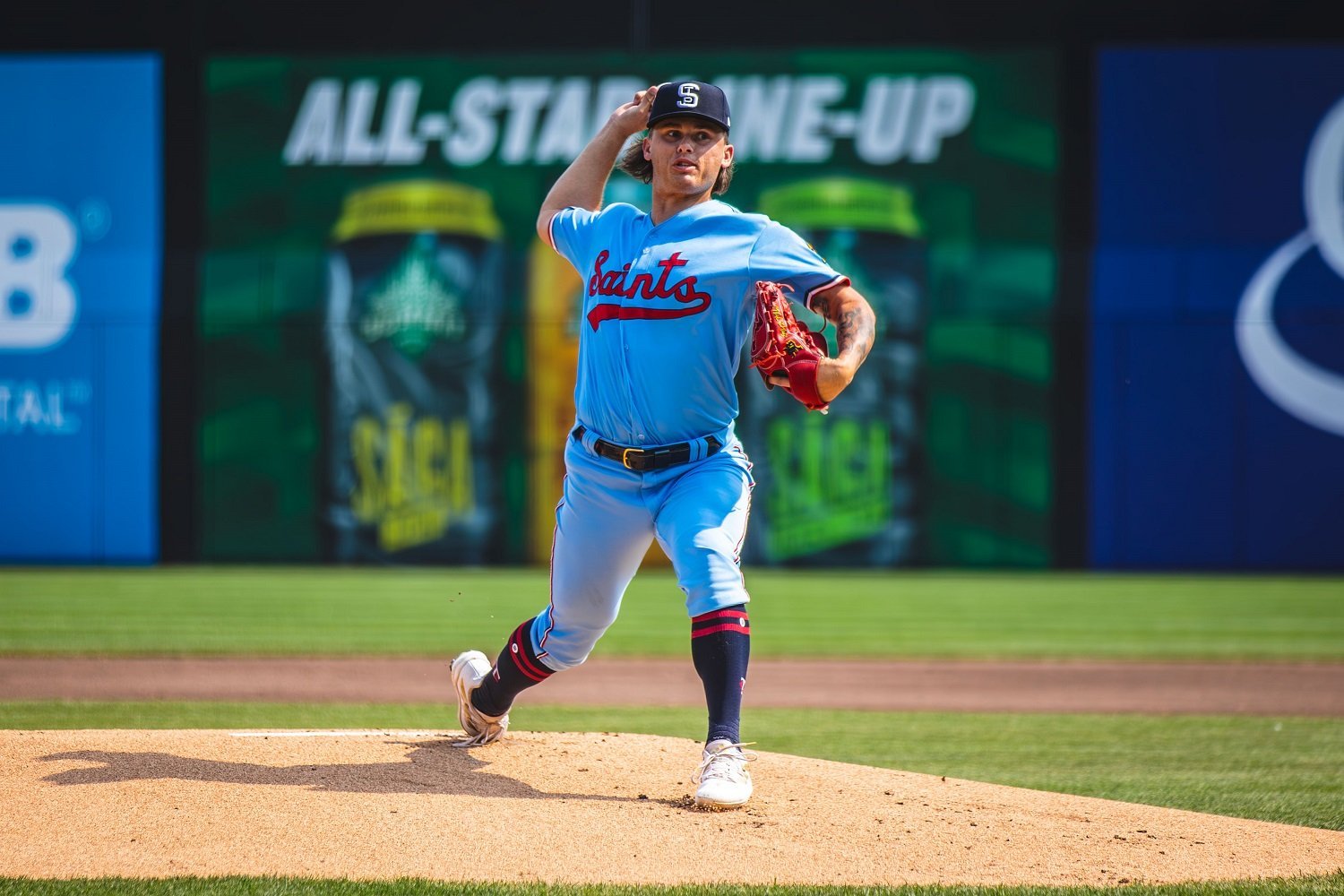 Spring training often offers players on the roster bubble an opportunity to force their way into the conversation. For right-hander Travis Adams, the 2026 camp was shaping up as a chance to earn a role in the Minnesota bullpen. However, rather than moving closer to that goal, his spring has hit pause. The Minnesota Twins announced Sunday that Adams has been diagnosed with right elbow inflammation and will not resume throwing until at least next weekend. According to Matthew Leach of MLB.com, Adams first experienced soreness on Friday, prompting the club to run additional tests. The good news, though, is that the initial imaging provided some relief. An MRI revealed no structural damage in the elbow. Even so, the Twins are taking a cautious approach by shutting Adams down from throwing for at least seven days. Adams originally felt the issue while warming up for a scheduled appearance on Friday against the Atlanta Braves. He was scratched from that outing and later evaluated by the medical staff. While the absence of structural damage is encouraging, any elbow concern for a pitcher during spring training is enough to slow the process. The timing is not ideal for Adams, who entered camp as a contender for a spot in the Opening Day bullpen. The 26-year-old has the type of versatility that teams value during the long season. He is capable of pitching multiple innings and bridging the gap between the rotation and the late-inning relievers. That flexibility was part of what made Adams an interesting developmental case for the Twins last season. Adams appeared in 18 games for Minnesota during the 2025 season. Across 33 2/3 innings, he posted a 7.49 ERA with a 1.66 WHIP and a 5.39 FIP. The strikeout and walk numbers told a similar story, as he recorded a 19.6 K% with a 10.8 BB%. His performance at Triple-A was more encouraging. Pitching in the hitter-friendly environment of the International League, Adams produced a 3.93 ERA with a 19.6 K% and a more manageable 7.9 BB%. Those numbers helped keep him on the radar for a larger role entering 2026. Part of Adams’s development also came within a unique pitching structure the Twins used throughout the minor leagues last year. When certain pitchers did not fit neatly into a traditional rotation slot, the organization placed them on a consistent four-day schedule. Instead of traditional starts, these pitchers would throw shorter outings more frequently. The idea was that fewer pitches with quicker turnaround could provide better overall volume while helping pitchers recover more effectively. In those outings, Adams would typically face a lineup once or twice after a traditional starter before turning the game over to the bullpen. That approach allowed the Twins to continue building Adams’s workload while keeping him flexible for a variety of roles. Entering this spring, it appeared likely that Minnesota would test Adams in shorter one or two-inning stints at the major league level. The hope was that his stuff might play up in shorter bursts, giving the bullpen another option capable of covering multiple frames when needed. For now, that plan will have to wait. The immediate focus is simply getting Adams back on the mound and healthy. With no structural damage found, the Twins will hope the inflammation subsides quickly and allows him to resume throwing soon. If that happens, Adams could still work his way back into the conversation at some point during the season. Spring training roster battles can change quickly, and injuries often reshape the competition. For Adams, the priority is making sure this brief scare stays just that. If his elbow responds well over the next week, he will have plenty of time to show the Twins what he can offer later in the year.
