Cody Christie
-
Posts
7,805 -
Joined
-
Last visited
-
Days Won
5
Content Type
Profiles
News
Minnesota Twins Videos
2026 Minnesota Twins Top Prospects Ranking
2022 Minnesota Twins Draft Picks
Minnesota Twins Free Agent & Trade Rumors, Notes, & Tidbits
Guides & Resources
2023 Minnesota Twins Draft Picks
The Minnesota Twins Players Project
2024 Minnesota Twins Draft Picks
2025 Minnesota Twins Draft Pick Tracker
2026 Minnesota Twins Draft Tracker: Picks & Bonuses
Forums
Blogs
Events
Store
Downloads
Gallery
Everything posted by Cody Christie
-
 Image courtesy of Rob Thompson, St. Paul Saints There are prospect comps, and then there is whatever is happening in Dave Kramer's living room. Kramer, a lifelong Twins fan and self-proclaimed “early adopter of takes,” has officially begun replacing every Joe Mauer reference in his vocabulary with Walker Jenkins. Not because Jenkins has debuted. Not because he has played a game at Target Field. But because Kramer is confident that he has seen enough. “Look, I’m just saving time,” Kramer said, while carefully crossing out “Mauer” on an old Twins jersey with a Sharpie. “We all know how this ends. I’d rather get ahead of the discourse.” To be fair, Jenkins has earned the hype. He entered pro ball as one of the most highly regarded national prospects the Twins have had since Mauer was the consensus top prospect in baseball during the early 2000s. The hit tool is real. The approach is advanced. The pedigree checks out. Naturally, that means it is time to begin tearing him down. “Sure, he can hit for a high average,” Kramer said. “But does he have any power? I mean, I watched one video where he hit a ball to the opposite field gap instead of 450 feet to dead center. That’s concerning.” Kramer then pulled up a spreadsheet labeled “Jenkins Red Flags” that included categories such as “Too Polished, Too Soon” and “Suspiciously Likeable.” The comparisons to Mauer have not stopped at the surface level. Kramer has also fast-tracked himself into the injury speculation phase, a stage most players do not reach until at least their arbitration years. “He’s going to be injured all the time,” Kramer said confidently. “Mauer had bilateral leg weakness. What’s Jenkins going to have? Upper body enthusiasm fatigue? Chronic prospect-hype syndrome? The Twins will come up with something.” Medical professionals have not yet weighed in on those conditions. Beyond health concerns, Kramer has already begun outlining Jenkins’s long-term legacy, including the inevitable debates that will follow. “We’re going to spend a decade arguing about whether he’s too passive at the plate,” Kramer said. “Then another decade arguing that he should have been more passive. It’s the full experience.” He also expressed concern about Jenkins’s leadership style, despite the fact that Jenkins is still working his way through the minor leagues. “Is he too quiet? Not quiet enough? Does he say the right things after losses that haven’t happened yet?” Kramer asked. “These are the questions that matter.” Twins fans have seen this cycle before. A generational hitting prospect arrives. Expectations skyrocket. The player performs at an elite level. And somehow, the conversation drifts toward what they are not doing. Kramer, however, insists he is not being negative. If anything, he believes he's honoring tradition. “This is how we talk about great hitters here,” he said. “If you’re not nitpicking them before they even debut, are they really elite?” At press time, Kramer was reportedly workshopping his next take, debating whether Jenkins’s future batting titles will come with enough exit velocity to truly count. "Unethical trophies," he could be heard mumbling to himself, as his son nodded helpfully. View full article
 -
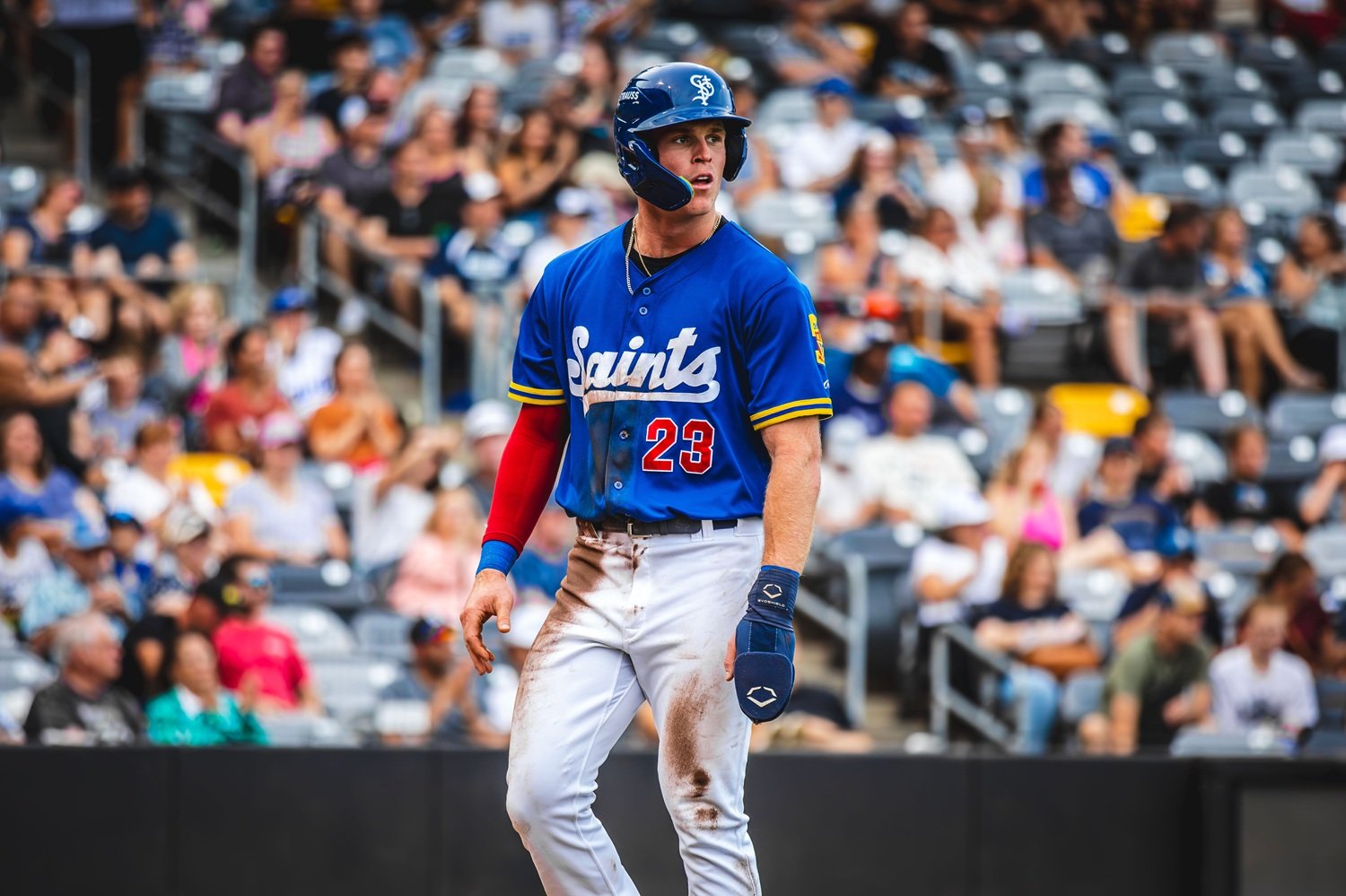 There are prospect comps, and then there is whatever is happening in Dave Kramer's living room. Kramer, a lifelong Twins fan and self-proclaimed “early adopter of takes,” has officially begun replacing every Joe Mauer reference in his vocabulary with Walker Jenkins. Not because Jenkins has debuted. Not because he has played a game at Target Field. But because Kramer is confident that he has seen enough. “Look, I’m just saving time,” Kramer said, while carefully crossing out “Mauer” on an old Twins jersey with a Sharpie. “We all know how this ends. I’d rather get ahead of the discourse.” To be fair, Jenkins has earned the hype. He entered pro ball as one of the most highly regarded national prospects the Twins have had since Mauer was the consensus top prospect in baseball during the early 2000s. The hit tool is real. The approach is advanced. The pedigree checks out. Naturally, that means it is time to begin tearing him down. “Sure, he can hit for a high average,” Kramer said. “But does he have any power? I mean, I watched one video where he hit a ball to the opposite field gap instead of 450 feet to dead center. That’s concerning.” Kramer then pulled up a spreadsheet labeled “Jenkins Red Flags” that included categories such as “Too Polished, Too Soon” and “Suspiciously Likeable.” The comparisons to Mauer have not stopped at the surface level. Kramer has also fast-tracked himself into the injury speculation phase, a stage most players do not reach until at least their arbitration years. “He’s going to be injured all the time,” Kramer said confidently. “Mauer had bilateral leg weakness. What’s Jenkins going to have? Upper body enthusiasm fatigue? Chronic prospect-hype syndrome? The Twins will come up with something.” Medical professionals have not yet weighed in on those conditions. Beyond health concerns, Kramer has already begun outlining Jenkins’s long-term legacy, including the inevitable debates that will follow. “We’re going to spend a decade arguing about whether he’s too passive at the plate,” Kramer said. “Then another decade arguing that he should have been more passive. It’s the full experience.” He also expressed concern about Jenkins’s leadership style, despite the fact that Jenkins is still working his way through the minor leagues. “Is he too quiet? Not quiet enough? Does he say the right things after losses that haven’t happened yet?” Kramer asked. “These are the questions that matter.” Twins fans have seen this cycle before. A generational hitting prospect arrives. Expectations skyrocket. The player performs at an elite level. And somehow, the conversation drifts toward what they are not doing. Kramer, however, insists he is not being negative. If anything, he believes he's honoring tradition. “This is how we talk about great hitters here,” he said. “If you’re not nitpicking them before they even debut, are they really elite?” At press time, Kramer was reportedly workshopping his next take, debating whether Jenkins’s future batting titles will come with enough exit velocity to truly count. "Unethical trophies," he could be heard mumbling to himself, as his son nodded helpfully.
 -
Image courtesy of William Parmeter Evaluating power in a prospect is about more than just counting home runs. It is about projection, bat speed, physicality, and the ability to translate raw strength into game action. It also requires separating raw power from game power. Plenty of hitters can light up batting practice, but the real value comes from how often that strength shows up against live pitching in competitive situations. Approach, swing decisions, and contact quality all play a role in determining whether a player can consistently access that power. Context matters as well. Age, level, and environment can all influence how power production looks on the surface. A younger player holding his own against advanced pitching or driving the ball in a pitcher-friendly league can be just as encouraging as eye-popping home run totals in a more favorable setting. For the Twins, that context is especially important given how many of their top power bats are still developing in the lower minors. The tools below are graded on the traditional 20 to 80 scouting scale, where 50 represents the big league average. To qualify for this list, each player appears on MLB Pipeline’s Top 30 Twins prospects. Honorable Mentions Kala’i Rosario narrowly misses the cut with a 55-grade power tool and remains one of the more intriguing bats in the system. Kaelen Culpepper and Billy Amick also fall just shy of average game power at this stage, though both have room to grow as they gain experience. 5. IF/OF Brandon Winokur: 60-grade power tool Winokur’s first taste of full-season baseball over the last two years has been a mix of flashes and growing pains, but the underlying tools remain loud. His combination of strength and athleticism showed up in a big way at High-A Cedar Rapids, where he paired 17 home runs with 26 stolen bases and proved he can impact the game in multiple ways. The power itself is not in question. It shows up easily in batting practice and in spurts during games. The next step is refining his swing so that the impact becomes more consistent. At times, his path has led to weak contact, especially on balls pulled on the ground or softly hit the other way. If he can make the necessary adjustments to find the barrel more often, there is legitimate middle-of-the-order upside here. 4. OF Walker Jenkins: 60-grade power tool Jenkins entered pro ball with questions about how much power he would ultimately produce, and that debate still exists depending on the outlet. What has become clear is that his overall offensive profile continues to trend in the right direction. Despite missing time, he was one of the most productive hitters in the organization last season, posting a 135 wRC+ over a significant sample. His left-handed swing is polished and repeatable, allowing him to consistently square the ball up while maintaining strong plate discipline. As he has gotten more comfortable, the power has started to show up more frequently, particularly to his pull side. He has also shown the ability to drive the ball the other way, giving him a well-rounded approach that should translate against advanced pitching. If the power continues to tick up, he has a chance to develop into a true impact bat. 3. C Eduardo Tait: 60-grade power tool Tait brings an interesting blend of contact ability and raw strength to the plate. He can produce impressive exit velocities and has shown the ability to drive the ball to all fields, though most of his home run damage comes when he turns on pitches. His aggressive approach is both a strength and a limitation. Tait puts the ball in play at a high rate, but that comes with a tendency to expand the zone and limit his walk totals (7.4 BB%). When he gets a pitch to hit, he can do serious damage, but refining his approach will be key to unlocking more consistent game power. There is no doubt about the bat speed or the strength. The focus now is on finding a balance between contact and selectivity so that the power can play more regularly in games. 2. IF Quentin Young: 60-grade power tool Few hitters in the system can match Young’s raw power potential. Some evaluators believed it could reach top of the scale levels when he was an amateur, and the Twins are now focused on helping him translate that into game production. His 6-foot-6 frame creates natural leverage, but it also introduces challenges with swing length and contact. To his credit, Young has already taken steps to simplify things, dedicating significant time to reworking his mechanics. By quieting unnecessary movement and improving his bat path, he is giving himself a better chance to consistently reach his power potential. There will likely always be some swing and miss in his game, but if the adjustments stick, he has a chance to be one of the more dangerous power hitters in the system. 1. OF Emmanuel Rodriguez: 60-grade power tool Rodriguez continues to stand out as one of the most electric hitters in the organization. Even with injuries limiting his development time, he reached Triple-A at just 21 years old and continued to produce when he was on the field, including a strong showing in winter ball. The power comes from elite bat speed and natural strength, allowing him to drive the ball with authority when he connects. He also pairs that with an advanced understanding of the strike zone, drawing walks at a high rate (20.6 BB%) and forcing pitchers to challenge him. The biggest hurdle remains contact consistency. Strikeouts have been a part of his profile (31.8 K%), and missed time has not helped his overall development. Still, the combination of patience and power gives him a chance to profile as a middle-of-the-order hitter if he can make enough contact to maximize his tools. It is remarkable how much power exists throughout this system. Three of the five players on this list are still in the lower-levels and have significant development ahead of them. Rodriguez and Jenkins, meanwhile, are knocking on the door and could bring that power to Minnesota in the near future. Power is one of the hardest tools to develop, which makes the Twins' current pipeline especially encouraging. This is not just a group with raw strength, but one with multiple paths to impact at the big league level. Some will need mechanical adjustments, others will need to refine their approach, but the foundation is already in place. If even a couple of these bats reach their ceiling, Minnesota could be looking at a lineup capable of changing games quickly and often. Other rankings in the series: Hit Tool Fielding Tool Do you agree with the above rankings? Who is too high? Too low? Leave a comment and start the discussion. View full article
-
Typically, we aren't going to break down every statistic that we talk about at Twins Daily. That would make articles unreadable. We assume that people coming to the site will have a baseline knowledge of specific stats. If they don't have that knowledge, they will be able to find the answer through multiple sources. According to Baseball Savant, the way that Larnach cost the Twins seven runs last season was through Fielding Run Value. The breakdown of the equation is below. Four of the runs came from his lack of range and three came from his throws. Baseball Savant breaks down his numbers even further. Fielding Run Value is Statcast’s metric for capturing a player’s measurable defensive performance by converting all of Statcast’s individual defensive metrics from different scales onto the same run-based scale, which can then be read as a player being worth X runs above or Y runs below average. Currently, the conversions for those metrics are as follows. (Unless otherwise noted, all metrics are available since 2016.) Outs Above Average (range): 1 out = .9 run (OF) // 1 out = .75 run (IF) Fielder Throwing Runs: 1 run = 1 run Catcher Blocking: 1 block saved= .25 run (available 2018 – present). Catcher Framing: 1 strike saved = .125 run Catcher Throwing: 1 SB prevented = .65 run Double Plays: 1 DP added = .4 run How to read it: In 2024, Andrés Giménez had a Fielding Run Value of +17 runs, which came from 14 runs on range and 3 runs via his involvement in double plays, making him the most valuable defender in baseball among non-catchers that season.
-
Image courtesy of © Mitch Stringer-Imagn Images When the Minnesota Twins acquired Taj Bradley from the Tampa Bay Rays at last year’s trade deadline, they weren’t just buying a struggling arm. They were betting on a version of Bradley that once looked like one of the most electric young starters in baseball. That version showed up (at least in flashes) on Saturday. In a win over the Baltimore Orioles, Bradley allowed one earned run on three hits and three walks while striking out nine across 4 1/3 innings. It wasn't a perfectly clean outing, as he needed 92 pitches to get just 13 outs, but the raw ingredients were impossible to miss. The swing-and-miss that once made him a top prospect was back. The confidence looked different. And perhaps most importantly, the process is evolving. After posting a 6.61 ERA in six starts following the trade last season, Bradley entered 2026 needing to show tangible growth. Through his first outing (and dating back to a strong finish against Texas in 2025 and a sharp spring training), there are signs that something has clicked. For Bradley, the biggest difference might not be mechanical or statistical. It might be mental. “It’s just me being hardheaded in the past,” Bradley said. “I stuck to what I was good at and stuck to what I knew, you know. If it’s different, it gets scary, so you don’t even want to walk down that path. “What I’ve done in the past is what I felt I solidified on. Going into the offseason, I figured I’d take different routines, different practices, and bring it into this year.” That openness is already showing up in how he attacks hitters. Velocity Increase The most encouraging development came from Bradley’s fastball, which showed a noticeable jump in velocity compared to previous seasons. Throughout his big-league career, his four-seam fastball has typically sat a little above 96 mph. In his first start of 2026, that number climbed to 97.4 mph, and he even reached back for 99.6 mph at one point. Bradley used the pitch effectively, generating three strikeouts and holding the Orioles to a .167 batting average against it. If that velocity holds, it could have a ripple effect across his entire arsenal. A firmer fastball makes his splitter more deceptive, especially when it falls off the same plane. It can also help his cutter play up, giving hitters less time to differentiate between pitches that already feature similar initial trajectories. Of course, we'll also have to wait and see whether that velocity jump holds. Early-season adrenaline can sometimes lead to elevated velocity readings, but maintaining an average near 97 mph deep into the year would represent a meaningful step forward for Bradley. It's encouraging, at least, that we saw him throw harder late last year, too. If he can pair that added power with his evolving pitch mix, it raises the ceiling on what he can become in this rotation. Breaking Pitch Changes One of the more notable changes came from his cutter. In 2025, the pitch had an average of 5.6 inches of induced vertical break. In his first start this season, that number dropped to 1.1 inches. That's a notable difference in the depth of its movement, which is consistent with what we saw in spring training. Interestingly, it is also coming in slower, with velocity down by roughly 2.5 miles per hour. That tradeoff appears intentional, sacrificing velocity for more movement. It's become a true slider. If Bradley can consistently locate it, the pitch could become more of a bat-misser, rather than just a weak contact generator. The biggest shift in Bradley’s arsenal was his willingness to trust the splitter. Last season, he used it just over 15% of the time. Against Baltimore, that number jumped to nearly 30%. He threw it 27 times, primarily to left-handed hitters, and the results were dominant: no hits allowed, two strikeouts, and a 63.6% whiff rate. That kind of effectiveness is hard to ignore. Whether it was matchup-driven or a sign of things to come, the splitter gives Bradley a legitimate weapon to neutralize hitters on both sides of the plate. A Lingering Concern With Contact Quality For all the positives, there is still a red flag that followed Bradley from his time in Tampa Bay. When hitters do make contact, they can elevate and pull the ball with authority. In his 2026 debut, O's batters posted a 28.6% pull air rate against him. That's a significant jump from his previous seasons, where he hovered below 19% as a rookie and under 17% more recently. That number must come down. Early-season conditions can mask mistakes. Cold weather tends to suppress carry, turning potential home runs into warning track outs. As temperatures rise, those same swings can do much more damage. If Bradley continues to allow pulled fly balls at that rate, it could quickly become a problem. Of course, with nine strikeouts and in such a short outing, the sample is far too small to say whether that vulnerability to pulled air balls will be a real issue. Encouraging Signs With Work Still Ahead It's easy to see why the Twins believed in Bradley when they made the deal for him. The strikeout ability is real. The raw stuff has ticked up. Now, there are early indications that the approach is starting to evolve, as well. It's also fair to acknowledge what still needs refinement. Efficiency remains an issue. Contact quality is something to monitor. And one strong start doesn't erase the inconsistency that defined his 2025 season. Still, this looked like a different pitcher. The Twins are going to need that version of Bradley. With questions throughout the rotation, they can't afford to wait long for answers. Starters need to take the ball and begin carrying more of the load. It's early, and the weather will change. The league will adjust. Bradley will have to adjust back. For now, though, there is something worth watching here. What stands out from Bradley's first start? Leave a comment and start the discussion. View full article
-
Big Velo, Mental Changes, and a Different Look for Taj Bradley
Cody Christie posted an article in Twins
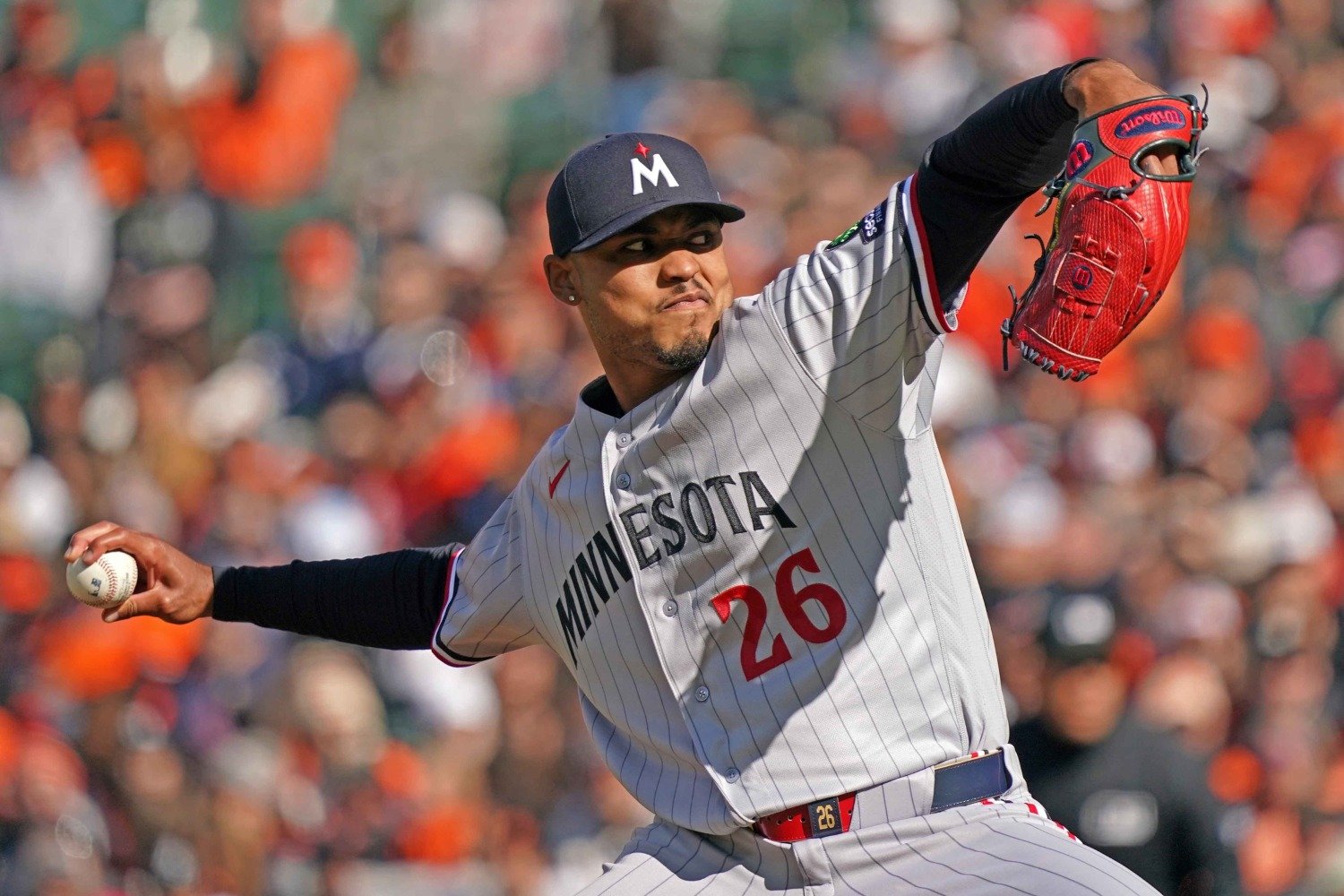 When the Minnesota Twins acquired Taj Bradley from the Tampa Bay Rays at last year’s trade deadline, they weren’t just buying a struggling arm. They were betting on a version of Bradley that once looked like one of the most electric young starters in baseball. That version showed up (at least in flashes) on Saturday. In a win over the Baltimore Orioles, Bradley allowed one earned run on three hits and three walks while striking out nine across 4 1/3 innings. It wasn't a perfectly clean outing, as he needed 92 pitches to get just 13 outs, but the raw ingredients were impossible to miss. The swing-and-miss that once made him a top prospect was back. The confidence looked different. And perhaps most importantly, the process is evolving. After posting a 6.61 ERA in six starts following the trade last season, Bradley entered 2026 needing to show tangible growth. Through his first outing (and dating back to a strong finish against Texas in 2025 and a sharp spring training), there are signs that something has clicked. For Bradley, the biggest difference might not be mechanical or statistical. It might be mental. “It’s just me being hardheaded in the past,” Bradley said. “I stuck to what I was good at and stuck to what I knew, you know. If it’s different, it gets scary, so you don’t even want to walk down that path. “What I’ve done in the past is what I felt I solidified on. Going into the offseason, I figured I’d take different routines, different practices, and bring it into this year.” That openness is already showing up in how he attacks hitters. Velocity Increase The most encouraging development came from Bradley’s fastball, which showed a noticeable jump in velocity compared to previous seasons. Throughout his big-league career, his four-seam fastball has typically sat a little above 96 mph. In his first start of 2026, that number climbed to 97.4 mph, and he even reached back for 99.6 mph at one point. Bradley used the pitch effectively, generating three strikeouts and holding the Orioles to a .167 batting average against it. If that velocity holds, it could have a ripple effect across his entire arsenal. A firmer fastball makes his splitter more deceptive, especially when it falls off the same plane. It can also help his cutter play up, giving hitters less time to differentiate between pitches that already feature similar initial trajectories. Of course, we'll also have to wait and see whether that velocity jump holds. Early-season adrenaline can sometimes lead to elevated velocity readings, but maintaining an average near 97 mph deep into the year would represent a meaningful step forward for Bradley. It's encouraging, at least, that we saw him throw harder late last year, too. If he can pair that added power with his evolving pitch mix, it raises the ceiling on what he can become in this rotation. Breaking Pitch Changes One of the more notable changes came from his cutter. In 2025, the pitch had an average of 5.6 inches of induced vertical break. In his first start this season, that number dropped to 1.1 inches. That's a notable difference in the depth of its movement, which is consistent with what we saw in spring training. Interestingly, it is also coming in slower, with velocity down by roughly 2.5 miles per hour. That tradeoff appears intentional, sacrificing velocity for more movement. It's become a true slider. If Bradley can consistently locate it, the pitch could become more of a bat-misser, rather than just a weak contact generator. The biggest shift in Bradley’s arsenal was his willingness to trust the splitter. Last season, he used it just over 15% of the time. Against Baltimore, that number jumped to nearly 30%. He threw it 27 times, primarily to left-handed hitters, and the results were dominant: no hits allowed, two strikeouts, and a 63.6% whiff rate. That kind of effectiveness is hard to ignore. Whether it was matchup-driven or a sign of things to come, the splitter gives Bradley a legitimate weapon to neutralize hitters on both sides of the plate. A Lingering Concern With Contact Quality For all the positives, there is still a red flag that followed Bradley from his time in Tampa Bay. When hitters do make contact, they can elevate and pull the ball with authority. In his 2026 debut, O's batters posted a 28.6% pull air rate against him. That's a significant jump from his previous seasons, where he hovered below 19% as a rookie and under 17% more recently. That number must come down. Early-season conditions can mask mistakes. Cold weather tends to suppress carry, turning potential home runs into warning track outs. As temperatures rise, those same swings can do much more damage. If Bradley continues to allow pulled fly balls at that rate, it could quickly become a problem. Of course, with nine strikeouts and in such a short outing, the sample is far too small to say whether that vulnerability to pulled air balls will be a real issue. Encouraging Signs With Work Still Ahead It's easy to see why the Twins believed in Bradley when they made the deal for him. The strikeout ability is real. The raw stuff has ticked up. Now, there are early indications that the approach is starting to evolve, as well. It's also fair to acknowledge what still needs refinement. Efficiency remains an issue. Contact quality is something to monitor. And one strong start doesn't erase the inconsistency that defined his 2025 season. Still, this looked like a different pitcher. The Twins are going to need that version of Bradley. With questions throughout the rotation, they can't afford to wait long for answers. Starters need to take the ball and begin carrying more of the load. It's early, and the weather will change. The league will adjust. Bradley will have to adjust back. For now, though, there is something worth watching here. What stands out from Bradley's first start? Leave a comment and start the discussion.
 -
There was a time not long ago when optimism around the Minnesota Twins felt sustainable. Competitive rosters, postseason appearances, and a growing core gave fans reason to believe. Now, according to The Athletic’s annual Hope-O-Meter, that belief has all but vanished. The latest fan survey, which included more than 11,000 respondents, paints a fascinating picture of the sport’s emotional landscape. Across Major League Baseball, optimism is actually trending upward. A strong 72% of fans reported feeling hopeful about their favorite team, a notable jump from 66% a year ago. Baseball, broadly speaking, is in a good place when it comes to fan confidence. That makes what is happening in Minnesota stand out even more. At the top of the rankings sit perennial contenders and rising powers. The Los Angeles Dodgers lead the way at an eye-popping 99.8% optimism, followed by the Toronto Blue Jays, Seattle Mariners, Detroit Tigers, and Kansas City Royals. The presence of Detroit and Kansas City is particularly notable for Twins fans, as two division rivals have surged into the league’s emotional elite. Minnesota, meanwhile, sits alone at the bottom. The Twins posted a staggering 4.3% optimism rating, the lowest mark in all of baseball. The only team even within shouting distance is the Los Angeles Angels at 5.7%. After that, the gap widens significantly, with no other franchise falling below 24%. This is not just pessimism. It is a complete erosion of belief. What makes the drop more jarring is how recent the optimism once was. In 2022, the Twins checked in at 70.1 %, placing them squarely in the middle of the league. By 2023, that number jumped to 91.3%, good for 10th overall, and they remained near that level in 2024 at 86.3%. Even entering 2025, there was still a baseline level of confidence at 52%. Now, that foundation has collapsed, and the reasons are not difficult to identify. On the field, inconsistency and underperformance have chipped away at expectations. Off the field, uncertainty surrounding ownership has only deepened the frustration. There was a moment last winter when it seemed possible the Pohlad family might explore a sale of the team, offering a potential reset and renewed direction. That possibility has since faded, and with it, a significant portion of fan optimism. The result is a five-year trend line that looks less like a normal fluctuation and more like a free fall. The Twins Hope-O-Meter arc resembles a slow climb to a peak followed by a sudden and dramatic plunge. There were real highs, but the landing has been hard. Rebuilding that trust will not happen overnight. It will take more than a hot streak or a promising prospect. Fans are looking for a clear vision, a commitment to winning, and signs that the organization understands the weight of this moment. That responsibility falls on everyone, from the front office to the clubhouse to ownership itself. For now, the numbers tell the story. In a league where hope is rising, Minnesota has run out of it. The next chapter for the Twins will not just be about wins and losses. It will be about convincing a disillusioned fan base that there is something worth believing in again. View full rumor
-
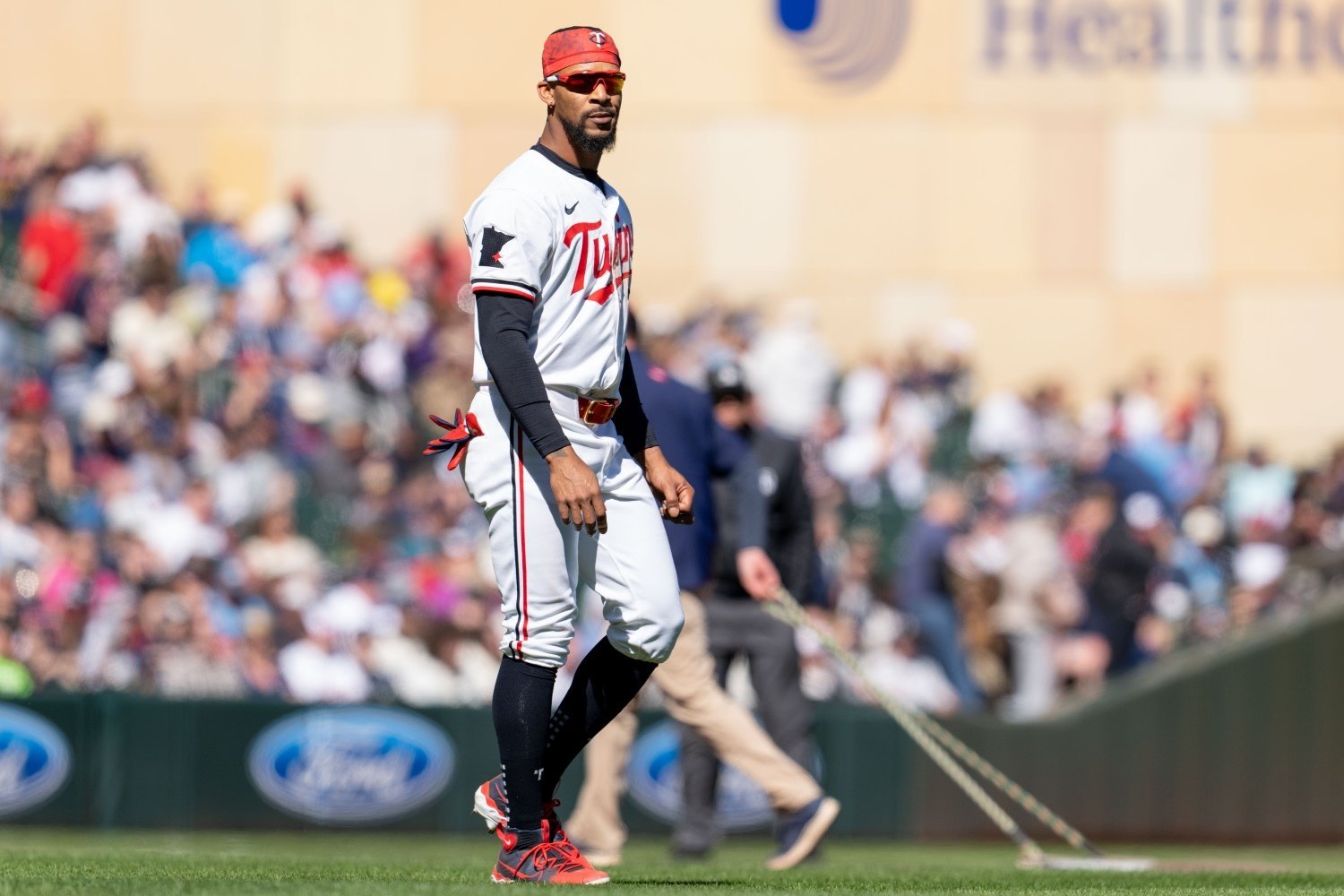 There was a time not long ago when optimism around the Minnesota Twins felt sustainable. Competitive rosters, postseason appearances, and a growing core gave fans reason to believe. Now, according to The Athletic’s annual Hope-O-Meter, that belief has all but vanished. The latest fan survey, which included more than 11,000 respondents, paints a fascinating picture of the sport’s emotional landscape. Across Major League Baseball, optimism is actually trending upward. A strong 72% of fans reported feeling hopeful about their favorite team, a notable jump from 66% a year ago. Baseball, broadly speaking, is in a good place when it comes to fan confidence. That makes what is happening in Minnesota stand out even more. At the top of the rankings sit perennial contenders and rising powers. The Los Angeles Dodgers lead the way at an eye-popping 99.8% optimism, followed by the Toronto Blue Jays, Seattle Mariners, Detroit Tigers, and Kansas City Royals. The presence of Detroit and Kansas City is particularly notable for Twins fans, as two division rivals have surged into the league’s emotional elite. Minnesota, meanwhile, sits alone at the bottom. The Twins posted a staggering 4.3% optimism rating, the lowest mark in all of baseball. The only team even within shouting distance is the Los Angeles Angels at 5.7%. After that, the gap widens significantly, with no other franchise falling below 24%. This is not just pessimism. It is a complete erosion of belief. What makes the drop more jarring is how recent the optimism once was. In 2022, the Twins checked in at 70.1 %, placing them squarely in the middle of the league. By 2023, that number jumped to 91.3%, good for 10th overall, and they remained near that level in 2024 at 86.3%. Even entering 2025, there was still a baseline level of confidence at 52%. Now, that foundation has collapsed, and the reasons are not difficult to identify. On the field, inconsistency and underperformance have chipped away at expectations. Off the field, uncertainty surrounding ownership has only deepened the frustration. There was a moment last winter when it seemed possible the Pohlad family might explore a sale of the team, offering a potential reset and renewed direction. That possibility has since faded, and with it, a significant portion of fan optimism. The result is a five-year trend line that looks less like a normal fluctuation and more like a free fall. The Twins Hope-O-Meter arc resembles a slow climb to a peak followed by a sudden and dramatic plunge. There were real highs, but the landing has been hard. Rebuilding that trust will not happen overnight. It will take more than a hot streak or a promising prospect. Fans are looking for a clear vision, a commitment to winning, and signs that the organization understands the weight of this moment. That responsibility falls on everyone, from the front office to the clubhouse to ownership itself. For now, the numbers tell the story. In a league where hope is rising, Minnesota has run out of it. The next chapter for the Twins will not just be about wins and losses. It will be about convincing a disillusioned fan base that there is something worth believing in again.
 -
Major League Baseball spent years testing the automated ball strike system in the minors before finally rolling it out at the big league level in 2026. The early days of any new rule come with a learning curve, and on Sunday, that adjustment period produced a moment that will live in the record books. Twins manager Derek Shelton became the first manager to be ejected in Major League Baseball history over an ABS-related dispute. The moment came in the ninth inning of Minnesota’s 8-6 loss against Baltimore, and it unfolded in a way that perfectly captures both the promise and the confusion surrounding the league’s newest technology. With two outs and the Twins mounting a potential rally, Ryan Helsley appeared to issue a walk to Josh Bell. That would have brought the tying run aboard and shifted the pressure squarely onto Baltimore. Instead, Helsley signaled for a challenge, tapping his hat to trigger the ABS system. The call was overturned to a strikeout, abruptly ending Bell’s plate appearance and changing the complexion of the inning. Shelton immediately took issue, not necessarily with the result of the challenge, but with its timing. Under MLB’s ABS guidelines, players must initiate a challenge almost instantly after the umpire’s call. The unofficial benchmark has been about two seconds, leaving little room for hesitation. In real time, Helsley’s motion looked quick, but Shelton clearly saw it differently from the dugout. "I didn't think Helsley tapped his hat quick enough," Shelton said after the game. "Maybe he did, maybe he didn't. But I didn't feel he did. I feel it's gotta be something that's in the three seconds and I didn't think it was there. But the umpiring crew thought it was." The disagreement escalated quickly, and Shelton was tossed, cementing his place in MLB history as the first casualty of the ABS era. From Helsley’s perspective, the sequence was not as clear-cut either. "I understood where he was coming from, because I felt like the umpire didn't see me right away and so I was kind of confused," he said after the game. "(Home plate umpire Laz Díaz) behind me kind of took up for him. He was like, 'He did it right away,' which I know we're probably going to go through some growing pains with this since it's so new and I think we saw that today. And I can respect Shelton for trying to not get him to do it there, because it did seem like it was a little long in that moment." That last part might be the most important takeaway. MLB’s ABS system is designed to eliminate missed calls, but it introduces a new layer of subjectivity in how and when challenges are initiated. What feels immediate to one person may look delayed to another, especially in a high-leverage situation with the game on the line. The inning did not end quietly after the ejection. The next batter reached on an error, briefly extending Minnesota’s hopes, but Helsley regrouped and induced a game-ending flyout to shut the door. MLB and the ABS system will have some kinks in the season’s early weeks. Shelton’s ejection might be just the first step as the league and teams adjust to a new normal. View full rumor
-
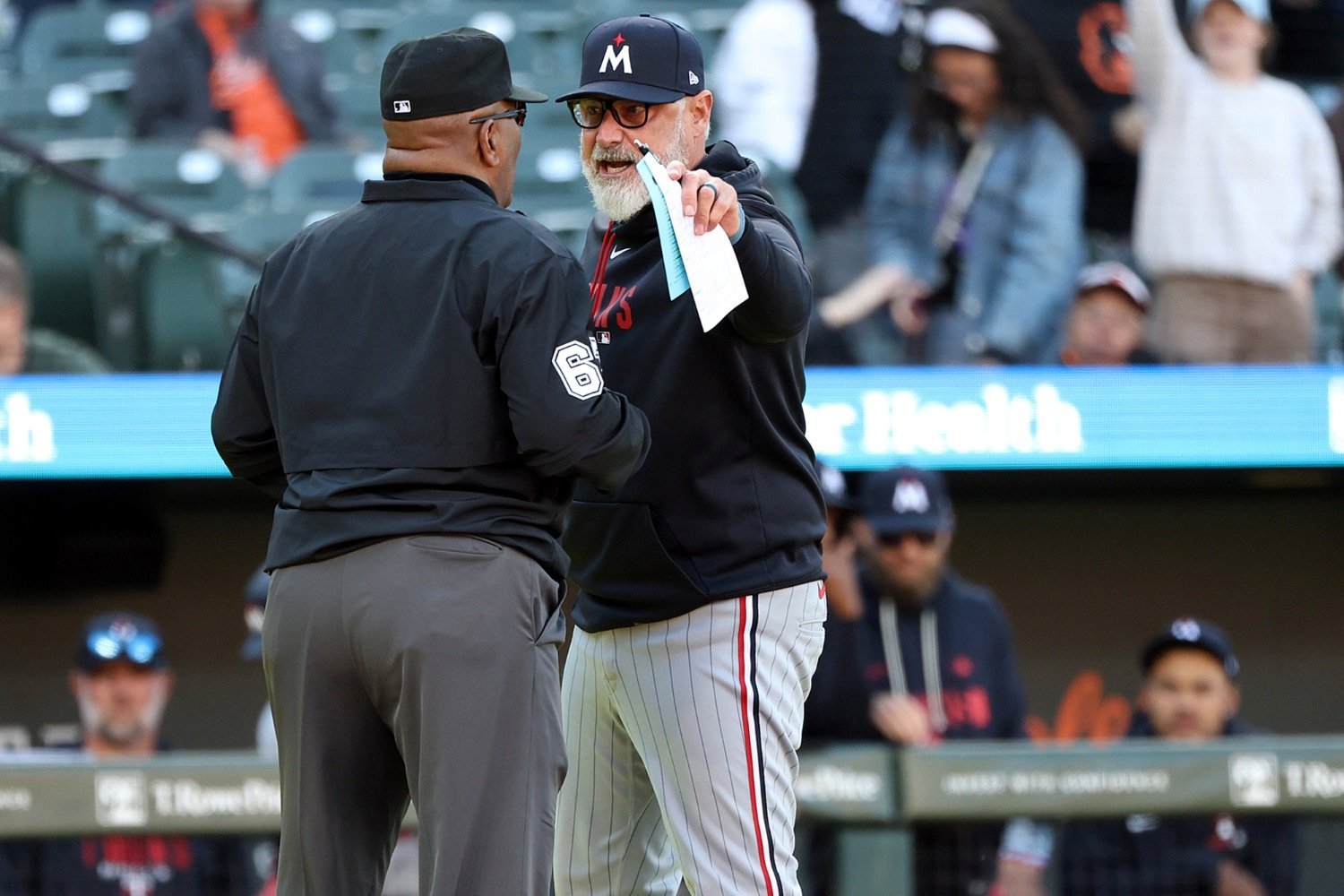 Major League Baseball spent years testing the automated ball strike system in the minors before finally rolling it out at the big league level in 2026. The early days of any new rule come with a learning curve, and on Sunday, that adjustment period produced a moment that will live in the record books. Twins manager Derek Shelton became the first manager to be ejected in Major League Baseball history over an ABS-related dispute. The moment came in the ninth inning of Minnesota’s 8-6 loss against Baltimore, and it unfolded in a way that perfectly captures both the promise and the confusion surrounding the league’s newest technology. With two outs and the Twins mounting a potential rally, Ryan Helsley appeared to issue a walk to Josh Bell. That would have brought the tying run aboard and shifted the pressure squarely onto Baltimore. Instead, Helsley signaled for a challenge, tapping his hat to trigger the ABS system. The call was overturned to a strikeout, abruptly ending Bell’s plate appearance and changing the complexion of the inning. Shelton immediately took issue, not necessarily with the result of the challenge, but with its timing. Under MLB’s ABS guidelines, players must initiate a challenge almost instantly after the umpire’s call. The unofficial benchmark has been about two seconds, leaving little room for hesitation. In real time, Helsley’s motion looked quick, but Shelton clearly saw it differently from the dugout. "I didn't think Helsley tapped his hat quick enough," Shelton said after the game. "Maybe he did, maybe he didn't. But I didn't feel he did. I feel it's gotta be something that's in the three seconds and I didn't think it was there. But the umpiring crew thought it was." The disagreement escalated quickly, and Shelton was tossed, cementing his place in MLB history as the first casualty of the ABS era. From Helsley’s perspective, the sequence was not as clear-cut either. "I understood where he was coming from, because I felt like the umpire didn't see me right away and so I was kind of confused," he said after the game. "(Home plate umpire Laz Díaz) behind me kind of took up for him. He was like, 'He did it right away,' which I know we're probably going to go through some growing pains with this since it's so new and I think we saw that today. And I can respect Shelton for trying to not get him to do it there, because it did seem like it was a little long in that moment." That last part might be the most important takeaway. MLB’s ABS system is designed to eliminate missed calls, but it introduces a new layer of subjectivity in how and when challenges are initiated. What feels immediate to one person may look delayed to another, especially in a high-leverage situation with the game on the line. The inning did not end quietly after the ejection. The next batter reached on an error, briefly extending Minnesota’s hopes, but Helsley regrouped and induced a game-ending flyout to shut the door. MLB and the ABS system will have some kinks in the season’s early weeks. Shelton’s ejection might be just the first step as the league and teams adjust to a new normal.
 -
Organizational depth matters in March, even if it rarely grabs headlines. The Minnesota Twins made a pair of under-the-radar moves aimed at bolstering that depth, signing right-handers John Brebbia and Drew Smith to minor league deals. Both pitchers arrive with big-league experience and something to prove, offering the Twins low-risk options as the season begins. Brebbia, who will turn 36 next month, is the more established of the two. Not long ago, he looked like a steady late-inning option. From 2022 through 2023, he posted a 3.47 ERA and 3.54 FIP across 106 1/3 innings, leaning on a deep arsenal even as his strikeout rate dipped to 22.5%. That stretch with San Francisco positioned him well for a return to free agency. The right-hander cashed in with a one-year deal from Chicago ahead of the 2024 season, but things unraveled quickly. Brebbia was tagged for a 6.29 ERA across 54 appearances with the White Sox, and while his 26.9 K% and 7.7 BB% were respectable, he was undone by the long ball. Nine home runs allowed in just under 49 innings proved too much to overcome, and Chicago moved on. Last season, his opportunity came in Detroit, but injuries and ineffectiveness limited him to just 18 appearances. A triceps strain interrupted his season, and when he did take the mound, the results were rough. Brebbia posted a 7.71 ERA, continuing a downward trend that forced him into a minor league pact this offseason. He initially latched on with Colorado but did not make the club out of camp after a difficult spring (7.00 ERA in 9 IP). Now with Minnesota, Brebbia will look to rediscover the form that once made him a dependable bullpen piece. If he can limit the home run damage, there is still enough swing-and-miss in his profile to make him a viable option. Smith presents a different kind of upside. The 32-year-old has spent his entire major league career with the Mets, quietly building a track record as a useful middle reliever. His 2023 campaign marked a high point, as he set career bests in both innings and appearances while also recording his first three saves. He appeared to be building on that success early in 2024. Smith posted a career-best 29.1 K% and picked up a pair of saves before an elbow sprain in July derailed his season. That injury ultimately led to his second Tommy John surgery, wiping out his entire 2025 campaign and prompting New York to decline a club option for 2026. Despite the long layoff, Smith showed encouraging signs this spring with Washington. He tossed 5 1/3 scoreless innings and struck out 35% of the batters he faced, looking like a pitcher who could contribute sooner rather than later. Even so, the Nationals opted to move in a different direction, giving the Twins an opportunity to bring him into the fold. For Minnesota, both signings fit a familiar mold. These are experienced relievers with clear flaws but also identifiable paths back to usefulness. Brebbia needs to keep the ball in the yard. Smith needs to prove his health and durability after multiple elbow procedures. Neither move will define the Twins' season, but both could matter more than expected. Bullpens are fluid, and the line between Triple-A depth and meaningful innings at Target Field is often thin. If even one of these veterans finds his footing, this will look like a quietly effective bit of roster building. At this time of year, that is exactly the kind of gamble worth making. View full rumor
-
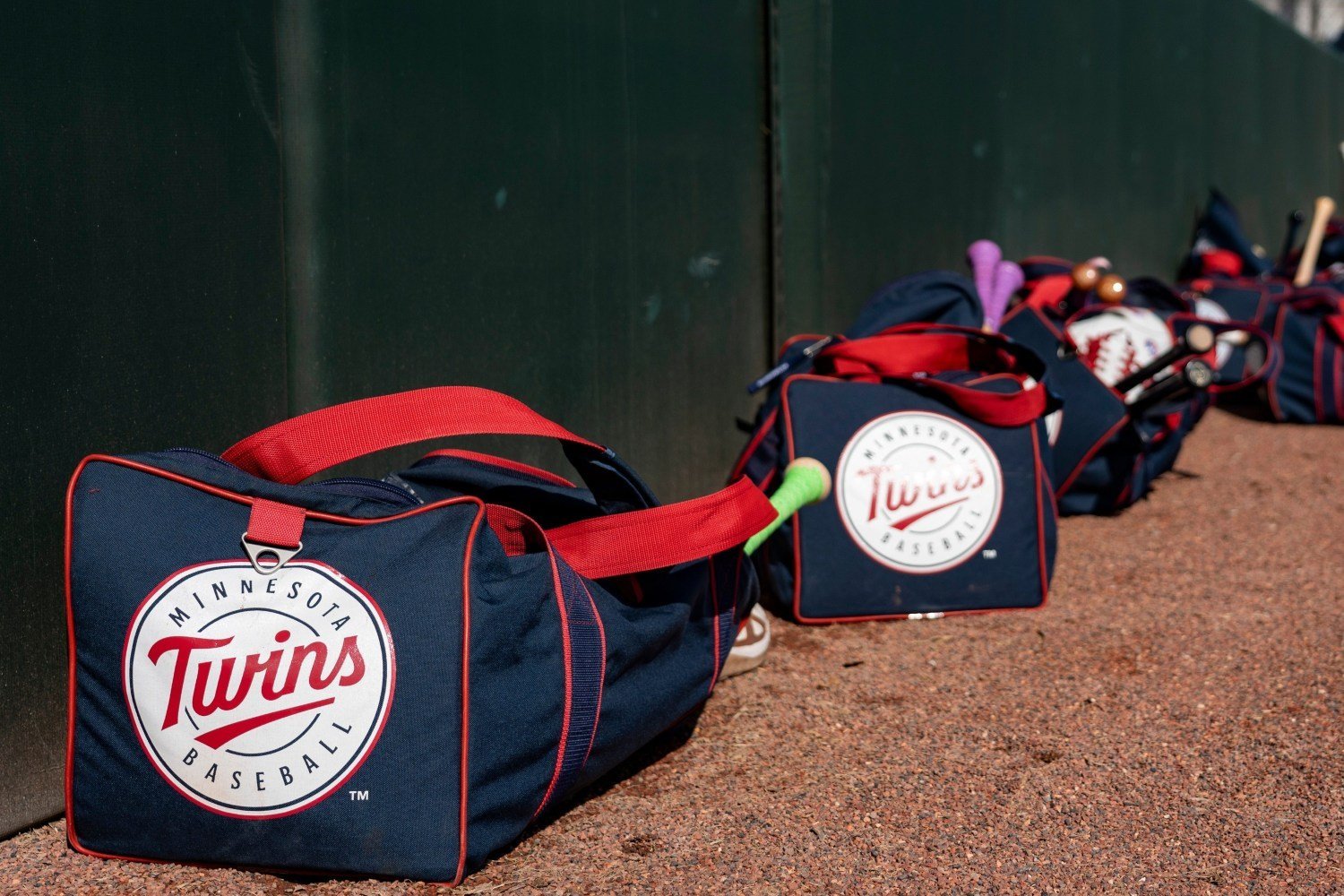 Organizational depth matters in March, even if it rarely grabs headlines. The Minnesota Twins made a pair of under-the-radar moves aimed at bolstering that depth, signing right-handers John Brebbia and Drew Smith to minor league deals. Both pitchers arrive with big-league experience and something to prove, offering the Twins low-risk options as the season begins. Brebbia, who will turn 36 next month, is the more established of the two. Not long ago, he looked like a steady late-inning option. From 2022 through 2023, he posted a 3.47 ERA and 3.54 FIP across 106 1/3 innings, leaning on a deep arsenal even as his strikeout rate dipped to 22.5%. That stretch with San Francisco positioned him well for a return to free agency. The right-hander cashed in with a one-year deal from Chicago ahead of the 2024 season, but things unraveled quickly. Brebbia was tagged for a 6.29 ERA across 54 appearances with the White Sox, and while his 26.9 K% and 7.7 BB% were respectable, he was undone by the long ball. Nine home runs allowed in just under 49 innings proved too much to overcome, and Chicago moved on. Last season, his opportunity came in Detroit, but injuries and ineffectiveness limited him to just 18 appearances. A triceps strain interrupted his season, and when he did take the mound, the results were rough. Brebbia posted a 7.71 ERA, continuing a downward trend that forced him into a minor league pact this offseason. He initially latched on with Colorado but did not make the club out of camp after a difficult spring (7.00 ERA in 9 IP). Now with Minnesota, Brebbia will look to rediscover the form that once made him a dependable bullpen piece. If he can limit the home run damage, there is still enough swing-and-miss in his profile to make him a viable option. Smith presents a different kind of upside. The 32-year-old has spent his entire major league career with the Mets, quietly building a track record as a useful middle reliever. His 2023 campaign marked a high point, as he set career bests in both innings and appearances while also recording his first three saves. He appeared to be building on that success early in 2024. Smith posted a career-best 29.1 K% and picked up a pair of saves before an elbow sprain in July derailed his season. That injury ultimately led to his second Tommy John surgery, wiping out his entire 2025 campaign and prompting New York to decline a club option for 2026. Despite the long layoff, Smith showed encouraging signs this spring with Washington. He tossed 5 1/3 scoreless innings and struck out 35% of the batters he faced, looking like a pitcher who could contribute sooner rather than later. Even so, the Nationals opted to move in a different direction, giving the Twins an opportunity to bring him into the fold. For Minnesota, both signings fit a familiar mold. These are experienced relievers with clear flaws but also identifiable paths back to usefulness. Brebbia needs to keep the ball in the yard. Smith needs to prove his health and durability after multiple elbow procedures. Neither move will define the Twins' season, but both could matter more than expected. Bullpens are fluid, and the line between Triple-A depth and meaningful innings at Target Field is often thin. If even one of these veterans finds his footing, this will look like a quietly effective bit of roster building. At this time of year, that is exactly the kind of gamble worth making.
 -
Image courtesy of © Daniel Kucin Jr.-Imagn Images The season opened with the Twins on the road in Baltimore, and while the results were mixed, the early days of a new year often reveal more about process than outcome. There is a different voice in the dugout now, and with Derek Shelton taking over for Rocco Baldelli, every lineup card and late-inning decision is being examined through a new lens. Shelton’s arrival brings a natural curiosity. Baldelli’s tenure was defined by structure, matchup optimization, and an often deliberate deployment of players based on handedness and rest. Shelton, at least early on, appears more willing to lean into everyday roles, even if it means living with some of the trade-offs that come with them. That shift may not define every aspect of the 2026 Twins, but it's already surfacing in one of the more interesting roster decisions: how the team plans to use Trevor Larnach. A Spring Plan That Never Materialized For much of the spring, it seemed that the Twins would have a platoon in left field, with Austin Martin starting against left-handed pitchers and either James Outman or Alan Roden playing against right-handed pitchers. Outman beat out Roden for the backup outfielder job, but that might have been because Outman was out of options and Roden still had an option year remaining. One apparent consequence of that choice would be to put stronger defensive options in left and allow Larnach to DH more regularly. Instead, though, it looks like Larnach will get a good bit of time there more than Outman. “He’s going to have to play the outfield,” Shelton said of Larnach. “I know he DH’d 81 games last year and played the outfield early. The way the function of our roster is, he’s going to have to play the field. Because we do have [Josh Bell], we do have [Victor Caratini]. … And if you ask Trevor, he would prefer to play the outfield. So it’s just going to be trying to manage the volume and how long it actually happens in the game.” That quote does more than explain a single decision. It outlines a philosophical shift. The Twins aren't simply optimizing for defense late in games or protecting Larnach from exposure in the field. They're prioritizing getting as many bats into the lineup as possible, even if it creates defensive compromises along the way. A Roster Built Around Bats The reality of this roster is that Josh Bell and Victor Caratini are going to be in the lineup regularly, just like Ryan Jeffers and Kody Clemens. There are simply too many hitters the Twins want to play on a given night, and not enough defensive utility among them to make it all fit cleanly. As a result, the designated hitter spot becomes a rotation, rather than a fixed role. When that spot is occupied, it leaves Larnach without an easy landing place, forcing him back into left field more often than originally anticipated. That, in turn, shifts Outman into a more limited role that leans on late-game defense, pinch-hitting and pinch-running opportunities, and occasional work in center field. It's a domino effect that starts with roster construction. Under Baldelli, that may have resulted in more rigid platoons or defensive substitutions earlier in games. Under Shelton, at least for now, it looks like they're willing to stretch the defensive alignment to keep the offense intact. Larnach’s Defensive Issues During the 2025 season, Larnach didn’t play enough in the outfield to qualify for leaderboards, but his totals were poor even in limited action. He cost the team 7 runs, according to Statcast. His expected catch percentage was 91%; his actual catch percentage was 87%. Those gaps matter. They point to both range limitations and inefficiency in converting balls that should be outs. Over a full season, that kind of defensive profile can quietly cost a team many runs and potentially games. His arm strength has also become more of an issue in recent seasons. In 2021 and 2022, he was above the league average, including an 87.0 MPH mark in 2022. He's dropped to 84.0 MPH or less over the last three seasons, which ranks below average among outfielders. Put simply, Larnach isn't an average defender in left field. He's a bat-first player being asked to take on a role that exposes one of his weaknesses. Also, his bat hasn’t been strong enough in recent years to make up for his defensive flaws. The Trade-Off the Twins Are Willing to Make This is where Shelton’s approach becomes clear. The Twins are betting that Larnach’s offensive contributions outweigh the defensive cost. There's logic to that. Run prevention is critical, but so is run creation, and Minnesota’s roster leans heavily toward offense. If Larnach produces at the plate, the defensive shortcomings can be managed through positioning, late-game substitutions, and selective rest. The real question is not whether Larnach can survive in left field on a given night. It's whether the cumulative impact over a full season is something the Twins can absorb while still competing. So far, the plan seems to be to start Larnach against right-handed pitchers, but aggressively deploy Martin and Outman defensively. If Shelton continues down this path, it will mark one of the clearest differences from the Baldelli era. Less rigidity. More emphasis on everyday roles. And a greater willingness to live with imperfection in one area to maximize strength in another. Whether that balance holds could go a long way in defining the Twins’ 2026 season. Can the Twins continue to play Larnach regularly in left? Leave a comment and start the discussion. View full article
-
Can Twins Afford to Play Trevor Larnach Regularly in the Outfield?
Cody Christie posted an article in Twins
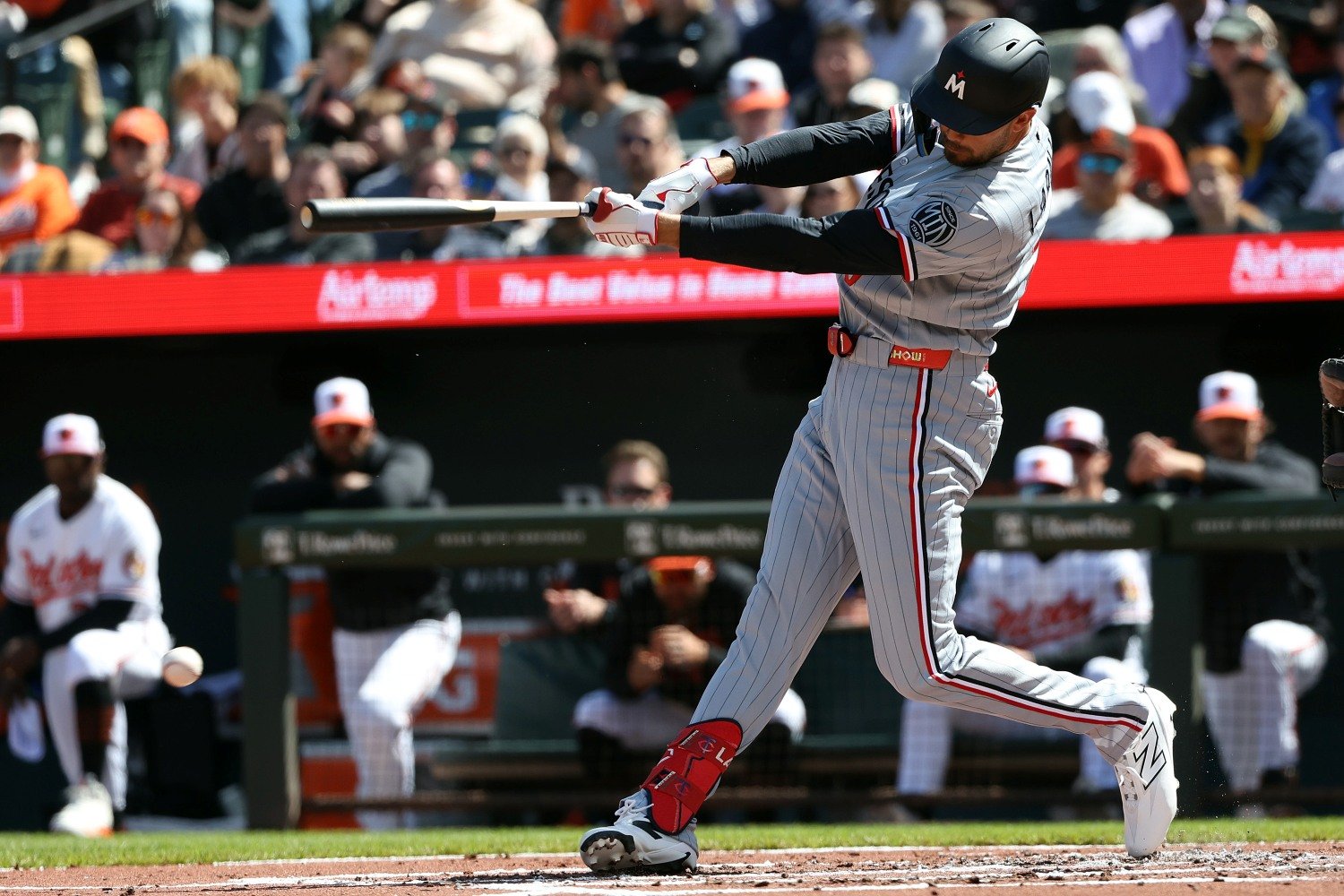 The season opened with the Twins on the road in Baltimore, and while the results were mixed, the early days of a new year often reveal more about process than outcome. There is a different voice in the dugout now, and with Derek Shelton taking over for Rocco Baldelli, every lineup card and late-inning decision is being examined through a new lens. Shelton’s arrival brings a natural curiosity. Baldelli’s tenure was defined by structure, matchup optimization, and an often deliberate deployment of players based on handedness and rest. Shelton, at least early on, appears more willing to lean into everyday roles, even if it means living with some of the trade-offs that come with them. That shift may not define every aspect of the 2026 Twins, but it's already surfacing in one of the more interesting roster decisions: how the team plans to use Trevor Larnach. A Spring Plan That Never Materialized For much of the spring, it seemed that the Twins would have a platoon in left field, with Austin Martin starting against left-handed pitchers and either James Outman or Alan Roden playing against right-handed pitchers. Outman beat out Roden for the backup outfielder job, but that might have been because Outman was out of options and Roden still had an option year remaining. One apparent consequence of that choice would be to put stronger defensive options in left and allow Larnach to DH more regularly. Instead, though, it looks like Larnach will get a good bit of time there more than Outman. “He’s going to have to play the outfield,” Shelton said of Larnach. “I know he DH’d 81 games last year and played the outfield early. The way the function of our roster is, he’s going to have to play the field. Because we do have [Josh Bell], we do have [Victor Caratini]. … And if you ask Trevor, he would prefer to play the outfield. So it’s just going to be trying to manage the volume and how long it actually happens in the game.” That quote does more than explain a single decision. It outlines a philosophical shift. The Twins aren't simply optimizing for defense late in games or protecting Larnach from exposure in the field. They're prioritizing getting as many bats into the lineup as possible, even if it creates defensive compromises along the way. A Roster Built Around Bats The reality of this roster is that Josh Bell and Victor Caratini are going to be in the lineup regularly, just like Ryan Jeffers and Kody Clemens. There are simply too many hitters the Twins want to play on a given night, and not enough defensive utility among them to make it all fit cleanly. As a result, the designated hitter spot becomes a rotation, rather than a fixed role. When that spot is occupied, it leaves Larnach without an easy landing place, forcing him back into left field more often than originally anticipated. That, in turn, shifts Outman into a more limited role that leans on late-game defense, pinch-hitting and pinch-running opportunities, and occasional work in center field. It's a domino effect that starts with roster construction. Under Baldelli, that may have resulted in more rigid platoons or defensive substitutions earlier in games. Under Shelton, at least for now, it looks like they're willing to stretch the defensive alignment to keep the offense intact. Larnach’s Defensive Issues During the 2025 season, Larnach didn’t play enough in the outfield to qualify for leaderboards, but his totals were poor even in limited action. He cost the team 7 runs, according to Statcast. His expected catch percentage was 91%; his actual catch percentage was 87%. Those gaps matter. They point to both range limitations and inefficiency in converting balls that should be outs. Over a full season, that kind of defensive profile can quietly cost a team many runs and potentially games. His arm strength has also become more of an issue in recent seasons. In 2021 and 2022, he was above the league average, including an 87.0 MPH mark in 2022. He's dropped to 84.0 MPH or less over the last three seasons, which ranks below average among outfielders. Put simply, Larnach isn't an average defender in left field. He's a bat-first player being asked to take on a role that exposes one of his weaknesses. Also, his bat hasn’t been strong enough in recent years to make up for his defensive flaws. The Trade-Off the Twins Are Willing to Make This is where Shelton’s approach becomes clear. The Twins are betting that Larnach’s offensive contributions outweigh the defensive cost. There's logic to that. Run prevention is critical, but so is run creation, and Minnesota’s roster leans heavily toward offense. If Larnach produces at the plate, the defensive shortcomings can be managed through positioning, late-game substitutions, and selective rest. The real question is not whether Larnach can survive in left field on a given night. It's whether the cumulative impact over a full season is something the Twins can absorb while still competing. So far, the plan seems to be to start Larnach against right-handed pitchers, but aggressively deploy Martin and Outman defensively. If Shelton continues down this path, it will mark one of the clearest differences from the Baldelli era. Less rigidity. More emphasis on everyday roles. And a greater willingness to live with imperfection in one area to maximize strength in another. Whether that balance holds could go a long way in defining the Twins’ 2026 season. Can the Twins continue to play Larnach regularly in left? Leave a comment and start the discussion.
 -
3 Things You May Have Missed in Byron Buxton’s Brilliant 2025 Season
Cody Christie posted an article in Twins
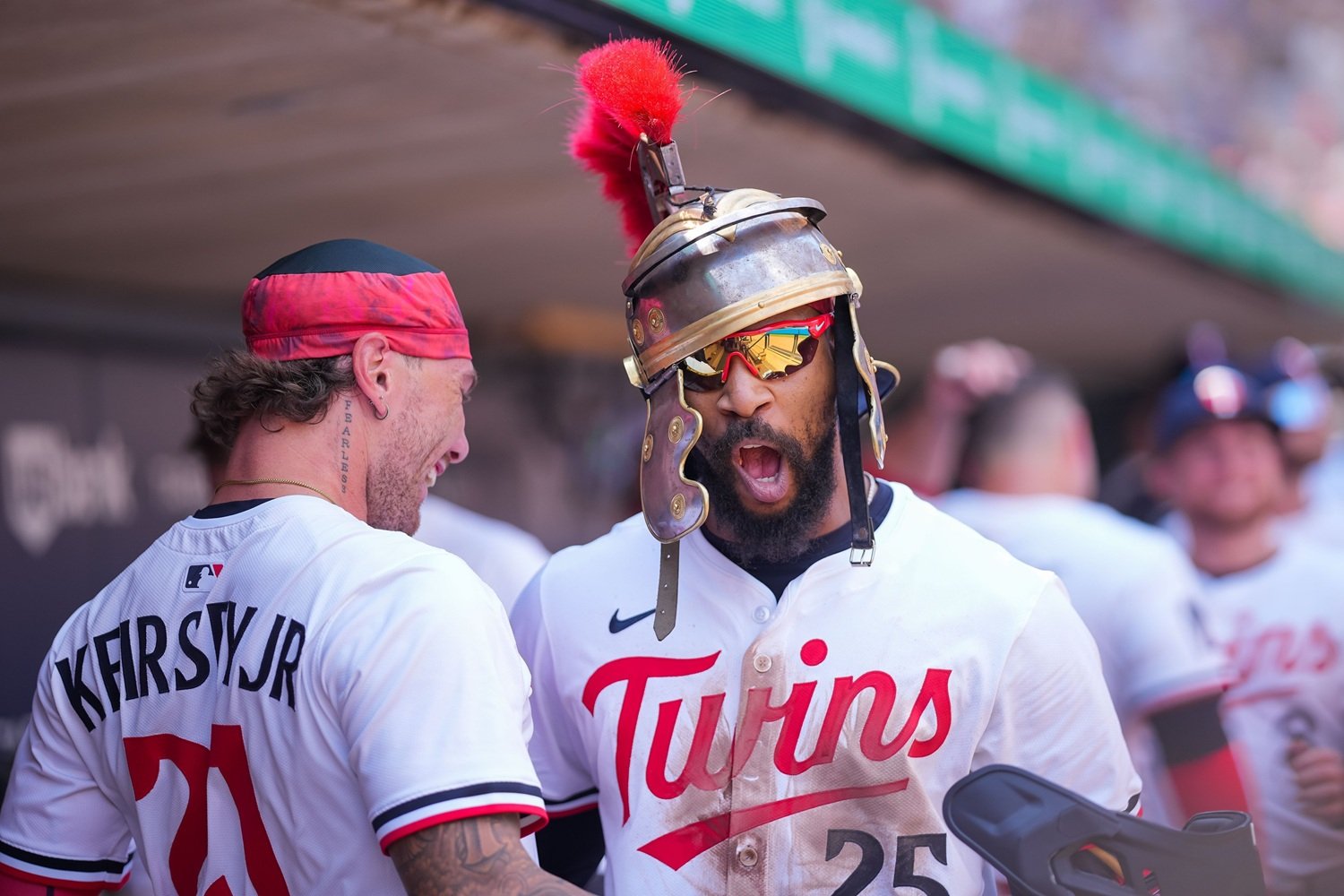 The 2025 season was a downer for Minnesota Twins fans. The losses piled up, the roster was stripped down at the trade deadline, and the club limped to the finish line as one of baseball’s worst teams over the final two months. Somewhere in that mess, Byron Buxton put together one of the most impressive seasons of his career. As the 2026 season begins, it is worth revisiting his 2025 campaign and highlighting a few things that may have flown under the radar. 1. His Speed Was All the Way Back (No, Really) It's easy to assume that Buxton’s elite speed had faded. Injuries have a way of chipping away at explosiveness, and for a player whose game is built on athleticism, that decline can come quickly. That was not the case. Buxton posted a 30.2 mph sprint speed, virtually the best in baseball. He was tied for the second fastest mark in the sport alongside Bobby Witt Jr. and Victor Scott II. Only Trea Turner came in higher, at 30.3. For a player who has battled leg and lower body injuries throughout his career, that number matters. It's not just about stolen bases or highlight plays in center field; it's also about getting to a few more balls without diving or going first-to-home on a double. That part of Buxton's game remains intact. 2. September Surge By September, the Twins were playing out the string. The games had little meaning in the standings, and the focus had already shifted to the future. Buxton never let up. Over his final four games, he collected five hits—four of them home runs—to finish the year on a tear. His final stat line told the story of a complete and dominant season: 126 games, 542 plate appearances, 97 runs, 35 home runs, 83 RBIs, 24 stolen bases, a .264 average, an .878 OPS, and 4.9 WAR. That combination of power and speed placed him in rare company in franchise history. The only other player in Twins history to post a 30 home run and 20 stolen base season is Kirby Puckett. Even in games that no longer mattered, Buxton played like they did. 3. Rare Air Among the Game’s Best The American League MVP conversation was dominated by Aaron Judge and Cal Raleigh, and rightfully so. Both delivered massive offensive seasons that carried their teams. Buxton didn't receive the same level of recognition. He finished outside the top 10 in MVP voting and missed out on a $3 million bonus tied to his placement. Still, his production stacked up with the very best hitters in the league. Buxton ranked fifth in the American League in OPS+, trailing Judge, Raleigh, George Springer, and José Ramírez. That's elite company, and it becomes even more impressive when considering defensive value. Among that group, Buxton and Raleigh are the only players who regularly man premium up-the-middle positions. Buxton wasn't just hitting like a superstar. He was doing it while playing a demanding defensive role. Other Moments That Defined the Season Beyond the numbers, Buxton delivered a collection of highlight reel moments that reminded everyone just how unique his skill set is. He recorded the first cycle in Target Field history, a milestone that felt almost inevitable for a player capable of impacting the game in every possible way. From stretching hits into extra bases to launching balls into the seats, it was a single-game snapshot of his full offensive arsenal. He also provided one of the most jaw-dropping defensive plays of the season against the Chicago White Sox, making a walk-off catch in the gap to secure a victory. It was vintage Buxton, gliding into position before timing his leap perfectly. Few players in baseball can end a game with their glove in that fashion, and it served as another reminder of the value he brings beyond the batter’s box. Buxton’s performance earned him a spot on the national stage as well. He represented the Twins in the MLB All-Star Game and participated in the Home Run Derby in his home state of Georgia, showcasing his power and athleticism to a broader audience. For a player whose career has often been interrupted by injuries, it was a well-deserved opportunity to display his talents among the game’s brightest stars. Buxton’s career has always lived in the space between what is and what could have been. Since debuting in 2015, he has shown flashes of being one of the most electrifying players in baseball, only for injuries to interrupt the momentum. The 2025 season offered a glimpse of what a more complete version of Buxton looks like. The speed was there. The power was undeniable. The production placed him among the league’s elite. If he can carry that version of himself into 2026, the Twins may finally have the consistent superstar they have been waiting for. And after everything the organization endured last season, that might be the most important development of all. What are your expectations for Buxton in 2026? What will you remember about 2025? Leave a comment and start the discussion.
- 3 comments
-
- 2
-

-
- byron buxton
- aaron judge
- (and 3 more)
-
Ranking 2026 Twins Top Prospects By Best Fielding Tool
Cody Christie posted an article in Minor Leagues
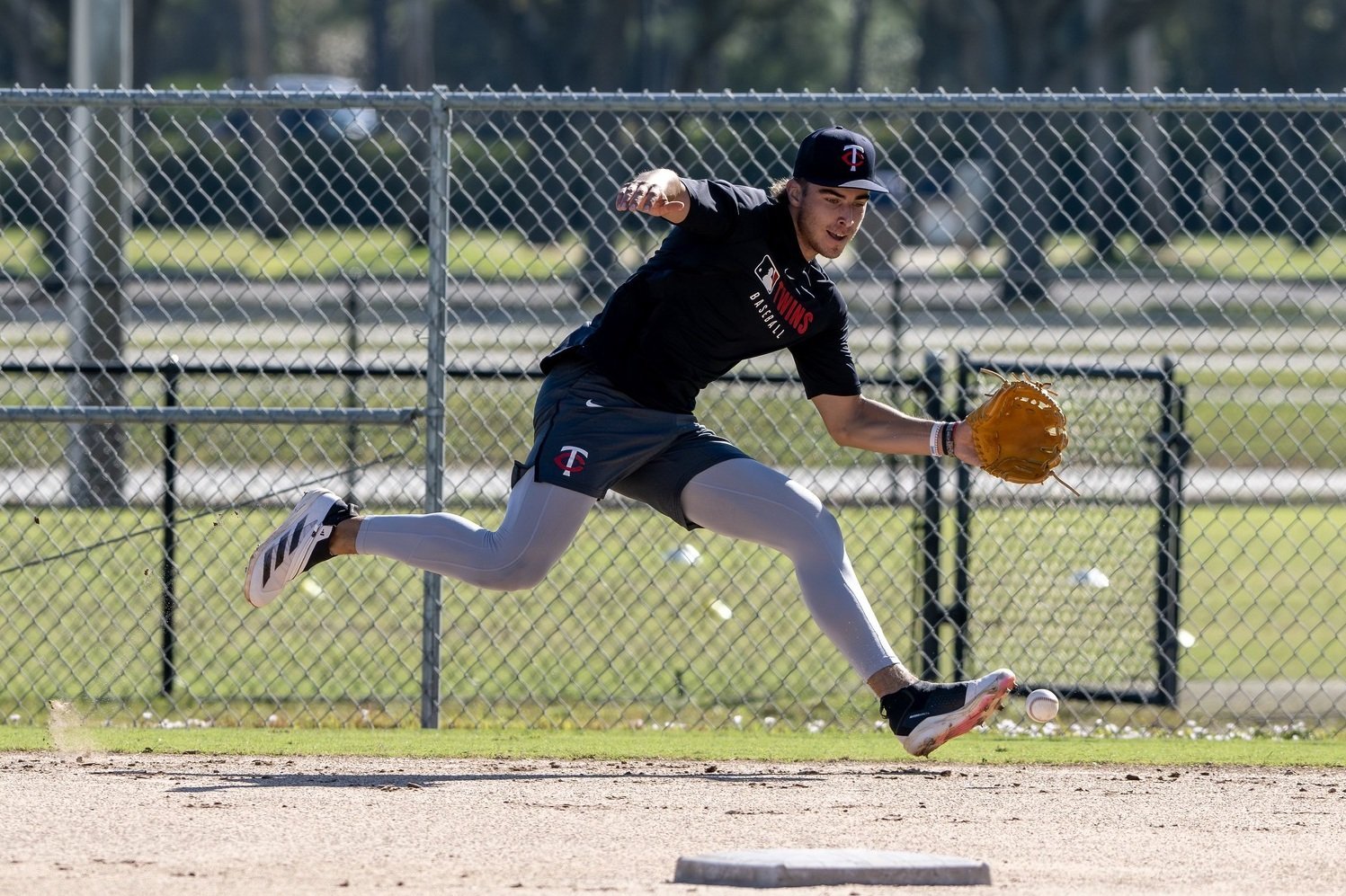 Prospect evaluation is not just about what happens in the batter’s box. As organizations continue to emphasize run prevention, defensive ability has become just as important when projecting future big leaguers. With updated rankings rolling out across the industry, it is a good time to take stock of which Twins prospects bring the most value in the field. Defense can often be the separator for players working their way through the system. A strong glove can keep a prospect in the lineup during offensive struggles and open the door to multiple roles at the next level. For Minnesota, that versatility and reliability in the field has become a noticeable theme throughout the farm system, especially among players up the middle. The tools below are graded on the traditional 20 to 80 scouting scale, where 50 represents the big league average. Every player listed appears on MLB Pipeline’s Top 30 Twins prospects, with a focus here on those who stand out most for their defensive ability. Fielding Tool Rankings Honorable mentions go to Quentin Young, Brandon Winokur, and Enrique Jimenez. Each of these players is still developing in the lower levels of the minors, but all three already show an average defensive profile that could improve as they gain experience. 5. SS Kaelen Culpepper: 50-grade field tool Current Position: SS, Future Position: 3B Culpepper remains an interesting case when it comes to defensive projection. He has spent most of his time at shortstop and has the arm strength needed for the position, but there are still questions about whether he will stick there long term. His reactions and range are not elite, which could push him to a different spot on the infield as he climbs the ladder. The Twins have already started to test that versatility, giving him opportunities at second and third base. That flexibility could ultimately become a strength, even if shortstop is not his permanent home. 4. OF Emmanuel Rodriguez: 50-grade field tool Current Position: CF, Future Position: LF/RF Rodriguez brings athleticism to the outfield and has shown he can handle center field at a solid level. His speed allows him to cover ground, and his arm strength stands out as a clear asset no matter where he plays. That said, there is a growing sense that his best long-term fit could come in a corner role. He has seen time in right field recently, and that transition would allow his arm to play up while still providing above-average defense. His offensive skillset is also more closely aligned with a corner outfield role, making the defensive downgrade easier to accept. 3. OF Walker Jenkins: 55-grade field tool Current Position: CF, Future Position: LF/RF Jenkins is known for his bat, but his defense should not be overlooked. He moves well in the outfield and reads the ball off the bat with confidence, traits that have allowed him to handle center field during his development. As he fills out, a shift to right field could make even more sense. His arm strength fits the profile there, and his instincts would still allow him to be an above-average defender. A healthy season in the upper minors should give a clearer picture of just how impactful he can be on that side of the ball. 2. INF Kyle DeBarge: 55-grade field tool Current Position: UTL, Future Position: UTL DeBarge plays with energy that shows up in every phase of the game, especially defensively. He has already been recognized for his work in the field, earning a Minor League Gold Glove at second base while also showing the ability to slide over to shortstop when needed. What makes him particularly valuable is his versatility. He has even logged time in center field, giving the Twins multiple ways to deploy him. That kind of defensive flexibility raises his floor and could make him a valuable piece at the next level. 1. SS Marek Houston: 60-grade field tool Current Position: SS, Future Position: SS Houston stands out as the best defensive prospect in the system. He looks the part of a long-term shortstop, combining smooth actions with excellent range to both sides. His ability to make difficult plays look routine separates him from others in the organization. His arm strength is more than enough for the position, and his overall defensive consistency gives him a strong foundation. Even if his bat develops into something closer to average, his glove alone could carry him to the big leagues and keep him there for a long time. While much of the attention in prospect circles tends to focus on offense, the Twins have quietly built a group of players who can impact the game defensively. From up the middle infielders to athletic outfielders, there is no shortage of players who can save runs and provide stability behind the pitching staff. The next step for many of these prospects will be proving they can pair that defensive value with enough offensive production to carve out everyday roles. If they do, Minnesota could have a wave of well-rounded players ready to contribute in the coming seasons. Other rankings in the series: Hit Tool Do you agree with the rankings above? Who else should make the list? Leave a comment and start the discussion.
- 6 comments
-
- 7
-
-
- marek houston
- kaelen culpepper
- (and 3 more)
-
Image courtesy of William Parmeter The Minnesota Twins entered the 2026 season with as many questions in the bullpen as any MLB team. That uncertainty was largely self-inflicted. At last year’s trade deadline, the front office made the bold decision to move multiple controllable arms, shipping out Jhoan Duran, Griffin Jax, and Louis Varland in deals that reshaped the roster and, in many ways, reset the relief corps. Those moves created opportunity, but also instability. Rather than aggressively rebuilding the bullpen over the winter, Minnesota opted for a lighter touch. Taylor Rogers headlined the additions on a modest one-year deal, while Anthony Banda and Eric Orze arrived via relatively low-cost trades. Beyond that, the Twins largely bet on internal options and incremental improvement. So when Opening Day arrived against the Baltimore Orioles, it was not just about the final score. It was about usage. It was about trust. And perhaps most importantly, it was about what manager Derek Shelton might be telling us without ever saying a word. Trust in Kody Funderburk If there was one moment that stood out, it came when Shelton called on Kody Funderburk to navigate the heart of Baltimore’s lineup. That is not a casual assignment, especially in a tight game on Opening Day. Funderburk largely delivered. His ability to handle that pocket of hitters suggests that Shelton views him as more than just a matchup lefty. Even though he was tagged with the loss after allowing a leadoff single in the seventh, the context matters more than the box score. Managers do not deploy pitchers in those spots unless they believe they can handle it. It is early, but Funderburk appears firmly inside the circle of trust. Justin Topa with Runners On The next decision may have been even more telling. With a runner on and no outs in the seventh inning of a tie game, Shelton turned to Justin Topa. On the surface, it makes sense. Topa’s profile as a ground ball specialist makes him an ideal candidate to escape traffic. But there is another layer here. If Shelton were viewing Topa as his primary ninth-inning option, this may not be the spot to use him. Instead, this usage hints at a more flexible role. Topa could be the fireman, the pitcher tasked with putting out rallies before they spiral. That is a valuable role, but it is distinct from the traditional closer label. Rogers and Sands in the Mix Later in the game, Taylor Rogers took the mound in the eighth inning with the Twins trailing by a run, while Cole Sands was also getting loose. That is a high-leverage pocket, even without a lead. The fact that both pitchers were involved in that moment suggests Shelton trusts them when the game is on the line. Rogers, with his veteran pedigree, feels like a natural fit for late-inning work, but Sands’ presence in that situation is just as noteworthy. If nothing else, it signals that the Twins may not be locking themselves into rigid roles. Instead, Shelton could be leaning toward a mix-and-match approach based on game state rather than inning. Reading Between the Lines One game does not define a bullpen hierarchy. Roles evolve. Performance dictates opportunity. And managers adjust as the season unfolds. But Opening Day often provides a glimpse into initial thinking, and Shelton’s decisions in Baltimore offered a few subtle clues. Funderburk is trusted against top hitters. Topa may be the preferred option when traffic is already on the bases. Rogers and Sands look like late-inning weapons in leverage spots. What remains unclear is the ninth inning. There was no traditional save situation, and Shelton did not tip his hand in that regard. For now, that role appears open, or at least fluid. In a bullpen without an established anchor, that may be by design. How do you envision the bullpen being used in 2026? Leave a comment and start the discussion. View full article
-
What Opening Day Told Us About the Twins’ Bullpen Hierarchy
Cody Christie posted an article in Twins
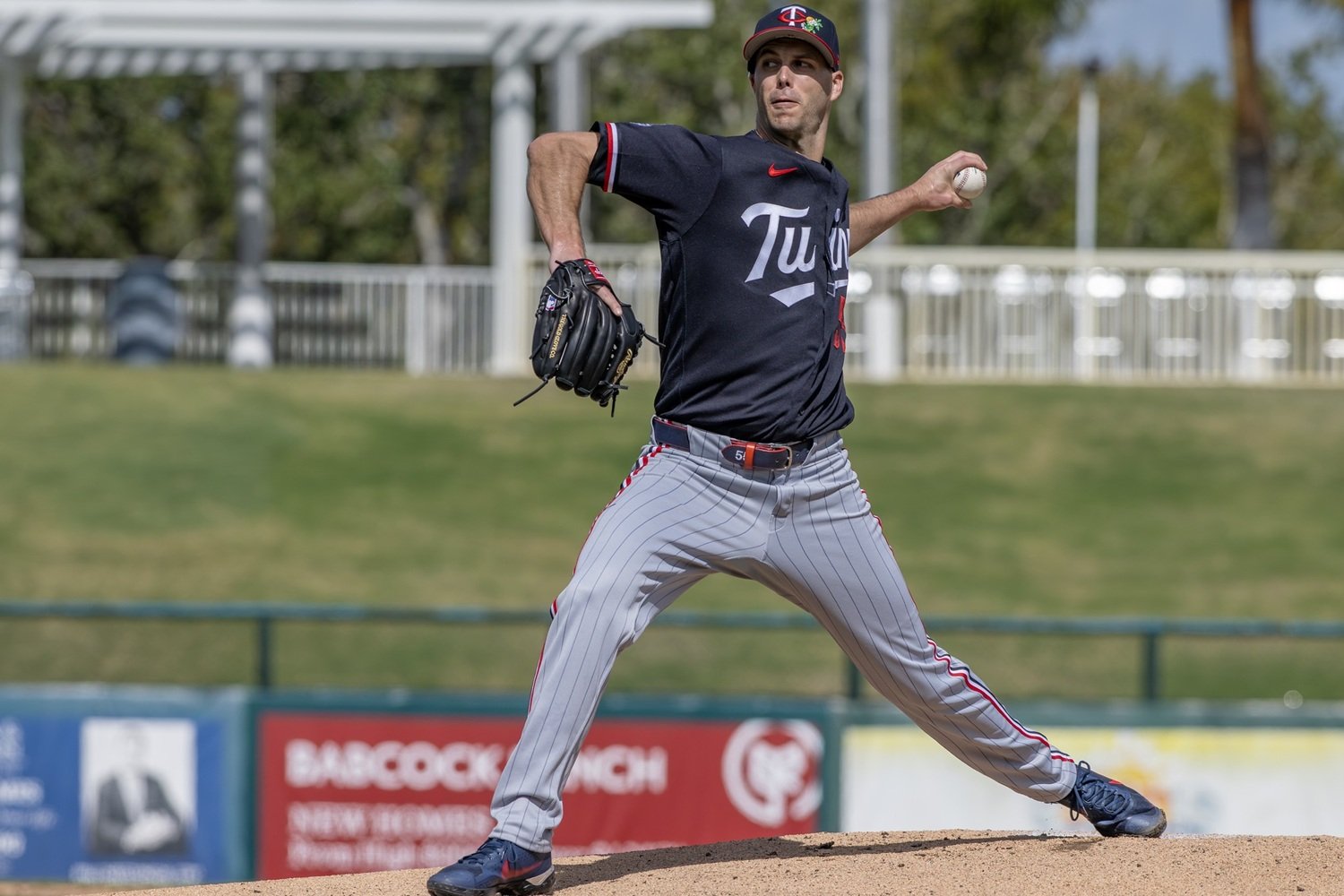 The Minnesota Twins entered the 2026 season with as many questions in the bullpen as any MLB team. That uncertainty was largely self-inflicted. At last year’s trade deadline, the front office made the bold decision to move multiple controllable arms, shipping out Jhoan Duran, Griffin Jax, and Louis Varland in deals that reshaped the roster and, in many ways, reset the relief corps. Those moves created opportunity, but also instability. Rather than aggressively rebuilding the bullpen over the winter, Minnesota opted for a lighter touch. Taylor Rogers headlined the additions on a modest one-year deal, while Anthony Banda and Eric Orze arrived via relatively low-cost trades. Beyond that, the Twins largely bet on internal options and incremental improvement. So when Opening Day arrived against the Baltimore Orioles, it was not just about the final score. It was about usage. It was about trust. And perhaps most importantly, it was about what manager Derek Shelton might be telling us without ever saying a word. Trust in Kody Funderburk If there was one moment that stood out, it came when Shelton called on Kody Funderburk to navigate the heart of Baltimore’s lineup. That is not a casual assignment, especially in a tight game on Opening Day. Funderburk largely delivered. His ability to handle that pocket of hitters suggests that Shelton views him as more than just a matchup lefty. Even though he was tagged with the loss after allowing a leadoff single in the seventh, the context matters more than the box score. Managers do not deploy pitchers in those spots unless they believe they can handle it. It is early, but Funderburk appears firmly inside the circle of trust. Justin Topa with Runners On The next decision may have been even more telling. With a runner on and no outs in the seventh inning of a tie game, Shelton turned to Justin Topa. On the surface, it makes sense. Topa’s profile as a ground ball specialist makes him an ideal candidate to escape traffic. But there is another layer here. If Shelton were viewing Topa as his primary ninth-inning option, this may not be the spot to use him. Instead, this usage hints at a more flexible role. Topa could be the fireman, the pitcher tasked with putting out rallies before they spiral. That is a valuable role, but it is distinct from the traditional closer label. Rogers and Sands in the Mix Later in the game, Taylor Rogers took the mound in the eighth inning with the Twins trailing by a run, while Cole Sands was also getting loose. That is a high-leverage pocket, even without a lead. The fact that both pitchers were involved in that moment suggests Shelton trusts them when the game is on the line. Rogers, with his veteran pedigree, feels like a natural fit for late-inning work, but Sands’ presence in that situation is just as noteworthy. If nothing else, it signals that the Twins may not be locking themselves into rigid roles. Instead, Shelton could be leaning toward a mix-and-match approach based on game state rather than inning. Reading Between the Lines One game does not define a bullpen hierarchy. Roles evolve. Performance dictates opportunity. And managers adjust as the season unfolds. But Opening Day often provides a glimpse into initial thinking, and Shelton’s decisions in Baltimore offered a few subtle clues. Funderburk is trusted against top hitters. Topa may be the preferred option when traffic is already on the bases. Rogers and Sands look like late-inning weapons in leverage spots. What remains unclear is the ninth inning. There was no traditional save situation, and Shelton did not tip his hand in that regard. For now, that role appears open, or at least fluid. In a bullpen without an established anchor, that may be by design. How do you envision the bullpen being used in 2026? Leave a comment and start the discussion.
- 12 comments
-
- 1
-
-
- justin topa
- kody funderburk
- (and 2 more)
-
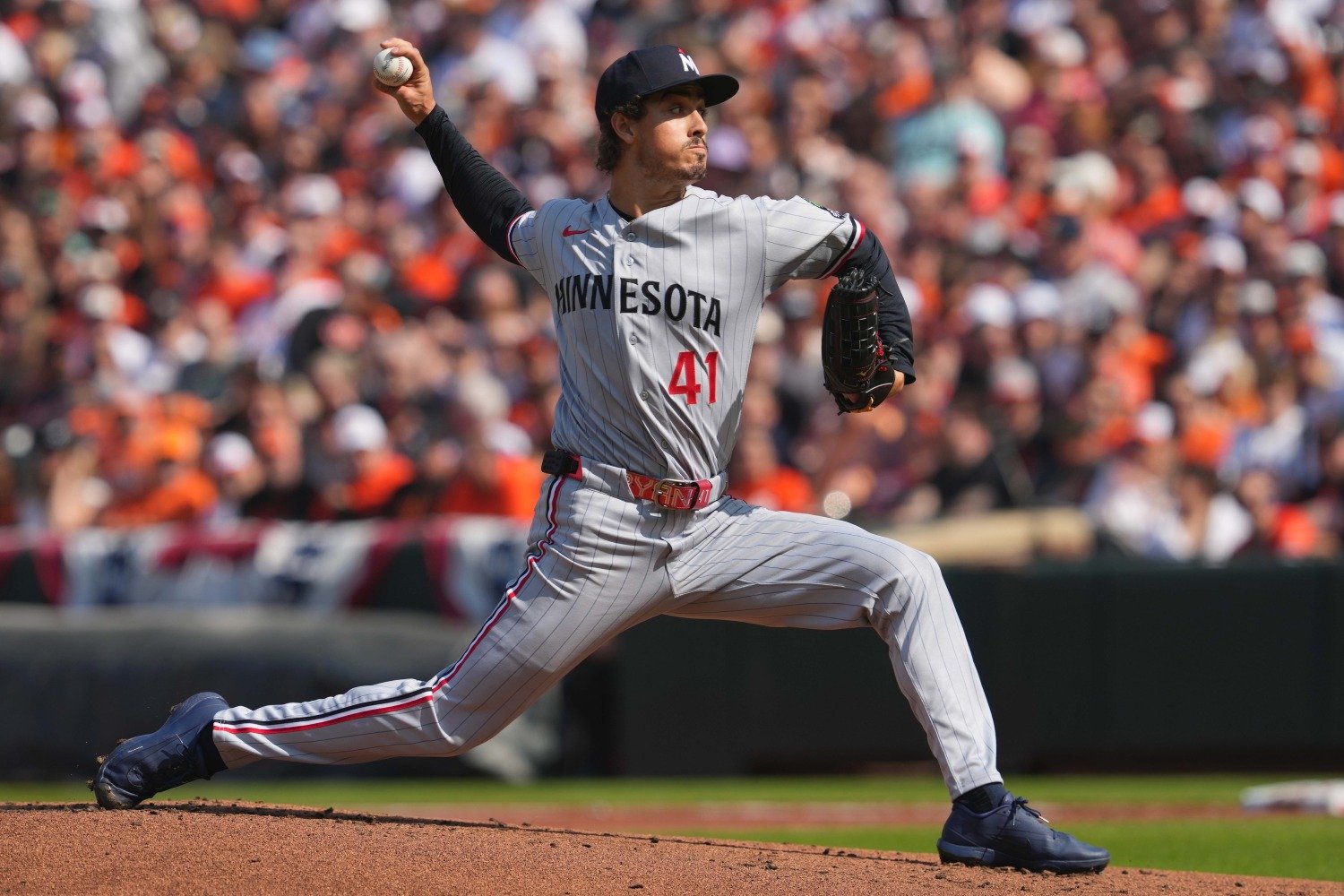 Opening Day didn't go according to plan for the Twins, who fell 2-1 against the Baltimore Orioles in a game that felt winnable from the first inning to the last. Minnesota created traffic all afternoon, but failed to capitalize, finishing just 1-for-12 with runners in scoring position while grounding into three double plays. The difference came late. A string of singles and a sacrifice fly in the seventh inning against Kody Funderburk and Justin Topa pushed Baltimore ahead, and the Twins never recovered. It spoiled a very strong showing on the mound from Joe Ryan, who looked every bit like a frontline starter. For the Twins to stay competitive this season, Ryan must be at the top of his game. There were plenty of encouraging signs from Ryan’s outing, even if the final result did not reflect it. Here are four observations from his 2026 debut. Fastball Velocity Back One of the biggest storylines from spring training was Ryan’s dip in velocity. In his final Grapefruit League start, his fastball averaged just 91.9 miles per hour, raising some concern about how his stuff would play when the games started to matter. He also dealt with a back issue that kept him from participating in the World Baseball Classic. It was easier for fans to be worried about his performance because of the injury issue, though it appeared to have been resolved. However, that concern disappeared quickly on Thursday. Ryan averaged 93.9 miles per hour on his four-seam fastball and touched 96 early in the game. That's not just a return to form; it is slightly above last year’s 93.7 average. The added life showed up in the results. Ryan generated 16 swinging strikes on 85 pitches, including five on the fastball alone. He struck out seven hitters across 5 1/3 innings, consistently beating Orioles hitters at the top of the zone. In Command Velocity is one thing, but Ryan’s outing was defined by how well he controlled the baseball. He attacked a dangerous Baltimore lineup and rarely fell behind. Ryan allowed just one hit while pitching into the sixth inning and walked only two of the 19 batters he faced. He filled up the zone with 58 strikes on 85 pitches and avoided damaging contact almost entirely. Only four balls were hit hard into fair territory: two fly balls, one ground ball, and one line drive. He used a six-pitch mix to keep batters off-balance all day. It was the kind of outing that demonstrates why Ryan’s profile works so well when everything is synced up. He doesn't need to overpower hitters when he's locating at that level. Curve Versus Sweeper A more subtle but intriguing development was Ryan’s pitch mix. He featured both a curveball and a sweeper, and while they may look similar at a glance, the differences matter. The sweeper averaged 79.9 miles per hour and showed more horizontal movement, cutting across the zone (see photo above). The curveball came in slightly slower at 78.7 miles per hour, with more vertical depth. That separation, even if small, forces hitters to make quicker decisions and can lead to uncomfortable swings or poor contact. Last season, he threw the curveball only 4% of the time, but it generated a 42.3 Whiff%. If Ryan can consistently differentiate those two shapes, it gives him another way to disrupt timing, especially against lineups that are geared to handle his fastball. The curve is a better pitch against lefties, in particular, than the sweeper is. New Slider Ryan also debuted a tweaked version of his slider. In previous seasons, it often behaved more like a cutter, blending into his fastball shape. On Thursday, it showed more depth and a slightly reduced velocity. The pitch averaged 87.5 miles per hour, down slightly from 87.9 last season, but the bigger change was in its movement. It had less of the rising action that defined last year’s version, and instead featured a more traditional slider break. He only threw it seven times, so it is a small sample, but the adjustment is worth watching. If it becomes a consistent weapon, it could help him better handle hitters on both sides of the plate. The Twins may have dropped their opener, but Ryan gave them exactly what they needed from the front of the rotation. He looked healthy, his velocity returned, and his command was as sharp as ever. Add in a few subtle pitch mix changes, and there's reason to believe he has another level to reach. That should be a scary proposition for the AL Central. If this is the version of Joe Ryan the Twins are getting in 2026, the results will follow, even if Opening Day didn't go their way. What stood out about Ryan’s performance? Leave a comment and start the discussion.
 -
Image courtesy of © Mitch Stringer-Imagn Images Opening Day didn't go according to plan for the Twins, who fell 2-1 against the Baltimore Orioles in a game that felt winnable from the first inning to the last. Minnesota created traffic all afternoon, but failed to capitalize, finishing just 1-for-12 with runners in scoring position while grounding into three double plays. The difference came late. A string of singles and a sacrifice fly in the seventh inning against Kody Funderburk and Justin Topa pushed Baltimore ahead, and the Twins never recovered. It spoiled a very strong showing on the mound from Joe Ryan, who looked every bit like a frontline starter. For the Twins to stay competitive this season, Ryan must be at the top of his game. There were plenty of encouraging signs from Ryan’s outing, even if the final result did not reflect it. Here are four observations from his 2026 debut. Fastball Velocity Back One of the biggest storylines from spring training was Ryan’s dip in velocity. In his final Grapefruit League start, his fastball averaged just 91.9 miles per hour, raising some concern about how his stuff would play when the games started to matter. He also dealt with a back issue that kept him from participating in the World Baseball Classic. It was easier for fans to be worried about his performance because of the injury issue, though it appeared to have been resolved. However, that concern disappeared quickly on Thursday. Ryan averaged 93.9 miles per hour on his four-seam fastball and touched 96 early in the game. That's not just a return to form; it is slightly above last year’s 93.7 average. The added life showed up in the results. Ryan generated 16 swinging strikes on 85 pitches, including five on the fastball alone. He struck out seven hitters across 5 1/3 innings, consistently beating Orioles hitters at the top of the zone. In Command Velocity is one thing, but Ryan’s outing was defined by how well he controlled the baseball. He attacked a dangerous Baltimore lineup and rarely fell behind. Ryan allowed just one hit while pitching into the sixth inning and walked only two of the 19 batters he faced. He filled up the zone with 58 strikes on 85 pitches and avoided damaging contact almost entirely. Only four balls were hit hard into fair territory: two fly balls, one ground ball, and one line drive. He used a six-pitch mix to keep batters off-balance all day. It was the kind of outing that demonstrates why Ryan’s profile works so well when everything is synced up. He doesn't need to overpower hitters when he's locating at that level. Curve Versus Sweeper A more subtle but intriguing development was Ryan’s pitch mix. He featured both a curveball and a sweeper, and while they may look similar at a glance, the differences matter. The sweeper averaged 79.9 miles per hour and showed more horizontal movement, cutting across the zone (see photo above). The curveball came in slightly slower at 78.7 miles per hour, with more vertical depth. That separation, even if small, forces hitters to make quicker decisions and can lead to uncomfortable swings or poor contact. Last season, he threw the curveball only 4% of the time, but it generated a 42.3 Whiff%. If Ryan can consistently differentiate those two shapes, it gives him another way to disrupt timing, especially against lineups that are geared to handle his fastball. The curve is a better pitch against lefties, in particular, than the sweeper is. New Slider Ryan also debuted a tweaked version of his slider. In previous seasons, it often behaved more like a cutter, blending into his fastball shape. On Thursday, it showed more depth and a slightly reduced velocity. The pitch averaged 87.5 miles per hour, down slightly from 87.9 last season, but the bigger change was in its movement. It had less of the rising action that defined last year’s version, and instead featured a more traditional slider break. He only threw it seven times, so it is a small sample, but the adjustment is worth watching. If it becomes a consistent weapon, it could help him better handle hitters on both sides of the plate. The Twins may have dropped their opener, but Ryan gave them exactly what they needed from the front of the rotation. He looked healthy, his velocity returned, and his command was as sharp as ever. Add in a few subtle pitch mix changes, and there's reason to believe he has another level to reach. That should be a scary proposition for the AL Central. If this is the version of Joe Ryan the Twins are getting in 2026, the results will follow, even if Opening Day didn't go their way. What stood out about Ryan’s performance? Leave a comment and start the discussion. View full article
-
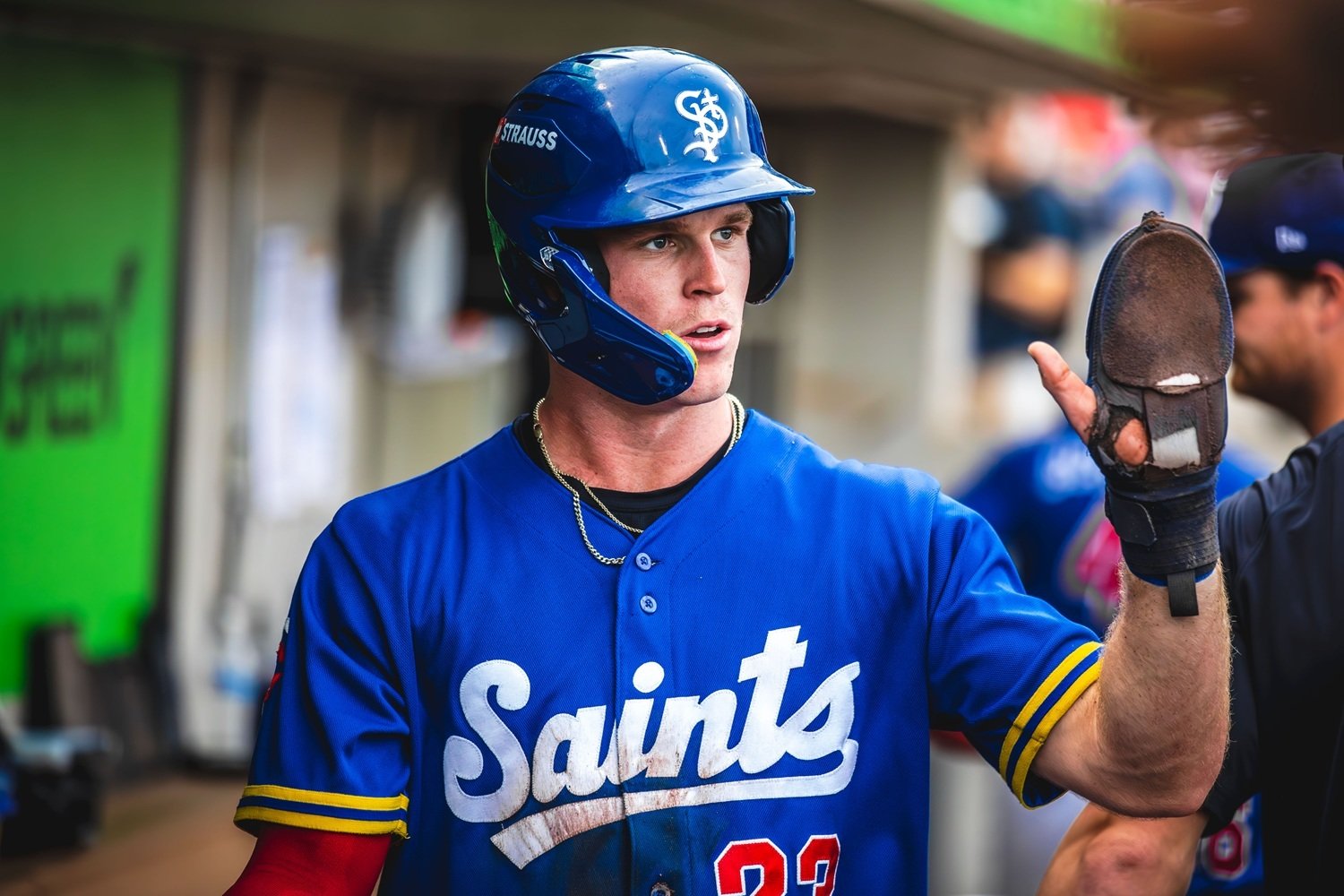 The St. Paul Saints will open their 2026 campaign on the road in Indianapolis, but the spotlight will follow them wherever they go. This is not just another Triple-A roster. It is a collection of impact prospects, near-ready contributors, and experienced depth that could significantly shape the Minnesota Twins' season. With a new manager at the helm and one of the most talent-rich groups in Minor League Baseball, St. Paul enters its sixth season as the Twins Triple-A affiliate with expectations that stretch well beyond development. Brian Dinkelman takes over as manager after earning a promotion from Double-A Wichita. He steps into the role previously held by Toby Gardenhire, who joins Derek Shelton’s major league staff with the Twins. Dinkelman will be supported by a coaching group that includes hitting coaches C.J. Baker and Shawn Schlechter, as well as pitching coaches Carlos Hernandez and Ryan Ricci. The continuity in player development remains strong, but the voice leading the clubhouse will be new. The roster itself is what demands attention. St. Paul opens the year with 27 players, just one shy of the league limit, and features four Top 100 prospects recognized by both Baseball America and MLB Pipeline. Twins Daily’s own rankings are even more telling, with eight of the organization’s top 20 prospects assigned to this club, including the top three names in the system. 2026 St. Paul Saints Opening Day Roster (Twins Daily Prospect Rankings in parentheses) Starting Pitchers (5): RHP Andrew Morris (#12), LHP Connor Prielipp (#5), RHP Zebby Matthews, RHP John Klein, LHP Christian MacLeod The starting rotation brings both upside and immediate relevance. Prielipp headlines the group and is lined up to take the ball on Opening Day. His combination of stuff and pedigree makes him one of the most intriguing arms in the system. Last season, he posted a 4.03 ERA (3.52 FIP) with a 27.0 K% and 8.5 BB%. Matthews narrowly missed a spot in the Twins rotation to Mick Abel and now serves as high-end depth, ready if the big-league club needs innings. Morris may not carry the same hype, but his steady progression could earn him a look in Minnesota this summer. In 2025, he had a 4.09 ERA (4.27 FIP) with a 22.4 K% and a 7.0 BB%. Klein offers flexibility as a starter or long reliever, and it helps that he is a member of the 40-man roster if the Twins need him. MacLeod provides experienced depth and finished last season with the Saints. Relief Pitchers (7): RHP Dan Altavilla, RHP Trent Baker, RHP Andrew Bash, RHP Matt Bowman, RHP Raul Brito, RHP Grant Hartwig, RHP Marco Raya (#15), RHP Eduardo Salazar In the bullpen, the Saints could function as a pipeline for a Twins relief corps that still has questions. Raya, now transitioning into a full-time relief role, is the top-ranked prospect in the group and could move quickly if his stuff plays up in shorter outings. Veterans like Altavilla and Bowman bring big league experience and were on the fringes of the roster this spring. Altavilla pitched well for Israel in the WBC, and that could help him earn a call-up early in the season, while Baker continues to position himself as a viable option. This unit may not remain intact for long, given the likely need for reinforcements in Minnesota. Catchers (3): David Bañuelos, Noah Cardenas, Alex Jackson Behind the plate, Jackson stands out as a key depth piece. Acquired in the offseason in a trade with Baltimore, he gives the organization a strong defensive option at Triple-A. There was some question about whether the Twins could carry three catchers to start the year. Instead, Jackson will be the next man up if Ryan Jeffers or Victor Caratini gets hurt. Bañuelos and Cardenas round out the group, offering stability and familiarity with the pitching staff. Infielders (6): Orlando Arcia, Kaelen Culpepper (#2), Aaron Sabato, Tanner Schobel, Eric Wagaman, Ryan Kreidler The infield mix is a blend of upside and opportunity. Culpepper jumps to Triple-A after less than 60 games at Double-A, a clear signal of how highly the organization views him. He was the organization’s minor league player of the year in 2025 when he posted a 138 wRC+ between High- and Double-A. If Brooks Lee struggles early, Culpepper could force the issue quickly. Sabato, a former first-round pick, returns with his power potential still intact and has shown flashes at the Triple-A level. Schobel continues to provide defensive versatility as he can play nearly every position. Arcia, Kreidler, and Wagaman are all veterans who hovered on the edge of the big-league roster during camp and could each see time in Minnesota at some point this season. Outfielders (5): Kyler Fedko, Gabriel Gonzalez (#7), Walker Jenkins (#1), Alan Roden, Emmanuel Rodriguez (#3) The outfield might be the crown jewel of the entire roster. Jenkins and Rodriguez headline the group as two of the best prospects in baseball, both with the potential to impact the Twins' lineup in the near future. Jenkins reached Triple-A during his age-20 season while posting a 135 wRC+. Rodriguez has played parts of the last two seasons in St. Paul, where he had a 134 wRC+ in 2025. Injuries are the only thing that has held either of them back in their professional careers. Gonzalez and Fedko are coming off strong seasons and add further depth. Gonzalez was Twins Daily’s Minor League Hitter of the Year after he moved from High-A to Triple-A with a 148 wRC+. Fedko hit 28 homers and stole 38 bases in 130 games last season. Roden’s impressive spring suggests he may not be in St. Paul for long. It is a collection of outfield talent rarely seen at the Triple-A level, and it gives the Saints a lineup capable of overwhelming opposing pitching on any given night. There are also notable names sidelined to begin the year. Matt Canterino continues his recovery from shoulder surgery, while Cory Lewis (right rotator cuff), Kendry Rojas (right hamstring strain), and Julian Merryweather (left hamstring strain) are working back from their own injuries. Their eventual returns could further strengthen an already deep roster. The Saints open the season at Victory Field against the Indianapolis Indians (Pittsburgh Pirates) on Friday, March 27 at 5:35 p.m. (CT). The Saints home opener is Tuesday, March 31 against the Worcester Red Sox (Boston Red Sox) at 6:37 p.m. While the wins and losses in Triple-A matter, the bigger picture is clear. This roster is built to support the Twins, and it would not be surprising if many of these names play meaningful roles in Minnesota before the season is over. What stands out about the Saints' roster? Who will be the first player called up to the Twins? Leave a comment and start the discussion.
- 25 comments
-
- 8
-
-
- walker jenkins
- kaelen culpepper
- (and 8 more)
-
Image courtesy of Rob Thompson, St. Paul Saints The St. Paul Saints will open their 2026 campaign on the road in Indianapolis, but the spotlight will follow them wherever they go. This is not just another Triple-A roster. It is a collection of impact prospects, near-ready contributors, and experienced depth that could significantly shape the Minnesota Twins' season. With a new manager at the helm and one of the most talent-rich groups in Minor League Baseball, St. Paul enters its sixth season as the Twins Triple-A affiliate with expectations that stretch well beyond development. Brian Dinkelman takes over as manager after earning a promotion from Double-A Wichita. He steps into the role previously held by Toby Gardenhire, who joins Derek Shelton’s major league staff with the Twins. Dinkelman will be supported by a coaching group that includes hitting coaches C.J. Baker and Shawn Schlechter, as well as pitching coaches Carlos Hernandez and Ryan Ricci. The continuity in player development remains strong, but the voice leading the clubhouse will be new. The roster itself is what demands attention. St. Paul opens the year with 27 players, just one shy of the league limit, and features four Top 100 prospects recognized by both Baseball America and MLB Pipeline. Twins Daily’s own rankings are even more telling, with eight of the organization’s top 20 prospects assigned to this club, including the top three names in the system. 2026 St. Paul Saints Opening Day Roster (Twins Daily Prospect Rankings in parentheses) Starting Pitchers (5): RHP Andrew Morris (#12), LHP Connor Prielipp (#5), RHP Zebby Matthews, RHP John Klein, LHP Christian MacLeod The starting rotation brings both upside and immediate relevance. Prielipp headlines the group and is lined up to take the ball on Opening Day. His combination of stuff and pedigree makes him one of the most intriguing arms in the system. Last season, he posted a 4.03 ERA (3.52 FIP) with a 27.0 K% and 8.5 BB%. Matthews narrowly missed a spot in the Twins rotation to Mick Abel and now serves as high-end depth, ready if the big-league club needs innings. Morris may not carry the same hype, but his steady progression could earn him a look in Minnesota this summer. In 2025, he had a 4.09 ERA (4.27 FIP) with a 22.4 K% and a 7.0 BB%. Klein offers flexibility as a starter or long reliever, and it helps that he is a member of the 40-man roster if the Twins need him. MacLeod provides experienced depth and finished last season with the Saints. Relief Pitchers (7): RHP Dan Altavilla, RHP Trent Baker, RHP Andrew Bash, RHP Matt Bowman, RHP Raul Brito, RHP Grant Hartwig, RHP Marco Raya (#15), RHP Eduardo Salazar In the bullpen, the Saints could function as a pipeline for a Twins relief corps that still has questions. Raya, now transitioning into a full-time relief role, is the top-ranked prospect in the group and could move quickly if his stuff plays up in shorter outings. Veterans like Altavilla and Bowman bring big league experience and were on the fringes of the roster this spring. Altavilla pitched well for Israel in the WBC, and that could help him earn a call-up early in the season, while Baker continues to position himself as a viable option. This unit may not remain intact for long, given the likely need for reinforcements in Minnesota. Catchers (3): David Bañuelos, Noah Cardenas, Alex Jackson Behind the plate, Jackson stands out as a key depth piece. Acquired in the offseason in a trade with Baltimore, he gives the organization a strong defensive option at Triple-A. There was some question about whether the Twins could carry three catchers to start the year. Instead, Jackson will be the next man up if Ryan Jeffers or Victor Caratini gets hurt. Bañuelos and Cardenas round out the group, offering stability and familiarity with the pitching staff. Infielders (6): Orlando Arcia, Kaelen Culpepper (#2), Aaron Sabato, Tanner Schobel, Eric Wagaman, Ryan Kreidler The infield mix is a blend of upside and opportunity. Culpepper jumps to Triple-A after less than 60 games at Double-A, a clear signal of how highly the organization views him. He was the organization’s minor league player of the year in 2025 when he posted a 138 wRC+ between High- and Double-A. If Brooks Lee struggles early, Culpepper could force the issue quickly. Sabato, a former first-round pick, returns with his power potential still intact and has shown flashes at the Triple-A level. Schobel continues to provide defensive versatility as he can play nearly every position. Arcia, Kreidler, and Wagaman are all veterans who hovered on the edge of the big-league roster during camp and could each see time in Minnesota at some point this season. Outfielders (5): Kyler Fedko, Gabriel Gonzalez (#7), Walker Jenkins (#1), Alan Roden, Emmanuel Rodriguez (#3) The outfield might be the crown jewel of the entire roster. Jenkins and Rodriguez headline the group as two of the best prospects in baseball, both with the potential to impact the Twins' lineup in the near future. Jenkins reached Triple-A during his age-20 season while posting a 135 wRC+. Rodriguez has played parts of the last two seasons in St. Paul, where he had a 134 wRC+ in 2025. Injuries are the only thing that has held either of them back in their professional careers. Gonzalez and Fedko are coming off strong seasons and add further depth. Gonzalez was Twins Daily’s Minor League Hitter of the Year after he moved from High-A to Triple-A with a 148 wRC+. Fedko hit 28 homers and stole 38 bases in 130 games last season. Roden’s impressive spring suggests he may not be in St. Paul for long. It is a collection of outfield talent rarely seen at the Triple-A level, and it gives the Saints a lineup capable of overwhelming opposing pitching on any given night. There are also notable names sidelined to begin the year. Matt Canterino continues his recovery from shoulder surgery, while Cory Lewis (right rotator cuff), Kendry Rojas (right hamstring strain), and Julian Merryweather (left hamstring strain) are working back from their own injuries. Their eventual returns could further strengthen an already deep roster. The Saints open the season at Victory Field against the Indianapolis Indians (Pittsburgh Pirates) on Friday, March 27 at 5:35 p.m. (CT). The Saints home opener is Tuesday, March 31 against the Worcester Red Sox (Boston Red Sox) at 6:37 p.m. While the wins and losses in Triple-A matter, the bigger picture is clear. This roster is built to support the Twins, and it would not be surprising if many of these names play meaningful roles in Minnesota before the season is over. What stands out about the Saints' roster? Who will be the first player called up to the Twins? Leave a comment and start the discussion. View full article
-
Spring training is supposed to be about ramping up, refining mechanics, and building momentum toward Opening Day. For David Festa, it has instead become another exercise in patience. Festa felt discomfort in the back of his right shoulder during a bullpen session on February 24, a moment that immediately raised concern given the neurological thoracic outlet syndrome that cut short his 2025 campaign. This time, however, the news carried a different tone. An MRI revealed that the issue is unrelated to last fall’s diagnosis. Instead, Festa is dealing with a rotator cuff impingement, a far more familiar and, importantly, manageable obstacle. According to Dan Hayes of The Athletic, Festa remains several weeks away from leaving Florida as he continues his recovery process. That timeline is not insignificant, especially for a Twins club already navigating early-season pitching uncertainty, but the right-hander’s outlook provides reason for encouragement. “Honestly, it feels better than I probably expected,” Festa said. “I never want to make too much of it because it’s light catch from a shorter distance, but I feel like the arm’s moving cleaner.” At the moment, Festa is playing catch at 90 feet, a modest but meaningful step in the progression. The long-term plan remains fluid. Festa intends to build up like a starting pitcher, which aligns with how the organization has developed him to this point. There have been no formal discussions about a defined role, but the reality is difficult to ignore. The Minnesota Twins are already dealing with the loss of Pablo López for the season, and pitching depth will be tested early. That creates an interesting tension. On one hand, Minnesota would prefer to preserve as much starting depth as possible. Festa, once viewed as arguably the organization’s top pitching prospect, fits into that equation when healthy. On the other hand, shoulder issues have a way of reshaping development paths. If the Twins need immediate innings and Festa proves healthy but not fully stretched out, a move to the bullpen could be a practical solution. It is not as though Festa lacks the tools to succeed in that role. Over the last two seasons, he has posted a 5.12 ERA with a 4.27 FIP, backed by a strong 25.7 K% and a manageable 8.3 BB%. Those numbers suggest a pitcher whose underlying skills are more intriguing than the surface results. Shorter outings could allow his stuff to play up while limiting exposure and workload. Still, the organization will not rush that decision. Health comes first, and Festa will need to demonstrate that he can handle a consistent throwing program before anything else is considered. For now, the focus remains simple. Keep progressing. Keep building. Keep listening to the arm. If Festa continues on his current trajectory, he could still factor into Minnesota’s plans at some point this season. Whether that comes as a starter or in a relief role will depend on timing, health, and organizational need. What matters most is that the early signs suggest this setback is just that, a setback, not a turning point. In a season where pitching depth is already under strain, the Twins will take every bit of good news they can get. Festa’s recovery may not solve everything, but it is a step in the right direction at a time when those steps are especially important. View full rumor
-
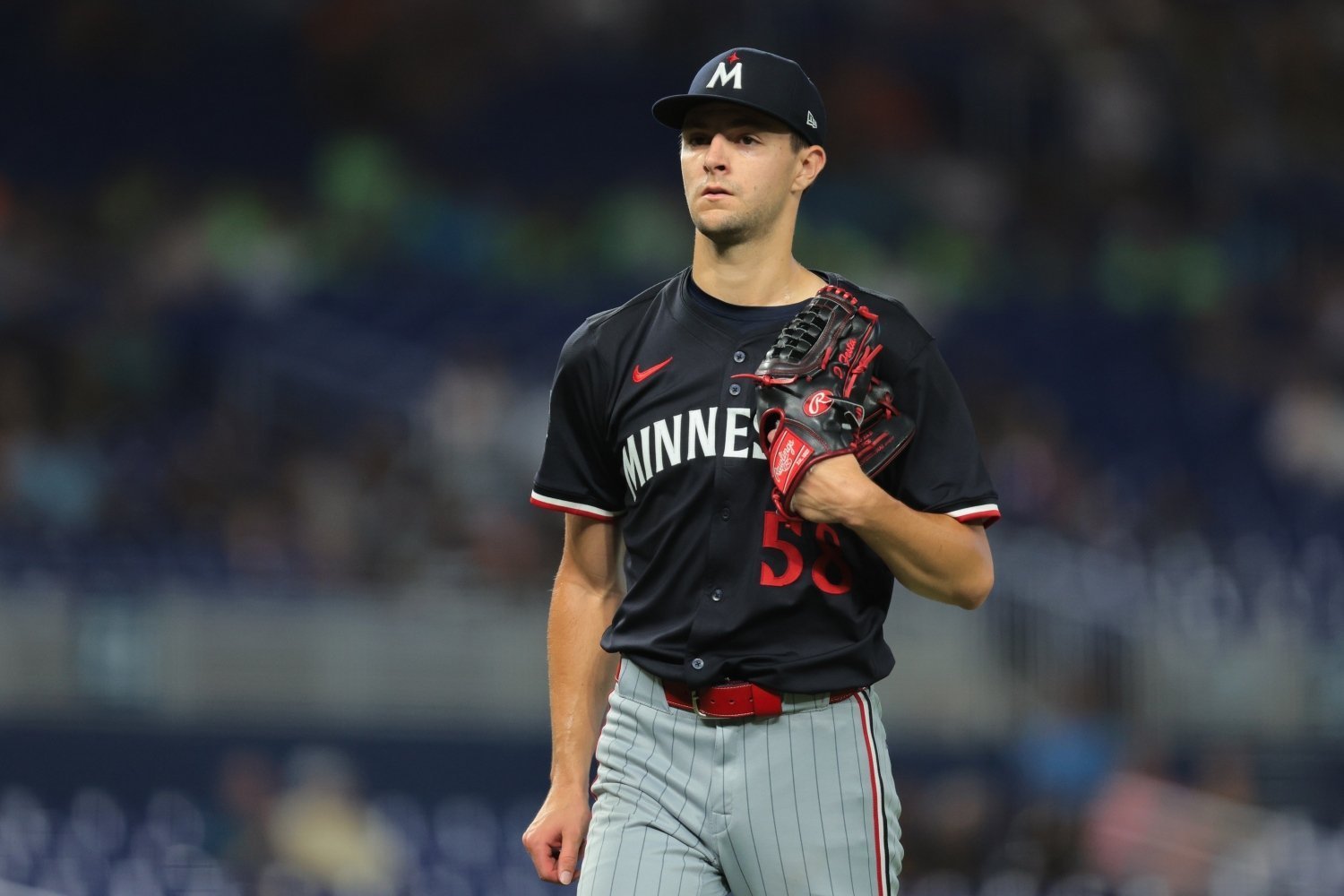 Spring training is supposed to be about ramping up, refining mechanics, and building momentum toward Opening Day. For David Festa, it has instead become another exercise in patience. Festa felt discomfort in the back of his right shoulder during a bullpen session on February 24, a moment that immediately raised concern given the neurological thoracic outlet syndrome that cut short his 2025 campaign. This time, however, the news carried a different tone. An MRI revealed that the issue is unrelated to last fall’s diagnosis. Instead, Festa is dealing with a rotator cuff impingement, a far more familiar and, importantly, manageable obstacle. According to Dan Hayes of The Athletic, Festa remains several weeks away from leaving Florida as he continues his recovery process. That timeline is not insignificant, especially for a Twins club already navigating early-season pitching uncertainty, but the right-hander’s outlook provides reason for encouragement. “Honestly, it feels better than I probably expected,” Festa said. “I never want to make too much of it because it’s light catch from a shorter distance, but I feel like the arm’s moving cleaner.” At the moment, Festa is playing catch at 90 feet, a modest but meaningful step in the progression. The long-term plan remains fluid. Festa intends to build up like a starting pitcher, which aligns with how the organization has developed him to this point. There have been no formal discussions about a defined role, but the reality is difficult to ignore. The Minnesota Twins are already dealing with the loss of Pablo López for the season, and pitching depth will be tested early. That creates an interesting tension. On one hand, Minnesota would prefer to preserve as much starting depth as possible. Festa, once viewed as arguably the organization’s top pitching prospect, fits into that equation when healthy. On the other hand, shoulder issues have a way of reshaping development paths. If the Twins need immediate innings and Festa proves healthy but not fully stretched out, a move to the bullpen could be a practical solution. It is not as though Festa lacks the tools to succeed in that role. Over the last two seasons, he has posted a 5.12 ERA with a 4.27 FIP, backed by a strong 25.7 K% and a manageable 8.3 BB%. Those numbers suggest a pitcher whose underlying skills are more intriguing than the surface results. Shorter outings could allow his stuff to play up while limiting exposure and workload. Still, the organization will not rush that decision. Health comes first, and Festa will need to demonstrate that he can handle a consistent throwing program before anything else is considered. For now, the focus remains simple. Keep progressing. Keep building. Keep listening to the arm. If Festa continues on his current trajectory, he could still factor into Minnesota’s plans at some point this season. Whether that comes as a starter or in a relief role will depend on timing, health, and organizational need. What matters most is that the early signs suggest this setback is just that, a setback, not a turning point. In a season where pitching depth is already under strain, the Twins will take every bit of good news they can get. Festa’s recovery may not solve everything, but it is a step in the right direction at a time when those steps are especially important.
 -
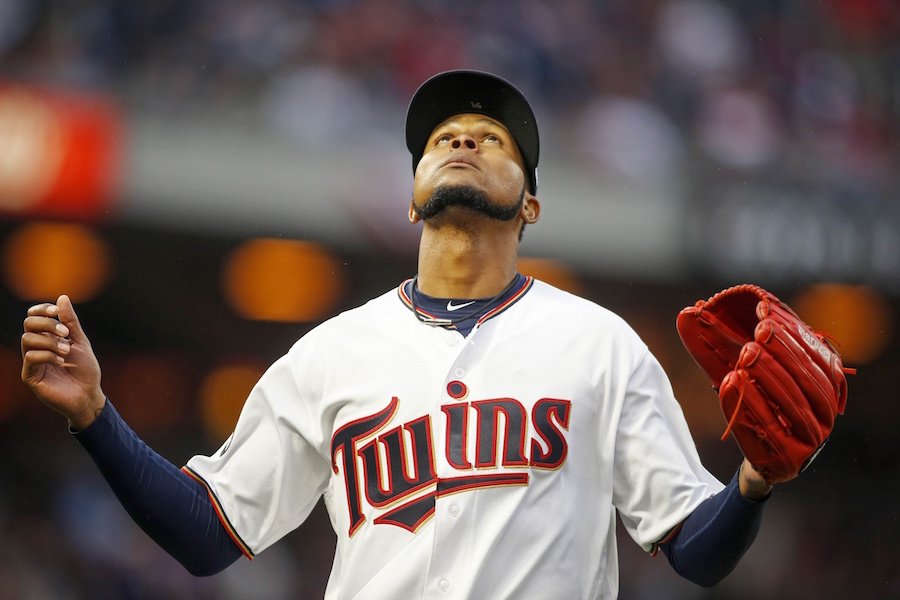 Projection systems are taking a cautious view of the 2026 Twins. Both FanGraphs and Baseball Prospectus peg Minnesota as a 78-win team, a number that reflects tempered expectations and lingering questions about the roster. It's the worst preseason outlook those outlets have given the organization since 2017, when the club was trying to recover from a 103-loss season. That comparison is not as discouraging as it might sound. In fact, it might be the most optimistic signal available. The 2017 Twins entered the year with little momentum and even less outside belief, after a disappointing 2016 that triggered major organizational change. A new front office group took over, expectations were reset, and most assumed a lengthy rebuild was ahead. Instead, that team flipped the narrative almost immediately. Minnesota improved by 26 games, finishing 85-77 and securing a Wild Card berth in a season that reshaped the trajectory of the franchise. It was not supposed to happen that quickly, but a combination of internal growth, timely performances, and a few unexpected breakouts made it possible. Turnarounds like that are rare and difficult to predict. However, the current version of the Twins is navigating a similarly uncertain moment. With changes in leadership and questions about how the roster will come together, there's plenty of room for skepticism. There is also, as 2017 showed, a clear path for a team to outperform expectations if the right pieces click at the right time. A Rotation Anchor at the Top One of the biggest reasons the 2017 Twins exceeded expectations was the stability provided by their ace. Ervin Santana delivered one of the best seasons of his career that year, taking the ball every fifth day and giving the team a chance to win. Across 33 starts, he posted a 3.28 ERA and racked up an MLB-leading five complete games and three shutouts, with 167 strikeouts. In an era when pitchers rarely finish what they start, Santana was a throwback presence who set the tone for the staff. The 2026 Twins need a similar impact from Joe Ryan. Last season, he produced a strong overall campaign worth 4.6 rWAR, although his performance dipped in the second half. Minnesota does not necessarily need complete games or shutouts to match Santana’s influence. What they do need is consistency at the top of the rotation and the kind of reliability that allows the rest of the staff to fall into place. If Ryan can take another step forward and remain a steady force, the Twins' rotation suddenly looks far more capable than the projections suggest. Byron Buxton, Then and Now The 2017 season also marked a breakout year for Buxton, though it looked very different from the version fans saw in 2025. At age 23, Buxton was still developing as a hitter, finishing with a 93 OPS+. However, his value came from elite defense and game-changing speed in center field. Over 140 games, he accumulated 5.0 rWAR and established himself as arguably the best defender in baseball, earning both a Gold Glove and the American League Platinum Glove Award. Fast-forward to 2026, and Buxton is no longer just a defensive standout. He's coming off one of the most impressive seasons of his career. In 2025, he posted 4.9 rWAR, while slashing .264/.327/.551 with 35 home runs and 24 stolen bases. The Twins are hoping that version of Buxton continues to show up on the field regularly. In 2017, Buxton’s emergence gave the team energy and identity. In 2026, his leadership and star-level production could play the same role. Veterans Stepping Up Another underrated part of the 2017 turnaround was the performance of the established players. Brian Dozier and Joe Mauer both produced more than 4.0 rWAR that season, giving the Twins a strong veteran foundation around their younger players. That level of production was harder to find on the 2025 roster. Buxton was the only Twins position player to clear the 4.0 rWAR mark, with Harrison Bader finishing next at 2.7. For Minnesota to exceed expectations this year, a few experienced hitters will likely need to deliver standout seasons. Josh Bell was brought in to add power to the middle of the lineup, even if his defensive limitations cap his overall value. Ryan Jeffers is another player who could take a step forward, especially if he receives a heavier workload behind the plate. Matt Wallner also has the kind of power that can change games quickly, and a big home run total could elevate his impact across the season. The 2017 team showed that a few strong veteran performances can stabilize a roster that is still finding its identity. Young Talent Emerging The final piece of the puzzle in 2017 was a wave of younger players beginning to establish themselves. José Berríos provided a boost in the rotation behind Santana, with the rotation’s second-highest WAR (1.9 rWAR). Miguel Sanó delivered power with 28 home runs and 3.0 rWAR. Jorge Polanco and Max Kepler both hit over 30 doubles and combined for 3.4 rWAR. Together, they signaled that the next core of Twins baseball was arriving. The 2026 Twins are hoping to see a similar trend. Mick Abel already forced the team’s hand this spring by earning a rotation spot after an impressive camp. If he performs well during the season, he could provide the same kind of lift Berrios offered that year. On the offensive side, Luke Keaschall will be asked to build on the momentum from his rookie breakout. Meanwhile, the organization has several high-end prospects pushing toward the big leagues, including Emmanuel Rodriguez, Gabriel Gonzalez, and Walker Jenkins. If even one or two of those players make an impact during the summer months, Minnesota’s lineup could look very different by the end of the season. No two seasons unfold the same way, and expecting a repeat of the 2017 turnaround would be a tall order. Still, that year proved that projections are not destiny. A strong ace, a star player leading the way, productive veterans, and young talent emerging at the right time can quickly change the outlook of a season. The 2026 Twins may start the year with modest expectations, but the organization has seen firsthand how quickly things can flip. If the right pieces fall into place, Minnesota could once again turn skepticism into a playoff chase. Do you see connections between the 2017 Twins and the current roster? Leave a comment and start the discussion.
- 13 comments
-
- 3
-
-

-
- ervin santana
- joe ryan
- (and 8 more)