Cody Christie
-
Posts
7,803 -
Joined
-
Last visited
-
Days Won
5
Content Type
Profiles
News
Minnesota Twins Videos
2026 Minnesota Twins Top Prospects Ranking
2022 Minnesota Twins Draft Picks
Minnesota Twins Free Agent & Trade Rumors, Notes, & Tidbits
Guides & Resources
2023 Minnesota Twins Draft Picks
The Minnesota Twins Players Project
2024 Minnesota Twins Draft Picks
2025 Minnesota Twins Draft Pick Tracker
2026 Minnesota Twins Draft Tracker: Picks & Bonuses
Forums
Blogs
Events
Store
Downloads
Gallery
Everything posted by Cody Christie
-

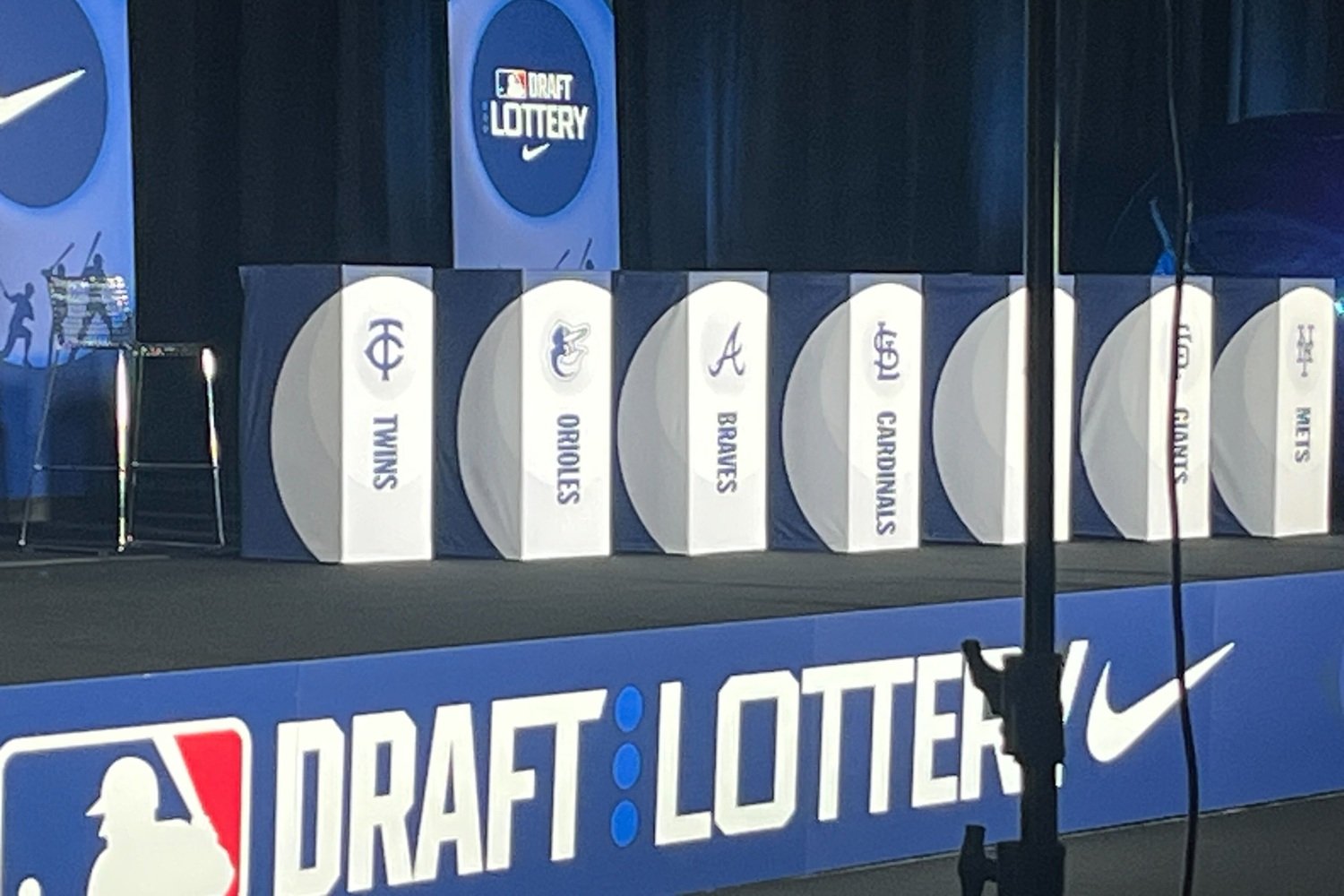 The Minnesota Twins will have options when they step to the podium with the third overall pick in this summer’s draft, but recent performances are beginning to shape the conversation in a meaningful way. One name that continues to gain traction is Jackson Flora, a college right-hander whose combination of production, stuff, and projection is becoming increasingly difficult to ignore. Industry outlets are starting to align on his value. Baseball America currently slots Flora as the third-best prospect in the class, while MLB Pipeline has him further back at 14th overall. That gap may not last much longer. MLB Pipeline recently highlighted Flora as the top emerging college pitcher in the draft, and his latest outings suggest that label is more reality than projection. In his most recent start, Flora worked nine shutout innings while allowing just four hits. He issued a pair of walks and struck out nine hitters, continuing a dominant run. Across eight starts, he has yet to take a loss and owns an ERA under 1.00. In just over 52 innings, he has limited opponents to 26 hits while striking out 65 and walking only 15. It is the type of statistical profile that demands attention, even in a class loaded with talent. What makes Flora particularly intriguing is how his arsenal continues to evolve. His fastball comfortably sits in the mid-90s and can reach triple digits. The slider has long been considered his primary secondary weapon, operating in the mid to upper 80s with the ability to miss bats consistently. However, it was his changeup that stole the spotlight in his most recent outing. He leaned on it more frequently than his slider against Cal Poly, showing growing confidence in a pitch that could ultimately round out a complete three-pitch mix. That development matters because Flora is not just overpowering hitters. He is doing so with control. His strikeout rate sits north of 30%, but just as importantly, he is limiting free passes at a rate under 8%. The ability to command multiple pitches in the zone separates him from many of his peers and raises his floor as a starting pitching prospect. Physically, Flora checks every box teams look for in a frontline starter. At six-foot-five, he generates premium velocity with relative ease and maintains it deep into outings. His fastball has shown strong shape with late life, while his slider usage includes both a sweeping version with significant horizontal movement and a firmer, tighter breaking ball. The changeup continues to trend upward, flashing the kind of late dive that can neutralize opposite-handed hitters. At the top of the draft, much of the intrigue centers around what happens after Roch Cholowsky, who is widely viewed as the likely first overall selection. The Chicago White Sox are expected to make that call, leaving the next handful of picks open to interpretation. The Tampa Bay Rays go in several directions, including prep shortstops like Grady Emerson or Jacob Lombard, or a college bat such as Justin Lebron. That uncertainty creates an opening for a player like Flora to climb. Pitching always carries risk, but teams picking near the top of the draft often prioritize impact, and Flora is beginning to look like one of the few arms in this class capable of providing it at a high level. For the Twins, the decision at three will ultimately come down to how the board falls and how they balance ceiling with certainty. Flora is making a strong case that he offers both. If his current trajectory holds and he continues to dominate while refining his secondary pitches, he may not just be in the conversation. He could be one of the most compelling options available when Minnesota is on the clock.
 -
The Minnesota Twins will have options when they step to the podium with the third overall pick in this summer’s draft, but recent performances are beginning to shape the conversation in a meaningful way. One name that continues to gain traction is Jackson Flora, a college right-hander whose combination of production, stuff, and projection is becoming increasingly difficult to ignore. Industry outlets are starting to align on his value. Baseball America currently slots Flora as the third-best prospect in the class, while MLB Pipeline has him further back at 14th overall. That gap may not last much longer. MLB Pipeline recently highlighted Flora as the top emerging college pitcher in the draft, and his latest outings suggest that label is more reality than projection. In his most recent start, Flora worked nine shutout innings while allowing just four hits. He issued a pair of walks and struck out nine hitters, continuing a dominant run. Across eight starts, he has yet to take a loss and owns an ERA under 1.00. In just over 52 innings, he has limited opponents to 26 hits while striking out 65 and walking only 15. It is the type of statistical profile that demands attention, even in a class loaded with talent. What makes Flora particularly intriguing is how his arsenal continues to evolve. His fastball comfortably sits in the mid-90s and can reach triple digits. The slider has long been considered his primary secondary weapon, operating in the mid to upper 80s with the ability to miss bats consistently. However, it was his changeup that stole the spotlight in his most recent outing. He leaned on it more frequently than his slider against Cal Poly, showing growing confidence in a pitch that could ultimately round out a complete three-pitch mix. That development matters because Flora is not just overpowering hitters. He is doing so with control. His strikeout rate sits north of 30%, but just as importantly, he is limiting free passes at a rate under 8%. The ability to command multiple pitches in the zone separates him from many of his peers and raises his floor as a starting pitching prospect. Physically, Flora checks every box teams look for in a frontline starter. At six-foot-five, he generates premium velocity with relative ease and maintains it deep into outings. His fastball has shown strong shape with late life, while his slider usage includes both a sweeping version with significant horizontal movement and a firmer, tighter breaking ball. The changeup continues to trend upward, flashing the kind of late dive that can neutralize opposite-handed hitters. At the top of the draft, much of the intrigue centers around what happens after Roch Cholowsky, who is widely viewed as the likely first overall selection. The Chicago White Sox are expected to make that call, leaving the next handful of picks open to interpretation. The Tampa Bay Rays go in several directions, including prep shortstops like Grady Emerson or Jacob Lombard, or a college bat such as Justin Lebron. That uncertainty creates an opening for a player like Flora to climb. Pitching always carries risk, but teams picking near the top of the draft often prioritize impact, and Flora is beginning to look like one of the few arms in this class capable of providing it at a high level. For the Twins, the decision at three will ultimately come down to how the board falls and how they balance ceiling with certainty. Flora is making a strong case that he offers both. If his current trajectory holds and he continues to dominate while refining his secondary pitches, he may not just be in the conversation. He could be one of the most compelling options available when Minnesota is on the clock. View full rumor
-
Image courtesy of © Bruce Kluckhohn-Imagn Images There are moments in a franchise’s history that feel bigger than the box score. On Sunday, the Minnesota Twins took time to recognize one of those moments as Byron Buxton reached 10 years of Major League service time. It's the kind of milestone that speaks less about a single season and more about everything that came before it. For Buxton, the journey to Sunday's celebration was winding and perilous. It included injuries, setbacks, and questions about what could have been. Eventually, though, it brought him to a secure place among the most accomplished players in franchise history. Reaching a decade of service time is rare territory. Fewer than 10% of players get there, and the list of those who have done it exclusively with the Twins is a roll call of legends. Kirby Puckett. Rod Carew. Joe Mauer. Kent Hrbek. Tony Oliva. The names carry weight because of what they meant to winning baseball in Minnesota. Buxton is now part of that group, and has the statistical resume to back it up. He sits sixth in franchise history in stolen bases, ninth in home runs, and continues to climb in multiple categories that reflect both longevity and impact. Those numbers tell the story of a player who has produced when healthy and electrified when at his best. Of course, he was rarely healthy for much of that time, and because he was often playing through something even when he was on the field, he hasn't always been able to demonstrate his best. After he debuted in 2015, he struggled to overcome the injuries that often disrupted his seasons. He was optioned back to the minors for stretches of both 2016 and 2018, which delayed his reaching the 10-year service mark until 2026. For some players, those detours derail everything. For Buxton, they have become part of the story that makes this moment resonate more. It's not just about 10 years. It's about everything he had to push through to get there. That perspective makes what he did in 2025 feel even more important. Buxton delivered the best season of his career, earning an All-Star selection, taking home a Silver Slugger, and finishing 11th in the American League MVP race. He showed what the fully realized version of himself looks like over an extended stretch—power, speed, defense, and a presence that changes games. Though Buxton is off to a slow start in 2026, nothing about his standing within the organization has changed. A brief injury scare over the weekend served as a reminder of how quickly things can feel uncertain, but his return to the lineup just as quickly reinforced how central he is to everything this team does and how fiercely he wants to be on the field whenever possible. None of that quite guarantees that Buxton will spend the balance of his career (or even the balance of his contract, which runs through 2028) in Minnesota. Nor do his 10-and-5 rights (all players who reach 10 years of big-league service and have had five years of continual service with one team have the right to refuse a trade) or the no-trade clause in his contract, which rendered the wait for those rights moot and shielded him from being dealt at last summer's fire sale. The team's future is unclear, and they might approach him this summer (or later on) about the possibility of moving him. When Buxton says he wants to spend his entire career in Minnesota, though, it doesn't sound like a generic answer. It sounds like a player who understands exactly what this uniform means, and what it would mean to finish what he started. For the Twins, that reality matters. Trading a superstar is always difficult. Trading one who has become a bridge between eras; who is climbing leaderboards next to Hall of Fame names; and who has endured everything in a Twins uniform is something else entirely. It's not just a baseball decision. It's a cultural one. As Buxton continues to add to his resume, those decisions only get harder. At some point, the conversation stops being about what you could get in return and starts being about what it would mean to let a player like this finish somewhere else. Right now, Buxton isn't just building a career. He's building a case to be remembered alongside the greatest players this franchise has ever seen. With every milestone, every highlight, and every season that adds to his story, the idea of him wearing anything other than a Twins jersey feels a little less realistic—or at least a little less tolerable. What stands out about Buxton’s 10 years with the Twins? Is there a scenario where Buxton could be traded? Leave a comment and start the discussion. View full article
-
The Longer Byron Buxton Stays, the Harder It Gets to Imagine Him Leaving
Cody Christie posted an article in Twins
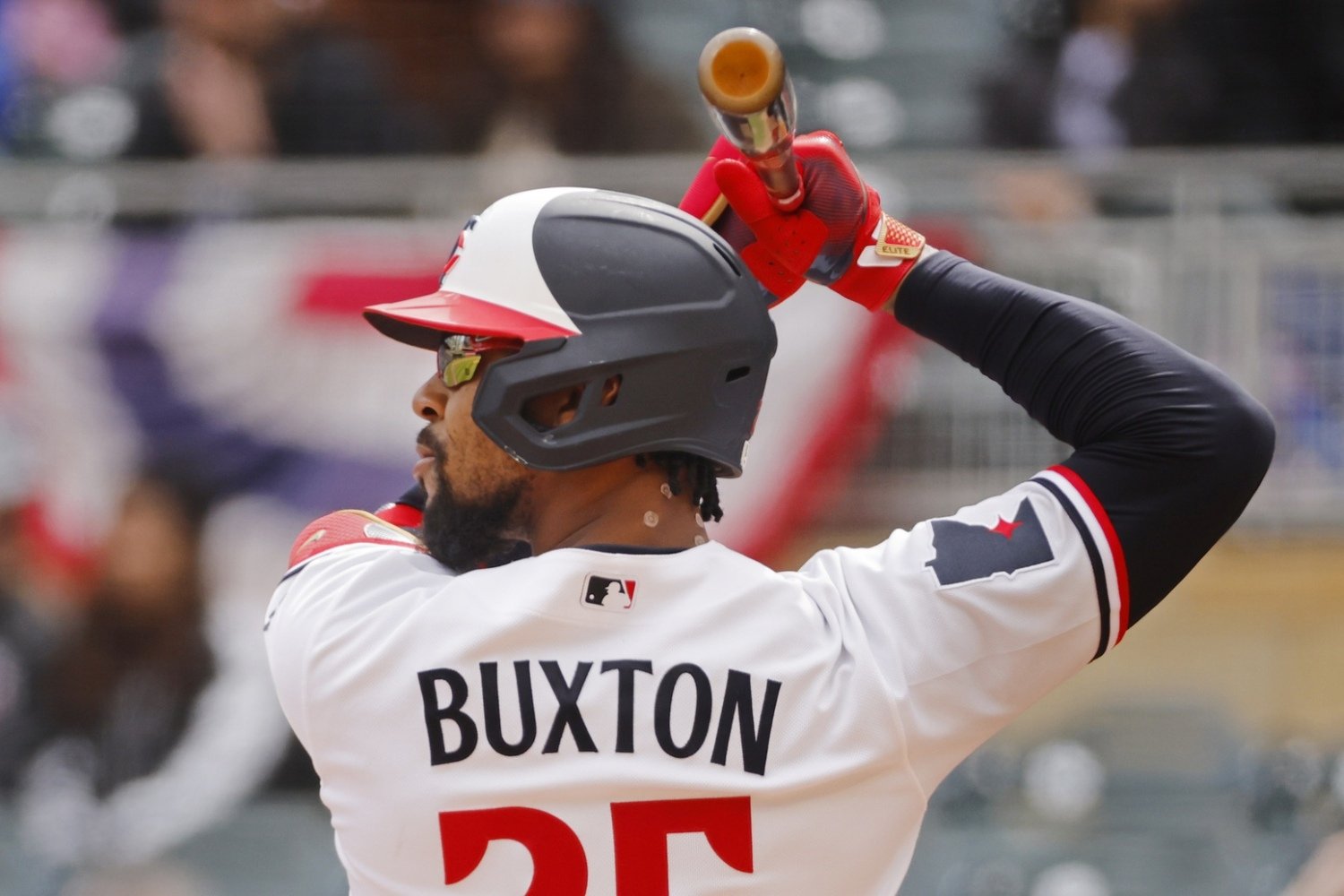 There are moments in a franchise’s history that feel bigger than the box score. On Sunday, the Minnesota Twins took time to recognize one of those moments as Byron Buxton reached 10 years of Major League service time. It's the kind of milestone that speaks less about a single season and more about everything that came before it. For Buxton, the journey to Sunday's celebration was winding and perilous. It included injuries, setbacks, and questions about what could have been. Eventually, though, it brought him to a secure place among the most accomplished players in franchise history. Reaching a decade of service time is rare territory. Fewer than 10% of players get there, and the list of those who have done it exclusively with the Twins is a roll call of legends. Kirby Puckett. Rod Carew. Joe Mauer. Kent Hrbek. Tony Oliva. The names carry weight because of what they meant to winning baseball in Minnesota. Buxton is now part of that group, and has the statistical resume to back it up. He sits sixth in franchise history in stolen bases, ninth in home runs, and continues to climb in multiple categories that reflect both longevity and impact. Those numbers tell the story of a player who has produced when healthy and electrified when at his best. Of course, he was rarely healthy for much of that time, and because he was often playing through something even when he was on the field, he hasn't always been able to demonstrate his best. After he debuted in 2015, he struggled to overcome the injuries that often disrupted his seasons. He was optioned back to the minors for stretches of both 2016 and 2018, which delayed his reaching the 10-year service mark until 2026. For some players, those detours derail everything. For Buxton, they have become part of the story that makes this moment resonate more. It's not just about 10 years. It's about everything he had to push through to get there. That perspective makes what he did in 2025 feel even more important. Buxton delivered the best season of his career, earning an All-Star selection, taking home a Silver Slugger, and finishing 11th in the American League MVP race. He showed what the fully realized version of himself looks like over an extended stretch—power, speed, defense, and a presence that changes games. Though Buxton is off to a slow start in 2026, nothing about his standing within the organization has changed. A brief injury scare over the weekend served as a reminder of how quickly things can feel uncertain, but his return to the lineup just as quickly reinforced how central he is to everything this team does and how fiercely he wants to be on the field whenever possible. None of that quite guarantees that Buxton will spend the balance of his career (or even the balance of his contract, which runs through 2028) in Minnesota. Nor do his 10-and-5 rights (all players who reach 10 years of big-league service and have had five years of continual service with one team have the right to refuse a trade) or the no-trade clause in his contract, which rendered the wait for those rights moot and shielded him from being dealt at last summer's fire sale. The team's future is unclear, and they might approach him this summer (or later on) about the possibility of moving him. When Buxton says he wants to spend his entire career in Minnesota, though, it doesn't sound like a generic answer. It sounds like a player who understands exactly what this uniform means, and what it would mean to finish what he started. For the Twins, that reality matters. Trading a superstar is always difficult. Trading one who has become a bridge between eras; who is climbing leaderboards next to Hall of Fame names; and who has endured everything in a Twins uniform is something else entirely. It's not just a baseball decision. It's a cultural one. As Buxton continues to add to his resume, those decisions only get harder. At some point, the conversation stops being about what you could get in return and starts being about what it would mean to let a player like this finish somewhere else. Right now, Buxton isn't just building a career. He's building a case to be remembered alongside the greatest players this franchise has ever seen. With every milestone, every highlight, and every season that adds to his story, the idea of him wearing anything other than a Twins jersey feels a little less realistic—or at least a little less tolerable. What stands out about Buxton’s 10 years with the Twins? Is there a scenario where Buxton could be traded? Leave a comment and start the discussion.
 -
Ranking the Minnesota Twins' Top 5 Pitching Prospects by Upside
Cody Christie posted an article in Minor Leagues
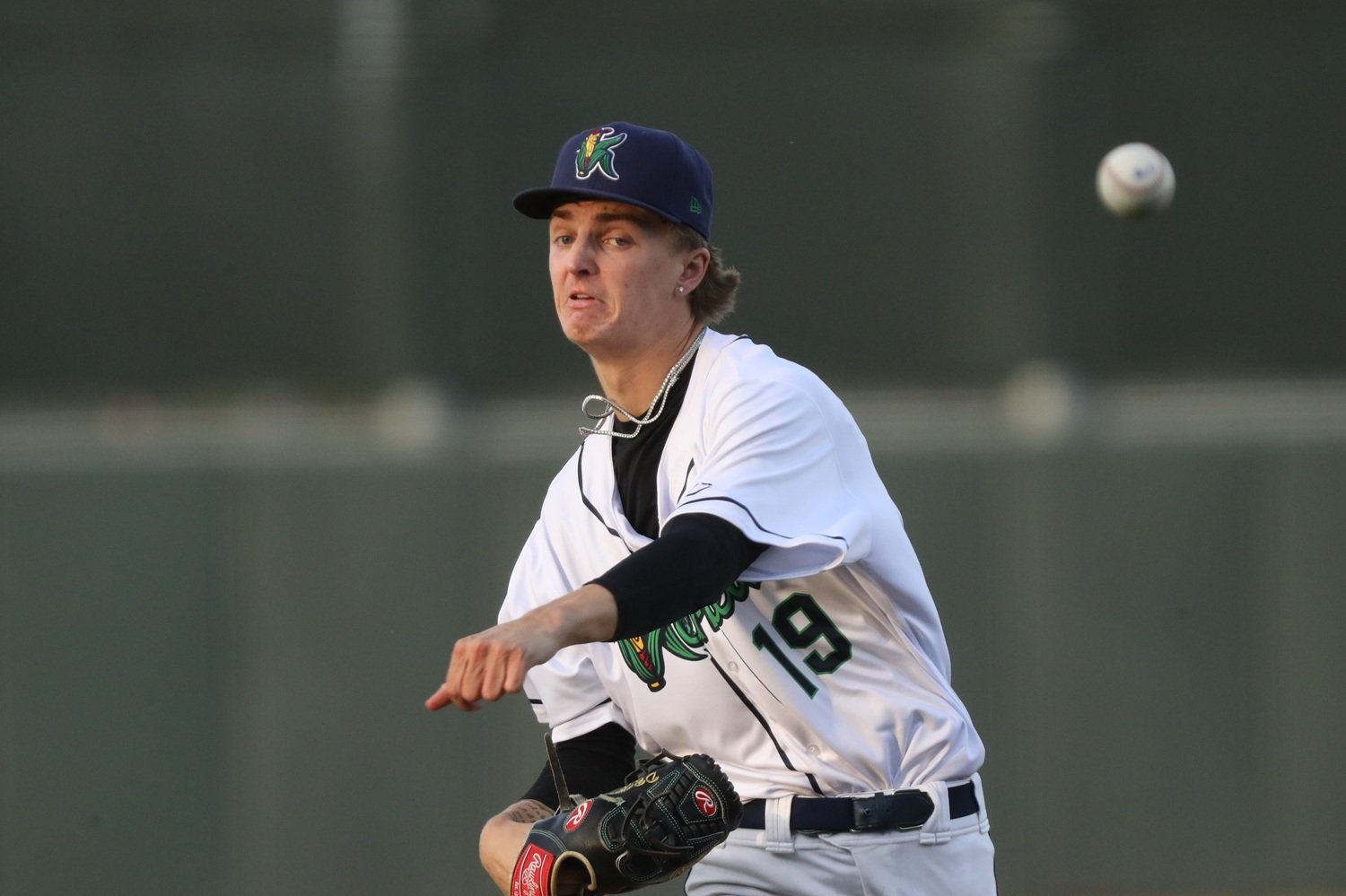 Prospect rankings are never as simple as lining players up from best to worst. A traditional list tries to balance everything at once. Upside, present tools, age, injury history, proximity to the big leagues, and even organizational need all get thrown into the mix. It's part projection, part preference, and part educated guess. This exercise throws most of that out the window. Instead of weighing floors and timelines, this ranking leans fully into ceiling. It's about identifying which arms in the Twins system could become something special, if everything clicks. That might mean ignoring risk. It might mean betting on pitchers who have barely thrown, or struggled to stay on the mound. In some cases, the floor might be never reaching Target Field. But the reward, if it hits, could be enormous. Here are five Twins pitching prospects ranked purely by upside. 5. Riley Quick, RHP Twins Daily Current Prospect Rank: 11 Quick looks the part before he even throws a pitch. At 6-foot-6 and 250 pounds, the former four-star football recruit brings rare physicality to the mound. That alone creates intrigue, but the upside comes from how quickly his stuff returned after surgery. Just a year removed from Tommy John, he was already touching the upper 90s, flirting with 99 mph. That kind of velocity rebound suggests there may still be another gear as he gets further removed from the procedure. Pair that with a legitimate four-pitch mix, and you start to see the outline of a durable, innings-eating starter with power stuff. The Twins slow-played his debut, which only adds to the mystery. Minnesota will start him in the low minors in 2026, where he should dominate the competition. There is risk in a pitcher with a limited recent workload, but the combination of size, arm strength, and pitch mix gives Quick a ceiling that extends well beyond a typical mid-rotation profile. 4. Connor Prielipp, LHP Twins Daily Current Prospect Rank: 5 At his best, Prielipp might have the most complete arsenal on this list. He's already shown what it looks like when everything is working. A mid-90s fastball, a true plus slider, and a quality changeup give him the weapons of a front-line starter. The strikeout numbers back that up (27.0%), and when he was finally healthy in 2025, the results followed. Health is the obvious caveat. Years of elbow issues have limited his workload to the point where projecting a full starter’s role becomes difficult. Even after a relatively stable season, he has still thrown a fraction of the innings typical for someone his age. But that's where upside comes into play. If Prielipp can hold his health long enough to build innings, the pitch mix is good enough to slot near the top of a rotation. And if durability pushes him to the bullpen, the stuff could play up into something even more dominant in shorter bursts. There are multiple paths to impact, which raises the overall ceiling. 3. Charlee Soto, RHP Twins Daily Current Prospect Rank: 10 Soto is the definition of volatile upside. The raw ingredients are loud. He can reach triple digits and flashes three pitches that project as above-average or better. His changeup already stands out as a legitimate weapon, and his slider took a step forward when his velocity ticked up early in 2025. That brief three-appearance stretch, before his season was cut short, is part of what makes him so intriguing. The added velocity hinted at another level, even if it came in a tiny sample. There was no ligament damage, which keeps the long-term outlook intact, but missed time and inconsistent command leave plenty unanswered. Soto does not need perfect command to succeed, but he will need more consistency in the strike zone. If that comes, the arsenal is good enough to dream on a high-impact starter. If it does not, the fallback could still be a power reliever with dominant stretches. Either way, the upside is tied to just how electric the arm can be. 2. Kendry Rojas, LHP Twins Daily Current Prospect Rank: 8 Rojas is a reminder that upside is not always a guarantee of linear development, especially after being traded to the Twins as part of the Louis Varland deal. His introduction to the organization did not go smoothly, as he struggled to find the strike zone in Triple-A. Walks piled up, and the stat line turned ugly in a hurry. For many rankings, that would be enough to push him down. For this exercise, it's almost irrelevant. Even during those struggles, the traits that matter showed through. He sat in the mid-90s with his fastball and generated swings and misses with both his changeup and slider. When he was around the zone, hitters had a hard time squaring him up. That's the key. If the Twins can help him harness the command, there is playoff-caliber starter potential, with the raw stuff to miss bats consistently. Injuries and inconsistency have limited his track record, but the flashes are loud enough to keep the ceiling intact. In a more optimistic outcome, he becomes a reliable starter. In a less stable one, he still has the weapons to thrive in high-leverage relief. 1. Dasan Hill, LHP Twins Daily Current Prospect Rank: 7 Hill is the purest upside play in the system. When the Twins drafted him, the appeal was projection. A tall, lean high school lefty with room to grow and a fastball that hinted at more. It did not take long for that projection to start turning into reality. His velocity jumped into the mid-90s almost immediately, and he began overpowering hitters in his first taste of pro ball. The strikeout numbers followed (31.1%), and both his slider and changeup showed the ability to miss bats against lower-level competition. The command, as expected, is still a work in progress. Walks piled up (15.0%), and efficiency was not always there. That's typical for a young pitcher learning to control newfound velocity and sharper secondary pitches. What separates Hill is how high the ceiling climbs if it all comes together. A left-hander with near triple-digit velocity and two swing-and-miss secondaries does not come around often. If he finds even average control, he has the ingredients of a true front-line starter. If he does not, the fallback could still be a dominant, high-leverage arm. Upside rankings are not meant to be comfortable. They require buying into uncertainty and accepting that some of these arms may never fully click. Injuries, command issues, and stalled development are all part of the equation. That is what makes pitching prospects so volatile in the first place. But it is also what makes them so compelling. The Twins system does not lack for intriguing arms, and this group highlights just how wide the range of outcomes can be. From near-ready options with frontline stuff to teenage projections still taking shape, the ceiling on this group is undeniable. If even one or two of these pitchers reach that ceiling, it could reshape the future of the organization’s rotation in a hurry. How would you rank the Twins' top pitching prospects by upside? Leave a comment and start the discussion.
- 12 comments
-
- 10
-

-
- dasan hill
- charlee soto
- (and 3 more)
-
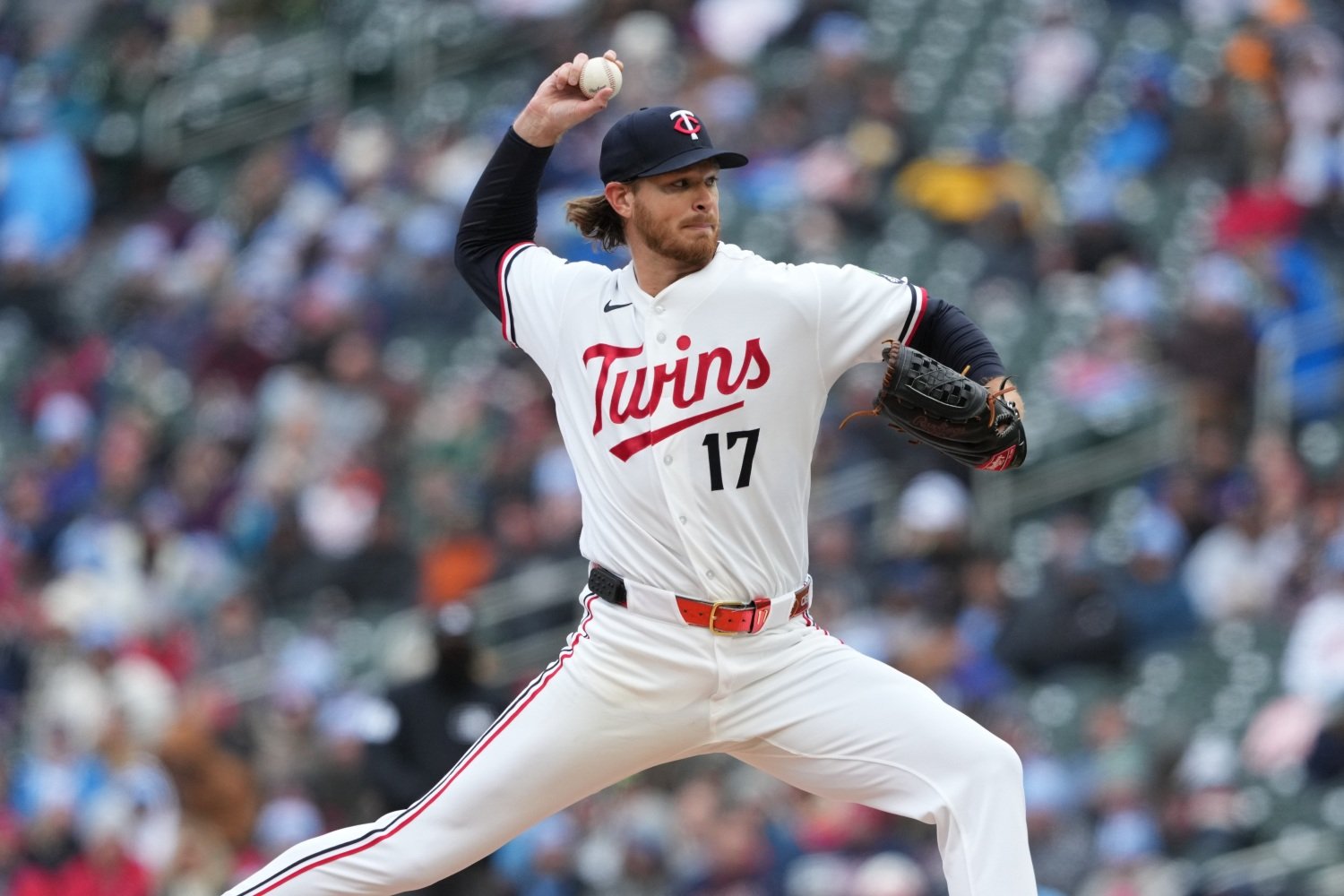 Velocity has been the conversation around Bailey Ober for more than a year now. It started during last spring training and never really went away. A hip issue disrupted his mechanics, and for a pitcher listed at 6-foot-9, that matters more than it might for most guys. There are a lot of long levers and heavy machine parts in a delivery like Ober’s, and when even one of them is out of sync, everything can fall apart. In 2026, the radar gun still isn't telling the story fans were hoping for. But Ober isn't chasing his old velocity. Instead, he's building something different. The most noticeable change is subtle. Ober’s arm angle is a tick lower this season. It's not dramatic enough to jump out without a side-by-side look (see below), but it's there. That slight adjustment could be tied directly to the movement changes he appears to be chasing. A lower slot can create different shapes, especially on pitches like his slider and sweeper, which will be critical for him to succeed at lower velocities. At the same time, he's sacrificing a bit of what made him unique. Ober has long been known for elite extension (97th percentile in 2025), releasing the ball closer to the plate than most pitchers. That trait helped his fastball play above its velocity. This year, he's giving some of that back in exchange for better posture and balance through his delivery. That tradeoff is not insignificant. If the extension is down, then the perceived velocity hitters see is dropping even more than what the radar gun shows. In other words, the margin for error is smaller. But Ober seems to understand that, and is betting on command and execution instead. His pitch mix backs that up. In his first two starts, Ober leaned heavily on his changeup, throwing it 37% of the time. That's a massive jump from anything he's done previously, where he had never crossed the 30% mark. It's not just a tweak. It's a philosophical shift. The changeup has always been one of his best pitches, and using it that often suggests a willingness to pitch backward, disrupt timing, and avoid relying on a fastball that may be more of a liability now. He’s held batters to an .083 batting average against the pitch, with a 25.0% whiff rate. When that pitch is well-located, it also limits his vulnerability to power. His fastball has been hit hard in his first two starts of the young season, but he's only allowed three well-struck balls against changeups—and then, not especially dangerous hard contact, anyway. Two of those hard-hit balls turned into outs, and the other was a mere single. There are also signs that the raw stuff might be ticking in a different direction. Nearly every pitch in his arsenal has seen at least a small bump in spin rate. The biggest gain comes from the sweeper, which has surged from 2,099 RPM to 2,280. That kind of increase can turn a fringe pitch into something much more impactful, and indeed, Ober's sweeper has three extra inches of glove-side movement so far. Because of that small change in arm angle (and an even subtler move toward the center of the rubber), he's releasing the ball a few inches farther toward third base, too, so the ball has room to move that way without sweeping so far off the plate as not to tempt batters to swing. Even the smallest details point to a deliberate reset. Ober is listed at 254 pounds in the game notes, down slightly from the 260 he has carried in the past. It's not a dramatic change, but it suggests a focus on mobility and repeatability. For someone trying to clean up mechanics and stay in sync, that matters. Manager Derek Shelton made it clear that this process is still ongoing. “[Ober] did a good job in the Baltimore [game]. He made one bad pitch, the pitch to O’Neill, and he gave up two singles before that, but overall, he was pretty effective, and if we go through and starters, you know, make one bad pitch or two bad pitches, I think we're gonna be in a pretty good spot," Shelton said before handing the ball to Ober in the home opener Friday. "The only thing that we really want our starters to do is give us a chance to win the game. And if we do that, then we can kind of go from there.” That context is important. Ober isn't just adjusting on the fly in games. He's still building up after a spring focused on reworking his approach on the mound. There's no denying that Ober looks different. The velocity dip is real, and the tradeoffs he's making aren't small. But this is not a pitcher clinging to what he used to be. This is someone actively reshaping his profile to fit what he is now. If the command sharpens, if the changeup heavy approach sticks, and if the added spin translates into more consistent movement, Ober doesn't need to be the same pitcher he was before. He just needs to be a better version of the one he is becoming. What are your thoughts on the changes so far from Ober? Leave a comment and start the discussion.
 -
Velocity has been the conversation around Bailey Ober for more than a year now. It started during last spring training and never really went away. A hip issue disrupted his mechanics and, for a pitcher listed at 6-foot-9, that matters more than it might for most. There are a lot of moving parts in a delivery like Ober’s, and when even one of them is out of sync, everything can fall apart. Now, in 2026, the radar gun still isn't telling the story fans were hoping for. But Ober is not chasing his old velocity. Instead, he is building something different. The most noticeable change is subtle. Ober’s arm angle is a tick lower this season. It is not dramatic enough to jump out without a side-by-side look (see below), but it is there. That slight adjustment could be tied directly to the movement changes he appears to be chasing. A lower slot can help create different shapes, especially on pitches like his slider and sweeper, which will be critical for him to succeed at lower velocities. At the same time, he is sacrificing a bit of what made him unique. Ober has long been known for elite extension (97th percentile in 2025), releasing the ball closer to the plate than most pitchers. That trait helped his fastball play above its velocity. This year, he is giving some of that back in exchange for better posture and balance through his delivery. That tradeoff is not insignificant. If the extension is down, then the perceived velocity hitters see is dropping even more than what the radar gun shows. In other words, the margin for error is smaller. But Ober seems to understand that and is betting on command and execution instead. His pitch mix backs that up. In his first two starts, Ober leaned heavily on his changeup, throwing it 37% of the time. That is a massive jump from anything he has done previously, where he had never crossed the 30 percent mark. It is not just a tweak. It is a philosophical shift. The changeup has always been one of his best pitches, and using it that often suggests a willingness to pitch backward, disrupt timing, and avoid relying on a fastball that may be more of a liability now. He’s held batters to a .083 BA against the pitch with a 25.0 Whiff%. There are also signs that the raw stuff might be ticking in a different direction. Nearly every pitch in his arsenal has seen a bump in spin rate. His four-seamer has climbed from 2274 rpm to 2307, adding a bit more life. The changeup has jumped from 2029 to 2046, which could help it maintain separation despite similar arm speed. The biggest gain comes from the sweeper, which has surged from 2099 to 2280. That kind of increase can turn a fringe pitch into something much more impactful. Even the smallest details point to a deliberate reset. Ober is listed at 254 pounds in the game notes, down slightly from the 260 he has carried in the past. It is not a dramatic change, but it suggests a focus on mobility and repeatability. For someone trying to clean up mechanics and stay in sync, that matters. Manager Derek Shelton made it clear that this process is still ongoing. “And [Ober] did a good job in the Baltimore [game]. He made one bad pitch, the pitch to O’Neill, and he gave up two singles before that, but overall, he was pretty effective, and if we go through and starters, you know, make one bad pitch or two bad pitches, I think we're gonna be in a pretty good spot. The only thing that we really want our starters to do is give us a chance to win the game. And if we do that, then we can kind of go from there.” That context is important. Ober is not just adjusting on the fly in games. He is still building up after a spring focused on reworking his approach on the mound. There is no denying that Ober looks different. The velocity dip is real, and the tradeoffs he is making are not small. But this is not a pitcher clinging to what he used to be. This is someone actively reshaping his profile to fit what he is now. If the command sharpens, if the changeup heavy approach sticks, and if the added spin translates into more consistent movement, Ober does not need to be the same pitcher he was before. He just needs to be a better version of the one he is becoming. What are your thoughts on the changes so far from Ober? Leave a comment and start the discussion. View full article
-
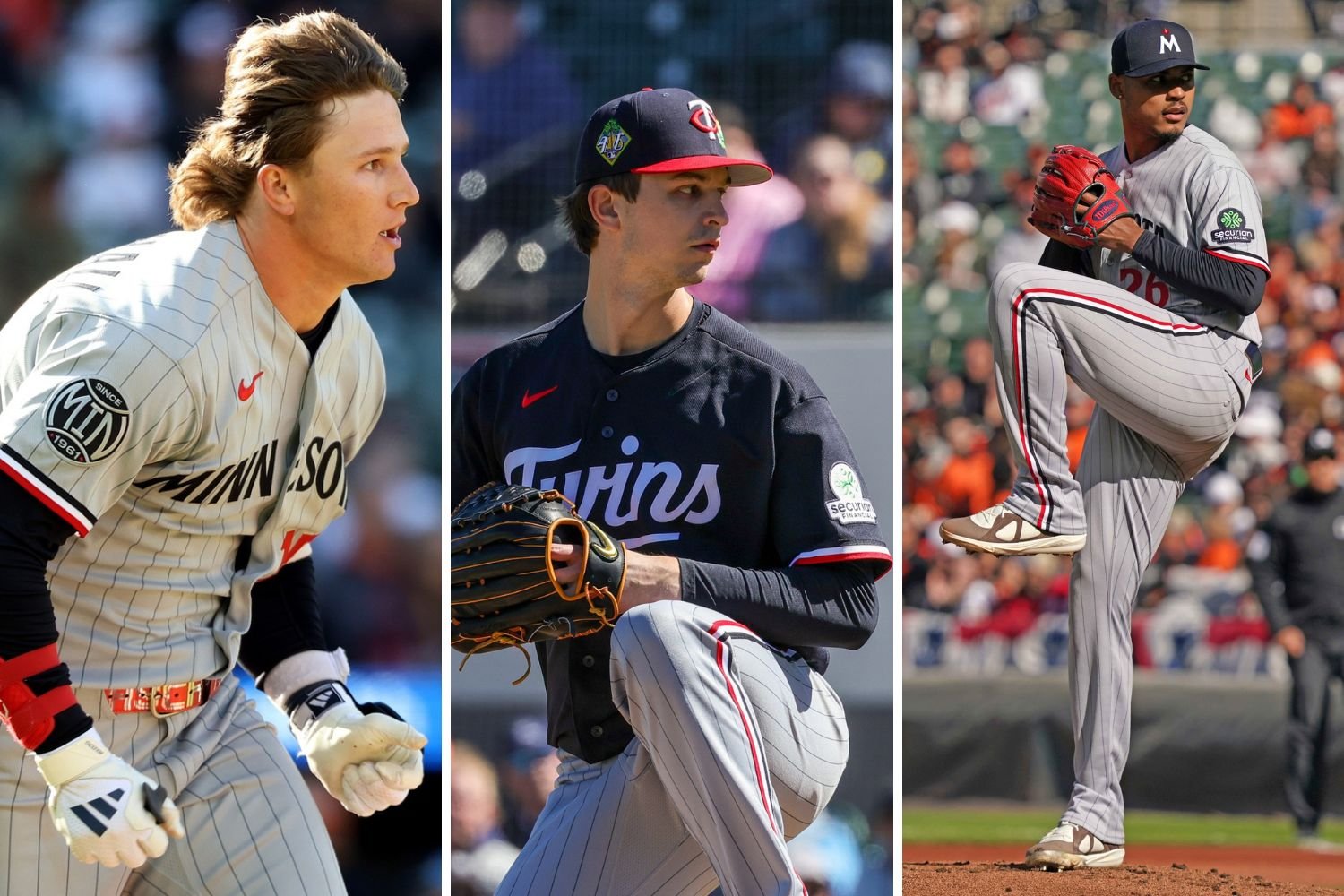 As part of the Twins’ 2026 Home Opener, Twins owner Tom Pohlad sat down with the media and discussed the outlook for the upcoming season. Naturally, the conversation turned toward the organization’s young talent and how to keep that group invested long term. “I think, again, what we’ve done from a culture standpoint, the relationships we’re building in the clubhouse, the leadership changes that you’ve seen, particularly with Derek Shelton at the helm, I think those things matter and as we go throughout the year here, there’s going to be more and more opportunities for us to put words into action and ultimately I think that’s what will make the Luke Keaschalls of the world and everybody else want to be a Twin for a lot longer.” When pressed about whether the organization had already approached players about extensions, Pohlad kept things close to the vest. “I’m not going to get into what we have or haven’t done.” Still, he tipped his hand just enough by naming Taj Bradley, Luke Keaschall, and Mick Abel as players the Twins would like to keep around for the long haul. That trio represents three very different extension cases, and each comes with its own set of risks and rewards. Taj Bradley: Electric Arm, Uneven Track Record Bradley has looked like the best pitcher on the roster through the first couple turns of the rotation. The raw stuff has always been there, but now it is jumping off the page. He even became the first Twins pitcher in the pitch tracking era to reach triple digits on a fastball, a milestone that speaks to just how loud his arsenal can be. The Twins believe they unlocked something after acquiring him at last year’s trade deadline. Mechanical tweaks and pitch usage changes appear to be paying early dividends. If that version of Bradley is real, then locking him up before arbitration gets expensive could be a savvy move. But this is where things get tricky. Bradley already has nearly 400 big league innings under his belt, and the results have been inconsistent. A 4.75 ERA paired with a 4.32 FIP, along with a 25.0 K% and an 8.7 BB%, paints the picture of a pitcher who has flashed but not sustained success. Committing long-term to that profile requires a strong belief that the recent changes are permanent, not just a short-term spike. An extension here would be a bet on development. The upside is a frontline starter at a discounted rate. The downside is paying for a version of Bradley that has not consistently existed yet. Luke Keaschall: Dynamic Bat, Lingering Questions Keaschall might be the most exciting player of the bunch right now. He has been electric at the big-league level, showing the ability to hit for average, tap into power, and impact the game on the bases. Early returns in 2026 suggest his bat speed has taken another step forward, which could unlock even more pop. That kind of offensive profile is exactly what teams look to build around. From a team control standpoint, there is less urgency. Keaschall is under control through 2031, which gives the Twins plenty of runway. However, that also creates an opportunity. If the organization truly believes he is a foundational bat, extending him early could buy out arbitration years at a lower cost and potentially secure a few free agent seasons. The hesitation comes from durability and defensive uncertainty. Keaschall has already dealt with multiple injuries, including Tommy John surgery and a broken arm. That is not something to ignore, especially for a player whose value is tied to athleticism and bat speed. There is also the question of where he ultimately plays. He has been a below-average second baseman, and while versatility can be valuable, not having a clear defensive home complicates long-term projections. Extending Keaschall would be a bet on the bat carrying the profile regardless of position. If he hits like a middle-of-the-order threat, it works. If injuries linger or the defensive fit never settles, it becomes more complicated. Mick Abel: High Ceiling, Wide Range of Outcomes Abel might be the most fascinating case of the three. He earned the fifth starter role out of spring training, beating out Zebby Matthews after an impressive camp. The biggest development was improved control, something that had eluded him at times in the upper-minors (10. BB% in 2025). Pair that with his ability to miss bats, and you start to see why the Twins dream on him as a potential front-of-the-rotation arm. That is the version of Abel that makes an extension enticing. If everything clicks, the Twins could be looking at a cost-controlled starter with top-of-the-rotation upside. Those are the types of players organizations try to lock up early, before the price tag reflects the ceiling. But there is a reason he was available in the first place. The Phillies were willing to move Abel in the deal that brought Jhoan Duran to Philadelphia, and part of that calculus was risk. Abel’s control has been inconsistent, and there is still a real possibility that he settles in as more of a back-end starter rather than an ace. The gap between those outcomes is significant, both in value and in how an extension would age. For the Twins, it comes down to confidence in their player development. If they believe the control gains are real, extending Abel early could look brilliant. If not, it is another example of paying for projection rather than production. The Bigger Picture What Pohlad said without saying it is that the Twins are at a crossroads with their young core. Extending players early can be a powerful tool. It builds goodwill, creates cost certainty, and can lock in cornerstone talent before prices escalate. It also comes with risk, especially when the players involved have not fully established themselves. Bradley, Keaschall, and Abel each represent a different version of that gamble. One has electric stuff but an uneven résumé. One looks like a budding star but carries injury and positional questions. One offers frontline upside with a wide range of outcomes. The Twins do not need to rush. But if they are serious about turning words into action, these are exactly the types of decisions that will define what this next competitive window looks like. Which player makes the most sense for an extension? Leave a comment and start the discussion.
- 25 comments
-
- 2
-
-
- mick abel
- taj bradley
- (and 1 more)
-
Durability has never quite matched the talent for Byron Buxton. Over the course of his 12-year big league career, he has dealt with a wide range of injuries, many of them coming in ways that are hard to prevent. Whether it is crashing into walls, colliding with teammates, or wearing pitches, Buxton’s all-out style has often come at a physical cost. That reality made Friday night feel all too tense. In the seventh inning of Minnesota’s home opener against the Tampa Bay Rays, Buxton was struck on the right forearm by a 92 mile per hour fastball from Kevin Kelly. The reaction was immediate. He signaled for assistance and headed off the field, leaving a quiet concern hanging over the ballpark. It was not the first time this spring that Buxton had been in that situation. While playing for Team USA in the World Baseball Classic, he was hit in a game against Team Brazil and forced out shortly after. That incident ultimately proved minor, with imaging showing no structural damage. This one followed a similar path. Shortly after exiting Friday’s game, the Twins announced that Buxton’s X-rays came back clean. The official diagnosis was a forearm contusion, meaning the injury is more about soreness than anything long-term. Buxton did not make much of it in his postgame remarks, keeping his outlook straightforward. “It’s an arm,” he said. “It ain’t broken, so I’m good.” That kind of update is about as positive as it gets, given the circumstances. On the field, Minnesota made sure the game itself did not slip away. After Buxton departed, the lineup came alive with a seven-run inning that flipped the night completely. Tristan Gray delivered the biggest swing with his first career grand slam, helping push the Twins to a comfortable 10-4 win. Even with the victory, Buxton’s status remains the real storyline. The Twins are still finding their rhythm with a 3-3 record to open the year, and his presence plays a major role in what this team can be. His early numbers at the plate have been modest, but his impact extends well beyond the box score when he is healthy and in center field. For now, the organization appears to have avoided a worst-case outcome. Buxton missed Saturday's game, but the early signs point to a manageable situation. Considering his history, that alone is enough to feel like a win. View full rumor
-
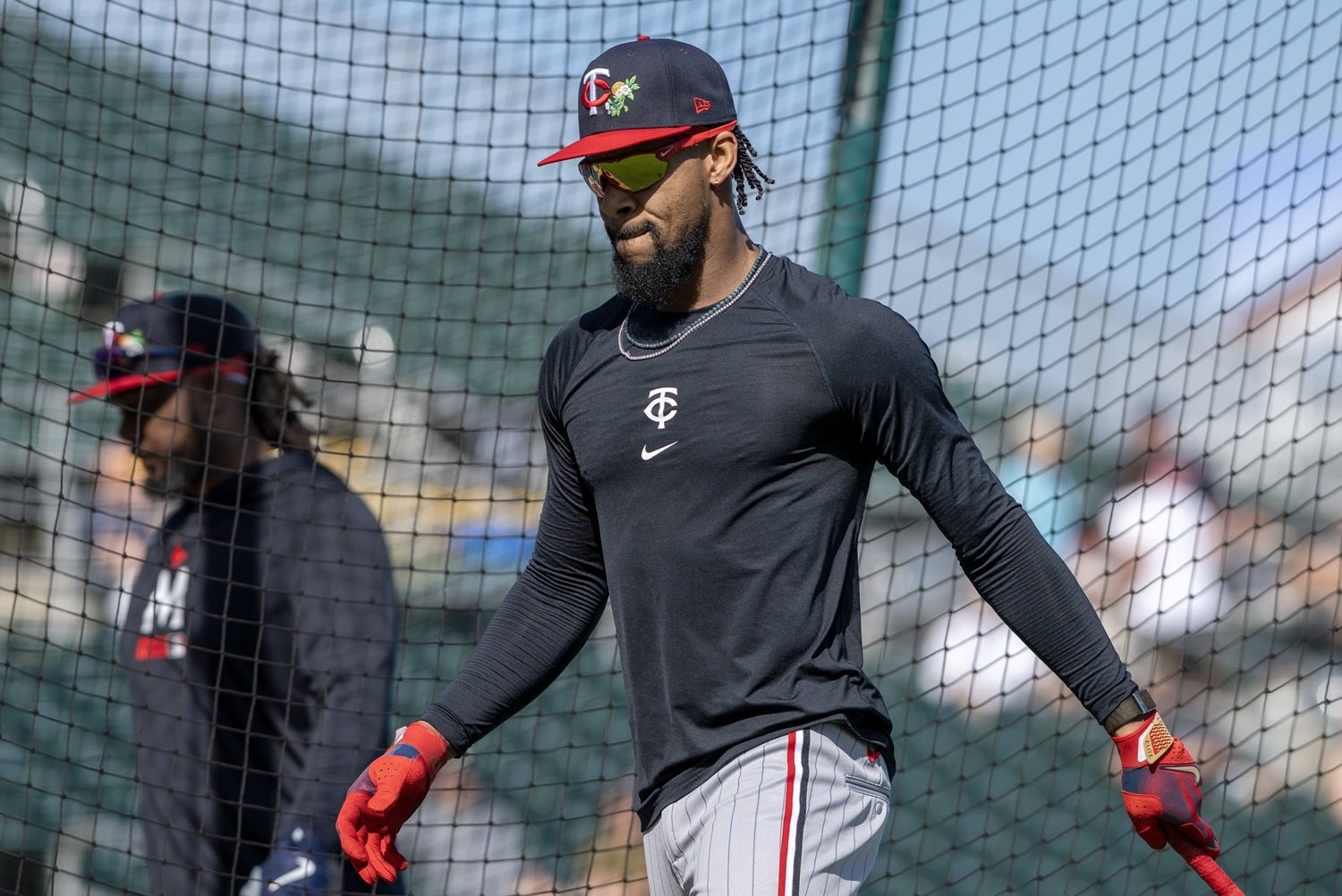 Durability has never quite matched the talent for Byron Buxton. Over the course of his 12-year big league career, he has dealt with a wide range of injuries, many of them coming in ways that are hard to prevent. Whether it is crashing into walls, colliding with teammates, or wearing pitches, Buxton’s all-out style has often come at a physical cost. That reality made Friday night feel all too tense. In the seventh inning of Minnesota’s home opener against the Tampa Bay Rays, Buxton was struck on the right forearm by a 92 mile per hour fastball from Kevin Kelly. The reaction was immediate. He signaled for assistance and headed off the field, leaving a quiet concern hanging over the ballpark. It was not the first time this spring that Buxton had been in that situation. While playing for Team USA in the World Baseball Classic, he was hit in a game against Team Brazil and forced out shortly after. That incident ultimately proved minor, with imaging showing no structural damage. This one followed a similar path. Shortly after exiting Friday’s game, the Twins announced that Buxton’s X-rays came back clean. The official diagnosis was a forearm contusion, meaning the injury is more about soreness than anything long-term. Buxton did not make much of it in his postgame remarks, keeping his outlook straightforward. “It’s an arm,” he said. “It ain’t broken, so I’m good.” That kind of update is about as positive as it gets, given the circumstances. On the field, Minnesota made sure the game itself did not slip away. After Buxton departed, the lineup came alive with a seven-run inning that flipped the night completely. Tristan Gray delivered the biggest swing with his first career grand slam, helping push the Twins to a comfortable 10-4 win. Even with the victory, Buxton’s status remains the real storyline. The Twins are still finding their rhythm with a 3-3 record to open the year, and his presence plays a major role in what this team can be. His early numbers at the plate have been modest, but his impact extends well beyond the box score when he is healthy and in center field. For now, the organization appears to have avoided a worst-case outcome. Buxton missed Saturday's game, but the early signs point to a manageable situation. Considering his history, that alone is enough to feel like a win.
 -
As part of the Twins’ 2026 Home Opener, Twins owner Tom Pohlad sat down with the media and discussed the outlook for the upcoming season. Naturally, the conversation turned toward the organization’s young talent and how to keep that group invested long term. “I think, again, what we’ve done from a culture standpoint, the relationships we’re building in the clubhouse, the leadership changes that you’ve seen, particularly with Derek Shelton at the helm, I think those things matter and as we go throughout the year here, there’s going to be more and more opportunities for us to put words into action and ultimately I think that’s what will make the Luke Keaschalls of the world and everybody else want to be a Twin for a lot longer.” When pressed about whether the organization had already approached players about extensions, Pohlad kept things close to the vest. “I’m not going to get into what we have or haven’t done.” Still, he tipped his hand just enough by naming Taj Bradley, Luke Keaschall, and Mick Abel as players the Twins would like to keep around for the long haul. That trio represents three very different extension cases, and each comes with its own set of risks and rewards. Taj Bradley: Electric Arm, Uneven Track Record Bradley has looked like the best pitcher on the roster through the first couple turns of the rotation. The raw stuff has always been there, but now it is jumping off the page. He even became the first Twins pitcher in the pitch tracking era to reach triple digits on a fastball, a milestone that speaks to just how loud his arsenal can be. The Twins believe they unlocked something after acquiring him at last year’s trade deadline. Mechanical tweaks and pitch usage changes appear to be paying early dividends. If that version of Bradley is real, then locking him up before arbitration gets expensive could be a savvy move. But this is where things get tricky. Bradley already has nearly 400 big league innings under his belt, and the results have been inconsistent. A 4.75 ERA paired with a 4.32 FIP, along with a 25.0 K% and an 8.7 BB%, paints the picture of a pitcher who has flashed but not sustained success. Committing long-term to that profile requires a strong belief that the recent changes are permanent, not just a short-term spike. An extension here would be a bet on development. The upside is a frontline starter at a discounted rate. The downside is paying for a version of Bradley that has not consistently existed yet. Luke Keaschall: Dynamic Bat, Lingering Questions Keaschall might be the most exciting player of the bunch right now. He has been electric at the big-league level, showing the ability to hit for average, tap into power, and impact the game on the bases. Early returns in 2026 suggest his bat speed has taken another step forward, which could unlock even more pop. That kind of offensive profile is exactly what teams look to build around. From a team control standpoint, there is less urgency. Keaschall is under control through 2031, which gives the Twins plenty of runway. However, that also creates an opportunity. If the organization truly believes he is a foundational bat, extending him early could buy out arbitration years at a lower cost and potentially secure a few free agent seasons. The hesitation comes from durability and defensive uncertainty. Keaschall has already dealt with multiple injuries, including Tommy John surgery and a broken arm. That is not something to ignore, especially for a player whose value is tied to athleticism and bat speed. There is also the question of where he ultimately plays. He has been a below-average second baseman, and while versatility can be valuable, not having a clear defensive home complicates long-term projections. Extending Keaschall would be a bet on the bat carrying the profile regardless of position. If he hits like a middle-of-the-order threat, it works. If injuries linger or the defensive fit never settles, it becomes more complicated. Mick Abel: High Ceiling, Wide Range of Outcomes Abel might be the most fascinating case of the three. He earned the fifth starter role out of spring training, beating out Zebby Matthews after an impressive camp. The biggest development was improved control, something that had eluded him at times in the upper-minors (10. BB% in 2025). Pair that with his ability to miss bats, and you start to see why the Twins dream on him as a potential front-of-the-rotation arm. That is the version of Abel that makes an extension enticing. If everything clicks, the Twins could be looking at a cost-controlled starter with top-of-the-rotation upside. Those are the types of players organizations try to lock up early, before the price tag reflects the ceiling. But there is a reason he was available in the first place. The Phillies were willing to move Abel in the deal that brought Jhoan Duran to Philadelphia, and part of that calculus was risk. Abel’s control has been inconsistent, and there is still a real possibility that he settles in as more of a back-end starter rather than an ace. The gap between those outcomes is significant, both in value and in how an extension would age. For the Twins, it comes down to confidence in their player development. If they believe the control gains are real, extending Abel early could look brilliant. If not, it is another example of paying for projection rather than production. The Bigger Picture What Pohlad said without saying it is that the Twins are at a crossroads with their young core. Extending players early can be a powerful tool. It builds goodwill, creates cost certainty, and can lock in cornerstone talent before prices escalate. It also comes with risk, especially when the players involved have not fully established themselves. Bradley, Keaschall, and Abel each represent a different version of that gamble. One has electric stuff but an uneven résumé. One looks like a budding star but carries injury and positional questions. One offers frontline upside with a wide range of outcomes. The Twins do not need to rush. But if they are serious about turning words into action, these are exactly the types of decisions that will define what this next competitive window looks like. Which player makes the most sense for an extension? Leave a comment and start the discussion. View full article
-
Image courtesy of Malamut Photography (photo of Dasan Hill) Prospect rankings are never as simple as lining players up from best to worst. A traditional list tries to balance everything at once. Upside, present tools, age, injury history, proximity to the big leagues, and even organizational need all get thrown into the mix. It is part projection, part preference, and part educated guess. This exercise throws most of that out the window. Instead of weighing floors and timelines, this ranking leans fully into ceiling. It is about identifying which arms in the Twins system could become something special if everything clicks. That might mean ignoring risk. It might mean betting on pitchers who have barely thrown or struggled to stay on the mound. In some cases, the floor might be never reaching Target Field. But the reward, if it hits, could be enormous. Here are five Twins pitching prospects ranked purely by upside. 5. Riley Quick, RHP Twins Daily Current Prospect Rank: 11 Quick looks the part before he even throws a pitch. At 6’6” and 250 pounds, the former four-star football recruit brings rare physicality to the mound. That alone creates intrigue, but the upside comes from how quickly his stuff returned after surgery. Just a year removed from Tommy John, he was already touching the upper 90s, flirting with 99 mph. That kind of velocity rebound suggests there may still be another gear as he gets further removed from the procedure. Pair that with a legitimate four-pitch mix, and you start to see the outline of a durable, innings-eating starter with power stuff. The Twins slow-played his debut, which only adds to the mystery. Minnesota will start him in the low minors in 2026, where he should dominate the competition. There is risk in a pitcher with a limited recent workload, but the combination of size, arm strength, and pitch mix gives Quick a ceiling that extends well beyond a typical mid-rotation profile. 4. Connor Prielipp, LHP Twins Daily Current Prospect Rank: 5 At his best, Prielipp might have the most complete arsenal on this list. He has already shown what it looks like when everything is working. A mid-90s fastball, a true plus-slider, and a quality changeup give him the weapons of a front-line starter. The strikeout numbers back that up (27.0 K%), and when he was finally healthy in 2025, the results followed. Health is the obvious caveat. Years of elbow issues have limited his workload to the point where projecting a full starter’s role becomes difficult. Even after a relatively stable season, he has still thrown a fraction of the innings typical for someone his age. But that is where upside comes into play. If Prielipp can hold his health long enough to build innings, the pitch mix is good enough to slot near the top of a rotation. And if durability pushes him to the bullpen, the stuff could play up into something even more dominant in shorter bursts. There are multiple paths to impact, which raises the overall ceiling. 3. Charlee Soto, RHP Twins Daily Current Prospect Rank: 10 Soto is the definition of volatile upside. The raw ingredients are loud. He can reach triple-digits and flashes three pitches that project as above average or better. His changeup already stands out as a legitimate weapon, and his slider took a step forward when his velocity ticked up early in 2025. That brief three-appearance stretch, before his season was cut short, is part of what makes him so intriguing. The added velocity hinted at another level, even if it came in a tiny sample. There was no ligament damage, which keeps the long-term outlook intact, but missed time and inconsistent command leave plenty unanswered. Soto does not need perfect command to succeed, but he will need more consistency in the strike zone. If that comes, the arsenal is good enough to dream on a high-impact starter. If it does not, the fallback could still be a power reliever with dominant stretches. Either way, the upside is tied to just how electric the arm can be. 2. Kendry Rojas, LHP Twins Daily Current Prospect Rank: 8 Rojas is a reminder that upside is not always linear, especially after being traded to the Twins as part of the Louis Varland deal. His introduction to the organization did not go smoothly, as he struggled to find the strike zone in Triple-A. Walks piled up, and the stat line turned ugly in a hurry. For many rankings, that would be enough to push him down. For this exercise, it is almost irrelevant. Even during those struggles, the traits that matter showed through. He sat in the mid-90s with his fastball and generated swings and misses with both his changeup and slider. When he was around the zone, hitters had a hard time squaring him up. That is the key. If the Twins can help him harness the command, there is playoff-caliber starter potential with the raw stuff to miss bats consistently. Injuries and inconsistency have limited his track record, but the flashes are loud enough to keep the ceiling intact. In a more optimistic outcome, he becomes a reliable starter. In a less stable one, he still has the weapons to thrive in high-leverage relief. 1. Dasan Hill, LHP Twins Daily Current Prospect Rank: 7 Hill is the purest upside play in the system. When the Twins drafted him, the appeal was projection. A tall, lean high school lefty with room to grow and a fastball that hinted at more. It did not take long for that projection to start turning into reality. His velocity jumped into the mid-90s almost immediately, and he began overpowering hitters in his first taste of pro ball. The strikeout numbers followed (31.1 K%), and both his slider and changeup showed the ability to miss bats against lower-level competition. The command, as expected, is still a work in progress. Walks piled up (15.0 BB%), and efficiency was not always there. That is typical for a young pitcher learning to control newfound velocity and sharper secondary pitches. What separates Hill is how high the ceiling climbs if it all comes together. A left-hander with near triple-digit velocity and two swing-and-miss secondaries does not come around often. If he finds even average control, he has the ingredients of a true front-line starter. If he does not, the fallback could still be a dominant, high-leverage arm. Upside rankings are not meant to be comfortable. They require buying into uncertainty and accepting that some of these arms may never fully click. Injuries, command issues, and stalled development are all part of the equation. That is what makes pitching prospects so volatile in the first place. But it is also what makes them so compelling. The Twins system does not lack for intriguing arms, and this group highlights just how wide the range of outcomes can be. From near-ready options with frontline stuff to teenage projections still taking shape, the ceiling on this group is undeniable. If even one or two of these pitchers reach that ceiling, it could reshape the future of the organization’s rotation in a hurry. How would you rank the Twins' top pitching prospects by upside? Leave a comment and start the discussion. View full article
-
There is no shortage of optimism in the Minnesota Twins system, and now there is some national validation to go with it. Baseball America released its rankings of the most talented minor league rosters entering the 2026 season, and the St. Paul Saints sit comfortably at the top. According to Baseball America, St. Paul features four top 100 prospects and nine of the organization’s top 30. That kind of concentration is rare at the Triple-A level, where rosters are often a mix of up and down depth pieces and veteran placeholders. Instead, the Saints are rolling out a group that looks more like a future core than a temporary stop. Leading the way is Walker Jenkins, ranked No. 5 overall. He is joined by Emmanuel Rodriguez at No. 57, Kaelen Culpepper at No. 74, and Connor Prielipp at No. 94. No other team in Baseball America’s top five has more than three players inside the top 100, giving St. Paul a clear edge when it comes to top-end talent. The rest of the top five includes the Midland RockHounds, Arkansas Travelers, Indianapolis Indians, and Charlotte Knights. Those are strong systems in their own right, but none can match the combination of ceiling and proximity that the Saints currently possess. St. Paul wasted little time showing what that might look like on the field. They opened the season by sweeping Indianapolis on the road, handling one of the other top-ranked rosters. That series came against Konnor Griffin, baseball’s top overall prospect, before he was called up to the big leagues on Friday. From a Twins Daily perspective, the alignment is just as impressive. Four of the organization’s top five prospects are stationed in St. Paul, and six of the top ten are already at Triple A. The list reads like a snapshot of the next wave in Minnesota Walker Jenkins No. 1 Kaelen Culpepper No. 2 Emmanuel Rodriguez No. 3 Connor Prielipp No. 5 Gabriel Gonzalez No. 7 Kendry Rojas No. 8 Andrew Morris No. 12 Marco Raya No. 15 For the Twins, this creates a different kind of pressure, the good kind. When injuries hit or production dips at the big league level, the answers are not coming from fringe depth. They are coming from players who have been developed with the expectation of contributing. Ranking systems are useful, but they only go so far. What makes this St. Paul roster compelling is not just how it looks in March, but what it represents over the next six months. This is a pipeline reaching its most concentrated point, where development meets opportunity. If even a handful of these players take the next step, the impact on Minnesota’s roster could be significant and immediate. The Saints roster is the best collection of talent to start the year, but in 2026, they feel much closer to something bigger. View full rumor
-
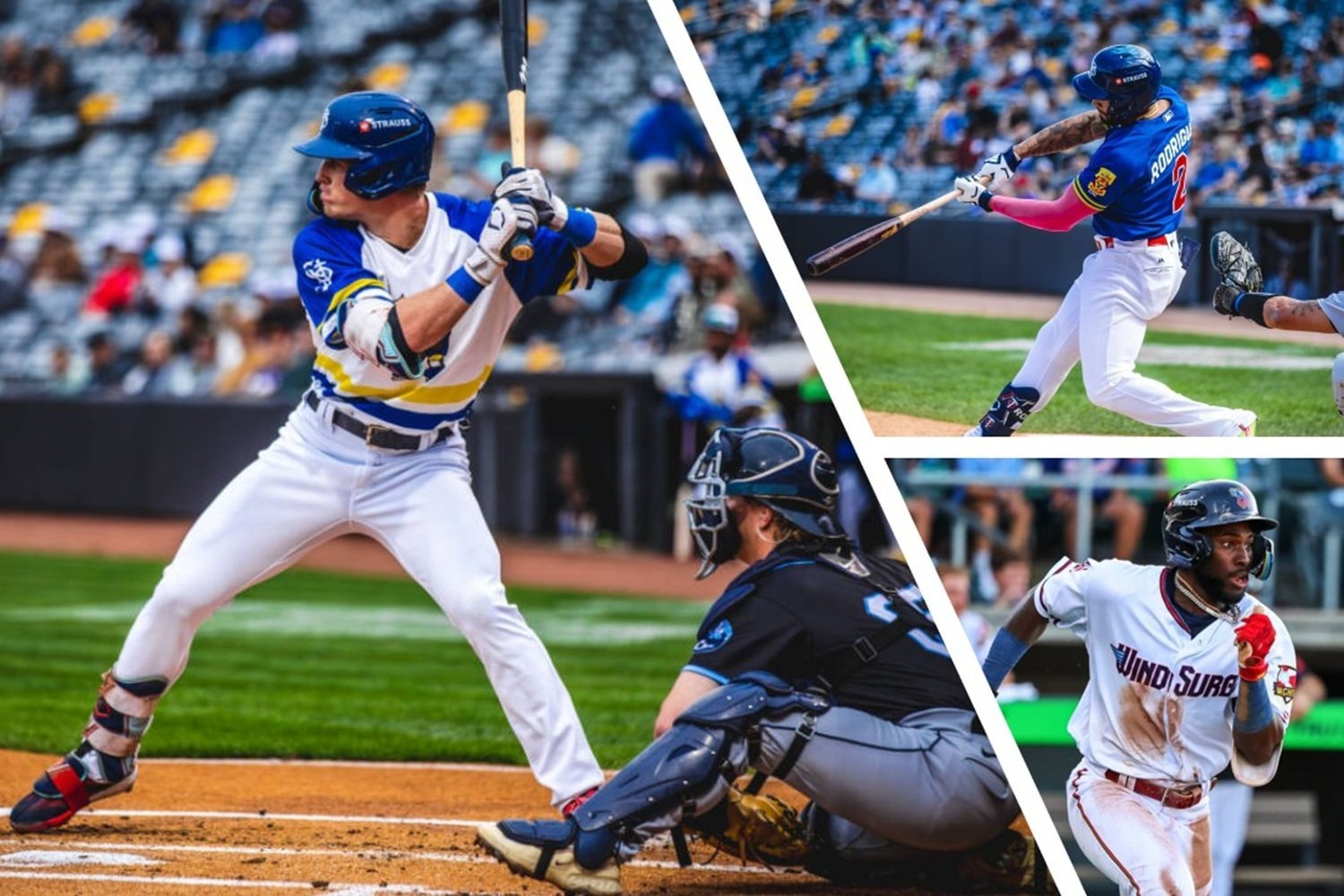 There is no shortage of optimism in the Minnesota Twins system, and now there is some national validation to go with it. Baseball America released its rankings of the most talented minor league rosters entering the 2026 season, and the St. Paul Saints sit comfortably at the top. According to Baseball America, St. Paul features four top 100 prospects and nine of the organization’s top 30. That kind of concentration is rare at the Triple-A level, where rosters are often a mix of up and down depth pieces and veteran placeholders. Instead, the Saints are rolling out a group that looks more like a future core than a temporary stop. Leading the way is Walker Jenkins, ranked No. 5 overall. He is joined by Emmanuel Rodriguez at No. 57, Kaelen Culpepper at No. 74, and Connor Prielipp at No. 94. No other team in Baseball America’s top five has more than three players inside the top 100, giving St. Paul a clear edge when it comes to top-end talent. The rest of the top five includes the Midland RockHounds, Arkansas Travelers, Indianapolis Indians, and Charlotte Knights. Those are strong systems in their own right, but none can match the combination of ceiling and proximity that the Saints currently possess. St. Paul wasted little time showing what that might look like on the field. They opened the season by sweeping Indianapolis on the road, handling one of the other top-ranked rosters. That series came against Konnor Griffin, baseball’s top overall prospect, before he was called up to the big leagues on Friday. From a Twins Daily perspective, the alignment is just as impressive. Four of the organization’s top five prospects are stationed in St. Paul, and six of the top ten are already at Triple A. The list reads like a snapshot of the next wave in Minnesota Walker Jenkins No. 1 Kaelen Culpepper No. 2 Emmanuel Rodriguez No. 3 Connor Prielipp No. 5 Gabriel Gonzalez No. 7 Kendry Rojas No. 8 Andrew Morris No. 12 Marco Raya No. 15 For the Twins, this creates a different kind of pressure, the good kind. When injuries hit or production dips at the big league level, the answers are not coming from fringe depth. They are coming from players who have been developed with the expectation of contributing. Ranking systems are useful, but they only go so far. What makes this St. Paul roster compelling is not just how it looks in March, but what it represents over the next six months. This is a pipeline reaching its most concentrated point, where development meets opportunity. If even a handful of these players take the next step, the impact on Minnesota’s roster could be significant and immediate. The Saints roster is the best collection of talent to start the year, but in 2026, they feel much closer to something bigger.
- 18 comments
-
- 1
-
-
- walker jenkins
- emmanuel rodriguez
- (and 5 more)
-
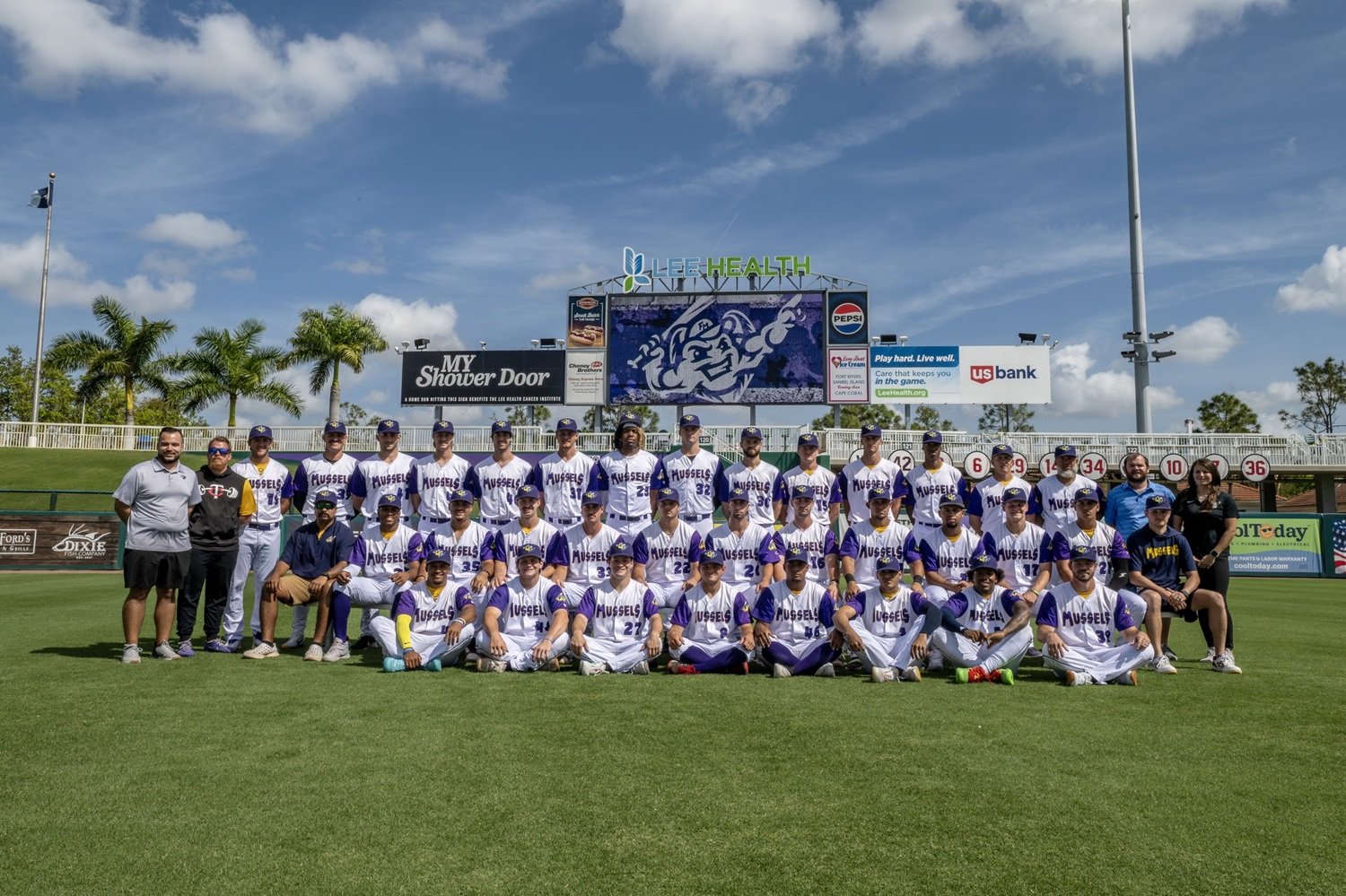 In conjunction with the Minnesota Twins, the Fort Myers Mighty Mussels have unveiled their 2026 Opening Day roster, and it comes with a little bit of everything. There is returning production, recent draft intrigue, and enough raw athleticism to make last year’s track meet look repeatable. Jordan Smith, a Wilmar, Minn. native, begins his first year managing the Mighty Mussels. Also new to the staff are pitching coach Dylan Hawley and hitting coach Carlos Lara. The one holdover in the coaching department is Richard Salazar, who enters his fourth season with the club and his ninth in the organization. The initial player group featured 44 players, though that number shrank quickly. Once the injured list was finalized on Thurs., April 2, the roster was trimmed to the Florida State League maximum of 30 active players. Overall, it serves as a snapshot of organizational depth and a preview of who could take meaningful steps forward this summer. Familiarity is a defining theme. Exactly half of the current group, 22 players, appeared in a game for Fort Myers last season. That continuity matters at this level, where development often accelerates when players are not adjusting to a new environment at the same time. The returning position player group is headlined by Damuery Pena and Quentin Young. Pena was a steady presence in 2025, leading the team with 96 games played while hitting .241/.317/.316 (.633) and swiping 28 bases, tied for ninth most in the FSL last season. He is a contact-oriented player with speed who can impact games in multiple ways. Young is a different kind of storyline. Selected in the second round of the 2025 draft, he arrived late in the season and appeared in just five games. The pedigree stands out immediately as the nephew of former big leaguers Delmon and Dmitri Young. He also has one of the top power tools in the entire organization. Now with a full season ahead, Fort Myers becomes the first real stage to see how his tools translate over an extended run. JP Smith II showed flashes after being selected in the 17th round, including a Florida State League Player of the Week award in August. He hit .237 across 24 games, and while the sample size was small, the early signs suggested a player capable of putting together competitive at-bats. Yasser Mercedes might be the most electric returner on the roster (even though he starts the year on the IL). He led the 2025 team in both home runs with 10 and stolen bases, going an incredible 34-for-35 on the basepaths. That efficiency was not just impressive, it was foundational to a record-breaking season. Fort Myers stole 236 bases as a team, setting a new franchise mark, and Mercedes was right at the center of it. On the pitching side, Dylan Questad returns as the most experienced arm. His 6.87 ERA across 25 games, including 11 starts, does not jump off the page in a positive way, but the underlying workload tells a different story. He led all returners with 74 2/3 innings and 83 strikeouts, giving him a chance to take a step forward simply by refining what is already there. The most notable addition to the staff is right-hander Riley Quick. Taken with the 36th overall pick in the 2025 draft, Quick enters as one of the more intriguing arms at this level. He posted a 3.72 ERA across three seasons at the University of Alabama and struck out 70 batters in 62 innings during his final collegiate season. There is enough swing and miss in the profile to believe he could move quickly if everything clicks. James Ellwanger will make his pro debut with the Mighty Mussels after being drafted by the Twins in the third round. During his final collegiate season, he posted a 3.98 ERA with a 1.53 WHIP and 13.5 K/9. Like Quick, his college experience could mean that he moves quickly through the lower levels of the minors. However, there is no reason to rush him as he adjusts to life as a professional. Prospect watchers will have plenty to follow. According to Twins Daily’s top-20 prospect rankings, Quick, 11th overall, is the highest-rated prospect in Fort Myers. On the position player side, Young falls at 14th overall in the latest rankings. Ellwanger, the team’s third-round pick last year, is currently ranked as the 20th-best prospect in the organization. That level of prospect density is not always a given at the Low A level, and it raises the ceiling for what this group could become. The Mighty Mussels were rained out for their opener on Thursday. Now, they begin their season on April 3, with a double header against the Clearwater Threshers. First pitch scheduled for 3:35 p.m. CT. 2026 Fort Myers Opening Day Roster Pitchers (15) RHP James Ellwanger RHP Adam Falinski RHP Joel Garcia RHP Eric Hammond RHP Michael Hilker Jr. RHP Merit Jones RHP Xavier Kolhosser RHP Mike McKenna RHP Reed Moring RHP Mitch Mueller RHP Jake Murray RHP Riley Quick RHP Kolten Smith RHP Jonathan Stevens RHP Brian Zeldin Catchers (4) Ian Daugherty Irvin Nuñez Ricardo Peña Ryan Sprock Infielders (6) Bryan Acuña Harry Genth Yilber Herrera Dameury Peña JP Smith II Quentin Young Outfielders (3) Jayson Bass Eduardo Beltre Byron Chourio 7-Day IL: INF Bruin Agbayani (R thumb sprain), C Enrique Jimenez (R finger fracture), OF Yasser Mercedes (R oblique strain), RHP Justin Mitrovich (R lat strain), RHP Billy Oldham (R UCL sprain), RHP Dylan Questad (L oblique strain), RHP Jason Reitz (L ankle sprain) 60-Day IL: RHP Matt Barr (R elbow fracture), RHP Callan Fang (R elbow sprain), RHP Jake Hunter (R shoulder impingement), RHP Jace Kaminska (R elbow surgery), LHP Cesar Lares (L elbow surgery), LHP Cleiber Maldonado (L elbow surgery), C Carlos Silva (R forearm strain) Full Season IL: RHP Jack Dougherty (R shoulder surgery), INF Shai Robinson (L shoulder surgery) What stands out about the Fort Myers roster? Who will you be watching? Leave a comment and start the discussion.
- 2 comments
-
- 3
-
-
- riley quick
- jordan smith
- (and 6 more)
-
Image courtesy of William Parmeter In conjunction with the Minnesota Twins, the Fort Myers Mighty Mussels have unveiled their 2026 Opening Day roster, and it comes with a little bit of everything. There is returning production, recent draft intrigue, and enough raw athleticism to make last year’s track meet look repeatable. Jordan Smith, a Wilmar, MN native, begins his first year managing the Mighty Mussels. Also new to the staff are pitching coach Dylan Hawley and hitting coach Carlos Lara. The one holdover in the coaching department is Richard Salazar, who enters his fourth season with the club and his ninth in the organization. The initial player group featured 44 players, though that number shrank quickly. Once the injured list was finalized on Thursday, April 2, the roster was trimmed to the Florida State League maximum of 30 active players. Overall, it serves as a snapshot of organizational depth and a preview of who could take meaningful steps forward this summer. Familiarity is a defining theme. Exactly half of the current group, 22 players, appeared in a game for Fort Myers last season. That continuity matters at this level, where development often accelerates when players are not adjusting to a new environment at the same time. The returning position player group is headlined by Damuery Pena and Quentin Young. Pena was a steady presence in 2025, leading the team with 96 games played while hitting .241/.317/.316 (.633) and swiping 28 bases, tied for ninth most in the FSL last season. He is a contact-oriented player with speed who can impact games in multiple ways. Young is a different kind of storyline. Selected in the second round of the 2025 draft, he arrived late in the season and appeared in just five games. The pedigree stands out immediately as the nephew of former big leaguers Delmon and Dmitri Young. He also has one of the top power tools in the entire organization. Now with a full season ahead, Fort Myers becomes the first real stage to see how his tools translate over an extended run. JP Smith II showed flashes after being selected in the 17th round, including a Florida State League Player of the Week award in August. He hit .237 across 24 games, and while the sample size was small, the early signs suggested a player capable of putting together competitive at-bats. Yasser Mercedes might be the most electric returner on the roster (even though he starts the year on the IL). He led the 2025 team in both home runs with 10 and stolen bases, going an incredible 34-for-35 on the basepaths. That efficiency was not just impressive, it was foundational to a record-breaking season. Fort Myers stole 236 bases as a team, setting a new franchise mark, and Mercedes was right at the center of it. On the pitching side, Dylan Questad returns as the most experienced arm. His 6.87 ERA across 25 games, including 11 starts, does not jump off the page in a positive way, but the underlying workload tells a different story. He led all returners with 74 2/3 innings and 83 strikeouts, giving him a chance to take a step forward simply by refining what is already there. The most notable addition to the staff is right-hander Riley Quick. Taken with the 36th overall pick in the 2025 draft, Quick enters as one of the more intriguing arms at this level. He posted a 3.72 ERA across three seasons at the University of Alabama and struck out 70 batters in 62 innings during his final collegiate season. There is enough swing and miss in the profile to believe he could move quickly if everything clicks. James Ellwanger will make his pro debut with the Mighty Mussels after being drafted by the Twins in the third round. During his final collegiate season, he posted a 3.98 ERA with a 1.53 WHIP and 13.5 K/9. Like Quick, his college experience could mean that he moves quickly through the lower levels of the minors. However, there is no reason to rush him as he adjusts to life as a professional. Prospect watchers will have plenty to follow. According to Twins Daily’s top-20 prospect rankings, Quick, 11th overall, is the highest-rated prospect in Fort Myers. On the position player side, Young falls at 14th overall in the latest rankings. Ellwanger, the team’s third-round pick last year, is currently ranked as the 20th-best prospect in the organization. That level of prospect density is not always a given at the Low A level, and it raises the ceiling for what this group could become. The Mighty Mussels were rained out for their opener on Thursday. Now, they begin their season on April 3, with a double header against the Clearwater Threshers. First pitch scheduled for 3:35 p.m. CT. 2026 Fort Myers Opening Day Roster Pitchers (15) RHP James Ellwanger RHP Adam Falinski RHP Joel Garcia RHP Eric Hammond RHP Michael Hilker Jr. RHP Merit Jones RHP Xavier Kolhosser RHP Mike McKenna RHP Reed Moring RHP Mitch Mueller RHP Jake Murray RHP Riley Quick RHP Kolten Smith RHP Jonathan Stevens RHP Brian Zeldin Catchers (4) Ian Daugherty Irvin Nuñez Ricardo Peña Ryan Sprock Infielders (6) Bryan Acuña Harry Genth Yilber Herrera Dameury Peña JP Smith II Quentin Young Outfielders (3) Jayson Bass Eduardo Beltre Byron Chourio 7-Day IL: INF Bruin Agbayani (R thumb sprain), C Enrique Jimenez (R finger fracture), OF Yasser Mercedes (R oblique strain), RHP Justin Mitrovich (R lat strain), RHP Billy Oldham (R UCL sprain), RHP Dylan Questad (L oblique strain), RHP Jason Reitz (L ankle sprain) 60-Day IL: RHP Matt Barr (R elbow fracture), RHP Callan Fang (R elbow sprain), RHP Jake Hunter (R shoulder impingement), RHP Jace Kaminska (R elbow surgery), LHP Cesar Lares (L elbow surgery), LHP Cleiber Maldonado (L elbow surgery), C Carlos Silva (R forearm strain) Full Season IL: RHP Jack Dougherty (R shoulder surgery), INF Shai Robinson (L shoulder surgery) What stands out about the Fort Myers roster? Who will you be watching? Leave a comment and start the discussion. View full article
-
Major League Baseball dropped another sign that draft season is officially here on Wednesday, announcing updated bonus pools and slot values for all 30 clubs. Minnesota enters the 2026 draft cycle with a total bonus pool of $16,929,600, the fourth-largest in the sport. Only the Pirates, Rays, and White Sox sit ahead of them, putting the Twins in a position to be aggressive, flexible, and maybe even a little opportunistic when July rolls around. Holding the third overall pick certainly helps. That selection alone carries a slot value of $9,740,100, giving Minnesota a massive chunk of spending power right at the top. It is the kind of pick that can shape an entire draft class, whether the Twins choose to go with the best player available or try to manipulate the board with an underslot deal. The next key checkpoint comes at pick 43, where the assigned value sits at $2,333,200. That is another meaningful piece of the puzzle, especially for a front office that has not been shy about moving money around the board in recent years. Add in the Competitive Balance Round B selection at 74th overall, valued at $1,138,600, and the Twins suddenly have multiple pressure points to build out a deeper strategy. Around the league, the headlines start at the very top. The White Sox landed the No. 1 overall pick and with it a record-setting slot value of $11,350,600, the largest since the bonus pool system was introduced in 2012. Despite that, it is the Pirates who control the biggest overall pool at $19,130,700, another record and a reminder that volume still matters as much as position. This year’s increases were modest but notable. Slot values rose by 2.5% across the board, a reflection of the game’s continued revenue growth. In total, the 30 clubs combine for $358,662,500 in bonus pool money, up from $350,357,700 a year ago. Of course, teams rarely treat those numbers as strict guidelines. The system is built for creativity. Each pick in the first 10 rounds comes with an assigned value, and exceeding the total pool triggers penalties, but there is plenty of room to maneuver within those boundaries. If a player in the top 10 rounds does not sign, his slot value disappears from the pool entirely, raising the stakes on every negotiation. That is where things get interesting for teams like Minnesota. Clubs picking near the top often look to save money on their first selection, signing a player for less than slot value and redistributing those savings to later picks. It is a strategy that can turn a strong class into a deep one, especially when paired with extra selections like the Twins have this year. Recent spending trends suggest teams are more willing than ever to push the limits. Clubs handed out $392,533,711 in signing bonuses in 2025, shattering the previous record set just one year earlier. The Orioles led the way with a staggering $21,150,840, showing just how aggressive teams can be when the right opportunities present themselves. All of this sets the stage for a fascinating summer. The Twins are not just picking high. They are picking often, and they have the financial flexibility to take risks. In a draft that rarely follows a script, Minnesota has the resources to be creative with their spending. View full rumor
-
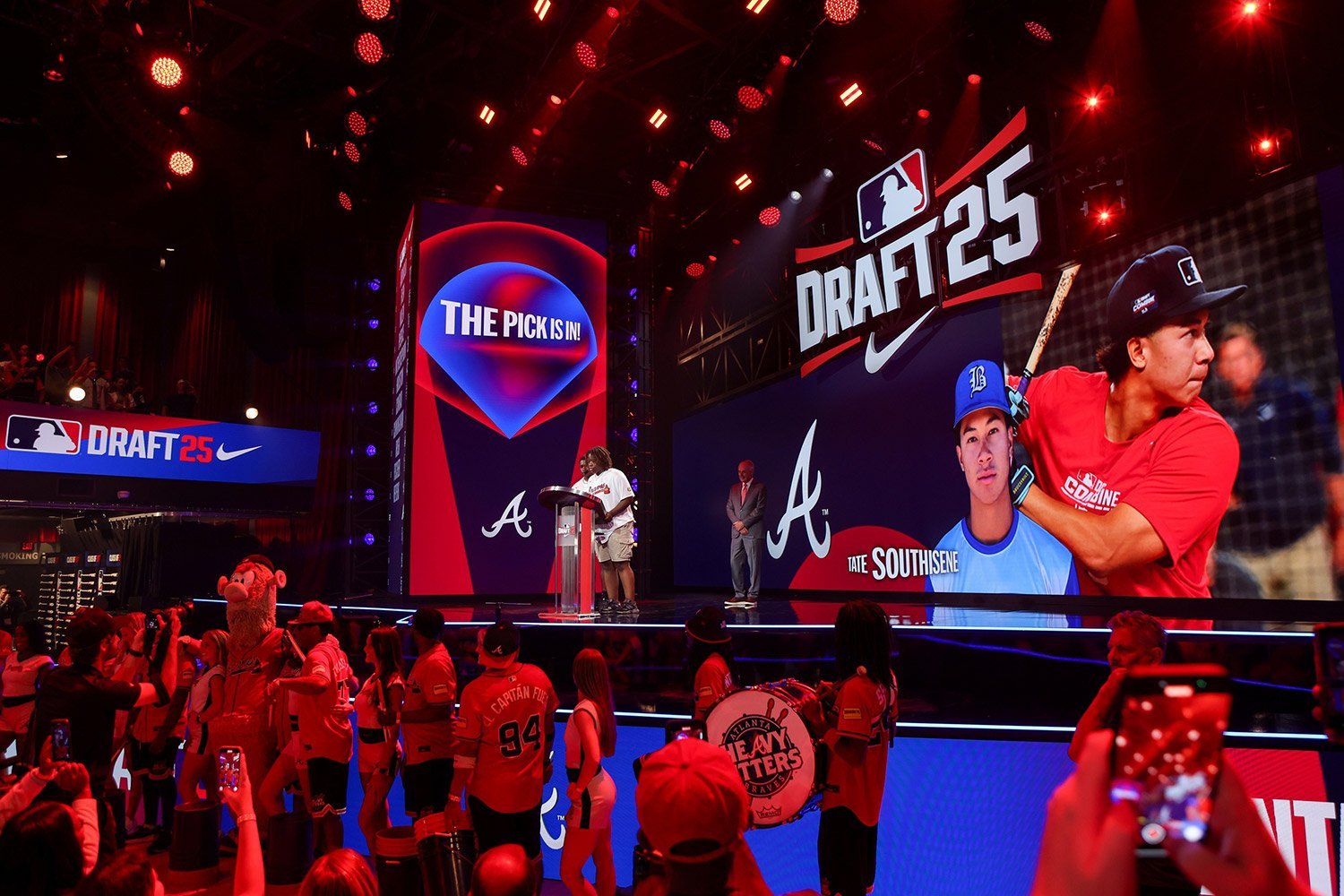 Major League Baseball dropped another sign that draft season is officially here on Wednesday, announcing updated bonus pools and slot values for all 30 clubs. Minnesota enters the 2026 draft cycle with a total bonus pool of $16,929,600, the fourth-largest in the sport. Only the Pirates, Rays, and White Sox sit ahead of them, putting the Twins in a position to be aggressive, flexible, and maybe even a little opportunistic when July rolls around. Holding the third overall pick certainly helps. That selection alone carries a slot value of $9,740,100, giving Minnesota a massive chunk of spending power right at the top. It is the kind of pick that can shape an entire draft class, whether the Twins choose to go with the best player available or try to manipulate the board with an underslot deal. The next key checkpoint comes at pick 43, where the assigned value sits at $2,333,200. That is another meaningful piece of the puzzle, especially for a front office that has not been shy about moving money around the board in recent years. Add in the Competitive Balance Round B selection at 74th overall, valued at $1,138,600, and the Twins suddenly have multiple pressure points to build out a deeper strategy. Around the league, the headlines start at the very top. The White Sox landed the No. 1 overall pick and with it a record-setting slot value of $11,350,600, the largest since the bonus pool system was introduced in 2012. Despite that, it is the Pirates who control the biggest overall pool at $19,130,700, another record and a reminder that volume still matters as much as position. This year’s increases were modest but notable. Slot values rose by 2.5% across the board, a reflection of the game’s continued revenue growth. In total, the 30 clubs combine for $358,662,500 in bonus pool money, up from $350,357,700 a year ago. Of course, teams rarely treat those numbers as strict guidelines. The system is built for creativity. Each pick in the first 10 rounds comes with an assigned value, and exceeding the total pool triggers penalties, but there is plenty of room to maneuver within those boundaries. If a player in the top 10 rounds does not sign, his slot value disappears from the pool entirely, raising the stakes on every negotiation. That is where things get interesting for teams like Minnesota. Clubs picking near the top often look to save money on their first selection, signing a player for less than slot value and redistributing those savings to later picks. It is a strategy that can turn a strong class into a deep one, especially when paired with extra selections like the Twins have this year. Recent spending trends suggest teams are more willing than ever to push the limits. Clubs handed out $392,533,711 in signing bonuses in 2025, shattering the previous record set just one year earlier. The Orioles led the way with a staggering $21,150,840, showing just how aggressive teams can be when the right opportunities present themselves. All of this sets the stage for a fascinating summer. The Twins are not just picking high. They are picking often, and they have the financial flexibility to take risks. In a draft that rarely follows a script, Minnesota has the resources to be creative with their spending.
 -
Ranking 2026 Twins Prospects with the Best Power Tools
Cody Christie posted an article in Minor Leagues
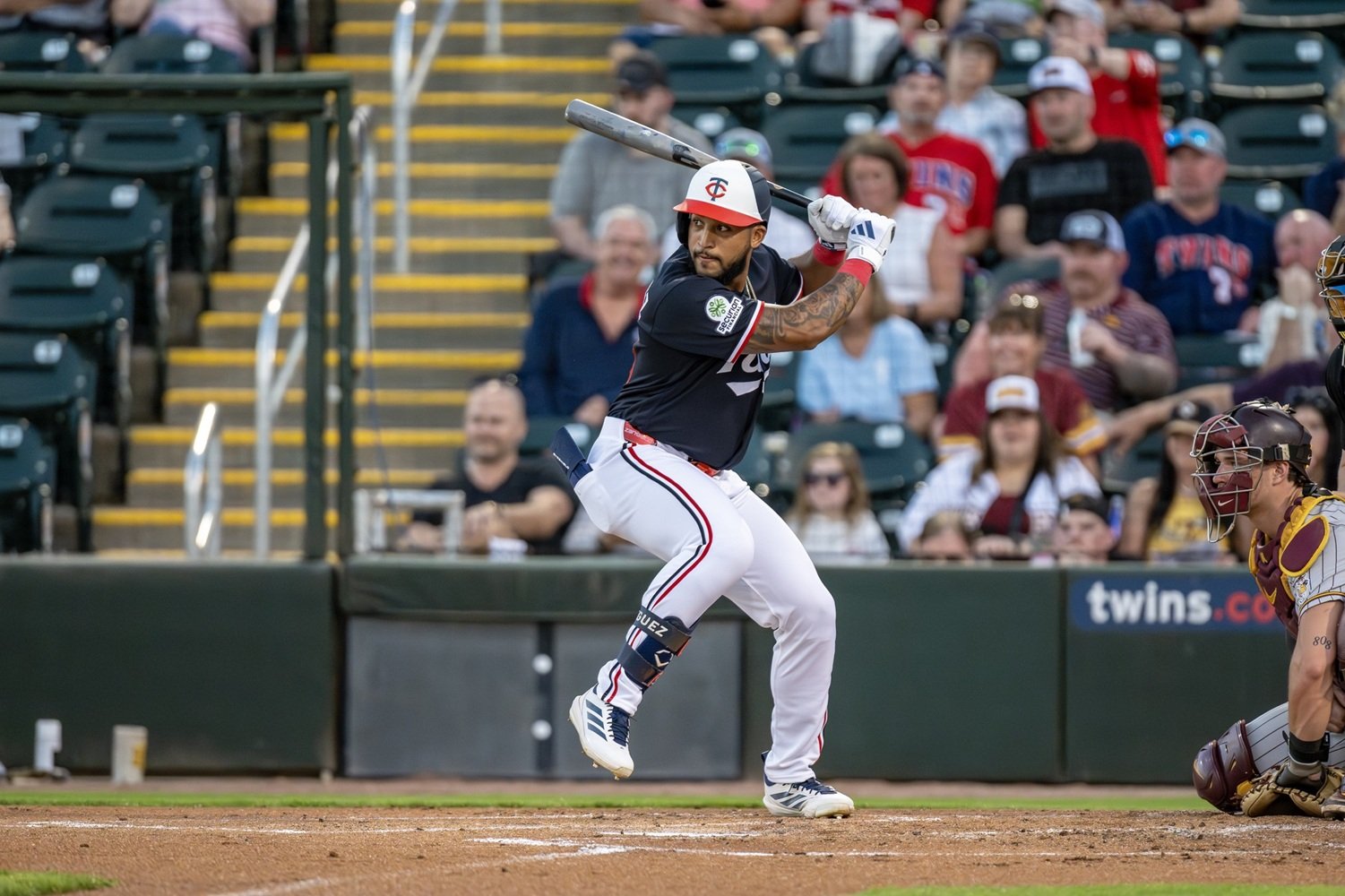 Evaluating power in a prospect is about more than just counting home runs. It's about projection, bat speed, physicality, and the ability to translate raw strength into game action. It also requires separating raw power from game power. Plenty of hitters can light up batting practice, but the real value comes from how often that strength shows up against live pitching in competitive situations. Approach, swing decisions, and contact quality all play a role in determining whether a player can consistently access that power. Context matters, as well. Age, level, and environment can all influence how power production looks on the surface. A younger player holding his own against advanced pitching or driving the ball in a pitcher-friendly league can be just as encouraging as eye-popping home run totals in a more favorable setting. For the Twins, that context is especially important, given how many of their top power bats are still developing in the lower minors. The tools below are graded on the traditional 20-to-80 scouting scale, where 50 represents the big-league average. To qualify for this list, each player appears on MLB Pipeline’s Top 30 Twins prospects. Honorable Mentions Kala’i Rosario narrowly misses the cut with a 55-grade power tool and remains one of the more intriguing bats in the system. Kaelen Culpepper and Billy Amick also fall just shy of average game power at this stage, though both have room to grow as they gain experience. 5. IF/OF Brandon Winokur: 60-grade power tool Winokur’s first taste of full-season baseball over the last two years has been a mix of flashes and growing pains, but the underlying tools remain loud. His combination of strength and athleticism showed up in a big way at High-A Cedar Rapids, where he paired 17 home runs with 26 stolen bases and proved he can impact the game in multiple ways. The power itself is not in question. It shows up easily in batting practice and in spurts during games. The next step is refining his swing so that the impact becomes more consistent. At times, his bat path has led to weak contact, especially on balls pulled on the ground or softly hit the other way. If he can make the necessary adjustments to find the barrel more often, there is legitimate middle-of-the-order upside here. 4. OF Walker Jenkins: 60-grade power tool Jenkins entered pro ball with questions about how much power he would ultimately produce, and that debate still exists, depending on the outlet. What has become clear is that his overall offensive profile continues to trend in the right direction. Despite missing time, he was one of the most productive hitters in the organization last season, posting a 135 wRC+ over a significant sample. His left-handed swing is polished and repeatable, allowing him to consistently square the ball up while maintaining strong plate discipline. As he has gotten more comfortable, the power has started to show up more frequently, particularly to his pull side. He's also shown the ability to drive the ball the other way, giving him a well-rounded approach that should translate against advanced pitching. If the power continues to tick up, he has a chance to develop into a true impact bat. 3. C Eduardo Tait: 60-grade power tool Tait brings an interesting blend of contact ability and raw strength to the plate. He can produce impressive exit velocities and has shown the ability to drive the ball to all fields, though most of his home run damage comes when he turns on pitches. His aggressive approach is both a strength and a limitation. Tait puts the ball in play at a high rate, but that comes with a tendency to expand the zone and limit his walk totals (7.4 BB%). When he gets a pitch to hit, he can do serious damage, but refining his approach will be key to unlocking more consistent game power. There is no doubt about the bat speed or the strength. The focus now is on finding a balance between contact and selectivity so that the power can play more regularly in games. 2. IF Quentin Young: 60-grade power tool Few hitters in the system can match Young’s raw power potential. Some evaluators believed it could reach the top of the scale when he was an amateur, and the Twins are now focused on helping him translate that into game production. His 6-foot-6 frame creates natural leverage, but it also introduces challenges with swing length and contact. To his credit, Young has already taken steps to simplify things, dedicating significant time to reworking his mechanics. By quieting unnecessary movement and improving his bat path, he's giving himself a better chance to consistently reach his power potential. There will probably always be some swing-and-miss in his game, but if the adjustments stick, he has a chance to be one of the more dangerous power hitters in the system. 1. OF Emmanuel Rodriguez: 60-grade power tool Rodriguez continues to stand out as one of the most electric hitters in the organization. Even with injuries limiting his development time, he reached Triple-A at just 21 years old and continued to produce when he was on the field, including a strong showing in winter ball. The power comes from elite bat speed and natural strength, allowing him to drive the ball with authority when he connects. He pairs that with an advanced understanding of the strike zone, drawing walks at a high rate (20.6 BB%) and forcing pitchers to challenge him. The biggest hurdle remains contact consistency. Strikeouts have been a part of his profile (31.8 K%), and missed time has not helped his overall development. Still, the combination of patience and power gives him a chance to profile as a middle-of-the-order hitter if he can make enough contact to maximize his tools. It's remarkable how much power exists throughout this system. Three of the five players on this list are still in the lower levels and have significant development ahead of them. Rodriguez and Jenkins, meanwhile, are knocking on the door and could bring that power to Minnesota in the near future. Power is one of the hardest tools to develop, which makes the Twins' current pipeline especially encouraging. This is not just a group with raw strength, but one with multiple paths to impact at the big-league level. Some will need mechanical adjustments, others will need to refine their approach, but the foundation is already in place. If even a couple of these bats reach their ceiling, Minnesota could be looking at a lineup capable of changing games quickly and often. Other rankings in the series: Hit Tool Fielding Tool Do you agree with the above rankings? Who is too high? Too low? Leave a comment and start the discussion.
- 5 comments
-
- 3
-
-
- walker jenkins
- quentin young
- (and 4 more)
-
Image courtesy of © Kiyoshi Mio-USA TODAY Sports There was a time when major-league teams treated prospects like unopened Christmas presents. You didn't lock in the value before you knew what was inside. Now, clubs are increasingly trying to shake the box, guess the contents, and sign the receipt before the wrapping paper even comes off. Pre-debut extensions have become one of baseball’s more fascinating gambles. Teams are buying out uncertainty in exchange for long-term cost control, while players are cashing in before facing the volatility of development. It's a risk on both sides, but one that is increasingly comfortable, as front offices try to get ahead of the market. The New Wave of Early Bets The Seattle Mariners recently pushed that trend to a new level by locking up top prospect Colt Emerson to an eight-year extension worth a guaranteed $95 million, with a club option for 2034. The signing comes with a full no-trade clause and includes another $35 million in escalators. There’s reportedly an $8-million signing bonus, with salaries ranging from $9 million to $18 million from 2028-33. That is the largest guarantee ever handed to a player who has yet to appear in a major-league game, surpassing Jackson Chourio’s deal by $13 million. Emerson, just 20 years old, has only nine games of Triple-A experience, which somehow makes the deal feel even more aggressive. If Emerson becomes a star, this deal looks like a bargain by year three. If not, it becomes a very expensive lesson in optimism. Not to be outdone, the Milwaukee Brewers are reportedly finalizing an eight-year deal worth just over $50 million with prospect Cooper Pratt, including two club options worth about $15 million per year. However, the value of those options can increase via escalators. Pratt is 21 and has barely dipped a toe into Triple-A, making this extension feel even more like a projection than a reaction. Unlike Emerson, Pratt is not coming off a season that screams superstardom. His offensive production was modest, but the underlying traits are what sold Milwaukee. Strong plate discipline, speed on the bases, and defensive reliability at shortstop give the Brewers a foundation to dream on. This is less about what Pratt has done and more about what they believe he will become. It's worth noting that the Brewers have been here before with Chourio, whose pre-debut deal looked bold at the time and now looks like a masterstroke. The difference is that Chourio had already reached Triple-A and looked big league-ready. Pratt is still more idea than finished product. In fact, unlike Chourio, Scott Kingery, and several other players who signed pre-debut deals over the last two decades, neither Emerson nor Pratt will be promoted to the majors in the wake of these deals. They're still prospects; they've just become very wealthy ones. The Boras Factor That brings us to Scott Boras, baseball’s most recognizable agent and the human embodiment of “we will take this to free agency and like it.” Boras has built his reputation on maximizing value at the open market, often steering clients away from early extensions in favor of bidding wars. While his agency has softened its stance slightly over the years, the track record remains clear. Pre-arbitration extensions for Boras clients are exceedingly rare. In fact, the deal signed by Carlos González back in 2011 remains the only notable example of a Boras client signing that early. That context makes the Pratt negotiations particularly interesting. If finalized, it represents a shift, or at least an exception, in how Boras is willing to operate. Perhaps it reflects the game's changing economics. Perhaps it reflects the Brewers being extremely convincing. Or perhaps it simply reflects that every rule has a price. Could the Twins Try This With Walker Jenkins? Let's turn, then, to Walker Jenkins and the Minnesota Twins. Jenkins is not just another prospect in the system. He's the kind of talent that invites bold decisions. A consensus elite prospect with the type of hit tool and overall profile that draws lofty comparisons, he is exactly the archetype teams consider for these early extensions. If Minnesota believes in Jenkins the way Milwaukee appears to believe in Pratt, there is a path to a similar deal. Lock in cost certainty. Buy out arbitration years. Maybe even sneak in a free agent season or two. From a roster construction standpoint, it's appealing. From a risk standpoint, it's enormous. The complication, of course, is Boras. Jenkins is represented by the same agent who has historically preferred to let value mature on the open market. Convincing Boras to agree to a pre-debut extension would require a deal that not only protects Jenkins, but also meaningfully rewards him for signing early. In other words, it would not come cheap, and it would not come easy. Pratt got $1.35 million as an overslot sixth-round draft pick in 2023. Jenkins went fifth overall the same year, and got almost $7.2 million. That puts the two in very different situations, in terms of the leverage the team can exercise. The Twins will have a much harder time convincing anyone Jenkins belongs in their farm system than the Brewers have had keeping Pratt's ascent smooth but steady, given that team's far superior depth. Boras could and would hold the Twins' feet to the fire in a way he couldn't have done with the Brewers. Pre-debut extensions are no longer outliers. They're becoming strategic tools for teams willing to bet on their evaluations. The Mariners and Brewers have each placed sizable wagers on young talent, hoping to secure future stars at today’s prices. For the Twins, Jenkins represents a similar opportunity, wrapped in the added complexity of Boras. The question is not just whether Minnesota believes in Jenkins. It is whether they believe enough to challenge one of the sport’s most established negotiating philosophies. Should the Twins attempt a deal with Jenkins? Leave a comment and start the discussion. View full article
-
 There was a time when major-league teams treated prospects like unopened Christmas presents. You didn't lock in the value before you knew what was inside. Now, clubs are increasingly trying to shake the box, guess the contents, and sign the receipt before the wrapping paper even comes off. Pre-debut extensions have become one of baseball’s more fascinating gambles. Teams are buying out uncertainty in exchange for long-term cost control, while players are cashing in before facing the volatility of development. It's a risk on both sides, but one that is increasingly comfortable, as front offices try to get ahead of the market. The New Wave of Early Bets The Seattle Mariners recently pushed that trend to a new level by locking up top prospect Colt Emerson to an eight-year extension worth a guaranteed $95 million, with a club option for 2034. The signing comes with a full no-trade clause and includes another $35 million in escalators. There’s reportedly an $8-million signing bonus, with salaries ranging from $9 million to $18 million from 2028-33. That is the largest guarantee ever handed to a player who has yet to appear in a major-league game, surpassing Jackson Chourio’s deal by $13 million. Emerson, just 20 years old, has only nine games of Triple-A experience, which somehow makes the deal feel even more aggressive. If Emerson becomes a star, this deal looks like a bargain by year three. If not, it becomes a very expensive lesson in optimism. Not to be outdone, the Milwaukee Brewers are reportedly finalizing an eight-year deal worth just over $50 million with prospect Cooper Pratt, including two club options worth about $15 million per year. However, the value of those options can increase via escalators. Pratt is 21 and has barely dipped a toe into Triple-A, making this extension feel even more like a projection than a reaction. Unlike Emerson, Pratt is not coming off a season that screams superstardom. His offensive production was modest, but the underlying traits are what sold Milwaukee. Strong plate discipline, speed on the bases, and defensive reliability at shortstop give the Brewers a foundation to dream on. This is less about what Pratt has done and more about what they believe he will become. It's worth noting that the Brewers have been here before with Chourio, whose pre-debut deal looked bold at the time and now looks like a masterstroke. The difference is that Chourio had already reached Triple-A and looked big league-ready. Pratt is still more idea than finished product. In fact, unlike Chourio, Scott Kingery, and several other players who signed pre-debut deals over the last two decades, neither Emerson nor Pratt will be promoted to the majors in the wake of these deals. They're still prospects; they've just become very wealthy ones. The Boras Factor That brings us to Scott Boras, baseball’s most recognizable agent and the human embodiment of “we will take this to free agency and like it.” Boras has built his reputation on maximizing value at the open market, often steering clients away from early extensions in favor of bidding wars. While his agency has softened its stance slightly over the years, the track record remains clear. Pre-arbitration extensions for Boras clients are exceedingly rare. In fact, the deal signed by Carlos González back in 2011 remains the only notable example of a Boras client signing that early. That context makes the Pratt negotiations particularly interesting. If finalized, it represents a shift, or at least an exception, in how Boras is willing to operate. Perhaps it reflects the game's changing economics. Perhaps it reflects the Brewers being extremely convincing. Or perhaps it simply reflects that every rule has a price. Could the Twins Try This With Walker Jenkins? Let's turn, then, to Walker Jenkins and the Minnesota Twins. Jenkins is not just another prospect in the system. He's the kind of talent that invites bold decisions. A consensus elite prospect with the type of hit tool and overall profile that draws lofty comparisons, he is exactly the archetype teams consider for these early extensions. If Minnesota believes in Jenkins the way Milwaukee appears to believe in Pratt, there is a path to a similar deal. Lock in cost certainty. Buy out arbitration years. Maybe even sneak in a free agent season or two. From a roster construction standpoint, it's appealing. From a risk standpoint, it's enormous. The complication, of course, is Boras. Jenkins is represented by the same agent who has historically preferred to let value mature on the open market. Convincing Boras to agree to a pre-debut extension would require a deal that not only protects Jenkins, but also meaningfully rewards him for signing early. In other words, it would not come cheap, and it would not come easy. Pratt got $1.35 million as an overslot sixth-round draft pick in 2023. Jenkins went fifth overall the same year, and got almost $7.2 million. That puts the two in very different situations, in terms of the leverage the team can exercise. The Twins will have a much harder time convincing anyone Jenkins belongs in their farm system than the Brewers have had keeping Pratt's ascent smooth but steady, given that team's far superior depth. Boras could and would hold the Twins' feet to the fire in a way he couldn't have done with the Brewers. Pre-debut extensions are no longer outliers. They're becoming strategic tools for teams willing to bet on their evaluations. The Mariners and Brewers have each placed sizable wagers on young talent, hoping to secure future stars at today’s prices. For the Twins, Jenkins represents a similar opportunity, wrapped in the added complexity of Boras. The question is not just whether Minnesota believes in Jenkins. It is whether they believe enough to challenge one of the sport’s most established negotiating philosophies. Should the Twins attempt a deal with Jenkins? Leave a comment and start the discussion.
 -
Image courtesy of Rob Thompson, St. Paul Saints There are prospect comps, and then there is whatever is happening in Dave Kramer's living room. Kramer, a lifelong Twins fan and self-proclaimed “early adopter of takes,” has officially begun replacing every Joe Mauer reference in his vocabulary with Walker Jenkins. Not because Jenkins has debuted. Not because he has played a game at Target Field. But because Kramer is confident that he has seen enough. “Look, I’m just saving time,” Kramer said, while carefully crossing out “Mauer” on an old Twins jersey with a Sharpie. “We all know how this ends. I’d rather get ahead of the discourse.” To be fair, Jenkins has earned the hype. He entered pro ball as one of the most highly regarded national prospects the Twins have had since Mauer was the consensus top prospect in baseball during the early 2000s. The hit tool is real. The approach is advanced. The pedigree checks out. Naturally, that means it is time to begin tearing him down. “Sure, he can hit for a high average,” Kramer said. “But does he have any power? I mean, I watched one video where he hit a ball to the opposite field gap instead of 450 feet to dead center. That’s concerning.” Kramer then pulled up a spreadsheet labeled “Jenkins Red Flags” that included categories such as “Too Polished, Too Soon” and “Suspiciously Likeable.” The comparisons to Mauer have not stopped at the surface level. Kramer has also fast-tracked himself into the injury speculation phase, a stage most players do not reach until at least their arbitration years. “He’s going to be injured all the time,” Kramer said confidently. “Mauer had bilateral leg weakness. What’s Jenkins going to have? Upper body enthusiasm fatigue? Chronic prospect-hype syndrome? The Twins will come up with something.” Medical professionals have not yet weighed in on those conditions. Beyond health concerns, Kramer has already begun outlining Jenkins’s long-term legacy, including the inevitable debates that will follow. “We’re going to spend a decade arguing about whether he’s too passive at the plate,” Kramer said. “Then another decade arguing that he should have been more passive. It’s the full experience.” He also expressed concern about Jenkins’s leadership style, despite the fact that Jenkins is still working his way through the minor leagues. “Is he too quiet? Not quiet enough? Does he say the right things after losses that haven’t happened yet?” Kramer asked. “These are the questions that matter.” Twins fans have seen this cycle before. A generational hitting prospect arrives. Expectations skyrocket. The player performs at an elite level. And somehow, the conversation drifts toward what they are not doing. Kramer, however, insists he is not being negative. If anything, he believes he's honoring tradition. “This is how we talk about great hitters here,” he said. “If you’re not nitpicking them before they even debut, are they really elite?” At press time, Kramer was reportedly workshopping his next take, debating whether Jenkins’s future batting titles will come with enough exit velocity to truly count. "Unethical trophies," he could be heard mumbling to himself, as his son nodded helpfully. View full article
-
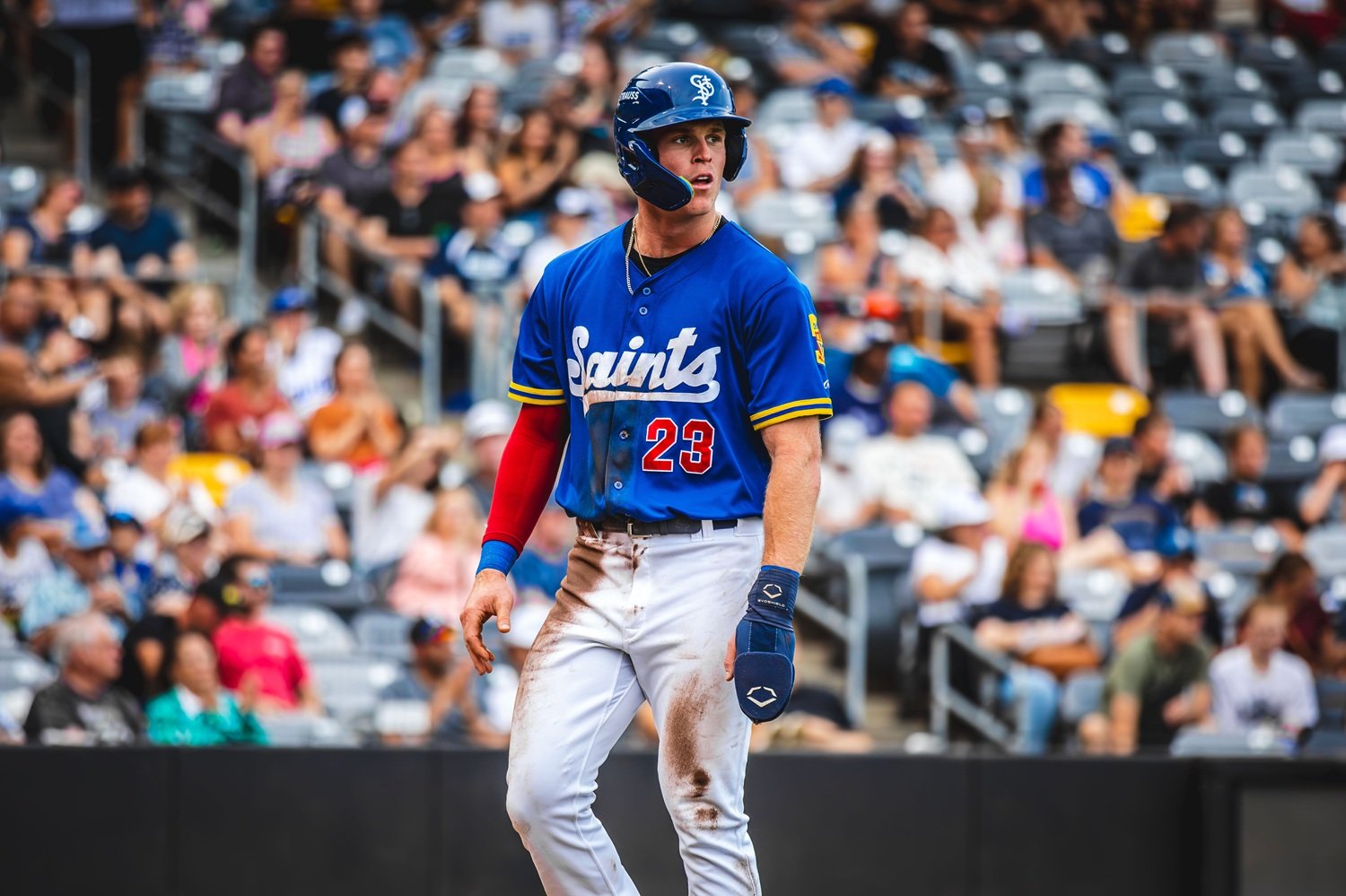 There are prospect comps, and then there is whatever is happening in Dave Kramer's living room. Kramer, a lifelong Twins fan and self-proclaimed “early adopter of takes,” has officially begun replacing every Joe Mauer reference in his vocabulary with Walker Jenkins. Not because Jenkins has debuted. Not because he has played a game at Target Field. But because Kramer is confident that he has seen enough. “Look, I’m just saving time,” Kramer said, while carefully crossing out “Mauer” on an old Twins jersey with a Sharpie. “We all know how this ends. I’d rather get ahead of the discourse.” To be fair, Jenkins has earned the hype. He entered pro ball as one of the most highly regarded national prospects the Twins have had since Mauer was the consensus top prospect in baseball during the early 2000s. The hit tool is real. The approach is advanced. The pedigree checks out. Naturally, that means it is time to begin tearing him down. “Sure, he can hit for a high average,” Kramer said. “But does he have any power? I mean, I watched one video where he hit a ball to the opposite field gap instead of 450 feet to dead center. That’s concerning.” Kramer then pulled up a spreadsheet labeled “Jenkins Red Flags” that included categories such as “Too Polished, Too Soon” and “Suspiciously Likeable.” The comparisons to Mauer have not stopped at the surface level. Kramer has also fast-tracked himself into the injury speculation phase, a stage most players do not reach until at least their arbitration years. “He’s going to be injured all the time,” Kramer said confidently. “Mauer had bilateral leg weakness. What’s Jenkins going to have? Upper body enthusiasm fatigue? Chronic prospect-hype syndrome? The Twins will come up with something.” Medical professionals have not yet weighed in on those conditions. Beyond health concerns, Kramer has already begun outlining Jenkins’s long-term legacy, including the inevitable debates that will follow. “We’re going to spend a decade arguing about whether he’s too passive at the plate,” Kramer said. “Then another decade arguing that he should have been more passive. It’s the full experience.” He also expressed concern about Jenkins’s leadership style, despite the fact that Jenkins is still working his way through the minor leagues. “Is he too quiet? Not quiet enough? Does he say the right things after losses that haven’t happened yet?” Kramer asked. “These are the questions that matter.” Twins fans have seen this cycle before. A generational hitting prospect arrives. Expectations skyrocket. The player performs at an elite level. And somehow, the conversation drifts toward what they are not doing. Kramer, however, insists he is not being negative. If anything, he believes he's honoring tradition. “This is how we talk about great hitters here,” he said. “If you’re not nitpicking them before they even debut, are they really elite?” At press time, Kramer was reportedly workshopping his next take, debating whether Jenkins’s future batting titles will come with enough exit velocity to truly count. "Unethical trophies," he could be heard mumbling to himself, as his son nodded helpfully.