



Cody Christie
-
Posts
7,806 -
Joined
-
Last visited
-
Days Won
5
Content Type
Profiles
News
Minnesota Twins Videos
2026 Minnesota Twins Top Prospects Ranking
2022 Minnesota Twins Draft Picks
Minnesota Twins Free Agent & Trade Rumors, Notes, & Tidbits
Guides & Resources
2023 Minnesota Twins Draft Picks
The Minnesota Twins Players Project
2024 Minnesota Twins Draft Picks
2025 Minnesota Twins Draft Pick Tracker
2026 Minnesota Twins Draft Tracker: Picks & Bonuses
Forums
Blogs
Events
Store
Downloads
Gallery
Everything posted by Cody Christie
-
 Image courtesy of Bruce Kluckhohn, USA Today Projection systems are taking a cautious view of the 2026 Twins. Both FanGraphs and Baseball Prospectus peg Minnesota as a 78-win team, a number that reflects tempered expectations and lingering questions about the roster. It's the worst preseason outlook those outlets have given the organization since 2017, when the club was trying to recover from a 103-loss season. That comparison is not as discouraging as it might sound. In fact, it might be the most optimistic signal available. The 2017 Twins entered the year with little momentum and even less outside belief, after a disappointing 2016 that triggered major organizational change. A new front office group took over, expectations were reset, and most assumed a lengthy rebuild was ahead. Instead, that team flipped the narrative almost immediately. Minnesota improved by 26 games, finishing 85-77 and securing a Wild Card berth in a season that reshaped the trajectory of the franchise. It was not supposed to happen that quickly, but a combination of internal growth, timely performances, and a few unexpected breakouts made it possible. Turnarounds like that are rare and difficult to predict. However, the current version of the Twins is navigating a similarly uncertain moment. With changes in leadership and questions about how the roster will come together, there's plenty of room for skepticism. There is also, as 2017 showed, a clear path for a team to outperform expectations if the right pieces click at the right time. A Rotation Anchor at the Top One of the biggest reasons the 2017 Twins exceeded expectations was the stability provided by their ace. Ervin Santana delivered one of the best seasons of his career that year, taking the ball every fifth day and giving the team a chance to win. Across 33 starts, he posted a 3.28 ERA and racked up an MLB-leading five complete games and three shutouts, with 167 strikeouts. In an era when pitchers rarely finish what they start, Santana was a throwback presence who set the tone for the staff. The 2026 Twins need a similar impact from Joe Ryan. Last season, he produced a strong overall campaign worth 4.6 rWAR, although his performance dipped in the second half. Minnesota does not necessarily need complete games or shutouts to match Santana’s influence. What they do need is consistency at the top of the rotation and the kind of reliability that allows the rest of the staff to fall into place. If Ryan can take another step forward and remain a steady force, the Twins' rotation suddenly looks far more capable than the projections suggest. Byron Buxton, Then and Now The 2017 season also marked a breakout year for Buxton, though it looked very different from the version fans saw in 2025. At age 23, Buxton was still developing as a hitter, finishing with a 93 OPS+. However, his value came from elite defense and game-changing speed in center field. Over 140 games, he accumulated 5.0 rWAR and established himself as arguably the best defender in baseball, earning both a Gold Glove and the American League Platinum Glove Award. Fast-forward to 2026, and Buxton is no longer just a defensive standout. He's coming off one of the most impressive seasons of his career. In 2025, he posted 4.9 rWAR, while slashing .264/.327/.551 with 35 home runs and 24 stolen bases. The Twins are hoping that version of Buxton continues to show up on the field regularly. In 2017, Buxton’s emergence gave the team energy and identity. In 2026, his leadership and star-level production could play the same role. Veterans Stepping Up Another underrated part of the 2017 turnaround was the performance of the established players. Brian Dozier and Joe Mauer both produced more than 4.0 rWAR that season, giving the Twins a strong veteran foundation around their younger players. That level of production was harder to find on the 2025 roster. Buxton was the only Twins position player to clear the 4.0 rWAR mark, with Harrison Bader finishing next at 2.7. For Minnesota to exceed expectations this year, a few experienced hitters will likely need to deliver standout seasons. Josh Bell was brought in to add power to the middle of the lineup, even if his defensive limitations cap his overall value. Ryan Jeffers is another player who could take a step forward, especially if he receives a heavier workload behind the plate. Matt Wallner also has the kind of power that can change games quickly, and a big home run total could elevate his impact across the season. The 2017 team showed that a few strong veteran performances can stabilize a roster that is still finding its identity. Young Talent Emerging The final piece of the puzzle in 2017 was a wave of younger players beginning to establish themselves. José Berríos provided a boost in the rotation behind Santana, with the rotation’s second-highest WAR (1.9 rWAR). Miguel Sanó delivered power with 28 home runs and 3.0 rWAR. Jorge Polanco and Max Kepler both hit over 30 doubles and combined for 3.4 rWAR. Together, they signaled that the next core of Twins baseball was arriving. The 2026 Twins are hoping to see a similar trend. Mick Abel already forced the team’s hand this spring by earning a rotation spot after an impressive camp. If he performs well during the season, he could provide the same kind of lift Berrios offered that year. On the offensive side, Luke Keaschall will be asked to build on the momentum from his rookie breakout. Meanwhile, the organization has several high-end prospects pushing toward the big leagues, including Emmanuel Rodriguez, Gabriel Gonzalez, and Walker Jenkins. If even one or two of those players make an impact during the summer months, Minnesota’s lineup could look very different by the end of the season. No two seasons unfold the same way, and expecting a repeat of the 2017 turnaround would be a tall order. Still, that year proved that projections are not destiny. A strong ace, a star player leading the way, productive veterans, and young talent emerging at the right time can quickly change the outlook of a season. The 2026 Twins may start the year with modest expectations, but the organization has seen firsthand how quickly things can flip. If the right pieces fall into place, Minnesota could once again turn skepticism into a playoff chase. Do you see connections between the 2017 Twins and the current roster? Leave a comment and start the discussion. View full article
 -
26 Questions Facing the 26 Minnesota Twins on the 2026 Opening Day Roster
Cody Christie posted an article in Twins
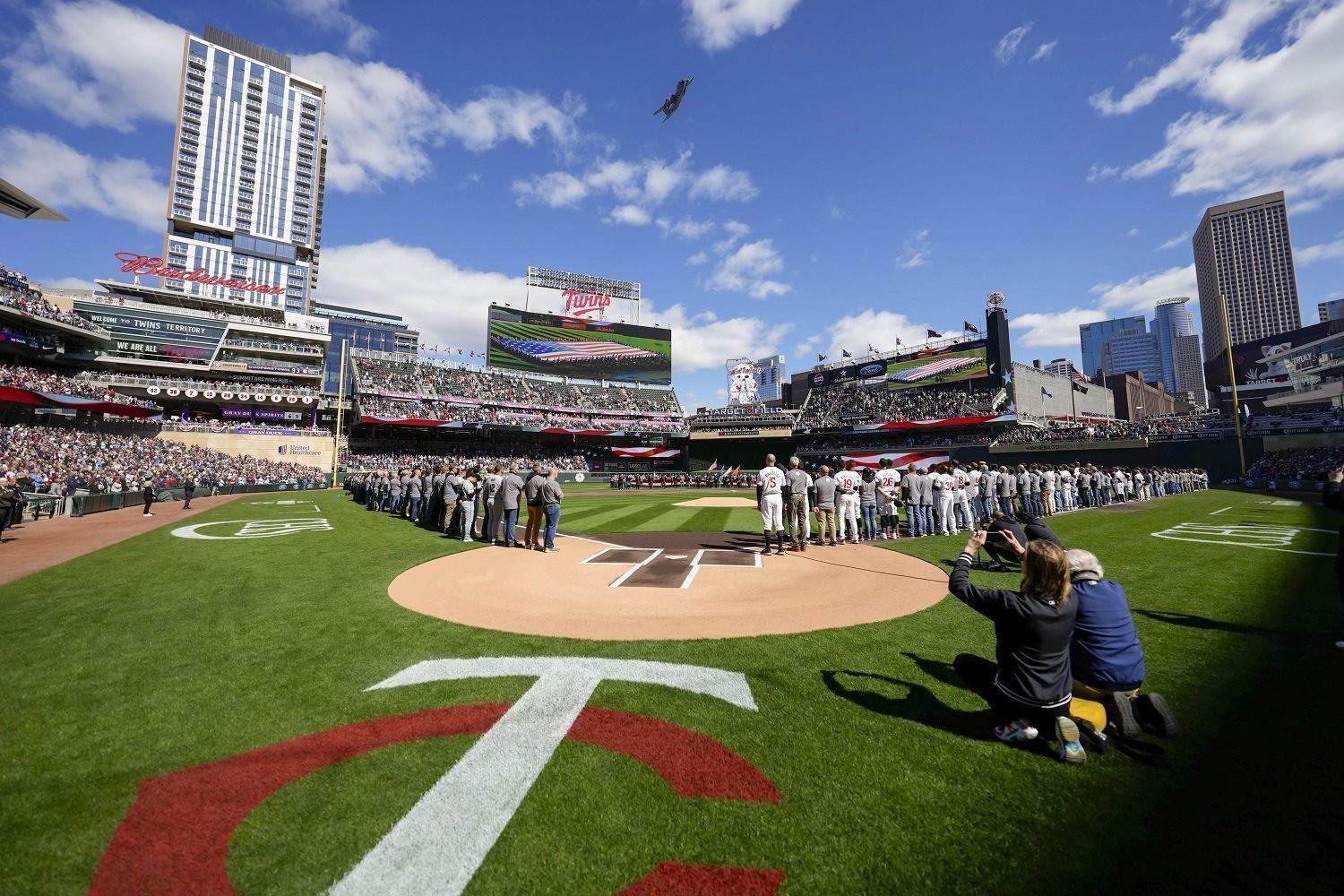 Opening Day arrives with all the usual pomp and circumstance, and in 2026, it carries a familiar mix of optimism and uncertainty for the Minnesota Twins—albeit, perhaps, with a bit more desperation tinging the optimism and a bit more dread mixed into the uncertainty. The roster is finalized. The long grind of spring training is over. Now comes the part that counts. There is something different about Opening Day. The pageantry feels bigger, the expectations feel sharper, and every roster decision suddenly matters more. Over the course of 162 games, this group will evolve, fracture, and reshape itself. But for now, these are the 26 players entrusted with carrying the Twins into a new season. Each one comes with a question. Catchers Ryan Jeffers: Can his body withstand the rigors of catching 100-plus games? Minnesota is committed to Jeffers taking on a heavier workload behind the plate. That is easier said than done. Catching is unforgiving, and durability has always been part of the evaluation. In his final year of team control, how his body holds up could directly impact both his performance and his future. Victor Caratini: How much will he be used at DH or first base? Caratini is more than just a backup. The Twins want his bat in the lineup, which means time away from the catcher position. How often they find those opportunities could determine how valuable he becomes. Infielders Josh Bell: Can the Twins help him improve below-average defense at first base? Minnesota has turned first base defense into a strength with recent Gold Glove winners in Carlos Santana and Ty France. Bell is not likely to continue that trend, but he doesn't need to. If he can simply be playable, his bat will carry the value. Luke Keaschall: Can he avoid a sophomore slump? There weren't many bright spots in 2025, but Keaschall was one of them. Now the league adjusts. The question is whether he can adjust back and meet rising expectations. Brooks Lee: Can he finally lock in the bat-to-ball skills he showed as a top prospect? Lee needs to solidify himself. That starts with steady defense at shortstop and continues with contact skills that once defined his profile. The margin for error is shrinking. Royce Lewis: Were his offensive struggles this spring a sign of a larger issue? A revamped swing led to a rough spring. Small samples can be misleading, but timing matters. If those struggles carry over, it raises real concern for one of the lineup’s most important hitters. Kody Clemens: Can he establish a regular role? Clemens has shown flashes, especially when given consistent at-bats. The problem is opportunity. With multiple left-handed options ahead of him, he must force the issue. Tristan Gray: Is his defense strong enough to back up at shortstop? The Twins chose Gray over other options like Orlando Arcia and Ryan Kreidler. That decision now puts pressure on his glove. If he can't handle the position, the roster math changes quickly. Outfielders Byron Buxton: Can he replicate his 2025 campaign? Last season was a reminder of what Buxton can be at his best. Health, production, and impact are all aligned. Doing it again is the challenge. Matt Wallner: Is 35+ home runs out of the question? Wallner’s role is clear. Hit for power. The Twins need it, and the time to prove he can deliver consistently is now. Austin Martin: Can he build off his strong finish to 2025? Martin earned trust late last season. Now, he steps into a key bench role as the primary right-handed option. Sustaining that momentum is critical. James Outman: Does he provide enough value to stick on the roster? Outman won the job over other options, such as Alan Roden. The tools are intriguing, but consistency has always been the hurdle. Trevor Larnach: Why is he still on the roster? It's a fair question. The roster leans heavily left-handed, and Larnach has yet to fully separate himself. He will need to produce quickly to justify his spot. Starting Pitchers Joe Ryan: Can he be the ace of the staff? An All-Star season set the stage, but back concerns this spring add uncertainty. If Ryan takes another step, he anchors the rotation. Either way, though, his future could become a trade deadline storyline. Bailey Ober: Will his velocity concerns follow him all season? Velocity trends have been a lingering concern. If this is the new normal, Ober will need to adapt in other ways to remain effective. Taj Bradley: Can he finally break out at the big-league level? After years of prospect hype and extended big-league exposure, the time has come. The flashes are there. Now it's about consistency, and consolidating some of the improvements he's made since coming to Minnesota at the deadline last year. Simeon Woods Richardson: Is there another level to his performance? He has been a steady contributor, but the Twins need more than steady. A jump toward mid-rotation reliability from Woods Richardson would change the outlook for the entire staff, but he seems to be working at the boundaries of his ability already. Mick Abel: Can he show enough control to become a playoff-caliber starter? Abel forced his way onto the roster with a strong spring. The stuff is undeniable. The command will determine everything—and that means both good location and consistent execution. Relief Pitchers Justin Topa: Can he show enough to be the team’s second-best right-handed option? Acquired in the Jorge Polanco trade, Topa was brought in to stabilize the bullpen. Late-inning trust must be earned quickly, and last year, he didn't look like a high-leverage arm. Cole Sands: Which version shows up in 2026? In 2024, Sands was a revelation. In 2025, he regressed. The gap between those versions is significant, and the Twins need the better one—one who throws harder, handles lefties better and misses more bats than he did last season. Eric Orze: Can he prove the Rays made a mistake? The Tampa Bay Rays rarely miss on bullpen evaluations. Orze has a chance to challenge that reputation, and his splitter suits the Twins' predilections nicely. Zak Kent: Can his strikeout numbers translate? An 11.8 strikeouts per nine rate in Triple-A is impressive. The question is whether major-league hitters will chase the same way minor-league ones did, or whether Kent can still miss bats while being forced into the zone more often. Cody Laweryson: How long does he stick on the roster? The last bullpen spot is always fluid. Laweryson enters as the most vulnerable arm, and will need immediate results to avoid a quick trip back to St. Paul. Taylor Rogers: What does he have left in the tank? Rogers is likely to open the season in the closer role. Experience matters, but performance will dictate how long that lasts. He's become such a low-intensity sinker-sweeper guy that the strikeout rate will be an important gauge of his utility. Anthony Banda: Can he get right-handed hitters out? Left-on-left matchups are not enough anymore. Without success against righties, his role becomes limited; that's why he was available this spring. Kody Funderburk: Can he establish himself as a late-inning option? A strong finish last season earned confidence. Now comes the test of sustaining that performance in meaningful situations, and of being consistent in a role that probably won't be. Opening Day rosters feel permanent in the moment, but they never are. By the end of the first weekend, there is a real chance this group already looks different. Injuries happen. Roles shift. Performances force decisions. That is the nature of a 162-game season. For now, these 26 players carry (seemingly) 206 questions into the year. The answers will define not only their individual paths, but the direction of the Twins season as a whole. What questions do you have regarding the players on the Opening Day roster? Leave a comment and start the discussion.
- 7 comments
-
- 6
-

-
- byron buxton
- joe ryan
- (and 8 more)
-
Image courtesy of © Jordan Johnson-Imagn Images Opening Day arrives with all the usual pomp and circumstance, and in 2026, it carries a familiar mix of optimism and uncertainty for the Minnesota Twins—albeit, perhaps, with a bit more desperation tinging the optimism and a bit more dread mixed into the uncertainty. The roster is finalized. The long grind of spring training is over. Now comes the part that counts. There is something different about Opening Day. The pageantry feels bigger, the expectations feel sharper, and every roster decision suddenly matters more. Over the course of 162 games, this group will evolve, fracture, and reshape itself. But for now, these are the 26 players entrusted with carrying the Twins into a new season. Each one comes with a question. Catchers Ryan Jeffers: Can his body withstand the rigors of catching 100-plus games? Minnesota is committed to Jeffers taking on a heavier workload behind the plate. That is easier said than done. Catching is unforgiving, and durability has always been part of the evaluation. In his final year of team control, how his body holds up could directly impact both his performance and his future. Victor Caratini: How much will he be used at DH or first base? Caratini is more than just a backup. The Twins want his bat in the lineup, which means time away from the catcher position. How often they find those opportunities could determine how valuable he becomes. Infielders Josh Bell: Can the Twins help him improve below-average defense at first base? Minnesota has turned first base defense into a strength with recent Gold Glove winners in Carlos Santana and Ty France. Bell is not likely to continue that trend, but he doesn't need to. If he can simply be playable, his bat will carry the value. Luke Keaschall: Can he avoid a sophomore slump? There weren't many bright spots in 2025, but Keaschall was one of them. Now the league adjusts. The question is whether he can adjust back and meet rising expectations. Brooks Lee: Can he finally lock in the bat-to-ball skills he showed as a top prospect? Lee needs to solidify himself. That starts with steady defense at shortstop and continues with contact skills that once defined his profile. The margin for error is shrinking. Royce Lewis: Were his offensive struggles this spring a sign of a larger issue? A revamped swing led to a rough spring. Small samples can be misleading, but timing matters. If those struggles carry over, it raises real concern for one of the lineup’s most important hitters. Kody Clemens: Can he establish a regular role? Clemens has shown flashes, especially when given consistent at-bats. The problem is opportunity. With multiple left-handed options ahead of him, he must force the issue. Tristan Gray: Is his defense strong enough to back up at shortstop? The Twins chose Gray over other options like Orlando Arcia and Ryan Kreidler. That decision now puts pressure on his glove. If he can't handle the position, the roster math changes quickly. Outfielders Byron Buxton: Can he replicate his 2025 campaign? Last season was a reminder of what Buxton can be at his best. Health, production, and impact are all aligned. Doing it again is the challenge. Matt Wallner: Is 35+ home runs out of the question? Wallner’s role is clear. Hit for power. The Twins need it, and the time to prove he can deliver consistently is now. Austin Martin: Can he build off his strong finish to 2025? Martin earned trust late last season. Now, he steps into a key bench role as the primary right-handed option. Sustaining that momentum is critical. James Outman: Does he provide enough value to stick on the roster? Outman won the job over other options, such as Alan Roden. The tools are intriguing, but consistency has always been the hurdle. Trevor Larnach: Why is he still on the roster? It's a fair question. The roster leans heavily left-handed, and Larnach has yet to fully separate himself. He will need to produce quickly to justify his spot. Starting Pitchers Joe Ryan: Can he be the ace of the staff? An All-Star season set the stage, but back concerns this spring add uncertainty. If Ryan takes another step, he anchors the rotation. Either way, though, his future could become a trade deadline storyline. Bailey Ober: Will his velocity concerns follow him all season? Velocity trends have been a lingering concern. If this is the new normal, Ober will need to adapt in other ways to remain effective. Taj Bradley: Can he finally break out at the big-league level? After years of prospect hype and extended big-league exposure, the time has come. The flashes are there. Now it's about consistency, and consolidating some of the improvements he's made since coming to Minnesota at the deadline last year. Simeon Woods Richardson: Is there another level to his performance? He has been a steady contributor, but the Twins need more than steady. A jump toward mid-rotation reliability from Woods Richardson would change the outlook for the entire staff, but he seems to be working at the boundaries of his ability already. Mick Abel: Can he show enough control to become a playoff-caliber starter? Abel forced his way onto the roster with a strong spring. The stuff is undeniable. The command will determine everything—and that means both good location and consistent execution. Relief Pitchers Justin Topa: Can he show enough to be the team’s second-best right-handed option? Acquired in the Jorge Polanco trade, Topa was brought in to stabilize the bullpen. Late-inning trust must be earned quickly, and last year, he didn't look like a high-leverage arm. Cole Sands: Which version shows up in 2026? In 2024, Sands was a revelation. In 2025, he regressed. The gap between those versions is significant, and the Twins need the better one—one who throws harder, handles lefties better and misses more bats than he did last season. Eric Orze: Can he prove the Rays made a mistake? The Tampa Bay Rays rarely miss on bullpen evaluations. Orze has a chance to challenge that reputation, and his splitter suits the Twins' predilections nicely. Zak Kent: Can his strikeout numbers translate? An 11.8 strikeouts per nine rate in Triple-A is impressive. The question is whether major-league hitters will chase the same way minor-league ones did, or whether Kent can still miss bats while being forced into the zone more often. Cody Laweryson: How long does he stick on the roster? The last bullpen spot is always fluid. Laweryson enters as the most vulnerable arm, and will need immediate results to avoid a quick trip back to St. Paul. Taylor Rogers: What does he have left in the tank? Rogers is likely to open the season in the closer role. Experience matters, but performance will dictate how long that lasts. He's become such a low-intensity sinker-sweeper guy that the strikeout rate will be an important gauge of his utility. Anthony Banda: Can he get right-handed hitters out? Left-on-left matchups are not enough anymore. Without success against righties, his role becomes limited; that's why he was available this spring. Kody Funderburk: Can he establish himself as a late-inning option? A strong finish last season earned confidence. Now comes the test of sustaining that performance in meaningful situations, and of being consistent in a role that probably won't be. Opening Day rosters feel permanent in the moment, but they never are. By the end of the first weekend, there is a real chance this group already looks different. Injuries happen. Roles shift. Performances force decisions. That is the nature of a 162-game season. For now, these 26 players carry (seemingly) 206 questions into the year. The answers will define not only their individual paths, but the direction of the Twins season as a whole. What questions do you have regarding the players on the Opening Day roster? Leave a comment and start the discussion. View full article
-
Spring training is a time for timing to return, for mechanics to sharpen, and for everyone around the game to find their rhythm again. That does not just apply to hitters and pitchers. Broadcasters are shaking off rust too, and sometimes that leads to moments that take on a life of their own. That is exactly what happened in the Twins television booth when Glen Perkins and Cory Provus found themselves tangled in an exchange about Byron Buxton and his uniform style. It started innocently enough. Or at least it was supposed to. Perkins attempted to describe Buxton’s preference for wearing his baseball pants all the way down rather than pulled up to show high socks. Instead, he delivered a question that immediately veered off course. Perkins (GP): “You ever seen Buck with his pants down?” Provus, caught off guard, tried to clarify. Provus (CP): “Uh, no. Like in shorts?” GP: “No, like he’s got…he doesn’t have his,... no socks showing.” CP: “Ah, I see what you’re saying.” From there, the moment snowballed. Perkins tried to explain. Provus tried to recover. The booth never quite found its footing again, and within hours, the clip was circulating far beyond the usual Twins audience. It is the kind of exchange that lives in the uncomfortable middle ground between confusion and comedy. No one involved meant anything beyond a simple observation about uniform style, but the phrasing turned it into something else entirely. That disconnect is exactly why it spread. To their credit, Perkins and Provus leaned into it. During the spring training finale against the Boston Red Sox, they revisited the moment with a level of self awareness that made it even better. CP: “Take a look at that sharp uniform today, and just because we are thorough, the baseball pants the baseball pants are down at the bottom.” Perkins followed with a line that perfectly captured the absurdity of the entire situation. GP: “He has got his pants up around his waist, but also down around his ankles at the same time.” CP: “Baseball pants” GP: “Baseball pants” CP: “Baseball pants. Well that became a thing” At that point, everyone was in on the joke. Even Derek Shelton, who joined the broadcast, admitted the moment had taken on a life of its own. He said his phone lit up with messages from fellow parents in his volleyball circles, all reacting to what they had heard. His reaction was about what you would expect from someone trying to process the unexpected. "The first time I heard it, I was like, 'Good God, I don't know how to comment on this or think about it.' So, yeah, I don't know," Shelton said. "I was actually going to say last inning that Buck looks good with his pants down, not his pants on." Shelton even joked about nearly adding his own line to the chaos, saying he considered pointing out that Buxton looked good with his pants down, before wisely thinking better of it. Most importantly, he recognized what the moment had become. DS: “You guys definitely caught people’s attention. And the one thing about it is no one got canceled, which is the most important thing. And number two, you guys decided that you were going to bring the Twins to the forefront of the viral universe for about four or five hours.” That might be the most accurate summary of all. For his part, Buxton handled it exactly how you would expect from a veteran who has seen just about everything at this point. According to Perkins, the center fielder could not do anything but laugh when the two crossed paths afterward. Spring training can feel long. The games do not count. The repetitions can blur together. But every now and then, something breaks through the routine and reminds everyone that baseball is still a game, and the people around it are still human. This was one of those moments. It was awkward. It was unintentionally hilarious. It was completely harmless. And in a sport that often takes itself very seriously, it was a reminder that sometimes the best content is the kind no one plans. All it took was one question, one misunderstanding, and one pair of baseball pants to give the Twins their most unexpected viral moment of the spring. View full rumor
-
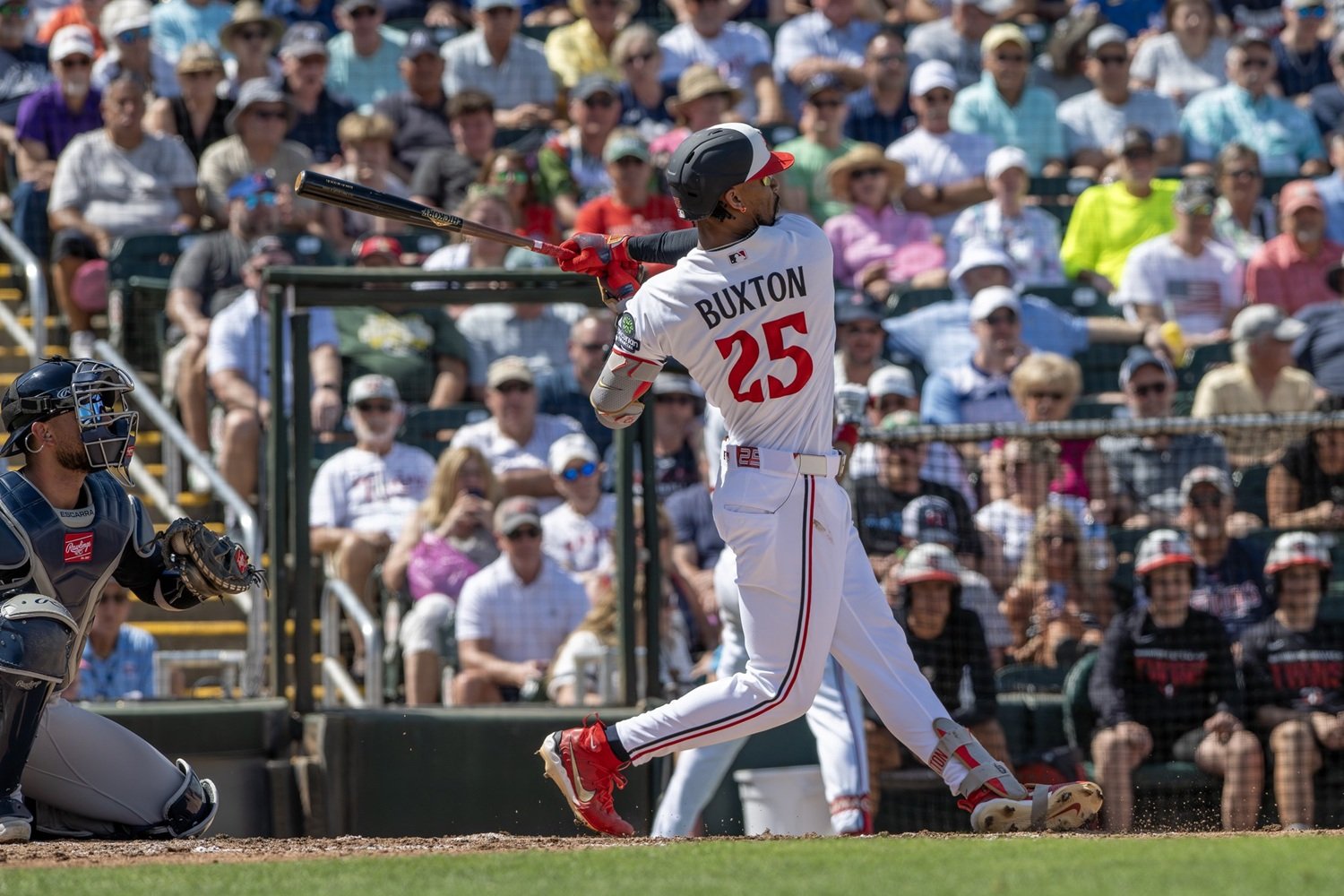 Spring training is a time for timing to return, for mechanics to sharpen, and for everyone around the game to find their rhythm again. That does not just apply to hitters and pitchers. Broadcasters are shaking off rust too, and sometimes that leads to moments that take on a life of their own. That is exactly what happened in the Twins television booth when Glen Perkins and Cory Provus found themselves tangled in an exchange about Byron Buxton and his uniform style. It started innocently enough. Or at least it was supposed to. Perkins attempted to describe Buxton’s preference for wearing his baseball pants all the way down rather than pulled up to show high socks. Instead, he delivered a question that immediately veered off course. Perkins (GP): “You ever seen Buck with his pants down?” Provus, caught off guard, tried to clarify. Provus (CP): “Uh, no. Like in shorts?” GP: “No, like he’s got…he doesn’t have his,... no socks showing.” CP: “Ah, I see what you’re saying.” From there, the moment snowballed. Perkins tried to explain. Provus tried to recover. The booth never quite found its footing again, and within hours, the clip was circulating far beyond the usual Twins audience. It is the kind of exchange that lives in the uncomfortable middle ground between confusion and comedy. No one involved meant anything beyond a simple observation about uniform style, but the phrasing turned it into something else entirely. That disconnect is exactly why it spread. To their credit, Perkins and Provus leaned into it. During the spring training finale against the Boston Red Sox, they revisited the moment with a level of self awareness that made it even better. CP: “Take a look at that sharp uniform today, and just because we are thorough, the baseball pants the baseball pants are down at the bottom.” Perkins followed with a line that perfectly captured the absurdity of the entire situation. GP: “He has got his pants up around his waist, but also down around his ankles at the same time.” CP: “Baseball pants” GP: “Baseball pants” CP: “Baseball pants. Well that became a thing” At that point, everyone was in on the joke. Even Derek Shelton, who joined the broadcast, admitted the moment had taken on a life of its own. He said his phone lit up with messages from fellow parents in his volleyball circles, all reacting to what they had heard. His reaction was about what you would expect from someone trying to process the unexpected. "The first time I heard it, I was like, 'Good God, I don't know how to comment on this or think about it.' So, yeah, I don't know," Shelton said. "I was actually going to say last inning that Buck looks good with his pants down, not his pants on." Shelton even joked about nearly adding his own line to the chaos, saying he considered pointing out that Buxton looked good with his pants down, before wisely thinking better of it. Most importantly, he recognized what the moment had become. DS: “You guys definitely caught people’s attention. And the one thing about it is no one got canceled, which is the most important thing. And number two, you guys decided that you were going to bring the Twins to the forefront of the viral universe for about four or five hours.” That might be the most accurate summary of all. For his part, Buxton handled it exactly how you would expect from a veteran who has seen just about everything at this point. According to Perkins, the center fielder could not do anything but laugh when the two crossed paths afterward. Spring training can feel long. The games do not count. The repetitions can blur together. But every now and then, something breaks through the routine and reminds everyone that baseball is still a game, and the people around it are still human. This was one of those moments. It was awkward. It was unintentionally hilarious. It was completely harmless. And in a sport that often takes itself very seriously, it was a reminder that sometimes the best content is the kind no one plans. All it took was one question, one misunderstanding, and one pair of baseball pants to give the Twins their most unexpected viral moment of the spring.
 -
Image courtesy of William Parmeter Prospect evaluation is not just about what happens in the batter’s box. As organizations continue to emphasize run prevention, defensive ability has become just as important when projecting future big leaguers. With updated rankings rolling out across the industry, it is a good time to take stock of which Twins prospects bring the most value in the field. Defense can often be the separator for players working their way through the system. A strong glove can keep a prospect in the lineup during offensive struggles and open the door to multiple roles at the next level. For Minnesota, that versatility and reliability in the field has become a noticeable theme throughout the farm system, especially among players up the middle. The tools below are graded on the traditional 20 to 80 scouting scale, where 50 represents the big league average. Every player listed appears on MLB Pipeline’s Top 30 Twins prospects, with a focus here on those who stand out most for their defensive ability. Fielding Tool Rankings Honorable mentions go to Quentin Young, Brandon Winokur, and Enrique Jimenez. Each of these players is still developing in the lower levels of the minors, but all three already show an average defensive profile that could improve as they gain experience. 5. SS Kaelen Culpepper: 50-grade field tool Current Position: SS, Future Position: 3B Culpepper remains an interesting case when it comes to defensive projection. He has spent most of his time at shortstop and has the arm strength needed for the position, but there are still questions about whether he will stick there long term. His reactions and range are not elite, which could push him to a different spot on the infield as he climbs the ladder. The Twins have already started to test that versatility, giving him opportunities at second and third base. That flexibility could ultimately become a strength, even if shortstop is not his permanent home. 4. OF Emmanuel Rodriguez: 50-grade field tool Current Position: CF, Future Position: LF/RF Rodriguez brings athleticism to the outfield and has shown he can handle center field at a solid level. His speed allows him to cover ground, and his arm strength stands out as a clear asset no matter where he plays. That said, there is a growing sense that his best long-term fit could come in a corner role. He has seen time in right field recently, and that transition would allow his arm to play up while still providing above-average defense. His offensive skillset is also more closely aligned with a corner outfield role, making the defensive downgrade easier to accept. 3. OF Walker Jenkins: 55-grade field tool Current Position: CF, Future Position: LF/RF Jenkins is known for his bat, but his defense should not be overlooked. He moves well in the outfield and reads the ball off the bat with confidence, traits that have allowed him to handle center field during his development. As he fills out, a shift to right field could make even more sense. His arm strength fits the profile there, and his instincts would still allow him to be an above-average defender. A healthy season in the upper minors should give a clearer picture of just how impactful he can be on that side of the ball. 2. INF Kyle DeBarge: 55-grade field tool Current Position: UTL, Future Position: UTL DeBarge plays with energy that shows up in every phase of the game, especially defensively. He has already been recognized for his work in the field, earning a Minor League Gold Glove at second base while also showing the ability to slide over to shortstop when needed. What makes him particularly valuable is his versatility. He has even logged time in center field, giving the Twins multiple ways to deploy him. That kind of defensive flexibility raises his floor and could make him a valuable piece at the next level. 1. SS Marek Houston: 60-grade field tool Current Position: SS, Future Position: SS Houston stands out as the best defensive prospect in the system. He looks the part of a long-term shortstop, combining smooth actions with excellent range to both sides. His ability to make difficult plays look routine separates him from others in the organization. His arm strength is more than enough for the position, and his overall defensive consistency gives him a strong foundation. Even if his bat develops into something closer to average, his glove alone could carry him to the big leagues and keep him there for a long time. While much of the attention in prospect circles tends to focus on offense, the Twins have quietly built a group of players who can impact the game defensively. From up the middle infielders to athletic outfielders, there is no shortage of players who can save runs and provide stability behind the pitching staff. The next step for many of these prospects will be proving they can pair that defensive value with enough offensive production to carve out everyday roles. If they do, Minnesota could have a wave of well-rounded players ready to contribute in the coming seasons. Other rankings in the series: Hit Tool Do you agree with the rankings above? Who else should make the list? Leave a comment and start the discussion. View full article
-
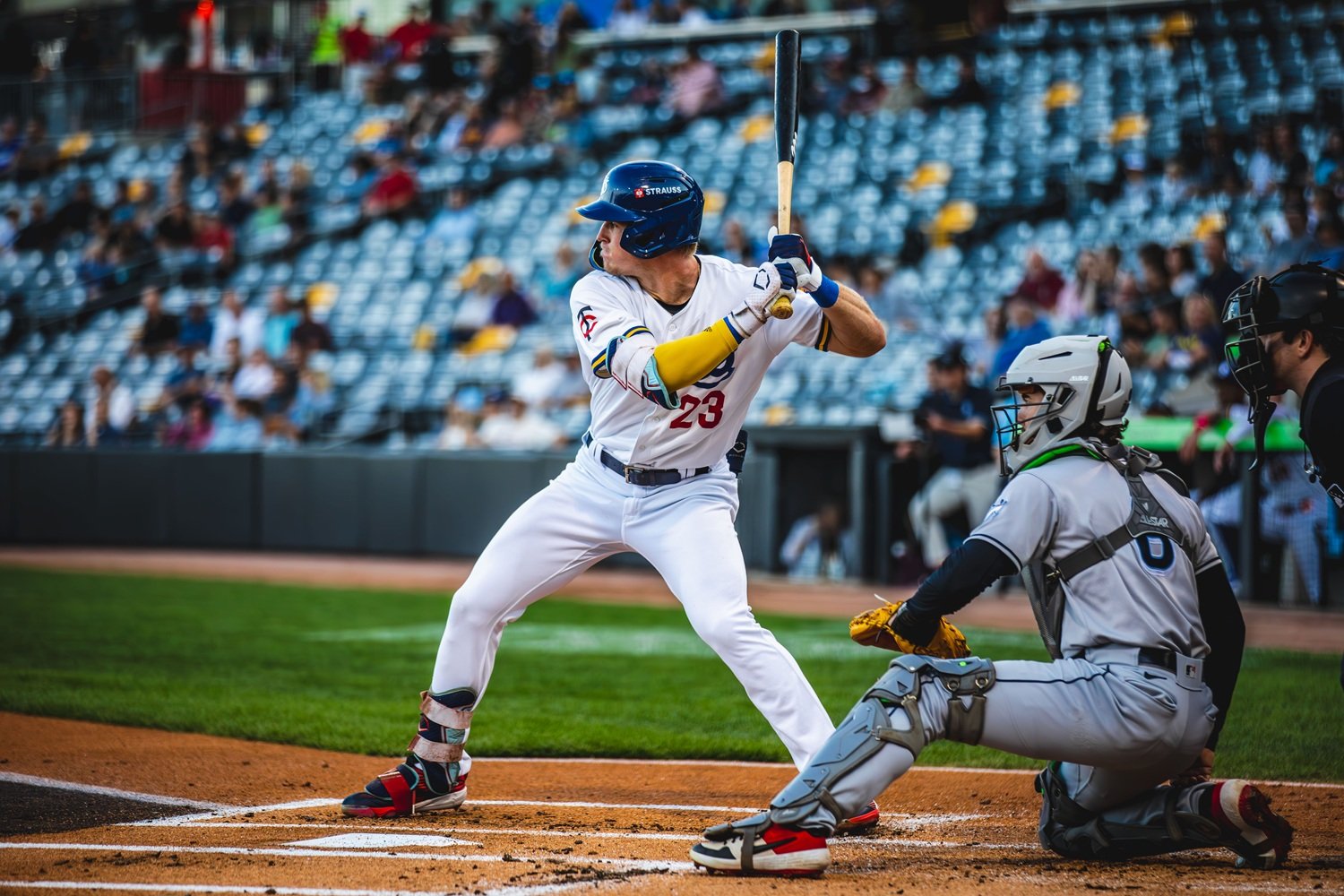 As prospect season ramps up, outlets across baseball are refreshing top-100 rankings for 2026, and for the local nine, the news is relatively good. Despite several Minnesota prospects battling minor injuries this spring, the system's overall talent remains impressive. Using the traditional 20-to-80 scouting scale (where 50 represents major-league average), several Twins prospects stand out for their pure hitting ability. To qualify for this list, each player appears on MLB Pipeline’s Top 30 Twins prospects. Hit Tool Standouts Honorable mentions include Marek Houston, Billy Amick, and Bruin Agbayani, each of whom has shown promising bat-to-ball skills with a 50-grade hit tool, but just missed the cut. Houston has a lot to prove with his hit tool this season after being Minnesota’s first-round pick in 2025. Amick has been floating around on top Twins prospect lists, but hasn’t put all his tools together. Agbayani might be a new name to Twins fans, as he was Minnesota’s sixth-round pick in 2025 from high school in Hawaii—but, like fellow 2025 draftee Quentin Young, he has big-league bloodlines and a high ceiling. That said, here are the top five hit tools in the Twins system. 5. C Khadim Diaw: 50-grade hit tool Diaw’s development has been interrupted more than once, but his ability to hit has shown up whenever he’s been healthy. He produced at a high level in college (.348 average, .985 OPS) and carried that same approach into pro ball. Even in limited action, he has consistently found ways to get on base (.422 OBP) and control at bats (11.8 BB%). His game is not built around power, instead prioritizing contact and a polished approach early in counts. Diaw demonstrates a mature understanding of the strike zone, rarely expanding unnecessarily and effectively limiting swing-and-miss (17.8 K%). The challenge for him moving forward is simply staying on the field long enough to let that skill play out over a full season. 4. SS Kaelen Culpepper: 55-grade hit tool Culpepper has translated his college approach (.314 BA) well into professional baseball (.294 BA in 2025). He maintains consistent contact and shows the ability to use all fields, helping him avoid prolonged slumps. His bat speed allows him to handle velocity, and he does damage when pitchers challenge him in the zone, with a .585 slugging average on contact (SLGCON). There is still some refinement needed. Offspeed pitches can give him trouble, particularly when he expands the zone. However, if he tightens that area of his game and lifts the ball more frequently, there could be another level to unlock offensively. 3. OF Hendry Mendez: 55-grade hit tool Few hitters in the system demonstrate Mendez’s feel for the strike zone. He has built a reputation for controlling at-bats, often walking (13.6 BB%) as much as he strikes out (13.2 K%). That kind of balance is rare, and points to a hitter who understands exactly what he's trying to do at the plate. The next step in his evolution is adding impact. Mendez has historically put the ball on the ground too often, limiting his extra-base production. In 2025, he slashed .299/.399/.439, with 31 extra-base hits in 118 games. Encouragingly, there were signs last season that he is beginning to elevate more and tap into his strength without sacrificing his elite contact ability. His SLGCON rose from .468 in 2024 to .522 last year. 2. OF Gabriel Gonzalez: 55-grade hit tool Gonzalez rebounded in a big way last season, climbing multiple levels to Triple-A and forcing his way into the organization’s long-term plans. His calling card has always been his natural ability to put the bat on the ball, and that skill remained intact even during tougher stretches. In 123 games last season, he hit .329/.395/.513 with 38 doubles and 15 home runs. What stood out most in his recent performance was the added balance. He cut down on strikeouts (14.5 K%), showed a bit more patience (8.7 BB%), and paired his contact ability with sneaky pop. He will likely always be an aggressive hitter, but if he continues to refine his pitch selection, there is everyday upside here. 1. OF Walker Jenkins: 60-grade hit tool Jenkins sits at the top of this list for a reason. When healthy, he looks every bit like a middle-of-the-order hitter with both average and power upside. His left-handed swing is smooth and repeatable, allowing him to consistently square up pitches and drive the ball with authority. Last season, he slashed .286/.399/.451, with 29 extra-base hits in 84 games. There will likely be comparisons to Joe Mauer’s swing (whether fairly or unfairly) throughout his career. Despite missing time early in his career, Jenkins has advanced quickly and already reached the upper levels of the minors at a young age. He combines strong plate discipline (13.5 BB%) with the ability to impact the baseball, a rare blend that gives him one of the highest offensive ceilings in the system. Minnesota’s farm system continues to lean on polished hitters who bring a mix of contact ability and developing power. While injuries have slowed a few of these players at different points, the underlying tools remain strong across the board. The encouraging part for the Twins is the variety within this group. From high-contact table setters to potential middle-of-the-order bats, there is a blend of skill sets that could complement each other at the big league level. If even a couple of these hitters reach their ceilings, the organization will be in a strong position to sustain offensive production for years to come. Do you agree with the rankings above? Who has the best hit tool that isn’t on this list? Leave a comment and start the discussion.
- 27 comments
-
- 5
-
-
- walker jenkins
- gabriel gonzalez
- (and 3 more)
-
Image courtesy of Rob Thompson, St. Paul Saints As prospect season ramps up, outlets across baseball are refreshing top-100 rankings for 2026, and for the local nine, the news is relatively good. Despite several Minnesota prospects battling minor injuries this spring, the system's overall talent remains impressive. Using the traditional 20-to-80 scouting scale (where 50 represents major-league average), several Twins prospects stand out for their pure hitting ability. To qualify for this list, each player appears on MLB Pipeline’s Top 30 Twins prospects. Hit Tool Standouts Honorable mentions include Marek Houston, Billy Amick, and Bruin Agbayani, each of whom has shown promising bat-to-ball skills with a 50-grade hit tool, but just missed the cut. Houston has a lot to prove with his hit tool this season after being Minnesota’s first-round pick in 2025. Amick has been floating around on top Twins prospect lists, but hasn’t put all his tools together. Agbayani might be a new name to Twins fans, as he was Minnesota’s sixth-round pick in 2025 from high school in Hawaii—but, like fellow 2025 draftee Quentin Young, he has big-league bloodlines and a high ceiling. That said, here are the top five hit tools in the Twins system. 5. C Khadim Diaw: 50-grade hit tool Diaw’s development has been interrupted more than once, but his ability to hit has shown up whenever he’s been healthy. He produced at a high level in college (.348 average, .985 OPS) and carried that same approach into pro ball. Even in limited action, he has consistently found ways to get on base (.422 OBP) and control at bats (11.8 BB%). His game is not built around power, instead prioritizing contact and a polished approach early in counts. Diaw demonstrates a mature understanding of the strike zone, rarely expanding unnecessarily and effectively limiting swing-and-miss (17.8 K%). The challenge for him moving forward is simply staying on the field long enough to let that skill play out over a full season. 4. SS Kaelen Culpepper: 55-grade hit tool Culpepper has translated his college approach (.314 BA) well into professional baseball (.294 BA in 2025). He maintains consistent contact and shows the ability to use all fields, helping him avoid prolonged slumps. His bat speed allows him to handle velocity, and he does damage when pitchers challenge him in the zone, with a .585 slugging average on contact (SLGCON). There is still some refinement needed. Offspeed pitches can give him trouble, particularly when he expands the zone. However, if he tightens that area of his game and lifts the ball more frequently, there could be another level to unlock offensively. 3. OF Hendry Mendez: 55-grade hit tool Few hitters in the system demonstrate Mendez’s feel for the strike zone. He has built a reputation for controlling at-bats, often walking (13.6 BB%) as much as he strikes out (13.2 K%). That kind of balance is rare, and points to a hitter who understands exactly what he's trying to do at the plate. The next step in his evolution is adding impact. Mendez has historically put the ball on the ground too often, limiting his extra-base production. In 2025, he slashed .299/.399/.439, with 31 extra-base hits in 118 games. Encouragingly, there were signs last season that he is beginning to elevate more and tap into his strength without sacrificing his elite contact ability. His SLGCON rose from .468 in 2024 to .522 last year. 2. OF Gabriel Gonzalez: 55-grade hit tool Gonzalez rebounded in a big way last season, climbing multiple levels to Triple-A and forcing his way into the organization’s long-term plans. His calling card has always been his natural ability to put the bat on the ball, and that skill remained intact even during tougher stretches. In 123 games last season, he hit .329/.395/.513 with 38 doubles and 15 home runs. What stood out most in his recent performance was the added balance. He cut down on strikeouts (14.5 K%), showed a bit more patience (8.7 BB%), and paired his contact ability with sneaky pop. He will likely always be an aggressive hitter, but if he continues to refine his pitch selection, there is everyday upside here. 1. OF Walker Jenkins: 60-grade hit tool Jenkins sits at the top of this list for a reason. When healthy, he looks every bit like a middle-of-the-order hitter with both average and power upside. His left-handed swing is smooth and repeatable, allowing him to consistently square up pitches and drive the ball with authority. Last season, he slashed .286/.399/.451, with 29 extra-base hits in 84 games. There will likely be comparisons to Joe Mauer’s swing (whether fairly or unfairly) throughout his career. Despite missing time early in his career, Jenkins has advanced quickly and already reached the upper levels of the minors at a young age. He combines strong plate discipline (13.5 BB%) with the ability to impact the baseball, a rare blend that gives him one of the highest offensive ceilings in the system. Minnesota’s farm system continues to lean on polished hitters who bring a mix of contact ability and developing power. While injuries have slowed a few of these players at different points, the underlying tools remain strong across the board. The encouraging part for the Twins is the variety within this group. From high-contact table setters to potential middle-of-the-order bats, there is a blend of skill sets that could complement each other at the big league level. If even a couple of these hitters reach their ceilings, the organization will be in a strong position to sustain offensive production for years to come. Do you agree with the rankings above? Who has the best hit tool that isn’t on this list? Leave a comment and start the discussion. View full article
-
Image courtesy of © Brad Rempel-Imagn Images The 2025 season was a downer for Minnesota Twins fans. The losses piled up, the roster was stripped down at the trade deadline, and the club limped to the finish line as one of baseball’s worst teams over the final two months. Somewhere in that mess, Byron Buxton quietly put together one of the most impressive seasons of his career. As the 2026 season begins, it is worth revisiting his 2025 campaign and highlighting a few things that may have flown under the radar. 1. His Speed Was All the Way Back (No, Really) It is easy to assume that Buxton’s elite speed had faded. Injuries have a way of chipping away at explosiveness, and for a player whose game is built on athleticism, that decline can come quickly. That was not the case. Buxton posted a 30.2 mph sprint speed, placing him in the 100th percentile across baseball. He was tied for the second fastest mark in the sport alongside Bobby Witt Jr. and Victor Scott II. Only Trea Turner came in higher at 30.3. For a player who has battled leg and lower body injuries throughout his career, that number matters. It is not just about stolen bases or highlight plays in center field. It is proof that Buxton’s most dynamic tool remains intact when he is on the field. 2. September Surge By September, the Twins were playing out the string. The games had little meaning in the standings, and the focus had already shifted to the future. Buxton never let up. Over his final four games, he collected five hits, four of them home runs, finishing the year on a tear. His final stat line told the story of a complete and dominant season: 126 games, 542 plate appearances, 97 runs, 35 home runs, 83 RBI, 24 stolen bases, a .264 average, an .878 OPS, and 4.9 WAR. That combination of power and speed placed him in rare company in franchise history. The only other player in Twins history to post a 30 home run and 20 stolen base season is Kirby Puckett. Even in games that no longer mattered, Buxton played like they did. 3. Rare Air Among the Game’s Best The American League MVP conversation was dominated by Aaron Judge and Cal Raleigh, and rightfully so. Both delivered massive offensive seasons that carried their teams. Buxton did not receive the same level of recognition. He finished outside the top ten in MVP voting and missed out on a $3 million bonus tied to his placement. Still, his production stacked up with the very best hitters in the league. Buxton ranked fifth in the American League in OPS+, trailing Judge, Raleigh, George Springer, and José Ramírez. That is elite company, and it becomes even more impressive when considering defensive value. Among that group, Buxton and Raleigh are the only players who regularly man premium up-the-middle positions. Buxton was not just hitting like a superstar. He was doing it while playing a demanding defensive role in center field. Other Moments That Defined the Season Beyond the numbers, Buxton delivered a collection of highlight reel moments that reminded everyone just how unique his skill set is. He recorded the first cycle in Target Field history, a milestone that felt almost inevitable for a player capable of impacting the game in every possible way. From stretching hits into extra bases to launching balls into the seats, it was a single-game snapshot of his full offensive arsenal. He also provided one of the most jaw-dropping defensive plays of the season against the Chicago White Sox, making a walk-off catch in the gap to secure a victory. It was vintage Buxton, gliding into position before timing his leap perfectly. Few players in baseball can end a game with their glove in that fashion, and it served as another reminder of the value he brings beyond the batter’s box. Buxton’s performance earned him a spot on the national stage as well. He represented the Twins in the MLB All-Star Game and participated in the Home Run Derby in his home state of Georgia, showcasing his power and athleticism to a broader audience. For a player whose career has often been interrupted by injuries, it was a well-deserved opportunity to display his talents among the game’s brightest stars. Buxton’s career has always lived in the space between what is and what could have been. Since debuting in 2015, he has shown flashes of being one of the most electrifying players in baseball, only for injuries to interrupt the momentum. The 2025 season offered a glimpse of what a more complete version of Buxton looks like. The speed was there. The power was undeniable. The production placed him among the league’s elite. If he can carry that version of himself into 2026, the Twins may finally have the consistent superstar they have been waiting for. And after everything the organization endured last season, that might be the most important development of all. What are your expectations for Buxton in 2026? What will you remember about 2025? Leave a comment and start the discussion. View full article
-
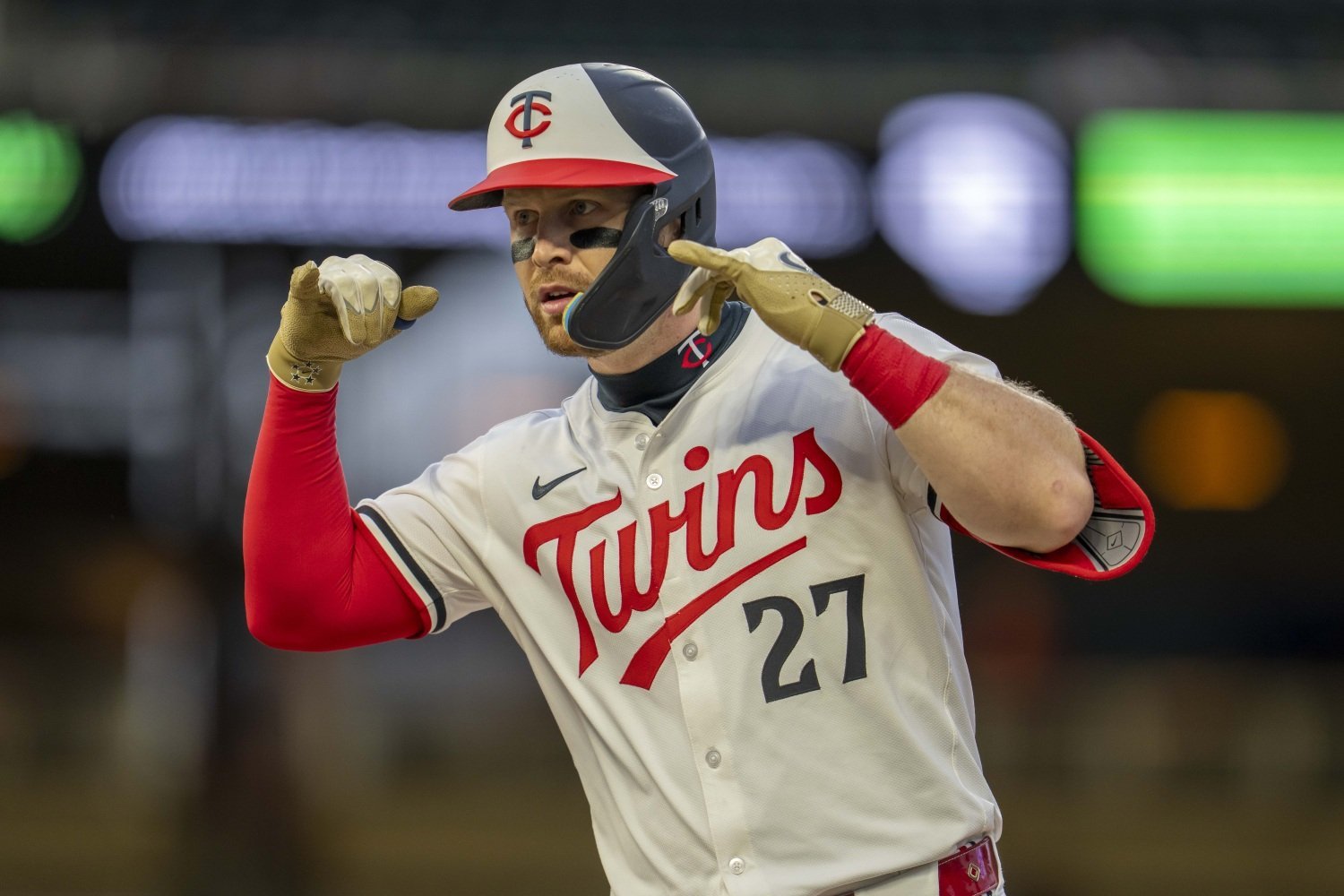 That might sound like a joke at first. Baseball players do not suddenly lose height over the offseason. But thanks to a new league-wide measurement system tied to the Automated Ball Strike challenge system, several members of the Minnesota Twins are officially a little shorter this spring. If this feels like a throwback, it should. Anyone who has been around a high school roster sheet remembers how flexible listed heights could be. Players stood a little taller, wore their cleats, and rounded up an inch or two when no one was looking. That era is effectively over at the major-league level. With the implementation of ABS, accuracy is no longer optional. Why MLB Suddenly Cares About Exact Height The ABS challenge system is coming to the big leagues, after several seasons of testing in the minors. Rather than relying solely on the home plate umpire, teams will now be able to challenge certain ball-or-strike calls, with a computer-generated strike zone determining the result. That strike zone is not one-size-fits-all. It's customized to each hitter, based on their height. The top and bottom of the zone are calculated using a player’s stance and physical measurements, which means even the smallest discrepancy can impact whether a pitch is ruled a ball or a strike. When you consider that some calls come down to the stitches of the ball, precision becomes critical. That's why MLB has standardized the measuring process in a way the sport has never seen before. Players are now measured without shoes or hats, with heels together, knees visible, backs against the wall, and no slouching allowed. Even the timing matters. Teams must conduct measurements between 10 AM and noon local time to minimize natural height variation throughout the day. “Because people shrink over the course of a day,” said Brewers assistant GM Will Hudgins, the club’s point man on ABS. “I’m not entirely sure how much, but I’ve been told that enough times to believe that it is scientifically true.” In other words, MLB is eliminating every possible variable. The Twins Who Got a Little Shorter With the new system in place, several Twins saw their official listings tick down by an inch. This compares their 2025 listed heights on MLB.com to their current 2026 listed heights. Ryan Jeffers goes from 6-foot-3 to 6-foot-2. Brooks Lee shifts from 6-foot-1 to 6 feet. Byron Buxton drops from 6-foot-2 to 6-foot-1. Gabriel Gonzalez moves from 5-foot-11 to 5-foot-10. Austin Martin also slides from 5-foot-11 to 5-foot-10. None of these changes are dramatic, but they are telling. Across the league, players are almost universally being measured slightly shorter than their previously listed heights. It's less about shrinking, and more about finally being measured the same way across all 30 organizations. Over the weekend, Alex Bregman’s height was the one being most circulated. Two seasons ago, his height was listed as 6 feet. Last season, he dipped to 5-foot-11, and he enters the 2026 season an inch shorter than that. Why It Matters More Than You Think It would be easy to dismiss this as a quirky footnote of spring training, but it ties directly into how games will be decided. A slightly lower top of the strike zone for a player like Buxton could turn a borderline high fastball into a ball instead of a strike. Over the course of a season, those margins add up. ABS has already passed through multiple iterations in the minor leagues, where players and teams have become comfortable with the challenge system and the technology behind it. As it reaches MLB this season, the expectation is that the process will be smoother, even if it still invites debate. And debate is inevitable. Strike zones have always been part science and part art. Now, the league is leaning harder into the science than ever before. Baseball has always been described as a game of inches. This season, that idea becomes more literal than ever. The Twins are not actually shrinking. But thanks to a stricter, more consistent measuring system tied directly to the strike zone, they and the rest of the league are being defined with greater precision. In a sport where a fraction of an inch can change an at-bat, that's one of the most important changes of all. How much do you think changes in heights will impact ball and strike calls this year? Are you looking forward to the ABS system? Leave a comment and start the discussion.
- 17 comments
-
- 4
-

-
-
- byron buxton
- ryan jeffers
- (and 4 more)
-
Image courtesy of © Jesse Johnson-Imagn Images That might sound like a joke at first. Baseball players do not suddenly lose height over the offseason. But thanks to a new league-wide measurement system tied to the Automated Ball Strike challenge system, several members of the Minnesota Twins are officially a little shorter this spring. If this feels like a throwback, it should. Anyone who has been around a high school roster sheet remembers how flexible listed heights could be. Players stood a little taller, wore their cleats, and rounded up an inch or two when no one was looking. That era is effectively over at the major-league level. With the implementation of ABS, accuracy is no longer optional. Why MLB Suddenly Cares About Exact Height The ABS challenge system is coming to the big leagues, after several seasons of testing in the minors. Rather than relying solely on the home plate umpire, teams will now be able to challenge certain ball-or-strike calls, with a computer-generated strike zone determining the result. That strike zone is not one-size-fits-all. It's customized to each hitter, based on their height. The top and bottom of the zone are calculated using a player’s stance and physical measurements, which means even the smallest discrepancy can impact whether a pitch is ruled a ball or a strike. When you consider that some calls come down to the stitches of the ball, precision becomes critical. That's why MLB has standardized the measuring process in a way the sport has never seen before. Players are now measured without shoes or hats, with heels together, knees visible, backs against the wall, and no slouching allowed. Even the timing matters. Teams must conduct measurements between 10 AM and noon local time to minimize natural height variation throughout the day. “Because people shrink over the course of a day,” said Brewers assistant GM Will Hudgins, the club’s point man on ABS. “I’m not entirely sure how much, but I’ve been told that enough times to believe that it is scientifically true.” In other words, MLB is eliminating every possible variable. The Twins Who Got a Little Shorter With the new system in place, several Twins saw their official listings tick down by an inch. This compares their 2025 listed heights on MLB.com to their current 2026 listed heights. Ryan Jeffers goes from 6-foot-3 to 6-foot-2. Brooks Lee shifts from 6-foot-1 to 6 feet. Byron Buxton drops from 6-foot-2 to 6-foot-1. Gabriel Gonzalez moves from 5-foot-11 to 5-foot-10. Austin Martin also slides from 5-foot-11 to 5-foot-10. None of these changes are dramatic, but they are telling. Across the league, players are almost universally being measured slightly shorter than their previously listed heights. It's less about shrinking, and more about finally being measured the same way across all 30 organizations. Over the weekend, Alex Bregman’s height was the one being most circulated. Two seasons ago, his height was listed as 6 feet. Last season, he dipped to 5-foot-11, and he enters the 2026 season an inch shorter than that. Why It Matters More Than You Think It would be easy to dismiss this as a quirky footnote of spring training, but it ties directly into how games will be decided. A slightly lower top of the strike zone for a player like Buxton could turn a borderline high fastball into a ball instead of a strike. Over the course of a season, those margins add up. ABS has already passed through multiple iterations in the minor leagues, where players and teams have become comfortable with the challenge system and the technology behind it. As it reaches MLB this season, the expectation is that the process will be smoother, even if it still invites debate. And debate is inevitable. Strike zones have always been part science and part art. Now, the league is leaning harder into the science than ever before. Baseball has always been described as a game of inches. This season, that idea becomes more literal than ever. The Twins are not actually shrinking. But thanks to a stricter, more consistent measuring system tied directly to the strike zone, they and the rest of the league are being defined with greater precision. In a sport where a fraction of an inch can change an at-bat, that's one of the most important changes of all. How much do you think changes in heights will impact ball and strike calls this year? Are you looking forward to the ABS system? Leave a comment and start the discussion. View full article
- 17 replies
-
- 1
-
-
- byron buxton
- ryan jeffers
- (and 4 more)
-
The Minnesota Twins made another round of spring roster cuts, optioning both Ryan Kreidler and Eric Wagaman to Triple-A as Opening Day draws closer. While neither move comes as a complete surprise, the decisions help clarify how the bench picture is forming under new manager Derek Shelton. Kreidler’s path to the roster always felt like a narrow one. Claimed off waivers from the Pittsburgh organization in October, he brought some familiarity for Shelton, who previously spent time with the Pirates. That connection made him an intriguing under-the-radar candidate to win a backup middle infield role, especially given his defensive versatility. Ultimately, the bat did not provide enough support for the glove. Kreidler appeared in 17 spring games and went 6-for-39, good for a .154 average, with one home run and an 11-to-3 strikeout-to-walk ratio. The broader offensive track record paints a similar picture. Across 89 career big-league games, he owns a .383 OPS, which translates to an 11 OPS+. That level of production makes it difficult to justify a roster spot unless the defensive value is elite, and even then, there are limits to how much a team can carry offensively. Wagaman’s case is a bit different, but the result is the same. Acquired in early January in a trade that sent left-handed reliever Kade Bragg to Miami, Wagaman brought a more balanced offensive profile. He logged 140 games for the Marlins last season and hit .250/.296/.378 (.674). His 28 doubles and nine home runs helped him post an 86 OPS+, suggesting he can at least provide some pop off the bench. This spring, Wagaman showed flashes of that ability, going 10-for-39 with one home run and a 13-to-5 strikeout-to-walk ratio in 18 games. Still, without the same defensive upside as Kreidler, he needed to clearly separate himself offensively. That did not quite happen, leaving him on the outside looking in as the Twins finalized their bench mix. All signs now point to Orlando Arcia securing a spot on the Opening Day roster. The veteran infielder and former All-Star brings a longer track record and the ability to handle shortstop behind Brooks Lee. Even with a difficult 2025 season that saw him post a 42 OPS+ and -1.2 rWAR across 76 games between Atlanta and Colorado, Minnesota appears willing to bet on experience and defensive reliability in a reserve role. There is still time for things to shift at the margins, but this decision signals a clear preference from the Twins coaching staff. They are prioritizing stability up the middle while keeping additional depth in Triple-A should injuries or performance issues arise. In the end, both Kreidler and Wagaman remain part of the organizational picture. Each offers a different skill set that could become useful over the course of a long season. For now, though, the message is simple. The Twins are narrowing their focus, and the Opening Day roster is beginning to come into view. View full rumor
-
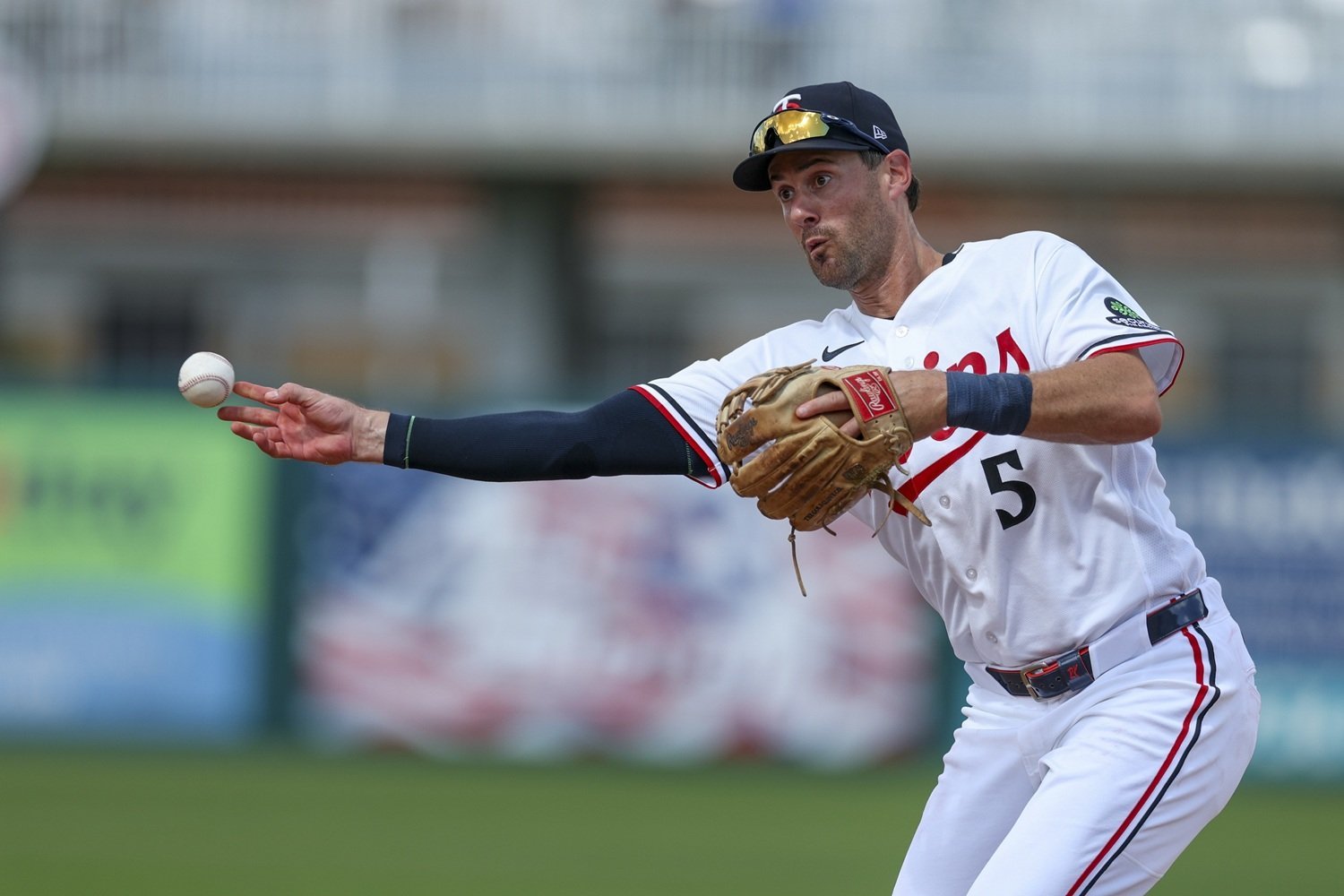 The Minnesota Twins made another round of spring roster cuts, optioning both Ryan Kreidler and Eric Wagaman to Triple-A as Opening Day draws closer. While neither move comes as a complete surprise, the decisions help clarify how the bench picture is forming under new manager Derek Shelton. Kreidler’s path to the roster always felt like a narrow one. Claimed off waivers from the Pittsburgh organization in October, he brought some familiarity for Shelton, who previously spent time with the Pirates. That connection made him an intriguing under-the-radar candidate to win a backup middle infield role, especially given his defensive versatility. Ultimately, the bat did not provide enough support for the glove. Kreidler appeared in 17 spring games and went 6-for-39, good for a .154 average, with one home run and an 11-to-3 strikeout-to-walk ratio. The broader offensive track record paints a similar picture. Across 89 career big-league games, he owns a .383 OPS, which translates to an 11 OPS+. That level of production makes it difficult to justify a roster spot unless the defensive value is elite, and even then, there are limits to how much a team can carry offensively. Wagaman’s case is a bit different, but the result is the same. Acquired in early January in a trade that sent left-handed reliever Kade Bragg to Miami, Wagaman brought a more balanced offensive profile. He logged 140 games for the Marlins last season and hit .250/.296/.378 (.674). His 28 doubles and nine home runs helped him post an 86 OPS+, suggesting he can at least provide some pop off the bench. This spring, Wagaman showed flashes of that ability, going 10-for-39 with one home run and a 13-to-5 strikeout-to-walk ratio in 18 games. Still, without the same defensive upside as Kreidler, he needed to clearly separate himself offensively. That did not quite happen, leaving him on the outside looking in as the Twins finalized their bench mix. All signs now point to Orlando Arcia securing a spot on the Opening Day roster. The veteran infielder and former All-Star brings a longer track record and the ability to handle shortstop behind Brooks Lee. Even with a difficult 2025 season that saw him post a 42 OPS+ and -1.2 rWAR across 76 games between Atlanta and Colorado, Minnesota appears willing to bet on experience and defensive reliability in a reserve role. There is still time for things to shift at the margins, but this decision signals a clear preference from the Twins coaching staff. They are prioritizing stability up the middle while keeping additional depth in Triple-A should injuries or performance issues arise. In the end, both Kreidler and Wagaman remain part of the organizational picture. Each offers a different skill set that could become useful over the course of a long season. For now, though, the message is simple. The Twins are narrowing their focus, and the Opening Day roster is beginning to come into view.
- 45 comments
-
- 2
-
-
- ryan kreidler
- eric wagaman
- (and 1 more)
-
Who Hits First? Sorting Through the 2026 Twins Leadoff Options
Cody Christie posted an article in Twins
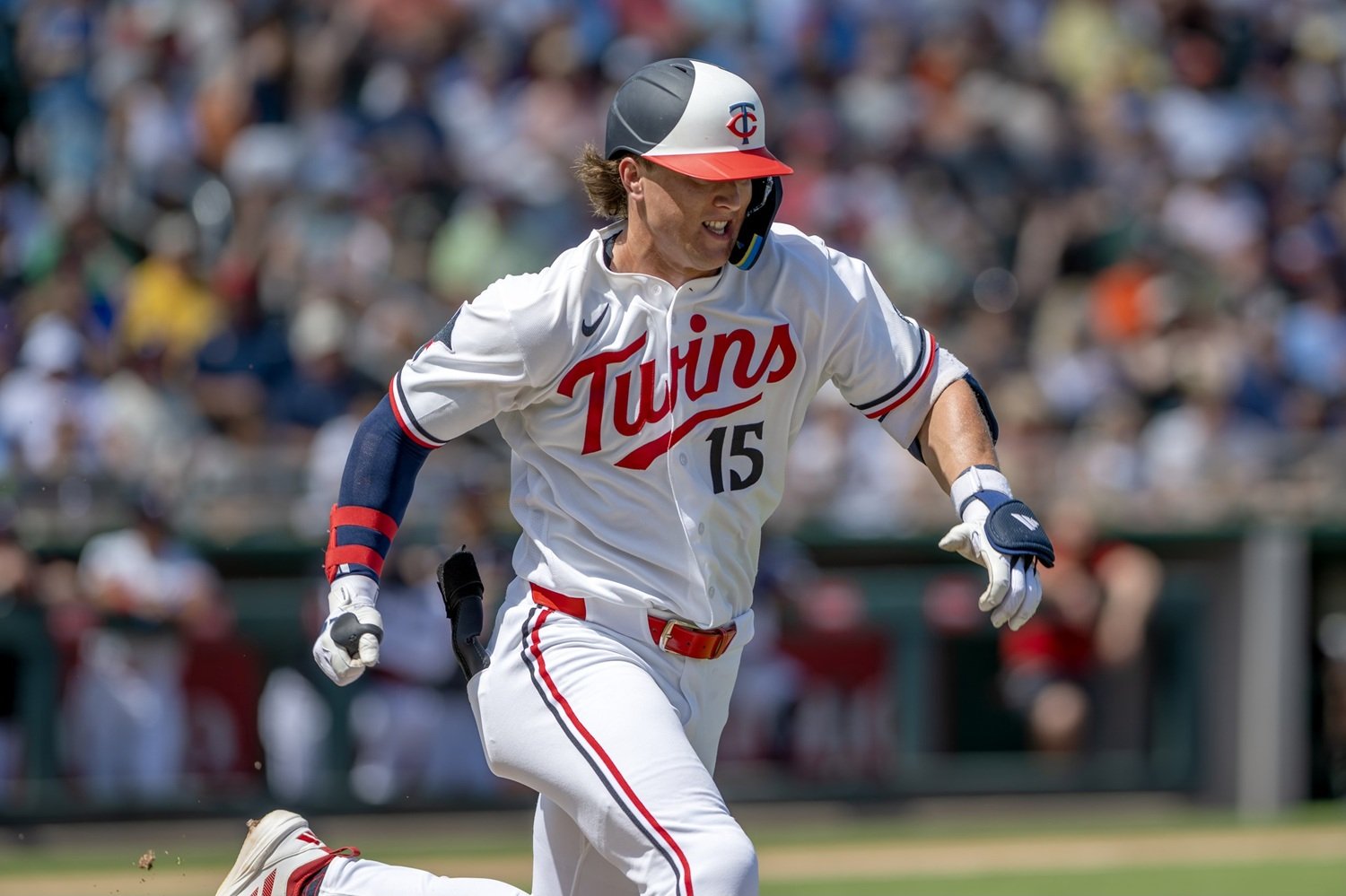 With a new manager in Derek Shelton, there are always questions about how specific lineup and roster decisions will play out. Over the weekend, the Twins named Joe Ryan as the team’s Opening Day starter, checking one major decision off the list before the regular season begins. Another question carries just as much intrigue, though: Who should be the Twins' leadoff hitter? The answer is not as simple as it once was. Teams across baseball have shifted their thinking in recent decades, prioritizing getting their best hitters more plate appearances by placing them at or near the top of the lineup. The logic is straightforward. More trips to the plate mean more opportunities to alter the game. At the same time, the sport has reintroduced elements that once defined traditional leadoff hitters. With rule changes encouraging stolen bases and more action on the basepaths, players who can get on base and create chaos still hold significant value. With the advent of the ABS challenge system, we could see a return of OBP-over-power guys, in general, regardless of whether speed is part of the package. Finding the right balance is where Shelton’s decision becomes interesting. Who Will Do It? Byron Buxton Reasons For: It feels like the easiest answer to the leadoff question is Buxton. He's the Twins’ best all-around hitter and one of their most dynamic offensive players. He has expressed comfort hitting at the top of the lineup, and putting him there ensures he will accumulate the most at-bats over the course of the season. There is also a growing trend of elite hitters occupying the leadoff spot, with stars like Shohei Ohtani doing it for contending teams. Reasons Against: There is an inherent tradeoff when your best hitter bats first. In the opening inning, there's no one on base ahead of him. Beyond that, the bottom of the lineup often provides less consistent on-base production, limiting RBI opportunities when the order turns over. While Buxton maximizes plate appearances in this role, it does not always maximize run-producing situations. Moreover, for all the things Buxton does well, he has a .308 career on-base percentage, and even since the start of 2024, that number is .330. That's a fine figure, but it's underwhelming for a leadoff man. Buxton's skill set is better suited to the No. 3 spot. Who Should Do It? Luke Keaschall Reasons For: Keaschall brings a more traditional leadoff profile, with a modern twist. He showed an ability to get on base during his rookie season and was efficient on the bases, going 14 for 17 in stolen base attempts despite limited playing time. His skill set could allow him to function as a true table setter, creating opportunities for Buxton to drive in runs from the number two spot. On Sunday, the Twins put this one-two punch into action, so there may be a chance it comes to fruition. Reasons Against: Keaschall has just over 200 major-league plate appearances, and some regression would not be surprising. Asking him to handle the leadoff role on a daily basis could add unnecessary pressure at this stage of his development, especially since he missed development time in the minors due to injury. The Twins may prefer to deploy him in different lineup spots to take advantage of matchups and ease that burden. Who Could Do It? Matt Wallner is one of the more unconventional options. Minnesota experimented with him in the leadoff spot against right-handed pitching last season, and the results were encouraging at times. Last season, he posted an .808 OPS against right-handed starters. His power profile is not typical for the role, but his ability to produce against righties gives Shelton a matchup-based alternative. Ryan Jeffers could factor into the equation as well, especially against left-handed pitching. He's been one of the team’s most productive right-handed bats in those situations, posting strong numbers that could justify giving him extra plate appearances at the top of the lineup when Buxton isn't in the order. Last season, Jeffers posted an .885 OPS when facing lefties and a .910 OPS when facing left-handed starting pitchers. Then there's Brooks Lee, a player once viewed as a prototypical leadoff hitter thanks to his bat-to-ball skills and approach. Those traits have yet to show up (and, indeed, contact is less important than plate discipline at the top of the lineup; Lee has never demonstrated good patience), but the organization still believes in his offensive upside. If he takes a step forward, he could reenter the conversation later in the year. Shelton’s first few lineup cards will be closely watched, but this is unlikely to be a one-time decision. The Twins have multiple viable options, each offering a different look depending on the matchup, health, and performance. Buxton remains the most logical choice to open the season, simply because of his talent and impact. However, Keaschall represents an intriguing alternative who could shift the lineup dynamic if he continues to develop. Meanwhile, players like Wallner, Jeffers, and Lee provide flexibility that could allow Shelton to adjust on the fly. In today’s game, the leadoff spot is less about fitting a mold and more about maximizing value. The Twins have the pieces to experiment, and how Shelton deploys them could quietly become one of the defining storylines of the 2026 season. Who should be the team's leadoff hitter? Leave a comment and start the discussion.
- 26 comments
-
- 1
-
-
- byron buxton
- luke keaschall
- (and 3 more)
-
Image courtesy of William Parmeter With a new manager in Derek Shelton, there are always questions about how specific lineup and roster decisions will play out. Over the weekend, the Twins named Joe Ryan as the team’s Opening Day starter, checking one major decision off the list before the regular season begins. Another question carries just as much intrigue, though: Who should be the Twins' leadoff hitter? The answer is not as simple as it once was. Teams across baseball have shifted their thinking in recent decades, prioritizing getting their best hitters more plate appearances by placing them at or near the top of the lineup. The logic is straightforward. More trips to the plate mean more opportunities to alter the game. At the same time, the sport has reintroduced elements that once defined traditional leadoff hitters. With rule changes encouraging stolen bases and more action on the basepaths, players who can get on base and create chaos still hold significant value. With the advent of the ABS challenge system, we could see a return of OBP-over-power guys, in general, regardless of whether speed is part of the package. Finding the right balance is where Shelton’s decision becomes interesting. Who Will Do It? Byron Buxton Reasons For: It feels like the easiest answer to the leadoff question is Buxton. He's the Twins’ best all-around hitter and one of their most dynamic offensive players. He has expressed comfort hitting at the top of the lineup, and putting him there ensures he will accumulate the most at-bats over the course of the season. There is also a growing trend of elite hitters occupying the leadoff spot, with stars like Shohei Ohtani doing it for contending teams. Reasons Against: There is an inherent tradeoff when your best hitter bats first. In the opening inning, there's no one on base ahead of him. Beyond that, the bottom of the lineup often provides less consistent on-base production, limiting RBI opportunities when the order turns over. While Buxton maximizes plate appearances in this role, it does not always maximize run-producing situations. Moreover, for all the things Buxton does well, he has a .308 career on-base percentage, and even since the start of 2024, that number is .330. That's a fine figure, but it's underwhelming for a leadoff man. Buxton's skill set is better suited to the No. 3 spot. Who Should Do It? Luke Keaschall Reasons For: Keaschall brings a more traditional leadoff profile, with a modern twist. He showed an ability to get on base during his rookie season and was efficient on the bases, going 14 for 17 in stolen base attempts despite limited playing time. His skill set could allow him to function as a true table setter, creating opportunities for Buxton to drive in runs from the number two spot. On Sunday, the Twins put this one-two punch into action, so there may be a chance it comes to fruition. Reasons Against: Keaschall has just over 200 major-league plate appearances, and some regression would not be surprising. Asking him to handle the leadoff role on a daily basis could add unnecessary pressure at this stage of his development, especially since he missed development time in the minors due to injury. The Twins may prefer to deploy him in different lineup spots to take advantage of matchups and ease that burden. Who Could Do It? Matt Wallner is one of the more unconventional options. Minnesota experimented with him in the leadoff spot against right-handed pitching last season, and the results were encouraging at times. Last season, he posted an .808 OPS against right-handed starters. His power profile is not typical for the role, but his ability to produce against righties gives Shelton a matchup-based alternative. Ryan Jeffers could factor into the equation as well, especially against left-handed pitching. He's been one of the team’s most productive right-handed bats in those situations, posting strong numbers that could justify giving him extra plate appearances at the top of the lineup when Buxton isn't in the order. Last season, Jeffers posted an .885 OPS when facing lefties and a .910 OPS when facing left-handed starting pitchers. Then there's Brooks Lee, a player once viewed as a prototypical leadoff hitter thanks to his bat-to-ball skills and approach. Those traits have yet to show up (and, indeed, contact is less important than plate discipline at the top of the lineup; Lee has never demonstrated good patience), but the organization still believes in his offensive upside. If he takes a step forward, he could reenter the conversation later in the year. Shelton’s first few lineup cards will be closely watched, but this is unlikely to be a one-time decision. The Twins have multiple viable options, each offering a different look depending on the matchup, health, and performance. Buxton remains the most logical choice to open the season, simply because of his talent and impact. However, Keaschall represents an intriguing alternative who could shift the lineup dynamic if he continues to develop. Meanwhile, players like Wallner, Jeffers, and Lee provide flexibility that could allow Shelton to adjust on the fly. In today’s game, the leadoff spot is less about fitting a mold and more about maximizing value. The Twins have the pieces to experiment, and how Shelton deploys them could quietly become one of the defining storylines of the 2026 season. Who should be the team's leadoff hitter? Leave a comment and start the discussion. View full article
-
Image courtesy of © Bruce Kluckhohn-Imagn Images There are a few guarantees in life. Death. Taxes. And Chicago White Sox fans logging on to explain why projections are not just wrong, but deeply offensive on a personal level. This week’s outrage stems from FanGraphs projecting the Minnesota Twins to finish 79-83, while the White Sox sit at a cozy 69-93. In most corners of the baseball world, that would register as a shrug. In the digital corners occupied by White Sox Twitter, it has sparked a full-scale philosophical crisis. User @SouthSideScholar took a measured approach. “79 wins for the Twins is comedy. Name five players on their roster without Googling. I dare you.” User @RealChiSoxTruth responded moments later with a thread that included 47 tweets, three pie charts, and a conspiracy theory about lake-effect weather. “The projections don’t account for vibes. Our vibes are elite this year. Minnesota’s vibes are like a Tuesday at the DMV.” Others pointed to the White Sox offseason as clear evidence that the gap should not only be closed, but reversed entirely. “People are sleeping on Munetaka Murakami ,” wrote @MurakiMVP2026. “You don’t just import a first baseman from Japan and not immediately add 20 wins. That’s basic baseball economics.” Muraki, who has yet to take a regular season at bat in Major League Baseball, has already become a cornerstone of online optimism. According to at least six accounts with egg avatars, his swing alone is worth “minimum four WAR based on aura.” The bullpen additions have only strengthened the case. “Seranthony Dominguez is depth,” posted @DepthWinsTitles. “Do you know what depth is? Championships are built on depth. We have depth. Therefore, do the math.” Ironically, math is at the center of the current dispute, though not in the way projections intended. There is also growing excitement around the rotation, where Anthony Kay has become something of a folk hero before throwing a meaningful pitch. “Anthony Kay breakout season incoming,” @KayHive declared. “People forget he once threw a baseball 95 miles per hour. That doesn’t just go away.” Twins fans, for their part, have mostly watched from a safe distance, occasionally checking in like one might observe a storm from across a lake. A few have attempted to engage, only to be met with replies that include phrases like “small market propaganda” and “midwestern bias.” Back on the South Side, the frustration continues to build. “I’m not saying projections are fake,” @SoxLogicGuy posted. “I’m just saying if you adjust every variable to favor the White Sox, we clearly win 90 games.” At press time, FanGraphs had not responded to requests to simply “feel the vibes” before updating their projections. Meanwhile in Minnesota, the reaction has been far less dramatic and significantly more passive-aggressive. Twins fans have spent the past 48 hours pretending not to notice while quietly bookmarking screenshots for future use. User @MNNiceButPetty summed it up best. “I don’t even care about projections. But I have saved 12 of these tweets just in case.” There is also a growing sense of confusion among the Twins faithful. Not about their own team, but about how a 79-win projection somehow qualifies as disrespect. “Are we good now?” asked @TargetFieldTherapist. “Because last year, everyone said we weren’t. Now we’re projected to be mid, and it’s still a problem.” Inside the clubhouse, one can only assume the Twins are preparing in the most dangerous way possible, by saying very little and letting the internet do the talking for them. If nothing else, Minnesota appears poised to weaponize mild expectations, polite indifference, and a deep archive of receipts. And if the projections do hold, Twins fans may not say much at all. They will just like a few old tweets, nod quietly, and go back to insisting they were never worried in the first place. View full article
-
White Sox Fans Outraged That Math Exists and It Favors the Twins
Cody Christie posted an article in Just For Fun
 There are a few guarantees in life. Death. Taxes. And Chicago White Sox fans logging on to explain why projections are not just wrong, but deeply offensive on a personal level. This week’s outrage stems from FanGraphs projecting the Minnesota Twins to finish 79-83, while the White Sox sit at a cozy 69-93. In most corners of the baseball world, that would register as a shrug. In the digital corners occupied by White Sox Twitter, it has sparked a full-scale philosophical crisis. User @SouthSideScholar took a measured approach. “79 wins for the Twins is comedy. Name five players on their roster without Googling. I dare you.” User @RealChiSoxTruth responded moments later with a thread that included 47 tweets, three pie charts, and a conspiracy theory about lake-effect weather. “The projections don’t account for vibes. Our vibes are elite this year. Minnesota’s vibes are like a Tuesday at the DMV.” Others pointed to the White Sox offseason as clear evidence that the gap should not only be closed, but reversed entirely. “People are sleeping on Munetaka Murakami ,” wrote @MurakiMVP2026. “You don’t just import a first baseman from Japan and not immediately add 20 wins. That’s basic baseball economics.” Muraki, who has yet to take a regular season at bat in Major League Baseball, has already become a cornerstone of online optimism. According to at least six accounts with egg avatars, his swing alone is worth “minimum four WAR based on aura.” The bullpen additions have only strengthened the case. “Seranthony Dominguez is depth,” posted @DepthWinsTitles. “Do you know what depth is? Championships are built on depth. We have depth. Therefore, do the math.” Ironically, math is at the center of the current dispute, though not in the way projections intended. There is also growing excitement around the rotation, where Anthony Kay has become something of a folk hero before throwing a meaningful pitch. “Anthony Kay breakout season incoming,” @KayHive declared. “People forget he once threw a baseball 95 miles per hour. That doesn’t just go away.” Twins fans, for their part, have mostly watched from a safe distance, occasionally checking in like one might observe a storm from across a lake. A few have attempted to engage, only to be met with replies that include phrases like “small market propaganda” and “midwestern bias.” Back on the South Side, the frustration continues to build. “I’m not saying projections are fake,” @SoxLogicGuy posted. “I’m just saying if you adjust every variable to favor the White Sox, we clearly win 90 games.” At press time, FanGraphs had not responded to requests to simply “feel the vibes” before updating their projections. Meanwhile in Minnesota, the reaction has been far less dramatic and significantly more passive-aggressive. Twins fans have spent the past 48 hours pretending not to notice while quietly bookmarking screenshots for future use. User @MNNiceButPetty summed it up best. “I don’t even care about projections. But I have saved 12 of these tweets just in case.” There is also a growing sense of confusion among the Twins faithful. Not about their own team, but about how a 79-win projection somehow qualifies as disrespect. “Are we good now?” asked @TargetFieldTherapist. “Because last year, everyone said we weren’t. Now we’re projected to be mid, and it’s still a problem.” Inside the clubhouse, one can only assume the Twins are preparing in the most dangerous way possible, by saying very little and letting the internet do the talking for them. If nothing else, Minnesota appears poised to weaponize mild expectations, polite indifference, and a deep archive of receipts. And if the projections do hold, Twins fans may not say much at all. They will just like a few old tweets, nod quietly, and go back to insisting they were never worried in the first place.
- 4 comments
-
- 1
-
-
- munetaka murakami
- seranthony dominguez
- (and 1 more)
-
There are plenty of moments that define a player’s tenure with the Minnesota Twins, but for Carlos Correa, one of the most impactful experiences happened away from the field. In a recent conversation with MLB.com reporter Brian McTaggart, Correa shared details of a terrifying moment on Lake Minnetonka that nearly cost him and his young son their lives. The incident occurred in mid-July, while Correa was out on the water with family. At one point, he and his three-year-old son Kylo found themselves separated from their boat and struggling to stay afloat. Without a life jacket and with his son clinging to his back, Correa quickly realized the situation was more dangerous than it first appeared. As he fought to keep them both above water, severe cramping set in throughout his legs. The physical toll made it increasingly difficult to stay afloat, forcing Correa to search for anything nearby that could provide support. Eventually, he reached a buoy, but even that proved challenging. After initially losing his grip and slipping beneath the surface, Correa injured his left hand while grabbing onto the chain. With limited strength and fading energy, he alternated hands to maintain his hold while keeping his son secure. It was a desperate effort just to buy time. Correa was eventually able to call out for help, catching the attention of his father-in-law near the boat. He swam over and delivered a life jacket, bringing a frightening situation under control before it turned tragic. Looking back, Correa credited his faith for helping him endure the ordeal, describing it as a moment that tested both his body and mindset. The timing only adds another layer to the story. Correa indicated the scare occurred around the All-Star break, and within a couple of weeks, his time in Minnesota came to an abrupt end. The Twins moved on from Correa at the trade deadline in what amounted to a financial decision. The return was minimal, Matt Mikulski, a minor league player who did not factor into the organization’s long-term plans and was eventually released after the 2025 season. Correa’s tenure with Minnesota still carried significance. After signing one of the largest contracts in franchise history prior to the 2023 season, he provided stability at shortstop and delivered consistent production. Across three and a half seasons, he posted a 118 OPS+ with 61 home runs and earned an All-Star selection during his time in Minnesota. He also played a key role in the 2023 club that finally snapped the franchise’s lengthy postseason drought, helping the Twins secure their first playoff series victory in more than two decades. However, the momentum did not carry over. A reduction in payroll the following offseason limited the team’s ability to build on that success, and Minnesota was unable to return to the playoffs before ultimately parting ways with its star shortstop. After returning to the Houston Astros, where his career originally began, Correa found another gear at the plate. He combined for a 117 OPS+ over 51 games down the stretch, a noticeable jump from his .94 OPS+ in 93 games with Minnesota earlier in the 2025 season. In the end, Correa’s departure will be remembered for what it meant on the field and in the front office. But his story now carries something deeper. Before the trade, before the roster decisions, there was a moment on a Minnesota lake that nearly changed everything. View full rumor
-
 There are plenty of moments that define a player’s tenure with the Minnesota Twins, but for Carlos Correa, one of the most impactful experiences happened away from the field. In a recent conversation with MLB.com reporter Brian McTaggart, Correa shared details of a terrifying moment on Lake Minnetonka that nearly cost him and his young son their lives. The incident occurred in mid-July, while Correa was out on the water with family. At one point, he and his three-year-old son Kylo found themselves separated from their boat and struggling to stay afloat. Without a life jacket and with his son clinging to his back, Correa quickly realized the situation was more dangerous than it first appeared. As he fought to keep them both above water, severe cramping set in throughout his legs. The physical toll made it increasingly difficult to stay afloat, forcing Correa to search for anything nearby that could provide support. Eventually, he reached a buoy, but even that proved challenging. After initially losing his grip and slipping beneath the surface, Correa injured his left hand while grabbing onto the chain. With limited strength and fading energy, he alternated hands to maintain his hold while keeping his son secure. It was a desperate effort just to buy time. Correa was eventually able to call out for help, catching the attention of his father-in-law near the boat. He swam over and delivered a life jacket, bringing a frightening situation under control before it turned tragic. Looking back, Correa credited his faith for helping him endure the ordeal, describing it as a moment that tested both his body and mindset. The timing only adds another layer to the story. Correa indicated the scare occurred around the All-Star break, and within a couple of weeks, his time in Minnesota came to an abrupt end. The Twins moved on from Correa at the trade deadline in what amounted to a financial decision. The return was minimal, Matt Mikulski, a minor league player who did not factor into the organization’s long-term plans and was eventually released after the 2025 season. Correa’s tenure with Minnesota still carried significance. After signing one of the largest contracts in franchise history prior to the 2023 season, he provided stability at shortstop and delivered consistent production. Across three and a half seasons, he posted a 118 OPS+ with 61 home runs and earned an All-Star selection during his time in Minnesota. He also played a key role in the 2023 club that finally snapped the franchise’s lengthy postseason drought, helping the Twins secure their first playoff series victory in more than two decades. However, the momentum did not carry over. A reduction in payroll the following offseason limited the team’s ability to build on that success, and Minnesota was unable to return to the playoffs before ultimately parting ways with its star shortstop. After returning to the Houston Astros, where his career originally began, Correa found another gear at the plate. He combined for a 117 OPS+ over 51 games down the stretch, a noticeable jump from his .94 OPS+ in 93 games with Minnesota earlier in the 2025 season. In the end, Correa’s departure will be remembered for what it meant on the field and in the front office. But his story now carries something deeper. Before the trade, before the roster decisions, there was a moment on a Minnesota lake that nearly changed everything.
 -
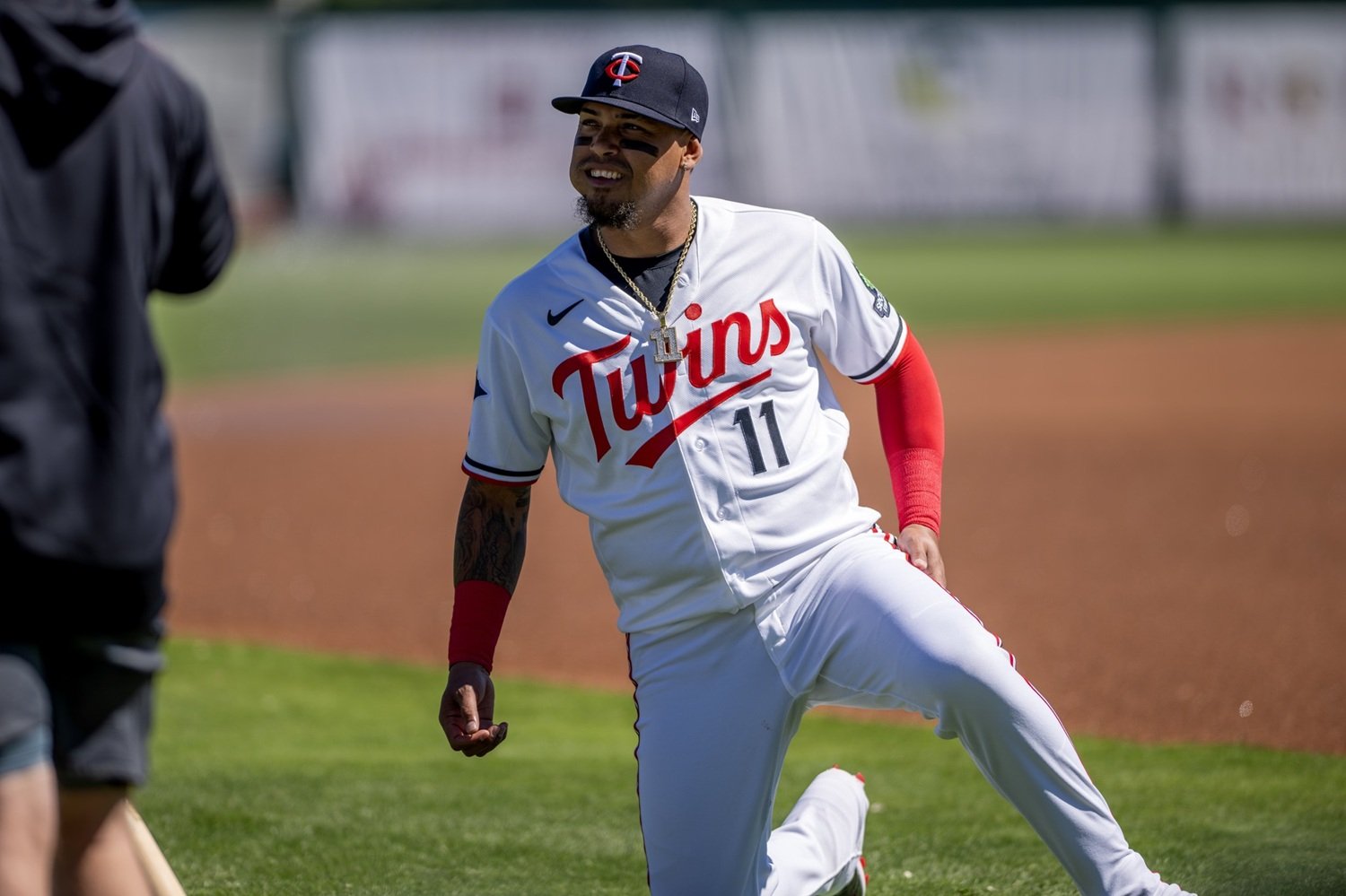 As spring training winds down, the competition for Minnesota’s final bench spot is one of the most intriguing roster questions. The Twins appear to have most of their position player group set, but the backup shortstop job is still unsettled. With Brooks Lee expected to be the team’s primary shortstop, Minnesota needs a reliable defensive option behind him. That competition currently centers on two players with very different profiles. Ryan Kreidler is already on the 40-man roster and offers defensive versatility, while Orlando Arcia brings a decade of big league experience and a past All-Star selection. Neither player is expected to contribute much with the bat, which places even greater pressure on Lee to produce at shortstop in his age-25 season. Why Kreidler Should Make the Roster Kreidler appears to have the inside track entering the final week of spring training. The biggest reason may have nothing to do with his on-field performance. He is already on the Twins’ 40- man roster, making the decision much simpler from a roster management perspective. Teams often prefer to keep depth options they already control, especially when the alternative requires adding a non-roster player. That factor alone could give Kreidler the edge. Defensively, Kreidler offers the type of versatility that managers value on the bench. He has experience at all three infield spots to the left of first base and has also logged time in both center field and left field. That ability to move around the diamond could make him a valuable late-inning defensive replacement. Kreidler has also flashed some offensive potential in the minor leagues. Across 1,963 career minor league plate appearances, he has posted a .236/.342/.401 slash line with a 106 wRC+. His most recent season produced a .238/.363/.389 line and a 109 wRC+ in 401 plate appearances. Those numbers suggest that if even a portion of his minor-league production translates to the majors, Kreidler could develop into a useful utility player. Why Kreidler Could Be Left Off the Roster While Kreidler’s minor league numbers offer some optimism, his major league track record has been extremely limited and largely unproductive. He has appeared in parts of four big league seasons but has accumulated just 211 plate appearances during that span. In those opportunities, Kreidler has struggled to make consistent contact, owning a slashline of .138/.208/.176. The strikeouts have been particularly concerning. Kreidler has struck out in 31.8 percent of his major league plate appearances, contributing to an overall .383 OPS. Even if the Twins primarily value his defense, it becomes difficult to justify a roster spot when the offensive production has been so minimal. If Minnesota decides they need even marginally better offense from the final bench spot, Kreidler could lose ground in the competition. Why Arcia Should Make the Roster Arcia represents the veteran alternative in this battle. The 31-year-old is entering his 10th major league season and brings a wealth of experience compared to Kreidler. At one point in his career, Arcia was a reliable everyday shortstop and even earned an All-Star selection with the Atlanta Braves. While that version of Arcia may be in the past, the Twins could value the presence of a seasoned player on their bench. He appeared in 76 games during the 2025 season, splitting time between the Atlanta Braves and the Colorado Rockies. After Atlanta released him in May, Colorado quickly signed him to a major league deal and used him in a variety of roles. Arcia’s versatility has grown in recent years. Once known strictly as a shortstop, he played all four infield positions in Colorado, including the first appearance of his career at first base. That expanded defensive role could make him an appealing utility option. If Arcia proves capable of handling multiple infield spots, he might provide more flexibility for manager Derek Shelton when constructing the bench. Why Arcia Could Be Left Off the Roster Despite his experience, Arcia faces significant challenges in earning the final roster spot. His offensive production has declined sharply over the past two seasons. In 214 plate appearances during the 2025 season, Arcia hit just .202/.238/.291. His 33 wRC+ ranked as the lowest mark of his career and the second-worst among players with at least 200 plate appearances last year. The decline has also extended to his defense. During his early years with the Milwaukee Brewers, Arcia was considered an excellent defensive shortstop. In recent seasons, however, his glovework has graded closer to average. Age and roster logistics could also work against him. As a non-roster invitee, Arcia would require the Twins to make a corresponding move to add him to the 40-man roster. In contrast, Kreidler already occupies a spot and can be added to the Opening Day roster without additional maneuvering. If the Twins prioritize roster flexibility and long-term depth, Arcia may ultimately fall short in this competition. The battle for the final bench spot reflects two different approaches to roster construction. On one side, Kreidler offers youth, defensive versatility, and the convenience of already being on the 40-man roster. Additionally, his glove could make him a useful late-inning option even if the bat never fully develops. Arcia brings experience and a track record, including years as a starting shortstop in the majors. Even if his best seasons are behind him, the Twins may believe the veteran still has something left in the tank. Regardless of who ultimately earns the job, the situation underscores the importance of Lee’s development. With limited offensive expectations from either backup, the Twins need their young shortstop to anchor the position throughout the 2026 season. Who will win the backup shortstop role for Opening Day? Leave a comment and start the discussion.
- 45 comments
-
- 2
-
-
- orlando arcia
- ryan kreidler
- (and 1 more)
-
Image courtesy of Peter Aiken-Imagn Images Minnesota’s most notable right-handed bullpen addition of the offseason is no longer in camp. The Twins have granted Liam Hendriks his release, allowing the veteran to pursue an opportunity elsewhere just days before the regular season begins. Hendriks’ contract always made this a possibility. He carried multiple opt-out dates, including one a week before Opening Day, another on May 1, and a final date on June 1. Once triggered, the Twins had a 48-hour window to either add him to the 40-man roster or release him back into free agency. Minnesota ultimately chose the latter, ending what had been a quietly intriguing spring storyline. On the surface, that decision feels a bit surprising. Hendriks showed legitimate progress throughout camp. He allowed three earned runs across seven innings while striking out five and walking five. More importantly, his velocity ticked upward as the spring progressed. After sitting in the low 90s early, he began reaching the mid-90s in his most recent outings, a sign that his arm strength was trending in the right direction. There was a path for Hendriks to matter here. At times, it even felt like more than that. Given the uncertainty surrounding the bullpen, there had been speculation that he could factor into late-inning situations or even work his way into the closer conversation if everything clicked. Instead, the Twins will move forward without him, and the relief picture becomes significantly more complicated. For now, Taylor Rogers appears to be the default option to handle the ninth inning. That alone speaks to the current construction of this group. Rogers is joined by fellow left-handers Kody Funderburk, Anthony Banda, and non-roster invitee Andrew Chafin, giving Minnesota an unusually left-heavy mix of bullpen candidates. The right-handed side offers far less certainty. Cole Sands is positioned to handle the bulk of the late-inning work to open the season, while Justin Topa and Eric Orze project more naturally into middle-inning roles. There are depth options like Travis Adams *(currently hurt) or Zak Kent who could factor into multi-inning spots, but those are hardly proven solutions for a team whose ownership has insisted will be competitive this year. That is what makes this decision linger a bit. Hendriks may not be the dominant force he once was, and there is a fair argument that his best days are behind him. Still, this is a bullpen lacking established right-handed options and defined roles. Passing on a veteran who was showing signs of life in March is a gamble, especially when the alternatives come with just as many questions. Stepping back, the Twins bullpen looks less like a finished product and more like a collection of maybes. There is an imbalance in handedness, limited late-inning experience, and no clear hierarchy beyond Rogers by default. Teams rarely carry four left-handed relievers, let alone a group without elite track records, and yet that is the direction Minnesota appears to be heading. Perhaps the Twins have another move in the works. The week before Opening Day can bring trades of players on the fringes of the roster. There is also a chance that a right-handed reliever will be placed on waivers, and the Twins could claim him for nothing. Still, the Hendriks decision seems short-sighted. Hendriks might be older and past his peak, but he also represented something this bullpen currently lacks: a potential answer. Instead, the Twins will head into the season with a relief corps that feels unsettled, unproven, and, at least for now, a bit of a mess. What are your thoughts on the Twins releasing Hendriks? Can this bullpen be successful as currently constructed? Leave a comment and start the discussion. View full article
-
Twins Grant Liam Hendriks His Release as Bullpen Questions Grow
Cody Christie posted an article in Twins
 Minnesota’s most notable right-handed bullpen addition of the offseason is no longer in camp. The Twins have granted Liam Hendriks his release, allowing the veteran to pursue an opportunity elsewhere just days before the regular season begins. Hendriks’ contract always made this a possibility. He carried multiple opt-out dates, including one a week before Opening Day, another on May 1, and a final date on June 1. Once triggered, the Twins had a 48-hour window to either add him to the 40-man roster or release him back into free agency. Minnesota ultimately chose the latter, ending what had been a quietly intriguing spring storyline. On the surface, that decision feels a bit surprising. Hendriks showed legitimate progress throughout camp. He allowed three earned runs across seven innings while striking out five and walking five. More importantly, his velocity ticked upward as the spring progressed. After sitting in the low 90s early, he began reaching the mid-90s in his most recent outings, a sign that his arm strength was trending in the right direction. There was a path for Hendriks to matter here. At times, it even felt like more than that. Given the uncertainty surrounding the bullpen, there had been speculation that he could factor into late-inning situations or even work his way into the closer conversation if everything clicked. Instead, the Twins will move forward without him, and the relief picture becomes significantly more complicated. For now, Taylor Rogers appears to be the default option to handle the ninth inning. That alone speaks to the current construction of this group. Rogers is joined by fellow left-handers Kody Funderburk, Anthony Banda, and non-roster invitee Andrew Chafin, giving Minnesota an unusually left-heavy mix of bullpen candidates. The right-handed side offers far less certainty. Cole Sands is positioned to handle the bulk of the late-inning work to open the season, while Justin Topa and Eric Orze project more naturally into middle-inning roles. There are depth options like Travis Adams *(currently hurt) or Zak Kent who could factor into multi-inning spots, but those are hardly proven solutions for a team whose ownership has insisted will be competitive this year. That is what makes this decision linger a bit. Hendriks may not be the dominant force he once was, and there is a fair argument that his best days are behind him. Still, this is a bullpen lacking established right-handed options and defined roles. Passing on a veteran who was showing signs of life in March is a gamble, especially when the alternatives come with just as many questions. Stepping back, the Twins bullpen looks less like a finished product and more like a collection of maybes. There is an imbalance in handedness, limited late-inning experience, and no clear hierarchy beyond Rogers by default. Teams rarely carry four left-handed relievers, let alone a group without elite track records, and yet that is the direction Minnesota appears to be heading. Perhaps the Twins have another move in the works. The week before Opening Day can bring trades of players on the fringes of the roster. There is also a chance that a right-handed reliever will be placed on waivers, and the Twins could claim him for nothing. Still, the Hendriks decision seems short-sighted. Hendriks might be older and past his peak, but he also represented something this bullpen currently lacks: a potential answer. Instead, the Twins will head into the season with a relief corps that feels unsettled, unproven, and, at least for now, a bit of a mess. What are your thoughts on the Twins releasing Hendriks? Can this bullpen be successful as currently constructed? Leave a comment and start the discussion.
- 41 comments
-
- 5
-
-
- liam hendriks
- taylor rogers
- (and 3 more)
-
The Minnesota Twins made a notable decision as camp winds down, reassigning Zebby Matthews to minor league camp and effectively handing the final rotation spot to Mick Abel. Coming into spring, Matthews looked like the logical favorite. He had more experience at the big league level and appeared poised to build on that foundation. Instead, the right-hander ran into trouble. Over 11 innings, he allowed seven earned runs while striking out nine and walking four. The results were not disastrous, but they were not convincing enough to lock down a job. Abel, on the other hand, forced the organization’s hand. Despite having fewer than 40 innings of major league experience, Abel delivered one of the most electric performances in camp. Across 13 1/3 innings, he gave up just two earned runs while racking up 17 strikeouts against a single walk. It was dominance paired with control, the exact combination teams want to see when evaluating young arms. That showing also served as a reminder of why Minnesota targeted him in last summer’s deal involving Jhoan Duran. The raw stuff has always been there, but this spring offered a glimpse of a pitcher beginning to harness it. With Abel now in place, the Twins’ Opening Day rotation appears set. Joe Ryan will take the ball first, followed by Bailey Ober, Simeon Woods Richardson, Taj Bradley, and Abel, rounding things out. Of course, spring decisions rarely tell the full story of a season. Matthews may be heading to Triple-A, but it would be surprising if he stayed there long. Pitching depth is tested early and often, and Minnesota already has questions to monitor. Ober’s velocity has been one of the biggest storylines of camp. The right-hander failed to crack 90 miles per hour in his most recent outing, raising concerns that are difficult to ignore. While the Twins will give him the opportunity to start, it is fair to wonder how sustainable success can be with diminished velocity and no clear explanation. That uncertainty only reinforces a simple truth across the league. Teams do not just need five starters. They need eight or ten. Matthews figures to be at the front of that next wave, and he will not be alone. Arms like Andrew Morris, Connor Prielipp, and Kendry Rojas are waiting in the wings at Triple-A. Each brings upside, and each could find themselves taking meaningful innings as the season unfolds. The Twins made their choice for Opening Day, but the reality is that this rotation is far from finished. It is simply the first version of what will be an evolving group all summer long. View full rumor
-
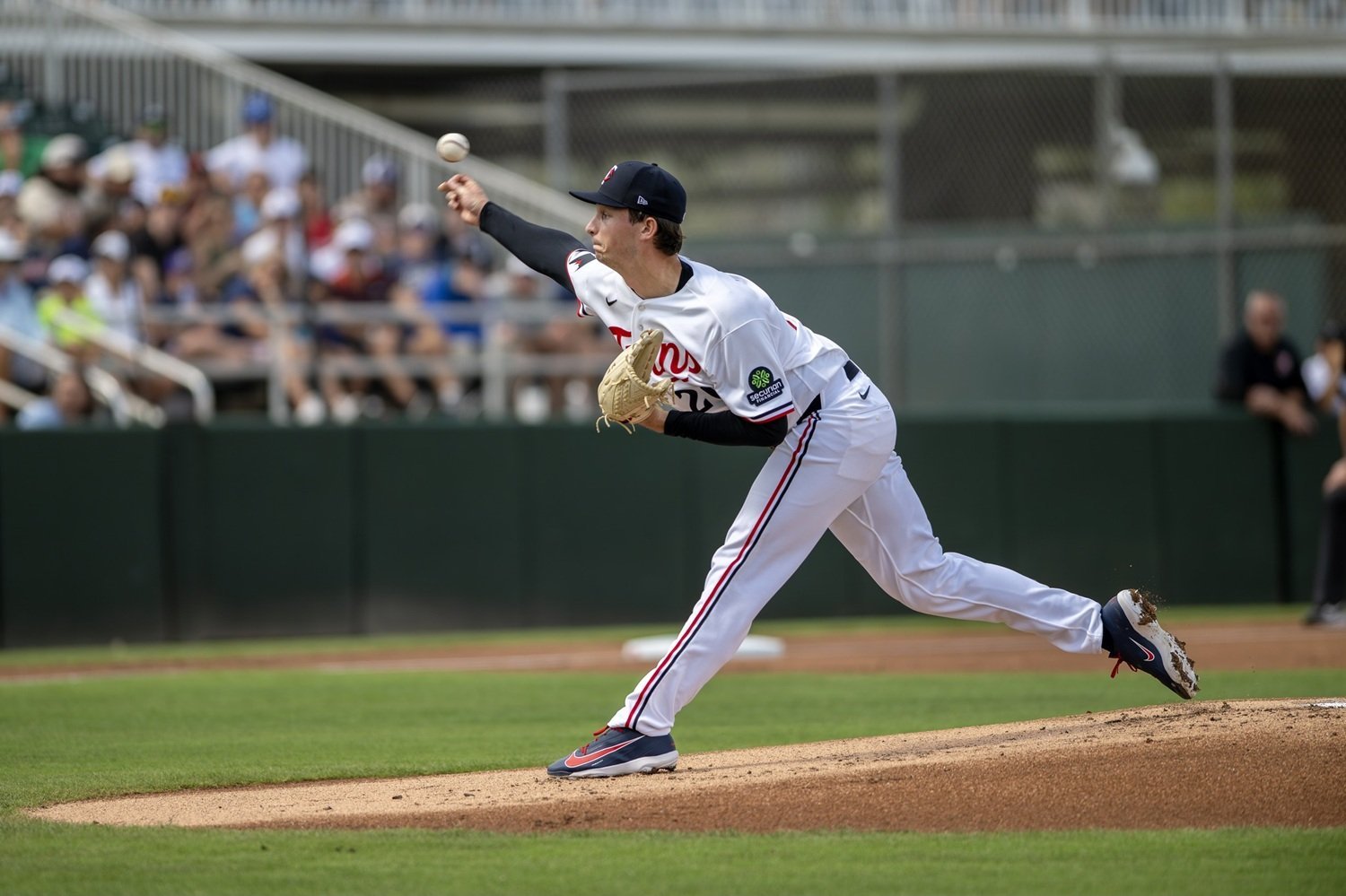 The Minnesota Twins made a notable decision as camp winds down, reassigning Zebby Matthews to minor league camp and effectively handing the final rotation spot to Mick Abel. Coming into spring, Matthews looked like the logical favorite. He had more experience at the big league level and appeared poised to build on that foundation. Instead, the right-hander ran into trouble. Over 11 innings, he allowed seven earned runs while striking out nine and walking four. The results were not disastrous, but they were not convincing enough to lock down a job. Abel, on the other hand, forced the organization’s hand. Despite having fewer than 40 innings of major league experience, Abel delivered one of the most electric performances in camp. Across 13 1/3 innings, he gave up just two earned runs while racking up 17 strikeouts against a single walk. It was dominance paired with control, the exact combination teams want to see when evaluating young arms. That showing also served as a reminder of why Minnesota targeted him in last summer’s deal involving Jhoan Duran. The raw stuff has always been there, but this spring offered a glimpse of a pitcher beginning to harness it. With Abel now in place, the Twins’ Opening Day rotation appears set. Joe Ryan will take the ball first, followed by Bailey Ober, Simeon Woods Richardson, Taj Bradley, and Abel, rounding things out. Of course, spring decisions rarely tell the full story of a season. Matthews may be heading to Triple-A, but it would be surprising if he stayed there long. Pitching depth is tested early and often, and Minnesota already has questions to monitor. Ober’s velocity has been one of the biggest storylines of camp. The right-hander failed to crack 90 miles per hour in his most recent outing, raising concerns that are difficult to ignore. While the Twins will give him the opportunity to start, it is fair to wonder how sustainable success can be with diminished velocity and no clear explanation. That uncertainty only reinforces a simple truth across the league. Teams do not just need five starters. They need eight or ten. Matthews figures to be at the front of that next wave, and he will not be alone. Arms like Andrew Morris, Connor Prielipp, and Kendry Rojas are waiting in the wings at Triple-A. Each brings upside, and each could find themselves taking meaningful innings as the season unfolds. The Twins made their choice for Opening Day, but the reality is that this rotation is far from finished. It is simply the first version of what will be an evolving group all summer long.
 -
The Minnesota Twins will hand the ball to Joe Ryan when the regular season begins on March 26 in Baltimore, the club announced Friday. It is a decision that felt inevitable at times this spring, yet briefly seemed uncertain as Ryan worked through an early health scare and an unexpected detour involving Team USA. Ryan’s spring did not begin smoothly. While warming up for his first Grapefruit League start, he experienced lower back tightness that forced Minnesota to pull him before taking the mound. The cautious move not only delayed his buildup but also altered his trajectory for the World Baseball Classic, where he had been in the mix for Team USA consideration. An MRI revealed no structural damage, offering immediate relief for both Ryan and the organization. Still, the timing proved costly. Ryan remained hopeful he could rejoin Team USA later in the tournament and was prepared to do just that. He had his car packed and was ready to drive to Miami in anticipation of pitching in the semifinal or championship round. Ultimately, Team USA informed him that he would not be used, a decision that caught Ryan off guard. He later expressed surprise at the call, while also emphasizing his appreciation for the Twins’ support throughout the process. In a twist that now benefits Minnesota, Ryan’s absence from the international stage allowed the club to keep his schedule intact. That alignment made him the clear choice for Opening Day, especially in light of the circumstances surrounding the rest of the rotation. Ryan is no stranger to the assignment. He previously started Opening Day in 2022 against the Seattle Mariners, allowing two runs across four innings. A first-inning home run by Mitch Haniger proved to be the difference in a narrow 2-1 loss. The outing was brief, but it provided Ryan with an early taste of the spotlight that comes with setting the tone for a season. This time around, he enters with a much stronger résumé. Ryan is coming off his first All-Star campaign, posting a 13-10 record with a 3.42 ERA. He struck out 194 hitters while issuing just 39 walks across a career-high 30 starts, cementing his place as one of the most reliable arms in the American League. The path to this year’s Opening Day assignment became even clearer when Pablo López was ruled out for the season following Tommy John surgery. With the staff ace sidelined, Ryan quickly emerged as the logical choice to lead the rotation. The only lingering question was his health, and that concern has largely been put to rest. After a brief 17-day pause, Ryan has looked increasingly sharp in recent outings. His latest start showed noticeable improvement, with his fastball velocity ticking upward and his command returning. He recorded six strikeouts against the Pittsburgh Pirates after failing to register a punchout in his spring debut, a clear sign that his rhythm is coming back at the right time. What once looked like a disrupted spring has come full circle. Ryan enters the season healthy, aligned, and positioned at the front of Minnesota’s rotation. For a team navigating early adversity, that stability could prove invaluable as the Twins open their season on the road. View full rumor
