



Cody Christie
-
Posts
7,799 -
Joined
-
Last visited
-
Days Won
5
Content Type
Profiles
News
Minnesota Twins Videos
2026 Minnesota Twins Top Prospects Ranking
2022 Minnesota Twins Draft Picks
Minnesota Twins Free Agent & Trade Rumors, Notes, & Tidbits
Guides & Resources
2023 Minnesota Twins Draft Picks
The Minnesota Twins Players Project
2024 Minnesota Twins Draft Picks
2025 Minnesota Twins Draft Pick Tracker
2026 Minnesota Twins Draft Tracker: Picks & Bonuses
Forums
Blogs
Events
Store
Downloads
Gallery
Everything posted by Cody Christie
-

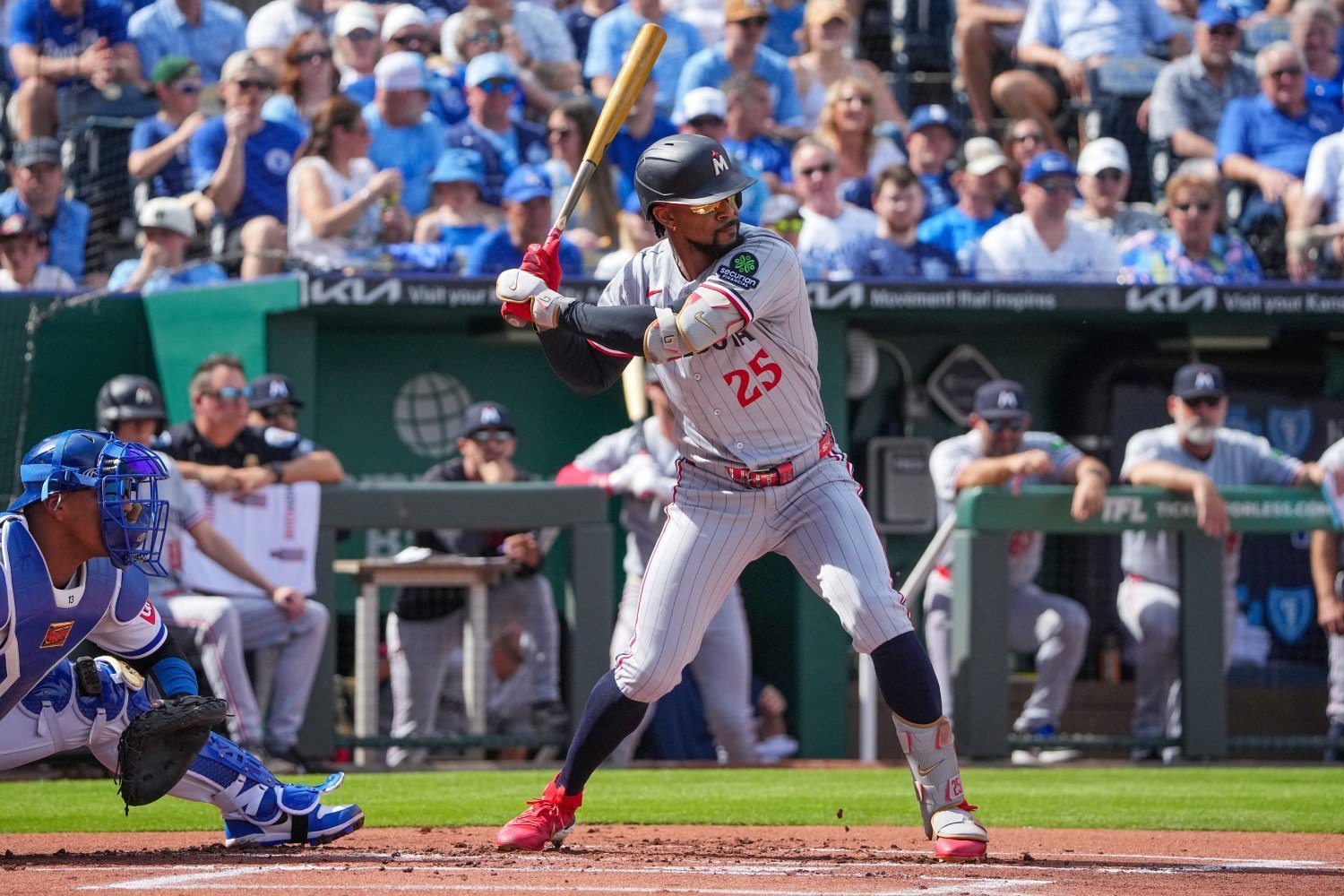 Major League Baseball released its annual snapshot of Opening Day demographics this week, and while the numbers still point to a long road ahead, there are signs of meaningful progress. After dipping to a historic low in 2024, the percentage of African American players across the league has now risen in consecutive seasons, something the sport has not seen in roughly two decades. This year, African American players make up 6.5% of Opening Day rosters and injured lists, a noticeable increase from 5.7% the year prior and slightly above the 6.0% mark from two seasons ago. It is not a dramatic jump, but it is a step in the right direction for a league that has been searching for ways to rebuild its connection with Black communities. Development Programs Beginning to Show Results League officials have pointed to their investment in youth initiatives as a key factor behind the recent uptick. Programs such as MLB’s youth academies, the Dream Series, and the Breakthrough Series are starting to produce big-league talent. Of the 62 African American players on Opening Day rosters, 20 have participated in one of those pipelines. There is also a growing presence of high-end talent within that group. Nine of those players were former first-round picks, suggesting that the league is not only increasing participation but also developing impact players. The age distribution offers additional optimism. More than half of the current group is 27 or younger, while only a small handful are on the back side of their careers. That youth movement could help sustain growth if development systems continue to feed the pipeline. Twins Among League Leaders While the league-wide numbers are trending upward, the distribution across teams remains uneven. Six organizations began the season without a single African American player, highlighting how inconsistent representation still is from roster to roster. That is where the Minnesota Twins stand out. Minnesota enters the season with six African American players, tying them for the highest total in baseball alongside the Cincinnati Reds. For a smaller-market club, that level of representation is significant, especially when considering that the Twins alone account for a sizable portion of the league’s overall total. The group is not just filling out the roster either. It includes key contributors on both sides of the ball, including starting pitchers Taj Bradley and Simeon Woods Richardson, along with Byron Buxton and Josh Bell on the offensive side. Having that presence in prominent roles matters, both in terms of visibility and impact. At a time when more than a third of the league has one or zero African American players, the Twins are providing a blueprint for what a more inclusive roster can look like. Areas Where the Game Still Lags Despite the positive momentum, representation remains limited in some areas. Certain positions continue to lack diversity, particularly behind the plate and on the mound. There are only a small number of African American pitchers across the league, a striking reality given the size of pitching staffs. Catcher is another position where representation has been historically low, making each breakthrough at that spot even more meaningful. Additionally, more than a third of MLB teams have one or fewer African American players, including several high-profile organizations. That imbalance underscores the importance of continued investment in grassroots development and access to the sport. A Path Forward The broader picture shows a sport attempting to reverse a decades-long decline. International participation continues to grow, and MLB remains a global game, but rebuilding domestic diversity is clearly a priority. For the Twins, this moment reflects both organizational success and an opportunity. Their roster composition places them among the league leaders in representation, aligning with MLB’s broader efforts to create more inclusive pathways to the majors. Progress is happening, even if it is gradual. And for a franchise like Minnesota, being at the forefront of that movement is something worth recognizing as the game continues to evolve.
- 9 comments
-
- 1
-

-
- byron buxton
- simeon woods richardson
- (and 3 more)
-
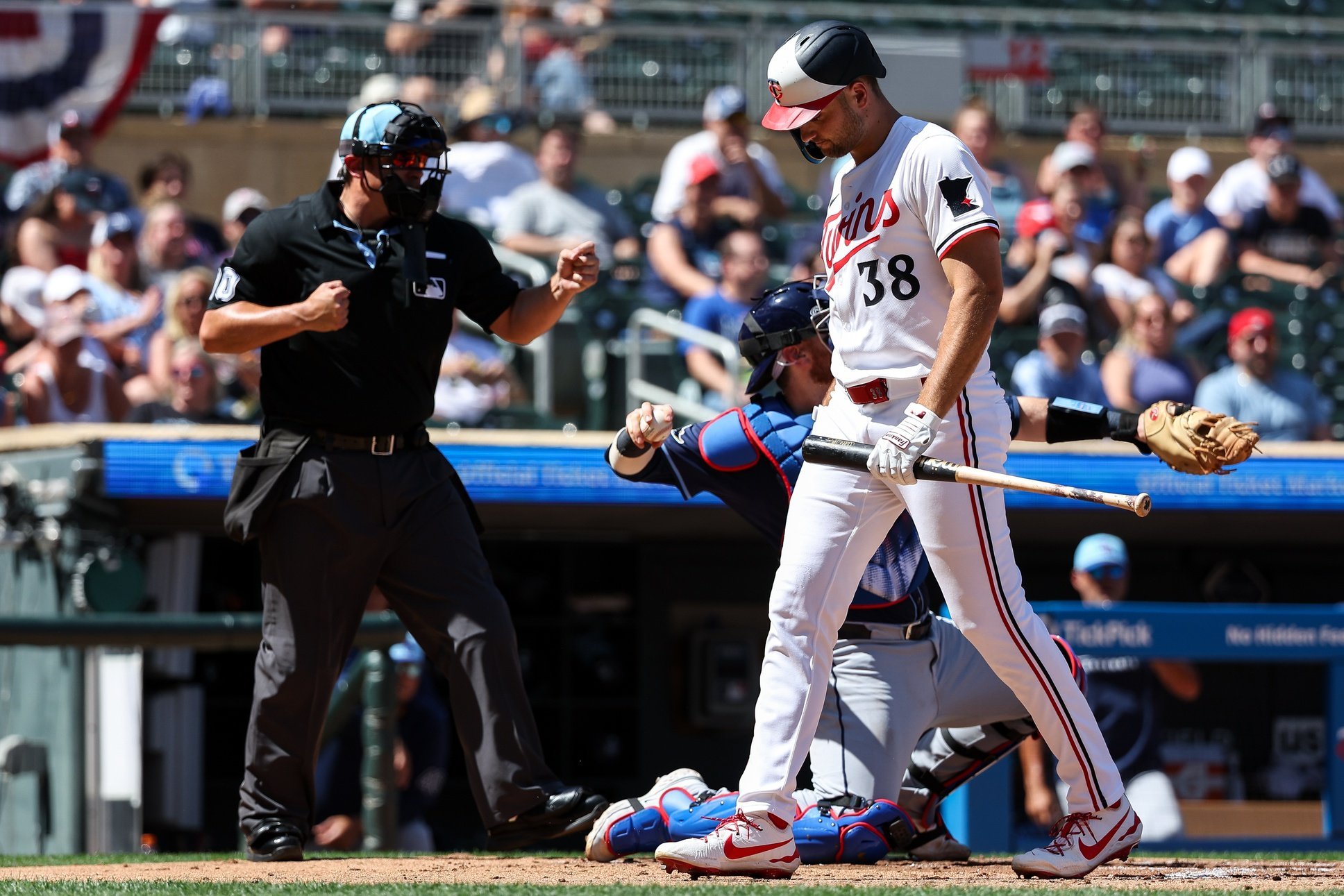 The Minnesota Twins have seemed to have a roster flaw in recent years, with a lack of impact right-handed bats. It is not an issue that has flown under the radar, either. Season after season, the lineup has leaned heavily to the left side, often prioritizing corner outfielders with power from that side of the plate. While that approach can work in a vacuum, it has created a predictable and exploitable weakness when the Twins face quality left-handed pitching. A Multi-Year Trend That Cannot Be Ignored This is not a small-sample-size problem or an early-season overreaction. The Twins have consistently struggled against left-handed pitchers over the last several seasons, and the numbers paint a clear picture. From 2022 through 2025, Minnesota’s production against lefties has been firmly middle of the pack at best and well below average at worst when compared across the league. Among 120 individual team seasons in that span, the Twins ranked near the bottom more often than not. The 2022 club posted a .701 OPS, ranking 77th out of 120. In 2023, there was a modest improvement to a .726 OPS, good for 53rd. The 2024 team took another small step forward with a .732 OPS, ranking 47th. However, that progress stalled in 2025 when the Twins slipped back to a .705 OPS, ranking 72nd. Now in 2026, the issue has become even more pronounced. Entering play on Thursday, Minnesota owns a .636 OPS against left-handed pitching, ranking 18th overall. That total has been greatly helped by positive performances this week against left-handed starters like Tarik Skubal and Framber Valdez. However, that number reinforces a pattern that has lingered far too long for a team on the fringes of contention in the AL Central. A Roster Built to Be Platooned The current roster construction only amplifies the concern. Minnesota is overloaded with left-handed hitters who are often best utilized in platoon roles rather than everyday options against all pitching. Players like Kody Clemens, Tristan Gray, Trevor Larnach, James Outman, and Matt Wallner all hit from the left side. Each brings something valuable, whether it is power or on-base ability, but asking that group collectively to handle tough left-handed starters is a difficult proposition. Internally, there is hope that right-handed hitters like Royce Lewis and Luke Keaschall can provide balance and thump in those matchups. Lewis has shown flashes of being a middle-of-the-order force when healthy, but posted a .689 OPS against lefties last season. Keaschall is an intriguing young bat with a career .547 OPS when facing southpaws. Still, counting on them to fully stabilize the lineup against lefties feels optimistic given health questions and limited track records. More importantly, the roster simply lacks enough right-handed depth to build a lineup tailored to attack a high-end southpaw. When a dominant left-handed starter takes the mound, Minnesota often has no choice but to run out a lineup that leans into its biggest weakness. Help Is Coming, But Not the Right Kind At first glance, help appears to be on the way. Four of the organization’s top five position player prospects opened the season at Triple-A, putting them one step away from the big leagues. However, their profiles do not necessarily solve this specific issue. Walker Jenkins and Emmanuel Rodriguez are both left-handed hitters with significant upside. The Twins can reasonably hope that each develops into a hitter capable of holding his own against left-handed pitching, avoiding strict platoon roles. That would mirror the paths taken by Joe Mauer and Justin Morneau, who became complete hitters despite batting left-handed. There are encouraging signs, but there are also clear gaps. Last season, Jenkins posted a .730 OPS against lefties compared to a .910 OPS against righties. Rodriguez showed an even wider split in 2025 with a .607 OPS against southpaws and a .950 OPS against righties. Both players have the talent to improve those numbers, but projecting that growth is far from certain. The organization’s best right-handed hitting prospects at the level offer a more direct solution, though they come with their own questions. Gabriel Gonzalez dominated left-handed pitching last season with a 1.022 OPS while also holding his own against righties at .869. Kaelen Culpepper, on the other hand, posted reverse splits with a .700 OPS against lefties and a .905 OPS against righties. Gonzalez stands out as a potential impact bat who could help balance the lineup, but relying on prospects to fix a longstanding major league issue is rarely a comfortable strategy. An Issue That Demands a Clear Answer The Twins have built a lineup identity around left-handed power, but the downside of that approach continues to surface in meaningful ways. Without enough right-handed hitters capable of doing damage, especially against left-handed pitching, the offense becomes easier to neutralize. This is no longer a short-term quirk. It is a multi-year roster-construction problem that has carried over across different versions of the team. Until Minnesota finds a way to add impact right-handed bats or develops internal options who can truly break the mold, opposing teams will continue to exploit this imbalance. What steps should the front office take to resolve this issue once and for all? Leave a comment and start the discussion.
- 15 comments
-
- 2
-
-
- matt wallner
- trevor larnach
- (and 4 more)
-
Image courtesy of © Matt Krohn-Imagn Images The Minnesota Twins have seemed to have a roster flaw in recent years, with a lack of impact right-handed bats. It is not an issue that has flown under the radar, either. Season after season, the lineup has leaned heavily to the left side, often prioritizing corner outfielders with power from that side of the plate. While that approach can work in a vacuum, it has created a predictable and exploitable weakness when the Twins face quality left-handed pitching. A Multi-Year Trend That Cannot Be Ignored This is not a small-sample-size problem or an early-season overreaction. The Twins have consistently struggled against left-handed pitchers over the last several seasons, and the numbers paint a clear picture. From 2022 through 2025, Minnesota’s production against lefties has been firmly middle of the pack at best and well below average at worst when compared across the league. Among 120 individual team seasons in that span, the Twins ranked near the bottom more often than not. The 2022 club posted a .701 OPS, ranking 77th out of 120. In 2023, there was a modest improvement to a .726 OPS, good for 53rd. The 2024 team took another small step forward with a .732 OPS, ranking 47th. However, that progress stalled in 2025 when the Twins slipped back to a .705 OPS, ranking 72nd. Now in 2026, the issue has become even more pronounced. Entering play on Thursday, Minnesota owns a .636 OPS against left-handed pitching, ranking 18th overall. That total has been greatly helped by positive performances this week against left-handed starters like Tarik Skubal and Framber Valdez. However, that number reinforces a pattern that has lingered far too long for a team on the fringes of contention in the AL Central. A Roster Built to Be Platooned The current roster construction only amplifies the concern. Minnesota is overloaded with left-handed hitters who are often best utilized in platoon roles rather than everyday options against all pitching. Players like Kody Clemens, Tristan Gray, Trevor Larnach, James Outman, and Matt Wallner all hit from the left side. Each brings something valuable, whether it is power or on-base ability, but asking that group collectively to handle tough left-handed starters is a difficult proposition. Internally, there is hope that right-handed hitters like Royce Lewis and Luke Keaschall can provide balance and thump in those matchups. Lewis has shown flashes of being a middle-of-the-order force when healthy, but posted a .689 OPS against lefties last season. Keaschall is an intriguing young bat with a career .547 OPS when facing southpaws. Still, counting on them to fully stabilize the lineup against lefties feels optimistic given health questions and limited track records. More importantly, the roster simply lacks enough right-handed depth to build a lineup tailored to attack a high-end southpaw. When a dominant left-handed starter takes the mound, Minnesota often has no choice but to run out a lineup that leans into its biggest weakness. Help Is Coming, But Not the Right Kind At first glance, help appears to be on the way. Four of the organization’s top five position player prospects opened the season at Triple-A, putting them one step away from the big leagues. However, their profiles do not necessarily solve this specific issue. Walker Jenkins and Emmanuel Rodriguez are both left-handed hitters with significant upside. The Twins can reasonably hope that each develops into a hitter capable of holding his own against left-handed pitching, avoiding strict platoon roles. That would mirror the paths taken by Joe Mauer and Justin Morneau, who became complete hitters despite batting left-handed. There are encouraging signs, but there are also clear gaps. Last season, Jenkins posted a .730 OPS against lefties compared to a .910 OPS against righties. Rodriguez showed an even wider split in 2025 with a .607 OPS against southpaws and a .950 OPS against righties. Both players have the talent to improve those numbers, but projecting that growth is far from certain. The organization’s best right-handed hitting prospects at the level offer a more direct solution, though they come with their own questions. Gabriel Gonzalez dominated left-handed pitching last season with a 1.022 OPS while also holding his own against righties at .869. Kaelen Culpepper, on the other hand, posted reverse splits with a .700 OPS against lefties and a .905 OPS against righties. Gonzalez stands out as a potential impact bat who could help balance the lineup, but relying on prospects to fix a longstanding major league issue is rarely a comfortable strategy. An Issue That Demands a Clear Answer The Twins have built a lineup identity around left-handed power, but the downside of that approach continues to surface in meaningful ways. Without enough right-handed hitters capable of doing damage, especially against left-handed pitching, the offense becomes easier to neutralize. This is no longer a short-term quirk. It is a multi-year roster-construction problem that has carried over across different versions of the team. Until Minnesota finds a way to add impact right-handed bats or develops internal options who can truly break the mold, opposing teams will continue to exploit this imbalance. What steps should the front office take to resolve this issue once and for all? Leave a comment and start the discussion. View full article
-
The calendar may still read April, but draft season is already beginning to take shape. In his latest update for The Athletic, Keith Law reshuffled the board for the 2026 MLB Draft, offering a clearer picture of how the top of the class is evolving. For the Twins, who currently sit in the third spot, that clarity comes with both opportunity and complication. At the top, UCLA shortstop Roch Cholowsky has long been viewed as the frontrunner to go first overall to the Chicago White Sox. That perception has not completely disappeared, but Law suggests the gap is tightening. A handful of college standouts are making compelling late pushes, giving both the White Sox and the Rays, who pick second, more to think about before Minnesota is on the clock. C Vahn Lackey, Georgia Tech One of the fastest risers in Law’s rankings is Georgia Tech catcher Vahn Lackey. The right-handed hitter has put together a dominant offensive season, showcasing a rare blend of patience and power. He is controlling the strike zone at an elite level, drawing more walks than strikeouts while doing significant damage when he connects. Lackey has also flashed surprising athleticism, even contributing on the bases, and evaluators remain confident in his ability to remain behind the plate long term. That combination of offensive impact and defensive value has pushed him into the conversation at the very top of the draft. RHP Jackson Flora, UC Santa Barbara On the pitching side, UC Santa Barbara right-hander Jackson Flora continues to build momentum. His performance this spring has been nothing short of overpowering, backed by premium velocity that regularly reaches triple digits and comfortably sits in the upper 90s. Flora complements the fastball with a devastating changeup that earns top-of-the-scale grades, while his slider and command round out a well-balanced arsenal. His delivery adds an element of deception, making his already electric stuff even tougher for hitters to pick up. Among pitchers in this class, he stands alone as the most realistic candidate to challenge for the first overall selection. SS Tyler Bell, Kentucky Kentucky infielder Tyler Bell presents a different type of evaluation. After suffering a shoulder injury early in the season, Bell missed time before returning to the lineup and continuing to produce at a high level. His on-base skills have been particularly impressive, driven by a disciplined approach that limits chase and forces pitchers into the zone. There will be medical questions to answer, and teams will need to be comfortable with the long-term outlook, but his performance has kept him firmly in the mix as one of the better bats in the class. For a team like Minnesota, risk tolerance will play a key role in determining whether he remains a viable option. Beyond those names, Law’s rankings continue to highlight the depth of the class. High school shortstop Grady Emerson represents one of the top prep talents available, while college hitters Eric Becker and Drew Burress have both put themselves on the radar with strong offensive showings. Each brings a different profile, giving teams multiple pathways depending on their preferences for risk, development timeline, and positional value. For the Twins, the takeaway is simple but significant. There may not be a clear-cut choice waiting at three, but there should be a talented one. How the board unfolds ahead of them will dictate whether they lean toward a polished college bat, a high upside arm, or a longer-term prep investment. View full rumor
-
 The calendar may still read April, but draft season is already beginning to take shape. In his latest update for The Athletic, Keith Law reshuffled the board for the 2026 MLB Draft, offering a clearer picture of how the top of the class is evolving. For the Twins, who currently sit in the third spot, that clarity comes with both opportunity and complication. At the top, UCLA shortstop Roch Cholowsky has long been viewed as the frontrunner to go first overall to the Chicago White Sox. That perception has not completely disappeared, but Law suggests the gap is tightening. A handful of college standouts are making compelling late pushes, giving both the White Sox and the Rays, who pick second, more to think about before Minnesota is on the clock. C Vahn Lackey, Georgia Tech One of the fastest risers in Law’s rankings is Georgia Tech catcher Vahn Lackey. The right-handed hitter has put together a dominant offensive season, showcasing a rare blend of patience and power. He is controlling the strike zone at an elite level, drawing more walks than strikeouts while doing significant damage when he connects. Lackey has also flashed surprising athleticism, even contributing on the bases, and evaluators remain confident in his ability to remain behind the plate long term. That combination of offensive impact and defensive value has pushed him into the conversation at the very top of the draft. RHP Jackson Flora, UC Santa Barbara On the pitching side, UC Santa Barbara right-hander Jackson Flora continues to build momentum. His performance this spring has been nothing short of overpowering, backed by premium velocity that regularly reaches triple digits and comfortably sits in the upper 90s. Flora complements the fastball with a devastating changeup that earns top-of-the-scale grades, while his slider and command round out a well-balanced arsenal. His delivery adds an element of deception, making his already electric stuff even tougher for hitters to pick up. Among pitchers in this class, he stands alone as the most realistic candidate to challenge for the first overall selection. SS Tyler Bell, Kentucky Kentucky infielder Tyler Bell presents a different type of evaluation. After suffering a shoulder injury early in the season, Bell missed time before returning to the lineup and continuing to produce at a high level. His on-base skills have been particularly impressive, driven by a disciplined approach that limits chase and forces pitchers into the zone. There will be medical questions to answer, and teams will need to be comfortable with the long-term outlook, but his performance has kept him firmly in the mix as one of the better bats in the class. For a team like Minnesota, risk tolerance will play a key role in determining whether he remains a viable option. Beyond those names, Law’s rankings continue to highlight the depth of the class. High school shortstop Grady Emerson represents one of the top prep talents available, while college hitters Eric Becker and Drew Burress have both put themselves on the radar with strong offensive showings. Each brings a different profile, giving teams multiple pathways depending on their preferences for risk, development timeline, and positional value. For the Twins, the takeaway is simple but significant. There may not be a clear-cut choice waiting at three, but there should be a talented one. How the board unfolds ahead of them will dictate whether they lean toward a polished college bat, a high upside arm, or a longer-term prep investment.
- 24 comments
-
- 5
-
-
- roch cholowsky
- vahn lackey
- (and 2 more)
-
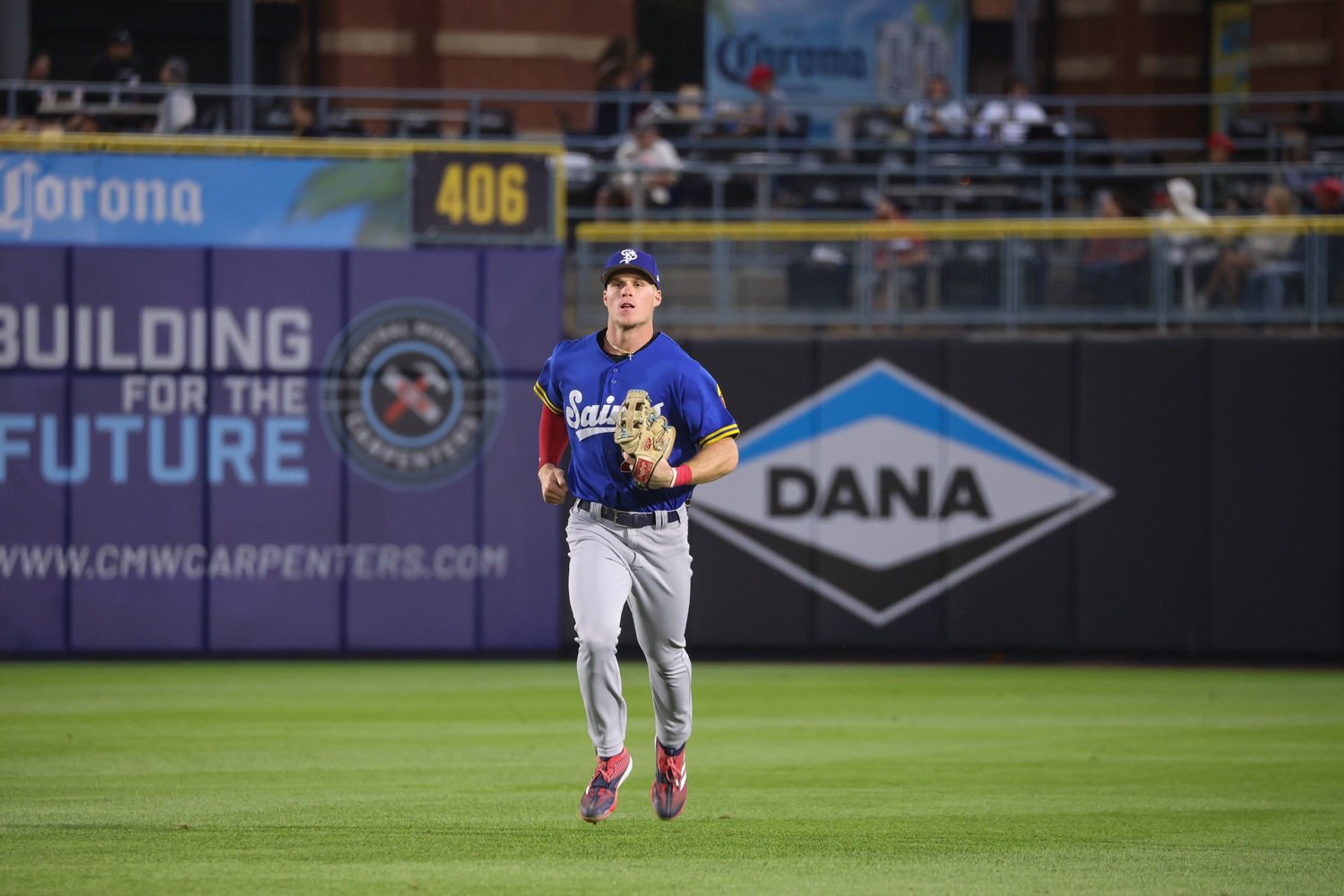 There was a time when prospects were developed with a singular defensive home in mind. Shortstops stayed at shortstop. Center fielders stayed in center. First basemen were, well, first basemen. That version of baseball is fading quickly. In today’s game, defensive flexibility isn't just a bonus; it's a requirement. Teams want to platoon hitters, maximize matchups, and deploy the best possible lineup on any given night. That becomes significantly easier when a player can move around the diamond without creating a defensive liability. A right-handed batter who can handle both infield corners or an outfielder capable of sliding between all three spots gives a manager options that simply did not exist a decade ago. That reality is even more pronounced at the highest levels of the minor leagues. Triple-A is no longer just a finishing school. It's a proving ground for adaptability. The Minnesota Twins have built one of baseball’s most talented Triple-A rosters, loaded with position player prospects who are knocking on the door. The challenge is not whether they are talented enough. It's figuring out how they fit. Opportunities at the big-league level are unpredictable. A player could get hurt. A veteran could slump. A role could open overnight. For prospects, the more positions they can handle, the more doors they can walk through. Here's how Minnesota’s top position-player prospects at Triple-A are embracing that philosophy in 2026. Gabriel Gonzalez, OF Current TD Rank: 7 Gonzalez is perhaps the most interesting case study. Known primarily as a bat-first corner outfielder, he recently logged an entire game at first base for the first time in his professional career. He’s also listed at 5-foot-10, which can be small for first base. However, the Twins have used smaller players at that position in recent years, including Luis Arraez and Donovan Solano. He has also continued to see time in both corner outfield spots, giving the organization multiple ways to deploy him. Path to Debut: Minnesota’s first base defense has been a problem out of the gate. If Gonzalez can prove to be even adequate at the position, it could create a direct path to the majors that did not exist a few months ago. Kaelen Culpepper, SS Current TD Rank: 2 Culpepper has remained anchored at shortstop for most of his playing time, but the Twins are clearly testing his range. He's already appeared at third base and second base in limited action, signaling a willingness to move him around as needed. He answered some questions last season about his ability to stick at shortstop with improved range and athleticism. Still, some evaluators believe the hot corner will be his long-term defensive home. Path to Debut: Brooks Lee’s early struggles have at least opened the conversation about shortstop depth. Culpepper could force his way into that discussion, but his ability to cover multiple infield spots makes him a viable solution for more than one potential roster gap. Emmanuel Rodriguez, OF Current TD Rank: 3 Rodriguez might be the most advanced in terms of defensive flexibility. With both Walker Jenkins and Gonzalez sharing outfield reps, Rodriguez has taken on all three outfield positions. That's not just a developmental checkbox. It's a strategic advantage. Minnesota has other left-handed options that are likely ahead of him on the depth chart, including Alan Roden. However, Rodriguez needs to stay healthy and perform no matter what position he plays. Path to Debut: Having already spent parts of the last two seasons at Triple-A, Rodriguez may be next in line among the outfielders on this list. His ability to play anywhere on the grass makes him an easy plug-and-play option when the inevitable injury or roster shuffle occurs. Walker Jenkins, OF Current TD Rank: 1 Jenkins remains the organization’s top prospect, and even his development is being shaped by versatility. He has opened the season in center field, but plans were already in motion to get him exposure in a corner outfield spot. A minor wrinkle changed that plan when Rodriguez was scratched from the lineup, pushing Jenkins back to center for the night. The takeaway is not the box score, though. It's the intent. Path to Debut: The Twins have been aggressive with Jenkins, but they're also mindful of his limited professional reps due to past injuries. He may be slightly behind the other outfielders in terms of immediate opportunity, but his long-term outlook remains unchanged. Adding defensive flexibility will only strengthen his case when the time comes. For the Twins, this is not accidental. It is an organizational philosophy. The modern roster is fluid, and the teams that thrive are the ones that can adjust on the fly. By the time these players reach Minnesota, they must prove they can hit big-league pitching and move wherever the lineup needs them. That is the shape of opportunity in 2026. It's not defined by a single position on a depth chart. It is defined by how many ways a player can make himself useful. For this group at Triple-A, the path to the majors may not be straight, but it's getting wider with every new position they learn to play. Who will be the first to make their debut? Leave a comment and start the discussion.
- 11 comments
-
- 6
-
-
- walker jenkins
- emmanuel rodriguez
- (and 2 more)
-
Image courtesy of Brady Boehm, Toledo Mudhens There was a time when prospects were developed with a singular defensive home in mind. Shortstops stayed at shortstop. Center fielders stayed in center. First basemen were, well, first basemen. That version of baseball is fading quickly. In today’s game, defensive flexibility isn't just a bonus; it's a requirement. Teams want to platoon hitters, maximize matchups, and deploy the best possible lineup on any given night. That becomes significantly easier when a player can move around the diamond without creating a defensive liability. A right-handed batter who can handle both infield corners or an outfielder capable of sliding between all three spots gives a manager options that simply did not exist a decade ago. That reality is even more pronounced at the highest levels of the minor leagues. Triple-A is no longer just a finishing school. It's a proving ground for adaptability. The Minnesota Twins have built one of baseball’s most talented Triple-A rosters, loaded with position player prospects who are knocking on the door. The challenge is not whether they are talented enough. It's figuring out how they fit. Opportunities at the big-league level are unpredictable. A player could get hurt. A veteran could slump. A role could open overnight. For prospects, the more positions they can handle, the more doors they can walk through. Here's how Minnesota’s top position-player prospects at Triple-A are embracing that philosophy in 2026. Gabriel Gonzalez, OF Current TD Rank: 7 Gonzalez is perhaps the most interesting case study. Known primarily as a bat-first corner outfielder, he recently logged an entire game at first base for the first time in his professional career. He’s also listed at 5-foot-10, which can be small for first base. However, the Twins have used smaller players at that position in recent years, including Luis Arraez and Donovan Solano. He has also continued to see time in both corner outfield spots, giving the organization multiple ways to deploy him. Path to Debut: Minnesota’s first base defense has been a problem out of the gate. If Gonzalez can prove to be even adequate at the position, it could create a direct path to the majors that did not exist a few months ago. Kaelen Culpepper, SS Current TD Rank: 2 Culpepper has remained anchored at shortstop for most of his playing time, but the Twins are clearly testing his range. He's already appeared at third base and second base in limited action, signaling a willingness to move him around as needed. He answered some questions last season about his ability to stick at shortstop with improved range and athleticism. Still, some evaluators believe the hot corner will be his long-term defensive home. Path to Debut: Brooks Lee’s early struggles have at least opened the conversation about shortstop depth. Culpepper could force his way into that discussion, but his ability to cover multiple infield spots makes him a viable solution for more than one potential roster gap. Emmanuel Rodriguez, OF Current TD Rank: 3 Rodriguez might be the most advanced in terms of defensive flexibility. With both Walker Jenkins and Gonzalez sharing outfield reps, Rodriguez has taken on all three outfield positions. That's not just a developmental checkbox. It's a strategic advantage. Minnesota has other left-handed options that are likely ahead of him on the depth chart, including Alan Roden. However, Rodriguez needs to stay healthy and perform no matter what position he plays. Path to Debut: Having already spent parts of the last two seasons at Triple-A, Rodriguez may be next in line among the outfielders on this list. His ability to play anywhere on the grass makes him an easy plug-and-play option when the inevitable injury or roster shuffle occurs. Walker Jenkins, OF Current TD Rank: 1 Jenkins remains the organization’s top prospect, and even his development is being shaped by versatility. He has opened the season in center field, but plans were already in motion to get him exposure in a corner outfield spot. A minor wrinkle changed that plan when Rodriguez was scratched from the lineup, pushing Jenkins back to center for the night. The takeaway is not the box score, though. It's the intent. Path to Debut: The Twins have been aggressive with Jenkins, but they're also mindful of his limited professional reps due to past injuries. He may be slightly behind the other outfielders in terms of immediate opportunity, but his long-term outlook remains unchanged. Adding defensive flexibility will only strengthen his case when the time comes. For the Twins, this is not accidental. It is an organizational philosophy. The modern roster is fluid, and the teams that thrive are the ones that can adjust on the fly. By the time these players reach Minnesota, they must prove they can hit big-league pitching and move wherever the lineup needs them. That is the shape of opportunity in 2026. It's not defined by a single position on a depth chart. It is defined by how many ways a player can make himself useful. For this group at Triple-A, the path to the majors may not be straight, but it's getting wider with every new position they learn to play. Who will be the first to make their debut? Leave a comment and start the discussion. View full article
-
Thanks for pointing that out. I made the edit.
-
To be fair, I wrote it before the Tigers series started 😅
-
Image courtesy of © Michael McLoone-Imagn Images Over the past few weeks, the conversation around the Minnesota Twins has drifted toward the future and who might be locked into it. Names like Walker Jenkins continue to surface, despite the fact that he has yet to make his big-league debut. Other teams around the league are locking up players of a similar caliber, and it’s fun to dream about the future. Twins ownership also seems to be open to extensions with other young players. During a recent media session, Tom Pohlad pointed to a trio of intriguing talents in Luke Keaschall, Taj Bradley, and Mick Abel as players the organization could consider approaching about long-term deals. On paper, those are the types of players teams try to secure early: young, controllable, and brimming with upside. It is a strategy that has worked across the league, buying out arbitration years and (sometimes) a slice of free agency at a discounted rate. But it's also a strategy that can backfire. As easy as it is to identify the next extension candidate, it's just as important to remember the players who once looked like obvious choices themselves. In recent seasons, the Twins have had multiple opportunities to make those bets and, whether by design or circumstance, they may have avoided some costly mistakes. Royce Lewis Stock High Point: 2023 Season Few players have embodied both the promise and volatility of a top prospect like Royce Lewis. As the first overall pick in the 2017 MLB Draft, he represented the future of the franchise from the moment his name was called. That future appeared to arrive in full during the 2023 season. Lewis was electric, posting a 149 OPS+ across 58 games while providing a spark the Twins desperately needed. His impact extended into October, where he delivered two massive home runs against the Toronto Blue Jays, helping secure the franchise’s first playoff series victory in two decades. In that moment, an extension would have felt not only reasonable, but necessary. Since then, the picture has shifted. Lewis has struggled to recapture that level of production, posting a 95 OPS+ while continuing to search for consistency defensively at third base. Injuries have remained part of the equation, and the once-clear trajectory toward superstardom now feels far less certain. With two years of team control remaining, the Twins still have flexibility—something that would not be the case had they acted at his peak. Jose Miranda Stock High Point: 2022 Season The rise of Jose Miranda felt like one of the more stable bets in recent Twins history. After a dominant 2021 minor league campaign that included a .973 OPS and 30 home runs across Double- and Triple-A, Miranda carried that success into his rookie season. In 2022, he posted a 114 OPS+ with 15 homers and 25 doubles over 125 games, showcasing elite bat-to-ball skills that suggested a long runway as a productive big league hitter. This was exactly the type of profile teams often look to extend early, prioritizing contact ability and offensive consistency. Instead, his trajectory became anything but steady. A 55 OPS+ in 2023 was followed by a rebound to 112 OPS+ in 2024, but the inconsistency ultimately defined his tenure. By 2025, he was out of the organization entirely. Now in the San Diego system, Miranda is trying to regain his footing at Triple-A, far removed from the player who once looked like a lineup fixture for years to come. Brooks Lee Stock High Point: 2024 Season The Brooks Lee case might be the most instructive for pre-debut or early-career extensions. Like Jenkins today, Lee entered his first full professional season with significant hype. The eighth overall pick in 2022, he was widely viewed as one of the safest hitters in his draft class. By 2023, he had posted an .808 OPS in the upper minors and climbed to No. 18 on MLB Pipeline’s top 100 list. It would have been easy to envision a deal that bought out his arbitration years while giving the Twins option control over his early free-agency seasons. That version of Lee has yet to appear consistently in the majors. Through his first 197 games, he owns a 74 OPS+ and has struggled to provide value defensively. At 25 years old, there is still time for adjustments, but the gap between expectation and production has been significant. An early extension here could have quickly become an anchor. The Value of Patience Extensions can sound great when viewed through the rose-colored glasses of a player’s best moments at the big-league level. The temptation is to lock in that version of the player before the price climbs any higher. But baseball has a way of humbling even the most promising trajectories. Opponents adjust. Weaknesses are exposed. Performance ebbs and flows in ways that are often impossible to predict. By holding back on extensions for players like Lewis, Miranda, and Lee at their respective peaks, the Twins may have preserved both payroll flexibility and roster optionality. That does not mean the strategy should be to avoid extensions altogether. It simply underscores the importance of timing and conviction. Betting on talent is part of the game, but so is recognizing when uncertainty outweighs the perceived discount. In a league where one contract can shape a roster for years, sometimes the smartest move is the one not made. What other players would have been extension candidates early in their careers? Leave a comment and start the discussion. View full article
-
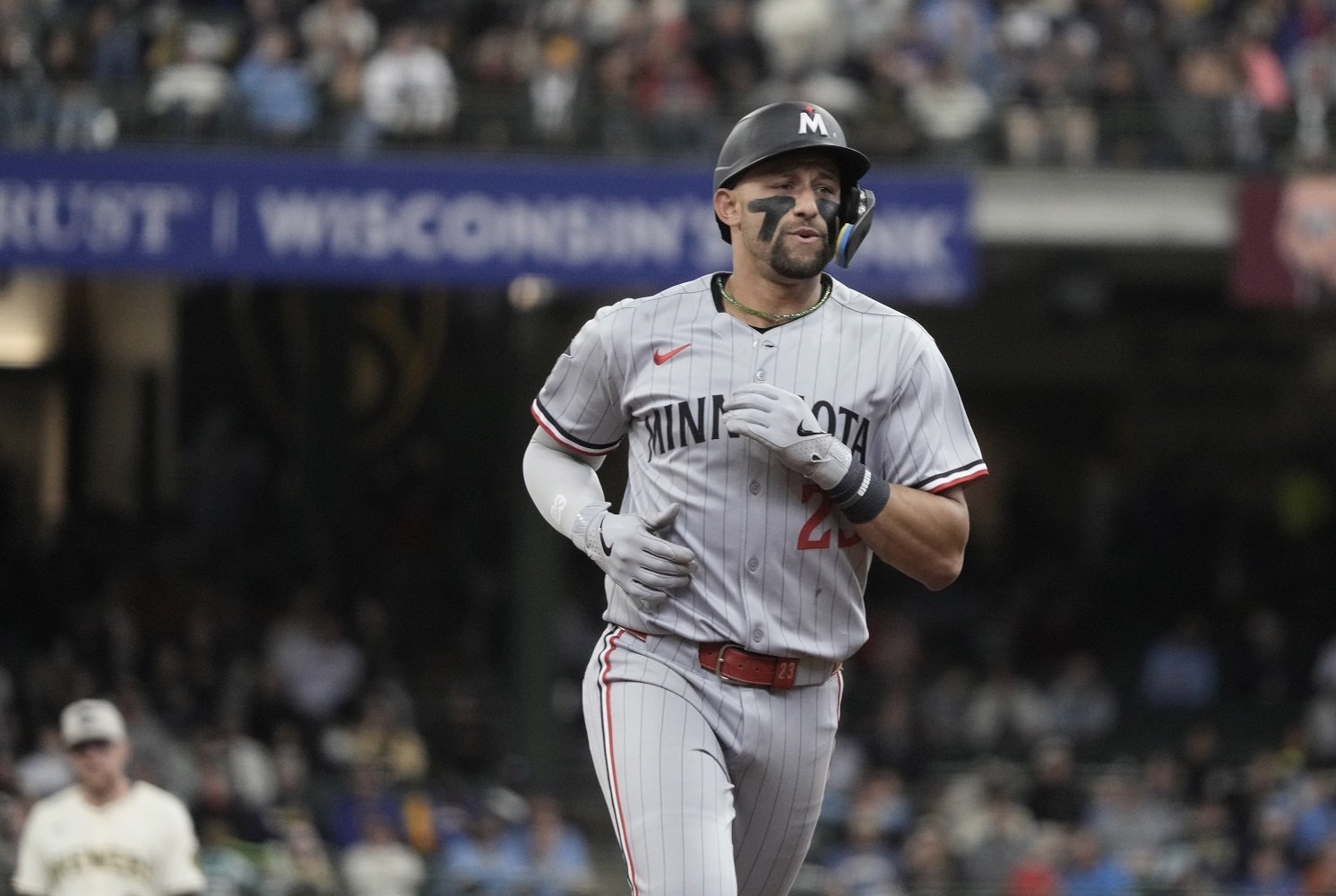 Over the past few weeks, the conversation around the Minnesota Twins has drifted toward the future and who might be locked into it. Names like Walker Jenkins continue to surface, despite the fact that he has yet to make his big-league debut. Other teams around the league are locking up players of a similar caliber, and it’s fun to dream about the future. Twins ownership also seems to be open to extensions with other young players. During a recent media session, Tom Pohlad pointed to a trio of intriguing talents in Luke Keaschall, Taj Bradley, and Mick Abel as players the organization could consider approaching about long-term deals. On paper, those are the types of players teams try to secure early: young, controllable, and brimming with upside. It is a strategy that has worked across the league, buying out arbitration years and (sometimes) a slice of free agency at a discounted rate. But it's also a strategy that can backfire. As easy as it is to identify the next extension candidate, it's just as important to remember the players who once looked like obvious choices themselves. In recent seasons, the Twins have had multiple opportunities to make those bets and, whether by design or circumstance, they may have avoided some costly mistakes. Royce Lewis Stock High Point: 2023 Season Few players have embodied both the promise and volatility of a top prospect like Royce Lewis. As the first overall pick in the 2017 MLB Draft, he represented the future of the franchise from the moment his name was called. That future appeared to arrive in full during the 2023 season. Lewis was electric, posting a 149 OPS+ across 58 games while providing a spark the Twins desperately needed. His impact extended into October, where he delivered two massive home runs against the Toronto Blue Jays, helping secure the franchise’s first playoff series victory in two decades. In that moment, an extension would have felt not only reasonable, but necessary. Since then, the picture has shifted. Lewis has struggled to recapture that level of production, posting a 95 OPS+ while continuing to search for consistency defensively at third base. Injuries have remained part of the equation, and the once-clear trajectory toward superstardom now feels far less certain. With two years of team control remaining, the Twins still have flexibility—something that would not be the case had they acted at his peak. Jose Miranda Stock High Point: 2022 Season The rise of Jose Miranda felt like one of the more stable bets in recent Twins history. After a dominant 2021 minor league campaign that included a .973 OPS and 30 home runs across Double- and Triple-A, Miranda carried that success into his rookie season. In 2022, he posted a 114 OPS+ with 15 homers and 25 doubles over 125 games, showcasing elite bat-to-ball skills that suggested a long runway as a productive big league hitter. This was exactly the type of profile teams often look to extend early, prioritizing contact ability and offensive consistency. Instead, his trajectory became anything but steady. A 55 OPS+ in 2023 was followed by a rebound to 112 OPS+ in 2024, but the inconsistency ultimately defined his tenure. By 2025, he was out of the organization entirely. Now in the San Diego system, Miranda is trying to regain his footing at Triple-A, far removed from the player who once looked like a lineup fixture for years to come. Brooks Lee Stock High Point: 2024 Season The Brooks Lee case might be the most instructive for pre-debut or early-career extensions. Like Jenkins today, Lee entered his first full professional season with significant hype. The eighth overall pick in 2022, he was widely viewed as one of the safest hitters in his draft class. By 2023, he had posted an .808 OPS in the upper minors and climbed to No. 18 on MLB Pipeline’s top 100 list. It would have been easy to envision a deal that bought out his arbitration years while giving the Twins option control over his early free-agency seasons. That version of Lee has yet to appear consistently in the majors. Through his first 197 games, he owns a 74 OPS+ and has struggled to provide value defensively. At 25 years old, there is still time for adjustments, but the gap between expectation and production has been significant. An early extension here could have quickly become an anchor. The Value of Patience Extensions can sound great when viewed through the rose-colored glasses of a player’s best moments at the big-league level. The temptation is to lock in that version of the player before the price climbs any higher. But baseball has a way of humbling even the most promising trajectories. Opponents adjust. Weaknesses are exposed. Performance ebbs and flows in ways that are often impossible to predict. By holding back on extensions for players like Lewis, Miranda, and Lee at their respective peaks, the Twins may have preserved both payroll flexibility and roster optionality. That does not mean the strategy should be to avoid extensions altogether. It simply underscores the importance of timing and conviction. Betting on talent is part of the game, but so is recognizing when uncertainty outweighs the perceived discount. In a league where one contract can shape a roster for years, sometimes the smartest move is the one not made. What other players would have been extension candidates early in their careers? Leave a comment and start the discussion.
- 16 comments
-
- 2
-
-
- royce lewis
- brooks lee
- (and 1 more)
-
Image courtesy of © Jordan Johnson-Imagn Images There was a time when being a Minnesota Twins fan meant circling Opening Day on the calendar and talking yourself into the idea that this year would be different. That time still exists, technically, but it now lasts roughly three games, before the emotional damage begins. After another sluggish start to the season, the organization has unveiled a bold new initiative aimed at easing the burden on its most dedicated supporters. In a press conference that felt equal parts innovation and resignation, the Twins announced that fans are now officially allowed to enter the transfer portal. “This is about empowering our fan base,” said a team spokesperson, while carefully avoiding eye contact. “We recognize that watching this product on the field requires a level of emotional endurance that may not be sustainable for everyone. The portal gives fans options. It gives them hope. It gives them a chance to feel joy again, even if it's temporary and comes with a different logo.” The announcement has sparked an immediate reaction from the fan base, many of whom were already mentally exploring their options before the press release hit social media. “I entered the portal after the third error on Tuesday,” said longtime fan Mark D., who claims to have watched nearly every game since 2004. “I just put my name in, uploaded a highlight reel of me clapping politely during pitching changes, and waited for the calls. I'm not saying I'm gone for good, but I need to see what's out there. I deserve to feel something other than confusion.” Another fan, Jessica R., said she's looking for a better cultural fit. “I am tired of explaining to my friends why I still believe,” she said. “I want a team where hope lasts into May. Maybe even June. Is that too much to ask? I just want meaningful baseball, and a bullpen that doesn't feel like a group project where nobody did their part.” Around the league, several teams have already begun recruiting disillusioned Twins fans, pitching them on a fresh start and a more stable emotional environment. The Milwaukee Brewers have positioned themselves as a logical landing spot, offering geographic familiarity with a slightly less chaotic baseball experience. “We understand Midwest values,” a Brewers representative said. “We offer competitive baseball, a strong pitching foundation, and the ability to watch games without immediately questioning your life choices. Plus, we have a slide in the outfield. That has to count for something.” The Chicago Cubs are leaning into their big-market appeal and their history of breaking curses. “We can promise a historic ballpark, a vibrant fan culture, and just enough success to keep you invested,” a Cubs official noted. “Also, we've already done the whole long-suffering thing and came out the other side. We're basically a support group with ivy.” Perhaps the most surprising entrant into the mix is the Colorado Rockies, who are reportedly targeting Twins fans who simply want a different kind of chaos. “Look, we're not saying we're better,” a Rockies spokesperson admitted. “But we are different. Our games have altitude, offense, and absolutely no expectations. You can relax here. Losses feel lighter when the score is 12 to 9, and nobody knows what just happened. Also, we're gonna land @Greggory Masterson. Follow Gregg here, instead of following him on Twitter.” Back in Minnesota, the front office insists that the transfer portal is not a sign of giving up on the season, but rather an acknowledgment of reality. “We still believe in this team,” another executive said. “We just also believe in honesty. If fans need to step away and explore other opportunities, we support that. And if they come back when things turn around, we will welcome them with open arms and a slightly improved platoon splits.” For now, the portal remains open, and fans continue to weigh their options. Some will leave in search of greener pastures. Others will stay, clinging to the familiar cycle of optimism and disappointment that has defined the experience for years—because, for all the talk of transfers and fresh starts, being a Twins fan is not just a choice. It's a condition that cannot be easily cured, even when a perfectly good exit door is finally provided. Deep down, most fans know the truth. No matter how many offers come in or how appealing another team might look, there's a strong chance they will withdraw their name from the portal just in time for the next winning streak that changes everything. View full article
-
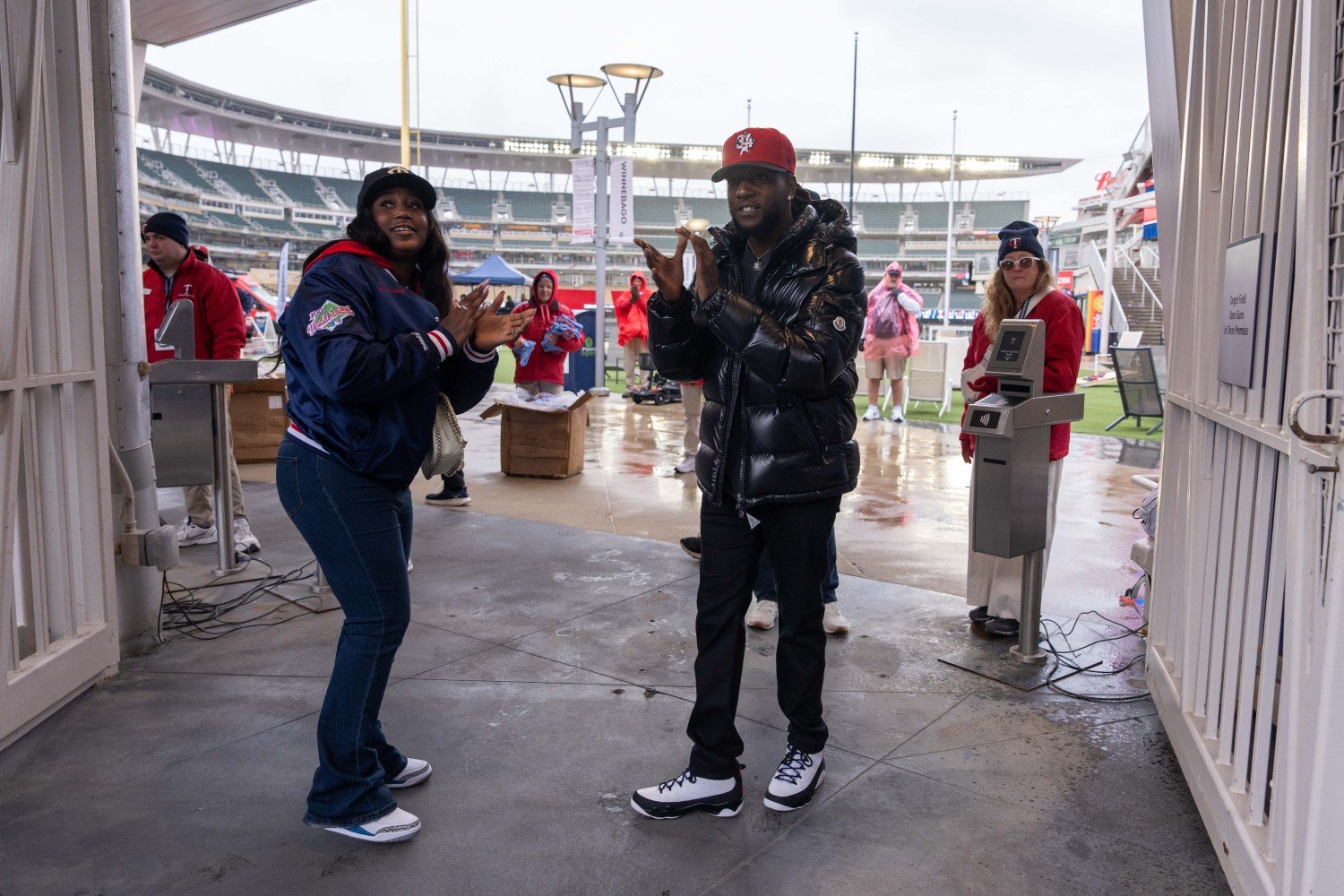 There was a time when being a Minnesota Twins fan meant circling Opening Day on the calendar and talking yourself into the idea that this year would be different. That time still exists, technically, but it now lasts roughly three games, before the emotional damage begins. After another sluggish start to the season, the organization has unveiled a bold new initiative aimed at easing the burden on its most dedicated supporters. In a press conference that felt equal parts innovation and resignation, the Twins announced that fans are now officially allowed to enter the transfer portal. “This is about empowering our fan base,” said a team spokesperson, while carefully avoiding eye contact. “We recognize that watching this product on the field requires a level of emotional endurance that may not be sustainable for everyone. The portal gives fans options. It gives them hope. It gives them a chance to feel joy again, even if it's temporary and comes with a different logo.” The announcement has sparked an immediate reaction from the fan base, many of whom were already mentally exploring their options before the press release hit social media. “I entered the portal after the third error on Tuesday,” said longtime fan Mark D., who claims to have watched nearly every game since 2004. “I just put my name in, uploaded a highlight reel of me clapping politely during pitching changes, and waited for the calls. I'm not saying I'm gone for good, but I need to see what's out there. I deserve to feel something other than confusion.” Another fan, Jessica R., said she's looking for a better cultural fit. “I am tired of explaining to my friends why I still believe,” she said. “I want a team where hope lasts into May. Maybe even June. Is that too much to ask? I just want meaningful baseball, and a bullpen that doesn't feel like a group project where nobody did their part.” Around the league, several teams have already begun recruiting disillusioned Twins fans, pitching them on a fresh start and a more stable emotional environment. The Milwaukee Brewers have positioned themselves as a logical landing spot, offering geographic familiarity with a slightly less chaotic baseball experience. “We understand Midwest values,” a Brewers representative said. “We offer competitive baseball, a strong pitching foundation, and the ability to watch games without immediately questioning your life choices. Plus, we have a slide in the outfield. That has to count for something.” The Chicago Cubs are leaning into their big-market appeal and their history of breaking curses. “We can promise a historic ballpark, a vibrant fan culture, and just enough success to keep you invested,” a Cubs official noted. “Also, we've already done the whole long-suffering thing and came out the other side. We're basically a support group with ivy.” Perhaps the most surprising entrant into the mix is the Colorado Rockies, who are reportedly targeting Twins fans who simply want a different kind of chaos. “Look, we're not saying we're better,” a Rockies spokesperson admitted. “But we are different. Our games have altitude, offense, and absolutely no expectations. You can relax here. Losses feel lighter when the score is 12 to 9, and nobody knows what just happened. Also, we're gonna land @Greggory Masterson. Follow Gregg here, instead of following him on Twitter.” Back in Minnesota, the front office insists that the transfer portal is not a sign of giving up on the season, but rather an acknowledgment of reality. “We still believe in this team,” another executive said. “We just also believe in honesty. If fans need to step away and explore other opportunities, we support that. And if they come back when things turn around, we will welcome them with open arms and a slightly improved platoon splits.” For now, the portal remains open, and fans continue to weigh their options. Some will leave in search of greener pastures. Others will stay, clinging to the familiar cycle of optimism and disappointment that has defined the experience for years—because, for all the talk of transfers and fresh starts, being a Twins fan is not just a choice. It's a condition that cannot be easily cured, even when a perfectly good exit door is finally provided. Deep down, most fans know the truth. No matter how many offers come in or how appealing another team might look, there's a strong chance they will withdraw their name from the portal just in time for the next winning streak that changes everything.
 -
Image courtesy of © Jordan Johnson-Imagn Images There are certain matchups in baseball that begin to feel inevitable. A pitcher seems to have a hitter’s number, the results stack up, and eventually every new plate appearance feels like a rerun. For Ryan Jeffers, that reality had long existed against Tarik Skubal. Entering Tuesday night, Jeffers had stepped in against Skubal more than any other pitcher in his career. The results were lopsided, to the point of being almost unbelievable. In 25 plate appearances, Jeffers had just one hit. Yes, it left the yard, but the rest of the line told the story. Nine strikeouts. Two walks. A .043 batting average and a .294 OPS. It was dominance, plain and simple. That lone bright moment came all the way back on July 8, 2021. Skubal was still developing, Jeffers was in his sophomore season, and Minnesota scratched out five runs in a 5-3 win. Since then, nothing. Four seasons of empty at-bats against one of the best left-handed arms in the game. So when Jeffers walked to the plate Tuesday night, the context mattered. The Twins were clinging to a one-run lead. Austin Martin and Byron Buxton worked disciplined at-bats to draw walks after Skubal had yet to walk a batter all season. Luke Keaschall smacked a single to open the scoring but the Twins were going to need more. First and second with one out. No room for error. The type of moment that can swing a game, and maybe exorcise a few demons along the way. Anatomy of an At-Bat Skubal opened with what has worked so often before. A slider darting across the zone. Swing and miss. Then a 96 mile per hour fastball painted at the top of the zone for a called strike. Just like that, 0 and 2. It looked familiar. Too familiar. But this time, the at-bat did not end there. Skubal went back to the fastball, nearly identical in location, this one at 96.4. Jeffers stayed alive, fouling it away. Another heater followed, this time a 96.8 sinker at the top of the zone. Again, Jeffers got a piece. The count still sat at 1 and 2, but the tone had shifted. Instead of overmatched, Jeffers looked stubborn. That distinction matters against pitchers like Skubal. Survival is the first step. Then came the pitch that had ended so many of these battles before. A slider on the edge of the zone, tempting, sharp, designed to finish. In years past, that is likely a swing and miss. Another strikeout. Another walk back to the dugout. Instead, Jeffers stayed through it. The swing was controlled, direct, and decisive. He drove the ball down the right field line, a 90.3 mile per hour rocket that split the defense. Both runners came around to score. Just like that, the narrative flipped. The two-run double did more than pad the lead. It shifted the game’s probability by 14.9%, pushing Minnesota to an 89.3% chance of victory. In a single swing, Jeffers turned years of frustration into one of the most impactful moments of the night. For hitters, success is often less about dramatic changes and more about subtle adjustments. A fraction longer on the fastball. A better recognition of spin. The willingness to fight off pitches instead of succumbing to them. Jeffers showed all of that in one at-bat. Maybe it was just one swing. Maybe it was just one night. But for a hitter who had spent years searching for answers against the same opponent, it felt like something more. Jeffers did not just get a hit off Skubal. He changed the script. And sometimes, that is all it takes to finally leave the past behind. What stood out about that at-bat? Did Jeffers finally solve Skubal? Leave a comment and start the discussion. View full article
-
Anatomy of an At-Bat: Ryan Jeffers Finally Conquers Tarik Skubal
Cody Christie posted an article in Twins
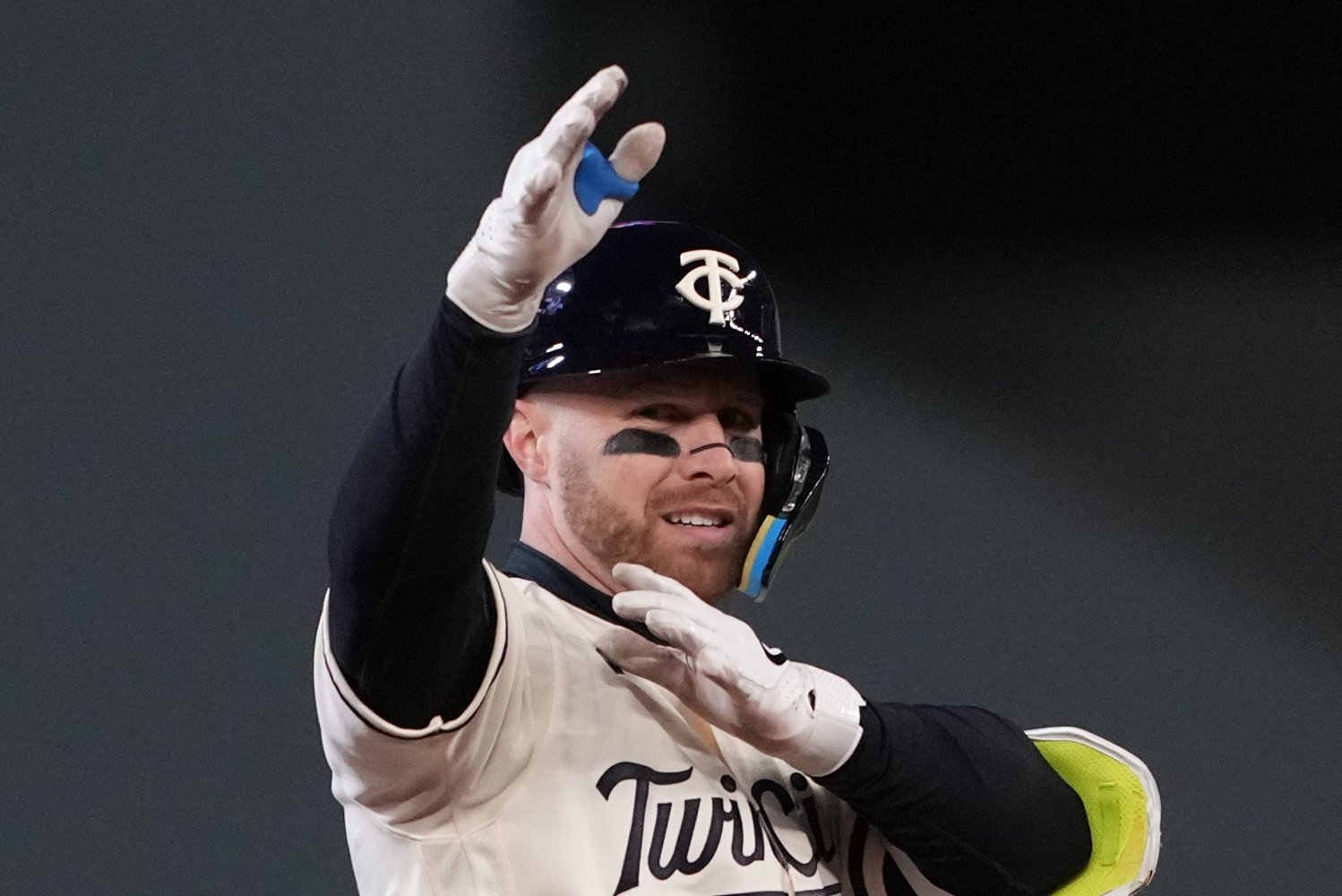 There are certain matchups in baseball that begin to feel inevitable. A pitcher seems to have a hitter’s number, the results stack up, and eventually every new plate appearance feels like a rerun. For Ryan Jeffers, that reality had long existed against Tarik Skubal. Entering Tuesday night, Jeffers had stepped in against Skubal more than any other pitcher in his career. The results were lopsided, to the point of being almost unbelievable. In 25 plate appearances, Jeffers had just one hit. Yes, it left the yard, but the rest of the line told the story. Nine strikeouts. Two walks. A .043 batting average and a .294 OPS. It was dominance, plain and simple. That lone bright moment came all the way back on July 8, 2021. Skubal was still developing, Jeffers was in his sophomore season, and Minnesota scratched out five runs in a 5-3 win. Since then, nothing. Four seasons of empty at-bats against one of the best left-handed arms in the game. So when Jeffers walked to the plate Tuesday night, the context mattered. The Twins were clinging to a one-run lead. Austin Martin and Byron Buxton worked disciplined at-bats to draw walks after Skubal had yet to walk a batter all season. Luke Keaschall smacked a single to open the scoring but the Twins were going to need more. First and second with one out. No room for error. The type of moment that can swing a game, and maybe exorcise a few demons along the way. Anatomy of an At-Bat Skubal opened with what has worked so often before. A slider darting across the zone. Swing and miss. Then a 96 mile per hour fastball painted at the top of the zone for a called strike. Just like that, 0 and 2. It looked familiar. Too familiar. But this time, the at-bat did not end there. Skubal went back to the fastball, nearly identical in location, this one at 96.4. Jeffers stayed alive, fouling it away. Another heater followed, this time a 96.8 sinker at the top of the zone. Again, Jeffers got a piece. The count still sat at 1 and 2, but the tone had shifted. Instead of overmatched, Jeffers looked stubborn. That distinction matters against pitchers like Skubal. Survival is the first step. Then came the pitch that had ended so many of these battles before. A slider on the edge of the zone, tempting, sharp, designed to finish. In years past, that is likely a swing and miss. Another strikeout. Another walk back to the dugout. Instead, Jeffers stayed through it. The swing was controlled, direct, and decisive. He drove the ball down the right field line, a 90.3 mile per hour rocket that split the defense. Both runners came around to score. Just like that, the narrative flipped. The two-run double did more than pad the lead. It shifted the game’s probability by 14.9%, pushing Minnesota to an 89.3% chance of victory. In a single swing, Jeffers turned years of frustration into one of the most impactful moments of the night. For hitters, success is often less about dramatic changes and more about subtle adjustments. A fraction longer on the fastball. A better recognition of spin. The willingness to fight off pitches instead of succumbing to them. Jeffers showed all of that in one at-bat. Maybe it was just one swing. Maybe it was just one night. But for a hitter who had spent years searching for answers against the same opponent, it felt like something more. Jeffers did not just get a hit off Skubal. He changed the script. And sometimes, that is all it takes to finally leave the past behind. What stood out about that at-bat? Did Jeffers finally solve Skubal? Leave a comment and start the discussion.
 -
Twins Mourn the Loss of 1987 Champion Tom Nieto
Cody Christie posted a topic in Minnesota Twins Talk
The Minnesota Twins community is mourning the loss of a member of its 1987 championship club. Tom Nieto has passed away at the age of 65 after suffering a heart attack, according to a message shared by his family and later confirmed by the organization on Monday. Nieto’s sister shared the news publicly, noting that he passed on March 27 while in Florida with his family. She described a man whose strength and resilience left a lasting impact on those closest to him, a sentiment that has echoed throughout the baseball world since the announcement. The Twins also released a statement shortly after the news became public. Nieto’s baseball journey began when the Twins selected him in the 31st round of the 1979 MLB Draft. Instead of signing, he chose to continue his development at the collegiate level, eventually going to Oral Roberts before being selected in the third round of the 1981 MLB Draft by the St. Louis Cardinals. A highly regarded prospect in the Cardinals system, Nieto worked his way through the minors before making his big league debut in 1984. He made an immediate impression during his rookie campaign, posting a 109 OPS+ across 33 games and establishing himself as a capable backstop. He had a role on the Cardinals team that reached the 1985 World Series, but St. Louis ultimately fell to the Kansas City Royals in a seven-game series. Two years later, Nieto found himself on baseball’s biggest stage again, but this time on the opposite side. After a stint with the Montreal Expos, the Twins acquired him during the 1987 season. In Minnesota, Nieto appeared in 41 games as part of a team that would go on to win the World Series, defeating his former Cardinals club in seven games. While his offensive numbers with Minnesota were modest, Nieto played a supporting role on a roster that has become one of the most beloved in franchise history. Across two seasons with the Twins, he appeared in 65 games and contributed as a depth option behind the plate during a championship run. In total, Nieto spent seven seasons in the big leagues. Following his playing days, Nieto transitioned into coaching, where he made perhaps an even greater impact. He spent seven seasons with the New York Yankees organization from 1995 through 2002 and later joined the New York Mets, working under manager Willie Randolph. With the Mets, Nieto served as both a catching instructor and first base coach. For Twins fans, his name will always be tied to 1987, a season that remains one of the franchise's defining moments. Today, it also serves as a reminder of the people who helped make that run possible and the lasting impact they leave behind. View full rumor -
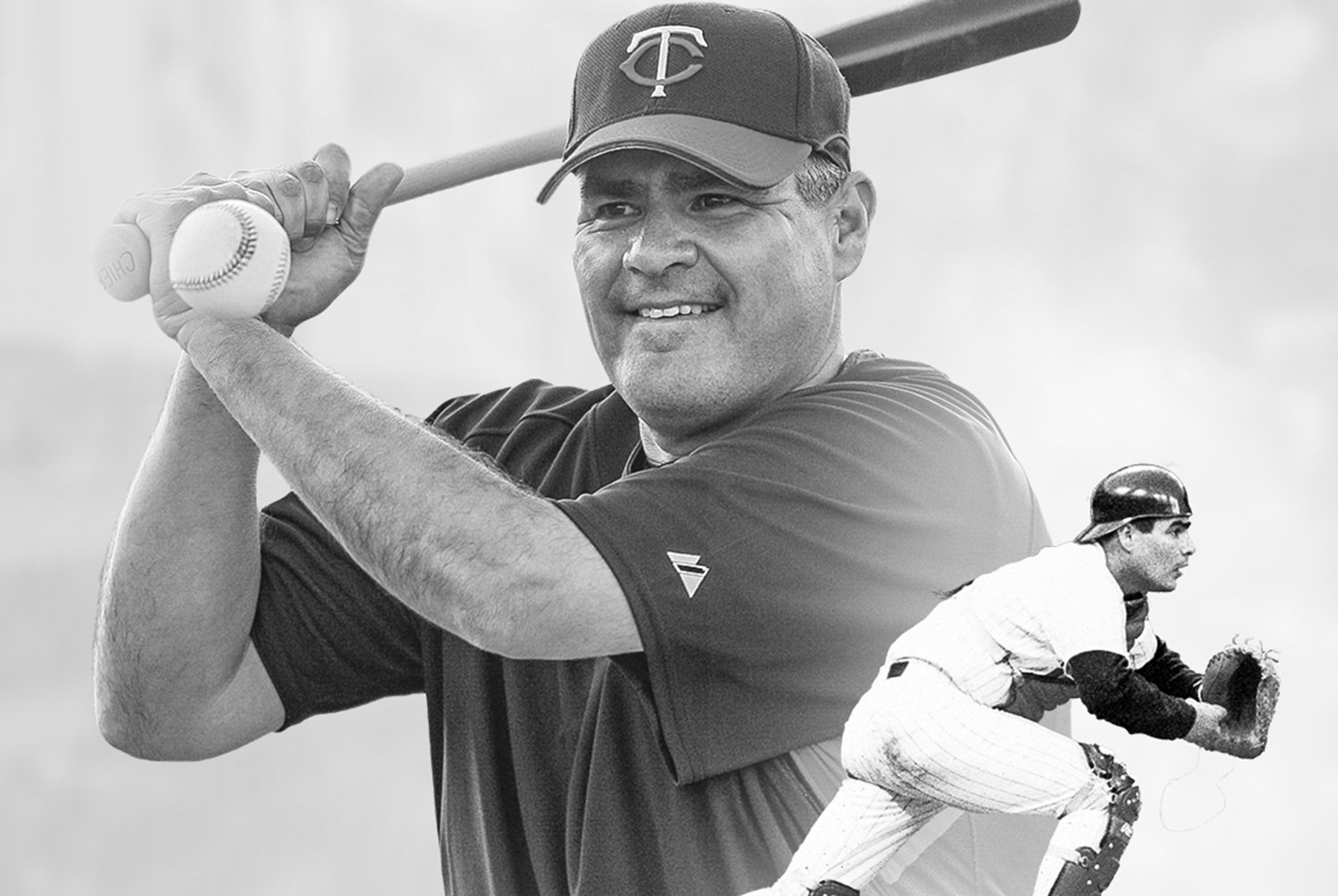 The Minnesota Twins community is mourning the loss of a member of its 1987 championship club. Tom Nieto has passed away at the age of 65 after suffering a heart attack, according to a message shared by his family and later confirmed by the organization on Monday. Nieto’s sister shared the news publicly, noting that he passed on March 27 while in Florida with his family. She described a man whose strength and resilience left a lasting impact on those closest to him, a sentiment that has echoed throughout the baseball world since the announcement. The Twins also released a statement shortly after the news became public. Nieto’s baseball journey began when the Twins selected him in the 31st round of the 1979 MLB Draft. Instead of signing, he chose to continue his development at the collegiate level, eventually going to Oral Roberts before being selected in the third round of the 1981 MLB Draft by the St. Louis Cardinals. A highly regarded prospect in the Cardinals system, Nieto worked his way through the minors before making his big league debut in 1984. He made an immediate impression during his rookie campaign, posting a 109 OPS+ across 33 games and establishing himself as a capable backstop. He had a role on the Cardinals team that reached the 1985 World Series, but St. Louis ultimately fell to the Kansas City Royals in a seven-game series. Two years later, Nieto found himself on baseball’s biggest stage again, but this time on the opposite side. After a stint with the Montreal Expos, the Twins acquired him during the 1987 season. In Minnesota, Nieto appeared in 41 games as part of a team that would go on to win the World Series, defeating his former Cardinals club in seven games. While his offensive numbers with Minnesota were modest, Nieto played a supporting role on a roster that has become one of the most beloved in franchise history. Across two seasons with the Twins, he appeared in 65 games and contributed as a depth option behind the plate during a championship run. In total, Nieto spent seven seasons in the big leagues. Following his playing days, Nieto transitioned into coaching, where he made perhaps an even greater impact. He spent seven seasons with the New York Yankees organization from 1995 through 2002 and later joined the New York Mets, working under manager Willie Randolph. With the Mets, Nieto served as both a catching instructor and first base coach. For Twins fans, his name will always be tied to 1987, a season that remains one of the franchise's defining moments. Today, it also serves as a reminder of the people who helped make that run possible and the lasting impact they leave behind.
 -
Image courtesy of © Lon Horwedel-Imagn Images Defense has always been one of baseball’s most difficult elements to quantify, but that reality has changed dramatically in recent years. With the introduction and continued refinement of Statcast, teams and fans alike now have access to advanced metrics that provide a clearer picture of what is happening on the field. The Statcast Era, spanning (for the purposes of their defensive numbers, Outs Above Average and Fielding Run Value) 2018 through 2026, provides a meaningful sample to evaluate how the Minnesota Twins have performed defensively over time. Across those nine seasons, the Twins have experienced both highs and lows in the field. Their best defensive performances came during the 2020 and 2021 campaigns. The 2021 club led the way. Fielding Run Value had them as 21 runs better than an average team, mainly due to standout performances: Andrelton Simmons contributed 16 OAA at shortstop, while Max Kepler and Byron Buxton added 8 and 7, respectively, in the outfield. In the shortened 2020 season, the Twins posted 7 FRV, led by Buxton in center field and by versatile contributions from Marwin Gonzalez, Jake Cave, and Ehire Adrianza in various positions. At the other end of the spectrum sits the 2025 season, which marked Minnesota’s worst defensive showing of the Statcast era. The team combined for -22 FRV, with several players struggling significantly. Edouard Julien posted -8 Outs Above Average, while Willi Castro finished at -6. Trevor Larnach, Brooks Lee, and Matt Wallner each contributed -4 OAA. (Yes, OAA and FRV are on different scales, but directionally, you can see how so many defenders collecting fewer outs than expected led to the team preventing fewer runs.) Notably, half of the 10 worst defenders from that roster are no longer in the organization, including Julien, Castro, Jose Miranda, Carlos Correa, and Carson McCusker. Despite that turnover, the early signs in 2026 suggest the problem has not been solved. Through 10 games, Minnesota is already tied for the worst FRV in baseball, at -7. While it's a small sample, the underlying issues look familiar. The left side of the infield has been particularly problematic, with Royce Lewis posting -4 Outs Above Average at third base and Brooks Lee at -2 while handling shortstop duties. Lewis showed legitimate progress defensively last season and finished with a positive mark, offering some hope that his current struggles could be temporary. Lee, however, remains a more complicated situation. He graded as one of the team’s weakest defenders a year ago, but the Twins have committed to giving him extended run at shortstop. At this point, the metrics suggest he's stretched beyond his defensive capabilities at the position. The lack of clear alternatives only complicates matters. At Triple-A, Kaelen Culpepper is one of the more intriguing internal options. He has shown some improvement at shortstop, but evaluators still view him as a below-average defender there. His arm strength could make him a better fit at third base in the long term, but he can’t play shortstop and third base at the same time. Other potential reinforcements include minor-league veterans like Orlando Arcia and Ryan Kreidler. Both offer experience, but neither profiles as a meaningful defensive upgrade. In other words, there is no obvious solution waiting in the wings. That reality leaves the Twins in a difficult position. Defensive struggles can compound quickly, putting additional pressure on pitching staffs and forcing lineups to play from behind consistently. While it's far too early to draw definitive conclusions, the trends are concerning, especially when viewed alongside last season’s results. If these issues persist, the 2026 Twins may find themselves cementing a place in franchise history for all the wrong reasons. In an era where run prevention is increasingly driven by data and defensive precision, Minnesota’s inability to convert balls in play into outs could define its season. What has stood out about the team’s defense so far? Leave a comment and start the discussion. View full article
-
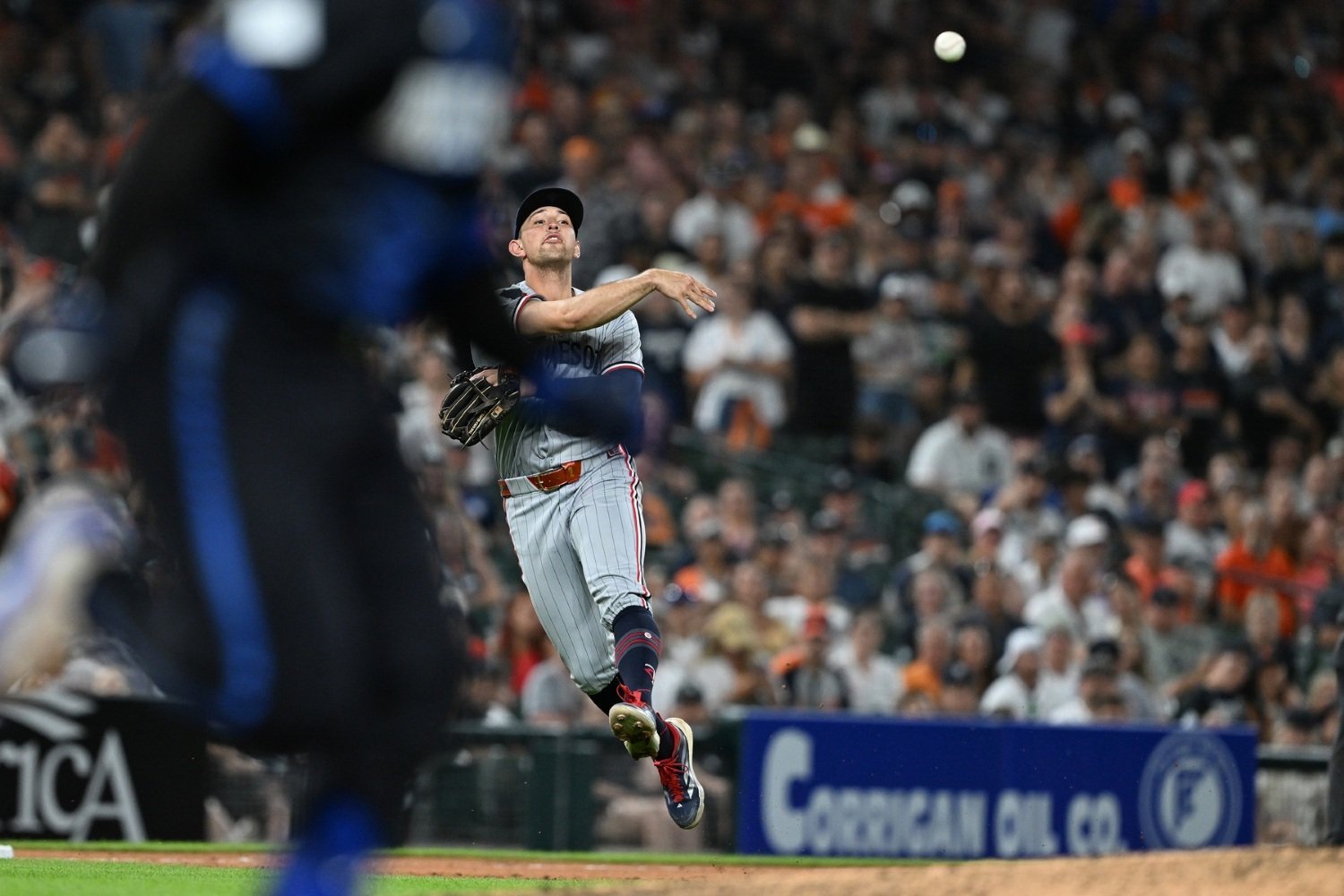 Defense has always been one of baseball’s most difficult elements to quantify, but that reality has changed dramatically in recent years. With the introduction and continued refinement of Statcast, teams and fans alike now have access to advanced metrics that provide a clearer picture of what is happening on the field. The Statcast Era, spanning (for the purposes of their defensive numbers, Outs Above Average and Fielding Run Value) 2018 through 2026, provides a meaningful sample to evaluate how the Minnesota Twins have performed defensively over time. Across those nine seasons, the Twins have experienced both highs and lows in the field. Their best defensive performances came during the 2020 and 2021 campaigns. The 2021 club led the way. Fielding Run Value had them as 21 runs better than an average team, mainly due to standout performances: Andrelton Simmons contributed 16 OAA at shortstop, while Max Kepler and Byron Buxton added 8 and 7, respectively, in the outfield. In the shortened 2020 season, the Twins posted 7 FRV, led by Buxton in center field and by versatile contributions from Marwin Gonzalez, Jake Cave, and Ehire Adrianza in various positions. At the other end of the spectrum sits the 2025 season, which marked Minnesota’s worst defensive showing of the Statcast era. The team combined for -22 FRV, with several players struggling significantly. Edouard Julien posted -8 Outs Above Average, while Willi Castro finished at -6. Trevor Larnach, Brooks Lee, and Matt Wallner each contributed -4 OAA. (Yes, OAA and FRV are on different scales, but directionally, you can see how so many defenders collecting fewer outs than expected led to the team preventing fewer runs.) Notably, half of the 10 worst defenders from that roster are no longer in the organization, including Julien, Castro, Jose Miranda, Carlos Correa, and Carson McCusker. Despite that turnover, the early signs in 2026 suggest the problem has not been solved. Through 10 games, Minnesota is already tied for the worst FRV in baseball, at -7. While it's a small sample, the underlying issues look familiar. The left side of the infield has been particularly problematic, with Royce Lewis posting -4 Outs Above Average at third base and Brooks Lee at -2 while handling shortstop duties. Lewis showed legitimate progress defensively last season and finished with a positive mark, offering some hope that his current struggles could be temporary. Lee, however, remains a more complicated situation. He graded as one of the team’s weakest defenders a year ago, but the Twins have committed to giving him extended run at shortstop. At this point, the metrics suggest he's stretched beyond his defensive capabilities at the position. The lack of clear alternatives only complicates matters. At Triple-A, Kaelen Culpepper is one of the more intriguing internal options. He has shown some improvement at shortstop, but evaluators still view him as a below-average defender there. His arm strength could make him a better fit at third base in the long term, but he can’t play shortstop and third base at the same time. Other potential reinforcements include minor-league veterans like Orlando Arcia and Ryan Kreidler. Both offer experience, but neither profiles as a meaningful defensive upgrade. In other words, there is no obvious solution waiting in the wings. That reality leaves the Twins in a difficult position. Defensive struggles can compound quickly, putting additional pressure on pitching staffs and forcing lineups to play from behind consistently. While it's far too early to draw definitive conclusions, the trends are concerning, especially when viewed alongside last season’s results. If these issues persist, the 2026 Twins may find themselves cementing a place in franchise history for all the wrong reasons. In an era where run prevention is increasingly driven by data and defensive precision, Minnesota’s inability to convert balls in play into outs could define its season. What has stood out about the team’s defense so far? Leave a comment and start the discussion.
- 26 comments
-
- 3
-

-
-
- brooks lee
- royce lewis
- (and 8 more)
-
The Minnesota Twins have made it clear they are trying to modernize the viewing experience. Since shifting to Twins.TV last season, the organization has experimented with new camera angles, broadcast enhancements, and presentation tweaks designed to keep fans engaged in a rapidly changing media landscape. On Monday night, they added another new element. Facing the Detroit Tigers, the Twins rolled out a player introduction straight out of the Monday Night Football playbook. Instead of the usual lineup graphic, each starter appeared on screen, introducing themselves and shouting out their college or high school. It was polished, energetic, and honestly, pretty cool. The concept worked. The execution, for the most part, worked too. What did not work was everything happening behind it. As each player delivered their introduction, the broadcast occasionally cut to wider shots of Target Field. That is where things took a turn. The backdrop for this primetime style rollout was a sea of empty seats, a visual contradiction that social media was quick to notice. No one was really taking aim at the idea itself. The production value was solid, and the players seemed to enjoy it. But pairing a bold declaration that Monday Night Baseball could rival Monday Night Football with a visibly sparse crowd felt like a miss. There are, of course, explanations. The weather did not cooperate, with temperatures dipping and wind chills settling into the 20s. It was also a crowded sports night, with the NCAA men’s basketball national championship drawing attention elsewhere. Those factors matter, and they are real. But they are not the whole story. The Twins drew just 1,768,728 fans in 2025, the lowest total the franchise has seen in a quarter century and the smallest in the history of Target Field. Early returns this season have not suggested a meaningful rebound. Through the first handful of home games, the team is averaging 19,381 in announced attendance, a number based on tickets sold rather than scanned. On Monday, the official figure was 12,569. Anyone watching could tell the actual turnout was lighter than that. There is a growing disconnect between the product on the field, the presentation on the screen, and the relationship with the fan base. Some of the most loyal supporters have become increasingly vocal about ownership, and in some cases, have chosen to stay home. That is what made Monday night feel so strange. The Twins delivered something fresh and entertaining, a glimpse at how baseball broadcasts can evolve and feel more personal. It should have been a moment that added energy to the ballpark and the viewing experience alike. Instead, it became a reminder that presentation can only do so much. You can dress up the broadcast, add personality, and borrow from the biggest stages in sports. But when the camera pulls back, the reality in the stands still matters. The idea was fun. The players bought in. The broadcast team executed it well. Now the challenge is making sure the atmosphere matches the moment next time they try it. View full rumor
-
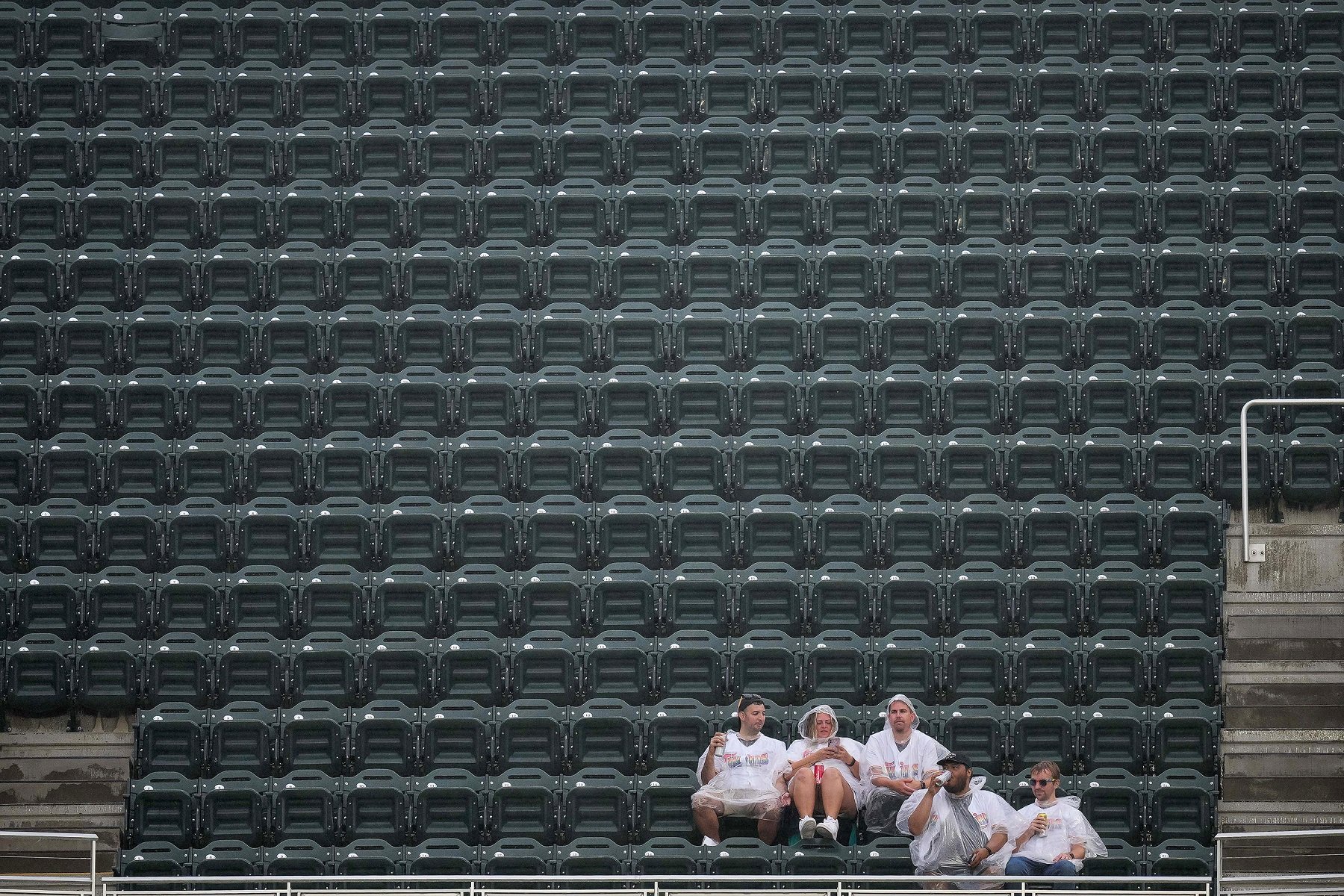 The Minnesota Twins have made it clear they are trying to modernize the viewing experience. Since shifting to Twins.TV last season, the organization has experimented with new camera angles, broadcast enhancements, and presentation tweaks designed to keep fans engaged in a rapidly changing media landscape. On Monday night, they added another new element. Facing the Detroit Tigers, the Twins rolled out a player introduction straight out of the Monday Night Football playbook. Instead of the usual lineup graphic, each starter appeared on screen, introducing themselves and shouting out their college or high school. It was polished, energetic, and honestly, pretty cool. The concept worked. The execution, for the most part, worked too. What did not work was everything happening behind it. As each player delivered their introduction, the broadcast occasionally cut to wider shots of Target Field. That is where things took a turn. The backdrop for this primetime style rollout was a sea of empty seats, a visual contradiction that social media was quick to notice. No one was really taking aim at the idea itself. The production value was solid, and the players seemed to enjoy it. But pairing a bold declaration that Monday Night Baseball could rival Monday Night Football with a visibly sparse crowd felt like a miss. There are, of course, explanations. The weather did not cooperate, with temperatures dipping and wind chills settling into the 20s. It was also a crowded sports night, with the NCAA men’s basketball national championship drawing attention elsewhere. Those factors matter, and they are real. But they are not the whole story. The Twins drew just 1,768,728 fans in 2025, the lowest total the franchise has seen in a quarter century and the smallest in the history of Target Field. Early returns this season have not suggested a meaningful rebound. Through the first handful of home games, the team is averaging 19,381 in announced attendance, a number based on tickets sold rather than scanned. On Monday, the official figure was 12,569. Anyone watching could tell the actual turnout was lighter than that. There is a growing disconnect between the product on the field, the presentation on the screen, and the relationship with the fan base. Some of the most loyal supporters have become increasingly vocal about ownership, and in some cases, have chosen to stay home. That is what made Monday night feel so strange. The Twins delivered something fresh and entertaining, a glimpse at how baseball broadcasts can evolve and feel more personal. It should have been a moment that added energy to the ballpark and the viewing experience alike. Instead, it became a reminder that presentation can only do so much. You can dress up the broadcast, add personality, and borrow from the biggest stages in sports. But when the camera pulls back, the reality in the stands still matters. The idea was fun. The players bought in. The broadcast team executed it well. Now the challenge is making sure the atmosphere matches the moment next time they try it.
 -
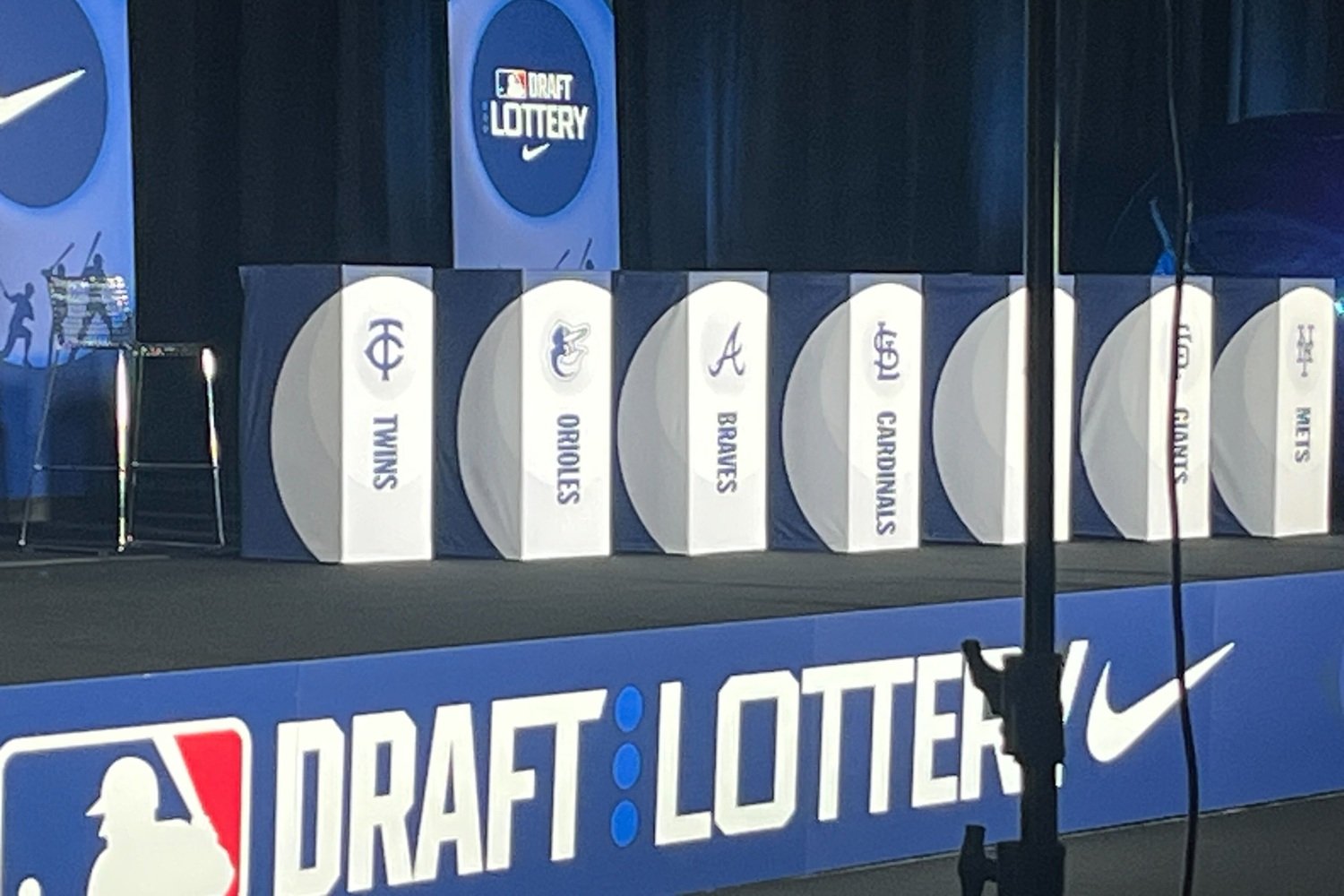 The Minnesota Twins will have options when they step to the podium with the third overall pick in this summer’s draft, but recent performances are beginning to shape the conversation in a meaningful way. One name that continues to gain traction is Jackson Flora, a college right-hander whose combination of production, stuff, and projection is becoming increasingly difficult to ignore. Industry outlets are starting to align on his value. Baseball America currently slots Flora as the third-best prospect in the class, while MLB Pipeline has him further back at 14th overall. That gap may not last much longer. MLB Pipeline recently highlighted Flora as the top emerging college pitcher in the draft, and his latest outings suggest that label is more reality than projection. In his most recent start, Flora worked nine shutout innings while allowing just four hits. He issued a pair of walks and struck out nine hitters, continuing a dominant run. Across eight starts, he has yet to take a loss and owns an ERA under 1.00. In just over 52 innings, he has limited opponents to 26 hits while striking out 65 and walking only 15. It is the type of statistical profile that demands attention, even in a class loaded with talent. What makes Flora particularly intriguing is how his arsenal continues to evolve. His fastball comfortably sits in the mid-90s and can reach triple digits. The slider has long been considered his primary secondary weapon, operating in the mid to upper 80s with the ability to miss bats consistently. However, it was his changeup that stole the spotlight in his most recent outing. He leaned on it more frequently than his slider against Cal Poly, showing growing confidence in a pitch that could ultimately round out a complete three-pitch mix. That development matters because Flora is not just overpowering hitters. He is doing so with control. His strikeout rate sits north of 30%, but just as importantly, he is limiting free passes at a rate under 8%. The ability to command multiple pitches in the zone separates him from many of his peers and raises his floor as a starting pitching prospect. Physically, Flora checks every box teams look for in a frontline starter. At six-foot-five, he generates premium velocity with relative ease and maintains it deep into outings. His fastball has shown strong shape with late life, while his slider usage includes both a sweeping version with significant horizontal movement and a firmer, tighter breaking ball. The changeup continues to trend upward, flashing the kind of late dive that can neutralize opposite-handed hitters. At the top of the draft, much of the intrigue centers around what happens after Roch Cholowsky, who is widely viewed as the likely first overall selection. The Chicago White Sox are expected to make that call, leaving the next handful of picks open to interpretation. The Tampa Bay Rays go in several directions, including prep shortstops like Grady Emerson or Jacob Lombard, or a college bat such as Justin Lebron. That uncertainty creates an opening for a player like Flora to climb. Pitching always carries risk, but teams picking near the top of the draft often prioritize impact, and Flora is beginning to look like one of the few arms in this class capable of providing it at a high level. For the Twins, the decision at three will ultimately come down to how the board falls and how they balance ceiling with certainty. Flora is making a strong case that he offers both. If his current trajectory holds and he continues to dominate while refining his secondary pitches, he may not just be in the conversation. He could be one of the most compelling options available when Minnesota is on the clock.
 -
The Minnesota Twins will have options when they step to the podium with the third overall pick in this summer’s draft, but recent performances are beginning to shape the conversation in a meaningful way. One name that continues to gain traction is Jackson Flora, a college right-hander whose combination of production, stuff, and projection is becoming increasingly difficult to ignore. Industry outlets are starting to align on his value. Baseball America currently slots Flora as the third-best prospect in the class, while MLB Pipeline has him further back at 14th overall. That gap may not last much longer. MLB Pipeline recently highlighted Flora as the top emerging college pitcher in the draft, and his latest outings suggest that label is more reality than projection. In his most recent start, Flora worked nine shutout innings while allowing just four hits. He issued a pair of walks and struck out nine hitters, continuing a dominant run. Across eight starts, he has yet to take a loss and owns an ERA under 1.00. In just over 52 innings, he has limited opponents to 26 hits while striking out 65 and walking only 15. It is the type of statistical profile that demands attention, even in a class loaded with talent. What makes Flora particularly intriguing is how his arsenal continues to evolve. His fastball comfortably sits in the mid-90s and can reach triple digits. The slider has long been considered his primary secondary weapon, operating in the mid to upper 80s with the ability to miss bats consistently. However, it was his changeup that stole the spotlight in his most recent outing. He leaned on it more frequently than his slider against Cal Poly, showing growing confidence in a pitch that could ultimately round out a complete three-pitch mix. That development matters because Flora is not just overpowering hitters. He is doing so with control. His strikeout rate sits north of 30%, but just as importantly, he is limiting free passes at a rate under 8%. The ability to command multiple pitches in the zone separates him from many of his peers and raises his floor as a starting pitching prospect. Physically, Flora checks every box teams look for in a frontline starter. At six-foot-five, he generates premium velocity with relative ease and maintains it deep into outings. His fastball has shown strong shape with late life, while his slider usage includes both a sweeping version with significant horizontal movement and a firmer, tighter breaking ball. The changeup continues to trend upward, flashing the kind of late dive that can neutralize opposite-handed hitters. At the top of the draft, much of the intrigue centers around what happens after Roch Cholowsky, who is widely viewed as the likely first overall selection. The Chicago White Sox are expected to make that call, leaving the next handful of picks open to interpretation. The Tampa Bay Rays go in several directions, including prep shortstops like Grady Emerson or Jacob Lombard, or a college bat such as Justin Lebron. That uncertainty creates an opening for a player like Flora to climb. Pitching always carries risk, but teams picking near the top of the draft often prioritize impact, and Flora is beginning to look like one of the few arms in this class capable of providing it at a high level. For the Twins, the decision at three will ultimately come down to how the board falls and how they balance ceiling with certainty. Flora is making a strong case that he offers both. If his current trajectory holds and he continues to dominate while refining his secondary pitches, he may not just be in the conversation. He could be one of the most compelling options available when Minnesota is on the clock. View full rumor
-
Image courtesy of © Bruce Kluckhohn-Imagn Images There are moments in a franchise’s history that feel bigger than the box score. On Sunday, the Minnesota Twins took time to recognize one of those moments as Byron Buxton reached 10 years of Major League service time. It's the kind of milestone that speaks less about a single season and more about everything that came before it. For Buxton, the journey to Sunday's celebration was winding and perilous. It included injuries, setbacks, and questions about what could have been. Eventually, though, it brought him to a secure place among the most accomplished players in franchise history. Reaching a decade of service time is rare territory. Fewer than 10% of players get there, and the list of those who have done it exclusively with the Twins is a roll call of legends. Kirby Puckett. Rod Carew. Joe Mauer. Kent Hrbek. Tony Oliva. The names carry weight because of what they meant to winning baseball in Minnesota. Buxton is now part of that group, and has the statistical resume to back it up. He sits sixth in franchise history in stolen bases, ninth in home runs, and continues to climb in multiple categories that reflect both longevity and impact. Those numbers tell the story of a player who has produced when healthy and electrified when at his best. Of course, he was rarely healthy for much of that time, and because he was often playing through something even when he was on the field, he hasn't always been able to demonstrate his best. After he debuted in 2015, he struggled to overcome the injuries that often disrupted his seasons. He was optioned back to the minors for stretches of both 2016 and 2018, which delayed his reaching the 10-year service mark until 2026. For some players, those detours derail everything. For Buxton, they have become part of the story that makes this moment resonate more. It's not just about 10 years. It's about everything he had to push through to get there. That perspective makes what he did in 2025 feel even more important. Buxton delivered the best season of his career, earning an All-Star selection, taking home a Silver Slugger, and finishing 11th in the American League MVP race. He showed what the fully realized version of himself looks like over an extended stretch—power, speed, defense, and a presence that changes games. Though Buxton is off to a slow start in 2026, nothing about his standing within the organization has changed. A brief injury scare over the weekend served as a reminder of how quickly things can feel uncertain, but his return to the lineup just as quickly reinforced how central he is to everything this team does and how fiercely he wants to be on the field whenever possible. None of that quite guarantees that Buxton will spend the balance of his career (or even the balance of his contract, which runs through 2028) in Minnesota. Nor do his 10-and-5 rights (all players who reach 10 years of big-league service and have had five years of continual service with one team have the right to refuse a trade) or the no-trade clause in his contract, which rendered the wait for those rights moot and shielded him from being dealt at last summer's fire sale. The team's future is unclear, and they might approach him this summer (or later on) about the possibility of moving him. When Buxton says he wants to spend his entire career in Minnesota, though, it doesn't sound like a generic answer. It sounds like a player who understands exactly what this uniform means, and what it would mean to finish what he started. For the Twins, that reality matters. Trading a superstar is always difficult. Trading one who has become a bridge between eras; who is climbing leaderboards next to Hall of Fame names; and who has endured everything in a Twins uniform is something else entirely. It's not just a baseball decision. It's a cultural one. As Buxton continues to add to his resume, those decisions only get harder. At some point, the conversation stops being about what you could get in return and starts being about what it would mean to let a player like this finish somewhere else. Right now, Buxton isn't just building a career. He's building a case to be remembered alongside the greatest players this franchise has ever seen. With every milestone, every highlight, and every season that adds to his story, the idea of him wearing anything other than a Twins jersey feels a little less realistic—or at least a little less tolerable. What stands out about Buxton’s 10 years with the Twins? Is there a scenario where Buxton could be traded? Leave a comment and start the discussion. View full article
-
The Longer Byron Buxton Stays, the Harder It Gets to Imagine Him Leaving
Cody Christie posted an article in Twins
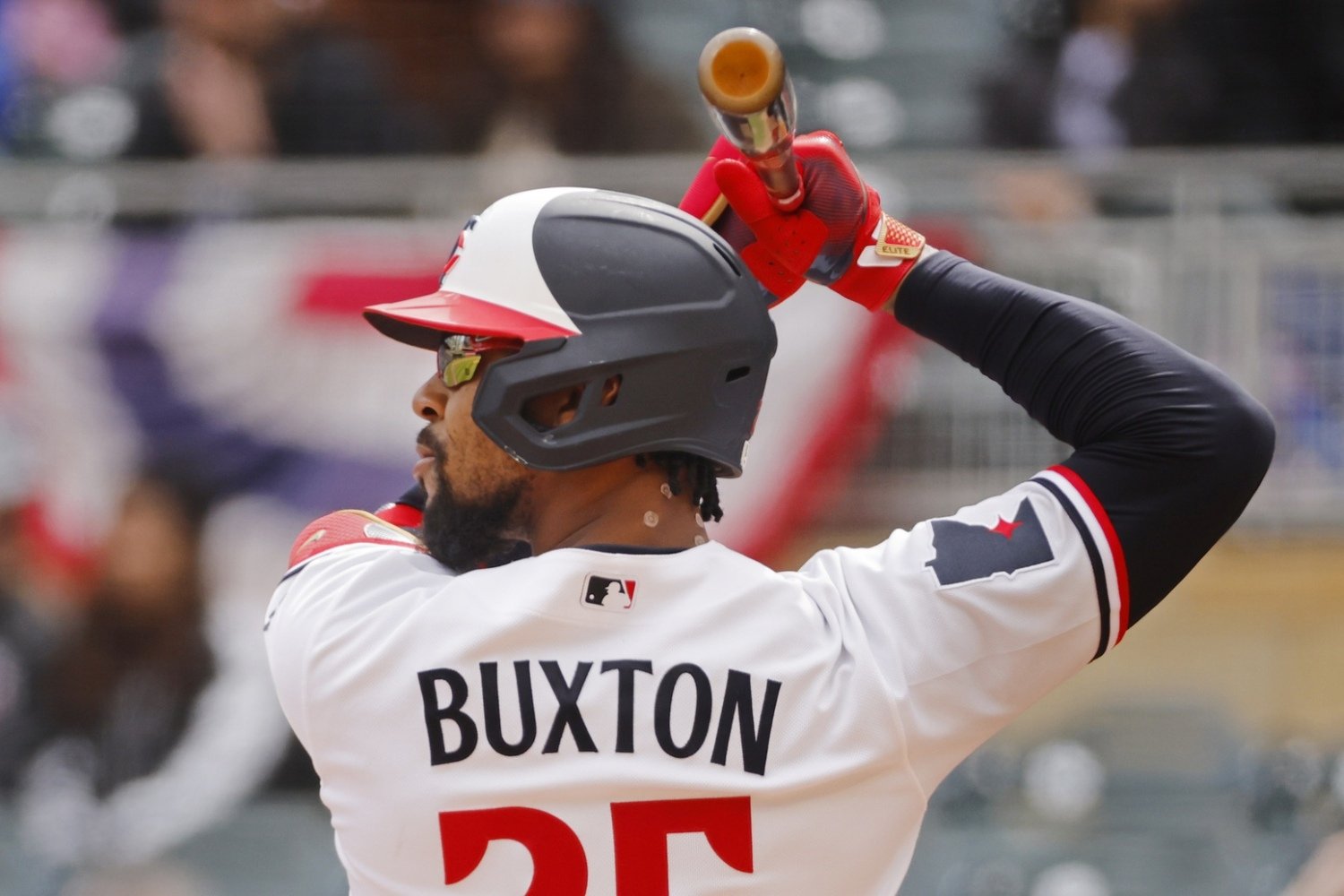 There are moments in a franchise’s history that feel bigger than the box score. On Sunday, the Minnesota Twins took time to recognize one of those moments as Byron Buxton reached 10 years of Major League service time. It's the kind of milestone that speaks less about a single season and more about everything that came before it. For Buxton, the journey to Sunday's celebration was winding and perilous. It included injuries, setbacks, and questions about what could have been. Eventually, though, it brought him to a secure place among the most accomplished players in franchise history. Reaching a decade of service time is rare territory. Fewer than 10% of players get there, and the list of those who have done it exclusively with the Twins is a roll call of legends. Kirby Puckett. Rod Carew. Joe Mauer. Kent Hrbek. Tony Oliva. The names carry weight because of what they meant to winning baseball in Minnesota. Buxton is now part of that group, and has the statistical resume to back it up. He sits sixth in franchise history in stolen bases, ninth in home runs, and continues to climb in multiple categories that reflect both longevity and impact. Those numbers tell the story of a player who has produced when healthy and electrified when at his best. Of course, he was rarely healthy for much of that time, and because he was often playing through something even when he was on the field, he hasn't always been able to demonstrate his best. After he debuted in 2015, he struggled to overcome the injuries that often disrupted his seasons. He was optioned back to the minors for stretches of both 2016 and 2018, which delayed his reaching the 10-year service mark until 2026. For some players, those detours derail everything. For Buxton, they have become part of the story that makes this moment resonate more. It's not just about 10 years. It's about everything he had to push through to get there. That perspective makes what he did in 2025 feel even more important. Buxton delivered the best season of his career, earning an All-Star selection, taking home a Silver Slugger, and finishing 11th in the American League MVP race. He showed what the fully realized version of himself looks like over an extended stretch—power, speed, defense, and a presence that changes games. Though Buxton is off to a slow start in 2026, nothing about his standing within the organization has changed. A brief injury scare over the weekend served as a reminder of how quickly things can feel uncertain, but his return to the lineup just as quickly reinforced how central he is to everything this team does and how fiercely he wants to be on the field whenever possible. None of that quite guarantees that Buxton will spend the balance of his career (or even the balance of his contract, which runs through 2028) in Minnesota. Nor do his 10-and-5 rights (all players who reach 10 years of big-league service and have had five years of continual service with one team have the right to refuse a trade) or the no-trade clause in his contract, which rendered the wait for those rights moot and shielded him from being dealt at last summer's fire sale. The team's future is unclear, and they might approach him this summer (or later on) about the possibility of moving him. When Buxton says he wants to spend his entire career in Minnesota, though, it doesn't sound like a generic answer. It sounds like a player who understands exactly what this uniform means, and what it would mean to finish what he started. For the Twins, that reality matters. Trading a superstar is always difficult. Trading one who has become a bridge between eras; who is climbing leaderboards next to Hall of Fame names; and who has endured everything in a Twins uniform is something else entirely. It's not just a baseball decision. It's a cultural one. As Buxton continues to add to his resume, those decisions only get harder. At some point, the conversation stops being about what you could get in return and starts being about what it would mean to let a player like this finish somewhere else. Right now, Buxton isn't just building a career. He's building a case to be remembered alongside the greatest players this franchise has ever seen. With every milestone, every highlight, and every season that adds to his story, the idea of him wearing anything other than a Twins jersey feels a little less realistic—or at least a little less tolerable. What stands out about Buxton’s 10 years with the Twins? Is there a scenario where Buxton could be traded? Leave a comment and start the discussion.

