



Cody Christie
-
Posts
7,794 -
Joined
-
Last visited
-
Days Won
5
Content Type
Profiles
News
Minnesota Twins Videos
2026 Minnesota Twins Top Prospects Ranking
2022 Minnesota Twins Draft Picks
Minnesota Twins Free Agent & Trade Rumors, Notes, & Tidbits
Guides & Resources
2023 Minnesota Twins Draft Picks
The Minnesota Twins Players Project
2024 Minnesota Twins Draft Picks
2025 Minnesota Twins Draft Pick Tracker
2026 Minnesota Twins Draft Tracker: Picks & Bonuses
Forums
Blogs
Events
Store
Downloads
Gallery
Everything posted by Cody Christie
-
 The picture at the top of the MLB Draft is becoming clearer, and all signs point toward the Minnesota Twins focusing heavily on Georgia Tech catcher Vahn Lackey with the third overall pick. According to Baseball America, “Minnesota has had a lot of high-level decision makers scouting Vahn Lackey this spring.” That report lines up with how the draft board appears to be developing. UCLA shortstop Roch Cholowsky has looked like the favorite to land with the Chicago White Sox at first overall for much of the year. He entered the spring as a strong candidate for the top pick and has only strengthened that case with his performance this season. The second pick belongs to the Tampa Bay Rays, and they have consistently been connected to prep shortstop Grady Emerson throughout the draft cycle. There is still a chance Tampa Bay pivots to Lackey if he remains available, but many recent mock drafts have Emerson heading to the Rays at number two overall. If the board falls that way, Lackey could slide directly into Minnesota’s lap. The appeal is easy to understand. At Georgia Tech, Lackey is continuing a strong tradition of first-round catching talent, including Jason Varitek, Matt Wieters, Joey Bart, and Kevin Parada. He has been one of the best offensive catchers in college baseball this spring while also showing the athleticism teams covet behind the plate. Through his first 47 games, Lackey is slashing .371/.491/.682 with a 1.173 OPS, 12 home runs, and nine stolen bases. That combination of impact offense and athletic ability has helped push him into the upper tier of this draft class. His rise has not been a traditional one. Lackey was a late bloomer in high school and did not receive Division I offers until his senior year. Even in college, his development trajectory has continued to trend upward as he has added polish to both sides of his game. Defensively, scouts believe there is still more room for growth. Lackey is agile behind the plate and moves well for the position, giving evaluators confidence that he can become a dependable receiver and blocker as he improves his consistency and focus. His arm strength and accuracy already stand out as major assets. For the Twins, that profile makes plenty of sense. The organization has leaned toward polished college talent in recent drafts, especially players with a blend of upside and relatively high floors, including Brooks Lee, Kaelen Culpepper, and Marek Houston. Catchers with Lackey’s offensive ceiling and athletic traits are difficult to find, and Minnesota may view him as one of the safer premium bats near the top of the board. If the Twins ultimately go in another direction, college pitcher Jackson Flora and prep shortstop Jacob Lombard appear to be among the other realistic options tied to the third pick. Still, as the draft draws closer, the momentum around Lackey continues to build. Unless something changes in the first two selections, the Twins may soon find themselves adding another cornerstone talent to the organization, and one who could eventually become the long-term answer behind the plate. View full rumor
 -
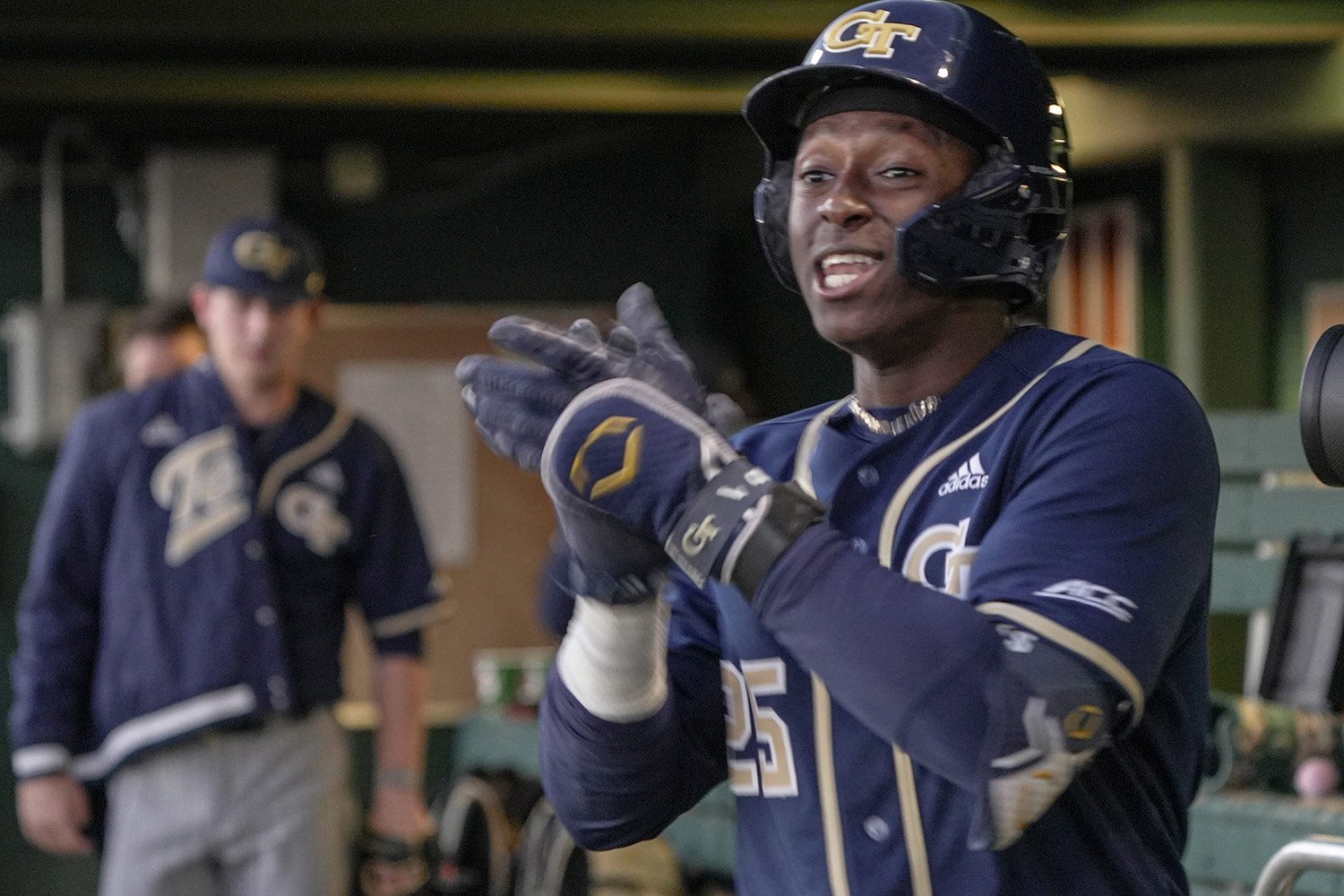 The picture at the top of the MLB Draft is becoming clearer, and all signs point toward the Minnesota Twins focusing heavily on Georgia Tech catcher Vahn Lackey with the third overall pick. According to Baseball America, “Minnesota has had a lot of high-level decision makers scouting Vahn Lackey this spring.” That report lines up with how the draft board appears to be developing. UCLA shortstop Roch Cholowsky has looked like the favorite to land with the Chicago White Sox at first overall for much of the year. He entered the spring as a strong candidate for the top pick and has only strengthened that case with his performance this season. The second pick belongs to the Tampa Bay Rays, and they have consistently been connected to prep shortstop Grady Emerson throughout the draft cycle. There is still a chance Tampa Bay pivots to Lackey if he remains available, but many recent mock drafts have Emerson heading to the Rays at number two overall. If the board falls that way, Lackey could slide directly into Minnesota’s lap. The appeal is easy to understand. At Georgia Tech, Lackey is continuing a strong tradition of first-round catching talent, including Jason Varitek, Matt Wieters, Joey Bart, and Kevin Parada. He has been one of the best offensive catchers in college baseball this spring while also showing the athleticism teams covet behind the plate. Through his first 47 games, Lackey is slashing .371/.491/.682 with a 1.173 OPS, 12 home runs, and nine stolen bases. That combination of impact offense and athletic ability has helped push him into the upper tier of this draft class. His rise has not been a traditional one. Lackey was a late bloomer in high school and did not receive Division I offers until his senior year. Even in college, his development trajectory has continued to trend upward as he has added polish to both sides of his game. Defensively, scouts believe there is still more room for growth. Lackey is agile behind the plate and moves well for the position, giving evaluators confidence that he can become a dependable receiver and blocker as he improves his consistency and focus. His arm strength and accuracy already stand out as major assets. For the Twins, that profile makes plenty of sense. The organization has leaned toward polished college talent in recent drafts, especially players with a blend of upside and relatively high floors, including Brooks Lee, Kaelen Culpepper, and Marek Houston. Catchers with Lackey’s offensive ceiling and athletic traits are difficult to find, and Minnesota may view him as one of the safer premium bats near the top of the board. If the Twins ultimately go in another direction, college pitcher Jackson Flora and prep shortstop Jacob Lombard appear to be among the other realistic options tied to the third pick. Still, as the draft draws closer, the momentum around Lackey continues to build. Unless something changes in the first two selections, the Twins may soon find themselves adding another cornerstone talent to the organization, and one who could eventually become the long-term answer behind the plate.
 -
 There was a time when covering a baseball team online felt almost limitless. Traffic climbed every year. Social media rewarded links. Search engines sent readers directly to articles. Digital advertising money flowed more freely, and national outlets aggressively expanded local coverage. For a market like Minnesota, that meant more writers, more perspectives, and more opportunities for Twins fans to engage with the team on a deeper level. That version of the internet is disappearing. The latest reminder came when Aaron Gleeman announced he was leaving The Athletic after the company asked him to move away from Twins coverage and focus more broadly on Major League Baseball from a national perspective. Gleeman declined and instead relaunched his independent subscription platform, AaronGleeman.com. His decision says a lot about the current state of sports media. For years, national outlets viewed local team coverage as a major growth area. Hiring respected beat writers created loyal audiences and helped establish credibility in regional markets. But the economics have shifted. Large companies increasingly want scale, national conversations, and content that can appeal to the widest possible audience. The Twins still matter deeply to Minnesota fans, but local coverage no longer fits as neatly into the business model many national companies are chasing. That doesn't mean interest in the Twins is disappearing. In many ways, the opposite is true. Fans still crave daily coverage, analysis, prospect discussions, podcasts, and community interaction. The challenge is that the systems that once supported independent publishing are being squeezed from multiple directions at the same time. Social media platforms increasingly suppress links that send users away from their apps. Years ago, a well-timed article could spread organically across Twitter or Facebook and bring in thousands of readers. Now, algorithms prioritize native content that keeps users scrolling instead of clicking away to outside websites. Search behavior is also changing rapidly. Artificial intelligence tools increasingly answer questions directly inside search engines or chat interfaces, reducing the number of clicks users make to actual articles. Someone searching for Twins statistics, trade rumors, or prospect reports may receive a summarized answer without ever visiting the source material that produced the information in the first place. For publishers, those changes are impossible to ignore. The digital media industry has spent the last few years navigating constant instability, and sites covering teams like the Twins are feeling pressure from every direction. Social media companies increasingly bury outbound links, AI-generated summaries are cutting into traditional search traffic, and advertising revenue has softened as businesses grow more cautious with spending during an uncertain economy. That combination creates a difficult environment even for established brands. Smaller independent outlets feel the pressure even more because they rely heavily on loyal readers, direct traffic, subscriptions, and advertising revenue to survive. Is that something Twins fans should worry about? A little. But the impact on communities like Twins Daily is somewhat muted compared to many corners of online publishing, because the foundation has always been different. Twins Daily was not built around viral social media moments or disposable clickbait headlines. It was built around a community that consistently values thoughtful discussion, prospect coverage, and independent reporting. That distinction matters now more than ever. Sites that depended heavily on algorithm-driven traffic are discovering how fragile those systems can be once platforms change priorities. Independent communities with loyal readers are better positioned to adapt because the audience intentionally chooses to return every day. That relationship is far more stable than chasing temporary engagement spikes through social media outrage or manufactured controversy. Twins Daily has already survived storms that wiped out other outlets. COVID disrupted advertising markets across sports media. MLB labor stoppages froze traffic during critical parts of the offseason. Economic uncertainty repeatedly forced publishers to scale back coverage or shut down entirely. Through all of it, the site continued operating, because readers treated it like more than content. They treated it like a community. That does not make the current environment easy. Independent publishing remains difficult, especially as technology reshapes how information is distributed and consumed. But it does reinforce why local coverage still matters. Fans want people who understand the history of the organization, the farm system, the personalities in the clubhouse, and the emotional swings that define a baseball season in Minnesota. National coverage can provide breadth. Independent local coverage provides connection. Gleeman’s decision to bet on that connection instead of accepting a broader national role may end up being one of the defining sports media stories in Minnesota this year. It reflects a growing realization that sustainable coverage may increasingly come from direct relationships between writers and readers rather than giant media companies chasing scale. The media landscape around the Twins is changing quickly. Some outlets will shrink. Others may disappear entirely. More writers may eventually choose subscription models or independent platforms over traditional media structures. But the core audience is still here. People still care about the Twins. They still want smart analysis. They still want prospect breakdowns, game reactions, and long form stories that go deeper than surface level takes. As long as that remains true, independent coverage still has a future. The platforms may change. The business models may evolve. The internet itself may look completely different five years from now. But the demand for authentic voices and communities built around shared passion is not going anywhere.
 -
 The early returns on the Minnesota Twins bullpen have been exactly what everyone expected and somehow still worse. After shipping out reliable arms at last year’s deadline and following it up with an offseason spending plan best described as aggressively nonexistent, the front office entered the season with a relief corps held together by hope, minor league options, and a few guys who threw hard in a previous life. Through the first stretch of games, that theory has been put to the test. Leads have vanished quickly. Tie games have turned into deficits before the broadcast team can finish reading the pitching change graphic. Somewhere, a whiteboard labeled “Bullpen Plan” has simply been erased and replaced with a shrug emoji. For one Minnesota family, those late-inning adventures have become a weekly concern. “He just sits there in his chair and starts whispering things like ‘just throw a strike’ over and over,” said his daughter, Shannon. “At first, we thought he was talking to us. Then we realized he was addressing someone named Eric, who definitely could not hear him.” George Williams, the grandfather and a lifelong Twins fan, has reportedly developed a routine. When the starter exits the game, he leans forward. When the first reliever allows a baserunner, he exhales sharply. When the inherited runners score, he begins what family members have described as “low volume negotiations with the universe.” “It’s not yelling,” said his grandson, Tyler. “It’s worse. It’s like he’s trying to reason with the bullpen. Like if he explains it calmly enough, they’ll stop giving up doubles.” Concern reached a new level last Tuesday when the grandchildren attempted an intervention. With their grandfather briefly stepping away, they quickly inserted a DVD of the 1991 World Series, hoping to redirect the evening toward a happier memory. “We thought if he came back and saw Kirby Puckett rounding the bases, it might reset things,” said granddaughter Emma. “Instead, he looked at the TV, looked at us, and said ‘nice try’ before switching it back just in time to watch another walk.” Family members have begun discussing long-term solutions. “We’ve talked about limiting his exposure to innings seven through nine,” Shannon said. “Maybe just telling him games end after six now. He doesn’t check the standings as much as he used to. It might work.” There have also been attempts to reframe the experience. “I told him it’s about the journey, not the result,” said his son-in-law Mark. “He asked me to leave.” Neighbors have taken notice as well. One reported hearing faint commentary drifting through an open window. “It sounded like someone calmly listing every available bullpen arm in Triple A,” the neighbor said. “Then there was a long pause and a sigh. I’ve never heard a sigh like that.” Despite everything, the grandfather remains committed. “He won’t turn it off,” Emma said. “We’ve tried. He says if he’s watched this long, he’s going to see how it ends.” For now, the family has adjusted. They keep the remote nearby. The 1991 DVD remains on standby. And when the bullpen door opens, they give him space, knowing that what follows is less a baseball game and more a test of endurance. “He’ll be back tomorrow,” Shannon said. “He always is. He says maybe this time will be different.” No one in the room has the heart to argue.
 -
There was a time when covering a baseball team online felt almost limitless. Traffic climbed every year. Social media rewarded links. Search engines sent readers directly to articles. Digital advertising money flowed more freely, and national outlets aggressively expanded local coverage. For a market like Minnesota, that meant more writers, more perspectives, and more opportunities for Twins fans to engage with the team on a deeper level. That version of the internet is disappearing. The latest reminder came when Aaron Gleeman announced he was leaving The Athletic after the company asked him to move away from Twins coverage and focus more broadly on Major League Baseball from a national perspective. Gleeman declined and instead relaunched his independent subscription platform, AaronGleeman.com. His decision says a lot about the current state of sports media. For years, national outlets viewed local team coverage as a major growth area. Hiring respected beat writers created loyal audiences and helped establish credibility in regional markets. But the economics have shifted. Large companies increasingly want scale, national conversations, and content that can appeal to the widest possible audience. A team like the Twins still matters deeply to Minnesota fans, but local coverage no longer fits as neatly into the business model many national companies are chasing. That does not mean interest in the Twins is disappearing. In many ways, the opposite is true. Fans still crave daily coverage, analysis, prospect discussions, podcasts, and community interaction. The challenge is that the systems that once supported independent publishing are being squeezed from multiple directions at the same time. Social media platforms increasingly suppress links that send users away from their apps. Years ago, a well timed article could spread organically across Twitter or Facebook and bring in thousands of readers. Now, algorithms prioritize native content that keeps users scrolling instead of clicking away to outside websites. Search behavior is also changing rapidly. Artificial intelligence tools increasingly answer questions directly inside search engines or chat interfaces, reducing the number of clicks users make to actual articles. Someone searching for Twins statistics, trade rumors, or prospect reports may receive a summarized answer without ever visiting the source material that produced the information in the first place. For publishers, those changes are impossible to ignore. The digital media industry has spent the last few years navigating constant instability, and sites covering teams like the Twins are feeling pressure from every direction. Social media companies increasingly bury outbound links, AI generated summaries are cutting into traditional search traffic, and advertising revenue has softened as businesses grow more cautious with spending during an uncertain economy. That combination creates a difficult environment even for established brands. Smaller independent outlets feel the pressure even more because they rely heavily on loyal readers, direct traffic, subscriptions, and advertising revenue to survive. Is that something Twins fans should worry about? A little. But the impact on communities like Twins Daily is somewhat muted compared to many corners of online publishing because the foundation has always been different. Twins Daily was not built around viral social media moments or disposable clickbait headlines. It was built around a community that consistently values thoughtful discussion, prospect coverage, and independent reporting. That distinction matters now more than ever. Sites that depended heavily on algorithm driven traffic are discovering how fragile those systems can be once platforms change priorities. Independent communities with loyal readers are better positioned to adapt because the audience intentionally chooses to return every day. That relationship is far more stable than chasing temporary engagement spikes through social media outrage or manufactured controversy. Twins Daily has already survived storms that wiped out other outlets. COVID disrupted advertising markets across sports media. MLB labor stoppages froze traffic during critical parts of the offseason. Economic uncertainty repeatedly forced publishers to scale back coverage or shut down entirely. Through all of it, the site continued operating because readers treated it like more than content. They treated it like a community. That does not make the current environment easy. Independent publishing remains difficult, especially as technology reshapes how information is distributed and consumed. But it does reinforce why local coverage still matters. Fans want people who understand the history of the organization, the farm system, the personalities in the clubhouse, and the emotional swings that define a baseball season in Minnesota. National coverage can provide breadth. Independent local coverage provides connection. Gleeman’s decision to bet on that connection instead of accepting a broader national role may end up being one of the defining sports media stories in Minnesota this year. It reflects a growing realization that sustainable coverage may increasingly come from direct relationships between writers and readers rather than giant media companies chasing scale. The media landscape around the Twins is changing quickly. Some outlets will shrink. Others may disappear entirely. More writers may eventually choose subscription models or independent platforms over traditional media structures. But the core audience is still here. People still care about the Twins. They still want smart analysis. They still want prospect breakdowns, game reactions, and long form stories that go deeper than surface level takes. As long as that remains true, independent coverage still has a future. The platforms may change. The business models may evolve. The internet itself may look completely different five years from now. But the demand for authentic voices and communities built around shared passion is not going anywhere. View full article
-
The early returns on the Minnesota Twins bullpen have been exactly what everyone expected and somehow still worse. After shipping out reliable arms at last year’s deadline and following it up with an offseason spending plan best described as aggressively nonexistent, the front office entered the season with a relief corps held together by hope, minor league options, and a few guys who threw hard in a previous life. Through the first stretch of games, that theory has been put to the test. Leads have vanished quickly. Tie games have turned into deficits before the broadcast team can finish reading the pitching change graphic. Somewhere, a whiteboard labeled “Bullpen Plan” has simply been erased and replaced with a shrug emoji. For one Minnesota family, those late-inning adventures have become a weekly concern. “He just sits there in his chair and starts whispering things like ‘just throw a strike’ over and over,” said his daughter, Shannon. “At first, we thought he was talking to us. Then we realized he was addressing someone named Eric, who definitely could not hear him.” George Williams, the grandfather and a lifelong Twins fan, has reportedly developed a routine. When the starter exits the game, he leans forward. When the first reliever allows a baserunner, he exhales sharply. When the inherited runners score, he begins what family members have described as “low volume negotiations with the universe.” “It’s not yelling,” said his grandson, Tyler. “It’s worse. It’s like he’s trying to reason with the bullpen. Like if he explains it calmly enough, they’ll stop giving up doubles.” Concern reached a new level last Tuesday when the grandchildren attempted an intervention. With their grandfather briefly stepping away, they quickly inserted a DVD of the 1991 World Series, hoping to redirect the evening toward a happier memory. “We thought if he came back and saw Kirby Puckett rounding the bases, it might reset things,” said granddaughter Emma. “Instead, he looked at the TV, looked at us, and said ‘nice try’ before switching it back just in time to watch another walk.” Family members have begun discussing long-term solutions. “We’ve talked about limiting his exposure to innings seven through nine,” Shannon said. “Maybe just telling him games end after six now. He doesn’t check the standings as much as he used to. It might work.” There have also been attempts to reframe the experience. “I told him it’s about the journey, not the result,” said his son-in-law Mark. “He asked me to leave.” Neighbors have taken notice as well. One reported hearing faint commentary drifting through an open window. “It sounded like someone calmly listing every available bullpen arm in Triple A,” the neighbor said. “Then there was a long pause and a sigh. I’ve never heard a sigh like that.” Despite everything, the grandfather remains committed. “He won’t turn it off,” Emma said. “We’ve tried. He says if he’s watched this long, he’s going to see how it ends.” For now, the family has adjusted. They keep the remote nearby. The 1991 DVD remains on standby. And when the bullpen door opens, they give him space, knowing that what follows is less a baseball game and more a test of endurance. “He’ll be back tomorrow,” Shannon said. “He always is. He says maybe this time will be different.” No one in the room has the heart to argue. View full article
-
Image courtesy of Elisa Chavez (photo of Garrett Spain) Most attention to prospects' progress is focused on the familiar names at the top of prospect rankings, but every year, there are less-discussed players who start forcing their way into conversations. Whether it is a former top pick trying to revive his trajectory, an overlooked organizational player breaking through, or a new arm flashing intriguing traits early in pro ball, these are the types of performances that can quickly change internal evaluations. This week’s hot sheet focuses on three under-the-radar names who have been putting together impressive stretches across the organization. 1B/DH Aaron Sabato, St. Paul Saints How He Got Here: The shortened 2020 draft created one of the strangest scouting environments in recent memory. Clubs were forced to rely heavily on prior evaluations after college seasons abruptly ended, and the Twins used the 27th overall selection on Sabato because of the offensive upside he showed at North Carolina. Minnesota signed him for a slot value bonus north of $2.5 million and hoped his bat would carry him quickly through the system. That has not happened consistently enough. Sabato’s profile has always depended almost entirely on power production, and the overall offensive numbers never fully matched expectations. From 2022 through 2024, he failed to post an OPS above .775 while splitting time between Double- and Triple-A. Last season, he showed minor improvements with an .809 OPS. Entering his age-26 season, the Twins sent him back to St. Paul looking for more consistency at the plate. Hitting the Hot Button: Sabato may no longer carry the prospect shine he once had, but he is producing as well as anyone in the organization right now. He recorded three multi-hit games during the week, highlighted by a four-hit, three-homer performance on Tuesday against Las Vegas. Over the last seven days, Sabato has slashed .455/.500/1.227 with five home runs and two doubles for a staggering 1.727 OPS. His last 28 days have been just as impressive, with a 1.264 OPS during that stretch. The defensive limitations still cap the ceiling, but left-handed power always earns opportunities. If Sabato continues driving the baseball like this, he could finally work himself into consideration for a major league debut sometime during the 2026 season. OF Garrett Spain, Wichita Wind Surge How He Got Here: Spain has quietly become one of the more traveled players in the upper minors. Toronto originally selected him in the 15th round of the 2021 draft, and he spent several seasons climbing through the Blue Jays system without much offensive impact. By 2024, he had reached both Double A and Triple A, though the production lagged behind with a .550 OPS across 105 games. Milwaukee selected him during the minor league phase of the 2024 Rule 5 Draft, hoping a change of scenery could unlock something offensively. While the results improved slightly with an 88 wRC+ and a .644 OPS, Spain found himself changing organizations again when the Twins grabbed him in the minor league phase of the 2025 Rule 5 Draft. Hitting the Hot Button: Spain put together one of the loudest offensive weeks in the organization. He doubled and tripled on Tuesday before exploding on Thursday with a 3-for-6 performance that included three home runs and six RBI. Across the last seven days, the 25-year-old has gone 7-for-22 with five extra base hits and a 1.264 OPS. There are still legitimate questions about age relative to level since he is older than the average Texas League player, but production matters, and Spain is finally giving the Twins something to notice. Organizational depth pieces rarely receive much attention until they force the issue. Spain is starting to do exactly that. RHP Justin Mitrovich, Fort Myers Mighty Mussels How He Got Here: The Twins selected Mitrovich in the ninth round of the 2025 MLB Draft after an accomplished collegiate career at Elon University. The New Jersey native served as a dependable weekend starter for three seasons and held down the Friday night role during both 2024 and 2025. Mitrovich logged a career high 89 1/3 innings during his final season while striking out 81 hitters across 15 starts. He wrapped up his Elon career with 243 strikeouts, which ranks fifth in school history, and earned multiple CAA Pitcher of the Week honors along the way. Minnesota viewed him as a polished college arm capable of moving quickly if the stuff translated into professional baseball. Hitting the Hot Button: Mitrovich made his professional debut on May 3 against Daytona and fired four shutout innings while allowing just three hits and striking out five. He followed that outing Saturday with three more innings and only one unearned run allowed while punching out four of the 11 hitters he faced. The most impressive number may be the swing-and-miss profile. Through his first two appearances, Mitrovich has generated 17 swinging strikes for a 16.3 percent swinging strike rate. That is an eye-opening figure for a pitcher making the jump into professional baseball. It is still an extremely small sample, but the Twins have shown a strong track record of identifying college arms who outperform their draft position. Mitrovich is off to a strong start in trying to become the next name on that list. Not every prospect story begins with national rankings and top 100 hype. Sometimes development takes longer than expected. Sometimes players need multiple organizations before things click. Sometimes, a recent draft pick immediately shows traits that stand out. Sabato, Spain, and Mitrovich all arrive at this point through very different paths, but each has given the Twins something worth monitoring closely. In a system searching for the next wave of contributors, under-the-radar names have a way of becoming important faster than anyone expects. What stands out about this trio? Will Sabato make his big-league debut in 2026? Leave a comment and start the discussion. View full article
-
Twins Prospect Hot Sheet: Under-the-Radar Names Making Noise
Cody Christie posted an article in Minor Leagues
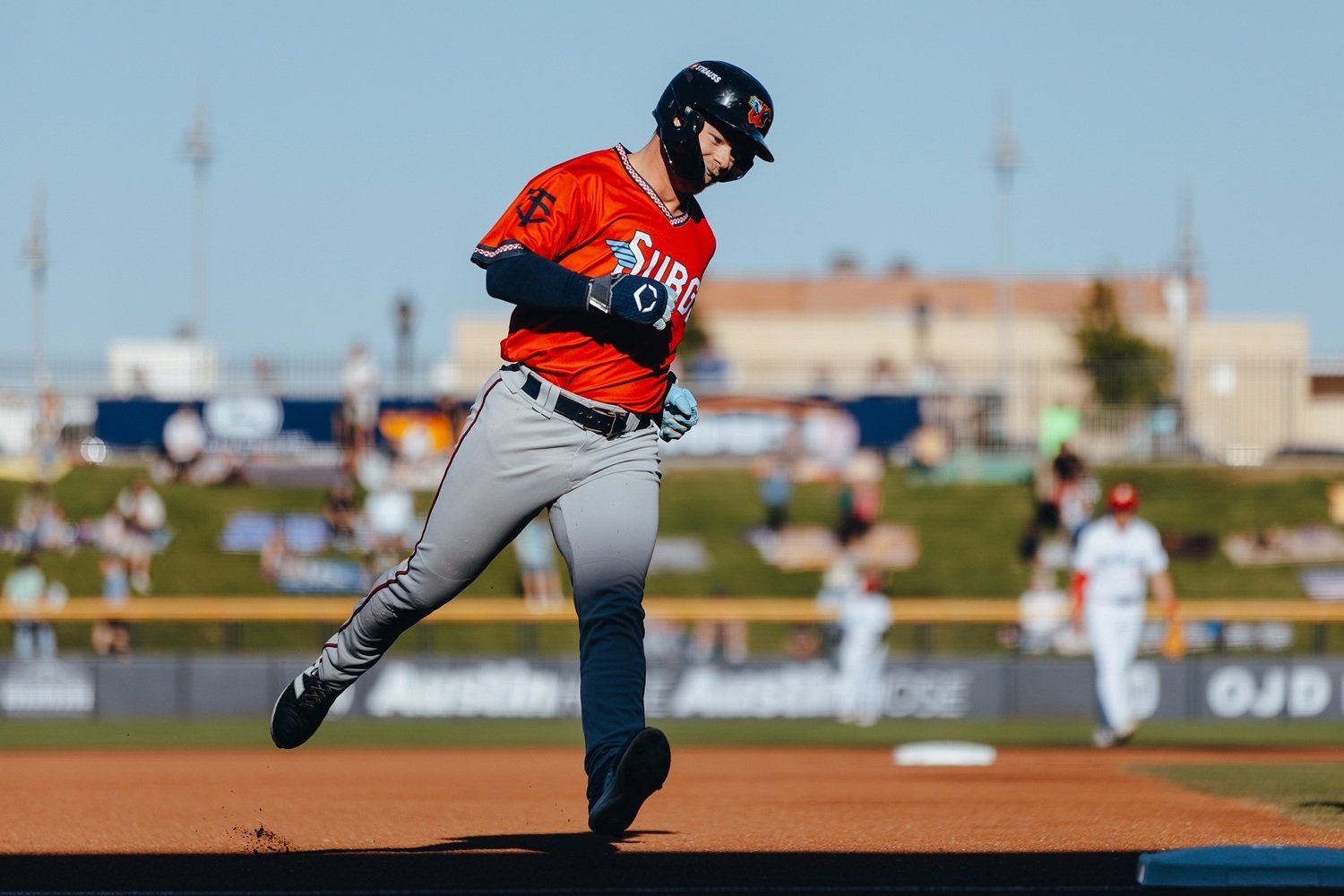 Most attention to prospects' progress is focused on the familiar names at the top of prospect rankings, but every year, there are less-discussed players who start forcing their way into conversations. Whether it is a former top pick trying to revive his trajectory, an overlooked organizational player breaking through, or a new arm flashing intriguing traits early in pro ball, these are the types of performances that can quickly change internal evaluations. This week’s hot sheet focuses on three under-the-radar names who have been putting together impressive stretches across the organization. 1B/DH Aaron Sabato, St. Paul Saints How He Got Here: The shortened 2020 draft created one of the strangest scouting environments in recent memory. Clubs were forced to rely heavily on prior evaluations after college seasons abruptly ended, and the Twins used the 27th overall selection on Sabato because of the offensive upside he showed at North Carolina. Minnesota signed him for a slot value bonus north of $2.5 million and hoped his bat would carry him quickly through the system. That has not happened consistently enough. Sabato’s profile has always depended almost entirely on power production, and the overall offensive numbers never fully matched expectations. From 2022 through 2024, he failed to post an OPS above .775 while splitting time between Double- and Triple-A. Last season, he showed minor improvements with an .809 OPS. Entering his age-26 season, the Twins sent him back to St. Paul looking for more consistency at the plate. Hitting the Hot Button: Sabato may no longer carry the prospect shine he once had, but he is producing as well as anyone in the organization right now. He recorded three multi-hit games during the week, highlighted by a four-hit, three-homer performance on Tuesday against Las Vegas. Over the last seven days, Sabato has slashed .455/.500/1.227 with five home runs and two doubles for a staggering 1.727 OPS. His last 28 days have been just as impressive, with a 1.264 OPS during that stretch. The defensive limitations still cap the ceiling, but left-handed power always earns opportunities. If Sabato continues driving the baseball like this, he could finally work himself into consideration for a major league debut sometime during the 2026 season. OF Garrett Spain, Wichita Wind Surge How He Got Here: Spain has quietly become one of the more traveled players in the upper minors. Toronto originally selected him in the 15th round of the 2021 draft, and he spent several seasons climbing through the Blue Jays system without much offensive impact. By 2024, he had reached both Double A and Triple A, though the production lagged behind with a .550 OPS across 105 games. Milwaukee selected him during the minor league phase of the 2024 Rule 5 Draft, hoping a change of scenery could unlock something offensively. While the results improved slightly with an 88 wRC+ and a .644 OPS, Spain found himself changing organizations again when the Twins grabbed him in the minor league phase of the 2025 Rule 5 Draft. Hitting the Hot Button: Spain put together one of the loudest offensive weeks in the organization. He doubled and tripled on Tuesday before exploding on Thursday with a 3-for-6 performance that included three home runs and six RBI. Across the last seven days, the 25-year-old has gone 7-for-22 with five extra base hits and a 1.264 OPS. There are still legitimate questions about age relative to level since he is older than the average Texas League player, but production matters, and Spain is finally giving the Twins something to notice. Organizational depth pieces rarely receive much attention until they force the issue. Spain is starting to do exactly that. RHP Justin Mitrovich, Fort Myers Mighty Mussels How He Got Here: The Twins selected Mitrovich in the ninth round of the 2025 MLB Draft after an accomplished collegiate career at Elon University. The New Jersey native served as a dependable weekend starter for three seasons and held down the Friday night role during both 2024 and 2025. Mitrovich logged a career high 89 1/3 innings during his final season while striking out 81 hitters across 15 starts. He wrapped up his Elon career with 243 strikeouts, which ranks fifth in school history, and earned multiple CAA Pitcher of the Week honors along the way. Minnesota viewed him as a polished college arm capable of moving quickly if the stuff translated into professional baseball. Hitting the Hot Button: Mitrovich made his professional debut on May 3 against Daytona and fired four shutout innings while allowing just three hits and striking out five. He followed that outing Saturday with three more innings and only one unearned run allowed while punching out four of the 11 hitters he faced. The most impressive number may be the swing-and-miss profile. Through his first two appearances, Mitrovich has generated 17 swinging strikes for a 16.3 percent swinging strike rate. That is an eye-opening figure for a pitcher making the jump into professional baseball. It is still an extremely small sample, but the Twins have shown a strong track record of identifying college arms who outperform their draft position. Mitrovich is off to a strong start in trying to become the next name on that list. Not every prospect story begins with national rankings and top 100 hype. Sometimes development takes longer than expected. Sometimes players need multiple organizations before things click. Sometimes, a recent draft pick immediately shows traits that stand out. Sabato, Spain, and Mitrovich all arrive at this point through very different paths, but each has given the Twins something worth monitoring closely. In a system searching for the next wave of contributors, under-the-radar names have a way of becoming important faster than anyone expects. What stands out about this trio? Will Sabato make his big-league debut in 2026? Leave a comment and start the discussion.
- 15 comments
-
- 11
-

-

-
- aaron sabato
- garrett spain
- (and 1 more)
-
The Twins are approaching an uncomfortable point with two veteran relievers stashed at Triple-A St. Paul. According to KSTP’s Darren Wolfson, Saints relievers John Brebbia and Matt Bowman both have opt-out clauses in their contracts on Sunday, May 17. If the Twins do not add them to the major league roster, either pitcher could elect free agency. That creates an interesting decision for a bullpen that has largely stabilized after a rocky start but still lacks proven depth behind its core group. Brebbia entered the season as a relatively intriguing non-roster addition because of his extensive major league track record. The 35-year-old has appeared in parts of eight MLB seasons and, not long ago, was one of the most heavily used relievers in baseball. Back in 2022, he led the National League with 76 appearances while posting a 124 ERA+. The recent results, however, have been more uneven. Last season with the Tigers and Braves, Brebbia allowed 20 earned runs across 23 1/3 innings in 22 appearances. The Twins were betting that some underlying traits still pointed toward a useful bullpen arm. There are at least a few signs supporting that idea in St. Paul. Brebbia has made 13 appearances for the Saints and struck out 24 of the 81 batters he has faced. His 29.6% strikeout rate is his highest mark in multiple seasons, and he has issued only seven walks in 18 1/3 innings. The run prevention numbers have not been particularly attractive. Brebbia owns a 5.40 ERA after allowing 11 earned runs, but his 4.91 FIP suggests the performance may not be quite as poor as the surface stats indicate. The swing-and-miss ability is still there, even though the overall results have remained inconsistent. Bowman’s case is different because Twins fans already saw him contribute during the 2024 season. The veteran right-hander appeared in five games for Minnesota in 2024 and posted a 2.35 ERA across 7 2/3 innings. That came during a season in which he bounced between four organizations as a classic waiver-wire journeyman. Last season with Baltimore, Bowman struggled to a 6.20 ERA and 1.50 WHIP in 24 2/3 innings, but he has looked significantly sharper with St. Paul this year. In 20 1/3 innings, Bowman owns a 1.77 ERA with a 3.20 FIP while striking out 25.9% of opposing hitters. He has also limited walks with a 7.1% walk rate. Perhaps most importantly for a Twins bullpen that has leaned heavily on certain arms, Bowman has provided real flexibility. He has thrown more than one inning in nine of his 13 appearances. His recent stretch has been especially impressive. Over the last 28 days, Bowman owns a 1.46 ERA and 0.89 WHIP with 14 strikeouts in 12 1/3 innings. At some point, performance has to matter, especially for a major league bullpen that can never have enough dependable depth options. The Twins may ultimately decide roster flexibility is more valuable than protecting either veteran from free agency. That is often the reality with opt-out clauses attached to veteran minor league contracts. Still, Bowman has made a compelling case to get another opportunity. He has already shown he can survive in the majors, he is throwing multiple innings consistently, and his production at Triple-A has been difficult to ignore. If the Twins are going to lose one of these relievers anyway, Bowman feels like the pitcher worth betting on before another organization does. View full rumor
-
 The Twins are approaching an uncomfortable point with two veteran relievers stashed at Triple-A St. Paul. According to KSTP’s Darren Wolfson, Saints relievers John Brebbia and Matt Bowman both have opt-out clauses in their contracts on Sunday, May 17. If the Twins do not add them to the major league roster, either pitcher could elect free agency. That creates an interesting decision for a bullpen that has largely stabilized after a rocky start but still lacks proven depth behind its core group. Brebbia entered the season as a relatively intriguing non-roster addition because of his extensive major league track record. The 35-year-old has appeared in parts of eight MLB seasons and, not long ago, was one of the most heavily used relievers in baseball. Back in 2022, he led the National League with 76 appearances while posting a 124 ERA+. The recent results, however, have been more uneven. Last season with the Tigers and Braves, Brebbia allowed 20 earned runs across 23 1/3 innings in 22 appearances. The Twins were betting that some underlying traits still pointed toward a useful bullpen arm. There are at least a few signs supporting that idea in St. Paul. Brebbia has made 13 appearances for the Saints and struck out 24 of the 81 batters he has faced. His 29.6% strikeout rate is his highest mark in multiple seasons, and he has issued only seven walks in 18 1/3 innings. The run prevention numbers have not been particularly attractive. Brebbia owns a 5.40 ERA after allowing 11 earned runs, but his 4.91 FIP suggests the performance may not be quite as poor as the surface stats indicate. The swing-and-miss ability is still there, even though the overall results have remained inconsistent. Bowman’s case is different because Twins fans already saw him contribute during the 2024 season. The veteran right-hander appeared in five games for Minnesota in 2024 and posted a 2.35 ERA across 7 2/3 innings. That came during a season in which he bounced between four organizations as a classic waiver-wire journeyman. Last season with Baltimore, Bowman struggled to a 6.20 ERA and 1.50 WHIP in 24 2/3 innings, but he has looked significantly sharper with St. Paul this year. In 20 1/3 innings, Bowman owns a 1.77 ERA with a 3.20 FIP while striking out 25.9% of opposing hitters. He has also limited walks with a 7.1% walk rate. Perhaps most importantly for a Twins bullpen that has leaned heavily on certain arms, Bowman has provided real flexibility. He has thrown more than one inning in nine of his 13 appearances. His recent stretch has been especially impressive. Over the last 28 days, Bowman owns a 1.46 ERA and 0.89 WHIP with 14 strikeouts in 12 1/3 innings. At some point, performance has to matter, especially for a major league bullpen that can never have enough dependable depth options. The Twins may ultimately decide roster flexibility is more valuable than protecting either veteran from free agency. That is often the reality with opt-out clauses attached to veteran minor league contracts. Still, Bowman has made a compelling case to get another opportunity. He has already shown he can survive in the majors, he is throwing multiple innings consistently, and his production at Triple-A has been difficult to ignore. If the Twins are going to lose one of these relievers anyway, Bowman feels like the pitcher worth betting on before another organization does.
 -
Nine Deals, One Clear Win: Revisiting the Twins' 2025 Trade Deadline
Cody Christie posted an article in Twins
 The Minnesota Twins spent last summer’s trade deadline walking a fine line between cutting payroll, reshaping the roster, and trying to remain competitive in the future. Now that the 2026 season is underway, it is much easier to evaluate those deals based on their actual impact rather than on deadline-day reactions. To evaluate the overall impact, it's not enough to look at what the Twins gained; we also have to look at the roster impact had no trade been made. Some have barely registered on the current roster. Others have already altered the team's trajectory in meaningful ways. Here is a look back at the most impactful deadline moves from the perspective of the impact on the 2026 roster. Trades That Seem Unlikely to Impact the 2026 Roster A few deals simply have not mattered much in the grand scheme of the current season. Enrique Jimenez for Chris Paddack and Randy Dobnak has not produced any noticeable effect on the major league club. Paddack and Dobnak were moved largely to clear innings and payroll flexibility, while Jimenez remains far from contributing in Minnesota. Ryan Gallagher and Sam Armstrong for Willi Castro also fall into that category. Castro was a free agent at the end of the year. So far, the return has not impacted the current roster in any meaningful way either, though Gallagher was recently promoted to AAA-St. Paul. Garrett Horn for Danny Coulombe was another low-level move that has not significantly changed the outlook of the 2026 club. Coulombe provided bullpen depth, but neither side of the trade has created lasting ripple effects. 6. Hendry Mendez and Geremy Villoria for Harrison Bader This move always looked like a short-term rental for Philadelphia, and that is exactly what it became. Bader was heading toward free agency, so there was never a realistic scenario where he would still be patrolling the outfield for Minnesota this season. The interesting part of the trade now revolves around Hendry Mendez. Mendez earned a spot on the 40-man roster this winter and recently reached Triple-A. There are still several left-handed hitting corner outfielders ahead of him on the organizational depth chart, but injuries have a way of opening doors quickly. A major league debut sometime this season feels possible if Minnesota needs offensive reinforcements. 2026 Impact: Mendez has a chance to debut, so this trade still feels relatively low impact for 2026. 5. Matt Mikulski and $70 Million in Salary Relief for Carlos Correa This trade still feels surreal. The Twins moved Correa and attached it to a massive amount of salary relief, only to largely pocket the financial flexibility rather than reinvest it in the roster. Before his recent season-ending ankle injury, Correa was actually playing well and could have helped stabilize Minnesota’s lineup during the first month of the season. At the same time, the injury also reinforces why some in the organization were willing to move on from the long-term commitment. Correa’s absence likely would have become a major issue for Minnesota regardless of where he played. Mikulski has been released from the organization, leaving the biggest takeaway from this deal centered on ownership’s financial decisions rather than the actual baseball return. 2026 Impact: The Twins cleared Correa’s contract but failed to meaningfully reinvest the savings into improving the current roster. 4. Eduardo Tait and Mick Abel for Jhoan Duran This one has become complicated quickly. Tait remains years away from the major leagues, making him difficult to evaluate in the context of the current roster. Abel has spent much of the year dealing with injuries after suffering a setback in his recovery from right elbow inflammation. His recent tricep impingement and cortisone shot pushed his timeline back even further. Meanwhile, Duran looked dominant before suffering a strained left oblique. Prior to the injury, he posted a 1.35 ERA with five saves in 6 2/3 innings before recently returning to action. The frustrating part for Minnesota is obvious. A healthy Duran could be helping hold together one of the worst bullpens in baseball right now. Even if Abel eventually becomes a useful arm, the Twins desperately miss the stability Duran brought to the late innings. 2026 Impact: Minnesota badly misses Duran’s late-inning dominance, while Abel’s injury issues have delayed any return value. 3. James Outman for Brock Stewart Few moves have aged worse in the short term. Outman entered the season out of options, which essentially forced Minnesota to keep him on the active roster. Unfortunately, his production has been almost nonexistent. Through his first 28 games, Outman has produced a staggering -0.4 rWAR while occupying a roster spot that could be going to a younger or more productive player. The bigger issue is roster flexibility. Keeping Outman on the bench has prevented the Twins from cycling through alternative options that may provide more offensive upside. Stewart opened the season injured, but recently returned and made his first appearance over the last week. Even limited bullpen help would have been valuable for this roster, considering how disastrous the relief corps has looked for much of the year. 2026 Impact: Outman has negatively impacted the roster, while Stewart’s return to health could have helped stabilize Minnesota’s bullpen. 2. Kendry Rojas and Alan Roden for Louis Varland and Ty France This trade keeps looking worse by the week for Minnesota. The Twins bullpen has completely unraveled at times during the opening stretch of the season, and Varland has emerged as one of the best relievers in the American League. After stepping into Toronto’s closer role, Varland captured AL Reliever of the Month honors and has given the Blue Jays legitimacy at the back end of games. Minnesota’s roster could desperately use that exact presence right now. Roden has battled injuries at Triple-A and has not impacted the major league roster, while Rojas continues flashing electric stuff that may ultimately fit best in a bullpen role long term. The evaluation overwhelmingly centers on Varland. Right now, it is difficult to look at the Twins' bullpen struggles and not wonder how different games might feel with Varland handling the ninth inning. 2026 Impact: Varland’s breakout as Toronto’s closer has magnified how much the Twins need reliable bullpen arms right now. 1. Taj Bradley for Griffin Jax This is a clear win for Minnesota. While several other deadline moves have created frustration, the acquisition of Taj Bradley has been one of the few unquestioned bright spots on the roster. Bradley has emerged as the team’s most valuable pitcher, leading the club with a 1.7 rWAR while posting a 154 ERA+ through his first eight starts. Provided he gets past this recent pectoral injury, Bradley gives the Twins a legitimate chance to win every fifth day. Meanwhile, Jax has struggled since arriving in Tampa Bay as the Rays attempt to transition him into a starting role. The raw material remains intriguing, but the results have not been consistent. For a team searching for rotation stability after injuries and inconsistency, Bradley’s emergence has been enormous. Unlike some of the other deadline moves that created long-term questions, this trade already looks like one of the few decisions that is actively helping Minnesota compete in 2026. 2026 Impact: Bradley has emerged as Minnesota’s best starter and one of the few clear positives from the 2025 trade deadline. Trade deadlines are always judged too quickly. Some deals that looked smart in the moment now appear disastrous because of injuries, roster construction problems, or lack of reinvestment from ownership. Others that drew skepticism initially are beginning to show real value. What stands out most from the Twins’ 2025 deadline activity is how uneven the results have become. Minnesota clearly weakened parts of the bullpen and sacrificed valuable depth, and the consequences are showing up almost nightly this season. At the same time, Bradley’s emergence gives the organization at least one foundational piece to point toward as evidence that not every move was designed strictly to cut costs. Unfortunately for the Twins, one successful trade does not erase the growing list of questions surrounding the rest of the roster. Do you agree with the rankings above? Leave a comment and start the discussion.
- 44 comments
-
- 5
-
-
- carlos correa
- taj bradley
- (and 8 more)
-
Image courtesy of © John E. Sokolowski-Imagn Images The Minnesota Twins spent last summer’s trade deadline walking a fine line between cutting payroll, reshaping the roster, and trying to remain competitive in the future. Now that the 2026 season is underway, it is much easier to evaluate those deals based on their actual impact rather than on deadline-day reactions. To evaluate the overall impact, it's not enough to look at what the Twins gained; we also have to look at the roster impact had no trade been made. Some have barely registered on the current roster. Others have already altered the team's trajectory in meaningful ways. Here is a look back at the most impactful deadline moves from the perspective of the impact on the 2026 roster. Trades That Seem Unlikely to Impact the 2026 Roster A few deals simply have not mattered much in the grand scheme of the current season. Enrique Jimenez for Chris Paddack and Randy Dobnak has not produced any noticeable effect on the major league club. Paddack and Dobnak were moved largely to clear innings and payroll flexibility, while Jimenez remains far from contributing in Minnesota. Ryan Gallagher and Sam Armstrong for Willi Castro also fall into that category. Castro was a free agent at the end of the year. So far, the return has not impacted the current roster in any meaningful way either, though Gallagher was recently promoted to AAA-St. Paul. Garrett Horn for Danny Coulombe was another low-level move that has not significantly changed the outlook of the 2026 club. Coulombe provided bullpen depth, but neither side of the trade has created lasting ripple effects. 6. Hendry Mendez and Geremy Villoria for Harrison Bader This move always looked like a short-term rental for Philadelphia, and that is exactly what it became. Bader was heading toward free agency, so there was never a realistic scenario where he would still be patrolling the outfield for Minnesota this season. The interesting part of the trade now revolves around Hendry Mendez. Mendez earned a spot on the 40-man roster this winter and recently reached Triple-A. There are still several left-handed hitting corner outfielders ahead of him on the organizational depth chart, but injuries have a way of opening doors quickly. A major league debut sometime this season feels possible if Minnesota needs offensive reinforcements. 2026 Impact: Mendez has a chance to debut, so this trade still feels relatively low impact for 2026. 5. Matt Mikulski and $70 Million in Salary Relief for Carlos Correa This trade still feels surreal. The Twins moved Correa and attached it to a massive amount of salary relief, only to largely pocket the financial flexibility rather than reinvest it in the roster. Before his recent season-ending ankle injury, Correa was actually playing well and could have helped stabilize Minnesota’s lineup during the first month of the season. At the same time, the injury also reinforces why some in the organization were willing to move on from the long-term commitment. Correa’s absence likely would have become a major issue for Minnesota regardless of where he played. Mikulski has been released from the organization, leaving the biggest takeaway from this deal centered on ownership’s financial decisions rather than the actual baseball return. 2026 Impact: The Twins cleared Correa’s contract but failed to meaningfully reinvest the savings into improving the current roster. 4. Eduardo Tait and Mick Abel for Jhoan Duran This one has become complicated quickly. Tait remains years away from the major leagues, making him difficult to evaluate in the context of the current roster. Abel has spent much of the year dealing with injuries after suffering a setback in his recovery from right elbow inflammation. His recent tricep impingement and cortisone shot pushed his timeline back even further. Meanwhile, Duran looked dominant before suffering a strained left oblique. Prior to the injury, he posted a 1.35 ERA with five saves in 6 2/3 innings before recently returning to action. The frustrating part for Minnesota is obvious. A healthy Duran could be helping hold together one of the worst bullpens in baseball right now. Even if Abel eventually becomes a useful arm, the Twins desperately miss the stability Duran brought to the late innings. 2026 Impact: Minnesota badly misses Duran’s late-inning dominance, while Abel’s injury issues have delayed any return value. 3. James Outman for Brock Stewart Few moves have aged worse in the short term. Outman entered the season out of options, which essentially forced Minnesota to keep him on the active roster. Unfortunately, his production has been almost nonexistent. Through his first 28 games, Outman has produced a staggering -0.4 rWAR while occupying a roster spot that could be going to a younger or more productive player. The bigger issue is roster flexibility. Keeping Outman on the bench has prevented the Twins from cycling through alternative options that may provide more offensive upside. Stewart opened the season injured, but recently returned and made his first appearance over the last week. Even limited bullpen help would have been valuable for this roster, considering how disastrous the relief corps has looked for much of the year. 2026 Impact: Outman has negatively impacted the roster, while Stewart’s return to health could have helped stabilize Minnesota’s bullpen. 2. Kendry Rojas and Alan Roden for Louis Varland and Ty France This trade keeps looking worse by the week for Minnesota. The Twins bullpen has completely unraveled at times during the opening stretch of the season, and Varland has emerged as one of the best relievers in the American League. After stepping into Toronto’s closer role, Varland captured AL Reliever of the Month honors and has given the Blue Jays legitimacy at the back end of games. Minnesota’s roster could desperately use that exact presence right now. Roden has battled injuries at Triple-A and has not impacted the major league roster, while Rojas continues flashing electric stuff that may ultimately fit best in a bullpen role long term. The evaluation overwhelmingly centers on Varland. Right now, it is difficult to look at the Twins' bullpen struggles and not wonder how different games might feel with Varland handling the ninth inning. 2026 Impact: Varland’s breakout as Toronto’s closer has magnified how much the Twins need reliable bullpen arms right now. 1. Taj Bradley for Griffin Jax This is a clear win for Minnesota. While several other deadline moves have created frustration, the acquisition of Taj Bradley has been one of the few unquestioned bright spots on the roster. Bradley has emerged as the team’s most valuable pitcher, leading the club with a 1.7 rWAR while posting a 154 ERA+ through his first eight starts. Provided he gets past this recent pectoral injury, Bradley gives the Twins a legitimate chance to win every fifth day. Meanwhile, Jax has struggled since arriving in Tampa Bay as the Rays attempt to transition him into a starting role. The raw material remains intriguing, but the results have not been consistent. For a team searching for rotation stability after injuries and inconsistency, Bradley’s emergence has been enormous. Unlike some of the other deadline moves that created long-term questions, this trade already looks like one of the few decisions that is actively helping Minnesota compete in 2026. 2026 Impact: Bradley has emerged as Minnesota’s best starter and one of the few clear positives from the 2025 trade deadline. Trade deadlines are always judged too quickly. Some deals that looked smart in the moment now appear disastrous because of injuries, roster construction problems, or lack of reinvestment from ownership. Others that drew skepticism initially are beginning to show real value. What stands out most from the Twins’ 2025 deadline activity is how uneven the results have become. Minnesota clearly weakened parts of the bullpen and sacrificed valuable depth, and the consequences are showing up almost nightly this season. At the same time, Bradley’s emergence gives the organization at least one foundational piece to point toward as evidence that not every move was designed strictly to cut costs. Unfortunately for the Twins, one successful trade does not erase the growing list of questions surrounding the rest of the roster. Do you agree with the rankings above? Leave a comment and start the discussion. View full article
-
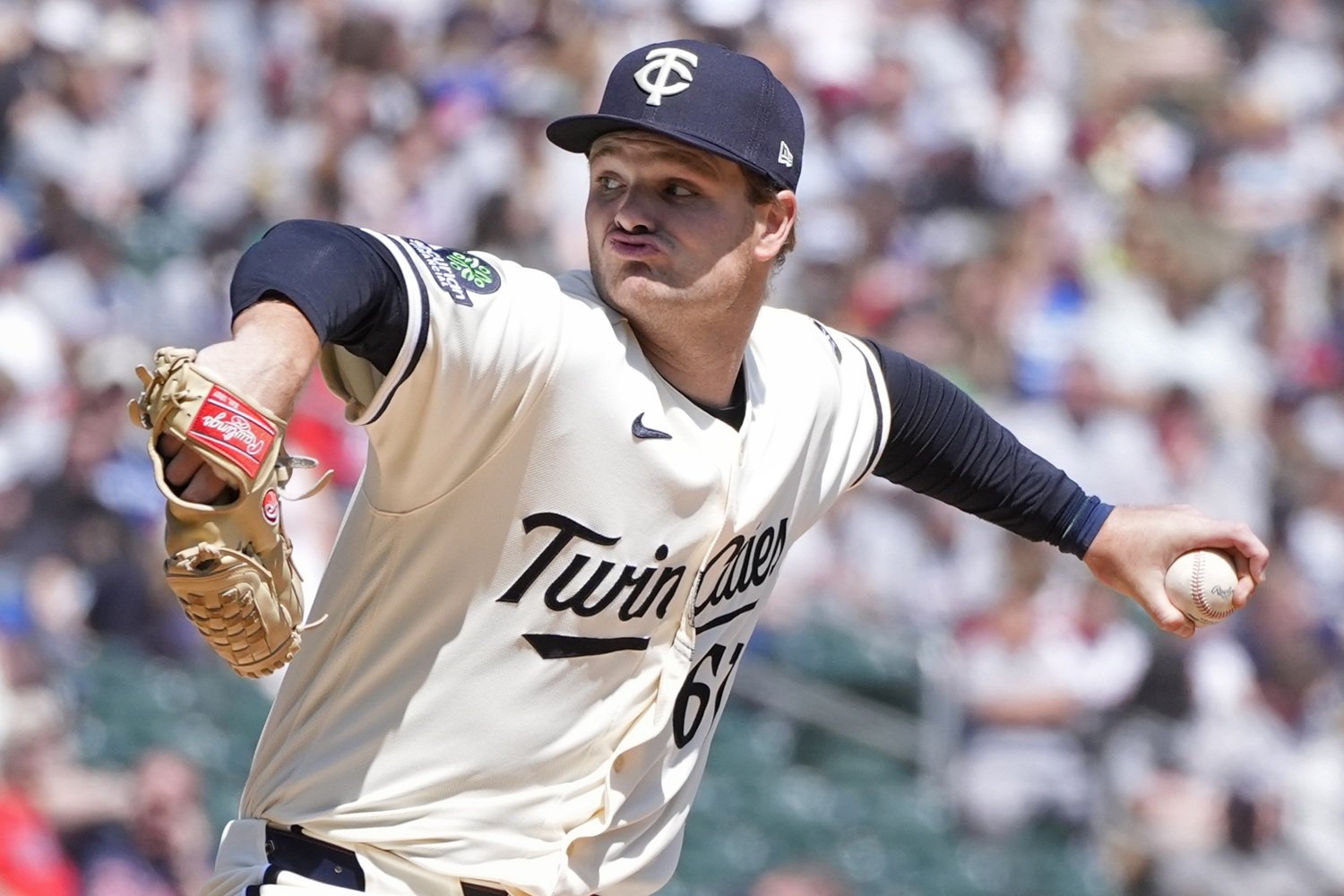 During the offseason, there was constant discussion about the Twins having too much starting pitching depth. Minnesota looked like a team with eight legitimate rotation options before even mentioning some of the team's top starters in the upper minors, who were viewed more as a long-term development projects than an immediate contributors. At the time, it felt reasonable to wonder whether the Twins should trade from that depth. Injuries happen, but few teams carry that many realistic starting options into a season. A few months later, that conversation feels almost impossible to believe. What once looked like one of the deepest pitching staffs in baseball has quickly unraveled. One starter is out for the season following Tommy John surgery. Another recently landed on the injured list after pitching like the staff ace. Multiple depth options have battled significant arm injuries, while another has struggled badly enough that a move to the bullpen may be necessary. Suddenly, the Twins are no longer talking about a pitching surplus. They are simply trying to piece together enough healthy innings to survive. Looking back at the preseason expectations compared to the current reality shows just how quickly pitching depth can disappear. Pablo Lopez Preseason Expectation: Ace of the staff. Helping the Twins stay on the fringes of contention. Current Reality: Lopez is out for the season following Tommy John surgery. Losing the team’s most dependable starter completely changed the outlook of the rotation and forced everyone else into bigger roles. Joe Ryan Preseason Expectation: Build off his first All-Star season and continue establishing himself as one of the American League’s best pitchers. Current Reality: Ryan briefly terrified the organization after leaving last Sunday’s start following just nine pitches because of elbow soreness. Fortunately, he returned for last night's outing without needing an injured list stint. At this point, simply having Ryan healthy feels critical to keeping the rotation together. Bailey Ober Preseason Expectation: There was optimism that a healthy offseason could help Ober regain some of the velocity he lost last year. Current Reality: The velocity still has not returned, with his fastball averaging just 88.6 mph. However, Ober has adapted by leaning more heavily on his changeup and sequencing effectively enough to remain productive. Taj Bradley Preseason Expectation: The Twins spent the offseason trying to determine which version of Bradley they acquired from Tampa Bay at last year’s trade deadline. His inconsistency with the Rays made it difficult to project his role. Current Reality: Bradley looked like the team’s ace before landing on the injured list with right pectoral muscle inflammation. With the state of the rotation, the Twins desperately need him back and pitching well as quickly as possible. Simeon Woods Richardson Preseason Expectation: Woods Richardson had developed a reputation as one of the organization’s steadier pitching options and looked like a reliable back-end starter. Current Reality: He has been one of baseball’s least effective starters with a 64 ERA+ while allowing an MLB-leading 30 earned runs. Since he is out of minor league options, if the Twins want to reset him, it would need to be in the bullpen. Mick Abel Preseason Expectation: One of the key pieces acquired at last year’s trade deadline, Abel entered the spring with expectations that he could eventually force his way into the major league rotation. Current Reality: Abel impressed early before right elbow inflammation landed him on the injured list. A setback later required a cortisone shot, adding even more uncertainty to his timeline. David Festa Preseason Expectation: Festa was expected to fight for a rotation spot this spring. Even if he began the season at Triple-A, he remained one of the first starters called upon when the Twins needed reinforcements. Current Reality: Festa has spent the entire season on the injured list due to a shoulder injury that has resulted in multiple setbacks. At this point, if he returns this year, it may only be as a reliever. Zebby Matthews Preseason Expectation: Matthews gave the Twins another valuable layer of Triple-A depth. Current Reality: He struggled early in Triple-A but has shown recent improvement. Given Minnesota’s current situation, Matthews may soon become the next starter called upon. Connor Prielipp Preseason Expectation: Prielipp entered the year as the organization’s top pitching prospect; he wasn't supposed to be one of the eight major league-ready starters. There was speculation (both internally and externally) about whether his long-term future belonged in the bullpen. Current Reality: He arrived in the majors earlier than expected when Abel was injured and, with Bradley sidelined, will likely continue to receive every opportunity to establish himself in the rotation. The Twins entered the season believing they had enough starting pitching depth to withstand almost anything. Instead, they have learned the same lesson every organization eventually learns. There is never such a thing as too much pitching. What once looked like an organizational strength has quickly become one of the biggest reasons this season feels so fragile. Injuries, setbacks, and inconsistency have thinned out a group that once seemed overflowing with options. Now, every healthy start feels important, every injury update carries added weight, and young pitchers are being asked to contribute earlier than expected. Back in March, the conversation centered around whether the Twins could afford to trade from their pitching depth. By May, that depth is already gone. What stands out about the preseason projections and current reality? Leave a comment and start the discussion.
- 38 comments
-
- 4
-

-
-
- taj bradley
- connor prielipp
- (and 5 more)
-
Image courtesy of © Bruce Kluckhohn-Imagn Images During the offseason, there was constant discussion about the Twins having too much starting pitching depth. Minnesota looked like a team with eight legitimate rotation options before even mentioning some of the team's top starters in the upper minors, who were viewed more as a long-term development projects than an immediate contributors. At the time, it felt reasonable to wonder whether the Twins should trade from that depth. Injuries happen, but few teams carry that many realistic starting options into a season. A few months later, that conversation feels almost impossible to believe. What once looked like one of the deepest pitching staffs in baseball has quickly unraveled. One starter is out for the season following Tommy John surgery. Another recently landed on the injured list after pitching like the staff ace. Multiple depth options have battled significant arm injuries, while another has struggled badly enough that a move to the bullpen may be necessary. Suddenly, the Twins are no longer talking about a pitching surplus. They are simply trying to piece together enough healthy innings to survive. Looking back at the preseason expectations compared to the current reality shows just how quickly pitching depth can disappear. Pablo Lopez Preseason Expectation: Ace of the staff. Helping the Twins stay on the fringes of contention. Current Reality: Lopez is out for the season following Tommy John surgery. Losing the team’s most dependable starter completely changed the outlook of the rotation and forced everyone else into bigger roles. Joe Ryan Preseason Expectation: Build off his first All-Star season and continue establishing himself as one of the American League’s best pitchers. Current Reality: Ryan briefly terrified the organization after leaving last Sunday’s start following just nine pitches because of elbow soreness. Fortunately, he returned for last night's outing without needing an injured list stint. At this point, simply having Ryan healthy feels critical to keeping the rotation together. Bailey Ober Preseason Expectation: There was optimism that a healthy offseason could help Ober regain some of the velocity he lost last year. Current Reality: The velocity still has not returned, with his fastball averaging just 88.6 mph. However, Ober has adapted by leaning more heavily on his changeup and sequencing effectively enough to remain productive. Taj Bradley Preseason Expectation: The Twins spent the offseason trying to determine which version of Bradley they acquired from Tampa Bay at last year’s trade deadline. His inconsistency with the Rays made it difficult to project his role. Current Reality: Bradley looked like the team’s ace before landing on the injured list with right pectoral muscle inflammation. With the state of the rotation, the Twins desperately need him back and pitching well as quickly as possible. Simeon Woods Richardson Preseason Expectation: Woods Richardson had developed a reputation as one of the organization’s steadier pitching options and looked like a reliable back-end starter. Current Reality: He has been one of baseball’s least effective starters with a 64 ERA+ while allowing an MLB-leading 30 earned runs. Since he is out of minor league options, if the Twins want to reset him, it would need to be in the bullpen. Mick Abel Preseason Expectation: One of the key pieces acquired at last year’s trade deadline, Abel entered the spring with expectations that he could eventually force his way into the major league rotation. Current Reality: Abel impressed early before right elbow inflammation landed him on the injured list. A setback later required a cortisone shot, adding even more uncertainty to his timeline. David Festa Preseason Expectation: Festa was expected to fight for a rotation spot this spring. Even if he began the season at Triple-A, he remained one of the first starters called upon when the Twins needed reinforcements. Current Reality: Festa has spent the entire season on the injured list due to a shoulder injury that has resulted in multiple setbacks. At this point, if he returns this year, it may only be as a reliever. Zebby Matthews Preseason Expectation: Matthews gave the Twins another valuable layer of Triple-A depth. Current Reality: He struggled early in Triple-A but has shown recent improvement. Given Minnesota’s current situation, Matthews may soon become the next starter called upon. Connor Prielipp Preseason Expectation: Prielipp entered the year as the organization’s top pitching prospect; he wasn't supposed to be one of the eight major league-ready starters. There was speculation (both internally and externally) about whether his long-term future belonged in the bullpen. Current Reality: He arrived in the majors earlier than expected when Abel was injured and, with Bradley sidelined, will likely continue to receive every opportunity to establish himself in the rotation. The Twins entered the season believing they had enough starting pitching depth to withstand almost anything. Instead, they have learned the same lesson every organization eventually learns. There is never such a thing as too much pitching. What once looked like an organizational strength has quickly become one of the biggest reasons this season feels so fragile. Injuries, setbacks, and inconsistency have thinned out a group that once seemed overflowing with options. Now, every healthy start feels important, every injury update carries added weight, and young pitchers are being asked to contribute earlier than expected. Back in March, the conversation centered around whether the Twins could afford to trade from their pitching depth. By May, that depth is already gone. What stands out about the preseason projections and current reality? Leave a comment and start the discussion. View full article
-
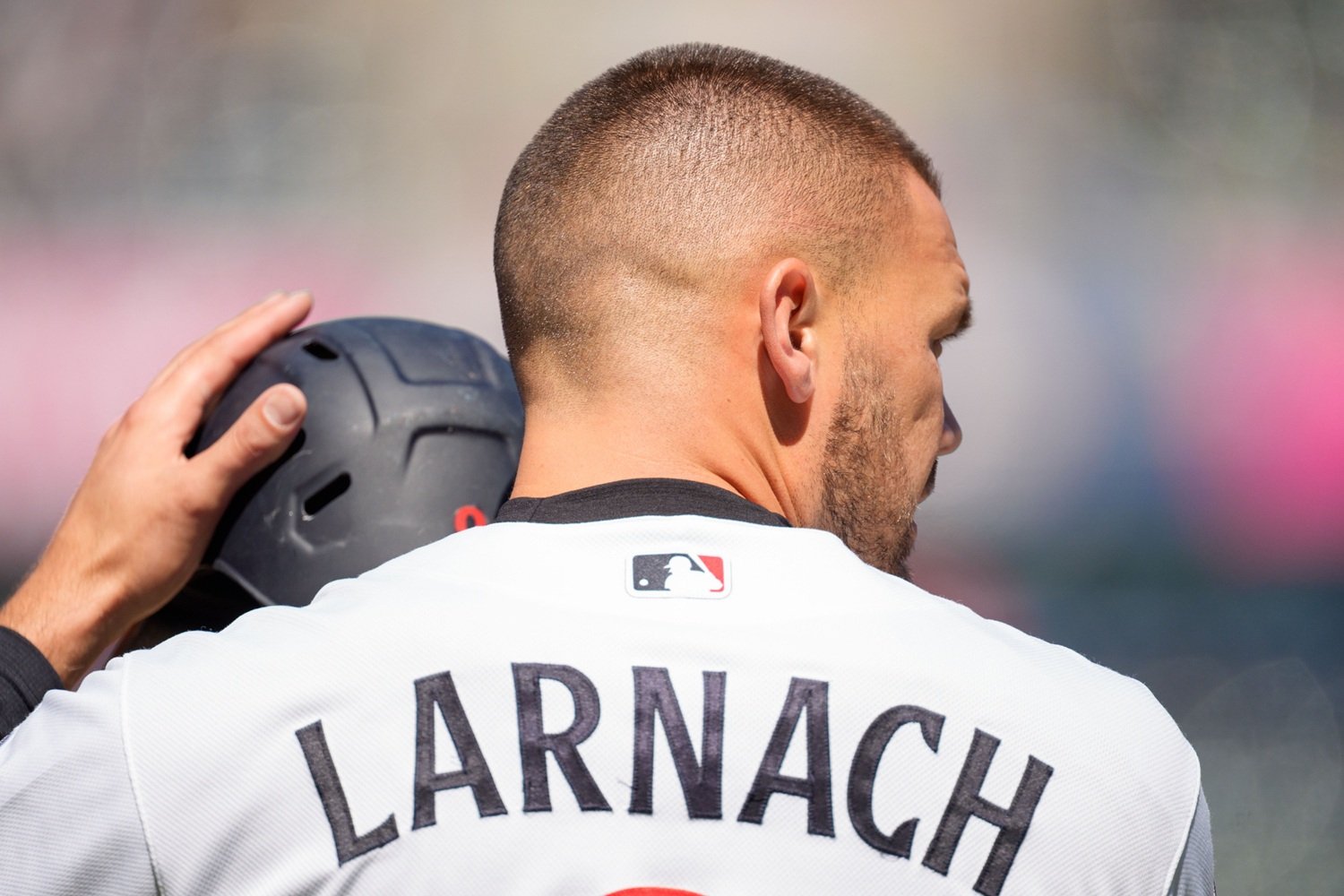 There were plenty of raised eyebrows when Minnesota tendered Trevor Larnach a $4.5 million arbitration deal this past offseason. He was coming off one of the least impactful seasons of his big league career. Across 142 games, he posted a 100 OPS+ and finished with just 0.1 WAR, dragged down almost entirely by his defensive limitations. The Twins limited him to just 53 starts in the outfield, a clear indication they were trying to hide the glove while keeping his bat in the lineup. That decision looked even more questionable when factoring in roster construction. The Twins already had a crowded mix of left-handed hitting outfielders, including Matt Wallner, James Outman, and Alan Roden. On top of that, high-end prospects like Walker Jenkins and Emmanuel Rodriguez loom as long-term fixtures. It was fair to wonder where Larnach fit, and whether his role would shrink even further. For much of his career, Minnesota treated Larnach carefully on defense, in part because of injury concerns and in part because of his performance. The organization continued to bet on the bat that once made him a first-round pick out of Oregon State, and there were flashes that justified that belief. He posted a 116 OPS+ in 2024 and delivered 1.3 rWAR, while his 2022 campaign produced a career best 1.4 rWAR in just 51 games. So what is different now is not just the bat. It is the glove. According to Cory Provus on a recent Twins radio broadcast, Larnach has made a meaningful change to his daily routine. In previous seasons, his extensive stretching program was largely reserved for the offseason. Once the grind of the regular season began, that routine faded. This year, it has become a consistent part of his pregame work, helping him stay loose, improve mobility, and better prepare his body for the demands of the outfield. That physical preparation has been paired with focused defensive instruction. Larnach has spent significant time working with new outfield coach Grady Sizemore, honing fundamentals that had previously lagged behind. The emphasis has been on first-step quickness, reading the ball off the bat, and improving routes. It is not about turning Larnach into a Gold Glove defender, but about eliminating the plays he used to miss. The results have been noticeable. Over the last three seasons, Larnach has graded out as a below-average defender, but this season, he has been a positive contributor in left field. He already has three Defensive Runs Saved, a sharp turnaround from prior seasons. The underlying metrics support the eye test. Larnach sits at 1 Outs Above Average and 2 Fielding Run Value in 2026. A year ago, those numbers were deep in the negative at -4 OAA and -7 FRV. Even marginal gains in range and efficiency are making a real difference. Part of that improvement shows up in his athleticism. His sprint speed has ticked up from 26.1 feet per second to 26.6, which moves him from the 19th percentile to the 34th percentile. It is not a dramatic leap, but it is enough to help him close gaps and finish plays he previously could not reach. While the defensive growth is the headline, Larnach has also been productive at the plate. Over the team’s last 16 games, he owns a .300/.407/.420 (.827) slash line across 59 plate appearances. On the season, he is hitting .288/.418/.425 (843) with a 135 OPS+, and he recently pushed his on-base streak to a career-best 19 games. His approach has taken a clear step forward. Larnach is walking at an 18.4% clip, a significant jump from his 10.2% career-rate, while trimming his strikeout rate down to 17.3% from where it sat at 34% during the 2023 season. The improved discipline is allowing his offensive floor to rise, even without a surge in power. The combination of steadier offense and improved defense is changing the conversation around Larnach. What once looked like a questionable arbitration decision is starting to resemble a quiet win for the Twins front office. If Larnach can continue to pair league-average or better offense with a playable defense in left field, he no longer looks redundant. He looks useful. And in a crowded outfield picture, that might be the difference between fighting for a roster spot and holding onto one. Sometimes the biggest changes are not mechanical overhauls or swing reinventions. Sometimes they start with something as simple as stretching. What has stood out about Larnach so far this season? Leave a comment and start the discussion.
 -
Image courtesy of © Matt Blewett-Imagn Images There were plenty of raised eyebrows when Minnesota tendered Trevor Larnach a $4.5 million arbitration deal this past offseason. He was coming off one of the least impactful seasons of his big league career. Across 142 games, he posted a 100 OPS+ and finished with just 0.1 WAR, dragged down almost entirely by his defensive limitations. The Twins limited him to just 53 starts in the outfield, a clear indication they were trying to hide the glove while keeping his bat in the lineup. That decision looked even more questionable when factoring in roster construction. The Twins already had a crowded mix of left-handed hitting outfielders, including Matt Wallner, James Outman, and Alan Roden. On top of that, high-end prospects like Walker Jenkins and Emmanuel Rodriguez loom as long-term fixtures. It was fair to wonder where Larnach fit, and whether his role would shrink even further. For much of his career, Minnesota treated Larnach carefully on defense, in part because of injury concerns and in part because of his performance. The organization continued to bet on the bat that once made him a first-round pick out of Oregon State, and there were flashes that justified that belief. He posted a 116 OPS+ in 2024 and delivered 1.3 rWAR, while his 2022 campaign produced a career best 1.4 rWAR in just 51 games. So what is different now is not just the bat. It is the glove. According to Cory Provus on a recent Twins radio broadcast, Larnach has made a meaningful change to his daily routine. In previous seasons, his extensive stretching program was largely reserved for the offseason. Once the grind of the regular season began, that routine faded. This year, it has become a consistent part of his pregame work, helping him stay loose, improve mobility, and better prepare his body for the demands of the outfield. That physical preparation has been paired with focused defensive instruction. Larnach has spent significant time working with new outfield coach Grady Sizemore, honing fundamentals that had previously lagged behind. The emphasis has been on first-step quickness, reading the ball off the bat, and improving routes. It is not about turning Larnach into a Gold Glove defender, but about eliminating the plays he used to miss. The results have been noticeable. Over the last three seasons, Larnach has graded out as a below-average defender, but this season, he has been a positive contributor in left field. He already has three Defensive Runs Saved, a sharp turnaround from prior seasons. The underlying metrics support the eye test. Larnach sits at 1 Outs Above Average and 2 Fielding Run Value in 2026. A year ago, those numbers were deep in the negative at -4 OAA and -7 FRV. Even marginal gains in range and efficiency are making a real difference. Part of that improvement shows up in his athleticism. His sprint speed has ticked up from 26.1 feet per second to 26.6, which moves him from the 19th percentile to the 34th percentile. It is not a dramatic leap, but it is enough to help him close gaps and finish plays he previously could not reach. While the defensive growth is the headline, Larnach has also been productive at the plate. Over the team’s last 16 games, he owns a .300/.407/.420 (.827) slash line across 59 plate appearances. On the season, he is hitting .288/.418/.425 (843) with a 135 OPS+, and he recently pushed his on-base streak to a career-best 19 games. His approach has taken a clear step forward. Larnach is walking at an 18.4% clip, a significant jump from his 10.2% career-rate, while trimming his strikeout rate down to 17.3% from where it sat at 34% during the 2023 season. The improved discipline is allowing his offensive floor to rise, even without a surge in power. The combination of steadier offense and improved defense is changing the conversation around Larnach. What once looked like a questionable arbitration decision is starting to resemble a quiet win for the Twins front office. If Larnach can continue to pair league-average or better offense with a playable defense in left field, he no longer looks redundant. He looks useful. And in a crowded outfield picture, that might be the difference between fighting for a roster spot and holding onto one. Sometimes the biggest changes are not mechanical overhauls or swing reinventions. Sometimes they start with something as simple as stretching. What has stood out about Larnach so far this season? Leave a comment and start the discussion. View full article
-
Walker JenkinsKaelen CulpepperEmmanuel RodriguezConnor PrielippMarek HoustonEduardo TaitDasan HillRiley QuickKendry RojasGabriel GonzalezCharlee SotoHendry MendezCJ CulpepperAndrew MorrisQuentin YoungKyle DeBargeRyan GallagherKhadim DiawBrandon WinokurKyler Fedko
-
Walker JenkinsKaelen CulpepperEmmanuel RodriguezConnor PrielippMarek HoustonEduardo TaitDasan HillRiley QuickKendry RojasGabriel GonzalezCharlee SotoHendry MendezCJ CulpepperAndrew MorrisQuentin YoungKyle DeBargeRyan GallagherKhadim DiawBrandon WinokurKyler Fedko
-
Is Quentin Young Beginning to Unlock His Offensive Potential?
Cody Christie posted an article in Minor Leagues
 Baseball lineage can bring attention, but production still has to be earned. Quentin Young entered pro ball with both a well-known last name and a toolset that caught scouts' attention. Now, as his first full season gets underway, there are early indications that he may be starting to find his footing offensively. Quentin’s uncles, Dmitri and Delmon Young, each carved out lengthy major league careers. While their playing days have long since ended, the family name continues to carry weight as the next generation works its way through professional baseball. When Young decided to reclassify into the 2025 draft, he brought both that pedigree and a tantalizing skill set with him. His raw power stood out immediately, drawing some of the highest grades in his class. There was legitimate first-round buzz at times, but questions about his hit tool ultimately pushed him into the second round, where Minnesota selected him and signed him for a full slot bonus of $1.76 million. Early exposure to pro ball offered a glimpse of both the upside and the work ahead. In a brief five-game stint last season, Young managed just two hits in 17 at-bats while striking out nine times. The sample size was minimal, but it reflected the challenge that comes with harnessing such a power-driven profile. The Twins have already begun addressing those concerns. Young spent the offseason at the team’s complex focusing on simplifying his offensive approach. With his 6-foot-6 frame, there will likely always be some swing-and-miss in his game, but the organization has emphasized reducing unnecessary movement and creating a more direct path through the zone. The goal is to give his power a better chance to show up in games. Defensively, Young continues to develop as well. While he still sees time at shortstop, most projections point toward a future at third base. During the 2026 season, he has played both positions. His arm strength is a clear asset and should translate well to the left side, even if his size eventually limits his range up the middle. “A player comp for me would be Elly De La Cruz,” Young said. “We’re both around 6-foot-5, 6-foot-6, really tall and quick on the infield. We both have a lot of power. I’m probably not as fast as him, but I definitely think I can be as fast as him at some point.” “I think that’s the biggest goal I have, just to stay at shortstop for as long as I can,” he said. “I feel like if I keep putting the work in and keep staying at that position for a long time, I feel like I could definitely play it as well as other players.” The start of the 2026 season has followed a familiar developmental arc. Young opened the year in the Florida State League, where he is over two years younger than the average age of the competition. The early results were rough, as he went 8-for-50 (.160 BA) over his first 13 games. More recently, though, there have been signs of progress. However, he’s gone 13-for-45 (.288 BA) over his last 11 games with two doubles and a homer. This past Sunday, he had the first four-hit game of his career. On Tuesday, he hit his second homer of the year. It is far too soon to draw sweeping conclusions, but the recent stretch offers a glimpse of what adjustments can look like when they begin to take hold. Young was always viewed as a long-term project, one built on elite raw power that would require time and refinement to fully emerge. That reality has not changed. Development for a player with his profile is rarely linear, and there will be more ups and downs ahead. But if the recent improvements are tied to the work he put in during the offseason, the Twins may be starting to see the early stages of an offensive corner being turned. What stands out about Young so far? Leave a comment and start the discussion.
- 15 comments
-
- 4
-
-
-
- quentin young
- delmon young
- (and 1 more)
-
Image courtesy of William Parmeter (Photo of Quentin Young) Baseball lineage can bring attention, but production still has to be earned. Quentin Young entered pro ball with both a well-known last name and a toolset that caught scouts' attention. Now, as his first full season gets underway, there are early indications that he may be starting to find his footing offensively. Quentin’s uncles, Dmitri and Delmon Young, each carved out lengthy major league careers. While their playing days have long since ended, the family name continues to carry weight as the next generation works its way through professional baseball. When Young decided to reclassify into the 2025 draft, he brought both that pedigree and a tantalizing skill set with him. His raw power stood out immediately, drawing some of the highest grades in his class. There was legitimate first-round buzz at times, but questions about his hit tool ultimately pushed him into the second round, where Minnesota selected him and signed him for a full slot bonus of $1.76 million. Early exposure to pro ball offered a glimpse of both the upside and the work ahead. In a brief five-game stint last season, Young managed just two hits in 17 at-bats while striking out nine times. The sample size was minimal, but it reflected the challenge that comes with harnessing such a power-driven profile. The Twins have already begun addressing those concerns. Young spent the offseason at the team’s complex focusing on simplifying his offensive approach. With his 6-foot-6 frame, there will likely always be some swing-and-miss in his game, but the organization has emphasized reducing unnecessary movement and creating a more direct path through the zone. The goal is to give his power a better chance to show up in games. Defensively, Young continues to develop as well. While he still sees time at shortstop, most projections point toward a future at third base. During the 2026 season, he has played both positions. His arm strength is a clear asset and should translate well to the left side, even if his size eventually limits his range up the middle. “A player comp for me would be Elly De La Cruz,” Young said. “We’re both around 6-foot-5, 6-foot-6, really tall and quick on the infield. We both have a lot of power. I’m probably not as fast as him, but I definitely think I can be as fast as him at some point.” “I think that’s the biggest goal I have, just to stay at shortstop for as long as I can,” he said. “I feel like if I keep putting the work in and keep staying at that position for a long time, I feel like I could definitely play it as well as other players.” The start of the 2026 season has followed a familiar developmental arc. Young opened the year in the Florida State League, where he is over two years younger than the average age of the competition. The early results were rough, as he went 8-for-50 (.160 BA) over his first 13 games. More recently, though, there have been signs of progress. However, he’s gone 13-for-45 (.288 BA) over his last 11 games with two doubles and a homer. This past Sunday, he had the first four-hit game of his career. On Tuesday, he hit his second homer of the year. It is far too soon to draw sweeping conclusions, but the recent stretch offers a glimpse of what adjustments can look like when they begin to take hold. Young was always viewed as a long-term project, one built on elite raw power that would require time and refinement to fully emerge. That reality has not changed. Development for a player with his profile is rarely linear, and there will be more ups and downs ahead. But if the recent improvements are tied to the work he put in during the offseason, the Twins may be starting to see the early stages of an offensive corner being turned. What stands out about Young so far? Leave a comment and start the discussion. View full article
-
 Twins Daily's top ranked prospect Walker Jenkins is once again dealing with an injury, this time after being diagnosed with a Grade 2 AC joint sprain in his left shoulder. The injury occurred on Sunday while playing for Triple-A St. Paul, adding another interruption to what has already been a stop-and-start season. The organization announced that Jenkins will be re-evaluated in 10 days, at which point a clearer timetable for his return should become clearer. For now, the expectation is that he will miss at least a couple of weeks while recovering. The injury happened on a defensive play in center field when Jenkins made a running catch and carried his momentum into the wall. After securing the ball, he hit the fence hard and immediately went to the ground. He exited the game with a trainer and did not return. Imaging the following day confirmed the shoulder sprain. This marks the second time Jenkins has been sidelined this season. The 21-year-old appeared in just four Grapefruit League games before a hamstring injury kept him out of action. When healthy, he has been productive at the plate, hitting .256/.396/.389 across 111 plate appearances with St. Paul. Despite the setbacks, Jenkins showed flashes of his upside during a recent stretch against Iowa. Over that series, he went 8-for-18 with four doubles, a home run, four runs batted in, six runs scored, and four walks. It was one of his most complete offensive showings of the season before the injury halted his momentum. Durability has been one of the few question marks in Jenkins’ young career. The No. 5 overall pick in the 2023 MLB Draft has yet to play a full season, appearing in 82 and 84 games during his first two professional campaigns. In 2025, he missed nearly the entire first month after an ankle sprain in minor league camp. The year prior, a hamstring injury on Opening Day sidelined him for six and a half weeks. Jenkins is widely regarded as one of the top prospects in baseball, but consistent time on the field has remained elusive. For a Twins organization looking to develop impact talent, his development is critical. Each setback delays that timeline, even if only temporarily. The injury news does not stop with Jenkins. Triple-A St. Paul has been hit hard in recent days, with outfield prospect Emmanuel Rodriguez leaving Friday’s game with a left thumb injury after a headfirst slide into first base. Infielder Kaelen Culpepper was also absent from Sunday’s lineup after being hit by a pitch. For now, the focus remains on Jenkins’ recovery and his return to the field. The talent is undeniable. The challenge continues to be keeping him there long enough to fully realize it.
 -
Twins Daily's top ranked prospect Walker Jenkins is once again dealing with an injury, this time after being diagnosed with a Grade 2 AC joint sprain in his left shoulder. The injury occurred on Sunday while playing for Triple-A St. Paul, adding another interruption to what has already been a stop-and-start season. The organization announced that Jenkins will be re-evaluated in 10 days, at which point a clearer timetable for his return should become clearer. For now, the expectation is that he will miss at least a couple of weeks while recovering. The injury happened on a defensive play in center field when Jenkins made a running catch and carried his momentum into the wall. After securing the ball, he hit the fence hard and immediately went to the ground. He exited the game with a trainer and did not return. Imaging the following day confirmed the shoulder sprain. This marks the second time Jenkins has been sidelined this season. The 21-year-old appeared in just four Grapefruit League games before a hamstring injury kept him out of action. When healthy, he has been productive at the plate, hitting .256/.396/.389 across 111 plate appearances with St. Paul. Despite the setbacks, Jenkins showed flashes of his upside during a recent stretch against Iowa. Over that series, he went 8-for-18 with four doubles, a home run, four runs batted in, six runs scored, and four walks. It was one of his most complete offensive showings of the season before the injury halted his momentum. Durability has been one of the few question marks in Jenkins’ young career. The No. 5 overall pick in the 2023 MLB Draft has yet to play a full season, appearing in 82 and 84 games during his first two professional campaigns. In 2025, he missed nearly the entire first month after an ankle sprain in minor league camp. The year prior, a hamstring injury on Opening Day sidelined him for six and a half weeks. Jenkins is widely regarded as one of the top prospects in baseball, but consistent time on the field has remained elusive. For a Twins organization looking to develop impact talent, his development is critical. Each setback delays that timeline, even if only temporarily. The injury news does not stop with Jenkins. Triple-A St. Paul has been hit hard in recent days, with outfield prospect Emmanuel Rodriguez leaving Friday’s game with a left thumb injury after a headfirst slide into first base. Infielder Kaelen Culpepper was also absent from Sunday’s lineup after being hit by a pitch. For now, the focus remains on Jenkins’ recovery and his return to the field. The talent is undeniable. The challenge continues to be keeping him there long enough to fully realize it. View full rumor
-
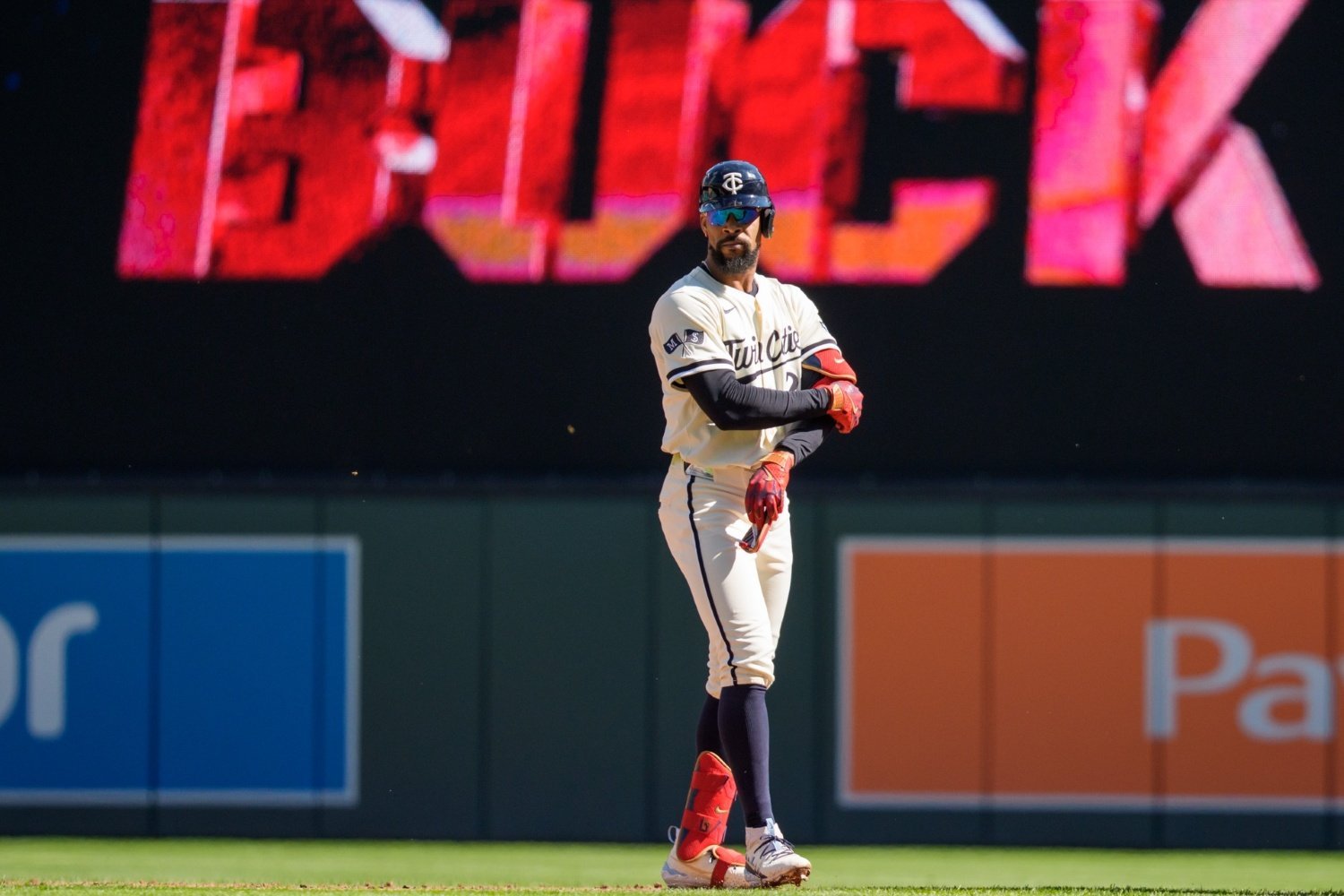 The Minnesota Twins have been searching for consistency in the early part of the season, and over the past week, Byron Buxton provided exactly that. When he is healthy and locked in, there are few players in baseball who can impact a game in as many ways, and this latest stretch served as a reminder of his game-changing ability on both sides of the ball. Buxton put together one of the most productive weeks of his career, appearing in seven games and collecting 10 hits in 29 at-bats for a .345 average. His power was on full display as he launched five home runs, added a double, and swiped two bases. He also crossed the plate six times and drove in seven runs, serving as the catalyst for Minnesota’s offense throughout the week. Notably, he homered in five of those seven games, including a streak of three consecutive contests, marking the sixth time in his career he has accomplished that feat. This recognition marks the third time in Buxton’s 12-year career that he has earned American League Player of the Week honors. His previous awards came on August 26, 2017, and June 11, 2022. It also represents a milestone for the Twins lineup, as Buxton becomes the first Minnesota hitter to take home the award since Luke Keaschall did so on August 9 of last season. With this latest honor, Buxton continues to climb into elite territory within franchise history. He is now one of six players in Twins history to win the award at least three times while with the organization. That group includes Kent Hrbek, Joe Mauer, Kirby Puckett, Rod Carew, and Johan Santana, a collection of names that highlights just how impactful Buxton has been when at his best. Buxton got off to a slow start at the plate to begin the season, and some have pointed to his limited action in the World Baseball Classic after being hit by a pitch as a contributing factor. Through his first eight games, he went just 4-for-30 (.133) with 10 strikeouts. Since then, the turnaround has been significant. Over his next 24 games, he has posted a .288/.351/.615 (.966) slash line with 10 home runs and four doubles, a stretch that looks much more like the All-Star level production the Twins have come to expect. If this stretch is any indication of what Buxton can provide moving forward, the Twins lineup may have found the spark it needs. His combination of power, speed, and defensive excellence makes him one of the most dynamic players in the game, and when he is producing at this level, Minnesota looks like a much more dangerous team.
 -
The Minnesota Twins have been searching for consistency in the early part of the season, and over the past week, Byron Buxton provided exactly that. When he is healthy and locked in, there are few players in baseball who can impact a game in as many ways, and this latest stretch served as a reminder of his game-changing ability on both sides of the ball. Buxton put together one of the most productive weeks of his career, appearing in seven games and collecting 10 hits in 29 at-bats for a .345 average. His power was on full display as he launched five home runs, added a double, and swiped two bases. He also crossed the plate six times and drove in seven runs, serving as the catalyst for Minnesota’s offense throughout the week. Notably, he homered in five of those seven games, including a streak of three consecutive contests, marking the sixth time in his career he has accomplished that feat. This recognition marks the third time in Buxton’s 12-year career that he has earned American League Player of the Week honors. His previous awards came on August 26, 2017, and June 11, 2022. It also represents a milestone for the Twins lineup, as Buxton becomes the first Minnesota hitter to take home the award since Luke Keaschall did so on August 9 of last season. With this latest honor, Buxton continues to climb into elite territory within franchise history. He is now one of six players in Twins history to win the award at least three times while with the organization. That group includes Kent Hrbek, Joe Mauer, Kirby Puckett, Rod Carew, and Johan Santana, a collection of names that highlights just how impactful Buxton has been when at his best. Buxton got off to a slow start at the plate to begin the season, and some have pointed to his limited action in the World Baseball Classic after being hit by a pitch as a contributing factor. Through his first eight games, he went just 4-for-30 (.133) with 10 strikeouts. Since then, the turnaround has been significant. Over his next 24 games, he has posted a .288/.351/.615 (.966) slash line with 10 home runs and four doubles, a stretch that looks much more like the All-Star level production the Twins have come to expect. If this stretch is any indication of what Buxton can provide moving forward, the Twins lineup may have found the spark it needs. His combination of power, speed, and defensive excellence makes him one of the most dynamic players in the game, and when he is producing at this level, Minnesota looks like a much more dangerous team. View full rumor
-
Joe Ryan’s Close Call Could Expedite Minnesota’s Trade Deadline Decision
Cody Christie posted an article in Twins
 On Sunday, Joe Ryan walked off the mound after just nine pitches, and Twins Territory collectively held its breath. The initial diagnosis was right elbow soreness. With Pablo López already sidelined for the season following Tommy John surgery, concern spread quickly. Minnesota fans have seen this story before, and it rarely ends well. Fortunately, the tone shifted quickly. Imaging revealed no structural damage, and Ryan was back on the field playing catch before Tuesday’s game. A bullpen session Wednesday went well, and there is a real chance Ryan takes his next turn in the rotation. For now, the organization and its fan base can ease their nerves, even if only slightly. “I didn’t feel too much discomfort,” Ryan said. “You never know. The injuries I’ve had in the past have kind of been—it wasn’t this excruciating pain or anything crazy, and then I’ve been optimistic on the other side and had bad results. This time around, having good results definitely was, obviously, a win-win and reassuring. You never know until the imaging comes back.” “There will be a watchful eye,” Twins manager Derek Shelton said. “The first thing you want with any of your players, or especially your pitchers, is if they feel something, especially in their arm, we want them to communicate it. We want to make sure we’re not going to put him in harm’s way. We will carefully monitor this situation. The one really great thing about Joe is, he is probably in tune with his body as any player I’ve ever been around. He can articulate really well what he’s feeling.” That awareness represents growth. Not long ago, Ryan tried to pitch through an injury, rather than being proactive about communication with the team. In 2023, he took the ball against the Atlanta Braves despite dealing with a groin issue suffered during warmups. The results were brutal (5 homers), and the lingering effects were even worse. He carried the injury through multiple outings, posting an ERA north of 8.00 before finally acknowledging something was wrong. This time, he did the opposite. He spoke up immediately, and that decision may have prevented a far more serious outcome. Still, even a minor scare like this can ripple through a front office. Coming into this season, Ryan looked as important to the Twins' future as anyone on the team—whether he was destined to be physically present in Minnesota for that future or not. His name has surfaced in trade speculation before, including last year when a false report briefly sent him to the Boston Red Sox in the rumor mill. That chatter has not disappeared. If anything, it's growing louder as the deadline approaches. This situation complicates things. On one hand, Ryan’s clean MRI and quick return to throwing should reassure potential buyers. On the other hand, it serves as a reminder of how fragile pitching depth can be. Minnesota has already lost López for the year, and Ryan himself missed significant time in 2024 with a shoulder strain that ended his season early. That track record matters, both internally and in trade conversations. If the team has decided that trading Ryan is the best way to balance their short- and long-term competitive goals, this scare could motivate them to act fast. Waiting until late July won't materially increase his value, and in the meantime, all the injury risk associated with him is the Twins' to manage. An early trade to one of the many teams who weren't so lucky this spring when their ace came up with a barking elbow makes sense. There's also the possibility that this moment pushes Minnesota in the opposite direction. Rather than entertaining offers, the front office could decide that holding onto Ryan is the safer path. Twins ownership has been vocal about the team contending this year, even if the results haven’t matched that narrative. Contending teams rarely subtract stability from their rotation, and even a brief injury scare can reinforce just how important that stability is. The more aggressive scenario would be exploring an earlier move, perhaps in June, once Ryan has reestablished himself. That approach would be unconventional, but it could allow the Twins to maximize return while avoiding the frenzy and uncertainty of late July. Of course, any acquiring team would scrutinize his medical history closely, making this far from a straightforward decision. Ryan’s nine-pitch outing Sunday may not impact the standings, but it could shape the direction of the season. The Twins were given a fortunate outcome this time: clean imaging, quick recovery, and no immediate damage. But it also served as a reminder that plans can change instantly. For a team with an unclear future, that kind of reminder can be enough to rethink everything. Should the Twins consider an early trade deadline deal for Ryan? Leave a comment and start the discussion.


