Cody Christie
-
Posts
7,794 -
Joined
-
Last visited
-
Days Won
5
Content Type
Profiles
News
Minnesota Twins Videos
2026 Minnesota Twins Top Prospects Ranking
2022 Minnesota Twins Draft Picks
Minnesota Twins Free Agent & Trade Rumors, Notes, & Tidbits
Guides & Resources
2023 Minnesota Twins Draft Picks
The Minnesota Twins Players Project
2024 Minnesota Twins Draft Picks
2025 Minnesota Twins Draft Pick Tracker
2026 Minnesota Twins Draft Tracker: Picks & Bonuses
Forums
Blogs
Events
Store
Downloads
Gallery
Everything posted by Cody Christie
-

Twins Acquire Cash Considerations, Pohlads Celebrate
Cody Christie posted an article in Just For Fun
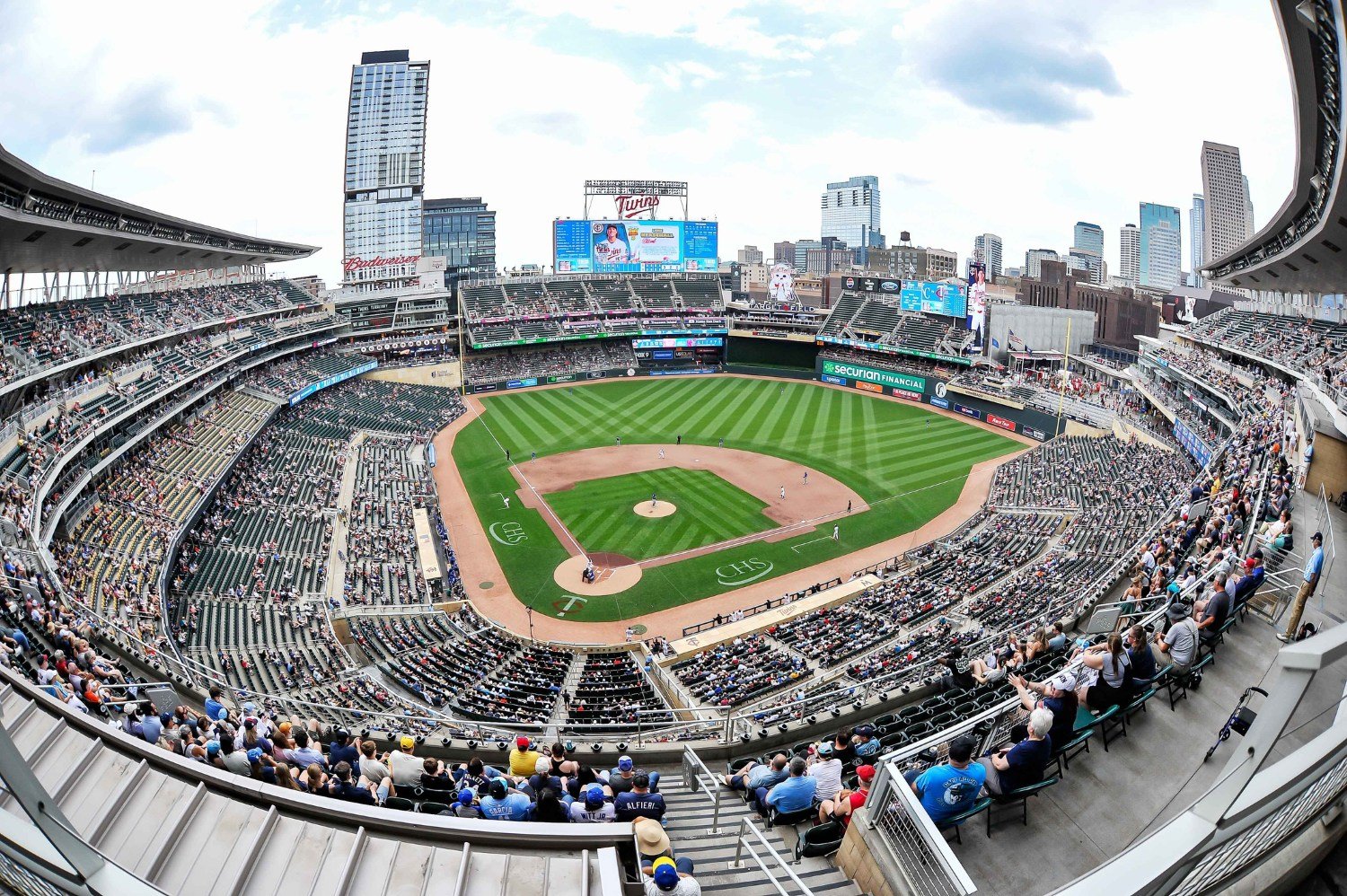 The Minnesota Twins announced this week that they traded Simeon Woods Richardson to the Toronto Blue Jays in exchange for Cash Considerations, once again proving that baseball's most valuable asset isn't a five-tool prospect or Cy Young contender. It's a guy named Cash. For most organizations, Cash Considerations is simply a transaction detail buried near the bottom of a press release. For the Twins, however, sources say it's much more personal. "No player has done more for this franchise over the last two decades," one team official said. "Every few years, he finds his way back to us." Despite appearing in hundreds of transactions throughout Major League Baseball history, Cash remains one of the sport's most mysterious figures. He has never thrown a pitch, taken an at-bat, or appeared on a Top 100 prospect list, but general managers continue to pursue him aggressively. Twins Daily was granted exclusive access to Cash shortly after the Woods Richardson trade became official. The veteran asset appeared relaxed as he sat in a conference room at Target Field surrounded by calculators, accounting ledgers, and several framed photos of previous Twins cost-cutting measures. "It's great to be back," Cash said. "Minnesota has always felt like home." Cash acknowledged that he has been involved in countless baseball transactions over the years. "I've been traded for utility infielders, backup catchers, waiver claims, international bonus pool space, and at least six relievers nobody remembers," he said. "Sometimes teams don't even mention me in the headline. That hurts." While fans often focus on the players involved in a trade, front offices see things differently. "Cash is one of the most reliable assets in baseball," an American League executive explained. "He's durable, flexible, and never complains about playing time." The acquisition reportedly generated significant excitement within Twins ownership. Sources familiar with the situation say members of the Pohlad family immediately gathered to review the details of the transaction. "There was a standing ovation," one witness said. "I haven't seen that much excitement since someone suggested lowering payroll projections." A representative of the Pohlad family released a statement shortly after the trade. "We've always had tremendous respect for Cash Considerations," the statement read. "His contributions to this organization cannot be overstated." Another ownership source spoke glowingly about the newest addition to the organization. "People talk about building around young talent, but Cash has been helping this franchise for years," the source said. "Prospects come and go. Cash is forever." Cash admitted he has developed a special bond with Twins ownership over the years. "They've always believed in me," he said. "Some organizations see me as a transaction. The Pohlads see me as family." The relationship has become so strong that league insiders now consider Minnesota a perennial favorite whenever Cash becomes available. One rival executive even suggested the Twins could eventually retire his number. "Assuming he gets one," the executive clarified. Despite his popularity, Cash insists life on the transaction wire is not always easy. "You wake up with one organization and go to sleep with another," he said. "One day you're helping complete a trade in Tampa. The next day you're part of a deal involving a struggling bullpen arm and a player to be named later." Still, he understands why teams keep calling. "When a front office needs flexibility, they know where to find me." The Twins appear optimistic that Cash can immediately contribute in several key areas, including future roster moves, budget discussions, and ownership presentations. Club officials declined to reveal whether Cash would report to Triple-A St. Paul. "He's already where he needs to be," one executive said. As the interview concluded, Cash received a text message and smiled. "Looks like another team is interested," he said. Before leaving, he stopped to thank the Twins organization and the Pohlad family for their continued support. Outside Target Field, ownership sources reportedly gathered for a Minnesota goodbye. "We'll see each other again," one shouted. History suggests he is probably right. Players come and go. Front offices change. Prospects rise and fall. But through every rebuilding plan, payroll discussion, and minor transaction, one constant remains. Cash Considerations always finds his way back into the conversation.
 -
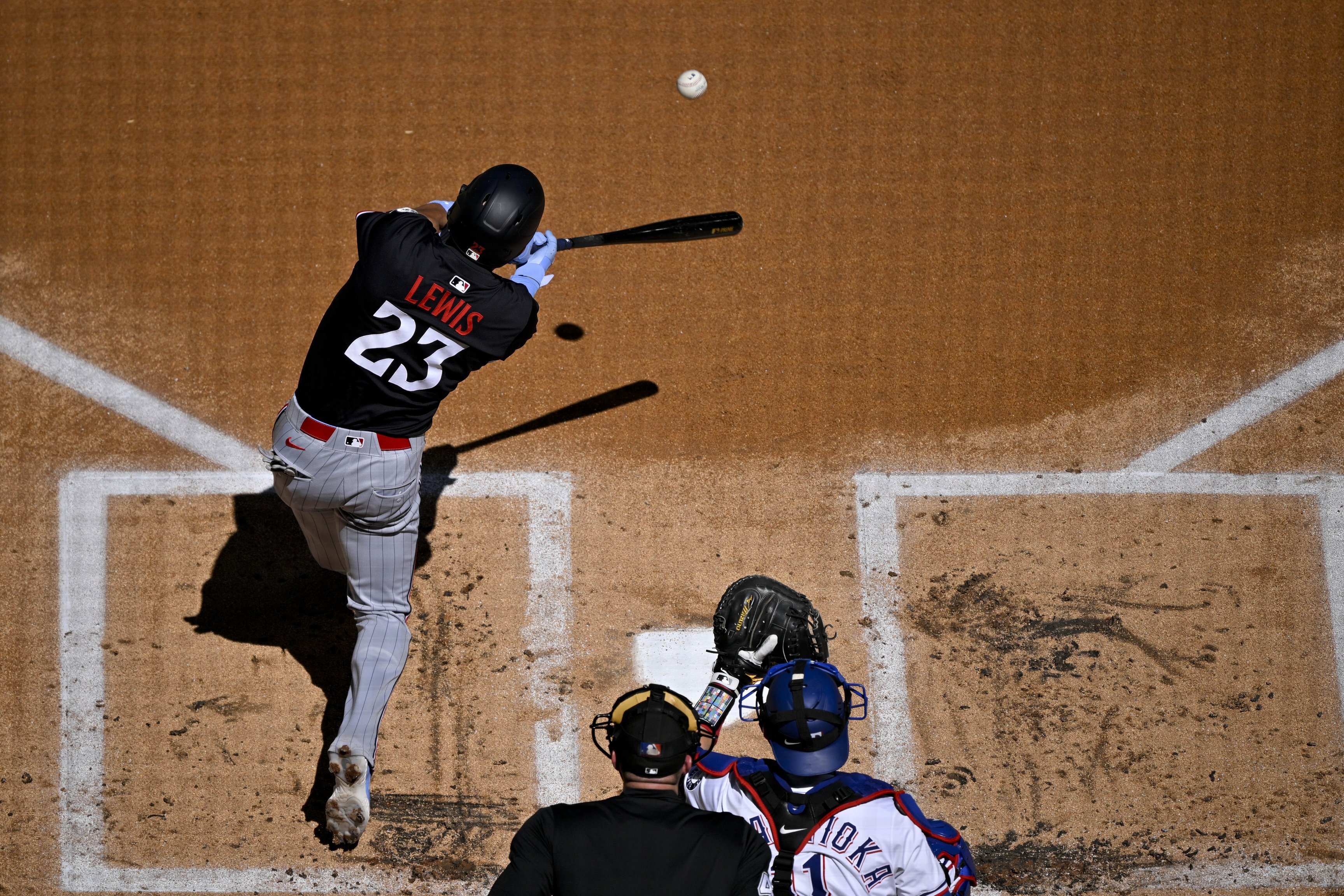 For years, Royce Lewis represented possibility. He was the first overall pick. The face of the next competitive Twins core. A player whose combination of athleticism, power, and charisma made him one of the most exciting talents the organization had developed in decades. Today, he is something else entirely. Lewis returned to Minnesota on Saturday after spending just 19 days at Triple-A St. Paul, a stay that was originally expected to be much longer. Rather than sulk over the demotion, he responded exactly how the Twins hoped he would. Lewis hit .340 with eight home runs in 13 games for the Saints. He also embraced something that had previously seemed unlikely, spending time at both second base and first base in an effort to increase his defensive versatility. That performance (and, admittedly, the shoddy work of each player the team tried in his stead) forced Minnesota's hand. Now comes the difficult part. Lewis didn't simply earn another promotion. He earned what could be the most important four months of his professional career. The Clock Is No Longer Working in His Favor Some might view this as Lewis's final opportunity with the Twins, but even that statement is cloudy. He's only 27 years old and remains under team control through 2028. Talent does not simply disappear overnight, and his Triple-A performance served as a reminder that the offensive upside still exists. So did a 112-MPH single off his bat over the weekend, and his long home run Wednesday night in Detroit. At the same time, the circumstances around him have changed dramatically. The Twins' infield is becoming increasingly crowded. Luke Keaschall and Brooks Lee are younger than Lewis and have produced at a higher level this season. Top prospect Kaelen Culpepper continues moving toward Minnesota and projects as another player who will soon require everyday opportunities. The Twins can no longer build future plans around what Lewis once was. They need evidence of what he is today. That makes the remainder of the 2026 season incredibly important. The Bat Must Return Everything starts with offense. Lewis earned his recall by destroying Triple-A pitching, but the Twins need that production to carry over to the major leagues. Before being sent to St. Paul, Lewis was hitting just .163/.261/.279 with a 54 wRC+. The struggles were not isolated to a bad month or two. Since August 2024, Lewis has posted a combined .213/.268/.336 line with a 67 wRC+ across 181 major-league games. That sample is large enough to create legitimate concern. The version of Lewis that burst onto the scene from 2022 through the first half of 2024 may never fully return. Expecting that level of production again would be unrealistic. What Minnesota needs is something much simpler. They need an above-average major-league hitter. If Lewis can provide consistent power, improve his on-base percentage, and once again become a middle-of-the-order threat, the conversation surrounding his future changes immediately. If he cannot, the Twins will face difficult decisions. Defensive Flexibility Matters More Than Ever One of the most encouraging developments from Lewis's demotion was his willingness to expand his defensive profile. He started at second base in his first game back before moving to first base later in the contest. On Sunday, he made his first career major-league start at first base. Those assignments weren't accidental. Minnesota is searching for ways to keep Lewis in the lineup, while also preserving opportunities for players such as Keaschall. The fact that Lewis is being asked to move around the diamond also reveals another reality. He is no longer viewed as an automatic, everyday starter at one position. The more defensive value he can provide at first base, second base, third base, and designated hitter, the easier it becomes for manager Derek Shelton to find regular at-bats. For Lewis, versatility is no longer a bonus. It is becoming a necessity. He Must Force the Twins to Include Him in Their Future The Twins have given Lewis another chance because his talent remains undeniable. But this opportunity is about more than surviving on the roster. It is about proving he deserves a place in Minnesota's long-term plans. Lewis returned to the majors with momentum, but the early results have been modest. He went 1-for-7 with a single and a walk in his first two games back. Saturday's loss ended with Lewis taking a called third strike on a full-count pitch with the tying and winning runs on base. Not until that 444-foot homer Wednesday did he seem to truly announce his return. The organization needs to see a productive hitter who can contribute across multiple positions and consistently impact games. If that player emerges over the final months of 2026, Lewis can once again become part of the next Twins core. If not, Minnesota may eventually view him as a player who needs a change of scenery, rather than a foundational piece. Lewis successfully hit his way back to the major leagues. Now, he has until the end of 2026 to hit his way back into the Twins' future. What does Lewis need to do to put himself back in Minnesota’s long-term plans? Leave a comment and start the discussion.
 -
Image courtesy of © Jerome Miron-Imagn Images For years, Royce Lewis represented possibility. He was the first overall pick. The face of the next competitive Twins core. A player whose combination of athleticism, power, and charisma made him one of the most exciting talents the organization had developed in decades. Today, he is something else entirely. Lewis returned to Minnesota on Saturday after spending just 19 days at Triple-A St. Paul, a stay that was originally expected to be much longer. Rather than sulk over the demotion, he responded exactly how the Twins hoped he would. Lewis hit .340 with eight home runs in 13 games for the Saints. He also embraced something that had previously seemed unlikely, spending time at both second base and first base in an effort to increase his defensive versatility. That performance (and, admittedly, the shoddy work of each player the team tried in his stead) forced Minnesota's hand. Now comes the difficult part. Lewis didn't simply earn another promotion. He earned what could be the most important four months of his professional career. The Clock Is No Longer Working in His Favor Some might view this as Lewis's final opportunity with the Twins, but even that statement is cloudy. He's only 27 years old and remains under team control through 2028. Talent does not simply disappear overnight, and his Triple-A performance served as a reminder that the offensive upside still exists. So did a 112-MPH single off his bat over the weekend, and his long home run Wednesday night in Detroit. At the same time, the circumstances around him have changed dramatically. The Twins' infield is becoming increasingly crowded. Luke Keaschall and Brooks Lee are younger than Lewis and have produced at a higher level this season. Top prospect Kaelen Culpepper continues moving toward Minnesota and projects as another player who will soon require everyday opportunities. The Twins can no longer build future plans around what Lewis once was. They need evidence of what he is today. That makes the remainder of the 2026 season incredibly important. The Bat Must Return Everything starts with offense. Lewis earned his recall by destroying Triple-A pitching, but the Twins need that production to carry over to the major leagues. Before being sent to St. Paul, Lewis was hitting just .163/.261/.279 with a 54 wRC+. The struggles were not isolated to a bad month or two. Since August 2024, Lewis has posted a combined .213/.268/.336 line with a 67 wRC+ across 181 major-league games. That sample is large enough to create legitimate concern. The version of Lewis that burst onto the scene from 2022 through the first half of 2024 may never fully return. Expecting that level of production again would be unrealistic. What Minnesota needs is something much simpler. They need an above-average major-league hitter. If Lewis can provide consistent power, improve his on-base percentage, and once again become a middle-of-the-order threat, the conversation surrounding his future changes immediately. If he cannot, the Twins will face difficult decisions. Defensive Flexibility Matters More Than Ever One of the most encouraging developments from Lewis's demotion was his willingness to expand his defensive profile. He started at second base in his first game back before moving to first base later in the contest. On Sunday, he made his first career major-league start at first base. Those assignments weren't accidental. Minnesota is searching for ways to keep Lewis in the lineup, while also preserving opportunities for players such as Keaschall. The fact that Lewis is being asked to move around the diamond also reveals another reality. He is no longer viewed as an automatic, everyday starter at one position. The more defensive value he can provide at first base, second base, third base, and designated hitter, the easier it becomes for manager Derek Shelton to find regular at-bats. For Lewis, versatility is no longer a bonus. It is becoming a necessity. He Must Force the Twins to Include Him in Their Future The Twins have given Lewis another chance because his talent remains undeniable. But this opportunity is about more than surviving on the roster. It is about proving he deserves a place in Minnesota's long-term plans. Lewis returned to the majors with momentum, but the early results have been modest. He went 1-for-7 with a single and a walk in his first two games back. Saturday's loss ended with Lewis taking a called third strike on a full-count pitch with the tying and winning runs on base. Not until that 444-foot homer Wednesday did he seem to truly announce his return. The organization needs to see a productive hitter who can contribute across multiple positions and consistently impact games. If that player emerges over the final months of 2026, Lewis can once again become part of the next Twins core. If not, Minnesota may eventually view him as a player who needs a change of scenery, rather than a foundational piece. Lewis successfully hit his way back to the major leagues. Now, he has until the end of 2026 to hit his way back into the Twins' future. What does Lewis need to do to put himself back in Minnesota’s long-term plans? Leave a comment and start the discussion. View full article
-
There is roughly a month remaining before the 2026 MLB Draft, and most of the top amateur prospects have already wrapped up their seasons. With the on-field evaluations largely complete, front offices are entering the most challenging phase of the process. At this point, the draft becomes less about collecting new information and more about determining organizational preferences. Teams must weigh talent against signability, bonus pool strategy, and long-term upside. It is a complicated balancing act, especially near the top of the draft, where every decision can reshape a farm system. In his latest mock draft, Keith Law presented a scenario that would likely have Twins fans sprinting to the podium if it became reality. Law projects the White Sox to select catcher Vahn Lackey with the first overall pick. Lackey's stock has steadily climbed throughout the spring, and he has become one of the hottest names in the draft class. His combination of offensive production and defensive value behind the plate has made him a favorite among evaluators. The connection to Minnesota is notable because there has been industry speculation that the Twins have spent considerable time evaluating Lackey as a potential third-overall pick. The bigger surprise in Law's mock comes with the second selection. He has the Rays taking Tyler Bell, a player Tampa Bay originally drafted out of high school before he chose the college route. Bell is a talented prospect, but most public draft boards have not consistently placed him among the top three players available. The selection would likely indicate that Tampa Bay is prioritizing bonus pool flexibility, potentially saving money at the top of the draft in order to be aggressive later on. If that sequence unfolds, Minnesota would be left with an opportunity that currently feels almost too good to be true. Law has the Twins selecting Roch Cholowsky with the third overall pick. For much of the draft cycle, Cholowsky has been viewed by many evaluators as the favorite to go first overall. He is widely regarded as one of the most complete players in the class, combining a polished offensive profile with the defensive ability to remain at shortstop. Depending on who you ask, he is either the best college shortstop available or the best overall player in the entire draft. That is why this mock stands out. Most projections have Cholowsky off the board before Minnesota is on the clock. If he somehow reaches the third pick, it would be difficult to imagine the Twins passing on the opportunity. Talent tends to win out at the top of the draft, and Cholowsky's combination of floor and upside would make him an ideal addition to the organization's long-term plans. Of course, Minnesota would still have attractive alternatives available if the board unfolds differently. Texas prep standout Grady Emerson remains one of the most exciting hitters in the class and has generated significant buzz throughout the scouting community. Meanwhile, Jackson Flora has emerged as the top college pitching prospect available and could provide the Twins with another premium talent to consider. Both players would represent strong selections at No. 3 overall. Still, if Cholowsky is sitting there when Minnesota is on the clock, the decision could be one of the easiest the organization has made in years. The reality is that mock drafts remain educated guesses, and there is still plenty of time for opinions to change before draft day arrives. Teams continue gathering medical information, conducting final meetings, and refining bonus strategies. One unexpected selection can completely alter the board. That uncertainty is what makes the MLB Draft so fascinating. Today, Law's projection gives the Twins a dream scenario. Whether that scenario survives the next month of rumors, negotiations, and last-minute adjustments remains to be seen. View full rumor
-
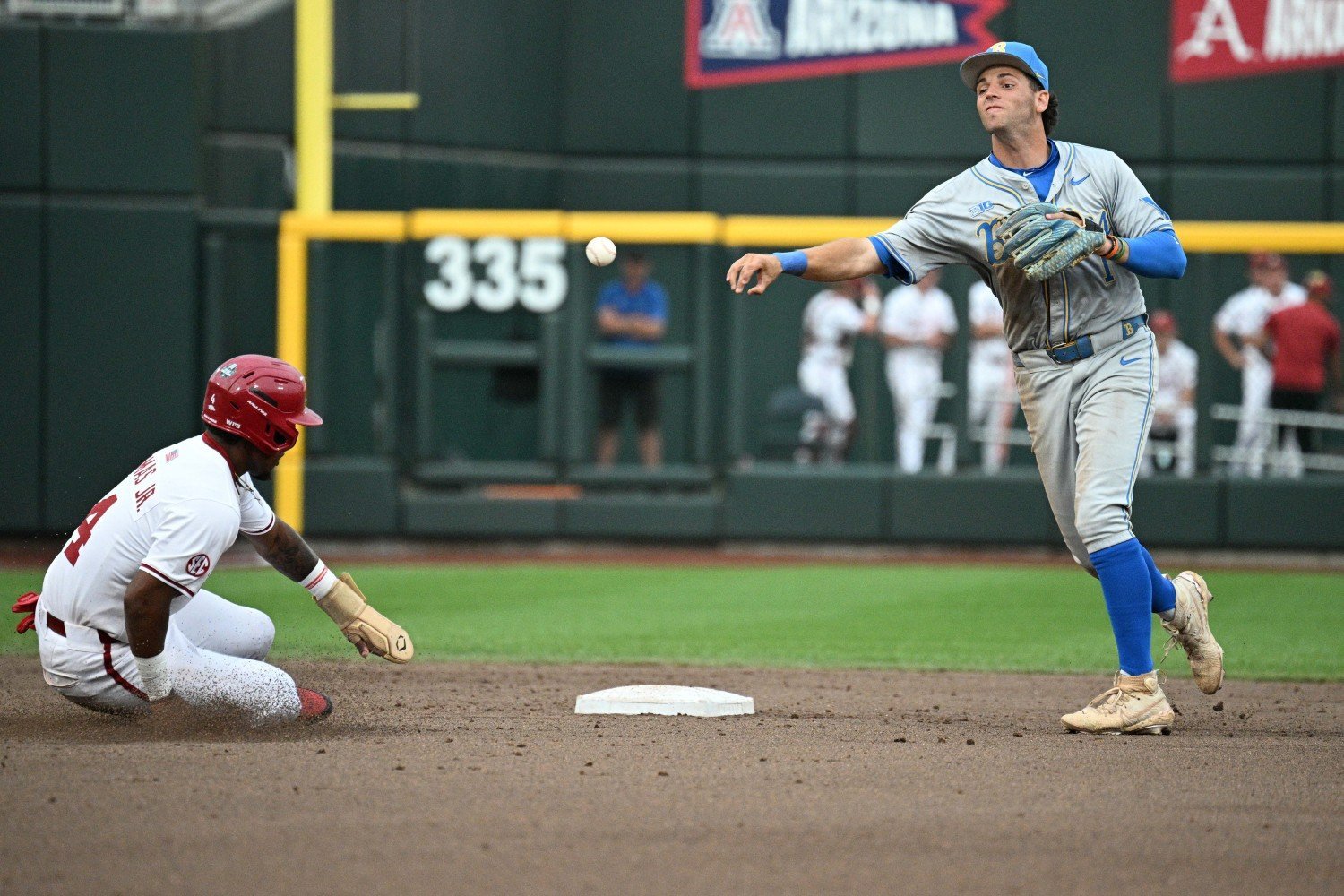 There is roughly a month remaining before the 2026 MLB Draft, and most of the top amateur prospects have already wrapped up their seasons. With the on-field evaluations largely complete, front offices are entering the most challenging phase of the process. At this point, the draft becomes less about collecting new information and more about determining organizational preferences. Teams must weigh talent against signability, bonus pool strategy, and long-term upside. It is a complicated balancing act, especially near the top of the draft, where every decision can reshape a farm system. In his latest mock draft, Keith Law presented a scenario that would likely have Twins fans sprinting to the podium if it became reality. Law projects the White Sox to select catcher Vahn Lackey with the first overall pick. Lackey's stock has steadily climbed throughout the spring, and he has become one of the hottest names in the draft class. His combination of offensive production and defensive value behind the plate has made him a favorite among evaluators. The connection to Minnesota is notable because there has been industry speculation that the Twins have spent considerable time evaluating Lackey as a potential third-overall pick. The bigger surprise in Law's mock comes with the second selection. He has the Rays taking Tyler Bell, a player Tampa Bay originally drafted out of high school before he chose the college route. Bell is a talented prospect, but most public draft boards have not consistently placed him among the top three players available. The selection would likely indicate that Tampa Bay is prioritizing bonus pool flexibility, potentially saving money at the top of the draft in order to be aggressive later on. If that sequence unfolds, Minnesota would be left with an opportunity that currently feels almost too good to be true. Law has the Twins selecting Roch Cholowsky with the third overall pick. For much of the draft cycle, Cholowsky has been viewed by many evaluators as the favorite to go first overall. He is widely regarded as one of the most complete players in the class, combining a polished offensive profile with the defensive ability to remain at shortstop. Depending on who you ask, he is either the best college shortstop available or the best overall player in the entire draft. That is why this mock stands out. Most projections have Cholowsky off the board before Minnesota is on the clock. If he somehow reaches the third pick, it would be difficult to imagine the Twins passing on the opportunity. Talent tends to win out at the top of the draft, and Cholowsky's combination of floor and upside would make him an ideal addition to the organization's long-term plans. Of course, Minnesota would still have attractive alternatives available if the board unfolds differently. Texas prep standout Grady Emerson remains one of the most exciting hitters in the class and has generated significant buzz throughout the scouting community. Meanwhile, Jackson Flora has emerged as the top college pitching prospect available and could provide the Twins with another premium talent to consider. Both players would represent strong selections at No. 3 overall. Still, if Cholowsky is sitting there when Minnesota is on the clock, the decision could be one of the easiest the organization has made in years. The reality is that mock drafts remain educated guesses, and there is still plenty of time for opinions to change before draft day arrives. Teams continue gathering medical information, conducting final meetings, and refining bonus strategies. One unexpected selection can completely alter the board. That uncertainty is what makes the MLB Draft so fascinating. Today, Law's projection gives the Twins a dream scenario. Whether that scenario survives the next month of rumors, negotiations, and last-minute adjustments remains to be seen.
- 33 comments
-
- 8
-

-

-
- vahn lackey
- roch cholowsky
- (and 3 more)
-
The Twins received discouraging news this week when right-hander Cole Sands was pulled off his rehab assignment after experiencing continued issues with his strained right forearm. Sands made his first rehab appearance with Triple-A St. Paul on Tuesday, and the outing appeared to be a positive first step toward rejoining Minnesota's bullpen. In one inning, he didn’t allow any hits and struck out one batter on 13 pitches. He had two swinging strikes and three strikes looking. However, his arm did not recover quickly enough afterward to allow him to continue pitching. As a result, the Twins have shut down the rehab assignment and will give him additional time to rest and receive treatment before restarting a throwing program. At this point, there is no clear timeline for when Sands could return to the major league roster. Under league rules, the Twins must wait at least a week before he can begin another rehab assignment. Even then, the organization will likely proceed cautiously given the nature of the injury. While Sands' traditional numbers do not jump off the page, his absence has been felt. The right-hander owns a 4.63 ERA across 11 2/3 innings this season, but the underlying metrics suggest he was performing better than the results indicated. He maintained a strong strikeout rate and carried a 3.65 SIERA, pointing toward a pitcher whose effectiveness was better than his ERA suggested. Looking back, there may have been warning signs before Sands landed on the injured list. His final appearance came against Seattle on April 28 when he surrendered two runs in an outing that lacked the crispness typically seen from him. The quality of his stuff appeared diminished, and the radar gun provided additional evidence that something was wrong. Velocity declines are often one of the first indicators of a physical issue. After averaging roughly 95 mph on his fastball during the 2025 season, Sands sat closer to 93.1 mph this year before being sidelined. When forearm discomfort accompanies a noticeable drop in velocity, teams naturally become cautious. That reality makes every step forward in his recovery process meaningful, even if those steps are currently smaller than the Twins had hoped. Sands entered the season expected to be a significant contributor in Minnesota's late-inning mix. Few relievers on the roster possess his combination of experience and ability to handle leverage situations. Although his early-season results were inconsistent, the Twins viewed him as an important piece of a bullpen that has spent much of the year searching for consistency. Minnesota's relief corps has been in near-constant flux throughout the season as injuries and performance fluctuations have forced the club to shuffle roles. The Twins have received strong contributions from several relievers like Yoendrys Gomez and Anthony Banda, but the group still lacks the stability that teams need over the course of 162-games. Getting Sands healthy remains one of the organization's priorities because his return would provide another trusted arm capable of handling meaningful innings. Until then, the Twins will continue looking for answers while hoping one of their most important bullpen reinforcements can eventually make his way back to Target Field. View full rumor
-
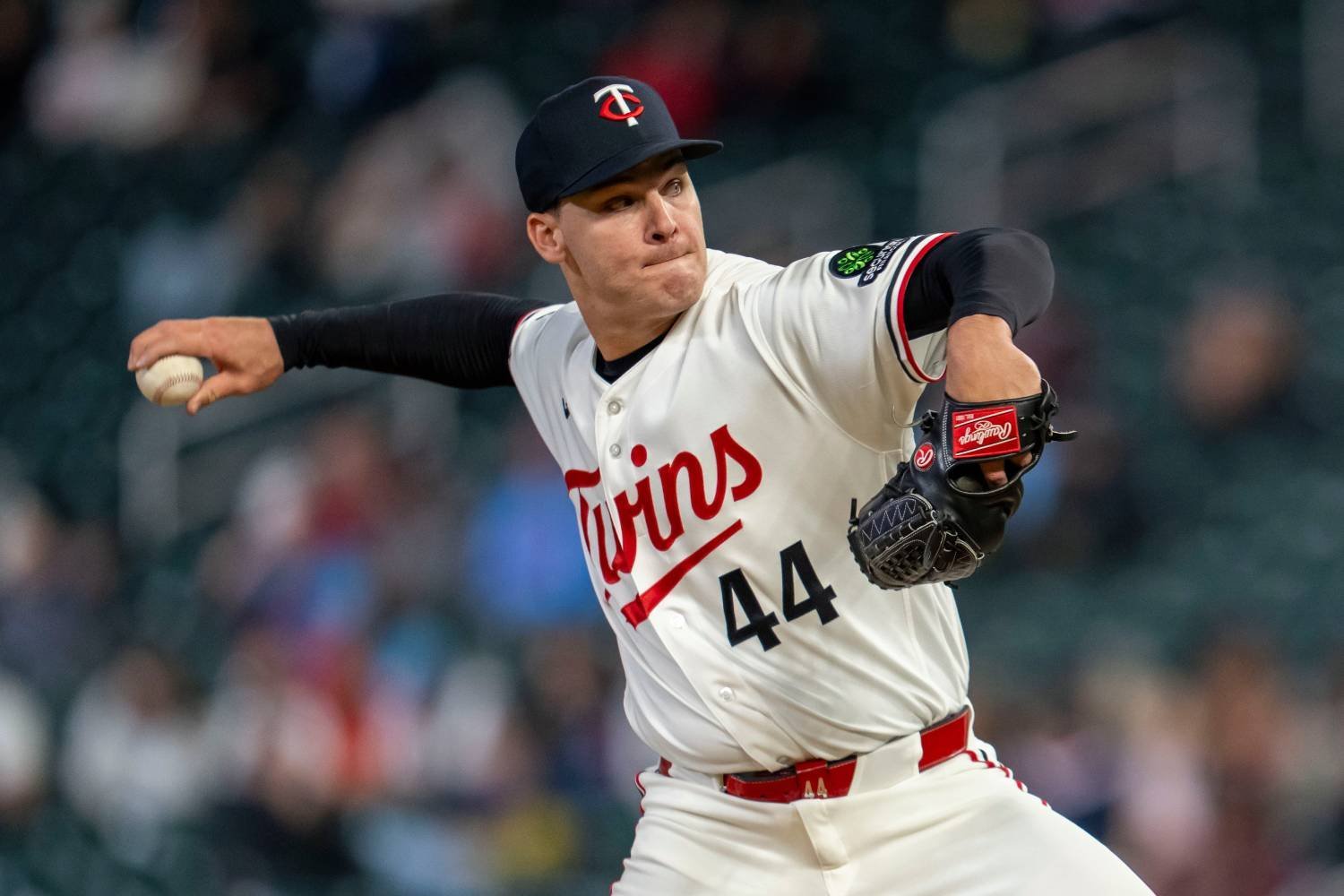 The Twins received discouraging news this week when right-hander Cole Sands was pulled off his rehab assignment after experiencing continued issues with his strained right forearm. Sands made his first rehab appearance with Triple-A St. Paul on Tuesday, and the outing appeared to be a positive first step toward rejoining Minnesota's bullpen. In one inning, he didn’t allow any hits and struck out one batter on 13 pitches. He had two swinging strikes and three strikes looking. However, his arm did not recover quickly enough afterward to allow him to continue pitching. As a result, the Twins have shut down the rehab assignment and will give him additional time to rest and receive treatment before restarting a throwing program. At this point, there is no clear timeline for when Sands could return to the major league roster. Under league rules, the Twins must wait at least a week before he can begin another rehab assignment. Even then, the organization will likely proceed cautiously given the nature of the injury. While Sands' traditional numbers do not jump off the page, his absence has been felt. The right-hander owns a 4.63 ERA across 11 2/3 innings this season, but the underlying metrics suggest he was performing better than the results indicated. He maintained a strong strikeout rate and carried a 3.65 SIERA, pointing toward a pitcher whose effectiveness was better than his ERA suggested. Looking back, there may have been warning signs before Sands landed on the injured list. His final appearance came against Seattle on April 28 when he surrendered two runs in an outing that lacked the crispness typically seen from him. The quality of his stuff appeared diminished, and the radar gun provided additional evidence that something was wrong. Velocity declines are often one of the first indicators of a physical issue. After averaging roughly 95 mph on his fastball during the 2025 season, Sands sat closer to 93.1 mph this year before being sidelined. When forearm discomfort accompanies a noticeable drop in velocity, teams naturally become cautious. That reality makes every step forward in his recovery process meaningful, even if those steps are currently smaller than the Twins had hoped. Sands entered the season expected to be a significant contributor in Minnesota's late-inning mix. Few relievers on the roster possess his combination of experience and ability to handle leverage situations. Although his early-season results were inconsistent, the Twins viewed him as an important piece of a bullpen that has spent much of the year searching for consistency. Minnesota's relief corps has been in near-constant flux throughout the season as injuries and performance fluctuations have forced the club to shuffle roles. The Twins have received strong contributions from several relievers like Yoendrys Gomez and Anthony Banda, but the group still lacks the stability that teams need over the course of 162-games. Getting Sands healthy remains one of the organization's priorities because his return would provide another trusted arm capable of handling meaningful innings. Until then, the Twins will continue looking for answers while hoping one of their most important bullpen reinforcements can eventually make his way back to Target Field.
 -
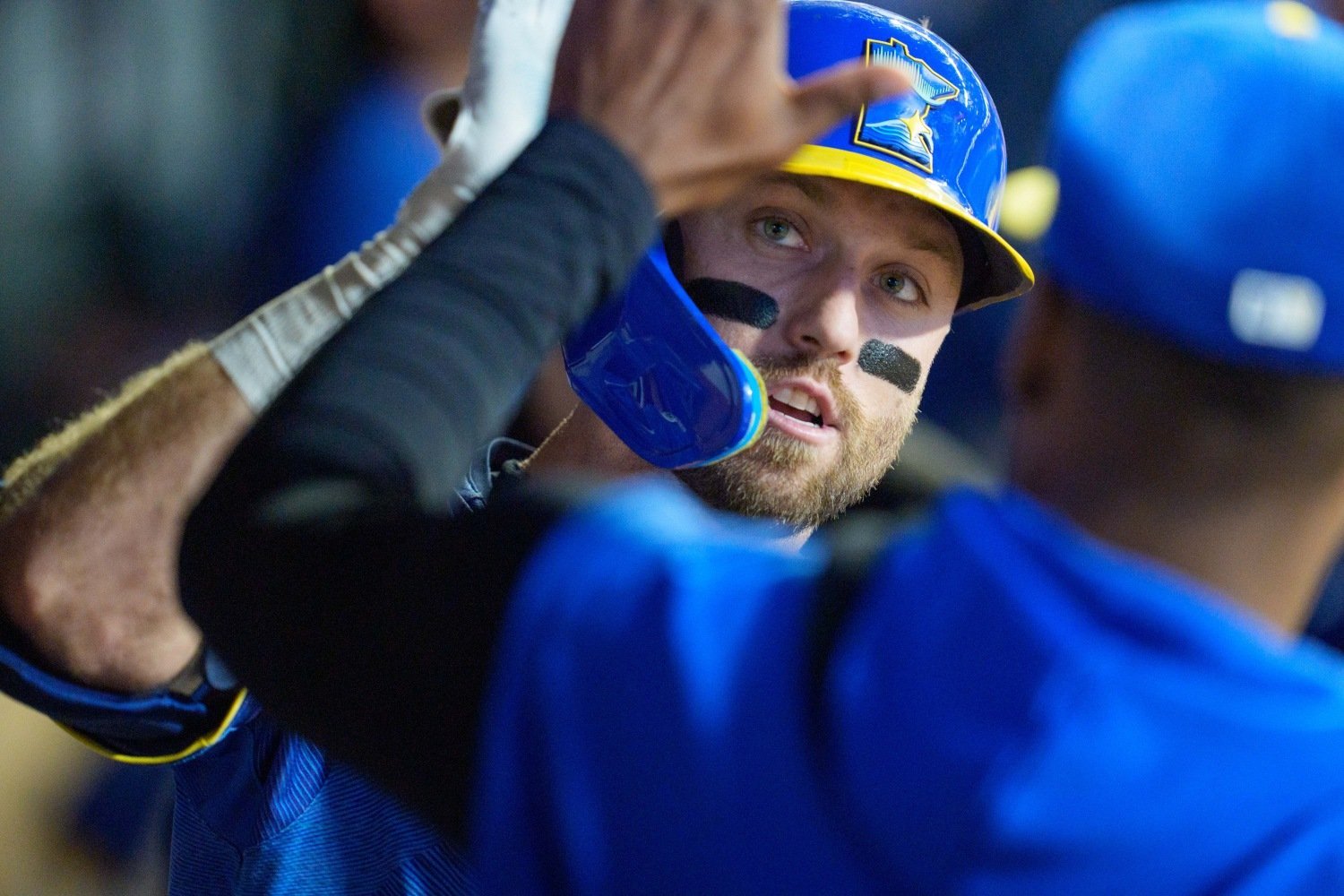 As the MLB trade deadline approaches, much of the conversation surrounding the Twins centers on the biggest names on the roster. If Minnesota decides to sell, teams will undoubtedly call about Joe Ryan. Ryan Jeffers could draw interest from clubs looking for help behind the plate, and Byron Buxton's name will continue to generate speculation, even if a deal remains unlikely. However, trade deadlines are often shaped by more than just blockbuster moves. Contending teams are constantly searching for complementary pieces that can improve a roster's depth, strengthen a bullpen, or provide matchup advantages down the stretch. Those players rarely generate headlines, but they can still become valuable trade chips. If the Twins find themselves moving pieces at the deadline, these four under-the-radar players could emerge as realistic trade candidates. UTIL Kody Clemens Few waiver claims (or, as is technically the case, cash deals in lieu of letting a DFA'd player hit waivers) have worked out as well for Minnesota as Clemens. Since joining the organization last season, Clemens has carved out an important role as a versatile bench player capable of contributing on both sides of the ball. In 112 games with the Twins last year, he posted a 96 OPS+ while accumulating 1.2 rWAR. This season, he has taken another step forward with a 118 OPS+ and 0.9 rWAR through 55 games. His value extends beyond the batter's box. Clemens has provided strong defense at first base and has produced some of the best Defensive Runs Saved totals among players at the position. Add in his ability to move around the diamond, and he becomes an attractive option for a contender seeking a left-handed bat with defensive flexibility. The return would likely be modest, but utility players who can fill multiple roles often become valuable deadline additions for playoff contenders. Clemens also has great makeup, which would give an acquiring team extra incentive to target him as a role player on a could-be champion. LHP Taylor Rogers Rogers returned to Minnesota hoping to finish his career where it started, but there is a scenario where he ends the season elsewhere. The veteran left-hander may be in the final season of his career, and contenders are always searching for experienced bullpen help in July. While Rogers has not completely stabilized Minnesota's relief corps, some underlying numbers suggest he has pitched better than his traditional statistics indicate. His 4.97 ERA stands in sharp contrast to a much stronger 3.58 FIP. He has also been more effective against left-handed hitters, holding them to a .684 OPS compared to an .967 OPS allowed against right-handed batters. A team looking for a veteran left-handed specialist or matchup reliever could view Rogers as a worthwhile addition. His postseason experience and long track record may hold more value to a contender than they do to a Twins club focused on the future, though he'd fetch even less in a deal than Clemens. OF Trevor Larnach Larnach spent much of the offseason surrounded by trade speculation. Minnesota reportedly explored moving him during the winter, but ultimately, they held onto the former first-round pick. Instead of seeing his value decline, Larnach has reestablished himself as a productive major-league regular. Through his first 55 games, he owns a 110 OPS+ and 0.6 rWAR. He continues to thrive against right-handed pitching, posting an .801 OPS in those matchups. His struggles against left-handed pitchers remain evident, however, as he has managed just a .427 OPS against southpaws. That profile may actually increase his appeal to contenders. Many playoff teams look for platoon bats capable of maximizing favorable matchups. Larnach's left-handed power and success against righties could make him a valuable piece for a club seeking additional offense from a corner outfield spot or designated hitter role, and at this point, he can't reasonably expect to play every day. That experiment has failed. RHP Yoendrys Gómez Few players have boosted their stock more dramatically over the last couple of months than Gómez. The Twins acquired Gómez from the Rays for cash considerations earlier this season, and the move has quickly paid dividends. Since arriving in Minnesota, he has posted a 0.64 ERA, 2.24 FIP, and 0.86 WHIP while striking out 18 batters and walking only six in 14 innings. Minnesota has utilized a closer-by-committee approach throughout the season, but Gómez became the first Twins reliever to reach three saves. His combination of swing-and-miss stuff and affordable team control could make him attractive to organizations looking for bullpen help. The timing will be important. If Gómez continues pitching at this level throughout June and into July, Minnesota could find itself in a position to sell high on a reliever they acquired for virtually nothing. Even a modest prospect return would represent a strong piece of business for the front office. Trade deadline discussions often focus on stars and headline-grabbing names, but roster depth can be just as valuable for teams chasing a postseason berth. Clemens, Rogers, Larnach, and Gómez each bring a specific skill set that could appeal to contenders looking for affordable upgrades. Whether the Twins ultimately move any of these players remains to be seen. Much will depend on where Minnesota sits in the standings as the deadline approaches. Still, these are the types of players who frequently change uniforms in July and quietly help shape the playoff race. Will the Twins trade any of the players mentioned above? What kind of trade value exists for these lower-tier players? Leave a comment and start the discussion.
- 31 comments
-
- 3
-

-
-
- kody clemens
- yoendrys gomez
- (and 2 more)
-
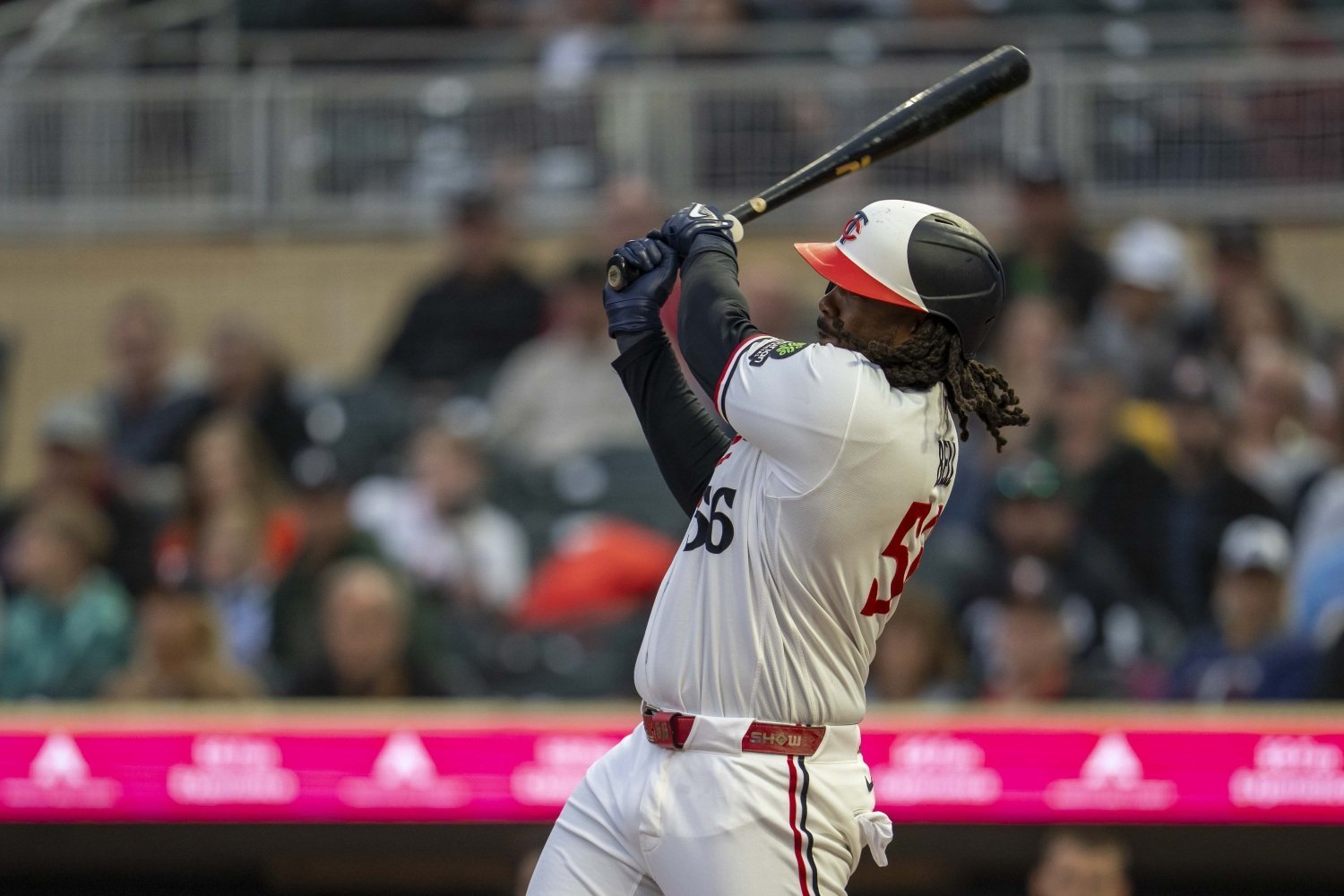 Josh Bell wasn't brought to Minnesota to save runs with his glove. The Twins signed the veteran switch-hitter to a one-year, $7-million contract because they believed his bat could deepen the lineup. Through the first 65 games of the season, that investment hasn't paid off. Bell is hitting .228/.286/.367, with 7 home runs. His 80 OPS+ ranks well below league average; he sits 140th among 160 qualified hitters in OPS. For a player who spends most of his time at designated hitter and first base, those numbers are difficult to overlook. Still, Bell's career has followed a familiar pattern. Every season seems to begin with questions about whether his production has disappeared for good, only for him to heat up as the weather does. The challenge for Minnesota is determining whether this is simply another slow start or the beginning of a permanent decline. 3 Reasons Josh Bell Might Be Cooked 1. The Plate Discipline Numbers Are Alarming Despite his imposing 6-foot-3, 261-pound frame, Bell has never fit the profile of an all-or-nothing slugger. Throughout his career, he has generally controlled the strike zone well and avoided excessive strikeout totals. That hasn't been the case this season. His 24.3% strikeout rate would be the second-highest mark of his career, while his 6.9% walk rate would be his lowest. The combination becomes even more concerning when looking at recent trends. During May, Bell posted a 25-to-3 strikeout-to-walk ratio. June hasn't started much better, with a 10-to-1 ratio. Among the 50 months of his career in which he has accumulated at least 75 plate appearances, May 2026 produced his worst walk rate and strikeout-to-walk ratio. For a hitter whose value is tied almost entirely to offensive production, those are major warning signs. 2. Age Is No Longer On His Side At 33 years old, Bell is no longer in the prime years of his career. Slow starts are easier to dismiss when a player is 27 or 28 and has a long runway ahead of them. When veterans begin showing declining plate discipline and diminished production, teams have to consider whether age-related decline is becoming a factor. The Twins signed Bell expecting a bounce-back season, especially after the way he finished the 2025 campaign (see below). Instead, they're watching a veteran whose offensive indicators are trending in the wrong direction. At some point, Bell is not going to have a bounce-back after a cold start, and that might be happening this year. 3. The Defensive Value Isn't There Players can survive offensive slumps when they contribute elsewhere. Bell doesn't have that luxury. He provides limited defensive value and has spent much of the season serving as the designated hitter. If the bat isn't producing, there isn't another aspect of his game offsetting the struggles. That puts extra pressure on every plate appearance and makes prolonged slumps significantly harder for a contending club to tolerate. Minnesota has limited his exposure at first base, but he has still been worth -1 run at the position. 3 Reasons Josh Bell Might Be Ready to Break Out 1. He's Built a Career on Slow Starts If there is one player who deserves the benefit of the doubt in this situation, it's Bell. Over 11 major-league seasons, he has developed a reputation for starting slowly before finding his rhythm later in the year. This doesn't show up in a huge split between first halves and second halves for his whole career, but look at the last three seasons: 2023: 1st Half: .701 OPS - 2nd Half: .793 2024: 1st Half: .644 - 2nd Half: .885 2025: 1st Half: .678 - 2nd Half: .842 This is, broadly speaking, what he does. No stats-savvy fan or front office will be comfortable betting on it, but the pattern here is real. 2. The Swing Data Looks OK Bell has lost some bat speed this year, relative to last season—but last season represented a huge step forward in that regard. He's generating enough bat speed to produce consistent power, and his bat path, contact point and timing are all similar to where they were when he was mashing last summer. He's still hitting the ball hard at an above-average rate. The process is worrisome when it comes to swing decisions, but the swing itself isn't yet breaking down in an obvious way. 3. The Calendar Has Historically Been His Friend Bell's overall career numbers improve dramatically once the season moves beyond the first two months. He owns a career .795 OPS after June 1 and has posted an OPS above .750 after June 1 in each of his nine full major-league seasons. That's an incredibly consistent trend. While past performance doesn't guarantee future results, Bell has repeatedly demonstrated an ability to make adjustments and produce once summer arrives. Few hitters have shown such a clear distinction between their early-season and late-season performance. The sample size is tiny, but Bell has shown some encouraging signs recently. After his homer Tuesday night, he's batting .286/.333/.571 in June, with two home runs. His slugging average this month is higher than his OPS was in May. Those numbers alone don't prove a breakout is imminent, but they represent the kind of gradual improvement that has often preceded his midseason turnarounds in previous years. The evidence supporting both sides of the argument is compelling. Bell's declining walk rate, rising strikeout totals, and age suggest there is legitimate reason for concern. At the same time, nearly every season of his career has featured similar doubts before he eventually found his footing. The Twins signed Bell believing his second-half adjustments from last season were real. Now they must decide how long they're willing to wait for those adjustments to show up again. If history repeats itself, Bell could be one of Minnesota's more productive hitters over the final four months of the season. If it doesn't, the Twins may be left wondering whether they mistook a temporary rebound in 2025 for evidence that there was still plenty left in the tank. For now, the answer remains somewhere between cooked and ready to break out, but the needle is moving in the right direction. What has stood out about Bell so far in 2026? Is he cooked? Is he ready to break out? Leave a comment and start the discussion.
 -
Image courtesy of © Jesse Johnson-Imagn Images Josh Bell wasn't brought to Minnesota to save runs with his glove. The Twins signed the veteran switch-hitter to a one-year, $7-million contract because they believed his bat could deepen the lineup. Through the first 65 games of the season, that investment hasn't paid off. Bell is hitting .228/.286/.367, with 7 home runs. His 80 OPS+ ranks well below league average; he sits 140th among 160 qualified hitters in OPS. For a player who spends most of his time at designated hitter and first base, those numbers are difficult to overlook. Still, Bell's career has followed a familiar pattern. Every season seems to begin with questions about whether his production has disappeared for good, only for him to heat up as the weather does. The challenge for Minnesota is determining whether this is simply another slow start or the beginning of a permanent decline. 3 Reasons Josh Bell Might Be Cooked 1. The Plate Discipline Numbers Are Alarming Despite his imposing 6-foot-3, 261-pound frame, Bell has never fit the profile of an all-or-nothing slugger. Throughout his career, he has generally controlled the strike zone well and avoided excessive strikeout totals. That hasn't been the case this season. His 24.3% strikeout rate would be the second-highest mark of his career, while his 6.9% walk rate would be his lowest. The combination becomes even more concerning when looking at recent trends. During May, Bell posted a 25-to-3 strikeout-to-walk ratio. June hasn't started much better, with a 10-to-1 ratio. Among the 50 months of his career in which he has accumulated at least 75 plate appearances, May 2026 produced his worst walk rate and strikeout-to-walk ratio. For a hitter whose value is tied almost entirely to offensive production, those are major warning signs. 2. Age Is No Longer On His Side At 33 years old, Bell is no longer in the prime years of his career. Slow starts are easier to dismiss when a player is 27 or 28 and has a long runway ahead of them. When veterans begin showing declining plate discipline and diminished production, teams have to consider whether age-related decline is becoming a factor. The Twins signed Bell expecting a bounce-back season, especially after the way he finished the 2025 campaign (see below). Instead, they're watching a veteran whose offensive indicators are trending in the wrong direction. At some point, Bell is not going to have a bounce-back after a cold start, and that might be happening this year. 3. The Defensive Value Isn't There Players can survive offensive slumps when they contribute elsewhere. Bell doesn't have that luxury. He provides limited defensive value and has spent much of the season serving as the designated hitter. If the bat isn't producing, there isn't another aspect of his game offsetting the struggles. That puts extra pressure on every plate appearance and makes prolonged slumps significantly harder for a contending club to tolerate. Minnesota has limited his exposure at first base, but he has still been worth -1 run at the position. 3 Reasons Josh Bell Might Be Ready to Break Out 1. He's Built a Career on Slow Starts If there is one player who deserves the benefit of the doubt in this situation, it's Bell. Over 11 major-league seasons, he has developed a reputation for starting slowly before finding his rhythm later in the year. This doesn't show up in a huge split between first halves and second halves for his whole career, but look at the last three seasons: 2023: 1st Half: .701 OPS - 2nd Half: .793 2024: 1st Half: .644 - 2nd Half: .885 2025: 1st Half: .678 - 2nd Half: .842 This is, broadly speaking, what he does. No stats-savvy fan or front office will be comfortable betting on it, but the pattern here is real. 2. The Swing Data Looks OK Bell has lost some bat speed this year, relative to last season—but last season represented a huge step forward in that regard. He's generating enough bat speed to produce consistent power, and his bat path, contact point and timing are all similar to where they were when he was mashing last summer. He's still hitting the ball hard at an above-average rate. The process is worrisome when it comes to swing decisions, but the swing itself isn't yet breaking down in an obvious way. 3. The Calendar Has Historically Been His Friend Bell's overall career numbers improve dramatically once the season moves beyond the first two months. He owns a career .795 OPS after June 1 and has posted an OPS above .750 after June 1 in each of his nine full major-league seasons. That's an incredibly consistent trend. While past performance doesn't guarantee future results, Bell has repeatedly demonstrated an ability to make adjustments and produce once summer arrives. Few hitters have shown such a clear distinction between their early-season and late-season performance. The sample size is tiny, but Bell has shown some encouraging signs recently. After his homer Tuesday night, he's batting .286/.333/.571 in June, with two home runs. His slugging average this month is higher than his OPS was in May. Those numbers alone don't prove a breakout is imminent, but they represent the kind of gradual improvement that has often preceded his midseason turnarounds in previous years. The evidence supporting both sides of the argument is compelling. Bell's declining walk rate, rising strikeout totals, and age suggest there is legitimate reason for concern. At the same time, nearly every season of his career has featured similar doubts before he eventually found his footing. The Twins signed Bell believing his second-half adjustments from last season were real. Now they must decide how long they're willing to wait for those adjustments to show up again. If history repeats itself, Bell could be one of Minnesota's more productive hitters over the final four months of the season. If it doesn't, the Twins may be left wondering whether they mistook a temporary rebound in 2025 for evidence that there was still plenty left in the tank. For now, the answer remains somewhere between cooked and ready to break out, but the needle is moving in the right direction. What has stood out about Bell so far in 2026? Is he cooked? Is he ready to break out? Leave a comment and start the discussion. View full article
-
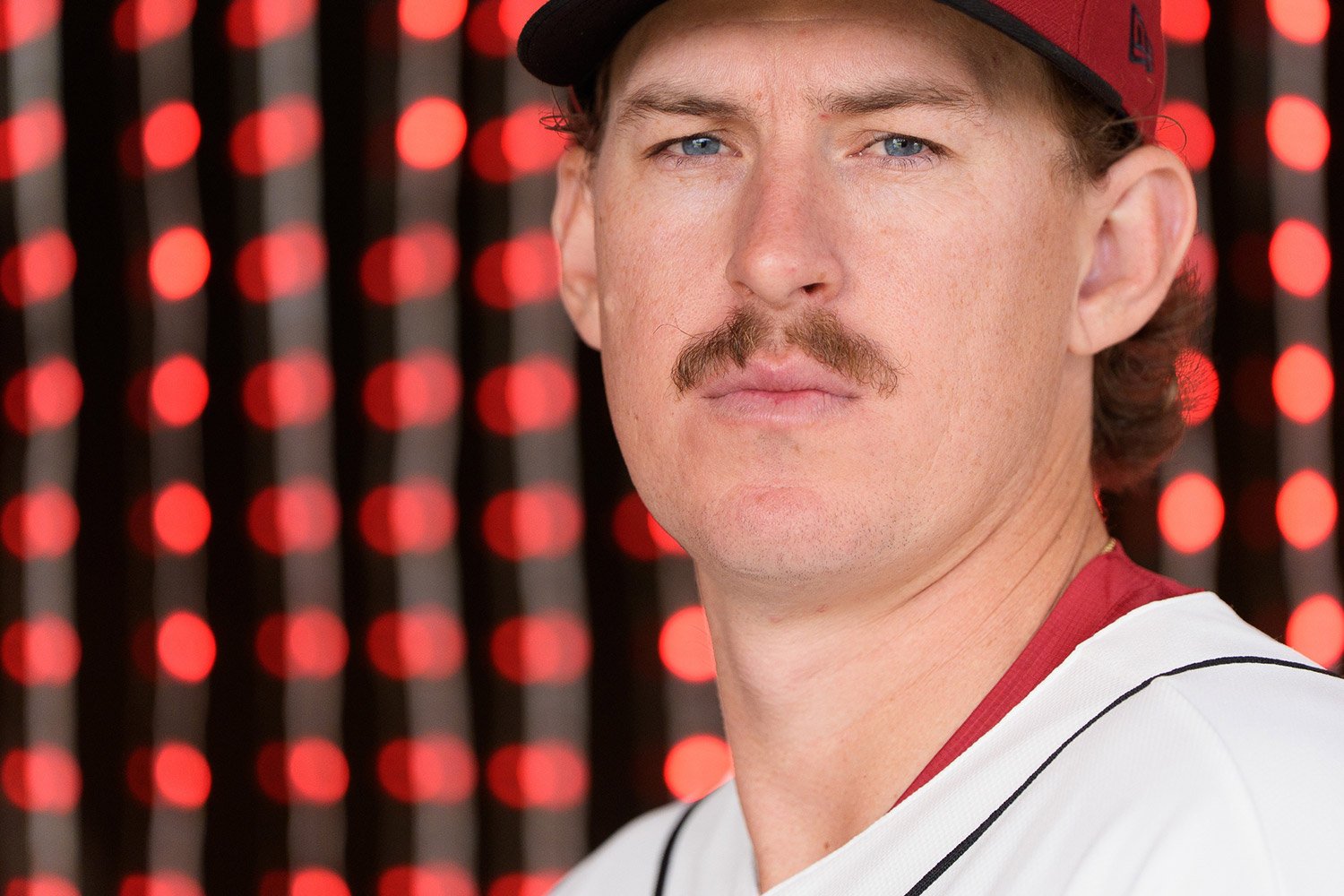 The Twins have spent much of the 2026 season searching for answers in the bullpen. On Monday, they added another intriguing arm to the mix, acquiring right-handed reliever Taylor Rashi from the Arizona Diamondbacks in exchange for cash considerations. Minnesota had room on its 40-man roster after designating outfielder James Outman for assignment over the weekend, making the move relatively simple from a roster-management standpoint. Rashi also has minor league options remaining, giving the Twins flexibility to stash him at Triple-A St. Paul while evaluating whether he can become a contributor at the major league level. The move fits a familiar pattern. Rather than investing heavily in relief pitching, the Twins have spent the season collecting arms with intriguing traits and hoping one or two emerge as reliable options. Earlier additions such as Yoendrys Gómez and Justin Lawrence followed a similar blueprint. Minnesota's front office has taken a quantity-over-certainty approach after dismantling much of its bullpen depth at last year's trade deadline. Rashi is the latest name to join that list. At 30 years old, he isn't a traditional prospect, but he has shown enough flashes to warrant attention. Over parts of the last two seasons, Rashi has appeared in 13 major league games, posting a 5.40 ERA while striking out nearly 30% of opposing hitters across 20 innings. The results have been uneven, but the ability to miss bats has remained consistent. His work at Triple-A Reno this season has been far more impressive. Rashi owns a sparkling 1.03 ERA in 26 1/3 innings while holding opposing hitters in check throughout the year. He has paired that success with a solid 25.5% strikeout rate, though his tendency to issue walks remains a concern after posting a walk rate near 12%. Those command issues, combined with a lack of overpowering velocity, likely explain why Arizona was willing to part ways with him despite dealing with its own bullpen challenges. Rashi's fastball typically sits around 91 mph, well below the league average for modern relievers. Instead of relying on velocity, he attacks hitters with a deep secondary mix that includes a slider, curveball, and splitter. For the Twins, the appeal is easy to understand. Minnesota's bullpen has struggled for much of the season and currently ranks among baseball's least effective groups in ERA. While the relief corps has shown improvement during the past month, the underlying numbers still reveal concerns. The Twins continue to battle one of the highest walk rates in the league, creating frequent traffic on the bases and placing additional stress on the pitching staff. Recent success stories such as Gómez and Anthony Banda have demonstrated that imperfect relievers can still provide value when deployed correctly. The Twins have leaned heavily into matchup-based bullpen management, searching for favorable situations rather than relying on established late-inning options. Rashi now becomes the newest candidate in that experiment. The acquisition is unlikely to generate headlines, and there is no guarantee he ever throws a meaningful inning at Target Field. However, teams rarely build bullpens through blockbuster moves alone. Sometimes a successful relief unit is assembled through a series of small transactions that uncover unexpected contributors. The Twins are hoping Rashi becomes the next name on that list.
 -
The Twins have spent much of the 2026 season searching for answers in the bullpen. On Monday, they added another intriguing arm to the mix, acquiring right-handed reliever Taylor Rashi from the Arizona Diamondbacks in exchange for cash considerations. Minnesota had room on its 40-man roster after designating outfielder James Outman for assignment over the weekend, making the move relatively simple from a roster-management standpoint. Rashi also has minor league options remaining, giving the Twins flexibility to stash him at Triple-A St. Paul while evaluating whether he can become a contributor at the major league level. The move fits a familiar pattern. Rather than investing heavily in relief pitching, the Twins have spent the season collecting arms with intriguing traits and hoping one or two emerge as reliable options. Earlier additions such as Yoendrys Gómez and Justin Lawrence followed a similar blueprint. Minnesota's front office has taken a quantity-over-certainty approach after dismantling much of its bullpen depth at last year's trade deadline. Rashi is the latest name to join that list. At 30 years old, he isn't a traditional prospect, but he has shown enough flashes to warrant attention. Over parts of the last two seasons, Rashi has appeared in 13 major league games, posting a 5.40 ERA while striking out nearly 30% of opposing hitters across 20 innings. The results have been uneven, but the ability to miss bats has remained consistent. His work at Triple-A Reno this season has been far more impressive. Rashi owns a sparkling 1.03 ERA in 26 1/3 innings while holding opposing hitters in check throughout the year. He has paired that success with a solid 25.5% strikeout rate, though his tendency to issue walks remains a concern after posting a walk rate near 12%. Those command issues, combined with a lack of overpowering velocity, likely explain why Arizona was willing to part ways with him despite dealing with its own bullpen challenges. Rashi's fastball typically sits around 91 mph, well below the league average for modern relievers. Instead of relying on velocity, he attacks hitters with a deep secondary mix that includes a slider, curveball, and splitter. For the Twins, the appeal is easy to understand. Minnesota's bullpen has struggled for much of the season and currently ranks among baseball's least effective groups in ERA. While the relief corps has shown improvement during the past month, the underlying numbers still reveal concerns. The Twins continue to battle one of the highest walk rates in the league, creating frequent traffic on the bases and placing additional stress on the pitching staff. Recent success stories such as Gómez and Anthony Banda have demonstrated that imperfect relievers can still provide value when deployed correctly. The Twins have leaned heavily into matchup-based bullpen management, searching for favorable situations rather than relying on established late-inning options. Rashi now becomes the newest candidate in that experiment. The acquisition is unlikely to generate headlines, and there is no guarantee he ever throws a meaningful inning at Target Field. However, teams rarely build bullpens through blockbuster moves alone. Sometimes a successful relief unit is assembled through a series of small transactions that uncover unexpected contributors. The Twins are hoping Rashi becomes the next name on that list. View full rumor
-
The Minnesota Twins announced this week that they traded Simeon Woods Richardson to the Toronto Blue Jays in exchange for Cash Considerations, once again proving that baseball's most valuable asset isn't a five-tool prospect or Cy Young contender. It's a guy named Cash. For most organizations, Cash Considerations is simply a transaction detail buried near the bottom of a press release. For the Twins, however, sources say it's much more personal. "No player has done more for this franchise over the last two decades," one team official said. "Every few years he finds his way back to us." Despite appearing in hundreds of transactions throughout Major League Baseball history, Cash remains one of the sport's most mysterious figures. He has never thrown a pitch, taken an at-bat, or appeared on a Top 100 prospect list, yet general managers continue to pursue him aggressively. Twins Daily was granted exclusive access to Cash shortly after the Woods Richardson trade became official. The veteran asset appeared relaxed as he sat in a conference room at Target Field surrounded by calculators, accounting ledgers, and several framed photos of previous Twins cost-cutting measures. "It's great to be back," Cash said. "Minnesota has always felt like home." Cash acknowledged that he has been involved in countless baseball transactions over the years. "I've been traded for utility infielders, backup catchers, waiver claims, international bonus pool space, and at least six relievers nobody remembers," he said. "Sometimes teams don't even mention me in the headline. That hurts." While fans often focus on the players involved in a trade, front offices see things differently. "Cash is one of the most reliable assets in baseball," an American League executive explained. "He's durable, flexible, and never complains about playing time." The acquisition reportedly generated significant excitement within Twins ownership. Sources familiar with the situation say members of the Pohlad family immediately gathered to review the details of the transaction. "There was a standing ovation," one witness said. "I haven't seen that much excitement since someone suggested lowering payroll projections." A representative of the Pohlad family released a statement shortly after the trade. "We've always had tremendous respect for Cash Considerations," the statement read. "His contributions to this organization cannot be overstated." Another ownership source spoke glowingly about the newest addition to the organization. "People talk about building around young talent, but Cash has been helping this franchise for years," the source said. "Prospects come and go. Cash is forever." Cash admitted he has developed a special bond with Twins ownership over the years. "They've always believed in me," he said. "Some organizations see me as a transaction. The Pohlads see me as family." The relationship has become so strong that league insiders now consider Minnesota a perennial favorite whenever Cash becomes available. One rival executive even suggested the Twins could eventually retire his number. "Assuming he gets one," the executive clarified. Despite his popularity, Cash insists life on the transaction wire is not always easy. "You wake up with one organization and go to sleep with another," he said. "One day you're helping complete a trade in Tampa. The next day you're part of a deal involving a struggling bullpen arm and a player to be named later." Still, he understands why teams keep calling. "When a front office needs flexibility, they know where to find me." The Twins appear optimistic that Cash can immediately contribute in several key areas, including future roster moves, budget discussions, and ownership presentations. Club officials declined to reveal whether Cash would report to Triple-A St. Paul. "He's already where he needs to be," one executive said. As the interview concluded, Cash received a text message and smiled. "Looks like another team is interested," he said. Before leaving, he stopped to thank the Twins organization and the Pohlad family for their continued support. Outside Target Field, ownership sources reportedly gathered for a Minnesota goodbye. "We'll see each other again," one shouted. History suggests he is probably right. Players come and go. Front offices change. Prospects rise and fall. But through every rebuilding plan, payroll discussion, and minor transaction, one constant remains. Cash Considerations always finds his way back into the conversation. View full article
-
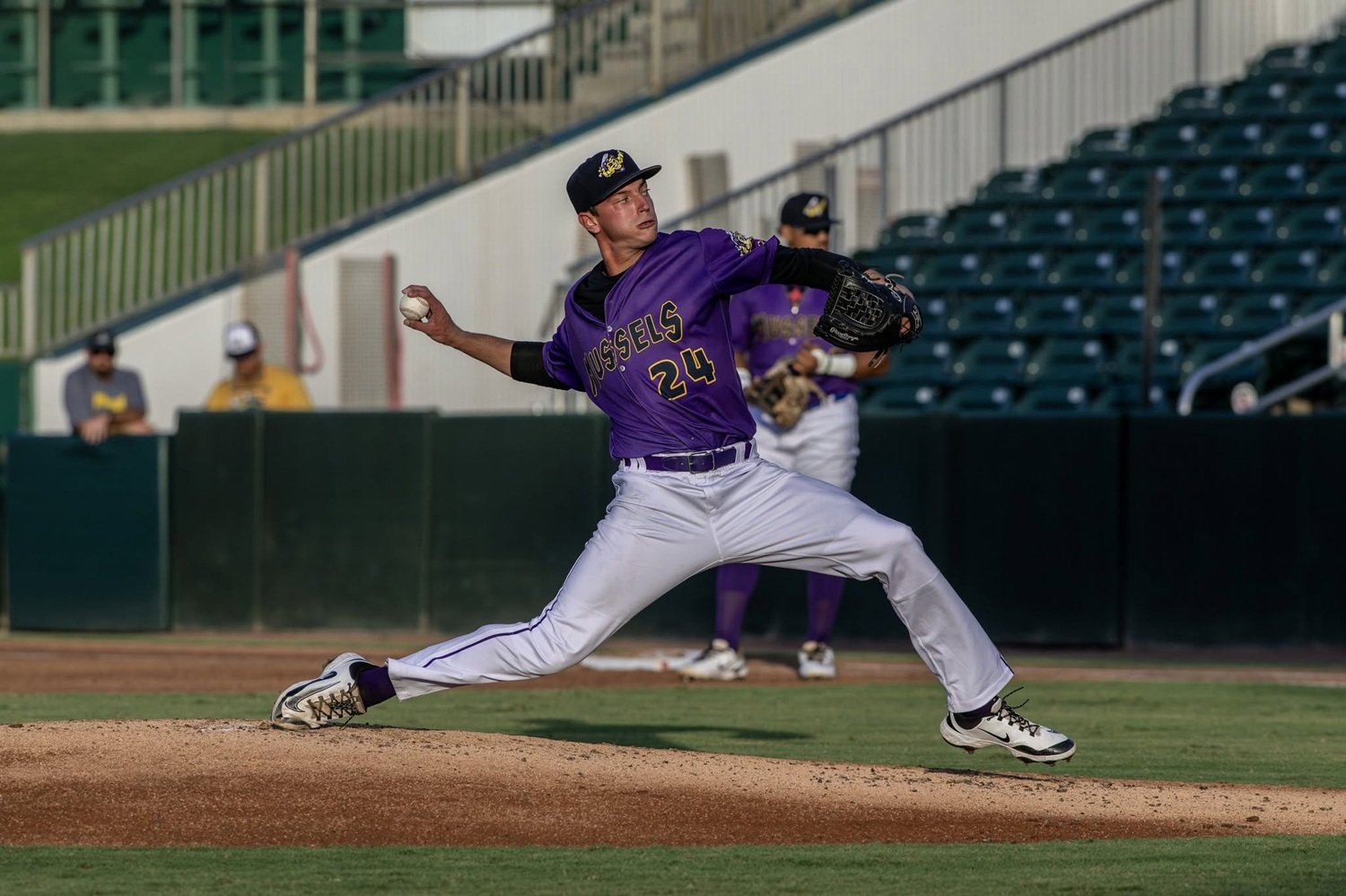 As temperatures rise across the Midwest, several Twins prospects are heating up, too. From dominant pitching performances in Fort Myers to power surges in Wichita, these players are making compelling cases for promotions. This week, we have a pleasing variety of prospects to highlight, in terms of amateur and early professional background and in terms of future role. RHP Justin Mitrovich– Fort Myers Mighty Mussels How He Got Here: The Twins selected Mitrovich in the ninth round of the 2025 MLB Draft, after he had a successful collegiate career at Elon University. He spent all three seasons with the Phoenix and emerged as the club's Friday night starter during his junior campaign. Across 15 starts, he logged 89 1/3 innings with a 4.23 ERA while striking out 81 hitters. Mitrovich entered professional baseball with one of the better changeups in his draft class. Minnesota opted to delay his professional debut until the start of the 2026 season—a decision that appears to be paying dividends, as he has quickly established himself as one of the most effective pitchers in the Florida State League. Hitting the Hot Button: Mitrovich turned in another outstanding outing this week, tossing five shutout innings while striking out five hitters. He surrendered only two hits and two walks while throwing a season-high 71 pitches. After retiring 10 consecutive Flying Tigers hitters from the end of the first inning into the fourth, he lowered his season ERA to an eye-popping 0.87. The numbers continue to jump off the page. Through six starts, Mitrovich has 27 strikeouts and eight walks across 27 2/3 innings. Opposing hitters have struggled to square him up all season. His average exit velocity allowed sits at just 85.5 mph, and he has yet to allow a barreled ball. With performances like these, it may not be long before he earns a chance to test himself at the next level. As a college draftee, he needs that challenge soon. C/1B Andrew Cossetti– Wichita Wind Surge How He Got Here: Cossetti was selected by Minnesota in the 11th round of the 2022 MLB Draft out of Saint Joseph's University. Since reaching Double A during the 2024 season, he has remained one of the more productive hitters in Wichita's lineup. Last year, he appeared in 84 games for the Wind Surge and posted a .798 OPS with a 123 wRC+. He added 14 home runs and 15 doubles while continuing to show the offensive approach that has carried him through the system. Now 26 years old, Cossetti is one of the older regulars in the Texas League and knows that continued production is the quickest path toward Triple A. Hitting the Hot Button: Few hitters in the organization enjoyed a better day than Cossetti this week. In one game, he drove in six runs and launched a pair of home runs, including a towering 452-foot grand slam. The performance marked his first multi-homer game of the season and extended his on-base streak to 20 consecutive games. His recent production has remained steady. Over the past week, Cossetti has hit .308 while posting a 1.077 OPS. Looking back over the last month, he owns an .871 OPS with four home runs and two doubles in 18 games. Perhaps just as encouraging is the progress he has shown behind the plate. After throwing out only 13% of attempted base stealers last season, Cossetti has improved that figure to 22% while handling the majority of his defensive work at catcher. The combination of offense and defensive growth is strengthening his case for a promotion. RHP Riley Quick– Fort Myers Mighty Mussels How He Got Here: The Twins used the 36th overall selection in the 2025 MLB Draft to bring Quick into the organization. The Alabama product became one of the fastest-rising pitchers in his draft class after returning from Tommy John surgery and showcasing premium velocity and swing-and-miss stuff. Minnesota assigned him to Fort Myers to begin his professional career, and it quickly became clear that Low-A hitters were overmatched. Across three starts, Quick fired eight scoreless innings while striking out 13 batters and allowing only one hit. That dominant stretch earned him a promotion to Cedar Rapids, where he is now facing older, more advanced competition. Hitting the Hot Button: The transition to High-A has provided more challenges, but Quick continues to show why the Twins invested a first-round pick in him. The 22-year-old took the ball against Wisconsin on Friday and delivered four innings of one-run ball. He allowed just two hits, did not issue a walk, and struck out six hitters. Over his last two starts, Quick has worked eight innings with nine strikeouts and only two walks, while allowing three earned runs. The results may not be quite as overwhelming as they were in Fort Myers, but that's part of the developmental process. The encouraging signs remain the same. His strikeout rate continues to be strong (37.5%), he is limiting contact (.186 BA), and he's proving capable of competing against more advanced hitters. If those trends continue, Quick could find himself moving quickly through the system. Mitrovich has emerged as one of the biggest surprises in the system, Cossetti continues to make noise with his bat while improving defensively, and Quick is showing why many evaluators believed he had first-round talent. As the calendar turns deeper into summer, promotions will become a major storyline throughout the organization. Based on their recent performances, these three players appear determined to force Minnesota's hand. What stands out about this trio of prospects? Leave a comment and start the discussion.
- 24 comments
-
- 8
-
-
-
- justin mitrovich
- riley quick
- (and 1 more)
-
Image courtesy of William Parmeter As temperatures rise across the Midwest, several Twins prospects are heating up right alongside the weather. From dominant pitching performances in Fort Myers to power surges in Wichita, these players are making compelling cases for promotions as the summer months approach. The Twins organization has seen strong performances throughout the farm system this season, but a handful of prospects have stood out recently. Whether it is a newly drafted pitcher exceeding expectations, a veteran minor leaguer forcing his way into the conversation, or a recent first-round talent adjusting to a new level, these players have put themselves firmly on the radar. RHP Justin Mitrovich– Fort Myers Mighty Mussels How He Got Here: The Twins selected Mitrovich in the ninth round of the 2025 MLB Draft after a successful collegiate career at Elon University. He spent all three seasons with the Phoenix and emerged as the club's Friday night starter during his junior campaign. Across 15 starts, he logged 89 1/3 innings with a 4.23 ERA while striking out 81 hitters. Mitrovich entered professional baseball with a reputation for possessing one of the better changeups in his draft class. Minnesota opted to delay his professional debut until the start of the 2026 season, a decision that appears to be paying dividends as he has quickly established himself as one of the most effective pitchers in the Florida State League. Hitting the Hot Button: Mitrovich turned in another outstanding outing this week, tossing five shutout innings while striking out five hitters. He surrendered only two hits and two walks while throwing a season high 71 pitches. After retiring 10 consecutive Flying Tigers hitters from the end of the first inning into the fourth, he lowered his season ERA to an eye-popping 0.87. The numbers continue to jump off the page. Through six starts, Mitrovich has 27 strikeouts and eight walks across 27 2/3 innings. Opposing hitters have struggled to square him up all season. His average exit velocity allowed sits at just 85.5 mph, and he has yet to allow a barreled baseball. With performances like these, it may not be long before he earns a chance to test himself at the next level. C/1B Andrew Cossetti– Wichita Wind Surge How He Got Here: Cossetti was selected by Minnesota in the 11th round of the 2022 MLB Draft out of Saint Joseph's University. Since reaching Double A during the 2024 season, he has remained one of the more productive hitters in Wichita's lineup. Last year, he appeared in 84 games for the Wind Surge and posted a .798 OPS with a 123 wRC+. He added 14 home runs and 15 doubles while continuing to show the offensive approach that has carried him through the system. Now 26 years old, Cossetti is one of the older regulars in the Texas League and knows that continued production is the quickest path toward Triple-A. Hitting the Hot Button: Few hitters in the organization enjoyed a better day than Cossetti this week. He drove in six runs and launched a pair of home runs, including a towering 452-foot grand slam. The performance marked his first multi-homer game of the season and extended his on-base streak to 20 consecutive games. His recent production has remained steady. Over the past week, Cossetti has hit .308 while posting a 1.077 OPS. Looking back over the last month, he owns an .871 OPS with four home runs and two doubles in 18 games. Perhaps just as encouraging is the progress he has shown behind the plate. After throwing out only 13% of attempted base stealers last season, Cossetti has improved that figure to 22% while handling the majority of his defensive work at catcher. The combination of offense and defensive growth is helping strengthen his case for a promotion. RHP Riley Quick– Fort Myers Mighty Mussels How He Got Here: The Twins used the 36th overall selection in the 2025 MLB Draft to bring Quick into the organization. The Alabama product became one of the fastest rising pitchers in his draft class after returning from Tommy John surgery and showcasing premium velocity and swing and miss stuff. Minnesota assigned him to Fort Myers to begin his professional career, and it quickly became clear that Low-A hitters were overmatched. Across three starts, Quick fired eight scoreless innings while striking out 13 batters and allowing only one hit. That dominant stretch earned him a promotion to Cedar Rapids, where he is now facing older and more advanced competition. Hitting the Hot Button: The transition to High-A has provided more challenges, but Quick continues to show why the Twins invested a first-round caliber pick in him. The 22-year-old took the ball against Wisconsin on Friday and delivered four innings of one-run baseball. He allowed just two hits, did not issue a walk, and struck out six hitters. Over his last two starts, Quick has worked eight innings with nine strikeouts and only two walks while allowing three earned runs. The results may not be quite as overwhelming as they were in Fort Myers, but that is part of the developmental process. The encouraging signs remain the same. His strikeout rate continues to be strong (37.5%), he is limiting contact (.186 BA), and he is proving capable of competing against more advanced hitters. If those trends continue, Quick could find himself moving quickly through the system. The weather is getting warmer, and so are some of the Twins' most intriguing prospects. Mitrovich has emerged as one of the biggest surprises in the system, Cossetti continues to make noise with his bat while improving defensively, and Quick is showing why many evaluators believed he had first-round talent. As the calendar turns deeper into summer, promotions will become a major storyline throughout the organization. Based on their recent performances, these three players appear determined to force Minnesota's hand. What stands out about this trio of prospects? Leave a comment and start the discussion. View full article
-
Image courtesy of Malamut Photography (photo of Brandon Winokur) The non-linearity of player development is especially important to remember for someone like Brandon Winokur. Had he honored a college commitment instead of signing professionally, the former high school standout would have only become draft-eligible this summer. Instead, he has already spent parts of four seasons in professional baseball, learning how to transform tremendous athletic gifts into on-field performance. The Twins believed in that upside when they selected Winokur in the third round of the 2023 MLB Draft. Standing 6-foot-6 and playing shortstop, he was one of the most uncommon athletes available that year. Scouts saw flashes of five-tool ability, but questions surrounding his hit tool and signability caused some organizations to look elsewhere. Minnesota was willing to bet on the upside, signing him for a $1.5 million bonus that reflected the confidence typically reserved for a second-round pick. Since entering the organization, Winokur has shown both why evaluators were intrigued and why he remains a work in progress. His first two full professional seasons featured stretches of exciting production mixed with understandable growing pains. The numbers did not always jump off the page, but the underlying tools consistently did. Last season with High-A Cedar Rapids, Winokur showcased the rare power-speed combination that makes him such an intriguing prospect. He tied for the Midwest League lead with 17 home runs while stealing 26 bases, giving a glimpse of the impact player he could become. Power has never been the question. Winokur possesses some of the best raw power in the Twins farm system. The challenge has been accessing it consistently during games. Earlier in his professional career, his swing path often kept him from consistently finding the barrel, resulting in weakly hit balls to the opposite field or ground balls pulled to the left. The focus has been on making mechanical adjustments that allow his natural strength to translate into more authoritative contact. The results are beginning to show. Through 54 games this season, Winokur owns a .268/.389/.444 slash line with 10 doubles, two triples, and seven home runs. Perhaps even more encouraging is the growth in his approach. After posting an 8.3% walk rate across his first two full seasons, that number has climbed to 14.6% in 2026. His strikeout rate remains elevated, at 30.0%, the highest mark he has posted since rookie ball, but the tradeoff is leading to better overall offensive production. Last season, Winokur produced a 98 wRC+ with Cedar Rapids, essentially league-average offense. This year, that figure has jumped to 119. His batting average has climbed more than 40 points after hitting .226 across 122 games in 2025. Advanced metrics paint a similarly encouraging picture, with his wOBA rising from .327 to .389. Much of that improvement stems from the quality of contact he is generating. His line-drive rate has increased dramatically from 19.4% a season ago to 30.9% this year. Instead of relying solely on flashes of athleticism, Winokur is making more consistent hard contact and forcing opposing pitchers to work around him. His slugging average on contact (SLGCON), which is a solid indicator of how a young player's power is playing overall, is up from .536 last season to .698. The athleticism remains a major part of his profile, as well. When Minnesota drafted him, many evaluators assumed his size would eventually push him off shortstop. His combination of agility and athleticism has allowed him to spend far more time at the position than initially expected. This season, however, the organization has started increasing his workload elsewhere. He has made 24 starts at third base, 12 at shortstop, and another 18 in center field. That defensive versatility only adds to his value. His plus arm fits naturally at third base, while his speed allows him to cover significant ground in the outfield. As he continues adding strength to his frame, it would not be surprising to see more of his future defensive opportunities come at third base and in the outfield, rather than at shortstop. The biggest takeaway from Winokur's 2026 season is that progress is becoming visible. He's controlling the strike zone better, driving the ball with more authority, and producing more consistently than he did a year ago. The Twins have always believed there was significant upside hiding beneath the rawness, and this season has provided some of the strongest evidence yet that their evaluation was correct. That progress was recognized recently when Winokur earned Cedar Rapids Kernels Player of the Month honors for May. He led the club and ranked second in the Midwest League with 33 hits during the month, while batting .333 with four home runs, four doubles, and 17 RBI. There's still work to be done. The strikeouts need to come down, and continued offensive refinement will determine whether he reaches his ceiling. However, it is important to remember that Winokur will spend the entire 2026 season as a 21-year-old. Increasingly, the minor leagues have been compressed, and expectations of prospects' development have been accelerated. Sometimes, that distorts perceptions of players who are taking a perfectly normal amount of time to blossom. Winokur doesn't even have to be added to the 40-man roster to be shielded from the Rule 5 Draft until next November. For a player who wouldn’t have entered the professional ranks yet had he chosen the college route, the development is arriving right on time. More importantly for the Twins, Winokur is beginning to look a lot like the player they envisioned when they made one of the most ambitious bets of the 2023 draft. What stands out about Winokur in 2026? Leave a comment and start the discussion. View full article
-
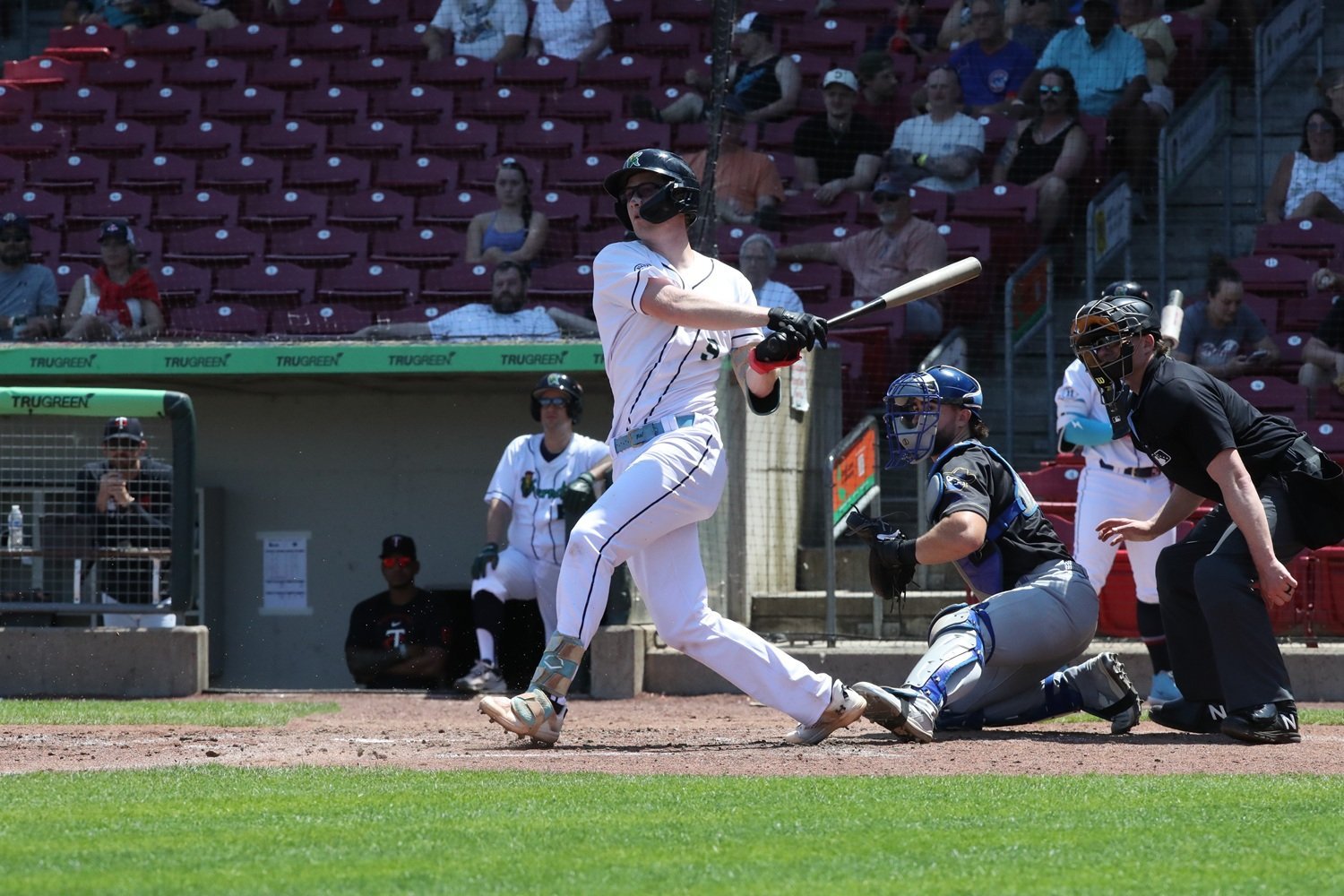 The non-linearity of player development is especially important to remember for someone like Brandon Winokur. Had he honored a college commitment instead of signing professionally, the former high school standout would have only become draft-eligible this summer. Instead, he has already spent parts of four seasons in professional baseball, learning how to transform tremendous athletic gifts into on-field performance. The Twins believed in that upside when they selected Winokur in the third round of the 2023 MLB Draft. Standing 6-foot-6 and playing shortstop, he was one of the most uncommon athletes available that year. Scouts saw flashes of five-tool ability, but questions surrounding his hit tool and signability caused some organizations to look elsewhere. Minnesota was willing to bet on the upside, signing him for a $1.5 million bonus that reflected the confidence typically reserved for a second-round pick. Since entering the organization, Winokur has shown both why evaluators were intrigued and why he remains a work in progress. His first two full professional seasons featured stretches of exciting production mixed with understandable growing pains. The numbers did not always jump off the page, but the underlying tools consistently did. Last season with High-A Cedar Rapids, Winokur showcased the rare power-speed combination that makes him such an intriguing prospect. He tied for the Midwest League lead with 17 home runs while stealing 26 bases, giving a glimpse of the impact player he could become. Power has never been the question. Winokur possesses some of the best raw power in the Twins farm system. The challenge has been accessing it consistently during games. Earlier in his professional career, his swing path often kept him from consistently finding the barrel, resulting in weakly hit balls to the opposite field or ground balls pulled to the left. The focus has been on making mechanical adjustments that allow his natural strength to translate into more authoritative contact. The results are beginning to show. Through 54 games this season, Winokur owns a .268/.389/.444 slash line with 10 doubles, two triples, and seven home runs. Perhaps even more encouraging is the growth in his approach. After posting an 8.3% walk rate across his first two full seasons, that number has climbed to 14.6% in 2026. His strikeout rate remains elevated, at 30.0%, the highest mark he has posted since rookie ball, but the tradeoff is leading to better overall offensive production. Last season, Winokur produced a 98 wRC+ with Cedar Rapids, essentially league-average offense. This year, that figure has jumped to 119. His batting average has climbed more than 40 points after hitting .226 across 122 games in 2025. Advanced metrics paint a similarly encouraging picture, with his wOBA rising from .327 to .389. Much of that improvement stems from the quality of contact he is generating. His line-drive rate has increased dramatically from 19.4% a season ago to 30.9% this year. Instead of relying solely on flashes of athleticism, Winokur is making more consistent hard contact and forcing opposing pitchers to work around him. His slugging average on contact (SLGCON), which is a solid indicator of how a young player's power is playing overall, is up from .536 last season to .698. The athleticism remains a major part of his profile, as well. When Minnesota drafted him, many evaluators assumed his size would eventually push him off shortstop. His combination of agility and athleticism has allowed him to spend far more time at the position than initially expected. This season, however, the organization has started increasing his workload elsewhere. He has made 24 starts at third base, 12 at shortstop, and another 18 in center field. That defensive versatility only adds to his value. His plus arm fits naturally at third base, while his speed allows him to cover significant ground in the outfield. As he continues adding strength to his frame, it would not be surprising to see more of his future defensive opportunities come at third base and in the outfield, rather than at shortstop. The biggest takeaway from Winokur's 2026 season is that progress is becoming visible. He's controlling the strike zone better, driving the ball with more authority, and producing more consistently than he did a year ago. The Twins have always believed there was significant upside hiding beneath the rawness, and this season has provided some of the strongest evidence yet that their evaluation was correct. That progress was recognized recently when Winokur earned Cedar Rapids Kernels Player of the Month honors for May. He led the club and ranked second in the Midwest League with 33 hits during the month, while batting .333 with four home runs, four doubles, and 17 RBI. There's still work to be done. The strikeouts need to come down, and continued offensive refinement will determine whether he reaches his ceiling. However, it is important to remember that Winokur will spend the entire 2026 season as a 21-year-old. Increasingly, the minor leagues have been compressed, and expectations of prospects' development have been accelerated. Sometimes, that distorts perceptions of players who are taking a perfectly normal amount of time to blossom. Winokur doesn't even have to be added to the 40-man roster to be shielded from the Rule 5 Draft until next November. For a player who wouldn’t have entered the professional ranks yet had he chosen the college route, the development is arriving right on time. More importantly for the Twins, Winokur is beginning to look a lot like the player they envisioned when they made one of the most ambitious bets of the 2023 draft. What stands out about Winokur in 2026? Leave a comment and start the discussion.
 -
Image courtesy of © Jerry Lai-USA TODAY Sports The 2026 season marks the 20th anniversary of Johan Santana capturing his second Cy Young Award with the Minnesota Twins. His dominance during the middle of the 2000s remains one of the greatest stretches by any pitcher in franchise history. Yet when evaluating Santana's Hall of Fame case, it's impossible to ignore one glaring question: What if the voters had gotten the 2005 Cy Young race right? Sandwiched between his unanimous Cy Young victories in 2004 and 2006, Santana produced another elite campaign in 2005. In many ways, it was every bit as impressive as the seasons that earned him the award on either side of it. Santana led the American League in strikeouts (238), WHIP (0.97), hits allowed per nine innings (6.2), and strikeouts per nine innings (9.3). He threw 231 2/3 innings, posted a 2.87 ERA, and continued to establish himself as the most dominant starting pitcher in baseball. Still, when the voting was completed, Santana finished third. The award instead went to Los Angeles Angels starter Bartolo Colon, while New York Yankees closer Mariano Rivera finished second. Santana received only three first-place votes and finished with 51 points. Colon collected 17 first-place votes and finished 67 points ahead of Santana, while Rivera earned eight first-place votes and finished 16 points ahead of the Twins ace. Looking back through a modern lens, the results are difficult to explain. Colon certainly had an impressive season. He went 21-8 for a first-place Angels club and posted a 3.48 ERA across 222 2/3 innings. However, Santana outperformed him in nearly every meaningful category, except wins. The gap becomes even more striking when viewed through today's advanced metrics. Santana finished with 7.1 fWAR, compared to Colon's 4.1 and Rivera's 2.9. That difference represents an enormous advantage. Of course, WAR was not part of the mainstream baseball conversation in 2005. Voters placed far greater emphasis on pitcher wins than they do today. Even so, many of the traditional statistics favored Santana as well. He had a lower ERA, a lower WHIP, more strikeouts, a better strikeout rate, and allowed fewer baserunners than Colon. Santana also recorded seven complete games and two shutouts, demonstrating the type of workload that voters often celebrated during that era. The biggest argument in Colon's favor was simple: 21 wins. The Angels won the American League West with a late-season surge, and Colon went 10-3 after the All-Star break while helping carry Los Angeles to the division title. Meanwhile, the Twins disappointed expectations and finished 83-79, placing third in the AL Central. Team success often influences award voting, even when voters insist otherwise. There was also the narrative element. Colon had become one of baseball's most popular players. Fans appreciated his durability, personality, and unconventional physique. His story resonated in ways that statistics sometimes do not. Santana, meanwhile, was quietly dominant. After making the first All-Star team of his career in 2005, he elevated his performance to another level during the second half. Over his final 13 starts, Santana went 7-2 with a 1.42 ERA and 89 strikeouts in 95 1/3 innings. Opponents managed only a .503 OPS against him, and he allowed one run or fewer in 10 of those 13 outings. It was one of the most overpowering stretches any pitcher produced that season. Yet, it wasn't enough. The consequences of that vote became more apparent as Santana's career unfolded. Because shoulder injuries shortened his peak, Santana finished his career with two Cy Young Awards instead of potentially three. Had he won in 2005, he would have belonged to one of the most exclusive clubs in baseball history. Only 11 pitchers have won three or more Cy Young Awards. Among them, only Roger Clemens remains outside the Hall of Fame, largely because of allegations involving performance-enhancing drugs. Clayton Kershaw and Max Scherzer are expected to be inducted once they become fully eligible. A third Cy Young Award would not have guaranteed Santana a plaque in Cooperstown, but it almost certainly would have strengthened his candidacy. Instead, his Hall of Fame case never gained traction with the Baseball Writers' Association of America. When he appeared on the ballot in 2018, Santana received just 2.4% of the vote and fell off after one year, far below the five percent threshold required to remain eligible. His best path to Cooperstown now runs through the Era Committee, the same process that eventually helped Twins legends Tony Oliva and Jim Kaat earn induction. Whether that happens remains uncertain. What is certain is that Santana's peak remains one of the most dominant stretches baseball has seen in the last quarter-century. From 2004 through 2008, few pitchers in history were better. Yet Hall of Fame debates often come down to milestones, awards, and résumé lines that voters can quickly recognize. The 2005 Cy Young vote took one of those résumé lines away. Twenty years later, it remains one of the most debated award races of the modern era. It may also represent the single biggest reason Johan Santana is still waiting for his Hall of Fame call. This version leans more heavily into the Hall of Fame implications throughout the story, rather than saving them for the end, creating a stronger connection between the 2005 vote and Santana's current Cooperstown outlook. What do you remember about the 2005 Cy Young race? Leave a comment and start the discussion. View full article
-
 The 2026 season marks the 20th anniversary of Johan Santana capturing his second Cy Young Award with the Minnesota Twins. His dominance during the middle of the 2000s remains one of the greatest stretches by any pitcher in franchise history. Yet when evaluating Santana's Hall of Fame case, it's impossible to ignore one glaring question: What if the voters had gotten the 2005 Cy Young race right? Sandwiched between his unanimous Cy Young victories in 2004 and 2006, Santana produced another elite campaign in 2005. In many ways, it was every bit as impressive as the seasons that earned him the award on either side of it. Santana led the American League in strikeouts (238), WHIP (0.97), hits allowed per nine innings (6.2), and strikeouts per nine innings (9.3). He threw 231 2/3 innings, posted a 2.87 ERA, and continued to establish himself as the most dominant starting pitcher in baseball. Still, when the voting was completed, Santana finished third. The award instead went to Los Angeles Angels starter Bartolo Colon, while New York Yankees closer Mariano Rivera finished second. Santana received only three first-place votes and finished with 51 points. Colon collected 17 first-place votes and finished 67 points ahead of Santana, while Rivera earned eight first-place votes and finished 16 points ahead of the Twins ace. Looking back through a modern lens, the results are difficult to explain. Colon certainly had an impressive season. He went 21-8 for a first-place Angels club and posted a 3.48 ERA across 222 2/3 innings. However, Santana outperformed him in nearly every meaningful category, except wins. The gap becomes even more striking when viewed through today's advanced metrics. Santana finished with 7.1 fWAR, compared to Colon's 4.1 and Rivera's 2.9. That difference represents an enormous advantage. Of course, WAR was not part of the mainstream baseball conversation in 2005. Voters placed far greater emphasis on pitcher wins than they do today. Even so, many of the traditional statistics favored Santana as well. He had a lower ERA, a lower WHIP, more strikeouts, a better strikeout rate, and allowed fewer baserunners than Colon. Santana also recorded seven complete games and two shutouts, demonstrating the type of workload that voters often celebrated during that era. The biggest argument in Colon's favor was simple: 21 wins. The Angels won the American League West with a late-season surge, and Colon went 10-3 after the All-Star break while helping carry Los Angeles to the division title. Meanwhile, the Twins disappointed expectations and finished 83-79, placing third in the AL Central. Team success often influences award voting, even when voters insist otherwise. There was also the narrative element. Colon had become one of baseball's most popular players. Fans appreciated his durability, personality, and unconventional physique. His story resonated in ways that statistics sometimes do not. Santana, meanwhile, was quietly dominant. After making the first All-Star team of his career in 2005, he elevated his performance to another level during the second half. Over his final 13 starts, Santana went 7-2 with a 1.42 ERA and 89 strikeouts in 95 1/3 innings. Opponents managed only a .503 OPS against him, and he allowed one run or fewer in 10 of those 13 outings. It was one of the most overpowering stretches any pitcher produced that season. Yet, it wasn't enough. The consequences of that vote became more apparent as Santana's career unfolded. Because shoulder injuries shortened his peak, Santana finished his career with two Cy Young Awards instead of potentially three. Had he won in 2005, he would have belonged to one of the most exclusive clubs in baseball history. Only 11 pitchers have won three or more Cy Young Awards. Among them, only Roger Clemens remains outside the Hall of Fame, largely because of allegations involving performance-enhancing drugs. Clayton Kershaw and Max Scherzer are expected to be inducted once they become fully eligible. A third Cy Young Award would not have guaranteed Santana a plaque in Cooperstown, but it almost certainly would have strengthened his candidacy. Instead, his Hall of Fame case never gained traction with the Baseball Writers' Association of America. When he appeared on the ballot in 2018, Santana received just 2.4% of the vote and fell off after one year, far below the five percent threshold required to remain eligible. His best path to Cooperstown now runs through the Era Committee, the same process that eventually helped Twins legends Tony Oliva and Jim Kaat earn induction. Whether that happens remains uncertain. What is certain is that Santana's peak remains one of the most dominant stretches baseball has seen in the last quarter-century. From 2004 through 2008, few pitchers in history were better. Yet Hall of Fame debates often come down to milestones, awards, and résumé lines that voters can quickly recognize. The 2005 Cy Young vote took one of those résumé lines away. Twenty years later, it remains one of the most debated award races of the modern era. It may also represent the single biggest reason Johan Santana is still waiting for his Hall of Fame call. This version leans more heavily into the Hall of Fame implications throughout the story, rather than saving them for the end, creating a stronger connection between the 2005 vote and Santana's current Cooperstown outlook. What do you remember about the 2005 Cy Young race? Leave a comment and start the discussion.
- 8 comments
-
- 3
-
-
- johan santana
- bartolo colon
- (and 1 more)
-
4 Under-the-Radar Twins Trade Candidates
Cody Christie posted a topic in Twins Daily Front Page News
Image courtesy of © Matt Blewett-Imagn Images As the MLB Trade Deadline approaches, much of the conversation surrounding the Twins centers on the biggest names on the roster. If Minnesota decides to sell, teams will undoubtedly call about Joe Ryan. Ryan Jeffers could draw interest from clubs looking for help behind the plate, and Byron Buxton's name will continue to generate speculation even if a deal remains unlikely. However, trade deadlines are often shaped by more than just blockbuster moves. Contending teams are constantly searching for complementary pieces that can improve a roster's depth, strengthen a bullpen, or provide matchup advantages down the stretch. Those players rarely generate headlines, but they can still become valuable trade chips. If the Twins find themselves moving pieces at the deadline, these four under-the-radar players could emerge as realistic trade candidates. UTL Kody Clemens Few waiver claims have worked out as well for Minnesota as Clemens. Since joining the organization last season, Clemens has carved out an important role as a versatile bench player capable of contributing on both sides of the ball. In 112 games with the Twins last year, he posted a 96 OPS+ while accumulating 1.2 rWAR. This season, he has taken another step forward with a 112 OPS+ and 0.8 rWAR through 51 games. His value extends beyond the batter's box. Clemens has provided strong defense at first base and has produced some of the best Defensive Runs Saved totals among players at the position. Add in his ability to move around the diamond, and he becomes an attractive option for a contender seeking a left-handed bat with defensive flexibility. The return would likely be modest, but utility players who can fill multiple roles often become valuable deadline additions for playoff contenders. LHP Taylor Rogers Rogers returned to Minnesota, hoping to finish his career where it started, but there is a scenario where he ends the season elsewhere. The veteran left-hander may be entering the final season of his career, and contenders are always searching for experienced bullpen help in July. While Rogers has not completely stabilized Minnesota's relief corps, some underlying numbers suggest he has pitched better than his traditional statistics indicate. His 4.63 ERA stands in sharp contrast to a much stronger 3.10 FIP. He has also been more effective against left-handed hitters, holding them to a .736 OPS compared to an .898 OPS allowed against right-handed batters. A team looking for a veteran left-handed specialist or matchup reliever could view Rogers as a worthwhile addition. His postseason experience and long track record may hold more value to a contender than they do to a Twins club focused on the future. OF Trevor Larnach Larnach spent much of the offseason surrounded by trade speculation. Minnesota reportedly explored moving him during the winter but ultimately held onto the former first-round pick. Instead of seeing his value decline, Larnach has reestablished himself as a productive major league regular. Through his first 52 games, he owns a 113 OPS+ and 0.6 rWAR. He continues to thrive against right-handed pitching, posting an .809 OPS in those matchups. His struggles against left-handed pitchers remain evident, however, as he has managed just a .446 OPS against southpaws. That profile may actually increase his appeal to contenders. Many playoff teams look for platoon bats capable of maximizing favorable matchups. Larnach's left-handed power and success against righties could make him a valuable piece for a club seeking additional offense from a corner outfield spot or designated hitter role. RHP Yoendrys Gómez Few players have boosted their stock more dramatically over the last couple of months than Gómez. The Twins acquired Gómez from the Rays for cash considerations earlier this season, and the move has quickly paid dividends. Since arriving in Minnesota, he has posted a 0.68 ERA, 1.98 FIP, and 0.825 WHIP while striking out 18 batters and walking only five in 13 1/3 innings. Minnesota has utilized a closer-by-committee approach throughout the season, but Gómez became the first Twins reliever to reach three saves. His combination of swing-and-miss stuff and affordable team control could make him attractive to organizations looking for bullpen help. The timing will be important. If Gómez continues pitching at this level throughout June and into July, Minnesota could find itself in a position to sell high on a reliever they acquired for virtually nothing. Even a modest prospect return would represent a strong piece of business for the front office. Trade deadline discussions often focus on stars and headline-grabbing names, but roster depth can be just as valuable for teams chasing a postseason berth. Clemens, Rogers, Larnach, and Gómez each bring a specific skill set that could appeal to contenders looking for affordable upgrades. Whether the Twins ultimately move any of these players remains to be seen. Much will depend on where Minnesota sits in the standings as the deadline approaches. Still, these are the types of players who frequently change uniforms in July and quietly help shape the playoff race. Will the Twins trade any of the players mentioned above? What kind of trade value exists for these lower-tier players? Leave a comment and start the discussion. View full article -
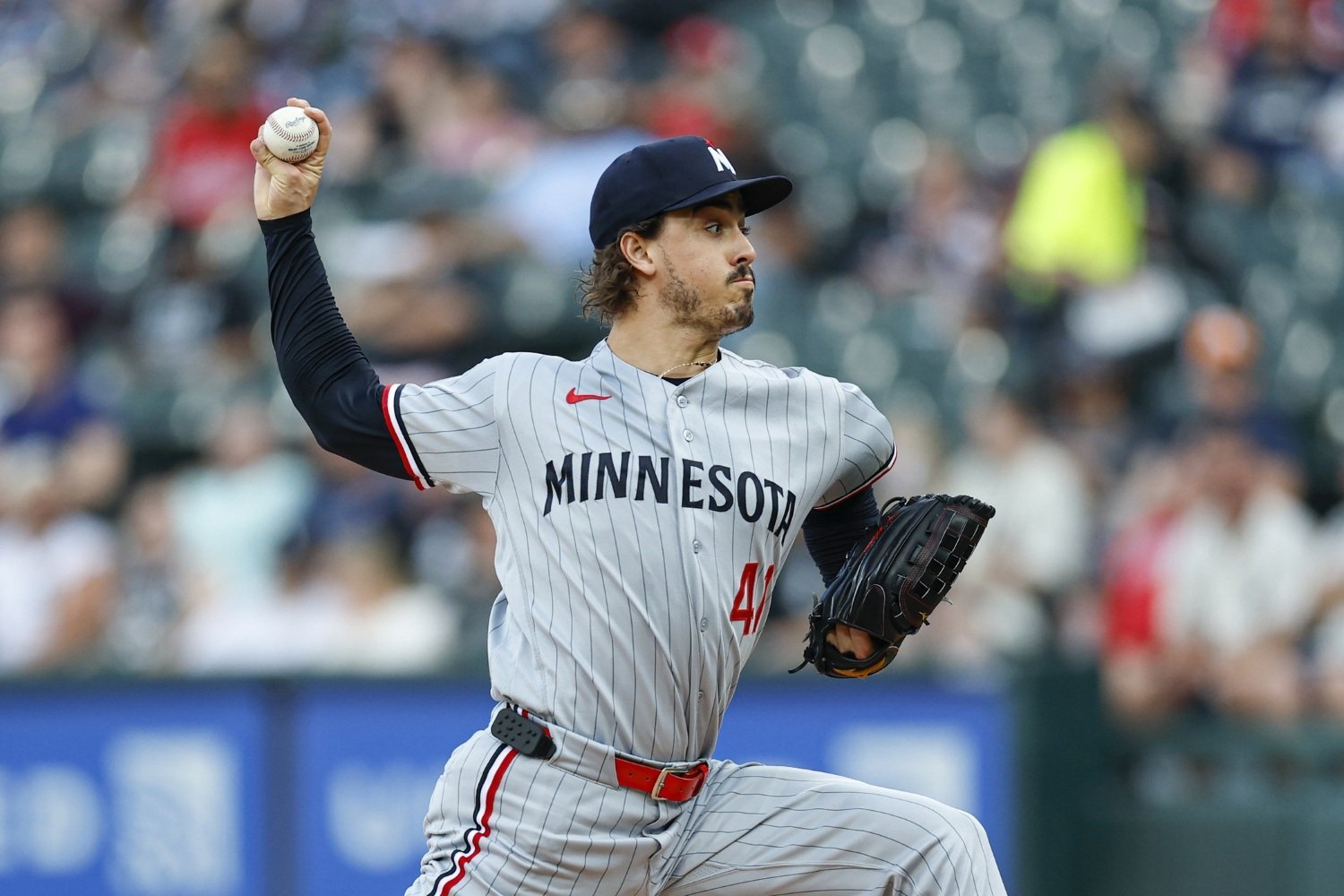 With the Detroit Tigers sitting near the bottom of the American League standings, it has become increasingly clear that Tarik Skubal will be one of the biggest names available before the August 4th MLB Trade Deadline. The two-time American League Cy Young Award winner has already become the subject of countless trade rumors. National outlets have spent weeks projecting landing spots, debating prospect packages, and speculating about which contenders will ultimately win the bidding war for one of baseball's best pitchers. Skubal's recent stint on the injured list has done little to slow the conversation. Expectations are that he will make a rehab appearance next week and return to the Tigers' rotation shortly thereafter. That should leave plenty of time for contenders to evaluate him before the deadline arrives. Trade Suitors for Skubal (and Ryan?) Recently, The Athletic identified seven potential suitors for Skubal, including the Dodgers, Rays, Cubs, Yankees, Padres, Diamondbacks, and Blue Jays. That list illustrates exactly how strong the market could be for a frontline starter. It also creates an interesting opportunity for the Minnesota Twins. While Skubal is expected to headline the pitching market, Joe Ryan may be the best starting pitcher available after him. If one club ultimately lands Skubal, there will be several disappointed contenders left searching for an ace-level arm. Those teams could quickly pivot their attention toward Minnesota and Ryan. In some ways, Ryan's market could become directly tied to Skubal's. Every team involved in the Skubal sweepstakes will likely have a prospect package prepared. Once Skubal comes off the board, those same organizations could redirect their resources toward Ryan. A bidding war that starts with Detroit could easily spill over into Minnesota. Joe Ryan's Trade Value There is even a legitimate argument that Ryan could generate a stronger return than Skubal. That statement might seem surprising given Skubal's accomplishments. He owns two Cy Young Awards and has established himself as one of the most dominant starters in baseball. However, trade value is about more than talent. Control matters. Skubal is scheduled to become a free agent after the season and will be looking for one of the largest contracts in baseball history when he hits the open market. Any acquiring team would be paying a premium for roughly two months of regular season starts and a potential postseason run. Ryan, meanwhile, remains under team control through the 2027 season via arbitration. That extra year is significant. Ryan will earn a raise through arbitration, but his salary will remain far below what an ace-level starter would command on the open market. Teams place enormous value on cost certainty, particularly with a new Collective Bargaining Agreement looming this winter. If baseball moves toward a salary cap and floor system, affordable impact players could become even more valuable. Why the Twins Would Trade Ryan The Twins have hovered around the .500 mark for much of the season and remain within striking distance of a playoff berth. However, that positioning says as much about the state of the American League as it does about Minnesota's performance. The reality is that the Twins have struggled to establish themselves as a true contender. That reality is what makes Ryan such an intriguing trade candidate. At 30 years old, Ryan is pitching some of the best baseball of his career. Through his first 13 starts (70 1/3 innings), he posted a career-best 136 ERA+ and 2.76 FIP with 79 strikeouts and only 14 walks. Those numbers follow a breakout 2025 campaign in which Ryan earned his first All-Star selection. After spending multiple seasons on the fringe of All-Star consideration, he finally received the recognition he deserved. He finished last season with a 125 ERA+ and 194 strikeouts across 171 innings while cementing himself as one of the American League's most reliable starters. For a contender seeking rotation help, Ryan checks nearly every box. He misses bats, limits walks, stays relatively healthy, and comes with an additional year of control. That combination is rare. The Twins may ultimately decide to keep Ryan and continue their pursuit of a postseason spot. There is certainly an argument for retaining one of the organization's best players. There is also an opportunity for the Twins to extend Ryan so they could get closer to the proposed MLB salary floor. But if Minnesota chooses to sell, Detroit's decision on Skubal could have a major impact on the Twins' return package. The first domino on the pitching market is likely Skubal. Once it falls, Ryan could become the most coveted starter available. And if enough teams are left empty-handed after missing out on Detroit's ace, Minnesota may discover that Ryan's market is every bit as strong as Skubal's. It becomes a supply-and-demand situation. That possibility is exactly why the Twins should be paying close attention to what happens in Detroit over the next several weeks. Can Ryan get a larger trade package than Skubal? Leave a comment and start the discussion.
 -
Image courtesy of © Kamil Krzaczynski-Imagn Images With the Detroit Tigers sitting near the bottom of the American League standings, it has become increasingly clear that Tarik Skubal will be one of the biggest names available before the August 4th MLB Trade Deadline. The two-time American League Cy Young Award winner has already become the subject of countless trade rumors. National outlets have spent weeks projecting landing spots, debating prospect packages, and speculating about which contenders will ultimately win the bidding war for one of baseball's best pitchers. Skubal's recent stint on the injured list has done little to slow the conversation. Expectations are that he will make a rehab appearance next week and return to the Tigers' rotation shortly thereafter. That should leave plenty of time for contenders to evaluate him before the deadline arrives. Trade Suitors for Skubal (and Ryan?) Recently, The Athletic identified seven potential suitors for Skubal, including the Dodgers, Rays, Cubs, Yankees, Padres, Diamondbacks, and Blue Jays. That list illustrates exactly how strong the market could be for a frontline starter. It also creates an interesting opportunity for the Minnesota Twins. While Skubal is expected to headline the pitching market, Joe Ryan may be the best starting pitcher available after him. If one club ultimately lands Skubal, there will be several disappointed contenders left searching for an ace-level arm. Those teams could quickly pivot their attention toward Minnesota and Ryan. In some ways, Ryan's market could become directly tied to Skubal's. Every team involved in the Skubal sweepstakes will likely have a prospect package prepared. Once Skubal comes off the board, those same organizations could redirect their resources toward Ryan. A bidding war that starts with Detroit could easily spill over into Minnesota. Joe Ryan's Trade Value There is even a legitimate argument that Ryan could generate a stronger return than Skubal. That statement might seem surprising given Skubal's accomplishments. He owns two Cy Young Awards and has established himself as one of the most dominant starters in baseball. However, trade value is about more than talent. Control matters. Skubal is scheduled to become a free agent after the season and will be looking for one of the largest contracts in baseball history when he hits the open market. Any acquiring team would be paying a premium for roughly two months of regular season starts and a potential postseason run. Ryan, meanwhile, remains under team control through the 2027 season via arbitration. That extra year is significant. Ryan will earn a raise through arbitration, but his salary will remain far below what an ace-level starter would command on the open market. Teams place enormous value on cost certainty, particularly with a new Collective Bargaining Agreement looming this winter. If baseball moves toward a salary cap and floor system, affordable impact players could become even more valuable. Why the Twins Would Trade Ryan The Twins have hovered around the .500 mark for much of the season and remain within striking distance of a playoff berth. However, that positioning says as much about the state of the American League as it does about Minnesota's performance. The reality is that the Twins have struggled to establish themselves as a true contender. That reality is what makes Ryan such an intriguing trade candidate. At 30 years old, Ryan is pitching some of the best baseball of his career. Through his first 13 starts (70 1/3 innings), he posted a career-best 136 ERA+ and 2.76 FIP with 79 strikeouts and only 14 walks. Those numbers follow a breakout 2025 campaign in which Ryan earned his first All-Star selection. After spending multiple seasons on the fringe of All-Star consideration, he finally received the recognition he deserved. He finished last season with a 125 ERA+ and 194 strikeouts across 171 innings while cementing himself as one of the American League's most reliable starters. For a contender seeking rotation help, Ryan checks nearly every box. He misses bats, limits walks, stays relatively healthy, and comes with an additional year of control. That combination is rare. The Twins may ultimately decide to keep Ryan and continue their pursuit of a postseason spot. There is certainly an argument for retaining one of the organization's best players. There is also an opportunity for the Twins to extend Ryan so they could get closer to the proposed MLB salary floor. But if Minnesota chooses to sell, Detroit's decision on Skubal could have a major impact on the Twins' return package. The first domino on the pitching market is likely Skubal. Once it falls, Ryan could become the most coveted starter available. And if enough teams are left empty-handed after missing out on Detroit's ace, Minnesota may discover that Ryan's market is every bit as strong as Skubal's. It becomes a supply-and-demand situation. That possibility is exactly why the Twins should be paying close attention to what happens in Detroit over the next several weeks. Can Ryan get a larger trade package than Skubal? Leave a comment and start the discussion. View full article
-
Keeping a seat warm for a Culpepper call up
-
Royce Lewis is Back, James Outman Designated for Assignment
Cody Christie posted an article in Twins
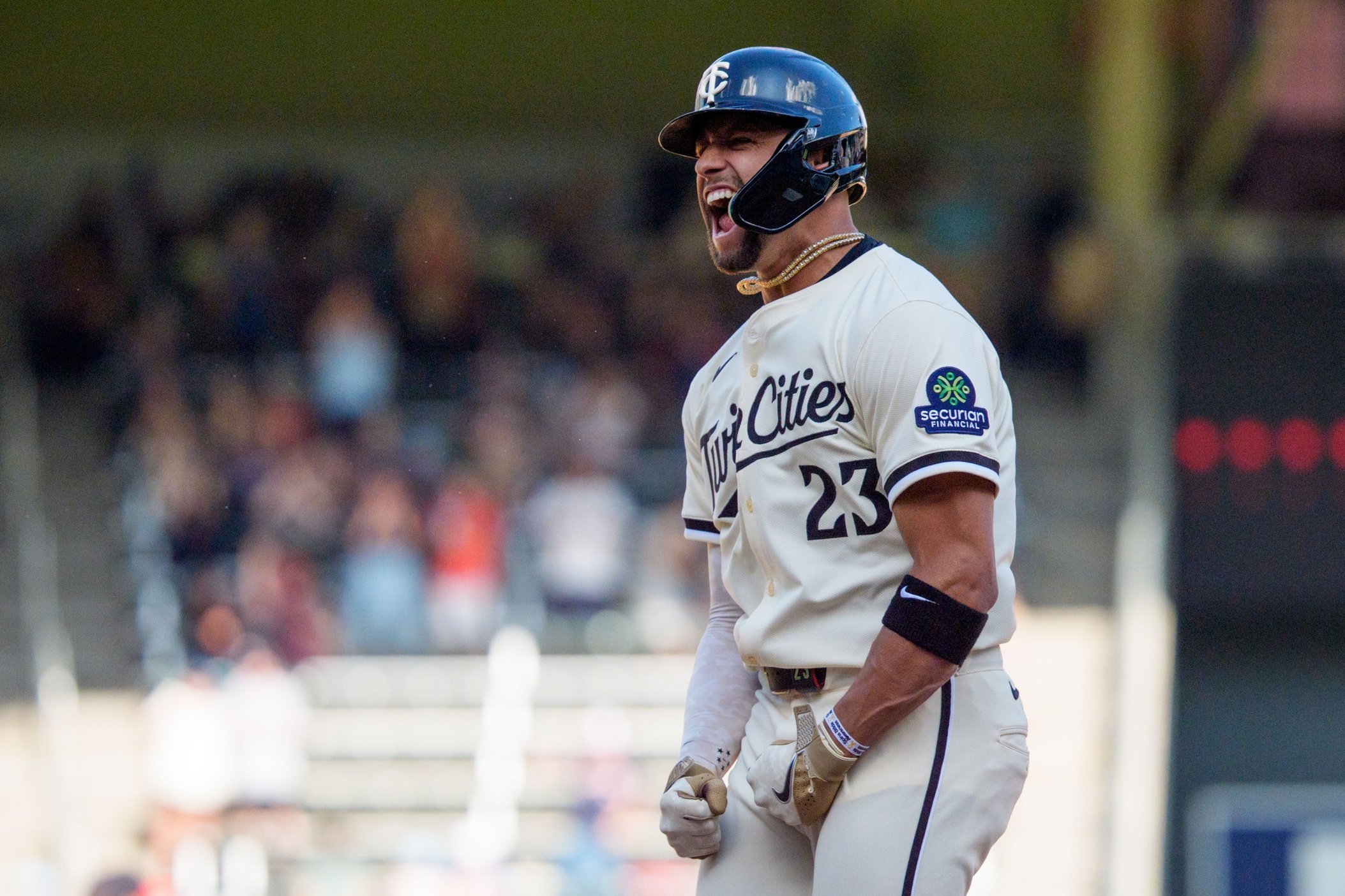 According to multiple reports, the Twins are recalling Royce Lewis from Triple-A St. Paul. In a corresponding move, James Outman has been designated for assignment. Just a few weeks ago, it was fair to wonder whether Lewis had played his last game in a Twins uniform. Injuries have repeatedly interrupted his career, and when he was healthy this season, he simply wasn't producing. Through his first stint with Minnesota in 2026, Lewis hit just .163/.261/.279 while striking out in 31.1% of his plate appearances. The Twins finally made the difficult decision to send him to Triple-A in mid-May, hoping he could reset both physically and mentally. Lewis responded exactly as the organization had hoped. In 13 games with the Saints, Lewis slashed .340/.417/.868 with eight home runs, 19 RBI, and 12 runs scored. Just as encouraging was the reduction in strikeouts. After fanning at an alarming rate in the majors, Lewis cut that number to 19.6% during his time in St. Paul. Of course, success against Triple-A pitching doesn't automatically guarantee major-league success. However, the Twins know better than anyone what Lewis is capable of when healthy and locked in. During the 2022 and 2023 seasons, injuries limited him to just 280 plate appearances, but he still posted a remarkable .307/.364/.549 (.913) slash line. The talent has never been in question. The challenge has always been keeping him on the field and consistently productive. His return also raises interesting questions about how the Twins plan to deploy him defensively. Lewis has spent most of his professional career at third base, and that was his primary position before the demotion. Since then, Brooks Lee has settled in at the hot corner while continuing to strengthen his case as a long-term fixture in the infield. With top prospect and shortstop Kaelen Culpepper tearing up Triple-A, the organization's future infield picture suddenly appeared much more crowded. Rather than limiting himself to third base, Lewis has started expanding his versatility. Earlier this week, he appeared at second base, his first professional game there since a brief experiment in 2024. He also made his first professional appearance at first base, giving the Twins another potential avenue to get his bat into the lineup. That flexibility could prove valuable. First base remains one of the more unsettled spots on the roster. Kody Clemens, Josh Bell, and Victor Caratini have all received significant playing time there this season. Since Ryan Jeffers suffered a hamate fracture in mid-May, Caratini has become the club's primary catcher, reducing his availability at first base. Bell, meanwhile, is hitting just .227/.289/.345 (.634) and is a pending free agent and isn’t in the team’s long-term plans. While the veteran still has value, there is a reasonable argument for reducing his workload if Lewis forces the issue offensively. Clemens presents another interesting wrinkle. He has enjoyed a productive season at the plate while providing defensive flexibility all over the field. The Twins have used him at every outfield position, and Matt Wallner's recent demotion created additional opportunities in the corners. Trevor Larnach and Austin Martin have performed well in those spots, but Clemens' ability to move around the diamond remains an asset. The reality is that Lewis' roster outlook looked dramatically different a month ago. Between his struggles at the plate, his growing salary through arbitration, and the emergence of Lee and Culpepper, there was a legitimate path toward a non-tender this offseason. At $2.85 million this year and with additional raises looming, Lewis needed to remind the organization why he remains worth investing in. His performance in St. Paul accomplished exactly that. As for Outman, the move is far less surprising. The 29-year-old never established a meaningful role on the roster and was used sparingly throughout the season. In 49 games, he posted a 34 OPS+ and accumulated -0.4 rWAR. For a player with parts of five major-league seasons on his résumé, the production simply wasn't enough to justify a roster spot. Now the focus shifts back to Lewis. The Twins don't need him to be the player who dominated Triple-A pitching over the past two weeks. They simply need him to look like the impact talent that once appeared destined to become a franchise cornerstone. The opportunities are still there, even if the path looks different from what it did a year ago. After a month that seemed to place his future in Minnesota in doubt, Lewis has earned another chance. What he does with it could go a long way toward determining whether he's part of the Twins' future or merely receiving one final opportunity to prove he belongs. What stands out about Lewis and his Triple-A performance? How will the Twins use Lewis defensively? Leave a comment and start the discussion.