



Cody Christie
-
Posts
7,794 -
Joined
-
Last visited
-
Days Won
5
Content Type
Profiles
News
Minnesota Twins Videos
2026 Minnesota Twins Top Prospects Ranking
2022 Minnesota Twins Draft Picks
Minnesota Twins Free Agent & Trade Rumors, Notes, & Tidbits
Guides & Resources
2023 Minnesota Twins Draft Picks
The Minnesota Twins Players Project
2024 Minnesota Twins Draft Picks
2025 Minnesota Twins Draft Pick Tracker
2026 Minnesota Twins Draft Tracker: Picks & Bonuses
Forums
Blogs
Events
Store
Downloads
Gallery
Everything posted by Cody Christie
-
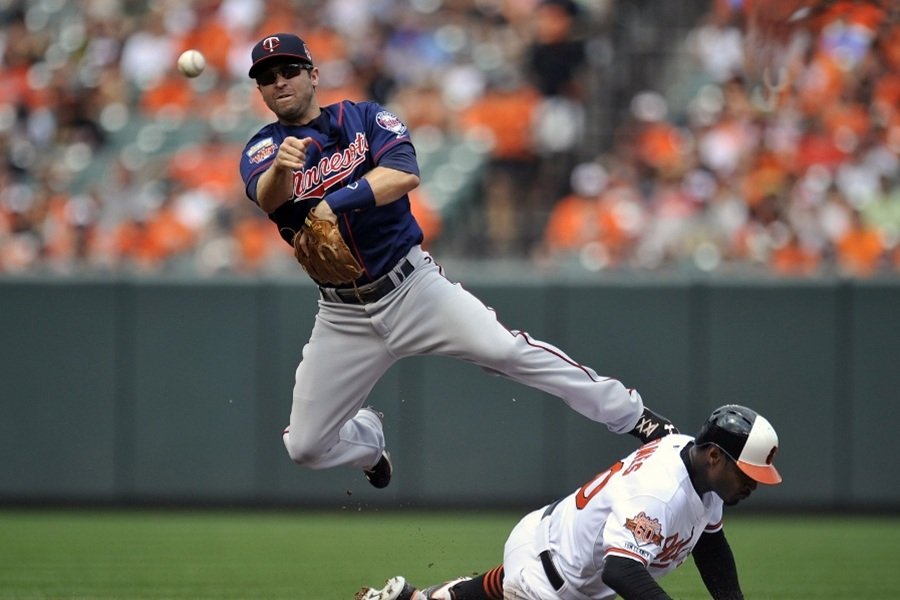 Defense doesn't always receive the attention that home runs and strikeouts do, but it has quietly been one of the biggest issues for the 2026 Twins. Last week, I looked at the club's SABR Defensive Index totals through games played in early June. While there have been individual bright spots, the overall picture was far less encouraging. Too many routine plays have turned into extended innings, and there have already been multiple games this season where below-average defense directly contributed to losses. That wasn't always the case. For years, strong defense was part of the Twins' organizational identity. Under Tom Kelly, the franchise consistently emphasized fundamentals, positioning, and limiting mistakes. That philosophy carried into Ron Gardenhire's tenure, where Minnesota routinely ranked among baseball's better defensive clubs. In recent seasons, however, the Twins have struggled to reach those standards, even with one of the game's premier defensive center fielders patrolling the outfield. Looking back at the best defensive Twins teams of the last two decades illustrates both how good the club once was and how much ground it has to make up. 2020 Twins: 8 OAA, 18 DRS, 6.5 DEF The shortened 60-game season makes any evaluation a little more difficult, but Minnesota still fielded a respectable defensive club. As expected, Byron Buxton led the way. He accumulated 4 Outs Above Average (OAA) while posting 11 Defensive Runs Saved (DRS), continuing to establish himself as one of baseball's elite defensive center fielders. The Twins also benefited from Marwin Gonzalez, whose versatility allowed him to contribute across the diamond. He finished with 2 OAA while playing multiple positions. Eddie Rosario remained an interesting case, posting 4 DRS despite finishing at -1 OAA. Max Kepler and Mitch Garver each contributed 3 DRS. The biggest weakness came on the infield. Jorge Polanco struggled defensively, finishing with -6 DRS, preventing the Twins from climbing even higher among their recent defensive seasons. 2021 Twins: 9 OAA, 20 DRS, 15.7 DEF Although the Twins endured a disappointing season in the standings, they remained an excellent defensive team. The offseason acquisition of Andrelton Simmons immediately paid dividends with the glove. Long considered one of the greatest defensive shortstops of his generation, Simmons posted an incredible 16 OAA along with an 18.5 DEF rating. Max Kepler and Byron Buxton each added 7 OAA of their own. Buxton's 13 DRS matched Simmons despite playing significantly fewer innings because of injuries, highlighting just how dominant he remained whenever healthy. On the opposite end of the spectrum, Miguel Sanó struggled defensively. He finished with -5 OAA and -6 DRS, making him the club's biggest liability in the field. 2010 Twins: 35.4 DEF Outs Above Average wasn't introduced until years later, but DEF provides a strong picture of just how fundamentally sound Minnesota was during the inaugural season at Target Field. Joe Mauer anchored the defense behind the plate, posting a team-leading 12.7 DEF while capturing his third and final Gold Glove Award. The middle infield was outstanding. J.J. Hardy finished with 11.8 DEF, while Orlando Hudson added 10.5 DEF (6 DRS), giving the Twins one of baseball's better double-play combinations. The supporting cast was equally impressive. Denard Span, Jason Repko, Justin Morneau, and Nick Punto each recorded DEF marks above 8.4, providing quality defense throughout the roster. Punto, Morneau, and Repko were worth 7 or more DRS. Not everyone contributed positively. Delmon Young (-11 DRS), Jason Kubel (-8 DRS), and Michael Cuddyer (-14 DRS) all finished with negative defensive values, but the club's strength up the middle more than compensated for those shortcomings. 2017 Twins: 67 OAA, 36 DRS, 58.1 DEF No recent Twins team comes close to matching the defensive excellence displayed in 2017. This was Buxton at the absolute peak of his defensive powers. He produced an astonishing 26 OAA and 23 DRS while finishing with 23.9 DEF, earning the American League Platinum Glove Award as the league's top overall defender. Brian Dozier complemented Buxton perfectly at second base. He posted 16 OAA and 14.5 DEF while winning his own Gold Glove Award. The rest of the roster featured quality defenders as well. Jason Castro contributed 10 DRS behind the plate, and Joe Mauer was worth 15 DRS as he transitioned to first base. The defensive blemishes belonged to Sanó (-3 OAA) and Polanco (-8 DRS). Both players were overmatched on the left side of the infield. Even that wasn't nearly enough to offset one of the most impressive team defensive performances the Twins have assembled in recent memory. The Standard Has Changed Looking at these teams reveals a common theme. The Twins were at their best defensively when they were strong up the middle. Whether it was Mauer, Hardy, Hudson, Dozier, Simmons, or an elite version of Buxton, Minnesota consistently featured premium defenders at the game's most important positions. They turned balls in play into outs, limited extra bases, and helped their pitching staffs outperform expectations. The current roster hasn't reached that level. Buxton continues to provide strong defense in center field, but one good (and certainly no longer elite) defender can't carry an entire team. Defensive inconsistency across the infield and corner positions has too often extended innings and created unnecessary pressure on the pitching staff. If the Twins hope to return to consistent contention, improving the defense needs to become a priority again. Their best teams weren't just built around pitching and timely hitting—they routinely converted difficult plays into routine outs. Until Minnesota rediscovers that identity, the 2017 club will likely remain the benchmark for what good Twins defense looks like. How would you rank the teams listed above? How can the Twins get to a better defense at the big-league level? Leave a comment and start the discussion.
- 29 comments
-
- 5
-

-

-
- byron buxton
- brian dozier
- (and 8 more)
-
 More consistent performance from the offense. They lead the league in runs because they have been otherworldly with runners in scoring position and have scored their runs in bunches (17 games with 8+ runs).
 -
There have been a lot of injuries on the starting pitching side, so that makes some sense. It seems more likely they would need to add relievers. On the outfield side, it seems more likely for the team to turn to internal options. Hopefully, Walker Jenkins is ready quickly now that he has returned from injury.
-
Only seven AL pitchers have more quality starts than Ryan. He ranks 14th in innings pitched and that would likely be higher had he not left one start early. Pitchers throwing seven innings regularly just doesn't happen as much in the modern game. I agree that he could be more efficient (last night being a good example). He has the league's sixth best fWAR and seventh best rWAR. That's about as good as it gets.
- 39 replies
-
- 4
-
-
- byron buxton
- joe ryan
- (and 8 more)
-
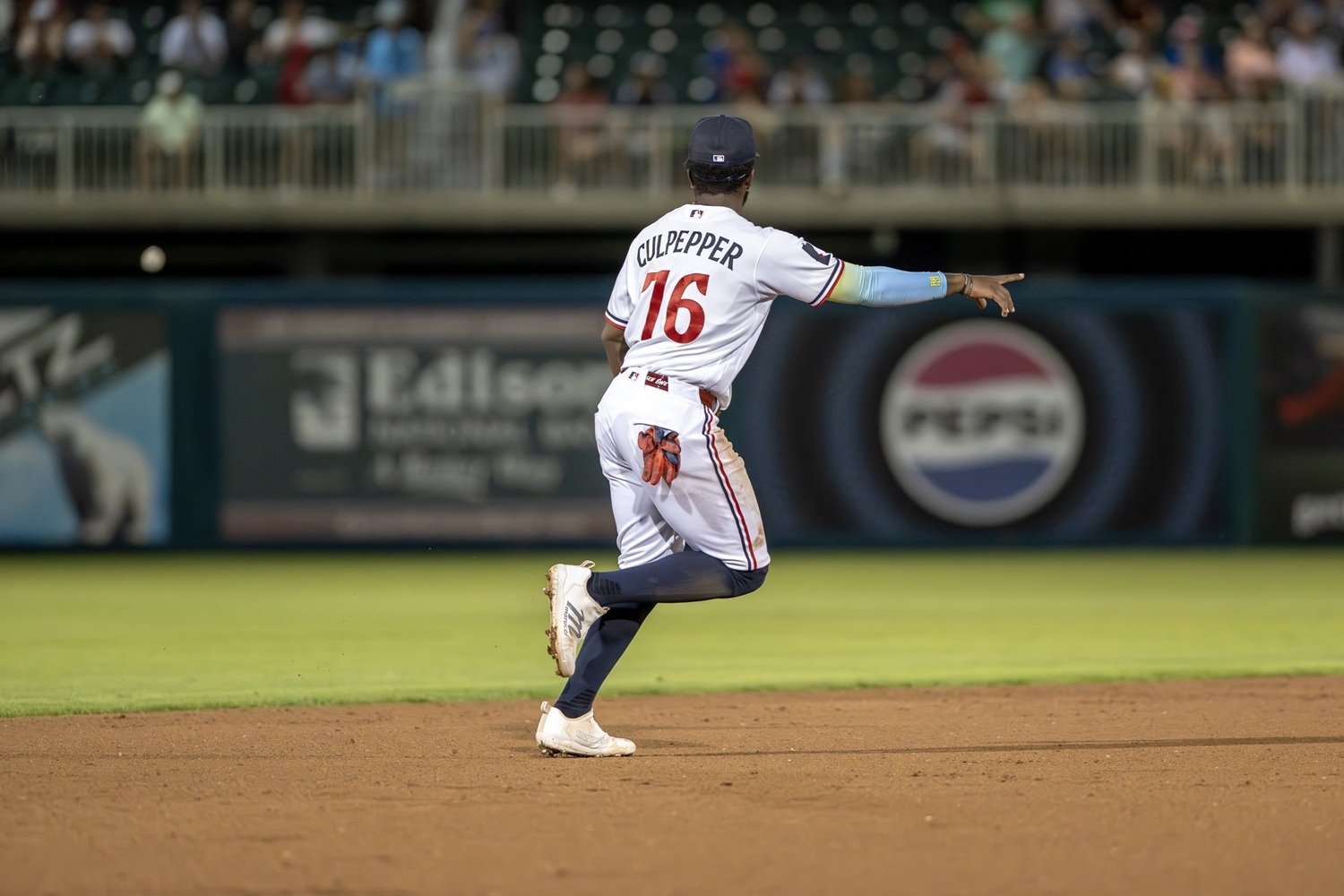 For the second consecutive summer, one of the Minnesota Twins' brightest young stars will spend All-Star weekend in a major league stadium. Shortstop Kaelen Culpepper has been selected to the 2026 MLB All-Star Futures Game, giving him another opportunity to represent the organization among the game's top prospects. Ranked as the Twins Daily's No. 2 prospect, Culpepper has continued his impressive rise through the system with an outstanding first half at Triple-A St. Paul. The 23-year-old has appeared in 63 games while posting a .272/.376/.492 slash line with an .868 OPS. He has collected 14 home runs, 43 RBI, scored 54 runs, and stolen 15 bases in 17 attempts. Perhaps just as encouraging has been his advanced approach at the plate, drawing 37 walks while striking out only 51 times across 250 at-bats. His production stacks up well against the rest of the International League. Culpepper ranks among the league leaders in several offensive categories, including sitting seventh in runs scored. His 123 wRC+ also places him among the top young hitters in the league, ranking fifth among players age 23 or younger and sixth among International League shortstops. Few players in professional baseball have been as dangerous at the start of games. Culpepper has launched six leadoff home runs this season, tying for the most in all of baseball alongside Byron Buxton, Shohei Ohtani, James Wood, and Rangers prospect Devin Fitz-Gerald. His power has also shown up throughout games. Culpepper's 10 home runs leading off an inning are tied for the most in the minor leagues with Diamondbacks prospect Manuel Peña. Across both the majors and minors, only Buxton (14), Wood (13), and Ohtani (11) have hit more. This will be Culpepper's second consecutive appearance in the Futures Game after participating during All-Star festivities in Atlanta last season. In the 2025 contest at Truist Park, he entered defensively in the fourth inning and recorded one plate appearance, lining out to left field. According to the Saints, he becomes the fourth player to earn a Futures Game selection since the club became affiliated with the Twins. Josh Winder represented the organization in 2021, Spencer Steer followed in 2022, and Brooks Lee was selected in 2024 before earning a promotion to the Twins instead of appearing in the game. The 2026 MLB All-Star Futures Game will be played on Sunday, July 12, at Citizens Bank Park in Philadelphia. The annual showcase features many of baseball's top prospects as the American League and National League square off during All-Star weekend, with first pitch scheduled for 11:00 a.m. CT on NBC.
 -
For the second consecutive summer, one of the Minnesota Twins' brightest young stars will spend All-Star weekend in a major league stadium. Shortstop Kaelen Culpepper has been selected to the 2026 MLB All-Star Futures Game, giving him another opportunity to represent the organization among the game's top prospects. Ranked as the Twins Daily's No. 2 prospect, Culpepper has continued his impressive rise through the system with an outstanding first half at Triple-A St. Paul. The 23-year-old has appeared in 63 games while posting a .272/.376/.492 slash line with an .868 OPS. He has collected 14 home runs, 43 RBI, scored 54 runs, and stolen 15 bases in 17 attempts. Perhaps just as encouraging has been his advanced approach at the plate, drawing 37 walks while striking out only 51 times across 250 at-bats. His production stacks up well against the rest of the International League. Culpepper ranks among the league leaders in several offensive categories, including sitting seventh in runs scored. His 123 wRC+ also places him among the top young hitters in the league, ranking fifth among players age 23 or younger and sixth among International League shortstops. Few players in professional baseball have been as dangerous at the start of games. Culpepper has launched six leadoff home runs this season, tying for the most in all of baseball alongside Byron Buxton, Shohei Ohtani, James Wood, and Rangers prospect Devin Fitz-Gerald. His power has also shown up throughout games. Culpepper's 10 home runs leading off an inning are tied for the most in the minor leagues with Diamondbacks prospect Manuel Peña. Across both the majors and minors, only Buxton (14), Wood (13), and Ohtani (11) have hit more. This will be Culpepper's second consecutive appearance in the Futures Game after participating during All-Star festivities in Atlanta last season. In the 2025 contest at Truist Park, he entered defensively in the fourth inning and recorded one plate appearance, lining out to left field. According to the Saints, he becomes the fourth player to earn a Futures Game selection since the club became affiliated with the Twins. Josh Winder represented the organization in 2021, Spencer Steer followed in 2022, and Brooks Lee was selected in 2024 before earning a promotion to the Twins instead of appearing in the game. The 2026 MLB All-Star Futures Game will be played on Sunday, July 12, at Citizens Bank Park in Philadelphia. The annual showcase features many of baseball's top prospects as the American League and National League square off during All-Star weekend, with first pitch scheduled for 11:00 a.m. CT on NBC. View full rumor
-
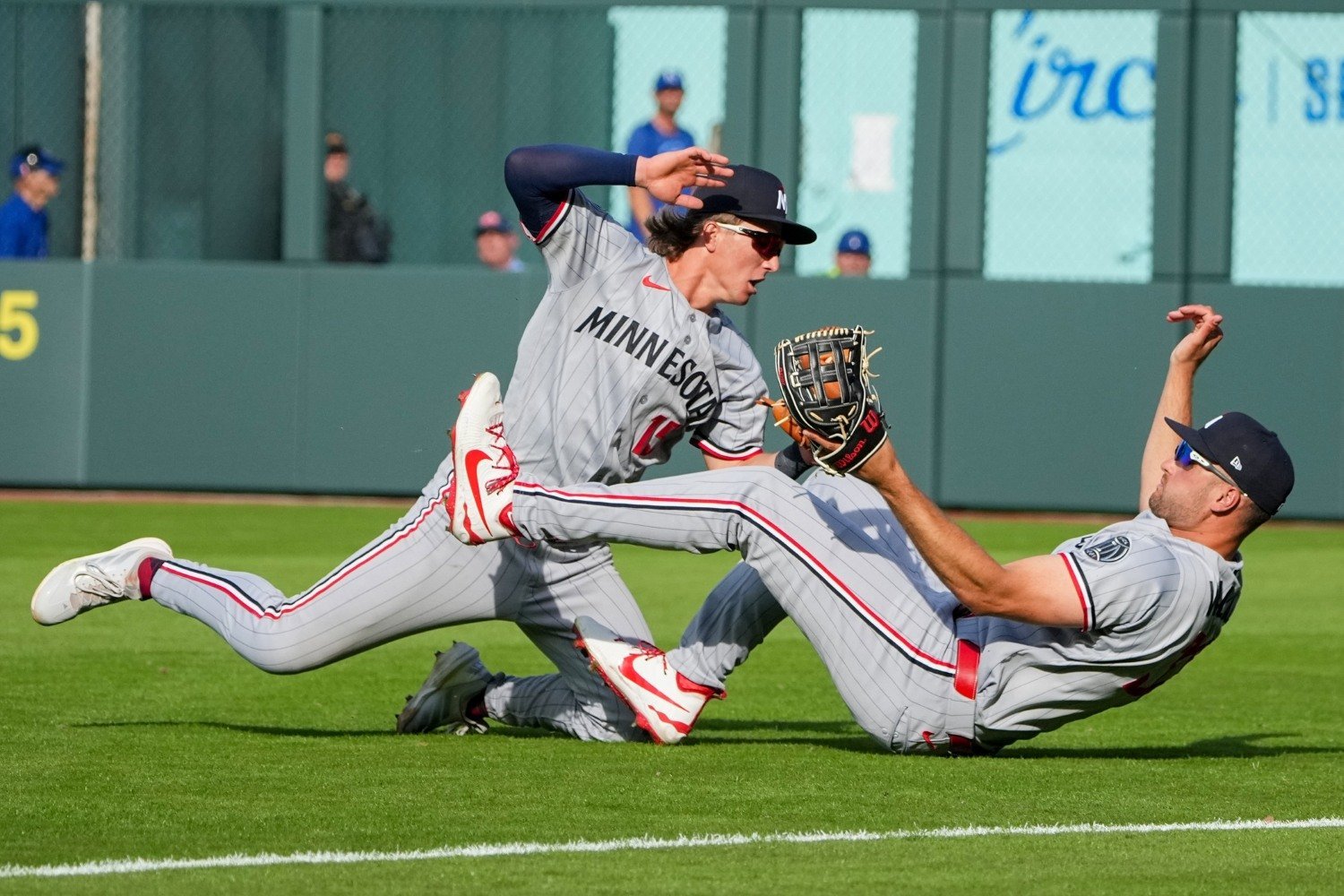 The baseball calendar often treats the All-Star break as the unofficial midpoint of the season, but by the time players gather for the Midsummer Classic, every team has already played well beyond half of its schedule. The true halfway point comes after Game 81, offering the cleanest opportunity to evaluate what's gone right and what hasn't. For the Twins, the first half has been a frustrating mix of encouraging individual performances and costly shortcomings. Injuries have reshaped nearly every part of the roster, several key players have underperformed, and Minnesota enters the second half below .500 despite boasting one of the American League's highest-scoring offenses. Some areas deserve praise. Others need significant improvement if the Twins hope to climb back into the postseason race. Twins Starting Pitching — Grade: B The starting rotation has been one of Minnesota's biggest strengths, even if injuries have prevented it from reaching its full potential. Joe Ryan has pitched like one of the American League's best starters, quickly putting an early-season injury scare behind him and pitching at an All-Star caliber level whenever he's taken the ball. Taj Bradley has largely delivered on expectations after arriving in Minnesota, although he's shown some inconsistency since returning from the injured list. Bailey Ober also deserves credit for grinding through diminished velocity before landing on the injured list, finding ways to remain effective despite not having his best stuff. Perhaps the biggest surprise has been the organization's pitching depth. Connor Prielipp, Mike Paredes, and Zebby Matthews have all contributed meaningful innings earlier than many expected, helping stabilize the rotation when injuries piled up. Of course, the negatives can't be ignored. Simeon Woods Richardson struggled through 12 appearances, producing a -1.2 rWAR before eventually being designated for assignment. Minnesota has also had to navigate season-altering injuries to Pablo Lopez, Mick Abel, and David Festa, all of whom appear likely to miss all or most of the season. Even with those setbacks, the Twins have remained around the middle of the league in fWAR, FIP, and xERA among starting staffs. Considering everything they've overcome, that's a respectable outcome. Twins Relief Pitching — Grade: D This bullpen was already facing an uphill battle before Opening Day. Minnesota did little over the winter to reinforce the relief corps, with veteran left-hander Taylor Rogers serving as the club's biggest addition. Unfortunately, Rogers has looked every bit like a pitcher battling Father Time, with an ERA north of 6.00 and a career-low strikeout rate of 18.6%. The organization likely envisioned supplementing the bullpen by shifting some starting pitching depth into relief roles, but injuries throughout the rotation have delayed most of those plans. Andrew Morris has been the lone exception, although his transition has produced uneven results. Ironically, the Twins' biggest bullpen success came from outside the organization. Yoendrys Gomez has become one of Minnesota's best stories after the coaching staff helped clean up some mechanical issues. The right-hander now ranks third among Twins pitchers in rWAR, trailing only Ryan and Bradley. The overall results, however, remain disappointing. Minnesota ranks 24th in bullpen fWAR, 23rd in xERA, and 29th in xFIP. The relievers have also produced a -1.26 Win Probability Added, ranking 23rd in baseball. While other AL Central foes, Kansas City and Detroit, have received even less value from their bullpens, that's hardly much consolation. The Twins simply haven't been able to consistently protect leads or shorten games, and it has cost them throughout the first half. Twins Lineup — Grade: B The offense has done far more than its share. Entering Monday's action, Minnesota had scored 412 runs, more than any other American League club and three more than the second-place Yankees. The Twins also own baseball's eighth-best slugging percentage, giving them enough firepower to stay competitive even when other parts of the roster have struggled. Byron Buxton has been the unquestioned headliner. He's putting together one of the finest offensive seasons in franchise history and remains on pace to become the first player in Twins history to hit 50 home runs in a season. Before suffering a broken hamate bone, Ryan Jeffers was putting together an All-Star-caliber campaign of his own. The lineup has also benefited from several unexpected contributors. Kody Clemens has delivered timely production, Trevor Larnach continues to provide middle-of-the-order power, Brooks Lee has become one of the club's most consistent hitters, and Victor Caratini has helped soften the blow of Jeffers' absence. Not everything has gone according to plan. Royce Lewis and Matt Wallner both opened the season expecting to anchor the middle of the order before struggling enough to earn demotions to Triple-A. Lewis quickly reminded everyone why he's such an important piece of the organization's future, dominating Triple-A pitching before returning with a much-improved approach at the plate. Minnesota has cashed in with runners in scoring position, and that might be the biggest reason for their offensive success. Unfortunately, batting with RISP is not a predictive statistic, so the club could be heading for regression. The offense has carried this team for much of the season. Without it, Minnesota likely wouldn't be anywhere near the playoff conversation. Twins Defense — Grade: F There's simply no way to sugarcoat it. Minnesota has been one of baseball's worst defensive teams. According to FanGraphs, the Twins own a -26.9 defensive rating (fielding plus positional adjustment), with only the Angels and Mariners ranking lower. Baseball Savant tells a similar story, placing Minnesota 27th in Outs Above Average at -18. Several individual defenders have struggled. Luke Keaschall and Lee each posted a -7 OAA before both began transitioning to new defensive homes. Tristan Gray and Trevor Larnach each finished the first half at -4 OAA, while Wallner and Lewis both recorded -3 OAA before their respective demotions. Lewis has since begun learning new positions (first and second base) in an effort to maximize his long-term value. The defensive struggles have extended well beyond one or two players. Too many extra outs have been given away, too many innings have been extended, and too much pressure has been placed on a pitching staff already battling injuries. If Minnesota hopes to make a second-half push, improving defensively may be the single biggest area of need. Grading the First Half The Twins' first half has been defined by contradiction. They've received outstanding performances from Ryan, Buxton, and several unexpected contributors while overcoming wave after wave of pitching injuries. At the same time, bullpen inconsistency and poor defense have repeatedly erased those positives, helping explain why a team with one of the American League's most productive offenses still finds itself below .500. The encouraging news is that many of Minnesota's biggest issues appear more fixable than its strengths are sustainable. If the rotation can get healthier, the defense improves even marginally, and the front office finds a way to stabilize the bullpen, the ingredients for a second-half turnaround are still present. But after 81 games, the grades reflect exactly where the Twins stand: good enough to remain within striking distance, yet far too inconsistent to feel comfortable about their postseason chances. What grades would you give to the team’s individual parts? Leave a comment and start the discussion.
- 39 comments
-
- 4
-
-
- byron buxton
- joe ryan
- (and 8 more)
-
Monday's pregame news immediately raised concern when Byron Buxton was scratched from the lineup before the series opener against the Houston Astros. Fortunately for the Twins, the initial diagnosis could have been much worse. An MRI revealed that Buxton is dealing with a right hip impingement and is considered day-to-day. Manager Derek Shelton said the club has no plans to place him on the Injured List, offering encouraging news after another injury scare involving the franchise centerpiece. The issue became more apparent during Sunday's victory over Colorado when Buxton served as the designated hitter. Although he finished 0-for-4 with a strikeout, the bigger concern was how uncomfortable he looked at the plate. "He's dealing with a little hip thing that's going on," Shelton said. "We had some imaging done, we're waiting to get back on it. Yesterday after watching him in the box, it didn't look right to me, so we had a conversation. Just giving him a day." Shelton remained optimistic after receiving the imaging results. "I think right now we're at a day-to-day place. Really never want to get any farther than that. I think over the course of the last week we've seen how well he's moved. We've seen him on the bases. Just yesterday it just didn't look as comfortable." For Twins fans, hearing "day-to-day" attached to Buxton is about as positive an outcome as they could have hoped for. After years of seeing injuries derail outstanding stretches of play, 2026 has looked different. Buxton has stayed on the field for the overwhelming majority of the season despite a few minor scares. He missed a short period in May because of hip discomfort and later spent time at designated hitter after jamming his shoulder, but he has avoided an Injured List stint altogether. That availability has coincided with one of the best offensive seasons of his career. Buxton enters July slashing .268/.325/.573 with 25 home runs, tied for the American League lead. His 43 RBIs don't fully capture his impact, as he's once again become the top of the lineup force Minnesota envisioned years ago. That production has made him one of the favorites to start in the American League outfield at next month's All-Star Game. Even without him, Minnesota found a way to pick up an important victory. The Twins opened their series in Houston with a 5-4 win as Royce Lewis, Josh Bell, and Victor Caratini each homered. The victory improved Minnesota to 41-45, leaving the club 4.5 games behind in the American League Central while sitting just two games out of the final Wild Card spot. Those standings reinforce why avoiding an extended absence from Buxton matters so much. Minnesota has spent much of the first half hovering around .500, unable to string together the sustained winning streak necessary to climb into playoff position. With the All-Star break approaching, every game carries additional significance. Now the focus shifts toward getting him back into the lineup. The Twins continue their series against Houston on Tuesday night before wrapping things up Wednesday. Then comes a trip to the Bronx for a weekend showdown with the Yankees, a venue that has historically been one of Minnesota's toughest road assignments. If the Twins hope to build momentum heading into the All-Star break, having Buxton back in center field would be the biggest boost they could ask for. Monday's diagnosis doesn't guarantee he'll avoid further issues, but for a team whose season has already featured plenty of uncertainty, "day-to-day" qualifies as very good news. View full rumor
-
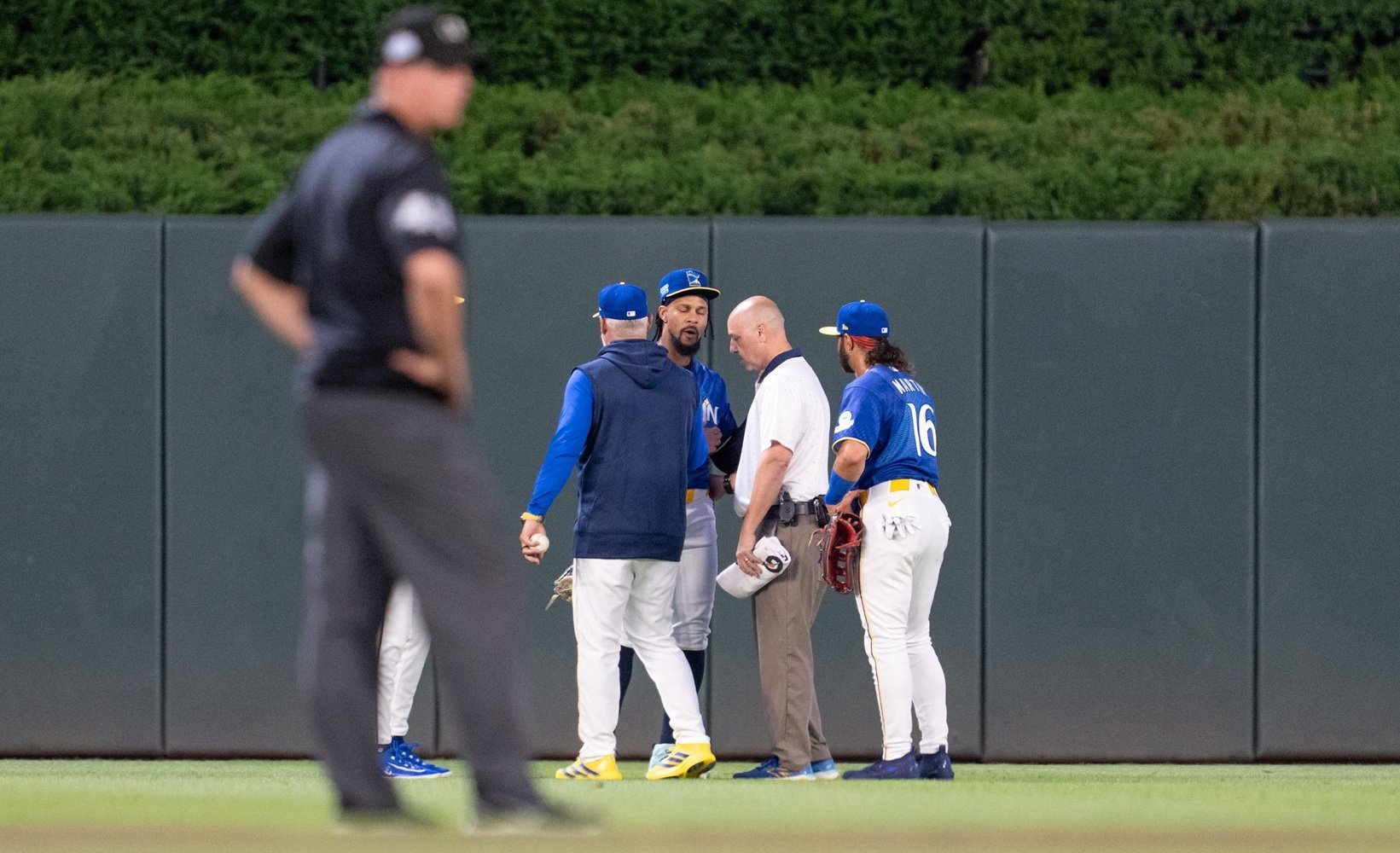 Monday's pregame news immediately raised concern when Byron Buxton was scratched from the lineup before the series opener against the Houston Astros. Fortunately for the Twins, the initial diagnosis could have been much worse. An MRI revealed that Buxton is dealing with a right hip impingement and is considered day-to-day. Manager Derek Shelton said the club has no plans to place him on the Injured List, offering encouraging news after another injury scare involving the franchise centerpiece. The issue became more apparent during Sunday's victory over Colorado when Buxton served as the designated hitter. Although he finished 0-for-4 with a strikeout, the bigger concern was how uncomfortable he looked at the plate. "He's dealing with a little hip thing that's going on," Shelton said. "We had some imaging done, we're waiting to get back on it. Yesterday after watching him in the box, it didn't look right to me, so we had a conversation. Just giving him a day." Shelton remained optimistic after receiving the imaging results. "I think right now we're at a day-to-day place. Really never want to get any farther than that. I think over the course of the last week we've seen how well he's moved. We've seen him on the bases. Just yesterday it just didn't look as comfortable." For Twins fans, hearing "day-to-day" attached to Buxton is about as positive an outcome as they could have hoped for. After years of seeing injuries derail outstanding stretches of play, 2026 has looked different. Buxton has stayed on the field for the overwhelming majority of the season despite a few minor scares. He missed a short period in May because of hip discomfort and later spent time at designated hitter after jamming his shoulder, but he has avoided an Injured List stint altogether. That availability has coincided with one of the best offensive seasons of his career. Buxton enters July slashing .268/.325/.573 with 25 home runs, tied for the American League lead. His 43 RBIs don't fully capture his impact, as he's once again become the top of the lineup force Minnesota envisioned years ago. That production has made him one of the favorites to start in the American League outfield at next month's All-Star Game. Even without him, Minnesota found a way to pick up an important victory. The Twins opened their series in Houston with a 5-4 win as Royce Lewis, Josh Bell, and Victor Caratini each homered. The victory improved Minnesota to 41-45, leaving the club 4.5 games behind in the American League Central while sitting just two games out of the final Wild Card spot. Those standings reinforce why avoiding an extended absence from Buxton matters so much. Minnesota has spent much of the first half hovering around .500, unable to string together the sustained winning streak necessary to climb into playoff position. With the All-Star break approaching, every game carries additional significance. Now the focus shifts toward getting him back into the lineup. The Twins continue their series against Houston on Tuesday night before wrapping things up Wednesday. Then comes a trip to the Bronx for a weekend showdown with the Yankees, a venue that has historically been one of Minnesota's toughest road assignments. If the Twins hope to build momentum heading into the All-Star break, having Buxton back in center field would be the biggest boost they could ask for. Monday's diagnosis doesn't guarantee he'll avoid further issues, but for a team whose season has already featured plenty of uncertainty, "day-to-day" qualifies as very good news.
 -
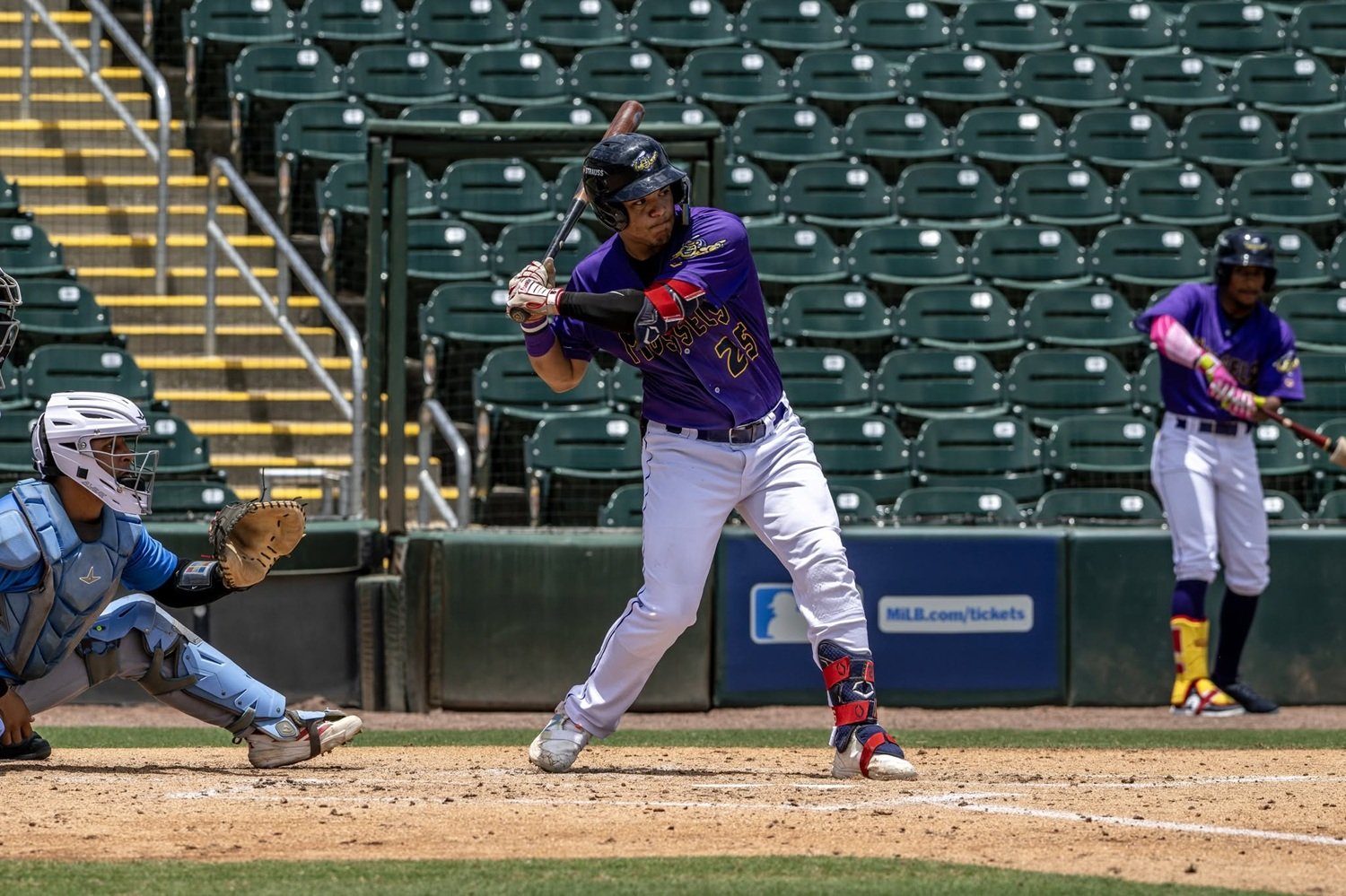 As the calendar turns from June to July, organizations have a much better understanding of where their seasons are headed. While the standings begin to take shape at the major-league level, the middle of the summer is also when farm systems can quietly separate themselves. Every organization relies on its top prospects, but sustained success often comes from the lesser-known players who take meaningful steps forward and create valuable organizational depth. None of the players featured on this week's Hot Sheet are among the Twins' most recognizable prospects, but that doesn't diminish the importance of their recent performances. Championship-caliber organizations need contributors at every level of the system, and under-the-radar players who continue to develop can quickly force their way into future conversations. This week's Hot Sheet highlights three prospects who are strengthening the Twins' organizational depth with impressive performances. C/3B Ryan Sprock – Fort Myers Mighty Mussels How He Got Here: Sprock entered professional baseball with one of the more unusual résumés in the Twins' 2025 draft class. Selected in the eighth round out of Elon University, he excelled as both a hitter and a relief pitcher during his college career, giving Minnesota multiple developmental paths to consider. The Twins quickly settled on maximizing his offensive upside, selecting him as a position player and allowing him to devote his full attention to hitting and playing third base and catcher. The decision made sense considering the production he showed during his final collegiate season. Sprock slashed .321/.411/.593 with 14 home runs while also throwing 17 innings out of the bullpen, striking out 19 batters. Focusing on one craft has allowed him to accelerate his offensive development during his first full professional season. Hitting the Hot Button: Although his impressive 18-game hitting streak ended Friday, Sprock still authored one of the best stretches in Fort Myers history. The streak ranks third in franchise history, trailing only Christian Encarnacion-Strand's 20-game streak in 2021 and Mike Gonzalez's 19-game run in 2014. "This is the best stretch I have had," Sprock said after Friday's win. "This was a good little up-stretch, but baseball is a rollercoaster, and you have to try and stay levelheaded." Even with the streak coming to an end, June has completely transformed his season. His slash line has climbed from .262/.393/.338 to .317/.444/.442, fueled by 29 hits and 17 walks since the calendar turned from May. Sprock credits consistency behind the scenes as much as anything happening between the lines. "A lot of it comes down to a really good routine pregame and trusting it," Sprock said, praising hitting coach Carlos Lara. "It's a process and the results showed." OF Luis Fragoza – Fort Myers Mighty Mussels How He Got Here: Fragoza has taken the scenic route through the lower levels of the Twins' system. Signed out of Valencia, Venezuela, during the 2024 international signing period, the outfielder made an encouraging professional debut in the Dominican Summer League, posting a .784 OPS while showcasing intriguing speed with 21 stolen bases. His first taste of baseball in the United States proved more challenging. Fragoza appeared in 49 games for the Florida Complex League Twins last season and managed just a .646 OPS. Rather than rushing him, Minnesota returned the 19-year-old to the FCL to begin 2026, giving him another opportunity to adjust before earning a promotion. Hitting the Hot Button: That patience is paying off. Fragoza opened the year with the FCL Twins, posting an .830 OPS over 10 games while collecting four extra-base hits among his eight total knocks. His performance earned him a late-May promotion to Low-A Fort Myers, where his production has continued to soar. Since joining the Mighty Mussels, Fragoza has emerged as one of the club's most productive hitters. This week he batted .467 (7-for-15) with two doubles, a home run, five RBI, three walks and a 1.356 OPS over four games. In 28 games with Fort Myers, Fragoza owns a .944 OPS with six home runs, 10 doubles and a perfect 7-for-7 mark on stolen base attempts. Like Sprock, he's benefited from working with hitting coach Carlos Lara, and his offensive growth has quickly turned him into one of the more intriguing breakout performers in the lower levels of the organization. RHP Frederick Hiciano – FCL Twins How He Got Here: The Twins believed they landed one of the premier arms in the 2026 international signing class when they signed Frederick Hiciano out of Moca, Dominican Republic. Baseball America described him as "one of the top pitchers in their 2026 IFA class," underscoring the organization's excitement about his long-term potential. Instead of beginning his career in the Dominican Summer League, Minnesota challenged Hiciano immediately by assigning him to the Florida Complex League. At just 18 years old, he's roughly three years younger than the average player at the level, making every successful outing even more encouraging. Hitting the Hot Button: Hiciano continues to justify the aggressive assignment. His latest start came Thursday against the FCL Braves, when he surrendered just one run on two hits across four innings without issuing a walk while striking out six. Through his first four professional starts, Hiciano has thrown 11 1/3 innings, allowing only two earned runs on five hits while recording 15 strikeouts against five walks. The raw stuff that made him one of the Twins' top international pitching targets is already flashing in game action, and the organization has to be encouraged by how well he's handling older competition early in his career. Prospect development rarely follows a straight line, especially in the lower levels of the minor leagues. But summer often serves as the point where legitimate breakouts begin to separate from small-sample success. Sprock is proving his offensive profile is more advanced than many expected after the draft. Fragoza has turned a difficult stateside introduction into a breakout campaign, and Hiciano is showing why the Twins invested heavily in his future. None are knocking on the door to Target Field just yet, but each is giving the organization another reason to be optimistic about what lies ahead. What stands out about this trio? Can any of them build off their recent hot streak? Leave a comment and start the discussion.
- 5 comments
-
- 6
-
-
-
- ryan sprock
- luis fragoza
- (and 1 more)
-
Image courtesy of © Rafael Suanes-Imagn Images For most teams, the trade deadline isn't decided by one game or even one series. It's determined by months of evidence. For the Twins, though, the next few weeks may come down to one simple question: can they finally get back to .500? While there are always exceptions, finishing at or above .500 is essentially the minimum requirement for a legitimate postseason push. Minnesota reached the 86-game mark with a 41-45 record for the second consecutive season. The circumstances are remarkably similar. This year, the Twins sit only 2.0 games out of the final American League Wild Card spot, with roughly a 25% chance to reach the postseason. At the same point last season, they were 4.0 games back, with playoff odds hovering around 21%. The opportunity remains there, but opportunities don't last forever. If Minnesota can't climb back to even, the front office may have little choice but to become sellers for the second straight summer. Minnesota's Fast Start Minnesota opened the season by going 11-7 (.611), and it felt like the organization had turned a corner—if only a gentle one. New manager Derek Shelton had the club playing fundamentally sound baseball, while Joe Ryan and Taj Bradley initially formed one of the more impressive one-two punches in the American League. The Twins swept the Tigers in four games, an impressive statement against the preseason favorites in the AL Central. They also won series against Toronto and Boston, two clubs expected to be firmly in the playoff race. Even with some offensive inconsistencies, quality pitching and timely hitting gave Minnesota plenty of reasons for optimism. The First Flop Then, everything unraveled. Over their next 21 games, the Twins went just 5-16 (.238), immediately erasing the momentum they had built in April. The offense disappeared for long stretches, and a bullpen that looked like a strength suddenly had more leaks than the boat in those old Flex Tape commercials. Minnesota suffered embarrassing losses to a Mets club trapped in a historic losing streak and were blown out in Toronto and Washington. By the end of the skid, the Twins had fallen to 17-23 and sat in fifth place in an AL Central that wasn't exactly running away from anyone. Resurgence, Part I Just when the season looked ready to spiral away, Shelton's squad answered. They ripped off an 11-5 (.688) stretch over their next 16 games. They completed their first sweep at Fenway Park since 1994, won a series in Cleveland—a place that has consistently haunted the franchise—and took a series from Houston. Different players stepped into unexpected roles throughout the roster. The lineup found timely production, the rotation stabilized, and the bullpen rediscovered some reliability. For a couple of weeks, Minnesota looked more like the balanced team that had exceeded expectations in the season's first weeks. Minnesota's Second Flop Unfortunately, the consistency never arrived. The next 13 games produced another collapse as the Twins stumbled to a 3-10 (.231) record. They dropped three of four to the White Sox in Chicago before Shelton returned to Pittsburgh only to watch his former club complete a sweep. Kansas City followed by taking three of four games at Target Field. The White Sox have proven themselves to be much better than expected this season, but the losses to Pittsburgh and Kansas City were far more damaging. Good teams don't have to win every series against comparable opponents, but they usually avoid getting dominated by them. That has been one of Minnesota's biggest problems all season. Every productive stretch seems to be followed by another prolonged collapse. Resurgence, Part II Once again, the Twins responded. Minnesota went 8-3 (.727) over its next 11 games, beginning with a home series victory over St. Louis. They followed by sweeping Texas on the road before taking two of three from Arizona to finish an impressive road trip. For a brief moment, it looked like the club had finally discovered the consistency it had spent nearly three months searching for. Now What? Reality arrived quickly. Fresh off their successful road trip, Minnesota ran into the Dodgers, baseball's measuring stick. The Twins were swept in three games by the two-time defending champions before salvaging the homestand by taking two of three from Colorado. Even that series wasn't entirely convincing after the bullpen nearly turned the opener into a disaster. Now comes another measuring-stick trip. The Twins head to Houston (where they took the first game Monday night), before traveling to New York to face two teams that have regularly been among the American League's best in recent seasons. The Astros entered the series only two games below .500 despite sitting third in the AL West, while the Yankees remain locked in a battle with Tampa Bay atop the AL East. A 3-3 trip would be respectable, considering the competition. It also wouldn't accomplish much. Respectable baseball isn't enough anymore. The Twins don't simply need to survive difficult stretches; they need to erase the damage created by months of inconsistency. Every time they put together an impressive winning streak, they've answered it with a losing streak that lasts nearly as long. That's how a team with obvious talent finds itself five games below .500 halfway through the season. The American League has left the door open. No Wild Card team has separated itself, and the AL Central hasn't produced multiple dominant clubs. Minnesota has been given opportunities to climb back into contention time and time again. The problem is that the Twins haven't shown they can sustain success long enough to take advantage. That's why the next few weeks may determine the direction of the franchise. If Minnesota can finally reach .500 before the trade deadline, the front office has the justification to make a modest addition or two and see where the season goes. This roster doesn't need a blockbuster acquisition, but a high-leverage bullpen arm could be worthwhile if meaningful baseball remains realistic. If they remain several games under .500, however, the calculus changes dramatically. For nearly three months, the Twins have answered every encouraging stretch with an equally frustrating collapse. At some point, those highs and lows stop canceling each other out and start defining who a team really is. The standings suggest Minnesota still has time to change that narrative. Whether they actually can is the question that will define not only the rest of the season, but perhaps the organization's entire approach to the trade deadline. Can Minnesota get back to .500? Leave a comment and start the discussion. View full article
-
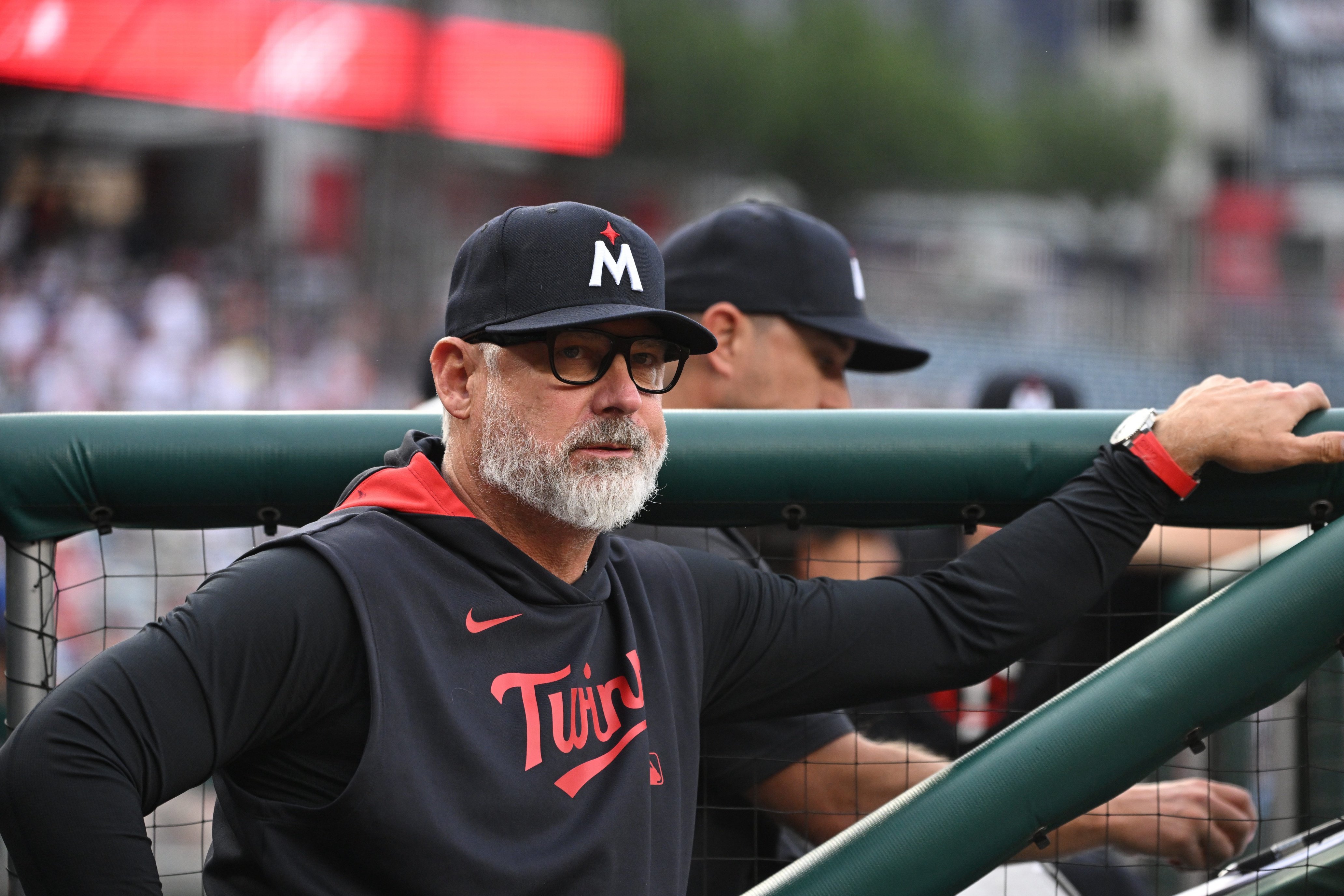 For most teams, the trade deadline isn't decided by one game or even one series. It's determined by months of evidence. For the Twins, though, the next few weeks may come down to one simple question: can they finally get back to .500? While there are always exceptions, finishing at or above .500 is essentially the minimum requirement for a legitimate postseason push. Minnesota reached the 86-game mark with a 41-45 record for the second consecutive season. The circumstances are remarkably similar. This year, the Twins sit only 2.0 games out of the final American League Wild Card spot, with roughly a 25% chance to reach the postseason. At the same point last season, they were 4.0 games back, with playoff odds hovering around 21%. The opportunity remains there, but opportunities don't last forever. If Minnesota can't climb back to even, the front office may have little choice but to become sellers for the second straight summer. Minnesota's Fast Start Minnesota opened the season by going 11-7 (.611), and it felt like the organization had turned a corner—if only a gentle one. New manager Derek Shelton had the club playing fundamentally sound baseball, while Joe Ryan and Taj Bradley initially formed one of the more impressive one-two punches in the American League. The Twins swept the Tigers in four games, an impressive statement against the preseason favorites in the AL Central. They also won series against Toronto and Boston, two clubs expected to be firmly in the playoff race. Even with some offensive inconsistencies, quality pitching and timely hitting gave Minnesota plenty of reasons for optimism. The First Flop Then, everything unraveled. Over their next 21 games, the Twins went just 5-16 (.238), immediately erasing the momentum they had built in April. The offense disappeared for long stretches, and a bullpen that looked like a strength suddenly had more leaks than the boat in those old Flex Tape commercials. Minnesota suffered embarrassing losses to a Mets club trapped in a historic losing streak and were blown out in Toronto and Washington. By the end of the skid, the Twins had fallen to 17-23 and sat in fifth place in an AL Central that wasn't exactly running away from anyone. Resurgence, Part I Just when the season looked ready to spiral away, Shelton's squad answered. They ripped off an 11-5 (.688) stretch over their next 16 games. They completed their first sweep at Fenway Park since 1994, won a series in Cleveland—a place that has consistently haunted the franchise—and took a series from Houston. Different players stepped into unexpected roles throughout the roster. The lineup found timely production, the rotation stabilized, and the bullpen rediscovered some reliability. For a couple of weeks, Minnesota looked more like the balanced team that had exceeded expectations in the season's first weeks. Minnesota's Second Flop Unfortunately, the consistency never arrived. The next 13 games produced another collapse as the Twins stumbled to a 3-10 (.231) record. They dropped three of four to the White Sox in Chicago before Shelton returned to Pittsburgh only to watch his former club complete a sweep. Kansas City followed by taking three of four games at Target Field. The White Sox have proven themselves to be much better than expected this season, but the losses to Pittsburgh and Kansas City were far more damaging. Good teams don't have to win every series against comparable opponents, but they usually avoid getting dominated by them. That has been one of Minnesota's biggest problems all season. Every productive stretch seems to be followed by another prolonged collapse. Resurgence, Part II Once again, the Twins responded. Minnesota went 8-3 (.727) over its next 11 games, beginning with a home series victory over St. Louis. They followed by sweeping Texas on the road before taking two of three from Arizona to finish an impressive road trip. For a brief moment, it looked like the club had finally discovered the consistency it had spent nearly three months searching for. Now What? Reality arrived quickly. Fresh off their successful road trip, Minnesota ran into the Dodgers, baseball's measuring stick. The Twins were swept in three games by the two-time defending champions before salvaging the homestand by taking two of three from Colorado. Even that series wasn't entirely convincing after the bullpen nearly turned the opener into a disaster. Now comes another measuring-stick trip. The Twins head to Houston (where they took the first game Monday night), before traveling to New York to face two teams that have regularly been among the American League's best in recent seasons. The Astros entered the series only two games below .500 despite sitting third in the AL West, while the Yankees remain locked in a battle with Tampa Bay atop the AL East. A 3-3 trip would be respectable, considering the competition. It also wouldn't accomplish much. Respectable baseball isn't enough anymore. The Twins don't simply need to survive difficult stretches; they need to erase the damage created by months of inconsistency. Every time they put together an impressive winning streak, they've answered it with a losing streak that lasts nearly as long. That's how a team with obvious talent finds itself five games below .500 halfway through the season. The American League has left the door open. No Wild Card team has separated itself, and the AL Central hasn't produced multiple dominant clubs. Minnesota has been given opportunities to climb back into contention time and time again. The problem is that the Twins haven't shown they can sustain success long enough to take advantage. That's why the next few weeks may determine the direction of the franchise. If Minnesota can finally reach .500 before the trade deadline, the front office has the justification to make a modest addition or two and see where the season goes. This roster doesn't need a blockbuster acquisition, but a high-leverage bullpen arm could be worthwhile if meaningful baseball remains realistic. If they remain several games under .500, however, the calculus changes dramatically. For nearly three months, the Twins have answered every encouraging stretch with an equally frustrating collapse. At some point, those highs and lows stop canceling each other out and start defining who a team really is. The standings suggest Minnesota still has time to change that narrative. Whether they actually can is the question that will define not only the rest of the season, but perhaps the organization's entire approach to the trade deadline. Can Minnesota get back to .500? Leave a comment and start the discussion.
- 40 comments
-
- 2
-
-
- derek shelton
- joe ryan
- (and 1 more)
-
Image courtesy of © Denny Medley-Imagn Images The baseball calendar often treats the All-Star break as the unofficial midpoint of the season, but by the time players gather for the Midsummer Classic, every team has already played well beyond half of its schedule. The true halfway point comes after Game 81, offering the cleanest opportunity to evaluate what's gone right and what hasn't. For the Twins, the first half has been a frustrating mix of encouraging individual performances and costly shortcomings. Injuries have reshaped nearly every part of the roster, several key players have underperformed, and Minnesota enters the second half below .500 despite boasting one of the American League's highest-scoring offenses. Some areas deserve praise. Others need significant improvement if the Twins hope to climb back into the postseason race. Twins Starting Pitching — Grade: B The starting rotation has been one of Minnesota's biggest strengths, even if injuries have prevented it from reaching its full potential. Joe Ryan has pitched like one of the American League's best starters, quickly putting an early-season injury scare behind him and pitching at an All-Star caliber level whenever he's taken the ball. Taj Bradley has largely delivered on expectations after arriving in Minnesota, although he's shown some inconsistency since returning from the injured list. Bailey Ober also deserves credit for grinding through diminished velocity before landing on the injured list, finding ways to remain effective despite not having his best stuff. Perhaps the biggest surprise has been the organization's pitching depth. Connor Prielipp, Mike Paredes, and Zebby Matthews have all contributed meaningful innings earlier than many expected, helping stabilize the rotation when injuries piled up. Of course, the negatives can't be ignored. Simeon Woods Richardson struggled through 12 appearances, producing a -1.2 rWAR before eventually being designated for assignment. Minnesota has also had to navigate season-altering injuries to Pablo Lopez, Mick Abel, and David Festa, all of whom appear likely to miss all or most of the season. Even with those setbacks, the Twins have remained around the middle of the league in fWAR, FIP, and xERA among starting staffs. Considering everything they've overcome, that's a respectable outcome. Twins Relief Pitching — Grade: D This bullpen was already facing an uphill battle before Opening Day. Minnesota did little over the winter to reinforce the relief corps, with veteran left-hander Taylor Rogers serving as the club's biggest addition. Unfortunately, Rogers has looked every bit like a pitcher battling Father Time, with an ERA north of 6.00 and a career-low strikeout rate of 18.6%. The organization likely envisioned supplementing the bullpen by shifting some starting pitching depth into relief roles, but injuries throughout the rotation have delayed most of those plans. Andrew Morris has been the lone exception, although his transition has produced uneven results. Ironically, the Twins' biggest bullpen success came from outside the organization. Yoendrys Gomez has become one of Minnesota's best stories after the coaching staff helped clean up some mechanical issues. The right-hander now ranks third among Twins pitchers in rWAR, trailing only Ryan and Bradley. The overall results, however, remain disappointing. Minnesota ranks 24th in bullpen fWAR, 23rd in xERA, and 29th in xFIP. The relievers have also produced a -1.26 Win Probability Added, ranking 23rd in baseball. While other AL Central foes, Kansas City and Detroit, have received even less value from their bullpens, that's hardly much consolation. The Twins simply haven't been able to consistently protect leads or shorten games, and it has cost them throughout the first half. Twins Lineup — Grade: B The offense has done far more than its share. Entering Monday's action, Minnesota had scored 412 runs, more than any other American League club and three more than the second-place Yankees. The Twins also own baseball's eighth-best slugging percentage, giving them enough firepower to stay competitive even when other parts of the roster have struggled. Byron Buxton has been the unquestioned headliner. He's putting together one of the finest offensive seasons in franchise history and remains on pace to become the first player in Twins history to hit 50 home runs in a season. Before suffering a broken hamate bone, Ryan Jeffers was putting together an All-Star-caliber campaign of his own. The lineup has also benefited from several unexpected contributors. Kody Clemens has delivered timely production, Trevor Larnach continues to provide middle-of-the-order power, Brooks Lee has become one of the club's most consistent hitters, and Victor Caratini has helped soften the blow of Jeffers' absence. Not everything has gone according to plan. Royce Lewis and Matt Wallner both opened the season expecting to anchor the middle of the order before struggling enough to earn demotions to Triple-A. Lewis quickly reminded everyone why he's such an important piece of the organization's future, dominating Triple-A pitching before returning with a much-improved approach at the plate. Minnesota has cashed in with runners in scoring position, and that might be the biggest reason for their offensive success. Unfortunately, batting with RISP is not a predictive statistic, so the club could be heading for regression. The offense has carried this team for much of the season. Without it, Minnesota likely wouldn't be anywhere near the playoff conversation. Twins Defense — Grade: F There's simply no way to sugarcoat it. Minnesota has been one of baseball's worst defensive teams. According to FanGraphs, the Twins own a -26.9 defensive rating (fielding plus positional adjustment), with only the Angels and Mariners ranking lower. Baseball Savant tells a similar story, placing Minnesota 27th in Outs Above Average at -18. Several individual defenders have struggled. Luke Keaschall and Lee each posted a -7 OAA before both began transitioning to new defensive homes. Tristan Gray and Trevor Larnach each finished the first half at -4 OAA, while Wallner and Lewis both recorded -3 OAA before their respective demotions. Lewis has since begun learning new positions (first and second base) in an effort to maximize his long-term value. The defensive struggles have extended well beyond one or two players. Too many extra outs have been given away, too many innings have been extended, and too much pressure has been placed on a pitching staff already battling injuries. If Minnesota hopes to make a second-half push, improving defensively may be the single biggest area of need. Grading the First Half The Twins' first half has been defined by contradiction. They've received outstanding performances from Ryan, Buxton, and several unexpected contributors while overcoming wave after wave of pitching injuries. At the same time, bullpen inconsistency and poor defense have repeatedly erased those positives, helping explain why a team with one of the American League's most productive offenses still finds itself below .500. The encouraging news is that many of Minnesota's biggest issues appear more fixable than its strengths are sustainable. If the rotation can get healthier, the defense improves even marginally, and the front office finds a way to stabilize the bullpen, the ingredients for a second-half turnaround are still present. But after 81 games, the grades reflect exactly where the Twins stand: good enough to remain within striking distance, yet far too inconsistent to feel comfortable about their postseason chances. What grades would you give to the team’s individual parts? Leave a comment and start the discussion. View full article
-
Image courtesy of William Parmeter As the calendar turns from June to July, organizations have a much better understanding of where their seasons are headed. While the standings begin to take shape at the major league level, the middle of the summer is also when farm systems can quietly separate themselves. Every organization relies on its top prospects, but sustained success often comes from the lesser-known players who take meaningful steps forward and create valuable organizational depth. None of the players featured on this week's Hot Sheet are among the Twins' most recognizable prospects, but that doesn't diminish the importance of their recent performances. Championship-caliber organizations need contributors at every level of the system, and under-the-radar players who continue to develop can quickly force their way into future conversations. This week's Hot Sheet highlights three prospects who are strengthening the Twins' organizational depth with impressive performances. C/3B Ryan Sprock – Fort Myers Mighty Mussels How He Got Here: Sprock entered professional baseball with one of the more unusual résumés in the Twins' 2025 draft class. Selected in the eighth round out of Elon University, he excelled as both a hitter and a relief pitcher during his college career, giving Minnesota multiple developmental paths to consider. The Twins quickly settled on maximizing his offensive upside, selecting him as a position player and allowing him to devote his full attention to hitting and playing third base and catcher. The decision made sense considering the production he showed during his final collegiate season. Sprock slashed .321/.411/.593 with 14 home runs while also throwing 17 innings out of the bullpen, striking out 19 batters. Focusing on one craft has allowed him to accelerate his offensive development during his first full professional season. Hitting the Hot Button: Although his impressive 18-game hitting streak ended Friday, Sprock still authored one of the best stretches in Fort Myers history. The streak ranks third in franchise history, trailing only Christian Encarnacion-Strand's 20-game streak in 2021 and Mike Gonzalez's 19-game run in 2014. "This is the best stretch I have had," Sprock said after Friday's win. "This was a good little up-stretch but baseball is a rollercoaster, and you have to try and stay levelheaded." Even with the streak coming to an end, June has completely transformed his season. His slash line has climbed from .262/.393/.338 to .317/.444/.442, fueled by 29 hits and 17 walks since the calendar turned from May. Sprock credits consistency behind the scenes as much as anything happening between the lines. "A lot of it comes down to a really good routine pregame and trusting it," Sprock said, praising hitting coach Carlos Lara. "It's a process and the results showed." OF Luis Fragoza – Fort Myers Mighty Mussels How He Got Here: Fragoza has taken the scenic route through the lower levels of the Twins' system. Signed out of Valencia, Venezuela, during the 2024 international signing period, the outfielder made an encouraging professional debut in the Dominican Summer League, posting a .784 OPS while showcasing intriguing speed with 21 stolen bases. His first taste of baseball in the United States proved more challenging. Fragoza appeared in 49 games for the Florida Complex League Twins last season and managed just a .646 OPS. Rather than rushing him, Minnesota returned the 19-year-old to the FCL to begin 2026, giving him another opportunity to adjust before earning a promotion. Hitting the Hot Button: That patience is paying off. Fragoza opened the year with the FCL Twins, posting an .830 OPS over 10 games while collecting four extra-base hits among his eight total knocks. His performance earned him a late-May promotion to Low-A Fort Myers, where his production has continued to soar. Since joining the Mighty Mussels, Fragoza has emerged as one of the club's most productive hitters. This week he batted .467 (7-for-15) with two doubles, a home run, five RBI, three walks and a 1.356 OPS over four games. In 28 games with Fort Myers, Fragoza owns a .944 OPS with six home runs, 10 doubles and a perfect 7-for-7 mark on stolen base attempts. Like Sprock, he's benefited from working with hitting coach Carlos Lara, and his offensive growth has quickly turned him into one of the more intriguing breakout performers in the lower levels of the organization. RHP Frederick Hiciano – FCL Twins How He Got Here: The Twins believed they landed one of the premier arms in the 2026 international signing class when they signed Frederick Hiciano out of Moca, Dominican Republic. Baseball America described him as "one of the top pitchers in their 2026 IFA class," underscoring the organization's excitement about his long-term potential. Instead of beginning his career in the Dominican Summer League, Minnesota challenged Hiciano immediately by assigning him to the Florida Complex League. At just 18 years old, he's roughly three years younger than the average player at the level, making every successful outing even more encouraging. Hitting the Hot Button: Hiciano continues to justify the aggressive assignment. His latest start came Thursday against the FCL Braves, when he surrendered just one run on two hits across four innings without issuing a walk while striking out six. Through his first four professional starts, Hiciano has thrown 11 1/3 innings, allowing only two earned runs on five hits while recording 15 strikeouts against five walks. The raw stuff that made him one of the Twins' top international pitching targets is already flashing in game action, and the organization has to be encouraged by how well he's handling older competition early in his career. Prospect development rarely follows a straight line, especially in the lower levels of the minor leagues. But summer often serves as the point where legitimate breakouts begin to separate from small-sample success. Sprock is proving his offensive profile is more advanced than many expected after the draft. Fragoza has turned a difficult stateside introduction into a breakout campaign, and Hiciano is showing why the Twins invested heavily in his future. None are knocking on the door to Target Field just yet, but each is giving the organization another reason to be optimistic about what lies ahead. What stands out about this trio? Can any of them build off their recent hot streak? Leave a comment and start the discussion. View full article
-
Lewis has a 26.8 K% for the season. Before his demotion, it was 31.09%. After his recall, it has been 20.93%.
- 23 replies
-
- 11
-
-
- brooks lee
- juan soto
- (and 3 more)
-
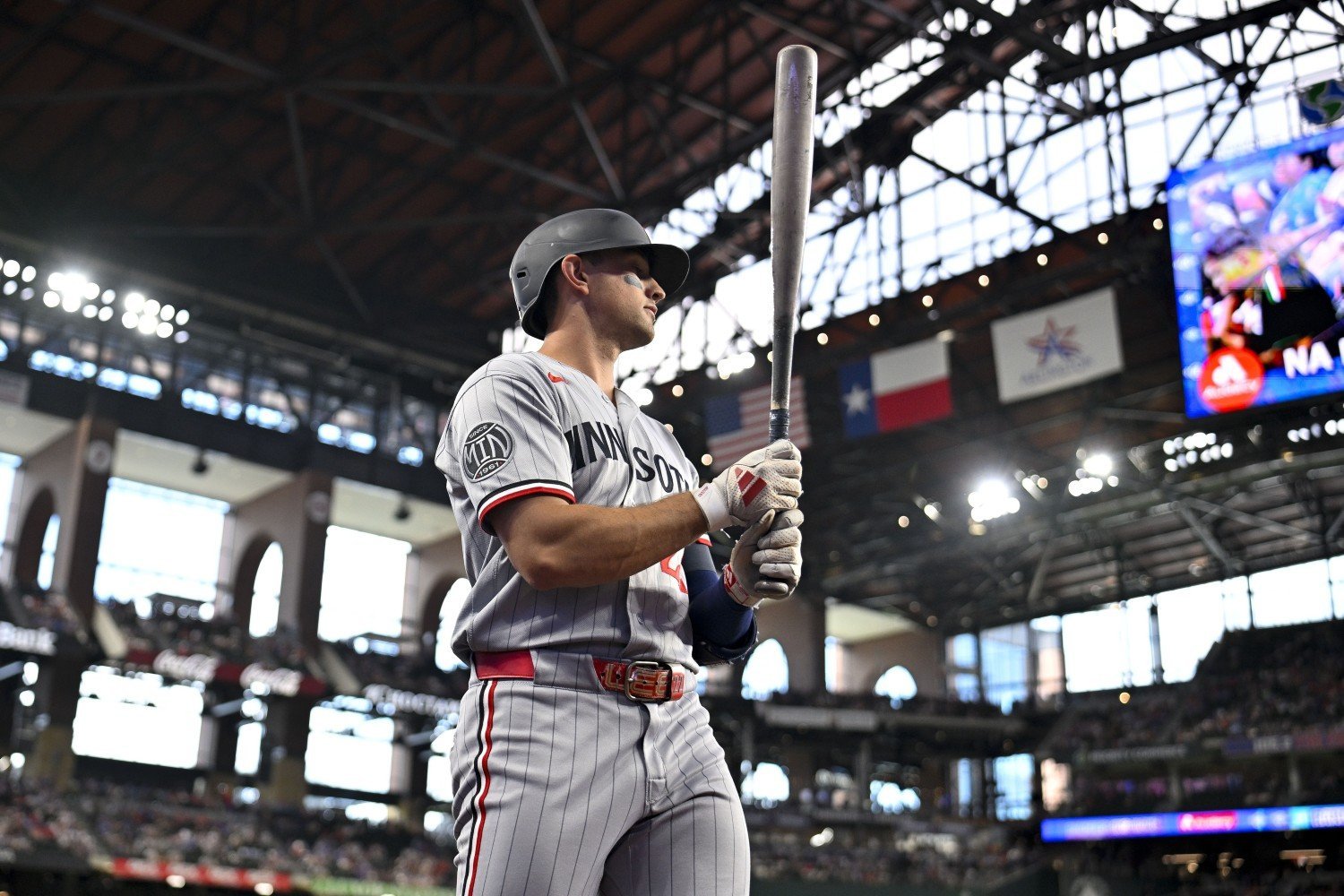 The Twins' offense has looked noticeably different over the past month, and it isn't just because the runs have started to come in bunches. Even after striking out 14 times on Wednesday night, Minnesota has become one of the best contact-hitting teams in baseball during June. Through Sunday's games, the Twins have struck out just 159 times this month, the fewest in the big leagues. That's a dramatic shift from where they stood earlier in the season. Back in May, Minnesota's lineup was one of baseball's most swing-and-miss-heavy groups, tying for the fourth-most strikeouts in the majors with 252. During March and April, they tied for ninth with 279 strikeouts. The change hasn't happened by accident. Whether it's a philosophical adjustment, better swing decisions, or simply healthier hitters settling into their seasons, the Twins have made putting the ball in play a clear priority. For a lineup that has often lived and died by the home run over the past several years, becoming more difficult to strike out adds another dimension. It creates more pressure on opposing defenses, leads to longer innings, and gives Minnesota more opportunities to capitalize on mistakes. No player better represents Minnesota's offensive evolution than Brooks Lee. The former first-round pick has always been praised for his advanced hit tool, but this season, he's turning those scouting reports into elite major league production. Among all American League hitters in June, Lee owns the lowest strikeout rate at just 7.8%. Looking across all of baseball among players with at least 70 plate appearances this month, only four hitters have struck out less frequently: Luis Arraez (4.0%), Sal Frelick (5.6%), Nico Hoerner (7.0%), and Jung Hoo Lee (7.2%). That's elite company. Perhaps even more impressive is that Lee isn't simply putting the ball in play. He's doing damage when he makes contact. Only two qualified hitters in baseball have hit at least 14 home runs while maintaining a strikeout rate below 16% this season: Juan Soto, who has 17 home runs with a 13.1% strikeout rate; and Lee, who has 14 home runs while striking out just 15.0% of the time. That combination is incredibly rare in today's game. Modern baseball has largely accepted higher strikeout totals as the cost of generating power. Lee is proving that the two skills don't have to be mutually exclusive. He's consistently finding the barrel without sacrificing contact, allowing him to impact games in multiple ways. It's also a testament to the hitter many evaluators believed the Twins were drafting when they selected him eighth overall in 2022. Lee showed exceptional bat-to-ball ability throughout his amateur and minor-league career. The power has continued to develop, making him an increasingly complete offensive player. If this version of Lee is here to stay, Minnesota may have found one of the most complete young hitters in the American League. Indeed, he's batting .255/.311/.475 since the frigid, weather-beaten first fortnight of the season., and over his last 150 plate appearances, he's slugging .522, even while putting the ball in play exceptionally consistently. The Contact Improvement Extends Throughout the Lineup Lee may be leading the way, but he certainly isn't alone. Among qualified Twins hitters in June, Luke Keaschall ranks in the top quartile with a 14.8% strikeout rate, while Kody Clemens sits close behind at 15.8%. Minnesota has also received excellent contact production from several players who haven't accumulated enough plate appearances to qualify. Ryan Kreidler owns an outstanding 5.9% strikeout rate this month, Trevor Larnach has cut his strikeouts to just 11.7%, and Victor Caratini has posted a solid 15.9% mark. That type of production throughout the lineup changes the complexion of an offense. Rather than relying on one or two hitters to carry the attack, Minnesota is forcing opposing pitchers to work through nearly every at-bat. More balls are being put in play. More runners are reaching base. More innings are being extended. Even on nights like Wednesday, when the strikeout totals spike, the overall trend remains encouraging. A Sustainable Formula The Twins don't need to become a team that completely eliminates strikeouts. That's unrealistic in today's game. What they have done is find a healthier balance. Power will always be an important part of Minnesota's identity, but combining that power with improved contact gives the offense a much higher floor. The lineup no longer has to wait for the three-run homer. It can manufacture offense through competitive at-bats, consistent contact, and pressure on opposing defenses. No player embodies that balance better than Lee. His ability to pair elite contact skills with legitimate power has placed him among some of baseball's best hitters statistically. More importantly, his approach appears to be shaping the team's offensive identity. If Minnesota continues making this much contact over the season's second half, the Twins won't just be harder to strike out—they'll be much harder to beat. Can the Twins continue their improved approach at the plate? Leave a comment and start the discussion.
- 23 comments
-
- 7
-
-
-
- brooks lee
- juan soto
- (and 3 more)
-
Image courtesy of Rob Thompson, St. Paul Saints Aaron Sabato has spent most of his professional career trying to convince the Twins that he could become more than organizational depth. Now, he's finally doing everything they could reasonably ask from a first baseman. The problem? It may have come too late. Lightly recruited out of Connecticut, Sabato transformed himself into one of college baseball's premier power hitters at the University of North Carolina. He announced his arrival by setting the Tar Heels' freshman home run record with 18 long balls in 2019. Shoulder surgery prevented him from playing summer ball, but he returned in the pandemic-shortened 2020 season and launched seven home runs in just 19 games. That performance was enough for the Twins to select him with the 27th overall pick in the first round of that shortened draft. Minnesota didn't select Sabato because of his defensive versatility or athleticism. They drafted him because they believed the bat would carry him to the big leagues. That has always been the challenge. First base is the most unforgiving position in baseball when it comes to prospect evaluation. Teams can tolerate a light-hitting shortstop because of premium defense. Catchers can stick around thanks to their work behind the plate. Center fielders can survive offensive slumps if they save runs defensively. A first baseman doesn't have that luxury. If the bat isn't playing, there's nowhere else to hide. For much of Sabato's professional career, the offensive production simply wasn't good enough. He spent parts of four seasons with Double-A Wichita, posting a .749 OPS while struggling to stay above the league-average line. It felt like he might need a permanent mailing address in Kansas. Everything finally clicked in 2025. Before earning a promotion, Sabato dominated Double-A pitching by slashing .305/.399/.574 with 14 home runs in just 39 games. His .973 OPS translated to a 165 wRC+, forcing the Twins to see whether the breakout was real. The results after his promotion were considerably more modest. The International League has earned a reputation as one of the most hitter-friendly environments in affiliated baseball, yet Sabato hit just .245/.288/.453 with a .741 OPS over his final 65 games. Fourteen home runs showed the power remained intact, but with an 86 wRC+, he wasn't exactly knocking down the door to Target Field. Entering his age-27 season, it became easy to view him as little more than experienced organizational depth. Instead, he's responded with perhaps the best sustained stretch of his professional career. After opening the season in a part-time role, injuries throughout the St. Paul roster created regular opportunities. Sabato has taken full advantage. Through 57 games, he's hitting .284/.346/.581 with 14 home runs, 20 doubles, and a .927 OPS. His 129 wRC+ ranks comfortably above average, and there are encouraging signs beneath the surface that suggest this isn't solely a product of favorable hitting environments. Perhaps most importantly, he's making more contact. Sabato has trimmed his strikeout rate from 28.7% last season to 25.0% this year. That's still higher than ideal, but every percentage point matters for a player whose value depends almost entirely on his offensive production. At the same time, his .298 isolated power is the highest mark he's posted since the lower levels of the minors, showing that the power hasn't disappeared despite the improved contact. Interestingly, his hard-hit rate has actually declined by 4.2 percentage points compared to last season. Rather than hitting the ball harder, Sabato appears to be hitting it better. His average launch angle has increased by 2.5 degrees, helping him elevate the baseball more consistently and maximize the raw power that made him a first-round selection in the first place. Minnesota has spent years cycling through veteran first base solutions. Carlos Santana, Ty France, Josh Bell, and Kody Clemens have all received opportunities while the organization searched for consistent production at the position. The Twins have generally preferred experienced options because Sabato never forced the issue with his minor-league performance. Now, he finally is. The timing could prove interesting. If Minnesota falls further out of contention, veterans like Bell or Clemens could become trade candidates before the deadline. Even Royce Lewis could draw interest if the front office decides to reshape the roster. A combination of those moves would create an obvious opening for Sabato to receive his first extended major league opportunity. Under normal circumstances, a 27-year-old first baseman tearing up Triple-A might earn that chance. But baseball doesn't always reward timing as much as talent. Sabato has spent six years trying to prove he belongs in the Twins' long-term plans. He's playing some of the best baseball of his career, and the numbers suggest this version is more complete than the one that reached Triple-A a year ago. Whether that's enough to change Minnesota's opinion may be the biggest question of all. Will Sabato get a chance with the Twins? Leave a comment and start the discussion. View full article
-
Aaron Sabato is Thriving at Triple-A. Do the Twins Care?
Cody Christie posted an article in Minor Leagues
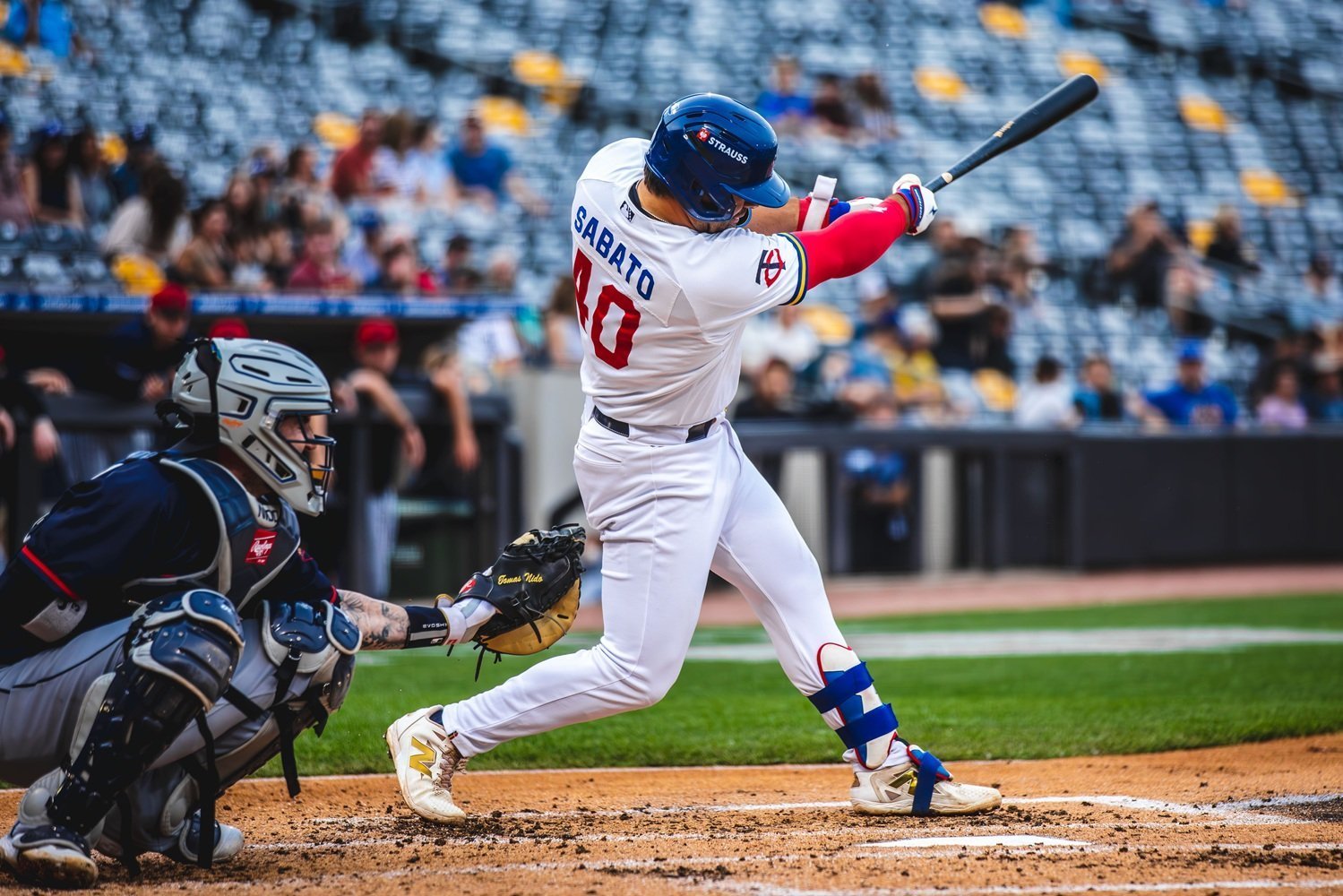 Aaron Sabato has spent most of his professional career trying to convince the Twins that he could become more than organizational depth. Now, he's finally doing everything they could reasonably ask from a first baseman. The problem? It may have come too late. Lightly recruited out of Connecticut, Sabato transformed himself into one of college baseball's premier power hitters at the University of North Carolina. He announced his arrival by setting the Tar Heels' freshman home run record with 18 long balls in 2019. Shoulder surgery prevented him from playing summer ball, but he returned in the pandemic-shortened 2020 season and launched seven home runs in just 19 games. That performance was enough for the Twins to select him with the 27th overall pick in the first round of that shortened draft. Minnesota didn't select Sabato because of his defensive versatility or athleticism. They drafted him because they believed the bat would carry him to the big leagues. That has always been the challenge. First base is the most unforgiving position in baseball when it comes to prospect evaluation. Teams can tolerate a light-hitting shortstop because of premium defense. Catchers can stick around thanks to their work behind the plate. Center fielders can survive offensive slumps if they save runs defensively. A first baseman doesn't have that luxury. If the bat isn't playing, there's nowhere else to hide. For much of Sabato's professional career, the offensive production simply wasn't good enough. He spent parts of four seasons with Double-A Wichita, posting a .749 OPS while struggling to stay above the league-average line. It felt like he might need a permanent mailing address in Kansas. Everything finally clicked in 2025. Before earning a promotion, Sabato dominated Double-A pitching by slashing .305/.399/.574 with 14 home runs in just 39 games. His .973 OPS translated to a 165 wRC+, forcing the Twins to see whether the breakout was real. The results after his promotion were considerably more modest. The International League has earned a reputation as one of the most hitter-friendly environments in affiliated baseball, yet Sabato hit just .245/.288/.453 with a .741 OPS over his final 65 games. Fourteen home runs showed the power remained intact, but with an 86 wRC+, he wasn't exactly knocking down the door to Target Field. Entering his age-27 season, it became easy to view him as little more than experienced organizational depth. Instead, he's responded with perhaps the best sustained stretch of his professional career. After opening the season in a part-time role, injuries throughout the St. Paul roster created regular opportunities. Sabato has taken full advantage. Through 57 games, he's hitting .284/.346/.581 with 14 home runs, 20 doubles, and a .927 OPS. His 129 wRC+ ranks comfortably above average, and there are encouraging signs beneath the surface that suggest this isn't solely a product of favorable hitting environments. Perhaps most importantly, he's making more contact. Sabato has trimmed his strikeout rate from 28.7% last season to 25.0% this year. That's still higher than ideal, but every percentage point matters for a player whose value depends almost entirely on his offensive production. At the same time, his .298 isolated power is the highest mark he's posted since the lower levels of the minors, showing that the power hasn't disappeared despite the improved contact. Interestingly, his hard-hit rate has actually declined by 4.2 percentage points compared to last season. Rather than hitting the ball harder, Sabato appears to be hitting it better. His average launch angle has increased by 2.5 degrees, helping him elevate the baseball more consistently and maximize the raw power that made him a first-round selection in the first place. Minnesota has spent years cycling through veteran first base solutions. Carlos Santana, Ty France, Josh Bell, and Kody Clemens have all received opportunities while the organization searched for consistent production at the position. The Twins have generally preferred experienced options because Sabato never forced the issue with his minor-league performance. Now, he finally is. The timing could prove interesting. If Minnesota falls further out of contention, veterans like Bell or Clemens could become trade candidates before the deadline. Even Royce Lewis could draw interest if the front office decides to reshape the roster. A combination of those moves would create an obvious opening for Sabato to receive his first extended major league opportunity. Under normal circumstances, a 27-year-old first baseman tearing up Triple-A might earn that chance. But baseball doesn't always reward timing as much as talent. Sabato has spent six years trying to prove he belongs in the Twins' long-term plans. He's playing some of the best baseball of his career, and the numbers suggest this version is more complete than the one that reached Triple-A a year ago. Whether that's enough to change Minnesota's opinion may be the biggest question of all. Will Sabato get a chance with the Twins? Leave a comment and start the discussion.
 -
Image courtesy of © Jerome Miron-Imagn Images The Twins' offense has looked noticeably different over the past month, and it isn't just because the runs have started to come in bunches. Even after striking out 14 times on Wednesday night, Minnesota has become one of the best contact-hitting teams in baseball during June. Entering play on Saturday, the Twins have struck out just 154 times this month, the second-fewest in Major League Baseball, trailing only the Arizona Diamondbacks (144). That's a dramatic shift from where they stood earlier in the season. Back in May, Minnesota's lineup was one of baseball's most swing-and-miss-heavy groups, tying for the fourth-most strikeouts in the majors with 252. During March and April, they ranked tied for ninth with 279 strikeouts. The change hasn't happened by accident. Whether it's a philosophical adjustment, better swing decisions, or simply healthier hitters settling into their seasons, the Twins have made putting the ball in play a clear priority. For a lineup that has often lived and died by the home run over the past several years, becoming more difficult to strike out adds another dimension. It creates more pressure on opposing defenses, leads to longer innings, and gives Minnesota more opportunities to capitalize on mistakes. Brooks Lee Has Become One of Baseball's Toughest Outs No player better represents Minnesota's offensive evolution than Brooks Lee. The former first-round pick has always been praised for his advanced hit tool, but this season, he's turning those scouting reports into elite major league production. Among all American League hitters in June, Lee owns the league's lowest strikeout percentage at just 8.7%. Looking across all of baseball among players with at least 70 plate appearances this month, only four hitters have struck out less frequently: Luis Arraez (4.5%), Jung Hoo Lee (5.9%), Nico Hoerner (6.8%), and Otto Lopez (8.6%). That's elite company. Perhaps even more impressive is that Lee isn't simply putting the ball in play. He's doing damage when he makes contact. Only two qualified hitters in baseball have hit at least 14 home runs while maintaining a strikeout rate below 16 percent this season: Juan Soto, who has 17 home runs with a 13.1% strikeout rate, and Brooks Lee, who has 14 home runs while striking out just 15.4% of the time. That combination is incredibly rare in today's game. Modern baseball has largely accepted higher strikeout totals as the cost of generating power. Lee is proving that the two skills don't have to be mutually exclusive. He's consistently finding the barrel (28.6 Squared-Up%) without sacrificing contact, allowing him to impact games in multiple ways. It's also a testament to the hitter many evaluators believed the Twins were drafting when they selected him eighth overall in 2022. Lee has always shown exceptional bat-to-ball ability throughout his amateur and minor league career. The power has continued to develop, making him an increasingly complete offensive player. If this version of Brooks Lee is here to stay, Minnesota may have found one of the most complete young hitters in the American League. The Contact Improvement Extends Throughout the Lineup Lee may be leading the way, but he certainly isn't alone. Among qualified Twins hitters in June, Luke Keaschall ranks 18th in baseball with a 16.0% strikeout rate, while Kody Clemens sits 22nd at 17.0%. Minnesota has also received excellent contact production from several players who haven't accumulated enough plate appearances to qualify. Ryan Kreidler owns an outstanding 6.3% strikeout rate this month, Trevor Larnach has cut his strikeouts to just 13.0%, and Victor Caratini has posted a solid 15.4% mark. That type of production throughout the lineup changes the complexion of an offense. Rather than relying on one or two hitters to carry the attack, Minnesota is forcing opposing pitchers to work through nearly every at-bat. More balls are being put in play. More runners are reaching base. More innings are being extended. Even on nights like Wednesday, when the strikeout totals spike, the overall trend remains encouraging. A Sustainable Formula The Twins don't need to become a team that completely eliminates strikeouts. That's simply unrealistic in today's game. What they have done is find a healthier balance. Power will always be an important part of Minnesota's identity, but combining that power with improved contact gives the offense a much higher floor. The lineup no longer has to wait exclusively for the three-run homer. It can manufacture offense through competitive at-bats, consistent contact, and pressure on opposing defenses. No player embodies that balance better than Lee. His ability to pair elite contact skills with legitimate power has placed him among some of baseball's best hitters statistically. More importantly, his approach appears to be shaping the team's offensive identity. If Minnesota continues making this much contact over the season's second half, the Twins won't just be harder to strike out—they'll be much harder to beat. Can the Twins continue their improved approach at the plate? Leave a comment and start the discussion. View full article
-
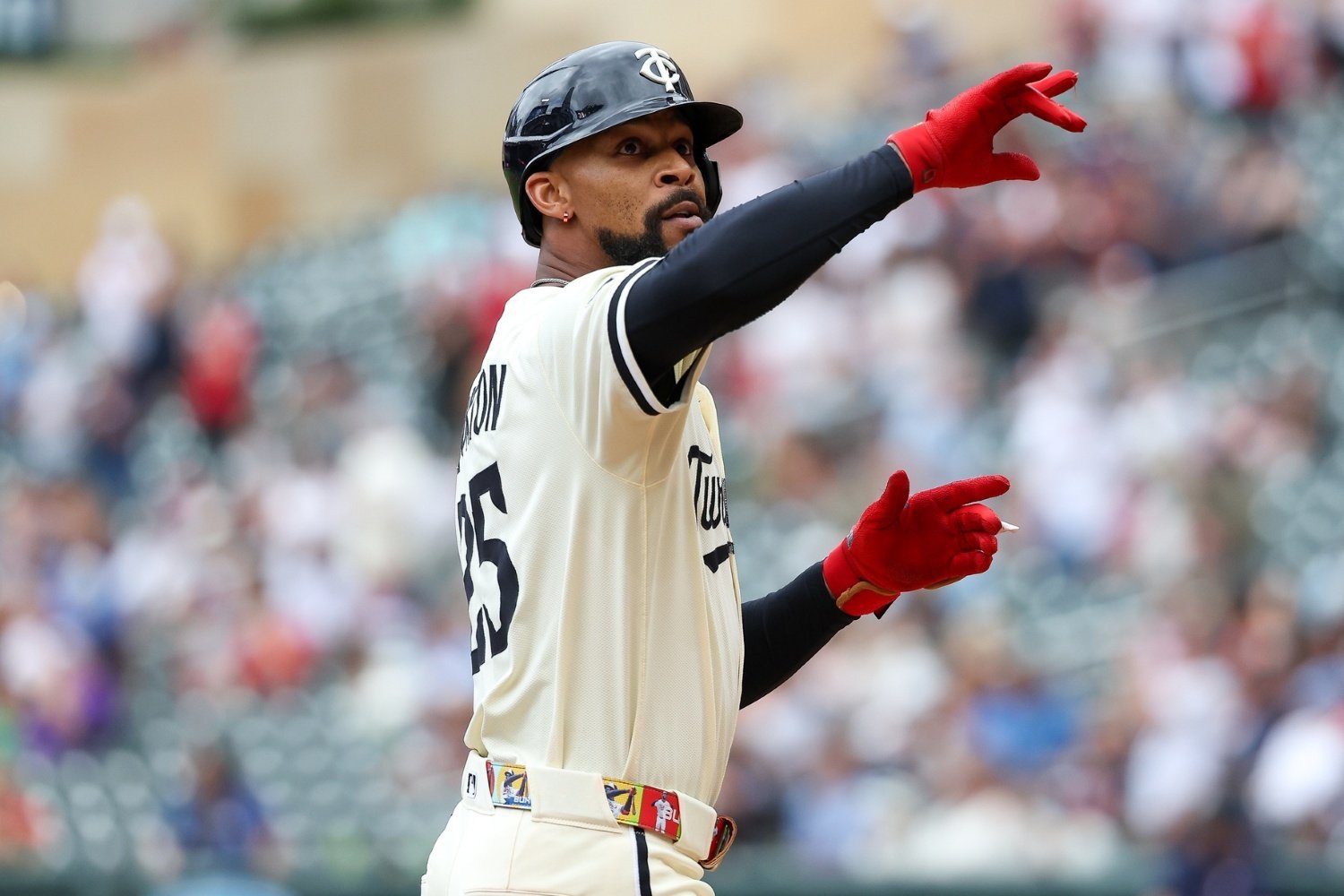 The Minnesota Twins have watched Byron Buxton put together plenty of memorable seasons throughout his career, but 2026 has been something different. Healthy (knock on wood), productive, and once again one of the game's most dynamic players, Buxton is now one step closer to receiving the recognition that has long felt overdue. Major League Baseball announced the results of Phase 1 of All-Star voting on Thursday, and Buxton advanced to Phase 2 as one of six American League outfield finalists. Now, with the vote totals reset, Twins fans have one more opportunity to help send their center fielder to Philadelphia as a starting outfielder in the 2026 MLB All-Star Game. Finally Getting the Recognition Buxton's talent has never been questioned. Staying on the field has often been the only thing standing between him and national superstardom. This season, he's erased those questions. After launching 35 home runs during his All-Star campaign in 2025, Buxton has somehow raised the bar even higher. Entering the final days before voting resumes, he is tied with Yordan Alvarez for the American League lead with 25 home runs, putting him on pace to eclipse the 50-homer mark for the first time in his career. His .912 OPS ranks as the second-best mark of his career, trailing only his remarkable 2021 season, when injuries limited him to just 61 games despite producing like one of baseball's best hitters. It's the kind of production Twins fans have always believed was possible when Buxton is healthy. Now the rest of baseball is taking notice. A Crowded Race in the AL Outfield Phase 2 won't be easy. Buxton will compete with Aaron Judge, Mike Trout, Cody Bellinger, Daulton Varsho, and Jesús Sánchez for one of three starting outfield spots. Judge and Trout remain two of the sport's biggest stars, but both enter the final round while on the injured list. Judge is recovering from a stress fracture in his ribs and is not expected back until after the All-Star break. Trout is dealing with a right hamstring strain but could return before the Midsummer Classic. Meanwhile, Bellinger has enjoyed a strong bounce-back season after returning to New York, while Toronto teammates Varsho and Sánchez are both looking to earn the first All-Star selections of their careers. Despite the talented field, Buxton has a compelling case that extends well beyond his home run total. He continues to provide strong defense in center field while serving as the centerpiece of Minnesota's offense nearly every night. That's the type of complete player deserving of an All-Star start. Twins Fans Can Finish the Job The biggest twist in MLB's voting process is that nothing from Phase 1 carries over. Although Buxton received more than 1.6 million votes to comfortably advance, every finalist now starts back at zero. Phase 2 voting opens at 11:00 a.m. CT on Monday, June 29th, and runs through 11:00 a.m. CT on Thursday, July 2nd. Fans can cast one ballot every 24 hours through MLB's website, club websites, the MLB App, and MLB Ballpark App. The winners will be announced on July 4, with pitchers and reserves revealed shortly afterward. Buxton has spent more than a decade giving Twins fans highlight-reel catches, breathtaking speed, and tape-measure home runs. This season has showcased everything that has made him one of baseball's most exciting players, only this time with the consistency that comes from being healthy. Now comes the final push. Phase 1 showed that Buxton has earned national attention. Phase 2 will determine whether he takes the field at Citizens Bank Park as a starter. If Twins fans want to see one of the franchise's best seasons in recent memory rewarded with a place in the starting lineup, voting begins Monday. With the totals reset, every vote matters once again, and Minnesota has four days to help send Byron Buxton where he belongs: the All-Star starting lineup.
 -
The Minnesota Twins have watched Byron Buxton put together plenty of memorable seasons throughout his career, but 2026 has been something different. Healthy (knock on wood), productive, and once again one of the game's most dynamic players, Buxton is now one step closer to receiving the recognition that has long felt overdue. Major League Baseball announced the results of Phase 1 of All-Star voting on Thursday, and Buxton advanced to Phase 2 as one of six American League outfield finalists. Now, with the vote totals reset, Twins fans have one more opportunity to help send their center fielder to Philadelphia as a starting outfielder in the 2026 MLB All-Star Game. Finally Getting the Recognition Buxton's talent has never been questioned. Staying on the field has often been the only thing standing between him and national superstardom. This season, he's erased those questions. After launching 35 home runs during his All-Star campaign in 2025, Buxton has somehow raised the bar even higher. Entering the final days before voting resumes, he is tied with Yordan Alvarez for the American League lead with 25 home runs, putting him on pace to eclipse the 50-homer mark for the first time in his career. His .912 OPS ranks as the second-best mark of his career, trailing only his remarkable 2021 season, when injuries limited him to just 61 games despite producing like one of baseball's best hitters. It's the kind of production Twins fans have always believed was possible when Buxton is healthy. Now the rest of baseball is taking notice. A Crowded Race in the AL Outfield Phase 2 won't be easy. Buxton will compete with Aaron Judge, Mike Trout, Cody Bellinger, Daulton Varsho, and Jesús Sánchez for one of three starting outfield spots. Judge and Trout remain two of the sport's biggest stars, but both enter the final round while on the injured list. Judge is recovering from a stress fracture in his ribs and is not expected back until after the All-Star break. Trout is dealing with a right hamstring strain but could return before the Midsummer Classic. Meanwhile, Bellinger has enjoyed a strong bounce-back season after returning to New York, while Toronto teammates Varsho and Sánchez are both looking to earn the first All-Star selections of their careers. Despite the talented field, Buxton has a compelling case that extends well beyond his home run total. He continues to provide strong defense in center field while serving as the centerpiece of Minnesota's offense nearly every night. That's the type of complete player deserving of an All-Star start. Twins Fans Can Finish the Job The biggest twist in MLB's voting process is that nothing from Phase 1 carries over. Although Buxton received more than 1.6 million votes to comfortably advance, every finalist now starts back at zero. Phase 2 voting opens at 11:00 a.m. CT on Monday, June 29th, and runs through 11:00 a.m. CT on Thursday, July 2nd. Fans can cast one ballot every 24 hours through MLB's website, club websites, the MLB App, and MLB Ballpark App. The winners will be announced on July 4, with pitchers and reserves revealed shortly afterward. Buxton has spent more than a decade giving Twins fans highlight-reel catches, breathtaking speed, and tape-measure home runs. This season has showcased everything that has made him one of baseball's most exciting players, only this time with the consistency that comes from being healthy. Now comes the final push. Phase 1 showed that Buxton has earned national attention. Phase 2 will determine whether he takes the field at Citizens Bank Park as a starter. If Twins fans want to see one of the franchise's best seasons in recent memory rewarded with a place in the starting lineup, voting begins Monday. With the totals reset, every vote matters once again, and Minnesota has four days to help send Byron Buxton where he belongs: the All-Star starting lineup. View full rumor
-
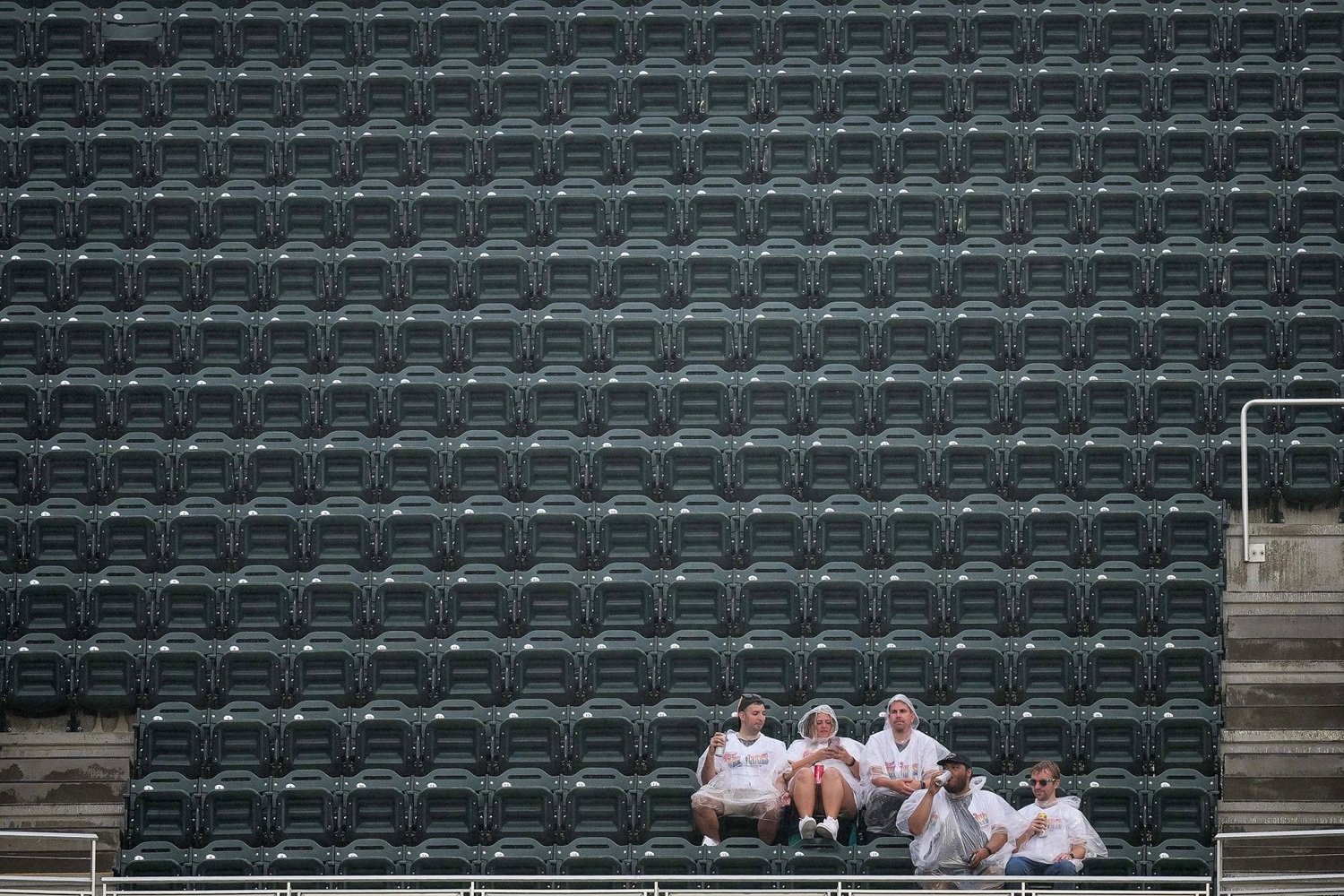 The Twins have spent much of the season trying to convince fans to come back to Target Field. The problem is that the numbers and Through 41 home games, Minnesota has announced ticket sales of 825,361, a 0.11% decline from the 826.296 tickets reported at the same point a year ago. That works out to an average of 23 fans per game, ranking 15th among the 30 major league clubs. On the surface, that small of a drop may not seem dramatic. The context makes it more concerning. Last season was already the lowest-attended full season in Target Field history. Excluding the pandemic-disrupted years of 2020 and 2021, the Twins' 1.769 million fans in 2025 represented their smallest crowd total since 2001, when the club still played in the Metrodome. Falling below that pace raises questions about both fan engagement and the organization's relationship with its customer base. A Predictable Decline The warning signs were obvious long before Opening Day. Fans entered the season frustrated after last summer's deadline selloff saw Minnesota move a significant portion of its major league roster. The winter brought little relief. Ownership cut payroll dramatically, leaving the Twins with a $105.7 million Opening Day payroll, their lowest figure in more than a decade. For a fan base already skeptical about ownership's commitment to winning, there was little reason to rush out and buy tickets. The schedule didn't help either. Minnesota played 17 home games in April, two more than it did during the same stretch last season. Cold weather has never been a friend of attendance figures in Minnesota, and several early-season crowds reflected that reality. Still, weather only explains part of the story. Promotions Can Help, But Only So Much The Twins have tried a variety of methods to generate interest. Friday and Saturday games now feature pregame $2 beers, one of several promotions designed to lower the barrier for fans considering a trip to the ballpark. The organization has also leaned heavily into ticket giveaways and special-event nights. Those efforts may help announced attendance figures, but they don't necessarily translate into meaningful revenue or sustained fan interest. That's part of why the 0.11% decline could actually understate the issue. A ticket given away counts the same as a ticket sold when attendance is announced publicly, even though the financial impact is obviously different. The Twins can improve optics by filling seats on paper. Rebuilding trust with paying customers is a much harder challenge. The Bigger Picture Around Baseball What's happening in Minneapolis stands out even more when viewed against the rest of the league. Major League Baseball is experiencing another attendance increase this season, with average crowds rising by more than 640 fans per game across the sport. Summer weather and pennant-race excitement could push that number even higher as the season progresses. Some clubs have seen massive jumps. The Blue Jays have enjoyed the largest increase after their World Series appearance, adding more than 10,000 fans per game. Tampa Bay's return to its home ballpark has also produced a significant attendance boost (+6,747). The Twins, meanwhile, are moving in the opposite direction. Their average crowd has dropped by roughly 23 fans per game compared to last season. Half the league has experienced larger declines, but many of those teams started from much stronger attendance positions. Even within the AL Central, the Twins aren't standing out in a positive way. The White Sox, despite entering the season with low expectations, have posted one of baseball's largest attendance increases (+6,115). However, the rest of the AL Central ranks below the Twins in decreased average attendance, but that might have to do with how low Minnesota was in 2025. Empty Seats Have Become Common Perhaps the most telling statistic is how rarely Target Field has hosted a truly large crowd. Minnesota has surpassed 30,000 announced fans only five times this season: April 3: The Home Opener. April 17: When the club offered complimentary tickets to fans affected by the Home Opener power outage. May 16: A Saturday matchup against Milwaukee. June 22-23: Dodgers series Outside of those dates, large crowds have been difficult to find. The contrast was particularly striking in mid-May. Two days after announcing a crowd of 33,115 against the Brewers, the Twins reported a season-low attendance of just 11,488 for a game against Houston. That's a swing of more than 21,000 people in the span of a single series. Can a Minnesota Summer Save The Numbers? There is still time for attendance to improve. The weather is getting warmer, and the Twins have several attractive home dates remaining, and a postgame Ludacris concert scheduled for June 26. Winning would help, too. Minnesota has a 38-43 record and sitting just outside the playoff picture. The American League remains crowded enough that a sustained hot streak could quickly put the Twins back in the postseason conversation. Fans have shown throughout the Target Field era that they'll support a contender. The challenge for the organization is convincing them that this team (and this ownership group) is worth investing in again. The Twins expected some attendance fallout after last year's deadline teardown and payroll reduction. What they probably didn't expect was to be tracking below a season that already represented a historic low point for Target Field. Promotions, giveaways, and concerts can provide temporary boosts, but they don't address the underlying issue. Fans respond to belief. They buy tickets when they trust the organization is committed to putting a competitive product on the field. Right now, the attendance numbers suggest many Twins fans are still waiting to be convinced. With half the home schedule remaining, there is time to change the story. Whether the club can do enough on the field (and off it) to bring fans back through the gates may be one of the most important questions facing the franchise during the second half. What stands out about the team’s attendance so far this year? Leave a comment and start the discussion.
 -
I’m interested in people’s thoughts on why Joe Ryan ranks so poorly. He seems athletic enough. Does his follow through make it tricky to field balls? Does he just not care about balls and let the fielders behind him take care of it?
- 54 replies
-
- 1
-

-
- byron buxton
- luke keaschall
- (and 8 more)
-
Image courtesy of © Matt Blewett-Imagn Images Defense can be one of the most difficult aspects of baseball to evaluate. While fans can easily identify a diving catch or a costly error, modern metrics attempt to capture the countless subtle plays that impact run prevention over the course of a season. The first installment of the 2026 SABR Defensive Index (SDI) rankings has been released, providing an early look at how Minnesota Twins players stack up defensively against the rest of the American League. The SDI serves as a key component in determining Rawlings Gold Glove Award winners and combines multiple defensive metrics, including Statcast data and traditional play-by-play analysis. While it's still early in the season, the rankings reveal several surprises for Minnesota—both positive and negative. All rankings were through games played on June 7, 2026. Bradley Leads the Pitching Staff Grading pitching defense is still challenging, and this year's rankings largely reflect that reality. Among Minnesota pitchers, Taj Bradley leads the way with a 0.6 SDI, ranking 16th among American League pitchers. Bailey Ober sits at an even 0.0, while Connor Prielipp checks in at -0.5. Joe Ryan's ranking stands out the most. His -0.7 SDI places him near the bottom of qualified AL pitchers, with only nine qualified hurlers posting a lower mark. For the entire 2025 season, he had a -1.9 SDI. While pitcher defense generally carries less value than other positions, it remains an area where Ryan has struggled throughout his career. Jeffers Showing Improvement Behind the Plate One of the more encouraging developments comes at catcher. Ryan Jeffers currently owns a 0.0 SDI, ranking eighth among American League catchers. That might not sound impressive on the surface, but it's a significant improvement from last season when he posted a -6.2 SDI. In 2025, only Logan O'Hoppe graded worse among qualified AL catchers. Victor Caratini sits slightly below average at -0.4 SDI, but he has seen more regular action since Jeffers went on the IL and his numbers have improved. Jeffers' improvement represents a notable step forward for a player whose offensive production has often overshadowed concerns about his defense. Can Clemens Continue Minnesota's Gold Glove Tradition? For years, the Twins have received strong defensive production at first base. Carlos Santana and Ty France each earned Gold Glove recognition during their time in Minnesota, and Kody Clemens appears determined to keep the Twins in the Gold Glove conversation. Clemens owns a 1.8 SDI, ranking sixth among American League first basemen. However, he is only 0.6 out of ranking among the top three. His defensive performance has quietly become one of the team's strengths. With Royce Lewis beginning to see more action at first base, it will be interesting to see whether he can develop into a capable defender there as the season progresses. Middle Infield Remains a Concern If there is one area where these rankings raise red flags, it's the middle infield. Luke Keaschall's -5.0 SDI ranks last among qualified AL second basemen. The sophomore’s bat has helped him remain in the lineup, but manager Derek Shelton has already acknowledged the defensive challenges. Shelton has reportedly discussed late-game defensive substitutions with Keaschall, recognizing that run prevention can become critical in close contests. Things look even rougher at shortstop. Brooks Lee's -5.9 SDI ranks last among qualified American League shortstops. While defensive metrics can fluctuate throughout a season, the struggles help explain why Minnesota has increasingly shifted Lee to third base. His offensive versatility remains valuable, but the organization appears to be searching for a more sustainable long-term defensive alignment. Interestingly, no Twins third baseman had accumulated enough innings to qualify for the rankings. Lewis had been demoted and moved off the hot corner. Lee will start showing up on the SDI ranking later this season. Mixed Results in the Outfield Minnesota's outfield rankings offer a blend of surprises. Trevor Larnach owns a -0.4 SDI in left field, with only three qualified AL left fielders ranking lower. While Larnach's offensive contributions remain valuable, defense continues to be an area where he grades below average. In center field, Byron Buxton sits at -0.1 SDI, tied for eighth among American League center fielders. While those numbers don't jump off the page, they represent improvement from last season's -4.6 SDI. Some of Buxton's decline in defensive metrics can be attributed to diminished arm strength. Opposing runners have been more willing to take extra bases against him than they were during his Gold Glove peak years, impacting his overall value despite still covering plenty of ground. The biggest surprise may come in right field. Austin Martin's 2.9 SDI ranks third among AL right fielders, trailing only Wilyer Abreu and Cam Smith. Martin's athleticism has long been evident, but his defensive impact has become one of the more underrated aspects of his game. While much of the focus remains on whether he'll hit enough to secure a long-term role, his glove is making a compelling case. A Snapshot, Not a Final Verdict As always, defensive metrics should be viewed as one piece of a much larger puzzle. Small samples, positioning, team strategies, and statistical variance can all influence these rankings. Still, the first SDI update highlights several clear trends. Minnesota continues to receive strong defense at first base, Martin is emerging as a legitimate defensive asset, and Jeffers appears to be making strides behind the plate. On the other hand, the middle infield remains a concern, with both Keaschall and Lee ranking at the bottom of their respective positions. With the Twins fighting to remain in the American League playoff race, every run saved could prove just as important as every run scored. What surprises you most about these rankings? Are you buying Martin as one of the AL's best defensive right fielders, and how concerned are you about the defensive struggles of Keaschall and Lee? Leave a comment and start the discussion. View full article
-
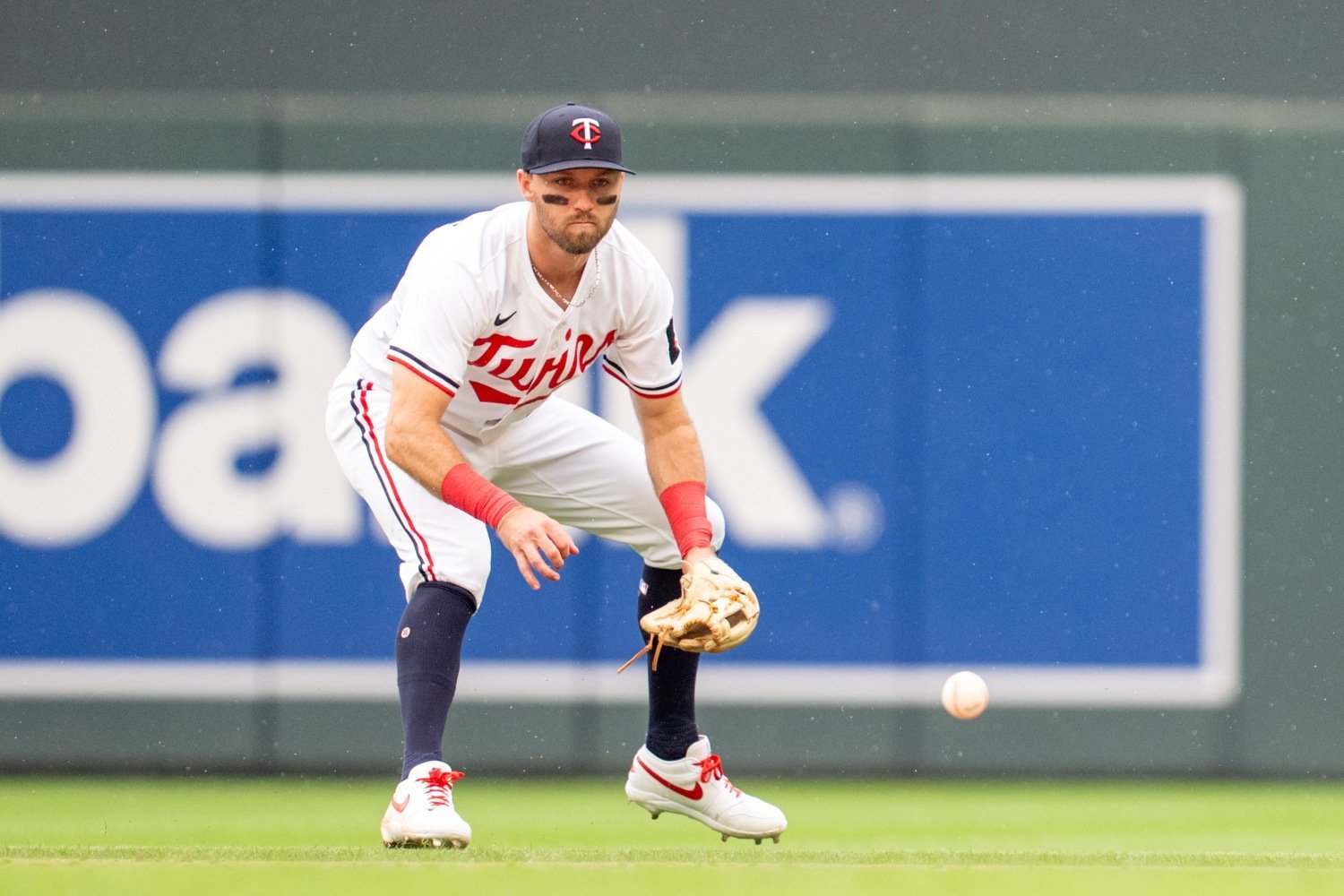 Defense can be one of the most difficult aspects of baseball to evaluate. While fans can easily identify a diving catch or a costly error, modern metrics attempt to capture the countless subtle plays that impact run prevention over the course of a season. The first installment of the 2026 SABR Defensive Index (SDI) rankings has been released, providing an early look at how Minnesota Twins players stack up defensively against the rest of the American League. The SDI serves as a key component in determining Rawlings Gold Glove Award winners and combines multiple defensive metrics, including Statcast data and traditional play-by-play analysis. While it's still early in the season, the rankings reveal several surprises for Minnesota—both positive and negative. All rankings were through games played on June 7, 2026. Bradley Leads the Pitching Staff Grading pitching defense is still challenging, and this year's rankings largely reflect that reality. Among Minnesota pitchers, Taj Bradley leads the way with a 0.6 SDI, ranking 16th among American League pitchers. Bailey Ober sits at an even 0.0, while Connor Prielipp checks in at -0.5. Joe Ryan's ranking stands out the most. His -0.7 SDI places him near the bottom of qualified AL pitchers, with only nine qualified hurlers posting a lower mark. For the entire 2025 season, he had a -1.9 SDI. While pitcher defense generally carries less value than other positions, it remains an area where Ryan has struggled throughout his career. Jeffers Showing Improvement Behind the Plate One of the more encouraging developments comes at catcher. Ryan Jeffers currently owns a 0.0 SDI, ranking eighth among American League catchers. That might not sound impressive on the surface, but it's a significant improvement from last season when he posted a -6.2 SDI. In 2025, only Logan O'Hoppe graded worse among qualified AL catchers. Victor Caratini sits slightly below average at -0.4 SDI, but he has seen more regular action since Jeffers went on the IL and his numbers have improved. Jeffers' improvement represents a notable step forward for a player whose offensive production has often overshadowed concerns about his defense. Can Clemens Continue Minnesota's Gold Glove Tradition? For years, the Twins have received strong defensive production at first base. Carlos Santana and Ty France each earned Gold Glove recognition during their time in Minnesota, and Kody Clemens appears determined to keep the Twins in the Gold Glove conversation. Clemens owns a 1.8 SDI, ranking sixth among American League first basemen. However, he is only 0.6 out of ranking among the top three. His defensive performance has quietly become one of the team's strengths. With Royce Lewis beginning to see more action at first base, it will be interesting to see whether he can develop into a capable defender there as the season progresses. Middle Infield Remains a Concern If there is one area where these rankings raise red flags, it's the middle infield. Luke Keaschall's -5.0 SDI ranks last among qualified AL second basemen. The sophomore’s bat has helped him remain in the lineup, but manager Derek Shelton has already acknowledged the defensive challenges. Shelton has reportedly discussed late-game defensive substitutions with Keaschall, recognizing that run prevention can become critical in close contests. Things look even rougher at shortstop. Brooks Lee's -5.9 SDI ranks last among qualified American League shortstops. While defensive metrics can fluctuate throughout a season, the struggles help explain why Minnesota has increasingly shifted Lee to third base. His offensive versatility remains valuable, but the organization appears to be searching for a more sustainable long-term defensive alignment. Interestingly, no Twins third baseman had accumulated enough innings to qualify for the rankings. Lewis had been demoted and moved off the hot corner. Lee will start showing up on the SDI ranking later this season. Mixed Results in the Outfield Minnesota's outfield rankings offer a blend of surprises. Trevor Larnach owns a -0.4 SDI in left field, with only three qualified AL left fielders ranking lower. While Larnach's offensive contributions remain valuable, defense continues to be an area where he grades below average. In center field, Byron Buxton sits at -0.1 SDI, tied for eighth among American League center fielders. While those numbers don't jump off the page, they represent improvement from last season's -4.6 SDI. Some of Buxton's decline in defensive metrics can be attributed to diminished arm strength. Opposing runners have been more willing to take extra bases against him than they were during his Gold Glove peak years, impacting his overall value despite still covering plenty of ground. The biggest surprise may come in right field. Austin Martin's 2.9 SDI ranks third among AL right fielders, trailing only Wilyer Abreu and Cam Smith. Martin's athleticism has long been evident, but his defensive impact has become one of the more underrated aspects of his game. While much of the focus remains on whether he'll hit enough to secure a long-term role, his glove is making a compelling case. A Snapshot, Not a Final Verdict As always, defensive metrics should be viewed as one piece of a much larger puzzle. Small samples, positioning, team strategies, and statistical variance can all influence these rankings. Still, the first SDI update highlights several clear trends. Minnesota continues to receive strong defense at first base, Martin is emerging as a legitimate defensive asset, and Jeffers appears to be making strides behind the plate. On the other hand, the middle infield remains a concern, with both Keaschall and Lee ranking at the bottom of their respective positions. With the Twins fighting to remain in the American League playoff race, every run saved could prove just as important as every run scored. What surprises you most about these rankings? Are you buying Martin as one of the AL's best defensive right fielders, and how concerned are you about the defensive struggles of Keaschall and Lee? Leave a comment and start the discussion.
- 54 comments
-
- 4
-
-
- byron buxton
- luke keaschall
- (and 8 more)
