



Cody Christie
-
Posts
7,794 -
Joined
-
Last visited
-
Days Won
5
Content Type
Profiles
News
Minnesota Twins Videos
2026 Minnesota Twins Top Prospects Ranking
2022 Minnesota Twins Draft Picks
Minnesota Twins Free Agent & Trade Rumors, Notes, & Tidbits
Guides & Resources
2023 Minnesota Twins Draft Picks
The Minnesota Twins Players Project
2024 Minnesota Twins Draft Picks
2025 Minnesota Twins Draft Pick Tracker
2026 Minnesota Twins Draft Tracker: Picks & Bonuses
Forums
Blogs
Events
Store
Downloads
Gallery
Everything posted by Cody Christie
-
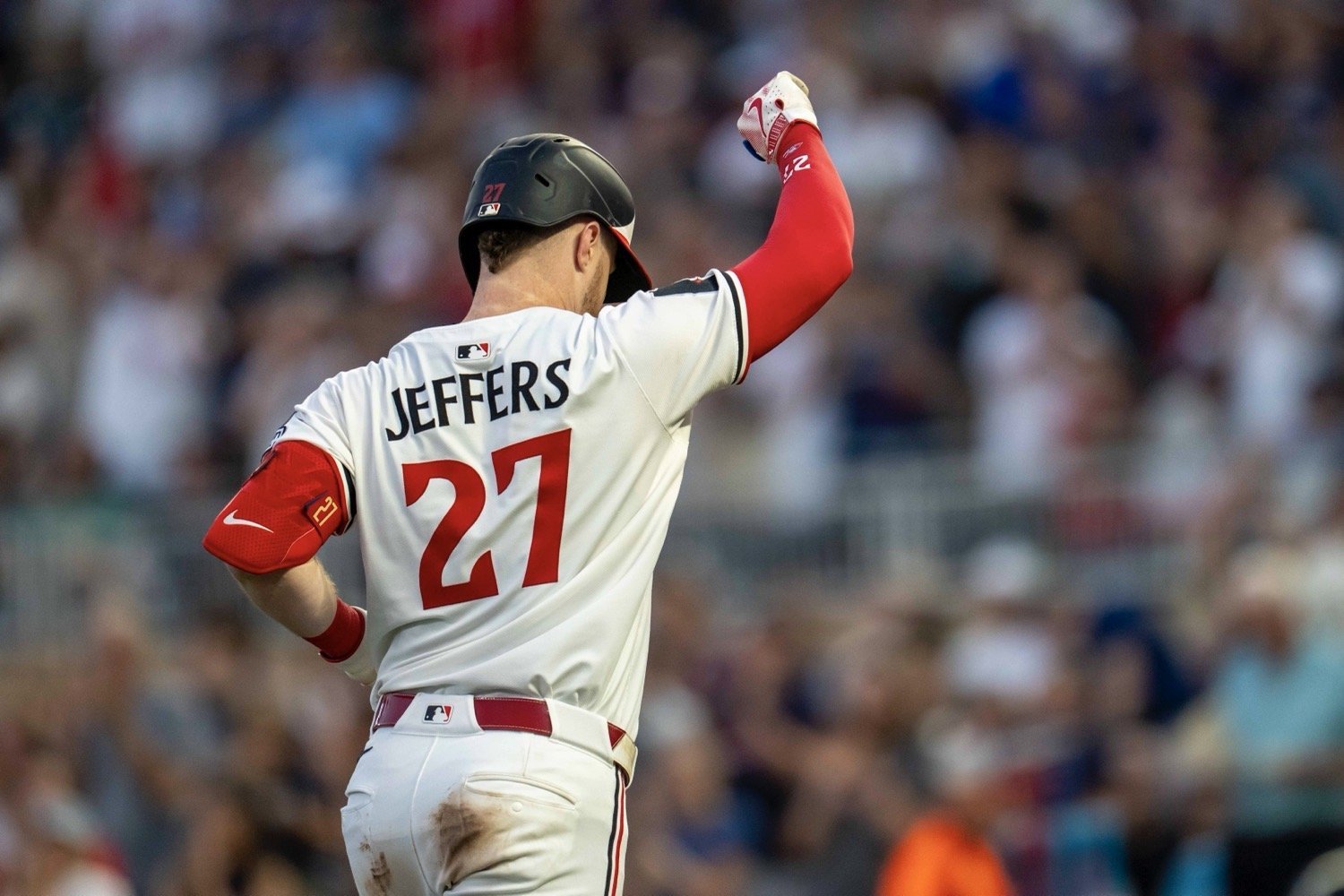 Just a couple of weeks ago, it felt inevitable that the Minnesota Twins would spend the trade deadline moving veteran pieces for future assets. Hovering below .500 and struggling to gain ground in the American League Wild Card race, Minnesota looked like a team headed toward another disappointing finish. Then the script changed. A series victory at Yankee Stadium, Minnesota's first since 2014, continued a stretch of improved baseball that has put the Twins squarely back in the postseason conversation. They aren't leading the division, but they're close enough to the final Wild Card spot that selling no longer feels like the obvious path. According to MLB insider Ken Rosenthal, that's exactly how the Twins are approaching the deadline. "The Minnesota Twins... look increasingly unlikely to sell. They are only 1 1/2 games back in the race for the third AL wild card, and their new control person, Tom Pohlad, is motivated to win over his players and win back fans." That represents a significant shift from where things stood just days ago. Minnesota has played itself back into contention, and with roughly three weeks remaining before the trade deadline, every win makes it more difficult to justify subtracting from the major league roster. Even so, standing pat doesn't necessarily mean every veteran is untouchable. Ryan Jeffers Still Makes Sense as a Trade Chip Rosenthal also noted that catcher Ryan Jeffers remains one player who could be moved regardless of where Minnesota sits in the standings. "One player the Twins could move regardless of their standing is catcher Ryan Jeffers, who is on a rehabilitation assignment as he works his way back from a left hamate fracture. Jeffers is a potential free agent who could bring back bullpen help, and the Twins could replace him with Victor Caratini and Alex Jackson." That possibility has become much more realistic over the past month. When Jeffers went down with a fractured hamate bone, Minnesota turned to Victor Caratini for an increased workload. Rather than simply filling in, Caratini has become one of the club's most productive hitters while continuing to provide quality defense and veteran leadership behind the plate. His emergence has changed the equation. Earlier this season, trading Jeffers would have left a significant hole at catcher. Now, Caratini has shown he is capable of handling everyday duties, while Alex Jackson gives Minnesota another defensive-minded option to round out the catching tandem. The Market Could Work in Minnesota's Favor Rosenthal also identified two clubs that continue to monitor the catching market. "Speculation persists that the New York Yankees will pursue Jeffers. The Tampa Bay Rays are another team interested in catching help, creating the possibility of an AL East bidding war." That's encouraging news if Minnesota ultimately decides to move Jeffers. Quality catching is always difficult to acquire in July, and multiple playoff contenders searching for upgrades could drive up the asking price. Rather than simply receiving a lower-level prospect, the Twins could target an area of greater need. The Twins no longer appear headed for a traditional sell-off. If they continue to play winning baseball, adding complementary pieces may become just as likely as subtracting veterans. But that doesn't eliminate the possibility of making calculated moves that improve both the present and the future. The next few weeks will determine whether the Twins become buyers, sellers, or something in between. Based on their recent play, the most likely outcome is a club that tries to thread the needle by competing for a postseason berth while taking advantage of opportunities to improve the roster.
 -
 Just a couple of weeks ago, it felt inevitable that the Minnesota Twins would spend the trade deadline moving veteran pieces for future assets. Hovering below .500 and struggling to gain ground in the American League Wild Card race, Minnesota looked like a team headed toward another disappointing finish. Then the script changed. A series victory at Yankee Stadium, Minnesota's first since 2014, continued a stretch of improved baseball that has put the Twins squarely back in the postseason conversation. They aren't leading the division, but they're close enough to the final Wild Card spot that selling no longer feels like the obvious path. According to MLB insider Ken Rosenthal, that's exactly how the Twins are approaching the deadline. "The Minnesota Twins... look increasingly unlikely to sell. They are only 1 1/2 games back in the race for the third AL wild card, and their new control person, Tom Pohlad, is motivated to win over his players and win back fans." That represents a significant shift from where things stood just days ago. Minnesota has played itself back into contention, and with roughly three weeks remaining before the trade deadline, every win makes it more difficult to justify subtracting from the major league roster. Even so, standing pat doesn't necessarily mean every veteran is untouchable. Ryan Jeffers Still Makes Sense as a Trade Chip Rosenthal also noted that catcher Ryan Jeffers remains one player who could be moved regardless of where Minnesota sits in the standings. "One player the Twins could move regardless of their standing is catcher Ryan Jeffers, who is on a rehabilitation assignment as he works his way back from a left hamate fracture. Jeffers is a potential free agent who could bring back bullpen help, and the Twins could replace him with Victor Caratini and Alex Jackson." That possibility has become much more realistic over the past month. When Jeffers went down with a fractured hamate bone, Minnesota turned to Victor Caratini for an increased workload. Rather than simply filling in, Caratini has become one of the club's most productive hitters while continuing to provide quality defense and veteran leadership behind the plate. His emergence has changed the equation. Earlier this season, trading Jeffers would have left a significant hole at catcher. Now, Caratini has shown he is capable of handling everyday duties, while Alex Jackson gives Minnesota another defensive-minded option to round out the catching tandem. The Market Could Work in Minnesota's Favor Rosenthal also identified two clubs that continue to monitor the catching market. "Speculation persists that the New York Yankees will pursue Jeffers. The Tampa Bay Rays are another team interested in catching help, creating the possibility of an AL East bidding war." That's encouraging news if Minnesota ultimately decides to move Jeffers. Quality catching is always difficult to acquire in July, and multiple playoff contenders searching for upgrades could drive up the asking price. Rather than simply receiving a lower-level prospect, the Twins could target an area of greater need. The Twins no longer appear headed for a traditional sell-off. If they continue to play winning baseball, adding complementary pieces may become just as likely as subtracting veterans. But that doesn't eliminate the possibility of making calculated moves that improve both the present and the future. The next few weeks will determine whether the Twins become buyers, sellers, or something in between. Based on their recent play, the most likely outcome is a club that tries to thread the needle by competing for a postseason berth while taking advantage of opportunities to improve the roster. View full rumor
 -
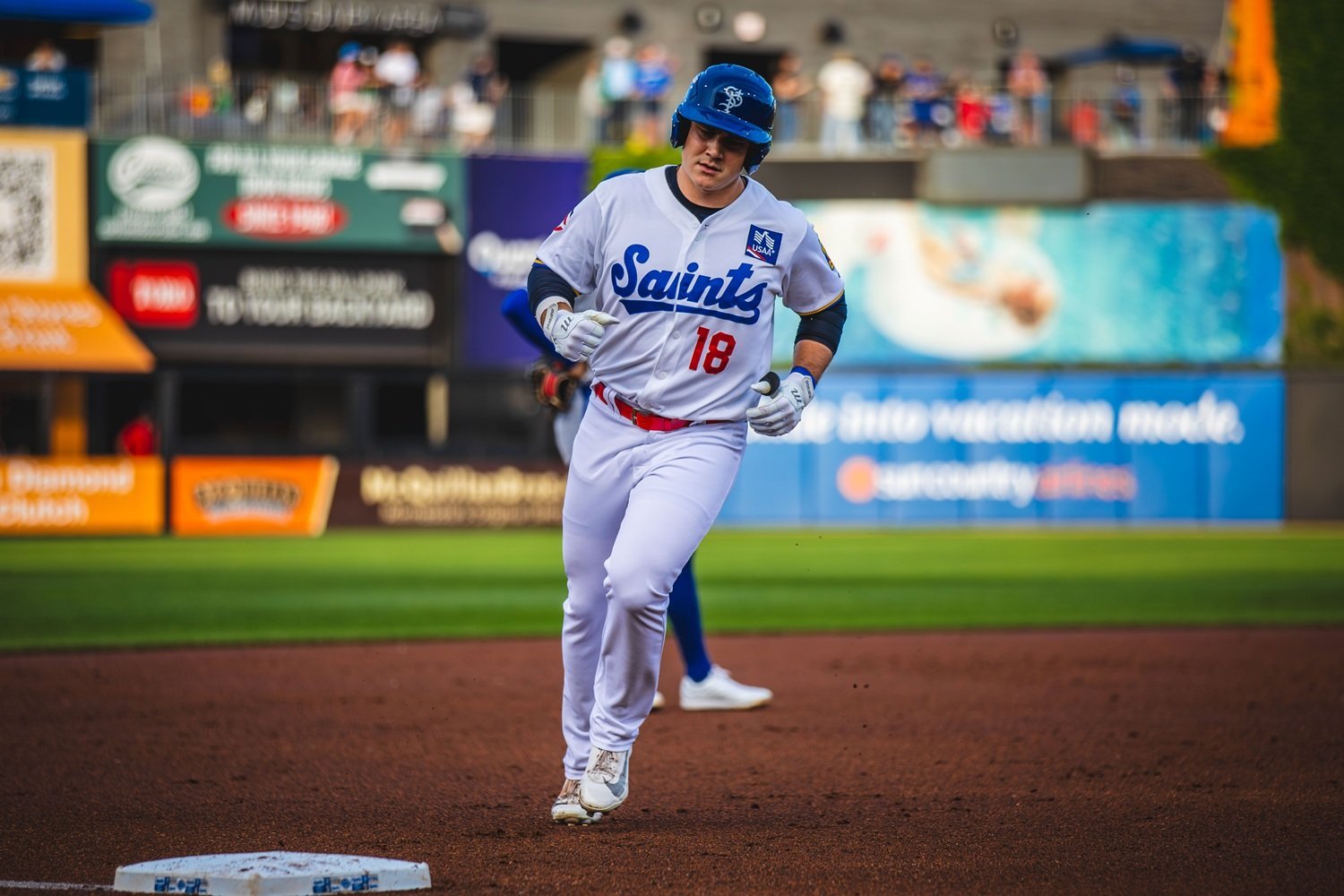 MINNEAPOLIS—Major League Baseball announced Tuesday that it has opened a formal investigation into the Minnesota Twins, after receiving multiple complaints that the organization may be stockpiling an unreasonable number of left-handed-hitting outfielders. The investigation began after rival scouts attending a Triple-A St. Paul game accidentally submitted identical reports for four different players. "We thought Walker Jenkins had taken four consecutive at-bats," one scout admitted. "Turns out it was Walker Jenkins, Emmanuel Rodriguez, Matt Wallner, and Alan Roden." Commissioner Rob Manfred reportedly became concerned after reviewing Minnesota's organizational depth chart. "It appears every time the Twins identify an athletic player with offensive upside, someone in the draft room asks one question," Manfred said. "'Can he hit left-handed?' If the answer is yes, they stop asking questions." League officials immediately requested access to Minnesota's internal scouting model. Sources say the entire algorithm consists of three weighted categories: Hits left-handed. Can stand in an outfield. Hits left-handed exceptionally well. Twins general manager Jeremy Zoll denied any wrongdoing. "We reject the notion that we're hoarding left-handed outfielders," Zoll said. "We're simply committed to acquiring talented baseball players." When asked why nearly all of those talented baseball players bat left-handed and profile in a corner outfield spot, Zoll paused. "That's... actually a fair question." The investigation intensified after inspectors visited the Saints clubhouse. According to league officials, Wallner, Jenkins, Rodriguez, and Roden were all assigned the same locker. "We figured they could work something out," said one clubhouse attendant. “It’s already tricky enough for left-handed people living in a right-handed world.” The situation reportedly became more confusing after each player answered to the nickname "future middle-of-the-order bat." Meanwhile, Triple-A manager Brian Dinkelman admitted lineup construction has become increasingly complicated. "Every day I ask who's playing left field," Dinkelman said. "Four guys raise their hands. Sometimes I just point and hope for the best." In an effort to maximize organizational depth, the Twins recently experimented with deploying all four players in left field simultaneously. The alignment placed one defender shallow, one deep, one in the left-center gap, and one somewhere near the warning track eating sunflower seeds. According to Statcast, no fly balls landed safely in left field. Unfortunately, every ground ball through the right side became an automatic triple. The Twins viewed the experiment as a success. "We're innovators," one front office official explained. "If one left-handed outfielder is good, twenty must be better." The strategy appears to have influenced every level of the farm system. Sources indicate Twins scouts have stopped evaluating players by traditional tools such as hitting ability, arm strength, or defensive instincts. Instead, reports now begin with a single question: "Could this player eventually become another left-handed corner outfielder?" One amateur scouting report obtained by TwinsDaily simply read: "Throws right-handed. Unfortunate." The philosophy has reportedly spread beyond the scouting department. During this year's Draft meetings, area scouts presented a right-handed hitting shortstop with plus speed. The room fell silent. After several awkward moments, one executive finally asked, "Do we think he could learn to bat left-handed?" The player was removed from the draft board. The organization has become so committed to the strategy that prospects have begun changing positions on their own. A catcher recently volunteered to move to left field. "No reason," he explained. "It just seems like the fastest way to get promoted." As the investigation continues, MLB has reportedly proposed several possible punishments. Among the options under consideration are requiring the Twins to draft three consecutive right-handed infielders, forcing the organization to sign a veteran right-handed corner outfielder in free agency, or making Minnesota explain the difference between left field and right field on a written exam. For now, however, league officials have simply asked the Twins to refrain from acquiring any additional left-handed outfielders. Sources confirmed Minnesota responded by selecting one on waivers for cash considerations.
- 4 comments
-
- 3
-

-

-
- matt wallner
- walker jenkins
- (and 2 more)
-
Image courtesy of © Bruce Kluckhohn-Imagn Images When the Twins signed Victor Caratini over the winter, the vision was straightforward. Ryan Jeffers would receive the bulk of the catching duties, while Caratini provided quality depth behind the plate, occasional starts at first base, and a dependable switch-hitting bat off the bench. That profile fit what Caratini had been throughout his nine-year major league career. With the Astros last season, he slashed .259/.324/.404 with 12 home runs across 386 plate appearances, while providing roughly league-average defense behind the plate. He wasn't expected to carry an offense or dramatically change games. Instead, he offered stability at one of baseball's most demanding positions. For much of the season's first two months, that's exactly what Minnesota received. Then Ryan Jeffers suffered a hamate injury. Instead of simply filling innings until Jeffers returned, Caratini has quietly become one of the Twins' most productive players. One of Baseball's Best Catchers in June Replacing an injured starting catcher isn't easy. Asking a backup to shoulder the workload while simultaneously producing at the plate is a tall order, and it stretches many such players too thin; they were backups for a reason. Caratini has done the job admirably, though. Among catchers with at least 70 plate appearances, no one in baseball posted a higher wRC+ during June. His 0.9 fWAR ranked second among American League catchers during the month, reflecting how good he was on both sides of the ball. The turnaround at the plate has been remarkable. After carrying a .475 OPS through May, Caratini exploded for a 1.059 OPS in June. Just as impressive was the process behind the production. He reached base nearly 43% of the time, while recording an outstanding 12-to-9 strikeout-to-walk ratio. For a player originally signed to complement Jeffers, Caratini has done far more than simply keep the position afloat. Defense Has Taken Another Step Forward Caratini's offensive surge has grabbed headlines, but his defensive improvements may be just as important. According to FanGraphs, he's already accumulated 0.9 WAR this season, surpassing his entire total from 2025 before the All-Star break. Much of that improvement comes from behind the plate. After posting a -4.8 defensive rating last season, Caratini has improved to a 3.4 mark in 2026. His framing numbers have experienced a similar jump, moving from -2 framing runs a year ago to +3 this season. Those improvements have given Minnesota's pitching staff another trusted receiver capable of stealing strikes and navigating game plans at a high level. Mastering Baseball's New Challenge System Caratini's value extends beyond traditional defensive metrics. One of the newest wrinkles in Major League Baseball has been the automated ball-strike challenge system, and few catchers have embraced it better than Caratini. He's become one of the league's best at identifying missed strike calls and using replay challenges to flip balls into strikes. Only three catchers rank ahead of him in overturns versus expected. He owns the fourth-most challenges among catchers, while posting the second-highest success rate in that group. His 14 overturned strikeouts rank fourth in all of baseball. Those extra strike calls don't just improve individual at-bats. They help pitchers get into favorable counts, shorten innings, and build confidence in throwing to the edges of the strike zone. "I mean, he's great. I think we've got two of the best catchers in the league with it," said starting pitcher Taj Bradley. "Even the first strikeout of the game, he's calling the corner. He looked at me to see if it was a strike, I'm like, 'I don't know, call it.' I was just excited about that one. So it's just getting us more strikeouts, more early aheads and getting us back more advantage counts for the pitchers." It's another area where Caratini has created value that doesn't always appear in a traditional box score. A Signing That Has Exceeded Expectations There are still reasons to believe Caratini's overall offensive numbers will continue climbing. His season-long offensive value remains below average after digging an early hole during the first two months, but June showed exactly what he is capable of when he's healthy and locked in at the plate. More importantly, the Twins didn't sign Caratini expecting him to carry the offense for an extended stretch. They expected a reliable veteran who could split catching duties with Jeffers, provide professional at-bats, and give the pitching staff confidence every fifth or sixth game. Instead, they've received a player who has stepped seamlessly into an everyday role, become one of the hottest offensive catchers in baseball, dramatically improved his defensive metrics, and gained an edge through baseball's new challenge system. Trade Deadline Implications With Jeffers expected to return soon, the Twins will once again have one of the deepest catching units in the American League. However, Caratini's emergence has changed the calculus for Minnesota's front office. Jeffers is a pending free agent, and if the Twins decide to move him before the trade deadline rather than risk losing him for nothing this winter, they can do so knowing Caratini has shown he is capable of handling a larger workload. That's a position few expected the Twins to be in when they signed Caratini over the offseason. He was brought in to complement Jeffers, not replace him. Instead, he's developed into one of the club's most valuable players, providing impact at the plate, improved defense behind it, and veteran leadership for a pitching staff that has leaned heavily on him over the past month. Whether Jeffers remains in Minnesota or becomes a trade chip, Caratini has already exceeded every expectation the organization had when it signed him. What has stood out about Caratini’s performance? Can he continue his improvements on both sides of the ball? Leave a comment and start the discussion. View full article
-
Victor Caratini Has Changed the Twins' Trade Deadline Outlook
Cody Christie posted an article in Twins
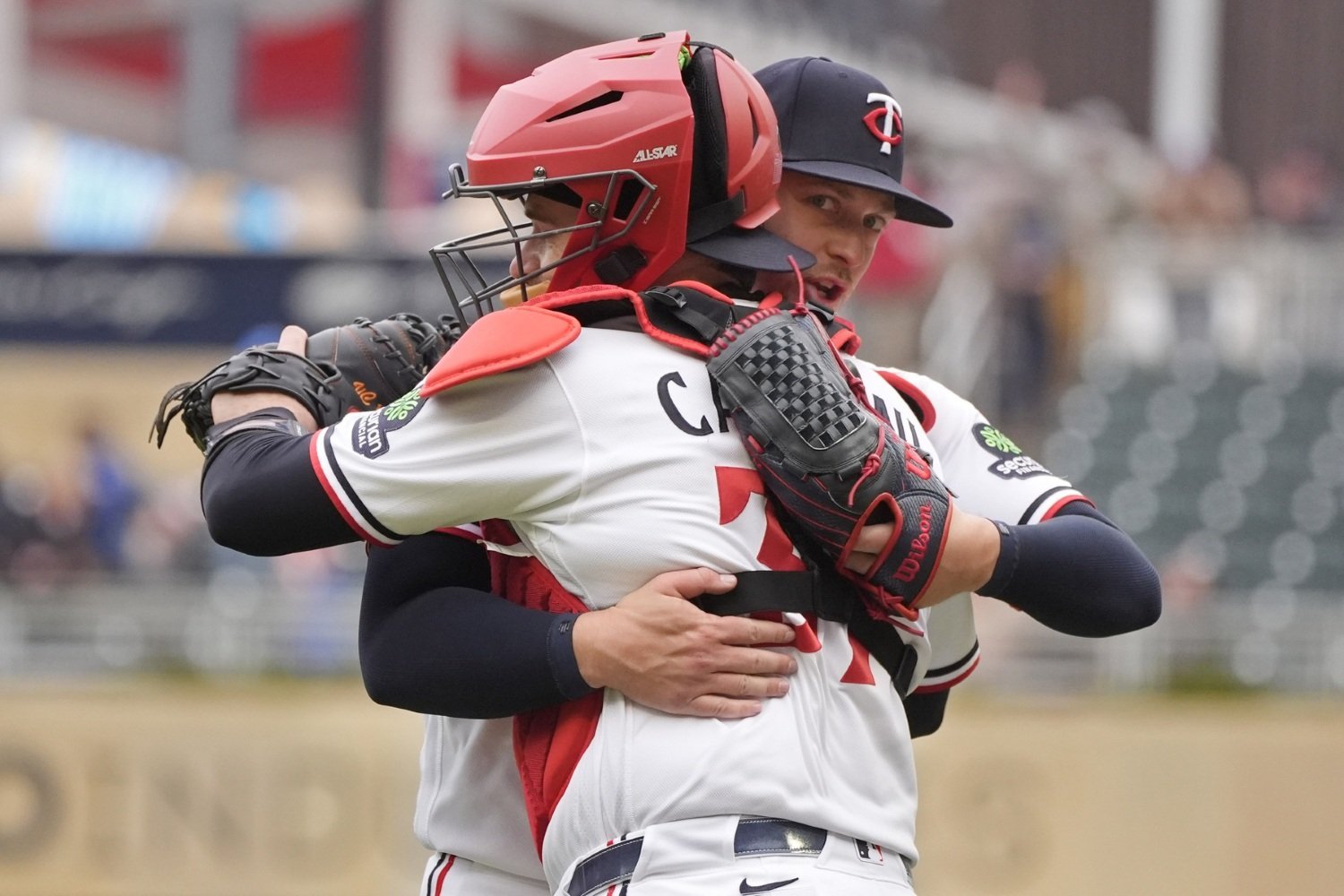 When the Twins signed Victor Caratini over the winter, the vision was straightforward. Ryan Jeffers would receive the bulk of the catching duties, while Caratini provided quality depth behind the plate, occasional starts at first base, and a dependable switch-hitting bat off the bench. That profile fit what Caratini had been throughout his nine-year major league career. With the Astros last season, he slashed .259/.324/.404 with 12 home runs across 386 plate appearances, while providing roughly league-average defense behind the plate. He wasn't expected to carry an offense or dramatically change games. Instead, he offered stability at one of baseball's most demanding positions. For much of the season's first two months, that's exactly what Minnesota received. Then Ryan Jeffers suffered a hamate injury. Instead of simply filling innings until Jeffers returned, Caratini has quietly become one of the Twins' most productive players. One of Baseball's Best Catchers in June Replacing an injured starting catcher isn't easy. Asking a backup to shoulder the workload while simultaneously producing at the plate is a tall order, and it stretches many such players too thin; they were backups for a reason. Caratini has done the job admirably, though. Among catchers with at least 70 plate appearances, no one in baseball posted a higher wRC+ during June. His 0.9 fWAR ranked second among American League catchers during the month, reflecting how good he was on both sides of the ball. The turnaround at the plate has been remarkable. After carrying a .475 OPS through May, Caratini exploded for a 1.059 OPS in June. Just as impressive was the process behind the production. He reached base nearly 43% of the time, while recording an outstanding 12-to-9 strikeout-to-walk ratio. For a player originally signed to complement Jeffers, Caratini has done far more than simply keep the position afloat. Defense Has Taken Another Step Forward Caratini's offensive surge has grabbed headlines, but his defensive improvements may be just as important. According to FanGraphs, he's already accumulated 0.9 WAR this season, surpassing his entire total from 2025 before the All-Star break. Much of that improvement comes from behind the plate. After posting a -4.8 defensive rating last season, Caratini has improved to a 3.4 mark in 2026. His framing numbers have experienced a similar jump, moving from -2 framing runs a year ago to +3 this season. Those improvements have given Minnesota's pitching staff another trusted receiver capable of stealing strikes and navigating game plans at a high level. Mastering Baseball's New Challenge System Caratini's value extends beyond traditional defensive metrics. One of the newest wrinkles in Major League Baseball has been the automated ball-strike challenge system, and few catchers have embraced it better than Caratini. He's become one of the league's best at identifying missed strike calls and using replay challenges to flip balls into strikes. Only three catchers rank ahead of him in overturns versus expected. He owns the fourth-most challenges among catchers, while posting the second-highest success rate in that group. His 14 overturned strikeouts rank fourth in all of baseball. Those extra strike calls don't just improve individual at-bats. They help pitchers get into favorable counts, shorten innings, and build confidence in throwing to the edges of the strike zone. "I mean, he's great. I think we've got two of the best catchers in the league with it," said starting pitcher Taj Bradley. "Even the first strikeout of the game, he's calling the corner. He looked at me to see if it was a strike, I'm like, 'I don't know, call it.' I was just excited about that one. So it's just getting us more strikeouts, more early aheads and getting us back more advantage counts for the pitchers." It's another area where Caratini has created value that doesn't always appear in a traditional box score. A Signing That Has Exceeded Expectations There are still reasons to believe Caratini's overall offensive numbers will continue climbing. His season-long offensive value remains below average after digging an early hole during the first two months, but June showed exactly what he is capable of when he's healthy and locked in at the plate. More importantly, the Twins didn't sign Caratini expecting him to carry the offense for an extended stretch. They expected a reliable veteran who could split catching duties with Jeffers, provide professional at-bats, and give the pitching staff confidence every fifth or sixth game. Instead, they've received a player who has stepped seamlessly into an everyday role, become one of the hottest offensive catchers in baseball, dramatically improved his defensive metrics, and gained an edge through baseball's new challenge system. Trade Deadline Implications With Jeffers expected to return soon, the Twins will once again have one of the deepest catching units in the American League. However, Caratini's emergence has changed the calculus for Minnesota's front office. Jeffers is a pending free agent, and if the Twins decide to move him before the trade deadline rather than risk losing him for nothing this winter, they can do so knowing Caratini has shown he is capable of handling a larger workload. That's a position few expected the Twins to be in when they signed Caratini over the offseason. He was brought in to complement Jeffers, not replace him. Instead, he's developed into one of the club's most valuable players, providing impact at the plate, improved defense behind it, and veteran leadership for a pitching staff that has leaned heavily on him over the past month. Whether Jeffers remains in Minnesota or becomes a trade chip, Caratini has already exceeded every expectation the organization had when it signed him. What has stood out about Caratini’s performance? Can he continue his improvements on both sides of the ball? Leave a comment and start the discussion.
 -
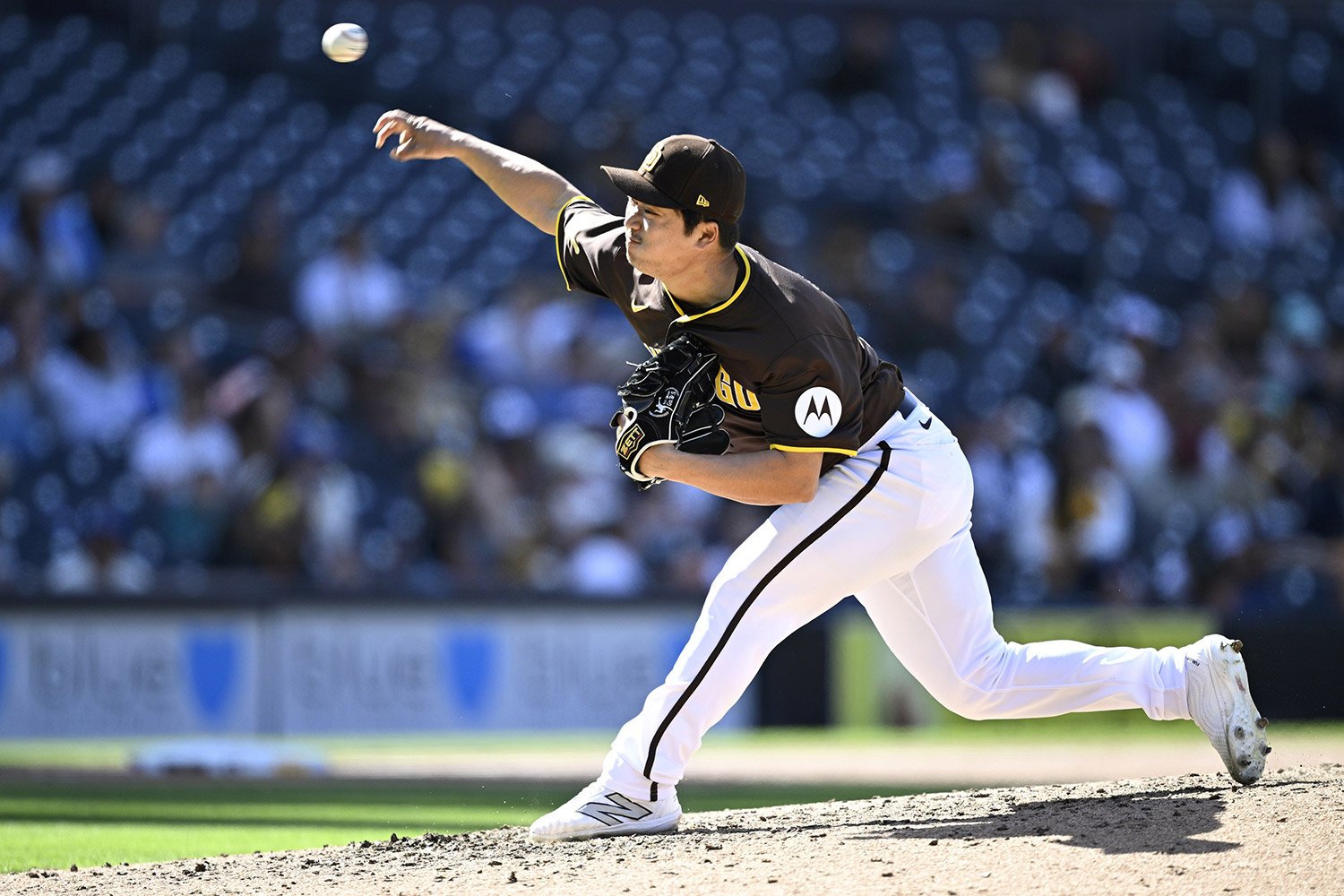 The Twins made a low-risk addition to their bullpen depth on Sunday, acquiring right-handed reliever Woo-Suk Go from the Detroit Tigers in exchange for cash considerations. While the move won't generate significant excitement, it gives Minnesota another intriguing arm to evaluate as the club continues to fight for an American League Wild Card spot. Because Go had an assignment clause in his contract, the Twins must add him to the 40-man roster. Fortunately, Minnesota already had an open 40-man roster spot, so no corresponding move was necessary. Go signed a minor league contract with Detroit last December after spending the 2024 season in the Miami Marlins organization. The Tigers never promoted him to the major league roster, despite an impressive first half with Triple-A Toledo. Across 27 2/3 innings this season, Go posted a 2.60 ERA while striking out 29.1% of opposing hitters. He also has yet to surrender a home run. Some of those numbers have been helped by a favorable .239 batting average on balls in play, but the underlying traits remain appealing. His ability to miss bats and keep the ball on the ground gives the Twins another bullpen option with upside. That profile is especially valuable considering Minnesota's struggles to find consistency in relief. Outside of Yoendrys Gómez and Andrew Morris, few Twins relievers have provided dependable production throughout the first half. Morris owns an above-average 17.1 K-BB% rate and a 3.04 xERA over 40 innings. Gómez has taken on the closer role and has posted a 234 ERA+ with a 15.6 K-BB%. As a unit, Minnesota's bullpen has posted a 5.28 ERA with a 19.9% strikeout rate, an 11.5% walk rate, and a 39.7% ground-ball rate. All four marks rank among the bottom ten bullpens in Major League Baseball. Only five teams have a lower fWAR total, and their -1.2 WPA ranks 23rd overall. Adding Go doesn't solve those issues overnight, but it represents another attempt by the front office to uncover value without sacrificing future assets. The 26-year-old arrives with an impressive résumé from Korea. Before coming to Major League Baseball, Go was one of the KBO League's top closers, relying on a lively fastball and swing-and-miss slider to pile up saves. His transition to affiliated baseball has been uneven, particularly with his command, but his strikeout ability has continued to show up whenever he's been healthy. Minnesota is betting that those traits can translate against major league hitters. The timing also makes sense. The Twins improved to 44-47 with Sunday's victory over the Yankees and remain only two games behind an American League Wild Card spot. With the trade deadline still several weeks away, the front office isn't locked into either buying or selling. Moves like this allow the organization to add potential contributors while maintaining payroll flexibility and preserving its prospect depth. According to reports, Go is expected to join the Twins on Tuesday and should have an opportunity to make his major league debut shortly thereafter. How long he remains in Minnesota may ultimately depend on both his performance and the club's direction over the next few weeks. If the Twins stay in the postseason race, Go will have to earn every appearance in a competitive bullpen. If Minnesota slips further behind before the trade deadline, he could receive a longer opportunity to prove he belongs as the organization evaluates arms for both the remainder of 2026 and beyond.
- 20 comments
-
- 2
-
-
- andrew morris
- yoendrys gomez
- (and 1 more)
-
Twins Take a Chance on Former KBO Closer Woo-Suk Go
Cody Christie replied to Cody Christie's topic in Minnesota Twins Talk
Agreed. After the Banda injury, they needed some kind of addition.- 20 replies
-
- 1
-
-
- andrew morris
- yoendrys gomez
- (and 1 more)
-
The Twins made a low-risk addition to their bullpen depth on Sunday, acquiring right-handed reliever Woo-Suk Go from the Detroit Tigers in exchange for cash considerations. While the move won't generate significant excitement, it gives Minnesota another intriguing arm to evaluate as the club continues to fight for an American League Wild Card spot. Because Go had an assignment clause in his contract, the Twins must add him to the 40-man roster. Fortunately, Minnesota already had an open 40-man roster spot, so no corresponding move was necessary. Go signed a minor league contract with Detroit last December after spending the 2024 season in the Miami Marlins organization. The Tigers never promoted him to the major league roster, despite an impressive first half with Triple-A Toledo. Across 27 2/3 innings this season, Go posted a 2.60 ERA while striking out 29.1% of opposing hitters. He also has yet to surrender a home run. Some of those numbers have been helped by a favorable .239 batting average on balls in play, but the underlying traits remain appealing. His ability to miss bats and keep the ball on the ground gives the Twins another bullpen option with upside. That profile is especially valuable considering Minnesota's struggles to find consistency in relief. Outside of Yoendrys Gómez and Andrew Morris, few Twins relievers have provided dependable production throughout the first half. Morris owns an above-average 17.1 K-BB% rate and a 3.04 xERA over 40 innings. Gómez has taken on the closer role and has posted a 234 ERA+ with a 15.6 K-BB%. As a unit, Minnesota's bullpen has posted a 5.28 ERA with a 19.9% strikeout rate, an 11.5% walk rate, and a 39.7% ground-ball rate. All four marks rank among the bottom ten bullpens in Major League Baseball. Only five teams have a lower fWAR total, and their -1.2 WPA ranks 23rd overall. Adding Go doesn't solve those issues overnight, but it represents another attempt by the front office to uncover value without sacrificing future assets. The 26-year-old arrives with an impressive résumé from Korea. Before coming to Major League Baseball, Go was one of the KBO League's top closers, relying on a lively fastball and swing-and-miss slider to pile up saves. His transition to affiliated baseball has been uneven, particularly with his command, but his strikeout ability has continued to show up whenever he's been healthy. Minnesota is betting that those traits can translate against major league hitters. The timing also makes sense. The Twins improved to 44-47 with Sunday's victory over the Yankees and remain only two games behind an American League Wild Card spot. With the trade deadline still several weeks away, the front office isn't locked into either buying or selling. Moves like this allow the organization to add potential contributors while maintaining payroll flexibility and preserving its prospect depth. According to reports, Go is expected to join the Twins on Tuesday and should have an opportunity to make his major league debut shortly thereafter. How long he remains in Minnesota may ultimately depend on both his performance and the club's direction over the next few weeks. If the Twins stay in the postseason race, Go will have to earn every appearance in a competitive bullpen. If Minnesota slips further behind before the trade deadline, he could receive a longer opportunity to prove he belongs as the organization evaluates arms for both the remainder of 2026 and beyond. View full rumor
-
Image courtesy of © Matt Blewett-Imagn Images When the Twins hired Grady Sizemore this offseason, the move wasn't accompanied by the same fanfare as adding a high-profile bench coach or pitching guru. Derek Shelton brought the former All-Star aboard as the club's first base coach with an emphasis on working with the outfielders, hoping one of baseball's premier defensive center fielders could pass along some of the instincts that made him a two-time Gold Glove winner. Halfway through the season, that investment is paying off. Minnesota's outfield defense has taken a noticeable step forward, and several players who entered the season with defensive question marks have become reliable contributors on the grass. Whether it's refining an established outfielder's routes or helping an infielder learn an entirely new position, Sizemore's fingerprints are becoming increasingly visible. It's fair to wonder whether the Twins have found their own outfield whisperer. A Coach Who's Been There Sizemore's playing career ended far sooner than anyone expected. Once on a Hall of Fame trajectory during his prime in Cleveland, injuries ultimately forced him to retire after the 2015 season at only 33 years old. Coaching wasn't initially part of his plan, but conversations with current players eventually reignited his passion for the game. His coaching journey started modestly with an internship in the Diamondbacks organization before the White Sox promoted him through their staff. By the middle of the disastrous 2024 season, Chicago asked him to serve as interim manager before he transitioned into the organization's offensive coordinator role in 2025. Shelton knew exactly what he was getting when he assembled his first coaching staff in Minnesota. The two overlapped in Cleveland during Sizemore's playing days, and Shelton wanted coaches who had experienced success at the highest level. "The biggest thing with Grady … is just getting him to talk," Shelton said. "The wealth of knowledge, he's so humble. I was fortunate to coach Grady Sizemore because he was such an elite player. There is so much in there." Players have gravitated toward Sizemore's calm personality and willingness to teach. Trevor Larnach has repeatedly praised him for helping with every aspect of the game, while Shelton describes Sizemore as someone with a unique presence who naturally connects with players. Sizemore, however, refuses to take much credit. "I enjoy working with them and pushing them," Sizemore said. "They're teaching me as much as I'm teaching them. Every day, I'm asking them for feedback on what I can do better." That collaborative approach appears to be producing results. Austin Martin's Defensive Turnaround Few players illustrate Sizemore's impact better than Austin Martin. Martin's rookie campaign in 2024 was rough defensively. He finished worth -6 Outs Above Average and -9 Run Value in the outfield as inconsistent routes and reads overshadowed the athleticism that made him such an intriguing prospect. Last season didn't provide many opportunities to improve. Martin suffered an injury at Triple-A before earning a late-season promotion following Minnesota's trade deadline selloff, limiting his defensive reps at the major league level. This year has looked dramatically different. He has a 2 Run Value and 1 OAA in the outfield. Martin has played with more confidence, taking cleaner routes while making better first-step reads off the bat. The athletic ability was never in question. Under Sizemore's guidance, the consistency has started matching the talent. Luke Keaschall's Position Change Keaschall's season has featured one of the more fascinating defensive developments in the organization. Originally expected to handle second base, Keaschall struggled throughout the first half. His -7 Outs Above Average at second made him one of Minnesota's least effective defenders at the position, forcing the Twins to consider alternatives. Rather than limiting his playing time, they moved him to the outfield. Working closely with Sizemore, Keaschall has adapted remarkably quickly. In only 15 opportunities, he's already posted 1 Outs Above Average, a dramatic improvement that reflects both his athleticism and the instruction he's received. The transition hasn't been flawless, but the encouraging moments have far outweighed the mistakes. During Minnesota's recent homestand, Keaschall made a highlight-reel running catch while also demonstrating improved instincts on balls hit toward the wall. After misjudging a carom that turned into a triple against Colorado, he quickly applied that lesson days later against Houston. On Cam Smith's second-inning drive, Keaschall correctly recognized the ball would either clear the fence or rebound sharply off the wall. Instead of drifting too close, he backed away, played the bounce perfectly, and held Smith to a double. Those are the types of adjustments coaches love to see. "It's more learning as we go, but I feel good out there, confident, relaxed," Keaschall said. "I've got good people around me, so that helps a lot, too." For a player who looked overwhelmed at second base just weeks earlier, the early returns in right field have been remarkably encouraging. More Than Just Technique What makes Sizemore's impact stand out isn't simply the defensive improvements. It's the relationships he's built. Players consistently praise his humility, communication, and willingness to listen. Rather than presenting himself as a former star with all the answers, Sizemore approaches coaching as a collaborative process. That's likely one reason why players have embraced his instruction so quickly. Whether he's helping Martin unlock the athleticism that always existed or guiding Keaschall through a midseason position change, Sizemore has become an important resource throughout Minnesota's clubhouse. None of those improvements happened by accident. Great coaches rarely seek the spotlight, and Sizemore has consistently redirected praise toward his players. Still, the evidence continues to mount that Minnesota's investment in one of baseball's former elite defensive outfielders is paying dividends. If these early returns continue, the Twins may have found far more than a first base coach—they may have found the outfield whisperer they didn't know they needed. What stands out about Sizemore’s impact so far this season? Leave a comment and start the discussion. View full article
-
Image courtesy of Rob Thompson, St. Paul Saints As the calendar inches closer to the trade deadline, the Twins find themselves in a familiar position: trying to stay firmly in the American League Wild Card race, while evaluating whether help should come from outside the organization or from within. While front office discussions will dominate headlines over the next few weeks, several players in the farm system are giving the organization reasons to believe internal reinforcements could be just as valuable. Walker Jenkins continues to remind everyone why he's one of baseball's elite prospects, despite another injury-interrupted season. Cody Morissette has quickly become one of the hottest hitters in Triple-A after joining the organization just a month ago. Meanwhile, Riley Quick is showing flashes of the frontline arsenal that made him a first-round selection last summer. OF Walker Jenkins – St. Paul Saints How He Got Here: Ever since the Twins selected Jenkins with the fifth overall pick in the 2023 MLB Draft, expectations have been sky high. When healthy, he has done everything evaluators expected, advancing to Triple-A before his 21st birthday while compiling an impressive .863 career OPS across the minor leagues. The biggest obstacle hasn't been production—it has been availability. Injuries have limited Jenkins to just 192 professional games over the past two-plus seasons. A quad strain and hamstring injury slowed his 2024 campaign before an ankle sprain cost him significant time last season. Even with those setbacks, he still finished third among qualified Twins minor leaguers with a 135 wRC+ after proving he could handle upper-level pitching. Hitting the Hot Button: Every time Jenkins returns from the injured list, he seems to pick up exactly where he left off. The 21-year-old appeared in five games for St. Paul this week, going 6-for-19 (.316) with a double, a triple, a home run, and two RBIs. His overall Triple-A numbers continue to impress; he's posted an .835 OPS and a 119 wRC+ through 33 games. Perhaps more importantly, the timing couldn't be better. Byron Buxton's lingering hip issue has created uncertainty in the Twins outfield. Jenkins has already proven he can compete against Triple-A pitching, and his polished approach at the plate suggests he may be ready for the next challenge. If Minnesota wants to inject athleticism and offensive upside into its lineup without making a trade, Jenkins feels like the obvious answer. INF Cody Morissette – St. Paul Saints How He Got Here: Morissette's professional journey has taken a few unexpected turns. The former Boston College standout was selected in the second round of the 2021 MLB Draft by Miami and was viewed as a polished college bat capable of climbing the ladder quickly. While he eventually reached Triple-A, consistent offensive production proved elusive, culminating in a .660 OPS across the upper minors last season. After beginning 2026 back in Miami's organization, Morissette was released in June. The Twins signed the New Hampshire native to a minor-league contract on June 8. Since arriving in St. Paul, he's looked like a completely different hitter. Hitting the Hot Button: Few hitters in the organization have been hotter over the past month. Morissette played in five games this week and went 6-for-16 (.375) while launching four home runs and driving in seven runs. His biggest performance came Wednesday against Buffalo, when he delivered a two-homer game. Since joining the Saints, the 26-year-old has produced a .585 slugging average, a .935 OPS, five home runs, and two doubles. He's also expanded his defensive value by seeing time at both second base and third base, giving the Twins another versatile infield option if they need additional depth later this summer. RHP Riley Quick – Cedar Rapids Kernels How He Got Here: Quick's path to professional baseball required plenty of patience. After deciding to focus exclusively on pitching at Alabama, he impressed as a freshman reliever before undergoing Tommy John surgery during his sophomore season in 2024. He made 14 starts for the Crimson Tide in 2025, showcasing premium velocity and earning selection by the Twins with the 36th overall pick in the draft. Minnesota signed him for the full slot value of $2.69 million. Although Quick possesses the frame of a durable innings-eater, he entered professional baseball with only 87 collegiate innings under his belt. Building stamina, refining his command, and establishing the routine of a full-season starter remain important developmental goals as the Twins carefully manage his workload. Hitting the Hot Button: Quick delivered one of his sharper outings of the season this week. The 22-year-old started Wednesday against Quad Cities and allowed just one unearned run on two hits over four innings. He walked one batter while striking out seven. The outing represented a positive step after a stretch where he had surrendered at least three earned runs in four of his previous six starts and failed to complete five innings in any of them. Minnesota has understandably remained cautious with its prized pitching prospect, limiting him to no more than 79 pitches in a game as he continues build on his previous workload. The strikeout ability has never been in question. As his workload gradually increases, the consistency should follow. With every game carrying added weight in the Wild Card race, these three prospects are giving Minnesota's front office even more to think about as August approaches. What stood out about this trio of prospects? Leave a comment and start the discussion. View full article
-
Twins Prospect Hot Sheet: It's Time for Walker Jenkins’s MLB Debut
Cody Christie posted an article in Minor Leagues
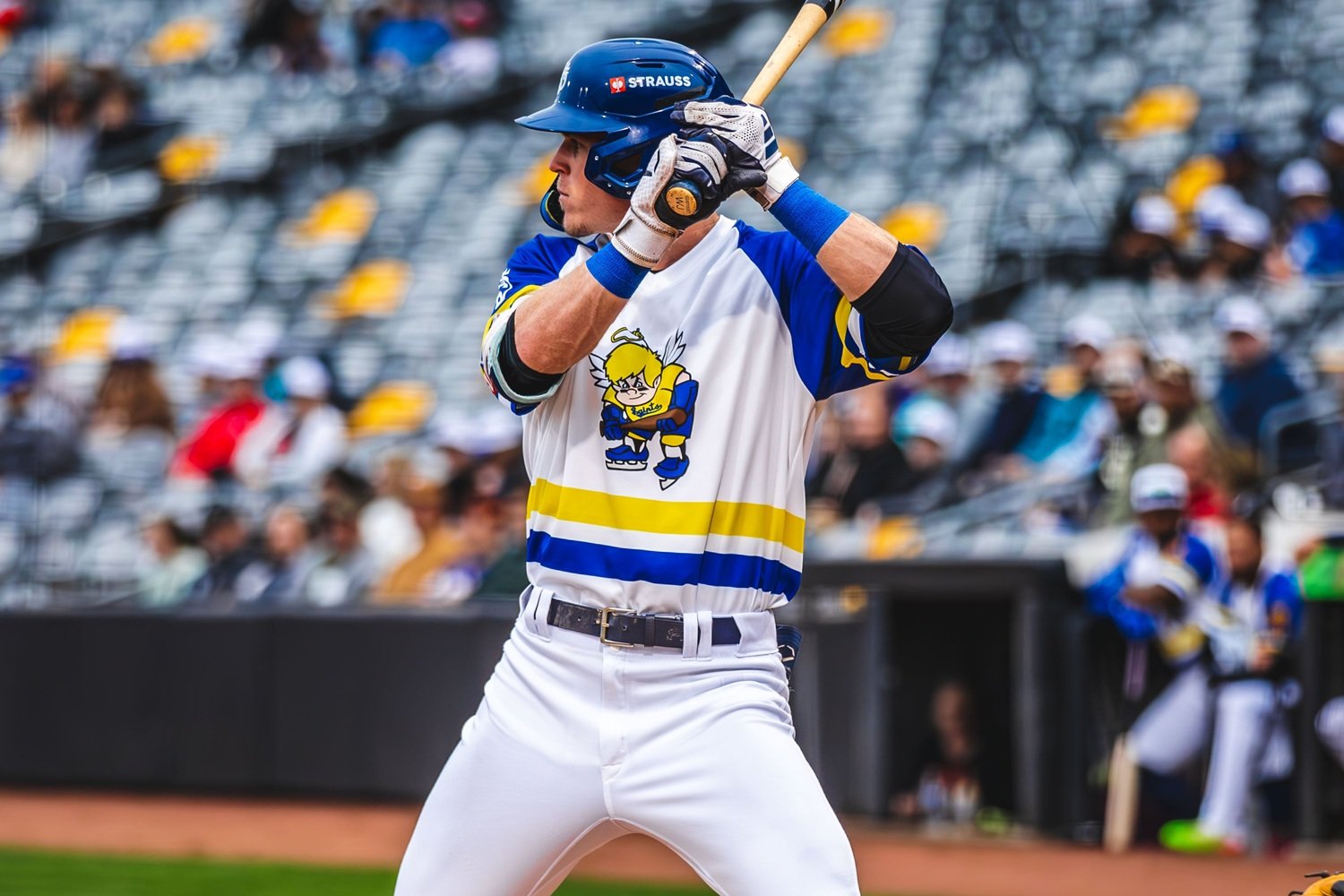 As the calendar inches closer to the trade deadline, the Twins find themselves in a familiar position: trying to stay firmly in the American League Wild Card race, while evaluating whether help should come from outside the organization or from within. While front office discussions will dominate headlines over the next few weeks, several players in the farm system are giving the organization reasons to believe internal reinforcements could be just as valuable. Walker Jenkins continues to remind everyone why he's one of baseball's elite prospects, despite another injury-interrupted season. Cody Morissette has quickly become one of the hottest hitters in Triple-A after joining the organization just a month ago. Meanwhile, Riley Quick is showing flashes of the frontline arsenal that made him a first-round selection last summer. OF Walker Jenkins – St. Paul Saints How He Got Here: Ever since the Twins selected Jenkins with the fifth overall pick in the 2023 MLB Draft, expectations have been sky high. When healthy, he has done everything evaluators expected, advancing to Triple-A before his 21st birthday while compiling an impressive .863 career OPS across the minor leagues. The biggest obstacle hasn't been production—it has been availability. Injuries have limited Jenkins to just 192 professional games over the past two-plus seasons. A quad strain and hamstring injury slowed his 2024 campaign before an ankle sprain cost him significant time last season. Even with those setbacks, he still finished third among qualified Twins minor leaguers with a 135 wRC+ after proving he could handle upper-level pitching. Hitting the Hot Button: Every time Jenkins returns from the injured list, he seems to pick up exactly where he left off. The 21-year-old appeared in five games for St. Paul this week, going 6-for-19 (.316) with a double, a triple, a home run, and two RBIs. His overall Triple-A numbers continue to impress; he's posted an .835 OPS and a 119 wRC+ through 33 games. Perhaps more importantly, the timing couldn't be better. Byron Buxton's lingering hip issue has created uncertainty in the Twins outfield. Jenkins has already proven he can compete against Triple-A pitching, and his polished approach at the plate suggests he may be ready for the next challenge. If Minnesota wants to inject athleticism and offensive upside into its lineup without making a trade, Jenkins feels like the obvious answer. INF Cody Morissette – St. Paul Saints How He Got Here: Morissette's professional journey has taken a few unexpected turns. The former Boston College standout was selected in the second round of the 2021 MLB Draft by Miami and was viewed as a polished college bat capable of climbing the ladder quickly. While he eventually reached Triple-A, consistent offensive production proved elusive, culminating in a .660 OPS across the upper minors last season. After beginning 2026 back in Miami's organization, Morissette was released in June. The Twins signed the New Hampshire native to a minor-league contract on June 8. Since arriving in St. Paul, he's looked like a completely different hitter. Hitting the Hot Button: Few hitters in the organization have been hotter over the past month. Morissette played in five games this week and went 6-for-16 (.375) while launching four home runs and driving in seven runs. His biggest performance came Wednesday against Buffalo, when he delivered a two-homer game. Since joining the Saints, the 26-year-old has produced a .585 slugging average, a .935 OPS, five home runs, and two doubles. He's also expanded his defensive value by seeing time at both second base and third base, giving the Twins another versatile infield option if they need additional depth later this summer. RHP Riley Quick – Cedar Rapids Kernels How He Got Here: Quick's path to professional baseball required plenty of patience. After deciding to focus exclusively on pitching at Alabama, he impressed as a freshman reliever before undergoing Tommy John surgery during his sophomore season in 2024. He made 14 starts for the Crimson Tide in 2025, showcasing premium velocity and earning selection by the Twins with the 36th overall pick in the draft. Minnesota signed him for the full slot value of $2.69 million. Although Quick possesses the frame of a durable innings-eater, he entered professional baseball with only 87 collegiate innings under his belt. Building stamina, refining his command, and establishing the routine of a full-season starter remain important developmental goals as the Twins carefully manage his workload. Hitting the Hot Button: Quick delivered one of his sharper outings of the season this week. The 22-year-old started Wednesday against Quad Cities and allowed just one unearned run on two hits over four innings. He walked one batter while striking out seven. The outing represented a positive step after a stretch where he had surrendered at least three earned runs in four of his previous six starts and failed to complete five innings in any of them. Minnesota has understandably remained cautious with its prized pitching prospect, limiting him to no more than 79 pitches in a game as he continues build on his previous workload. The strikeout ability has never been in question. As his workload gradually increases, the consistency should follow. With every game carrying added weight in the Wild Card race, these three prospects are giving Minnesota's front office even more to think about as August approaches. What stood out about this trio of prospects? Leave a comment and start the discussion.
- 49 comments
-
- 7
-
-
- walker jenkins
- cody morissette
- (and 1 more)
-
Image courtesy of Conor Lacefield, Midland RockHounds (photo of Marek Houston) The MLB Draft is built on projection. Teams aren't drafting finished products. They're betting on what players can become. That often means scouting reports focus just as much on perceived weaknesses as standout tools, especially for first-round picks expected to climb quickly through the minors. When the Twins selected Marek Houston with the 16th overall pick in the 2025 MLB Draft, there wasn't much disagreement about his greatest strength. Houston was widely viewed as one of the best defensive shortstops in the class, with instincts, hands, and actions that projected to keep him at the position for years. The debate centered on everything else. Could he hit enough? Was the power real? Would his speed translate on the bases? If those questions weren't answered, Houston looked like a high-floor utility infielder. If they were, the Twins may have landed an everyday shortstop with impact on both sides of the ball. One year later, Houston has done exactly what every organization hopes its first-round pick will accomplish: answer questions with production. The Power Looks More Sustainable Perhaps no criticism followed Houston more closely entering the draft than concerns about his power output. Keith Law of The Athletic wrote before the draft, "The power is kind of an illusion, as Wake Forest plays in a shoebox, and 11 of Houston's 15 homers this year came at home, mostly wall-scrapers that would be doubles or outs in a typical ballpark." That concern wasn't unreasonable. Houston's offensive breakout came relatively late in his college career, leaving scouts to wonder whether the power spike was more environment than development. Instead, his offensive game has continued trending upward in professional baseball. This year, Houston has produced 15 doubles, one triple, and five home runs while reaching base nearly 40% of the time. The home run total won't jump off the page, but that's also missing the point. Houston isn't trying to become a slugger. His offensive value comes from consistently finding barrels, spraying line drives around the field, and letting the extra-base hits accumulate naturally. His 121 wRC+ suggests he's been 21% better than league average offensively, while his .391 wOBA reinforces that his production isn't simply the product of luck. The next developmental step will be seeing whether some of those doubles begin turning into home runs as he settles into Double-A during the second half. Even modest gains in game power would raise his ceiling considerably. A Surprise Weapon on the Bases MLB Pipeline questioned another aspect of Houston's athletic profile before the draft, writing that "His speed plays better in the field than it does on the bases." College production supported that opinion. Houston stole fewer than ten bases in each of his first two collegiate seasons before breaking out with a 19-for-21 campaign as a junior. His first full professional season suggests that breakout was no fluke. Houston has already stolen 28 bases in 30 attempts, including a perfect 4-for-4 since arriving in Double-A. He's on pace to comfortably eclipse 40 steals while maintaining excellent efficiency. That's become an important part of his overall offensive value. Houston isn't simply getting on base; he's consistently turning singles and walks into scoring opportunities. Combined with his elite on-base skills (11.9 BB%), his aggressiveness has added another dimension to his game that wasn't expected a year ago. The Defense Has Been Exactly as Advertised Not every draft question needs a surprising answer. Some evaluations simply prove accurate. ESPN's Kiley McDaniel called Houston "a surefire shortstop" and argued that he "might be the best collegiate defender in this draft." The Twins have treated him accordingly. Houston has started all but one of his games at shortstop, briefly appearing at second base for the first time in his career. His .964 fielding percentage only tells part of the story. He's already turned 28 double plays while posting a 3.94 RF/9 and 3.72 RF/G, both improvements over any season he posted at Wake Forest. More than the statistics, Houston passes the eye test. His internal clock, first step, and ability to make difficult plays look routine continue to stand out. The Twins have consistently emphasized athletic defenders throughout the organization, and Houston looks capable of anchoring the infield for years. That defensive foundation also lowers the pressure on his bat. He doesn't need to produce like a corner infielder to become an above-average major leaguer because his glove already carries significant value. The Contact Skills Continue to Translate When Eric Longenhagen of FanGraphs evaluated Houston on draft day, he described him as fitting "Minnesota's wheelhouse as an up-the-middle defender with good contact performance." That prediction has aged particularly well. Houston posted an 80.6 Contact% during his 24-game professional debut in 2025. Through his first full season, that number has dipped only slightly to 79.4% despite facing progressively better pitching and earning a promotion to Double-A. He’s faced older pitchers in nearly 75% of his at-bats and is over two years younger than the Texas League's average age. His CSW% has remained nearly identical, moving from 27.0% to 26.8%. Those may seem like small differences, but maintaining that level of contact while climbing the minor league ladder is encouraging. Young hitters often sacrifice contact while searching for more power or adjusting to advanced pitching. Houston has largely avoided those growing pains. His disciplined approach is reflected in his .399 on-base percentage, which continues to be one of the biggest reasons his offensive profile is trending upward. The Twins May Have Found More Than a Safe Pick It's still far too early to declare Houston a major league success. Double-A is often considered the biggest proving ground for prospects, and the adjustments he'll face over the next several months will be significant. Still, the trajectory is difficult to ignore. One year ago, Houston entered professional baseball carrying the label of a defense-first prospect whose offensive upside would determine whether he became an everyday player or a valuable utility piece. Today, he's showing the ingredients of a complete player. The power has been more than adequate. The contact skills remain strong. His on-base ability has been outstanding. He's become one of the organization's best baserunners, and his defense continues to validate the glowing scouting reports that made him a first-round pick. If Houston continues producing at Double-A throughout the second half, a promotion to Triple-A sometime in 2027 feels like a realistic next step. This would follow a similar path to Kaelen Culpepper, Minnesota’s first round pick in 2024. From there, his path to Minnesota could move quickly. Given the Twins' organizational philosophy and Houston's polished defensive game, he profiles as the type of prospect who won't need hundreds of Triple-A plate appearances before forcing the conversation. The Twins drafted Houston because they believed there was more offensive upside than many public evaluators projected. One year later, that belief looks increasingly justified. Instead of simply validating his reputation as an elite defender, Houston is developing into one of the organization's most complete prospects—and one of the fastest-rising names in baseball's minor leagues. What have the Twins learned about Houston over the last year? When will he arrive in Minnesota? Leave a comment and start the discussion. View full article
-
Marek Houston Has Answered His Draft Day Question Marks
Cody Christie posted an article in MLB Draft
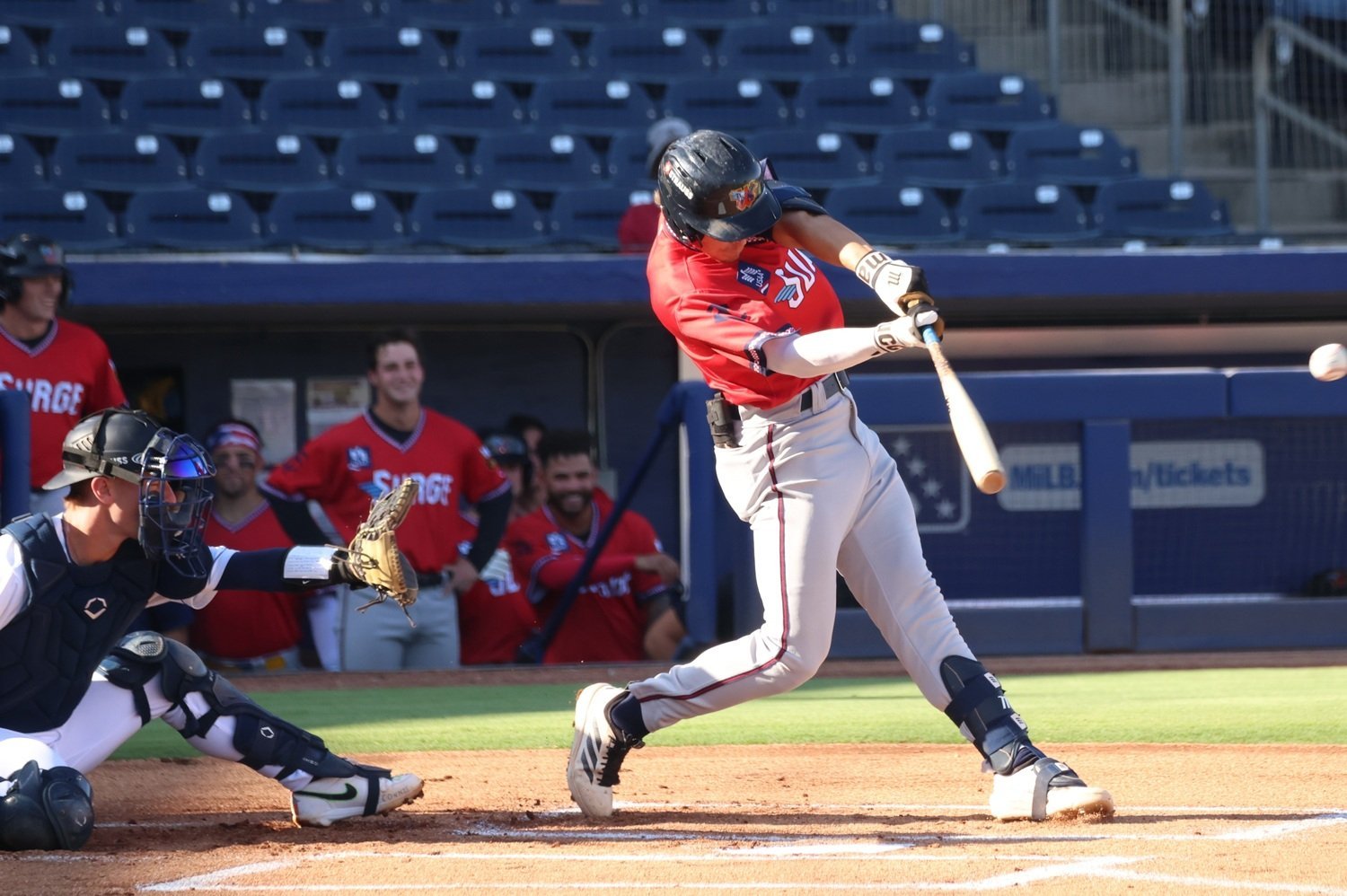 The MLB Draft is built on projection. Teams aren't drafting finished products. They're betting on what players can become. That often means scouting reports focus just as much on perceived weaknesses as standout tools, especially for first-round picks expected to climb quickly through the minors. When the Twins selected Marek Houston with the 16th overall pick in the 2025 MLB Draft, there wasn't much disagreement about his greatest strength. Houston was widely viewed as one of the best defensive shortstops in the class, with instincts, hands, and actions that projected to keep him at the position for years. The debate centered on everything else. Could he hit enough? Was the power real? Would his speed translate on the bases? If those questions weren't answered, Houston looked like a high-floor utility infielder. If they were, the Twins may have landed an everyday shortstop with impact on both sides of the ball. One year later, Houston has done exactly what every organization hopes its first-round pick will accomplish: answer questions with production. The Power Looks More Sustainable Perhaps no criticism followed Houston more closely entering the draft than concerns about his power output. Keith Law of The Athletic wrote before the draft, "The power is kind of an illusion, as Wake Forest plays in a shoebox, and 11 of Houston's 15 homers this year came at home, mostly wall-scrapers that would be doubles or outs in a typical ballpark." That concern wasn't unreasonable. Houston's offensive breakout came relatively late in his college career, leaving scouts to wonder whether the power spike was more environment than development. Instead, his offensive game has continued trending upward in professional baseball. This year, Houston has produced 15 doubles, one triple, and five home runs while reaching base nearly 40% of the time. The home run total won't jump off the page, but that's also missing the point. Houston isn't trying to become a slugger. His offensive value comes from consistently finding barrels, spraying line drives around the field, and letting the extra-base hits accumulate naturally. His 121 wRC+ suggests he's been 21% better than league average offensively, while his .391 wOBA reinforces that his production isn't simply the product of luck. The next developmental step will be seeing whether some of those doubles begin turning into home runs as he settles into Double-A during the second half. Even modest gains in game power would raise his ceiling considerably. A Surprise Weapon on the Bases MLB Pipeline questioned another aspect of Houston's athletic profile before the draft, writing that "His speed plays better in the field than it does on the bases." College production supported that opinion. Houston stole fewer than ten bases in each of his first two collegiate seasons before breaking out with a 19-for-21 campaign as a junior. His first full professional season suggests that breakout was no fluke. Houston has already stolen 28 bases in 30 attempts, including a perfect 4-for-4 since arriving in Double-A. He's on pace to comfortably eclipse 40 steals while maintaining excellent efficiency. That's become an important part of his overall offensive value. Houston isn't simply getting on base; he's consistently turning singles and walks into scoring opportunities. Combined with his elite on-base skills (11.9 BB%), his aggressiveness has added another dimension to his game that wasn't expected a year ago. The Defense Has Been Exactly as Advertised Not every draft question needs a surprising answer. Some evaluations simply prove accurate. ESPN's Kiley McDaniel called Houston "a surefire shortstop" and argued that he "might be the best collegiate defender in this draft." The Twins have treated him accordingly. Houston has started all but one of his games at shortstop, briefly appearing at second base for the first time in his career. His .964 fielding percentage only tells part of the story. He's already turned 28 double plays while posting a 3.94 RF/9 and 3.72 RF/G, both improvements over any season he posted at Wake Forest. More than the statistics, Houston passes the eye test. His internal clock, first step, and ability to make difficult plays look routine continue to stand out. The Twins have consistently emphasized athletic defenders throughout the organization, and Houston looks capable of anchoring the infield for years. That defensive foundation also lowers the pressure on his bat. He doesn't need to produce like a corner infielder to become an above-average major leaguer because his glove already carries significant value. The Contact Skills Continue to Translate When Eric Longenhagen of FanGraphs evaluated Houston on draft day, he described him as fitting "Minnesota's wheelhouse as an up-the-middle defender with good contact performance." That prediction has aged particularly well. Houston posted an 80.6 Contact% during his 24-game professional debut in 2025. Through his first full season, that number has dipped only slightly to 79.4% despite facing progressively better pitching and earning a promotion to Double-A. He’s faced older pitchers in nearly 75% of his at-bats and is over two years younger than the Texas League's average age. His CSW% has remained nearly identical, moving from 27.0% to 26.8%. Those may seem like small differences, but maintaining that level of contact while climbing the minor league ladder is encouraging. Young hitters often sacrifice contact while searching for more power or adjusting to advanced pitching. Houston has largely avoided those growing pains. His disciplined approach is reflected in his .399 on-base percentage, which continues to be one of the biggest reasons his offensive profile is trending upward. The Twins May Have Found More Than a Safe Pick It's still far too early to declare Houston a major league success. Double-A is often considered the biggest proving ground for prospects, and the adjustments he'll face over the next several months will be significant. Still, the trajectory is difficult to ignore. One year ago, Houston entered professional baseball carrying the label of a defense-first prospect whose offensive upside would determine whether he became an everyday player or a valuable utility piece. Today, he's showing the ingredients of a complete player. The power has been more than adequate. The contact skills remain strong. His on-base ability has been outstanding. He's become one of the organization's best baserunners, and his defense continues to validate the glowing scouting reports that made him a first-round pick. If Houston continues producing at Double-A throughout the second half, a promotion to Triple-A sometime in 2027 feels like a realistic next step. This would follow a similar path to Kaelen Culpepper, Minnesota’s first round pick in 2024. From there, his path to Minnesota could move quickly. Given the Twins' organizational philosophy and Houston's polished defensive game, he profiles as the type of prospect who won't need hundreds of Triple-A plate appearances before forcing the conversation. The Twins drafted Houston because they believed there was more offensive upside than many public evaluators projected. One year later, that belief looks increasingly justified. Instead of simply validating his reputation as an elite defender, Houston is developing into one of the organization's most complete prospects—and one of the fastest-rising names in baseball's minor leagues. What have the Twins learned about Houston over the last year? When will he arrive in Minnesota? Leave a comment and start the discussion.
 -
Minnesota Twins Minor League Pitchers of the Month: June 2026
Cody Christie posted an article in Minor Leagues
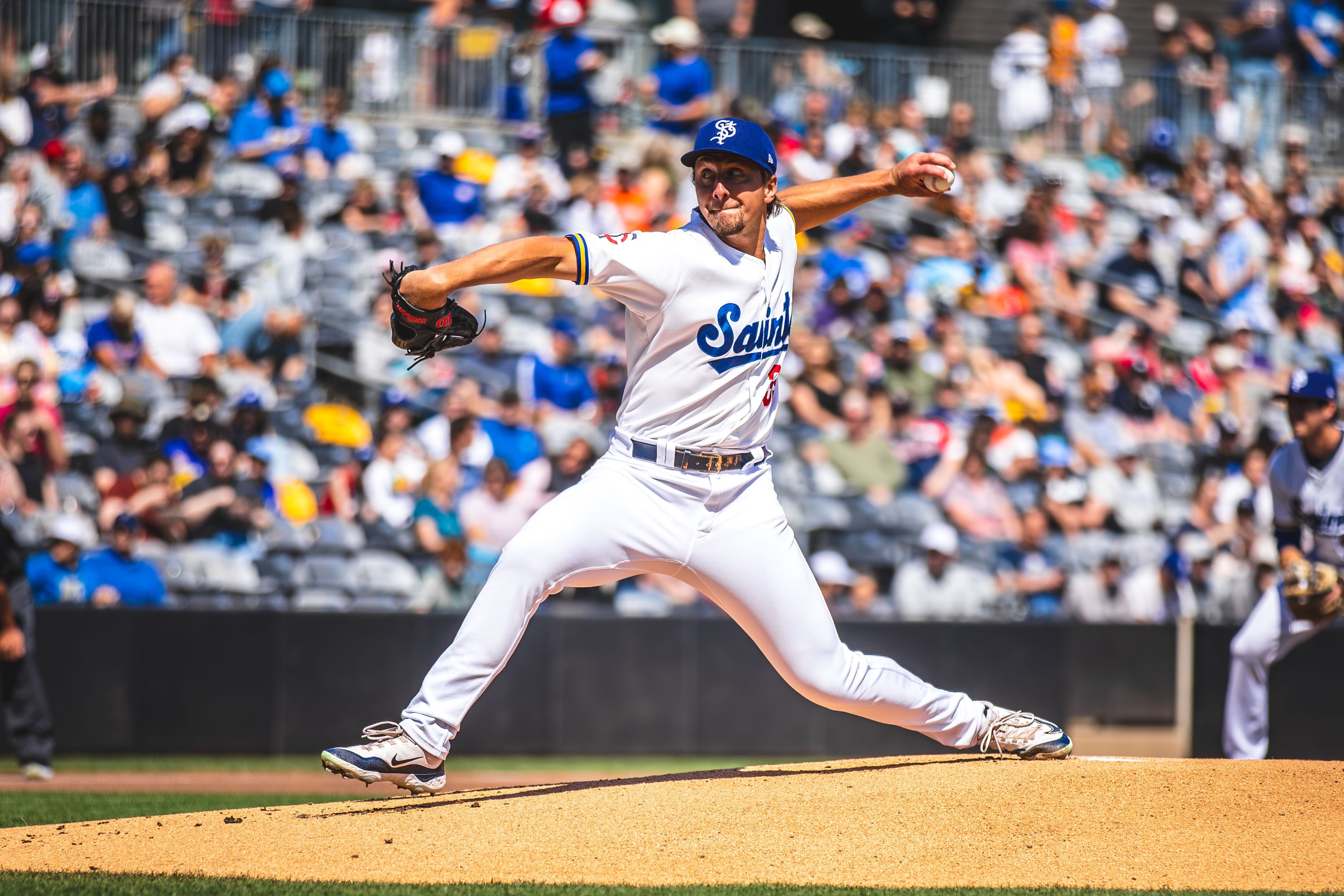 June marks an important transition across Minor League Baseball. Most leagues move into the second half of their schedules, giving organizations an opportunity to reset after the opening months of the season. For some players, a strong first half is rewarded with a promotion up the organizational ladder. Others remain at their current level, focusing on refining their games before taking the next step. The Twins have seen both scenarios play out over the last several weeks. Several pitchers earned promotions after dominant stretches, while others began to find consistency after slow starts to the year. As the organization's pitching depth continues to be tested at multiple levels, quality performances throughout the farm system have become increasingly important. Before looking at this month's top performers, here are a few honorable mentions. Honorable Mentions: RHP C.J. Culpepper (Saints): 8 G, 11 2/3 IP, 1.54 ERA, 1.20 WHIP, 11 K, 6 BB RHP Sam Armstrong (Wind Surge): 6 G, 26 IP, 3.12 ERA, 1.23 WHIP, 21 K, 9 BB RHP Justin Mitrovich (Mighty Mussels): 4 G, 18 1/3 IP, 3.44 ERA, 1.26 WHIP, 25 K, 8 BB 4. RHP Marco Raya – St. Paul Saints June Stats (8 G): 0.00 ERA, 8 IP, 9 K, 2 BB, 0.83 WHIP, .190 BA Raya has been on Minnesota's prospect radar since the Twins selected him out of high school in the 2020 MLB Draft. After spending years developing as a starter, 2026 has marked his first full season working exclusively out of the bullpen. The transition looked rocky early. He posted an ERA north of 11.00 during the season's opening month before making noticeable improvements in May, lowering that mark to 4.08. June represented another significant leap forward. Raya fired eight scoreless innings, consistently attacked hitters with his improved stuff, and earned his first call to the major leagues. Throughout his career, throwing consistent strikes has been Raya's biggest obstacle. His electric arm has never been in question. If he can continue limiting walks and commanding the zone against major league hitters the way he did throughout June, his bullpen future becomes much more intriguing. 3. RHP Grant Hartwig – St. Paul Saints June Stats (8 G): 0.79 ERA, 11 1/3 IP, 11 K, 0 BB, 0.44 WHIP, .132 BA Hartwig's previous major-league experience showed throughout June, as he became one of St. Paul's most dependable relief options. Opposing hitters batted over .320 against him during the season's first two months, but everything changed once the calendar flipped. He completely flipped the script by holding hitters to a .132 batting average and a .353 OPS during June. Just as impressive, he did not issue a single walk across more than 11 innings. Reliability became the defining characteristic of his month. Hartwig didn't allow a run in seven of his eight appearances while also showing the ability to work multiple innings. Four of his outings lasted more than one inning, giving the Saints valuable length. He’s certainly a veteran the Twins could consider for a bullpen role in the season’s second half. 2. RHP Jason Reitz – Fort Myers Mighty Mussels June Stats (4 G): 1.88 ERA, 14 1/3 IP, 11 K, 5 BB, 0.84 WHIP, .149 BA Reitz has quickly become one of the more recognizable pitching prospects in the organization, thanks to his towering 6-foot-11 frame. Selected in the fourth round out of Oregon last summer, the Twins elected not to have him pitch after signing, making 2026 his professional debut. Minnesota has understandably handled his workload carefully, but the leash has gradually become longer. Reitz pitched into the fourth inning in three of his four June starts while continuing to show why scouts are fascinated by the extension he creates on the mound. His raw stuff also continued to miss bats. He generated a season-high nine swinging strikes in his June 20 start and limited opponents to a .507 OPS for the month. As his innings continue to increase, Reitz is beginning to show why the Twins believed he could develop into an intriguing professional starter. 1. LHP Aaron Rozek – St. Paul Saints June Stats (6 G): 2.89 ERA, 28 IP, 27 K, 11 BB, 1.18 WHIP, .220 BA Rozek, a Burnsville native, has bounced between Double-A and Triple-A throughout the season, before settling into the Saints' rotation as injuries created opportunities in the upper levels of the organization. The move has produced impressive results. As a starter, his ERA has been 1.39 runs lower, while his WHIP has dropped by 0.67 compared to his relief work. That consistency earned him the top spot this month. Pitching in the hitter-friendly International League is rarely easy, yet Rozek held opponents to a .220 batting average and a .706 OPS throughout June. He allowed two earned runs or fewer in five of his six starts while also recording a season-high 11 swinging strikes on June 19. At 30 years old, Rozek is more than two and a half years older than the average International League player, so he isn't viewed through the same long-term prospect lens as many others on this list. However, that doesn't diminish the value of what he accomplished. The Twins have already leaned heavily on their pitching depth this season, and if injuries continue to mount or workloads become a concern during the second half, Rozek has positioned himself as a legitimate option capable of providing quality innings at the major league level. June showcased the improving depth throughout Minnesota's farm system. Raya earned his first taste of the big leagues after a remarkable turnaround, Hartwig reminded everyone he can be valuable upper-level depth, Reitz continued an encouraging professional debut, and Rozek emerged as one of the organization's most dependable Triple-A starters. With two months remaining before the stretch run of the minor league season, promotions will continue to reshape each affiliate's roster. If these pitchers can build on their June success, several of them could play meaningful roles for the Twins before the 2026 season comes to a close. How would your ballot look? Leave a comment and start the discussion.
- 9 comments
-
- 6
-
-
- marco raya
- grant hartwig
- (and 2 more)
-
Image courtesy of Rob Thompson, St. Paul Saints June marks an important transition across Minor League Baseball. Most leagues move into the second half of their schedules, giving organizations an opportunity to reset after the opening months of the season. For some players, a strong first half is rewarded with a promotion up the organizational ladder. Others remain at their current level, focusing on refining their games before taking the next step. The Twins have seen both scenarios play out over the last several weeks. Several pitchers earned promotions after dominant stretches, while others began to find consistency after slow starts to the year. As the organization's pitching depth continues to be tested at multiple levels, quality performances throughout the farm system have become increasingly important. Before looking at this month's top performers, here are a few honorable mentions. Honorable Mentions: RHP C.J. Culpepper (Saints): 8 G, 11 2/3 IP, 1.54 ERA, 1.20 WHIP, 11 K, 6 BB RHP Sam Armstrong (Wind Surge): 6 G, 26 IP, 3.12 ERA, 1.23 WHIP, 21 K, 9 BB RHP Justin Mitrovich (Mighty Mussels): 4 G, 18 1/3 IP, 3.44 ERA, 1.26 WHIP, 25 K, 8 BB 4. RHP Marco Raya – St. Paul Saints June Stats (8 G): 0.00 ERA, 8 IP, 9 K, 2 BB, 0.83 WHIP, .190 BA Raya has been on Minnesota's prospect radar since the Twins selected him out of high school in the 2020 MLB Draft. After spending years developing as a starter, 2026 has marked his first full season working exclusively out of the bullpen. The transition looked rocky early. He posted an ERA north of 11.00 during the season's opening month before making noticeable improvements in May, lowering that mark to 4.08. June represented another significant leap forward. Raya fired eight scoreless innings, consistently attacked hitters with his improved stuff, and earned his first call to the major leagues. Throughout his career, throwing consistent strikes has been Raya's biggest obstacle. His electric arm has never been in question. If he can continue limiting walks and commanding the zone against major league hitters the way he did throughout June, his bullpen future becomes much more intriguing. 3. RHP Grant Hartwig – St. Paul Saints June Stats (8 G): 0.79 ERA, 11 1/3 IP, 11 K, 0 BB, 0.44 WHIP, .132 BA Hartwig's previous major-league experience showed throughout June, as he became one of St. Paul's most dependable relief options. Opposing hitters batted over .320 against him during the season's first two months, but everything changed once the calendar flipped. He completely flipped the script by holding hitters to a .132 batting average and a .353 OPS during June. Just as impressive, he did not issue a single walk across more than 11 innings. Reliability became the defining characteristic of his month. Hartwig didn't allow a run in seven of his eight appearances while also showing the ability to work multiple innings. Four of his outings lasted more than one inning, giving the Saints valuable length. He’s certainly a veteran the Twins could consider for a bullpen role in the season’s second half. 2. RHP Jason Reitz – Fort Myers Mighty Mussels June Stats (4 G): 1.88 ERA, 14 1/3 IP, 11 K, 5 BB, 0.84 WHIP, .149 BA Reitz has quickly become one of the more recognizable pitching prospects in the organization, thanks to his towering 6-foot-11 frame. Selected in the fourth round out of Oregon last summer, the Twins elected not to have him pitch after signing, making 2026 his professional debut. Minnesota has understandably handled his workload carefully, but the leash has gradually become longer. Reitz pitched into the fourth inning in three of his four June starts while continuing to show why scouts are fascinated by the extension he creates on the mound. His raw stuff also continued to miss bats. He generated a season-high nine swinging strikes in his June 20 start and limited opponents to a .507 OPS for the month. As his innings continue to increase, Reitz is beginning to show why the Twins believed he could develop into an intriguing professional starter. 1. LHP Aaron Rozek – St. Paul Saints June Stats (6 G): 2.89 ERA, 28 IP, 27 K, 11 BB, 1.18 WHIP, .220 BA Rozek, a Burnsville native, has bounced between Double-A and Triple-A throughout the season, before settling into the Saints' rotation as injuries created opportunities in the upper levels of the organization. The move has produced impressive results. As a starter, his ERA has been 1.39 runs lower, while his WHIP has dropped by 0.67 compared to his relief work. That consistency earned him the top spot this month. Pitching in the hitter-friendly International League is rarely easy, yet Rozek held opponents to a .220 batting average and a .706 OPS throughout June. He allowed two earned runs or fewer in five of his six starts while also recording a season-high 11 swinging strikes on June 19. At 30 years old, Rozek is more than two and a half years older than the average International League player, so he isn't viewed through the same long-term prospect lens as many others on this list. However, that doesn't diminish the value of what he accomplished. The Twins have already leaned heavily on their pitching depth this season, and if injuries continue to mount or workloads become a concern during the second half, Rozek has positioned himself as a legitimate option capable of providing quality innings at the major league level. June showcased the improving depth throughout Minnesota's farm system. Raya earned his first taste of the big leagues after a remarkable turnaround, Hartwig reminded everyone he can be valuable upper-level depth, Reitz continued an encouraging professional debut, and Rozek emerged as one of the organization's most dependable Triple-A starters. With two months remaining before the stretch run of the minor league season, promotions will continue to reshape each affiliate's roster. If these pitchers can build on their June success, several of them could play meaningful roles for the Twins before the 2026 season comes to a close. How would your ballot look? Leave a comment and start the discussion. View full article
-
Image courtesy of © Nathan Ray Seebeck-Imagn Images Every July, baseball conversations become centered around a simple question: Are you buying or selling? For many organizations, the answer is straightforward. Contenders push their chips into the middle of the table, while rebuilding clubs cash in veterans for future assets. But not every front office has the luxury of operating in such absolutes. The Tampa Bay Rays have spent years proving there is another way. Operating with one of baseball's smallest payrolls, the Rays have consistently remained competitive by blending aggressive buying with calculated selling. They add pieces that improve their postseason chances, while simultaneously reshaping the roster for future seasons. Rather than viewing the trade deadline as an all-or-nothing proposition, they treat it as another opportunity to maximize organizational value. If the Twins remain in the playoff picture over the next month, Jeremy Zoll may have the chance to follow a similar blueprint. Buy Without Emptying the Farm System One of Tampa Bay's defining strengths is resisting the temptation to sacrifice elite prospects for splashy acquisitions. Instead of chasing players with multiple years of control, the Rays frequently target rental players who address immediate needs. The cost is lower, the financial commitment disappears after the season, and their prospect pipeline remains intact. That philosophy should appeal to Minnesota. The Twins have spent the last several years rebuilding one of baseball's deepest farm systems. Walker Jenkins, Kaelen Culpepper, Marek Houston, Eduardo Tait, Riley Quick, and several others represent the organization's long-term foundation. Trading multiple top prospects for a controllable starter simply doesn't align with the direction the organization has taken. If Minnesota adds pitching, targeting expiring contracts instead of long-term commitments would allow the club to compete in 2026 without compromising its future. Prioritize Pitching Above Everything Else Like Tampa Bay, the Twins are built around run prevention—or, at least, the winning version of themselves they're trying to forge is. Injuries have stretched Minnesota's pitching depth throughout the season, exposing just how thin the organization has become on the mound. Whether it's another starting pitcher capable of covering meaningful innings or multiple late-inning relievers, pitching should remain the organization's top priority. The Rays routinely acquire experienced arms not only to improve their playoff chances, but also to protect younger pitchers from excessive workloads. Minnesota has similar motivations. Even if several injured pitchers return before October, adding another dependable arm would lessen the burden on the current rotation while strengthening the bullpen for a potential postseason run. Sell From Positions of Strength Selling doesn't necessarily mean waving the white flag. Tampa Bay frequently trades players from areas of organizational depth before they become expensive or blocked by younger talent. Those moves create opportunities for the next wave of prospects while maintaining long-term flexibility. The Twins find themselves in a comparable situation offensively. Their biggest organizational surplus exists in the outfield. Byron Buxton remains one of the lineup's stars. Trevor Larnach and Matt Wallner continue to split time, while Kody Clemens has earned regular at-bats. Meanwhile, Alan Roden and Jenkins are waiting in Triple-A, with Jenkins widely viewed as one of baseball's premier prospects. Behind the plate, Ryan Jeffers is on an expiring contract, and Victor Caratini has been one of the team’s best offensive players over the last month. The Twins aren’t likely to give Jeffers a qualifying offer, so it would be in the team’s best interest to trade him and get some value back before he leaves in free agency. There's simply not enough playing time for everyone. If Minnesota believes Jenkins is close to becoming an everyday contributor, moving an established major-league outfielder for pitching could improve both the present roster and future roster construction. That type of move may look like selling on the surface, but it could actually strengthen the 2026 club. Address Specific Weaknesses The Rays rarely make trades simply because talent is available. Instead, they identify specific roster deficiencies and fill them. Minnesota's weakness isn't difficult to identify. Pitching depth remains the obvious concern. Rather than making a blockbuster move for the biggest available name, the Twins could pursue one starter capable of stabilizing the rotation or multiple bullpen arms capable of shortening games. Filling those targeted needs would have a far greater impact than simply adding the most recognizable player on the market. A Major League-for-Major League Swap Makes Sense Perhaps the most intriguing possibility is one that doesn't fit neatly into either category. The Twins possess major-league hitters who have value across baseball. Other organizations possess controllable pitching but need offensive help. That creates opportunities for baseball trades. Instead of exchanging prospects for veterans, Minnesota could move from an area of surplus while addressing its biggest weakness at the same time. Those deals are difficult to construct, but they're often the type of creative transactions organizations like Tampa Bay execute successfully. For instance, in July 2024, the Rays dealt third baseman Isaac Paredes to the Cubs in exchange for low-OBP slugger Christopher Morel. Neither of those principals worked out as hoped for their new clubs, but Tampa also got two arms in the deal, who now hold significant promise for them. The Third Path: Buying and Selling The American League standings have kept nearly everyone involved in the postseason race. With so few clubs clearly buying or selling, creativity may become more valuable than aggression. The Twins don't have the pitching depth to comfortably stand pat. They also shouldn't feel obligated to sacrifice premium prospects simply because they're on the fringes of contention. Instead, they have an opportunity to borrow from one of baseball's most successful small-market organizations. Trade from offensive depth. Add pitching. Preserve the top of the farm system. Keep one eye on October while refusing to mortgage the future. For years, the Rays have shown that buying and selling aren't mutually exclusive. If Minnesota is still in the race when the trade deadline arrives, Jeremy Zoll may have every reason to prove the same thing. Can Zoll be a buyer and a seller at the 2026 MLB Trade Deadline? Leave a comment and start the discussion. View full article
-
2026 MLB Trade Deadline: Can Twins Follow Rays' Buyer and Seller Approach?
Cody Christie posted an article in Twins
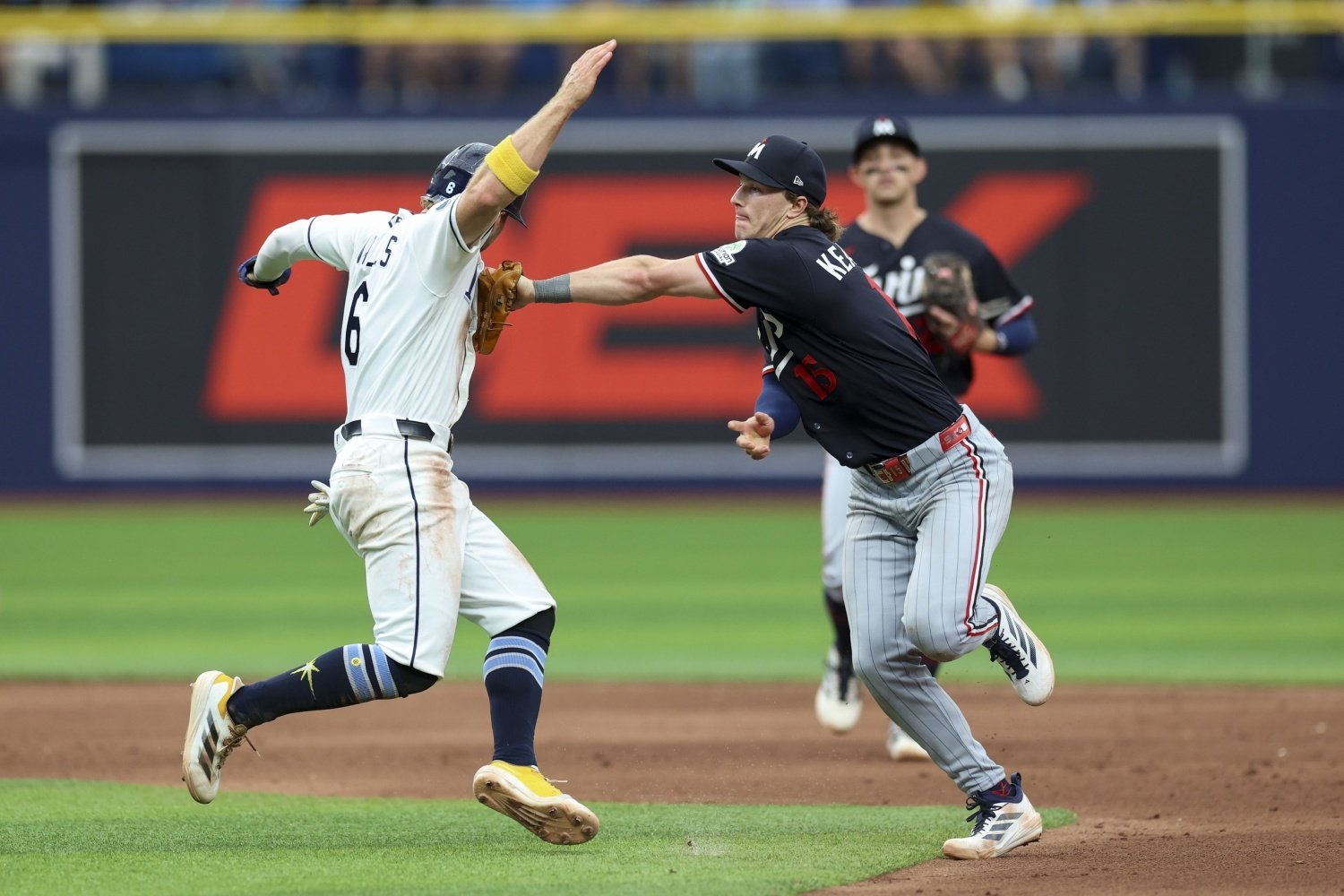 Every July, baseball conversations become centered around a simple question: Are you buying or selling? For many organizations, the answer is straightforward. Contenders push their chips into the middle of the table, while rebuilding clubs cash in veterans for future assets. But not every front office has the luxury of operating in such absolutes. The Tampa Bay Rays have spent years proving there is another way. Operating with one of baseball's smallest payrolls, the Rays have consistently remained competitive by blending aggressive buying with calculated selling. They add pieces that improve their postseason chances, while simultaneously reshaping the roster for future seasons. Rather than viewing the trade deadline as an all-or-nothing proposition, they treat it as another opportunity to maximize organizational value. If the Twins remain in the playoff picture over the next month, Jeremy Zoll may have the chance to follow a similar blueprint. Buy Without Emptying the Farm System One of Tampa Bay's defining strengths is resisting the temptation to sacrifice elite prospects for splashy acquisitions. Instead of chasing players with multiple years of control, the Rays frequently target rental players who address immediate needs. The cost is lower, the financial commitment disappears after the season, and their prospect pipeline remains intact. That philosophy should appeal to Minnesota. The Twins have spent the last several years rebuilding one of baseball's deepest farm systems. Walker Jenkins, Kaelen Culpepper, Marek Houston, Eduardo Tait, Riley Quick, and several others represent the organization's long-term foundation. Trading multiple top prospects for a controllable starter simply doesn't align with the direction the organization has taken. If Minnesota adds pitching, targeting expiring contracts instead of long-term commitments would allow the club to compete in 2026 without compromising its future. Prioritize Pitching Above Everything Else Like Tampa Bay, the Twins are built around run prevention—or, at least, the winning version of themselves they're trying to forge is. Injuries have stretched Minnesota's pitching depth throughout the season, exposing just how thin the organization has become on the mound. Whether it's another starting pitcher capable of covering meaningful innings or multiple late-inning relievers, pitching should remain the organization's top priority. The Rays routinely acquire experienced arms not only to improve their playoff chances, but also to protect younger pitchers from excessive workloads. Minnesota has similar motivations. Even if several injured pitchers return before October, adding another dependable arm would lessen the burden on the current rotation while strengthening the bullpen for a potential postseason run. Sell From Positions of Strength Selling doesn't necessarily mean waving the white flag. Tampa Bay frequently trades players from areas of organizational depth before they become expensive or blocked by younger talent. Those moves create opportunities for the next wave of prospects while maintaining long-term flexibility. The Twins find themselves in a comparable situation offensively. Their biggest organizational surplus exists in the outfield. Byron Buxton remains one of the lineup's stars. Trevor Larnach and Matt Wallner continue to split time, while Kody Clemens has earned regular at-bats. Meanwhile, Alan Roden and Jenkins are waiting in Triple-A, with Jenkins widely viewed as one of baseball's premier prospects. Behind the plate, Ryan Jeffers is on an expiring contract, and Victor Caratini has been one of the team’s best offensive players over the last month. The Twins aren’t likely to give Jeffers a qualifying offer, so it would be in the team’s best interest to trade him and get some value back before he leaves in free agency. There's simply not enough playing time for everyone. If Minnesota believes Jenkins is close to becoming an everyday contributor, moving an established major-league outfielder for pitching could improve both the present roster and future roster construction. That type of move may look like selling on the surface, but it could actually strengthen the 2026 club. Address Specific Weaknesses The Rays rarely make trades simply because talent is available. Instead, they identify specific roster deficiencies and fill them. Minnesota's weakness isn't difficult to identify. Pitching depth remains the obvious concern. Rather than making a blockbuster move for the biggest available name, the Twins could pursue one starter capable of stabilizing the rotation or multiple bullpen arms capable of shortening games. Filling those targeted needs would have a far greater impact than simply adding the most recognizable player on the market. A Major League-for-Major League Swap Makes Sense Perhaps the most intriguing possibility is one that doesn't fit neatly into either category. The Twins possess major-league hitters who have value across baseball. Other organizations possess controllable pitching but need offensive help. That creates opportunities for baseball trades. Instead of exchanging prospects for veterans, Minnesota could move from an area of surplus while addressing its biggest weakness at the same time. Those deals are difficult to construct, but they're often the type of creative transactions organizations like Tampa Bay execute successfully. For instance, in July 2024, the Rays dealt third baseman Isaac Paredes to the Cubs in exchange for low-OBP slugger Christopher Morel. Neither of those principals worked out as hoped for their new clubs, but Tampa also got two arms in the deal, who now hold significant promise for them. The Third Path: Buying and Selling The American League standings have kept nearly everyone involved in the postseason race. With so few clubs clearly buying or selling, creativity may become more valuable than aggression. The Twins don't have the pitching depth to comfortably stand pat. They also shouldn't feel obligated to sacrifice premium prospects simply because they're on the fringes of contention. Instead, they have an opportunity to borrow from one of baseball's most successful small-market organizations. Trade from offensive depth. Add pitching. Preserve the top of the farm system. Keep one eye on October while refusing to mortgage the future. For years, the Rays have shown that buying and selling aren't mutually exclusive. If Minnesota is still in the race when the trade deadline arrives, Jeremy Zoll may have every reason to prove the same thing. Can Zoll be a buyer and a seller at the 2026 MLB Trade Deadline? Leave a comment and start the discussion.
 -
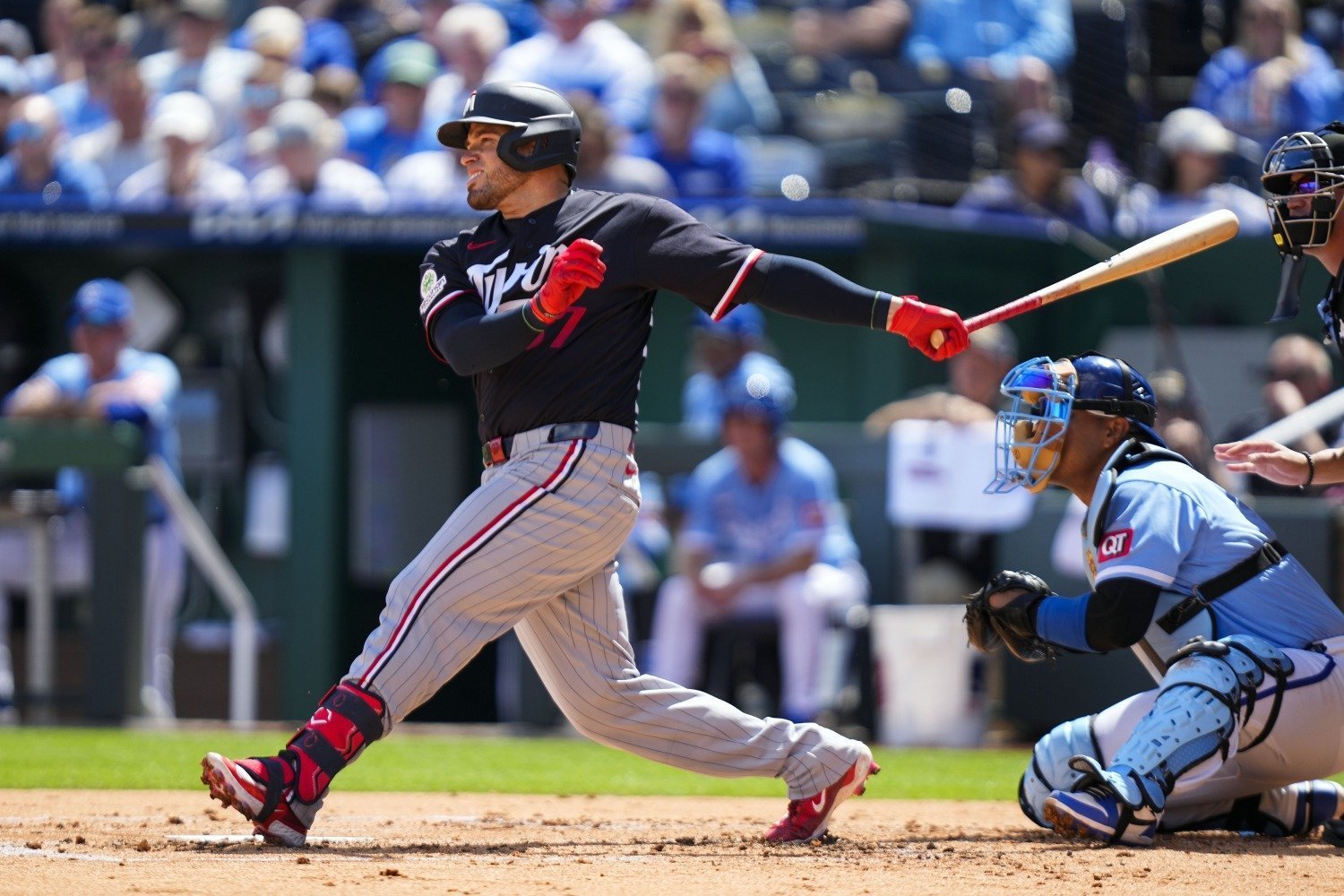 As the calendar flips to July, the Twins find themselves in a much different place offensively than they were during the season's opening months. Early in the year, Minnesota struggled to consistently score runs, with too many hitters searching for timing at the plate and rallies ending before they ever gained momentum. That narrative has changed over the last several weeks. Even without Ryan Jeffers behind the plate and with Matt Wallner spending time at Triple-A, the Twins have continued to receive meaningful production throughout the lineup. Veterans have settled into their roles, younger players have taken advantage of expanded opportunities, and the offense has looked considerably deeper than it did during April and May. Those improvements don't happen without standout individual performances. Several Twins enjoyed excellent months at the plate, but these four hitters separated themselves from the rest of the roster during June. 4. Josh Bell June Stats (27 G): .295/.343/.547 (.891), 7 2B, 1 3B, 5 HR, 6 BB, 18 K, 145 wRC+ Bell's annual slow start has almost become part of his player profile, and 2026 was no exception. He finished May carrying just a .562 OPS while striking out in 29.4% of his plate appearances, numbers that looked far removed from the middle-of-the-order bat the Twins envisioned when they signed him over the winter. As temperatures climbed, so did Bell's production. He rediscovered the consistent hard contact that has made him successful throughout his career, finishing June third on the club in slugging percentage while leading the team with a stellar .405 expected weighted on-base average (xwOBA). Just as importantly, Bell dramatically improved his plate discipline. His strikeout rate dropped to 17.6%, almost perfectly matching his season average of 18.8% and showing that May's swing-and-miss issues were more of an outlier than a trend. The Twins didn't need Bell to carry the offense by himself. They simply needed another dangerous bat capable of extending the lineup. June served as an excellent reminder of why Minnesota believed he fit that role. 3. Trevor Larnach June Stats (23 G): .341/.405/.513 (.918), 2 HR, 7 2B, 7 BB, 10 K, 158 wRC+ Larnach's season continues to be one of the more interesting offensive stories on the roster. His power numbers haven't reached the level many expected, but he has compensated by becoming one of the club's most consistent hitters. Rather than relying on home runs, Larnach spent June spraying line drives around the field, reaching base at an outstanding clip while consistently putting together quality at-bats. Perhaps the biggest development was his improved contact ability. After posting a strikeout rate above 23% in May, Larnach slashed that number to just 11.8% in June. Fewer empty swings meant more balls in play, and his batting average reflected that adjustment. The advanced metrics loved his month as well. His 158 wRC+ ranked second on the team, while his 0.8 fWAR came almost entirely from his offensive contributions. Even without a barrage of home runs, Larnach proved he could be one of Minnesota's most valuable hitters simply by consistently getting on base and driving the baseball into the gaps. 2. Byron Buxton June Stats (23 G): .287/.330/.596 (.926), 8 HR, 5 2B, 5 BB, 20 K, 153 wRC+ Buxton entered June already playing some of the best baseball of his career, and although he cooled slightly during the month's final week, he remained one of the American League's most dangerous players. His eight home runs led the Twins during June, and he continued impacting games in every phase by leading the club in stolen bases while finishing second in runs scored. His combination of elite defense, baserunning, and middle-of-the-order production resulted in a 1.0 fWAR, second-best on the roster for the month. One encouraging trend was his continued improvement in making contact. Even though his OPS dipped 68 points compared to his scorching May, Buxton reduced his strikeout rate by more than six percentage points. That type of adjustment is significant for a hitter whose offensive ceiling rises dramatically when he consistently puts the ball in play. With another All-Star appearance likely on the horizon—and a legitimate opportunity to start—Buxton continues to show why he's one of baseball's most impactful players when healthy. 1. Victor Caratini June Stats (20 G): .338/.429/.631 (1.059), 5 HR, 4 2B, 9 BB, 12 K, 189 wRC+ Losing Jeffers to injury could have created a significant hole in the Twins lineup. Instead, Victor Caratini made sure Minnesota barely missed a beat. Forced into a much larger workload behind the plate, Caratini responded with arguably the best offensive month of his career. Rather than simply filling innings at catcher, he became one of the Twins' most productive hitters regardless of position. Among catchers with at least 70 plate appearances, Caratini produced the highest wRC+ in baseball during June. His 1.1 fWAR ranked second among American League catchers, illustrating just how valuable his all-around performance became. The turnaround from May was remarkable. After posting a .475 OPS entering the month, Caratini exploded for a 1.059 OPS in June while reaching base nearly 43% of the time. His outstanding 12-to-9 strikeout-to-walk ratio highlighted an approach built on patience, quality contact, and forcing opposing pitchers into mistakes. Minnesota asked Caratini to stabilize the catching position during Jeffers' absence. Instead, he emerged as one of the hottest hitters in the league. The Twins still have plenty of questions to answer during the second half, but the offense is no longer near the top of that list. Bell has settled into the middle of the lineup, Larnach continues evolving into a more complete hitter, Buxton remains the club's biggest game-changer, and Caratini has delivered one of the season's most unexpected breakout performances. If this quartet continues producing at anything close to its June pace, Minnesota should have enough offensive firepower to stay competitive throughout July. With the trade deadline approaching and the playoff race beginning to take shape, sustained production from the heart of the lineup could determine whether the Twins remain in contention or begin looking toward the future. What stands out about this quartet of players? How would you ballot look? Leave a comment and start the discussion.
- 5 comments
-
- 6
-
-
- josh bell
- trevor larnach
- (and 2 more)
-
Image courtesy of Rob Thompson, St. Paul Saints MINNEAPOLIS — Major League Baseball announced Tuesday that it has opened a formal investigation into the Minnesota Twins after receiving multiple complaints that the organization may be stockpiling an unreasonable number of left-handed hitting outfielders. The investigation began after rival scouts attending a Triple-A St. Paul game accidentally submitted identical reports for four different players. "We thought Walker Jenkins had taken four consecutive at-bats," one scout admitted. "Turns out it was Walker Jenkins, Emmanuel Rodriguez, Matt Wallner, and Alan Roden." Commissioner Rob Manfred reportedly became concerned after reviewing Minnesota's organizational depth chart. "It appears every time the Twins identify an athletic player with offensive upside, someone in the draft room asks one question," Manfred said. "'Can he hit left-handed?' If the answer is yes, they stop asking questions." League officials immediately requested access to Minnesota's internal scouting model. Sources say the entire algorithm consists of three weighted categories: Hits left-handed. Can stand in an outfield. Hits left-handed exceptionally well. Twins general manager Jeremy Zoll denied any wrongdoing. "We reject the notion that we're hoarding left-handed outfielders," Zoll said. "We're simply committed to acquiring talented baseball players." When asked why nearly all of those talented baseball players bat left-handed and profile in a corner outfield spot, Zoll paused. "That's... actually a fair question." The investigation intensified after inspectors visited the Saints clubhouse. According to league officials, Wallner, Jenkins, Rodriguez, and Roden were all assigned the same locker. "We figured they could work something out," said one clubhouse attendant. “It’s already tricky enough for left-handed people living in a right-handed world.” The situation reportedly became more confusing after each player answered to the nickname "future middle-of-the-order bat." Meanwhile, Triple-A manager Brian Dinkelman admitted lineup construction has become increasingly complicated. "Every day I ask who's playing left field," Dinkelman said. "Four guys raise their hands. Sometimes I just point and hope for the best." In an effort to maximize organizational depth, the Twins recently experimented with deploying all four players in left field simultaneously. The alignment placed one defender shallow, one deep, one in the left-center gap, and one somewhere near the warning track eating sunflower seeds. According to Statcast, no fly balls landed safely in left field. Unfortunately, every ground ball through the right side became an automatic triple. The Twins viewed the experiment as a success. "We're innovators," one front office official explained. "If one left-handed outfielder is good, twenty must be better." The strategy appears to have influenced every level of the farm system. Sources indicate Twins scouts have stopped evaluating players by traditional tools such as hitting ability, arm strength, or defensive instincts. Instead, reports now begin with a single question: "Could this player eventually become another left-handed corner outfielder?" One amateur scouting report obtained by TwinsDaily simply read: "Throws right-handed. Unfortunate." The philosophy has reportedly spread beyond the scouting department. During this year's Draft meetings, area scouts presented a right-handed hitting shortstop with plus speed. The room fell silent. After several awkward moments, one executive finally asked, "Do we think he could learn to bat left-handed?" The player was removed from the draft board. The organization has become so committed to the strategy that prospects have begun changing positions on their own. A catcher recently volunteered to move to left field. "No reason," he explained. "It just seems like the fastest way to get promoted." As the investigation continues, MLB has reportedly proposed several possible punishments. Among the options under consideration are requiring the Twins to draft three consecutive right-handed infielders, forcing the organization to sign a veteran right-handed corner outfielder in free agency, or making Minnesota explain the difference between left field and right field on a written exam. For now, however, league officials have simply asked the Twins to refrain from acquiring any additional left-handed outfielders. Sources confirmed Minnesota responded by selecting one on waivers for cash considerations. View full article
- 4 replies
-
- 1
-
-
- matt wallner
- walker jenkins
- (and 2 more)
-
Image courtesy of © Jay Biggerstaff-Imagn Images As the calendar flips to July, the Twins find themselves in a much different place offensively than they were during the season's opening months. Early in the year, Minnesota struggled to consistently score runs, with too many hitters searching for timing at the plate and rallies ending before they ever gained momentum. That narrative has changed over the last several weeks. Even without Ryan Jeffers behind the plate and with Matt Wallner spending time at Triple-A, the Twins have continued to receive meaningful production throughout the lineup. Veterans have settled into their roles, younger players have taken advantage of expanded opportunities, and the offense has looked considerably deeper than it did during April and May. Those improvements don't happen without standout individual performances. Several Twins enjoyed excellent months at the plate, but these four hitters separated themselves from the rest of the roster during June. 4. Josh Bell June Stats (27 G): .295/.343/.547 (.891), 7 2B, 1 3B, 5 HR, 6 BB, 18 K, 145 wRC+ Bell's annual slow start has almost become part of his player profile, and 2026 was no exception. He finished May carrying just a .562 OPS while striking out in 29.4% of his plate appearances, numbers that looked far removed from the middle-of-the-order bat the Twins envisioned when they signed him over the winter. As temperatures climbed, so did Bell's production. He rediscovered the consistent hard contact that has made him successful throughout his career, finishing June third on the club in slugging percentage while leading the team with a stellar .405 expected weighted on-base average (xwOBA). Just as importantly, Bell dramatically improved his plate discipline. His strikeout rate dropped to 17.6%, almost perfectly matching his season average of 18.8% and showing that May's swing-and-miss issues were more of an outlier than a trend. The Twins didn't need Bell to carry the offense by himself. They simply needed another dangerous bat capable of extending the lineup. June served as an excellent reminder of why Minnesota believed he fit that role. 3. Trevor Larnach June Stats (23 G): .341/.405/.513 (.918), 2 HR, 7 2B, 7 BB, 10 K, 158 wRC+ Larnach's season continues to be one of the more interesting offensive stories on the roster. His power numbers haven't reached the level many expected, but he has compensated by becoming one of the club's most consistent hitters. Rather than relying on home runs, Larnach spent June spraying line drives around the field, reaching base at an outstanding clip while consistently putting together quality at-bats. Perhaps the biggest development was his improved contact ability. After posting a strikeout rate above 23% in May, Larnach slashed that number to just 11.8% in June. Fewer empty swings meant more balls in play, and his batting average reflected that adjustment. The advanced metrics loved his month as well. His 158 wRC+ ranked second on the team, while his 0.8 fWAR came almost entirely from his offensive contributions. Even without a barrage of home runs, Larnach proved he could be one of Minnesota's most valuable hitters simply by consistently getting on base and driving the baseball into the gaps. 2. Byron Buxton June Stats (23 G): .287/.330/.596 (.926), 8 HR, 5 2B, 5 BB, 20 K, 153 wRC+ Buxton entered June already playing some of the best baseball of his career, and although he cooled slightly during the month's final week, he remained one of the American League's most dangerous players. His eight home runs led the Twins during June, and he continued impacting games in every phase by leading the club in stolen bases while finishing second in runs scored. His combination of elite defense, baserunning, and middle-of-the-order production resulted in a 1.0 fWAR, second-best on the roster for the month. One encouraging trend was his continued improvement in making contact. Even though his OPS dipped 68 points compared to his scorching May, Buxton reduced his strikeout rate by more than six percentage points. That type of adjustment is significant for a hitter whose offensive ceiling rises dramatically when he consistently puts the ball in play. With another All-Star appearance likely on the horizon—and a legitimate opportunity to start—Buxton continues to show why he's one of baseball's most impactful players when healthy. 1. Victor Caratini June Stats (20 G): .338/.429/.631 (1.059), 5 HR, 4 2B, 9 BB, 12 K, 189 wRC+ Losing Jeffers to injury could have created a significant hole in the Twins lineup. Instead, Victor Caratini made sure Minnesota barely missed a beat. Forced into a much larger workload behind the plate, Caratini responded with arguably the best offensive month of his career. Rather than simply filling innings at catcher, he became one of the Twins' most productive hitters regardless of position. Among catchers with at least 70 plate appearances, Caratini produced the highest wRC+ in baseball during June. His 1.1 fWAR ranked second among American League catchers, illustrating just how valuable his all-around performance became. The turnaround from May was remarkable. After posting a .475 OPS entering the month, Caratini exploded for a 1.059 OPS in June while reaching base nearly 43% of the time. His outstanding 12-to-9 strikeout-to-walk ratio highlighted an approach built on patience, quality contact, and forcing opposing pitchers into mistakes. Minnesota asked Caratini to stabilize the catching position during Jeffers' absence. Instead, he emerged as one of the hottest hitters in the league. The Twins still have plenty of questions to answer during the second half, but the offense is no longer near the top of that list. Bell has settled into the middle of the lineup, Larnach continues evolving into a more complete hitter, Buxton remains the club's biggest game-changer, and Caratini has delivered one of the season's most unexpected breakout performances. If this quartet continues producing at anything close to its June pace, Minnesota should have enough offensive firepower to stay competitive throughout July. With the trade deadline approaching and the playoff race beginning to take shape, sustained production from the heart of the lineup could determine whether the Twins remain in contention or begin looking toward the future. What stands out about this quartet of players? How would you ballot look? Leave a comment and start the discussion. View full article
-
When Was the Last Time the Twins Had a Good Defense?
Cody Christie replied to Cody Christie's topic in Minnesota Twins Talk
Jenkins just returned from injury at Triple-A. Rodriguez is out until the second half. It likely won’t be until late in the season when all three can be on the same outfield.- 29 replies
-
- 1
-
-
- byron buxton
- brian dozier
- (and 8 more)
-
According to Statcast, the Twins have been worth -2 runs on the bases, 23rd overall. Only four AL teams rank lower. Twins players with negative value include Victor Caratini (-2), Josh Bell (-1), Ryan Jeffers (-1), and Austin Martin (-1). Martin surprises me a bit. Looks like he's been thrown out a few times when trying to take an extra base. His sprint speed is down a little this year.
- 39 replies
-
- 1
-
-
- byron buxton
- joe ryan
- (and 8 more)
-
When Was the Last Time the Twins Had a Good Defense?
Cody Christie replied to Cody Christie's topic in Minnesota Twins Talk
It could be fun to have an outfield of Buxton, Walker Jenkins, and Emmanuel Rodriguez. Obviously, health is a big question, but that would be one of baseball's best defensive outfields.- 29 replies
-
- 7
-
-
-
- byron buxton
- brian dozier
- (and 8 more)
-
I haven't been in college in multiple decades. Not sure many of my professors are still working 😅
-
Image courtesy of Joy R Absalon, USA Today Defense doesn't always receive the attention that home runs and strikeouts do, but it has quietly been one of the biggest issues for the 2026 Twins. Last week, I looked at the club's SABR Defensive Index totals through games played in early June. While there have been individual bright spots, the overall picture was far less encouraging. Too many routine plays have turned into extended innings, and there have already been multiple games this season where below-average defense directly contributed to losses. That wasn't always the case. For years, strong defense was part of the Twins' organizational identity. Under Tom Kelly, the franchise consistently emphasized fundamentals, positioning, and limiting mistakes. That philosophy carried into Ron Gardenhire's tenure, where Minnesota routinely ranked among baseball's better defensive clubs. In recent seasons, however, the Twins have struggled to reach those standards, even with one of the game's premier defensive center fielders patrolling the outfield. Looking back at the best defensive Twins teams of the last two decades illustrates both how good the club once was and how much ground it has to make up. 2020 Twins: 8 OAA, 18 DRS, 6.5 DEF The shortened 60-game season makes any evaluation a little more difficult, but Minnesota still fielded a respectable defensive club. As expected, Byron Buxton led the way. He accumulated 4 Outs Above Average (OAA) while posting 11 Defensive Runs Saved (DRS), continuing to establish himself as one of baseball's elite defensive center fielders. The Twins also benefited from Marwin Gonzalez, whose versatility allowed him to contribute across the diamond. He finished with 2 OAA while playing multiple positions. Eddie Rosario remained an interesting case, posting 4 DRS despite finishing at -1 OAA. Max Kepler and Mitch Garver each contributed 3 DRS. The biggest weakness came on the infield. Jorge Polanco struggled defensively, finishing with -6 DRS, preventing the Twins from climbing even higher among their recent defensive seasons. 2021 Twins: 9 OAA, 20 DRS, 15.7 DEF Although the Twins endured a disappointing season in the standings, they remained an excellent defensive team. The offseason acquisition of Andrelton Simmons immediately paid dividends with the glove. Long considered one of the greatest defensive shortstops of his generation, Simmons posted an incredible 16 OAA along with an 18.5 DEF rating. Max Kepler and Byron Buxton each added 7 OAA of their own. Buxton's 13 DRS matched Simmons despite playing significantly fewer innings because of injuries, highlighting just how dominant he remained whenever healthy. On the opposite end of the spectrum, Miguel Sanó struggled defensively. He finished with -5 OAA and -6 DRS, making him the club's biggest liability in the field. 2010 Twins: 35.4 DEF Outs Above Average wasn't introduced until years later, but DEF provides a strong picture of just how fundamentally sound Minnesota was during the inaugural season at Target Field. Joe Mauer anchored the defense behind the plate, posting a team-leading 12.7 DEF while capturing his third and final Gold Glove Award. The middle infield was outstanding. J.J. Hardy finished with 11.8 DEF, while Orlando Hudson added 10.5 DEF (6 DRS), giving the Twins one of baseball's better double-play combinations. The supporting cast was equally impressive. Denard Span, Jason Repko, Justin Morneau, and Nick Punto each recorded DEF marks above 8.4, providing quality defense throughout the roster. Punto, Morneau, and Repko were worth 7 or more DRS. Not everyone contributed positively. Delmon Young (-11 DRS), Jason Kubel (-8 DRS), and Michael Cuddyer (-14 DRS) all finished with negative defensive values, but the club's strength up the middle more than compensated for those shortcomings. 2017 Twins: 67 OAA, 36 DRS, 58.1 DEF No recent Twins team comes close to matching the defensive excellence displayed in 2017. This was Buxton at the absolute peak of his defensive powers. He produced an astonishing 26 OAA and 23 DRS while finishing with 23.9 DEF, earning the American League Platinum Glove Award as the league's top overall defender. Brian Dozier complemented Buxton perfectly at second base. He posted 16 OAA and 14.5 DEF while winning his own Gold Glove Award. The rest of the roster featured quality defenders as well. Jason Castro contributed 10 DRS behind the plate, and Joe Mauer was worth 15 DRS as he transitioned to first base. The defensive blemishes belonged to Sanó (-3 OAA) and Polanco (-8 DRS). Both players were overmatched on the left side of the infield. Even that wasn't nearly enough to offset one of the most impressive team defensive performances the Twins have assembled in recent memory. The Standard Has Changed Looking at these teams reveals a common theme. The Twins were at their best defensively when they were strong up the middle. Whether it was Mauer, Hardy, Hudson, Dozier, Simmons, or an elite version of Buxton, Minnesota consistently featured premium defenders at the game's most important positions. They turned balls in play into outs, limited extra bases, and helped their pitching staffs outperform expectations. The current roster hasn't reached that level. Buxton continues to provide strong defense in center field, but one good (and certainly no longer elite) defender can't carry an entire team. Defensive inconsistency across the infield and corner positions has too often extended innings and created unnecessary pressure on the pitching staff. If the Twins hope to return to consistent contention, improving the defense needs to become a priority again. Their best teams weren't just built around pitching and timely hitting—they routinely converted difficult plays into routine outs. Until Minnesota rediscovers that identity, the 2017 club will likely remain the benchmark for what good Twins defense looks like. How would you rank the teams listed above? How can the Twins get to a better defense at the big-league level? Leave a comment and start the discussion. View full article
- 29 replies
-
- 1
-

-
- byron buxton
- brian dozier
- (and 8 more)
