



Cody Christie
-
Posts
7,794 -
Joined
-
Last visited
-
Days Won
5
Content Type
Profiles
News
Minnesota Twins Videos
2026 Minnesota Twins Top Prospects Ranking
2022 Minnesota Twins Draft Picks
Minnesota Twins Free Agent & Trade Rumors, Notes, & Tidbits
Guides & Resources
2023 Minnesota Twins Draft Picks
The Minnesota Twins Players Project
2024 Minnesota Twins Draft Picks
2025 Minnesota Twins Draft Pick Tracker
2026 Minnesota Twins Draft Tracker: Picks & Bonuses
Forums
Blogs
Events
Store
Downloads
Gallery
Everything posted by Cody Christie
-

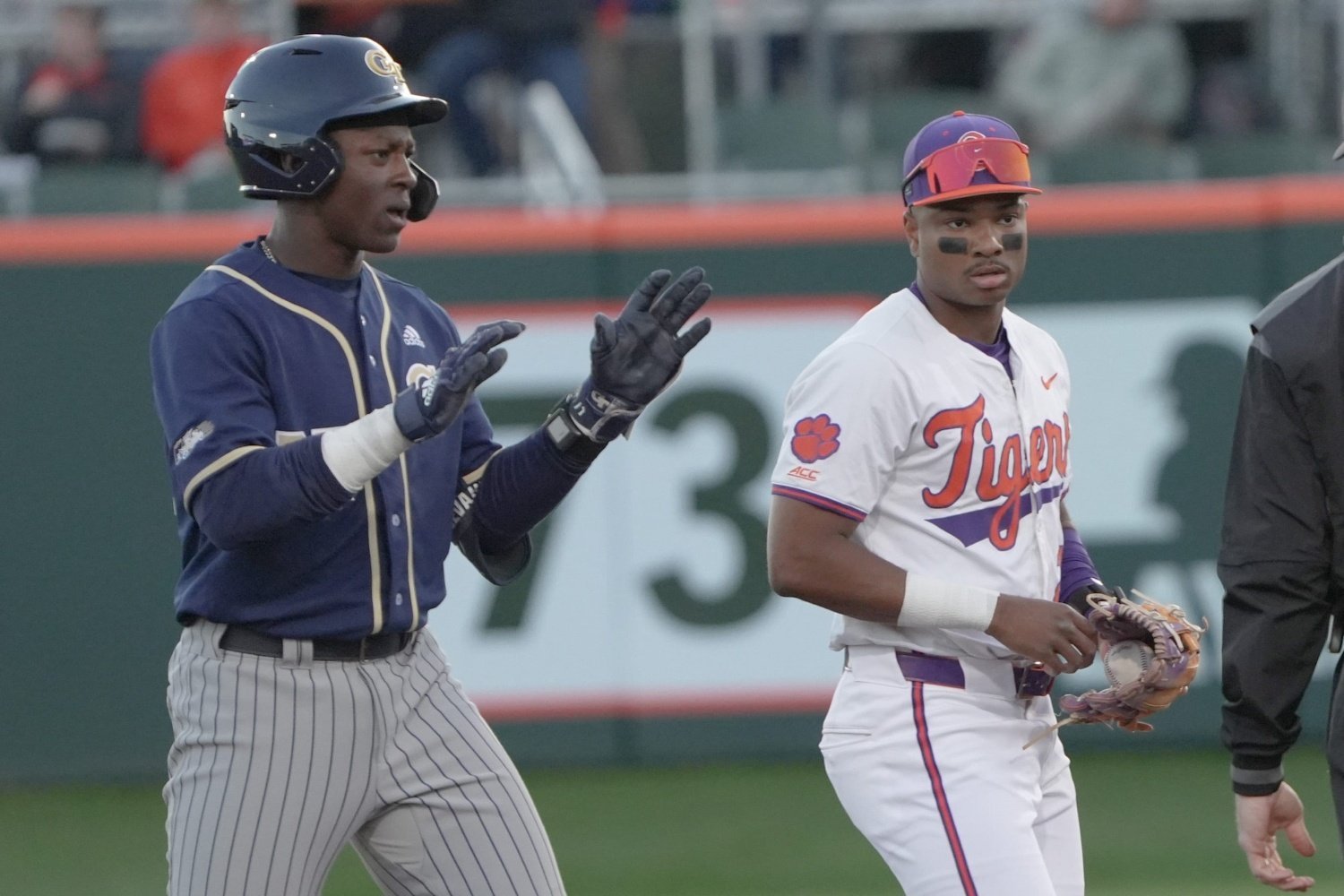 The top of the 2026 MLB Draft unfolded much the way evaluators expected. UCLA shortstop Roch Cholowsky went first overall to the Chicago White Sox, Texas prep standout Grady Emerson followed at No. 2, and the Minnesota Twins landed Vahn Lackey with the third overall selection. While the draft is now in the rearview mirror, prospect rankings are already beginning to provide context for how those players compare to the rest of baseball's young talent. Baseball America recently updated its Top 100 Prospects list following the draft, giving Twins fans an early indication of where Lackey fits among the game's best prospects. The publication's rankings suggest Minnesota may have added another cornerstone talent to an already impressive farm system. Lackey Debuts Among Baseball’s Best According to a recent ESPN report, the White Sox seriously considered selecting Lackey with the first overall pick and continued debating between him and Cholowsky until the final days before the draft. Ultimately, Chicago chose the polished UCLA shortstop. Baseball America's updated rankings reflect just how close that decision may have been. Cholowsky now checks in as the No. 5 prospect in baseball, immediately becoming one of the highest-ranked prospects in the sport. Emerson follows at No. 12 overall, giving the first two selections prominent placement near the top of the rankings. Lackey isn't far behind. Baseball America placed the Twins' newest prospect at No. 26 overall, making him one of just a handful of 2026 draftees to crack the upper tier of the Top 100 list immediately after being selected. For a player who has yet to appear in a professional game, that's an impressive endorsement of both his talent and long-term projection. Where Does He Fit in Minnesota's System? The more interesting debate may be where Lackey belongs within the Twins organization. Walker Jenkins remains the standard bearer. Baseball America had him ranked ninth overall entering the draft, and he continues to sit comfortably among baseball's elite prospects despite injuries slowing portions of his development. After Jenkins, however, the conversation becomes much more interesting. Minnesota's system features several high-end talents, including Kaelen Culpepper and Emmanuel Rodriguez. Each brings a unique blend of upside and proximity to the major leagues. Lackey immediately enters that discussion. An argument can reasonably be made that he is the organization's second-best prospect behind Jenkins. Others may prefer the combination of performance and proximity offered by players already succeeding in the upper minors. There's also a case for ranking him third while waiting to see how his tools translate to professional baseball. Regardless of where individual evaluators place him, Baseball America's ranking makes one thing clear: Lackey belongs in the conversation with the very best prospects in the organization. Another Boost for a Rising Farm System The Twins have spent the past several years building one of baseball's deeper farm systems, and the addition of Lackey only strengthens that foundation. Landing a player viewed as the No. 26 prospect in baseball immediately after the draft is a significant win for Minnesota's scouting department. It also provides another high-ceiling talent to pair with Jenkins at the top of the system. Whether Lackey ultimately becomes the Twins' No. 1 prospect remains to be seen. For now, Baseball America's updated rankings offer an encouraging reminder that Minnesota didn't just add another first-round pick last week. They added one of the most highly regarded young players in all of baseball.
- 26 comments
-
- 2
-

-
- vahn lackey
- walker jenkins
- (and 4 more)
-
Send Eduardo Tait and Mick Abel to the Padres. 😅
-
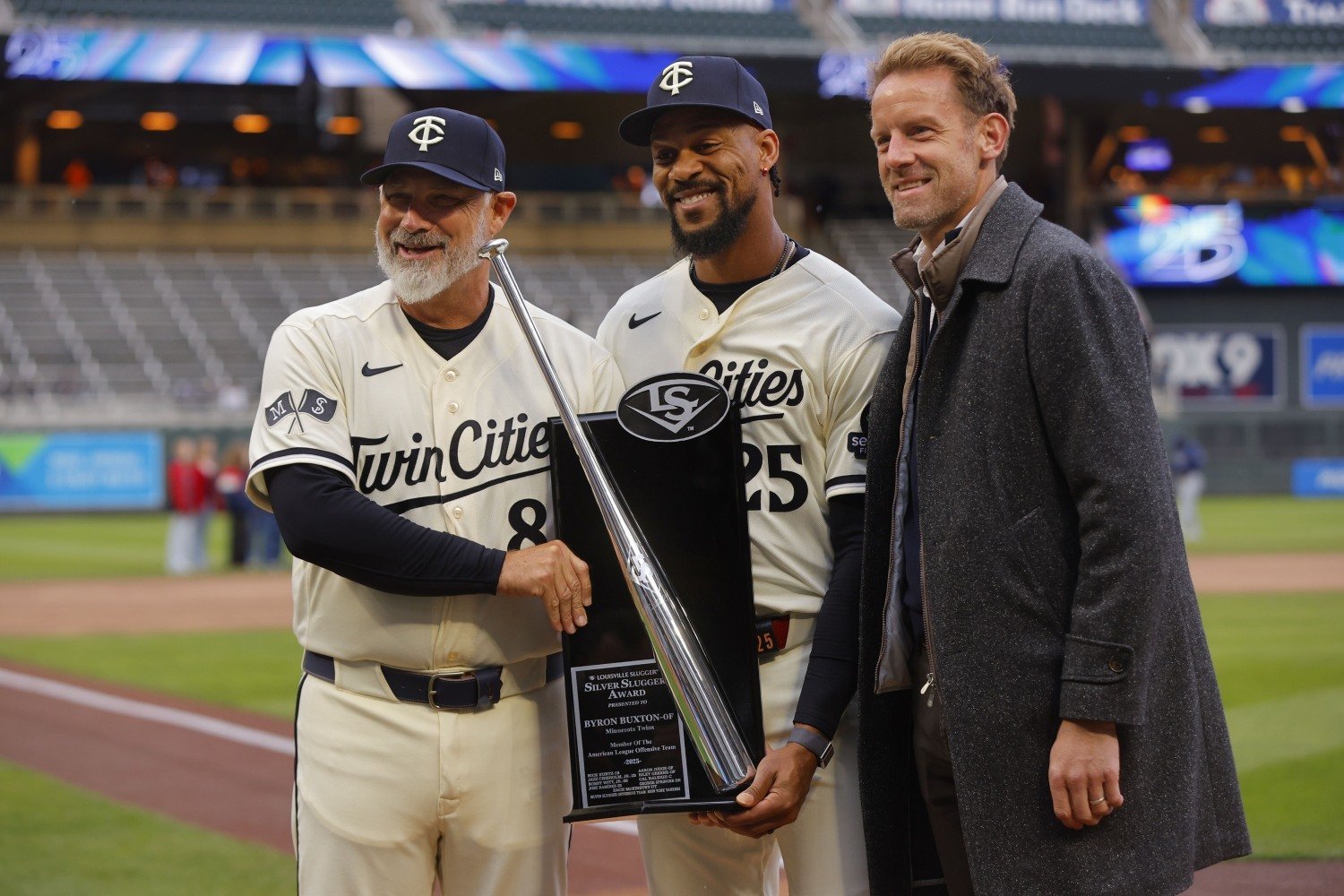 When Tom Pohlad recently addressed the media, he knew fans wanted more than another promise about the future. After years of declining payrolls, dwindling attendance, and frustration over the organization's direction, words alone weren't going to restore confidence. Now comes the opportunity to turn those words into action. The Twins are in playoff contention even after last year's deadline reshaped the organization. Despite multiple major injuries, the starting rotation has been a surprise. Joe Ryan has emerged as the staff ace, Taj Bradley has given Minnesota another impact arm at the top of the rotation, and the club has remained in the postseason conversation despite carrying one of baseball's leanest payrolls. The next step isn't another bargain addition. It's making the type of bold investment Pohlad himself described. "We might have a magical year this year," Pohlad said, "but a $100 million payroll is not going to get the job done trying to accomplish the kinds of things we want to accomplish. We’ve got to be competitive consistently. That's the baseline. And then we’ve got to be willing to make investments and make bold moves that allow us to be successful in the playoffs." Those comments landed well because they acknowledged what many fans have believed for years. Competing consistently requires more than hoping every young player develops or every value signing outperforms expectations. It requires spending. The Payroll Says One Thing. The Deadline Can Say Another. Minnesota’s $105 million payroll is down $60 million from 2023 and $30 million from last season. It’s clear that the Twins haven't yet shown fans the investment Pohlad discussed. He admitted as much while explaining the organization's long-term vision. "Early on, I may have made comments like 'we've got to build a business that can support more investment on the field,'" Pohlad said. "Well, to build that business, we've got to win. And to win, we've got to put a better product on the field. There does need to be an upfront investment made." It's a straightforward concept. The Twins need to win to bring fans back to Target Field. To win, they need a better roster. Building that roster requires investing before the revenue fully returns. In other words, they've got to spend money to make money. Trading for a frontline starter would be the clearest signal yet that those comments weren't simply talking points. One More Ace Could Change Everything Ryan and Bradley give Minnesota an excellent foundation. The problem is October baseball isn't won with two starters. Adding another legitimate frontline arm could be the difference between qualifying for the postseason and watching from home. If the Twins reach October, having Ryan, Bradley, and another established starter lined up for a best-of-three Wild Card Series dramatically changes their chances. It also provides valuable protection over the final two months of the regular season, limiting the strain on a young pitching staff while improving every game started by the rest of the rotation. The Twins also possess something they haven't always had at previous deadlines: a farm system capable of supporting a significant trade without emptying the cupboard. If Pohlad wants to demonstrate his commitment to making bold moves, the market offers several intriguing possibilities. Reid Detmers Offers Present Value and Future Stability Detmers may represent the best combination of upside and long-term value available. Diamond Centric currently ranks him fourth on the top trade candidates list, the third best pitcher behind Tarik Skubal and Joe Ryan. Skubal and Ryan might not be traded, making Detmers the top available target. After spending time in the bullpen, the left-hander has rediscovered himself as an effective starter by mixing speeds exceptionally well rather than overpowering hitters. His diverse pitch mix has made him one of the more difficult starters to square up, and his two remaining years of team control would make him more than a rental. Acquiring Detmers wouldn't simply strengthen this year's rotation, it could give Minnesota another foundational starter alongside Ryan and Bradley for multiple seasons. Kevin Gausman Brings Proven October Experience Gausman doesn't have to throw 98 mph to dominate. When his splitter is working, he's one of baseball's most dependable veterans, consistently generating strikeouts while attacking the strike zone. His postseason experience only adds to his value for a contender. Diamond Centric has him ranked as the seventh-best trade target and fourth-best pitcher. His contract is significant ($23 million), but Toronto could absorb part of the remaining salary to maximize its return. For a Twins team with payroll flexibility, taking on money rather than surrendering additional prospects could be an attractive path. Freddy Peralta Could Be a Cost-Effective Upgrade Peralta's overall numbers may not jump off the page this season, but his underlying track record makes him one of the more intriguing deadline arms. He is currently ranked as Diamond Centric’s eighth-best trade deadline target. He has spent years proving he can handle a playoff-caliber workload while flashing ace-level stuff on any given night. His affordable contract ($8 million) also makes him especially appealing for a team looking to add impact without dramatically increasing long-term payroll commitments. If he reaches the market, he'll likely have no shortage of suitors. A Familiar Reunion with Sonny Gray Twins fans hardly need an introduction to Sonny Gray. The veteran continues to thrive by relying on command, sequencing, and one of baseball's deepest pitch arsenals rather than overpowering velocity. His competitive edge and postseason experience would fit seamlessly back into Minnesota's clubhouse. Diamond Centric has Gray as the ninth best trade target, but Boston’s recent hot streak has the team back in playoff contention. Still, Gray already proved during his previous stint that he can anchor the Twins' rotation. A reunion would provide both familiarity and reliability for a team trying to make another October run. Time to Match the Message Tom Pohlad deserves some credit for saying what many fans wanted to hear. He acknowledged that the Twins can't expect stronger attendance or increased revenue without first improving the product on the field. He admitted that investment has to come before the financial rewards. Now comes the harder part. Trading for a frontline starter would represent more than a baseball move. It would show fans that ownership intends to follow through on its new philosophy. The Twins have the payroll room. They have the prospect capital. They have a competitive core already in place. Now they simply need ownership to walk the walk. Which player(s) should the Twins target? Does Minnesota need another frontline starter? Leave a comment and start the discussion.
- 61 comments
-
- 2
-
-

-
- tom pohlad
- sonny gray
- (and 3 more)
-
Image courtesy of Bruce Kluckhohn-Imagn Images When Tom Pohlad recently addressed the media, he knew fans wanted more than another promise about the future. After years of declining payrolls, dwindling attendance, and frustration over the organization's direction, words alone weren't going to restore confidence. Now comes the opportunity to turn those words into action. The Twins are in playoff contention even after last year's deadline reshaped the organization. Despite multiple major injuries, the starting rotation has been a surprise. Joe Ryan has emerged as the staff ace, Taj Bradley has given Minnesota another impact arm at the top of the rotation, and the club has remained in the postseason conversation despite carrying one of baseball's leanest payrolls. The next step isn't another bargain addition. It's making the type of bold investment Pohlad himself described. "We might have a magical year this year," Pohlad said, "but a $100 million payroll is not going to get the job done trying to accomplish the kinds of things we want to accomplish. We’ve got to be competitive consistently. That's the baseline. And then we’ve got to be willing to make investments and make bold moves that allow us to be successful in the playoffs." Those comments landed well because they acknowledged what many fans have believed for years. Competing consistently requires more than hoping every young player develops or every value signing outperforms expectations. It requires spending. The Payroll Says One Thing. The Deadline Can Say Another. Minnesota’s $105 million payroll is down $60 million from 2023 and $30 million from last season. It’s clear that the Twins haven't yet shown fans the investment Pohlad discussed. He admitted as much while explaining the organization's long-term vision. "Early on, I may have made comments like 'we've got to build a business that can support more investment on the field,'" Pohlad said. "Well, to build that business, we've got to win. And to win, we've got to put a better product on the field. There does need to be an upfront investment made." It's a straightforward concept. The Twins need to win to bring fans back to Target Field. To win, they need a better roster. Building that roster requires investing before the revenue fully returns. In other words, they've got to spend money to make money. Trading for a frontline starter would be the clearest signal yet that those comments weren't simply talking points. One More Ace Could Change Everything Ryan and Bradley give Minnesota an excellent foundation. The problem is October baseball isn't won with two starters. Adding another legitimate frontline arm could be the difference between qualifying for the postseason and watching from home. If the Twins reach October, having Ryan, Bradley, and another established starter lined up for a best-of-three Wild Card Series dramatically changes their chances. It also provides valuable protection over the final two months of the regular season, limiting the strain on a young pitching staff while improving every game started by the rest of the rotation. The Twins also possess something they haven't always had at previous deadlines: a farm system capable of supporting a significant trade without emptying the cupboard. If Pohlad wants to demonstrate his commitment to making bold moves, the market offers several intriguing possibilities. Reid Detmers Offers Present Value and Future Stability Detmers may represent the best combination of upside and long-term value available. Diamond Centric currently ranks him fourth on the top trade candidates list, the third best pitcher behind Tarik Skubal and Joe Ryan. Skubal and Ryan might not be traded, making Detmers the top available target. After spending time in the bullpen, the left-hander has rediscovered himself as an effective starter by mixing speeds exceptionally well rather than overpowering hitters. His diverse pitch mix has made him one of the more difficult starters to square up, and his two remaining years of team control would make him more than a rental. Acquiring Detmers wouldn't simply strengthen this year's rotation, it could give Minnesota another foundational starter alongside Ryan and Bradley for multiple seasons. Kevin Gausman Brings Proven October Experience Gausman doesn't have to throw 98 mph to dominate. When his splitter is working, he's one of baseball's most dependable veterans, consistently generating strikeouts while attacking the strike zone. His postseason experience only adds to his value for a contender. Diamond Centric has him ranked as the seventh-best trade target and fourth-best pitcher. His contract is significant ($23 million), but Toronto could absorb part of the remaining salary to maximize its return. For a Twins team with payroll flexibility, taking on money rather than surrendering additional prospects could be an attractive path. Freddy Peralta Could Be a Cost-Effective Upgrade Peralta's overall numbers may not jump off the page this season, but his underlying track record makes him one of the more intriguing deadline arms. He is currently ranked as Diamond Centric’s eighth-best trade deadline target. He has spent years proving he can handle a playoff-caliber workload while flashing ace-level stuff on any given night. His affordable contract ($8 million) also makes him especially appealing for a team looking to add impact without dramatically increasing long-term payroll commitments. If he reaches the market, he'll likely have no shortage of suitors. A Familiar Reunion with Sonny Gray Twins fans hardly need an introduction to Sonny Gray. The veteran continues to thrive by relying on command, sequencing, and one of baseball's deepest pitch arsenals rather than overpowering velocity. His competitive edge and postseason experience would fit seamlessly back into Minnesota's clubhouse. Diamond Centric has Gray as the ninth best trade target, but Boston’s recent hot streak has the team back in playoff contention. Still, Gray already proved during his previous stint that he can anchor the Twins' rotation. A reunion would provide both familiarity and reliability for a team trying to make another October run. Time to Match the Message Tom Pohlad deserves some credit for saying what many fans wanted to hear. He acknowledged that the Twins can't expect stronger attendance or increased revenue without first improving the product on the field. He admitted that investment has to come before the financial rewards. Now comes the harder part. Trading for a frontline starter would represent more than a baseball move. It would show fans that ownership intends to follow through on its new philosophy. The Twins have the payroll room. They have the prospect capital. They have a competitive core already in place. Now they simply need ownership to walk the walk. Which player(s) should the Twins target? Does Minnesota need another frontline starter? Leave a comment and start the discussion. View full article
-
Walker JenkinsVahn LackeyKaelen CulpepperMarek HoustonEmmanuel RodriguezRiley QuickEduardo TaitKendry RojasDasan HillHendry MendezBrandon WinokurGabriel GonzalezCharlee SotoCarson TinneyKhadim DiawQuentin YoungBrett RenfrowCJ CulpepperRyan GallagherJason Reitz
-
3 Twins Prospects with Something to Prove in the Second Half
Cody Christie posted an article in Minor Leagues
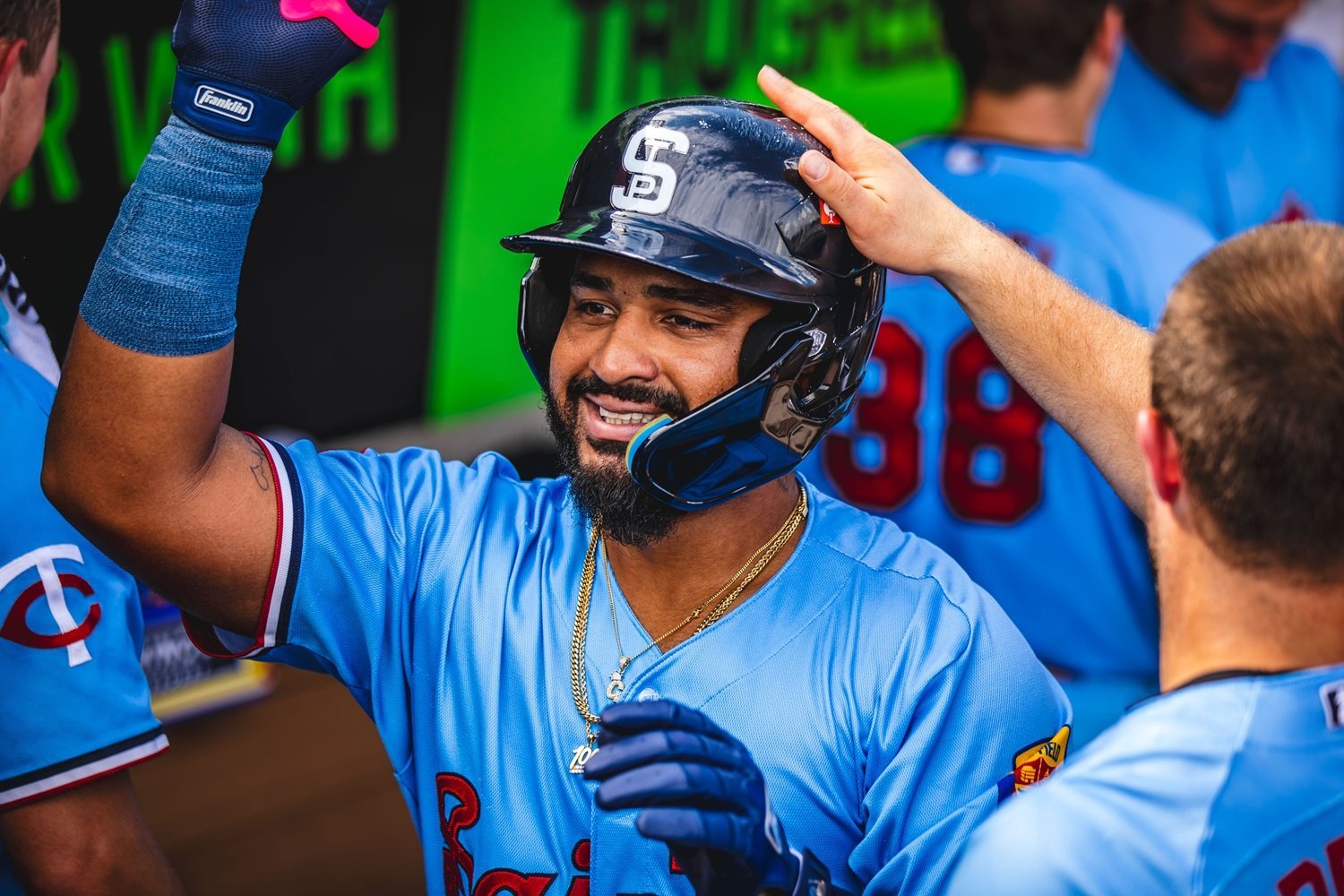 The first half of the minor-league season is about adjustments. Prospects face tougher competition, opponents identify weaknesses, and organizations challenge players to make changes before the season's stretch run. For the Twins, plenty of prospects have already boosted their stock this year. Others have simply maintained their status as top organizational talents. However, a few highly regarded names still have important questions to answer before the offseason arrives. Here are three Twins prospects with something to prove over the final months of the 2026 season. C Eduardo Tait – Cedar Rapids Kernels (TD Prospect Rank: 4) Something to Prove: Find Ways to Get On-Base Few prospects in Minnesota's system are younger than Tait relative to their competition. At more than three years under the average Midwest League player, simply holding his own is an accomplishment. Even so, the offensive production hasn't matched the excitement surrounding his immense raw power. Tait has already set a career high with 15 home runs while adding 16 doubles in 75 games. His .205 isolated power (ISO) is also a career best, showing exactly why evaluators believe he has middle-of-the-order upside. The rest of his offensive profile, however, still needs refinement. After posting encouraging on-base numbers last season, Tait has seen his batting average fall to .215, nearly 40 points lower than a year ago. His .279 on-base percentage has dropped by 32 points, fueled by a strikeout rate approaching 25% and a modest 7.3% walk rate. As a result, his 73 wRC+ sits roughly 30 points below last season's mark. None of those numbers should trigger panic considering his age. In fact, they're fairly common growing pains for teenage power hitters. The next developmental step is becoming a more complete offensive player. If Tait can improve his swing decisions, take more walks, and get in better counts, his natural power should become even more impactful. LHP Dasan Hill – Cedar Rapids Kernels (TD Prospect Rank: 9) Something to Prove: Control, Control, Control Hill's electric stuff has never been the question. The left-hander entered the season viewed as one of Minnesota's top pitching prospects after an impressive professional debut that included a 3.19 ERA, 3.35 FIP, a 31.1% strikeout rate, and a 15.0% walk rate. Minnesota challenged the 20-year-old by returning him to High-A, hoping he'd take another step toward becoming a long-term starting pitcher. Instead, his season has been defined by inconsistency. Through 13 starts, Hill owns a 6.14 ERA despite a much more encouraging 4.17 FIP. His strikeout rate has climbed to an outstanding 34.1%, showing his swing-and-miss arsenal continues to overwhelm hitters. Unfortunately, the walks have climbed as well. Hill's 18.4% BB rate has made it difficult for him to work deep into games or consistently pitch ahead in counts. Too many free passes have erased much of the value created by his elite strikeout ability. The blueprint moving forward is simple enough. Throw more strikes. If Hill can improve his command even slightly, his combination of velocity and swing-and-miss stuff gives him the ceiling of a legitimate major league starter. Until then, questions about whether he ultimately fits best in the bullpen will remain. OF/1B Gabriel Gonzalez – St. Paul Saints (TD Prospect Rank: 10) Something to Prove: 2025 Wasn't a Fluke Last season looked like Gonzalez's breakout. He climbed from High-A to Triple-A while slashing .329/.395/.513 (.908) with 38 doubles, 15 home runs, and a 147 wRC+. It was the type of season that vaulted him into the upper tier of Minnesota's prospect rankings. At the season’s conclusion, he was named Twins Daily’s Minor League Hitter of the Year. Replicating that success has been much more difficult. In 77 games with Triple-A St. Paul, Gonzalez has hit .247/.313/.417 (.730) with 14 doubles, 11 home runs, and an 84 wRC+. Those numbers become even more concerning when considering the offensive environment. The International League is one of professional baseball's most hitter-friendly leagues, making it reasonable to expect stronger production from a bat-first prospect. Defensively, Gonzalez has also spent more time at first base this season. While added versatility can help his path to the majors, first base is a position where offensive production is expected. The Twins don't necessarily need Gonzalez to repeat last year's gaudy numbers, but they do need him to show that his breakout wasn't simply the product of one exceptional season. A productive second half could restore much of the momentum he built in 2025 and reinforce his status as a potential middle-of-the-order bat. Prospect development is rarely linear, and one difficult half doesn't erase years of talent or projection. In many ways, the second half is where organizations learn the most about their young players. Can Tait pair his power with improved plate discipline? Will Hill find enough command to remain on a starter's trajectory? Can Gonzalez prove last season was the beginning of his emergence rather than the exception? The answers to those questions could significantly shape Minnesota's farm system heading into 2027. What other prospects have something to prove in the second half? Who are you keeping an eye on in the minors? Leave a comment and start the discussion.
- 19 comments
-
- 5
-
-
- eduardo tait
- dasan hill
- (and 1 more)
-
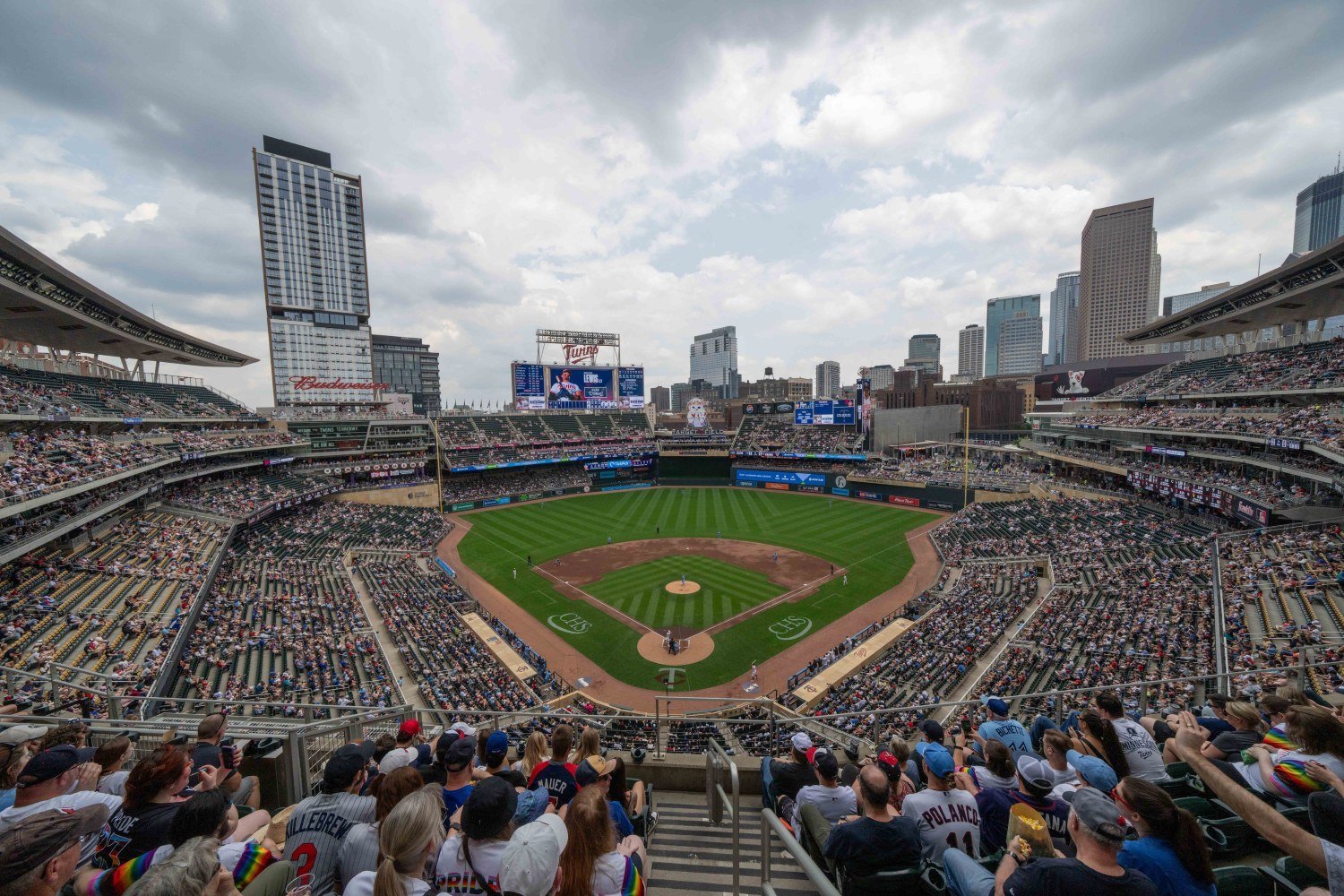 The Minnesota Twins officially unveiled their 2027 regular season schedule, providing fans with their first look at next year's road map. While game times and promotions will come later, the schedule already offers several intriguing storylines, including the earliest Opening Day in franchise history, another road opener, and a summer packed with marquee opponents at Target Field. Here's a closer look at what stands out from Minnesota's 2027 schedule. Earliest Opening Day in Twins History The Twins will begin the 2027 season on Thursday, March 25, when they travel to Kauffman Stadium to face the Kansas City Royals. It marks the earliest Opening Day in franchise history, one day earlier than last season's March 26 opener. Minnesota will spend the opening week on the road before returning to Target Field for its home opener on Friday, April 2 against the Tampa Bay Rays. The club will play six games during March, the most the franchise has ever played before the calendar flips to April. It also continues a recent trend, as the Twins will open the season away from Target Field for the fifth consecutive year and for the 14th time in the past 18 seasons. Target Field Loaded with Summer Marquee Matchups Fans won't have to wait long for attractive home series. The Twins will play 16 home games during April, welcoming the Washington Nationals and San Diego Padres alongside several American League opponents. Once summer arrives, the home schedule becomes even more appealing. Between Memorial Day and Labor Day, Minnesota will play 44 of its 81 home games, giving fans plenty of opportunities to catch baseball during the warmest months of the season. Some of the biggest draws coming to Target Field include the New York Yankees, Boston Red Sox, Chicago Cubs, Toronto Blue Jays, New York Mets, Milwaukee Brewers, Arizona Diamondbacks and San Francisco Giants. The schedule also includes two separate seven-game homestands in June featuring opponents such as the Los Angeles Angels, Chicago White Sox, New York Yankees and Cleveland Guardians. Balanced Schedule Continues Across Baseball Major League Baseball's balanced scheduling format remains in place for 2027, meaning the Twins will once again play every other club in the league. Minnesota will face each of its four American League Central rivals 13 times, splitting home and road games against the Chicago White Sox, Cleveland Guardians, Detroit Tigers and Kansas City Royals. The interleague schedule brings 24 National League games to Target Field. Home opponents include the Nationals, Padres, Pirates, Mets, Cubs, Diamondbacks, Brewers and Giants. On the road, the Twins will visit the Los Angeles Dodgers, Cincinnati Reds, St. Louis Cardinals, Colorado Rockies, Atlanta Braves, Philadelphia Phillies and Miami Marlins. One of the highlights comes during MLB's annual Rivalry Weekend, when Minnesota travels to Milwaukee from July 16-18 before welcoming the Cubs to Target Field the following weekend, July 23-25. Road Trips and September Finish The longest trip away from home comes early in the season. Minnesota's toughest stretch will run from May 28 through June 6, a nine-game, 10-day trip that includes stops in Toronto, Detroit and Atlanta. When September arrives, the Twins will finish the regular season at Target Field. They'll host the San Francisco Giants from Sept. 21-23 before closing the regular season with a three-game series against the Detroit Tigers from Sept. 24-26. Ending the season at home could prove significant if Minnesota finds itself battling for an American League Central title or postseason berth down the stretch. Still Waiting on the Details While the schedule is now official, several pieces of information remain to be announced. Game times, television schedules, promotional nights, giveaways and ticket sale dates will all be released at a later date. Those announcements typically come throughout the offseason as clubs finalize broadcast schedules and promotional calendars. For now, Twins fans can begin planning around an early Opening Day, another full slate against every Major League club and a summer schedule filled with some of baseball's biggest attractions.
 -
The Minnesota Twins officially unveiled their 2027 regular season schedule, providing fans with their first look at next year's road map. While game times and promotions will come later, the schedule already offers several intriguing storylines, including the earliest Opening Day in franchise history, another road opener, and a summer packed with marquee opponents at Target Field. Here's a closer look at what stands out from Minnesota's 2027 schedule. Earliest Opening Day in Twins History The Twins will begin the 2027 season on Thursday, March 25, when they travel to Kauffman Stadium to face the Kansas City Royals. It marks the earliest Opening Day in franchise history, one day earlier than last season's March 26 opener. Minnesota will spend the opening week on the road before returning to Target Field for its home opener on Friday, April 2 against the Tampa Bay Rays. The club will play six games during March, the most the franchise has ever played before the calendar flips to April. It also continues a recent trend, as the Twins will open the season away from Target Field for the fifth consecutive year and for the 14th time in the past 18 seasons. Target Field Loaded with Summer Marquee Matchups Fans won't have to wait long for attractive home series. The Twins will play 16 home games during April, welcoming the Washington Nationals and San Diego Padres alongside several American League opponents. Once summer arrives, the home schedule becomes even more appealing. Between Memorial Day and Labor Day, Minnesota will play 44 of its 81 home games, giving fans plenty of opportunities to catch baseball during the warmest months of the season. Some of the biggest draws coming to Target Field include the New York Yankees, Boston Red Sox, Chicago Cubs, Toronto Blue Jays, New York Mets, Milwaukee Brewers, Arizona Diamondbacks and San Francisco Giants. The schedule also includes two separate seven-game homestands in June featuring opponents such as the Los Angeles Angels, Chicago White Sox, New York Yankees and Cleveland Guardians. Balanced Schedule Continues Across Baseball Major League Baseball's balanced scheduling format remains in place for 2027, meaning the Twins will once again play every other club in the league. Minnesota will face each of its four American League Central rivals 13 times, splitting home and road games against the Chicago White Sox, Cleveland Guardians, Detroit Tigers and Kansas City Royals. The interleague schedule brings 24 National League games to Target Field. Home opponents include the Nationals, Padres, Pirates, Mets, Cubs, Diamondbacks, Brewers and Giants. On the road, the Twins will visit the Los Angeles Dodgers, Cincinnati Reds, St. Louis Cardinals, Colorado Rockies, Atlanta Braves, Philadelphia Phillies and Miami Marlins. One of the highlights comes during MLB's annual Rivalry Weekend, when Minnesota travels to Milwaukee from July 16-18 before welcoming the Cubs to Target Field the following weekend, July 23-25. Road Trips and September Finish The longest trip away from home comes early in the season. Minnesota's toughest stretch will run from May 28 through June 6, a nine-game, 10-day trip that includes stops in Toronto, Detroit and Atlanta. When September arrives, the Twins will finish the regular season at Target Field. They'll host the San Francisco Giants from Sept. 21-23 before closing the regular season with a three-game series against the Detroit Tigers from Sept. 24-26. Ending the season at home could prove significant if Minnesota finds itself battling for an American League Central title or postseason berth down the stretch. Still Waiting on the Details While the schedule is now official, several pieces of information remain to be announced. Game times, television schedules, promotional nights, giveaways and ticket sale dates will all be released at a later date. Those announcements typically come throughout the offseason as clubs finalize broadcast schedules and promotional calendars. For now, Twins fans can begin planning around an early Opening Day, another full slate against every Major League club and a summer schedule filled with some of baseball's biggest attractions. View full rumor
-
Connor Prielipp’s Workload Management Could Shape the Twins’ Playoff Push
Cody Christie posted an article in Twins
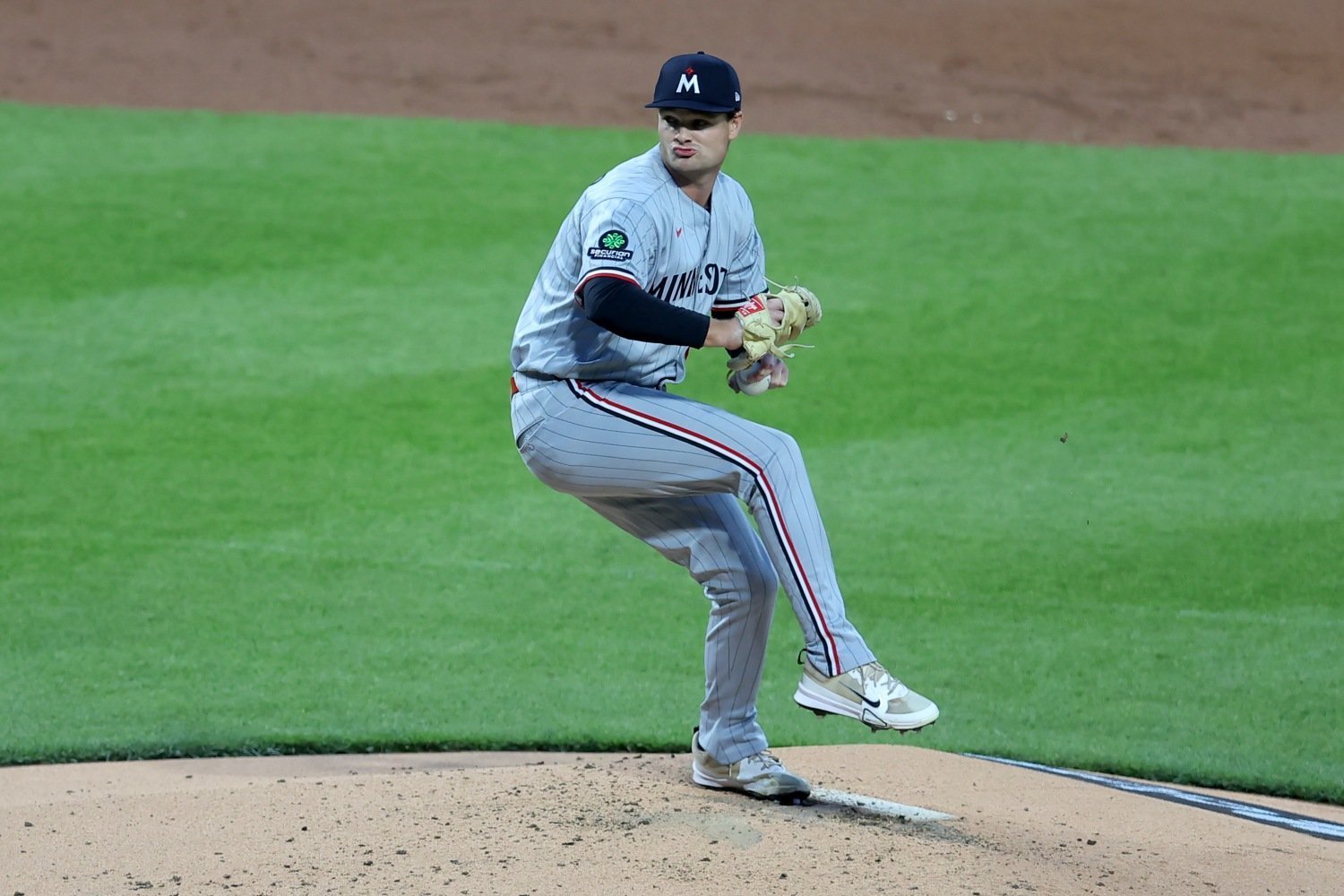 When Connor Prielipp arrived in the big leagues this season, the conversation was never going to be solely about results. The former second-round pick has long possessed some of the best pure stuff in the Twins organization, but his development path has been defined as much by innings restrictions and injuries as strikeouts and prospect rankings. Now, as Minnesota pushes toward the postseason, the Twins face a challenging question: How do they maximize Prielipp's value while protecting a pitcher who has rarely handled a full professional workload? The answer could have a significant impact on both Prielipp's long-term future and the Twins' chances of playing deep into October. The Workload Challenge Is Real Prielipp is currently on the 15-day injured list with a blister on his left middle finger, an issue that has surfaced before during his professional career. Before landing on the IL, Prielipp started against Cleveland and allowed three runs on four hits and two walks while striking out six over five innings. Through his first 13 major-league starts, he has posted a 5.00 ERA and 1.37 WHIP with 71 strikeouts in 66 2/3 innings. While the ERA may not jump off the page, his 3.90 FIP and underlying metrics suggest he has pitched better than the surface numbers indicate. The blister issue provides a temporary pause, but it also gives Minnesota something valuable: time. Prielipp has already thrown 82 1/3 innings between Triple-A and the major leagues in 2026. That's essentially matching the career-high 82 2/3 innings he logged across the minors last season. Even more remarkable is the fact that from 2020 through 2024, dating back to his senior year of high school, he threw only 58 total innings because of injuries and surgeries. That's why the Twins have approached every outing with caution. “I think any chance that we can give him a day or two, we’ll do that,” Twins manager Derek Shelton said. “There’s a big difference between monitoring a guy when he comes to the big leagues to be cautious, and then there’s the difference [with] this guy, who has 150 innings since he was a 17-year-old in high school. We have to be very thoughtful of that.” Letting Him Reach 120 Innings Is the Simple Solution The most straightforward path would be allowing Prielipp to remain in the rotation until he reaches roughly 120 innings before shutting him down. From a developmental standpoint, that makes sense. It would represent a significant increase from last year's workload while still keeping him within a manageable range. The Twins have already shown they are willing to carefully monitor his usage. Extra rest days, shorter outings, and strategic scheduling decisions could help stretch those innings further into September. As Shelton explained, there is no universal formula for managing pitchers with limited workloads. “I know there’s no perfect science to it, because if somebody had that figured out, you would always see getting an extra day, always getting two extra days, or you would see shortened starts,” said Shelton. “I don’t think there’s a perfect science. I think it’s kind of monitoring the situation day-to-day. It’s also monitoring where our bullpen’s at going into an off-day. If we’re not, if at the start of our series, so I think there’s a lot of factors.” The problem with the innings-limit approach is timing. If Prielipp continues averaging five to six innings per start after returning from the injured list, he could reach that threshold before the regular season ends. For a rebuilding club, that might be acceptable. For a team chasing a playoff spot, voluntarily removing one of its most talented arms from the roster becomes much harder to justify. The Bullpen Could Offer the Best Compromise That's why a move to the bullpen may ultimately be the most practical solution. With Bailey Ober returning from the IL, Minnesota could shift Prielipp into a multi-inning relief role. This could also allow Mike Paredes to stay in the rotation as the fifth starter. For Prielipp, he could work one to three innings at a time while maintaining a regular workload schedule instead of throwing five or six innings every fifth day. The benefits are significant. First, it would allow the Twins to better control his innings total. A pitcher who might accumulate 30-40 innings over the final two months as a starter could potentially throw half that amount in relief. Second, it would keep him available for the entire season instead of forcing a September shutdown. Third, his stuff could play up even more in shorter outings. Prielipp's secondary pitches have already proven capable of missing bats at the highest level. The curveball he added during the offseason has generated whiffs on 36.3 Whiff%, while his slider continues to be a legitimate weapon (27.7 Whiff%) against both right-handed and left-handed hitters. The next step remains finding more consistency with his fastball. Working in shorter bursts could allow him to attack hitters more aggressively and potentially add a little extra velocity. A bullpen role would also provide valuable postseason experience should Minnesota qualify for October baseball. The Twins Haven't Made a Decision Yet For now, the organization remains in evaluation mode. Prielipp's current IL stint delays the decision and gives the club additional time to assess its pitching depth. The Twins know they must manage his volume carefully, but they haven't yet determined exactly what that will look like over the season's final months. “I wish I had the answer to that,” said Shelton last month. “We will definitely have to monitor the volume regardless of if it’s within starts or throughout the year. I don’t think we’re at the point in the year where we will determine, or we have determined where we’re at with that yet.” The uncertainty is understandable, but the season timeline might force the Twins to make a decision sooner rather than later. Prielipp's health history makes every inning important, but so does his value to a team with postseason aspirations. Finding the Right Balance The Twins always envisioned Prielipp becoming a difference-maker. The challenge has never been talent. It has been availability. This season has finally provided a glimpse of what he can be when healthy. Even with some growing pains, he has missed bats, shown the ability to navigate major-league lineups, and demonstrated why he remains one of the organization's most important young pitchers. Shutting him down entirely once he reaches an innings threshold would certainly be the safest option. It would also remove a potentially impactful arm from the roster during the most important part of the season. A move to the bullpen feels like the better compromise. It allows Minnesota to continue protecting his health while keeping him available for meaningful games down the stretch and, potentially, into October. The Twins don't need to decide today. But as Prielipp inches closer to his workload limit, that decision is coming. And it could become one of the organization's most important roster choices of the second half. What is the best option with Prielipp? Should he continue to start and hit an innings limit or move to the bullpen? Leave a comment and start the discussion.
 -
Image courtesy of © Brad Penner-Imagn Images When Connor Prielipp arrived in the big leagues this season, the conversation was never going to be solely about results. The former second-round pick has long possessed some of the best pure stuff in the Twins organization, but his development path has been defined as much by innings restrictions and injuries as strikeouts and prospect rankings. Now, as Minnesota pushes toward the postseason, the Twins face a challenging question: How do they maximize Prielipp's value while protecting a pitcher who has rarely handled a full professional workload? The answer could have a significant impact on both Prielipp's long-term future and the Twins' chances of playing deep into October. The Workload Challenge Is Real Prielipp is currently on the 15-day injured list with a blister on his left middle finger, an issue that has surfaced before during his professional career. Before landing on the IL, Prielipp started against Cleveland and allowed three runs on four hits and two walks while striking out six over five innings. Through his first 13 major-league starts, he has posted a 5.00 ERA and 1.37 WHIP with 71 strikeouts in 66 2/3 innings. While the ERA may not jump off the page, his 3.90 FIP and underlying metrics suggest he has pitched better than the surface numbers indicate. The blister issue provides a temporary pause, but it also gives Minnesota something valuable: time. Prielipp has already thrown 82 1/3 innings between Triple-A and the major leagues in 2026. That's essentially matching the career-high 82 2/3 innings he logged across the minors last season. Even more remarkable is the fact that from 2020 through 2024, dating back to his senior year of high school, he threw only 58 total innings because of injuries and surgeries. That's why the Twins have approached every outing with caution. “I think any chance that we can give him a day or two, we’ll do that,” Twins manager Derek Shelton said. “There’s a big difference between monitoring a guy when he comes to the big leagues to be cautious, and then there’s the difference [with] this guy, who has 150 innings since he was a 17-year-old in high school. We have to be very thoughtful of that.” Letting Him Reach 120 Innings Is the Simple Solution The most straightforward path would be allowing Prielipp to remain in the rotation until he reaches roughly 120 innings before shutting him down. From a developmental standpoint, that makes sense. It would represent a significant increase from last year's workload while still keeping him within a manageable range. The Twins have already shown they are willing to carefully monitor his usage. Extra rest days, shorter outings, and strategic scheduling decisions could help stretch those innings further into September. As Shelton explained, there is no universal formula for managing pitchers with limited workloads. “I know there’s no perfect science to it, because if somebody had that figured out, you would always see getting an extra day, always getting two extra days, or you would see shortened starts,” said Shelton. “I don’t think there’s a perfect science. I think it’s kind of monitoring the situation day-to-day. It’s also monitoring where our bullpen’s at going into an off-day. If we’re not, if at the start of our series, so I think there’s a lot of factors.” The problem with the innings-limit approach is timing. If Prielipp continues averaging five to six innings per start after returning from the injured list, he could reach that threshold before the regular season ends. For a rebuilding club, that might be acceptable. For a team chasing a playoff spot, voluntarily removing one of its most talented arms from the roster becomes much harder to justify. The Bullpen Could Offer the Best Compromise That's why a move to the bullpen may ultimately be the most practical solution. With Bailey Ober returning from the IL, Minnesota could shift Prielipp into a multi-inning relief role. This could also allow Mike Paredes to stay in the rotation as the fifth starter. For Prielipp, he could work one to three innings at a time while maintaining a regular workload schedule instead of throwing five or six innings every fifth day. The benefits are significant. First, it would allow the Twins to better control his innings total. A pitcher who might accumulate 30-40 innings over the final two months as a starter could potentially throw half that amount in relief. Second, it would keep him available for the entire season instead of forcing a September shutdown. Third, his stuff could play up even more in shorter outings. Prielipp's secondary pitches have already proven capable of missing bats at the highest level. The curveball he added during the offseason has generated whiffs on 36.3 Whiff%, while his slider continues to be a legitimate weapon (27.7 Whiff%) against both right-handed and left-handed hitters. The next step remains finding more consistency with his fastball. Working in shorter bursts could allow him to attack hitters more aggressively and potentially add a little extra velocity. A bullpen role would also provide valuable postseason experience should Minnesota qualify for October baseball. The Twins Haven't Made a Decision Yet For now, the organization remains in evaluation mode. Prielipp's current IL stint delays the decision and gives the club additional time to assess its pitching depth. The Twins know they must manage his volume carefully, but they haven't yet determined exactly what that will look like over the season's final months. “I wish I had the answer to that,” said Shelton last month. “We will definitely have to monitor the volume regardless of if it’s within starts or throughout the year. I don’t think we’re at the point in the year where we will determine, or we have determined where we’re at with that yet.” The uncertainty is understandable, but the season timeline might force the Twins to make a decision sooner rather than later. Prielipp's health history makes every inning important, but so does his value to a team with postseason aspirations. Finding the Right Balance The Twins always envisioned Prielipp becoming a difference-maker. The challenge has never been talent. It has been availability. This season has finally provided a glimpse of what he can be when healthy. Even with some growing pains, he has missed bats, shown the ability to navigate major-league lineups, and demonstrated why he remains one of the organization's most important young pitchers. Shutting him down entirely once he reaches an innings threshold would certainly be the safest option. It would also remove a potentially impactful arm from the roster during the most important part of the season. A move to the bullpen feels like the better compromise. It allows Minnesota to continue protecting his health while keeping him available for meaningful games down the stretch and, potentially, into October. The Twins don't need to decide today. But as Prielipp inches closer to his workload limit, that decision is coming. And it could become one of the organization's most important roster choices of the second half. What is the best option with Prielipp? Should he continue to start and hit an innings limit or move to the bullpen? Leave a comment and start the discussion. View full article
-
Image courtesy of © Jerome Miron-Imagn Images The 2026 MLB trade deadline is shaping up to be another pivotal moment for the Minnesota Twins. Sitting in the thick of the American League Wild Card race at the All-Star break, the front office faces a familiar question: buy, sell, or stand pat After last year's franchise-altering selloff, however, the equation has changed dramatically. The Twins already cashed in many of their most valuable trade assets, replenishing one of baseball's top farm systems in the process. If they decide to sell again, there simply isn't enough remaining on the major-league roster to dramatically reshape the organization. That's not to say Minnesota has nothing to trade. It just means the return is unlikely to mirror the prospect haul the club received a year ago. Joe Ryan is the Only Franchise-Altering Trade Chip If there is one player capable of bringing back a transformational return, it's Ryan. A front-line starter with another season of club control would be one of the most coveted pitchers available—if, indeed, the Twins made him available. Diamond Centric currently ranks him as the second-most valuable trade candidate, behind Detroit’s Tarik Skubal. Any Ryan trade package would have to include multiple top prospects and/or a controllable big-leaguer. The problem isn't finding interested teams. Every contender would line up for Ryan. The issue is whether trading him makes any sense. There have been no indications the Twins are interested in moving their ace, and doing so would effectively wave the white flag on a season that has exceeded expectations. Minnesota has remained in the playoff picture largely because of its clubhouse chemistry, resilient offense, and a belief that it can compete despite last year's roster turnover. Trading Ryan would send the opposite message. Even if the return looked fantastic on paper, it would tell the clubhouse that the organization is already looking toward 2027, instead of trying to capitalize on a legitimate postseason opportunity. Ryan Jeffers Could Help a Contender Jeffers is another of the more interesting trade candidates on the roster. He recently returned from a broken hamate bone and is scheduled to become a free agent after the season. Catching depth is always at a premium in July, and several contenders could use another bat behind the plate. Diamond Centric currently ranks him as the 29th-best trade candidate. The Twins also learned they could survive without him. Victor Caratini and Alex Jackson handled the workload admirably during Jeffers's absence, giving Minnesota confidence that it has enough depth to finish the season if necessary. However, there's no guarantee that duo can continue to produce at that high of a level. Still, Jeffers isn't likely to command an overwhelming return. A realistic package could include a borderline top-100 prospect, along with a lower-level lottery ticket. That's a respectable return for a pending free agent, but it doesn't dramatically elevate an already improved farm system. Considering Minnesota is unlikely to retain Jeffers this winter, moving him would be understandable from an asset-management perspective. It just wouldn't be the type of deal that changes the organization's long-term outlook. Josh Bell's Value Doesn't Match His Production Throughout his career, Bell has been one of baseball's familiar deadline rentals. After another slow April, he has quietly turned into one of Minnesota's most productive hitters and played a significant role in the Twins leading the American League in runs scored. His bat certainly has value. The problem is that his defensive limitations negate it. Diamond Centric currently ranks him as the 41st-best trade deadline candidate. Bell is essentially a designated hitter, and contenders rarely pay premium prospect prices for DH-only bats. Even if Minnesota found a willing trade partner, the return would likely consist of lower-tier prospects, rather than impact talent. Bell probably won't be back next season, making him a logical trade candidate on paper. In reality, his value to Minnesota's lineup may outweigh whatever modest return another club is willing to offer. Trevor Larnach Has More Value in Minnesota Larnach has surfaced in trade rumors before. The Twins have previously explored moving him, but either opposing clubs weren't interested, or Minnesota didn't receive an offer matching its valuation. Diamond Centric has Larnach ranked as the 48th-best trade candidate. Now, Larnach is doing exactly what the Twins hoped he would. Alongside Bell, he has helped anchor one of the American League's best offenses, giving Minnesota another top-of-the-order threat as it chases a playoff berth. Could the Twins revisit trade discussions? Certainly. Would the return justify subtracting an everyday contributor who remains under team control through next season? Probably not. Unlike Bell or Jeffers, Larnach still offers value beyond this season. Unless another organization significantly raises its offer compared to previous discussions, there's little incentive for Minnesota to move him. Even in the worst-case scenario where Larnach cools off and the team misses the postseason, they should be able to get at least a fringy prospect for him at the non-tender deadline this November. Selling Again Would Send the Wrong Message The Twins could trade Ryan, Jeffers, Bell, Larnach, or any combination of those players before the deadline. The bigger question is what those moves would accomplish. Outside of Ryan, none of those players are likely to return the type of impact prospect package that materially changes the farm system. Minnesota already completed that work during last year's deadline. What's left are complementary pieces whose value is greater to a club chasing a postseason berth than it is on the trade market. More importantly, another selloff would send a clear message to the clubhouse. After fighting their way into contention and entering the All-Star break fueled by confidence and momentum, dealing away productive veterans would suggest the front office no longer believes this team is capable of making a run. The Twins may not be aggressive buyers at this year's deadline, but they also don't have much reason to become sellers. The organization's biggest replenishment has already happened. Now, the focus should be on seeing just how far this surprising group can carry itself in October—or even on bolstering the team for that stretch run. Does it make sense for the Twins to hold on to all these players? Leave a comment and start the discussion. View full article
- 100 replies
-
- 1
-

-
- joe ryan
- ryan jeffers
- (and 2 more)
-
Why Another Twins Trade Deadline Selloff Doesn’t Make Sense
Cody Christie posted an article in Twins
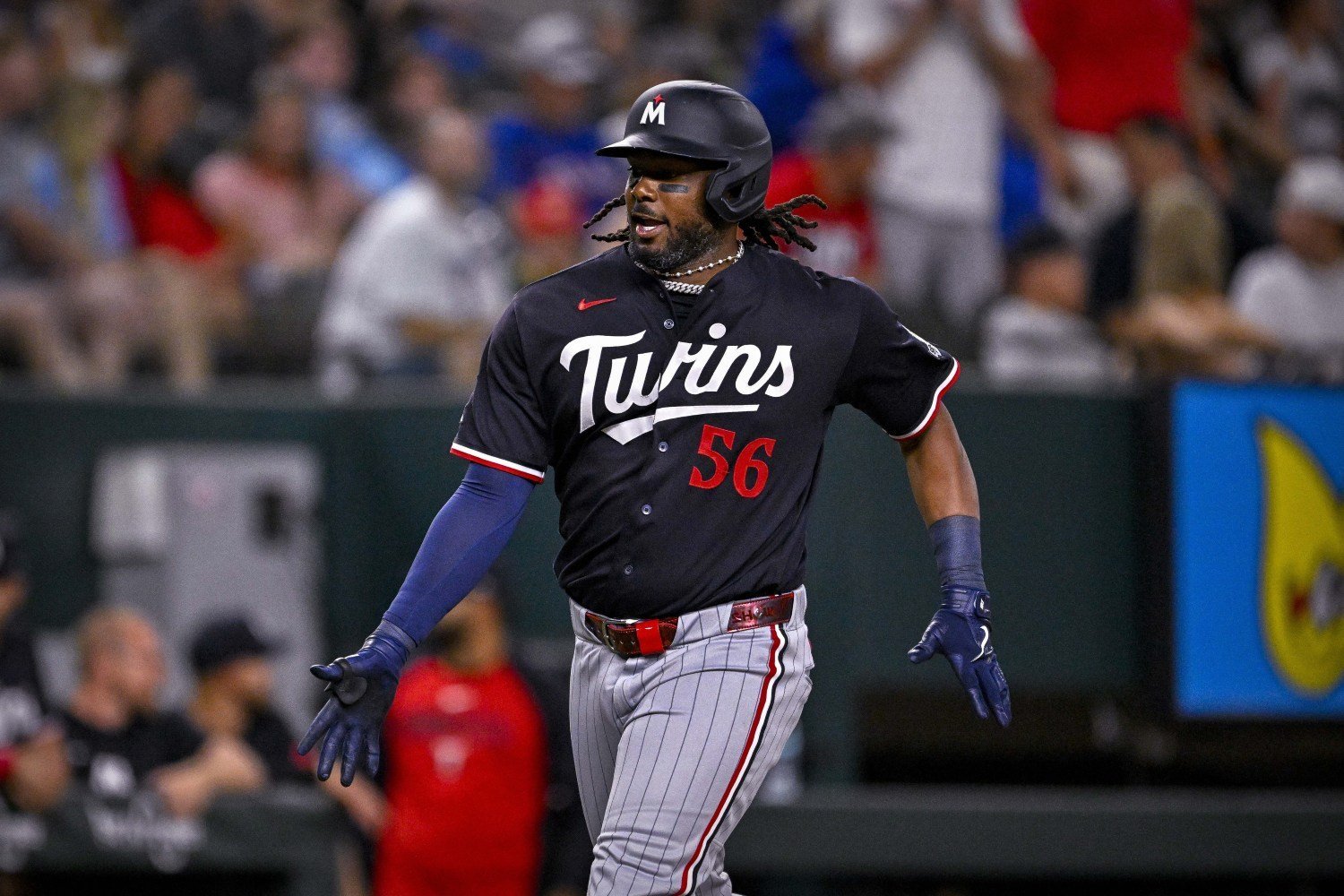 The 2026 MLB trade deadline is shaping up to be another pivotal moment for the Minnesota Twins. Sitting in the thick of the American League Wild Card race at the All-Star break, the front office faces a familiar question: buy, sell, or stand pat After last year's franchise-altering selloff, however, the equation has changed dramatically. The Twins already cashed in many of their most valuable trade assets, replenishing one of baseball's top farm systems in the process. If they decide to sell again, there simply isn't enough remaining on the major-league roster to dramatically reshape the organization. That's not to say Minnesota has nothing to trade. It just means the return is unlikely to mirror the prospect haul the club received a year ago. Joe Ryan is the Only Franchise-Altering Trade Chip If there is one player capable of bringing back a transformational return, it's Ryan. A front-line starter with another season of club control would be one of the most coveted pitchers available—if, indeed, the Twins made him available. Diamond Centric currently ranks him as the second-most valuable trade candidate, behind Detroit’s Tarik Skubal. Any Ryan trade package would have to include multiple top prospects and/or a controllable big-leaguer. The problem isn't finding interested teams. Every contender would line up for Ryan. The issue is whether trading him makes any sense. There have been no indications the Twins are interested in moving their ace, and doing so would effectively wave the white flag on a season that has exceeded expectations. Minnesota has remained in the playoff picture largely because of its clubhouse chemistry, resilient offense, and a belief that it can compete despite last year's roster turnover. Trading Ryan would send the opposite message. Even if the return looked fantastic on paper, it would tell the clubhouse that the organization is already looking toward 2027, instead of trying to capitalize on a legitimate postseason opportunity. Ryan Jeffers Could Help a Contender Jeffers is another of the more interesting trade candidates on the roster. He recently returned from a broken hamate bone and is scheduled to become a free agent after the season. Catching depth is always at a premium in July, and several contenders could use another bat behind the plate. Diamond Centric currently ranks him as the 29th-best trade candidate. The Twins also learned they could survive without him. Victor Caratini and Alex Jackson handled the workload admirably during Jeffers's absence, giving Minnesota confidence that it has enough depth to finish the season if necessary. However, there's no guarantee that duo can continue to produce at that high of a level. Still, Jeffers isn't likely to command an overwhelming return. A realistic package could include a borderline top-100 prospect, along with a lower-level lottery ticket. That's a respectable return for a pending free agent, but it doesn't dramatically elevate an already improved farm system. Considering Minnesota is unlikely to retain Jeffers this winter, moving him would be understandable from an asset-management perspective. It just wouldn't be the type of deal that changes the organization's long-term outlook. Josh Bell's Value Doesn't Match His Production Throughout his career, Bell has been one of baseball's familiar deadline rentals. After another slow April, he has quietly turned into one of Minnesota's most productive hitters and played a significant role in the Twins leading the American League in runs scored. His bat certainly has value. The problem is that his defensive limitations negate it. Diamond Centric currently ranks him as the 41st-best trade deadline candidate. Bell is essentially a designated hitter, and contenders rarely pay premium prospect prices for DH-only bats. Even if Minnesota found a willing trade partner, the return would likely consist of lower-tier prospects, rather than impact talent. Bell probably won't be back next season, making him a logical trade candidate on paper. In reality, his value to Minnesota's lineup may outweigh whatever modest return another club is willing to offer. Trevor Larnach Has More Value in Minnesota Larnach has surfaced in trade rumors before. The Twins have previously explored moving him, but either opposing clubs weren't interested, or Minnesota didn't receive an offer matching its valuation. Diamond Centric has Larnach ranked as the 48th-best trade candidate. Now, Larnach is doing exactly what the Twins hoped he would. Alongside Bell, he has helped anchor one of the American League's best offenses, giving Minnesota another top-of-the-order threat as it chases a playoff berth. Could the Twins revisit trade discussions? Certainly. Would the return justify subtracting an everyday contributor who remains under team control through next season? Probably not. Unlike Bell or Jeffers, Larnach still offers value beyond this season. Unless another organization significantly raises its offer compared to previous discussions, there's little incentive for Minnesota to move him. Even in the worst-case scenario where Larnach cools off and the team misses the postseason, they should be able to get at least a fringy prospect for him at the non-tender deadline this November. Selling Again Would Send the Wrong Message The Twins could trade Ryan, Jeffers, Bell, Larnach, or any combination of those players before the deadline. The bigger question is what those moves would accomplish. Outside of Ryan, none of those players are likely to return the type of impact prospect package that materially changes the farm system. Minnesota already completed that work during last year's deadline. What's left are complementary pieces whose value is greater to a club chasing a postseason berth than it is on the trade market. More importantly, another selloff would send a clear message to the clubhouse. After fighting their way into contention and entering the All-Star break fueled by confidence and momentum, dealing away productive veterans would suggest the front office no longer believes this team is capable of making a run. The Twins may not be aggressive buyers at this year's deadline, but they also don't have much reason to become sellers. The organization's biggest replenishment has already happened. Now, the focus should be on seeing just how far this surprising group can carry itself in October—or even on bolstering the team for that stretch run. Does it make sense for the Twins to hold on to all these players? Leave a comment and start the discussion.
- 100 comments
-
- 6
-
-
- joe ryan
- ryan jeffers
- (and 2 more)
-
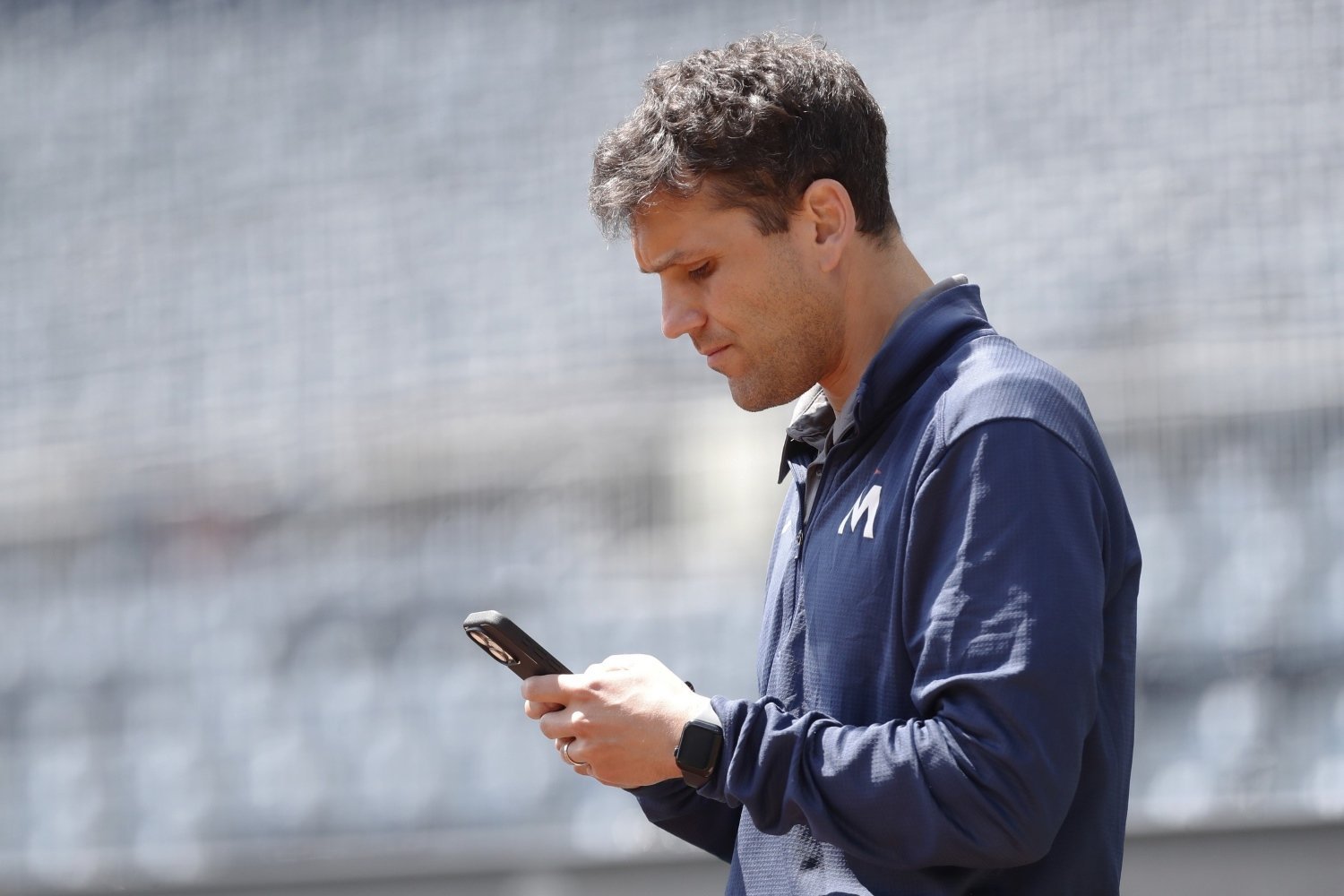 For years, the Minnesota Twins have insisted that building a roster is all about relationships. Apparently, they meant that more literally than anyone realized. With the 2026 MLB trade deadline just weeks away, sources inside the organization confirmed that general manager Jeremy Zoll and the Twins' front office have abandoned the traditional scouting process in favor of online dating apps, hoping to identify the perfect trade acquisitions through personality quizzes, compatibility algorithms, and carefully curated profile photos. The philosophy is simple. Why waste weeks calling rival general managers, when an app can tell you a reliever is "92% compatible with Target Field"? According to club officials, early returns have been "encouraging." "We're Looking Beyond Surface-Level Metrics" "We've already optimized swing decisions and pitch shapes," Zoll explained while absentmindedly swiping through profiles during a pregame media session. "The next competitive advantage is emotional compatibility. Sure, a guy might throw 99 mph, but does he enjoy cold weather? Does he appreciate Scandinavian furniture? Is he willing to answer texts within 24 hours? Those things matter." Zoll insisted the organization hasn't completely abandoned analytics. "We still look at strikeout rates," he said. "We just also care whether someone lists 'communication' as a love language." Scouting Reports Have Changed Members of Minnesota's scouting department admitted their reports have evolved considerably. Assistant general manager Daniel Adler described one potential trade target. "Elite fastball. Plus slider. Says he enjoys long walks through Costco and values honesty." A scout chimed in from behind Adler, "He answered 'Yes' to the prompt, 'Would you relocate for the right opportunity?' That's huge." Traditional scouting grades have reportedly been replaced. Instead of 20-80 scouting scales, reports now include: Emotional Availability: 65 Commitment Potential: 70 Ghosting Risk: 30 Ability to Thrive During Four Straight Games Against Cleveland: Elite Interest in Cabin Weekends: Plus One veteran evaluator admitted he wasn't sure how things got here. "I spent 30 years learning how to evaluate breaking balls," he sighed. "Yesterday, I spent four hours debating whether using too many fishing photos was a red flag." Building the Perfect Profile The Twins have also overhauled their own presentation. Rather than listing payroll flexibility or organizational depth, Minnesota's profile highlights: "Small-market team seeking controllable talent. Enjoys player development, defensive versatility, and occasional postseason appearances. Not into unnecessary drama. Looking for someone with multiple years of club control who isn't afraid of meaningful September baseball." Photos reportedly include: Byron Buxton smiling. Target Field at sunset. A pitcher hugging pitching coach Pete Maki. An untouched container of lefse. Zoll believes authenticity matters. "You can't catfish a starting pitcher," he said, seemingly forgetting Hall of Famer Jim Hunter. Players Are Receiving Match Notifications Several players expected to be available before the deadline admitted they were surprised. One National League reliever said his phone buzzed unexpectedly Tuesday morning. "I thought it was another fantasy football invite," he laughed. "Instead it said, 'The Minnesota Twins think you'd make a great late-inning option.'" He admitted he was intrigued. "They opened with, 'We noticed your spin efficiency.' That's honestly better than anything I've gotten before." An American League outfielder had mixed feelings. "They listed my expected slugging percentage before asking about my hobbies." He paused. "It felt weird... but also kind of flattering." The Ultimate Test Whether Minnesota actually lands its preferred trade targets remains to be seen. The deadline market is unpredictable, emotions run high, and sometimes, the best matches choose bigger markets with warmer weather and larger payrolls. Still, Zoll remains optimistic. "You miss 100 percent of the trades you don't swipe on." He glanced down at his phone. A notification appeared. "Congratulations! You've matched with a controllable high-leverage reliever." The room fell silent. Zoll smiled. "Now let's see if his general manager approves of the relationship."
 -
When It Comes to Joe Ryan, Twins Have Four MLB Trade Deadline Options
Cody Christie posted an article in Twins
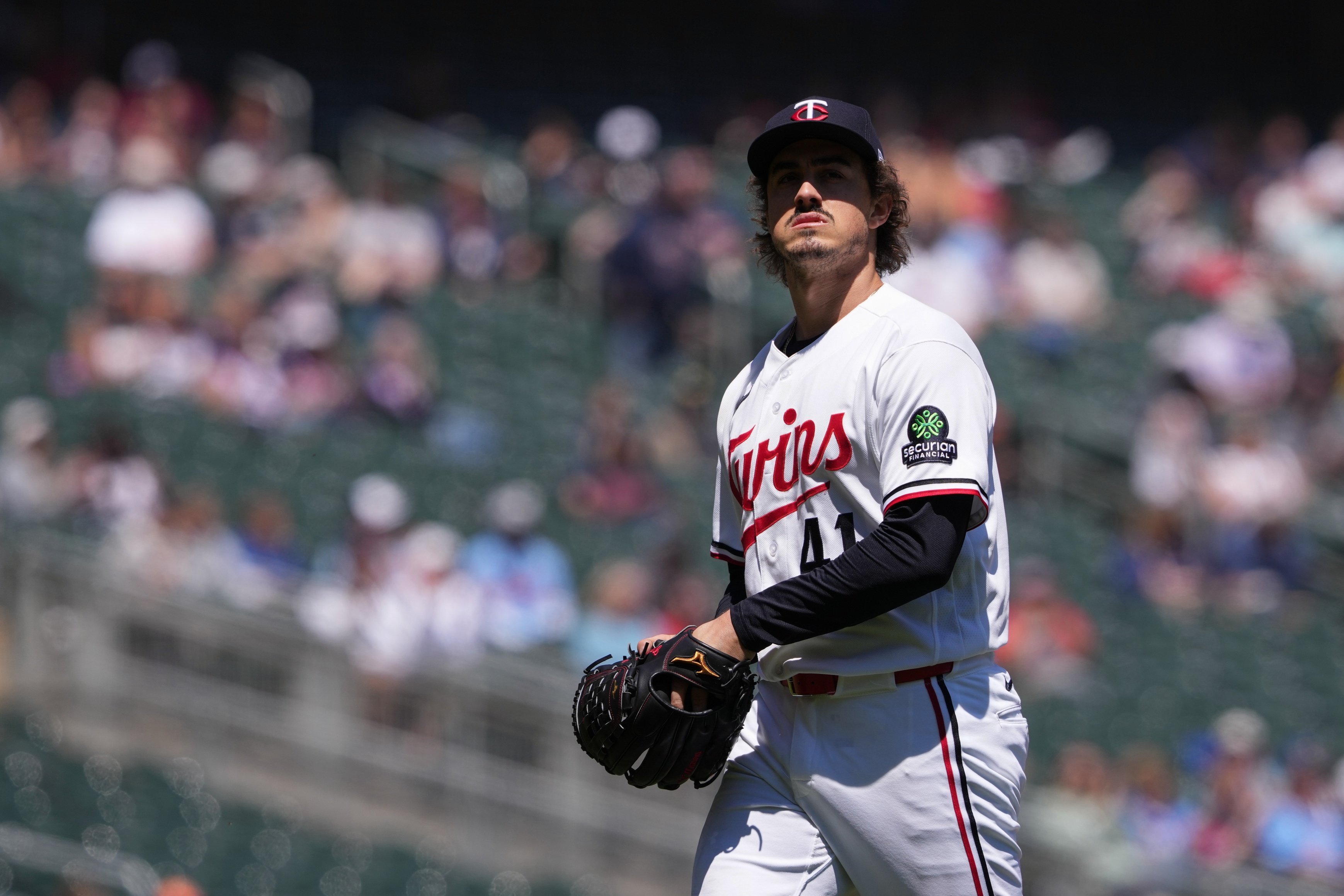 The next 16 games may determine the direction of the Minnesota Twins for years to come. The 2026 MLB Trade Deadline has become a franchise-altering moment for an organization that wasn't expected to contend this season. Minnesota has surged into a tie for the final American League Wild Card spot thanks to an impressive stretch leading into the All-Star Break, putting the club on the verge of climbing back to .500. That unexpected success has complicated what once looked like an obvious selling period at the deadline. While the Twins have exceeded expectations, they're still trying to balance a surprising postseason push against the long-term outlook of a roster that may not yet be ready to seriously challenge for a World Series title. No player embodies that dilemma more than Joe Ryan. Diamond Centric recently ranked Ryan as the No. 2 player with a chance to be traded before the deadline, citing his combination of durability, swing-and-miss stuff, and remaining club control as attributes that make him one of the most desirable starters available. The rankings noted that Ryan continues to miss bats at an elite level despite not overpowering hitters with velocity, relying instead on multiple fastball shapes, a deep mix of breaking pitches, and an occasional splitter that neutralizes left-handed hitters. He's also continued to pair high strikeout totals with excellent command while significantly reducing the home run issues that occasionally plagued him earlier in his career. With Ryan coming off a second consecutive All-Star appearance, his value may never be higher. That leaves Minnesota with four realistic options. Option 1: Trade Ryan at the Peak of His Value If maximizing organizational value is the goal, this is likely the strongest argument. Starting pitchers carry enormous value at the deadline—especially frontline arms with another full season of team control remaining. Ryan isn't a rental. Any acquiring club would have him through the 2027 season, allowing Minnesota to command one of the biggest prospect packages available this summer. Pitchers are also notoriously unpredictable. Ryan has established himself as one of the American League's better starters, but there are no guarantees that continues. He's faded somewhat during the second half in recent seasons, and every pitcher carries injury risk. The Twins have already experienced that harsh reality this year after Pablo López suffered an elbow injury during spring training that ultimately required Tommy John surgery. Trading Ryan would undoubtedly hurt the 2026 club. It would also signal that the organization isn't prioritizing this year's playoff chase. However, if the Twins believe they're still a year or two away from legitimate championship contention, adding another premium group of prospects to one of baseball's highest-ranked farm systems could accelerate the next competitive window. It would be difficult for fans to accept, but championship organizations often make uncomfortable decisions before they become obvious ones. Option 2: Hold Ryan and Trade Him This Winter The middle ground may be waiting. Ryan remains under team control through the 2027 season, meaning Minnesota wouldn't lose much leverage by waiting until the offseason. In fact, there is a blueprint for that approach. The Milwaukee Brewers, another small-market organization that has consistently developed high-end starting pitching, have frequently traded pitchers with roughly one season of control remaining. More often than not, those deals have come during the winter rather than at the deadline, allowing Milwaukee to better evaluate its roster before making a franchise-changing move. The Twins could take a similar path. Waiting would also allow them to see whether this surprising second-half push develops into a legitimate postseason run. If Minnesota reaches October, Ryan would be central to those hopes. Still, there are risks. The possibility of a looming lockout following the season could create an abbreviated offseason with a much smaller trade window than normal. If negotiations between MLB owners and the Players Association disrupt the calendar, the Twins may not have the luxury of patiently shopping Ryan throughout the winter. Instead of maximizing leverage, they could find themselves trying to complete a blockbuster under an accelerated timeline. Option 3: Keep Ryan Into 2027 and Reevaluate at Next Year's Trade Deadline The Twins also have the option of delaying the decision for another full year. If Minnesota believes its young core is capable of taking another step in 2027, Ryan could remain at the front of the rotation and help lead another postseason push. Should the Twins find themselves back in contention, keeping him would be an easy decision. However, if the season unfolds differently and the club falls out of the playoff race, Ryan could become one of the premier names available at the 2027 MLB Trade Deadline. The return likely wouldn't match what Minnesota could receive this summer. At that point, Ryan would be a true rental with only a few months remaining before free agency, limiting the number of years of team control that acquiring clubs value so highly. Even so, frontline starting pitching is always in demand at the deadline, and recent history has shown that contenders are willing to pay significant prospect capital for impact arms, even on expiring contracts. The downside is obvious. By waiting another year, the Twins would assume another full season of injury risk and the possibility that Ryan's performance declines. They would also lose the leverage that comes with offering an additional season of team control. Still, if the organization believes it can compete in 2027, keeping Ryan for another season while preserving the option to move him next July could provide the best balance between trying to win now and recouping value later. It wouldn't maximize his trade return, but it would give the Twins one more opportunity to contend before making a franchise-changing decision. Option 4: Keep Ryan Through Free Agency The simplest option may also be the riskiest. Minnesota could simply keep Ryan through the remainder of his arbitration years and allow him to anchor the rotation through the end of the 2027 season. If he departs in free agency, the Twins could extend him a qualifying offer and potentially receive draft pick compensation if he signs elsewhere. That strategy would allow the current core to compete while providing some long-term value if Ryan eventually leaves. But there are significant unknowns. The current Collective Bargaining Agreement expires after the 2026 season, meaning there's no guarantee the qualifying offer system even exists by the time Ryan reaches free agency. Banking on draft compensation that may disappear would be a considerable gamble. Even if the qualifying offer remains intact, injuries can dramatically change a player's value overnight. López's season-ending elbow injury served as another reminder that pitchers represent one of baseball's most volatile assets. Waiting always introduces the possibility that circumstances change before the Twins have another opportunity to capitalize on Ryan's value. A Defining Decision There isn't a wrong answer. Trading Ryan now likely maximizes his value and could further strengthen an already impressive farm system. Waiting until the winter gives the Twins more time to evaluate whether this season is the beginning of something larger while still preserving much of his trade value. Keeping him through 2027 prioritizes winning at the major league level but exposes the organization to significant financial, injury, and collective bargaining risks. What makes the decision so fascinating is that all four paths are defensible. The Twins weren't expected to be here. Their resurgence has forced the front office to weigh the excitement of an unexpected playoff chase against the discipline required to build the next championship-caliber roster. Whatever direction they choose with Ryan won't simply shape the remainder of 2026—it could define the organization's trajectory for years to come. What is the best option for the Twins? Leave a comment and start the discussion.
 -
Image courtesy of © Jordan Johnson-Imagn Images The next 16 games may determine the direction of the Minnesota Twins for years to come. The 2026 MLB Trade Deadline has become a franchise-altering moment for an organization that wasn't expected to contend this season. Minnesota has surged into a tie for the final American League Wild Card spot thanks to an impressive stretch leading into the All-Star Break, putting the club on the verge of climbing back to .500. That unexpected success has complicated what once looked like an obvious selling period at the deadline. While the Twins have exceeded expectations, they're still trying to balance a surprising postseason push against the long-term outlook of a roster that may not yet be ready to seriously challenge for a World Series title. No player embodies that dilemma more than Joe Ryan. Diamond Centric recently ranked Ryan as the No. 2 player with a chance to be traded before the deadline, citing his combination of durability, swing-and-miss stuff, and remaining club control as attributes that make him one of the most desirable starters available. The rankings noted that Ryan continues to miss bats at an elite level despite not overpowering hitters with velocity, relying instead on multiple fastball shapes, a deep mix of breaking pitches, and an occasional splitter that neutralizes left-handed hitters. He's also continued to pair high strikeout totals with excellent command while significantly reducing the home run issues that occasionally plagued him earlier in his career. With Ryan coming off a second consecutive All-Star appearance, his value may never be higher. That leaves Minnesota with four realistic options. Option 1: Trade Ryan at the Peak of His Value If maximizing organizational value is the goal, this is likely the strongest argument. Starting pitchers carry enormous value at the deadline—especially frontline arms with another full season of team control remaining. Ryan isn't a rental. Any acquiring club would have him through the 2027 season, allowing Minnesota to command one of the biggest prospect packages available this summer. Pitchers are also notoriously unpredictable. Ryan has established himself as one of the American League's better starters, but there are no guarantees that continues. He's faded somewhat during the second half in recent seasons, and every pitcher carries injury risk. The Twins have already experienced that harsh reality this year after Pablo López suffered an elbow injury during spring training that ultimately required Tommy John surgery. Trading Ryan would undoubtedly hurt the 2026 club. It would also signal that the organization isn't prioritizing this year's playoff chase. However, if the Twins believe they're still a year or two away from legitimate championship contention, adding another premium group of prospects to one of baseball's highest-ranked farm systems could accelerate the next competitive window. It would be difficult for fans to accept, but championship organizations often make uncomfortable decisions before they become obvious ones. Option 2: Hold Ryan and Trade Him This Winter The middle ground may be waiting. Ryan remains under team control through the 2027 season, meaning Minnesota wouldn't lose much leverage by waiting until the offseason. In fact, there is a blueprint for that approach. The Milwaukee Brewers, another small-market organization that has consistently developed high-end starting pitching, have frequently traded pitchers with roughly one season of control remaining. More often than not, those deals have come during the winter rather than at the deadline, allowing Milwaukee to better evaluate its roster before making a franchise-changing move. The Twins could take a similar path. Waiting would also allow them to see whether this surprising second-half push develops into a legitimate postseason run. If Minnesota reaches October, Ryan would be central to those hopes. Still, there are risks. The possibility of a looming lockout following the season could create an abbreviated offseason with a much smaller trade window than normal. If negotiations between MLB owners and the Players Association disrupt the calendar, the Twins may not have the luxury of patiently shopping Ryan throughout the winter. Instead of maximizing leverage, they could find themselves trying to complete a blockbuster under an accelerated timeline. Option 3: Keep Ryan Into 2027 and Reevaluate at Next Year's Trade Deadline The Twins also have the option of delaying the decision for another full year. If Minnesota believes its young core is capable of taking another step in 2027, Ryan could remain at the front of the rotation and help lead another postseason push. Should the Twins find themselves back in contention, keeping him would be an easy decision. However, if the season unfolds differently and the club falls out of the playoff race, Ryan could become one of the premier names available at the 2027 MLB Trade Deadline. The return likely wouldn't match what Minnesota could receive this summer. At that point, Ryan would be a true rental with only a few months remaining before free agency, limiting the number of years of team control that acquiring clubs value so highly. Even so, frontline starting pitching is always in demand at the deadline, and recent history has shown that contenders are willing to pay significant prospect capital for impact arms, even on expiring contracts. The downside is obvious. By waiting another year, the Twins would assume another full season of injury risk and the possibility that Ryan's performance declines. They would also lose the leverage that comes with offering an additional season of team control. Still, if the organization believes it can compete in 2027, keeping Ryan for another season while preserving the option to move him next July could provide the best balance between trying to win now and recouping value later. It wouldn't maximize his trade return, but it would give the Twins one more opportunity to contend before making a franchise-changing decision. Option 4: Keep Ryan Through Free Agency The simplest option may also be the riskiest. Minnesota could simply keep Ryan through the remainder of his arbitration years and allow him to anchor the rotation through the end of the 2027 season. If he departs in free agency, the Twins could extend him a qualifying offer and potentially receive draft pick compensation if he signs elsewhere. That strategy would allow the current core to compete while providing some long-term value if Ryan eventually leaves. But there are significant unknowns. The current Collective Bargaining Agreement expires after the 2026 season, meaning there's no guarantee the qualifying offer system even exists by the time Ryan reaches free agency. Banking on draft compensation that may disappear would be a considerable gamble. Even if the qualifying offer remains intact, injuries can dramatically change a player's value overnight. López's season-ending elbow injury served as another reminder that pitchers represent one of baseball's most volatile assets. Waiting always introduces the possibility that circumstances change before the Twins have another opportunity to capitalize on Ryan's value. A Defining Decision There isn't a wrong answer. Trading Ryan now likely maximizes his value and could further strengthen an already impressive farm system. Waiting until the winter gives the Twins more time to evaluate whether this season is the beginning of something larger while still preserving much of his trade value. Keeping him through 2027 prioritizes winning at the major league level but exposes the organization to significant financial, injury, and collective bargaining risks. What makes the decision so fascinating is that all four paths are defensible. The Twins weren't expected to be here. Their resurgence has forced the front office to weigh the excitement of an unexpected playoff chase against the discipline required to build the next championship-caliber roster. Whatever direction they choose with Ryan won't simply shape the remainder of 2026—it could define the organization's trajectory for years to come. What is the best option for the Twins? Leave a comment and start the discussion. View full article
-
Image courtesy of Rob Thompson, St. Paul Saints (photo of Gabriel Gonzalez) The first half of the minor league season is about adjustments. Prospects face tougher competition, opponents identify weaknesses, and organizations challenge players to make changes before the season's stretch run. For the Twins, plenty of prospects have already boosted their stock this year. Others have simply maintained their status as top organizational talents. However, a few highly regarded names still have important questions to answer before the offseason arrives. Here are three Twins prospects with something to prove over the final months of the 2026 season. C Eduardo Tait – Cedar Rapids Kernels (TD Prospect Rank: 4) Something to Prove: Find Ways to Get On-Base Few prospects in Minnesota's system are younger than Tait relative to their competition. At more than three years younger than the average Midwest League player, simply holding his own is an accomplishment. Even so, the offensive production hasn't matched the excitement surrounding his immense raw power. Tait has already set a career high with 15 home runs while adding 16 doubles in 75 games. His .205 isolated power (ISO) is also a career best, showing exactly why evaluators believe he has middle-of-the-order upside. The rest of his offensive profile, however, still needs refinement. After posting encouraging on-base numbers last season, Tait has seen his batting average fall to .215, nearly 40 points lower than a year ago. His .279 on-base percentage has dropped by 32 points, fueled by a strikeout rate approaching 25% and a modest 7.3% walk rate. As a result, his 73 wRC+ sits roughly 30 points below last season's mark. None of those numbers should trigger panic considering his age. In fact, they're fairly common growing pains for teenage power hitters. The next developmental step is becoming a more complete offensive player. If Tait can improve his swing decisions, take more walks, and get in better counts, his natural power should become even more impactful. LHP Dasan Hill – Cedar Rapids Kernels (TD Prospect Rank: 9) Something to Prove: Control, Control, Control Hill's electric stuff has never been the question. The left-hander entered the season viewed as one of Minnesota's top pitching prospects after an impressive professional debut that included a 3.19 ERA, 3.35 FIP, a 31.1% strikeout rate, and a 15.0% walk rate. Minnesota challenged the 20-year-old by returning him to High-A, hoping he'd take another step toward becoming a long-term starting pitcher. Instead, his season has been defined by inconsistency. Through 13 starts, Hill owns a 6.14 ERA despite a much more encouraging 4.17 FIP. His strikeout rate has climbed to an outstanding 34.1%, showing his swing-and-miss arsenal continues to overwhelm hitters. Unfortunately, the walks have climbed as well. Hill's 18.4% walk rate has made it difficult for him to work deep into games or consistently pitch ahead in counts. Too many free passes have erased much of the value created by his elite strikeout ability. The blueprint moving forward is straightforward. Throw more strikes. If Hill can improve his command even slightly, his combination of velocity and swing-and-miss stuff gives him the ceiling of a legitimate major league starter. Until then, questions about whether he ultimately fits best in the bullpen will remain. OF/1B Gabriel Gonzalez – St. Paul Saints (TD Prospect Rank: 10) Something to Prove: 2025 Wasn't a Fluke Last season looked like Gonzalez's breakout. He climbed from High-A to Triple-A while slashing .329/.395/.513 (.908) with 38 doubles, 15 home runs, and a 147 wRC+. It was the type of season that vaulted him into the upper tier of Minnesota's prospect rankings. At the season’s conclusion, he was named Twins Daily’s Minor League Hitter of the Year. Replicating that success has been much more difficult. In 77 games with Triple-A St. Paul, Gonzalez has hit .247/.313/.417 (.730) with 14 doubles, 11 home runs, and an 84 wRC+. Those numbers become even more concerning when considering the offensive environment. The International League is one of professional baseball's most hitter-friendly leagues, making it reasonable to expect stronger production from a bat-first prospect. Defensively, Gonzalez has also spent more time at first base this season. While added versatility can help his path to the majors, first base is a position where offensive production is expected. The Twins don't necessarily need Gonzalez to repeat last year's gaudy numbers, but they do need him to show that his breakout wasn't simply the product of one exceptional season. A productive second half could restore much of the momentum he built in 2025 and reinforce his status as a potential middle-of-the-order bat. Prospect development is rarely linear, and one difficult half doesn't erase years of talent or projection. In many ways, the second half is where organizations learn the most about their young players. Can Tait pair his power with improved plate discipline? Will Hill find enough command to remain on a starter's trajectory? Can Gonzalez prove last season was the beginning of his emergence rather than the exception? The answers to those questions could significantly shape Minnesota's farm system heading into 2027. What other prospects have something to prove in the second half? Who are you keeping an eye on in the minors? Leave a comment and start the discussion. View full article
-
Image courtesy of © Charles LeClaire-USA TODAY Sports For years, the Minnesota Twins have insisted that building a roster is all about relationships. Apparently, they meant that more literally than anyone realized. With the 2026 MLB Trade Deadline just weeks away, sources inside the organization confirmed that general manager Jeremy Zoll and the Twins' front office have abandoned the traditional scouting process in favor of online dating apps, hoping to identify the perfect trade acquisitions through personality quizzes, compatibility algorithms, and carefully curated profile photos. The philosophy is simple. Why waste weeks calling rival general managers when an app can tell you a reliever is "92% compatible with Target Field"? According to club officials, early returns have been "encouraging." "We're Looking Beyond Surface-Level Metrics" "We've already optimized swing decisions and pitch shapes," Zoll explained while absentmindedly swiping through profiles during a pregame media session. "The next competitive advantage is emotional compatibility. Sure, a guy might throw 99 mph, but does he enjoy cold weather? Does he appreciate Scandinavian furniture? Is he willing to answer texts within 24 hours? Those things matter." Zoll insisted the organization hasn't completely abandoned analytics. "We still look at strikeout rates," he said. "We just also care whether someone lists 'communication' as a love language." Scouting Reports Have Changed Members of Minnesota's scouting department admitted their reports have evolved considerably. Assistant general manager Daniel Adler described one potential trade target. "Elite fastball. Plus slider. Says he enjoys long walks through Costco and values honesty." A scout chimed in from behind Adler, "He answered 'Yes' to the prompt, 'Would you relocate for the right opportunity?' That's huge." Traditional scouting grades have reportedly been replaced. Instead of 20-80 scouting scales, reports now include: Emotional Availability: 65 Commitment Potential: 70 Ghosting Risk: 30 Ability to Thrive During Four Straight Games Against Cleveland: Elite Interest in Cabin Weekends: Plus One veteran evaluator admitted he wasn't sure how things got here. "I spent thirty years learning how to evaluate breaking balls," he sighed. "Yesterday I spent four hours debating whether using too many fishing photos was a red flag." Building the Perfect Profile The Twins have also overhauled their own presentation. Rather than listing payroll flexibility or organizational depth, Minnesota's profile highlights: "Small-market team seeking controllable talent. Enjoys player development, defensive versatility, and occasional postseason appearances. Not into unnecessary drama. Looking for someone with multiple years of club control who isn't afraid of meaningful September baseball." Photos reportedly include: Byron Buxton smiling. Target Field at sunset. A pitcher hugging pitching coach Pete Maki. An untouched container of lefse. Zoll believes authenticity matters. He said, "You can't catfish a starting pitcher." Players Are Receiving Match Notifications Several players expected to be available before the deadline admitted they were surprised. One National League reliever said his phone buzzed unexpectedly Tuesday morning. "I thought it was another fantasy football invite," he laughed. "Instead it said, 'The Minnesota Twins think you'd make a great late-inning option.'" He admitted he was intrigued. "They opened with, 'We noticed your spin efficiency.' That's honestly better than anything I've gotten before." An American League outfielder had mixed feelings. "They listed my expected slugging percentage before asking about my hobbies." He paused. "It felt weird...but also kind of flattering." The Ultimate Test Whether Minnesota actually lands its preferred trade targets remains to be seen. The deadline market is unpredictable, emotions run high, and sometimes the best matches choose bigger markets with warmer weather and larger payrolls. Still, Zoll remains optimistic. "You miss 100 percent of the trades you don't swipe on." He glanced down at his phone. A notification appeared. "Congratulations! You've matched with a controllable high-leverage reliever." The room fell silent. Zoll smiled. "Now let's see if his general manager approves the relationship." View full article
-
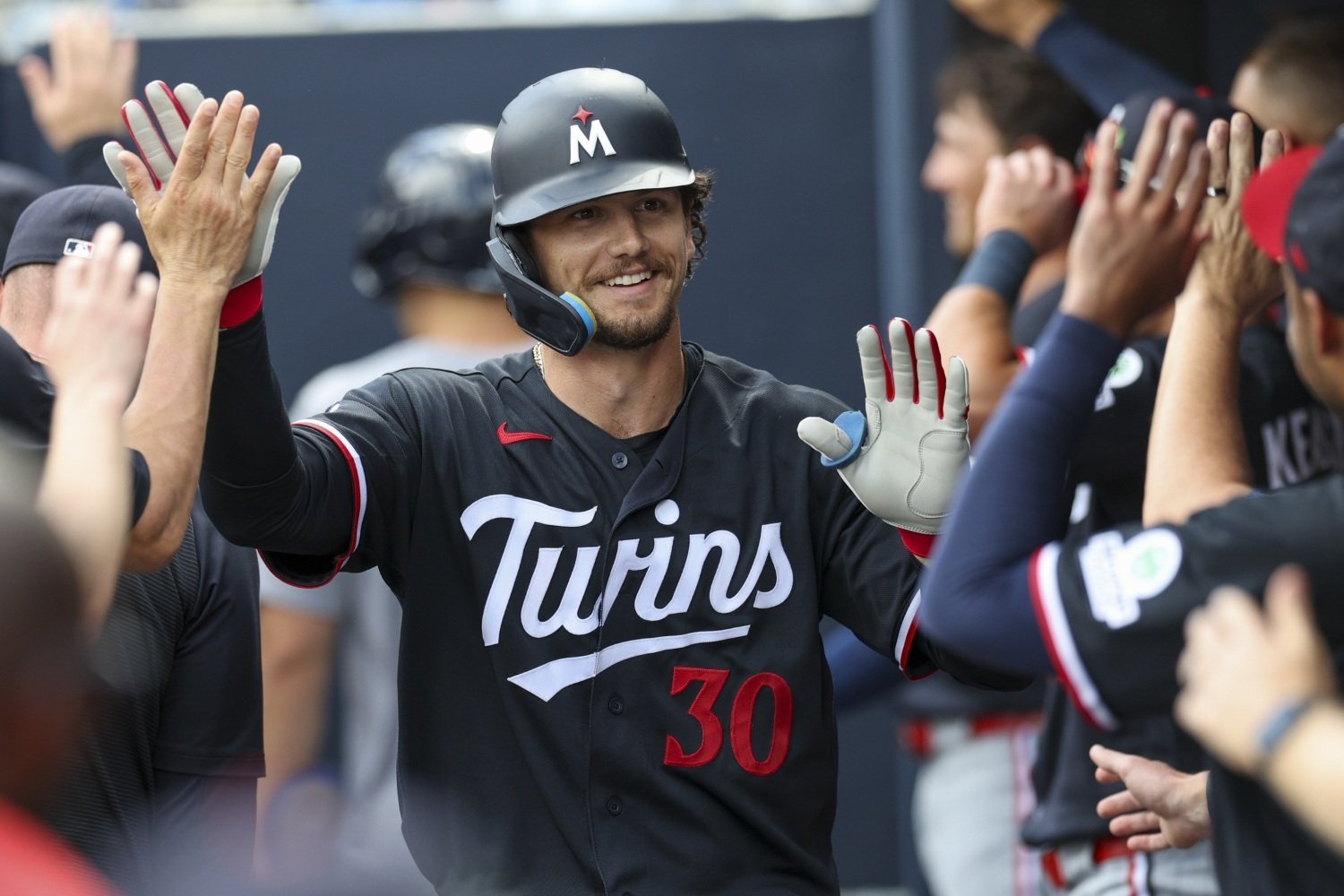 The Minnesota Twins have emphasized versatility when constructing their roster over the last few seasons. Players capable of handling multiple positions give manager Derek Shelton (or former manager Rocco Baldelli) more options when building his lineup, mixing and matching based on opposing pitchers, injuries, or late-game situations. On paper, it makes plenty of sense. A flexible roster should maximize matchups, while allowing the Twins to maintain depth without sacrificing offense. But despite all that versatility, Minnesota has spent much of the 2026 season effectively operating with a 25-man roster. One player has consistently occupied the final bench spot while rarely receiving opportunities to contribute. Why would the Twins do this? The answer, like in many aspects of life, is complicated. James Outman Never Found His Opportunity To open the season, that player was James Outman. Acquired from the Dodgers last July, Outman entered spring training without any minor-league options remaining. Rather than risk losing him, the Twins kept him on the Opening Day roster, hoping he could rediscover the tools that once made him one of baseball's most intriguing young outfielders. That opportunity never materialized. Outman started only 17 games, despite appearing in 49 contests. Most of those appearances came as a late-inning defensive replacement or pinch-runner instead of meaningful offensive opportunities. It's difficult for any hitter to establish a rhythm under those circumstances, but Outman also failed to capitalize on the limited chances he did receive. He slashed just .156/.229/.250 with five extra-base hits in 70 plate appearances while producing -0.3 rWAR. The Twins eventually designated him for assignment in mid-June, and the Detroit Tigers claimed him off waivers. For Minnesota, the experiment quietly came to an end. Kyler Fedko Followed the Same Path Outman's departure created an opportunity for Kyler Fedko. The Twins' 12th-round selection from the University of Connecticut in the 2021 MLB Draft has steadily climbed the organizational ladder and finally forced the club's hand with his production at Triple-A St. Paul. Fedko hit .286/.372/.578 with a .950 OPS through 58 games with the Saints this season. He blasted 15 home runs, drove in 45 runs, scored 44 times, and added nine stolen bases. After swiping 38 bases across Double-A and Triple-A last season, he has continued to show the blend of athleticism and power that made him one of the organization's biggest breakout stories. Yet, his first taste of the big leagues looked remarkably similar to Outman's stint. He started just four of the 14 games in which he played, but it's hard to blame the Twins for their lack of faith: he went hitless in 19 plate appearances. More telling is how those opportunities came. Only three of his appearances included more than two plate appearances in a game. In seven games, he entered solely as a pinch-runner or defensive replacement and never stepped into the batter's box. For a player trying to prove he belongs in the majors, those scattered opportunities make an already difficult adjustment even more challenging. Is This the Best Use of a Roster Spot? The question isn't necessarily whether Fedko deserves everyday playing time. The Twins have Byron Buxton, Luke Keaschall, Trevor Larnach, and other established outfield options ahead of him. Finding consistent at-bats isn't easy for a contending club trying to win every night. But if the coaching staff doesn't envision enough opportunities for Fedko to play, why did they carry him for even three weeks in the majors? As I wrote about earlier this season, the answer is likely that the front office doesn’t believe in Fedko. Now, he's back in St. Paul, where regular at-bats will do more for his long-term development than sitting on the end of the major-league bench. However, at least for the final series before the All-Star break, Fedko's place on the roster was taken by a third catcher, as Ryan Jeffers returned from the injured list. Again, the team is going with a low-utility plan for that final spot. A Familiar Pattern This isn't simply about Outman or Fedko. It's about a roster construction strategy that has left one spot largely unused for much of the year. In previous years, the Twins have done this with players like DaShawn Keirsey Jr. and Carson McCusker. Whether the Twins are trying to preserve organizational depth, evaluate players, or simply avoid exposing someone to waivers, the result has been the same. One player rarely plays. With the American League Wild Card race expected to remain tight throughout the summer, every roster spot becomes increasingly valuable. Injuries pile up, rosters get taxed, and bench depth can decide close games. If the final player on the roster isn't receiving meaningful opportunities, it's fair to wonder whether that spot could be better utilized elsewhere. The Twins have built a roster around flexibility. Ironically, their handling of the final bench spot has been anything but. Can the Twins continue to survive with a 25-man roster while one player gathers dust at the end of the bench? Leave a comment and start the discussion.
 -
Image courtesy of © Ken Ruinard / USA Today Network South Carolina / USA TODAY NETWORK via Imagn Images When the Twins walked to the podium with the third overall pick in the 2026 MLB Draft, there wasn't much suspense left. For weeks leading up to the draft, the biggest question centered around what the White Sox and Rays would do with the first two selections. Would one of them throw a curveball and shake up the board? Instead, the draft unfolded almost exactly how most evaluators expected. Roch Cholowsky went first overall, Grady Emerson followed at No. 2, and Minnesota happily selected Vahn Lackey with the third pick. It was a dream scenario for the Twins. Lackey entered the draft as one of the most complete prospects available, combining impact offensive upside with elite defensive ability behind the plate. Catchers with legitimate plus-plus tools on both sides of the ball are exceptionally rare, which is why many evaluators viewed him as one of the best overall talents in the class regardless of position. Once he officially signs, Lackey will immediately become one of the premier prospects in one of baseball's deepest farm systems. The question isn't whether he'll rank near the top, but exactly where he belongs in that cluster. TD Current No. 1: OF Walker Jenkins Jenkins has occupied the top spot in the Twins Daily rankings for good reason. The former fifth overall pick has done everything the organization could have hoped for since entering professional baseball and remains one of the game's elite outfield prospects. He reached Triple-A during his age-20 season and has continued to perform despite injuries in each professional season. There is also a bit of a "prove-it" test that every newly drafted player has to pass. No matter how impressive an amateur résumé may be, every prospect has to show they can translate those tools into professional baseball. The Twins have generally taken a measured approach with recent first-round picks, so it wouldn't be surprising to see Lackey begin his career in Low-A before finishing the season with Cedar Rapids if he performs well. Why Lackey Could Eventually Be No. 1 Lackey has a legitimate argument to become Minnesota's top prospect in short order. He's about 2 1/2 years younger than Kaelen Culpepper and only slightly older than Jenkins, despite coming from the college ranks. More importantly, he's a potential plus-plus offensive and defensive catcher. Those players don't show up very often. Even fewer develop into franchise cornerstones like Joe Mauer or Buster Posey. For now, Jenkins's proximity to the major leagues gives him a slight edge. He's already answered many of the developmental questions every prospect faces. But if Lackey gets off to the explosive professional start many scouts expect, it wouldn't be surprising if he's sitting atop Minnesota's prospect rankings entering next season. TD Current No. 2: SS Kaelen Culpepper Culpepper found himself in a similar position just two years ago after the Twins selected him in the first round out of Kansas State. Since then, he's done nothing but strengthen his prospect profile. The shortstop broke out in 2025 with a 138 wRC+ between High-A Cedar Rapids and Double-A Wichita before carrying that momentum into Triple-A this season. Despite dealing with a nagging glute strain in recent weeks, Culpepper has still posted a 122 wRC+ and looks poised to make his major league debut once he's healthy. Why Lackey Should Rank No. 2 This feels like the sweet spot for Lackey. Culpepper has earned his standing after proving he can dominate upper-level pitching. He's become a consensus Top 100 prospect and appears ready to contribute in Minnesota in the near future. That said, Lackey entered professional baseball with an even stronger reputation than Culpepper did coming out of college. He's viewed as a more polished player offensively and defensively, and many national prospect outlets will likely rank him slightly ahead of Culpepper once post-draft rankings are updated. That's not an indictment of Culpepper. It simply speaks to how highly the industry views Lackey's overall package. TD Current No. 3: OF Emmanuel Rodriguez Few prospects in baseball have generated as much excitement (and frustration) as Emmanuel Rodriguez. The talented outfielder has been a consensus Top 100 prospect since 2023 and reached Triple-A as a 21-year-old. His production has been outstanding whenever he's been healthy. Rodriguez posted a remarkable 180 wRC+ in 2024 despite appearing in only 47 games, then followed that with a 135 wRC+ over 65 games last season. Unfortunately, staying on the field has become the biggest obstacle in his development. Rodriguez is currently on the injured list after undergoing surgery to repair a torn UCL in his thumb, and since making his professional debut in 2021, he has yet to appear in more than 99 games during a single season. Why Lackey Should Be No. 3 This is where the debate becomes especially interesting. There's a strong argument for leaving Culpepper ahead of Lackey because he's already demonstrated success against Double-A and Triple-A competition. The jump from college baseball to professional baseball isn't always seamless, even for elite prospects. Still, Lackey is coming off one of the best collegiate seasons in recent memory and possesses one of the highest ceilings in the organization. Some evaluators may prefer to keep him behind Culpepper until he proves himself in pro ball, which would slide Rodriguez to fourth in the system. Given Rodriguez's lengthy injury history, it wouldn't be surprising if Lackey quickly leapfrogs him in most organizational rankings once he signs. Where Should He Land? Ranking prospects is always a balancing act between ceiling, proximity, performance and risk. Jenkins has earned the benefit of the doubt after succeeding at every stop while inching closer to Target Field. Culpepper has elevated himself into one of baseball's better infield prospects through outstanding production in the upper minors. Rodriguez still possesses star-level talent, but injuries continue to cloud his outlook. Lackey enters the conversation with perhaps the highest long-term upside of the group. Premium catchers with impact offensive potential are among the rarest commodities in baseball, and the Twins believe they've landed exactly that with the third overall pick. For now, No. 2 feels like the right place to slot him, narrowly behind Jenkins. But don't be surprised if that changes quickly. If Lackey's first taste of professional baseball goes as smoothly as many expect, there's a very real chance he'll open next season as Minnesota's No. 1 prospect. Where should Lackey rank among the Twins' top prospects? Leave a comment and start the discussion. View full article
-
Where Does Vahn Lackey Rank Among Twins Top Prospects?
Cody Christie posted an article in Minor Leagues
 When the Twins walked to the podium with the third overall pick in the 2026 MLB Draft, there wasn't much suspense left. For weeks leading up to the draft, the biggest question centered around what the White Sox and Rays would do with the first two selections. Would one of them throw a curveball and shake up the board? Instead, the draft unfolded almost exactly how most evaluators expected. Roch Cholowsky went first overall, Grady Emerson followed at No. 2, and Minnesota happily selected Vahn Lackey with the third pick. It was a dream scenario for the Twins. Lackey entered the draft as one of the most complete prospects available, combining impact offensive upside with elite defensive ability behind the plate. Catchers with legitimate plus-plus tools on both sides of the ball are exceptionally rare, which is why many evaluators viewed him as one of the best overall talents in the class regardless of position. Once he officially signs, Lackey will immediately become one of the premier prospects in one of baseball's deepest farm systems. The question isn't whether he'll rank near the top, but exactly where he belongs in that cluster. TD Current No. 1: OF Walker Jenkins Jenkins has occupied the top spot in the Twins Daily rankings for good reason. The former fifth overall pick has done everything the organization could have hoped for since entering professional baseball and remains one of the game's elite outfield prospects. He reached Triple-A during his age-20 season and has continued to perform despite injuries in each professional season. There is also a bit of a "prove-it" test that every newly drafted player has to pass. No matter how impressive an amateur résumé may be, every prospect has to show they can translate those tools into professional baseball. The Twins have generally taken a measured approach with recent first-round picks, so it wouldn't be surprising to see Lackey begin his career in Low-A before finishing the season with Cedar Rapids if he performs well. Why Lackey Could Eventually Be No. 1 Lackey has a legitimate argument to become Minnesota's top prospect in short order. He's about 2 1/2 years younger than Kaelen Culpepper and only slightly older than Jenkins, despite coming from the college ranks. More importantly, he's a potential plus-plus offensive and defensive catcher. Those players don't show up very often. Even fewer develop into franchise cornerstones like Joe Mauer or Buster Posey. For now, Jenkins's proximity to the major leagues gives him a slight edge. He's already answered many of the developmental questions every prospect faces. But if Lackey gets off to the explosive professional start many scouts expect, it wouldn't be surprising if he's sitting atop Minnesota's prospect rankings entering next season. TD Current No. 2: SS Kaelen Culpepper Culpepper found himself in a similar position just two years ago after the Twins selected him in the first round out of Kansas State. Since then, he's done nothing but strengthen his prospect profile. The shortstop broke out in 2025 with a 138 wRC+ between High-A Cedar Rapids and Double-A Wichita before carrying that momentum into Triple-A this season. Despite dealing with a nagging glute strain in recent weeks, Culpepper has still posted a 122 wRC+ and looks poised to make his major league debut once he's healthy. Why Lackey Should Rank No. 2 This feels like the sweet spot for Lackey. Culpepper has earned his standing after proving he can dominate upper-level pitching. He's become a consensus Top 100 prospect and appears ready to contribute in Minnesota in the near future. That said, Lackey entered professional baseball with an even stronger reputation than Culpepper did coming out of college. He's viewed as a more polished player offensively and defensively, and many national prospect outlets will likely rank him slightly ahead of Culpepper once post-draft rankings are updated. That's not an indictment of Culpepper. It simply speaks to how highly the industry views Lackey's overall package. TD Current No. 3: OF Emmanuel Rodriguez Few prospects in baseball have generated as much excitement (and frustration) as Emmanuel Rodriguez. The talented outfielder has been a consensus Top 100 prospect since 2023 and reached Triple-A as a 21-year-old. His production has been outstanding whenever he's been healthy. Rodriguez posted a remarkable 180 wRC+ in 2024 despite appearing in only 47 games, then followed that with a 135 wRC+ over 65 games last season. Unfortunately, staying on the field has become the biggest obstacle in his development. Rodriguez is currently on the injured list after undergoing surgery to repair a torn UCL in his thumb, and since making his professional debut in 2021, he has yet to appear in more than 99 games during a single season. Why Lackey Should Be No. 3 This is where the debate becomes especially interesting. There's a strong argument for leaving Culpepper ahead of Lackey because he's already demonstrated success against Double-A and Triple-A competition. The jump from college baseball to professional baseball isn't always seamless, even for elite prospects. Still, Lackey is coming off one of the best collegiate seasons in recent memory and possesses one of the highest ceilings in the organization. Some evaluators may prefer to keep him behind Culpepper until he proves himself in pro ball, which would slide Rodriguez to fourth in the system. Given Rodriguez's lengthy injury history, it wouldn't be surprising if Lackey quickly leapfrogs him in most organizational rankings once he signs. Where Should He Land? Ranking prospects is always a balancing act between ceiling, proximity, performance and risk. Jenkins has earned the benefit of the doubt after succeeding at every stop while inching closer to Target Field. Culpepper has elevated himself into one of baseball's better infield prospects through outstanding production in the upper minors. Rodriguez still possesses star-level talent, but injuries continue to cloud his outlook. Lackey enters the conversation with perhaps the highest long-term upside of the group. Premium catchers with impact offensive potential are among the rarest commodities in baseball, and the Twins believe they've landed exactly that with the third overall pick. For now, No. 2 feels like the right place to slot him, narrowly behind Jenkins. But don't be surprised if that changes quickly. If Lackey's first taste of professional baseball goes as smoothly as many expect, there's a very real chance he'll open next season as Minnesota's No. 1 prospect. Where should Lackey rank among the Twins' top prospects? Leave a comment and start the discussion.
- 50 comments
-
- 6
-
-
- vahn lackey
- walker jenkins
- (and 2 more)
-
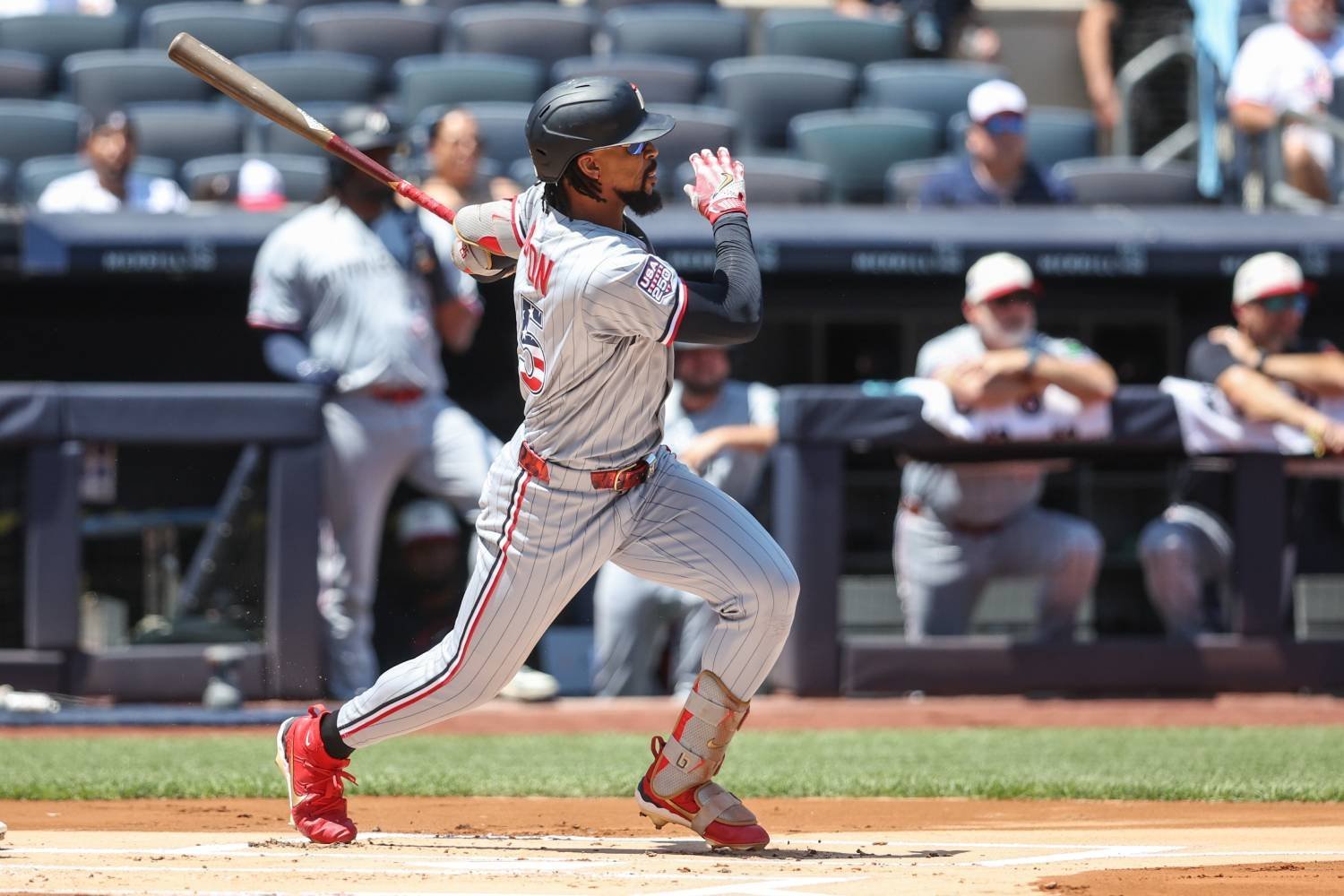 Every time Byron Buxton steps onto one of baseball's biggest stages, the questions inevitably follow. The Twins' franchise cornerstone drew national attention again this week after earning a starting spot in the All-Star Game, prompting another round of speculation about whether a player of his caliber could eventually end up elsewhere. Those conversations aren't new, and they likely won't disappear anytime soon. A healthy, productive Buxton is the type of impact player every contender covets. But while the outside noise continues, Buxton has remained remarkably consistent about where he wants his future to unfold. For him, Minnesota isn't simply the place where he plays baseball. It's home. “I have that peace of mind,” Buxton told the Minnesota Star Tribune. “My family, Minnesota is home for us. That’s where we want to be. That’s where they want to be. And that’s something that is not going to change. We done built our family up, two more kids now from Minnesota since I’ve been here. This is all they know, too.” Buxton's connection to the organization extends well beyond his contract. Drafted second overall by the Twins in 2012, he's spent his entire professional career wearing a Minnesota uniform. Through injuries, playoff appearances, individual accolades, and organizational transitions, he's remained the face of the franchise. That longevity is something Buxton has come to value even more as his career has progressed. Early in his career, he watched Joe Mauer spend an entire Hall of Fame-caliber career with one organization. More recently, during this spring's World Baseball Classic, Buxton found himself asking another lifelong franchise icon about what that experience has meant. The conversation came with future Hall of Fame pitcher Clayton Kershaw, who has spent his entire career with the Los Angeles Dodgers. “I was like, ‘Dang, bro, the only thing you know is blue and white, ain’t it?’” Buxton said. “He was like, ‘Love it.’ Just to see his reaction, though, I was like, ‘That’s going to be me.’ “We’re blessed already to be able to play baseball, but to be able to do it with one team, and make your legacy there, that’s what makes it special. It’s somewhere you can always call home no matter what.” In today's game, careers with a single franchise have become increasingly rare. Free agency, trades, and shifting competitive windows make it difficult for players to stay in one place from debut to retirement. Buxton understands that reality, which is why the opportunity to build a lasting legacy in Minnesota means so much to him. It's also one of the reasons events like the All-Star Game carry added significance. Buxton isn't just representing himself on baseball's national stage. He's representing the organization and fan base that have supported him throughout his career. “That’s why you want to do those things,” Buxton said. “Putting on that Twins jersey, going out there in front of all those people and representing Minnesota, that’s special.” The speculation will likely continue whenever Buxton is healthy enough to remind the baseball world just how dynamic he can be. Elite center field defense, game-changing speed, and middle-of-the-order power make him one of the sport's most unique players. But while others continue imagining him in another uniform, Buxton has never sounded interested in the possibility. His focus remains on adding to his legacy with the only organization he's ever known, in the state his family now calls home. For a player who has experienced nearly every high and low imaginable in a Twins uniform, that commitment has never appeared stronger.
- 9 comments
-
- 2
-
-
- byron buxton
- joe mauer
- (and 1 more)
-
Every time Byron Buxton steps onto one of baseball's biggest stages, the questions inevitably follow. The Twins' franchise cornerstone drew national attention again this week after earning a starting spot in the All-Star Game, prompting another round of speculation about whether a player of his caliber could eventually end up elsewhere. Those conversations aren't new, and they likely won't disappear anytime soon. A healthy, productive Buxton is the type of impact player every contender covets. But while the outside noise continues, Buxton has remained remarkably consistent about where he wants his future to unfold. For him, Minnesota isn't simply the place where he plays baseball. It's home. “I have that peace of mind,” Buxton told the Minnesota Star Tribune. “My family, Minnesota is home for us. That’s where we want to be. That’s where they want to be. And that’s something that is not going to change. We done built our family up, two more kids now from Minnesota since I’ve been here. This is all they know, too.” Buxton's connection to the organization extends well beyond his contract. Drafted second overall by the Twins in 2012, he's spent his entire professional career wearing a Minnesota uniform. Through injuries, playoff appearances, individual accolades, and organizational transitions, he's remained the face of the franchise. That longevity is something Buxton has come to value even more as his career has progressed. Early in his career, he watched Joe Mauer spend an entire Hall of Fame-caliber career with one organization. More recently, during this spring's World Baseball Classic, Buxton found himself asking another lifelong franchise icon about what that experience has meant. The conversation came with future Hall of Fame pitcher Clayton Kershaw, who has spent his entire career with the Los Angeles Dodgers. “I was like, ‘Dang, bro, the only thing you know is blue and white, ain’t it?’” Buxton said. “He was like, ‘Love it.’ Just to see his reaction, though, I was like, ‘That’s going to be me.’ “We’re blessed already to be able to play baseball, but to be able to do it with one team, and make your legacy there, that’s what makes it special. It’s somewhere you can always call home no matter what.” In today's game, careers with a single franchise have become increasingly rare. Free agency, trades, and shifting competitive windows make it difficult for players to stay in one place from debut to retirement. Buxton understands that reality, which is why the opportunity to build a lasting legacy in Minnesota means so much to him. It's also one of the reasons events like the All-Star Game carry added significance. Buxton isn't just representing himself on baseball's national stage. He's representing the organization and fan base that have supported him throughout his career. “That’s why you want to do those things,” Buxton said. “Putting on that Twins jersey, going out there in front of all those people and representing Minnesota, that’s special.” The speculation will likely continue whenever Buxton is healthy enough to remind the baseball world just how dynamic he can be. Elite center field defense, game-changing speed, and middle-of-the-order power make him one of the sport's most unique players. But while others continue imagining him in another uniform, Buxton has never sounded interested in the possibility. His focus remains on adding to his legacy with the only organization he's ever known, in the state his family now calls home. For a player who has experienced nearly every high and low imaginable in a Twins uniform, that commitment has never appeared stronger. View full rumor
-
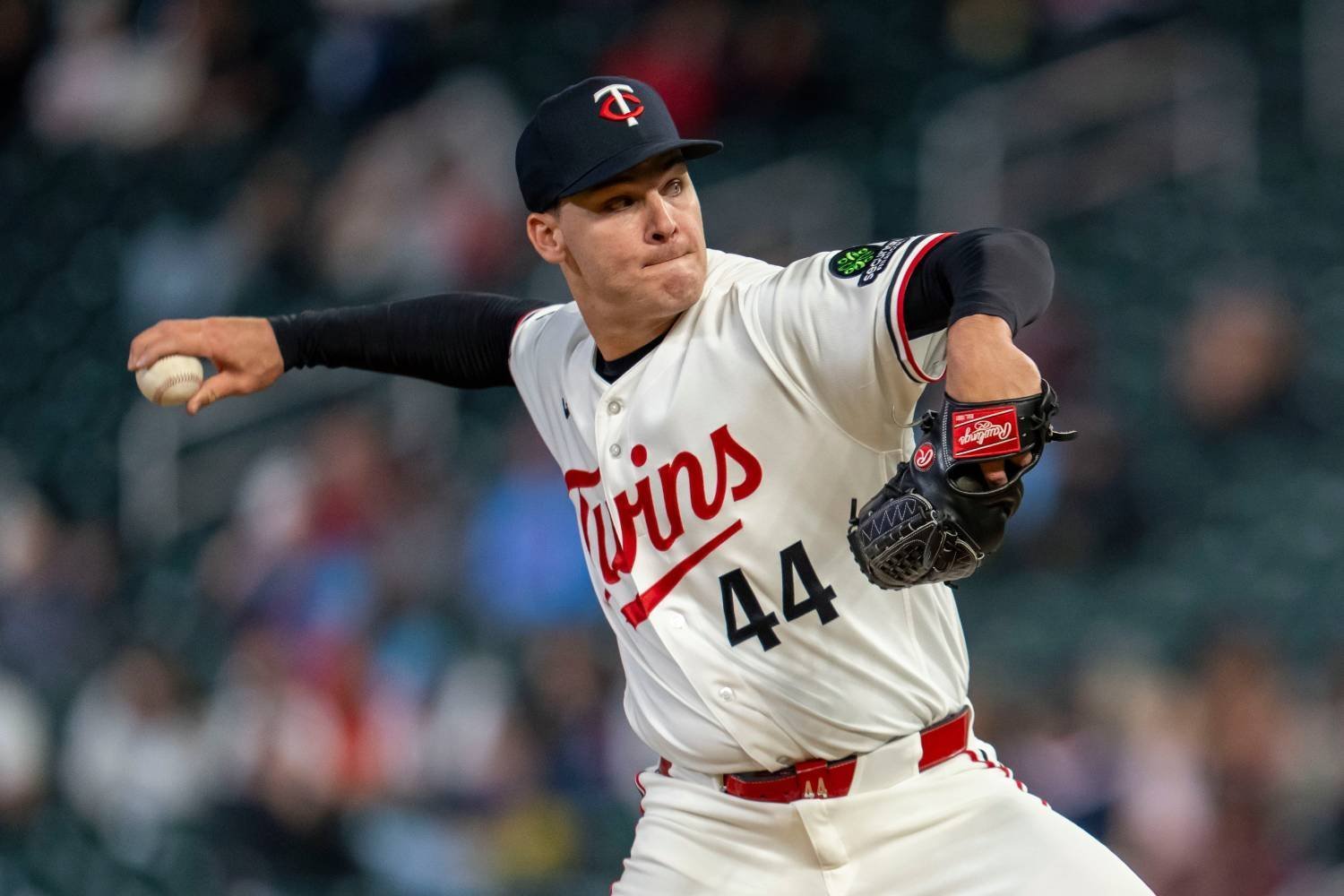 The Twins have spent much of the season trying to patch together their bullpen without one of their most dependable relievers. Right-hander Cole Sands has been sidelined since early May with a right forearm strain, but after navigating a frustrating rehab process that included an unexpected setback, he appears to be trending in the right direction. Minnesota placed Sands on the 15-day injured list on May 2 after forearm discomfort forced him out of action. The organization originally hoped he would return relatively quickly, and he was cleared to begin a rehab assignment in early June. Those plans were delayed when inflammation resurfaced, forcing the Twins to shut him down and allow the injury to calm before restarting the process. After completing another throwing progression, Sands resumed his rehab assignment and immediately showed encouraging signs. During one of his recent appearances, his fastball averaged 93.7 mph, a noticeable improvement from where it had been earlier this season and an indication that his arm strength is continuing to return. His latest outing may have been his most encouraging yet. Pitching for Triple-A St. Paul on Saturday, Sands tossed a scoreless inning while once again seeing all of his pitch velocities climb above his season averages. It marked the second consecutive rehab appearance in which his velocity ticked upward, another positive indicator that he is getting closer to full strength. Even with the improved results, the Twins aren't quite ready to activate him. Saturday's outing came four days after his previous appearance, and Minnesota wants to see how Sands responds to a more typical major league workload before bringing him back. That likely means pitching on shorter rest, with back-to-back appearances a possibility, before the club is convinced he can handle the demands of a late-inning role. Before the injury, Sands wasn't producing at the level Twins fans had become accustomed to seeing. Over 11 2/3 innings this season, he owns a 4.63 ERA with a 22% strikeout rate and an eight percent walk rate. Opposing hitters have also produced a hefty 51.4% hard-hit rate against him. One of the biggest differences has been his fastball. Sands averaged 95 mph during the 2025 season, but that figure dropped to 93.1 mph before landing on the injured list. Even so, there were signs that better results could have been on the horizon. His 3.65 SIERA sits nearly a full run lower than his actual ERA, suggesting his underlying performance was stronger than the surface numbers indicate. It's also fair to wonder whether his forearm issue contributed to his rough final outing on April 28 against Seattle, when he surrendered two runs while recording just two outs. Despite his uneven start to 2026, Sands has earned the benefit of the doubt. Since the beginning of the 2024 season, he has developed into one of Minnesota's most dependable relievers, regularly taking on high-leverage innings while providing valuable multi-inning flexibility. The Twins have managed to survive his absence by leaning on relievers such as Yoendrys Gomez, Andrew Morris, and Anthony Banda before Banda's season-ending injury further thinned the bullpen. While several pitchers have stepped into larger roles, adding an experienced arm like Sands would give manager Derek Shelton another trusted option for the stretch run. If Sands continues checking the remaining boxes during his rehab assignment, his return may not be far away. A healthy version of the right-hander could help stabilize a relief corps that has spent much of the season searching for consistency. With velocity returning and his workload gradually increasing, the Twins finally have reason to believe one of their most reliable relievers is nearing his return.
 -
The Twins have spent much of the season trying to patch together their bullpen without one of their most dependable relievers. Right-hander Cole Sands has been sidelined since early May with a right forearm strain, but after navigating a frustrating rehab process that included an unexpected setback, he appears to be trending in the right direction. Minnesota placed Sands on the 15-day injured list on May 2 after forearm discomfort forced him out of action. The organization originally hoped he would return relatively quickly, and he was cleared to begin a rehab assignment in early June. Those plans were delayed when inflammation resurfaced, forcing the Twins to shut him down and allow the injury to calm before restarting the process. After completing another throwing progression, Sands resumed his rehab assignment and immediately showed encouraging signs. During one of his recent appearances, his fastball averaged 93.7 mph, a noticeable improvement from where it had been earlier this season and an indication that his arm strength is continuing to return. His latest outing may have been his most encouraging yet. Pitching for Triple-A St. Paul on Saturday, Sands tossed a scoreless inning while once again seeing all of his pitch velocities climb above his season averages. It marked the second consecutive rehab appearance in which his velocity ticked upward, another positive indicator that he is getting closer to full strength. Even with the improved results, the Twins aren't quite ready to activate him. Saturday's outing came four days after his previous appearance, and Minnesota wants to see how Sands responds to a more typical major league workload before bringing him back. That likely means pitching on shorter rest, with back-to-back appearances a possibility, before the club is convinced he can handle the demands of a late-inning role. Before the injury, Sands wasn't producing at the level Twins fans had become accustomed to seeing. Over 11 2/3 innings this season, he owns a 4.63 ERA with a 22% strikeout rate and an eight percent walk rate. Opposing hitters have also produced a hefty 51.4% hard-hit rate against him. One of the biggest differences has been his fastball. Sands averaged 95 mph during the 2025 season, but that figure dropped to 93.1 mph before landing on the injured list. Even so, there were signs that better results could have been on the horizon. His 3.65 SIERA sits nearly a full run lower than his actual ERA, suggesting his underlying performance was stronger than the surface numbers indicate. It's also fair to wonder whether his forearm issue contributed to his rough final outing on April 28 against Seattle, when he surrendered two runs while recording just two outs. Despite his uneven start to 2026, Sands has earned the benefit of the doubt. Since the beginning of the 2024 season, he has developed into one of Minnesota's most dependable relievers, regularly taking on high-leverage innings while providing valuable multi-inning flexibility. The Twins have managed to survive his absence by leaning on relievers such as Yoendrys Gomez, Andrew Morris, and Anthony Banda before Banda's season-ending injury further thinned the bullpen. While several pitchers have stepped into larger roles, adding an experienced arm like Sands would give manager Derek Shelton another trusted option for the stretch run. If Sands continues checking the remaining boxes during his rehab assignment, his return may not be far away. A healthy version of the right-hander could help stabilize a relief corps that has spent much of the season searching for consistency. With velocity returning and his workload gradually increasing, the Twins finally have reason to believe one of their most reliable relievers is nearing his return. View full rumor
-
Image courtesy of David Malamut (photo of Brandon Winokur) Every prospect reaches a point where projection gives way to proof. For Brandon Winokur, that next step has arrived. Minnesota promoted the 21-year-old to Double-A Wichita after another intriguing stint at High-A Cedar Rapids. It isn't a promotion offered because he has answered every question about his game. Instead, it's an opportunity to answer one of the biggest questions remaining: whether one of the organization's highest-upside athletes can begin turning tantalizing tools into a complete package against upper-level competition. The Twins have always believed Winokur was worth the gamble. Now comes the biggest test of his young professional career. A Rare Draft Profile When the Twins selected Winokur in the third round of the 2023 MLB Draft, they weren't drafting a polished high-school hitter. They were betting on traits that simply don't come around very often. At 6-foot-6, Winokur was an unusual shortstop with flashes of all five tools. His size, athleticism, plus arm, power potential, and speed made him one of the more fascinating players in the draft class. Those same tools also came with significant questions about his hit tool and whether he would sign instead of honoring his commitment to Texas Tech. Minnesota believed enough in the upside to offer him a $1.5-million signing bonus (essentially second-round money) to bring him into the organization. Since then, his professional career has looked much like evaluators expected: equal parts exciting and frustrating. Flashes of the Ceiling Winokur's first two full seasons have showcased why the Twins were willing to invest heavily. He's developed into one of the better athletes in the system, while proving he can stay on the infield much longer than many expected. When he was drafted, some scouts believed his size would quickly force a move off shortstop. Instead, his agility, flexibility, and athleticism have allowed him to continue handling the position while also seeing time at third base and all three outfield spots. That defensive versatility dramatically raises his floor. Offensively, the power-speed combination has been impossible to ignore. Last season, he tied for the Midwest League lead with 17 home runs while stealing 26 bases. Few players in the organization possess that kind of raw power combined with above-average speed. The challenge has never been whether the power exists. It's getting to it consistently. Throughout his career, Winokur's swing has produced too many pull-side ground balls and opposite-field flares, instead of hard contact in the air. The Twins have worked with him on adjustments designed to help him find the barrel more consistently and unlock the elite raw power that's been evident since high school. Another Encouraging Season Returning to High-A in 2026 wasn't the most exciting assignment, but it gave Winokur another opportunity to refine his approach. In 74 games with Cedar Rapids, he hit .252/.362/.421 with 13 doubles, two triples, 10 home runs, and 19 stolen bases in 25 attempts. Perhaps the most encouraging development was his improved plate discipline. His walk rate climbed to 12.6%, more than four percentage points better than last season, showing a more mature approach and improved strike-zone awareness. That's an important step for a hitter whose offensive value depends on getting into favorable counts. However, the strikeout concerns remain. Winokur struck out in 29.4% of his plate appearances, nearly five percentage points higher than last season. His contact rate remains below 60%, highlighting the biggest obstacle standing between him and becoming an everyday major leaguer. Even so, there are reasons for optimism beneath the surface. More than 83% of his plate appearances came against pitchers older than him, but he produced an impressive .836 OPS against those opponents. Considering he spent the year facing more experienced competition, his offensive production becomes a bit more encouraging. What Double-A Will Reveal The jump to Double-A is often where prospect dreams become reality, or where flaws become impossible to ignore. For Winokur, it's less about the box score and more about the quality of his at-bats. Texas League pitchers will consistently attack the weaknesses that have followed him throughout his career. Elevated fastballs have given his long levers trouble, while quality breaking balls have exposed inconsistent pitch recognition. Those issues become far more pronounced against experienced upper-level pitchers capable of executing good game plans. The Twins don't necessarily need him to eliminate strikeouts. Plenty of productive power hitters strike out at high rates. Instead, they need him to prove the contact can reach an acceptable level while continuing to impact the baseball when he does connect. If the swing decisions continue improving and the contact quality remains strong, the rest of his offensive profile starts to look much more realistic. Even if he never develops into an everyday middle-of-the-order bat, Winokur's athleticism gives him multiple paths to contributing in the majors. He has the defensive versatility to play shortstop, third base, and all three outfield positions, including center field. His arm strength and range make him a legitimate late-inning defensive weapon, and his power against left-handed pitching could eventually carve out a valuable role. The Next Step Prospect development is rarely linear, especially for players with Winokur's profile. The Twins knew they were drafting one of the highest-risk, highest-reward players in the 2023 class. Three years later, both sides of that equation remain true. The tools still jump off the field. The athleticism is still exceptional. The power remains among the best in the organization. Now, Double-A will determine whether the bat is beginning to catch up. If Winokur can make enough contact against more advanced pitching while continuing to control the strike zone, his ceiling becomes much more than an intriguing collection of tools. If the contact issues persist, his future may still be valuable, but likely in a versatile utility role, rather than as an everyday regular. Either way, Wichita represents the most important checkpoint of his professional career, and perhaps the clearest indication yet of what Winokur can ultimately become. What does Winokur need to improve at Double-A? Leave a comment and start the discussion. View full article

