Cody Christie
-
Posts
7,794 -
Joined
-
Last visited
-
Days Won
5
Content Type
Profiles
News
Minnesota Twins Videos
2026 Minnesota Twins Top Prospects Ranking
2022 Minnesota Twins Draft Picks
Minnesota Twins Free Agent & Trade Rumors, Notes, & Tidbits
Guides & Resources
2023 Minnesota Twins Draft Picks
The Minnesota Twins Players Project
2024 Minnesota Twins Draft Picks
2025 Minnesota Twins Draft Pick Tracker
2026 Minnesota Twins Draft Tracker: Picks & Bonuses
Forums
Blogs
Events
Store
Downloads
Gallery
Everything posted by Cody Christie
-

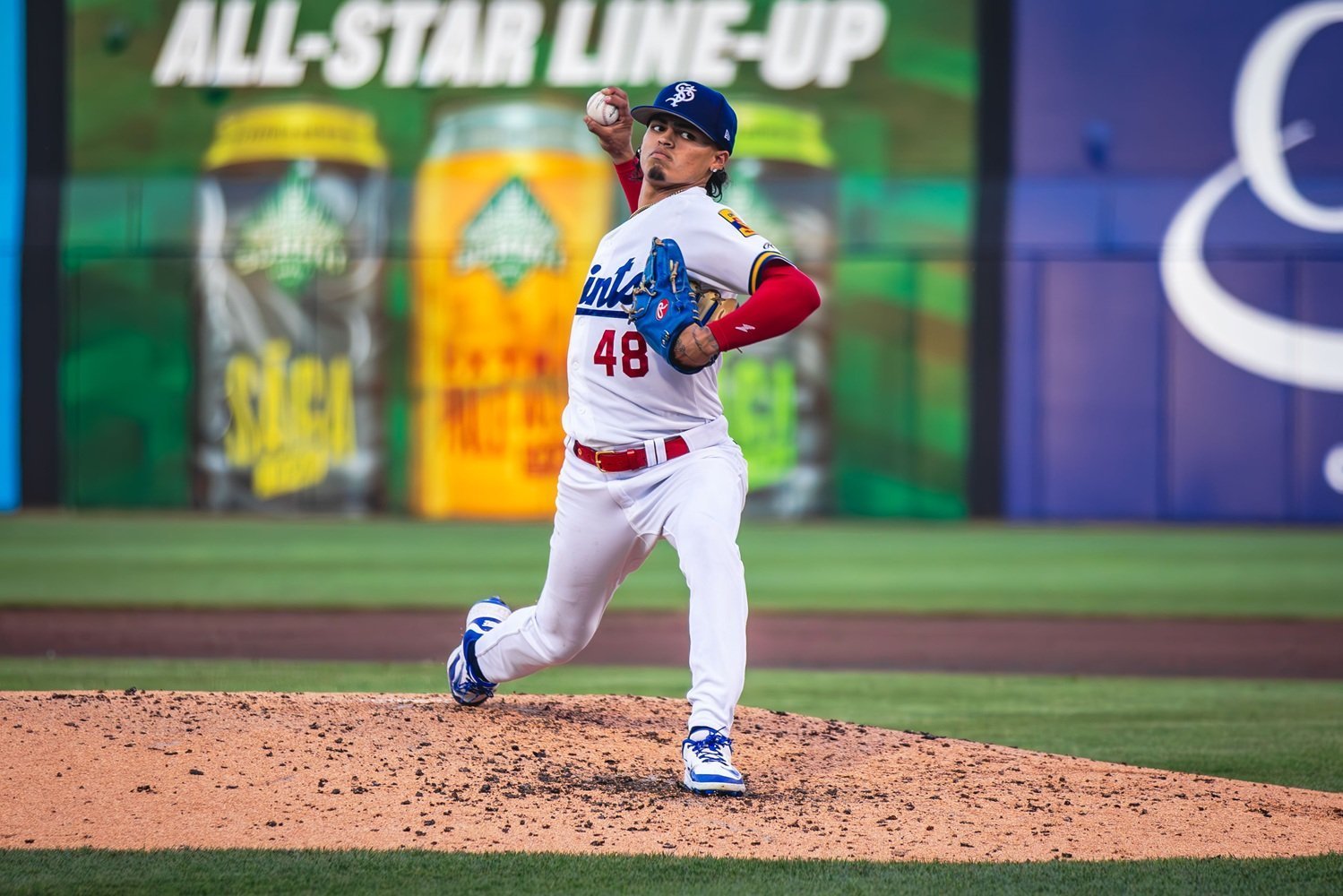 Marco Raya has never followed a conventional development path. Selected by the Twins in the fourth round of the 2020 MLB Draft out of high school in Texas, Raya immediately encountered obstacles. The pandemic delayed his professional debut after signing, and a shoulder strain cost him the entire 2021 season. Before he ever threw an official professional pitch, the right-hander had already lost two critical years of development. What followed was a prospect journey defined by patience, flashes of brilliance, and constant questions about what Raya would ultimately become. Electric Stuff From the Beginning When Raya finally debuted in 2022, the talent was obvious. The results were often inconsistent, but evaluators couldn't ignore the quality of his arsenal. In 65 innings, he posted a 3.05 ERA, a 1.08 WHIP, 28.9 K%, and 8.7 BB%. Minnesota pushed him to High-A and Double-A during the 2023 season, where he continued to strike out over 25% of batters and kept his walk rate below 9%. Throughout his climb through the system, Raya featured one of the more intriguing collections of pitches in the Twins organization. His fastball sat comfortably in the mid-90s, while his high-spin breaking balls consistently generated ugly swings from hitters who often had no business being fooled by someone several years younger. As a result, Raya became a fixture near the top of Twins prospect rankings despite concerns that never seemed to disappear. His workload was carefully managed, his command could be erratic, and his statistical production rarely matched the quality of his raw stuff. Still, the upside was difficult to ignore. By 2024, everything appeared to be coming together. A Breakthrough Season Raya took a significant step forward in 2024, climbing all the way to Triple-A St. Paul and forcing his way onto Minnesota's 40-man roster. For the first time in his professional career, it looked like he could be a legitimate homegrown starting pitcher capable of impacting the major-league rotation immediately. In 97 2/3 innings, he posted a 4.05 ERA with a 24.6 K% and a 10.5 BB%. As a 21-year-old, he faced older batters in all but 41 plate appearances for the year, making his performance even more impressive. He held younger batters to a .502 OPS with 10 strikeouts and two walks in 39 at-bats. Even then, however, some warning signs remained. The organization continued to handle him cautiously. Since being drafted, Raya had never reached the 100-inning mark in a season. Durability questions lingered, and command remained a work in progress. The raw ingredients were there, but the profile still required significant refinement. Then came 2025. Triple-A Reality Check Raya's return to St. Paul last season proved to be the most difficult stretch of his career. Instead of building on his momentum, he struggled to consistently throw strikes and put hitters away. Walks mounted, wild pitches became common, and outings frequently turned into labor-intensive battles. By season's end, Raya posted a 6.02 ERA with a 12.6 BB%, the highest mark of his career. For the first time since entering professional baseball, he looked overwhelmed, rather than overpowering. The struggles shouldn't completely overshadow the context. Raya spent much of the season as a 22-year-old facing older, more experienced hitters at Triple-A. Few pitchers move as aggressively through the Twins system, and development is rarely linear. Still, the season reinforced what many scouts and evaluators had suspected for years. His future may not be in a starting rotation. The Bullpen Transition The Twins began moving Raya toward relief work late last season, and all indications suggest that transition is now complete. Frankly, the move makes sense. Raya's combination of stuff, durability concerns, and inconsistent command has long pointed toward a bullpen role. Shorter outings should allow him to focus on his strengths while minimizing some of the weaknesses that surfaced as a starter. His fastball already sits in the 95-97 mph range and has climbed higher as he has moved to a more consistent relief role. The sweeper, thrown around 86 mph, remains his signature weapon and continued to generate swings and misses even during last year's struggles. He’s thrown that pitch nearly 30% of the time at Triple-A this year. His mid-80s curveball gives him another legitimate bat-missing offering, particularly against left-handed hitters, while his cutter sits around 90-91 mph and provides another useful look. As a starter, Raya experimented with as many as six pitches. As a reliever, he'll likely need only a handful. Why There's Still Reason for Optimism Despite the disappointing results in 2025, it's important to remember what hasn't changed. Raya is still just 23 years old, even though Twins fans have heard about him for multiple seasons. Raya's overall numbers at Triple-A in 2026 will look poor: a 5.54 ERA and a 1.26 WHIP. Most of the damage done against him came in April, when he allowed a 1.129 OPS and had an 11.68 ERA. Over the last 28 days, he has a 1.64 ERA and 0.64 WHIP, with 11 strikeouts and no walks in 11 innings. The Twins remain convinced he has major-league talent, which is why they've continued to invest in his development and protected him on the 40-man roster. The quality of his stuff has never been in question. The challenge has always been finding the role that maximizes it. Raya's prospect stock may have taken a hit after a difficult season in St. Paul, but his story is far from finished. In many ways, his transition to the bullpen may represent less of a setback and more of a beginning. For years, the Twins have searched for the best way to unlock his talent. Now they may finally have found it. What role do you envision for Raya in Minnesota's bullpen: middle reliever, setup man, or someone capable of eventually closing games? Leave a comment and start the discussion.
 -
Image courtesy of Malamut Photography (photo of Marek Houston) The Minnesota Twins will be on the clock with the third overall selection in next month's MLB Draft. If recent history is any indication, there's reason to believe another top-tier talent could soon be joining the organization's growing collection of premium prospects. Recent first-round picks have seen varying levels of success during their professional careers. Brooks Lee, the eighth overall pick in 2022, endured his share of growing pains early in his major-league career but has emerged as an everyday contributor in Minnesota. Walker Jenkins, selected fifth overall in 2023, remains the organization's top prospect and one of the most highly regarded young players in baseball, despite battling injuries. Kaelen Culpepper, the club's first-round selection in 2024, quickly established himself as one of the best prospects in the system and was named the Twins' Minor League Player of the Year. Now, Marek Houston appears ready to continue that trend. The Twins promoted Houston to Double-A Wichita this week after an outstanding first half with High-A Cedar Rapids. The move represents another significant milestone for the 2025 first-round pick and reinforces the organization's recent success in identifying impact talent at the top of the draft. Viewed by many evaluators as the best defensive shortstop in the 2025 draft class, Houston entered professional baseball with a reputation built largely around his glove. The former Wake Forest standout has certainly validated that assessment. What's been even more encouraging has been his offensive development. After struggling through a brief 12-game introduction to High-A following last year's draft, Houston returned to Cedar Rapids this season looking like a completely different player. Before his promotion, he slashed .325/.406/.461 with five home runs, 23 RBIs, and 24 stolen bases in 26 attempts across 268 plate appearances. His approach at the plate has been particularly impressive. Houston consistently controls the strike zone, makes frequent contact, and creates value on the bases. Those traits forced the Twins' hand and earned Houston a promotion to Wichita just one year after being drafted. The next challenge will be considerably tougher. Double-A is often viewed as the biggest developmental jump in minor-league baseball, and it wouldn't be surprising if Houston experiences an adjustment period similar to the one he encountered during his pro debut last summer. Still, his performance to this point has been difficult to ignore. The Kaelen Culpepper Comparison What makes Houston's start even more intriguing is how closely it mirrors what Culpepper accomplished at the same level. Before his promotion last summer, Culpepper posted a .274/.368/.440 slash line in 318 plate appearances for Cedar Rapids. Houston's overall Cedar Rapids numbers are remarkably similar: Kaelen Culpepper (High-A Cedar Rapids) .274/.368/.440 16.7% strikeout rate 10.7% walk rate 147 wRC+ 17-for-19 on stolen-base attempts Marek Houston (High-A Cedar Rapids) .296/.377/.423 17.9% strikeout rate 11.0% walk rate 126 wRC+ 25-for-29 on stolen-base attempts Both players demonstrated advanced strike-zone awareness, strong contact skills, and enough athleticism to impact games on the bases. Culpepper showed a little more power, while Houston offered slightly better speed production and defensive value at shortstop. Considering Culpepper entered professional baseball with more offensive upside, Houston producing nearly identical numbers at the same level is a significant accomplishment. A Future Infield Taking Shape The Twins have already seen Culpepper establish himself as one of the top prospects in baseball. If Houston continues along a similar trajectory, Minnesota could soon face an enviable problem. Houston's defensive reputation gives him a realistic path to becoming the organization's everyday shortstop. If his bat remains productive against upper-level pitching, the Twins may ultimately decide his glove is too valuable to move elsewhere. That possibility could create a domino effect throughout the infield. A future alignment featuring Royce Lewis at first base, Culpepper at third base, Houston at shortstop, and Brooks Lee at second base is no longer difficult to envision. Luke Keaschall's long-term defensive home remains a question, but Minnesota suddenly has an abundance of talented young infielders capable of forcing their way into the conversation. Another First-Round Success Story? Houston's promotion arrives at an important time for the organization. Following last year's trade deadline sell-off, the Twins have leaned heavily on player development to replenish the system. Jenkins, Culpepper, Houston, and fellow 2025 first-rounder Riley Quick have quickly become central pieces of that effort. Quick has already reached High-A and continues to develop as a starting pitching prospect. Jenkins and Culpepper are returning from injury and remain on the doorstep of the major leagues. Now, Houston has reached Double-A less than a year after being drafted. The Twins still have plenty of work to do before they can declare their recent drafting success a complete turnaround. Prospects must eventually produce in the majors for draft classes to be remembered favorably. But as Minnesota prepares to make another top-three selection next month, Houston serves as the latest reminder that the organization's recent first-round track record looks dramatically different from what it did just a few years ago. How will Minnesota’s infield look in two seasons? Can Houston continue to follow in Culpepper’s footsteps? Leave a comment and start the discussion. View full article
-
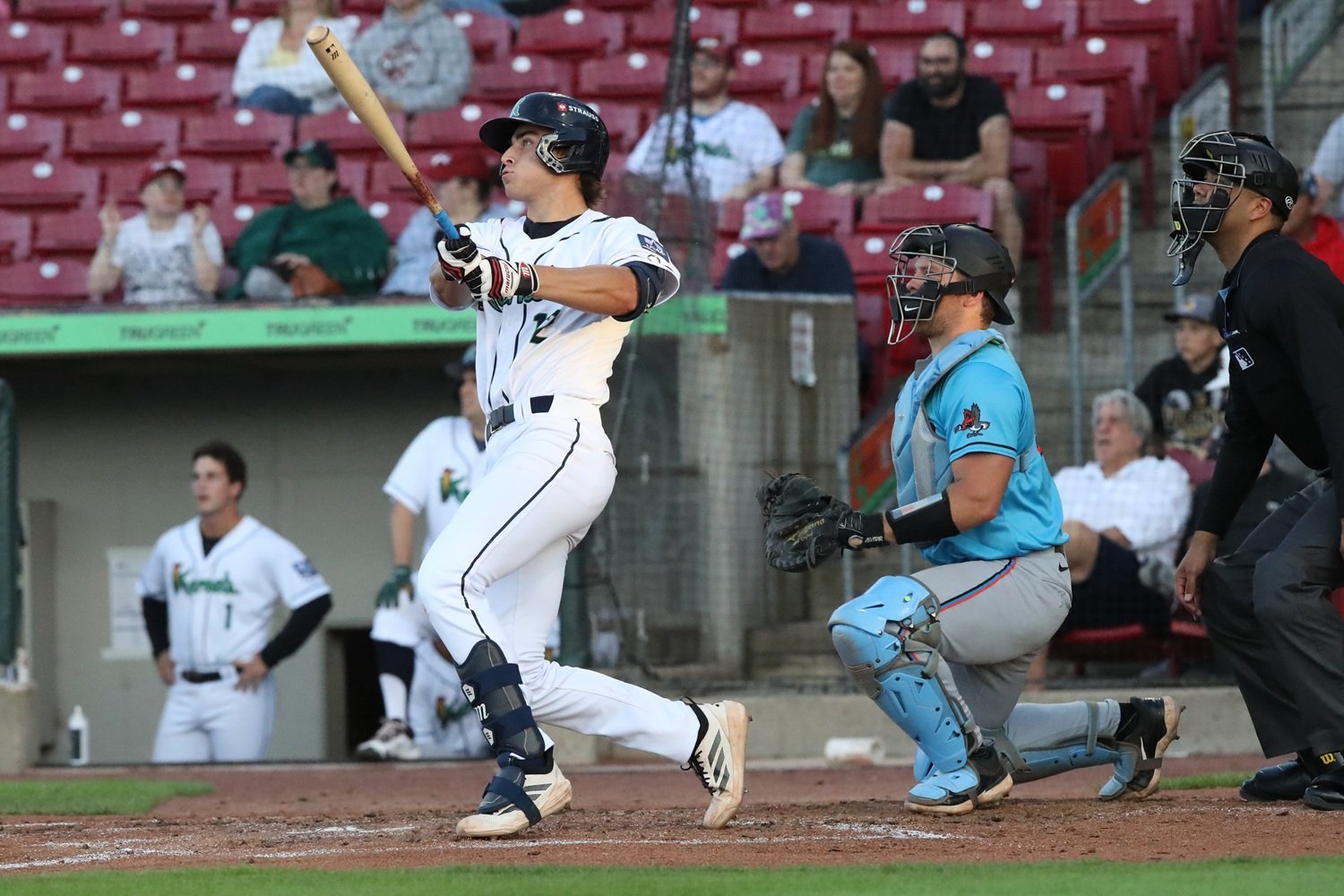 The Minnesota Twins will be on the clock with the third overall selection in next month's MLB Draft. If recent history is any indication, there's reason to believe another top-tier talent could soon be joining the organization's growing collection of premium prospects. Recent first-round picks have seen varying levels of success during their professional careers. Brooks Lee, the eighth overall pick in 2022, endured his share of growing pains early in his major-league career but has emerged as an everyday contributor in Minnesota. Walker Jenkins, selected fifth overall in 2023, remains the organization's top prospect and one of the most highly regarded young players in baseball, despite battling injuries. Kaelen Culpepper, the club's first-round selection in 2024, quickly established himself as one of the best prospects in the system and was named the Twins' Minor League Player of the Year. Now, Marek Houston appears ready to continue that trend. The Twins promoted Houston to Double-A Wichita this week after an outstanding first half with High-A Cedar Rapids. The move represents another significant milestone for the 2025 first-round pick and reinforces the organization's recent success in identifying impact talent at the top of the draft. Viewed by many evaluators as the best defensive shortstop in the 2025 draft class, Houston entered professional baseball with a reputation built largely around his glove. The former Wake Forest standout has certainly validated that assessment. What's been even more encouraging has been his offensive development. After struggling through a brief 12-game introduction to High-A following last year's draft, Houston returned to Cedar Rapids this season looking like a completely different player. Before his promotion, he slashed .325/.406/.461 with five home runs, 23 RBIs, and 24 stolen bases in 26 attempts across 268 plate appearances. His approach at the plate has been particularly impressive. Houston consistently controls the strike zone, makes frequent contact, and creates value on the bases. Those traits forced the Twins' hand and earned Houston a promotion to Wichita just one year after being drafted. The next challenge will be considerably tougher. Double-A is often viewed as the biggest developmental jump in minor-league baseball, and it wouldn't be surprising if Houston experiences an adjustment period similar to the one he encountered during his pro debut last summer. Still, his performance to this point has been difficult to ignore. The Kaelen Culpepper Comparison What makes Houston's start even more intriguing is how closely it mirrors what Culpepper accomplished at the same level. Before his promotion last summer, Culpepper posted a .274/.368/.440 slash line in 318 plate appearances for Cedar Rapids. Houston's overall Cedar Rapids numbers are remarkably similar: Kaelen Culpepper (High-A Cedar Rapids) .274/.368/.440 16.7% strikeout rate 10.7% walk rate 147 wRC+ 17-for-19 on stolen-base attempts Marek Houston (High-A Cedar Rapids) .296/.377/.423 17.9% strikeout rate 11.0% walk rate 126 wRC+ 25-for-29 on stolen-base attempts Both players demonstrated advanced strike-zone awareness, strong contact skills, and enough athleticism to impact games on the bases. Culpepper showed a little more power, while Houston offered slightly better speed production and defensive value at shortstop. Considering Culpepper entered professional baseball with more offensive upside, Houston producing nearly identical numbers at the same level is a significant accomplishment. A Future Infield Taking Shape The Twins have already seen Culpepper establish himself as one of the top prospects in baseball. If Houston continues along a similar trajectory, Minnesota could soon face an enviable problem. Houston's defensive reputation gives him a realistic path to becoming the organization's everyday shortstop. If his bat remains productive against upper-level pitching, the Twins may ultimately decide his glove is too valuable to move elsewhere. That possibility could create a domino effect throughout the infield. A future alignment featuring Royce Lewis at first base, Culpepper at third base, Houston at shortstop, and Brooks Lee at second base is no longer difficult to envision. Luke Keaschall's long-term defensive home remains a question, but Minnesota suddenly has an abundance of talented young infielders capable of forcing their way into the conversation. Another First-Round Success Story? Houston's promotion arrives at an important time for the organization. Following last year's trade deadline sell-off, the Twins have leaned heavily on player development to replenish the system. Jenkins, Culpepper, Houston, and fellow 2025 first-rounder Riley Quick have quickly become central pieces of that effort. Quick has already reached High-A and continues to develop as a starting pitching prospect. Jenkins and Culpepper are returning from injury and remain on the doorstep of the major leagues. Now, Houston has reached Double-A less than a year after being drafted. The Twins still have plenty of work to do before they can declare their recent drafting success a complete turnaround. Prospects must eventually produce in the majors for draft classes to be remembered favorably. But as Minnesota prepares to make another top-three selection next month, Houston serves as the latest reminder that the organization's recent first-round track record looks dramatically different from what it did just a few years ago. How will Minnesota’s infield look in two seasons? Can Houston continue to follow in Culpepper’s footsteps? Leave a comment and start the discussion.
 -
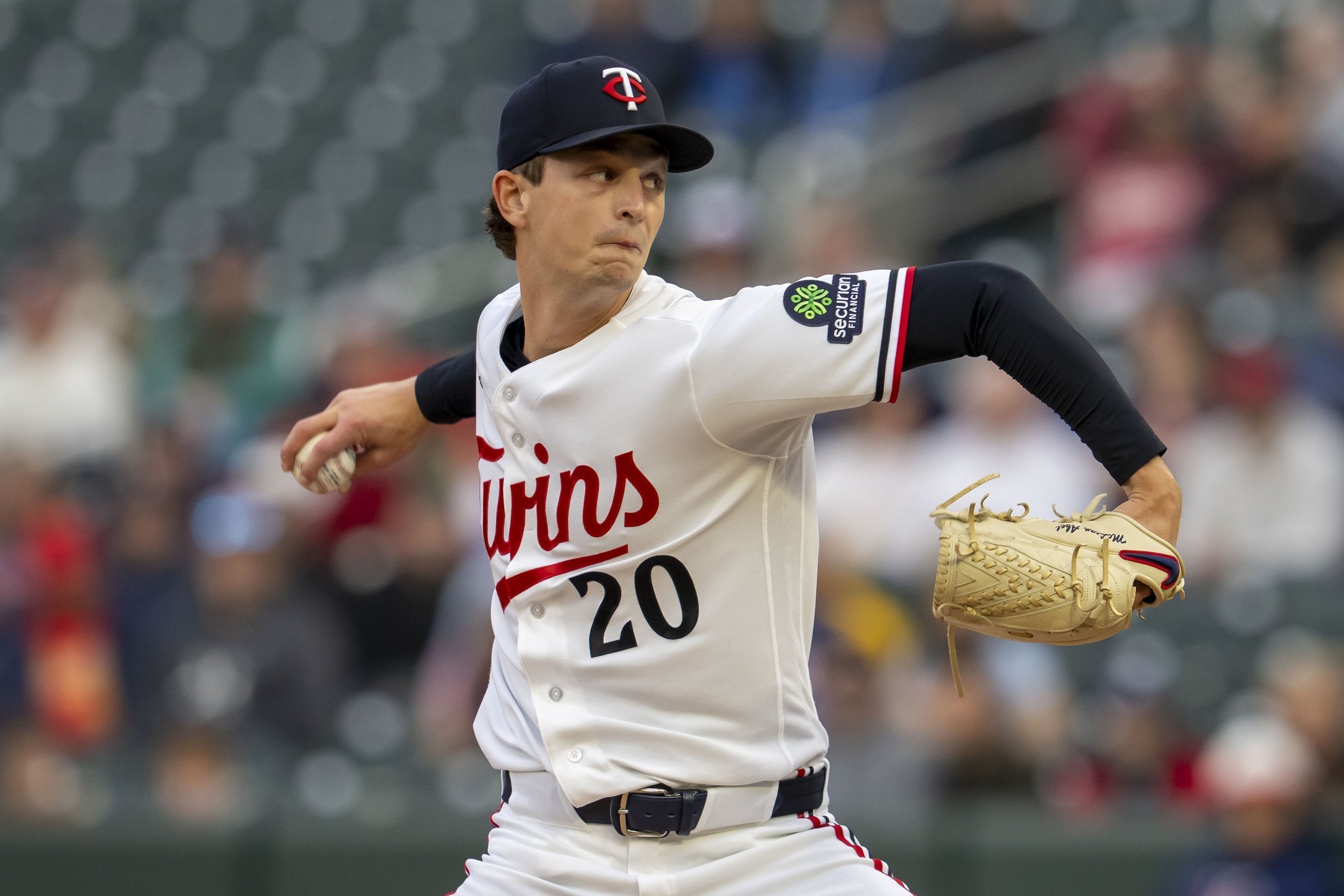 The Minnesota Twins received more disappointing pitching news on Wednesday when the club announced that right-hander Mick Abel will undergo arthroscopic surgery on his injured right elbow. For a Twins team already navigating a rotation battered by injuries, Abel's latest setback adds another layer of uncertainty to a pitching staff that has spent much of the season trying to patch together innings. The good news is that Abel's ulnar collateral ligament remains intact. This is not a Tommy John surgery situation, nor does it appear that an internal brace procedure is necessary. Instead, the operation is being recommended to address recurring discomfort that repeatedly halted his rehabilitation process. Unfortunately, that discomfort proved impossible to shake. A Promising Start Cut Short When the Twins acquired Abel along with catching prospect Eduardo Tait from the Phillies as part of last summer's Jhoan Duran trade, they were betting on upside. The former first-round pick arrived with plenty of prospect pedigree but also questions after an inconsistent start to his professional career. While his rookie season in Minnesota featured some growing pains, there were legitimate reasons for optimism entering 2026. Abel was one of the organization's standout performers during Spring Training. His fastball showed more life, his secondary pitches generated more swing-and-miss, and he looked poised to finally establish himself as a long-term rotation piece. That momentum carried into the regular season. Over his first 20 1/3 innings, Abel struck out 23 batters and flashed the type of stuff that once made him one of baseball's most highly regarded pitching prospects. Command remained a work in progress, but hitters were expanding the zone more frequently and struggling to square him up consistently. For the first time, it looked like the Twins were beginning to see the version of Abel they envisioned when they made the trade. Then came the elbow inflammation. Rehab Progress Followed by More Frustration Abel landed on the injured list in April after experiencing discomfort in his elbow. Initially, the injury didn't appear overly concerning, and the organization remained optimistic about a relatively quick return. Twice during his recovery process, Abel appeared to be nearing a return to game action. Twice, the elbow had other plans. Most recently, the right-hander was tentatively lined up to start Sunday's game in Arizona. That possibility disappeared after a bullpen session on Friday led to renewed discomfort the following day, forcing the Twins to scratch him before he could take the next step in his progression. Subsequent imaging provided some encouraging news. An MRI revealed no damage to either the UCL or the flexor tendon, two structures that often lead to season-ending surgeries for pitchers. Still, the recurring nature of the discomfort prompted consultation with renowned orthopedic surgeon Dr. Keith Meister, who ultimately recommended arthroscopic surgery to address the issue. Specific details regarding the procedure have not yet been released. Arthroscopic elbow surgeries can involve removing loose bodies, cleaning up bone spurs, or addressing other sources of irritation within the joint. A return timeline won’t be established until following the surgery. The Twins currently have an open spot on their 40-man roster after designating Austin Voth for assignment earlier this week. Once that vacancy is filled, Abel could become a candidate to be transferred to the 60-day injured list, creating additional roster flexibility. For now, the focus shifts to surgery and recovery. The organization can take some comfort in knowing that Abel avoided the worst-case scenario. An intact UCL leaves the door open for a return later this season and should preserve his long-term outlook. Still, after a spring that hinted at a breakout and an April that showcased some of the best pitching of his professional career, Abel's season has become another reminder of how quickly pitching development can be derailed by health concerns.
 -
The Minnesota Twins received more disappointing pitching news on Wednesday when the club announced that right-hander Mick Abel will undergo arthroscopic surgery on his injured right elbow. For a Twins team already navigating a rotation battered by injuries, Abel's latest setback adds another layer of uncertainty to a pitching staff that has spent much of the season trying to patch together innings. The good news is that Abel's ulnar collateral ligament remains intact. This is not a Tommy John surgery situation, nor does it appear that an internal brace procedure is necessary. Instead, the operation is being recommended to address recurring discomfort that repeatedly halted his rehabilitation process. Unfortunately, that discomfort proved impossible to shake. A Promising Start Cut Short When the Twins acquired Abel along with catching prospect Eduardo Tait from the Phillies as part of last summer's Jhoan Duran trade, they were betting on upside. The former first-round pick arrived with plenty of prospect pedigree but also questions after an inconsistent start to his professional career. While his rookie season in Minnesota featured some growing pains, there were legitimate reasons for optimism entering 2026. Abel was one of the organization's standout performers during Spring Training. His fastball showed more life, his secondary pitches generated more swing-and-miss, and he looked poised to finally establish himself as a long-term rotation piece. That momentum carried into the regular season. Over his first 20 1/3 innings, Abel struck out 23 batters and flashed the type of stuff that once made him one of baseball's most highly regarded pitching prospects. Command remained a work in progress, but hitters were expanding the zone more frequently and struggling to square him up consistently. For the first time, it looked like the Twins were beginning to see the version of Abel they envisioned when they made the trade. Then came the elbow inflammation. Rehab Progress Followed by More Frustration Abel landed on the injured list in April after experiencing discomfort in his elbow. Initially, the injury didn't appear overly concerning, and the organization remained optimistic about a relatively quick return. Twice during his recovery process, Abel appeared to be nearing a return to game action. Twice, the elbow had other plans. Most recently, the right-hander was tentatively lined up to start Sunday's game in Arizona. That possibility disappeared after a bullpen session on Friday led to renewed discomfort the following day, forcing the Twins to scratch him before he could take the next step in his progression. Subsequent imaging provided some encouraging news. An MRI revealed no damage to either the UCL or the flexor tendon, two structures that often lead to season-ending surgeries for pitchers. Still, the recurring nature of the discomfort prompted consultation with renowned orthopedic surgeon Dr. Keith Meister, who ultimately recommended arthroscopic surgery to address the issue. Specific details regarding the procedure have not yet been released. Arthroscopic elbow surgeries can involve removing loose bodies, cleaning up bone spurs, or addressing other sources of irritation within the joint. A return timeline won’t be established until following the surgery. The Twins currently have an open spot on their 40-man roster after designating Austin Voth for assignment earlier this week. Once that vacancy is filled, Abel could become a candidate to be transferred to the 60-day injured list, creating additional roster flexibility. For now, the focus shifts to surgery and recovery. The organization can take some comfort in knowing that Abel avoided the worst-case scenario. An intact UCL leaves the door open for a return later this season and should preserve his long-term outlook. Still, after a spring that hinted at a breakout and an April that showcased some of the best pitching of his professional career, Abel's season has become another reminder of how quickly pitching development can be derailed by health concerns. View full rumor
-
Image courtesy of Rob Thompson, St. Paul Saints Marco Raya has never followed a conventional development path. Selected by the Twins in the fourth round of the 2020 MLB Draft out of high school in Texas, Raya immediately encountered obstacles. The pandemic wiped out his professional debut after signing, and a shoulder strain cost him the entire 2021 season. Before he ever threw an official professional pitch, the right-hander had already lost two critical years of development. What followed was a prospect journey defined by patience, flashes of brilliance, and constant questions about what Raya would ultimately become. Electric Stuff From the Beginning When Raya finally debuted in 2022, the talent was obvious. The results were often inconsistent, but evaluators couldn't ignore the quality of his arsenal. In 65 innings, he posted a 3.05 ERA, a 1.08 WHIP, 28.9 K%, and 8.7 BB%. Minnesota pushed him to High-A and Double-A during the 2023 season, where he continued to strike out over 25% of batters and kept his walk rate below 9%. Throughout his climb through the system, Raya featured one of the more intriguing collections of pitches in the Twins organization. His fastball sat comfortably in the mid-90s, while his high-spin breaking balls consistently generated ugly swings from hitters who often had no business being fooled by someone several years younger. As a result, Raya became a fixture near the top of Twins prospect rankings despite concerns that never seemed to disappear. His workload was carefully managed, his command could be erratic, and his statistical production rarely matched the quality of his raw stuff. Still, the upside was difficult to ignore. By 2024, everything appeared to be coming together. A Breakthrough Season Raya took a significant step forward in 2024, climbing all the way to Triple-A St. Paul and forcing his way onto Minnesota's 40-man roster. For the first time in his professional career, it looked like the Twins could be developing a legitimate homegrown starting pitcher capable of impacting the major-league rotation. In 97 2/3 innings, he posted a 4.05 ERA with a 24.6 K% and a 10.5 BB%. As a 21-year-old, he faced older batters in all but 41 plate appearances for the year, making his performance even more impressive. He held younger batters to a .502 OPS with 10 strikeouts and two walks in 39 at-bats. Even then, however, some warning signs remained. The organization continued to handle him cautiously. Since being drafted, Raya had never reached the 100-inning mark in a season. Durability questions lingered, and command remained a work in progress. The raw ingredients were there, but the profile still required significant refinement. Then came 2025. Triple-A Reality Check Raya's return to St. Paul last season proved to be the most difficult stretch of his professional career. Instead of building on his momentum, he struggled to consistently throw strikes and put hitters away. Walks mounted, wild pitches became common, and outings frequently turned into labor-intensive battles. By season's end, Raya posted a 6.02 ERA with a 12.6 BB%, the highest mark of his career. For the first time since entering professional baseball, he looked overwhelmed rather than overpowering. The struggles shouldn't completely overshadow the context. Raya spent much of the season as a 22-year-old facing older, more experienced hitters at Triple-A. Few pitchers move as aggressively through the Twins system, and development is rarely linear. Still, the season reinforced what many scouts and evaluators had suspected for years. His future may not be in a starting rotation. The Bullpen Transition The Twins began moving Raya toward relief work late last season, and all indications suggest that transition is now effectively complete. Frankly, the move makes sense. Raya's combination of stuff, durability concerns, and inconsistent command has long pointed toward a bullpen role. Shorter outings should allow him to focus on his strengths while minimizing some of the weaknesses that surfaced as a starter. His fastball already sits in the 95-97 mph range and has climbed higher as he has moved to a more consistent relief role. The sweeper, thrown around 86 mph, remains his signature weapon and continues to generate swings and misses even during last year's struggles. He’s thrown that pitch nearly 30% of the time at Triple-A this year. His mid-80s curveball gives him another legitimate bat-missing offering, particularly against left-handed hitters, while his cutter sits around 90-91 mph and provides another useful look. As a starter, Raya experimented with as many as six pitches. As a reliever, he'll likely need only a handful. Why There's Still Reason for Optimism Despite the disappointing results in 2025, it's important to remember what hasn't changed. Raya is still just 23 years old, even though Twins fans have heard about him for multiple seasons. Raya's overall numbers at Triple-A in 2026 will look poor with a 5.54 ERA and a 1.26 WHIP. Most of the damage done against him came in April when he allowed a 1.129 OPS and had an 11.68 ERA. Over the last 28 days, he has a 1.64 ERA and 0.64 WHIP, with 11 strikeouts and no walks in 11 innings. The Twins remain convinced he has major-league talent, which is why they've continued to invest in his development and protected him on the 40-man roster. The quality of his stuff has never been in question. The challenge has always been finding the role that maximizes it. Raya's prospect stock may have taken a hit after a difficult season in St. Paul, but his story is far from finished. In many ways, his transition to the bullpen may represent less of a setback and more of a beginning. For years, the Twins have searched for the best way to unlock his talent. Now they may finally have found it. What role do you envision for Raya in Minnesota's bullpen: middle reliever, setup man, or someone capable of eventually closing games? Leave a comment and start the discussion. View full article
-
Image courtesy of © Bruce Kluckhohn-Imagn Images Minnesota Twins Executive Chair Tom Pohlad appeared on Shark Tank this week seeking $150 million in funding for a groundbreaking startup known as Competitive Payroll. The company, which Pohlad described as "an innovative new approach to running a Major League Baseball franchise," is seeking capital to fund a radical experiment involving paying talented players their market value. "For years, we've operated under the assumption that spending less money was the safest path forward," Pohlad told the panel. "But what if there was another way?" The Sharks appeared intrigued. "So what's the business?" asked Mark Cuban. "We own a baseball team. And we'd like to make it better." "How?" "We were hoping you could help us answer that." Pohlad then unveiled a 47-slide presentation titled: Can Spending Money Make Money?!? The first slide showed a graph illustrating payroll reductions over the past several seasons. The second showed additional payroll reductions to the rest of the organization. The third was simply a picture of a piggy bank. "Interesting," Cuban said. "But how does the business grow?" Pohlad clicked to the next slide. The title read: Potential Additional Cost Savings. Throughout the presentation, the Sharks repeatedly attempted to explain how baseball economics work. "You know, fans usually like it when teams keep their best players," said Barbara Corcoran. Pohlad nodded politely. "We've identified several opportunities to reduce travel expenses." "No," Corcoran replied. "I mean, fans spend money when they believe the team is trying to win." Pohlad quickly advanced to a pie chart labeled: “Areas Where We Could Potentially Spend Even Less.” Kevin O'Leary jumped in. "Let's say you spend more money on players," the shiny-domed entrepreneur said. "Then you win more games. Then attendance goes up. Then revenue goes up." The room became quiet. Pohlad studied the diagram. "We have not previously explored that sequence of events." At one point, Cuban attempted to simplify the discussion. "Tom, let's forget baseball. Imagine you own a restaurant." "Okay." "You serve great food." "Seems expensive." "Stay with me. People like the food, so more customers come." Pohlad looked confused. "Why would we want more customers?" The Sharks stared blankly. "Because they spend money." Pohlad immediately called for a brief recess. After returning, ownership unveiled what they called a revolutionary internal metric known as Cost Above Replacement, or CAR. The statistic measures how much money can be saved by replacing productive players with cheaper players. According to the Twins' projections, the organization could achieve record efficiency by eventually fielding a roster composed entirely of league-minimum salaries, waiver claims, and one veteran reliever acquired for cash considerations. Guest Shark Alex Rodriguez attempted one final time. "Winning creates excitement." Pohlad nodded. "Excitement creates attendance." "Interesting." "Attendance creates revenue." Pohlad began furiously taking notes. "Revenue can then be reinvested into the roster." The Twins executive paused. "You're saying the payroll is connected to the baseball team?" "Yes." "And the baseball team is connected to the fans?" "Also, yes." "Has Major League Baseball reviewed this theory?" Despite the educational session, all five Sharks ultimately declined to invest. "I still don't understand the business plan," Cuban said. "Neither do we," Pohlad replied. "That's why we're seeking strategic partners." As filming concluded, Pohlad remained optimistic. "We learned a lot today," he said. "Apparently, there may be a relationship between winning games and making money. We're planning to spend the next several years studying the concept." Sources confirmed the Twins immediately formed a committee to determine whether fans prefer victories over payroll flexibility. The committee is expected to issue its findings sometime in 2034. View full article
-
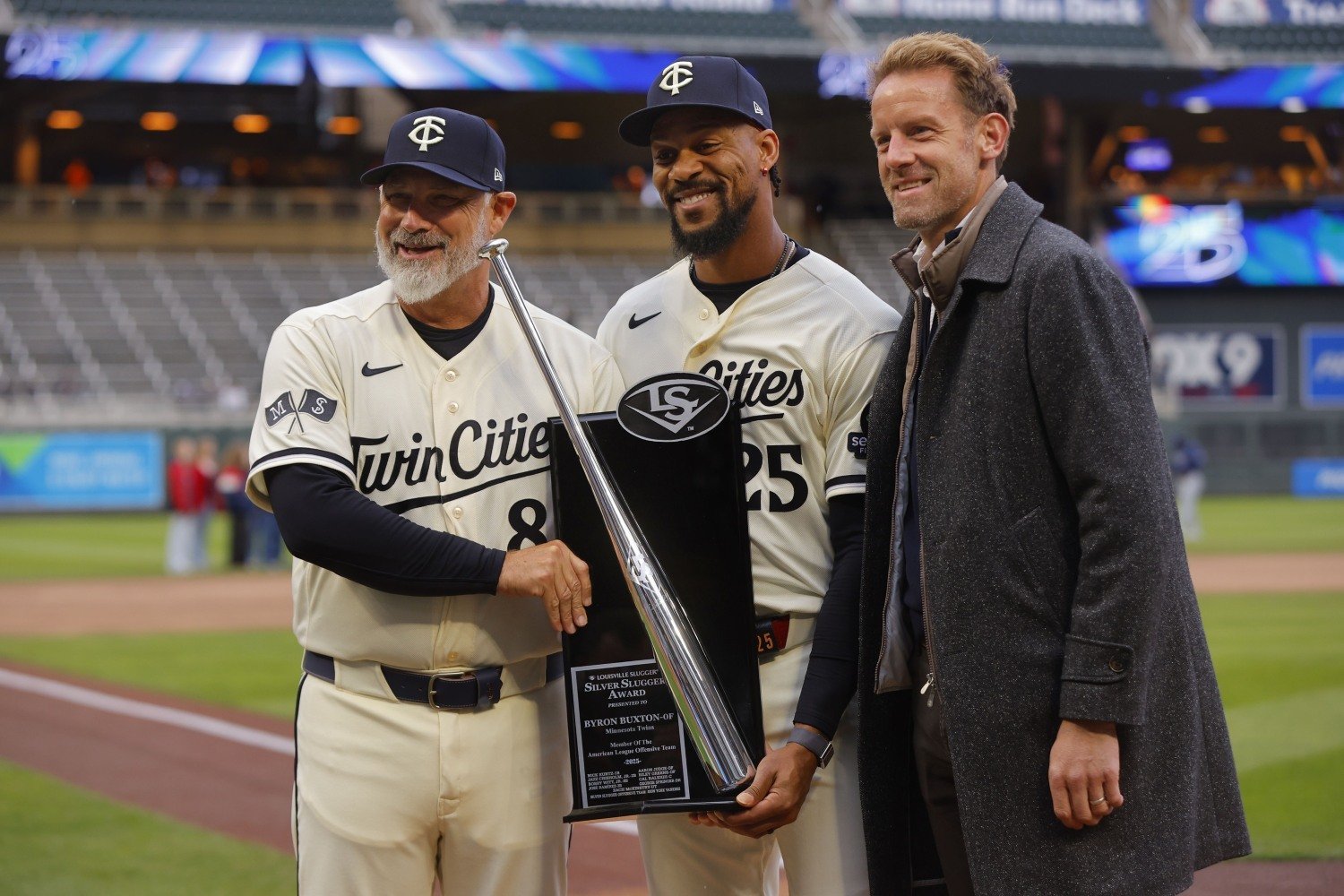 Minnesota Twins Executive Chair Tom Pohlad appeared on Shark Tank this week seeking $150 million in funding for a groundbreaking startup known as Competitive Payroll. The company, which Pohlad described as "an innovative new approach to running a Major League Baseball franchise," is seeking capital to fund a radical experiment involving paying talented players their market value. "For years, we've operated under the assumption that spending less money was the safest path forward," Pohlad told the panel. "But what if there was another way?" The Sharks appeared intrigued. "So what's the business?" asked Mark Cuban. "We own a baseball team. And we'd like to make it better." "How?" "We were hoping you could help us answer that." Pohlad then unveiled a 47-slide presentation titled: Can Spending Money Make Money?!? The first slide showed a graph illustrating payroll reductions over the past several seasons. The second showed additional payroll reductions to the rest of the organization. The third was simply a picture of a piggy bank. "Interesting," Cuban said. "But how does the business grow?" Pohlad clicked to the next slide. The title read: Potential Additional Cost Savings. Throughout the presentation, the Sharks repeatedly attempted to explain how baseball economics work. "You know, fans usually like it when teams keep their best players," said Barbara Corcoran. Pohlad nodded politely. "We've identified several opportunities to reduce travel expenses." "No," Corcoran replied. "I mean, fans spend money when they believe the team is trying to win." Pohlad quickly advanced to a pie chart labeled: “Areas Where We Could Potentially Spend Even Less.” Kevin O'Leary jumped in. "Let's say you spend more money on players," the shiny-domed entrepreneur said. "Then you win more games. Then attendance goes up. Then revenue goes up." The room became quiet. Pohlad studied the diagram. "We have not previously explored that sequence of events." At one point, Cuban attempted to simplify the discussion. "Tom, let's forget baseball. Imagine you own a restaurant." "Okay." "You serve great food." "Seems expensive." "Stay with me. People like the food, so more customers come." Pohlad looked confused. "Why would we want more customers?" The Sharks stared blankly. "Because they spend money." Pohlad immediately called for a brief recess. After returning, ownership unveiled what they called a revolutionary internal metric known as Cost Above Replacement, or CAR. The statistic measures how much money can be saved by replacing productive players with cheaper players. According to the Twins' projections, the organization could achieve record efficiency by eventually fielding a roster composed entirely of league-minimum salaries, waiver claims, and one veteran reliever acquired for cash considerations. Guest Shark Alex Rodriguez attempted one final time. "Winning creates excitement." Pohlad nodded. "Excitement creates attendance." "Interesting." "Attendance creates revenue." Pohlad began furiously taking notes. "Revenue can then be reinvested into the roster." The Twins executive paused. "You're saying the payroll is connected to the baseball team?" "Yes." "And the baseball team is connected to the fans?" "Also, yes." "Has Major League Baseball reviewed this theory?" Despite the educational session, all five Sharks ultimately declined to invest. "I still don't understand the business plan," Cuban said. "Neither do we," Pohlad replied. "That's why we're seeking strategic partners." As filming concluded, Pohlad remained optimistic. "We learned a lot today," he said. "Apparently, there may be a relationship between winning games and making money. We're planning to spend the next several years studying the concept." Sources confirmed the Twins immediately formed a committee to determine whether fans prefer victories over payroll flexibility. The committee is expected to issue its findings sometime in 2034.
 -
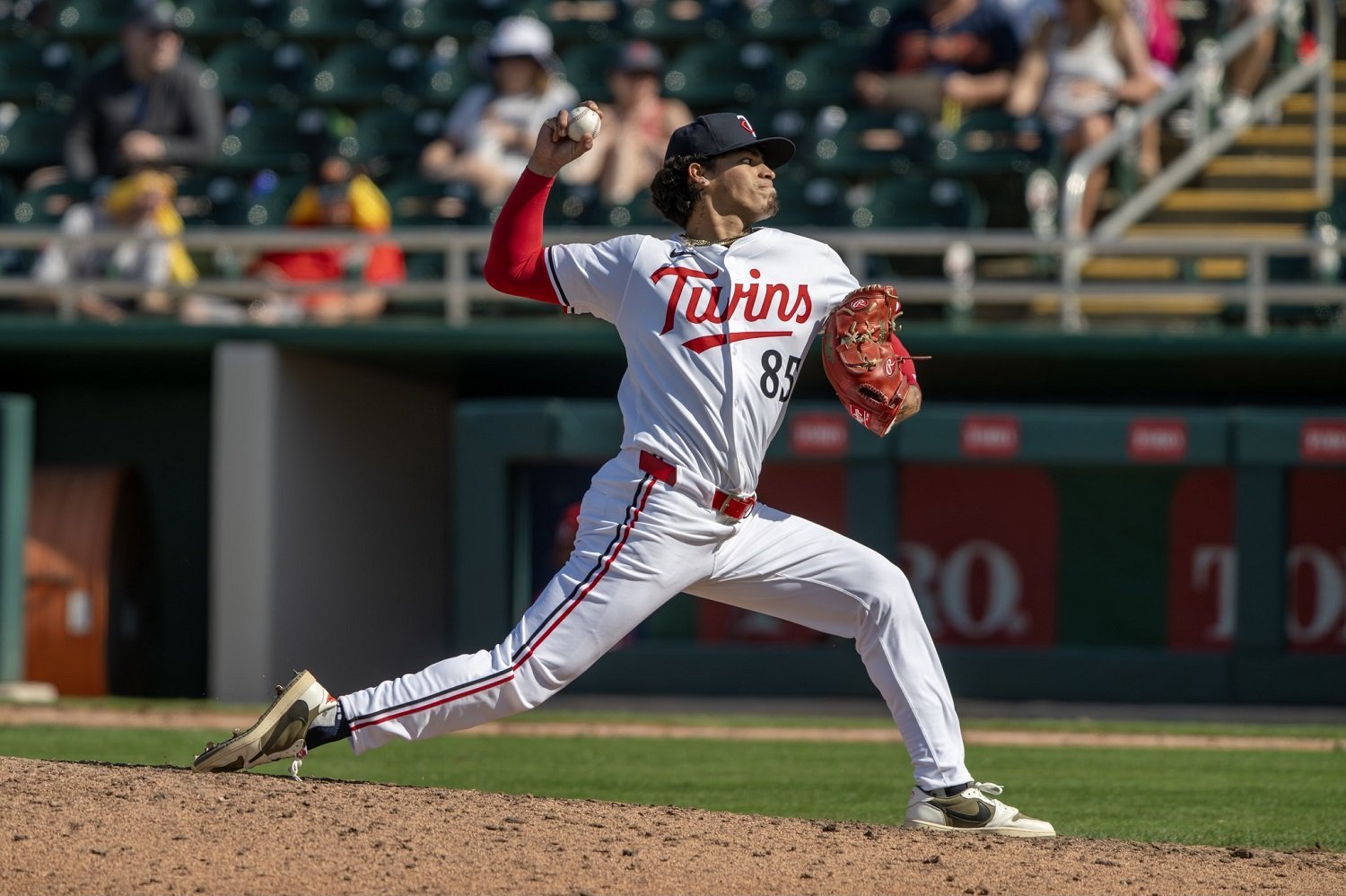 The Minnesota Twins continued reshaping their pitching staff on Tuesday, announcing that right-hander Austin Voth has been designated for assignment while left-handed prospect Kendry Rojas was optioned back to Triple-A St. Paul. Taking their places on the active roster are left-hander Kody Funderburk and right-hander Marco Raya, who is set to make his major league debut. For Raya, the move represents the culmination of a development path that has been anything but conventional. Raya Finally Gets the Call Since selecting Raya out of a Texas high school in the fourth round of the 2020 MLB Draft, the Twins have viewed him as one of the organization's most intriguing pitching prospects. His combination of athleticism, arm talent, and advanced feel for pitching allowed Minnesota to move him aggressively through the minor league system. At the same time, the organization carefully monitored his workload, often limiting innings while still challenging him with aggressive promotions. That balancing act pushed Raya to Triple-A at just 21 years old in 2024, but his development as a starter eventually stalled against more advanced competition. Rather than continue forcing the issue, Minnesota shifted Raya into a relief role last season. The transition has paid dividends. While his overall 2026 numbers don't immediately jump off the page, they don't tell the full story. Raya owns a 5.54 ERA and 1.26 WHIP at Triple-A St. Paul, but nearly all of that damage came during a disastrous April. Opposing hitters posted a 1.129 OPS against him during the season's opening month, and his ERA ballooned to 11.68. Since then, Raya has looked like a completely different pitcher. Over the last 28 days, the right-hander has posted a 1.64 ERA with a microscopic 0.64 WHIP across 11 innings. Perhaps most encouraging has been his command. Raya has struck out 11 hitters during that stretch without issuing a single walk. The Twins are clearly betting that version of Raya can help a bullpen that continues searching for reliable innings. Rojas Returns to St. Paul Rojas' stay in the majors was brief. The young left-hander started Monday night's game against the Dodgers and worked two innings before turning the game over to the bullpen. While the Twins remain high on the talented southpaw, the move back to Triple-A gives the Twins fresh arms for the bullpen. Given Minnesota's recent pitching injuries and constant roster shuffling, it would hardly be surprising to see Rojas back in Minneapolis before long. Voth's Twins Tenure Ends Quickly Voth's time with Minnesota lasted just one appearance and it was clear during last night’s game that the Twins were going to keep throwing him out there with the game already lost. After signing a minor league contract with the Twins late last month, the veteran right-hander earned a promotion to the major league roster earlier this week. He was immediately thrown into a difficult assignment against one of baseball's most dangerous lineups. Tasked with covering multiple innings after Rojas exited Monday's game, Voth surrendered five earned runs on 11 hits and a walk across four innings against the Dodgers. The outing pushed his season ERA even higher, but it doesn't fully reflect the veteran's recent track record. Voth entered 2026 with a career 4.70 ERA across 360 1/3 major league innings and was effective as recently as 2024, when he posted a 3.69 ERA in 61 innings for the Seattle Mariners. He also spent last season pitching for the Chiba Lotte Marines in Japan's Nippon Professional Baseball, where he logged a respectable 3.96 ERA over 125 innings. Even this year, Voth pitched well at Triple-A between the Blue Jays and Twins organizations, compiling a 3.65 ERA across 11 starts before receiving another big league opportunity. Unfortunately for him, the results in the majors never followed. Between Toronto and Minnesota, Voth allowed 11 earned runs over just 10 major league innings in 2026. What Happens Next? The Twins now have seven days to resolve Voth's DFA. During that period they can attempt to trade him, place him on outright waivers, or release him. If Voth clears waivers, he has enough service time to reject an outright assignment and elect free agency. For Minnesota, however, the bigger story is Raya. After six years in the organization, a role change, and plenty of ups and downs along the way, one of the Twins' longest-tenured pitching prospects has finally arrived. Now comes the next challenge: proving he belongs.
- 16 comments
-
- 3
-

-
- marco raya
- austin voth
- (and 2 more)
-
The Minnesota Twins continued reshaping their pitching staff on Tuesday, announcing that right-hander Austin Voth has been designated for assignment while left-handed prospect Kendry Rojas was optioned back to Triple-A St. Paul. Taking their places on the active roster are left-hander Kody Funderburk and right-hander Marco Raya, who is set to make his major league debut. For Raya, the move represents the culmination of a development path that has been anything but conventional. Raya Finally Gets the Call Since selecting Raya out of a Texas high school in the fourth round of the 2020 MLB Draft, the Twins have viewed him as one of the organization's most intriguing pitching prospects. His combination of athleticism, arm talent, and advanced feel for pitching allowed Minnesota to move him aggressively through the minor league system. At the same time, the organization carefully monitored his workload, often limiting innings while still challenging him with aggressive promotions. That balancing act pushed Raya to Triple-A at just 21 years old in 2024, but his development as a starter eventually stalled against more advanced competition. Rather than continue forcing the issue, Minnesota shifted Raya into a relief role last season. The transition has paid dividends. While his overall 2026 numbers don't immediately jump off the page, they don't tell the full story. Raya owns a 5.54 ERA and 1.26 WHIP at Triple-A St. Paul, but nearly all of that damage came during a disastrous April. Opposing hitters posted a 1.129 OPS against him during the season's opening month, and his ERA ballooned to 11.68. Since then, Raya has looked like a completely different pitcher. Over the last 28 days, the right-hander has posted a 1.64 ERA with a microscopic 0.64 WHIP across 11 innings. Perhaps most encouraging has been his command. Raya has struck out 11 hitters during that stretch without issuing a single walk. The Twins are clearly betting that version of Raya can help a bullpen that continues searching for reliable innings. Rojas Returns to St. Paul Rojas' stay in the majors was brief. The young left-hander started Monday night's game against the Dodgers and worked two innings before turning the game over to the bullpen. While the Twins remain high on the talented southpaw, the move back to Triple-A gives the Twins fresh arms for the bullpen. Given Minnesota's recent pitching injuries and constant roster shuffling, it would hardly be surprising to see Rojas back in Minneapolis before long. Voth's Twins Tenure Ends Quickly Voth's time with Minnesota lasted just one appearance and it was clear during last night’s game that the Twins were going to keep throwing him out there with the game already lost. After signing a minor league contract with the Twins late last month, the veteran right-hander earned a promotion to the major league roster earlier this week. He was immediately thrown into a difficult assignment against one of baseball's most dangerous lineups. Tasked with covering multiple innings after Rojas exited Monday's game, Voth surrendered five earned runs on 11 hits and a walk across four innings against the Dodgers. The outing pushed his season ERA even higher, but it doesn't fully reflect the veteran's recent track record. Voth entered 2026 with a career 4.70 ERA across 360 1/3 major league innings and was effective as recently as 2024, when he posted a 3.69 ERA in 61 innings for the Seattle Mariners. He also spent last season pitching for the Chiba Lotte Marines in Japan's Nippon Professional Baseball, where he logged a respectable 3.96 ERA over 125 innings. Even this year, Voth pitched well at Triple-A between the Blue Jays and Twins organizations, compiling a 3.65 ERA across 11 starts before receiving another big league opportunity. Unfortunately for him, the results in the majors never followed. Between Toronto and Minnesota, Voth allowed 11 earned runs over just 10 major league innings in 2026. What Happens Next? The Twins now have seven days to resolve Voth's DFA. During that period they can attempt to trade him, place him on outright waivers, or release him. If Voth clears waivers, he has enough service time to reject an outright assignment and elect free agency. For Minnesota, however, the bigger story is Raya. After six years in the organization, a role change, and plenty of ups and downs along the way, one of the Twins' longest-tenured pitching prospects has finally arrived. Now comes the next challenge: proving he belongs. View full rumor
-
Image courtesy of Ed Bailey, Wichita Wind Surge (photo of Kala'i Rosario) Kala'i Rosario has spent the last two years in prospect limbo. The Minnesota Twins' fifth-round pick from the shortened 2020 draft once looked like one of the organization's fastest-rising hitters. After winning Midwest League MVP honors in 2023 and capturing the Arizona Fall League Home Run Derby title, Rosario appeared poised to climb into the upper tier of the system's prospect rankings. Instead, injuries, strikeouts, defensive concerns, and a pair of Rule 5 Draft snubs pushed him toward the background of Minnesota's prospect conversation. Now, after another season showcasing his biggest strength while adding a surprising new wrinkle to his game, Rosario may be forcing his way back onto the Twins' prospect map, especially after his recent promotion to Triple-A. The Power Has Never Left The easiest way to understand Rosario's appeal is to look at the power. Few hitters in the Twins' system consistently impact the baseball the way Rosario does. The right-handed slugger possesses plus bat speed, routinely drives balls to all fields, and has now topped 20 home runs in two of the last three seasons. After an injury-shortened 2024 campaign, Rosario bounced back by launching 25 home runs with a 131 wRC+ while playing 130 games at Double-A Wichita. He paired that production with a 12.6% walk rate, continuing a positive trend that has followed him throughout his professional career. The Twins have long believed the raw power could play at the major-league level. At this point, it's becoming increasingly difficult to argue otherwise. Even when Rosario has struggled, the power output has remained. His ability to drive the ball over the fence gives him a carrying tool that many prospects don't possess. A New Dimension to His Game Power wasn't the biggest surprise of Rosario's 2025 season. Speed was. Known primarily as a bat-first corner outfielder, Rosario arrived in better shape and became a much more aggressive runner last year. He stole 32 bases, doubling his previous career total and adding an element few expected to see from his game. So far in 2026, he has gone 9-for-12 on stolen base attempts. No one is going to confuse Rosario with a burner, but the willingness to improve his conditioning and maximize his athleticism shouldn't be overlooked. Players often become more one-dimensional as they climb the ladder. Rosario managed to broaden his skill set. That development may not erase concerns about the rest of his profile, but it does show a player willing to make adjustments and find ways to increase his value. More speed also means better range in the outfield, even if he'll never be a standout with the glove. Why He Keeps Getting Overlooked If Rosario's power is so intriguing, why wasn't he selected in the Rule 5 Draft? The answer is simple: the flaws remain significant. For every tape-measure home run, there is plenty of swing-and-miss. Rosario posted a 27.5% strikeout rate at Double-A last season, and that was a career-low mark. He continues to have difficulty against softer secondary offerings, and his career .251 minor-league batting average doesn't exactly scream future middle-of-the-order star. In 2026, his strikeout rate has risen back to over 30%, so it will be something to watch as he faces better pitchers at Triple-A. The defensive concerns are even more pronounced. While Rosario possesses a tremendous throwing arm, his routes and instincts in the outfield remain works in progress. Evaluators have questioned his ability to track balls consistently, and defense has long been the biggest obstacle standing between Rosario and a clearer major-league path. To his credit, there were signs of improvement. Some of the rough edges appeared less severe than in previous seasons. Still, Rosario is unlikely to ever become a plus defender. The question is whether he can become good enough for the bat to carry the profile. Double-A Learning Curve One reason Rosario may be getting undervalued is that his statistical line doesn't fully reflect the difficulty of his assignment. After dominating High-A Cedar Rapids in 2023, Rosario jumped to Double-A as a 21-year-old. Nearly all of his plate appearances came against older and more experienced pitchers. He’s managed to improve his offensive numbers while playing parts of the last three seasons at Double-A. Rosario posted a .726 OPS in 2024, improved to an .844 OPS in 2025, and held steady with an .839 OPS this season. Even after going back to Double-A, he is over a year younger than the average age of the competition in the Texas League and was facing older pitchers nearly 60% of the time. That performance may not have generated headlines, but it demonstrated that his power could survive against better pitching. When teams challenge young players with advanced affiliate assignments, there are sometimes growing pains. That can bring their stock down, but sometimes, the player just needs more time to take advantage of the situation they're in than if they'd been brought along more slowly. Back on the Radar Rosario isn't a perfect prospect. In fact, he might be one of the most polarizing players in Minnesota's farm system. The strengths are tantalizing, while the weaknesses remain difficult to ignore. The power is legitimate. The walk rates are encouraging. The improved athleticism and stolen-base totals suggest there may be more to the profile than previously believed. At the same time, the strikeouts and defensive limitations continue to create questions about whether he can become an everyday major leaguer. That's why Rosario remains far from consideration for many national prospect lists and why the Twins felt comfortable leaving him unprotected in consecutive Rule 5 Drafts. But prospect development is rarely linear. Players fall off the radar and work their way back all the time. Rosario may never become one of Minnesota's elite prospects again, but after another season showcasing legitimate power and surprising athletic growth, he's giving the organization a reason to keep watching closely. For a player who seemed to be fading from the conversation, that's a significant step forward. What stands out about Rosario's season? Can he work his way back into Minnesota's long-term plans? Leave a comment and start the discussion. View full article
-
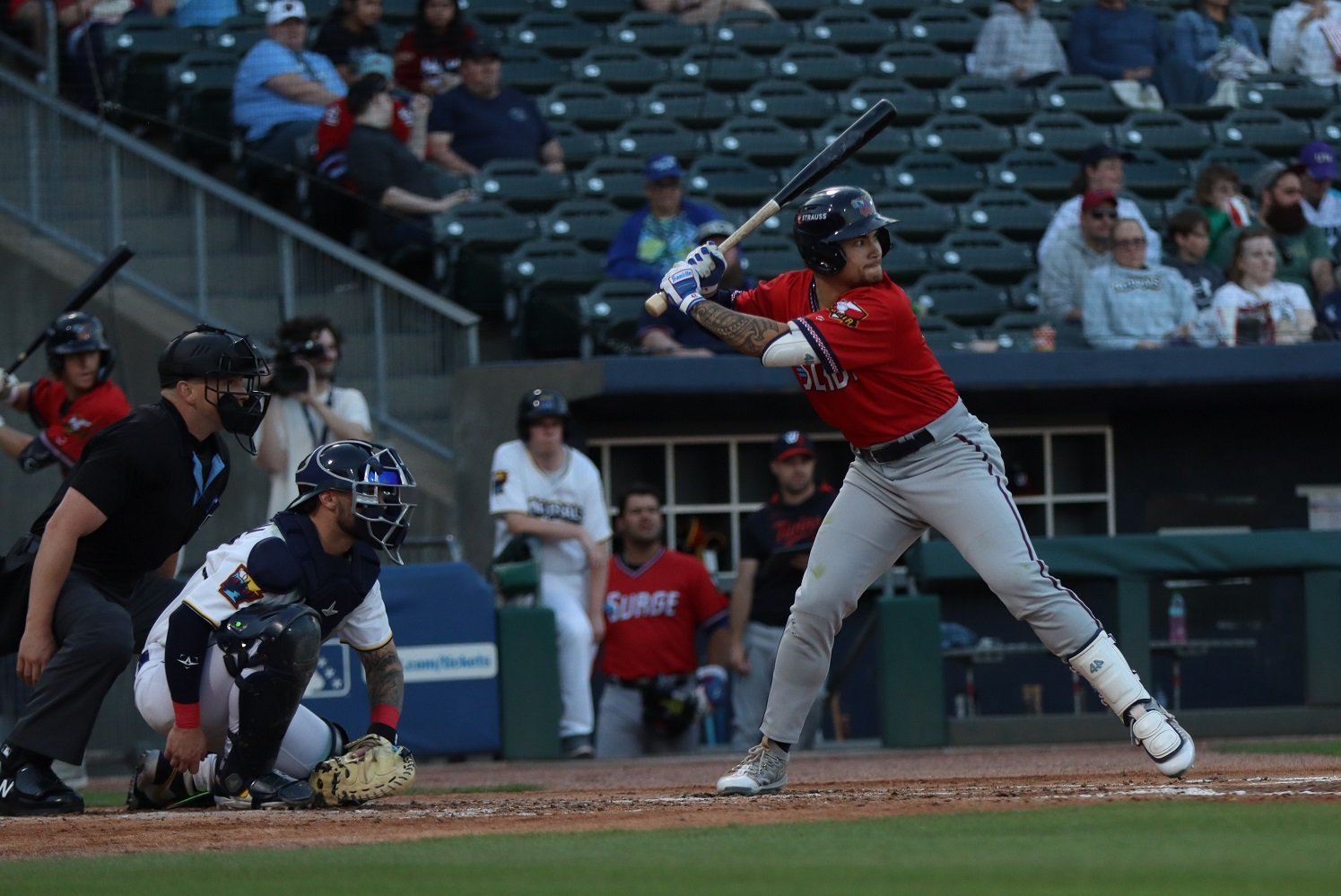 Kala'i Rosario has spent the last two years in prospect limbo. The Minnesota Twins' fifth-round pick from the shortened 2020 draft once looked like one of the organization's fastest-rising hitters. After winning Midwest League MVP honors in 2023 and capturing the Arizona Fall League Home Run Derby title, Rosario appeared poised to climb into the upper tier of the system's prospect rankings. Instead, injuries, strikeouts, defensive concerns, and a pair of Rule 5 Draft snubs pushed him toward the background of Minnesota's prospect conversation. Now, after another season showcasing his biggest strength while adding a surprising new wrinkle to his game, Rosario may be forcing his way back onto the Twins' prospect map, especially after his recent promotion to Triple-A. The Power Has Never Left The easiest way to understand Rosario's appeal is to look at the power. Few hitters in the Twins' system consistently impact the baseball the way Rosario does. The right-handed slugger possesses plus bat speed, routinely drives balls to all fields, and has now topped 20 home runs in two of the last three seasons. After an injury-shortened 2024 campaign, Rosario bounced back by launching 25 home runs with a 131 wRC+ while playing 130 games at Double-A Wichita. He paired that production with a 12.6% walk rate, continuing a positive trend that has followed him throughout his professional career. The Twins have long believed the raw power could play at the major-league level. At this point, it's becoming increasingly difficult to argue otherwise. Even when Rosario has struggled, the power output has remained. His ability to drive the ball over the fence gives him a carrying tool that many prospects don't possess. A New Dimension to His Game Power wasn't the biggest surprise of Rosario's 2025 season. Speed was. Known primarily as a bat-first corner outfielder, Rosario arrived in better shape and became a much more aggressive runner last year. He stole 32 bases, doubling his previous career total and adding an element few expected to see from his game. So far in 2026, he has gone 9-for-12 on stolen base attempts. No one is going to confuse Rosario with a burner, but the willingness to improve his conditioning and maximize his athleticism shouldn't be overlooked. Players often become more one-dimensional as they climb the ladder. Rosario managed to broaden his skill set. That development may not erase concerns about the rest of his profile, but it does show a player willing to make adjustments and find ways to increase his value. More speed also means better range in the outfield, even if he'll never be a standout with the glove. Why He Keeps Getting Overlooked If Rosario's power is so intriguing, why wasn't he selected in the Rule 5 Draft? The answer is simple: the flaws remain significant. For every tape-measure home run, there is plenty of swing-and-miss. Rosario posted a 27.5% strikeout rate at Double-A last season, and that was a career-low mark. He continues to have difficulty against softer secondary offerings, and his career .251 minor-league batting average doesn't exactly scream future middle-of-the-order star. In 2026, his strikeout rate has risen back to over 30%, so it will be something to watch as he faces better pitchers at Triple-A. The defensive concerns are even more pronounced. While Rosario possesses a tremendous throwing arm, his routes and instincts in the outfield remain works in progress. Evaluators have questioned his ability to track balls consistently, and defense has long been the biggest obstacle standing between Rosario and a clearer major-league path. To his credit, there were signs of improvement. Some of the rough edges appeared less severe than in previous seasons. Still, Rosario is unlikely to ever become a plus defender. The question is whether he can become good enough for the bat to carry the profile. Double-A Learning Curve One reason Rosario may be getting undervalued is that his statistical line doesn't fully reflect the difficulty of his assignment. After dominating High-A Cedar Rapids in 2023, Rosario jumped to Double-A as a 21-year-old. Nearly all of his plate appearances came against older and more experienced pitchers. He’s managed to improve his offensive numbers while playing parts of the last three seasons at Double-A. Rosario posted a .726 OPS in 2024, improved to an .844 OPS in 2025, and held steady with an .839 OPS this season. Even after going back to Double-A, he is over a year younger than the average age of the competition in the Texas League and was facing older pitchers nearly 60% of the time. That performance may not have generated headlines, but it demonstrated that his power could survive against better pitching. When teams challenge young players with advanced affiliate assignments, there are sometimes growing pains. That can bring their stock down, but sometimes, the player just needs more time to take advantage of the situation they're in than if they'd been brought along more slowly. Back on the Radar Rosario isn't a perfect prospect. In fact, he might be one of the most polarizing players in Minnesota's farm system. The strengths are tantalizing, while the weaknesses remain difficult to ignore. The power is legitimate. The walk rates are encouraging. The improved athleticism and stolen-base totals suggest there may be more to the profile than previously believed. At the same time, the strikeouts and defensive limitations continue to create questions about whether he can become an everyday major leaguer. That's why Rosario remains far from consideration for many national prospect lists and why the Twins felt comfortable leaving him unprotected in consecutive Rule 5 Drafts. But prospect development is rarely linear. Players fall off the radar and work their way back all the time. Rosario may never become one of Minnesota's elite prospects again, but after another season showcasing legitimate power and surprising athletic growth, he's giving the organization a reason to keep watching closely. For a player who seemed to be fading from the conversation, that's a significant step forward. What stands out about Rosario's season? Can he work his way back into Minnesota's long-term plans? Leave a comment and start the discussion.
 -
Minnesota Twins fans can officially stop refreshing trade rumor websites looking for Byron Buxton updates. On Tuesday, Twins general manager Jeremy Zoll delivered something front office executives rarely offer: a definitive answer. "We have no plans to trade Byron," Zoll said. "It's not something we're exploring. It's not something we plan to explore." That statement alone carries significant weight. Front offices are typically careful with their wording, especially as the trade deadline approaches. Executives often leave themselves flexibility, speaking in vague terms about listening on players or evaluating opportunities. Even when a team has little intention of moving a player, they rarely remove the possibility altogether. Zoll did exactly that. With the August 3 trade deadline approaching and Minnesota sitting in the middle of a crowded American League playoff race, recent speculation had connected Buxton's name to potential trade discussions. A national report from ESPN even suggested he could become the second best player traded if the Twins decided to pivot toward selling. Zoll's comments leave little room for interpretation. Buxton Has Been Carrying the Twins Part of the reason trade rumors gained traction is because Buxton's value has never been higher. Through 306 plate appearances, the Twins center fielder owns a .275/.333/.596 slash line with an American League-leading 25 home runs. When healthy, he's playing like one of the best players in baseball and has positioned himself squarely in the MVP conversation. Of course, health remains the lingering question. Durability has followed Buxton throughout his career, and it's impossible to discuss his value without acknowledging that reality. However, when he's on the field, few players impact a game the way he does. The Twins know that. Even though Minnesota sits four games below .500, they remain very much alive in both the AL Wild Card race and the AL Central. They're only two games out of a playoff spot and 3.5 games behind both Chicago and Cleveland in the division standings. Trading Buxton would signal a dramatically different organizational direction. Instead, Zoll made it clear the Twins aren't interested in taking that path. A Different Tone Than Last Year What's perhaps most interesting about Zoll's comments is how different they are from the organization's approach a year ago. Last summer, rumors circulated around several veteran players as Minnesota struggled to find consistency. While there was never any concrete indication that the Twins seriously considered moving Buxton, the organization never publicly dismissed the possibility either. That silence didn't go unnoticed. When Buxton arrived at spring training, he acknowledged some frustration with how the situation had been handled. "All it takes is for somebody at the top to go to the media, 'We're not trading you,'" Buxton said in February. "Trade rumors stop and now we don't have those conversations. That's how simple this could get." At the time, the comments stood out because Buxton rarely speaks publicly about front-office matters. While the situation clearly didn't damage the relationship between player and organization, it offered a glimpse into how unnecessary speculation can affect even veteran stars. Fast forward a few months and Zoll essentially provided the exact public backing Buxton had requested. Whether intentional or not, the message was received. Looking Beyond the Deadline The bigger story may not be whether Buxton gets traded, but whether the Twins eventually explore keeping him in Minnesota beyond his current contract. If both sides remain aligned, this offseason could present an opportunity to discuss an extension that allows Buxton to finish his career where it started. That's still speculative, but it's a far more realistic conversation than trade rumors at this point. For now, both the player and the organization are delivering the same message. Buxton said he isn't interested in leaving. The Twins say they aren't interested in moving him. Trade rumors may never completely disappear when a star player is involved, but Zoll's comments are about as close to a final answer as a front office executive can provide. View full rumor
-
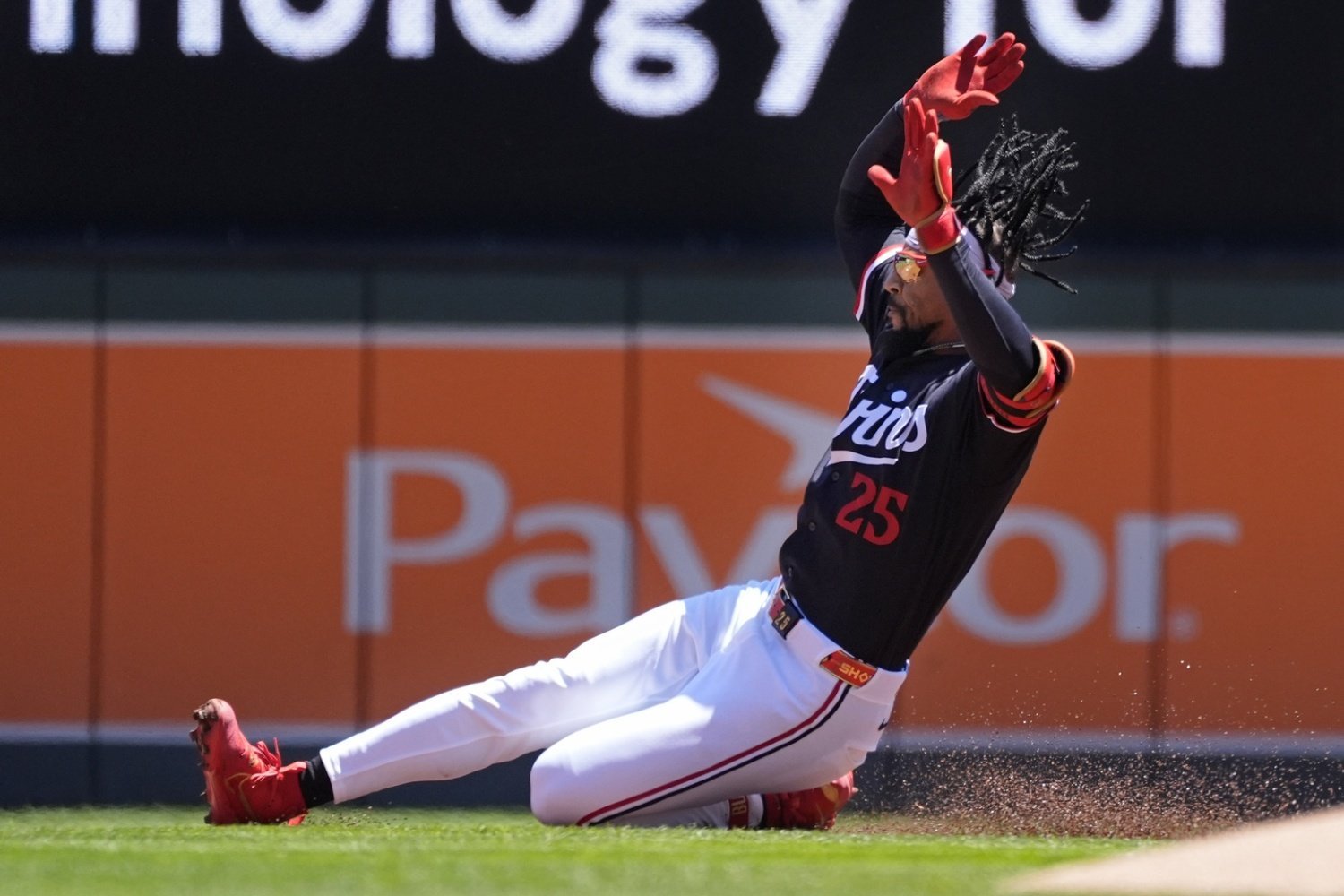 Minnesota Twins fans can officially stop refreshing trade rumor websites looking for Byron Buxton updates. On Tuesday, Twins general manager Jeremy Zoll delivered something front office executives rarely offer: a definitive answer. "We have no plans to trade Byron," Zoll said. "It's not something we're exploring. It's not something we plan to explore." That statement alone carries significant weight. Front offices are typically careful with their wording, especially as the trade deadline approaches. Executives often leave themselves flexibility, speaking in vague terms about listening on players or evaluating opportunities. Even when a team has little intention of moving a player, they rarely remove the possibility altogether. Zoll did exactly that. With the August 3 trade deadline approaching and Minnesota sitting in the middle of a crowded American League playoff race, recent speculation had connected Buxton's name to potential trade discussions. A national report from ESPN even suggested he could become the second best player traded if the Twins decided to pivot toward selling. Zoll's comments leave little room for interpretation. Buxton Has Been Carrying the Twins Part of the reason trade rumors gained traction is because Buxton's value has never been higher. Through 306 plate appearances, the Twins center fielder owns a .275/.333/.596 slash line with an American League-leading 25 home runs. When healthy, he's playing like one of the best players in baseball and has positioned himself squarely in the MVP conversation. Of course, health remains the lingering question. Durability has followed Buxton throughout his career, and it's impossible to discuss his value without acknowledging that reality. However, when he's on the field, few players impact a game the way he does. The Twins know that. Even though Minnesota sits four games below .500, they remain very much alive in both the AL Wild Card race and the AL Central. They're only two games out of a playoff spot and 3.5 games behind both Chicago and Cleveland in the division standings. Trading Buxton would signal a dramatically different organizational direction. Instead, Zoll made it clear the Twins aren't interested in taking that path. A Different Tone Than Last Year What's perhaps most interesting about Zoll's comments is how different they are from the organization's approach a year ago. Last summer, rumors circulated around several veteran players as Minnesota struggled to find consistency. While there was never any concrete indication that the Twins seriously considered moving Buxton, the organization never publicly dismissed the possibility either. That silence didn't go unnoticed. When Buxton arrived at spring training, he acknowledged some frustration with how the situation had been handled. "All it takes is for somebody at the top to go to the media, 'We're not trading you,'" Buxton said in February. "Trade rumors stop and now we don't have those conversations. That's how simple this could get." At the time, the comments stood out because Buxton rarely speaks publicly about front-office matters. While the situation clearly didn't damage the relationship between player and organization, it offered a glimpse into how unnecessary speculation can affect even veteran stars. Fast forward a few months and Zoll essentially provided the exact public backing Buxton had requested. Whether intentional or not, the message was received. Looking Beyond the Deadline The bigger story may not be whether Buxton gets traded, but whether the Twins eventually explore keeping him in Minnesota beyond his current contract. If both sides remain aligned, this offseason could present an opportunity to discuss an extension that allows Buxton to finish his career where it started. That's still speculative, but it's a far more realistic conversation than trade rumors at this point. For now, both the player and the organization are delivering the same message. Buxton said he isn't interested in leaving. The Twins say they aren't interested in moving him. Trade rumors may never completely disappear when a star player is involved, but Zoll's comments are about as close to a final answer as a front office executive can provide.
 -
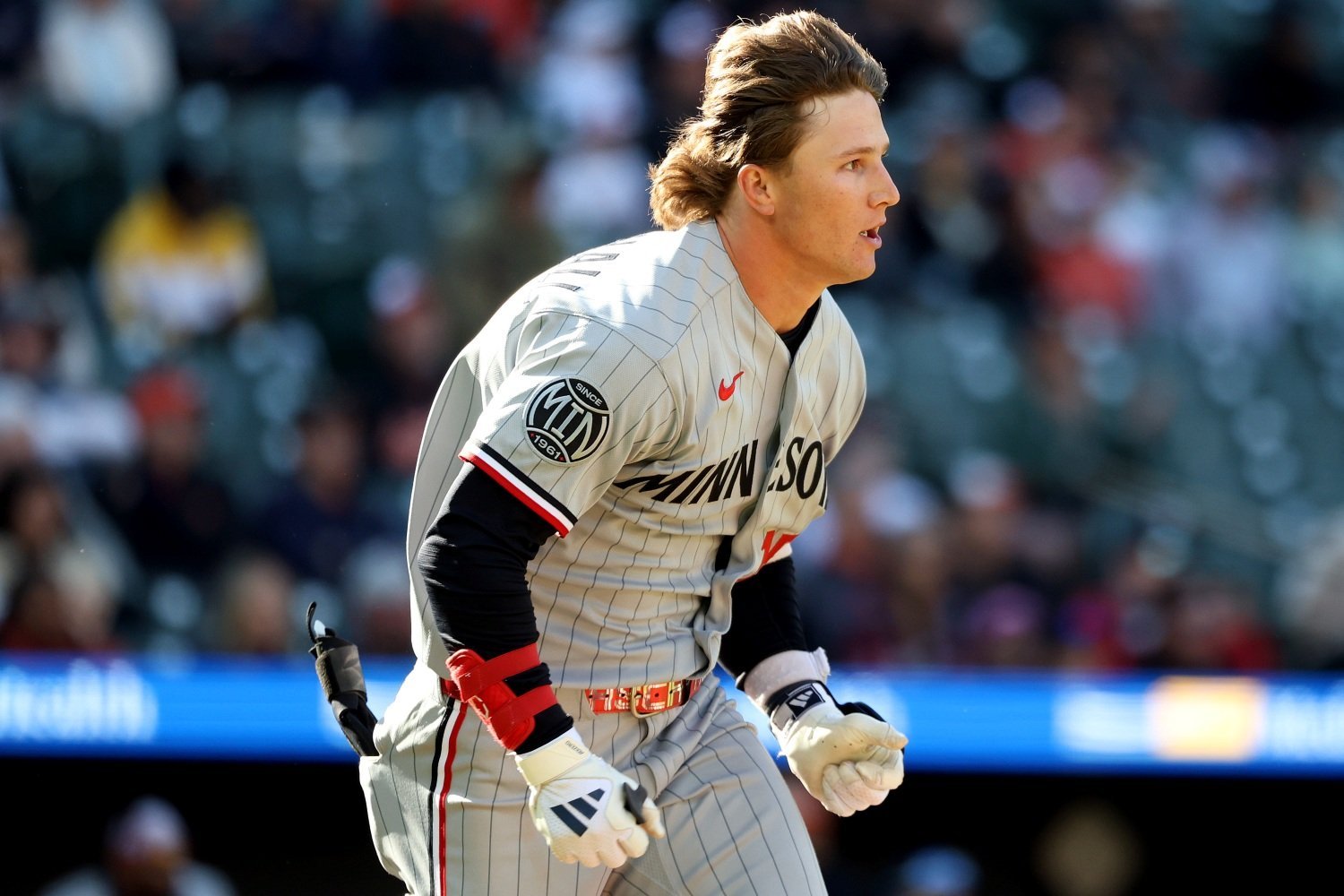 When Luke Keaschall arrived in Fort Myers this spring, expectations bordered on unreasonable. After an impressive debut and years of strong minor-league production, many believed Keaschall was ready to become a foundational piece of Minnesota's lineup. There were legitimate arguments that he should open the season as the Twins' leadoff hitter. Some even projected him as the club's second-best offensive player, behind Byron Buxton. Instead, the first month of the season was a reminder that development is rarely linear. Keaschall struggled out of the gate, his defense remained a work in progress, and questions started to emerge about whether he was ready for an everyday role. A few months later, however, the conversation shifted dramatically. He still isn't producing the power numbers many hoped to see, but he is beginning to look like something else. Maybe Luke Keaschall isn't becoming the next star slugger. Maybe he's becoming the next Luis Arraez. And that might be perfectly fine. Early Season Sophomore Slump Keaschall's April numbers painted an ugly picture. In 90 plate appearances, he hit .217/.267/.275 with four doubles and one home run. Perhaps even more concerning was his approach. He struck out 21 times while drawing only eight walks, a significant departure from the disciplined offensive profile that had made him such an intriguing prospect. The struggles became impossible to ignore. At the plate, Keaschall looked caught between being aggressive and trying to work counts. He increased his bat speed this year, but that initially caused more problems than it solved. In the field, his below-average defense at second base continued to create questions about his long-term fit. When a player isn't providing defensive value and isn't producing offensively, roster spot discussions naturally follow. There were legitimate reasons to wonder if a reset at Triple-A might be necessary. Instead, the Twins stuck with him. That patience is beginning to pay off. Keaschall is Officially Fixed Since May 1, Keaschall has looked like an entirely different hitter. Across 164 plate appearances, he owns a .288/.390/.381 slash line, with eight doubles, one triple, and one home run. More importantly, the underlying plate discipline metrics have returned to the levels that made him successful throughout his climb through the minors. During that stretch, he has drawn 20 walks while striking out only 23 times. The trend has become even more noticeable recently. Over his last 11 games, Keaschall owns a .930 OPS, fueled by an outstanding .457 on-base percentage. He's walked seven times while striking out only six times during that span. The Twins' offense has finally started to find consistency over the last couple of weeks, and Keaschall has become an important part of that resurgence. Every lineup benefits from hitters who can extend innings, force opposing pitchers to throw extra pitches, and consistently find ways to reach base. Keaschall is doing all of those things right now. Keaschall Won't Hit for Power As encouraging as the recent turnaround has been, it has also clarified exactly what kind of hitter Keaschall is likely to become. Power probably won't be a major part of the equation. His average exit velocity of 84.7 mph ranks in the 4th percentile league-wide. He also sits in the 18th percentile or lower in xSLG, Barrel%, and Hard-Hit%. Those numbers aren't flukes. Much of the issue stems from his 69.2 mph bat speed. Even when Keaschall makes quality contact, he simply doesn't generate the same raw force as many of the league's premier power hitters. He squares the ball up fairly well, but his hardest contact comes when he's hitting to the center of the diamond on a line, rather than when he pulls and/or backspins the ball. The result is a unique offensive profile. Instead of launching balls into the seats, Keaschall produces line drives and hard-hit singles. With a 28.7 feet-per-second sprint speed, he has enough athleticism to turn some of those balls into doubles and create pressure on opposing defenses. It may not be flashy, but it can still be productive. The Luis Arraez Connection The comparison to Arraez becomes increasingly difficult to ignore. Throughout his career, Arraez has built value almost entirely through elite contact skills, good plate discipline, and an ability to reach base. Home runs were never a significant part of his game, but his offensive profile worked because he consistently put the baseball in play and rarely gave away at-bats. Keaschall appears to be following a similar blueprint. The encouraging part is that many of the foundational skills are already present. His chase, whiff and strikeout rates all rank in the 83rd percentile or better this season. Those numbers suggest that the early-season swing-and-miss issues were more of a temporary slump than a permanent concern, and that he will find ways to draw walks even though pitchers don't fear him. Like Arraez, Keaschall's success will depend on maintaining elite bat control and strike-zone awareness. If he starts chasing pitches or allowing strikeouts to creep back into his game, the lack of power becomes a much bigger problem. But if he continues controlling the strike zone the way he has since May, there is a path to becoming an extremely valuable offensive contributor. Keaschall is unlikely to replicate Arraez's batting titles. Arraez routinely posted strikeout rates below 10% and possessed perhaps the most advanced contact skills in baseball. Keaschall's game includes more walks, more athleticism, and more speed on the bases. The comparison is less about identical production and more about the path to offensive value. Arraez showed that players do not need 25-home run power to contribute to wins. They need to get on base, create scoring opportunities, and consistently put pressure on opposing pitchers and defenses. Keaschall is beginning to demonstrate that he can do exactly that. The version of Keaschall many envisioned this spring may never fully materialize. He may not become a middle-of-the-order force. He may never produce the type of exit velocities that light up Statcast leaderboards. The home run totals will likely remain modest. That doesn't mean he can't be an impact player. Minnesota's lineup already features hitters capable of changing a game with one swing. What it has often lacked is a player who consistently reaches base and keeps the line moving. Keaschall's recent surge suggests he can fill that role. The comparison to Arraez should not be viewed as a disappointment. Twins fans spent years appreciating one of baseball's most unique offensive talents. If Keaschall develops into a player who reaches base at an elite clip, controls the strike zone, and frustrates opposing pitchers every night, Minnesota will gladly take those results. The path may not look exactly like what many expected in March, but it is becoming increasingly clear that Keaschall has found a formula that works. And if that formula resembles the one Arraez used to become a batting champion, the Twins should have no complaints. Are there other similarities between Keaschall and Arraez? Leave a comment and start the discussion.
 -
Image courtesy of © Daniel Kucin Jr.-Imagn Images When Luke Keaschall arrived in Fort Myers this spring, expectations bordered on unreasonable. After an impressive debut and years of strong minor-league production, many believed Keaschall was ready to become a foundational piece of Minnesota's lineup. There were legitimate arguments that he should open the season as the Twins' leadoff hitter. Some even projected him as the club's second-best offensive player, behind Byron Buxton. Instead, the first month of the season was a reminder that development is rarely linear. Keaschall struggled out of the gate, his defense remained a work in progress, and questions started to emerge about whether he was ready for an everyday role. A few months later, however, the conversation shifted dramatically. He still isn't producing the power numbers many hoped to see, but he is beginning to look like something else. Maybe Luke Keaschall isn't becoming the next star slugger. Maybe he's becoming the next Luis Arraez. And that might be perfectly fine. Early Season Sophomore Slump Keaschall's April numbers painted an ugly picture. In 90 plate appearances, he hit .217/.267/.275 with four doubles and one home run. Perhaps even more concerning was his approach. He struck out 21 times while drawing only eight walks, a significant departure from the disciplined offensive profile that had made him such an intriguing prospect. The struggles became impossible to ignore. At the plate, Keaschall looked caught between being aggressive and trying to work counts. He increased his bat speed this year, but that initially caused more problems than it solved. In the field, his below-average defense at second base continued to create questions about his long-term fit. When a player isn't providing defensive value and isn't producing offensively, roster spot discussions naturally follow. There were legitimate reasons to wonder if a reset at Triple-A might be necessary. Instead, the Twins stuck with him. That patience is beginning to pay off. Keaschall is Officially Fixed Since May 1, Keaschall has looked like an entirely different hitter. Across 164 plate appearances, he owns a .288/.390/.381 slash line, with eight doubles, one triple, and one home run. More importantly, the underlying plate discipline metrics have returned to the levels that made him successful throughout his climb through the minors. During that stretch, he has drawn 20 walks while striking out only 23 times. The trend has become even more noticeable recently. Over his last 11 games, Keaschall owns a .930 OPS, fueled by an outstanding .457 on-base percentage. He's walked seven times while striking out only six times during that span. The Twins' offense has finally started to find consistency over the last couple of weeks, and Keaschall has become an important part of that resurgence. Every lineup benefits from hitters who can extend innings, force opposing pitchers to throw extra pitches, and consistently find ways to reach base. Keaschall is doing all of those things right now. Keaschall Won't Hit for Power As encouraging as the recent turnaround has been, it has also clarified exactly what kind of hitter Keaschall is likely to become. Power probably won't be a major part of the equation. His average exit velocity of 84.7 mph ranks in the 4th percentile league-wide. He also sits in the 18th percentile or lower in xSLG, Barrel%, and Hard-Hit%. Those numbers aren't flukes. Much of the issue stems from his 69.2 mph bat speed. Even when Keaschall makes quality contact, he simply doesn't generate the same raw force as many of the league's premier power hitters. He squares the ball up fairly well, but his hardest contact comes when he's hitting to the center of the diamond on a line, rather than when he pulls and/or backspins the ball. The result is a unique offensive profile. Instead of launching balls into the seats, Keaschall produces line drives and hard-hit singles. With a 28.7 feet-per-second sprint speed, he has enough athleticism to turn some of those balls into doubles and create pressure on opposing defenses. It may not be flashy, but it can still be productive. The Luis Arraez Connection The comparison to Arraez becomes increasingly difficult to ignore. Throughout his career, Arraez has built value almost entirely through elite contact skills, good plate discipline, and an ability to reach base. Home runs were never a significant part of his game, but his offensive profile worked because he consistently put the baseball in play and rarely gave away at-bats. Keaschall appears to be following a similar blueprint. The encouraging part is that many of the foundational skills are already present. His chase, whiff and strikeout rates all rank in the 83rd percentile or better this season. Those numbers suggest that the early-season swing-and-miss issues were more of a temporary slump than a permanent concern, and that he will find ways to draw walks even though pitchers don't fear him. Like Arraez, Keaschall's success will depend on maintaining elite bat control and strike-zone awareness. If he starts chasing pitches or allowing strikeouts to creep back into his game, the lack of power becomes a much bigger problem. But if he continues controlling the strike zone the way he has since May, there is a path to becoming an extremely valuable offensive contributor. Keaschall is unlikely to replicate Arraez's batting titles. Arraez routinely posted strikeout rates below 10% and possessed perhaps the most advanced contact skills in baseball. Keaschall's game includes more walks, more athleticism, and more speed on the bases. The comparison is less about identical production and more about the path to offensive value. Arraez showed that players do not need 25-home run power to contribute to wins. They need to get on base, create scoring opportunities, and consistently put pressure on opposing pitchers and defenses. Keaschall is beginning to demonstrate that he can do exactly that. The version of Keaschall many envisioned this spring may never fully materialize. He may not become a middle-of-the-order force. He may never produce the type of exit velocities that light up Statcast leaderboards. The home run totals will likely remain modest. That doesn't mean he can't be an impact player. Minnesota's lineup already features hitters capable of changing a game with one swing. What it has often lacked is a player who consistently reaches base and keeps the line moving. Keaschall's recent surge suggests he can fill that role. The comparison to Arraez should not be viewed as a disappointment. Twins fans spent years appreciating one of baseball's most unique offensive talents. If Keaschall develops into a player who reaches base at an elite clip, controls the strike zone, and frustrates opposing pitchers every night, Minnesota will gladly take those results. The path may not look exactly like what many expected in March, but it is becoming increasingly clear that Keaschall has found a formula that works. And if that formula resembles the one Arraez used to become a batting champion, the Twins should have no complaints. Are there other similarities between Keaschall and Arraez? Leave a comment and start the discussion. View full article
-
While the Twins have remained within striking distance of contention for stretches, their inability to separate themselves from the pack has increasingly pointed toward a seller's approach at the trade deadline. If that direction becomes official, few players on the roster may generate more interest than catcher Ryan Jeffers. According to USA Today's Bob Nightengale, the New York Yankees "are making it no secret" that they want to acquire Jeffers before the trade deadline. The interest is understandable. Jeffers is playing on a team-friendly $6.7 million contract and will become a free agent after the season. Productive catchers are difficult to find at any point during the year, and contenders searching for offensive upgrades behind the plate won't find many options with Jeffers' combination of power, on-base skills, and defensive ability. Jeffers has been sidelined since May 18 after suffering a fractured hamate bone in his left hand. The injury required surgery and has kept him out for more than five weeks, but recent developments suggest he is trending in the right direction. The veteran catcher has resumed baseball activities and recently began taking batting practice. Speaking with reporters this week, Jeffers acknowledged that recovery from the injury has been anything but predictable. "There's good days, there's bad days," Jeffers told reporters. "It's a funky buildup just because it's not a straight line. It's not like rehabbing from an oblique where you can kind of timetable it out, of 'Hey, a couple swings here, a couple swings there.' Because there's so much — not to get too medical on it – but there's new pathways that the nerves and the tendons have to learn that just take a little time, but we're in the swings, and we're getting to above-arm BP swings. I like where we're at." The encouraging news for Minnesota is that most of the remaining hurdles involve hitting. Jeffers said he has experienced few issues on the defensive side of his recovery and even caught a bullpen session earlier this week. His return to game action will largely depend on how quickly he becomes comfortable swinging a bat again. Before the injury, Jeffers was producing at an All-Star level. Through 39 games, he slashed .295/.408/.541 with seven home runs, 26 RBI, and a .949 OPS. Those numbers represented some of the best offensive production of his seven-year career and reinforced his value as one of the more productive offensive catchers in the American League. The Yankees have plenty of reasons to pursue that type of player. While Austin Wells remains a strong defender and one of baseball's better pitch framers, New York has received very little offensive production from the catching position this season. Yankees catchers have ranked near the bottom of baseball offensively, creating a clear need for an upgrade as the club pushes toward October. Jeffers would provide exactly that. He would also come at a lower acquisition cost than many of the bigger names potentially available on the market. Teams are often reluctant to move catchers during the season because of the relationships they build with pitchers and coaching staffs. However, Jeffers' expiring contract and Minnesota's current position in the standings could create a rare opportunity. Victor Caratini has shown throughout his career that he can handle a larger workload and could step into the primary catching role if Jeffers is moved. That gives Minnesota flexibility that many clubs don't possess when considering a trade involving a starting catcher. None of that makes the decision easy. Jeffers has spent his entire professional career in the Twins organization since being selected in the second round of the 2018 MLB Draft. He has developed into one of the club's most consistent offensive performers and remains a respected presence in the clubhouse. Still, if Minnesota ultimately decides to prioritize the future over a long-shot playoff push, moving an impending free agent at peak value may be the most logical path. The next few weeks could determine everything. If Jeffers returns before the deadline and demonstrates that his bat is fully healthy, his market will only continue to grow. The Yankees may be the most obvious suitor today, but they likely won't be the only contender calling the Twins about one of the deadline's most appealing rental catchers. View full rumor
-
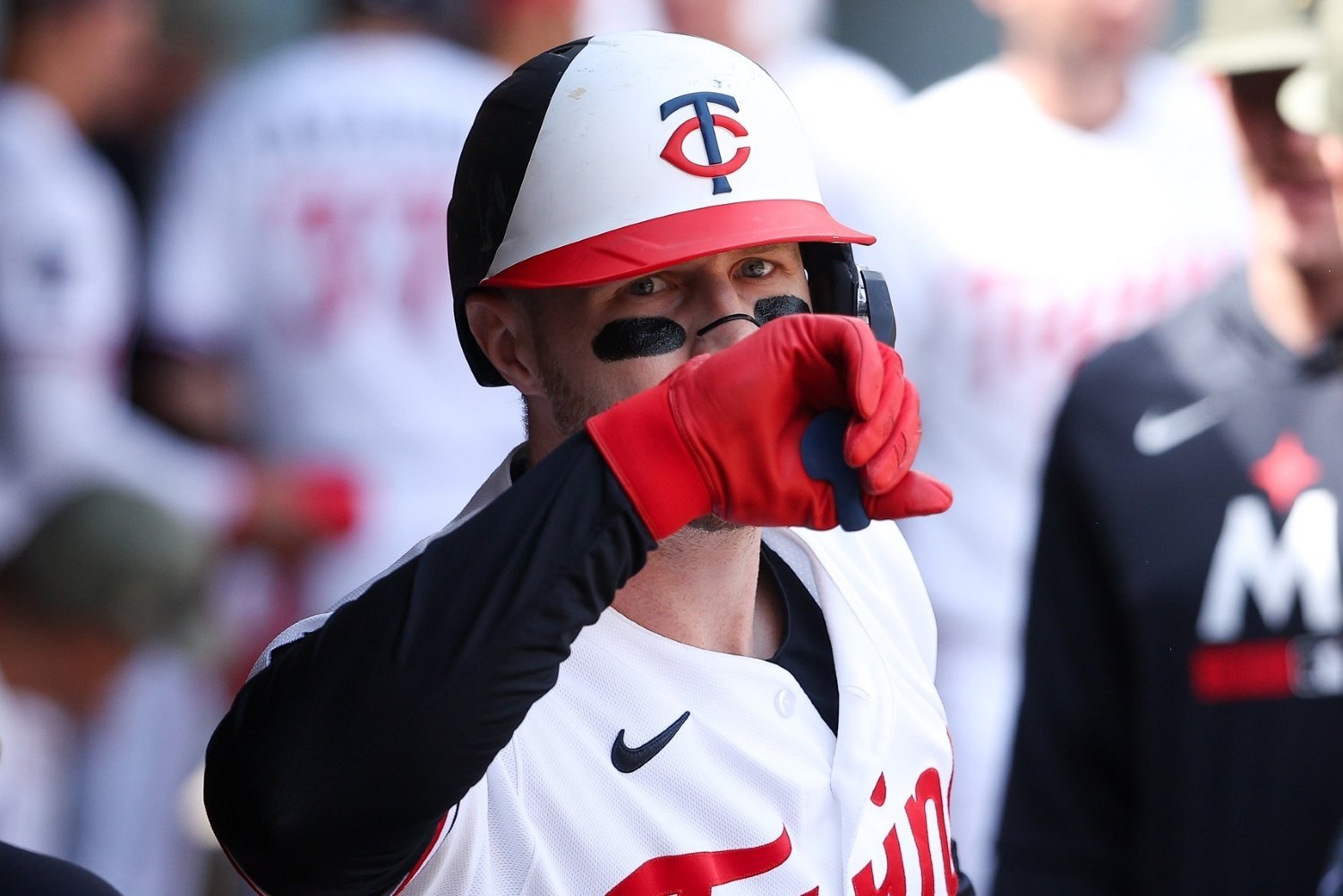 While the Twins have remained within striking distance of contention for stretches, their inability to separate themselves from the pack has increasingly pointed toward a seller's approach at the trade deadline. If that direction becomes official, few players on the roster may generate more interest than catcher Ryan Jeffers. According to USA Today's Bob Nightengale, the New York Yankees "are making it no secret" that they want to acquire Jeffers before the trade deadline. The interest is understandable. Jeffers is playing on a team-friendly $6.7 million contract and will become a free agent after the season. Productive catchers are difficult to find at any point during the year, and contenders searching for offensive upgrades behind the plate won't find many options with Jeffers' combination of power, on-base skills, and defensive ability. Jeffers has been sidelined since May 18 after suffering a fractured hamate bone in his left hand. The injury required surgery and has kept him out for more than five weeks, but recent developments suggest he is trending in the right direction. The veteran catcher has resumed baseball activities and recently began taking batting practice. Speaking with reporters this week, Jeffers acknowledged that recovery from the injury has been anything but predictable. "There's good days, there's bad days," Jeffers told reporters. "It's a funky buildup just because it's not a straight line. It's not like rehabbing from an oblique where you can kind of timetable it out, of 'Hey, a couple swings here, a couple swings there.' Because there's so much — not to get too medical on it – but there's new pathways that the nerves and the tendons have to learn that just take a little time, but we're in the swings, and we're getting to above-arm BP swings. I like where we're at." The encouraging news for Minnesota is that most of the remaining hurdles involve hitting. Jeffers said he has experienced few issues on the defensive side of his recovery and even caught a bullpen session earlier this week. His return to game action will largely depend on how quickly he becomes comfortable swinging a bat again. Before the injury, Jeffers was producing at an All-Star level. Through 39 games, he slashed .295/.408/.541 with seven home runs, 26 RBI, and a .949 OPS. Those numbers represented some of the best offensive production of his seven-year career and reinforced his value as one of the more productive offensive catchers in the American League. The Yankees have plenty of reasons to pursue that type of player. While Austin Wells remains a strong defender and one of baseball's better pitch framers, New York has received very little offensive production from the catching position this season. Yankees catchers have ranked near the bottom of baseball offensively, creating a clear need for an upgrade as the club pushes toward October. Jeffers would provide exactly that. He would also come at a lower acquisition cost than many of the bigger names potentially available on the market. Teams are often reluctant to move catchers during the season because of the relationships they build with pitchers and coaching staffs. However, Jeffers' expiring contract and Minnesota's current position in the standings could create a rare opportunity. Victor Caratini has shown throughout his career that he can handle a larger workload and could step into the primary catching role if Jeffers is moved. That gives Minnesota flexibility that many clubs don't possess when considering a trade involving a starting catcher. None of that makes the decision easy. Jeffers has spent his entire professional career in the Twins organization since being selected in the second round of the 2018 MLB Draft. He has developed into one of the club's most consistent offensive performers and remains a respected presence in the clubhouse. Still, if Minnesota ultimately decides to prioritize the future over a long-shot playoff push, moving an impending free agent at peak value may be the most logical path. The next few weeks could determine everything. If Jeffers returns before the deadline and demonstrates that his bat is fully healthy, his market will only continue to grow. The Yankees may be the most obvious suitor today, but they likely won't be the only contender calling the Twins about one of the deadline's most appealing rental catchers.
 -
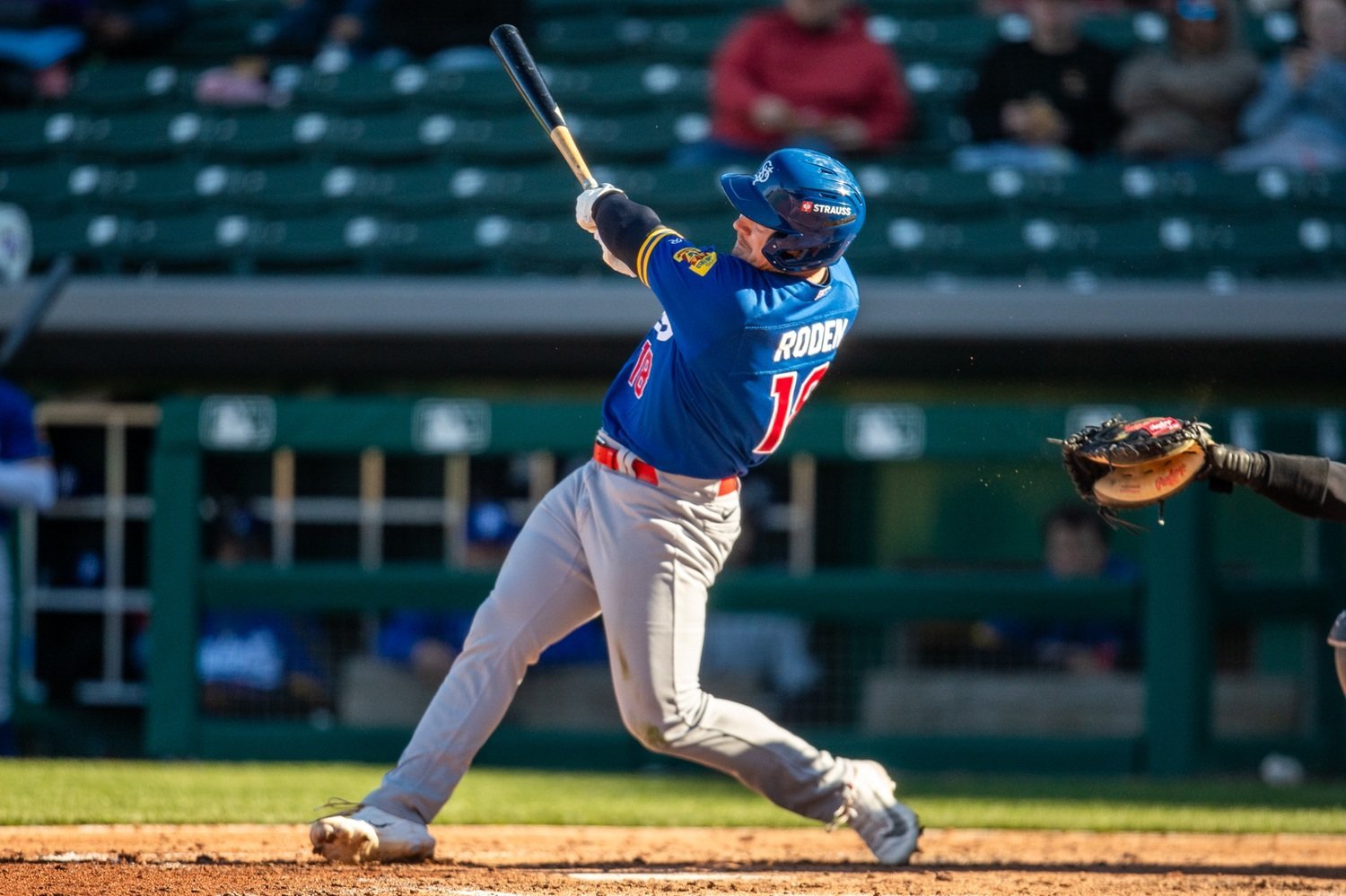 The Minnesota Twins continue to find ways to score runs, regardless of who is in the lineup. A road trip that featured a sweep of the Texas Rangers and a series victory over the Arizona Diamondbacks showcased the depth of an offense that has become one of baseball's best. Entering Monday's action (a disappointing 2-1 loss, but just one game, after all), Minnesota ranked sixth in Major League Baseball in runs scored. Among American League clubs, only the New York Yankees had crossed home plate more often, and they were only ahead of the Twins by one run. The Twins aren't searching for answers offensively, but that doesn't mean there aren't reinforcements waiting in St. Paul. With several left-handed outfielders producing at an impressive rate, the organization may soon have difficult roster decisions to make. Matt Wallner is Demanding Attention Few hitters in Triple-A have been as productive over the last month as Wallner. After struggling through a disappointing spring that resulted in a demotion following a .554 OPS in 34 games with Minnesota, Wallner initially needed some time to regain his footing with the Saints. Once he found his rhythm, however, the results became impossible to ignore. Since May 31, Wallner has launched 11 home runs in just 18 games. His June numbers have been particularly eye-opening, with a slugging percentage north of .800 and an OPS above 1.200. Those are the types of numbers that suggest a player has little left to prove at the Triple-A level. The challenge for Wallner has never been Triple-A pitching. He owns elite raw power and already carries a career 118 OPS+ in the major leagues. The bigger question is whether additional Triple-A at-bats can help him make the adjustments necessary to handle the consistent quality of major-league pitching, and the answer remains beyond our reach right now. Even if the developmental benefits are limited, confidence matters. Wallner appears to have rediscovered his offensive identity, and that could be valuable whenever the Twins decide it's time for another opportunity. Given his track record and recent production, it feels more like a matter of when than if he returns to Target Field. Alan Roden is Forcing His Way into the Conversation While Wallner's power surge has grabbed headlines, Roden may be the most intriguing promotion candidate at Triple-A. Acquired from the Toronto Blue Jays in last season's Louis Varland trade, Roden spent much of this year sidelined by a shoulder injury. Since returning to action, he has looked completely healthy. Over his first four games back, Roden collected 10 hits in 18 at-bats while blasting four home runs. On Monday, he was named the International League Player of the Week. It's the latest reminder that Triple-A pitching has rarely challenged him. Across his career at the level, Roden owns a .951 OPS and has consistently demonstrated an advanced offensive approach. The unanswered question is whether that production can translate to the highest level. Roden has accumulated only 153 major-league plate appearances between Toronto and Minnesota, hardly enough time to make a definitive evaluation and one argument for giving him a shot before Wallner. Wallner has already gotten lots of chances to prove his upside and show his warts in the bigs; Roden still hasn't had the chance to fully demonstrate either. His profile could fit a need on the current roster. Roden's left-handed bat would bring additional balance to an outfield group that has leaned heavily right-handed, with Trevor Larnach being the lone lefty. A promotion would likely come at the expense of a player such as Kyler Fedko or Austin Martin, and neither decision would be simple. Fedko, in particular, deserves additional opportunities after waiting years for his first major-league chance. Still, Roden is making a strong case for an extended look. He's also a much better defender than Wallner, which will enter the equation as the two continue to push for their chances. Walker Jenkins Could Change the Equation No prospect in the organization carries more long-term significance than Jenkins. The Twins' top prospect is nearing the end of his recovery from a left shoulder sprain and has already begun reminding everyone why he remains one of baseball's premier young talents. During a recent rehab assignment with High-A Cedar Rapids, Jenkins immediately launched a first-inning home run and followed a four-hit performance from earlier in the week with another display of impact power. When healthy, Jenkins possesses the combination of bat speed, strike-zone awareness, and power that can make life miserable for opposing pitchers. Few prospects in baseball can match his ceiling. His 2026 season has already featured more adversity than expected. A hamstring strain interrupted his spring buildup, and he opened the year slowly with Triple-A St. Paul before finding his groove. Over his final 16 games before suffering the shoulder injury, Jenkins slashed .295/.419/.475 and looked increasingly comfortable against advanced pitching. The injury itself was another example of Jenkins' aggressive style of play. His willingness to sacrifice his body for every play has become both one of his greatest strengths and one of the biggest challenges of his young career. If he returns to St. Paul and quickly resumes his previous form, conversations about a major-league promotion may accelerate rapidly. A Good Problem for Minnesota to Have What should encourage the organization even more than their encouraging scoring clip is the quality of the reinforcements waiting nearby. Wallner is crushing Triple-A pitching. Roden is making up for lost time after returning from injury. Jenkins remains one of the most talented prospects in baseball and appears close to returning to full strength. The Twins may not need to make a move today, but they have several attractive options if they decide another offensive boost is necessary. Few contenders can match the kind of left-handed outfield depth currently waiting just down I-94. Who should be the team’s next call-up? Leave a comment and start the discussion.
- 58 comments
-
- 6
-
-
- matt wallner
- alan roden
- (and 1 more)
-
Image courtesy of Indianapolis Indians The Minnesota Twins continue to find ways to score runs, regardless of who is in the lineup. A road trip that featured a sweep of the Texas Rangers and a series victory over the Arizona Diamondbacks showcased the depth of an offense that has become one of baseball's best. Entering Monday's action (a disappointing 2-1 loss, but just one game, after all), Minnesota ranked sixth in Major League Baseball in runs scored. Among American League clubs, only the New York Yankees had crossed home plate more often, and they were only ahead of the Twins by one run. The Twins aren't searching for answers offensively, but that doesn't mean there aren't reinforcements waiting in St. Paul. With several left-handed outfielders producing at an impressive rate, the organization may soon have difficult roster decisions to make. Matt Wallner is Demanding Attention Few hitters in Triple-A have been as productive over the last month as Wallner. After struggling through a disappointing spring that resulted in a demotion following a .554 OPS in 34 games with Minnesota, Wallner initially needed some time to regain his footing with the Saints. Once he found his rhythm, however, the results became impossible to ignore. Since May 31, Wallner has launched 11 home runs in just 18 games. His June numbers have been particularly eye-opening, with a slugging percentage north of .800 and an OPS above 1.200. Those are the types of numbers that suggest a player has little left to prove at the Triple-A level. The challenge for Wallner has never been Triple-A pitching. He owns elite raw power and already carries a career 118 OPS+ in the major leagues. The bigger question is whether additional Triple-A at-bats can help him make the adjustments necessary to handle the consistent quality of major-league pitching, and the answer remains beyond our reach right now. Even if the developmental benefits are limited, confidence matters. Wallner appears to have rediscovered his offensive identity, and that could be valuable whenever the Twins decide it's time for another opportunity. Given his track record and recent production, it feels more like a matter of when than if he returns to Target Field. Alan Roden is Forcing His Way into the Conversation While Wallner's power surge has grabbed headlines, Roden may be the most intriguing promotion candidate at Triple-A. Acquired from the Toronto Blue Jays in last season's Louis Varland trade, Roden spent much of this year sidelined by a shoulder injury. Since returning to action, he has looked completely healthy. Over his first four games back, Roden collected 10 hits in 18 at-bats while blasting four home runs. On Monday, he was named the International League Player of the Week. It's the latest reminder that Triple-A pitching has rarely challenged him. Across his career at the level, Roden owns a .951 OPS and has consistently demonstrated an advanced offensive approach. The unanswered question is whether that production can translate to the highest level. Roden has accumulated only 153 major-league plate appearances between Toronto and Minnesota, hardly enough time to make a definitive evaluation and one argument for giving him a shot before Wallner. Wallner has already gotten lots of chances to prove his upside and show his warts in the bigs; Roden still hasn't had the chance to fully demonstrate either. His profile could fit a need on the current roster. Roden's left-handed bat would bring additional balance to an outfield group that has leaned heavily right-handed, with Trevor Larnach being the lone lefty. A promotion would likely come at the expense of a player such as Kyler Fedko or Austin Martin, and neither decision would be simple. Fedko, in particular, deserves additional opportunities after waiting years for his first major-league chance. Still, Roden is making a strong case for an extended look. He's also a much better defender than Wallner, which will enter the equation as the two continue to push for their chances. Walker Jenkins Could Change the Equation No prospect in the organization carries more long-term significance than Jenkins. The Twins' top prospect is nearing the end of his recovery from a left shoulder sprain and has already begun reminding everyone why he remains one of baseball's premier young talents. During a recent rehab assignment with High-A Cedar Rapids, Jenkins immediately launched a first-inning home run and followed a four-hit performance from earlier in the week with another display of impact power. When healthy, Jenkins possesses the combination of bat speed, strike-zone awareness, and power that can make life miserable for opposing pitchers. Few prospects in baseball can match his ceiling. His 2026 season has already featured more adversity than expected. A hamstring strain interrupted his spring buildup, and he opened the year slowly with Triple-A St. Paul before finding his groove. Over his final 16 games before suffering the shoulder injury, Jenkins slashed .295/.419/.475 and looked increasingly comfortable against advanced pitching. The injury itself was another example of Jenkins' aggressive style of play. His willingness to sacrifice his body for every play has become both one of his greatest strengths and one of the biggest challenges of his young career. If he returns to St. Paul and quickly resumes his previous form, conversations about a major-league promotion may accelerate rapidly. A Good Problem for Minnesota to Have What should encourage the organization even more than their encouraging scoring clip is the quality of the reinforcements waiting nearby. Wallner is crushing Triple-A pitching. Roden is making up for lost time after returning from injury. Jenkins remains one of the most talented prospects in baseball and appears close to returning to full strength. The Twins may not need to make a move today, but they have several attractive options if they decide another offensive boost is necessary. Few contenders can match the kind of left-handed outfield depth currently waiting just down I-94. Who should be the team’s next call-up? Leave a comment and start the discussion. View full article
-
As the August 3 trade deadline approaches, front offices across baseball are beginning to shape their strategies. The biggest headlines are expected to revolve around established stars and frontline starting pitchers. Names such as Tarik Skubal, Freddy Peralta, Robbie Ray, and Joe Ryan could dominate conversations if their teams decide to sell, while clubs around the league continue monitoring the situations involving players like Jarren Duran, Aroldis Chapman, Sonny Gray, Rafael Devers, Willy Adames, and Matt Chapman. Yet every deadline produces a handful of unexpected moves involving players who were never viewed as obvious trade candidates. According to The Athletic's Jim Bowden, Royce Lewis could fit that description this summer. Bowden recently included Lewis among his list of 10 under-the-radar trade candidates, citing both his talent and the growing market for impact infielders around the league. While Lewis has spent much of his career battling injuries, he remains an intriguing player because of his age, athleticism, positional versatility, and offensive upside. "The only question is: Can he stay healthy?" Bowden wrote. "He's healthy now, and several contending teams are looking to upgrade at third base and he can also play first base, so he may get moved." The timing of the speculation is notable because Lewis has looked much more like himself in recent weeks. After opening the season with a disappointing .163/.261/.279 (.540) slash line and three home runs across his first 31 games, Lewis was optioned to Triple-A St. Paul in a move that felt unthinkable just a year earlier. Instead of sulking, the former No. 1 overall pick responded exactly how the Twins hoped he would. Lewis crushed eight home runs in just 13 games with the Saints before earning a return trip to Minnesota. Since being recalled on June 6, he has looked rejuvenated at the plate, producing the type of impact contact that once made him one of baseball's top prospects. In 15 games, he has an .873 OPS with four homers and three doubles. The improvements have extended beyond the batter's box. Minnesota has shifted Lewis primarily to first base, where he has appeared in all but one game since returning to the majors. The organization has paired him with Twins Hall of Famer Justin Morneau in an effort to accelerate his development at the position, and the early returns have been encouraging. That positional change can be viewed from multiple angles. On one hand, it may represent the Twins searching for a long-term defensive home that allows Lewis to remain healthy while keeping his bat in the lineup. First base could provide stability as the organization continues developing its next wave of infield talent. On the other hand, rival executives may wonder whether the Twins are also attempting to maximize Lewis's value before the deadline. During Lewis's stint in Triple-A, Brooks Lee settled in at third base while top prospect Kaelen Culpepper continued progressing toward the major leagues. Luke Keaschall remains part of the organization's future plans despite some defensive growing pains, giving Minnesota multiple young infield pieces around which to build. If the Twins remain firmly in contention, moving Lewis would be difficult to justify. A healthy and productive Lewis still possesses the type of talent capable of changing a lineup and impacting a postseason race. If Minnesota falls further behind, however, the front office could face difficult decisions. Last year's deadline demonstrated a willingness to make unexpected moves, and Lewis would undoubtedly attract interest from clubs searching for controllable upside. He remains under team control through the 2028 season, making him appealing to both contenders and teams planning beyond this year. For now, Lewis is impacting the Twins, but there could be an element of "freezer burn" with Lewis that makes the front office consider moving on with other younger options ready to take his place. View full rumor
-
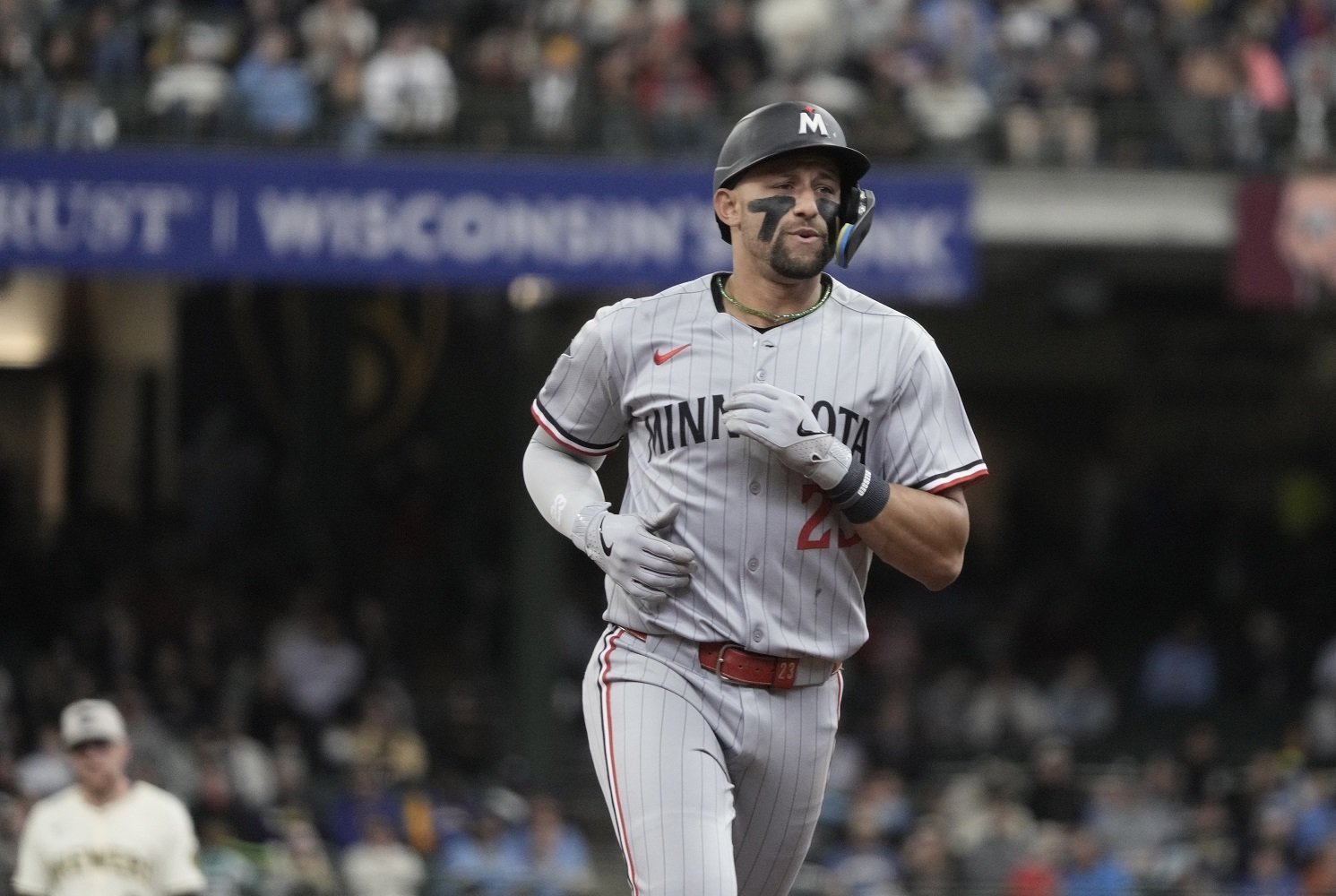 As the August 3 trade deadline approaches, front offices across baseball are beginning to shape their strategies. The biggest headlines are expected to revolve around established stars and frontline starting pitchers. Names such as Tarik Skubal, Freddy Peralta, Robbie Ray, and Joe Ryan could dominate conversations if their teams decide to sell, while clubs around the league continue monitoring the situations involving players like Jarren Duran, Aroldis Chapman, Sonny Gray, Rafael Devers, Willy Adames, and Matt Chapman. Yet every deadline produces a handful of unexpected moves involving players who were never viewed as obvious trade candidates. According to The Athletic's Jim Bowden, Royce Lewis could fit that description this summer. Bowden recently included Lewis among his list of 10 under-the-radar trade candidates, citing both his talent and the growing market for impact infielders around the league. While Lewis has spent much of his career battling injuries, he remains an intriguing player because of his age, athleticism, positional versatility, and offensive upside. "The only question is: Can he stay healthy?" Bowden wrote. "He's healthy now, and several contending teams are looking to upgrade at third base and he can also play first base, so he may get moved." The timing of the speculation is notable because Lewis has looked much more like himself in recent weeks. After opening the season with a disappointing .163/.261/.279 (.540) slash line and three home runs across his first 31 games, Lewis was optioned to Triple-A St. Paul in a move that felt unthinkable just a year earlier. Instead of sulking, the former No. 1 overall pick responded exactly how the Twins hoped he would. Lewis crushed eight home runs in just 13 games with the Saints before earning a return trip to Minnesota. Since being recalled on June 6, he has looked rejuvenated at the plate, producing the type of impact contact that once made him one of baseball's top prospects. In 15 games, he has an .873 OPS with four homers and three doubles. The improvements have extended beyond the batter's box. Minnesota has shifted Lewis primarily to first base, where he has appeared in all but one game since returning to the majors. The organization has paired him with Twins Hall of Famer Justin Morneau in an effort to accelerate his development at the position, and the early returns have been encouraging. That positional change can be viewed from multiple angles. On one hand, it may represent the Twins searching for a long-term defensive home that allows Lewis to remain healthy while keeping his bat in the lineup. First base could provide stability as the organization continues developing its next wave of infield talent. On the other hand, rival executives may wonder whether the Twins are also attempting to maximize Lewis's value before the deadline. During Lewis's stint in Triple-A, Brooks Lee settled in at third base while top prospect Kaelen Culpepper continued progressing toward the major leagues. Luke Keaschall remains part of the organization's future plans despite some defensive growing pains, giving Minnesota multiple young infield pieces around which to build. If the Twins remain firmly in contention, moving Lewis would be difficult to justify. A healthy and productive Lewis still possesses the type of talent capable of changing a lineup and impacting a postseason race. If Minnesota falls further behind, however, the front office could face difficult decisions. Last year's deadline demonstrated a willingness to make unexpected moves, and Lewis would undoubtedly attract interest from clubs searching for controllable upside. He remains under team control through the 2028 season, making him appealing to both contenders and teams planning beyond this year. For now, Lewis is impacting the Twins, but there could be an element of "freezer burn" with Lewis that makes the front office consider moving on with other younger options ready to take his place.
 -
The race to determine the starters for the 2026 MLB All-Star Game is entering its final stretch, and Byron Buxton is putting himself in position for a memorable milestone. The first phase of fan voting opened on June 3 and will conclude on Thursday, June 25, at 11 AM CT. During this opening phase, fans can vote for the starting lineup in each league, selecting eight position players and one designated hitter. Ballots are available through MLB.com, all 30 club websites, the MLB app, and the MLB Ballpark app. Fans can vote up to five times every 24 hours. When Phase 1 concludes, MLB Network will reveal the top vote-getters at every position. The leading vote-getter in each league automatically earns a starting spot, while the remaining finalists advance to Phase 2, where fans determine the rest of the starting lineup. Buxton Climbs Into Prime Position The latest voting update released Monday brought encouraging news for Twins fans. Buxton moved into third place among American League outfielders with 1,106,264 votes. American League Outfield Voting Leaders (June 22 Update) Aaron Judge, Yankees — 1,788,499 Mike Trout, Angels — 1,735,051 Byron Buxton, Twins — 1,106,264 Cody Bellinger, Yankees — 1,067,622 Julio Rodríguez, Mariners — 819,514 Randy Arozarena, Mariners — 793,017 Daulton Varsho, Blue Jays — 782,016 Jesús Sánchez, Blue Jays — 764,037 Riley Greene, Tigers — 751,512 Buxton's rise is notable because he sat fourth among American League outfielders in the previous update. A dominant stretch over the last few weeks has helped him leapfrog Cody Bellinger and move firmly into position to advance to Phase 2 voting. His performance has backed up the support. Buxton enters the week ranked second in the American League with 24 home runs and third in slugging percentage at .591. After years of battling injuries, he has remained on the field and produced at an elite level, giving Twins fans a compelling case to rally behind during the final days of voting. Injuries Could Change the Picture The voting leaderboard may not tell the entire story. Judge currently leads all American League outfielders, but he is expected to miss the All-Star Game after suffering a rib stress fracture. Judge's absence would leave one of the outfield starting spots open regardless of where he finishes in the voting process. Meanwhile, Trout's status has become less certain after he landed on the injured list last week with a right hamstring strain. Trout remains second in the voting, but his availability for the Midsummer Classic is now unclear. If both stars are unable to participate, Buxton's chances of earning a starting assignment improve significantly. Even if Judge and Trout remain among the leading vote-getters, MLB would need replacements should either player be unavailable. Final Week Push Ahead Minnesota has not had many realistic candidates for fan-elected starting spots in recent seasons, but Buxton has changed that narrative in 2026. His combination of power, highlight-reel defense, and durability (knock on wood) has made him one of the American League's most valuable players through the season's first half. The final days of Phase 1 voting will determine whether he advances comfortably to the next round, but his recent climb up the leaderboard shows that fans across baseball are taking notice. For a player who has spent much of his career battling injuries and unrealized All-Star potential, Buxton is now closer than ever to hearing his name announced as an All-Star Game starter. View full rumor
-
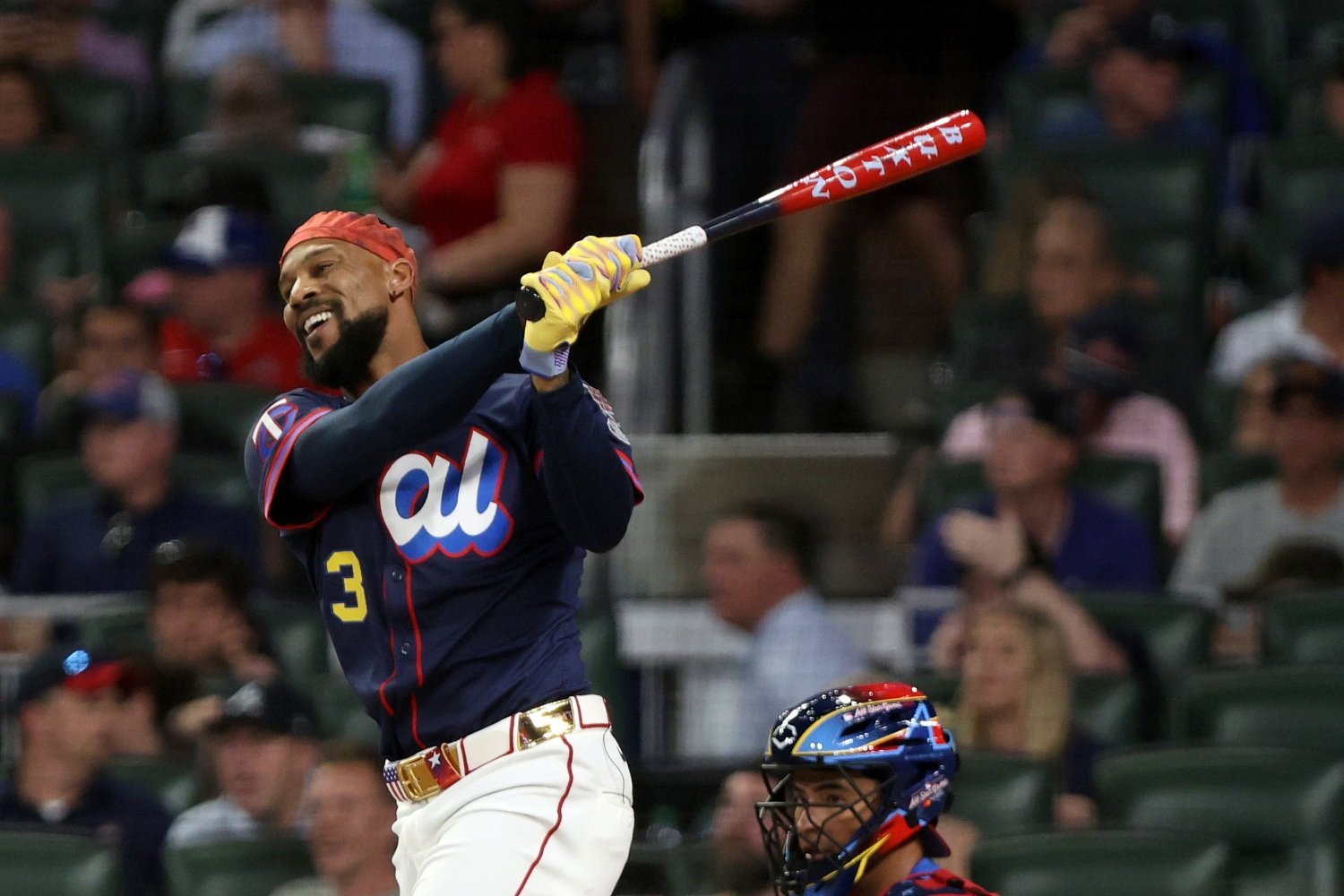 The race to determine the starters for the 2026 MLB All-Star Game is entering its final stretch, and Byron Buxton is putting himself in position for a memorable milestone. The first phase of fan voting opened on June 3 and will conclude on Thursday, June 25, at 11 AM CT. During this opening phase, fans can vote for the starting lineup in each league, selecting eight position players and one designated hitter. Ballots are available through MLB.com, all 30 club websites, the MLB app, and the MLB Ballpark app. Fans can vote up to five times every 24 hours. When Phase 1 concludes, MLB Network will reveal the top vote-getters at every position. The leading vote-getter in each league automatically earns a starting spot, while the remaining finalists advance to Phase 2, where fans determine the rest of the starting lineup. Buxton Climbs Into Prime Position The latest voting update released Monday brought encouraging news for Twins fans. Buxton moved into third place among American League outfielders with 1,106,264 votes. American League Outfield Voting Leaders (June 22 Update) Aaron Judge, Yankees — 1,788,499 Mike Trout, Angels — 1,735,051 Byron Buxton, Twins — 1,106,264 Cody Bellinger, Yankees — 1,067,622 Julio Rodríguez, Mariners — 819,514 Randy Arozarena, Mariners — 793,017 Daulton Varsho, Blue Jays — 782,016 Jesús Sánchez, Blue Jays — 764,037 Riley Greene, Tigers — 751,512 Buxton's rise is notable because he sat fourth among American League outfielders in the previous update. A dominant stretch over the last few weeks has helped him leapfrog Cody Bellinger and move firmly into position to advance to Phase 2 voting. His performance has backed up the support. Buxton enters the week ranked second in the American League with 24 home runs and third in slugging percentage at .591. After years of battling injuries, he has remained on the field and produced at an elite level, giving Twins fans a compelling case to rally behind during the final days of voting. Injuries Could Change the Picture The voting leaderboard may not tell the entire story. Judge currently leads all American League outfielders, but he is expected to miss the All-Star Game after suffering a rib stress fracture. Judge's absence would leave one of the outfield starting spots open regardless of where he finishes in the voting process. Meanwhile, Trout's status has become less certain after he landed on the injured list last week with a right hamstring strain. Trout remains second in the voting, but his availability for the Midsummer Classic is now unclear. If both stars are unable to participate, Buxton's chances of earning a starting assignment improve significantly. Even if Judge and Trout remain among the leading vote-getters, MLB would need replacements should either player be unavailable. Final Week Push Ahead Minnesota has not had many realistic candidates for fan-elected starting spots in recent seasons, but Buxton has changed that narrative in 2026. His combination of power, highlight-reel defense, and durability (knock on wood) has made him one of the American League's most valuable players through the season's first half. The final days of Phase 1 voting will determine whether he advances comfortably to the next round, but his recent climb up the leaderboard shows that fans across baseball are taking notice. For a player who has spent much of his career battling injuries and unrealized All-Star potential, Buxton is now closer than ever to hearing his name announced as an All-Star Game starter.
 -
Twins Prospect Hot Sheet: It’s Time for an Eduardo Tait Promotion
Cody Christie posted an article in Minor Leagues
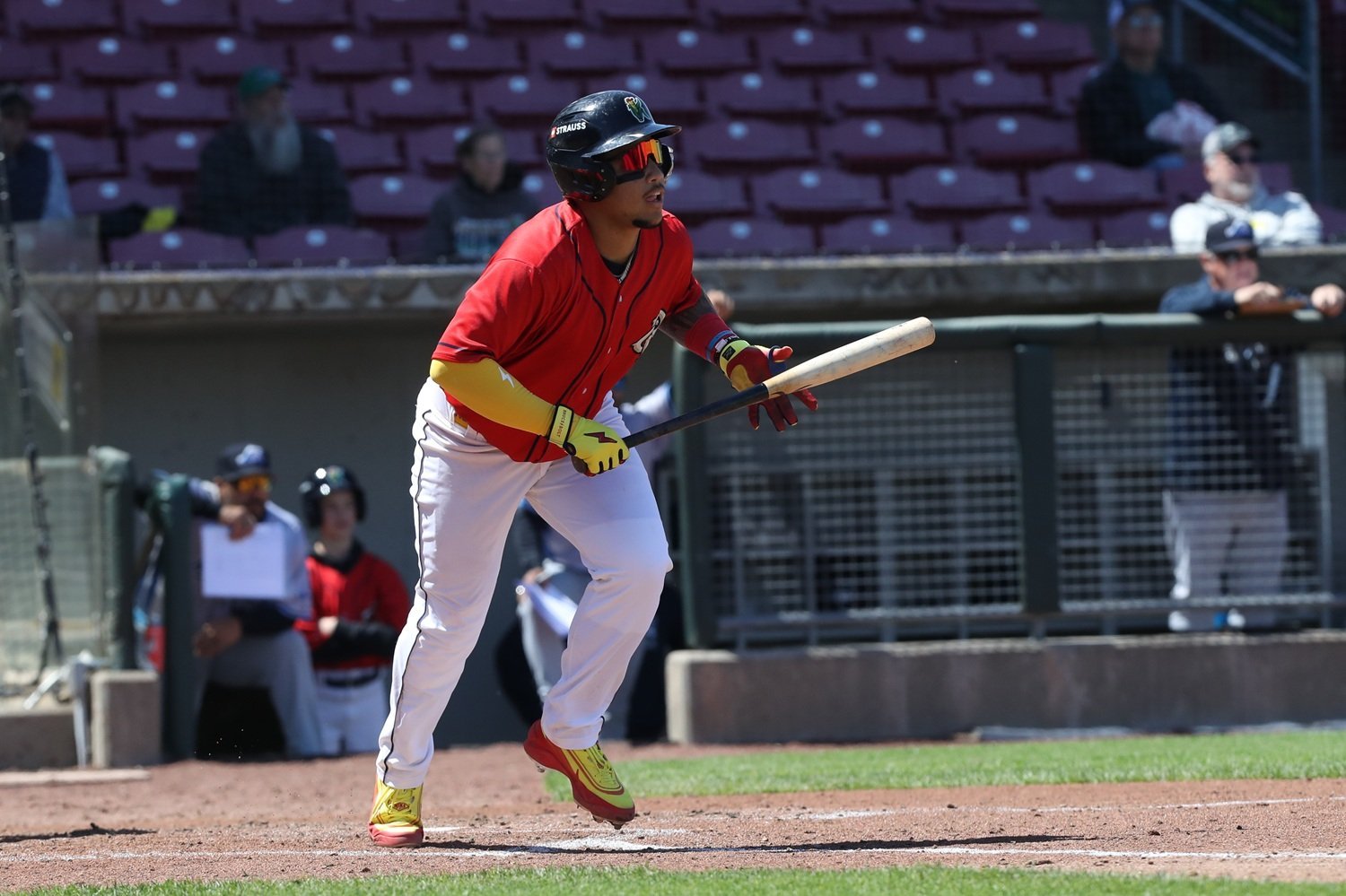 The summer months are when organizations begin to learn which teams are legitimate contenders and which clubs are already shifting focus toward the future. While the Minnesota Twins continue to navigate the major-league season, several prospects throughout the system are making strong cases for bigger opportunities. None of the players featured this week is likely to impact the 2026 Twins, but each could play a meaningful role in the organization's long-term plans. From a catcher forcing his way back into the conversation, to one of the system's youngest stars pushing for another promotion, to a reliever quietly climbing toward the big leagues, this week's hot sheet highlights three players trending in the right direction. C Andrew Cossetti – Wichita Wind Surge How He Got Here: The Twins selected Cossetti in the 11th round of the 2022 MLB Draft out of Saint Joseph's University and quickly challenged him with aggressive assignments. After reaching Double-A to begin the 2024 season, the jump proved difficult. He managed just a .643 OPS across 87 games. Rather than moving on, Minnesota allowed Cossetti to regroup at the same level. The decision paid off. He returned to Wichita and put together one of the better offensive seasons of his professional career, posting a .226/.366/.432 line with a 123 wRC+ while continuing to handle regular catching duties. His performance earned another opportunity with the Wind Surge to begin 2026. Hitting the Hot Button: Few hitters in the organization have experienced a bigger turnaround than Cossetti this season. April was a struggle, as he limped to a .440 OPS, but the veteran backstop has steadily regained his footing. He followed that rough opening month with an .852 OPS in May and has taken things to another level in June. Through the first few weeks of the month, Cossetti has launched six home runs, added a triple, and posted a 1.033 OPS. His latest week was especially impressive. Cossetti went 8-for-23 with four home runs, 12 RBIs and six walks across six games. He also drove in multiple runs in four consecutive contests from Sunday through Wednesday. At 26 years old, he is unlikely to rank among the organization's top prospects, but his offensive production is becoming impossible to ignore. C Eduardo Tait – Cedar Rapids Kernels How He Got Here: Tait's rise has been one of the more fascinating stories in professional baseball. Signed by the Phillies out of Panama for just $90,000 during the 2023 international signing period, he immediately exceeded expectations. He posted a .917 OPS in the Dominican Summer League and followed that performance by hitting .302 with an .842 OPS while advancing to full-season baseball in 2024. The teenage catcher continued to accelerate through Philadelphia's system. By age 18, he had reached High-A, earned a selection to the Futures Game, and established himself as one of the game's fastest-rising catching prospects. Minnesota acquired Tait as part of last summer's Jhoan Duran trade package, and he finished the season helping Cedar Rapids during its playoff run. The Twins have challenged him aggressively ever since. Hitting the Hot Button: This is where the argument for a promotion begins. Tait, still only 19 years old, went 8-for-24 with three home runs and 11 RBI during the week. He drove in five runs on Tuesday and followed that performance with six more RBIs on Thursday against Beloit. His overall .728 OPS may not immediately jump off the page, but context matters. Tait has spent virtually the entire season facing older and more experienced competition. Despite that challenge, he has begun to find another gear. Since June 1, Tait owns an .860 OPS, with seven home runs and three doubles in just 15 games. The combination of youth, power, and improving offensive consistency is becoming increasingly difficult to overlook. Minnesota has not been afraid to push him, and neither were his previous employers in Philadelphia. His recent production suggests another move up the ladder may soon be warranted. RHP C.J. Culpepper – St. Paul Saints How He Got Here: Culpepper is another successful late-round pitching find for Minnesota's player development staff. Selected in the 13th round of the 2022 MLB Draft out of California Baptist University, he has steadily worked his way through the system despite several obstacles. His professional career has featured flashes of promise at every stop. He advanced through both levels of A ball before reaching Double A in 2024 and spending much of 2025 with Wichita. Injuries have slowed his momentum at times, including a forearm strain in 2024 and a finger nerve issue that cost him significant time last season. This year has brought a different challenge. The Twins shifted Culpepper into a full-time relief role, hoping his arsenal could play up in shorter outings. Hitting the Hot Button: The early returns have been encouraging. Culpepper made three appearances for St. Paul this week and allowed just one unearned run on two hits across 3 1/3 innings. More importantly, he struck out six hitters and did not issue a walk. Since arriving in Triple A, he has posted a 26.3% strikeout rate while limiting walks to 10.0% of opposing hitters. Those numbers suggest his transition to relief is maximizing his strengths. Minnesota's bullpen depth remains one of the organization's growth areas, but Culpepper is beginning to position himself as a potential option if opportunities arise during the second half. The Twins may want to see a larger sample size before making that decision, but he is clearly moving in the right direction. The first half standings may be grabbing most of the attention, but development season is heating up across the Twins' farm system. Cossetti has transformed a difficult start into one of the hottest stretches of his career. Culpepper is showing signs that his conversion from the bullpen could unlock another level. And Tait continues to look like one of the most exciting young catching prospects in baseball. For now, the spotlight belongs to the teenager in Cedar Rapids. If Tait keeps producing at this pace against older competition, the Twins may soon have little choice but to find him a new challenge. What stands out about this trio of prospects? Can Cossetti and Tait help the organization’s long-term catching depth? Leave a comment and start the discussion.
- 18 comments
-
- 8
-
-
- eduardo tait
- cj culpepper
- (and 1 more)