



Cody Christie
-
Posts
7,794 -
Joined
-
Last visited
-
Days Won
5
Content Type
Profiles
News
Minnesota Twins Videos
2026 Minnesota Twins Top Prospects Ranking
2022 Minnesota Twins Draft Picks
Minnesota Twins Free Agent & Trade Rumors, Notes, & Tidbits
Guides & Resources
2023 Minnesota Twins Draft Picks
The Minnesota Twins Players Project
2024 Minnesota Twins Draft Picks
2025 Minnesota Twins Draft Pick Tracker
2026 Minnesota Twins Draft Tracker: Picks & Bonuses
Forums
Blogs
Events
Store
Downloads
Gallery
Everything posted by Cody Christie
-
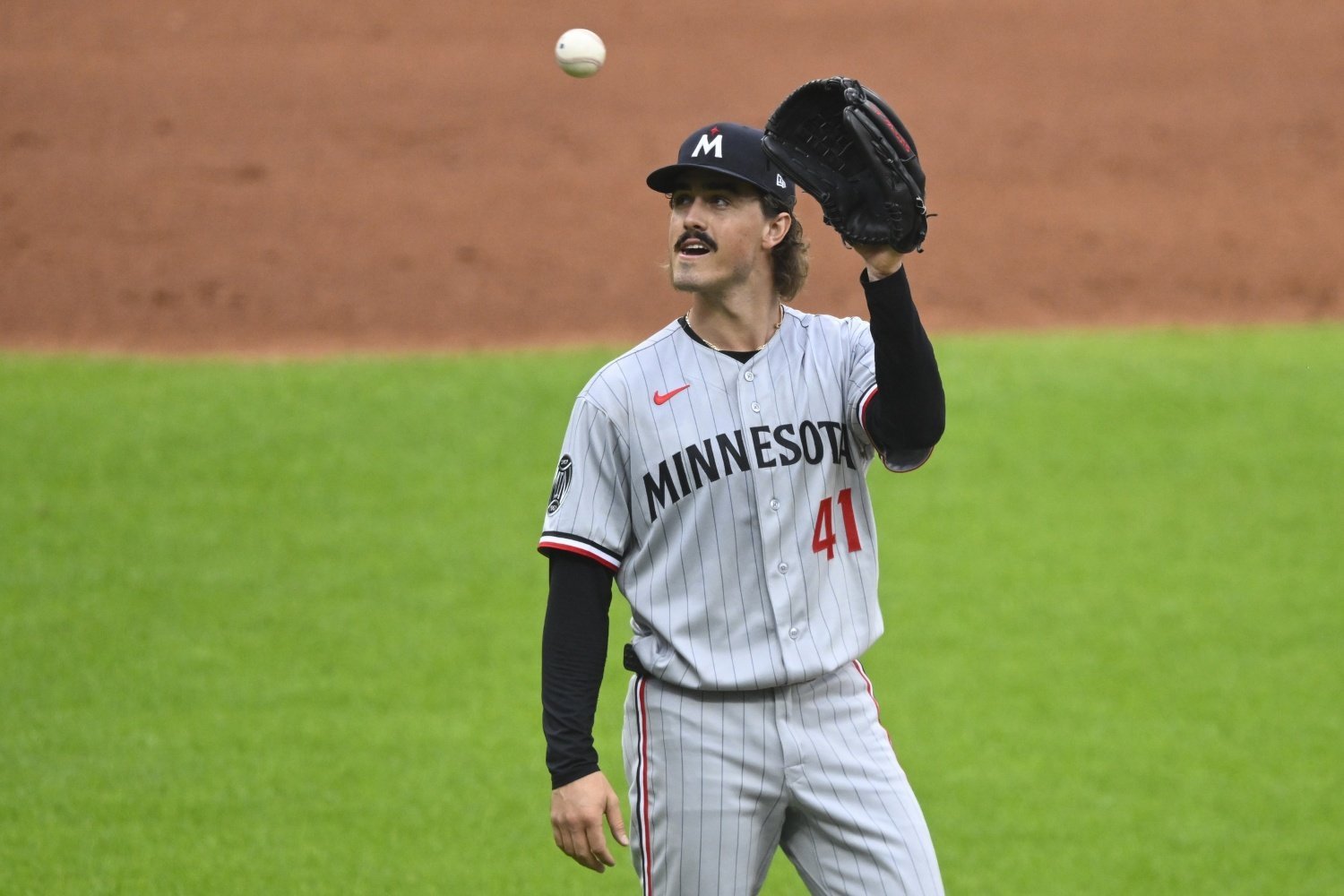 Joe Ryan is exactly the type of player every contender covets at the MLB Trade Deadline. He has developed into one of the American League's most consistent starters, earning an All-Star selection while posting another sub-3.50 ERA season. Better yet, Ryan isn't a rental. He remains under team control through 2027, making him one of the most valuable starting pitchers who could realistically be available this summer. That's why his name continues to surface in trade speculation, even as the Twins insist they want to add rather than subtract. If Minnesota remains in the Wild Card race, Ryan isn't going anywhere. However, if the club falls out of contention over the next two weeks, the front office would have to at least listen. Pitchers with Ryan's production, durability, and affordable contract rarely become available, and the bidding would be fierce. Diamond Centric currently ranks Ryan as the third best trade deadline candidate behind Mason Miller and Tarik Skubal. There’s no guarantee that either of those arms gets moved, so Ryan could be the top player traded at the deadline. Here’s what Diamond Centric said about Ryan: Not every contender has the prospect capital to make a competitive offer. Some farm systems simply can't match Ryan's value, while others line up almost perfectly with what Minnesota should seek in return. Instead of focusing only on potential destinations, these are four realistic trade packages that could make sense for both sides if the Twins ultimately decide to move one of their biggest stars. New York Yankees Twins fans would hate this, but the Yankees are never shy about making aggressive moves when they believe another World Series run is within reach. With questions surrounding their rotation and several key injuries throughout the roster, adding an All-Star starter like Joe Ryan would immediately become one of the biggest deadline upgrades available. New York also has one of the deepest farm systems among contenders. If the Twins are going to move Ryan, they need impact talent at the top of the return, and that conversation should start with George Lombard Jr. The 21-year-old has developed into one of baseball's better infield prospects and is close enough to the majors to envision him helping Minnesota as early as next season. To make the value work, the Yankees could pair Lombard with left-hander Elmer Rodríguez, another upper-level prospect with mid-rotation upside. Minnesota would land a potential everyday infielder and another young arm capable of joining its next competitive core. That's the type of package it should demand for a pitcher with Ryan's résumé and another season of club control. Seattle Mariners Few organizations can match Seattle's collection of young talent, which makes the Mariners an intriguing trade partner. If Seattle wants to maximize its current championship window, it may need to trade from an area of strength. Ryan would slide into the front of the rotation immediately and give the Mariners another proven arm for multiple postseason runs. The return starts with Kade Anderson, one of the top pitching prospects in baseball. His combination of stuff, command, and projection gives him legitimate top-of-the-rotation potential. Pairing him with infielder Michael Arroyo would give Minnesota another consensus top 100 prospect who is already knocking on the door of the upper minors. Arroyo's advanced approach at the plate and offensive upside would add another potential impact bat to an organization that has prioritized position-player depth. This proposal offers the Twins the best of both worlds: a potential frontline starter and an advanced middle infielder with everyday upside. Premium starting pitching is one of the hardest assets to acquire, and adding a player like Arroyo gives Minnesota an impact position player who could arrive in the big leagues on a similar timeline as the club's next wave of prospects. Los Angeles Dodgers The Dodgers seem to find themselves connected to every impact player at the trade deadline, and Ryan would fit their model perfectly, especially with his California roots. Los Angeles doesn't need another back-end starter, it needs someone capable of starting Game 2 or Game 3 in a postseason series. Unlike Seattle, the Dodgers' strength is position-player talent. Their system is loaded with athletic outfielders who may eventually struggle to find opportunities in Los Angeles because of the organization's major league depth. Mike Sirota and Eduardo Quintero would be an appealing combination for Minnesota. Good news for Twins fans is that both players are right-handed to add to the team’s left-handed heavy prospect list. Sirota brings impact power and athleticism, while Quintero has quietly developed into one of the organization's better all-around offensive prospects. Together, they would give the Twins two legitimate everyday position-player candidates without sacrificing years of team control. The Dodgers have repeatedly shown they're willing to move prospects for proven major league talent. If Ryan becomes available, this feels like the type of deal Andrew Friedman would seriously explore. San Diego Padres If one team is going to be part of a blockbuster, it might be San Diego. The Padres have spent the last several seasons chasing another deep postseason run, but injuries have once again exposed their rotation depth. Ryan would immediately become one of the club's most dependable starters while remaining under control beyond this season. San Diego’s farm system is depleted after multiple years of blockbuster trades. Any conversation between Minnesota and San Diego would likely begin with Ethan Salas, San Diego’s lone top 100 prospect. Despite an up-and-down development path, Salas remains one of baseball's premier catching prospects and possesses the type of ceiling organizations rarely make available. To match Ryan's value, the Padres could include left-hander Kruz Schoolcraft, a towering pitching prospect with frontline upside if everything clicks. Minnesota would walk away with a potential big-league catcher and another premium arm, giving the organization impact talent at two premium positions. However, Minnesota spent its first two draft picks on catchers last week, so the Padres might not have the prospect capital to make this trade. The Twins aren't actively shopping Ryan (yet), nor should they be. A pitcher with his combination of production, durability, and affordable team control is exactly the type of player every organization hopes to build around. If Minnesota stays in the playoff race, keeping Ryan gives the club its best chance to compete this season and next. However, every player has a price. If the Twins find themselves slipping out of contention before the deadline, Ryan instantly becomes one of the most valuable starting pitchers available. That means the return can't be centered around organizational depth or lottery-ticket prospects. Minnesota should be targeting players who project as future everyday contributors or impact starters. The types of prospects capable of becoming foundational pieces for the next winning core. Whether it's Lombard Jr., Anderson, Salas, or another elite prospect, the Twins would only have one opportunity to maximize Ryan's value. If they're willing to make that move, the return needs to be significant enough that fans look back in three or four years and understand exactly why the organization pulled the trigger. Which package is the best fit for the Twins? Leave a comment and start the discussion.
 -

The Twins’ Hidden Cost of Standing Pat at the 2026 MLB Trade Deadline
Cody Christie posted an article in Twins
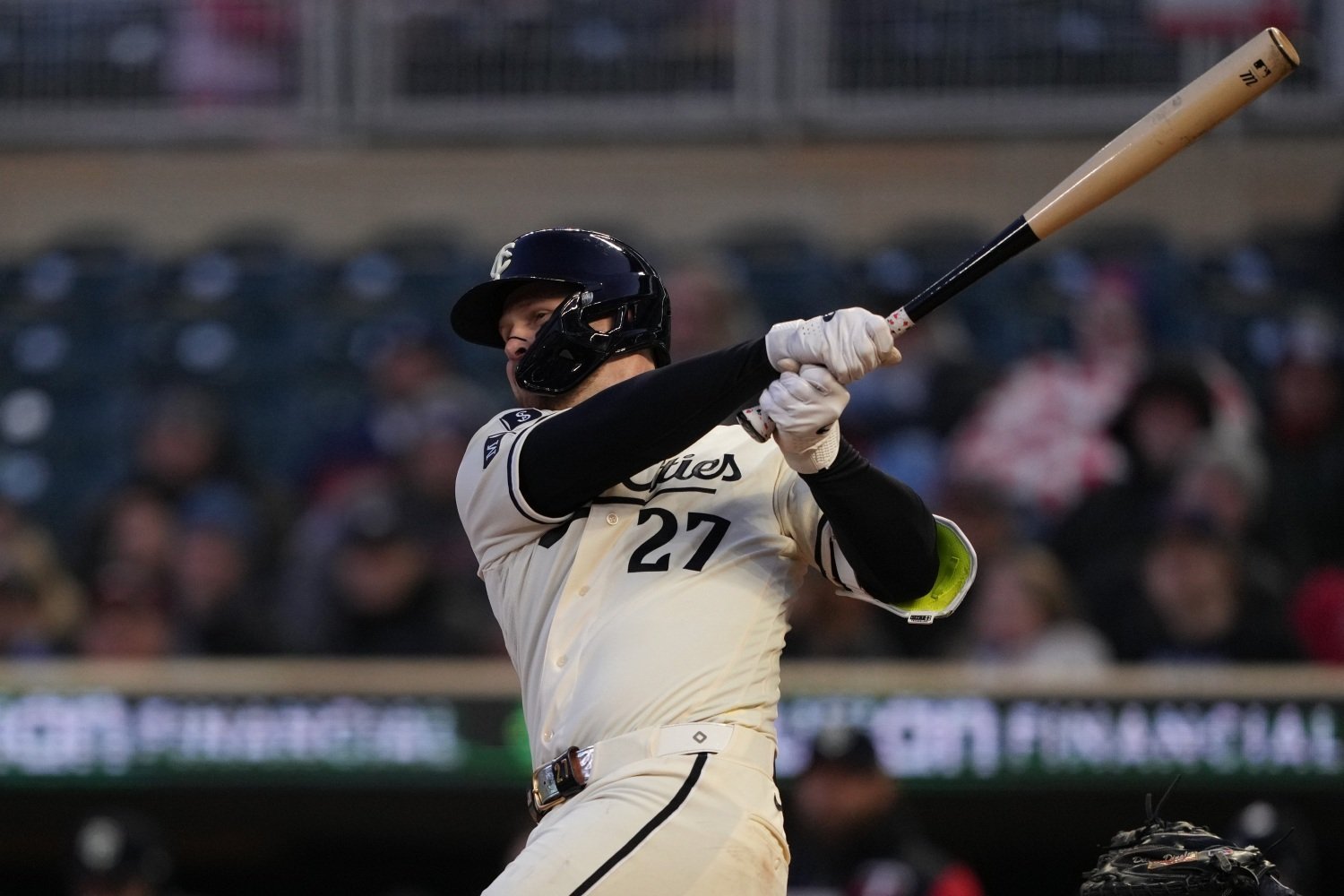 Jeremy Zoll is no longer operating in Derek Falvey's shadow. The 2026 MLB trade deadline represents a first opportunity for Twins fans to see how Zoll views a team with legitimate postseason aspirations and what risks he is willing to take to improve it. That matters, because front office philosophies are often defined by the decisions they make in the biggest moments. Falvey had nearly a decade of trade deadlines that revealed his tendencies. He generally valued organizational depth, avoided sacrificing elite prospects for rentals, and searched for under-the-radar acquisitions. Whether fans agreed with every move or not, there was a blueprint. Zoll hasn't had that opportunity yet. Since taking over baseball operations, there has been very little to evaluate when it comes to how he approaches acquiring major-league talent. The Twins haven't reached a point where they needed to choose between protecting the future and maximizing the present. That's what makes this deadline so fascinating. Minnesota enters the last weeks of July hovering around the final American League Wild Card spot. The organization has repeatedly stated that it believes this roster can compete. Tom Pohlad has publicly acknowledged that ownership must invest in the team if it expects fans to return to Target Field. If the Twins remain in contention over the next two weeks, Zoll will face his first defining moment as the head of baseball operations. Standing pat may sound like the safest option. History suggests it rarely feels that way once October arrives. The 2023 Twins were in the middle of one of the organization's best seasons in years. While they weren't playing their best baseball entering the deadline, the opportunity in front of them was obvious. The AL Central was there for the taking, and ending the franchise's historic postseason losing streak was within reach. Then, everything slowed down. Minnesota lost five consecutive games leading into the trade deadline. Instead of aggressively addressing obvious needs, the front office chose to stand pat. The roster appeared to need another reliable late-inning reliever (as nearly every contender does in July) and another right-handed bat capable of balancing a lineup that had struggled against left-handed pitching. Neither addition came. The Twins, instead, trusted their clubhouse and internal depth. To be fair, the decision wasn't a complete failure. Minnesota recovered, won the AL Central, and finally ended its 18-game postseason losing streak by sweeping Toronto in the Wild Card Series. It became one of the defining moments of the Falvey era and gave the franchise its first playoff series victory in more than two decades. Yet, the lingering question has never disappeared. Would one more impact reliever have changed the Division Series against Houston? Would another dependable right-handed hitter have lengthened the lineup enough to produce another timely run? Those questions cannot be answered, but they continue to hang over a deadline that felt far too conservative. The circumstances surrounding the 2020 trade deadline were unlike anything baseball had experienced. Teams had only 35 games to determine whether they were buyers or sellers. Expanded playoffs meant more organizations believed they had a chance to contend. There wasn't even a minor-league season, making it extraordinarily difficult to evaluate prospects being discussed in trade negotiations. Financial uncertainty also loomed over every organization, as clubs played in empty stadiums during the COVID-shortened season. Not surprisingly, many contenders remained relatively quiet. The Twins found themselves in a familiar position. Like 2023, Minnesota entered the deadline riding a five-game losing streak that had dropped them from first place to third in the AL Central. Even after winning 101 games the previous season, the roster had areas that could have been strengthened. Another bullpen arm, a right-handed bat or additional starting pitching depth would have made sense. Instead, the Twins trusted the players already in the organization. Given the unprecedented circumstances, that decision was easier to understand than the one made three years later. The uncertainty surrounding player evaluation, finances, and travel created obstacles no front office had previously encountered. Still, it represented another deadline where Minnesota chose continuity over aggression. If the Twins ultimately choose not to buy, standing pat could actually be preferable to selling. Keeping Joe Ryan alone would make that worthwhile. Ryan would undoubtedly generate one of the strongest trade markets of any player available. Diamond Centric currently has him ranked as the third-best trade target, behind San Diego's Mason Miller and Detroit’s Tarik Skubal. A controllable frontline starter entering his prime could command a massive return. But unlike an impending free agent, Ryan isn't disappearing after this season. Minnesota could revisit those conversations this winter and potentially receive a very similar package, while still giving itself every opportunity to compete for a playoff berth this year. The same logic applies, to varying degrees, to Ryan Jeffers, Josh Bell, and Trevor Larnach. Bell and Larnach aren't likely to produce franchise-altering prospect hauls, while Jeffers's value as a rental would be modest. Trading those players simply to make transactions would create more holes than long-term benefits. If the Twins believe they can remain competitive, keeping that core together is probably the better baseball decision. Standing pat would preserve the roster. The problem is that preserving the roster isn't necessarily enough. The upcoming stretch of games may ultimately determine the direction of the franchise. If the Twins fall several games out of the Wild Card race, the conversation changes dramatically. Selling becomes much easier to justify, particularly if the front office no longer believes the current roster has a realistic path to October. But if Minnesota continues winning and remains firmly in the playoff picture, the calculus changes. At that point, standing pat becomes far more difficult to defend. Tom Pohlad has repeatedly discussed the importance of investing in the baseball team. He has acknowledged that winning games will bring fans back to Target Field. He's spoken publicly about making bold moves and providing the resources necessary to build a consistent contender. Those comments have created expectations. If the Twins prove over the next 10 days that they belong in the postseason race, ownership must be willing to back those words with action. That doesn't necessarily mean sacrificing elite prospects for a blockbuster trade, but it does mean finding meaningful upgrades that improve the club's chances of playing in October. The front office has to allow the team's performance to dictate its strategy. If the players earn the right to receive reinforcements, those reinforcements need to arrive. The Hidden Cost of Doing Nothing Standing pat often feels like the safest decision, because it avoids the criticism that comes with trading top prospects or increasing payroll. The hidden cost is far less obvious. If the Twins miss the playoffs by one or two games after refusing to add a reliever who could have secured a handful of late leads or a bat that could have lengthened the lineup, the deadline will become impossible to ignore. Every blown save, every missed opportunity, and every close loss will be viewed through the lens of what wasn't done. That's the risk facing Zoll at his first defining trade deadline. Tom Pohlad has spent the last year talking about investing in the roster and giving fans a reason to believe again. Those statements now require action. If Minnesota plays well enough to remain in contention, ownership and the front office must reward that performance. Selling would be understandable if the Twins fall out of the race. Buying would be justified if they prove they're legitimate contenders. But if the Twins are still in the playoff hunt, standing pat can't be the answer. It may save prospects and payroll in the short term, but the hidden cost could be another October spent wondering what might have happened had the organization chosen to push its chips into the middle of the table. Are there other hidden costs to standing pat? Leave a comment and start the discussion.
- 59 comments
-
- 1
-

-
- joe ryan
- ryan jeffers
- (and 5 more)
-
Image courtesy of © Jordan Johnson-Imagn Images Jeremy Zoll is no longer operating in Derek Falvey's shadow. The 2026 MLB trade deadline represents a first opportunity for Twins fans to see how Zoll views a team with legitimate postseason aspirations and what risks he is willing to take to improve it. That matters, because front office philosophies are often defined by the decisions they make in the biggest moments. Falvey had nearly a decade of trade deadlines that revealed his tendencies. He generally valued organizational depth, avoided sacrificing elite prospects for rentals, and searched for under-the-radar acquisitions. Whether fans agreed with every move or not, there was a blueprint. Zoll hasn't had that opportunity yet. Since taking over baseball operations, there has been very little to evaluate when it comes to how he approaches acquiring major-league talent. The Twins haven't reached a point where they needed to choose between protecting the future and maximizing the present. That's what makes this deadline so fascinating. Minnesota enters the last weeks of July hovering around the final American League Wild Card spot. The organization has repeatedly stated that it believes this roster can compete. Tom Pohlad has publicly acknowledged that ownership must invest in the team if it expects fans to return to Target Field. If the Twins remain in contention over the next two weeks, Zoll will face his first defining moment as the head of baseball operations. Standing pat may sound like the safest option. History suggests it rarely feels that way once October arrives. The 2023 Twins were in the middle of one of the organization's best seasons in years. While they weren't playing their best baseball entering the deadline, the opportunity in front of them was obvious. The AL Central was there for the taking, and ending the franchise's historic postseason losing streak was within reach. Then, everything slowed down. Minnesota lost five consecutive games leading into the trade deadline. Instead of aggressively addressing obvious needs, the front office chose to stand pat. The roster appeared to need another reliable late-inning reliever (as nearly every contender does in July) and another right-handed bat capable of balancing a lineup that had struggled against left-handed pitching. Neither addition came. The Twins, instead, trusted their clubhouse and internal depth. To be fair, the decision wasn't a complete failure. Minnesota recovered, won the AL Central, and finally ended its 18-game postseason losing streak by sweeping Toronto in the Wild Card Series. It became one of the defining moments of the Falvey era and gave the franchise its first playoff series victory in more than two decades. Yet, the lingering question has never disappeared. Would one more impact reliever have changed the Division Series against Houston? Would another dependable right-handed hitter have lengthened the lineup enough to produce another timely run? Those questions cannot be answered, but they continue to hang over a deadline that felt far too conservative. The circumstances surrounding the 2020 trade deadline were unlike anything baseball had experienced. Teams had only 35 games to determine whether they were buyers or sellers. Expanded playoffs meant more organizations believed they had a chance to contend. There wasn't even a minor-league season, making it extraordinarily difficult to evaluate prospects being discussed in trade negotiations. Financial uncertainty also loomed over every organization, as clubs played in empty stadiums during the COVID-shortened season. Not surprisingly, many contenders remained relatively quiet. The Twins found themselves in a familiar position. Like 2023, Minnesota entered the deadline riding a five-game losing streak that had dropped them from first place to third in the AL Central. Even after winning 101 games the previous season, the roster had areas that could have been strengthened. Another bullpen arm, a right-handed bat or additional starting pitching depth would have made sense. Instead, the Twins trusted the players already in the organization. Given the unprecedented circumstances, that decision was easier to understand than the one made three years later. The uncertainty surrounding player evaluation, finances, and travel created obstacles no front office had previously encountered. Still, it represented another deadline where Minnesota chose continuity over aggression. If the Twins ultimately choose not to buy, standing pat could actually be preferable to selling. Keeping Joe Ryan alone would make that worthwhile. Ryan would undoubtedly generate one of the strongest trade markets of any player available. Diamond Centric currently has him ranked as the third-best trade target, behind San Diego's Mason Miller and Detroit’s Tarik Skubal. A controllable frontline starter entering his prime could command a massive return. But unlike an impending free agent, Ryan isn't disappearing after this season. Minnesota could revisit those conversations this winter and potentially receive a very similar package, while still giving itself every opportunity to compete for a playoff berth this year. The same logic applies, to varying degrees, to Ryan Jeffers, Josh Bell, and Trevor Larnach. Bell and Larnach aren't likely to produce franchise-altering prospect hauls, while Jeffers's value as a rental would be modest. Trading those players simply to make transactions would create more holes than long-term benefits. If the Twins believe they can remain competitive, keeping that core together is probably the better baseball decision. Standing pat would preserve the roster. The problem is that preserving the roster isn't necessarily enough. The upcoming stretch of games may ultimately determine the direction of the franchise. If the Twins fall several games out of the Wild Card race, the conversation changes dramatically. Selling becomes much easier to justify, particularly if the front office no longer believes the current roster has a realistic path to October. But if Minnesota continues winning and remains firmly in the playoff picture, the calculus changes. At that point, standing pat becomes far more difficult to defend. Tom Pohlad has repeatedly discussed the importance of investing in the baseball team. He has acknowledged that winning games will bring fans back to Target Field. He's spoken publicly about making bold moves and providing the resources necessary to build a consistent contender. Those comments have created expectations. If the Twins prove over the next 10 days that they belong in the postseason race, ownership must be willing to back those words with action. That doesn't necessarily mean sacrificing elite prospects for a blockbuster trade, but it does mean finding meaningful upgrades that improve the club's chances of playing in October. The front office has to allow the team's performance to dictate its strategy. If the players earn the right to receive reinforcements, those reinforcements need to arrive. The Hidden Cost of Doing Nothing Standing pat often feels like the safest decision, because it avoids the criticism that comes with trading top prospects or increasing payroll. The hidden cost is far less obvious. If the Twins miss the playoffs by one or two games after refusing to add a reliever who could have secured a handful of late leads or a bat that could have lengthened the lineup, the deadline will become impossible to ignore. Every blown save, every missed opportunity, and every close loss will be viewed through the lens of what wasn't done. That's the risk facing Zoll at his first defining trade deadline. Tom Pohlad has spent the last year talking about investing in the roster and giving fans a reason to believe again. Those statements now require action. If Minnesota plays well enough to remain in contention, ownership and the front office must reward that performance. Selling would be understandable if the Twins fall out of the race. Buying would be justified if they prove they're legitimate contenders. But if the Twins are still in the playoff hunt, standing pat can't be the answer. It may save prospects and payroll in the short term, but the hidden cost could be another October spent wondering what might have happened had the organization chosen to push its chips into the middle of the table. Are there other hidden costs to standing pat? Leave a comment and start the discussion. View full article
- 59 replies
-
- 1
-

-
- joe ryan
- ryan jeffers
- (and 5 more)
-
Twins Daily's Top-20 Prospects Gets a Post-Draft Shakeup
Cody Christie posted an article in Minor Leagues
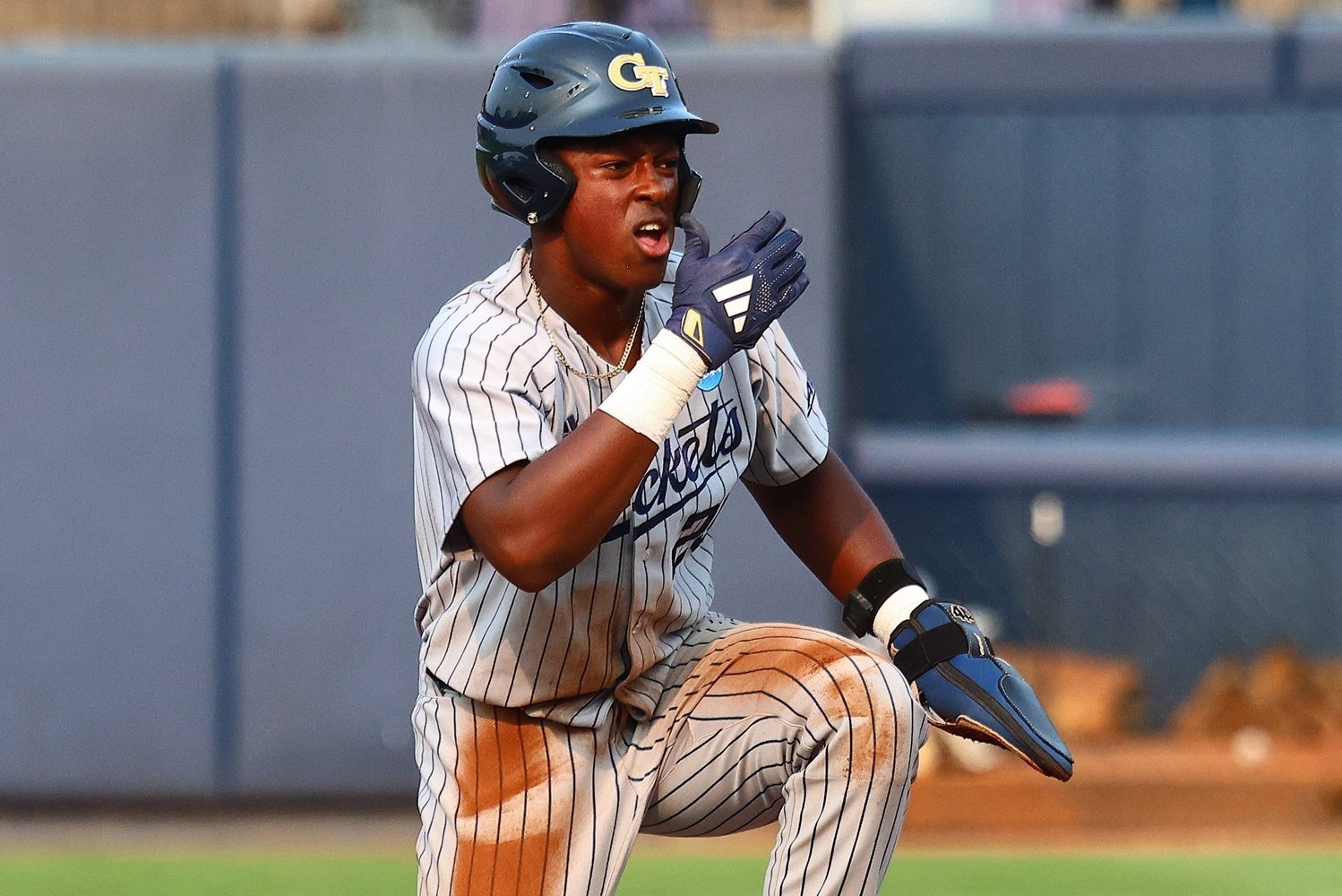 The Minnesota Twins entered the 2026 MLB Draft with one of baseball's deepest farm systems. They left it with even more talent, which is something that can be expected when a team has a top-3 pick and high picks in every subsequent round. Already viewed as one of the premier organizations for young talent, Minnesota used another strong draft class to reinforce an impressive pipeline. Several of the club's newest selections immediately became legitimate top-20 prospects, giving the Twins even more organizational depth at premium positions. Earlier this week, the Twins Daily staff updated the organization's Top-20 prospect rankings, and while much of the upper portion of the list remained familiar, the draft class created plenty of movement. New faces entered the rankings, established prospects shifted positions, and one of the organization's biggest acquisitions from last summer saw his stock slip. Where Does Vahn Lackey Fall? There was little debate that Vahn Lackey would immediately become one of the organization's elite prospects after Minnesota selected him with the third overall pick. The only real question was where he belonged. An argument could be made for placing him anywhere from first through fourth. Walker Jenkins remains one of baseball's premier outfield prospects, while Kaelen Culpepper and Emmanuel Rodriguez have continued strengthening their cases as future major league contributors. In the end, TwinsDaily slotted Lackey as the organization's No. 2 prospect behind only Jenkins. That placement mirrors what several national publications have done since the draft. Lackey's combination of athleticism, defensive upside behind the plate, and offensive potential gives him one of the highest ceilings in the system. Catchers with legitimate two-way impact are among the game's most valuable prospects, and Minnesota believes it has landed exactly that type of player. It is a lofty ranking for someone who has yet to play a professional game, but elite draft talent often earns that kind of respect immediately. Lackey has the tools to justify it. Who Dropped the Most? Every updated ranking means someone has to move down. Eduardo Tait experienced the largest drop, sliding from fourth to seventh despite remaining one of the younger prospects in the organization. The 19-year-old has shown encouraging raw power during his first full season in the Midwest League, but the overall production has been inconsistent. He's hitting just .220/.285/.431 with a .716 OPS while striking out 25.7% of the time and walking only 7.3%. Those numbers aren't alarming for a teenager facing older competition, but they also haven't quieted questions about his long-term profile. Defensively, evaluators remain split on whether he'll ultimately stick behind the plate. If he can remain a catcher, his offensive upside becomes considerably more valuable. None of this should be viewed as a reason to panic. Tait remains extremely young with years of development ahead of him. Still, after arriving as one of the centerpieces of last year's blockbuster Jhoan Duran trade, it would have been encouraging to see a more complete breakout during his first full season in the Twins organization. The addition of multiple catchers in this draft also gives Minnesota more depth at the position, making the race for future opportunities even more interesting. Other Draft Picks Join the Top-20 Lackey wasn't the only member of Minnesota's draft class to immediately crack the rankings. Second-round selection Carson Tinney debuted at No. 13 after an outstanding collegiate career at Texas. One of the nation's most productive offensive catchers, Tinney slashed .326/.483/.688 for the Longhorns while showcasing the type of left-handed power every organization covets. His bat is currently viewed as carrying the profile, but the Twins believe they can help him develop defensively. If Tinney's receiving continues to improve, he could develop into another legitimate big league option behind the plate. Competitive Balance Round B selection Brett Renfrow entered at No. 16. The Virginia Tech right-hander enjoyed a breakout season, posting a 27.7% strikeout rate while recording 88 strikeouts across 73 2/3 innings. His improved ability to miss bats, paired with a diverse pitch mix, makes him an intriguing fit for Minnesota's pitching development program. The Twins have built a reputation for helping college pitchers maximize their arsenals, and Renfrow appears to be another candidate who could outperform his draft slot with continued refinement. Rounding out the newcomers is prep right-hander Ethan Wachsmann, who landed at No. 20. Committed to Wake Forest, Wachsmann could require an above-slot bonus to sign, but the upside is easy to understand. He dominated during his senior season at Grandview High School, finishing 6-2 with a 2.10 ERA and 66 strikeouts over 36 2/3 innings. His fastball has already touched triple digits and generally sits between 94-96 mph deep into outings. He also added a high-80s cutter this spring to complement the rest of his arsenal. Like many high school arms, the pure stuff is ahead of the command. There is significant work remaining with both control and overall pitch execution, but those are exactly the types of developmental challenges Minnesota has shown a willingness to embrace. A Stronger System Somehow Gets Stronger Many other familiar prospect names dropped a spot or two in the recent rankings, but that speaks to Minnesota’s influx of talent at this month’s draft. Lackey immediately gives the organization another potential franchise cornerstone, while Tinney, Renfrow, and Wachsmann add quality depth at positions of need. At the same time, prospects like Tait remind everyone that development is rarely linear, and rankings are snapshots rather than final verdicts. With multiple recent draft classes, successful trades, and continued player development fueling the pipeline, Minnesota remains in an enviable position. The latest Twins Daily rankings reflect an organization that continues to stockpile talent, and one that may not be finished climbing even higher among baseball's elite farm systems. What stands out about the Twins Daily’s updated prospect list? Should Lackey be higher or lower? Leave a comment and start the discussion.
- 66 comments
-
- 6
-

-

-
- vahn lackey
- carson tinney
- (and 3 more)
-
Image courtesy of © Petre Thomas-Imagn Images The Minnesota Twins entered the 2026 MLB Draft with one of baseball's deepest farm systems. They left it with even more talent, which is something that can be expected when a team has a top-3 pick and high picks in every subsequent round. Already viewed as one of the premier organizations for young talent, Minnesota used another strong draft class to reinforce an impressive pipeline. Several of the club's newest selections immediately became legitimate top-20 prospects, giving the Twins even more organizational depth at premium positions. Earlier this week, the Twins Daily staff updated the organization's Top-20 prospect rankings, and while much of the upper portion of the list remained familiar, the draft class created plenty of movement. New faces entered the rankings, established prospects shifted positions, and one of the organization's biggest acquisitions from last summer saw his stock slip. Where Does Vahn Lackey Fall? There was little debate that Vahn Lackey would immediately become one of the organization's elite prospects after Minnesota selected him with the third overall pick. The only real question was where he belonged. An argument could be made for placing him anywhere from first through fourth. Walker Jenkins remains one of baseball's premier outfield prospects, while Kaelen Culpepper and Emmanuel Rodriguez have continued strengthening their cases as future major league contributors. In the end, TwinsDaily slotted Lackey as the organization's No. 2 prospect behind only Jenkins. That placement mirrors what several national publications have done since the draft. Lackey's combination of athleticism, defensive upside behind the plate, and offensive potential gives him one of the highest ceilings in the system. Catchers with legitimate two-way impact are among the game's most valuable prospects, and Minnesota believes it has landed exactly that type of player. It is a lofty ranking for someone who has yet to play a professional game, but elite draft talent often earns that kind of respect immediately. Lackey has the tools to justify it. Who Dropped the Most? Every updated ranking means someone has to move down. Eduardo Tait experienced the largest drop, sliding from fourth to seventh despite remaining one of the younger prospects in the organization. The 19-year-old has shown encouraging raw power during his first full season in the Midwest League, but the overall production has been inconsistent. He's hitting just .220/.285/.431 with a .716 OPS while striking out 25.7% of the time and walking only 7.3%. Those numbers aren't alarming for a teenager facing older competition, but they also haven't quieted questions about his long-term profile. Defensively, evaluators remain split on whether he'll ultimately stick behind the plate. If he can remain a catcher, his offensive upside becomes considerably more valuable. None of this should be viewed as a reason to panic. Tait remains extremely young with years of development ahead of him. Still, after arriving as one of the centerpieces of last year's blockbuster Jhoan Duran trade, it would have been encouraging to see a more complete breakout during his first full season in the Twins organization. The addition of multiple catchers in this draft also gives Minnesota more depth at the position, making the race for future opportunities even more interesting. Other Draft Picks Join the Top-20 Lackey wasn't the only member of Minnesota's draft class to immediately crack the rankings. Second-round selection Carson Tinney debuted at No. 13 after an outstanding collegiate career at Texas. One of the nation's most productive offensive catchers, Tinney slashed .326/.483/.688 for the Longhorns while showcasing the type of left-handed power every organization covets. His bat is currently viewed as carrying the profile, but the Twins believe they can help him develop defensively. If Tinney's receiving continues to improve, he could develop into another legitimate big league option behind the plate. Competitive Balance Round B selection Brett Renfrow entered at No. 16. The Virginia Tech right-hander enjoyed a breakout season, posting a 27.7% strikeout rate while recording 88 strikeouts across 73 2/3 innings. His improved ability to miss bats, paired with a diverse pitch mix, makes him an intriguing fit for Minnesota's pitching development program. The Twins have built a reputation for helping college pitchers maximize their arsenals, and Renfrow appears to be another candidate who could outperform his draft slot with continued refinement. Rounding out the newcomers is prep right-hander Ethan Wachsmann, who landed at No. 20. Committed to Wake Forest, Wachsmann could require an above-slot bonus to sign, but the upside is easy to understand. He dominated during his senior season at Grandview High School, finishing 6-2 with a 2.10 ERA and 66 strikeouts over 36 2/3 innings. His fastball has already touched triple digits and generally sits between 94-96 mph deep into outings. He also added a high-80s cutter this spring to complement the rest of his arsenal. Like many high school arms, the pure stuff is ahead of the command. There is significant work remaining with both control and overall pitch execution, but those are exactly the types of developmental challenges Minnesota has shown a willingness to embrace. A Stronger System Somehow Gets Stronger Many other familiar prospect names dropped a spot or two in the recent rankings, but that speaks to Minnesota’s influx of talent at this month’s draft. Lackey immediately gives the organization another potential franchise cornerstone, while Tinney, Renfrow, and Wachsmann add quality depth at positions of need. At the same time, prospects like Tait remind everyone that development is rarely linear, and rankings are snapshots rather than final verdicts. With multiple recent draft classes, successful trades, and continued player development fueling the pipeline, Minnesota remains in an enviable position. The latest Twins Daily rankings reflect an organization that continues to stockpile talent, and one that may not be finished climbing even higher among baseball's elite farm systems. What stands out about the Twins Daily’s updated prospect list? Should Lackey be higher or lower? Leave a comment and start the discussion. View full article
-
Lackey's signing became official today:
-
The Twins Drafted Vahn Lackey, Not the Next Joe Mauer
Cody Christie posted an article in Minor Leagues
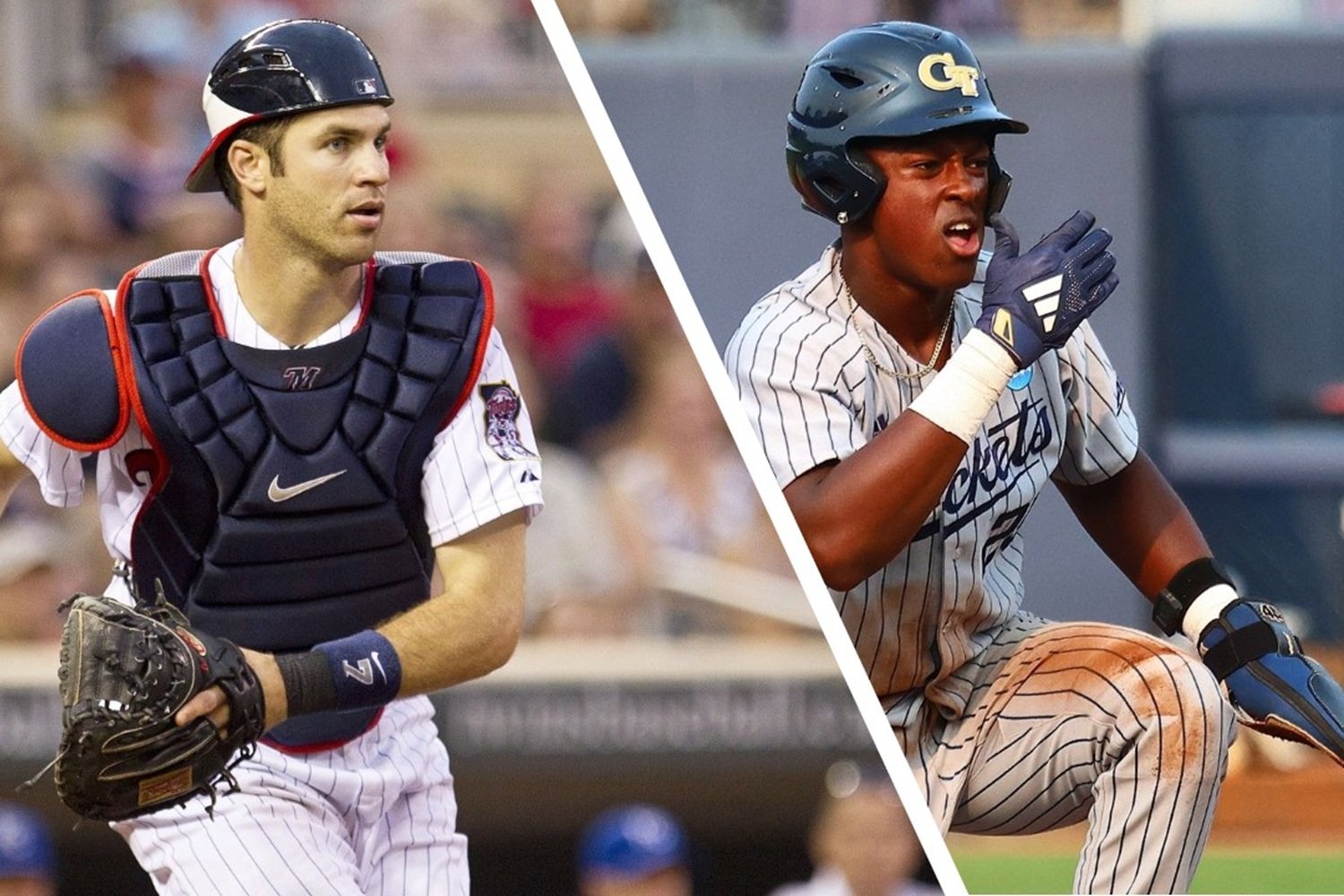 When the Minnesota Twins selected Vahn Lackey with the third overall pick in the 2026 MLB Draft, it didn't take long for one name to dominate the conversation. Joe Mauer. It was inevitable. Lackey became the first catcher the Twins have selected in the first round since Mauer went first overall in 2001. That fact alone guarantees the two will be connected throughout Lackey's professional career, whether it's fair or not. In reality, that statistic probably says as much about the Twins' drafting tendencies as it does about either player. Organizations go decades without selecting certain positions in the first round, for countless reasons. Draft classes differ from year to year; organizational needs change; and sometimes, the best player available simply isn't a catcher. Still, timing matters. Lackey is entering an organization where the standard for a franchise catcher isn't simply "good." It's one of the greatest players in baseball history. Mauer became the face of the franchise, a six-time All-Star, three-time batting champion, five-time Silver Slugger, three-time Gold Glove winner, American League MVP, and ultimately a first-ballot Hall of Famer. That bar is nearly impossible to clear. It's important not to expect Lackey to do so. Once the comparisons begin, there won't be any shortage of talking points. Both players entered professional baseball as elite catching prospects selected at the very top of the draft. Mauer went first overall in 2001 after starring at Cretin-Derham Hall in St. Paul, while Lackey came off the board with the third overall pick after an outstanding collegiate career. The paths were different (high school versus college), but the expectations were similar. Both projected as players capable of impacting games on both sides of the ball. Athleticism is another obvious connection. Catchers are often viewed as players whose athleticism is sacrificed for durability behind the plate. That wasn't true with Mauer, and it isn't true with Lackey. Mauer's athletic ability became legendary long before he reached the major leagues. He was one of the nation's top high-school quarterbacks and had committed to play football at Florida State before choosing professional baseball, instead. Lackey's athletic résumé looks different, but is equally impressive in its own way. During one collegiate game, he played eight different defensive positions, a remarkable display of versatility that few players at any level could replicate. It's also part of what makes evaluators believe he'll remain behind the plate. Defense is another area where the parallels become difficult to ignore. Mauer developed into one of the best defensive catchers of his generation, winning multiple Gold Gloves while earning a reputation for receiving, blocking, and managing a pitching staff. Lackey enters professional baseball with many of those same defensive accolades already attached to his scouting reports. His receiving skills, arm strength, leadership, and overall polish are consistently mentioned among his greatest strengths. While defensive awards are impossible to predict years in advance, he certainly has the profile of a catcher capable of earning that type of recognition. There are even similarities in the way both players are viewed as leaders. Catchers are often described as extensions of the coaching staff, responsible for managing games, building relationships with pitchers, and setting the tone defensively. Mauer excelled in those responsibilities throughout his career, and Lackey has already drawn praise for his baseball IQ, preparation, and competitiveness. Those characteristics don't guarantee success. But they do explain why the comparisons continue to surface. For every similarity, however, there are equally important differences. The most obvious come in the batter's box. Mauer's smooth left-handed swing became one of the most recognizable in baseball. His ability to spray line drives to every part of the field helped him become the first American League catcher to win a batting title, something he ultimately accomplished three different times. His bat-to-ball skills were extraordinary. Lackey, meanwhile, swings from the right side. His offensive profile isn't built around trying to become the next batting champion, even though he was remarkably productive in college. He finished his collegiate career with a .347 batting average and elevated that number to .397 during his junior season. Those are outstanding numbers. Expecting anyone to carry that level of offensive production into professional baseball would be unrealistic. Minor-league pitching—and eventually, major-league pitching—presents a completely different challenge. Where Lackey may separate himself is with power. He slugged 20 home runs while posting a staggering 1.291 OPS in 61 games during his junior season, showing an ability to drive the baseball with authority. Mauer’s power output was questioned throughout his career. Lackey's offensive ceiling may feature more over-the-fence production. Lackey’s athleticism could also show up on the bases. Mauer was an excellent athlete, but stolen bases were never a major part of his game. He reached double-digit steals only once and finished his 15-year career with 52 stolen bases. Lackey stole 15 bases during his junior season and has earned praise as an above-average runner. While catchers rarely become prolific base stealers in the majors because of the physical demands of the position, Lackey's speed gives him another dimension that Mauer rarely showcased. Their developmental timelines may also differ. Mauer entered pro ball as an 18-year-old phenom with years of development ahead of him. Lackey arrives after three seasons of college baseball, making him more polished and potentially closer to reaching the major leagues. That doesn't necessarily mean he'll become a better player, but it does mean his path could unfold much differently. Whether anyone wants it to happen or not, Twins fans are going to compare the two players. Every hot streak in the minor leagues will generate another headline asking if Lackey is the next Joe Mauer. Every slump will prompt questions about whether he can live up to being the organization's first first-round catcher in a quarter century. Every defensive highlight will remind fans of the Hall of Famer who spent 15 seasons behind the plate at Target Field. That's simply the reality of playing the same position for the same organization after a generational talent. The problem is that those comparisons create expectations that almost no prospect could realistically satisfy. Mauer became one of the best offensive catchers the game has ever seen and ultimately earned a plaque in Cooperstown. Measuring any young catcher against that standard is setting him up to fall short, even if he develops into an All-Star. That shouldn't diminish what Lackey can become. He has the talent to develop into one of baseball's premier catchers. His athleticism, defensive ability, power potential, and all-around skill set give him the ceiling of a true superstar. Those qualities are exactly why Minnesota invested the third overall pick in him. But there's a significant difference between having superstar potential and expecting a Hall of Fame career. The Twins aren't asking Lackey to recreate Mauer's legacy. They're asking him to build his own. If he becomes an All-Star catcher who anchors the lineup and the pitching staff for the next decade, the selection will be a tremendous success regardless of whether he wins three batting titles or hears his name called in Cooperstown someday. The comparisons will never disappear. That's the price of following a legend. For Lackey, the greatest accomplishment may be becoming the first Vahn Lackey. Is it fair to compare Lackey and Mauer? Leave a comment and start the discussion.
 -
Image courtesy of © Jesse Johnson-USA TODAY Sports (Mauer), Petre Thomas-Imagn Images (Lackey) When the Minnesota Twins selected Vahn Lackey with the third overall pick in the 2026 MLB Draft, it didn't take long for one name to dominate the conversation. Joe Mauer. It was inevitable. Lackey became the first catcher the Twins have selected in the first round since Mauer went first overall in 2001. That fact alone guarantees the two will be connected throughout Lackey's professional career, whether it's fair or not. In reality, that statistic probably says as much about the Twins' drafting tendencies as it does about either player. Organizations go decades without selecting certain positions in the first round, for countless reasons. Draft classes differ from year to year; organizational needs change; and sometimes, the best player available simply isn't a catcher. Still, timing matters. Lackey is entering an organization where the standard for a franchise catcher isn't simply "good." It's one of the greatest players in baseball history. Mauer became the face of the franchise, a six-time All-Star, three-time batting champion, five-time Silver Slugger, three-time Gold Glove winner, American League MVP, and ultimately a first-ballot Hall of Famer. That bar is nearly impossible to clear. It's important not to expect Lackey to do so. Once the comparisons begin, there won't be any shortage of talking points. Both players entered professional baseball as elite catching prospects selected at the very top of the draft. Mauer went first overall in 2001 after starring at Cretin-Derham Hall in St. Paul, while Lackey came off the board with the third overall pick after an outstanding collegiate career. The paths were different (high school versus college), but the expectations were similar. Both projected as players capable of impacting games on both sides of the ball. Athleticism is another obvious connection. Catchers are often viewed as players whose athleticism is sacrificed for durability behind the plate. That wasn't true with Mauer, and it isn't true with Lackey. Mauer's athletic ability became legendary long before he reached the major leagues. He was one of the nation's top high-school quarterbacks and had committed to play football at Florida State before choosing professional baseball, instead. Lackey's athletic résumé looks different, but is equally impressive in its own way. During one collegiate game, he played eight different defensive positions, a remarkable display of versatility that few players at any level could replicate. It's also part of what makes evaluators believe he'll remain behind the plate. Defense is another area where the parallels become difficult to ignore. Mauer developed into one of the best defensive catchers of his generation, winning multiple Gold Gloves while earning a reputation for receiving, blocking, and managing a pitching staff. Lackey enters professional baseball with many of those same defensive accolades already attached to his scouting reports. His receiving skills, arm strength, leadership, and overall polish are consistently mentioned among his greatest strengths. While defensive awards are impossible to predict years in advance, he certainly has the profile of a catcher capable of earning that type of recognition. There are even similarities in the way both players are viewed as leaders. Catchers are often described as extensions of the coaching staff, responsible for managing games, building relationships with pitchers, and setting the tone defensively. Mauer excelled in those responsibilities throughout his career, and Lackey has already drawn praise for his baseball IQ, preparation, and competitiveness. Those characteristics don't guarantee success. But they do explain why the comparisons continue to surface. For every similarity, however, there are equally important differences. The most obvious come in the batter's box. Mauer's smooth left-handed swing became one of the most recognizable in baseball. His ability to spray line drives to every part of the field helped him become the first American League catcher to win a batting title, something he ultimately accomplished three different times. His bat-to-ball skills were extraordinary. Lackey, meanwhile, swings from the right side. His offensive profile isn't built around trying to become the next batting champion, even though he was remarkably productive in college. He finished his collegiate career with a .347 batting average and elevated that number to .397 during his junior season. Those are outstanding numbers. Expecting anyone to carry that level of offensive production into professional baseball would be unrealistic. Minor-league pitching—and eventually, major-league pitching—presents a completely different challenge. Where Lackey may separate himself is with power. He slugged 20 home runs while posting a staggering 1.291 OPS in 61 games during his junior season, showing an ability to drive the baseball with authority. Mauer’s power output was questioned throughout his career. Lackey's offensive ceiling may feature more over-the-fence production. Lackey’s athleticism could also show up on the bases. Mauer was an excellent athlete, but stolen bases were never a major part of his game. He reached double-digit steals only once and finished his 15-year career with 52 stolen bases. Lackey stole 15 bases during his junior season and has earned praise as an above-average runner. While catchers rarely become prolific base stealers in the majors because of the physical demands of the position, Lackey's speed gives him another dimension that Mauer rarely showcased. Their developmental timelines may also differ. Mauer entered pro ball as an 18-year-old phenom with years of development ahead of him. Lackey arrives after three seasons of college baseball, making him more polished and potentially closer to reaching the major leagues. That doesn't necessarily mean he'll become a better player, but it does mean his path could unfold much differently. Whether anyone wants it to happen or not, Twins fans are going to compare the two players. Every hot streak in the minor leagues will generate another headline asking if Lackey is the next Joe Mauer. Every slump will prompt questions about whether he can live up to being the organization's first first-round catcher in a quarter century. Every defensive highlight will remind fans of the Hall of Famer who spent 15 seasons behind the plate at Target Field. That's simply the reality of playing the same position for the same organization after a generational talent. The problem is that those comparisons create expectations that almost no prospect could realistically satisfy. Mauer became one of the best offensive catchers the game has ever seen and ultimately earned a plaque in Cooperstown. Measuring any young catcher against that standard is setting him up to fall short, even if he develops into an All-Star. That shouldn't diminish what Lackey can become. He has the talent to develop into one of baseball's premier catchers. His athleticism, defensive ability, power potential, and all-around skill set give him the ceiling of a true superstar. Those qualities are exactly why Minnesota invested the third overall pick in him. But there's a significant difference between having superstar potential and expecting a Hall of Fame career. The Twins aren't asking Lackey to recreate Mauer's legacy. They're asking him to build his own. If he becomes an All-Star catcher who anchors the lineup and the pitching staff for the next decade, the selection will be a tremendous success regardless of whether he wins three batting titles or hears his name called in Cooperstown someday. The comparisons will never disappear. That's the price of following a legend. For Lackey, the greatest accomplishment may be becoming the first Vahn Lackey. Is it fair to compare Lackey and Mauer? Leave a comment and start the discussion. View full article
-
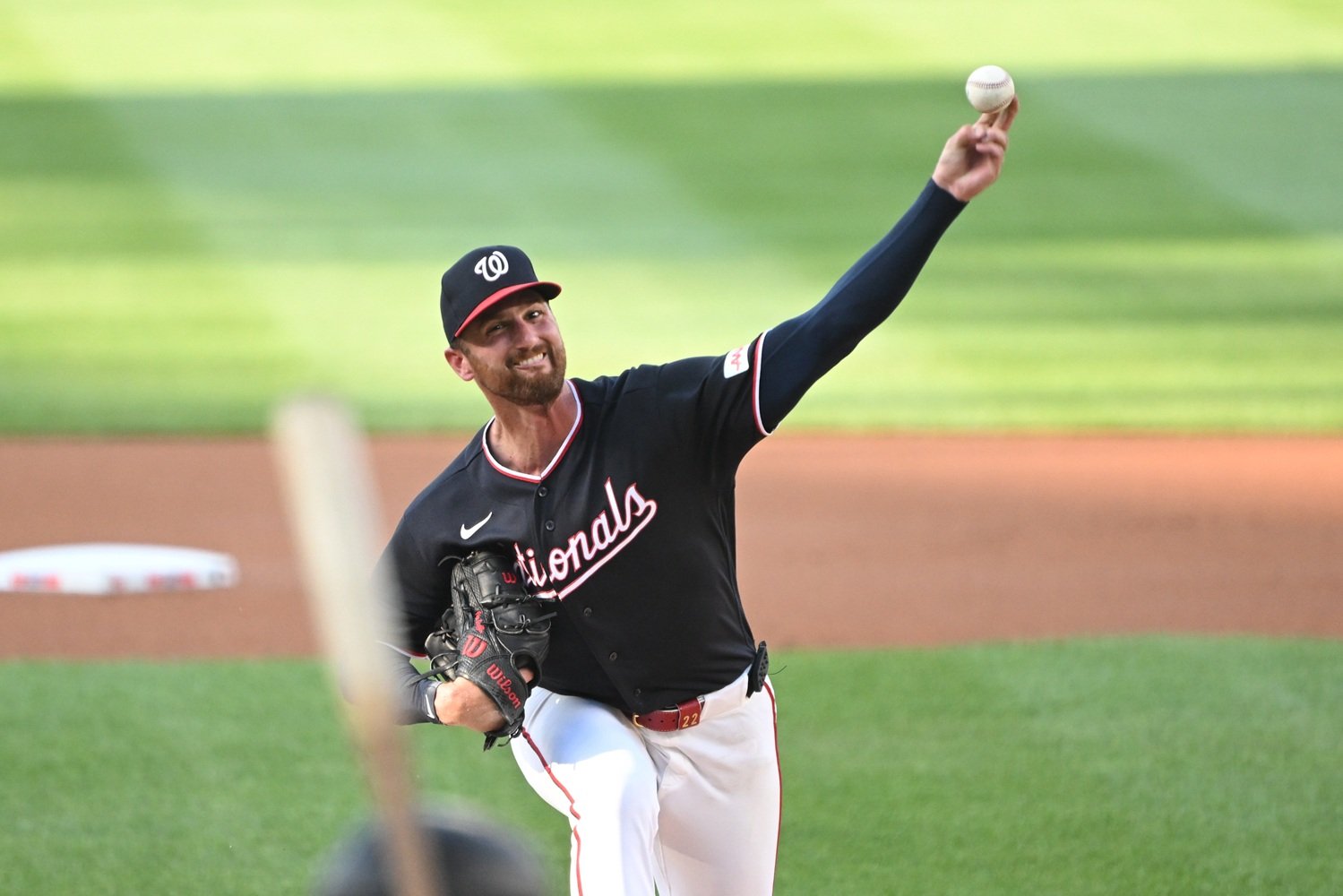 The Minnesota Twins have spent much of the 2026 season trying to survive one of baseball's least effective bullpens. Injuries and inconsistency have put added pressure on a club that has remained in the American League Wild Card race. Jeremy Zoll doesn't need to overhaul the bullpen with blockbuster acquisitions, but standing pat isn't a realistic option, either. Minnesota needs multiple relievers if it hopes to play meaningful games in September and October. One intriguing wrinkle is already inside the organization. Connor Prielipp and Zebby Matthews both have the type of electric stuff that could immediately play up in relief. A move to the bullpen would shorten games and potentially solve multiple late-inning problems. The challenge, of course, is replacing their innings in the rotation. If the Twins decide to shift one (or both) into relief, they'll need to acquire another starting pitcher capable of handling meaningful starts down the stretch. That combination of needs opens the door to several under-the-radar trade candidates who could improve Minnesota without requiring the type of prospect package attached to the biggest names on the market. RHP Foster Griffin Diamond Centric’s Trade Candidate Rank: 21 For the Twins, Griffin's versatility is what makes him particularly intriguing. Minnesota doesn't necessarily need an ace if it intends to move Prielipp or Matthews into relief. It simply needs someone capable of taking the ball every fifth day and keeping the team in games. Griffin could stabilize the back end of the rotation, while providing another option to shift into relief during a postseason series. His ability to throw strikes and keep hitters off balance also aligns well with the Twins' pitching philosophy, which has long emphasized command and pitch mix over pure velocity. LHP Steven Okert Diamond Centric’s Trade Candidate Rank: 24 Twins fans will be familiar with Okert from his time with the club in 2024, but he's a different pitcher. Minnesota has lacked a dependable late-inning left-handed option throughout much of the season, making Okert an ideal fit. Anthony Banda’s recent season-ending injury has only heightened that need. Okert’s ability to retire both left-handed and right-handed hitters would give manager Derek Shelton significantly more flexibility than simply using him as a matchup specialist. Minnesota has often leaned heavily on right-handed relievers in leverage situations, and adding a proven veteran like Okert would immediately diversify the bullpen while bringing postseason experience to a relief corps that desperately needs stability. LHP Trevor Rogers Diamond Centric’s Trade Candidate Rank: 33 Rogers might be the most interesting name on this list, because he addresses multiple needs at once. If Minnesota wants to convert Prielipp into a reliever to protect his innings, Rogers could slide directly into the rotation. His changeup-heavy approach would offer a different look than the Twins' current starters, and Target Field has historically been a favorable environment for pitchers who rely on deception and limiting hard contact. There is certainly risk attached to his uneven 2026 season, but the upside of adding another quality starter could be worth the gamble if Baltimore is willing to listen. RHP Kevin Ginkel Diamond Centric’s Trade Candidate Rank: 42 Ginkel checks nearly every box the Twins should value at the deadline. He has experience pitching in high-leverage situations, misses bats with two quality pitches, and has shown he can perform under postseason pressure. Minnesota's bullpen has struggled to consistently bridge games to the ninth inning, and Ginkel could immediately slot into the seventh or eighth inning. If the Twins are serious about making a playoff push, adding a reliever with October experience could pay dividends well beyond the regular season. LHP JoJo Romero Diamond Centric’s Trade Candidate Rank: 53 Romero would give Minnesota something it has lacked all season: a legitimate ground-ball specialist capable of escaping inherited-runner situations. Too often, the Twins have watched rallies snowball because their bullpen couldn't induce weak contact when it mattered most. Romero's ability to generate ground balls would pair nicely with Minnesota's improved infield defense in recent weeks after shifting players to new defensive homes. Even if his surface numbers aren't as dominant as they were a year ago, his underlying skill set fits exactly what the Twins should be seeking. The Right Mix Matters More Than the Biggest Name The Twins don't necessarily need to win the trade deadline headlines to transform their pitching staff. Adding a starter like Griffin or Rogers could create the flexibility to unleash Prielipp or Matthews in relief, where their premium stuff could have an even greater impact during a playoff race. Pairing that move with one or two experienced bullpen arms like Okert, Ginkel, or Romero would dramatically deepen a relief corps that has too often been the club's biggest weakness. Championship contenders are rarely built with one splashy acquisition. More often, they're assembled through several smart, complementary moves. If Jeremy Zoll can identify the right combination of these under-the-radar arms, the Twins could quietly turn one of baseball's weakest bullpens into a legitimate strength before October arrives. Which player(s) from this group should the Twins target? Leave a comment and start the discussion.
- 15 comments
-
- 3
-
-
- foster griffin
- jojo romero
- (and 3 more)
-
Image courtesy of © Rafael Suanes-Imagn Images The Minnesota Twins have spent much of the 2026 season trying to survive one of baseball's least effective bullpens. Injuries and inconsistency have put added pressure on a club that has remained in the American League Wild Card race. Jeremy Zoll doesn't need to overhaul the bullpen with blockbuster acquisitions, but standing pat isn't a realistic option, either. Minnesota needs multiple relievers if it hopes to play meaningful games in September and October. One intriguing wrinkle is already inside the organization. Connor Prielipp and Zebby Matthews both have the type of electric stuff that could immediately play up in relief. A move to the bullpen would shorten games and potentially solve multiple late-inning problems. The challenge, of course, is replacing their innings in the rotation. If the Twins decide to shift one (or both) into relief, they'll need to acquire another starting pitcher capable of handling meaningful starts down the stretch. That combination of needs opens the door to several under-the-radar trade candidates who could improve Minnesota without requiring the type of prospect package attached to the biggest names on the market. RHP Foster Griffin Diamond Centric’s Trade Candidate Rank: 21 For the Twins, Griffin's versatility is what makes him particularly intriguing. Minnesota doesn't necessarily need an ace if it intends to move Prielipp or Matthews into relief. It simply needs someone capable of taking the ball every fifth day and keeping the team in games. Griffin could stabilize the back end of the rotation, while providing another option to shift into relief during a postseason series. His ability to throw strikes and keep hitters off balance also aligns well with the Twins' pitching philosophy, which has long emphasized command and pitch mix over pure velocity. LHP Steven Okert Diamond Centric’s Trade Candidate Rank: 24 Twins fans will be familiar with Okert from his time with the club in 2024, but he's a different pitcher. Minnesota has lacked a dependable late-inning left-handed option throughout much of the season, making Okert an ideal fit. Anthony Banda’s recent season-ending injury has only heightened that need. Okert’s ability to retire both left-handed and right-handed hitters would give manager Derek Shelton significantly more flexibility than simply using him as a matchup specialist. Minnesota has often leaned heavily on right-handed relievers in leverage situations, and adding a proven veteran like Okert would immediately diversify the bullpen while bringing postseason experience to a relief corps that desperately needs stability. LHP Trevor Rogers Diamond Centric’s Trade Candidate Rank: 33 Rogers might be the most interesting name on this list, because he addresses multiple needs at once. If Minnesota wants to convert Prielipp into a reliever to protect his innings, Rogers could slide directly into the rotation. His changeup-heavy approach would offer a different look than the Twins' current starters, and Target Field has historically been a favorable environment for pitchers who rely on deception and limiting hard contact. There is certainly risk attached to his uneven 2026 season, but the upside of adding another quality starter could be worth the gamble if Baltimore is willing to listen. RHP Kevin Ginkel Diamond Centric’s Trade Candidate Rank: 42 Ginkel checks nearly every box the Twins should value at the deadline. He has experience pitching in high-leverage situations, misses bats with two quality pitches, and has shown he can perform under postseason pressure. Minnesota's bullpen has struggled to consistently bridge games to the ninth inning, and Ginkel could immediately slot into the seventh or eighth inning. If the Twins are serious about making a playoff push, adding a reliever with October experience could pay dividends well beyond the regular season. LHP JoJo Romero Diamond Centric’s Trade Candidate Rank: 53 Romero would give Minnesota something it has lacked all season: a legitimate ground-ball specialist capable of escaping inherited-runner situations. Too often, the Twins have watched rallies snowball because their bullpen couldn't induce weak contact when it mattered most. Romero's ability to generate ground balls would pair nicely with Minnesota's improved infield defense in recent weeks after shifting players to new defensive homes. Even if his surface numbers aren't as dominant as they were a year ago, his underlying skill set fits exactly what the Twins should be seeking. The Right Mix Matters More Than the Biggest Name The Twins don't necessarily need to win the trade deadline headlines to transform their pitching staff. Adding a starter like Griffin or Rogers could create the flexibility to unleash Prielipp or Matthews in relief, where their premium stuff could have an even greater impact during a playoff race. Pairing that move with one or two experienced bullpen arms like Okert, Ginkel, or Romero would dramatically deepen a relief corps that has too often been the club's biggest weakness. Championship contenders are rarely built with one splashy acquisition. More often, they're assembled through several smart, complementary moves. If Jeremy Zoll can identify the right combination of these under-the-radar arms, the Twins could quietly turn one of baseball's weakest bullpens into a legitimate strength before October arrives. Which player(s) from this group should the Twins target? Leave a comment and start the discussion. View full article
- 15 replies
-
- 1
-
-
- foster griffin
- jojo romero
- (and 3 more)
-
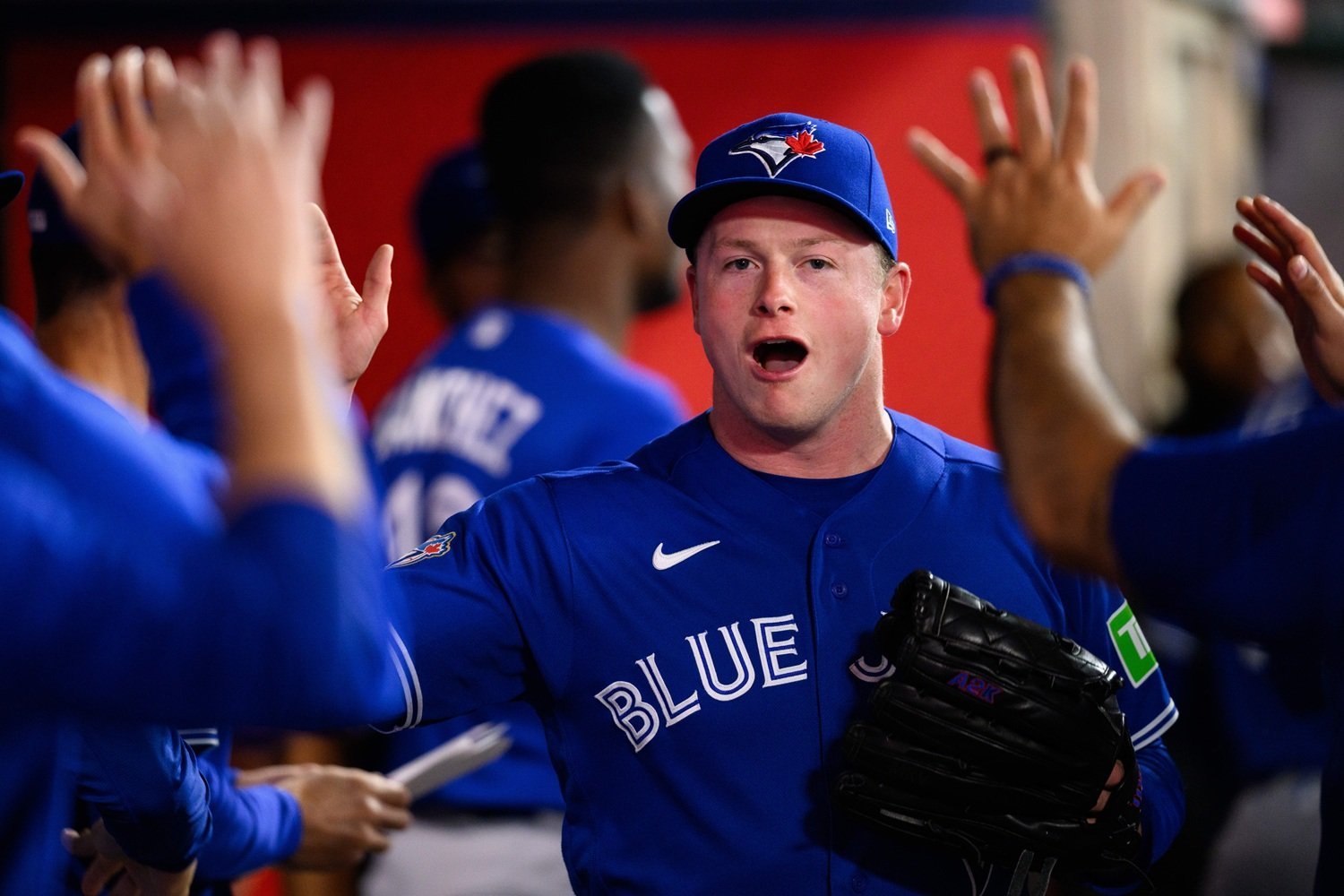 The 2025 trade deadline was one of the most dramatic turning points in recent Minnesota Twins history. In a matter of days, the front office dismantled much of the major-league roster, moving established veterans for a wave of prospects and younger talent while resetting both the payroll and the organization's timeline. Some of those deals already look like clear successes. The Twins replenished their farm system, adding high-upside talent that dramatically changed the long-term outlook of the organization. Others, however, have exposed just how difficult it is to project player development, replace elite major-league production, or assume payroll flexibility will eventually translate into roster improvements. One year later, the Twins find themselves back in the playoff race. Ironically, many of the same needs that existed entering last year's deadline remain unresolved. Looking back, three important lessons have emerged from the organization's aggressive sell-off. Lesson 1: Building a Bullpen Isn't Easy One of the biggest assumptions behind last year's deadline appeared to be that rebuilding the bullpen would be relatively straightforward. Elite relievers are volatile, and Minnesota's front office seemed confident it could identify undervalued arms through waivers, minor trades, cash-consideration deals, and internal development. Every organization believes it can find the next breakout reliever. The Twins have learned that that isn't nearly as easy as it sounds. Andrew Morris has been the organization's biggest internal success story this season, establishing himself as a reliable late-inning option. Beyond him, however, the front office has spent much of the year cycling through waiver claims, minor acquisitions, and depth pieces while searching for consistent production. Instead of entering the season with an established ninth-inning option, the Twins have been forced to piece together leverage innings on a nightly basis. Meanwhile, Louis Varland has developed into exactly the type of reliever every contender covets. The former Twin has emerged as one of baseball's premier bullpen arms, handling high-leverage situations with swing-and-miss stuff while remaining under inexpensive pre-arbitration control. Those are precisely the types of players championship-caliber teams spend years trying to develop. Looking back, it's becoming increasingly difficult to justify moving a high-leverage reliever with multiple years of team control remaining. Building a bullpen on paper is one thing. Actually replacing elite bullpen production is another. Lesson 2: Trading for MLB-Ready Players Doesn't Ensure They're MLB-Ready Prospect rankings often focus on upside, but last year's deadline also emphasized acquiring players who could contribute quickly. On paper, that strategy made plenty of sense. Alan Roden, Kendry Rojas, Mick Abel, and James Outman all had major-league experience or appeared ready to make the jump entering 2026. The expectation was that several would quickly become meaningful contributors. Instead, reality has been much messier. Outman struggled badly, producing negative WAR before ultimately being designated for assignment. Roden opened the season at Triple-A before suffering an injury that delayed his opportunity. He's only recently joined the Twins after finally getting healthy. On the pitching side, Abel showed flashes of why the Twins targeted him, but injuries once again interrupted his development. After several encouraging starts, he now appears likely to miss the remainder of the season following surgery to shave bone in his throwing elbow. Rojas has bounced between Triple-A and Minnesota in a multi-inning relief role. His stuff remains intriguing, but inconsistent command has prevented him from establishing himself as a dependable option. None of those players should be considered finished products. Several still possess the talent to become important contributors over the next few seasons. However, the past year has reinforced a valuable lesson. Being close to the major leagues isn't the same as being ready to consistently succeed in the major leagues. Development rarely follows a straight line. Lesson 3: Carlos Correa's Dumped Contract Was Never Going to Be Reinvested Perhaps the biggest misconception surrounding last year's deadline centered around payroll. When the Twins moved Correa and a significant portion of his remaining contract, it was reasonable for many fans to assume those savings would eventually be redirected toward improving the major-league roster. Instead, the opposite happened. Minnesota's payroll has continued to decline, dropping from roughly $160 million in 2024 to approximately $130 million in 2025 before falling again to roughly $105 million in 2026. Complicating matters further, more than $21 million of this year's payroll is tied up in Pablo López, who is sidelined after undergoing Tommy John surgery. Correa himself is out for the season with an ankle injury, while the Twins are still paying the Astros $10 million for him to play elsewhere. The payroll flexibility created by last summer's trade never materialized into meaningful roster additions. Imagine how different this year's club might look with another $20-30 million available. The Twins could have aggressively pursued multiple late-inning relievers, added another dependable back-end starter, or strengthened the bench with proven veterans. Instead, those remain the organization's biggest needs as another trade deadline approaches. Financial flexibility only creates value if ownership chooses to spend it. Otherwise, it's simply a smaller payroll. Looking Back While Looking Ahead It's still too early to declare winners and losers from the 2025 deadline. Several prospects acquired during the fire sale could become impact players over the next few seasons, and rebuilding the farm system was an important organizational objective. That part of the strategy has largely been successful. But one year later, the Twins also have a clearer understanding of what was lost. Elite relievers aren't easily replaced. MLB-ready players often require more development than expected. And payroll flexibility doesn't automatically become roster improvement. As Minnesota approaches another trade deadline with postseason aspirations, those lessons should be fresh in the minds of the front office. The decisions made this July will determine whether the organization truly learned from last summer, or simply repeats the same mistakes. Do you agree with these lessons from last year's fire sale? Leave a comment and start the discussion.
- 41 comments
-
- 7
-
-
- louis varland
- andrew morris
- (and 5 more)
-
Image courtesy of © William Liang-Imagn Images The 2025 trade deadline was one of the most dramatic turning points in recent Minnesota Twins history. In a matter of days, the front office dismantled much of the major-league roster, moving established veterans for a wave of prospects and younger talent while resetting both the payroll and the organization's timeline. Some of those deals already look like clear successes. The Twins replenished their farm system, adding high-upside talent that dramatically changed the long-term outlook of the organization. Others, however, have exposed just how difficult it is to project player development, replace elite major-league production, or assume payroll flexibility will eventually translate into roster improvements. One year later, the Twins find themselves back in the playoff race. Ironically, many of the same needs that existed entering last year's deadline remain unresolved. Looking back, three important lessons have emerged from the organization's aggressive sell-off. Lesson 1: Building a Bullpen Isn't Easy One of the biggest assumptions behind last year's deadline appeared to be that rebuilding the bullpen would be relatively straightforward. Elite relievers are volatile, and Minnesota's front office seemed confident it could identify undervalued arms through waivers, minor trades, cash-consideration deals, and internal development. Every organization believes it can find the next breakout reliever. The Twins have learned that that isn't nearly as easy as it sounds. Andrew Morris has been the organization's biggest internal success story this season, establishing himself as a reliable late-inning option. Beyond him, however, the front office has spent much of the year cycling through waiver claims, minor acquisitions, and depth pieces while searching for consistent production. Instead of entering the season with an established ninth-inning option, the Twins have been forced to piece together leverage innings on a nightly basis. Meanwhile, Louis Varland has developed into exactly the type of reliever every contender covets. The former Twin has emerged as one of baseball's premier bullpen arms, handling high-leverage situations with swing-and-miss stuff while remaining under inexpensive pre-arbitration control. Those are precisely the types of players championship-caliber teams spend years trying to develop. Looking back, it's becoming increasingly difficult to justify moving a high-leverage reliever with multiple years of team control remaining. Building a bullpen on paper is one thing. Actually replacing elite bullpen production is another. Lesson 2: Trading for MLB-Ready Players Doesn't Ensure They're MLB-Ready Prospect rankings often focus on upside, but last year's deadline also emphasized acquiring players who could contribute quickly. On paper, that strategy made plenty of sense. Alan Roden, Kendry Rojas, Mick Abel, and James Outman all had major-league experience or appeared ready to make the jump entering 2026. The expectation was that several would quickly become meaningful contributors. Instead, reality has been much messier. Outman struggled badly, producing negative WAR before ultimately being designated for assignment. Roden opened the season at Triple-A before suffering an injury that delayed his opportunity. He's only recently joined the Twins after finally getting healthy. On the pitching side, Abel showed flashes of why the Twins targeted him, but injuries once again interrupted his development. After several encouraging starts, he now appears likely to miss the remainder of the season following surgery to shave bone in his throwing elbow. Rojas has bounced between Triple-A and Minnesota in a multi-inning relief role. His stuff remains intriguing, but inconsistent command has prevented him from establishing himself as a dependable option. None of those players should be considered finished products. Several still possess the talent to become important contributors over the next few seasons. However, the past year has reinforced a valuable lesson. Being close to the major leagues isn't the same as being ready to consistently succeed in the major leagues. Development rarely follows a straight line. Lesson 3: Carlos Correa's Dumped Contract Was Never Going to Be Reinvested Perhaps the biggest misconception surrounding last year's deadline centered around payroll. When the Twins moved Correa and a significant portion of his remaining contract, it was reasonable for many fans to assume those savings would eventually be redirected toward improving the major-league roster. Instead, the opposite happened. Minnesota's payroll has continued to decline, dropping from roughly $160 million in 2024 to approximately $130 million in 2025 before falling again to roughly $105 million in 2026. Complicating matters further, more than $21 million of this year's payroll is tied up in Pablo López, who is sidelined after undergoing Tommy John surgery. Correa himself is out for the season with an ankle injury, while the Twins are still paying the Astros $10 million for him to play elsewhere. The payroll flexibility created by last summer's trade never materialized into meaningful roster additions. Imagine how different this year's club might look with another $20-30 million available. The Twins could have aggressively pursued multiple late-inning relievers, added another dependable back-end starter, or strengthened the bench with proven veterans. Instead, those remain the organization's biggest needs as another trade deadline approaches. Financial flexibility only creates value if ownership chooses to spend it. Otherwise, it's simply a smaller payroll. Looking Back While Looking Ahead It's still too early to declare winners and losers from the 2025 deadline. Several prospects acquired during the fire sale could become impact players over the next few seasons, and rebuilding the farm system was an important organizational objective. That part of the strategy has largely been successful. But one year later, the Twins also have a clearer understanding of what was lost. Elite relievers aren't easily replaced. MLB-ready players often require more development than expected. And payroll flexibility doesn't automatically become roster improvement. As Minnesota approaches another trade deadline with postseason aspirations, those lessons should be fresh in the minds of the front office. The decisions made this July will determine whether the organization truly learned from last summer, or simply repeats the same mistakes. Do you agree with these lessons from last year's fire sale? Leave a comment and start the discussion. View full article
-
 The revolving door in the Minnesota Twins bullpen kept spinning on Tuesday. Minnesota optioned right-hander Woo-Suk Go to Triple-A St. Paul and recalled Jack Anderson, the organization's newest bullpen addition. It's another move that highlights the reality of the Twins' season: they're still searching for anyone capable of providing consistent innings out of one of baseball's least reliable bullpens. Go's latest opportunity came to an abrupt end after Monday's outing, when he surrendered three runs on four hits while recording just three outs. It was another reminder that, despite the intriguing upside that made him worth acquiring, the results simply weren't there. When Minnesota initially acquired Go, the club was required to place him on the active roster because of a clause in his contract. That requirement never meant the Twins had to keep him in the majors indefinitely, and after four appearances, they decided it was time for him to continue working at Triple-A. The numbers made that decision relatively straightforward. Over four innings with Minnesota, Go allowed four earned runs on eight hits while posting a 5-to-2 strikeout-to-walk ratio. The strike-throwing wasn't necessarily the issue. Instead, opposing hitters consistently squared him up. A 53.5% hard-hit rate paired with a 94.9 mph average exit velocity tells the story. Big league hitters were making loud contact and that's a difficult formula for any reliever to survive, especially one trying to establish himself with a new organization. The Twins clearly still believe there's something to work with. Otherwise, they wouldn't have targeted him in the first place. But for now, Triple-A offers a better environment to make adjustments without the pressure of protecting late leads in the American League playoff race. His departure opens the door for another fresh arm. Minnesota claimed Anderson from the Boston Red Sox organization just over a week ago, and Tuesday marks his first opportunity with his new club. The 27-year-old already checked one milestone off his list this season by making his major league debut with Boston. He also represented Great Britain during the World Baseball Classic, where he threw three innings, allowing one earned run while striking out three. In limited major league action with the Red Sox, Anderson logged eight innings across three appearances, allowing three runs on eight hits with six strikeouts and only two walks. It's a small sample, but one that showed enough promise for Minnesota to take a chance. His Triple-A numbers were more modest, posting a 4.57 ERA while striking out 20.0% of opposing hitters and walking 8.1%. Anderson isn't going to overpower hitters. His fastball sits just above 90 mph, but his arsenal relies more heavily on movement than velocity. He leans on an 81.4 mph sinker and an 80.9 mph slider, giving hitters a different look than many of the power arms found throughout today's game. Whether that profile translates consistently at the major league level remains to be seen. For the Twins, though, this isn't about finding the next All-Star closer. It's about finding competent innings. The bullpen has been one of the organization's biggest weaknesses throughout the season, forcing the front office to cycle through waiver claims, internal promotions, and role changes in hopes of uncovering a reliable contributor. Anderson becomes the latest pitcher to receive that opportunity. Sometimes those moves produce unexpected success stories. Other times, they're simply placeholders until someone else earns the next chance. Minnesota hopes Anderson falls into the first category. For now, the latest bullpen shuffle reflects where the organization is today: rebuilding relief depth one roster move at a time.
 -
The revolving door in the Minnesota Twins bullpen kept spinning on Tuesday. Minnesota optioned right-hander Woo-Suk Go to Triple-A St. Paul and recalled Jack Anderson, the organization's newest bullpen addition. It's another move that highlights the reality of the Twins' season: they're still searching for anyone capable of providing consistent innings out of one of baseball's least reliable bullpens. Go's latest opportunity came to an abrupt end after Monday's outing, when he surrendered three runs on four hits while recording just three outs. It was another reminder that, despite the intriguing upside that made him worth acquiring, the results simply weren't there. When Minnesota initially acquired Go, the club was required to place him on the active roster because of a clause in his contract. That requirement never meant the Twins had to keep him in the majors indefinitely, and after four appearances, they decided it was time for him to continue working at Triple-A. The numbers made that decision relatively straightforward. Over four innings with Minnesota, Go allowed four earned runs on eight hits while posting a 5-to-2 strikeout-to-walk ratio. The strike-throwing wasn't necessarily the issue. Instead, opposing hitters consistently squared him up. A 53.5% hard-hit rate paired with a 94.9 mph average exit velocity tells the story. Big league hitters were making loud contact and that's a difficult formula for any reliever to survive, especially one trying to establish himself with a new organization. The Twins clearly still believe there's something to work with. Otherwise, they wouldn't have targeted him in the first place. But for now, Triple-A offers a better environment to make adjustments without the pressure of protecting late leads in the American League playoff race. His departure opens the door for another fresh arm. Minnesota claimed Anderson from the Boston Red Sox organization just over a week ago, and Tuesday marks his first opportunity with his new club. The 27-year-old already checked one milestone off his list this season by making his major league debut with Boston. He also represented Great Britain during the World Baseball Classic, where he threw three innings, allowing one earned run while striking out three. In limited major league action with the Red Sox, Anderson logged eight innings across three appearances, allowing three runs on eight hits with six strikeouts and only two walks. It's a small sample, but one that showed enough promise for Minnesota to take a chance. His Triple-A numbers were more modest, posting a 4.57 ERA while striking out 20.0% of opposing hitters and walking 8.1%. Anderson isn't going to overpower hitters. His fastball sits just above 90 mph, but his arsenal relies more heavily on movement than velocity. He leans on an 81.4 mph sinker and an 80.9 mph slider, giving hitters a different look than many of the power arms found throughout today's game. Whether that profile translates consistently at the major league level remains to be seen. For the Twins, though, this isn't about finding the next All-Star closer. It's about finding competent innings. The bullpen has been one of the organization's biggest weaknesses throughout the season, forcing the front office to cycle through waiver claims, internal promotions, and role changes in hopes of uncovering a reliable contributor. Anderson becomes the latest pitcher to receive that opportunity. Sometimes those moves produce unexpected success stories. Other times, they're simply placeholders until someone else earns the next chance. Minnesota hopes Anderson falls into the first category. For now, the latest bullpen shuffle reflects where the organization is today: rebuilding relief depth one roster move at a time. View full rumor
-
Image courtesy of William Parmeter The Twins are approaching one of the most important stretches of their season. With the club battling for an American League Wild Card spot, every roster decision carries more weight than it did in April or May. The front office is expected to spend the next several days evaluating outside additions, particularly for a bullpen that has struggled throughout the year. However, the biggest offensive addition available to Minnesota may already be wearing a St. Paul Saints uniform. Walker Jenkins has done everything the organization could reasonably ask since returning from injury. Instead of waiting for a perfect opening, the Twins should be finding a way to get one of baseball's best prospects into their lineup before the MLB Trade Deadline. Jenkins returned to Triple-A roughly a month ago, after recovering from the shoulder injury he suffered crashing into the outfield wall while making a catch. Since coming back, he has looked every bit like the hitter scouts expected when Minnesota selected him fifth overall in the 2023 MLB Draft. Over the last 28 days, Jenkins owns a .929 OPS. Over the last week, he's been even better, posting a .643 slugging percentage and a 1.055 OPS. Those numbers become even more impressive when considering the context. Jenkins is accomplishing all of this during his age-21 season, while facing competition that is more than five years older on average in the International League. At some point, there isn't much more for him to prove. This week's Baseball America profile offered another encouraging glimpse into why evaluators remain so bullish on Jenkins. One of the biggest takeaways centered on his elite swing decisions and bat-to-ball ability against pitches in the strike zone. He has just seven whiffs against four-seam fastballs all season, and nearly all of those swings came on elevated pitches that finished above the strike zone. That type of zone control isn't common, especially for a player this young. Major-league pitchers will undoubtedly challenge him differently. Fastballs won't come nearly as often once opponents recognize his ability to handle velocity. Instead, he'll need to adjust to a steady diet of breaking balls and off-speed pitches. Still, the underlying skills suggest the transition could happen quicker than many rookie debuts. Jenkins doesn't chase often, rarely misses pitches he should hit, and consistently controls the strike zone. Those traits tend to translate regardless of level. The frustrating part is that the Twins don't appear to have a natural opening for him. Byron Buxton returned from the injured list earlier this week, prompting Minnesota to option infielder Tristan Gray back to Triple-A. The club is also carrying three catchers after Ryan Jeffers returned from injury. Because Alex Jackson is out of minor-league options, the Twins understandably didn't want to risk losing him on waivers. That leaves a crowded bench featuring Victor Caratini, Alex Jackson, Austin Martin, and Alan Roden. Martin and Roden are the only players with minor-league options remaining, making them the easiest roster moves if Minnesota chooses to promote Jenkins. As things currently stand, though, it feels like Jenkins's path requires someone else getting hurt. That shouldn't be the standard. The Twins have reached the point in the season where roster spots should be earned by performance, not protected by circumstance. Martin has struggled to provide much offensive impact recently, posting a .583 OPS over the last two weeks despite being deployed primarily in favorable platoon matchups. His versatility remains valuable, but if Minnesota is searching for ways to inject more offense into a lineup fighting for a postseason berth, Jenkins offers a significantly higher ceiling. Replacing Martin with Jenkins wouldn't solve every offensive concern overnight. It would, however, give the Twins another hitter capable of changing games instead of simply filling innings. Waiting for an injury to create an opening feels unnecessarily passive. If Minnesota believes Jenkins is one of the organization's cornerstone players (and every indication suggests they do), there is value in letting him experience the major leagues before the trade deadline. It gives him time to adjust before September, allows the coaching staff to evaluate where he fits best, and provides the front office with a better understanding of what additional moves might still be necessary. The Twins are searching for ways to improve their roster over the next week. External additions may grab the headlines, but the organization already has one of its most talented players waiting just down Interstate 94. The challenge isn't determining whether Jenkins is ready. It's deciding whether the Twins are willing to make room for him before someone else forces the decision. Should the Twins look to promote Jenkins? Leave a comment and start the discussion. View full article
-
 The Twins are approaching one of the most important stretches of their season. With the club battling for an American League Wild Card spot, every roster decision carries more weight than it did in April or May. The front office is expected to spend the next several days evaluating outside additions, particularly for a bullpen that has struggled throughout the year. However, the biggest offensive addition available to Minnesota may already be wearing a St. Paul Saints uniform. Walker Jenkins has done everything the organization could reasonably ask since returning from injury. Instead of waiting for a perfect opening, the Twins should be finding a way to get one of baseball's best prospects into their lineup before the MLB Trade Deadline. Jenkins returned to Triple-A roughly a month ago, after recovering from the shoulder injury he suffered crashing into the outfield wall while making a catch. Since coming back, he has looked every bit like the hitter scouts expected when Minnesota selected him fifth overall in the 2023 MLB Draft. Over the last 28 days, Jenkins owns a .929 OPS. Over the last week, he's been even better, posting a .643 slugging percentage and a 1.055 OPS. Those numbers become even more impressive when considering the context. Jenkins is accomplishing all of this during his age-21 season, while facing competition that is more than five years older on average in the International League. At some point, there isn't much more for him to prove. This week's Baseball America profile offered another encouraging glimpse into why evaluators remain so bullish on Jenkins. One of the biggest takeaways centered on his elite swing decisions and bat-to-ball ability against pitches in the strike zone. He has just seven whiffs against four-seam fastballs all season, and nearly all of those swings came on elevated pitches that finished above the strike zone. That type of zone control isn't common, especially for a player this young. Major-league pitchers will undoubtedly challenge him differently. Fastballs won't come nearly as often once opponents recognize his ability to handle velocity. Instead, he'll need to adjust to a steady diet of breaking balls and off-speed pitches. Still, the underlying skills suggest the transition could happen quicker than many rookie debuts. Jenkins doesn't chase often, rarely misses pitches he should hit, and consistently controls the strike zone. Those traits tend to translate regardless of level. The frustrating part is that the Twins don't appear to have a natural opening for him. Byron Buxton returned from the injured list earlier this week, prompting Minnesota to option infielder Tristan Gray back to Triple-A. The club is also carrying three catchers after Ryan Jeffers returned from injury. Because Alex Jackson is out of minor-league options, the Twins understandably didn't want to risk losing him on waivers. That leaves a crowded bench featuring Victor Caratini, Alex Jackson, Austin Martin, and Alan Roden. Martin and Roden are the only players with minor-league options remaining, making them the easiest roster moves if Minnesota chooses to promote Jenkins. As things currently stand, though, it feels like Jenkins's path requires someone else getting hurt. That shouldn't be the standard. The Twins have reached the point in the season where roster spots should be earned by performance, not protected by circumstance. Martin has struggled to provide much offensive impact recently, posting a .583 OPS over the last two weeks despite being deployed primarily in favorable platoon matchups. His versatility remains valuable, but if Minnesota is searching for ways to inject more offense into a lineup fighting for a postseason berth, Jenkins offers a significantly higher ceiling. Replacing Martin with Jenkins wouldn't solve every offensive concern overnight. It would, however, give the Twins another hitter capable of changing games instead of simply filling innings. Waiting for an injury to create an opening feels unnecessarily passive. If Minnesota believes Jenkins is one of the organization's cornerstone players (and every indication suggests they do), there is value in letting him experience the major leagues before the trade deadline. It gives him time to adjust before September, allows the coaching staff to evaluate where he fits best, and provides the front office with a better understanding of what additional moves might still be necessary. The Twins are searching for ways to improve their roster over the next week. External additions may grab the headlines, but the organization already has one of its most talented players waiting just down Interstate 94. The challenge isn't determining whether Jenkins is ready. It's deciding whether the Twins are willing to make room for him before someone else forces the decision. Should the Twins look to promote Jenkins? Leave a comment and start the discussion.
- 74 comments
-
- 3
-
-
- walker jenkins
- austin martin
- (and 6 more)
-
Image courtesy of © Matt Blewett-Imagn Images The Minnesota Twins have spent the last several seasons searching for long-term stability in their rotation. They believe they found part of that answer when they acquired Taj Bradley, and his performance so far this season broadly affirms that. Through 19 starts, he has a 3.85 ERA in 107 2/3 innings, and has struck out over 27% of the batters he's faced. Bradley is still three-plus years away from free agency, but that doesn't mean the Twins should wait. In fact, the months ahead represent the best opportunity they'll have to negotiate a contract extension that benefits both sides. With Bradley set to become arbitration-eligible for the first time this offseason, Minnesota has one last chance to offer him a chance to trade long-term financial security for the upside that comes with going year-to-year through the arbitration system. For a stretch earlier this summer, there were legitimate questions about whether Bradley had fully recovered from the right pectoral inflammation that sidelined him in May. Those concerns have largely disappeared. Bradley opened the season looking like one of the American League's better young starters. Through his first 47 innings, he owned a 2.87 ERA, 3.48 FIP, and 52 strikeouts against just 17 walks. Everything changed after his injury. Minnesota gave Bradley only one rehab appearance before bringing him back to the major leagues. Whether they simply accelerated his return or Bradley was still feeling the effects of the injury, the results weren't there. Over his next five starts, he posted a 6.57 ERA and 5.57 FIP, while striking out 28 batters and walking 13 in 24 2/3 innings. Since then, however, the version of Bradley that the Twins envisioned has returned. Across his next five starts, he compiled a 2.32 ERA and 3.29 FIP while striking out 38 batters with only 10 walks in 31 innings. He recorded back-to-back double-digit strikeout performances against Houston and Cleveland and worked at least seven innings in three of those five outings. That's the type of pitcher Minnesota believed it was acquiring. He stumbled in his first start out of the break, against the Cubs, but even that outing was better than his line will look. Contract extensions are all about timing. Wait too long, and the player becomes too expensive. Pull the trigger too soon, and you risk investing in a player destined to underperform and disappoint. Bradley is entering the sweet spot. He's about to begin arbitration for the first time, meaning his earning power is about to increase significantly. At the same time, he still hasn't landed the life-changing contract that many players seek once they establish themselves in the majors, and the first trip through arbitration doesn't offer that, anyway. He has a long way to go to reach the massive money that the game offers players who reach or approach free agency. For Bradley, an extension would provide financial security regardless of what happens over the next several years. For the Twins, it could lock in one of their top starters through multiple free-agent seasons, while creating greater payroll certainty in the short term. Minnesota would essentially be betting that Bradley continues pitching like the frontline starter he has shown he can be for much of 2026. If that happens, the contract could quickly become one of the organization's best values. The Twins wouldn't be entering unfamiliar territory. Several young pitchers have recently signed extensions before reaching arbitration, creating a relatively clear framework for negotiations. The biggest agreement came when Chase Burns signed a seven-year, $105 million extension with the Cincinnati Reds. That contract reset the market for pre-arbitration pitchers. Burns reached that figure despite having considerably less major league experience than Bradley, though he's also considerably better than Bradley is. More realistic comparisons may come from the next tier of deals. Boston signed Brayan Bello to a six-year, $55-million contract that includes a club option for 2030. While Bello averaged 2.6 rWAR during the previous two seasons, he has struggled this year and currently owns a -1.3 rWAR. Cleveland reached a five-year, $48-million agreement with Tanner Bibee, who has produced a 3.88 ERA, 4.16 FIP and 8.4 strikeouts per nine innings across the past three seasons. Baltimore committed to Shane Baz after acquiring him from Tampa Bay, signing the right-hander to a five-year, $68 million extension. Over the last two seasons, Baz has posted a 4.60 ERA, 4.05 FIP, and 8.9 K/9. In a move that offers a slightly cleaner match for Bradley's situation, the O's also signed Kyle Bradish this weekend, extending their other top righty on a five-year deal worth $90 million. Bradish is both older and a year closer to free agency than Bradley, so modify that deal to be a five-year pact worth $75 million and to include a pair of club options, and you're in the ballpark. Those contracts establish a logical starting point for discussions with Bradley. Given his age, upside, and flashes of top-of-the-rotation production, it's reasonable to expect Bradley's camp would seek a deal at or above that buzzy Bello-Bibee-Baz-Bradish tier, especially if he finishes 2026 pitching the way he has over the past month. Of course, extensions require both sides to see value. Bradley may prefer to bet on himself and maximize his earnings through arbitration before testing free agency. Many players take that route, especially when they believe their best seasons are still ahead. The Twins can't control that. What they can control is making the offer. Minnesota has often talked about building around homegrown talent and young players entering their prime. Bradley fits that timeline perfectly. He's under club control through 2029, but every strong season makes a future extension more expensive. This winter may represent the only opportunity to buy some of those free-agent years before Bradley's value climbs even higher. If the Twins believe he's part of the next winning core (and his recent stretch suggests he absolutely can be), they shouldn't wait for the price tag to rise. They should begin those conversations as soon as possible. What will it take to sign Bradley to a long-term deal? Leave a comment and start the discussion View full article
-
Why the Twins Should Immediately Start Extension Talks with Taj Bradley
Cody Christie posted an article in Twins
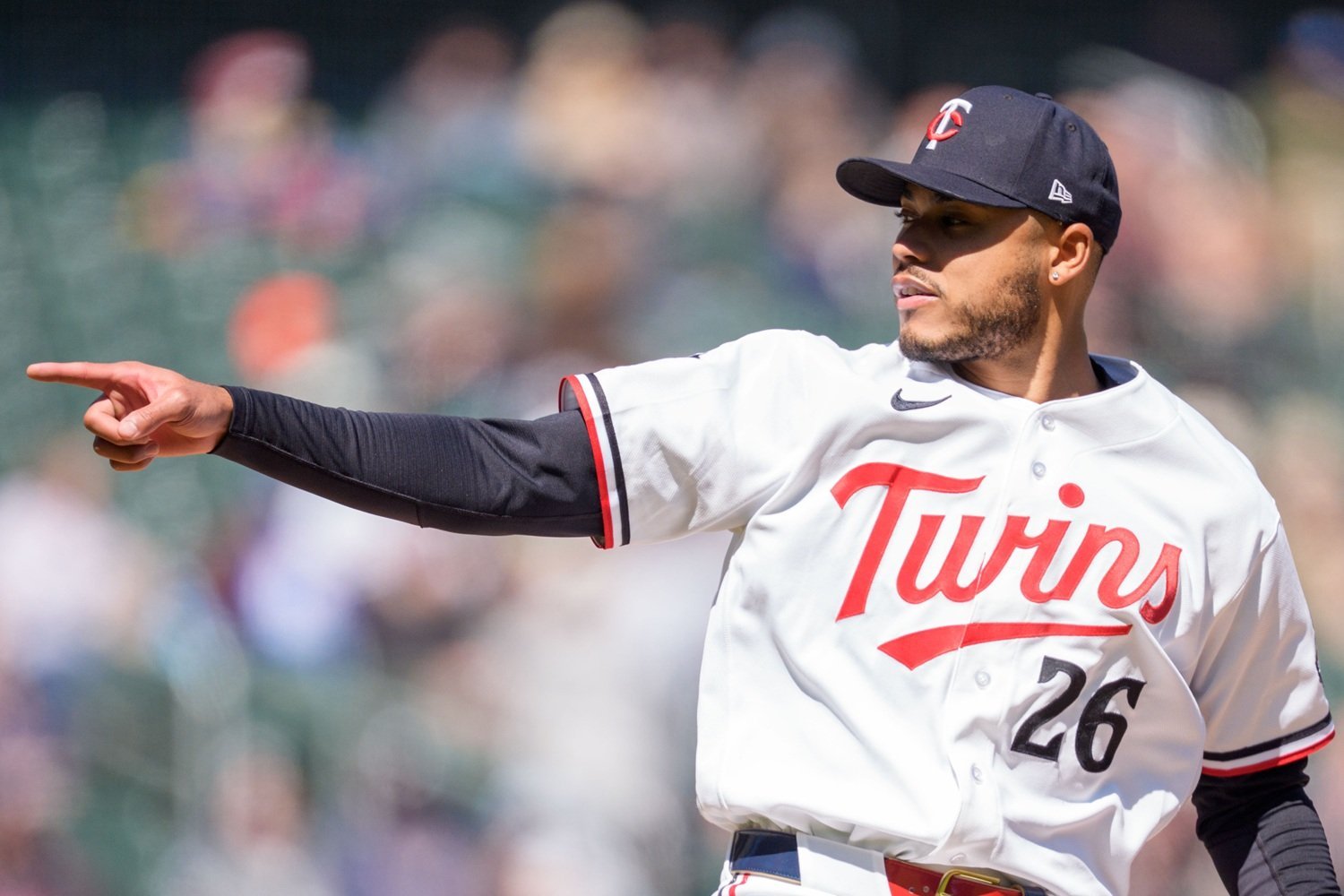 The Minnesota Twins have spent the last several seasons searching for long-term stability in their rotation. They believe they found part of that answer when they acquired Taj Bradley, and his performance so far this season broadly affirms that. Through 19 starts, he has a 3.85 ERA in 107 2/3 innings, and has struck out over 27% of the batters he's faced. Bradley is still three-plus years away from free agency, but that doesn't mean the Twins should wait. In fact, the months ahead represent the best opportunity they'll have to negotiate a contract extension that benefits both sides. With Bradley set to become arbitration-eligible for the first time this offseason, Minnesota has one last chance to offer him a chance to trade long-term financial security for the upside that comes with going year-to-year through the arbitration system. For a stretch earlier this summer, there were legitimate questions about whether Bradley had fully recovered from the right pectoral inflammation that sidelined him in May. Those concerns have largely disappeared. Bradley opened the season looking like one of the American League's better young starters. Through his first 47 innings, he owned a 2.87 ERA, 3.48 FIP, and 52 strikeouts against just 17 walks. Everything changed after his injury. Minnesota gave Bradley only one rehab appearance before bringing him back to the major leagues. Whether they simply accelerated his return or Bradley was still feeling the effects of the injury, the results weren't there. Over his next five starts, he posted a 6.57 ERA and 5.57 FIP, while striking out 28 batters and walking 13 in 24 2/3 innings. Since then, however, the version of Bradley that the Twins envisioned has returned. Across his next five starts, he compiled a 2.32 ERA and 3.29 FIP while striking out 38 batters with only 10 walks in 31 innings. He recorded back-to-back double-digit strikeout performances against Houston and Cleveland and worked at least seven innings in three of those five outings. That's the type of pitcher Minnesota believed it was acquiring. He stumbled in his first start out of the break, against the Cubs, but even that outing was better than his line will look. Contract extensions are all about timing. Wait too long, and the player becomes too expensive. Pull the trigger too soon, and you risk investing in a player destined to underperform and disappoint. Bradley is entering the sweet spot. He's about to begin arbitration for the first time, meaning his earning power is about to increase significantly. At the same time, he still hasn't landed the life-changing contract that many players seek once they establish themselves in the majors, and the first trip through arbitration doesn't offer that, anyway. He has a long way to go to reach the massive money that the game offers players who reach or approach free agency. For Bradley, an extension would provide financial security regardless of what happens over the next several years. For the Twins, it could lock in one of their top starters through multiple free-agent seasons, while creating greater payroll certainty in the short term. Minnesota would essentially be betting that Bradley continues pitching like the frontline starter he has shown he can be for much of 2026. If that happens, the contract could quickly become one of the organization's best values. The Twins wouldn't be entering unfamiliar territory. Several young pitchers have recently signed extensions before reaching arbitration, creating a relatively clear framework for negotiations. The biggest agreement came when Chase Burns signed a seven-year, $105 million extension with the Cincinnati Reds. That contract reset the market for pre-arbitration pitchers. Burns reached that figure despite having considerably less major league experience than Bradley, though he's also considerably better than Bradley is. More realistic comparisons may come from the next tier of deals. Boston signed Brayan Bello to a six-year, $55-million contract that includes a club option for 2030. While Bello averaged 2.6 rWAR during the previous two seasons, he has struggled this year and currently owns a -1.3 rWAR. Cleveland reached a five-year, $48-million agreement with Tanner Bibee, who has produced a 3.88 ERA, 4.16 FIP and 8.4 strikeouts per nine innings across the past three seasons. Baltimore committed to Shane Baz after acquiring him from Tampa Bay, signing the right-hander to a five-year, $68 million extension. Over the last two seasons, Baz has posted a 4.60 ERA, 4.05 FIP, and 8.9 K/9. In a move that offers a slightly cleaner match for Bradley's situation, the O's also signed Kyle Bradish this weekend, extending their other top righty on a five-year deal worth $90 million. Bradish is both older and a year closer to free agency than Bradley, so modify that deal to be a five-year pact worth $75 million and to include a pair of club options, and you're in the ballpark. Those contracts establish a logical starting point for discussions with Bradley. Given his age, upside, and flashes of top-of-the-rotation production, it's reasonable to expect Bradley's camp would seek a deal at or above that buzzy Bello-Bibee-Baz-Bradish tier, especially if he finishes 2026 pitching the way he has over the past month. Of course, extensions require both sides to see value. Bradley may prefer to bet on himself and maximize his earnings through arbitration before testing free agency. Many players take that route, especially when they believe their best seasons are still ahead. The Twins can't control that. What they can control is making the offer. Minnesota has often talked about building around homegrown talent and young players entering their prime. Bradley fits that timeline perfectly. He's under club control through 2029, but every strong season makes a future extension more expensive. This winter may represent the only opportunity to buy some of those free-agent years before Bradley's value climbs even higher. If the Twins believe he's part of the next winning core (and his recent stretch suggests he absolutely can be), they shouldn't wait for the price tag to rise. They should begin those conversations as soon as possible. What will it take to sign Bradley to a long-term deal? Leave a comment and start the discussion
 -
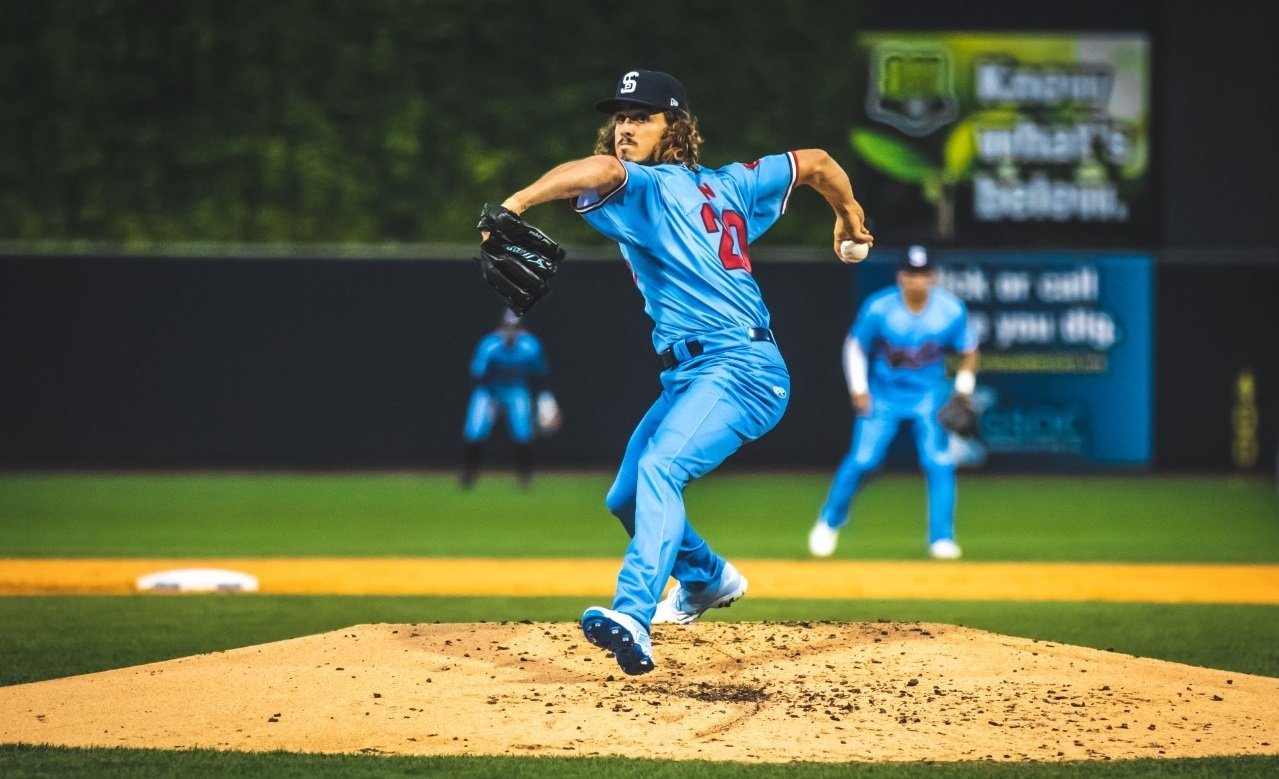 Five years ago this month, the Minnesota Twins made one of the most significant trades in franchise history. At the time, it felt like an emotional farewell. Looking back now, it serves as a reminder that the best trades aren't always judged by what a team gives up, because they're defined by the opportunity they create. The Twins did lose Nelson Cruz at the 2021 MLB trade deadline, but in the process, they unknowingly acquired the pitcher who would become the face of their rotation for the better part of the decade. That type of return is exceedingly rare. Cruz had become much more than a designated hitter during his two and a half seasons in Minnesota. He was the heartbeat of the clubhouse and the centerpiece of the 2019 "Bomba Squad," helping the Twins shatter the MLB single-season home run record while restoring excitement to Target Field. He returned for the shortened 2020 season and entered 2021 hoping to lead one more postseason run with a veteran core that still believed it could contend. Instead, everything unraveled. Minnesota stumbled through injuries, underperformance, and inconsistency, eventually finishing 73-89 and in last place in the American League Central. Once it became clear the season couldn't be salvaged, the Twins made the difficult but necessary decision to move one of the most beloved players in the franchise’s recent history. They sent Cruz and minor-league pitcher Calvin Faucher to Tampa Bay. In return came two pitching prospects: Joe Ryan and Drew Strotman. At the time, it looked like a sensible baseball trade. Five years later, it looks like a franchise-altering steal. A Trade Built on Opportunity The Rays have long been among baseball's most aggressive organizations at identifying veterans who can push a contender over the top. Cruz had been on Tampa Bay's radar for years. When the Rays finally acquired him in July 2021, they got exactly what they expected. The 41-year-old slugger hit 13 home runs with 36 RBI over 55 games, helping Tampa Bay capture another AL East title For the Rays, the trade accomplished its goal. For the Twins, however, it became something much larger. They out-Raysed the Rays, by taking a player Tampa wasn’t willing to give a chance to and helping him reach an All-Star ceiling. Tampa Bay had pitching. Minnesota had an opportunity. Ryan wasn't an unknown prospect when the trade happened. He had dominated during his first full professional season in 2019, posting a 1.96 ERA (while striking out 183 hitters in 123 2/3 innings) across three levels. Yet, despite the production, his path to the majors remained cloudy. Rather than preparing for a debut in 2021, Ryan represented Team USA in Olympic qualifying before helping the Americans win a silver medal in Tokyo. While that was an incredible personal accomplishment, it also reinforced where he stood in Tampa Bay's organizational depth chart. The Rays could afford to wait. The Twins couldn't. Minnesota was entering a transition period and needed pitching immediately. Ryan returned from Japan, made only two Triple-A starts in the Twins organization, and was promoted to the majors. Almost instantly, it looked like the Twins had found something special. In just his second career start, Ryan carried a perfect game into the seventh inning against Cleveland. Two starts later, he struck out 11 Cubs hitters at Wrigley Field. The flashes weren't accidental. They were the beginning. What’s Changed With Ryan? The pitcher the Twins acquired isn't the one they have today. One reason the trade has aged so well is Ryan's willingness to reinvent himself. When he debuted in 2021, he leaned almost exclusively on his four-seam fastball, throwing it roughly two-thirds of the time. That approach worked early, but Ryan understood that sustaining success required constant evolution. Following the 2022 season, he traveled to Driveline Baseball to develop a splitter and refine his pitch mix. Another offseason brought him back to Driveline and additional work on a sinker. More recently, his curveball has become a significantly larger part of his arsenal. Every offseason has brought another adjustment. Every season has made him better. Rather than relying solely on the fastball that carried him through the mihnors, Ryan has become one of baseball's most complete and adaptable pitchers. Modern baseball often celebrates radar-gun readings. Ryan has become one of the best examples that there is another path to dominance. His four-seam fastball typically sits between 93 and 94 mph—not overpowering by today's standards—but it's one of the most effective pitches in baseball because of how it plays. Ryan releases the ball from one of the lowest heights among starting pitchers, while still generating exceptional riding life through the top of the strike zone. Hitters see a release point unlike almost anyone else, then watch the ball seemingly rise above their barrels. The pitch consistently misses bats despite lacking elite velocity. That's why it has graded among baseball's most valuable fastballs over the last several seasons. It's a reminder that movement, deception, command, and sequencing still matter. Ryan has mastered all four. Looking Back with a New Perspective The Nelson Cruz trade will always carry mixed emotions because of what Cruz meant to the organization. He was the foremost symbol of one of the most entertaining eras in recent Twins history and left Minnesota as one of the most respected players to ever wear the uniform. But five years later, the trade has become a reminder that difficult decisions often define successful organizations. The Twins honored a veteran who deserved a chance to compete for a championship while acquiring a young pitcher whose talent had yet to be fully realized. Both organizations accomplished what they set out to do. Only one, however, found the foundation of its rotation for years to come. Five years later, the trade is remembered less as the end of the Bomba Squad and more as the beginning of the Joe Ryan era. What stands out about this trade? What were your thoughts about the trade when it happened? Leave a comment and start the discussion.
 -
Image courtesy of Rob Thompson, St. Paul Saints Five years ago this month, the Minnesota Twins made one of the most significant trades in franchise history. At the time, it felt like an emotional farewell. Looking back now, it serves as a reminder that the best trades aren't always judged by what a team gives up, because they're defined by the opportunity they create. The Twins did lose Nelson Cruz at the 2021 MLB trade deadline, but in the process, they unknowingly acquired the pitcher who would become the face of their rotation for the better part of the decade. That type of return is exceedingly rare. Cruz had become much more than a designated hitter during his two and a half seasons in Minnesota. He was the heartbeat of the clubhouse and the centerpiece of the 2019 "Bomba Squad," helping the Twins shatter the MLB single-season home run record while restoring excitement to Target Field. He returned for the shortened 2020 season and entered 2021 hoping to lead one more postseason run with a veteran core that still believed it could contend. Instead, everything unraveled. Minnesota stumbled through injuries, underperformance, and inconsistency, eventually finishing 73-89 and in last place in the American League Central. Once it became clear the season couldn't be salvaged, the Twins made the difficult but necessary decision to move one of the most beloved players in the franchise’s recent history. They sent Cruz and minor-league pitcher Calvin Faucher to Tampa Bay. In return came two pitching prospects: Joe Ryan and Drew Strotman. At the time, it looked like a sensible baseball trade. Five years later, it looks like a franchise-altering steal. A Trade Built on Opportunity The Rays have long been among baseball's most aggressive organizations at identifying veterans who can push a contender over the top. Cruz had been on Tampa Bay's radar for years. When the Rays finally acquired him in July 2021, they got exactly what they expected. The 41-year-old slugger hit 13 home runs with 36 RBI over 55 games, helping Tampa Bay capture another AL East title For the Rays, the trade accomplished its goal. For the Twins, however, it became something much larger. They out-Raysed the Rays, by taking a player Tampa wasn’t willing to give a chance to and helping him reach an All-Star ceiling. Tampa Bay had pitching. Minnesota had an opportunity. Ryan wasn't an unknown prospect when the trade happened. He had dominated during his first full professional season in 2019, posting a 1.96 ERA (while striking out 183 hitters in 123 2/3 innings) across three levels. Yet, despite the production, his path to the majors remained cloudy. Rather than preparing for a debut in 2021, Ryan represented Team USA in Olympic qualifying before helping the Americans win a silver medal in Tokyo. While that was an incredible personal accomplishment, it also reinforced where he stood in Tampa Bay's organizational depth chart. The Rays could afford to wait. The Twins couldn't. Minnesota was entering a transition period and needed pitching immediately. Ryan returned from Japan, made only two Triple-A starts in the Twins organization, and was promoted to the majors. Almost instantly, it looked like the Twins had found something special. In just his second career start, Ryan carried a perfect game into the seventh inning against Cleveland. Two starts later, he struck out 11 Cubs hitters at Wrigley Field. The flashes weren't accidental. They were the beginning. What’s Changed With Ryan? The pitcher the Twins acquired isn't the one they have today. One reason the trade has aged so well is Ryan's willingness to reinvent himself. When he debuted in 2021, he leaned almost exclusively on his four-seam fastball, throwing it roughly two-thirds of the time. That approach worked early, but Ryan understood that sustaining success required constant evolution. Following the 2022 season, he traveled to Driveline Baseball to develop a splitter and refine his pitch mix. Another offseason brought him back to Driveline and additional work on a sinker. More recently, his curveball has become a significantly larger part of his arsenal. Every offseason has brought another adjustment. Every season has made him better. Rather than relying solely on the fastball that carried him through the mihnors, Ryan has become one of baseball's most complete and adaptable pitchers. Modern baseball often celebrates radar-gun readings. Ryan has become one of the best examples that there is another path to dominance. His four-seam fastball typically sits between 93 and 94 mph—not overpowering by today's standards—but it's one of the most effective pitches in baseball because of how it plays. Ryan releases the ball from one of the lowest heights among starting pitchers, while still generating exceptional riding life through the top of the strike zone. Hitters see a release point unlike almost anyone else, then watch the ball seemingly rise above their barrels. The pitch consistently misses bats despite lacking elite velocity. That's why it has graded among baseball's most valuable fastballs over the last several seasons. It's a reminder that movement, deception, command, and sequencing still matter. Ryan has mastered all four. Looking Back with a New Perspective The Nelson Cruz trade will always carry mixed emotions because of what Cruz meant to the organization. He was the foremost symbol of one of the most entertaining eras in recent Twins history and left Minnesota as one of the most respected players to ever wear the uniform. But five years later, the trade has become a reminder that difficult decisions often define successful organizations. The Twins honored a veteran who deserved a chance to compete for a championship while acquiring a young pitcher whose talent had yet to be fully realized. Both organizations accomplished what they set out to do. Only one, however, found the foundation of its rotation for years to come. Five years later, the trade is remembered less as the end of the Bomba Squad and more as the beginning of the Joe Ryan era. What stands out about this trade? What were your thoughts about the trade when it happened? Leave a comment and start the discussion. View full article
-
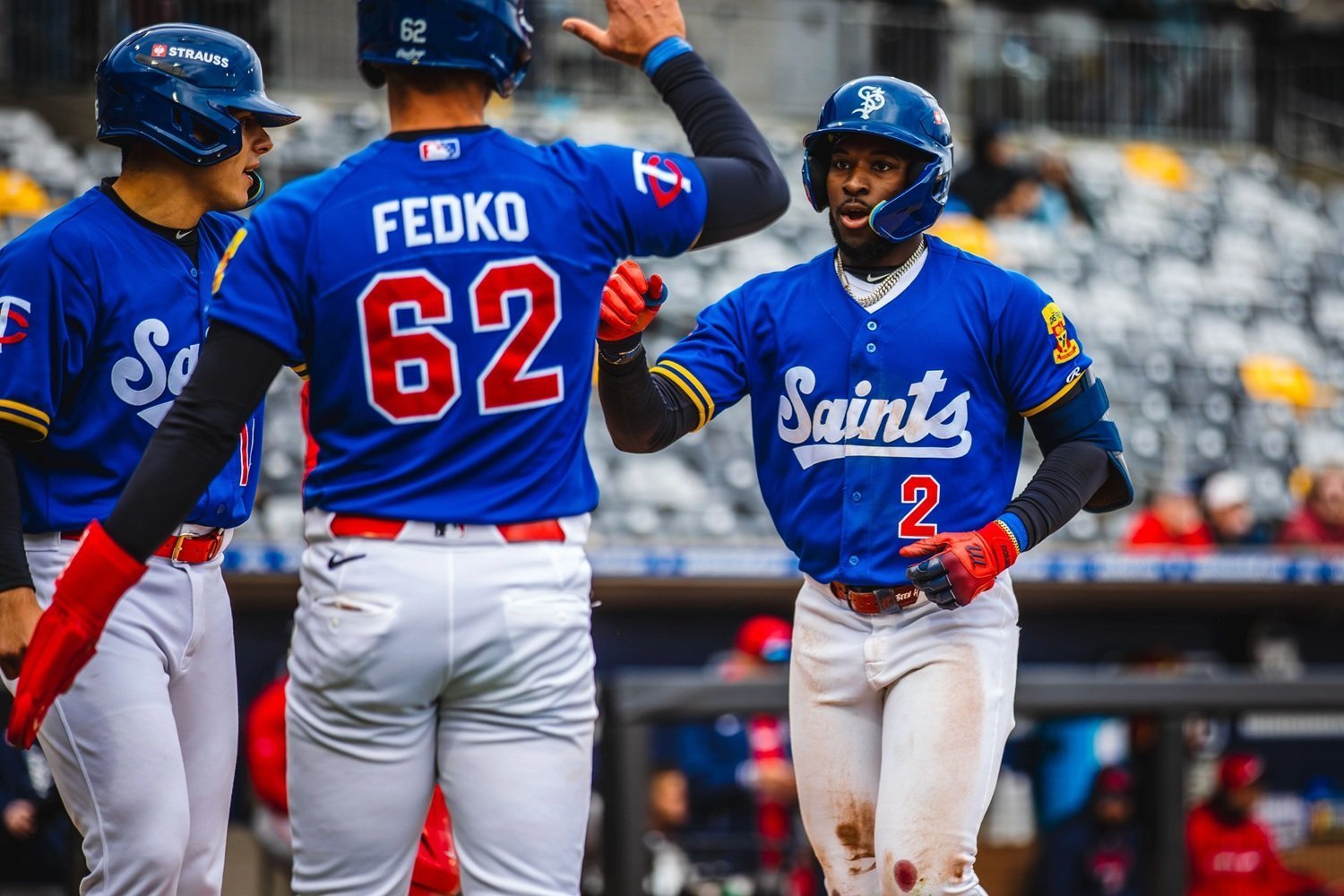 The Minnesota Twins have hovered around the final American League Wild Card spot, leaving Jeremy Zoll and the front office with a difficult decision as the MLB trade deadline approaches. A strong stretch could justify adding reinforcements for a postseason push, while a cold streak could force a more conservative approach. If the Twins do decide to buy, they'll undoubtedly lean on one of baseball's deepest farm systems to acquire immediate help. That's the advantage of last year's trade deadline selloff and another strong draft class. Minnesota has the prospect capital to make meaningful additions. However, not every prospect should be on the table. Championship organizations know the difference between using prospect depth to improve the present and sacrificing the players who are expected to define the future. Minnesota has several prospects who should be considered off-limits, regardless of who becomes available—at least to support this team, in a year when any playoff baseball would mean they exceeded expectations. OF Walker Jenkins: The Future Cornerstone 2026 Stats (43 G): .304/.401/.509, .407 wOBA, 134 wRC+ Jenkins remains the organization's premier prospect and arguably the future face of the franchise. The former fifth overall pick has done nothing to diminish expectations, despite dealing with injuries early in his professional career. When healthy, Jenkins has shown the combination of advanced plate discipline, plus bat speed, and all-around offensive ability that made him one of the most coveted prep hitters in recent draft history. The Twins have spent years searching for a homegrown superstar capable of anchoring their lineup for the next decade. Jenkins has that ceiling. There’s also a strong chance that he makes his debut in 2026 and can help the club with their playoff push. Why He’s Untouchable: Trading him for a veteran, even an established All-Star, would create a massive hole in the organization's long-term outlook. Players with legitimate franchise-player potential simply aren't moved unless the return is a young superstar with years of control, and those opportunities almost never materialize. SS Kaelen Culpepper: An Answer for the Infield 2026 Stats (63 G): .272/.376/.492, .385 wOBA, 122 wRC+ Few prospects have strengthened their long-term outlook as much as Culpepper since the team drafted him. His offensive development has continued, while he's also proved he can remain at shortstop, giving the Twins a potential impact player at one of baseball's premium positions. Why He’s Untouchable: Minnesota has used Brooks Lee, Ryan Kreidler, and Tristan Gray as stop-gap options, but Culpepper gives Minnesota a legitimate long-term shortstop plan. Even if he can’t stick at short, Culpepper's athleticism gives him the flexibility to contribute elsewhere in the infield. Premium middle infielders are difficult to acquire. The Twins already have one developing internally. SS Marek Houston: Elite Defensive Value Matters 2026 Stats (74 G): .316/.396/.455, .390 wOBA, 121 wRC+ Houston may not receive the same national attention as some of Minnesota's other top prospects, but his value inside the organization continues to grow. His elite defensive abilities at shortstop provide an incredibly high floor, while continued offensive improvements have increased confidence that he can become an everyday major-league player. Why He’s Untouchable: Organizations that consistently contend build around premium defenders up the middle. Houston fits that mold perfectly. Moving him for short-term help could leave the Twins searching for exactly this type of player a few years from now. RHP Riley Quick: The Rotation Needs More Arms 2026 Stats (14 G): 49 1/3 IP, 3.47 ERA, 3.45 xFIP, 36.1 K%, 12.7 BB%, .182 BA High-quality starting pitching remains one of baseball's most expensive commodities. That's exactly why Quick shouldn't be available. He possesses the type of power arsenal that gives him legitimate mid-rotation (or better) potential. He's moved quickly since being drafted, as he was recently promoted to Double-A. There's a legitimate chance for him to make his MLB debut in 2027. Why He’s Untouchable: With Joe Ryan approaching free agency in the coming years and starting pitching always carrying injury risk, the Twins need to continue developing internal rotation options. Pitching depth disappears quickly. Keeping Quick ensures Minnesota continues building one of the organization's greatest strengths. Other Twins Top-10 Prospects Could Be Available Being available doesn't mean the Twins should actively shop these prospects. It simply means the right opportunity could justify moving them. Here are some of the other Twins Daily Top-10 prospects who could be part of a trade deadline package. OF Emmanuel Rodriguez: Rodriguez still possesses some of the highest offensive upside in the organization, but injuries have repeatedly interrupted his development. His talent could headline a significant trade package, particularly for a club willing to bet on his long-term health. The Twins have enough outfield depth that they could survive moving him if it meant acquiring an impactful major-league player. C Eduardo Tait: Catching prospects with offensive upside carry tremendous value throughout baseball. Tait's emergence has elevated his trade stock considerably, making him one of Minnesota's most attractive trade chips. At the same time, catching prospects also carry volatility because of the lengthy developmental timeline. The Twins also used their first two picks in last week's MLB Draft on college catchers Vahn Lackey and Carson Tinney. If another club values Tait as a future star, the Twins could capitalize, while addressing an immediate need. LHP Kendry Rojas: Left-handed starting pitching is always desirable, and Rojas has continued to improve since joining the organization. He's bounced between Triple-A and the majors, so rebuilding clubs could view him as an appealing centerpiece in negotiations. Minnesota also has increasing pitching depth throughout the system. That combination makes him valuable enough to acquire significant talent while not being completely irreplaceable. OF Gabriel Gonzalez: Gonzalez has consistently shown impressive bat-to-ball skills and offensive production throughout the minors. However, the Twins now possess considerable outfield depth throughout the organization, making Gonzalez one of the more logical prospects to include in trade discussions. His value may actually exceed his long-term fit in Minnesota. LHP Dasan Hill: Hill arguably owns one of the highest ceilings among Minnesota's pitching prospects, but he also remains further away from the major leagues than several others on this list. That distance creates opportunity. Contending teams often prefer keeping prospects who can contribute sooner while using younger, high-upside players to complete blockbuster deals. Hill fits that description perfectly. His inclusion would undoubtedly be difficult, but not impossible, if the return significantly improved Minnesota's chances over the next several seasons. The Twins have reached an enviable position. A year ago, the organization replenished one of baseball's strongest farm systems through aggressive trades and another successful draft. That depth now gives the front office flexibility heading into the 2026 MLB trade deadline. If Minnesota decides to buy, the organization shouldn't hesitate to leverage prospects from the second tier of its system to improve the major league roster. That's exactly why farm systems exist. At the same time, every successful organization identifies the players who represent its future and refuses to compromise on them. For the Twins, that list starts with Jenkins, Culpepper, Houston, and Quick. They aren't just highly ranked prospects. They're the foundation of what Minnesota hopes will become its next championship-caliber core. Who would you consider untouchable in the Twins organization? Leave a comment and start the discussion.
- 56 comments
-
- 4
-
-
-
- walker jenkins
- kaelen culpepper
- (and 7 more)
-
Image courtesy of Rob Thompson, St. Paul Saints The Minnesota Twins have hovered around the final American League Wild Card spot, leaving Jeremy Zoll and the front office with a difficult decision as the MLB trade deadline approaches. A strong stretch could justify adding reinforcements for a postseason push, while a cold streak could force a more conservative approach. If the Twins do decide to buy, they'll undoubtedly lean on one of baseball's deepest farm systems to acquire immediate help. That's the advantage of last year's trade deadline selloff and another strong draft class. Minnesota has the prospect capital to make meaningful additions. However, not every prospect should be on the table. Championship organizations know the difference between using prospect depth to improve the present and sacrificing the players who are expected to define the future. Minnesota has several prospects who should be considered off-limits, regardless of who becomes available—at least to support this team, in a year when any playoff baseball would mean they exceeded expectations. OF Walker Jenkins: The Future Cornerstone 2026 Stats (43 G): .304/.401/.509, .407 wOBA, 134 wRC+ Jenkins remains the organization's premier prospect and arguably the future face of the franchise. The former fifth overall pick has done nothing to diminish expectations, despite dealing with injuries early in his professional career. When healthy, Jenkins has shown the combination of advanced plate discipline, plus bat speed, and all-around offensive ability that made him one of the most coveted prep hitters in recent draft history. The Twins have spent years searching for a homegrown superstar capable of anchoring their lineup for the next decade. Jenkins has that ceiling. There’s also a strong chance that he makes his debut in 2026 and can help the club with their playoff push. Why He’s Untouchable: Trading him for a veteran, even an established All-Star, would create a massive hole in the organization's long-term outlook. Players with legitimate franchise-player potential simply aren't moved unless the return is a young superstar with years of control, and those opportunities almost never materialize. SS Kaelen Culpepper: An Answer for the Infield 2026 Stats (63 G): .272/.376/.492, .385 wOBA, 122 wRC+ Few prospects have strengthened their long-term outlook as much as Culpepper since the team drafted him. His offensive development has continued, while he's also proved he can remain at shortstop, giving the Twins a potential impact player at one of baseball's premium positions. Why He’s Untouchable: Minnesota has used Brooks Lee, Ryan Kreidler, and Tristan Gray as stop-gap options, but Culpepper gives Minnesota a legitimate long-term shortstop plan. Even if he can’t stick at short, Culpepper's athleticism gives him the flexibility to contribute elsewhere in the infield. Premium middle infielders are difficult to acquire. The Twins already have one developing internally. SS Marek Houston: Elite Defensive Value Matters 2026 Stats (74 G): .316/.396/.455, .390 wOBA, 121 wRC+ Houston may not receive the same national attention as some of Minnesota's other top prospects, but his value inside the organization continues to grow. His elite defensive abilities at shortstop provide an incredibly high floor, while continued offensive improvements have increased confidence that he can become an everyday major-league player. Why He’s Untouchable: Organizations that consistently contend build around premium defenders up the middle. Houston fits that mold perfectly. Moving him for short-term help could leave the Twins searching for exactly this type of player a few years from now. RHP Riley Quick: The Rotation Needs More Arms 2026 Stats (14 G): 49 1/3 IP, 3.47 ERA, 3.45 xFIP, 36.1 K%, 12.7 BB%, .182 BA High-quality starting pitching remains one of baseball's most expensive commodities. That's exactly why Quick shouldn't be available. He possesses the type of power arsenal that gives him legitimate mid-rotation (or better) potential. He's moved quickly since being drafted, as he was recently promoted to Double-A. There's a legitimate chance for him to make his MLB debut in 2027. Why He’s Untouchable: With Joe Ryan approaching free agency in the coming years and starting pitching always carrying injury risk, the Twins need to continue developing internal rotation options. Pitching depth disappears quickly. Keeping Quick ensures Minnesota continues building one of the organization's greatest strengths. Other Twins Top-10 Prospects Could Be Available Being available doesn't mean the Twins should actively shop these prospects. It simply means the right opportunity could justify moving them. Here are some of the other Twins Daily Top-10 prospects who could be part of a trade deadline package. OF Emmanuel Rodriguez: Rodriguez still possesses some of the highest offensive upside in the organization, but injuries have repeatedly interrupted his development. His talent could headline a significant trade package, particularly for a club willing to bet on his long-term health. The Twins have enough outfield depth that they could survive moving him if it meant acquiring an impactful major-league player. C Eduardo Tait: Catching prospects with offensive upside carry tremendous value throughout baseball. Tait's emergence has elevated his trade stock considerably, making him one of Minnesota's most attractive trade chips. At the same time, catching prospects also carry volatility because of the lengthy developmental timeline. The Twins also used their first two picks in last week's MLB Draft on college catchers Vahn Lackey and Carson Tinney. If another club values Tait as a future star, the Twins could capitalize, while addressing an immediate need. LHP Kendry Rojas: Left-handed starting pitching is always desirable, and Rojas has continued to improve since joining the organization. He's bounced between Triple-A and the majors, so rebuilding clubs could view him as an appealing centerpiece in negotiations. Minnesota also has increasing pitching depth throughout the system. That combination makes him valuable enough to acquire significant talent while not being completely irreplaceable. OF Gabriel Gonzalez: Gonzalez has consistently shown impressive bat-to-ball skills and offensive production throughout the minors. However, the Twins now possess considerable outfield depth throughout the organization, making Gonzalez one of the more logical prospects to include in trade discussions. His value may actually exceed his long-term fit in Minnesota. LHP Dasan Hill: Hill arguably owns one of the highest ceilings among Minnesota's pitching prospects, but he also remains further away from the major leagues than several others on this list. That distance creates opportunity. Contending teams often prefer keeping prospects who can contribute sooner while using younger, high-upside players to complete blockbuster deals. Hill fits that description perfectly. His inclusion would undoubtedly be difficult, but not impossible, if the return significantly improved Minnesota's chances over the next several seasons. The Twins have reached an enviable position. A year ago, the organization replenished one of baseball's strongest farm systems through aggressive trades and another successful draft. That depth now gives the front office flexibility heading into the 2026 MLB trade deadline. If Minnesota decides to buy, the organization shouldn't hesitate to leverage prospects from the second tier of its system to improve the major league roster. That's exactly why farm systems exist. At the same time, every successful organization identifies the players who represent its future and refuses to compromise on them. For the Twins, that list starts with Jenkins, Culpepper, Houston, and Quick. They aren't just highly ranked prospects. They're the foundation of what Minnesota hopes will become its next championship-caliber core. Who would you consider untouchable in the Twins organization? Leave a comment and start the discussion. View full article
-
According to Dan Hayes, the Minnesota Twins have reached an agreement with first-round pick Vahn Lackey, officially bringing the third overall selection from the 2026 MLB Draft into the organization. While the club has not publicly announced the financial details, the No. 3 overall selection carried a recommended slot value of $9.74 million in this year's draft. The agreement remains subject to a standard physical before becoming official. Lackey represents the Twins' highest draft choice since they selected Royce Lewis with the first overall pick in 2017. Lewis received what was then a franchise-record $6.725 million signing bonus. The Georgia Tech standout put together one of the best offensive seasons in college baseball during his junior year. Over 283 plate appearances, Lackey slashed .397/.519/.772 (1.291), combining elite on-base skills with significant power production. His impressive statistical profile is only part of what attracted Minnesota's scouting department. "He's hard to take your eyes off when you see him play," Twins assistant general manager and scouting director Sean Johnson said. "He can really throw. He's athletic. He blocks. He does all the little things that you want to see a catcher do. He can take charge on the field. You can't take your eyes off him when he's out there. His presence is really good. All the things you want to see, the intangibles, he has them. The Twins have not invested this heavily in a catcher since selecting Hall of Famer Joe Mauer with the first overall pick in the 2001 MLB Draft. While comparisons to Mauer are premature, Lackey's combination of defensive ability, athleticism, and offensive upside made him one of the fastest-rising prospects in this year's class. After hitting .347 as a sophomore, Lackey unlocked another level offensively during his junior campaign. He boosted his home run total from six to 20, a jump he attributed to making adjustments that created more launch angle in his swing. Those changes transformed him from a solid collegiate hitter into one of the premier bats available in the draft. The Twins have emphasized finding players with well-rounded skill sets under scouting director Sean Johnson, and Lackey fits that philosophy perfectly. Evaluators consistently praised his receiving, throwing arm, leadership behind the plate, and advanced offensive approach, making him one of the safest bets among the top players in the draft. A Potential Franchise Cornerstone Twins Daily's Jamie Cameron said, “The Twins got their guy. Plus defensive catchers who put up a 170 wRC+ in the ACC are outlier prospects. In his draft recap, Eric Longenhagen said of Lackey’s strengths: "everything". He has a chance to solve a big problem for the Twins for at least five years. A special player.” Those expectations highlight why the Twins were thrilled to see Lackey available with the third overall pick. Catchers capable of impacting both sides of the game are among baseball's rarest commodities, and Minnesota believes it has landed one with the potential to anchor the position for years to come. With his signing now in place, the next step will be getting Lackey into professional games and beginning his development. Although catchers often require more time than other position players, the Twins are betting that one of the most complete players in the 2026 draft class can eventually become a cornerstone of their next championship contender. View full rumor
-
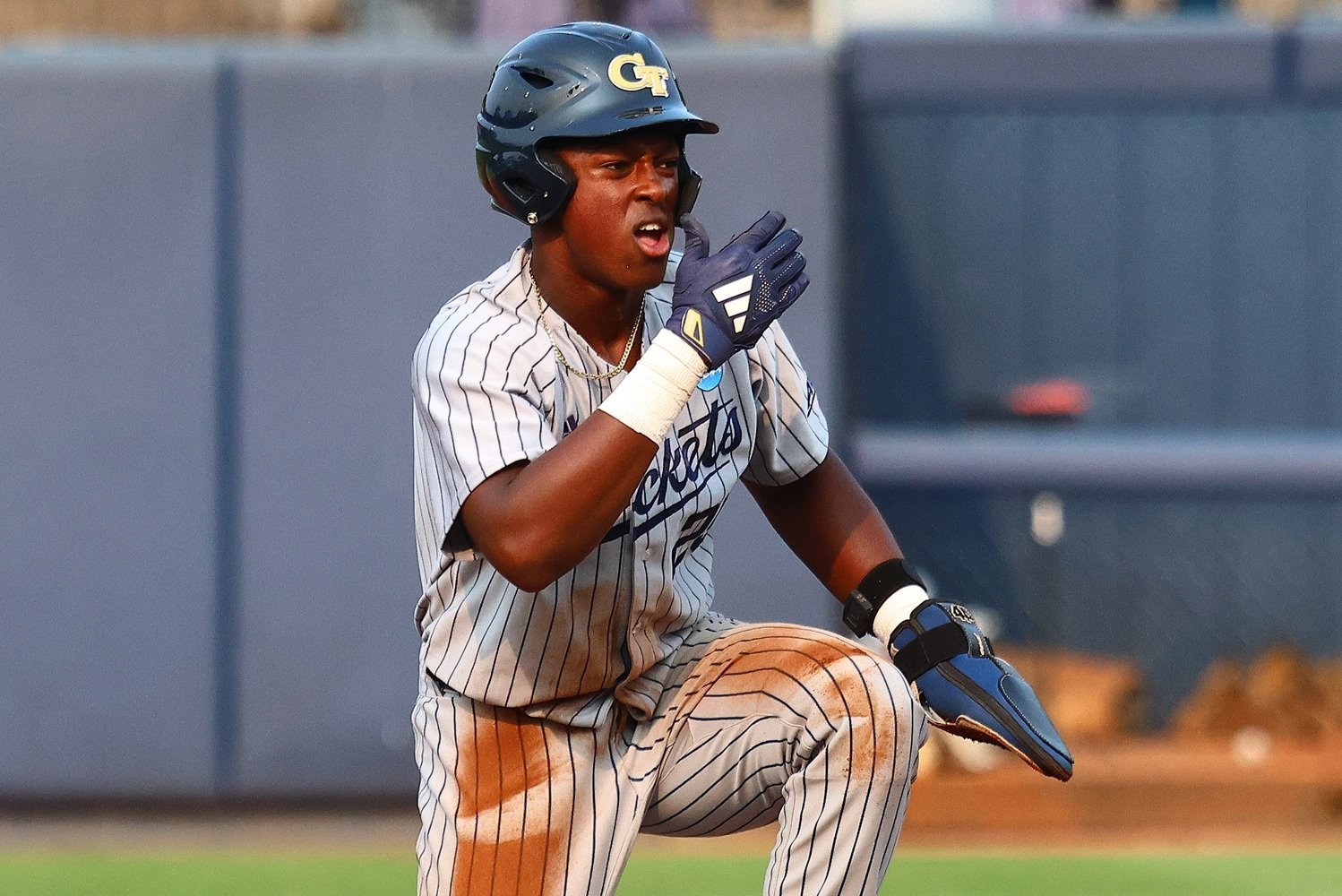 According to Dan Hayes, the Minnesota Twins have reached an agreement with first-round pick Vahn Lackey, officially bringing the third overall selection from the 2026 MLB Draft into the organization. While the club has not publicly announced the financial details, the No. 3 overall selection carried a recommended slot value of $9.74 million in this year's draft. The agreement remains subject to a standard physical before becoming official. Lackey represents the Twins' highest draft choice since they selected Royce Lewis with the first overall pick in 2017. Lewis received what was then a franchise-record $6.725 million signing bonus. The Georgia Tech standout put together one of the best offensive seasons in college baseball during his junior year. Over 283 plate appearances, Lackey slashed .397/.519/.772 (1.291), combining elite on-base skills with significant power production. His impressive statistical profile is only part of what attracted Minnesota's scouting department. "He's hard to take your eyes off when you see him play," Twins assistant general manager and scouting director Sean Johnson said. "He can really throw. He's athletic. He blocks. He does all the little things that you want to see a catcher do. He can take charge on the field. You can't take your eyes off him when he's out there. His presence is really good. All the things you want to see, the intangibles, he has them. The Twins have not invested this heavily in a catcher since selecting Hall of Famer Joe Mauer with the first overall pick in the 2001 MLB Draft. While comparisons to Mauer are premature, Lackey's combination of defensive ability, athleticism, and offensive upside made him one of the fastest-rising prospects in this year's class. After hitting .347 as a sophomore, Lackey unlocked another level offensively during his junior campaign. He boosted his home run total from six to 20, a jump he attributed to making adjustments that created more launch angle in his swing. Those changes transformed him from a solid collegiate hitter into one of the premier bats available in the draft. The Twins have emphasized finding players with well-rounded skill sets under scouting director Sean Johnson, and Lackey fits that philosophy perfectly. Evaluators consistently praised his receiving, throwing arm, leadership behind the plate, and advanced offensive approach, making him one of the safest bets among the top players in the draft. A Potential Franchise Cornerstone Twins Daily's Jamie Cameron said, “The Twins got their guy. Plus defensive catchers who put up a 170 wRC+ in the ACC are outlier prospects. In his draft recap, Eric Longenhagen said of Lackey’s strengths: "everything". He has a chance to solve a big problem for the Twins for at least five years. A special player.” Those expectations highlight why the Twins were thrilled to see Lackey available with the third overall pick. Catchers capable of impacting both sides of the game are among baseball's rarest commodities, and Minnesota believes it has landed one with the potential to anchor the position for years to come. With his signing now in place, the next step will be getting Lackey into professional games and beginning his development. Although catchers often require more time than other position players, the Twins are betting that one of the most complete players in the 2026 draft class can eventually become a cornerstone of their next championship contender.
- 12 comments
-
- 6
-
-
-
- vahn lackey
- royce lewis
- (and 1 more)
-
The top of the 2026 MLB Draft unfolded much the way evaluators expected. UCLA shortstop Roch Cholowsky went first overall to the Chicago White Sox, Texas prep standout Grady Emerson followed at No. 2, and the Minnesota Twins landed Vahn Lackey with the third overall selection. While the draft is now in the rearview mirror, prospect rankings are already beginning to provide context for how those players compare to the rest of baseball's young talent. Baseball America recently updated its Top 100 Prospects list following the draft, giving Twins fans an early indication of where Lackey fits among the game's best prospects. The publication's rankings suggest Minnesota may have added another cornerstone talent to an already impressive farm system. Lackey Debuts Among Baseball’s Best According to a recent ESPN report, the White Sox seriously considered selecting Lackey with the first overall pick and continued debating between him and Cholowsky until the final days before the draft. Ultimately, Chicago chose the polished UCLA shortstop. Baseball America's updated rankings reflect just how close that decision may have been. Cholowsky now checks in as the No. 5 prospect in baseball, immediately becoming one of the highest-ranked prospects in the sport. Emerson follows at No. 12 overall, giving the first two selections prominent placement near the top of the rankings. Lackey isn't far behind. Baseball America placed the Twins' newest prospect at No. 26 overall, making him one of just a handful of 2026 draftees to crack the upper tier of the Top 100 list immediately after being selected. For a player who has yet to appear in a professional game, that's an impressive endorsement of both his talent and long-term projection. Where Does He Fit in Minnesota's System? The more interesting debate may be where Lackey belongs within the Twins organization. Walker Jenkins remains the standard bearer. Baseball America had him ranked ninth overall entering the draft, and he continues to sit comfortably among baseball's elite prospects despite injuries slowing portions of his development. After Jenkins, however, the conversation becomes much more interesting. Minnesota's system features several high-end talents, including Kaelen Culpepper and Emmanuel Rodriguez. Each brings a unique blend of upside and proximity to the major leagues. Lackey immediately enters that discussion. An argument can reasonably be made that he is the organization's second-best prospect behind Jenkins. Others may prefer the combination of performance and proximity offered by players already succeeding in the upper minors. There's also a case for ranking him third while waiting to see how his tools translate to professional baseball. Regardless of where individual evaluators place him, Baseball America's ranking makes one thing clear: Lackey belongs in the conversation with the very best prospects in the organization. Another Boost for a Rising Farm System The Twins have spent the past several years building one of baseball's deeper farm systems, and the addition of Lackey only strengthens that foundation. Landing a player viewed as the No. 26 prospect in baseball immediately after the draft is a significant win for Minnesota's scouting department. It also provides another high-ceiling talent to pair with Jenkins at the top of the system. Whether Lackey ultimately becomes the Twins' No. 1 prospect remains to be seen. For now, Baseball America's updated rankings offer an encouraging reminder that Minnesota didn't just add another first-round pick last week. They added one of the most highly regarded young players in all of baseball. View full rumor

