Cody Christie
-
Posts
7,794 -
Joined
-
Last visited
-
Days Won
5
Content Type
Profiles
News
Minnesota Twins Videos
2026 Minnesota Twins Top Prospects Ranking
2022 Minnesota Twins Draft Picks
Minnesota Twins Free Agent & Trade Rumors, Notes, & Tidbits
Guides & Resources
2023 Minnesota Twins Draft Picks
The Minnesota Twins Players Project
2024 Minnesota Twins Draft Picks
2025 Minnesota Twins Draft Pick Tracker
2026 Minnesota Twins Draft Tracker: Picks & Bonuses
Forums
Blogs
Events
Store
Downloads
Gallery
Everything posted by Cody Christie
-

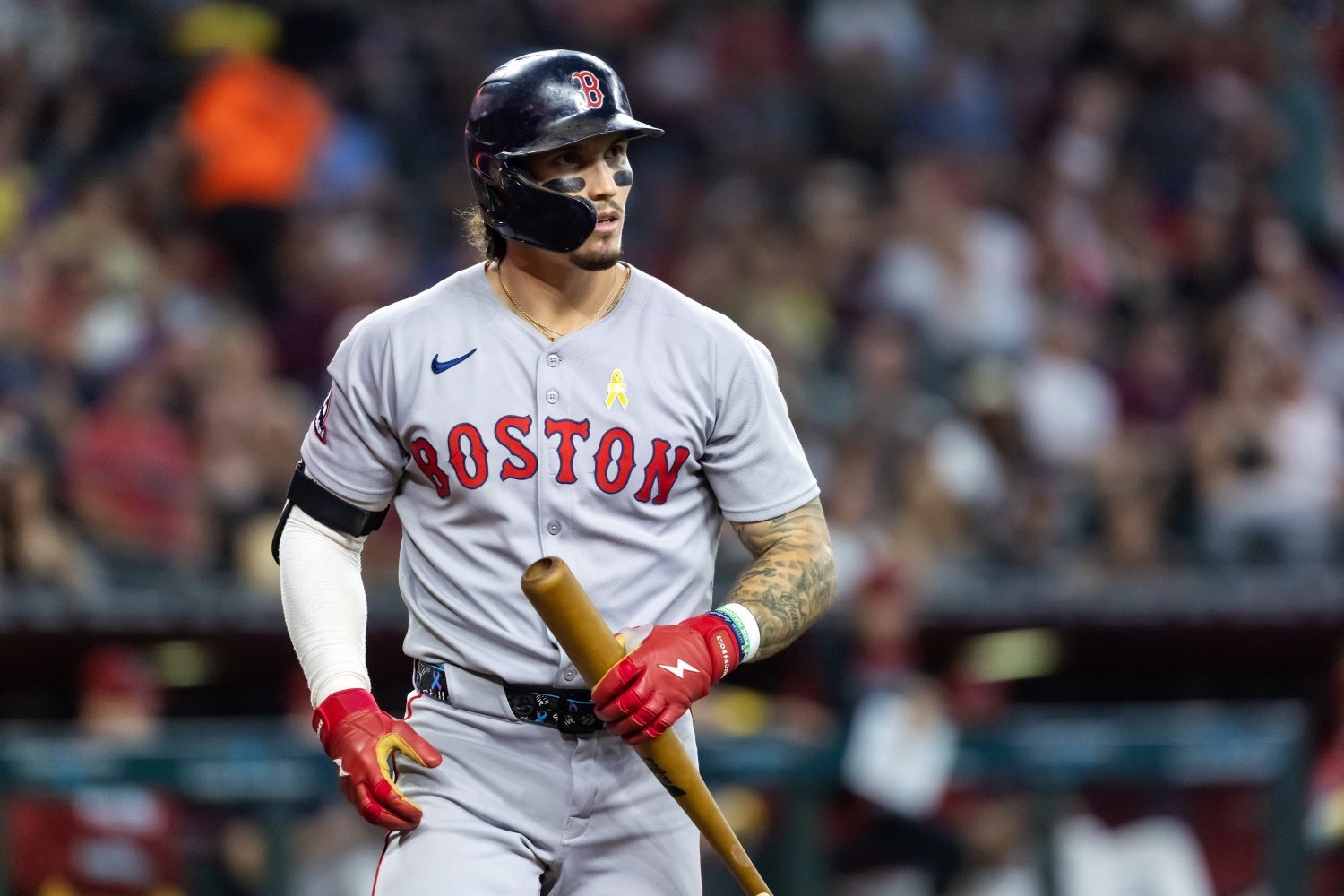 There was plenty for the Minnesota Twins to celebrate on Tuesday night at Target Field after a 6-0 win over the Boston Red Sox. Still, by the time the clubhouse doors opened and the postgame conversations began, the focus had shifted away from the box score. The moment everyone wanted to talk about happened in the fifth inning, and it had nothing to do with a pitch or a swing. As Boston’s Jarren Duran returned to the dugout following a groundout, he directed an obscene gesture toward a fan seated near the Twins’ dugout. The interaction quickly became the center of attention, especially after Duran explained what led to his reaction. "Somebody just told me to kill myself," Duran said. "I'm used to it at this point, you know? I mean, s--- happens. I mean, I'm going to flip somebody off if they say something to me, but it is what it is. I shouldn't react like that, but that kind of stuff is still kind of triggering." It is a jarring quote, and it reframes the moment immediately. What may have looked like a simple loss of composure becomes something far more complicated when placed in that context. Duran has been open about his mental health journey, including severe depression and a past suicide attempt that he discussed publicly in a Netflix series released last year. That transparency has helped humanize a player often seen only through the lens of performance, but it has also opened the door to a darker side of fan interaction. "Honestly, it's my fault for talking about my mental health because I kind of brought in the haters. So I've just got to get used to it," Duran said. "I was just trying to hold it in and not really bring that up to the team. I mean, we're trying to win a game. I shouldn't even bring that up to anybody. ... It just happens." There is a lot to unpack in those words. The idea that speaking openly about mental health invites abuse is a troubling reflection of how conversations like these are still handled in public spaces. At the same time, Duran acknowledges that his reaction crossed a line, even if the comment that sparked it went far beyond anything acceptable. Boston manager Alex Cora said he did not see the incident unfold and had not yet reviewed the video afterward, leaving the situation to be addressed more fully at a later time. This is not the first time Duran has found himself in the spotlight for an interaction with a fan. In 2024, he served a two game suspension after directing an anti gay slur during a separate incident. That history adds another layer to how moments like this are perceived, both inside the game and across social media, where reactions were predictably split. Some defended Duran’s response, arguing that players should not be expected to absorb deeply personal and harmful comments without reacting. Others pointed to the need for professionalism, regardless of circumstance, especially given his prior discipline. Both perspectives exist because this is not a simple issue. What should be simple is the baseline expectation for fan behavior. There is a difference between heckling and crossing a line into something personal and dangerous. Players are public figures, but they are not immune to the impact of words that go well beyond the boundaries of the game. But baseball does not exist in a vacuum. Moments like this serve as reminders that what happens in the stands can carry just as much weight as what happens between the lines.
 -
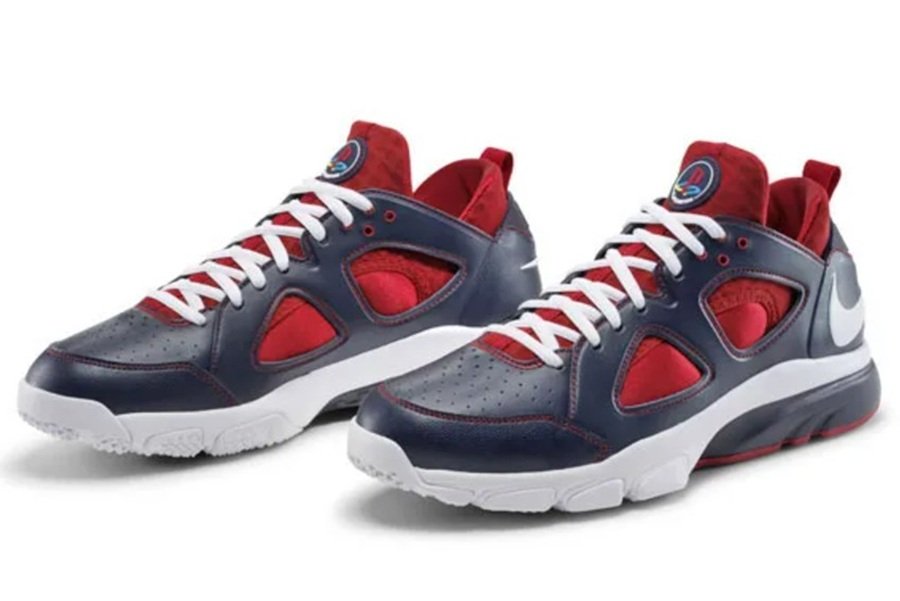 Sneaker heads have been spoiled in recent years, with vintage shoes and throwback styles making waves. Some people invest significant money in a hobby tied directly to what they wear every day. Collections grow, deadstock pairs become prized possessions, and nostalgia often drives the market, as much as style. For Minnesota Twins fans, there aren't many shoes tied directly to the organization. The crossovers between baseball and sneaker culture have always been relatively sparse compared to basketball or streetwear. However, there is one unique pair that many fans have likely forgotten about. I still lace them up from time to time, even as they have started to yellow with age after more than 15 years. Back in April 2011, Joe Mauer teamed up with Nike and PlayStation for a collaboration that feels even more ahead of its time in hindsight. The Nike Zoom Huarache TR Low PlayStation Joe Mauer edition was launched as part of the promotional push for MLB 11: The Show, for which Mauer served as the cover athlete. This was not just a quick branding exercise, either. Mauer had already become synonymous with the franchise, and landing back-to-back covers for the PlayStation exclusive baseball series cemented his place as one of the faces of the sport at the time. To celebrate that achievement, Nike and Sony PlayStation delivered a limited release that blended baseball, gaming, and sneaker culture into one package. The design itself leaned heavily into that identity. The trainers featured an obsidian leather upper paired with a varsity red inner sleeve and a crisp white outsole, mirroring the Minnesota Twins' color palette. PlayStation branding appeared on the tongue, tying the shoe directly to the gaming world, while the finer details rewarded those who looked closer. There was baseball stitching around the toe box, a subtle but effective nod to the sport Mauer dominated. Inside, the insoles showcased artwork from the video game, giving the pair a collectible feel beyond just the exterior design. One of the more personal touches came in the form of Mauer’s ‘7M’ logo, stitched onto the inner tongue of the right shoe. It was a reminder that this was not just a themed release, but something tied directly to the player himself. Nike and PlayStation made sure the shoes were front-and-center from Day 1. A launch event was held at the Mall of America, where Mauer made an appearance to promote both the game and the sneakers. For Twins fans in the area, it was a rare chance to see their hometown star connected to a product that extended beyond the field. Availability was limited from the start. The shoes dropped at select retailers, including Nike Mall of America, Eastbay, and a handful of locations across Minnesota and Chicagoland. They were positioned as premium trainers and often viewed as Player Exclusive releases, which only added to their long-term appeal. That scarcity is a big reason why they have become something of a hidden gem. Online retailers are selling them for $300+, if they're new in the box. While they may not carry the mainstream recognition of signature basketball shoes, they represent a unique intersection of baseball culture and sneaker collecting. For Twins fans, they are even more specific. They capture a moment when Mauer was not just an MVP-level player, but a national figure tied to one of the most popular sports video game franchises. Looking back now, it's easy to forget just how cool this collaboration was. In an era where athlete branding has become more common across different industries, this felt like an early glimpse of what could be possible. A hometown catcher, a global apparel giant, and a gaming powerhouse came together to create something that still feels distinct more than a decade later. If you happen to have a pair tucked away in a closet, it might be worth pulling them out. Even with some yellowing and wear, they tell a story that goes beyond style. They are a snapshot of Minnesota Twins history, sneaker culture, and a time when Joe Mauer was everywhere. Did you know these shoes existed? Leave a comment and start the discussion.
 -
Image courtesy of Nike Sneaker heads have been spoiled in recent years, with vintage shoes and throwback styles making waves. Some people invest significant money in a hobby tied directly to what they wear every day. Collections grow, deadstock pairs become prized possessions, and nostalgia often drives the market, as much as style. For Minnesota Twins fans, there aren't many shoes tied directly to the organization. The crossovers between baseball and sneaker culture have always been relatively sparse compared to basketball or streetwear. However, there is one unique pair that many fans have likely forgotten about. I still lace them up from time to time, even as they have started to yellow with age after more than 15 years. Back in April 2011, Joe Mauer teamed up with Nike and PlayStation for a collaboration that feels even more ahead of its time in hindsight. The Nike Zoom Huarache TR Low PlayStation Joe Mauer edition was launched as part of the promotional push for MLB 11: The Show, for which Mauer served as the cover athlete. This was not just a quick branding exercise, either. Mauer had already become synonymous with the franchise, and landing back-to-back covers for the PlayStation exclusive baseball series cemented his place as one of the faces of the sport at the time. To celebrate that achievement, Nike and Sony PlayStation delivered a limited release that blended baseball, gaming, and sneaker culture into one package. The design itself leaned heavily into that identity. The trainers featured an obsidian leather upper paired with a varsity red inner sleeve and a crisp white outsole, mirroring the Minnesota Twins' color palette. PlayStation branding appeared on the tongue, tying the shoe directly to the gaming world, while the finer details rewarded those who looked closer. There was baseball stitching around the toe box, a subtle but effective nod to the sport Mauer dominated. Inside, the insoles showcased artwork from the video game, giving the pair a collectible feel beyond just the exterior design. One of the more personal touches came in the form of Mauer’s ‘7M’ logo, stitched onto the inner tongue of the right shoe. It was a reminder that this was not just a themed release, but something tied directly to the player himself. Nike and PlayStation made sure the shoes were front-and-center from Day 1. A launch event was held at the Mall of America, where Mauer made an appearance to promote both the game and the sneakers. For Twins fans in the area, it was a rare chance to see their hometown star connected to a product that extended beyond the field. Availability was limited from the start. The shoes dropped at select retailers, including Nike Mall of America, Eastbay, and a handful of locations across Minnesota and Chicagoland. They were positioned as premium trainers and often viewed as Player Exclusive releases, which only added to their long-term appeal. That scarcity is a big reason why they have become something of a hidden gem. Online retailers are selling them for $300+, if they're new in the box. While they may not carry the mainstream recognition of signature basketball shoes, they represent a unique intersection of baseball culture and sneaker collecting. For Twins fans, they are even more specific. They capture a moment when Mauer was not just an MVP-level player, but a national figure tied to one of the most popular sports video game franchises. Looking back now, it's easy to forget just how cool this collaboration was. In an era where athlete branding has become more common across different industries, this felt like an early glimpse of what could be possible. A hometown catcher, a global apparel giant, and a gaming powerhouse came together to create something that still feels distinct more than a decade later. If you happen to have a pair tucked away in a closet, it might be worth pulling them out. Even with some yellowing and wear, they tell a story that goes beyond style. They are a snapshot of Minnesota Twins history, sneaker culture, and a time when Joe Mauer was everywhere. Did you know these shoes existed? Leave a comment and start the discussion. View full article
-
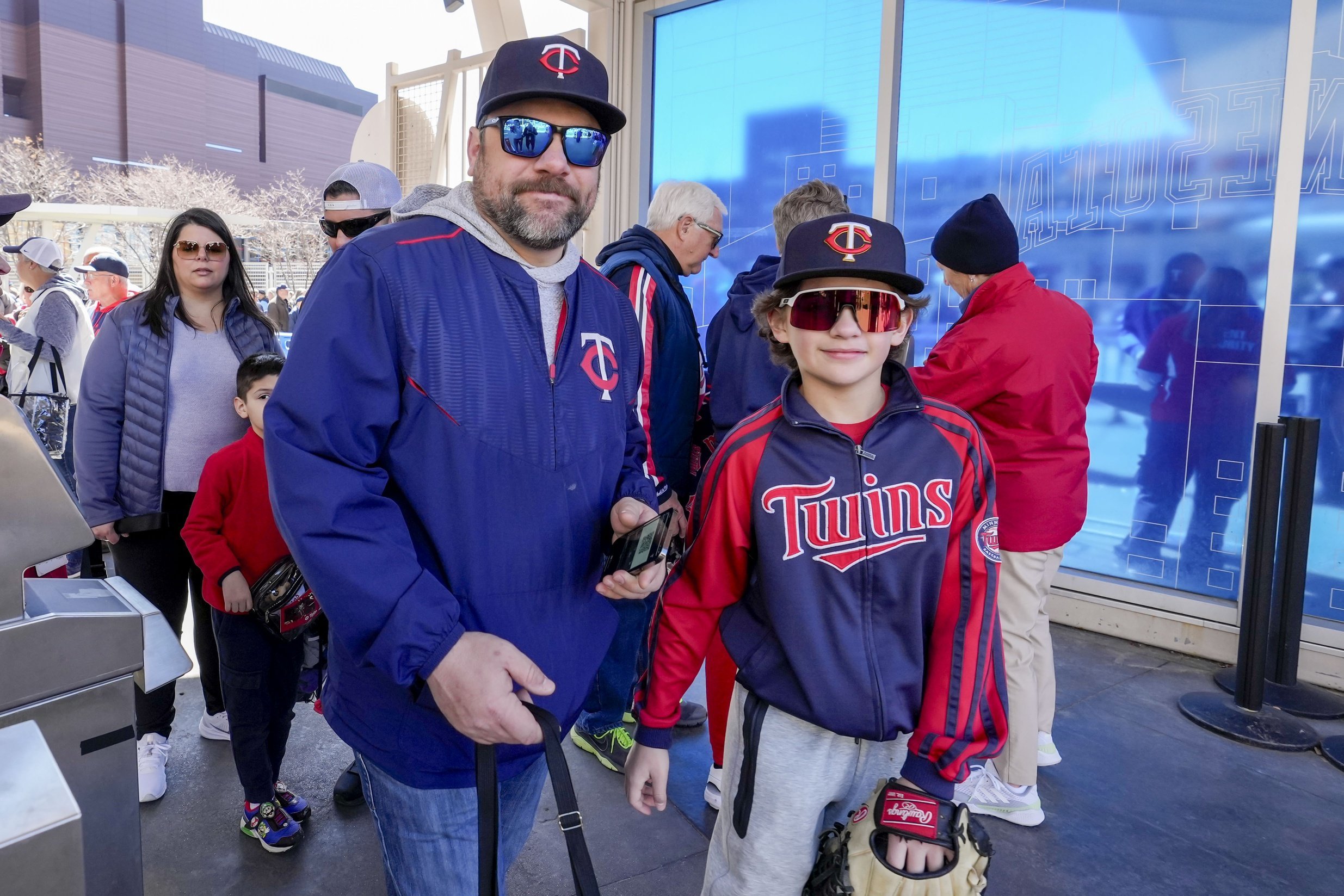 The Minnesota Twins have not exactly been operating from a position of fan favor in recent years, but they took a step in the right direction following a frustrating start to the season at Target Field. After a power outage delayed the home opener against the Tampa Bay Rays by roughly an hour, the organization chose to compensate fans who attended by offering free tickets to the team’s game on Friday, April 17, against the Cincinnati Reds. The game will include pregame happy hour deals and fireworks following the game. The Twins opted for a gesture that at least acknowledges the importance of their paying customers. That does not erase the lingering frustration tied to ownership decisions, particularly after payroll reductions following the 2023 season. The Pohlad family has drawn consistent criticism, and one goodwill move does not suddenly reset that relationship. Still, credit is warranted here. This situation was beyond their control, yet they chose to respond in a way that directly benefits fans. Leading into Opening Day, Tom Pohlad addressed the broader picture of fan engagement. “We can sell all the $2 beers we want. We can have all the concepts we want, but people want to see a winner, and I think the product we put on the field is ultimately what's going to drive, hope, if you will.” It is a fair statement, and it is also where the disconnect continues to live. Acknowledging that winning matters most is easy. Investing in a roster that reflects that urgency is something else entirely. The additions of Josh Bell and Victor Caratini provide depth and professionalism, but they are complementary pieces rather than franchise-altering talents. For a team trying to reenergize its fan base, that distinction matters. Yes, the Twins recently put together an impressive sweep against the Detroit Tigers, and any winning streak is worth appreciating. But short bursts of success do not carry the same weight as a clear long-term vision. Fans have seen hot streaks before, including last season’s extended run, and understand how quickly momentum can fade. Discounted concessions and makeup tickets help. They create a better ballpark experience in the moment. But sustained interest comes from belief in the team's direction. The Twins did the right thing last week. They deserve recognition for that. Now comes the harder part. Turning a small gesture into meaningful change is what will ultimately determine how this fan base responds moving forward.
 -
Image courtesy of © Bruce Kluckhohn-Imagn Images When the offseason began, most people expected continuity in the Minnesota Twins' ownership structure. Instead, the winter delivered a surprising shakeup. After the Pohlad family sold minority shares of the franchise, leadership within the organization shifted in ways many did not expect. For years, Joe Pohlad was the public-facing leader of the club. However, as the offseason unfolded, Tom Pohlad stepped forward to guide the organization. The transition became even more notable later in the winter, when longtime president of baseball operations Derek Falvey stepped away from the Twins. With that departure, Tom Pohlad took on an even more prominent role and assumed responsibility for the business side of operations heading into the 2026 season. The sudden shift caught many fans off guard. Ownership changes rarely happen in such a visible way during an otherwise quiet winter—and this one came just a few months after the fan base was crestfallen to learn that there wouldn't be a more official transfer of power. Since taking over, however, Pohlad has implemented several noticeable changes. Some have been widely welcomed, while others still leave observers wondering about the long-term impact. Since Tom took over, there have been some obvious changes that can be viewed in multiple ways. Let’s dive in. Around the Team More Regularly Pohlad has been vocal about his intention to stay close to the team. That promise has already been visible. He spent significant time at spring training with his entire family during the club’s stay in Florida. The visibility has continued into the regular season. Players have seen him greeting them outside the locker room after big wins. He spoke to the club during the celebration marking Byron Buxton reaching 10 years in the big leagues. He also made the short trip to St. Paul for the Triple-A home opener to support the organization’s top minor-league club. In short, Pohlad is more visible around the organization than any member of the ownership group has been in recent memory. That level of involvement can be encouraging, especially for fans who often wonder how closely ownership is involved in the day-to-day operations of the team. At the same time, some will naturally wonder where the line lies between supportive presence and over-involvement. Rating: Somewhere in between. The jury is still out. Speaking to the Press More Often An extension of being around the team more frequently is that Pohlad has also become more available to the media. Reporters now have the opportunity to ask him questions when situations arise during the season. Under previous leadership, media availability from ownership was rare. It usually happened before the season began, after the season ended, or during major organizational announcements. Regular conversations with ownership during the middle of the 162-game grind were almost nonexistent. No one expects ownership to address the press daily, and that should become unnecessary over time. However, the willingness to speak when something noteworthy occurs provides needed clarity for fans and transparency for the organization. Rating: Positive. Increased communication is generally a good thing. Cheap Beer and Other Happy Hour Specials Beyond Pohlad’s personal visibility, the Twins have clearly made an effort to reconnect with fans. Attendance and fan sentiment have taken a hit over the past couple of seasons, and the club appears determined to change that narrative. One initiative has been the introduction of $2 beers before first pitch on Friday and Saturday home games. The idea is to create a happy hour atmosphere leading up to the start of the game. On certain nights, the team has also offered discounted snacks and hot dogs. Ballpark prices have steadily climbed across the league, especially for families attending games together. Creating opportunities for fans to save money while enjoying the ballpark experience is an easy way to build goodwill. Rating: Positive. Lower-cost options benefit both the fans and the atmosphere. Drop in Ballpark Pass Price Another fan-friendly move came with the adjustment to the team’s Ballpark Pass. This season, the Twins lowered the early purchase price to $229 for the entire year, if fans bought the pass early in the offseason. The pass grants entry to every home game, including Opening Day, though it does not guarantee an assigned seat. If a fan attends every home game, that works out to less than $3 per game. There is also a monthly option at $59 for fans who prefer flexibility rather than committing to the full season. Last year, the pass carried a price tag of $324. The reduced cost makes the product far more accessible, especially for younger fans or people who simply enjoy stopping by the ballpark for a few innings. Rating: Positive. This is a creative way to fill the stadium. Opening Day Fiasco The home opener at Target Field did not go according to plan. An hour-long power outage delayed fans from entering the ballpark, leaving thousands standing outside waiting for the gates to reopen. Opening Day always draws one of the largest crowds of the season, so the situation created plenty of frustration. The organization responded quickly once the issue was resolved. The Twins extended the pregame happy-hour prices through the end of the second inning to ensure that fans who had been waiting in line could still take advantage of the deals. While the outage itself was not ideal, the response softened the blow. Rating: Positive. The team made a quick adjustment to improve a difficult situation. Redoing Opening Day The Twins took things one step further in the days following the outage. As an additional gesture, the team offered fans who purchased Opening Day tickets a free ticket to the April 17 game against the Cincinnati Reds. That game will feature another round of happy-hour specials, a live band during the pregame celebration, and fireworks after the final out. The organization could have easily blamed the outage on factors outside its control and moved on. Instead, the team chose to turn the moment into another opportunity to reconnect with its fan base. Rating: Positive. It shows a willingness to go the extra mile for fans. Not every development will be universally praised, and some observers will continue to watch closely to see how involved ownership becomes moving forward. Still, the early moves suggest a real effort to increase transparency and rebuild goodwill with fans. For an organization entering a new chapter, that may be exactly the type of start the Twins need. What are your thoughts about the changes made under Tom Pohlad? Leave a comment and start the discussion. View full article
-
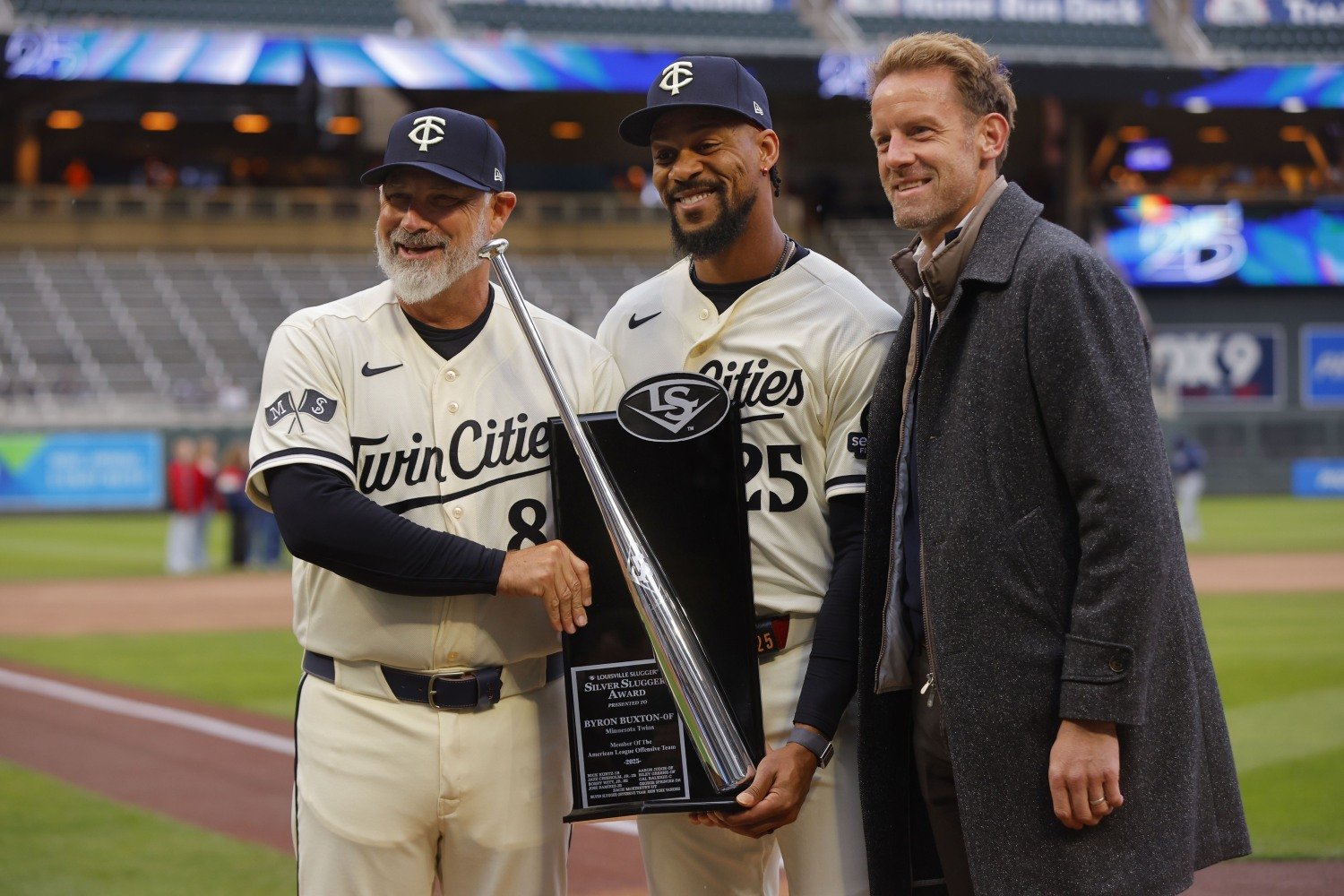 When the offseason began, most people expected continuity in the Minnesota Twins' ownership structure. Instead, the winter delivered a surprising shakeup. After the Pohlad family sold minority shares of the franchise, leadership within the organization shifted in ways many did not expect. For years, Joe Pohlad was the public-facing leader of the club. However, as the offseason unfolded, Tom Pohlad stepped forward to guide the organization. The transition became even more notable later in the winter, when longtime president of baseball operations Derek Falvey stepped away from the Twins. With that departure, Tom Pohlad took on an even more prominent role and assumed responsibility for the business side of operations heading into the 2026 season. The sudden shift caught many fans off guard. Ownership changes rarely happen in such a visible way during an otherwise quiet winter—and this one came just a few months after the fan base was crestfallen to learn that there wouldn't be a more official transfer of power. Since taking over, however, Pohlad has implemented several noticeable changes. Some have been widely welcomed, while others still leave observers wondering about the long-term impact. Since Tom took over, there have been some obvious changes that can be viewed in multiple ways. Let’s dive in. Around the Team More Regularly Pohlad has been vocal about his intention to stay close to the team. That promise has already been visible. He spent significant time at spring training with his entire family during the club’s stay in Florida. The visibility has continued into the regular season. Players have seen him greeting them outside the locker room after big wins. He spoke to the club during the celebration marking Byron Buxton reaching 10 years in the big leagues. He also made the short trip to St. Paul for the Triple-A home opener to support the organization’s top minor-league club. In short, Pohlad is more visible around the organization than any member of the ownership group has been in recent memory. That level of involvement can be encouraging, especially for fans who often wonder how closely ownership is involved in the day-to-day operations of the team. At the same time, some will naturally wonder where the line lies between supportive presence and over-involvement. Rating: Somewhere in between. The jury is still out. Speaking to the Press More Often An extension of being around the team more frequently is that Pohlad has also become more available to the media. Reporters now have the opportunity to ask him questions when situations arise during the season. Under previous leadership, media availability from ownership was rare. It usually happened before the season began, after the season ended, or during major organizational announcements. Regular conversations with ownership during the middle of the 162-game grind were almost nonexistent. No one expects ownership to address the press daily, and that should become unnecessary over time. However, the willingness to speak when something noteworthy occurs provides needed clarity for fans and transparency for the organization. Rating: Positive. Increased communication is generally a good thing. Cheap Beer and Other Happy Hour Specials Beyond Pohlad’s personal visibility, the Twins have clearly made an effort to reconnect with fans. Attendance and fan sentiment have taken a hit over the past couple of seasons, and the club appears determined to change that narrative. One initiative has been the introduction of $2 beers before first pitch on Friday and Saturday home games. The idea is to create a happy hour atmosphere leading up to the start of the game. On certain nights, the team has also offered discounted snacks and hot dogs. Ballpark prices have steadily climbed across the league, especially for families attending games together. Creating opportunities for fans to save money while enjoying the ballpark experience is an easy way to build goodwill. Rating: Positive. Lower-cost options benefit both the fans and the atmosphere. Drop in Ballpark Pass Price Another fan-friendly move came with the adjustment to the team’s Ballpark Pass. This season, the Twins lowered the early purchase price to $229 for the entire year, if fans bought the pass early in the offseason. The pass grants entry to every home game, including Opening Day, though it does not guarantee an assigned seat. If a fan attends every home game, that works out to less than $3 per game. There is also a monthly option at $59 for fans who prefer flexibility rather than committing to the full season. Last year, the pass carried a price tag of $324. The reduced cost makes the product far more accessible, especially for younger fans or people who simply enjoy stopping by the ballpark for a few innings. Rating: Positive. This is a creative way to fill the stadium. Opening Day Fiasco The home opener at Target Field did not go according to plan. An hour-long power outage delayed fans from entering the ballpark, leaving thousands standing outside waiting for the gates to reopen. Opening Day always draws one of the largest crowds of the season, so the situation created plenty of frustration. The organization responded quickly once the issue was resolved. The Twins extended the pregame happy-hour prices through the end of the second inning to ensure that fans who had been waiting in line could still take advantage of the deals. While the outage itself was not ideal, the response softened the blow. Rating: Positive. The team made a quick adjustment to improve a difficult situation. Redoing Opening Day The Twins took things one step further in the days following the outage. As an additional gesture, the team offered fans who purchased Opening Day tickets a free ticket to the April 17 game against the Cincinnati Reds. That game will feature another round of happy-hour specials, a live band during the pregame celebration, and fireworks after the final out. The organization could have easily blamed the outage on factors outside its control and moved on. Instead, the team chose to turn the moment into another opportunity to reconnect with its fan base. Rating: Positive. It shows a willingness to go the extra mile for fans. Not every development will be universally praised, and some observers will continue to watch closely to see how involved ownership becomes moving forward. Still, the early moves suggest a real effort to increase transparency and rebuild goodwill with fans. For an organization entering a new chapter, that may be exactly the type of start the Twins need. What are your thoughts about the changes made under Tom Pohlad? Leave a comment and start the discussion.
 -
When the MLB All-Star Game rolls around each summer, it serves as more than just a midseason showcase of the game’s brightest stars. It is also a reflection of the people shaping the sport behind the scenes. This year, the Minnesota Twins will have representation in the dugout as well, with manager Derek Shelton earning a spot on the American League coaching staff. Shelton has been tapped to join the American League staff for the 2026 All-Star Game in Philadelphia, a role extended by John Schneider, who will lead the AL squad after guiding the Toronto Blue Jays to the AL pennant. While All-Star managers typically lean on their own coaching staff, they are also given the opportunity to bring in an outside voice. Schneider’s choice of Shelton speaks volumes. The connection between the two goes back nearly a decade. In 2017, Shelton was working in a quality control role within Toronto’s system, while Schneider was managing at the High-A level. Their paths crossed early, and the respect built during that time clearly stuck. That relationship resurfaced this spring when Schneider reached out personally to invite Shelton to join him for the Midsummer Classic. This will not be Shelton’s first experience on an All-Star staff. Back in 2023, he was managing the Pittsburgh Pirates when Philadelphia’s Rob Thomson selected him to be part of the National League staff. That opportunity came during a difficult stretch in Pittsburgh, but it underscored how Shelton was viewed across the league. Even as the results lagged, his peers recognized his baseball acumen and leadership. That reputation has carried over to his current role in Minnesota. Early in the 2026 season, the Twins have looked like a club with direction and energy. Whether it is lineup construction, bullpen usage, or simply the tone set in the clubhouse, Shelton has helped guide a team that is outperforming expectations. Managers rarely get full credit when things go right, but they are often first in line when things go wrong. In this case, Shelton deserves acknowledgment for helping steady the ship. The All-Star Game coaching nod is not about one hot stretch or a handful of wins in April. It is about trust, relationships, and respect built over years in the game. Being chosen twice by two different managers in separate leagues reinforces that Shelton is valued well beyond his own clubhouse. As the All-Star break approaches, Shelton will step onto one of baseball’s biggest stages once again. This time, he does so representing a Twins team that is attempting to build something meaningful. It may only be a few days in July, but it is another sign that Minnesota’s manager is earning his place among the game’s most respected voices. For a franchise looking to turn the page and establish consistency, that is exactly the kind of recognition that matters. View full rumor
-
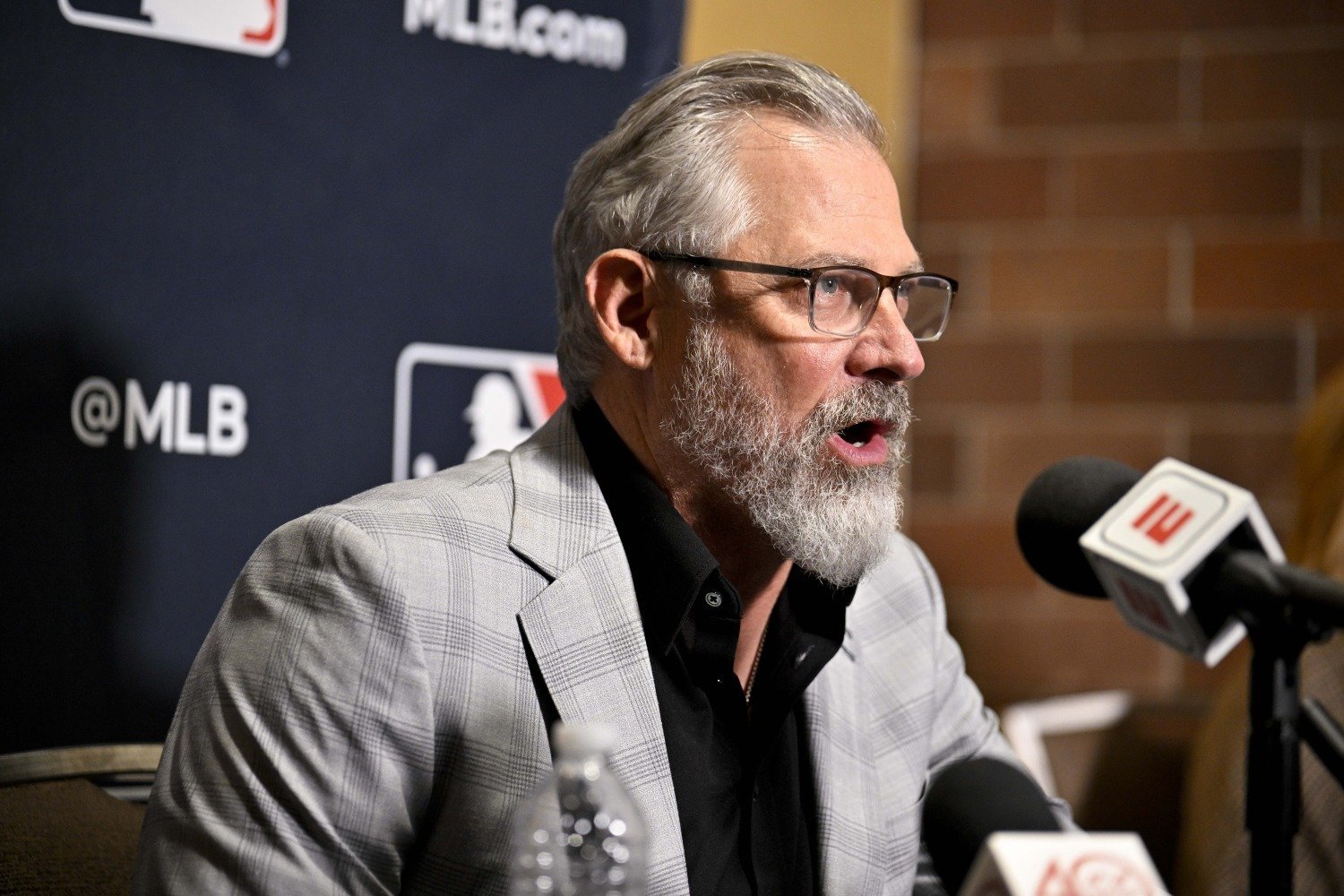 When the MLB All-Star Game rolls around each summer, it serves as more than just a midseason showcase of the game’s brightest stars. It is also a reflection of the people shaping the sport behind the scenes. This year, the Minnesota Twins will have representation in the dugout as well, with manager Derek Shelton earning a spot on the American League coaching staff. Shelton has been tapped to join the American League staff for the 2026 All-Star Game in Philadelphia, a role extended by John Schneider, who will lead the AL squad after guiding the Toronto Blue Jays to the AL pennant. While All-Star managers typically lean on their own coaching staff, they are also given the opportunity to bring in an outside voice. Schneider’s choice of Shelton speaks volumes. The connection between the two goes back nearly a decade. In 2017, Shelton was working in a quality control role within Toronto’s system, while Schneider was managing at the High-A level. Their paths crossed early, and the respect built during that time clearly stuck. That relationship resurfaced this spring when Schneider reached out personally to invite Shelton to join him for the Midsummer Classic. This will not be Shelton’s first experience on an All-Star staff. Back in 2023, he was managing the Pittsburgh Pirates when Philadelphia’s Rob Thomson selected him to be part of the National League staff. That opportunity came during a difficult stretch in Pittsburgh, but it underscored how Shelton was viewed across the league. Even as the results lagged, his peers recognized his baseball acumen and leadership. That reputation has carried over to his current role in Minnesota. Early in the 2026 season, the Twins have looked like a club with direction and energy. Whether it is lineup construction, bullpen usage, or simply the tone set in the clubhouse, Shelton has helped guide a team that is outperforming expectations. Managers rarely get full credit when things go right, but they are often first in line when things go wrong. In this case, Shelton deserves acknowledgment for helping steady the ship. The All-Star Game coaching nod is not about one hot stretch or a handful of wins in April. It is about trust, relationships, and respect built over years in the game. Being chosen twice by two different managers in separate leagues reinforces that Shelton is valued well beyond his own clubhouse. As the All-Star break approaches, Shelton will step onto one of baseball’s biggest stages once again. This time, he does so representing a Twins team that is attempting to build something meaningful. It may only be a few days in July, but it is another sign that Minnesota’s manager is earning his place among the game’s most respected voices. For a franchise looking to turn the page and establish consistency, that is exactly the kind of recognition that matters.
 -
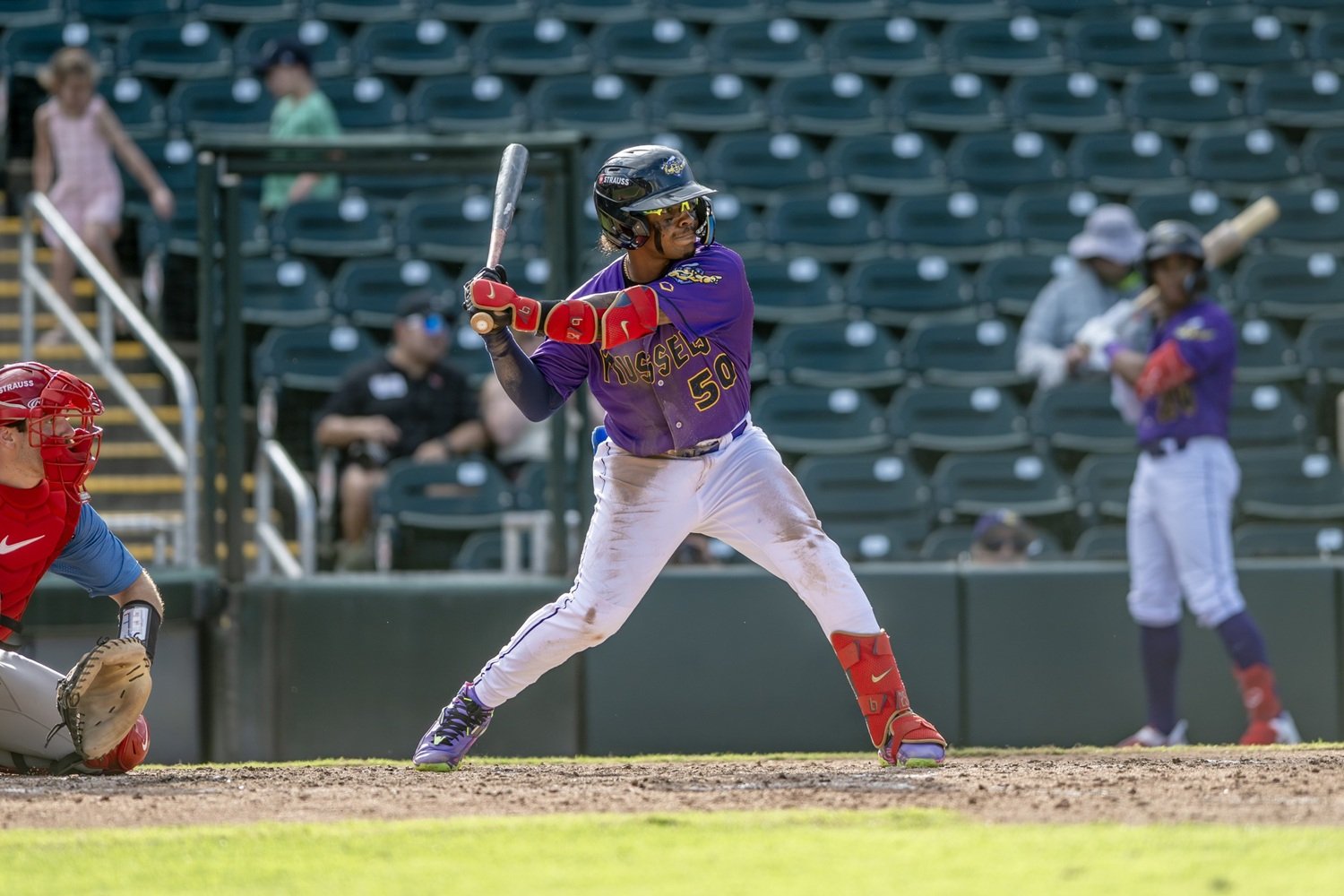 The minor-league season is barely underway, but it hasn't taken long for a handful of Minnesota Twins prospects to separate themselves from the pack. While prospect rankings and preseason hype provide a roadmap, early performance still matters. It shapes opportunity, forces promotions, and can completely alter a player’s trajectory within the organization. From Triple-A down to Low-A, there is already at least one player at each affiliate whose stock is trending upward. Whether it's a former top prospect reinforcing his profile or an under-the-radar name making noise, these early standouts are giving the Twins plenty to think about. Triple A St. Paul Saints: Connor Prielipp Stat Line: 3 G, 10 2/3 IP, 2.53 ERA, 7 H, 3 ER, 14 K, 7 BB, 1.31 WHIP The St. Paul roster is loaded with talent, especially on the position player side. Walker Jenkins, Kaelen Culpepper, and Emmanuel Rodriguez have all drawn attention, as expected, but it's Prielipp who has quietly made one of the strongest early impressions. Pitching in the hitter-friendly International League is never easy, but Prielipp has held his own. As the top pitching prospect in the organization (currently ranked fifth overall by Twins Daily), expectations are already high. His strikeout ability has been evident, with 14 punchouts in just over 10 innings, showcasing the swing-and-miss arsenal that made him such an intriguing arm. The walks are elevated, and that is something to monitor, but early-season weather and inconsistent conditions could be playing a role. There's been speculation about a future bullpen role, but outings like these suggest he still has a legitimate chance to stick in the rotation. If he continues to refine his command, his stock could climb even higher. Double A Wichita Wind Surge: Ben Ross Stat Line: 9 G, .444/.500/.639 (1.139), 4 2B, 1 HR, 5 SB, 4 BB, 5 K Double-A is often where prospects define themselves, and Ross appears to understand the assignment. Drafted in the fifth round in 2022, Ross has spent parts of three seasons at this level and entered 2026 needing to prove he belongs in the organization’s long-term plans. So far, he has done exactly that. After posting a .671 OPS across 120 games last season, Ross has come out of the gate on fire. His .444 average and 1.139 OPS show a hitter who is not just making contact, but doing damage while controlling the strike zone. Perhaps just as important is his defensive versatility. Ross has already logged time at shortstop, third base, and even center field. That kind of flexibility enhances his value. At 24 years old, he's slightly older than the competition, but this is exactly what the Twins needed to see. If he sustains anything close to this production, he will quickly reestablish himself as a legitimate depth option. High-A Cedar Rapids Kernels: Eli Jones Stat Line: 3 G, 15 IP, 1.20 ERA, 5 H, 2 ER, 12 K, 1 BB, 0.40 WHIP Jones has taken a significant step forward. It's one of the more encouraging developments in the system. A seventh-round pick in 2024 out of South Carolina, Jones had a rocky introduction to pro ball last season. He posted a 5.13 ERA with a 1.42 WHIP across 100 innings in Fort Myers, walking 40 batters while striking out 84. The version of Jones showing up in 2026 looks completely different. Through his first three starts, he has been dominant. The most notable improvement is his control. After struggling with walks last year, he has issued just one free pass while attacking hitters with confidence. Opponents are batting just .098 against him, and his strikeout rate has jumped by over 4%. Even though he is slightly older for the level, this is exactly the kind of growth the Twins hoped to see from a college arm. If he continues to pitch like this, a move to Double-A could come sooner rather than later. Low A Fort Myers Mighty Mussels: Dameury Pena Stat Line: 7 G, .476/.621/.524 (1.144), 1 2B, 3 SB, 7 BB, 2 K Pena is making the most of his second stint in Fort Myers, and his early performance is impossible to ignore. The 20-year-old infielder, signed out of the Dominican Republic, is still more than a year younger than the average player at this level, making his production even more impressive. After collecting 16 extra base hits and 28 stolen bases in 96 games last season, Pena is showing clear signs of growth. He currently leads the Florida State League in both batting average and on-base percentage while ranking near the top in OPS and steals. What stands out most is his approach. Seven walks compared to just two strikeouts highlight a player who is seeing the ball extremely well and making mature decisions at the plate. He has also chipped in on the bases and continues to gain experience defensively at both second base and in left field. For a young player repeating the level, this is exactly the kind of leap you want to see. His stock is trending upward in a big way. It's still early, and minor-league seasons are full of adjustments, but these four players have given the Twins a strong reason to pay attention. Each one represents a different type of prospect story, from a high upside arm trying to stick in the rotation to a young hitter beginning to translate tools into production. If these trends continue, promotions will follow, and roles within the organization will begin to shift. For now, though, these rising names are setting the tone across the farm system and showing that prospect stock can change quickly when performance matches potential. What performances have stood out so far? Leave a comment and start the discussion.
- 12 comments
-
- 6
-

-
- connor prielipp
- ben ross
- (and 2 more)
-
Image courtesy of William Parmeter The minor-league season is barely underway, but it hasn't taken long for a handful of Minnesota Twins prospects to separate themselves from the pack. While prospect rankings and preseason hype provide a roadmap, early performance still matters. It shapes opportunity, forces promotions, and can completely alter a player’s trajectory within the organization. From Triple-A down to Low-A, there is already at least one player at each affiliate whose stock is trending upward. Whether it's a former top prospect reinforcing his profile or an under-the-radar name making noise, these early standouts are giving the Twins plenty to think about. Triple A St. Paul Saints: Connor Prielipp Stat Line: 3 G, 10 2/3 IP, 2.53 ERA, 7 H, 3 ER, 14 K, 7 BB, 1.31 WHIP The St. Paul roster is loaded with talent, especially on the position player side. Walker Jenkins, Kaelen Culpepper, and Emmanuel Rodriguez have all drawn attention, as expected, but it's Prielipp who has quietly made one of the strongest early impressions. Pitching in the hitter-friendly International League is never easy, but Prielipp has held his own. As the top pitching prospect in the organization (currently ranked fifth overall by Twins Daily), expectations are already high. His strikeout ability has been evident, with 14 punchouts in just over 10 innings, showcasing the swing-and-miss arsenal that made him such an intriguing arm. The walks are elevated, and that is something to monitor, but early-season weather and inconsistent conditions could be playing a role. There's been speculation about a future bullpen role, but outings like these suggest he still has a legitimate chance to stick in the rotation. If he continues to refine his command, his stock could climb even higher. Double A Wichita Wind Surge: Ben Ross Stat Line: 9 G, .444/.500/.639 (1.139), 4 2B, 1 HR, 5 SB, 4 BB, 5 K Double-A is often where prospects define themselves, and Ross appears to understand the assignment. Drafted in the fifth round in 2022, Ross has spent parts of three seasons at this level and entered 2026 needing to prove he belongs in the organization’s long-term plans. So far, he has done exactly that. After posting a .671 OPS across 120 games last season, Ross has come out of the gate on fire. His .444 average and 1.139 OPS show a hitter who is not just making contact, but doing damage while controlling the strike zone. Perhaps just as important is his defensive versatility. Ross has already logged time at shortstop, third base, and even center field. That kind of flexibility enhances his value. At 24 years old, he's slightly older than the competition, but this is exactly what the Twins needed to see. If he sustains anything close to this production, he will quickly reestablish himself as a legitimate depth option. High-A Cedar Rapids Kernels: Eli Jones Stat Line: 3 G, 15 IP, 1.20 ERA, 5 H, 2 ER, 12 K, 1 BB, 0.40 WHIP Jones has taken a significant step forward. It's one of the more encouraging developments in the system. A seventh-round pick in 2024 out of South Carolina, Jones had a rocky introduction to pro ball last season. He posted a 5.13 ERA with a 1.42 WHIP across 100 innings in Fort Myers, walking 40 batters while striking out 84. The version of Jones showing up in 2026 looks completely different. Through his first three starts, he has been dominant. The most notable improvement is his control. After struggling with walks last year, he has issued just one free pass while attacking hitters with confidence. Opponents are batting just .098 against him, and his strikeout rate has jumped by over 4%. Even though he is slightly older for the level, this is exactly the kind of growth the Twins hoped to see from a college arm. If he continues to pitch like this, a move to Double-A could come sooner rather than later. Low A Fort Myers Mighty Mussels: Dameury Pena Stat Line: 7 G, .476/.621/.524 (1.144), 1 2B, 3 SB, 7 BB, 2 K Pena is making the most of his second stint in Fort Myers, and his early performance is impossible to ignore. The 20-year-old infielder, signed out of the Dominican Republic, is still more than a year younger than the average player at this level, making his production even more impressive. After collecting 16 extra base hits and 28 stolen bases in 96 games last season, Pena is showing clear signs of growth. He currently leads the Florida State League in both batting average and on-base percentage while ranking near the top in OPS and steals. What stands out most is his approach. Seven walks compared to just two strikeouts highlight a player who is seeing the ball extremely well and making mature decisions at the plate. He has also chipped in on the bases and continues to gain experience defensively at both second base and in left field. For a young player repeating the level, this is exactly the kind of leap you want to see. His stock is trending upward in a big way. It's still early, and minor-league seasons are full of adjustments, but these four players have given the Twins a strong reason to pay attention. Each one represents a different type of prospect story, from a high upside arm trying to stick in the rotation to a young hitter beginning to translate tools into production. If these trends continue, promotions will follow, and roles within the organization will begin to shift. For now, though, these rising names are setting the tone across the farm system and showing that prospect stock can change quickly when performance matches potential. What performances have stood out so far? Leave a comment and start the discussion. View full article
- 12 replies
-
- 1
-
-
- connor prielipp
- ben ross
- (and 2 more)
-
The Minnesota Twins have not exactly been operating from a position of fan favor in recent years, but they took a step in the right direction following a frustrating start to the season at Target Field. After a power outage delayed the home opener against the Tampa Bay Rays by roughly an hour, the organization chose to compensate fans who attended by offering free tickets to the team’s game on Friday, April 17, against the Cincinnati Reds. The game will include pregame happy hour deals and fireworks following the game. The Twins opted for a gesture that at least acknowledges the importance of their paying customers. That does not erase the lingering frustration tied to ownership decisions, particularly after payroll reductions following the 2023 season. The Pohlad family has drawn consistent criticism, and one goodwill move does not suddenly reset that relationship. Still, credit is warranted here. This situation was beyond their control, yet they chose to respond in a way that directly benefits fans. Leading into Opening Day, Tom Pohlad addressed the broader picture of fan engagement. “We can sell all the $2 beers we want. We can have all the concepts we want, but people want to see a winner, and I think the product we put on the field is ultimately what's going to drive, hope, if you will.” It is a fair statement, and it is also where the disconnect continues to live. Acknowledging that winning matters most is easy. Investing in a roster that reflects that urgency is something else entirely. The additions of Josh Bell and Victor Caratini provide depth and professionalism, but they are complementary pieces rather than franchise-altering talents. For a team trying to reenergize its fan base, that distinction matters. Yes, the Twins recently put together an impressive sweep against the Detroit Tigers, and any winning streak is worth appreciating. But short bursts of success do not carry the same weight as a clear long-term vision. Fans have seen hot streaks before, including last season’s extended run, and understand how quickly momentum can fade. Discounted concessions and makeup tickets help. They create a better ballpark experience in the moment. But sustained interest comes from belief in the team's direction. The Twins did the right thing last week. They deserve recognition for that. Now comes the harder part. Turning a small gesture into meaningful change is what will ultimately determine how this fan base responds moving forward. View full rumor
-
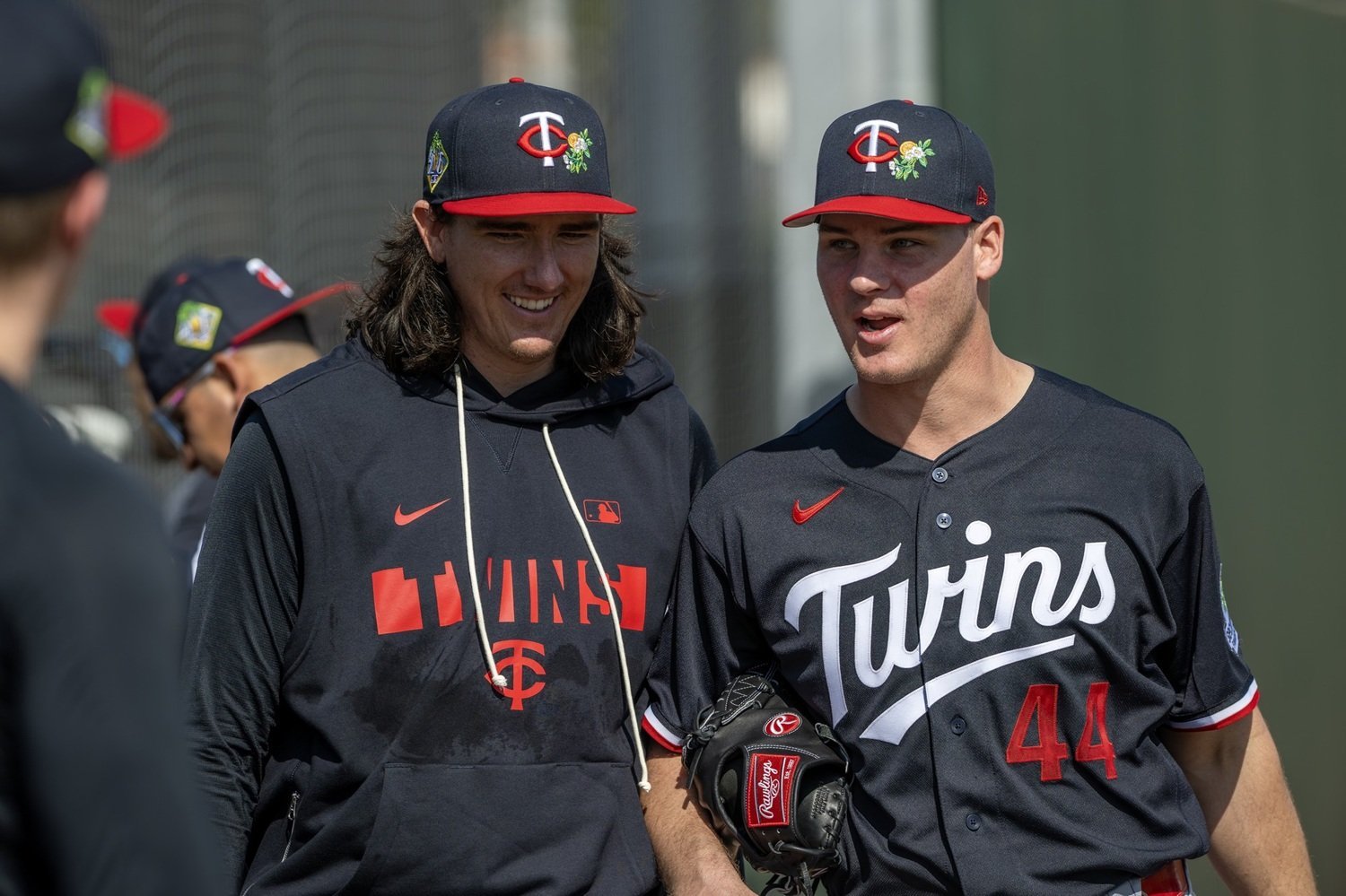 The closer-by-committee approach is common in today’s game, but the Minnesota Twins are taking it further early in 2026. In the opening 16 games, five different pitchers have recorded saves, and there’s no sign that anyone will take hold of the role more firmly any time soon. If someone had told you that five different pitchers would get the Twins’ first five saves of 2026, that probably wouldn’t have shocked you. What is surprising, though, is just how committed the organization appears to be to avoiding a traditional bullpen hierarchy. There is no set closer or defined eighth-inning bridge. Instead, Minnesota rotates relievers into late-inning roles based on matchups, relying on depth and adaptability. “I think that was the plan going in,” Eric Orze said. “Closer by committee. Everybody ready to go at all times. The boys are doing their job.” Cole Sands Continues to Evolve Though Sands has now moved into more frequent high-leverage spots, early in the season, he initially appeared to be Derek Shelton’s preferred late-innings option. However, due to a high walk rate, his role has shifted somewhat, and he was even removed mid-inning after issuing multiple walks versus Detroit. Shelton noted later that he had almost immediately seen that Sands's command wasn't sharp. Still, his ability to navigate different pockets of a lineup makes him an ideal candidate for this kind of bullpen structure. Whether it’s the seventh inning against the heart of the order or the ninth against the bottom third, Sands can be deployed wherever the matchup calls for it. That flexibility is precisely what Minnesota values most right now—even if the main reason for that is the lack of any pitchers who could be sicced on the opponent without thinking along those lines. Justin Topa Brings Stability Topa was brought into the Twins organization as part of the Jorge Polanco trade and came with late-inning experience. The Twins haven’t seen the same version of Topa since he joined the organization. However, he's not being pigeonholed into a single role. When healthy, Topa offers a power sinker and the kind of ground-ball profile that plays in tight spots. Last Tuesday, Orze was given the initial save opportunity but was pulled after yielding an RBI double to Kevin McGonigle. With Sands and Taylor Rogers already deployed earlier in the game, the Twins turned to Topa, who proceeded to seal the win for Minnesota by getting two of the next three batters to ground out. In this system, Topa is less a closer and more a fireman. Eric Orze Adds Another Option Orze brings a different look to the bullpen. With a plus splitter and the ability to miss bats, he gives Minnesota an option for situations where strikeouts matter. That skill set is especially valuable against contact-oriented lineups. Rather than relying on contact management, Orze can put away hitters himself when needed. Orze earned his first save in Thursday's 3-1 win over the Tigers, recording one strikeout in a hitless and scoreless ninth inning. With Kody Funderburk, Topa, and Sands all pitching three of the previous four days, manager Derek Shelton went to Orze in the ninth inning on Thursday. Orze threw 12 of his 14 pitches for strikes and set down the Tigers in order. Orze has a 1.59 ERA and a 4-to-3 strikeout-to-walk ratio across 5 2/3 innings this season. His role among the early save-getters highlights how the bullpen is constructed on complementary strengths, instead of fixed roles. Kody Funderburk and the Left-Handed Factor Funderburk walked one and hit one batter while not allowing a hit or a run in two-thirds of an inning to earn the save in Wednesday's 8-6 win over the Tigers. Funderburk made things interesting, but he managed to get the job done for his first save of the season. The Twins utilized Topa and Sands earlier in the contest, and Rogers was unavailable after pitching three times in the previous four days, leaving the bullpen short-staffed. This was a fifth straight scoreless outing for Funderburk, who has pitched three hitless innings while issuing four walks in that span. Funderburk rounds out the group, giving a left-handed option for tough late-game matchups. In a traditional bullpen, he might be called a matchup specialist; here, he is simply another path to the final three outs. And he likely won’t be the last new name in the mix. More Arms Waiting in the Wings Don’t expect the list of pitchers with a save to stop at five. With Rogers and Anthony Banda also capable in leverage situations, the pool could expand. Manager Derek Shelton has made it clear that this is by design. “Well, I think, number one, it's kind of sitting before the game and saying, ‘Hey, we like this group of hitters with this pitcher,’” Shelton said. “And then the game dictates. That's why everybody gets caught up in analytical decisions and all these things. The numbers are really good, and we use them for that, but then ultimately, the game tells you.” That philosophy eliminates the rigidity often associated with bullpen roles. Instead of predetermined innings, the Twins react in real time, letting matchups and game flow drive decisions. “I think it's just a matter of who's available, and then also, there's a little bit of meritocracy to it. You start to pitch well, you're going to pitch yourself toward the back of the game, or you're going to pitch yourself into the leverage game," Shelton said. "And I think that's where too many people get caught up. They think just because you pitch the eighth and the ninth—there’s so many games that are won in different situations, and you may have to use who you think is your best arm available at that juncture of the game.” It may lack the simplicity of sticking with one closer, and it's certainly a matter of problem-solving, not proactive planning. But it offers something more: options. In a long season where bullpen usage is critical, having as many paths to and through the ninth inning as possible could be Minnesota’s biggest advantage. Can the Twins be successful with their closer-by-committee model? Leave a comment and start the discussion.
- 12 comments
-
- 2
-
-
- cole sands
- kody funderburk
- (and 4 more)
-
Image courtesy of William Parmeter The closer-by-committee approach is common in today’s game, but the Minnesota Twins are taking it further early in 2026. In just the opening stretch, five different pitchers have recorded saves, and there’s no sign this number will settle soon. If someone had told you that five different pitchers would get the Twins’ first five saves of 2026, that probably wouldn’t have shocked you. What is surprising, though, is just how committed the organization appears to be to avoiding any traditional bullpen hierarchy. There is no set closer or defined eighth-inning bridge. Instead, Minnesota rotates relievers into late-inning roles based on matchups, relying on depth and adaptability. “I think that was the plan going in,” Eric Orze said. “Closer by committee. Everybody ready to go at all times. The boys are doing their job.” Cole Sands Continues to Evolve Though Sands has now moved into more frequent high-leverage spots, early in the season, he initially appeared to be Derek Shelton’s preferred late-innings option. However, due to a high walk rate, his role has shifted somewhat, and he was even removed mid-inning after issuing multiple walks versus Detroit. Still, his ability to navigate different pockets of a lineup makes him an ideal candidate for this kind of bullpen structure. Whether it’s the seventh inning against the heart of the order or the ninth against the bottom third, Sands can be deployed wherever the matchup calls for it. That flexibility is precisely what Minnesota values most right now. Justin Topa Brings Stability Topa was brought into the Twins organization as part of the Jorge Polanco trade and came with late-inning experience. The Twins haven’t seen the same version of Topa since he joined the organization. However, he is not being pigeonholed into a single role. When healthy, Topa offers a power sinker and the kind of ground-ball profile that plays in tight spots. Orze was given the initial save opportunity but was pulled after yielding an RBI double to Kevin McGonigle. With Cole Sands and Taylor Rogers already deployed earlier in the game, the Twins turned to Topa, who proceeded to seal the win for Minnesota after getting two of the next three batters to ground out. In this system, Topa is less a closer and more a fireman. Eric Orze Adds Another Option Orze brings a different look to the bullpen. With a lively split-finger fastball and the ability to miss bats, he gives Minnesota an option for situations where strikeouts matter. That skill set is especially valuable against contact-oriented lineups. Rather than relying on contact management, Orze can overpower hitters when needed. Orze earned his first save in Thursday's 3-1 win over the Tigers, recording one strikeout in a hitless and scoreless ninth inning. With Kody Funderburk, Justin Topa, and Cole Sands all pitching three of the previous four days, manager Derek Shelton went to Orze in the ninth inning on Thursday. Orze threw 12 of his 14 pitches for strikes and set down the Tigers in order. Orze has a 1.59 ERA and a 4-to-3 strikeout-to-walk ratio across 5 2/3 innings this season. His role among the early save-getters highlights how the bullpen is constructed on complementary strengths instead of fixed roles. Kody Funderburk and the Left-Handed Factor Funderburk walked one and hit one batter while not allowing a hit or a run in two-thirds of an inning to earn the save in Wednesday's 8-6 win over the Tigers. Funderburk made things interesting, but he managed to get the job done for his first save of the season. The Twins utilized Topa and Sands earlier in the contest, and Rogers may have been unavailable after pitching three times in the previous four days, leaving the bullpen short-staffed. This was a fifth straight scoreless outing for Funderburk, who has pitched three hitless innings while issuing four walks in that span. Funderburk rounds out the group, giving a left-handed option for tough late-game matchups. In a traditional bullpen, he might be called a matchup specialist; here, he is simply another path to the final three outs. And he likely won’t be the last new name in the mix. More Arms Waiting in the Wings Don’t expect the list of pitchers with a save to stop at five. With Rogers and Anthony Banda also capable in leverage situations, the pool could expand. Manager Derek Shelton has made it clear that this is by design. “Well, I think, number one, it's kind of sitting before the game and saying, ‘Hey, we like this group of hitters with this pitcher,’” Shelton said. “And then the game dictates. That's why everybody gets caught up in analytical decisions and all these things. The numbers are really good, and we use them for that, but then ultimately, the game tells you.” That philosophy eliminates the rigidity often associated with bullpen roles. Instead of predetermined innings, the Twins react in real time, letting matchups and game flow drive decisions. “I think it's just a matter of who's available, and then also, there's a little bit of meritocracy to it. You start to pitch well, you're going to pitch yourself toward the back of the game, or you're going to pitch yourself into the leverage game. And I think that's where too many people get caught up. They think just because you pitch the eighth and the ninth there’s so many games that are won in different situations, and you may have to use who you think is your best arm available at that juncture of the game.” Altogether, the Twins aren't just using a closer-by-committee approach—they are redefining the committee, building a bullpen that adapts in real time to any situation. It may lack the simplicity of sticking with one closer, but it offers something more: options. In a long season where bullpen usage is critical, having as many paths to the ninth inning as possible could be Minnesota’s biggest advantage. Can the Twins be successful with their closer-by-committee model? Leave a comment and start the discussion. View full article
-
Fresh off what has arguably been the most successful World Baseball Classic to date, Rob Manfred is already looking at ways to adjust the event’s future. That instinct is understandable given the tournament’s rapid growth, but it also raises a familiar question. Why fix something that is clearly working? Appearing on The Dan Patrick Show to discuss the beginning of the 2026 MLB season, Manfred was asked whether the WBC could become a more frequent event. His answer made it clear that Major League Baseball is seriously considering changes to the tournament’s cadence. “We’re gonna have a meeting on the WBC, which we always do after it is completed. I think the event was so successful this time that we need to talk about frequency, regularity of schedule,” Manfred said. “It’s one thing to not to do it every year, our problem because of COVID, labor negotiations, whatever, you can’t even say it’s every four years. It hasn’t been. Given how popular it is, we need to get into a regular rotation.” The desire for consistency is not unreasonable. Since its debut in 2006, the World Baseball Classic has never truly settled into a rhythm. It began on a three-year cycle before shifting to four years, only to see that plan disrupted by a six-year gap following 2017 due to the pandemic. When the tournament finally returned in 2023, it delivered one of the most iconic moments with a Japan versus the United States championship for the ages. That game alone proved the event had evolved far beyond exhibition status. By the time the 2026 tournament wrapped up, the momentum had only grown. Television ratings climbed, global interest surged, and the overall product felt bigger than ever. Fans were invested, players were all in, and the atmosphere carried a level of intensity that even October baseball sometimes struggles to match. That is exactly why Major League Baseball should proceed with caution. Manfred is correct in identifying the need for a clear and predictable schedule. A defined rotation benefits fans trying to plan around the event and gives broadcast partners something concrete to build around in future media negotiations. It is difficult to maximize value when networks are unsure when the next tournament will take place. However, consistency does not have to mean increased frequency. There has already been discussion of experimenting with more dramatic changes, including moving the WBC to the middle of the MLB season. That concept feels misguided. Players already balance a demanding 162-game schedule, and the mid-summer break serves a purpose. Asking them to replace rest with high-intensity international competition risks diminishing participation, which is the lifeblood of the tournament. Even a small adjustment, such as shifting to a two-year cycle, could have unintended consequences. Part of what makes the World Baseball Classic special is its rarity. When players know the opportunity only comes around every few years, the urgency is real. National pride carries more weight. The stakes feel higher. If the event becomes more frequent, that edge could soften. The World Baseball Classic absolutely needs structure. The past two decades have proven that a floating timeline creates confusion and limits its long-term growth. But structure does not require reinvention. Baseball finally has something that captures global attention in a meaningful way. The solution is not to tinker with its foundation, but to solidify it. View full rumor
-
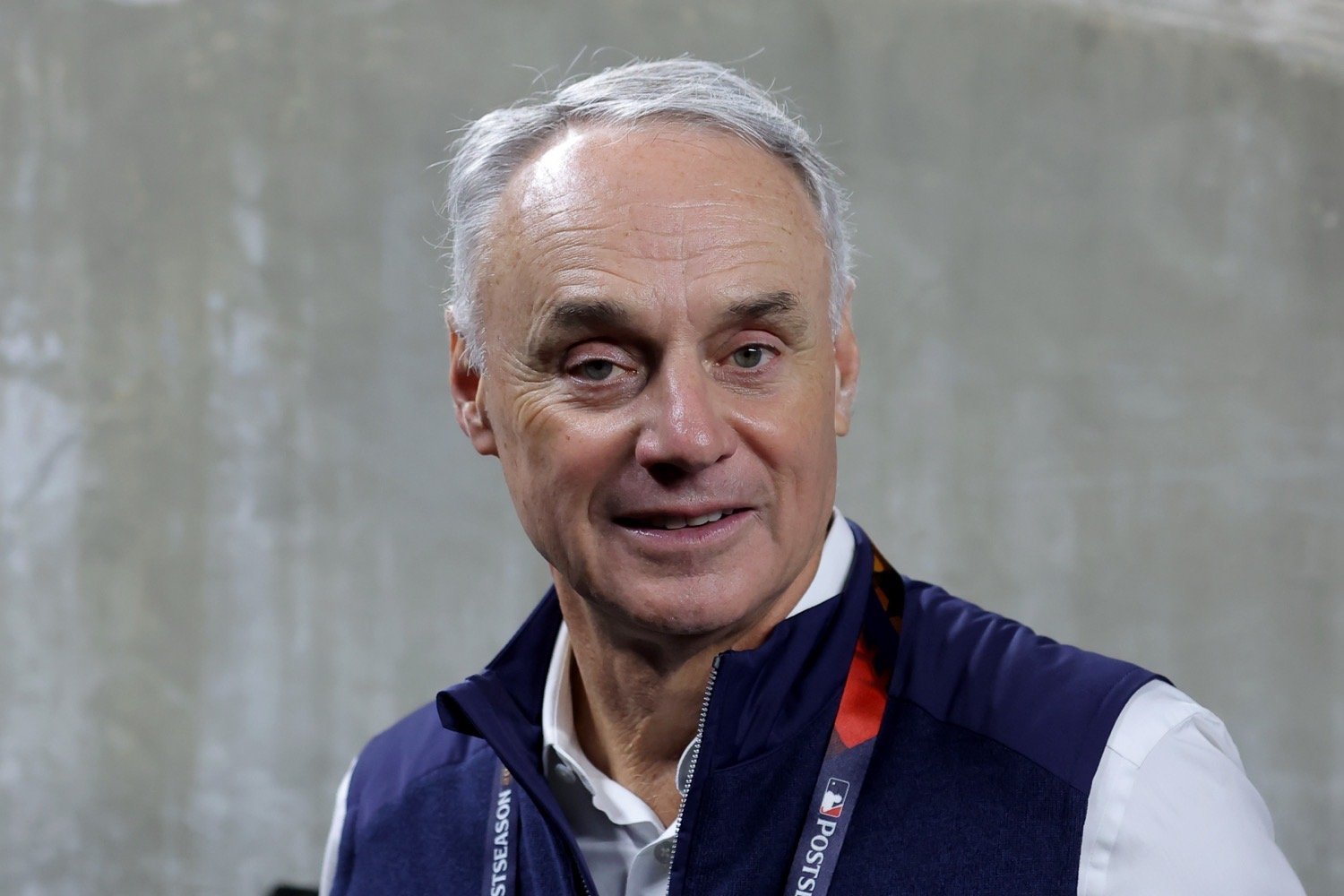 Fresh off what has arguably been the most successful World Baseball Classic to date, Rob Manfred is already looking at ways to adjust the event’s future. That instinct is understandable given the tournament’s rapid growth, but it also raises a familiar question. Why fix something that is clearly working? Appearing on The Dan Patrick Show to discuss the beginning of the 2026 MLB season, Manfred was asked whether the WBC could become a more frequent event. His answer made it clear that Major League Baseball is seriously considering changes to the tournament’s cadence. “We’re gonna have a meeting on the WBC, which we always do after it is completed. I think the event was so successful this time that we need to talk about frequency, regularity of schedule,” Manfred said. “It’s one thing to not to do it every year, our problem because of COVID, labor negotiations, whatever, you can’t even say it’s every four years. It hasn’t been. Given how popular it is, we need to get into a regular rotation.” The desire for consistency is not unreasonable. Since its debut in 2006, the World Baseball Classic has never truly settled into a rhythm. It began on a three-year cycle before shifting to four years, only to see that plan disrupted by a six-year gap following 2017 due to the pandemic. When the tournament finally returned in 2023, it delivered one of the most iconic moments with a Japan versus the United States championship for the ages. That game alone proved the event had evolved far beyond exhibition status. By the time the 2026 tournament wrapped up, the momentum had only grown. Television ratings climbed, global interest surged, and the overall product felt bigger than ever. Fans were invested, players were all in, and the atmosphere carried a level of intensity that even October baseball sometimes struggles to match. That is exactly why Major League Baseball should proceed with caution. Manfred is correct in identifying the need for a clear and predictable schedule. A defined rotation benefits fans trying to plan around the event and gives broadcast partners something concrete to build around in future media negotiations. It is difficult to maximize value when networks are unsure when the next tournament will take place. However, consistency does not have to mean increased frequency. There has already been discussion of experimenting with more dramatic changes, including moving the WBC to the middle of the MLB season. That concept feels misguided. Players already balance a demanding 162-game schedule, and the mid-summer break serves a purpose. Asking them to replace rest with high-intensity international competition risks diminishing participation, which is the lifeblood of the tournament. Even a small adjustment, such as shifting to a two-year cycle, could have unintended consequences. Part of what makes the World Baseball Classic special is its rarity. When players know the opportunity only comes around every few years, the urgency is real. National pride carries more weight. The stakes feel higher. If the event becomes more frequent, that edge could soften. The World Baseball Classic absolutely needs structure. The past two decades have proven that a floating timeline creates confusion and limits its long-term growth. But structure does not require reinvention. Baseball finally has something that captures global attention in a meaningful way. The solution is not to tinker with its foundation, but to solidify it.
 -
Minnesota Twins Prospect Retrospective: Andrew Morris
Cody Christie posted an article in Minor Leagues
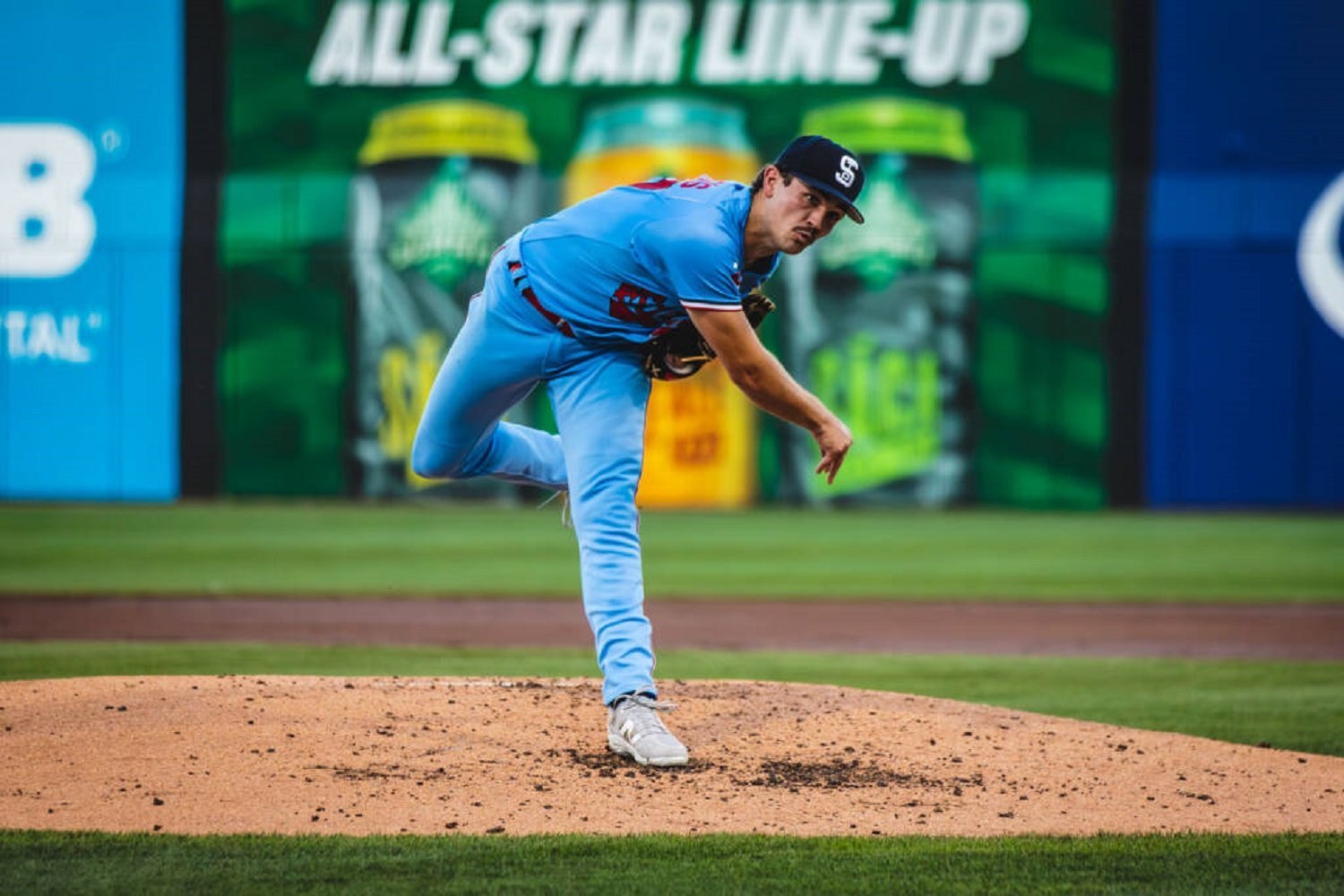 Andrew Morris has never taken the conventional road, and that is part of what makes his climb through the Minnesota Twins system so compelling. Now, that journey is intersecting with opportunity, as the Twins have turned to Morris to help fill the void left by the injured Cody Laweryson. A fourth-round pick in the 2022 Draft, Morris has steadily worked his way from relative obscurity into a legitimate big league option, even if the journey has come with a few bumps along the way. Morris started his college career at Division II Colorado Mesa, spending three years in the starting rotation before transferring to Texas Tech. Once there, he took on a prominent role as the Red Raiders' Friday night starter, putting himself firmly on the draft radar. In 88 1/3 innings, he posted a 4.58 ERA with a 1.22 WHIP and 9.3 K/0. The Twins saw enough to make him a fourth-round selection, and Morris quickly began validating that decision. His early professional seasons showed steady growth, but it was his 2024 campaign that truly put him on the map. Breakout in 2024 After showing moderate success in his first full professional season, Morris broke through in a big way during 2024. He opened the year at High-A and climbed all the way to Triple-A by the end of the season. Across three levels, he posted a 2.37 ERA and finished with an effective seven-start stint at Triple-A (3.48 ERA with a 1.13 WHIP) . Overall, he posted a 24.5 K% with a 5.9 BB% while holding batters to a .219 BA. That performance positioned him as one of the more intriguing pitching depth options in the organization and put him on the doorstep of a big-league debut. A Setback and Response in 2025 The momentum from 2024 did not carry over cleanly into 2025. Morris opened the season with St. Paul and initially looked solid, but things began to unravel in late May as he started getting hit harder. In June, he landed on the injured list with a forearm strain, an injury that always raises concern for pitchers. He missed roughly six weeks, halting what had already become a challenging season. To his credit, Morris returned in mid-August and finished strong. Down the stretch, he posted a 3.45 ERA with a 29-to-4 strikeout to walk ratio in 31 1/3 innings. It was a reminder of his ability to adapt and compete, even in the face of adversity. A Deep Pitch Mix Morris does not rely on overpowering hitters, even though he has the velocity to suggest he could. His four-seam fastball sat in the 95 to 96 mph range last year and touched 99 mph, featuring decent vertical break. It generated a high chase rate of 40 percent, though it was also hit harder than expected. What sets Morris apart is the depth of his arsenal. He incorporates a two-seamer more frequently against right-handed hitters and added a 90-mph cutter to give hitters a different look. A late addition of a sweeper has helped increase his swing-and-miss ability, while he continues to mix in a mid-70s curveball and an upper-80s changeup. With an essentially kitchen-sink approach, Morris leans on sequencing and pitchability. He throws strikes consistently, though at times it's more control than true command, which leads to contact. Projection and Role At 6 feet, Morris does not offer much remaining projection physically, but his polish gives him a realistic path forward. He pounds the strike zone with a six-pitch mix, limits home runs, and generates weak contact more than empty swings. That profile points toward an innings eater with some mid-rotation upside, though many evaluators see a back-end starter as the most likely outcome. There is also a case to be made for a multi-inning relief role, especially given how effectively he can mix pitches in shorter bursts. Even with the step backward last season, his strong finish reinforced that he remains a legitimate pitching prospect. He’s ready to contribute to the Twins in 2026, whether that comes as rotation depth or in a flexible pitching role. For an organization that continues to rely on internal arms, Morris represents a steady and versatile option who has earned the opportunity to prove himself at the highest level. What stands out about Morris? Can he be successful in a relief role? Leave a comment and start the discussion.
 -
Image courtesy of Rob Thompson, St. Paul Saints Andrew Morris has never taken the conventional road, and that is part of what makes his climb through the Minnesota Twins system so compelling. Now, that journey is intersecting with opportunity, as the Twins have turned to Morris to help fill the void left by the injured Cody Laweryson. A fourth-round pick in the 2022 Draft, Morris has steadily worked his way from relative obscurity into a legitimate big league option, even if the journey has come with a few bumps along the way. Morris started his college career at Division II Colorado Mesa, spending three years in the starting rotation before transferring to Texas Tech. Once there, he took on a prominent role as the Red Raiders' Friday night starter, putting himself firmly on the draft radar. In 88 1/3 innings, he posted a 4.58 ERA with a 1.22 WHIP and 9.3 K/0. The Twins saw enough to make him a fourth-round selection, and Morris quickly began validating that decision. His early professional seasons showed steady growth, but it was his 2024 campaign that truly put him on the map. Breakout in 2024 After showing moderate success in his first full professional season, Morris broke through in a big way during 2024. He opened the year at High-A and climbed all the way to Triple-A by the end of the season. Across three levels, he posted a 2.37 ERA and finished with an effective seven-start stint at Triple-A (3.48 ERA with a 1.13 WHIP) . Overall, he posted a 24.5 K% with a 5.9 BB% while holding batters to a .219 BA. That performance positioned him as one of the more intriguing pitching depth options in the organization and put him on the doorstep of a big league debut. A Setback and Response in 2025 The momentum from 2024 did not carry over cleanly into 2025. Morris opened the season with St. Paul and initially looked solid, but things began to unravel in late May as he started getting hit harder. In June, he landed on the injured list with a forearm strain, an injury that always raises concern for pitchers. He missed roughly six weeks, halting what had already become a challenging season. To his credit, Morris returned in mid-August and finished strong. Down the stretch, he posted a 3.45 ERA with a 29-to-4 strikeout to walk ratio in 31 1/3 innings. It was a reminder of his ability to adapt and compete, even in the face of adversity. A Deep Pitch Mix Morris does not rely on overpowering hitters, even though he has the velocity to suggest he could. His four-seam fastball sat in the 95 to 96 mph range last year and touched 99 mph, featuring decent vertical break. It generated a high chase rate of 40 percent, though it was also hit harder than expected. What sets Morris apart is the depth of his arsenal. He incorporates a two-seamer more frequently against right-handed hitters and added a 90 mph cutter to give hitters a different look. A late addition of a sweeper has helped increase his swing-and-miss ability, while he continues to mix in a mid-70s curveball and an upper-80s changeup. With an essentially kitchen-sink approach, Morris leans on sequencing and pitchability. He throws strikes consistently, though at times it's more control than true command, which leads to contact. Projection and Role At 6 foot, Morris does not offer much remaining projection physically, but his polish gives him a realistic path forward. He pounds the strike zone with a six-pitch mix, limits home runs, and generates weak contact more than empty swings. That profile points toward an innings eater with some mid-rotation upside, though many evaluators see a back-end starter as the most likely outcome. There is also a case to be made for a multi-inning relief role, especially given how effectively he can mix pitches in shorter bursts. Even with the step backward last season, his strong finish reinforced that he remains a legitimate pitching prospect. He’s ready to contribute to the Twins in 2026, whether that comes as rotation depth or in a flexible pitching role. For an organization that continues to rely on internal arms, Morris represents a steady and versatile option who has earned the opportunity to prove himself at the highest level. What stands out about Morris? Can he be successful in a relief role? Leave a comment and start the discussion. View full article
-
The automated ball strike system was always going to change the way games are managed, but it is quickly becoming clear that it is also changing how catchers are evaluated. For the Minnesota Twins, few players have embraced that shift more than Ryan Jeffers. What started as a rules experiment has become a legitimate skill separator, and Jeffers is leaning into it, boosting both his value and his framing profile. Twins Lean Into the Challenge Game From the moment the ABS challenge system was introduced in Spring Training, the Twins treated it like something to be optimized rather than tolerated. That mindset has carried into the regular season. As they were in Spring Training, the Twins have been one of baseball’s most aggressive teams with ABS challenges. And overall, it has worked out well for them. It was particularly notable in Tuesday night’s win against the Tigers, when Ryan Jeffers had two successful challenges from behind the plate to end innings. Entering Thursday’s game, the Twins had the most hitter challenges, the most successful hitter challenges, the second most catcher challenges, and the second most successful catcher challenges in MLB. Jeffers has been at the center of that aggression. Entering play on Thursday, among catchers, Jeffers has the most challenges at 15. He is also tied with Logan O’Hoppe for the league lead with 10 challenges won as a catcher. He is dominating in strikeouts gained from challenges with eight. No other catcher has more than three. “Being able to have the ability to trust myself to challenge it, but then to be able to challenge that in general,” said Jeffers, “it’s a big wrinkle in the game now that I think some people are going to be really good at and some people are not going to be good at. It’s going to be a skill that’s going to be tracked and evaluated like any other skill is.” A Return to What Once Worked What makes this even more interesting is how it intersects with Jeffers’ framing history. Early in his career, Jeffers was viewed as a strong framing catcher. He presented the ball well, worked the edges of the zone, and consistently graded out as a positive behind the plate. From 2021-22, he combined for 10 runs from his framing alone. That skillset was part of what made him such an intriguing long-term option for the Twins. Then came adjustments. In an effort to improve other elements of his defensive game, Twins catching coaches altered Jeffers’ stance behind the plate. Most notably, he began working with a more exaggerated lower-half setup, often keeping a leg extended more regularly. The goal was to improve mobility and throwing, but it came with a trade-off. His framing numbers dipped. Last season, Jeffers ranked in the 44th percentile for framing at minus one run. From 2023-24, he combined to be worth -12 runs from framing. The visual presentation was not as clean, and the subtle movements that once helped him steal strikes were not showing up the same way. ABS Is Refocusing the Strike Zone This is where ABS has quietly helped reshape things. With the ability to challenge pitches, the emphasis shifts from selling borderline strikes to knowing the zone with precision. Catchers are no longer just performers behind the plate. They are decision makers with immediate consequences. For Jeffers, that has meant a renewed focus on the strike zone itself. Instead of relying purely on presentation, he is pairing that with conviction. If he believes a pitch clipped the zone, he has the confidence and now the mechanism to act on it. That mindset appears to be bleeding back into his framing. Entering this season, Jeffers has climbed to zero framing runs and sits in the 62nd percentile. It is not a massive jump on paper, but it is a meaningful one in context. The combination of improved results and elite challenge success suggests a catcher who is more in tune with the zone than he has been in recent years. ABS is not replacing framing. It is redefining how it matters. For Jeffers, the system has become more than a safety net. It is a tool that reinforces his instincts, sharpens his awareness, and, in the process, helps him rediscover a part of his game that once stood out. If this is what the early stages of ABS look like, the Twins may already have one of their most valuable practitioners behind the plate. What has stood out regarding Jeffers and ABS? Has his framing improved this year? Leave a comment and start the discussion. View full article
-
There are growing pains that come with any new technology, and Major League Baseball’s Automated Ball Strike challenge system is no exception. On Thursday, the Minnesota Twins found themselves in the middle of one of the most talked-about moments yet in the early days of ABS, a call so close that it is now fueling debate across the sport about what the strike zone should actually be. In the bottom of the second inning, Royce Lewis stepped to the plate against Jack Flaherty with a runner on first base. The count moved to 3-1, and Flaherty delivered an 91.3 mph fastball that was ruled a ball by the home plate umpire. Lewis began his routine jog to first base, shedding his gear as if the walk was already secured. Detroit catcher Jake Rogers tapped his helmet, signaling for a review. Within seconds, the Hawk Eye system took over and delivered its verdict. The call was overturned. Strike two. Not just a strike, but the closest confirmed strike yet under the system, according to Codify Baseball. Hawk Eye showed that the tiniest sliver of the baseball clipped the strike zone, enough to flip the call and send Lewis back into the box. Instead of standing on first base, Lewis was suddenly in a 3-2 count, and Flaherty finished the at-bat with another fastball that Lewis swung through for strike three. It is exactly the type of moment ABS was designed to handle, but it is also the type of moment that exposes how different a rulebook strike zone can feel compared to the one players and fans have grown used to seeing. The debate picked up quickly. MLB analyst Ryan M. Spaeder voiced frustration with how the system currently interprets the zone. He suggested a 50-50 rule, where at least half the baseball must cross into the strike zone to be called a strike. His argument centered on the idea that the current system effectively expands the zone beyond its traditional 17-inch width. When accounting for the baseball's full diameter, Spaeder argued, the zone can be closer to 22.8 inches wide. That interpretation has raised eyebrows, especially for hitters who now must account for pitches that barely graze the edge rather than clearly enter the zone. From a hitter’s perspective, the difference between a ball and a strike has never been thinner, literally. Still, not everyone sees a problem. There is a strong contingent across the league that believes this is exactly what ABS is meant to accomplish. For pitchers, a pitch that clips the zone is a perfect pitch, and the system rewards that precision without bias or inconsistency. In a sport that has long struggled with inconsistent strike zones from umpire to umpire, ABS offers a level of consistency previously unattainable. Royals reliever Matt Strahm even pushed back on Spaeder’s idea publicly, noting that if baseball is going to start redefining what counts as a strike based on partial entry, then the same logic would need to apply elsewhere. He suggests that the foul line/pole shouldn’t be fair then. For the Twins, the moment was more frustrating than philosophical. What looked like a routine walk turned into a strikeout, and a potential scoring opportunity disappeared just as quickly as it appeared. It is the kind of swing that can change an inning, or even a game, and it underscores how impactful the challenge system can be in high-leverage spots. At the same time, it is hard to argue that the system got the call wrong. By definition, it got it exactly right. That is where the tension lies as baseball continues to adapt. The ABS system is doing what it was designed to do, but it is also forcing players, analysts, and fans to reconsider what they expect the strike zone to look like. The human element has not disappeared, but it is now being checked by a level of precision that leaves little room for interpretation. Moments like this one involving Lewis are likely to keep popping up as the season unfolds. Each will add another layer to the conversation about fairness and consistency. For now, the early returns suggest that while there may be flaws to iron out, the overall reception to ABS has been positive. Players are adjusting, fans are learning, and the league is gathering valuable feedback in real time. The strike zone may not look the way it used to, but it has never been more exact. View full rumor
-
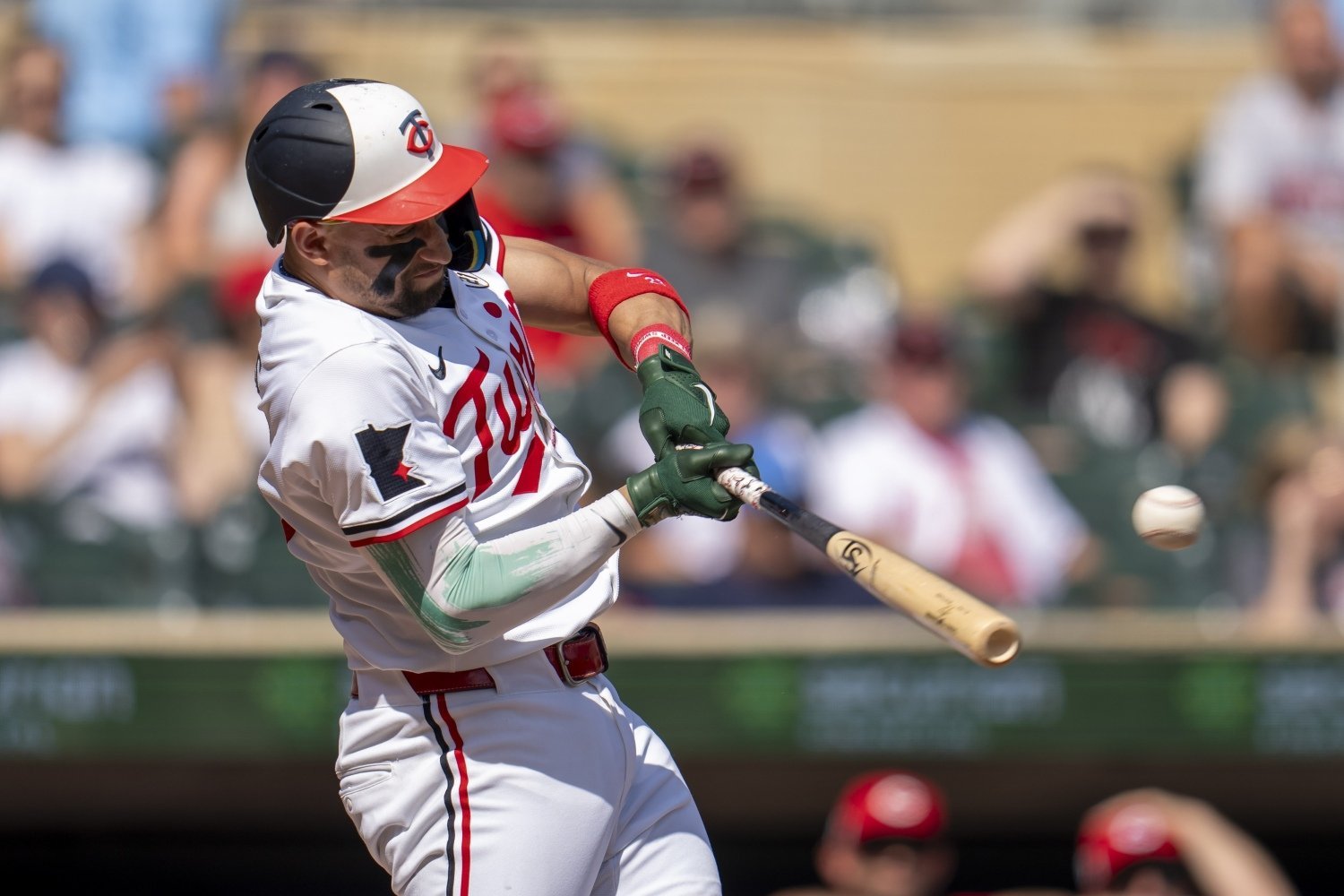 There are growing pains that come with any new technology, and Major League Baseball’s Automated Ball Strike challenge system is no exception. On Thursday, the Minnesota Twins found themselves in the middle of one of the most talked-about moments yet in the early days of ABS, a call so close that it is now fueling debate across the sport about what the strike zone should actually be. In the bottom of the second inning, Royce Lewis stepped to the plate against Jack Flaherty with a runner on first base. The count moved to 3-1, and Flaherty delivered an 91.3 mph fastball that was ruled a ball by the home plate umpire. Lewis began his routine jog to first base, shedding his gear as if the walk was already secured. Detroit catcher Jake Rogers tapped his helmet, signaling for a review. Within seconds, the Hawk Eye system took over and delivered its verdict. The call was overturned. Strike two. Not just a strike, but the closest confirmed strike yet under the system, according to Codify Baseball. Hawk Eye showed that the tiniest sliver of the baseball clipped the strike zone, enough to flip the call and send Lewis back into the box. Instead of standing on first base, Lewis was suddenly in a 3-2 count, and Flaherty finished the at-bat with another fastball that Lewis swung through for strike three. It is exactly the type of moment ABS was designed to handle, but it is also the type of moment that exposes how different a rulebook strike zone can feel compared to the one players and fans have grown used to seeing. The debate picked up quickly. MLB analyst Ryan M. Spaeder voiced frustration with how the system currently interprets the zone. He suggested a 50-50 rule, where at least half the baseball must cross into the strike zone to be called a strike. His argument centered on the idea that the current system effectively expands the zone beyond its traditional 17-inch width. When accounting for the baseball's full diameter, Spaeder argued, the zone can be closer to 22.8 inches wide. That interpretation has raised eyebrows, especially for hitters who now must account for pitches that barely graze the edge rather than clearly enter the zone. From a hitter’s perspective, the difference between a ball and a strike has never been thinner, literally. Still, not everyone sees a problem. There is a strong contingent across the league that believes this is exactly what ABS is meant to accomplish. For pitchers, a pitch that clips the zone is a perfect pitch, and the system rewards that precision without bias or inconsistency. In a sport that has long struggled with inconsistent strike zones from umpire to umpire, ABS offers a level of consistency previously unattainable. Royals reliever Matt Strahm even pushed back on Spaeder’s idea publicly, noting that if baseball is going to start redefining what counts as a strike based on partial entry, then the same logic would need to apply elsewhere. He suggests that the foul line/pole shouldn’t be fair then. For the Twins, the moment was more frustrating than philosophical. What looked like a routine walk turned into a strikeout, and a potential scoring opportunity disappeared just as quickly as it appeared. It is the kind of swing that can change an inning, or even a game, and it underscores how impactful the challenge system can be in high-leverage spots. At the same time, it is hard to argue that the system got the call wrong. By definition, it got it exactly right. That is where the tension lies as baseball continues to adapt. The ABS system is doing what it was designed to do, but it is also forcing players, analysts, and fans to reconsider what they expect the strike zone to look like. The human element has not disappeared, but it is now being checked by a level of precision that leaves little room for interpretation. Moments like this one involving Lewis are likely to keep popping up as the season unfolds. Each will add another layer to the conversation about fairness and consistency. For now, the early returns suggest that while there may be flaws to iron out, the overall reception to ABS has been positive. Players are adjusting, fans are learning, and the league is gathering valuable feedback in real time. The strike zone may not look the way it used to, but it has never been more exact.
 -
Revisionist History: Would 2026 Twins Be Better with Carlos Correa?
Cody Christie posted an article in Twins
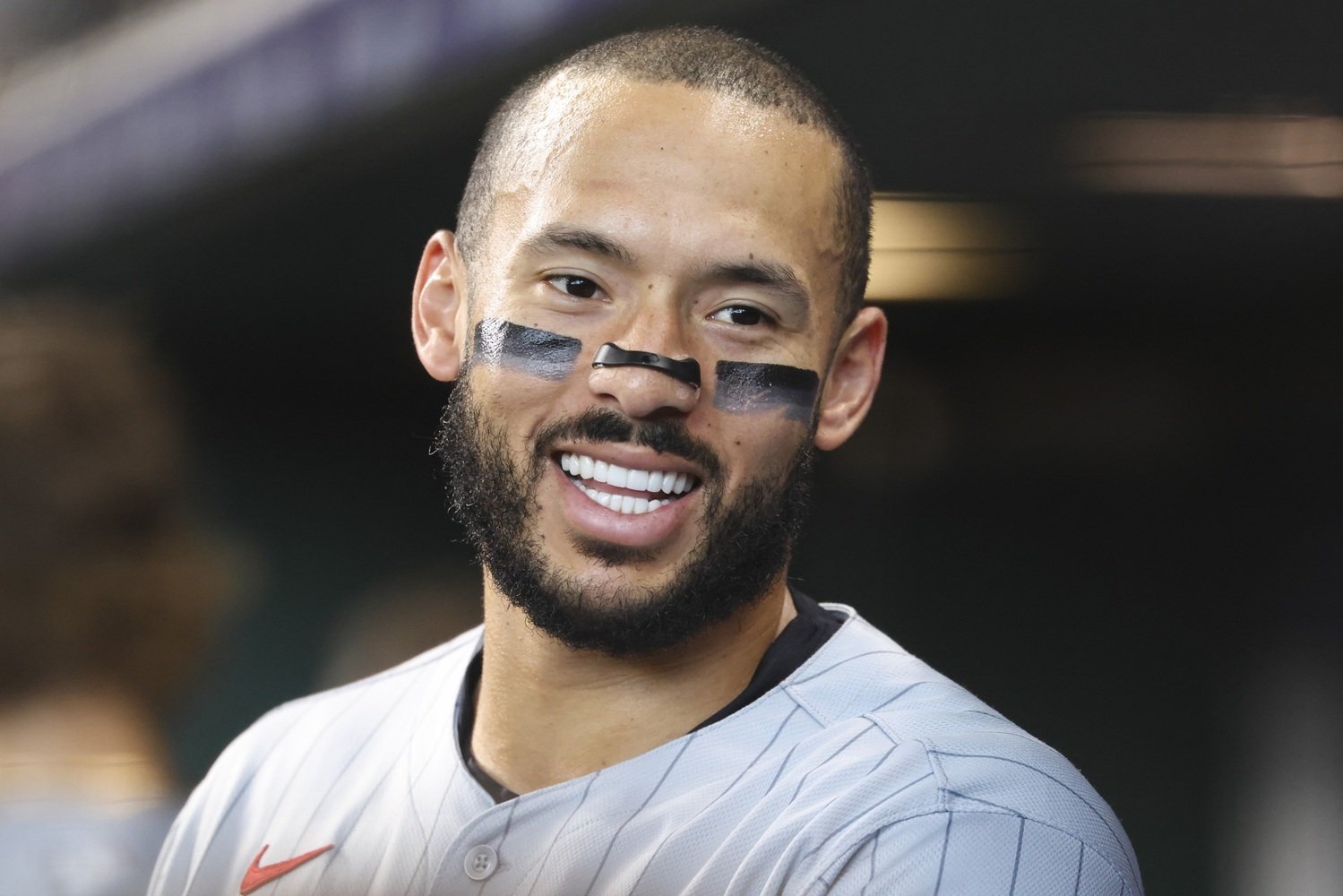 One of the most shocking moves at last year’s trade deadline was sending Carlos Correa back to the Houston Astros in a deal that felt less like a pivot and more like a surrender. The Twins moved on from the highest-paid player in franchise history and paid another team $10 million per season to take him off their hands. That detail still lands like a punchline with no joke attached. Correa’s time in Minnesota never fit neatly into a single narrative. He was the steady hand that helped guide the franchise to its first playoff series win in two decades. He was also the player battling plantar fasciitis, looking like a different version of himself for stretches that mattered. At his peak, he was everything the Twins hoped for when they signed him, including a 5.3 rWAR season in 2022 and a dominant first half in 2024 that led to his only All-Star appearance with the organization. At his worst, he embodied the risk that comes with tying so much payroll to one player with durability questions. So now that the dust has settled, the question is unavoidable. Would the 2026 Twins actually be better if they had just kept him? Payroll Implications Moving on from Correa was supposed to create flexibility. Instead, it created an absence. The payroll dropped from $136 million in 2025 to $107 million in 2026, and those savings weren’t meaningfully reinvested. Keeping Correa at over $30 million annually would have forced a different kind of decision-making. If ownership still wanted to land near the current payroll level, subtraction would have been required elsewhere. Names like Pablo López, Joe Ryan, and Ryan Jeffers immediately come to mind as logical trade candidates. There is also a harsher reality. Trading López before his season-ending elbow injury might have been the most pragmatic move in that alternate timeline. It is the kind of cold calculation teams convince themselves is necessary when a superstar contract sits on the books. Instead, the Twins chose financial relief without roster optimization. The result is a leaner payroll that does not necessarily translate to a more competitive team. Roster Implications The ripple effects go beyond dollars. Without Correa’s contract, the Twins still operated like a team tightening its belt. Free agent additions such as Josh Bell and Victor Caratini came at a modest combined cost, but even those moves feel unlikely in a world where Correa remains on the roster. Instead of Caratini, the backup catching job likely falls to Alex Jackson. Instead of a rotating first base situation, Kody Clemens probably sees a heavier workload by necessity rather than design. The infield alignment becomes even more interesting. Keeping Correa at shortstop likely pushes Brooks Lee into a different role, potentially second base. That shift could open opportunities for Luke Keaschall to find regular at-bats in a corner outfield spot or even factor into the first base mix. In other words, the roster would not just look different. It would feel different. Less flexible in some ways, more top-heavy in others, and heavily dependent on Correa anchoring everything. Correa’s 2026 Performance Back in Houston, Correa has quietly begun writing a new chapter. The Astros shifted him to third base, a move that may prove to be as important as the trade itself. Through the first 11 games, he is hitting .262/.354/.381 with a .735 OPS and a 116 OPS+, while providing above-average defense at the hot corner. It is fair to wonder how much of that success is tied to context. Playing third base reduces the physical toll. Playing in a more familiar environment may also help. And perhaps most importantly, he is not dealing with early-season games in Minnesota weather while handling the demands of shortstop every day. Would he be producing the same numbers with the Twins right now? Maybe. But it feels just as likely that the conversation would once again center on health management and workload. Revisionist history rarely offers clean answers, and this case is no different. Keeping Correa would have given the Twins a higher ceiling on paper. A healthy version of Correa still raises the floor and the expectations of the entire roster. But that version comes with trade-offs. The pitching depth might look thinner. The lineup might feel less balanced. And the financial pressure would force difficult decisions that could reshape the roster in ways that are just as uncomfortable as the reality fans are watching now. In the end, the more frustrating truth is not that the Twins traded Correa. It is that they never fully capitalized on the freedom it offered. The question is not just whether they would be better with him. It is whether they did enough to justify living without him. Would the Twins have been better with Correa in 2026? Leave a comment and start the discussion.
- 18 comments
-
- 3
-
-

-
- carlos correa
- josh bell
- (and 6 more)
-
Image courtesy of © Troy Taormina-Imagn Images One of the most shocking moves at last year’s trade deadline was sending Carlos Correa back to the Houston Astros in a deal that felt less like a pivot and more like a surrender. The Twins moved on from the highest-paid player in franchise history and paid another team $10 million per season to take him off their hands. That detail still lands like a punchline with no joke attached. Correa’s time in Minnesota never fit neatly into a single narrative. He was the steady hand that helped guide the franchise to its first playoff series win in two decades. He was also the player battling plantar fasciitis, looking like a different version of himself for stretches that mattered. At his peak, he was everything the Twins hoped for when they signed him, including a 5.3 rWAR season in 2022 and a dominant first half in 2024 that led to his only All-Star appearance with the organization. At his worst, he embodied the risk that comes with tying so much payroll to one player with durability questions. So now that the dust has settled, the question is unavoidable. Would the 2026 Twins actually be better if they had just kept him? Payroll Implications Moving on from Correa was supposed to create flexibility. Instead, it created an absence. The payroll dropped from $136 million in 2025 to $107 million in 2026, and those savings weren’t meaningfully reinvested. Keeping Correa at over $30 million annually would have forced a different kind of decision-making. If ownership still wanted to land near the current payroll level, subtraction would have been required elsewhere. Names like Pablo López, Joe Ryan, and Ryan Jeffers immediately come to mind as logical trade candidates. There is also a harsher reality. Trading López before his season-ending elbow injury might have been the most pragmatic move in that alternate timeline. It is the kind of cold calculation teams convince themselves is necessary when a superstar contract sits on the books. Instead, the Twins chose financial relief without roster optimization. The result is a leaner payroll that does not necessarily translate to a more competitive team. Roster Implications The ripple effects go beyond dollars. Without Correa’s contract, the Twins still operated like a team tightening its belt. Free agent additions such as Josh Bell and Victor Caratini came at a modest combined cost, but even those moves feel unlikely in a world where Correa remains on the roster. Instead of Caratini, the backup catching job likely falls to Alex Jackson. Instead of a rotating first base situation, Kody Clemens probably sees a heavier workload by necessity rather than design. The infield alignment becomes even more interesting. Keeping Correa at shortstop likely pushes Brooks Lee into a different role, potentially second base. That shift could open opportunities for Luke Keaschall to find regular at-bats in a corner outfield spot or even factor into the first base mix. In other words, the roster would not just look different. It would feel different. Less flexible in some ways, more top-heavy in others, and heavily dependent on Correa anchoring everything. Correa’s 2026 Performance Back in Houston, Correa has quietly begun writing a new chapter. The Astros shifted him to third base, a move that may prove to be as important as the trade itself. Through the first 11 games, he is hitting .262/.354/.381 with a .735 OPS and a 116 OPS+, while providing above-average defense at the hot corner. It is fair to wonder how much of that success is tied to context. Playing third base reduces the physical toll. Playing in a more familiar environment may also help. And perhaps most importantly, he is not dealing with early-season games in Minnesota weather while handling the demands of shortstop every day. Would he be producing the same numbers with the Twins right now? Maybe. But it feels just as likely that the conversation would once again center on health management and workload. Revisionist history rarely offers clean answers, and this case is no different. Keeping Correa would have given the Twins a higher ceiling on paper. A healthy version of Correa still raises the floor and the expectations of the entire roster. But that version comes with trade-offs. The pitching depth might look thinner. The lineup might feel less balanced. And the financial pressure would force difficult decisions that could reshape the roster in ways that are just as uncomfortable as the reality fans are watching now. In the end, the more frustrating truth is not that the Twins traded Correa. It is that they never fully capitalized on the freedom it offered. The question is not just whether they would be better with him. It is whether they did enough to justify living without him. Would the Twins have been better with Correa in 2026? Leave a comment and start the discussion. View full article
-
Major League Baseball released its annual snapshot of Opening Day demographics this week, and while the numbers still point to a long road ahead, there are signs of meaningful progress. After dipping to a historic low in 2024, the percentage of African American players across the league has now risen in consecutive seasons, something the sport has not seen in roughly two decades. This year, African American players make up 6.5% of Opening Day rosters and injured lists, a noticeable increase from 5.7% the year prior and slightly above the 6.0% mark from two seasons ago. It is not a dramatic jump, but it is a step in the right direction for a league that has been searching for ways to rebuild its connection with Black communities. Development Programs Beginning to Show Results League officials have pointed to their investment in youth initiatives as a key factor behind the recent uptick. Programs such as MLB’s youth academies, the Dream Series, and the Breakthrough Series are starting to produce big-league talent. Of the 62 African American players on Opening Day rosters, 20 have participated in one of those pipelines. There is also a growing presence of high-end talent within that group. Nine of those players were former first-round picks, suggesting that the league is not only increasing participation but also developing impact players. The age distribution offers additional optimism. More than half of the current group is 27 or younger, while only a small handful are on the back side of their careers. That youth movement could help sustain growth if development systems continue to feed the pipeline. Twins Among League Leaders While the league-wide numbers are trending upward, the distribution across teams remains uneven. Six organizations began the season without a single African American player, highlighting how inconsistent representation still is from roster to roster. That is where the Minnesota Twins stand out. Minnesota enters the season with six African American players, tying them for the highest total in baseball alongside the Cincinnati Reds. For a smaller-market club, that level of representation is significant, especially when considering that the Twins alone account for a sizable portion of the league’s overall total. The group is not just filling out the roster either. It includes key contributors on both sides of the ball, including starting pitchers Taj Bradley and Simeon Woods Richardson, along with Byron Buxton and Josh Bell on the offensive side. Having that presence in prominent roles matters, both in terms of visibility and impact. At a time when more than a third of the league has one or zero African American players, the Twins are providing a blueprint for what a more inclusive roster can look like. Areas Where the Game Still Lags Despite the positive momentum, representation remains limited in some areas. Certain positions continue to lack diversity, particularly behind the plate and on the mound. There are only a small number of African American pitchers across the league, a striking reality given the size of pitching staffs. Catcher is another position where representation has been historically low, making each breakthrough at that spot even more meaningful. Additionally, more than a third of MLB teams have one or fewer African American players, including several high-profile organizations. That imbalance underscores the importance of continued investment in grassroots development and access to the sport. A Path Forward The broader picture shows a sport attempting to reverse a decades-long decline. International participation continues to grow, and MLB remains a global game, but rebuilding domestic diversity is clearly a priority. For the Twins, this moment reflects both organizational success and an opportunity. Their roster composition places them among the league leaders in representation, aligning with MLB’s broader efforts to create more inclusive pathways to the majors. Progress is happening, even if it is gradual. And for a franchise like Minnesota, being at the forefront of that movement is something worth recognizing as the game continues to evolve. View full rumor
-
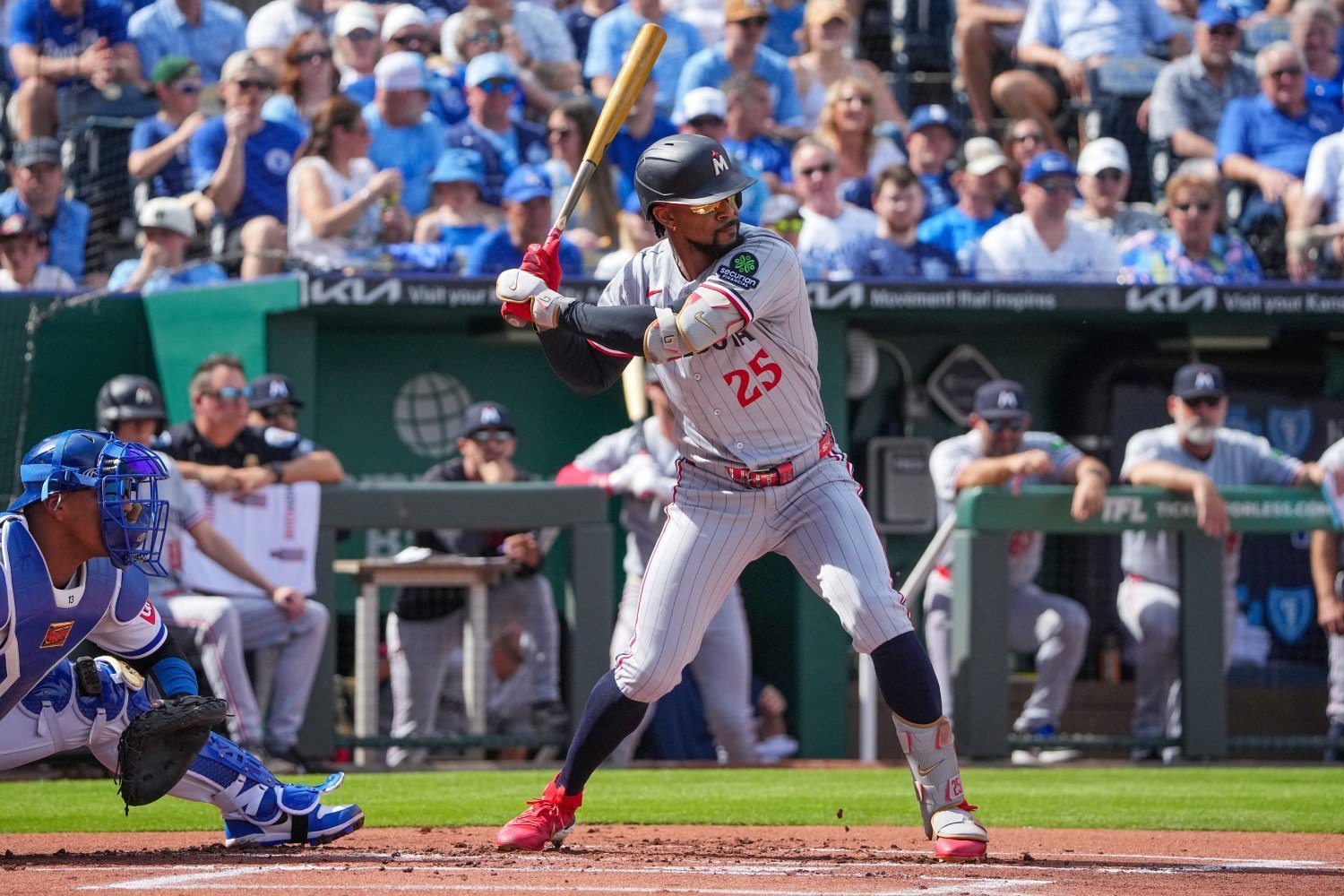 Major League Baseball released its annual snapshot of Opening Day demographics this week, and while the numbers still point to a long road ahead, there are signs of meaningful progress. After dipping to a historic low in 2024, the percentage of African American players across the league has now risen in consecutive seasons, something the sport has not seen in roughly two decades. This year, African American players make up 6.5% of Opening Day rosters and injured lists, a noticeable increase from 5.7% the year prior and slightly above the 6.0% mark from two seasons ago. It is not a dramatic jump, but it is a step in the right direction for a league that has been searching for ways to rebuild its connection with Black communities. Development Programs Beginning to Show Results League officials have pointed to their investment in youth initiatives as a key factor behind the recent uptick. Programs such as MLB’s youth academies, the Dream Series, and the Breakthrough Series are starting to produce big-league talent. Of the 62 African American players on Opening Day rosters, 20 have participated in one of those pipelines. There is also a growing presence of high-end talent within that group. Nine of those players were former first-round picks, suggesting that the league is not only increasing participation but also developing impact players. The age distribution offers additional optimism. More than half of the current group is 27 or younger, while only a small handful are on the back side of their careers. That youth movement could help sustain growth if development systems continue to feed the pipeline. Twins Among League Leaders While the league-wide numbers are trending upward, the distribution across teams remains uneven. Six organizations began the season without a single African American player, highlighting how inconsistent representation still is from roster to roster. That is where the Minnesota Twins stand out. Minnesota enters the season with six African American players, tying them for the highest total in baseball alongside the Cincinnati Reds. For a smaller-market club, that level of representation is significant, especially when considering that the Twins alone account for a sizable portion of the league’s overall total. The group is not just filling out the roster either. It includes key contributors on both sides of the ball, including starting pitchers Taj Bradley and Simeon Woods Richardson, along with Byron Buxton and Josh Bell on the offensive side. Having that presence in prominent roles matters, both in terms of visibility and impact. At a time when more than a third of the league has one or zero African American players, the Twins are providing a blueprint for what a more inclusive roster can look like. Areas Where the Game Still Lags Despite the positive momentum, representation remains limited in some areas. Certain positions continue to lack diversity, particularly behind the plate and on the mound. There are only a small number of African American pitchers across the league, a striking reality given the size of pitching staffs. Catcher is another position where representation has been historically low, making each breakthrough at that spot even more meaningful. Additionally, more than a third of MLB teams have one or fewer African American players, including several high-profile organizations. That imbalance underscores the importance of continued investment in grassroots development and access to the sport. A Path Forward The broader picture shows a sport attempting to reverse a decades-long decline. International participation continues to grow, and MLB remains a global game, but rebuilding domestic diversity is clearly a priority. For the Twins, this moment reflects both organizational success and an opportunity. Their roster composition places them among the league leaders in representation, aligning with MLB’s broader efforts to create more inclusive pathways to the majors. Progress is happening, even if it is gradual. And for a franchise like Minnesota, being at the forefront of that movement is something worth recognizing as the game continues to evolve.
- 9 comments
-
- 1
-
-
- byron buxton
- simeon woods richardson
- (and 3 more)
-
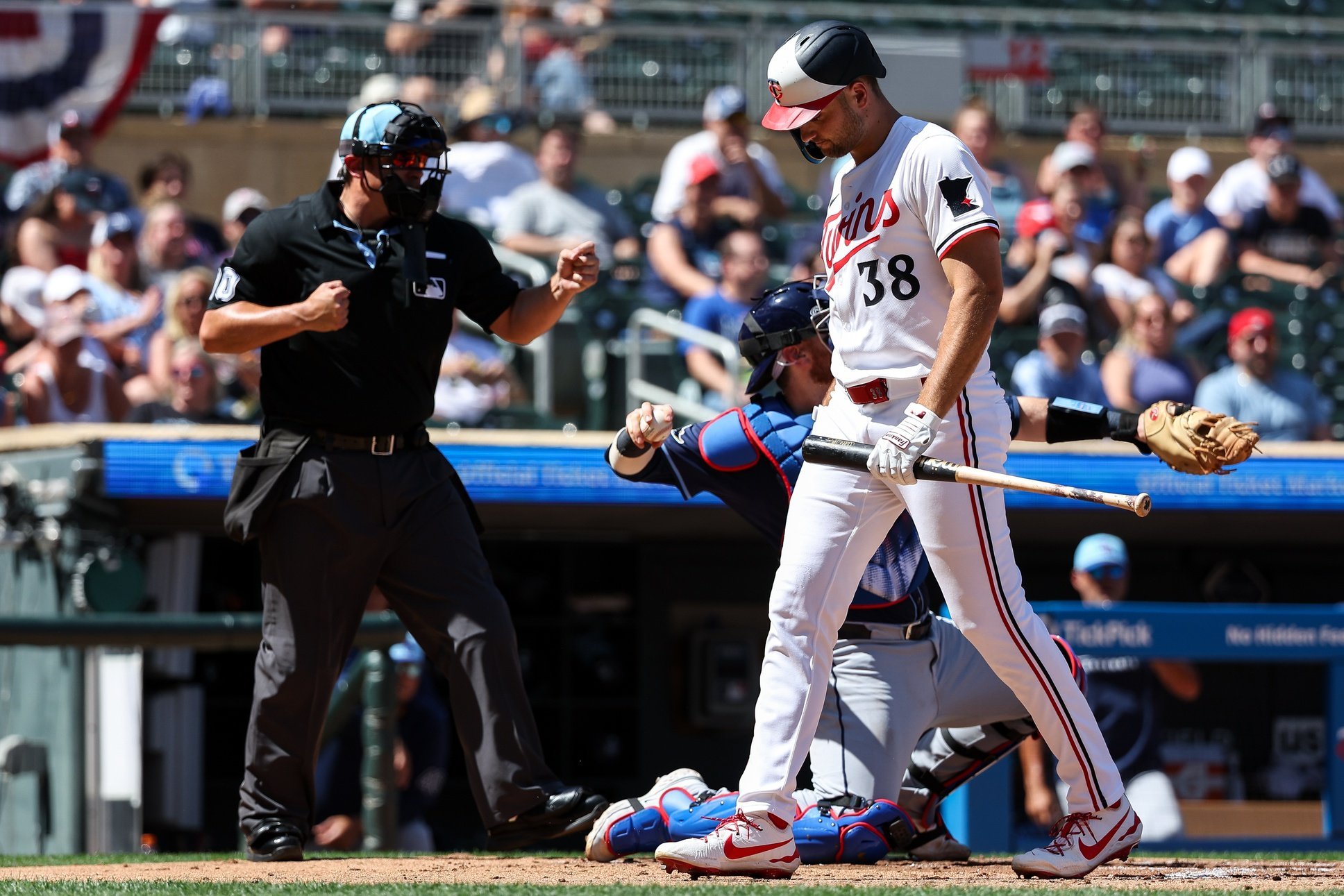 The Minnesota Twins have seemed to have a roster flaw in recent years, with a lack of impact right-handed bats. It is not an issue that has flown under the radar, either. Season after season, the lineup has leaned heavily to the left side, often prioritizing corner outfielders with power from that side of the plate. While that approach can work in a vacuum, it has created a predictable and exploitable weakness when the Twins face quality left-handed pitching. A Multi-Year Trend That Cannot Be Ignored This is not a small-sample-size problem or an early-season overreaction. The Twins have consistently struggled against left-handed pitchers over the last several seasons, and the numbers paint a clear picture. From 2022 through 2025, Minnesota’s production against lefties has been firmly middle of the pack at best and well below average at worst when compared across the league. Among 120 individual team seasons in that span, the Twins ranked near the bottom more often than not. The 2022 club posted a .701 OPS, ranking 77th out of 120. In 2023, there was a modest improvement to a .726 OPS, good for 53rd. The 2024 team took another small step forward with a .732 OPS, ranking 47th. However, that progress stalled in 2025 when the Twins slipped back to a .705 OPS, ranking 72nd. Now in 2026, the issue has become even more pronounced. Entering play on Thursday, Minnesota owns a .636 OPS against left-handed pitching, ranking 18th overall. That total has been greatly helped by positive performances this week against left-handed starters like Tarik Skubal and Framber Valdez. However, that number reinforces a pattern that has lingered far too long for a team on the fringes of contention in the AL Central. A Roster Built to Be Platooned The current roster construction only amplifies the concern. Minnesota is overloaded with left-handed hitters who are often best utilized in platoon roles rather than everyday options against all pitching. Players like Kody Clemens, Tristan Gray, Trevor Larnach, James Outman, and Matt Wallner all hit from the left side. Each brings something valuable, whether it is power or on-base ability, but asking that group collectively to handle tough left-handed starters is a difficult proposition. Internally, there is hope that right-handed hitters like Royce Lewis and Luke Keaschall can provide balance and thump in those matchups. Lewis has shown flashes of being a middle-of-the-order force when healthy, but posted a .689 OPS against lefties last season. Keaschall is an intriguing young bat with a career .547 OPS when facing southpaws. Still, counting on them to fully stabilize the lineup against lefties feels optimistic given health questions and limited track records. More importantly, the roster simply lacks enough right-handed depth to build a lineup tailored to attack a high-end southpaw. When a dominant left-handed starter takes the mound, Minnesota often has no choice but to run out a lineup that leans into its biggest weakness. Help Is Coming, But Not the Right Kind At first glance, help appears to be on the way. Four of the organization’s top five position player prospects opened the season at Triple-A, putting them one step away from the big leagues. However, their profiles do not necessarily solve this specific issue. Walker Jenkins and Emmanuel Rodriguez are both left-handed hitters with significant upside. The Twins can reasonably hope that each develops into a hitter capable of holding his own against left-handed pitching, avoiding strict platoon roles. That would mirror the paths taken by Joe Mauer and Justin Morneau, who became complete hitters despite batting left-handed. There are encouraging signs, but there are also clear gaps. Last season, Jenkins posted a .730 OPS against lefties compared to a .910 OPS against righties. Rodriguez showed an even wider split in 2025 with a .607 OPS against southpaws and a .950 OPS against righties. Both players have the talent to improve those numbers, but projecting that growth is far from certain. The organization’s best right-handed hitting prospects at the level offer a more direct solution, though they come with their own questions. Gabriel Gonzalez dominated left-handed pitching last season with a 1.022 OPS while also holding his own against righties at .869. Kaelen Culpepper, on the other hand, posted reverse splits with a .700 OPS against lefties and a .905 OPS against righties. Gonzalez stands out as a potential impact bat who could help balance the lineup, but relying on prospects to fix a longstanding major league issue is rarely a comfortable strategy. An Issue That Demands a Clear Answer The Twins have built a lineup identity around left-handed power, but the downside of that approach continues to surface in meaningful ways. Without enough right-handed hitters capable of doing damage, especially against left-handed pitching, the offense becomes easier to neutralize. This is no longer a short-term quirk. It is a multi-year roster-construction problem that has carried over across different versions of the team. Until Minnesota finds a way to add impact right-handed bats or develops internal options who can truly break the mold, opposing teams will continue to exploit this imbalance. What steps should the front office take to resolve this issue once and for all? Leave a comment and start the discussion.
- 15 comments
-
- 2
-
-
- matt wallner
- trevor larnach
- (and 4 more)