Cody Christie
-
Posts
7,803 -
Joined
-
Last visited
-
Days Won
5
Content Type
Profiles
News
Minnesota Twins Videos
2026 Minnesota Twins Top Prospects Ranking
2022 Minnesota Twins Draft Picks
Minnesota Twins Free Agent & Trade Rumors, Notes, & Tidbits
Guides & Resources
2023 Minnesota Twins Draft Picks
The Minnesota Twins Players Project
2024 Minnesota Twins Draft Picks
2025 Minnesota Twins Draft Pick Tracker
2026 Minnesota Twins Draft Tracker: Picks & Bonuses
Forums
Blogs
Events
Store
Downloads
Gallery
Everything posted by Cody Christie
-
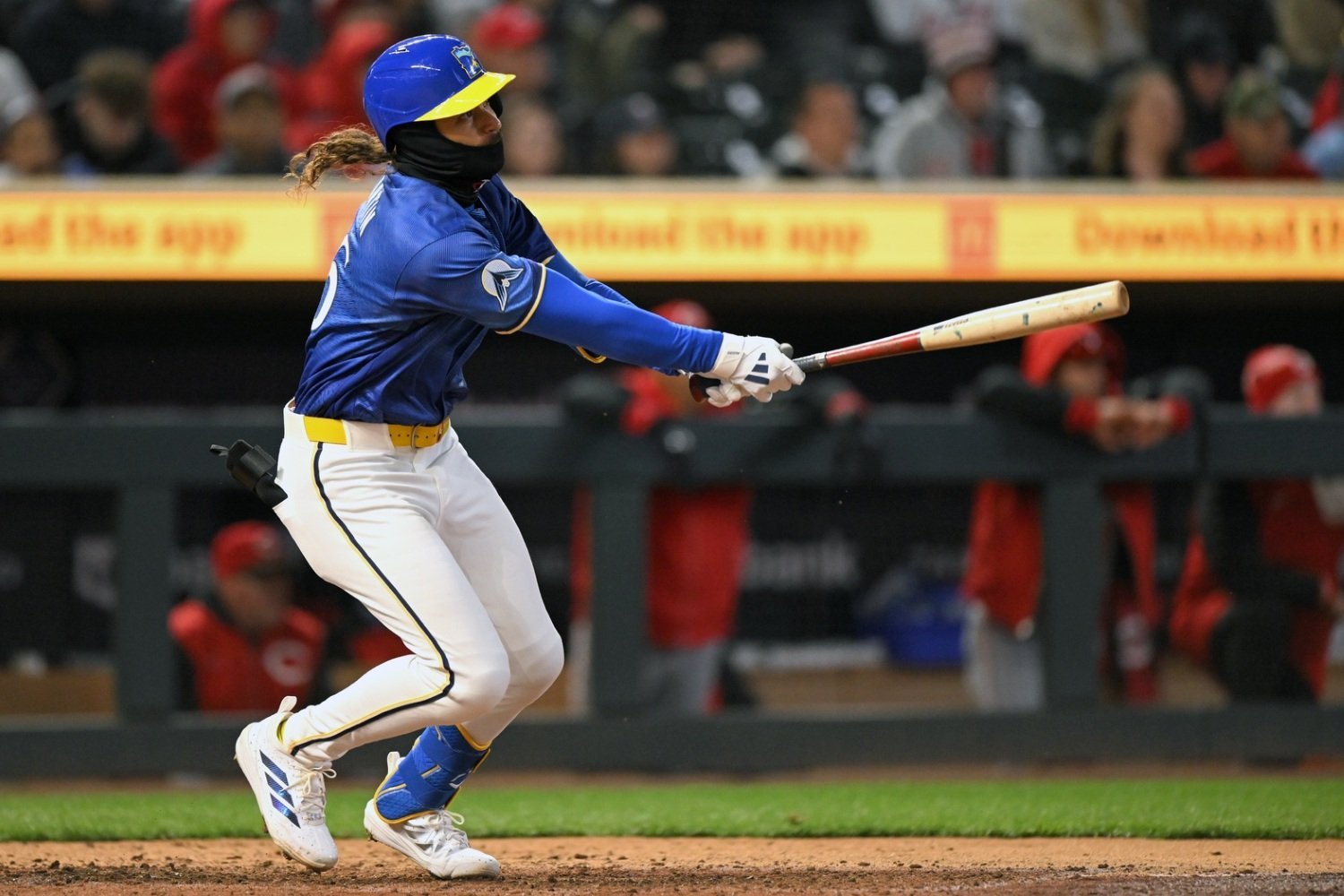 The Minnesota Twins opened the 2026 season with what the team hoped was a clear offensive identity. They consistently delivered in big moments, especially with runners in scoring position, helping fuel a strong start in the standings. It’s hard to believe the team sat atop the AL standings at one point this month, but here we are. The team’s timely hitting faded as April came to a close, with the lineup going cold in those same situations and leaving runs on the table. This has led to some frustrating losses in close games. Even with that dip, a handful of hitters stood out and helped set the tone for the season’s first full month. 4. Byron Buxton March/April Stats: .252/.306/.504 (.810), 5 2B, 1 3B, 8 HR, 8 BB, 36 K, 120 wRC+ April was a mixed bag for Buxton. After a spring limited by his participation in the World Baseball Classic, he took time to find his rhythm at the plate. The power showed up as he led the team in home runs, but the overall production has not quite matched his recent standards. His OPS+ has dipped 16 points compared to the last two seasons, and his struggles with runners in scoring position have been particularly noticeable during the team’s late-month skid. However, he ended the month on quite the hot streak with three homers in his last four games and five in his last nine. 3. Trevor Larnach March/April Stats: .269/.424/.403 (.827), 4 2B, 1 3B, 1 HR, 18 BB, 15 K, 138 wRC+ Larnach entered the season with something to prove. After a league-average campaign in 2025 (100 OPS+), there were legitimate questions about whether he fit into the Twins’ long-term plans. Early returns suggest a different story. Even while facing a schedule heavy with left-handed pitching that limited his opportunities, Larnach has shown a refined approach. His plate discipline has stood out immediately, posting more walks than strikeouts and consistently extending at-bats. He has already surpassed last season’s WAR total and is trending toward a career year if this approach holds. 2. Ryan Jeffers March/April Stats: .291/.411/.494 (.904), 2 2B, 1 3B, 4 HR, 15 BB, 17 K, 155 wRC+ Jeffers is treating 2026 like exactly what it is: a contract year. Already established as one of the American League’s better offensive catchers, he took another step forward in April. His on-base skills have been excellent, and his slugging percentage has jumped nearly 100 points from last season. What makes his performance even more valuable is the increased workload behind the plate. He is producing at a high level while handling a larger share of catching duties. If this continues, Jeffers is positioning himself for a significant payday this offseason. Twins Hitter of the Month: Austin Martin March/April Stats: .313/.477/.422 (.899), 4 2B, 1 HR, 19 BB, 13 K, 4 SB, 163 wRC+ Martin has been the engine of the Twins' offense in April. He finished the 2025 season on a high note with a 107 OPS+ and 11 steals in the team’s final 50 games. Martin has carried that momentum into this season and elevated his game even further. He leads the team in multiple offensive categories and has become a catalyst at the top of the lineup. His ability to control the strike zone stands out, with a sharp increase in walks and a reduction in strikeouts. Every plate appearance feels competitive, and his approach has had a ripple effect on the rest of the lineup. What once looked like a bench or platoon profile is quickly turning into something much more impactful. The biggest takeaway from April might not just be who performed, but who exceeded expectations. Martin and Larnach have flipped the narrative early in the season. Neither entered the year with a guaranteed everyday role, and both faced questions about their long-term fit on the roster. Instead, they have become key pieces of the lineup. If this is the version of each player the Twins are getting, it significantly raises the offense's ceiling. At the same time, the rest of the lineup cannot afford to coast. The organization is experiencing a wave of high-end talent pushing up from the upper minors, including Walker Jenkins, Emmanuel Rodriguez, Gabriel Gonzalez, and Kaelen Culpepper. With that kind of depth waiting at Triple-A, performance at the big-league level will dictate opportunity. April showed that unexpected contributors can emerge, but it also served as a reminder that spots in this lineup are far from guaranteed moving forward. How would your ballot look for the Twins’ Hitter of the Month? Leave a comment and start the discussion.
- 29 comments
-
- 6
-

-
- byron buxton
- trevor larnach
- (and 2 more)
-
 Image courtesy of © Nick Wosika-Imagn Images The Minnesota Twins opened the 2026 season with what the team hoped was a clear offensive identity. They consistently delivered in big moments, especially with runners in scoring position, helping fuel a strong start in the standings. It’s hard to believe the team sat atop the AL standings at one point this month, but here we are. The team’s timely hitting faded as April came to a close, with the lineup going cold in those same situations and leaving runs on the table. This has led to some frustrating losses in close games. Even with that dip, a handful of hitters stood out and helped set the tone for the season’s first full month. 4. Byron Buxton March/April Stats: .252/.306/.504 (.810), 5 2B, 1 3B, 8 HR, 8 BB, 36 K, 120 wRC+ April was a mixed bag for Buxton. After a spring limited by his participation in the World Baseball Classic, he took time to find his rhythm at the plate. The power showed up as he led the team in home runs, but the overall production has not quite matched his recent standards. His OPS+ has dipped 16 points compared to the last two seasons, and his struggles with runners in scoring position have been particularly noticeable during the team’s late-month skid. However, he ended the month on quite the hot streak with three homers in his last four games and five in his last nine. 3. Trevor Larnach March/April Stats: .269/.424/.403 (.827), 4 2B, 1 3B, 1 HR, 18 BB, 15 K, 138 wRC+ Larnach entered the season with something to prove. After a league-average campaign in 2025 (100 OPS+), there were legitimate questions about whether he fit into the Twins’ long-term plans. Early returns suggest a different story. Even while facing a schedule heavy with left-handed pitching that limited his opportunities, Larnach has shown a refined approach. His plate discipline has stood out immediately, posting more walks than strikeouts and consistently extending at-bats. He has already surpassed last season’s WAR total and is trending toward a career year if this approach holds. 2. Ryan Jeffers March/April Stats: .291/.411/.494 (.904), 2 2B, 1 3B, 4 HR, 15 BB, 17 K, 155 wRC+ Jeffers is treating 2026 like exactly what it is, a contract year. Already established as one of the American League’s better offensive catchers, he took another step forward in April. His on-base skills have been excellent, and his slugging percentage has jumped nearly 100 points from last season. What makes his performance even more valuable is the increased workload behind the plate. He is producing at a high level while handling a larger share of catching duties. If this continues, Jeffers is positioning himself for a significant payday this offseason. Twins Hitter of the Month: Austin Martin March/April Stats: .313/.477/.422 (.899), 4 2B, 1 HR, 19 BB, 13 K, 4 SB, 163 wRC+ Martin has been the engine of the Twins' offense in April. He finished the 2025 season on a high note with a 107 OPS+ and 11 steals in the team’s final 50 games. Martin has carried that momentum into this season and elevated his game even further. He leads the team in multiple offensive categories and has become a catalyst at the top of the lineup. His ability to control the strike zone stands out, with a sharp increase in walks and a reduction in strikeouts. Every plate appearance feels competitive, and his approach has had a ripple effect on the rest of the lineup. What once looked like a bench or platoon profile is quickly turning into something much more impactful. The biggest takeaway from April might not just be who performed, but who exceeded expectations. Martin and Larnach have flipped the narrative early in the season. Neither entered the year with a guaranteed everyday role, and both faced questions about their long-term fit on the roster. Instead, they have become key pieces of the lineup. If this is the version of each player the Twins are getting, it significantly raises the offense's ceiling. At the same time, the rest of the lineup cannot afford to coast. The organization is experiencing a wave of high-end talent pushing up from the upper minors, including Walker Jenkins, Emmanuel Rodriguez, Gabriel Gonzalez, and Kaelen Culpepper. With that kind of depth waiting at Triple-A, performance at the big-league level will dictate opportunity. April showed that unexpected contributors can emerge, but it also served as a reminder that spots in this lineup are far from guaranteed moving forward. How would your ballot look for the Twins’ Hitter of the Month? Leave a comment and start the discussion. View full article
 -
Austin Martin, Brooks Lee, and a Changing Developmental Blueprint
Cody Christie posted an article in Twins
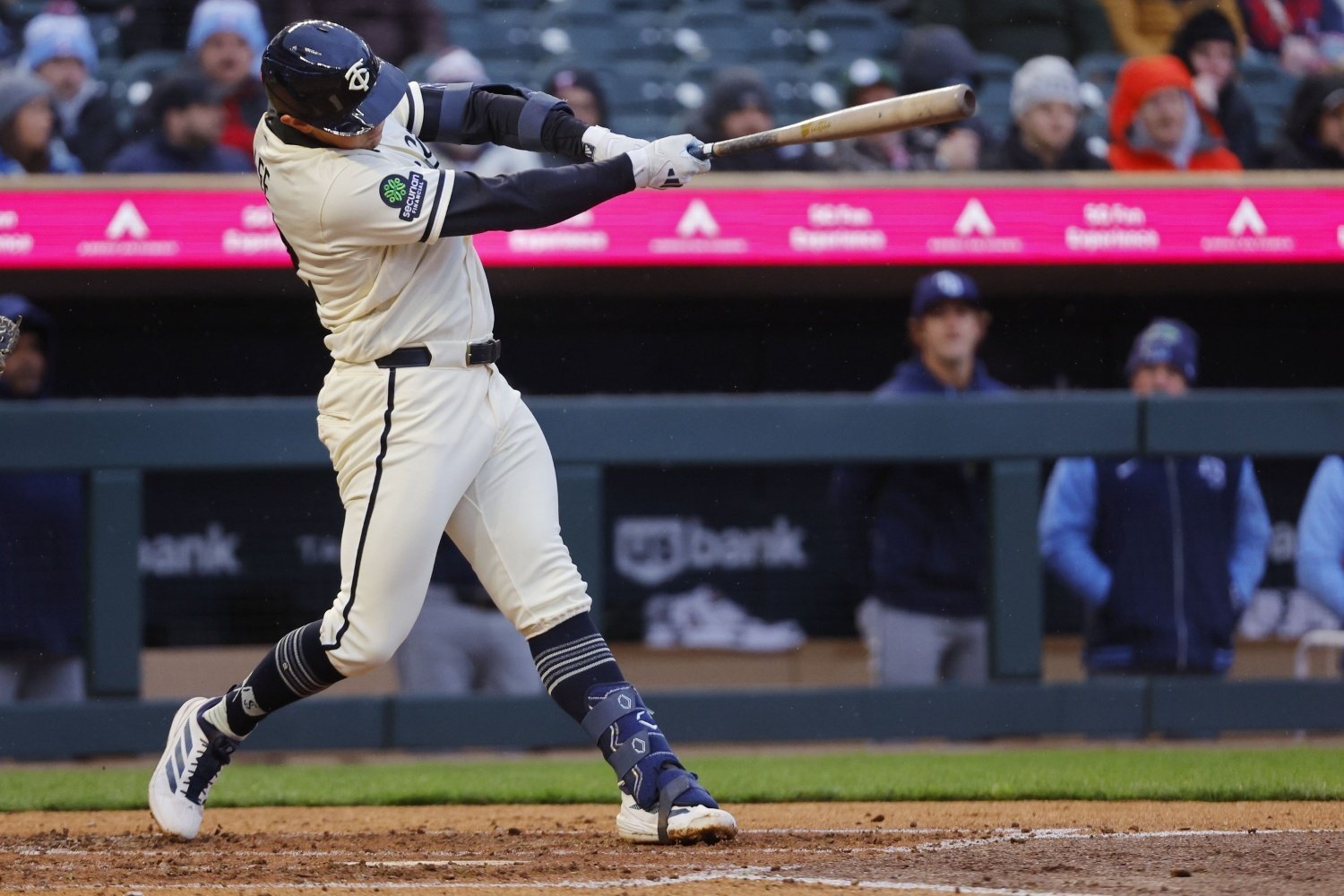 Player development has never been a simple, linear process, but the modern version of it might be more unpredictable than ever. Organizations map out a vision for prospects when they are drafted or signed, but that vision often changes as players face better competition, adjust to new information, and learn what actually works against major-league pitching. Some players arrive exactly as advertised. Others have to reshape their identities entirely, even after they reach the highest level. That evolution is not a failure of scouting or development. It reflects how difficult it is to project human performance years into the future. The version of a player at age 21 is rarely the same as the finished product at 27. Adjustments happen. Bodies change. Approaches shift. The result can look very different from the initial blueprint. Take Byron Buxton as the clearest example. Early in his career, the Twins tried to mold him into a traditional leadoff hitter. The focus was on putting the ball on the ground, using his elite speed, and letting him create offense with his legs. In theory, it made sense. In reality, it limited what Buxton could become. With time, it became obvious that the best version of Buxton is not a slap hitter. He's a middle-of-the-order force who punishes mistakes and changes games with power, while still bringing elite speed as a secondary weapon. The shift in expectations unlocked a different level of production. That same theme is playing out across the 2026 roster. Austin Martin Original Expectations: Coming out of Vanderbilt University, Martin built a reputation as one of the most polished bats in his draft class. His .368/.474/.532 collegiate slash line made him the No. 5 overall pick in the 2020 MLB Draft. His offensive identity centered around elite bat-to-ball skills, strike-zone control, and the ability to spray contact to all fields. Early returns in pro ball backed that up, including a .414 OBP in his debut season, though questions lingered about how much impact he would generate. Updated Expectations: That question has followed him into the big leagues, and the answer has taken an unexpected shape. Over-the-fence power hasn't materialized, but Martin has leaned fully into what he does best. Over the first month of this year, he has more walks (18) than strikeouts (13), and that level of discipline has allowed him to function as a table-setter in a very different way than originally envisioned. He may never reach the 20-home run mark, but his ability to control at-bats, use the entire field, and turn routine hits into extra bases with his legs gives him value. At 27 years old, he looks like a player who's finally settling into a sustainable version of himself after a development path that was anything but typical. Brooks Lee Original Expectations: Lee’s amateur track record suggested one of the safest bats in the 2022 MLB Draft. After starring at California Polytechnic State University, he entered pro ball with a reputation for elite contact skills and advanced feel from both sides of the plate. He consistently walked more than he struck out in college, ran a strikeout rate of just 11.7%, and showed the ability to drive the ball with wood bats during summer leagues. The expectation was a high-average hitter with steady production and enough strength to grow into moderate power. Updated Expectations: His transition to the majors has not followed that script. Lee has found it difficult to maintain consistent contact, carrying a career batting average under .240. Pitchers have found ways to attack Lee and get him to chase poor pitches on the edges of the zone. At the same time, another part of his game has taken a step forward. Through the first 28 games, he has launched five home runs, trailing only Buxton on the team. His 106 OPS+ and 109 wRC+ point to above-average offensive production, especially for a player handling a premium position. Long term, he may slide off shortstop, but the emergence of legitimate power has added a layer that was not part of his original profile. Lee and Martin’s development arcs remind us that improvement is not always predictable. The carrying tool can regress, while another tool rises to take its place. What matters is the overall package, not whether it matches the initial report—and that package can change over time, too. The idea of a fixed player archetype is fading. Development is more fluid now, shaped by data, experience, and a willingness to adapt. Players are trying a wider variety of things, to find the version of themselves that works once they get to the highest level. For the Twins, that has meant rethinking what success looks like for players like Buxton, Martin, and Lee. The original expectations still matter, but they no longer define the outcome. In many cases, the best version of a player is the one that no one fully saw coming. Can Lee and Martin continue to meet their updated expectations? Leave a comment and start the discussion.
- 43 comments
-
- 4
-
-
- austin martin
- brooks lee
- (and 1 more)
-
Image courtesy of © Bruce Kluckhohn-Imagn Images Player development has never been a simple, linear process, but the modern version of it might be more unpredictable than ever. Organizations map out a vision for prospects when they are drafted or signed, but that vision often changes as players face better competition, adjust to new information, and learn what actually works against major-league pitching. Some players arrive exactly as advertised. Others have to reshape their identities entirely, even after they reach the highest level. That evolution is not a failure of scouting or development. It reflects how difficult it is to project human performance years into the future. The version of a player at age 21 is rarely the same as the finished product at 27. Adjustments happen. Bodies change. Approaches shift. The result can look very different from the initial blueprint. Take Byron Buxton as the clearest example. Early in his career, the Twins tried to mold him into a traditional leadoff hitter. The focus was on putting the ball on the ground, using his elite speed, and letting him create offense with his legs. In theory, it made sense. In reality, it limited what Buxton could become. With time, it became obvious that the best version of Buxton is not a slap hitter. He's a middle-of-the-order force who punishes mistakes and changes games with power, while still bringing elite speed as a secondary weapon. The shift in expectations unlocked a different level of production. That same theme is playing out across the 2026 roster. Austin Martin Original Expectations: Coming out of Vanderbilt University, Martin built a reputation as one of the most polished bats in his draft class. His .368/.474/.532 collegiate slash line made him the No. 5 overall pick in the 2020 MLB Draft. His offensive identity centered around elite bat-to-ball skills, strike-zone control, and the ability to spray contact to all fields. Early returns in pro ball backed that up, including a .414 OBP in his debut season, though questions lingered about how much impact he would generate. Updated Expectations: That question has followed him into the big leagues, and the answer has taken an unexpected shape. Over-the-fence power hasn't materialized, but Martin has leaned fully into what he does best. Over the first month of this year, he has more walks (18) than strikeouts (13), and that level of discipline has allowed him to function as a table-setter in a very different way than originally envisioned. He may never reach the 20-home run mark, but his ability to control at-bats, use the entire field, and turn routine hits into extra bases with his legs gives him value. At 27 years old, he looks like a player who's finally settling into a sustainable version of himself after a development path that was anything but typical. Brooks Lee Original Expectations: Lee’s amateur track record suggested one of the safest bats in the 2022 MLB Draft. After starring at California Polytechnic State University, he entered pro ball with a reputation for elite contact skills and advanced feel from both sides of the plate. He consistently walked more than he struck out in college, ran a strikeout rate of just 11.7%, and showed the ability to drive the ball with wood bats during summer leagues. The expectation was a high-average hitter with steady production and enough strength to grow into moderate power. Updated Expectations: His transition to the majors has not followed that script. Lee has found it difficult to maintain consistent contact, carrying a career batting average under .240. Pitchers have found ways to attack Lee and get him to chase poor pitches on the edges of the zone. At the same time, another part of his game has taken a step forward. Through the first 28 games, he has launched five home runs, trailing only Buxton on the team. His 106 OPS+ and 109 wRC+ point to above-average offensive production, especially for a player handling a premium position. Long term, he may slide off shortstop, but the emergence of legitimate power has added a layer that was not part of his original profile. Lee and Martin’s development arcs remind us that improvement is not always predictable. The carrying tool can regress, while another tool rises to take its place. What matters is the overall package, not whether it matches the initial report—and that package can change over time, too. The idea of a fixed player archetype is fading. Development is more fluid now, shaped by data, experience, and a willingness to adapt. Players are trying a wider variety of things, to find the version of themselves that works once they get to the highest level. For the Twins, that has meant rethinking what success looks like for players like Buxton, Martin, and Lee. The original expectations still matter, but they no longer define the outcome. In many cases, the best version of a player is the one that no one fully saw coming. Can Lee and Martin continue to meet their updated expectations? Leave a comment and start the discussion. View full article
-
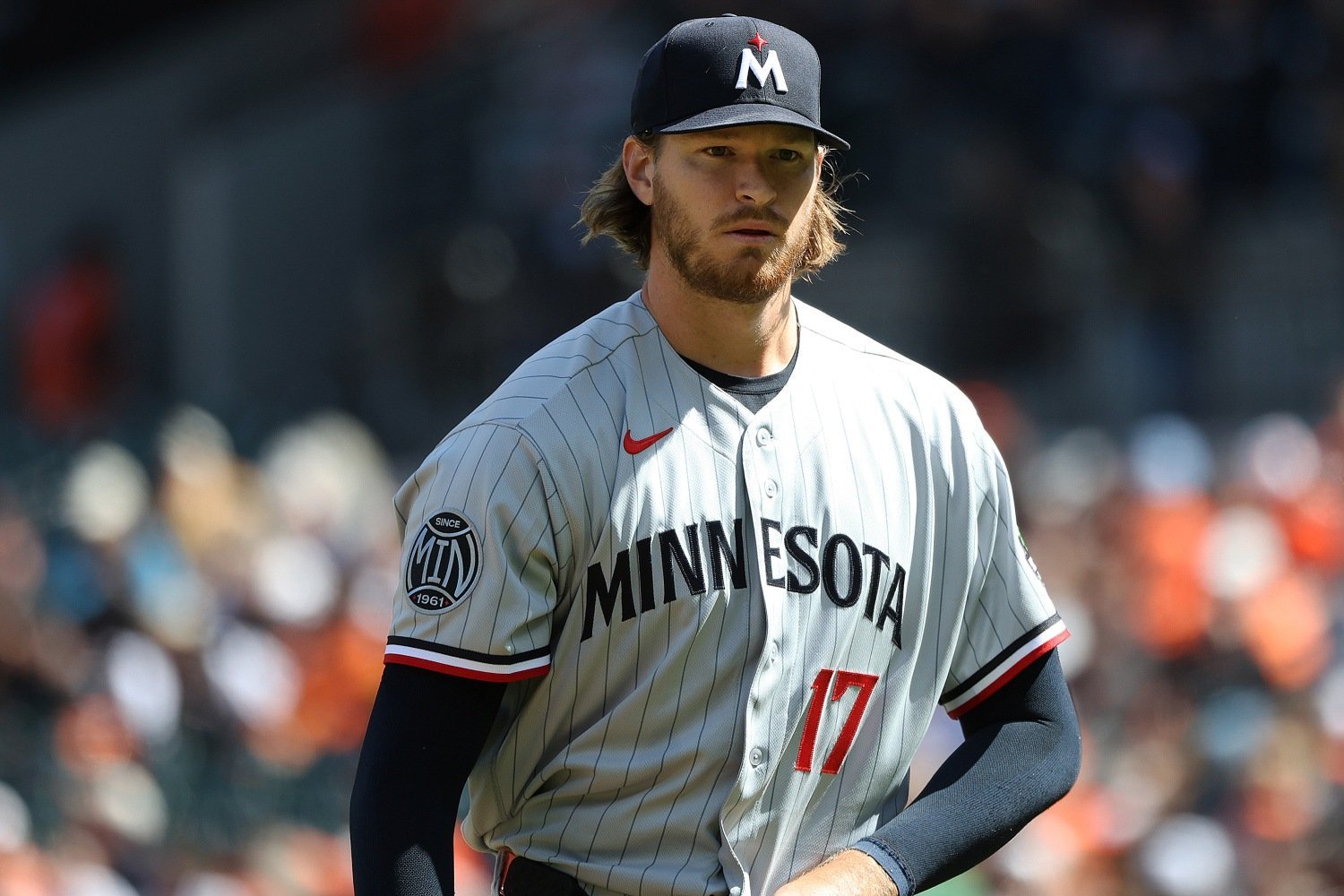 There was a style of mid-rotation starter that used to populate rotations across baseball in the 1990s. He did not light up the radar gun. He did not need to. He lived on the edges of the strike zone, changed speeds with intent, and trusted that a well-executed plan could beat raw power. In 2026, Bailey Ober is starting to look like that guy. The conversation around Ober entering the year centered on whether he could bounce back. Last season, he never quite clicked. His health was inconsistent, his stuff lacked its usual crispness, and the subpar results followed. The expectation for this winter was straightforward. Get healthy, get the fastball back into the low 90s, and let his natural feel for pitching carry the rest. That version hasn't materialized. The velocity has continued to trend in the wrong direction. Yet, the results have stabilized in a way that suggests Ober has found a different path forward. Ober has never been reliant on velocity. Even at his peak, when his fastball sat in the 91-92 mph range in 2024, his success came from how he used it, rather than how hard he threw. By 2025, that number dipped closer to 90 mph, and the margin for error shrank. For a pitcher who relies on deception, even a slight drop can flatten the entire arsenal. Hitters began to make more consistent contact, and his ability to finish plate appearances took a hit. In 2026, the radar gun tells a more concerning story at first glance. His fastball is averaging 88.7 mph, down from 90.3 mph a year ago. In a vacuum, that kind of drop should be a red flag. Instead, Ober has adjusted in a way that feels deliberate. The biggest change is in how he sequences his pitches. For the first time in his career, the changeup has become his most frequently used offering. After sitting at 28.9% usage last season, it has climbed to 34.4% this year. It's his best pitch, and is central to everything he's trying to do. And it's working, at least in terms of limiting damage. Opponents are hitting just .190 against the pitch, a noticeable improvement from last year, even if the underlying run value suggests it has been more neutral (-1 Run Value) than dominant. What matters more is how it sets the table. By leaning into the changeup, Ober is forcing hitters to respect a different speed band and a different shape profile, even without a significant gap between it and his fastball. That altered timing shows up elsewhere. His slider has quietly become his most effective weapon. It carries a Run Value of 4 and has emerged as his primary finisher. With a 21.1% put away rate, along with a .206 xBA and .282 xSLG, the pitch is doing the heavy lifting when Ober needs an out. Hitters are not squaring it up with the same authority, reflected in a drop in exit velocity against the pitch compared to last year. Then there's the fastball, the pitch that draws the most scrutiny and the most skepticism. At 88.7 mph, it should be vulnerable. Instead, it has been more effective than it was a year ago. Opponents have managed just a .213 xBA against it, a significant improvement, and the expected slugging percentage has dropped to .306, a drop of over .230 compared to last year. That doesn't happen by accident. Ober is locating it with precision, using it in different parts of the zone, and pairing it more effectively with his off-speed pitches. The reduced velocity has actually tightened the relationship between his pitches, making it harder for hitters to sit on one speed or one movement profile. It's not overpowering; It's not flashy. It is, however, intentional. The question now is sustainability. Pitchers who live in this range have a thinner margin for error. If the command slips even slightly, there is less velocity to fall back on. If hitters begin to anticipate the sequencing, the entire structure can unravel quickly. At the same time, this is a blueprint that's worked before, even if it feels out of place in today’s game. Ober isn't trying to win with pure stuff. He is trying to win each pitch, each count, each decision. There is a level of craft to that approach that can age well, if it is maintained. For now, Ober is proving that success does not have to follow a single formula. In a league obsessed with velocity, he is carving out a role by going in the opposite direction. It may not look like the modern prototype, but it is starting to look like something just as reliable. Can Ober continue to find success with his current pitching profile? Leave a comment and start the discussion.
 -
Image courtesy of © Daniel Kucin Jr.-Imagn Images There was a version of a mid-rotation starter that used to populate rotations across baseball in the 1990s. He did not light up the radar gun. He did not need to. He lived on the edges of the strike zone, changed speeds with intent, and trusted that a well-executed plan could beat raw power. In 2026, Bailey Ober is starting to look like that guy. The conversation around Ober entering the year centered on whether he could bounce back. Last season never quite clicked. His health was inconsistent, his stuff lacked its usual crispness, and the subpar results followed. The expectation for this winter was straightforward. Get healthy, get the fastball back into the low 90s, and let his natural feel for pitching carry the rest. That version has not fully returned. The velocity has continued to trend in the wrong direction, and yet, the results have stabilized in a way that suggests Ober has found a different path forward. Ober has never been built on velocity. Even at his peak, when his fastball sat in the 91-92 mph range in 2024, his success came from how he used it rather than how hard he threw it. By 2025, that number dipped closer to 90 mph, and the margin for error shrank. For a pitcher who relies on deception, even a slight drop can flatten the entire arsenal. Hitters began to make more consistent contact, and his ability to finish plate appearances took a hit. Now in 2026, the radar gun tells a more concerning story at first glance. His fastball is averaging 88.7 mph, down from 90.3 mph a year ago. In a vacuum, that kind of drop should be a red flag. Instead, Ober has adjusted in a way that feels deliberate. The biggest change is in how he sequences his pitches. For the first time in his career, the changeup has become his most frequently used offering. After sitting at 28.9% usage last season, it has climbed to 34.4% this year. It is his best pitch and central to everything he is trying to do. And it is working, at least in terms of limiting damage. Opponents are hitting just .190 against the pitch, a noticeable improvement from last year, even if the underlying run value suggests it has been more neutral (-1 Run Value) than dominant. What matters more is how it sets the table. By leaning into the changeup, Ober is forcing hitters to respect a different speed band, even without a significant gap between it and his fastball. That altered timing shows up elsewhere. His slider has quietly become his most effective weapon. It carries a positive four Run Value and has emerged as his primary finisher. With a 21.1% put away rate, along with a .206 xBA and .282 xSLG, the pitch is doing the heavy lifting when Ober needs an out. Hitters are not squaring it up with the same authority, reflected in a drop in exit velocity against the pitch compared to last year. Then there is the fastball, the pitch that draws the most scrutiny and the most skepticism. At 88.7 mph, it should be vulnerable. Instead, it has been more effective than it was a year ago. Opponents have managed just a .213 xBA against it, a significant improvement, and the expected slugging percentage has dropped to .306, a drop of over 230 points compared to last year. That does not happen by accident. Ober is locating it with precision, using it in different parts of the zone, and pairing it more effectively with his off-speed pitches. The reduced velocity has actually tightened the relationship between his pitches, making it harder for hitters to sit on one speed or one movement profile. It is not overpowering. It is not flashy. It is, however, intentional. The question now is sustainability. Pitchers who live in this range have a thinner margin for error. If the command slips even slightly, there is less velocity to fall back on. If hitters begin to anticipate the sequencing, the entire structure can unravel quickly. At the same time, this is a blueprint that has worked before, even if it feels out of place in today’s game. Ober is not trying to win with pure stuff. He is trying to win each pitch, each count, each decision. There is a level of craft to that approach that can age well if it is maintained. For now, Ober is proving that success does not have to follow a single formula. In a league obsessed with velocity, he is carving out a role by going in the opposite direction. It may not look like the modern prototype, but it is starting to look like something just as reliable. Can Ober continue to find success with his current pitching profile? Leave a comment and start the discussion. View full article
-
Revisiting the Jake Cave-for-Luis Gil Trade That Still Sparks Debate
Cody Christie posted an article in History
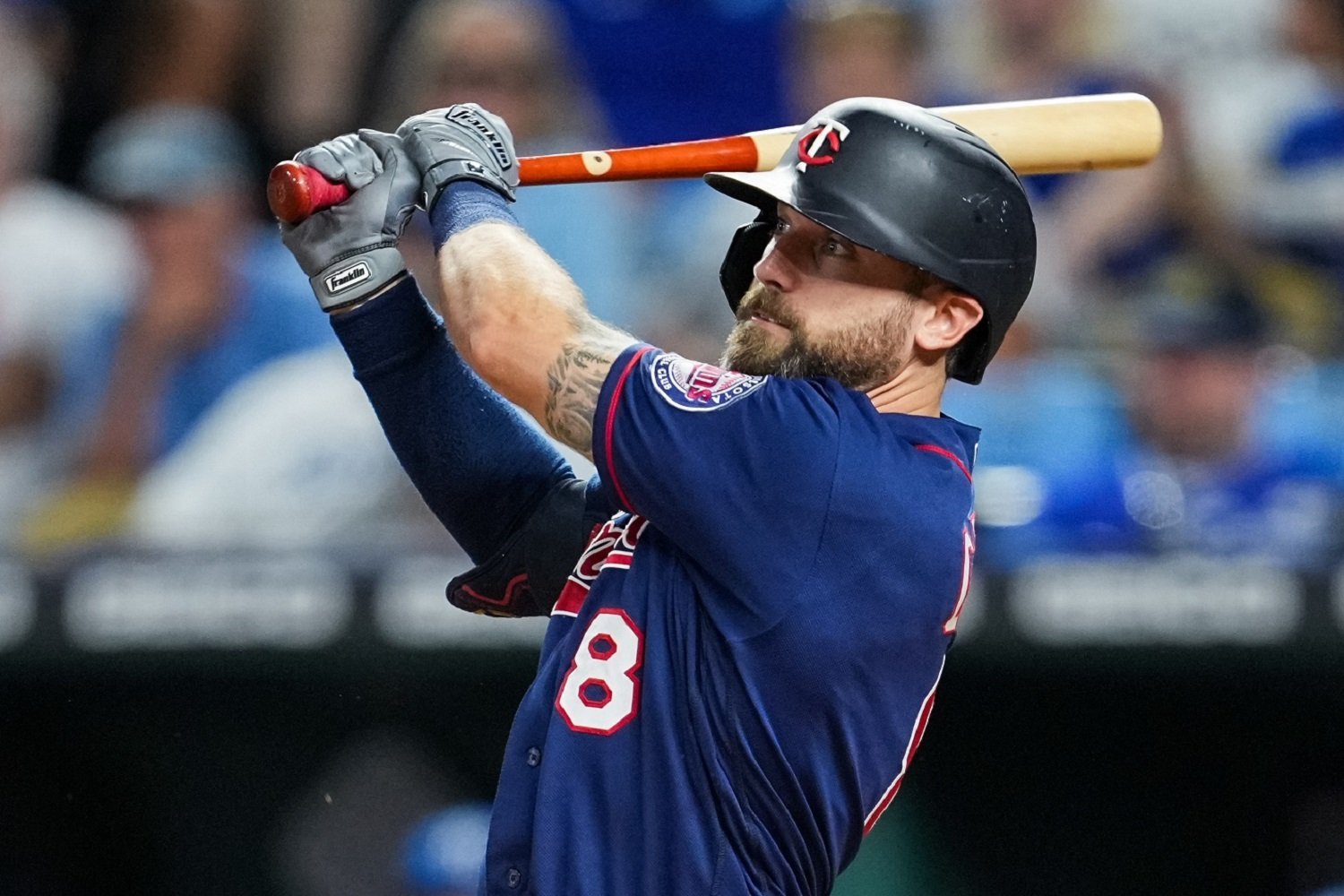 Trades involving teenage pitching prospects rarely feel significant in the moment. They exist more as footnotes than headlines, small transactions made to solve immediate roster problems. But every so often, one of those deals circles back years later and demands a second look. That is exactly what happened when the Minnesota Twins acquired Jake Cave from the New York Yankees in March 2018, for a 19-year-old pitcher named Luis Gil. At the time, it felt like a classic roster crunch move. New York had more big league-capable players than available spots on its 40-man roster, while Minnesota was searching for outfield depth. The cost was a teenage arm in the minors' lowest levels, a profile that represents one of the biggest wild cards any organization can trade. These players are years away from the majors, often volatile in both performance and health, and just as likely to disappear as they are to develop. For the Twins, that risk was worth taking. Cave: A Useful Role Player in Minnesota Cave quickly justified Minnesota’s interest by carving out a role as a capable fourth outfielder. Across parts of five seasons, he accumulated over 1,000 plate appearances and posted a .235 average with a .297 on-base percentage and a .411 slugging percentage, good for a 93 OPS+. Early in his Twins tenure, Cave looked like more than just depth. From 2018 through 2019, he produced a 112 OPS+ while showing legitimate pop, with double-digit home runs and doubles. He became a frequent fill-in when injuries sidelined Byron Buxton, offering a left-handed bat that could take advantage of right-handed pitching. That platoon advantage defined much of his value. Cave’s OPS was significantly higher against righties, which made him a natural fit in a complementary role. Defensively, he moved around all three outfield spots. While center field often pushed his range to its limits, he provided steady play in the corners. There were stretches where the production dipped, especially from 2020 through 2022, when his offensive numbers declined, and he shuttled between Triple-A and the majors. Still, the Twins received what they initially sought. Cave delivered multiple seasons of usable depth and finished his time in Minnesota with 2.1 rWAR. For a team seeking stability at the margins, the Twins’ evaluation of Cave proved accurate. He helped them win the AL Central in 2019 and 2020. Gil: The High Variance Path While Cave provided immediate value, Gil represented the long game for New York. At the time of the trade, he was a teenage arm in rookie ball who had already dealt with injuries. His profile fit the definition of volatility. Big arm, limited experience, and years away from contributing. That volatility showed up throughout his development. Gil’s career has been shaped as much by injuries as by flashes of top-end talent. He underwent Tommy John surgery in 2022, delaying his progress and forcing the Yankees to remain patient. When he returned, the upside was still there, and in 2024, it all came together. Gil emerged as one of the Yankees’ best starters that season, posting a 3.50 ERA with 171 strikeouts across 151 2/3 innings. He accumulated 2.9 rWAR and captured the American League Rookie of the Year Award, seemingly turning the trade into a clear win for New York. But the story did not end there. Injuries again interrupted his momentum, as a right lat strain limited him for much of 2025. Since then, his performance has been less consistent. A declining strikeout rate and persistent control issues have raised questions about sustainability. Even at his peak, walks have been a major concern, highlighted by an MLB-leading 77 free passes in 2024. Through 261 1/3 career innings, Gil has issued 142 walks. That lack of command has prevented him from fully stabilizing as a frontline starter. After a rough start to 2026, the Yankees demoted him to Triple-A. There is still time for him to adjust. At 27, the raw ability remains, and his past success shows what he can be when everything clicks. But the combination of injuries, declining strikeouts, and control problems suggests that his 2024 breakout may represent his peak rather than a new baseline. A Trade That Refuses to Settle Looking back, this trade resists a simple winner-or-loser label. The Twins acquired exactly what they needed at the time. Cave provided multiple seasons of competent outfield depth and helped bridge gaps during injury absences. For a team trying to stay competitive, that kind of reliability has value. The Yankees, meanwhile, captured the upside play. Gil reached heights that Cave never approached, including an award-winning season that briefly made the deal look lopsided. Yet, his inconsistency and health concerns have complicated that narrative. This is the reality of trading teenage pitching. The outcomes stretch across years, often shifting with each season. What once looked like a decisive victory can soften over time, just as a seemingly minor move can quietly deliver steady returns. In the end, the Cave for Gil trade stands as a reminder that player development is rarely linear and that even the smallest deals can leave a lasting imprint on both organizations. Who won the trade between the Twins and Yankees? Leave a comment and start the discussion.
 -
Image courtesy of Jay Biggerstaff-USA TODAY Sports Trades involving teenage pitching prospects rarely feel significant in the moment. They exist more as footnotes than headlines, small transactions made to solve immediate roster problems. But every so often, one of those deals circles back years later and demands a second look. That is exactly what happened when the Minnesota Twins acquired Jake Cave from the New York Yankees in March of 2018 for a 19-year-old pitcher named Luis Gil. At the time, it felt like a classic roster crunch move. New York had more big league-capable players than available spots on its 40-man roster, while Minnesota was searching for outfield depth. The cost was a teenage arm in the minors' lowest levels, a profile that represents one of the biggest wild cards any organization can trade. These players are years away from the majors, often volatile in both performance and health, and just as likely to disappear as they are to develop. For the Twins, that risk was worth taking. Cave: A Useful Role Player in Minnesota Cave quickly justified Minnesota’s interest by carving out a role as a capable fourth outfielder. Across parts of five seasons, he appeared in over 1,000 plate appearances and posted a .235 average with a .297 on-base percentage and a .411 slugging percentage, good for a 93 OPS+. Early in his Twins tenure, Cave looked like more than just depth. From 2018 through 2019, he produced a 112 OPS+ while showing legitimate pop with double-digit home runs and doubles. He became a frequent fill-in when injuries sidelined Byron Buxton, offering a left-handed bat that could take advantage of right-handed pitching. That platoon advantage defined much of his value. Cave’s OPS was significantly higher against righties, which made him a natural fit in a complementary role. Defensively, he moved around all three outfield spots. While center field often pushed his range to its limits, he provided steady play in the corners. There were stretches where the production dipped, especially from 2020 through 2022, when his offensive numbers declined, and he shuttled between Triple-A and the majors. Still, the Twins received what they initially sought. Cave delivered multiple seasons of usable depth and finished his time in Minnesota with 2.1 rWAR. For a team seeking stability at the margins, the Twins’ evaluation of Cave proved accurate. Gil: The High Variance Path While Cave provided immediate value, Gil represented the long game for New York. At the time of the trade, he was a teenage arm in rookie ball who had already dealt with injuries. His profile fit the definition of volatility. Big arm, limited experience, and years away from contributing. That volatility showed up throughout his development. Gil’s career has been shaped as much by injuries as by flashes of top-end talent. He underwent Tommy John surgery in 2022, delaying his progress and forcing the Yankees to remain patient. When he returned, the upside was still there, and in 2024, it all came together. Gil emerged as one of the Yankees’ best starters that season, posting a 3.50 ERA with 171 strikeouts across 151 2/3 innings. He accumulated 2.9 rWAR and captured the American League Rookie of the Year Award, seemingly turning the trade into a clear win for New York. But the story did not end there. Injuries again interrupted his momentum, as a right lat strain limited him for much of 2025. Since then, his performance has been less consistent. A declining strikeout rate and persistent control issues have raised questions about sustainability. Even at his peak, walks have been a major concern, highlighted by an MLB-leading 77 free passes in 2024. Through 261 1/3 career innings, Gil has issued 142 walks. That lack of command has prevented him from fully stabilizing as a frontline starter. After a rough start to 2026, the Yankees demoted him to Triple-A. There is still time for him to adjust. At 27, the raw ability remains, and his past success shows what he can be when everything clicks. But the combination of injuries, declining strikeouts, and control problems suggests that his 2024 breakout may represent his peak rather than a new baseline. A Trade That Refuses to Settle Looking back, this trade resists a simple winner-or-loser label. The Twins acquired exactly what they needed at the time. Cave provided multiple seasons of competent outfield depth and helped bridge gaps during injury absences. For a team trying to stay competitive, that kind of reliability has value. The Yankees, meanwhile, captured the upside play. Gil reached heights that Cave never approached, including an award-winning season that briefly made the deal look lopsided. Yet, his inconsistency and health concerns have complicated that narrative. This is the reality of trading teenage pitching. The outcomes stretch across years, often shifting with each season. What once looked like a decisive victory can soften over time, just as a seemingly minor move can quietly deliver steady returns. In the end, the Cave for Gil trade stands as a reminder that player development is rarely linear and that even the smallest deals can leave a lasting imprint on both organizations. Who won the trade between the Twins and Yankees? Leave a comment and start the discussion. View full article
-
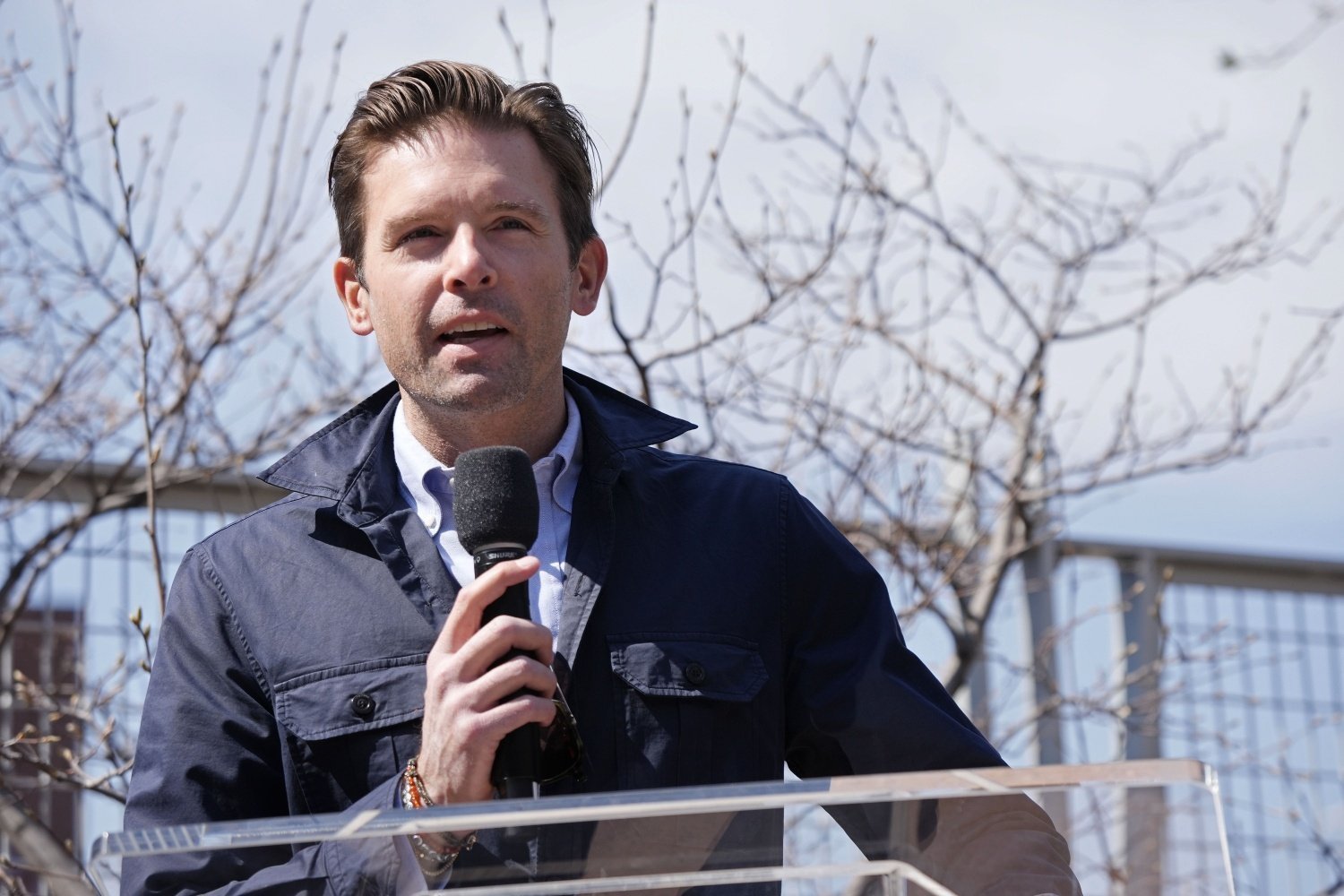 There are plenty of ways a front office can respond to internal turmoil. Some teams hold press conferences. Others reshuffle leadership or leak carefully worded statements. The Minnesota Twins, however, have opted to call in a former reliever with a well-documented interest in the unknown. According to multiple extremely serious sources, the Twins have hired former pitcher Anthony Swarzak to locate Joe Pohlad, who has reportedly been living in hiding somewhere inside Target Field since being pushed out of his spot at the top of the organization earlier this year. The move came after ownership elevated Tom Pohlad into a more prominent leadership role, a decision that insiders say did not sit particularly well with Joe. “Blindsided,” was the word used by one team employee. “Also ‘vanished,’ which is less of a feeling and more of a logistical problem.” The transition in ownership power was framed publicly as a natural evolution. Privately, it has apparently led one member of the Pohlad family to disappear into the concrete wilderness of the ballpark itself. Despite the Twins’ early-season attendance struggles, Joe Pohlad has proven remarkably difficult to locate. Entire sections of the stadium have gone unused on game days, creating what one team official described as “ideal hiding conditions if you’re committed to the bit.” Enter Swarzak, who arrived at the ballpark with a level of confidence that suggested this was not his first cryptid-adjacent assignment. “People forget, I’ve been preparing for something like this my whole career,” Swarzak said, scanning the left field concourse like it might start moving. “You spend enough time in bullpens, and you start to notice things. Patterns. Sounds. The feeling that you’re not alone, even when the attendance says otherwise.” He emphasized that the situation requires a delicate approach. “This isn’t just a missing person,” Swarzak explained. “This is someone who has chosen to blend into his environment. That’s classic sasquatch behavior. Elusive. Intelligent. Probably has access to premium seating.” Swarzak noted that the low attendance at Target Field has made the search both easier and more unsettling. “In a full stadium, you can lose a guy in the crowd. Here, if you see movement, it means something. Or someone. And sometimes, it’s just the tarp. But sometimes it’s not.” Season ticket holders have taken the news in stride, though not without skepticism. “I remember Swarzak talking about sasquatch back in the day,” said one fan. “If anyone’s going to find a hiding billionaire, it’s probably the guy who already believes something is out there.” Another fan pointed toward the upper deck. “I haven’t seen anyone up there in weeks,” he said. “If Joe Pohlad is just hanging out, watching games alone, that might be the best seat in the house.” Swarzak insists there have been signs. “We’ve got traces,” he said, holding up what he described as “compelling evidence,” which looked suspiciously like a half-eaten hot dog. “You don’t leave something like this behind unless you’re comfortable. He’s settled in.” He paused, looking out over an empty section of seats. “He’s adapting,” Swarzak said. “Learning the rhythms. Becoming part of the stadium. At some point, you stop chasing and start thinking like him.” For now, the search continues. The Twins remain hopeful that Joe Pohlad will eventually emerge, either through Swarzak’s efforts or simple boredom. Too late, however, the team realized that they weren't carefully overseeing the Champions Club renovations this winter. It's possible a new, secret lair has been built, and that Joe will never need to emerge at an inopportune moment again, If you hear something echo through the concourse late in the game, don’t ignore it. “That’s usually when they move,” Swarzak said.
 -
Image courtesy of Bruce Kluckhohn-Imagn Images There are plenty of ways a front office can respond to internal turmoil. Some teams hold press conferences. Others reshuffle leadership or leak carefully worded statements. The Minnesota Twins, however, have opted to call in a former reliever with a well-documented interest in the unknown. According to multiple extremely serious sources, the Twins have hired former pitcher Anthony Swarzak to locate Joe Pohlad, who has reportedly been living in hiding somewhere inside Target Field since being pushed out of his spot at the top of the organization earlier this year. The move came after ownership elevated Tom Pohlad into a more prominent leadership role, a decision that insiders say did not sit particularly well with Joe. “Blindsided,” was the word used by one team employee. “Also ‘vanished,’ which is less of a feeling and more of a logistical problem.” The transition in ownership power was framed publicly as a natural evolution. Privately, it has apparently led one member of the Pohlad family to disappear into the concrete wilderness of the ballpark itself. Despite the Twins’ early-season attendance struggles, Joe Pohlad has proven remarkably difficult to locate. Entire sections of the stadium have gone unused on game days, creating what one team official described as “ideal hiding conditions if you’re committed to the bit.” Enter Swarzak, who arrived at the ballpark with a level of confidence that suggested this was not his first cryptid-adjacent assignment. “People forget, I’ve been preparing for something like this my whole career,” Swarzak said, scanning the left field concourse like it might start moving. “You spend enough time in bullpens, and you start to notice things. Patterns. Sounds. The feeling that you’re not alone, even when the attendance says otherwise.” He emphasized that the situation requires a delicate approach. “This isn’t just a missing person,” Swarzak explained. “This is someone who has chosen to blend into his environment. That’s classic sasquatch behavior. Elusive. Intelligent. Probably has access to premium seating.” Swarzak noted that the low attendance at Target Field has made the search both easier and more unsettling. “In a full stadium, you can lose a guy in the crowd. Here, if you see movement, it means something. Or someone. And sometimes, it’s just the tarp. But sometimes it’s not.” Season ticket holders have taken the news in stride, though not without skepticism. “I remember Swarzak talking about sasquatch back in the day,” said one fan. “If anyone’s going to find a hiding billionaire, it’s probably the guy who already believes something is out there.” Another fan pointed toward the upper deck. “I haven’t seen anyone up there in weeks,” he said. “If Joe Pohlad is just hanging out, watching games alone, that might be the best seat in the house.” Swarzak insists there have been signs. “We’ve got traces,” he said, holding up what he described as “compelling evidence,” which looked suspiciously like a half-eaten hot dog. “You don’t leave something like this behind unless you’re comfortable. He’s settled in.” He paused, looking out over an empty section of seats. “He’s adapting,” Swarzak said. “Learning the rhythms. Becoming part of the stadium. At some point, you stop chasing and start thinking like him.” For now, the search continues. The Twins remain hopeful that Joe Pohlad will eventually emerge, either through Swarzak’s efforts or simple boredom. Too late, however, the team realized that they weren't carefully overseeing the Champions Club renovations this winter. It's possible a new, secret lair has been built, and that Joe will never need to emerge at an inopportune moment again, If you hear something echo through the concourse late in the game, don’t ignore it. “That’s usually when they move,” Swarzak said. View full article
-
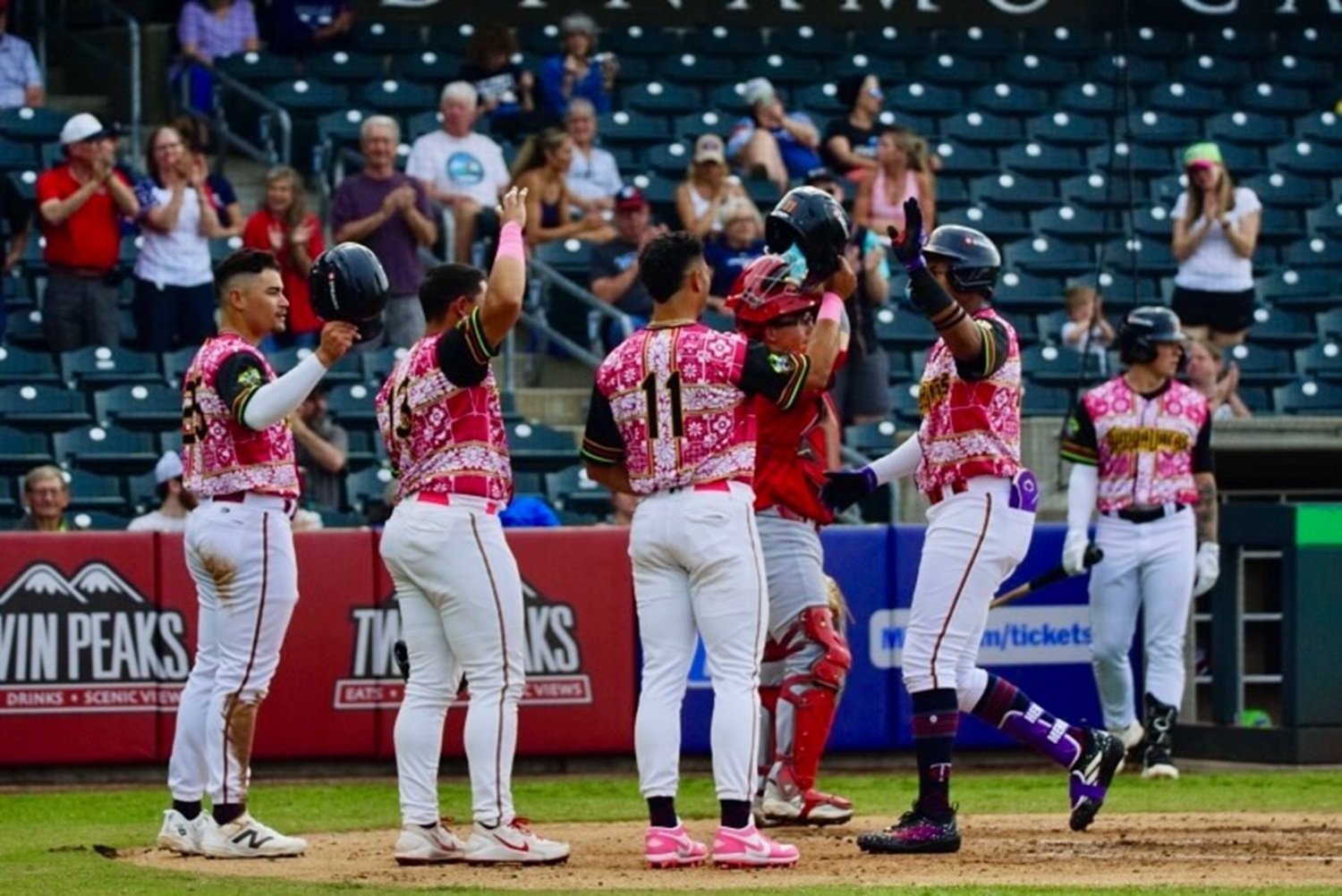
Image courtesy of Tim Grubbs, Wichita Wind Surge The early portion of the minor-league season is often more noise than signal, but that doesn't mean there aren't meaningful trends worth tracking. For the Twins, a handful of hitters are beginning to separate themselves, not just with strong box-score lines, but also with underlying indicators that point to real development. Two of those names arrived in recent trade-deadline deals that reshaped the organization’s roster, and their early success is starting to shift the conversation around those moves. Another is a longtime system piece who has steadily worked his way back into relevance. Together, they offer a snapshot of a farm system that blends upside, patience, and timely acquisitions into tangible production. C Eduardo Tait – Cedar Rapids Kernels How He Got Here: Tait began his professional career quietly, signing out of Panama with the Phillies for just $90,000 in January 2023. It didn't take long for that modest investment to look like a bargain. He posted a .917 OPS in the Dominican Summer League during his pro debut, drawing early projections of a steady, offense-first backstop. That momentum carried into 2024, when he hit .302 with an .842 OPS and climbed from Single-A to High-A before his 19th birthday. His performance earned him a Futures Game selection and elevated his prospect status significantly. At the trade deadline, the Twins made him a key return piece in the deal that sent Jhoan Duran to Philadelphia. Tait finished the year in Cedar Rapids and gained valuable postseason experience in the Midwest League. Hitting the Hot Button: Tait is holding his own against older competition and thriving. Over five games this week, he went 6-for-21 with two doubles, two home runs, and six runs driven in. Across 18 games this season, he owns a .924 OPS with four homers and five doubles. What makes this production even more impressive is his age relative to the rest of the league. Tait is more than three years younger than the average Midwest League player and has faced almost exclusively older pitching. His ability to generate impact contact in those conditions speaks to an advanced offensive profile that continues to trend upward. OF Hendry Mendez – Wichita Wind Surge How He Got Here: Mendez has long been known for his feel at the plate. After signing with the Brewers for $800,000 in January 2021, he wasted little time proving he could hit, posting a combined .316 average between the Dominican Summer League and the Arizona Complex League in his first professional season. He reached High-A as a teenager in 2023, then became part of a trade package to Philadelphia that offseason. While his bat-to-ball skills remained consistent through 2024 and 2025, questions lingered about his power output. That narrative began to shift late last season, when he finished strong in Double-A after a deadline deal sent Harrison Bader to Philadelphia and brought Mendez to the Twins. Hitting the Hot Button: Mendez is showing a more complete offensive game early this season. Over the past week, he recorded four hits in 17 at-bats, including two doubles and a home run, while walking five times compared to just three strikeouts. That approach has helped him post a .409 on-base percentage during that stretch. For the season, Mendez is slugging above .550 and carrying a .935 OPS in Double-A, all while being more than two years younger than the average player at the level. The added power, paired with his natural plate discipline, is turning him into a far more dynamic offensive threat. C/OF Ricardo Olivar – Wichita Wind Surge How He Got Here: Olivar has taken a longer and less linear path through the organization. Signed as an international free agent in July 2019, his development was delayed by the pandemic, and he did not make his professional debut until 2021 in the Florida Complex League. That introduction proved challenging, but a return to the level in 2022 changed everything. He dominated that season, earning MVP honors while posting an OPS north of 1.000. From there, Olivar steadily climbed the ladder, producing solid numbers at Single-A in 2023 and continuing that success into 2024, when he reached Double-A. Last season, he hit .264 with a .768 OPS, adding 13 home runs and 13 doubles in 93 games. Hitting the Hot Button: Now in his third stint at Double-A, Olivar may be finding another gear. In five games this week, he went 7-for-17 with a double, four home runs, and seven runs batted in. The highlight came during a two-homer performance against Northwest Arkansas. At 24, Olivar is no longer one of the youngest players on the field, but his recent surge looks like that of a hitter beginning to fully translate his tools into production. If his power continues to show up consistently, he could quickly move into a more prominent role in the system. The common thread among this trio is impact. Tait is proving he belongs despite his age, Mendez is adding power to an already polished approach, and Olivar is showing signs of a breakthrough after years of steady progression. What stands out about this group is how differently they have arrived at this point Yet, all three are producing in ways that demand attention. What stands out about this trio of prospects? Leave a comment and start the discussion. View full article
- 21 replies
-
- 1
-
-
- eduardo tait
- hendry mendez
- (and 1 more)
-
 The early portion of the minor-league season is often more noise than signal, but that doesn't mean there aren't meaningful trends worth tracking. For the Twins, a handful of hitters are beginning to separate themselves, not just with strong box-score lines, but also with underlying indicators that point to real development. Two of those names arrived in recent trade-deadline deals that reshaped the organization’s roster, and their early success is starting to shift the conversation around those moves. Another is a longtime system piece who has steadily worked his way back into relevance. Together, they offer a snapshot of a farm system that blends upside, patience, and timely acquisitions into tangible production. C Eduardo Tait – Cedar Rapids Kernels How He Got Here: Tait began his professional career quietly, signing out of Panama with the Phillies for just $90,000 in January 2023. It didn't take long for that modest investment to look like a bargain. He posted a .917 OPS in the Dominican Summer League during his pro debut, drawing early projections of a steady, offense-first backstop. That momentum carried into 2024, when he hit .302 with an .842 OPS and climbed from Single-A to High-A before his 19th birthday. His performance earned him a Futures Game selection and elevated his prospect status significantly. At the trade deadline, the Twins made him a key return piece in the deal that sent Jhoan Duran to Philadelphia. Tait finished the year in Cedar Rapids and gained valuable postseason experience in the Midwest League. Hitting the Hot Button: Tait is holding his own against older competition and thriving. Over five games this week, he went 6-for-21 with two doubles, two home runs, and six runs driven in. Across 18 games this season, he owns a .924 OPS with four homers and five doubles. What makes this production even more impressive is his age relative to the rest of the league. Tait is more than three years younger than the average Midwest League player and has faced almost exclusively older pitching. His ability to generate impact contact in those conditions speaks to an advanced offensive profile that continues to trend upward. OF Hendry Mendez – Wichita Wind Surge How He Got Here: Mendez has long been known for his feel at the plate. After signing with the Brewers for $800,000 in January 2021, he wasted little time proving he could hit, posting a combined .316 average between the Dominican Summer League and the Arizona Complex League in his first professional season. He reached High-A as a teenager in 2023, then became part of a trade package to Philadelphia that offseason. While his bat-to-ball skills remained consistent through 2024 and 2025, questions lingered about his power output. That narrative began to shift late last season, when he finished strong in Double-A after a deadline deal sent Harrison Bader to Philadelphia and brought Mendez to the Twins. Hitting the Hot Button: Mendez is showing a more complete offensive game early this season. Over the past week, he recorded four hits in 17 at-bats, including two doubles and a home run, while walking five times compared to just three strikeouts. That approach has helped him post a .409 on-base percentage during that stretch. For the season, Mendez is slugging above .550 and carrying a .935 OPS in Double-A, all while being more than two years younger than the average player at the level. The added power, paired with his natural plate discipline, is turning him into a far more dynamic offensive threat. C/OF Ricardo Olivar – Wichita Wind Surge How He Got Here: Olivar has taken a longer and less linear path through the organization. Signed as an international free agent in July 2019, his development was delayed by the pandemic, and he did not make his professional debut until 2021 in the Florida Complex League. That introduction proved challenging, but a return to the level in 2022 changed everything. He dominated that season, earning MVP honors while posting an OPS north of 1.000. From there, Olivar steadily climbed the ladder, producing solid numbers at Single-A in 2023 and continuing that success into 2024, when he reached Double-A. Last season, he hit .264 with a .768 OPS, adding 13 home runs and 13 doubles in 93 games. Hitting the Hot Button: Now in his third stint at Double-A, Olivar may be finding another gear. In five games this week, he went 7-for-17 with a double, four home runs, and seven runs batted in. The highlight came during a two-homer performance against Northwest Arkansas. At 24, Olivar is no longer one of the youngest players on the field, but his recent surge looks like that of a hitter beginning to fully translate his tools into production. If his power continues to show up consistently, he could quickly move into a more prominent role in the system. The common thread among this trio is impact. Tait is proving he belongs despite his age, Mendez is adding power to an already polished approach, and Olivar is showing signs of a breakthrough after years of steady progression. What stands out about this group is how differently they have arrived at this point Yet, all three are producing in ways that demand attention. What stands out about this trio of prospects? Leave a comment and start the discussion.
- 21 comments
-
- 6
-

-
-
- eduardo tait
- hendry mendez
- (and 1 more)
-
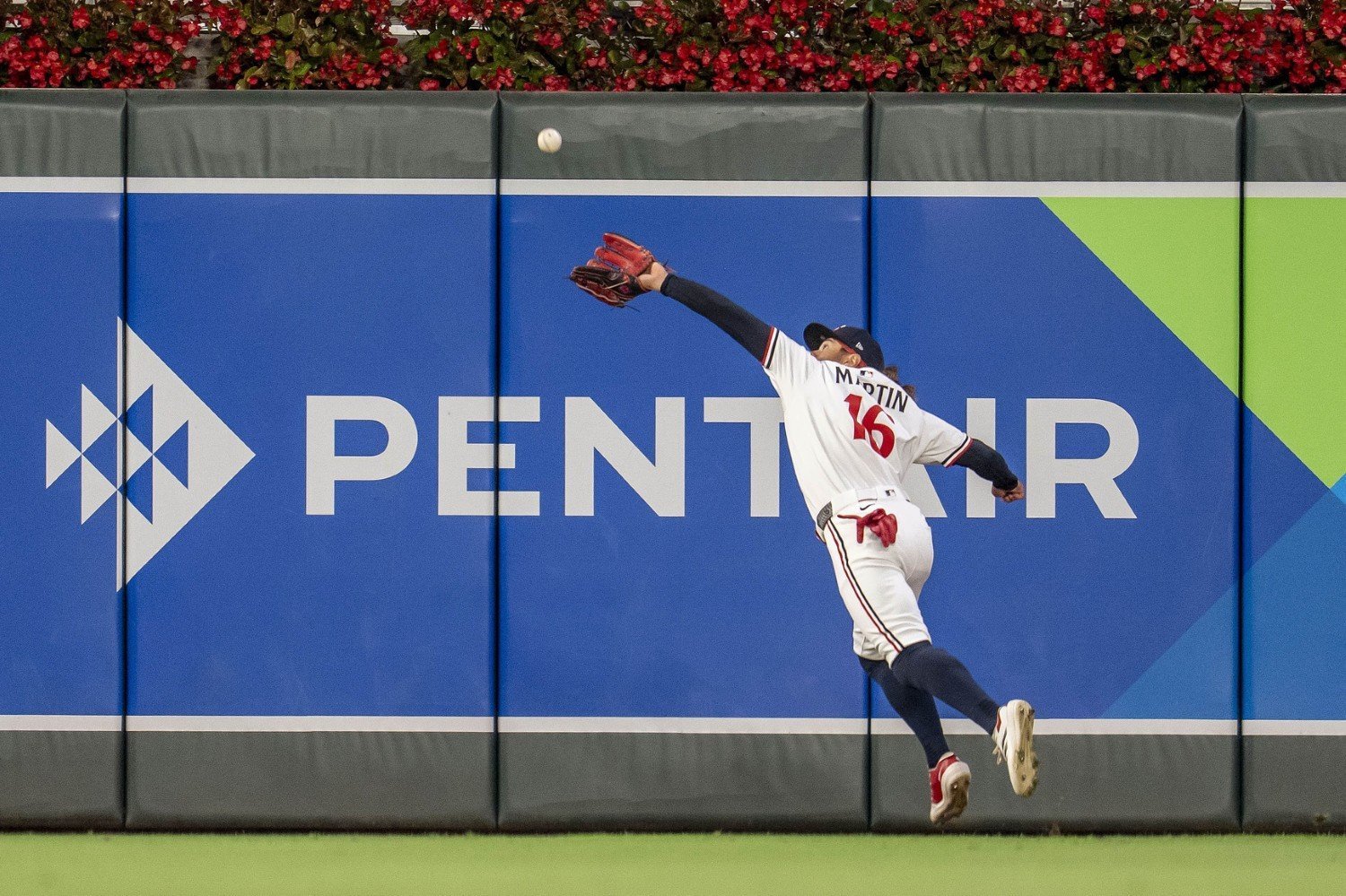 The Twins opened the 2026 season with the kind of inconsistent play that leaves everyone searching for answers. Hovering around the .500 mark is not inherently disappointing, especially for a team many projected to be fighting for relevance in the American League Central. In some ways, a middling record at this point in the season should be viewed as acceptable. The bigger issue is how the Twins have arrived at this point. The team can look dominant for a week, only to give those gains right back over the next two weeks. Over the course of a 162-game season, hot streaks and slumps begin to even out, exposing the strengths and weaknesses that define the roster. The early returns for the Twins suggest that some preseason assumptions are correct, while others warrant reconsideration. With that in mind, here's where some of the biggest narratives surrounding the 2026 Twins stand after the opening weeks of the season. Starting Pitching Preseason Narrative: Before Pablo López’s injury, the Twins looked like they had the makings of a top-10 rotation. Once he went down, expectations shifted, and the group looked more like a middle-of-the-pack unit that would need several young pitchers to step forward. Early Season Results: Twins starters rank seventh in fWAR, 11th in xERA, eighth in FIP, and 15th in WPA. That is a very encouraging start for a group that entered the year with major uncertainty. Outside of a rough outing on Friday, Taj Bradley has looked like one of the American League’s best starters and has given the Twins the type of impact arm they desperately needed. Mick Abel was beginning to build momentum with back-to-back strong starts before landing on the injured list, showing flashes of being a playoff-caliber starter. Connor Prielipp’s debut was another reason for optimism. The raw stuff looked every bit as electric as advertised, and he showed signs of developing into a frontline starter if the Twins continue stretching out his workload. Even Joe Ryan has room for improvement. He has not yet pitched at the All-Star level fans have seen from him before, which leaves open the possibility that the rotation could be even better in the coming months. Current Narrative: The Twins have enough young talent and enough upside in this rotation to believe it can remain a strength for the rest of the season. Lineup Preseason Narrative: With Byron Buxton and Luke Keaschall expected to anchor the offense, the Twins needed a handful of post-hype prospects to finally break through and provide stability throughout the lineup. Early Season Results: The Twins' hitters rank 18th in WPA, 20th in fWAR, and 11th in wRC+. Those numbers paint the picture of a lineup that has been productive enough in spurts but not nearly consistent enough to carry the team. Austin Martin has been one of the best stories on the roster. After ending 2025 on a high note, he has carried that momentum into this season and has emerged as one of the Twins’ most valuable hitters. In fact, he leads the team in WAR, giving the lineup a boost few expected entering the year. Trevor Larnach has also made the most of limited opportunities. Even with the Twins facing a heavy dose of left-handed pitching, he's tied with Buxton and Ryan Jeffers for second on the team in WAR, giving the club meaningful production whenever he is in the lineup. The issue is that the rest of the supporting cast has not shown up. Matt Wallner, James Outman, Keaschall, and Kody Clemens have all produced negative WAR so far. That's unsustainable, for a team with little offensive margin for error. The Twins do not have the star power to absorb multiple dead spots in the lineup. If several lineup spots continue to provide little to no value, the offense will eventually crater. Current Narrative: Martin has emerged, but the Twins still need several post-hype bats to start producing, or the offense will drag this team out of the race. Bullpen Preseason Narrative: The expectation entering the season was simple: this bullpen was going to struggle, and it had the potential to be one of the worst units in the league. Early Season Results: The Twins' bullpen ranks 18th in fWAR, 23rd in WPA, 24th in xERA, and 14th in FIP. Those numbers suggest the bullpen has not been a complete disaster, but it remains one of the weakest links on the roster. The most concerning part has been the way the group is being deployed. Justin Topa leads the American League with 15 appearances, making him the most frequently used reliever on the staff. That level of reliance would be understandable if he were a dominant late-inning option, but that has not been the case. Anthony Banda is tied for second on the team with 12 appearances and owns an ERA north of 9.00, yet he continues to receive meaningful innings. Meanwhile, Cole Sands is tied with Eric Orze and Taylor Rogers with 10 appearances despite clearly being the Twins’ best relief arm. Rather than using Sands aggressively in high-leverage situations, the Twins have often held him back, waiting for ideal moments that never develop. For a bullpen with limited dependable options, that strategy makes little sense. The Twins need to be maximizing their best arms, and right now, they are not. Current Narrative: The bullpen remains a major weakness and may ultimately be the factor that keeps the Twins from contending. The early season has not completely changed expectations for the Twins, but it has sharpened the focus on where this team stands. The rotation has looked better than many expected, giving the organization reason to believe it can build around its young arms. The lineup has shown flashes, but too many hitters are underperforming to trust the group as currently constructed. The bullpen, meanwhile, looks every bit like the liability many feared in spring training. That combination explains why the Twins have flirted with a .500 record, but also why they're currently trending away from it, in the wrong direction. There are enough strengths here to remain competitive in the short term, but the weaknesses are obvious and persistent. If the lineup doesn't improve and the bullpen continues to cost the team winnable games, the Twins will slide out of the race, regardless of how well the rotation performs. For now, the preseason narratives are evolving, but not disappearing. The rotation is giving the Twins hope. The lineup is running out of excuses. And the bullpen remains the biggest threat to whatever chance this team has of staying in contention. How do you view the team’s current narratives? Leave a comment and start the discussion.
- 75 comments
-
- 5
-
-
- taj bradley
- austin martin
- (and 7 more)
-
Image courtesy of © Jesse Johnson-Imagn Images The Twins opened the 2026 season with the kind of inconsistent play that leaves everyone searching for answers. Hovering around the .500 mark is not inherently disappointing, especially for a team many projected to be fighting for relevance in the American League Central. In some ways, a middling record at this point in the season should be viewed as acceptable. The bigger issue is how the Twins have arrived at this point. The team can look dominant for a week, only to give those gains right back over the next two weeks. Over the course of a 162-game season, hot streaks and slumps begin to even out, exposing the strengths and weaknesses that define the roster. The early returns for the Twins suggest that some preseason assumptions are correct, while others warrant reconsideration. With that in mind, here's where some of the biggest narratives surrounding the 2026 Twins stand after the opening weeks of the season. Starting Pitching Preseason Narrative: Before Pablo López’s injury, the Twins looked like they had the makings of a top-10 rotation. Once he went down, expectations shifted, and the group looked more like a middle-of-the-pack unit that would need several young pitchers to step forward. Early Season Results: Twins starters rank seventh in fWAR, 11th in xERA, eighth in FIP, and 15th in WPA. That is a very encouraging start for a group that entered the year with major uncertainty. Outside of a rough outing on Friday, Taj Bradley has looked like one of the American League’s best starters and has given the Twins the type of impact arm they desperately needed. Mick Abel was beginning to build momentum with back-to-back strong starts before landing on the injured list, showing flashes of being a playoff-caliber starter. Connor Prielipp’s debut was another reason for optimism. The raw stuff looked every bit as electric as advertised, and he showed signs of developing into a frontline starter if the Twins continue stretching out his workload. Even Joe Ryan has room for improvement. He has not yet pitched at the All-Star level fans have seen from him before, which leaves open the possibility that the rotation could be even better in the coming months. Current Narrative: The Twins have enough young talent and enough upside in this rotation to believe it can remain a strength for the rest of the season. Lineup Preseason Narrative: With Byron Buxton and Luke Keaschall expected to anchor the offense, the Twins needed a handful of post-hype prospects to finally break through and provide stability throughout the lineup. Early Season Results: The Twins' hitters rank 18th in WPA, 20th in fWAR, and 11th in wRC+. Those numbers paint the picture of a lineup that has been productive enough in spurts but not nearly consistent enough to carry the team. Austin Martin has been one of the best stories on the roster. After ending 2025 on a high note, he has carried that momentum into this season and has emerged as one of the Twins’ most valuable hitters. In fact, he leads the team in WAR, giving the lineup a boost few expected entering the year. Trevor Larnach has also made the most of limited opportunities. Even with the Twins facing a heavy dose of left-handed pitching, he's tied with Buxton and Ryan Jeffers for second on the team in WAR, giving the club meaningful production whenever he is in the lineup. The issue is that the rest of the supporting cast has not shown up. Matt Wallner, James Outman, Keaschall, and Kody Clemens have all produced negative WAR so far. That's unsustainable, for a team with little offensive margin for error. The Twins do not have the star power to absorb multiple dead spots in the lineup. If several lineup spots continue to provide little to no value, the offense will eventually crater. Current Narrative: Martin has emerged, but the Twins still need several post-hype bats to start producing, or the offense will drag this team out of the race. Bullpen Preseason Narrative: The expectation entering the season was simple: this bullpen was going to struggle, and it had the potential to be one of the worst units in the league. Early Season Results: The Twins' bullpen ranks 18th in fWAR, 23rd in WPA, 24th in xERA, and 14th in FIP. Those numbers suggest the bullpen has not been a complete disaster, but it remains one of the weakest links on the roster. The most concerning part has been the way the group is being deployed. Justin Topa leads the American League with 15 appearances, making him the most frequently used reliever on the staff. That level of reliance would be understandable if he were a dominant late-inning option, but that has not been the case. Anthony Banda is tied for second on the team with 12 appearances and owns an ERA north of 9.00, yet he continues to receive meaningful innings. Meanwhile, Cole Sands is tied with Eric Orze and Taylor Rogers with 10 appearances despite clearly being the Twins’ best relief arm. Rather than using Sands aggressively in high-leverage situations, the Twins have often held him back, waiting for ideal moments that never develop. For a bullpen with limited dependable options, that strategy makes little sense. The Twins need to be maximizing their best arms, and right now, they are not. Current Narrative: The bullpen remains a major weakness and may ultimately be the factor that keeps the Twins from contending. The early season has not completely changed expectations for the Twins, but it has sharpened the focus on where this team stands. The rotation has looked better than many expected, giving the organization reason to believe it can build around its young arms. The lineup has shown flashes, but too many hitters are underperforming to trust the group as currently constructed. The bullpen, meanwhile, looks every bit like the liability many feared in spring training. That combination explains why the Twins have flirted with a .500 record, but also why they're currently trending away from it, in the wrong direction. There are enough strengths here to remain competitive in the short term, but the weaknesses are obvious and persistent. If the lineup doesn't improve and the bullpen continues to cost the team winnable games, the Twins will slide out of the race, regardless of how well the rotation performs. For now, the preseason narratives are evolving, but not disappearing. The rotation is giving the Twins hope. The lineup is running out of excuses. And the bullpen remains the biggest threat to whatever chance this team has of staying in contention. How do you view the team’s current narratives? Leave a comment and start the discussion. View full article
-
C.J. Culpepper Has Nothing Left to Prove at Double-A
Cody Christie posted an article in Minor Leagues
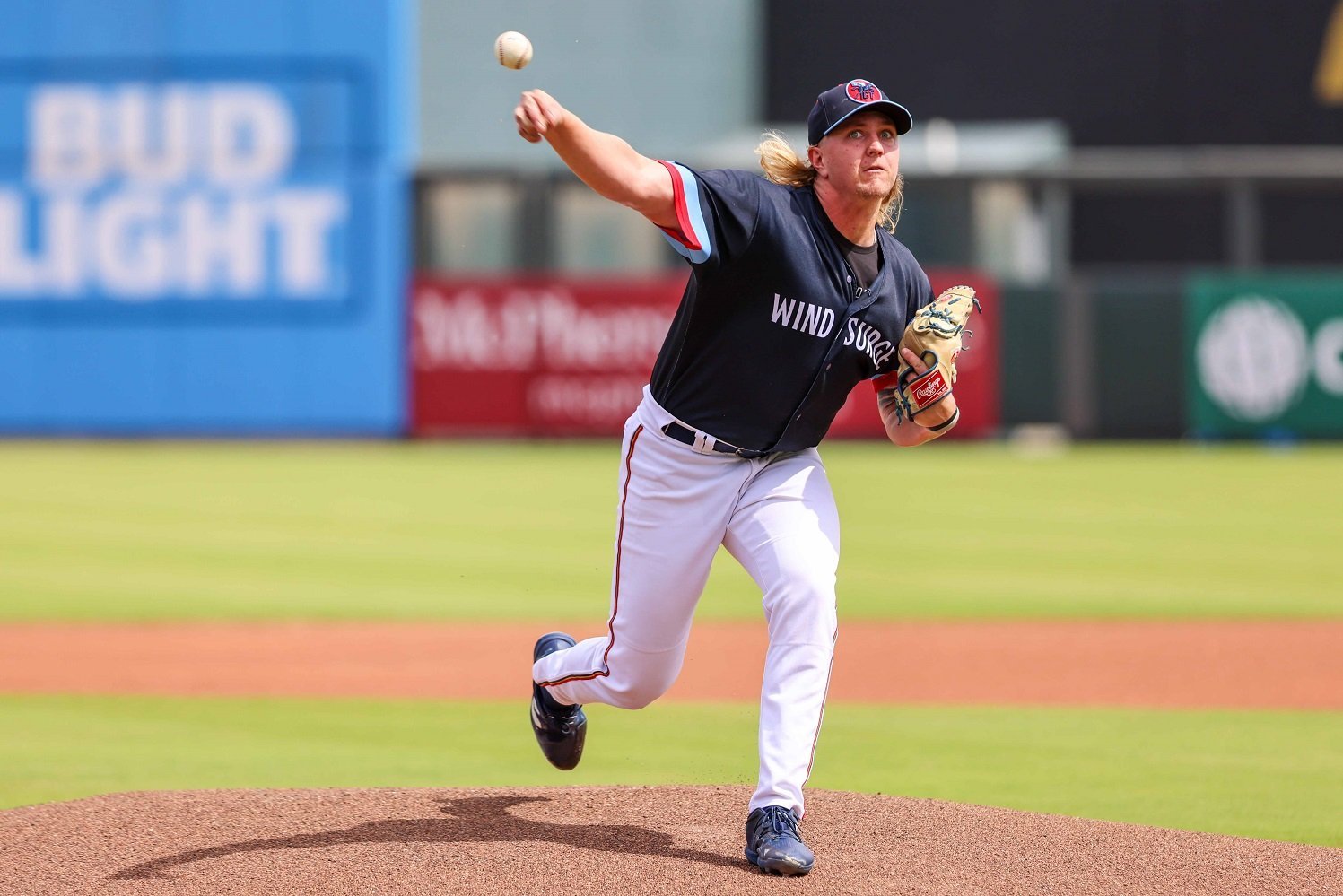 The Minnesota Twins have quietly built a reputation for uncovering intriguing pitching talent outside the early rounds of the draft, and C.J. Culpepper fits that mold perfectly. Selected in the 13th round of the 2022 draft, Culpepper is part of a class that continues to pay dividends for the organization, alongside names like Connor Prielipp, Andrew Morris, Zebby Matthews, and Cory Lewis. A product of Cal Baptist, the 6-foot-3 right-hander has taken a steady, if occasionally interrupted, path through the system. Injuries have played a significant role in shaping his development, limiting his workload to 86, 58 1/3, and 59 1/3 innings across his three full professional seasons. A forearm strain in 2024 and a nerve issue in his finger that delayed his 2025 season both contributed to the stop-and-start nature of his progression. Even with those interruptions, Culpepper has been effective when on the mound. He owns a 3.21 career ERA and has allowed just 11 home runs across 852 plate appearances, a strong indicator of his ability to limit damage. There have also been stretches where everything has come together, including a strong finish at Double-A Wichita last season when he posted a 2.56 ERA over the final two months. While it has not always fully clicked, he has consistently shown enough to remain on the radar, moving from A ball in 2023 to Double-A in 2024 and holding that level again in 2025. Now in 2026, Culpepper is making his case louder than ever. Through five starts in Wichita, he owns a 2.75 ERA with a 28.2% strikeout rate and a 10.6% walk rate while holding opposing hitters to a .213 batting average. The improvements are notable. His strikeout rate has jumped by roughly 7%, while his walk rate has ticked down by nearly 2%. Perhaps more impressively, he is producing these results while facing older competition more than half the time, a sign that his performance is not simply a product of being advanced for the level. The underlying profile helps explain the success. Culpepper is not a traditional overpowering arm, but he features a deep arsenal that allows him to attack hitters in different ways. His fastball typically sits in the mid-90s and has previously reached as high as 97 to 98 mph, though that top-end velocity was less consistent last season as he dealt with the lingering effects of injury. A return to full health could unlock that extra gear again. His best swing-and-miss offering is a low-80s sweeper that generates plenty of whiffs, and he complements it with a cutter in the upper 80s to low 90s. He will also mix in a curveball and changeup, though his most effective approach may come from leaning into a combination of his two-seamer, sweeper, and cutter to generate both strikeouts and ground balls. There are still questions to answer. Durability remains the biggest concern, as he has yet to eclipse 60 innings in either of the last two seasons. His control can waver at times, which could affect his long-term viability as a starter. Those factors, combined with a lack of experience at Triple-A, left him unselected in last year’s Rule 5 Draft. At the same time, the Twins are approaching a decision point. The Triple-A rotation already features several arms, including Zebby Matthews, Kendry Rojas, John Klein, Trent Baker, Aaron Rozek, and Cory Lewis, which creates a logjam for innings at the next level. But at some point, performance has to matter. Culpepper has shown he can handle Double-A hitters, and his early 2026 results suggest he is beginning to take a step forward rather than simply holding serve. Whether his long-term future is in the rotation or in a bullpen role built around his sinker and sweeper combination, the next step in answering those questions cannot happen in Wichita. There are plenty of more highly touted names in the system drawing attention, but Culpepper is making it increasingly difficult to ignore him. He may not have the pedigree or the headline-grabbing velocity, but right now, he has something just as important. Results. And at Double-A, there is not much left for him to prove. What stands out about Culpepper? Can he stick as a starting pitcher? Leave a comment and start the discussion.
 -
Image courtesy of Ed Bailey, Wichita Wind Surge (Photo of C.J. Culpepper) The Minnesota Twins have quietly built a reputation for uncovering intriguing pitching talent outside the early rounds of the draft, and C.J. Culpepper fits that mold perfectly. Selected in the 13th round of the 2022 draft, Culpepper is part of a class that continues to pay dividends for the organization, alongside names like Connor Prielipp, Andrew Morris, Zebby Matthews, and Cory Lewis. A product of Cal Baptist, the 6-foot-3 right-hander has taken a steady, if occasionally interrupted, path through the system. Injuries have played a significant role in shaping his development, limiting his workload to 86, 58 1/3, and 59 1/3 innings across his three full professional seasons. A forearm strain in 2024 and a nerve issue in his finger that delayed his 2025 season both contributed to the stop-and-start nature of his progression. Even with those interruptions, Culpepper has been effective when on the mound. He owns a 3.21 career ERA and has allowed just 11 home runs across 852 plate appearances, a strong indicator of his ability to limit damage. There have also been stretches where everything has come together, including a strong finish at Double-A Wichita last season when he posted a 2.56 ERA over the final two months. While it has not always fully clicked, he has consistently shown enough to remain on the radar, moving from A ball in 2023 to Double-A in 2024 and holding that level again in 2025. Now in 2026, Culpepper is making his case louder than ever. Through five starts in Wichita, he owns a 2.75 ERA with a 28.2% strikeout rate and a 10.6% walk rate while holding opposing hitters to a .213 batting average. The improvements are notable. His strikeout rate has jumped by roughly 7%, while his walk rate has ticked down by nearly 2%. Perhaps more impressively, he is producing these results while facing older competition more than half the time, a sign that his performance is not simply a product of being advanced for the level. The underlying profile helps explain the success. Culpepper is not a traditional overpowering arm, but he features a deep arsenal that allows him to attack hitters in different ways. His fastball typically sits in the mid-90s and has previously reached as high as 97 to 98 mph, though that top-end velocity was less consistent last season as he dealt with the lingering effects of injury. A return to full health could unlock that extra gear again. His best swing-and-miss offering is a low-80s sweeper that generates plenty of whiffs, and he complements it with a cutter in the upper 80s to low 90s. He will also mix in a curveball and changeup, though his most effective approach may come from leaning into a combination of his two-seamer, sweeper, and cutter to generate both strikeouts and ground balls. There are still questions to answer. Durability remains the biggest concern, as he has yet to eclipse 60 innings in either of the last two seasons. His control can waver at times, which could affect his long-term viability as a starter. Those factors, combined with a lack of experience at Triple-A, left him unselected in last year’s Rule 5 Draft. At the same time, the Twins are approaching a decision point. The Triple-A rotation already features several arms, including Zebby Matthews, Kendry Rojas, John Klein, Trent Baker, Aaron Rozek, and Cory Lewis, which creates a logjam for innings at the next level. But at some point, performance has to matter. Culpepper has shown he can handle Double-A hitters, and his early 2026 results suggest he is beginning to take a step forward rather than simply holding serve. Whether his long-term future is in the rotation or in a bullpen role built around his sinker and sweeper combination, the next step in answering those questions cannot happen in Wichita. There are plenty of more highly touted names in the system drawing attention, but Culpepper is making it increasingly difficult to ignore him. He may not have the pedigree or the headline-grabbing velocity, but right now, he has something just as important. Results. And at Double-A, there is not much left for him to prove. What stands out about Culpepper? Can he stick as a starting pitcher? Leave a comment and start the discussion. View full article
-
Image courtesy of © Denny Medley-Imagn Images Every MLB organization enters each draft cycle hoping to uncover multiple players who can provide value at the big league level. Some classes fall short of expectations, while others produce waves of talent that impact the roster for years. The Twins are hoping that some of the team’s recent draft classes can eventually join these rankings. Prospects like Walker Jenkins, Kaelen Culpepper, and Marek Houston are working their way through the system, but it will take time before their draft group can be properly evaluated. For now, these five classes stand out as the best in franchise history. 5. 2002 MLB Draft Key Picks: Denard Span (28.0 rWAR), Jesse Crain (11.4), Pat Neshek (10.6), Adam Lind (12.8- Didn’t Sign) This group stands out for its role in supporting multiple division-winning teams during the 2000s. Span, the club’s first round selection, spent 11 seasons in the majors and five with Minnesota. His best season came in 2012, when he posted a 4.9 rWAR and an OPS+ of 104. Among first-round position players from that class, Span leads in career rWAR. Crain developed into a reliable late-inning reliever, delivering several strong seasons out of the bullpen. He posted multiple years with a WPA above 1.0, including a standout 3.0 WPA campaign in 2005. Neshek became a fan favorite thanks to his unique sidearm delivery. His best season with the Twins came in 2007 when he produced a 2.7 WPA. He went on to enjoy a long career after leaving Minnesota, including multiple All-Star appearances. 4. 1994 MLB Draft Key Picks: Corey Koskie (24.6 rWAR), A.J. Pierzynski (23.7), Todd Walker (10.5), Travis Miller (1.3) Finding Koskie in the 26th round remains one of the best draft steals in team history. Selected 715th overall, he developed into a cornerstone player and compiled 22.1 rWAR with a 116 OPS+ across seven seasons in Minnesota. His 2001 season, worth 6.3 rWAR, earned him down-ballot MVP consideration and helped cement his place in the Twins Hall of Fame. Pierzynski remains one of the more polarizing figures in franchise history. He played six seasons with the Twins and made the All-Star team in 2002. His trade to San Francisco brought back Joe Nathan, Francisco Liriano, and Boof Bonser in one of the most impactful deals the franchise has made. He later won a World Series in 2005 and played 19 seasons overall. Walker, the eighth overall pick, showed flashes of his potential during a 12-year career but never fully put everything together at the major league level. 3. 2012 MLB Draft Key Picks: Byron Buxton (30.2 rWAR), Jose Berrios (17.1), Taylor Rogers (7.8), JT Chargois (3.9), Tyler Duffey (1.8) This class still has a chance to climb even higher as its players continue adding to their resumes. Byron Buxton, selected second overall, has developed into one of the most dynamic players in baseball when healthy. Coming off the best season of his career and an All-Star appearance, he has delivered on the immense upside that made him such a highly regarded prospect. Berrios entered the draft with questions about his size but emerged as a multi-time All-Star. He provided significant value to the Twins before being traded for Austin Martin and Simeon Woods Richardson. Rogers reinvented himself after struggling as a starter, becoming an All-Star closer and one of the better bullpen arms in the league. Reaching 10 years of service time is an impressive milestone for an 11th-round pick. Chargois and Duffey both contributed multiple seasons of above-average pitching, rounding out a deep and productive class. 2. 1991 MLB Draft Key Picks: Brad Radke (45.3 rWAR), LaTroy Hawkins (17.8), Matt Lawton (15.2), Scott Stahoviak (1.0) This class is notable for overcoming a miss at the top. Third overall pick Dave McCarty did not pan out, but the Twins made up for it with outstanding selections later in the draft. Radke, taken in the eighth round, became one of the most reliable starters in franchise history. He finished third in Cy Young voting in 1997 and anchored the rotation for over a decade. Hawkins initially struggled as a starter before thriving in a bullpen role. He went on to pitch 21 seasons in the majors and delivered some of his best performances in Minnesota, including a 4.1 WPA season in 2003. He now returns to the organization as the bullpen coach. Lawton became a two-time All-Star and was a more highly regarded prospect compared to others from this class. His 1998 season, highlighted by a 123 OPS+ and 3.9 rWAR, stands out as his peak. 1. 1989 MLB Draft Key Picks: Chuck Knoblauch (44.6 rWAR), Scott Erickson (24.8), Denny Neagle (22.4), Mike Trombley (9.1), Marty Cordova (7.7) This class played a direct role in delivering a World Series title in 1991. Knoblauch was a central figure in that run, earning Rookie of the Year honors and establishing himself as one of the best second basemen in franchise history. His accomplishments in Minnesota include four All-Star selections, two Silver Sluggers, and a Gold Glove. Erickson was a key member of the championship rotation and finished second in Cy Young voting in 1991. Though injuries impacted his long-term trajectory, his early contributions were significant. Neagle provided value later in his career, though much of it came after his time with the Twins following a trade prior to the 1992 season. Trombley developed into a dependable reliever over nine seasons with Minnesota, while Cordova captured Rookie of the Year honors in 1995 with a strong debut season. Draft success is rarely measured in a single year. It takes time for players to develop, reach the majors, and establish themselves. These five classes not only produced impact talent but also helped define key eras of Twins baseball, from the early 1990s championship core to the competitive teams of the 2000s and beyond. The next great class may already be in the system. It just needs time to prove it belongs alongside these groups. What other draft classes should be considered? Leave a comment and start the discussion. View full article
-
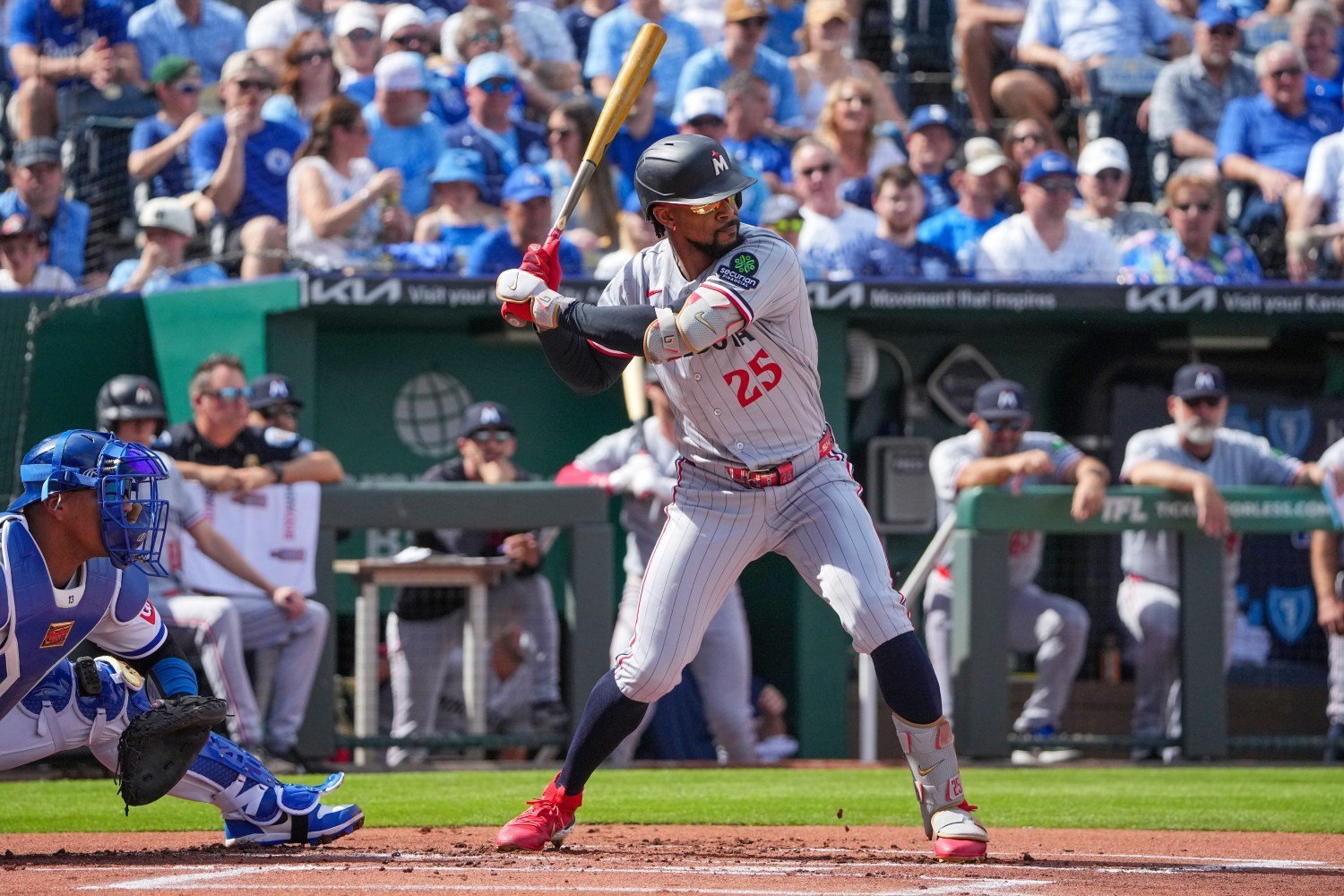 Every MLB organization enters each draft cycle hoping to uncover multiple players who can provide value at the big league level. Some classes fall short of expectations, while others produce waves of talent that impact the roster for years. The Twins are hoping that some of the team’s recent draft classes can eventually join these rankings. Prospects like Walker Jenkins, Kaelen Culpepper, and Marek Houston are working their way through the system, but it will take time before their draft group can be properly evaluated. For now, these five classes stand out as the best in franchise history. 5. 2002 MLB Draft Key Picks: Denard Span (28.0 rWAR), Jesse Crain (11.4), Pat Neshek (10.6), Adam Lind (12.8- Didn’t Sign) This group stands out for its role in supporting multiple division-winning teams during the 2000s. Span, the club’s first round selection, spent 11 seasons in the majors and five with Minnesota. His best season came in 2012, when he posted a 4.9 rWAR and an OPS+ of 104. Among first-round position players from that class, Span leads in career rWAR. Crain developed into a reliable late-inning reliever, delivering several strong seasons out of the bullpen. He posted multiple years with a WPA above 1.0, including a standout 3.0 WPA campaign in 2005. Neshek became a fan favorite thanks to his unique sidearm delivery. His best season with the Twins came in 2007 when he produced a 2.7 WPA. He went on to enjoy a long career after leaving Minnesota, including multiple All-Star appearances. 4. 1994 MLB Draft Key Picks: Corey Koskie (24.6 rWAR), A.J. Pierzynski (23.7), Todd Walker (10.5), Travis Miller (1.3) Finding Koskie in the 26th round remains one of the best draft steals in team history. Selected 715th overall, he developed into a cornerstone player and compiled 22.1 rWAR with a 116 OPS+ across seven seasons in Minnesota. His 2001 season, worth 6.3 rWAR, earned him down-ballot MVP consideration and helped cement his place in the Twins Hall of Fame. Pierzynski remains one of the more polarizing figures in franchise history. He played six seasons with the Twins and made the All-Star team in 2002. His trade to San Francisco brought back Joe Nathan, Francisco Liriano, and Boof Bonser in one of the most impactful deals the franchise has made. He later won a World Series in 2005 and played 19 seasons overall. Walker, the eighth overall pick, showed flashes of his potential during a 12-year career but never fully put everything together at the major league level. 3. 2012 MLB Draft Key Picks: Byron Buxton (30.2 rWAR), Jose Berrios (17.1), Taylor Rogers (7.8), JT Chargois (3.9), Tyler Duffey (1.8) This class still has a chance to climb even higher as its players continue adding to their resumes. Byron Buxton, selected second overall, has developed into one of the most dynamic players in baseball when healthy. Coming off the best season of his career and an All-Star appearance, he has delivered on the immense upside that made him such a highly regarded prospect. Berrios entered the draft with questions about his size but emerged as a multi-time All-Star. He provided significant value to the Twins before being traded for Austin Martin and Simeon Woods Richardson. Rogers reinvented himself after struggling as a starter, becoming an All-Star closer and one of the better bullpen arms in the league. Reaching 10 years of service time is an impressive milestone for an 11th-round pick. Chargois and Duffey both contributed multiple seasons of above-average pitching, rounding out a deep and productive class. 2. 1991 MLB Draft Key Picks: Brad Radke (45.3 rWAR), LaTroy Hawkins (17.8), Matt Lawton (15.2), Scott Stahoviak (1.0) This class is notable for overcoming a miss at the top. Third overall pick Dave McCarty did not pan out, but the Twins made up for it with outstanding selections later in the draft. Radke, taken in the eighth round, became one of the most reliable starters in franchise history. He finished third in Cy Young voting in 1997 and anchored the rotation for over a decade. Hawkins initially struggled as a starter before thriving in a bullpen role. He went on to pitch 21 seasons in the majors and delivered some of his best performances in Minnesota, including a 4.1 WPA season in 2003. He now returns to the organization as the bullpen coach. Lawton became a two-time All-Star and was a more highly regarded prospect compared to others from this class. His 1998 season, highlighted by a 123 OPS+ and 3.9 rWAR, stands out as his peak. 1. 1989 MLB Draft Key Picks: Chuck Knoblauch (44.6 rWAR), Scott Erickson (24.8), Denny Neagle (22.4), Mike Trombley (9.1), Marty Cordova (7.7) This class played a direct role in delivering a World Series title in 1991. Knoblauch was a central figure in that run, earning Rookie of the Year honors and establishing himself as one of the best second basemen in franchise history. His accomplishments in Minnesota include four All-Star selections, two Silver Sluggers, and a Gold Glove. Erickson was a key member of the championship rotation and finished second in Cy Young voting in 1991. Though injuries impacted his long-term trajectory, his early contributions were significant. Neagle provided value later in his career, though much of it came after his time with the Twins following a trade prior to the 1992 season. Trombley developed into a dependable reliever over nine seasons with Minnesota, while Cordova captured Rookie of the Year honors in 1995 with a strong debut season. Draft success is rarely measured in a single year. It takes time for players to develop, reach the majors, and establish themselves. These five classes not only produced impact talent but also helped define key eras of Twins baseball, from the early 1990s championship core to the competitive teams of the 2000s and beyond. The next great class may already be in the system. It just needs time to prove it belongs alongside these groups. What other draft classes should be considered? Leave a comment and start the discussion.
 -
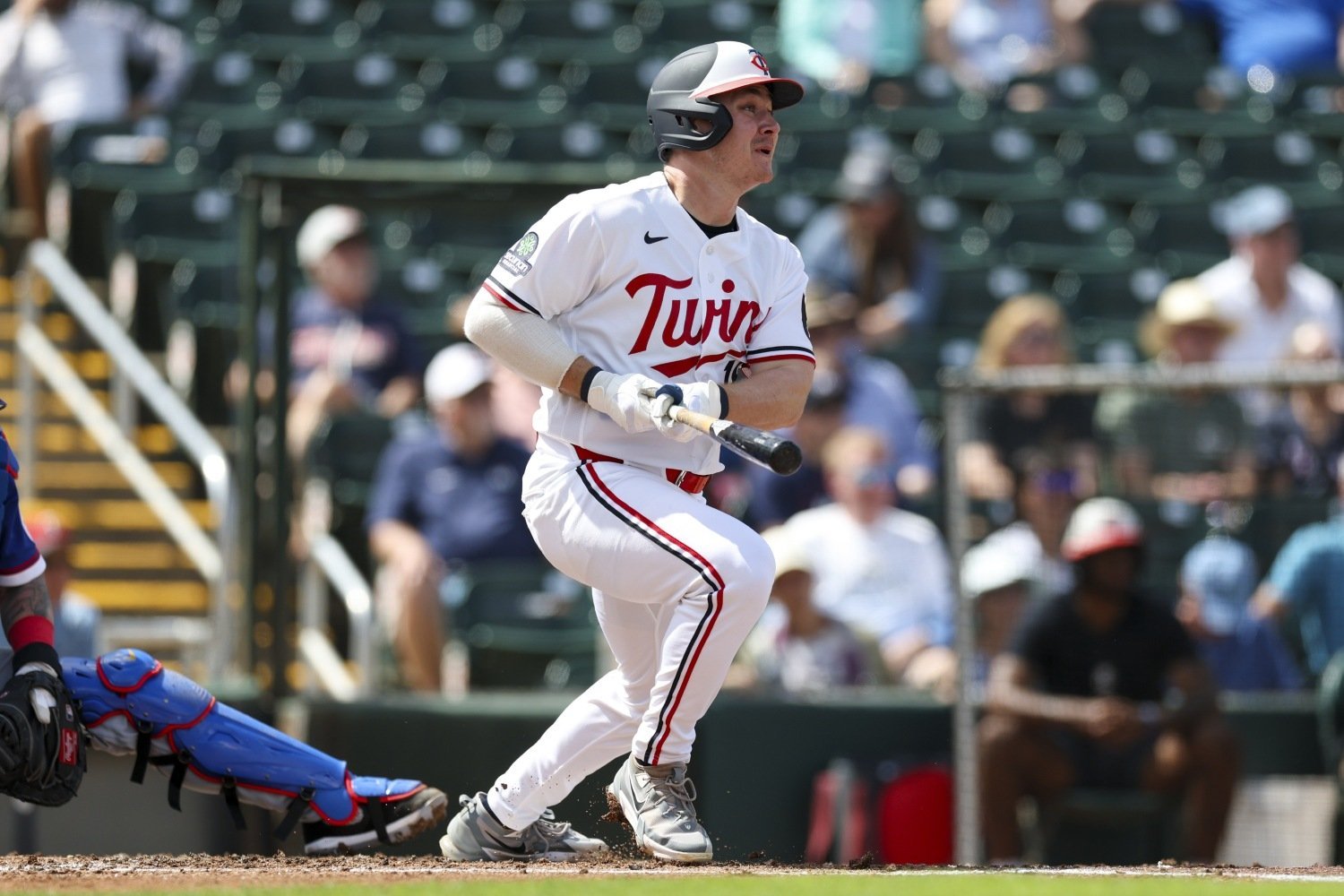 The Minnesota Twins are dealing with another hit to their outfield depth, and this one removes a player who looked ready to contribute sooner rather than later. Alan Roden, acquired from Toronto in last summer’s Louis Varland deal, is expected to miss at least a month after suffering an injury to his right shoulder. Roden opened the season at Triple-A St. Paul after being optioned at the end of Spring Training, but he remained firmly on the radar as a likely call-up if the Twins needed help in the outfield. That opportunity will now be put on hold as the organization takes a cautious approach with his recovery. “He has a tear in his labrum,” general manager Jeremy Zoll said on Thursday. “It’s viewed as nonsurgical at this time. He’ll be down from all activity for about four weeks and then go from there. In theory, he could keep DHing, but to keep the recovery more predictable, everyone has agreed to just have him shut down for the next month.” The injury is specifically tied to Roden’s throwing shoulder, which is an important distinction. According to Zoll, it has not significantly impacted his ability to swing the bat, but the team is opting for a full shutdown rather than trying to manage the injury in a limited role. That decision prioritizes long-term health over any short-term production boost at the minor league level. Before going down, Roden was putting together an impressive stretch with St Paul. Through 19 games, he posted a .275/.425/.464 slash line while showing strong plate discipline with 17 walks compared to just 14 strikeouts. That combination of on-base ability and contact skills made him an intriguing depth piece, especially for a Twins roster that has dealt with its share of outfield uncertainty. It is also worth noting that, while the word 'tear' can sound alarming, it does not necessarily indicate a severe or complete structural issue. In many cases, what is labeled as a tear can be more minor in nature, and the Twins appear confident that rest and recovery will be enough to get Roden back on track without surgery. In the meantime, his absence creates a ripple effect. With Roden out of the picture for at least the next month, the Twins may have to look elsewhere if a need arises in the big league outfield. That could open the door for top prospects Walker Jenkins and Emmanuel Rodriguez, both of whom are already at Triple A and offer left-handed bats with center field capability. For Roden, this is another frustrating interruption. He saw regular action after joining the organization last season, before a thumb injury cut his year short. Now, just as he was building momentum again, he will be forced to reset once more. The Twins will hope that this is simply a temporary pause rather than a lingering issue. If Roden can return on schedule and pick up where he left off, he should still factor into the team’s plans at some point this season. Until then, Minnesota’s outfield depth will be tested, and opportunities may shift toward the next wave of talent waiting in St. Paul.
 -
The Minnesota Twins are dealing with another hit to their outfield depth, and this one removes a player who looked ready to contribute sooner rather than later. Alan Roden, acquired from Toronto in last summer’s Louis Varland deal, is expected to miss at least a month after suffering an injury to his right shoulder. Roden opened the season at Triple-A St. Paul after being optioned at the end of Spring Training, but he remained firmly on the radar as a likely call-up if the Twins needed help in the outfield. That opportunity will now be put on hold as the organization takes a cautious approach with his recovery. “He has a tear in his labrum,” general manager Jeremy Zoll said on Thursday. “It’s viewed as nonsurgical at this time. He’ll be down from all activity for about four weeks and then go from there. In theory, he could keep DHing, but to keep the recovery more predictable, everyone has agreed to just have him shut down for the next month.” The injury is specifically tied to Roden’s throwing shoulder, which is an important distinction. According to Zoll, it has not significantly impacted his ability to swing the bat, but the team is opting for a full shutdown rather than trying to manage the injury in a limited role. That decision prioritizes long-term health over any short-term production boost at the minor league level. Before going down, Roden was putting together an impressive stretch with St Paul. Through 19 games, he posted a .275/.425/.464 slash line while showing strong plate discipline with 17 walks compared to just 14 strikeouts. That combination of on-base ability and contact skills made him an intriguing depth piece, especially for a Twins roster that has dealt with its share of outfield uncertainty. It is also worth noting that, while the word 'tear' can sound alarming, it does not necessarily indicate a severe or complete structural issue. In many cases, what is labeled as a tear can be more minor in nature, and the Twins appear confident that rest and recovery will be enough to get Roden back on track without surgery. In the meantime, his absence creates a ripple effect. With Roden out of the picture for at least the next month, the Twins may have to look elsewhere if a need arises in the big league outfield. That could open the door for top prospects Walker Jenkins and Emmanuel Rodriguez, both of whom are already at Triple A and offer left-handed bats with center field capability. For Roden, this is another frustrating interruption. He saw regular action after joining the organization last season, before a thumb injury cut his year short. Now, just as he was building momentum again, he will be forced to reset once more. The Twins will hope that this is simply a temporary pause rather than a lingering issue. If Roden can return on schedule and pick up where he left off, he should still factor into the team’s plans at some point this season. Until then, Minnesota’s outfield depth will be tested, and opportunities may shift toward the next wave of talent waiting in St. Paul. View full rumor
-
Image courtesy of Rob Thompson, St. Paul Saints The Minnesota Twins have built a reputation for successfully transitioning young starters into high-impact relievers. Jhoan Duran, Griffin Jax, and Louis Varland all found another gear once they moved to the bullpen, turning raw stuff into late-inning weapons. That path has long felt like the most logical outcome for Marco Raya. So far, it has not been nearly as smooth. Raya’s move to relief did not come as a surprise. Having never thrown more than 97 2/3 innings in a season and dealing with workload limitations throughout his development, the writing had been on the wall. “I had an idea,” Raya said this spring. “I was open to it. … When they advised me I was moving to the ‘pen, I said, ‘Let’s run with it.’” The shift made sense on paper. Raya has always missed bats, carrying a 9.6 K/9 rate through the minors, backed by a lively fastball and sharp, high-spin breaking stuff that consistently challenged hitters more experienced than him. The hope was simple. Shorter outings, more aggression, and fewer opportunities for his control to derail him. But the transition has exposed the same issues that slowed his climb as a starter. Control remains the biggest obstacle. Raya walked 4.1 batters per nine innings in the minors, and instead of improving in relief, that number ticked up. The expectation that his arsenal would play better in shorter bursts has only partially materialized. There were flashes late last season. After a rocky bullpen debut on July 25 and a few more starts, Raya officially moved into a full-time relief role on August 21. He posted a 4.90 ERA over his final 18 1/3 innings, a modest step forward from the 6.27 ERA he carried across his previous 80 1/3 innings. Even then, the progress felt more incremental than transformational. The adjustment to relief goes beyond just pitching fewer innings. It requires a different mindset, quicker preparation, and the ability to flush bad outings almost immediately. “You get one or two minutes and just come in and be ready when you step on that rubber,” Raya said. “I’ve been working on that and getting that intensity a little higher. … Just routines and body movements on the mound, all the detail work.” That learning curve has followed him into 2026. Through his first eight appearances with Triple-A St. Paul, Raya has allowed runs in half of them. One outing in particular underscored how volatile things can be. On April 12, he recorded just one out while giving up six earned runs. It is the kind of blowup that tests a reliever’s ability to reset, something Raya is still learning. The Twins have not shied away from using him in different roles. Three of his outings have extended beyond one inning, suggesting the organization still sees some flexibility in how he can be deployed. There are also encouraging signs beneath the surface. Raya is striking out hitters at a career-best 11.6 per nine innings. But the problems are just as loud. He is walking 5.8 batters per nine and allowing 12.5 hits per nine, a combination that leaves little margin for error, no matter the role. That inconsistency mirrors what happened during his first exposure to Triple-A last season. After rising steadily through the system and remaining a fixture in prospect rankings, Raya hit a wall. Walks piled up, outings dragged on, and for the first time in his professional career, he looked overwhelmed rather than overpowering. Context matters. Raya reached Triple-A at just 22 years old after an aggressive promotion schedule. Struggles at that level are not uncommon, especially for pitchers still refining command. But they do shift the timeline from projection to proof. The bullpen was supposed to simplify things. Instead, it has reinforced the same question that has followed Raya throughout his career: Can he throw enough strikes for his stuff to matter? There are still reasons for optimism. Raya has said he likes how his body responds to more frequent usage, and he has leaned on conversations with experienced relievers to better understand the role. The raw ingredients remain intact, and there were glimpses of that upside during spring action. But until the control stabilizes, the transition that once looked like a fast track to impact is starting to feel more like another developmental hurdle. For now, Raya is still searching for the version of himself that the bullpen was supposed to unlock. Can Raya be successful in the bullpen? Leave a comment and start the discussion. View full article
-
Marco Raya’s Bullpen Transition Facing a Critical Hurdle
Cody Christie posted an article in Minor Leagues
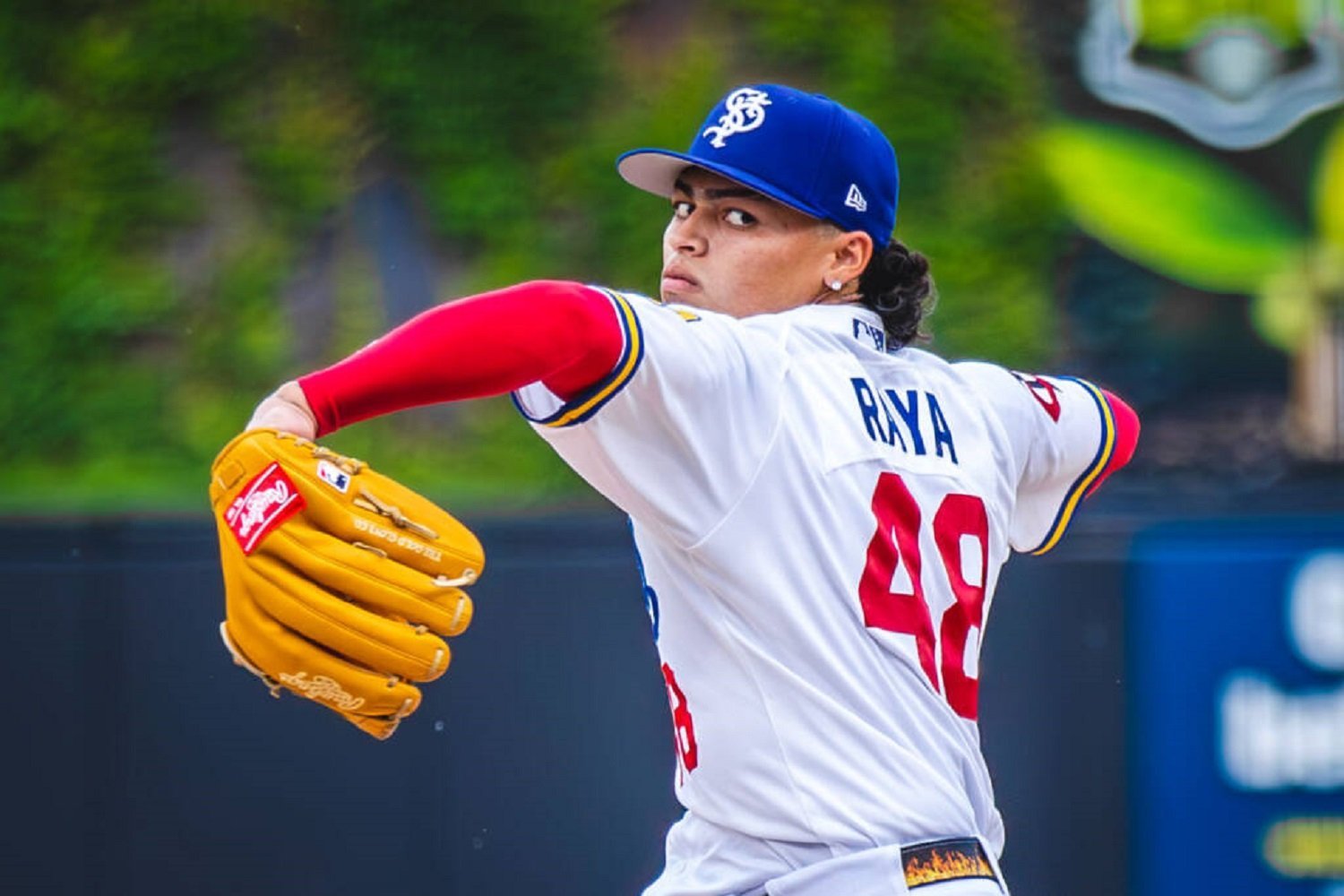 The Minnesota Twins have built a reputation for successfully transitioning young starters into high-impact relievers. Jhoan Duran, Griffin Jax, and Louis Varland all found another gear once they moved to the bullpen, turning raw stuff into late-inning weapons. That path has long felt like the most logical outcome for Marco Raya. So far, it has not been nearly as smooth. Raya’s move to relief did not come as a surprise. Having never thrown more than 97 2/3 innings in a season and dealing with workload limitations throughout his development, the writing had been on the wall. “I had an idea,” Raya said this spring. “I was open to it. … When they advised me I was moving to the ‘pen, I said, ‘Let’s run with it.’” The shift made sense on paper. Raya has always missed bats, carrying a 9.6 K/9 rate through the minors, backed by a lively fastball and sharp, high-spin breaking stuff that consistently challenged hitters more experienced than him. The hope was simple. Shorter outings, more aggression, and fewer opportunities for his control to derail him. But the transition has exposed the same issues that slowed his climb as a starter. Control remains the biggest obstacle. Raya walked 4.1 batters per nine innings in the minors, and instead of improving in relief, that number ticked up. The expectation that his arsenal would play better in shorter bursts has only partially materialized. There were flashes late last season. After a rocky bullpen debut on July 25 and a few more starts, Raya officially moved into a full-time relief role on August 21. He posted a 4.90 ERA over his final 18 1/3 innings, a modest step forward from the 6.27 ERA he carried across his previous 80 1/3 innings. Even then, the progress felt more incremental than transformational. The adjustment to relief goes beyond just pitching fewer innings. It requires a different mindset, quicker preparation, and the ability to flush bad outings almost immediately. “You get one or two minutes and just come in and be ready when you step on that rubber,” Raya said. “I’ve been working on that and getting that intensity a little higher. … Just routines and body movements on the mound, all the detail work.” That learning curve has followed him into 2026. Through his first eight appearances with Triple-A St. Paul, Raya has allowed runs in half of them. One outing in particular underscored how volatile things can be. On April 12, he recorded just one out while giving up six earned runs. It is the kind of blowup that tests a reliever’s ability to reset, something Raya is still learning. The Twins have not shied away from using him in different roles. Three of his outings have extended beyond one inning, suggesting the organization still sees some flexibility in how he can be deployed. There are also encouraging signs beneath the surface. Raya is striking out hitters at a career-best 11.6 per nine innings. But the problems are just as loud. He is walking 5.8 batters per nine and allowing 12.5 hits per nine, a combination that leaves little margin for error, no matter the role. That inconsistency mirrors what happened during his first exposure to Triple-A last season. After rising steadily through the system and remaining a fixture in prospect rankings, Raya hit a wall. Walks piled up, outings dragged on, and for the first time in his professional career, he looked overwhelmed rather than overpowering. Context matters. Raya reached Triple-A at just 22 years old after an aggressive promotion schedule. Struggles at that level are not uncommon, especially for pitchers still refining command. But they do shift the timeline from projection to proof. The bullpen was supposed to simplify things. Instead, it has reinforced the same question that has followed Raya throughout his career: Can he throw enough strikes for his stuff to matter? There are still reasons for optimism. Raya has said he likes how his body responds to more frequent usage, and he has leaned on conversations with experienced relievers to better understand the role. The raw ingredients remain intact, and there were glimpses of that upside during spring action. But until the control stabilizes, the transition that once looked like a fast track to impact is starting to feel more like another developmental hurdle. For now, Raya is still searching for the version of himself that the bullpen was supposed to unlock. Can Raya be successful in the bullpen? Leave a comment and start the discussion.
 -
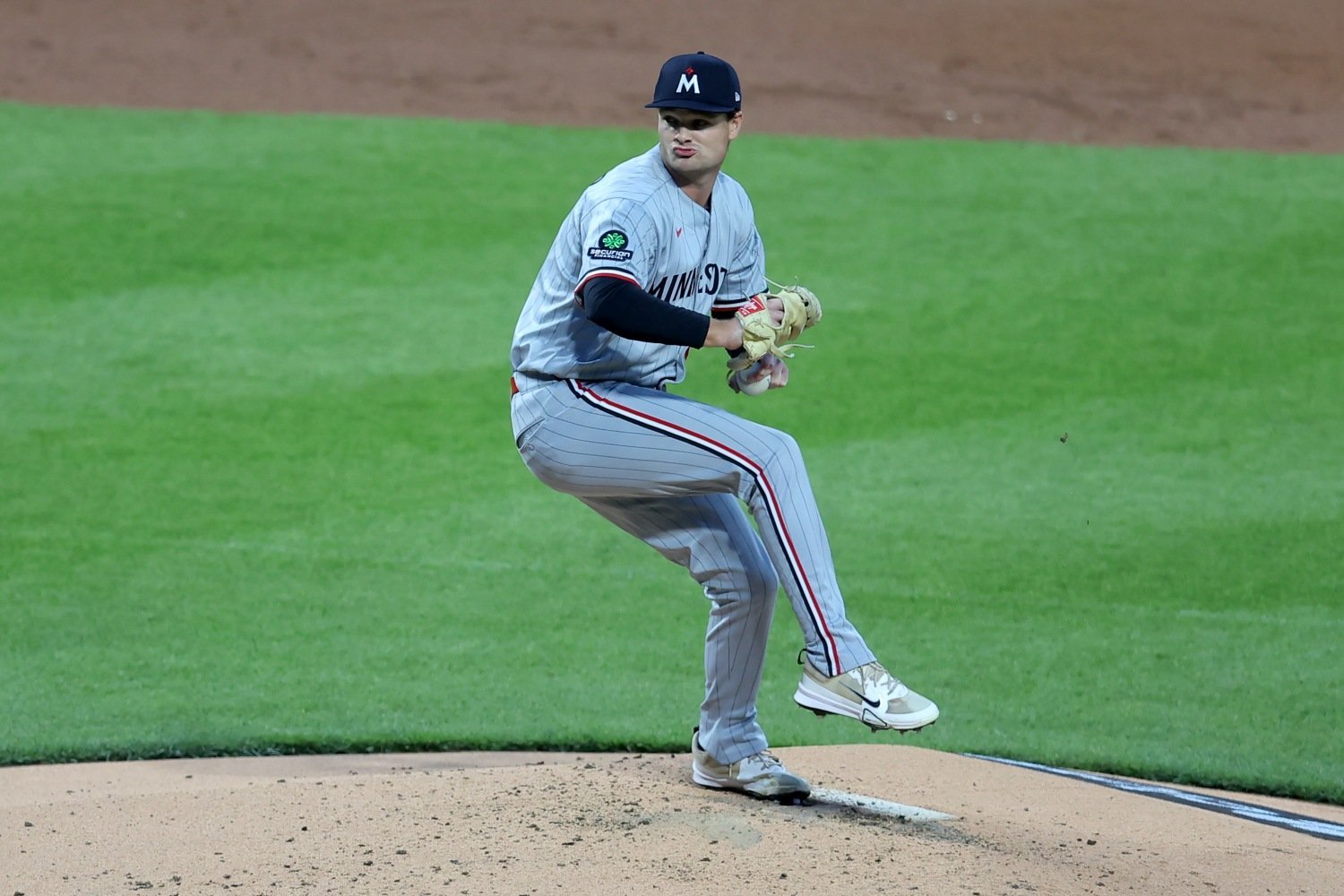 Connor Prielipp’s long road to the majors finally led him to the mound, and his debut showed both why the Twins are excited and where there is still room to grow. The 25-year-old left-hander worked four innings, allowing two runs while striking out six and walking none. He generated 10 swinging strikes and leaned heavily on his best pitch, navigating a dangerous lineup that featured Juan Soto and Francisco Lindor. After giving up a run on two hits in the first inning, Prielipp quickly settled in and retired the next eight hitters he faced. The early nerves were real, but they did not linger. “I’ve been calm my whole life, so it’s really not been a big problem for me,” he said. “But yeah, that first inning, the noise, it’s loud, it’s hard.” For a pitcher with limited professional experience and an extensive injury history, it was an encouraging first step. Beneath the surface, his debut revealed three key truths about his current profile. The Slider Is Already a Weapon Prielipp’s slider looked every bit like a big-league out pitch. He threw it 51% of the time and used it to rack up five of his six strikeouts. Hitters consistently chased it out of the zone, including seven whiffs on the pitch. Overall, it helped him to a 43.4% chase rate and a 35.3% strikeout rate for the entire game. The pitch showed sharp break and late movement, diving below barrels even when opponents were anticipating it. That level of confidence in a secondary pitch is rare, especially in a debut. Prielipp didn't just show the slider. He relied on it, and it carried him through much of the outing. Because he leaned on the pitch so heavily, it was also the one that took the most damage. Mets hitters produced a 62.5% hard-hit rate against his slider, with all four hits coming off it. Still, the expected slugging percentage was 165 points lower than the actual result, suggesting some of that damage may have come down to poor luck rather than poor execution. New Pitches Begin to Take Shape Another notable development was the use of his newer offerings. Prielipp mixed in both a curveball and a sinker, pitches he still considers recent additions to his arsenal. The sinker was introduced last season, while the curveball came out of a January pitching camp. The Twins were intentional about building his innings base before expanding his repertoire, and now those additions are starting to show up in games. “We kind of wanted to get through the [2025] season before trying anything else,” said general manager Jeremy Zoll. “[The curveball is] showing really good promise. It’s showing good early results. That’s all, really encouraging.” Neither pitch was a focal point in this start, but their presence matters. They give Prielipp more ways to attack hitters and could become critical as he faces lineups multiple times. This will be critical for him to stick as a starting pitcher. Fastball Command Remains the Next Step While the slider stole the show, Prielipp’s fastball still needs refinement. He topped out at 97.3 mph, but his command was inconsistent. Several fastballs missed high and out of the zone, limiting his ability to establish it early in counts. Some of that might have been nerves from making his debut, so it is something to monitor. That said, the pitch does have some natural synergy with his slider. Elevated fastballs can change a hitter’s eye level before the breaking ball drops out of the zone. Still, to stick in a starting role, Prielipp will likely need to rely on it more and locate it more effectively. His fastball was the lone pitch with a positive run value from his debut, but it had a 1.456 xSLG in limited use. With his current pitch mix, improving fastball command could be the key to unlocking another level of consistency. A Debut That Means More Prielipp’s journey to this point has not been straightforward. A 2022 draft pick out of Alabama, he has already undergone two Tommy John surgeries and entered pro ball with limited innings. That made his debut as much about perseverance as performance. “Whenever someone goes through as much adversity as someone like Connor did,” said Zoll, “going through two rehabs without pitching in meaningful games in pro ball yet, you’re just always rooting for someone like that to get a chance.” Now healthy, Prielipp is beginning to show why the Twins remained patient. The organization’s 2025 Minor League Pitcher of the Year is still something of a blank canvas, but the early returns are promising. Four innings is only a snapshot, but it was enough to highlight a legitimate out pitch, a developing arsenal, and a fastball that could determine his ceiling. For a first impression, that's more than enough to build on. What stood out about Prielipp’s debut? Leave a comment and start the discussion.
 -
Image courtesy of © Brad Penner-Imagn Images Connor Prielipp’s long road to the majors finally led him to the mound, and his debut showed both why the Twins are excited and where there is still room to grow. The 25-year-old left-hander worked four innings, allowing two runs while striking out six and walking none. He generated 10 swinging strikes and leaned heavily on his best pitch, navigating a dangerous lineup that featured Juan Soto and Francisco Lindor. After giving up a run on two hits in the first inning, Prielipp quickly settled in and retired the next eight hitters he faced. The early nerves were real, but they did not linger. “I’ve been calm my whole life, so it’s really not been a big problem for me,” he said. “But yeah, that first inning, the noise, it’s loud, it’s hard.” For a pitcher with limited professional experience and an extensive injury history, it was an encouraging first step. Beneath the surface, his debut revealed three key truths about his current profile. The Slider Is Already a Weapon Prielipp’s slider looked every bit like a big-league out pitch. He threw it 51% of the time and used it to rack up five of his six strikeouts. Hitters consistently chased it out of the zone, including seven whiffs on the pitch. Overall, it helped him to a 43.4% chase rate and a 35.3% strikeout rate for the entire game. The pitch showed sharp break and late movement, diving below barrels even when opponents were anticipating it. That level of confidence in a secondary pitch is rare, especially in a debut. Prielipp didn't just show the slider. He relied on it, and it carried him through much of the outing. Because he leaned on the pitch so heavily, it was also the one that took the most damage. Mets hitters produced a 62.5% hard-hit rate against his slider, with all four hits coming off it. Still, the expected slugging percentage was 165 points lower than the actual result, suggesting some of that damage may have come down to poor luck rather than poor execution. New Pitches Begin to Take Shape Another notable development was the use of his newer offerings. Prielipp mixed in both a curveball and a sinker, pitches he still considers recent additions to his arsenal. The sinker was introduced last season, while the curveball came out of a January pitching camp. The Twins were intentional about building his innings base before expanding his repertoire, and now those additions are starting to show up in games. “We kind of wanted to get through the [2025] season before trying anything else,” said general manager Jeremy Zoll. “[The curveball is] showing really good promise. It’s showing good early results. That’s all, really encouraging.” Neither pitch was a focal point in this start, but their presence matters. They give Prielipp more ways to attack hitters and could become critical as he faces lineups multiple times. This will be critical for him to stick as a starting pitcher. Fastball Command Remains the Next Step While the slider stole the show, Prielipp’s fastball still needs refinement. He topped out at 97.3 mph, but his command was inconsistent. Several fastballs missed high and out of the zone, limiting his ability to establish it early in counts. Some of that might have been nerves from making his debut, so it is something to monitor. That said, the pitch does have some natural synergy with his slider. Elevated fastballs can change a hitter’s eye level before the breaking ball drops out of the zone. Still, to stick in a starting role, Prielipp will likely need to rely on it more and locate it more effectively. His fastball was the lone pitch with a positive run value from his debut, but it had a 1.456 xSLG in limited use. With his current pitch mix, improving fastball command could be the key to unlocking another level of consistency. A Debut That Means More Prielipp’s journey to this point has not been straightforward. A 2022 draft pick out of Alabama, he has already undergone two Tommy John surgeries and entered pro ball with limited innings. That made his debut as much about perseverance as performance. “Whenever someone goes through as much adversity as someone like Connor did,” said Zoll, “going through two rehabs without pitching in meaningful games in pro ball yet, you’re just always rooting for someone like that to get a chance.” Now healthy, Prielipp is beginning to show why the Twins remained patient. The organization’s 2025 Minor League Pitcher of the Year is still something of a blank canvas, but the early returns are promising. Four innings is only a snapshot, but it was enough to highlight a legitimate out pitch, a developing arsenal, and a fastball that could determine his ceiling. For a first impression, that's more than enough to build on. What stood out about Prielipp’s debut? Leave a comment and start the discussion. View full article
-
It’s Time for the Twins to Call Up Emmanuel Rodriguez
Cody Christie posted an article in Minor Leagues
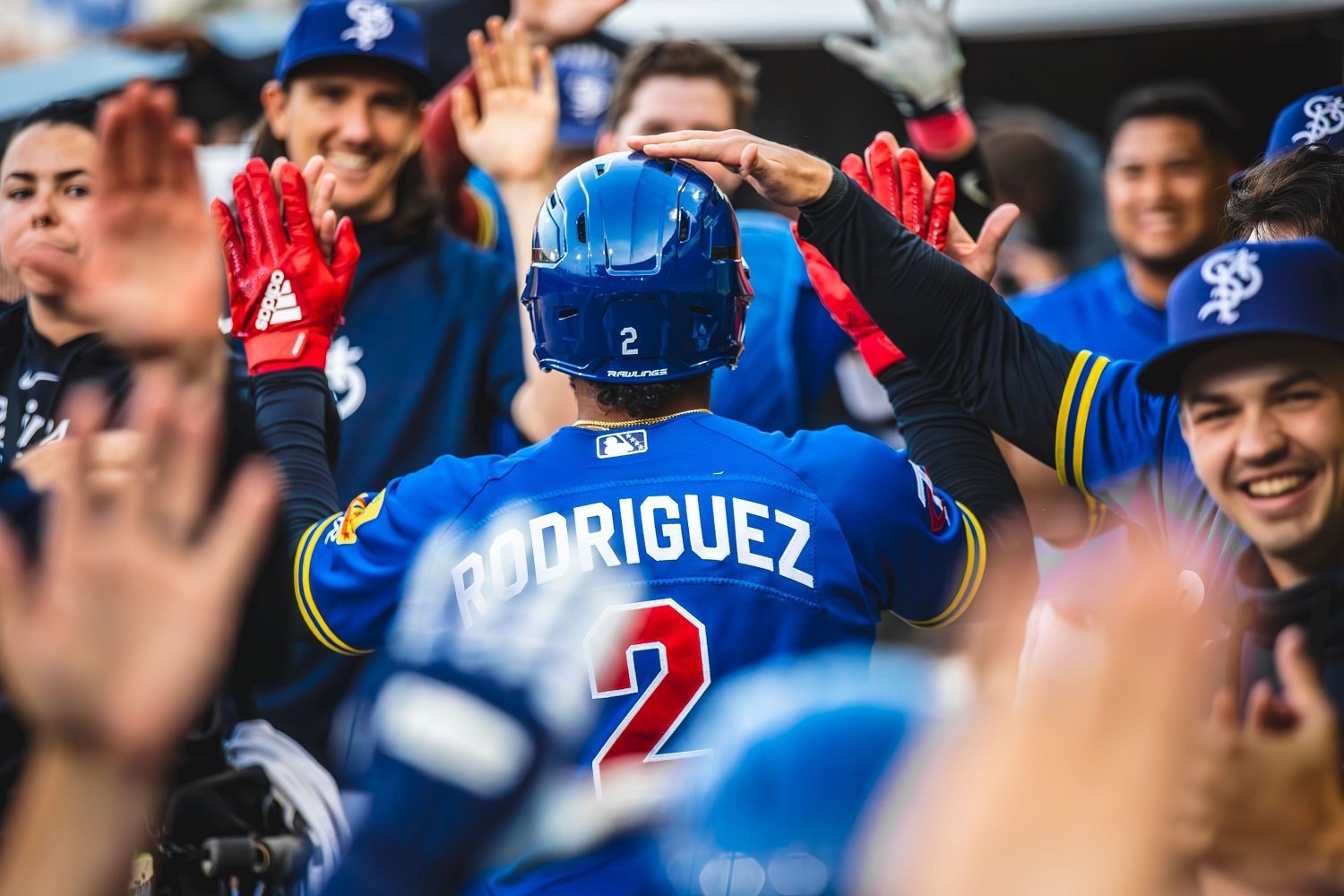 The Minnesota Twins have done plenty to feel good about early in the season, but this past weekend was a reminder that good vibes do not always equal sustainable offense. Against the Cincinnati Reds, Minnesota found itself grinding through multiple tight games, struggling to deliver the one big swing that changes everything. That swing exists in St. Paul, and it's attached to Emmanuel Rodriguez. At some point, a team that has overperformed needs to decide whether it's content staying afloat or ready to push forward. The Twins are at that crossroads already. If they want to keep this early momentum from fading into mediocrity, the answer is obvious: Call up Rodriguez. The Spark This Lineup Lacks There is a difference between scoring runs and threatening to score runs. Right now, Minnesota is doing just enough of the former while lacking too much of the latter. Rodriguez changes that instantly. Few prospects in baseball can impact a game with one swing the way he can. His elite bat speed and natural strength have produced some of the loudest contact in the organization, including a 116.6-mph home run over the weekend that traveled 439 feet and left no doubt off the bat. That kind of power is not just impressive. It's disruptive. Pitchers have to approach him differently. Mistakes do not get fouled off or rolled over. They get punished. That's exactly what this lineup is missing. Nothing Left to Prove in Triple-A At a certain point, development stops being about refinement and starts being about opportunity. Rodriguez has reached that point. He has now spent parts of three seasons at Triple-A (74 games), producing across the board and flashing the same elite traits that have kept him on top prospect lists for years. Across his minor-league career, he owns a .913 OPS with a massive .423 on-base percentage, showing both patience and impact power. He owns the four hardest-hit balls in the organization this season, including a 451-foot grand slam that jumped off his bat at 113.6 mph. This isn’t a new trend for him as he’s been posting numbers like that throughout his career. In 2025, his 109.1-mph EV90 placed him in the 99th percentile at Triple-A, while his top mark of 113.6 mph sat in the 95th percentile. This season, he's barreling the baseball more than ever as well, with a hard-hit rate up to 50%, and no one at Triple A has a harder hit. Even this season, the underlying indicators remain strong. He is walking, hitting the ball hard, and continuing to show that rare blend of power and on-base ability that plays at any level. Keeping him in St. Paul is no longer about development, and it’s time for the Twins to make a move. The Injury Clock Is Real This is the uncomfortable part of the conversation, but it cannot be ignored. Rodriguez has dealt with injuries throughout his career, ranging from knee and thumb issues to hip and oblique problems. He has averaged well under a full season’s worth of games, with durability being the one thing that has consistently held him back. That reality should not scare the Twins away from promoting him. It should push them toward it. There are only so many bullets in the gun. If Rodriguez is going to impact this organization, it should happen in Minneapolis, not in St. Paul. Waiting for the perfect moment risks missing the moment entirely. Fit Matters Less Than Impact Yes, the Twins already have left-handed hitters. Yes, the roster construction is not perfect to accommodate Rodriguez's arrival. That should not matter. Rodriguez is not a depth piece or a bench option. He's a potential difference maker. When a player has this kind of upside, you do not wait for a perfect opening. You create one. Move pieces around. Rotate the outfield. Let him DH when needed. The specifics can be figured out later. What cannot be manufactured is his skill set. The Twins have surprised people to start the year, but surprises fade quickly when the offense stalls. This weekend showed just how thin the margin can be when timely hitting disappears. This week has already yielded more evidence of the same, in another way. Matt Wallner came nowhere near catching a catchable ball on the hit that won the game for the Mets Wednesday night. Rodriguez has plus speed and has a chance to play a good amount of center field in the majors. Moved to right, he would be a markedly above-average defender—and a huge, immediate upgrade over Wallner in the field. Rodriguez represents more than just a prospect promotion. He represents urgency. He represents upside. He represents the willingness to turn a good start into something more meaningful. At some point, a team has to decide it wants more. For the Twins, that decision should come with one phone call to St. Paul. Is the time right to call up Rodriguez? Leave a comment and start the discussion.