



Cody Christie
-
Posts
7,794 -
Joined
-
Last visited
-
Days Won
5
Content Type
Profiles
News
Minnesota Twins Videos
2026 Minnesota Twins Top Prospects Ranking
2022 Minnesota Twins Draft Picks
Minnesota Twins Free Agent & Trade Rumors, Notes, & Tidbits
Guides & Resources
2023 Minnesota Twins Draft Picks
The Minnesota Twins Players Project
2024 Minnesota Twins Draft Picks
2025 Minnesota Twins Draft Pick Tracker
2026 Minnesota Twins Draft Tracker: Picks & Bonuses
Forums
Blogs
Events
Store
Downloads
Gallery
Everything posted by Cody Christie
-
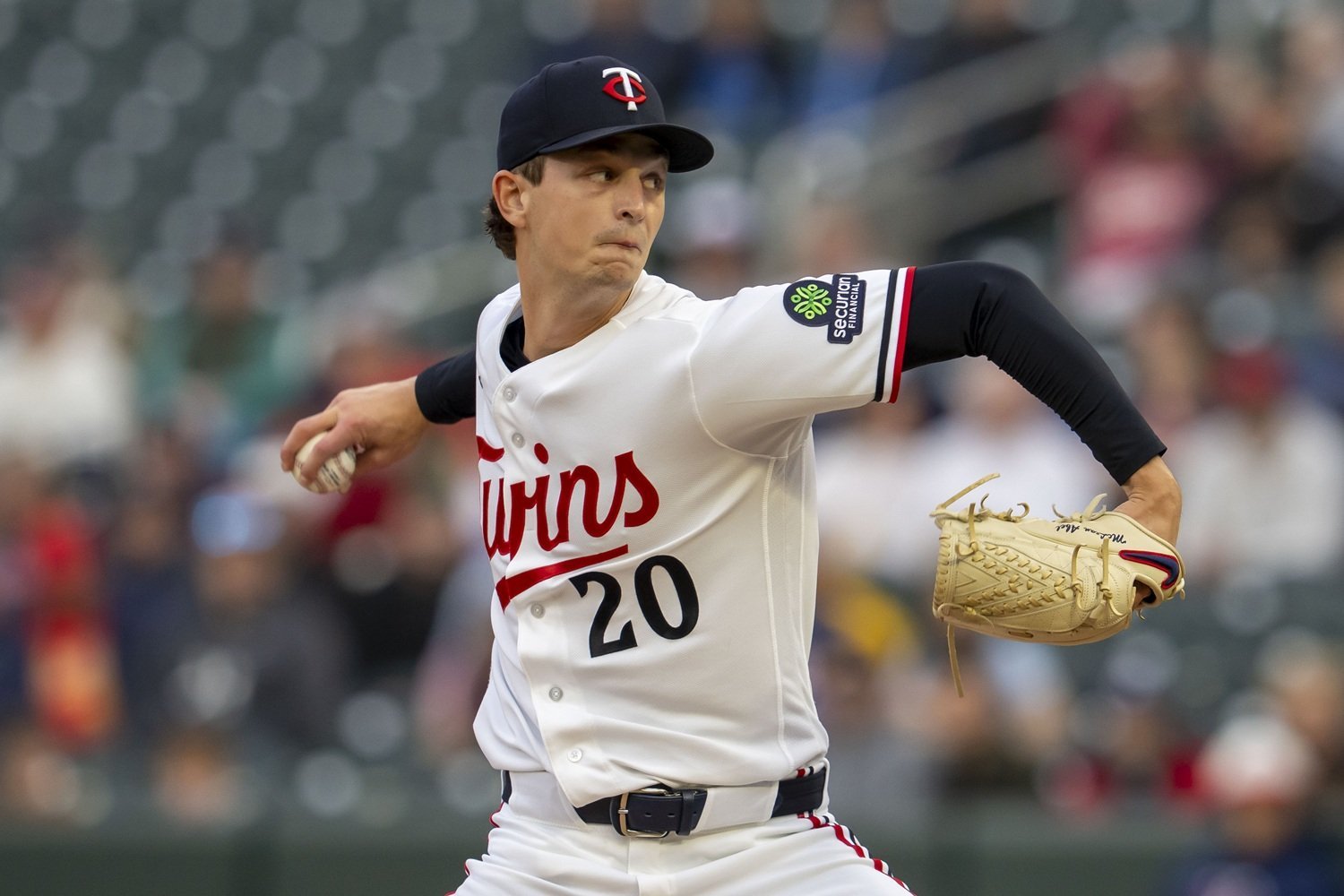 There was a brief moment of concern surrounding Mick Abel this week, but the Minnesota Twins appear to have avoided a worst-case scenario. When Abel experienced soreness following a bullpen session, the organization opted for caution, and the MRI results delivered encouraging news. “We felt like if we aggressively treat it, get him on some anti-inflammatories and play it safe on the front end, it’ll be something that will be relatively quick and short,” general manager Jeremy Zoll said. “We didn’t want to try to chase it and then make it potentially worse later by trying to prolong this.” That measured approach reflects both the Twins' current pitching depth and the importance of Abel to the organization’s long-term plans. Originally selected 15th overall by the Philadelphia Phillies in 2020, Abel arrived in Minnesota with plenty of intrigue. He was part of last summer’s headline-grabbing deal that sent Jhoan Duran to Philadelphia, with catching prospect Eduardo Tait also coming back in return. At the time, the move signaled a shift toward reshaping the Twins' pitching pipeline. Now 24 years old, Abel’s development path has not been perfectly linear. Once a staple on top 100 prospect lists, his stock dipped entering 2025 before rebounding in a big way. He reached the majors with Philadelphia and pitched well enough to reestablish himself as a meaningful trade asset. Abel did not enter spring training with a guaranteed role, but he forced the Twins’ hand with a dominant showing in the Grapefruit League. Across 22 innings, he posted a 2.05 ERA with a 32.9% strikeout rate and just a 4.9% walk rate, looking every bit like a pitcher ready to contribute at the major league level. The regular season has brought some ups and downs, which is to be expected for a young arm finding his footing. After being hit hard in his first two outings, Abel responded with authority. He delivered 13 consecutive shutout innings across starts against Detroit and Boston, compiling a 16-to-3 strikeout-to-walk ratio in the process. Through 20 1/3 innings, Abel owns a 3.98 ERA with a 24.7% strikeout rate and a 10% walk rate. Underlying metrics paint an even more encouraging picture. His 2.79 FIP suggests better days ahead, while a 3.93 SIERA reinforces the idea that he has been a steady contributor. For the Twins, the decision to pause rather than push reflects both confidence and caution. Elbow inflammation is not something to ignore, especially for a pitcher with Abel’s workload trajectory, but it is far from a devastating diagnosis. The focus now shifts to recovery and timing. If the inflammation responds well to treatment, Abel could return without missing significant time and continue building on what has been a promising start. In a season where pitching depth is already being tested, keeping Abel healthy matters. The early signs suggest the Twins have navigated this situation correctly, giving themselves a chance to have one of their most intriguing young arms back on the mound sooner rather than later.
 -
There was a brief moment of concern surrounding Mick Abel this week, but the Minnesota Twins appear to have avoided a worst-case scenario. When Abel experienced soreness following a bullpen session, the organization opted for caution, and the MRI results delivered encouraging news. “We felt like if we aggressively treat it, get him on some anti-inflammatories and play it safe on the front end, it’ll be something that will be relatively quick and short,” general manager Jeremy Zoll said. “We didn’t want to try to chase it and then make it potentially worse later by trying to prolong this.” That measured approach reflects both the Twins' current pitching depth and the importance of Abel to the organization’s long-term plans. Originally selected 15th overall by the Philadelphia Phillies in 2020, Abel arrived in Minnesota with plenty of intrigue. He was part of last summer’s headline-grabbing deal that sent Jhoan Duran to Philadelphia, with catching prospect Eduardo Tait also coming back in return. At the time, the move signaled a shift toward reshaping the Twins' pitching pipeline. Now 24 years old, Abel’s development path has not been perfectly linear. Once a staple on top 100 prospect lists, his stock dipped entering 2025 before rebounding in a big way. He reached the majors with Philadelphia and pitched well enough to reestablish himself as a meaningful trade asset. Abel did not enter spring training with a guaranteed role, but he forced the Twins’ hand with a dominant showing in the Grapefruit League. Across 22 innings, he posted a 2.05 ERA with a 32.9% strikeout rate and just a 4.9% walk rate, looking every bit like a pitcher ready to contribute at the major league level. The regular season has brought some ups and downs, which is to be expected for a young arm finding his footing. After being hit hard in his first two outings, Abel responded with authority. He delivered 13 consecutive shutout innings across starts against Detroit and Boston, compiling a 16-to-3 strikeout-to-walk ratio in the process. Through 20 1/3 innings, Abel owns a 3.98 ERA with a 24.7% strikeout rate and a 10% walk rate. Underlying metrics paint an even more encouraging picture. His 2.79 FIP suggests better days ahead, while a 3.93 SIERA reinforces the idea that he has been a steady contributor. For the Twins, the decision to pause rather than push reflects both confidence and caution. Elbow inflammation is not something to ignore, especially for a pitcher with Abel’s workload trajectory, but it is far from a devastating diagnosis. The focus now shifts to recovery and timing. If the inflammation responds well to treatment, Abel could return without missing significant time and continue building on what has been a promising start. In a season where pitching depth is already being tested, keeping Abel healthy matters. The early signs suggest the Twins have navigated this situation correctly, giving themselves a chance to have one of their most intriguing young arms back on the mound sooner rather than later. View full rumor
-
 The Minnesota Twins are adding another experienced arm to the organization, agreeing to a minor league deal with veteran right-hander Luis García. The 39-year-old reliever is expected to report to Triple-A St. Paul, giving the Twins a no-risk opportunity to evaluate whether he still has something left in the tank. García opened the season with the New York Mets after signing a one-year deal worth $1.75 million over the winter. That partnership didn’t last long. After just six appearances, the Mets decided to move on, cutting ties following a brief stretch where García struggled to find consistency. In 6 1/3 innings, he allowed five earned runs on 11 hits while walking two and striking out four. It’s an ugly line on the surface, but it also represents a very small sample size. For a pitcher with García’s track record, six outings are hardly enough to draw a definitive conclusion. Still, the Mets saw enough to pivot quickly, eating the remainder of his salary rather than attempting to stash him in the minors. That decision opens the door for Minnesota. Even at 39, García isn’t far removed from being a useful bullpen piece. Just last season, he logged over 50 innings across multiple teams while posting a 3.42 ERA. He leaned on a heavy sinker that generated ground balls at an impressive clip, helping him work around less-than-elite strikeout and walk numbers. It wasn’t dominant, but it was effective, and that’s exactly the type of profile the Twins have targeted in the past when building bullpen depth. The concern now is whether that version of García still exists. Early returns this season showed a noticeable dip in velocity. His sinker, which sat in the upper 90s a year ago, has backed off by a couple of miles per hour. His secondary pitches have followed a similar trend. For a pitcher who relies on movement and weak contact, even a slight drop in stuff can make a meaningful difference. That’s where this signing becomes interesting. Minnesota doesn’t need García to be a high-leverage weapon. They don’t even need him in the majors right away. What they do need is depth, especially with the unpredictable nature of modern bullpens. By bringing him in on a minor league deal, the Twins can give him time to work in St. Paul, evaluate his stuff in a lower-stakes environment, and determine if any adjustments can help him regain effectiveness. There’s also a financial advantage built into the move. Because the Mets released him, they remain responsible for the bulk of his salary. If García works his way onto Minnesota’s roster, the Twins would only owe him the prorated league minimum. For a team always mindful of payroll flexibility, that’s about as low-risk as it gets. If it clicks, the Twins could uncover a steady veteran capable of soaking up innings and generating ground balls in the middle innings. If it doesn’t, they can move on without consequence. Moves like this rarely grab headlines, but they often matter over the course of a long season. Bullpen attrition is inevitable, and organizations that can cycle through experienced options tend to weather that storm better than most. For now, García is simply the latest name added to that mix. Whether he becomes anything more will depend on what he shows in St. Paul and whether the Twins can help him turn back the clock, even just a little. View full rumor
 -
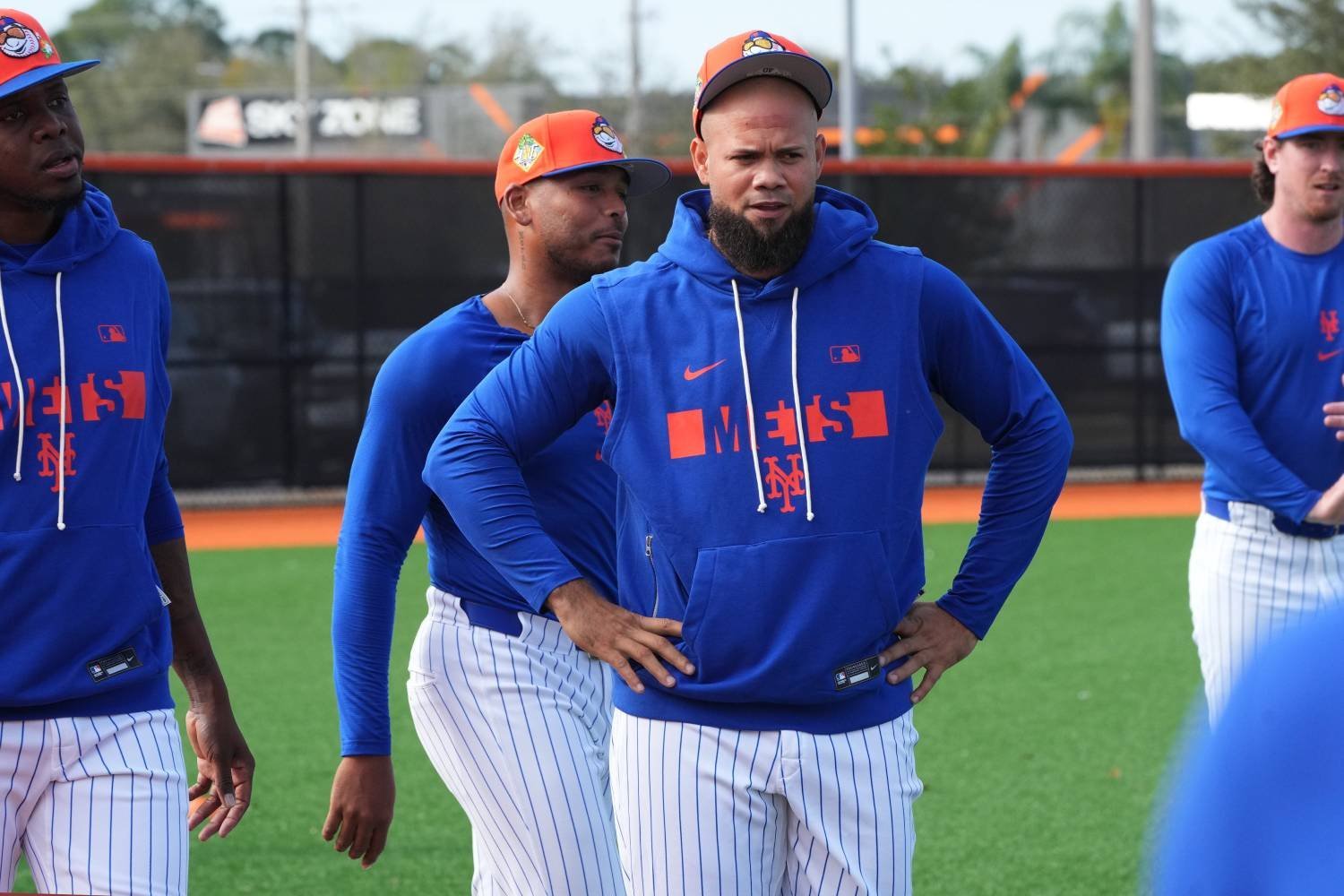 The Minnesota Twins are adding another experienced arm to the organization, agreeing to a minor league deal with veteran right-hander Luis García. The 39-year-old reliever is expected to report to Triple-A St. Paul, giving the Twins a no-risk opportunity to evaluate whether he still has something left in the tank. García opened the season with the New York Mets after signing a one-year deal worth $1.75 million over the winter. That partnership didn’t last long. After just six appearances, the Mets decided to move on, cutting ties following a brief stretch where García struggled to find consistency. In 6 1/3 innings, he allowed five earned runs on 11 hits while walking two and striking out four. It’s an ugly line on the surface, but it also represents a very small sample size. For a pitcher with García’s track record, six outings are hardly enough to draw a definitive conclusion. Still, the Mets saw enough to pivot quickly, eating the remainder of his salary rather than attempting to stash him in the minors. That decision opens the door for Minnesota. Even at 39, García isn’t far removed from being a useful bullpen piece. Just last season, he logged over 50 innings across multiple teams while posting a 3.42 ERA. He leaned on a heavy sinker that generated ground balls at an impressive clip, helping him work around less-than-elite strikeout and walk numbers. It wasn’t dominant, but it was effective, and that’s exactly the type of profile the Twins have targeted in the past when building bullpen depth. The concern now is whether that version of García still exists. Early returns this season showed a noticeable dip in velocity. His sinker, which sat in the upper 90s a year ago, has backed off by a couple of miles per hour. His secondary pitches have followed a similar trend. For a pitcher who relies on movement and weak contact, even a slight drop in stuff can make a meaningful difference. That’s where this signing becomes interesting. Minnesota doesn’t need García to be a high-leverage weapon. They don’t even need him in the majors right away. What they do need is depth, especially with the unpredictable nature of modern bullpens. By bringing him in on a minor league deal, the Twins can give him time to work in St. Paul, evaluate his stuff in a lower-stakes environment, and determine if any adjustments can help him regain effectiveness. There’s also a financial advantage built into the move. Because the Mets released him, they remain responsible for the bulk of his salary. If García works his way onto Minnesota’s roster, the Twins would only owe him the prorated league minimum. For a team always mindful of payroll flexibility, that’s about as low-risk as it gets. If it clicks, the Twins could uncover a steady veteran capable of soaking up innings and generating ground balls in the middle innings. If it doesn’t, they can move on without consequence. Moves like this rarely grab headlines, but they often matter over the course of a long season. Bullpen attrition is inevitable, and organizations that can cycle through experienced options tend to weather that storm better than most. For now, García is simply the latest name added to that mix. Whether he becomes anything more will depend on what he shows in St. Paul and whether the Twins can help him turn back the clock, even just a little.
 -
Minnesota Twins Prospect Retrospective: Kendry Rojas
Cody Christie posted an article in Minor Leagues
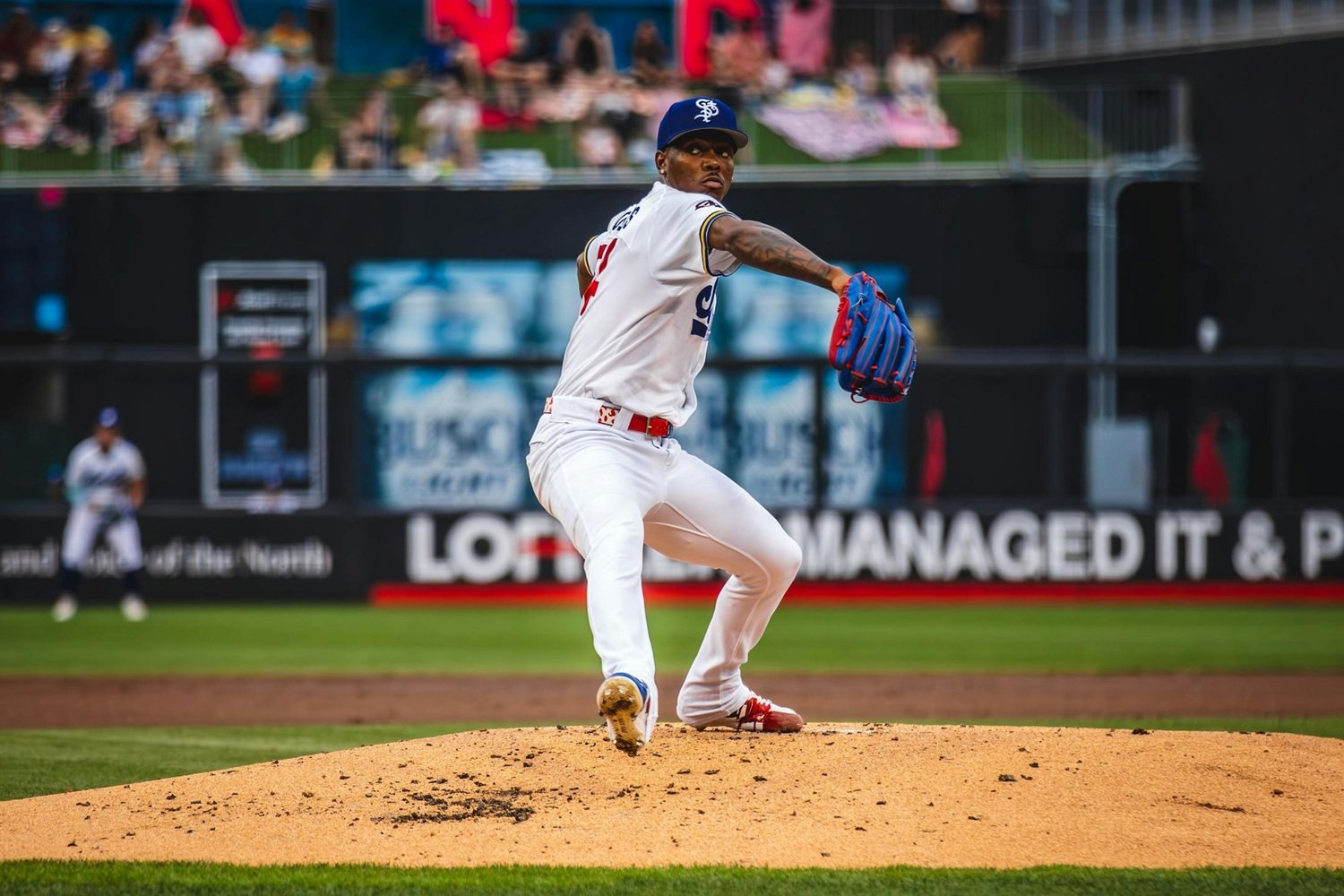 Kendry Rojas was originally signed by the Toronto Blue Jays in October 2020, for $215,000. At the time, he was viewed as a projectable arm with a lean frame, intriguing athleticism, and the foundation of a three-pitch mix that could grow into something more. His career since then has been marked by flashes of upside, interrupted development, and one very rocky introduction to his new organization. Rojas made his debut in the Florida Complex League in 2021, getting his first taste of professional competition in the United States. In 23 2/3 innings, he posted a 2.28 ERA with a 0.80 WHIP and 14.8 K/9. The results were less important than the foundation. He showed a loose arm, the ability to spin a breaking ball, and enough feel for a changeup to project as a starter. It was a developmental year in every sense, focused on acclimation and building a baseline. The Blue Jays assigned Rojas to Single-A Dunedin in 2022, where he began to face more advanced hitters. He combined for a 3.98 ERA and a 1.35 WHIP in 40 2/3 innings. He held his own, flashing bat-missing ability (10.2 K/9) while continuing to refine his command. His fastball velocity began to tick up, and his slider started to emerge as his most consistent weapon. There were still bouts of wildness (4.2 BB/9), but the overall trajectory pointed up. Rojas returned to Dunedin for much of the 2023 season, continuing to build innings and experience. He pitched a career-high 84 innings, while still being over two years younger than the average age of the competition in the Florida State League. The numbers didn't jump off the page (3.75 ERA, 8.8 K/9), but evaluators remained encouraged by the underlying traits. The strike-throwing still came and went, but the ingredients of a legitimate prospect were becoming clearer. Just as it looked like Rojas might take another step forward in 2024, injuries got in the way. A shoulder issue limited him to under 65 innings, disrupting his development and costing him valuable innings. In limited action, he posted a 2.59 ERA with a 1.12 WHIP and increased his strikeout rate to 9.9 K/9. For a pitcher who already had a relatively light workload, the missed time was significant. It created more pressure on him to make up for lost reps upon his eventual return. Rojas returned to the mound in 2025, but missed the first two months with an abdominal strain. Once healthy, he worked his way back and pitched well enough to earn a promotion to Triple-A Buffalo. Some around the league viewed the jump as aggressive, potentially a move by Toronto to boost his profile ahead of the trade deadline. Shortly after that promotion, Rojas was dealt to the Minnesota Twins (alongside Alan Roden) in exchange for Louis Varland and Ty France. The Twins were intrigued by the upside and quickly plugged him into the Triple-A St. Paul rotation. The results were rough. Rojas posted a 6.59 ERA over 27 1/3 innings, striking out 28 but walking 23. His inability to consistently find the strike zone put him behind hitters and forced him into unfavorable counts. He also pointed to difficulties adjusting to the Triple-A baseball, noting changes in feel that impacted his grip and pitch characteristics. It was a frustrating stretch, but not one that erased his long-term outlook. Now entering his age-23 season, Rojas is getting a chance to reset. He got the benefit of a full offseason to settle in with his new organization. He missed time to start the year with a minor hamstring injury, and the Twins have been slowly building him back up. He’s only pitched 7 1/3 innings in 2026, but now, it looks like his next work will come in the big leagues. Updated Scouting Report Rojas remains a high-upside arm built around a lively fastball and two legitimate secondary pitches. His fastball has taken a step forward, now sitting in the 96 MPH range and touching 98. The added velocity gives him a larger margin for error, though there are still questions about the pitch’s shape. At times, it plays flatter than ideal, which can limit its effectiveness at the top of the zone. His slider is still his best pitch. Thrown in the upper 80s, it generates a high rate of swings and misses against both right- and left-handed hitters. It has the potential to be a true out pitch. The changeup has also taken a step forward, coming in at a similar velocity band with late movement that allows it to play well off the fastball. It gives him a weapon to neutralize right-handed hitters and adds to his overall versatility. The biggest question remains command. His walk rates have been elevated throughout his career, and his struggles in Triple-A highlighted how quickly things can unravel when he falls behind in counts. There have been signs of improvement in small samples this spring, but sustaining that progress will be key. Because of his frame and command profile, there is some reliever risk. However, the combination of three quality pitches and improving velocity gives him a legitimate chance to stick in a starting role if everything comes together. What Comes Next with the Twins The Twins sent Rojas back to Triple-A St. Paul to open the 2026 season, where he continued to develop as a starter. The focus will be on refining his fastball shape, maintaining his velocity gains, and throwing more consistent strikes. However, there was a need for a lefty in the bullpen with Kody Funderburk stepping away from the team on paternity leave. There are multiple paths here. In a best-case scenario, Rojas develops into a mid-rotation starter capable of missing bats and providing value over multiple innings. If the command does not reach that level, his arsenal could still make him a valuable late-inning bullpen option where his stuff might play up. He's likely to be a reliever, but a multi-inning arm, in his first taste of the majors, and because he's had such a hard time compiling innings amid injury issues, he might be best situated there. His ascent to this point has been fascinating, but fraught with disruptions. Hopefully, his promotion will mark an end of that, rather than becoming the next in a line of them. What stands out about his minor-league journey? Leave a comment and start the discussion.
 -
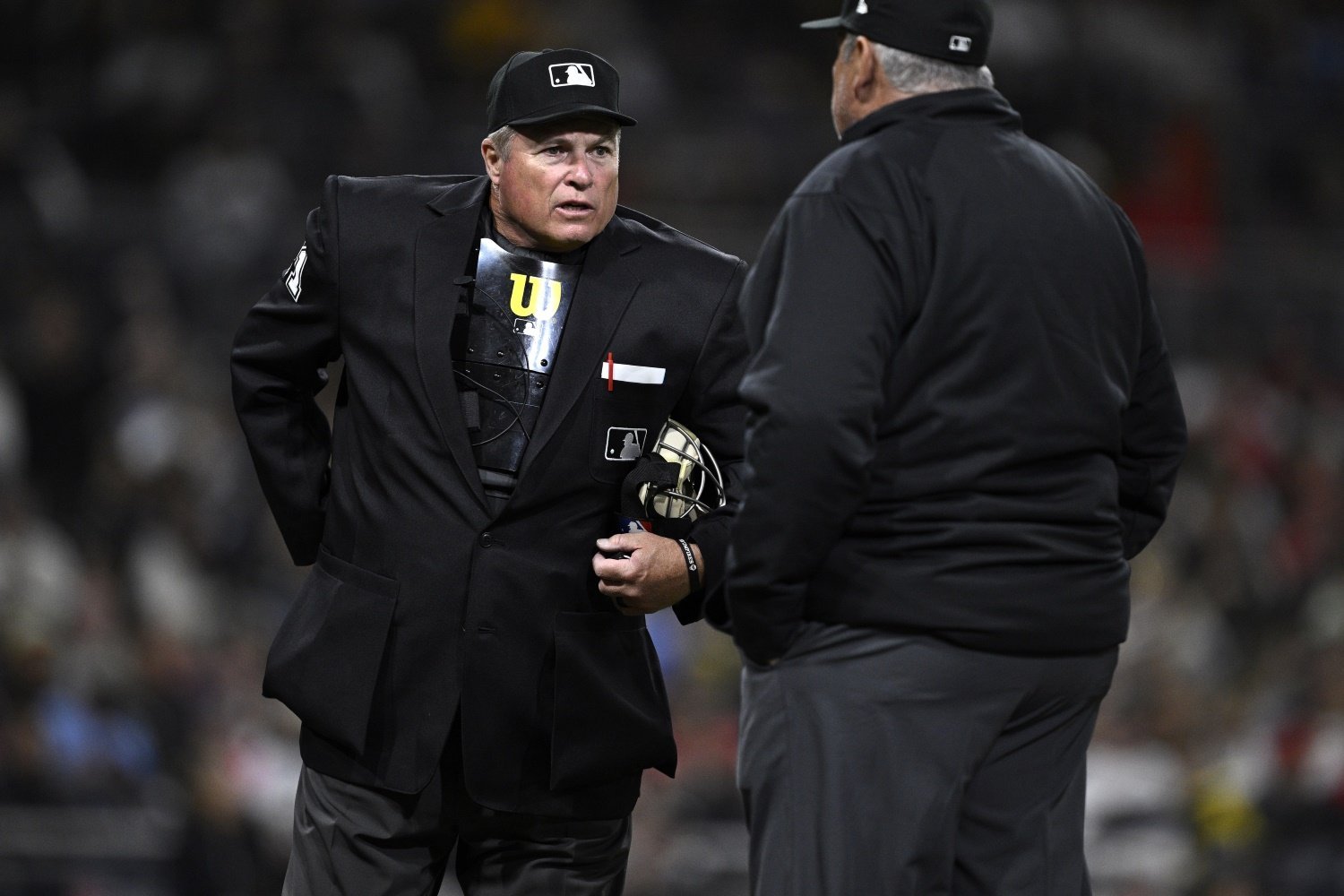 There are nights when the conversation after a game centers on a big swing or a dominant pitching performance. Then there are nights like this one, where the spotlight shifts squarely behind the plate. On Sunday, home plate umpire Hunter Wendelstedt had a difficult outing in the matchup between the Cincinnati Reds and Minnesota Twins, missing 22 ball and strike calls over the course of the game. Notably, sixteen of those calls went against Cincinnati, including four blown strikeouts, ultimately creating a +2.78 run value in favor of Minnesota. Despite that imbalance, the Reds walked away with a 7-4 win in 10 innings, overcoming both the Twins and a strike zone that never quite settled in. Missed calls occur in every game, but this game's total and several key mistakes significantly affected the outcome and further highlight debates on umpire reliability. It was also the seventh game this season in which an umpire has missed 20 or more ball-and-strike calls, continuing a trend that has kept the automated ball-strike system in the conversation around the league. The Calls That Mattered Most While the total number is eye-opening, a few specific moments carried the most weight in terms of run expectancy. In the top of the fourth inning, with one out and a runner on first, Bailey Ober appeared to lose a full count battle against Spencer Steer. A pitch ruled a strike should have been ball four, ending the at-bat and putting another runner aboard. Instead, the Reds lost that opportunity. An inning later, Ober benefited again. Facing Matt McLain with two outs and a runner on second in a 1-2 count, a pitch off the plate was called strike three to end the inning. That erased a chance for Cincinnati to extend the frame and potentially push across a run. Minnesota was not entirely immune. In the bottom of the seventh, Connor Phillips appeared to punch out Trevor Larnach on a full count with two outs and nobody on. Instead, the pitch was called a ball, resulting in a walk that prolonged the inning. Still, the overall trend was clear. The majority of impactful misses leaned in Minnesota’s direction. To Cincinnati’s credit, the game did not spiral. Even with the inconsistencies, the Reds continued to grind through at-bats and leaned on timely hitting to keep things close. They also successfully used a challenge in extras, a fitting end on a night where the strike zone had been under scrutiny from the first inning on. For Minnesota, this is a frustrating kind of loss. The numbers suggest they were on the favorable side of the missed calls, yet they still could not convert that advantage into a win. Games like this highlight a larger issue. Even when external factors tilt in a team’s favor, execution still determines the outcome. The Twins had opportunities, some aided by the strike zone, but could not deliver the knockout blow. Umpiring will always be part of the game’s human element, but nights like this add fuel to the ongoing debate about consistency and potential technological solutions. When 22 calls are missed, and the imbalance is this pronounced, it becomes impossible to ignore.
 -
There are nights when the conversation after a game centers on a big swing or a dominant pitching performance. Then there are nights like this one, where the spotlight shifts squarely behind the plate. On Sunday, home plate umpire Hunter Wendelstedt had a difficult outing in the matchup between the Cincinnati Reds and Minnesota Twins, missing 22 ball and strike calls over the course of the game. Notably, sixteen of those calls went against Cincinnati, including four blown strikeouts, ultimately creating a +2.78 run value in favor of Minnesota. Despite that imbalance, the Reds walked away with a 7-4 win in 10 innings, overcoming both the Twins and a strike zone that never quite settled in. Missed calls occur in every game, but this game's total and several key mistakes significantly affected the outcome and further highlight debates on umpire reliability. It was also the seventh game this season in which an umpire has missed 20 or more ball-and-strike calls, continuing a trend that has kept the automated ball-strike system in the conversation around the league. The Calls That Mattered Most While the total number is eye-opening, a few specific moments carried the most weight in terms of run expectancy. In the top of the fourth inning, with one out and a runner on first, Bailey Ober appeared to lose a full count battle against Spencer Steer. A pitch ruled a strike should have been ball four, ending the at-bat and putting another runner aboard. Instead, the Reds lost that opportunity. An inning later, Ober benefited again. Facing Matt McLain with two outs and a runner on second in a 1-2 count, a pitch off the plate was called strike three to end the inning. That erased a chance for Cincinnati to extend the frame and potentially push across a run. Minnesota was not entirely immune. In the bottom of the seventh, Connor Phillips appeared to punch out Trevor Larnach on a full count with two outs and nobody on. Instead, the pitch was called a ball, resulting in a walk that prolonged the inning. Still, the overall trend was clear. The majority of impactful misses leaned in Minnesota’s direction. To Cincinnati’s credit, the game did not spiral. Even with the inconsistencies, the Reds continued to grind through at-bats and leaned on timely hitting to keep things close. They also successfully used a challenge in extras, a fitting end on a night where the strike zone had been under scrutiny from the first inning on. For Minnesota, this is a frustrating kind of loss. The numbers suggest they were on the favorable side of the missed calls, yet they still could not convert that advantage into a win. Games like this highlight a larger issue. Even when external factors tilt in a team’s favor, execution still determines the outcome. The Twins had opportunities, some aided by the strike zone, but could not deliver the knockout blow. Umpiring will always be part of the game’s human element, but nights like this add fuel to the ongoing debate about consistency and potential technological solutions. When 22 calls are missed, and the imbalance is this pronounced, it becomes impossible to ignore. View full rumor
-
Image courtesy of Rob Thompson, St. Paul Saints Kendry Rojas was originally singed by the Toronto Blue Jays in October 2020 for $215,000. At the time, he was viewed as a projectable arm with a lean frame, intriguing athleticism, and the foundation of a three-pitch mix that could grow into something more. His career since then has been a steady climb marked by flashes of upside, interrupted development, and one very rocky introduction to his new organization. Rojas made his debut in the Florida Complex League in 2021, getting his first taste of professional competition in the United States. In 23 2/3 innings, he posted a 2.28 ERA with a 0.80 WHIP and 14.8 K/9. The results were less important than the foundation. He showed a loose arm, the ability to spin a breaking ball, and enough feel for a changeup to project as a starter long term. It was a developmental year in every sense, focused on acclimation and building a baseline. The Blue Jays assigned Rojas to Single-A Dunedin in 2022, where he began to face more advanced hitters. He combined for a 3.98 ERA and a 1.35 WHIP in 40 2/3 innings. He held his own, flashing bat missing ability (10.2 K/9) while continuing to refine his command. His fastball velocity began to tick up, and his slider started to emerge as his most consistent weapon. There were still bouts of wildness (4.2 BB/9), but the overall trajectory pointed up. Rojas returned to Dunedin for much of the 2023 season, continuing to build innings and experience. He pitched a career-high 84 innings, while still being over two years younger than the average age of the competition in the FSL. The numbers did not jump off the page (3.75 ERA, 8.8 K/9) , but evaluators remained encouraged by the underlying traits. The strike throwing still came and went, but the ingredients of a legitimate prospect were becoming clearer. Just as it looked like Rojas might take another step forward in 2024, injuries got in the way. A shoulder issue limited him to under 65 innings, disrupting his development, costing him valuable innings. In limited action, he posted a 2.59 ERA with a 1.12 WHIP and increased his strikeout rate to 9.9 K/9. For a pitcher who already had a relatively light workload, the missed time was significant. It created more pressure on him to make up for lost reps upon his eventual return. Rojas returned to the mound in 2025 but missed the first two months with an abdominal strain. Once healthy, he worked his way back and pitched well enough to earn a promotion to Triple-A Buffalo. Some around the league viewed the jump as aggressive, potentially a move by Toronto to boost his profile ahead of the trade deadline. Shortly after that promotion, Rojas was dealt to the Minnesota Twins alongside Alan Roden in exchange for Louis Varland and Ty France. The Twins were intrigued by the upside and quickly plugged him into the Triple-A St. Paul rotation. The results were rough. Rojas posted a 6.59 ERA over 27 1/3 innings, striking out 28 but walking 23. His inability to consistently find the strike zone put him behind hitters and forced him into unfavorable counts. He also pointed to difficulties adjusting to the Triple-A baseball, noting changes in feel that impacted his grip and pitch characteristics. It was a frustrating stretch, but not one that erased his long-term outlook. Now entering his age-23 season, Rojas is getting a chance to reset. For the first time since the trade, he has the benefit of a full offseason to settle in with his new organization. He missed time to start the year with a minor hamstring injury, and the Twins have been slowly building him back up. He’s only pitched 7 1/3 innings in 2026. Updated Scouting Report Rojas remains a high upside arm built around a lively fastball and two legitimate secondary pitches. His fastball has taken a step forward, now sitting in the 95-96 mile-per-hour range and touching 98. The added velocity gives him a larger margin for error, though there are still questions about the pitch’s shape. At times, it plays flatter than ideal, which can limit its effectiveness at the top of the zone. His slider is still his best pitch. Thrown in the upper 80s, it generates a high rate of swings and misses against both right- and left-handed hitters. It has the potential to be a true out pitch at the next level. The changeup has also taken a step forward, coming in at a similar velocity band with late movement that allows it to play well off the fastball. It gives him a weapon to neutralize right-handed hitters and adds to his overall versatility. The biggest question remains command. His walk rates have been elevated throughout his career, and his struggles in Triple-A highlighted how quickly things can unravel when he falls behind in counts. There have been signs of improvement in small samples this spring, but sustaining that progress will be key. Because of his frame and command profile, there is some reliever risk. However, the combination of three quality pitches and improving velocity gives him a legitimate chance to stick in a starting role if everything comes together. What Comes Next with the Twins The Twins sent Rojas back to Triple-A St. Paul to open the 2026 season, where he continued to develop as a starter. The focus will be on refining his fastball shape, maintaining his velocity gains, and throwing more consistent strikes. However, there was a need for a lefty in the bullpen with Kody Funderburk stepping away from the team on paternity leave. There are multiple paths here. In a best-case scenario, Rojas develops into a mid-rotation starter capable of missing bats and providing value over multiple innings. If the command does not reach that level, his arsenal could still make him a valuable late-inning bullpen option where his stuff might play up. For now, the Twins will be patient. Rojas’ introduction to the organization may have been rocky, but his story is far from written. At 23 years old with a power arm and improving secondaries, he remains one of the more intriguing pitching prospects in the system, even if he still has plenty to prove. What stands out about his minor league journey? Leave a comment and start the discussion. View full article
-
Image courtesy of Rob Thompson, St. Paul Saints The Minnesota Twins have done plenty to feel good about early in the season, but this past weekend was a reminder that good vibes do not always equal sustainable offense. Against the Cincinnati Reds, Minnesota found itself grinding through multiple tight games, struggling to deliver the one big swing that changes everything. That swing exists in St. Paul. And it is attached to Emmanuel Rodriguez. At some point, a team that has overperformed needs to decide whether it is content staying afloat or ready to push forward. The Twins are at that crossroads already. If they want to keep this early momentum from fading into mediocrity, the answer is obvious. Call up Rodriguez. The Spark This Lineup Lacks There is a difference between scoring runs and threatening to score runs. Right now, Minnesota is doing just enough of the former while lacking too much of the latter. Rodriguez changes that instantly. Few prospects in baseball can impact a game with one swing the way he can. His elite bat speed and natural strength have produced some of the loudest contact in the organization, including a 116.6 mph home run over the weekend that traveled 439 feet and left little doubt off the bat. That kind of power is not just impressive. It is disruptive. Pitchers have to approach him differently. Mistakes do not get fouled off or rolled over. They get punished. And that is exactly what this lineup is missing. Nothing Left to Prove in Triple-A At a certain point, development stops being about refinement and starts being about opportunity. Rodriguez has reached that point. He has now spent parts of three seasons at Triple-A (74 games), producing across the board and flashing the same elite traits that have kept him on top prospect lists for years. Across his minor league career, he owns a .913 OPS with a massive .423 on base percentage, showing both patience and impact power. He owns the four hardest-hit balls in the organization this season, including a 451-foot grand slam that jumped off his bat at 113.6 mph. This isn’t a new trend for him as he’s been posting numbers like that throughout his career. In 2025, his 109.1 mph exit velocity placed him in the 99th percentile at Triple-A, while his top mark of 113.6 mph sat in the 95th percentile. This season, he is barreling the baseball more than ever as well, with a hard-hit rate up to 50%, and no one at Triple A has a harder hit. Even this season, the underlying indicators remain strong. He is walking, hitting the ball hard, and continuing to show that rare blend of power and on base ability that plays at any level. Keeping him in St. Paul is no longer about development, and it’s time for the Twins to make a move. The Injury Clock Is Real This is the uncomfortable part of the conversation, but it cannot be ignored. Rodriguez has dealt with injuries throughout his career, ranging from knee and thumb issues to hip and oblique problems. He has averaged well under a full season’s worth of games, with durability being the one thing that has consistently held him back. That reality should not scare the Twins away from promoting him. It should push them toward it. There are only so many bullets in the gun. If Rodriguez is going to impact this organization, it should happen in Minneapolis, not in St. Paul. Waiting for the perfect moment risks missing the moment entirely. Fit Matters Less Than Impact Yes, the Twins already have left handed hitters. Yes, the roster construction is not perfectly clean. That should not matter. Rodriguez is not a depth piece or a bench option. He is a potential difference maker. When a player has this kind of upside, you do not wait for a perfect opening. You create one. Move pieces around. Rotate the outfield. Let him DH when needed. The specifics can be figured out later. What cannot be manufactured is his skill set. The Twins have surprised people to start the year, but surprises fade quickly when the offense stalls. This weekend showed just how thin the margin can be when timely hitting disappears. Rodriguez represents more than just a prospect promotion. He represents urgency. He represents upside. He represents the willingness to turn a good start into something more meaningful. At some point, a team has to decide it wants more. For the Twins, that decision should come with one phone call to St. Paul. Is the time right to call up Rodriguez? Leave a comment and start the discussion. View full article
-
Minnesota Twins Prospect Hot Sheet: 3 Top Pitching Prospects Shine
Cody Christie posted an article in Minor Leagues
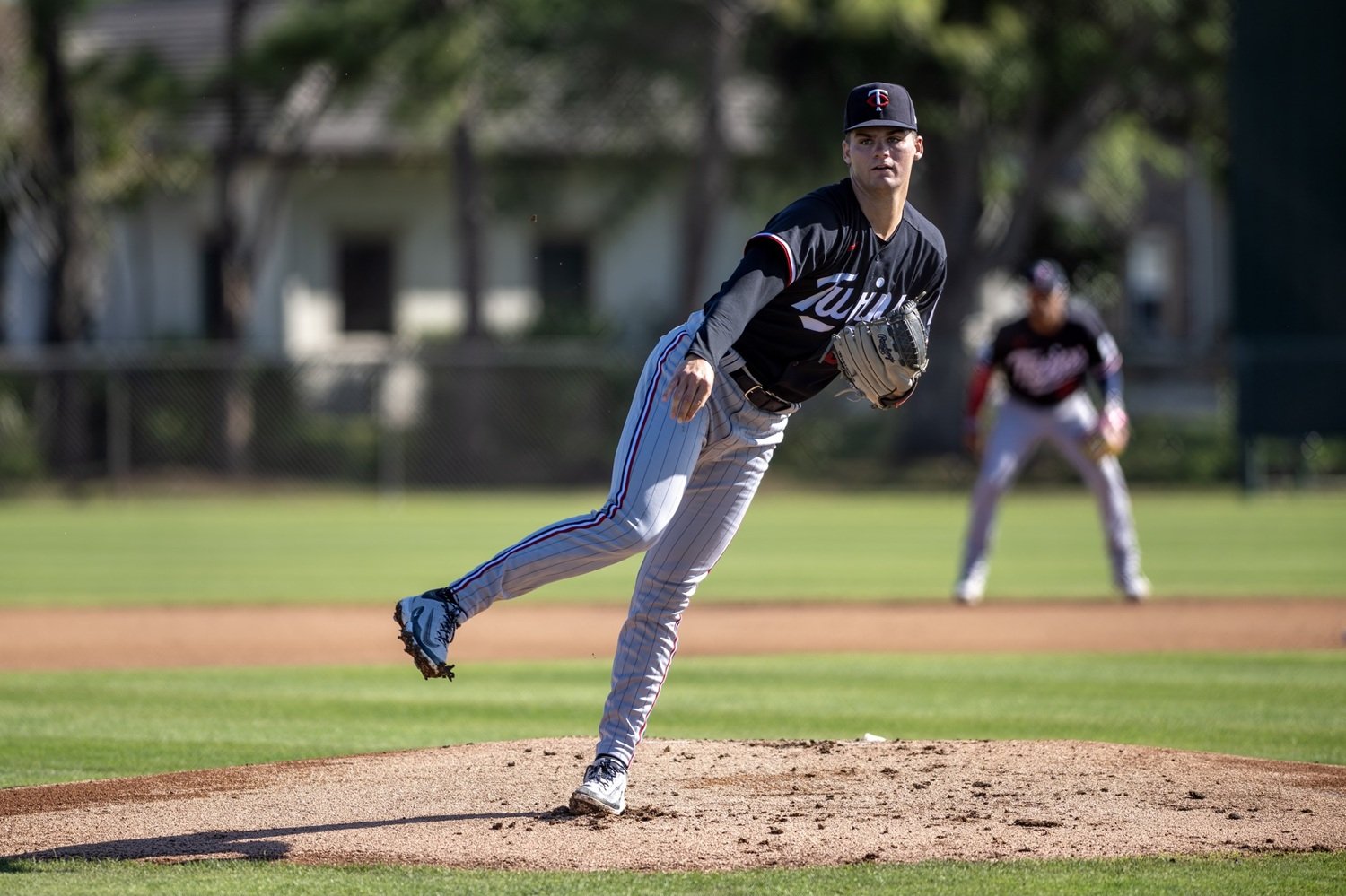 The early weeks of the minor-league season are often about shaking off rust and adjusting to new levels, but a trio of Twins arms are already in midseason form. From Triple-A St. Paul to Low-A Fort Myers, Minnesota’s pitching pipeline is flashing both upside and results. This week’s hot sheet highlights three standout performances that underscore just how deep this system has become on the mound. LHP Connor Prielipp (St. Paul Saints) How He Got Here: Prielipp entered the season as the Twins' top pitching prospect, and he has done everything possible to build off a tremendous 2025 campaign. Finally healthy after years of elbow issues and multiple surgeries dating back to his college days, Prielipp captured Twins Minor League Pitcher of the Year honors and climbed to Triple-A by season’s end. Minnesota handled him with care, limiting him to 82 2/3 innings, but that total still exceeded his combined workload from 2020 through 2024. Hitting the Hot Button: Prielipp wasted no time setting the tone in his start last week. He retired the first five hitters he faced before allowing a two-out single in the second inning. That minor blemish did little to slow him down as he quickly induced a ground ball to end the frame. The third inning was where everything clicked. Prielipp struck out the side on just 12 pitches, overpowering hitters with efficiency and command. His only real mistake came in the fourth inning, when he surrendered a leadoff home run, briefly trimming the Saints' lead. Outside of that swing, he was dominant. Prielipp worked five innings, allowing just one run on four hits while walking one and striking out a career-high eight. It looked every bit like a pitcher knocking on the door of the big leagues—and the door is open to him, as he joins the parent club on their road trip this week on the taxi squad. LHP Kendry Rojas (St. Paul Saints) How He Got Here: Rojas arrived in the organization as part of the deal that sent Louis Varland to the Toronto Blue Jays. At the time, Twins officials viewed him as an underrated arm with the potential to crack top-100 prospect lists. That optimism took a hit after a rough introduction to Triple-A, where he allowed 25 runs in 27 1/3 innings. Injuries have also played a role, limiting him to just 280 innings across five professional seasons since he signed out of Cuba. Hitting the Hot Button: Rojas followed Prielipp in the start mentioned above, as he continues to build back up after opening the year on the injured list. His fastball showed life immediately, punching out the first batter he faced. He scattered a couple of singles across the sixth and seventh innings, but otherwise kept hitters off balance. The only moment of trouble came in the eighth, when he allowed a single and a walk with two outs, but he responded by striking out the next hitter to escape the jam. Rojas finished with 3 1/3 scoreless innings, allowing three hits and one walk while striking out two. More importantly, he looked healthy and in control, which is exactly what the Twins need from him at this stage. He was in a perfect position to take over the roster spot (briefly) vacated by Kody Funderburk going on the paternity list, and will probably get at least a look in the bullpen during the team's series against the Mets. RHP Riley Quick (Fort Myers Mighty Mussels) How He Got Here: Quick’s path to pro ball has been about patience and recovery. After returning from Tommy John surgery at the University of Alabama, he posted a 3.92 ERA with 70 strikeouts in 62 innings. The Twins selected him with the 36th overall pick in the 2025 draft and signed him for $2.69 million. Rather than rushing him, Minnesota opted to hold him back until 2026 to carefully manage his workload. Hitting the Hot Button: Quick is already rewarding that patience. In his second professional start, he tossed three hitless innings while striking out five hitters on just 48 pitches. Through his first two outings, Quick has yet to allow a hit across five innings, while racking up 10 strikeouts. The raw stuff that made him a first-round pick is showing up immediately, and the early results suggest he could move quickly if he continues to throw strikes and maintain his health. He won't be in the lower levels of the minors for long. This week’s hot sheet is a reminder that Minnesota’s pitching pipeline is more than just potential. Prielipp and Rojas could make their big-league debuts this week, and Quick is flashing the upside that made him a high draft pick. If this is what the early season looks like, the Twins may soon face a different kind of challenge: figuring out how to fit all of this pitching talent into their long-term plans. What stood out about these prospects over the last week? What other prospects are you keeping an eye on? Leave a comment and start the discussion.
- 9 comments
-
- 5
-

-
- connor prielipp
- kendry rojas
- (and 1 more)
-
Image courtesy of William Parmeter The early weeks of the minor league season are often about shaking off rust and adjusting to new levels, but a trio of Twins arms is already in midseason form. From Triple-A St. Paul to Low-A Fort Myers, Minnesota’s pitching pipeline is flashing both upside and results. This week’s hot sheet highlights three standout performances that underscore just how deep this system has become on the mound. LHP Connor Prielipp (St. Paul Saints) How He Got Here: Prielipp enters the season as the Twins' top pitching prospect, and he has done everything possible to build off a tremendous 2025 campaign. Finally healthy after years of elbow issues and multiple surgeries dating back to his college days, Prielipp captured Twins Minor League Pitcher of the Year honors and climbed to Triple-A by season’s end. Minnesota handled him with care, limiting him to 82 2/3 innings, but that total still exceeded his combined workload from 2020 through 2024. Hitting the Hot Button: Prielipp wasted no time setting the tone in his start last week. He retired the first five hitters he faced before allowing a two-out single in the second inning. That minor blemish did little to slow him down as he quickly induced a ground ball to end the frame. The third inning was where everything clicked. Prielipp struck out the side on just 12 pitches, overpowering hitters with efficiency and command. His only real mistake came in the fourth inning when he surrendered a leadoff home run, briefly trimming the Saints' lead. Outside of that swing, he was dominant. Prielipp worked five innings, allowing just one run on four hits while walking one and striking out a career high eight. It looked every bit like a pitcher knocking on the door of the big leagues. LHP Kendry Rojas (St. Paul Saints) How He Got Here: Rojas arrived in the organization as part of the deal that sent Louis Varland to the Toronto Blue Jays. At the time, Twins officials viewed him as an underrated arm with the potential to crack top 100 prospect lists. That optimism took a hit after a rough introduction to Triple-A, where he allowed 25 runs in 27 1/3 innings. Injuries have also played a role, limiting him to just 280 innings across five professional seasons since signing out of Cuba. Hitting the Hot Button: Rojas followed Prielipp in the start mentioned above, as he continues to build back up after opening the year on the injured list. His fastball showed life immediately, punching out the first batter he faced. He scattered a couple of singles across the sixth and seventh innings but otherwise kept hitters off balance. The only moment of trouble came in the eighth when he allowed a single and a walk with two outs, but he responded by striking out the next hitter to escape the jam. Rojas finished with 3 1/3 scoreless innings, allowing three hits and one walk while striking out two. More importantly, he looked healthy and in control, which is exactly what the Twins need from him at this stage. RHP Riley Quick (Fort Myers Mighty Mussels) How He Got Here: Quick’s path to pro ball has been about patience and recovery. After returning from Tommy John surgery at the University of Alabama, he posted a 3.92 ERA with 70 strikeouts in 62 innings. The Twins selected him with the 36th overall pick in the 2025 draft and signed him for $2.69 million. Rather than rushing him, Minnesota opted to hold him back until 2026 to carefully manage his workload. Hitting the Hot Button: Quick is already rewarding that patience. In his second professional start, he tossed three hitless innings while striking out five hitters on just 48 pitches. Through his first two outings, Quick has yet to allow a hit across five innings while racking up ten strikeouts. The raw stuff that made him a first-round pick is showing up immediately, and the early results suggest he could move quickly if he continues to throw strikes and maintain his health. This week’s hot sheet is a reminder that Minnesota’s pitching pipeline is more than just potential. Prielipp looks like a near-ready big league contributor, Rojas is showing signs of reclaiming his trajectory, and Quick is flashing the upside that made him a high draft pick. If this is what the early season looks like, the Twins may soon face a different kind of challenge, figuring out how to fit all of this pitching talent into their long-term plans. What stood out about these prospects over the last week? What other prospects are you keeping an eye on? Leave a comment and start the discussion. View full article
-
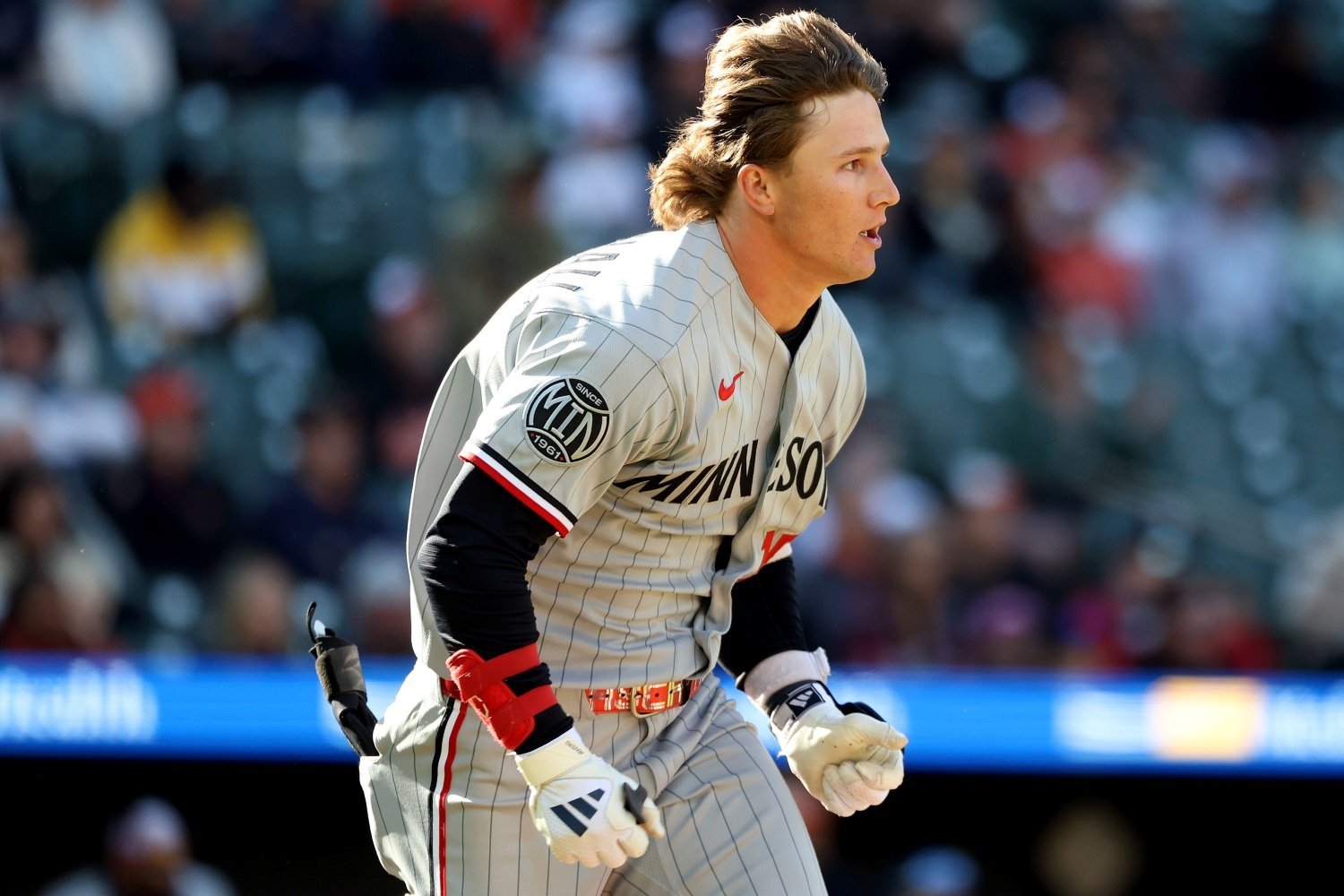 Expectations can be tricky in baseball. One year, a player bursts onto the scene and looks like a foundational piece. The next, the league adjusts, and suddenly, nothing comes easily. That’s what Luke Keaschall faces early in his sophomore season with the Twins. After an impressive rookie season where he slashed .302/.382/.445, Keaschall's sophomore start hasn’t been as smooth. Through Sunday, he is hitting just .209/.258/.279. On Saturday, manager Derek Shelton moved him down in the lineup for the first time this season, shifting him from third to fifth. On Sunday, with right-handed hurler Brady Singer on the mound for the opposing Reds, he slid to sixth. That move tells part of the story. Shelton began the season with confidence in Keaschall as a table-setter near the top of the order. The adjustment now signals a need to reset and a chance to take pressure off a young hitter still finding his footing at the big league level. Friday’s game against the Reds might have been the epitome of his struggles. Keaschall batted with the bases loaded in the third inning, two runners on base in the fifth inning, and two more runners in the seventh. None of those runners scored. In those three at-bats, Keaschall struck out on a called third strike, grounded into his first double play of the season, and hit an inning-ending groundout. After the game, he gathered with the team’s hitting coaches to break down his swing and his at-bats. “We’ll get it back,” said Keaschall after the game. “We’re a tick off. It can change quickly. That’s what I keep on thinking, and it’s going to happen soon.” That belief is shared inside the clubhouse as well. “Luke Keaschall has hit at every level. I mean, I can’t go back to his Little League stats, but I guarantee he raked there,” Shelton said. “It’s early in the season, and it’s also the first year he’s started the year in the big leagues. A lot of guys put more emphasis on that.” There’s a mental side to this as much as a physical one. Shelton acknowledged that moving Keaschall down in the lineup was designed to ease the burden, as Shelton felt Keaschall was putting “a little extra on himself.” As Keaschall looks for answers, he said his focus is on getting the most out of each day. “I think it’s just being in control of your movements and executing plans,” Keaschall said. “Right now, we’re not doing that the best. All you can do is get a little bit better each and every day.” The underlying numbers explain why the results haven’t been as strong. His 85.0 mph exit velocity and 24% Hard Hit rate both sit in the bottom 7% of the league. His exit velocity is down 1.2 mph compared to last season, and his hard-hit rate has dropped by 6.6%. That lack of authoritative contact has limited his ability to cause damage, even when he puts the ball in play. Pitchers have also adjusted their approach. He is seeing fewer fastballs, down 4% from last season, and he hasn't punished them when he gets them, posting just a .302 slugging average despite an xSLG that sits more than 100 points higher. That gap suggests there may be some bad luck involved, but it also highlights missed opportunities. Instead of fastballs, Keaschall is seeing a heavier dose of offspeed pitches. Last season, he torched those offerings to the tune of a .407 average and a .556 slugging, though the expected numbers hinted at regression. That regression has come quickly. This year, he is hitting just .211 against offspeed pitches and has yet to record an extra-base hit against them. Still, this is not a profile completely devoid of optimism. Keaschall continues to show strong plate discipline. His chase rate, per-swing whiff rate, and strikeout rate all rank in the 82nd percentile or better, and his 27.2% Squared-Up rate sits comfortably above league average, meaning he's getting his fair share of exit velocity from below-average bat speed. Those are indicators of a hitter who is not overmatched, but rather one who is just missing his best contact by a small margin. Sometimes, that margin is everything. Moving down in the lineup could give Keaschall space to recalibrate. Rather than setting the tone early, he can focus on simple at-bats and build momentum one swing at a time. For a Twins team that has leaned on young talent to exceed expectations, getting Keaschall back on track is an important piece of the puzzle. The foundation is still there. The approach remains sound. Now, it's about turning those underlying positives into production. If history is any indication, that turnaround may not be far away. What are your thoughts on Keaschall's sophomore performance? Leave a comment and start the discussion.
 -
Image courtesy of © Daniel Kucin Jr.-Imagn Images Expectations can be tricky in baseball. One year, a player bursts onto the scene and looks like a foundational piece. The next, the league adjusts, and suddenly, nothing comes easily. That’s what Luke Keaschall faces early in his sophomore season with the Twins. After an impressive rookie season where he slashed .302/.382/.445, Keaschall's sophomore start hasn’t been as smooth. Through Sunday, he is hitting just .209/.258/.279. On Saturday, manager Derek Shelton moved him down in the lineup for the first time this season, shifting him from third to fifth. On Sunday, with right-handed hurler Brady Singer on the mound for the opposing Reds, he slid to sixth. That move tells part of the story. Shelton began the season with confidence in Keaschall as a table-setter near the top of the order. The adjustment now signals a need to reset and a chance to take pressure off a young hitter still finding his footing at the big league level. Friday’s game against the Reds might have been the epitome of his struggles. Keaschall batted with the bases loaded in the third inning, two runners on base in the fifth inning, and two more runners in the seventh. None of those runners scored. In those three at-bats, Keaschall struck out on a called third strike, grounded into his first double play of the season, and hit an inning-ending groundout. After the game, he gathered with the team’s hitting coaches to break down his swing and his at-bats. “We’ll get it back,” said Keaschall after the game. “We’re a tick off. It can change quickly. That’s what I keep on thinking, and it’s going to happen soon.” That belief is shared inside the clubhouse as well. “Luke Keaschall has hit at every level. I mean, I can’t go back to his Little League stats, but I guarantee he raked there,” Shelton said. “It’s early in the season, and it’s also the first year he’s started the year in the big leagues. A lot of guys put more emphasis on that.” There’s a mental side to this as much as a physical one. Shelton acknowledged that moving Keaschall down in the lineup was designed to ease the burden, as Shelton felt Keaschall was putting “a little extra on himself.” As Keaschall looks for answers, he said his focus is on getting the most out of each day. “I think it’s just being in control of your movements and executing plans,” Keaschall said. “Right now, we’re not doing that the best. All you can do is get a little bit better each and every day.” The underlying numbers explain why the results haven’t been as strong. His 85.0 mph exit velocity and 24% Hard Hit rate both sit in the bottom 7% of the league. His exit velocity is down 1.2 mph compared to last season, and his hard-hit rate has dropped by 6.6%. That lack of authoritative contact has limited his ability to cause damage, even when he puts the ball in play. Pitchers have also adjusted their approach. He is seeing fewer fastballs, down 4% from last season, and he hasn't punished them when he gets them, posting just a .302 slugging average despite an xSLG that sits more than 100 points higher. That gap suggests there may be some bad luck involved, but it also highlights missed opportunities. Instead of fastballs, Keaschall is seeing a heavier dose of offspeed pitches. Last season, he torched those offerings to the tune of a .407 average and a .556 slugging, though the expected numbers hinted at regression. That regression has come quickly. This year, he is hitting just .211 against offspeed pitches and has yet to record an extra-base hit against them. Still, this is not a profile completely devoid of optimism. Keaschall continues to show strong plate discipline. His chase rate, per-swing whiff rate, and strikeout rate all rank in the 82nd percentile or better, and his 27.2% Squared-Up rate sits comfortably above league average, meaning he's getting his fair share of exit velocity from below-average bat speed. Those are indicators of a hitter who is not overmatched, but rather one who is just missing his best contact by a small margin. Sometimes, that margin is everything. Moving down in the lineup could give Keaschall space to recalibrate. Rather than setting the tone early, he can focus on simple at-bats and build momentum one swing at a time. For a Twins team that has leaned on young talent to exceed expectations, getting Keaschall back on track is an important piece of the puzzle. The foundation is still there. The approach remains sound. Now, it's about turning those underlying positives into production. If history is any indication, that turnaround may not be far away. What are your thoughts on Keaschall's sophomore performance? Leave a comment and start the discussion. View full article
-
Image courtesy of William Parmeter There are certain prospects who force their way into the conversation before the industry is quite ready to include them. Marek Houston might already be one of those players. When the Twins selected Houston in the first round, the selling point was obvious. He was the best defensive shortstop in his class and arguably one of the safest bets in the entire draft. What has changed since then is not the glove. That has only become more convincing in pro ball. What has changed is the discussion around how real the bat might be, and that is where top-100 status starts to come into play. If the defensive grades are even close to accurate, it becomes difficult to ignore the broader profile. Houston looks like a legitimate plus defender at shortstop with the instincts, range, and internal clock that separate good fielders from elite ones. Watching him handle the position in his first taste of pro ball only reinforced that belief. There are not many minor-league shortstops who move the way he does, and it would not be surprising to see him competing for Gold Gloves at the highest level someday. That type of defensive foundation gives him a remarkably high floor. It also means he does not need to be a star offensively to provide significant value. But the reason he is creeping toward top-100 conversations is that there are signs he might be more than just a good glove. The offensive profile is where opinions start to split. Skeptics see a contact-oriented hitter without much impact, someone who might top out as a bottom-of-the-lineup bat. That concern is not unfounded. His professional debut showed flashes of that reality. He dominated Low-A pitching with a .370 average over a dozen games, then hit a wall after a promotion, batting just .152 in High-A. Even within those struggles, there were encouraging signs. His approach remained steady. He controlled the zone, made consistent swing decisions, and did not look overwhelmed. Those traits tend to translate. What lagged behind was the impact. The exit velocity data did not jump off the page, and the lack of power production will remain the biggest question hanging over his profile. Still, there is a case to be made that the offensive arrow is pointing up. Houston’s track record at Wake Forest suggests real growth. He went from a light-hitting freshman to a middle-of-the-order force as a junior, posting a 1.055 OPS with 15 home runs while matching his walk and strikeout totals. That kind of year-over-year improvement is not accidental. It speaks to adjustments, work ethic, and the ability to translate coaching into results. The Twins are now trying to build on that foundation. Houston has already begun refining his swing path to create better contact quality without sacrificing the approach that makes him unique. There is also an expectation that added strength could unlock more consistent damage. His max exit velocities and physical projection leave just enough room for optimism. In his first nine games of 2026, he went 11-for-38 (.289 BA) with four total extra-base hits, including two home runs. His walk rate increased by 2% with an .883 OPS and a 137 wRC+. Houston is also doing most of his damage against older pitchers, where he had a .937 OPS. That is where the top-100 case starts to form. An elite defensive shortstop who controls the strike zone and has shown the ability to make offensive adjustments is a valuable player. If Houston proves he can be even an average hitter with modest power, the overall profile becomes incredibly appealing. That combination often lands comfortably inside top-100 lists, especially given how quickly a player like that can move. Right now, he feels like a player on the edge of that group rather than firmly inside it. To take the next step, the checklist is fairly clear. He needs to show that the High-A struggles to end last season were more about adjustment than limitation. That means producing more consistent contact quality, driving the ball with authority, and proving that the power gains from his final college season can carry over into pro ball. He does not need to hit 25 home runs, but he does need to make enough noise to keep pitchers honest. If that happens, the conversation changes quickly. Houston already looks like a big league shortstop defensively. That part is not in question. What will determine whether he is simply a useful player or a cornerstone-type prospect is what he becomes in the batter’s box. Given his track record of improvement and the ease with which he plays the game, betting against him making those adjustments feels risky. By the end of this season, it would not be surprising if the rest of the industry starts to catch up to what is already becoming clear. Marek Houston is closer to the top 100 than many might think, and he has a real chance to make that jump sooner rather than later. Is Houston on his way to being a top-100 prospect? Leave a comment and start the discussion. View full article
-
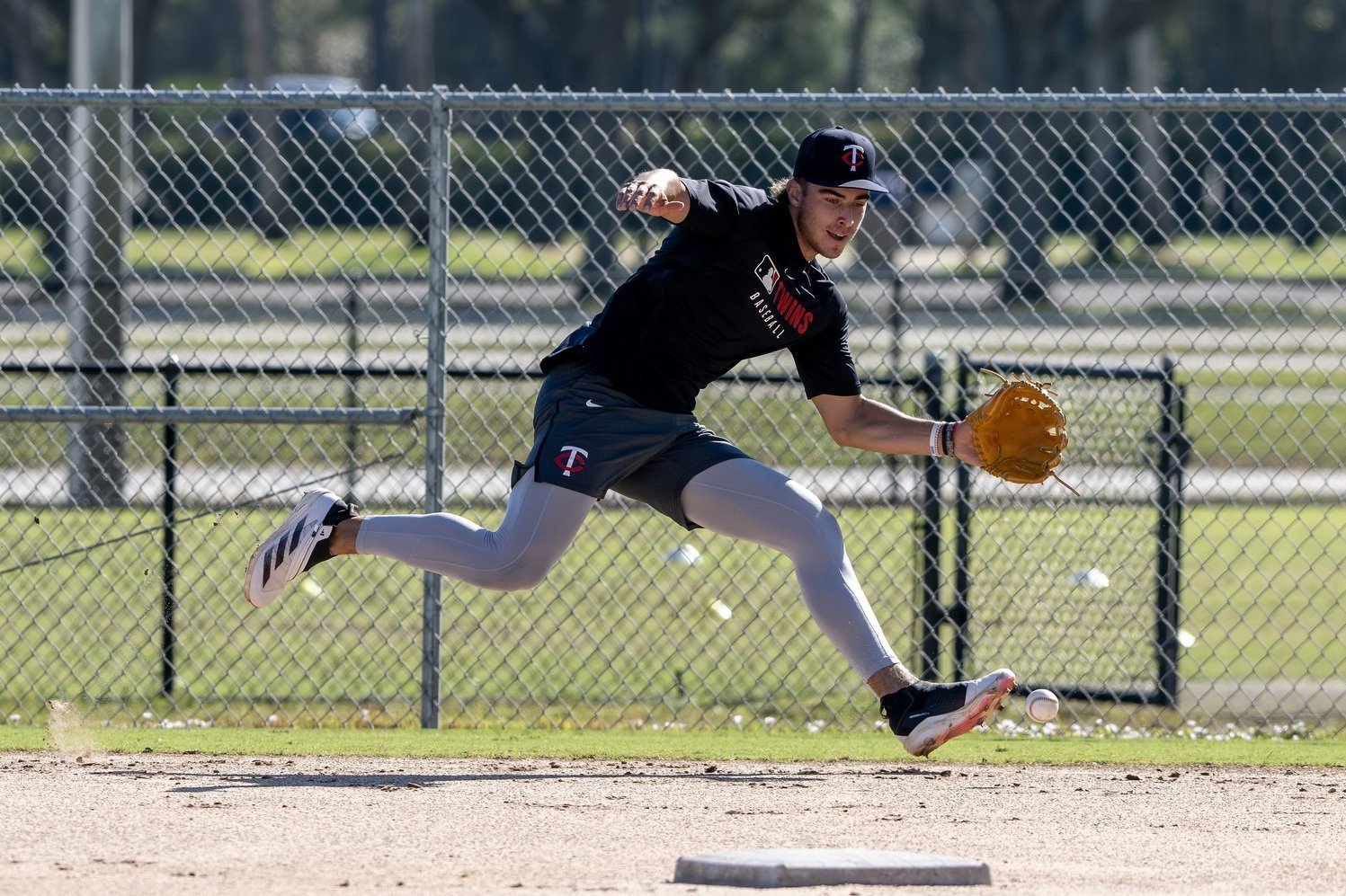 There are certain prospects who force their way into the conversation before the industry is quite ready to include them. Marek Houston might already be one of those players. When the Twins selected Houston in the first round, the selling point was obvious. He was the best defensive shortstop in his class and arguably one of the safest bets in the entire draft. What has changed since then is not the glove. That has only become more convincing in pro ball. What has changed is the discussion around how real the bat might be, and that is where top-100 status starts to come into play. If the defensive grades are even close to accurate, it becomes difficult to ignore the broader profile. Houston looks like a legitimate plus defender at shortstop with the instincts, range, and internal clock that separate good fielders from elite ones. Watching him handle the position in his first taste of pro ball only reinforced that belief. There are not many minor-league shortstops who move the way he does, and it would not be surprising to see him competing for Gold Gloves at the highest level someday. That type of defensive foundation gives him a remarkably high floor. It also means he does not need to be a star offensively to provide significant value. But the reason he is creeping toward top-100 conversations is that there are signs he might be more than just a good glove. The offensive profile is where opinions start to split. Skeptics see a contact-oriented hitter without much impact, someone who might top out as a bottom-of-the-lineup bat. That concern is not unfounded. His professional debut showed flashes of that reality. He dominated Low-A pitching with a .370 average over a dozen games, then hit a wall after a promotion, batting just .152 in High-A. Even within those struggles, there were encouraging signs. His approach remained steady. He controlled the zone, made consistent swing decisions, and did not look overwhelmed. Those traits tend to translate. What lagged behind was the impact. The exit velocity data did not jump off the page, and the lack of power production will remain the biggest question hanging over his profile. Still, there is a case to be made that the offensive arrow is pointing up. Houston’s track record at Wake Forest suggests real growth. He went from a light-hitting freshman to a middle-of-the-order force as a junior, posting a 1.055 OPS with 15 home runs while matching his walk and strikeout totals. That kind of year-over-year improvement is not accidental. It speaks to adjustments, work ethic, and the ability to translate coaching into results. The Twins are now trying to build on that foundation. Houston has already begun refining his swing path to create better contact quality without sacrificing the approach that makes him unique. There is also an expectation that added strength could unlock more consistent damage. His max exit velocities and physical projection leave just enough room for optimism. In his first nine games of 2026, he went 11-for-38 (.289 BA) with four total extra-base hits, including two home runs. His walk rate increased by 2% with an .883 OPS and a 137 wRC+. Houston is also doing most of his damage against older pitchers, where he had a .937 OPS. That is where the top-100 case starts to form. An elite defensive shortstop who controls the strike zone and has shown the ability to make offensive adjustments is a valuable player. If Houston proves he can be even an average hitter with modest power, the overall profile becomes incredibly appealing. That combination often lands comfortably inside top-100 lists, especially given how quickly a player like that can move. Right now, he feels like a player on the edge of that group rather than firmly inside it. To take the next step, the checklist is fairly clear. He needs to show that the High-A struggles to end last season were more about adjustment than limitation. That means producing more consistent contact quality, driving the ball with authority, and proving that the power gains from his final college season can carry over into pro ball. He does not need to hit 25 home runs, but he does need to make enough noise to keep pitchers honest. If that happens, the conversation changes quickly. Houston already looks like a big league shortstop defensively. That part is not in question. What will determine whether he is simply a useful player or a cornerstone-type prospect is what he becomes in the batter’s box. Given his track record of improvement and the ease with which he plays the game, betting against him making those adjustments feels risky. By the end of this season, it would not be surprising if the rest of the industry starts to catch up to what is already becoming clear. Marek Houston is closer to the top 100 than many might think, and he has a real chance to make that jump sooner rather than later. Is Houston on his way to being a top-100 prospect? Leave a comment and start the discussion.
 -
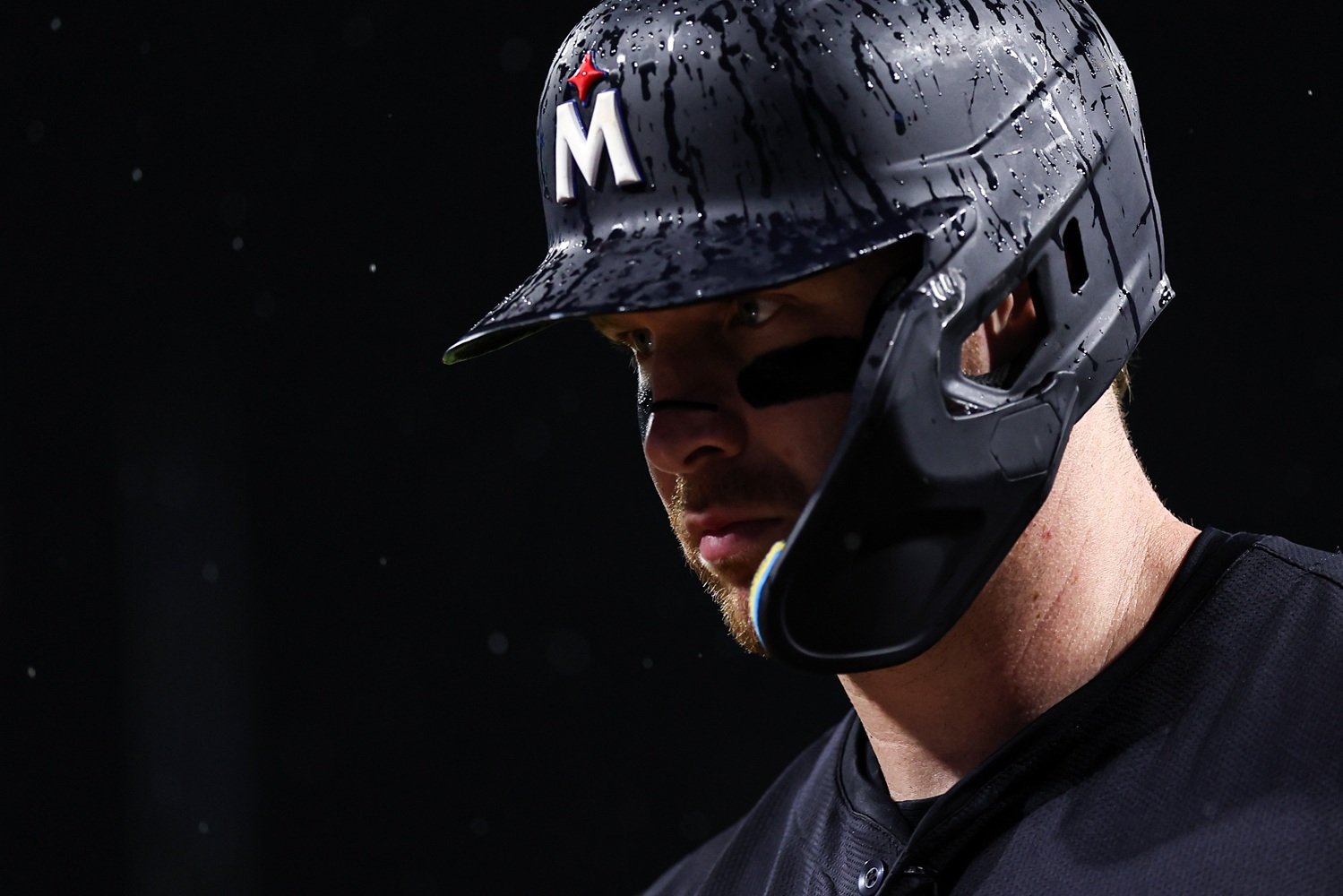 The automated ball strike (ABS) system was always going to change the way games are managed, but it is quickly becoming clear that it is also changing how catchers are evaluated. For the Minnesota Twins, few players have embraced that shift more than Ryan Jeffers. What started as a rules experiment has become a legitimate skill separator, and Jeffers is leaning into it, boosting both his value and his framing profile. Twins Lean Into the Challenge Game From the moment the ABS challenge system was introduced in spring training, the Twins treated it like something to be optimized rather than tolerated. That mindset has carried into the regular season. As they were in camp, the Twins have been one of baseball’s most aggressive teams with ABS challenges. And overall, it has worked out well for them. It was particularly notable in Tuesday night’s win against the Tigers, when Ryan Jeffers had two successful challenges from behind the plate to end innings. Entering Wednesday’s game, the Twins had the most hitter challenges, the most successful hitter challenges, the second most catcher challenges, and the second most successful catcher challenges in MLB. Jeffers has been at the center of that aggression. Entering play on Thursday, among catchers, Jeffers has the third-most challenges. He is also tied for fourth place with 11 challenges won as a catcher. He is dominating in strikeouts gained from challenges with eight. No other catcher has more than five. “Being able to have the ability to trust myself to challenge it, but then to be able to challenge that in general,” Jeffers told reporters, “it’s a big wrinkle in the game now that I think some people are going to be really good at and some people are not going to be good at. It’s going to be a skill that’s going to be tracked and evaluated like any other skill is.” A Return to What Once Worked What makes this even more interesting is how it intersects with Jeffers’ framing history. Early in his career, Jeffers was viewed as a strong framing catcher. He presented the ball well, worked the edges of the zone, and consistently graded out as a positive behind the plate. From 2021-22, he combined for 10 runs from his framing alone. That skillset was part of what made him such an intriguing long-term option for the Twins. Then came adjustments. In an effort to improve other elements of his defensive game, Twins catching coaches altered Jeffers’ stance behind the plate. Most notably, he began working with a more exaggerated lower-half setup, often keeping a leg extended more regularly. The goal was to improve mobility and throwing, but it came with a trade-off. His framing numbers dipped. Last season, Jeffers ranked in the 44th percentile for framing at minus one run. From 2023-24, he combined to be worth -12 runs from framing. The visual presentation was not as clean, and the subtle movements that once helped him steal strikes were not showing up the same way. ABS Is Refocusing the Strike Zone This is where ABS has quietly helped reshape things. With the ability to challenge pitches, the emphasis shifts from selling borderline strikes to knowing the zone with precision. Catchers are no longer just performers behind the plate. They are decision makers with immediate consequences. For Jeffers, that has meant a renewed focus on the strike zone itself. Instead of relying purely on presentation, he is pairing that with conviction. If he believes a pitch clipped the zone, he has the confidence and now the mechanism to act on it. That mindset appears to be bleeding back into his framing. Entering this season, Jeffers has climbed to one framing runs and sits in the 76th percentile. It is not a massive jump on paper, but it is a meaningful one in context. The combination of improved results and elite challenge success suggests a catcher who is more in tune with the zone than he has been in recent years. ABS is not replacing framing. It is redefining how it matters. For Jeffers, the system has become more than a safety net. It is a tool that reinforces his instincts, sharpens his awareness, and, in the process, helps him rediscover a part of his game that once stood out. If this is what the early stages of ABS look like, the Twins may already have one of their most valuable practitioners behind the plate. What has stood out regarding Jeffers and ABS? Has his framing improved this year? Leave a comment and start the discussion.
 -
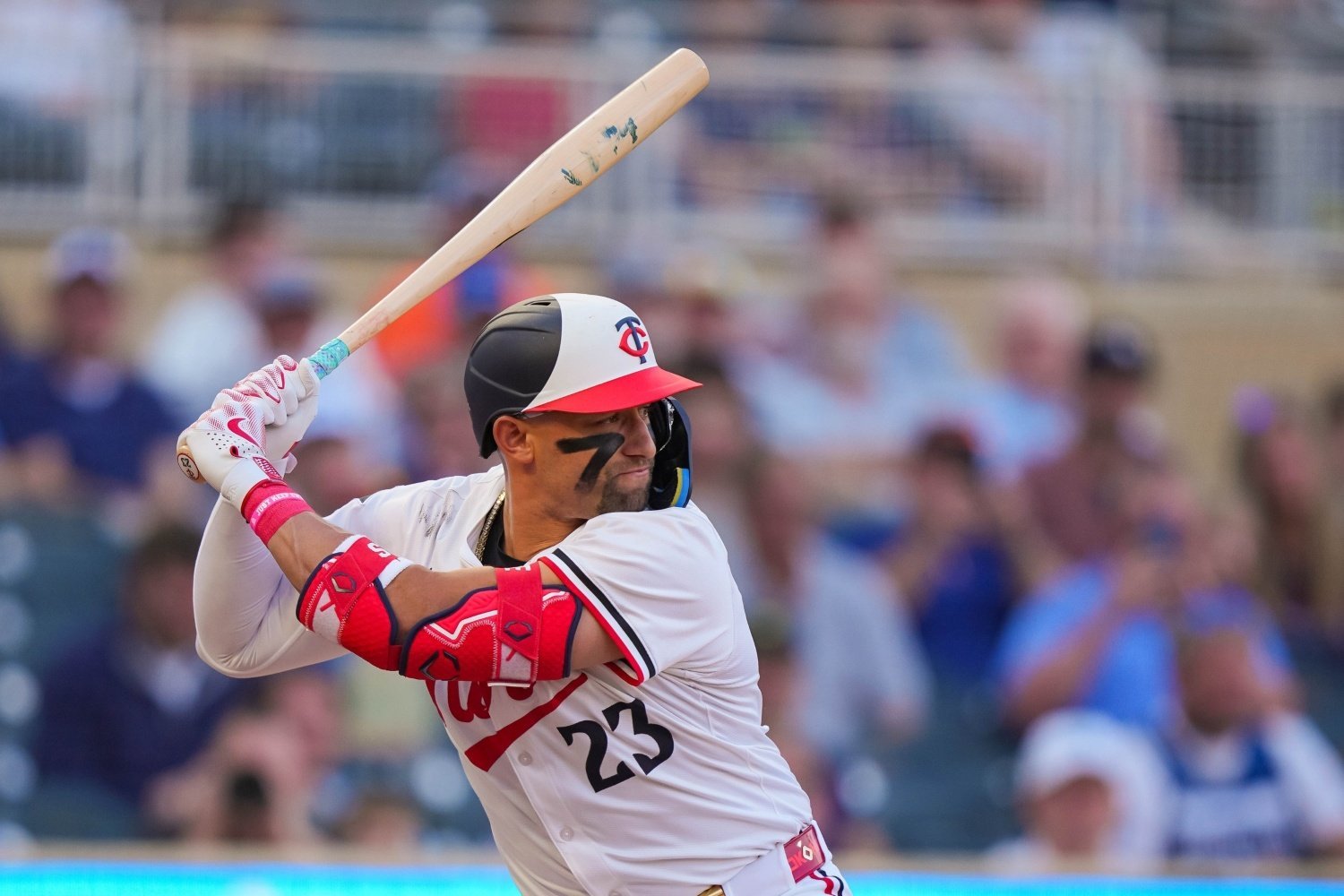 Trade speculation is part of the fabric of a long baseball season, and it's still months away from the MLB Trade Deadline. Still, one prominent MLB insider is looking at potential solutions for a struggling American League contender. The Athletic’s Jim Bowden recently examined early-season trends around the league, including a Boston Red Sox lineup that has yet to find its footing. With the absence of Alex Bregman leaving a noticeable void, Bowden pointed directly to the infield as an area of concern. “I’m not sure they’re going to get enough offense — specifically from their infield — to get back to the postseason,” said Bowden. “I believe there is pressure on the front office to find another impact bat to help lengthen the lineup, preferably a third baseman.” From there, Bowden began to explore possible solutions, and that is where Royce Lewis’ name entered the discussion. “I like Caleb Durbin, don’t get me wrong, but I like him more as a utility player than an everyday player. Perhaps a trade with the Astros for Isaac Paredes or the Twins for Royce Lewis (once he’s healthy again) would work? Or a deal for a younger option, like the Nationals’ Brady House?” It is important to note that this is outside speculation rather than any indication that Minnesota is actively shopping Lewis. Still, it highlights how the rest of the league views his upside when healthy. At the moment, Lewis is working his way back from a Grade 1 left knee sprain suffered on April 9 when he felt a pop during a game. The initial concern has since subsided following encouraging MRI results, and he is expected to return around April 21. For a player who has dealt with multiple injuries early in his career, even a relatively minor setback is enough to draw attention. Before landing on the injured list, Lewis was showing signs of growth at the plate. He posted a .222/.378/.444 slash line with two home runs, eight RBIs, and eight walks across 45 plate appearances. The most notable development has been his patience, with a 17.8% walk rate that nearly triples last season’s mark and sits well above his career average. That approach hints at a more complete offensive profile, one that could further elevate his value. In the meantime, the Twins have turned to a veteran platoon of Tristan Gray and Ryan Kreidler at third base. It has been a functional solution, but not one that replicates Lewis’ upside. His eventual return should stabilize the position and deepen a lineup that has leaned on its versatility. If Minnesota were to entertain a move involving Lewis, it would not be without internal alternatives. Brooks Lee has struggled defensively at shortstop, and a shift to third base could better suit his range limitations. That would open the door for top prospect Kaelen Culpepper to step into a larger role at shortstop, giving the organization a different kind of infield alignment. Even with those possibilities, dealing Lewis would represent a significant philosophical shift. He has shown the potential to be a cornerstone talent when healthy, and his flashes of impact have reinforced that belief. External interest is not surprising, but it does not necessarily align with the Twins’ current competitive window. For now, Bowden’s comments serve more as a reminder than a prediction. When a player with Lewis’ ability shows even incremental improvement, the rest of the league takes notice. Whether that ever turns into something more concrete is a question that will linger, but Minnesota’s focus remains on getting him back on the field and contributing.
 -
Trade speculation is part of the fabric of a long baseball season, and it's still months away from the MLB Trade Deadline. Still, one prominent MLB insider is looking at potential solutions for a struggling American League contender. The Athletic’s Jim Bowden recently examined early-season trends around the league, including a Boston Red Sox lineup that has yet to find its footing. With the absence of Alex Bregman leaving a noticeable void, Bowden pointed directly to the infield as an area of concern. “I’m not sure they’re going to get enough offense — specifically from their infield — to get back to the postseason,” said Bowden. “I believe there is pressure on the front office to find another impact bat to help lengthen the lineup, preferably a third baseman.” From there, Bowden began to explore possible solutions, and that is where Royce Lewis’ name entered the discussion. “I like Caleb Durbin, don’t get me wrong, but I like him more as a utility player than an everyday player. Perhaps a trade with the Astros for Isaac Paredes or the Twins for Royce Lewis (once he’s healthy again) would work? Or a deal for a younger option, like the Nationals’ Brady House?” It is important to note that this is outside speculation rather than any indication that Minnesota is actively shopping Lewis. Still, it highlights how the rest of the league views his upside when healthy. At the moment, Lewis is working his way back from a Grade 1 left knee sprain suffered on April 9 when he felt a pop during a game. The initial concern has since subsided following encouraging MRI results, and he is expected to return around April 21. For a player who has dealt with multiple injuries early in his career, even a relatively minor setback is enough to draw attention. Before landing on the injured list, Lewis was showing signs of growth at the plate. He posted a .222/.378/.444 slash line with two home runs, eight RBIs, and eight walks across 45 plate appearances. The most notable development has been his patience, with a 17.8% walk rate that nearly triples last season’s mark and sits well above his career average. That approach hints at a more complete offensive profile, one that could further elevate his value. In the meantime, the Twins have turned to a veteran platoon of Tristan Gray and Ryan Kreidler at third base. It has been a functional solution, but not one that replicates Lewis’ upside. His eventual return should stabilize the position and deepen a lineup that has leaned on its versatility. If Minnesota were to entertain a move involving Lewis, it would not be without internal alternatives. Brooks Lee has struggled defensively at shortstop, and a shift to third base could better suit his range limitations. That would open the door for top prospect Kaelen Culpepper to step into a larger role at shortstop, giving the organization a different kind of infield alignment. Even with those possibilities, dealing Lewis would represent a significant philosophical shift. He has shown the potential to be a cornerstone talent when healthy, and his flashes of impact have reinforced that belief. External interest is not surprising, but it does not necessarily align with the Twins’ current competitive window. For now, Bowden’s comments serve more as a reminder than a prediction. When a player with Lewis’ ability shows even incremental improvement, the rest of the league takes notice. Whether that ever turns into something more concrete is a question that will linger, but Minnesota’s focus remains on getting him back on the field and contributing. View full rumor
-
Mick Abel's Early Season Breakout Tied to Subtle but Impactful Changes
Cody Christie posted an article in Twins
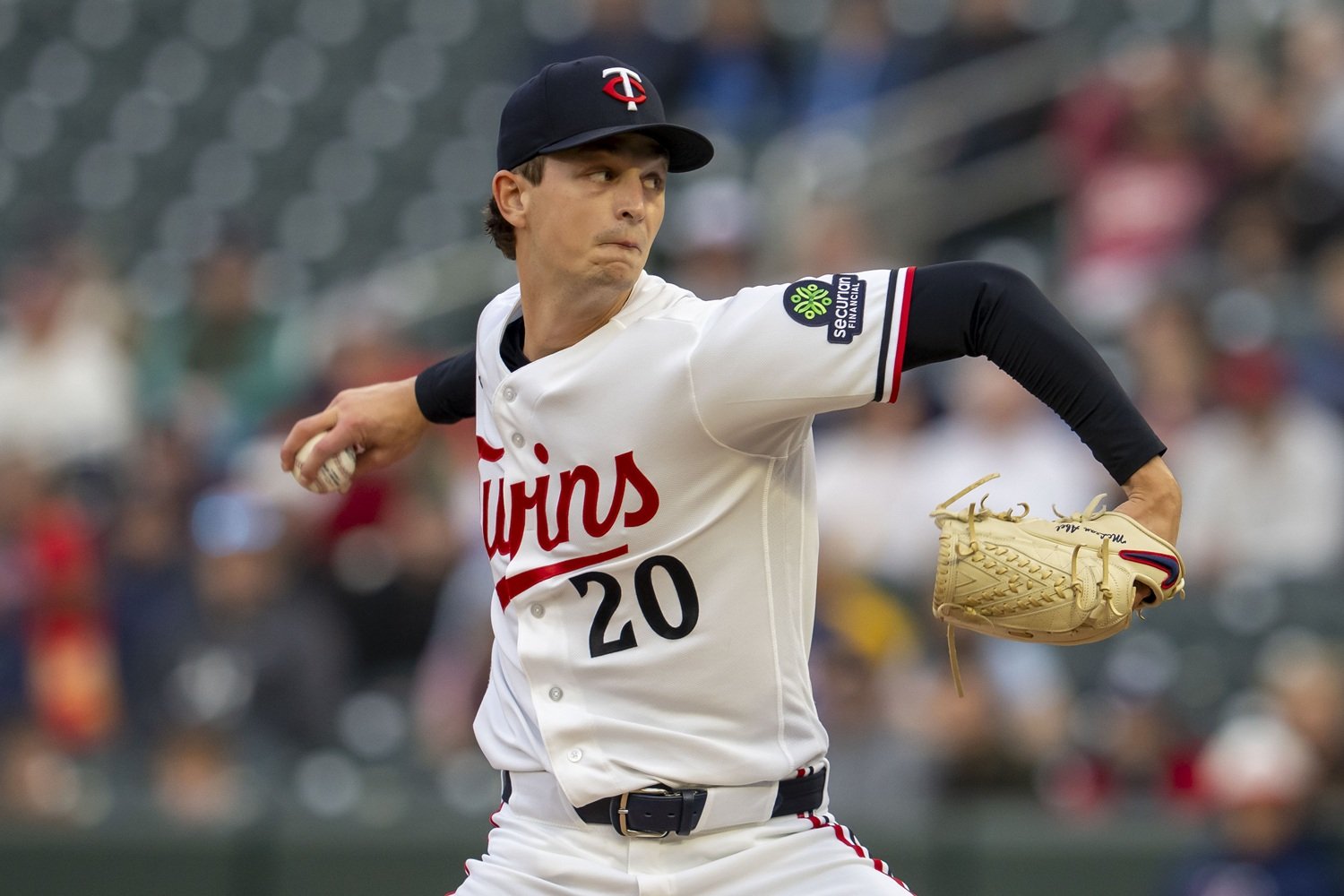 There have been plenty of encouraging developments for the Minnesota Twins early in the 2026 season, but few shine brighter than what Mick Abel is doing on the mound. Acquired in last summer’s blockbuster deal that sent Jhoan Duran out of town, Abel arrived with intrigue, but less fanfare than Eduardo Tait. That's changing quickly. What once looked like a secondary piece is beginning to look more like a foundational one. With long-term questions looming around the rotation beyond 2027 as Joe Ryan and Pablo López approach free agency, Abel is making a compelling case to be part of the next wave, and he's not doing it by accident. Abel’s recent outing offered a snapshot of just how far he's come. He recorded strikeouts using five different pitches, a reflection of both confidence and command across his arsenal that didn’t exist in his rookie campaign. That type of diversity is rare, and it speaks to a pitcher evolving beyond raw stuff into a complete weapon on the mound. “It was outstanding,” said manager Derek Shelton after Abel’s start on Tuesday. “I mean, in control the entire game, mixing and matching, fastball usage was tremendous. He used the changeup against right-handed hitters. Just overall in command of his pitches.” That command starts with subtle but meaningful mechanical adjustments. Abel has added 0.2 feet (a couple of inches) of extension this season. On paper, that seems negligible, but every inch of ground the pitcher seizes from the batter before even releasing a pitch is precious. That added extension allows the ball to reach hitters more quickly, effectively shortening their reaction time and creating the illusion of increased velocity. He's also dropped his arm slot by two degrees. Again, that's a small tweak, but one that can have ripple effects. A slightly lower arm slot can flatten the approach angle on a heater that (like Abel's) retains its carry. At the same time, it can enhance horizontal movement on breaking pitches, giving his sweeper and changeup more deception and separation from his heater. The result is a more unpredictable mix, even if it comes with some tradeoffs. Those tradeoffs are most evident in his four-seam fastball. Abel is throwing it nearly 43% of the time, and it still generates a strong 33.8% whiff rate. However, when hitters do connect, they're doing damage. Opponents are hitting .391 with a .522 slugging percentage against it. A slight dip in velocity, from 96.4 mph last season to 94.8 mph this year, could be part of the explanation. It may also tie back to the mechanical adjustments, as changes in arm slot and extension can subtly alter how the pitch plays. Where Abel has truly taken a leap is in how he set up that fastball with the rest of his arsenal. His changeup has gone from a rarely used offering (8.8% of his pitches in 2025) to a legitimate weapon (17.6%) this season. The results speak loudly. It carries a 31.3% whiff rate and an impressive 35.0% put away rate, making it his most effective pitch. With a positive run value and strong results against right-handed hitters, it has become a cornerstone of his approach. The sweeper tells a similar story of growth. Once an afterthought at just 3.1% usage, it is now up to 10.6%. More importantly, it's not the same pitch. Last season, it featured 4.3 inches of vertical movement. This year, that number has dropped to -0.1 inches, creating a drastically different shape. Instead of blending into his other breaking offerings, it now carves a distinct path through the zone. Hitters are struggling to adjust, reflected in a 29.4% whiff rate. This is the blueprint of a pitcher learning how to sequence rather than simply throw. “You know he’s locked in, he’s in a groove, and it’s exciting,” said Byron Buxton, who homered twice to support Abel’s last start. “We saw little glimpses of it last year. He went in the offseason and did some work. Coming back, he’s been phenomenal. To be able to do the things he’s done, obviously, he’s had some tough starts in 30 or 20 degree weather, whatever you want to call it. No excuses. But he’s gone out there and battled through those. To finally get a warm day and see what he actually is, is very exciting for sure.” That last point matters. Early-season results in cold weather can often mask progress, especially for pitchers still fine-tuning feel and command. As temperatures rise, so might Abel’s velocity and overall consistency. If that happens, the gap between his process and results could close quickly. For now, the Twins are seeing a pitcher who is no longer just a projection. Abel is making tangible, measurable changes that are translating to big-league success. The arsenal is deeper. The command is sharper. The confidence is evident. The narrative has shifted. Abel is not just a piece of a past trade anymore. He is becoming a key part of Minnesota’s future, and if these changes hold, the Twins may have found more than they initially bargained for. What has stood out about Abel in 2026? Can he continue this performance? Leave a comment and start the discussion.
 -
Major League Baseball’s ABS system has brought changes to the game, and teams are still ironing out its wrinkles. With only a limited number of challenges available, every decision carries weight. It did not take long for players to realize that this system is not just about accuracy, it is also about strategy. On Tuesday night, Victor Caratini may have given the clearest example yet of how gamesmanship can play a role in this new era. Catchers have traditionally built their value around pitch framing, subtly moving their glove to influence an umpire’s call. The ABS system changes that dynamic. With the ability to challenge pitches, framing becomes less essential in the traditional sense. But that does not mean it is irrelevant. In fact, Caratini showed it can still be a weapon, just in a different way. With Andruw Monasterio at the plate, Caratini received a pitch that clearly went through the bottom half of the strike zone. Instead of presenting it cleanly, he exaggerated his glove movement well outside the zone. The visual suggested a clear ball, even though the pitch itself was a strike. That was the trap. Monasterio took the bait and called for a challenge, convinced the pitch had missed. Moments later, the review confirmed what Caratini already knew. The pitch was a strike. The Red Sox lost a challenge, and Monasterio was left with a long, quiet walk back to the dugout. It was a small moment in the game, but one that could have larger implications. Challenges are a finite resource, and burning one on a pitch that was never close is a costly mistake. By manipulating perception, Caratini essentially gave his pitcher an advantage without throwing another pitch. This kind of thinking is exactly what many expected when ABS was first implemented. Players and coaches are constantly looking for edges, and this is simply the latest example. Aaron and John talked about this scenario playing out on Wednesday’s mailbag episode of Gleeman and the Geek. Aaron agreed that it could be something that is seen more regularly this season. However, John had a tough time imagining the situation playing out the way it did for Monasterio. There is also a psychological layer to it. Hitters trust their eyes and instincts, but when a catcher presents a pitch in a misleading way, it introduces doubt. In a system where players can challenge calls, that doubt can turn into a costly decision. For Minnesota, it was another example of doing the little things right in a win over Boston. Now, fans will have to wait and see if any other batters fall for a similar tactic. View full rumor
-
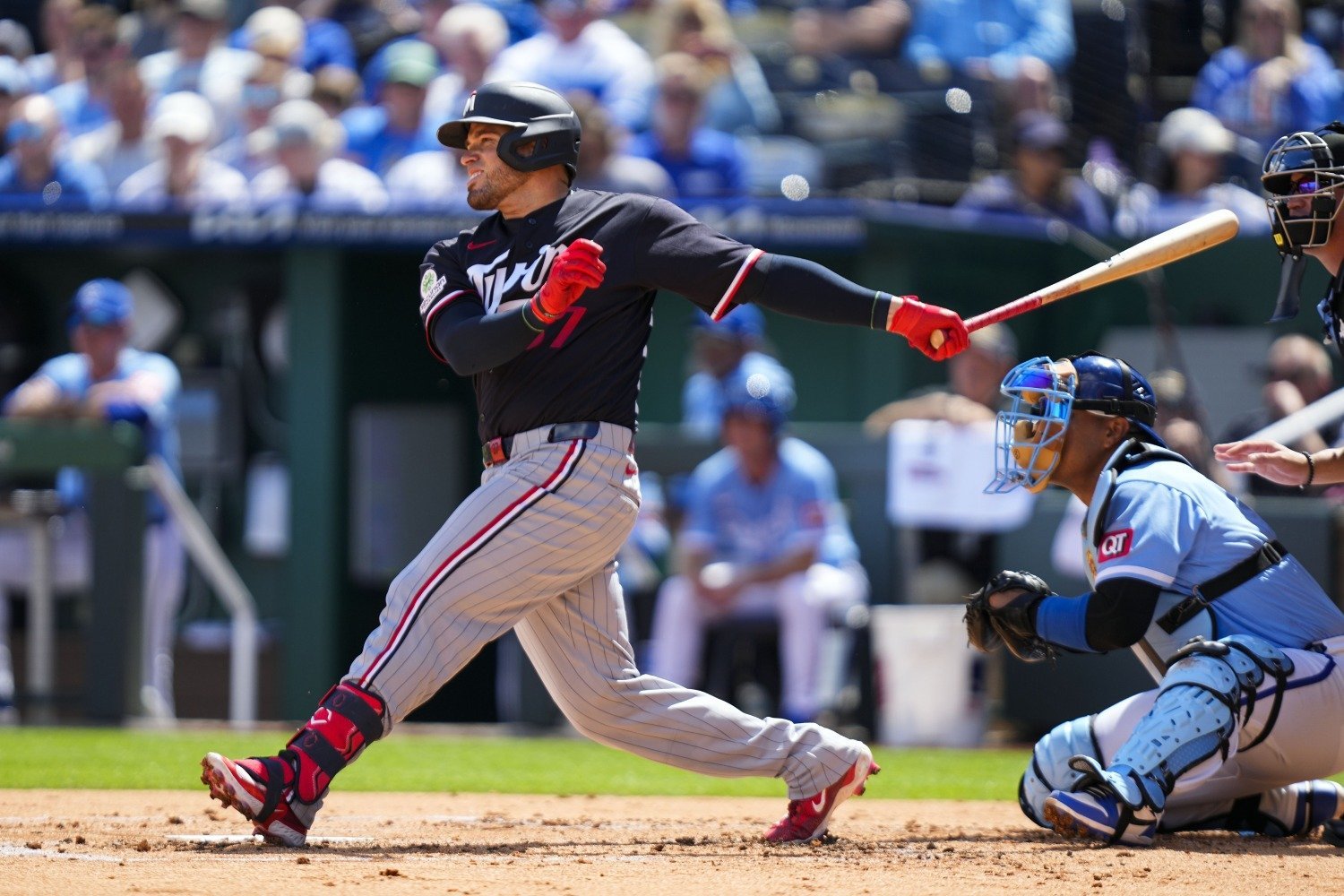 Major League Baseball’s ABS system has brought changes to the game, and teams are still ironing out its wrinkles. With only a limited number of challenges available, every decision carries weight. It did not take long for players to realize that this system is not just about accuracy, it is also about strategy. On Tuesday night, Victor Caratini may have given the clearest example yet of how gamesmanship can play a role in this new era. Catchers have traditionally built their value around pitch framing, subtly moving their glove to influence an umpire’s call. The ABS system changes that dynamic. With the ability to challenge pitches, framing becomes less essential in the traditional sense. But that does not mean it is irrelevant. In fact, Caratini showed it can still be a weapon, just in a different way. With Andruw Monasterio at the plate, Caratini received a pitch that clearly went through the bottom half of the strike zone. Instead of presenting it cleanly, he exaggerated his glove movement well outside the zone. The visual suggested a clear ball, even though the pitch itself was a strike. That was the trap. Monasterio took the bait and called for a challenge, convinced the pitch had missed. Moments later, the review confirmed what Caratini already knew. The pitch was a strike. The Red Sox lost a challenge, and Monasterio was left with a long, quiet walk back to the dugout. It was a small moment in the game, but one that could have larger implications. Challenges are a finite resource, and burning one on a pitch that was never close is a costly mistake. By manipulating perception, Caratini essentially gave his pitcher an advantage without throwing another pitch. This kind of thinking is exactly what many expected when ABS was first implemented. Players and coaches are constantly looking for edges, and this is simply the latest example. Aaron and John talked about this scenario playing out on Wednesday’s mailbag episode of Gleeman and the Geek. Aaron agreed that it could be something that is seen more regularly this season. However, John had a tough time imagining the situation playing out the way it did for Monasterio. There is also a psychological layer to it. Hitters trust their eyes and instincts, but when a catcher presents a pitch in a misleading way, it introduces doubt. In a system where players can challenge calls, that doubt can turn into a costly decision. For Minnesota, it was another example of doing the little things right in a win over Boston. Now, fans will have to wait and see if any other batters fall for a similar tactic.
 -
Image courtesy of © Jerry Lai-USA TODAY Sports There's something comforting about baseball records. In a sport that evolves constantly, where velocity climbs, and analytics reshape approach, certain achievements remain stubbornly out of reach. For the Minnesota Twins, a handful of offensive records feel less like milestones and more like permanent fixtures. These are not just impressive numbers. They're snapshots of eras, skill sets, and players that may never be replicated. Killer and Carew Still Set the Standard It starts with two names that define Twins history. Rod Carew and Harmon Killebrew represent opposite ends of the offensive spectrum, yet both left behind records that feel nearly impossible to chase. Carew’s .334 career batting average stands as a monument to consistency. In today’s game, where strikeouts are accepted and even expected, a hitter flirting with .300 is a star. Sustaining .334 over an entire career feels like a relic from another universe. That same precision shows up in his 239-hit season in 1977, a number that would require a perfect storm of health, lineup position, and elite contact ability to even approach. Then there's his flair for the dramatic. Carew swiped home 14 times in his career, a blend of instinct and fearlessness that simply is not part of the modern game. Teams just do not take that kind of risk anymore. Killebrew’s records lean the other direction. His 475 home runs remain the gold standard for Twins power hitters, and while the long ball is more prevalent now, longevity and loyalty to one franchise make that number difficult to reach. Add in his 1,321 walks, and you see a hitter who combined patience with power in a way that is still rare today. (Killebrew hit more homers and drew more walks than that during his two-decade tenure with the franchise, of course, but we're focused only on what he did after the Washington Senators moved to Minnesota and became the Twins.) Knoblauch’s Complicated Legacy and Lasting Records Chuck Knoblauch may not be celebrated the same way within the organization today, but his impact on the basepaths remains undeniable. His 62 stolen bases in 1997 and 276 career steals with the Twins stand out even more in an era where running has taken a back seat. Yes, recent rule changes have sought to revive the stolen base, but the combination of opportunity, durability, and green light that Knoblauch enjoyed remains difficult to replicate. Players rotate more, get more rest, and often prioritize efficiency over volume. That makes these totals feel safer than ever. It's easier to root for this record to fall, though, because Knoblauch's domestic violence offenses make him an unhappy blemish on the happy memory of the 1991 Twins. The M and M Boys Leave Their Mark The next group of records comes from a more modern era, but they may be just as secure. Justin Morneau put together a stretch of durability that feels increasingly rare, playing in 319 consecutive games between 2007 and 2009. In a time when load management and injury prevention dominate decision-making, that kind of streak is unlikely to be encouraged, let alone achieved. Behind the plate, Joe Mauer redefined what offense could look like from a catcher. His 921 games caught are a testament to both skill and resilience at one of the game’s most demanding positions. Even more untouchable might be his three batting titles as a catcher. The physical toll of the position makes it hard enough to hit for average, let alone lead the league multiple times, and the way the Twins deploy catchers now, a player would have to be their backstop for over a decade to catch Mauer. The Truly Random but Truly Safe Some records are not built on superstardom, but instead on incredibly specific and unlikely circumstances. Brian Harper holds the team record for fewest strikeouts in a season (min. 385 at-bats), as he struck out just 16 times in 1989. In today’s game, where even elite hitters rack up strikeouts, that number feels almost absurd. Then there's Jose Miranda and his 12 consecutive hits in 2024, an MLB record. Hitting is already the hardest thing to do in sports. Stringing together 12 straight hits borders on impossible, even in an era with favorable hitting conditions. What makes these records feel unbreakable is not just the numbers themselves. It's the context around them. The game has changed. Approaches have shifted. Roles have evolved. What was once normal is now extraordinary. Carew’s contact, Killebrew’s patience and power, Mauer’s excellence behind the plate, and even Harper’s ability to simply avoid swinging and missing all reflect styles that are either fading or gone entirely. That is what keeps these records safe. It is not just that players are not good enough to break them. It's that the game no longer asks them to try. What other hitting records are unbreakable for the Twins? Leave a comment and start the discussion. View full article
- 14 replies
-
- 2
-
-
- rod carew
- harmon killebrew
- (and 5 more)
-
 There's something comforting about baseball records. In a sport that evolves constantly, where velocity climbs, and analytics reshape approach, certain achievements remain stubbornly out of reach. For the Minnesota Twins, a handful of offensive records feel less like milestones and more like permanent fixtures. These are not just impressive numbers. They're snapshots of eras, skill sets, and players that may never be replicated. Killer and Carew Still Set the Standard It starts with two names that define Twins history. Rod Carew and Harmon Killebrew represent opposite ends of the offensive spectrum, yet both left behind records that feel nearly impossible to chase. Carew’s .334 career batting average stands as a monument to consistency. In today’s game, where strikeouts are accepted and even expected, a hitter flirting with .300 is a star. Sustaining .334 over an entire career feels like a relic from another universe. That same precision shows up in his 239-hit season in 1977, a number that would require a perfect storm of health, lineup position, and elite contact ability to even approach. Then there's his flair for the dramatic. Carew swiped home 14 times in his career, a blend of instinct and fearlessness that simply is not part of the modern game. Teams just do not take that kind of risk anymore. Killebrew’s records lean the other direction. His 475 home runs remain the gold standard for Twins power hitters, and while the long ball is more prevalent now, longevity and loyalty to one franchise make that number difficult to reach. Add in his 1,321 walks, and you see a hitter who combined patience with power in a way that is still rare today. (Killebrew hit more homers and drew more walks than that during his two-decade tenure with the franchise, of course, but we're focused only on what he did after the Washington Senators moved to Minnesota and became the Twins.) Knoblauch’s Complicated Legacy and Lasting Records Chuck Knoblauch may not be celebrated the same way within the organization today, but his impact on the basepaths remains undeniable. His 62 stolen bases in 1997 and 276 career steals with the Twins stand out even more in an era where running has taken a back seat. Yes, recent rule changes have sought to revive the stolen base, but the combination of opportunity, durability, and green light that Knoblauch enjoyed remains difficult to replicate. Players rotate more, get more rest, and often prioritize efficiency over volume. That makes these totals feel safer than ever. It's easier to root for this record to fall, though, because Knoblauch's domestic violence offenses make him an unhappy blemish on the happy memory of the 1991 Twins. The M and M Boys Leave Their Mark The next group of records comes from a more modern era, but they may be just as secure. Justin Morneau put together a stretch of durability that feels increasingly rare, playing in 319 consecutive games between 2007 and 2009. In a time when load management and injury prevention dominate decision-making, that kind of streak is unlikely to be encouraged, let alone achieved. Behind the plate, Joe Mauer redefined what offense could look like from a catcher. His 921 games caught are a testament to both skill and resilience at one of the game’s most demanding positions. Even more untouchable might be his three batting titles as a catcher. The physical toll of the position makes it hard enough to hit for average, let alone lead the league multiple times, and the way the Twins deploy catchers now, a player would have to be their backstop for over a decade to catch Mauer. The Truly Random but Truly Safe Some records are not built on superstardom, but instead on incredibly specific and unlikely circumstances. Brian Harper holds the team record for fewest strikeouts in a season (min. 385 at-bats), as he struck out just 16 times in 1989. In today’s game, where even elite hitters rack up strikeouts, that number feels almost absurd. Then there's Jose Miranda and his 12 consecutive hits in 2024, an MLB record. Hitting is already the hardest thing to do in sports. Stringing together 12 straight hits borders on impossible, even in an era with favorable hitting conditions. What makes these records feel unbreakable is not just the numbers themselves. It's the context around them. The game has changed. Approaches have shifted. Roles have evolved. What was once normal is now extraordinary. Carew’s contact, Killebrew’s patience and power, Mauer’s excellence behind the plate, and even Harper’s ability to simply avoid swinging and missing all reflect styles that are either fading or gone entirely. That is what keeps these records safe. It is not just that players are not good enough to break them. It's that the game no longer asks them to try. What other hitting records are unbreakable for the Twins? Leave a comment and start the discussion.
- 14 comments
-
- 4
-
-
- rod carew
- harmon killebrew
- (and 5 more)
-
There have been plenty of encouraging developments for the Minnesota Twins early in the 2026 season, but few shine brighter than what Mick Abel is doing on the mound. Acquired in last summer’s blockbuster deal that sent Jhoan Duran out of town, Abel arrived with intrigue but less fanfare than Eduardo Tait. That is changing quickly. What once looked like a secondary piece is beginning to look more like a foundational one. With long-term questions looming around the rotation beyond 2027 as Joe Ryan and Pablo Lopez approach the end of their team control, Abel is making a compelling case to be part of the next wave. And he is not doing it by accident. Abel’s recent outing offered a snapshot of just how far he has come. He recorded strikeouts using five different pitches, a reflection of both confidence and command across his arsenal that didn’t exist in his rookie campaign. That type of diversity is rare, and it speaks to a pitcher evolving beyond raw stuff into a complete weapon on the mound. “It was outstanding,” said manager Derek Shelton after Abel’s start on Tuesday. “I mean, in control the entire game, mixing and matching, fastball usage was tremendous. He used the changeup against right-handed hitters. Just overall in command of his pitches.” That command starts with subtle but meaningful mechanical adjustments. Abel has added just 0.2 inches of extension this season. On paper, that seems negligible. In practice, it has pushed him from the 76th percentile to the 90th percentile among pitchers. That added extension allows the ball to reach hitters more quickly, effectively shortening their reaction time and creating the illusion of increased velocity. He has also dropped his arm slot by two degrees. Again, a small tweak, but one that can have ripple effects. A slightly lower arm slot can flatten the plane of his fastball, potentially making it easier to square up if command is not precise. At the same time, it can enhance horizontal movement on breaking pitches, giving his sweeper and changeup more deception and separation from his heater. The result is a more unpredictable mix, even if it comes with some tradeoffs. Those tradeoffs are most evident in his four-seam fastball. Abel is throwing it nearly 43% of the time, and it still generates a strong 33.8% whiff rate. However, when hitters do connect, they are doing damage. Opponents are hitting .391 with a .522 slugging percentage against it. A slight dip in velocity from 96.4 mph last season to 94.8 mph this year could be part of the explanation. It may also tie back to the mechanical adjustments, as changes in arm slot and extension can subtly alter how the pitch plays. Where Abel has truly taken a leap is in how he complements that fastball. His changeup has gone from a rarely used offering at 8.8% in 2025 to a legitimate weapon at 17.6% this season. The results speak loudly. It carries a 31.3% whiff rate and an impressive 35.0% put away rate, making it his most effective pitch. With a positive run value and strong results against right-handed hitters, it has become a cornerstone of his approach. The sweeper tells a similar story of growth. Once an afterthought at just 3.1% usage, it is now up to 10.6%. More importantly, it is not the same pitch. Last season, it featured 4.3 inches of vertical movement. This year, that number has dropped to -0.1 inches, creating a drastically different shape. Instead of blending into his other breaking offerings, it now carves a distinct path through the zone. Hitters are struggling to adjust, reflected in a 29.4% whiff rate. This is the blueprint of a pitcher learning how to sequence rather than simply throw. “You know he’s locked in, he’s in a groove, and it’s exciting,” said Byron Buxton, who homered twice to support Abel’s last start. “We saw little glimpses of it last year. He went in the offseason and did some work. Coming back, he’s been phenomenal. To be able to do the things he’s done, obviously he’s had some tough starts in 30 or 20 degree weather, whatever you want to call it. No excuses. But he’s gone out there and battled through those. To finally get a warm day and see what he actually is, is very exciting for sure.” That last point matters. Early-season results in cold weather can often mask progress, especially for pitchers still fine-tuning feel and command. As temperatures rise, so too might Abel’s velocity and overall consistency. If that happens, the gap between his process and results could close quickly. For now, the Twins are seeing a pitcher who is no longer just a projection. Abel is making tangible, measurable changes that are translating to big league success. The arsenal is deeper. The command is sharper. The confidence is evident. The narrative has shifted. Abel is not just a piece of a past trade anymore. He is becoming a key part of Minnesota’s future, and if these changes hold, the Twins may have found more than they initially bargained for. What has stood out about Abel in 2026? Can he continue this performance? Leave a comment and start the discussion. View full article
-
There was plenty for the Minnesota Twins to celebrate on Tuesday night at Target Field after a 6-0 win over the Boston Red Sox. Still, by the time the clubhouse doors opened and the postgame conversations began, the focus had shifted away from the box score. The moment everyone wanted to talk about happened in the fifth inning, and it had nothing to do with a pitch or a swing. As Boston’s Jarren Duran returned to the dugout following a groundout, he directed an obscene gesture toward a fan seated near the Twins’ dugout. The interaction quickly became the center of attention, especially after Duran explained what led to his reaction. "Somebody just told me to kill myself," Duran said. "I'm used to it at this point, you know? I mean, s--- happens. I mean, I'm going to flip somebody off if they say something to me, but it is what it is. I shouldn't react like that, but that kind of stuff is still kind of triggering." It is a jarring quote, and it reframes the moment immediately. What may have looked like a simple loss of composure becomes something far more complicated when placed in that context. Duran has been open about his mental health journey, including severe depression and a past suicide attempt that he discussed publicly in a Netflix series released last year. That transparency has helped humanize a player often seen only through the lens of performance, but it has also opened the door to a darker side of fan interaction. "Honestly, it's my fault for talking about my mental health because I kind of brought in the haters. So I've just got to get used to it," Duran said. "I was just trying to hold it in and not really bring that up to the team. I mean, we're trying to win a game. I shouldn't even bring that up to anybody. ... It just happens." There is a lot to unpack in those words. The idea that speaking openly about mental health invites abuse is a troubling reflection of how conversations like these are still handled in public spaces. At the same time, Duran acknowledges that his reaction crossed a line, even if the comment that sparked it went far beyond anything acceptable. Boston manager Alex Cora said he did not see the incident unfold and had not yet reviewed the video afterward, leaving the situation to be addressed more fully at a later time. This is not the first time Duran has found himself in the spotlight for an interaction with a fan. In 2024, he served a two game suspension after directing an anti gay slur during a separate incident. That history adds another layer to how moments like this are perceived, both inside the game and across social media, where reactions were predictably split. Some defended Duran’s response, arguing that players should not be expected to absorb deeply personal and harmful comments without reacting. Others pointed to the need for professionalism, regardless of circumstance, especially given his prior discipline. Both perspectives exist because this is not a simple issue. What should be simple is the baseline expectation for fan behavior. There is a difference between heckling and crossing a line into something personal and dangerous. Players are public figures, but they are not immune to the impact of words that go well beyond the boundaries of the game. But baseball does not exist in a vacuum. Moments like this serve as reminders that what happens in the stands can carry just as much weight as what happens between the lines. View full rumor

