


Twins Video
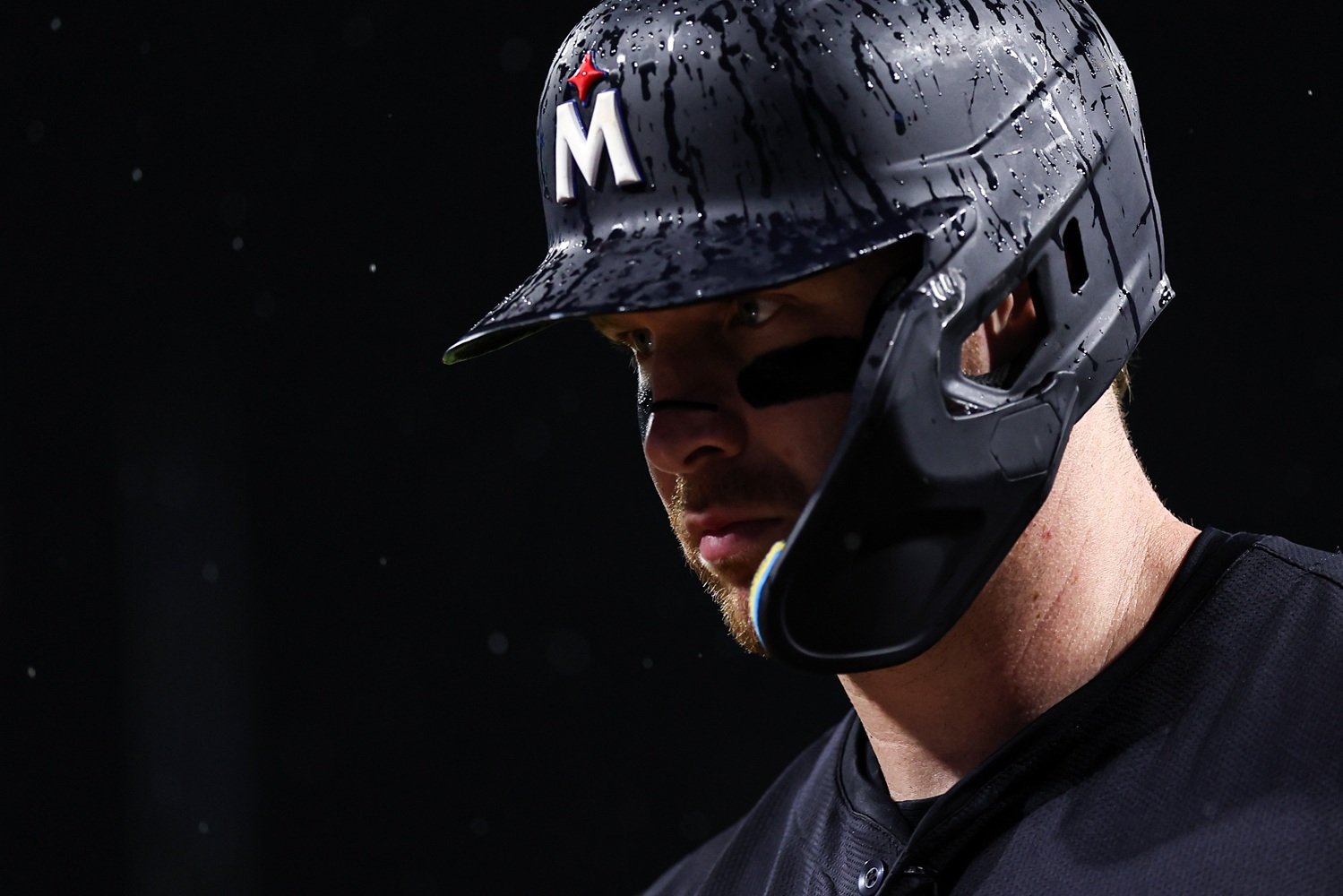
The automated ball strike (ABS) system was always going to change the way games are managed, but it is quickly becoming clear that it is also changing how catchers are evaluated. For the Minnesota Twins, few players have embraced that shift more than Ryan Jeffers.
What started as a rules experiment has become a legitimate skill separator, and Jeffers is leaning into it, boosting both his value and his framing profile.
Twins Lean Into the Challenge Game
From the moment the ABS challenge system was introduced in spring training, the Twins treated it like something to be optimized rather than tolerated. That mindset has carried into the regular season.
As they were in camp, the Twins have been one of baseball’s most aggressive teams with ABS challenges. And overall, it has worked out well for them. It was particularly notable in Tuesday night’s win against the Tigers, when Ryan Jeffers had two successful challenges from behind the plate to end innings.
Entering Wednesday’s game, the Twins had the most hitter challenges, the most successful hitter challenges, the second most catcher challenges, and the second most successful catcher challenges in MLB.
Jeffers has been at the center of that aggression. Entering play on Thursday, among catchers, Jeffers has the third-most challenges. He is also tied for fourth place with 11 challenges won as a catcher. He is dominating in strikeouts gained from challenges with eight. No other catcher has more than five.
“Being able to have the ability to trust myself to challenge it, but then to be able to challenge that in general,” Jeffers told reporters, “it’s a big wrinkle in the game now that I think some people are going to be really good at and some people are not going to be good at. It’s going to be a skill that’s going to be tracked and evaluated like any other skill is.”
A Return to What Once Worked
What makes this even more interesting is how it intersects with Jeffers’ framing history. Early in his career, Jeffers was viewed as a strong framing catcher. He presented the ball well, worked the edges of the zone, and consistently graded out as a positive behind the plate. From 2021-22, he combined for 10 runs from his framing alone. That skillset was part of what made him such an intriguing long-term option for the Twins.
Then came adjustments. In an effort to improve other elements of his defensive game, Twins catching coaches altered Jeffers’ stance behind the plate. Most notably, he began working with a more exaggerated lower-half setup, often keeping a leg extended more regularly. The goal was to improve mobility and throwing, but it came with a trade-off. His framing numbers dipped.
Last season, Jeffers ranked in the 44th percentile for framing at minus one run. From 2023-24, he combined to be worth -12 runs from framing. The visual presentation was not as clean, and the subtle movements that once helped him steal strikes were not showing up the same way.
ABS Is Refocusing the Strike Zone
This is where ABS has quietly helped reshape things. With the ability to challenge pitches, the emphasis shifts from selling borderline strikes to knowing the zone with precision. Catchers are no longer just performers behind the plate. They are decision makers with immediate consequences.
For Jeffers, that has meant a renewed focus on the strike zone itself. Instead of relying purely on presentation, he is pairing that with conviction. If he believes a pitch clipped the zone, he has the confidence and now the mechanism to act on it.
That mindset appears to be bleeding back into his framing. Entering this season, Jeffers has climbed to one framing runs and sits in the 76th percentile. It is not a massive jump on paper, but it is a meaningful one in context. The combination of improved results and elite challenge success suggests a catcher who is more in tune with the zone than he has been in recent years.
ABS is not replacing framing. It is redefining how it matters. For Jeffers, the system has become more than a safety net. It is a tool that reinforces his instincts, sharpens his awareness, and, in the process, helps him rediscover a part of his game that once stood out.
If this is what the early stages of ABS look like, the Twins may already have one of their most valuable practitioners behind the plate.
What has stood out regarding Jeffers and ABS? Has his framing improved this year? Leave a comment and start the discussion.





Recommended Comments
Create an account or sign in to comment
You need to be a member in order to leave a comment
Create an account
Sign up for a new account in our community. It's easy!
Register a new accountSign in
Already have an account? Sign in here.
Sign In Now