



Cody Christie
-
Posts
7,805 -
Joined
-
Last visited
-
Days Won
5
Content Type
Profiles
News
Minnesota Twins Videos
2026 Minnesota Twins Top Prospects Ranking
2022 Minnesota Twins Draft Picks
Minnesota Twins Free Agent & Trade Rumors, Notes, & Tidbits
Guides & Resources
2023 Minnesota Twins Draft Picks
The Minnesota Twins Players Project
2024 Minnesota Twins Draft Picks
2025 Minnesota Twins Draft Pick Tracker
2026 Minnesota Twins Draft Tracker: Picks & Bonuses
Forums
Blogs
Events
Store
Downloads
Gallery
Everything posted by Cody Christie
-
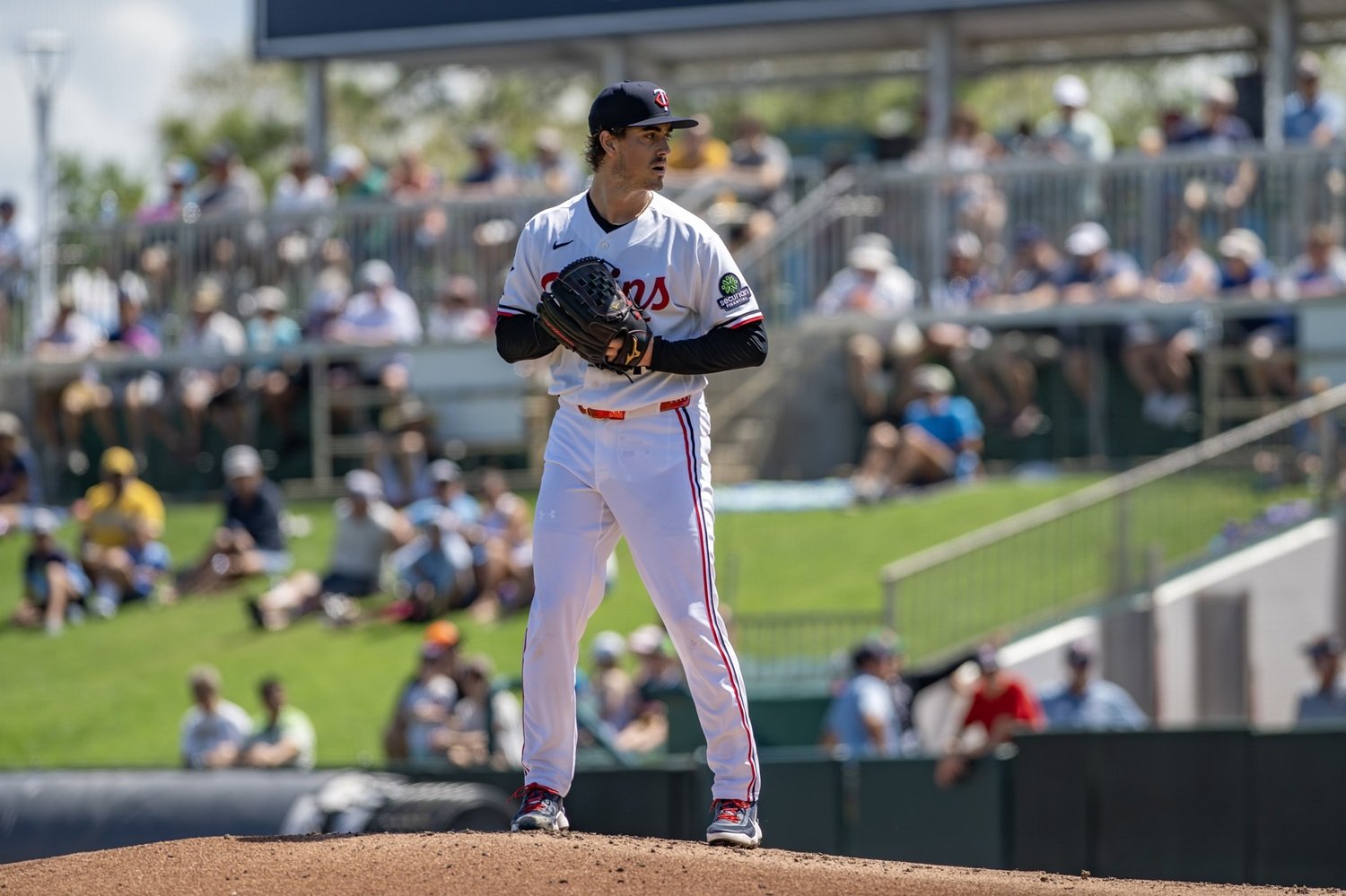 The Minnesota Twins will hand the ball to Joe Ryan when the regular season begins on March 26 in Baltimore, the club announced Friday. It is a decision that felt inevitable at times this spring, yet briefly seemed uncertain as Ryan worked through an early health scare and an unexpected detour involving Team USA. Ryan’s spring did not begin smoothly. While warming up for his first Grapefruit League start, he experienced lower back tightness that forced Minnesota to pull him before taking the mound. The cautious move not only delayed his buildup but also altered his trajectory for the World Baseball Classic, where he had been in the mix for Team USA consideration. An MRI revealed no structural damage, offering immediate relief for both Ryan and the organization. Still, the timing proved costly. Ryan remained hopeful he could rejoin Team USA later in the tournament and was prepared to do just that. He had his car packed and was ready to drive to Miami in anticipation of pitching in the semifinal or championship round. Ultimately, Team USA informed him that he would not be used, a decision that caught Ryan off guard. He later expressed surprise at the call, while also emphasizing his appreciation for the Twins’ support throughout the process. In a twist that now benefits Minnesota, Ryan’s absence from the international stage allowed the club to keep his schedule intact. That alignment made him the clear choice for Opening Day, especially in light of the circumstances surrounding the rest of the rotation. Ryan is no stranger to the assignment. He previously started Opening Day in 2022 against the Seattle Mariners, allowing two runs across four innings. A first-inning home run by Mitch Haniger proved to be the difference in a narrow 2-1 loss. The outing was brief, but it provided Ryan with an early taste of the spotlight that comes with setting the tone for a season. This time around, he enters with a much stronger résumé. Ryan is coming off his first All-Star campaign, posting a 13-10 record with a 3.42 ERA. He struck out 194 hitters while issuing just 39 walks across a career-high 30 starts, cementing his place as one of the most reliable arms in the American League. The path to this year’s Opening Day assignment became even clearer when Pablo López was ruled out for the season following Tommy John surgery. With the staff ace sidelined, Ryan quickly emerged as the logical choice to lead the rotation. The only lingering question was his health, and that concern has largely been put to rest. After a brief 17-day pause, Ryan has looked increasingly sharp in recent outings. His latest start showed noticeable improvement, with his fastball velocity ticking upward and his command returning. He recorded six strikeouts against the Pittsburgh Pirates after failing to register a punchout in his spring debut, a clear sign that his rhythm is coming back at the right time. What once looked like a disrupted spring has come full circle. Ryan enters the season healthy, aligned, and positioned at the front of Minnesota’s rotation. For a team navigating early adversity, that stability could prove invaluable as the Twins open their season on the road.
 -
 Image courtesy of Rob Thompson, St. Paul Saints The Minnesota Twins have had plenty of highly-regarded prospects pass through their system in the last two decades. Few have carried the kind of expectations currently surrounding Walker Jenkins. Across the industry, Jenkins is viewed as the top prospect in the Twins organization. In fact, many evaluators believe he may be the most talented prospect the team has developed since Byron Buxton was climbing the minor-league ladder as baseball’s next five-tool superstar. That's lofty company, and it speaks to how impressive Jenkins has looked early in his professional career. While most scouts agree on Jenkins’ overall offensive upside, one question continues to follow him as he develops: How much power will he actually hit for at the highest level? The answer depends on which evaluators you ask, and is the chief variable left in their assessments. Understanding the Scouting Scale Before digging into the debate, it helps to understand the grading system most prospect outlets use. Scouts typically evaluate tools using the 20-80 scouting scale. A grade of 50 represents major-league average. A 60 grade is considered plus, while a 70 or 80 grade reflects elite tools. On the other end of the spectrum, a 40 grade is below-average, and a 30 or lower suggests a major weakness. In theory, each 10-point increment represents a standard deviation of movement. If 50 is average, 60 is one standard deviation better, so only about 17% of players should be better at a skill than a player with a 60 grade on a given tool. Fewer than 3% of players should be better than someone who scores a 70, and most scouts will only give one 80 grade in any tool over a given period of several years. By contrast, a 40 means that over 80% of regular big-league players are better than the player at that skill. Not every scout or organization interprets the scale quite that way, but that's the gist. (This is also why you'll often see players receive 45 or 55 grades, but rarely see them slapped with 25, 35, 65, or 75. The number of players who fall along the curve between 60 and 70 is small enough that, since these are highly uncertain, future-focused assessments, scouts are usually urged to choose one of the round numbers.) These grades attempt to project how a player’s tools will look at their peak in the major leagues. With Jenkins, his hit tool receives virtually unanimous praise. The disagreement arises over how much power the bat will produce. MLB Pipeline Sees Plus Power MLB Pipeline recently updated its prospect rankings and gave Jenkins a 60 grade for power. That mark signals confidence that he could develop into a legitimate home run threat, even though Pipeline uses the scale a bit more generously than the description above, anyway. The outlet even went as far as naming Jenkins the top power prospect in the Twins system. They wrote that Jenkins uses a smooth, repeatable left-handed swing that allows him to consistently find the barrel. His approach produces hard contact while also generating walks and limiting strikeouts. According to their evaluation, his power began to show more frequently during the 2025 season. Much of that power currently shows up to the pull side, though the report notes he can also drive the ball the other way for extra bases. In that view, Jenkins profiles as the type of hitter who could combine a strong batting average with above-average home run production. If that projection holds true, it would give the Twins a middle-of-the-order cornerstone. FanGraphs Takes a More Cautious View The evaluators at FanGraphs are more conservative in their projections. Their scouting report assigns Jenkins a current raw power grade of 45, with a future projection of 55. When projecting how that power will translate into games, they are even more cautious. Jenkins receives a current game power grade of 40, with a future grade of 50. In other words, FanGraphs sees Jenkins eventually reaching roughly average game power at the major-league level, rather than the clear plus power projected elsewhere. Their report notes that Jenkins is physically strong and well built, but lacks the overwhelming physical tools often associated with superstar-level power hitters. His bat speed is described as slightly above average, and the underlying power metrics from 2025 were more modest. The report points to a maximum exit velocity of 110 mph, which is roughly the major-league average. More importantly, many of his balls in play fell far below that mark. His hard-hit rate, around 35%, suggests a solid but not overwhelming impact. From this perspective, Jenkins might be more of a high-contact hitter who occasionally runs into home runs, rather than a consistent 30-homer threat. Based on last year's league-wide home run rate and isolated power, a version of Jenkins that hits .270 in the majors (a strong projection in a league that bats around .245) would slug about .430 and hit 19 home runs in a full season of playing time. Why the Evaluations Differ The disagreement between these outlets highlights the challenge of projecting power for young hitters. Jenkins’s swing naturally invites comparisons to another former Twins star, Joe Mauer. Like Mauer, Jenkins owns a smooth left-handed stroke built around barrel control and the use of the entire field. That style often produces plenty of doubles and strong on-base numbers. Mauer occasionally flashed home run power during his career, but his game was built more around line drives and gap-to-gap contact, rather than towering pull-side home runs. Some scouts believe Jenkins could follow a similar offensive path. However, there are also reasons to believe more power could develop. Jenkins is still physically maturing and has already shown an ability to drive the ball harder as he gains experience. Many young hitters also learn to selectively hunt pitches they can pull in the air as they climb the ladder. That developmental adjustment can significantly increase home run totals. Furthermore, the league is forcing players to hunt power that way. A rising baseline for athleticism (especially in the corner outfield spots) and better outfield positioning have made it impossible to even rack up doubles the way Mauer did for so much of his career. Had Mauer come along when Jenkins did, he would have developed differently. If Jenkins turns out to be a comparably talented and intelligent hitter (admittedly, a big 'if'), he's likely to focus more on power and less on batting average. Both the power and the hit tool are also difficult to evaluate, because hitting is such a reactive craft. Famously, former top Orioles catching prospect Matt Wieters was hailed as a switch-hitting "Mauer with Power," but he never got near that level. He didn't have Mauer's preternatural combination of feel for contact and plate discipline, and while he did flash considerably more raw power, he was never a Mauer-caliber overall offensive force—let alone something more. Teams can much better evaluate players at similar stages now, using neuroscouting tools and bat-tracking data, but there's still an alchemy involved that can only be experienced, rather than explained. Some hitters are more than the sum of their parts; some are less. The Next Test at Triple-A Ultimately, the debate about Jenkins’s power will be settled on the field. The next stage of his development could provide an important clue. Jenkins is scheduled to begin the season at Triple-A, in the hitter-friendly environments of the International League. That level often boosts offensive numbers and allows evaluators to see how a prospect’s raw tools translate against advanced pitching. If Jenkins begins consistently lifting balls to his pull side and clearing the fence more often, the more optimistic power projections could start to look accurate. If his production leans more toward doubles and line drives, the comparison to Mauer’s offensive style might prove closer to the truth. Regardless of which projection proves correct, Jenkins’s advanced hit tool already provides a strong foundation for his future. The lingering question is whether his power will settle at solid, average production or evolve into an asset anchoring the middle of the Twins lineup for years to come. Whose evaluation do you agree with the most? Can Jenkins be an above-average power hitter? Leave a comment and start the discussion. View full article
 -
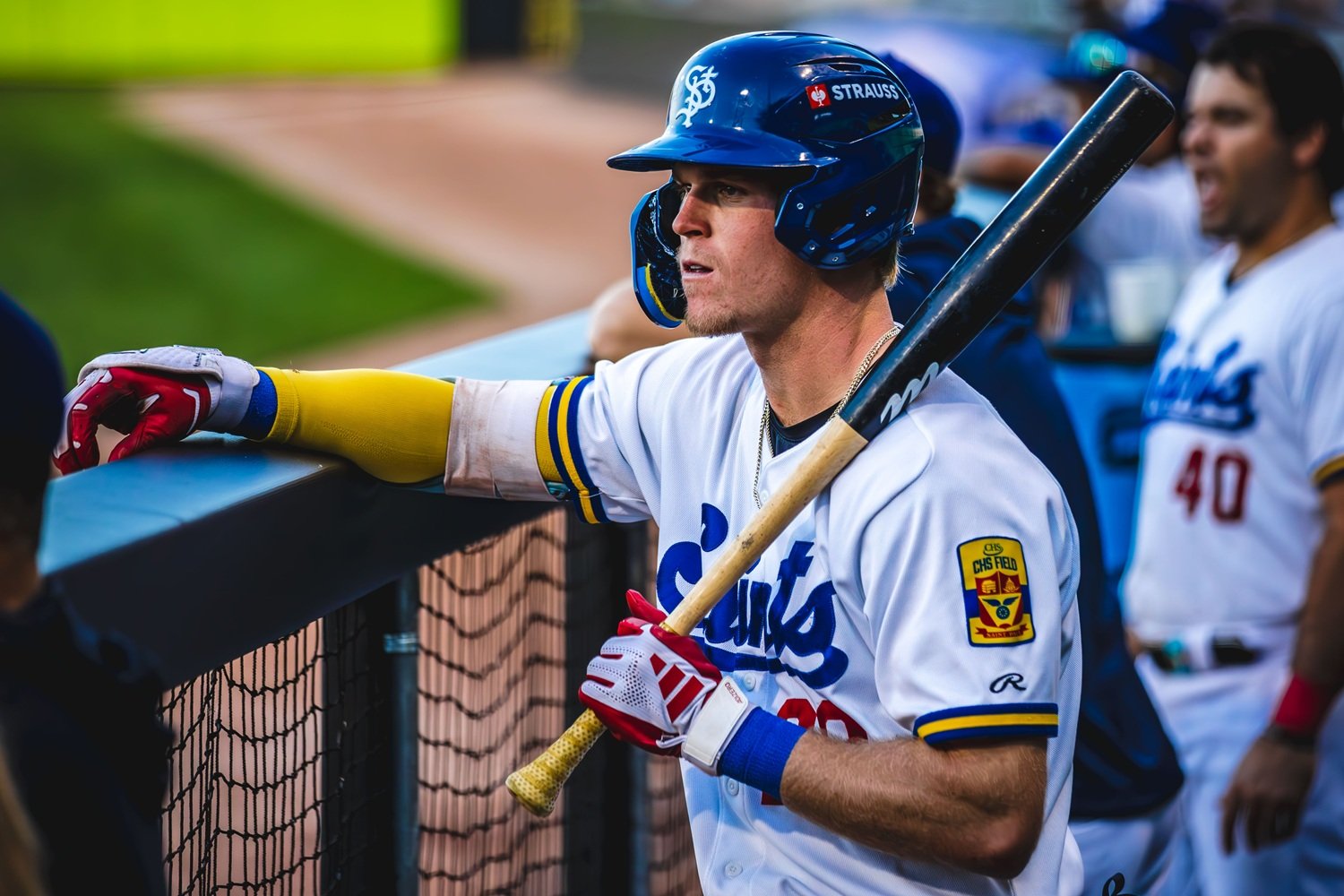 The Minnesota Twins have had plenty of highly-regarded prospects pass through their system in the last two decades. Few have carried the kind of expectations currently surrounding Walker Jenkins. Across the industry, Jenkins is viewed as the top prospect in the Twins organization. In fact, many evaluators believe he may be the most talented prospect the team has developed since Byron Buxton was climbing the minor-league ladder as baseball’s next five-tool superstar. That's lofty company, and it speaks to how impressive Jenkins has looked early in his professional career. While most scouts agree on Jenkins’ overall offensive upside, one question continues to follow him as he develops: How much power will he actually hit for at the highest level? The answer depends on which evaluators you ask, and is the chief variable left in their assessments. Understanding the Scouting Scale Before digging into the debate, it helps to understand the grading system most prospect outlets use. Scouts typically evaluate tools using the 20-80 scouting scale. A grade of 50 represents major-league average. A 60 grade is considered plus, while a 70 or 80 grade reflects elite tools. On the other end of the spectrum, a 40 grade is below-average, and a 30 or lower suggests a major weakness. In theory, each 10-point increment represents a standard deviation of movement. If 50 is average, 60 is one standard deviation better, so only about 17% of players should be better at a skill than a player with a 60 grade on a given tool. Fewer than 3% of players should be better than someone who scores a 70, and most scouts will only give one 80 grade in any tool over a given period of several years. By contrast, a 40 means that over 80% of regular big-league players are better than the player at that skill. Not every scout or organization interprets the scale quite that way, but that's the gist. (This is also why you'll often see players receive 45 or 55 grades, but rarely see them slapped with 25, 35, 65, or 75. The number of players who fall along the curve between 60 and 70 is small enough that, since these are highly uncertain, future-focused assessments, scouts are usually urged to choose one of the round numbers.) These grades attempt to project how a player’s tools will look at their peak in the major leagues. With Jenkins, his hit tool receives virtually unanimous praise. The disagreement arises over how much power the bat will produce. MLB Pipeline Sees Plus Power MLB Pipeline recently updated its prospect rankings and gave Jenkins a 60 grade for power. That mark signals confidence that he could develop into a legitimate home run threat, even though Pipeline uses the scale a bit more generously than the description above, anyway. The outlet even went as far as naming Jenkins the top power prospect in the Twins system. They wrote that Jenkins uses a smooth, repeatable left-handed swing that allows him to consistently find the barrel. His approach produces hard contact while also generating walks and limiting strikeouts. According to their evaluation, his power began to show more frequently during the 2025 season. Much of that power currently shows up to the pull side, though the report notes he can also drive the ball the other way for extra bases. In that view, Jenkins profiles as the type of hitter who could combine a strong batting average with above-average home run production. If that projection holds true, it would give the Twins a middle-of-the-order cornerstone. FanGraphs Takes a More Cautious View The evaluators at FanGraphs are more conservative in their projections. Their scouting report assigns Jenkins a current raw power grade of 45, with a future projection of 55. When projecting how that power will translate into games, they are even more cautious. Jenkins receives a current game power grade of 40, with a future grade of 50. In other words, FanGraphs sees Jenkins eventually reaching roughly average game power at the major-league level, rather than the clear plus power projected elsewhere. Their report notes that Jenkins is physically strong and well built, but lacks the overwhelming physical tools often associated with superstar-level power hitters. His bat speed is described as slightly above average, and the underlying power metrics from 2025 were more modest. The report points to a maximum exit velocity of 110 mph, which is roughly the major-league average. More importantly, many of his balls in play fell far below that mark. His hard-hit rate, around 35%, suggests a solid but not overwhelming impact. From this perspective, Jenkins might be more of a high-contact hitter who occasionally runs into home runs, rather than a consistent 30-homer threat. Based on last year's league-wide home run rate and isolated power, a version of Jenkins that hits .270 in the majors (a strong projection in a league that bats around .245) would slug about .430 and hit 19 home runs in a full season of playing time. Why the Evaluations Differ The disagreement between these outlets highlights the challenge of projecting power for young hitters. Jenkins’s swing naturally invites comparisons to another former Twins star, Joe Mauer. Like Mauer, Jenkins owns a smooth left-handed stroke built around barrel control and the use of the entire field. That style often produces plenty of doubles and strong on-base numbers. Mauer occasionally flashed home run power during his career, but his game was built more around line drives and gap-to-gap contact, rather than towering pull-side home runs. Some scouts believe Jenkins could follow a similar offensive path. However, there are also reasons to believe more power could develop. Jenkins is still physically maturing and has already shown an ability to drive the ball harder as he gains experience. Many young hitters also learn to selectively hunt pitches they can pull in the air as they climb the ladder. That developmental adjustment can significantly increase home run totals. Furthermore, the league is forcing players to hunt power that way. A rising baseline for athleticism (especially in the corner outfield spots) and better outfield positioning have made it impossible to even rack up doubles the way Mauer did for so much of his career. Had Mauer come along when Jenkins did, he would have developed differently. If Jenkins turns out to be a comparably talented and intelligent hitter (admittedly, a big 'if'), he's likely to focus more on power and less on batting average. Both the power and the hit tool are also difficult to evaluate, because hitting is such a reactive craft. Famously, former top Orioles catching prospect Matt Wieters was hailed as a switch-hitting "Mauer with Power," but he never got near that level. He didn't have Mauer's preternatural combination of feel for contact and plate discipline, and while he did flash considerably more raw power, he was never a Mauer-caliber overall offensive force—let alone something more. Teams can much better evaluate players at similar stages now, using neuroscouting tools and bat-tracking data, but there's still an alchemy involved that can only be experienced, rather than explained. Some hitters are more than the sum of their parts; some are less. The Next Test at Triple-A Ultimately, the debate about Jenkins’s power will be settled on the field. The next stage of his development could provide an important clue. Jenkins is scheduled to begin the season at Triple-A, in the hitter-friendly environments of the International League. That level often boosts offensive numbers and allows evaluators to see how a prospect’s raw tools translate against advanced pitching. If Jenkins begins consistently lifting balls to his pull side and clearing the fence more often, the more optimistic power projections could start to look accurate. If his production leans more toward doubles and line drives, the comparison to Mauer’s offensive style might prove closer to the truth. Regardless of which projection proves correct, Jenkins’s advanced hit tool already provides a strong foundation for his future. The lingering question is whether his power will settle at solid, average production or evolve into an asset anchoring the middle of the Twins lineup for years to come. Whose evaluation do you agree with the most? Can Jenkins be an above-average power hitter? Leave a comment and start the discussion.
 -
Emmanuel Rodriguez Turned Heads With Loud Spring Statcast Numbers
Cody Christie posted an article in Minor Leagues
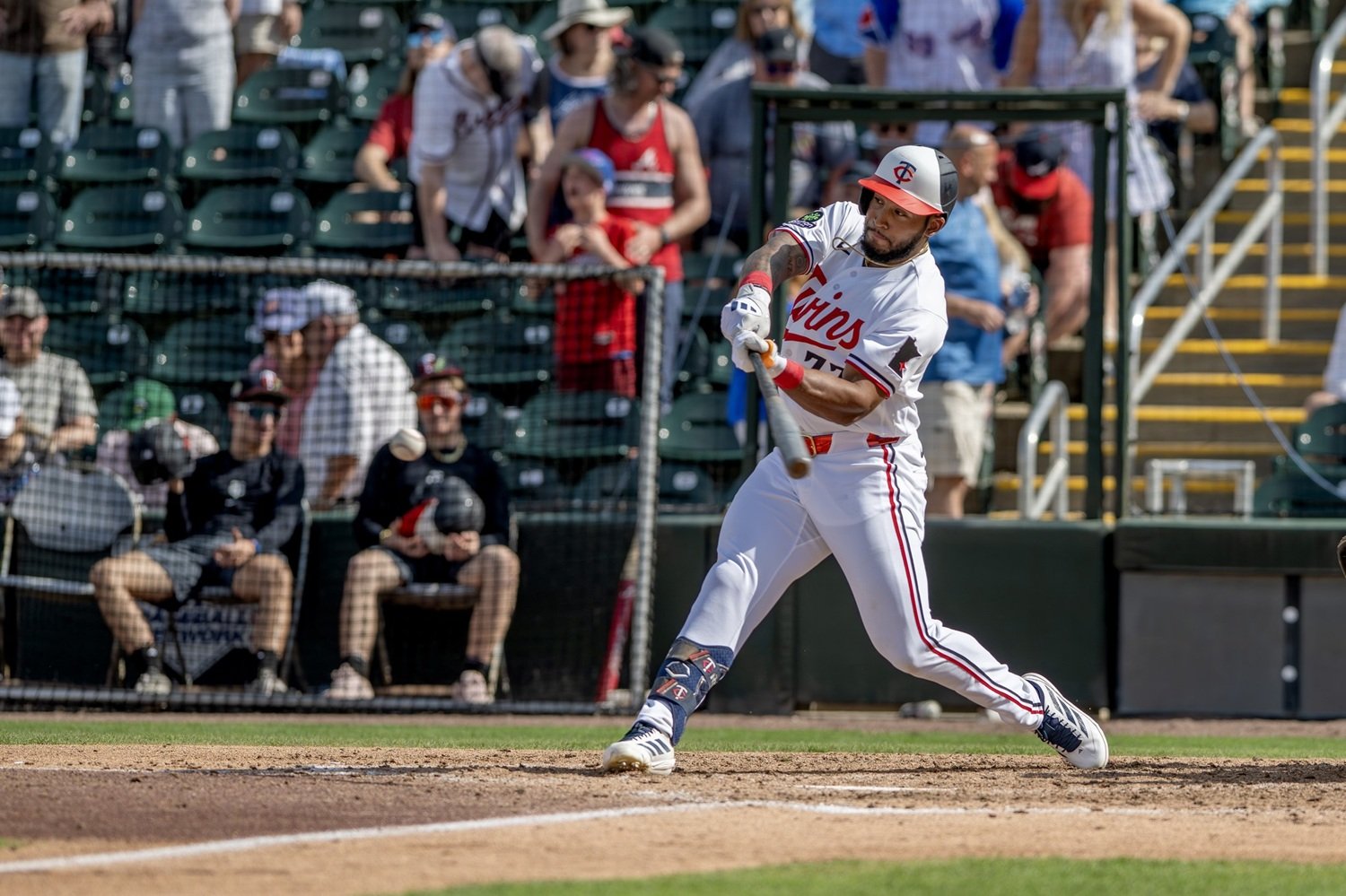 The Minnesota Twins may have sent Emmanuel Rodríguez to minor-league camp, but his spring performance made sure he did not leave quietly. In a camp filled with roster battles and final decisions, Rodríguez consistently stood out every time he stepped into the box, turning routine Grapefruit League at-bats into must-watch moments. Even though Rodríguez didn't make the big-league roster during camp, his spring performance ensured he remained a prominent topic of discussion. By showcasing some of the most impressive underlying metrics in the organization, he offered a reminder that his arrival in Minnesota is imminent. According to MLB.com, Rodríguez, Twins Daily’s third-ranked prospect, was raking up to that point, with a 94-mph average exit velocity and 60% hard-hit rate in his spring games for the Twins. Those aren't just good numbers. They're indicators of a toolsy hitter squaring the ball up consistently, and they explain why Rodríguez generated so much buzz during camp. One of the loudest moments came early in March, when Rodríguez showed just how much damage his bat can do. On March 9, the 23-year-old lefty crushed a double with an exit velocity of 114 mph. That number would have tied for the hardest-hit ball by any Twin during the 2025 season, matching a blast from Byron Buxton last August. That type of raw power is immediately noticeable. However, for Rodríguez, this power is just one element within a more nuanced offensive profile. “There’s some bat speed there,” Twins manager Derek Shelton said. “Quite honestly, I thought he hit the (Feb. 22) homer off the end of the bat. When he hit it, it didn’t sound flush. I even said, ‘Oh, he didn’t get it.’ And it landed about 15 rows deep, so I don’t know if we should use me as the barometer.” In addition to his power, Rodríguez used spring training to demonstrate his versatility. The Twins gave him playing time at all three outfield spots, providing experience that could prove valuable as the big-league roster deals with inevitable injuries over the course of the season. On the bases and in the field, Rodríguez looks like a traditional athletic center fielder. He has averaged roughly 30 steals per 150 games in the minors and brings the range and arm strength to handle center or slide into a corner role without losing value. At the plate, though, he becomes something entirely different. Rodríguez pairs his power with an extremely patient, selective approach. He rarely chases pitches outside the strike zone and is comfortable working deep into counts. That approach has led to an eye-popping 278 walks in just 295 minor-league games, good for a 21.7% walk rate. It also comes with tradeoffs. Because Rodríguez often hits with two strikes and swings less frequently than most hitters, strikeouts are part of the package. He has fanned 389 times in the minors, posting a strikeout rate north of 30% while hitting .254. One has to wonder if his strikeouts will increase at the big-league level, and a lower batting average might sap his overall value. This offensive and athletic profile is rare. While Rodríguez has some traits of power-hitting, high-walk sluggers, he uniquely combines this approach with the athleticism of a center fielder. That blend makes him incredibly intriguing—and somewhat difficult to project. What is not difficult to project is the upside. Rodríguez owns a .424 on-base percentage and a .488 slugging percentage across five minor-league levels, posting an OPS of at least .840 at every stop. Few prospects can match that level of consistent production, while also flashing the kind of Statcast data he showed this spring. As for the timeline, Rodríguez may be closer than some realize. After spending all of last season at Triple-A St. Paul, he is already a step ahead of fellow top prospects Walker Jenkins and Kaelen Culpepper in terms of proximity to the majors. If the Twins need a spark in the outfield at any point this season, Rodríguez will be one of the first names considered. The questions are still there. Can he make enough contact against major-league pitching? Will pitchers challenge him differently once they realize how selective he is? Those answers will come with time. What the Twins already know is this. Rodríguez brings elite underlying metrics, a disciplined approach, and enough power to change a game with one swing. If those traits translate, even partially, he has a chance to make a real impact in Minnesota before the 2026 season is over. What stands out about Rodriguez’s spring Statcast data? Leave a comment and start the discussion.
 -
Image courtesy of William Parmeter The Minnesota Twins may have sent Emmanuel Rodríguez to minor-league camp, but his spring performance made sure he did not leave quietly. In a camp filled with roster battles and final decisions, Rodríguez consistently stood out every time he stepped into the box, turning routine Grapefruit League at-bats into must-watch moments. Even though Rodríguez didn't make the big-league roster during camp, his spring performance ensured he remained a prominent topic of discussion. By showcasing some of the most impressive underlying metrics in the organization, he offered a reminder that his arrival in Minnesota is imminent. According to MLB.com, Rodríguez, Twins Daily’s third-ranked prospect, was raking up to that point, with a 94-mph average exit velocity and 60% hard-hit rate in his spring games for the Twins. Those aren't just good numbers. They're indicators of a toolsy hitter squaring the ball up consistently, and they explain why Rodríguez generated so much buzz during camp. One of the loudest moments came early in March, when Rodríguez showed just how much damage his bat can do. On March 9, the 23-year-old lefty crushed a double with an exit velocity of 114 mph. That number would have tied for the hardest-hit ball by any Twin during the 2025 season, matching a blast from Byron Buxton last August. That type of raw power is immediately noticeable. However, for Rodríguez, this power is just one element within a more nuanced offensive profile. “There’s some bat speed there,” Twins manager Derek Shelton said. “Quite honestly, I thought he hit the (Feb. 22) homer off the end of the bat. When he hit it, it didn’t sound flush. I even said, ‘Oh, he didn’t get it.’ And it landed about 15 rows deep, so I don’t know if we should use me as the barometer.” In addition to his power, Rodríguez used spring training to demonstrate his versatility. The Twins gave him playing time at all three outfield spots, providing experience that could prove valuable as the big-league roster deals with inevitable injuries over the course of the season. On the bases and in the field, Rodríguez looks like a traditional athletic center fielder. He has averaged roughly 30 steals per 150 games in the minors and brings the range and arm strength to handle center or slide into a corner role without losing value. At the plate, though, he becomes something entirely different. Rodríguez pairs his power with an extremely patient, selective approach. He rarely chases pitches outside the strike zone and is comfortable working deep into counts. That approach has led to an eye-popping 278 walks in just 295 minor-league games, good for a 21.7% walk rate. It also comes with tradeoffs. Because Rodríguez often hits with two strikes and swings less frequently than most hitters, strikeouts are part of the package. He has fanned 389 times in the minors, posting a strikeout rate north of 30% while hitting .254. One has to wonder if his strikeouts will increase at the big-league level, and a lower batting average might sap his overall value. This offensive and athletic profile is rare. While Rodríguez has some traits of power-hitting, high-walk sluggers, he uniquely combines this approach with the athleticism of a center fielder. That blend makes him incredibly intriguing—and somewhat difficult to project. What is not difficult to project is the upside. Rodríguez owns a .424 on-base percentage and a .488 slugging percentage across five minor-league levels, posting an OPS of at least .840 at every stop. Few prospects can match that level of consistent production, while also flashing the kind of Statcast data he showed this spring. As for the timeline, Rodríguez may be closer than some realize. After spending all of last season at Triple-A St. Paul, he is already a step ahead of fellow top prospects Walker Jenkins and Kaelen Culpepper in terms of proximity to the majors. If the Twins need a spark in the outfield at any point this season, Rodríguez will be one of the first names considered. The questions are still there. Can he make enough contact against major-league pitching? Will pitchers challenge him differently once they realize how selective he is? Those answers will come with time. What the Twins already know is this. Rodríguez brings elite underlying metrics, a disciplined approach, and enough power to change a game with one swing. If those traits translate, even partially, he has a chance to make a real impact in Minnesota before the 2026 season is over. What stands out about Rodriguez’s spring Statcast data? Leave a comment and start the discussion. View full article
-
With the calendar turning toward the final week of spring training, the Minnesota Twins continue to narrow down their roster. On Tuesday, the club reassigned three more non-roster position players to minor league camp, signaling that decisions are becoming more real with each passing day. Outfielders Kala’i Rosario and Kyler Fedko, along with infielder Tanner Schobel, were the latest cuts. Rosario and Fedko were among a group of Twins prospects announced for the team’s Spring Breakout game on Thursday. The moves come just ahead of an off day on Wednesday, March 18, and leave the Twins with 21 position players remaining in big league camp. That group still includes a handful of non-roster invitees, but the competition is clearly tightening. Rosario may have made the strongest impression of the trio this spring. The 23-year-old went 5-for-15 in Grapefruit League action, showing some pop with a home run and driving in four. He also drew three walks, though the seven strikeouts highlight the continued development needed in his offensive approach. A fifth-round pick in 2020, Rosario finished last season at Double-A and remains an intriguing power bat in the system. Fedko, 26, brings versatility with experience at both first base and the outfield, but his spring numbers did not jump off the page. He collected three hits in 23 at-bats while striking out eight times. After splitting last season between Double- and Triple-A, he looks ticketed to provide organizational depth at the upper levels. Schobel, a 2022 second-round pick, also flashed some ability despite limited opportunities. The 24-year-old recorded two hits in 15 at-bats, including a home run, while working three walks. He reached Triple-A last season, and the Twins have continued to challenge him with aggressive assignments since drafting him. At this stage of camp, these moves are less about performance and more about roster realities. The Twins need to allocate at-bats and innings to players still competing for Opening Day roles, and that often means sending promising but not quite ready contributors back to the minor league side. None of Rosario, Fedko, or Schobel was expected to break camp with the major league club, but all three remain firmly in the picture for 2026. Each should factor into Triple-A depth at St Paul, positioning themselves as potential call-up options when injuries or roster needs inevitably arise during the season. View full rumor
-
 With the calendar turning toward the final week of spring training, the Minnesota Twins continue to narrow down their roster. On Tuesday, the club reassigned three more non-roster position players to minor league camp, signaling that decisions are becoming more real with each passing day. Outfielders Kala’i Rosario and Kyler Fedko, along with infielder Tanner Schobel, were the latest cuts. Rosario and Fedko were among a group of Twins prospects announced for the team’s Spring Breakout game on Thursday. The moves come just ahead of an off day on Wednesday, March 18, and leave the Twins with 21 position players remaining in big league camp. That group still includes a handful of non-roster invitees, but the competition is clearly tightening. Rosario may have made the strongest impression of the trio this spring. The 23-year-old went 5-for-15 in Grapefruit League action, showing some pop with a home run and driving in four. He also drew three walks, though the seven strikeouts highlight the continued development needed in his offensive approach. A fifth-round pick in 2020, Rosario finished last season at Double-A and remains an intriguing power bat in the system. Fedko, 26, brings versatility with experience at both first base and the outfield, but his spring numbers did not jump off the page. He collected three hits in 23 at-bats while striking out eight times. After splitting last season between Double- and Triple-A, he looks ticketed to provide organizational depth at the upper levels. Schobel, a 2022 second-round pick, also flashed some ability despite limited opportunities. The 24-year-old recorded two hits in 15 at-bats, including a home run, while working three walks. He reached Triple-A last season, and the Twins have continued to challenge him with aggressive assignments since drafting him. At this stage of camp, these moves are less about performance and more about roster realities. The Twins need to allocate at-bats and innings to players still competing for Opening Day roles, and that often means sending promising but not quite ready contributors back to the minor league side. None of Rosario, Fedko, or Schobel was expected to break camp with the major league club, but all three remain firmly in the picture for 2026. Each should factor into Triple-A depth at St Paul, positioning themselves as potential call-up options when injuries or roster needs inevitably arise during the season.
- 7 comments
-
- 4
-

-
- kalai rosario
- kyler fedko
- (and 1 more)
-
Finalized rosters dropped on Wednesday, trimming each organization’s initial 40-player pool down into something much more game-ready. For the Twins, that means a prospect group in the mid-20s taking the field on Thursday afternoon, with a chance to show what the next wave of talent might look like in Minnesota. Major League Baseball’s third annual Spring Breakout event runs from March 19 through March 22, serving as a four-day window into the future of the sport. The Twins will host the Philadelphia Phillies prospects on Thursday at 12:05 p.m. CT, giving fans a midday look at some of the organization’s most intriguing names. The game will be widely accessible, airing on MLB Network and Twins.TV while also streaming for free on MLB.TV, MLB.com, and the MLB app. For Minnesota, this is more than just a novelty on the spring calendar. The roster is packed with players who could realistically factor into the club’s long-term plans, and in some cases, sooner rather than later. Spring Breakout rosters are built primarily from MLB Pipeline’s Top 30 prospects list for each organization, with eligibility tied to players who still qualify as rookies for the 2026 season. This year’s format again featured a two-step process: a 40-player pool, then a final group announced on Wednesday. One notable absence is Walker Jenkins, who will miss the event for the second straight year. The outfielder dealt with a hamstring injury earlier in camp, but the Twins have indicated he is progressing well. The expectation is that he will return to action later this week and be ready for Opening Day with St. Paul. Even without Jenkins, the Twins are not lacking in star power. Fourteen of Twins Daily’s top 20 prospects made the cut, giving this roster a legitimate amount of upside across the diamond. On the position player side, Emmanuel Rodriguez remains one of the most electric bats in the system, capable of changing a game with one swing or one sprint out of the box. Kaelen Culpepper continues to generate buzz as a fast-rising infielder with the tools to stick on the left side. Marek Houston, last year's first-round pick, will also get his first chance to show his lauded defensive skills at shortstop. Behind the plate, Eduardo Tait and Khadim Diaw give the Twins a pair of catching prospects that bring both intrigue and upside, each carving out their own path toward the upper minors. On the mound, Dasan Hill headlines the group as the highest-ranked pitching prospect on the roster. The left-hander has already turned heads this spring after touching 100 mph, and this setting feels tailor-made for a breakout performance. Marco Raya will be another arm to watch, especially as he continues transitioning into a bullpen role. Short bursts in a showcase environment could play directly into his strengths. All told, this is a roster that blends proximity with projection. Some of these players are a few adjustments away from knocking on the big league door, while others are just beginning to scratch the surface of what they might become. Either way, Thursday offers a rare opportunity to see that spectrum all at once. Finalized roster: PITCHERS (13) Miguelangel Boadas, RHP C.J. Culpepper, RHP, TD’s No. 18 James Ellwanger, RHP, TD’s No. 20 Brent Francisco, RHP Ruddy Gomez, RHP Alejandro Hidalgo, RHP Dasan Hill, LHP, TD’s No. 6 Matt Des Marets, RHP Marco Raya, RHP, TD’s No. 15 Mitch Mueller, RHP Sam Ryan, RHP Jonathan Stevens, RHP Eston Stull, RHP CATCHERS (3) Khadim Diaw, TD’s No. 19 Ricardo Olivar Eduardo Tait, TD’s No. 4 INFIELDERS (7) Billy Amick, 3B/1B Kaelen Culpepper, SS, TD’s No. 2 Kyle DeBarge, SS, TD’s No. 17 Marek Houston, SS, TD’s No. 9 Ben Ross, IF Brandon Winokur, SS/3B, TD’s No. 13 Quentin Young, SS, TD’s No. 14 OUTFIELDERS (5) Gabriel Gonzalez, TD’s No. 7 Kyler Fedko Hendry Mendez, TD’s No. 16 Emmanuel Rodriguez, TD’s No. 3 Kala’i Rosario View full rumor
- 4 replies
-
- 2
-
-
- emmanuel rodriguez
- dasan hill
- (and 7 more)
-
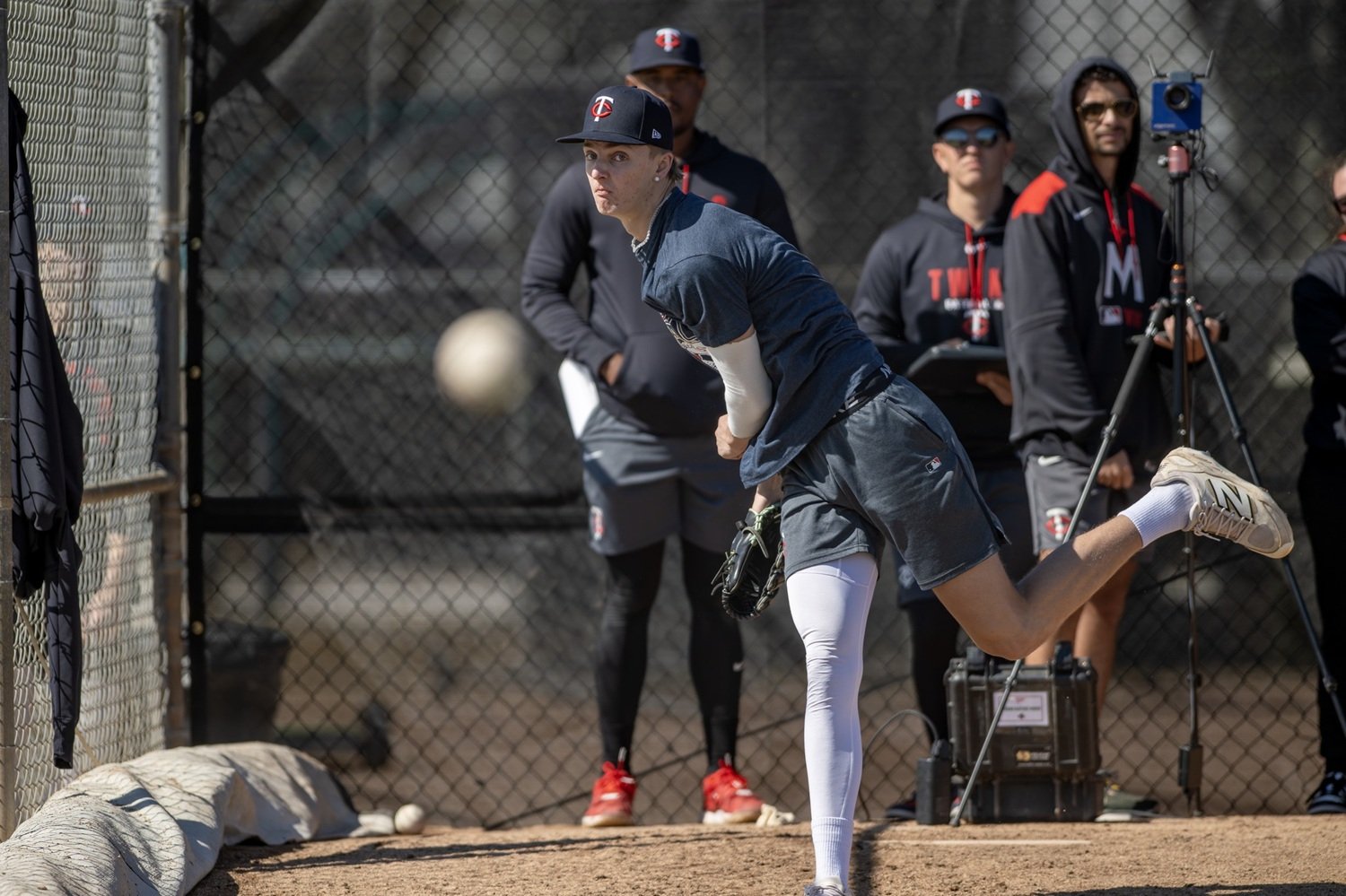 Finalized rosters dropped on Wednesday, trimming each organization’s initial 40-player pool down into something much more game-ready. For the Twins, that means a prospect group in the mid-20s taking the field on Thursday afternoon, with a chance to show what the next wave of talent might look like in Minnesota. Major League Baseball’s third annual Spring Breakout event runs from March 19 through March 22, serving as a four-day window into the future of the sport. The Twins will host the Philadelphia Phillies prospects on Thursday at 12:05 p.m. CT, giving fans a midday look at some of the organization’s most intriguing names. The game will be widely accessible, airing on MLB Network and Twins.TV while also streaming for free on MLB.TV, MLB.com, and the MLB app. For Minnesota, this is more than just a novelty on the spring calendar. The roster is packed with players who could realistically factor into the club’s long-term plans, and in some cases, sooner rather than later. Spring Breakout rosters are built primarily from MLB Pipeline’s Top 30 prospects list for each organization, with eligibility tied to players who still qualify as rookies for the 2026 season. This year’s format again featured a two-step process: a 40-player pool, then a final group announced on Wednesday. One notable absence is Walker Jenkins, who will miss the event for the second straight year. The outfielder dealt with a hamstring injury earlier in camp, but the Twins have indicated he is progressing well. The expectation is that he will return to action later this week and be ready for Opening Day with St. Paul. Even without Jenkins, the Twins are not lacking in star power. Fourteen of Twins Daily’s top 20 prospects made the cut, giving this roster a legitimate amount of upside across the diamond. On the position player side, Emmanuel Rodriguez remains one of the most electric bats in the system, capable of changing a game with one swing or one sprint out of the box. Kaelen Culpepper continues to generate buzz as a fast-rising infielder with the tools to stick on the left side. Marek Houston, last year's first-round pick, will also get his first chance to show his lauded defensive skills at shortstop. Behind the plate, Eduardo Tait and Khadim Diaw give the Twins a pair of catching prospects that bring both intrigue and upside, each carving out their own path toward the upper minors. On the mound, Dasan Hill headlines the group as the highest-ranked pitching prospect on the roster. The left-hander has already turned heads this spring after touching 100 mph, and this setting feels tailor-made for a breakout performance. Marco Raya will be another arm to watch, especially as he continues transitioning into a bullpen role. Short bursts in a showcase environment could play directly into his strengths. All told, this is a roster that blends proximity with projection. Some of these players are a few adjustments away from knocking on the big league door, while others are just beginning to scratch the surface of what they might become. Either way, Thursday offers a rare opportunity to see that spectrum all at once. Finalized roster: PITCHERS (13) Miguelangel Boadas, RHP C.J. Culpepper, RHP, TD’s No. 18 James Ellwanger, RHP, TD’s No. 20 Brent Francisco, RHP Ruddy Gomez, RHP Alejandro Hidalgo, RHP Dasan Hill, LHP, TD’s No. 6 Matt Des Marets, RHP Marco Raya, RHP, TD’s No. 15 Mitch Mueller, RHP Sam Ryan, RHP Jonathan Stevens, RHP Eston Stull, RHP CATCHERS (3) Khadim Diaw, TD’s No. 19 Ricardo Olivar Eduardo Tait, TD’s No. 4 INFIELDERS (7) Billy Amick, 3B/1B Kaelen Culpepper, SS, TD’s No. 2 Kyle DeBarge, SS, TD’s No. 17 Marek Houston, SS, TD’s No. 9 Ben Ross, IF Brandon Winokur, SS/3B, TD’s No. 13 Quentin Young, SS, TD’s No. 14 OUTFIELDERS (5) Gabriel Gonzalez, TD’s No. 7 Kyler Fedko Hendry Mendez, TD’s No. 16 Emmanuel Rodriguez, TD’s No. 3 Kala’i Rosario
- 4 comments
-
- 1
-
-
- emmanuel rodriguez
- dasan hill
- (and 7 more)
-
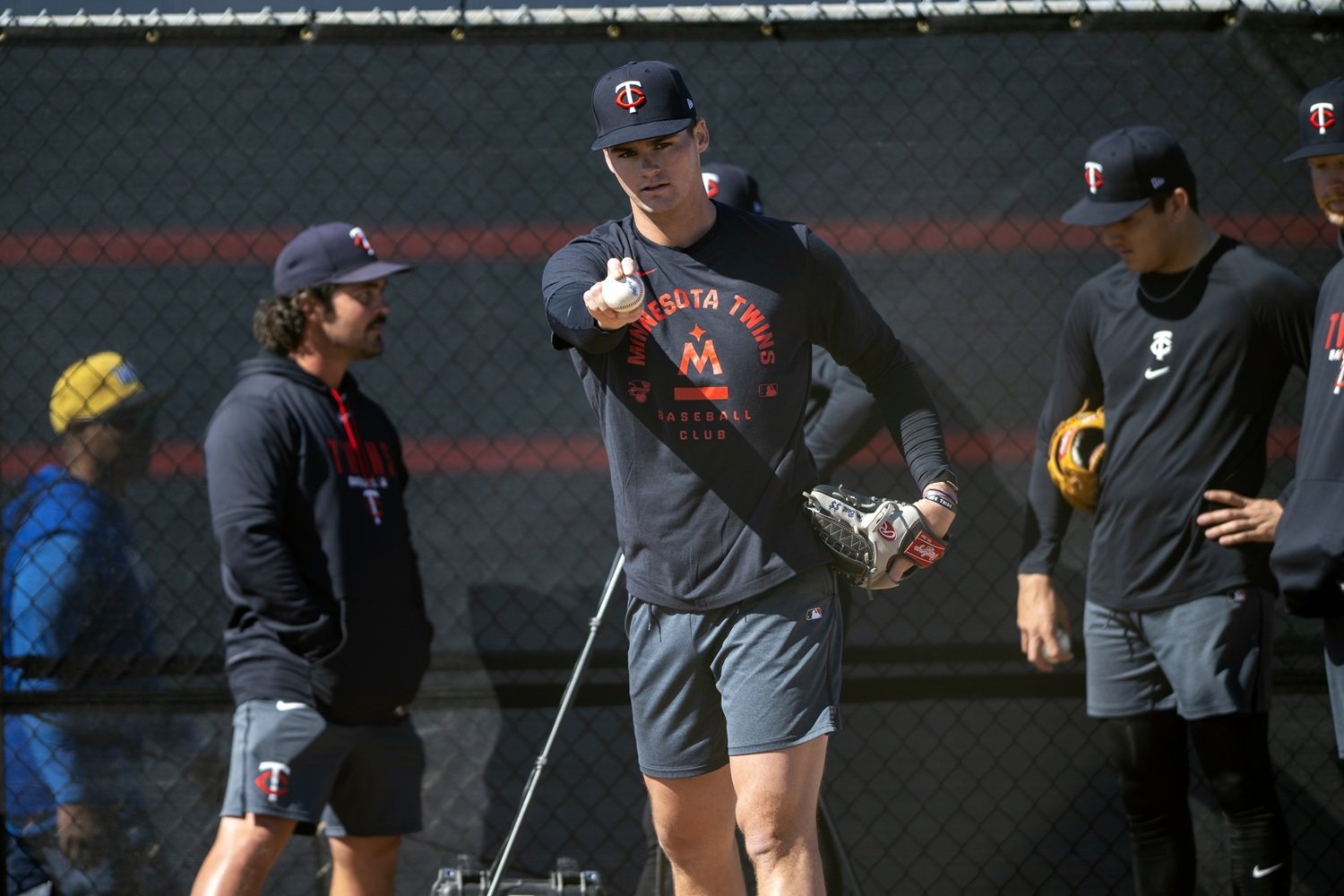 Twins Daily just wrapped up its annual top prospect countdown. Notably, six of the Twins’ top eight prospects are expected to open at Triple-A St. Paul, one step from the big leagues. That proximity means the Twins could see several prospects make their major-league debuts in 2026. While much of the focus is on position players at the upper levels, the system's pitching side also boasts several intriguing arms. These pitchers could take big steps forward this year. Here are three Twins pitcher prospect predictions for 2026. Riley Quick Wins Twins Minor League Pitcher of the Year Quick's power arsenal could let him dominate minor-league hitters this season. He started 14 games for the University of Alabama last year, showing enough for the Twins to draft him 36th overall. Minnesota signed him for the full slot bonus of $2.69 million. Quick’s fastball already sits in the 96-97 mph range and can touch 99, while maintaining its velocity deep into outings. The Twins are helping him refine how he uses the pitch, leaning on his sinker against right-handed hitters while mixing in a four-seamer against lefties. His secondary pitches also generate plenty of swings and misses. Quick throws a mid-80s slider with sharp two-plane movement that he can tighten into a harder cutter, along with an upper-80s changeup that features strong fade and depth. He logged only 87 innings in college before entering pro ball. Building a full starter’s workload will be important this season. If he refines his command while keeping his electric stuff, Quick could emerge as the Twins' fastest-rising arm of the year. Dasan Hill Enters Next Season as a Top-100 Prospect The Twins made a significant investment in Hill during the 2024 Draft, signing the highly projectable high school left-hander for $2 million after selecting him with the 69th overall pick. His first full professional season showed why the organization was willing to go over slot. Hill struck out more than 12 batters per nine innings and held opposing hitters to a .196 average over 62 innings. He posted a 2.77 ERA at Low-A before finishing the season with a promotion to High-A. His fastball already averages around 95 mph and has touched 99, and early reports this spring indicate he has begun reaching triple digits as he continues adding strength to his 6-foot-5 frame. Hill also features a low-80s sweeper that produced a high whiff rate, along with a big curveball and a changeup that helps him neutralize right-handed hitters. The main area for improvement will be throwing more consistent strikes. Hill’s strikeout ability is already impressive, but reducing his walk rate will be key as he moves up the ladder. If his command improves while his velocity continues trending upward, Hill could quickly become one of the most exciting young left-handed pitching prospects in baseball and enter the top 100 by the end of the season. Connor Prielipp Ends the Year as the Twins Closer The Twins intend to keep Prielipp in the Triple-A rotation to start, especially because of big-league injuries that could spell an earlier need for his reinforcement than they anticipated when camp opened. His injury history, however, could shift him into a bullpen role. Prielipp missed nearly all of 2023 after undergoing internal brace surgery on his elbow. He returned in 2024 for limited action and finally logged more than 80 innings in 2025 while pitching at the upper levels of the minors. His performance was strong enough to earn him a spot on the Twins' 40-man roster during the offseason. When healthy, Prielipp has exceptionally impressive stuff. His fastball averages around 95 mph and can reach 99, and it generated more swings and misses once he reached Triple-A. He also added a two-seamer late in the season. His upper-80s slider features elite spin rates and grades as a plus pitch, while his changeup also produces plenty of swings and misses. He has even begun experimenting with a curveball to round out his repertoire. If durability becomes a concern, a bullpen move could help. His power arsenal may be more effective in shorter outings. In that role, Prielipp could reach Minnesota quickly and end the year in late-inning situations. The Twins' farm system features several promising young arms who could take meaningful steps forward in 2026. Quick has the raw stuff to dominate in the minors as he builds a full professional workload. Hill has the potential to emerge as one of the organization’s biggest breakout prospects. Prielipp could eventually find his path to the big leagues through the bullpen, where his electric repertoire might play even better. With several pitching prospects nearing the upper levels, 2026 could signal a new wave of Twins arms in Minnesota. What are your predictions for the Twins' pitching pipeline in 2026? Leave a comment and start the discussion.
- 9 comments
-
- 10
-
-
- riley quick
- connor prielipp
- (and 1 more)
-
Image courtesy of William Parmeter Twins Daily just wrapped up its annual top prospect countdown. Notably, six of the Twins’ top eight prospects are expected to open at Triple-A St. Paul, one step from the big leagues. That proximity means the Twins could see several prospects make their major-league debuts in 2026. While much of the focus is on position players at the upper levels, the system's pitching side also boasts several intriguing arms. These pitchers could take big steps forward this year. Here are three Twins pitcher prospect predictions for 2026. Riley Quick Wins Twins Minor League Pitcher of the Year Quick's power arsenal could let him dominate minor-league hitters this season. He started 14 games for the University of Alabama last year, showing enough for the Twins to draft him 36th overall. Minnesota signed him for the full slot bonus of $2.69 million. Quick’s fastball already sits in the 96-97 mph range and can touch 99, while maintaining its velocity deep into outings. The Twins are helping him refine how he uses the pitch, leaning on his sinker against right-handed hitters while mixing in a four-seamer against lefties. His secondary pitches also generate plenty of swings and misses. Quick throws a mid-80s slider with sharp two-plane movement that he can tighten into a harder cutter, along with an upper-80s changeup that features strong fade and depth. He logged only 87 innings in college before entering pro ball. Building a full starter’s workload will be important this season. If he refines his command while keeping his electric stuff, Quick could emerge as the Twins' fastest-rising arm of the year. Dasan Hill Enters Next Season as a Top-100 Prospect The Twins made a significant investment in Hill during the 2024 Draft, signing the highly projectable high school left-hander for $2 million after selecting him with the 69th overall pick. His first full professional season showed why the organization was willing to go over slot. Hill struck out more than 12 batters per nine innings and held opposing hitters to a .196 average over 62 innings. He posted a 2.77 ERA at Low-A before finishing the season with a promotion to High-A. His fastball already averages around 95 mph and has touched 99, and early reports this spring indicate he has begun reaching triple digits as he continues adding strength to his 6-foot-5 frame. Hill also features a low-80s sweeper that produced a high whiff rate, along with a big curveball and a changeup that helps him neutralize right-handed hitters. The main area for improvement will be throwing more consistent strikes. Hill’s strikeout ability is already impressive, but reducing his walk rate will be key as he moves up the ladder. If his command improves while his velocity continues trending upward, Hill could quickly become one of the most exciting young left-handed pitching prospects in baseball and enter the top 100 by the end of the season. Connor Prielipp Ends the Year as the Twins Closer The Twins intend to keep Prielipp in the Triple-A rotation to start, especially because of big-league injuries that could spell an earlier need for his reinforcement than they anticipated when camp opened. His injury history, however, could shift him into a bullpen role. Prielipp missed nearly all of 2023 after undergoing internal brace surgery on his elbow. He returned in 2024 for limited action and finally logged more than 80 innings in 2025 while pitching at the upper levels of the minors. His performance was strong enough to earn him a spot on the Twins' 40-man roster during the offseason. When healthy, Prielipp has exceptionally impressive stuff. His fastball averages around 95 mph and can reach 99, and it generated more swings and misses once he reached Triple-A. He also added a two-seamer late in the season. His upper-80s slider features elite spin rates and grades as a plus pitch, while his changeup also produces plenty of swings and misses. He has even begun experimenting with a curveball to round out his repertoire. If durability becomes a concern, a bullpen move could help. His power arsenal may be more effective in shorter outings. In that role, Prielipp could reach Minnesota quickly and end the year in late-inning situations. The Twins' farm system features several promising young arms who could take meaningful steps forward in 2026. Quick has the raw stuff to dominate in the minors as he builds a full professional workload. Hill has the potential to emerge as one of the organization’s biggest breakout prospects. Prielipp could eventually find his path to the big leagues through the bullpen, where his electric repertoire might play even better. With several pitching prospects nearing the upper levels, 2026 could signal a new wave of Twins arms in Minnesota. What are your predictions for the Twins' pitching pipeline in 2026? Leave a comment and start the discussion. View full article
-
Image courtesy of William Parmeter Twins Daily recently finished ranking the top prospects in the Twins system, revealing how close several are to the majors. Six of the top eight prospects are expected to start at Triple-A St. Paul, just one step below the big leagues. With so much talent at the upper levels, multiple prospects could debut in 2026. Beyond the rankings, though, there are more ways to draw the future out of obscurity and guess at the shape it will take as time flattens it into the present. Here are three predictions about Twins position-player prospects for the year to come. Marek Houston Wins Twins Minor League Player of the Year Houston has the tools to move quickly through the Twins system, and could finish the season at Triple-A. His elite defensive skills at shortstop put him on every organization’s draft radar, but his offensive development turned him into a first-round pick by 2025. After a swing change helped him produce 15 home runs and a 1.055 OPS as a junior, the Twins selected him in the middle of the first round and signed him for $4.5 million. Since turning pro, Houston has focused on producing line drives while keeping his college plate discipline. If he becomes even an average hitter with some power, his outlook is strong. Already a plus defender with range and arm strength, Houston could climb quickly. Emmanuel Rodriguez Leads Twins Rookies in WAR Rodriguez appears positioned to be one of the first outfielders called up from Triple-A this season, especially after his strong performance this spring. The talented outfielder has flashed impressive tools since signing with the Twins for $2.5 million in 2019, but injuries have limited his development. His career high in games played remains 99, set in 2023, after dealing with multiple injuries over the last few seasons. Despite the setbacks, Rodriguez still reached Triple-A at just 22 years old in 2025 and hit well in the Dominican Winter League to make up for lost at-bats. When healthy, he shows elite bat speed, significant raw power, and a remarkable ability to draw walks, entering 2026 with a career walk rate of 21.7%. Swing-and-miss remains the biggest concern, as he carries a career strikeout rate above 30%. Still, if he can stay healthy and refine his approach, Rodriguez has the talent to become a middle-of-the-order bat and could lead Twins rookies in WAR this season. Twins Select Justin Lebron With Third Overall Pick With the third overall pick in the 2026 MLB Draft, the Twins could have a chance to land a franchise-altering player. Lebron, a shortstop from the University of Alabama, has already turned heads early this season. Through his first 18 games, Lebron is hitting .313/.466/.716. He has already hit eight home runs and three doubles, while going a perfect 18-for-18 on stolen base attempts. His strong plate discipline is also evident, with 14 walks compared to 14 strikeouts. That blend of power, speed, and on-base ability is exactly the type of profile that climbs draft boards quickly. If Lebron continues producing against tougher competition once Alabama's conference schedule gets going, he could easily remain in the top tier of the draft class and give the Twins an opportunity to add another high-end shortstop prospect. The Twins are approaching a point where many of their best prospects are ready to contribute at the highest level. With so much talent at Triple-A and another high draft pick on the way, 2026 could mark the arrival of the organization’s next wave of young players. If Houston breaks out in the minors, Rodriguez stays healthy and produces in Minnesota, and the Twins land a top talent like Lebron in the draft, the future could look even brighter. What are your predictions for the Twins' farm system in 2026? Leave a comment and start the discussion. View full article
-
3 Twins Position-Player Prospect Predictions for 2026
Cody Christie posted an article in Minor Leagues
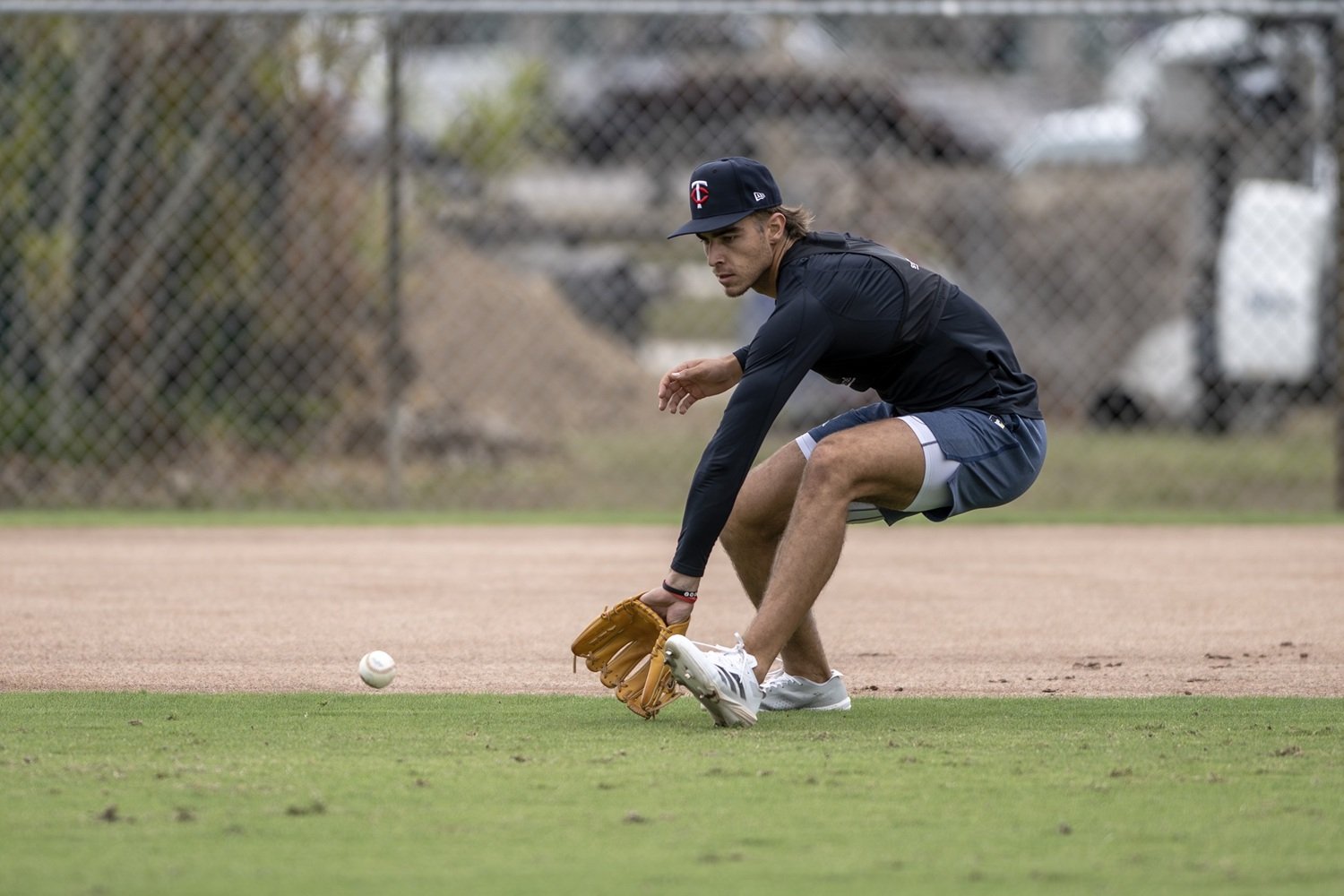 Twins Daily recently finished ranking the top prospects in the Twins system, revealing how close several are to the majors. Six of the top eight prospects are expected to start at Triple-A St. Paul, just one step below the big leagues. With so much talent at the upper levels, multiple prospects could debut in 2026. Beyond the rankings, though, there are more ways to draw the future out of obscurity and guess at the shape it will take as time flattens it into the present. Here are three predictions about Twins position-player prospects for the year to come. Marek Houston Wins Twins Minor League Player of the Year Houston has the tools to move quickly through the Twins system, and could finish the season at Triple-A. His elite defensive skills at shortstop put him on every organization’s draft radar, but his offensive development turned him into a first-round pick by 2025. After a swing change helped him produce 15 home runs and a 1.055 OPS as a junior, the Twins selected him in the middle of the first round and signed him for $4.5 million. Since turning pro, Houston has focused on producing line drives while keeping his college plate discipline. If he becomes even an average hitter with some power, his outlook is strong. Already a plus defender with range and arm strength, Houston could climb quickly. Emmanuel Rodriguez Leads Twins Rookies in WAR Rodriguez appears positioned to be one of the first outfielders called up from Triple-A this season, especially after his strong performance this spring. The talented outfielder has flashed impressive tools since signing with the Twins for $2.5 million in 2019, but injuries have limited his development. His career high in games played remains 99, set in 2023, after dealing with multiple injuries over the last few seasons. Despite the setbacks, Rodriguez still reached Triple-A at just 22 years old in 2025 and hit well in the Dominican Winter League to make up for lost at-bats. When healthy, he shows elite bat speed, significant raw power, and a remarkable ability to draw walks, entering 2026 with a career walk rate of 21.7%. Swing-and-miss remains the biggest concern, as he carries a career strikeout rate above 30%. Still, if he can stay healthy and refine his approach, Rodriguez has the talent to become a middle-of-the-order bat and could lead Twins rookies in WAR this season. Twins Select Justin Lebron With Third Overall Pick With the third overall pick in the 2026 MLB Draft, the Twins could have a chance to land a franchise-altering player. Lebron, a shortstop from the University of Alabama, has already turned heads early this season. Through his first 18 games, Lebron is hitting .313/.466/.716. He has already hit eight home runs and three doubles, while going a perfect 18-for-18 on stolen base attempts. His strong plate discipline is also evident, with 14 walks compared to 14 strikeouts. That blend of power, speed, and on-base ability is exactly the type of profile that climbs draft boards quickly. If Lebron continues producing against tougher competition once Alabama's conference schedule gets going, he could easily remain in the top tier of the draft class and give the Twins an opportunity to add another high-end shortstop prospect. The Twins are approaching a point where many of their best prospects are ready to contribute at the highest level. With so much talent at Triple-A and another high draft pick on the way, 2026 could mark the arrival of the organization’s next wave of young players. If Houston breaks out in the minors, Rodriguez stays healthy and produces in Minnesota, and the Twins land a top talent like Lebron in the draft, the future could look even brighter. What are your predictions for the Twins' farm system in 2026? Leave a comment and start the discussion.
- 13 comments
-
- 7
-
-
- justin lebron
- marek houston
- (and 1 more)
-
There was nothing unusual about Joe Ryan on Monday afternoon. The right-hander took the ball at Hammond Stadium, worked four innings, allowed a single run on five hits, and struck out six with one walk. It looked like a standard March outing, the kind that blends into the rhythm of spring training. Except it wasn’t supposed to happen there. Ryan’s latest appearance came against the Pittsburgh Pirates in Fort Myers, not under the lights in Miami at the World Baseball Classic championship. For weeks leading up to this, the expectation was that Ryan would factor into Team USA’s pitching plans deep into the tournament. Instead, as events unfolded, he was left watching as the roster shifted in a different direction. The decision caught him off guard. “That was a shock,” Ryan told the Star Tribune. “Definitely a weird one to process. I was fully prepared, ready to go, the car was all ready, and excited to go there, obviously, the whole time. Then was told I wasn’t going to go.” The path to that moment had been anything but straightforward. Back in December, Ryan was originally named to Team USA’s roster as part of a loaded pitching staff assembled for a title run. However, a bout of back inflammation during spring training altered his early availability, keeping him out of pool play but leaving the door open for a return in the knockout rounds as the spring progressed. As Team USA advanced through the tournament, that opportunity seemed likely to materialize. At one point, Manager Mark DeRosa even indicated publicly that Ryan could step in for Clayton Kershaw if the team reached the later rounds, potentially pitching in the championship mix. Instead, when it came time to finalize the roster for the later rounds, Team USA ultimately used its available spot on reliever Jeff Hoffman, prioritizing bullpen depth over inserting Ryan into a starting role. This decision, made near the championship stage, left Ryan on the outside looking in, although his throwing schedule was carefully built around the possibility of pitching in the final. Adding to the frustration was the timing and method of communication. Ryan said he first learned of the roster change through Twins leadership shortly after the decision, not Team USA directly, and didn’t hear from USA Baseball until days later. Still, he made it clear where the support came from. “The Twins were great, super supportive with a really good plan the whole time,” Ryan said. “They really wanted me to go. It wasn’t up to us at the end of the day.” From Minnesota’s perspective, there is at least a practical silver lining. The organization had adjusted Ryan’s spring workload to align with a potential WBC appearance, and now that plan rolls seamlessly into the regular season. He remains on track to start Opening Day in Baltimore, a role that carries its own weight even if it lacks the global spotlight. It is a strange baseball reality. One week, you are penciled into a potential championship game for your country. The next, you are back on a spring mound facing a split-squad lineup. For Ryan, the preparation never changed. The opportunity did. Joe Ryan Timeline for World Baseball Classic Dec. 17: Team USA announces that Ryan will be on its roster. Feb. 21: Ryan is scratched from his Grapefruit League debut due to back discomfort. Mar. 1: Ryan throws a bullpen session but is removed from consideration for the round robin portion of the tournament. Mar. 10: Ryan makes his 2026 game debut for the Twins. Mar. 12: Mark DeRosa says Ryan and Nolan McLean could pitch in some combination during the championship game. Mar. 13: Team USA adds reliever Jeff Hoffman to the roster instead of Ryan. Mar. 14: Ryan throws a bullpen session, and the Twins confirm he will remain in camp. Mar. 15: Ryan makes his second spring start for Minnesota. View full rumor
-
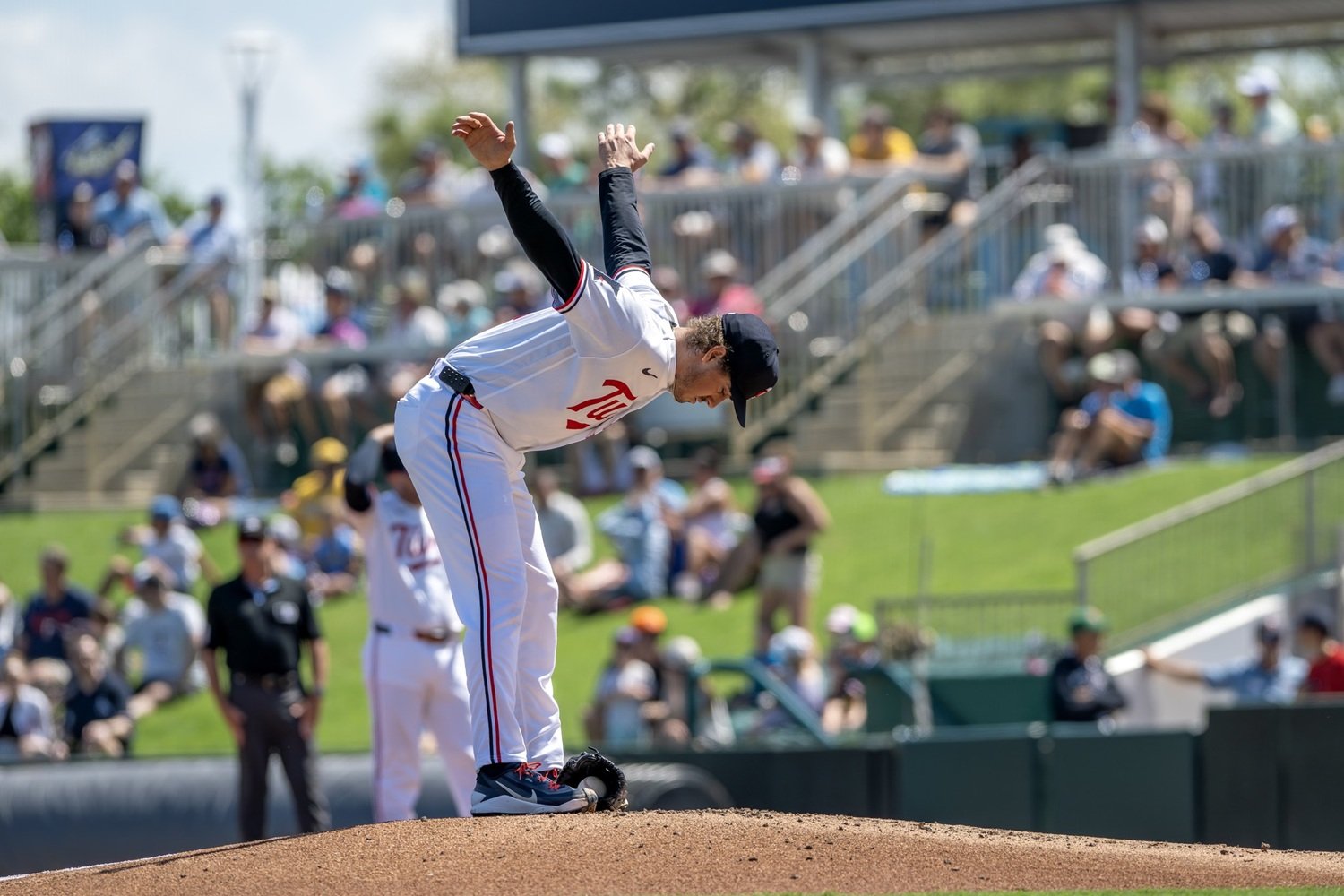 There was nothing unusual about Joe Ryan on Monday afternoon. The right-hander took the ball at Hammond Stadium, worked four innings, allowed a single run on five hits, and struck out six with one walk. It looked like a standard March outing, the kind that blends into the rhythm of spring training. Except it wasn’t supposed to happen there. Ryan’s latest appearance came against the Pittsburgh Pirates in Fort Myers, not under the lights in Miami at the World Baseball Classic championship. For weeks leading up to this, the expectation was that Ryan would factor into Team USA’s pitching plans deep into the tournament. Instead, as events unfolded, he was left watching as the roster shifted in a different direction. The decision caught him off guard. “That was a shock,” Ryan told the Star Tribune. “Definitely a weird one to process. I was fully prepared, ready to go, the car was all ready, and excited to go there, obviously, the whole time. Then was told I wasn’t going to go.” The path to that moment had been anything but straightforward. Back in December, Ryan was originally named to Team USA’s roster as part of a loaded pitching staff assembled for a title run. However, a bout of back inflammation during spring training altered his early availability, keeping him out of pool play but leaving the door open for a return in the knockout rounds as the spring progressed. As Team USA advanced through the tournament, that opportunity seemed likely to materialize. At one point, Manager Mark DeRosa even indicated publicly that Ryan could step in for Clayton Kershaw if the team reached the later rounds, potentially pitching in the championship mix. Instead, when it came time to finalize the roster for the later rounds, Team USA ultimately used its available spot on reliever Jeff Hoffman, prioritizing bullpen depth over inserting Ryan into a starting role. This decision, made near the championship stage, left Ryan on the outside looking in, although his throwing schedule was carefully built around the possibility of pitching in the final. Adding to the frustration was the timing and method of communication. Ryan said he first learned of the roster change through Twins leadership shortly after the decision, not Team USA directly, and didn’t hear from USA Baseball until days later. Still, he made it clear where the support came from. “The Twins were great, super supportive with a really good plan the whole time,” Ryan said. “They really wanted me to go. It wasn’t up to us at the end of the day.” From Minnesota’s perspective, there is at least a practical silver lining. The organization had adjusted Ryan’s spring workload to align with a potential WBC appearance, and now that plan rolls seamlessly into the regular season. He remains on track to start Opening Day in Baltimore, a role that carries its own weight even if it lacks the global spotlight. It is a strange baseball reality. One week, you are penciled into a potential championship game for your country. The next, you are back on a spring mound facing a split-squad lineup. For Ryan, the preparation never changed. The opportunity did. Joe Ryan Timeline for World Baseball Classic Dec. 17: Team USA announces that Ryan will be on its roster. Feb. 21: Ryan is scratched from his Grapefruit League debut due to back discomfort. Mar. 1: Ryan throws a bullpen session but is removed from consideration for the round robin portion of the tournament. Mar. 10: Ryan makes his 2026 game debut for the Twins. Mar. 12: Mark DeRosa says Ryan and Nolan McLean could pitch in some combination during the championship game. Mar. 13: Team USA adds reliever Jeff Hoffman to the roster instead of Ryan. Mar. 14: Ryan throws a bullpen session, and the Twins confirm he will remain in camp. Mar. 15: Ryan makes his second spring start for Minnesota.
- 10 comments
-
- 1
-
-
- joe ryan
- mark derosa
- (and 2 more)
-
The final stretch of spring training is supposed to be about decisions, not diagnoses. For the Twins, that equation shifted quickly on Monday when Austin Martin exited Minnesota’s game against the Pirates with a concussion, creating uncertainty just days before the roster is finalized. Martin was lifted from the contest after sustaining the injury during Minnesota’s 5-1 victory. The play in question came in the third inning when he tracked a ball into right field off the bat of Henry Davis. Attempting to make a diving grab, Martin hit the ground awkwardly and appeared shaken up as he got back to his feet. After the impact, Martin remained in the game and collected a single in the bottom of the third. However, he showed signs of discomfort and was removed before the start of the fourth inning, with James Outman replacing him in right field. Twins manager Derek Shelton provided an update after the game, outlining the immediate plan for Martin’s recovery. “He won’t do anything through the next two days, and then we’ll reevaluate him,” Shelton said. The sequence of events raised concern in real time, particularly as Martin began to show signs of discomfort after the play. “When he dove, I think he kind of jarred himself a little bit,” Shelton said. “I think once he got on the bases, he realized he was a little bit dizzy. And then as he walked past [bench coach Mark Hallberg] and I, we kind of saw a little bit of hesitation, and then [head athletic trainer Nick Paparesta] got to him.” At this point, there is no firm timetable for Martin’s return, which is less than ideal given how firmly he had worked his way into the roster conversation. The former top prospect had been trending toward a role in the outfield mix, offering defensive flexibility with the ability to handle center field and even contribute at second base if needed. His trajectory dates back to last season, when he capitalized on an opportunity late in the year following Minnesota’s trade deadline selloff. Martin responded with some of the most productive baseball of his career by posting a 106 OPS+, putting himself squarely on the radar entering camp this spring. The timing of the injury is what stings most. With Opening Day looming, Martin represented one of the few right-handed-hitting outfield options expected to break camp with the club. If he is unable to clear concussion protocol in time, the Twins may need to pivot quickly. That could open the door for players on the roster bubble. Ryan Kreidler brings right-handed balance and defensive versatility. Alan Roden offers a left-handed bat with upside. Veteran Orlando Arcia also remains a possibility as a depth option if the team prioritizes experience. For now, though, the focus remains on Martin. Concussions are unpredictable, and even minor symptoms can linger longer than expected. In a camp where every at-bat and inning matters, the Twins will have to wait and see if one of their most intriguing roster pieces can get back on the field in time. View full rumor
-
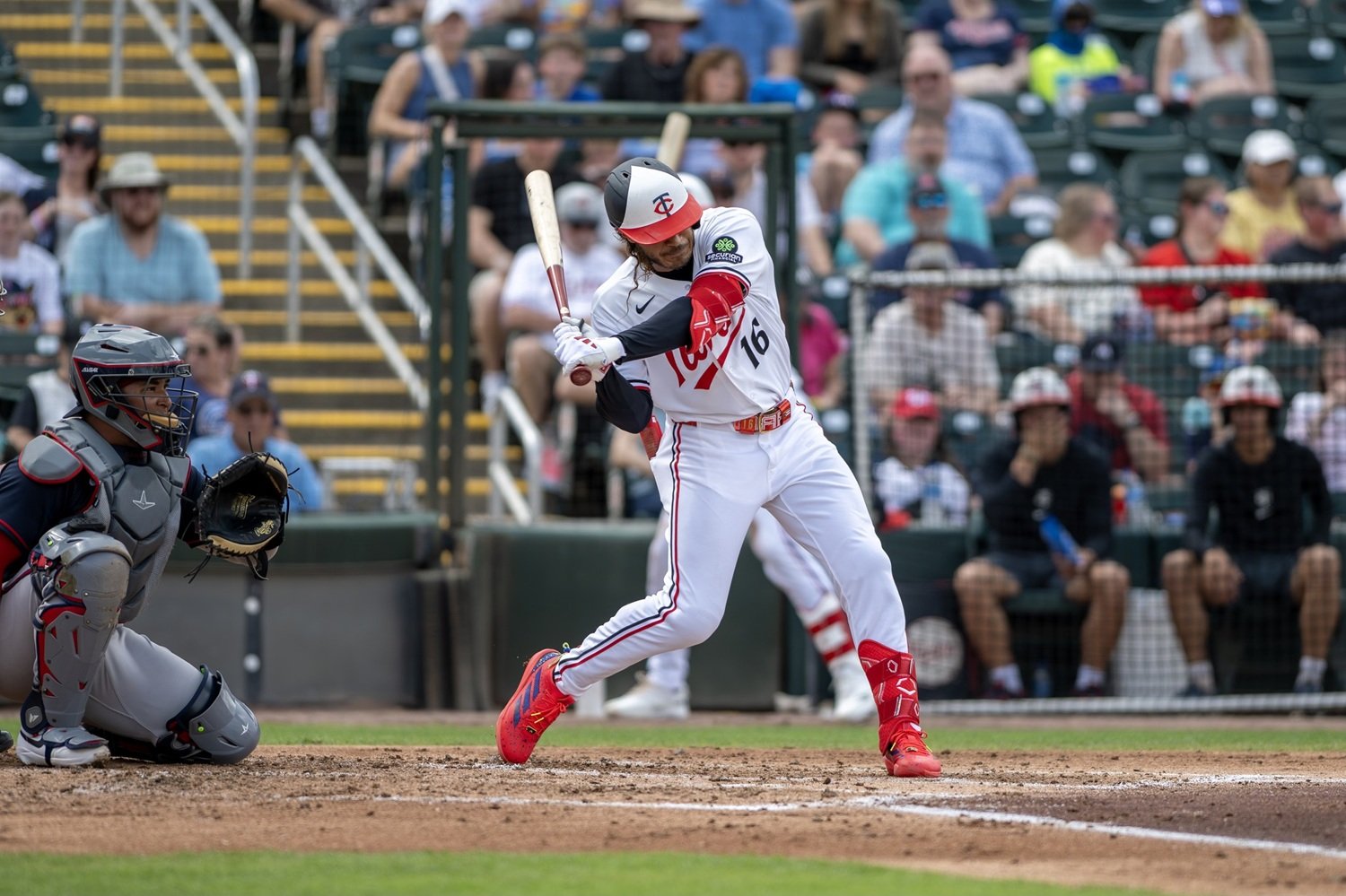 The final stretch of spring training is supposed to be about decisions, not diagnoses. For the Twins, that equation shifted quickly on Monday when Austin Martin exited Minnesota’s game against the Pirates with a concussion, creating uncertainty just days before the roster is finalized. Martin was lifted from the contest after sustaining the injury during Minnesota’s 5-1 victory. The play in question came in the third inning when he tracked a ball into right field off the bat of Henry Davis. Attempting to make a diving grab, Martin hit the ground awkwardly and appeared shaken up as he got back to his feet. After the impact, Martin remained in the game and collected a single in the bottom of the third. However, he showed signs of discomfort and was removed before the start of the fourth inning, with James Outman replacing him in right field. Twins manager Derek Shelton provided an update after the game, outlining the immediate plan for Martin’s recovery. “He won’t do anything through the next two days, and then we’ll reevaluate him,” Shelton said. The sequence of events raised concern in real time, particularly as Martin began to show signs of discomfort after the play. “When he dove, I think he kind of jarred himself a little bit,” Shelton said. “I think once he got on the bases, he realized he was a little bit dizzy. And then as he walked past [bench coach Mark Hallberg] and I, we kind of saw a little bit of hesitation, and then [head athletic trainer Nick Paparesta] got to him.” At this point, there is no firm timetable for Martin’s return, which is less than ideal given how firmly he had worked his way into the roster conversation. The former top prospect had been trending toward a role in the outfield mix, offering defensive flexibility with the ability to handle center field and even contribute at second base if needed. His trajectory dates back to last season, when he capitalized on an opportunity late in the year following Minnesota’s trade deadline selloff. Martin responded with some of the most productive baseball of his career by posting a 106 OPS+, putting himself squarely on the radar entering camp this spring. The timing of the injury is what stings most. With Opening Day looming, Martin represented one of the few right-handed-hitting outfield options expected to break camp with the club. If he is unable to clear concussion protocol in time, the Twins may need to pivot quickly. That could open the door for players on the roster bubble. Ryan Kreidler brings right-handed balance and defensive versatility. Alan Roden offers a left-handed bat with upside. Veteran Orlando Arcia also remains a possibility as a depth option if the team prioritizes experience. For now, though, the focus remains on Martin. Concussions are unpredictable, and even minor symptoms can linger longer than expected. In a camp where every at-bat and inning matters, the Twins will have to wait and see if one of their most intriguing roster pieces can get back on the field in time.
 -
Twins Host Retirement Party for Longtime Umpire Phil Cuzzi
Cody Christie posted an article in Just For Fun
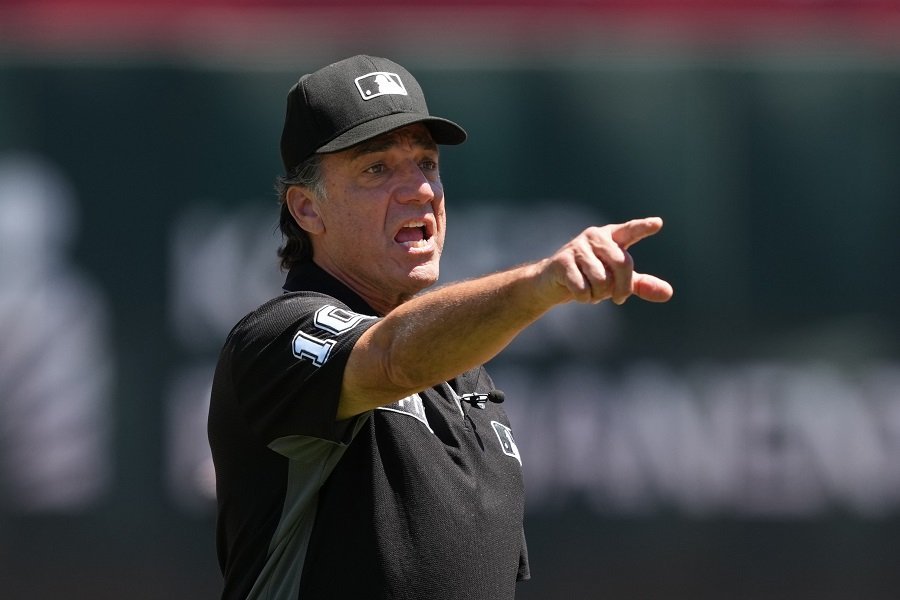 The Minnesota Twins held a retirement celebration last weekend honoring longtime Major League Baseball umpire Phil Cuzzi, who officially stepped away from the game after more than three decades of service. The event, which took place at Target Field, was decorated with framed scorecards and a suspicious number of printed screenshots from Ump Scorecards and gave the Twins organization an opportunity to recognize Cuzzi’s long career—while also revisiting one moment that many in Minnesota have spent the last 17 years trying to forget. Cuzzi, 70, began as an MLB reserve umpire in 1991 and later joined the league’s full-time umpiring staff. His career covered thousands of games, numerous postseason assignments, and at least one unforgettable moment for Twins fans. That moment came in Game 2 of the 2009 ALDS. After losing Game 1 in the Bronx, the Twins pushed Game 2 to extra innings, tied 3-3. In the 11th, Joe Mauer hit a 1-1 pitch down the left-field line. The ball hit Yankees outfielder Melky Cabrera’s glove, then bounced into the stands. Fans expected Mauer to be awarded a double. Cuzzi, just feet away, immediately ruled it foul. Mauer attended the retirement celebration and admitted the moment still occasionally crosses his mind. “I remember hitting it and thinking, well, that worked out nicely,” Mauer said with a laugh. “Then I saw Phil wave his arms, and I thought maybe he wanted someone to bring him a glass of cool, refreshing Kemps milk.” Mauer paused for a moment before smiling. “Honestly, I figured there had to be something I missed. It turns out the only thing missing was about three feet of chalk.” The call proved costly. Instead of standing on second with nobody out, Mauer remained at the plate, before eventually reaching first base. The Twins followed with two singles, but could not push across the go-ahead run. The Yankees eventually won the game in the bottom of the inning. Former Twins GM Terry Ryan said the team still revisits the moment when the phrase “close call” comes up. “I’ve seen that replay more times than I can count,” Ryan said. “Every time I watch it, I try to see it from Phil’s perspective. I squint a little, tilt my head, maybe turn the television sideways.” Ryan shrugged, “I still can’t find the foul ball.” Former Twins manager Ron Gardenhire also attended the event and joked that the retirement party felt like a long-overdue therapy session for everyone involved. “I told Phil tonight that I forgive him,” Gardenhire said. “It only took about 16 years and roughly a thousand Coors Lights.” Gardenhire added that he briefly considered bringing a chalk line to the party as a gift, but ultimately decided against it. “I didn’t want to cause a scene,” he said. “Plus, someone might have ruled it foul.” Cuzzi addressed the crowd later in the evening and reflected on his long career in Major League Baseball. “Umpiring is a tough job,” Cuzzi said. “You make thousands of calls every season, and people remember the one you miss.” Gardenhire could be heard, in a low voice, telling a joke related to that observation, having to do with masonry, carpentry, animal husbandry and the nature of fame. Despite the lingering frustration surrounding the 2009 call, the Twins organization emphasized that the celebration was meant to recognize Cuzzi’s decades of service to the game—and maybe to give him a last chance to change his mind. Several attendees acknowledged that the play came up multiple times during the evening. At one point, the replay looped on a nearby television. The room fell silent before someone quietly suggested the camera angle may have been misleading. The group agreed there was only one way to settle the debate: have Cuzzi watch the replay. According to attendees, he ruled it inconclusive.
- 4 comments
-
- 4
-

-
- phil cuzzi
- joe mauer
- (and 2 more)
-
Image courtesy of © Darren Yamashita-USA TODAY Sports The Minnesota Twins held a retirement celebration last weekend honoring longtime Major League Baseball umpire Phil Cuzzi, who officially stepped away from the game after more than three decades of service. The event, which took place at Target Field, was decorated with framed scorecards and a suspicious number of printed screenshots from Ump Scorecards and gave the Twins organization an opportunity to recognize Cuzzi’s long career—while also revisiting one moment that many in Minnesota have spent the last 17 years trying to forget. Cuzzi, 70, began as an MLB reserve umpire in 1991 and later joined the league’s full-time umpiring staff. His career covered thousands of games, numerous postseason assignments, and at least one unforgettable moment for Twins fans. That moment came in Game 2 of the 2009 ALDS. After losing Game 1 in the Bronx, the Twins pushed Game 2 to extra innings, tied 3-3. In the 11th, Joe Mauer hit a 1-1 pitch down the left-field line. The ball hit Yankees outfielder Melky Cabrera’s glove, then bounced into the stands. Fans expected Mauer to be awarded a double. Cuzzi, just feet away, immediately ruled it foul. Mauer attended the retirement celebration and admitted the moment still occasionally crosses his mind. “I remember hitting it and thinking, well, that worked out nicely,” Mauer said with a laugh. “Then I saw Phil wave his arms, and I thought maybe he wanted someone to bring him a glass of cool, refreshing Kemps milk.” Mauer paused for a moment before smiling. “Honestly, I figured there had to be something I missed. It turns out the only thing missing was about three feet of chalk.” The call proved costly. Instead of standing on second with nobody out, Mauer remained at the plate, before eventually reaching first base. The Twins followed with two singles, but could not push across the go-ahead run. The Yankees eventually won the game in the bottom of the inning. Former Twins GM Terry Ryan said the team still revisits the moment when the phrase “close call” comes up. “I’ve seen that replay more times than I can count,” Ryan said. “Every time I watch it, I try to see it from Phil’s perspective. I squint a little, tilt my head, maybe turn the television sideways.” Ryan shrugged, “I still can’t find the foul ball.” Former Twins manager Ron Gardenhire also attended the event and joked that the retirement party felt like a long-overdue therapy session for everyone involved. “I told Phil tonight that I forgive him,” Gardenhire said. “It only took about 16 years and roughly a thousand Coors Lights.” Gardenhire added that he briefly considered bringing a chalk line to the party as a gift, but ultimately decided against it. “I didn’t want to cause a scene,” he said. “Plus, someone might have ruled it foul.” Cuzzi addressed the crowd later in the evening and reflected on his long career in Major League Baseball. “Umpiring is a tough job,” Cuzzi said. “You make thousands of calls every season, and people remember the one you miss.” Gardenhire could be heard, in a low voice, telling a joke related to that observation, having to do with masonry, carpentry, animal husbandry and the nature of fame. Despite the lingering frustration surrounding the 2009 call, the Twins organization emphasized that the celebration was meant to recognize Cuzzi’s decades of service to the game—and maybe to give him a last chance to change his mind. Several attendees acknowledged that the play came up multiple times during the evening. At one point, the replay looped on a nearby television. The room fell silent before someone quietly suggested the camera angle may have been misleading. The group agreed there was only one way to settle the debate: have Cuzzi watch the replay. According to attendees, he ruled it inconclusive. View full article
-
Spring training is entering its final stretch, and the roster decisions are starting to come quickly. With Opening Day set for March 26 against the Baltimore Orioles at Camden Yards, the Minnesota Twins are beginning to finalize the final pieces of their pitching staff. On Monday, the club reduced its bullpen competition by sending two relievers out of major league camp. Minnesota reassigned right-handers Julian Merryweather and Grant Hartwig to minor league camp as the organization inches closer to setting its Opening Day bullpen. Both pitchers entered camp as non-roster invitees looking to pitch their way onto the major league roster. With the calendar now showing mid-March, the Twins are clearly entering the phase of spring where roster battles become more defined. The moves leave the organization with 45 players still active in big league camp, including 21 pitchers. However, that number does not fully reflect the group competing for Opening Day jobs. Right-hander David Festa is expected to begin the season on the injured list, while right-hander Travis Adams has been limited by elbow inflammation during camp. If Adams is not ready for the start of the season, the Twins would be left with roughly 13 relievers competing for what is expected to be eight bullpen spots on the 26-man roster. Merryweather showed flashes early in camp before his progress was halted by injury. The hard-throwing right-hander strained his left hamstring during his first Grapefruit League appearance on February 24. Since then, he has thrown several bullpen sessions but has not yet returned to game action. Hartwig saw plenty of work this spring, appearing in seven Grapefruit League games. The results were uneven as he allowed eight earned runs on seven hits and two walks across 7 1/3 innings. For both pitchers, the reassignment does not necessarily close the door on helping the Twins later this season. Injuries and performance fluctuations often lead to bullpen shuffling throughout the year, and strong outings in the minors can quickly put a reliever back on the radar. For now, though, Minnesota continues narrowing the field. With only days remaining before the season opener in Baltimore, the Twins are quickly approaching the moment when speculation ends, and the final 26-man roster becomes reality. View full rumor
-
Twins Trim Two Relievers from Bullpen Competition
Cody Christie posted a rumor in Major League Notes
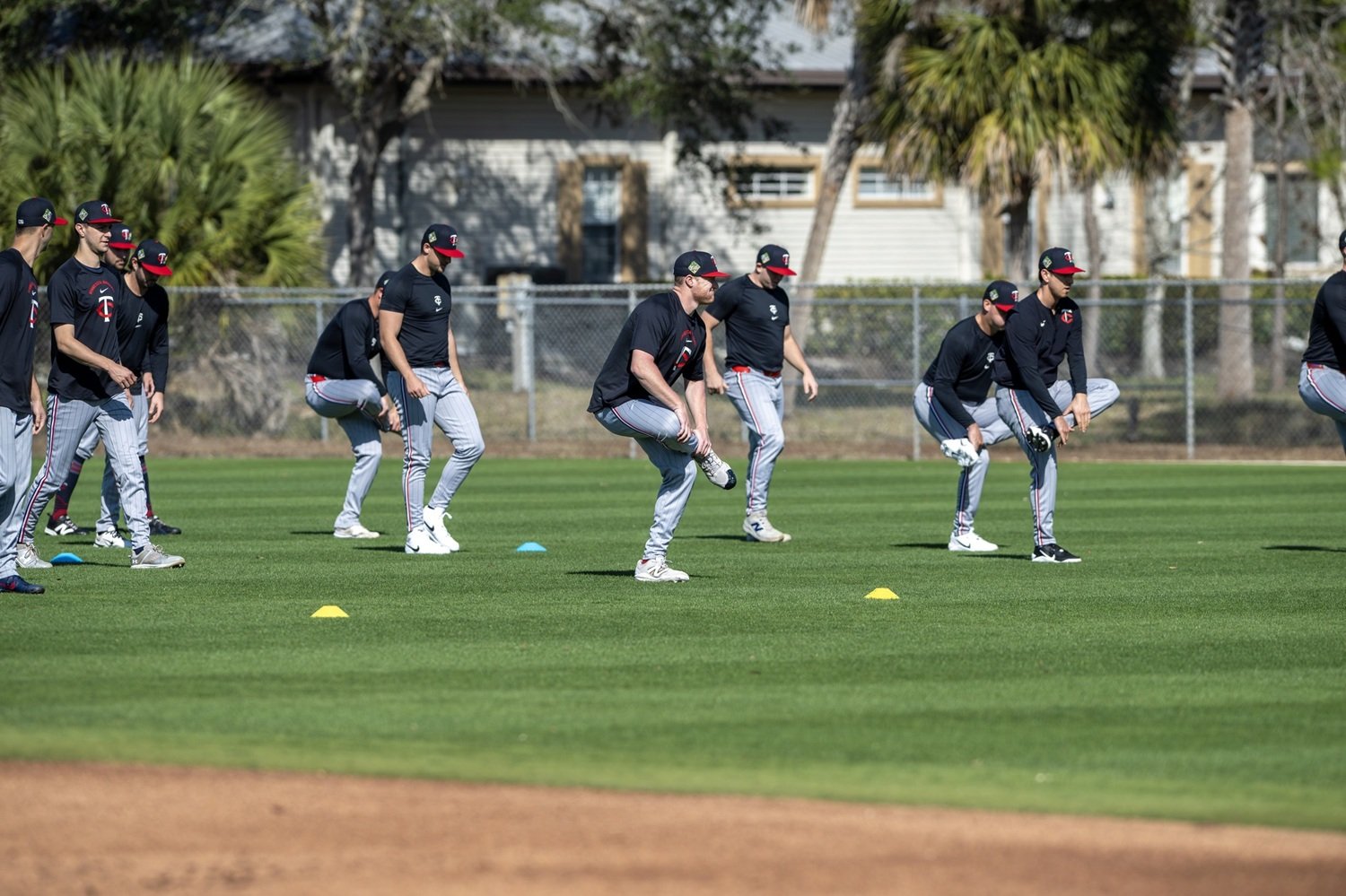 Spring training is entering its final stretch, and the roster decisions are starting to come quickly. With Opening Day set for March 26 against the Baltimore Orioles at Camden Yards, the Minnesota Twins are beginning to finalize the final pieces of their pitching staff. On Monday, the club reduced its bullpen competition by sending two relievers out of major league camp. Minnesota reassigned right-handers Julian Merryweather and Grant Hartwig to minor league camp as the organization inches closer to setting its Opening Day bullpen. Both pitchers entered camp as non-roster invitees looking to pitch their way onto the major league roster. With the calendar now showing mid-March, the Twins are clearly entering the phase of spring where roster battles become more defined. The moves leave the organization with 45 players still active in big league camp, including 21 pitchers. However, that number does not fully reflect the group competing for Opening Day jobs. Right-hander David Festa is expected to begin the season on the injured list, while right-hander Travis Adams has been limited by elbow inflammation during camp. If Adams is not ready for the start of the season, the Twins would be left with roughly 13 relievers competing for what is expected to be eight bullpen spots on the 26-man roster. Merryweather showed flashes early in camp before his progress was halted by injury. The hard-throwing right-hander strained his left hamstring during his first Grapefruit League appearance on February 24. Since then, he has thrown several bullpen sessions but has not yet returned to game action. Hartwig saw plenty of work this spring, appearing in seven Grapefruit League games. The results were uneven as he allowed eight earned runs on seven hits and two walks across 7 1/3 innings. For both pitchers, the reassignment does not necessarily close the door on helping the Twins later this season. Injuries and performance fluctuations often lead to bullpen shuffling throughout the year, and strong outings in the minors can quickly put a reliever back on the radar. For now, though, Minnesota continues narrowing the field. With only days remaining before the season opener in Baltimore, the Twins are quickly approaching the moment when speculation ends, and the final 26-man roster becomes reality.
 -
Image courtesy of William Parmeter As spring training winds down, the competition for Minnesota’s final bench spot is one of the most intriguing roster questions. The Twins appear to have most of their position player group set, but the backup shortstop job is still unsettled. With Brooks Lee expected to be the team’s primary shortstop, Minnesota needs a reliable defensive option behind him. That competition currently centers on two players with very different profiles. Ryan Kreidler is already on the 40-man roster and offers defensive versatility, while Orlando Arcia brings a decade of big league experience and a past All-Star selection. Neither player is expected to contribute much with the bat, which places even greater pressure on Lee to produce at shortstop in his age-25 season. Why Kreidler Should Make the Roster Kreidler appears to have the inside track entering the final weeks of spring training. The biggest reason may have nothing to do with his on-field performance. He is already on the Twins’ 40- man roster, making the decision much simpler from a roster management perspective. Teams often prefer to keep depth options they already control, especially when the alternative requires adding a non-roster player. That factor alone could give Kreidler the edge. Defensively, Kreidler offers the type of versatility that managers value on the bench. He has experience at all three infield spots to the left of first base and has also logged time in both center field and left field. That ability to move around the diamond could make him a valuable late-inning defensive replacement. Kreidler has also flashed some offensive potential in the minor leagues. Across 1,963 career minor league plate appearances, he has posted a .236/.342/.401 slash line with a 106 wRC+. His most recent season produced a .238/.363/.389 line and a 109 wRC+ in 401 plate appearances. Those numbers suggest that if even a portion of his minor league production translates to the majors, Kreidler could develop into a useful utility player. Why Kreidler Could Be Left Off the Roster While Kreidler’s minor league numbers offer some optimism, his major league track record has been extremely limited and largely unproductive. He has appeared in parts of four big league seasons but has accumulated just 211 plate appearances during that span. In those opportunities, Kreidler has struggled to make consistent contact, owning a slashline of .138/.208/.176. The strikeouts have been particularly concerning. Kreidler has struck out in 31.8 percent of his major league plate appearances, contributing to an overall .383 OPS. Even if the Twins primarily value his defense, it becomes difficult to justify a roster spot when the offensive production has been so minimal. If Minnesota decides they need even marginally better offense from the final bench spot, Kreidler could lose ground in the competition. Why Arcia Should Make the Roster Arcia represents the veteran alternative in this battle. The 31-year-old is entering his 10th major league season and brings a wealth of experience compared to Kreidler. At one point in his career, Arcia was a reliable everyday shortstop and even earned an All-Star selection with the Atlanta Braves. While that version of Arcia may be in the past, the Twins could value the presence of a seasoned player on their bench. He appeared in 76 games during the 2025 season, splitting time between the Atlanta Braves and the Colorado Rockies. After Atlanta released him in May, Colorado quickly signed him to a major league deal and used him in a variety of roles. Arcia’s versatility has grown in recent years. Once known strictly as a shortstop, he played all four infield positions in Colorado, including the first appearance of his career at first base. That expanded defensive role could make him an appealing utility option. If Arcia proves capable of handling multiple infield spots, he might provide more flexibility for manager Derek Shelton when constructing the bench. Why Arcia Could Be Left Off the Roster Despite his experience, Arcia faces significant challenges in earning the final roster spot. His offensive production has declined sharply over the past two seasons. In 214 plate appearances during the 2025 season, Arcia hit just .202/.238/.291. His 33 wRC+ ranked as the lowest mark of his career and the second worst among players with at least 200 plate appearances last year. The decline has also extended to his defense. During his early years with the Milwaukee Brewers, Arcia was considered an excellent defensive shortstop. In recent seasons, however, his glovework has graded closer to average. Age and roster logistics could also work against him. As a non-roster invitee, Arcia would require the Twins to make a corresponding move to add him to the 40-man roster. In contrast, Kreidler already occupies a spot and can be added to the Opening Day roster without additional maneuvering. If the Twins prioritize roster flexibility and long-term depth, Arcia may ultimately fall short in this competition. The battle for the final bench spot reflects two different approaches to roster construction. On one side, Kreidler offers youth, defensive versatility, and the convenience of already being on the 40-man roster. Additionally, his glove could make him a useful late-inning option even if the bat never fully develops. Arcia brings experience and a track record, including years as a starting shortstop in the majors. Even if his best seasons are behind him, the Twins may believe the veteran still has something left in the tank. Regardless of who ultimately earns the job, the situation underscores the importance of Lee’s development. With limited offensive expectations from either backup, the Twins need their young shortstop to anchor the position throughout the 2026 season. Who will win the backup shortstop role for Opening Day? Leave a comment and start the discussion. View full article
-
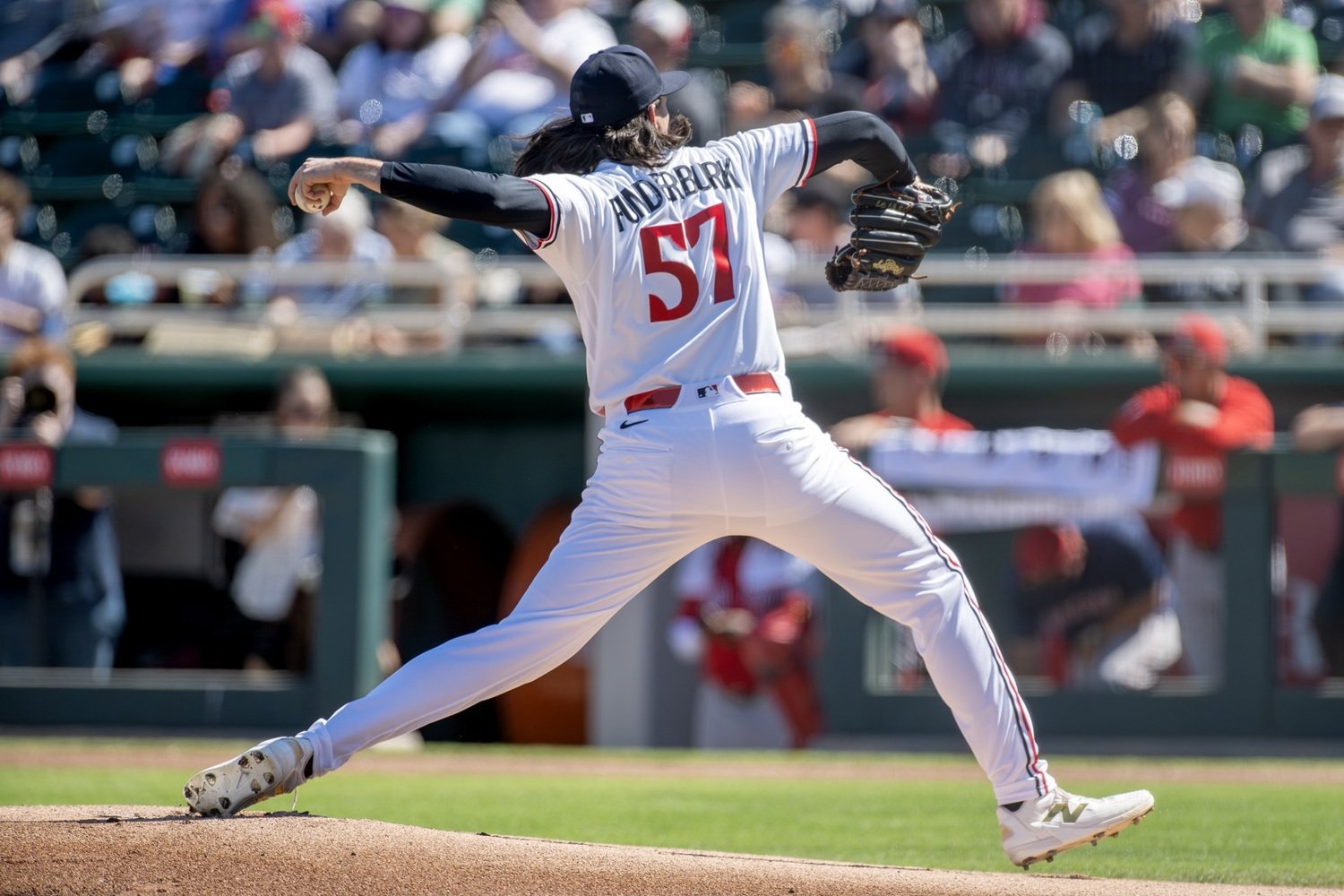 As the Minnesota Twins finalize their Opening Day roster, the bullpen remains one of the most fluid areas of the team. One of the biggest questions involves the final left-handed spot in the relief corps. Several left-handed relievers are competing for as many as four available spots. Veterans Taylor Rogers and Anthony Banda are roster locks, leaving one certain spot (and perhaps a second, but perhaps not) for Kody Funderburk or Andrew Chafin. Funderburk brings youth and had a strong finish last season, while Chafin provides over a decade of MLB experience. With the Twins unlikely to carry four left-handed relievers, one of these pitchers may end up on the outside looking in. Why Funderburk Should Make the Roster On performance alone, Funderburk has made a strong case to remain in the Twins bullpen. He has been sharp during spring training, posting a 1.35 ERA with a 7-to-2 strikeout-to-walk ratio across 6 ⅔ innings. That success has carried over from the second half of last season, when he became a stabilizing force in a bullpen that needed reliable innings. After the All-Star break last year, Funderburk produced a 2.61 ERA, with 21 strikeouts and eight walks across 20 2/3 innings. Even more impressive was his dominant stretch late in the season. During August and September, he appeared in 25 games and posted a 0.82 ERA, striking out 25 batters and recording a save. That stretch suggested that Funderburk may have turned a corner in his development. One of the biggest adjustments came from a change in his arm slot during the 2025 season. By lowering his release point, Funderburk created more deception, aided by extension that sits in the 95th percentile league-wide. That extra deception can make his fastball appear to jump on hitters faster than its radar gun reading. If those mechanical tweaks continue to pay off, the Twins could have a dependable bullpen arm who is already familiar with the organization and capable of handling meaningful innings. Why Funderburk Could Be Left Off the Roster Despite his recent success, Funderburk still faces significant competition for a roster spot. The Twins may simply have too many left-handed relievers. Carrying four southpaws in the bullpen would create matchup complications throughout a 162-game season, particularly when several of those pitchers struggle against right-handed hitters. Funderburk’s splits highlight that concern. Over the last three seasons, right-handed hitters have produced a .279 batting average and a .768 OPS against him. Those numbers make it difficult to rely on him in high-leverage situations when opposing managers can counter with right-handed bats. His overall underlying metrics also present some warning signs. While his surface numbers have looked strong at times, his WHIP has remained elevated. Even during his excellent late-season run, that figure still sat at 1.23; elite relievers often keep their WHIP around 1.00. Some of his expected metrics paint a more modest picture, as well. A 4.08 xFIP and a 76.4% strand rate suggest that some regression could occur if batted-ball luck begins to shift. Because of those factors, Funderburk may find himself squeezed out by veteran options, even after a strong finish to last season. Why Chafin Should Make the Roster Chafin offers the type of veteran reliability that teams often value when shaping a bullpen. If he makes the roster, the 35-year-old will be pitching for his ninth major-league team in what would be his 13th season in the majors. Last year, he split time between the Washington Nationals and the Los Angeles Angels, posting a 2.41 ERA with a 25.2% strikeout rate across 33 2/3 innings. Those results suggest that Chafin still has something left in the tank, despite his age. While his strikeout rate dipped slightly from the previous season, many of his underlying metrics remained solid. His ability to miss bats and limit hard contact has kept him effective even as he moves deeper into his career. Chafin has also proven capable of handling right-handed hitters better than many left-handed relievers. Over the past three seasons, righties have posted a .243 batting average and a .714 OPS against him. Those numbers are noticeably better than Funderburk's splits. That difference could be meaningful for a Twins bullpen that cannot always guarantee favorable matchups late in games, and who already have two locked-in lefties to handle those moments. Why Chafin Could Be Left Off the Roster Despite his long track record, Chafin’s case is not without flaws. One of the biggest concerns is his control. Last season, he posted a 13.3% walk rate, which created unnecessary traffic on the bases. While his ERA remained excellent, his 4.11 SIERA suggested that his true performance level may not have been quite as dominant. His velocity is also a major red flag. All his pitches averaged under 90 mph last season, and he has been topping out in the upper 80s so far this spring. He has found a way to be successful at a lower velocity in previous years, but at some point, that level of velocity is unsustainable in modern baseball. Health has also become a growing concern. Chafin spent time on the injured list in 2025 due to a right hamstring strain, and later dealt with left triceps inflammation. Those issues caused him to miss more than five weeks during the season. There is also the reality that Chafin signed a minor-league contract, which means he's not guaranteed a roster spot. The Twins could prioritize a younger arm already in the organization, rather than committing to a veteran who may be nearing the end of his career—and having to make room for him on the 40-man, to boot. The Twins’ final bullpen decision may come down to experience versus internal momentum. Funderburk offers familiarity with the organization and is coming off a strong second half that hinted at real improvement. His mechanical adjustments and strong finish make him an intriguing option if the Twins believe his development is sustainable. Chafin brings a veteran presence and a lengthy track record of success across multiple teams. His ability to better handle right-handed hitters could make him a safer option in a bullpen that may already lean heavily on matchup-based left-handers. Either way, the Twins appear unlikely to carry four left-handed relievers on the Opening Day roster. That means one of these pitchers will likely be watching from the outside when the season begins. Who will win the final left-handed relief role for the Twins? Leave a comment and start the discussion.
 -
Image courtesy of William Parmeter As the Minnesota Twins finalize their Opening Day roster, the bullpen remains one of the most fluid areas of the team. One of the biggest questions involves the final left-handed spot in the relief corps. Several left-handed relievers are competing for as many as four available spots. Veterans Taylor Rogers and Anthony Banda are roster locks, leaving one certain spot (and perhaps a second, but perhaps not) for Kody Funderburk or Andrew Chafin. Funderburk brings youth and had a strong finish last season, while Chafin provides over a decade of MLB experience. With the Twins unlikely to carry four left-handed relievers, one of these pitchers may end up on the outside looking in. Why Funderburk Should Make the Roster On performance alone, Funderburk has made a strong case to remain in the Twins bullpen. He has been sharp during spring training, posting a 1.35 ERA with a 7-to-2 strikeout-to-walk ratio across 6 ⅔ innings. That success has carried over from the second half of last season, when he became a stabilizing force in a bullpen that needed reliable innings. After the All-Star break last year, Funderburk produced a 2.61 ERA, with 21 strikeouts and eight walks across 20 2/3 innings. Even more impressive was his dominant stretch late in the season. During August and September, he appeared in 25 games and posted a 0.82 ERA, striking out 25 batters and recording a save. That stretch suggested that Funderburk may have turned a corner in his development. One of the biggest adjustments came from a change in his arm slot during the 2025 season. By lowering his release point, Funderburk created more deception, aided by extension that sits in the 95th percentile league-wide. That extra deception can make his fastball appear to jump on hitters faster than its radar gun reading. If those mechanical tweaks continue to pay off, the Twins could have a dependable bullpen arm who is already familiar with the organization and capable of handling meaningful innings. Why Funderburk Could Be Left Off the Roster Despite his recent success, Funderburk still faces significant competition for a roster spot. The Twins may simply have too many left-handed relievers. Carrying four southpaws in the bullpen would create matchup complications throughout a 162-game season, particularly when several of those pitchers struggle against right-handed hitters. Funderburk’s splits highlight that concern. Over the last three seasons, right-handed hitters have produced a .279 batting average and a .768 OPS against him. Those numbers make it difficult to rely on him in high-leverage situations when opposing managers can counter with right-handed bats. His overall underlying metrics also present some warning signs. While his surface numbers have looked strong at times, his WHIP has remained elevated. Even during his excellent late-season run, that figure still sat at 1.23; elite relievers often keep their WHIP around 1.00. Some of his expected metrics paint a more modest picture, as well. A 4.08 xFIP and a 76.4% strand rate suggest that some regression could occur if batted-ball luck begins to shift. Because of those factors, Funderburk may find himself squeezed out by veteran options, even after a strong finish to last season. Why Chafin Should Make the Roster Chafin offers the type of veteran reliability that teams often value when shaping a bullpen. If he makes the roster, the 35-year-old will be pitching for his ninth major-league team in what would be his 13th season in the majors. Last year, he split time between the Washington Nationals and the Los Angeles Angels, posting a 2.41 ERA with a 25.2% strikeout rate across 33 2/3 innings. Those results suggest that Chafin still has something left in the tank, despite his age. While his strikeout rate dipped slightly from the previous season, many of his underlying metrics remained solid. His ability to miss bats and limit hard contact has kept him effective even as he moves deeper into his career. Chafin has also proven capable of handling right-handed hitters better than many left-handed relievers. Over the past three seasons, righties have posted a .243 batting average and a .714 OPS against him. Those numbers are noticeably better than Funderburk's splits. That difference could be meaningful for a Twins bullpen that cannot always guarantee favorable matchups late in games, and who already have two locked-in lefties to handle those moments. Why Chafin Could Be Left Off the Roster Despite his long track record, Chafin’s case is not without flaws. One of the biggest concerns is his control. Last season, he posted a 13.3% walk rate, which created unnecessary traffic on the bases. While his ERA remained excellent, his 4.11 SIERA suggested that his true performance level may not have been quite as dominant. His velocity is also a major red flag. All his pitches averaged under 90 mph last season, and he has been topping out in the upper 80s so far this spring. He has found a way to be successful at a lower velocity in previous years, but at some point, that level of velocity is unsustainable in modern baseball. Health has also become a growing concern. Chafin spent time on the injured list in 2025 due to a right hamstring strain, and later dealt with left triceps inflammation. Those issues caused him to miss more than five weeks during the season. There is also the reality that Chafin signed a minor-league contract, which means he's not guaranteed a roster spot. The Twins could prioritize a younger arm already in the organization, rather than committing to a veteran who may be nearing the end of his career—and having to make room for him on the 40-man, to boot. The Twins’ final bullpen decision may come down to experience versus internal momentum. Funderburk offers familiarity with the organization and is coming off a strong second half that hinted at real improvement. His mechanical adjustments and strong finish make him an intriguing option if the Twins believe his development is sustainable. Chafin brings a veteran presence and a lengthy track record of success across multiple teams. His ability to better handle right-handed hitters could make him a safer option in a bullpen that may already lean heavily on matchup-based left-handers. Either way, the Twins appear unlikely to carry four left-handed relievers on the Opening Day roster. That means one of these pitchers will likely be watching from the outside when the season begins. Who will win the final left-handed relief role for the Twins? Leave a comment and start the discussion. View full article
-
Image courtesy of William Parmeter Spring training is ending, and final roster decisions loom for the Minnesota Twins. Injuries to Pablo López and David Festa have unexpectedly created an opening in the rotation. Now, two young pitchers compete for the last rotation spot. Zebby Matthews began spring as the favorite, but Mick Abel’s recent electric performance has made the decision tougher. Only one will break camp with the club for Opening Day in Baltimore. Why Matthews Should Make the Roster To begin with, Matthews entered spring training as the leading candidate for the final rotation spot, and his overall profile still makes him a strong option for the Opening Day staff. Matthews’ 5.92 ERA through 25 starts raises concerns at first glance. Yet a closer look reveals tools that suggest greater potential than the ERA implies. Matthews has the type of velocity teams crave in a modern starter. His four-seam fastball averaged 96.5 mph last season, and he pairs it with a slider that generated 50 strikeouts and a 38.5% whiff rate. That combination alone gives him the ability to miss bats consistently. Matthews has recorded 131 strikeouts in 117 innings, showing that his stuff is capable of producing outs at the highest level. What makes Matthews even more intriguing is the depth of his arsenal. In addition to the fastball and slider, he mixes a cutter, changeup, curveball, and sinker. Few young pitchers possess that many options, and the variety allows him to attack hitters in multiple ways throughout a lineup. Control has also been one of his greatest strengths. Over the past two seasons across all professional levels, Matthews has posted a 4.8% walk rate. Among pitchers with at least 50 combined starts during that span, that mark ranks seventh best. That type of command provides a solid foundation for long-term success. Why Matthews Could Be Left Off the Roster Despite the tools and upside, Matthews has struggled to turn his raw ability into consistent results. One of the biggest concerns has been his command within the strike zone. While Matthews does an excellent job limiting walks, his pitches often drift into dangerous locations once they cross the plate. Over the past two seasons, opposing hitters have posted a .362 batting average and a .979 OPS against his strikes, the second-worst marks among pitchers with at least 25 starts. Left-handed hitters have been especially problematic. They have crushed Matthews’ pitches in the zone for a .406 batting average and a 9.1% home run rate. Those numbers suggest that his pitch placement needs significant improvement before he can fully harness his arsenal. Still, there are signs that better days could be ahead. Matthews’ career FIP sits 1.51 runs lower than his ERA, suggesting he has been somewhat unlucky. Even a modest improvement in his in-zone command could significantly raise his ceiling. Why Abel Should Make the Roster Abel has made a case this spring. In 10 innings, he struck out nearly 40 percent of batters and issued no walks, quickly garnering attention for his control. Abel’s early outings were nearly flawless. He threw his first 10 innings without a walk or run, displaying the command the Twins wanted. Even when tested, Abel responded well. Facing the Toronto Blue Jays, he walked George Springer on eight pitches, then left a slider that Daulton Varsho hit for a two-run homer. Abel rebounded by striking out the next three, then finished 3 1/3 innings. He gave up only three singles and erased a runner with a double play. That ability to recover could be a sign of maturation. Abel has always possessed excellent raw stuff and a wide pitch mix. If his improved control is real, he could quickly become one of the most dynamic arms in the Twins’ rotation. On the fringes of contention, Abel might offer the highest upside among the pitchers competing for the final spot. Why Abel Could Be Left Off the Roster Abel still faces a challenge: experience. He has the fewest major league innings in the starting group, making him the easiest to send to Triple A. Developmentally, that option could make sense. Abel has struggled with walks throughout his minor league career, and the organization may want to see a larger sample size of improved command before handing him a permanent spot in the rotation. Roster management also matters. Teams often keep younger pitchers in the minors early to avoid inconsistency in the big league rotation. Even with Abel showing the most electric arm this spring, the Twins may see a few more Triple-A starts as the safest path for his long-term growth. The final rotation decision depends on philosophy. Matthews offers more experience and stability. Abel brings more upside. The Twins must weigh early-season safety against the potential boost Abel could provide. Realistically, both pitchers will be needed for critical roles throughout the 162-game season. With Opening Day approaching quickly, the Twins must decide whether to trust Matthews’ experience or gamble on Abel’s potential. Either way, the outcome of this spring battle could have a significant impact on who heads north with the club. Who should earn the final rotation spot? Leave a comment and start the discussion. View full article
