



Cody Christie
-
Posts
7,808 -
Joined
-
Last visited
-
Days Won
5
Content Type
Profiles
News
Minnesota Twins Videos
2026 Minnesota Twins Top Prospects Ranking
2022 Minnesota Twins Draft Picks
Minnesota Twins Free Agent & Trade Rumors, Notes, & Tidbits
Guides & Resources
2023 Minnesota Twins Draft Picks
The Minnesota Twins Players Project
2024 Minnesota Twins Draft Picks
2025 Minnesota Twins Draft Pick Tracker
2026 Minnesota Twins Draft Tracker: Picks & Bonuses
Forums
Blogs
Events
Store
Downloads
Gallery
Everything posted by Cody Christie
-
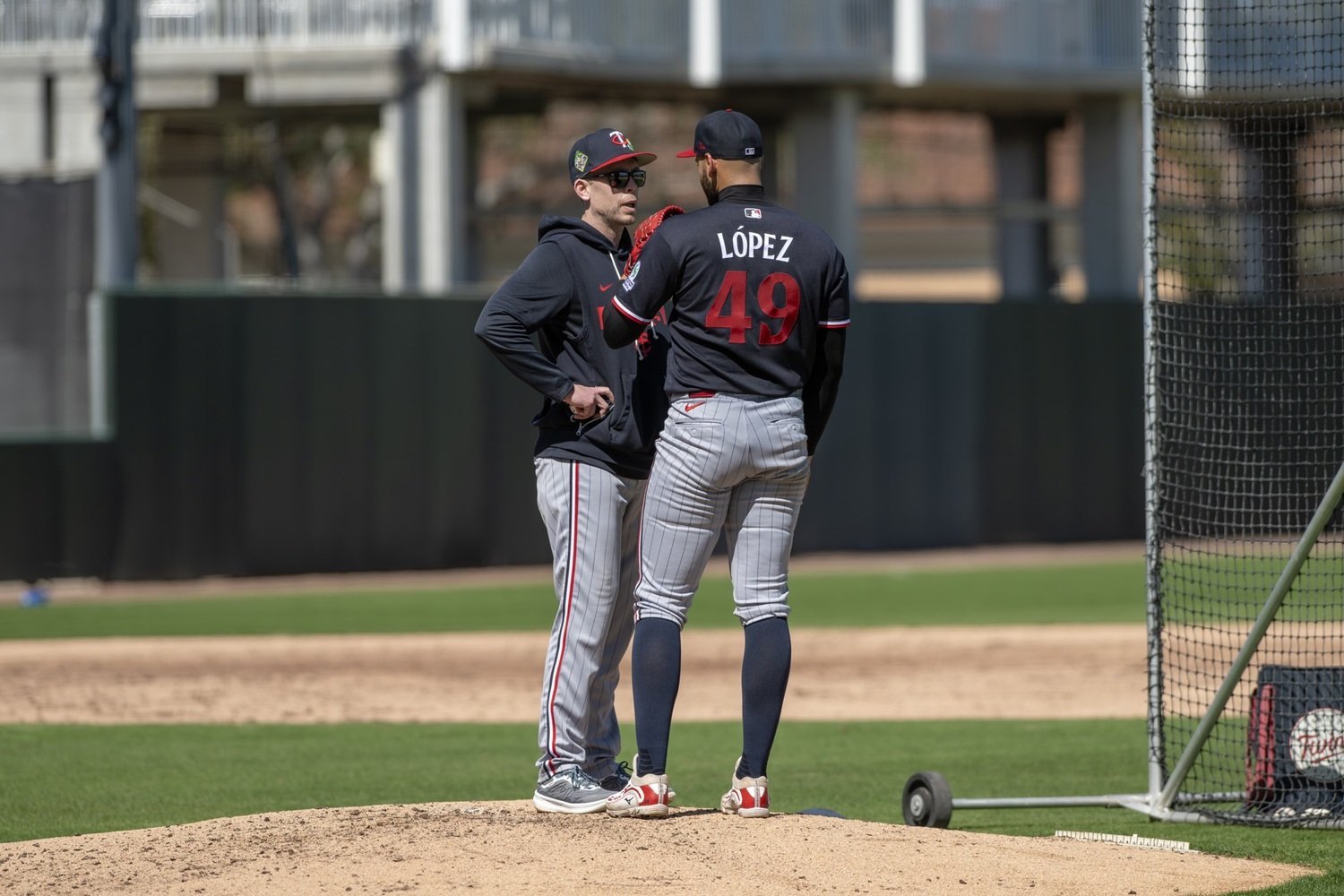 Preseason rankings abound, but MLB.com recently delivered a bleak forecast for the Minnesota Twins. MLB.com’s Mike Petriello recently grouped every Major League club into tiers reflecting their potential to win during the 2026 season. Instead of ranking teams from 1 to 30, he grouped organizations into roughly 8 or 9 groups based on expectations, roster strength, and overall outlook. At the very top sits a tier of its own occupied by the Los Angeles Dodgers. The next level includes a collection of clear contenders like the Toronto Blue Jays, Chicago Cubs, Seattle Mariners, Philadelphia Phillies, Boston Red Sox, Detroit Tigers, and New York Yankees. Minnesota, however, landed on the opposite end of the spectrum. Petriello placed the Twins in the lowest league tier, with only the Angels sharing that spot. It's a grouping that raises a pressing question: What is the path forward? To be clear, Petriello did not suggest these teams will necessarily finish with the worst records in baseball. In fact, he acknowledged that both the Twins and Angels still have talent on their rosters, including superstar players like Byron Buxton and Mike Trout. The concern is less about pure ability and more about the direction of the organizations themselves. According to Petriello, the issue primarily concerns the vibe around the clubs. For Minnesota, the last several months have shaped those vibes. Uncertainty after last year’s trade deadline and injuries to key pitchers like Pablo Lopez and David Festa have created a sense that the franchise is straddling competing and retooling. Outsiders often struggle to interpret that ambiguity positively. The data-driven projections do little to calm those concerns either. FanGraphs currently projects the Twins for the 23rd most wins (78 wins) in baseball during the 2026 season. The Angels sit even lower at 27th in those projections (73 wins). Only a handful of teams project worse, including the Chicago White Sox, Washington Nationals, and Colorado Rockies, who FanGraphs expects to finish with fewer than 70 wins. Ironically, Petriello placed several of those clubs in a higher tier than Minnesota. The Cardinals, Rockies, Nationals, and White Sox all landed in the eighth tier rather than the ninth. His reasoning was that those organizations appear to have a clearer long-term plan in place, even if the short-term results may still be rough. That distinction highlights the real criticism facing the Twins right now. It is not just about wins and losses. It is about perception. Minnesota still features a roster capable of surprising people if things break the right way. Young players could step forward, the pitching staff could stabilize, and a few early-season wins could quickly change the narrative around a team. But heading into the season, the national view of the franchise remains uncertain. The Twins may not accept the assessment, but it clearly outlines the challenge they face as they enter 2026. If the organization wants to shift the conversation about its future, it must do so on the field once the games start.
 -
 Image courtesy of © Bruce Kluckhohn-Imagn Images In the early weeks of spring training, the most promising on-field development for the Minnesota Twins has been the emergence of Mick Abel. In his first two appearances, Abel has dominated. He pitched three shutout innings with five strikeouts against the Detroit Tigers last Monday, then followed with three more scoreless frames and six strikeouts versus the Atlanta Braves on Sunday. Over six innings, he has yielded only three hits, issued no walks, and tallied 11 strikeouts. He has thrown 89 pitches and induced 22 swinging strikes. The second outing came against Atlanta’s split-squad B team, with Jorge Mateo the only 40-man roster player in the lineup. The group included several fringe big-leaguers and a couple of familiar names, in DaShawn Keirsey Jr. and Jair Camargo. Context always matters in March, but Abel did exactly what a young starter with upside should do in that situation. He overwhelmed the hitters in front of him. Over 43 pitches on Sunday, he induced 10 whiffs. His fastball reached 99 miles per hour and accounted for three strikeouts. His slider-sweeper combination produced three more. The only blemish was a harmless two-out single in the first inning. Otherwise, it was total control. That word feels intentional, because Abel is pitching with a very clear plan. “I think it's more of the goals that we've set from going camp which ... landing the spin early, and the offspeed stuff early, to get them to expand more,” Abel said, when asked what he is trying to accomplish this spring. Instead of simply overpowering hitters, he's sequencing with purpose. He lands offspeed pitches early. Hitters must respect the breaking ball. As a result, the elevated fastball plays up even more. It's a simple concept, but one that requires conviction. Abel also emphasized the importance of being precise with his heater. “We were talking before the game and our meeting, and I told him I wanted to be more specific with the heater locations," Abel said of his pregame confab with catcher Victor Caratini. "And we were, so I was happy about that.” That specificity has shown up in the results. He's avoided the middle of the zone and attacked the edges with intent. When a pitcher throws 99 with life and can consistently spot it, the margin for error increases; opposing hitters are forced to think defensively. Perhaps the most encouraging part of his spring has nothing to do with radar gun readings or strikeout totals. Instead, it’s his mindset. “Yeah, for sure. I mean two offseasons in a row where I'm not really thinking too hard about what I'm doing mechanically. It's all up top now," Abel said. "So a lot of it boils down to competitive nature now, and you know, being intentional with every single pitch.” That freedom has translated into confidence. At 24 years old, Abel does not have much left to prove in the minors. He entered camp as a legitimate candidate for the Opening Day rotation, and injuries to Pablo López and David Festa have only increased that possibility. With Joe Ryan, Bailey Ober, and Simeon Woods Richardson likely in, two rotation spots remain for Abel, Taj Bradley, and Zebby Matthews. Abel is making a tough competition look easy. Asked how he approaches the numbers game, his answer matched the calm confidence seen on the mound. “I feel like, as long as I'm coming in here and just being myself, that's all I'm really trying to do every day. There's nothing more I can do.” That mindset may be his biggest development. Abel isn’t chasing results or outshining teammates. He's focused on executing his plan, trusting his stuff, and pitching with intent. Spring stats need context. Six scoreless innings in March don't guarantee success in April. But when a young starter combines velocity, command, swing-and-miss stuff, and a strong mindset, it’s worth attention. If Abel continues pitching this way, the decision-makers in Minnesota will not have a difficult choice to make. And if he carries this version of himself into the regular season, there is a world where he becomes one of the most important arms in the Twins' rotation sooner, rather than later. Do you think Abel will make the Opening Day roster? What are your expectations for his season? Share your thoughts and join the discussion. View full article
 -
Mick Abel Might Be Pitching His Way to the Twins' Opening Day Roster
Cody Christie posted an article in Twins
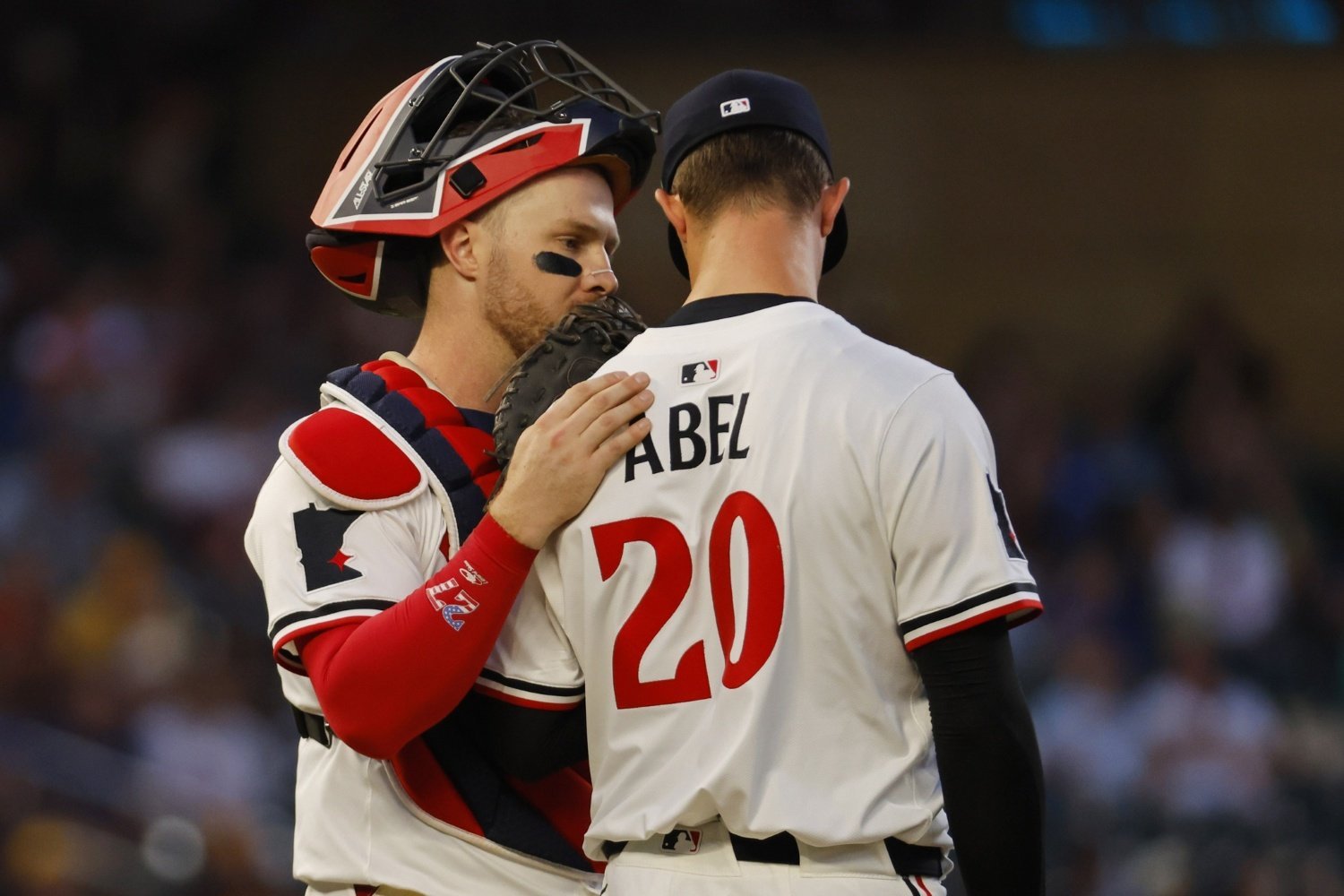 In the early weeks of spring training, the most promising on-field development for the Minnesota Twins has been the emergence of Mick Abel. In his first two appearances, Abel has dominated. He pitched three shutout innings with five strikeouts against the Detroit Tigers last Monday, then followed with three more scoreless frames and six strikeouts versus the Atlanta Braves on Sunday. Over six innings, he has yielded only three hits, issued no walks, and tallied 11 strikeouts. He has thrown 89 pitches and induced 22 swinging strikes. The second outing came against Atlanta’s split-squad B team, with Jorge Mateo the only 40-man roster player in the lineup. The group included several fringe big-leaguers and a couple of familiar names, in DaShawn Keirsey Jr. and Jair Camargo. Context always matters in March, but Abel did exactly what a young starter with upside should do in that situation. He overwhelmed the hitters in front of him. Over 43 pitches on Sunday, he induced 10 whiffs. His fastball reached 99 miles per hour and accounted for three strikeouts. His slider-sweeper combination produced three more. The only blemish was a harmless two-out single in the first inning. Otherwise, it was total control. That word feels intentional, because Abel is pitching with a very clear plan. “I think it's more of the goals that we've set from going camp which ... landing the spin early, and the offspeed stuff early, to get them to expand more,” Abel said, when asked what he is trying to accomplish this spring. Instead of simply overpowering hitters, he's sequencing with purpose. He lands offspeed pitches early. Hitters must respect the breaking ball. As a result, the elevated fastball plays up even more. It's a simple concept, but one that requires conviction. Abel also emphasized the importance of being precise with his heater. “We were talking before the game and our meeting, and I told him I wanted to be more specific with the heater locations," Abel said of his pregame confab with catcher Victor Caratini. "And we were, so I was happy about that.” That specificity has shown up in the results. He's avoided the middle of the zone and attacked the edges with intent. When a pitcher throws 99 with life and can consistently spot it, the margin for error increases; opposing hitters are forced to think defensively. Perhaps the most encouraging part of his spring has nothing to do with radar gun readings or strikeout totals. Instead, it’s his mindset. “Yeah, for sure. I mean two offseasons in a row where I'm not really thinking too hard about what I'm doing mechanically. It's all up top now," Abel said. "So a lot of it boils down to competitive nature now, and you know, being intentional with every single pitch.” That freedom has translated into confidence. At 24 years old, Abel does not have much left to prove in the minors. He entered camp as a legitimate candidate for the Opening Day rotation, and injuries to Pablo López and David Festa have only increased that possibility. With Joe Ryan, Bailey Ober, and Simeon Woods Richardson likely in, two rotation spots remain for Abel, Taj Bradley, and Zebby Matthews. Abel is making a tough competition look easy. Asked how he approaches the numbers game, his answer matched the calm confidence seen on the mound. “I feel like, as long as I'm coming in here and just being myself, that's all I'm really trying to do every day. There's nothing more I can do.” That mindset may be his biggest development. Abel isn’t chasing results or outshining teammates. He's focused on executing his plan, trusting his stuff, and pitching with intent. Spring stats need context. Six scoreless innings in March don't guarantee success in April. But when a young starter combines velocity, command, swing-and-miss stuff, and a strong mindset, it’s worth attention. If Abel continues pitching this way, the decision-makers in Minnesota will not have a difficult choice to make. And if he carries this version of himself into the regular season, there is a world where he becomes one of the most important arms in the Twins' rotation sooner, rather than later. Do you think Abel will make the Opening Day roster? What are your expectations for his season? Share your thoughts and join the discussion.
 -
The latest round of spring roster cuts from the Minnesota Twins came as little surprise, but they offer clarity on how the organization is shaping its upper-level depth. At this stage of camp, decisions are now driven by practicality rather than upside. Veterans and non-roster invites receive longer looks for early-season roles. Prospects needing everyday reps or rehabbing injuries move to the minor league side. These changes don't dramatically alter the long-term outlook but do clarify how the Twins prioritize development and depth as camp concludes. With those themes in mind, let's break down the implications of this specific group of cuts. Catching Depth Gets Reassigned Andrew Cossetti and Ricardo Olivar were both in big league camp to provide depth behind the plate. Neither was realistically pushing for an Opening Day role, but both gave the Twins reliable innings throughout the early Grapefruit League schedule. Cossetti, a 2022 draft pick, has spent the last two seasons at Double A and posted a .717 OPS across 171 games. He has split time between catcher and first base, giving him some defensive versatility, but his offensive production has remained more steady than spectacular. For now, he remains organizational depth with a chance to climb if the bat takes another step. Olivar has quietly put together a solid run in the system since signing out of Venezuela. Over five seasons, he has worked his way into fringe top-30 prospect conversations. Last season at Double A, he posted a .768 OPS in 93 games and continued to show a balanced offensive profile. Like Cossetti, he was in camp primarily to support the catching workload. Returning him to the minor league side allows him to prepare for what should be another important season in his development. A Sensible Move for Walker Jenkins There was never any real debate about Jenkins breaking camp with the big league club, especially once the hamstring strain surfaced. Jenkins remains the top prospect in the organization, but he is not on the 40-man roster and is currently sidelined for a couple of weeks. With his focus on rehab and getting back to full strength, sending him to minor league camp is simply procedural. It allows him to progress at his own pace without occupying a spot on a big league roster. The Twins are thinking long term here. Jenkins does not need to rush anything in March. His priority is building toward a healthy and productive season, not squeezing in a few extra at-bats in exhibition games. Sorting Out the Triple-A Bullpen On the pitching side, several arms now shift their attention toward Triple-A roles. Christian MacLeod’s path remains one of the more interesting developments. A fifth-round pick in 2021, he reached Triple-A last season after a strong first half at Double-A. As a starter there, he posted a 2.63 ERA in 13 starts and looked to be trending upward. The move to the bullpen in St. Paul brought mixed results. The hitter-friendly environment proved challenging, and his numbers took a hit. Still, the organization appears committed to him as a reliever for now. Returning him to Triple-A in a bullpen role gives him a chance to refine that transition with more experience. Andrew Bash is a name to keep in mind. He has spent his entire professional career in the Blue Jays organization and quietly put together an impressive 2025 campaign at Triple-A. Over 40 appearances and 84 innings, he logged a 2.57 ERA with a 7.7 K/9. Minnesota brought him into camp for a closer evaluation, and while he will start the season in the minors, he profiles as a potential depth option if the big league bullpen needs reinforcements. Raul Brito rounds out the group. The 28-year-old spent the last two seasons in the Padres system and showed swing-and-miss ability at Triple-A last year with an 11.7 K/9 across 63 1/3 innings. The problem was consistency. A 6.11 ERA, 5.0 BB/9, and 10.2 H/9 illustrate the volatility. Like Bash and MacLeod, he should factor into the Triple-A bullpen mix and serve as depth if he can tighten the command. None of these cuts dramatically shifts the outlook for the Opening Day roster. Instead, they represent the natural narrowing of camp competition as the calendar flips toward the regular season. Spring training roster cuts are rarely headline-grabbing. But they often reveal how an organization values depth, flexibility, and patience. This round was no different. View full rumor
-
- 1
-

-
- walker jenkins
- ricardo olivar
- (and 4 more)
-
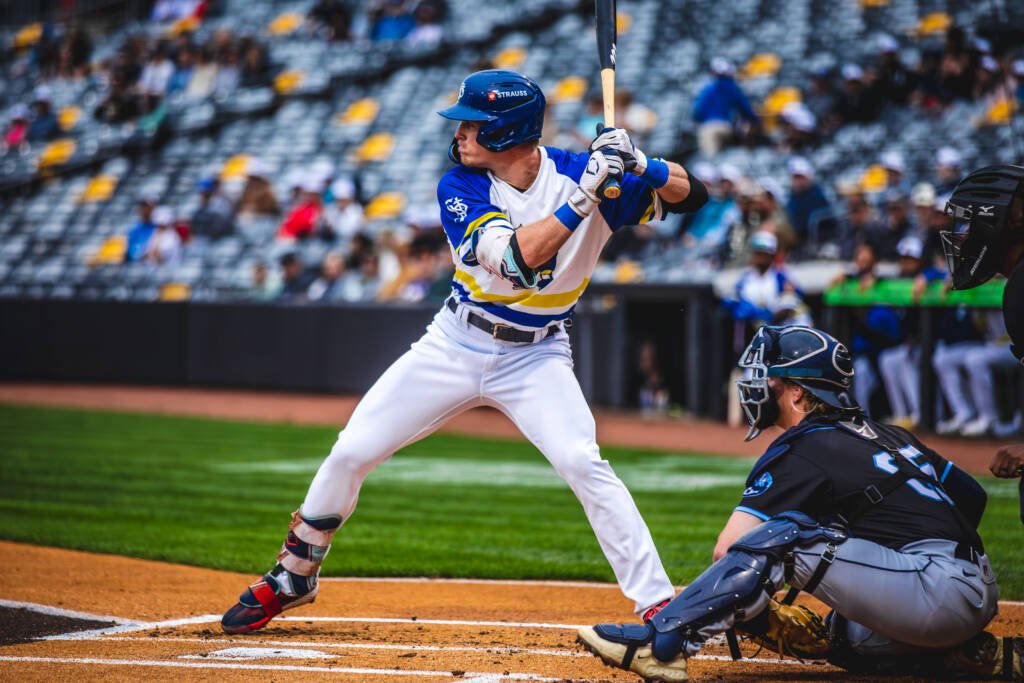 The latest round of spring roster cuts from the Minnesota Twins came as little surprise, but they offer clarity on how the organization is shaping its upper-level depth. At this stage of camp, decisions are now driven by practicality rather than upside. Veterans and non-roster invites receive longer looks for early-season roles. Prospects needing everyday reps or rehabbing injuries move to the minor league side. These changes don't dramatically alter the long-term outlook but do clarify how the Twins prioritize development and depth as camp concludes. With those themes in mind, let's break down the implications of this specific group of cuts. Catching Depth Gets Reassigned Andrew Cossetti and Ricardo Olivar were both in big league camp to provide depth behind the plate. Neither was realistically pushing for an Opening Day role, but both gave the Twins reliable innings throughout the early Grapefruit League schedule. Cossetti, a 2022 draft pick, has spent the last two seasons at Double A and posted a .717 OPS across 171 games. He has split time between catcher and first base, giving him some defensive versatility, but his offensive production has remained more steady than spectacular. For now, he remains organizational depth with a chance to climb if the bat takes another step. Olivar has quietly put together a solid run in the system since signing out of Venezuela. Over five seasons, he has worked his way into fringe top-30 prospect conversations. Last season at Double A, he posted a .768 OPS in 93 games and continued to show a balanced offensive profile. Like Cossetti, he was in camp primarily to support the catching workload. Returning him to the minor league side allows him to prepare for what should be another important season in his development. A Sensible Move for Walker Jenkins There was never any real debate about Jenkins breaking camp with the big league club, especially once the hamstring strain surfaced. Jenkins remains the top prospect in the organization, but he is not on the 40-man roster and is currently sidelined for a couple of weeks. With his focus on rehab and getting back to full strength, sending him to minor league camp is simply procedural. It allows him to progress at his own pace without occupying a spot on a big league roster. The Twins are thinking long term here. Jenkins does not need to rush anything in March. His priority is building toward a healthy and productive season, not squeezing in a few extra at-bats in exhibition games. Sorting Out the Triple-A Bullpen On the pitching side, several arms now shift their attention toward Triple-A roles. Christian MacLeod’s path remains one of the more interesting developments. A fifth-round pick in 2021, he reached Triple-A last season after a strong first half at Double-A. As a starter there, he posted a 2.63 ERA in 13 starts and looked to be trending upward. The move to the bullpen in St. Paul brought mixed results. The hitter-friendly environment proved challenging, and his numbers took a hit. Still, the organization appears committed to him as a reliever for now. Returning him to Triple-A in a bullpen role gives him a chance to refine that transition with more experience. Andrew Bash is a name to keep in mind. He has spent his entire professional career in the Blue Jays organization and quietly put together an impressive 2025 campaign at Triple-A. Over 40 appearances and 84 innings, he logged a 2.57 ERA with a 7.7 K/9. Minnesota brought him into camp for a closer evaluation, and while he will start the season in the minors, he profiles as a potential depth option if the big league bullpen needs reinforcements. Raul Brito rounds out the group. The 28-year-old spent the last two seasons in the Padres system and showed swing-and-miss ability at Triple-A last year with an 11.7 K/9 across 63 1/3 innings. The problem was consistency. A 6.11 ERA, 5.0 BB/9, and 10.2 H/9 illustrate the volatility. Like Bash and MacLeod, he should factor into the Triple-A bullpen mix and serve as depth if he can tighten the command. None of these cuts dramatically shifts the outlook for the Opening Day roster. Instead, they represent the natural narrowing of camp competition as the calendar flips toward the regular season. Spring training roster cuts are rarely headline-grabbing. But they often reveal how an organization values depth, flexibility, and patience. This round was no different.
-
- 2
-
-
- walker jenkins
- ricardo olivar
- (and 4 more)
-
Which Twins Bold Prediction is Most Likely to Come True in 2026?
Cody Christie posted an article in Twins
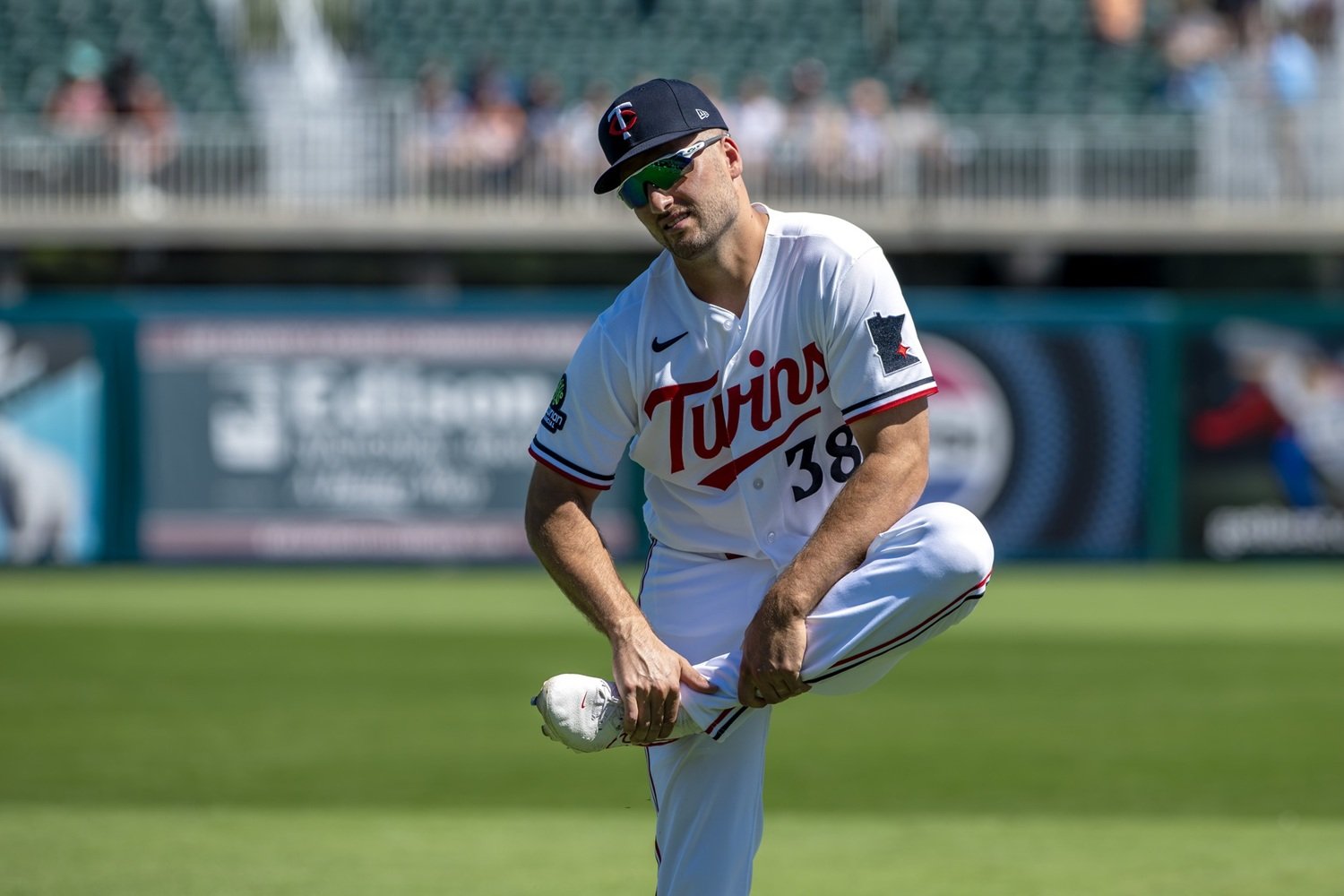 For the Minnesota Twins, the eternal optimism of spring training feels a little more necessary this year. The organization faces a 2026 season without ace Pablo López, while ownership continues to apply public pressure to win—or at least stay in contention until the final stretch of the season. Coming off a 70-92 season and with little winter reinforcement, that's a tall order. For a team that still believes its competitive window is open, internal growth is not just helpful, but required. To keep pace with the rest of the American League's playoff hopefuls, Minnesota will need multiple players to take meaningful steps forward. Fortunately, there are a handful of outcomes that could dramatically change the Twins' season if they come to fruition. Bold predictions are often designed to be unrealistic. That is what makes them fun. Occasionally, though, one lands in the sweet spot between aspirational and plausible. With a roster that features both star-level talent and players who have teased breakout potential before, Minnesota has several candidates capable of turning a bold prediction into a headline by the end of the year. Let's test-drive a few such predictions. Byron Buxton Finishes Top-5 for AL MVP This one feels like it has been sitting on the table for years. When healthy, Byron Buxton has often played at an MVP level. The issue has never been talent or impact. It's mostly been about availability. If Buxton approaches 140 games played, the statistical case will take care of itself. His defensive value remains above average, and the power-speed combination is still capable of changing games on a nightly basis on the run production side of the ledger. A season wherein he slashes something close to his career best offensive production while anchoring the defense up the middle would almost certainly place him squarely in the middle of the American League MVP conversation. Last season, he finished just outside the top 10 in voting, causing him to lose out on a $3-million bonus. He’s spoken about that this spring and is focused on improving his performance. It doesn't require a sensationalist streak or a razor-sharp scouting eye to tout Buxton; it just takes a leap of faith on the health front. Joe Ryan Strikes Out 230 Batters There may not be a more important arm on the roster right now than Ryan. With the Twins missing their would-be Opening Day starter for the entire season, Ryan becomes the de facto tone setter for a rotation that needs to outperform expectations. Ryan has always possessed swing-and-miss stuff that plays at the top of the zone, and his strikeout rates suggest there is another gear available if he can demonstrate durability across a full season. The path to 230 strikeouts is not particularly complicated. It requires 32 starts and an ability to pitch deep enough into games to let the fastball-splitter combination do its job multiple times through an order. In 2025, he recorded 194 strikeouts over 171 innings, but that came with a lower strikeout rate (28.2%) than he posted in his best season, 2023 (29.3%). A healthy year with even marginal improvement against left-handed hitters could push Ryan into the upper tier of American League strikeout leaders. Ryan has never faced more batters than the 689 he saw last season, but if he becomes one of the fistful of pitchers who faces 800 batters each year and maintains his strikeout rate, he'll flirt with this total. Matt Wallner Hits 40 Home Runs The power has never been in question for Wallner. Few players in the organization can match the raw strength that Wallner brings to the plate, and his ability to impact the baseball to the pull side is among the best on the roster. Forty home runs would require adjustments. He will need to make enough contact against velocity to avoid prolonged slumps and continue improving against breaking pitches that have given him trouble in the past. But the Twins don't need Wallner to become a completely different hitter. They need him to be a slightly more consistent version of the player he already is. Wallner’s career high is 22 homers, but he’s never played more than 104 games. Given every day at-bats and some positive regression on balls that died at the warning track last season, this type of power surge is not impossible. However, a flatter swing led to more ground balls last year; that does need to be corrected. Twins Win the AL Central For all the individual milestones that could define Minnesota’s season, nothing would matter more than another division title. Winning the American League Central would validate the organization’s belief that it can contend despite the adversity that has already impacted the pitching staff this spring. The AL Central is set up with Detroit as the favorite, but they aren’t a juggernaut. Minnesota’s blend of veteran leadership and emerging talent gives the club a realistic path to the top of the standings. Improved run prevention and continued development from the lineup’s younger pieces would go a long way toward turning preseason optimism into a playoff berth. A division crown might be the bold prediction that relies the least on any individual outcome and the most on the roster functioning the way the front office believes it can. The truth is, none of these outcomes exists in isolation. A top-five MVP finish from Buxton likely means the offense is operating at a high level. A 230-strikeout season from Ryan probably signals that the rotation has stabilized in the absence of its ace. Forty home runs from Wallner would add a middle-of-the-order presence capable of carrying the lineup through inevitable slumps over the course of six months. Put together, these bold predictions begin to look less like wishful thinking and more like the blueprint for how the Twins remain relevant in October. The 2026 season will not be defined by one breakout performance or one statistical benchmark. It will be shaped by whether this roster can turn potential into production when it matters most. The odds are against them, perhaps, but fortune favors the bold. Which bold prediction has the best chance of coming true in 2026? Leave a comment and start the discussion.
- 25 comments
-
- 3
-
-

-
- byron buxton
- joe ryan
- (and 1 more)
-
Image courtesy of William Parmeter For the Minnesota Twins, the eternal optimism of spring training feels a little more necessary this year. The organization faces a 2026 season without ace Pablo López, while ownership continues to apply public pressure to win—or at least stay in contention until the final stretch of the season. Coming off a 70-92 season and with little winter reinforcement, that's a tall order. For a team that still believes its competitive window is open, internal growth is not just helpful, but required. To keep pace with the rest of the American League's playoff hopefuls, Minnesota will need multiple players to take meaningful steps forward. Fortunately, there are a handful of outcomes that could dramatically change the Twins' season if they come to fruition. Bold predictions are often designed to be unrealistic. That is what makes them fun. Occasionally, though, one lands in the sweet spot between aspirational and plausible. With a roster that features both star-level talent and players who have teased breakout potential before, Minnesota has several candidates capable of turning a bold prediction into a headline by the end of the year. Let's test-drive a few such predictions. Byron Buxton Finishes Top-5 for AL MVP This one feels like it has been sitting on the table for years. When healthy, Byron Buxton has often played at an MVP level. The issue has never been talent or impact. It's mostly been about availability. If Buxton approaches 140 games played, the statistical case will take care of itself. His defensive value remains above average, and the power-speed combination is still capable of changing games on a nightly basis on the run production side of the ledger. A season wherein he slashes something close to his career best offensive production while anchoring the defense up the middle would almost certainly place him squarely in the middle of the American League MVP conversation. Last season, he finished just outside the top 10 in voting, causing him to lose out on a $3-million bonus. He’s spoken about that this spring and is focused on improving his performance. It doesn't require a sensationalist streak or a razor-sharp scouting eye to tout Buxton; it just takes a leap of faith on the health front. Joe Ryan Strikes Out 230 Batters There may not be a more important arm on the roster right now than Ryan. With the Twins missing their would-be Opening Day starter for the entire season, Ryan becomes the de facto tone setter for a rotation that needs to outperform expectations. Ryan has always possessed swing-and-miss stuff that plays at the top of the zone, and his strikeout rates suggest there is another gear available if he can demonstrate durability across a full season. The path to 230 strikeouts is not particularly complicated. It requires 32 starts and an ability to pitch deep enough into games to let the fastball-splitter combination do its job multiple times through an order. In 2025, he recorded 194 strikeouts over 171 innings, but that came with a lower strikeout rate (28.2%) than he posted in his best season, 2023 (29.3%). A healthy year with even marginal improvement against left-handed hitters could push Ryan into the upper tier of American League strikeout leaders. Ryan has never faced more batters than the 689 he saw last season, but if he becomes one of the fistful of pitchers who faces 800 batters each year and maintains his strikeout rate, he'll flirt with this total. Matt Wallner Hits 40 Home Runs The power has never been in question for Wallner. Few players in the organization can match the raw strength that Wallner brings to the plate, and his ability to impact the baseball to the pull side is among the best on the roster. Forty home runs would require adjustments. He will need to make enough contact against velocity to avoid prolonged slumps and continue improving against breaking pitches that have given him trouble in the past. But the Twins don't need Wallner to become a completely different hitter. They need him to be a slightly more consistent version of the player he already is. Wallner’s career high is 22 homers, but he’s never played more than 104 games. Given every day at-bats and some positive regression on balls that died at the warning track last season, this type of power surge is not impossible. However, a flatter swing led to more ground balls last year; that does need to be corrected. Twins Win the AL Central For all the individual milestones that could define Minnesota’s season, nothing would matter more than another division title. Winning the American League Central would validate the organization’s belief that it can contend despite the adversity that has already impacted the pitching staff this spring. The AL Central is set up with Detroit as the favorite, but they aren’t a juggernaut. Minnesota’s blend of veteran leadership and emerging talent gives the club a realistic path to the top of the standings. Improved run prevention and continued development from the lineup’s younger pieces would go a long way toward turning preseason optimism into a playoff berth. A division crown might be the bold prediction that relies the least on any individual outcome and the most on the roster functioning the way the front office believes it can. The truth is, none of these outcomes exists in isolation. A top-five MVP finish from Buxton likely means the offense is operating at a high level. A 230-strikeout season from Ryan probably signals that the rotation has stabilized in the absence of its ace. Forty home runs from Wallner would add a middle-of-the-order presence capable of carrying the lineup through inevitable slumps over the course of six months. Put together, these bold predictions begin to look less like wishful thinking and more like the blueprint for how the Twins remain relevant in October. The 2026 season will not be defined by one breakout performance or one statistical benchmark. It will be shaped by whether this roster can turn potential into production when it matters most. The odds are against them, perhaps, but fortune favors the bold. Which bold prediction has the best chance of coming true in 2026? Leave a comment and start the discussion. View full article
-
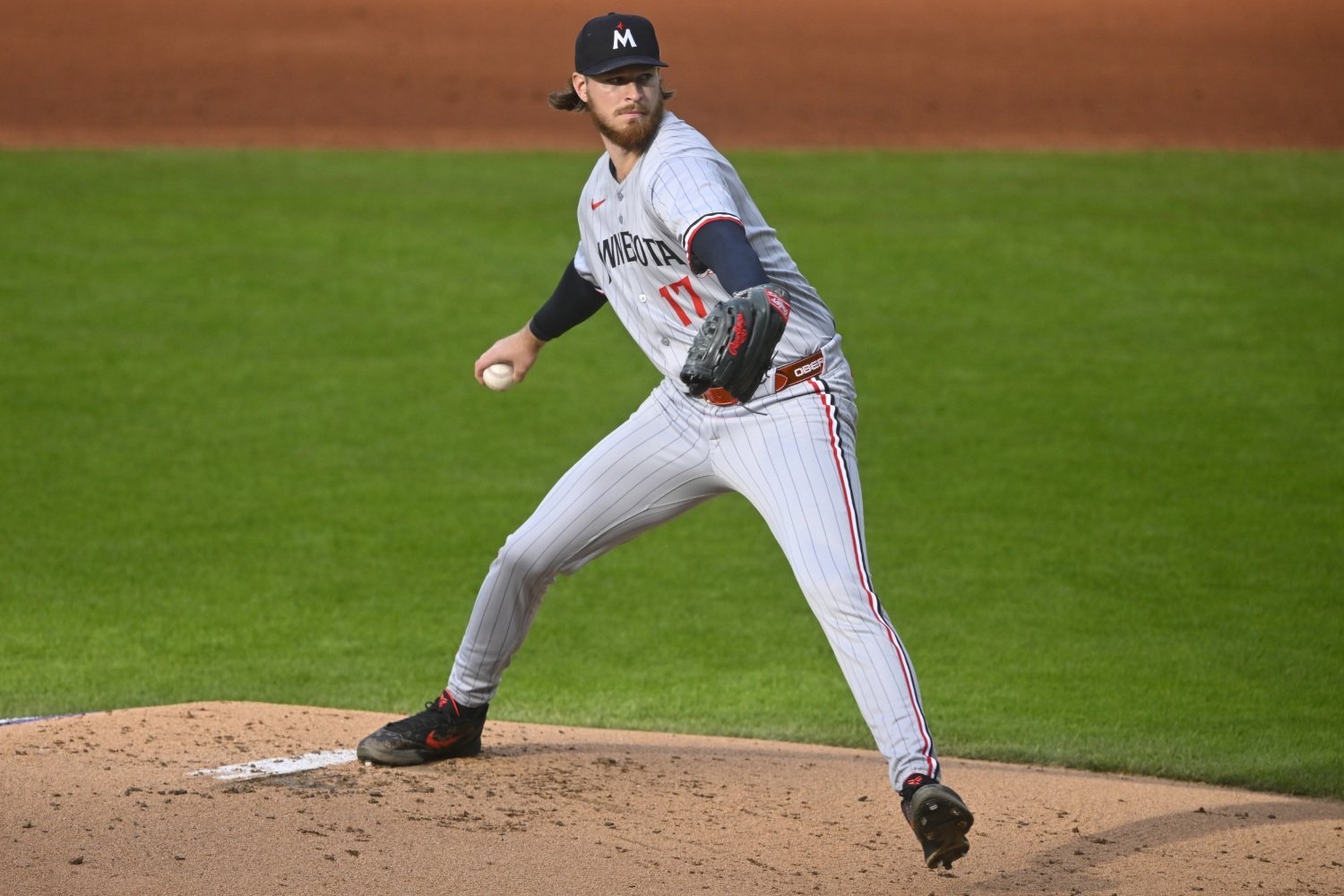 There are certain checkpoints for starting pitchers during spring training that fans have come to expect. Bullpen sessions turn into live batting practice. Live batting practice turns into Grapefruit League innings. Grapefruit League innings slowly stretch into something that resembles a normal workload by the time the regular season rolls around. When a pitcher appears to take a detour from that standard ramp-up, it's fair to wonder what it means for Opening Day. That's where things currently sit with Bailey Ober as camp moves deeper into March. It wasn’t quite game action yet, but Ober faced a string of legitimate major-league hitters in a live batting practice session on Sunday, and he liked what he saw. “Felt great,” Ober said. “It always feels good to be out there, especially when you're building up. Two innings, 40, 45 pitches, felt really good. Got swings and misses in both innings that I threw. For the most part, threw strikes. I think one at-bat got away from me. … I feel like my body was moving pretty well on my own, and I was moving fast.” On the surface, everything sounds normal enough. But Ober’s path to this point has been anything but standard. He worked extensively throughout the winter to regain his delivery, which had become significantly out of whack during 2025 while he dealt with a left hip injury. He was pleased with his form approaching camp, but then early in spring, he had a couple of throwing sessions where he felt he backslid a bit. Rather than charge headlong into games, Ober took an extra bullpen session and then two live batting practice sessions before beginning Grapefruit League play. “The last couple of weeks, [I] hadn't been feeling as sharp as I wanted to,” he said. “Some stuff was getting away from what I was working on this offseason. But I'm feeling healthy, and I think this past week I was able to get back to ... how I want to feel on the mound mechanically. So just giving me a little bit extra time to really dial that in, because I spent so much of this offseason just grinding.” That decision is probably the biggest reason why this conversation is happening at all. Ober is not injured. He's not shut down. But he is behind where he might normally be in a traditional spring progression because he needed to recalibrate mechanically before putting himself into game situations. There can be frustration when an athlete’s body isn’t responding the way they want. “It's just baseball. Yes, it is crazy frustrating, especially when you had it in camp and you're throwing 90-mile-an-hour bullpens in the first week in January, and then you get here and you're like, where the f***’s is my s***? Like, where is it?" Ober said. "And then, so being able to kind of diagnose, sit back, get a little extra time these guys allow me to get things right, and go out today and throw, and I felt really good, and feel like it's a good stepping stone going into my next outing.” The next step for Ober is a game, expected to be on Friday night at home against the Braves. From there, he’ll continue normal buildup, and Twins officials are fully confident he’ll be ready and feeling like himself when the season opens on March 26. “He's trying to do everything he can to be as efficient in his delivery as possible,” said general manager Jeremy Zoll. “The more efficient you are, the better your stuff plays. It's an opportunity to iron those things out early. He's trying to take advantage of that early, especially with camp starting earlier. We'll let him have that time now instead of down the road. “There's still plenty of time,” Zoll said. “We're not worried about that. He's had multiple ups and different things. Not worried about his availability.” Minnesota's Opening Day rotation has already taken multiple hits. Pablo López is out for the year after Tommy John surgery, and David Festa has been shut down for multiple weeks with a shoulder issue. If Ober isn't ready for Opening Day, Mick Abel would probably be the next man up in the rotation. However, that would leave few experienced options in the Triple-A rotation as depth. Is there a chance Ober isn't quite ready for Opening Day? Sure. That possibility exists any time a pitcher deviates from the normal script this late in camp. But the Twins are making a clear bet here. They would rather have Ober slightly behind on innings in late March than fighting his delivery again in late May. If this extra time now keeps his mechanics synced when the games start to matter, it may end up being less of a delay and more of an investment. Should the Twins be worried about Ober's availability? Leave a comment and start the discussion.
 -
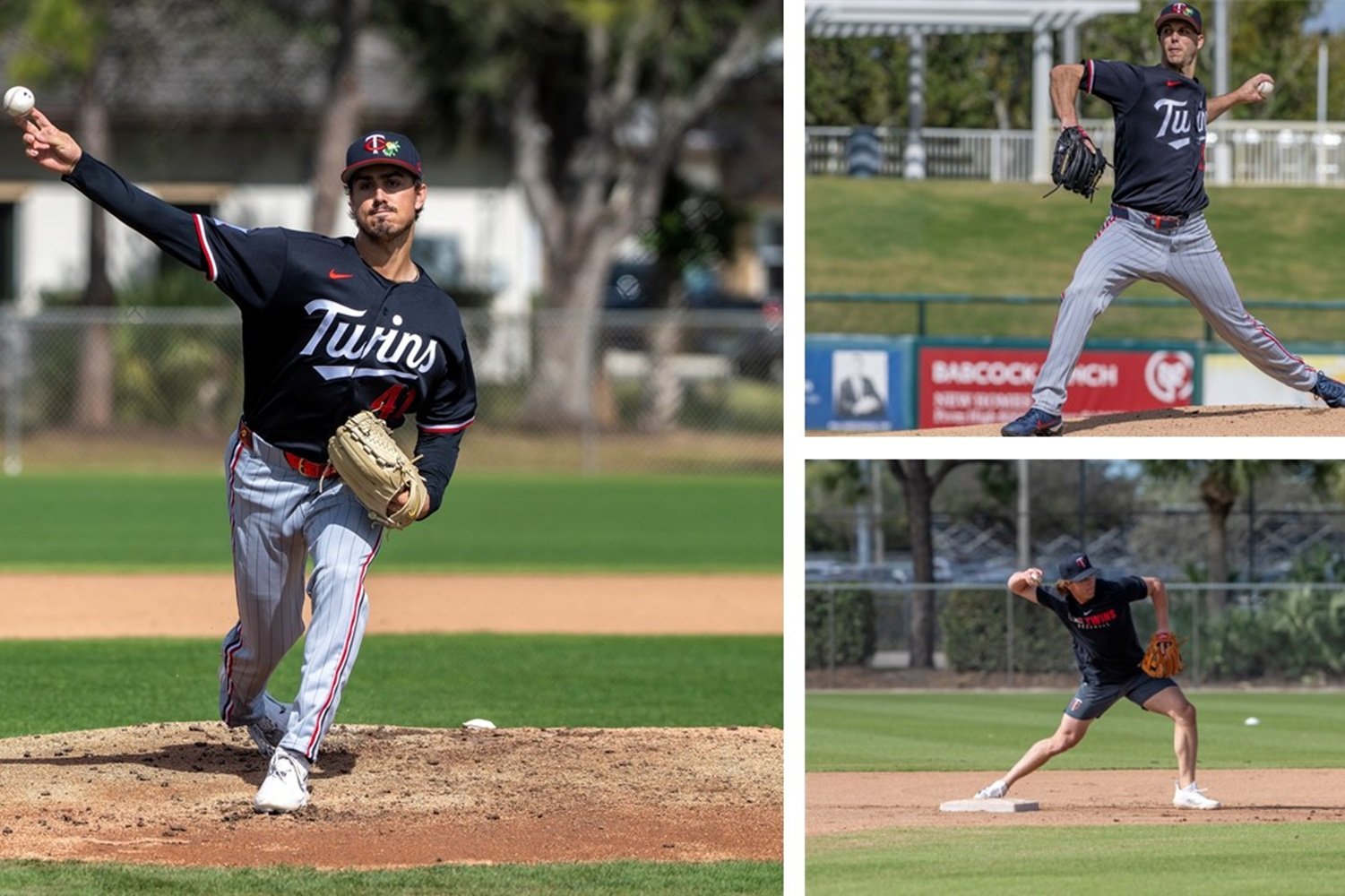 Spring training is well underway in Fort Myers, and we're hurtling toward Opening Day at Camden Yards on Thurs., March 26. What once looked like a relatively straightforward camp has shifted dramatically over the last couple of weeks, as both Pablo López and David Festa were lost to injury, forcing the organization to rework its pitching plans much earlier than expected. Those absences don't just impact the starting rotation; they also place additional strain on the bullpen to absorb innings during the season’s early months. In recent weeks, the front office supplemented the relief corps with veteran additions who can provide stability in the middle and late innings, while some of the younger arms continue to develop. That influx of experience will need to bridge the gap early in the year, especially if Minnesota needs to lean on its bullpen more heavily while sorting out the back end of the rotation. There are still plenty of decisions to make with the roster, including how the final bench spots shake out and which relievers ultimately break camp. With those developments in mind, here is a projection for Minnesota’s 26-man roster entering the season. Starting Rotation (5): Joe Ryan, Bailey Ober, Taj Bradley, Simeon Woods Richardson, Zebby Matthews Others on 40-man roster: Mick Abel, Connor Prielipp, Andrew Morris, Kendry Rojas, and John Klein Without López and Festa, the rotation must prove it can handle a full workload from day one. Ryan and Ober move into clear leadership roles atop the staff, and both will be leaned on heavily to provide stability every fifth day. Ryan was scratched from his first spring start with lower back inflammation, but the MRI didn’t show anything significant. Ober has yet to appear in a spring game for the Twins, but Derek Shelton told reporters this weekend that he doesn’t feel Ober is behind. Bradley is the biggest wildcard in this group. His stuff has never been in question, but Minnesota needs him to translate that arsenal into consistent big-league results across a full season. Woods Richardson showed flashes of being able to navigate major-league lineups over the last two seasons, but the Twins have been careful with how many times he faces a lineup. This is the type of opportunity that could cement him as a long-term rotation piece. Matthews rounds out the group and will be tasked with simply throwing strikes—a skill at which he excelled in the minors—and keeping the team in games early in the year while Minnesota evaluates its pitching depth. In 2025, Matthews posted a 3.79 FIP and paired it with an 18.1 K-BB% that sat well above league average. He could be a potential breakout starter. Bullpen (8): Cole Sands, Justin Topa, Taylor Rogers, Anthony Banda, Eric Orze, Andrew Chafin, Kody Funderburk, Zak Kent Others on 40-man roster: Marco Raya, Travis Adams How many left-handed relievers is too many? The Twins may be pushing the envelope in that category with Rogers, Banda, Chafin, and Funderburk. None of this quartet of lefties is particularly good at getting out right-handed batters, so the usage of this bullpen might be tricky. From the right side, Sands and Topa return as internal arms who have earned trust in at least medium-leverage spots, while Orze and Kent offer fresh looks capable of missing bats. With rotation uncertainty early in the season, this unit may be asked to cover more innings than originally anticipated. The bullpen looks much different than it did at the beginning of the offseason, but there isn’t a lot of upside. Minnesota can hope that a veteran like Liam Hendriks has something left in the tank, but he’s been limited by health concerns for multiple seasons. There’s also no guarantee he will be ready for Opening Day. Raya and Adams offer some potential depth at Triple-A, but they are both transitioning to a full-time relief role. Catchers (2) Ryan Jeffers, Victor Caratini Others on 40-man roster: Alex Jackson Jeffers returns as the primary catcher and remains an important middle-of-the-order bat for this lineup. Caratini provides Minnesota with flexibility thanks to his ability to switch hit and slide over to first base when needed. Over the weekend, I wrote about the Twins potentially carrying three catchers on the Opening Day roster, since Jackson is out of minor-league options. Minnesota put this plan into action with a spring lineup that had Jeffers at DH, Caratini at first base, and Jackson at catcher. Still, that would seem to severely limit Shelton’s bench options, even with Caratini able to play first base. Infielders (6): Josh Bell, Luke Keaschall, Brooks Lee, Royce Lewis, Kody Clemens, Ryan Kreidler Others on 40-man roster: Eric Wagaman, Tristan Gray Bell might turn out to be Minnesota’s most important offseason signing, as the switch-hitter adds a veteran presence to a lineup that struggled in the second half of 2025. Keaschall has been electric in his big-league career with a 128 OPS+ in 49 games. Now, he needs to show that consistency over a full season—and improve as a defender. The Twins are handing shortstop to Lee, but that’s out of necessity, with few other organizational options. Baseball America went so far as to say the Twins “don’t have a shortstop.” In his first two seasons, he has a 75 OPS+, which doesn’t match the output the Twins thought they were getting with the eighth overall pick. Lewis is entering what might be the most important season of his young career. He has shown the ability to be one of the most impactful bats on the roster when healthy. He changed his batting stance this winter, and the early results have been positive. Clemens and Kreidler round out the group, providing defensive flexibility and depth across the diamond. Outfielders (5): Byron Buxton, Matt Wallner, Trevor Larnach, Austin Martin, James Outman Others on 40-man roster: Emmanuel Rodriguez, Gabriel Gonzalez, Alan Roden, Hendry Mendez Buxton anchors the outfield both defensively and offensively when he is in the lineup. He’s coming off his best big-league season, and now he can use the World Baseball Classic as a springboard to the 2026 campaign. Wallner is coming off a disappointing season, but still posted a 110 OPS+. It’s surprising that Larnach is still on the roster, but the Twins must believe he is closer to the 116 OPS+ player he was in 2024 than to the one who produced tepid results last year. Martin offers athleticism and positional versatility. He was one of the lone bright spots in the second half of 2025, posting a 106 OPS+ and stealing 11 bases in 50 games. Outman is out of options and adds another left-handed power threat who can handle center field when needed. His Triple-A performance and underlying metrics suggest a breakout season. He’s also out of options. Together, this group gives Minnesota coverage at all three outfield spots, along with the flexibility to mix and match depending on pitching matchups early in the season. Opening Day rosters are rarely intact for long, and this group will almost certainly look different as the season unfolds. Injuries have already forced Minnesota to adjust its plans, and more challenges are likely to arise over the first few weeks of the schedule. That said, the foundation of this roster offers a blend of upside and versatility that should allow the Twins to remain competitive while waiting for reinforcements later in the year. How this group handles the early portion of the season could go a long way toward determining whether Minnesota can stay afloat in the standings until some of the organization’s top prospects are ready to join the fray. What would you change about the team’s Opening Day roster? Leave a comment and start the discussion.
- 49 comments
-
- 6
-
-
- byron buxton
- luke keaschall
- (and 8 more)
-
Image courtesy of William Parmeter Spring training is well underway in Fort Myers, and we're hurtling toward Opening Day at Camden Yards on Thurs., March 26. What once looked like a relatively straightforward camp has shifted dramatically over the last couple of weeks, as both Pablo López and David Festa were lost to injury, forcing the organization to rework its pitching plans much earlier than expected. Those absences don't just impact the starting rotation; they also place additional strain on the bullpen to absorb innings during the season’s early months. In recent weeks, the front office supplemented the relief corps with veteran additions who can provide stability in the middle and late innings, while some of the younger arms continue to develop. That influx of experience will need to bridge the gap early in the year, especially if Minnesota needs to lean on its bullpen more heavily while sorting out the back end of the rotation. There are still plenty of decisions to make with the roster, including how the final bench spots shake out and which relievers ultimately break camp. With those developments in mind, here is a projection for Minnesota’s 26-man roster entering the season. Starting Rotation (5): Joe Ryan, Bailey Ober, Taj Bradley, Simeon Woods Richardson, Zebby Matthews Others on 40-man roster: Mick Abel, Connor Prielipp, Andrew Morris, Kendry Rojas, and John Klein Without López and Festa, the rotation must prove it can handle a full workload from day one. Ryan and Ober move into clear leadership roles atop the staff, and both will be leaned on heavily to provide stability every fifth day. Ryan was scratched from his first spring start with lower back inflammation, but the MRI didn’t show anything significant. Ober has yet to appear in a spring game for the Twins, but Derek Shelton told reporters this weekend that he doesn’t feel Ober is behind. Bradley is the biggest wildcard in this group. His stuff has never been in question, but Minnesota needs him to translate that arsenal into consistent big-league results across a full season. Woods Richardson showed flashes of being able to navigate major-league lineups over the last two seasons, but the Twins have been careful with how many times he faces a lineup. This is the type of opportunity that could cement him as a long-term rotation piece. Matthews rounds out the group and will be tasked with simply throwing strikes—a skill at which he excelled in the minors—and keeping the team in games early in the year while Minnesota evaluates its pitching depth. In 2025, Matthews posted a 3.79 FIP and paired it with an 18.1 K-BB% that sat well above league average. He could be a potential breakout starter. Bullpen (8): Cole Sands, Justin Topa, Taylor Rogers, Anthony Banda, Eric Orze, Andrew Chafin, Kody Funderburk, Zak Kent Others on 40-man roster: Marco Raya, Travis Adams How many left-handed relievers is too many? The Twins may be pushing the envelope in that category with Rogers, Banda, Chafin, and Funderburk. None of this quartet of lefties is particularly good at getting out right-handed batters, so the usage of this bullpen might be tricky. From the right side, Sands and Topa return as internal arms who have earned trust in at least medium-leverage spots, while Orze and Kent offer fresh looks capable of missing bats. With rotation uncertainty early in the season, this unit may be asked to cover more innings than originally anticipated. The bullpen looks much different than it did at the beginning of the offseason, but there isn’t a lot of upside. Minnesota can hope that a veteran like Liam Hendriks has something left in the tank, but he’s been limited by health concerns for multiple seasons. There’s also no guarantee he will be ready for Opening Day. Raya and Adams offer some potential depth at Triple-A, but they are both transitioning to a full-time relief role. Catchers (2) Ryan Jeffers, Victor Caratini Others on 40-man roster: Alex Jackson Jeffers returns as the primary catcher and remains an important middle-of-the-order bat for this lineup. Caratini provides Minnesota with flexibility thanks to his ability to switch hit and slide over to first base when needed. Over the weekend, I wrote about the Twins potentially carrying three catchers on the Opening Day roster, since Jackson is out of minor-league options. Minnesota put this plan into action with a spring lineup that had Jeffers at DH, Caratini at first base, and Jackson at catcher. Still, that would seem to severely limit Shelton’s bench options, even with Caratini able to play first base. Infielders (6): Josh Bell, Luke Keaschall, Brooks Lee, Royce Lewis, Kody Clemens, Ryan Kreidler Others on 40-man roster: Eric Wagaman, Tristan Gray Bell might turn out to be Minnesota’s most important offseason signing, as the switch-hitter adds a veteran presence to a lineup that struggled in the second half of 2025. Keaschall has been electric in his big-league career with a 128 OPS+ in 49 games. Now, he needs to show that consistency over a full season—and improve as a defender. The Twins are handing shortstop to Lee, but that’s out of necessity, with few other organizational options. Baseball America went so far as to say the Twins “don’t have a shortstop.” In his first two seasons, he has a 75 OPS+, which doesn’t match the output the Twins thought they were getting with the eighth overall pick. Lewis is entering what might be the most important season of his young career. He has shown the ability to be one of the most impactful bats on the roster when healthy. He changed his batting stance this winter, and the early results have been positive. Clemens and Kreidler round out the group, providing defensive flexibility and depth across the diamond. Outfielders (5): Byron Buxton, Matt Wallner, Trevor Larnach, Austin Martin, James Outman Others on 40-man roster: Emmanuel Rodriguez, Gabriel Gonzalez, Alan Roden, Hendry Mendez Buxton anchors the outfield both defensively and offensively when he is in the lineup. He’s coming off his best big-league season, and now he can use the World Baseball Classic as a springboard to the 2026 campaign. Wallner is coming off a disappointing season, but still posted a 110 OPS+. It’s surprising that Larnach is still on the roster, but the Twins must believe he is closer to the 116 OPS+ player he was in 2024 than to the one who produced tepid results last year. Martin offers athleticism and positional versatility. He was one of the lone bright spots in the second half of 2025, posting a 106 OPS+ and stealing 11 bases in 50 games. Outman is out of options and adds another left-handed power threat who can handle center field when needed. His Triple-A performance and underlying metrics suggest a breakout season. He’s also out of options. Together, this group gives Minnesota coverage at all three outfield spots, along with the flexibility to mix and match depending on pitching matchups early in the season. Opening Day rosters are rarely intact for long, and this group will almost certainly look different as the season unfolds. Injuries have already forced Minnesota to adjust its plans, and more challenges are likely to arise over the first few weeks of the schedule. That said, the foundation of this roster offers a blend of upside and versatility that should allow the Twins to remain competitive while waiting for reinforcements later in the year. How this group handles the early portion of the season could go a long way toward determining whether Minnesota can stay afloat in the standings until some of the organization’s top prospects are ready to join the fray. What would you change about the team’s Opening Day roster? Leave a comment and start the discussion. View full article
-
Image courtesy of © David Richard-Imagn Images There are certain checkpoints for starting pitchers during spring training that fans have come to expect. Bullpen sessions turn into live batting practice. Live batting practice turns into Grapefruit League innings. Grapefruit League innings slowly stretch into something that resembles a normal workload by the time the regular season rolls around. When a pitcher appears to take a detour from that standard ramp-up, it is fair to wonder what it means for Opening Day. That is where things currently sit with Bailey Ober as camp moves deeper into March. It wasn’t quite game action yet, but Ober faced a string of legitimate Major League hitters in a live batting practice session on Sunday, and he liked what he saw. “Felt great,” Ober said. “It always feels good to be out there, especially when you're building up. Two innings, 40, 45 pitches, felt really good. Got swings and misses in both innings that I threw. For the most part, threw strikes. I think one at-bat got away from me. … I feel like my body was moving pretty well on my own, and I was moving fast.” On the surface, everything sounds normal enough. But Ober’s path to this point has been anything but standard. He worked extensively throughout the winter to regain his delivery, which had become significantly out of whack during 2025 while he dealt with a left hip injury. He was pleased with his form approaching camp, but then early in spring he had a couple of throwing sessions where he felt he backslid a bit. So rather than charge headlong into games, Ober took an extra bullpen session and then two live batting practice sessions before beginning Grapefruit League play. “The last couple of weeks, [I] hadn't been feeling as sharp as I wanted to,” he said. “Some stuff was getting away from what I was working on this offseason. But I'm feeling healthy, and I think this past week I was able to get back to ... how I want to feel on the mound mechanically. So just giving me a little bit extra time to really dial that in, because I spent so much of this offseason just grinding.” That decision is probably the biggest reason why this conversation is happening at all. Ober is not injured. He is not shut down. But he is behind where he might normally be in a traditional spring progression because he needed to recalibrate mechanically before putting himself into game situations. There can be frustration when an athlete’s body isn’t responding the way they want. “It's just baseball. Yes, it is crazy frustrating, especially when you had it in camp and you're throwing 90 mile an hour bullpens in the first week in January, and then you get here and you're like, where the f***’s is my s***? Like, where is it? And then, so being able to kind of diagnose, sit back, get a little extra time these guys allow me to get things right, and go out today and throw, and I felt really good, and feel like it's a good stepping stone going into my next outing.” The next step for Ober is a game, expected to be on Friday night at home against the Braves. From there, he’ll continue normal buildup, and Twins officials are fully confident he’ll be ready and feeling like himself when the season opens on March 26. “He's trying to do everything he can to be as efficient in his delivery as possible,” said general manager Jeremy Zoll. “The more efficient you are, the better your stuff plays. It's an opportunity to iron those things out early. He's trying to take advantage of that early, especially with camp starting earlier. We'll let him have that time now instead of down the road.” “There's still plenty of time,” Zoll said. “We're not worried about that. He's had multiple ups and different things. Not worried about his availability.” Minnesota's Opening Day rotation has already taken multiple hits. Pablo Lopez is out for the year after Tommy John surgery, and David Festa has been shut down for multiple weeks with a shoulder issue. If Ober isn't ready for Opening Day, Mick Abel would likely be the next man up in the rotation. However, that would leave few experienced options in the Triple-A rotation as depth. Is there a chance Ober is not quite ready for Opening Day? Sure. That possibility exists any time a pitcher deviates from the normal script this late in camp. But the Twins are making a clear bet here. They would rather have Ober slightly behind on innings in late March than fighting his delivery again in late May. And if this extra time now keeps his mechanics synced when the games start to matter, it may end up being less of a delay and more of an investment. Should the Twins be worried about Ober's availability? Leave a comment and start the discussion. View full article
-
Image courtesy of William Parmeter Despite all that's happened over the last 19 months, the Twins intend to compete for playoff spots—not just in the future, but this season. Owner Tom Pohlad was so clear on that imperative that he was willing to lose president of baseball operations Derek Falvey over it. That makes the situation surrounding Pablo López one of the more fascinating long-term decisions the front office will face in the coming months. López will miss the entire 2026 season following Tommy John surgery. It will be the second such procedure of his career; the first came more than a decade ago. When he returns, the calendar will read 2027, which also happens to be the final season of the four-year extension he signed after Minnesota acquired him. The Twins got López from the Miami Marlins in the Jan. 2023 trade that sent Luis Arraez to Miami. Since that deal, he has been everything Minnesota hoped for at the top of its rotation. Across three seasons, he posted a 3.68 ERA with elite underlying numbers, including a 26.8 K%, 5.8 BB%, and a ground ball rate north of 43%. ERA estimators SIERA and FIP suggest he was even better than the surface-level production indicates. His 2025 campaign looked like another step forward before injuries began to pile up. López opened the year with a 2.82 ERA through 11 starts, before a Grade 2 teres major strain in early June cost him roughly three months. He returned in September for three sharp outings before finishing the season on the injured list with a minor forearm strain. Minnesota acknowledged at the time that López could have pitched through the issue, had the club been in a playoff race. With the season already lost, however, they chose to play things safe. Unluckily, it didn't matter. Now, the Twins must decide whether to wait for proof of health in 2027 or take a more proactive approach. A recent blueprint exists. The Cleveland Guardians worked out a short-term deal with Shane Bieber that guaranteed him $10 million for 2025, with a $16 million player option for 2026 and a $4 million buyout. The structure allowed Cleveland to maintain upside if Bieber returned to form, while also giving the pitcher financial security as he rehabbed. Bieber was traded to the Blue Jays last summer and exercised his player option in the fall. Minnesota could pursue something similar for López that covers the 2027 and 2028 seasons. Pros of Extending López Financial security for the player matters. A new deal would protect López against the uncertainty that comes with returning from a second Tommy John, while also rewarding someone widely viewed as one of the team’s most respected leaders. From the club’s perspective, there's an opportunity to buy low. Extending him now rather than after a successful return could result in surplus value if he regains his pre-injury form. There's also an element of organizational culture to consider. Extending a player who has embraced the organization both on and off the field would reinforce the message that performance and leadership are valued internally. For an ownership group that has talked about competing annually, backing López would be a tangible sign of that commitment. Cons of Extending López There's an obvious medical risk tied to any pitcher returning from a second elbow reconstruction. Minnesota would be committing future payroll to a player who will be 22 months removed from their last prolonged period of health and availability when next season begins. Waiting until he proves healthy in 2027 may provide more clarity, even if it comes at a higher price. In the meantime, the Twins will need to allocate resources elsewhere across a roster that already has several key contributors approaching arbitration raises or free agency. Still, this is the type of decision that reveals how an organization views its competitive timeline. If the Twins believe their window to contend remains open beyond the next two seasons, then extending López now could stabilize the top of the rotation for years to come—while supporting a player who has become one of the franchise’s most trusted voices. Should the Twins approach López with an extension? Does the Bieber extension fit a potential López deal? Leave a comment and start the discussion. View full article
-
How Extending Pablo López Could Lengthen Minnesota’s Competitive Window
Cody Christie posted an article in Twins
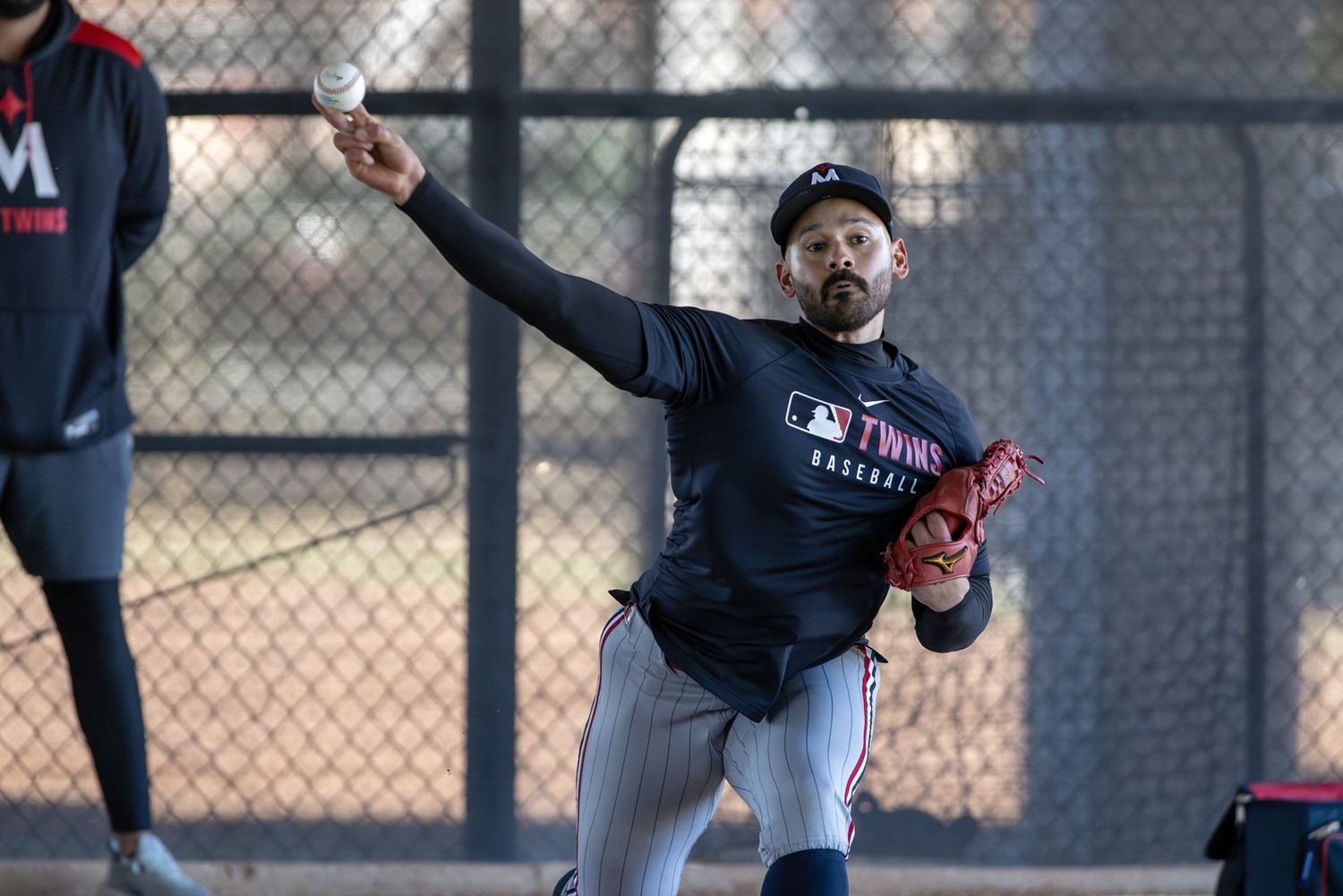 Despite all that's happened over the last 19 months, the Twins intend to compete for playoff spots—not just in the future, but this season. Owner Tom Pohlad was so clear on that imperative that he was willing to lose president of baseball operations Derek Falvey over it. That makes the situation surrounding Pablo López one of the more fascinating long-term decisions the front office will face in the coming months. López will miss the entire 2026 season following Tommy John surgery. It will be the second such procedure of his career; the first came more than a decade ago. When he returns, the calendar will read 2027, which also happens to be the final season of the four-year extension he signed after Minnesota acquired him. The Twins got López from the Miami Marlins in the Jan. 2023 trade that sent Luis Arraez to Miami. Since that deal, he has been everything Minnesota hoped for at the top of its rotation. Across three seasons, he posted a 3.68 ERA with elite underlying numbers, including a 26.8 K%, 5.8 BB%, and a ground ball rate north of 43%. ERA estimators SIERA and FIP suggest he was even better than the surface-level production indicates. His 2025 campaign looked like another step forward before injuries began to pile up. López opened the year with a 2.82 ERA through 11 starts, before a Grade 2 teres major strain in early June cost him roughly three months. He returned in September for three sharp outings before finishing the season on the injured list with a minor forearm strain. Minnesota acknowledged at the time that López could have pitched through the issue, had the club been in a playoff race. With the season already lost, however, they chose to play things safe. Unluckily, it didn't matter. Now, the Twins must decide whether to wait for proof of health in 2027 or take a more proactive approach. A recent blueprint exists. The Cleveland Guardians worked out a short-term deal with Shane Bieber that guaranteed him $10 million for 2025, with a $16 million player option for 2026 and a $4 million buyout. The structure allowed Cleveland to maintain upside if Bieber returned to form, while also giving the pitcher financial security as he rehabbed. Bieber was traded to the Blue Jays last summer and exercised his player option in the fall. Minnesota could pursue something similar for López that covers the 2027 and 2028 seasons. Pros of Extending López Financial security for the player matters. A new deal would protect López against the uncertainty that comes with returning from a second Tommy John, while also rewarding someone widely viewed as one of the team’s most respected leaders. From the club’s perspective, there's an opportunity to buy low. Extending him now rather than after a successful return could result in surplus value if he regains his pre-injury form. There's also an element of organizational culture to consider. Extending a player who has embraced the organization both on and off the field would reinforce the message that performance and leadership are valued internally. For an ownership group that has talked about competing annually, backing López would be a tangible sign of that commitment. Cons of Extending López There's an obvious medical risk tied to any pitcher returning from a second elbow reconstruction. Minnesota would be committing future payroll to a player who will be 22 months removed from their last prolonged period of health and availability when next season begins. Waiting until he proves healthy in 2027 may provide more clarity, even if it comes at a higher price. In the meantime, the Twins will need to allocate resources elsewhere across a roster that already has several key contributors approaching arbitration raises or free agency. Still, this is the type of decision that reveals how an organization views its competitive timeline. If the Twins believe their window to contend remains open beyond the next two seasons, then extending López now could stabilize the top of the rotation for years to come—while supporting a player who has become one of the franchise’s most trusted voices. Should the Twins approach López with an extension? Does the Bieber extension fit a potential López deal? Leave a comment and start the discussion.
 -
Image courtesy of William Parmeter When pitchers and catchers reported to Fort Myers, the optimism surrounding the Minnesota Twins' rotation was grounded in numbers. This was supposed to be a strength built on both established major leaguers and emerging upper-level prospects knocking on the door. Instead, the depth chart has become something of a stress test before the calendar even flips to Opening Day. The Twins had eight pitchers in contention for five starting spots when pitchers and catchers reported to Fort Myers. However, Pablo Lopez is out for the year following Tommy John surgery, and David Festa is expected not to be ready for Opening Day as he deals with a shoulder impingement. That reality has reshaped the conversation around the starting staff this spring. Rather than debating which young arms might have to open the year in Saint Paul, the Twins are now figuring out how many inexperienced starters they can realistically carry while still positioning themselves to compete in a winnable division. The current pitchers in play for starting jobs are Joe Ryan, Bailey Ober, Simeon Woods Richardson, Taj Bradley, Zebby Matthews, and Mick Abel. Beyond that group, there are Connor Prielipp, Andrew Morris, Kendry Rojas, and John Klein. Minnesota showed this winter that payroll flexibility exists, most notably in its aggressive but unsuccessful pursuit of Framber Valdez. Even so, the current trajectory suggests the organization is prepared to move forward with its six in-house rotation options while keeping its yet-to-debut pitching prospects as the next wave of reinforcement. “We see a lot of upside,” Twins General Manager Jeremy Zoll said. “We'll use spring to see what's going on everywhere. Usually, you see a lull in action for a bit as teams settle in.” The Case for Trusting the Depth There is a legitimate argument that the Twins should allow this group to sink or swim on its own merits. Ryan and Ober have proven capable of handling major league workloads when healthy, while Woods Richardson showed flashes of mid-rotation stability last season. Bradley brings electric stuff that could translate immediately, and both Matthews and Abel represent the kind of upside that teams often spend years trying to acquire externally. Younger pitchers also come with a sense of developmental urgency. Minnesota has invested years in shaping these arms at the minor league level. Blocking their opportunity with a short-term veteran might preserve depth on paper while simultaneously delaying the growth of pitchers who need to face big-league hitters to reach their ceilings. “You're trying to find that right balance of ensuring you have enough depth and creating the right opportunities for guys to step forward,” Zoll said. “In a lot of cases, these guys have proven a lot in Class AAA already. You don't want to have guys in AAA just to say we did. But you never know what's going to pop up next and constantly are weighing those things.” The Case Against Standing Pat Of course, the downside is obvious. Betting on depth is easier when it has not already taken two major hits before March. Lopez was supposed to anchor the rotation, and Festa represented a high-probability early-season contributor. Removing both from the equation places enormous pressure on pitchers who are still adjusting to the demands of a full major league season. The remaining options on the free agent market include Lucas Giolito, Zack Littell, Patrick Corbin, Tyler Anderson, and Nestor Cortes. While none project to replace the frontline production Minnesota hoped to get from Valdez or the innings stability they lost with López, there is something to be said for a veteran capable of absorbing starts across a full season. That reality leaves the front office weighing a familiar dilemma between protecting developmental pathways for its young arms and adding a more proven option to stabilize the rotation early in the year. Spring has made one thing clear. Minnesota can trust its pitching depth, but doing so is no longer a philosophical preference. It is quickly becoming a necessity. Whether that necessity turns into a breakthrough season for the next wave of starters or exposes how thin the margin for error has become may ultimately define the Twins’ 2026 campaign. Do the Twins need to sign a veteran pitcher? Or should the front office trust the team’s rotational depth? Leave a comment and start the discussion. View full article
-
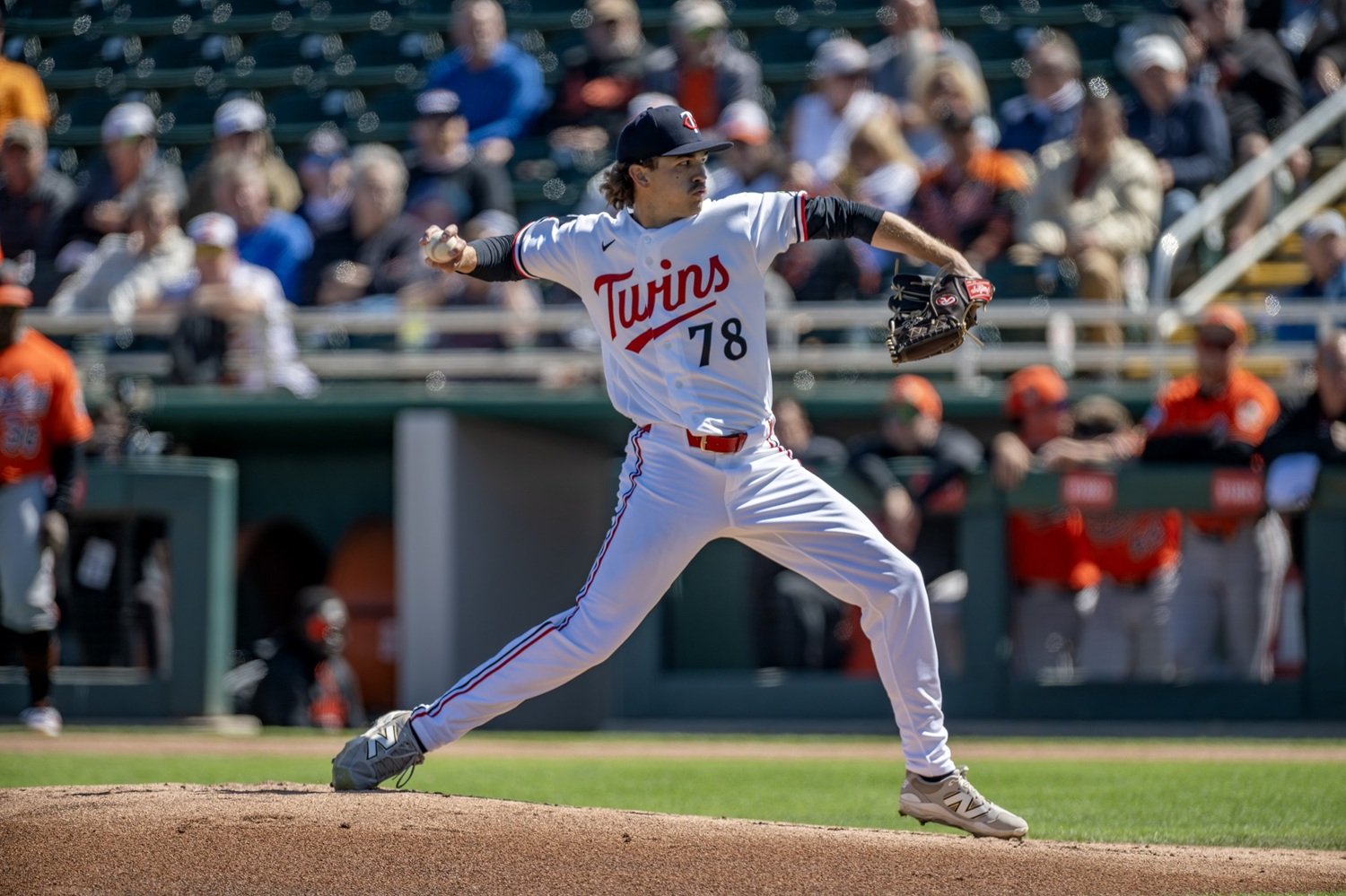 When pitchers and catchers reported to Fort Myers, the optimism surrounding the Minnesota Twins' rotation was grounded in numbers. This was supposed to be a strength built on both established major leaguers and emerging upper-level prospects knocking on the door. Instead, the depth chart has become something of a stress test before the calendar even flips to Opening Day. The Twins had eight pitchers in contention for five starting spots when pitchers and catchers reported to Fort Myers. However, Pablo Lopez is out for the year following Tommy John surgery, and David Festa is expected not to be ready for Opening Day as he deals with a shoulder impingement. That reality has reshaped the conversation around the starting staff this spring. Rather than debating which young arms might have to open the year in Saint Paul, the Twins are now figuring out how many inexperienced starters they can realistically carry while still positioning themselves to compete in a winnable division. The current pitchers in play for starting jobs are Joe Ryan, Bailey Ober, Simeon Woods Richardson, Taj Bradley, Zebby Matthews, and Mick Abel. Beyond that group, there are Connor Prielipp, Andrew Morris, Kendry Rojas, and John Klein. Minnesota showed this winter that payroll flexibility exists, most notably in its aggressive but unsuccessful pursuit of Framber Valdez. Even so, the current trajectory suggests the organization is prepared to move forward with its six in-house rotation options while keeping its yet-to-debut pitching prospects as the next wave of reinforcement. “We see a lot of upside,” Twins General Manager Jeremy Zoll said. “We'll use spring to see what's going on everywhere. Usually, you see a lull in action for a bit as teams settle in.” The Case for Trusting the Depth There is a legitimate argument that the Twins should allow this group to sink or swim on its own merits. Ryan and Ober have proven capable of handling major league workloads when healthy, while Woods Richardson showed flashes of mid-rotation stability last season. Bradley brings electric stuff that could translate immediately, and both Matthews and Abel represent the kind of upside that teams often spend years trying to acquire externally. Younger pitchers also come with a sense of developmental urgency. Minnesota has invested years in shaping these arms at the minor league level. Blocking their opportunity with a short-term veteran might preserve depth on paper while simultaneously delaying the growth of pitchers who need to face big-league hitters to reach their ceilings. “You're trying to find that right balance of ensuring you have enough depth and creating the right opportunities for guys to step forward,” Zoll said. “In a lot of cases, these guys have proven a lot in Class AAA already. You don't want to have guys in AAA just to say we did. But you never know what's going to pop up next and constantly are weighing those things.” The Case Against Standing Pat Of course, the downside is obvious. Betting on depth is easier when it has not already taken two major hits before March. Lopez was supposed to anchor the rotation, and Festa represented a high-probability early-season contributor. Removing both from the equation places enormous pressure on pitchers who are still adjusting to the demands of a full major league season. The remaining options on the free agent market include Lucas Giolito, Zack Littell, Patrick Corbin, Tyler Anderson, and Nestor Cortes. While none project to replace the frontline production Minnesota hoped to get from Valdez or the innings stability they lost with López, there is something to be said for a veteran capable of absorbing starts across a full season. That reality leaves the front office weighing a familiar dilemma between protecting developmental pathways for its young arms and adding a more proven option to stabilize the rotation early in the year. Spring has made one thing clear. Minnesota can trust its pitching depth, but doing so is no longer a philosophical preference. It is quickly becoming a necessity. Whether that necessity turns into a breakthrough season for the next wave of starters or exposes how thin the margin for error has become may ultimately define the Twins’ 2026 campaign. Do the Twins need to sign a veteran pitcher? Or should the front office trust the team’s rotational depth? Leave a comment and start the discussion.
- 13 comments
-
- 4
-
-
- pablo lopez
- david festa
- (and 8 more)
-
Image courtesy of William Parmeter The Minnesota Twins have built themselves a good problem behind the plate. The issue is that good problems still require difficult decisions. There are three big-league caliber catchers in camp, and no clear path to send any of them to the minors. If the Twins want to keep all three on the Opening Day roster in 2026, they will need to get creative with both playing time and bench construction. Ryan Jeffers is locked in as the projected starter. After three seasons of a fairly even split with Christian Vázquez, the organization has made it clear that this is Jeffers’ staff now. He’s also entering his final year of team control, adding another wrinkle to the team’s long-term catching picture. “Jeffers is going to be the C1,” manager Derek Shelton said early this offseason. “We’ve talked to Victor about it. The thing we thought about there is get a guy we think … is going to play behind Ryan, but he can also play first, he can also DH.” That comment reveals the blueprint. Jeffers has long prepared himself for a larger workload. “Every year, I’ve grown up in this game,” Jeffers said. “I’ve gotten better at the routine and what I do in the offseason to prepare for the year. I’ve always prepared to catch a full workload, so nothing for that really changed for me this offseason.” He caught roughly 700 innings last season and appeared in 119 games overall, 88 of them behind the plate. A jump to 120 games caught would push him near 1,080 innings, a total reached last year by only J.T. Realmuto and William Contreras. Jeffers knows that it is ambitious. Instead, he has his sights set on something more sustainable. “That’s who I am, is a catcher,” Jeffers said. “A full catcher workload is 110-ish games, so if I want to be a full-time catcher, that’s where I want to be.” With Vázquez’s contract expired, Minnesota added Alex Jackson in a minor trade and signed Victor Caratini to a two-year deal. Caratini’s versatility is central to this conversation. He can catch, play first base, and serve as a designated hitter. That gives the Twins a pathway to carry three catchers without locking themselves into a rigid timeshare. In Friday’s Grapefruit League action, the Twins previewed the three-catcher concept. Jeffers served as the designated hitter, Caratini handled first base, and Jackson was behind the plate. It is unconventional, but it works on paper. The complication is roster math. Jackson is out of minor league options. He cannot be sent down without being exposed to waivers. Meanwhile, projected bench pieces from FanGraphs include Kody Clemens, Ryan Kreidler, Austin Martin, and James Outman. Of that group, only Kreidler and Martin have options remaining. Clemens and Martin feel close to roster locks given their versatility. Kreidler is needed to back up Brooks Lee at shortstop. Outman is intriguing, as his underlying metrics might suggest he has more under the hood. The Athletic recently highlighted Bat Speed, Swing Tilt, and Intercept Point as part of a growing toolkit that can help teams identify future impact hitters, even in tiny samples. Through these metrics, he is seen as a potential plus slugger. Outman demonstrated that power potential throughout his time in the minors, including a .945 OPS and 131 wRC+ at Triple-A last season. That doesn’t seem like a player the Twins would want to give up on for nothing. Jackson is one of the worst hitters in baseball history, with over 400 big-league plate appearances and an OPS+ of 46. He’s an above-average framer and thrower, and he has shown some power potential at the plate. In 2025, he increased his bat speed from 74.4 mph to 76.1 mph, became more selective, and is a strong base runner. All those traits might point to him finding his footing at the big-league level. That could leave the Twins choosing between Outman and Jackson, with the odd man out needing to pass through waivers. If the front office values a third catcher and the flexibility Caratini provides, they may be willing to carry a lighter traditional bench to protect their depth behind the plate. For years, the Twins have been committed to evenly splitting the catching workload. Now they are signaling a shift. Jeffers is ready for more. Caratini offers flexibility. Jackson has no options. Keeping all three might not be conventional roster building, but it could be the clearest way for Minnesota to preserve both depth and durability over 162 games. Can the Twins fit three catchers on the Opening Day roster? Leave a comment and start the discussion. View full article
-
Can the Twins Carry Three Catchers on the Opening Day Roster?
Cody Christie posted an article in Twins
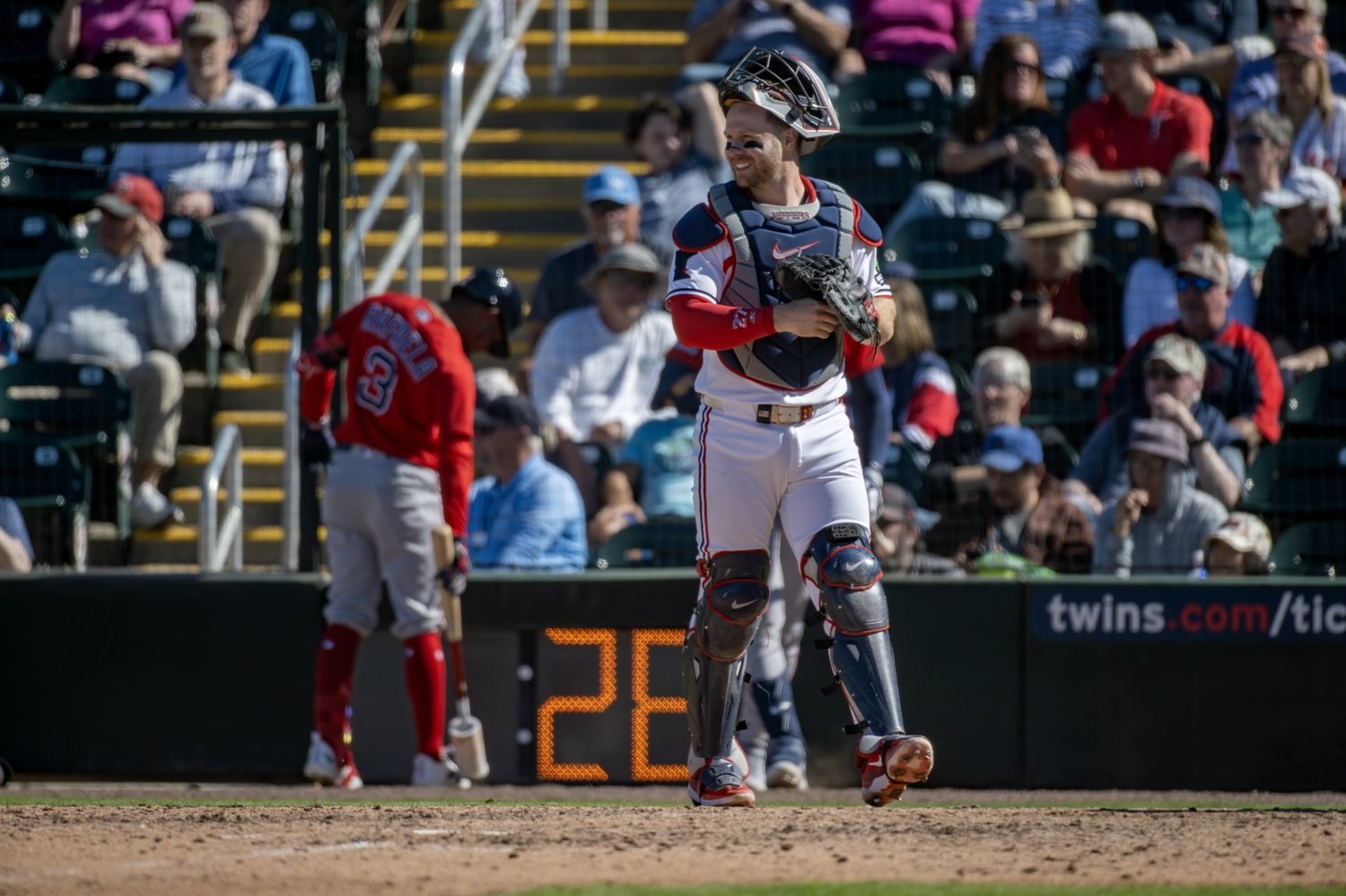 The Minnesota Twins have built themselves a good problem behind the plate. The issue is that good problems still require difficult decisions. There are three big-league caliber catchers in camp, and no clear path to send any of them to the minors. If the Twins want to keep all three on the Opening Day roster in 2026, they will need to get creative with both playing time and bench construction. Ryan Jeffers is locked in as the projected starter. After three seasons of a fairly even split with Christian Vázquez, the organization has made it clear that this is Jeffers’ staff now. He’s also entering his final year of team control, adding another wrinkle to the team’s long-term catching picture. “Jeffers is going to be the C1,” manager Derek Shelton said early this offseason. “We’ve talked to Victor about it. The thing we thought about there is get a guy we think … is going to play behind Ryan, but he can also play first, he can also DH.” That comment reveals the blueprint. Jeffers has long prepared himself for a larger workload. “Every year, I’ve grown up in this game,” Jeffers said. “I’ve gotten better at the routine and what I do in the offseason to prepare for the year. I’ve always prepared to catch a full workload, so nothing for that really changed for me this offseason.” He caught roughly 700 innings last season and appeared in 119 games overall, 88 of them behind the plate. A jump to 120 games caught would push him near 1,080 innings, a total reached last year by only J.T. Realmuto and William Contreras. Jeffers knows that it is ambitious. Instead, he has his sights set on something more sustainable. “That’s who I am, is a catcher,” Jeffers said. “A full catcher workload is 110-ish games, so if I want to be a full-time catcher, that’s where I want to be.” With Vázquez’s contract expired, Minnesota added Alex Jackson in a minor trade and signed Victor Caratini to a two-year deal. Caratini’s versatility is central to this conversation. He can catch, play first base, and serve as a designated hitter. That gives the Twins a pathway to carry three catchers without locking themselves into a rigid timeshare. In Friday’s Grapefruit League action, the Twins previewed the three-catcher concept. Jeffers served as the designated hitter, Caratini handled first base, and Jackson was behind the plate. It is unconventional, but it works on paper. The complication is roster math. Jackson is out of minor league options. He cannot be sent down without being exposed to waivers. Meanwhile, projected bench pieces from FanGraphs include Kody Clemens, Ryan Kreidler, Austin Martin, and James Outman. Of that group, only Kreidler and Martin have options remaining. Clemens and Martin feel close to roster locks given their versatility. Kreidler is needed to back up Brooks Lee at shortstop. Outman is intriguing, as his underlying metrics might suggest he has more under the hood. The Athletic recently highlighted Bat Speed, Swing Tilt, and Intercept Point as part of a growing toolkit that can help teams identify future impact hitters, even in tiny samples. Through these metrics, he is seen as a potential plus slugger. Outman demonstrated that power potential throughout his time in the minors, including a .945 OPS and 131 wRC+ at Triple-A last season. That doesn’t seem like a player the Twins would want to give up on for nothing. Jackson is one of the worst hitters in baseball history, with over 400 big-league plate appearances and an OPS+ of 46. He’s an above-average framer and thrower, and he has shown some power potential at the plate. In 2025, he increased his bat speed from 74.4 mph to 76.1 mph, became more selective, and is a strong base runner. All those traits might point to him finding his footing at the big-league level. That could leave the Twins choosing between Outman and Jackson, with the odd man out needing to pass through waivers. If the front office values a third catcher and the flexibility Caratini provides, they may be willing to carry a lighter traditional bench to protect their depth behind the plate. For years, the Twins have been committed to evenly splitting the catching workload. Now they are signaling a shift. Jeffers is ready for more. Caratini offers flexibility. Jackson has no options. Keeping all three might not be conventional roster building, but it could be the clearest way for Minnesota to preserve both depth and durability over 162 games. Can the Twins fit three catchers on the Opening Day roster? Leave a comment and start the discussion.
- 48 comments
-
- 2
-
-
- ryan jeffers
- alex jackson
- (and 1 more)
-
Image courtesy of William Parmeter Since arriving in Minnesota in 1961, the Twins have strung together a chain of star-caliber players who were also stewards of the franchise. From Hall of Fame bats to dominant arms and homegrown stars that defined entire eras of baseball in the Upper Midwest, the organization has never lacked for greatness. The franchise has seen MVP winners, Cy Young winners, and World Series champions come through its clubhouse over the last six decades. Indeed, they've hardly ever been without that kind of presence, somewhere in the clubhouse. Cracking the list of the best players to wear a Twins uniform isn't about having a great season or even a great peak. It requires sustained excellence over several years, and the ability to stack value in a way that holds up against legends. That's the standard by which Byron Buxton can now begin to measure himself. Buxton has always been obviously talented—as much so as any player they've ever had. The question has never really been about his peak. It's been about how much he can add to his career totals before the clock runs out. Right now, FanGraphs ranks Buxton as the ninth-best hitter in franchise history, with 26.9 fWAR. The complication for Buxton is that five pitchers also rank ahead of him in overall Twins history. With a similar output to last season, he'll surpass Dave Goltz at 27.0 fWAR and has an outside chance to move past Johan Santana at 31.7 fWAR. He's not going to catch the top two arms on that list, Bert Blyleven and Jim Kaat, who accumulated over 50 fWAR. On the hitting side, the climb is just as steep. The only player Buxton could realistically pass in 2026 is Bob Allison, who sits at 31.0 fWAR. Ahead of him are Chuck Knoblauch (33.6 fWAR), Kent Hrbek (37.6), and Tony Oliva (40.7). Buxton produced 5.0 fWAR last season, and maintaining that pace would put Oliva within reach over the next three seasons under contract. That would place Buxton among the top five hitters in Twins history, with Rod Carew, Harmon Killebrew, Kirby Puckett, and Joe Mauer. Alas, normal age-related decline suggests Hrbek may ultimately represent the most realistic ceiling—and, of course, there's a chance he's traded before the contract ends. Baseball Reference tells a similar story, even if the exact math changes. Buxton enters this season with 29.8 rWAR and trails a list of franchise icons that includes Carew, Killebrew, Mauer, Puckett, Radke, Oliva, Hrbek, Knoblauch, Santana, Kaat, and Allison. After posting 4.9 rWAR in arguably the best season of his career, Buxton has a chance to catch Allison (34.1 rWAR) as soon as this year. Multiple strong seasons would be needed to make up ground on Knoblauch (38.0 rWAR) and Hrbek (38.6 rWAR), with an outside shot at Oliva (43.1 rWAR) before his current deal expires. What makes Buxton’s case so fascinating is how little he has actually played, relative to the players around him. He has appeared in just 898 career games for Minnesota. Every hitter ahead of him in these rankings logged at least 1,000 games with the Twins. Knoblauch is the closest, at 1,031 games, followed by Allison at 1,236. Everyone else ahead of Buxton cleared 1,600 games. The value he has created in a limited time has always been elite. Among center fielders, Buxton has been playing at a Hall of Fame level. His 5.4 WAR/162 is above the average of the 21 HOFers at his position. His 5.4 WAR/162 is tied for 16th all-time among center fielders, with 11 of the players ahead of him already in Cooperstown and Mike Trout well on his way to joining them. Buxton has been elite, and that makes his time in the big leagues even more tragic, given how much injuries have impacted his ability to realize his potential. The next three years will define the final chapter of Buxton’s Twins legacy. If he can continue producing four to five win seasons while staying on the field, he should comfortably move into the top ten players in franchise history and possibly challenge for a spot among the top five position players the organization has ever had. If injuries once again limit his availability, he may end up remembered as one of the most electric talents the Twins ever developed, who simply ran out of time to build the counting stats needed to match his peak. Where does Buxton rank among the Twins’ all-time greats? Leave a comment and start the discussion. View full article
-
Why Byron Buxton Is Already a Top-10 Player in Twins History
Cody Christie posted an article in History
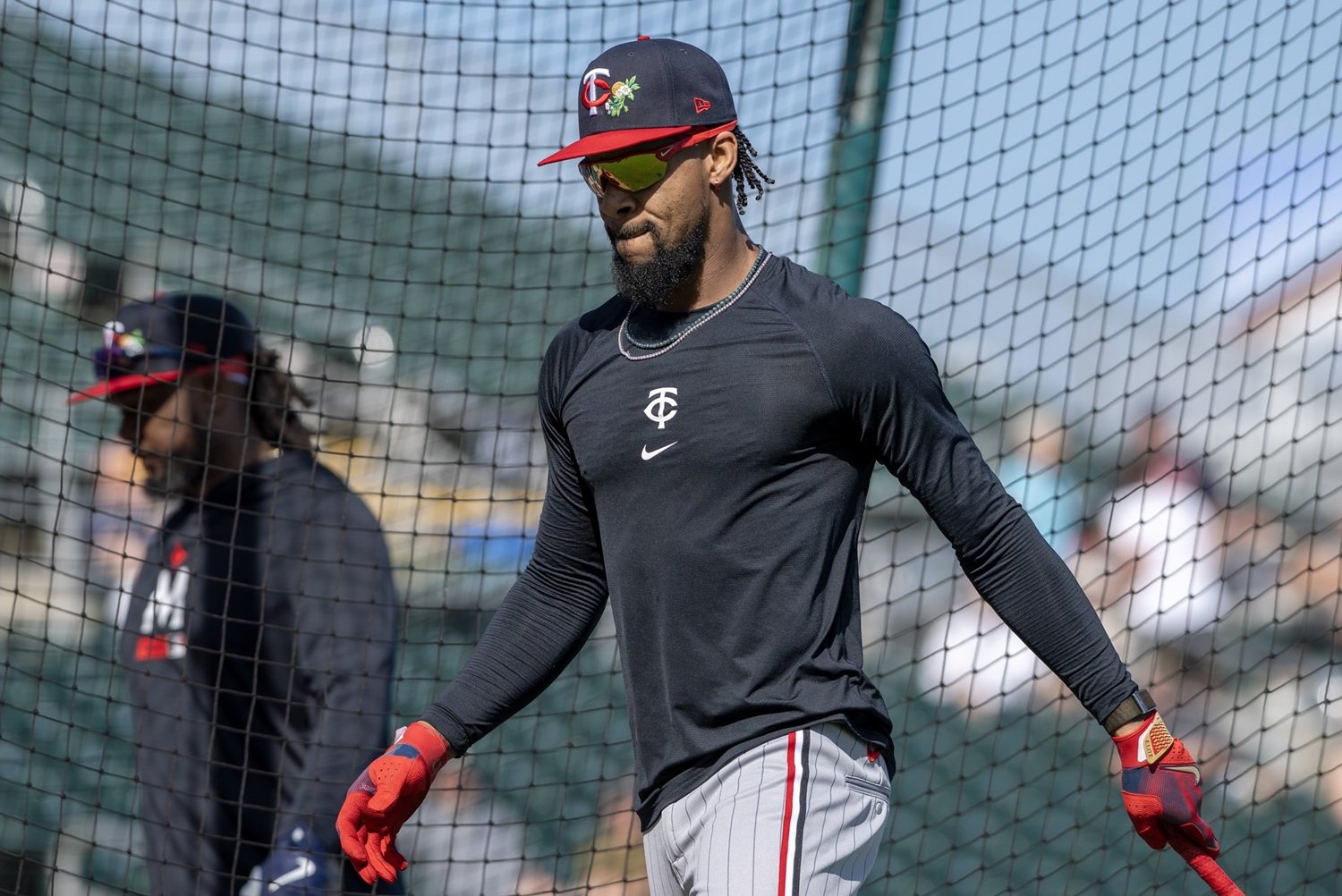 Since arriving in Minnesota in 1961, the Twins have strung together a chain of star-caliber players who were also stewards of the franchise. From Hall of Fame bats to dominant arms and homegrown stars that defined entire eras of baseball in the Upper Midwest, the organization has never lacked for greatness. The franchise has seen MVP winners, Cy Young winners, and World Series champions come through its clubhouse over the last six decades. Indeed, they've hardly ever been without that kind of presence, somewhere in the clubhouse. Cracking the list of the best players to wear a Twins uniform isn't about having a great season or even a great peak. It requires sustained excellence over several years, and the ability to stack value in a way that holds up against legends. That's the standard by which Byron Buxton can now begin to measure himself. Buxton has always been obviously talented—as much so as any player they've ever had. The question has never really been about his peak. It's been about how much he can add to his career totals before the clock runs out. Right now, FanGraphs ranks Buxton as the ninth-best hitter in franchise history, with 26.9 fWAR. The complication for Buxton is that five pitchers also rank ahead of him in overall Twins history. With a similar output to last season, he'll surpass Dave Goltz at 27.0 fWAR and has an outside chance to move past Johan Santana at 31.7 fWAR. He's not going to catch the top two arms on that list, Bert Blyleven and Jim Kaat, who accumulated over 50 fWAR. On the hitting side, the climb is just as steep. The only player Buxton could realistically pass in 2026 is Bob Allison, who sits at 31.0 fWAR. Ahead of him are Chuck Knoblauch (33.6 fWAR), Kent Hrbek (37.6), and Tony Oliva (40.7). Buxton produced 5.0 fWAR last season, and maintaining that pace would put Oliva within reach over the next three seasons under contract. That would place Buxton among the top five hitters in Twins history, with Rod Carew, Harmon Killebrew, Kirby Puckett, and Joe Mauer. Alas, normal age-related decline suggests Hrbek may ultimately represent the most realistic ceiling—and, of course, there's a chance he's traded before the contract ends. Baseball Reference tells a similar story, even if the exact math changes. Buxton enters this season with 29.8 rWAR and trails a list of franchise icons that includes Carew, Killebrew, Mauer, Puckett, Radke, Oliva, Hrbek, Knoblauch, Santana, Kaat, and Allison. After posting 4.9 rWAR in arguably the best season of his career, Buxton has a chance to catch Allison (34.1 rWAR) as soon as this year. Multiple strong seasons would be needed to make up ground on Knoblauch (38.0 rWAR) and Hrbek (38.6 rWAR), with an outside shot at Oliva (43.1 rWAR) before his current deal expires. What makes Buxton’s case so fascinating is how little he has actually played, relative to the players around him. He has appeared in just 898 career games for Minnesota. Every hitter ahead of him in these rankings logged at least 1,000 games with the Twins. Knoblauch is the closest, at 1,031 games, followed by Allison at 1,236. Everyone else ahead of Buxton cleared 1,600 games. The value he has created in a limited time has always been elite. Among center fielders, Buxton has been playing at a Hall of Fame level. His 5.4 WAR/162 is above the average of the 21 HOFers at his position. His 5.4 WAR/162 is tied for 16th all-time among center fielders, with 11 of the players ahead of him already in Cooperstown and Mike Trout well on his way to joining them. Buxton has been elite, and that makes his time in the big leagues even more tragic, given how much injuries have impacted his ability to realize his potential. The next three years will define the final chapter of Buxton’s Twins legacy. If he can continue producing four to five win seasons while staying on the field, he should comfortably move into the top ten players in franchise history and possibly challenge for a spot among the top five position players the organization has ever had. If injuries once again limit his availability, he may end up remembered as one of the most electric talents the Twins ever developed, who simply ran out of time to build the counting stats needed to match his peak. Where does Buxton rank among the Twins’ all-time greats? Leave a comment and start the discussion.
- 23 comments
-
- 6
-
-
- byron buxton
- rod carew
- (and 8 more)
-
When the World Baseball Classic rosters were unveiled, it appeared the Minnesota Twins would have a healthy presence on the international stage. Now, that presence may be nonexistent. Right-hander Taj Bradley has elected to withdraw from the World Baseball Classic, opting to remain in Fort Myers and continue building toward what the organization hopes will be a breakout season. Bradley had been slated to pitch for Mexico, but after conversations with the coaching staff, he decided his focus belonged in Twins camp. “He just approached me and said that he would like to stay in camp and be with the club,” manager Derek Shelton said. “And I just listened to him because we committed to him playing, and he committed to playing, and let him express himself. And I think the biggest thing was he felt his priority should be in this camp. He stated, new manager, new staff to some extent, new catcher in terms of Victor Caratini, and he just felt that the best use of his workload during Spring Training was going to be to be in our camp. So we supported him in terms of his decision.” It is hard to argue with that reasoning. The Twins acquired Bradley from the Tampa Bay Rays at last year’s trade deadline in a deal that sent Griffin Jax the other way. Minnesota was buying into upside. Two years ago, Bradley was viewed as one of the most electric young arms in baseball, ranking as a consensus top-50 prospect entering the 2023 season. His initial run in Minnesota was uneven. Bradley posted a 6.61 ERA in six starts after the trade, struggling at times to command the zone and keep the ball in the yard. Still, there were flashes. The Twins believe there is another level to reach, and with club control through 2029, they are invested in helping him find it. At just 25 years old, Bradley already has 385 1/3 innings in the majors between the Rays and Twins. That experience matters, especially for a pitcher still working to harness premium stuff. He owns a 4.86 career ERA, largely inflated by a 1.49 HR/9 rate. The underlying numbers paint a more optimistic picture. Bradley carries a 25 K%, an 8.6 BB%, and a 41.1% ground ball rate. His 4.38 FIP suggests he has pitched better than the surface results indicate. By staying in camp, Bradley can continue building chemistry with Caratini and work closely with a pitching group that has undergone changes. For a pitcher expected to slot in as the third or fourth starter, those relationships and routines could prove more valuable than a handful of high-intensity innings in March. Minnesota’s Classic outlook has shifted dramatically. Pablo López underwent season-ending Tommy John surgery earlier this week, and Joe Ryan’s availability remains uncertain as he manages lower back inflammation. What once looked like a showcase of the Twins' arms on the global stage now looks like a spring devoted entirely to getting healthy and aligned. For Bradley, that alignment starts now. If the Twins are going to surprise people in 2026, they will need their rotation to outperform expectations. Choosing camp over Classic may not generate headlines in the same way, but it could pay dividends when the games start to count. View full rumor
-
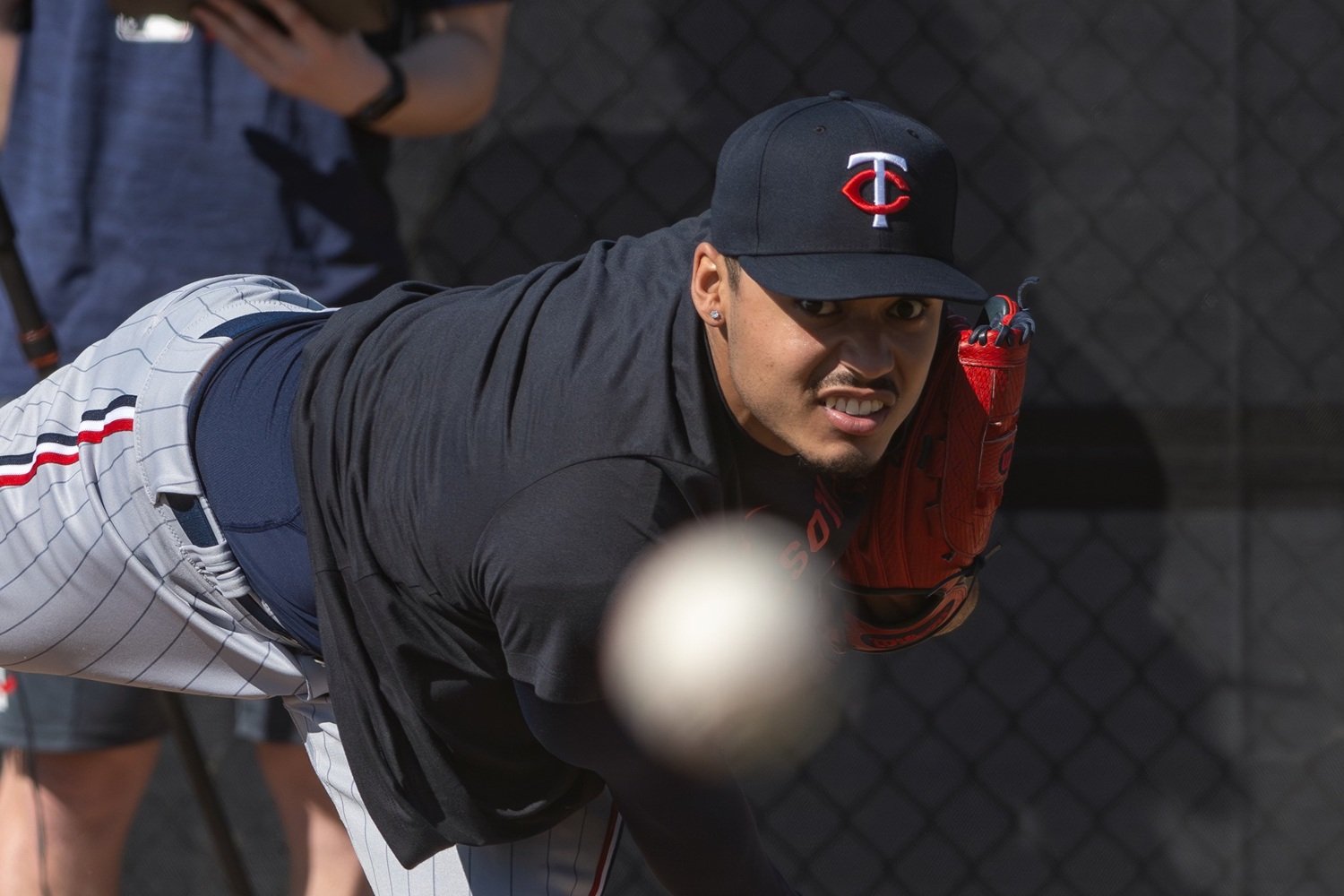 When the World Baseball Classic rosters were unveiled, it appeared the Minnesota Twins would have a healthy presence on the international stage. Now, that presence may be nonexistent. Right-hander Taj Bradley has elected to withdraw from the World Baseball Classic, opting to remain in Fort Myers and continue building toward what the organization hopes will be a breakout season. Bradley had been slated to pitch for Mexico, but after conversations with the coaching staff, he decided his focus belonged in Twins camp. “He just approached me and said that he would like to stay in camp and be with the club,” manager Derek Shelton said. “And I just listened to him because we committed to him playing, and he committed to playing, and let him express himself. And I think the biggest thing was he felt his priority should be in this camp. He stated, new manager, new staff to some extent, new catcher in terms of Victor Caratini, and he just felt that the best use of his workload during Spring Training was going to be to be in our camp. So we supported him in terms of his decision.” It is hard to argue with that reasoning. The Twins acquired Bradley from the Tampa Bay Rays at last year’s trade deadline in a deal that sent Griffin Jax the other way. Minnesota was buying into upside. Two years ago, Bradley was viewed as one of the most electric young arms in baseball, ranking as a consensus top-50 prospect entering the 2023 season. His initial run in Minnesota was uneven. Bradley posted a 6.61 ERA in six starts after the trade, struggling at times to command the zone and keep the ball in the yard. Still, there were flashes. The Twins believe there is another level to reach, and with club control through 2029, they are invested in helping him find it. At just 25 years old, Bradley already has 385 1/3 innings in the majors between the Rays and Twins. That experience matters, especially for a pitcher still working to harness premium stuff. He owns a 4.86 career ERA, largely inflated by a 1.49 HR/9 rate. The underlying numbers paint a more optimistic picture. Bradley carries a 25 K%, an 8.6 BB%, and a 41.1% ground ball rate. His 4.38 FIP suggests he has pitched better than the surface results indicate. By staying in camp, Bradley can continue building chemistry with Caratini and work closely with a pitching group that has undergone changes. For a pitcher expected to slot in as the third or fourth starter, those relationships and routines could prove more valuable than a handful of high-intensity innings in March. Minnesota’s Classic outlook has shifted dramatically. Pablo López underwent season-ending Tommy John surgery earlier this week, and Joe Ryan’s availability remains uncertain as he manages lower back inflammation. What once looked like a showcase of the Twins' arms on the global stage now looks like a spring devoted entirely to getting healthy and aligned. For Bradley, that alignment starts now. If the Twins are going to surprise people in 2026, they will need their rotation to outperform expectations. Choosing camp over Classic may not generate headlines in the same way, but it could pay dividends when the games start to count.
 -
The Minnesota Twins announced on Thursday that they have claimed right-handed reliever Zak Kent off waivers from the St. Louis Cardinals after he was designated for assignment earlier this week. In a corresponding move, Pablo López was transferred to the 60-day injured list following the internal brace procedure that will sideline him for the entirety of the 2026 season. Kent is now on his third organization since the start of spring training and his fourth of the offseason after previously bouncing between the Cleveland Guardians, Texas Rangers, and back to St. Louis before landing with Minnesota. He is clearly viewed as a fringe player for the 40-man roster, but the Twins have a bullpen need, and Kent has one minor league option remaining. The 28-year-old made his big league debut during the 2025 season with Cleveland, logging 17 2/3 innings with a 4.58 ERA to go along with a 21.1 K% and a 10.5 BB%. He spent the bulk of the year at Triple-A, where he posted a 2.84 ERA and struck out an impressive 31.4% of opposing hitters despite a disappointing 13.2 BB%. Kent does not overpower hitters with velocity as his four-seamer averaged 93.1 miles per hour last season, but his mid-80s slider and low-80s curveball helped generate plenty of swings and misses at the upper levels of the minors. Across parts of four Triple-A seasons, he owns a 3.74 ERA with a 26 K% and a 12 BB%. Kent is entering what will be his final minor league option year after being granted a fourth option due to injury history and developmental timeline. He now becomes another name in what is shaping up to be a wide-open bullpen competition that currently has Cole Sands, Anthony Banda, Taylor Rogers, and Justin Topa penciled into roles. Other relief options include Liam Hendriks, Eric Orze, and Andrew Chafin. There was a glut of left-handed relievers, so adding a righty to the mix could help to balance the roster. With López out for the season, Minnesota will need to find value on the margins, and Kent represents the type of low-risk addition that could pay dividends over the course of a long season. If his swing and miss stuff translates consistently at the big league level, the Twins may have quietly added a bullpen arm capable of providing meaningful innings in 2026. View full rumor
-
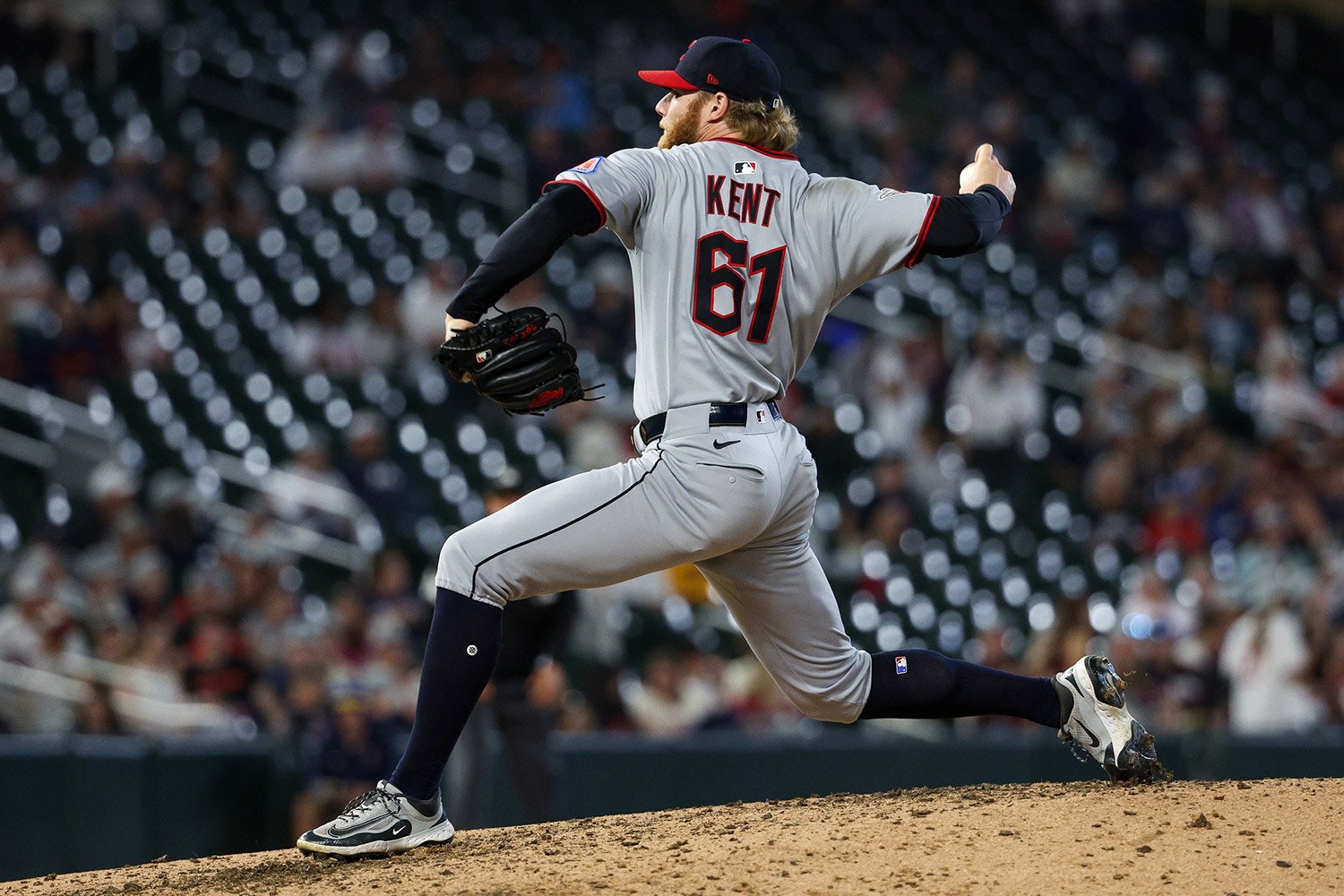 The Minnesota Twins announced on Thursday that they have claimed right-handed reliever Zak Kent off waivers from the St. Louis Cardinals after he was designated for assignment earlier this week. In a corresponding move, Pablo López was transferred to the 60-day injured list following the internal brace procedure that will sideline him for the entirety of the 2026 season. Kent is now on his third organization since the start of spring training and his fourth of the offseason after previously bouncing between the Cleveland Guardians, Texas Rangers, and back to St. Louis before landing with Minnesota. He is clearly viewed as a fringe player for the 40-man roster, but the Twins have a bullpen need, and Kent has one minor league option remaining. The 28-year-old made his big league debut during the 2025 season with Cleveland, logging 17 2/3 innings with a 4.58 ERA to go along with a 21.1 K% and a 10.5 BB%. He spent the bulk of the year at Triple-A, where he posted a 2.84 ERA and struck out an impressive 31.4% of opposing hitters despite a disappointing 13.2 BB%. Kent does not overpower hitters with velocity as his four-seamer averaged 93.1 miles per hour last season, but his mid-80s slider and low-80s curveball helped generate plenty of swings and misses at the upper levels of the minors. Across parts of four Triple-A seasons, he owns a 3.74 ERA with a 26 K% and a 12 BB%. Kent is entering what will be his final minor league option year after being granted a fourth option due to injury history and developmental timeline. He now becomes another name in what is shaping up to be a wide-open bullpen competition that currently has Cole Sands, Anthony Banda, Taylor Rogers, and Justin Topa penciled into roles. Other relief options include Liam Hendriks, Eric Orze, and Andrew Chafin. There was a glut of left-handed relievers, so adding a righty to the mix could help to balance the roster. With López out for the season, Minnesota will need to find value on the margins, and Kent represents the type of low-risk addition that could pay dividends over the course of a long season. If his swing and miss stuff translates consistently at the big league level, the Twins may have quietly added a bullpen arm capable of providing meaningful innings in 2026.
 -
Reviewing the Twins Daily Top-20 Prospects from 2021
Cody Christie posted an article in Minor Leagues
 Prospect lists serve as both a roadmap and a reminder. They highlight what an organization hopes to become, while also documenting just how unpredictable baseball development can be. When Minnesota Twins fans looked at the top 20 prospects entering the 2021 season, the belief was that the next core of contention was already on the way. Some of those players have delivered on that promise. Others have fallen short of even modest expectations. A few took entirely different paths than anyone could have envisioned at the time. Outside the top 10, there were notable hits and misses as well. Bailey Ober checked in at 20th amid questions about his long-term upside, but has become a steady member of the rotation. Matt Wallner was ranked 13th and has likely exceeded what most projected when he joined the organization. Brent Rooker landed at 12th and eventually developed into a multi-time All-Star. Unfortunately for Minnesota, that growth happened elsewhere. The back half of the top 10, by contrast, has not aged particularly well. Blayne Enlow, Matt Canterino, Aaron Sabato, Keoni Cavaco, and Jordan Balazovic each had intriguing ceilings on draft day. None managed to reach those lofty expectations in a Twins uniform, and collectively, they serve as a cautionary tale about betting on projection over polish. Let’s look at Twins Daily’s top five from 2021 to see what was said at the time, and what has happened over the last five years. 5. RHP Jhoan Duran What was said at the time: An intimidating force on the mound with high-90s heat. Will he start? What happened: No, he did not start. In fact, the Twins moved him to the bullpen after making only five appearances in 2021. He became one of baseball’s most dominant closers. His fastball and splinker reached triple-digit velocities in shorter appearances, something that wasn’t hard to imagine when he started. His tenure in Minnesota ultimately ended when the club dealt him to the Philadelphia Phillies at last year’s trade deadline, in exchange for Mick Abel and Eduardo Tait. 4. C Ryan Jeffers What was said at the time: Showed his value as a polished two-way asset in MLB breakthrough. What happened: Jeffers has developed into an above-average hitter, especially when compared to others at his position across the league. Over the last three seasons, he's averaged a 113 OPS+, and his 117 wRC+ ranks second among AL catchers. Defense remains a question, but the Twins appear committed to giving him the bulk of the workload behind the plate in 2026, which will be his final season under team control. 3. OF Trevor Larnach What was said at the time: Looks the part of a near-ready, well-rounded bat for the heart of the order. What happened: Larnach’s offensive development hasn’t met the expectations he had as a first-round pick. He posted a 116 OPS+ in 2024, but saw that total dip to 99 in 2025, a rate of production that is unacceptable for a corner outfielder. Injuries and limited defensive value have complicated his role, and his name has consistently surfaced in trade rumors. He has become the embodiment of the post-hype prospect the Twins are waiting to take the next step. 2. SS Royce Lewis What was said at the time: Twins believe he will stick at short. Stardom is easy to envision. Born leader. What happened: Multiple serious knee injuries altered that trajectory and pushed him to third base. He has flashed star-level ability, but struggled to maintain consistency as the physical toll has mounted. Over the last two seasons, he's posted a 93 OPS+. Still, he remains firmly embedded in the organization’s long-term plans, especially after revamping his swing during the winter. 1. OF Alex Kirilloff What was said at the time: Prolific bat is big-league ready. High ceiling seems imminently reachable. What happened: There were moments when that optimism looked justified, but injuries ultimately derailed his career. Kirilloff retired following the 2024 season, at only 26 years old. In parts of four seasons, he posted a 99 OPS+, but he leaves behind one of the biggest “what-ifs” in team history. Prospect rankings are inherently optimistic snapshots. For every success story like Duran or Jeffers, there are several players whose paths never quite align with their potential. Minnesota’s 2021 top 10 illustrates both sides of that reality, and underscores just how difficult it is to translate minor-league promise into sustained major-league production. What stands out about the team’s 2021 top prospect list? Leave a comment and start the discussion.
- 7 comments
-
- 3
-

-
-
- alex kirilloff
- royce lewis
- (and 6 more)
-
Image courtesy of Jesse Johnson-USA TODAY Sports (Graphic by Brock Beauchamp) Prospect lists serve as both a roadmap and a reminder. They highlight what an organization hopes to become, while also documenting just how unpredictable baseball development can be. When Minnesota Twins fans looked at the top 20 prospects entering the 2021 season, the belief was that the next core of contention was already on the way. Some of those players have delivered on that promise. Others have fallen short of even modest expectations. A few took entirely different paths than anyone could have envisioned at the time. Outside the top 10, there were notable hits and misses as well. Bailey Ober checked in at 20th amid questions about his long-term upside, but has become a steady member of the rotation. Matt Wallner was ranked 13th and has likely exceeded what most projected when he joined the organization. Brent Rooker landed at 12th and eventually developed into a multi-time All-Star. Unfortunately for Minnesota, that growth happened elsewhere. The back half of the top 10, by contrast, has not aged particularly well. Blayne Enlow, Matt Canterino, Aaron Sabato, Keoni Cavaco, and Jordan Balazovic each had intriguing ceilings on draft day. None managed to reach those lofty expectations in a Twins uniform, and collectively, they serve as a cautionary tale about betting on projection over polish. Let’s look at Twins Daily’s top five from 2021 to see what was said at the time, and what has happened over the last five years. 5. RHP Jhoan Duran What was said at the time: An intimidating force on the mound with high-90s heat. Will he start? What happened: No, he did not start. In fact, the Twins moved him to the bullpen after making only five appearances in 2021. He became one of baseball’s most dominant closers. His fastball and splinker reached triple-digit velocities in shorter appearances, something that wasn’t hard to imagine when he started. His tenure in Minnesota ultimately ended when the club dealt him to the Philadelphia Phillies at last year’s trade deadline, in exchange for Mick Abel and Eduardo Tait. 4. C Ryan Jeffers What was said at the time: Showed his value as a polished two-way asset in MLB breakthrough. What happened: Jeffers has developed into an above-average hitter, especially when compared to others at his position across the league. Over the last three seasons, he's averaged a 113 OPS+, and his 117 wRC+ ranks second among AL catchers. Defense remains a question, but the Twins appear committed to giving him the bulk of the workload behind the plate in 2026, which will be his final season under team control. 3. OF Trevor Larnach What was said at the time: Looks the part of a near-ready, well-rounded bat for the heart of the order. What happened: Larnach’s offensive development hasn’t met the expectations he had as a first-round pick. He posted a 116 OPS+ in 2024, but saw that total dip to 99 in 2025, a rate of production that is unacceptable for a corner outfielder. Injuries and limited defensive value have complicated his role, and his name has consistently surfaced in trade rumors. He has become the embodiment of the post-hype prospect the Twins are waiting to take the next step. 2. SS Royce Lewis What was said at the time: Twins believe he will stick at short. Stardom is easy to envision. Born leader. What happened: Multiple serious knee injuries altered that trajectory and pushed him to third base. He has flashed star-level ability, but struggled to maintain consistency as the physical toll has mounted. Over the last two seasons, he's posted a 93 OPS+. Still, he remains firmly embedded in the organization’s long-term plans, especially after revamping his swing during the winter. 1. OF Alex Kirilloff What was said at the time: Prolific bat is big-league ready. High ceiling seems imminently reachable. What happened: There were moments when that optimism looked justified, but injuries ultimately derailed his career. Kirilloff retired following the 2024 season, at only 26 years old. In parts of four seasons, he posted a 99 OPS+, but he leaves behind one of the biggest “what-ifs” in team history. Prospect rankings are inherently optimistic snapshots. For every success story like Duran or Jeffers, there are several players whose paths never quite align with their potential. Minnesota’s 2021 top 10 illustrates both sides of that reality, and underscores just how difficult it is to translate minor-league promise into sustained major-league production. What stands out about the team’s 2021 top prospect list? Leave a comment and start the discussion. View full article
