


Twins Video
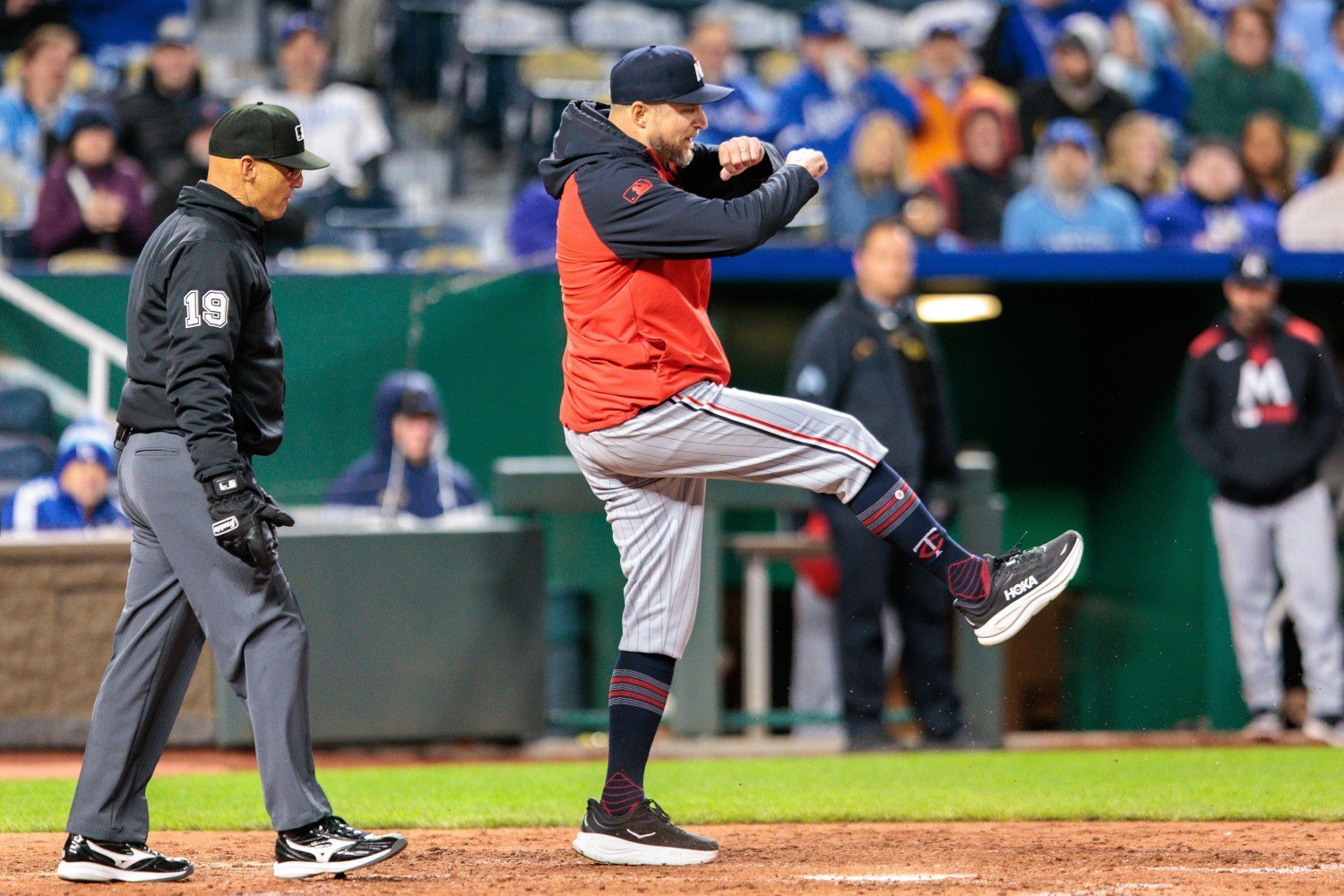
For much of the 2025 season, the Minnesota Twins have fought through injuries, offensive slumps, and bullpen inconsistencies. But one factor flying under the radar has quietly worked against them all season long: the men in blue behind home plate.
According to data from Ump Scorecards, an independent platform that tracks and analyzes umpire performance using machine learning and stat-driven algorithms, the Twins have been on the wrong end of umpiring decisions more than any other team in baseball. In fact, no team in MLB has lost more estimated runs to umpire calls this season than Minnesota.
The numbers are staggering. Through the first two-plus months of the season, umpires have cost the Twins an estimated 12.4 runs, the worst figure of any MLB club. The next-closest teams aren’t even in the same ballpark, including the Colorado Rockies (-8.2 runs), Miami Marlins (-7.8 runs), and Kansas City Royals (-6.3 runs). Meanwhile, teams like the Seattle Mariners (+11.0 runs) and Arizona Diamondbacks (+10.4 runs) are enjoying the opposite effect, seeing critical calls go in their favor.
So, what exactly is happening here? How are these figures measured, and what does this mean for a Twins club trying to stay afloat in the AL Central?
The Numbers Behind the Problem
Ump Scorecards is a tool that digs into every pitch of every game to assess three key areas of umpiring performance:
- Accuracy – How often did the umpire correctly call balls and strikes?
- Consistency – How uniform and predictable was their strike zone?
- Favor – How many runs were likely added or subtracted from each team, based on the impact of missed calls?
The “Favor” metric is what drives the overall run differential that’s hurting the Twins this year. This stat measures the impact of missed calls in terms of expected run values. For example, if a missed strike call results in a walk when it should’ve been a strikeout, that shift in plate appearance outcome is factored into the expected run cost for the pitcher’s team. Multiply that over the course of 60 games, and the cumulative effect can be meaningful, especially in close contests.
For the Twins, the impact has been undeniable. They're having bad calls break against them as batters and as pitchers, and the impact of some of those calls (based on count or game situation) is sometimes huge. In short: the Twins haven’t been able to catch a break from the umpires, whether they’re at the plate or on the mound.
The Games That Hurt the Most
Some games stick out as particularly painful examples of how this officiating imbalance has affected Minnesota.
April 6 vs. Houston Astros (9-7 loss in 10 innings)
- Umpire: Chris Conroy
- Overall Favor: +1.0 runs for Houston
- In a game that went into extras, every call mattered. The Twins lost by two runs in a back-and-forth affair that easily could have swung in their favor with tighter umpiring.
April 24 vs. Chicago White Sox (3-0 loss)
- Umpire: Derek Thomas
- Overall Favor: +2.1 runs for Chicago
- One of the most lopsided umpiring performances of the season, this game saw the White Sox gifted more than two expected runs by missed calls. The Twins offense, which struggled that day, didn’t need the extra hurdle of a moving strike zone.
June 6 vs. Toronto Blue Jays (6-4 loss)
- Umpire: Jordan Baker
- Overall Favor: +1.8 runs for Toronto
- Another narrow defeat, with nearly two runs swinging toward the opposition. In a game decided by two runs, those extra favorable calls made a critical difference.
Over the course of a season, these small matters—a missed call here or there—can accumulate and end up changing standings, playoff odds, and team morale.
No Excuses, But a Real Factor
Now, it’s worth noting that teams and their fans always grumble about umpiring. It’s part of the game. Furthermore, no one is (or should be) imputing malicious intent to these errors by umps. But the numbers here are unusually one-sided. While every club will deal with the occasional blown strike call or borderline miss, the fact that the Twins sit more than four runs below the next-most “unlucky” team is difficult to ignore.
Of course, this doesn’t mean the Twins have played perfectly. They’ve left runners in scoring position, blown saves, and failed to produce in key moments. But the data suggests that Minnesota has been asked to overcome a hidden opponent in nearly every series: the strike zone itself.
One can’t help but notice the contrast with teams like Seattle and Arizona, who have received nearly +11 runs of “favorable” calls from umpires. That’s a 23-run swing in expected performance compared to the Twins. Imagine adding 23 runs to Minnesota’s total scoring output or removing 23 runs from their opponents. That could easily be the difference between third place and first in the AL Central.
Could Change Be Coming?
The introduction of automated strike zones (robo-umps) in the minor league levels and the growing reliance on electronic tracking systems have reopened the debate on whether human umpires should continue to call balls and strikes in the majors. If the Twins are paying attention to these numbers (and you can bet the front office is), they’re likely welcoming that future. Until then, Minnesota must grit its teeth and hope the luck turns or that the next umpire behind the plate finally calls a fair game.
Bad umpiring is part of baseball tradition, but when the numbers lean this hard in one direction, it deserves attention. The Twins have battled on the field all season, but may also be fighting a battle they can't see—a strike zone that seems to shrink and expand based on who's at bat or on the mound.
For a team clinging to postseason hopes, it’s one more obstacle they can ill afford. Let’s hope the remainder of the season brings not only better play but a little more fairness behind the plate, too.







Recommended Comments
Create an account or sign in to comment
You need to be a member in order to leave a comment
Create an account
Sign up for a new account in our community. It's easy!
Register a new accountSign in
Already have an account? Sign in here.
Sign In Now