



Cody Christie
-
Posts
7,810 -
Joined
-
Last visited
-
Days Won
5
Content Type
Profiles
News
Minnesota Twins Videos
2026 Minnesota Twins Top Prospects Ranking
2022 Minnesota Twins Draft Picks
Minnesota Twins Free Agent & Trade Rumors, Notes, & Tidbits
Guides & Resources
2023 Minnesota Twins Draft Picks
The Minnesota Twins Players Project
2024 Minnesota Twins Draft Picks
2025 Minnesota Twins Draft Pick Tracker
2026 Minnesota Twins Draft Tracker: Picks & Bonuses
Forums
Blogs
Events
Store
Downloads
Gallery
Everything posted by Cody Christie
-
 Image courtesy of © Ed Szczepanski-Imagn Images The Minnesota Twins may not be open for business in the same way some other clubs are at this year’s trade deadline, but they’ve got a few names drawing interest, and Harrison Bader might be one of the sneakiest. While most of the national attention has centered on the high-profile, controllable arms (Jhoan Duran, Griffin Jax, and Joe Ryan), Bader quietly holds as much trade value as anyone the Twins could realistically deal. MLB Network insider Jon Morosi recently made a compelling case for Bader’s market. “A righty bat who's having a really nice season with the Minnesota Twins… He's got playoff experience. He's one of those energy givers,” Morosi said. “He's got pretty good power this season and can play all around the outfield.” Morosi even went as far as saying, “I actually think among potential trade candidates for the Twins, Bader has about as much trade value as anybody does on that particular team.” If we assume that there's more noise than signal in rumors of Ryan, Duran or Jax being dealt, he’s not wrong. Bader is doing what he was brought in to do, and then some. Best Offensive Season Since St. Louis Now 31, Bader signed a one-year, $6.25-million deal with Minnesota this offseason after a down year split between the Yankees and Mets. Through 90 games in 2025, he’s putting together his best offensive season since 2021, when he was still with the Cardinals. In 295 plate appearances, he's hitting .250/.332/.435, with 12 home runs, 11 doubles, nine steals, and a 109 OPS+. He’s also giving the Twins reliable production toward the bottom of the lineup and the type of veteran presence that can be valuable in a postseason race—just maybe not Minnesota’s. It’s also worth noting that Bader brings speed, outfield versatility, and playoff experience to the table. In his big-league career, Bader has played in 31 playoff games, including 12 games with the Mets during their 2024 playoff run. He’s already played across all three outfield spots this season, and his defense remains strong. A Scarcity at the Deadline Good center fielders are one of the most difficult midseason upgrades to find. It’s a premium position defensively, and few contending teams are willing to give up reliable production at that spot. Bader may not be a star, but his skillset (right-handed pop, quality defense, and experience) fits the exact mold teams are looking to fill in a deadline depth boost. The list of suitors is also starting to take shape. Morosi floated the Detroit Tigers as a potential landing spot, especially considering their outfield’s inability to stay healthy. Outside of All-Star Riley Greene, Detroit has dealt with limited availability from Parker Meadows (36 games), Wenceel Pérez (45), and Matt Vierling (20). A midseason trade between divisional rivals isn’t always easy. Still, the Twins and Tigers did agree on a deadline deal in 2022, when Minnesota acquired reliever Michael Fulmer for pitching prospect Sawyer Gipson-Long. The New York Mets could also be a sensible fit, especially since Bader played in Queens last season. Tyrone Taylor has been dazzling with the glove but is hitting just .206/.261/.302, a 63 OPS+. Bader’s 109 OPS+ would be a sizable upgrade at the plate, and his defense wouldn’t be a major downgrade. Add in his previous stint with the Mets, and you’ve got a player already familiar with the market and expectations. A package deal that includes a bat like Bader's could make the Mets lineup feel far more October-ready. The Philadelphia Phillies are another playoff-bound team who could use reinforcements. Philadelphia’s outfield ranks 27th in WAR this season, and center field has been a black hole. Brandon Marsh and Johan Rojas have split the job, without either player running away with it. Marsh brings more with the bat (95 wRC+), but has posted negative defensive metrics in center (-10 DRS). Rojas is slick with the glove but has slashed just .232/.287/.303, which translates to a 62 wRC+. Rumors surfaced over the weekend that the Dodgers were interested in Bader. While Andy Pages has taken over center field duties and done quite well, hitting with a 126 wRC+ and playing solid defense, the Dodgers’ overall outfield production has been merely average. Their outfield group ranks 12th in wRC+ (102) and 16th in fWAR (3.3) across the league. Bader’s elite glove could allow the Dodgers to push Pages into a corner and slide Michael Conforto into more of a bench/platoon role. This creates a much more well-rounded defensive alignment and a bench with real postseason depth. The Cubs have also checked in on Bader, though they'd sooner pay the same price for Willi Castro and his greater versatility. Bader offers a solution that improves both offense and defense at a position where most contenders are assembling below-average platoons. If the Twins are unwilling to move their elite arms without top-100 caliber prospects in return, Bader becomes one of the team’s most realistic trade chips with sneaky value. He won’t bring back a blue-chip name on his own, but his combination of production, position scarcity, and short-term cost should generate genuine interest. The front office will explore every angle, and Bader’s quietly productive season could give them more leverage than expected. For a team like the Mets, Tigers, Dodgers, Phillies, or Cubs—one that sees itself as one or two pieces away—Bader is a cost-effective addition who wins a playoff game in October. And for the Twins, that sneaky value might be too good to pass up. What can the Twins get for Bader before the deadline? Will he be traded? Leave a comment and start the discussion. View full article
 -
Image courtesy of © Joe Nicholson-Imagn Images The Twins continue to find themselves in the thick of trade rumors as the deadline approaches, and much of the buzz has focused on the back end of their bullpen. Jhoan Duran and Griffin Jax have reportedly drawn interest from multiple contenders, and it’s easy to see why. Duran’s triple-digit heat and Jax’s consistency have been key to Minnesota’s bullpen success over the past two seasons. But as reports surface that the Twins are asking for multiple Top 100 caliber prospects in return, it’s fair to wonder whether any team will meet that price. So, where does that leave teams still seeking bullpen help from Minnesota? Enter Brock Stewart. An Affordable, Effective Alternative While he may not bring the same name recognition as Duran or Jax, Stewart has quietly been one of the most effective arms in the Twins’ bullpen when healthy. And that’s the key caveat, when healthy. Since signing a minor league deal with Minnesota in 2022, Stewart has battled through a series of injuries. Each of his three seasons with the club has been interrupted, but when he’s been on the mound, he’s done nothing but get outs. Dating back to the beginning of the 2023 season, Stewart owns a 2.38 ERA with a strong 31.9% strikeout rate across 75 2/3 innings. His walk rate (9.7%) is a touch higher than ideal but manageable given the swing-and-miss stuff. Stewart is averaging 96 mph on both his four-seamer and his sinker this season, showing the type of velocity that gets scouts’ attention. His salary? A modest $870K. At 33 years old, he’s not a long-term building block like Duran or Jax, but he’s also not a short-term rental. Stewart is under team control through the 2027 season, giving acquiring teams years of flexibility if he can stay healthy. The Twins deserve credit for taking a flier on Stewart at a point in his career when few others were interested. A converted starter, Stewart had bounced between the Dodgers and Blue Jays organizations without ever truly finding his footing. He underwent Tommy John surgery in May 2021 and spent time away from affiliated baseball before signing with the Twins on a minor league deal. Minnesota saw something they liked, and when healthy, Stewart has rewarded their patience and investment. The club has helped him transition into a power reliever with swing-and-miss stuff, unlocking a level of performance that had eluded him elsewhere. Why Stewart Stands Out MLB Trade Rumors’ Anthony Franco recently included Stewart in his list of nine under-the-radar bullpen targets. It’s easy to understand why. Stewart checks several boxes for a contending team looking to shore up its bullpen without giving away the farm. He’s cheap, controllable, effective, and available. Unlike Duran or Jax, Stewart wouldn’t require a package built around Top 100 prospects. That could make him an attractive fallback for clubs unwilling to meet the Twins’ high demands for their elite late-inning options. And for the Twins, moving Stewart wouldn’t necessarily close the door on 2026 competitiveness. The emergence of arms like Louis Varland and the likelihood of their demands not being met for their other late-inning relievers gives Minnesota enough bullpen depth to withstand Stewart’s departure if the return is right. A Market Waiting to Emerge As deadline day nears, the reliever market is still taking shape. Teams like the Dodgers, Mets, and Yankees are looking for bullpen reinforcements but may balk at the price tags attached to elite options. Stewart might not be their first call, but he could be their last and most practical one. There’s no guarantee the Twins move Stewart at all. They like having quality depth and might feel better holding on to a veteran arm like his, especially with extra years of control. They have waited out his injuries and may want to reap the benefits. But if the phone rings and the offer makes sense, don’t be surprised if Stewart is the reliever who ultimately gets dealt. While the spotlight shines brightly on Minnesota’s top bullpen arms, don’t sleep on the value of a quieter option. Sometimes, the best deadline deals are the ones you didn’t see coming. Will the Twins trade Stewart or another late-inning arm? What kind of return could the front office expect for Stewart? Leave a comment and start the discussion. View full article
-
How One Twins Reliever Is Under-the-Radar Before the MLB Trade Deadline
Cody Christie posted an article in Twins
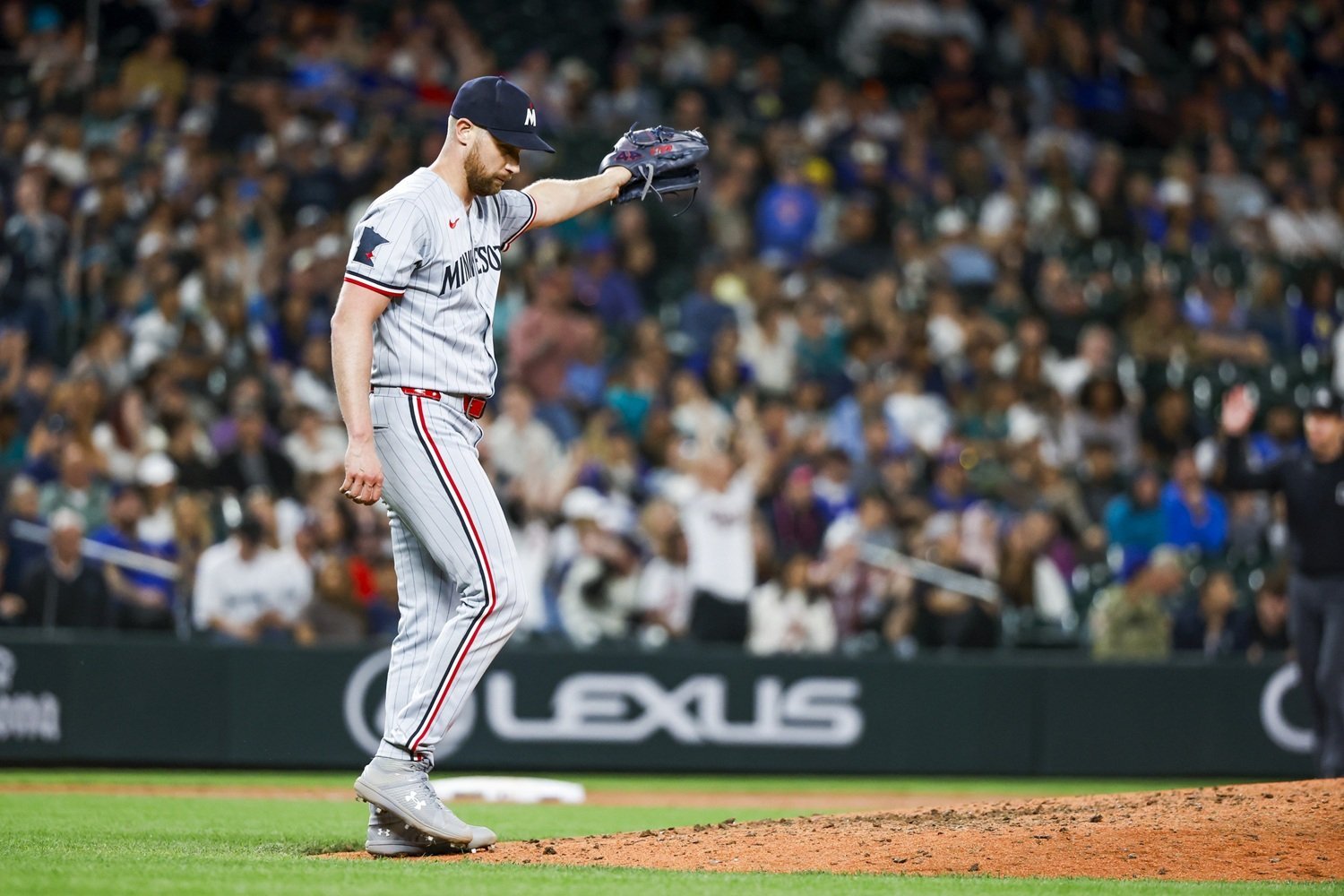 The Twins continue to find themselves in the thick of trade rumors as the deadline approaches, and much of the buzz has focused on the back end of their bullpen. Jhoan Duran and Griffin Jax have reportedly drawn interest from multiple contenders, and it’s easy to see why. Duran’s triple-digit heat and Jax’s consistency have been key to Minnesota’s bullpen success over the past two seasons. But as reports surface that the Twins are asking for multiple Top 100 caliber prospects in return, it’s fair to wonder whether any team will meet that price. So, where does that leave teams still seeking bullpen help from Minnesota? Enter Brock Stewart. An Affordable, Effective Alternative While he may not bring the same name recognition as Duran or Jax, Stewart has quietly been one of the most effective arms in the Twins’ bullpen when healthy. And that’s the key caveat, when healthy. Since signing a minor league deal with Minnesota in 2022, Stewart has battled through a series of injuries. Each of his three seasons with the club has been interrupted, but when he’s been on the mound, he’s done nothing but get outs. Dating back to the beginning of the 2023 season, Stewart owns a 2.38 ERA with a strong 31.9% strikeout rate across 75 2/3 innings. His walk rate (9.7%) is a touch higher than ideal but manageable given the swing-and-miss stuff. Stewart is averaging 96 mph on both his four-seamer and his sinker this season, showing the type of velocity that gets scouts’ attention. His salary? A modest $870K. At 33 years old, he’s not a long-term building block like Duran or Jax, but he’s also not a short-term rental. Stewart is under team control through the 2027 season, giving acquiring teams years of flexibility if he can stay healthy. The Twins deserve credit for taking a flier on Stewart at a point in his career when few others were interested. A converted starter, Stewart had bounced between the Dodgers and Blue Jays organizations without ever truly finding his footing. He underwent Tommy John surgery in May 2021 and spent time away from affiliated baseball before signing with the Twins on a minor league deal. Minnesota saw something they liked, and when healthy, Stewart has rewarded their patience and investment. The club has helped him transition into a power reliever with swing-and-miss stuff, unlocking a level of performance that had eluded him elsewhere. Why Stewart Stands Out MLB Trade Rumors’ Anthony Franco recently included Stewart in his list of nine under-the-radar bullpen targets. It’s easy to understand why. Stewart checks several boxes for a contending team looking to shore up its bullpen without giving away the farm. He’s cheap, controllable, effective, and available. Unlike Duran or Jax, Stewart wouldn’t require a package built around Top 100 prospects. That could make him an attractive fallback for clubs unwilling to meet the Twins’ high demands for their elite late-inning options. And for the Twins, moving Stewart wouldn’t necessarily close the door on 2026 competitiveness. The emergence of arms like Louis Varland and the likelihood of their demands not being met for their other late-inning relievers gives Minnesota enough bullpen depth to withstand Stewart’s departure if the return is right. A Market Waiting to Emerge As deadline day nears, the reliever market is still taking shape. Teams like the Dodgers, Mets, and Yankees are looking for bullpen reinforcements but may balk at the price tags attached to elite options. Stewart might not be their first call, but he could be their last and most practical one. There’s no guarantee the Twins move Stewart at all. They like having quality depth and might feel better holding on to a veteran arm like his, especially with extra years of control. They have waited out his injuries and may want to reap the benefits. But if the phone rings and the offer makes sense, don’t be surprised if Stewart is the reliever who ultimately gets dealt. While the spotlight shines brightly on Minnesota’s top bullpen arms, don’t sleep on the value of a quieter option. Sometimes, the best deadline deals are the ones you didn’t see coming. Will the Twins trade Stewart or another late-inning arm? What kind of return could the front office expect for Stewart? Leave a comment and start the discussion.
 -
Image courtesy of Rob Thompson, St. Paul Saints The 2025 trade deadline is quickly approaching, and the Minnesota Twins are in a complicated spot. Hovering below the .500 mark with an outside shot at the Wild Card, the team could feasibly go in multiple directions. If things break right over the next week, they might buy a piece or two. But if the wins don’t pile up, selling or retooling becomes a more realistic path. The club doesn’t seem eager to part with top prospects like Walker Jenkins, Emmanuel Rodriguez, or Luke Keaschall, especially with the team trending in the wrong direction. At the major league level, it’s hard to see them subtracting from the core unless it’s part of a broader shakeup. That leaves them with an interesting middle tier of assets. These are players who were recently seen as major league building blocks but now find themselves stuck in St. Paul. It’s not a traditional selling move, but moving on from former top prospects, such as Edouard Julien, Jose Miranda, and Austin Martin, could be a way for the front office to get creative. All three have spent much of the season at Triple-A, and while each has his strengths, none has done quite enough to force his way back onto the big-league roster. Here’s a look at each of these potential trade chips. Edouard Julien: Power, Patience, and a Lot of Strikeouts There was a time when Julien looked like a long-term fixture at second base. His breakout 2023 season featured an .839 OPS as a rookie, showing elite on-base skills and sneaky power. However, the strikeout issues that plagued him in the minors persisted and worsened in 2024 (33.9 K%). By mid-May of this year, he was back in St. Paul after struggling to start the year with a 72 wRC+ and a -0.5 fWAR in 29 games. To his credit, Julien has continued to walk and hit for power in Triple-A (119 wRC+), but his strikeout rate remains above 27 percent. With the Twins increasingly focused on defensive versatility, Julien’s profile no longer fits the front office’s preferred blueprint. Still, teams in need of left-handed pop and willing to take a chance on upside may see Julien as an appealing buy-low target. He brings years of team control and a skill set that can be hard to find. He is not likely to headline a major deal, but he could be a key secondary piece. Jose Miranda: Flashes of Potential with Lingering Doubt Few Twins players have been harder to evaluate over the last three seasons than Jose Miranda. At his best, Miranda looks like a pure hitter who can square up just about anything. He made an impression in 2022 with a strong rookie campaign (114 OPS+) and carried real expectations into 2023. But inconsistency, injuries, and poor plate discipline led to his demotion. The Twins sent him back to Triple-A in 2024, and he’s been there ever since. This year, Miranda’s Triple-A production has failed to live up to the flashes he has shown in the big leagues. He’s not hitting for average (.196 BA), which had been his calling card as a prospect. But the slugging (.308 SLG) hasn’t returned to previous levels, and his defensive limitations make it tough to pencil him into an everyday role. For another organization, Miranda could be a classic change-of-scenery candidate. There is still a version of him that hits .280 with 20-plus home runs and holds his own at third base. That kind of bat carries value, especially for a team looking for inexpensive upside. Austin Martin: Versatile, but Still Waiting to Break Through Martin’s story continues to be a study in potential versus performance. Once viewed as a possible number one overall pick, Martin arrived in Minnesota from Toronto as the centerpiece of the José Berríos trade. He had the reputation of a high-contact hitter with plus speed and defensive versatility. However, his development has been uneven. The power has never arrived (.424 SLG at Triple-A this season), and the hit tool hasn’t produced the expected results. Despite those concerns, Martin brings things to the table that Julien and Miranda do not. He can play center field, shortstop, and second base. He has shown the ability to steal bases with 15 steals between Triple-A and the MLB level last season. His path to a full-time role may be uncertain, but he is athletic enough to contribute off the bench right away. For a team looking to build depth or maximize roster flexibility, Martin could be an attractive addition. He may not headline a deal, but he could be included in a multi-player package or flipped in a low-wattage move. There is still a scenario in which the Twins get hot over the next week and decide to make a move at the deadline. A right-handed bat or a bullpen arm would make sense. However, even in that scenario, these former top prospects could still play a role in reshaping the roster. None of Julien, Miranda, or Martin has forced his way back to the majors in 2025. At the same time, most of their prospect shine has worn away. That combination of stalled momentum and remaining upside is what makes a potential change-of-scenery trade make sense. There’s also a tough question the Twins need to ask themselves. Would trading one, two, or even all three of these players now, even for a minimal return, be more valuable than simply holding onto them and waiting for another opportunity that may never come? With roster spots becoming more competitive and younger prospects pushing up from Double-A, it’s possible Julien, Miranda, or Martin could be designated for assignment after the season anyway. The front office might prefer to act now, even if the return is light, rather than risk losing them for nothing or settling for a marginally better deal in the offseason. The Twins don’t need to blow things up or sell off core players. But if the front office wants to stay flexible and explore creative paths at the deadline, it may be time to gauge what the market thinks of their former top prospects. Should the Twins try to trade any of this trio? Leave a comment and start the discussion. View full article
-
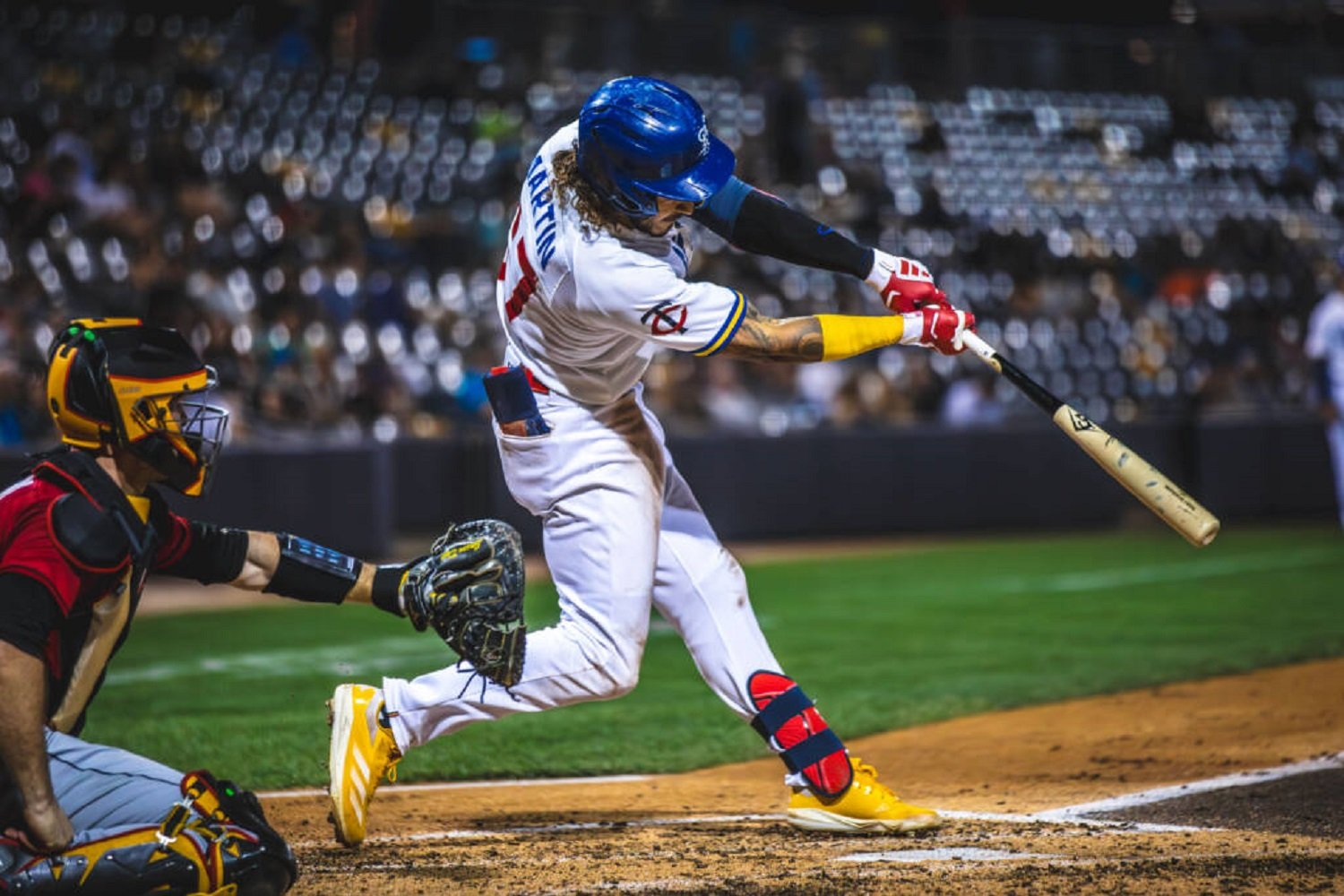 The 2025 trade deadline is quickly approaching, and the Minnesota Twins are in a complicated spot. Hovering below the .500 mark with an outside shot at the Wild Card, the team could feasibly go in multiple directions. If things break right over the next week, they might buy a piece or two. But if the wins don’t pile up, selling or retooling becomes a more realistic path. The club doesn’t seem eager to part with top prospects like Walker Jenkins, Emmanuel Rodriguez, or Luke Keaschall, especially with the team trending in the wrong direction. At the major league level, it’s hard to see them subtracting from the core unless it’s part of a broader shakeup. That leaves them with an interesting middle tier of assets. These are players who were recently seen as major league building blocks but now find themselves stuck in St. Paul. It’s not a traditional selling move, but moving on from former top prospects, such as Edouard Julien, Jose Miranda, and Austin Martin, could be a way for the front office to get creative. All three have spent much of the season at Triple-A, and while each has his strengths, none has done quite enough to force his way back onto the big-league roster. Here’s a look at each of these potential trade chips. Edouard Julien: Power, Patience, and a Lot of Strikeouts There was a time when Julien looked like a long-term fixture at second base. His breakout 2023 season featured an .839 OPS as a rookie, showing elite on-base skills and sneaky power. However, the strikeout issues that plagued him in the minors persisted and worsened in 2024 (33.9 K%). By mid-May of this year, he was back in St. Paul after struggling to start the year with a 72 wRC+ and a -0.5 fWAR in 29 games. To his credit, Julien has continued to walk and hit for power in Triple-A (119 wRC+), but his strikeout rate remains above 27 percent. With the Twins increasingly focused on defensive versatility, Julien’s profile no longer fits the front office’s preferred blueprint. Still, teams in need of left-handed pop and willing to take a chance on upside may see Julien as an appealing buy-low target. He brings years of team control and a skill set that can be hard to find. He is not likely to headline a major deal, but he could be a key secondary piece. Jose Miranda: Flashes of Potential with Lingering Doubt Few Twins players have been harder to evaluate over the last three seasons than Jose Miranda. At his best, Miranda looks like a pure hitter who can square up just about anything. He made an impression in 2022 with a strong rookie campaign (114 OPS+) and carried real expectations into 2023. But inconsistency, injuries, and poor plate discipline led to his demotion. The Twins sent him back to Triple-A in 2024, and he’s been there ever since. This year, Miranda’s Triple-A production has failed to live up to the flashes he has shown in the big leagues. He’s not hitting for average (.196 BA), which had been his calling card as a prospect. But the slugging (.308 SLG) hasn’t returned to previous levels, and his defensive limitations make it tough to pencil him into an everyday role. For another organization, Miranda could be a classic change-of-scenery candidate. There is still a version of him that hits .280 with 20-plus home runs and holds his own at third base. That kind of bat carries value, especially for a team looking for inexpensive upside. Austin Martin: Versatile, but Still Waiting to Break Through Martin’s story continues to be a study in potential versus performance. Once viewed as a possible number one overall pick, Martin arrived in Minnesota from Toronto as the centerpiece of the José Berríos trade. He had the reputation of a high-contact hitter with plus speed and defensive versatility. However, his development has been uneven. The power has never arrived (.424 SLG at Triple-A this season), and the hit tool hasn’t produced the expected results. Despite those concerns, Martin brings things to the table that Julien and Miranda do not. He can play center field, shortstop, and second base. He has shown the ability to steal bases with 15 steals between Triple-A and the MLB level last season. His path to a full-time role may be uncertain, but he is athletic enough to contribute off the bench right away. For a team looking to build depth or maximize roster flexibility, Martin could be an attractive addition. He may not headline a deal, but he could be included in a multi-player package or flipped in a low-wattage move. There is still a scenario in which the Twins get hot over the next week and decide to make a move at the deadline. A right-handed bat or a bullpen arm would make sense. However, even in that scenario, these former top prospects could still play a role in reshaping the roster. None of Julien, Miranda, or Martin has forced his way back to the majors in 2025. At the same time, most of their prospect shine has worn away. That combination of stalled momentum and remaining upside is what makes a potential change-of-scenery trade make sense. There’s also a tough question the Twins need to ask themselves. Would trading one, two, or even all three of these players now, even for a minimal return, be more valuable than simply holding onto them and waiting for another opportunity that may never come? With roster spots becoming more competitive and younger prospects pushing up from Double-A, it’s possible Julien, Miranda, or Martin could be designated for assignment after the season anyway. The front office might prefer to act now, even if the return is light, rather than risk losing them for nothing or settling for a marginally better deal in the offseason. The Twins don’t need to blow things up or sell off core players. But if the front office wants to stay flexible and explore creative paths at the deadline, it may be time to gauge what the market thinks of their former top prospects. Should the Twins try to trade any of this trio? Leave a comment and start the discussion.
- 71 comments
-
- 3
-

-
- jose miranda
- edouard julien
- (and 1 more)
-
Image courtesy of © John Hefti--Imagn Images As the MLB trade deadline inches closer, Jon Heyman of the New York Post reports that the Minnesota Twins are seriously listening to trade offers for short-term pieces like Willi Castro, Harrison Bader, and Danny Coulombe. Other veterans on expiring contracts (Chris Paddack, Ty France, and Christian Vázquez) could also be available. The smoke is getting thicker, and it smells a lot like a team preparing to sell. It’s a disappointing turn for a team that should be smack-dab in the middle of its winning window. If the Twins end up punting on 2025, it will mark the fourth time in five seasons that they’ve failed to reach the postseason. A division title and a playoff breakthrough in 2023 briefly turned the tide, but whatever goodwill that October created is rapidly evaporating. The season has spiraled. The record is mediocre. And now the blame game begins. Let’s try to sort out who deserves the lion’s share. The Front Office: A Predictable Failure If the Twins are sellers at the 2025 trade deadline, then the front office has failed. After a gut-wrenching collapse down the stretch in 2024, Minnesota responded with… essentially the same roster. Derek Falvey and company made no meaningful upgrades, no shakeups, no bold offseason moves. There were minor moves around the margins, such as adding Bader, France, and Coulombe, but this team was built with the hope for internal bounce-backs and improved health. That kind of passive roster-building was always a gamble, and it’s landed the club squarely in a quagmire of mediocrity. Sure, they’ve continued to find value on the margins. Coulombe has been solid and Bader filled a gap. But this front office bet big that the same core could deliver a different result. That was wishful thinking, and now they’re staring at the consequences. Ownership: Spending Enough, But Not Smartly Plenty of Twins fans will point fingers at ownership, and not without reason. Following the euphoria of 2023’s playoff run, the front office was handed a reduced budget. The phrase “right-sizing the payroll” still stings, especially given the opportunity to build on real momentum. However, it’s worth noting that FanGraphs still lists Minnesota with the highest payroll in the AL Central in 2025. Ownership isn’t spending like a bottom-feeder. They’re just not spending like a team hungry to win now. In that sense, the issue may not be the amount of spending but the approach. The front office had limited resources and chose to roll them into depth and hope. The 2025 Twins were built to stay afloat, not dominate. That might have worked in a different division. It hasn’t worked here. The Players: Stars Can’t Shine Alone Byron Buxton is turning in a season for the ages, and All-Star Joe Ryan looks like one of the AL’s best pitchers. Both players could finish in the top 5 for the MVP (Buxton) and Cy Young (Ryan). Minnesota’s bullpen has been a quiet strength all year, and likely why multiple bullpen arms will be dealt before July 31. But that’s where the list of bright spots ends. Carlos Correa has had another underwhelming season, with a 0.0 rWAR and a 91 OPS+. Those totals can’t be associated with a player who makes up over 25% of the team’s payroll. Matt Wallner hasn’t taken the expected step forward with a 109 OPS+ that is over 20 points lower than his career mark. Royce Lewis appears unable to stay on the field long enough to make a consistent impact and has struggled to play well over the last calendar year. The offense has sputtered far too often, and it’s buried strong pitching performances along the way. This lineup was supposed to be powered by its core. Instead, it's been anchored by disappointment. The Coaches: The Easy (and Often Wrong) Target It’s easy to grumble about Rocco Baldelli’s bullpen choices or the occasional head-scratching baserunning decision. But there’s a reason the Twins picked up his option for next year: this team’s problems are rooted deeper than the dugout. Baldelli can’t make Correa hit .300 or keep Lewis healthy. The coaching staff can only coach the roster they’re given, and the flaws in this one were exposed by mid-May. Could they have milked a few extra wins? Maybe. Would that have changed the big picture? Probably not. Unless a potential new ownership group decides to clean house, Rocco isn’t going anywhere. So Who’s to Blame? Every group shares some of the blame. But if you’re looking for the main culprit in a disappointing 2025 season, the arrow points to the front office. They built this roster. They ran it back after a collapse. They banked on rebound seasons from too many uncertain pieces. The Twins had enough talent and enough payroll to contend in a weak AL Central (outside of Detroit). They didn’t need to be spectacular. They just needed to be solid. And they couldn’t even manage that. The 2023 postseason run bought this regime some equity. But equity runs out fast when October baseball feels like a fading memory. Now, as veterans are quietly shopped and the Twins position themselves for 2026, fans are left wondering how a winning window could close so quickly. And who’s going to be held accountable when it slams shut? Who deserves the most blame for the team’s poor performance in 2025? Leave a comment and start the discussion. View full article
-
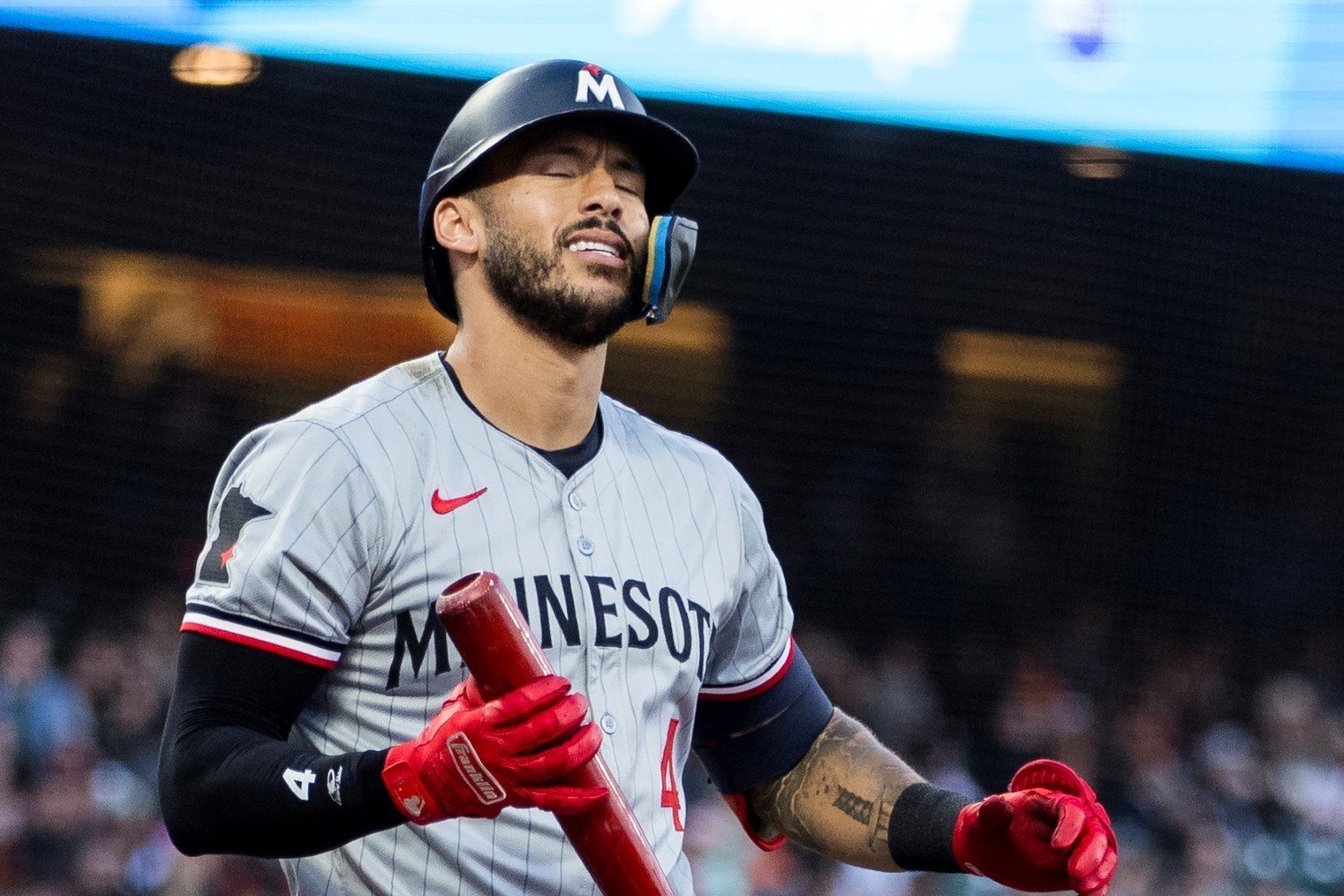 As the MLB trade deadline inches closer, Jon Heyman of the New York Post reports that the Minnesota Twins are seriously listening to trade offers for short-term pieces like Willi Castro, Harrison Bader, and Danny Coulombe. Other veterans on expiring contracts (Chris Paddack, Ty France, and Christian Vázquez) could also be available. The smoke is getting thicker, and it smells a lot like a team preparing to sell. It’s a disappointing turn for a team that should be smack-dab in the middle of its winning window. If the Twins end up punting on 2025, it will mark the fourth time in five seasons that they’ve failed to reach the postseason. A division title and a playoff breakthrough in 2023 briefly turned the tide, but whatever goodwill that October created is rapidly evaporating. The season has spiraled. The record is mediocre. And now the blame game begins. Let’s try to sort out who deserves the lion’s share. The Front Office: A Predictable Failure If the Twins are sellers at the 2025 trade deadline, then the front office has failed. After a gut-wrenching collapse down the stretch in 2024, Minnesota responded with… essentially the same roster. Derek Falvey and company made no meaningful upgrades, no shakeups, no bold offseason moves. There were minor moves around the margins, such as adding Bader, France, and Coulombe, but this team was built with the hope for internal bounce-backs and improved health. That kind of passive roster-building was always a gamble, and it’s landed the club squarely in a quagmire of mediocrity. Sure, they’ve continued to find value on the margins. Coulombe has been solid and Bader filled a gap. But this front office bet big that the same core could deliver a different result. That was wishful thinking, and now they’re staring at the consequences. Ownership: Spending Enough, But Not Smartly Plenty of Twins fans will point fingers at ownership, and not without reason. Following the euphoria of 2023’s playoff run, the front office was handed a reduced budget. The phrase “right-sizing the payroll” still stings, especially given the opportunity to build on real momentum. However, it’s worth noting that FanGraphs still lists Minnesota with the highest payroll in the AL Central in 2025. Ownership isn’t spending like a bottom-feeder. They’re just not spending like a team hungry to win now. In that sense, the issue may not be the amount of spending but the approach. The front office had limited resources and chose to roll them into depth and hope. The 2025 Twins were built to stay afloat, not dominate. That might have worked in a different division. It hasn’t worked here. The Players: Stars Can’t Shine Alone Byron Buxton is turning in a season for the ages, and All-Star Joe Ryan looks like one of the AL’s best pitchers. Both players could finish in the top 5 for the MVP (Buxton) and Cy Young (Ryan). Minnesota’s bullpen has been a quiet strength all year, and likely why multiple bullpen arms will be dealt before July 31. But that’s where the list of bright spots ends. Carlos Correa has had another underwhelming season, with a 0.0 rWAR and a 91 OPS+. Those totals can’t be associated with a player who makes up over 25% of the team’s payroll. Matt Wallner hasn’t taken the expected step forward with a 109 OPS+ that is over 20 points lower than his career mark. Royce Lewis appears unable to stay on the field long enough to make a consistent impact and has struggled to play well over the last calendar year. The offense has sputtered far too often, and it’s buried strong pitching performances along the way. This lineup was supposed to be powered by its core. Instead, it's been anchored by disappointment. The Coaches: The Easy (and Often Wrong) Target It’s easy to grumble about Rocco Baldelli’s bullpen choices or the occasional head-scratching baserunning decision. But there’s a reason the Twins picked up his option for next year: this team’s problems are rooted deeper than the dugout. Baldelli can’t make Correa hit .300 or keep Lewis healthy. The coaching staff can only coach the roster they’re given, and the flaws in this one were exposed by mid-May. Could they have milked a few extra wins? Maybe. Would that have changed the big picture? Probably not. Unless a potential new ownership group decides to clean house, Rocco isn’t going anywhere. So Who’s to Blame? Every group shares some of the blame. But if you’re looking for the main culprit in a disappointing 2025 season, the arrow points to the front office. They built this roster. They ran it back after a collapse. They banked on rebound seasons from too many uncertain pieces. The Twins had enough talent and enough payroll to contend in a weak AL Central (outside of Detroit). They didn’t need to be spectacular. They just needed to be solid. And they couldn’t even manage that. The 2023 postseason run bought this regime some equity. But equity runs out fast when October baseball feels like a fading memory. Now, as veterans are quietly shopped and the Twins position themselves for 2026, fans are left wondering how a winning window could close so quickly. And who’s going to be held accountable when it slams shut? Who deserves the most blame for the team’s poor performance in 2025? Leave a comment and start the discussion.
- 93 comments
-
- 7
-
-

-
- rocco baldelli
- derek falvey
- (and 5 more)
-
Walker JenkinsEmmanuel RodriguezLuke KeaschallKaelen CulpepperConnor PrielippDasan HillCharlee SotoMarek HoustonGabriel GonzalezRiley QuickAndrew MorrisMarco RayaBrandon WinokurYasser MercedesKyle DeBargeCJ CulpepperKhadim DiawBilly AmickQuentin YoungEduardo Beltre
-
Walker JenkinsEmmanuel RodriguezLuke KeaschallKaelen CulpepperConnor PrielippDasan HillCharlee SotoMarek HoustonGabriel GonzalezRiley QuickAndrew MorrisMarco RayaBrandon WinokurYasser MercedesKyle DeBargeCJ CulpepperKhadim DiawBilly AmickQuentin YoungEduardo Beltre
-
Image courtesy of David Richard and Jerome Miron-Imagn Images The Dodgers are shopping for impact arms, and reports are that they’ve come knocking on the Twins’ door. According to Bob Nightengale of USA Today, Los Angeles has reached out to Minnesota regarding a pair of bullpen stars: Jhoan Duran and Griffin Jax. It's not surprising, considering the state of the Dodgers' bullpen. While L.A.’s reputation screams dominance, the reality in 2025 has been underwhelming. Injuries and inconsistency have plagued their late-inning picture, and Tanner Scott’s 4.00 ERA and multiple blown saves haven’t done much to ease the pressure. Thus, the Dodgers are hunting for high-leverage reinforcements, and few teams can offer a package more attractive than Duran and Jax. Minnesota’s Bullpen Gold If the Twins are serious about selling (still an if, though the noise is getting louder), then Duran and Jax would instantly become two of the most coveted relievers on the market. RHP Jhoan Duran Duran entered the season already known for his triple-digit heat and devastating splinker, but he’s taken his game to another level in 2025. Through 45 appearances, Duran owns a 1.62 ERA, a 1.13 WHIP, and a 27.0% strikeout rate, while limiting opponents to a .518 OPS. He’s been one of the AL’s best relievers this season; his 1.4 fWAR is tied for third among AL relievers. When Shohei Ohtani took him deep Tuesday night, it was the first time all season an opponent figured out how to do so. If Duran were a Dodger, he wouldn't have to face Ohtani, anyway. The Twins have taken care to manage Duran’s workload over the years, and it’s paying off. He’s healthy, dominant, and under team control through 2027. That’s the kind of arm that commands elite prospect capital. RHP Griffin Jax Jax may not have Duran’s raw velocity, but his efficiency and consistency have been just as valuable. This season, he’s posted a 3.83 ERA across 42 1/3 innings with a career-high 37.9% strikeout rate. There were some inconsistencies with Jax to start the year, but he’s returned to form over his last 15 appearances. Since June 8, he has a 1.88 ERA, with a 20-to-4 strikeout-to-walk ratio in 14 1/3 innings. Since moving to the bullpen full-time in 2022, Jax has blossomed into one of the most reliable setup men in the American League. Like Duran, he’s under team control through 2027. The Twins don't have to trade either. But if they lean into a short-term sell, the front office knows the value they hold, and won’t let them go for anything less than a franchise-shifting return. Dodgers' Prospect Chips If Los Angeles is serious about acquiring Minnesota’s bullpen aces, it’s going to take a haul, and the Dodgers might have the pieces to do it. According to MLB Pipeline, here are some of the names who could headline a potential deal: 1. Josue De Paula, OF The Dodgers’ top prospect, De Paula is an advanced bat with emerging power and a sweet left-handed swing. At 20 years old, he’s hitting .258/.402/.413 in High-A and showing increased home run output. The Twins have multiple top outfield prospects, but De Paula is a top-100 prospect who can provide long-term value. 2. Zyhir Hope, OF A more recent riser in the Dodgers system, Hope brings a tantalizing mix of speed and raw power. In 83 games this season, he has hit .286/.390/.468 with 33 extra-base hits at High-A. At just 20, he’s shown impressive tools in the lower minors, with the potential to stick in center or slide to a plus defensive corner role. 3. Alex Freeland, SS/3B Like the other names on this list, Freeland was a consensus top-100 prospect entering the season. He's a versatile infielder with good bat-to-ball skills and solid plate discipline. In 2025, he’s hit .254/.377/.411 at Triple A, while starting games at both shortstop and third base. He could be a solid everyday piece, especially if Minnesota wants a player who is close to big league-ready. 4. Jackson Ferris, LHP Left-handed pitching is always in demand, and Ferris (originally acquired from the Cubs) is a lanky southpaw with swing-and-miss stuff. At 21 years old, he’s struck out 25.4% of opposing batters in Double A and has shown signs of improved command. He’s also over 3.5 years younger than the average age of the competition in the Texas League. He profiles as a mid-rotation arm, with late-inning fallback value if his control remains shaky. 5. Eduardo Quintero, OF Still just 19 years old, Quintero is a bat-first outfielder tearing up Low A. In 79 games, he has slashed .308/.422/.538 with 38 extra-base hits and 34 steals. While far away, he’s the type of long-term upside piece that teams can target when trading established big leaguers. The other key figure in this mix, of course, is Dalton Rushing. Though currently serving as the team's backup catcher, Rushing has just graduated from top prospect status by way of sticking on the active roster for the guts of two months already. He's a high-upside hitter with a chance to remain a catcher as he establishes himself in the majors, and a prime trade target if the Dodgers need to acquire a player under medium-term team control. Would the Twins Actually Do It? Selling off bullpen dominance mid-season would be a tough pill to swallow for a Twins club still hovering around contention, but the market is speaking. The value of elite relievers under control for multiple years is sky-high, and contenders like the Dodgers are willing to pay. If Minnesota sees an opportunity to acquire long-term talent—especially position players with upside and control—it might be wise to listen. However, the Twins are going to hold their ground and have to be overwhelmed in any trade for either Duran or Jax. With Los Angeles desperate for back-end help, they might get an offer too good to ignore. What kind of package should it take to get Duran or Jax, if you were in Derek Falvey's chair? Leave a comment and start the discussion. View full article
-
Dodgers Come Calling on Twins’ Dynamic Duo as Trade Rumors Pick Up
Cody Christie posted an article in Twins
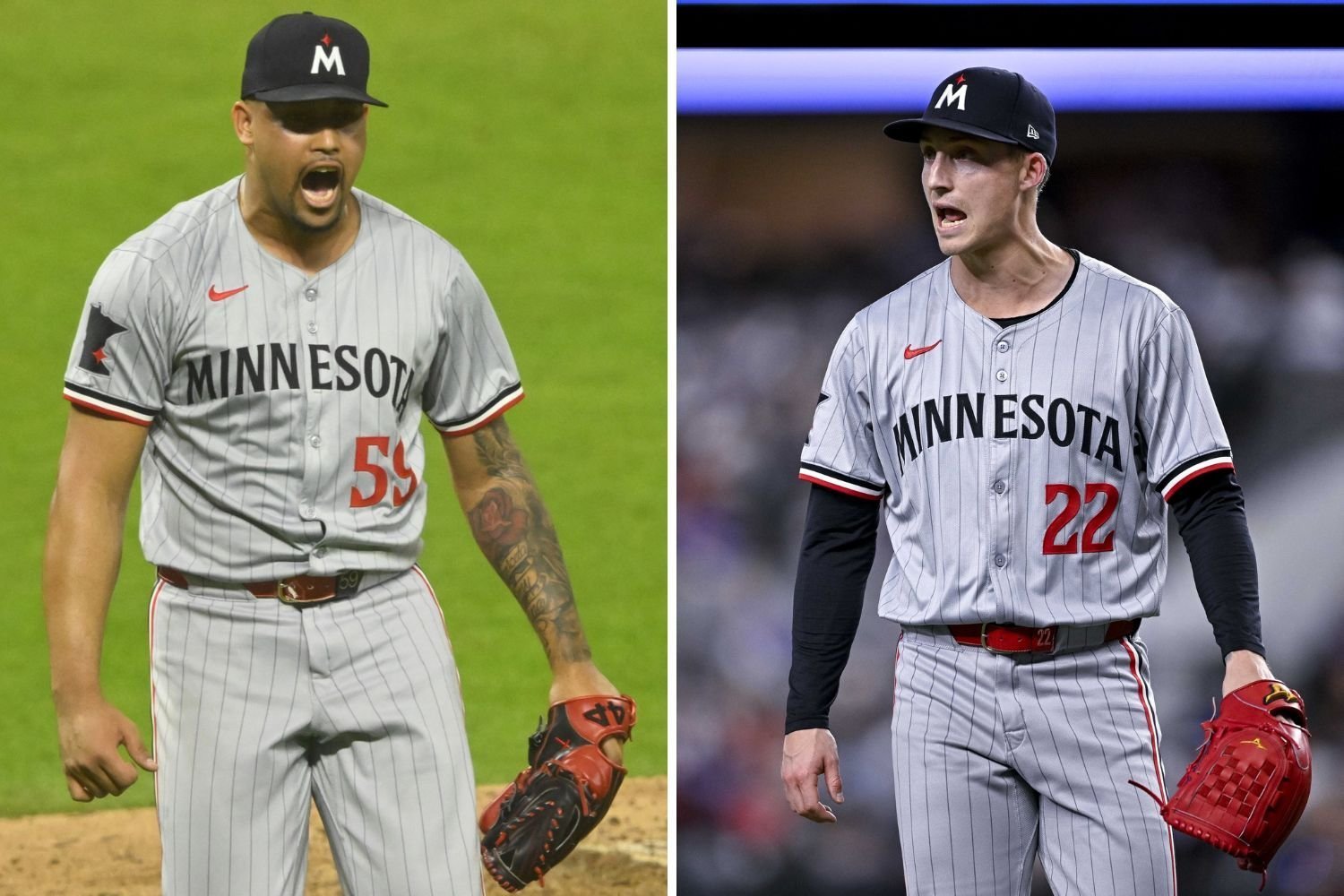 The Dodgers are shopping for impact arms, and reports are that they’ve come knocking on the Twins’ door. According to Bob Nightengale of USA Today, Los Angeles has reached out to Minnesota regarding a pair of bullpen stars: Jhoan Duran and Griffin Jax. It's not surprising, considering the state of the Dodgers' bullpen. While L.A.’s reputation screams dominance, the reality in 2025 has been underwhelming. Injuries and inconsistency have plagued their late-inning picture, and Tanner Scott’s 4.00 ERA and multiple blown saves haven’t done much to ease the pressure. Thus, the Dodgers are hunting for high-leverage reinforcements, and few teams can offer a package more attractive than Duran and Jax. Minnesota’s Bullpen Gold If the Twins are serious about selling (still an if, though the noise is getting louder), then Duran and Jax would instantly become two of the most coveted relievers on the market. RHP Jhoan Duran Duran entered the season already known for his triple-digit heat and devastating splinker, but he’s taken his game to another level in 2025. Through 45 appearances, Duran owns a 1.62 ERA, a 1.13 WHIP, and a 27.0% strikeout rate, while limiting opponents to a .518 OPS. He’s been one of the AL’s best relievers this season; his 1.4 fWAR is tied for third among AL relievers. When Shohei Ohtani took him deep Tuesday night, it was the first time all season an opponent figured out how to do so. If Duran were a Dodger, he wouldn't have to face Ohtani, anyway. The Twins have taken care to manage Duran’s workload over the years, and it’s paying off. He’s healthy, dominant, and under team control through 2027. That’s the kind of arm that commands elite prospect capital. RHP Griffin Jax Jax may not have Duran’s raw velocity, but his efficiency and consistency have been just as valuable. This season, he’s posted a 3.83 ERA across 42 1/3 innings with a career-high 37.9% strikeout rate. There were some inconsistencies with Jax to start the year, but he’s returned to form over his last 15 appearances. Since June 8, he has a 1.88 ERA, with a 20-to-4 strikeout-to-walk ratio in 14 1/3 innings. Since moving to the bullpen full-time in 2022, Jax has blossomed into one of the most reliable setup men in the American League. Like Duran, he’s under team control through 2027. The Twins don't have to trade either. But if they lean into a short-term sell, the front office knows the value they hold, and won’t let them go for anything less than a franchise-shifting return. Dodgers' Prospect Chips If Los Angeles is serious about acquiring Minnesota’s bullpen aces, it’s going to take a haul, and the Dodgers might have the pieces to do it. According to MLB Pipeline, here are some of the names who could headline a potential deal: 1. Josue De Paula, OF The Dodgers’ top prospect, De Paula is an advanced bat with emerging power and a sweet left-handed swing. At 20 years old, he’s hitting .258/.402/.413 in High-A and showing increased home run output. The Twins have multiple top outfield prospects, but De Paula is a top-100 prospect who can provide long-term value. 2. Zyhir Hope, OF A more recent riser in the Dodgers system, Hope brings a tantalizing mix of speed and raw power. In 83 games this season, he has hit .286/.390/.468 with 33 extra-base hits at High-A. At just 20, he’s shown impressive tools in the lower minors, with the potential to stick in center or slide to a plus defensive corner role. 3. Alex Freeland, SS/3B Like the other names on this list, Freeland was a consensus top-100 prospect entering the season. He's a versatile infielder with good bat-to-ball skills and solid plate discipline. In 2025, he’s hit .254/.377/.411 at Triple A, while starting games at both shortstop and third base. He could be a solid everyday piece, especially if Minnesota wants a player who is close to big league-ready. 4. Jackson Ferris, LHP Left-handed pitching is always in demand, and Ferris (originally acquired from the Cubs) is a lanky southpaw with swing-and-miss stuff. At 21 years old, he’s struck out 25.4% of opposing batters in Double A and has shown signs of improved command. He’s also over 3.5 years younger than the average age of the competition in the Texas League. He profiles as a mid-rotation arm, with late-inning fallback value if his control remains shaky. 5. Eduardo Quintero, OF Still just 19 years old, Quintero is a bat-first outfielder tearing up Low A. In 79 games, he has slashed .308/.422/.538 with 38 extra-base hits and 34 steals. While far away, he’s the type of long-term upside piece that teams can target when trading established big leaguers. The other key figure in this mix, of course, is Dalton Rushing. Though currently serving as the team's backup catcher, Rushing has just graduated from top prospect status by way of sticking on the active roster for the guts of two months already. He's a high-upside hitter with a chance to remain a catcher as he establishes himself in the majors, and a prime trade target if the Dodgers need to acquire a player under medium-term team control. Would the Twins Actually Do It? Selling off bullpen dominance mid-season would be a tough pill to swallow for a Twins club still hovering around contention, but the market is speaking. The value of elite relievers under control for multiple years is sky-high, and contenders like the Dodgers are willing to pay. If Minnesota sees an opportunity to acquire long-term talent—especially position players with upside and control—it might be wise to listen. However, the Twins are going to hold their ground and have to be overwhelmed in any trade for either Duran or Jax. With Los Angeles desperate for back-end help, they might get an offer too good to ignore. What kind of package should it take to get Duran or Jax, if you were in Derek Falvey's chair? Leave a comment and start the discussion.
 -
The Twins’ Replacement-Level Killers Killed the 2025 Season
Cody Christie posted an article in Twins
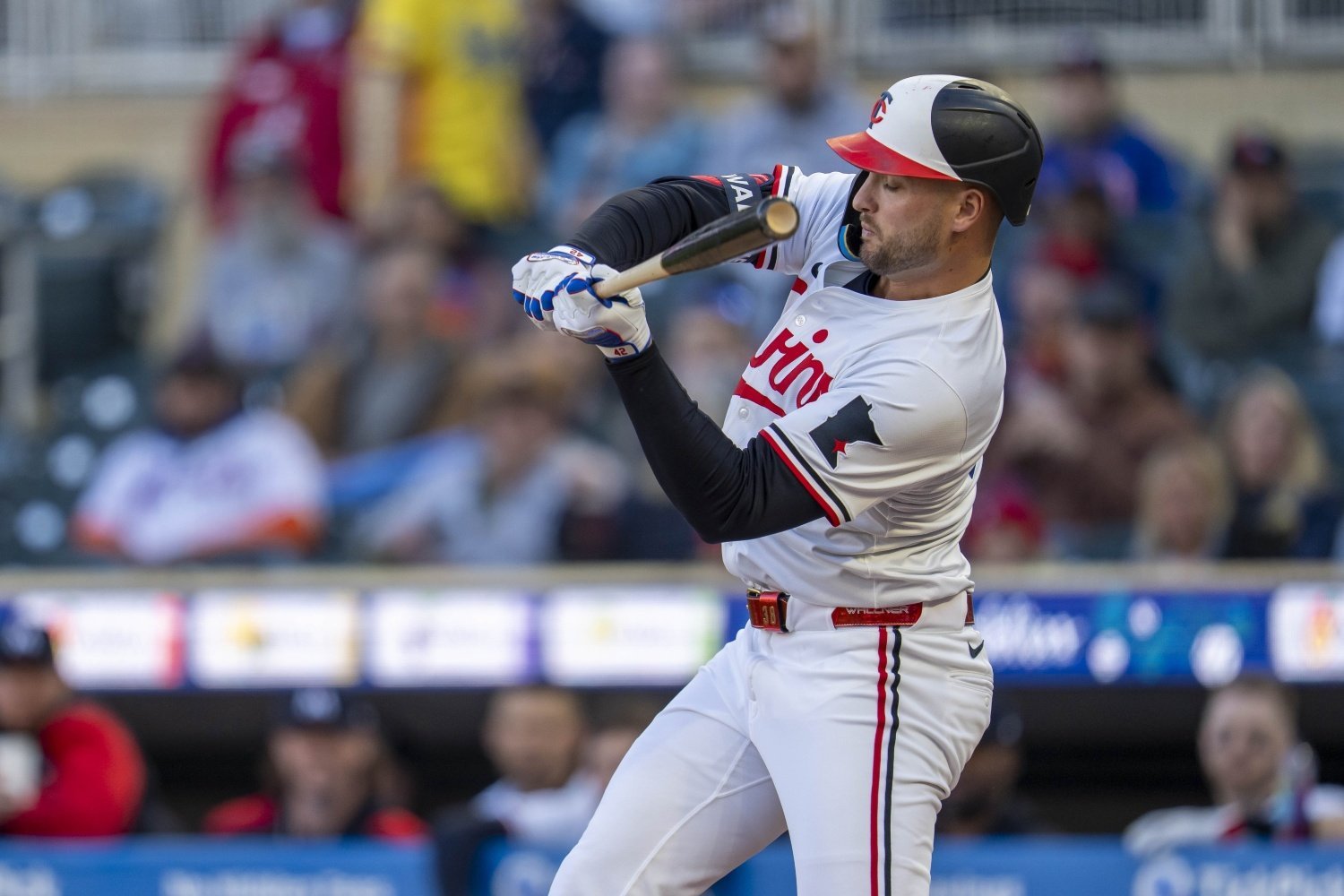 Each year, Jay Jaffe of FanGraphs highlights players around the league whose production has dipped well below average at their positions. It's an annual feature known as the Replacement-Level Killers. In 2025, no team found itself more frequently mentioned than the Minnesota Twins. Offensive inconsistency has been a recurring storyline all season, and one of the primary reasons is the presence of underperforming spots in the lineup. It’s one thing to struggle at one position. It’s another to get little production from five. That’s precisely where the Twins find themselves, as they look to stay afloat in a tight American League playoff race. First Base: France’s Bat Isn’t Carrying Its Weight This past offseason, the Twins needed to replace Carlos Santana at first base, and signing Ty France for $1 million was a low-wattage move. He was coming off a down year split between the Mariners and Reds, and the hope was that a change of scenery might help. It hasn’t. France is hitting .248/.311/.353, good for an 83 OPS+. Even though his glove has improved, that type of bat just doesn’t cut it at a position built for offense. Replacement Options: Kody Clemens has started receiving more regular reps at first base and has been more productive in limited action, but he’s also been heavily used at second base and in other utility roles. The Twins have internal options at St. Paul, including Jose Miranda, Edouard Julien, and Mickey Gasper, though each comes with question marks. Whether it’s defense, struggles at the plate, or a lack of big-league success, none of them provides a surefire fix. Catcher: The Vázquez Void Grows Ryan Jeffers continues to be a steady contributor with the bat, hitting .258/.352/.410 and maintaining an above-average 109 OPS+. Christian Vázquez, on the other hand, has seen his numbers plummet. After a solid defensive year in 2024, he has regressed both behind the plate and at it, slashing just .167/.236/.247 with a 34 OPS+. He’s been worth negative WAR in all three years of his contract with the Twins. Replacement Options: Gasper has been tearing it up in Triple-A (for the second consecutive season), with a batting average around .300 and 146 wRC+, but he’s hardly played catcher during his time in the majors and has yet to show he can stick at this level. Another option, Noah Cardenas, has shown a good offensive approach in the minors (130 wRC+), but his defensive grades remain below-average. With multiple holes to patch, the Twins may not prioritize catcher, but it’s a clear weak spot. Second Base: Still Searching for Stability Second base has been a game of musical chairs. The season began with Willi Castro and Julien sharing time, but Castro missed time with an oblique strain, and Julien couldn’t stay above the Mendoza line. Since then, Brooks Lee and Clemens have handled most of the work. Lee, a former top prospect, has struggled when playing second base, hitting for just a 39 wRC+ at the position despite much better numbers elsewhere. Clemens, meanwhile, has shown unexpected power and owns a 121 wRC+ with 12 home runs, but he’s primarily facing right-handed pitching and also seeing time at first base (see above). Replacement Options: If Castro remains healthy, the Twins could continue to mix and match. However, if they hope to make a push in the second half, this is another position that could benefit from more consistency. Luckily, top prospect Luke Keaschall started a rehab assignment on Friday and could join the Twins very soon. Third Base: Waiting for Royce Coming into the year, the Twins were banking on Royce Lewis to be a difference-maker. Instead, they’ve had to wait. Two hamstring injuries (combined with long hitless streaks) have prevented him from getting into a rhythm. Overall, Lewis is hitting .211/.276/.296 with a 58 OPS+. Since June 3, though, he’s turned things around with a .296 average and a .749 OPS. Replacement Options: The front office remains committed to giving Lewis time to get right. Lee has hit well while playing third, and Castro has filled in at times, but the Twins hope Lewis can stay healthy and take hold of the position. Right Field: Wallner Still Trying to Find It Matt Wallner was expected to build on his breakout 2023 and 2024 seasons. After all, he posted a combined 148 wRC+ in those two years and slugged 27 homers in just over 500 plate appearances. A mid-April hamstring injury set him back, and he hasn’t looked the same since returning. His overall line sits at .203/.297/.446 with a 101 OPS+, and his infield fly ball rate is one of the highest in baseball. Replacement Options: Trevor Larnach has filled in with a steady if unspectacular line, and Castro has taken a few turns in right field as well. But once again, the Twins are left hoping that a talented bat can rediscover its form in the second half. What Does This All Mean? Most teams can survive one or two lineup holes. Few can survive five. The Twins lead the league in Replacement-Level Killers appearances, and it’s no mystery why their offense has struggled to take off. Injuries have hurt. So has a roster construction that hasn’t provided enough high-floor options. There’s still time to turn it around. Wallner and Lewis could heat up. Lee might settle in. Jeffers has been solid, and Castro is back in the mix. But as things currently stand, too many positions have failed to produce, and that’s why the Twins have hovered around the .500 mark. If Minnesota wants to play meaningful games in October, they’ll need to either get more out of the players they have or make some tough decisions before the trade deadline. Right now, the Replacement-Level Killers are killing their season.
- 25 comments
-
- 6
-
-
-
- matt wallner
- christian vazquez
- (and 4 more)
-
Image courtesy of © Jesse Johnson-Imagn Images Each year, Jay Jaffe at FanGraphs highlights players around the league whose production has dipped well below average at their positions in a feature known as the Replacement-Level Killers. In 2025, no team found itself more frequently mentioned than the Minnesota Twins. Offensive inconsistency has been a recurring storyline all season, and one of the primary reasons is the presence of underperforming spots in the lineup. It’s one thing to struggle at one position. It’s another to get little production from five. That’s precisely where the Twins find themselves as they look to stay afloat in a tight American League playoff race. First Base: France’s Bat Isn’t Carrying Its Weight This past offseason, the Twins needed to replace Carlos Santana at first base, and signing Ty France for $1 million was a low-wattage move. He was coming off a down year split between the Mariners and Reds, and the hope was that a change of scenery might help. It hasn’t. France is hitting .248/.311/.353 (.664), good for an 83 OPS+. Even though his glove has improved, that type of bat just doesn’t cut it at a position built for offense. Replacement Options: Kody Clemens has started receiving more regular reps at first base and has been more productive in limited action, but he’s also been heavily used at second base and in other utility roles. The Twins have internal options at St. Paul, including Jose Miranda, Edouard Julien, and Mickey Gasper, though each comes with question marks. Whether it’s defense, struggles at the plate, or a lack of big-league success, none of them provides a surefire fix. Catcher: The Vázquez Void Grows Ryan Jeffers continues to be a steady contributor with the bat, hitting .258/.352/.410 (.762) and maintaining an above-average 109 OPS+. Christian Vázquez, on the other hand, has seen his numbers plummet. After a solid defensive year in 2024, he has regressed both behind the plate and at it, slashing just .167/.236/.247 (.483) with a 34 OPS+. He’s been worth negative WAR in all three years of his contract with the Twins. Replacement Options: Gasper has been tearing it up in Triple-A (for the second consecutive season) with a batting average around .300 and 146 wRC+, but he’s hardly played catcher during his time in the majors and has yet to show he can stick at this level. Another option, Noah Cardenas, has shown a good offensive approach in the minors (130 wRC+), but his defensive grades remain below average. With multiple holes to patch, the Twins may not prioritize catcher, but it’s a clear weak spot. Second Base: Still Searching for Stability Second base has been a game of musical chairs. The season began with Willi Castro and Julien sharing time, but Castro missed time with an oblique strain, and Julien couldn’t stay above the Mendoza Line. Since then, Brooks Lee and Clemens have handled most of the work. Lee, a former top prospect, has struggled when playing second base, hitting for just a 39 wRC+ at the position despite much better numbers elsewhere. Clemens, meanwhile, has shown unexpected power and owns a 121 wRC+ with 12 home runs, but he’s primarily facing right-handed pitching and also seeing time at first base (see above). Replacement Options: If Castro remains healthy, the Twins could continue to mix and match. However, if they hope to make a push in the second half, this is another position that could benefit from more consistency. Luckily, top prospect Luke Keaschall started a rehab assignment on Friday and could join the Twins before the end of the month. Third Base: Waiting for Royce Coming into the year, the Twins were banking on Royce Lewis to be a difference-maker. Instead, they’ve had to wait. Two hamstring injuries, combined with long hitless streaks, have prevented him from getting into a rhythm. Overall, Lewis is hitting .211/.276/.296 (.571) with a 58 OPS+. Since June 3, though, he’s turned things around with a .296 average and a .749 OPS. Replacement Options: The front office remains committed to giving Lewis time to get right. Lee has hit well while playing third, and Castro has filled in at times, but the Twins hope Lewis can stay healthy and take hold of the position. Right Field: Wallner Still Trying to Find It Matt Wallner was expected to build on his breakout 2023 and 2024 seasons. After all, he posted a combined 148 wRC+ in those two years and slugged 27 homers in just over 500 plate appearances. A mid-April hamstring injury set him back, and he hasn’t looked the same since returning. His overall line sits at .203/.297/.446 with a 101 OPS+, and his infield fly ball rate is one of the highest in baseball. Replacement Options: Trevor Larnach has filled in with a steady if unspectacular line, and Castro has taken a few turns in right field as well. But once again, the Twins are left hoping that a talented bat can rediscover its form in the second half. What Does This All Mean Most teams can survive one or two lineup holes. Few can survive five. The Twins lead the league in Replacement-Level Killers appearances, and it’s no mystery why their offense has struggled to take off. Injuries have hurt. So has a roster construction that hasn’t provided enough high-floor options. There’s still time to turn it around. Wallner and Lewis could heat up. Lee might settle in. Jeffers has been solid, and Castro is back in the mix. But as things currently stand, too many positions have failed to produce, and that’s why the Twins have hovered around the .500 mark. If Minnesota wants to play meaningful games in October, they’ll need to either get more out of the players they have or make some tough decisions before the trade deadline. Because right now, the Replacement-Level Killers are killing their season. View full article
- 25 replies
-
- 1
-
-
- matt wallner
- christian vazquez
- (and 4 more)
-
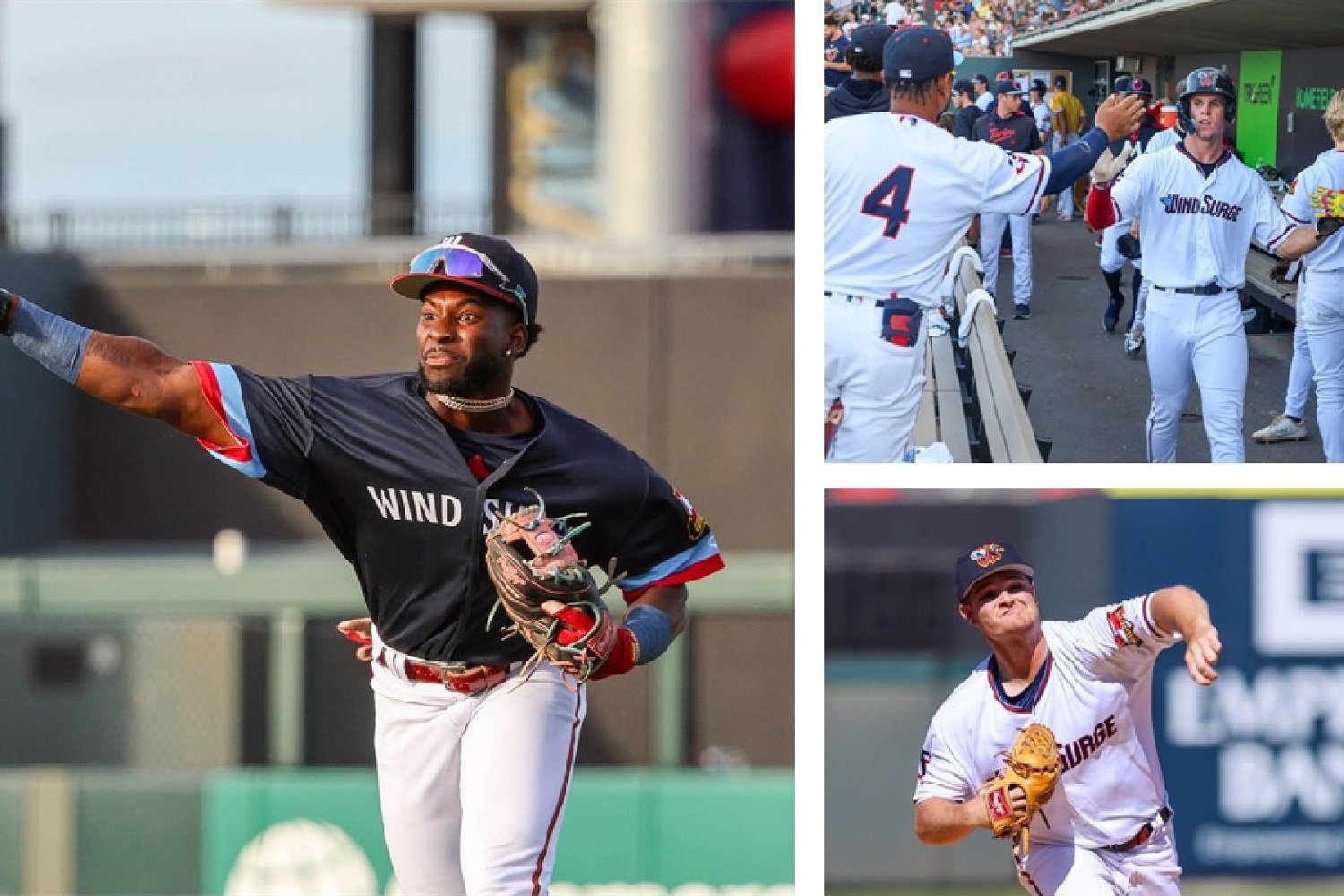 We’re entering the dog days of summer, and while the big-league club is jostling for playoff position, the Minnesota Twins' farm system just received an influx of new talent from the 2025 MLB Draft. That means it's time for a refresh of the top-10 prospect rankings. With a bit of a lull during the All-Star break and shortened minor-league schedules, this week’s Twins Prospect Hot Sheet takes a slightly different shape. Instead of focusing on players rising the rankings, let’s zoom out and look at the system’s updated hierarchy following the draft. This new top-10 features rising arms, recent draftees, and familiar names climbing ever closer to Minneapolis. After reading through the updated list, make sure to participate in our Twins Daily community rankings — where your voice can be heard in shaping the future of our prospect coverage. But for now, here’s how I see the top-10 shaping up. 10. RHP Riley Quick Age: 21 | Level: TBD The Twins’ supplemental first-round pick out of Alabama, Quick is a power right-hander with a starter's frame and some reliever risk due to command concerns. He brings a mid-90s fastball that touches 98, a cutter/slider hybrid, and a developing curve. Minnesota will give him every opportunity to start, and there’s back-end bullpen upside even if the rotation role doesn’t stick. 9. OF Gabriel Gonzalez Age: 21 | Level: Double-A Wichita Acquired in the Jorge Polanco trade, Gonzalez has steadily improved throughout 2025. He has a mature approach, solid contact skills, and the potential for 20-plus homer power. While he’s a below-average runner, his bat could carry him to a corner outfield role, and he’s still younger than some college draftees this season. 8. SS Marek Houston Age: 21 | Level: TBD A defensive whiz and the Twins’ first-round pick out of Wake Forest, Houston is one of the slickest infield defenders in the class. His glove gives him a strong big-league floor, and while the bat lags behind, evaluators see twitchy athleticism and room for offensive growth. In college, his OPS rose from .635 to 1.055, so the Twins hope they can continue to help him refine his swing. 7. RHP Charlee Soto Age: 20 | Level: High-A Cedar Rapids Soto remains one of the highest-upside arms in the system. His fastball touches 99, and he pairs it with a changeup and slider that miss bats. Consistency remains a hurdle, and he’ll need to repeat his delivery more reliably, but the frontline tools are evident. If it clicks, Soto could become a difference-maker in a future Twins rotation. 6. LHP Dasan Hill Age: 19 | Level: Low-A Fort Myers The Twins’ second-round pick from the 2024 Draft, Hill made his mark on the organization in his first professional season. The lanky prep lefty sits in the high 90s on his fastball, with 60 strikeouts (41 1/3 IP) and impressive pitchability for his age. The ceiling is a playoff-caliber starter with plenty of development ahead, but Hill is one to dream on. 5. RHP Connor Prielipp Age: 24 | Level: Double-A Wichita Finally healthy after a long recovery from elbow surgery, Prielipp has looked more like the player who was once projected to go in the top 10 of the 2022 draft. His low-to-mid-90s fastball is complemented by a wipeout slider, and he’s begun to miss bats again. If the durability holds, he could be the first pitcher of this group to contribute in Minnesota, either as a starter or as a multi-inning relief weapon. 4. OF Emmanuel Rodriguez Age: 22 | Level: Triple-A St. Paul Rodriguez remains one of the most divisive prospects in the system. His power and plate discipline are undeniable. He’s posted a .400 OBP or better in each of his three full pro seasons, but the strikeout issues persist. Still, a potential 25-homer, Gold Glove-caliber corner outfielder is hard to ignore. Unfortunately, his professional career has been severely hampered by injuries. If he shortens up his swing and adjusts to upper-level pitching, look out. 3. SS Kaelen Culpepper Age: 21 | Level: Double-A Wichita Minnesota’s first-round pick in 2024 is now firmly entrenched as one of the top infielders in the system. Culpepper’s swing decisions have improved significantly in 2025, and he’s starting to show above-average power to all fields. Also, he’s proven some of his doubters wrong from when he was drafted last year. He has the athleticism to stick at short but could also shift to third, where his arm plays up. He is a fast riser to keep an eye on post-trade deadline. 2. 2B/OF Luke Keaschall Age: 22 | Level: MLB Keaschall continues to check every box, with defensive versatility, elite zone control, and a surprising pop in his bat. He’s already played himself into future lineup plans as a super-utility threat, with baserunning skills that can change a game. Twins fans saw what he can do during his brief MLB debut, and he is inching closer to returning to the big-league club. 1. OF Walker Jenkins Age: 20 | Level: Double-A Wichita No surprise here. Jenkins is still the crown jewel of the system. The 2023 first-rounder has missed some time with a minor hamstring issue this year, but has continued to flash a mix of advanced plate discipline, raw power, and emerging leadership. Scouts believe he’ll be a middle-of-the-order bat with All-Star upside. Twins fans should expect him to headline national top-100 prospect lists heading into 2026. The system continues to churn out top-100 prospects with the presence of high-ceiling outfielders and an influx of polished collegiate and prep arms to keep things exciting. With the trade deadline looming, some of these names may change, but for now, these are the future faces of the Twins organization. Who’s too high? Who’s missing? Let us know in the comments and don’t forget to submit your own top-20 list through the Twins Daily Prospect Ranking Hub.
- 30 comments
-
- 7
-
-
- walker jenkins
- luke keaschall
- (and 5 more)
-
Image courtesy of Ed Bailey, Wichita Wind Surge We’re entering the dog days of summer, and while the big-league club is jostling for playoff position, the Minnesota Twins' farm system just received an influx of new talent from the 2025 MLB Draft. That means it's time for a refresh of the top-10 prospect rankings. With a bit of a lull during the All-Star break and shortened minor-league schedules, this week’s Twins Prospect Hot Sheet takes a slightly different shape. Instead of focusing on players rising the rankings, let’s zoom out and look at the system’s updated hierarchy following the draft. This new top-10 features rising arms, recent draftees, and familiar names climbing ever closer to Minneapolis. After reading through the updated list, make sure to participate in our Twins Daily community rankings — where your voice can be heard in shaping the future of our prospect coverage. But for now, here’s how I see the top-10 shaping up. 10. RHP Riley Quick Age: 21 | Level: TBD The Twins’ supplemental first-round pick out of Alabama, Quick is a power right-hander with a starter's frame and some reliever risk due to command concerns. He brings a mid-90s fastball that touches 98, a cutter/slider hybrid, and a developing curve. Minnesota will give him every opportunity to start, and there’s back-end bullpen upside even if the rotation role doesn’t stick. 9. OF Gabriel Gonzalez Age: 21 | Level: Double-A Wichita Acquired in the Jorge Polanco trade, Gonzalez has steadily improved throughout 2025. He has a mature approach, solid contact skills, and the potential for 20-plus homer power. While he’s a below-average runner, his bat could carry him to a corner outfield role, and he’s still younger than some college draftees this season. 8. SS Marek Houston Age: 21 | Level: TBD A defensive whiz and the Twins’ first-round pick out of Wake Forest, Houston is one of the slickest infield defenders in the class. His glove gives him a strong big-league floor, and while the bat lags behind, evaluators see twitchy athleticism and room for offensive growth. In college, his OPS rose from .635 to 1.055, so the Twins hope they can continue to help him refine his swing. 7. RHP Charlee Soto Age: 20 | Level: High-A Cedar Rapids Soto remains one of the highest-upside arms in the system. His fastball touches 99, and he pairs it with a changeup and slider that miss bats. Consistency remains a hurdle, and he’ll need to repeat his delivery more reliably, but the frontline tools are evident. If it clicks, Soto could become a difference-maker in a future Twins rotation. 6. LHP Dasan Hill Age: 19 | Level: Low-A Fort Myers The Twins’ second-round pick from the 2024 Draft, Hill made his mark on the organization in his first professional season. The lanky prep lefty sits in the high 90s on his fastball, with 60 strikeouts (41 1/3 IP) and impressive pitchability for his age. The ceiling is a playoff-caliber starter with plenty of development ahead, but Hill is one to dream on. 5. RHP Connor Prielipp Age: 24 | Level: Double-A Wichita Finally healthy after a long recovery from elbow surgery, Prielipp has looked more like the player who was once projected to go in the top 10 of the 2022 draft. His low-to-mid-90s fastball is complemented by a wipeout slider, and he’s begun to miss bats again. If the durability holds, he could be the first pitcher of this group to contribute in Minnesota, either as a starter or as a multi-inning relief weapon. 4. OF Emmanuel Rodriguez Age: 22 | Level: Triple-A St. Paul Rodriguez remains one of the most divisive prospects in the system. His power and plate discipline are undeniable. He’s posted a .400 OBP or better in each of his three full pro seasons, but the strikeout issues persist. Still, a potential 25-homer, Gold Glove-caliber corner outfielder is hard to ignore. Unfortunately, his professional career has been severely hampered by injuries. If he shortens up his swing and adjusts to upper-level pitching, look out. 3. SS Kaelen Culpepper Age: 21 | Level: Double-A Wichita Minnesota’s first-round pick in 2024 is now firmly entrenched as one of the top infielders in the system. Culpepper’s swing decisions have improved significantly in 2025, and he’s starting to show above-average power to all fields. Also, he’s proven some of his doubters wrong from when he was drafted last year. He has the athleticism to stick at short but could also shift to third, where his arm plays up. He is a fast riser to keep an eye on post-trade deadline. 2. 2B/OF Luke Keaschall Age: 22 | Level: MLB Keaschall continues to check every box, with defensive versatility, elite zone control, and a surprising pop in his bat. He’s already played himself into future lineup plans as a super-utility threat, with baserunning skills that can change a game. Twins fans saw what he can do during his brief MLB debut, and he is inching closer to returning to the big-league club. 1. OF Walker Jenkins Age: 20 | Level: Double-A Wichita No surprise here. Jenkins is still the crown jewel of the system. The 2023 first-rounder has missed some time with a minor hamstring issue this year, but has continued to flash a mix of advanced plate discipline, raw power, and emerging leadership. Scouts believe he’ll be a middle-of-the-order bat with All-Star upside. Twins fans should expect him to headline national top-100 prospect lists heading into 2026. The system continues to churn out top-100 prospects with the presence of high-ceiling outfielders and an influx of polished collegiate and prep arms to keep things exciting. With the trade deadline looming, some of these names may change, but for now, these are the future faces of the Twins organization. Who’s too high? Who’s missing? Let us know in the comments and don’t forget to submit your own top-20 list through the Twins Daily Prospect Ranking Hub. View full article
-
Image courtesy of © Nick Wosika-Imagn Images When the MLB trade deadline rolls around each season, front offices around baseball are tasked with making high-stakes decisions in real time. Whether pushing chips in or recouping future value, the best organizations know when to capitalize on a player’s rising stock or spot overlooked talent in another system. In recent years, the Minnesota Twins have done both. They sold high on one prospect whose value was peaking in 2022. A year earlier, they pulled off a shrewd acquisition by targeting a pitcher undervalued by his own organization. These two moves showcase how the Twins have blended scouting insight, data evaluation, and industry perception to shape their roster. Selling High: Steer’s Breakout Opens Trade Window At the 2022 deadline, the Twins were in buy mode. They needed starting pitching, and they needed it fast. But to get value, they had to give it up, and Spencer Steer was one of the hottest names in the organization. Steer had taken a massive step forward that summer. After making adjustments at the plate, he began to show more power and versatility in the infield, rising quickly through the system. Internally, the Twins liked him a lot. But externally, teams were even more intrigued. Former Twins GM Thad Levine recently discussed the deal on Gleeman and The Geek, noting that while Minnesota believed in Steer’s future, the broader baseball industry was even more bullish on him. The Twins ultimately packaged Steer with Christian Encarnacion-Strand and Steve Hajjar to acquire Tyler Mahle from the Reds. At the time, it appeared to be a fair deal. Minnesota was addressing an urgent need in the rotation, and Mahle had been a dependable mid-rotation starter in Cincinnati. But Mahle would throw fewer than 45 innings for the Twins before elbow issues led to Tommy John surgery. Meanwhile, Steer has shown brief flashes, but failed to become a reliable everyday contributor for Cincinnati with a 94 OPS+ over the last two seasons. The Twins didn’t necessarily mis-evaluate Steer; they just chose to sell high when his value peaked. That’s part of the deadline game: maximizing return on a player who might not fit your immediate plan, even if it means taking on risk in the process. Buying Low: Joe Ryan’s Value Hidden in Plain Sight Just a year earlier, the Twins were on the other side of the equation. Sitting outside the playoff picture in 2021, Minnesota dealt veteran slugger Nelson Cruz to the Tampa Bay Rays. In return, they landed a pitcher who wasn’t a top-100 prospect but had the attention of a critical voice in their front office. That pitcher was Joe Ryan. While many across the league viewed Ryan as a limited-upside arm (with a deceptive fastball but little else), Twins Vice President Josh Kalk a pitching guru saw something more. Kalk had worked in the Rays organization before joining Minnesota, and he believed Ryan’s fastball traits, including its unique carry and command, would translate to the major-league level. That internal conviction was a big reason the Twins targeted him. The Rays, as savvy as they are, didn’t value Ryan as highly. In a rare twist, Minnesota may have out-Raysed the Rays. Since arriving in the organization, Ryan has quickly climbed the ladder, debuting late in 2021 and establishing himself as a mainstay in the Twins’ rotation. He’s still evolving as a pitcher, adding secondaries and refining sequencing. Still, his strike-throwing ability and mound presence have made him one of the better value acquisitions in recent Twins history. It’s a textbook case of buying low. The Twins identified a player whose skill set and pitch characteristics aligned with their developmental strengths, and they pounced when the opportunity arose. Deadline Lessons: Timing, Trust, and Targeting In back-to-back deadlines, the Twins pulled off moves that showcased the delicate art of roster building. Selling high on Steer was a bet on immediate need, even if it came at the cost of long-term control. Buying low on Ryan was a projection-heavy play, driven by internal belief rather than external consensus. Neither move came without risk. The Mahle trade didn’t work out for either side in hindsight. But Ryan’s emergence continues to provide value far beyond what many expected at the time of the Cruz deal. As the 2025 trade deadline approaches, the Twins’ past deals remind us that success isn’t just about acquiring the biggest name. It’s about knowing when to strike, trusting internal evaluations, and understanding how others view the talent on your roster and theirs. The process of each deal was sound in its own way, but that doesn't mean either was certain to work out in any particular sense. It's important to understand local maxima and minima of player value, to time transactions well and make smart bets—but equally important to remember that those charted variations in evaluations and expectations can often be just plain wrong. Can the Twins sell high on anyone in the organization in 2025? Leave a comment and start the speculation. View full article
-
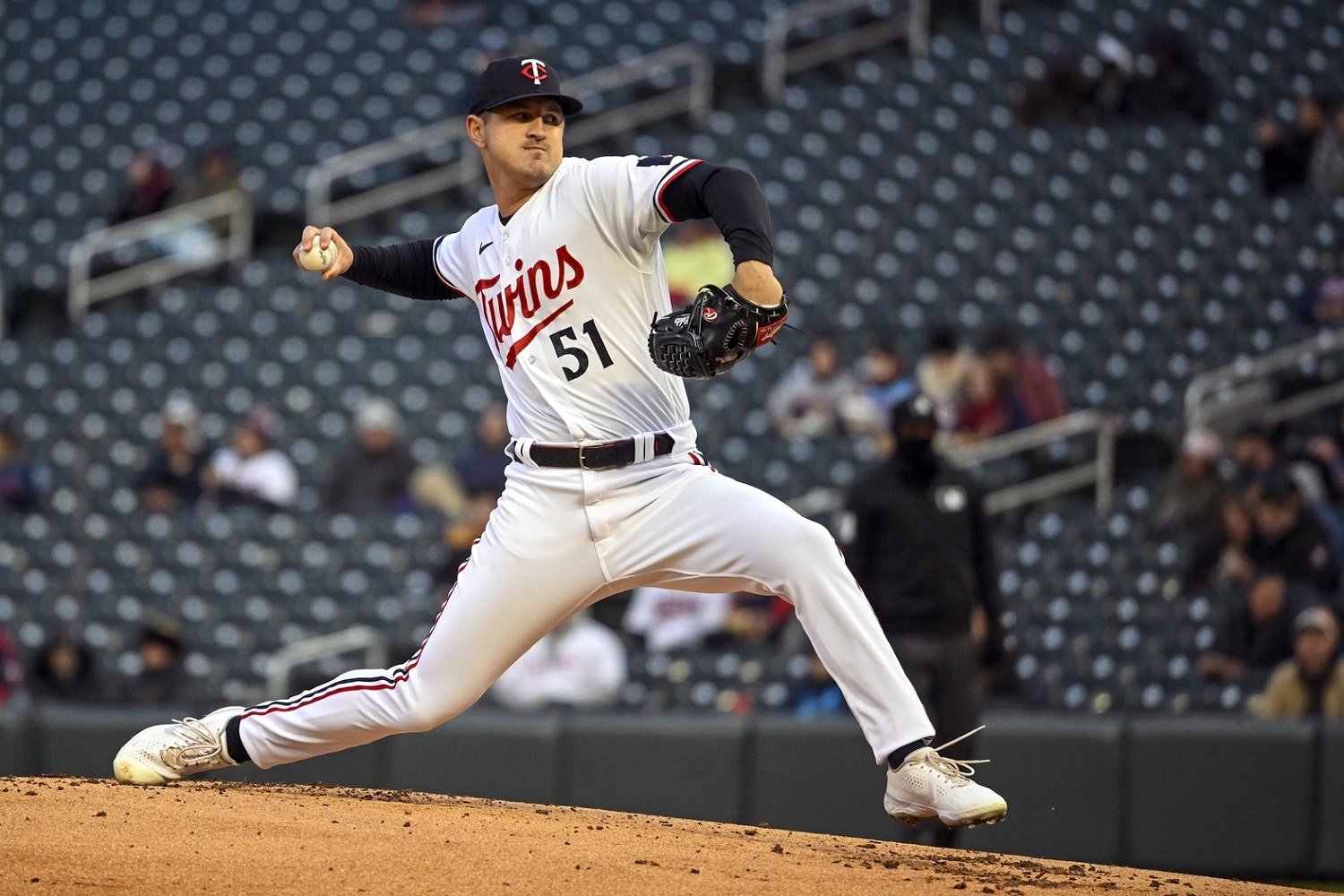 When the MLB trade deadline rolls around each season, front offices around baseball are tasked with making high-stakes decisions in real time. Whether pushing chips in or recouping future value, the best organizations know when to capitalize on a player’s rising stock or spot overlooked talent in another system. In recent years, the Minnesota Twins have done both. They sold high on one prospect whose value was peaking in 2022. A year earlier, they pulled off a shrewd acquisition by targeting a pitcher undervalued by his own organization. These two moves showcase how the Twins have blended scouting insight, data evaluation, and industry perception to shape their roster. Selling High: Steer’s Breakout Opens Trade Window At the 2022 deadline, the Twins were in buy mode. They needed starting pitching, and they needed it fast. But to get value, they had to give it up, and Spencer Steer was one of the hottest names in the organization. Steer had taken a massive step forward that summer. After making adjustments at the plate, he began to show more power and versatility in the infield, rising quickly through the system. Internally, the Twins liked him a lot. But externally, teams were even more intrigued. Former Twins GM Thad Levine recently discussed the deal on Gleeman and The Geek, noting that while Minnesota believed in Steer’s future, the broader baseball industry was even more bullish on him. The Twins ultimately packaged Steer with Christian Encarnacion-Strand and Steve Hajjar to acquire Tyler Mahle from the Reds. At the time, it appeared to be a fair deal. Minnesota was addressing an urgent need in the rotation, and Mahle had been a dependable mid-rotation starter in Cincinnati. But Mahle would throw fewer than 45 innings for the Twins before elbow issues led to Tommy John surgery. Meanwhile, Steer has shown brief flashes, but failed to become a reliable everyday contributor for Cincinnati with a 94 OPS+ over the last two seasons. The Twins didn’t necessarily mis-evaluate Steer; they just chose to sell high when his value peaked. That’s part of the deadline game: maximizing return on a player who might not fit your immediate plan, even if it means taking on risk in the process. Buying Low: Joe Ryan’s Value Hidden in Plain Sight Just a year earlier, the Twins were on the other side of the equation. Sitting outside the playoff picture in 2021, Minnesota dealt veteran slugger Nelson Cruz to the Tampa Bay Rays. In return, they landed a pitcher who wasn’t a top-100 prospect but had the attention of a critical voice in their front office. That pitcher was Joe Ryan. While many across the league viewed Ryan as a limited-upside arm (with a deceptive fastball but little else), Twins Vice President Josh Kalk a pitching guru saw something more. Kalk had worked in the Rays organization before joining Minnesota, and he believed Ryan’s fastball traits, including its unique carry and command, would translate to the major-league level. That internal conviction was a big reason the Twins targeted him. The Rays, as savvy as they are, didn’t value Ryan as highly. In a rare twist, Minnesota may have out-Raysed the Rays. Since arriving in the organization, Ryan has quickly climbed the ladder, debuting late in 2021 and establishing himself as a mainstay in the Twins’ rotation. He’s still evolving as a pitcher, adding secondaries and refining sequencing. Still, his strike-throwing ability and mound presence have made him one of the better value acquisitions in recent Twins history. It’s a textbook case of buying low. The Twins identified a player whose skill set and pitch characteristics aligned with their developmental strengths, and they pounced when the opportunity arose. Deadline Lessons: Timing, Trust, and Targeting In back-to-back deadlines, the Twins pulled off moves that showcased the delicate art of roster building. Selling high on Steer was a bet on immediate need, even if it came at the cost of long-term control. Buying low on Ryan was a projection-heavy play, driven by internal belief rather than external consensus. Neither move came without risk. The Mahle trade didn’t work out for either side in hindsight. But Ryan’s emergence continues to provide value far beyond what many expected at the time of the Cruz deal. As the 2025 trade deadline approaches, the Twins’ past deals remind us that success isn’t just about acquiring the biggest name. It’s about knowing when to strike, trusting internal evaluations, and understanding how others view the talent on your roster and theirs. The process of each deal was sound in its own way, but that doesn't mean either was certain to work out in any particular sense. It's important to understand local maxima and minima of player value, to time transactions well and make smart bets—but equally important to remember that those charted variations in evaluations and expectations can often be just plain wrong. Can the Twins sell high on anyone in the organization in 2025? Leave a comment and start the speculation.
- 36 comments
-
- 4
-
-

-
- joe ryan
- tyler mahle
- (and 2 more)
-
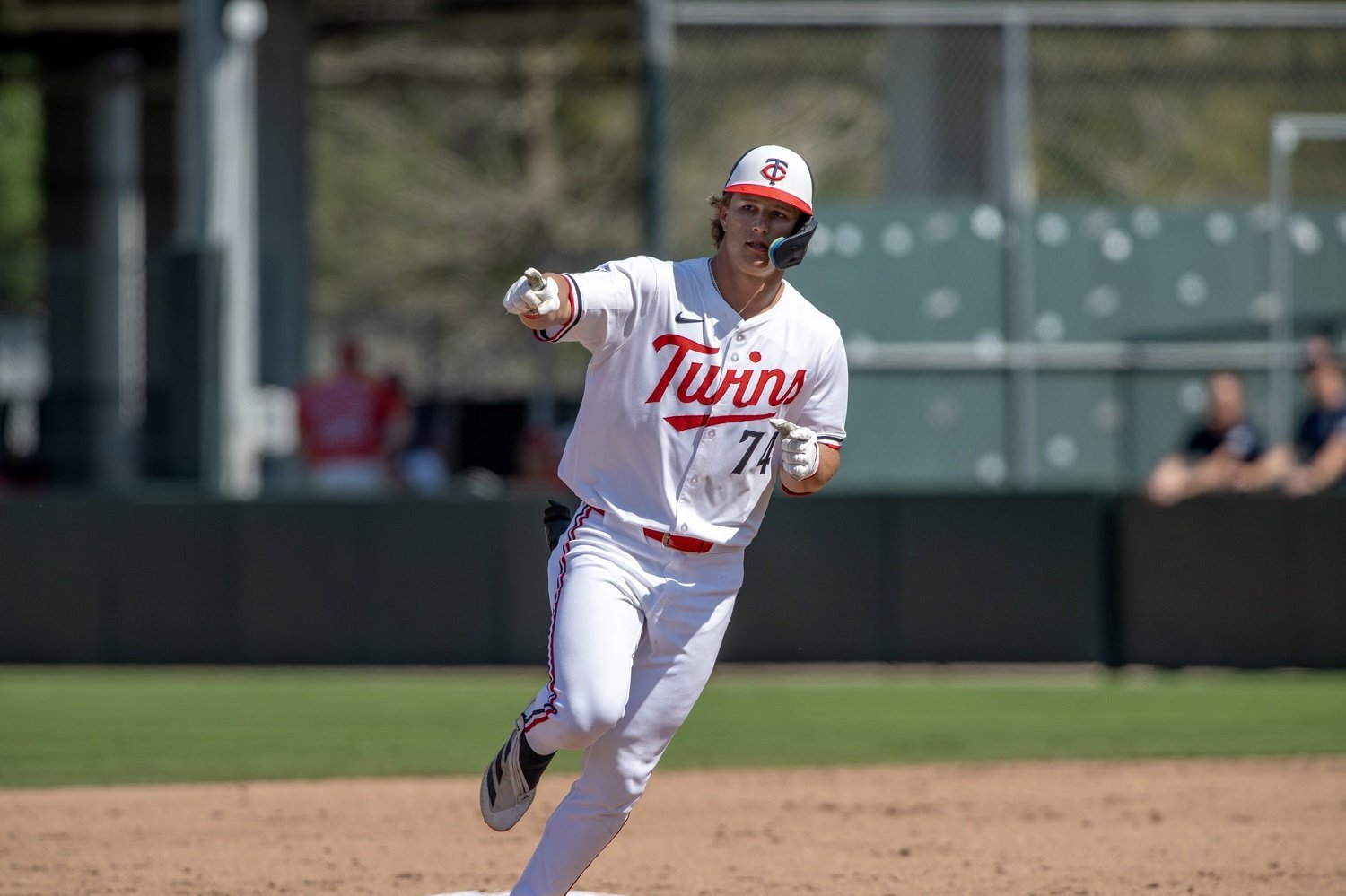 The first half of the 2025 season has tested the Twins' depth, and while the team has managed to stay afloat in the standings, the reinforcements arriving after the All-Star Break might give them the boost they need to make a second-half push. Right-hander Zebby Matthews is back, while infielder Luke Keaschall and starter Bailey Ober are both trending toward returns over the next week. Each could play a critical role as Minnesota tries to decide the club's long-term direction. Let’s take a look at each player’s progress and what their return could mean for the Twins. Zebby Matthews: From Breakout to Big-League Ready When Matthews landed on the injured list with a right shoulder strain in early June, the Twins lost a sophomore who had started to turn heads with his command and poise. Last season’s breaking pitching prospect had allowed seven earned runs over his last 16 innings with a 20-to-5 strikeout-to-walk ratio. The 25-year-old was just beginning to make his case as a long-term piece in the rotation, and now he may be right back in the mix. In his lone outing with Triple-A St. Paul last Sunday, Matthews looked as sharp as ever, striking out nine batters over four shutout innings. His fastball had life, his changeup had fade, and his breaking ball looked crisp. Matthews took the mound for the Twins on Saturday in Colorado with the team in a must-win game after falling flat in the second half opener. He pitched four innings, allowing five runs on eight eights. Last season, the Twins saw Simeon Woods Richardson provide a lift to the team when the rotation was in shambles. Now, Matthews has an opportunity to do the same. It’s also a critical development with Ober’s health still in flux and trade deadline decisions looming. Luke Keaschall: A Different Kind of Deadline Addition When Keaschall fractured his forearm in late April, he was in the midst of an impressive breakout campaign between Triple-A St. Paul and the big leagues. In seven games with the Twins, he went 7-for-19 with three doubles, five steals, and more walks (5) than strikeouts (2). His absence has been felt especially as the Twins have struggled to find consistent production from the line up. Keaschall began a rehab assignment at Triple-A St. Paul on Friday. He was the team's leadoff hitter and played DH in his first start. He finished the night 1-for-5 with a critical RBI in the ninth inning to add an insurance run. Minnesota will want him to get into multiple rehab games but it’s nice to know he will impact games in August and September. While it remains to be seen whether Keaschall will step right into a starting role, his right-handed bat and on-base ability could prove valuable, especially if the front office decides to trade from the infield surplus (Willi Castro, Ty France, etc.) or make a move at the deadline. Keaschall returning healthy gives them options, and the Twins love options. Bailey Ober: Mechanical Tweaks and the Path Back Perhaps the most impactful player nearing a return is Ober. After a rocky stretch in June, Ober was placed on the IL with a left hip impingement. His velocity had dipped and his mechanics seemed off, raising questions about whether an injury was lingering. It turns out, something was. But now? Things are trending in the right direction and he's made his first rehab appearance on Friday. In his start, Ober retired eight of the final nine men he faced and went four shutout innings allowing four hits while striking out three. He threw 50 pitches, 43 strikes. He threw 18 fastballs with an average velocity of 90.1 mpg and topping out at 91.6 mph. The Twins had few options for the rotation in June so they continued to send him out there despite his poor performance. If all goes well, he could return before the end of July, adding a reliable arm to a rotation that’s been held together by duct tape and rookie adrenaline. With the trade deadline less than two weeks away, having clarity on Ober’s health will be vital. The Twins don’t need to overpay for a starter if they feel confident in Matthews and Ober returning to form. The All-Star Break is a time to reset and for the Twins to reload. With Matthews back in the fold, and Keaschall and Ober trending in the right direction, the Twins may be getting back more than just rest. They’re getting back three potential contributors, each of whom could play a pivotal role in the second half. And in a season where the margin for error is slim, internal additions like these might be just as important as any trade deadline splash. Who will have the most significant impact on the Twins in the second half? Leave a comment and start the discussion.
- 11 comments
-
- 1
-
-
- bailey ober
- luke keaschall
- (and 1 more)
-
Image courtesy of Daniel Kucin Jr.-Imagn Images As the second half of the season gets underway, the Minnesota Twins find themselves at a familiar crossroads. Hovering near playoff contention but far from guaranteed, they’ll need more than just reinforcements from the outside to make a run. Internal improvements could provide the biggest boost and four players, in particular, could make or break the second half. Here’s a closer look at the quartet that could flip the script and drive Minnesota into October baseball. Pablo López – The Ace Missing in Action It’s hard to overstate how much López’s absence has impacted this team. Before hitting the injured list in late June with a strained shoulder muscle, López had been everything the Twins hoped for atop the rotation. Through 11 starts, he posted a 2.82 ERA with 61 strikeouts in 60 ⅔ innings. His 1.07 WHIP was the best among Minnesota’s starters, and his ability to pitch deep into games had become a steadying force to save the bullpen. Since his injury, the Twins rotation has been forced to lean on a mix of rookies, openers, and bullpen games. The entire staff tanked in his absence in June. López has recently resumed throwing off flat ground, which is a promising sign, but a return before mid-August still seems optimistic. His eventual re-entry into the rotation could be the single most important factor for this club’s postseason hopes. Not just because of the innings he provides, but because of the tone he sets every five days. Carlos Correa – Glimpses Aren’t Enough Correa has stayed on the field in 2025, which hasn’t always been a given in recent seasons. That alone is valuable, but the Twins need more than presence—they need production. He’s the highest played player and the roster isn’t built to succeed without him. Through the All-Star break, Correa is batting .242/.304/.389 (.694) with just seven home runs and a 90 OPS+ in 85 games. Those numbers fall well short of expectations. That said, there are signs of life. He’s been more selective at the plate in recent weeks, and he has posted an .827 OPS over his last 20 games. If the Twins are going to make noise in the Wild Card chase, Correa has to be more than just steady. He needs to be the centerpiece. That might sound like a lot but it’s what he was brought here to do. Matt Wallner – Boom or Bust Few players on the Twins’ roster come with as much power potential as Wallner and few have a swing as puzzling. Wallner’s 10 home runs in just 55 games are among the best HR-per-PA ratios on the team, and when he connects, it’s loud. But a .205 batting average and 30.3 K% have made him tough to rely on for consistent offense. Still, the Twins have stuck with him, hoping the flashes of impact turn into full-blown production. A more balanced second half, where Wallner can still flex his power but make a little more contact, would give Minnesota’s lineup a much-needed left-handed threat. At a time when the team has struggled to string together rallies, Wallner’s ability to change the game with one swing could be a separator. Royce Lewis – Not Yet Electric Lewis has fought through injuries throughout his professional career, and it’s been encouraging to see him stay on the field in recent weeks. However, his offensive profile hasn’t matched the electric player we saw in stretches last year. He ended last season in a terrible slump, hitting .171/.225/.243 (.468) with six extra-base hits in 30 games. Now, the 2025 season has been nearly as bad. With just two home runs and a .302 slugging percentage in 42 games, Lewis hasn’t been able to deliver the extra-base pop the Twins expected. His underlying metrics suggest the bat speed is still there, and the hope is that the power will come with more reps. He’s also looked improved defensively at third base after some throwing issues last season. Much like Correa, Lewis doesn’t need to carry the team, but he does need to be more than average. When he’s firing on all cylinders, he gives the lineup something that’s been missing too often this year: big, game-changing hits. The Core Has to Click| The Twins don’t need to overhaul their roster to make the playoffs (although that likely isn’t an option with the current ownership group). They don’t even need everyone to suddenly break out. But they do need these four players (López, Correa, Wallner, and Lewis) to elevate. If López returns and anchors the staff, if Correa rediscovers his All-Star form, if Wallner can connect more often, and if Lewis taps into his previous potential, the Twins have a path forward. The question now: Will the core click in time? Who do you think will have the biggest second-half surge? Join the discussion below. View full article
- 10 replies
-
- 1
-
-
- pablo lopez
- royce lewis
- (and 2 more)
-
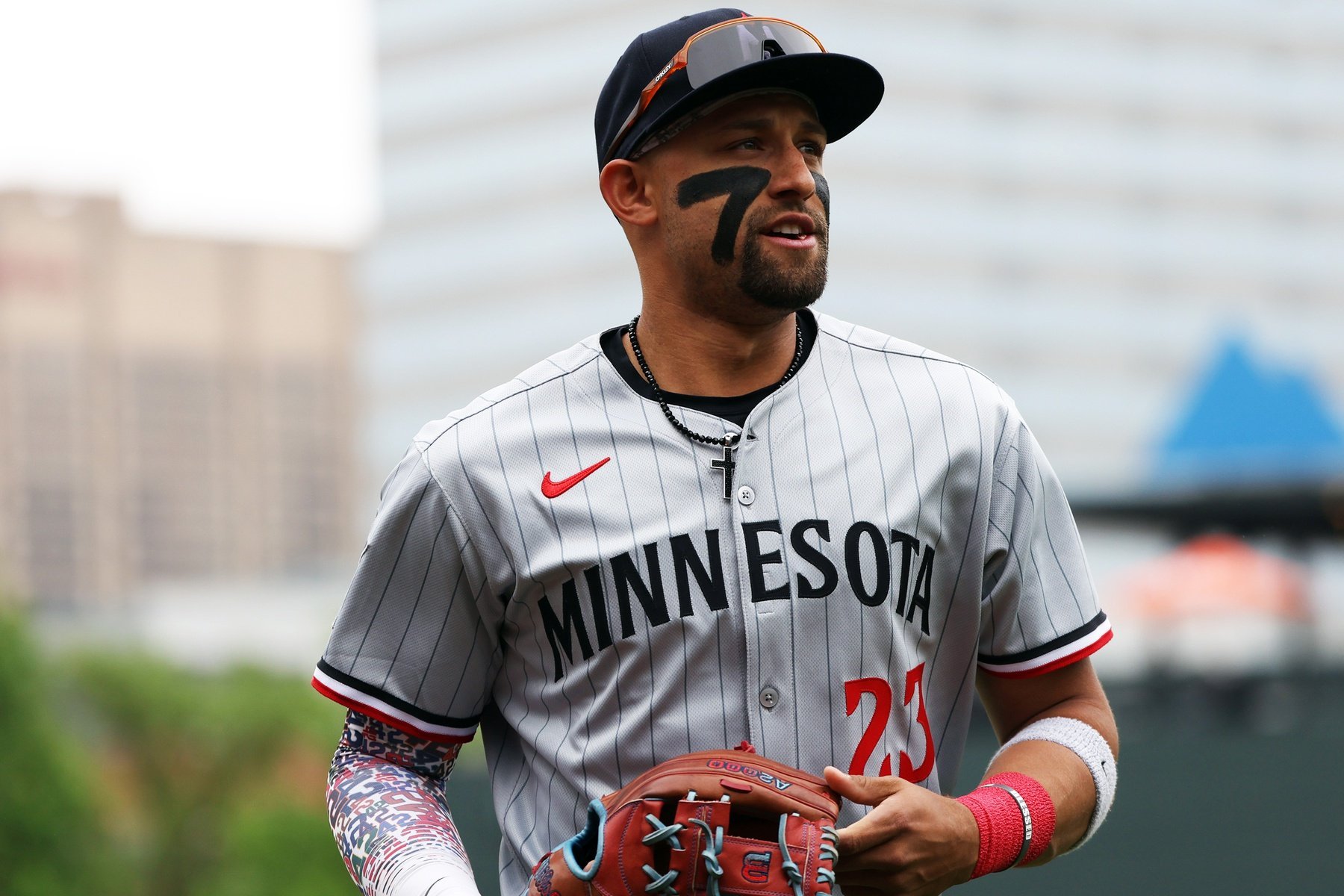 As the second half of the season gets underway, the Minnesota Twins find themselves at a familiar crossroads. Hovering near playoff contention but far from guaranteed, they’ll need more than just reinforcements from the outside to make a run. Internal improvements could provide the biggest boost and four players, in particular, could make or break the second half. Here’s a closer look at the quartet that could flip the script and drive Minnesota into October baseball. Pablo López – The Ace Missing in Action It’s hard to overstate how much López’s absence has impacted this team. Before hitting the injured list in late June with a strained shoulder muscle, López had been everything the Twins hoped for atop the rotation. Through 11 starts, he posted a 2.82 ERA with 61 strikeouts in 60 ⅔ innings. His 1.07 WHIP was the best among Minnesota’s starters, and his ability to pitch deep into games had become a steadying force to save the bullpen. Since his injury, the Twins rotation has been forced to lean on a mix of rookies, openers, and bullpen games. The entire staff tanked in his absence in June. López has recently resumed throwing off flat ground, which is a promising sign, but a return before mid-August still seems optimistic. His eventual re-entry into the rotation could be the single most important factor for this club’s postseason hopes. Not just because of the innings he provides, but because of the tone he sets every five days. Carlos Correa – Glimpses Aren’t Enough Correa has stayed on the field in 2025, which hasn’t always been a given in recent seasons. That alone is valuable, but the Twins need more than presence—they need production. He’s the highest played player and the roster isn’t built to succeed without him. Through the All-Star break, Correa is batting .242/.304/.389 (.694) with just seven home runs and a 90 OPS+ in 85 games. Those numbers fall well short of expectations. That said, there are signs of life. He’s been more selective at the plate in recent weeks, and he has posted an .827 OPS over his last 20 games. If the Twins are going to make noise in the Wild Card chase, Correa has to be more than just steady. He needs to be the centerpiece. That might sound like a lot but it’s what he was brought here to do. Matt Wallner – Boom or Bust Few players on the Twins’ roster come with as much power potential as Wallner and few have a swing as puzzling. Wallner’s 10 home runs in just 55 games are among the best HR-per-PA ratios on the team, and when he connects, it’s loud. But a .205 batting average and 30.3 K% have made him tough to rely on for consistent offense. Still, the Twins have stuck with him, hoping the flashes of impact turn into full-blown production. A more balanced second half, where Wallner can still flex his power but make a little more contact, would give Minnesota’s lineup a much-needed left-handed threat. At a time when the team has struggled to string together rallies, Wallner’s ability to change the game with one swing could be a separator. Royce Lewis – Not Yet Electric Lewis has fought through injuries throughout his professional career, and it’s been encouraging to see him stay on the field in recent weeks. However, his offensive profile hasn’t matched the electric player we saw in stretches last year. He ended last season in a terrible slump, hitting .171/.225/.243 (.468) with six extra-base hits in 30 games. Now, the 2025 season has been nearly as bad. With just two home runs and a .302 slugging percentage in 42 games, Lewis hasn’t been able to deliver the extra-base pop the Twins expected. His underlying metrics suggest the bat speed is still there, and the hope is that the power will come with more reps. He’s also looked improved defensively at third base after some throwing issues last season. Much like Correa, Lewis doesn’t need to carry the team, but he does need to be more than average. When he’s firing on all cylinders, he gives the lineup something that’s been missing too often this year: big, game-changing hits. The Core Has to Click| The Twins don’t need to overhaul their roster to make the playoffs (although that likely isn’t an option with the current ownership group). They don’t even need everyone to suddenly break out. But they do need these four players (López, Correa, Wallner, and Lewis) to elevate. If López returns and anchors the staff, if Correa rediscovers his All-Star form, if Wallner can connect more often, and if Lewis taps into his previous potential, the Twins have a path forward. The question now: Will the core click in time? Who do you think will have the biggest second-half surge? Join the discussion below.
- 10 comments
-
- 4
-
-
- pablo lopez
- royce lewis
- (and 2 more)
-
Twins Trade For Noah Davis: Can Minnesota Unlock His Potential?
Cody Christie posted an article in Twins
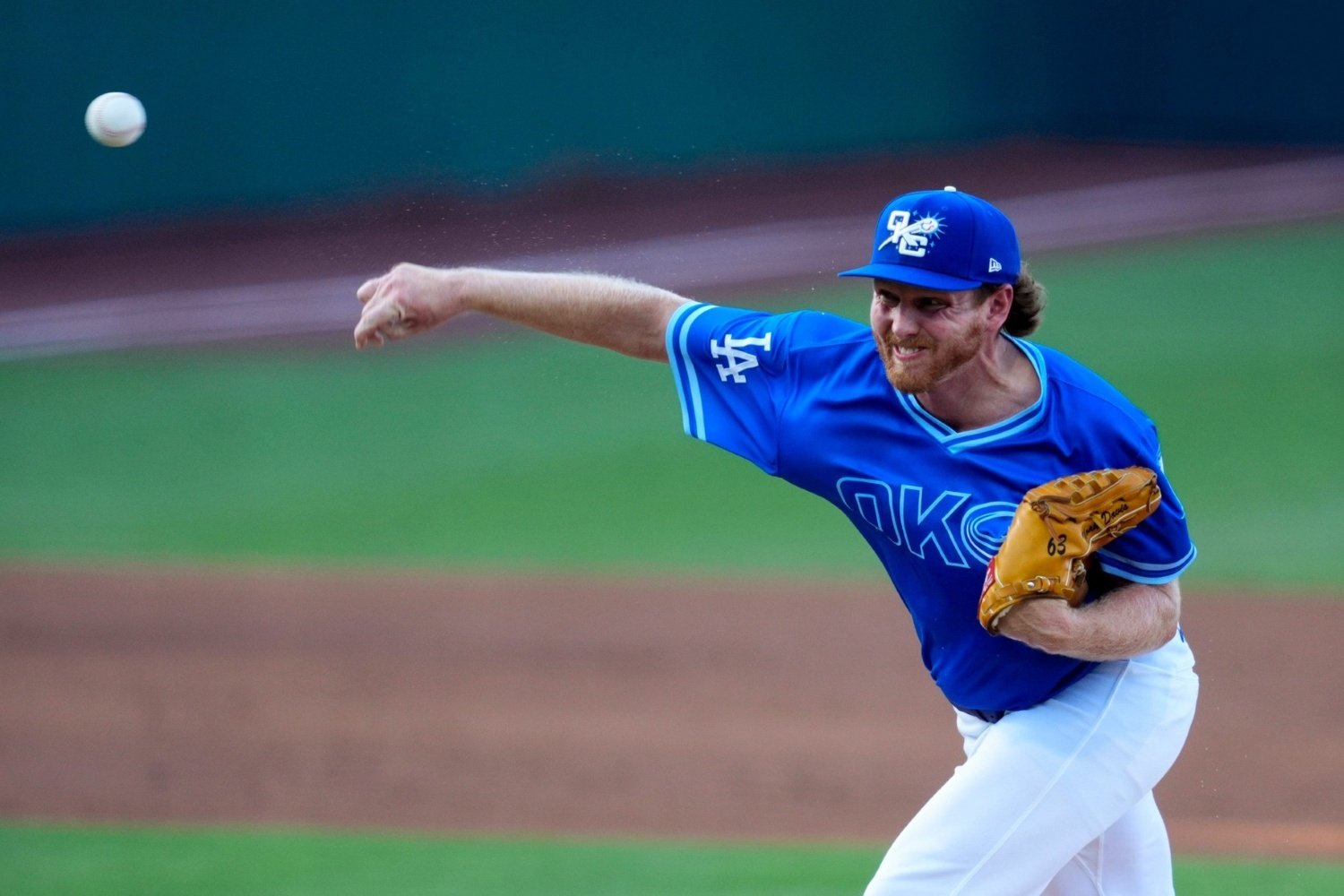 As the 2025 MLB trade deadline approaches, the Minnesota Twins continue to tinker around the edges of their roster. On Tuesday, the club quietly acquired right-handed pitcher Noah Davis from the Los Angeles Dodgers in exchange for cash considerations. Davis, 27, was designated for assignment by the Dodgers after a historically rough outing, but the Twins see enough in his underlying numbers to take a flier. With an open 40-man roster spot and no need for a corresponding move, the Twins have optioned Davis to Triple-A St. Paul, where he’ll join a bullpen mix that has seen plenty of turnover this summer. A Forgettable Fourth Let’s address the elephant in the room: Davis’s last appearance in the majors was the stuff of nightmares. On July 4, he entered a lopsided game against Houston in the fifth inning and recorded one out to close the frame. But when he returned for the sixth, things spiraled out of control. Davis allowed 10 earned runs on six hits, three walks, and a hit batter in just 1 1/3 innings. The exclamation point came via a grand slam before he could record the inning’s first out. The meltdown ballooned his season ERA to 19.50 and earned him a swift demotion, followed by a DFA. It’s the kind of performance that might end a pitcher’s season (or even career), but the Twins are banking on the idea that there’s more under the surface. Finding a New Gear in Triple-A While Davis’s big-league ERA is unsightly, his minor-league track record in 2025 paints a different picture. In 32 innings at Triple-A Oklahoma City, he’s posted a 3.94 ERA with a 27.5% strikeout rate and a 48.1% groundball rate. His walk rate (10.9%) has crept up, but the whiff and groundball numbers are intriguing. Throughout the 2025 season, the Dodgers have transitioned Davis into more of a full-time relief role. He’s long been a starter in the minors, but shorter outings have allowed him to lean into a more aggressive pitch mix. Pitch Arsenal Breakdown According to Baseball Savant, Davis primarily relies on a three-pitch mix. He has thrown nine four-seamers and four screwballs this year, but they aren't part of his primary usage: Sweeper (80 mph, 41% usage): His most-used pitch has held batters to a .187 xBA and a .387 xSLG. He gets a lot of swings and misses with this pitch (50.0 Whiff%), which is one of the reasons he has increased its usage this season. Sinker (94.5 mph, 35.1% usage): This was his most-used pitch in 2024, but he’s cut back as he’s increased his sweeper usage. He’s capable of reaching the upper 90s with it in shorter stints. It has the highest Put Away% of any of his offerings (36.4%), but gets hit hard, with an .800 opponent SLG (.649 xSLG). Cutter (88.5 mph, 14.2% usage): His expected numbers on his cutter are nearly perfect, with a .066 xBA and a .096 xSLG. Last season, he threw this pitch over 20% of the time, so it might be an offering the Twins want him to use more regularly. It sure looks like Davis needs to reimagine his arsenal with the cutter in a more prominent role. So far, though, he's been unable to get away from relying on the sinker. A Low-Risk Addition With Upside For the Twins, Davis checks a few key boxes: Optionable for the rest of 2025: He adds depth without clogging the 26-man roster. Groundball profile: Relievers need to get strikeouts, but the Twins could use him in a long relief role similar to Travis Adams. Some of his expected numbers are better than his overall performance this season. Developmental upside: The Twins can stash him at Triple-A and see if he can benefit from mechanical and approach tweaks after joining the organization. There seems to be some more swing and miss to be unlocked in his pitch mix. With rumors swirling about the team considering trades for Jhoan Duran, Griffin Jax, and Danny Coulombe, the addition of Davis may serve as insurance in case the team reshuffles the bullpen ahead of the deadline. He won’t be the centerpiece of any postseason plans, but he could become a useful shuttle arm or even a surprise contributor down the stretch. Davis likely isn’t the kind of name that moves the needle for Twins fans, especially coming off a headline-grabbing disaster in his last MLB appearance. But Minnesota saw something in his underlying metrics and pitch mix that made him worth a look. Given the minimal cost and remaining team control, it’s a worthwhile gamble for a team that has to think creatively when building pitching depth. If the Twins can help Davis harness his stuff, he might be more than just a footnote in a busy July. What do you think of the Twins taking a chance on Davis? Can Minnesota's coaching staff unlock his potential? Share your thoughts in the comments below.
 -
Image courtesy of William Parmeter The first half of the 2025 season has tested the Twins' depth, and while the team has managed to stay afloat in the standings, the reinforcements arriving after the All-Star Break might give them the boost they need to make a second-half push. Right-hander Zebby Matthews, infielder Luke Keaschall, and starter Bailey Ober are all trending toward returns over the next week. Each could play a critical role as Minnesota tries to decide the club's long-term direction. Let’s take a look at each player’s progress and what their return could mean for the Twins. Zebby Matthews: From Breakout to Big-League Ready When Matthews landed on the injured list with a right shoulder strain in early June, the Twins lost a sophomore who had started to turn heads with his command and poise. Last season’s breaking pitching prospect had allowed seven earned runs over his last 16 innings with a 20-to-5 strikeout-to-walk ratio. The 25-year-old was just beginning to make his case as a long-term piece in the rotation, and now he may be right back in the mix. In his lone outing with Triple-A St. Paul last Sunday, Matthews looked as sharp as ever, striking out nine batters over four shutout innings. His fastball had life, his changeup had fade, and his breaking ball looked crisp. Matthews took the mound for the Twins on Saturday in Colorado with the team in a must-win game after falling flat in the second half opener. He pitched four innings, allowing five runs on eight eights. Last season, the Twins saw Simeon Woods Richardson provided a lift to the team when the rotation was in shambles. Now, Matthews has an opportunity to do the same. It’s also a critical development with Ober’s health still in flux and trade deadline decisions looming. Luke Keaschall: A Different Kind of Deadline Addition When Keaschall fractured his forearm in late April, he was in the midst of an impressive breakout campaign between Triple-A St. Paul and the big leagues. In seven games with the Twins, he went 7-for-19 with three doubles, five steals, and more walks (5) than strikeouts (2). His absence has been felt especially as the Twins have struggled to find consistent production from the line up. Keaschall began a rehab assignment at Triple-A St. Paul on Friday. He was the team's leadoff hitter and played DH in his first start. He finished the night 1-for-5 with a critical RBI in the ninth inning to add an insurance run. Minnesota will want him to get into multiple rehab games but it’s nice to know he will impact games in August and September. While it remains to be seen whether Keaschall will step right into a starting role, his right-handed bat and on-base ability could prove valuable, especially if the front office decides to trade from the infield surplus (Willi Castro, Ty France, etc.) or make a move at the deadline. Keaschall returning healthy gives them options, and the Twins love options. Bailey Ober: Mechanical Tweaks and the Path Back Perhaps the most impactful player nearing a return is Ober. After a rocky stretch in June, Ober was placed on the IL with a left hip impingement. His velocity had dipped and his mechanics seemed off, raising questions about whether an injury was lingering. It turns out, something was. But now? Things are trending in the right direction and he's made his first rehab appearance on Friday. In his start, Ober retired eight of the final nine men he faced and went four shutout innings allowing four hits while striking out three. He threw 50 pitches, 43 strikes. He threw 18 fastballs with an average velocity of 90.1 mpg and topping out at 91.6 mph. The Twins had few options for the rotation in June so they continued to send him out there despite his poor performance. If all goes well, he could return before the end of July, adding a reliable arm to a rotation that’s been held together by duct tape and rookie adrenaline. With the trade deadline just over two weeks away, having clarity on Ober’s health will be vital. The Twins don’t need to overpay for a starter if they feel confident in Matthews and Ober returning to form. The All-Star Break is a time to reset and for the Twins to reload. With Matthews, Keaschall, and Ober all trending in the right direction, the Twins may be getting back more than just rest. They’re getting back three potential contributors, each of whom could play a pivotal role in the second half. And in a season where the margin for error is slim, internal additions like these might be just as important as any trade deadline splash. Who will have the most significant impact on the Twins in the second half? Leave a comment and start the discussion. View full article
-
As the trade deadline approaches, the Minnesota Twins continue to tinker around the edges of their pitching depth. On Tuesday, the club quietly acquired right-handed pitcher Noah Davis from the Los Angeles Dodgers in exchange for cash considerations. Davis, 27, was designated for assignment by L.A. after a historically rough outing, but the Twins see enough in his underlying numbers to take a flier. With an open 40-man roster spot and no need for a corresponding move, the Twins have optioned Davis to Triple-A St. Paul, where he’ll join a bullpen mix that has seen plenty of turnover this summer. A Forgettable Fourth Let’s address the elephant in the room: Davis’ last appearance in the majors was the stuff of nightmares. On July 4th, he entered a lopsided game against Houston in the fifth inning and recorded one out to close the frame. But when he returned for the sixth, things spiraled out of control. Davis allowed 10 earned runs on six hits, three walks, and a hit batter in just 1 1/3 innings. The exclamation point came via a grand slam before he could record the inning’s first out. The meltdown ballooned his season ERA to 19.50 and earned him a swift demotion followed by a DFA. It’s the kind of performance that might end a pitcher’s season (or even career) but the Twins are banking on the idea that there’s more under the surface. Finding a New Gear in Triple-A While Davis’ big league ERA is unsightly, his minor league track record in 2025 paints a different picture. In 32 innings at Triple-A Oklahoma City, he’s posted a 3.94 ERA with a 27.5% strikeout rate and a 48.1% groundball rate. His walk rate (10.9%) has crept up, but the whiff and groundball numbers are intriguing. Throughout the 2025 season, the Dodgers have transitioned Davis into more of a full-time relief role. He’s long been a starter in the minors, but shorter outings have allowed him to lean into a more aggressive pitch mix. Pitch Arsenal Breakdown According to Baseball Savant, Davis primarily relies on a three-pitch mix. He has thrown nine four-seamers and four screwballs this year, but they are part of his primary usage: Sweeper (80 mph, 41% usage): His most-used pitch that has held batters to a .187 xBA and a .387 xSLG. He gets a lot of swing and misses with this pitch (50.0 Whiff%), which is one of the reasons he has increased its usage this season. Sinker (94.5 mph, 35.1% usage): This was his most used pitch in 2024, but he’s cut back as he’s increased his sweeper usage. He’s capable of reaching the upper 90s with this pitch in shorter stints. It has the highest Put Away% of any of his offerings (36.4%), but gets hit hard with a .800 SLG (.649 xSLG). Cutter (88.5 mph, 14.2% usage): His expected numbers on his cutter are nearly perfect with a .066 xBA and a .096 xSLG. Last season, he threw this pitch over 20% of the time so it might be an offering the Twins want him to use more regularly. A Low-Risk Addition With Upside For the Twins, Davis checks a few key boxes: Optionable for the rest of 2025: He adds depth without clogging the 26-man roster. Groundball profile: Relievers need to get strikeouts but the Twins could use him in a long relief role similar to Travis Adams. Some of his expected numbers are better than his overall performance this season. Developmental upside: The Twins can stash him at Triple-A and see if he can benefit from mechanical and approach tweaks after joining the organization. There seems to be some more swing and miss to be unlocked in his pitch mix. With rumors swirling about the team considering trades for Jhoan Duran, Griffin Jax, and Danny Coulombe, the addition of Davis may serve as insurance in case the team reshuffles the bullpen ahead of the deadline. He won’t be the centerpiece of any postseason plans, but he could become a useful shuttle arm or even a surprise contributor down the stretch. Davis likely isn’t the kind of name that moves the needle for Twins fans, especially coming off a headline-grabbing disaster in his last MLB appearance. But Minnesota saw something in his underlying metrics and pitch mix that made him worth a look. Given the minimal cost and remaining team control, it’s a worthwhile gamble for a team that has to think creatively when building pitching depth. If the Twins can help Davis harness his stuff, he might be more than just a footnote in a busy July. What do you think of the Twins taking a chance on Davis? Can Minnesota's coaching staff unlock his potential? Share your thoughts in the comments below. View full article
-
Image courtesy of © Matt Blewett-Imagn Images It’s no secret that the Twins have long eyed the blueprints of front-office success from the Cleveland Guardians and Tampa Bay Rays. These clubs have delivered consistent regular-season excellence, carving out niches through shrewd trades, player development, and long-term sustainability. But when it comes to the MLB trade deadline, a pressure cooker of instant decisions and bold risk-taking, the Twins have largely hesitated, despite organizational ties to two of the sport’s savviest operators. Derek Falvey arrived in Minnesota from the Guardians' front office, a system known for maximizing pitching and churning the roster efficiently. Manager Rocco Baldelli came from the Rays, where roster manipulation and deadline boldness are basically a front-office tradition. On paper, this pairing should have created a modern, nimble, and opportunistic Twins regime. But recent deadline inactivity has left fans wondering: where’s the boldness? To find inspiration, the Twins don’t need to look far. The Guardians and Rays have shown it’s possible to improve the future while still chasing a division crown in the present. Cleveland’s Deadline Calculus In 2023, Cleveland executed one of the most talked-about moves of the deadline by sending starting pitcher Aaron Civale to the Rays for first base prospect Kyle Manzardo. Civale was a solid mid-rotation arm under team control through 2025, but the Guardians, recognizing they had young arms ready to step in, sold high and grabbed a top-50 prospect. The same week, they moved Josh Bell and Amed Rosario while bringing in prospects like Jean Segura and Kahil Watson. These weren’t win-now deals, but they didn’t tank the season either. They were Cleveland’s version of asset optimization, realigning for 2024 and beyond without punting the present. Fast forward to 2024, the Guardians were 23 games above .500 at the trade deadline. Still, Cleveland only added outfielder Lane Thomas and starting pitcher Alex Cobb. If there was a season to bet the farm, it would have been the 2024 campaign for Cleveland but they made minimal moves to keep their winning window open. The Rays’ Neverending Shuffle Meanwhile, Tampa Bay has made a science out of buying and selling simultaneously. In 2023, they acquired Civale, filling a rotation need without sacrificing MLB-ready talent. That same year, they made minor deals to acquire C Alex Jackson from the Brewers for RHP Evan McKendry and added righties Manuel Rodriguez and Adrian Sampson from the Cubs. Tampa isn’t swinging blockbuster bats but they’re constantly adjusting. At the 2024 trade deadline, the Rays were above .500 but in fourth place in the AL East. Seeing the writing on the wall, the front office rebuilt their farm system by trading away multiple players. Not quite a year after their need to reinforce their injury-depleted rotation led them to acquire Civale from Cleveland, the Rays sent Civale to the Brewers for shortstop prospect Gregory Barrios. They also traded away Randy Arozarena, Isaac Paredes, Amed Rosario , Phil Maton, Zach Eflin, and Jason Adam. It’s this constant churn that keeps the Rays competitive without ever fully cashing in or cashing out. It’s a strategy built on confidence in their development system and an understanding that the deadline is not just about stars, but about control and upside. Will Minnesota Follow Suit? Now, the Twins find themselves in a similar situation. They’re not out of the race, but they’re not juggernauts either. The 2025 team has flaws: the lineup can go cold, the bullpen has been taxed, and starting depth is always fragile. And yet, the front office did little in 2024 and even less in 2023 when needs were equally pressing. This year, there’s chatter about dealing Jhoan Duran, Griffin Jax, or even expiring contracts like Willi Castro or Harrison Bader. But rather than signal a full teardown, these moves could be the Twins’ chance to emulate Cleveland and Tampa Bay: sell from positions of strength while retooling for 2026 and beyond. Would they move Duran for a near-MLB-ready bat or a controllable starting pitcher? Could they flip Danny Coulombe for a high-upside prospect? The Guardians and Rays have shown it’s not just possible because it’s essential to their roster model. The other key? Trusting player development. Tampa and Cleveland make moves knowing their farm can backfill. If the Twins want to join that tier, they’ll need to show the same confidence in their depth. The 2025 Trade Deadline Litmus Test The next few weeks offer a referendum on the Twins' front office philosophy. Falvey and Baldelli were brought in, in part, to replicate the disciplined, creative front-office strategies they saw succeed in Cleveland and Tampa Bay. But while the Guardians and Rays stay active and flexible, Minnesota’s recent deadlines have looked more like a waiting game. It’s easy to say you follow the Cleveland model. It’s harder to trade a solid big-leaguer for a prospect when your team is in playoff contention. But if the Twins want to act like the Rays and Guardians, now is the time to prove it, not with words, but with action. Will Minnesota toe the line, reshaping their roster for today and tomorrow? Or will they once again stand still while others pass them by? What would you do at the deadline: buy, sell, or both? Share your trade ideas or frustrations with the front office below. View full article

