Cody Christie
-
Posts
7,810 -
Joined
-
Last visited
-
Days Won
5
Content Type
Profiles
News
Minnesota Twins Videos
2026 Minnesota Twins Top Prospects Ranking
2022 Minnesota Twins Draft Picks
Minnesota Twins Free Agent & Trade Rumors, Notes, & Tidbits
Guides & Resources
2023 Minnesota Twins Draft Picks
The Minnesota Twins Players Project
2024 Minnesota Twins Draft Picks
2025 Minnesota Twins Draft Pick Tracker
2026 Minnesota Twins Draft Tracker: Picks & Bonuses
Forums
Blogs
Events
Store
Downloads
Gallery
Everything posted by Cody Christie
-
 The MLB Draft is one of the most unpredictable events on baseball’s annual calendar. With hundreds of players selected each summer and many never making it to the big leagues, the process of evaluating talent and finding hidden gems can define a franchise’s future. For the Minnesota Twins, the last eight drafts have yielded a mixed bag, with some picks blossoming into stars, others becoming role players, and still others fading from prospect lists altogether. Let’s take a closer look at the best draft pick from each of the last eight classes and how these players have made their mark on the organization. 2024: Khadim Diaw, C — 3rd Round, 96th Overall It’s early, but this class could end up being a turning point in the Twins’ draft history. While the top five picks from 2024 are all off to promising starts in the minor leagues (several already ranking among Minnesota’s top-20 prospects), it’s Diaw who stands out right now. Diaw, a toolsy catcher, has impressed scouts with his advanced approach at the plate and quick, athletic movements behind it. Defensively, he has areas to improve as a backstop, but his bat is what could make him special. Diaw has flashed gap power and a mature understanding of the strike zone, a rare quality in catchers this young. While there’s a long way to go, he looks like a player who could be knocking on the major league door within a few years, a rare find in the third Round. 2023: Luke Keaschall, IF — 2nd Round, 49th Overall Keaschall made an unforgettable splash with the Twins in 2025, delivering an explosive seven-game debut that quickly made fans take notice. Unfortunately, his rookie campaign was derailed when a hit-by-pitch broke his arm, shelving him until the second half of the season. Still, Keaschall’s impact in those few games gave a glimpse of what he can become: a versatile, high-contact infielder with surprising pop. His ability to play multiple infield spots while providing a spark at the plate makes him one of the most exciting picks from recent years. If he rebounds from injury as expected, Keaschall has the skills to become a borderline All-Star. 2022: Zebby Matthews, RHP — 8th Round, 234th Overall The 2022 draft is shaping up to be one of the best in recent franchise history. Brooks Lee has already reached the majors, and others like Connor Prielipp, Andrew Morris, Cory Lewis, and Tanner Schobel are legitimate prospects. But the biggest surprise has been Zebby Matthews. Selected in the eighth Round, Matthews wasn’t a headline-grabbing pick, but his development has been nothing short of outstanding. His combination of command, pitchability, and an improving fastball has made him a big-league contributor far sooner than anyone expected. Matthews’ progression through the system is a testament to the Twins' development staff and his own work ethic. For value and impact, he earns the nod from this class. 2021: David Festa, RHP — 13th Round, 399th Overall Minnesota’s 2021 draft haul looked a little thin after the team traded away several top selections like Chase Petty, Noah Miller, Steve Hajjar, and Cade Povich in subsequent deals. Enter David Festa. Festa, a late-round steal, has already cracked the major league rotation and looks like a foundational piece for the future. With a mid-90s fastball and solid secondary offerings, Festa’s raw stuff has translated well against big-league hitters. He may end up as one of the best value picks the Twins have made in the past decade. He’s proof that talent can be found well after the early rounds. 2020: Marco Raya, RHP — 4th Round, 128th Overall The 2020 draft was one of the strangest in MLB history, limited to just five rounds because of the COVID-19 pandemic. Many high school and college seasons were canceled, making scouting especially challenging. Raya has emerged as the lone bright spot from that class for Minnesota. After a cautious buildup in the lower minors, Raya reached Triple-A in 2025, a testament to his potential despite inconsistent results this season. He’s still young for the level and flashing the stuff that made him a fourth-round pick: a lively fastball and sharp secondary offerings. While the rest of this draft may fade into obscurity, Raya gives the Twins hope that they squeezed a future big-league arm from a challenging class. 2019: Matt Wallner, OF — 1st Round, 39th Overall For all the criticism Minnesota rightfully received for taking Keoni Cavaco at No. 13 overall, they struck gold with Wallner later in the first round. Wallner has already produced 4.7 rWAR, delivering power and patience at the plate that plays in today’s game. He’s shaping into a reliable, above-average big-league outfielder, precisely the type of player every contending team needs. Louis Varland, a 15th-round pick from this class, looks like a remarkable steal in his own right, but Wallner’s consistency, durability, and ceiling give him the edge as the best pick from 2019. 2018: Ryan Jeffers, C — 2nd Round, 59th Overall Jeffers has quietly become one of the most valuable second-round picks in recent MLB history. Among 2018 second-round selections, his 8.0 rWAR more than doubles the next-best player (Parker Meadows, 3.2 rWAR). Only five players taken in the first Round have accumulated more value. For the Twins, Jeffers has been instrumental in stabilizing the catching position, a historically difficult spot to fill. He’s provided a rare blend of good game calling, on-base skills, and power from behind the plate. When healthy, he’s been one of the team’s steadiest contributors, and at age 27, there’s plenty more to come. 2017: Bailey Ober, RHP — 12th Round, 346th Overall Much of the spotlight from the 2017 draft shines on Royce Lewis, the No. 1 overall pick and current face of the franchise. But Ober deserves his moment in the sun. Ober, plucked in the 12th Round, has posted a 9.3 rWAR, better than every first-rounder from that draft except Hunter Greene (who the Twins passed over to draft Lewis). The towering right-hander has evolved into one of Minnesota’s most dependable starters, showing elite command, deception, and the ability to miss bats without overpowering velocity. For a pick outside the top ten rounds to deliver this kind of production is exceedingly rare. Ober’s success highlights the importance of scouting beyond the early rounds and finding value in overlooked arms. The Verdict: A Promising Eight-Year Run Looking back over the last eight drafts, it’s clear the Twins have quietly built a pipeline of impact talent at various stages of development. From early-round successes like Jeffers and Wallner to late-round gems like Festa and Ober, Minnesota’s scouting and development apparatus has delivered quality big-league pieces that other organizations envy. Not every class hit the mark. The 2020 draft (pandemic chaos and all) produced limited impact outside of Raya. The 2021 class saw most of its top picks flipped for immediate help in trades. But overall, these drafts helped shape the team that currently competes in the AL Central race and stocked the farm system with promising reinforcements. The future looks bright, especially with players like Khadim Diaw, Luke Keaschall, and Zebby Matthews ready to make waves in the coming seasons. If even a few more from these recent classes reach their potential, the Twins could maintain their window of competitiveness well into the next decade. For Minnesota, the next few seasons will reveal just how impactful these picks become. Still, early returns suggest this eight-year stretch could be remembered as one of the franchise’s strongest talent acquisition periods in recent memory. Which picks stand out to you? How would you rank these picks? Leave a comment and start the discussion. View full article
 -
The Minnesota Twins’ Best Draft Picks from the Last Eight Years
Cody Christie posted an article in Twins
 The MLB Draft is one of the most unpredictable events on baseball’s annual calendar. With hundreds of players selected each summer and many never making it to the big leagues, the process of evaluating talent and finding hidden gems can define a franchise’s future. For the Minnesota Twins, the last eight drafts have yielded a mixed bag, with some picks blossoming into stars, others becoming role players, and still others fading from prospect lists altogether. Let’s take a closer look at the best draft pick from each of the last eight classes and how these players have made their mark on the organization. 2024: Khadim Diaw, C — 3rd Round, 96th Overall It’s early, but this class could end up being a turning point in the Twins’ draft history. While the top five picks from 2024 are all off to promising starts in the minor leagues (several already ranking among Minnesota’s top-20 prospects), it’s Diaw who stands out right now. Diaw, a toolsy catcher, has impressed scouts with his advanced approach at the plate and quick, athletic movements behind it. Defensively, he has areas to improve as a backstop, but his bat is what could make him special. Diaw has flashed gap power and a mature understanding of the strike zone, a rare quality in catchers this young. While there’s a long way to go, he looks like a player who could be knocking on the major league door within a few years, a rare find in the third Round. 2023: Luke Keaschall, IF — 2nd Round, 49th Overall Keaschall made an unforgettable splash with the Twins in 2025, delivering an explosive seven-game debut that quickly made fans take notice. Unfortunately, his rookie campaign was derailed when a hit-by-pitch broke his arm, shelving him until the second half of the season. Still, Keaschall’s impact in those few games gave a glimpse of what he can become: a versatile, high-contact infielder with surprising pop. His ability to play multiple infield spots while providing a spark at the plate makes him one of the most exciting picks from recent years. If he rebounds from injury as expected, Keaschall has the skills to become a borderline All-Star. 2022: Zebby Matthews, RHP — 8th Round, 234th Overall The 2022 draft is shaping up to be one of the best in recent franchise history. Brooks Lee has already reached the majors, and others like Connor Prielipp, Andrew Morris, Cory Lewis, and Tanner Schobel are legitimate prospects. But the biggest surprise has been Zebby Matthews. Selected in the eighth Round, Matthews wasn’t a headline-grabbing pick, but his development has been nothing short of outstanding. His combination of command, pitchability, and an improving fastball has made him a big-league contributor far sooner than anyone expected. Matthews’ progression through the system is a testament to the Twins' development staff and his own work ethic. For value and impact, he earns the nod from this class. 2021: David Festa, RHP — 13th Round, 399th Overall Minnesota’s 2021 draft haul looked a little thin after the team traded away several top selections like Chase Petty, Noah Miller, Steve Hajjar, and Cade Povich in subsequent deals. Enter David Festa. Festa, a late-round steal, has already cracked the major league rotation and looks like a foundational piece for the future. With a mid-90s fastball and solid secondary offerings, Festa’s raw stuff has translated well against big-league hitters. He may end up as one of the best value picks the Twins have made in the past decade. He’s proof that talent can be found well after the early rounds. 2020: Marco Raya, RHP — 4th Round, 128th Overall The 2020 draft was one of the strangest in MLB history, limited to just five rounds because of the COVID-19 pandemic. Many high school and college seasons were canceled, making scouting especially challenging. Raya has emerged as the lone bright spot from that class for Minnesota. After a cautious buildup in the lower minors, Raya reached Triple-A in 2025, a testament to his potential despite inconsistent results this season. He’s still young for the level and flashing the stuff that made him a fourth-round pick: a lively fastball and sharp secondary offerings. While the rest of this draft may fade into obscurity, Raya gives the Twins hope that they squeezed a future big-league arm from a challenging class. 2019: Matt Wallner, OF — 1st Round, 39th Overall For all the criticism Minnesota rightfully received for taking Keoni Cavaco at No. 13 overall, they struck gold with Wallner later in the first round. Wallner has already produced 4.7 rWAR, delivering power and patience at the plate that plays in today’s game. He’s shaping into a reliable, above-average big-league outfielder, precisely the type of player every contending team needs. Louis Varland, a 15th-round pick from this class, looks like a remarkable steal in his own right, but Wallner’s consistency, durability, and ceiling give him the edge as the best pick from 2019. 2018: Ryan Jeffers, C — 2nd Round, 59th Overall Jeffers has quietly become one of the most valuable second-round picks in recent MLB history. Among 2018 second-round selections, his 8.0 rWAR more than doubles the next-best player (Parker Meadows, 3.2 rWAR). Only five players taken in the first Round have accumulated more value. For the Twins, Jeffers has been instrumental in stabilizing the catching position, a historically difficult spot to fill. He’s provided a rare blend of good game calling, on-base skills, and power from behind the plate. When healthy, he’s been one of the team’s steadiest contributors, and at age 27, there’s plenty more to come. 2017: Bailey Ober, RHP — 12th Round, 346th Overall Much of the spotlight from the 2017 draft shines on Royce Lewis, the No. 1 overall pick and current face of the franchise. But Ober deserves his moment in the sun. Ober, plucked in the 12th Round, has posted a 9.3 rWAR, better than every first-rounder from that draft except Hunter Greene (who the Twins passed over to draft Lewis). The towering right-hander has evolved into one of Minnesota’s most dependable starters, showing elite command, deception, and the ability to miss bats without overpowering velocity. For a pick outside the top ten rounds to deliver this kind of production is exceedingly rare. Ober’s success highlights the importance of scouting beyond the early rounds and finding value in overlooked arms. The Verdict: A Promising Eight-Year Run Looking back over the last eight drafts, it’s clear the Twins have quietly built a pipeline of impact talent at various stages of development. From early-round successes like Jeffers and Wallner to late-round gems like Festa and Ober, Minnesota’s scouting and development apparatus has delivered quality big-league pieces that other organizations envy. Not every class hit the mark. The 2020 draft (pandemic chaos and all) produced limited impact outside of Raya. The 2021 class saw most of its top picks flipped for immediate help in trades. But overall, these drafts helped shape the team that currently competes in the AL Central race and stocked the farm system with promising reinforcements. The future looks bright, especially with players like Khadim Diaw, Luke Keaschall, and Zebby Matthews ready to make waves in the coming seasons. If even a few more from these recent classes reach their potential, the Twins could maintain their window of competitiveness well into the next decade. For Minnesota, the next few seasons will reveal just how impactful these picks become. Still, early returns suggest this eight-year stretch could be remembered as one of the franchise’s strongest talent acquisition periods in recent memory. Which picks stand out to you? How would you rank these picks? Leave a comment and start the discussion.
- 6 comments
-
- 2
-

-
- luke keaschall
- marco raya
- (and 6 more)
-
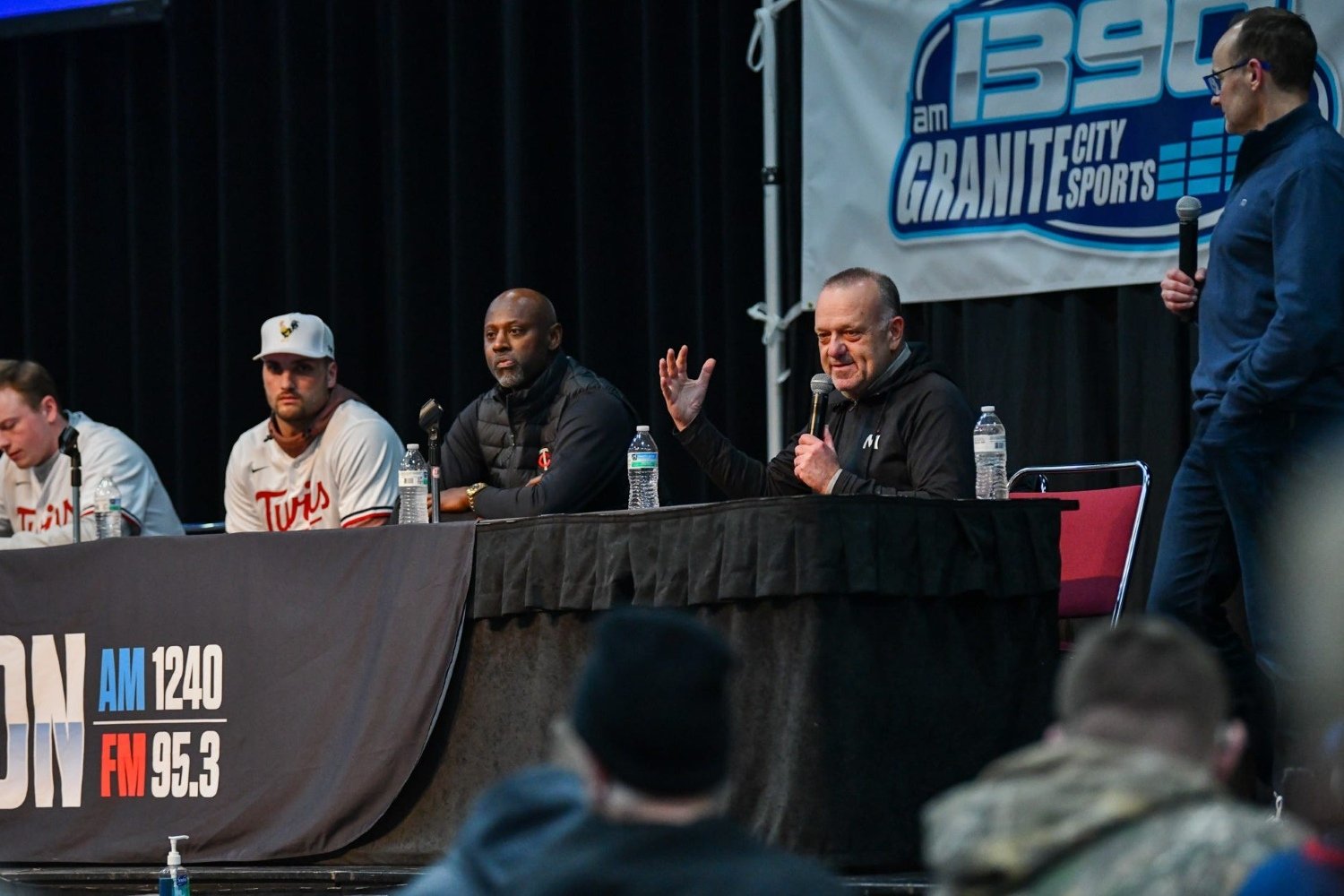
Image courtesy of © Reid Glenn / USA TODAY NETWORK Dave St. Peter’s legacy with the Twins is cemented, and his rise to the organization’s top post is legendary. The North Dakota native went to college at the University of North Dakota and began as an intern with the Twins in 1990. He held many positions with the club, including pro shop manager and communications manager, while continuing to work his way through the organization. St. Peter recently handed the reins over to Derek Falvey, who will be serving in a dual role as president of baseball and business operations. Here’s what St. Peter had to say about his time in the organization and how he prepared Falvey to take over the organization’s top spot. Twins Daily (TD): Looking back on your tenure, what are you most proud of accomplishing during your time as president of the Twins? Dave St. Peter (DSP): Winning Tradition: So many great on-field moments, teams and players. I’m super proud about advancing to MLB’s postseason 10 times (would have been 11, had Jim Thome’s White Sox not edged us in Game 163 in 2008) with 9 division titles and one 1 Wild Card berth. Growth of the Business: Fueled by the growth of MLB, the move to Target Field and a more sophisticated brand marketing and partnership development, today the Twins are a much bigger business than we were back in 2002. Facility Development: When taking over as President in 2002, it became quite evident I’d spend a significant amount of my time focused on facility development. Being part of the working group that helped secure legislative approval for a new ballpark was one of the absolute highlights of my Twins career—only matched by leadership efforts related to the design, construction and opening of said ballpark, Target Field. Thanks to the Pohlad family, the following 15+ years would bring incremental investment to the ballpark via the Grey Duck Deck; Truly OnDeck; the Delta Sky360 Suite; Cutwater Cocktail Bar at Minnie & Paul’s; Target Field Station, new video/ribbon boards and other projects aimed at further enhancing the gameday experience. In addition, it was an honor to be part of efforts in Lee County, Florida to reimagine the Lee Health Sports Complex, resulting in a fully renovated Hammond Stadium and creation of the state-of-the-art Twins Player Development Academy. The same can be said for our vision in the Dominican Republic, which resulted in the opening of a new Twins Player Development Academy. Talent: While our organization has grown, so have the skillsets and mindsets of our people. There is no doubt in my mind that we have more collective talent working for the Minnesota Twins today than ever before in the history of the franchise. Community Involvement: The Twins commitment to community never goes into a slump. We placed a high priority on these efforts with a belief that we can make a better tomorrow for everyone. That belief led to ensuring Target Field is the “Greenest Ballpark in America” while also driving monumental growth of the Twins Community Fund and its major impact across Twins Territory. Franchise Heritage: While we always wanted to showcase the Twins of today, our franchise never will apologize for celebrating the Twins/Senators of yesterday. It’s been an absolute privilege to help shape the Twins Hall of Fame, Twins Alumni Relations, Twins Archives, Reunion Celebrations, etc. St. Paul Saints Affiliation: MLB’s decision to reimagine the minor leagues provided an opportunity to accomplish something we never thought could happen: make the St. Paul Saints an official Twins affiliate. The highlight of my COVID year was finalizing negotiations with MLB and Saints ownership to bring this long-envisioned partnership to life. As they say, the rest is history. TD: What were some of the biggest challenges you faced leading the organization, and how did you navigate them? DSP: New Ballpark Effort: It was 1995 when Twins ownership publicly uttered the words “new ballpark” for the first time. The following decade was chaotic—filled with the ugliness of failed ballpark financing plans, franchise relocation exploration and the threat of contraction. Things started to change for the better when Hennepin County emerged with a vision for building a boutique downtown ballpark at the intersection of the North Loop and the historic Warehouse District. In 2004, the Twins formalized a public-private partnership with Hennepin that would lead to a successful legislative effort in 2006 and form the foundation for Minnesota’s new ballpark – Target Field. Baseball Leadership Transition: Dating back to Andy MacPhail’s rise to General Manager in 1985, the Twins had prided [themselves] on franchise stability and continuity. That focus drove highly successful in-house baseball leadership transitions to Terry Ryan (1994), Bill Smith (2007) and again Terry Ryan (2011). However, when the on-field success waned in the early years at Target Field, change became inevitable. Separating from Terry Ryan in 2016, a mentor and great friend, as well as one of the most respected and beloved leaders in Twins history, was perhaps the most difficult task of my career. We’d ultimately embark on a search for a new head of baseball operations, leading us to Derek Falvey and his reimagination of the Twins' baseball operations. COVID: There was no playbook for guiding a company through a world-wide pandemic. In March of 2020, we were riding high coming off the successful Bomba Squad season. Our club was poised to repeat as AL Central Champs and pre-season ticket sales made us optimistic about drawing 2.5 million or more fans to Target Field. That all changed when COVID shut down the world. Navigating the realities of a pandemic—combined with the historic unrest following George Floyd’s murder—was a massive leadership challenge. Looking back, I’m enormously proud of how we cared for our employees and stood up for our community. Moreover, I’m equally proud of how in 2021 the Twins and Target Field played a leading role in safely welcoming fans back to downtown Minneapolis. Local Media: It was 2018 or 2019 when the shifting local media landscape began trending toward crisis mode. The cable/satellite bundle was shrinking as multitudes of fans “cut the cord” on their way to streaming. A few years down road, the well-documented Twins-Diamond Sports (now Main Street) saga was unfortunate for fans and confirmation for teams that a new model was required. While I regret it didn’t happen in 2024, the 2025 shift to Twins.TV is a homerun for our fans and partners as Twins baseball enjoys unprecedented reach, no blackouts and enhanced production. TD: The Twins have seen a lot of changes in baseball operations, fan engagement, and the business side of the game. How do you see the organization evolving in the next decade? DSP: I’m 100% bullish on the future of MLB media and the Commissioner’s vision to aggregate all national and local rights following the 2028 season. In my mind, we are not far away from a day when any fan can watch any game anywhere. Gameday Experience: Ballparks like Target Field will continue to evolve. Look for incremental enhancements in technology, sustainability, experiential ticketing (which has already begun with this year’s launch of MyTwins Membership and Rewards), social gathering spaces, premium clubs and opportunities for fans to come early and stay late. Baseball Economics: I’m hopeful the partnership with our players will only be nurtured and enhanced as we collectively work to grow our game. That collaborative mindset will be critical as we come together to cultivate innovation while shaping a new collective bargaining agreement following the 2026 season. Non-Baseball Events: While Target Field remains one of the great ballparks in America, the non-baseball opportunities remain a major focus for the Twins. Look for the ballpark to host more major concerts as well as other full-venue events (hockey, football, etc). TD: What’s one thing you wish you could have accomplished but didn’t during your time as president? DSP: This is an easy question to answer: we didn’t win enough postseason games. Despite great teams and players, falling short in October became way too predictable. Looking back, we had our chances. Extra-innings at Yankee Stadium with a chance to go up 2-0 in the 2004 ALDS; not taking advantage of home-field advantage vs. Oakland in the 2006 ALDS, New York in the 2010 ALDS or Houston in the 2020 ALWCS. Thankfully, the 2023 Twins stopped the streak and reminded our fans what postseason success feels like. One non-Twins-related regret: Not finding a way to showcase the greatest rivalry in college hockey – North Dakota-Minnesota. Playing this game outdoors at Target Field would be absolute magic. Never say never. TD: As Derek Falvey steps into a larger leadership role, how have you helped prepare him for the transition, and what advice have you shared with him about leading the organization? DSP: Over the past two-plus years, I’ve spent a lot of time working with the Pohlad family and Derek Falvey on shaping this succession plan. During that time, Derek and I have talked about every aspect of our organization and the best ways to drive our future success. Collectively, we’ve worked together to eliminate silos to ensure one organization (no divide between baseball and business). Since he joined the Twins in October of 2016, Derek has been an incredible partner. Our relationship is rooted in trust and respect. Based on Derek’s dynamic skills, innovative mindset and unquestioned character, there is no doubt in my mind Derek is the right leader at the right time. My advice to Derek has been rooted in the following areas of emphasis: Be Yourself: Most importantly, Derek needs to be himself. He’s more than capable of having great success in this role. Ownership: We’ve both been blessed to work for great owners – the Pohlad family. My counsel to Derek relates to business-side issues and the importance of always ensuring a high level of communication with our ownership. Time Management: As President of Baseball and Business Operations, Derek has taken on a massive job. How and where he spends his time will be crucial to so many outcomes. My coaching has been geared at certain business-side priorities which will require his time and focus. External Relations: Leading the business side of the organization requires an investment of time in representing the club and building relationships with a variety of external partners. I’ve focused on helping Derek prioritize these relationships which include but are not limited to civic, corporate, media and community partners. St. Peter's tenure with the Twins was by no means perfect. He was candid about the difficulty of having to move on from Terry Ryan and the failures of his leadership to smoothly navigate big transitions in broadcast distribution, or to deliver playoff victories. However, as he emphasized repeatedly in this quasi-exit interview, St. Peter also accomplished a great deal over his time running the team. Now, though he'll play a different role in it, his focus (and the team's, itself) seems to be solely on the future. What will you remember most about St. Peter’s tenure? Leave a comment and start the discussion. View full article
-
Dave St. Peter Reflects on Over Two Decades Leading the Minnesota Twins
Cody Christie posted an article in Twins
 Dave St. Peter’s legacy with the Twins is cemented, and his rise to the organization’s top post is legendary. The North Dakota native went to college at the University of North Dakota and began as an intern with the Twins in 1990. He held many positions with the club, including pro shop manager and communications manager, while continuing to work his way through the organization. St. Peter recently handed the reins over to Derek Falvey, who will be serving in a dual role as president of baseball and business operations. Here’s what St. Peter had to say about his time in the organization and how he prepared Falvey to take over the organization’s top spot. Twins Daily (TD): Looking back on your tenure, what are you most proud of accomplishing during your time as president of the Twins? Dave St. Peter (DSP): Winning Tradition: So many great on-field moments, teams and players. I’m super proud about advancing to MLB’s postseason 10 times (would have been 11, had Jim Thome’s White Sox not edged us in Game 163 in 2008) with 9 division titles and one 1 Wild Card berth. Growth of the Business: Fueled by the growth of MLB, the move to Target Field and a more sophisticated brand marketing and partnership development, today the Twins are a much bigger business than we were back in 2002. Facility Development: When taking over as President in 2002, it became quite evident I’d spend a significant amount of my time focused on facility development. Being part of the working group that helped secure legislative approval for a new ballpark was one of the absolute highlights of my Twins career—only matched by leadership efforts related to the design, construction and opening of said ballpark, Target Field. Thanks to the Pohlad family, the following 15+ years would bring incremental investment to the ballpark via the Grey Duck Deck; Truly OnDeck; the Delta Sky360 Suite; Cutwater Cocktail Bar at Minnie & Paul’s; Target Field Station, new video/ribbon boards and other projects aimed at further enhancing the gameday experience. In addition, it was an honor to be part of efforts in Lee County, Florida to reimagine the Lee Health Sports Complex, resulting in a fully renovated Hammond Stadium and creation of the state-of-the-art Twins Player Development Academy. The same can be said for our vision in the Dominican Republic, which resulted in the opening of a new Twins Player Development Academy. Talent: While our organization has grown, so have the skillsets and mindsets of our people. There is no doubt in my mind that we have more collective talent working for the Minnesota Twins today than ever before in the history of the franchise. Community Involvement: The Twins commitment to community never goes into a slump. We placed a high priority on these efforts with a belief that we can make a better tomorrow for everyone. That belief led to ensuring Target Field is the “Greenest Ballpark in America” while also driving monumental growth of the Twins Community Fund and its major impact across Twins Territory. Franchise Heritage: While we always wanted to showcase the Twins of today, our franchise never will apologize for celebrating the Twins/Senators of yesterday. It’s been an absolute privilege to help shape the Twins Hall of Fame, Twins Alumni Relations, Twins Archives, Reunion Celebrations, etc. St. Paul Saints Affiliation: MLB’s decision to reimagine the minor leagues provided an opportunity to accomplish something we never thought could happen: make the St. Paul Saints an official Twins affiliate. The highlight of my COVID year was finalizing negotiations with MLB and Saints ownership to bring this long-envisioned partnership to life. As they say, the rest is history. TD: What were some of the biggest challenges you faced leading the organization, and how did you navigate them? DSP: New Ballpark Effort: It was 1995 when Twins ownership publicly uttered the words “new ballpark” for the first time. The following decade was chaotic—filled with the ugliness of failed ballpark financing plans, franchise relocation exploration and the threat of contraction. Things started to change for the better when Hennepin County emerged with a vision for building a boutique downtown ballpark at the intersection of the North Loop and the historic Warehouse District. In 2004, the Twins formalized a public-private partnership with Hennepin that would lead to a successful legislative effort in 2006 and form the foundation for Minnesota’s new ballpark – Target Field. Baseball Leadership Transition: Dating back to Andy MacPhail’s rise to General Manager in 1985, the Twins had prided [themselves] on franchise stability and continuity. That focus drove highly successful in-house baseball leadership transitions to Terry Ryan (1994), Bill Smith (2007) and again Terry Ryan (2011). However, when the on-field success waned in the early years at Target Field, change became inevitable. Separating from Terry Ryan in 2016, a mentor and great friend, as well as one of the most respected and beloved leaders in Twins history, was perhaps the most difficult task of my career. We’d ultimately embark on a search for a new head of baseball operations, leading us to Derek Falvey and his reimagination of the Twins' baseball operations. COVID: There was no playbook for guiding a company through a world-wide pandemic. In March of 2020, we were riding high coming off the successful Bomba Squad season. Our club was poised to repeat as AL Central Champs and pre-season ticket sales made us optimistic about drawing 2.5 million or more fans to Target Field. That all changed when COVID shut down the world. Navigating the realities of a pandemic—combined with the historic unrest following George Floyd’s murder—was a massive leadership challenge. Looking back, I’m enormously proud of how we cared for our employees and stood up for our community. Moreover, I’m equally proud of how in 2021 the Twins and Target Field played a leading role in safely welcoming fans back to downtown Minneapolis. Local Media: It was 2018 or 2019 when the shifting local media landscape began trending toward crisis mode. The cable/satellite bundle was shrinking as multitudes of fans “cut the cord” on their way to streaming. A few years down road, the well-documented Twins-Diamond Sports (now Main Street) saga was unfortunate for fans and confirmation for teams that a new model was required. While I regret it didn’t happen in 2024, the 2025 shift to Twins.TV is a homerun for our fans and partners as Twins baseball enjoys unprecedented reach, no blackouts and enhanced production. TD: The Twins have seen a lot of changes in baseball operations, fan engagement, and the business side of the game. How do you see the organization evolving in the next decade? DSP: I’m 100% bullish on the future of MLB media and the Commissioner’s vision to aggregate all national and local rights following the 2028 season. In my mind, we are not far away from a day when any fan can watch any game anywhere. Gameday Experience: Ballparks like Target Field will continue to evolve. Look for incremental enhancements in technology, sustainability, experiential ticketing (which has already begun with this year’s launch of MyTwins Membership and Rewards), social gathering spaces, premium clubs and opportunities for fans to come early and stay late. Baseball Economics: I’m hopeful the partnership with our players will only be nurtured and enhanced as we collectively work to grow our game. That collaborative mindset will be critical as we come together to cultivate innovation while shaping a new collective bargaining agreement following the 2026 season. Non-Baseball Events: While Target Field remains one of the great ballparks in America, the non-baseball opportunities remain a major focus for the Twins. Look for the ballpark to host more major concerts as well as other full-venue events (hockey, football, etc). TD: What’s one thing you wish you could have accomplished but didn’t during your time as president? DSP: This is an easy question to answer: we didn’t win enough postseason games. Despite great teams and players, falling short in October became way too predictable. Looking back, we had our chances. Extra-innings at Yankee Stadium with a chance to go up 2-0 in the 2004 ALDS; not taking advantage of home-field advantage vs. Oakland in the 2006 ALDS, New York in the 2010 ALDS or Houston in the 2020 ALWCS. Thankfully, the 2023 Twins stopped the streak and reminded our fans what postseason success feels like. One non-Twins-related regret: Not finding a way to showcase the greatest rivalry in college hockey – North Dakota-Minnesota. Playing this game outdoors at Target Field would be absolute magic. Never say never. TD: As Derek Falvey steps into a larger leadership role, how have you helped prepare him for the transition, and what advice have you shared with him about leading the organization? DSP: Over the past two-plus years, I’ve spent a lot of time working with the Pohlad family and Derek Falvey on shaping this succession plan. During that time, Derek and I have talked about every aspect of our organization and the best ways to drive our future success. Collectively, we’ve worked together to eliminate silos to ensure one organization (no divide between baseball and business). Since he joined the Twins in October of 2016, Derek has been an incredible partner. Our relationship is rooted in trust and respect. Based on Derek’s dynamic skills, innovative mindset and unquestioned character, there is no doubt in my mind Derek is the right leader at the right time. My advice to Derek has been rooted in the following areas of emphasis: Be Yourself: Most importantly, Derek needs to be himself. He’s more than capable of having great success in this role. Ownership: We’ve both been blessed to work for great owners – the Pohlad family. My counsel to Derek relates to business-side issues and the importance of always ensuring a high level of communication with our ownership. Time Management: As President of Baseball and Business Operations, Derek has taken on a massive job. How and where he spends his time will be crucial to so many outcomes. My coaching has been geared at certain business-side priorities which will require his time and focus. External Relations: Leading the business side of the organization requires an investment of time in representing the club and building relationships with a variety of external partners. I’ve focused on helping Derek prioritize these relationships which include but are not limited to civic, corporate, media and community partners. St. Peter's tenure with the Twins was by no means perfect. He was candid about the difficulty of having to move on from Terry Ryan and the failures of his leadership to smoothly navigate big transitions in broadcast distribution, or to deliver playoff victories. However, as he emphasized repeatedly in this quasi-exit interview, St. Peter also accomplished a great deal over his time running the team. Now, though he'll play a different role in it, his focus (and the team's, itself) seems to be solely on the future. What will you remember most about St. Peter’s tenure? Leave a comment and start the discussion.
 -
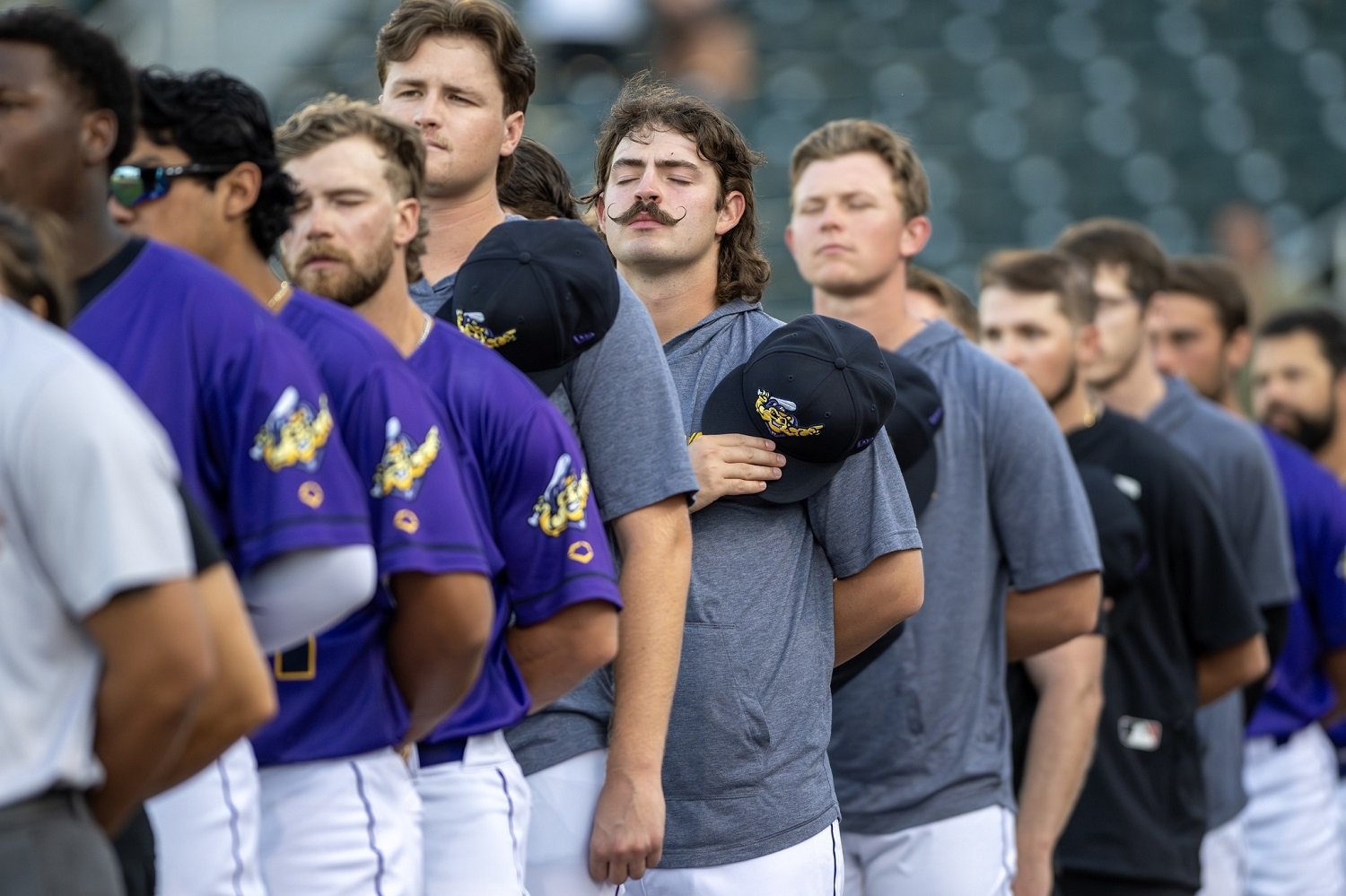
Image courtesy of William Parmeter (Photo of Jakob Hall) The Minnesota Twins have quietly been making adjustments behind the scenes that could reshape the way pitchers are developed—not just in their system, but possibly across baseball. While major-league teams tinker with openers and bulk guys to squeeze every ounce of value from their arms, the Twins have taken a bolder step at the minor-league level, experimenting with a revolutionary four-day pitching plan. On this week’s episode of Inside Twins, Director of Player Development Drew MacPhail shed light on the plan that’s been gaining traction throughout the organization this season. “We have to give a ton of credit to our director of pitching Tommy Bergjans, our performance science group, one of our general managers Josh Kalk, and ultimately Jeremy Zoll for giving the green light here,” MacPhail shared. “The basic idea," he continued, "is that normal rotation cadence in [the] major leagues, there’s some good research behind maybe a quicker kind of four-day rotation and then throwing a little less pitches is actually a better work from a volume cadence and helps players recover a little bit more.” Traditionally, professional pitchers work on a five-day rotation, throwing between 80 and 100 pitches per start and building toward handling the grind of the big-league season. The Twins are tossing aside this orthodoxy for select minor-league arms, particularly those who may not yet fit into a strict starter role but possess the raw tools to impact games regularly. “The minor leagues are ultimately a testing ground for these things,” MacPhail said. “With a select number of pitchers that were maybe on the outside looking in of a starting rotation spot but we felt like had a lot of talent and potential, we sort of brought them this idea of almost being like a quasi-starter/long reliever and pitching every day on a four-day cadence—not going through the order multiple times, but pitching three to four innings.” In other words, these pitchers don’t face lineups three times, the way a typical starter would. Instead, they face them once, maybe twice, stay fresh, and then hand things over to the next bullpen arm. So far, the results are turning heads in Fort Myers, Cedar Rapids, and beyond. “A lot of those guys on our four-day [plan] have pitched the most innings in any of our affiliates,” MacPhail noted. “We have all seen their numbers really tick up. Their strikeout rate numbers have gone up, they are performing really well, and this is something we are incredibly excited about.” The Twins have seen a handful of pitchers at each level rank near the top of their team in innings pitched despite rarely (or never) being used as a starter. Travis Adams gets a lot of focus because he is on the 40-man roster and has been pitching well at Triple-A. Besides Adams, here are some of the players to keep an eye on at each level. Player IP/G K% BB% FIP Travis Adams, St. Paul 3.23 21.3 5.7 3.29 John Klein, Wichita 2.93 28.1 7.7 3.61 Mike Paredes, Wichita 2.89 20.8 9.6 3.38 Pierson Ohl, Wichita 2.69 30.2 3.9 1.58 Spencer Bengard, Cedar Rapids 2.91 22.7 8.7 4.42 Zander Sechrist, Fort Myers 2.38 20.3 5.7 3.57 Jakob Hall, Fort Myers 3.00 18.2 7.5 4.42 The concept isn’t totally foreign to the major leagues, either. Tampa Bay popularized the “opener” strategy years ago, and teams like the Giants, Rays, and Yankees have toyed with creative bulk-inning usage. The Rockies made a switch to a four-man rotation featuring shorter starts in the second half of 2012, and way back in 1993, then-Oakland manager Tony La Russa briefly test-drove a system whereby trios of pitchers worked together in three-inning stints every third day. But the Twins appear to be laying the groundwork for a more systemic change, one that develops pitchers to handle high-leverage situations without the outdated expectation of laboring through six or seven innings every fifth day. One of the fascinating layers of this approach is its potential impact on individual player development. For pitchers who might have otherwise been stuck in bullpen purgatory (too raw for full-time starting roles, too valuable to waste on low-leverage relief), this system offers meaningful reps in real game action, all while preserving arm health. If the results in 2025 are any indication, the strategy is working. Strikeout numbers are up. Pitch counts are manageable. Players are recovering faster. Most importantly, arms that once seemed ticketed for organizational filler roles are suddenly building real innings and value. Could this be the future of pitching, not just in the minors but in the majors as well? “Maybe it’s something you’re seeing in the major leagues at some point,” MacPhail hinted. It’s too early to predict how this experiment will play out over the next few seasons or whether it will translate smoothly to Target Field, but the Twins deserve credit for thinking creatively. Rather than sticking to the traditional mold that often leads to overuse injuries and stalled development, Minnesota is carving a new path: one grounded in research, science, and open-mindedness. For now, the focus remains on the farm system. But if this blueprint continues to produce healthier, more effective arms, it wouldn’t be a surprise to see this philosophy make its way to the big-league dugout. After all, innovation rarely stays hidden for long. Will this new system work for the Twins? Will pitchers be successful in this role at the big-league level? Leave a comment and start the discussion. View full article
-
Twins’ New Pitching Plan May Revolutionize MLB Player Development
Cody Christie posted an article in Minor Leagues
 The Minnesota Twins have quietly been making adjustments behind the scenes that could reshape the way pitchers are developed—not just in their system, but possibly across baseball. While major-league teams tinker with openers and bulk guys to squeeze every ounce of value from their arms, the Twins have taken a bolder step at the minor-league level, experimenting with a revolutionary four-day pitching plan. On this week’s episode of Inside Twins, Director of Player Development Drew MacPhail shed light on the plan that’s been gaining traction throughout the organization this season. “We have to give a ton of credit to our director of pitching Tommy Bergjans, our performance science group, one of our general managers Josh Kalk, and ultimately Jeremy Zoll for giving the green light here,” MacPhail shared. “The basic idea," he continued, "is that normal rotation cadence in [the] major leagues, there’s some good research behind maybe a quicker kind of four-day rotation and then throwing a little less pitches is actually a better work from a volume cadence and helps players recover a little bit more.” Traditionally, professional pitchers work on a five-day rotation, throwing between 80 and 100 pitches per start and building toward handling the grind of the big-league season. The Twins are tossing aside this orthodoxy for select minor-league arms, particularly those who may not yet fit into a strict starter role but possess the raw tools to impact games regularly. “The minor leagues are ultimately a testing ground for these things,” MacPhail said. “With a select number of pitchers that were maybe on the outside looking in of a starting rotation spot but we felt like had a lot of talent and potential, we sort of brought them this idea of almost being like a quasi-starter/long reliever and pitching every day on a four-day cadence—not going through the order multiple times, but pitching three to four innings.” In other words, these pitchers don’t face lineups three times, the way a typical starter would. Instead, they face them once, maybe twice, stay fresh, and then hand things over to the next bullpen arm. So far, the results are turning heads in Fort Myers, Cedar Rapids, and beyond. “A lot of those guys on our four-day [plan] have pitched the most innings in any of our affiliates,” MacPhail noted. “We have all seen their numbers really tick up. Their strikeout rate numbers have gone up, they are performing really well, and this is something we are incredibly excited about.” The Twins have seen a handful of pitchers at each level rank near the top of their team in innings pitched despite rarely (or never) being used as a starter. Travis Adams gets a lot of focus because he is on the 40-man roster and has been pitching well at Triple-A. Besides Adams, here are some of the players to keep an eye on at each level. Player IP/G K% BB% FIP Travis Adams, St. Paul 3.23 21.3 5.7 3.29 John Klein, Wichita 2.93 28.1 7.7 3.61 Mike Paredes, Wichita 2.89 20.8 9.6 3.38 Pierson Ohl, Wichita 2.69 30.2 3.9 1.58 Spencer Bengard, Cedar Rapids 2.91 22.7 8.7 4.42 Zander Sechrist, Fort Myers 2.38 20.3 5.7 3.57 Jakob Hall, Fort Myers 3.00 18.2 7.5 4.42 The concept isn’t totally foreign to the major leagues, either. Tampa Bay popularized the “opener” strategy years ago, and teams like the Giants, Rays, and Yankees have toyed with creative bulk-inning usage. The Rockies made a switch to a four-man rotation featuring shorter starts in the second half of 2012, and way back in 1993, then-Oakland manager Tony La Russa briefly test-drove a system whereby trios of pitchers worked together in three-inning stints every third day. But the Twins appear to be laying the groundwork for a more systemic change, one that develops pitchers to handle high-leverage situations without the outdated expectation of laboring through six or seven innings every fifth day. One of the fascinating layers of this approach is its potential impact on individual player development. For pitchers who might have otherwise been stuck in bullpen purgatory (too raw for full-time starting roles, too valuable to waste on low-leverage relief), this system offers meaningful reps in real game action, all while preserving arm health. If the results in 2025 are any indication, the strategy is working. Strikeout numbers are up. Pitch counts are manageable. Players are recovering faster. Most importantly, arms that once seemed ticketed for organizational filler roles are suddenly building real innings and value. Could this be the future of pitching, not just in the minors but in the majors as well? “Maybe it’s something you’re seeing in the major leagues at some point,” MacPhail hinted. It’s too early to predict how this experiment will play out over the next few seasons or whether it will translate smoothly to Target Field, but the Twins deserve credit for thinking creatively. Rather than sticking to the traditional mold that often leads to overuse injuries and stalled development, Minnesota is carving a new path: one grounded in research, science, and open-mindedness. For now, the focus remains on the farm system. But if this blueprint continues to produce healthier, more effective arms, it wouldn’t be a surprise to see this philosophy make its way to the big-league dugout. After all, innovation rarely stays hidden for long. Will this new system work for the Twins? Will pitchers be successful in this role at the big-league level? Leave a comment and start the discussion.
 -
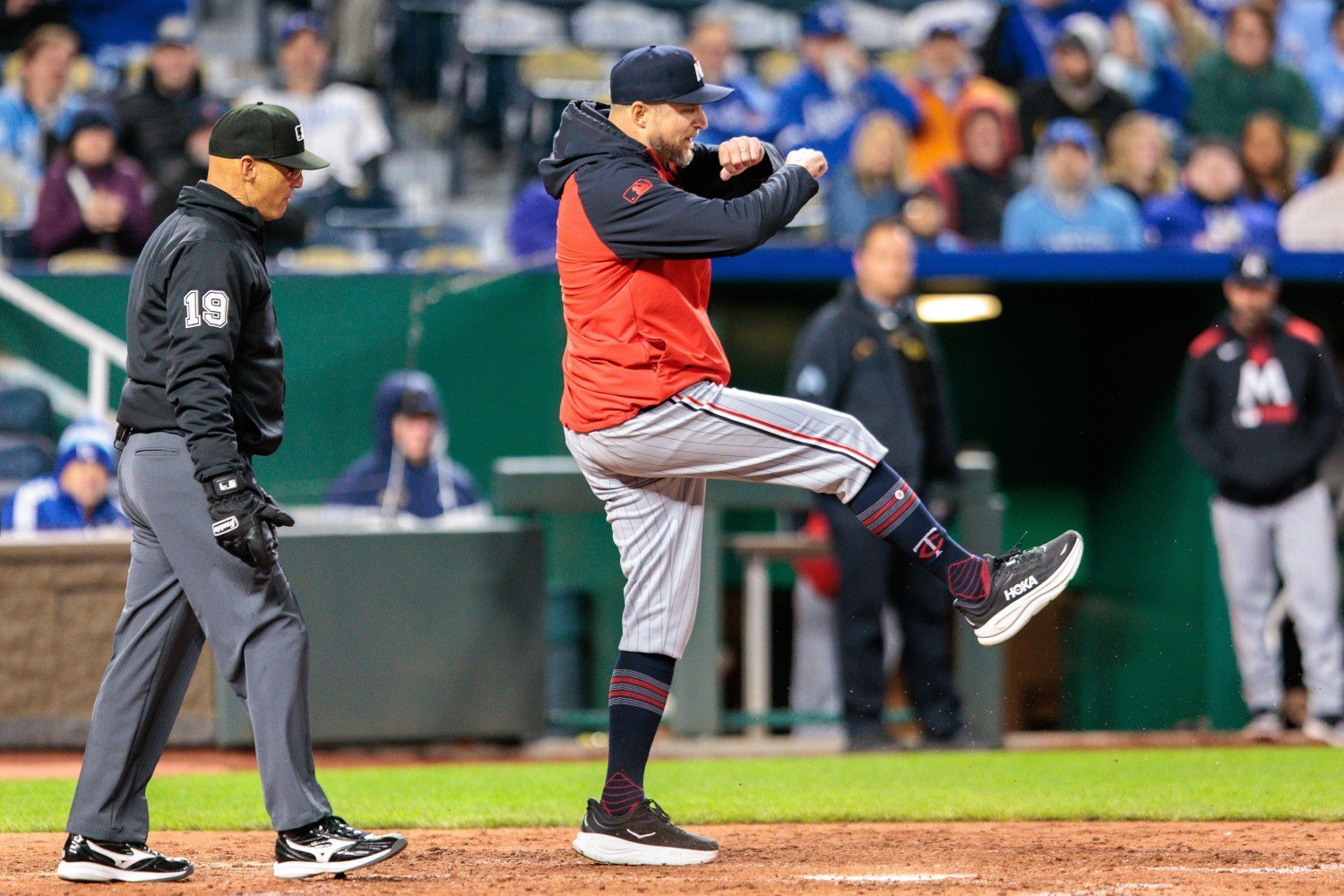
Image courtesy of © William Purnell-Imagn Images For much of the 2025 season, the Minnesota Twins have fought through injuries, offensive slumps, and bullpen inconsistencies. But one factor flying under the radar has quietly worked against them all season long: the men in blue behind home plate. According to data from Ump Scorecards, an independent platform that tracks and analyzes umpire performance using machine learning and stat-driven algorithms, the Twins have been on the wrong end of umpiring decisions more than any other team in baseball. In fact, no team in MLB has lost more estimated runs to umpire calls this season than Minnesota. The numbers are staggering. Through the first two-plus months of the season, umpires have cost the Twins an estimated 12.4 runs, the worst figure of any MLB club. The next-closest teams aren’t even in the same ballpark, including the Colorado Rockies (-8.2 runs), Miami Marlins (-7.8 runs), and Kansas City Royals (-6.3 runs). Meanwhile, teams like the Seattle Mariners (+11.0 runs) and Arizona Diamondbacks (+10.4 runs) are enjoying the opposite effect, seeing critical calls go in their favor. So, what exactly is happening here? How are these figures measured, and what does this mean for a Twins club trying to stay afloat in the AL Central? The Numbers Behind the Problem Ump Scorecards is a tool that digs into every pitch of every game to assess three key areas of umpiring performance: Accuracy – How often did the umpire correctly call balls and strikes? Consistency – How uniform and predictable was their strike zone? Favor – How many runs were likely added or subtracted from each team, based on the impact of missed calls? The “Favor” metric is what drives the overall run differential that’s hurting the Twins this year. This stat measures the impact of missed calls in terms of expected run values. For example, if a missed strike call results in a walk when it should’ve been a strikeout, that shift in plate appearance outcome is factored into the expected run cost for the pitcher’s team. Multiply that over the course of 60 games, and the cumulative effect can be meaningful, especially in close contests. For the Twins, the impact has been undeniable. They're having bad calls break against them as batters and as pitchers, and the impact of some of those calls (based on count or game situation) is sometimes huge. In short: the Twins haven’t been able to catch a break from the umpires, whether they’re at the plate or on the mound. The Games That Hurt the Most Some games stick out as particularly painful examples of how this officiating imbalance has affected Minnesota. April 6 vs. Houston Astros (9-7 loss in 10 innings) Umpire: Chris Conroy Overall Favor: +1.0 runs for Houston In a game that went into extras, every call mattered. The Twins lost by two runs in a back-and-forth affair that easily could have swung in their favor with tighter umpiring. April 24 vs. Chicago White Sox (3-0 loss) Umpire: Derek Thomas Overall Favor: +2.1 runs for Chicago One of the most lopsided umpiring performances of the season, this game saw the White Sox gifted more than two expected runs by missed calls. The Twins offense, which struggled that day, didn’t need the extra hurdle of a moving strike zone. June 6 vs. Toronto Blue Jays (6-4 loss) Umpire: Jordan Baker Overall Favor: +1.8 runs for Toronto Another narrow defeat, with nearly two runs swinging toward the opposition. In a game decided by two runs, those extra favorable calls made a critical difference. Over the course of a season, these small matters—a missed call here or there—can accumulate and end up changing standings, playoff odds, and team morale. No Excuses, But a Real Factor Now, it’s worth noting that teams and their fans always grumble about umpiring. It’s part of the game. Furthermore, no one is (or should be) imputing malicious intent to these errors by umps. But the numbers here are unusually one-sided. While every club will deal with the occasional blown strike call or borderline miss, the fact that the Twins sit more than four runs below the next-most “unlucky” team is difficult to ignore. Of course, this doesn’t mean the Twins have played perfectly. They’ve left runners in scoring position, blown saves, and failed to produce in key moments. But the data suggests that Minnesota has been asked to overcome a hidden opponent in nearly every series: the strike zone itself. One can’t help but notice the contrast with teams like Seattle and Arizona, who have received nearly +11 runs of “favorable” calls from umpires. That’s a 23-run swing in expected performance compared to the Twins. Imagine adding 23 runs to Minnesota’s total scoring output or removing 23 runs from their opponents. That could easily be the difference between third place and first in the AL Central. Could Change Be Coming? The introduction of automated strike zones (robo-umps) in the minor league levels and the growing reliance on electronic tracking systems have reopened the debate on whether human umpires should continue to call balls and strikes in the majors. If the Twins are paying attention to these numbers (and you can bet the front office is), they’re likely welcoming that future. Until then, Minnesota must grit its teeth and hope the luck turns or that the next umpire behind the plate finally calls a fair game. Bad umpiring is part of baseball tradition, but when the numbers lean this hard in one direction, it deserves attention. The Twins have battled on the field all season, but may also be fighting a battle they can't see—a strike zone that seems to shrink and expand based on who's at bat or on the mound. For a team clinging to postseason hopes, it’s one more obstacle they can ill afford. Let’s hope the remainder of the season brings not only better play but a little more fairness behind the plate, too. View full article
-
Are the Umpires Against the Minnesota Twins? Ump Scorecards Suggest So
Cody Christie posted an article in Twins
 For much of the 2025 season, the Minnesota Twins have fought through injuries, offensive slumps, and bullpen inconsistencies. But one factor flying under the radar has quietly worked against them all season long: the men in blue behind home plate. According to data from Ump Scorecards, an independent platform that tracks and analyzes umpire performance using machine learning and stat-driven algorithms, the Twins have been on the wrong end of umpiring decisions more than any other team in baseball. In fact, no team in MLB has lost more estimated runs to umpire calls this season than Minnesota. The numbers are staggering. Through the first two-plus months of the season, umpires have cost the Twins an estimated 12.4 runs, the worst figure of any MLB club. The next-closest teams aren’t even in the same ballpark, including the Colorado Rockies (-8.2 runs), Miami Marlins (-7.8 runs), and Kansas City Royals (-6.3 runs). Meanwhile, teams like the Seattle Mariners (+11.0 runs) and Arizona Diamondbacks (+10.4 runs) are enjoying the opposite effect, seeing critical calls go in their favor. So, what exactly is happening here? How are these figures measured, and what does this mean for a Twins club trying to stay afloat in the AL Central? The Numbers Behind the Problem Ump Scorecards is a tool that digs into every pitch of every game to assess three key areas of umpiring performance: Accuracy – How often did the umpire correctly call balls and strikes? Consistency – How uniform and predictable was their strike zone? Favor – How many runs were likely added or subtracted from each team, based on the impact of missed calls? The “Favor” metric is what drives the overall run differential that’s hurting the Twins this year. This stat measures the impact of missed calls in terms of expected run values. For example, if a missed strike call results in a walk when it should’ve been a strikeout, that shift in plate appearance outcome is factored into the expected run cost for the pitcher’s team. Multiply that over the course of 60 games, and the cumulative effect can be meaningful, especially in close contests. For the Twins, the impact has been undeniable. They're having bad calls break against them as batters and as pitchers, and the impact of some of those calls (based on count or game situation) is sometimes huge. In short: the Twins haven’t been able to catch a break from the umpires, whether they’re at the plate or on the mound. The Games That Hurt the Most Some games stick out as particularly painful examples of how this officiating imbalance has affected Minnesota. April 6 vs. Houston Astros (9-7 loss in 10 innings) Umpire: Chris Conroy Overall Favor: +1.0 runs for Houston In a game that went into extras, every call mattered. The Twins lost by two runs in a back-and-forth affair that easily could have swung in their favor with tighter umpiring. April 24 vs. Chicago White Sox (3-0 loss) Umpire: Derek Thomas Overall Favor: +2.1 runs for Chicago One of the most lopsided umpiring performances of the season, this game saw the White Sox gifted more than two expected runs by missed calls. The Twins offense, which struggled that day, didn’t need the extra hurdle of a moving strike zone. June 6 vs. Toronto Blue Jays (6-4 loss) Umpire: Jordan Baker Overall Favor: +1.8 runs for Toronto Another narrow defeat, with nearly two runs swinging toward the opposition. In a game decided by two runs, those extra favorable calls made a critical difference. Over the course of a season, these small matters—a missed call here or there—can accumulate and end up changing standings, playoff odds, and team morale. No Excuses, But a Real Factor Now, it’s worth noting that teams and their fans always grumble about umpiring. It’s part of the game. Furthermore, no one is (or should be) imputing malicious intent to these errors by umps. But the numbers here are unusually one-sided. While every club will deal with the occasional blown strike call or borderline miss, the fact that the Twins sit more than four runs below the next-most “unlucky” team is difficult to ignore. Of course, this doesn’t mean the Twins have played perfectly. They’ve left runners in scoring position, blown saves, and failed to produce in key moments. But the data suggests that Minnesota has been asked to overcome a hidden opponent in nearly every series: the strike zone itself. One can’t help but notice the contrast with teams like Seattle and Arizona, who have received nearly +11 runs of “favorable” calls from umpires. That’s a 23-run swing in expected performance compared to the Twins. Imagine adding 23 runs to Minnesota’s total scoring output or removing 23 runs from their opponents. That could easily be the difference between third place and first in the AL Central. Could Change Be Coming? The introduction of automated strike zones (robo-umps) in the minor league levels and the growing reliance on electronic tracking systems have reopened the debate on whether human umpires should continue to call balls and strikes in the majors. If the Twins are paying attention to these numbers (and you can bet the front office is), they’re likely welcoming that future. Until then, Minnesota must grit its teeth and hope the luck turns or that the next umpire behind the plate finally calls a fair game. Bad umpiring is part of baseball tradition, but when the numbers lean this hard in one direction, it deserves attention. The Twins have battled on the field all season, but may also be fighting a battle they can't see—a strike zone that seems to shrink and expand based on who's at bat or on the mound. For a team clinging to postseason hopes, it’s one more obstacle they can ill afford. Let’s hope the remainder of the season brings not only better play but a little more fairness behind the plate, too.
 -
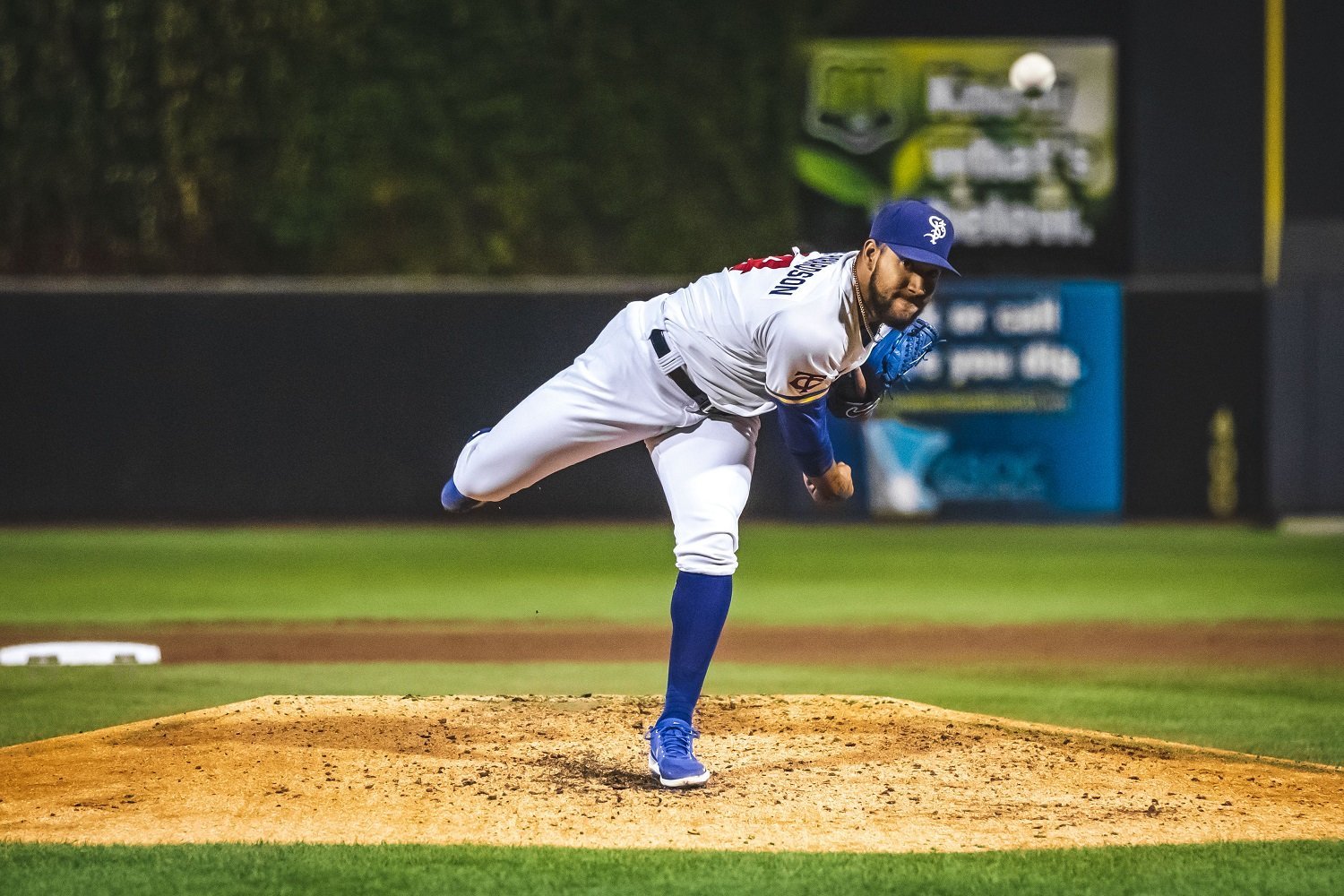 When the Minnesota Twins optioned Simeon Woods Richardson back to Triple-A St. Paul in May, it wasn’t necessarily a demotion fueled by panic or disappointment. Instead, it was a chance to recalibrate. The young right-hander had flashed promise in his big-league outings earlier this season, but his consistency and confidence (two cornerstones for any pitcher) had wavered. In sending him down, the Twins hoped he’d sharpen his approach, regain some swagger, and be better prepared when the big-league club inevitably called on him again. After three starts with the Saints, Woods Richardson is set to return to the Twins rotation. So, what did we learn from his brief Triple-A stint? There was plenty of good, a fair share of bad, and enough to leave Twins fans wondering which version of Woods Richardson will show up when he takes the mound at Target Field. May 22: A Dominant Return Against Norfolk If the goal was to build confidence, Woods Richardson’s first start back in Triple-A couldn’t have gone much better. Facing the Norfolk Tides, a lineup with its fair share of talent, the right-hander looked like he was back to being the pitcher the Twins saw last season. Over six strong innings, he allowed just one earned run on four hits. He struck out eight while walking only one, and most notably, he generated a season-high 19 swinging strikes on just 88 pitches. For context, those 19 whiffs were more than he had recorded in any MLB start this season, a clear sign that his stuff was playing up in the zone and that hitters were chasing. Nearly 67% of his pitches were strikes (59 of 88), and the fastball-slider mix was particularly crisp. The slider, which has sometimes flattened at the MLB level, had a sharper break and later bite in this outing. The takeaway? When Woods Richardson is commanding the strike zone and sequencing his pitches effectively, Triple-A hitters can’t touch him. This was a reminder of the ceiling the Twins see when everything clicks. May 28: Another Strong Outing Against Omaha Six days later, Woods Richardson took the mound against the Omaha Storm Chasers. The final line wasn’t poor, with six innings, two earned runs, five hits, five strikeouts, and just one walk, but the dominance from his previous start wasn’t there. His pitch count crept up to 97, with 61 going for strikes. More concerning was the sharp drop in swinging strikes: just 11 in this outing. Opposing hitters were clearly seeing the ball better and laying off his secondary offerings, forcing him into more contact situations. To his credit, Woods Richardson minimized damage and limited Omaha to two runs, which is something he couldn’t always do in his major-league appearances this year. The ability to grind through a start without his best swing-and-miss stuff is a necessary skill for a young pitcher and a subtle positive to take from this outing. Still, the decrease in whiffs served as a warning. When he’s not sharp, Woods Richardson can become hittable, even if Triple-A hitters didn’t fully capitalize. June 3: The Long Ball Bites Against Scranton/Wilkes-Barre In his third Triple-A appearance, Woods Richardson faced the Scranton/Wilkes-Barre RailRiders. The results were the worst of his Triple-A stint. In five innings, he allowed five earned runs on six hits, with three of those hits being home runs. While he struck out six and walked two, the hard contact he surrendered, particularly in the air, proved costly. His 17 swings and misses (on 89 pitches) indicated he still had stuff to miss bats, but location and pitch execution fell short. All three home runs came on pitches that caught too much plate or missed their intended quadrant. Hitters had seven hard-hit balls against him, and six of those seven were line drives or fly balls, a recipe for giving up multiple runs. Scranton’s hitters punished mistakes in a way that mirrored some of the issues Woods Richardson encountered in the majors this season. The Twins’ development staff will likely view this outing as both a cautionary tale and a learning experience. Woods Richardson’s swing-and-miss ability can still win at any level, but the margin for error remains thin. Pitches poorly located, even with solid velocity or movement, will be crushed by advanced hitters. Hitting the Reset Button: What Can the Twins Expect Now? Now, back with the Twins, the question becomes: Which version of Woods Richardson will the big-league club see? The one who carved up Norfolk with confidence and movement? Or the one who left too many hittable pitches over the plate in Scranton? The truth is, both versions matter. From this three-start stretch, Woods Richardson learned valuable lessons that could serve him well moving forward: Strike Quality Matters: Even in his strong Norfolk outing, his success hinged on sharp pitch execution and sequencing. When those slipped even slightly (as against Scranton), the results flipped quickly. Swing and Miss Potential is Real: His 19 and 15 whiff performances bookended the three-start stint, reminding everyone that his fastball-slider-changeup mix can fool hitters. The next step is bringing that level of deception to the majors more consistently. The Long Ball is a Threat: He can’t afford mistakes in the strike zone. Major-league hitters, like those in Scranton’s lineup, will punish mistakes even harder. For the Twins, Woods Richardson’s return comes at a crucial time. Injuries and inconsistencies have left the back half of the rotation in flux, and the team needs someone to stabilize those innings. Last year, he saved the Twins rotation in the first half by posting a 3.51 ERA with a 1.15 WHIP in 16 starts, thriving by limiting walks and keeping the ball in the yard. Replicating that formula will be key. He must pound the zone with confidence and limit the inevitable big fly to a solo shot or two. Woods Richardson’s time in Triple-A was likely shorter than the Twins wanted, but enlightening. It showcased the good (swinging strikes, strike efficiency) and the bad (home run vulnerability, occasional command lapses). As he returns to the major-league roster, the Twins need him to pitch like the version that dominated Norfolk and be closer to the player he was in the first half of 2024. For a team in the thick of the AL Central race, every fifth-day matters. The hope is that this minor-league reset was exactly what Woods Richardson needed to regain his form, and that the lessons learned in St. Paul lead to better days ahead in Minneapolis. What stands out from Woods Richardson’s time in St. Paul? Leave a comment and start the discussion.
 -
Image courtesy of Rob Thompson, St. Paul Saints (photo of Simeon Woods Richardson) When the Minnesota Twins optioned Simeon Woods Richardson back to Triple-A St. Paul in late May, it wasn’t necessarily a demotion fueled by panic or disappointment. Instead, it was a chance to recalibrate. The young right-hander had flashed promise in his big-league outings earlier this season, but consistency and confidence, two cornerstones for any pitcher, had wavered. In sending him down, the Twins hoped he’d sharpen his approach, regain some swagger, and be better prepared when the big-league club inevitably called on him again. After three starts with the Saints, Woods Richardson is set to return to the Twins rotation. So, what did we learn from his brief Triple-A stint? There was plenty of good, a fair share of bad, and enough to leave Twins fans wondering which version of Woods Richardson will show up when he takes the mound at Target Field. May 22: A Dominant Return Against Norfolk If the goal was to build confidence, Woods Richardson’s first start back in Triple-A couldn’t have gone much better. Facing the Norfolk Tides, a lineup with its fair share of talent, the right-hander looked like he was back to being the pitcher the Twins saw last season. Over six strong innings, he allowed just one earned run on four hits. He struck out eight while walking only one, and most notably, he generated a season-high 19 swinging strikes on just 88 pitches. For context, those 19 whiffs were more than he had recorded in any MLB start this season, a clear sign that his stuff was playing up in the zone and that hitters were chasing. Nearly 67% of his pitches were strikes (59 of 88), and the fastball-slider mix was particularly crisp. The slider, which has sometimes flattened at the MLB level, had a sharper break and later bite in this outing. The takeaway? When Woods Richardson is commanding the strike zone and sequencing his pitches effectively, Triple-A hitters can’t touch him. This was a reminder of the ceiling the Twins see when everything clicks. May 28: Another Strong Outing Against Omaha Six days later, Woods Richardson took the mound against the Omaha Storm Chasers. The final line wasn’t poor, with six innings, two earned runs, five hits, five strikeouts, and just one walk, but the dominance from his previous start wasn’t there. His pitch count crept up to 97, with 61 going for strikes. More concerning was the sharp drop in swinging strikes: just 11 in this outing. Opposing hitters were clearly seeing the ball better and laying off his secondary offerings, forcing him into more contact situations. To his credit, Woods Richardson minimized damage and limited Omaha to two runs, which is something he couldn’t always do in his major-league appearances this year. The ability to grind through a start without his best swing-and-miss stuff is a necessary skill for a young pitcher and a quiet positive to take from this outing. Still, the decrease in whiffs served as a warning. When he’s not sharp, Woods Richardson can become hittable, even if Triple-A hitters didn’t fully capitalize. June 3: The Long Ball Bites Against Scranton/Wilkes-Barre In his third Triple-A appearance, Woods Richardson faced the Scranton/Wilkes-Barre RailRiders. The results were the worst of his Triple-A stint. In five innings, he allowed five earned runs on six hits, with three of those hits being home runs. While he struck out six and walked two, the hard contact he surrendered, particularly in the air, proved costly. His 17 swings and misses (on 89 pitches) indicated he still had stuff to miss bats, but location and pitch execution fell short. All three home runs came on pitches that caught too much plate or missed their intended quadrant. Hitters had seven hard-hit balls against him, and six of those seven were line drives or fly balls, a recipe for giving up multiple runs. Scranton’s hitters punished mistakes in a way that mirrored some of the issues Woods Richardson encountered in the majors this season. The Twins’ development staff will likely view this outing as both a cautionary tale and a learning experience. Woods Richardson’s swing-and-miss ability can still win at any level, but the margin for error remains thin. Pitches poorly located, even with solid velocity or movement, will be crushed by advanced hitters. Hitting the Reset Button: What Can the Twins Expect Now? Now, back with the Twins, the question becomes: Which version of Woods Richardson will the big-league club see? The one who carved up Norfolk with confidence and movement? Or the one who left too many hittable pitches over the plate in Scranton? The truth is, both versions matter. From this three-start stretch, Woods Richardson learned valuable lessons that could serve him well moving forward: Strike Quality Matters: Even in his strong Norfolk outing, his success hinged on sharp pitch execution and sequencing. When those slipped even slightly (as against Scranton), the results flipped quickly. Swing and Miss Potential is Real: His 19 and 15 whiff performances bookended the three-start stint, reminding everyone that his fastball-slider-changeup mix can fool hitters. The next step is bringing that level of deception to the majors more consistently. The Long Ball is a Threat: He can’t afford mistakes in the strike zone. Major-league hitters, like those in Scranton’s lineup, will punish mistakes even harder. For the Twins, Woods Richardson’s return comes at a crucial time. Injuries and inconsistencies have left the back half of the rotation in flux, and the team needs someone to stabilize those innings. Last year, he saved the Twins rotation in the first half by posting a 3.51 ERA with a 1.15 WHIP in 16 starts, thriving by limiting walks and keeping the ball in the yard. Replicating that formula will be key by pounding the zone with confidence and limiting the inevitable big fly. Woods Richardson’s time in Triple-A was likely shorter than the Twins wanted but enlightening. It showcased the good (swinging strikes, strike efficiency) and the bad (home run vulnerability, occasional command lapses). As he returns to the major-league roster, the Twins need him to pitch like the version that dominated Norfolk and be closer to the player he was in the first half of 2024. For a team in the thick of the AL Central race, every fifth-day matters. The hope is that this minor-league reset was exactly what Woods Richardson needed to regain his form and that the lessons learned in St. Paul lead to better days ahead in Minneapolis. What stands out from SWR’s time in St. Paul? Leave a comment and start the discussion. View full article
-
He’s such a good athlete that many evaluators believe he can stick at catcher.
- 10 replies
-
- 2
-
-
- khadim diaw
- aaron rozek
- (and 1 more)
-
Image courtesy of Rob Thompson, St. Paul Saints (Aaron Rozek) Welcome to the Twins Prospect Hot Sheet! Each week, we take a closer look at multiple players who are climbing the organization’s prospect ladder thanks to standout performances. This isn't limited to top-10 prospects, as you’ll find some lesser-known names putting themselves on the radar, as well. This week’s list features a pitcher trying to pitch his way into a big-league role; a former first-round slugger hunting for his power stroke; and a young catcher turning heads with an electric start. Let’s dive in. LHP Aaron Rozek – St. Paul Saints Rozek is one of the best feel-good stories in the Twins system. The Minnesota native and former Minnesota State-Mankato standout went undrafted in 2018, but kept grinding his way up the ladder. After spending time in independent ball, the Twins signed Rozek in 2021. Since then, he has carved out a role as an organizational lefty, with command and deception as his calling cards. In 2024, Rozek pitched split time between Double- and Triple-A, posting a 3.91 ERA across 122 innings. His 19.5 K% showed that while he’s not overpowering, his ability to change speeds and locate helped him keep hitters guessing. Control remained his strength with a 5.8 BB%, one of the best rates among starters in the Twins system. Hitting the Hot Button Rozek’s 2025 season has quietly made him one of the organization’s most dependable arms. As of early June, he holds a 2.98 ERA over 54 1/3 innings, thriving in a swingman role that has seen him make both starts and multi-inning relief appearances. His fastball velocity sits around the low 90s, but what’s turned heads is the improvement in his cutter and changeup. These pitches generate weak contact and keep him off the barrel. In particular, Rozek’s strikeout rate is up nearly 3% compared to last season. While he’s not likely to become a rotation piece in Minnesota, he’s now a dark horse in the mix as a possible depth option for long relief or emergency starts later this summer. 1B/DH Aaron Sabato – Wichita Wind Surge Sabato was the Twins’ first-round pick in 2020 out of North Carolina, selected for his eye-popping power potential. Known as a slugger with light-tower power and serious on-base skills, Sabato’s pro career has been a winding road. Strikeouts and contact issues plagued him, but the pop was always there. In 2024, Sabato struggled at Double-A Wichita, slashing .206/.303/.350 with 10 home runs and 14 doubles in 85 games. At 25 years old, he was slightly older than the average age of the competition in the Texas League, so there were some expectations that his performance would improve. His 12.3% walk rate and improved zone discipline gave reason for optimism that he could still develop into a power threat suitable for first base or designated hitter duties. Hitting the Hot Button Sabato’s start to 2025 has been his most complete showing as a professional. Through the first two months of the season, he’s hitting .311/.409/.568 with eight home runs and 10 doubles in 42 games. His .977 OPS and .568 SLG are the best in the Texas League. His strikeout rate has dipped to 25.6%, the lowest of his career at any full-season level. What’s been the difference? Sabato is laying off pitches up in the zone and showing more confidence going the other way, punishing mistakes to right-center instead of trying to pull everything out to left. If this version of Sabato holds, the Twins may finally have the middle-of-the-order right-handed bat they hoped for when they made him a first-rounder five years ago. At the very least, he's put himself back on the radar as a potential (eventual) big-league option. C/OF Khadim Diaw – Fort Myers Mighty Mussels The Twins selected Diaw in the third round of the 2024 MLB Draft from Loyola Marymount University. He became the first player of Senegalese descent to be selected in the MLB Draft. He dealt with multiple injuries in college, including a back fracture, broken left thumb, and sprained wrist. However, his college production was still strong, as he posted a .985 OPS in 80 games. After signing with the Twins, he played 24 games in Fort Myers and slashed .271/.374/.341, with four extra-base hits. Defensively, he played the bulk of his time behind the plate (over 100 innings) but also made starts at multiple outfield positions. Scouts raved about his athleticism and potential, but there were many unknowns due to his limited playing time in college. Hitting the Hot Button So far in 2025, Diaw has put himself on the national prospect map. In 38 games with Cedar Rapids, he’s batting .302/.455/.431 with four steals and a 12.3% walk rate, a sign of gradually improved plate discipline. He’s being more selective at the plate and making much more contact on pitches in the strike zone. Last week, ESPN’s Kiley McDaniel updated his top 10 prospects for each organization and had Diaw as the Twins’ ninth-best prospect. He mentions that he likes Diaw before the season, and he’s “taken big steps forward” in 2025. Unfortunately, he broke his finger when he was hit in the hand by a batter’s swing, so he will be on the IL until that heals. While the focus at the top of the Twins’ farm system usually rests on big names, it’s players like Rozek, Sabato, and Diaw who help shape the depth and potentially impact the big-league club down the road. Rozek is making a case to be the next man up for pitching depth. Sabato is reminding fans why he was a first-round pick. Diaw is quietly breaking out as one of the most exciting athletes in the lower levels. Keep an eye on these names, as they may not remain under the radar for much longer. Who else should make next week’s Hot Sheet? Drop your picks in the comments below! View full article
- 10 replies
-
- 1
-
-
- khadim diaw
- aaron rozek
- (and 1 more)
-
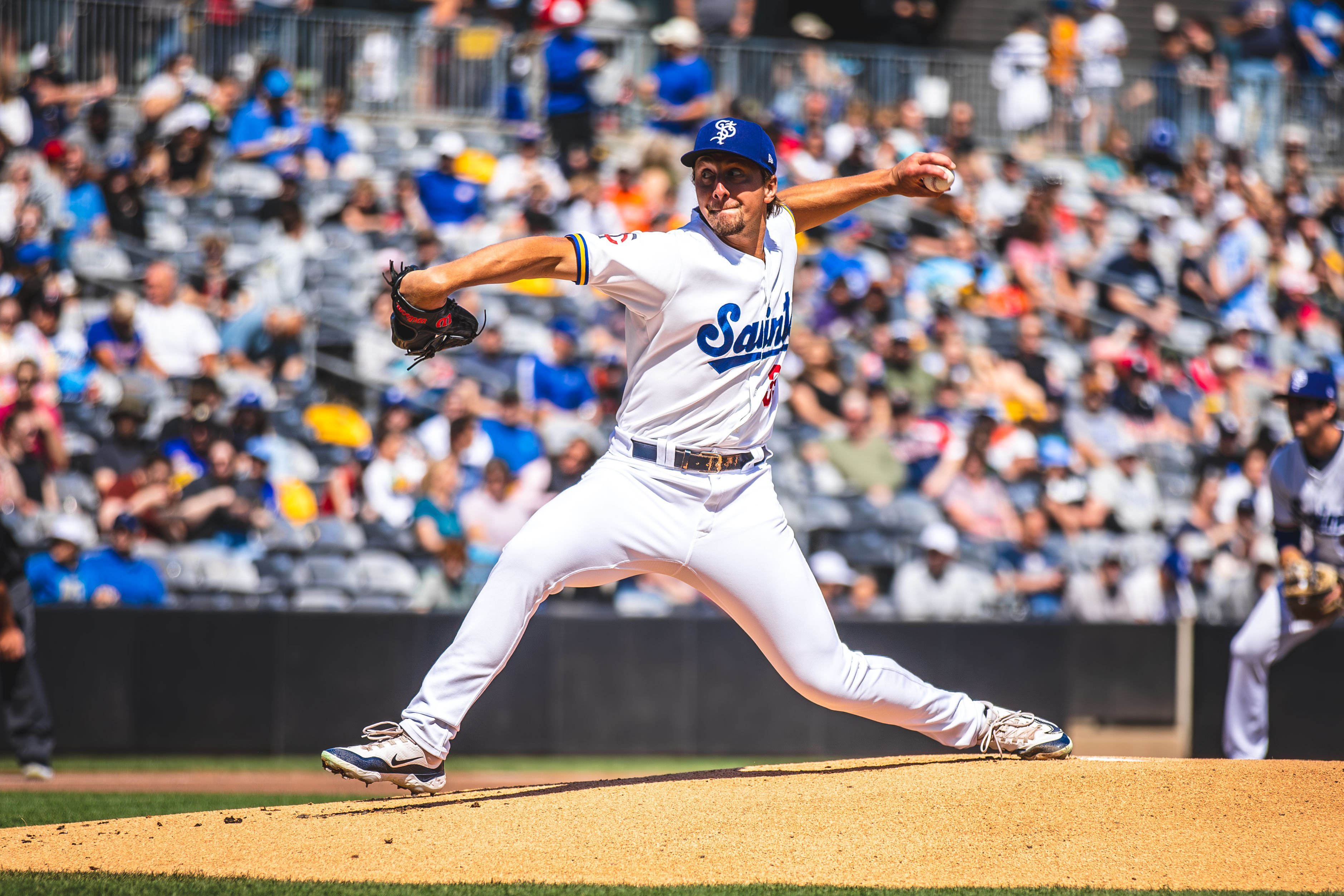 Welcome to the Twins Prospect Hot Sheet! Each week, we take a closer look at multiple players who are climbing the organization’s prospect ladder thanks to standout performances. This isn't limited to top-10 prospects, as you’ll find some lesser-known names putting themselves on the radar, as well. This week’s list features a pitcher trying to pitch his way into a big-league role; a former first-round slugger hunting for his power stroke; and a young catcher turning heads with an electric start. Let’s dive in. LHP Aaron Rozek – St. Paul Saints Rozek is one of the best feel-good stories in the Twins system. The Minnesota native and former Minnesota State-Mankato standout went undrafted in 2018, but kept grinding his way up the ladder. After spending time in independent ball, the Twins signed Rozek in 2021. Since then, he has carved out a role as an organizational lefty, with command and deception as his calling cards. In 2024, Rozek pitched split time between Double- and Triple-A, posting a 3.91 ERA across 122 innings. His 19.5 K% showed that while he’s not overpowering, his ability to change speeds and locate helped him keep hitters guessing. Control remained his strength with a 5.8 BB%, one of the best rates among starters in the Twins system. Hitting the Hot Button Rozek’s 2025 season has quietly made him one of the organization’s most dependable arms. As of early June, he holds a 2.98 ERA over 54 1/3 innings, thriving in a swingman role that has seen him make both starts and multi-inning relief appearances. His fastball velocity sits around the low 90s, but what’s turned heads is the improvement in his cutter and changeup. These pitches generate weak contact and keep him off the barrel. In particular, Rozek’s strikeout rate is up nearly 3% compared to last season. While he’s not likely to become a rotation piece in Minnesota, he’s now a dark horse in the mix as a possible depth option for long relief or emergency starts later this summer. 1B/DH Aaron Sabato – Wichita Wind Surge Sabato was the Twins’ first-round pick in 2020 out of North Carolina, selected for his eye-popping power potential. Known as a slugger with light-tower power and serious on-base skills, Sabato’s pro career has been a winding road. Strikeouts and contact issues plagued him, but the pop was always there. In 2024, Sabato struggled at Double-A Wichita, slashing .206/.303/.350 with 10 home runs and 14 doubles in 85 games. At 25 years old, he was slightly older than the average age of the competition in the Texas League, so there were some expectations that his performance would improve. His 12.3% walk rate and improved zone discipline gave reason for optimism that he could still develop into a power threat suitable for first base or designated hitter duties. Hitting the Hot Button Sabato’s start to 2025 has been his most complete showing as a professional. Through the first two months of the season, he’s hitting .311/.409/.568 with eight home runs and 10 doubles in 42 games. His .977 OPS and .568 SLG are the best in the Texas League. His strikeout rate has dipped to 25.6%, the lowest of his career at any full-season level. What’s been the difference? Sabato is laying off pitches up in the zone and showing more confidence going the other way, punishing mistakes to right-center instead of trying to pull everything out to left. If this version of Sabato holds, the Twins may finally have the middle-of-the-order right-handed bat they hoped for when they made him a first-rounder five years ago. At the very least, he's put himself back on the radar as a potential (eventual) big-league option. C/OF Khadim Diaw – Fort Myers Mighty Mussels The Twins selected Diaw in the third round of the 2024 MLB Draft from Loyola Marymount University. He became the first player of Senegalese descent to be selected in the MLB Draft. He dealt with multiple injuries in college, including a back fracture, broken left thumb, and sprained wrist. However, his college production was still strong, as he posted a .985 OPS in 80 games. After signing with the Twins, he played 24 games in Fort Myers and slashed .271/.374/.341, with four extra-base hits. Defensively, he played the bulk of his time behind the plate (over 100 innings) but also made starts at multiple outfield positions. Scouts raved about his athleticism and potential, but there were many unknowns due to his limited playing time in college. Hitting the Hot Button So far in 2025, Diaw has put himself on the national prospect map. In 38 games with Cedar Rapids, he’s batting .302/.455/.431 with four steals and a 12.3% walk rate, a sign of gradually improved plate discipline. He’s being more selective at the plate and making much more contact on pitches in the strike zone. Last week, ESPN’s Kiley McDaniel updated his top 10 prospects for each organization and had Diaw as the Twins’ ninth-best prospect. He mentions that he likes Diaw before the season, and he’s “taken big steps forward” in 2025. Unfortunately, he broke his finger when he was hit in the hand by a batter’s swing, so he will be on the IL until that heals. While the focus at the top of the Twins’ farm system usually rests on big names, it’s players like Rozek, Sabato, and Diaw who help shape the depth and potentially impact the big-league club down the road. Rozek is making a case to be the next man up for pitching depth. Sabato is reminding fans why he was a first-round pick. Diaw is quietly breaking out as one of the most exciting athletes in the lower levels. Keep an eye on these names, as they may not remain under the radar for much longer. Who else should make next week’s Hot Sheet? Drop your picks in the comments below!
- 10 comments
-
- 7
-
-

-
- khadim diaw
- aaron rozek
- (and 1 more)
-
Ranking the Minnesota Twins’ Top Pitching Prospects: Who’s No. 1?
Cody Christie posted an article in Minor Leagues
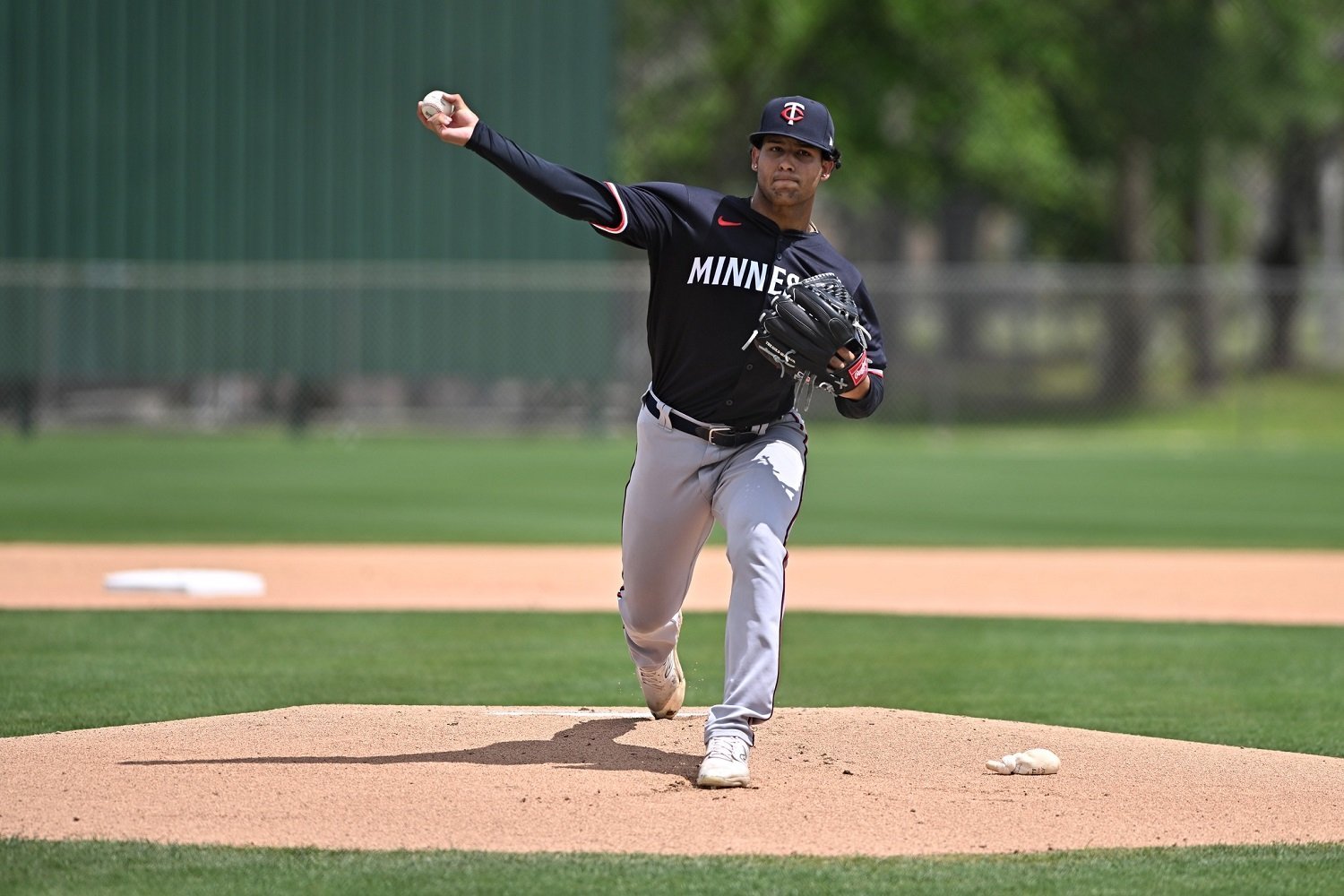 Over the last few seasons, the Minnesota Twins have done a commendable job stockpiling young arms with upside. From electric high schoolers with sky-high ceilings to former college stars trying to move quickly to the majors, Minnesota’s top pitching prospects each bring something unique to the table. While the big-league rotation has seen recent growth thanks to the emergence of players like Joe Ryan and Bailey Ober, the next wave is brewing and ready to push for a spot in Target Field’s rotation in the coming years. Below are four of the organization’s most compelling pitching prospects: Charlee Soto, Connor Prielipp, Andrew Morris, and Dasan Hill. Each player has a unique path, arsenal, and risk profile. As fans look ahead to the future of the rotation, the question looms: who is Minnesota’s best overall pitching prospect? Charlee Soto: Raw Tools, Refined Potential When the Twins selected Soto in the first round of the 2023 MLB Draft, they knew they were betting on raw ability over polish. The then-17-year-old right-hander out of Florida stood 6’5”, with a long, athletic frame and a whip-like arm action that scouts dream about. Fast-forward, and Soto is already showing why the Twins took the plunge. Soto’s fastball routinely sits 95-98 MPH, with explosive life up in the zone. The pitch gets elite ride, making it a swing-and-miss weapon even when it's not perfectly located. His slider (a sharp, low-80s breaker) has flashed plus, with late tilt and the ability to get both righties and lefties fishing. His changeup remains a work in progress, but there’s natural fade and separation from his fastball that suggests a future above-average offering. At just 19 years old, Soto still struggles with consistent command. His walk rates have been higher than would be ideal, and he occasionally loses the zone for stretches. But when everything clicks, it’s electric. Soto has the highest ceiling of any pitcher in the Twins’ system, an ace-level arsenal that could be dominant if he refines his control. There’s still a long road ahead, but the stuff is loud and undeniable. Soto is currently on the IL with triceps soreness in his right arm, and his return timeline is fluid. Connor Prielipp: High-End Arsenal, High-End Risk Injuries may have derailed Prielipp’s draft stock, but the Twins saw a potential front-line starter when they grabbed him in 2022. A former ace at Alabama, Prielipp’s stuff turned heads immediately, and he’s still flashing that same brilliance in the Twins organization—when healthy. Prielipp’s fastball sits comfortably at 95-96 MPH, reaching as high as 99. He doesn’t have elite ride or movement, but the pitch plays thanks to pristine command and a deceptive release point. What sets Prielipp apart, however, is his offspeed combo. His changeup has excellent vertical separation from his fastball and sinks hard in the zone. Meanwhile, his tight, late-breaking slider lives in the mid-80s and has been a whiff machine at the minor-league level. When Prielipp is on the mound, he looks like a major-league starter. The problem? He hasn’t stayed on the mound consistently. After recovering from Tommy John surgery before being drafted, he had internal brace surgery on his repaired elbow. Those ailments have interrupted his rhythm and slowed his progression. If the health stabilizes, the Twins might have a mid-rotation starter with real bat-missing potential. There’s still more risk here than some of his peers. Nonetheless, his stock has been rising on national top-100 lists. Andrew Morris: Underrated and Overperforming Morris doesn’t light up radar guns like Soto or come with first-round hype like Prielipp, but all he’s done since being drafted in 2022 is perform. Taken in the fourth round out of Texas Tech, Morris brings a polished, pitchability-first profile that could fast-track him to the majors. His fastball sits in the 92-94 MPH range but plays up, thanks to elite spin efficiency and a deceptive release. Last season, He added a cutter that gave hitters a new look and helped him induce softer contact. Morris complements his heater with a true curveball that drops in the mid-70s and a tumbling changeup in the low 80s. What separates Morris is his command and mound presence. He throws all four of his pitches for strikes and has shown the ability to sequence effectively against both right-handed and left-handed hitters. His strikeout and walk numbers improved at Double-A last season, but the strikeout rate has dipped by around 5% at Triple-A this year. Some evaluators believe Morris could be in line for a 2025 call-up if he stays the course. The upside isn’t flashy. Morris likely tops out as a back-end starter, but he might be the safest bet in this group to reach the majors and stick. Dasan Hill: High School Gamble Already Paying Off When the Twins drafted Hill, they saw an ultra-projectable left-hander with long levers and clean mechanics. At 6’5” and just 165 pounds, Hill had plenty of physical projection, and he's started tapping into it far more quickly than anyone expected. Hill’s velocity has skyrocketed since being drafted. Where he once sat at 88-90 MPH, he now regularly throws 96, with excellent life. He boasts a four-pitch mix that’s ahead of the curve for a 19-year-old, including a fastball, slider, changeup, and curveball. All of his pitches show at least average traits, with the changeup flashing plus. His slider has been his go-to swing-and-miss pitch in Low-A, living in the zone with late two-plane break. The changeup may have the highest ceiling, stumping hitters with its late fade and velocity differential. His ability to throw each pitch for strikes makes him one of the most well-rounded arms in the Florida State League. Hill’s rapid development is exciting, and it wouldn’t be surprising to see him vault up prospect lists soon. He’s still years away, but the combination of stuff, size, and pitchability gives him a chance to be a legitimate rotation piece in the future. Who’s the Twins’ Top Pitching Prospect? Each of these arms offers something unique. Charlee Soto may have the highest ceiling, with true No. 1 potential. Connor Prielipp could carve up big-league lineups as a southpaw if he stays healthy. Andrew Morris brings the polish and consistency needed to move quickly. And Dasan Hill is already emerging as one of the breakout prospects in the system. So now we turn it over to you, Twins fans: who is the organization’s best pitching prospect? Let us know in the comments below, or head over to the forums to rank these four arms. Who would you trade? Who would you build around? And who do you think will make their debut first? The future of the Twins’ rotation might hinge on the development of this group. And the debate starts now. Who gets your vote as Minnesota’s top pitching prospect: Soto, Prielipp, Morris, or Hill? Drop your rankings and share your thoughts in the comments section!
- 31 comments
-
- 7
-
-
-
- charlee soto
- dasan hill
- (and 2 more)
-
Image courtesy of William Parmeter Over the last few seasons, the Minnesota Twins have done a commendable job stockpiling young arms with upside. From electric high schoolers with sky-high ceilings to former college stars trying to move quickly to the majors, Minnesota’s top pitching prospects each bring something unique to the table. While the big-league rotation has seen recent growth thanks to the emergence of players like Joe Ryan and Bailey Ober, the next wave is brewing and ready to push for a spot in Target Field’s rotation in the coming years. Below are four of the organization’s most compelling pitching prospects: Charlee Soto, Connor Prielipp, Andrew Morris, and Dasan Hill. Each player has a unique path, arsenal, and risk profile. As fans look ahead to the future of the rotation, the question looms: who is Minnesota’s best overall pitching prospect? Charlee Soto: Raw Tools, Refined Potential When the Twins selected Soto in the first round of the 2023 MLB Draft, they knew they were betting on raw ability over polish. The then-17-year-old right-hander out of Florida stood 6’5” with a long, athletic frame and a whip-like arm action that scouts dream about. Fast forward, and Soto is already showing why the Twins took the plunge. Soto’s fastball routinely sits 95-98 MPH with explosive life up in the zone. The pitch gets an elite ride, making it a swing-and-miss weapon even when it's not perfectly located. His slider (a sharp, low-80s breaker) has flashed plus with late tilt and the ability to get both righties and lefties fishing. His changeup remains a work in progress, but there’s natural fade and separation from his fastball that suggests a future above-average offering. At just 19 years old, Soto still struggles with consistent command. His walk rates have been higher than ideal, and he occasionally loses the zone for stretches. But when everything clicks, it’s electric. Soto has the highest ceiling of any pitcher in the Twins’ system, an ace-level arsenal that could be dominant if he refines his control. There’s still a long road ahead, but the stuff is loud and undeniable. Soto is currently on the IL with triceps soreness in his right arm, and his return timeline is fluid. Connor Prielipp: High-End Arsenal, High-End Risk Injuries may have derailed Prielipp’s draft stock, but the Twins saw a potential front-line starter when they grabbed him in 2022. A former ace at Alabama, Prielipp’s stuff turned heads immediately, and he’s still flashing that same brilliance in the Twins organization when healthy. Prielipp’s fastball sits comfortably at 95-96 MPH, reaching as high as 99. He doesn’t have elite ride or movement, but the pitch plays thanks to pristine command and a deceptive release point. What sets Prielipp apart, however, is his offspeed combo. His changeup has excellent vertical separation from his fastball and sinks hard in the zone. Meanwhile, his tight, late-breaking slider lives in the mid-80s and has been a whiff machine at the minor league level. When Prielipp is on the mound, he looks like a major-league starter. The problem? He hasn’t stayed on the mound consistently. After recovering from Tommy John surgery before being drafted, he had internal brace surgery on his repaired elbow. Those ailments have interrupted his rhythm and slowed his progression. If the health stabilizes, the Twins might have a mid-rotation starter with real bat-missing potential. However, there’s still more risk here than some of his peers; nonetheless, his stock has been rising on national top-100 lists. Andrew Morris: Underrated and Overperforming Morris doesn’t light up radar guns like Soto or come with first-round hype like Prielipp, but all he’s done since being drafted in 2022 is perform. Taken in the fourth round out of Texas Tech, Morris brings a polished, pitchability-first profile that could fast-track him to the majors. His fastball sits in the 92-94 MPH range but plays up thanks to elite spin efficiency and a deceptive release. Last season, He added a cutter that gave hitters a new look and helped him induce softer contact. Morris complements his heater with a true curveball that drops in the mid-70s and a tumbling changeup in the low 80s. What separates Morris is his command and mound presence. He throws all four of his pitches for strikes and has shown the ability to sequence effectively against both right-handed and left-handed hitters. His K/BB numbers improved at Double-A last season, but his K% has dipped by around 5% at Triple-A this year. Some evaluators believe Morris could be in line for a 2025 call-up if he stays the course. The upside isn’t flashy, Morris likely tops out as a back-end starter, but he might be the safest bet in this group to reach the majors and stick. Dasan Hill: High School Gamble Already Paying Off When the Twins drafted Hill, they saw an ultra-projectable left-hander with long levers and clean mechanics. At 6’5” and just 165 pounds, Hill had plenty of physical projection, and he's started tapping into it far quicker than anyone expected. Hill’s velocity has skyrocketed since being drafted. Where he once sat at 88-90 MPH, he now regularly throws 96 with excellent life. He boasts a four-pitch mix that’s ahead of the curve for a 19-year-old, including a fastball, slider, changeup, and curveball. All of his pitches show at least average traits, with the changeup flashing plus. His slider has been his go-to swing-and-miss pitch in Low-A, living in the zone with a late two-plane break. The changeup may have the highest ceiling, stumping hitters with its late fade and velocity differential. His ability to throw each pitch for strikes makes him one of the most well-rounded arms in the Florida State League. Hill’s rapid development is exciting, and it wouldn’t be surprising to see him vault up prospect lists soon. He’s still years away, but the combination of stuff, size, and pitchability gives him a chance to be a legitimate rotation piece in the future. Who’s the Twins’ Top Pitching Prospect? Each of these arms offers something unique. Charlee Soto may have the highest ceiling, with true No. 1 potential. Connor Prielipp could carve up big-league lineups as a southpaw if he stays healthy. Andrew Morris brings the polish and consistency needed to move quickly. And Dasan Hill is already emerging as one of the breakout prospects in the system. So now we turn it over to you, Twins fans: who is the organization’s best pitching prospect? Let us know in the comments below, or head over to the forums to rank these four arms. Who would you trade? Who would you build around? And who do you think will make their debut first? The future of the Twins’ rotation might hinge on the development of this group. And the debate starts now. Who gets your vote as Minnesota’s top pitching prospect: Soto, Prielipp, Morris, or Hill? Drop your rankings and share your thoughts in the comments section! View full article
-
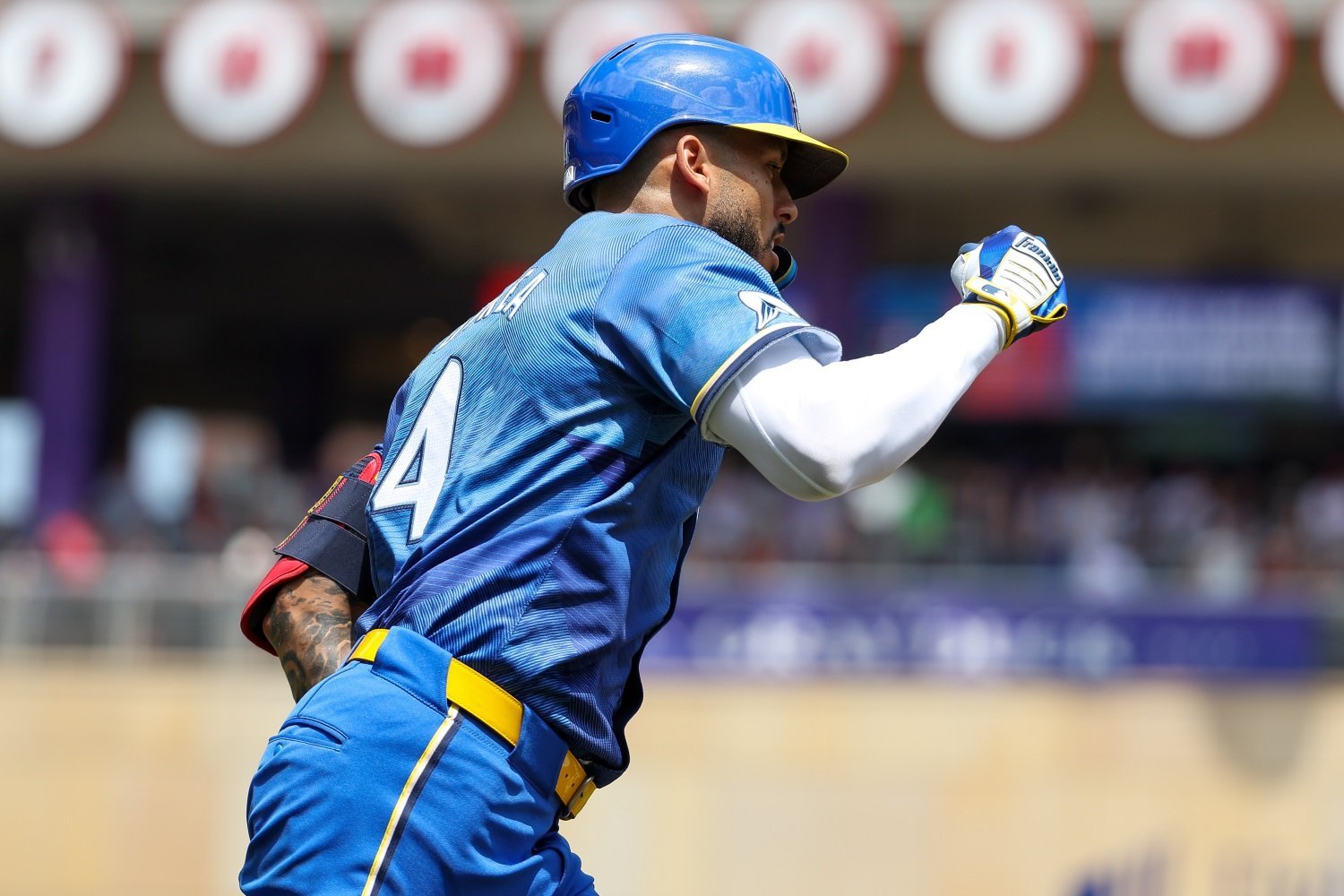 Twins fans have seen this story unfold in wildly different ways over the past few months: Byron Buxton appears to be a potential All-Star, the beating heart of the lineup, and one of the most productive center fielders in the American League. Meanwhile, Carlos Correa has taken his fair share of heat from fans and media alike, with murmurs swirling about whether his best days might already be behind him. But here’s the twist: according to Statcast’s expected weighted on-base average (xwOBA), Buxton and Correa are producing precisely the same quality of contact. xwOBA estimates a player’s offensive performance by measuring the quality of contact (based on exit velocity and launch angle), while removing factors like defense and ballpark, to reflect what should have happened at the plate rather than what actually did. Each player holds a .318 xwOBA. That’s a statistical tidbit that might surprise even the most tuned-in fans, considering how different the narrative around each has become. Buxton’s actual wOBA (which measures actual results) sits at .342, overperforming his expected mark by 24 points. Correa, on the other hand, owns a .293 wOBA, underperforming by nearly the same margin. How did we get here? Let’s break it down. Byron Buxton: Outperforming Expectations, Eyeing an All-Star Nod After years of frustration with injuries and inconsistent roles, Buxton has returned to playing center field and has become a staple in Minnesota’s lineup. And fans have noticed. He leads the team in multiple offensive categories, he's healthy, and he looks confident doing it. He’s also made a strong All-Star case, and not just because of the narrative boost. Statcast backs up what the eye test shows: Buxton is absolutely punishing the baseball. Barrel %: 84th percentile Hard-Hit %: 89th percentile Bat Speed: 89th percentile Even if his xwOBA is identical to Correa’s, Buxton’s superior batted-ball metrics explain why he’s overperforming. He’s earned a bit of good luck because his contact is consistently among the hardest in the game. Interestingly, some of his expected stats have dipped from last year. His xSLG has dropped from .502 in 2024 to .458 this season. His xwOBACON (expected wOBA on contact) has also declined slightly from .448 to .438. But those metrics don’t tell the whole story. Buxton’s Hard-Hit Rate (balls hit 95+ mph) is the second-highest of his career, showing he's regularly making elite contact even if his launch angle or spray chart isn’t quite as optimized as last season. So why the outperformance? Some of it could be strategic. Buxton may be focusing on pitches he can drive and keeping the ball off the ground more often than he has in the past. His swing decisions are leading to better overall results. It also helps that Buxton’s elite speed allows him to leg out extra bases or turn would-be outs into singles, an edge few hitters can match. That said, he's also been one of baseball's luckiest batters this season (see #18 below). Carlos Correa: The Numbers Say He's Better Than the Results If Buxton is thriving on the margins, Correa is living on the wrong side of them. Despite producing the same expected offensive value as Buxton, Correa’s season has felt like a disappointment. He’s batting .241 with a .293 wOBA, but there are signs of life. After a sluggish April, Correa has posted a .780 OPS with four home runs and three doubles since May 1, suggesting he’s trending in the right direction. There was also early-season speculation that a minor wrist issue was affecting his swing. If true, that could explain some of his underperformance. Still, there are some troubling indicators. Correa’s Barrel % is down to 6.0%, well below his 9.1% career average. That’s a sign he’s not squaring the ball up as often, and his average launch angle has dropped from 10 degrees to just 5 degrees. That’s a red flag, as he’s hitting more balls into the ground, limiting his power output and overall production. So, while he’s making contact at a decent clip and not chasing many pitches, the lack of lift and loud contact has led to weaker results. Unlike Buxton, Correa doesn’t have elite sprint speed to help him beat out grounders or stretch singles into doubles. His profile is more reliant on barreling the ball in the air, and so far, he’s not doing that often enough. But with nearly 100 games left in the regular season, there’s still time for regression to work its magic. If Correa keeps making the kind of contact reflected in his .318 xwOBA, the hits should start falling. His track record suggests it’s only a matter of time. Same Metrics, Different Mindsets The Buxton-Correa comparison serves as a reminder of how much perception and context influence fan narratives. Buxton’s power, speed, and defense have made him stand out, especially when healthy. His hot start has been a beacon of hope in a sometimes inconsistent offense. Correa, burdened by a hefty contract and a slow April, is viewed more critically, even though his expected production is right in line with Buxton’s. Beneath the surface, the Statcast numbers suggest the Twins' two highest-paid position players might not be so far apart after all. There’s also this: if Correa returns to form and Buxton keeps mashing, the Twins could suddenly have a potent middle of the lineup anchored by two former top picks finally healthy and productive at the same time. That hasn’t happened often during their overlapping tenure in Minnesota, but the next 100 games could rewrite the story. What do you think? Are the numbers deceiving us? Is Buxton really this good, or is Correa about to break out? Let us know in the comments below.
 -
Image courtesy of © Matt Krohn-Imagn Images Twins fans have seen this story unfold in wildly different ways over the past few months: Byron Buxton appears to be a potential All-Star, the beating heart of the lineup, and one of the most productive center fielders in the American League. Meanwhile, Carlos Correa has taken his fair share of heat from fans and media alike, with murmurs swirling about whether his best days might already be behind him. But here’s the twist: according to Statcast’s expected weighted on-base average (xwOBA), Buxton and Correa are producing precisely the same quality of contact. xwOBA estimates a player’s offensive performance by measuring the quality of contact (based on exit velocity and launch angle), while removing factors like defense and ballpark, to reflect what should have happened at the plate rather than what actually did. Each player holds a .318 xwOBA. That’s a statistical tidbit that might surprise even the most tuned-in fans, considering how different the narrative around each has become. Buxton’s actual wOBA (which measures actual results) sits at .342, overperforming his expected mark by 24 points. Correa, on the other hand, owns a .293 wOBA, underperforming by nearly the same margin. How did we get here? Let’s break it down. Byron Buxton: Outperforming Expectations, Eyeing an All-Star Nod After years of frustration with injuries and inconsistent roles, Buxton has returned to playing center field and has become a staple in Minnesota’s lineup. And fans have noticed. He leads the team in multiple offensive categories, he's healthy, and he looks confident doing it. He’s also made a strong All-Star case, and not just because of the narrative boost. Statcast backs up what the eye test shows: Buxton is absolutely punishing the baseball. Barrel %: 84th percentile Hard-Hit %: 89th percentile Bat Speed: 89th percentile Even if his xwOBA is identical to Correa’s, Buxton’s superior batted-ball metrics explain why he’s overperforming. He’s earned a bit of good luck because his contact is consistently among the hardest in the game. Interestingly, some of his expected stats have dipped from last year. His xSLG has dropped from .502 in 2024 to .458 this season. His xwOBACON (expected wOBA on contact) has also declined slightly from .448 to .438. But those metrics don’t tell the whole story. Buxton’s Hard-Hit Rate (balls hit 95+ mph) is the second-highest of his career, showing he's regularly making elite contact even if his launch angle or spray chart isn’t quite as optimized as last season. So why the outperformance? Some of it could be strategic. Buxton may be focusing on pitches he can drive and keeping the ball off the ground more often than he has in the past. His swing decisions are leading to better overall results. It also helps that Buxton’s elite speed allows him to leg out extra bases or turn would-be outs into singles, an edge few hitters can match. That said, he's also been one of baseball's luckiest batters this season (see #18 below). Carlos Correa: The Numbers Say He's Better Than the Results If Buxton is thriving on the margins, Correa is living on the wrong side of them. Despite producing the same expected offensive value as Buxton, Correa’s season has felt like a disappointment. He’s batting .241 with a .293 wOBA, but there are signs of life. After a sluggish April, Correa has posted a .780 OPS with four home runs and three doubles since May 1, suggesting he’s trending in the right direction. There was also early-season speculation that a minor wrist issue was affecting his swing. If true, that could explain some of his underperformance. Still, there are some troubling indicators. Correa’s Barrel % is down to 6.0%, well below his 9.1% career average. That’s a sign he’s not squaring the ball up as often, and his average launch angle has dropped from 10 degrees to just 5 degrees. That’s a red flag, as he’s hitting more balls into the ground, limiting his power output and overall production. So, while he’s making contact at a decent clip and not chasing many pitches, the lack of lift and loud contact has led to weaker results. Unlike Buxton, Correa doesn’t have elite sprint speed to help him beat out grounders or stretch singles into doubles. His profile is more reliant on barreling the ball in the air, and so far, he’s not doing that often enough. But with nearly 100 games left in the regular season, there’s still time for regression to work its magic. If Correa keeps making the kind of contact reflected in his .318 xwOBA, the hits should start falling. His track record suggests it’s only a matter of time. Same Metrics, Different Mindsets The Buxton-Correa comparison serves as a reminder of how much perception and context influence fan narratives. Buxton’s power, speed, and defense have made him stand out, especially when healthy. His hot start has been a beacon of hope in a sometimes inconsistent offense. Correa, burdened by a hefty contract and a slow April, is viewed more critically, even though his expected production is right in line with Buxton’s. Beneath the surface, the Statcast numbers suggest the Twins' two highest-paid position players might not be so far apart after all. There’s also this: if Correa returns to form and Buxton keeps mashing, the Twins could suddenly have a potent middle of the lineup anchored by two former top picks finally healthy and productive at the same time. That hasn’t happened often during their overlapping tenure in Minnesota, but the next 100 games could rewrite the story. What do you think? Are the numbers deceiving us? Is Buxton really this good, or is Correa about to break out? Let us know in the comments below. View full article
-
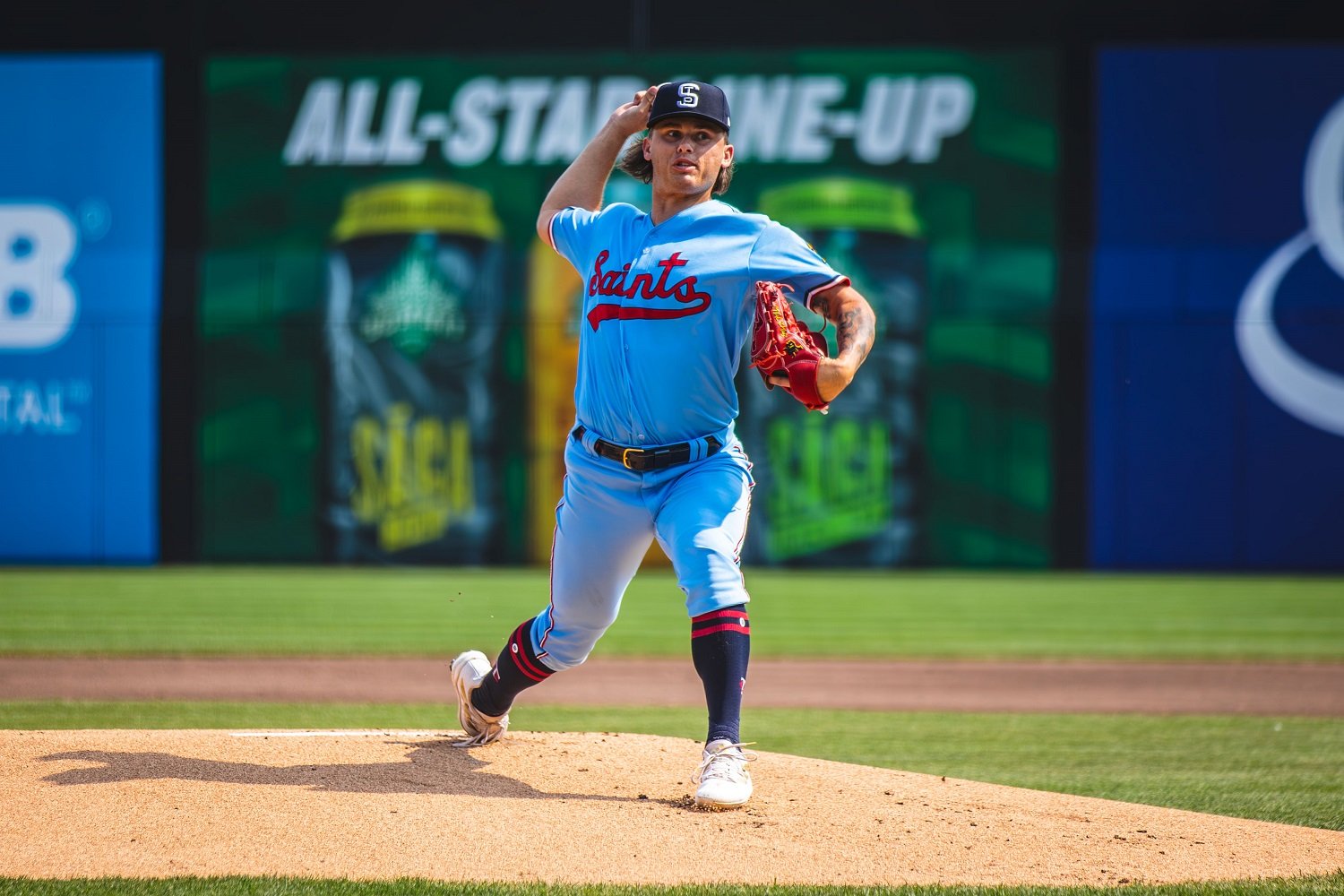 The Twins have called up right-handed pitcher Travis Adams , a 25-year-old who’s quietly put together one of the most intriguing developmental arcs in the system. After years of being a starter and overcoming a rollercoaster minor-league path, Adams now finds himself on the cusp of contributing in a meaningful way in the big leagues. Adams spent three collegiate seasons at Sacramento State, where he was used primarily as a starter. His junior season in 2021 was solid, if unspectacular on paper, with a 4.31 ERA, 1.24 WHIP, 8.2 strikeouts per nine innings (K/9), and just 1.8 walks per nine innings (BB/9). He wasn’t blowing away the competition, but his ability to fill up the strike zone and limit free passes stood out. The Twins, always on the lookout for high-floor college arms they could develop internally, scooped him up in the sixth round of the 2021 MLB Draft. The thinking was simple: Adams already had the command, and with the proper adjustments, the Twins hoped to unlock more velocity and induce more swings and misses in his game. His pro debut with the FCL Twins was not precisely what you'd script. One appearance, two walks, two hits, three earned runs. It was over almost as quickly as it started. But one poor outing in the Florida heat was hardly a reason to panic, and Adams showed why in his first full professional season. Fast Start in 2022 Adams opened the 2022 season in Fort Myers and immediately looked like a polished college arm, making easy work of low-A hitters. In 15 starts, he posted a 3.50 ERA and a crisp 1.04 WHIP over 69 1/3 innings, showing strong command (5.5 BB%) and missing more bats (25.1 K%) than he had in college. The Twins bumped him to High-A Cedar Rapids in late July, and though hitters made more contact (9.8 H/9), his strikeout numbers climbed again (28.5 K%), suggesting that swing-and-miss upside was starting to emerge. By the end of 2022, Adams had built a compelling case as a solid mid-tier arm in the system. He wasn’t flashy, but he was dependable and improving. A Step Back in 2023 Then came the struggles. Adams spent all of 2023 with Double-A Wichita, and it proved to be a humbling experience. His ERA ballooned to 5.66, his WHIP jumped to 1.47, and both his strikeout rate (20.3%) and walk rate (9.0%) went in the wrong direction. Suddenly, whispers began that Adams might be destined for the bullpen. For a pitcher who had built his profile around command and consistency, it was a setback. But it also prompted a turning point. Adjustments and Breakthrough During spring training in 2024, Adams made headlines, but it wasn’t for anything he did on the field. He was in the right place at the right time and was able to save a resident from a house fire. He was staying in a house nearby and heard a loud bang. He and three other local residents had to find a way into the back of the house to get a man to safety. Adams told reporters, "My goal was just to help him out of the house because I didn't know like how much of the house is on fire or, you know, what was on fire. I saw a big old blaze and fire and smoke coming from the house." To open 2024, Adams was back in Wichita, where he was still in the rotation and still facing questions. His first nine appearances didn’t inspire much confidence. Opposing batters hit .291 off him, and his on-base percentage against was north of .330. Then, seemingly overnight, Adams flipped a switch. Over his subsequent 13 appearances, Adams posted a 2.38 ERA and limited batters to a .544 OPS. He struck out 72 and walked only 17 in 68 innings, showing the kind of efficiency and pitch execution the Twins had been waiting for. His velocity ticked up slightly, but more importantly, he improved the shape and location of his pitches. He worked up in the zone more effectively, added deception with his delivery, and leaned into sequencing that emphasized his strengths. The righthander currently stands as the Wichita individual franchise leader in three pitching categories: innings pitched (217.2), strikeouts (206), and starts (44). Minnesota rewarded his dominance with a late-season promotion to Triple-A St. Paul and added him to the 40-man roster this past winter. In their 2024 end-of-year report, MLB Pipeline called Adams “the best performing pitcher in the system in the second half.” For a former sixth-rounder with some minor-league struggles, it was a remarkable turnaround. Embracing the Hybrid Role While Adams had always been a starter in college and the minors, the Saints took a different approach in 2025. Instead of using him in a traditional five-man rotation, Adams began serving as a hybrid long-reliever and piggyback option. He often followed high-upside arms like Marco Raya or Zebby Matthews, providing two to four innings of quality work to bridge the gap to the back of the bullpen. The results have been consistently strong. Through the first two months of the season, Adams has maintained a sub-3.50 ERA and a WHIP of around 1.15. His strikeout rate has climbed to 21.3%, a significant jump from the 11.4% mark he posted during his brief Triple-A stint in 2024. He’s been especially impressive at limiting damage, giving up more than two runs in just three of his appearances. That kind of reliability has made him one of the Saints’ most trusted arms. And now, it’s earned him a ticket to the big leagues. What Can Adams Bring to the Twins? With the Twins entering a tough stretch of games and battling a string of bullpen wear and tear, Adams offers a valuable safety net. His recent experience in a piggyback role mirrors what he’ll likely be asked to do in the big leagues: eat innings, keep the score close, and avoid walks. The Twins have Zebby Matthews and David Festa in the rotation, who are young and will be limited in the amount of innings they can throw in their first big-league campaign. Adams will likely need to serve in a similar role to the one he held in St. Paul by piggybacking on these young starters. He may not light up the radar gun, but he mixes well, competes in the zone, and has shown he can adjust when hitters catch on. In the long run, it’s unclear whether Adams will carve out a permanent role in the bullpen or get another chance to start. His fastball sits in the mid-90s and can flash in the upper 90s. His slider has increased in velocity with the Twins, now reaching the mid-80s. He has a cutter and a changeup that he also uses. But his emergence as a flexible, multi-inning option gives the Twins exactly what they need right now: a stable arm with command, experience, and the ability to adapt. It’s always satisfying when a player grinds through setbacks and earns a call-up not because of hype but because of steady, earned performance. Travis Adams isn’t a top-100 prospect or a former first-rounder. But he’s a reminder that player development is rarely linear, and sometimes, those mid-round arms with college polish and quiet grit are precisely what a team needs. What stands out about Adam’s development in the Twins system? Can he succeed in a piggybacking role? Leave a comment and start the discussion.
 -
Image courtesy of Rob Thompson, St. Paul Saints The Twins have called up right-handed pitcher Travis Adams , a 25-year-old who’s quietly put together one of the most intriguing developmental arcs in the system. After years of being a starter and overcoming a rollercoaster minor-league path, Adams now finds himself on the cusp of contributing in a meaningful way in the big leagues. Adams spent three collegiate seasons at Sacramento State, where he was used primarily as a starter. His junior season in 2021 was solid, if unspectacular on paper, with a 4.31 ERA, 1.24 WHIP, 8.2 strikeouts per nine innings (K/9), and just 1.8 walks per nine innings (BB/9). He wasn’t blowing away the competition, but his ability to fill up the strike zone and limit free passes stood out. The Twins, always on the lookout for high-floor college arms they could develop internally, scooped him up in the sixth round of the 2021 MLB Draft. The thinking was simple: Adams already had the command, and with the proper adjustments, the Twins hoped to unlock more velocity and induce more swings and misses in his game. His pro debut with the FCL Twins was not precisely what you'd script. One appearance, two walks, two hits, three earned runs. It was over almost as quickly as it started. But one poor outing in the Florida heat was hardly a reason to panic, and Adams showed why in his first full professional season. Fast Start in 2022 Adams opened the 2022 season in Fort Myers and immediately looked like a polished college arm, making easy work of low-A hitters. In 15 starts, he posted a 3.50 ERA and a crisp 1.04 WHIP over 69 1/3 innings, showing strong command (5.5 BB%) and missing more bats (25.1 K%) than he had in college. The Twins bumped him to High-A Cedar Rapids in late July, and though hitters made more contact (9.8 H/9), his strikeout numbers climbed again (28.5 K%), suggesting that swing-and-miss upside was starting to emerge. By the end of 2022, Adams had built a compelling case as a solid mid-tier arm in the system. He wasn’t flashy, but he was dependable and improving. A Step Back in 2023 Then came the struggles. Adams spent all of 2023 with Double-A Wichita, and it proved to be a humbling experience. His ERA ballooned to 5.66, his WHIP jumped to 1.47, and both his strikeout rate (20.3%) and walk rate (9.0%) went in the wrong direction. Suddenly, whispers began that Adams might be destined for the bullpen. For a pitcher who had built his profile around command and consistency, it was a setback. But it also prompted a turning point. Adjustments and Breakthrough During spring training in 2024, Adams made headlines, but it wasn’t for anything he did on the field. He was in the right place at the right time and was able to save a resident from a house fire. He was staying in a house nearby and heard a loud bang. He and three other local residents had to find a way into the back of the house to get a man to safety. Adams told reporters, "My goal was just to help him out of the house because I didn't know like how much of the house is on fire or, you know, what was on fire. I saw a big old blaze and fire and smoke coming from the house." To open 2024, Adams was back in Wichita, where he was still in the rotation and still facing questions. His first nine appearances didn’t inspire much confidence. Opposing batters hit .291 off him, and his on-base percentage against was north of .330. Then, seemingly overnight, Adams flipped a switch. Over his subsequent 13 appearances, Adams posted a 2.38 ERA and limited batters to a .544 OPS. He struck out 72 and walked only 17 in 68 innings, showing the kind of efficiency and pitch execution the Twins had been waiting for. His velocity ticked up slightly, but more importantly, he improved the shape and location of his pitches. He worked up in the zone more effectively, added deception with his delivery, and leaned into sequencing that emphasized his strengths. The righthander currently stands as the Wichita individual franchise leader in three pitching categories: innings pitched (217.2), strikeouts (206), and starts (44). Minnesota rewarded his dominance with a late-season promotion to Triple-A St. Paul and added him to the 40-man roster this past winter. In their 2024 end-of-year report, MLB Pipeline called Adams “the best performing pitcher in the system in the second half.” For a former sixth-rounder with some minor-league struggles, it was a remarkable turnaround. Embracing the Hybrid Role While Adams had always been a starter in college and the minors, the Saints took a different approach in 2025. Instead of using him in a traditional five-man rotation, Adams began serving as a hybrid long-reliever and piggyback option. He often followed high-upside arms like Marco Raya or Zebby Matthews, providing two to four innings of quality work to bridge the gap to the back of the bullpen. The results have been consistently strong. Through the first two months of the season, Adams has maintained a sub-3.50 ERA and a WHIP of around 1.15. His strikeout rate has climbed to 21.3%, a significant jump from the 11.4% mark he posted during his brief Triple-A stint in 2024. He’s been especially impressive at limiting damage, giving up more than two runs in just three of his appearances. That kind of reliability has made him one of the Saints’ most trusted arms. And now, it’s earned him a ticket to the big leagues. What Can Adams Bring to the Twins? With the Twins entering a tough stretch of games and battling a string of bullpen wear and tear, Adams offers a valuable safety net. His recent experience in a piggyback role mirrors what he’ll likely be asked to do in the big leagues: eat innings, keep the score close, and avoid walks. The Twins have Zebby Matthews and David Festa in the rotation, who are young and will be limited in the amount of innings they can throw in their first big-league campaign. Adams will likely need to serve in a similar role to the one he held in St. Paul by piggybacking on these young starters. He may not light up the radar gun, but he mixes well, competes in the zone, and has shown he can adjust when hitters catch on. In the long run, it’s unclear whether Adams will carve out a permanent role in the bullpen or get another chance to start. His fastball sits in the mid-90s and can flash in the upper 90s. His slider has increased in velocity with the Twins, now reaching the mid-80s. He has a cutter and a changeup that he also uses. But his emergence as a flexible, multi-inning option gives the Twins exactly what they need right now: a stable arm with command, experience, and the ability to adapt. It’s always satisfying when a player grinds through setbacks and earns a call-up not because of hype but because of steady, earned performance. Travis Adams isn’t a top-100 prospect or a former first-rounder. But he’s a reminder that player development is rarely linear, and sometimes, those mid-round arms with college polish and quiet grit are precisely what a team needs. What stands out about Adam’s development in the Twins system? Can he succeed in a piggybacking role? Leave a comment and start the discussion. View full article
-
Image courtesy of Rob Thompson, St. Paul Saints One of the consistent staples of Rocco Baldelli’s bullpen philosophy has been his desire to carry a long reliever—a pitcher who can bridge multiple innings and preserve the rest of the bullpen during short starts or blowouts. It’s a role the Twins have tried to fill in the past, with mixed results. The tricky part? When a team is in a stretch of tight, low-scoring games, that long man can sit unused for over a week. It’s tough to stay sharp, and even tougher to justify a roster spot for someone who might throw once every 10 days. Having the practical maximum of solid relievers available (even if it be for just two or three outs at a time) is how a club sustains torrid fortnights like the winning streaks that set the team back on track in each of the last two years; long relievers are better for absorbing damage and shortening losing streaks. But with Pablo López now expected to miss 8-12 weeks due to a teres major strain, the calculation changes. The Twins’ rotation is suddenly home to a pair of exciting but unproven rookies, in Zebby Matthews and David Festa. If the team wants to avoid burning out its bullpen by the All-Star Break, the need for a trusted long man might outweigh the usage concerns. That’s where Travis Adams enters the conversation. A Developmental Success Story The Twins selected Adams in the sixth round of the 2021 MLB Draft out of California State University (Sacramento), a program known for producing polished college arms. From the outset, Adams wasn’t viewed as a flamethrower or a top-of-the-rotation arm, but rather a pitcher with a mature approach and the ability to fill up the strike zone with a mix of average or better offerings. He signed for the modest $253,000 slot value at that pick. In other words, he was tailor-made to become a steady presence in a minor-league rotation. Adams proved to be accurate in his projections over his first two professional seasons, posting solid numbers while steadily rising through the system. His 2024 campaign with Double-A Wichita was particularly impressive. He compiled a 3.67 ERA across 25 starts, with a 24.5% strikeout rate and a 6.3% walk rate. He showed durability and command that many evaluators believed could translate to a swingman or backend big-league starting role. The Twins thought highly enough of him to add him to the 40-man roster in November, to protect him from the Rule 5 Draft. That decision is now looking more prescient than ever. Evolving into a Piggyback Specialist The 2025 season has marked a subtle but essential shift in Adams’s development path. While he had functioned primarily as a traditional starter throughout his minor-league career, Triple-A St. Paul has utilized him in a hybrid piggyback role this year. Often following high-upside starters like Marco Raya (and even Matthews and Festa, before their big-league call-ups), Adams has become a dependable multi-inning arm who can bridge the gap between the starter and the best of the bullpen. The results? Impressive. Through the first two months of the Triple-A season, Adams has quietly posted a sub-3.50 ERA, with a WHIP hovering around 1.15, while maintaining a solid strikeout-to-walk ratio. His strikeout rate has improved from 11.4% at Triple-A last season to 21.3% in 2025, which is closer to his career mark. He’s averaging over three innings per appearance and has been incredibly consistent, allowing more than two runs in only three outings. “[Adams has] been great, he’s been great in that role,” said Saints manager Toby Gardenhire. “It’s a new thing for him, but I think he does a really good job in it. He comes out there, throws strikes, pounds the zone, he’s got good stuff, too, so I think he’s doing a really nice job with it, and hopefully we can get him up to the big leagues in that role, too.” It’s that ability to throw strikes, minimize damage, and soak up innings that makes Adams a compelling call-up candidate. Why the Twins Might Need Him Now With Pablo López sidelined, the Twins rotation is currently led by Joe Ryan, Bailey Ober, and a resurgent Chris Paddack. Those three bring consistency and the potential for six- or seven-inning starts. But behind them, it’s a different story. Matthews and Festa have both shown flashes of brilliance during their big-league tenures, but neither has been a lock to work deep into games. Both have been monitored closely by the Twins, who are understandably cautious about overextending young arms during their first full MLB season. That caution has a ripple effect. Short outings by starters force the bullpen to carry a heavier load, and over time, that can wear down even the most resilient relief corps. The Twins' bullpen has been a strength this season, but asking the likes of Griffin Jax, Louie Varland, and Jhoan Duran to cover four or five innings multiple times per week is a fast track to burnout. Adams could step into that gap. If Matthews exits after 13 or 14 outs, Adams can give the team two or three solid frames and keep the game in reach. If Festa runs up a high pitch count in the third inning, Adams can calm the waters without burning through multiple one-inning relievers. In essence, he’d serve as an MLB-level version of the role he’s already thriving in at Triple A. One of the barriers to calling up a pitcher midseason is often the need for 40-man roster space, but the Twins already cleared that hurdle with Adams last winter. With a spot already secured, they can promote him without the risk of losing another player to waivers or making a difficult DFA decision. Additionally, the Twins have a few bullpen arms who may be optioned or cycled through in the coming weeks. Jorge Alcala has struggled and is unable to be optioned to the minor leagues; he's on DFA watch. Kody Funderburk has been used sparingly as the team’s only lefty. Adams would be a natural fit to replace one of those arms, while giving the Twins a different look in terms of bullpen structure. There’s also a strategic component: in an era when MLB teams are constantly looking for ways to stretch out their pitching staffs without overexposing any one arm, long relievers who can pitch 2-4 innings are as valuable as ever. Adams fits that profile perfectly. While the average fan may not be clamoring for an Adams call-up, the Twins front office and coaching staff likely recognize how important his skill set could be over the next two months. In a season where depth is more vital than ever (and with a playoff race that remains tightly contested), reliable innings might be the most valuable currency in baseball. Adams may not light up radar guns or dominate headlines, but his path through the Twins system and recent success in a piggyback role suggests he’s ready for this next challenge. If the Twins want to weather the storm of López’s injury without overextending their bullpen or rushing their prospects, Adams may be the quiet solution they need and fill Baldelli’s appetite for a long reliever. Do you think the Twins should give Adams a shot in the big leagues? Let us know in the comments below, or head to the forums to weigh in on how Minnesota should manage its pitching depth moving forward. View full article
-
Pablo López’s Injury May Give Rocco Baldelli What He’s Always Wanted
Cody Christie posted an article in Twins
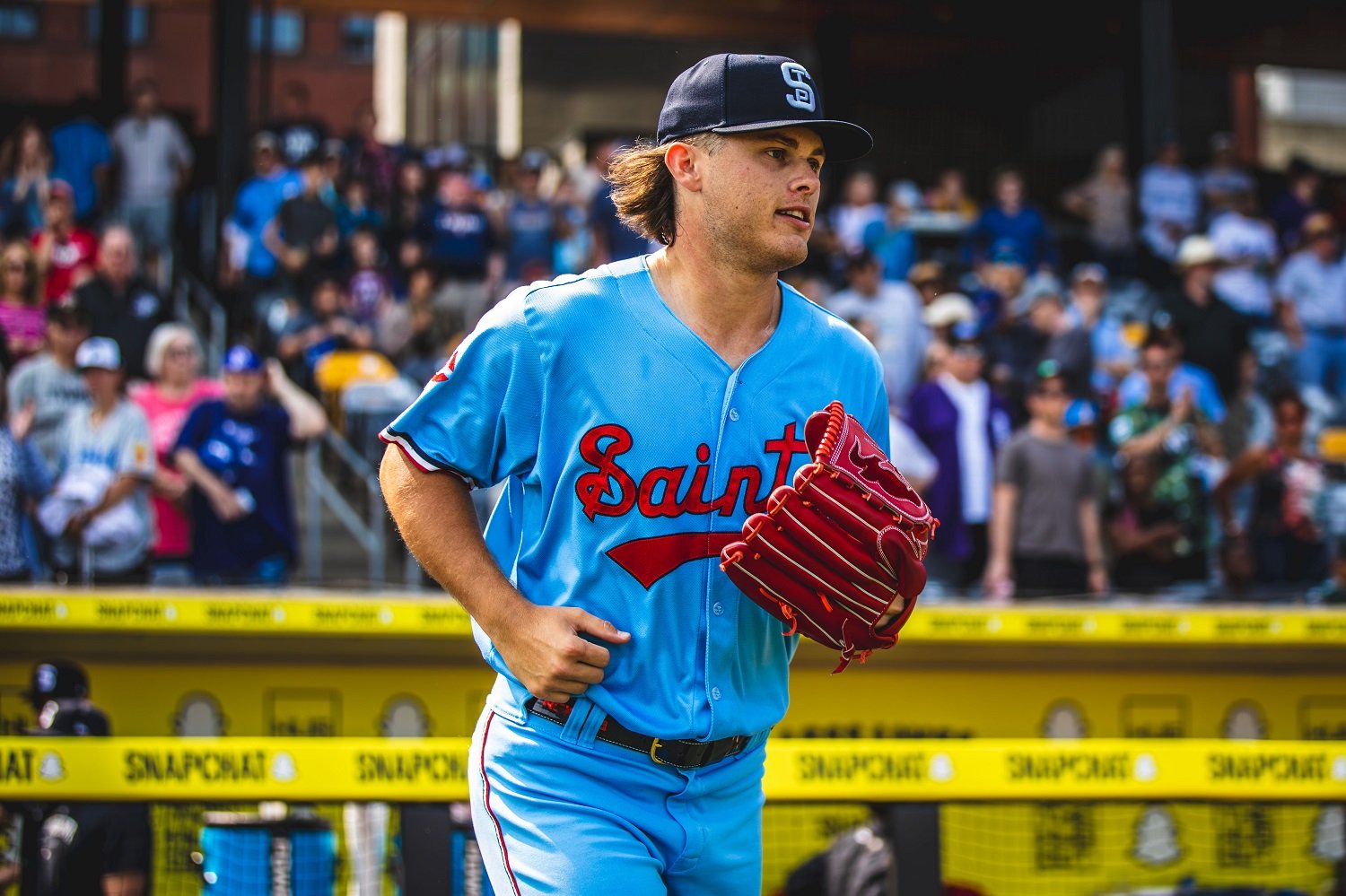 One of the consistent staples of Rocco Baldelli’s bullpen philosophy has been his desire to carry a long reliever—a pitcher who can bridge multiple innings and preserve the rest of the bullpen during short starts or blowouts. It’s a role the Twins have tried to fill in the past, with mixed results. The tricky part? When a team is in a stretch of tight, low-scoring games, that long man can sit unused for over a week. It’s tough to stay sharp, and even tougher to justify a roster spot for someone who might throw once every 10 days. Having the practical maximum of solid relievers available (even if it be for just two or three outs at a time) is how a club sustains torrid fortnights like the winning streaks that set the team back on track in each of the last two years; long relievers are better for absorbing damage and shortening losing streaks. But with Pablo López now expected to miss 8-12 weeks due to a teres major strain, the calculation changes. The Twins’ rotation is suddenly home to a pair of exciting but unproven rookies, in Zebby Matthews and David Festa. If the team wants to avoid burning out its bullpen by the All-Star Break, the need for a trusted long man might outweigh the usage concerns. That’s where Travis Adams enters the conversation. A Developmental Success Story The Twins selected Adams in the sixth round of the 2021 MLB Draft out of California State University (Sacramento), a program known for producing polished college arms. From the outset, Adams wasn’t viewed as a flamethrower or a top-of-the-rotation arm, but rather a pitcher with a mature approach and the ability to fill up the strike zone with a mix of average or better offerings. He signed for the modest $253,000 slot value at that pick. In other words, he was tailor-made to become a steady presence in a minor-league rotation. Adams proved to be accurate in his projections over his first two professional seasons, posting solid numbers while steadily rising through the system. His 2024 campaign with Double-A Wichita was particularly impressive. He compiled a 3.67 ERA across 25 starts, with a 24.5% strikeout rate and a 6.3% walk rate. He showed durability and command that many evaluators believed could translate to a swingman or backend big-league starting role. The Twins thought highly enough of him to add him to the 40-man roster in November, to protect him from the Rule 5 Draft. That decision is now looking more prescient than ever. Evolving into a Piggyback Specialist The 2025 season has marked a subtle but essential shift in Adams’s development path. While he had functioned primarily as a traditional starter throughout his minor-league career, Triple-A St. Paul has utilized him in a hybrid piggyback role this year. Often following high-upside starters like Marco Raya (and even Matthews and Festa, before their big-league call-ups), Adams has become a dependable multi-inning arm who can bridge the gap between the starter and the best of the bullpen. The results? Impressive. Through the first two months of the Triple-A season, Adams has quietly posted a sub-3.50 ERA, with a WHIP hovering around 1.15, while maintaining a solid strikeout-to-walk ratio. His strikeout rate has improved from 11.4% at Triple-A last season to 21.3% in 2025, which is closer to his career mark. He’s averaging over three innings per appearance and has been incredibly consistent, allowing more than two runs in only three outings. “[Adams has] been great, he’s been great in that role,” said Saints manager Toby Gardenhire. “It’s a new thing for him, but I think he does a really good job in it. He comes out there, throws strikes, pounds the zone, he’s got good stuff, too, so I think he’s doing a really nice job with it, and hopefully we can get him up to the big leagues in that role, too.” It’s that ability to throw strikes, minimize damage, and soak up innings that makes Adams a compelling call-up candidate. Why the Twins Might Need Him Now With Pablo López sidelined, the Twins rotation is currently led by Joe Ryan, Bailey Ober, and a resurgent Chris Paddack. Those three bring consistency and the potential for six- or seven-inning starts. But behind them, it’s a different story. Matthews and Festa have both shown flashes of brilliance during their big-league tenures, but neither has been a lock to work deep into games. Both have been monitored closely by the Twins, who are understandably cautious about overextending young arms during their first full MLB season. That caution has a ripple effect. Short outings by starters force the bullpen to carry a heavier load, and over time, that can wear down even the most resilient relief corps. The Twins' bullpen has been a strength this season, but asking the likes of Griffin Jax, Louie Varland, and Jhoan Duran to cover four or five innings multiple times per week is a fast track to burnout. Adams could step into that gap. If Matthews exits after 13 or 14 outs, Adams can give the team two or three solid frames and keep the game in reach. If Festa runs up a high pitch count in the third inning, Adams can calm the waters without burning through multiple one-inning relievers. In essence, he’d serve as an MLB-level version of the role he’s already thriving in at Triple A. One of the barriers to calling up a pitcher midseason is often the need for 40-man roster space, but the Twins already cleared that hurdle with Adams last winter. With a spot already secured, they can promote him without the risk of losing another player to waivers or making a difficult DFA decision. Additionally, the Twins have a few bullpen arms who may be optioned or cycled through in the coming weeks. Jorge Alcala has struggled and is unable to be optioned to the minor leagues; he's on DFA watch. Kody Funderburk has been used sparingly as the team’s only lefty. Adams would be a natural fit to replace one of those arms, while giving the Twins a different look in terms of bullpen structure. There’s also a strategic component: in an era when MLB teams are constantly looking for ways to stretch out their pitching staffs without overexposing any one arm, long relievers who can pitch 2-4 innings are as valuable as ever. Adams fits that profile perfectly. While the average fan may not be clamoring for an Adams call-up, the Twins front office and coaching staff likely recognize how important his skill set could be over the next two months. In a season where depth is more vital than ever (and with a playoff race that remains tightly contested), reliable innings might be the most valuable currency in baseball. Adams may not light up radar guns or dominate headlines, but his path through the Twins system and recent success in a piggyback role suggests he’s ready for this next challenge. If the Twins want to weather the storm of López’s injury without overextending their bullpen or rushing their prospects, Adams may be the quiet solution they need and fill Baldelli’s appetite for a long reliever. Do you think the Twins should give Adams a shot in the big leagues? Let us know in the comments below, or head to the forums to weigh in on how Minnesota should manage its pitching depth moving forward.
 -
I agree. I don't think he will have any value as a trade chip because of his age.
- 14 replies
-
- 1
-
-
- kaelen culpepper
- cole peschl
- (and 4 more)
-
I think the Twins will want him to get comfortable coming off the injury. He will be an option in the second half if they need him.
-
Winokur was also a high school draft pick so he is young for Cedar Rapids. He turned 20 in December so he is over two years younger than the average age of the competition in the Midwest League. He's only faced younger pitchers in 11 plate appearances this season.
- 14 replies
-
- 2
-
-
- kaelen culpepper
- cole peschl
- (and 4 more)
-
Culpepper can play shortstop and third. Winokur plays shortstop, center, and some third. De Andrade has been playing second and third. Lots of versatility in that group.
- 14 replies
-
- 1
-
-
- kaelen culpepper
- cole peschl
- (and 4 more)