Cody Christie
-
Posts
7,810 -
Joined
-
Last visited
-
Days Won
5
Content Type
Profiles
News
Minnesota Twins Videos
2026 Minnesota Twins Top Prospects Ranking
2022 Minnesota Twins Draft Picks
Minnesota Twins Free Agent & Trade Rumors, Notes, & Tidbits
Guides & Resources
2023 Minnesota Twins Draft Picks
The Minnesota Twins Players Project
2024 Minnesota Twins Draft Picks
2025 Minnesota Twins Draft Pick Tracker
2026 Minnesota Twins Draft Tracker: Picks & Bonuses
Forums
Blogs
Events
Store
Downloads
Gallery
Everything posted by Cody Christie
-

Twins Minor League Report (6/4): Kaelen Culpepper Did What?!?
Cody Christie posted an article in Minor Leagues
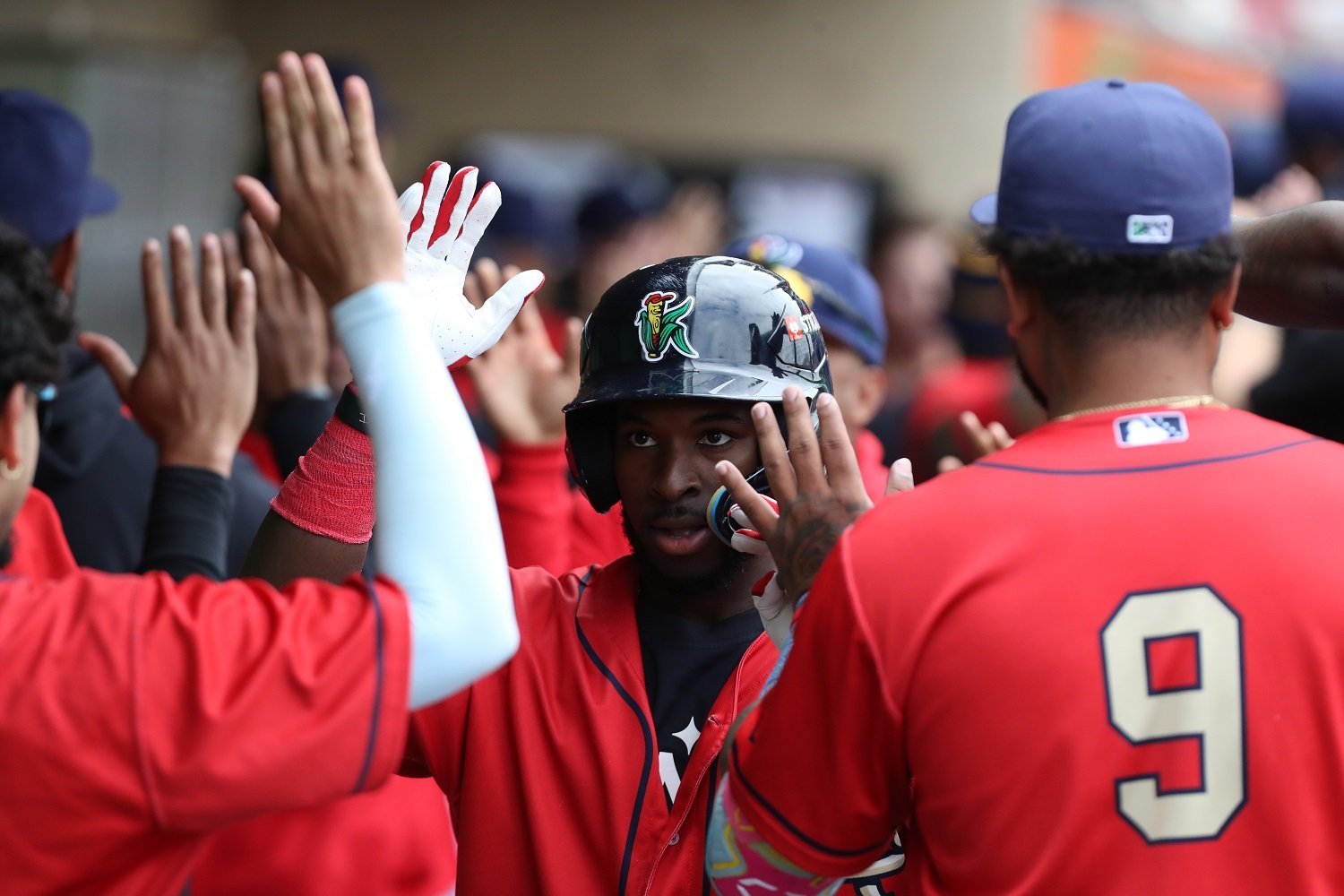 TRANSACTIONS There were multiple moves on Wednesday that had ripple effects across the organization. 2B Jose Salas assigned to Wichita from Cedar Rapids. 3B Jay Thomason assigned to Cedar Rapids from Fort Myers. 3B Armando Alvarez released by St. Paul. SS Tanner Schobel assigned to St. Paul from Wichita. SAINTS SENTINEL Saints 7, Scranton/Wilkes-Barre 5 Box Scor St. Paul scored two runs in the eighth inning to squeak out a victory, despite being out hit 11-to-8. Payton Eeles was electric out of the lead-off spot going 3-for-4 with three runs, two steals and a walk. Mickey Gasper, Edouard Julien and DaShawn Keirsey Jr. each drove in a pair of runs. Gasper was the lone Saints batter with an extra-base hit as he cracked two doubles and has 10 on the season at Triple-A. St. Paul left 12 men on base, but still found a way to win. On the mound, Randy Dobnak started and scattered five hits over four innings. He allowed one earned run while walking one and striking out one. He threw 67 pitches and 40 were strikes. Kyle Bischoff and Richard Lovelady combined for three shutout innings to end the game. It was Bischoff’s fourth win and Lovelady’s fourth save. WIND SURGE WISDOM NW Arkansas 6, Wichita 5 (11 Innings) Box Score Wichita scored four runs in the third inning to take the lead but it wasn’t enough and lost in extra innings. Ricardo Olivar led the way offensively with two home runs. He smacked a two-run shot in the third inning and a solo shot in the fifth. Kala’i Rosario went 3-for-5 with a double. Aaron Sabato has reached base in 22 straight games with two walks in this one. John Klein made only his second start of the season. In three innings, he allowed three runs on three hits with three strikeouts and a walk. Ricky Castro tied a season-high with five strikeouts. He pitched four innings of relief and allowed one run on five hits. John Stankiewicz pitched a scoreless eighth inning to keep the game close. KERNELS NUGGETS Wisconsin 8, Cedar Rapids 2 Box Score Cedar Rapids entered the game on a five game winning streak and Kaelen Culpepper got the game started with a lead off home run. In the top of the fourth, Brandon Winokur crushed a 113 MPH homer to cut the lead to 4-2. However, that’s as close as Cedar Rapids would get. Jose Olivares started and allowed six earned runs on four hits with four walks and two strikeouts. Hunter Hoopes made his High-A debut after being called up earlier in the week from Fort Myers. He pitched a perfect inning with one strikeout. Cedar Rapids 15, Wisconsin 2 Box Score Culpepper hit a leadoff homer for the second game in a row and this time the Kernels were off and running. Winokur continued his hot hitting too. He finished game two by going 2-for-3 with his 13th double. Danny De Andrade led the team with five RBI as he had a double and a triple to combine for five total bases. The 15 runs of support were more than enough for starter Cole Peschl. In his third Cedar Rapids outing, Peschl collected his second consecutive win, allowing just a run on two hits with four strikeouts across five innings of work. Samuel Perez finished the game by allowing one unearned run over two innings. MUSSEL MATTERS Palm Beach 8, Fort Myers 1 Box Score Eli Jones retired five straight batters to start the game but things fell apart from there. He failed to make it out of the second inning as the Cardinals plated five runs on four hits against him. His early exit snapped a streak of four consecutive starts of at least five innings for him. Jakob Hall, Josh Bortka, and Peyton Carr combined for six shutout innings to end the game. Bortka struck out four in two innings of work and threw 20 of his 23 pitches for strikes. Fort Myers only managed four hits and no players recorded an extra-base knock. Miguel Briceno and Yohander Martinez each reached base twice. Caleb McNeely drove in the only run of the game with a two-out hit in the bottom of the sixth. TWINS DAILY MINOR LEAGUE PLAYERS OF THE DAY Pitcher of the Day – Cole Peschl, Cedar Rapids Kernels (5 IP, 2 H, 1 R, 4 K, 1 BB) Hitter of the Day – Kaelen Culpepper, Cedar Rapids Kernels (3-for-6, 3 R, 2 HR, 3 RBI, 2 BB, 1 SB) PROSPECT SUMMARY Check out the Prospect Tracker for much more on our Twins Top 20 prospects after seeing how they performed on Wednesday. #6 – Kaelen Culpepper (Cedar Rapids): 3-for-6, 2 HR, 3 RBI, 2 BB, 2 K, 1 SB #9 – Brandon Winokur (Cedar Rapids): 4-for-6, 1 2B, 1 HR, 2 RBI, 1 BB, 1 SB #11 – Kyle DeBarge (Cedar Rapids): 0-for-6, 1 R, 1 RBI, 5 K #14 – Gabriel Gonzalez (Wichita): 0-for-6, 2 K #17 – Tanner Schobel (St. Paul): 0-for-3, BB, 3 K #19 – Carson McCusker (St. Paul): 0-for-2, 1 R, 1 BB #20 – Ricardo Olivar (Wichita): 3-for-9, 2 HR, 3 R, 3 RBI, 3 K THURSDAY’S PROBABLE STARTERS Scranton/Wilkes-Barre @ St. Paul (7:07 PM CDT) - RHP Marco Raya (0-3, 9.26 ERA) Wichita @ NW Arkansas (4:05 PM CDT) - LHP Christian MacLeod (0-1, 1.31 ERA) Cedar Rapids @ Wisconsin, Game 1 (6:40 PM CDT) - RHP Ty Langenberg (0-3, 7.98 ERA) Palm Beach @ Fort Myers (6:05 PM CDT) - RHP Jason Doktorczyk (2-2, 5.35 ERA) DSL Rangers @ DSL Twins (11:00 AM CDT) - TBD FCL Braves @ FCL Twins (11:00 AM CDT) - TBD
- 14 comments
-
- 3
-

-

-
- kaelen culpepper
- cole peschl
- (and 4 more)
-
Image courtesy of David Malamut TRANSACTIONS There were multiple moves on Wednesday that had ripple effects across the organization. 2B Jose Salas assigned to Wichita from Cedar Rapids. 3B Jay Thomason assigned to Cedar Rapids from Fort Myers. 3B Armando Alvarez released by St. Paul. SS Tanner Schobel assigned to St. Paul from Wichita. SAINTS SENTINEL Saints 7, Scranton/Wilkes-Barre 5 Box Scor St. Paul scored two runs in the eighth inning to squeak out a victory, despite being out hit 11-to-8. Payton Eeles was electric out of the lead-off spot going 3-for-4 with three runs, two steals and a walk. Mickey Gasper, Edouard Julien and DaShawn Keirsey Jr. each drove in a pair of runs. Gasper was the lone Saints batter with an extra-base hit as he cracked two doubles and has 10 on the season at Triple-A. St. Paul left 12 men on base, but still found a way to win. On the mound, Randy Dobnak started and scattered five hits over four innings. He allowed one earned run while walking one and striking out one. He threw 67 pitches and 40 were strikes. Kyle Bischoff and Richard Lovelady combined for three shutout innings to end the game. It was Bischoff’s fourth win and Lovelady’s fourth save. WIND SURGE WISDOM NW Arkansas 6, Wichita 5 (11 Innings) Box Score Wichita scored four runs in the third inning to take the lead but it wasn’t enough and lost in extra innings. Ricardo Olivar led the way offensively with two home runs. He smacked a two-run shot in the third inning and a solo shot in the fifth. Kala’i Rosario went 3-for-5 with a double. Aaron Sabato has reached base in 22 straight games with two walks in this one. John Klein made only his second start of the season. In three innings, he allowed three runs on three hits with three strikeouts and a walk. Ricky Castro tied a season-high with five strikeouts. He pitched four innings of relief and allowed one run on five hits. John Stankiewicz pitched a scoreless eighth inning to keep the game close. KERNELS NUGGETS Wisconsin 8, Cedar Rapids 2 Box Score Cedar Rapids entered the game on a five game winning streak and Kaelen Culpepper got the game started with a lead off home run. In the top of the fourth, Brandon Winokur crushed a 113 MPH homer to cut the lead to 4-2. However, that’s as close as Cedar Rapids would get. Jose Olivares started and allowed six earned runs on four hits with four walks and two strikeouts. Hunter Hoopes made his High-A debut after being called up earlier in the week from Fort Myers. He pitched a perfect inning with one strikeout. Cedar Rapids 15, Wisconsin 2 Box Score Culpepper hit a leadoff homer for the second game in a row and this time the Kernels were off and running. Winokur continued his hot hitting too. He finished game two by going 2-for-3 with his 13th double. Danny De Andrade led the team with five RBI as he had a double and a triple to combine for five total bases. The 15 runs of support were more than enough for starter Cole Peschl. In his third Cedar Rapids outing, Peschl collected his second consecutive win, allowing just a run on two hits with four strikeouts across five innings of work. Samuel Perez finished the game by allowing one unearned run over two innings. MUSSEL MATTERS Palm Beach 8, Fort Myers 1 Box Score Eli Jones retired five straight batters to start the game but things fell apart from there. He failed to make it out of the second inning as the Cardinals plated five runs on four hits against him. His early exit snapped a streak of four consecutive starts of at least five innings for him. Jakob Hall, Josh Bortka, and Peyton Carr combined for six shutout innings to end the game. Bortka struck out four in two innings of work and threw 20 of his 23 pitches for strikes. Fort Myers only managed four hits and no players recorded an extra-base knock. Miguel Briceno and Yohander Martinez each reached base twice. Caleb McNeely drove in the only run of the game with a two-out hit in the bottom of the sixth. TWINS DAILY MINOR LEAGUE PLAYERS OF THE DAY Pitcher of the Day – Cole Peschl, Cedar Rapids Kernels (5 IP, 2 H, 1 R, 4 K, 1 BB) Hitter of the Day – Kaelen Culpepper, Cedar Rapids Kernels (3-for-6, 3 R, 2 HR, 3 RBI, 2 BB, 1 SB) PROSPECT SUMMARY Check out the Prospect Tracker for much more on our Twins Top 20 prospects after seeing how they performed on Wednesday. #6 – Kaelen Culpepper (Cedar Rapids): 3-for-6, 2 HR, 3 RBI, 2 BB, 2 K, 1 SB #9 – Brandon Winokur (Cedar Rapids): 4-for-6, 1 2B, 1 HR, 2 RBI, 1 BB, 1 SB #11 – Kyle DeBarge (Cedar Rapids): 0-for-6, 1 R, 1 RBI, 5 K #14 – Gabriel Gonzalez (Wichita): 0-for-6, 2 K #17 – Tanner Schobel (St. Paul): 0-for-3, BB, 3 K #19 – Carson McCusker (St. Paul): 0-for-2, 1 R, 1 BB #20 – Ricardo Olivar (Wichita): 3-for-9, 2 HR, 3 R, 3 RBI, 3 K THURSDAY’S PROBABLE STARTERS Scranton/Wilkes-Barre @ St. Paul (7:07 PM CDT) - RHP Marco Raya (0-3, 9.26 ERA) Wichita @ NW Arkansas (4:05 PM CDT) - LHP Christian MacLeod (0-1, 1.31 ERA) Cedar Rapids @ Wisconsin, Game 1 (6:40 PM CDT) - RHP Ty Langenberg (0-3, 7.98 ERA) Palm Beach @ Fort Myers (6:05 PM CDT) - RHP Jason Doktorczyk (2-2, 5.35 ERA) DSL Rangers @ DSL Twins (11:00 AM CDT) - TBD FCL Braves @ FCL Twins (11:00 AM CDT) - TBD View full article
-
Minnesota Twins 2025 Trade Deadline Primer: Two Pressing Roster Needs
Cody Christie posted an article in Twins
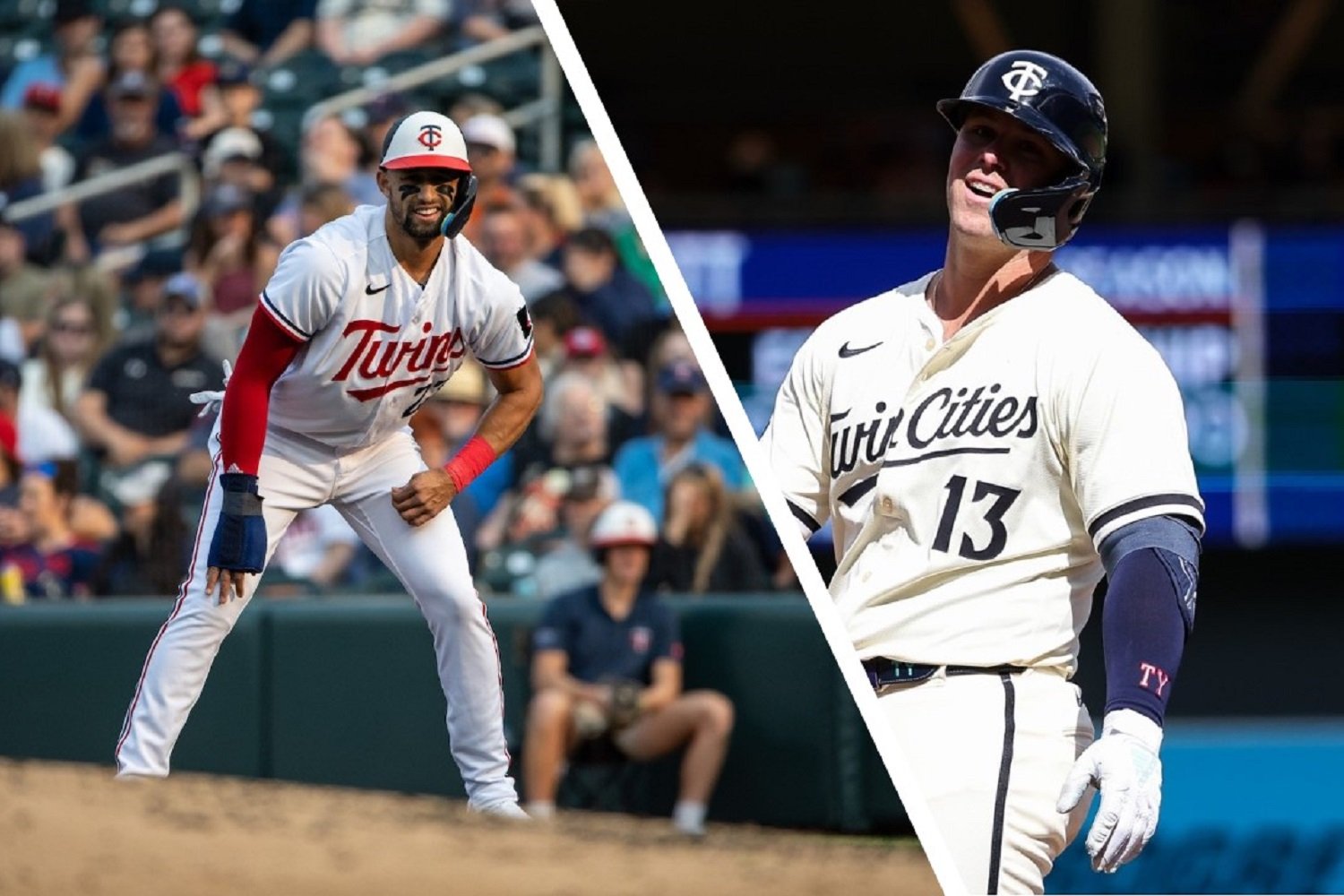 With the All-Star break approaching and the summer heat cranking up, the Minnesota Twins find themselves once again staring down a pivotal trade deadline. Like every contending team, they’ll be forced to decide where to patch holes, where to ride internal options, and whether the upgrade is worth the prospect capital. The American League Central remains winnable, and the Twins are in the thick of it. Still, if the front office is serious about making a run in October, there are a couple of clear roster spots that demand immediate attention. The Hot Corner Is Ice-Cold There’s no sugar-coating it: third base has been a black hole for the Twins in 2025. Minnesota ranks dead last in MLB with a -1.0 fWAR from its third basemen, and only the Milwaukee Brewers have posted a lower wRC+ at the position. It’s one thing to struggle; it’s another to have replacement-level production or worse from a premium defensive spot that should also provide some offensive punch. This isn’t how it was supposed to go. Royce Lewis opened the spring as the clear-cut starter at third, but a hamstring injury put him on the IL to start the year. Since returning, he has been one of the team’s worst hitters, including being moved to the bottom of the batting order and even being pinch-hit for in late-inning situations. He’s now carrying a negative WAR total, and a demotion to Triple-A isn’t out of the question. Brooks Lee was supposed to be the next man up, offering a polished bat and enough glove to hold down the fort. Instead, he’s found himself overmatched at the plate more often than not (76 OPS+), and like Lewis, sits below replacement level for the season (-0.1 fWAR). Rocco Baldelli continues to speak highly of Lee, and there is hope that some of his struggles are due to inexperience at the big-league level. The team has mixed in Jonah Bride and Willi Castro, but neither looks like more than a short-term Band-Aid. Castro’s value lies in his versatility; asking him to be an everyday third baseman is asking too much. And Bride, while competent defensively, hasn’t produced with the bat in limited action (66 OPS+). Jose Miranda, once viewed as a long-term solution at third base, hasn’t made a case for a call-up either. He’s posted a .636 OPS at Triple-A and continues to look lost against anything with spin or velocity. That ship, at least for the time being, appears to have sailed. If the Twins are serious about winning the division and advancing beyond a token playoff appearance, they’ll need to upgrade at third. It’s not just about getting league-average production. It’s about stopping the bleeding. Options at Third Base So, who’s out there? Luis Urías is an intriguing option at third base and is a pending free agent for the A’s, who are expected to be sellers. He has posted a 115 OPS+ this season and has some defensive flexibility. Miguel Andujar is another A’s third baseman who could be a trade target. He has a 106 OPS+ and can play corner infield and outfield. Arizona’s Eugenio Suárez might be the biggest-name third baseman traded at the deadline. The Diamondbacks are under .500, and he is a pending free agent. Suárez has 16 home runs and a 124 OPS+. These aren’t sexy names, but the bar is so low for the Twins at third base that even modest production could represent a massive upgrade. Ty France and the First Base Dilemma First base isn’t quite the mess that third is, but it’s trending in the wrong direction. The Twins brought in Ty France, hoping he could be a stabilizing veteran bat at the back end of the batting order. So far, he’s been underwhelming. France has posted a 97 OPS+, meaning he’s below-average offensively at a position where above-average offense is a requirement, not a luxury. Minnesota’s overall first base production sits at a 103 wRC+, good for 16th in MLB. That’s dead average, and average doesn’t cut it when you’re getting replacement-level work at third. Complicating the France situation is the fact that, on paper, he appears to be producing. He ranks near the top of the team in RBIs, but that’s more a function of hitting with runners in scoring position than actual offensive dominance. His underlying production, including exit velocity (36th percentile), barrel rate (47th percentile), and walk rate (10th percentile), all indicate a player who is no longer a middle-of-the-order threat. Options at First Base So, what do the Twins do? Josh Naylor is a familiar name to Twins fans, after playing the last three seasons in Cleveland. He is a pending free agent for Arizona and has posted a 103 OPS+. However, his $10.9-million contract might be tough for the Twins to absorb, even though they would only be on the hook for a portion of that total. Other potential first-base options look bleak. Besides, with third base being such a clear area of need, first base might be more of a “nice to upgrade” rather than a “must-fix” situation, unless the right opportunity presents itself. What’s the Priority? There’s no question: third base is Priority No. 1. The production there is actively hurting the team, not just failing to contribute. With no internal solution stepping forward, Derek Falvey and Jeremy Zoll will need to act. The key will be identifying a buy-low veteran or controllable bat who can provide stability and league-average offense. That alone would represent a sizable upgrade over the current crop of sub-replacement contributors. With the division race tight and the margin for error shrinking, the Twins can’t afford to let the trade deadline pass without action. They’ve built a strong enough foundation to compete, but it’s time to shore up the weak spots. And it all starts at third base.
- 63 comments
-
- 6
-
-

-
- royce lewis
- brooks lee
- (and 3 more)
-
Image courtesy of © Jordan Johnson (Lewis), Matt Krohn (France)-Imagn Images With the All-Star break approaching and the summer heat cranking up, the Minnesota Twins find themselves once again staring down a pivotal trade deadline. Like every contending team, they’ll be forced to decide where to patch holes, where to ride internal options, and whether the upgrade is worth the prospect capital. The American League Central remains winnable, and the Twins are in the thick of it. Still, if the front office is serious about making a run in October, there are a couple of clear roster spots that demand immediate attention. The Hot Corner Is Ice Cold There’s no sugar-coating it because third base has been a black hole for the Twins in 2025. Minnesota ranks dead last in MLB with a -1.0 fWAR from its third basemen, and only the Milwaukee Brewers have posted a lower wRC+ at the position. It’s one thing to struggle; it’s another to have replacement-level production or worse from a premium defensive spot that should also provide some offensive punch. This isn’t how it was supposed to go. Royce Lewis opened the spring as the clear-cut starter at third, but a hamstring injury put him on the IL to start the year. Since returning, he has been one of the team’s worst hitters, including being moved to the bottom of the batting order and even being pinch hit for in late inning situations. He’s now carrying a negative WAR total, and a demotion to Triple-A isn’t out of the question. Brooks Lee was supposed to be the next man up, offering a polished bat and enough glove to hold down the fort. Instead, he’s found himself overmatched at the plate more often than not (76 OPS+), and like Lewis, sits below replacement level for the season (-0.1 fWAR). Rocco Baldelli continues to speak highly of Lee, and there is hope that some of his struggles are due to inexperience at the big-league level. The team has mixed in Jonah Bride and Willi Castro, but neither looks like more than a short-term Band-Aid. Castro’s value lies in his versatility; asking him to be an everyday third baseman is asking too much. And Bride, while competent defensively, hasn’t produced with the bat in limited action (66 OPS+). Jose Miranda, once viewed as a long-term solution at third base, hasn’t made a case for a call-up either. He’s posted a .636 OPS at Triple-A and continues to look lost against anything with spin or velocity. That ship, at least for the time being, appears to have sailed. If the Twins are serious about winning the division and advancing beyond a token playoff appearance, they’ll need to upgrade at third. It’s not just about getting league-average production. It’s about stopping the bleeding. Options at Third Base So, who’s out there? Luis Urias is an intriguing option at third base and is a pending free agent for the A’s, who are expected to be sellers. He has posted a 115 OPS+ this season and has some defensive flexibility. Miguel Andujar is another A’s third baseman who could be a trade target. He has a 106 OPS+ and can play corner infield and outfield. Arizona’s Eugenio Suárez might be the biggest named third baseman traded at the deadline. The Diamondbacks are under .500, and he is a pending free agent. Suárez has 16 home runs and a 124 OPS+. These aren’t sexy names, but the bar is so low for the Twins at third base that even modest production could represent a massive upgrade. Ty France and the First Base Dilemma First base isn’t quite the mess that third is, but it’s trending the wrong direction. The Twins brought in Ty France, hoping he could be a stabilizing veteran bat at the back end of the batting order. So far, he’s been anything but France has posted a 97 OPS+, meaning he’s below league average offensively and at a position where above-average offense is a requirement, not a luxury. Minnesota’s overall first base production sits at a 103 wRC+, good for 16th in MLB. That’s dead average, and average doesn’t cut it when you’re getting replacement-level work at third. What complicates the France situation is that, on paper, he appears to be producing. He ranks near the top of the team in RBI, but that’s more a function of hitting with runners in scoring position than actual offensive dominance. His underlying production, including exit velocity (36th percentile), barrel rate (47th percentile), and walk rate (10th percentile), all indicate a player who is no longer a middle-of-the-order threat. Options at First Base So, what do the Twins do? Josh Naylor is a familiar name to Twins fans after playing the last three seasons in Cleveland. He is a pending free agent for Arizona and has posted a 103 OPS+. However, his $10.9 million contract might be tough for the Twins to absorb, even though they would only be on the hook for a portion of that total. Other potential first-base options look bleak. But with third base being such a clear area of need, first base might be more of a “nice to upgrade” rather than a “must fix” situation unless the right opportunity presents itself. What’s the Priority? There’s no question: third base is Priority No. 1. The production there is actively hurting the team, not just failing to contribute. With no internal solution stepping forward, Derek Falvey and Jeremy Zoll will need to act. The key will be identifying a buy-low veteran or controllable bat who can provide stability and league-average offense. That alone would represent a sizable upgrade over the current crop of sub-replacement contributors. With the division race tight and the margin for error shrinking, the Twins can’t afford to let the trade deadline pass without action. They’ve built a strong enough foundation to compete, but it’s time to shore up the weak spots. And it all starts at third base. View full article
-
It's been interesting to see how the team has used Adams this year at Triple-A. He's on the 40-man roster so I expect that he will be called up at some point this year. I wrote about him in last week's Prospect Hot Sheet:
- 5 replies
-
- 1
-
-
- john klein
- ruddy gomez
- (and 2 more)
-
Minnesota Twins Minor League Relievers Of The Month - May 2025
Cody Christie posted an article in Minor Leagues
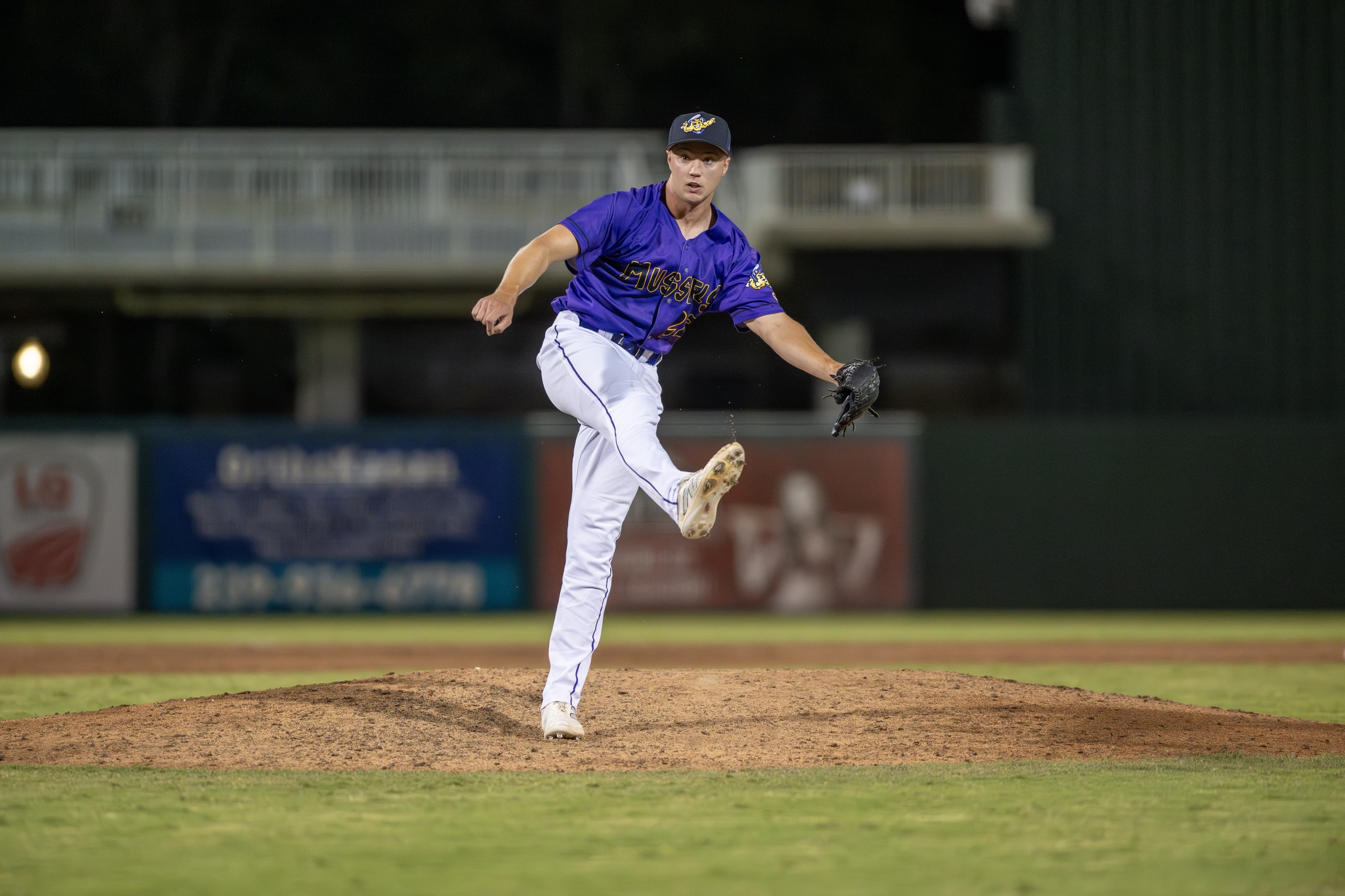 The Twins continue to lean heavily on their bullpen at the big-league level, and as the season rolls into the summer months, it's worth keeping an eye on the next wave of arms making noise down on the farm. Development can be a winding road for relief prospects, but May offered several standout performances that could be signs of bigger things to come. Before we get into this month’s honorees, here are a few honorable mentions from the organization’s affiliates. Honorable Mentions - Jarret Whorff (Wichita): 3.18 ERA, 9 G, 17 IP, 15 H, 6 ER, 2 BB, 20 K, 1.00 WHIP, .234 BA - Cole Percival (Cedar Rapids): 2.70 ERA, 9 G, 13.1 IP, 13 H, 4 ER, 6 BB, 16 K, 1.43 WHIP, .250 BA -Paulshawn Pasqualotto (Cedar Rapids): 2.45 ERA, 8 G, 11 IP, 11 H, 3 ER, 3 BB 11 K, 1.27 WHIP, .282 BA #4 - RHP John Klein, Wichita Wind Surge 2.25 ERA, 7 G, 20 IP, 21 H, 5 ER, 6 BB, 29 K, 1.35 WHIP, .250 BA Klein, a Brooklyn Park native, went undrafted after attending Iowa Central Community College. Minnesota signed him in August 2022, and he’s steadily made his way through the Twins system over the last four seasons. The Wind Surge have been using him as a bulk man out of the bullpen and he posted some strong numbers in May including striking out 29 of the 90 batters he faced. So far this season, he has 50 strikeouts in 38 2/3 frames. He’s been facing older batters in 84.7% of his plate appearances this season and has held them to a .626 OPS. Klein must find a way to give up fewer base runners to make himself even more effective in a long relief role. #3 - Ruddy Gomez, FCL Twins/Fort Myers Mighty Mussels 0.79 ERA, 6 G, 11.1 IP, 7 H, 1 ER, 2 BB 12 K, 0.79 WHIP, .189 BA Identifying relief pitchers in the rookie leagues is tough when pitchers are throwing limited innings. Gomez fits the reliever mold because he hasn’t started a game yet this season and the 25-year-old is significantly older than the competition in the lower levels. Minnesota signed him out of the independent leagues in April. In May, he collected four outs or more in every appearance and didn’t allow a run until his final outing of the month. On May 10, the Twins promoted him to Fort Myers for one appearance when there was a roster need and he pitched two shutout innings by allowing one hit. Gomez won’t appear on any prospect lists, but he’s an interesting story to follow. #2 - Cody Laweryson, Wichita Wind Surge 0.79 ERA, 10 G, 2 SV, 11.1 IP, 8 H, 1 ER, 14 K, 3 BB, 0.97 WHIP, .205 BA The Twins selected Laweryson in the 14th round of the 2019 MLB Draft. He was used as a starter earlier in his professional career but has settled into a relief role over the last four seasons. At 27 years old, he is over two years older than the average age of the competition in the Texas League. In 10 appearances this month, he didn’t allow an extra-base hit and held batters to a .484 OPS. It was quite the turnaround this month since his ERA was over 7.00 in April and batters had an .844 OPS against him. Wichita has been giving him save opportunities and he’s recorded multiple saves where he had to get more than three outs. His veteran experience can help the other young pitchers working their way through Double-A. Twins Minor League Reliever of the Month - Hunter Hoopes, Fort Myers Mighty Mussels 0.00 ERA, 9 G, 11.2 IP, 2 H, 0 ER, 4 BB, 17 K, 0.51 WHIP, .069 BA Hoopes pitched his final two collegiate seasons out of the bullpen at the University of Alabama. In parts of four college seasons, he posted a 7.51 ERA with a 1.94 WHIP, which didn’t exactly scream that he should be a draft prospect. Hoopes went undrafted and had to prove himself in the independent leagues. Minnesota signed him last July, but the 25-year-old didn’t make his professional debut until this season. Hoopes put it all together in May for an unbelievable month out of the Mighty Mussels bullpen. He was nearly unhittable as batters slashed .069/.222/.103 (.326) against him with two total hits against him. Fort Myers has been playing some close games and Hoopes is the team’s most reliable high-leverage arm. His final six appearances for the month came in the eighth inning or later and he pitched the ninth and tenth innings of two wins. Hoopes hasn’t allowed an earned run since April 25th and has only allowed earned runs in three appearances this season. If Fort Myers gets back in contention, they need to put a lot of hope in Hoopes. Part of the nature of being a reliever is working in small sample sizes in some of the highest leverage innings. There can be months where a pitcher is nearly perfect (like Hoopes) and other months where one appearance damages a player’s overall numbers. Three of these relievers are old for their level but they are making the most of the opportunity by putting up zeros when the game hangs in the balance. How would your ballot look for the Twins Minor League Relievers of the Month? Let us know in the comments.
- 5 comments
-
- 1
-
-
- john klein
- ruddy gomez
- (and 2 more)
-
Image courtesy of William Parmeter (photo of Hunter Hoopes) The Twins continue to lean heavily on their bullpen at the big-league level, and as the season rolls into the summer months, it's worth keeping an eye on the next wave of arms making noise down on the farm. Development can be a winding road for relief prospects, but May offered several standout performances that could be signs of bigger things to come. Before we get into this month’s honorees, here are a few honorable mentions from the organization’s affiliates. Honorable Mentions - Jarret Whorff (Wichita): 3.18 ERA, 9 G, 17 IP, 15 H, 6 ER, 2 BB, 20 K, 1.00 WHIP, .234 BA - Cole Percival (Cedar Rapids): 2.70 ERA, 9 G, 13.1 IP, 13 H, 4 ER, 6 BB, 16 K, 1.43 WHIP, .250 BA -Paulshawn Pasqualotto (Cedar Rapids): 2.45 ERA, 8 G, 11 IP, 11 H, 3 ER, 3 BB 11 K, 1.27 WHIP, .282 BA #4 - RHP John Klein, Wichita Wind Surge 2.25 ERA, 7 G, 20 IP, 21 H, 5 ER, 6 BB, 29 K, 1.35 WHIP, .250 BA Klein, a Brooklyn Park native, went undrafted after attending Iowa Central Community College. Minnesota signed him in August 2022, and he’s steadily made his way through the Twins system over the last four seasons. The Wind Surge have been using him as a bulk man out of the bullpen and he posted some strong numbers in May including striking out 29 of the 90 batters he faced. So far this season, he has 50 strikeouts in 38 2/3 frames. He’s been facing older batters in 84.7% of his plate appearances this season and has held them to a .626 OPS. Klein must find a way to give up fewer base runners to make himself even more effective in a long relief role. #3 - Ruddy Gomez, FCL Twins/Fort Myers Mighty Mussels 0.79 ERA, 6 G, 11.1 IP, 7 H, 1 ER, 2 BB 12 K, 0.79 WHIP, .189 BA Identifying relief pitchers in the rookie leagues is tough when pitchers are throwing limited innings. Gomez fits the reliever mold because he hasn’t started a game yet this season and the 25-year-old is significantly older than the competition in the lower levels. Minnesota signed him out of the independent leagues in April. In May, he collected four outs or more in every appearance and didn’t allow a run until his final outing of the month. On May 10, the Twins promoted him to Fort Myers for one appearance when there was a roster need and he pitched two shutout innings by allowing one hit. Gomez won’t appear on any prospect lists, but he’s an interesting story to follow. #2 - Cody Laweryson, Wichita Wind Surge 0.79 ERA, 10 G, 2 SV, 11.1 IP, 8 H, 1 ER, 14 K, 3 BB, 0.97 WHIP, .205 BA The Twins selected Laweryson in the 14th round of the 2019 MLB Draft. He was used as a starter earlier in his professional career but has settled into a relief role over the last four seasons. At 27 years old, he is over two years older than the average age of the competition in the Texas League. In 10 appearances this month, he didn’t allow an extra-base hit and held batters to a .484 OPS. It was quite the turnaround this month since his ERA was over 7.00 in April and batters had an .844 OPS against him. Wichita has been giving him save opportunities and he’s recorded multiple saves where he had to get more than three outs. His veteran experience can help the other young pitchers working their way through Double-A. Twins Minor League Reliever of the Month - Hunter Hoopes, Fort Myers Mighty Mussels 0.00 ERA, 9 G, 11.2 IP, 2 H, 0 ER, 4 BB, 17 K, 0.51 WHIP, .069 BA Hoopes pitched his final two collegiate seasons out of the bullpen at the University of Alabama. In parts of four college seasons, he posted a 7.51 ERA with a 1.94 WHIP, which didn’t exactly scream that he should be a draft prospect. Hoopes went undrafted and had to prove himself in the independent leagues. Minnesota signed him last July, but the 25-year-old didn’t make his professional debut until this season. Hoopes put it all together in May for an unbelievable month out of the Mighty Mussels bullpen. He was nearly unhittable as batters slashed .069/.222/.103 (.326) against him with two total hits against him. Fort Myers has been playing some close games and Hoopes is the team’s most reliable high-leverage arm. His final six appearances for the month came in the eighth inning or later and he pitched the ninth and tenth innings of two wins. Hoopes hasn’t allowed an earned run since April 25th and has only allowed earned runs in three appearances this season. If Fort Myers gets back in contention, they need to put a lot of hope in Hoopes. Part of the nature of being a reliever is working in small sample sizes in some of the highest leverage innings. There can be months where a pitcher is nearly perfect (like Hoopes) and other months where one appearance damages a player’s overall numbers. Three of these relievers are old for their level but they are making the most of the opportunity by putting up zeros when the game hangs in the balance. How would your ballot look for the Twins Minor League Relievers of the Month? Let us know in the comments. View full article
-
Could Minnesota Twins Jump Trade Market By Selling High on Chris Paddack?
Cody Christie posted an article in Twins
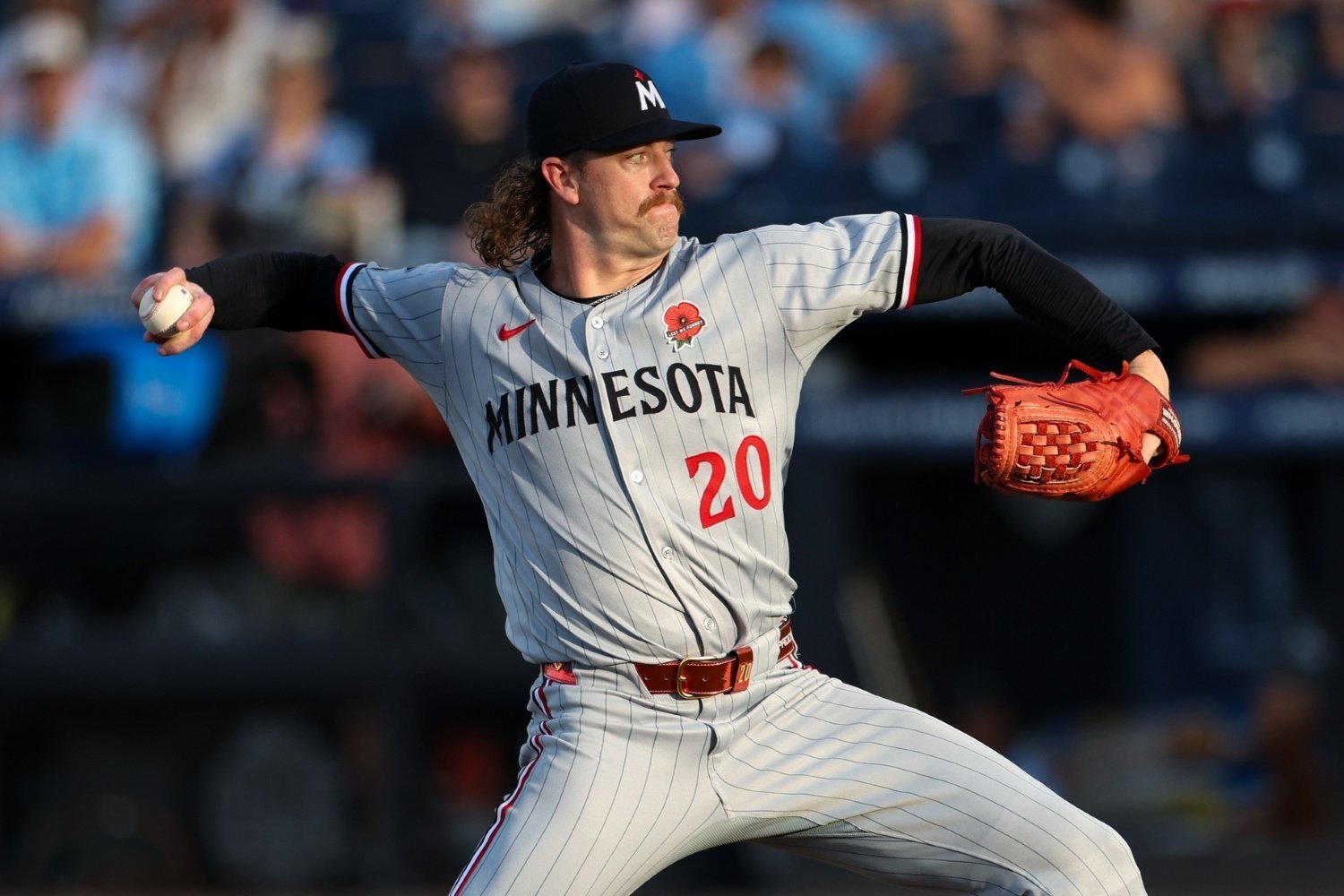 Chris Paddack has been a revelation for the Minnesota Twins in 2025, delivering consistent performances that have bolstered the team's rotation. With nine of his last 10 starts yielding two or fewer earned runs, Paddack's resurgence is noteworthy. However, as the trade deadline approaches, the Twins face a pivotal decision: capitalize on Paddack's current form to address pressing offensive needs, or retain him for a potential postseason push. Paddack was acquired by the Twins in 2022 and made just five starts before his elbow gave out. After undergoing his second Tommy John surgery in May 2022, Paddack's future was uncertain. Recognizing his potential, the Twins signed him to a creative three-year, $12.5-million extension in January 2023, securing his services through the 2025 season. This deal provided cost certainty and an opportunity for Paddack to reestablish himself after his recovery. In 2025, Paddack has not only returned to form, but become a linchpin in the rotation. His ability to limit runs and provide quality starts has been instrumental in the Twins' competitiveness. His 32.3% chase rate ranks in the 86th percentile among starters, and his fastball has been one of baseball’s most valuable pitches, worth 8 runs above average. Batters posted a .400 SLG against his four-seamer last season, and he’s dropped that total below .300 in 2025. However, with his contract set to expire at the end of the season, the organization must weigh the benefits of his current contributions against potential long-term gains from a trade. While Paddack's surface-level stats are impressive, a deeper dive raises questions about the sustainability of his success. His strikeout rate has declined to 18.7%, which is over four points lower than the MLB average this season. Other advanced metrics suggest he's benefitting from favorable batted-ball outcomes, with a .246 BABIP that's nearly 50 points below the league average. Such indicators suggest potential regression, making it imperative for the Twins to determine whether his current performance is a true reflection of his abilities or a temporary peak. It’s also important to note that other teams trading for Paddack will be aware of these numbers, too. Organizational Depth and Future Planning The Twins are fortunate to possess promising pitching talent in Triple A. David Festa, for instance, made three starts (13 innings) for the Twins earlier this year and posted a 1.38 ERA with 15 strikeouts and five walks. Festa dealt with a minor injury and missed a couple of turns in the rotation, but has come back strong. Over his last two appearances (8 2/3 innings), he has allowed one earned run on five hits, with 12 strikeouts and two walks. If not for his injury, he likely would have already been in the rotation over Zebby Matthews. Despite recent struggles leading to a demotion, Simeon Woods Richardson remains a key prospect with significant upside. He has made two Triple-A starts and allowed three earned runs in 12 innings with a 13-to-2 strikeout-to-walk ratio. He’s held batters to a .472 OPS during that stretch. Woods Richardson, Festa, and Matthews provide the Twins with flexibility. Should they choose to trade Paddack, these young arms could step into the rotation, gaining valuable experience and (hopefully) contributing to the team's success. Trade Considerations Trading Paddack isn't merely about offloading salary, because that salary would be useless for the front office (unless they were able to reallocate it to the roster at the deadline). Paddack’s name swirled in trade rumors this winter and indicated the Twins' interest in securing meaningful returns, rather than engaging in a mere salary dump. Given the current market, contending teams in need of pitching depth might offer an offensive asset in exchange. This is a tricky needle to thread, as it is tough to match up on trades exchanging big-league players for one another, especially during the season. However, MLB's expanded playoff picture means more teams are on the fringes of the playoff picture and looking for a boost. The decision to trade Paddack is multifaceted. While his recent performances have been stellar, underlying metrics suggest caution is warranted. Coupled with organizational pitching depth and the potential to bolster the offense, the Twins have compelling reasons to consider a trade. Ultimately, the move should align with the team's long-term vision, ensuring sustained competitiveness in the seasons to come. Should the Twins try to sell high on Paddack? Can they get anything for him? Leave a comment and start the discussion.
 -
Image courtesy of © Nathan Ray Seebeck-Imagn Images Chris Paddack has been a revelation for the Minnesota Twins in 2025, delivering consistent performances that have bolstered the team's rotation. With nine of his last 10 starts yielding two or fewer earned runs, Paddack's resurgence is noteworthy. However, as the trade deadline approaches, the Twins face a pivotal decision: capitalize on Paddack's current form to address pressing offensive needs, or retain him for a potential postseason push. Paddack was acquired by the Twins in 2022 and made just five starts before his elbow gave out. After undergoing his second Tommy John surgery in May 2022, Paddack's future was uncertain. Recognizing his potential, the Twins signed him to a creative three-year, $12.5-million extension in January 2023, securing his services through the 2025 season. This deal provided cost certainty and an opportunity for Paddack to reestablish himself after his recovery. In 2025, Paddack has not only returned to form, but become a linchpin in the rotation. His ability to limit runs and provide quality starts has been instrumental in the Twins' competitiveness. His 32.3% chase rate ranks in the 86th percentile among starters, and his fastball has been one of baseball’s most valuable pitches, worth 8 runs above average. Batters posted a .400 SLG against his four-seamer last season, and he’s dropped that total below .300 in 2025. However, with his contract set to expire at the end of the season, the organization must weigh the benefits of his current contributions against potential long-term gains from a trade. While Paddack's surface-level stats are impressive, a deeper dive raises questions about the sustainability of his success. His strikeout rate has declined to 18.7%, which is over four points lower than the MLB average this season. Other advanced metrics suggest he's benefitting from favorable batted-ball outcomes, with a .246 BABIP that's nearly 50 points below the league average. Such indicators suggest potential regression, making it imperative for the Twins to determine whether his current performance is a true reflection of his abilities or a temporary peak. It’s also important to note that other teams trading for Paddack will be aware of these numbers, too. Organizational Depth and Future Planning The Twins are fortunate to possess promising pitching talent in Triple A. David Festa, for instance, made three starts (13 innings) for the Twins earlier this year and posted a 1.38 ERA with 15 strikeouts and five walks. Festa dealt with a minor injury and missed a couple of turns in the rotation, but has come back strong. Over his last two appearances (8 2/3 innings), he has allowed one earned run on five hits, with 12 strikeouts and two walks. If not for his injury, he likely would have already been in the rotation over Zebby Matthews. Despite recent struggles leading to a demotion, Simeon Woods Richardson remains a key prospect with significant upside. He has made two Triple-A starts and allowed three earned runs in 12 innings with a 13-to-2 strikeout-to-walk ratio. He’s held batters to a .472 OPS during that stretch. Woods Richardson, Festa, and Matthews provide the Twins with flexibility. Should they choose to trade Paddack, these young arms could step into the rotation, gaining valuable experience and (hopefully) contributing to the team's success. Trade Considerations Trading Paddack isn't merely about offloading salary, because that salary would be useless for the front office (unless they were able to reallocate it to the roster at the deadline). Paddack’s name swirled in trade rumors this winter and indicated the Twins' interest in securing meaningful returns, rather than engaging in a mere salary dump. Given the current market, contending teams in need of pitching depth might offer an offensive asset in exchange. This is a tricky needle to thread, as it is tough to match up on trades exchanging big-league players for one another, especially during the season. However, MLB's expanded playoff picture means more teams are on the fringes of the playoff picture and looking for a boost. The decision to trade Paddack is multifaceted. While his recent performances have been stellar, underlying metrics suggest caution is warranted. Coupled with organizational pitching depth and the potential to bolster the offense, the Twins have compelling reasons to consider a trade. Ultimately, the move should align with the team's long-term vision, ensuring sustained competitiveness in the seasons to come. Should the Twins try to sell high on Paddack? Can they get anything for him? Leave a comment and start the discussion. View full article
-
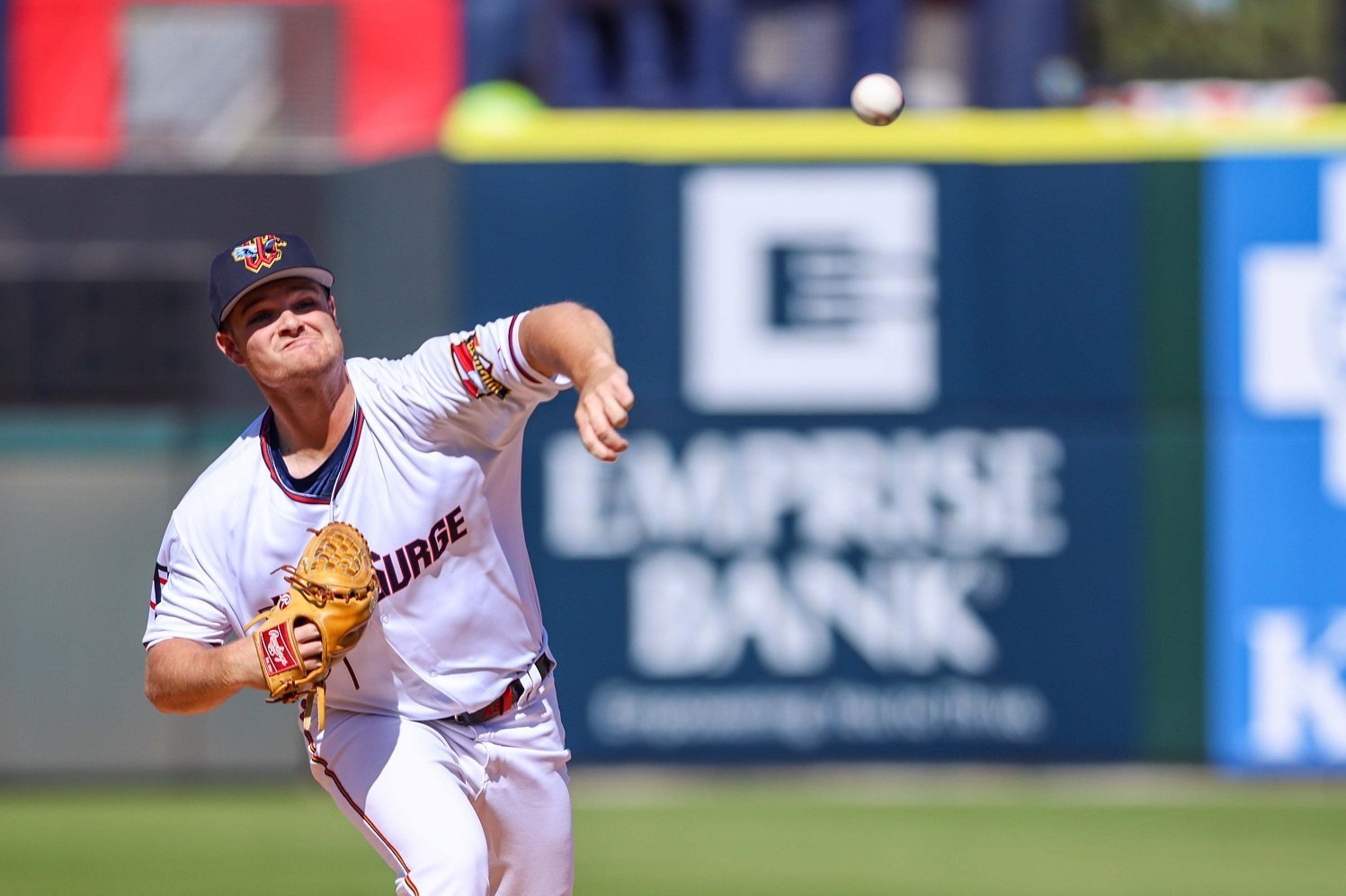 Welcome to the Twins Prospect Hot Sheet! We will take a weekly view of multiple players rising on prospect lists due to their recent performance. This could be some of the organization’s top-ranked prospects, but it could also be some under-the-radar names that are putting themselves on the prospect map. Let’s dive in and see who makes this week’s Hot Sheet. SS Kaelen Culpepper, Cedar Rapids Kernels The Twins selected Culpepper with the 21st pick in last June’s MLB Draft, from Kansas State University. He was coming off a strong junior season, during which he posted a .993 OPS while transitioning to shortstop after playing third base earlier in his collegiate career. After signing with the Twins, Culpepper started his professional career by going 11-for-37 (.297) with five extra-base hits in nine Low-A games. Minnesota promoted him to High-A to end the year, where he struggled with a .616 OPS and a 13-to-8 strikeout-to-walk ratio. Still, there were high hopes for him entering the season. Hitting the Hot Button: Culpepper missed a little time during the season’s first month with a right wrist strain, but he’s shown no signs of slowing down since returning. Over his last 32 games, he has hit .295/.400/.470 with six home runs and five doubles. He’s gone 11-for-13 in stolen base attempts during that stretch and recorded nearly as many walks (19) as strikeouts (26). He’s cut back on his strikeout rate compared to college, which was likely one of the reasons he fell to the Twins in the draft. The Kernels have also been using him at shortstop every day. The Athletic’s Keith Law updated his top 50 prospects last week, and Culpepper was ranked 45th overall. As Law said, “He’s an above-average shortstop who might get a little better with more consistency, and I might have undersold his bat a little on draft day.” LHP Connor Prielipp, Wichita Wind Surge Prielipp is a name familiar to Twins prospect fans, ever since the club took him in the second round of the 2022 MLB Draft. Fully healthy, he would have been a first-round pick, but he was returning from Tommy John surgery, raising questions about his durability. Sure enough, injuries have limited him to 30 total innings during his first two professional seasons. There was a lot of buzz surrounding Prielipp this spring, including his three pitches, all of which can be considered plus offerings. “It’s three 60s -- and the slider might be a 70,” Twins farm director Drew MacPhail said about Prielipp’s pitches on the 20-to-80 scouting scale. “He’s gotten a little slider-happy, which we understand because it’s so good. We want him to mix all three a little more evenly; the changeup is a real weapon. When he’s mixing all three, he’s pretty lethal.” Hitting the Hot Button: Like Culpepper, Prielipp was featured on Law’s updated top prospect list—in that case, as an Honorable Mention—making him a borderline top-100 prospect. The Twins have been careful with his workload this season, as he has yet to throw more than 55 pitches in a game and has pitched a maximum of four innings. Still, the results speak for themselves. He has a 32.1% strikeout rate, with a career-best 5.5% walk rate. Wichita placed Prielipp on its developmental list on May 24, a move that was expected and allows the team to control his innings this season. He returned on Sunday and pitched four shutout innings, with four strikeouts and one walk. There is a chance the Twins could move him to a bullpen role later in the year, if the big-league club needs a lefty with a potential triple-digit fastball and a great slider. (Quick, try to name a club that doesn't.) RHP Eli Jones, Fort Myers Miracle Jones may not be as familiar to fans as the other two players on this week’s Hot Sheet. Minnesota selected him in the seventh round of the 2024 MLB Draft, from the University of South Carolina. In his final collegiate season, he posted a 5.24 ERA with a 1.60 WHIP across 68 2/3 innings in the SEC. After signing last season, the Twins waited to have him make his professional debut until the 2025 campaign. He had pitched a career-high number of innings during his junior year, and the results didn’t match those of his sophomore season. It made sense to have him rest and be ready for the spring. Hitting the Hot Button: In April, Jones struggled to find his footing, as he allowed 12 earned runs in 22 innings with a 1.36 WHIP. His results have improved significantly since the calendar turned to May. In 21 2/3 innings, he has allowed nine earned runs (3.74 ERA) with a 21-to-6 strikeout-to-walk ratio. Batters posted a .656 OPS against him in the season’s first month, and he dropped that by over 100 points in May. In two of his last three appearances, he has compiled seven strikeouts in six innings or less. He’s a long way from Target Field, but his changes over the last month are certainly something to keep an eye on. Culpepper and Prielipp’s early-round draft status already places them among the best prospects in the Twins organization. However, their performance so far in 2025 is catching national attention, and they will likely start showing up on other lists later this summer. Both players have a chance to advance to the next level later this summer. Jones isn’t among the team’s top prospects, but he’s showing promising signs. The Twins have had success with developing pitchers taken in the later rounds, and Jones can fit this mold. Which prospect has seen their stock rise the most this season? Leave a comment and start the discussion.
- 19 comments
-
- 5
-
-
- connor prielipp
- eli jones
- (and 1 more)
-
Image courtesy of Ed Bailey, Wichita Wind Surge Welcome to the Twins Prospect Hot Sheet! We will take a weekly view of multiple players rising on prospect lists due to their recent performance. This could be some of the organization’s top-ranked prospects, but it could also be some under-the-radar names that are putting themselves on the prospect map. Let’s dive in and see who makes this week’s Hot Sheet. SS Kaelen Culpepper, Cedar Rapids Kernels The Twins selected Culpepper with the 21st pick in last June’s MLB Draft, from Kansas State University. He was coming off a strong junior season, during which he posted a .993 OPS while transitioning to shortstop after playing third base earlier in his collegiate career. After signing with the Twins, Culpepper started his professional career by going 11-for-37 (.297) with five extra-base hits in nine Low-A games. Minnesota promoted him to High-A to end the year, where he struggled with a .616 OPS and a 13-to-8 strikeout-to-walk ratio. Still, there were high hopes for him entering the season. Hitting the Hot Button: Culpepper missed a little time during the season’s first month with a right wrist strain, but he’s shown no signs of slowing down since returning. Over his last 32 games, he has hit .295/.400/.470 with six home runs and five doubles. He’s gone 11-for-13 in stolen base attempts during that stretch and recorded nearly as many walks (19) as strikeouts (26). He’s cut back on his strikeout rate compared to college, which was likely one of the reasons he fell to the Twins in the draft. The Kernels have also been using him at shortstop every day. The Athletic’s Keith Law updated his top 50 prospects last week, and Culpepper was ranked 45th overall. As Law said, “He’s an above-average shortstop who might get a little better with more consistency, and I might have undersold his bat a little on draft day.” LHP Connor Prielipp, Wichita Wind Surge Prielipp is a name familiar to Twins prospect fans, ever since the club took him in the second round of the 2022 MLB Draft. Fully healthy, he would have been a first-round pick, but he was returning from Tommy John surgery, raising questions about his durability. Sure enough, injuries have limited him to 30 total innings during his first two professional seasons. There was a lot of buzz surrounding Prielipp this spring, including his three pitches, all of which can be considered plus offerings. “It’s three 60s -- and the slider might be a 70,” Twins farm director Drew MacPhail said about Prielipp’s pitches on the 20-to-80 scouting scale. “He’s gotten a little slider-happy, which we understand because it’s so good. We want him to mix all three a little more evenly; the changeup is a real weapon. When he’s mixing all three, he’s pretty lethal.” Hitting the Hot Button: Like Culpepper, Prielipp was featured on Law’s updated top prospect list—in that case, as an Honorable Mention—making him a borderline top-100 prospect. The Twins have been careful with his workload this season, as he has yet to throw more than 55 pitches in a game and has pitched a maximum of four innings. Still, the results speak for themselves. He has a 32.1% strikeout rate, with a career-best 5.5% walk rate. Wichita placed Prielipp on its developmental list on May 24, a move that was expected and allows the team to control his innings this season. He returned on Sunday and pitched four shutout innings, with four strikeouts and one walk. There is a chance the Twins could move him to a bullpen role later in the year, if the big-league club needs a lefty with a potential triple-digit fastball and a great slider. (Quick, try to name a club that doesn't.) RHP Eli Jones, Fort Myers Miracle Jones may not be as familiar to fans as the other two players on this week’s Hot Sheet. Minnesota selected him in the seventh round of the 2024 MLB Draft, from the University of South Carolina. In his final collegiate season, he posted a 5.24 ERA with a 1.60 WHIP across 68 2/3 innings in the SEC. After signing last season, the Twins waited to have him make his professional debut until the 2025 campaign. He had pitched a career-high number of innings during his junior year, and the results didn’t match those of his sophomore season. It made sense to have him rest and be ready for the spring. Hitting the Hot Button: In April, Jones struggled to find his footing, as he allowed 12 earned runs in 22 innings with a 1.36 WHIP. His results have improved significantly since the calendar turned to May. In 21 2/3 innings, he has allowed nine earned runs (3.74 ERA) with a 21-to-6 strikeout-to-walk ratio. Batters posted a .656 OPS against him in the season’s first month, and he dropped that by over 100 points in May. In two of his last three appearances, he has compiled seven strikeouts in six innings or less. He’s a long way from Target Field, but his changes over the last month are certainly something to keep an eye on. Culpepper and Prielipp’s early-round draft status already places them among the best prospects in the Twins organization. However, their performance so far in 2025 is catching national attention, and they will likely start showing up on other lists later this summer. Both players have a chance to advance to the next level later this summer. Jones isn’t among the team’s top prospects, but he’s showing promising signs. The Twins have had success with developing pitchers taken in the later rounds, and Jones can fit this mold. Which prospect has seen their stock rise the most this season? Leave a comment and start the discussion. View full article
-
Why Joe Ryan’s Fastball is One of Baseball’s Most Valuable Pitches
Cody Christie posted an article in Twins
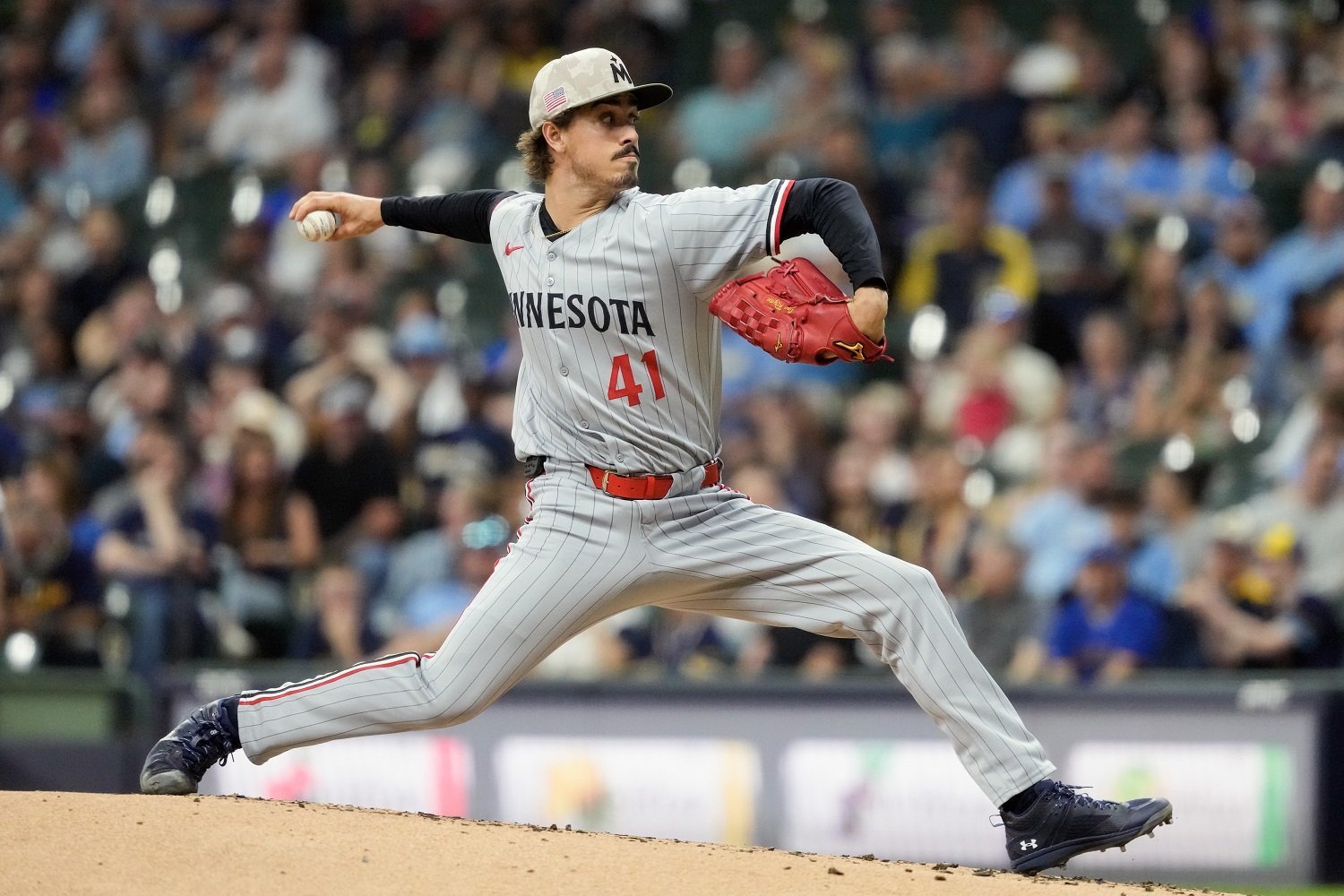 When fans envision the modern game, it is one dominated by triple-digit four-seamers and knee-buckling offspeed pitches. However, Joe Ryan has never been one to follow the crowd. His fastball is emerging as one of the most valuable pitches in the majors this season. Despite a slight dip in velocity, Ryan has enhanced the effectiveness of his four-seam fastball, making it a cornerstone of his pitching arsenal. In 2025, Ryan's four-seam fastball boasts a +12 run value, ranking second in MLB, behind only Houston's Hunter Brown. Only four four-seamers have been worth 10 or more runs this season, and only three non-fastballs have met that threshold. Opponents are hitting just .168 against Ryan’s fastball, with a slugging percentage of .308. Last season, batters posted a .193 batting average and a .378 slugging percentage when facing his four-seamer. These metrics underscore the pitch's dominance and its critical role in Ryan's success this year. Increased Usage and Effectiveness Overusing his fastball was one of the biggest criticisms of Ryan in his early professional career. In the minor leagues, he could mow down batters, with a fastball coming from a unique angle that was tough for hitters to square up. In recent years, he has focused on developing his secondary pitches, allowing him to rely less on his heater, and the overall results have been positive. However, this season, there have been some strategic changes to his primary pitch. After reducing his fastball usage to less than 50% for the first time in his career last season (48.3%), Ryan has reverted to relying on it more heavily in 2025, throwing it 56.4% of the time. This increased usage correlates with enhanced performance metrics, including a higher whiff rate (28.5%) and put-away percentage (26.2%), indicating that the pitch is more prevalent and effective in securing outs. Deceptive Mechanics Over Velocity Interestingly, Ryan's fastball has lost nearly a full mile per hour in velocity, averaging 93.1 mph, compared to 94.0 last season. Last season’s velo jump pushed him to a career-high plateau, and this year’s figure is still higher than what he averaged from 2021-23. Ryan dealt with a shoulder issue in the second half of last season, so the velocity decrease could be an attempt to keep his shoulder healthier. However, his velocity decrease hasn't hindered his fastball's effectiveness. Ryan's unique arm angle and consistent spin rate contribute to the pitch's deception, making it difficult for hitters to track and connect with. The pitch's movement (with 13.4 inches of perceived rise and 12.7 inches of tail to the arm side) further enhances its elusiveness. Ryan has changed his arm angle slightly this season, with some other positive results. Last season, his arm angle was at 26°. This season, it is closer to 24°. With the change, he is getting 5.0 inches more horizontal movement than an average righty, compared to 4.2 inches in 2024. In 2023, he was only getting 2.9 inches more run than average, with a 27° arm angle, pointing to how Twins coaches have continued to develop him at the big-league level. Ryan's success isn't solely due to the physical attributes of his fastball; his strategic use of the pitch also plays a significant role. He effectively elevates the fastball in the strike zone, disrupting hitters' timing and inducing swings and misses. This approach, combined with precise command, allows him to exploit hitters' weaknesses and maximize the pitch's impact. While the four-seam fastball is his primary weapon, Ryan's diverse pitch mix (including a sweeper, split-finger, sinker, slider, and curveball) keeps hitters off balance. His sweeper, in particular, has shown increased horizontal movement this season, adding another layer of complexity to his pitching strategy. Last month, he threw one sweeper that may have been the best pitch in Twins history. His sweeper has a 40.7 Whiff% and a 21.4 Put Away%, making it a perfect pairing with his elite four-seamer. Ryan's four-seam fastball exemplifies how a pitch doesn't need overpowering velocity to be effective. Through strategic usage, deceptive mechanics, and precise command, Ryan has transformed his fastball into one of the most valuable pitches in baseball this season. As he continues to refine his approach, his fastball remains a key factor in his success and a testament to the art of pitching. Do you believe Ryan’s fastball is among baseball’s best, despite the velocity drop? Leave a comment and start the discussion.
 -
Image courtesy of © Jeff Hanisch-Imagn Images When fans envision the modern game, it is one dominated by triple-digit four-seamers and knee-buckling offspeed pitches. However, Joe Ryan has never been one to follow the crowd. His fastball is emerging as one of the most valuable pitches in Major League Baseball this season. Despite a slight dip in velocity, Ryan has enhanced the effectiveness of his four-seam fastball, making it a cornerstone of his pitching arsenal. In 2025, Ryan's four-seam fastball boasts a +12 run value, ranking second in MLB behind only Houston's Hunter Brown. Only four four-seamers have been worth 10+ runs this season, and only three non-fastballs have met that threshold. Opponents are hitting just .168 against Ryan’s fastball, with a slugging percentage of .308. Last season, batters posted a .193 batting average and a .378 slugging percentage when facing his four-seamer. These metrics underscore the pitch's dominance and its critical role in Ryan's success this year. Increased Usage and Effectiveness Overusing his fastball was one of the biggest criticisms of Ryan in his early professional career. In the minor leagues, he could mow down batters with a fastball coming from a unique angle that was tough for hitters to square up. In recent years, he has focused on developing his secondary pitches, allowing him to rely less on his fastball, and the overall results have been effective. However, this season, there have been some strategic changes to his primary pitch. After reducing his fastball usage to below 50% for the first time in his career last season (48.3%), Ryan has reverted to relying on it more heavily in 2025, throwing it 56.4% of the time. This increased usage correlates with enhanced performance metrics, including a higher whiff rate (28.5%) and put-away percentage (26.2%), indicating that the pitch is more prevalent and effective in securing outs. Deceptive Mechanics Over Velocity Interestingly, Ryan's fastball has lost nearly a full mile per hour in velocity, averaging 93.1 mph compared to 94.0 last season. Last season’s Velo jump was a career-high, and this year’s velocity is still higher than what he averaged from 2021-23. Ryan dealt with a shoulder issue in the second half of last season, so the velocity decrease could be an attempt to keep his shoulder healthier. However, his velocity decrease hasn't hindered its effectiveness. Ryan's unique arm angle and consistent spin rate contribute to the pitch's deception, making it difficult for hitters to track and connect with. The pitch's movement with 13.4 inches of rise and 12.7 inches of tail, further enhancing its elusiveness. Ryan has changed his arm angle slightly this season with some other positive results. Last season, his arm angle was at 26 degrees, and this season, it is closer to 24 degrees. With the change, he is getting 5.0 inches more tail compared to 4.2 inches in 2024. In 2023, he was only getting 2.9 inches of tail with a 27-degree arm angle, pointing to how Twins coaches have continued to develop him at the big-league level. Ryan's success isn't solely due to the physical attributes of his fastball because his strategic use of the pitch also plays a significant role. He effectively elevates the fastball in the strike zone, disrupting hitters' timing and inducing swings and misses. This approach, combined with precise command, allows him to exploit hitters' weaknesses and maximize the pitch's impact. While the four-seam fastball is his primary weapon, Ryan's diverse pitch mix keeps hitters off balance, including a sweeper, split-finger, sinker, slider, and curveball. His sweeper, in particular, has shown increased horizontal movement this season, adding another layer of complexity to his pitching strategy. Last month, he threw one sweeper that may have been the best pitch in Twins history. His sweeper has a 40.7 Whiff% and a 21.4 Put Away%, making it a perfect pairing with his elite four-seamer. Ryan's four-seam fastball exemplifies how a pitch doesn't need overpowering velocity to be effective. Through strategic usage, deceptive mechanics, and precise command, Ryan has transformed his fastball into one of the most valuable pitches in baseball this season. As he continues to refine his approach, his fastball remains a key factor in his success and a testament to the art of pitching. Do you believe Ryan’s fastball is among baseball’s best despite the velocity drop? Leave a comment and start the discussion. View full article
-
Minnesota Must Ease the Load on Its Bullpen Big Three to Sustain Success
Cody Christie posted an article in Twins
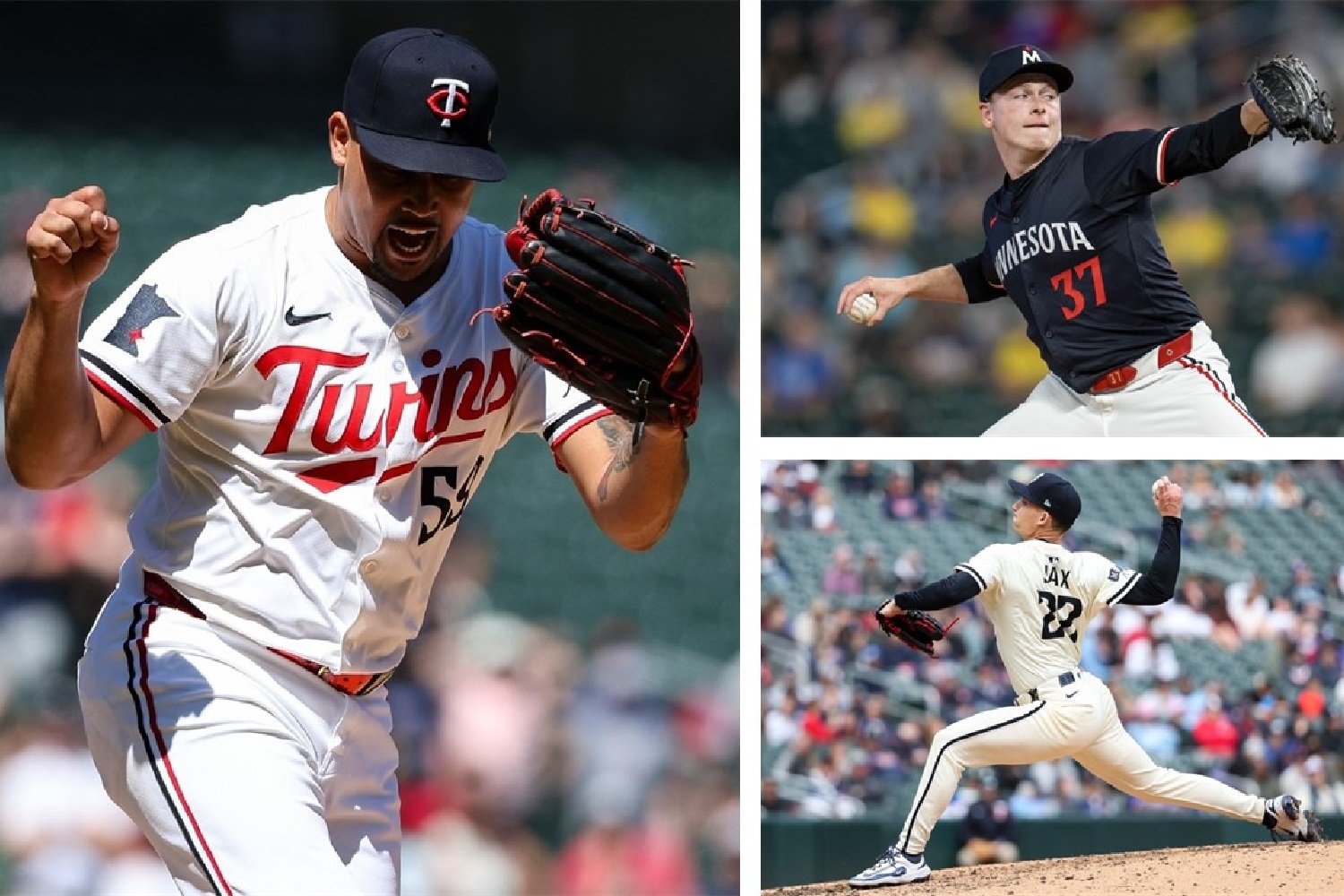 We’re not even to the All-Star break, and the Minnesota Twins are already walking a tightrope when it comes to bullpen management. After a stretch of disappointing offensive output in the early months of the season, the Twins have found themselves in an exhausting cycle of close games. And when you play close games, you call on your best arms. Again and again. And again. The numbers tell the story: Louis Varland, in his first full season as a reliever, is tied for the most appearances in the American League with 28. However, that statistic doesn’t tell the whole story. Varland has logged more innings than the man he's tied with (Robert Garcia), and the workload raises fundamental questions about how long his effectiveness can last under these conditions. Then there’s the duo of Jhoan Duran and Griffin Jax, who are two of the best setup-closer combinations in baseball over the last two seasons. Both right-handers are just two appearances behind Varland, putting them in a tie for fourth in the league. Their recent dominance has been nothing short of essential for Minnesota, but the concern is less about what they’re doing now and more about whether they'll still be able to do it in August or, more importantly, October. The message is clear: Minnesota’s bullpen strategy is unsustainable unless something changes. A Necessary Evil So Far No one will argue that Duran, Jax, and Varland haven’t delivered when asked. In fact, they're a big reason the Twins have stayed afloat despite some underwhelming run production for much of the season. Duran is flashing his trademark 100+ mph heat again. Jax has looked like the bullpen ace since overcoming some early-season struggles. Varland has found new life in shorter stints, dialing up velocity and attacking hitters with a bulldog mentality (including actual barking in the bullpen). Since April 20th, Jax has led all AL relievers with 0.9 fWAR and 1.15 WPA. Duran is tied for sixth in fWAR (0.6) and has the ninth-highest WPA (0.86). (All stats through 5/29.) But here’s the problem: this isn’t a short-term fix anymore. It's become the day-to-day norm. And arms, especially in the bullpen, don’t operate on endless fuel. Even though relievers pitch fewer innings than starters, the grind of regular high-leverage situations, frequent warmups, and the mental strain of being “the guy” in pressure spots can wear down even the most durable pitchers. Varland is a prime candidate for this concern because he’s new to the role and has never experienced the daily toll that a full season of relief work entails. His arm isn’t used to the frequent ups and downs, both physically and mentally. For a Twins club with playoff aspirations, managing that wear and tear is going to be just as important as managing the win column in July. Who Else Can the Twins Trust? Unfortunately, that’s the tricky question. Brock Stewart, who looked like a revelation when healthy, hasn’t looked quite the same this year. In 11 1/3 innings, he has allowed five earned runs with 18 strikeouts and four walks. Whether it’s lingering physical issues or just regression to the mean, it’s clear the Twins haven’t seen the same dominance from Stewart that made him such a weapon over the last two seasons. Danny Coulombe, one of the team’s most trusted left-handers, is currently shelved with an injury after a strong start to the season. His absence is particularly felt against tough lefty matchups late in games, and it has further funneled opportunities toward the Duran-Jax-Varland trio. Cole Sands was one of the team’s breakout relievers last season, but he showed some early-season struggles in 2025. In his first 12 appearances (10 1/3 innings), he allowed five earned runs and had an 8-to-5 strikeout-to-walk ratio. In May, he seems to have turned the corner by allowing one earned run in 13 1/3 innings with 10 strikeouts and one walk. He’s made 24 appearances in 2025, so his usage is also something to watch. Meanwhile, Jorge Alcala and Kody Funderburk are two pitchers who have yet to gain Rocco Baldelli’s complete trust. Funderburk took over the lefty role with Coulombe on the IL. He has shown some intriguing skills, but he’s often bypassed in close games. Alcala has struggled to find consistency over the last two seasons, having battled injuries earlier in his career. The bottom line is this: if Minnesota is going to ease the burden on its top bullpen arms, it either needs to start trusting those lower-leverage options in big spots or go out and find some new ones. The Offense Holds the Key Of course, there's another angle to this problem, and it's arguably the most straightforward: score more runs. The Twins' offense, to its credit, has shown flashes of life in recent weeks. Carlos Correa has looked more like himself, Kody Clemens has brought energy, and Brooks Lee has chipped in with quality at-bats. Matt Wallner and Byron Buxton are returning to the lineup, which could provide a boost, but inconsistency remains. Too often, the Twins have been locked into one or two-run games, which demand perfection from the bullpen night after night. Give Rocco Baldelli a few more four or five-run leads, and let's see Alcala or Funderburk take the mound in the eighth inning instead of Jax or Duran. It’s a domino effect that starts with the bats. There’s no doubt Baldelli is facing a tricky balancing act. You want to win today’s game, but you also need your best players available down the stretch. That’s the paradox of managing a baseball team through 162 games. Baldelli has often shown a willingness to play the long game, whether it’s resting position players, rotating catchers, or carefully managing workloads. However, this season's bullpen usage patterns suggest that the urgency to win now has taken precedence, and understandably so, given how tight the AL Central race is shaping up to be. But if Minnesota wants to be playing meaningful baseball in October, they need Duran, Jax, and Varland firing on all cylinders when they get there, not running on fumes. The Twins have two clear options: 1. Start trusting more bullpen arms in higher-leverage spots: That might mean giving Alcala or Funderburk a real shot to earn meaningful innings, even if it comes with some bumps along the way. It could also mean calling up a fresh arm from Triple-A or acquiring a midseason bullpen piece via trade. 2. Get more out of the offense: If the bats can put up bigger leads, the bullpen doesn’t need to be perfect every night. That means more power, more timely hitting, and better execution in situational spots. It’s not about becoming the 2019 Bomba Squad overnight. It’s about consistent, quality at-bats that keep the bullpen off the hook. Whatever the path, something has to give. The Twins can’t keep leaning on the same three relievers night after night and expect it to work indefinitely. If they don’t make some changes, this bullpen might burn bright for now, but there’s a real risk it burns out just when the Twins need it most. How can the Twins do a better job of managing the bullpen? Leave a comment and start the discussion.
- 34 comments
-
- 4
-
-
-
- griffin jax
- jhoan duran
- (and 3 more)
-
Image courtesy of © Matt Krohn (Duran, Jax), Jesse Johnson (Varland)-Imagn Images We’re not even to the All-Star break, and the Minnesota Twins are already walking a tightrope when it comes to bullpen management. After a stretch of disappointing offensive output in the early months of the season, the Twins have found themselves in an exhausting cycle of close games. And when you play close games, you call on your best arms. Again and again. And again. The numbers tell the story: Louis Varland, in his first full season as a reliever, is tied for the most appearances in the American League with 28. However, that statistic doesn’t tell the whole story. Varland has logged more innings than the man he's tied with (Robert Garcia), and the workload raises fundamental questions about how long his effectiveness can last under these conditions. Then there’s the duo of Jhoan Duran and Griffin Jax, who are two of the best setup-closer combinations in baseball over the last two seasons. Both right-handers are just two appearances behind Varland, putting them in a tie for fourth in the league. Their recent dominance has been nothing short of essential for Minnesota, but the concern is less about what they’re doing now and more about whether they'll still be able to do it in August or, more importantly, October. The message is clear: Minnesota’s bullpen strategy is unsustainable unless something changes. A Necessary Evil So Far No one will argue that Duran, Jax, and Varland haven’t delivered when asked. In fact, they're a big reason the Twins have stayed afloat despite some underwhelming run production for much of the season. Duran is flashing his trademark 100+ mph heat again. Jax has looked like the bullpen ace since overcoming some early-season struggles. Varland has found new life in shorter stints, dialing up velocity and attacking hitters with a bulldog mentality (including actual barking in the bullpen). Since April 20th, Jax has led all AL relievers with 0.9 fWAR and 1.15 WPA. Duran is tied for sixth in fWAR (0.6) and has the ninth-highest WPA (0.86). (All stats through 5/29.) But here’s the problem: this isn’t a short-term fix anymore. It's become the day-to-day norm. And arms, especially in the bullpen, don’t operate on endless fuel. Even though relievers pitch fewer innings than starters, the grind of regular high-leverage situations, frequent warmups, and the mental strain of being “the guy” in pressure spots can wear down even the most durable pitchers. Varland is a prime candidate for this concern because he’s new to the role and has never experienced the daily toll that a full season of relief work entails. His arm isn’t used to the frequent ups and downs, both physically and mentally. For a Twins club with playoff aspirations, managing that wear and tear is going to be just as important as managing the win column in July. Who Else Can the Twins Trust? Unfortunately, that’s the tricky question. Brock Stewart, who looked like a revelation when healthy, hasn’t looked quite the same this year. In 11 1/3 innings, he has allowed five earned runs with 18 strikeouts and four walks. Whether it’s lingering physical issues or just regression to the mean, it’s clear the Twins haven’t seen the same dominance from Stewart that made him such a weapon over the last two seasons. Danny Coulombe, one of the team’s most trusted left-handers, is currently shelved with an injury after a strong start to the season. His absence is particularly felt against tough lefty matchups late in games, and it has further funneled opportunities toward the Duran-Jax-Varland trio. Cole Sands was one of the team’s breakout relievers last season, but he showed some early-season struggles in 2025. In his first 12 appearances (10 1/3 innings), he allowed five earned runs and had an 8-to-5 strikeout-to-walk ratio. In May, he seems to have turned the corner by allowing one earned run in 13 1/3 innings with 10 strikeouts and one walk. He’s made 24 appearances in 2025, so his usage is also something to watch. Meanwhile, Jorge Alcala and Kody Funderburk are two pitchers who have yet to gain Rocco Baldelli’s complete trust. Funderburk took over the lefty role with Coulombe on the IL. He has shown some intriguing skills, but he’s often bypassed in close games. Alcala has struggled to find consistency over the last two seasons, having battled injuries earlier in his career. The bottom line is this: if Minnesota is going to ease the burden on its top bullpen arms, it either needs to start trusting those lower-leverage options in big spots or go out and find some new ones. The Offense Holds the Key Of course, there's another angle to this problem, and it's arguably the most straightforward: score more runs. The Twins' offense, to its credit, has shown flashes of life in recent weeks. Carlos Correa has looked more like himself, Kody Clemens has brought energy, and Brooks Lee has chipped in with quality at-bats. Matt Wallner and Byron Buxton are returning to the lineup, which could provide a boost, but inconsistency remains. Too often, the Twins have been locked into one or two-run games, which demand perfection from the bullpen night after night. Give Rocco Baldelli a few more four or five-run leads, and let's see Alcala or Funderburk take the mound in the eighth inning instead of Jax or Duran. It’s a domino effect that starts with the bats. There’s no doubt Baldelli is facing a tricky balancing act. You want to win today’s game, but you also need your best players available down the stretch. That’s the paradox of managing a baseball team through 162 games. Baldelli has often shown a willingness to play the long game, whether it’s resting position players, rotating catchers, or carefully managing workloads. However, this season's bullpen usage patterns suggest that the urgency to win now has taken precedence, and understandably so, given how tight the AL Central race is shaping up to be. But if Minnesota wants to be playing meaningful baseball in October, they need Duran, Jax, and Varland firing on all cylinders when they get there, not running on fumes. The Twins have two clear options: 1. Start trusting more bullpen arms in higher-leverage spots: That might mean giving Alcala or Funderburk a real shot to earn meaningful innings, even if it comes with some bumps along the way. It could also mean calling up a fresh arm from Triple-A or acquiring a midseason bullpen piece via trade. 2. Get more out of the offense: If the bats can put up bigger leads, the bullpen doesn’t need to be perfect every night. That means more power, more timely hitting, and better execution in situational spots. It’s not about becoming the 2019 Bomba Squad overnight. It’s about consistent, quality at-bats that keep the bullpen off the hook. Whatever the path, something has to give. The Twins can’t keep leaning on the same three relievers night after night and expect it to work indefinitely. If they don’t make some changes, this bullpen might burn bright for now, but there’s a real risk it burns out just when the Twins need it most. How can the Twins do a better job of managing the bullpen? Leave a comment and start the discussion. View full article
-
Twins Go All-In: 2 Potential Trade Packages for Pittsburgh’s Paul Skenes
Cody Christie posted an article in Twins
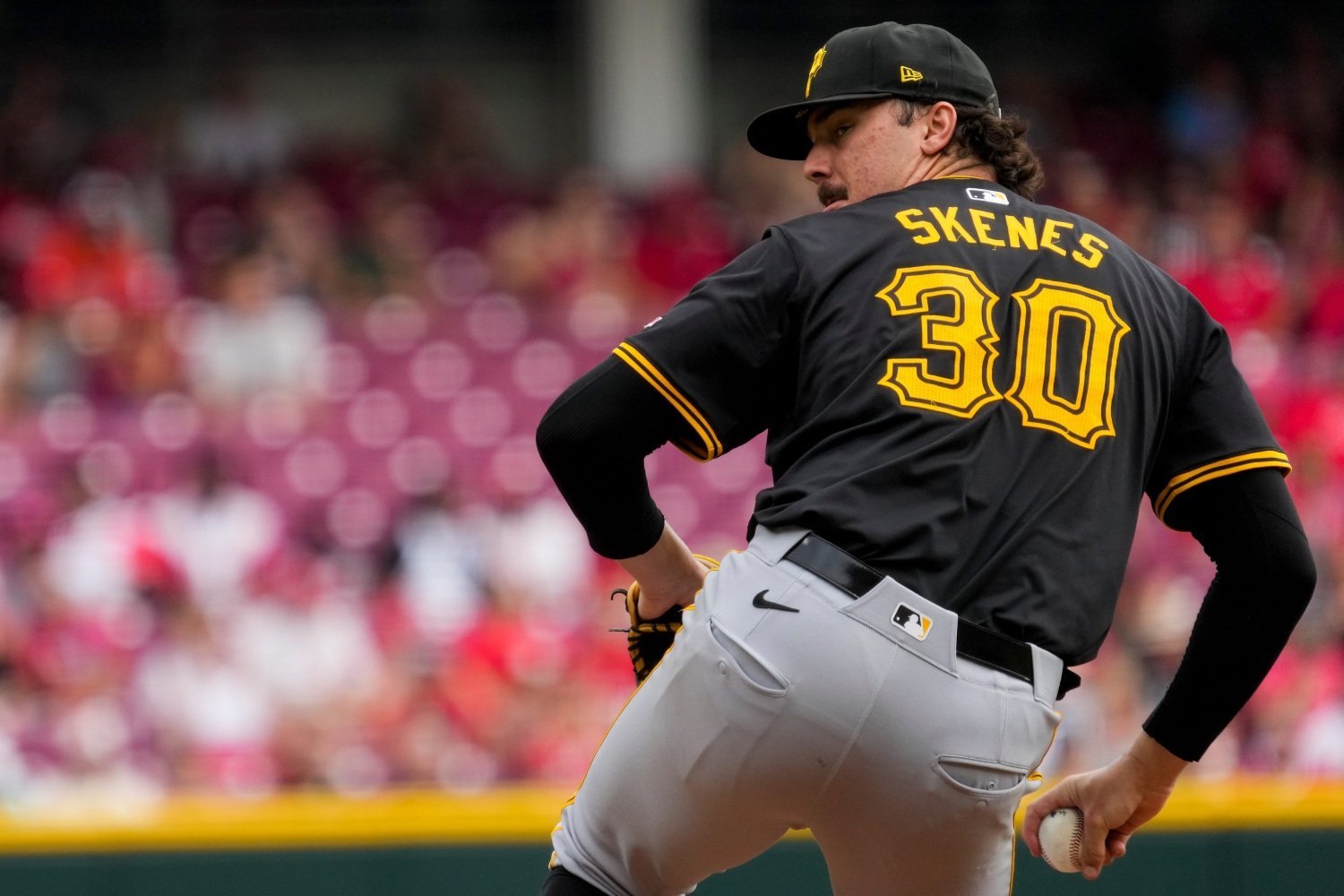 The Pirates sit at the bottom of the NL Central, and have already fired their manager this season. They are a long way from being back in contention. Meanwhile, Paul Skenes has become a must-watch pitcher for their club and helped to invigorate the fanbase, but the Pirates will be irrelevant during his tenure with the club. He is scheduled to reach free agency after the 2029 season, and each pitch he throws for the Pirates takes away some of his value. This is even more true when teams consider that even the most durable pitchers will inevitably have some impact on their careers due to injury. Pittsburgh doesn’t want to trade him away, but it might be the best thing for the club’s long-term growth. So, why would the Twins want to make this trade? Minnesota already has one of baseball’s best starting rotations, with depth built in the high minors. However, the Twins’ winning window may slowly be closing, with aging stars like Byron Buxton and Carlos Correa in the middle of the lineup. If the Twins want to go all-in, the next two or three seasons are the club’s best opportunity to make an extended playoff run. It would take quite the package of prospects, but the Twins have multiple ways of acquiring Skenes. Trade Package 1: Walker Jenkins, Kaelen Culpepper, Connor Prielipp, Billy Amick It seems likely for Jenkins, Minnesota’s top prospect, to be the starting point for any trade involving Skenes. He is considered one of baseball’s top prospects despite missing time during his first two professional seasons. The Twins hope he can return to the field in June, and that could give the Pirates time to evaluate the young outfielder as a potential cornerstone for their franchise. Culpepper is one of the fastest-rising prospects in the Twins organization. As last season’s first-round pick, he's posted a 160 wRC+ at High-A this season. The Athletic’s Keith Law recently updated his top-50 prospect list, and Culpepper slid in at No. 45. Prospects with rising stocks tend to be dealt with in July, and Culpepper fits this mold. On the pitching side, Prielipp has established himself as a top-100 prospect this season with his performance at Double-A. He’s one of the highest-upside arms in the Twins system, and could be a long-term rotational option for Pittsburgh. Like Culpepper, Amick is another player with rising stock, including a 167 wRC+ at High-A. Amick may never develop into a superstar, but he has the potential to be a regular big-leaguer, and that has significant value. Overall: Three top-100 prospects, including Jenkins, is the type of deal it will take for Skenes. Trade Package 2: Emmanuel Rodriguez, David Festa, Kyle DeBarge, Dasan Hill The first trade package offers significant long-term upside, while the second package includes both immediate value for the Pirates and long-term building blocks. Rodriguez is on the cusp of the big leagues with a 120 wRC+ at Triple-A, including a bat that has been heating up in recent weeks with a .969 OPS in May. His unique skill set, including a patient approach, powerful swing, and defensive versatility, could make him the headliner for the Pirates. He isn’t as highly rated as Jenkins, but he is still considered one of baseball’s top prospects. Festa could immediately be added to the Pirates rotation. He has one more year of team control than Skenes does, and has demonstrated plenty of upside during his time at the major-league level. It’s important to note that Festa dealt with some shoulder soreness earlier in the season, so the Pirates would want to clear his medicals before trading for him. DeBarge has been one of the most exciting Twins prospects this season. The 33rd overall pick in last summer’s draft has posted a 133 wRC+ at High-A. He’s also shown the ability to play multiple infield and outfield positions, which can help a player find a role at the big-league level. The Twins selected Hill in the fourth round of the 2024 MLB Draft out of high school in Texas. At Low-A, the 19-year-old has mowed through lineups with a 41.2 K% and held batters to a .121 BA. Hill is a long way from the majors but has some of the most significant upside in the system. Overall: Two near big-league-ready assets and two upside plays can make a deal work. Minnesota’s front office has taken a cautious approach at most trade deadlines, so it seems unlikely for the Twins to mortgage the entire farm system on one starting pitcher. There is also no indication that the Pirates are interested in trading their star player. He has made it clear that he wants to stay in Pittsburgh and help the organization get back into contention. Still, it’s fun to dream of what a blockbuster trade could look like for the Twins and Pirates. Which trade are the Pirates more likely to accept? Should the Twins go all-in at this trade deadline? Leave a comment and start the discussion.
- 31 comments
-
- 1
-

-
- paul skenes
- walker jenkins
- (and 5 more)
-
Image courtesy of © Sam Greene/The Enquirer / Imagn Images The Pirates sit at the bottom of the NL Central, and have already fired their manager this season. They are a long way from being back in contention. Meanwhile, Paul Skenes has become a must-watch pitcher for their club and helped to invigorate the fanbase, but the Pirates will be irrelevant during his tenure with the club. He is scheduled to reach free agency after the 2029 season, and each pitch he throws for the Pirates takes away some of his value. This is even more true when teams consider that even the most durable pitchers will inevitably have some impact on their careers due to injury. Pittsburgh doesn’t want to trade him away, but it might be the best thing for the club’s long-term growth. So, why would the Twins want to make this trade? Minnesota already has one of baseball’s best starting rotations, with depth built in the high minors. However, the Twins’ winning window may slowly be closing, with aging stars like Byron Buxton and Carlos Correa in the middle of the lineup. If the Twins want to go all-in, the next two or three seasons are the club’s best opportunity to make an extended playoff run. It would take quite the package of prospects, but the Twins have multiple ways of acquiring Skenes. Trade Package 1: Walker Jenkins, Kaelen Culpepper, Connor Prielipp, Billy Amick It seems likely for Jenkins, Minnesota’s top prospect, to be the starting point for any trade involving Skenes. He is considered one of baseball’s top prospects despite missing time during his first two professional seasons. The Twins hope he can return to the field in June, and that could give the Pirates time to evaluate the young outfielder as a potential cornerstone for their franchise. Culpepper is one of the fastest-rising prospects in the Twins organization. As last season’s first-round pick, he's posted a 160 wRC+ at High-A this season. The Athletic’s Keith Law recently updated his top-50 prospect list, and Culpepper slid in at No. 45. Prospects with rising stocks tend to be dealt with in July, and Culpepper fits this mold. On the pitching side, Prielipp has established himself as a top-100 prospect this season with his performance at Double-A. He’s one of the highest-upside arms in the Twins system, and could be a long-term rotational option for Pittsburgh. Like Culpepper, Amick is another player with rising stock, including a 167 wRC+ at High-A. Amick may never develop into a superstar, but he has the potential to be a regular big-leaguer, and that has significant value. Overall: Three top-100 prospects, including Jenkins, is the type of deal it will take for Skenes. Trade Package 2: Emmanuel Rodriguez, David Festa, Kyle DeBarge, Dasan Hill The first trade package offers significant long-term upside, while the second package includes both immediate value for the Pirates and long-term building blocks. Rodriguez is on the cusp of the big leagues with a 120 wRC+ at Triple-A, including a bat that has been heating up in recent weeks with a .969 OPS in May. His unique skill set, including a patient approach, powerful swing, and defensive versatility, could make him the headliner for the Pirates. He isn’t as highly rated as Jenkins, but he is still considered one of baseball’s top prospects. Festa could immediately be added to the Pirates rotation. He has one more year of team control than Skenes does, and has demonstrated plenty of upside during his time at the major-league level. It’s important to note that Festa dealt with some shoulder soreness earlier in the season, so the Pirates would want to clear his medicals before trading for him. DeBarge has been one of the most exciting Twins prospects this season. The 33rd overall pick in last summer’s draft has posted a 133 wRC+ at High-A. He’s also shown the ability to play multiple infield and outfield positions, which can help a player find a role at the big-league level. The Twins selected Hill in the fourth round of the 2024 MLB Draft out of high school in Texas. At Low-A, the 19-year-old has mowed through lineups with a 41.2 K% and held batters to a .121 BA. Hill is a long way from the majors but has some of the most significant upside in the system. Overall: Two near big-league-ready assets and two upside plays can make a deal work. Minnesota’s front office has taken a cautious approach at most trade deadlines, so it seems unlikely for the Twins to mortgage the entire farm system on one starting pitcher. There is also no indication that the Pirates are interested in trading their star player. He has made it clear that he wants to stay in Pittsburgh and help the organization get back into contention. Still, it’s fun to dream of what a blockbuster trade could look like for the Twins and Pirates. Which trade are the Pirates more likely to accept? Should the Twins go all-in at this trade deadline? Leave a comment and start the discussion. View full article
- 31 replies
-
- 1
-
-
- paul skenes
- walker jenkins
- (and 5 more)
-
Top Twins Prospect Walker Jenkins Still Weeks Away From Returning
Cody Christie posted an article in Minor Leagues
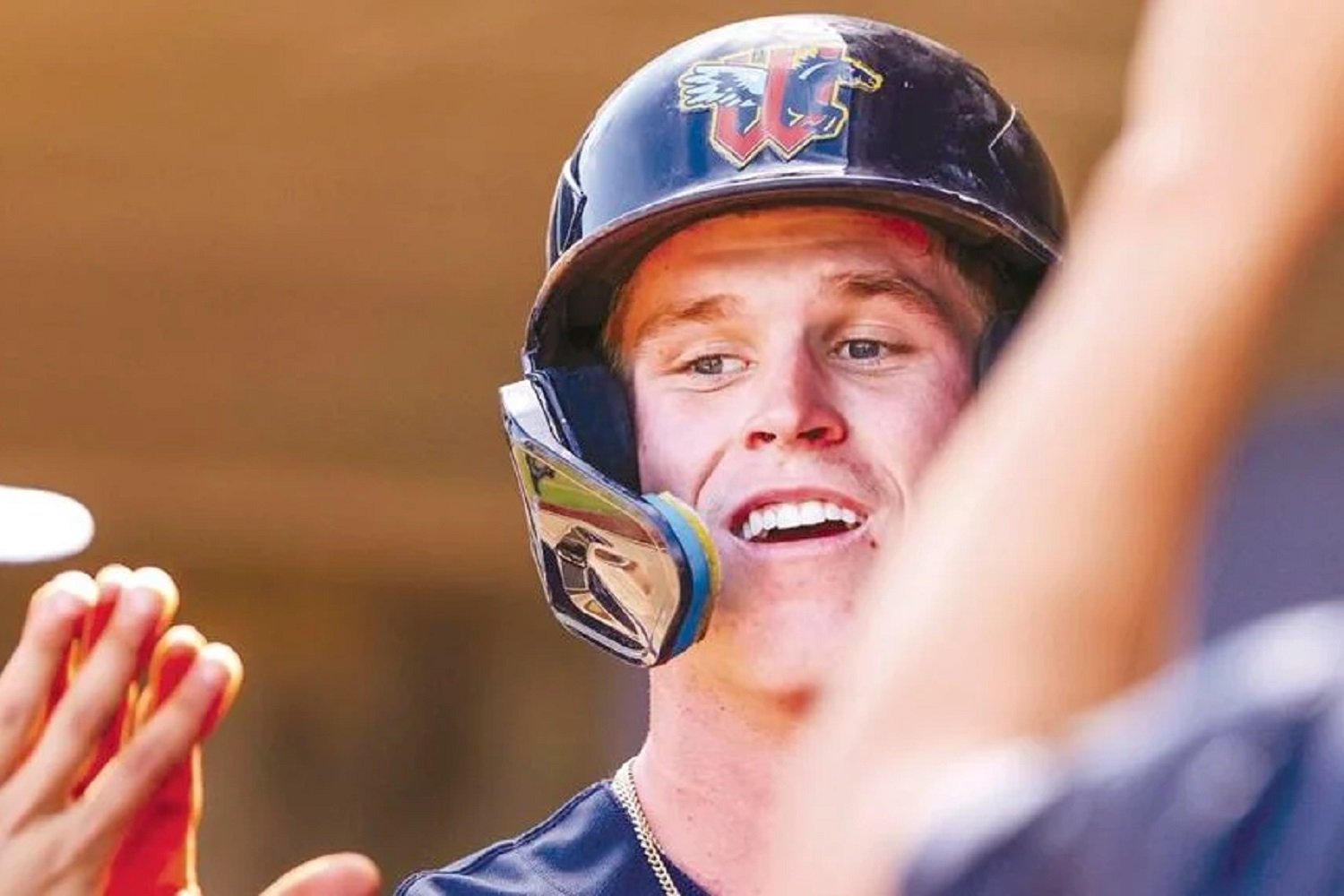 Minnesota Twins fans have grown too familiar with the phrase "if he can stay healthy." From Byron Buxton to Royce Lewis, the organization's top prospects often find their ascent to the majors hindered by injuries. Now, the latest to join this unfortunate list is Walker Jenkins, the Twins' top prospect and the No. 6 overall prospect in baseball, according to MLB Pipeline. Jenkins's 2025 season has been marred by a left high ankle sprain, sustained early in the year. He suffered an ankle injury during spring training, but was on track for the start of the season. After playing just two games for Double-A Wichita, he experienced renewed stiffness in the same ankle, leading to his placement on the injured list on April 9. Despite initial hopes for a swift recovery, the injury lingered, necessitating a cortisone injection in late April to alleviate persistent inflammation. Many Twins fans have been anxiously awaiting word on when Jenkins would return to the field. Since he isn’t on the big-league roster, updates on his injury status are hard to come by. The team is less likely to provide recovery details because Jenkins is recovering at the team’s facility in Fort Myers, and the decision-makers at Target Field don’t have daily visibility into his condition even with the internal reports being provided. Twins General Manager Jeremy Zoll provided an update on Jenkins' condition during an appearance on Sirius XM’s MLB Network "Front Office" radio show. “I think we finally flushed out all the inflammation and all the soreness,” Zoll said. “He’s been ramping up his activity. … We’re optimistic that he’ll be on the field within the next few weeks.” Twins president Derek Falvey was on Inside Twins on Sunday, and was also asked about Jenkins. “High ankle [sprains] are tricky … I think that’s the tougher part,” he said. “Sometimes people think a broken ankle is better than a high ankle sprain in certain situations—mostly because you don’t have a perfect sense of timeline and how a guy is feeling coming back. “He continues to track well and progress well," Falvey continued. "We don’t have a specific date for his return, but ultimately we know he is going to be fine once he gets back here soon. We just need to make sure we get it all the way cleared out.” Given the nature of high ankle sprains, which can be particularly troublesome for athletes, the Twins are understandably cautious. Jenkins is not expected to return to minor-league action until mid-June at the earliest. This approach aligns with the team's handling of his previous injuries. In his first professional season in 2024, Jenkins missed two months due to a hamstring injury but still managed to play 82 games across four levels, posting a .282/.394/.439 slash line with 32 extra-base hits and 17 stolen bases. To maximize his at-bats while minimizing physical strain, he often served as the designated hitter, with only 37 starts made in the outfield. Looking ahead, the Twins are likely to continue this cautious approach. If Jenkins returns to full health in the second half of the season, he could be a candidate for the Arizona Fall League, providing him with additional at-bats and development opportunities. However, this is putting the cart way before the horse, because his participation will heavily depend on his health status. The Twins' history with top prospects and injuries is well-documented. Royce Lewis has endured two ACL surgeries and multiple muscle strains, limiting him to just 152 games in his first three seasons. Byron Buxton, despite his immense talent, has played more than 100 games in a season only twice in his decade-long career, often sidelined by various injuries. Alex Kirilloff, once a promising hitter, retired at 26 after persistent wrist, shoulder, and back issues took a toll on his physical and mental well-being. The list could go on and on. This pattern underscores the challenges the Twins face in developing and maintaining the health of their top talents. For Jenkins, the hope is that with careful management and a bit of luck, he can break this cycle and fulfill his potential as a cornerstone player for the franchise. As the Twins continue to navigate the complexities of player development, the organization and its fans remain hopeful that Jenkins's journey will be one of resilience and success, rather than another chapter in the team's injury-laden history. How many games will Jenkins play this season? Leave a comment and start the discussion.
 -
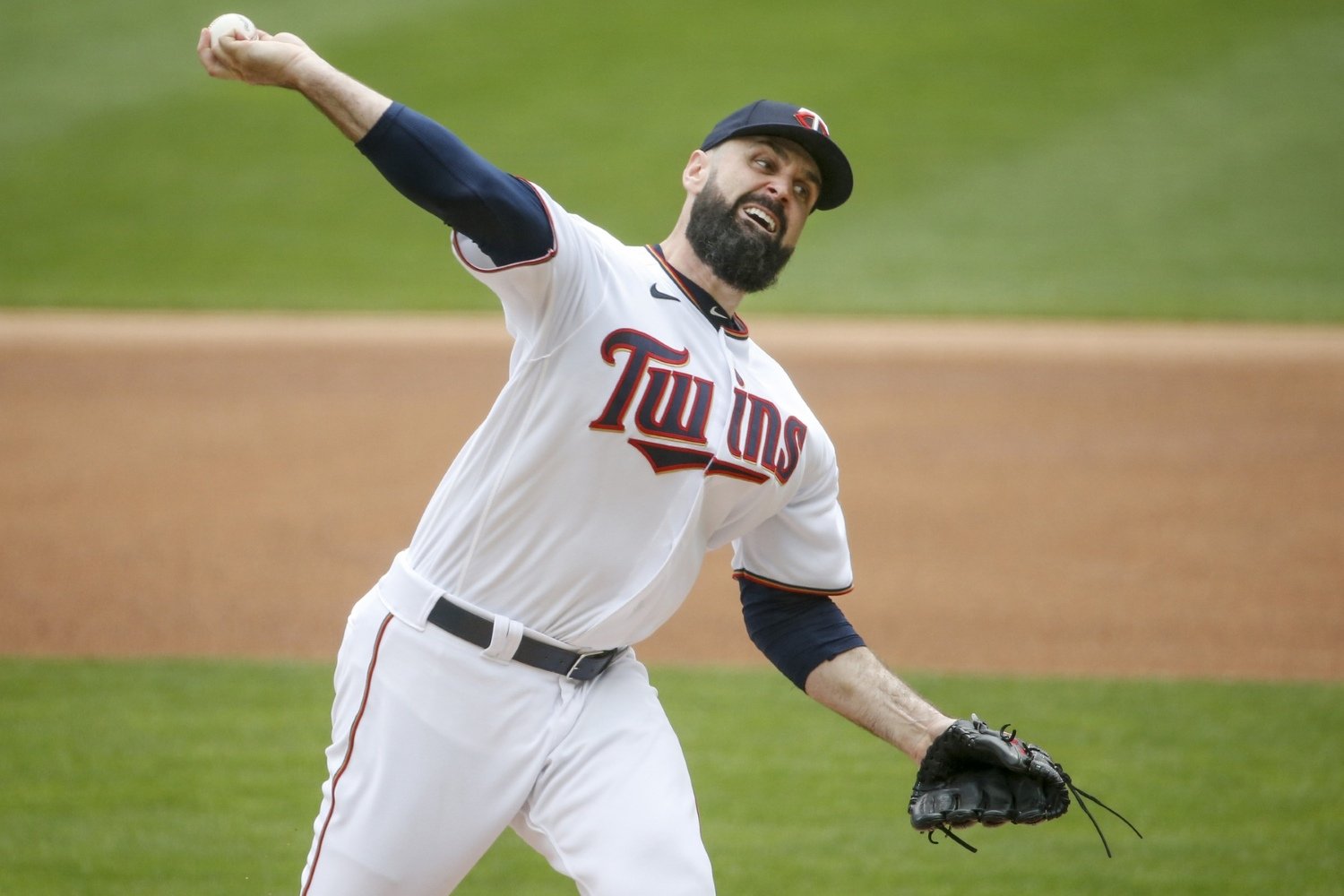 MINNEAPOLIS—In a shocking turn of events that defies decades of trauma, the Minnesota Twins’ starting rotation has once again shown signs of being competent—maybe even good. Naturally, this has led a certain segment of the fanbase to descend into full denial, clutching their Bert Blyleven bobbleheads like emotional support animals and waiting for the inevitable collapse. Despite a team ERA that ranks among the best in the American League and peripherals that make even hardened sabermetricians blush, the average Twins fan remains unconvinced. “I don’t care if Pablo López strikes out 15 batters in seven innings while simultaneously curing plantar fasciitis,” said longtime Twins enthusiast Dale Knudsen, of Bloomington. “Until I see a Twins starter go three seasons without giving up a home run to a light-hitting backup catcher, I’m not buying it.” Knudsen, who proudly wears a fading “Santana 57” jersey to every game, went on to explain that his baseball instincts were irreparably damaged in the early 2010s. “You think I can just unsee Jason Marquis grooving a 79-mph meatball to a guy who’d never hit a homer outside of batting practice?” he said, shaking his head while scrolling through Francisco Liriano highlights on an iPod. “No sir. Not in this lifetime.” While the 2023 Twins led the league in strikeouts and had one of the deepest rotations in franchise history, many fans dismissed it as a statistical fluke akin to seeing Nick Blackburn pitch a clean inning. “That was a fever dream,” said Twitter user @FireRoccoPlz43. “They were probably using trick baseballs. Or maybe every other team had food poisoning. There’s no way that was real. This is the same franchise that once convinced us Kevin Correia was an ‘innings eater.’” When asked about the Twins' hot start to 2025, including several dominant outings from Joe Ryan, Bailey Ober, and new folk hero Chris Paddack, many fans remained unconvinced. “Look, I want to believe,” said fan Jenna Melrose of Coon Rapids, holding a laminated newspaper clipping of Johan Santana’s 17-strikeout game. “But every time I see a strong outing, I hear the ghost of Vance Worley whispering, ‘Regression is coming.'” The bar for Twins starting pitching remains tragically high, thanks largely to the fact that no one in the rotation currently possesses a Cy Young Award, a devastating changeup, or a faint whiff of Venezuelan wizardry. (Actually, López does have some of the latter. But it's not enough for many.) “Unless one of these guys wins back-to-back ERA titles and throws a no-hitter with a blindfold on, I’m reserving judgment,” said retired teacher Tom Thorson. “Johan didn’t just pitch; he healed. I’m pretty sure my arthritis went into remission during his 2006 stretch.” Even younger fans who never saw Santana or Peak Liriano in their primes are deeply skeptical. “My dad told me stories about a time when Twins pitchers made people miss,” said 19-year-old college student Caleb Olsen. “I thought it was a bedtime myth, like unicorns or competent bullpen management.” Hope on the Horizon (Maybe) Still, not everyone is clinging to their pitching PTSD. A quiet but growing number of fans are starting to entertain the possibility that maybe, just maybe, the Twins can sustain their current level of performance. “I mean, sure, I’ve been hurt before,” said moderately optimistic fan Sandra Wallen. “But if the bullpen doesn’t implode and the starters keep going six-plus, I might allow myself to feel something... cautiously.” She paused, then added: “Unless they re-sign Kyle Gibson. Then I’m out.” Whether the Twins’ pitching renaissance is real or just another cruel mirage remains to be seen. But one thing is clear: after years of watching errant sinkers and fly balls land in the seats, some scars just don’t heal. So if you see a Twins fan watching a 1-0 game with a twitch in their eye and a ‘Free Anthony Swarzak’ shirt, just be gentle. They’ve been through things. Very, very specific things.
 -
Minnesota Twins Ownership Update: From “Dismal” to Progressing
Cody Christie posted an article in Twins
 As the Minnesota Twins navigate the 2025 season, the potential sale of the franchise by the Pohlad family has become a focal point of discussion. The Pohlads, who have owned the team since 1984, are reportedly seeking a sale price of $1.7 billion. That's the same price the Baltimore Orioles sold for last year. However, this valuation, coupled with the team's financial challenges, has made the sale process complex and uncertain. One significant hurdle in the sale is the Twins' reported $425 million in debt, one of the highest totals in MLB, which has raised concerns among potential buyers. This financial burden, along with the high asking price, led some local investors to view the prospects of a sale as "dismal” after getting access to the Twins’ financial reports. The Pioneer Press reported that multiple interested parties have pulled out of the running because of cashflow concerns. Besides the team’s debt, other concerns include the potential for an MLB lockout after the 2026 season. A new owner will want to draw immediate revenue from their investment in the Twins, and a work stoppage could impact all 30 franchises for multiple seasons. Another concern is the team’s loss of revenue from the television contract. For clubs like the Twins, regional sports network contracts are a large part of their revenue—and now, the team is getting significantly less with Twins TV. Despite these challenges, the sale process has not come to a halt. The Star-Tribune reported that several potential buyers have visited Target Field over the last 2-3 weeks and met with the Pohlads and team executives, indicating ongoing interest in the franchise. Phil Miller reported that the sale was “closer to the end than to the beginning,” a positive sign for Twins fans. While no formal offers have been made public, these developments suggest that discussions are progressing, albeit slowly. Initially, there was hope the Twins' sale would be completed by Opening Day. However, the situation was further complicated when billionaire Justin Ishbia, initially a leading candidate to purchase the team, shifted his focus to increasing his stake in the Chicago White Sox. The Twins were forced to reset their sales conversations, and that slowed down the process significantly in recent months. The Athletic reported that multiple interested parties have joined the potential buyer pool since Ishbia dropped out of the running. “We sort of rebooted the process and a number of people came in that were sitting on the sidelines,” The Athletic’s source said. “We’re making good progress with multiple interested parties. Everyone we’re talking with now has the capability of transacting without finding a money source.” The Athletic also made it clear that there is no specific deadline being put in place by the Pohlads. They clearly want to get the best price for their most valuable asset, and sometimes it takes time for all the pieces to be put in place. From a business perspective, it makes sense to pit these potential ownership groups against one another to get the best price. Big-league teams are in limited supply and there have been few sales of clubs over the last few decades. For many ownership groups, this is a once-in-a-lifetime opportunity. As the Twins continue their season, the outcome of the sale remains uncertain. The Pohlads' commitment to their asking price, combined with the team's financial obligations, presents significant obstacles to a swift transaction. However, the ongoing interest from potential buyers suggests that a resolution (while not imminent) is still possible. For fans and stakeholders, the hope is that any future ownership will bring renewed investment and stability to the franchise. What’s your prediction for when the Twins will be sold? How much will the Pohlads be able to get for the team? Leave a comment and start the discussion.
 -
Image courtesy of © Bruce Kluckhohn-Imagn Images As the Minnesota Twins navigate the 2025 season, the potential sale of the franchise by the Pohlad family has become a focal point of discussion. The Pohlads, who have owned the team since 1984, are reportedly seeking a sale price of $1.7 billion. That's the same price the Baltimore Orioles sold for last year. However, this valuation, coupled with the team's financial challenges, has made the sale process complex and uncertain. One significant hurdle in the sale is the Twins' reported $425 million in debt, one of the highest totals in MLB, which has raised concerns among potential buyers. This financial burden, along with the high asking price, led some local investors to view the prospects of a sale as "dismal” after getting access to the Twins’ financial reports. The Pioneer Press reported that multiple interested parties have pulled out of the running because of cashflow concerns. Besides the team’s debt, other concerns include the potential for an MLB lockout after the 2026 season. A new owner will want to draw immediate revenue from their investment in the Twins, and a work stoppage could impact all 30 franchises for multiple seasons. Another concern is the team’s loss of revenue from the television contract. For clubs like the Twins, regional sports network contracts are a large part of their revenue—and now, the team is getting significantly less with Twins TV. Despite these challenges, the sale process has not come to a halt. The Star-Tribune reported that several potential buyers have visited Target Field over the last 2-3 weeks and met with the Pohlads and team executives, indicating ongoing interest in the franchise. Phil Miller reported that the sale was “closer to the end than to the beginning,” a positive sign for Twins fans. While no formal offers have been made public, these developments suggest that discussions are progressing, albeit slowly. Initially, there was hope the Twins' sale would be completed by Opening Day. However, the situation was further complicated when billionaire Justin Ishbia, initially a leading candidate to purchase the team, shifted his focus to increasing his stake in the Chicago White Sox. The Twins were forced to reset their sales conversations, and that slowed down the process significantly in recent months. The Athletic reported that multiple interested parties have joined the potential buyer pool since Ishbia dropped out of the running. “We sort of rebooted the process and a number of people came in that were sitting on the sidelines,” The Athletic’s source said. “We’re making good progress with multiple interested parties. Everyone we’re talking with now has the capability of transacting without finding a money source.” The Athletic also made it clear that there is no specific deadline being put in place by the Pohlads. They clearly want to get the best price for their most valuable asset, and sometimes it takes time for all the pieces to be put in place. From a business perspective, it makes sense to pit these potential ownership groups against one another to get the best price. Big-league teams are in limited supply and there have been few sales of clubs over the last few decades. For many ownership groups, this is a once-in-a-lifetime opportunity. As the Twins continue their season, the outcome of the sale remains uncertain. The Pohlads' commitment to their asking price, combined with the team's financial obligations, presents significant obstacles to a swift transaction. However, the ongoing interest from potential buyers suggests that a resolution (while not imminent) is still possible. For fans and stakeholders, the hope is that any future ownership will bring renewed investment and stability to the franchise. What’s your prediction for when the Twins will be sold? How much will the Pohlads be able to get for the team? Leave a comment and start the discussion. View full article
-
Image courtesy of Ed Bailey, Wichita Wind Surge Minnesota Twins fans have grown all too familiar with the phrase "if he can stay healthy." From Byron Buxton to Royce Lewis, the organization's top prospects often find their ascent to the majors hindered by injuries. Now, the latest to join this unfortunate list is Walker Jenkins, the Twins' top prospect and the No. 6 overall prospect in baseball, according to MLB Pipeline. Jenkins' 2025 season has been marred by a left high ankle sprain sustained early in the year. He suffered an ankle injury during spring training but was on track for the start of the season. After playing just two games for Double-A Wichita, he experienced renewed stiffness in the same ankle, leading to his placement on the injured list on April 9. Despite initial hopes for a swift recovery, the injury lingered, necessitating a cortisone injection in late April to alleviate persistent inflammation. Many Twins fans have been anxiously awaiting word on when Jenkins would return to the field. Since he isn’t on the big-league roster, updates on his injury status are hard to come by. The team is less likely to provide recovery details because Jenkins is recovering at the team’s facility in Fort Myers, and the decision-makers at Target Field don’t have daily visibility into his condition even with the internal reports being provided. Twins General Manager Jeremy Zoll provided an update on Jenkins' condition during an appearance on Sirius XM’s MLB Network "Front Office" radio show, stating: “I think we finally flushed out all the inflammation and all the soreness,” Zoll said. “He’s been ramping up his activity. … We’re optimistic that he’ll be on the field within the next few weeks.” Twins president Derek Falvey was on Inside Twins on Sunday and was also asked about Jenkins. “High ankles are tricky…I think that’s the tougher part,” he said. “Sometimes people think a broken ankle is better than a high ankle sprain in certain situations. Mostly because you don’t have a perfect sense of timeline and how a guy is feeling coming back.” Falvey went on to say, “He continues to track well and progress well. We don’t have a specific date for his return but ultimately we know he is going to be fine once he gets back here soon. We just need to make sure we get it all the way cleared out.” Given the nature of high ankle sprains, which can be particularly troublesome for athletes, the Twins are understandably cautious. Jenkins is not expected to return to minor league action until mid-June at the earliest. This approach aligns with the team's handling of his previous injuries. In his first professional season in 2024, Jenkins missed two months due to a hamstring injury but still managed to play 82 games across four levels, posting a .282/.394/.439 (.833) slash line with 32 extra-base hits and 17 stolen bases. To maximize his at-bats while minimizing physical strain, he often served as the designated hitter, with only 37 starts made in the outfield. Looking ahead, the Twins are likely to continue this cautious approach. If Jenkins returns to full health in the second half of the season, he could be a candidate for the Arizona Fall League, providing him with additional at-bats and development opportunities. However, this is putting the cart way before the horse, because his participation will heavily depend on his health status. The Twins' history with top prospects and injuries is well-documented. Royce Lewis has endured two ACL surgeries and multiple muscle strains, limiting him to just 152 games in his first three seasons. Byron Buxton, despite his immense talent, has played more than 100 games in a season only twice in his decade-long career, often sidelined by various injuries. Alex Kirilloff, once a promising hitter, retired at 26 after persistent wrist, shoulder, and back issues took a toll on his physical and mental well-being. The list could go on and on. This pattern underscores the challenges the Twins face in developing and maintaining the health of their top talents. For Jenkins, the hope is that with careful management and a bit of luck, he can break this cycle and fulfill his potential as a cornerstone player for the franchise. As the Twins continue to navigate the complexities of player development and health management, the organization and its fans remain hopeful that Jenkins' journey will be one of resilience and success rather than another chapter in the team's injury-laden history. How many games will Jenkins play this season? Leave a comment and start the discussion. View full article
-
Image courtesy of © Jesse Johnson-Imagn Images The calendar is creeping toward June, which means one of baseball’s great traditions is about to return: All-Star voting. Phase 1 of the voting process will open soon, with fans once again choosing nine offensive players to represent each league. For the Twins, this year’s squad features a solid mix of emerging contributors and established stars. While some names are more familiar than others, multiple Twins players have made convincing cases to represent the American League this July. Here’s a breakdown of the top five Twins candidates for the 2025 MLB All-Star Game, ranked from unlikely long shot to likely lock. 5. Harrison Bader – Left Field On the surface, Harrison Bader may not scream "All-Star" to casual fans scrolling through the ballot. However, anyone watching Twins games closely knows how valuable he has been to this team. Tied with Byron Buxton for the highest rWAR on the roster, Bader has been a steadying force in the outfield. Much of his value has come on the defensive side, where he has played in left and center field and has arguably been the most consistent defensive player on the team. That said, the reality of All-Star voting is that offense still carries more weight, and that’s where Bader may fall short. He has posted a career-high 122 OPS+ with 11 extra-base hits in 46 games. With so many offensively gifted outfielders in the American League, however, Bader’s chance at an All-Star nod may come only if injury replacements or late roster shuffling occurs. 4. Jhoan Duran – Relief Pitcher Closers often feel like wild cards when it comes to All-Star selections. It’s no secret that Duran possesses one of baseball’s most electric arms, and that can force the issue when it comes to a one-game showcase. He's the kind of pitcher who could go viral with a single pitch. More importantly, he’s posting the kind of numbers that make him a legit All-Star candidate: a sub-1.50 ERA and 30 strikeouts in 25 1/3 innings. Unlike offensive players, pitchers aren’t selected by fan vote, with managers and players handling that job. That works in Duran’s favor. Although there may be more recognizable names in the closer pool, few have been as dominant or exciting. If he keeps this up through June, it’ll be tough to keep him off the AL roster. 3. Pablo López – Starting Pitcher There’s something to be said for reliability and track record, and Pablo López has both in spades. An All-Star in the past, López has quietly built one of his best seasons yet, with a career-best 2.31 ERA, 177 ERA+, and a 4.4% walk rate. Advanced metrics also support his performance, as he ranks in the 90th percentile or better in Pitching Run Value, Hard Hit%, and BB%. While the casual fan may overlook him in favor of flashier names, López has been a stabilizing force in Minnesota’s rotation. And with the AL All-Star staff needing multiple arms to ensure that no one is overworked during the exhibition game, López’s consistency and experience make him a prime candidate to return to the midsummer stage. 2. Joe Ryan – Starting Pitcher If we’re talking about current form, few pitchers in the American League have been as dominant as Joe Ryan in 2025. After an up-and-down 2024, Ryan came into this season with something to prove. His fastball is one of baseball’s most valuable pitches, and this has helped his other pitches play up. Ryan’s strikeout and walk rates are sparkling. He also has some of the surface-level numbers (2.57 ERA, 53 innings pitched in 11 games, even 5 wins) that coaches and players will consider when voting. Unfortunately, fans don’t get to vote on pitchers; that would make Ryan a frontrunner. If the All-Star Game were held today, it wouldn’t be out of the question for Ryan to be in consideration for the starting nod. He’s been that good. 1. Byron Buxton – Center Field At the top of the list is a name Twins fans know better than any. When healthy, Byron Buxton is not just an All-Star, he’s one of the most dynamic players in the entire game. After years of battling injuries, 2025 has been a renaissance for Buxton. He’s finally back in center field full-time, and the results speak for themselves. Among AL players, he has the highest WAR for center fielders, putting himself ahead of names like Cody Bellinger and Julio Rodriguez. The biggest question, as always, is health. If Buxton can stay on the field through June, it’s hard to imagine fans, coaches and players all leaving him off the team. He’s been the heartbeat of the 2025 Twins and might be the most entertaining player on any given night. It's also fun to consider Buxton making an All-Star appearance in Georgia, his home state. The Twins may not have the offensive star power of some coastal franchises, but this roster is quietly stacking up All-Star-caliber talent. With a mix of elite pitching and athletic outfield play, Minnesota should be well-represented when the Midsummer Classic rolls around. All-Star voting kicks off in early June, and if the early results hold, Twins fans might have multiple reasons to tune in to the festivities. Until then, it’s up to these five players (and maybe a surprise name or two) to keep building their resumes. Who’s your pick for the Twins’ most deserving All-Star? Let us know in the comments below. View full article
-
Ranking Twins' 2025 All-Star Candidates: Is Byron Buxton a Lock?
Cody Christie posted an article in Twins
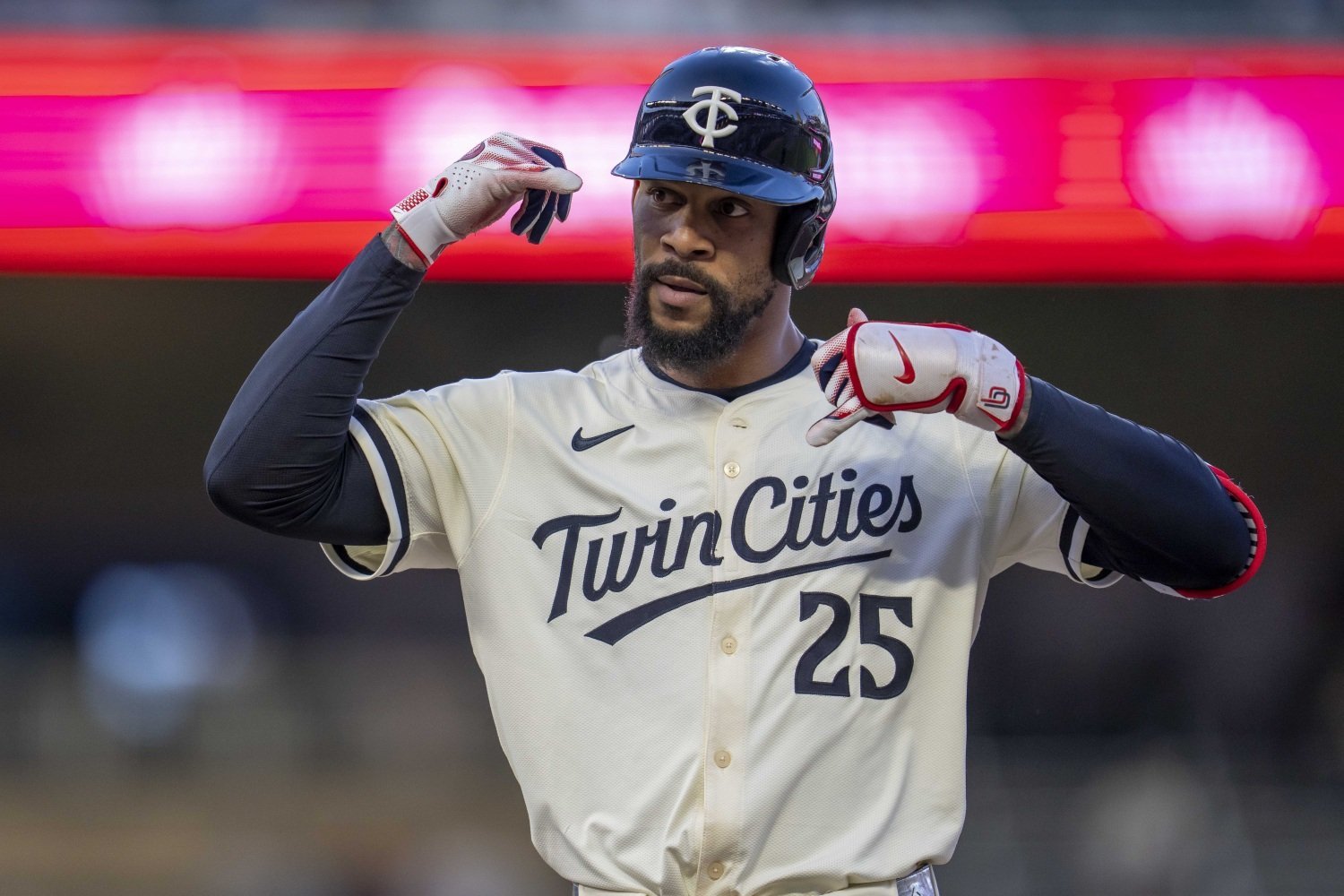 The calendar is creeping toward June, which means one of baseball’s great traditions is about to return: All-Star voting. Phase 1 of the voting process will open soon, with fans once again choosing nine offensive players to represent each league. For the Twins, this year’s squad features a solid mix of emerging contributors and established stars. While some names are more familiar than others, multiple Twins players have made convincing cases to represent the American League this July. Here’s a breakdown of the top five Twins candidates for the 2025 MLB All-Star Game, ranked from unlikely long shot to likely lock. 5. Harrison Bader – Left Field On the surface, Harrison Bader may not scream "All-Star" to casual fans scrolling through the ballot. However, anyone watching Twins games closely knows how valuable he has been to this team. Tied with Byron Buxton for the highest rWAR on the roster, Bader has been a steadying force in the outfield. Much of his value has come on the defensive side, where he has played in left and center field and has arguably been the most consistent defensive player on the team. That said, the reality of All-Star voting is that offense still carries more weight, and that’s where Bader may fall short. He has posted a career-high 122 OPS+ with 11 extra-base hits in 46 games. With so many offensively gifted outfielders in the American League, however, Bader’s chance at an All-Star nod may come only if injury replacements or late roster shuffling occurs. 4. Jhoan Duran – Relief Pitcher Closers often feel like wild cards when it comes to All-Star selections. It’s no secret that Duran possesses one of baseball’s most electric arms, and that can force the issue when it comes to a one-game showcase. He's the kind of pitcher who could go viral with a single pitch. More importantly, he’s posting the kind of numbers that make him a legit All-Star candidate: a sub-1.50 ERA and 30 strikeouts in 25 1/3 innings. Unlike offensive players, pitchers aren’t selected by fan vote, with managers and players handling that job. That works in Duran’s favor. Although there may be more recognizable names in the closer pool, few have been as dominant or exciting. If he keeps this up through June, it’ll be tough to keep him off the AL roster. 3. Pablo López – Starting Pitcher There’s something to be said for reliability and track record, and Pablo López has both in spades. An All-Star in the past, López has quietly built one of his best seasons yet, with a career-best 2.31 ERA, 177 ERA+, and a 4.4% walk rate. Advanced metrics also support his performance, as he ranks in the 90th percentile or better in Pitching Run Value, Hard Hit%, and BB%. While the casual fan may overlook him in favor of flashier names, López has been a stabilizing force in Minnesota’s rotation. And with the AL All-Star staff needing multiple arms to ensure that no one is overworked during the exhibition game, López’s consistency and experience make him a prime candidate to return to the midsummer stage. 2. Joe Ryan – Starting Pitcher If we’re talking about current form, few pitchers in the American League have been as dominant as Joe Ryan in 2025. After an up-and-down 2024, Ryan came into this season with something to prove. His fastball is one of baseball’s most valuable pitches, and this has helped his other pitches play up. Ryan’s strikeout and walk rates are sparkling. He also has some of the surface-level numbers (2.57 ERA, 53 innings pitched in 11 games, even 5 wins) that coaches and players will consider when voting. Unfortunately, fans don’t get to vote on pitchers; that would make Ryan a frontrunner. If the All-Star Game were held today, it wouldn’t be out of the question for Ryan to be in consideration for the starting nod. He’s been that good. 1. Byron Buxton – Center Field At the top of the list is a name Twins fans know better than any. When healthy, Byron Buxton is not just an All-Star, he’s one of the most dynamic players in the entire game. After years of battling injuries, 2025 has been a renaissance for Buxton. He’s finally back in center field full-time, and the results speak for themselves. Among AL players, he has the highest WAR for center fielders, putting himself ahead of names like Cody Bellinger and Julio Rodriguez. The biggest question, as always, is health. If Buxton can stay on the field through June, it’s hard to imagine fans, coaches and players all leaving him off the team. He’s been the heartbeat of the 2025 Twins and might be the most entertaining player on any given night. It's also fun to consider Buxton making an All-Star appearance in Georgia, his home state. The Twins may not have the offensive star power of some coastal franchises, but this roster is quietly stacking up All-Star-caliber talent. With a mix of elite pitching and athletic outfield play, Minnesota should be well-represented when the Midsummer Classic rolls around. All-Star voting kicks off in early June, and if the early results hold, Twins fans might have multiple reasons to tune in to the festivities. Until then, it’s up to these five players (and maybe a surprise name or two) to keep building their resumes. Who’s your pick for the Twins’ most deserving All-Star? Let us know in the comments below.
- 30 comments
-
- 3
-
-
- byron buxton
- harrison bader
- (and 3 more)
-
The Twins pitching development has worked some wonders in recent years so it will be fun to track Bowen and see if he can continue to have success.
- 9 replies
-
- 1
-
-
- darren bowen
- tanner schobel
- (and 1 more)