Cody Christie
-
Posts
7,809 -
Joined
-
Last visited
-
Days Won
5
Content Type
Profiles
News
Minnesota Twins Videos
2026 Minnesota Twins Top Prospects Ranking
2022 Minnesota Twins Draft Picks
Minnesota Twins Free Agent & Trade Rumors, Notes, & Tidbits
Guides & Resources
2023 Minnesota Twins Draft Picks
The Minnesota Twins Players Project
2024 Minnesota Twins Draft Picks
2025 Minnesota Twins Draft Pick Tracker
2026 Minnesota Twins Draft Tracker: Picks & Bonuses
Forums
Blogs
Events
Store
Downloads
Gallery
Everything posted by Cody Christie
-
 Some crazy Statcast data from the Wind Surge game
 -
Here are some John Klein highlights from last night.
- 15 replies
-
- 2
-

-
- kalai rosario
- john klein
- (and 4 more)
-
Royce Lewis is set to begin a rehab assignment on Friday in St. Paul.
-
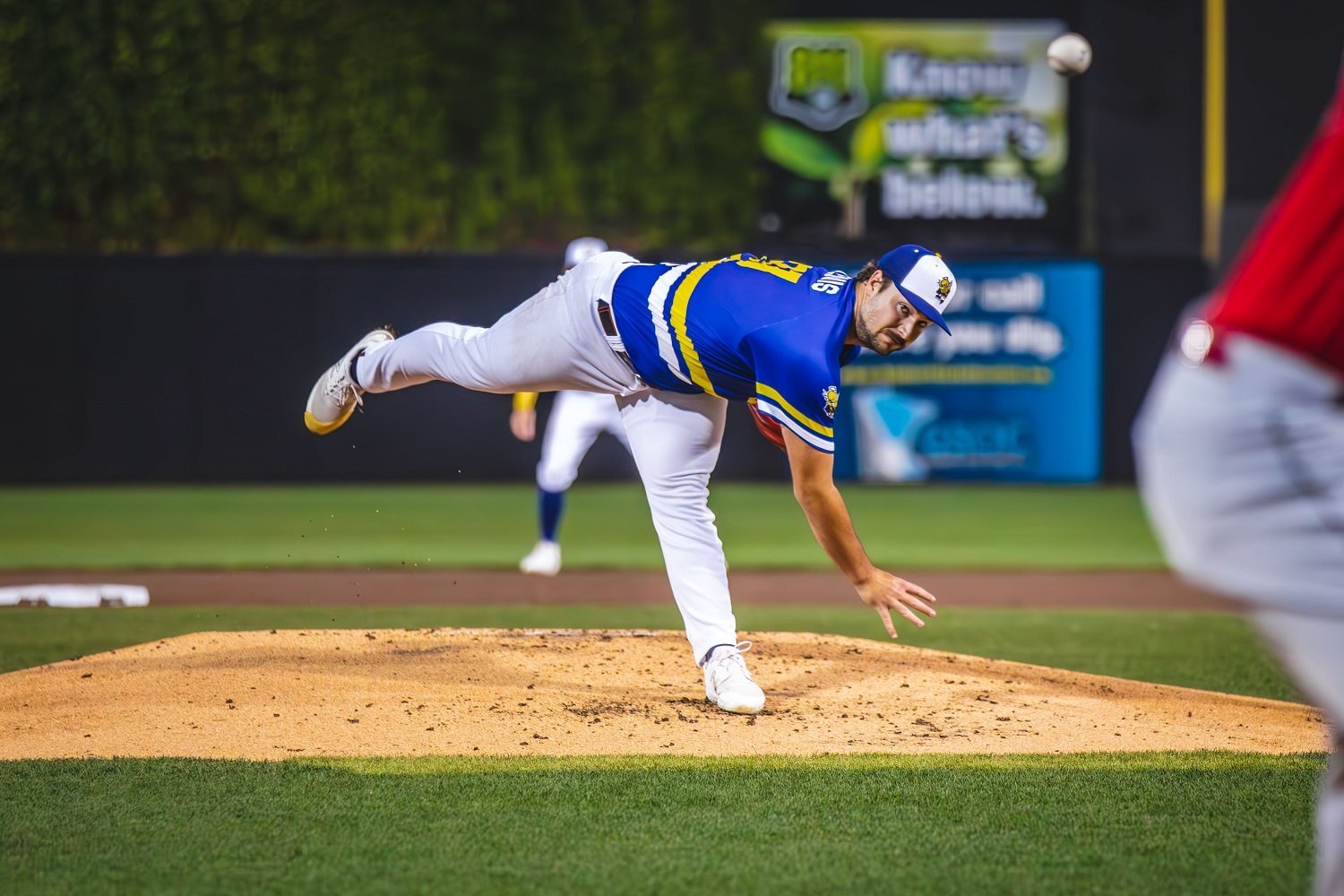 When the Minnesota Twins selected Cory Lewis in the ninth round of the 2022 MLB Draft, few evaluators thought he'd develop into one of the organization's top pitching prospects. But for those who had followed his career at the University of California, Santa Barbara, there was intrigue. Lewis had an unorthodox delivery and a deep pitch mix, which included a knuckleball—an unusual weapon in the modern game. In the years since, he’s risen steadily through the minor-league ranks, and as he embraces his unique identity like never before, 2025 has become a pivotal year. Lewis made his professional debut in 2023, splitting time between Low-A Fort Myers and High-A Cedar Rapids. He impressed with his command, poise, and cerebral approach on the mound. In 22 starts, he posted a 2.49 ERA, with a 28.6% strikeout rate and an 8.0% walk rate. By the end of 2024, he had pitched his way to Triple-A St. Paul. His strikeout rate remained near 28%, and he had a 2.51 ERA with a 1.31 WHIP. In many other systems, his rise might have been a headline story. But in Minnesota’s prospect-rich pipeline, he played second fiddle to Zebby Matthews, whose meteoric ascent and dominant performance drew much of the praise. Leaning into the Weird One of the unique aspects of Lewis’s profile is that knuckleball. In an era dominated by high-octane velocity and wipeout sliders, Lewis has leaned into the unexpected. Last season, he threw the knuckler just 9.4% of the time, an occasional wrinkle to throw hitters off balance. This year, that number has skyrocketed to 29.9%. The Twins’ player development staff worked with Lewis over the offseason, encouraging him to embrace his individuality on the mound. The goal wasn’t just to be different for the sake of it, but to weaponize the unpredictability of the knuckleball in a way that could open up his entire arsenal. It is the hardest version of the pitch ever seen at the professional level, averaging 83.7 mph. For reference, former Twin R.A. Dickey topped out at 77.3 mph with his knuckleball, and that was considered a faster version of the pitch at the time. “Cory has always missed a ton of bats and has really good stuff,” said Twins farm director Drew MacPhail. “On top of that, the knuckleball, which is probably his best pitch. We definitely talked to him about upping that a little bit. I think there is also an element there where the catchers are sometimes a little nervous to call it, because it is so nasty and it’s a hard pitch to catch.” Along with throwing the knuckleball more frequently, Lewis has added a cutter to his repertoire. It gives him another option to stay off barrels without having to rely heavily on his slider, curveball, or changeup. These three pitches haven’t consistently graded as above-average during his time in the minors. The early returns have shown that batters are having a tougher time tracking him. Through 11 starts, Lewis has increased his O-Swing%, the percentage of pitches chased outside the strike zone, from 20.0% in 2024 to 26.7% in 2025. It’s a promising sign that the new mix is disrupting hitters’ timing and approaches, especially if the knuckleball keeps them guessing. In one recent start, he leaned especially hard into the knuckler, with sensational results. Growing Pains in Real Time With any significant change, there are growing pains, and Lewis is experiencing them in full. Despite the improved chase rate, his overall control has suffered. His Zone% has dropped to just 41.4%, meaning he’s throwing fewer pitches in the strike zone. That lack of command has contributed to an elevated walk rate of 15.1%, a notable jump from the 12.1% he posted last season. “I think with Cory, as hitters get better themselves at the upper levels and become a little more refined, chase a little less,” MacPhail said. “Cory has always had an inflated walk rate along with [the] really gaudy strikeout numbers. I think at Triple-A, you’ve seen that walk rate really bloom. In Cory’s case, I think it is about getting in the zone a little more, which is not the easiest thing to do when you are throwing a really nasty knuckleball.” Hittability has also been an issue. Batters are slashing an eye-popping .333/.441/.567 against Lewis in 2025. He’s surrendered 19 extra-base hits in just 11 starts, including seven home runs. Perhaps most concerning is how right-handed hitters have handled him. Despite being a righty himself, Lewis has allowed a 1.077 OPS to same-sided batters. His strikeout rate, which had lived comfortably in the upper 20s through his first two professional seasons, has dipped to 22.9%. When combined with the walk rate and the inflated power numbers, the result is a 6.32 FIP, nearly 2.50 runs higher than last season. That’s not the type of production fans associate with a rising prospect. But dig a little deeper, and there’s reason to think the surface numbers may not tell the whole story. A Matter of Time? There’s a glaring number in Lewis’s profile this year that suggests a significant amount of misfortune: a .422 batting average on balls in play. That’s nearly 90 points higher than his actual batting average allowed, and significantly above league norms. It suggests that he may have been snakebitten by weak but unplayable contact, failures in defensive positioning, or even sequencing. The Twins have been careful with Lewis, keeping him in the rotation at Triple-A despite the struggles. Their commitment indicates they still see the bigger picture, one in which a knuckleballer with a complementary pitch mix could carve out a niche role, either as a backend starter or a swingman. The focus now is on refinement. Lewis is still adjusting to the knuckleball-heavy plan. It can take time to develop a feel for that pitch and an understanding of when to use it most effectively. The added cutter is promising, but it, too, is in the early stages of usage and development. For a team that has historically leaned into traditional pitching development paths, Lewis stands out. He’s not overpowering. He’s not textbook. But he’s carving out something unique, and for a player taken in the 9th round, that itself is impressive. What Comes Next? Lewis likely won’t be knocking on the big-league door in the next month or two. But his willingness to evolve and experiment bodes well for his long-term viability. The Twins have made it clear they’re not afraid to try unconventional methods if the player buys in, and Lewis is all-in on his new identity. If he can rein in the control and keep missing bats while cutting down on the hard contact, his next transformation could be even more meaningful: from intriguing prospect to legitimate MLB contributor. For now, he remains one of the more fascinating arms in the organization. He’s part pitcher, part mad scientist, and all-in on redefining what success can look like on the mound.
 -
Image courtesy of Rob Thompson, St. Paul Saints (photo of Cory Lewis) When the Minnesota Twins selected Cory Lewis in the ninth round of the 2022 MLB Draft, few evaluators thought he'd develop into one of the organization's top pitching prospects. But for those who had followed his career at the University of California, Santa Barbara, there was intrigue. Lewis had an unorthodox delivery and a deep pitch mix, which included a knuckleball—an unusual weapon in the modern game. In the years since, he’s risen steadily through the minor-league ranks, and as he embraces his unique identity like never before, 2025 has become a pivotal year. Lewis made his professional debut in 2023, splitting time between Low-A Fort Myers and High-A Cedar Rapids. He impressed with his command, poise, and cerebral approach on the mound. In 22 starts, he posted a 2.49 ERA, with a 28.6% strikeout rate and an 8.0% walk rate. By the end of 2024, he had pitched his way to Triple-A St. Paul. His strikeout rate remained near 28%, and he had a 2.51 ERA with a 1.31 WHIP. In many other systems, his rise might have been a headline story. But in Minnesota’s prospect-rich pipeline, he played second fiddle to Zebby Matthews, whose meteoric ascent and dominant performance drew much of the praise. Leaning into the Weird One of the unique aspects of Lewis’s profile is that knuckleball. In an era dominated by high-octane velocity and wipeout sliders, Lewis has leaned into the unexpected. Last season, he threw the knuckler just 9.4% of the time, an occasional wrinkle to throw hitters off balance. This year, that number has skyrocketed to 29.9%. The Twins’ player development staff worked with Lewis over the offseason, encouraging him to embrace his individuality on the mound. The goal wasn’t just to be different for the sake of it, but to weaponize the unpredictability of the knuckleball in a way that could open up his entire arsenal. It is the hardest version of the pitch ever seen at the professional level, averaging 83.7 mph. For reference, former Twin R.A. Dickey topped out at 77.3 mph with his knuckleball, and that was considered a faster version of the pitch at the time. “Cory has always missed a ton of bats and has really good stuff,” said Twins farm director Drew MacPhail. “On top of that, the knuckleball, which is probably his best pitch. We definitely talked to him about upping that a little bit. I think there is also an element there where the catchers are sometimes a little nervous to call it, because it is so nasty and it’s a hard pitch to catch.” Along with throwing the knuckleball more frequently, Lewis has added a cutter to his repertoire. It gives him another option to stay off barrels without having to rely heavily on his slider, curveball, or changeup. These three pitches haven’t consistently graded as above-average during his time in the minors. The early returns have shown that batters are having a tougher time tracking him. Through 11 starts, Lewis has increased his O-Swing%, the percentage of pitches chased outside the strike zone, from 20.0% in 2024 to 26.7% in 2025. It’s a promising sign that the new mix is disrupting hitters’ timing and approaches, especially if the knuckleball keeps them guessing. In one recent start, he leaned especially hard into the knuckler, with sensational results. Growing Pains in Real Time With any significant change, there are growing pains, and Lewis is experiencing them in full. Despite the improved chase rate, his overall control has suffered. His Zone% has dropped to just 41.4%, meaning he’s throwing fewer pitches in the strike zone. That lack of command has contributed to an elevated walk rate of 15.1%, a notable jump from the 12.1% he posted last season. “I think with Cory, as hitters get better themselves at the upper levels and become a little more refined, chase a little less,” MacPhail said. “Cory has always had an inflated walk rate along with [the] really gaudy strikeout numbers. I think at Triple-A, you’ve seen that walk rate really bloom. In Cory’s case, I think it is about getting in the zone a little more, which is not the easiest thing to do when you are throwing a really nasty knuckleball.” Hittability has also been an issue. Batters are slashing an eye-popping .333/.441/.567 against Lewis in 2025. He’s surrendered 19 extra-base hits in just 11 starts, including seven home runs. Perhaps most concerning is how right-handed hitters have handled him. Despite being a righty himself, Lewis has allowed a 1.077 OPS to same-sided batters. His strikeout rate, which had lived comfortably in the upper 20s through his first two professional seasons, has dipped to 22.9%. When combined with the walk rate and the inflated power numbers, the result is a 6.32 FIP, nearly 2.50 runs higher than last season. That’s not the type of production fans associate with a rising prospect. But dig a little deeper, and there’s reason to think the surface numbers may not tell the whole story. A Matter of Time? There’s a glaring number in Lewis’s profile this year that suggests a significant amount of misfortune: a .422 batting average on balls in play. That’s nearly 90 points higher than his actual batting average allowed, and significantly above league norms. It suggests that he may have been snakebitten by weak but unplayable contact, failures in defensive positioning, or even sequencing. The Twins have been careful with Lewis, keeping him in the rotation at Triple-A despite the struggles. Their commitment indicates they still see the bigger picture, one in which a knuckleballer with a complementary pitch mix could carve out a niche role, either as a backend starter or a swingman. The focus now is on refinement. Lewis is still adjusting to the knuckleball-heavy plan. It can take time to develop a feel for that pitch and an understanding of when to use it most effectively. The added cutter is promising, but it, too, is in the early stages of usage and development. For a team that has historically leaned into traditional pitching development paths, Lewis stands out. He’s not overpowering. He’s not textbook. But he’s carving out something unique, and for a player taken in the 9th round, that itself is impressive. What Comes Next? Lewis likely won’t be knocking on the big-league door in the next month or two. But his willingness to evolve and experiment bodes well for his long-term viability. The Twins have made it clear they’re not afraid to try unconventional methods if the player buys in, and Lewis is all-in on his new identity. If he can rein in the control and keep missing bats while cutting down on the hard contact, his next transformation could be even more meaningful: from intriguing prospect to legitimate MLB contributor. For now, he remains one of the more fascinating arms in the organization. He’s part pitcher, part mad scientist, and all-in on redefining what success can look like on the mound. View full article
-
Is Your Child a Twins Fan? Look For These Warning Signs
Cody Christie posted an article in Just For Fun
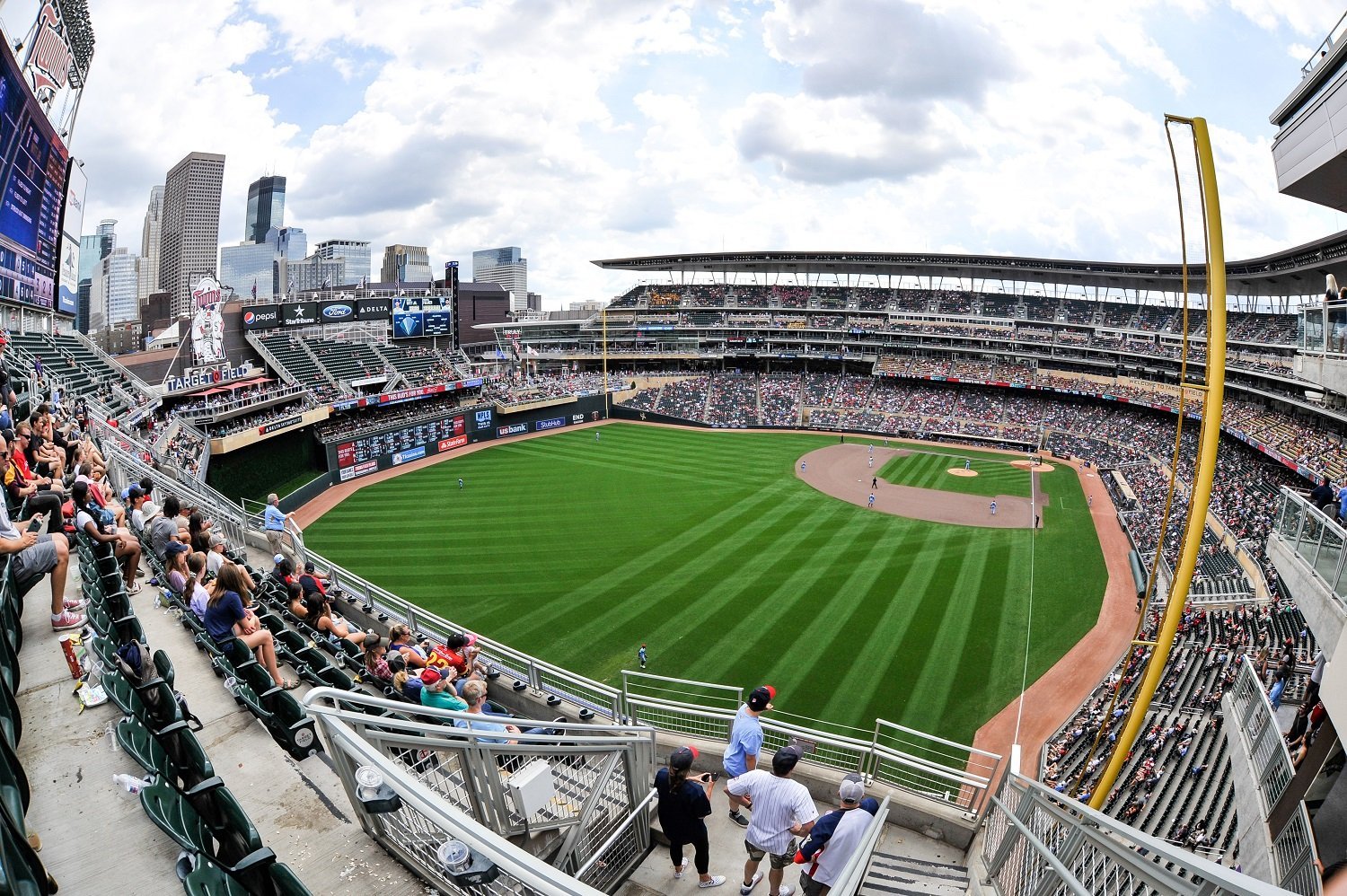 It starts innocently enough. Maybe they see a game on TV while flipping past Nickelodeon. Maybe Grandpa brings over an old Kirby Puckett baseball card. Maybe they wander too close to Target Field and breathe in the alluring scent of hot dogs and disappointment. However it happens, you need to be vigilant. Minnesota Twins fandom is a lifelong condition—one with few cures and no known vaccines. Worried your child might be developing symptoms? Here are the key warning signs to watch for: 1. Obsession with ‘Prospects’ Instead of Pokémon Normal kids want Pikachu or Charizard. Your kid wants Emmanuel Rodriguez and Walker Jenkins. Bonus (danger) points if they utter the phrase, “He’s got a plus hit tool with advanced approach for his age” during dinner. Major risk if they compare Santa’s top gifts for the year to MLB Pipeline’s Top 100. (This latter symptom may also indicate they have contracted the coinciding disease known as bloggerism. Treating this aggressively is especially important.) 2. A Disturbing Fondness for Joe Mauer’s Sideburns You find sketches of sideburns in their notebooks. They ask for a mannequin head to practice “2006 Mauer trim.” They cry when reminded Joe’s number 7 is retired, because they wanted to wear it in Little League. Seek professional counseling immediately, and keep their hair above the midpoint of the ear. 3. They’ve Learned to Lower Expectations... In Everything If your seven-year-old shrugs and says, “We’re probably not winning this year, but it’s okay. It’s about player development” after you tell them Chuck E. Cheese is closed. If they react to birthday presents with, “That’s fine. We’ll see how it plays out long-term.” It’s too late, Twins fandom has taken hold. 4. Frequent Use of the Word ‘Pohlad’ Like It’s a Swear Word “This cereal tastes like Pohlad!” “Do we have to do homework? What a Pohlad move.” If “Pohlad” has replaced traditional curse words in your home, congratulations: your child is now fluent in Minnesota sports despair. 5. Fear of October Other kids love Halloween, and the month that races up it full of festivity. Yours fears October, because they’ve learned it brings playoff sweeps, 18-game losing streak reminders, and unbearable Yankees highlight reels. Exposure therapy is best here. Don't allow them to skip the month. 6. They’ve Memorized Cory Provus Catchphrases You catch them narrating backyard wiffle ball games in their best Provus impression: “Back it goes, deep it goes, and gone!” They hum the Twins Radio theme while brushing their teeth. Worse yet, they pause everyday conversations to say, “Treasure Island Baseball Network, your home for Twins baseball.” Extreme danger if they describe dinner as “brought to you by your Midwest Chevy Dealers.” 7. Refusal to Believe in Good Bullpens If they insist no human being can get three outs in the ninth without severe emotional distress... This is classic Twins fan conditioning. Have them watch old games in which Joe Nathan came on to secure saves. Just make sure they're regular-season games. 8. They Already Hate the Yankees, Guardians, and White Sox for No Reason No one taught them this. It’s genetic. Like eye color or lactose intolerance. They simply know. What Can You Do? Unfortunately, there’s no cure. Twins fandom, once caught, is for life—like chicken pox, but with fewer championships. You can make their experience better by providing a steady diet of hope (”Walker Jenkins will save us!”), minor-league box scores, and replays of the 1987 and 1991 World Series on DVD. Above all, remind them of this universal truth: Being a Twins fan builds character. Lots and lots of character. Also pain. Mostly pain. But hey, maybe this is the year? (Just kidding. It’s never the year.)
 -
Can Twins and Astros Match Up on a Trade for a Left-Handed Bat?
Cody Christie posted an article in Twins
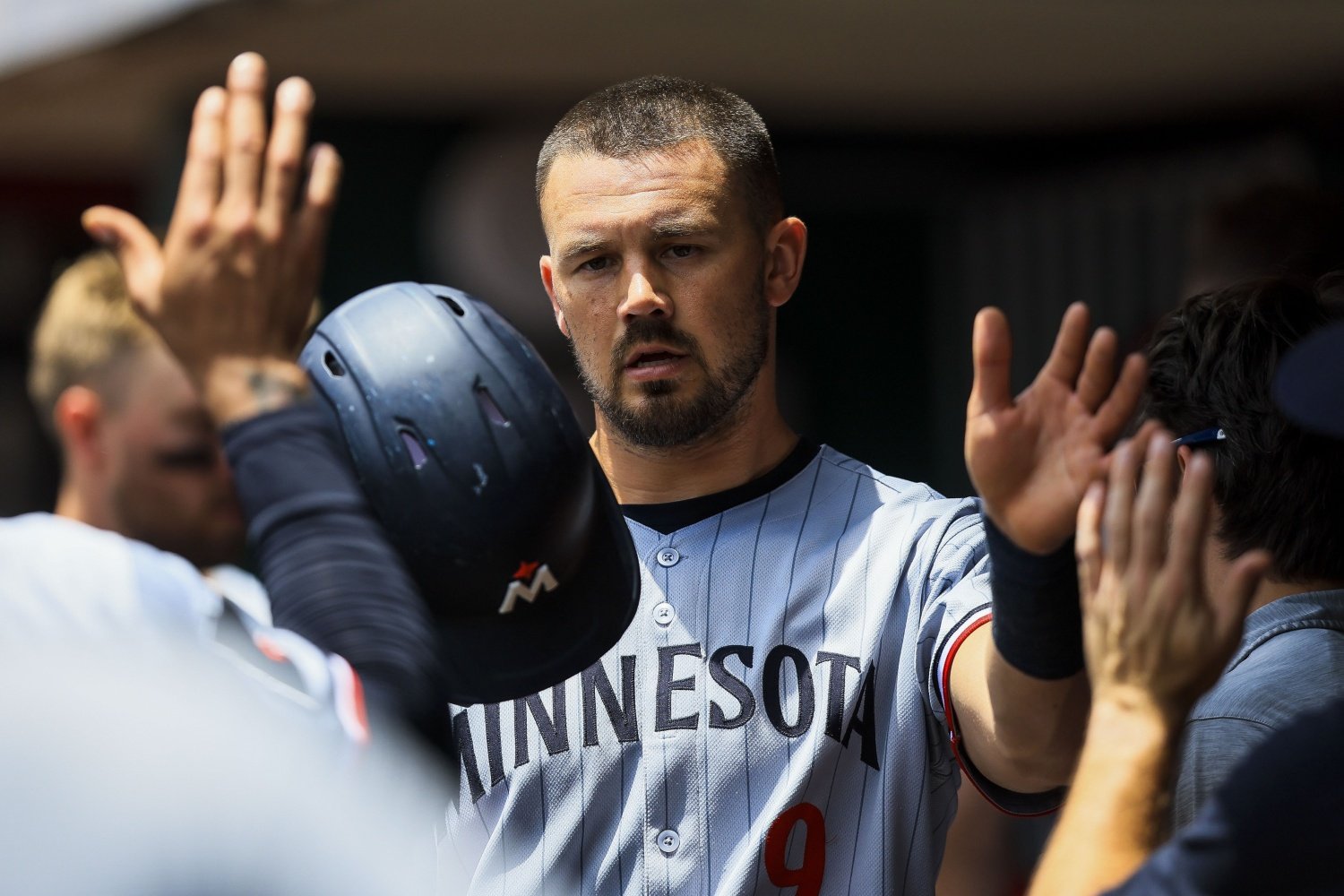 With the MLB trade deadline fast approaching, teams are beginning to sharpen their focus on roster needs. The Minnesota Twins and Houston Astros could be potential trade partners, especially as the Astros look to address a clear need: adding a quality left-handed bat. Houston Has a Problem Despite enduring a wave of injuries that wiped out most of their starting rotation, the Astros remain firmly in control of the AL West. They’ve built a five-game cushion over the Seattle Mariners and are poised, once again, to be buyers at the deadline. Houston’s front office has attempted to keep their winning window open as long as possible, and that could lead to another active trade deadline. Astros general manager Dana Brown recently made it clear in a radio interview that his club's most significant need is a left-handed hitter. With slugger Yordan Alvarez sidelined by a fractured hand and no firm return date in sight, the lineup has leaned heavily right-handed. Victor Caratini, a switch-hitting catcher, represents their only consistent left-handed option in the starting nine. While Taylor Trammell was just activated, and César Salazar or Luis Guillorme could fill in occasionally, this isn’t the left-handed presence a contending team wants to rely on down the stretch. Brown also didn’t specify a position of need. Left field, designated hitter, or second base could all be landing spots, depending on the player acquired. All three positions have been among the worst in the lineup, according to wRC+, but sometimes, the players on the roster dictate how the team approaches the trade deadline. The situation in Houston is tricky. Jose Altuve has struggled defensively while adjusting to left field, and his numbers at second base haven't been much better. Designated hitter is also a question mark, but when Alvarez returns, he’ll slide back into a nearly everyday role. There isn’t one clean solution here, which is why a versatile bat—possibly from the Twins—could be a fit. Possible Twins Trade Chips UTL Willi Castro If the Astros want versatility, Castro may be the best fit on Minnesota’s roster. He’s a switch-hitter who can play nearly every position, infield or outfield, and he’s on an expiring contract, which would limit Houston’s long-term commitment. For a team that could use someone to move between left field, second base, and other spots, Castro offers plug-and-play flexibility. His speed and ability to hit from both sides give the Astros the lineup variety they’re missing without Alvarez. After a slow start, Castro has rounded into form and might be having the best season of his career (126 OPS+). The Twins, meanwhile, seem likely to move him if the team continues to fall out of contention. OF Trevor Larnach Larnach, a former first-round pick out of Oregon State, has had flashes of being the middle-of-the-order bat the Twins hoped for, but he hasn’t fully seized that kind of spot in the big leagues. His raw power is evident, and a change of scenery could unlock more consistent production. Over the last two seasons, he has posted a 110 OPS+ while being utilized in both corner outfield spots and as the designated hitter. Larnach also comes with team control through 2027, giving the Astros several years of potential value if he clicks into a new environment. His limited defensive versatility compared to Castro makes him slightly less of a fit, but Houston could use him as a designated hitter or left fielder while Alvarez recovers. OF Matt Wallner This would be the bold move. Wallner has been one of Minnesota’s best hitters over the past three seasons, when healthy (135 OPS+). He’s powerful, young, and under team control through 2029, making him the most valuable and costly of these potential trade pieces. There’s been no real indication that the Twins are actively shopping Wallner, but if they want to shake up the lineup or land a significant return, Wallner would be the chip to do it. For Houston, adding Wallner could solve their left-handed power need not just for this year, but for several seasons to come. The Astros have made it clear they need a left-handed bat. The Twins have a few to offer, and if Houston’s front office gets aggressive, this could turn into a legitimate deadline match. Whether the Twins are willing to part with one of these names may depend on how serious they are about restructuring their roster for both the present and the future. Plainly, the big question is what the Twins could get from Houston in exchange for any of these players, and it's hard to know that right now. The Astros farm system is one of the worst in the league, but they have some intriguing chips. Catcher Walker Janek could take the Twins' interest. So could right-handed pitcher Miguel Ullola, who's on the cusp of the majors despite showing shaky control. As the deadline approaches, keep an eye on these two clubs. Their needs line up better than some, and that always makes for a fun trade rumor season. Which player makes the most sense for Houston? Would the Twins be willing to deal Wallner? Leave a comment and start the discussion.
- 48 comments
-
- 2
-
-
- willi castro
- matt wallner
- (and 3 more)
-
I think he was trying to put a positive spin on a negative situation. That's what he has done throughout his career.
- 32 replies
-
- 6
-
-
- pablo lopez
- royce lewis
- (and 2 more)
-
Image courtesy of © Jesse Johnson-Imagn Images The injury bug has not been kind to the Minnesota Twins in recent weeks, but over the weekend, the team provided a fresh batch of updates on some key players working their way back to the field. While injuries have tested the club's depth, there is cautious optimism that several contributors could rejoin the roster in the coming weeks. Let’s take a closer look at where things stand. 3B Royce Lewis Injury: Left hamstring strain IL date: June 15 (retroactive to June 14) Expected return: Early July When Lewis pulled up with a hamstring strain on June 13, it was a familiar frustration for a young star who has battled more than his share of health setbacks. But the 25-year-old third baseman has remained upbeat during this process, and the latest reports suggest he’s inching closer to a return. Lewis has ramped up his running progression and started incorporating change-of-direction movements, an important milestone for an injury that requires caution. He’s also been active in other baseball activities, including fielding work and taking batting practice on the field. A return in early July appears realistic if he avoids setbacks. “I think things are going really well,” Lewis said. “I’m taking this as a really good mental break, kind of like an All-Star break for me and my body and more so my mind. I feel really, really good right now.” This is a much different tone from Lewis compared to last week when he said, “I’m tired of being the one who’s being bullied and picked on by this game.” His bat and energy remain sorely missed in a Minnesota lineup that has struggled for consistency during their recent poor play. RHP Pablo López Injury: Right teres major strain IL date: June 11 (60-day IL, retroactive to June 5) Expected return: August Perhaps the most concerning injury development came earlier this month when López was diagnosed with a grade 2 strain of the teres major muscle near his right shoulder. The right-hander was placed on the 60-day IL on June 11 and will be shut down from throwing for at least four weeks, making a return before August unlikely. The Twins’ rotation has been stretched thin without López, who has been the club’s most reliable top-of-the-rotation arm. Still, the front office believes this is a manageable injury as long as López progresses as expected. “I feel confident that, based on the diagnosis we have, the multiple opinions we have on the return, that this is pretty straightforward in terms of what we should expect coming back,” said Twins President of Baseball Operations Derek Falvey. “But you know, obviously, it remains to be seen how he progresses. … My expectation, as I sit here right now, is I have no reason to believe we aren't counting on him down the stretch this season.” The hope remains that López can build up in time for a meaningful late-season and potential postseason role. However, the Twins will need to stay in contention during his absence. 2B Luke Keaschall Injury: Right forearm fracture IL date: April 26 (transferred to 60-day IL on May 18) Expected return: July Keaschall was a breath of fresh air to a Twins lineup early in the season but has been sidelined after fracturing his right forearm in late April. The 22-year-old was transferred to the 60-day IL in May but has started swinging a bat again and hitting off a tee as part of his rehab. Keaschall’s timeline points to a potential return sometime in July, but the team will likely take a cautious approach with one of its more promising young hitters. Complicating matters is his return from Tommy John surgery on the same arm that he broke. The Twins had hoped that he could progress to getting outfield reps later this season, but Twins general manager Jeremy Zoll said that Keaschall will now likely stick to infield for 2025. His offensive tools and versatility in the field could provide a second-half boost. RHP Zebby Matthews Injury: Right shoulder strain IL date: June 8 (retroactive to June 5) Expected return: July Matthews, one of the Twins’ breakout pitching prospects over the last two seasons, landed on the IL earlier this month with a shoulder strain. The good news is that he has already resumed playing catch on flat ground. This is a positive early step, and the Twins expect him to be ready to pitch again sometime in July, provided his progress continues uninterrupted. Minnesota’s rotation has suffered with inconsistencies in recent weeks, but there are no guarantees that Matthews can help those struggles. However, he adds another layer of depth that will be needed for the second half. Injuries have disrupted the Twins' depth on both sides of the ball, but the recent updates offer a reminder that help could be on the way soon. Lewis’s return could provide a needed jolt to the offense, while López looms as a potential second-half difference-maker for the rotation. Keaschall and Matthews could provide a much needed spark in the months ahead For a team trying to stay afloat in the AL Wild Card race, every bit of health news matters, and this week brought more good news than bad. Which player will have the most significant imp act on the 2025 Twins? Leave a comment and start the discussion. View full article
-
Updates on Key Twins Pieces Progressing in Their Return from Injuries
Cody Christie posted an article in Twins
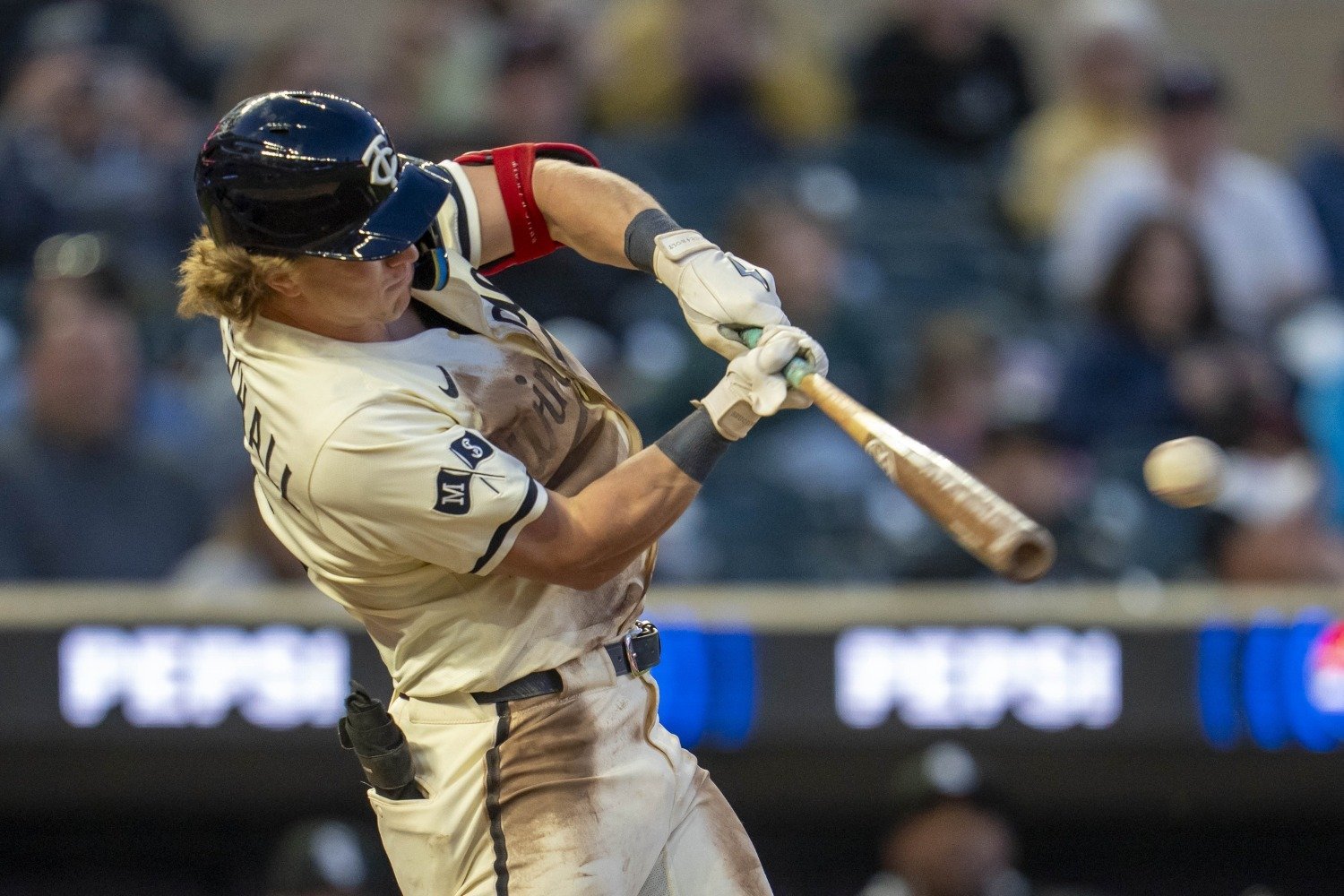 The injury bug has not been kind to the Minnesota Twins in recent weeks, but over the weekend, the team provided a fresh batch of updates on some key players working their way back to the field. While injuries have tested the club's depth, there is cautious optimism that several contributors could rejoin the roster in the coming weeks. Let’s take a closer look at where things stand. 3B Royce Lewis Injury: Left hamstring strain IL date: June 15 (retroactive to June 14) Expected return: Early July When Lewis pulled up with a hamstring strain on June 13, it was a familiar frustration for a young star who has battled more than his share of health setbacks. But the 25-year-old third baseman has remained upbeat during this process, and the latest reports suggest he’s inching closer to a return. Lewis has ramped up his running progression and started incorporating change-of-direction movements, an important milestone for an injury that requires caution. He’s also been active in other baseball activities, including fielding work and taking batting practice on the field. A return in early July appears realistic if he avoids setbacks. “I think things are going really well,” Lewis said. “I’m taking this as a really good mental break, kind of like an All-Star break for me and my body and more so my mind. I feel really, really good right now.” This is a much different tone from Lewis compared to last week when he said, “I’m tired of being the one who’s being bullied and picked on by this game.” His bat and energy remain sorely missed in a Minnesota lineup that has struggled for consistency during their recent poor play. RHP Pablo López Injury: Right teres major strain IL date: June 11 (60-day IL, retroactive to June 5) Expected return: August Perhaps the most concerning injury development came earlier this month when López was diagnosed with a grade 2 strain of the teres major muscle near his right shoulder. The right-hander was placed on the 60-day IL on June 11 and will be shut down from throwing for at least four weeks, making a return before August unlikely. The Twins’ rotation has been stretched thin without López, who has been the club’s most reliable top-of-the-rotation arm. Still, the front office believes this is a manageable injury as long as López progresses as expected. “I feel confident that, based on the diagnosis we have, the multiple opinions we have on the return, that this is pretty straightforward in terms of what we should expect coming back,” said Twins President of Baseball Operations Derek Falvey. “But you know, obviously, it remains to be seen how he progresses. … My expectation, as I sit here right now, is I have no reason to believe we aren't counting on him down the stretch this season.” The hope remains that López can build up in time for a meaningful late-season and potential postseason role. However, the Twins will need to stay in contention during his absence. 2B Luke Keaschall Injury: Right forearm fracture IL date: April 26 (transferred to 60-day IL on May 18) Expected return: July Keaschall was a breath of fresh air to a Twins lineup early in the season but has been sidelined after fracturing his right forearm in late April. The 22-year-old was transferred to the 60-day IL in May but has started swinging a bat again and hitting off a tee as part of his rehab. Keaschall’s timeline points to a potential return sometime in July, but the team will likely take a cautious approach with one of its more promising young hitters. Complicating matters is his return from Tommy John surgery on the same arm that he broke. The Twins had hoped that he could progress to getting outfield reps later this season, but Twins general manager Jeremy Zoll said that Keaschall will now likely stick to infield for 2025. His offensive tools and versatility in the field could provide a second-half boost. RHP Zebby Matthews Injury: Right shoulder strain IL date: June 8 (retroactive to June 5) Expected return: July Matthews, one of the Twins’ breakout pitching prospects over the last two seasons, landed on the IL earlier this month with a shoulder strain. The good news is that he has already resumed playing catch on flat ground. This is a positive early step, and the Twins expect him to be ready to pitch again sometime in July, provided his progress continues uninterrupted. Minnesota’s rotation has suffered with inconsistencies in recent weeks, but there are no guarantees that Matthews can help those struggles. However, he adds another layer of depth that will be needed for the second half. Injuries have disrupted the Twins' depth on both sides of the ball, but the recent updates offer a reminder that help could be on the way soon. Lewis’s return could provide a needed jolt to the offense, while López looms as a potential second-half difference-maker for the rotation. Keaschall and Matthews could provide a much needed spark in the months ahead For a team trying to stay afloat in the AL Wild Card race, every bit of health news matters, and this week brought more good news than bad. Which player will have the most significant imp act on the 2025 Twins? Leave a comment and start the discussion.
- 32 comments
-
- 4
-
-
- pablo lopez
- royce lewis
- (and 2 more)
-
With the MLB Trade Deadline fast approaching, teams are beginning to sharpen their focus on roster needs. The Minnesota Twins and Houston Astros could be potential trade partners, especially as the Astros look to address a clear weakness: adding a quality left-handed bat. Houston Has a Problem Despite enduring a wave of injuries that wiped out most of their starting rotation, the Astros remain firmly in control of the AL West. They’ve built a five-game cushion over the Seattle Mariners and are poised once again to be buyers at the deadline. Houston’s front office has attempted to keep their winning window open as long as possible, and that could lead to another active trade deadline. Astros general manager Dana Brown recently made it clear in a radio interview that his club's most significant need is a left-handed hitter. With slugger Yordan Alvarez sidelined by a fractured hand and no firm return date in sight, the lineup has leaned heavily right-handed. Victor Caratini, a switch-hitting catcher, represents their only consistent left-handed option in the starting nine. While Taylor Trammell was just activated, and César Salazar or Luis Guillorme could fill in occasionally, this isn’t the left-handed presence a contending team wants to rely on down the stretch. Brown also didn’t specify a position of need. Left field, designated hitter, or second base could all be landing spots depending on the player acquired. All three positions have been among the worst in the lineup, according to wRC+, but sometimes, the players on the roster dictate how the team approaches the trade deadline. The situation in Houston is tricky. Jose Altuve has struggled defensively while adjusting to left field, and his numbers at second base haven't been much better. Designated hitter is also a question mark when Alvarez returns, he’ll slide back into a nearly everyday role. There isn’t one clean solution here, which is why a versatile bat, possibly from the Twins, could be a fit. Possible Twins Trade Chips UTL Willi Castro If the Astros want versatility, Castro may be the best fit on Minnesota’s roster. He’s a switch-hitter who can play nearly every position, infield or outfield, and he’s on an expiring contract, which would limit Houston’s long-term commitment. For a team that could use someone to move between left field, second base, and other spots, Castro offers plug-and-play flexibility. His speed and ability to hit from both sides give the Astros the lineup variety they’re missing without Alvarez. After a slow start, Castro has rounded into form and might be having the best season of his career (126 OPS+). The Twins, meanwhile, seem likely to move him if the team continues to fall out of contention. OF Trevor Larnach Larnach, a former first-round pick out of Oregon State, has had flashes of being the middle-of-the-order bat the Twins hoped for, but he hasn’t fully seized a middle-of-the-order spot in the big leagues. His raw power is evident, and a change of scenery could unlock more consistent production. Over the last two seasons, he has posted a 110 OPS+ while being utilized in both corner outfield spots and as the designated hitter. Larnach also comes with team control through 2027, giving the Astros several years of potential value if he clicks into a new environment. His limited defensive versatility compared to Castro makes him slightly less of a fit, but Houston could use him as a designated hitter or left fielder while Alvarez recovers. OF Matt Wallner This would be the bold move. Wallner has arguably been one of Minnesota’s best hitters over the past three seasons when healthy (135 OPS+). He’s powerful, young, and under team control through 2029, making him the most valuable and costly of these potential trade pieces. There’s been no real indication that the Twins are actively shopping Wallner, but if they want to shake up the lineup or land a significant return, Wallner would be the chip to do it. For Houston, adding Wallner could solve their left-handed power need not just for this year but for several seasons to come. The Astros have made it clear they need a left-handed bat. The Twins have a few to offer, and if Houston’s front office gets aggressive, this could turn into a legitimate deadline match. Whether the Twins are willing to part with one of these names may depend on how serious they are about restructuring their roster for both the present and the future. As the deadline approaches, keep an eye on these two clubs. Their needs line up better than some, and that always makes for a fun trade rumor season. Which player makes the most sense for Houston? Would the Twins be willing to deal Wallner? Leave a comment and start the discussion. View full article
-
Image courtesy of © Jonathan Dyer-Imagn Images As the Twins continue their push for contention at the big-league level, the farm system is quietly developing names that could impact the future in Minnesota—or serve as valuable trade chips at the deadline. This season, a pair of young hitters and an emerging pitcher are making notable progress. These three players are each turning heads for different reasons, and their recent performances have them climbing the organizational ranks. INF/OF Brandon Winokur, Cedar Rapids Kernels The Twins selected Winokur in the third round of the 2023 MLB Draft out of high school in California. A multi-sport athlete with rare physical tools, Winokur drew attention for his combination of size, speed, and raw power. The Twins gave him second-round money ($1.5 million) and signed him away from a commitment to UCLA, betting that his loud, athletic profile would translate well to pro ball with the right development plan. His first full season in the Florida State League was filled with numerous learning experiences. Still, he showed glimpses of the potential that made him a top-100 draft prospect, launching a few long home runs and flashing defensive versatility in the infield and outfield. In 94 games, he posted a .761 OPS with 14 home runs and 19 doubles with 28.0 K% and an 8.3 BB%. Hitting the Hot Button: Winokur started slow this season as he adjusted to High-A, but he is starting to see the pieces come together. In his age-20 season, he’s playing in the Midwest League, where he's over two years younger than the average age of the competition. Over his last 22 games, he has hit .241/.300/.566, with seven home runs, four doubles, and six stolen bases. Winokur posted these totals while the Kernels were in the thick of the first-half playoff race. Most importantly, his strikeout rate, which was a concern coming out of high school, has improved, as he’s shown a better two-strike approach and a willingness to use the whole field. He cut his strikeout rate from 28.0% in 2024 to 23.3% during his recent hot stretch. If Winokur keeps trending upward, a promotion to Double-A later this summer is a possibility, and his long-term ceiling as a potential five-tool player remains intact. RHP Pierson Ohl, Wichita Wind Surge The Twins drafted Ohl in the 14th round of the 2021 MLB Draft out of Grand Canyon University. Ohl wasn’t a high-profile pick at the time, but the Twins were intrigued by his excellent control and feel for pitching. In his first two professional seasons, Ohl worked his way steadily through the lower levels, showing off his ability to limit walks and fill the strike zone with a diverse mix of pitches. While his stuff didn’t jump off the page—his fastball sits in the low 90s—his command and pitch efficiency made him a reliable rotation option as he reached Double-A Wichita. Last season, he posted a 4.68 ERA with a 1.27 WHIP with a 16.3 K%, and a 3.7 BB% Hitting the Hot Button: Ohl has taken a significant step forward in 2025, as the Twins have shifted his role. He is one of a handful of pitchers being used in a unique bulk inning role that the Twins are implementing this year. In 15 appearances (44 innings), he has posted a 1.84 ERA with a 0.86 WHIP. Scouts have noticed a slight uptick in velocity and sharper breaking pitches, which have helped him miss more bats than in previous years. His K% has increased to 33.1% in his new role, while also maintaining a low walk rate of 3.0%. He’s held batters to a .499 OPS for the season, and he’s limited them to a .138 OBP in June. Ohl’s consistent performance and improved stuff have pushed him into the conversation as an MLB-ready arm when the Twins need him. On Monday, Ohl was promoted to Triple-A, so he's one step closer to the big leagues. INF Haritzon Castillo, DSL Twins Castillo signed with the Twins in January 2025 as part of their international signing class out of Venezuela. The Twins were drawn to the switch-hitter's raw power potential and physical projection as a corner infielder. FanGraphs ranked him as the 39th-best international prospect in the class, while MLB Pipeline ranked him 43rd. Castillo will need to spend time adjusting to professional pitching, focusing on improving his pitch recognition and overall approach at the plate. His bat is his ticket to the big leagues, but he has a long way to go before reaching Target Field. Hitting the Hot Button: Castillo has quickly made an impact in his professional debut and is already popping up on prospect lists as one of the best bats in the Twins’ system. In 11 games in the DSL, the 17-year-old is slashing .395/.500/.684, with six extra-base hits and nearly as many walks (7) as strikeouts (8). Castillo’s ability to drive the ball to all fields has drawn praise from Twins development staff. His blend of youth, power, and an improving plate approach has raised his prospect profile considerably, making him a name to watch closely as the organization’s next potential impact corner bat. These three prospects exemplify the various ways talent can emerge within a system. Winokur is the high-upside prep bat whose tools are starting to turn into production. Ohl is the command-first arm turning into a legitimate option for the big-league bullpen. And Castillo is the international teenager whose offensive breakout is turning heads and pushing him up prospect rankings. As the Twins continue their push for contention, the organization’s depth is quietly building underneath. Whether it’s as future contributors in Minnesota or valuable trade assets, Winokur, Ohl, and Castillo are proving they deserve attention. Their progress is good news for a franchise that values both player development and roster flexibility. Stay tuned. These names may become even more significant as the 2025 season progresses. What stands out about these three names so far this season? Leave a comment and start the discussion. View full article
- 6 replies
-
- 1
-
-
- brandon winokur
- pierson ohl
- (and 1 more)
-
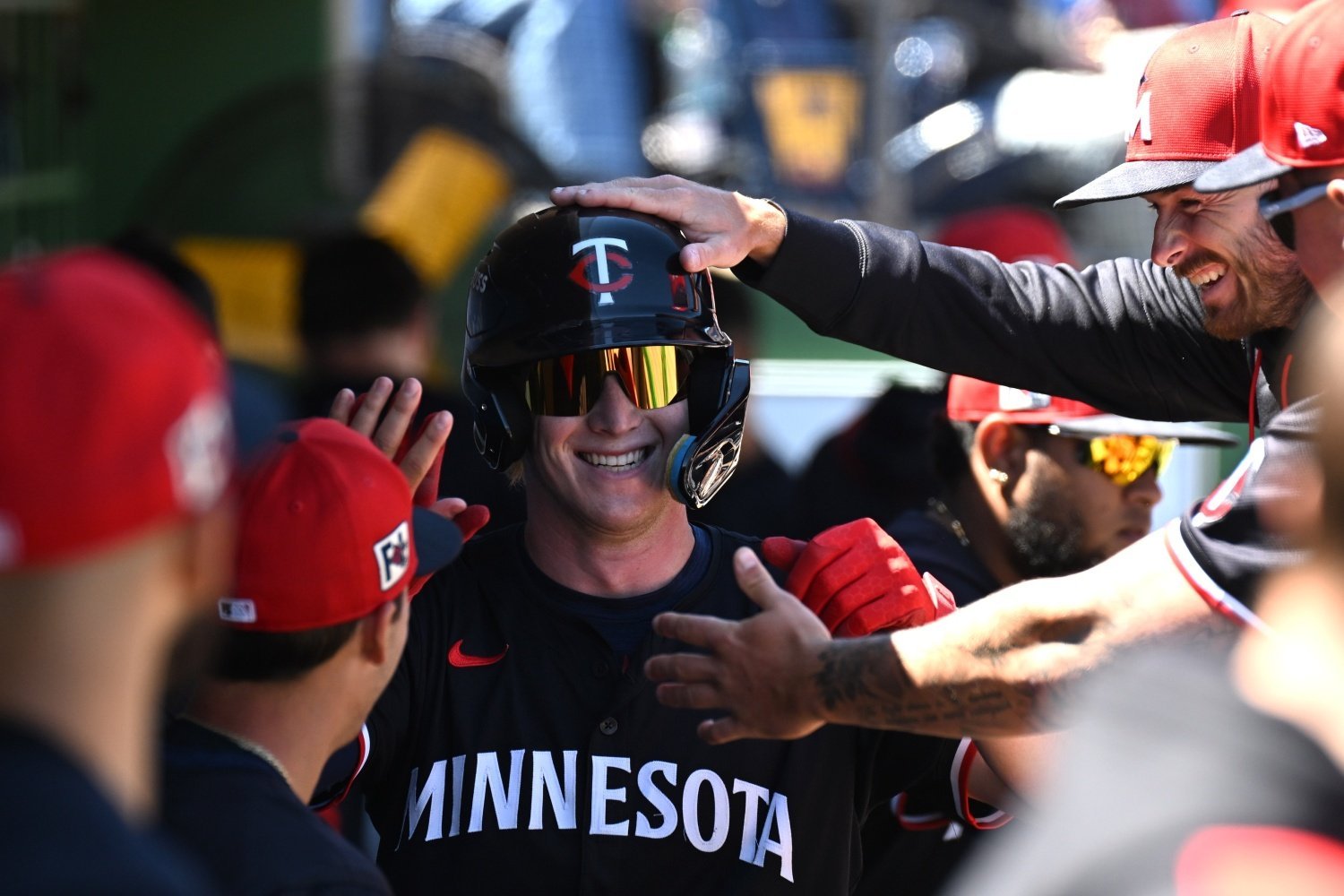 As the Twins continue their push for contention at the big-league level, the farm system is quietly developing names that could impact the future in Minnesota—or serve as valuable trade chips at the deadline. This season, a pair of young hitters and an emerging pitcher are making notable progress. These three players are each turning heads for different reasons, and their recent performances have them climbing the organizational ranks. INF/OF Brandon Winokur, Cedar Rapids Kernels The Twins selected Winokur in the third round of the 2023 MLB Draft out of high school in California. A multi-sport athlete with rare physical tools, Winokur drew attention for his combination of size, speed, and raw power. The Twins gave him second-round money ($1.5 million) and signed him away from a commitment to UCLA, betting that his loud, athletic profile would translate well to pro ball with the right development plan. His first full season in the Florida State League was filled with numerous learning experiences. Still, he showed glimpses of the potential that made him a top-100 draft prospect, launching a few long home runs and flashing defensive versatility in the infield and outfield. In 94 games, he posted a .761 OPS with 14 home runs and 19 doubles with 28.0 K% and an 8.3 BB%. Hitting the Hot Button: Winokur started slow this season as he adjusted to High-A, but he is starting to see the pieces come together. In his age-20 season, he’s playing in the Midwest League, where he's over two years younger than the average age of the competition. Over his last 22 games, he has hit .241/.300/.566, with seven home runs, four doubles, and six stolen bases. Winokur posted these totals while the Kernels were in the thick of the first-half playoff race. Most importantly, his strikeout rate, which was a concern coming out of high school, has improved, as he’s shown a better two-strike approach and a willingness to use the whole field. He cut his strikeout rate from 28.0% in 2024 to 23.3% during his recent hot stretch. If Winokur keeps trending upward, a promotion to Double-A later this summer is a possibility, and his long-term ceiling as a potential five-tool player remains intact. RHP Pierson Ohl, Wichita Wind Surge The Twins drafted Ohl in the 14th round of the 2021 MLB Draft out of Grand Canyon University. Ohl wasn’t a high-profile pick at the time, but the Twins were intrigued by his excellent control and feel for pitching. In his first two professional seasons, Ohl worked his way steadily through the lower levels, showing off his ability to limit walks and fill the strike zone with a diverse mix of pitches. While his stuff didn’t jump off the page—his fastball sits in the low 90s—his command and pitch efficiency made him a reliable rotation option as he reached Double-A Wichita. Last season, he posted a 4.68 ERA with a 1.27 WHIP with a 16.3 K%, and a 3.7 BB% Hitting the Hot Button: Ohl has taken a significant step forward in 2025, as the Twins have shifted his role. He is one of a handful of pitchers being used in a unique bulk inning role that the Twins are implementing this year. In 15 appearances (44 innings), he has posted a 1.84 ERA with a 0.86 WHIP. Scouts have noticed a slight uptick in velocity and sharper breaking pitches, which have helped him miss more bats than in previous years. His K% has increased to 33.1% in his new role, while also maintaining a low walk rate of 3.0%. He’s held batters to a .499 OPS for the season, and he’s limited them to a .138 OBP in June. Ohl’s consistent performance and improved stuff have pushed him into the conversation as an MLB-ready arm when the Twins need him. On Monday, Ohl was promoted to Triple-A, so he's one step closer to the big leagues. INF Haritzon Castillo, DSL Twins Castillo signed with the Twins in January 2025 as part of their international signing class out of Venezuela. The Twins were drawn to the switch-hitter's raw power potential and physical projection as a corner infielder. FanGraphs ranked him as the 39th-best international prospect in the class, while MLB Pipeline ranked him 43rd. Castillo will need to spend time adjusting to professional pitching, focusing on improving his pitch recognition and overall approach at the plate. His bat is his ticket to the big leagues, but he has a long way to go before reaching Target Field. Hitting the Hot Button: Castillo has quickly made an impact in his professional debut and is already popping up on prospect lists as one of the best bats in the Twins’ system. In 11 games in the DSL, the 17-year-old is slashing .395/.500/.684, with six extra-base hits and nearly as many walks (7) as strikeouts (8). Castillo’s ability to drive the ball to all fields has drawn praise from Twins development staff. His blend of youth, power, and an improving plate approach has raised his prospect profile considerably, making him a name to watch closely as the organization’s next potential impact corner bat. These three prospects exemplify the various ways talent can emerge within a system. Winokur is the high-upside prep bat whose tools are starting to turn into production. Ohl is the command-first arm turning into a legitimate option for the big-league bullpen. And Castillo is the international teenager whose offensive breakout is turning heads and pushing him up prospect rankings. As the Twins continue their push for contention, the organization’s depth is quietly building underneath. Whether it’s as future contributors in Minnesota or valuable trade assets, Winokur, Ohl, and Castillo are proving they deserve attention. Their progress is good news for a franchise that values both player development and roster flexibility. Stay tuned. These names may become even more significant as the 2025 season progresses. What stands out about these three names so far this season? Leave a comment and start the discussion.
- 6 comments
-
- 3
-
-
- brandon winokur
- pierson ohl
- (and 1 more)
-
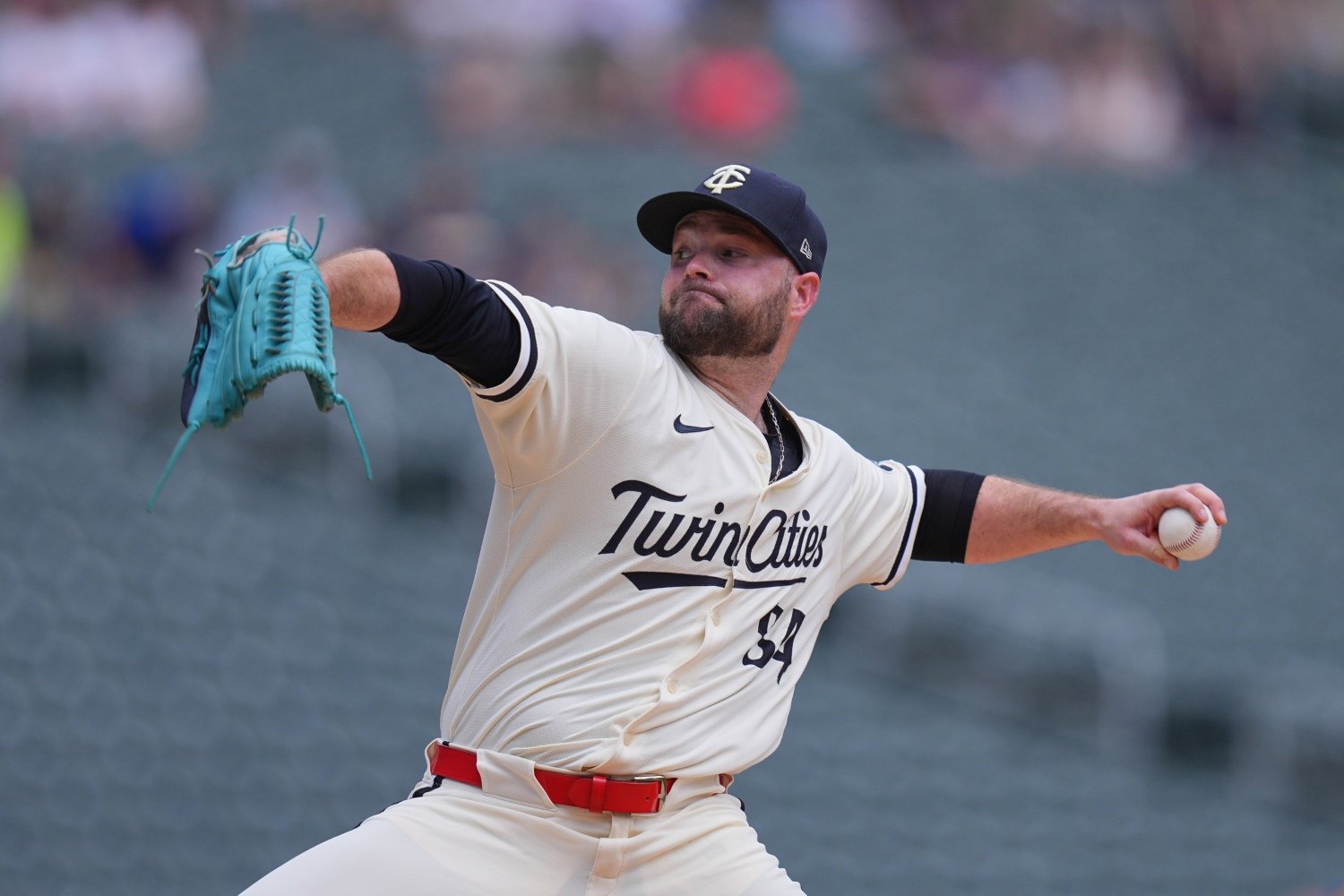 The Twins tried the opener strategy again on Sunday afternoon. Each time they’ve tried it this season, the plan has unraveled quickly, leaving Rocco Baldelli and his coaching staff scrambling. While the concept behind the approach is understandable, the execution and results have simply not been there, and the Twins seem ready to continue trying it. On paper, the idea made sense. Danny Coulombe got the nod as Sunday’s opener because the Milwaukee Brewers have two left-handed hitters near the top of their lineup, in Sal Frelick (first) and Christian Yelich (third). The Twins wanted to shield rookie David Festa from those dangerous bats the first time through the order, in hopes of letting him pitch deeper into the game. “We’re reacting a little bit because we have to,” Twins manager Rocco Baldelli said before the game. “I think there are certain times of the year where you’ve got to make a call, one way or the other. And it’s been a little while now we’ve been struggling to stop the other teams from scoring and we’re going to introduce something new and try to switch things up. Not just for the sake of switching things up, because I think there are actual benefits, too.” But baseball games rarely go as planned. Coulombe quickly got the first two outs in the opening inning and appeared poised to do his job. Then things turned. After a grinding nine-pitch at-bat, Yelich drilled a double to the right-field corner. William Contreras followed with a line-drive single to center to drive in a run. Suddenly, the Twins were behind before their starter ever took the mound. Coulombe’s assignment was simple: get through the first inning unscathed. He couldn’t do it. Minnesota’s offense picked him up immediately, scoring twice in the bottom half to hand a 2-1 lead to Festa when he entered. The early cushion was supposed to help the rookie settle in. Instead, he turned in one of the worst outings of his brief big-league career. Festa was hit hard, charged with eight runs on 12 hits in just 4 2/3 innings of work. Despite the change in routine, Festa didn’t point to the opener as an excuse. “It’s a little different,” said Festa, “but it had no impact on any of the results.” If this sounds familiar, it should. The Twins tried the same approach back in April against the Atlanta Braves. In that game, Justin Topa opened for Simeon Woods Richardson. Topa surrendered three hits and gave up a run in his inning of work. Woods Richardson came in and allowed three more runs over five innings, and the Twins lost 4-3. In both cases, the strategy was designed to give young or unproven starters a softer landing. In both cases, the plan did little to prevent early damage or to improve the performance of the starter that followed. There’s nothing new about the opener strategy. Tampa Bay popularized it years ago, and other clubs have since dabbled in it. When it works, it limits exposure to tough top-of-the-order bats early and helps a team's best pitchers handle high-leverage spots later. But it’s not a one-size-fits-all fix, and so far, the Twins haven't cracked the code. The Twins’ roster construction may be part of the reason they continue to try. Minnesota’s rotation depth has been tested this year, and when a young pitcher like Festa or Woods Richardson gets the ball, there are legitimate concerns about them facing a lineup three times. The opener is meant to give these arms the best possible chance to survive and stretch deeper into games. At least, that’s the theory. In practice, the results haven’t been good. Despite the shaky outcomes, Baldelli made it clear that the club plans to stick with this approach, especially when introducing younger pitchers or when a matchup necessitates it. “[It gives] us a chance to go out there, start a good reliever at the beginning of the game and then kind of run from there,” the skipper said. “It also leaves the other team guessing a little bit. … A lot of reasons for it, but I think it’s something that can help us and probably something that we’re going to see more of.” That may not thrill Twins fans, who have seen the opener blow up more often than not this season. But with injuries, inconsistency, and inexperience shaking the back of the rotation, the Twins feel they have little choice. The alternative, throwing a young starter into the fire against a lineup’s best hitters, might be even riskier. The opener isn’t going away. However, unless the execution improves, the results will probably not either. At some point, it’s worth asking: how many times can the Twins try this strategy and watch it backfire before they pivot? For now, they remain committed. Whether fans or the standings will tolerate more of these misfires is another question entirely. Should the Twins continue to use an opener? Leave a comment and start the discussion.
- 20 comments
-
- 1
-

-
- danny coulombe
- david festa
- (and 2 more)
-
The Twins tried the opener strategy again on Sunday afternoon. Each time they’ve tried it this season, the plan has unraveled quickly, leaving Minnesota scrambling. While the concept behind the approach is understandable, the execution and results have simply not been there, and the Twins seem ready to continue trying it. On paper, the idea made sense. Danny Coulombe got the nod as Sunday’s opener because Milwaukee stacked left-handed hitters near the top of their lineup, including Sal Frelick and Christian Yelich. The Twins wanted to shield rookie David Festa from those dangerous bats the first time through the order in hopes of letting him pitch deeper into the game. “We’re reacting a little bit because we have to,” Twins manager Rocco Baldelli said before the game. “I think there are certain times of the year where you’ve got to make a call, one way or the other. And it’s been a little while now we’ve been struggling to stop the other teams from scoring and we’re going to introduce something new and try to switch things up. Not just for the sake of switching things up, because I think there are actual benefits, too.” But baseball games rarely go as planned. Coulombe quickly got the first two outs in the opening inning and appeared poised to do his job. Then things turned. After a grinding nine-pitch at-bat, Yelich drilled a double to the gap. William Contreras followed with a sharp single up the middle to drive in a run. Suddenly, the Twins were behind before their starter ever took the mound. Coulombe’s assignment was simple: get through the first inning unscathed. He couldn’t do it. Still, Minnesota’s offense picked him up immediately, scoring twice in the bottom half to hand a 2-1 lead to Festa when he entered. The early cushion was supposed to help the rookie settle in. Instead, he turned in one of the worst outings of his brief big-league career. Festa was hit hard, charged with eight runs on 12 hits in just 4 2/3 innings of work. Despite the change in routine, Festa didn’t point to the opener as an excuse. “It’s a little different,” said Festa, “but it had no impact on any of the results.” If this sounds familiar, it should. The Twins tried the same approach back in April against the Atlanta Braves. In that game, Justin Topa opened ahead of Simeon Woods Richardson. Topa surrendered three hits and gave up a run in his inning of work. Woods Richardson came in and allowed three more runs over five innings, and the Twins lost 4-3. In both cases, the strategy was designed to give young or unproven starters a softer landing. In both cases, the plan did little to prevent early damage or to improve the performance of the starter that followed. There’s nothing new about the opener strategy. Tampa Bay popularized it years ago, and other clubs have since dabbled in it. When it works, it limits exposure to tough top-of-the-order bats early and helps a team's best pitchers handle high-leverage spots later. But it’s not a one-size-fits-all fix, and so far, the Twins haven't cracked the code. The Twins’ roster construction may be part of the reason they continue to try. Minnesota’s rotation depth has been tested this year, and when a young pitcher like Festa or Woods Richardson gets the ball, there are legitimate concerns about them facing a lineup three times. The opener is meant to give these arms the best possible chance to survive and stretch deeper into games. At least, that’s the theory. In practice? The results haven’t been good. Despite the shaky outcomes, Baldelli made it clear that the club plans to stick with this approach, especially when introducing younger pitchers or when a matchup necessitates it. “[It gives] us a chance to go out there, start a good reliever at the beginning of the game and then kind of run from there,” said Twins manager Rocco Baldelli. “It also leaves the other team guessing a little bit. … A lot of reasons for it but I think it’s something that can help us and probably something that we’re going to see more of.” That may not thrill Twins fans, who have seen the opener blow up more often than not this season. But with injuries, inconsistency, and inexperience shaping the back of the rotation, the Twins feel they have little choice. The alternative, throwing a young starter into the fire against a lineup’s best hitters, might be even riskier. The opener isn’t going away. However, unless the execution improves, the results will probably not either. At some point, it’s worth asking: how many times can the Twins try this strategy and watch it backfire before they pivot? For now, they remain committed. Whether fans or the standings will tolerate more of these misfires is another question entirely. Should the Twins continue to use an opener? Leave a comment and start the discussion. View full article
-
Image courtesy of Seth Stohs, Twins Daily The MLB Draft is always filled with promise, potential, and projection. For the Minnesota Twins, the 2015 draft offered the rare luxury of a top-10 selection. It was the kind of pick that could shape the franchise’s future for years to come. Unfortunately, it became a selection that fans and front-office members would rather forget. Minnesota used that prized pick on Tyler Jay, a hard-throwing left-handed pitcher from the University of Illinois. The decision and Jay’s subsequent arduous journey have come to represent one of the franchise’s biggest draft misses in recent memory. At the time of the draft, there were reasons to be excited. Jay was dominant as a reliever for the Illini, emerging as one of the best college bullpen arms in the country. During his final season in Champaign, he posted a 1.08 ERA with 76 strikeouts in just over 66 innings. His mid-90s fastball and devastating slider made him an untouchable force in late innings, and his athletic delivery and build gave scouts hope he could transition to a starter in the professional ranks. But there were red flags that now seem hard to ignore. Illinois leaned heavily on Jay during his junior season, often using him for multi-inning saves and high-leverage situations multiple times a weekend. That kind of workload for a college reliever carries risk, and in Jay’s case, the effects showed up not long after he turned pro. The Twins believed Jay had the stuff to start in pro ball, a gamble that has burned many organizations trying to stretch dominant college relievers into rotation work. The transition never clicked. He struggled to adjust to the routine, saw his velocity dip, and by 2017, injuries became the story. A shoulder impingement cost him most of the season, and his 2018 campaign was equally forgettable. When healthy enough to pitch, he was ineffective, and any thought of him rising quickly through the system faded fast. By 2019, Minnesota was ready to move on. The Cincinnati Reds outright bought his contract from the Twins in a rare transaction that showed how far Jay’s stock had fallen. The change of scenery didn’t lead to a revival. He was released in 2020 during the pandemic shutdown, and at that point, his career appeared over. But Jay soon discovered that part of his struggles came from something no coach or trainer could have foreseen. He had eosinophilic esophagitis, a rare autoimmune disorder that affects the esophagus, making it difficult to eat, maintain weight, and build stamina. The correct diagnosis and treatment arrived far too late to save his early professional career. Jay spent three years out of baseball, unsure if he’d ever return. But in 2022, he signed with the Joliet Slammers of the independent Frontier League. It was a humbling stop for a former first-round pick, but Jay showed enough to catch the eye of the Mets, who offered him a minor league deal the following year. The journey finally came full circle in April 2024 when Jay made his long-delayed major league debut with the Mets, nearly nine years after the Twins called his name on draft night. It was a feel-good moment, even if it came in a different uniform and long after Minnesota’s plans for him had expired. As of this season, he’s still toiling in Triple-A for the Milwaukee Brewers, chasing the big-league dream that seemed to vanish years ago. The sting of that 2015 miss becomes even sharper when considering who the Twins could have selected instead. Austin Riley, who went 41st overall to Atlanta, is now one of the best power-hitting third basemen in baseball and a two-time All-Star. Ian Happ, selected ninth by the Cubs, has three Gold Gloves and 20 rWAR for his career. Walker Buehler, taken 24th by the Dodgers, developed into a solid starter before Tommy John surgery sidelined him in 2022 and 2023. Brandon Lowe, drafted in the third round by Tampa Bay, blossomed into an All-Star second baseman and could certainly add something to the Twins lineup. Any one of those names would have changed the trajectory of the Twins’ rebuild. Instead, the sixth overall pick turned into a lost asset, a player who battled injury, role confusion, and a rare medical condition before finally scraping his way to the majors in a different organization. To be fair, the Twins weren’t alone in missing on pitching that year. Top arms like Dillon Tate (4th overall) and Carson Fulmer (8th overall) also failed to meet expectations. But that provides little consolation when so much offensive talent sat on the board. Minnesota believed Jay could buck the trend of college relievers struggling to become pro starters. It was a gamble that ultimately failed to pay off. In hindsight, the Jay pick represents a hard lesson about risk assessment and player development. The choice to force a reliever into a starter’s path and the failure to foresee the physical wear Illinois had already placed on his arm helped turn a top-six pick into one of the great "what-ifs" in franchise history. For Jay, the story is at least one of perseverance. He could have walked away from baseball after being cut loose in 2020. Instead, he continued working, identified the source of his health struggles, and clawed his way to the big leagues. His story may yet have more chapters to write. For the Twins, however, the chapter closed long ago, and it remains a painful reminder that in baseball’s most important draft moments, one wrong decision can echo for years. What other draft mistakes have the Twins made over the last decade? Leave a comment and start the discussion. View full article
-
Image courtesy of Jerry Lai-USA TODAY Sports The Athletic recently unveiled its MLB All-Quarter Century Team, highlighting the most significant players from the past 25 years. The list featured the expected big names, including future Hall of Famers and inner-circle legends alike. But if you’re a Minnesota Twins fan flipping through the lineup, you might have noticed something familiar: neglect. Once again, the national baseball media has minimized the accomplishments of some of the best players ever to wear a Twins uniform. We’ve been here before. It’s a tradition as old as the Hubert H. Humphrey Metrodome’s roof collapsing under a heavy snowfall. Let’s break this down. The Mauer Problem: A Democracy Malfunction? At catcher, The Athletic chose Buster Posey and Yadier Molina over Joe Mauer. This should set off every Twins fan’s injustice alarm. Yes, both Posey and Molina were phenomenal catchers in their era. Posey won MVP honors and served as the quiet engine behind the San Francisco Giants dynasty in the early 2010s. Molina, one of the most respected defensive catchers of all time, helped guide the Cardinals to multiple postseason runs. But Mauer? All he did was hit .306 for his career while playing Gold Glove caliber defense behind the plate. He won three batting titles, a feat no other catcher in modern baseball can claim, and it seems unlikely that it will ever happen again. He took home an MVP award in 2009 by putting up one of the best offensive seasons for a catcher in history. Oh, and he was a first-ballot Hall of Famer this year. Did we all forget that already? The Athletic tried to hedge, writing, "We don't hate your team, Minnesota. It's just American democracy at work," because the Posey-Molina decision came down to fan voting. In fact, Posey and Molina were separated by a mere 22 votes. That defense might make sense in a vacuum. But in the real world, especially in our current political climate, there are times when democracy gets it wrong. Inexplicably, Mauer got left off the list, and that is something the writers could have remedied. Imagine replacing Mauer’s Midwest humility with a spotlight on the East Coast or West Coast market. Would this even be a debate? The only thing Mauer lacked was flash. But three batting titles from behind the plate and an MVP award should be enough flash for any voter, casual or professional. Johan Santana: Forgotten Ace You’ll have to scroll further to find another Twins slight. When it comes to starting pitchers, The Athletic named a murderer’s row: Justin Verlander, Max Scherzer, Clayton Kershaw, Randy Johnson, Pedro Martinez, Roy Halladay, and CC Sabathia. Objectively? That’s an excellent group. It's hard to argue with those names. But Johan Santana belongs in this conversation, at least as an honorable mention. From 2004 to 2008, there was no better pitcher on the planet. Santana won two Cy Young Awards and finished in the top five two other times. He led the league in strikeouts three straight years, won the pitching Triple Crown in 2006, and carried some middling Twins teams into October on sheer will and a devastating changeup. The knock against Santana, both for the Hall of Fame and apparently here, has always been longevity. His career simply didn’t last as long as some of the other greats. But in terms of peak value? He was as good as any of them and better than most. If Sandy Koufax can make the inner circle of baseball immortality based on a short but dominant prime, why can’t Santana get at least a whisper in these all-time lists? Again: small-market blindness. If Santana spent his prime doing this for the Yankees or Red Sox, he’d be canonized. Joe Nathan: The Forgotten Closer And then we come to the closers. The Athletic’s list includes Mariano Rivera, Trevor Hoffman, Billy Wagner, Kenley Jansen, Craig Kimbrel, and Aroldis Chapman. Not exactly bums. Rivera is the greatest closer of all time, and others on this list are not far behind. Kimbrel and Jansen have been strikeout machines for more than a decade. Chapman’s inclusion comes with off-field baggage, but his peak dominance can’t be denied. I've written before that Nathan’s case stacks up remarkably well with Wagner’s, and that remains true. Nathan finished his career with a 2.87 ERA, 377 saves, and a WHIP below 1.00. During his prime with the Twins (2004–2009), he was arguably the most reliable closer in the American League by posting sub-2.00 ERAs multiple times. Wagner may have flashier strikeout rates, but Nathan’s consistency and performance in a tougher league (remember, the AL didn’t get to pitch to the opposing pitcher every ninth hitter) made him every bit as valuable. Nathan’s Hall of Fame support has been thin (just like Santana’s), and here again, national writers appear to have undervalued him. Small market, small notice becomes the theme again. If you’re a Twins fan, none of this is shocking. National lists like this have always been unkind to Minnesota baseball heroes. Mauer doesn’t get his due as one of the greatest-hitting catchers ever. Santana’s electric peak is forgotten in favor of longevity. Nathan is buried behind flashier names. The Athletic swears they don’t hate the Twins. However, the pattern here suggests otherwise. Perhaps it is democracy itself that is failing in another area of American life. Or maybe it’s the same old truth: if you play in Minneapolis instead of Manhattan, you better be twice as good to get half the recognition. At least the rest of us know the truth. And maybe that’s enough... for now. Which player most deserved to be on the team? Leave a comment and start the discussion. View full article
-
Image courtesy of Rob Thompson, St. Paul Saints Over the last few seasons, Twins prospect Aaron Sabato had become a bit of a forgotten name. A former first-round pick in 2020, his prodigious power always drew attention, but inconsistent contact and swing-and-miss issues slowed his climb up the organizational ladder. Now, in 2025, Sabato’s refined approach and offseason adjustments have him trending in the right direction, and the Twins are taking notice. After a frustrating 2024 campaign at Double-A Wichita (.653 OPS in 85 games), Sabato entered the offseason with a clear mission: get back to being the hitter the Twins envisioned when they took him 27th overall out of North Carolina. But this time, the change was something different, and it may have saved his professional career. Sabato focused on the less flashy yet highly critical aspects of the craft, including his swing load sequencing, timing, and the mental side of hitting. “I worked really hard in the offseason on just getting some little load sequencing stuff right,” Sabato told Twins Daily's John Bonnes. “I really took that to heart towards like October through January, and then once I came in the spring, I just wanted better at-bats, just be more competitive in the box.” “And honestly, that was more of a mindset,” Sabato continued. “The mindset really came from the preparation that I did in the off-season. And this year, I've just played and taken that work every single day … not looking for something else, or searching for anything when one game or one at-bat, or a couple stretches of at bats go awry.” The results in Fort Myers this spring spoke volumes to the work he had put in over the winter. For Sabato, that early success wasn’t a fluke. It was confirmation. “I really started to hit the ball [harder] and more consistently,” Sabato shared. “This spring training, I hit like six home runs, which is something that I hadn't done in the past, and especially from an early start. And it was one of those things that I just took that work and to my at-bats, and I did it throughout all of spring, and it kind of clicked. “ “And then it's kind of one of those things that you start seeing some things work out, and you just you believe it before, and then when you start doing it, you just really start believing, and you just never waver. And that's been one thing I'm just trying not to do, is just don't waver from all the work that I put in.” This commitment to consistency has carried over into his 2025 season, which began at Double-A Wichita before a recent promotion to Triple-A St. Paul. In both stops, Sabato has looked like a different hitter: more competitive in the box, more willing to grind out at-bats, and more dangerous when he gets pitches in his zone. His strikeout rate has dropped noticeably, and his walk rate remains strong, a sign that his pitch selection is improving in tandem with his mechanics. In 39 games at Double-A, he slashed .305/.399/.574 (.973) with 11 doubles and nine home runs. Beyond the home run total, it was the quality of his at-bats that impressed Twins coaches. He wasn’t chasing fastballs at the eyes or flailing at breaking balls in the dirt. His strikeout rate has been above 30% for his entire professional career, but he dropped that total to 25.8 K% this season. The swings were disciplined, the takes purposeful, and the confidence unmistakable. The jump to Triple-A, of course, comes with new challenges. Sabato knows he’ll see arms that fill up the zone more consistently and pitchers who can execute sequences better than the ones he faced at lower levels. But his mindset remains unchanged. “At the end of the day, it's still baseball,” said Sabato. “I mean, there's just more competitive pitches, I feel like, throughout the at-bats. But ultimately, I mean, it's the same game. The guys are still throwing hard, still throwing great pitches.” It’s a subtle but significant shift in how Sabato carries himself. Gone is the player who tried to solve slumps with mechanical overhauls or who wore frustration on his sleeve after tough stretches. In his place is a hitter who’s bought into discipline, daily repetition, and patience with the process. “Just don't waver, don't tinker, stay with it,” repeated Sabato. “Keep doing what I was doing in Wichita, what I was doing at the start of the spring training, and just keep going.” For the Twins, this development is an encouraging sign. Sabato’s right-handed power remains a rare commodity in the system. With uncertainty surrounding the team’s future first base depth, the opportunity is there for Sabato to force his way into the picture. Of course, Sabato knows there’s more work to do. Triple-A pitching is relentless, and the jump to the big leagues is steeper still. But for the first time in a while, it feels like the former first-rounder is on the right path. One built on trust, preparation, and belief in a process that’s finally delivering results. And if the power stroke he showed early this season shows up under the bright lights in St. Paul this summer, the Twins might have a late-blooming slugger on their hands after all. What stands out most about Sabato's season so far? Leave a comment and start the discussion. View full article
-
Aaron Sabato’s Adjustments Have Him Back on the Twins’ Radar
Cody Christie posted an article in Minor Leagues
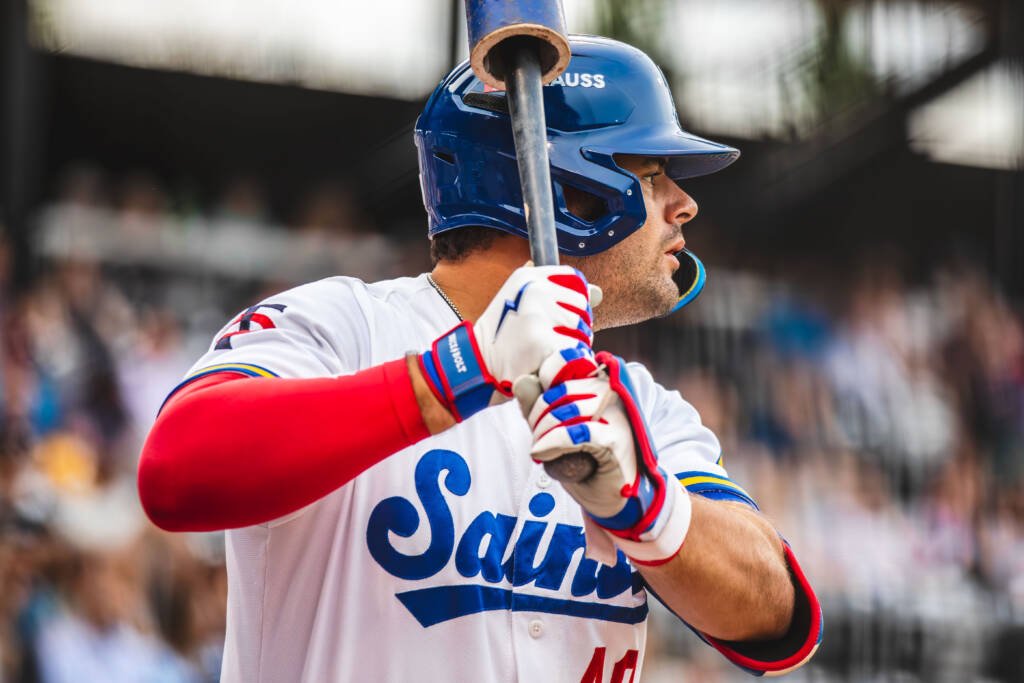 Over the last few seasons, Twins prospect Aaron Sabato had become a bit of a forgotten name. A former first-round pick in 2020, his prodigious power always drew attention, but inconsistent contact and swing-and-miss issues slowed his climb up the organizational ladder. Now, in 2025, Sabato’s refined approach and offseason adjustments have him trending in the right direction, and the Twins are taking notice. After a frustrating 2024 campaign at Double-A Wichita (.653 OPS in 85 games), Sabato entered the offseason with a clear mission: get back to being the hitter the Twins envisioned when they took him 27th overall out of North Carolina. But this time, the change was something different, and it may have saved his professional career. Sabato focused on the less flashy yet highly critical aspects of the craft, including his swing load sequencing, timing, and the mental side of hitting. “I worked really hard in the offseason on just getting some little load sequencing stuff right,” Sabato told Twins Daily's John Bonnes. “I really took that to heart towards like October through January, and then once I came in the spring, I just wanted better at-bats, just be more competitive in the box.” “And honestly, that was more of a mindset,” Sabato continued. “The mindset really came from the preparation that I did in the off-season. And this year, I've just played and taken that work every single day … not looking for something else, or searching for anything when one game or one at-bat, or a couple stretches of at bats go awry.” The results in Fort Myers this spring spoke volumes to the work he had put in over the winter. For Sabato, that early success wasn’t a fluke. It was confirmation. “I really started to hit the ball [harder] and more consistently,” Sabato shared. “This spring training, I hit like six home runs, which is something that I hadn't done in the past, and especially from an early start. And it was one of those things that I just took that work and to my at-bats, and I did it throughout all of spring, and it kind of clicked. “ “And then it's kind of one of those things that you start seeing some things work out, and you just you believe it before, and then when you start doing it, you just really start believing, and you just never waver. And that's been one thing I'm just trying not to do, is just don't waver from all the work that I put in.” This commitment to consistency has carried over into his 2025 season, which began at Double-A Wichita before a recent promotion to Triple-A St. Paul. In both stops, Sabato has looked like a different hitter: more competitive in the box, more willing to grind out at-bats, and more dangerous when he gets pitches in his zone. His strikeout rate has dropped noticeably, and his walk rate remains strong, a sign that his pitch selection is improving in tandem with his mechanics. In 39 games at Double-A, he slashed .305/.399/.574 (.973) with 11 doubles and nine home runs. Beyond the home run total, it was the quality of his at-bats that impressed Twins coaches. He wasn’t chasing fastballs at the eyes or flailing at breaking balls in the dirt. His strikeout rate has been above 30% for his entire professional career, but he dropped that total to 25.8 K% this season. The swings were disciplined, the takes purposeful, and the confidence unmistakable. The jump to Triple-A, of course, comes with new challenges. Sabato knows he’ll see arms that fill up the zone more consistently and pitchers who can execute sequences better than the ones he faced at lower levels. But his mindset remains unchanged. “At the end of the day, it's still baseball,” said Sabato. “I mean, there's just more competitive pitches, I feel like, throughout the at-bats. But ultimately, I mean, it's the same game. The guys are still throwing hard, still throwing great pitches.” It’s a subtle but significant shift in how Sabato carries himself. Gone is the player who tried to solve slumps with mechanical overhauls or who wore frustration on his sleeve after tough stretches. In his place is a hitter who’s bought into discipline, daily repetition, and patience with the process. “Just don't waver, don't tinker, stay with it,” repeated Sabato. “Keep doing what I was doing in Wichita, what I was doing at the start of the spring training, and just keep going.” For the Twins, this development is an encouraging sign. Sabato’s right-handed power remains a rare commodity in the system. With uncertainty surrounding the team’s future first base depth, the opportunity is there for Sabato to force his way into the picture. Of course, Sabato knows there’s more work to do. Triple-A pitching is relentless, and the jump to the big leagues is steeper still. But for the first time in a while, it feels like the former first-rounder is on the right path. One built on trust, preparation, and belief in a process that’s finally delivering results. And if the power stroke he showed early this season shows up under the bright lights in St. Paul this summer, the Twins might have a late-blooming slugger on their hands after all. What stands out most about Sabato's season so far? Leave a comment and start the discussion.
 -
Image courtesy of Jeffrey Becker-USA TODAY Sports It starts innocently enough. Maybe they see a game on TV while flipping past Nickelodeon. Maybe Grandpa brings over an old Kirby Puckett baseball card. Maybe they wander too close to Target Field and breathe in the alluring scent of hot dogs and disappointment. However it happens, you need to be vigilant. Minnesota Twins fandom is a lifelong condition — one with few cures and no known vaccines. Worried your child might be developing symptoms? Here are the key warning signs to watch for: 1. Obsession with ‘Prospects’ Instead of Pokémon Normal kids want Pikachu or Charizard. Your kid wants Emmanuel Rodriguez and Walker Jenkins. Bonus danger points if they utter the phrase, “He’s got a plus hit tool with advanced approach for his age” during dinner. Major risk if they compare Santa’s top gifts for the year to MLB Pipeline’s Top 100. 2. A Disturbing Fondness for Joe Mauer’s Sideburns You find sketches of sideburns in their notebooks. They ask for a mannequin head to practice “2006 Mauer trim.” They cry when reminded Joe’s number 7 is retired, because they wanted to wear it in Little League. Seek professional counseling immediately. 3. They’ve Learned to Lower Expectations... In Everything If your seven-year-old shrugs and says, “We’re probably not winning this year, but it’s okay — it’s about player development” after you tell them Chuck E. Cheese is closed. If they react to birthday presents with, “That’s fine. We’ll see how it plays out long-term.” It’s too late, Twins fandom has taken hold. 4. Frequent Use of the Word ‘Pohlad’ Like It’s a Swear Word “This cereal tastes like Pohlad!” “Do we have to do homework? What a Pohlad move.” If “Pohlad” has replaced traditional curse words in your home, congratulations: your child is now fluent in Minnesota sports despair. 5. Fear of October Other kids love Halloween. Yours fears October because they’ve learned it brings playoff sweeps, 18-game losing streak reminders, and unbearable Yankees highlight reels. Be concerned if they flinch when they see the calendar turn past September. 6. They’ve Memorized Cory Provus Catchphrases You catch them narrating backyard wiffle ball games in their best Provus impression: “Back it goes, deep it goes, and gone!” They hum the Twins Radio theme while brushing their teeth. Worse yet, they pause everyday conversations to say, “Treasure Island Baseball Network, your home for Twins baseball.” Extreme danger if they describe dinner as “brought to you by your Midwest Chevy Dealers.” 7. Refusal to Believe in Good Bullpens If they insist no human being can get three outs in the ninth without severe emotional distress... This is classic Twins fan conditioning. 8. They Already Hate the Yankees, Guardians, and White Sox for No Reason No one taught them this. It’s genetic. Like eye color or lactose intolerance. They simply know. What Can You Do? Unfortunately, there’s no cure. Twins fandom, once caught, is for life, like chicken pox but with fewer championships. You can make their experience better by providing a steady diet of hope (”Walker Jenkins will save us!”), minor league box scores, and replays of the 1987 and 1991 World Series on DVD. Above all, remind them of this universal truth: Being a Twins fan builds character. Lots and lots of character. Also pain. Mostly pain. But hey, maybe this is the year? (Just kidding. It’s never the year.) View full article
-
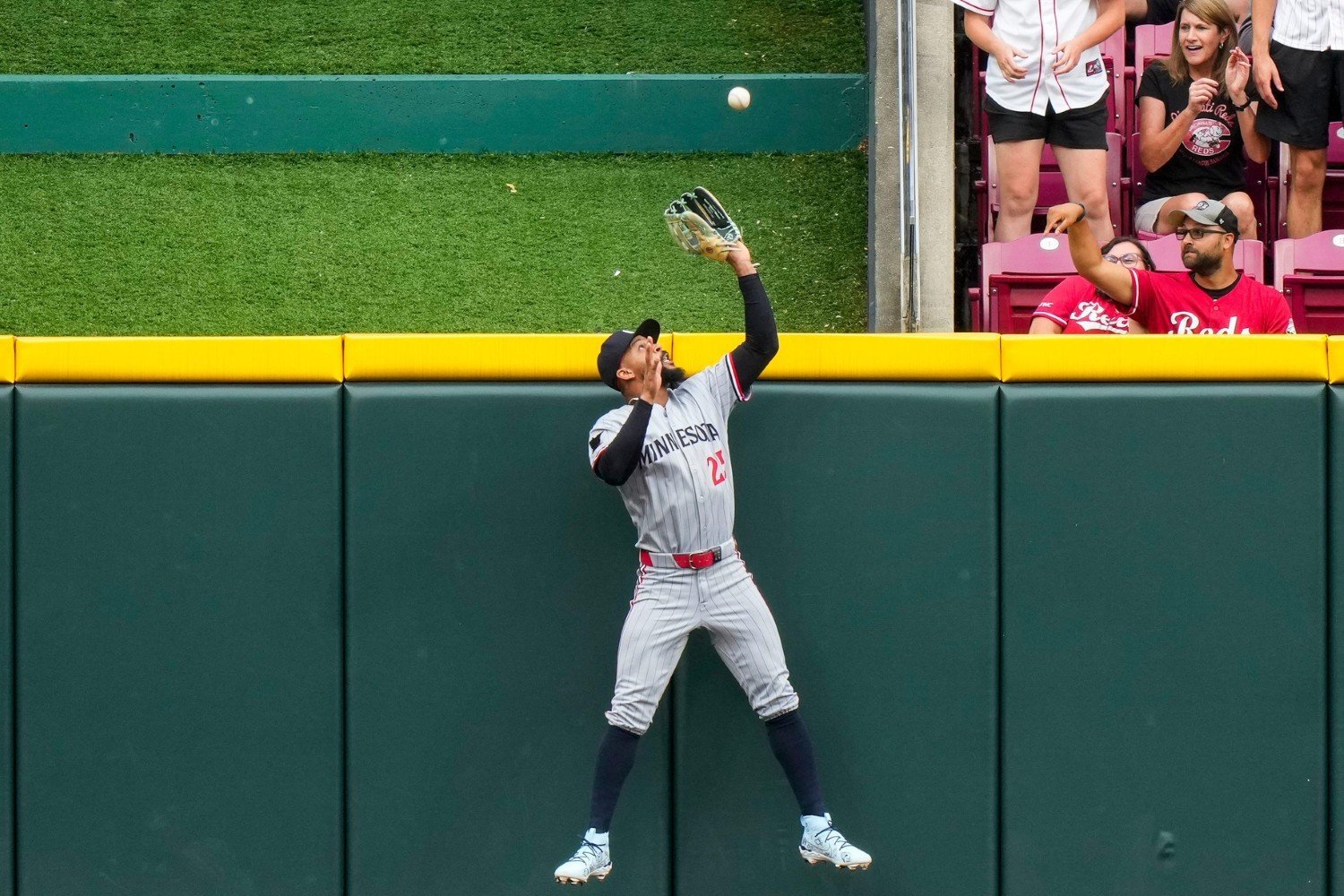 As defensive metrics continue to evolve and become more publicly available, fans now have more ways than ever to measure what their eyes see on the field. The Society for American Baseball Research (SABR) has once again released its first installment of the SABR Defensive Index (SDI) for the 2025 season, offering some interesting insight into how members of the Minnesota Twins are stacking up with the glove compared to the rest of the American League. For those unfamiliar, the SABR Defensive Index has been used since 2013 as part of the process for determining the Rawlings Gold Glove Award winners. The metric pulls together multiple defensive statistics, including those derived from Statcast batted-ball tracking and traditional play-by-play data, to form an overall defensive value. These rankings are current through games played on June 8, 2025. France Flashes the Leather at First One of the biggest surprises on this list comes at first base, where Ty France ranks third in the American League with a 2.1 SDI. France was acquired as a buy-low acquisition this past offseason to replace Gold Glove winner Carlos Santana at first base, but his glovework has clearly exceeded expectations. First base has not been a defensive stronghold for the Twins in recent years, so seeing France rate so highly in the early SDI rankings is a welcome sight for the club. France’s defensive metrics tanked last year as he played through an injury. However, this season he’s had some conversations with players like Carlos Correa about how to improve. His Fielding Run Value ranks in the 88th percentile and his OAA is in the 95th percentile. His defensive value has quietly made a difference for a pitching staff that still induces plenty of ground balls. Bader Shines, Buxton Disappoints Most assumed Byron Buxton would lead the way for the Twins’ outfielders in the early SDI release. After all, when healthy, he’s long been considered one of the best defenders in baseball. However, it’s Harrison Bader who holds the team’s best outfield SDI mark so far. Bader’s 2.4 SDI in left field is tied for third among AL left fielders, a strong showing for a player who has also seen time in center. Bader’s instincts, jumps, and ability to cover ground have clearly transferred well to his new role. His presence in left has provided some flexibility for the Twins. He ranks in the 93rd percentile in Fielding Run Value and the 97th percentile in OAA. Bader also unofficially ranks in the 100th percentile in losing his hat when chasing after a ball. Meanwhile, Buxton sits at 0.1 SDI, ninth in the American League among center fielders. It's a solid but unspectacular mark, especially with how strong he has looked this season. He ranks in the 90th percentile in OAA and the 84th percentile for Fielding Run Value. If Buxton stays healthy, he should rise on these rankings in the second half. The Twins did not have a qualified player in right field, as the position has been impacted by injury. Matt Wallner and Trevor Larnach have both played over 185 innings but no one has played enough innings to crack the leaderboard. The Infield: A Mixed Defensive Bag There are some surprises and a few concerns on the infield. Correa, previously heralded as one of baseball’s premier defensive shortstops, comes in at 0.2 SDI (tied for seventh in the AL). His OAA is still strong in the 91st percentile. While these numbers aren't poor by any stretch, it’s a far cry from the elite territory he occupied in his Houston days or during his strong 2022 season in Minnesota. The Twins need Correa to provide defensive value as his bat has lagged behind this season. Brooks Lee ranks eighth among AL third basemen but has a -1.0 SDI. This isn’t unexpected for a young player still adjusting to big-league speed and angles. Lee’s bat has shown signs of life in recent weeks, but the defensive side remains a work in progress. He has a Fielding Run Value and OAA in the 34th percentile or lower. His development at the hot corner will be worth watching closely as Royce Lewis is on the injured list for the second time this season. At second base, Willi Castro sits at -1.1 SDI, further highlighting the Twins’ infield inconsistency. He is tied for fifth in the AL but the top-four players all have a 2.5 SDI or higher. Castro’s versatility has long been his calling card, but his defensive metrics can sometimes suffer when he’s asked to bounce between positions. His glove at second base hasn’t graded out well early on, though positional flexibility keeps him valuable on the roster. Catchers Hover Near the Middle Behind the plate, neither of the Twins’ primary catchers has stood out by SDI measures. Christian Vázquez posted a -0.2 SDI (eighth in the AL), while Ryan Jeffers came in slightly lower at -0.5 SDI (10th). Both catchers have been praised at times for handling the pitching staff well, but neither is considered an elite defender by modern framing or blocking metrics. The rankings confirm that perception: steady, serviceable, but unspectacular. The Pitchers: Paddack Impresses, Ryan Struggles Among the pitchers, Chris Paddack leads the Twins staff with a 0.7 SDI, tying him for 13th in the American League. Pitcher defense is often overlooked, but Paddack’s ability to field his position whether on comebackers or bunts has earned him quiet praise. Bailey Ober sits at 0.5 SDI, good for 20th, showing he holds his own when fielding his position. However, Joe Ryan brings up the rear at -0.7 SDI (36th), suggesting he’s struggled when asked to handle balls in play near the mound. While pitcher SDI is typically a small component of overall defensive value, these numbers can sometimes explain why certain plays unravel the way they do. The first wave of SDI rankings offers a mixed bag for the Twins. Players like France and Bader have exceeded expectations defensively, but concerns remain at key infield positions and behind the plate. The numbers show potential but also areas in need of shoring up if Minnesota hopes to remain in contention as summer heats up. As always with defensive metrics, these rankings represent just part of the picture. But for a front office that values data, and a fan base always hungry for insight, the SDI update provides another reason to keep a close eye on the field especially with the AL playoff picture far from settled. What surprises you most about these rankings? Leave a comment and start the discussion.
- 9 comments
-
- 4
-
-
- carlos correa
- byron buxton
- (and 4 more)
-
Image courtesy of © Sam Greene/The Enquirer / USA TODAY NETWORK via Imagn Images As defensive metrics continue to evolve and become more publicly available, fans now have more ways than ever to measure what their eyes see on the field. The Society for American Baseball Research (SABR) has once again released its first installment of the SABR Defensive Index (SDI) for the 2025 season, offering some interesting insight into how members of the Minnesota Twins are stacking up with the glove compared to the rest of the American League. For those unfamiliar, the SABR Defensive Index has been used since 2013 as part of the process for determining the Rawlings Gold Glove Award winners. The metric pulls together multiple defensive statistics, including those derived from Statcast batted-ball tracking and traditional play-by-play data, to form an overall defensive value. These rankings are current through games played on June 8, 2025. France Flashes the Leather at First One of the biggest surprises on this list comes at first base, where Ty France ranks third in the American League with a 2.1 SDI. France was acquired as a buy-low acquisition this past offseason to replace Gold Glove winner Carlos Santana at first base, but his glovework has clearly exceeded expectations. First base has not been a defensive stronghold for the Twins in recent years, so seeing France rate so highly in the early SDI rankings is a welcome sight for the club. France’s defensive metrics tanked last year as he played through an injury. However, this season he’s had some conversations with players like Carlos Correa about how to improve. His Fielding Run Value ranks in the 88th percentile and his OAA is in the 95th percentile. His defensive value has quietly made a difference for a pitching staff that still induces plenty of ground balls. Bader Shines, Buxton Disappoints Most assumed Byron Buxton would lead the way for the Twins’ outfielders in the early SDI release. After all, when healthy, he’s long been considered one of the best defenders in baseball. However, it’s Harrison Bader who holds the team’s best outfield SDI mark so far. Bader’s 2.4 SDI in left field is tied for third among AL left fielders, a strong showing for a player who has also seen time in center. Bader’s instincts, jumps, and ability to cover ground have clearly transferred well to his new role. His presence in left has provided some flexibility for the Twins. He ranks in the 93rd percentile in Fielding Run Value and the 97th percentile in OAA. Bader also unofficially ranks in the 100th percentile in losing his hat when chasing after a ball. Meanwhile, Buxton sits at 0.1 SDI, ninth in the American League among center fielders. It's a solid but unspectacular mark, especially with how strong he has looked this season. He ranks in the 90th percentile in OAA and the 84th percentile for Fielding Run Value. If Buxton stays healthy, he should rise on these rankings in the second half. The Twins did not have a qualified player in right field, as the position has been impacted by injury. Matt Wallner and Trevor Larnach have both played over 185 innings but no one has played enough innings to crack the leaderboard. The Infield: A Mixed Defensive Bag There are some surprises and a few concerns on the infield. Correa, previously heralded as one of baseball’s premier defensive shortstops, comes in at 0.2 SDI (tied for seventh in the AL). His OAA is still strong in the 91st percentile. While these numbers aren't poor by any stretch, it’s a far cry from the elite territory he occupied in his Houston days or during his strong 2022 season in Minnesota. The Twins need Correa to provide defensive value as his bat has lagged behind this season. Brooks Lee ranks eighth among AL third basemen but has a -1.0 SDI. This isn’t unexpected for a young player still adjusting to big-league speed and angles. Lee’s bat has shown signs of life in recent weeks, but the defensive side remains a work in progress. He has a Fielding Run Value and OAA in the 34th percentile or lower. His development at the hot corner will be worth watching closely as Royce Lewis is on the injured list for the second time this season. At second base, Willi Castro sits at -1.1 SDI, further highlighting the Twins’ infield inconsistency. He is tied for fifth in the AL but the top-four players all have a 2.5 SDI or higher. Castro’s versatility has long been his calling card, but his defensive metrics can sometimes suffer when he’s asked to bounce between positions. His glove at second base hasn’t graded out well early on, though positional flexibility keeps him valuable on the roster. Catchers Hover Near the Middle Behind the plate, neither of the Twins’ primary catchers has stood out by SDI measures. Christian Vázquez posted a -0.2 SDI (eighth in the AL), while Ryan Jeffers came in slightly lower at -0.5 SDI (10th). Both catchers have been praised at times for handling the pitching staff well, but neither is considered an elite defender by modern framing or blocking metrics. The rankings confirm that perception: steady, serviceable, but unspectacular. The Pitchers: Paddack Impresses, Ryan Struggles Among the pitchers, Chris Paddack leads the Twins staff with a 0.7 SDI, tying him for 13th in the American League. Pitcher defense is often overlooked, but Paddack’s ability to field his position whether on comebackers or bunts has earned him quiet praise. Bailey Ober sits at 0.5 SDI, good for 20th, showing he holds his own when fielding his position. However, Joe Ryan brings up the rear at -0.7 SDI (36th), suggesting he’s struggled when asked to handle balls in play near the mound. While pitcher SDI is typically a small component of overall defensive value, these numbers can sometimes explain why certain plays unravel the way they do. The first wave of SDI rankings offers a mixed bag for the Twins. Players like France and Bader have exceeded expectations defensively, but concerns remain at key infield positions and behind the plate. The numbers show potential but also areas in need of shoring up if Minnesota hopes to remain in contention as summer heats up. As always with defensive metrics, these rankings represent just part of the picture. But for a front office that values data, and a fan base always hungry for insight, the SDI update provides another reason to keep a close eye on the field especially with the AL playoff picture far from settled. What surprises you most about these rankings? Leave a comment and start the discussion. View full article
-
Keep in mind that he is over two years younger than the average age of the competition in the Midwest League. He only has 13 plate appearances versus younger pitchers this season.
-
I think he projects to be slightly below average at shortstop but could probably be athletic enough to hold his own. I likely ends up at third base where his strong arm would play well.
- 21 replies
-
- 2
-
-
- kaelen culpepper
- andrew morris
- (and 5 more)
-
Houston released him. He is pitching for the Chicago Dogs of the American Association. In nine games, he has a 5.30 ERA with a 1.55 WHIP and a 14-to-7 strikeout-to-walk ratio.
- 21 replies
-
- 1
-
-
- kaelen culpepper
- andrew morris
- (and 5 more)