



Cody Christie
-
Posts
7,807 -
Joined
-
Last visited
-
Days Won
5
Content Type
Profiles
News
Minnesota Twins Videos
2026 Minnesota Twins Top Prospects Ranking
2022 Minnesota Twins Draft Picks
Minnesota Twins Free Agent & Trade Rumors, Notes, & Tidbits
Guides & Resources
2023 Minnesota Twins Draft Picks
The Minnesota Twins Players Project
2024 Minnesota Twins Draft Picks
2025 Minnesota Twins Draft Pick Tracker
2026 Minnesota Twins Draft Tracker: Picks & Bonuses
Forums
Blogs
Events
Store
Downloads
Gallery
Everything posted by Cody Christie
-
 Image courtesy of © David Berding-Imagn Images Dear Derek Falvey, the Pohlad family, and the Minnesota Twins front office, Thank you for your recent note to season ticket holders. It’s always good to hear directly from leadership in a time like this, when the dust is still settling on one of the most dramatic trade deadlines in franchise history. A dozen moves in 24 hours. The largest contract in team history is gone. A flame-throwing closer sent to a contender. The team’s emotional leader and utility man shipped to the North Side. Ten players out the door. A completely different clubhouse was left behind. You said this was “a clear and deliberate decision to strengthen the next chapter of championship-caliber baseball.” That sounds noble, and I believe the intention behind the moves was real. But from this seat, it looks less like a “next push” and more like an organizational white flag. After weeks of treading water, the Twins didn’t just pivot to the future. They sprinted toward it, carrying half the roster in their arms. Let’s be honest: this wasn’t a pivot. It was a purge. And if we’re talking about reactions, you’re right, we’ve got plenty. You said our response reflects how much we care, and that’s absolutely true. But passion only goes so far when fans are asked to watch stars leave year after year. Carlos Correa, the marquee signing we were told represented a new era, is gone. Jhoan Duran, the face of the bullpen and a guy who could have anchored the back end for years, gone. Fan favorites like Griffin Jax and Willi Castro, who grinded it out daily, gone. In return, the Twins acquired several names most fans have never heard of and a few fringe contributors who might get a look in September. We understand the logic. These are moves aimed at 2026, maybe even 2027. But that’s a tough sell when fans are still waiting to see the supposed long-term core stay healthy and produce consistently. These are guys like Royce Lewis, Brooks Lee, and Matt Wallner. You pointed out that this wasn’t “about patchwork or small adjustments,” and we agree. You tore it down to the studs. But after cutting payroll over the last two seasons and backing away from adding at multiple deadlines, the question isn’t just “what’s next?” It’s why should fans still believe you’ll follow through when the time comes to spend again? You can’t build long-term success if you’re always in transition. This was supposed to be the competitive window. You signed Correa long-term. You extended Pablo López. You told fans this was the team that could break through. And then, two years after winning your first playoff game in nearly two decades, you sold off half the roster and didn’t leave a lot of hope for the future. The most telling move might be Louis Varland. You dealt a guy who’s under team control, has been a revelation in the bullpen, and was pitching well in July. That’s not a deadline move teams make when they believe they’re retooling. That’s a move you make when you’re starting over. We want to believe there’s a plan. We want to believe this pipeline you’ve built is going to blossom into a contender. But those are promises we’ve heard before. Fans can only be asked to stay patient so many times before they start looking for something else to do on a summer night. So, to borrow your own words: this wasn’t about small adjustments. This was about accountability. And now, the Twins’ front office needs to hold itself to the same standard it set for the players it just sent packing. Twins fans want a championship-caliber product. And we don’t want to wait until 2026 to get a taste of it again. Sincerely, A fan who still cares. View full article
- 31 replies
-
- 1
-

-
- derek falvey
- jim pohlad
- (and 4 more)
-
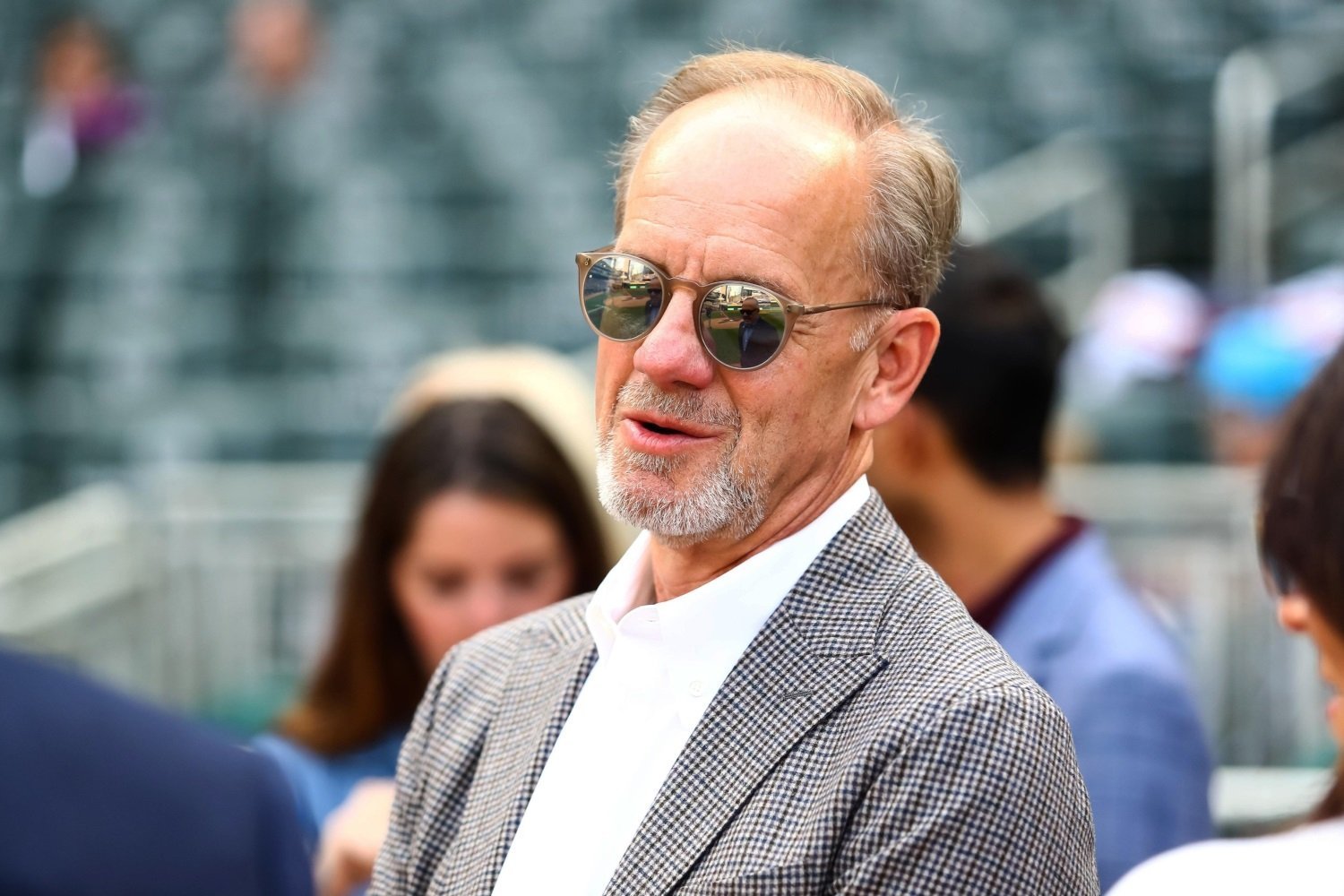 Dear Derek Falvey, the Pohlad family, and the Minnesota Twins front office, Thank you for your recent note to season ticket holders. It’s always good to hear directly from leadership in a time like this, when the dust is still settling on one of the most dramatic trade deadlines in franchise history. A dozen moves in 24 hours. The largest contract in team history is gone. A flame-throwing closer sent to a contender. The team’s emotional leader and utility man shipped to the North Side. Ten players out the door. A completely different clubhouse was left behind. You said this was “a clear and deliberate decision to strengthen the next chapter of championship-caliber baseball.” That sounds noble, and I believe the intention behind the moves was real. But from this seat, it looks less like a “next push” and more like an organizational white flag. After weeks of treading water, the Twins didn’t just pivot to the future. They sprinted toward it, carrying half the roster in their arms. Let’s be honest: this wasn’t a pivot. It was a purge. And if we’re talking about reactions, you’re right, we’ve got plenty. You said our response reflects how much we care, and that’s absolutely true. But passion only goes so far when fans are asked to watch stars leave year after year. Carlos Correa, the marquee signing we were told represented a new era, is gone. Jhoan Duran, the face of the bullpen and a guy who could have anchored the back end for years, gone. Fan favorites like Griffin Jax and Willi Castro, who grinded it out daily, gone. In return, the Twins acquired several names most fans have never heard of and a few fringe contributors who might get a look in September. We understand the logic. These are moves aimed at 2026, maybe even 2027. But that’s a tough sell when fans are still waiting to see the supposed long-term core stay healthy and produce consistently. These are guys like Royce Lewis, Brooks Lee, and Matt Wallner. You pointed out that this wasn’t “about patchwork or small adjustments,” and we agree. You tore it down to the studs. But after cutting payroll over the last two seasons and backing away from adding at multiple deadlines, the question isn’t just “what’s next?” It’s why should fans still believe you’ll follow through when the time comes to spend again? You can’t build long-term success if you’re always in transition. This was supposed to be the competitive window. You signed Correa long-term. You extended Pablo López. You told fans this was the team that could break through. And then, two years after winning your first playoff game in nearly two decades, you sold off half the roster and didn’t leave a lot of hope for the future. The most telling move might be Louis Varland. You dealt a guy who’s under team control, has been a revelation in the bullpen, and was pitching well in July. That’s not a deadline move teams make when they believe they’re retooling. That’s a move you make when you’re starting over. We want to believe there’s a plan. We want to believe this pipeline you’ve built is going to blossom into a contender. But those are promises we’ve heard before. Fans can only be asked to stay patient so many times before they start looking for something else to do on a summer night. So, to borrow your own words: this wasn’t about small adjustments. This was about accountability. And now, the Twins’ front office needs to hold itself to the same standard it set for the players it just sent packing. Twins fans want a championship-caliber product. And we don’t want to wait until 2026 to get a taste of it again. Sincerely, A fan who still cares.
- 31 comments
-
- 10
-
-
- derek falvey
- jim pohlad
- (and 4 more)
-
Image courtesy of © Jesse Johnson-Imagn Images With the trade deadline in the rearview mirror, the Minnesota Twins will spend the final two months of the season learning more about their new conglomeration of players, including internal options. Minnesota stripped down the roster ahead of the trade deadline, which allows the team to rely on a trio of young arms with something to prove. Simeon Woods Richardson, David Festa, and Zebby Matthews have all shown flashes this season, but the stretch run will be about consistency and growth. Can the group handle heavier workloads? Will they find success against lineups the third time through? Can they make adjustments in-game to work deeper into starts? The answers to these questions will help shape the Twins’ plans for the rotation in 2026 and beyond. Simeon Woods Richardson: Earning Trust Through Consistency The Twins handed Woods Richardson a rotation spot out of spring training, and he has rewarded them with a season of growth. After a rocky start to the year, he has been one of the team’s steadiest starters since mid-June. In his last eight starts, he posted a 2.58 ERA with 30 strikeouts and 18 walks. On the season, he owns a 4.24 ERA with 69 strikeouts in over 80 2/3 innings pitched. Woods Richardson has done well limiting hard contact, but he is still working to prove he can handle a lineup the third time. Opponents have a .356 OBP with an .803 OPS against him the third time around, compared to a .623 OPS the first time and .762 the second. The next step in his development will be refining his sequencing and pitch usage deeper into games. With his improved command and willingness to mix pitches, Woods Richardson is trending in the right direction. Now the Twins need to see if he can maintain that level through the end of the season. David Festa: Power Arm Searching for Efficiency Festa’s debut came with plenty of excitement, and his early outings offered a glimpse of what makes him such an intriguing prospect. In 2024, he consistently missed bats, racking up 166 strikeouts in 124 2/3 combined innings between the majors and minors. With a high-spin fastball and a devastating changeup (44.0 Whiff%), Festa profiles as a high-strikeout arm with the potential to be a middle-of-the-rotation fixture. However, the Twins want to see more than just strikeouts. Festa has struggled with efficiency at times, often needing 90 pitches to get through four or five innings. He has also been vulnerable to big innings when his command wavers. His ERA sits at 5.40 through ten appearances, but his FIP is 4.84, suggesting there’s more upside than his surface stats reveal. His xSLG is also 30 points lower than his actual slugging this year, pointing to him being unlucky at times. Down the stretch, Festa needs to show his recent shoulder injury is a minor issue. Then he can push toward the 100-inning mark and show he can avoid high pitch counts. If he can find ways to generate quicker outs and stay away from walks, he could force his way into next year’s rotation. Zebby Matthews: Staying Healthy and Getting Stretched Out Last season, Matthews was the talk of the Twins’ pitching pipeline as he moved from High-A to the big-league level. The 2025 campaign hasn’t been as smooth. He dominated in Triple-A with a 1.72 ERA and 47 strikeouts in 36 2/3 innings. Since joining the big-league roster, he has made seven appearances and posted a 5.67 ERA with 42 strikeouts in 33 1/3 innings. Matthews has already shown the ability to generate whiffs (27.9 Whiff%, 70th percentile) and limit damage, but the Twins have kept him on a short leash. He has thrown fewer than five innings in four of his six starts and has not consistently faced lineups a third time through. He only has 20 plate appearances versus a lineup for the third time. Minnesota will need to extend his outings to see how he responds as he works deeper into games. Health will also be a consideration. Matthews missed time with a shoulder strain earlier this season, and the Twins may be cautious with his workload. If he can stay on the mound and show durability, he has a chance to make a strong case for a 2026 rotation spot. Rotation Plans for 2026 Looking toward next season, the Twins have Pablo López, Joe Ryan, and Bailey Ober under contract and locked into the rotation’s top spots. However, there are no guarantees that all three will be back if Minnesota continues to trade off pieces this winter. The Twins also added starters at the trade deadline that will be added into the rotational mix, including Taj Bradley and Mick Abel. There is still plenty of season left, and the Twins are watching closely. The next nine weeks are about opportunity and evaluation. If these young starters can rise to the occasion, the path forward becomes clearer. If not, the Twins will need to look elsewhere to complete their 2026 rotation. Who has the most to prove in the season’s final two months? Leave a comment and start the discussion. View full article
-
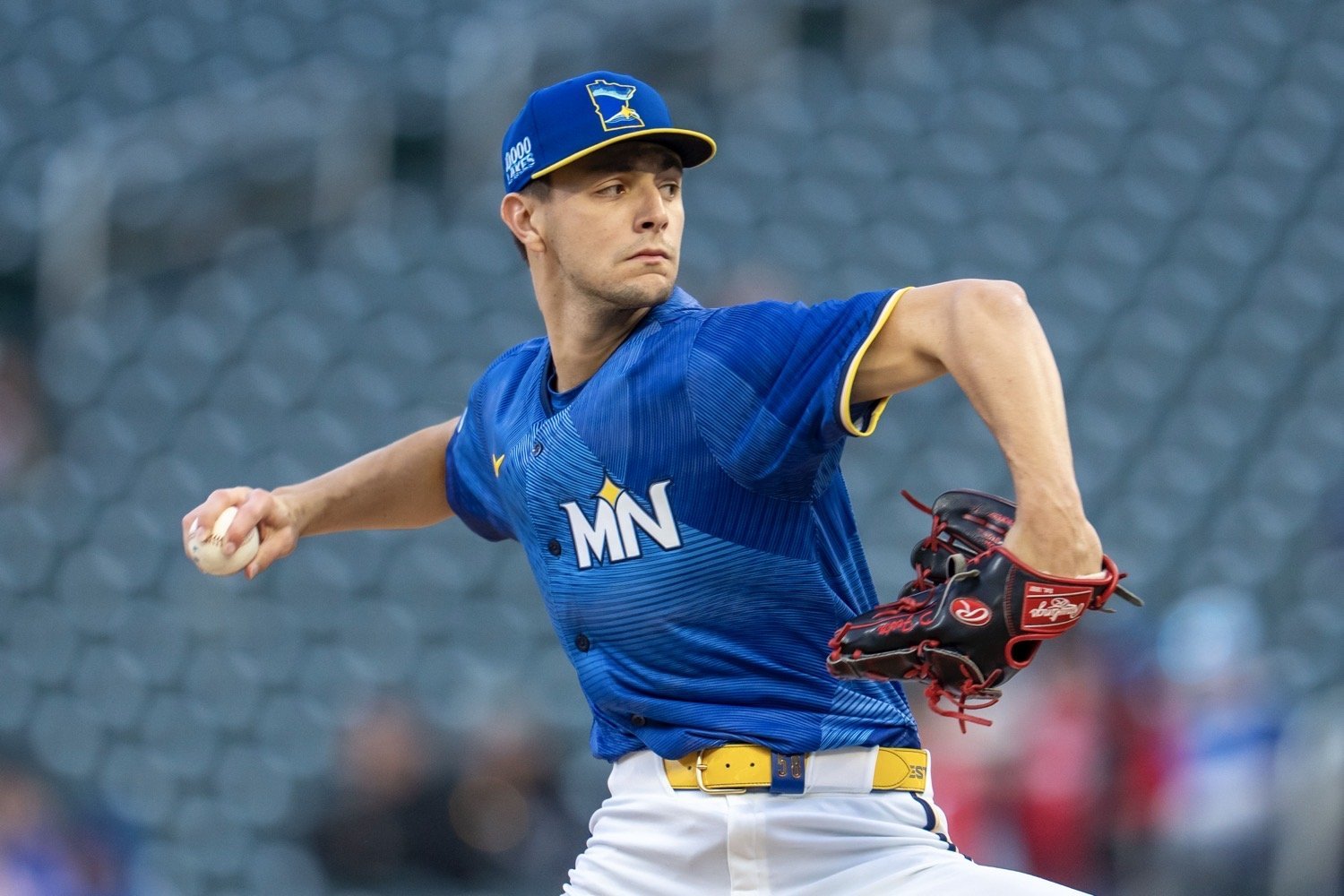 With the trade deadline in the rearview mirror, the Minnesota Twins will spend the final two months of the season learning more about their new conglomeration of players, including internal options. Minnesota stripped down the roster ahead of the trade deadline, which allows the team to rely on a trio of young arms with something to prove. Simeon Woods Richardson, David Festa, and Zebby Matthews have all shown flashes this season, but the stretch run will be about consistency and growth. Can the group handle heavier workloads? Will they find success against lineups the third time through? Can they make adjustments in-game to work deeper into starts? The answers to these questions will help shape the Twins’ plans for the rotation in 2026 and beyond. Simeon Woods Richardson: Earning Trust Through Consistency The Twins handed Woods Richardson a rotation spot out of spring training, and he has rewarded them with a season of growth. After a rocky start to the year, he has been one of the team’s steadiest starters since mid-June. In his last eight starts, he posted a 2.58 ERA with 30 strikeouts and 18 walks. On the season, he owns a 4.24 ERA with 69 strikeouts in over 80 2/3 innings pitched. Woods Richardson has done well limiting hard contact, but he is still working to prove he can handle a lineup the third time. Opponents have a .356 OBP with an .803 OPS against him the third time around, compared to a .623 OPS the first time and .762 the second. The next step in his development will be refining his sequencing and pitch usage deeper into games. With his improved command and willingness to mix pitches, Woods Richardson is trending in the right direction. Now the Twins need to see if he can maintain that level through the end of the season. David Festa: Power Arm Searching for Efficiency Festa’s debut came with plenty of excitement, and his early outings offered a glimpse of what makes him such an intriguing prospect. In 2024, he consistently missed bats, racking up 166 strikeouts in 124 2/3 combined innings between the majors and minors. With a high-spin fastball and a devastating changeup (44.0 Whiff%), Festa profiles as a high-strikeout arm with the potential to be a middle-of-the-rotation fixture. However, the Twins want to see more than just strikeouts. Festa has struggled with efficiency at times, often needing 90 pitches to get through four or five innings. He has also been vulnerable to big innings when his command wavers. His ERA sits at 5.40 through ten appearances, but his FIP is 4.84, suggesting there’s more upside than his surface stats reveal. His xSLG is also 30 points lower than his actual slugging this year, pointing to him being unlucky at times. Down the stretch, Festa needs to show his recent shoulder injury is a minor issue. Then he can push toward the 100-inning mark and show he can avoid high pitch counts. If he can find ways to generate quicker outs and stay away from walks, he could force his way into next year’s rotation. Zebby Matthews: Staying Healthy and Getting Stretched Out Last season, Matthews was the talk of the Twins’ pitching pipeline as he moved from High-A to the big-league level. The 2025 campaign hasn’t been as smooth. He dominated in Triple-A with a 1.72 ERA and 47 strikeouts in 36 2/3 innings. Since joining the big-league roster, he has made seven appearances and posted a 5.67 ERA with 42 strikeouts in 33 1/3 innings. Matthews has already shown the ability to generate whiffs (27.9 Whiff%, 70th percentile) and limit damage, but the Twins have kept him on a short leash. He has thrown fewer than five innings in four of his six starts and has not consistently faced lineups a third time through. He only has 20 plate appearances versus a lineup for the third time. Minnesota will need to extend his outings to see how he responds as he works deeper into games. Health will also be a consideration. Matthews missed time with a shoulder strain earlier this season, and the Twins may be cautious with his workload. If he can stay on the mound and show durability, he has a chance to make a strong case for a 2026 rotation spot. Rotation Plans for 2026 Looking toward next season, the Twins have Pablo López, Joe Ryan, and Bailey Ober under contract and locked into the rotation’s top spots. However, there are no guarantees that all three will be back if Minnesota continues to trade off pieces this winter. The Twins also added starters at the trade deadline that will be added into the rotational mix, including Taj Bradley and Mick Abel. There is still plenty of season left, and the Twins are watching closely. The next nine weeks are about opportunity and evaluation. If these young starters can rise to the occasion, the path forward becomes clearer. If not, the Twins will need to look elsewhere to complete their 2026 rotation. Who has the most to prove in the season’s final two months? Leave a comment and start the discussion.
- 21 comments
-
- 3
-
-
- simeon woods richardson
- david festa
- (and 1 more)
-
Image courtesy of Rob Thompson, St. Paul Saints Last month, designated hitter Aaron Sabato claimed Twins Daily’s Minor League Hitter of the Month after his monster performance at Double-A forced the Twins to move him to St. Paul. He cooled down a little in July, which allowed a new group of prospects to showcase their offensive prowess. Before we get into the top performances, here are a few hitters who just missed the cut. Honorable Mentions: At High-A Cedar Rapids, Jaime Ferrer is continuing to help his prospect stock. A fourth-round pick in 2024, Ferrer slashed .291/.365/.545 (.911) for the month. His OPS jumped over 340 points compared to June. In a five-game stretch, he went 9-for-21 (.429 BA) with four doubles, a triple, and two home runs. In the Dominican Summer League, offensive performance can be fluky because of the pitching inconsistencies at that level. However, infielder Haritzon Castillo still had an impressive month where he finished with a .807 OPS, including six doubles in 16 games. He’s only faced younger pitchers in five of his 144 plate appearances this season and has an .877 OPS for the year. While this duo didn’t make the cut, let’s see what players had standout performances. 4. Yovanny Duran, DSL Twins .373/.506/.418 (.924), 3 2B, 18 R, 12 RBI, 14 SB, 16 BB, 7 K Duran showed some growing pains in June during his first month of professional baseball as he hit .238 with more strikeouts (14) than walks (7). He completely flipped the script in July, starting the month with a 10-game hitting streak where he posted a 1.055 OPS. On July 3rd, he had a career day, going 4-for-5 with a double and a run scored. At 17 years old, he is one of the youngest players in the Dominican Summer League and has only faced younger pitchers in four at-bats for the entire season. Duran is an intriguing prospect, but he is a long way from Target Field. 3. Ricardo Olivar, Wichita Wind Surge .294/.388/.500 (.888), 3 HR, 5 2B, 12 R, 16 RBI, 11 BB, 18 K For most of the month, Olivar sat near the top of the Texas League in OPS before finishing in fifth among players with at least 20 games. From July 1 to July 22, he went 17-for-46 (.370 BA) with eight extra-base hits and a 1.138 OPS in 13 games. He is a year younger than the average age of the competition in the Texas League, and 67% of his plate appearances have been versus older pitchers. He has split time between catcher and left field this season. His bat continues to carry his prospect status, and the Twins could have him finish the year at Triple-A. 2. Caden Kendle, Cedar Rapids Kernels .315/.358/.562 (.920), 3 HR, 5 2B, 2 3B, 13 R, 13 RBI, 5 BB, 12 K, 4 SB Kendle struggled through his first three months in a Kernels uniform before finally putting it all together in July. He ended June with a .214 BA and .658 OPS for the season. He started the month with a 12-game hitting streak, including six multi-hit games. During that streak, he went 19-for-45 (.422 BA) with eight extra-base hits and three stolen bases. Kendle’s .920 OPS ranked fourth among players in the Midwest League who played a minimum of 20 games during July. He was drafted last year as a college senior, so it’s good to see him putting it all together at a level where he is slightly older than the competition. 1. Edouard Julien, St. Paul Saints .309/.423/.568 (.991), 5 HR, 34 2B, 1 3B, 13 R, 15 RBI, 15 BB, 29 K Julien has slowly been rediscovering his approach at Triple-A and now should have a chance to prove to the Twins that he belongs at the big-league level. His OPS ranked in the top 15 in the International League, and he has a 133 wRC+ since being demoted to Triple-A. His lack of defensive versatility and propensity for strikeouts have always been his Achilles heel, but the Saints have continued to use him at second base, and he made nine appearances at first base. The Twins have been more hesitant to play him at first, but that could change over the season’s final two months. In July, he had eight multi-hit games, including four straight games where he had multi-hit efforts. From July 9 to July 29, he went 21-for-47 (.447 BA) with a .536 OBP and a .787 SLG. During that stretch, he drew eight walks and only struck out 12 times in 14 games. Julien can insert himself back into the team’s long-term plans if he can translate that performance back to the big-league level. How would your ballot look for the month? Leave a comment and start the discussion. View full article
-
Minnesota Twins Minor League Hitters of the Month – July
Cody Christie posted an article in Minor Leagues
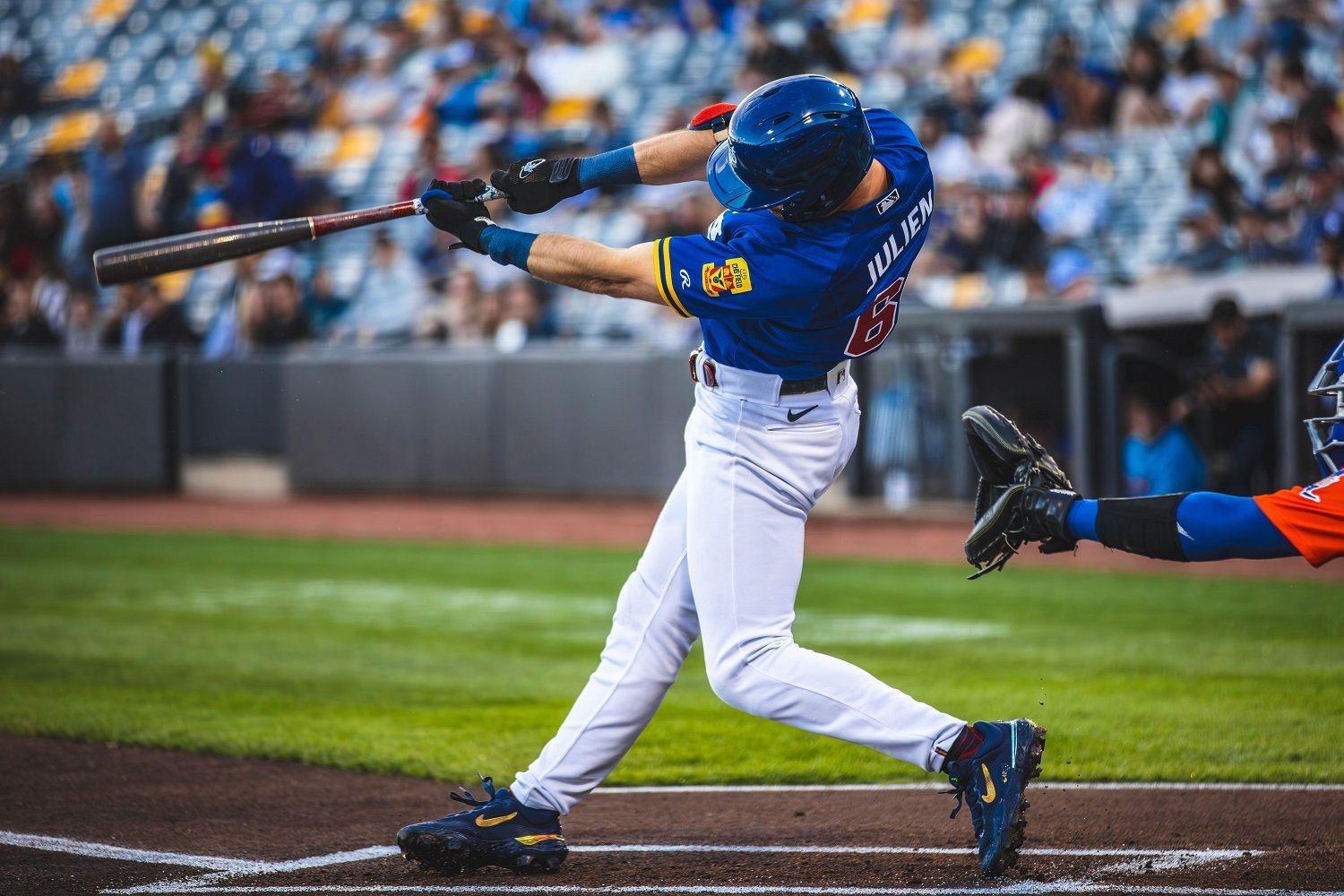 Last month, designated hitter Aaron Sabato claimed Twins Daily’s Minor League Hitter of the Month after his monster performance at Double-A forced the Twins to move him to St. Paul. He cooled down a little in July, which allowed a new group of prospects to showcase their offensive prowess. Before we get into the top performances, here are a few hitters who just missed the cut. Honorable Mentions: At High-A Cedar Rapids, Jaime Ferrer is continuing to help his prospect stock. A fourth-round pick in 2024, Ferrer slashed .291/.365/.545 (.911) for the month. His OPS jumped over 340 points compared to June. In a five-game stretch, he went 9-for-21 (.429 BA) with four doubles, a triple, and two home runs. In the Dominican Summer League, offensive performance can be fluky because of the pitching inconsistencies at that level. However, infielder Haritzon Castillo still had an impressive month where he finished with a .807 OPS, including six doubles in 16 games. He’s only faced younger pitchers in five of his 144 plate appearances this season and has an .877 OPS for the year. While this duo didn’t make the cut, let’s see what players had standout performances. 4. Yovanny Duran, DSL Twins .373/.506/.418 (.924), 3 2B, 18 R, 12 RBI, 14 SB, 16 BB, 7 K Duran showed some growing pains in June during his first month of professional baseball as he hit .238 with more strikeouts (14) than walks (7). He completely flipped the script in July, starting the month with a 10-game hitting streak where he posted a 1.055 OPS. On July 3rd, he had a career day, going 4-for-5 with a double and a run scored. At 17 years old, he is one of the youngest players in the Dominican Summer League and has only faced younger pitchers in four at-bats for the entire season. Duran is an intriguing prospect, but he is a long way from Target Field. 3. Ricardo Olivar, Wichita Wind Surge .294/.388/.500 (.888), 3 HR, 5 2B, 12 R, 16 RBI, 11 BB, 18 K For most of the month, Olivar sat near the top of the Texas League in OPS before finishing in fifth among players with at least 20 games. From July 1 to July 22, he went 17-for-46 (.370 BA) with eight extra-base hits and a 1.138 OPS in 13 games. He is a year younger than the average age of the competition in the Texas League, and 67% of his plate appearances have been versus older pitchers. He has split time between catcher and left field this season. His bat continues to carry his prospect status, and the Twins could have him finish the year at Triple-A. 2. Caden Kendle, Cedar Rapids Kernels .315/.358/.562 (.920), 3 HR, 5 2B, 2 3B, 13 R, 13 RBI, 5 BB, 12 K, 4 SB Kendle struggled through his first three months in a Kernels uniform before finally putting it all together in July. He ended June with a .214 BA and .658 OPS for the season. He started the month with a 12-game hitting streak, including six multi-hit games. During that streak, he went 19-for-45 (.422 BA) with eight extra-base hits and three stolen bases. Kendle’s .920 OPS ranked fourth among players in the Midwest League who played a minimum of 20 games during July. He was drafted last year as a college senior, so it’s good to see him putting it all together at a level where he is slightly older than the competition. 1. Edouard Julien, St. Paul Saints .309/.423/.568 (.991), 5 HR, 34 2B, 1 3B, 13 R, 15 RBI, 15 BB, 29 K Julien has slowly been rediscovering his approach at Triple-A and now should have a chance to prove to the Twins that he belongs at the big-league level. His OPS ranked in the top 15 in the International League, and he has a 133 wRC+ since being demoted to Triple-A. His lack of defensive versatility and propensity for strikeouts have always been his Achilles heel, but the Saints have continued to use him at second base, and he made nine appearances at first base. The Twins have been more hesitant to play him at first, but that could change over the season’s final two months. In July, he had eight multi-hit games, including four straight games where he had multi-hit efforts. From July 9 to July 29, he went 21-for-47 (.447 BA) with a .536 OBP and a .787 SLG. During that stretch, he drew eight walks and only struck out 12 times in 14 games. Julien can insert himself back into the team’s long-term plans if he can translate that performance back to the big-league level. How would your ballot look for the month? Leave a comment and start the discussion.
- 13 comments
-
- 4
-

-
-
- ricardo olivar
- edouard julien
- (and 2 more)
-
Image courtesy of Thieres Rabelo Thankfully, Minnesota’s pitching staff bounced back slightly in July after a brutal month of June. The club was more in the middle of the pack instead of ranking near the bottom of the league in multiple categories. Still, the results on the field were unchanged as the team came out flat after the All-Star Break and became sellers ahead of the MLB Trade Deadline. Here’s a look at the team’s top pitching performances for July, along with some surprises along the way. #4 Jhoan Duran 10 G, 3.00 ERA, 1.50 WHIP, 12 IP, 14 H, 4 BB, 11 K Duran was the team's first big trade of the deadline as he was dealt to Philadelphia for catching prospect Eduardo Tait and rookie pitcher Mick Abel. He is under team control for two additional seasons beyond 2025, and the Phillies hope he cures their bullpen woes. It wasn’t a clean month for Duran, but he finished fourth on the team in WPA. The Twins asked him to pitch multiple innings in two of his ten appearances for the month, perhaps in an attempt to showcase him for a potential trade. His numbers for the month looked even better before he allowed three earned runs over his last five frames with the Twins. Duran was electric with the Twins and provided a moment that won’t be soon forgotten in Twins Territory. #3 Simeon Woods Richardson 5 G, 3.22 ERA, 1.43 WHIP, 22 1/3 IP, 19 H, 13 BB, 17 K For the second consecutive season, the Twins have turned to Woods Richardson to fill a rotation spot when injuries struck the starting staff. Once again, he has answered the call. In July, he pitched into the fifth inning in four of his five starts, providing some needed stability. The Twins have managed his workload carefully, often avoiding the top of the opposing order a third time through. As a result, he threw fewer than 80 pitches in four of those outings. Still, he's approaching the 100-inning mark for the season, following a career-high 147 innings pitched in 2024. Minnesota will continue to monitor his usage down the stretch, and the remainder of the year could serve as an audition to determine whether he breaks camp in the 2026 starting rotation. #2 Brock Stewart 12 G, 1.80 ERA, 1.10 WHIP, 10 IP, 8 H, 3 BB, 7 K Stewart was traded to the Los Angeles Dodgers at the trade deadline for outfielder James Outman. He is under team control through 2027 via arbitration and is making barely over the league minimum. His final month with the Twins showed why other teams desired him. He finished with the lowest ERA on the team for the month and was second in WPA. Stewart earned five holds and only allowed two earned runs for the entire month. Health has always been the question mark with Stewart. Now he heads to one of baseball’s most successful organizations with a chance to impact their postseason hopes. #1 Joe Ryan – Twins Daily Pitcher of the Month 5 G, 2.70 ERA, 1.03 WHIP, 30 IP, 27 H, 4 BB, 33 K Realistically, this should likely be Ryan’s third straight month winning this honor. However, Varland had a nearly perfect June and took the top spot away from Ryan. He’s continuing his All-Star performance in the second half as he ranks in the AL’s top-10 in multiple categories, including rWAR, ERA, WHIP, H/9, BB/9, K/9, K/BB, Adjusted ERA+, FIP, and WPA. During June, he accumulated 11 walks across five starts, but he only allowed four total walks in July. In the All-Star Game, he pitched a perfect fourth inning on 10 pitches with two strikeouts. On July 20, Ryan earned his 10th victory of the season and struck out a season-high-tying 11 batters at Colorado. For the month, he pitched five innings or more in every appearance, including two starts (7/1, 7/20) where he went seven innings and allowed one earned run. His 0.8 fWAR was more than double any Twins pitcher for the month. He’s pitching like an ace, and it’s too bad the Twins are wasting the best season of his young career. Congrats to Ryan. How would your ballot look for the month? Leave a comment and start the discussion. View full article
-
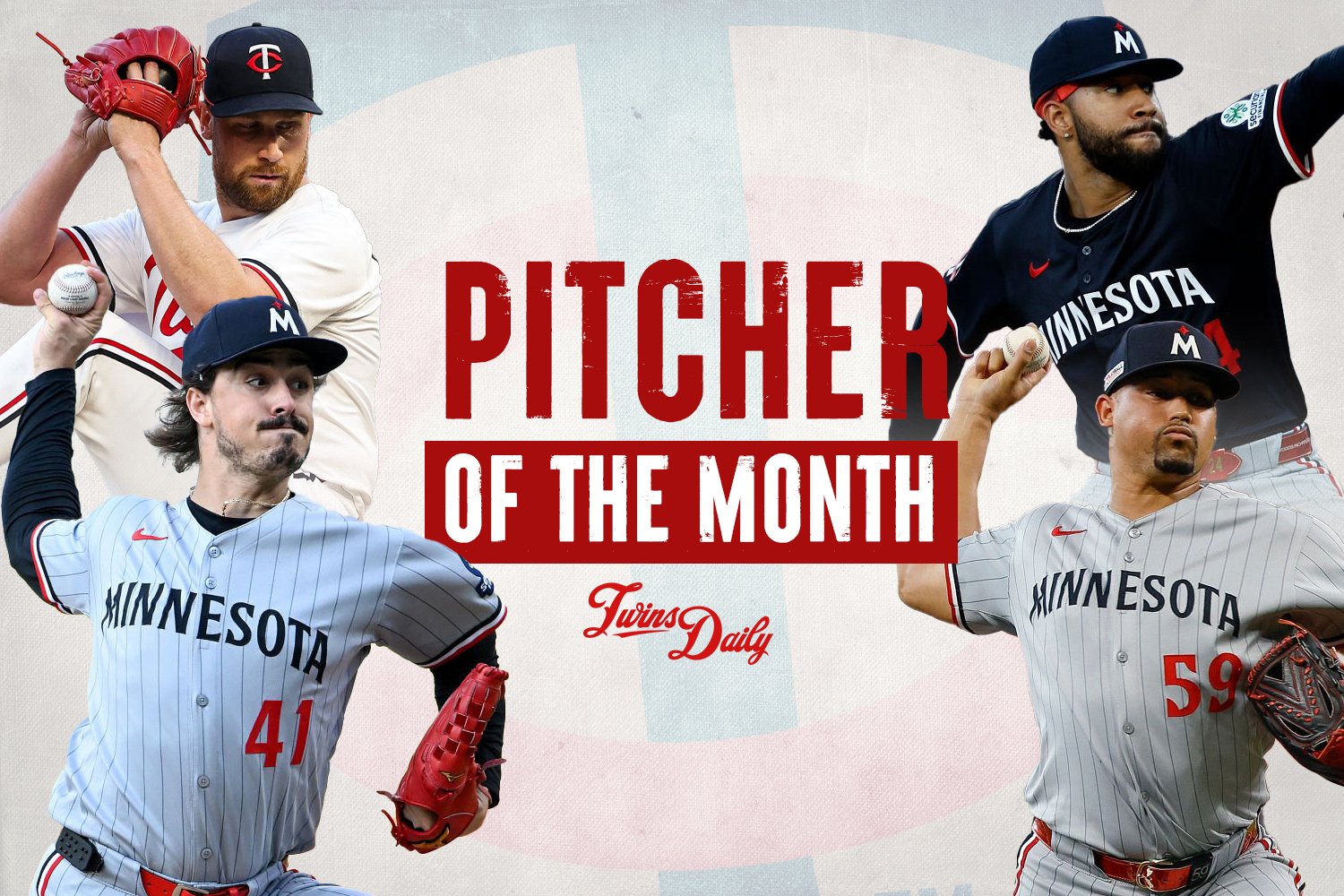 Thankfully, Minnesota’s pitching staff bounced back slightly in July after a brutal month of June. The club was more in the middle of the pack instead of ranking near the bottom of the league in multiple categories. Still, the results on the field were unchanged as the team came out flat after the All-Star Break and became sellers ahead of the MLB Trade Deadline. Here’s a look at the team’s top pitching performances for July, along with some surprises along the way. #4 Jhoan Duran 10 G, 3.00 ERA, 1.50 WHIP, 12 IP, 14 H, 4 BB, 11 K Duran was the team's first big trade of the deadline as he was dealt to Philadelphia for catching prospect Eduardo Tait and rookie pitcher Mick Abel. He is under team control for two additional seasons beyond 2025, and the Phillies hope he cures their bullpen woes. It wasn’t a clean month for Duran, but he finished fourth on the team in WPA. The Twins asked him to pitch multiple innings in two of his ten appearances for the month, perhaps in an attempt to showcase him for a potential trade. His numbers for the month looked even better before he allowed three earned runs over his last five frames with the Twins. Duran was electric with the Twins and provided a moment that won’t be soon forgotten in Twins Territory. #3 Simeon Woods Richardson 5 G, 3.22 ERA, 1.43 WHIP, 22 1/3 IP, 19 H, 13 BB, 17 K For the second consecutive season, the Twins have turned to Woods Richardson to fill a rotation spot when injuries struck the starting staff. Once again, he has answered the call. In July, he pitched into the fifth inning in four of his five starts, providing some needed stability. The Twins have managed his workload carefully, often avoiding the top of the opposing order a third time through. As a result, he threw fewer than 80 pitches in four of those outings. Still, he's approaching the 100-inning mark for the season, following a career-high 147 innings pitched in 2024. Minnesota will continue to monitor his usage down the stretch, and the remainder of the year could serve as an audition to determine whether he breaks camp in the 2026 starting rotation. #2 Brock Stewart 12 G, 1.80 ERA, 1.10 WHIP, 10 IP, 8 H, 3 BB, 7 K Stewart was traded to the Los Angeles Dodgers at the trade deadline for outfielder James Outman. He is under team control through 2027 via arbitration and is making barely over the league minimum. His final month with the Twins showed why other teams desired him. He finished with the lowest ERA on the team for the month and was second in WPA. Stewart earned five holds and only allowed two earned runs for the entire month. Health has always been the question mark with Stewart. Now he heads to one of baseball’s most successful organizations with a chance to impact their postseason hopes. #1 Joe Ryan – Twins Daily Pitcher of the Month 5 G, 2.70 ERA, 1.03 WHIP, 30 IP, 27 H, 4 BB, 33 K Realistically, this should likely be Ryan’s third straight month winning this honor. However, Varland had a nearly perfect June and took the top spot away from Ryan. He’s continuing his All-Star performance in the second half as he ranks in the AL’s top-10 in multiple categories, including rWAR, ERA, WHIP, H/9, BB/9, K/9, K/BB, Adjusted ERA+, FIP, and WPA. During June, he accumulated 11 walks across five starts, but he only allowed four total walks in July. In the All-Star Game, he pitched a perfect fourth inning on 10 pitches with two strikeouts. On July 20, Ryan earned his 10th victory of the season and struck out a season-high-tying 11 batters at Colorado. For the month, he pitched five innings or more in every appearance, including two starts (7/1, 7/20) where he went seven innings and allowed one earned run. His 0.8 fWAR was more than double any Twins pitcher for the month. He’s pitching like an ace, and it’s too bad the Twins are wasting the best season of his young career. Congrats to Ryan. How would your ballot look for the month? Leave a comment and start the discussion.
-
- 1
-
-
- simeon woods richardson
- joe ryan
- (and 2 more)
-
Image courtesy of Jesse Johnson-USA TODAY Sports Carlos Correa sat in a quiet room at Target Field and listened as Derek Falvey laid it out plainly. “The direction we are going,” Falvey told him (as reported by The Athletic), “is not the one you signed up for.” It was a pivotal moment, one that confirmed what Correa had likely suspected for weeks. The Minnesota Twins were no longer building around him. They were turning the page. Correa’s departure at the 2025 MLB trade deadline marks a seismic shift for the Twins, not just in roster construction but in franchise identity. The 30-year-old shortstop, once the crown jewel of Minnesota’s spending spree, was dealt back to Houston in a deal that signaled a full-scale teardown. And in a series of candid quotes, Correa pulled back the curtain on the conversation that ended his time in the Twin Cities. “When he told (me) that we were going to go into rebuild mode,” Correa said, “I said then I deserve to go somewhere where I have a chance to win and my kids can watch me go out there in the playoffs and perform. He agreed with me and he said out of respect for me he would get to work.” The mutual respect between Correa and Falvey has been well documented. They first connected in 2022, when Correa surprisingly signed with Minnesota after the lockout-delayed offseason. That partnership survived an opt-out and a flirtation with the Giants and Mets, culminating in a six-year, $200 million pact that appeared to solidify the relationship for the long haul. But while the shared goal was always to bring a title to Minnesota, that dream unraveled quickly over the last two seasons. A Shift in Direction The 2025 Twins opened the year with playoff expectations, buoyed by a veteran core and roster that was projected to finish near the top of the AL Central. Instead, they cratered. Poor health, inconsistent offense, and clubhouse tension left them buried in the AL Central standings by midsummer. Ownership’s ongoing negotiations to sell the team have only added to the murkiness. Though manager Rocco Baldelli’s 2026 option was picked up months ago, his job status now feels tenuous. The once-promising roster looked more and more like a team running in place. By the time Correa met with Falvey in late July, the Twins were six games under .500 and 12 games back in the division. The writing was on the wall. That included honoring Correa’s preference, something that had been lingering behind the scenes. “I’ve been asking the Twins to play third base for the last two years,” Correa admitted. “But it was not aligning because of how we were constructed. When Falvey told me the Astros wanted me for third base, I was like, that would be perfect.” Many of these quotes are frustrating for Twins fans to hear because they point to how the front office and the team’s highest-paid player were misaligned. He was supposed to be the player who changed the team’s fortunes. Instead, the Twins are paying the Astros $30 million to take his contract off the books. The Fallout In the hours following Correa’s closed-door meeting, the team fell apart on the field. A 13-1 drubbing at the hands of Boston turned chaotic. A confused sequence involving Willi Castro and visible frustration from setup man Griffin Jax told a bigger story than the box score could. Later that night, the team dealt closer Jhoan Duran to the Phillies. That was only the beginning. On deadline day, Falvey executed a dramatic overhaul. Ten players from the Twins’ 26-man roster were traded, including several bullpen arms and multiple starters. While the club held on to young talents like Joe Ryan, the deadline marked the most aggressive sell-off under the Falvey regime. The return? A collection of controllable arms, toolsy outfielders, and infield depth. Falvey’s message was consistent: this was about the long-term future. It echoed the message he gave Correa just days earlier. Correa’s return to Houston is as much about fit as it is about familiarity. He joins a contender in search of stability on the left side of the infield. The Astros plan to deploy him at third base, a position he has been quietly lobbying to play. After years of battling injuries and adjusting his game to support his lower body, the move to the hot corner could extend his career and help improve his performance. For the Twins, this is a turning point. With the front office operating under tighter financial constraints and a shifting organizational mandate, this summer’s moves reflect a broader shift in vision. The Correa years are officially in the rearview. And as painful as the departure is for fans, Falvey’s decision to handle it openly with transparency and respect provided a rare moment of clarity in a confusing season. Correa came to Minnesota to win. Unfortunately, those winning moments were few and far between. What do you make of Correa’s quotes as he exits the Twins? Leave a comment and start the discussion. View full article
-
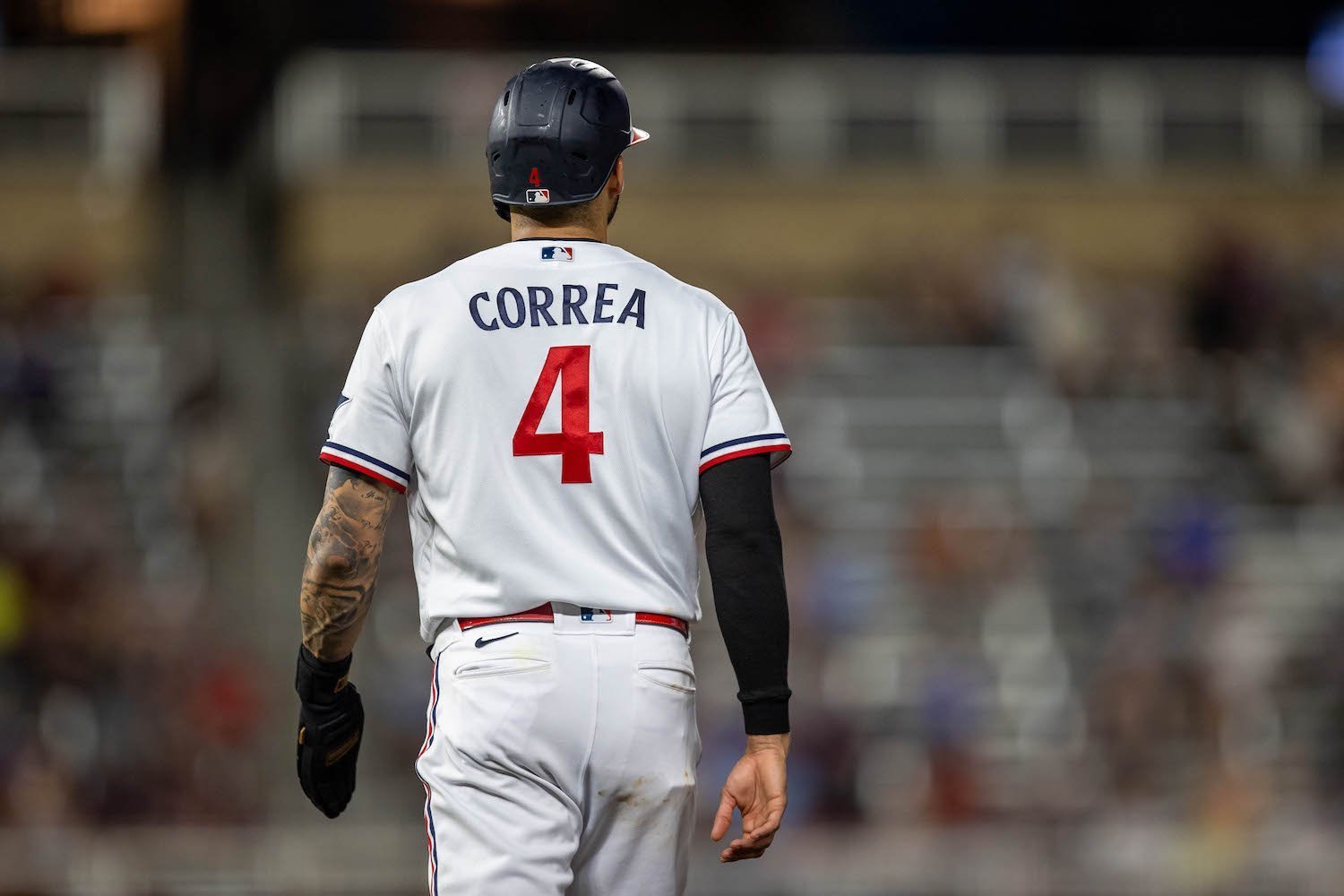 Carlos Correa sat in a quiet room at Target Field and listened as Derek Falvey laid it out plainly. “The direction we are going,” Falvey told him (as reported by The Athletic), “is not the one you signed up for.” It was a pivotal moment, one that confirmed what Correa had likely suspected for weeks. The Minnesota Twins were no longer building around him. They were turning the page. Correa’s departure at the 2025 MLB trade deadline marks a seismic shift for the Twins, not just in roster construction but in franchise identity. The 30-year-old shortstop, once the crown jewel of Minnesota’s spending spree, was dealt back to Houston in a deal that signaled a full-scale teardown. And in a series of candid quotes, Correa pulled back the curtain on the conversation that ended his time in the Twin Cities. “When he told (me) that we were going to go into rebuild mode,” Correa said, “I said then I deserve to go somewhere where I have a chance to win and my kids can watch me go out there in the playoffs and perform. He agreed with me and he said out of respect for me he would get to work.” The mutual respect between Correa and Falvey has been well documented. They first connected in 2022, when Correa surprisingly signed with Minnesota after the lockout-delayed offseason. That partnership survived an opt-out and a flirtation with the Giants and Mets, culminating in a six-year, $200 million pact that appeared to solidify the relationship for the long haul. But while the shared goal was always to bring a title to Minnesota, that dream unraveled quickly over the last two seasons. A Shift in Direction The 2025 Twins opened the year with playoff expectations, buoyed by a veteran core and roster that was projected to finish near the top of the AL Central. Instead, they cratered. Poor health, inconsistent offense, and clubhouse tension left them buried in the AL Central standings by midsummer. Ownership’s ongoing negotiations to sell the team have only added to the murkiness. Though manager Rocco Baldelli’s 2026 option was picked up months ago, his job status now feels tenuous. The once-promising roster looked more and more like a team running in place. By the time Correa met with Falvey in late July, the Twins were six games under .500 and 12 games back in the division. The writing was on the wall. That included honoring Correa’s preference, something that had been lingering behind the scenes. “I’ve been asking the Twins to play third base for the last two years,” Correa admitted. “But it was not aligning because of how we were constructed. When Falvey told me the Astros wanted me for third base, I was like, that would be perfect.” Many of these quotes are frustrating for Twins fans to hear because they point to how the front office and the team’s highest-paid player were misaligned. He was supposed to be the player who changed the team’s fortunes. Instead, the Twins are paying the Astros $30 million to take his contract off the books. The Fallout In the hours following Correa’s closed-door meeting, the team fell apart on the field. A 13-1 drubbing at the hands of Boston turned chaotic. A confused sequence involving Willi Castro and visible frustration from setup man Griffin Jax told a bigger story than the box score could. Later that night, the team dealt closer Jhoan Duran to the Phillies. That was only the beginning. On deadline day, Falvey executed a dramatic overhaul. Ten players from the Twins’ 26-man roster were traded, including several bullpen arms and multiple starters. While the club held on to young talents like Joe Ryan, the deadline marked the most aggressive sell-off under the Falvey regime. The return? A collection of controllable arms, toolsy outfielders, and infield depth. Falvey’s message was consistent: this was about the long-term future. It echoed the message he gave Correa just days earlier. Correa’s return to Houston is as much about fit as it is about familiarity. He joins a contender in search of stability on the left side of the infield. The Astros plan to deploy him at third base, a position he has been quietly lobbying to play. After years of battling injuries and adjusting his game to support his lower body, the move to the hot corner could extend his career and help improve his performance. For the Twins, this is a turning point. With the front office operating under tighter financial constraints and a shifting organizational mandate, this summer’s moves reflect a broader shift in vision. The Correa years are officially in the rearview. And as painful as the departure is for fans, Falvey’s decision to handle it openly with transparency and respect provided a rare moment of clarity in a confusing season. Correa came to Minnesota to win. Unfortunately, those winning moments were few and far between. What do you make of Correa’s quotes as he exits the Twins? Leave a comment and start the discussion.
 -
Carlos Correa Trade Rumors Put Minnesota Twins on a Slippery Slope
Cody Christie posted an article in Twins
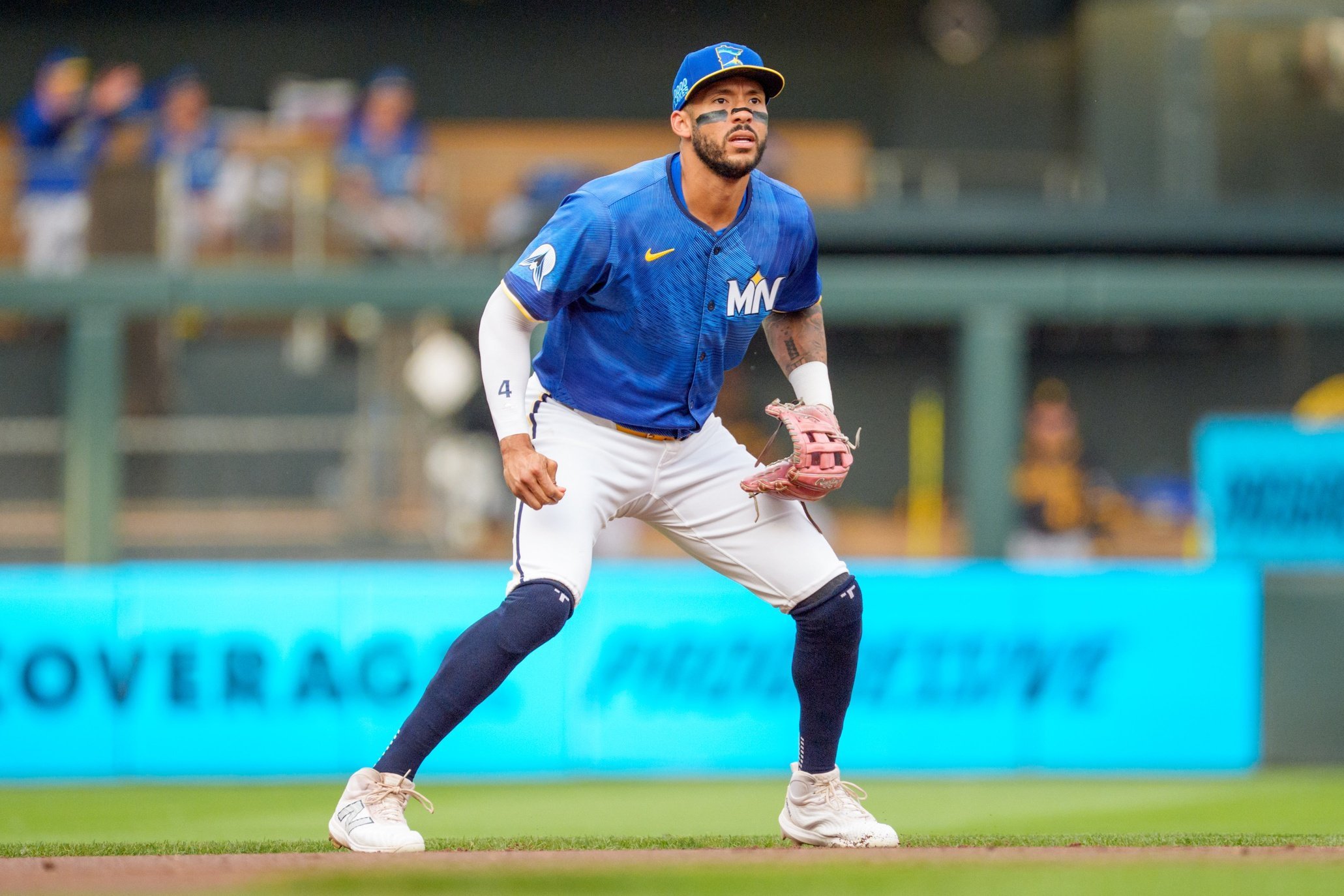 With hours until the trade deadline, rumors surrounding Carlos Correa’s potential return to Houston have picked up steam. Reports from multiple outlets confirmed that the Astros have reached out to the Twins to gauge interest in a deal. Correa reportedly would be willing to waive his no-trade clause to return to Houston, and the Twins believe that the Astros are perhaps the only club that could convince him to do so. The talks, according to The Athletic’s Dan Hayes and Chandler Rome, are not close to reaching a resolution, and consummating a deal is less likely now that Houston has acquired third baseman Ramón Urías. But even the existence of the conversation raises significant questions for a franchise already fighting battles on multiple fronts. The Twins are trying to maintain credibility with their fanbase; relevance in a disappointing season; and respect from star players around the league. Trading Correa now might undermine all three. Echoes of the Donaldson Deal It is impossible not to see the parallels between Correa’s situation and Josh Donaldson’s exit a few years ago. The Twins signed Donaldson to the largest free-agent deal in franchise history at the time, only to trade him away before the contract ran its course. They were able to offload the deal to the Yankees and use the money saved to help bring Correa in as the face of the next competitive window. But if Minnesota turns around and does the same thing again, it sends a message to future free agents: even if the Twins step up to sign a star, they might not be committed long-term. The front office can point to Donaldson's age or Correa’s drop in power, but the optics remain difficult. If the Twins move on from another marquee name before the contract fully vests, it could chill future negotiations with top-tier free agents. Minnesota already has trouble luring top names to the Twin Cities. Geography, market size, and weather are often cited as reasons players look elsewhere. Stability and reputation matter when a player considers long-term deals. If the Twins develop a reputation as a revolving door for high-priced veterans, it will only compound the issue. It would also subvert another reputation they take pride in having, as one of the most accommodating and friendly teams in the league for players' families. Great family organizations don't make a habit of shipping out players in the middle of long-term deals. Reading Between the Rumors Correa has not had a monster season, but he has shown signs of returning to form. After a slow start, he has hit .300 over his last 274 plate appearances. His power numbers are down, due in part to a career-high ground ball rate, but his bat remains productive and his glove remains solid. At 30 years old, Correa still holds value, even with the large contract attached. The Astros are reportedly serious in their pursuit. Injuries to Isaac Paredes and Jeremy Peña have left them with a need on the infield that Urías only partially satisfies, and Houston owner Jim Crane remains a fan of Correa’s, even years after his departure. Bringing him back would push the Astros over the luxury tax threshold, something Crane has resisted in the past, but sentiment and urgency might tip the balance. Correa has three years remaining after this season on his six-year, $200 million contract, with vesting team options that could make the deal longer and even more expensive. To make a trade work, the Twins would almost certainly need to eat a portion of the money owed. That reality puts added pressure on the front office to decide if the savings (and whatever prospects might come in return) are worth the reputational hit. The Bigger Picture For Minnesota, the Correa decision comes at a moment of organizational uncertainty. The club is under .500, with little hope of making a playoff push. The Pohlad family is exploring a sale, with no clear deadline in sight. A new owner might want payroll flexibility, or they might want star power. Either way, trading away the team’s highest-paid player before the halfway point of a six-year deal sets a clear tone, whether the team intends it or not. There is also the fan perspective to consider. Correa is one of the most recognizable players on the roster and has consistently praised the organization. Moving him while he is still a capable contributor could alienate a portion of the fanbase already frustrated with the team’s up-and-down results and budget-conscious decisions. Walking the Line The Twins are not wrong to consider every possibility at the deadline. This is a team that needs to be strategic, not sentimental. But there is a fine line between a smart baseball decision and one that damages the team’s standing with players and fans alike. If the Twins trade Correa, they had better be sure of the return. Because if it echoes the Donaldson move without the benefit of a corresponding leap forward, the long-term cost could stretch well beyond the numbers on a payroll sheet. Should the Twins consider trading Correa? What are the long-term ramifications of dumping his contract? Leave a comment and start the discussion.
 -
Image courtesy of Matt Blewett-Imagn Images With hours until the trade deadline, rumors surrounding Carlos Correa’s potential return to Houston have picked up steam. Reports from multiple outlets confirm that the Astros have reached out to the Twins to gauge interest in a deal. Correa reportedly would be willing to waive his no-trade clause to return to Houston, and the Twins believe that the Astros are perhaps the only club that could convince him to do so. The talks, according to The Athletic’s Dan Hayes and Chandler Rome, are not close to reaching a resolution. But even the existence of the conversation raises significant questions for a franchise already fighting battles on multiple fronts. The Twins are trying to maintain credibility with their fanbase, relevance in a disappointing season, and respect from star players around the league. Trading Correa now might undercut all three. Echoes of the Donaldson Deal It is impossible not to see the parallels between Correa’s situation and Josh Donaldson’s exit a few years ago. The Twins signed Donaldson to the largest free agent deal in franchise history at the time, only to trade him away before the contract ran its course. They were able to offload the deal to the Yankees and use the money saved to help bring Correa in as the face of the next competitive window. But if Minnesota turns around and does the same thing again, it sends a message to future free agents: even if the Twins step up to sign a star, they might not be committed long-term. The front office can point to Donaldson's age or Correa’s drop in power, but the optics remain difficult. If the Twins move on from another marquee name before the contract fully vests, it could chill future negotiations with top-tier free agents. Minnesota already has trouble luring top names to the Twin Cities. Geography, market size, and weather are often cited as reasons players look elsewhere. Stability and reputation matter when a player considers long-term deals. If the Twins develop a reputation as a revolving door for high-priced veterans, it will only compound the issue. Reading Between the Rumors Correa has not had a monster season, but he has shown signs of returning to form. After a slow start, he has hit .300 over his last 274 plate appearances. His power numbers are down, due in part to a career-high ground ball rate, but his bat remains productive and his glove remains solid. At 30 years old, Correa still holds value, even with the large contract attached. The Astros are reportedly serious in their pursuit. Injuries to Isaac Paredes and Jeremy Peña have left them with a need on the infield, and Houston owner Jim Crane remains a fan of Correa’s, even years after his departure. Bringing him back would push the Astros over the luxury tax threshold, something Crane has resisted in the past, but sentiment and urgency might tip the balance. Correa has four years remaining after this season on his six-year, $200 million contract, with vesting options that could make the deal longer and even more expensive. To make a trade work, the Twins would almost certainly need to eat a portion of the money owed. That reality puts added pressure on the front office to decide if the savings and whatever prospects might come in return are worth the reputational hit. The Bigger Picture For Minnesota, the Correa decision comes at a moment of organizational uncertainty. The club is under .500 with little hope of making a playoff push. The Pohlad family is exploring a sale with no clear deadline in sight. A new owner might want payroll flexibility, or they might want star power. Either way, trading away the team’s highest-paid player before year three of a six-year deal sets a clear tone, whether the team intends it or not. There is also the fan perspective to consider. Correa is one of the most recognizable players on the roster and has consistently praised the organization. Moving him while he is still a capable contributor could alienate a portion of the fanbase already frustrated with the team’s up-and-down results and budget-conscious decisions. Walking the Line The Twins are not wrong to consider every possibility at the deadline. This is a team that needs to be strategic, not sentimental. But there is a fine line between a smart baseball decision and one that damages the team’s standing with players and fans alike. If the Twins trade Correa, they had better be sure of the return. Because if it echoes the Donaldson move without the benefit of a corresponding leap forward, the long-term cost could stretch well beyond the numbers on a payroll sheet. Should the Twins consider trading Correa? What are the long-term ramifications of dumping his contract? Leave a comment and start the discussion. View full article
-
Byron Buxton Lands on IL as Caution Takes Priority for Minnesota Twins
Cody Christie posted an article in Twins
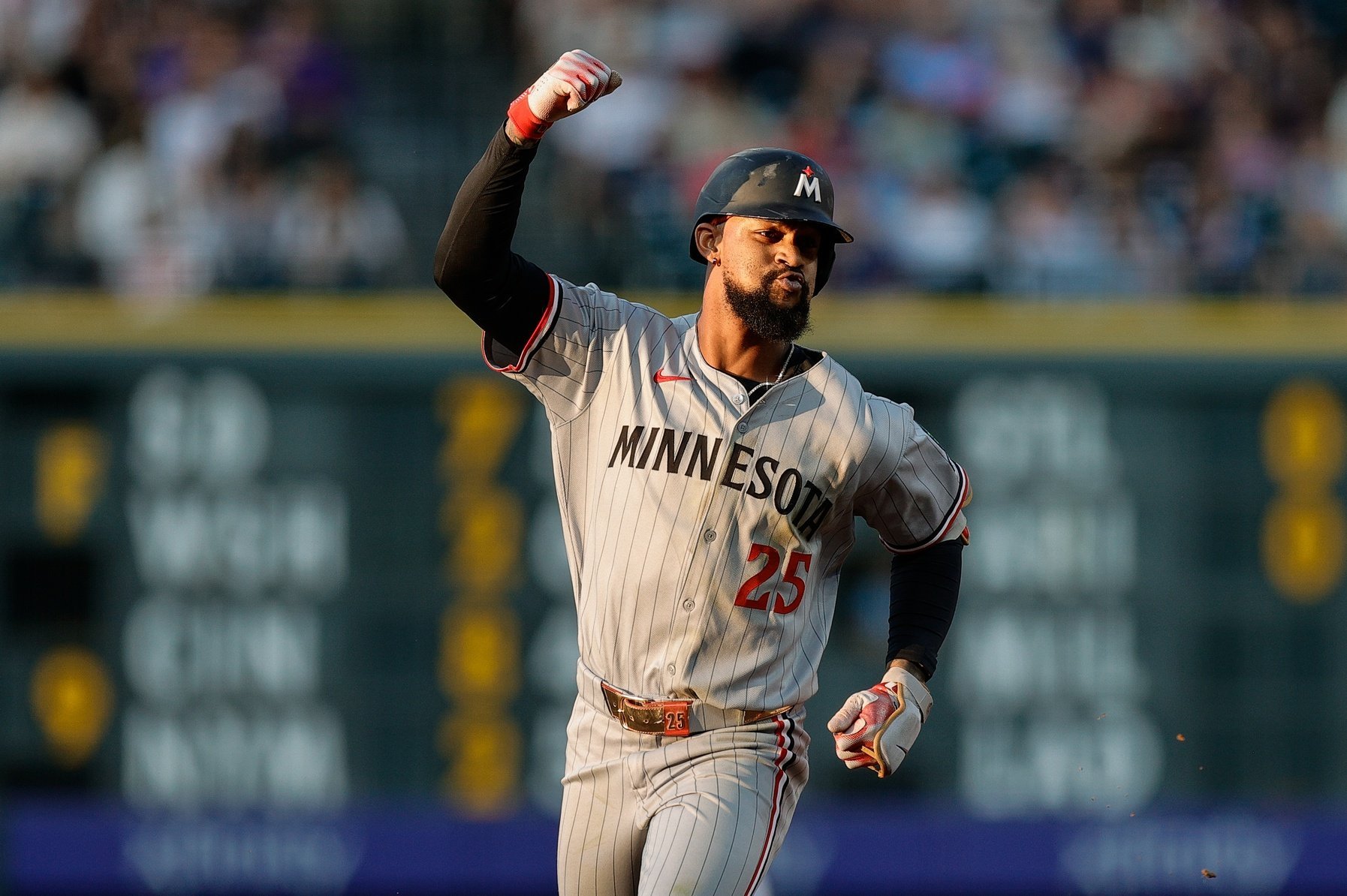 The Twins announced Tuesday that they’ve placed Byron Buxton on the 10-day injured list with left ribcage inflammation. While any injury to Buxton triggers a wave of anxiety in Twins Territory, this particular case appears to be more about precaution than cause for panic. Buxton left Saturday’s game with what the team initially called left side soreness. After undergoing imaging, he was diagnosed with rib cartilage irritation. Manager Rocco Baldelli referred to the MRI results as positive, and the Twins listed him as day-to-day. A few days later, they’ve decided it’s best to let him heal on the IL. He’ll be eligible to return next Wednesday, though the team has not committed to a firm timetable. And really, why rush it? This is a frustrating development, no doubt. Buxton has been in the middle of a spectacular campaign, finally playing like the superstar everyone knows he can be. He’s hitting .282/.343/.561 with 23 home runs and 17 stolen bases. His 3.9 WAR ranks him among the best in the American League. His defense in center field has again been excellent. He’s played with a spark and intensity that remind fans of why the Twins believed so strongly in him for so long. But the Twins are 50-57, and slipping further from contention by the day. Buxton's value this year is real, but his long-term availability is more critical. The decision to place him on the IL doesn’t feel like a setback, as much as a decision made with clarity. The goal for the Twins isn’t to squeeze a few extra August wins out of their best player. It’s to protect the best version of Buxton for 2026 and beyond. The injury is not believed to be serious. That’s the silver lining here. But this is still the second time this season that Buxton has landed on the IL, having previously missed two weeks with a concussion. And this is a familiar refrain. He’s only once topped 100 games in a season since 2017, and he hasn't reached 400 plate appearances since then. This year, he had a real shot to clear both hurdles. There’s still time for that to happen, assuming this rib issue doesn’t linger. In the meantime, the Twins have a capable fill-in (for now). Harrison Bader has done everything the Twins could’ve hoped for this season, hitting well and playing solid defense. He’s primarily worked in left field this year, but his Gold Glove pedigree in center makes him a natural replacement for Buxton. The catch is that Bader may not be around much longer. With the trade deadline looming and the Twins clearly leaning toward a light sell, Bader is one of the club’s more obvious candidates to move. Bader and utility man Willi Castro are likely to be gone after Thursday, so that the Twins may be left with DaShawn Keirsey Jr. in center field. The rookie’s offensive struggles have been evident, hitting just .120 with a .354 OPS. His speed makes him a serviceable defender, but there is a reason the Twins haven’t been giving him regular at-bats with Buxton and Bader on the roster. Still, this is the direction the season is going. The Twins know Buxton’s career is worth protecting. He has played like a franchise player in 2025, but the franchise’s focus is shifting. Resting Buxton might cost them a few games in the short term, but they’re games that likely won’t matter in the standings. What matters more is giving Buxton the best chance to stay healthy for the seasons that still hold meaningful possibilities. He’s been worth the wait before. They just need to make sure he’s there when it matters again. What has been the best Buxton moment so far this season? Can Keirsey handle the center field duties if Bader and Castro are traded? Leave a comment and start the discussion.
- 18 comments
-
- 5
-
-
- byron buxton
- harrison bader
- (and 2 more)
-
Image courtesy of © Isaiah J. Downing-Imagn Images The Twins announced Tuesday that they’ve placed Byron Buxton on the 10-day injured list with left ribcage inflammation. While any injury to Buxton triggers a wave of anxiety in Twins Territory, this particular case appears to be more about precaution than cause for panic. Buxton left Saturday’s game with what the team initially called left side soreness. After undergoing imaging, he was diagnosed with rib cartilage irritation. Manager Rocco Baldelli referred to the MRI results as positive, and the Twins listed him as day-to-day. A few days later, they’ve decided it’s best to let him heal on the IL. He’ll be eligible to return next Wednesday, though the team has not committed to a firm timetable. And really, why rush it? This is a frustrating development, no doubt. Buxton has been in the middle of a spectacular campaign, finally playing like the superstar everyone knows he can be. He’s hitting .282/.343/.561 with 23 home runs and 17 stolen bases. His 3.9 WAR ranks him among the best in the American League. His defense in center field has again been excellent. He’s played with a spark and intensity that remind fans of why the Twins believed so strongly in him for so long. But the Twins are 50-57, and slipping further from contention by the day. Buxton's value this year is real, but his long-term availability is more critical. The decision to place him on the IL doesn’t feel like a setback, as much as a decision made with clarity. The goal for the Twins isn’t to squeeze a few extra August wins out of their best player. It’s to protect the best version of Buxton for 2026 and beyond. The injury is not believed to be serious. That’s the silver lining here. But this is still the second time this season that Buxton has landed on the IL, having previously missed two weeks with a concussion. And this is a familiar refrain. He’s only once topped 100 games in a season since 2017, and he hasn't reached 400 plate appearances since then. This year, he had a real shot to clear both hurdles. There’s still time for that to happen, assuming this rib issue doesn’t linger. In the meantime, the Twins have a capable fill-in (for now). Harrison Bader has done everything the Twins could’ve hoped for this season, hitting well and playing solid defense. He’s primarily worked in left field this year, but his Gold Glove pedigree in center makes him a natural replacement for Buxton. The catch is that Bader may not be around much longer. With the trade deadline looming and the Twins clearly leaning toward a light sell, Bader is one of the club’s more obvious candidates to move. Bader and utility man Willi Castro are likely to be gone after Thursday, so that the Twins may be left with DaShawn Keirsey Jr. in center field. The rookie’s offensive struggles have been evident, hitting just .120 with a .354 OPS. His speed makes him a serviceable defender, but there is a reason the Twins haven’t been giving him regular at-bats with Buxton and Bader on the roster. Still, this is the direction the season is going. The Twins know Buxton’s career is worth protecting. He has played like a franchise player in 2025, but the franchise’s focus is shifting. Resting Buxton might cost them a few games in the short term, but they’re games that likely won’t matter in the standings. What matters more is giving Buxton the best chance to stay healthy for the seasons that still hold meaningful possibilities. He’s been worth the wait before. They just need to make sure he’s there when it matters again. What has been the best Buxton moment so far this season? Can Keirsey handle the center field duties if Bader and Castro are traded? Leave a comment and start the discussion. View full article
-
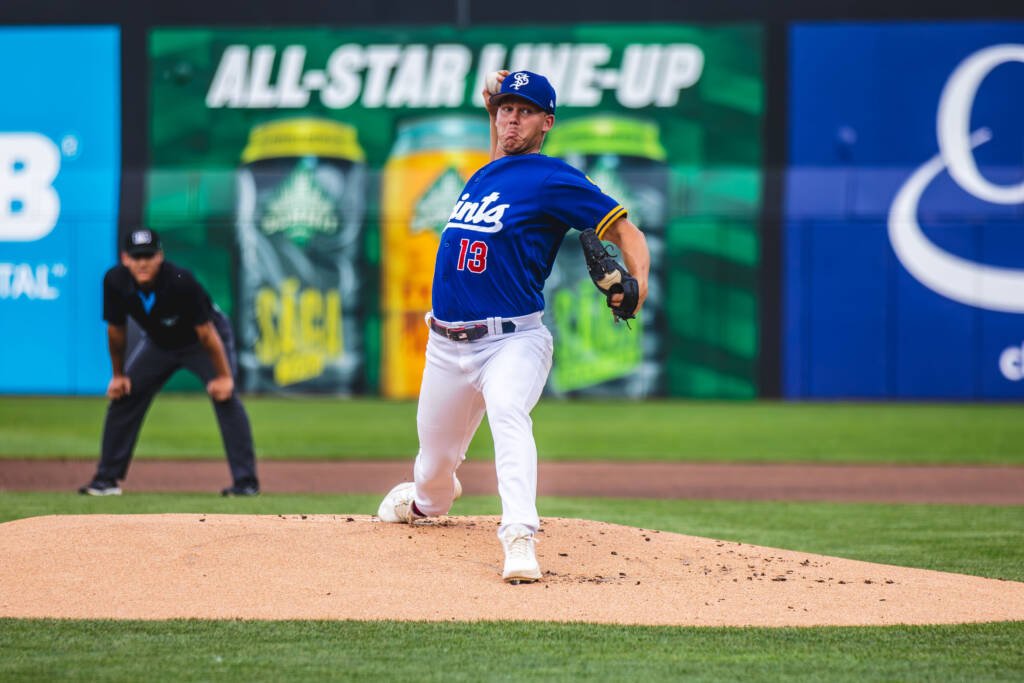 The Minnesota Twins made a notable move on Monday, trading Chris Paddack and Randy Dobnak to the Detroit Tigers. In doing so, they opened a spot in an already thin starting rotation that has been hit hard by injuries throughout the 2025 season. To fill that void, the club is turning to one of the organization’s most consistent arms from the minor leagues. According to multiple reports, the Twins are calling up right-hander Pierson Ohl from Triple-A St. Paul. He is expected to make his MLB debut on Tuesday at Target Field, against the Boston Red Sox. Given his usage this season, Ohl will likely work in a bulk role behind an opener, similar to how the team has used Travis Adams earlier this year. Twins manager Rocco Baldelli recently talked about how the team will use bullpen games over the season’s final two months. Precision Over Power Ohl, 25, may not be a household name, but he has quietly carved out a reputation for elite command throughout his minor-league career. Drafted in the 14th round out of Grand Canyon University in 2021, he has walked just 3.6% of batters in 389 professional innings. For comparison, the major-league average usually falls in the 8% range. While he has never been known for overwhelming stuff, Ohl has made meaningful strides this year. He has increased his strikeout rate from 21.6% across his first three seasons to a sharp 30% in 2025. That growth appears tied to adjustments in his arm slot and changeup grip, giving him an added dimension to pair with his pinpoint control. Climbing the Ladder Ohl’s journey through the system has been steady, and stayed mainly under the radar. After debuting in the Florida State League, he reached Double-A Wichita in 2023 and posted solid results, with a 2.69 ERA, a 21.8 K%, and a 3.8 BB%. However, a rough 2024 campaign (wherein he finished with a 4.68 ERA) threatened to stall his progress. His strikeout rate dipped to 16.3% and batters were hitting the ball harder against him, with a 7% increase in their line-drive rate. He made the adjustments described above following the season, and the results speak for themselves. Rather than plateau, Ohl responded in 2025 with his best season yet. He owns a 2.17 ERA across 66 1/3 innings spanning High-A, Double-A, and Triple-A. He has struck out 79 hitters and walked only 10 during that stretch. Though most of his work this season has come in multi-inning relief appearances, he has made five starts and maintained consistent effectiveness, regardless of role. The Twins have used him in a swingman role this season, with outings ranging from just under two innings to a high of four innings. The Twins have made a conscious pitching development plan with players like Ohl to get them more consistent work in shorter outings. That makes him a good fit for a hybrid spot start, which is likely how the Twins will deploy him on Tuesday. Ohl utilizes a six-pitch mix, but is highly reliant on a fastball-changeup combination. He uses his fastball 40% of the time (92.1 mph) and his changeup over 38% of the time (81.1 mph). His other offerings include a cutter (85.7 mph), slider (83.4 mph), curveball (77.8 mph), and sinker (92.4 mph). Depending on his role with the Twins, it seems likely for him to continue to lean on his fastball and changeup, especially in his big-league debut. Filling the Gaps Minnesota’s rotation is currently missing several key arms (including Pablo López and David Festa) who are expected to remain out for at least a couple more weeks. Bailey Ober is slated to return from the injured list on Wednesday, but even with his return, the team will need reinforcements to handle the upcoming innings load. With Ohl joining the staff and Adams optioned back to Triple-A, the team has clearly shifted to a more fluid pitching plan in the short term. Even as the front office explores more changes ahead of the trade deadline, opportunities like this allow the Twins to evaluate their internal depth. If Ohl can replicate his minor-league success, there’s a path for him to remain with the big-league club beyond just a spot start. Whether he becomes a multi-inning reliever or a more permanent fixture in the rotation, he will get his chance to prove he belongs. And if his 2025 numbers are any indication, he might just take full advantage of it. What stands out about Ohl’s minor-league resume? Leave a comment and start the discussion.
 -
Image courtesy of Rob Thompson, St. Paul Saints. The Minnesota Twins made a notable move on Monday, trading Chris Paddack and Randy Dobnak to the Detroit Tigers. In doing so, they opened a spot in an already thin starting rotation that has been hit hard by injuries throughout the 2025 season. To fill that void, the club is turning to one of the organization’s most consistent arms from the minor leagues. According to multiple reports, the Twins are calling up right-hander Pierson Ohl from Triple-A St. Paul. He is expected to make his MLB debut on Tuesday at Target Field, against the Boston Red Sox. Given his usage this season, Ohl will likely work in a bulk role behind an opener, similar to how the team has used Travis Adams earlier this year. Twins manager Rocco Baldelli recently talked about how the team will use bullpen games over the season’s final two months. Precision Over Power Ohl, 25, may not be a household name, but he has quietly carved out a reputation for elite command throughout his minor-league career. Drafted in the 14th round out of Grand Canyon University in 2021, he has walked just 3.6% of batters in 389 professional innings. For comparison, the major-league average usually falls in the 8% range. While he has never been known for overwhelming stuff, Ohl has made meaningful strides this year. He has increased his strikeout rate from 21.6% across his first three seasons to a sharp 30% in 2025. That growth appears tied to adjustments in his arm slot and changeup grip, giving him an added dimension to pair with his pinpoint control. Climbing the Ladder Ohl’s journey through the system has been steady, and stayed mainly under the radar. After debuting in the Florida State League, he reached Double-A Wichita in 2023 and posted solid results, with a 2.69 ERA, a 21.8 K%, and a 3.8 BB%. However, a rough 2024 campaign (wherein he finished with a 4.68 ERA) threatened to stall his progress. His strikeout rate dipped to 16.3% and batters were hitting the ball harder against him, with a 7% increase in their line-drive rate. He made the adjustments described above following the season, and the results speak for themselves. Rather than plateau, Ohl responded in 2025 with his best season yet. He owns a 2.17 ERA across 66 1/3 innings spanning High-A, Double-A, and Triple-A. He has struck out 79 hitters and walked only 10 during that stretch. Though most of his work this season has come in multi-inning relief appearances, he has made five starts and maintained consistent effectiveness, regardless of role. The Twins have used him in a swingman role this season, with outings ranging from just under two innings to a high of four innings. The Twins have made a conscious pitching development plan with players like Ohl to get them more consistent work in shorter outings. That makes him a good fit for a hybrid spot start, which is likely how the Twins will deploy him on Tuesday. Ohl utilizes a six-pitch mix, but is highly reliant on a fastball-changeup combination. He uses his fastball 40% of the time (92.1 mph) and his changeup over 38% of the time (81.1 mph). His other offerings include a cutter (85.7 mph), slider (83.4 mph), curveball (77.8 mph), and sinker (92.4 mph). Depending on his role with the Twins, it seems likely for him to continue to lean on his fastball and changeup, especially in his big-league debut. Filling the Gaps Minnesota’s rotation is currently missing several key arms (including Pablo López and David Festa) who are expected to remain out for at least a couple more weeks. Bailey Ober is slated to return from the injured list on Wednesday, but even with his return, the team will need reinforcements to handle the upcoming innings load. With Ohl joining the staff and Adams optioned back to Triple-A, the team has clearly shifted to a more fluid pitching plan in the short term. Even as the front office explores more changes ahead of the trade deadline, opportunities like this allow the Twins to evaluate their internal depth. If Ohl can replicate his minor-league success, there’s a path for him to remain with the big-league club beyond just a spot start. Whether he becomes a multi-inning reliever or a more permanent fixture in the rotation, he will get his chance to prove he belongs. And if his 2025 numbers are any indication, he might just take full advantage of it. What stands out about Ohl’s minor-league resume? Leave a comment and start the discussion. View full article
-
Mixing and Matching: Why the Twins Are Embracing Bullpen Games in 2025
Cody Christie posted an article in Twins
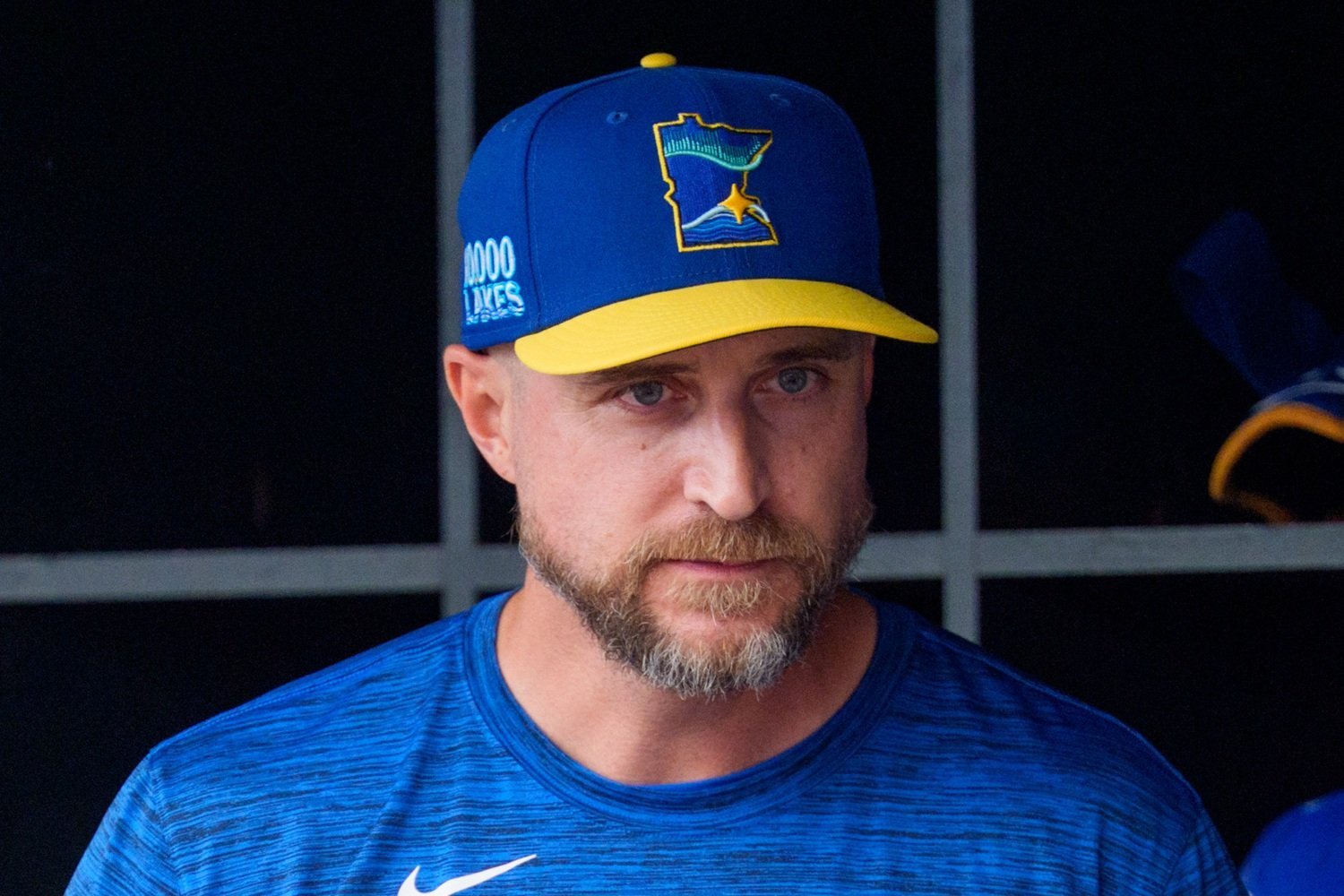 As the dog days of summer give way to the season’s final months, the Twins are playing with a pitching staff that looks a little unconventional. Between innings limits for young arms like Zebby Matthews and Simeon Woods Richardson, the trade of Chris Paddack Monday, and a developmental pipeline filled with multi-inning relievers, the Twins are increasingly turning to “bullpen days” to navigate the schedule. “We’re in a good spot, and we’ve done this multiple times before,” Twins manager Rocco Baldelli said. “We've been able to play and pitch some good ballgames using a bullpen sort of day. They all look different.” Why Bullpen Games Work The Twins are hardly the first team to try this strategy, but they’ve taken a more deliberate and tactical approach this season. Cole Sands, a former starter, has become the opener of choice in these matchups, and his success stems from a diverse arsenal that plays well against any spot in the lineup. “Cole [Sands] I think is pretty comfortable starting these games,” Baldelli said. “He has a good pitch mix to pitch to both right- and left-handed hitters… I think he’s a good fit to do this every so often when we run a bullpen day.” Behind Sands, players like Travis Adams are helping to shoulder the innings. Adams, a converted starter with a deep pitch mix, has emerged as a key “bulk guy” who can bridge the middle innings without needing to be stretched into a traditional starter’s workload. “He’s handled it all well,” Baldelli said of Adams. “He’s got a mix of pitches that he can use to attack hitters in different ways. But I think he’s done a good job with what we’ve asked him to do… Everything we’ve thrown his way, it’s been pretty smooth. And that’s all you can ask for from a young guy.” One of the significant advantages of a bullpen day is matchup manipulation. When done right, it can prevent opposing lineups from getting a second or third look at any one pitcher, while also giving the Twins the chance to neutralize platoon-heavy hitters through the game. For some managers, the unpredictability could create a headache. But for Baldelli, it’s a feature. “Honestly, I enjoy these games. Maybe not every guy enjoys these games, but I do.” Yes, he really said that. When asked about his apparent comfort with bullpen days, he responded with an explanation only a manager steeped in game theory could provide. “We play a lot of baseball games, and when you get to do something that’s a little bit different, or somewhat interesting—that makes you think a little bit in a new way—it’s just, I enjoy that every once in a while,” he said. “When you see things that maybe you haven’t quite seen before—and every time you run a bullpen day, you’re gonna see some kind of situation in that game that is something you probably haven’t seen in 99.8% of the games that you’ve ever been a part of—you’re just gonna run into something new.” It’s more than just the challenge during the game. The planning starts the night before, with Baldelli and the staff game-planning different scenarios. “It’s definitely different, and it starts yesterday. It doesn’t start during the game, it starts last night. We decide who’s gonna begin the game; we have to decide that first. And then you go from there. Then you have to wait and see what their lineup’s gonna look like." That was what the Twins did Sunday, and after they dealt away Tuesday's projected starter, they'll do it again Tuesday. It'll be a matter of feeling their way through the game, one decision point at a time. “So you kind of walk through those scenarios, knowing that even the ones you plan for may not be the ones that play out,” he said. “So you’re prepared for a lot of different things to come. You talk through as much of it as you can, without getting too far. You plan for what you can plan for; that’s pretty much it.” The real-time decision-making on bullpen days is significantly more involved. It’s a chess match from pitch one. “Even when the game starts, there’s a lot more talking going on, relating to the pitching,” Baldelli noted. A Developmental Edge Minnesota's front office and player development staff haven’t just stumbled into this model; they’ve been building toward it. As I wrote about earlier this season, the organization has been developing more pitchers in the minors who are comfortable working multiple innings in relief. Rather than limiting pitchers to single-inning bursts or traditional five-inning starts, prospects like John Klein, Mike Paredes, and Pierson Ohl have all been utilized in ways that mirror major-league bullpen days. That kind of minor-league structure directly feeds into the big-league flexibility the Twins are currently using. “The minor leagues are ultimately a testing ground for these things,” Director of Player Development Drew MacPhail said. “With a select number of pitchers that were maybe on the outside looking in of a starting rotation spot but we felt like had a lot of talent and potential, we sort of brought them this idea of almost being like a quasi-starter/long reliever and pitching every day on a four-day cadence—not going through the order multiple times, but pitching three to four innings.” Having pitchers like Adams and Sands able to step in and pitch two or three innings at a time gives the team options and keeps the rotation fresh for longer series. What Comes Next Bullpen games may become more common over the final stretch. Baldelli has been clear that this isn’t a permanent change. He said it's “not something that I aspire to do, run them constantly,” but it’s a card he’s willing to play. As young pitchers approach innings caps and the staff continues to juggle injuries, these unconventional games might be the best way for the Twins to bridge the gap from the trade deadline to the season’s final game. And if you ask Baldelli, the chaos is part of the charm. “These games keep us on our toes,” he said. “They keep our bullpen on their toes. But I think we’re fully equipped and ready to win a game in this manner.” Should the Twins be doing more bullpen games? Will this type of strategy be successful over a 162-game season? Leave a comment and start the discussion.
- 17 comments
-
- 2
-
-
- travis adams
- rocco baldelli
- (and 1 more)
-
Image courtesy of © Matt Blewett-Imagn Images As the dog days of summer give way to the season’s final months, the Twins are playing with a pitching staff that looks a little unconventional. Between innings limits for young arms like Zebby Matthews and Simeon Woods Richardson, the trade of Chris Paddack Monday, and a developmental pipeline filled with multi-inning relievers, the Twins are increasingly turning to “bullpen days” to navigate the schedule. “We’re in a good spot, and we’ve done this multiple times before,” Twins manager Rocco Baldelli said. “We've been able to play and pitch some good ballgames using a bullpen sort of day. They all look different.” Why Bullpen Games Work The Twins are hardly the first team to try this strategy, but they’ve taken a more deliberate and tactical approach this season. Cole Sands, a former starter, has become the opener of choice in these matchups, and his success stems from a diverse arsenal that plays well against any spot in the lineup. “Cole [Sands] I think is pretty comfortable starting these games,” Baldelli said. “He has a good pitch mix to pitch to both right- and left-handed hitters… I think he’s a good fit to do this every so often when we run a bullpen day.” Behind Sands, players like Travis Adams are helping to shoulder the innings. Adams, a converted starter with a deep pitch mix, has emerged as a key “bulk guy” who can bridge the middle innings without needing to be stretched into a traditional starter’s workload. “He’s handled it all well,” Baldelli said of Adams. “He’s got a mix of pitches that he can use to attack hitters in different ways. But I think he’s done a good job with what we’ve asked him to do… Everything we’ve thrown his way, it’s been pretty smooth. And that’s all you can ask for from a young guy.” One of the significant advantages of a bullpen day is matchup manipulation. When done right, it can prevent opposing lineups from getting a second or third look at any one pitcher, while also giving the Twins the chance to neutralize platoon-heavy hitters through the game. For some managers, the unpredictability could create a headache. But for Baldelli, it’s a feature. “Honestly, I enjoy these games. Maybe not every guy enjoys these games, but I do.” Yes, he really said that. When asked about his apparent comfort with bullpen days, he responded with an explanation only a manager steeped in game theory could provide. “We play a lot of baseball games, and when you get to do something that’s a little bit different, or somewhat interesting—that makes you think a little bit in a new way—it’s just, I enjoy that every once in a while,” he said. “When you see things that maybe you haven’t quite seen before—and every time you run a bullpen day, you’re gonna see some kind of situation in that game that is something you probably haven’t seen in 99.8% of the games that you’ve ever been a part of—you’re just gonna run into something new.” It’s more than just the challenge during the game. The planning starts the night before, with Baldelli and the staff game-planning different scenarios. “It’s definitely different, and it starts yesterday. It doesn’t start during the game, it starts last night. We decide who’s gonna begin the game; we have to decide that first. And then you go from there. Then you have to wait and see what their lineup’s gonna look like." That was what the Twins did Sunday, and after they dealt away Tuesday's projected starter, they'll do it again Tuesday. It'll be a matter of feeling their way through the game, one decision point at a time. “So you kind of walk through those scenarios, knowing that even the ones you plan for may not be the ones that play out,” he said. “So you’re prepared for a lot of different things to come. You talk through as much of it as you can, without getting too far. You plan for what you can plan for; that’s pretty much it.” The real-time decision-making on bullpen days is significantly more involved. It’s a chess match from pitch one. “Even when the game starts, there’s a lot more talking going on, relating to the pitching,” Baldelli noted. A Developmental Edge Minnesota's front office and player development staff haven’t just stumbled into this model; they’ve been building toward it. As I wrote about earlier this season, the organization has been developing more pitchers in the minors who are comfortable working multiple innings in relief. Rather than limiting pitchers to single-inning bursts or traditional five-inning starts, prospects like John Klein, Mike Paredes, and Pierson Ohl have all been utilized in ways that mirror major-league bullpen days. That kind of minor-league structure directly feeds into the big-league flexibility the Twins are currently using. “The minor leagues are ultimately a testing ground for these things,” Director of Player Development Drew MacPhail said. “With a select number of pitchers that were maybe on the outside looking in of a starting rotation spot but we felt like had a lot of talent and potential, we sort of brought them this idea of almost being like a quasi-starter/long reliever and pitching every day on a four-day cadence—not going through the order multiple times, but pitching three to four innings.” Having pitchers like Adams and Sands able to step in and pitch two or three innings at a time gives the team options and keeps the rotation fresh for longer series. What Comes Next Bullpen games may become more common over the final stretch. Baldelli has been clear that this isn’t a permanent change. He said it's “not something that I aspire to do, run them constantly,” but it’s a card he’s willing to play. As young pitchers approach innings caps and the staff continues to juggle injuries, these unconventional games might be the best way for the Twins to bridge the gap from the trade deadline to the season’s final game. And if you ask Baldelli, the chaos is part of the charm. “These games keep us on our toes,” he said. “They keep our bullpen on their toes. But I think we’re fully equipped and ready to win a game in this manner.” Should the Twins be doing more bullpen games? Will this type of strategy be successful over a 162-game season? Leave a comment and start the discussion. View full article
-
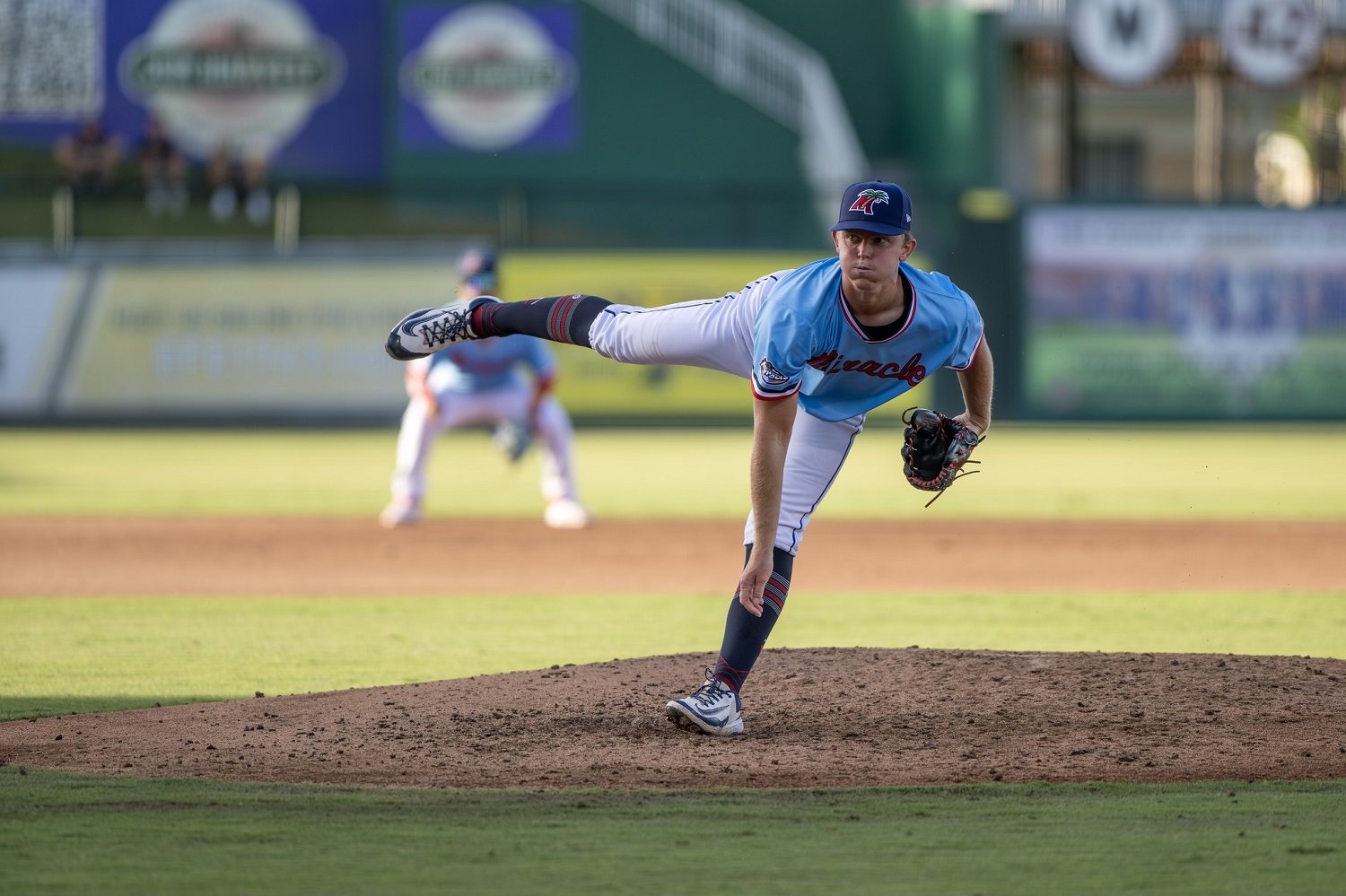 Minnesota’s pitching development has long been under the microscope, but there’s a growing group of arms throughout the system starting to command attention. In Fort Myers, Cedar Rapids, and Wichita, a trio of pitchers is starting to string together dominant outings and push their way into organizational relevance. Michael Ross, Alejandro Hidalgo, and Connor Prielipp each turned heads this past week, showing why they belong on the radar as potential contributors down the line. RHP Michael Ross, Fort Myers Mighty Mussels The Twins drafted Michael Ross in the 18th round of the 2024 MLB Draft out of Samford University in Alabama, betting on his feel for pitching and ability to generate soft contact. After signing last season, the Twins held off his pro debut until the 2025 campaign. In his first full professional season, Ross has worked to refine his command while adjusting to the rigors of the Florida State League. He’s continued to pound the strike zone and limit walks but has been searching for consistency in deeper outings. Hitting the Hot Button: That consistency may have finally arrived. Ross dominated Lakeland in his most recent start and flirted with perfection into the sixth inning. He retired the first 15 batters he faced, including four strikeouts, before a leadoff walk and an infield single ended the perfect outing. Ross calmly responded by retiring the next three batters to complete six shutout innings. It was the first quality start of the season for any Fort Myers pitcher. It was a statement outing from a pitcher who’s been building momentum and now appears poised for a strong second half. Since May 31, he has a 2.75 ERA with a 38-to-14 strikeout-to-walk ratio in 39 1/3 innings. On Monday, Ross was named the Florida State League Pitcher of the Week. RHP Alejandro Hidalgo, Cedar Rapids Kernels Hidalgo’s path to the Twins began with the Gio Urshela trade in November 2022, when Minnesota acquired him from the Angels as a promising young arm. That promise was put on hold when he missed the entire 2024 season due to a shoulder injury, but the Twins have remained patient with the now 22-year-old right-hander. Entering 2025, he was still shaking off the rust, but a strong stretch in the middle of the year reminded fans and evaluators why the Twins were intrigued in the first place. Hitting the Hot Button: This past week, Hidalgo turned in a strong bounce-back performance. Pitching for Cedar Rapids, he threw 4 2/3 scoreless innings with five strikeouts and kept batters off balance throughout. While he didn’t finish the fifth inning, it was a return to form after a couple of tough appearances. From May 25 to June 6, he rattled off a strong seven-game stretch, posting a 3.16 ERA across 25 2/3 innings with 30 strikeouts, while holding hitters to a .187 average. The upside is still very real. Hidalgo is slowly regaining the confidence and control that made him a breakout candidate before the injury. LHP Connor Prielipp, Wichita Wind Surge The Twins selected Prielipp in the second round of the 2022 MLB Draft, knowing he was coming off Tommy John surgery and might take time to return to full strength. Once viewed as a potential Top 10 pick before the injury, he carried one of the highest ceilings in the entire class. It’s taken time, and 2024 was a limited campaign as the team brought him along cautiously. However, by 2025, Prielipp is starting to resemble the prospect many expected him to become. Hitting the Hot Button: Pitching at Double-A, Prielipp broke through the four-inning threshold for the second time this season over the weekend and delivered a sparkling line: 4 1/3 scoreless innings, five strikeouts, three hits, and just one walk. The lefty has now posted a 1.20 ERA over his last four outings (15 IP), striking out 17 and walking just five while holding opponents to a measly .602 OPS. His command has tightened, and his slider has been particularly devastating against both righties and lefties. Already viewed as the top pitching prospect in the Twins’ system, Prielipp is inching closer to a promotion to Triple-A and looks like a lock to land on national Top 100 lists heading into 2026. The Twins' farm system continues to see its most intriguing growth on the mound. Ross is showing polish in Low-A, Hidalgo is flashing pre-injury form in Cedar Rapids, and Prielipp is pitching like a future playoff-caliber starter. All three are trending upward, giving the organization options, whether as future rotation pieces or potential trade chips as the deadline approaches. There’s a long road from A-ball to Target Field, but outings like these are the foundation for something much bigger. Keep these names on your radar. The Twins certainly are. Which performance stands out the most? Will Prielipp get promoted to Triple-A in the second half? Leave a comment and start the discussion.
- 19 comments
-
- 8
-
-

-

-
- connor prielipp
- michael ross
- (and 1 more)
-
Image courtesy of William Parmeter (Photo of Michael Ross) Minnesota’s pitching development has long been under the microscope, but there’s a growing group of arms throughout the system starting to command attention. In Fort Myers, Cedar Rapids, and Wichita, a trio of pitchers is starting to string together dominant outings and push their way into organizational relevance. Michael Ross, Alejandro Hidalgo, and Connor Prielipp each turned heads this past week, showing why they belong on the radar as potential contributors down the line. RHP Michael Ross, Fort Myers Mighty Mussels The Twins drafted Michael Ross in the 18th round of the 2024 MLB Draft out of Samford University in Alabama, betting on his feel for pitching and ability to generate soft contact. After signing last season, the Twins held off his pro debut until the 2025 campaign. In his first full professional season, Ross has worked to refine his command while adjusting to the rigors of the Florida State League. He’s continued to pound the strike zone and limit walks but has been searching for consistency in deeper outings. Hitting the Hot Button: That consistency may have finally arrived. Ross dominated Lakeland in his most recent start and flirted with perfection into the sixth inning. He retired the first 15 batters he faced, including four strikeouts, before a leadoff walk and an infield single ended the perfect outing. Ross calmly responded by retiring the next three batters to complete six shutout innings. It was the first quality start of the season for any Fort Myers pitcher. It was a statement outing from a pitcher who’s been building momentum and now appears poised for a strong second half. Since May 31, he has a 2.75 ERA with a 38-to-14 strikeout-to-walk ratio in 39 1/3 innings. On Monday, Ross was named the Florida State League Pitcher of the Week. RHP Alejandro Hidalgo, Cedar Rapids Kernels Hidalgo’s path to the Twins began with the Gio Urshela trade in November 2022, when Minnesota acquired him from the Angels as a promising young arm. That promise was put on hold when he missed the entire 2024 season due to a shoulder injury, but the Twins have remained patient with the now 22-year-old right-hander. Entering 2025, he was still shaking off the rust, but a strong stretch in the middle of the year reminded fans and evaluators why the Twins were intrigued in the first place. Hitting the Hot Button: This past week, Hidalgo turned in a strong bounce-back performance. Pitching for Cedar Rapids, he threw 4 2/3 scoreless innings with five strikeouts and kept batters off balance throughout. While he didn’t finish the fifth inning, it was a return to form after a couple of tough appearances. From May 25 to June 6, he rattled off a strong seven-game stretch, posting a 3.16 ERA across 25 2/3 innings with 30 strikeouts, while holding hitters to a .187 average. The upside is still very real. Hidalgo is slowly regaining the confidence and control that made him a breakout candidate before the injury. LHP Connor Prielipp, Wichita Wind Surge The Twins selected Prielipp in the second round of the 2022 MLB Draft, knowing he was coming off Tommy John surgery and might take time to return to full strength. Once viewed as a potential Top 10 pick before the injury, he carried one of the highest ceilings in the entire class. It’s taken time, and 2024 was a limited campaign as the team brought him along cautiously. However, by 2025, Prielipp is starting to resemble the prospect many expected him to become. Hitting the Hot Button: Pitching at Double-A, Prielipp broke through the four-inning threshold for the second time this season over the weekend and delivered a sparkling line: 4 1/3 scoreless innings, five strikeouts, three hits, and just one walk. The lefty has now posted a 1.20 ERA over his last four outings (15 IP), striking out 17 and walking just five while holding opponents to a measly .602 OPS. His command has tightened, and his slider has been particularly devastating against both righties and lefties. Already viewed as the top pitching prospect in the Twins’ system, Prielipp is inching closer to a promotion to Triple-A and looks like a lock to land on national Top 100 lists heading into 2026. The Twins' farm system continues to see its most intriguing growth on the mound. Ross is showing polish in Low-A, Hidalgo is flashing pre-injury form in Cedar Rapids, and Prielipp is pitching like a future playoff-caliber starter. All three are trending upward, giving the organization options, whether as future rotation pieces or potential trade chips as the deadline approaches. There’s a long road from A-ball to Target Field, but outings like these are the foundation for something much bigger. Keep these names on your radar. The Twins certainly are. Which performance stands out the most? Will Prielipp get promoted to Triple-A in the second half? Leave a comment and start the discussion. View full article
- 19 replies
-
- 1
-
-
- connor prielipp
- michael ross
- (and 1 more)
-
Image courtesy of © Dennis Lee-Imagn Images With only days until the MLB trade deadline, the Minnesota Twins are stuck in the uncomfortable middle ground. They’re not a bottom-feeder club with an obvious path toward a complete rebuild, but they also haven’t lived up to preseason expectations. That makes them one of several fringe teams likely to lean toward a “light sell” by dealing away expiring contracts while hanging onto their core pieces. While that approach may seem sensible at first glance, it comes with real consequences. And in the Twins’ case, there are both compelling risks and potential benefits to a more conservative strategy. The Downside: Selling Light Means Holding Risk The most obvious downside of a “light sell” is that Minnesota's most valuable assets aren't the rentals that would be traded away. They’re the arms with multiple years of control. Jhoan Duran, Griffin Jax, and Joe Ryan are all under team control through at least 2027, and each would command significant value on the trade market. The Athletic recently updated its MLB trade deadline Big Board, and all three pitchers were ranked in the top 10, with Ryan at the top. But by keeping them past the deadline, the Twins are risking injury, which is something that feels inevitable when it comes to pitchers. Duran dealt with injury issues in the minors, and Ryan has missed time in each of the last two seasons. One awkward landing or one sore shoulder can tank a player’s value, turning what could’ve been a franchise-altering return into an extended rehab schedule. There’s also the simple math of diminishing value. Every week the team holds onto Duran, Jax, and Ryan in a non-contending season is a week of production they can’t recoup. Minnesota has already used four months of team control on a sub-.500 product. Using up August and September with nothing to show for it only magnifies that inefficiency. And when it comes to relievers, this is the time to strike. Every year, contenders overpay for bullpen help at the deadline. In July, high-leverage relievers like Duran and Jax become unicorns. Teams dreaming of October pay steep prices for even the illusion of reliability in the late innings. Waiting for the offseason means stepping into a more crowded market, and often it is one that’s less emotional and more patient. The Upside: Bet on the Offseason or the Bounce-Back That said, it’s easy to see why the front office may be hesitant to pull the trigger on bigger moves. The trade market for players with multiple years of control often gets more competitive in the winter, when the pool of buyers increases and clubs have more financial flexibility. By holding onto Ryan, Duran, and Jax now, the Twins can wait to see if the market grows and perhaps catch a team willing to pay more in the right setting. There’s also the 2026 window. The Twins won’t enter a complete rebuild this winter. They have too much talent on the roster and too many veterans signed through next year to pivot into a teardown. Keeping the pitching core in place would allow the team to regroup this offseason and re-enter the AL Central conversation in the spring, a division that has shown time and again that 85 wins can be enough to compete. And truthfully, it’s hard to get fair value in trades for controlled arms. There’s a reason why frontline starters and dominant relievers rarely get moved with multiple years left. Teams simply don’t want to pay what it takes. If the Twins feel the market won’t reflect the internal value they assign to Ryan, Duran, or Jax, it makes sense to hold. Plus, there's always the wild card factor (literally and figuratively). As uninspiring as the 2025 season has been, it’s not mathematically over. Last year’s Tigers club looked like deadline sellers before they got hot in August and clawed their way into the postseason. That team not only made the playoffs but also won a series. If the Twins want any chance of repeating that script, it’ll require big performances from their best arms. Walking the Tightrope At the end of the day, a “light sell” leaves the Twins walking a fine line. It may be the most palatable option for a front office trying to navigate the delicate balance between the present and the future. There is also the looming sale of the team hanging over every decision made by Derek Falvey and company. But the risk is clear: holding onto valuable assets in a lost season is a dangerous game, especially when those assets are pitchers. Still, the Twins’ best path back to relevance may lie in keeping their core intact. They need to be right about the value of time and hope it doesn’t come back to bite them. Should the Twins do more than a “light sell?” Do you trust the front office to make critical trades? Leave a comment and start the discussion. View full article
-
The Downside and Upside of a Light Sell at the 2025 MLB Trade Deadline
Cody Christie posted an article in Twins
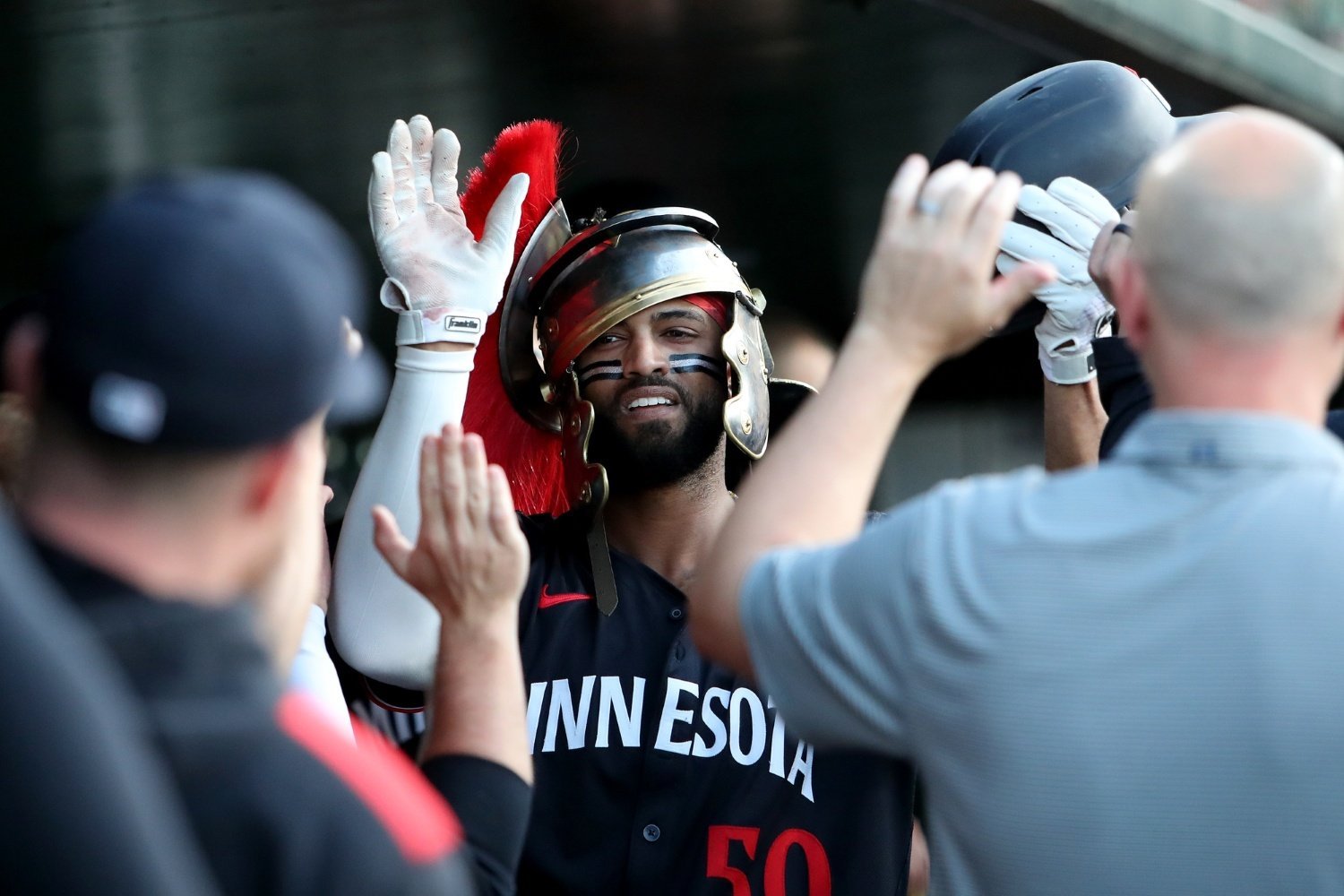 With only days until the MLB trade deadline, the Minnesota Twins are stuck in the uncomfortable middle ground. They’re not a bottom-feeder club with an obvious path toward a complete rebuild, but they also haven’t lived up to preseason expectations. That makes them one of several fringe teams likely to lean toward a “light sell” by dealing away expiring contracts while hanging onto their core pieces. While that approach may seem sensible at first glance, it comes with real consequences. And in the Twins’ case, there are both compelling risks and potential benefits to a more conservative strategy. The Downside: Selling Light Means Holding Risk The most obvious downside of a “light sell” is that Minnesota's most valuable assets aren't the rentals that would be traded away. They’re the arms with multiple years of control. Jhoan Duran, Griffin Jax, and Joe Ryan are all under team control through at least 2027, and each would command significant value on the trade market. The Athletic recently updated its MLB trade deadline Big Board, and all three pitchers were ranked in the top 10, with Ryan at the top. But by keeping them past the deadline, the Twins are risking injury, which is something that feels inevitable when it comes to pitchers. Duran dealt with injury issues in the minors, and Ryan has missed time in each of the last two seasons. One awkward landing or one sore shoulder can tank a player’s value, turning what could’ve been a franchise-altering return into an extended rehab schedule. There’s also the simple math of diminishing value. Every week the team holds onto Duran, Jax, and Ryan in a non-contending season is a week of production they can’t recoup. Minnesota has already used four months of team control on a sub-.500 product. Using up August and September with nothing to show for it only magnifies that inefficiency. And when it comes to relievers, this is the time to strike. Every year, contenders overpay for bullpen help at the deadline. In July, high-leverage relievers like Duran and Jax become unicorns. Teams dreaming of October pay steep prices for even the illusion of reliability in the late innings. Waiting for the offseason means stepping into a more crowded market, and often it is one that’s less emotional and more patient. The Upside: Bet on the Offseason or the Bounce-Back That said, it’s easy to see why the front office may be hesitant to pull the trigger on bigger moves. The trade market for players with multiple years of control often gets more competitive in the winter, when the pool of buyers increases and clubs have more financial flexibility. By holding onto Ryan, Duran, and Jax now, the Twins can wait to see if the market grows and perhaps catch a team willing to pay more in the right setting. There’s also the 2026 window. The Twins won’t enter a complete rebuild this winter. They have too much talent on the roster and too many veterans signed through next year to pivot into a teardown. Keeping the pitching core in place would allow the team to regroup this offseason and re-enter the AL Central conversation in the spring, a division that has shown time and again that 85 wins can be enough to compete. And truthfully, it’s hard to get fair value in trades for controlled arms. There’s a reason why frontline starters and dominant relievers rarely get moved with multiple years left. Teams simply don’t want to pay what it takes. If the Twins feel the market won’t reflect the internal value they assign to Ryan, Duran, or Jax, it makes sense to hold. Plus, there's always the wild card factor (literally and figuratively). As uninspiring as the 2025 season has been, it’s not mathematically over. Last year’s Tigers club looked like deadline sellers before they got hot in August and clawed their way into the postseason. That team not only made the playoffs but also won a series. If the Twins want any chance of repeating that script, it’ll require big performances from their best arms. Walking the Tightrope At the end of the day, a “light sell” leaves the Twins walking a fine line. It may be the most palatable option for a front office trying to navigate the delicate balance between the present and the future. There is also the looming sale of the team hanging over every decision made by Derek Falvey and company. But the risk is clear: holding onto valuable assets in a lost season is a dangerous game, especially when those assets are pitchers. Still, the Twins’ best path back to relevance may lie in keeping their core intact. They need to be right about the value of time and hope it doesn’t come back to bite them. Should the Twins do more than a “light sell?” Do you trust the front office to make critical trades? Leave a comment and start the discussion.
- 13 comments
-
- 2
-
-
- 2025 trade deadline
- joe ryan
- (and 3 more)
-
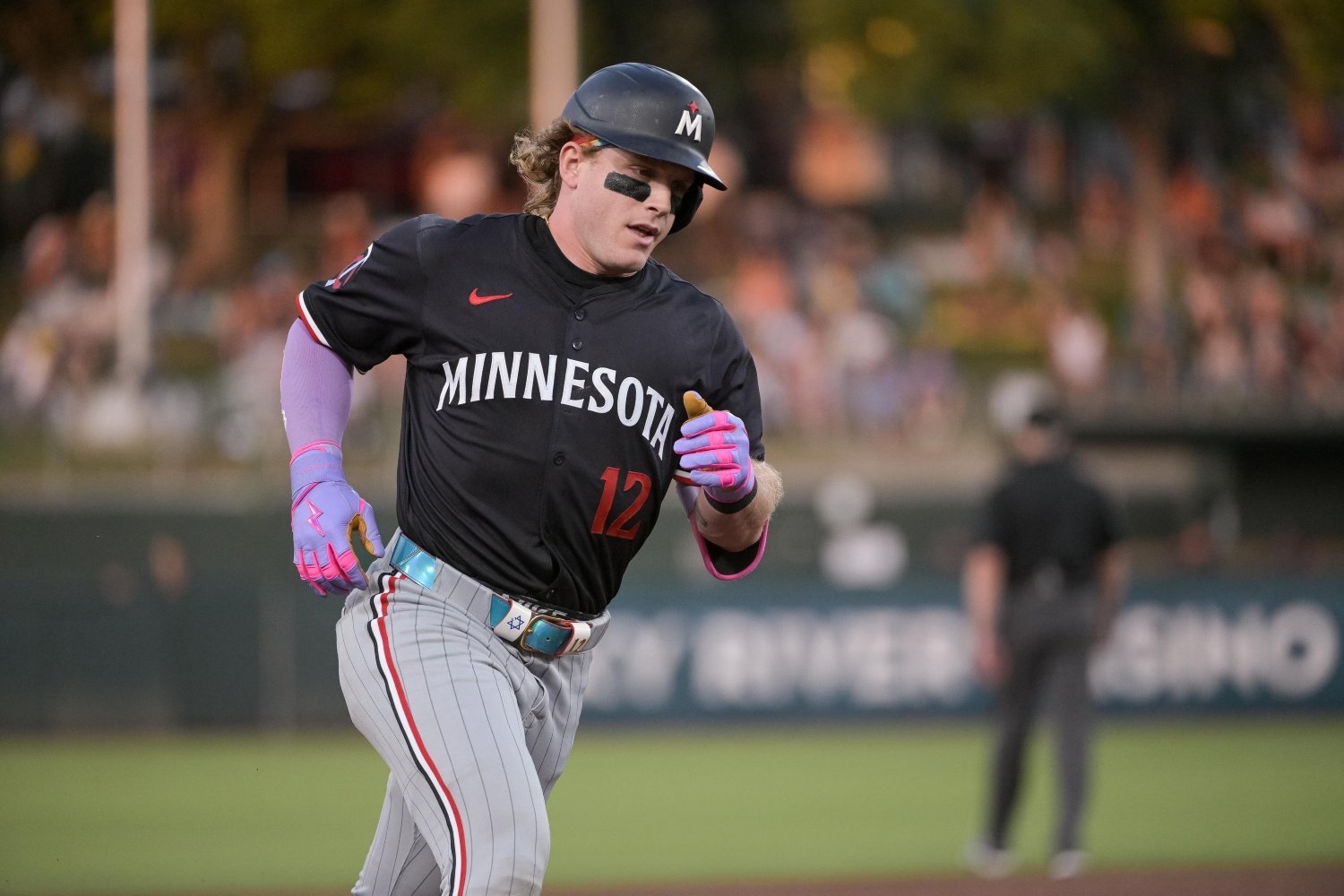 The Minnesota Twins may not be open for business in the same way some other clubs are at this year’s trade deadline, but they’ve got a few names drawing interest, and Harrison Bader might be one of the sneakiest. While most of the national attention has centered on the high-profile, controllable arms (Jhoan Duran, Griffin Jax, and Joe Ryan), Bader quietly holds as much trade value as anyone the Twins could realistically deal. MLB Network insider Jon Morosi recently made a compelling case for Bader’s market. “A righty bat who's having a really nice season with the Minnesota Twins… He's got playoff experience. He's one of those energy givers,” Morosi said. “He's got pretty good power this season and can play all around the outfield.” Morosi even went as far as saying, “I actually think among potential trade candidates for the Twins, Bader has about as much trade value as anybody does on that particular team.” If we assume that there's more noise than signal in rumors of Ryan, Duran or Jax being dealt, he’s not wrong. Bader is doing what he was brought in to do, and then some. Best Offensive Season Since St. Louis Now 31, Bader signed a one-year, $6.25-million deal with Minnesota this offseason after a down year split between the Yankees and Mets. Through 90 games in 2025, he’s putting together his best offensive season since 2021, when he was still with the Cardinals. In 295 plate appearances, he's hitting .250/.332/.435, with 12 home runs, 11 doubles, nine steals, and a 109 OPS+. He’s also giving the Twins reliable production toward the bottom of the lineup and the type of veteran presence that can be valuable in a postseason race—just maybe not Minnesota’s. It’s also worth noting that Bader brings speed, outfield versatility, and playoff experience to the table. In his big-league career, Bader has played in 31 playoff games, including 12 games with the Mets during their 2024 playoff run. He’s already played across all three outfield spots this season, and his defense remains strong. A Scarcity at the Deadline Good center fielders are one of the most difficult midseason upgrades to find. It’s a premium position defensively, and few contending teams are willing to give up reliable production at that spot. Bader may not be a star, but his skillset (right-handed pop, quality defense, and experience) fits the exact mold teams are looking to fill in a deadline depth boost. The list of suitors is also starting to take shape. Morosi floated the Detroit Tigers as a potential landing spot, especially considering their outfield’s inability to stay healthy. Outside of All-Star Riley Greene, Detroit has dealt with limited availability from Parker Meadows (36 games), Wenceel Pérez (45), and Matt Vierling (20). A midseason trade between divisional rivals isn’t always easy. Still, the Twins and Tigers did agree on a deadline deal in 2022, when Minnesota acquired reliever Michael Fulmer for pitching prospect Sawyer Gipson-Long. The New York Mets could also be a sensible fit, especially since Bader played in Queens last season. Tyrone Taylor has been dazzling with the glove but is hitting just .206/.261/.302, a 63 OPS+. Bader’s 109 OPS+ would be a sizable upgrade at the plate, and his defense wouldn’t be a major downgrade. Add in his previous stint with the Mets, and you’ve got a player already familiar with the market and expectations. A package deal that includes a bat like Bader's could make the Mets lineup feel far more October-ready. The Philadelphia Phillies are another playoff-bound team who could use reinforcements. Philadelphia’s outfield ranks 27th in WAR this season, and center field has been a black hole. Brandon Marsh and Johan Rojas have split the job, without either player running away with it. Marsh brings more with the bat (95 wRC+), but has posted negative defensive metrics in center (-10 DRS). Rojas is slick with the glove but has slashed just .232/.287/.303, which translates to a 62 wRC+. Rumors surfaced over the weekend that the Dodgers were interested in Bader. While Andy Pages has taken over center field duties and done quite well, hitting with a 126 wRC+ and playing solid defense, the Dodgers’ overall outfield production has been merely average. Their outfield group ranks 12th in wRC+ (102) and 16th in fWAR (3.3) across the league. Bader’s elite glove could allow the Dodgers to push Pages into a corner and slide Michael Conforto into more of a bench/platoon role. This creates a much more well-rounded defensive alignment and a bench with real postseason depth. The Cubs have also checked in on Bader, though they'd sooner pay the same price for Willi Castro and his greater versatility. Bader offers a solution that improves both offense and defense at a position where most contenders are assembling below-average platoons. If the Twins are unwilling to move their elite arms without top-100 caliber prospects in return, Bader becomes one of the team’s most realistic trade chips with sneaky value. He won’t bring back a blue-chip name on his own, but his combination of production, position scarcity, and short-term cost should generate genuine interest. The front office will explore every angle, and Bader’s quietly productive season could give them more leverage than expected. For a team like the Mets, Tigers, Dodgers, Phillies, or Cubs—one that sees itself as one or two pieces away—Bader is a cost-effective addition who wins a playoff game in October. And for the Twins, that sneaky value might be too good to pass up. What can the Twins get for Bader before the deadline? Will he be traded? Leave a comment and start the discussion.
 -
Image courtesy of © Ed Szczepanski-Imagn Images The Minnesota Twins may not be open for business in the same way some other clubs are at this year’s trade deadline, but they’ve got a few names drawing interest, and Harrison Bader might be one of the sneakiest. While most of the national attention has centered on the high-profile, controllable arms (Jhoan Duran, Griffin Jax, and Joe Ryan), Bader quietly holds as much trade value as anyone the Twins could realistically deal. MLB Network insider Jon Morosi recently made a compelling case for Bader’s market. “A righty bat who's having a really nice season with the Minnesota Twins… He's got playoff experience. He's one of those energy givers,” Morosi said. “He's got pretty good power this season and can play all around the outfield.” Morosi even went as far as saying, “I actually think among potential trade candidates for the Twins, Bader has about as much trade value as anybody does on that particular team.” If we assume that there's more noise than signal in rumors of Ryan, Duran or Jax being dealt, he’s not wrong. Bader is doing what he was brought in to do, and then some. Best Offensive Season Since St. Louis Now 31, Bader signed a one-year, $6.25-million deal with Minnesota this offseason after a down year split between the Yankees and Mets. Through 90 games in 2025, he’s putting together his best offensive season since 2021, when he was still with the Cardinals. In 295 plate appearances, he's hitting .250/.332/.435, with 12 home runs, 11 doubles, nine steals, and a 109 OPS+. He’s also giving the Twins reliable production toward the bottom of the lineup and the type of veteran presence that can be valuable in a postseason race—just maybe not Minnesota’s. It’s also worth noting that Bader brings speed, outfield versatility, and playoff experience to the table. In his big-league career, Bader has played in 31 playoff games, including 12 games with the Mets during their 2024 playoff run. He’s already played across all three outfield spots this season, and his defense remains strong. A Scarcity at the Deadline Good center fielders are one of the most difficult midseason upgrades to find. It’s a premium position defensively, and few contending teams are willing to give up reliable production at that spot. Bader may not be a star, but his skillset (right-handed pop, quality defense, and experience) fits the exact mold teams are looking to fill in a deadline depth boost. The list of suitors is also starting to take shape. Morosi floated the Detroit Tigers as a potential landing spot, especially considering their outfield’s inability to stay healthy. Outside of All-Star Riley Greene, Detroit has dealt with limited availability from Parker Meadows (36 games), Wenceel Pérez (45), and Matt Vierling (20). A midseason trade between divisional rivals isn’t always easy. Still, the Twins and Tigers did agree on a deadline deal in 2022, when Minnesota acquired reliever Michael Fulmer for pitching prospect Sawyer Gipson-Long. The New York Mets could also be a sensible fit, especially since Bader played in Queens last season. Tyrone Taylor has been dazzling with the glove but is hitting just .206/.261/.302, a 63 OPS+. Bader’s 109 OPS+ would be a sizable upgrade at the plate, and his defense wouldn’t be a major downgrade. Add in his previous stint with the Mets, and you’ve got a player already familiar with the market and expectations. A package deal that includes a bat like Bader's could make the Mets lineup feel far more October-ready. The Philadelphia Phillies are another playoff-bound team who could use reinforcements. Philadelphia’s outfield ranks 27th in WAR this season, and center field has been a black hole. Brandon Marsh and Johan Rojas have split the job, without either player running away with it. Marsh brings more with the bat (95 wRC+), but has posted negative defensive metrics in center (-10 DRS). Rojas is slick with the glove but has slashed just .232/.287/.303, which translates to a 62 wRC+. Rumors surfaced over the weekend that the Dodgers were interested in Bader. While Andy Pages has taken over center field duties and done quite well, hitting with a 126 wRC+ and playing solid defense, the Dodgers’ overall outfield production has been merely average. Their outfield group ranks 12th in wRC+ (102) and 16th in fWAR (3.3) across the league. Bader’s elite glove could allow the Dodgers to push Pages into a corner and slide Michael Conforto into more of a bench/platoon role. This creates a much more well-rounded defensive alignment and a bench with real postseason depth. The Cubs have also checked in on Bader, though they'd sooner pay the same price for Willi Castro and his greater versatility. Bader offers a solution that improves both offense and defense at a position where most contenders are assembling below-average platoons. If the Twins are unwilling to move their elite arms without top-100 caliber prospects in return, Bader becomes one of the team’s most realistic trade chips with sneaky value. He won’t bring back a blue-chip name on his own, but his combination of production, position scarcity, and short-term cost should generate genuine interest. The front office will explore every angle, and Bader’s quietly productive season could give them more leverage than expected. For a team like the Mets, Tigers, Dodgers, Phillies, or Cubs—one that sees itself as one or two pieces away—Bader is a cost-effective addition who wins a playoff game in October. And for the Twins, that sneaky value might be too good to pass up. What can the Twins get for Bader before the deadline? Will he be traded? Leave a comment and start the discussion. View full article
-
Image courtesy of © Joe Nicholson-Imagn Images The Twins continue to find themselves in the thick of trade rumors as the deadline approaches, and much of the buzz has focused on the back end of their bullpen. Jhoan Duran and Griffin Jax have reportedly drawn interest from multiple contenders, and it’s easy to see why. Duran’s triple-digit heat and Jax’s consistency have been key to Minnesota’s bullpen success over the past two seasons. But as reports surface that the Twins are asking for multiple Top 100 caliber prospects in return, it’s fair to wonder whether any team will meet that price. So, where does that leave teams still seeking bullpen help from Minnesota? Enter Brock Stewart. An Affordable, Effective Alternative While he may not bring the same name recognition as Duran or Jax, Stewart has quietly been one of the most effective arms in the Twins’ bullpen when healthy. And that’s the key caveat, when healthy. Since signing a minor league deal with Minnesota in 2022, Stewart has battled through a series of injuries. Each of his three seasons with the club has been interrupted, but when he’s been on the mound, he’s done nothing but get outs. Dating back to the beginning of the 2023 season, Stewart owns a 2.38 ERA with a strong 31.9% strikeout rate across 75 2/3 innings. His walk rate (9.7%) is a touch higher than ideal but manageable given the swing-and-miss stuff. Stewart is averaging 96 mph on both his four-seamer and his sinker this season, showing the type of velocity that gets scouts’ attention. His salary? A modest $870K. At 33 years old, he’s not a long-term building block like Duran or Jax, but he’s also not a short-term rental. Stewart is under team control through the 2027 season, giving acquiring teams years of flexibility if he can stay healthy. The Twins deserve credit for taking a flier on Stewart at a point in his career when few others were interested. A converted starter, Stewart had bounced between the Dodgers and Blue Jays organizations without ever truly finding his footing. He underwent Tommy John surgery in May 2021 and spent time away from affiliated baseball before signing with the Twins on a minor league deal. Minnesota saw something they liked, and when healthy, Stewart has rewarded their patience and investment. The club has helped him transition into a power reliever with swing-and-miss stuff, unlocking a level of performance that had eluded him elsewhere. Why Stewart Stands Out MLB Trade Rumors’ Anthony Franco recently included Stewart in his list of nine under-the-radar bullpen targets. It’s easy to understand why. Stewart checks several boxes for a contending team looking to shore up its bullpen without giving away the farm. He’s cheap, controllable, effective, and available. Unlike Duran or Jax, Stewart wouldn’t require a package built around Top 100 prospects. That could make him an attractive fallback for clubs unwilling to meet the Twins’ high demands for their elite late-inning options. And for the Twins, moving Stewart wouldn’t necessarily close the door on 2026 competitiveness. The emergence of arms like Louis Varland and the likelihood of their demands not being met for their other late-inning relievers gives Minnesota enough bullpen depth to withstand Stewart’s departure if the return is right. A Market Waiting to Emerge As deadline day nears, the reliever market is still taking shape. Teams like the Dodgers, Mets, and Yankees are looking for bullpen reinforcements but may balk at the price tags attached to elite options. Stewart might not be their first call, but he could be their last and most practical one. There’s no guarantee the Twins move Stewart at all. They like having quality depth and might feel better holding on to a veteran arm like his, especially with extra years of control. They have waited out his injuries and may want to reap the benefits. But if the phone rings and the offer makes sense, don’t be surprised if Stewart is the reliever who ultimately gets dealt. While the spotlight shines brightly on Minnesota’s top bullpen arms, don’t sleep on the value of a quieter option. Sometimes, the best deadline deals are the ones you didn’t see coming. Will the Twins trade Stewart or another late-inning arm? What kind of return could the front office expect for Stewart? Leave a comment and start the discussion. View full article

