Matthew Taylor
-
Posts
973 -
Joined
-
Last visited
Content Type
Profiles
News
Minnesota Twins Videos
2026 Minnesota Twins Top Prospects Ranking
2022 Minnesota Twins Draft Picks
Minnesota Twins Free Agent & Trade Rumors, Notes, & Tidbits
Guides & Resources
2023 Minnesota Twins Draft Picks
The Minnesota Twins Players Project
2024 Minnesota Twins Draft Picks
2025 Minnesota Twins Draft Pick Tracker
2026 Minnesota Twins Draft Tracker: Picks & Bonuses
Forums
Blogs
Events
Store
Downloads
Gallery
Everything posted by Matthew Taylor
-
 At the 2022 trade deadline the Minnesota Twins traded for starting pitcher Tyler Mahle. While Mahle’s elbow injury threw water on the blockbuster deal, the stellar play from two of the prospects the Twins traded away will be what could haunt them for years to come. Image courtesy of Ray Acevedo-USA TODAY Sports While the Minnesota Twins paid a steep price when they traded for Tyler Mahle (three top-20 prospects), most considered the deal to be a good one as the Twins avoided trading away any of their top-five prospects in the deal. After all, there’s nothing more haunting for a fan base (or a front office) than trading away a future star and watching that player do damage for years on another team. Unfortunately for the Twins, not only did the Mahle Era in Minnesota go completely sideways, but it’s looking like two of the prospects that the Twins gave up in the trade could be guys who do damage on another team for years to come. Spencer Steer was the prized prospect that was traded away to the Cincinnati Reds in the Mahle deal. At the time of the trade, Steer was the sixth ranked prospect in Twins Daily’s prospect ranking as he was performing well at Triple-A at the time and was extremely close to the Majors. Steer got his feet wet in the big leagues late last season, but didn’t knock anyone’s socks off with a meager .632 OPS in 28 games to end the 2022 season. The 2023 season has been a completely different story for the right-hander. Through 50 games, Spencer Steer is slashing .288/.353/.485 with seven home runs and 26 RBI. Steer’s 23 extra base hits and .838 OPS would be first and second, respectively, on the Twins this season. Perhaps the most impressive part of Steer’s offensive numbers is that he had a slow start to the year. Through May 2, Steer had a .699 OPS. Since then, over his last 23 games, Steer has posted a .984 OPS with 14 extra base hits. While Steer’s defense certainly leaves more to be desired, his offensive arrow is pointing upward, and he is certainly someone that the Twins could be kicking themselves for trading away for a long time. The next highest-rated prospect that the Twins traded away for Mahle last July was corner infielder/designated hitter, Christian Encarnacion-Strand. At the time of the deal, Encarnacion-Strand was Twins Daily’s 16th ranked prospect. His bat was always a strength, but his limited defensive abilities hampered his ability to climb higher up the prospect ranks. While Encarnacion-Strand is still likely headed for a career at first base or designated hitter, his numbers at the plate in Triple-A this season have lessened the concerns about his defensive future and instead heightened the excitement about his future at the plate. In 31 games with the Louisville Bats, Encarnacion-Strand is slashing .341/.387/.710 with 13 home runs and 32 RBI. His 1.097 OPS leads all active minor leaguers and his call-up to the big leagues appears to be imminent. CES certainly needs to work on his eye at the plate, as his 39/9 K/BB ratio is less than ideal, but Encarnacion-Strand is mashing at the plate right now unlike any other player in the minors and, similar to Steer, is looking like a guy that could haunt the Minnesota Twins for years to come. How do you think that Steer and Encarnacion-Strand’s careers will play out in Cincinnati? Do you think these players will haunt the Twins? Leave a comment below and start the conversation! View full article
 -
The Minnesota Twins have had some minor-league standouts this season, but they have also had some prospects who have been off to disappointing starts in 2023. Image courtesy of Rob Thompson, St. Paul Saints Baseball prospects can be some of the most volatile players to follow in all of sports. As young players moving up through various levels of competition in a short period of time, it can be expected to see extreme peaks and valleys, even for some of the most highly-touted prospects. While the Twins have certainly seen some promising starts for some of their top prospects (article coming soon…), there have been some disappointing starts as well. These three prospects have been off to the most disappointing starts of the 2023 season: Jose Salas, Cedar Rapids Kernels (A+) .154/.229/.214, 1 HR, 11 RBI, 36 K, 8 BB Twins Daily Prospect Rank: 12 Jose Salas was a borderline top-100 prospect that the Minnesota Twins picked up this offseason in the Pablo López/Luis Arraez swap after posting a .723 OPS across Low-A and High-A last in 2022 as a 19-year-old. While many were optimistic about the infielders bat, and his potential to turn into a top-notch prospect, the start to the 2023 season has been disastrous for the switch-hitter. In 135 plate appearances to start the season, Salas has posted an OPS of just .438 with just five extra base hits and a lowly 36/8 K/BB ratio. For these reasons, Twins Daily has dropped Salas from the eighth ranked prospect coming into the season down to 12. Salas has always excelled at getting on base throughout his young career as a prospect, but this season he has done anything but get on base with just a .230 on-base percentage through his first 34 games. Salas is still just 20 years old and has plenty of time to adjust to the pitching at the High-A level, but it’s been a disappointing start to the season to say the least. Simeon Woods Richardson, St. Paul Saints (AAA) 30 1/3 IP, 7.12 ERA, 1.78 WHIP, 8.0 K/9 Twins Daily Prospect Rank: 7 Simeon Woods Richardson came into the season as one of the likeliest prospects to join the Minnesota Twins rotation with an injury and, depending on his performance, stay up with the rotation as a key piece moving forward. After posting a 2.21 ERA in seven starts with the Saints in 2022, SWR appeared ready to take the next step in 2023. Things haven’t quite gone according to plan for Woods Richardson this season, though. Other than a spot start with the Twins in April (it didn’t go well), SWR has spent his entire season in St. Paul where he has posted a 7.12 ERA in seven starts with a 1.93 K/BB ratio. One big reason for the poor performance for SWR this season has been a lack of control. After walking just three batters per nine innings across multiple levels of the minor leagues in 2022, he has been walking 4.2 batters per nine innings this season. If Woods Richardson can get his control back in order and start throwing like he did last season, he could still get another chance up with the Twins later this season. If not, the Twins might be looking at a bullpen role for the right hander down the road. Emmanuel Rodriguez, Cedar Rapids Kernels (A+) .171/.326/.408, 5 HR, 15 RBI, 40 K, 17 BB Twins Daily Prospect Rank: 3 Coming into the season, some considered Emmanuel Rodriguez to be the Minnesota Twins prospect with the highest ceiling and that he might just be the Twins’ top prospect by the end of the 2023 season. While both of those statements might still be true, it hasn’t been an awesome start to the 2023 season for the left-handed prospect. After posting a .870 and 1.044 OPS in 2021 and 2022, respectively, Rodriguez has posted just a .734 OPS through his first 21 games with the Cedar Rapids Kernels this season. While Rodriguez still has shown similar power numbers to each of the last two seasons (five home runs in 95 plate appearances after posting nine home runs in 199 plate appearances in 2022), his eye at the plate has been extremely discouraging thus far. This season, Rodriguez has 41 strikeouts compared to just 18 walks. By comparison, last year the left hander struck out 52 times compared to 57 walks. It’s possible that injury has something to do with E-Rod’s struggles in 2023. Since coming off of the injured list with an abdominal strain on May 6, Rodriguez has just a .582 OPS with 24 strikeouts and 13 walks. Do you have confidence that the players listed above will turn things around? What other prospects have been off to disappointing starts? Leave a comment below and start the conversation! View full article
- 13 replies
-
- 1
-

-
- emmanuel rodriguez
- simeon woods richardson
- (and 1 more)
-
These 3 Minnesota Twins Prospects Are Off to Disappointing Starts in 2023
Matthew Taylor posted an article in Twins
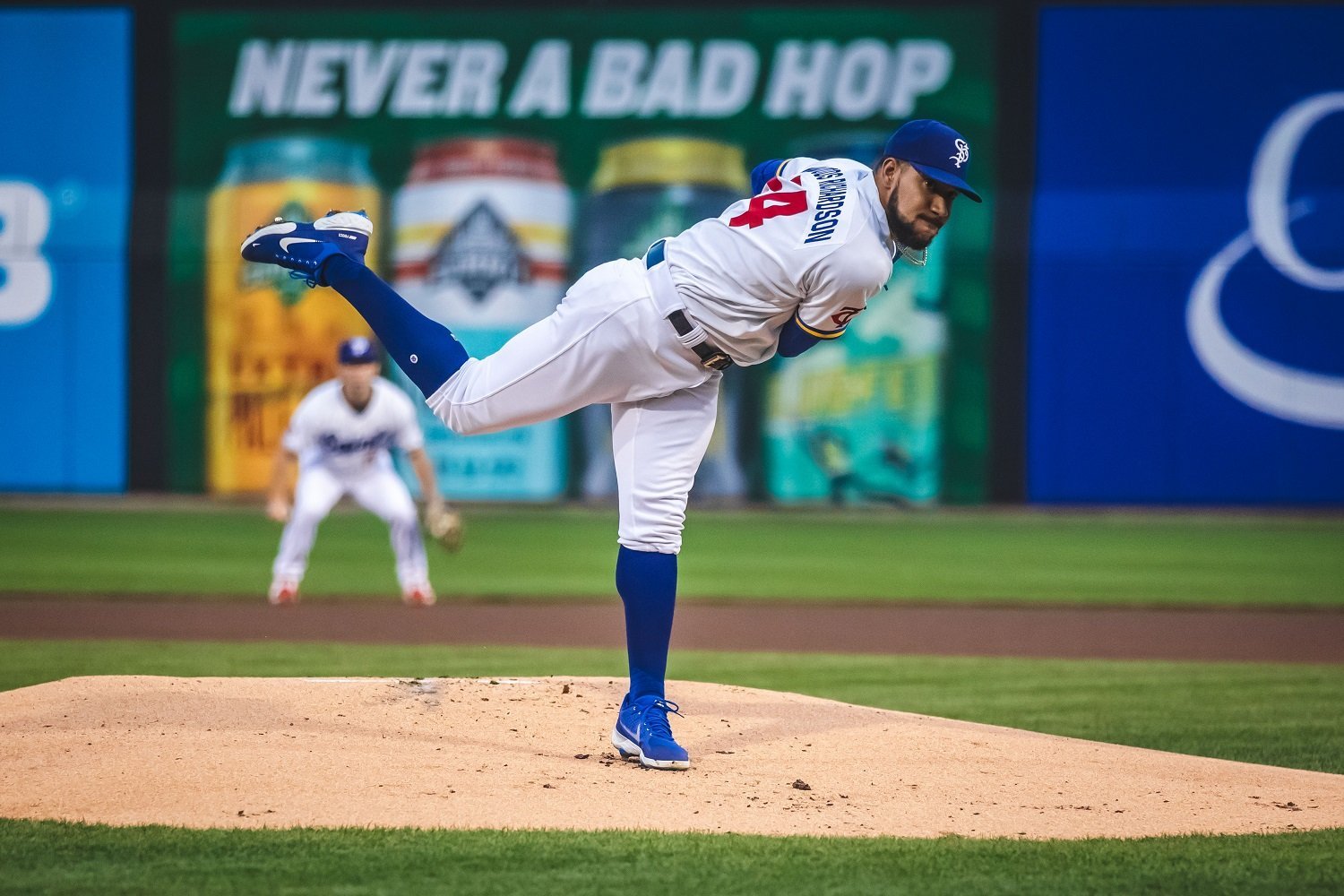 Baseball prospects can be some of the most volatile players to follow in all of sports. As young players moving up through various levels of competition in a short period of time, it can be expected to see extreme peaks and valleys, even for some of the most highly-touted prospects. While the Twins have certainly seen some promising starts for some of their top prospects (article coming soon…), there have been some disappointing starts as well. These three prospects have been off to the most disappointing starts of the 2023 season: Jose Salas, Cedar Rapids Kernels (A+) .154/.229/.214, 1 HR, 11 RBI, 36 K, 8 BB Twins Daily Prospect Rank: 12 Jose Salas was a borderline top-100 prospect that the Minnesota Twins picked up this offseason in the Pablo López/Luis Arraez swap after posting a .723 OPS across Low-A and High-A last in 2022 as a 19-year-old. While many were optimistic about the infielders bat, and his potential to turn into a top-notch prospect, the start to the 2023 season has been disastrous for the switch-hitter. In 135 plate appearances to start the season, Salas has posted an OPS of just .438 with just five extra base hits and a lowly 36/8 K/BB ratio. For these reasons, Twins Daily has dropped Salas from the eighth ranked prospect coming into the season down to 12. Salas has always excelled at getting on base throughout his young career as a prospect, but this season he has done anything but get on base with just a .230 on-base percentage through his first 34 games. Salas is still just 20 years old and has plenty of time to adjust to the pitching at the High-A level, but it’s been a disappointing start to the season to say the least. Simeon Woods Richardson, St. Paul Saints (AAA) 30 1/3 IP, 7.12 ERA, 1.78 WHIP, 8.0 K/9 Twins Daily Prospect Rank: 7 Simeon Woods Richardson came into the season as one of the likeliest prospects to join the Minnesota Twins rotation with an injury and, depending on his performance, stay up with the rotation as a key piece moving forward. After posting a 2.21 ERA in seven starts with the Saints in 2022, SWR appeared ready to take the next step in 2023. Things haven’t quite gone according to plan for Woods Richardson this season, though. Other than a spot start with the Twins in April (it didn’t go well), SWR has spent his entire season in St. Paul where he has posted a 7.12 ERA in seven starts with a 1.93 K/BB ratio. One big reason for the poor performance for SWR this season has been a lack of control. After walking just three batters per nine innings across multiple levels of the minor leagues in 2022, he has been walking 4.2 batters per nine innings this season. If Woods Richardson can get his control back in order and start throwing like he did last season, he could still get another chance up with the Twins later this season. If not, the Twins might be looking at a bullpen role for the right hander down the road. Emmanuel Rodriguez, Cedar Rapids Kernels (A+) .171/.326/.408, 5 HR, 15 RBI, 40 K, 17 BB Twins Daily Prospect Rank: 3 Coming into the season, some considered Emmanuel Rodriguez to be the Minnesota Twins prospect with the highest ceiling and that he might just be the Twins’ top prospect by the end of the 2023 season. While both of those statements might still be true, it hasn’t been an awesome start to the 2023 season for the left-handed prospect. After posting a .870 and 1.044 OPS in 2021 and 2022, respectively, Rodriguez has posted just a .734 OPS through his first 21 games with the Cedar Rapids Kernels this season. While Rodriguez still has shown similar power numbers to each of the last two seasons (five home runs in 95 plate appearances after posting nine home runs in 199 plate appearances in 2022), his eye at the plate has been extremely discouraging thus far. This season, Rodriguez has 41 strikeouts compared to just 18 walks. By comparison, last year the left hander struck out 52 times compared to 57 walks. It’s possible that injury has something to do with E-Rod’s struggles in 2023. Since coming off of the injured list with an abdominal strain on May 6, Rodriguez has just a .582 OPS with 24 strikeouts and 13 walks. Do you have confidence that the players listed above will turn things around? What other prospects have been off to disappointing starts? Leave a comment below and start the conversation!
 -
The Minnesota Twins are the clear favorites in the American League Central right now. Might the Detroit Tigers be the biggest threat for the division crown? Image courtesy of © Lon Horwedel-USA TODAY Sports Coming into the 2023 season, the American League Central was a clear two-team race between the Minnesota Twins and the Cleveland Guardians. In their preseason odds, Fangraphs had the Twins as the division favorites with a 38.7% chance of winning the division with the Guardians as a close second with a 33.9% chance, and the Chicago White Sox as the third most likely. We’re more than one quarter of the way through the season and the landscape of the American League Central has changed. While the Minnesota Twins have played about how well everyone projected they would (an 84-win pace) the rest of the division has been turned on its head. First of all, the Chicago White Sox have completely taken themselves out of the playoff picture. The White Sox are 11 games below .500, and that’s after a weekend sweep of the lowly Kansas City Royals. Additionally, the presumed division-favorite Cleveland Guardians have significantly underperformed. After Monday's games, the Cleveland Guardians stand at 21-26 with a -31 run differential and being freshly swept by the New York Mets. While the Guardians have suffered mostly because of their bats (they own a league-worst wRC+ of 77), they only have a league-average starting rotation and their all-world closer Emmanuel Clase leads the league in blown saves. Enter the Detroit Tigers. Coming out of the weekend, the second place team in the American League Central is the team that was originally projected to have the worst record in the division. The Detroit Tigers currently lead the Guardians by a game in the Central, and are just two and a half games back of the Minnesota Twins for the division lead. Similar to the Guardians, the Detroit Tigers have been terrible at the plate ranking just above Cleveland with a wRC+ of 82. On the pitching side, though, the Tigers have made real strides this year, ranking 12th in baseball in wOBA after finishing 26th in the same metric in 2022. A big reason for that has been Eduardo Rodriguez, who owns a 2.06 ERA, fourth best in the American League. Additionally, the return of the rising-star pitchers, Tarik Skubal and Matt Manning, appear to be on the horizon. What the Tigers really need in order to solidify themselves as the main competitor to the Minnesota Twins in the American League Central is for their star batting prospects, Spencer Torkelson and Riley Greene, to start meeting the lofty expectations that were set out for them and make the Detroit lineup a real threat. One area that the Detroit Tigers have an advantage over the Cleveland Guardians is in their potential for making mid-season additions. The Cleveland Guardians have repeatedly shown that they are not willing to spend money, and not likely to make much noise at the trade deadline. The Detroit Tigers, however, have shown that when they have a team with the potential to compete, they will make the necessary moves to put themselves in a position to do just that. The Twins don’t have much of a threat at all when it comes to the competition in the American League Central, but it will be interesting to see whether it’s the Cleveland Guardians who hit their stride and become the threat that we all expected them to be, or if it’s the Detroit Tigers who turn out to be the main competitor to the Minnesota Twins in 2023. View full article
-
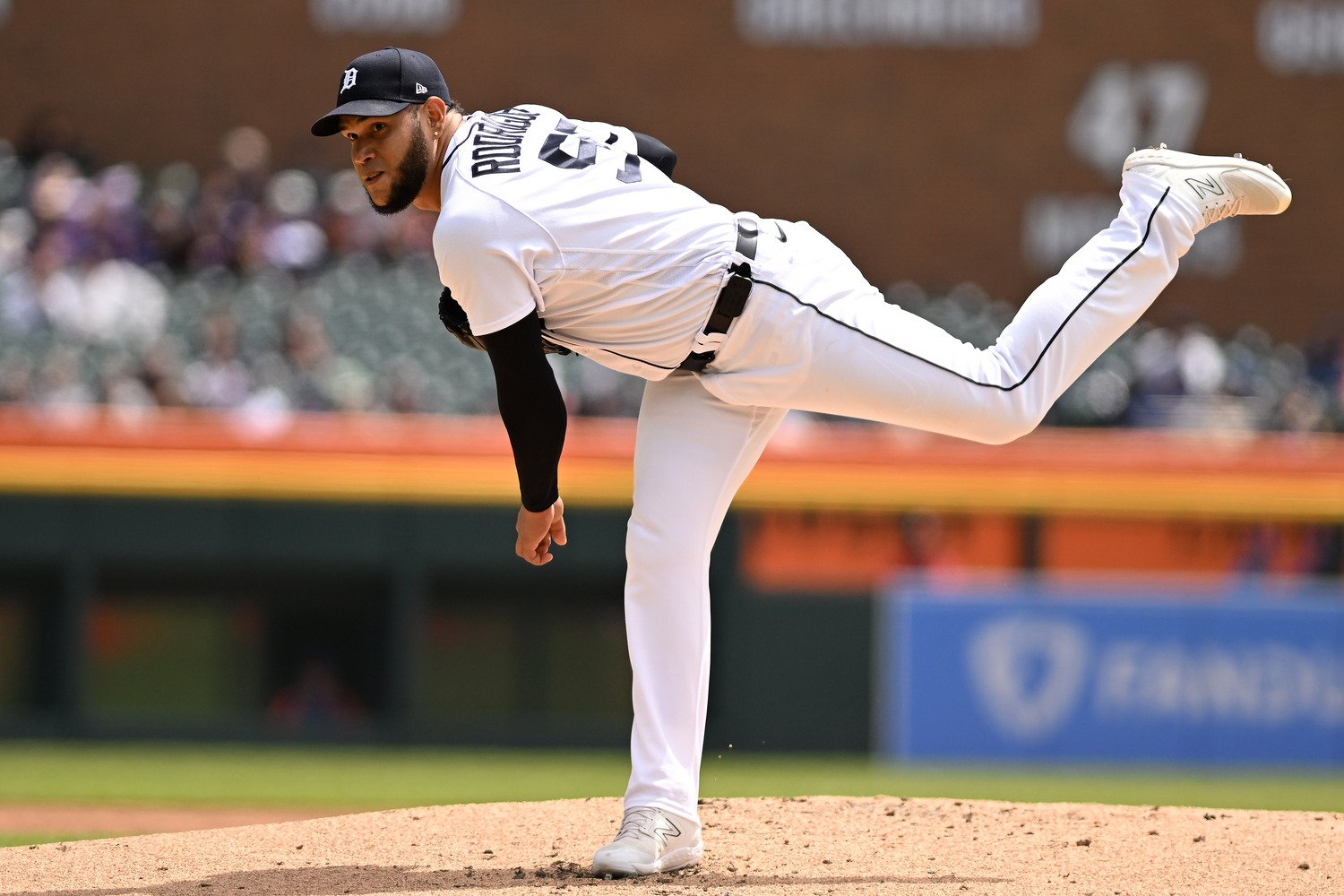 Coming into the 2023 season, the American League Central was a clear two-team race between the Minnesota Twins and the Cleveland Guardians. In their preseason odds, Fangraphs had the Twins as the division favorites with a 38.7% chance of winning the division with the Guardians as a close second with a 33.9% chance, and the Chicago White Sox as the third most likely. We’re more than one quarter of the way through the season and the landscape of the American League Central has changed. While the Minnesota Twins have played about how well everyone projected they would (an 84-win pace) the rest of the division has been turned on its head. First of all, the Chicago White Sox have completely taken themselves out of the playoff picture. The White Sox are 11 games below .500, and that’s after a weekend sweep of the lowly Kansas City Royals. Additionally, the presumed division-favorite Cleveland Guardians have significantly underperformed. After Monday's games, the Cleveland Guardians stand at 21-26 with a -31 run differential and being freshly swept by the New York Mets. While the Guardians have suffered mostly because of their bats (they own a league-worst wRC+ of 77), they only have a league-average starting rotation and their all-world closer Emmanuel Clase leads the league in blown saves. Enter the Detroit Tigers. Coming out of the weekend, the second place team in the American League Central is the team that was originally projected to have the worst record in the division. The Detroit Tigers currently lead the Guardians by a game in the Central, and are just two and a half games back of the Minnesota Twins for the division lead. Similar to the Guardians, the Detroit Tigers have been terrible at the plate ranking just above Cleveland with a wRC+ of 82. On the pitching side, though, the Tigers have made real strides this year, ranking 12th in baseball in wOBA after finishing 26th in the same metric in 2022. A big reason for that has been Eduardo Rodriguez, who owns a 2.06 ERA, fourth best in the American League. Additionally, the return of the rising-star pitchers, Tarik Skubal and Matt Manning, appear to be on the horizon. What the Tigers really need in order to solidify themselves as the main competitor to the Minnesota Twins in the American League Central is for their star batting prospects, Spencer Torkelson and Riley Greene, to start meeting the lofty expectations that were set out for them and make the Detroit lineup a real threat. One area that the Detroit Tigers have an advantage over the Cleveland Guardians is in their potential for making mid-season additions. The Cleveland Guardians have repeatedly shown that they are not willing to spend money, and not likely to make much noise at the trade deadline. The Detroit Tigers, however, have shown that when they have a team with the potential to compete, they will make the necessary moves to put themselves in a position to do just that. The Twins don’t have much of a threat at all when it comes to the competition in the American League Central, but it will be interesting to see whether it’s the Cleveland Guardians who hit their stride and become the threat that we all expected them to be, or if it’s the Detroit Tigers who turn out to be the main competitor to the Minnesota Twins in 2023.
- 19 comments
-
- 2
-
-
- minnesota twins
- detroit tigers
- (and 1 more)
-
On Wednesday morning, MLB.com released their latest Cy Young poll which featured two Minnesota Twins starters in the top five for the American League. Image courtesy of William Parmeter The Minnesota Twins have one of the best rotations in all of baseball through the first quarter of the MLB season. Twins starters rank second in the American League in ERA and first in strikeout rate. With a rotation as successful as the Minnesota Twins rotation has been, it’s unsurprising to see that they have two starting pitchers in the latest American League Cy Young Award poll that was released on Wednesday. Sonny Gray and Joe Ryan have both been having elite starts to the 2023 season. Through nine starts, Sonny Gray owns a 1.64 ERA which is best in the American League. Gray has yet to allow more than three earned runs in a start all season and his 10.9 K/9 is the best of his career. Arguably the most impressive part about Gray’s statistics through his first nine starts is that he has put up those numbers against some of the best teams in baseball, going against the likes of the Houston Astros, New York Yankees, Boston Red Sox and Los Angeles Dodgers. Joe Ryan has been having nearly just as good of a year as his right-handed rotation counterpart. Through eight starts, Ryan owns a 2.16 ERA, with a career-high K/9 of 10.3 and a WHIP of 0.84. Similar to Gray, Ryan has dominated elite offensive competition in the Astros, Yankees (x2) and Red Sox. Over his last four starts, Ryan has allowed just three earned runs with a 28/3 K/BB ratio. As shown in the latest Cy Young poll from MLB.com, the biggest competition to the Twins’ right handers for the award are Gerrit Cole, Shane McClanahan and Shohei Ohtani. Let’s take a look at how the pitchers stack up against each other. Of the starting pitchers in top 5 from MLB’s Cy Young poll, Sonny Gray and Joe Ryan rank first and third, respectively, in fWAR. Additionally, Sonny Gray ranks first in ERA while Joe Ryan ranks first in WHIP and K/BB ratio. Looking just at the numbers above, a strong case could be made that either Sonny Gray or Joe Ryan could be considered the front-runner for the award right now, with the obvious caveat that there is a ton of baseball left to be played. If either Sonny Gray or Joe Ryan do come away with the Cy Young hardware, they would be the first Minnesota Twins pitcher to do so since Johan Santana, who won the award in 2004 and 2006. (He should have won in 2005 as well. Thanks, Bartolo Colon…) Before Santana, the last Minnesota Twins pitcher to win the Cy Young Award was Frank “Sweet Music” Viola who won the award in 1988 with a 2.64 ERA and a league-leading 24 wins. Do you think that Joe Ryan or Sonny Gray have a real shot at winning the Cy Young Award this season? Leave a comment below and start the conversation! View full article
- 19 replies
-
- 1
-
-
- joe ryan
- sonny gray
- (and 1 more)
-
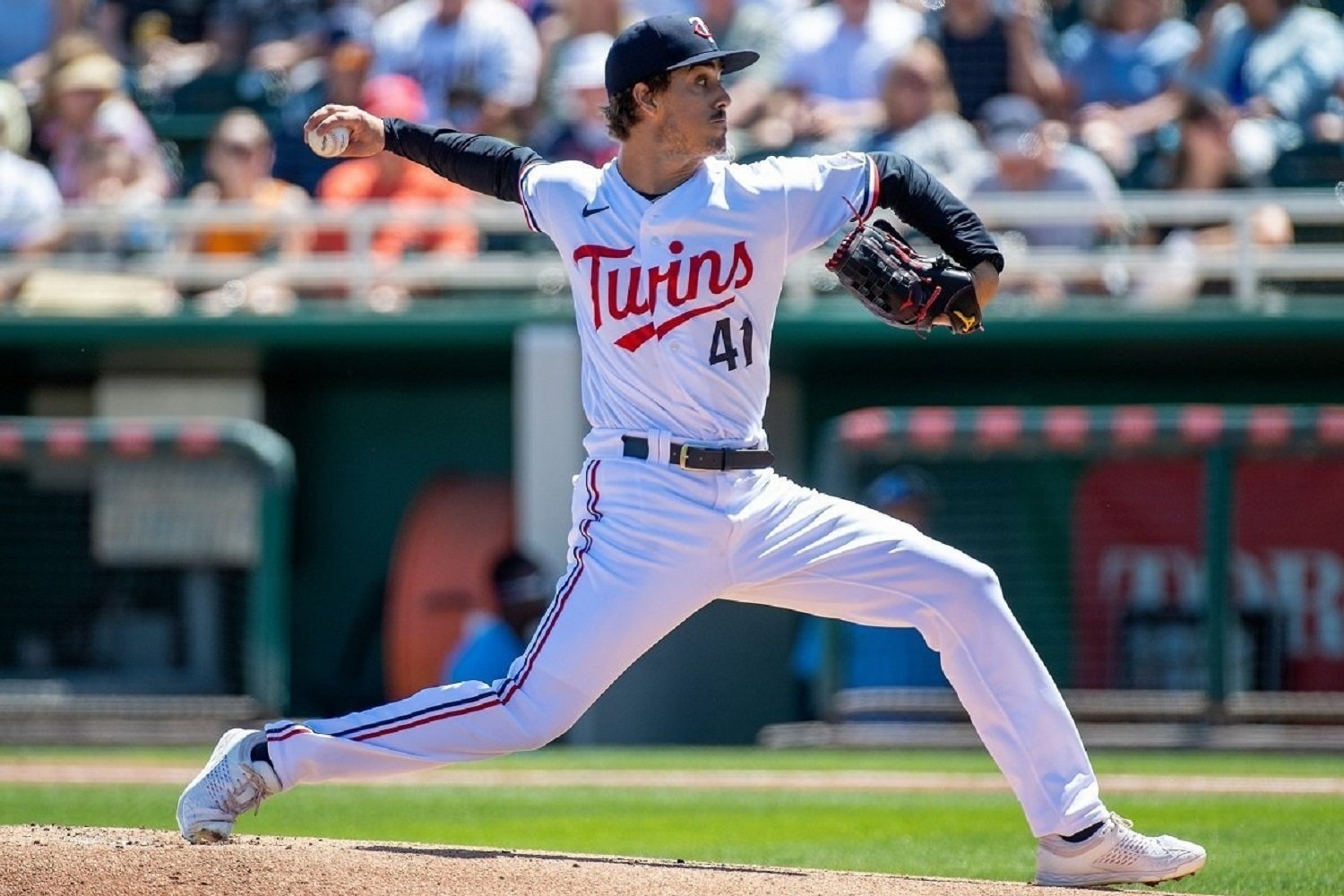 The Minnesota Twins have one of the best rotations in all of baseball through the first quarter of the MLB season. Twins starters rank second in the American League in ERA and first in strikeout rate. With a rotation as successful as the Minnesota Twins rotation has been, it’s unsurprising to see that they have two starting pitchers in the latest American League Cy Young Award poll that was released on Wednesday. Sonny Gray and Joe Ryan have both been having elite starts to the 2023 season. Through nine starts, Sonny Gray owns a 1.64 ERA which is best in the American League. Gray has yet to allow more than three earned runs in a start all season and his 10.9 K/9 is the best of his career. Arguably the most impressive part about Gray’s statistics through his first nine starts is that he has put up those numbers against some of the best teams in baseball, going against the likes of the Houston Astros, New York Yankees, Boston Red Sox and Los Angeles Dodgers. Joe Ryan has been having nearly just as good of a year as his right-handed rotation counterpart. Through eight starts, Ryan owns a 2.16 ERA, with a career-high K/9 of 10.3 and a WHIP of 0.84. Similar to Gray, Ryan has dominated elite offensive competition in the Astros, Yankees (x2) and Red Sox. Over his last four starts, Ryan has allowed just three earned runs with a 28/3 K/BB ratio. As shown in the latest Cy Young poll from MLB.com, the biggest competition to the Twins’ right handers for the award are Gerrit Cole, Shane McClanahan and Shohei Ohtani. Let’s take a look at how the pitchers stack up against each other. Of the starting pitchers in top 5 from MLB’s Cy Young poll, Sonny Gray and Joe Ryan rank first and third, respectively, in fWAR. Additionally, Sonny Gray ranks first in ERA while Joe Ryan ranks first in WHIP and K/BB ratio. Looking just at the numbers above, a strong case could be made that either Sonny Gray or Joe Ryan could be considered the front-runner for the award right now, with the obvious caveat that there is a ton of baseball left to be played. If either Sonny Gray or Joe Ryan do come away with the Cy Young hardware, they would be the first Minnesota Twins pitcher to do so since Johan Santana, who won the award in 2004 and 2006. (He should have won in 2005 as well. Thanks, Bartolo Colon…) Before Santana, the last Minnesota Twins pitcher to win the Cy Young Award was Frank “Sweet Music” Viola who won the award in 1988 with a 2.64 ERA and a league-leading 24 wins. Do you think that Joe Ryan or Sonny Gray have a real shot at winning the Cy Young Award this season? Leave a comment below and start the conversation!
- 19 comments
-
- 6
-
-
- joe ryan
- sonny gray
- (and 1 more)
-
We are one quarter of the way through the 2023 season, which presents a good time to look at the bullpen hierarchy. How do the Twins bullpen arms stack up against each other? Who is at the top of the power rankings, and who is at the bottom? Image courtesy of Matt Blewett-USA TODAY Sports The nature of the reliever position is that things can change extremely quickly. Relief pitchers are notoriously up-and-down and the heirarchy can change very quickly. Now that we are one fourth through the season, let's take a look at how the bullpen stands right now. 1. Jhoan Duran As has been the case for over a year now, Jhoan Duran tops the list of Minnesota Twins relievers when it comes to confidence level. After posting a 1.86 ERA in a magnificent rookie season in 2022, Duran has an even lower ERA through 16 appearances in 2023 at 1.62. Though Duran has a lower ERA than last year, the underlying statistics say that Duran has had luck on his side to start the year. In fact, according to FIP (Fielding Independent Pitching) his ERA should be closer to 4.00 than to 2.00, likely because of his BB/9 which is more than twice as high as it was last year. Nitpicks aside, Duran is in the middle of another unbelievable season at the back of the Minnesota Twins bullpen and has repeatedly saved them from many late game, sticky situations. The right hander figures to remain atop this list for a long time. 2. Jorge López After a shaky first impression after being traded to the Minnesota Twins, Jorge López has been off to a great start in 2023, boasting a 1.37 ERA and 0.92 WHIP across 19 2/3 innings. López has cut down his walk numbers from last season and ticked up his strikeout numbers from where they were in 2022. López has pitched in the 8th inning or later in 15 out of his 20 appearances this season and should continue to be relied upon in high leverage roles all year. 3. Caleb Thielbar One of the most underrated players on the Minnesota Twins after rejoining the team in 2020, Caleb Thielbar picked up right where he left off in 2022, with yet another great start to the 2023 season. In 10 innings this season, Thielbar has a 1.80 ERA with a miniscule 1.8 BB/9. Because of his track record for consistency, Thielbar would have a good case for being second on this list if it weren’t for the oblique strain that has him on the injured list at the moment. The Twins are missing Thielbar’s left arm, and when he returns to health he should be expected to join the back of the bullpen with Duran and López. 4. Griffin Jax Coming into the 2023 season, Jax was assumed to be number two or three on this list after his breakout season in 2022 in which he acted primarily as the Twins’ setup man and posted a 3.36 ERA with a 9.7 K/9 in 72 1/3 innings. This season, though, Jax has been unable to keep base runners at bay, as evidenced by his 5.09 ERA. The underlying stats tell a different story for Jax, though, his FIP is an impressive 2.63 and his Statcast profile is as red as can be. 5. Brock Stewart Coming in at number six is Brock Stewart, who was signed by the Minnesota Twins to a minor-league deal last season as he worked his way back from Tommy John surgery. Stewart has been great for the Twins in limited action in 2023, pitching nine scoreless innings on the year thus far. Even as a minor-league call-up, the Twins have relied on Stewart in some key spots, as he has come into a tie game or one-run game in four of his eight appearances. Stewart has good stuff with a 96 MPH fastball and a 10.0 K/9. 6. Emilio Pagán Many Twins fans were surprised when the Twins offered Emilio Pagán arbitration this Winter, but the Twins believed in the reliever's stuff and identified him as a bounce-back candidate for 2023. Prior to Wednesday's loss to the Dodgers in which he gave up a grand slam, that seemed to be working reasonably well. While Pagán has shown some brief stints of good results in 2023, that was partly because the Twins limited the right-hander from facing high-leverage situations. As of Wednesday morning, among relievers, the right hander ranked sixth on the Twins in Leverage Index. The biggest development for Pagán this season had been that he has thus far avoided the long ball; after allowing over 1.5 HR/9 last season, he had yet to allow a home run prior to Wednesday's disastrous outing. 7. Jovani Moran After dominating in the Minors and recording a breakout season in the Majors in 2022, Jovani Moran has failed to build on that in 2023. In 16 1/3 innings, Moran has posted a 5.51 ERA with a WHIP of 1.59. In addition to his command struggles, Moran has been getting crushed by right-handed batters, an area of strength for him in the past. 8. Cole Sands Once a starting pitching prospect, Cole Sands has since moved to the bullpen as a long-relief arm. Sands lacks the elite stuff to become a back-end bullpen arm, but has shown some signs of success as a long man. 9. Jorge Alcala A once-promising prospect, Jorge Alcala has quickly seen his stock crater in the Twins’ bullpen over the past couple of years. In 2022, Alcala was injured nearly all season. In 2023, Alcala was seemingly healthy coming into the season, but has struggled mightily, allowing four home runs in just 15 1/3 innings. After being optioned to Triple-A for poor performance and recalled to the Majors, on Tuesday, Alcala was sent to the injured list with a right forearm strain. Do you agree with the bullpen power rankings? Leave a comment below and start the conversation! View full article
-
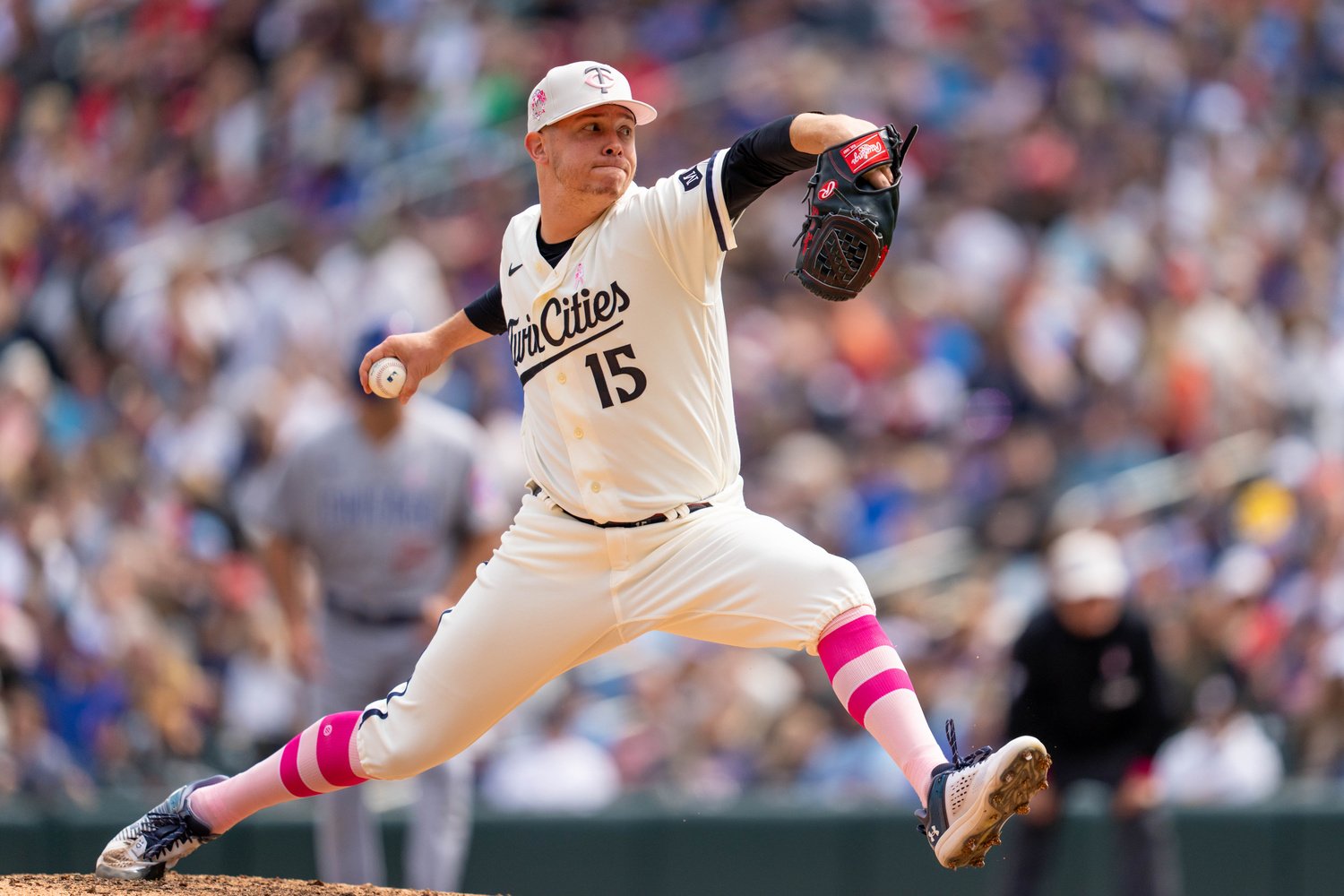 The nature of the reliever position is that things can change extremely quickly. Relief pitchers are notoriously up-and-down and the heirarchy can change very quickly. Now that we are one fourth through the season, let's take a look at how the bullpen stands right now. 1. Jhoan Duran As has been the case for over a year now, Jhoan Duran tops the list of Minnesota Twins relievers when it comes to confidence level. After posting a 1.86 ERA in a magnificent rookie season in 2022, Duran has an even lower ERA through 16 appearances in 2023 at 1.62. Though Duran has a lower ERA than last year, the underlying statistics say that Duran has had luck on his side to start the year. In fact, according to FIP (Fielding Independent Pitching) his ERA should be closer to 4.00 than to 2.00, likely because of his BB/9 which is more than twice as high as it was last year. Nitpicks aside, Duran is in the middle of another unbelievable season at the back of the Minnesota Twins bullpen and has repeatedly saved them from many late game, sticky situations. The right hander figures to remain atop this list for a long time. 2. Jorge López After a shaky first impression after being traded to the Minnesota Twins, Jorge López has been off to a great start in 2023, boasting a 1.37 ERA and 0.92 WHIP across 19 2/3 innings. López has cut down his walk numbers from last season and ticked up his strikeout numbers from where they were in 2022. López has pitched in the 8th inning or later in 15 out of his 20 appearances this season and should continue to be relied upon in high leverage roles all year. 3. Caleb Thielbar One of the most underrated players on the Minnesota Twins after rejoining the team in 2020, Caleb Thielbar picked up right where he left off in 2022, with yet another great start to the 2023 season. In 10 innings this season, Thielbar has a 1.80 ERA with a miniscule 1.8 BB/9. Because of his track record for consistency, Thielbar would have a good case for being second on this list if it weren’t for the oblique strain that has him on the injured list at the moment. The Twins are missing Thielbar’s left arm, and when he returns to health he should be expected to join the back of the bullpen with Duran and López. 4. Griffin Jax Coming into the 2023 season, Jax was assumed to be number two or three on this list after his breakout season in 2022 in which he acted primarily as the Twins’ setup man and posted a 3.36 ERA with a 9.7 K/9 in 72 1/3 innings. This season, though, Jax has been unable to keep base runners at bay, as evidenced by his 5.09 ERA. The underlying stats tell a different story for Jax, though, his FIP is an impressive 2.63 and his Statcast profile is as red as can be. 5. Brock Stewart Coming in at number six is Brock Stewart, who was signed by the Minnesota Twins to a minor-league deal last season as he worked his way back from Tommy John surgery. Stewart has been great for the Twins in limited action in 2023, pitching nine scoreless innings on the year thus far. Even as a minor-league call-up, the Twins have relied on Stewart in some key spots, as he has come into a tie game or one-run game in four of his eight appearances. Stewart has good stuff with a 96 MPH fastball and a 10.0 K/9. 6. Emilio Pagán Many Twins fans were surprised when the Twins offered Emilio Pagán arbitration this Winter, but the Twins believed in the reliever's stuff and identified him as a bounce-back candidate for 2023. Prior to Wednesday's loss to the Dodgers in which he gave up a grand slam, that seemed to be working reasonably well. While Pagán has shown some brief stints of good results in 2023, that was partly because the Twins limited the right-hander from facing high-leverage situations. As of Wednesday morning, among relievers, the right hander ranked sixth on the Twins in Leverage Index. The biggest development for Pagán this season had been that he has thus far avoided the long ball; after allowing over 1.5 HR/9 last season, he had yet to allow a home run prior to Wednesday's disastrous outing. 7. Jovani Moran After dominating in the Minors and recording a breakout season in the Majors in 2022, Jovani Moran has failed to build on that in 2023. In 16 1/3 innings, Moran has posted a 5.51 ERA with a WHIP of 1.59. In addition to his command struggles, Moran has been getting crushed by right-handed batters, an area of strength for him in the past. 8. Cole Sands Once a starting pitching prospect, Cole Sands has since moved to the bullpen as a long-relief arm. Sands lacks the elite stuff to become a back-end bullpen arm, but has shown some signs of success as a long man. 9. Jorge Alcala A once-promising prospect, Jorge Alcala has quickly seen his stock crater in the Twins’ bullpen over the past couple of years. In 2022, Alcala was injured nearly all season. In 2023, Alcala was seemingly healthy coming into the season, but has struggled mightily, allowing four home runs in just 15 1/3 innings. After being optioned to Triple-A for poor performance and recalled to the Majors, on Tuesday, Alcala was sent to the injured list with a right forearm strain. Do you agree with the bullpen power rankings? Leave a comment below and start the conversation!
- 10 comments
-
- 1
-
-
- jhoan duran
- griffin jax
- (and 3 more)
-
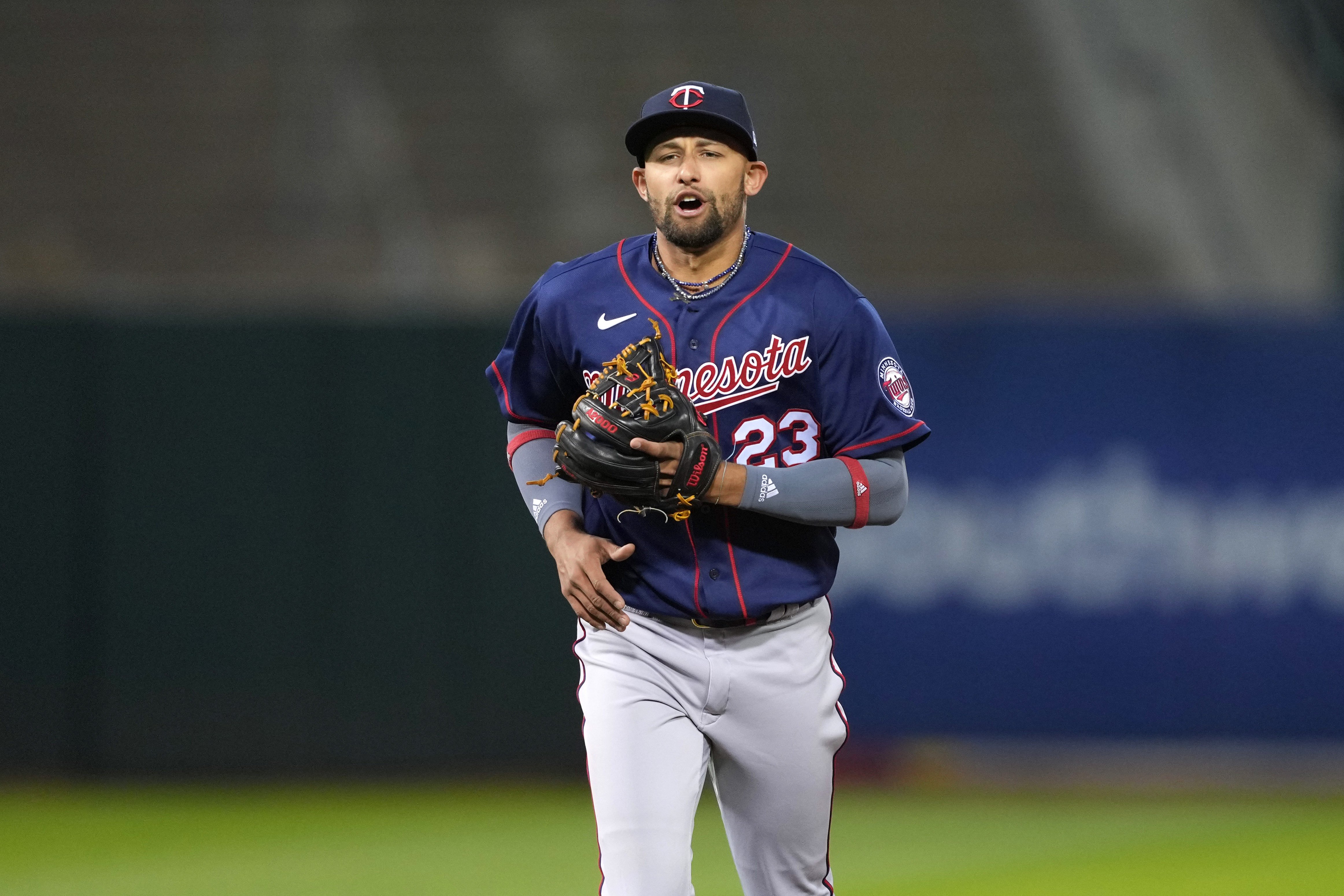 Everyone loves prospect rankings, and every time that a new list gets released it is always exciting to peruse the list and find out where the Minnesota Twins players landed. Mid-season lists are always extra interesting because players are graduating from the list throughout the year so new players are being added, and a new season of Minor League statistics are being taken into account which creates more movement than normal. In the latest iteration of MLB.com’s prospect rankings, four Minnesota Twins players made the top 100. Here’s where they landed: 25. Brooks Lee Moving up on the rankings list is Twins Daily’s number one ranked prospect, Brooks Lee. Coming into the 2023 season, Lee ranked 45th on MLB.com’s rankings. Lee started the 2023 season in AA-Wichita and has posted a respectable .737 OPS with 14 extra base hits. Lee figures to see time up with the Twins later this season, though he shouldn’t be asked to save the Minnesota Twins offense. 36. Royce Lewis Another positive mover on MLB’s prospect list for the Minnesota Twins is Royce Lewis who moved up from 45th on the preseason list to 36th on the latest update. Lewis has previously been as highly ranked as fifth on MLB’s rankings, but because of his injuries, he has had to climb his way back up the rankings. With Lewis’s return to the Majors imminent, his time on this rankings list shouldn’t be expected to last long. Royce Lewis ranks second on Twins Daily’s prospect rankings. 76. Emmanuel Rodriguez Yet another upward mover on MLB’s prospect list, Emmanuel Rodriguez has moved up from 88th on their preseason list to 76th on their latest update. After a lightning fast start to the season in which Rodriguez hit three home runs and knocked in 12 RBI, Rodriguez missed three weeks due to injury and is still looking to find his stride at the plate. At just 20 years old and still in High-A, it could still be a year or two until we see Rodriguez up with the Twins. Rodriguez currently ranks third on Twins Daily’s prospect rankings. 86. Edouard Julien The final Minnesota Twins player who cracked MLB’s latest rankings update is Edouard Julien, who Twins fans should be very familiar with after he made his big-league debut in April. Now back in St. Paul, Julien has shown a knack for crushing Triple-A pitching with a .907 OPS with the Saints. Julien will get called back up to the Twins in a matter of time, and it wouldn’t be surprising if he sticks there this time. Julien wasn’t on the preseason Top 100 list for MLB, but after some early season updates was recently ranked as high as number 96. Julien ranks fifth in Twins Daily’s prospect rankings. Other Observations A few other observations in MLB’s newly updated prospect list: The Minnesota Twins rank second in the American League Central with four prospects in the Top 100. The Twins rank behind the Cleveland Guardians who boast seven prospects on the list. The White Sox and Tigers each have two prospects in the Top 100 with the Royals only having one. The Minnesota Twins have the two highest ranked prospects in the American League Central in Brooks Lee and Royce Lewis at numbers 25 and 36, respectively. The next highest ranked prospect in the division is outfielder George Valera of the Cleveland Guardians, ranked 41st. There are three players on the Top 100 list that were born in Minnesota: Michael Busch (44, Dodgers, Simley HS), Max Meyer (54, Marlins, Woodbury HS) and Drew Gilbert (96, Astros, Stillwater HS). There are two players ranked in the Top 100 who are siblings of current Minnesota Twins prospects: Luisangel Acuña (58, Rangers) (brother of Twins prospect Bryan Acuña. And that Ronald Acuña guy...) and Ethan Salas (90, Padres) (brother of Twins prospect Jose Salas). Twins Daily will soon be updating our prospect rankings, so be sure to check back and see how our writers rank the prospects within the Twins organization, and how that changed since the preseason. Do you agree with MLB's rankings of the Twins prospects? Who do you think was ranked too high or too low? Leave a comment below and start the conversation!
- 8 comments
-
- 2
-
-
- royce lewis
- brooks lee
- (and 2 more)
-
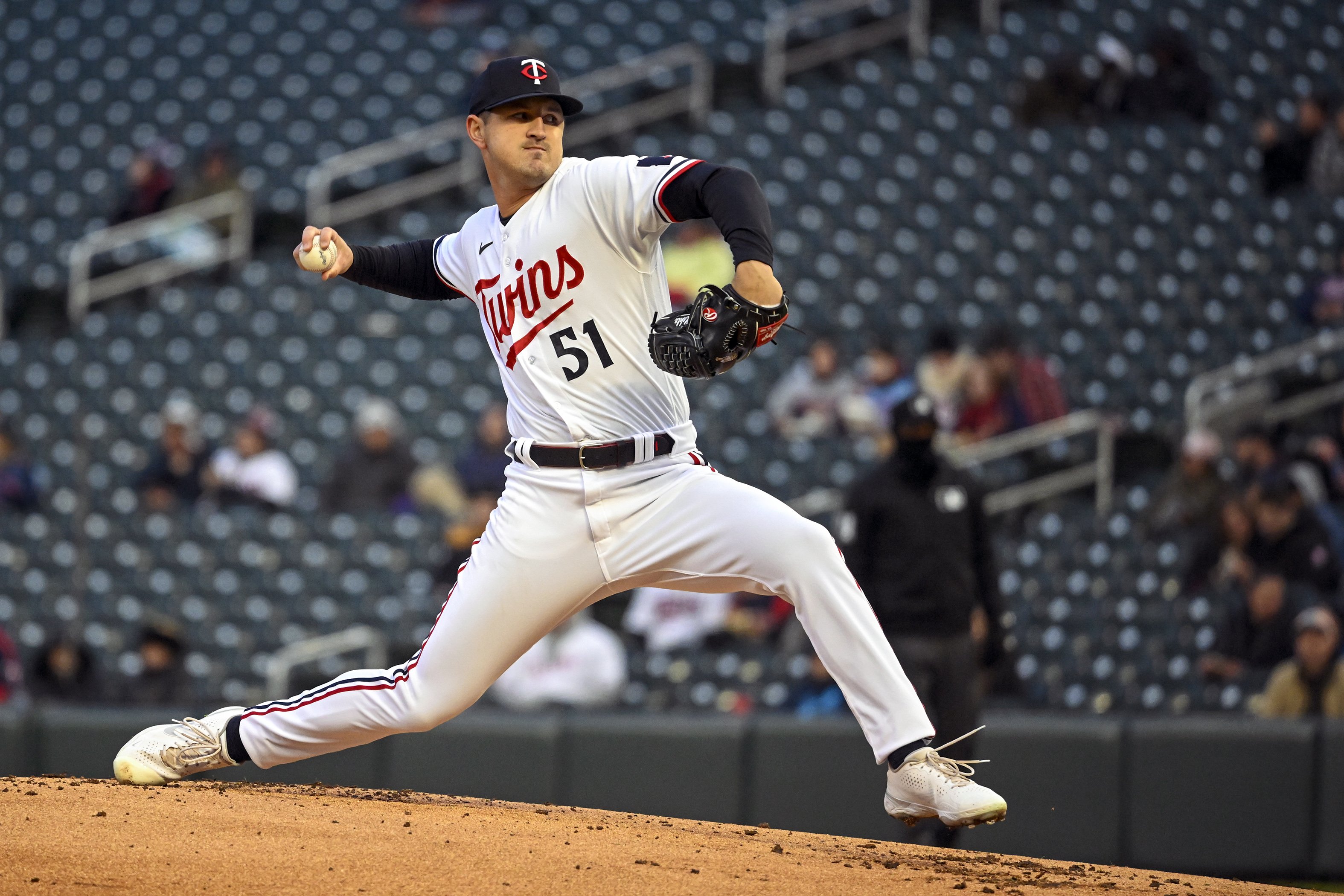 On Tuesday afternoon, it was announced that Tyler Mahle would be undergoing Tommy John surgery, ending his season and potentially ending his time as a member of the Minnesota Twins. Mahle was acquired by the Minnesota Twins at the 2022 trade deadline in exchange for infield prospects Spencer Steer and Christian Encarnacion-Strand, and left-handed pitcher Steve Hajjar . Since joining the Minnesota Twins, Mahle started just nine games, with four of those starts lasting less than five innings. Looking at the trade, there is no other way to frame it than to say that the trade was a failure for the Twins. Tyler Mahle contributed only 0.5 fWAR in his time in Minnesota, while Spencer Steer has already reached the majors with the Cincinnati Reds and Christian Encarnacion-Strand has a 1.103 OPS in 69 plate appearances in AAA. The front office made a poor trade that will only get worse as time goes on and the prospects they let go continue to perform. Even though the Mahle trade was a failure, and the front office would surely take the trade back if they could, it was still the right trade to make at the time. For years, everyone in Twins Territory had been clamoring for the Minnesota Twins to acquire a front-line starting pitcher. At the time of the trade, the Twins were in first place in the American League Central, but their starting pitchers ranked 18th in baseball with a 4.19 ERA. The Twins were a legitimate starting pitcher away from being a real threat to make the playoffs and make noise in the playoffs. Among the starting pitchers available at the trade deadline, Tyler Mahle was one of just a few top names. Mahle was a 28-year-old front-line starting pitcher who had a 3.72 ERA between 2020 and 2021 while playing in one of the most hitter-friendly parks in all of baseball. Mahle had excellent underlying numbers and had a season and a half of team control at the time of the trade deadline. Mahle wasn’t without risk as he had previously struggled with shoulder issues and was recently on the injured list weeks before the Twins traded for him. The Twins recognized the risk and made the trade anyways, recognizing that no pitchers are completely without risk and believing that it was the time to push in some chips and go for it. The Twins had a deep farm system at the time and the prospects they traded away played positions that they had depth within the organization. While the Twins may have pushed in their chips for a pitcher who was “damaged goods”, it’s worth looking at the other pitcher who was traded at the trade deadline that nearly every Twins fan wanted even more than Mahle, Frankie Montas. Montas was the top name on the trade market after Luis Castillo was traded to the Mariners and was an extremely popular trade target in Twins Territory (does ‘Where Frankie?’ ring a bell?). The Twins didn’t end up with Frankie Montas as he was traded to the Yankees, but Montas turned out to be an even worse trade acquisition than Mahle when he was injured after eight starts in 2022 and is set to miss most (or all) of 2023 with a shoulder injury. The moral to the story is that pitchers are extremely unpredictable and trading for a pitcher brings with it an enormous amount of risk. The Twins decided that they were willing to make that risk at the 2022 deadline. It didn’t work out, but the decision made a lot of sense at the time, and the top alternative name wouldn’t have worked out either. The Twins should remain cautious when they look for starting pitchers in the future, but they shouldn’t let the 2022 trade deadline scare them away from trading for a front-line starting pitcher. An ace pitcher is the most valuable thing in all of baseball, and they don’t become available via free agency. The Twins need to either develop their own front-line starting pitchers (they are starting to do this) or continue taking swings at trading for them. Do you think the Tyler Mahle trade was made with the right process in mind? Leave a comment below and start the conversation.
- 53 comments
-
- 15
-
-

-
- tyler mahle
- frankie montas
- (and 1 more)
-
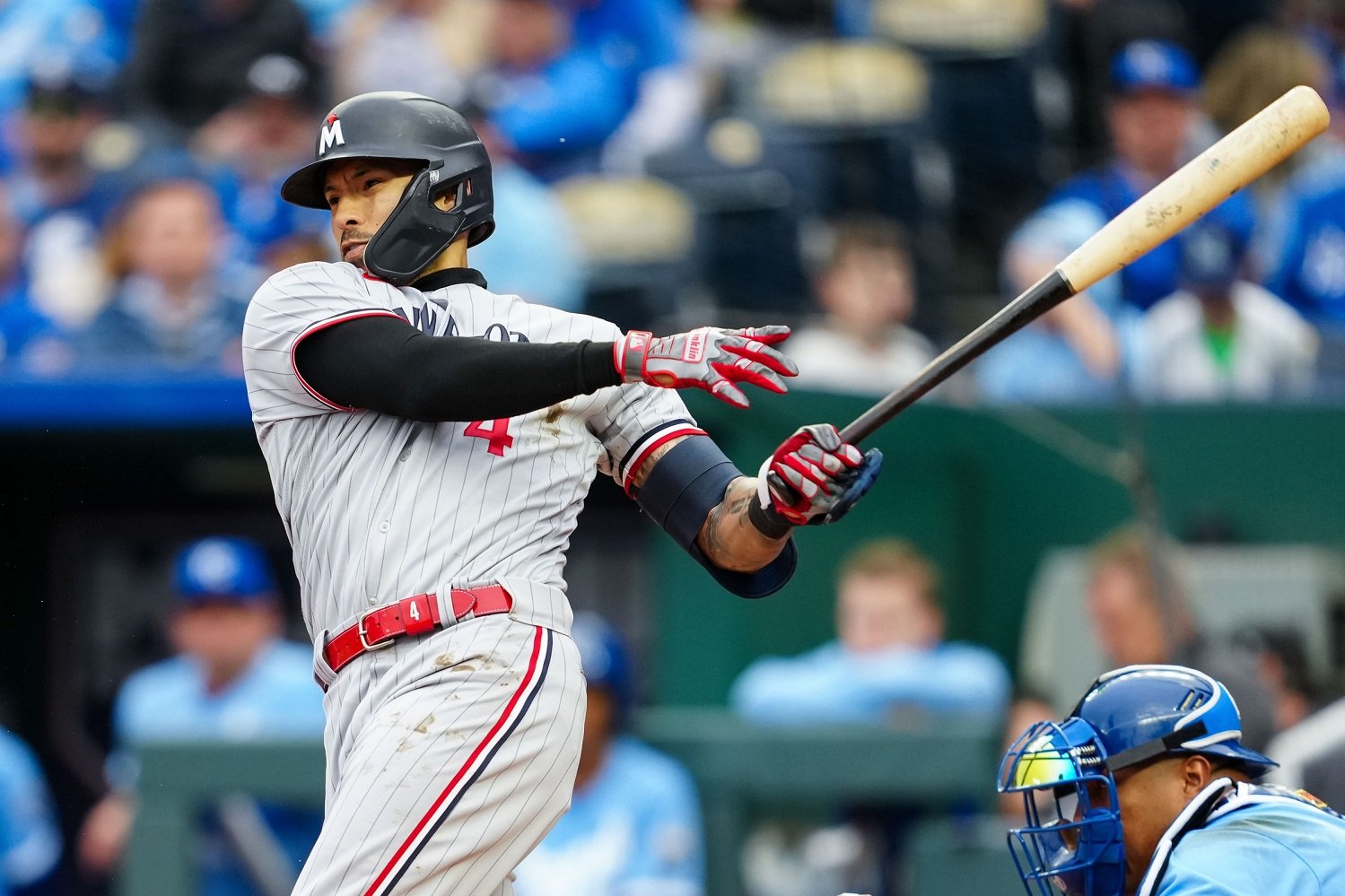 At the beginning of a baseball season it can take a while for statistics to normalize. The small sample sizes can cause incorrect opinions to be made about players when in reality their baseline numbers don’t tell the whole story. When you dig into their underlying statistics, you can come to find that a player’s been hitting the ball better or worse than what their results have been showing. There are a number of ways to look at luck in baseball. For a long time, the most popular metric for doing this was batting average on balls in play (BABIP). While it can still be valuable to look at BABIP, advanced statistics have progressed to the point that there are better statistics out there to evaluate luck. For this exercise, we are going to look at my go-to metric for evaluating luck, wOBA/xwOBA difference. wOBA stands for weighted on-base percentage. Essentially what that means is that it measures how often a player reaches base, but it also weights those on-base events based on how a player reaches base. A more accurate measure than on-base percentage and slugging percentage. xwOBA on the other hand is expected on-base percentage. It doesn’t look at results but just the underlying numbers on every batted ball event (exit velocity, launch angle, sprint speed) and assigns a number of what a players wOBA should be. Take the difference between wOBA and xwOBA and you find out how lucky or unlucky a player has been. With that in mind, let’s look at who have been the luckiest and unluckiest batters for the Minnesota Twins thus far in 2023. Luckiest 1. Ryan Jeffers wOBA: .364 xwOBA: .303 Diff: 0.061 Ryan Jeffers has had a really nice start to the year for the Minnesota Twins. He is posting what would be a career-best OPS of .815 and is third on the team with a .357 wOBA. Looking at Jeffers’s underlying numbers, though, it doesn’t appear that he should be hitting as well as he is. He has what would be a career-low average exit velocity of 87.7 MPH and is striking out at a 34% clip. Sure enough, the expected wOBA statistic backs up that thought as his xwOBA is just .295, a difference of 0.062. Peripheral numbers suggest that Ryan Jeffers’s results have been better than what his underlying numbers suggest that his results should be. Jeffers has only put together 50 plate appearances this season, so even his underlying numbers have some time to normalize, but to this point his hot start should be expected to cool down a bit. 2. Byron Buxton wOBA: .352 xwOBA: .324 Diff: 0.028 The next “luckiest” batter for the Minnesota Twins thus far in 2023 has been the player who has been arguably their best hitter of the season to this point, Byron Buxton. Buxton has been hitting the cover off the ball lately, but even his great numbers haven’t been without a little bit of luck. While his numbers have been incredible, his average exit velocity of 90.4 MPH is lower than his season average has been over each of the past three seasons. The results have been there over the course of the season, but bumping up that average exit velocity will increase his expected numbers and take him off the list of “lucky” batters. Unluckiest 1. Nick Gordon wOBA: .209 xwOBA: .296 Diff: -0.087 Flipping the discussion around, the unluckiest batter for the Minnesota Twins through the first six weeks of play has been Nick Gordon. After a breakout season in 2022, Gordon has started the 2023 season extremely slowly, posting a meager .491 OPS over 75 plate appearances. The advanced numbers tell a different story for Gordon, though, as he should have a wOBA of about .300. Certainly not an all-star start to the year, but far from the worst hitter on the team as his numbers would suggest. One thing that would help Gordon a lot is to elevate the ball more than he has. Currently, Gordon has an average launch angle of 8.2 degrees, down from 12.5 degrees in 2023. Increasing that launch angle would increase his xwOBA even higher than it is now and bring his numbers closer to how they were in 2022. 2. Carlos Correa wOBA: .280 xwOBA: .320 Diff: -0.040 Not a surprise, the other unluckiest hitter for the Minnesota Twins in 2023 has been their superstar shortstop Carlos Correa. Correa has had a nightmare start to the season for the Minnesota Twins, posting an OPS of just .643 and is easily off to the worst start to a season over the course of his career. Correa’s advanced numbers show that his average exit velocity is just 1.3 MPH off of his career average and his BABIP is a career-low .204.. Those hard hit balls should eventually start to find holes and his numbers should start to creep up to where we have seen him in the past. Do any of the players above surprise you? Do you think the luck will turn around for these players? Leave a comment and start the conversation!
- 8 comments
-
- 3
-
-
- carlos correa
- byron buxton
- (and 1 more)
-
Twins 4, Padres 3 (11 innings): Thank Heavens For Alex Kirilloff
Matthew Taylor posted an article in Twins
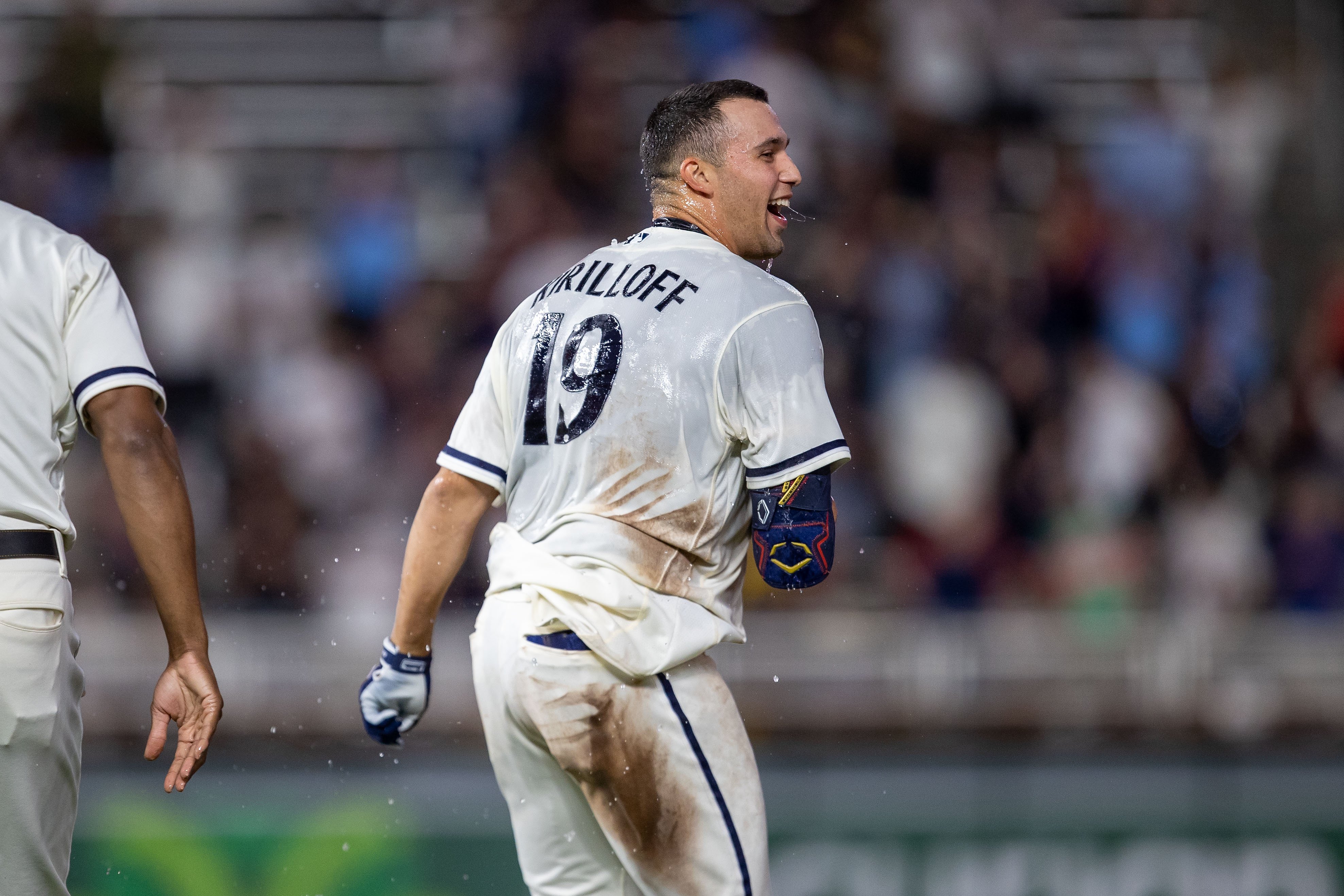 Box Score SP: Pablo López 6 1/3 IP, 2 H, 1 ER, 4 BB, 8 K (98 pitches, 56 strikes (57%)) Home Runs: Max Kepler (6) Top 3 WPA: Solano .616, P. López .246, Correa .223 Win Probability Chart (via FanGraphs): The Minnesota Twins came into Wednesday night’s game against the Padres with lots of questions surrounding their offense. Questions were swirling about whether the Twins should regret the Luis Arraez trade or even if they would consider firing their hitting coach. The Twins started off the game as though the offense might turn things around when Max Kepler crushed a solo home run in the first inning off of Padres starter Seth Lugo. After hitting just nine home runs in 446 plate appearances in 2022, Kepler has already hit six blasts in 2023 in 107 plate appearances. The home run gave the Twins an early 1-0 lead, with the Twins soon ready to tack on another. Just one night after getting booed at his home stadium, Carlos Correa gave fans something to cheer about when he crushed a double to the tune of a 108 MPH exit velocity that plated Max Kepler and gave the Twins a 2-0 lead. The Twins offense went quiet after the two early runs, though, and the story quickly flipped from the bats to the mound as Pablo López was special on the bump for the Minnesota Twins tonight. Against a top-tier lineup like the San Diego Padres, López pitched 6 1/3 innings, allowing just one run on two hits while striking out eight batters. Perhaps what was the most impressive part of López’s outing, though, was that he didn’t have his best command tonight. López only threw 57% of his pitches for strikes and walked a season-high four batters, but was able to avoid any major damage until the seventh inning when Juan Soto crushed a solo shot off of López to get the Padres on the board. After Jorge López allowed the Padres to tie the game in a messy 8th inning, the Twins and Padres headed to extra innings to settle the score. In the 10th inning, the Twins traded a pair of runs when the Padres successfully plated a suicide squeeze and "Donny Barrels" responded with an RBI single to tie the game once again. In the 11th inning, Griffin Jax was able to hold the Padres offense scoreless and give the Minnesota Twins’ offense a chance to come through in the bottom half of the inning, and come through they did. After the Padres intentionally walked Carlos Correa, Alex Kirilloff made them pay when he pulled a base hit right past the diving first baseman to plate Max Kepler from second base and win the game for the Minnesota Twins, snapping their three-game losing streak and moving the Twins’ record in extra innings to 4-2. After the Guardians lost to Tigers earlier today, the Twins are now three games ahead of Cleveland in the division, however, their closest competition right now is Detroit who is currently two-and-a-half games back of the Twins. Other Notes One of the most notable plays from Wednesday night’s victory for the Twins was the bizarre catch from Joey Gallo in the top of the first inning when he made a juggling catch in left field and doubled up Jake Cronenworth at first base. One of those plays that you have to see to believe. What’s Next? Tomorrow afternoon, the Minnesota Twins will bring Bailey Ober to the mound to face off against long-time ace Yu Darvish in a rubber match before the Chicago Cubs come to Target Field for a weekend series. Postgame Interviews Bullpen Usage Chart SAT SUN MON TUE WED TOT Alcala 29 0 0 23 0 52 Pagán 0 12 0 24 0 36 Jax 0 0 0 18 17 35 Stewart 0 11 0 0 9 20 Durán 0 0 0 0 17 17 Lopez 0 0 0 0 17 17 Morán 12 0 0 0 0 12 Rodriguez 0 0 0 0 0 0
- 44 comments
-
- 5
-
-
- alex kirilloff
- pablo lopez
- (and 1 more)
-
The Minnesota Twins didn’t exactly find their stride at the plate on Wednesday night against the San Diego Padres, but they came through when it mattered and gave the Twins a much needed win. Image courtesy of Jesse Johnson-USA TODAY Sports Box Score SP: Pablo López 6 1/3 IP, 2 H, 1 ER, 4 BB, 8 K (98 pitches, 56 strikes (57%)) Home Runs: Max Kepler (6) Top 3 WPA: Solano .616, P. López .246, Correa .223 Win Probability Chart (via FanGraphs): The Minnesota Twins came into Wednesday night’s game against the Padres with lots of questions surrounding their offense. Questions were swirling about whether the Twins should regret the Luis Arraez trade or even if they would consider firing their hitting coach. The Twins started off the game as though the offense might turn things around when Max Kepler crushed a solo home run in the first inning off of Padres starter Seth Lugo. After hitting just nine home runs in 446 plate appearances in 2022, Kepler has already hit six blasts in 2023 in 107 plate appearances. The home run gave the Twins an early 1-0 lead, with the Twins soon ready to tack on another. Just one night after getting booed at his home stadium, Carlos Correa gave fans something to cheer about when he crushed a double to the tune of a 108 MPH exit velocity that plated Max Kepler and gave the Twins a 2-0 lead. The Twins offense went quiet after the two early runs, though, and the story quickly flipped from the bats to the mound as Pablo López was special on the bump for the Minnesota Twins tonight. Against a top-tier lineup like the San Diego Padres, López pitched 6 1/3 innings, allowing just one run on two hits while striking out eight batters. Perhaps what was the most impressive part of López’s outing, though, was that he didn’t have his best command tonight. López only threw 57% of his pitches for strikes and walked a season-high four batters, but was able to avoid any major damage until the seventh inning when Juan Soto crushed a solo shot off of López to get the Padres on the board. After Jorge López allowed the Padres to tie the game in a messy 8th inning, the Twins and Padres headed to extra innings to settle the score. In the 10th inning, the Twins traded a pair of runs when the Padres successfully plated a suicide squeeze and "Donny Barrels" responded with an RBI single to tie the game once again. In the 11th inning, Griffin Jax was able to hold the Padres offense scoreless and give the Minnesota Twins’ offense a chance to come through in the bottom half of the inning, and come through they did. After the Padres intentionally walked Carlos Correa, Alex Kirilloff made them pay when he pulled a base hit right past the diving first baseman to plate Max Kepler from second base and win the game for the Minnesota Twins, snapping their three-game losing streak and moving the Twins’ record in extra innings to 4-2. After the Guardians lost to Tigers earlier today, the Twins are now three games ahead of Cleveland in the division, however, their closest competition right now is Detroit who is currently two-and-a-half games back of the Twins. Other Notes One of the most notable plays from Wednesday night’s victory for the Twins was the bizarre catch from Joey Gallo in the top of the first inning when he made a juggling catch in left field and doubled up Jake Cronenworth at first base. One of those plays that you have to see to believe. What’s Next? Tomorrow afternoon, the Minnesota Twins will bring Bailey Ober to the mound to face off against long-time ace Yu Darvish in a rubber match before the Chicago Cubs come to Target Field for a weekend series. Postgame Interviews Bullpen Usage Chart SAT SUN MON TUE WED TOT Alcala 29 0 0 23 0 52 Pagán 0 12 0 24 0 36 Jax 0 0 0 18 17 35 Stewart 0 11 0 0 9 20 Durán 0 0 0 0 17 17 Lopez 0 0 0 0 17 17 Morán 12 0 0 0 0 12 Rodriguez 0 0 0 0 0 0 View full article
- 44 replies
-
- 1
-
-
- alex kirilloff
- pablo lopez
- (and 1 more)
-
Will Jose Miranda or Willi Castro Make Room For Kyle Farmer?
Matthew Taylor posted an article in Twins
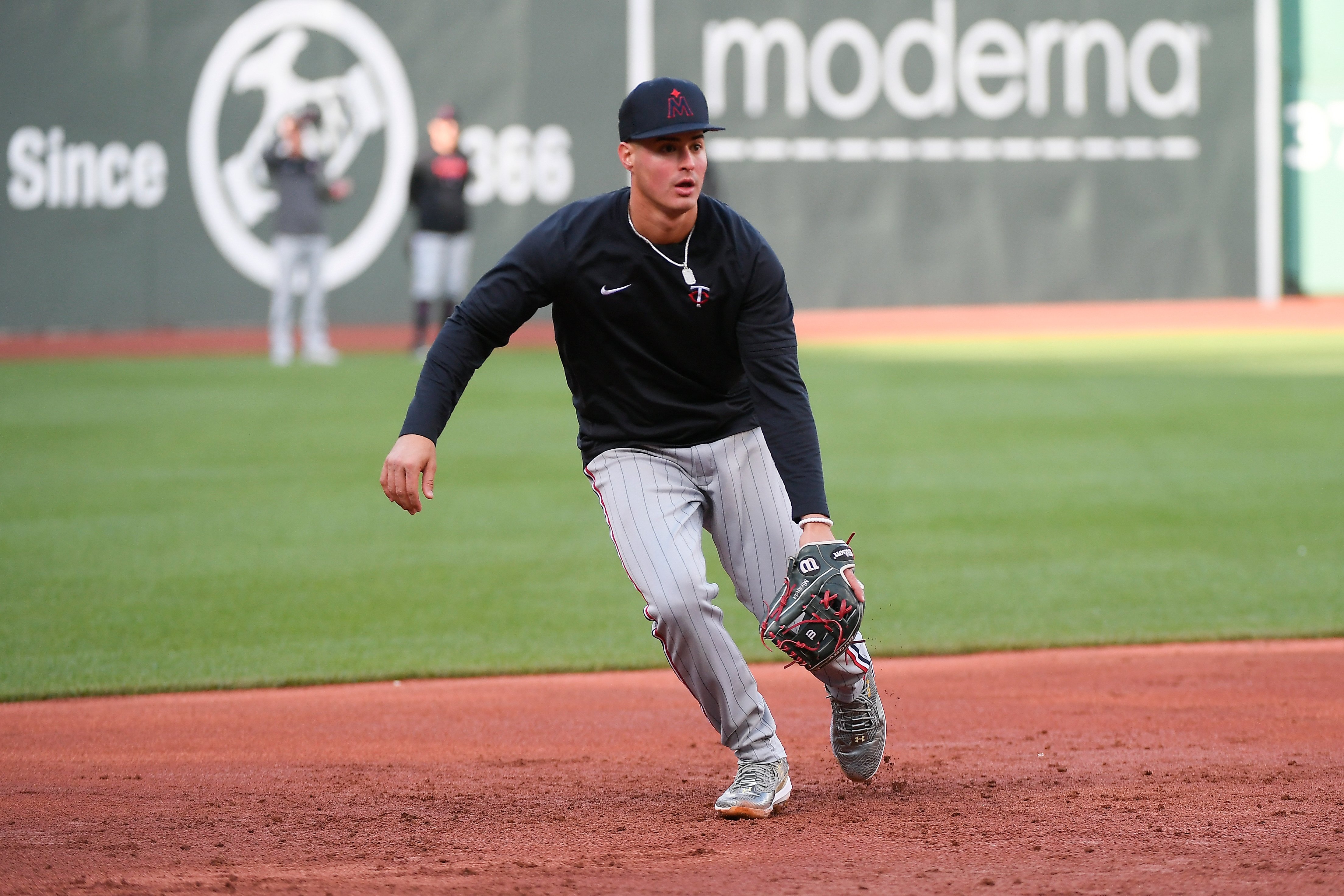 Kyle Farmer has only played in 11 games for the Minnesota Twins this season, but he has certainly been missed since going out with a facial injury on April 12. He brings a much needed right handed bat, as well as the positional flexibility to play all over the infield. With the Twins returning home from their road trip on Tuesday, it’s likely that Farmer will join the big league club, but who will be the odd man out on the roster? There are two likely options: Willi Castro and José Miranda. The first option for a demotion is star prospect José Miranda. Coming into the season, Miranda was thought to be a core member of the team following his breakout season in the Minor Leagues in 2021 and his strong showing as a rookie in 2022. His 2023 season has been a different story, though. In 32 games played thus far, Miranda has just a .589 OPS with just six extra base hits and a tough 21/9 K/BB ratio. His underlying statistics don’t provide much confidence either, with a barrel %, chase rate, BB% and xSLG all below the 25th percentile. I mean, just look at this Baseball Savant batter profile. This doesn’t look like someone who is demanding playing time at the Big League level, does it? The other reason for sending down Miranda is his defense. First of all, Miranda has been a negative in the field for the Minnesota Twins this year. According to Baseball Savant, Miranda has provided -2 outs above average this season, putting him in the 8th percentile in baseball. When the Twins bring back Kyle Farmer, they will likely slot him in as the new everyday starting third baseman. Farmer provides much better defense than Miranda and with the way Miranda is performing at the plate, he likely will provide better offense as well. Secondly, José Miranda doesn’t provide much of any defensive flexibility. Miranda could be a right handed platoon at first base for Joey Gallo/Alex Kirilloff, but he showed last year that he’s a bit of a butcher at first base, and keeping Miranda in the bigs as a platoon first baseman doesn’t make a lot of sense either. Whether it’s his shoulder injury that kept him out of the World Baseball Classic this winter, or simply a sophomore slump, there is a good argument to be made that Miranda should be the player to be sent down to St. Paul where he can regain his confidence and hopefully find the swing that made so many people confident in him heading into the season. The other option for being sent down to make room for Kyle Farmer is utilityman Willi Castro. Castro was a surprise addition to the Opening Day roster for the Minnesota Twins this season after signing a minor league contract in December. Castro hasn’t exactly been great for the Minnesota Twins during the first month of the season, posting an OPS of just .643 with three extra base hits over 44 plate appearances. In his four seasons prior to joining the Twins, Castro posted a cumulative OPS of .673 with an average of just six home runs per season, so expecting any offensive run from the utilityman isn’t wise. Castro does not provide the offensive ceiling that Miranda does, though as a switch hitter, Castro does provide the Twins with more lineup flexibility against pitchers of both right and left handedness. Defensively, Willi Castro provides about league average defense and can play all over the infield as well as the corner outfield. Castro provides more speed than Miranda, though isn’t necessarily a burner on the bases. With Nick Gordon on the roster as a right handed bat with plus-speed and a higher offensive ceiling coming off the bench, it’s not exactly clear how often Willi Castro would play if he stuck on the roster after Kyle Farmer gets called up. However, unlike José Miranda, the Twins would be okay with having Willi Castro stick on the bench most days, whereas with José Miranda, if he’s not playing almost everyday the Twins would prefer to have him playing in St. Paul where he can play every day. The ultimate question that would determine if José Miranda or Willi Castro gets sent down for Kyle Farmer is how often the Twins are comfortable playing Farmer. If Farmer is healthy enough to play everyday, it’s safe to reason that Farmer would take over the role as the everyday third baseman and there would be no at-bats left for Miranda. If the Twins don’t feel comfortable playing Kyle Farmer everyday, then Miranda might stick with club as he still provides upside at third base that Willi Castro simply doesn’t provide. Who do you think should get sent down for the Twins to make room for Kyle Farmer? Leave a comment below and start the conversation!
- 61 comments
-
- 6
-
-
- jose miranda
- willi castro
- (and 1 more)
-
Let’s look at the cases for each. Image courtesy of © Eric Canha-USA TODAY Sports Kyle Farmer has only played in 11 games for the Minnesota Twins this season, but he has certainly been missed since going out with a facial injury on April 12. He brings a much needed right handed bat, as well as the positional flexibility to play all over the infield. With the Twins returning home from their road trip on Tuesday, it’s likely that Farmer will join the big league club, but who will be the odd man out on the roster? There are two likely options: Willi Castro and José Miranda. The first option for a demotion is star prospect José Miranda. Coming into the season, Miranda was thought to be a core member of the team following his breakout season in the Minor Leagues in 2021 and his strong showing as a rookie in 2022. His 2023 season has been a different story, though. In 32 games played thus far, Miranda has just a .589 OPS with just six extra base hits and a tough 21/9 K/BB ratio. His underlying statistics don’t provide much confidence either, with a barrel %, chase rate, BB% and xSLG all below the 25th percentile. I mean, just look at this Baseball Savant batter profile. This doesn’t look like someone who is demanding playing time at the Big League level, does it? The other reason for sending down Miranda is his defense. First of all, Miranda has been a negative in the field for the Minnesota Twins this year. According to Baseball Savant, Miranda has provided -2 outs above average this season, putting him in the 8th percentile in baseball. When the Twins bring back Kyle Farmer, they will likely slot him in as the new everyday starting third baseman. Farmer provides much better defense than Miranda and with the way Miranda is performing at the plate, he likely will provide better offense as well. Secondly, José Miranda doesn’t provide much of any defensive flexibility. Miranda could be a right handed platoon at first base for Joey Gallo/Alex Kirilloff, but he showed last year that he’s a bit of a butcher at first base, and keeping Miranda in the bigs as a platoon first baseman doesn’t make a lot of sense either. Whether it’s his shoulder injury that kept him out of the World Baseball Classic this winter, or simply a sophomore slump, there is a good argument to be made that Miranda should be the player to be sent down to St. Paul where he can regain his confidence and hopefully find the swing that made so many people confident in him heading into the season. The other option for being sent down to make room for Kyle Farmer is utilityman Willi Castro. Castro was a surprise addition to the Opening Day roster for the Minnesota Twins this season after signing a minor league contract in December. Castro hasn’t exactly been great for the Minnesota Twins during the first month of the season, posting an OPS of just .643 with three extra base hits over 44 plate appearances. In his four seasons prior to joining the Twins, Castro posted a cumulative OPS of .673 with an average of just six home runs per season, so expecting any offensive run from the utilityman isn’t wise. Castro does not provide the offensive ceiling that Miranda does, though as a switch hitter, Castro does provide the Twins with more lineup flexibility against pitchers of both right and left handedness. Defensively, Willi Castro provides about league average defense and can play all over the infield as well as the corner outfield. Castro provides more speed than Miranda, though isn’t necessarily a burner on the bases. With Nick Gordon on the roster as a right handed bat with plus-speed and a higher offensive ceiling coming off the bench, it’s not exactly clear how often Willi Castro would play if he stuck on the roster after Kyle Farmer gets called up. However, unlike José Miranda, the Twins would be okay with having Willi Castro stick on the bench most days, whereas with José Miranda, if he’s not playing almost everyday the Twins would prefer to have him playing in St. Paul where he can play every day. The ultimate question that would determine if José Miranda or Willi Castro gets sent down for Kyle Farmer is how often the Twins are comfortable playing Farmer. If Farmer is healthy enough to play everyday, it’s safe to reason that Farmer would take over the role as the everyday third baseman and there would be no at-bats left for Miranda. If the Twins don’t feel comfortable playing Kyle Farmer everyday, then Miranda might stick with club as he still provides upside at third base that Willi Castro simply doesn’t provide. Who do you think should get sent down for the Twins to make room for Kyle Farmer? Leave a comment below and start the conversation! View full article
-
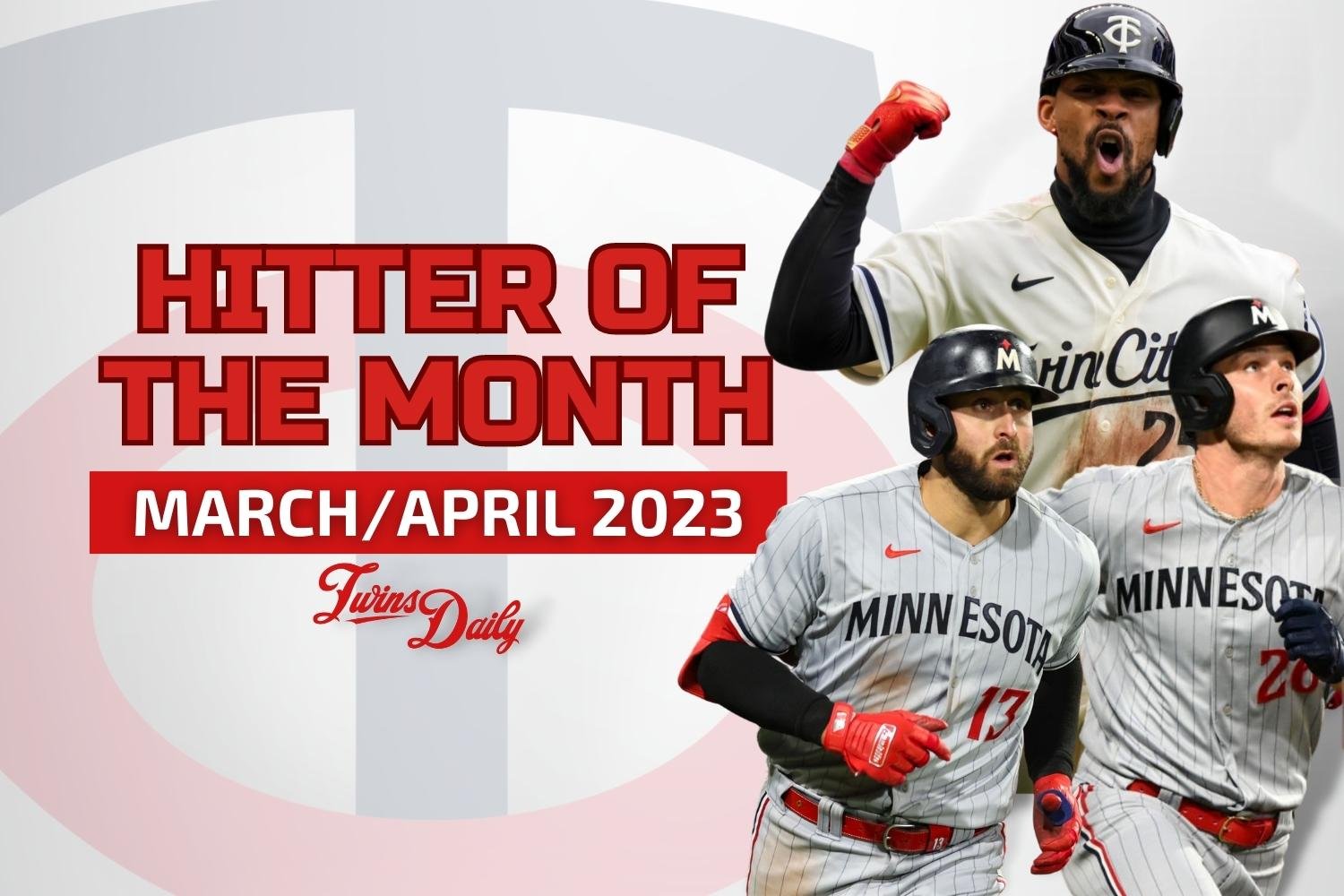 The Minnesota Twins made their mark on the mound for most of the month of April. Even though the pitchers showed up in spades for the Twins to start the year, there were a number of qualified candidates for hitter of the month. Let’s dive in. Honorable Mention #2: Max Kepler 18 G, .242/.319/.452 (.771) 4 2B, 3 HR, 8 RBI From popular DFA candidate to honorable mention for hitter of the month, it was quite the roller coaster of a month for Max Kepler. Ever since a breakout season in 2019, Kepler has experienced his fair share of struggles at the plate, posting a below-average 98 OPS+ from 2020-2022. Over the first 12 games of the 2023 season, it looked like it would be the same old struggles at the plate for the left-hander, with a brutal slash line of .175/.244/.400 (.644). Since the start of the second Yankees series, though, Kepler has found his stride at the plate posting an extremely promising slash line of .364/.444/.546 (.990) with four RBI over six games. It’s obviously a small sample, but a small glimmer of hope that his bat might still have some life in it. Honorable Mention #1: Byron Buxton 26 G, .258/.324/.557 (.881), 6 2B, 7 HR, 17 RBI Another player with a roller coaster month, Byron Buxton had arguably the biggest slump of any player on the team in the month of April when he was stuck on a run of fifteen consecutive at-bats without a hit (including 12 strikeouts). Since breaking out of that slump, Buxton has been on a scorcher, slashing .308/.372/.821 (!!!) with 10 extra base hits and 11 RBI over his last 10 games. The biggest win for Buxton in the month of April is the fact that he stayed healthy and finished third on the team in plate appearances. Hitter of the Month: Joey Gallo 19 G, .236/.354/.709 (1.059), 3 2B, 7 HR, 14 RBI While Byron Buxton had a big month of April, he was eclipsed by a newcomer who had an even bigger month. Joey Gallo introduced his big-time bat to Minnesotans in a big way, posting a ridiculous slugging percentage of .709 with seven home runs, many of them being moonshots. Gallo is currently on pace to post his best batting average since 2019 and the lowest K% of his career. While those numbers are likely to regress to his career averages, Gallo has shown that he is more than just a fringe signing. The only thing that has slowed Gallo this season has been a minimum-stay trip to the injured list for a right intercostal strain. Gallo possesses real power at the plate and represents a middle of the order bat that this team was needing this month... and will continue to need throughout the season. Who do you think was the best hitter for the Minnesota Twins in April? Leave a comment below and start the conversation.
- 6 comments
-
- 2
-
-
-
- max kepler
- byron buxton
- (and 1 more)
-
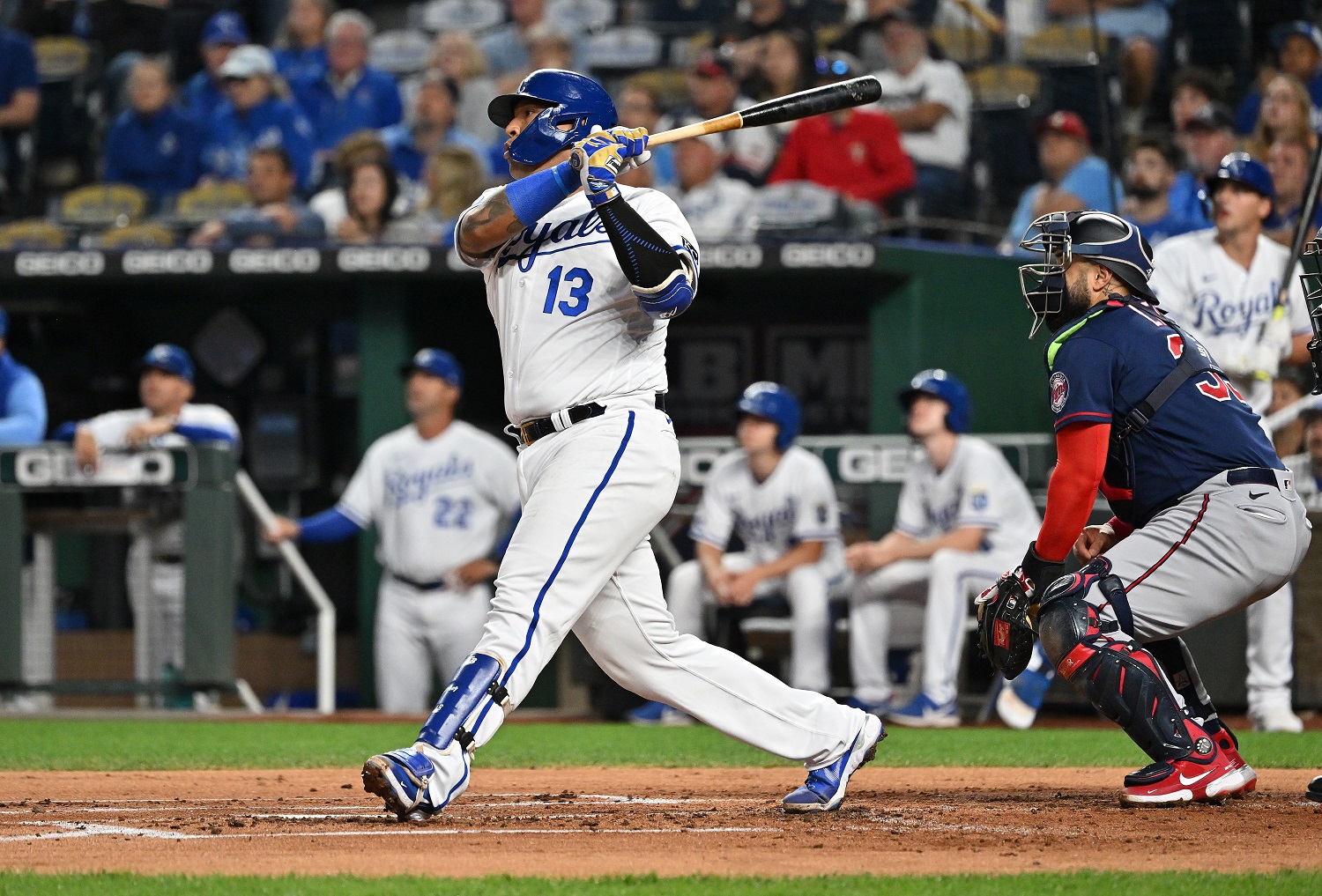 Catcher: Salvador Perez, KCR ZiPS projection: .267/.310/.499, 28 HR, 84 RBI, 3.2 fWAR After a dominant season in 2021, Salvador Perez struggled with a thumb injury in 2022 and saw his OPS drop by over 100 points. Even still, Perez enjoyed a 110 OPS+ season with 23 bombs. Now fully healthy heading into 2023 there’s no reason not to think that Salvy will maintain his reign as the best catcher in the American League Central. Honorable mention: Yasmani Grandal, CWS First Base: Vinnie Pasquantino, KCR ZiPS projection: .275/.352/.474, 21 HR, 77 RBI, 2.4 fWAR Although he wasn’t a highly touted prospect coming out of Old Dominion, Pasquantino mashed his way through the Minor Leagues and earned a call up to the Royals last season and his play didn’t skip a beat. In 72 games in Kansas City in 2022, Vinnie posted an .832 OPS thanks to his average exit velocity of 91.2 MPH. The projections systems don’t think that Pasquantino’s 2022 was a fluke and he figures to be the top first baseman in the Central in 2023. Honorable mention: Josh Bell, CLE Second Base: Andrés Giménez, CLE ZiPS projection: .266/.336/.416, 15 HR, 73 RBI, 4.7 fWAR If it weren’t for the unknown extent of his injury, this spot would likely belong to Jorge Polanco. Polanco is starting the season on the injured list, though, and details of the severity have been pretty vague. In his spot is Andrés Giménez who is one of the more underrated players in the American League Central. The Venezuelan earned his first all-star birth in 2022 and finished top-10 in MVP voting. At 24-years-old, Giménez could occupy the spot as best second baseman in the division for a while. Honorable mention: Jorge Polanco, MIN Third Base: Jose Ramírez, CLE ZiPS projection: .272/.353/.516, 30 HR, 108 RBI, 6.1 fWAR One of the few true superstars in all of baseball, Ramírez was an easy selection for the third base spot on the All-AL Central team. The switch hitter has posted a >.800 OPS in each of the past seven seasons. J-Ram is the straw that stirs the Guardians’ drink and if the Guardians want to make a deep playoff run in 2023, he will be the one leading the charge. Honorable mention: Jose Miranda, MIN Shortstop: Carlos Correa, MIN ZiPS projection: .276/.355/.472, 24 HR, 79 RBI, 5.9 fWAR The first Minnesota Twin to make an appearance on the All-AL Central list is Carlos Correa. The star shortstop and biggest free agent in Minnesota Twins history is not only the best shortstop in the AL Central, but in the running for best shortstop in Major League Baseball. On top of being a perennial Gold Glove candidate, Correa is an on-base master with 25 homer power. Correa finished 2022 as a 4.4 fWAR player, and if all goes well he’ll exceed that in 2023. Honorable mention: Bobby Witt Jr., KCR Outfield: Byron Buxton, MINZiPS projection: .256/.323/.544, 22 HR, 51 RBI, 4.1 fWAR When healthy, Byron Buxton has the upside to be an MVP winner. 2022 was another difficult health season for the center fielder as he failed to eclipse 100 games played for the fifth consecutive season. Even playing in just 92 games, Buxton chipped in 4 fWAR for the Minnesota Twins and is the top outfielder in the American League Central. Outfield: Luis Robert, CWS ZiPS projection: .273/.319/.464, 18 HR, 68 RBI, 3.4 fWAR Similar to Byron Buxton, Luis Robert has MVP-type upside but also has been bit majorly by the injury bug in his short Major League career. Lou Bob is your prototypical 5-tool player who does it all on both sides of the ball. Should he stay healthy in 2023, Robert will affirm this spot on the All-AL Central team and the White Sox should find themselves in the mix for the division. Outfield: Steven Kwan, CLE ZiPS projection: .274/.350/.377, 7 HR, 53 RBI, 3.5 fWAR Coming out of nowhere in 2022, Steven Kwan burst onto the scene for the Guardians in 2022 and nearly grabbed the American League Rookie of the Year award, thanks to his .772 OPS and his incredible glove in the outfield. At the young age of 25, Kwan’s arrow is pointing up and figures to improve in 2023. Honorable mention: Riley Greene, DET Total appearances on All-AL Central Team: Hitters Guardians: 3 Twins: 2 Royals: 2 White Sox: 1 Tigers: 0 Do you agree with the All-AL Central team? Who was the biggest snub? Leave a comment and start the conversation!
- 17 comments
-
- 5
-
-
- carlos correa
- byron buxton
- (and 2 more)
-
We’re under a week from opening day, so let’s take a look at the American League Central and who figures to be the best at each position, starting with the batters. Image courtesy of Peter Aiken-USA TODAY Sports Catcher: Salvador Perez, KCR ZiPS projection: .267/.310/.499, 28 HR, 84 RBI, 3.2 fWAR After a dominant season in 2021, Salvador Perez struggled with a thumb injury in 2022 and saw his OPS drop by over 100 points. Even still, Perez enjoyed a 110 OPS+ season with 23 bombs. Now fully healthy heading into 2023 there’s no reason not to think that Salvy will maintain his reign as the best catcher in the American League Central. Honorable mention: Yasmani Grandal, CWS First Base: Vinnie Pasquantino, KCR ZiPS projection: .275/.352/.474, 21 HR, 77 RBI, 2.4 fWAR Although he wasn’t a highly touted prospect coming out of Old Dominion, Pasquantino mashed his way through the Minor Leagues and earned a call up to the Royals last season and his play didn’t skip a beat. In 72 games in Kansas City in 2022, Vinnie posted an .832 OPS thanks to his average exit velocity of 91.2 MPH. The projections systems don’t think that Pasquantino’s 2022 was a fluke and he figures to be the top first baseman in the Central in 2023. Honorable mention: Josh Bell, CLE Second Base: Andrés Giménez, CLE ZiPS projection: .266/.336/.416, 15 HR, 73 RBI, 4.7 fWAR If it weren’t for the unknown extent of his injury, this spot would likely belong to Jorge Polanco. Polanco is starting the season on the injured list, though, and details of the severity have been pretty vague. In his spot is Andrés Giménez who is one of the more underrated players in the American League Central. The Venezuelan earned his first all-star birth in 2022 and finished top-10 in MVP voting. At 24-years-old, Giménez could occupy the spot as best second baseman in the division for a while. Honorable mention: Jorge Polanco, MIN Third Base: Jose Ramírez, CLE ZiPS projection: .272/.353/.516, 30 HR, 108 RBI, 6.1 fWAR One of the few true superstars in all of baseball, Ramírez was an easy selection for the third base spot on the All-AL Central team. The switch hitter has posted a >.800 OPS in each of the past seven seasons. J-Ram is the straw that stirs the Guardians’ drink and if the Guardians want to make a deep playoff run in 2023, he will be the one leading the charge. Honorable mention: Jose Miranda, MIN Shortstop: Carlos Correa, MIN ZiPS projection: .276/.355/.472, 24 HR, 79 RBI, 5.9 fWAR The first Minnesota Twin to make an appearance on the All-AL Central list is Carlos Correa. The star shortstop and biggest free agent in Minnesota Twins history is not only the best shortstop in the AL Central, but in the running for best shortstop in Major League Baseball. On top of being a perennial Gold Glove candidate, Correa is an on-base master with 25 homer power. Correa finished 2022 as a 4.4 fWAR player, and if all goes well he’ll exceed that in 2023. Honorable mention: Bobby Witt Jr., KCR Outfield: Byron Buxton, MINZiPS projection: .256/.323/.544, 22 HR, 51 RBI, 4.1 fWAR When healthy, Byron Buxton has the upside to be an MVP winner. 2022 was another difficult health season for the center fielder as he failed to eclipse 100 games played for the fifth consecutive season. Even playing in just 92 games, Buxton chipped in 4 fWAR for the Minnesota Twins and is the top outfielder in the American League Central. Outfield: Luis Robert, CWS ZiPS projection: .273/.319/.464, 18 HR, 68 RBI, 3.4 fWAR Similar to Byron Buxton, Luis Robert has MVP-type upside but also has been bit majorly by the injury bug in his short Major League career. Lou Bob is your prototypical 5-tool player who does it all on both sides of the ball. Should he stay healthy in 2023, Robert will affirm this spot on the All-AL Central team and the White Sox should find themselves in the mix for the division. Outfield: Steven Kwan, CLE ZiPS projection: .274/.350/.377, 7 HR, 53 RBI, 3.5 fWAR Coming out of nowhere in 2022, Steven Kwan burst onto the scene for the Guardians in 2022 and nearly grabbed the American League Rookie of the Year award, thanks to his .772 OPS and his incredible glove in the outfield. At the young age of 25, Kwan’s arrow is pointing up and figures to improve in 2023. Honorable mention: Riley Greene, DET Total appearances on All-AL Central Team: Hitters Guardians: 3 Twins: 2 Royals: 2 White Sox: 1 Tigers: 0 Do you agree with the All-AL Central team? Who was the biggest snub? Leave a comment and start the conversation! View full article
-
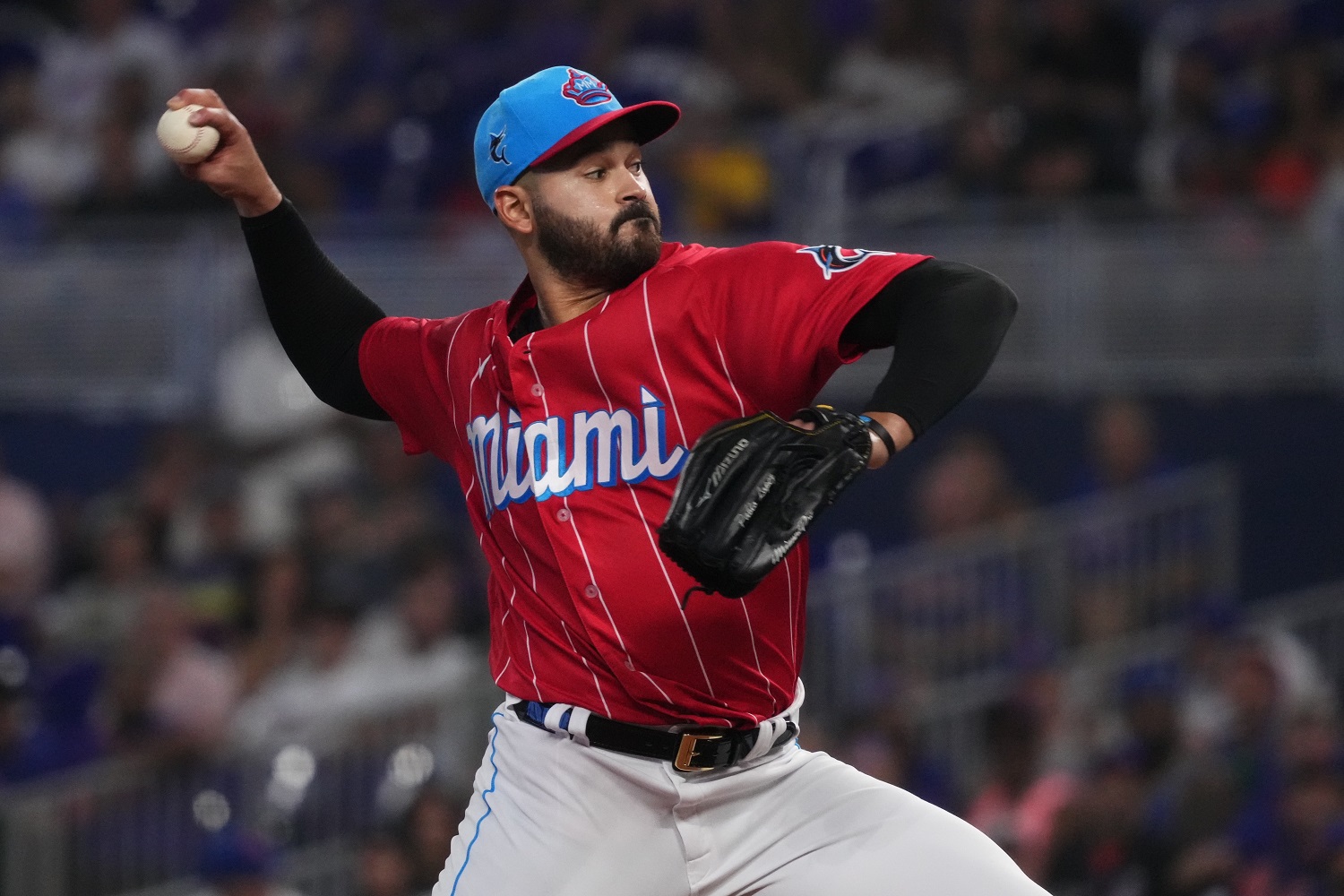 After the Minnesota Twins signed Carlos Correa last week, it quickly became apparent that there was a logjam in the infield and that a move would have to be made. Logically the name that made the most sense for a trade was Luis Arraez. After rumors swirled for weeks about the mutual interest between the Twins and Marlins, the two teams finally came to an agreement. Luis Arraez is no-doubt an elite contact hitter, one of the best to ever put on a Twins uniform. Arraez’s elite contact skills helped to prop up a slumping offense all summer for the Twins in 2022. The Rod Carew comps, while lofty, are not exaggerated when it comes to Luis Arraez. He is a hitting savant who will always put together a good at-bat, and almost never strike out. Arraez isn’t without his flaws, though. While an elite contact hitter, Arraez lacks much of any power at all with his left-handed bat, which severely limits his overall upside as an elite player. Additionally, Arraez has consistently struggled with knee issues and has gone from an all-around utility player to a first baseman/designated hitter. Because of the flaws noted above, it has been a question of how much value Luis Arraez could bring back in a trade. Over the countless weeks of trade speculation between the Twins and Marlins, there was talk about López for Arraez being an even swap trade, or even that the Minnesota Twins might need to toss in prospects to make the deal work. As the trade details came in, though, the trade was much more favorable to the Twins than anyone imagined, with the Twins not throwing in prospects of their own, but instead receiving multiple prospects. Pablo López isn’t a perfect pitcher by any means. His stuff doesn’t look like the stuff of an ace, and he has tended to wear down in the second half of seasons, but at 26 years old, López will slot right into the top of the rotation with Sonny Gray and Tyler Mahle heading into 2023. A young (26 years old), affordable (set to earn $5.5M in 2023) and controllable (under team control through next season) starting pitcher is the exact kind of pitcher that Derek Falvey likes to go after (think Tyler Mahle). In addition to López, the Twins acquired a fringe top-100 prospect in José Salas and another prospect in Byron Chourio. (For more on Salas and Chourio, click here.) This trade was a slam dunk trade for the Twins’ front office for three reasons. First, they are doing what you always want to do in trades, selling high on their player. Luis Arraez just won the American League batting title, appeared in the most games in his career, and posted a career high in fWAR. There’s a good chance that Arraez’s value will never be higher than it is right now and cashing in on that value is really smart. Secondly, the Twins traded from a position of strength (infield bat) and acquired a position of need (starting pitcher). They managed to find a trade partner that had a weakness in the Twins’ area of strength and thus dealt from a position of power. With rumors swirling for weeks about the framework of an Arraez/López trade, it's easy to connect the dots and see that the Twins knew they were holding the better hand and could hold out for the Marlins to toss in more assets, like they ultimately ended up doing. Finally, the Twins made a slam dunk trade because they were able to recoup some of the value that they lost in 2022 when they traded away prospect depth in Chase Petty, Spencer Steer, and Christian Encarnacion-Strand, among others. With this deal, the Twins have added a B and C-level prospect to replenish the farm and give them more trade ammo for down the road. It’s impossible to write a Luis Arraez trade reaction piece without talking about how big of a bummer it is to lose Luis Arraez. While I write about baseball in an era of advanced metrics and numbers, it’s impossible for me to not get caught up in the emotion of baseball and no player on the Twins encompassed the emotion of baseball and love of the game quite like Luis Arraez. Luis was a true throwback player who was a joy to watch and had more fun than anyone and losing a player like that is hard. How would you assess the Arraez trade? Leave a comment and start the conversation! Be sure to keep coming back to Twins Daily for lots more trade reactions and content over the coming days.
 -
On Friday afternoon, the Minnesota Twins agreed to trade all-star first baseman, Luis Arraez to the Miami Marlins in exchange for right-handed starting pitcher Pablo López and two prospects. While it’s sad to see Arraez go, the Twins’ front office deserves credit for making an excellent deal. Image courtesy of Jasen Vinlove-USA TODAY Sports After the Minnesota Twins signed Carlos Correa last week, it quickly became apparent that there was a logjam in the infield and that a move would have to be made. Logically the name that made the most sense for a trade was Luis Arraez. After rumors swirled for weeks about the mutual interest between the Twins and Marlins, the two teams finally came to an agreement. Luis Arraez is no-doubt an elite contact hitter, one of the best to ever put on a Twins uniform. Arraez’s elite contact skills helped to prop up a slumping offense all summer for the Twins in 2022. The Rod Carew comps, while lofty, are not exaggerated when it comes to Luis Arraez. He is a hitting savant who will always put together a good at-bat, and almost never strike out. Arraez isn’t without his flaws, though. While an elite contact hitter, Arraez lacks much of any power at all with his left-handed bat, which severely limits his overall upside as an elite player. Additionally, Arraez has consistently struggled with knee issues and has gone from an all-around utility player to a first baseman/designated hitter. Because of the flaws noted above, it has been a question of how much value Luis Arraez could bring back in a trade. Over the countless weeks of trade speculation between the Twins and Marlins, there was talk about López for Arraez being an even swap trade, or even that the Minnesota Twins might need to toss in prospects to make the deal work. As the trade details came in, though, the trade was much more favorable to the Twins than anyone imagined, with the Twins not throwing in prospects of their own, but instead receiving multiple prospects. Pablo López isn’t a perfect pitcher by any means. His stuff doesn’t look like the stuff of an ace, and he has tended to wear down in the second half of seasons, but at 26 years old, López will slot right into the top of the rotation with Sonny Gray and Tyler Mahle heading into 2023. A young (26 years old), affordable (set to earn $5.5M in 2023) and controllable (under team control through next season) starting pitcher is the exact kind of pitcher that Derek Falvey likes to go after (think Tyler Mahle). In addition to López, the Twins acquired a fringe top-100 prospect in José Salas and another prospect in Byron Chourio. (For more on Salas and Chourio, click here.) This trade was a slam dunk trade for the Twins’ front office for three reasons. First, they are doing what you always want to do in trades, selling high on their player. Luis Arraez just won the American League batting title, appeared in the most games in his career, and posted a career high in fWAR. There’s a good chance that Arraez’s value will never be higher than it is right now and cashing in on that value is really smart. Secondly, the Twins traded from a position of strength (infield bat) and acquired a position of need (starting pitcher). They managed to find a trade partner that had a weakness in the Twins’ area of strength and thus dealt from a position of power. With rumors swirling for weeks about the framework of an Arraez/López trade, it's easy to connect the dots and see that the Twins knew they were holding the better hand and could hold out for the Marlins to toss in more assets, like they ultimately ended up doing. Finally, the Twins made a slam dunk trade because they were able to recoup some of the value that they lost in 2022 when they traded away prospect depth in Chase Petty, Spencer Steer, and Christian Encarnacion-Strand, among others. With this deal, the Twins have added a B and C-level prospect to replenish the farm and give them more trade ammo for down the road. It’s impossible to write a Luis Arraez trade reaction piece without talking about how big of a bummer it is to lose Luis Arraez. While I write about baseball in an era of advanced metrics and numbers, it’s impossible for me to not get caught up in the emotion of baseball and no player on the Twins encompassed the emotion of baseball and love of the game quite like Luis Arraez. Luis was a true throwback player who was a joy to watch and had more fun than anyone and losing a player like that is hard. How would you assess the Arraez trade? Leave a comment and start the conversation! Be sure to keep coming back to Twins Daily for lots more trade reactions and content over the coming days. View full article
-
After looking back at some of the Twins longest long balls of 2022 yesterday, we go to the other side of the ball today and look at the best starts of the season by the Twins staff. Image courtesy of Brad Rempel - USA Today Sports Previously, we looked back on the five longest home runs by the Minnesota Twins in 2022. Now let’s count down the Twins’ top five pitching performances from the year. 5. Sonny Gray Game Score: 78 September 14 vs. Kansas City Royals 7 IP, 3 H, 1 BB, 0 ER, 8 SO (W) data:image/gif;base64,R0lGODlhAQABAPABAP///wAAACH5BAEKAAAALAAAAAABAAEAAAICRAEAOw== This September start from Sonny Gray was a big one as the Twins were still in the thick of a division race for the American League Central title. At the time of the game the Twins were five games back with a five game series against Cleveland yet to come, so this matchup against the Royals was a must-win. Gray took the rubber that day and from the jump wasn’t going to let the Twins lose. 4. Sonny Gray Game Score: 78 May 24 vs. Detroit Tigers 7 IP, 4 H, 1 BB, 0 ER, 10 SO (W) data:image/gif;base64,R0lGODlhAQABAPABAP///wAAACH5BAEKAAAALAAAAAABAAEAAAICRAEAOw== After a number of solid starts to begin the year with the Twins, Sonny Gray’s May 24 start against the Tigers was his first truly dominant start that validated the big offseason trade that brought Gray to the Twins. Gray showed stamina, control and putaway power in this start and gave the Twins the top-of-the-rotation presence that they lost when they traded away José Berríos in 2021. 3. Joe Ryan Game Score: 83 April 27 vs. Detroit Tigers 7 IP, 1 H, 1 BB, 0 ER, 9 SO (W) data:image/gif;base64,R0lGODlhAQABAPABAP///wAAACH5BAEKAAAALAAAAAABAAEAAAICRAEAOw== Everyone expected Joe Ryan to be a good pitcher for the Minnesota Twins in 2022, but this April 27 start from the right-hander showed that he has the ceiling to be a top-flight pitcher. Ryan was utterly dominant against the Detroit Tigers and rode that performance to a solid 2022 season in which he posted a 3.55 ERA across 27 starts. Ryan’s progression will be a big x-factor for the Twins in 2023. 2. Bailey Ober Game Score: 83 September 27 vs. Chicago White Sox 7 1/3 IP, 2 H, 1 BB, 0 ER, 10 SO (W) data:image/gif;base64,R0lGODlhAQABAPABAP///wAAACH5BAEKAAAALAAAAAABAAEAAAICRAEAOw== The best pitching performance in Bailey Ober’s young career, unfortunately, came in a meaningless September game between two teams that were already well out of the playoff picture. While the game was meaningless for the Twins and their playoff chances, a dominant start like Bailey Ober had in his penultimate appearance of the season is the type of outing that he can take into the offseason, build on, and hopefully use as a springboard for a great 2023 season. 1. Joe Ryan Game Score: 84 September 13 vs. Kansas City Royals 7 IP, 0 H, 2 BB, 0 ER, 9 SO (W) data:image/gif;base64,R0lGODlhAQABAPABAP///wAAACH5BAEKAAAALAAAAAABAAEAAAICRAEAOw== The most dominant pitching performance for the Minnesota Twins in 2022 will, oddly enough, not even be remembered for the pitching of Joe Ryan. Instead, the performance will be remembered for Rocco Baldelli deciding to pull Joe Ryan from the game in the 8th inning, rather than letting Ryan try to finish out the game. Heading into the 8th inning, Ryan was at 106 pitches. Many were frustrated that Ryan didn’t get a chance to accomplish history, but at such a high pitch count, Baldelli’s long-view motivations were certainly understandable. Which of these pitching performances will you most remember? Leave a comment below and start the conversation! View full article
-
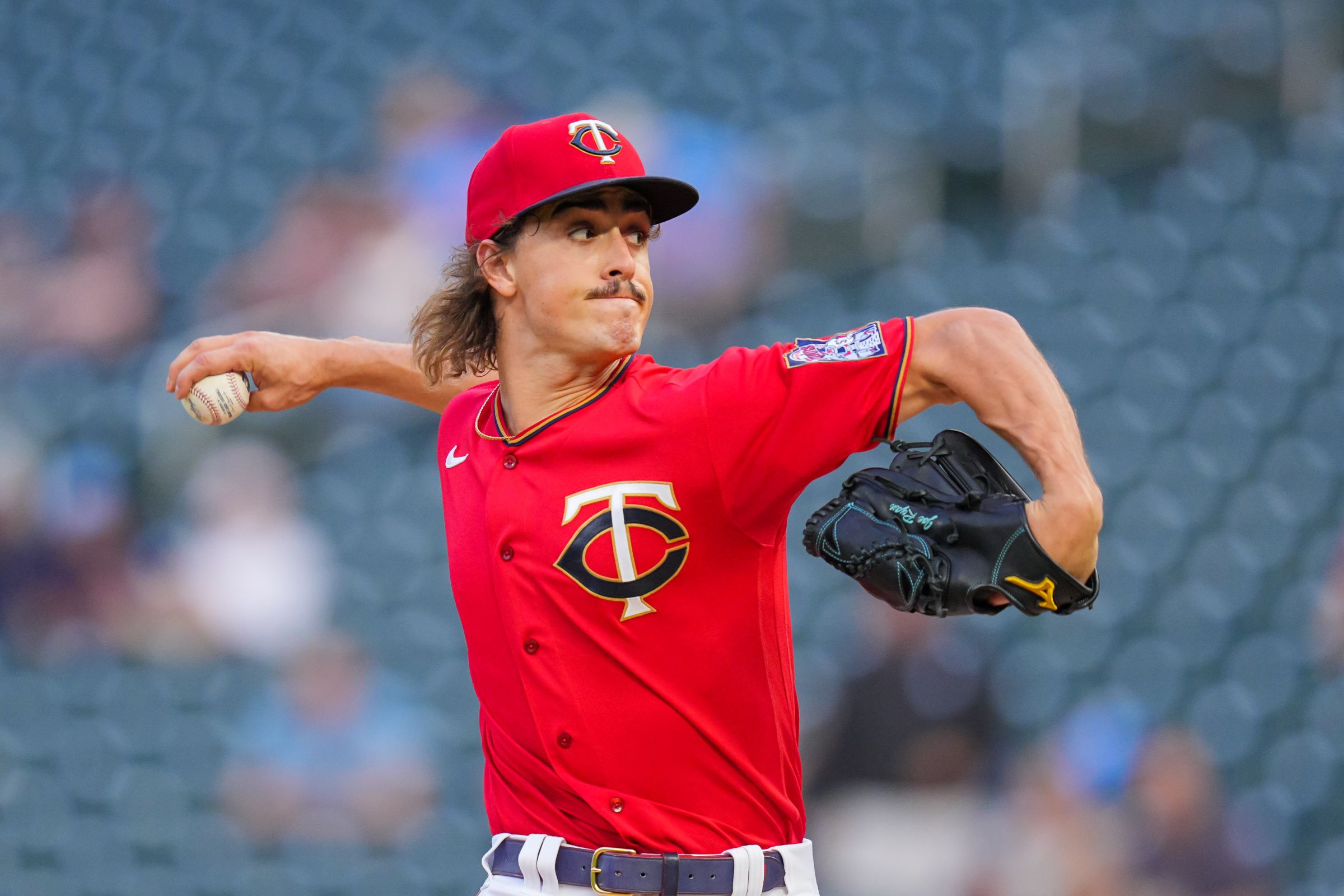 Previously, we looked back on the five longest home runs by the Minnesota Twins in 2022. Now let’s count down the Twins’ top five pitching performances from the year. 5. Sonny Gray Game Score: 78 September 14 vs. Kansas City Royals 7 IP, 3 H, 1 BB, 0 ER, 8 SO (W) data:image/gif;base64,R0lGODlhAQABAPABAP///wAAACH5BAEKAAAALAAAAAABAAEAAAICRAEAOw== This September start from Sonny Gray was a big one as the Twins were still in the thick of a division race for the American League Central title. At the time of the game the Twins were five games back with a five game series against Cleveland yet to come, so this matchup against the Royals was a must-win. Gray took the rubber that day and from the jump wasn’t going to let the Twins lose. 4. Sonny Gray Game Score: 78 May 24 vs. Detroit Tigers 7 IP, 4 H, 1 BB, 0 ER, 10 SO (W) data:image/gif;base64,R0lGODlhAQABAPABAP///wAAACH5BAEKAAAALAAAAAABAAEAAAICRAEAOw== After a number of solid starts to begin the year with the Twins, Sonny Gray’s May 24 start against the Tigers was his first truly dominant start that validated the big offseason trade that brought Gray to the Twins. Gray showed stamina, control and putaway power in this start and gave the Twins the top-of-the-rotation presence that they lost when they traded away José Berríos in 2021. 3. Joe Ryan Game Score: 83 April 27 vs. Detroit Tigers 7 IP, 1 H, 1 BB, 0 ER, 9 SO (W) data:image/gif;base64,R0lGODlhAQABAPABAP///wAAACH5BAEKAAAALAAAAAABAAEAAAICRAEAOw== Everyone expected Joe Ryan to be a good pitcher for the Minnesota Twins in 2022, but this April 27 start from the right-hander showed that he has the ceiling to be a top-flight pitcher. Ryan was utterly dominant against the Detroit Tigers and rode that performance to a solid 2022 season in which he posted a 3.55 ERA across 27 starts. Ryan’s progression will be a big x-factor for the Twins in 2023. 2. Bailey Ober Game Score: 83 September 27 vs. Chicago White Sox 7 1/3 IP, 2 H, 1 BB, 0 ER, 10 SO (W) data:image/gif;base64,R0lGODlhAQABAPABAP///wAAACH5BAEKAAAALAAAAAABAAEAAAICRAEAOw== The best pitching performance in Bailey Ober’s young career, unfortunately, came in a meaningless September game between two teams that were already well out of the playoff picture. While the game was meaningless for the Twins and their playoff chances, a dominant start like Bailey Ober had in his penultimate appearance of the season is the type of outing that he can take into the offseason, build on, and hopefully use as a springboard for a great 2023 season. 1. Joe Ryan Game Score: 84 September 13 vs. Kansas City Royals 7 IP, 0 H, 2 BB, 0 ER, 9 SO (W) data:image/gif;base64,R0lGODlhAQABAPABAP///wAAACH5BAEKAAAALAAAAAABAAEAAAICRAEAOw== The most dominant pitching performance for the Minnesota Twins in 2022 will, oddly enough, not even be remembered for the pitching of Joe Ryan. Instead, the performance will be remembered for Rocco Baldelli deciding to pull Joe Ryan from the game in the 8th inning, rather than letting Ryan try to finish out the game. Heading into the 8th inning, Ryan was at 106 pitches. Many were frustrated that Ryan didn’t get a chance to accomplish history, but at such a high pitch count, Baldelli’s long-view motivations were certainly understandable. Which of these pitching performances will you most remember? Leave a comment below and start the conversation!
- 7 comments
-
- 2
-
-
- sonny gray
- joe ryan
- (and 1 more)
-
While 2022 was not a year to remember for the Minnesota Twins, there were plenty of bombs that will be hard to forget. Let’s count down the five longest Minnesota Twins home runs of 2022. Image courtesy of © Bruce Kluckhohn-USA TODAY Sports 5. Byron Buxton 452 feet May 5, 2022 vs. Baltimore Orioles The number five entry on this list comes courtesy of the homegrown superstar, Byron Buxton. On a 3-0 count, Byron was given the green light with good reason, as he took Spenser Watkins deep to left center field to tie up the game against the Baltimore Orioles. The Twins loste the game, but by no fault of Byron Buxton. Teaser: this won’t be Byron Buxton’s only entry on this list. 4. Gary Sánchez 456 feet June 18 vs. Arizona Diamondbacks While Gary Sánchez had an underwhelming season overall, he proved that his calling hard of hitting missiles was spot-on. His first entry on this list came in Arizona when he took a 93-MPH fastball from Luke Weaver over the centerfield fence. The Sánchez home run was a part of a big 6-run inning for the Twins en route to a 11-1 thrashing of the Diamondbacks. 3. Carlos Correa 458 feet April 10 vs. Seattle Mariners Carlos Correa’s lone entry in our countdown was surely a memorable one, as it was his first home run in a Minnesota Twins uniform. The homer was a 113.4 MPH nuke that he took into the third deck. We’ll miss you, Carlos. (Editors note: Or maybe not?) 2. Byron Buxton 469 feet April 24 vs. Chicago White Sox While this home run from Buxton wasn’t the farthest home run of the year, it was definitely the most memorable. Down 4-3 in the bottom of the 10th inning against the rival White Sox, Buxton took superstar all-star closer Liam Hendriks deep to the left field home run porch to give the Minnesota Twins a walk-off 6-4 victory. On a 96-MPH fastball, Buxton turned on the pitch to the tune of a 111.8 MPH exit velocity and from the moment the ball hit the bat, everyone in Target Field knew the game was over. 1. Gary Sánchez 473 feet September 5 vs. New York Yankees Coming in first place for the longest home run for the Minnesota Twins in 2022 is Gary Sánchez, in his first ever game as a visitor in Yankee Stadium, when he took Jameson Taillon deep for an absolute bomb that tracked at 115.1 MPH and 473 (!!!) feet. Sánchez’s home run wasn’t only the longest for the Twins, but ranked as the eighth longest home run in all of baseball in 2022. Which of these home runs will stick with you as we turn the calendar from 2022 to 2023? Leave a comment below and start the conversation. View full article
-
Counting Down the 5 Longest Minnesota Twins Home Runs in 2022
Matthew Taylor posted an article in Twins
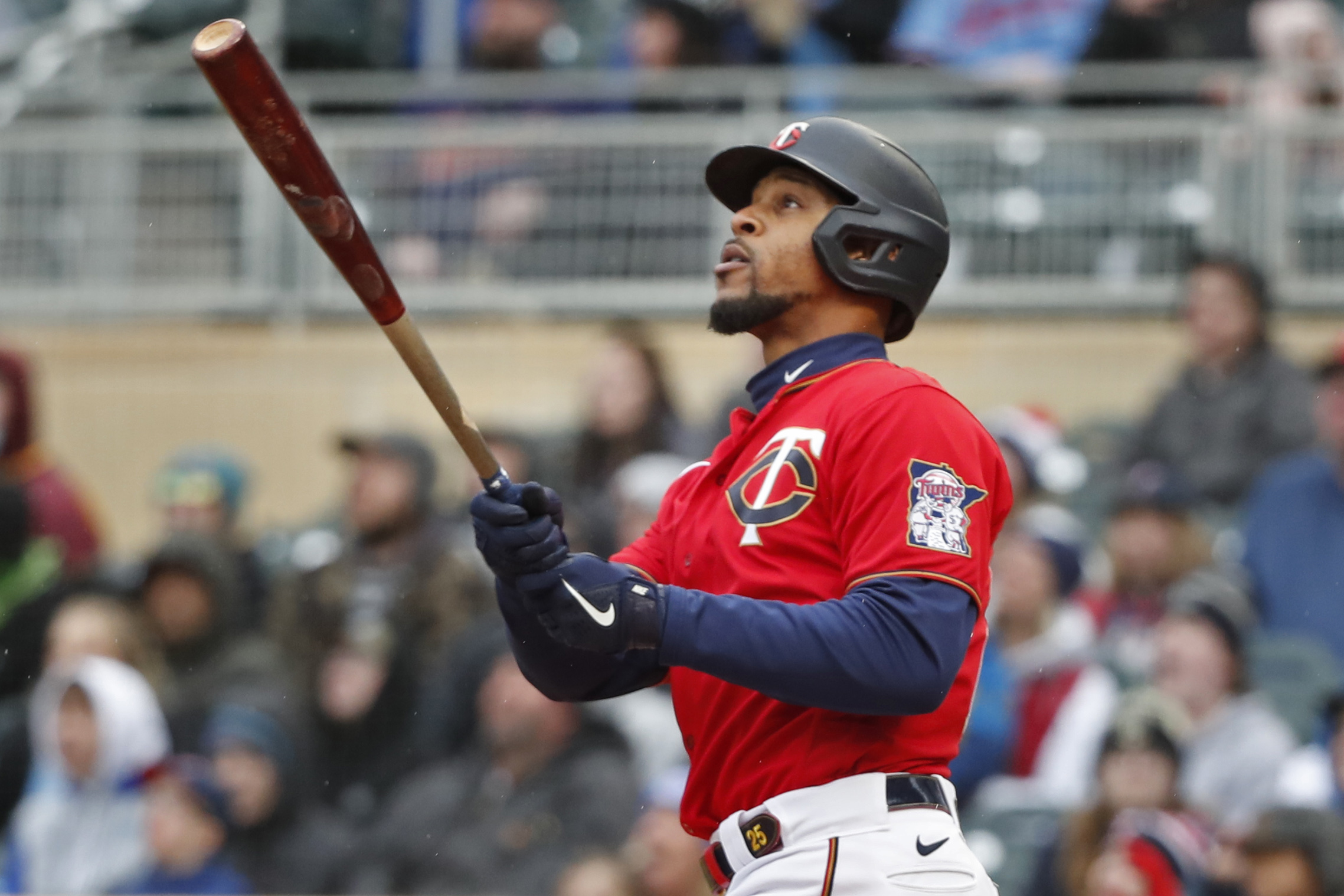 5. Byron Buxton 452 feet May 5, 2022 vs. Baltimore Orioles The number five entry on this list comes courtesy of the homegrown superstar, Byron Buxton. On a 3-0 count, Byron was given the green light with good reason, as he took Spenser Watkins deep to left center field to tie up the game against the Baltimore Orioles. The Twins loste the game, but by no fault of Byron Buxton. Teaser: this won’t be Byron Buxton’s only entry on this list. 4. Gary Sánchez 456 feet June 18 vs. Arizona Diamondbacks While Gary Sánchez had an underwhelming season overall, he proved that his calling hard of hitting missiles was spot-on. His first entry on this list came in Arizona when he took a 93-MPH fastball from Luke Weaver over the centerfield fence. The Sánchez home run was a part of a big 6-run inning for the Twins en route to a 11-1 thrashing of the Diamondbacks. 3. Carlos Correa 458 feet April 10 vs. Seattle Mariners Carlos Correa’s lone entry in our countdown was surely a memorable one, as it was his first home run in a Minnesota Twins uniform. The homer was a 113.4 MPH nuke that he took into the third deck. We’ll miss you, Carlos. (Editors note: Or maybe not?) 2. Byron Buxton 469 feet April 24 vs. Chicago White Sox While this home run from Buxton wasn’t the farthest home run of the year, it was definitely the most memorable. Down 4-3 in the bottom of the 10th inning against the rival White Sox, Buxton took superstar all-star closer Liam Hendriks deep to the left field home run porch to give the Minnesota Twins a walk-off 6-4 victory. On a 96-MPH fastball, Buxton turned on the pitch to the tune of a 111.8 MPH exit velocity and from the moment the ball hit the bat, everyone in Target Field knew the game was over. 1. Gary Sánchez 473 feet September 5 vs. New York Yankees Coming in first place for the longest home run for the Minnesota Twins in 2022 is Gary Sánchez, in his first ever game as a visitor in Yankee Stadium, when he took Jameson Taillon deep for an absolute bomb that tracked at 115.1 MPH and 473 (!!!) feet. Sánchez’s home run wasn’t only the longest for the Twins, but ranked as the eighth longest home run in all of baseball in 2022. Which of these home runs will stick with you as we turn the calendar from 2022 to 2023? Leave a comment below and start the conversation.