



Matthew Taylor
-
Posts
973 -
Joined
-
Last visited
Content Type
Profiles
News
Minnesota Twins Videos
2026 Minnesota Twins Top Prospects Ranking
2022 Minnesota Twins Draft Picks
Minnesota Twins Free Agent & Trade Rumors, Notes, & Tidbits
Guides & Resources
2023 Minnesota Twins Draft Picks
The Minnesota Twins Players Project
2024 Minnesota Twins Draft Picks
2025 Minnesota Twins Draft Pick Tracker
2026 Minnesota Twins Draft Tracker: Picks & Bonuses
Forums
Blogs
Events
Store
Downloads
Gallery
Everything posted by Matthew Taylor
-
.png.1a0cd070fbdf144c4a3ce4d077a2d1bc.png) This is the third in our series about the interacting and mutually magnifying factors that contributed to the Twins' collapse at the end of the season that just ended. Today, we turn our attention specifically to the myopia of a short-term cost-saving measure amid a moment of huge growth opportunity. The Minnesota Twins were coming off their most successful season in nearly two decades. Just a year earlier, they'd re-signed Carlos Correa to the largest contract in franchise history. That bold move set the tone for a season wherein they dominated the AL Central, coasting to a nine-game division lead. In the postseason, they finally shed the weight of their 0-18 playoff curse, securing their first playoff win in almost 20 years and then making it a series victory the next day. It wasn’t just a 'W' on the field—it was a triumph for the fans. Target Field was electric. The crowds were massive, sold out, and loud. The atmosphere was unlike anything we’ve ever seen. The team’s eventual loss to the defending champion Houston Astros in the ALDS didn’t matter as much as the bigger picture: baseball was back in Minnesota. This team had restored the excitement of an entire fanbase, a group of fans who had been hesitant to fully invest after years of postseason disappointment. After the season ended, the Twins penned a letter to their fans that captured the sentiment: "Imagine what next season could be." It felt like 2023 was the start of something special. With Byron Buxton locked into a long-term deal, Correa back, Pablo López emerging as an ace, and Royce Lewis blossoming, it seemed like Minnesota baseball was heading into an era of greatness. The state was ready to embrace this team like never before. Then, just as quickly as the excitement built, ownership decided to undercut it. In a baffling move, Derek Falvey virtually announced that the front office would be operating under a significantly reduced payroll. The Twins had just reinvigorated their fanbase, put baseball back in the spotlight, and shown a clear path forward—and yet, they decided to cut back. "We’ve pushed our payroll to heights that we had never pushed it before with the support, certainly, of ownership," Falvey said at the time. "We know there is some natural ebb and flow to that ... Will it be where it was last year? I don’t expect that. I expect it less than that." Sure enough, the Twins slashed more than $30 million off the payroll, citing concerns over the murky television contract situation and other financial pressures. The front office’s hands were tied, unable to add the depth necessary to maintain and build upon the team’s success. Fans, fresh off falling back in love with the Twins, were alienated just a month after the playoff exit. And we all know how the season turned out. The Twins got off to a nice start, but as injuries and inevitable slumps came, the lack of depth—directly tied to the payroll cut—exposed them. By the end of the season, the team crumbled, missing the playoffs entirely, and the discontent among fans hit new heights. The root of the problem is simple: the Pohlads treat the Twins like just another business in their portfolio. Joe Pohlad essentially confirmed this earlier this week. "I view my job as running our business on behalf of this team and our fans," Pohlad said in an informal press conference with a small number of reporters. So, instead of capitalizing on the momentum from a thrilling 2023 season, they made a short-sighted decision to cut costs. They thought trimming $30 million off the payroll was the best way to recoup lost revenue. Here’s the irony: this move will end up costing them far more than they saved. First, attendance at Target Field dropped in 2024. How does that happen after the most successful season in years? Simple: Fans don’t want to support a team that ownership won’t invest in, especially when that ownership's lack of investment is partially to blame for poor on-field performance. Second, by missing the playoffs, the Twins forfeited the enormous revenue that comes from postseason baseball—money that easily dwarfs the $30 million they trimmed from the payroll, once you bake it downstream impact. Lastly, and most damaging in the long run, they’re losing out on the next generation of fans. Think back to the season that made you a lifelong Twins fan. We all have one—the season that captured our hearts and kept us coming back, year after year. For me, it was 2002. There was something magical about that year, when the Twins made the ALCS and the Metrodome was absolutely rocking. As a nine-year-old, they had me hooked for life. I’m sure many of you have your own version of that season—a time when the energy of the team, the excitement of the games, and the bond with the community sealed the deal. For so many fans, that moment happens in their formative years, when they’re young and impressionable, searching for something to latch onto. But for the younger generation of potential Twins fans, this season wasn't that year. There was no magic, no momentum, and no reason for them to make that lifelong connection with this team. And if ownership continues down this path, cutting payroll and letting the team flounder, that magical season may not come around for them at all. Even worse, this is a self-perpetuating cycle. The payroll cut led to a worse product on the field, which led to fewer fans at the ballpark. Lower attendance means less revenue, and what have the Pohlads shown they’ll do in response? Cut payroll again. It’s short-sighted, damaging, and a disservice to a state that has shown it’s ready to fall in love with this team. Ownership is saving a medium-sized amount of money now, but they’re losing much, much more in the long run. The Minnesota Twins were primed for investment. This team was ripe to capture a new generation of fans and create something special. Instead, they’ve chosen to chase short-term savings, alienating fans, and halting momentum. It’s all incredibly disappointing. At this point, all we can hope for is a change of heart from the Pohlads, because if they stay the course, things are only going to get worse. How do you feel about the ownership’s decisions? Leave a comment below and let’s start the conversation.
This is the third in our series about the interacting and mutually magnifying factors that contributed to the Twins' collapse at the end of the season that just ended. Today, we turn our attention specifically to the myopia of a short-term cost-saving measure amid a moment of huge growth opportunity. The Minnesota Twins were coming off their most successful season in nearly two decades. Just a year earlier, they'd re-signed Carlos Correa to the largest contract in franchise history. That bold move set the tone for a season wherein they dominated the AL Central, coasting to a nine-game division lead. In the postseason, they finally shed the weight of their 0-18 playoff curse, securing their first playoff win in almost 20 years and then making it a series victory the next day. It wasn’t just a 'W' on the field—it was a triumph for the fans. Target Field was electric. The crowds were massive, sold out, and loud. The atmosphere was unlike anything we’ve ever seen. The team’s eventual loss to the defending champion Houston Astros in the ALDS didn’t matter as much as the bigger picture: baseball was back in Minnesota. This team had restored the excitement of an entire fanbase, a group of fans who had been hesitant to fully invest after years of postseason disappointment. After the season ended, the Twins penned a letter to their fans that captured the sentiment: "Imagine what next season could be." It felt like 2023 was the start of something special. With Byron Buxton locked into a long-term deal, Correa back, Pablo López emerging as an ace, and Royce Lewis blossoming, it seemed like Minnesota baseball was heading into an era of greatness. The state was ready to embrace this team like never before. Then, just as quickly as the excitement built, ownership decided to undercut it. In a baffling move, Derek Falvey virtually announced that the front office would be operating under a significantly reduced payroll. The Twins had just reinvigorated their fanbase, put baseball back in the spotlight, and shown a clear path forward—and yet, they decided to cut back. "We’ve pushed our payroll to heights that we had never pushed it before with the support, certainly, of ownership," Falvey said at the time. "We know there is some natural ebb and flow to that ... Will it be where it was last year? I don’t expect that. I expect it less than that." Sure enough, the Twins slashed more than $30 million off the payroll, citing concerns over the murky television contract situation and other financial pressures. The front office’s hands were tied, unable to add the depth necessary to maintain and build upon the team’s success. Fans, fresh off falling back in love with the Twins, were alienated just a month after the playoff exit. And we all know how the season turned out. The Twins got off to a nice start, but as injuries and inevitable slumps came, the lack of depth—directly tied to the payroll cut—exposed them. By the end of the season, the team crumbled, missing the playoffs entirely, and the discontent among fans hit new heights. The root of the problem is simple: the Pohlads treat the Twins like just another business in their portfolio. Joe Pohlad essentially confirmed this earlier this week. "I view my job as running our business on behalf of this team and our fans," Pohlad said in an informal press conference with a small number of reporters. So, instead of capitalizing on the momentum from a thrilling 2023 season, they made a short-sighted decision to cut costs. They thought trimming $30 million off the payroll was the best way to recoup lost revenue. Here’s the irony: this move will end up costing them far more than they saved. First, attendance at Target Field dropped in 2024. How does that happen after the most successful season in years? Simple: Fans don’t want to support a team that ownership won’t invest in, especially when that ownership's lack of investment is partially to blame for poor on-field performance. Second, by missing the playoffs, the Twins forfeited the enormous revenue that comes from postseason baseball—money that easily dwarfs the $30 million they trimmed from the payroll, once you bake it downstream impact. Lastly, and most damaging in the long run, they’re losing out on the next generation of fans. Think back to the season that made you a lifelong Twins fan. We all have one—the season that captured our hearts and kept us coming back, year after year. For me, it was 2002. There was something magical about that year, when the Twins made the ALCS and the Metrodome was absolutely rocking. As a nine-year-old, they had me hooked for life. I’m sure many of you have your own version of that season—a time when the energy of the team, the excitement of the games, and the bond with the community sealed the deal. For so many fans, that moment happens in their formative years, when they’re young and impressionable, searching for something to latch onto. But for the younger generation of potential Twins fans, this season wasn't that year. There was no magic, no momentum, and no reason for them to make that lifelong connection with this team. And if ownership continues down this path, cutting payroll and letting the team flounder, that magical season may not come around for them at all. Even worse, this is a self-perpetuating cycle. The payroll cut led to a worse product on the field, which led to fewer fans at the ballpark. Lower attendance means less revenue, and what have the Pohlads shown they’ll do in response? Cut payroll again. It’s short-sighted, damaging, and a disservice to a state that has shown it’s ready to fall in love with this team. Ownership is saving a medium-sized amount of money now, but they’re losing much, much more in the long run. The Minnesota Twins were primed for investment. This team was ripe to capture a new generation of fans and create something special. Instead, they’ve chosen to chase short-term savings, alienating fans, and halting momentum. It’s all incredibly disappointing. At this point, all we can hope for is a change of heart from the Pohlads, because if they stay the course, things are only going to get worse. How do you feel about the ownership’s decisions? Leave a comment below and let’s start the conversation. -
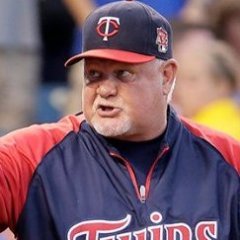 The Minnesota Twins entered 2024 with all the momentum of a fanbase reignited after years of disappointment. But ownership’s decision to slash payroll to save money in the short term is a costly mistake. In the long run, they’re losing far more than they ever hoped to save. The Minnesota Twins are coming off their most successful season in nearly two decades. Just last year, the Twins re-signed Carlos Correa to the largest contract in franchise history. That bold move set the tone for a season where they dominated the AL Central, coasting to a nine-game division lead. In the postseason, they finally shed the weight of their 0-18 playoff curse, securing their first playoff win in almost 20 years. It wasn’t just a victory on the field—it was a victory for the fans. Target Field was electric. The crowds were massive, sold out, and loud. The atmosphere was unlike anything we’ve ever seen. The team’s eventual loss to the defending champion Houston Astros in the ALDS didn’t matter as much as the bigger picture: baseball was back in Minnesota. This team had restored the excitement of an entire fanbase, a group of fans who had been hesitant to fully invest after years of postseason disappointment. After the season ended, the Twins penned a letter to their fans that captured the sentiment: "Imagine what next season could be." It felt like 2023 was the start of something special. With Byron Buxton locked into a long-term deal, Correa back, Pablo López emerging as an ace, and Royce Lewis blossoming, it seemed like Minnesota baseball was heading into an era of greatness. The state was ready to embrace this team like never before. Then, just as quickly as the excitement built, ownership decided to undercut it. In a baffling move, Derek Falvey announced that the front office would be operating under a significantly reduced payroll. The Twins had just reinvigorated their fanbase, put baseball back in the spotlight, and shown a clear path forward—and yet, they decided to cut back. Falvey said in November 2023, "We’ve pushed our payroll to heights that we had never pushed it before with the support, certainly, of ownership. We know there is some natural ebb and flow to that...Will it be where it was last year? I don’t expect that. I expect it less than that." Sure enough, the Twins slashed more than $30 million off the payroll, citing concerns over the murky television contract situation and other financial pressures. The front office’s hands were tied, unable to add the depth necessary to maintain and build upon the team’s success. Fans, fresh off falling back in love with the Twins, were alienated just a month after the playoff exit. And we all know how the season turned out. The Twins got off to a nice start, but as injuries and inevitable slumps came, the lack of depth—directly tied to the payroll cut—exposed them. By the end of the season, the team crumbled, missing the playoffs entirely, and the discontent among fans hit new heights. The root of the problem is simple: the Pohlads treat the Twins like just another business in their portfolio. Joe Pohlad essentially confirmed this when he told The Athletic's Aaron Gleeman, "I view my job as running our business on behalf of this team and our fans." So, instead of capitalizing on the momentum from a thrilling 2023 season, they made a short-sighted decision to cut costs. They thought trimming $30 million off the payroll was the best way to recoup lost revenue. Here’s the irony: this move will end up costing them far more than they saved. First, attendance at Target Field dropped in 2024 compared to 2023. How does that happen after the most successful season in years? Simple. Fans don’t want to support a team that ownership won’t invest in, especially when that ownership's lack of investment is partially to blame for poor on-field performance. Second, by missing the playoffs, the Twins forfeited the enormous revenue that comes from postseason baseball—money that easily dwarfs the $30 million they trimmed from the payroll. Lastly, and most damaging in the long run, they’re losing out on the next generation of fans. Think back to the season that made you a lifelong Twins fan. We all have one—the season that captured our hearts and kept us coming back, year after year. For me, it was 2002. There was something magical about that year, when the Twins made the ALCS and the Metrodome was absolutely rocking. As a nine-year-old, they had me hooked for life. I’m sure many of you have your own version of that season—a time when the energy of the team, the excitement of the games, and the bond with the community sealed the deal. For so many fans, that moment happens in their formative years, when they’re young and impressionable, searching for something to latch onto. But for the younger generation of potential Twins fans, this season wasn't that year. There was no magic, no momentum, and no reason for them to make that lifelong connection with this team. And if the ownership continues down this path, cutting payroll and letting the team flounder, that magical season may not come around for them at all. Even worse, this is a self-perpetuating cycle. The payroll cut led to a worse product on the field, which led to fewer fans at the ballpark. Lower attendance means less revenue, and what have the Pohlads shown they’ll do in response? Cut payroll again. It’s short-sighted, damaging, and a disservice to a state that has shown it’s ready to fall in love with this team. Ownership is saving a medium-sized amount of money now, but they’re losing much, much more in the long run. The Minnesota Twins were primed for investment. This team was ripe to capture a new generation of fans and create something special. Instead, they’ve chosen to chase short-term savings, alienating fans, and halting momentum. It’s all incredibly disappointing. At this point, all we can hope for is a change of heart from the Pohlads, because if they stay the course, things are only going to get worse. How do you feel about the ownership’s decisions? Leave a comment below and let’s start the conversation. View full article
 -
The Minnesota Twins have officially parted ways with hitting coaches David Popkins, Derek Shomon and Rudy Hernandez and assistant bench coach Tony Diaz. Following a sharp offensive decline in the final month and a half of the 2024 season, the organization believes a shift in approach is necessary. Image courtesy of © Nathan Ray Seebeck-Imagn Images In a move that signals the beginning of an anticipated shakeup, the Twins moved on from two big-league hitting coaches in a single day, per Dan Hayes of The Athletic. Popkins, who was hired after the 2021 season to replace reassigned hitting coach Edgar Varela, had previously been with the Los Angeles Dodgers' minor league system, where he served as the Triple-A hitting coach. During his three-year tenure with the Twins, Popkins had a mixed track record. The team finished 11th, 7th, and 11th in OPS in the 2022, 2023, and 2024 seasons, respectively. While those numbers suggest a competent offense, the underlying issues with the Twins' approach at the plate eventually became too glaring to ignore. One of the defining aspects of Popkins's time in Minnesota was the strikeout rate. In 2023, the Twins set an all-time record for strikeouts in a season, with a staggering 1,654 strikeouts. In 2024, there was a decline in strikeout rate, finishing 22nd in baseball, but the offense as a whole struggled mightily down the stretch. From August to the season's end, the Twins' offense ranked 22nd in baseball with a .684 OPS, a crucial stretch that contributed heavily to their collapse. Cold spells at the plate became frequent, and the offensive game plan against certain pitchers left fans with plenty to be desired. There were bright spots under Popkins’s guidance. Notably, in the second half of last season, the Twins were the second-best hitting team in the American League, posting an impressive .801 OPS from August to the end of the year. But it wasn’t enough to overcome the significant regression seen in 2024, especially when the team needed consistent production down the stretch. Shomon, for his part, was promoted from within the organization to the big-league staff for the 2023 season. He worked with Popkins as part of a large corps of coaches for Twins hitters over the last two seasons--one that helped some rookie hitters make huge impacts at times, but never showed quite the consistency for which the team hoped. Hernández leaving is a massive shakeup for the Twins, as he has been in the Minnesota Twins organization since 1996. Hernández began his tenure in the Twins' organization as an instructor for Minnesota's Venezuelan Academy and worked in various levels of the Minor Leagues before being brought onto the Twins' staff by Paul Molitor in 2015. Diaz was hired by the Twins following the 2018 season and has served as the assistant bench coach since 2022. The decision to move on from Popkins, Shomon, Hernández and Diaz marks the first of what could be several changes for the Twins this offseason. After missing the playoffs following a massive late-season collapse, many more moves are expected to come, but it sounds like these are the extend of the coaching staff changes. We, of course, already know that Rocco Baldelli will return as manager, and Derek Falvey is still set to lead as President of Baseball Operations. What do you think about the decision to part ways with these coaches? Do you think it will lead to the changes the Twins need? Share your thoughts in the comments and join the conversation. View full article
-
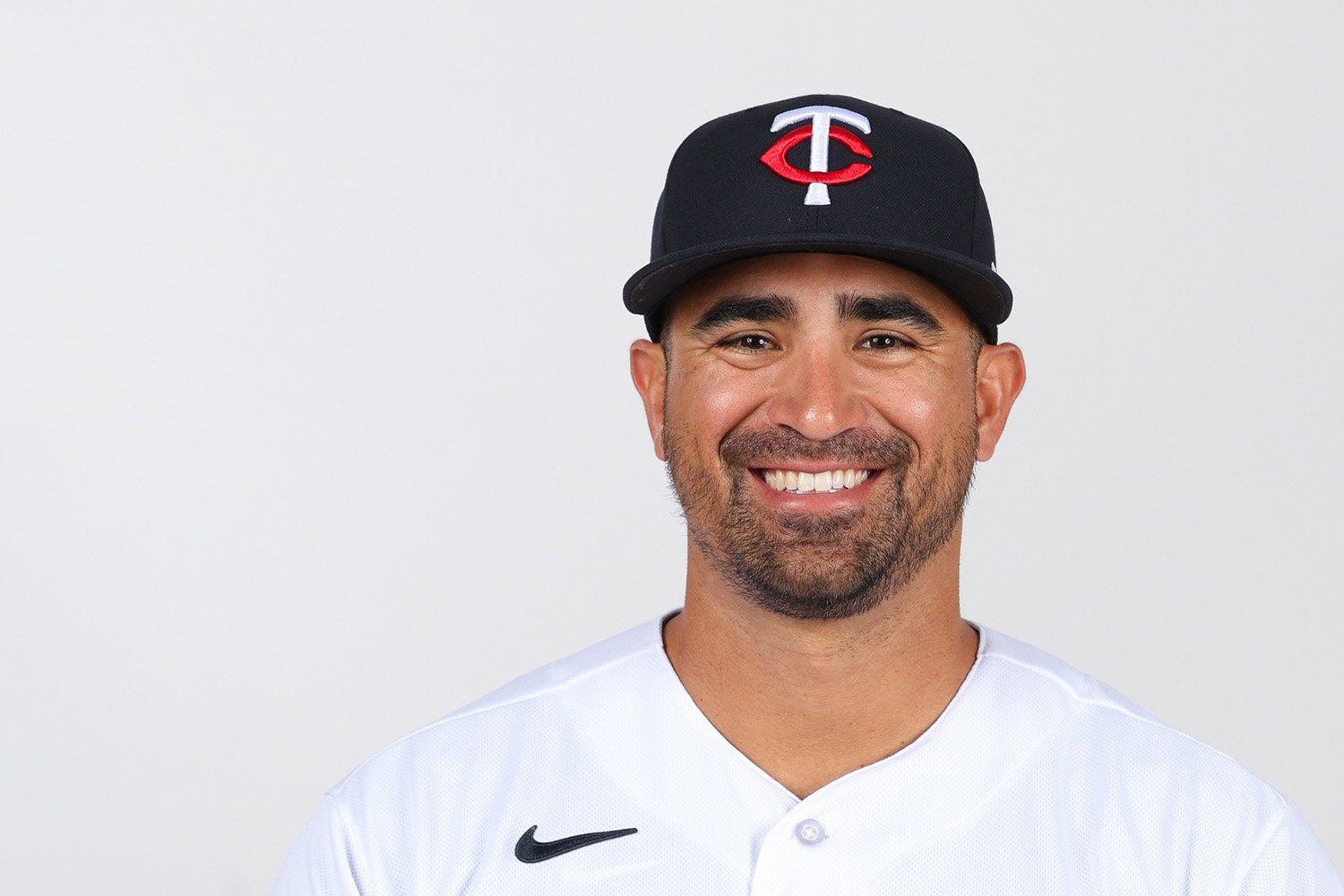 In a move that signals the beginning of an anticipated shakeup, the Twins moved on from two big-league hitting coaches in a single day, per Dan Hayes of The Athletic. Popkins, who was hired after the 2021 season to replace reassigned hitting coach Edgar Varela, had previously been with the Los Angeles Dodgers' minor league system, where he served as the Triple-A hitting coach. During his three-year tenure with the Twins, Popkins had a mixed track record. The team finished 11th, 7th, and 11th in OPS in the 2022, 2023, and 2024 seasons, respectively. While those numbers suggest a competent offense, the underlying issues with the Twins' approach at the plate eventually became too glaring to ignore. One of the defining aspects of Popkins's time in Minnesota was the strikeout rate. In 2023, the Twins set an all-time record for strikeouts in a season, with a staggering 1,654 strikeouts. In 2024, there was a decline in strikeout rate, finishing 22nd in baseball, but the offense as a whole struggled mightily down the stretch. From August to the season's end, the Twins' offense ranked 22nd in baseball with a .684 OPS, a crucial stretch that contributed heavily to their collapse. Cold spells at the plate became frequent, and the offensive game plan against certain pitchers left fans with plenty to be desired. There were bright spots under Popkins’s guidance. Notably, in the second half of last season, the Twins were the second-best hitting team in the American League, posting an impressive .801 OPS from August to the end of the year. But it wasn’t enough to overcome the significant regression seen in 2024, especially when the team needed consistent production down the stretch. Shomon, for his part, was promoted from within the organization to the big-league staff for the 2023 season. He worked with Popkins as part of a large corps of coaches for Twins hitters over the last two seasons--one that helped some rookie hitters make huge impacts at times, but never showed quite the consistency for which the team hoped. Hernández leaving is a massive shakeup for the Twins, as he has been in the Minnesota Twins organization since 1996. Hernández began his tenure in the Twins' organization as an instructor for Minnesota's Venezuelan Academy and worked in various levels of the Minor Leagues before being brought onto the Twins' staff by Paul Molitor in 2015. Diaz was hired by the Twins following the 2018 season and has served as the assistant bench coach since 2022. The decision to move on from Popkins, Shomon, Hernández and Diaz marks the first of what could be several changes for the Twins this offseason. After missing the playoffs following a massive late-season collapse, many more moves are expected to come, but it sounds like these are the extend of the coaching staff changes. We, of course, already know that Rocco Baldelli will return as manager, and Derek Falvey is still set to lead as President of Baseball Operations. What do you think about the decision to part ways with these coaches? Do you think it will lead to the changes the Twins need? Share your thoughts in the comments and join the conversation.
 -
It’s over. Thursday night, the Minnesota Twins' season ended in a manner that felt, sadly, inevitable. Image courtesy of Matt Blewett-USA TODAY Sports The team came into the game with a 2 1/2-game deficit and four games remaining. A matchup against the last-place Miami Marlins was the Twins' last real chance to keep any hope of postseason baseball alive. Win, and the slimmest of hopes survives. Lose, and the door effectively closes. The Twins lost. Again. Sure, mathematically, they were still alive—but realistically, Thursday night was the end. And how it ended was, in many ways, the perfect embodiment of the season: missed opportunities, poor execution, and a glaring lack of fundamentals. What stood out most wasn’t the final score, but the way in which they lost. It was as if the last six weeks of poor play had been compressed into a single, painful evening. The familiar script of failing to come through in the clutch, mental lapses, and boneheaded plays played out yet again. This time, it sealed their fate. The Twins had plenty of chances to put the game away. Extra innings saw the Twins load the bases on multiple occasions, with no outs and just one out. Both times, the expectation should have been runs. A chance to close out the game and keep their season alive. Instead, they delivered pop-ups, weak grounders, and failed to push across runs in situations where any contender would have delivered. A lack of execution and a failure to do the basics have haunted this team, and Thursday night was no exception. Even the ever-optimistic Cory Provus, the team’s play-by-play announcer, voiced his frustration on the broadcast. Known for his positive outlook even in the roughest stretches of the season, Provus couldn’t hide his disappointment over the Twins’ inability to execute, particularly in fundamental moments. His irritation mirrored the fans' sentiments as they watched yet another game slip away due to preventable mistakes. But perhaps nothing summed up this game, and the season as a whole, quite like the final play. With the season on the line, Carlos Correa, the leader of this team, hit a soft grounder to first. An errant throw from the pitcher gave Correa a clear shot to beat out the play, but instead of hustling down the line, he jogged. The result? A bang-bang out to end the game and, with it, the Twins' last shred of postseason hope. That lack of urgency, of fire, from Correa was a symbolic end to a season defined by the same flaws: inconsistent effort, poor execution, and a maddening inability to capitalize in big moments. It wasn’t just a single game; it was the embodiment of everything that’s gone wrong for the Twins since mid-August. The collapse was slow and painful. The performances faltered, but more frustrating was the failure to do the simple things right. Leaving runners in scoring position, not running out grounders, failing to execute in extra innings—these were not rare occurrences. They became the norm. The Twins went 2-for-19 with runners in scoring position and left 15 men on base Thursday night. But the real gut-punch was how they got there. They didn’t just lose—they beat themselves. This defeat, coming at the worst possible time, closes the door on a season that once held promise. How could it get this bad? That’s a question the organization will have to wrestle with in the offseason. Poor fundamentals, bad situational play, and an overall lack of execution defined this team down the stretch. There will be plenty of time to analyze what went wrong, who’s accountable, and what changes need to be made. But for now, the season is effectively over, and it ended the same way so many games have in the second half—with the Twins shooting themselves in the foot. Thursday night wasn’t just a loss; it was the final act of a season that will be remembered for its frustrating, self-inflicted wounds. View full article
-
The Twins’ Season Ended Thursday Night in the Most Fitting Way Possible
Matthew Taylor posted an article in Twins
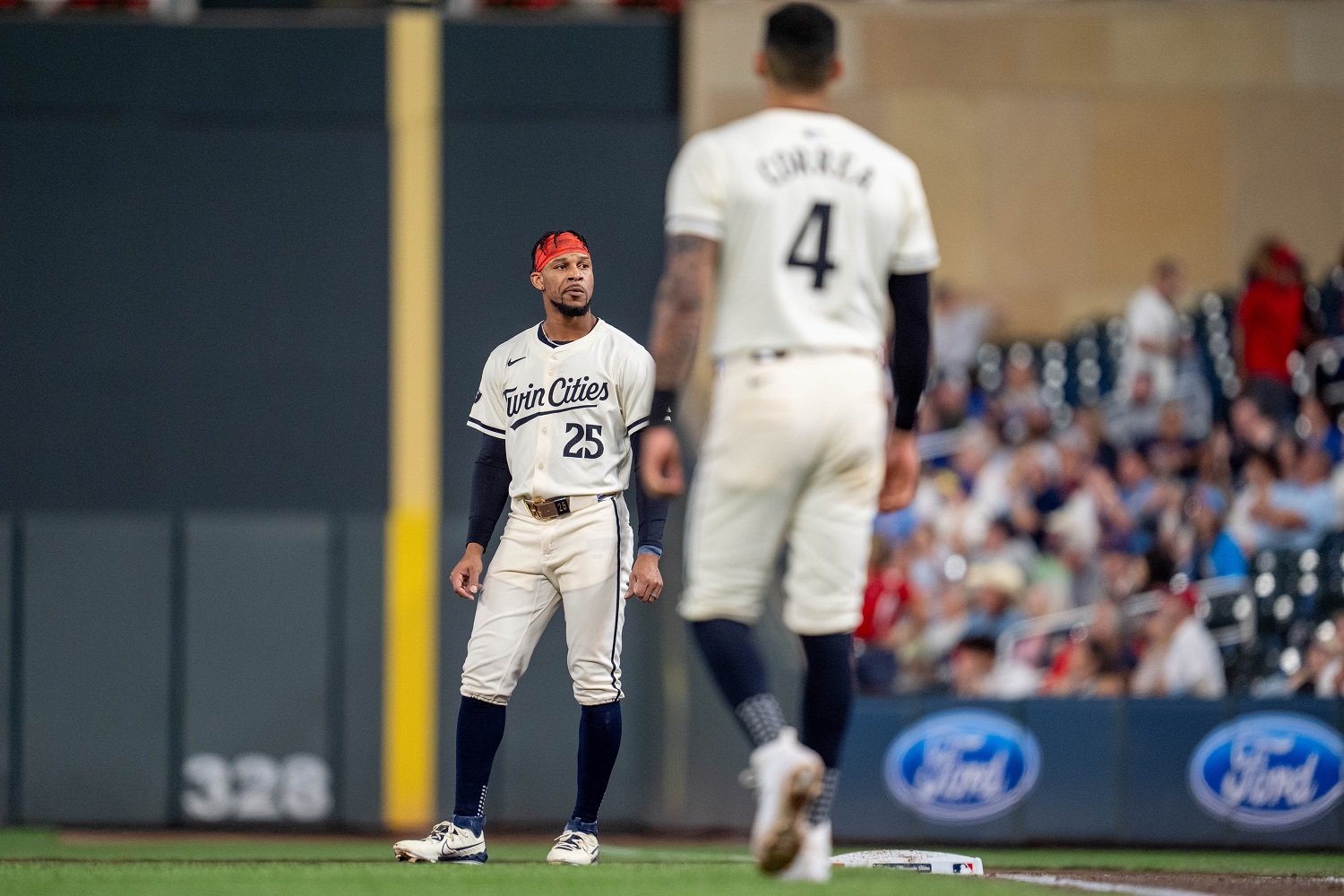 The team came into the game with a 2 1/2-game deficit and four games remaining. A matchup against the last-place Miami Marlins was the Twins' last real chance to keep any hope of postseason baseball alive. Win, and the slimmest of hopes survives. Lose, and the door effectively closes. The Twins lost. Again. Sure, mathematically, they were still alive—but realistically, Thursday night was the end. And how it ended was, in many ways, the perfect embodiment of the season: missed opportunities, poor execution, and a glaring lack of fundamentals. What stood out most wasn’t the final score, but the way in which they lost. It was as if the last six weeks of poor play had been compressed into a single, painful evening. The familiar script of failing to come through in the clutch, mental lapses, and boneheaded plays played out yet again. This time, it sealed their fate. The Twins had plenty of chances to put the game away. Extra innings saw the Twins load the bases on multiple occasions, with no outs and just one out. Both times, the expectation should have been runs. A chance to close out the game and keep their season alive. Instead, they delivered pop-ups, weak grounders, and failed to push across runs in situations where any contender would have delivered. A lack of execution and a failure to do the basics have haunted this team, and Thursday night was no exception. Even the ever-optimistic Cory Provus, the team’s play-by-play announcer, voiced his frustration on the broadcast. Known for his positive outlook even in the roughest stretches of the season, Provus couldn’t hide his disappointment over the Twins’ inability to execute, particularly in fundamental moments. His irritation mirrored the fans' sentiments as they watched yet another game slip away due to preventable mistakes. But perhaps nothing summed up this game, and the season as a whole, quite like the final play. With the season on the line, Carlos Correa, the leader of this team, hit a soft grounder to first. An errant throw from the pitcher gave Correa a clear shot to beat out the play, but instead of hustling down the line, he jogged. The result? A bang-bang out to end the game and, with it, the Twins' last shred of postseason hope. That lack of urgency, of fire, from Correa was a symbolic end to a season defined by the same flaws: inconsistent effort, poor execution, and a maddening inability to capitalize in big moments. It wasn’t just a single game; it was the embodiment of everything that’s gone wrong for the Twins since mid-August. The collapse was slow and painful. The performances faltered, but more frustrating was the failure to do the simple things right. Leaving runners in scoring position, not running out grounders, failing to execute in extra innings—these were not rare occurrences. They became the norm. The Twins went 2-for-19 with runners in scoring position and left 15 men on base Thursday night. But the real gut-punch was how they got there. They didn’t just lose—they beat themselves. This defeat, coming at the worst possible time, closes the door on a season that once held promise. How could it get this bad? That’s a question the organization will have to wrestle with in the offseason. Poor fundamentals, bad situational play, and an overall lack of execution defined this team down the stretch. There will be plenty of time to analyze what went wrong, who’s accountable, and what changes need to be made. But for now, the season is effectively over, and it ended the same way so many games have in the second half—with the Twins shooting themselves in the foot. Thursday night wasn’t just a loss; it was the final act of a season that will be remembered for its frustrating, self-inflicted wounds.
- 18 comments
-
- 7
-

-

-
- carlos correa
- ryan jeffers
- (and 1 more)
-
Byron Buxton has hit a milestone worth celebrating—playing 100 games in a season for just the second time in his career. After years of setbacks, this achievement is one Buxton is proud of, and it’s one we should savor, too. It’s a reminder of the moments that make following this game worthwhile. Image courtesy of © Jesse Johnson-Imagn Images Byron Buxton has finally done it. In Wednesday night's game, he reached the 100-game mark for the 2024 season. This may not sound like a groundbreaking number for a player, but for Buxton, the milestone carries significant weight. It marks just the second time in his career that he’s played at least 100 games in a season, the first being back in 2017, when he suited up 140 times. We all know the story. Buxton’s career has been a series of brilliant moments, followed by frustrating injuries. From migraines and concussions to fractured hands, injured hips, and troublesome knees, it often feels like he was bitten by a radioactive injury bug, instead of a spider. Each time, it’s a gut punch—not just for fans, but for Buxton himself, a supremely talented athlete who has spent as much time rehabbing as he has wowing us on the field. When Buxton came up, he was an instant game-changer. His speed and defense was already elite, and as he added power to his game over the years, it became clearer: Buxton had the potential to be an MVP-caliber player. The problem? His body couldn’t always keep up with his ability. That’s why this 100-game mark isn’t just a stat. It’s a testament to the mental and physical toll Buxton has endured over his career, and his desire to overcome it. Think about it: countless times, he’s been on the verge of putting it all together, only to be sidelined again. And through it all, he’s faced criticism—some of it unfair—from fans frustrated by his inability to stay healthy. It’s almost as if some forget Buxton isn’t purposefully getting injured or trying to disappoint the fanbase. If anything, nobody works harder to get back on the field. Last year, Buxton set a public goal of playing in 100 games in 2023. Many scoffed, calling it a low bar, and said he should aim for more. But those critics missed the point. For Buxton, 100 games is a massive achievement. He provides more value in 100 games than most players do in 162. So when he fell short, playing in 85 games last year as a designated hitter, it felt like just another example of his body refusing to accommodate his potential. This year, however, he hit the mark. And fittingly, he celebrated by blasting a 450-foot home run in the middle of a game that had playoff implications. It was vintage Buxton—showing up when it mattered most, just as he’s done so many times. After the game, Buxton’s wife expressed pride in her husband reaching this goal, something that resonates deeply. It’s easy to get caught up in numbers, trophies, and postseason accolades. But in a sport where we invest half our year following these players and, in Buxton’s case, a decade of our lives, we should take a moment to celebrate what matters to them. This milestone meant something to Byron, and thus, it should mean something to us, too. Buxton’s 2024 season has been nothing short of remarkable, even apart from the 100 games played. He’s posted a 138 OPS+, delivered in clutch situations (a 1.025 OPS in high-leverage spots), and contributed 3.6 fWAR. Buxton has found ways to give massive value to the Twins, and for that, we should be proud of him. This isn’t just about numbers. It’s about resilience. It’s about a player who’s fought tooth-and-nail to be out there, to make an impact when many wrote him off. So, to Byron Buxton and the 100-game mark—here’s to many more. View full article
-
Byron Buxton Hits 100 Games: A Milestone We Should Celebrate
Matthew Taylor posted an article in Twins
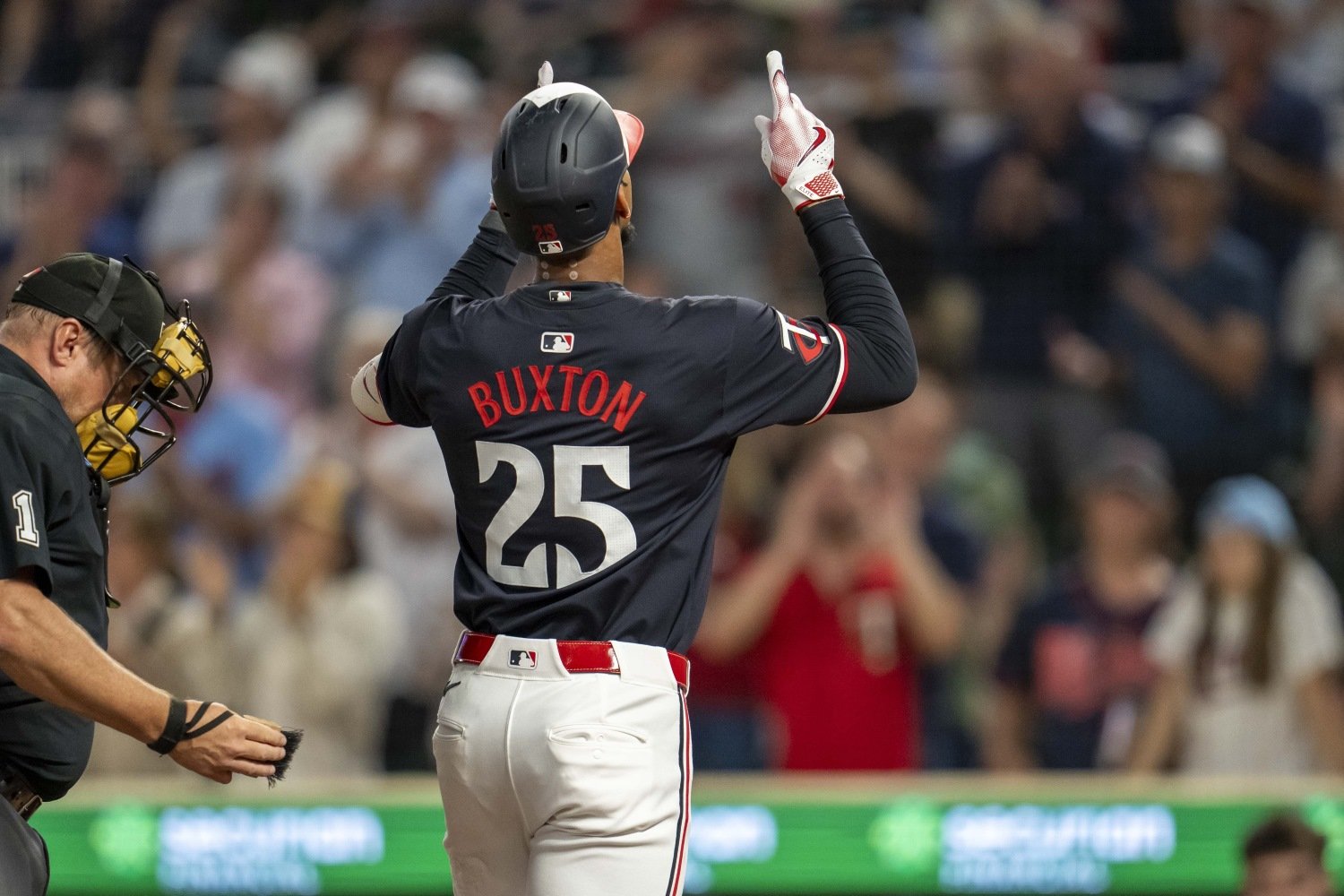 Byron Buxton has finally done it. In Wednesday night's game, he reached the 100-game mark for the 2024 season. This may not sound like a groundbreaking number for a player, but for Buxton, the milestone carries significant weight. It marks just the second time in his career that he’s played at least 100 games in a season, the first being back in 2017, when he suited up 140 times. We all know the story. Buxton’s career has been a series of brilliant moments, followed by frustrating injuries. From migraines and concussions to fractured hands, injured hips, and troublesome knees, it often feels like he was bitten by a radioactive injury bug, instead of a spider. Each time, it’s a gut punch—not just for fans, but for Buxton himself, a supremely talented athlete who has spent as much time rehabbing as he has wowing us on the field. When Buxton came up, he was an instant game-changer. His speed and defense was already elite, and as he added power to his game over the years, it became clearer: Buxton had the potential to be an MVP-caliber player. The problem? His body couldn’t always keep up with his ability. That’s why this 100-game mark isn’t just a stat. It’s a testament to the mental and physical toll Buxton has endured over his career, and his desire to overcome it. Think about it: countless times, he’s been on the verge of putting it all together, only to be sidelined again. And through it all, he’s faced criticism—some of it unfair—from fans frustrated by his inability to stay healthy. It’s almost as if some forget Buxton isn’t purposefully getting injured or trying to disappoint the fanbase. If anything, nobody works harder to get back on the field. Last year, Buxton set a public goal of playing in 100 games in 2023. Many scoffed, calling it a low bar, and said he should aim for more. But those critics missed the point. For Buxton, 100 games is a massive achievement. He provides more value in 100 games than most players do in 162. So when he fell short, playing in 85 games last year as a designated hitter, it felt like just another example of his body refusing to accommodate his potential. This year, however, he hit the mark. And fittingly, he celebrated by blasting a 450-foot home run in the middle of a game that had playoff implications. It was vintage Buxton—showing up when it mattered most, just as he’s done so many times. After the game, Buxton’s wife expressed pride in her husband reaching this goal, something that resonates deeply. It’s easy to get caught up in numbers, trophies, and postseason accolades. But in a sport where we invest half our year following these players and, in Buxton’s case, a decade of our lives, we should take a moment to celebrate what matters to them. This milestone meant something to Byron, and thus, it should mean something to us, too. Buxton’s 2024 season has been nothing short of remarkable, even apart from the 100 games played. He’s posted a 138 OPS+, delivered in clutch situations (a 1.025 OPS in high-leverage spots), and contributed 3.6 fWAR. Buxton has found ways to give massive value to the Twins, and for that, we should be proud of him. This isn’t just about numbers. It’s about resilience. It’s about a player who’s fought tooth-and-nail to be out there, to make an impact when many wrote him off. So, to Byron Buxton and the 100-game mark—here’s to many more.
 -
Just when it seemed like all hope was lost, the final series of the season has offered an unexpected twist. Image courtesy of © Jim Rassol-Imagn Images It’s painful to admit, but the Minnesota Twins’ playoff hopes seem to dwindle by the day. Whether it's the injury bug that bit too deep or key players simply not performing, the reality is hard to ignore: making the playoffs now feels like grasping at straws. Thanks to the way the schedules for the Twins and the Kansas City Royals have shaken out, though, there’s still a faint glimmer of hope left for Minnesota to sneak into the postseason. When the 2024 schedule was released, seeing the Twins close out with a three-game series against the Baltimore Orioles felt like a cruel twist of fate. Facing off against one of the most talented young teams in the league--one who swept the Twins earlier in the season--didn't offer much hope. Even back then, the thought of winning just one game against the O's in that final series felt like a victory. But as fate would have it, the situation now looks drastically different. Baltimore’s recent struggles, combined with their position in the standings, have flipped the narrative. Locked in as the top Wild Card team—five games behind the Yankees in the AL East and four games clear of the Royals and Tigers—Baltimore essentially has nothing to play for by the time they face the Twins. Their focus will be elsewhere: resting players and setting up their rotation and bullpen for the postseason. With Corbin Burnes and Zach Eflin both slated to sit out that series, and stars like Gunnar Henderson and Adley Rutschman likely seeing minimal action, the Orioles’ once-daunting visit now feels more like an opportunity for the Twins. On the flip side, the Royals, one of the teams Minnesota is fighting tooth-and-nail in the Wild Card race, aren’t so lucky. Their final opponent? The Atlanta Braves. Unlike Baltimore, Atlanta is locked into in a red-hot National League Wild Card race, sitting just a half-game behind the Diamondbacks for the final Wild Card spot and a game behind the Mets for the second. For the Braves, every pitch counts, and they'll be throwing everything they have to secure a playoff spot. That gives the Twins the slightest opening. Let’s break it down: After Tuesday night’s devastating loss to the Miami Marlins, Minnesota’s playoff chances hinge on two highly unlikely, but not impossible, scenarios: The Twins win out, while the Royals finish 3-2. The Twins go 4-1, while the Royals finish 2-3. Neither scenario feels particularly realistic given how the Twins have looked recently, but the schedule has fallen in their favor. If Minnesota can close the gap to just one or two games by the time the Orioles come to town, they might be able to sweep a resting Baltimore squad. Meanwhile, Kansas City will have to face an Atlanta team clawing for every last win in a tough environment at Truist Park. It's not unreasonable to think the Royals could drop two, or even all three, of those games. Of course, none of this matters unless the Twins can take care of business against Miami first. The most likely outcome is still that the season ends with a whimper. But in a season filled with twists and turns, this might just be the final one—a slim chance, but a chance nonetheless. If the Twins can enter that final weekend series within striking distance of the Royals, the path to an improbable playoff berth might just open up. Sometimes, baseball is about opportunity, and this last one is as surprising as it is precarious. Do you think the Twins still have hope of a playoff appearance? Does the way the schedule has broken out change your opinion? Leave a comment below and start the conversation! View full article
-
The Unexpected Twist That Gives the Twins One Last Shot at the Playoffs
Matthew Taylor posted an article in Twins
.png.53716f55d456641e60d332aa38214271.png) It’s painful to admit, but the Minnesota Twins’ playoff hopes seem to dwindle by the day. Whether it's the injury bug that bit too deep or key players simply not performing, the reality is hard to ignore: making the playoffs now feels like grasping at straws. Thanks to the way the schedules for the Twins and the Kansas City Royals have shaken out, though, there’s still a faint glimmer of hope left for Minnesota to sneak into the postseason. When the 2024 schedule was released, seeing the Twins close out with a three-game series against the Baltimore Orioles felt like a cruel twist of fate. Facing off against one of the most talented young teams in the league--one who swept the Twins earlier in the season--didn't offer much hope. Even back then, the thought of winning just one game against the O's in that final series felt like a victory. But as fate would have it, the situation now looks drastically different. Baltimore’s recent struggles, combined with their position in the standings, have flipped the narrative. Locked in as the top Wild Card team—five games behind the Yankees in the AL East and four games clear of the Royals and Tigers—Baltimore essentially has nothing to play for by the time they face the Twins. Their focus will be elsewhere: resting players and setting up their rotation and bullpen for the postseason. With Corbin Burnes and Zach Eflin both slated to sit out that series, and stars like Gunnar Henderson and Adley Rutschman likely seeing minimal action, the Orioles’ once-daunting visit now feels more like an opportunity for the Twins. On the flip side, the Royals, one of the teams Minnesota is fighting tooth-and-nail in the Wild Card race, aren’t so lucky. Their final opponent? The Atlanta Braves. Unlike Baltimore, Atlanta is locked into in a red-hot National League Wild Card race, sitting just a half-game behind the Diamondbacks for the final Wild Card spot and a game behind the Mets for the second. For the Braves, every pitch counts, and they'll be throwing everything they have to secure a playoff spot. That gives the Twins the slightest opening. Let’s break it down: After Tuesday night’s devastating loss to the Miami Marlins, Minnesota’s playoff chances hinge on two highly unlikely, but not impossible, scenarios: The Twins win out, while the Royals finish 3-2. The Twins go 4-1, while the Royals finish 2-3. Neither scenario feels particularly realistic given how the Twins have looked recently, but the schedule has fallen in their favor. If Minnesota can close the gap to just one or two games by the time the Orioles come to town, they might be able to sweep a resting Baltimore squad. Meanwhile, Kansas City will have to face an Atlanta team clawing for every last win in a tough environment at Truist Park. It's not unreasonable to think the Royals could drop two, or even all three, of those games. Of course, none of this matters unless the Twins can take care of business against Miami first. The most likely outcome is still that the season ends with a whimper. But in a season filled with twists and turns, this might just be the final one—a slim chance, but a chance nonetheless. If the Twins can enter that final weekend series within striking distance of the Royals, the path to an improbable playoff berth might just open up. Sometimes, baseball is about opportunity, and this last one is as surprising as it is precarious. Do you think the Twins still have hope of a playoff appearance? Does the way the schedule has broken out change your opinion? Leave a comment below and start the conversation!
It’s painful to admit, but the Minnesota Twins’ playoff hopes seem to dwindle by the day. Whether it's the injury bug that bit too deep or key players simply not performing, the reality is hard to ignore: making the playoffs now feels like grasping at straws. Thanks to the way the schedules for the Twins and the Kansas City Royals have shaken out, though, there’s still a faint glimmer of hope left for Minnesota to sneak into the postseason. When the 2024 schedule was released, seeing the Twins close out with a three-game series against the Baltimore Orioles felt like a cruel twist of fate. Facing off against one of the most talented young teams in the league--one who swept the Twins earlier in the season--didn't offer much hope. Even back then, the thought of winning just one game against the O's in that final series felt like a victory. But as fate would have it, the situation now looks drastically different. Baltimore’s recent struggles, combined with their position in the standings, have flipped the narrative. Locked in as the top Wild Card team—five games behind the Yankees in the AL East and four games clear of the Royals and Tigers—Baltimore essentially has nothing to play for by the time they face the Twins. Their focus will be elsewhere: resting players and setting up their rotation and bullpen for the postseason. With Corbin Burnes and Zach Eflin both slated to sit out that series, and stars like Gunnar Henderson and Adley Rutschman likely seeing minimal action, the Orioles’ once-daunting visit now feels more like an opportunity for the Twins. On the flip side, the Royals, one of the teams Minnesota is fighting tooth-and-nail in the Wild Card race, aren’t so lucky. Their final opponent? The Atlanta Braves. Unlike Baltimore, Atlanta is locked into in a red-hot National League Wild Card race, sitting just a half-game behind the Diamondbacks for the final Wild Card spot and a game behind the Mets for the second. For the Braves, every pitch counts, and they'll be throwing everything they have to secure a playoff spot. That gives the Twins the slightest opening. Let’s break it down: After Tuesday night’s devastating loss to the Miami Marlins, Minnesota’s playoff chances hinge on two highly unlikely, but not impossible, scenarios: The Twins win out, while the Royals finish 3-2. The Twins go 4-1, while the Royals finish 2-3. Neither scenario feels particularly realistic given how the Twins have looked recently, but the schedule has fallen in their favor. If Minnesota can close the gap to just one or two games by the time the Orioles come to town, they might be able to sweep a resting Baltimore squad. Meanwhile, Kansas City will have to face an Atlanta team clawing for every last win in a tough environment at Truist Park. It's not unreasonable to think the Royals could drop two, or even all three, of those games. Of course, none of this matters unless the Twins can take care of business against Miami first. The most likely outcome is still that the season ends with a whimper. But in a season filled with twists and turns, this might just be the final one—a slim chance, but a chance nonetheless. If the Twins can enter that final weekend series within striking distance of the Royals, the path to an improbable playoff berth might just open up. Sometimes, baseball is about opportunity, and this last one is as surprising as it is precarious. Do you think the Twins still have hope of a playoff appearance? Does the way the schedule has broken out change your opinion? Leave a comment below and start the conversation! -
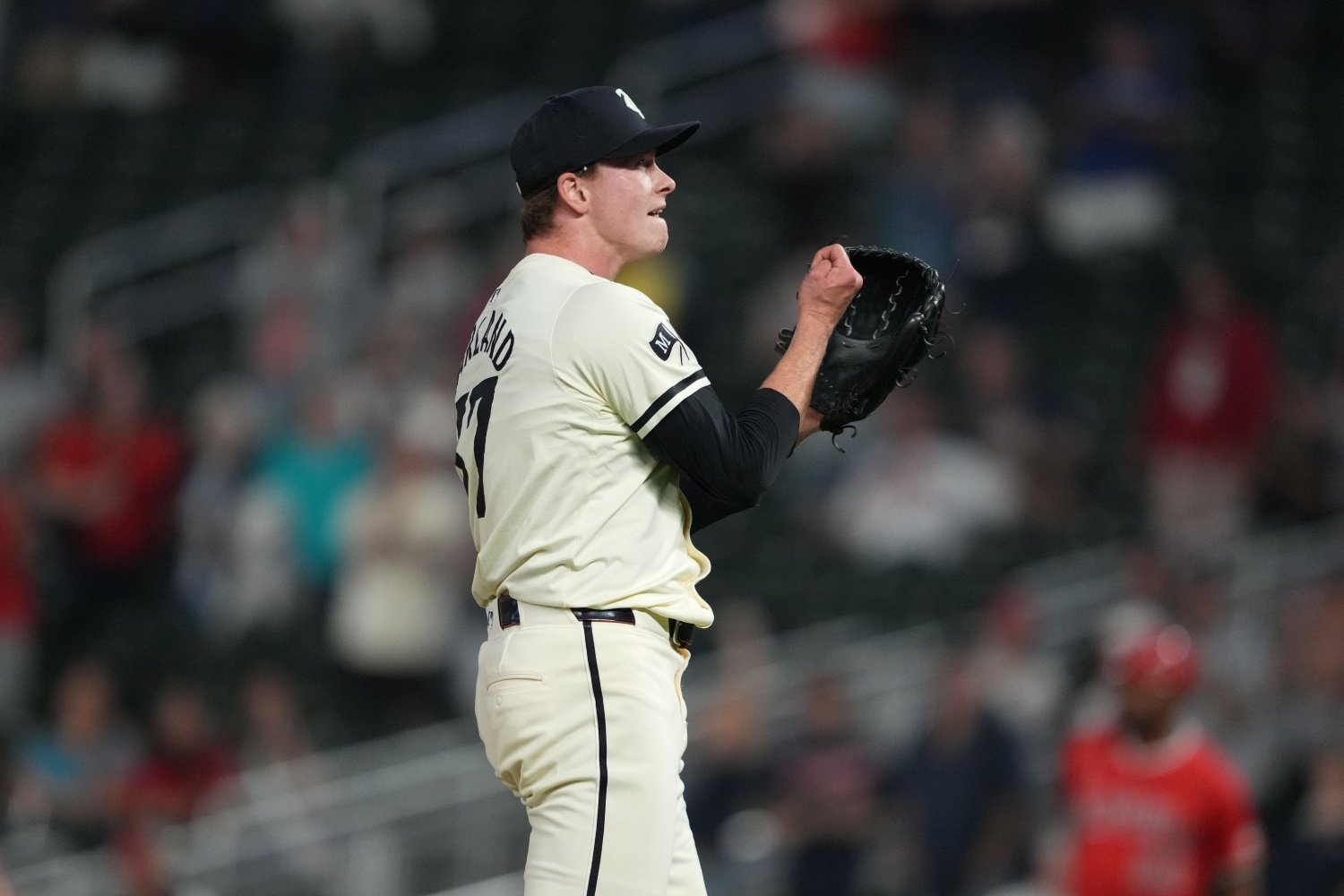 Across two seasons and 114 1/3 innings as a starter in the big leagues, Louie Varland has posted a 5.27 ERA. While he's shown flashes of brilliance, those moments are too often overshadowed by an inevitable blow-up inning where things spiral out of control. When Varland unravels, it’s usually via the long ball—he's allowed 27 home runs as a starter, or nearly two per nine innings. To put that into perspective, the league leader in HR/9 this season was Adam Gomber, at 1.69. Gomber works out of Coors Field, the most homer-friendly ballpark in the league. At this point, it's tough to justify continuing down the same path with Varland in the rotation when the results haven’t been there. His true potential seems to lie elsewhere. That potential first became clear when the Twins shifted Varland into a relief role late last season. Freed from the need to pace himself over multiple innings, Varland was able to dial up his velocity to 98 MPH or more and overpower hitters with pure heat. Over 12 innings as a reliever, he allowed just six hits and two earned runs, and he struck out 17 batters. His performance in the playoffs—two scoreless appearances in high-leverage spots—was nothing short of heroic. UVdZS1FfV0ZRVkV3dEdEUT09X1Z3VUFBVkJWQlFVQURRZFJBQUFBVXdkZkFBTUFVZ1VBQlZZRUNBTU5BRlpkQkFOVw==.mp4 Despite Varland’s struggles in the rotation, the Twins kept trying him as a starter this year, even as their bullpen cried out for help. But as the season progressed and rotation depth became less of a priority, the team made the call to move him back to the bullpen. Although there were a couple of rough outings in long relief (14 earned runs against Tampa Bay and Cincinnati, yikes), Varland quickly found his groove as a late-inning reliever. In three consecutive shutout appearances, including a standout performance in Boston last Friday, he’s delivered hitless, high-leverage innings. WGczVzJfWGw0TUFRPT1fQlFoV1VGWURCUVVBREFZR1VnQUFCQUVFQUFBSEFRQUFVMVpRQmxVTkNRUmNWZ0Zl.mp4 This isn't an unfamiliar situation for the Twins. Griffin Jax traced a similar trajectory: he struggled mightily as a starter before the team transitioned him into a bullpen role, where he became one of the most reliable relievers in baseball. In 14 games as a starting pitcher for the Twins, Jax looked completely overmatched, with a 6.10 ERA. Similar to Varland, Jax struggled immensely with the long ball, surrendering 18 home runs in just 69 1/3 innings. After a move to the pen and some intense offseason work on his velocity and pitch mix, he's a whole new hurler. Varland could follow the same path, giving the Twins a formidable bullpen trio with Duran, Jax, and Varland heading into the postseason (hey, we can dream) and beyond. At this point, the writing is on the wall: Varland is a reliever. He’s proven that his stuff plays up when he’s allowed to cut loose in short bursts. The Twins can’t afford to keep forcing him into a role where he’s prone to failure. While starting pitchers will always carry more inherent value due to their workload, a dominant reliever is far more valuable to the Twins right now than a struggling starter. The transition has worked before with Griffin Jax, and Varland has the potential to be even better. It’s time to embrace his future in the bullpen. What do you think? Should the Twins commit to Varland as a reliever full-time, or is it worth continuing to try him as a starter next season? Let’s hear your thoughts!
 -
Louie Varland's days as a starting pitcher should be over. The Minnesota Twins have invested significant time and patience in developing him as a reliable starter, but the results tell a different story. Image courtesy of © Jordan Johnson-Imagn Images Across two seasons and 114 1/3 innings as a starter in the big leagues, Louie Varland has posted a 5.27 ERA. While he's shown flashes of brilliance, those moments are too often overshadowed by an inevitable blow-up inning where things spiral out of control. When Varland unravels, it’s usually via the long ball—he's allowed 27 home runs as a starter, or nearly two per nine innings. To put that into perspective, the league leader in HR/9 this season was Adam Gomber, at 1.69. Gomber works out of Coors Field, the most homer-friendly ballpark in the league. At this point, it's tough to justify continuing down the same path with Varland in the rotation when the results haven’t been there. His true potential seems to lie elsewhere. That potential first became clear when the Twins shifted Varland into a relief role late last season. Freed from the need to pace himself over multiple innings, Varland was able to dial up his velocity to 98 MPH or more and overpower hitters with pure heat. Over 12 innings as a reliever, he allowed just six hits and two earned runs, and he struck out 17 batters. His performance in the playoffs—two scoreless appearances in high-leverage spots—was nothing short of heroic. UVdZS1FfV0ZRVkV3dEdEUT09X1Z3VUFBVkJWQlFVQURRZFJBQUFBVXdkZkFBTUFVZ1VBQlZZRUNBTU5BRlpkQkFOVw==.mp4 Despite Varland’s struggles in the rotation, the Twins kept trying him as a starter this year, even as their bullpen cried out for help. But as the season progressed and rotation depth became less of a priority, the team made the call to move him back to the bullpen. Although there were a couple of rough outings in long relief (14 earned runs against Tampa Bay and Cincinnati, yikes), Varland quickly found his groove as a late-inning reliever. In three consecutive shutout appearances, including a standout performance in Boston last Friday, he’s delivered hitless, high-leverage innings. WGczVzJfWGw0TUFRPT1fQlFoV1VGWURCUVVBREFZR1VnQUFCQUVFQUFBSEFRQUFVMVpRQmxVTkNRUmNWZ0Zl.mp4 This isn't an unfamiliar situation for the Twins. Griffin Jax traced a similar trajectory: he struggled mightily as a starter before the team transitioned him into a bullpen role, where he became one of the most reliable relievers in baseball. In 14 games as a starting pitcher for the Twins, Jax looked completely overmatched, with a 6.10 ERA. Similar to Varland, Jax struggled immensely with the long ball, surrendering 18 home runs in just 69 1/3 innings. After a move to the pen and some intense offseason work on his velocity and pitch mix, he's a whole new hurler. Varland could follow the same path, giving the Twins a formidable bullpen trio with Duran, Jax, and Varland heading into the postseason (hey, we can dream) and beyond. At this point, the writing is on the wall: Varland is a reliever. He’s proven that his stuff plays up when he’s allowed to cut loose in short bursts. The Twins can’t afford to keep forcing him into a role where he’s prone to failure. While starting pitchers will always carry more inherent value due to their workload, a dominant reliever is far more valuable to the Twins right now than a struggling starter. The transition has worked before with Griffin Jax, and Varland has the potential to be even better. It’s time to embrace his future in the bullpen. What do you think? Should the Twins commit to Varland as a reliever full-time, or is it worth continuing to try him as a starter next season? Let’s hear your thoughts! View full article
-
It might seem odd to talk about whom the Twins should prefer to face in the playoffs, when their own chances of making it are far from certain. But if we're considering the scenario where they do make it, the decision boils down to two opponents: the Baltimore Orioles or the Houston Astros. And the choice is clear. Image courtesy of © Tommy Gilligan-Imagn Images [Ed. note: If you missed it earlier this morning, check out the counterpoint to this piece, from our Eric Blonigen, arguing that the Twins would be better off facing the Astros. Here's Matt making the case for taking on Walltimore.] For much of the season, fans have been eyeing the AL West champion as the better matchup in an eventual playoff showdown. At the time, the AL East runner-up would have likely meant heading to Yankee Stadium, or dealing with the surging Orioles. But now, with the regular season winding down, I'd argue that the Twins should hope for a matchup against Baltimore, as they appear to be the more vulnerable team right now. At the start of the year, Baltimore looked like a potential juggernaut, jumping out to a 49-25 record. They were in the conversation for the best team in baseball. But since Jul. 1, things have fallen apart for them. They’ve gone 33-39 over that stretch—one of the seven worst records in baseball. Think about how frustrated we’ve been with the Twins' showing since July began (34-38), and yet, the Orioles have been even worse. Since Sept. 1, things haven’t gotten any better for Baltimore. They're 8-11, and have completely taken themselves out of the running for the AL East title. It’s been a rough go for them, across the board. Since the start of July, they rank 21st in OPS (.710), 19th in starting pitching ERA (4.36), and their bullpen has fallen to 26th in the majors, with a 4.78 ERA. They’re not hitting well, their starting pitching is shaky, and their bullpen—which was once a strength—is now a glaring weakness. They're not getting it done in any phase of the game. One of the bigger concerns for Baltimore is their lack of playoff experience. They’re loaded with young talent, but they don’t have many players who have performed under the bright lights of October. Gunnar Henderson, Adley Rutschman, and Colton Cowser are incredibly talented, but they’ve only been in the postseason once, and that was last year, when they got swept by the Texas Rangers. It’s hard to bank on unproven players in a playoff series when the pressure ramps up. Compare that to the Houston Astros. This is a team that has been through everything—deep playoff runs, World Series wins, and the ups and downs that come with postseason baseball. Players like José Altuve and Alex Bregman have delivered in the biggest moments. There’s a certain comfort level Houston brings to the playoffs that Baltimore just doesn’t have. One side last saw the ALCS in 2014. The other has been there in each of the last seven years. That’s not to say facing the Orioles wouldn’t be challenging. Their ace, Corbin Burnes, is lined up to start Game 1. Burnes is a top-five pitcher in baseball, and he can shut down any lineup on his day. The Twins would have their work cut out for them in that matchup. But if they can survive Game 1, the rest of the series could tilt in Minnesota’s favor. After Burnes, the Twins have a clear advantage in starting pitching. And if they can get into Baltimore’s bullpen, which has been shaky for months, they could take control of the series. This weekend’s series against Baltimore will give the Twins an opportunity to size up the Orioles, but it’s worth noting that Baltimore might not be playing their top guys with their playoff spot already locked in. Still, it’s a good chance to see how they match up. It will also be a radically different setting than what the two teams would shift to for the playoff series, if it came to that, so the visitors wouldn't be able to extrapolate overmuch from whatever the Twins show. Target Field and Camden Yards play very, very differently. All in all, if the Twins make the playoffs, their best chance at advancing is probably through Baltimore. The Orioles’ recent struggles, combined with their lack of postseason experience, make them a beatable team. If the Twins can handle Burnes and get to Baltimore’s vulnerable bullpen, they could find themselves moving on in October. Would you rather the Twins get matched up against the Orioles or Astros? Leave a comment below and start the conversation! View full article
-
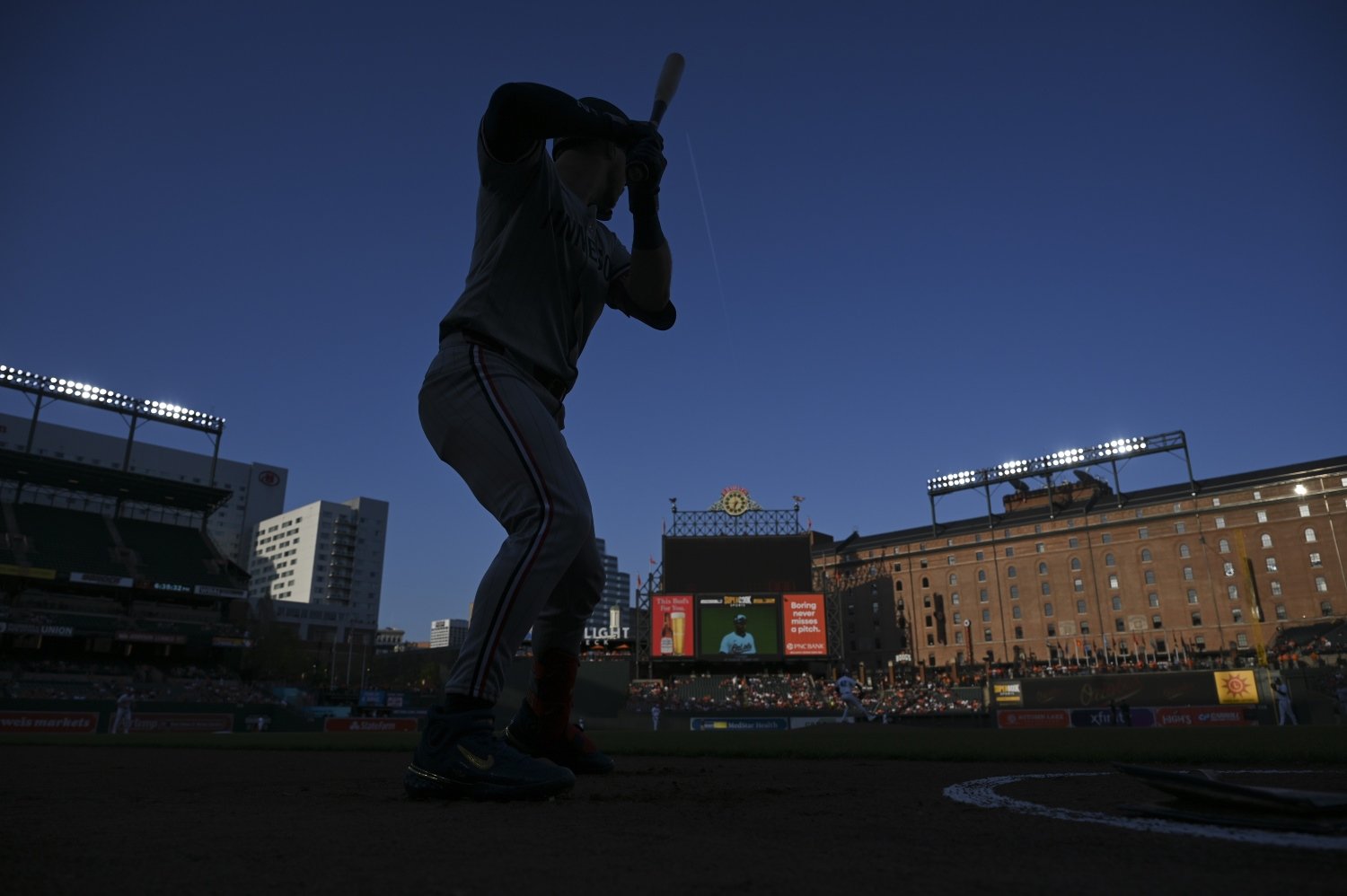 [Ed. note: If you missed it earlier this morning, check out the counterpoint to this piece, from our Eric Blonigen, arguing that the Twins would be better off facing the Astros. Here's Matt making the case for taking on Walltimore.] For much of the season, fans have been eyeing the AL West champion as the better matchup in an eventual playoff showdown. At the time, the AL East runner-up would have likely meant heading to Yankee Stadium, or dealing with the surging Orioles. But now, with the regular season winding down, I'd argue that the Twins should hope for a matchup against Baltimore, as they appear to be the more vulnerable team right now. At the start of the year, Baltimore looked like a potential juggernaut, jumping out to a 49-25 record. They were in the conversation for the best team in baseball. But since Jul. 1, things have fallen apart for them. They’ve gone 33-39 over that stretch—one of the seven worst records in baseball. Think about how frustrated we’ve been with the Twins' showing since July began (34-38), and yet, the Orioles have been even worse. Since Sept. 1, things haven’t gotten any better for Baltimore. They're 8-11, and have completely taken themselves out of the running for the AL East title. It’s been a rough go for them, across the board. Since the start of July, they rank 21st in OPS (.710), 19th in starting pitching ERA (4.36), and their bullpen has fallen to 26th in the majors, with a 4.78 ERA. They’re not hitting well, their starting pitching is shaky, and their bullpen—which was once a strength—is now a glaring weakness. They're not getting it done in any phase of the game. One of the bigger concerns for Baltimore is their lack of playoff experience. They’re loaded with young talent, but they don’t have many players who have performed under the bright lights of October. Gunnar Henderson, Adley Rutschman, and Colton Cowser are incredibly talented, but they’ve only been in the postseason once, and that was last year, when they got swept by the Texas Rangers. It’s hard to bank on unproven players in a playoff series when the pressure ramps up. Compare that to the Houston Astros. This is a team that has been through everything—deep playoff runs, World Series wins, and the ups and downs that come with postseason baseball. Players like José Altuve and Alex Bregman have delivered in the biggest moments. There’s a certain comfort level Houston brings to the playoffs that Baltimore just doesn’t have. One side last saw the ALCS in 2014. The other has been there in each of the last seven years. That’s not to say facing the Orioles wouldn’t be challenging. Their ace, Corbin Burnes, is lined up to start Game 1. Burnes is a top-five pitcher in baseball, and he can shut down any lineup on his day. The Twins would have their work cut out for them in that matchup. But if they can survive Game 1, the rest of the series could tilt in Minnesota’s favor. After Burnes, the Twins have a clear advantage in starting pitching. And if they can get into Baltimore’s bullpen, which has been shaky for months, they could take control of the series. This weekend’s series against Baltimore will give the Twins an opportunity to size up the Orioles, but it’s worth noting that Baltimore might not be playing their top guys with their playoff spot already locked in. Still, it’s a good chance to see how they match up. It will also be a radically different setting than what the two teams would shift to for the playoff series, if it came to that, so the visitors wouldn't be able to extrapolate overmuch from whatever the Twins show. Target Field and Camden Yards play very, very differently. All in all, if the Twins make the playoffs, their best chance at advancing is probably through Baltimore. The Orioles’ recent struggles, combined with their lack of postseason experience, make them a beatable team. If the Twins can handle Burnes and get to Baltimore’s vulnerable bullpen, they could find themselves moving on in October. Would you rather the Twins get matched up against the Orioles or Astros? Leave a comment below and start the conversation!
 -
Minnesota Twins fans have been buzzing since Rocco Baldelli made the decision to pull rookie Zebby Matthews from Sunday’s game in the 5th inning, despite him cruising through 87 pitches. The move was met with plenty of armchair managing and heated debate—was it the right call, or should the skipper have stuck with his starter? Image courtesy of © Eric Canha-Imagn Images Before diving into whether it was the correct decision, let's lay out the logic behind Rocco Baldelli’s move. First, Zebby Matthews had just given up a double to Ceddanne Rafaela, the No. 9 hitter in the Boston lineup. Next up? Jarren Duran, the Sox's leadoff hitter, for the third time in the game. Here’s where the context is key: while pitch counts used to be the dominant factor in determining when managers lifted their starters, times through the order has become the more telling framework in recent years. Numbers consistently show that pitchers facing hitters for the third time in a game are significantly less effective. This season, Matthews has barely been allowed to see a batter a third time, and when he has, the results haven’t been pretty: 16 plate appearances and a .375 batting average against him. Then there’s the matchup itself. Jarren Duran is a lefty, and Matthews has struggled all year against left-handed batters, allowing them an OPS of 1.011. Meanwhile, Duran thrives against right-handed pitching, boasting a .913 OPS in those situations. Baldelli knew this wasn’t a favorable setup for the rookie, especially with Duran representing a pivotal out. On top of all this, Matthews is a rookie, approaching a career high in innings pitched, and hasn’t exactly been the picture of consistency. The context is clear: leaving Matthews in would have risked a catastrophic inning. So, the skipper turned to his bullpen and decided to bring in lefty Cole Irvin. The goal was to neutralize Duran with two outs. It was its own kind of risky, since the three-batter minimum rule would force Irvin to face right-handed hitters in a less-than-ideal scenario. With two outs, Irvin just needed to retire Duran. If he did, the Twins could reset the bullpen in the next inning. The logic there is sound. Had there been only one out, the decision might’ve been harder to justify. Now, let’s address the elephant in the room: Cole Irvin. Irvin was claimed off the scrapheap, after no team with a higher waiver priority than the Twins' wanted him. That's despite the fact that he's controllable beyond this year. It's understandable, because his 2024 season has been nothing short of miserable. However, his splits against left-handed hitters are solid—he’s held them to a .529 OPS this year, and Baldelli has shown a preference for deploying Irvin in these mid-inning matchups. The only other lefty available was Caleb Thielbar, who hasn’t inspired much more confidence than Irvin this season. So, Minnesota’s options were limited. Could Baldelli have gone to one of his high-leverage arms, like Griffin Jax, Jhoan Durán, or Cole Sands to escape the jam? Sure--especially coming off an off day with the rainout on Saturday and a planned day off on Monday. Pushing extra hard on the top of your bullpen was certainly in the cards. But still, it was only the 5th inning, and burning one of your top bullpen arms that early in a game with so much baseball left to play is rarely ideal. The issue wasn’t in the decision to bring in Irvin—it was what happened next. Irvin walked Duran. That was the one thing he couldn’t afford to do. Compelled to stay in and face a right-handed batter, Irvin’s numbers take a nosedive. Against righties, Irvin has allowed a .942 OPS this season. The result was heartbreakingly predictable: Romy González hit a three-run bomb, and the inning spiraled out of control. Here’s an interesting observation to fold in from a broader perspective: The Twins' starting rotation, almost exclusively right-handed the past few seasons, means the team enjoys the platoon advantage more often than any other club when their starter is in the game. This year, they’ve had the platoon advantage in 52.2% of their starter matchups, first in MLB. However, that setup also invites opposing teams to stack their lineup with left-handed bats. The downside? The Twins lack reliable left-handed relievers. In fact, while most teams gain more favorable platoon matchups when they turn to their bullpen, the Twins don’t—once again landing at that 52.2% mark. The Irvin walk exposed the flaw in this bullpen construction: when you can’t rely on your lefties to at least get lefties, the advantage evaporates. In the end, Baldelli’s logic was solid—he protected the rookie from facing a dangerous lefty for the third time, gave himself a chance to avoid the three-batter minimum trap, and put Irvin in a position to succeed. But baseball is a game of execution, and Irvin’s inability to throw strikes cost the Twins dearly. The problem wasn’t the decision-making—it was the options available. When your two left-handed bullpen arms are inconsistent at best, and one walks the one batter he can't, it’s tough to find a winning outcome. View full article
-
Why Rocco Baldelli Went to Cole Irvin on Sunday, and Whether He Was Right
Matthew Taylor posted an article in Twins
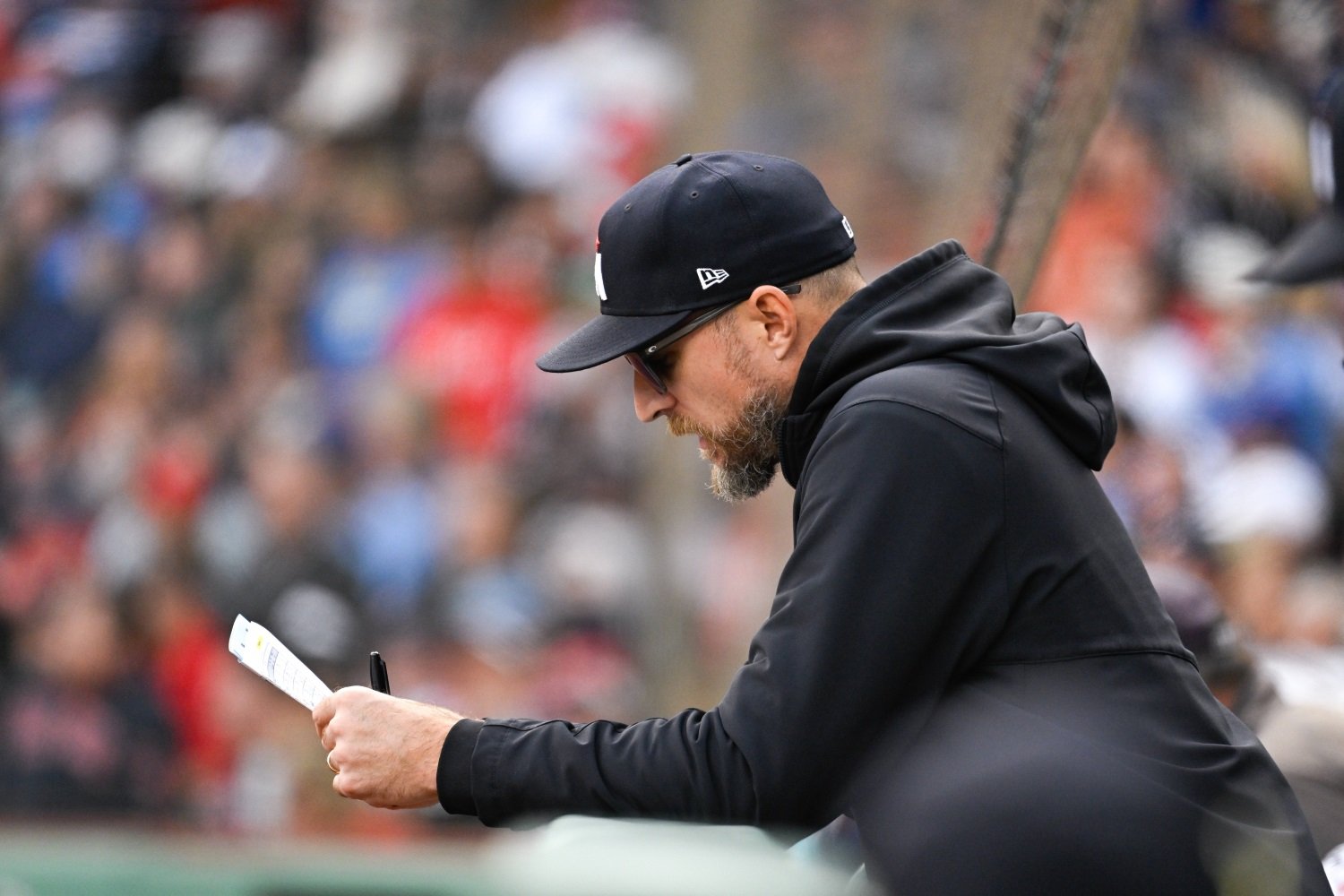 Before diving into whether it was the correct decision, let's lay out the logic behind Rocco Baldelli’s move. First, Zebby Matthews had just given up a double to Ceddanne Rafaela, the No. 9 hitter in the Boston lineup. Next up? Jarren Duran, the Sox's leadoff hitter, for the third time in the game. Here’s where the context is key: while pitch counts used to be the dominant factor in determining when managers lifted their starters, times through the order has become the more telling framework in recent years. Numbers consistently show that pitchers facing hitters for the third time in a game are significantly less effective. This season, Matthews has barely been allowed to see a batter a third time, and when he has, the results haven’t been pretty: 16 plate appearances and a .375 batting average against him. Then there’s the matchup itself. Jarren Duran is a lefty, and Matthews has struggled all year against left-handed batters, allowing them an OPS of 1.011. Meanwhile, Duran thrives against right-handed pitching, boasting a .913 OPS in those situations. Baldelli knew this wasn’t a favorable setup for the rookie, especially with Duran representing a pivotal out. On top of all this, Matthews is a rookie, approaching a career high in innings pitched, and hasn’t exactly been the picture of consistency. The context is clear: leaving Matthews in would have risked a catastrophic inning. So, the skipper turned to his bullpen and decided to bring in lefty Cole Irvin. The goal was to neutralize Duran with two outs. It was its own kind of risky, since the three-batter minimum rule would force Irvin to face right-handed hitters in a less-than-ideal scenario. With two outs, Irvin just needed to retire Duran. If he did, the Twins could reset the bullpen in the next inning. The logic there is sound. Had there been only one out, the decision might’ve been harder to justify. Now, let’s address the elephant in the room: Cole Irvin. Irvin was claimed off the scrapheap, after no team with a higher waiver priority than the Twins' wanted him. That's despite the fact that he's controllable beyond this year. It's understandable, because his 2024 season has been nothing short of miserable. However, his splits against left-handed hitters are solid—he’s held them to a .529 OPS this year, and Baldelli has shown a preference for deploying Irvin in these mid-inning matchups. The only other lefty available was Caleb Thielbar, who hasn’t inspired much more confidence than Irvin this season. So, Minnesota’s options were limited. Could Baldelli have gone to one of his high-leverage arms, like Griffin Jax, Jhoan Durán, or Cole Sands to escape the jam? Sure--especially coming off an off day with the rainout on Saturday and a planned day off on Monday. Pushing extra hard on the top of your bullpen was certainly in the cards. But still, it was only the 5th inning, and burning one of your top bullpen arms that early in a game with so much baseball left to play is rarely ideal. The issue wasn’t in the decision to bring in Irvin—it was what happened next. Irvin walked Duran. That was the one thing he couldn’t afford to do. Compelled to stay in and face a right-handed batter, Irvin’s numbers take a nosedive. Against righties, Irvin has allowed a .942 OPS this season. The result was heartbreakingly predictable: Romy González hit a three-run bomb, and the inning spiraled out of control. Here’s an interesting observation to fold in from a broader perspective: The Twins' starting rotation, almost exclusively right-handed the past few seasons, means the team enjoys the platoon advantage more often than any other club when their starter is in the game. This year, they’ve had the platoon advantage in 52.2% of their starter matchups, first in MLB. However, that setup also invites opposing teams to stack their lineup with left-handed bats. The downside? The Twins lack reliable left-handed relievers. In fact, while most teams gain more favorable platoon matchups when they turn to their bullpen, the Twins don’t—once again landing at that 52.2% mark. The Irvin walk exposed the flaw in this bullpen construction: when you can’t rely on your lefties to at least get lefties, the advantage evaporates. In the end, Baldelli’s logic was solid—he protected the rookie from facing a dangerous lefty for the third time, gave himself a chance to avoid the three-batter minimum trap, and put Irvin in a position to succeed. But baseball is a game of execution, and Irvin’s inability to throw strikes cost the Twins dearly. The problem wasn’t the decision-making—it was the options available. When your two left-handed bullpen arms are inconsistent at best, and one walks the one batter he can't, it’s tough to find a winning outcome.
 -
How the Twins' Defensive Collapse Is Sinking Their Playoff Hopes
Matthew Taylor posted an article in Twins
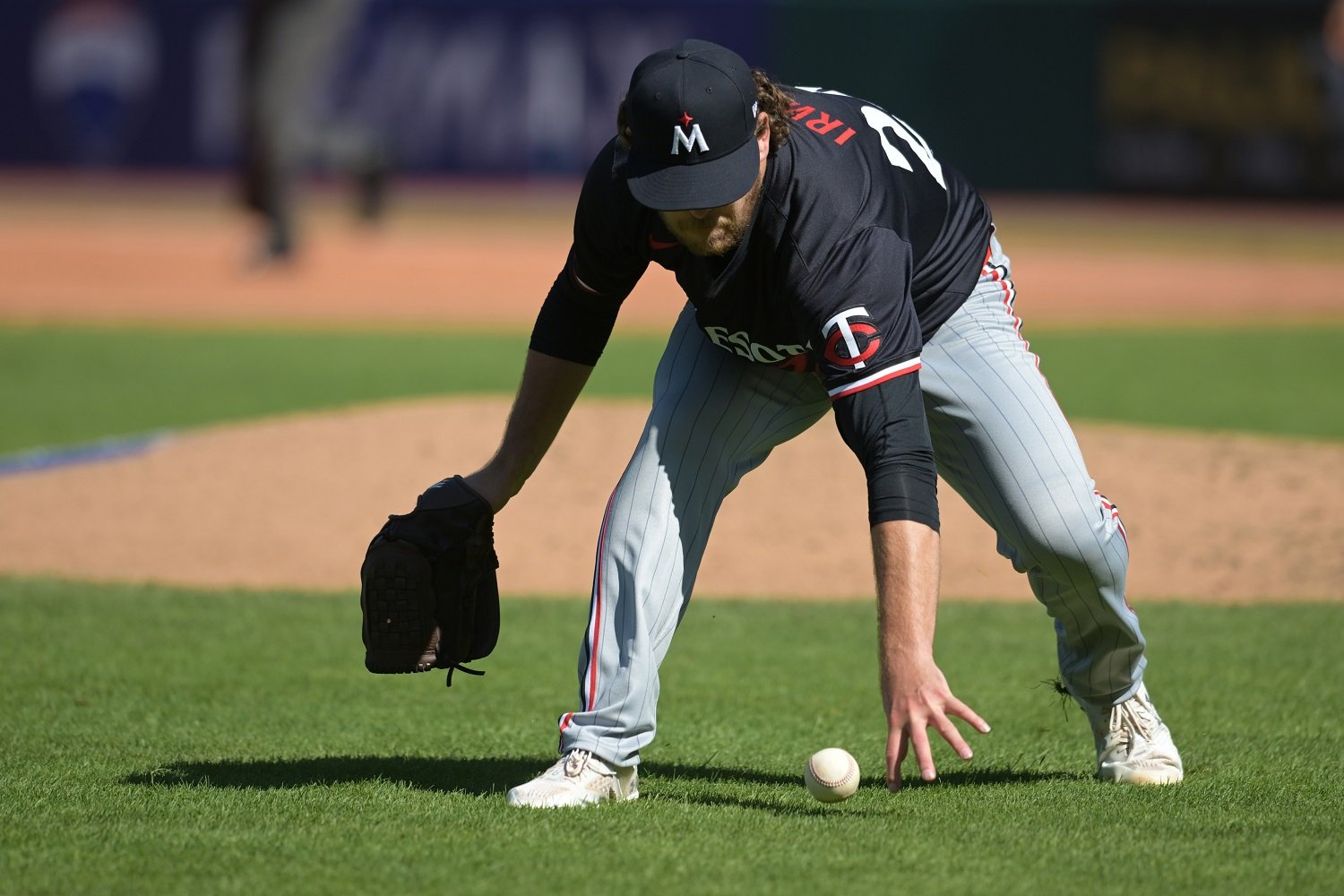 When one thinks about what has plagued the Minnesota Twins in the dog days of this season, a few things immediately come to mind: the bats have gone cold at the worst possible time, and the bullpen has crumbled in late innings. But there's another key area that’s often overlooked—defense. Over the past two months, the Twins' fielding has become a glaring weakness, contributing just as much to their potential playoff collapse as any other issue. For the first four months of the season, the Twins boasted one of the league’s best defenses. Ranked comfortably in the top third of the MLB, Minnesota seemed to lock down the field behind their starters, turning hits into outs and runs into saves. But in August and September, the gloves fell apart. The team posted a combined -15 Outs Above Average (OAA) during that span, slipping to a lowly 27th in August and 25th in September. This is a stunning regression for a team that was so strong in the field to begin the year. But why such a steep drop-off? The simple answer lies in injuries. Defensive stalwarts Byron Buxton and Carlos Correa, two Gold Glove-caliber defenders, have both missed significant time over the past couple of months. When healthy, Buxton is a game-changer in center field, covering more ground than almost anyone in baseball. Correa, meanwhile, is a vacuum at shortstop, turning would-be hits into routine outs. Without them, the Twins were forced to scramble. In Buxton’s absence, Minnesota has deployed a revolving door of replacements in center field, none of whom come close to matching his elite defensive skill set. Austin Martin, Manuel Margot, and Willi Castro have all tried to fill the void, with Castro taking on most of the load in September. While these players offer their own strengths, defensive consistency hasn’t been one of them, and the drop-off in the outfield has been evident. Similarly, Correa’s injury woes forced Willi Castro to cover shortstop for most of August. As a utility player, Castro is versatile but isn’t built for an everyday role at one of the most demanding positions on the field. The domino effect saw José Miranda thrown into the hot corner more frequently—and his defense struggled mightily, both because he's not a standout at third base, and even more so because he himself is banged up right now. At second base, Edouard Julien has also contributed to the team’s defensive woes. Julien had looked promising when called up earlier in the season, showing major strides at the position and even bolstering the Twins' middle infield. However, his play has taken a sharp decline in recent weeks. From August through September, Julien posted -6 Outs Above Average, a disappointing figure for a player who showed so much potential. His struggles have turned second base into another weak point in the defense, compounding the team’s issues. Corner outfield has not been safe from defensive miscues, either. With Max Kepler on the injured list, the Twins lost another Gold Glove-caliber defender and have replaced him with Matt Wallner, a fellow left-hander who has a cannon for an arm, but doesn't range as well in right field or manage its carom quite the way Max does. We’d be remiss not to mention the defensive impact from an unexpected area—pitcher fielding. Last year, Twins' pitchers combined for 7 Defensive Runs Saved (DRS). This year, that number has flipped to -8, a drop that’s been quietly costing the team runs. Pitcher defense is tricky to evaluate since it’s a secondary responsibility, but it’s notable that Twins pitchers made big plays last year that they simply aren’t making this season. It's a small but telling part of the defensive puzzle that has broken down across the board. When we talk about Buxton and Correa, the conversation often centers around their bats—how much their absence hurts the lineup, their offensive production, and the impact of missing those big, clutch hits. But the reality is that their gloves have been just as important, if not more so, to the Twins’ overall success. This team was built on elite run prevention, and much of that was predicated on the reliability of Buxton and Correa at the two most important positions on the diamond. With both of them out, the Twins have had to shuffle through players who aren’t capable of providing the same level of defensive security. And while the bats have indeed gone silent at times, the missing gloves have hurt just as much, contributing to the slump and leaving the pitching staff with less support than they had earlier in the season. As the Twins head into the final stretch, teetering on the edge of missing the playoffs entirely, the focus will likely remain on the struggles of the lineup and bullpen. But don’t be fooled—fielding is playing a significant role in this team’s collapse. If Minnesota is going to turn things around and salvage their season, it won’t just be the bats and arms that need to step up. The gloves are going to have to find a way to rebound, too.
- 21 comments
-
- 5
-
-
- carlos correa
- byron buxton
- (and 4 more)
-
When analyzing the Minnesota Twins’ recent collapse, much of the blame has fallen on their lineup and bullpen struggles. However, the overlooked culprit has been their defense. Even with Byron Buxton and Carlos Correa now back in the lineup, their absences earlier this summer triggered a defensive unraveling the team hasn’t recovered from. Image courtesy of © Ken Blaze-Imagn Images When one thinks about what has plagued the Minnesota Twins in the dog days of this season, a few things immediately come to mind: the bats have gone cold at the worst possible time, and the bullpen has crumbled in late innings. But there's another key area that’s often overlooked—defense. Over the past two months, the Twins' fielding has become a glaring weakness, contributing just as much to their potential playoff collapse as any other issue. For the first four months of the season, the Twins boasted one of the league’s best defenses. Ranked comfortably in the top third of the MLB, Minnesota seemed to lock down the field behind their starters, turning hits into outs and runs into saves. But in August and September, the gloves fell apart. The team posted a combined -15 Outs Above Average (OAA) during that span, slipping to a lowly 27th in August and 25th in September. This is a stunning regression for a team that was so strong in the field to begin the year. But why such a steep drop-off? The simple answer lies in injuries. Defensive stalwarts Byron Buxton and Carlos Correa, two Gold Glove-caliber defenders, have both missed significant time over the past couple of months. When healthy, Buxton is a game-changer in center field, covering more ground than almost anyone in baseball. Correa, meanwhile, is a vacuum at shortstop, turning would-be hits into routine outs. Without them, the Twins were forced to scramble. In Buxton’s absence, Minnesota has deployed a revolving door of replacements in center field, none of whom come close to matching his elite defensive skill set. Austin Martin, Manuel Margot, and Willi Castro have all tried to fill the void, with Castro taking on most of the load in September. While these players offer their own strengths, defensive consistency hasn’t been one of them, and the drop-off in the outfield has been evident. Similarly, Correa’s injury woes forced Willi Castro to cover shortstop for most of August. As a utility player, Castro is versatile but isn’t built for an everyday role at one of the most demanding positions on the field. The domino effect saw José Miranda thrown into the hot corner more frequently—and his defense struggled mightily, both because he's not a standout at third base, and even more so because he himself is banged up right now. At second base, Edouard Julien has also contributed to the team’s defensive woes. Julien had looked promising when called up earlier in the season, showing major strides at the position and even bolstering the Twins' middle infield. However, his play has taken a sharp decline in recent weeks. From August through September, Julien posted -6 Outs Above Average, a disappointing figure for a player who showed so much potential. His struggles have turned second base into another weak point in the defense, compounding the team’s issues. Corner outfield has not been safe from defensive miscues, either. With Max Kepler on the injured list, the Twins lost another Gold Glove-caliber defender and have replaced him with Matt Wallner, a fellow left-hander who has a cannon for an arm, but doesn't range as well in right field or manage its carom quite the way Max does. We’d be remiss not to mention the defensive impact from an unexpected area—pitcher fielding. Last year, Twins' pitchers combined for 7 Defensive Runs Saved (DRS). This year, that number has flipped to -8, a drop that’s been quietly costing the team runs. Pitcher defense is tricky to evaluate since it’s a secondary responsibility, but it’s notable that Twins pitchers made big plays last year that they simply aren’t making this season. It's a small but telling part of the defensive puzzle that has broken down across the board. When we talk about Buxton and Correa, the conversation often centers around their bats—how much their absence hurts the lineup, their offensive production, and the impact of missing those big, clutch hits. But the reality is that their gloves have been just as important, if not more so, to the Twins’ overall success. This team was built on elite run prevention, and much of that was predicated on the reliability of Buxton and Correa at the two most important positions on the diamond. With both of them out, the Twins have had to shuffle through players who aren’t capable of providing the same level of defensive security. And while the bats have indeed gone silent at times, the missing gloves have hurt just as much, contributing to the slump and leaving the pitching staff with less support than they had earlier in the season. As the Twins head into the final stretch, teetering on the edge of missing the playoffs entirely, the focus will likely remain on the struggles of the lineup and bullpen. But don’t be fooled—fielding is playing a significant role in this team’s collapse. If Minnesota is going to turn things around and salvage their season, it won’t just be the bats and arms that need to step up. The gloves are going to have to find a way to rebound, too. View full article
-
The Minnesota Twins’ decision to stand pat at the trade deadline, despite glaring bullpen needs, has backfired. Meanwhile, the San Diego Padres took the opposite approach, aggressively adding key arms. The result? One team is thriving, and the other is fighting to keep its postseason hopes alive. Image courtesy of © Bob Kupbens-Imagn Images Heading into the 2024 trade deadline, the Minnesota Twins had a glaring issue that needed addressing: their bullpen. This wasn't some minor flaw; it was a growing concern that everyone from the front office to the fans could see. Brock Stewart’s injury was a red flag waving in the wind. He got hurt, came back, and then got hurt again. Chris Paddack, a rotation member to that point but an obvious candidate to move back to the bullpen, as he did last year, had just gone through the same pattern of return and reinjury. And after the deadline passed, Stewart would undergo surgery, perhaps never to pitch another inning for the Twins. Even more alarming was the regression of Caleb Thielbar, a once-reliable lefty who no longer had the consistency the team needed. But despite all these warning signs, the Twins sat on their hands. With a deep farm system at their disposal and clear bullpen needs, they opted to do... nothing. Well, almost nothing. Trevor Richards came aboard, but let’s be honest, he’s a name we’d all rather forget, memorable only the way a fall from a tree is if you break your ankle when it happens. The inactivity at the deadline wasn’t just about roster evaluation—it was about money. Ownership didn’t want to spend, and you could almost feel the hesitation stemming from past failures (looking at you, Jorge López). However, this cautious, do-nothing approach has backfired spectacularly. Since the trade deadline, the Twins’ bullpen ranks 22nd in ERA and 27th in WPA, only faring better than the likes of the White Sox, Pirates, and Red Sox. Simply put, it’s been a disaster, and the team is feeling the effects in the standings, now fighting to even stay in the Wild Card race. Now, let’s flip to the other side of the country and take a look at the San Diego Padres. At the deadline, they found themselves in a strikingly similar position. Their bullpen ranked 17th in ERA, just behind the Twins, who sat 14th at the time. The Padres were 59-51; the Twins, 59-48. Both teams were battling for playoff positioning. But here’s where the two clubs diverged. The Padres didn’t hesitate—they got aggressive. They brought in two of the top relievers available, in Jason Adam and Tanner Scott. It wasn’t cheap, requiring prospect capital and the risk of a trade blowing up in their faces, but the Padres’ front office believed in their scouting. And since the deadline, their faith has paid off in massive proportion. Adam has posted an absurd 0.78 ERA across 23 innings, while Scott has been rock solid, with a 2.45 ERA over 22 innings. Together, they’ve anchored a bullpen that now ranks 5th in baseball since the trade deadline. While the Twins are 21-25 post-deadline and their bullpen is bottom-five, the Padres have surged, posting the best record in the major leagues during that same span. The difference? One team decided to stand pat, and the other pushed all their chips in. Sure, the Twins could point to their past mistakes and say, “We’ve been burned before,” but at some point, caution turns into cowardice. Look, we all remember the López trade in 2022 and how that turned out. But for every López, there’s a Jason Adam or a Tanner Scott waiting to be acquired. The Padres took that chance, and it’s paying off in real time. What’s even more frustrating is that the Twins knew they had to build some depth in the bullpen, knowing Stewart wasn’t coming back and needing insurance in case other guys—like Kody Funderburk or Justin Topa—couldn’t hold up. But instead of anticipating those losses and preparing for the inevitable, they crossed their fingers and hoped things would just work out. Things didn’t. And now, here we are. The Twins are in a dogfight to even make the postseason, while the Padres are cruising into October with a fortified bullpen and a team built for the playoffs. Ownership’s lack of willingness to invest in this roster at the deadline is directly responsible for the Twins' current predicament. The aggressive approach could’ve positioned this team for a playoff run, but instead, they missed the boat. It’s not just about what could’ve been—it’s about what should’ve been. The Padres are the perfect case study in why aggression at the trade deadline matters. They believed in their scouting, made bold moves, and are now reaping the rewards. The Twins, on the other hand, played it safe. And now, they’re paying the price. View full article
-
 Heading into the 2024 trade deadline, the Minnesota Twins had a glaring issue that needed addressing: their bullpen. This wasn't some minor flaw; it was a growing concern that everyone from the front office to the fans could see. Brock Stewart’s injury was a red flag waving in the wind. He got hurt, came back, and then got hurt again. Chris Paddack, a rotation member to that point but an obvious candidate to move back to the bullpen, as he did last year, had just gone through the same pattern of return and reinjury. And after the deadline passed, Stewart would undergo surgery, perhaps never to pitch another inning for the Twins. Even more alarming was the regression of Caleb Thielbar, a once-reliable lefty who no longer had the consistency the team needed. But despite all these warning signs, the Twins sat on their hands. With a deep farm system at their disposal and clear bullpen needs, they opted to do... nothing. Well, almost nothing. Trevor Richards came aboard, but let’s be honest, he’s a name we’d all rather forget, memorable only the way a fall from a tree is if you break your ankle when it happens. The inactivity at the deadline wasn’t just about roster evaluation—it was about money. Ownership didn’t want to spend, and you could almost feel the hesitation stemming from past failures (looking at you, Jorge López). However, this cautious, do-nothing approach has backfired spectacularly. Since the trade deadline, the Twins’ bullpen ranks 22nd in ERA and 27th in WPA, only faring better than the likes of the White Sox, Pirates, and Red Sox. Simply put, it’s been a disaster, and the team is feeling the effects in the standings, now fighting to even stay in the Wild Card race. Now, let’s flip to the other side of the country and take a look at the San Diego Padres. At the deadline, they found themselves in a strikingly similar position. Their bullpen ranked 17th in ERA, just behind the Twins, who sat 14th at the time. The Padres were 59-51; the Twins, 59-48. Both teams were battling for playoff positioning. But here’s where the two clubs diverged. The Padres didn’t hesitate—they got aggressive. They brought in two of the top relievers available, in Jason Adam and Tanner Scott. It wasn’t cheap, requiring prospect capital and the risk of a trade blowing up in their faces, but the Padres’ front office believed in their scouting. And since the deadline, their faith has paid off in massive proportion. Adam has posted an absurd 0.78 ERA across 23 innings, while Scott has been rock solid, with a 2.45 ERA over 22 innings. Together, they’ve anchored a bullpen that now ranks 5th in baseball since the trade deadline. While the Twins are 21-25 post-deadline and their bullpen is bottom-five, the Padres have surged, posting the best record in the major leagues during that same span. The difference? One team decided to stand pat, and the other pushed all their chips in. Sure, the Twins could point to their past mistakes and say, “We’ve been burned before,” but at some point, caution turns into cowardice. Look, we all remember the López trade in 2022 and how that turned out. But for every López, there’s a Jason Adam or a Tanner Scott waiting to be acquired. The Padres took that chance, and it’s paying off in real time. What’s even more frustrating is that the Twins knew they had to build some depth in the bullpen, knowing Stewart wasn’t coming back and needing insurance in case other guys—like Kody Funderburk or Justin Topa—couldn’t hold up. But instead of anticipating those losses and preparing for the inevitable, they crossed their fingers and hoped things would just work out. Things didn’t. And now, here we are. The Twins are in a dogfight to even make the postseason, while the Padres are cruising into October with a fortified bullpen and a team built for the playoffs. Ownership’s lack of willingness to invest in this roster at the deadline is directly responsible for the Twins' current predicament. The aggressive approach could’ve positioned this team for a playoff run, but instead, they missed the boat. It’s not just about what could’ve been—it’s about what should’ve been. The Padres are the perfect case study in why aggression at the trade deadline matters. They believed in their scouting, made bold moves, and are now reaping the rewards. The Twins, on the other hand, played it safe. And now, they’re paying the price.
- 82 comments
-
- 11
-
-
- san diego padres
- jorge lopez
- (and 2 more)
-
The Twins may be limping toward October, but ace Pablo López offers hope. Like a hot goalie in the NHL, a dominant pitcher can carry a team deep into the postseason. López's recent dominance proves he's capable of leading the Twins in any playoff series—and he might just be their ticket to success. Image courtesy of © Ken Blaze-Imagn Images It’s no secret that the Minnesota Twins have been stumbling over the past couple of months. Despite flashes of brilliance, inconsistency has left them clinging to the final playoff spot. Frustration is mounting, and it’s easy for fans to feel resigned to another short-lived postseason or, even worse, a season that ends before October. But before we give in to pessimism, I think it’s time we look at why this team still has hope in the playoffs. One name, in particular, stands out: Pablo López. In baseball, one starting pitcher can change the course of an entire postseason. We’ve seen it before with the likes of Madison Bumgarner, who willed the Giants to a World Series in 2014, or Josh Beckett’s masterful performances in 2003 that carried his team to the title. López has the potential to be that guy for the Twins in 2024. His arm alone might just carry the Twins through a playoff series—and maybe further. Let’s rewind to last postseason, when López proved he can more than handle the spotlight. In two critical playoff starts, he allowed just one run over 12 2/3 innings, striking out 10 while helping the Twins secure both victories. His standout performance came against the Houston Astros, where he pitched seven innings of shutout baseball on the road. It was no fluke, either—López was dominant from start to finish, and absolutely blew through the reigning champions. Unlike past playoff runs, wherein the Twins have often been up against the most intimidating arms in the American League, this year’s field doesn’t feature especially daunting matchups. Gerrit Cole is no longer the untouchable force he once was. Justin Verlander isn’t the same pitcher who dominated the postseason in years past. Frankly, there’s a real argument that López is the best starter in the American League right now--or at least that, if the Twins can hold off Tarik Skubal's Tigers, he'll be the best on a playoff team. Over his last 12 starts, López has been lights out, posting a 2.11 ERA with 71 strikeouts and just 15 walks. Only Framber Valdez of the Astros has been in the same conversation during that span, and we know how the Twins handled Valdez last October. The beauty of the MLB playoff structure is that a dominant starting pitcher can change a series. In a best-of-three format, one stellar performance can put your team on the brink of advancing. In a best-of-five, that same pitcher could take the mound twice, potentially securing two of the three wins needed to move on. And in a best-of-seven? If you’ve got a guy like López, he could feasibly pitch three times in the series, delivering you to the brink of a championship almost single-handedly. These are the kinds of performances we’ve seen from legends like Bumgarner in 2014. No matter who else is on the mound for the opposing team, if you’ve got a pitcher that’s this locked in, you always have a chance. Pablo López has shown us he’s more than capable of being that guy for the Twins, offering them a clear path to success in October. His lieutenant in the rotation, Bailey Ober, only reinforces that feeling, and augments the potential value of López continuing to be brilliant. López has the makeup and the talent to step onto that mound and say, “I’ve got this,” unlike anyone they have had on the roster since Johan Santana. Don't forget, in the darkness of this late regular-season moment, the light that was his speech about accepting and embracing pressure last fall. Yes, it’s been tough watching this team struggle down the stretch, but all it takes is one legendary playoff performance to turn things around. And if there’s anyone on the junior circuit capable of delivering that, it’s Pablo López. View full article
-
Pablo López Alone Gives the Twins a Chance in Any Playoff Series
Matthew Taylor posted an article in Twins
 It’s no secret that the Minnesota Twins have been stumbling over the past couple of months. Despite flashes of brilliance, inconsistency has left them clinging to the final playoff spot. Frustration is mounting, and it’s easy for fans to feel resigned to another short-lived postseason or, even worse, a season that ends before October. But before we give in to pessimism, I think it’s time we look at why this team still has hope in the playoffs. One name, in particular, stands out: Pablo López. In baseball, one starting pitcher can change the course of an entire postseason. We’ve seen it before with the likes of Madison Bumgarner, who willed the Giants to a World Series in 2014, or Josh Beckett’s masterful performances in 2003 that carried his team to the title. López has the potential to be that guy for the Twins in 2024. His arm alone might just carry the Twins through a playoff series—and maybe further. Let’s rewind to last postseason, when López proved he can more than handle the spotlight. In two critical playoff starts, he allowed just one run over 12 2/3 innings, striking out 10 while helping the Twins secure both victories. His standout performance came against the Houston Astros, where he pitched seven innings of shutout baseball on the road. It was no fluke, either—López was dominant from start to finish, and absolutely blew through the reigning champions. Unlike past playoff runs, wherein the Twins have often been up against the most intimidating arms in the American League, this year’s field doesn’t feature especially daunting matchups. Gerrit Cole is no longer the untouchable force he once was. Justin Verlander isn’t the same pitcher who dominated the postseason in years past. Frankly, there’s a real argument that López is the best starter in the American League right now--or at least that, if the Twins can hold off Tarik Skubal's Tigers, he'll be the best on a playoff team. Over his last 12 starts, López has been lights out, posting a 2.11 ERA with 71 strikeouts and just 15 walks. Only Framber Valdez of the Astros has been in the same conversation during that span, and we know how the Twins handled Valdez last October. The beauty of the MLB playoff structure is that a dominant starting pitcher can change a series. In a best-of-three format, one stellar performance can put your team on the brink of advancing. In a best-of-five, that same pitcher could take the mound twice, potentially securing two of the three wins needed to move on. And in a best-of-seven? If you’ve got a guy like López, he could feasibly pitch three times in the series, delivering you to the brink of a championship almost single-handedly. These are the kinds of performances we’ve seen from legends like Bumgarner in 2014. No matter who else is on the mound for the opposing team, if you’ve got a pitcher that’s this locked in, you always have a chance. Pablo López has shown us he’s more than capable of being that guy for the Twins, offering them a clear path to success in October. His lieutenant in the rotation, Bailey Ober, only reinforces that feeling, and augments the potential value of López continuing to be brilliant. López has the makeup and the talent to step onto that mound and say, “I’ve got this,” unlike anyone they have had on the roster since Johan Santana. Don't forget, in the darkness of this late regular-season moment, the light that was his speech about accepting and embracing pressure last fall. Yes, it’s been tough watching this team struggle down the stretch, but all it takes is one legendary playoff performance to turn things around. And if there’s anyone on the junior circuit capable of delivering that, it’s Pablo López.
 -
The Minnesota Twins and Detroit Tigers are battling for the final Wild Card spot, separated by just 1.5 games with less than a fortnight to go. As Detroit surges and Minnesota falters, this race feels eerily similar to their 2009 AL Central showdown—though this time, the roles are reversed. Could history repeat itself? Image courtesy of © Leon Halip-Imagn Images Just a month ago, it seemed like the Twins had a playoff spot locked up, and the Detroit Tigers weren't even on Minnesota fans' collective radar. On Aug. 16, the Twins sat comfortably at 69-53, holding a 10.5-game lead over the Tigers, who had just a 0.8% chance of making the playoffs, according to FanGraphs. But baseball, as it often does, had other ideas. Since then, the Tigers have surged with a 19-9 run, while the Twins have stumbled through a rough 10-18 stretch. That’s brought these teams much closer, and this two-team race has become much more fierce than anyone expected. This battle for a postseason berth feels awfully familiar to Twins fans. In fact, it’s impossible not to compare it to the unforgettable 2009 AL Central race between these very same teams—though this time, the roles are reversed. Fifteen years ago, it was the Tigers sitting comfortably in the driver’s seat, leading the AL Central for nearly the entire season. They were the favorites, much like the Twins appeared to be a month ago in 2024. Meanwhile, the scrappy, never-say-die Twins, led by the piranha style of play, hovered around .500, doing everything they could to stay in the race. Although Detroit's lead never reached the 10.5-game cushion Minnesota held in August of this year, their grip on the division seemed just as secure. On Sept. 8, 2009, Detroit held a 6.5-game lead over Minnesota with just 24 games left to play. For Tigers fans, the postseason seemed inevitable. But just like the recent reversal of fortunes in 2024, both teams took off in opposite directions down the stretch. The Twins went on a tear, winning 17 of their final 24 games, while Detroit stumbled to an 11-14 finish. This collapse set the stage for one of the most memorable moments in Twins history—Game 163. The dramatic tiebreaker, filled with tension and clutch moments, culminated in the Twins walking off the Tigers in 12 innings, clinching the AL Central crown in what felt like a destined comeback. Obviously, that was one of the things in this world too good to last. Baseball has done away with those tiebreaker contests, taking a little bit of the potential thrill out of this version of the race. Fast-forward to 2024, though, and it’s the Tigers playing the role of scrappy underdogs clawing their way back into the race, while the Twins are the team on the verge of a collapse. It’s a strange twist, especially for long-time Twins fans who remember the pain Detroit endured in 2009. Now, the tables have turned. The Twins, who once looked like a sure bet for the postseason, are desperately trying to hold on, while Detroit is playing with house money. It’s a dynamic that makes this final stretch fascinating. Can the Twins rediscover their early-season form and fend off Detroit’s late charge? Will the Tigers complete the comeback, as the Twins did to them in 2009? The tension is palpable, and the memories of Game 163 loom large as we wonder whether these two teams are headed for another dramatic finish. While the stakes are different—this isn’t a division title on the line, but rather a Wild Card spot—the drama is just as intense. The 2009 race ended in unforgettable fashion for Twins fans, with jubilation in the Metrodome. In 2024, Twins Territory will be hoping they don’t find themselves on the other side of history, watching the Tigers sneak into the playoffs at their expense. This rivalry, once again, has delivered in a way only baseball can. And while we don’t know how the story will end this time, the 2024 season has already drawn striking parallels to that fateful year. Let’s hope, for the sake of Twins fans, that history doesn’t fully repeat itself. View full article
-
A Familiar Fight: The Twins and Tigers Face Off Again in a Playoff Race
Matthew Taylor posted an article in Twins
 Just a month ago, it seemed like the Twins had a playoff spot locked up, and the Detroit Tigers weren't even on Minnesota fans' collective radar. On Aug. 16, the Twins sat comfortably at 69-53, holding a 10.5-game lead over the Tigers, who had just a 0.8% chance of making the playoffs, according to FanGraphs. But baseball, as it often does, had other ideas. Since then, the Tigers have surged with a 19-9 run, while the Twins have stumbled through a rough 10-18 stretch. That’s brought these teams much closer, and this two-team race has become much more fierce than anyone expected. This battle for a postseason berth feels awfully familiar to Twins fans. In fact, it’s impossible not to compare it to the unforgettable 2009 AL Central race between these very same teams—though this time, the roles are reversed. Fifteen years ago, it was the Tigers sitting comfortably in the driver’s seat, leading the AL Central for nearly the entire season. They were the favorites, much like the Twins appeared to be a month ago in 2024. Meanwhile, the scrappy, never-say-die Twins, led by the piranha style of play, hovered around .500, doing everything they could to stay in the race. Although Detroit's lead never reached the 10.5-game cushion Minnesota held in August of this year, their grip on the division seemed just as secure. On Sept. 8, 2009, Detroit held a 6.5-game lead over Minnesota with just 24 games left to play. For Tigers fans, the postseason seemed inevitable. But just like the recent reversal of fortunes in 2024, both teams took off in opposite directions down the stretch. The Twins went on a tear, winning 17 of their final 24 games, while Detroit stumbled to an 11-14 finish. This collapse set the stage for one of the most memorable moments in Twins history—Game 163. The dramatic tiebreaker, filled with tension and clutch moments, culminated in the Twins walking off the Tigers in 12 innings, clinching the AL Central crown in what felt like a destined comeback. Obviously, that was one of the things in this world too good to last. Baseball has done away with those tiebreaker contests, taking a little bit of the potential thrill out of this version of the race. Fast-forward to 2024, though, and it’s the Tigers playing the role of scrappy underdogs clawing their way back into the race, while the Twins are the team on the verge of a collapse. It’s a strange twist, especially for long-time Twins fans who remember the pain Detroit endured in 2009. Now, the tables have turned. The Twins, who once looked like a sure bet for the postseason, are desperately trying to hold on, while Detroit is playing with house money. It’s a dynamic that makes this final stretch fascinating. Can the Twins rediscover their early-season form and fend off Detroit’s late charge? Will the Tigers complete the comeback, as the Twins did to them in 2009? The tension is palpable, and the memories of Game 163 loom large as we wonder whether these two teams are headed for another dramatic finish. While the stakes are different—this isn’t a division title on the line, but rather a Wild Card spot—the drama is just as intense. The 2009 race ended in unforgettable fashion for Twins fans, with jubilation in the Metrodome. In 2024, Twins Territory will be hoping they don’t find themselves on the other side of history, watching the Tigers sneak into the playoffs at their expense. This rivalry, once again, has delivered in a way only baseball can. And while we don’t know how the story will end this time, the 2024 season has already drawn striking parallels to that fateful year. Let’s hope, for the sake of Twins fans, that history doesn’t fully repeat itself.
 -
As the Minnesota Twins' farm system pushes toward the end of the regular season, two of their top pitching prospects are making notable moves. Image courtesy of © Bruce Kluckhohn-Imagn Images Marco Raya and Cory Lewis, two of the most exciting arms in the Twins system, have been promoted to Triple-A St. Paul Saints. While these late-season promotions aren't atypical and don’t necessarily guarantee where they’ll start next year, they offer a clear sign: their path to the majors is getting clearer and shorter. Marco Raya’s Rise Raya, a 22-year-old right-hander, has long been viewed as one of the Twins’ top pitching prospects. Currently ranked 10th in the organization by Twins Daily, Raya’s stock is only set to climb as players like Brooks Lee, David Festa, and Zebby Matthews move out of the rankings. Drafted in the 4th round of the 2020 MLB Amateur Draft, Raya’s development has been methodical. The Twins have taken extra care with his arm, bringing him along cautiously, routinely only allowing him to throw three to four innings per start. This year, he’s been with Double-A Wichita all season, where he’s shown flashes of brilliance, though control has been a recurring issue. In 92 2/3 innings, Raya has posted a decent 4.27 ERA and struck out 9.6 batters per nine innings. However, his walk rate is concerning, with a career-high BB/9 of 4.3. Despite the control struggles, Raya finished his time in Wichita on a high note, allowing one run or fewer in five of his last six starts. Now, he’ll make one more start this season—but this time, as a Saint. Cory Lewis Joins the Mix Alongside Raya is fellow right-hander Cory Lewis, currently ranked 13th on Twins Daily’s prospect list. Like Raya, Lewis is expected to rise in the rankings with the upcoming shuffle. He's had a stellar season across multiple levels, earning his late-season promotion to Triple-A. Lewis, a 9th-round pick from the 2022 draft, has been a surprising stud for the Twins' farm system. This season, he’s posted a 2.43 ERA across various levels, with a K/9 of 10.9 and a BB/9 of 4.5. His promotion marks the culmination of a breakout season that’s seen him rise from rookie ball to Triple-A in just one year. Lewis, like Raya, will likely make just one more start this season, but his ascent through the minors has him firmly on the radar for a big-league debut in the near future, especially given the fact that he will turn 24 years old next month. What’s Next? As the minor-league season winds down, Raya and Lewis find themselves on the doorstep of the majors. Whether or not they start 2025 with St. Paul or go back to Wichita remains to be seen, but the Twins clearly see them as part of the future rotation plans. What are your thoughts on these promotions? Do you see either Raya or Lewis making an impact at the big-league level next season? Let us know in the comments below! View full article
.png.1a0cd070fbdf144c4a3ce4d077a2d1bc.png)


.png.53716f55d456641e60d332aa38214271.png)

