Matthew Taylor
-
Posts
973 -
Joined
-
Last visited
Content Type
Profiles
News
Minnesota Twins Videos
2026 Minnesota Twins Top Prospects Ranking
2022 Minnesota Twins Draft Picks
Minnesota Twins Free Agent & Trade Rumors, Notes, & Tidbits
Guides & Resources
2023 Minnesota Twins Draft Picks
The Minnesota Twins Players Project
2024 Minnesota Twins Draft Picks
2025 Minnesota Twins Draft Pick Tracker
2026 Minnesota Twins Draft Tracker: Picks & Bonuses
Forums
Blogs
Events
Store
Downloads
Gallery
Everything posted by Matthew Taylor
-
 Image courtesy of © Katie Stratman-Imagn Images Box Score SP: Chris Paddack 5 IP, 6 H, 4 ER, 3 K, 0 BB (82 pitches, 51 strikes (62%)) Home Runs: Byron Buxton 2 (14), Kody Clemens (7), Ryan Jeffers (5) Top 3 WPA: Buxton .175, Clemens .168, Jeffers .136 Win Probability Chart (via FanGraphs): After six straight losses and another series slipping away, the Twins finally gave fans something to smile about. Minnesota’s lineup came alive Thursday afternoon in Cincinnati, slugging its way to a 12-5 win and avoiding a second consecutive sweep. Byron Buxton wasted no time setting the tone, launching his second leadoff home run in as many games to put the Twins up 1-0. The early spark was quickly erased in the bottom of the first, however, as the Reds took a 2-1 lead—but this time, the Twins didn’t fold. In the second inning, Kody Clemens hit his first home run since June 7, and Buxton followed with his second blast of the day. It was his fourth home run in the past three games and his 15th of the season, as he continues his incredible season (worthy of All-Star honors). The damage off Reds starter Nick Martinez didn’t stop there. Ty France and Ryan Jeffers each ripped 2-run doubles in the third inning to push the lead to 7-2 and end Martinez’s day before he could get nine outs. The Reds got a couple back in the bottom of the fourth on a Gavin Lux home run, but the Twins answered right away with RBI hits from Trevor Larnach and Carlos Correa to make it 9-4. Then in the eighth, Jeffers delivered the final big blow with a 448-foot, 2-run homer. That swing was especially encouraging after he left Tuesday’s game early with a hand injury and sat out Wednesday. It was his fifth home run of the year. Brooks Lee added another insurance run in the ninth with a bases-loaded walk, to cap the scoring. (Earlier in the game, Lee also extended his hitting streak to an impressive 18 games.) The offensive outburst contained 17 hits, including one from each starter, and featured 3-hit games from both Buxton and Correa. The bats finally looked alive after a sluggish two-week stretch and showed what this group can do when things are clicking, especially for their two best players. That firepower gave Chris Paddack some rare breathing room. He wasn’t especially sharp, allowing six hits and four earned runs over five innings with just three strikeouts. But the early cushion (something he hasn't had much of this season) gave him enough to work with, and he was able to turn things over to the bullpen with a lead. Cole Sands allowed one run in relief, while Louis Varland, Danny Coulombe, Griffin Jax, and Justin Topa combined to keep the Reds in check the rest of the way. The only really worrisome note of the day is that Paddack's velocity was down 2.2 miles per hour, on average, and seemed to sag as the game went along. Hopefully, it was just an off day for the Sheriff. He still did enough to prevent the early lead from slipping into jeopardy. It will be worth monitoring his velocity next time out. The Twins still dropped the series in Cincinnati, but this win snapped the losing streak and could be the spark they’ve been searching for. With the rotation in a tough spot right now, the lineup may need to lead the way, and Thursday was a big step toward getting back on track. What’s next? The Twins return home to open a six-game homestand on Friday night. Joe Ryan will take the mound against highly touted Brewers pitching prospect Jacob Misiorowski. First pitch is scheduled for 7:10 p.m. at Target Field. Postgame Interviews Coming soon Bullpen Usage Chart View full article
 -
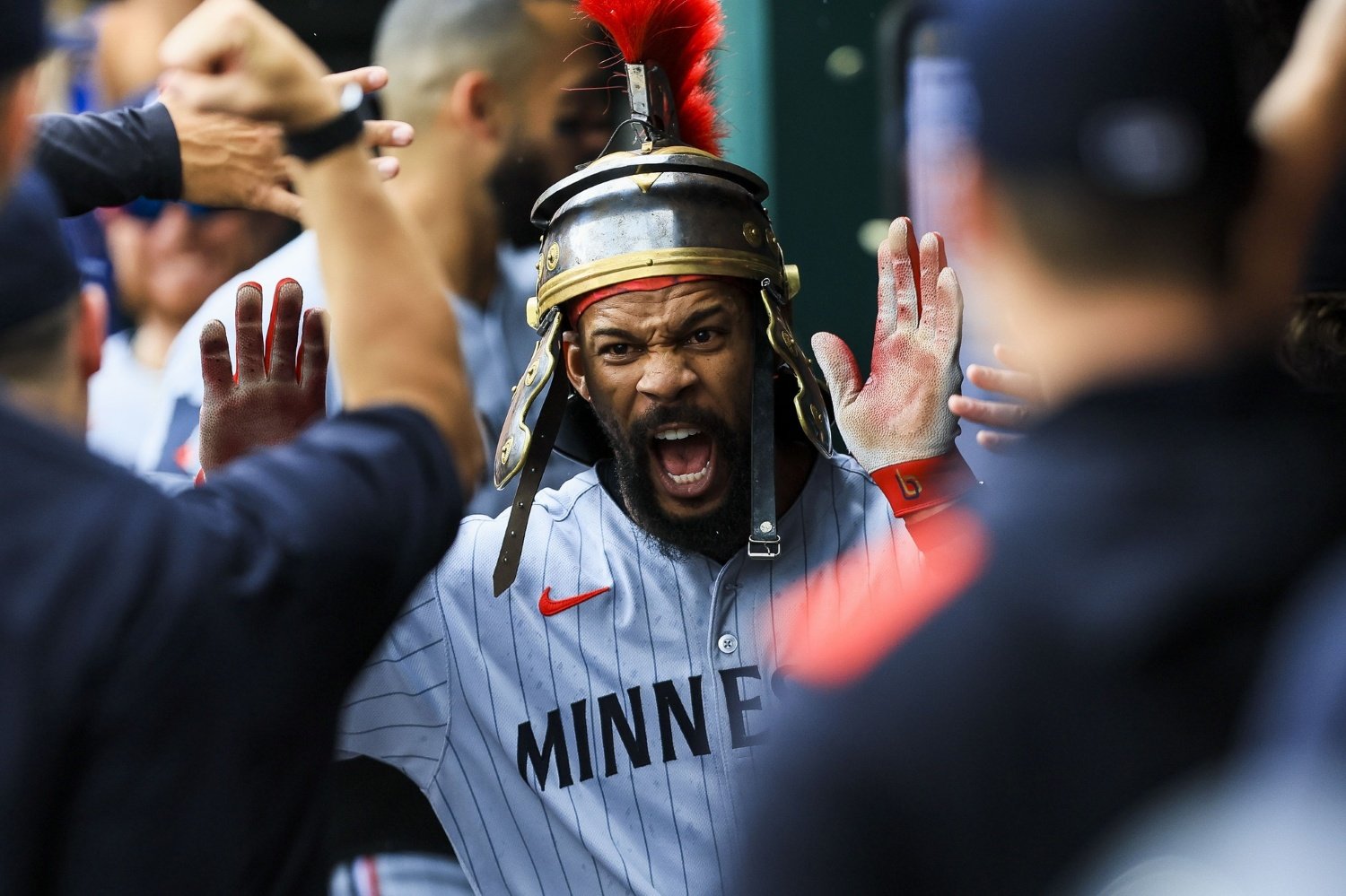 Box Score SP: Chris Paddack 5 IP, 6 H, 4 ER, 3 K, 0 BB (82 pitches, 51 strikes (62%)) Home Runs: Byron Buxton 2 (14), Kody Clemens (7), Ryan Jeffers (5) Top 3 WPA: Buxton .175, Clemens .168, Jeffers .136 Win Probability Chart (via FanGraphs): After six straight losses and another series slipping away, the Twins finally gave fans something to smile about. Minnesota’s lineup came alive Thursday afternoon in Cincinnati, slugging its way to a 12-5 win and avoiding a second consecutive sweep. Byron Buxton wasted no time setting the tone, launching his second leadoff home run in as many games to put the Twins up 1-0. The early spark was quickly erased in the bottom of the first, however, as the Reds took a 2-1 lead—but this time, the Twins didn’t fold. In the second inning, Kody Clemens hit his first home run since June 7, and Buxton followed with his second blast of the day. It was his fourth home run in the past three games and his 15th of the season, as he continues his incredible season (worthy of All-Star honors). The damage off Reds starter Nick Martinez didn’t stop there. Ty France and Ryan Jeffers each ripped 2-run doubles in the third inning to push the lead to 7-2 and end Martinez’s day before he could get nine outs. The Reds got a couple back in the bottom of the fourth on a Gavin Lux home run, but the Twins answered right away with RBI hits from Trevor Larnach and Carlos Correa to make it 9-4. Then in the eighth, Jeffers delivered the final big blow with a 448-foot, 2-run homer. That swing was especially encouraging after he left Tuesday’s game early with a hand injury and sat out Wednesday. It was his fifth home run of the year. Brooks Lee added another insurance run in the ninth with a bases-loaded walk, to cap the scoring. (Earlier in the game, Lee also extended his hitting streak to an impressive 18 games.) The offensive outburst contained 17 hits, including one from each starter, and featured 3-hit games from both Buxton and Correa. The bats finally looked alive after a sluggish two-week stretch and showed what this group can do when things are clicking, especially for their two best players. That firepower gave Chris Paddack some rare breathing room. He wasn’t especially sharp, allowing six hits and four earned runs over five innings with just three strikeouts. But the early cushion (something he hasn't had much of this season) gave him enough to work with, and he was able to turn things over to the bullpen with a lead. Cole Sands allowed one run in relief, while Louis Varland, Danny Coulombe, Griffin Jax, and Justin Topa combined to keep the Reds in check the rest of the way. The only really worrisome note of the day is that Paddack's velocity was down 2.2 miles per hour, on average, and seemed to sag as the game went along. Hopefully, it was just an off day for the Sheriff. He still did enough to prevent the early lead from slipping into jeopardy. It will be worth monitoring his velocity next time out. The Twins still dropped the series in Cincinnati, but this win snapped the losing streak and could be the spark they’ve been searching for. With the rotation in a tough spot right now, the lineup may need to lead the way, and Thursday was a big step toward getting back on track. What’s next? The Twins return home to open a six-game homestand on Friday night. Joe Ryan will take the mound against highly touted Brewers pitching prospect Jacob Misiorowski. First pitch is scheduled for 7:10 p.m. at Target Field. Postgame Interviews Coming soon Bullpen Usage Chart
- 38 comments
-
- 6
-

-
- byron buxton
- carlos correa
- (and 2 more)
-
Christian Vázquez Isn’t Producing, but He’s Not Going Anywhere
Matthew Taylor posted an article in Twins
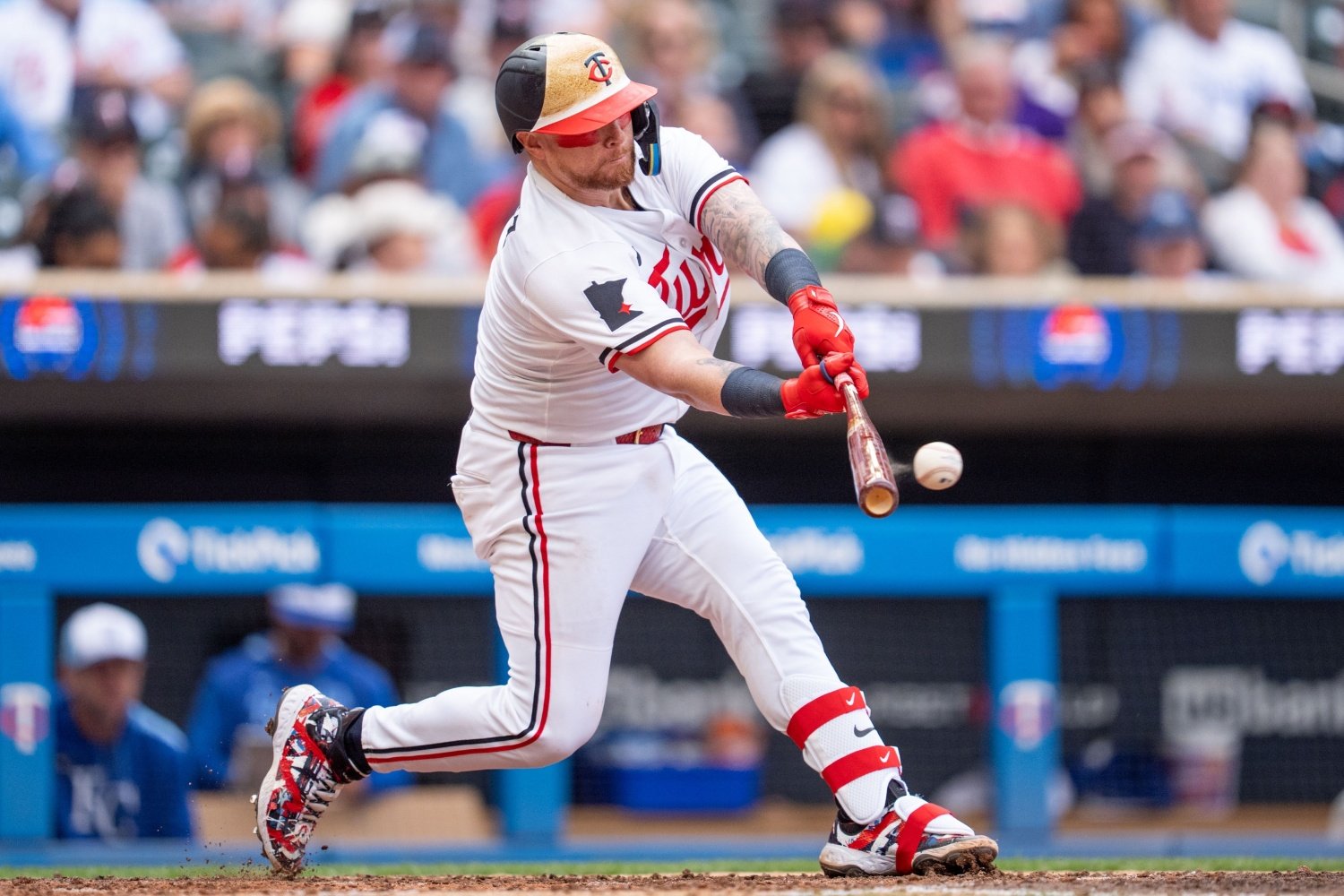 When the Twins brought in Christian Vázquez before the 2023 season, they knew the bat might not be a strength. The hope was that his defense, leadership, and experience would carry the load. But in his third season with the team, even that intentionally imbalanced profile is starting to break down.Vázquez is slashing .186/.256/.292, with an OPS+ of 53, and the numbers have only gotten worse as the season has progressed. In June, he is hitting just .111 with a pair of extra-base hits. It’s shaping up to be the worst offensive season of his career. The more surprising drop-off has come on defense. His caught-stealing rate and pop time have steadily declined, and this year his pitch framing has taken a steep hit. After ranking in the 70th percentile for pitch framing in 2023 and the 84th percentile in 2024, he currently sits in just the 21st percentile. Defense was supposed to be his calling card. Now that, too, is becoming a concern. Still, the Twins continue to give him regular work. Vázquez has started 35 of the team’s 73 games this season, nearly identical to his usage in 2023, when he started 52 percent of their games. While Ryan Jeffers has been the more productive option, the Twins have shown reluctance to fully shift the catching workload in his favor. That may be partly to protect Jeffers’s health, since he has provided offensive value and has often slotted in as the designated hitter. He was also recently banged up again after taking a foul ball off the hand, and while X-rays were negative, the team has kept him out of the starting lineup since. If anything were to sideline Jeffers further, the Twins would be left with little choice but to lean even more on Vázquez. The idea of simply moving on from Vázquez is not so simple. He is a free agent at the end of the season, but the Twins do not have a ready-made replacement behind him. Jair Camargo has already seen a brief call-up, but is struggling in Triple-A with a .577 OPS. Mickey Gasper is more of an emergency option than someone who would be expected to contribute behind the plate. Diego Cartaya, a former top prospect acquired earlier this year, has barely played and has been even less effective than Camargo when he has. Noah Cardenas has impressed in Double-A with an .825 OPS, but with just five games played above that level, he is not a realistic candidate for the near future. A trade could be a possibility. Twins Daily's Cody Schoenmann recently outlined an option, a demoted catcher from the Red Sox system. If the Twins are serious about upgrading the position, that might be the most realistic route. For now, though, Vázquez remains on the roster and in the lineup. The numbers are what they are, but he continues to be highly respected within the clubhouse. Pitchers praise his game management and experience, and the staff’s ERA with him behind the plate is an impressive 3.22, compared to 4.45 with Jeffers. That stat is far from definitive, but it does speak to the trust he has earned with the pitching staff. Vázquez has drawn plenty of criticism from fans this season, and many of the concerns are fair. At age 34, with offensive production cratering and defensive metrics slipping, a rebound does not feel especially likely. But at least for now, the Twins may not have a better option. Like it or not, that means he’s probably not going anywhere. What should the Twins do behind the plate? Can they afford to keep things as-is, or is it time to get creative? Let us know your thoughts in the comments.
- 33 comments
-
- 3
-
-
- christian vazquez
- ryan jeffers
- (and 3 more)
-
Image courtesy of © Matt Blewett-Imagn Images When the Twins brought in Christian Vázquez before the 2023 season, they knew the bat might not be a strength. The hope was that his defense, leadership, and experience would carry the load. But in his third season with the team, even that intentionally imbalanced profile is starting to break down.Vázquez is slashing .186/.256/.292, with an OPS+ of 53, and the numbers have only gotten worse as the season has progressed. In June, he is hitting just .111 with a pair of extra-base hits. It’s shaping up to be the worst offensive season of his career. The more surprising drop-off has come on defense. His caught-stealing rate and pop time have steadily declined, and this year his pitch framing has taken a steep hit. After ranking in the 70th percentile for pitch framing in 2023 and the 84th percentile in 2024, he currently sits in just the 21st percentile. Defense was supposed to be his calling card. Now that, too, is becoming a concern. Still, the Twins continue to give him regular work. Vázquez has started 35 of the team’s 73 games this season, nearly identical to his usage in 2023, when he started 52 percent of their games. While Ryan Jeffers has been the more productive option, the Twins have shown reluctance to fully shift the catching workload in his favor. That may be partly to protect Jeffers’s health, since he has provided offensive value and has often slotted in as the designated hitter. He was also recently banged up again after taking a foul ball off the hand, and while X-rays were negative, the team has kept him out of the starting lineup since. If anything were to sideline Jeffers further, the Twins would be left with little choice but to lean even more on Vázquez. The idea of simply moving on from Vázquez is not so simple. He is a free agent at the end of the season, but the Twins do not have a ready-made replacement behind him. Jair Camargo has already seen a brief call-up, but is struggling in Triple-A with a .577 OPS. Mickey Gasper is more of an emergency option than someone who would be expected to contribute behind the plate. Diego Cartaya, a former top prospect acquired earlier this year, has barely played and has been even less effective than Camargo when he has. Noah Cardenas has impressed in Double-A with an .825 OPS, but with just five games played above that level, he is not a realistic candidate for the near future. A trade could be a possibility. Twins Daily's Cody Schoenmann recently outlined an option, a demoted catcher from the Red Sox system. If the Twins are serious about upgrading the position, that might be the most realistic route. For now, though, Vázquez remains on the roster and in the lineup. The numbers are what they are, but he continues to be highly respected within the clubhouse. Pitchers praise his game management and experience, and the staff’s ERA with him behind the plate is an impressive 3.22, compared to 4.45 with Jeffers. That stat is far from definitive, but it does speak to the trust he has earned with the pitching staff. Vázquez has drawn plenty of criticism from fans this season, and many of the concerns are fair. At age 34, with offensive production cratering and defensive metrics slipping, a rebound does not feel especially likely. But at least for now, the Twins may not have a better option. Like it or not, that means he’s probably not going anywhere. What should the Twins do behind the plate? Can they afford to keep things as-is, or is it time to get creative? Let us know your thoughts in the comments. View full article
-
Simeon Woods Richardson had his best start of the season on Sunday, throwing five scoreless innings and allowing just one hit in Houston. It was a sharp, efficient outing that gave the bullpen a bit of a breather and kept the Twins in a tight game against a quality opponent. And yet, even as it encouraged, it reinforced a key truth: the Twins don’t trust SWR to face a lineup three times. Despite being at just 53 pitches, Woods Richardson was pulled after five innings because he had gone through the Astros’ order exactly twice. That is not a fluke. It is a plan. The Twins are telling us, with their actions, that Woods Richardson is a two-times-through-the-order pitcher. On Sunday, those two times happened to take him through five full innings. More often, that will mean three or four. That is why the solution is not just celebrating this outing. It is using it as a template. Woods Richardson has become a real problem in the Twins rotation. His results have been poor, his outings have been short, and the ripple effect on the bullpen has been increasingly difficult to manage. Still, despite all of that, the Twins have no real choice but to keep sending him out every fifth day. That means the solution cannot be replacing him. It has to be finding a better way to support him. Since late last season, Woods Richardson has thrown 88 innings and posted a 5.83 ERA with 16 home runs allowed. He does not just struggle with results. He also struggles with stamina and consistency, often failing to pitch deep into games. Since the start of the 2023 season, he is averaging just 4 and 2/3 innings per start. That lack of length puts a heavy burden on the bullpen, a problem made worse by the rest of the rotation offering little relief. Chris Paddack has not been pitching deep into games. David Festa rarely works past the fifth. Bailey Ober has been wildly inconsistent. The Twins are getting far too few innings from their starting pitchers, and Woods Richardson is at the center of that issue. The problem is that the Twins do not have any better options. They have already cycled through just about every starter on the 40-man roster. There is no one in Triple-A clearly banging on the door. So Woods Richardson will continue to start. But instead of asking him to do what he cannot do, the Twins might be better off structuring his starts differently. One solution is to use a piggyback strategy. This means pairing Woods Richardson with another pitcher, allowing him to face the lineup once or twice before handing the ball off to someone else who can carry the game into the later innings. It is not a new concept, but it is one that makes a lot of sense given his current profile. The numbers support this approach. In his career, batters hit .246 with a .673 OPS the first time through the order. That is manageable and even solid for a starting pitcher. The second time through, those numbers climb to a .264 average and a .750 OPS. The third time through, the average drops slightly to .237, but the OPS stays high at .755. That drop in average appears to be driven by an unsustainably low .239 batting average on balls in play, well below his career BABIP of .300. In other words, the third-time-through results might look better on paper than they actually are. By capping his exposure to the lineup at one or two times through, the Twins could avoid the damage that tends to come later in his starts. He could pitch more aggressively, knowing he does not need to stretch himself out. That could lead to better results, and it could help the bullpen by bringing more structure and predictability to those outings. Of course, this plan only works if there is another pitcher available to cover the next chunk of the game. Fortunately, the Twins have some options. One is Joey Wentz, a recent pickup who is already on the roster. Wentz has 113 big league innings as a starter and has shown the stamina to work multiple innings. He also throws left-handed, which could create matchup problems for opponents if they stack a lineup full of righties to face Woods Richardson. Using a righty-lefty combo forces teams to make pinch-hitting decisions early in games, which can drain their bench and limit their flexibility later on. Another option is Travis Adams, who was recently called up but never got into a game. He has a background as a starter and could be stretched out to provide multiple innings as well. There are trade-offs to this approach. Pairing two pitchers for one game means you are effectively using two roster spots on one rotation turn. If Wentz is the piggyback arm, you are taking him out of the bullpen mix for several days between outings. But right now, the Twins are getting poor results from Woods Richardson and still requiring their bullpen to cover multiple innings. If a piggyback setup gives them a better chance to get through six innings without a blowup, it is a trade worth making. The Twins are not in a position to replace Woods Richardson. But they might be able to reimagine how they use him. Sunday’s game in Houston was the blueprint. Giving him help and reducing the strain on his arm and the bullpen could pay dividends as the season rolls on. What do you think? Should the Twins give the piggyback method a shot to help Woods Richardson and stabilize the rotation? Leave a comment and start the conversation. View full article
-
Image courtesy of © David Richard-Imagn Images The Minnesota Twins offense has been a problem all season, and it’s only getting worse. At 4.15 runs per game, they rank 19th in MLB, and their .700 team OPS ranks 18th. Despite occasional outbursts, they’ve struggled with consistency and have scored more than four runs just twice in their last 10 games. With the rotation fragile due to injuries and the bullpen beginning to show its cracks, the need for this offense to step up has never been greater. Instead, the lineup continues to fall flat. And that’s the heart of the issue. This lineup just isn’t working. It looks lifeless. There’s no spark, no thump, and no indication that anything is about to change. The Twins are in desperate need of someone who can inject energy and provide a jolt of production. Yet, instead of turning to a batter who is dominating Triple-A, they’re calling up players who have struggled at the plate at every level. Dashawn Keirsey Jr. is hitting .109 and hasn’t been trusted with consistent playing time. He doesn’t bring offensive upside, and the front office doesn’t seem to view him as anything more than a late-game pinch-runner or defensive sub. Yet, when Royce Lewis was placed on the injured list, it was the backup, glove-first outfielder who got the call. You don’t fix a broken offense by adding a defensive replacement. You fix it by calling up someone who might actually hit. That’s where Mickey Gasper comes in. The Twins don’t have to look far for a better option. Gasper is putting up incredible numbers at Triple-A with the Saints. His first stint with the Twins this season didn’t go well, as he posted just a .488 OPS in 39 plate appearances (the key there being just 39 plate appearances). But he has done everything possible to earn another chance. Last season, he posted a 1.062 OPS at Triple-A, and this year he leads the entire International League with a 1.106 OPS, along with 10 home runs and 25 RBIs in just 35 games. He's not just having a good stretch. He has been one of the most productive hitters in all of Triple-A baseball. Even better, Gasper is a switch-hitter. That gives the Twins added lineup flexibility and the ability to create favorable platoon matchups, which could help a team still searching for the right offensive mix. With the way the lineup has struggled, the Twins should be willing to try anything. A switch-hitting bat with power and patience is exactly what they need right now. Yes, Gasper might ultimately be a quadruple-A player. He is 28 years old and has logged 1,754 plate appearances in the minors, compared to just 62 in the majors. But the Twins clearly believed in his potential when they traded Jovani Moran to acquire him, and after he had a solid spring training, they gave him a spot on the Opening Day roster. The tools are there, and the production has followed. That deserves another look, especially for a team that cannot afford to keep letting its offense sleepwalk through games. No, Gasper is not the most versatile defender, and he would likely spend more time at designated hitter than anywhere else. But this is not the time for the Twins to prioritize defense over offense, or to get picky about who they're calling up based on fit. They need bats. Keirsey doesn’t bring offensive value. Gasper, on the other hand, is tearing up Triple-A and brings a skill set that no one else on the bench offers. The Twins literally have the OPS leader in the International League waiting in their own system. The offense is broken, and nothing they’ve tried so far has made a difference. Why not call up the guy who might actually give you what you’re looking for? Gasper didn’t do much in his first look, but plenty of players have struggled in their debut and figured it out later. He could strike out again, but then again, he could make a difference. Right now, the Twins need to try something new. Do you think Mickey Gasper deserves another shot? Leave a comment below and start the conversation! View full article
-
It's Time for Minnesota Twins to Give Mickey Gasper a Real Shot
Matthew Taylor posted an article in Twins
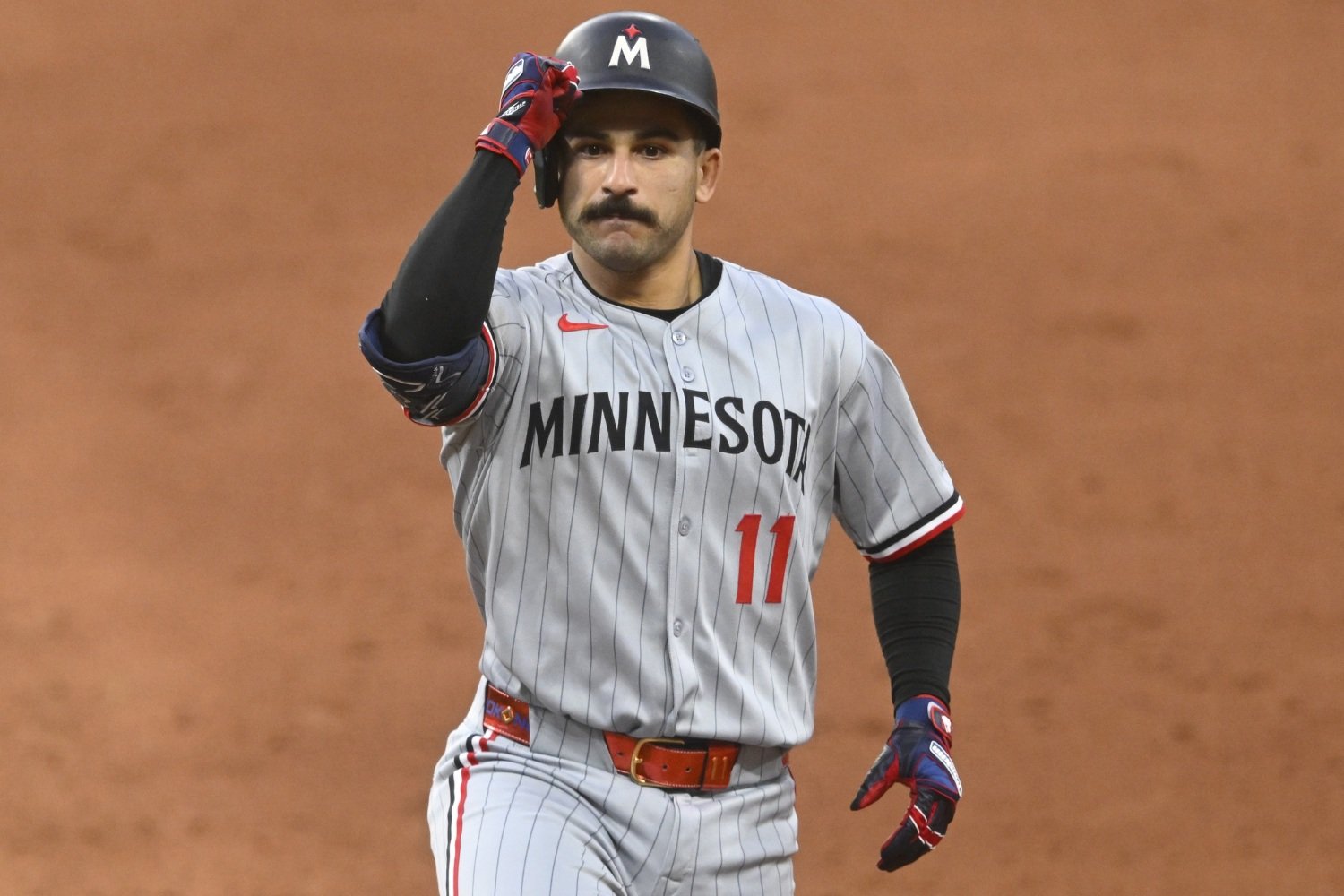 The Minnesota Twins offense has been a problem all season, and it’s only getting worse. At 4.15 runs per game, they rank 19th in MLB, and their .700 team OPS ranks 18th. Despite occasional outbursts, they’ve struggled with consistency and have scored more than four runs just twice in their last 10 games. With the rotation fragile due to injuries and the bullpen beginning to show its cracks, the need for this offense to step up has never been greater. Instead, the lineup continues to fall flat. And that’s the heart of the issue. This lineup just isn’t working. It looks lifeless. There’s no spark, no thump, and no indication that anything is about to change. The Twins are in desperate need of someone who can inject energy and provide a jolt of production. Yet, instead of turning to a batter who is dominating Triple-A, they’re calling up players who have struggled at the plate at every level. Dashawn Keirsey Jr. is hitting .109 and hasn’t been trusted with consistent playing time. He doesn’t bring offensive upside, and the front office doesn’t seem to view him as anything more than a late-game pinch-runner or defensive sub. Yet, when Royce Lewis was placed on the injured list, it was the backup, glove-first outfielder who got the call. You don’t fix a broken offense by adding a defensive replacement. You fix it by calling up someone who might actually hit. That’s where Mickey Gasper comes in. The Twins don’t have to look far for a better option. Gasper is putting up incredible numbers at Triple-A with the Saints. His first stint with the Twins this season didn’t go well, as he posted just a .488 OPS in 39 plate appearances (the key there being just 39 plate appearances). But he has done everything possible to earn another chance. Last season, he posted a 1.062 OPS at Triple-A, and this year he leads the entire International League with a 1.106 OPS, along with 10 home runs and 25 RBIs in just 35 games. He's not just having a good stretch. He has been one of the most productive hitters in all of Triple-A baseball. Even better, Gasper is a switch-hitter. That gives the Twins added lineup flexibility and the ability to create favorable platoon matchups, which could help a team still searching for the right offensive mix. With the way the lineup has struggled, the Twins should be willing to try anything. A switch-hitting bat with power and patience is exactly what they need right now. Yes, Gasper might ultimately be a quadruple-A player. He is 28 years old and has logged 1,754 plate appearances in the minors, compared to just 62 in the majors. But the Twins clearly believed in his potential when they traded Jovani Moran to acquire him, and after he had a solid spring training, they gave him a spot on the Opening Day roster. The tools are there, and the production has followed. That deserves another look, especially for a team that cannot afford to keep letting its offense sleepwalk through games. No, Gasper is not the most versatile defender, and he would likely spend more time at designated hitter than anywhere else. But this is not the time for the Twins to prioritize defense over offense, or to get picky about who they're calling up based on fit. They need bats. Keirsey doesn’t bring offensive value. Gasper, on the other hand, is tearing up Triple-A and brings a skill set that no one else on the bench offers. The Twins literally have the OPS leader in the International League waiting in their own system. The offense is broken, and nothing they’ve tried so far has made a difference. Why not call up the guy who might actually give you what you’re looking for? Gasper didn’t do much in his first look, but plenty of players have struggled in their debut and figured it out later. He could strike out again, but then again, he could make a difference. Right now, the Twins need to try something new. Do you think Mickey Gasper deserves another shot? Leave a comment below and start the conversation!
- 86 comments
-
- 10
-

-
-
- mickey gasper
- dashawn keirsey jr
- (and 2 more)
-
His approach at the plate would’ve been vastly different if a ball in play gives you a run IMO
-
Image courtesy of © Troy Taormina-Imagn Images Sunday’s finale against the Astros ended in heartbreak for the Twins. After carrying a 1–0 lead into the bottom of the ninth, the team saw Houston tie the game and force extras. With the new extra-innings rule in place, the Twins started the 10th with a runner on second base. But what happened next raised eyebrows. Christian Vázquez led off the inning for Minnesota. Facing Josh Hader, one of the nastiest closers in the game, the Twins let Vázquez swing away. He popped up to the catcher, in a non-competitive at-bat: no advancement, no pressure, just an out. The next two batters followed suit with quiet outs of their own, and the Astros walked it off moments later in the bottom of the inning. On the surface, it might seem like just another missed opportunity. But given the situation, this felt like a strategic failure. The Astros offense had been nearly lifeless for two games. They managed just four hits on Saturday, and only three through the first nine innings on Sunday. They had scored just three runs in their last 17 innings before scratching across the tying run. The Twins had a great shot to grab some offensive momentum, and one run in the 10th would’ve shifted the pressure squarely back onto a slumping Houston lineup. That made the Vázquez decision puzzling. Coming into the game, Vázquez was hitting .198, with a .583 OPS on the year. Even with the platoon advantage (against the lefty, Hader), he hadn’t been faring well. Last season, he posted a .200 average and .557 OPS against lefties. This year, that’s dipped even lower to .083 with a .339 OPS. There was little reason to believe he could do damage against a pitcher of Hader’s caliber. Yes, Vázquez did homer off Hader last season, in a dramatic walkoff moment at Target Field. But he was otherwise 0-for-2 with two strikeouts against him. If the Twins were banking on that one swing happening again, they were chasing ghosts. Vázquez's hitting profile simply isn't the type that thrives against a closer the caliber of Josh Hader. Maybe Rocco Baldelli didn’t ask Vázquez to bunt because he isn’t a great bunter. That’s possible. But at some point, a major-league hitter has to be able to square around and put the bat on the ball. And if the team truly didn’t trust him to do that, they had options. Kody Clemens and Jonah Bride were both available off the bench. Either could have been asked to lay one down. Yes, that would’ve burned the DH, but in the 10th inning of a road game, with the bottom of the Astros order due up and the Twins likely needing just one run to win, the odds of that DH spot coming up again were incredibly slim. That’s a trade you make without hesitation. And that’s the bigger picture here. Since the ghost runner rule was implemented in 2020, the Twins have consistently avoided bunting in extras. Their six sacrifice bunts in that time rank 13th out of 15 AL teams. They’ve leaned heavily into the analytics that generally discourage bunting—especially for road teams, where scoring multiple runs is ideal. But this wasn’t a generic situation. This was context-rich. The Twins had their weakest hitter at the plate. The Astros had one of the league’s best closers on the mound. The Twins had their top of the order ready to cash in a runner from third. And Houston had the bottom of their order coming up in the next half inning. Everything pointed toward manufacturing one run. Instead, the Twins chose to play it straight. They gave Vázquez the green light. It didn’t work, and the game slipped away. There’s room in baseball for numbers and nuance to coexist. Sunday’s loss was a prime example of where feel for the game, momentum, and matchup context should’ve mattered more than the numbers in a vacuum. And if the Twins want to capitalize on these tight games moving forward, they’ll need to recognize when it’s time to bunt, even if it doesn’t align perfectly with the spreadsheet. What do you think? Should the Twins have bunted? Leave a comment below. View full article
-
Why Twins Should Have Laid Down a Bunt in 10th Inning Sunday
Matthew Taylor posted an article in Twins
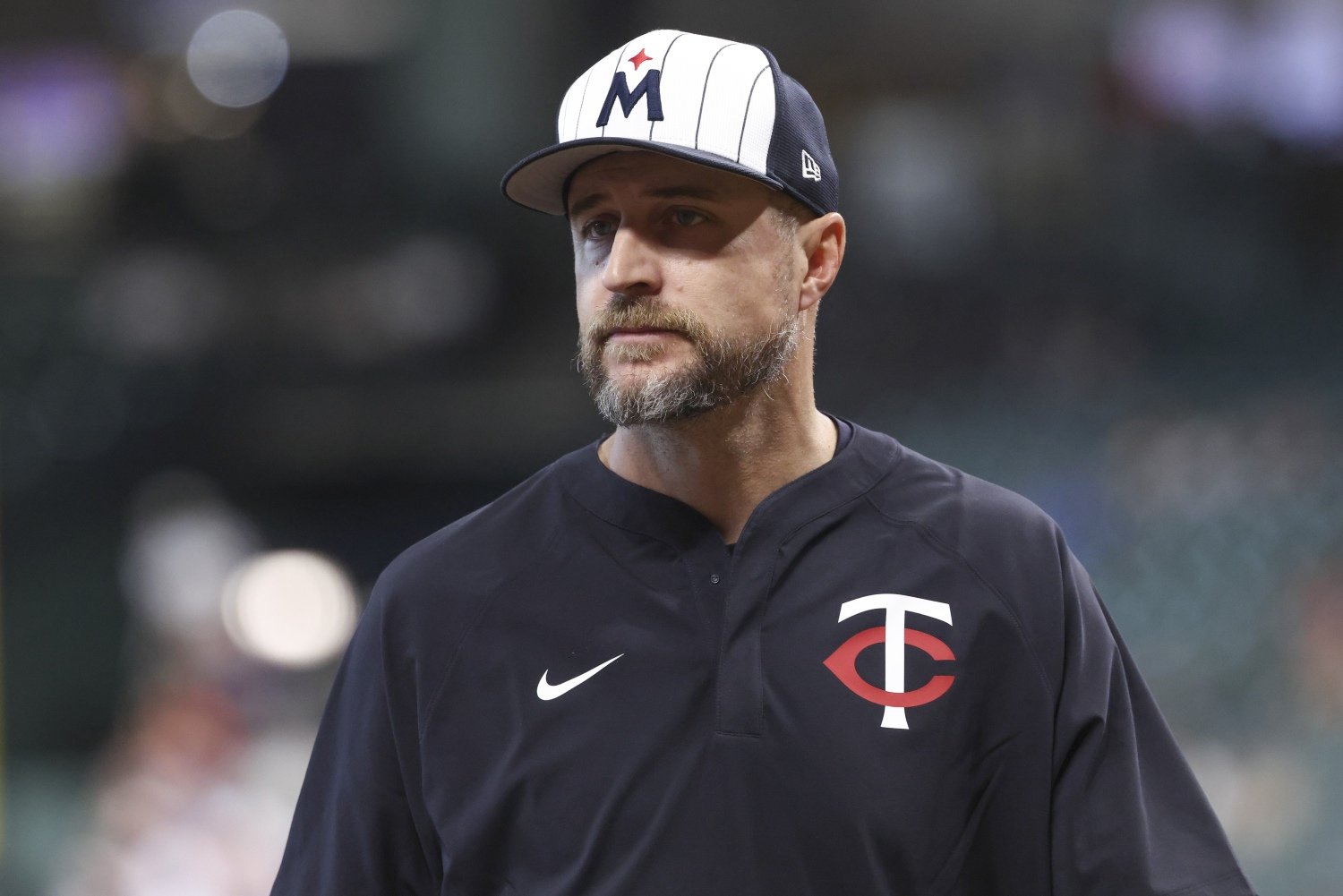 Sunday’s finale against the Astros ended in heartbreak for the Twins. After carrying a 1–0 lead into the bottom of the ninth, the team saw Houston tie the game and force extras. With the new extra-innings rule in place, the Twins started the 10th with a runner on second base. But what happened next raised eyebrows. Christian Vázquez led off the inning for Minnesota. Facing Josh Hader, one of the nastiest closers in the game, the Twins let Vázquez swing away. He popped up to the catcher, in a non-competitive at-bat: no advancement, no pressure, just an out. The next two batters followed suit with quiet outs of their own, and the Astros walked it off moments later in the bottom of the inning. On the surface, it might seem like just another missed opportunity. But given the situation, this felt like a strategic failure. The Astros offense had been nearly lifeless for two games. They managed just four hits on Saturday, and only three through the first nine innings on Sunday. They had scored just three runs in their last 17 innings before scratching across the tying run. The Twins had a great shot to grab some offensive momentum, and one run in the 10th would’ve shifted the pressure squarely back onto a slumping Houston lineup. That made the Vázquez decision puzzling. Coming into the game, Vázquez was hitting .198, with a .583 OPS on the year. Even with the platoon advantage (against the lefty, Hader), he hadn’t been faring well. Last season, he posted a .200 average and .557 OPS against lefties. This year, that’s dipped even lower to .083 with a .339 OPS. There was little reason to believe he could do damage against a pitcher of Hader’s caliber. Yes, Vázquez did homer off Hader last season, in a dramatic walkoff moment at Target Field. But he was otherwise 0-for-2 with two strikeouts against him. If the Twins were banking on that one swing happening again, they were chasing ghosts. Vázquez's hitting profile simply isn't the type that thrives against a closer the caliber of Josh Hader. Maybe Rocco Baldelli didn’t ask Vázquez to bunt because he isn’t a great bunter. That’s possible. But at some point, a major-league hitter has to be able to square around and put the bat on the ball. And if the team truly didn’t trust him to do that, they had options. Kody Clemens and Jonah Bride were both available off the bench. Either could have been asked to lay one down. Yes, that would’ve burned the DH, but in the 10th inning of a road game, with the bottom of the Astros order due up and the Twins likely needing just one run to win, the odds of that DH spot coming up again were incredibly slim. That’s a trade you make without hesitation. And that’s the bigger picture here. Since the ghost runner rule was implemented in 2020, the Twins have consistently avoided bunting in extras. Their six sacrifice bunts in that time rank 13th out of 15 AL teams. They’ve leaned heavily into the analytics that generally discourage bunting—especially for road teams, where scoring multiple runs is ideal. But this wasn’t a generic situation. This was context-rich. The Twins had their weakest hitter at the plate. The Astros had one of the league’s best closers on the mound. The Twins had their top of the order ready to cash in a runner from third. And Houston had the bottom of their order coming up in the next half inning. Everything pointed toward manufacturing one run. Instead, the Twins chose to play it straight. They gave Vázquez the green light. It didn’t work, and the game slipped away. There’s room in baseball for numbers and nuance to coexist. Sunday’s loss was a prime example of where feel for the game, momentum, and matchup context should’ve mattered more than the numbers in a vacuum. And if the Twins want to capitalize on these tight games moving forward, they’ll need to recognize when it’s time to bunt, even if it doesn’t align perfectly with the spreadsheet. What do you think? Should the Twins have bunted? Leave a comment below.
 -
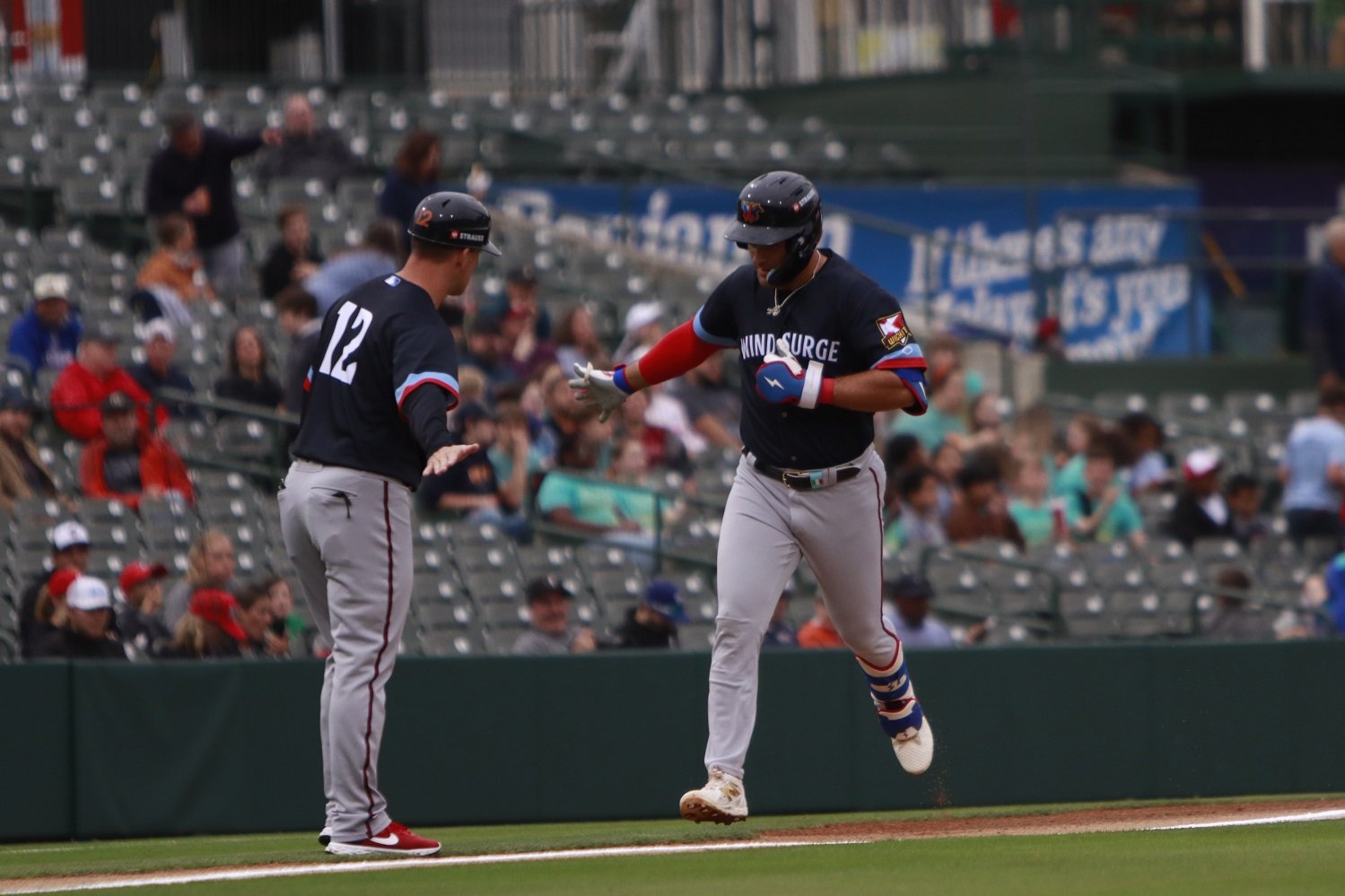 Five years after being selected with the 27th overall pick in the 2020 MLB Draft, Aaron Sabato is finally heading to Triple-A. The Saints announced on Friday that Sabato has been promoted to the triple-A club after a strong showing in Double-A Wichita. It's a long-awaited step forward for a player who was once viewed as one of the premier power bats in college baseball, and it's a reward for the best stretch of his professional career. Sabato, now 26, was drafted as a bat-first first baseman from the University of North Carolina, where he set the school’s freshman record with 18 home runs in 2019. Upon his selection, Baseball America praised his “near top-of-the-scale raw power” and ability to leave the yard from foul pole to foul pole. But after joining the Twins system, Sabato struggled to find consistency and gradually fell off the radar. His OPS steadily declined year over year, from .783 to .774 to .759 to .645 in 2023, and he posted a strikeout rate above 30 percent at every stop along the way. His advancement stalled entirely at Double-A, where he remained for parts of four seasons. He wasn’t ranked in Aaron Gleeman’s top 40 Twins prospects entering 2025, and he had been left unprotected in the Rule 5 Draft without drawing any interest. Until this season. Now 26 years old and in his fourth year with the Double-A Wind Surge, Sabato is having by far the best season of his career. Through 39 games in double-A, he's slashing .305/.399/.574 with a .973 OPS, nine home runs, 11 doubles, and 26 RBI. He’s finally doing what he was drafted to do, crush the baseball. He’s also punishing left-handed pitching. Sabato owns a ridiculous 1.101 OPS against southpaws, with half of his nine home runs coming against them. That’s a stark contrast from last year, when he posted a .384 OPS against lefties in 95 plate appearances, and a significant improvement from his .544 OPS against them in 2022. But perhaps the most encouraging sign of growth is his improved plate discipline. For the first time in his career, Sabato has brought his strikeout rate below 30 percent. His 24.9 percent K-rate this year is still high, but it is a significant and meaningful drop. For a power hitter like Sabato, 25 percent is manageable. Thirty percent is not. That change alone gives him a fighting chance. His promotion also comes at a time when the Twins could genuinely use some help at first base. Ty France was brought in to help solidify the position, but outside of cashing in with runners in scoring position, which is a stat more fluky than predictive, he hasn’t looked like a long-term solution. Beyond France, the Twins have little in the way of first base options currently on the roster, and even less depth knocking down the door in the minors. Sabato, for all his flaws and delays, might actually represent one of the more intriguing first base options in the system. The move to Triple-A gives Sabato a legitimate shot to rewrite his story. He is still far from a sure thing, but he is one level away from the majors. If he continues to show power and improved discipline in St. Paul, a big league debut is not out of the question. I’ll admit I’m biased. I’ve owned property on Sabato Island for a while now. It’s been lonely out here, but the lights are finally coming back on and the neighborhood is getting interesting again. At the very least, Sabato has earned this opportunity. Whether he can take the final step and deliver on some of the promise that made him a first-round pick remains to be seen. But after years of setbacks, he is finally back on the radar, and just maybe, back on track. What do you think? Can Sabato still find a path to Minnesota? Could he help solve the Twins’ first base problem? Let us know in the comments.
 -
Image courtesy of © Bruce Kluckhohn-Imagn Images Box Score Starting Pitcher: Bailey Ober 4.2 IP, 6 H, 7 ER, 6 BB, 3 K (98 pitches, 51 strikes (52%)) Home Runs: None Bottom 3 WPA: Ober (-.439), France (-.065), Castro (-.045) Win Probability Chart (via FanGraphs) The Twins looked to build momentum off a big win on Wednesday night, but instead, they were shelled for the second time in three days by the visiting Texas Rangers, falling 16-3 in Thursday's series finale at Target Field. Bailey Ober took the mound for Minnesota, but continued his recent spiral. From the first batter, it was clear things weren’t going to come easy. Rangers shortstop Josh Smith jumped on Ober and sent it out to right field for a leadoff home run. The Twins briefly answered back in the bottom half with a Carlos Correa RBI single that brought in Byron Buxton to tie things at 1-1, but the good vibes stopped there. Ober unraveled in the second inning, in what may have been the ugliest outing of his big-league career. He threw 35 pitches in the frame, but only 10 were strikes. Three walks, two home runs, and five earned runs later, the Twins were facing a steep uphill climb. Jake Burger and Wyatt Langford each went deep, and by the time the inning ended, the Rangers were in control 6-1. Ober gave up a fourth home run in the fifth inning, this one off the bat of Evan Carter. He exited after 4 2/3 innings, having allowed six earned runs on four homers and six walks. For a pitcher known for his command and poise, it was another confounding outing in a stretch that’s quickly becoming a concern—one that is especially worrisome given all of the uncertainty in the Twins rotation, in the wake of the injury to Pablo López and the unreliability of Simeon Woods Richardson. The bullpen didn’t offer any relief. Cole Sands and newly acquired lefty Joey Wentz each threw one inning and each got tagged hard. Sands allowed four runs on four hits, while Wentz surrendered a three-run homer to Adolis García that officially turned the game into a rout. By the time Jonah Bride jogged in from third base to pitch the final two frames (his third appearance in eight days), the game had long since shifted into damage control mode. Bride gave up a three-run homer of his own, for good measure. Offensively, the Twins managed eight hits but stranded eight runners and struggled to string together any sort of rally. And when they did, like the bases-loaded, no-out opportunity in the second inning, they came up with absolutely nothing. Willi Castro doubled in a run in the sixth, and Brooks Lee drove in another with a fielder’s choice, but the game was well out of hand by then. It was a quiet finish after Tuesday’s promising victory. Minnesota drops the series 2-1 and has now lost four of its last five series, after ripping off six straight series wins. The inconsistency in starting pitching, bullpen depth, and offense has started to mount, and Wednesday’s blowout loss only underscored those issues. What’s Next The Twins hit the road for a tough weekend series against the first-place Houston Astros, who enter Friday at 37-30. Chris Paddack is scheduled to start the opener for Minnesota against Houston left-hander Colton Gordon. Postgame Interviews Coming soon... Bullpen Usage Chart (Writer's note: with Jonah Bride throwing 3 times in the past 8 days, he's officially getting added to the chart. Embarrassing.) View full article
-
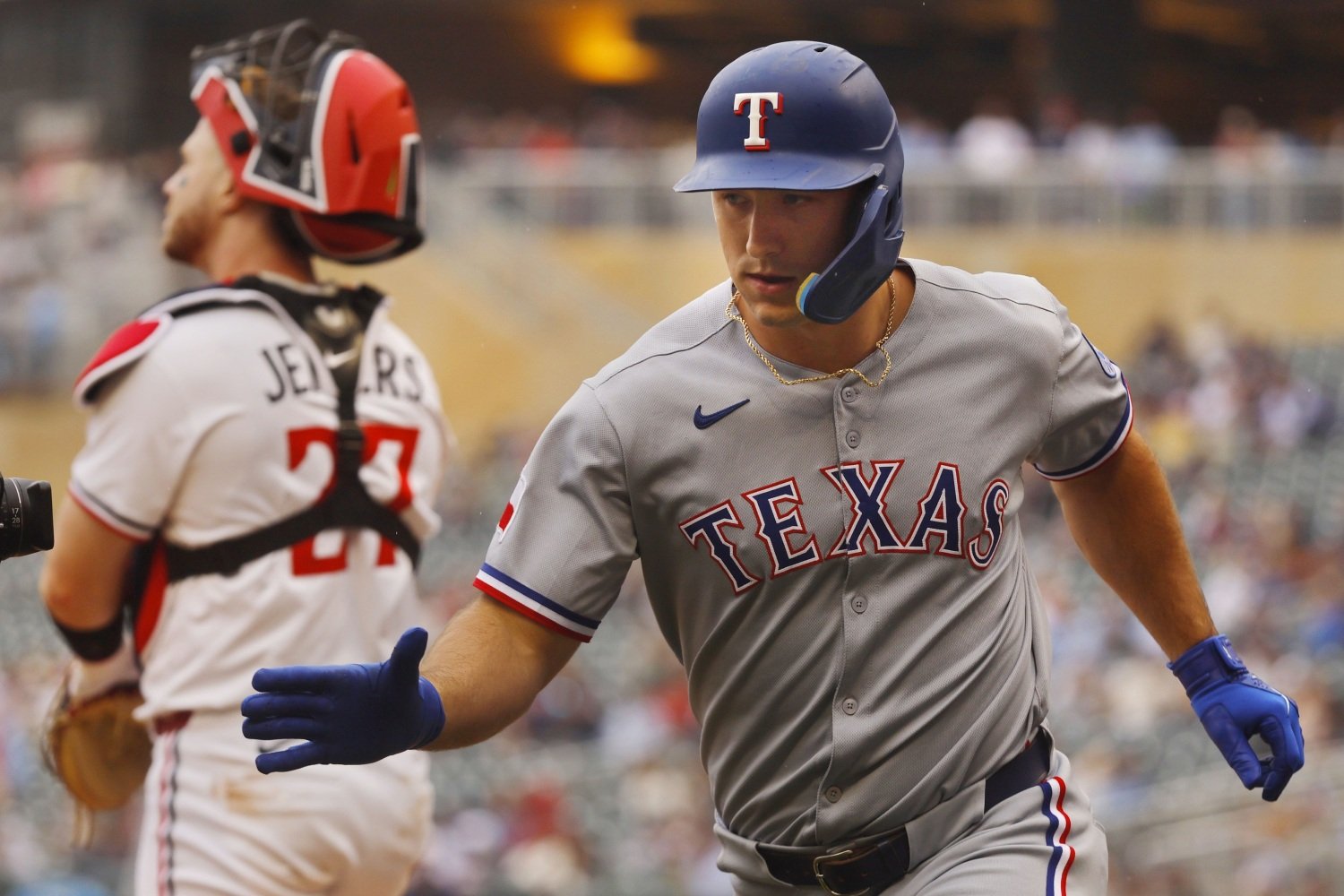 Box Score Starting Pitcher: Bailey Ober 4.2 IP, 6 H, 7 ER, 6 BB, 3 K (98 pitches, 51 strikes (52%)) Home Runs: None Bottom 3 WPA: Ober (-.439), France (-.065), Castro (-.045) Win Probability Chart (via FanGraphs) The Twins looked to build momentum off a big win on Wednesday night, but instead, they were shelled for the second time in three days by the visiting Texas Rangers, falling 16-3 in Thursday's series finale at Target Field. Bailey Ober took the mound for Minnesota, but continued his recent spiral. From the first batter, it was clear things weren’t going to come easy. Rangers shortstop Josh Smith jumped on Ober and sent it out to right field for a leadoff home run. The Twins briefly answered back in the bottom half with a Carlos Correa RBI single that brought in Byron Buxton to tie things at 1-1, but the good vibes stopped there. Ober unraveled in the second inning, in what may have been the ugliest outing of his big-league career. He threw 35 pitches in the frame, but only 10 were strikes. Three walks, two home runs, and five earned runs later, the Twins were facing a steep uphill climb. Jake Burger and Wyatt Langford each went deep, and by the time the inning ended, the Rangers were in control 6-1. Ober gave up a fourth home run in the fifth inning, this one off the bat of Evan Carter. He exited after 4 2/3 innings, having allowed six earned runs on four homers and six walks. For a pitcher known for his command and poise, it was another confounding outing in a stretch that’s quickly becoming a concern—one that is especially worrisome given all of the uncertainty in the Twins rotation, in the wake of the injury to Pablo López and the unreliability of Simeon Woods Richardson. The bullpen didn’t offer any relief. Cole Sands and newly acquired lefty Joey Wentz each threw one inning and each got tagged hard. Sands allowed four runs on four hits, while Wentz surrendered a three-run homer to Adolis García that officially turned the game into a rout. By the time Jonah Bride jogged in from third base to pitch the final two frames (his third appearance in eight days), the game had long since shifted into damage control mode. Bride gave up a three-run homer of his own, for good measure. Offensively, the Twins managed eight hits but stranded eight runners and struggled to string together any sort of rally. And when they did, like the bases-loaded, no-out opportunity in the second inning, they came up with absolutely nothing. Willi Castro doubled in a run in the sixth, and Brooks Lee drove in another with a fielder’s choice, but the game was well out of hand by then. It was a quiet finish after Tuesday’s promising victory. Minnesota drops the series 2-1 and has now lost four of its last five series, after ripping off six straight series wins. The inconsistency in starting pitching, bullpen depth, and offense has started to mount, and Wednesday’s blowout loss only underscored those issues. What’s Next The Twins hit the road for a tough weekend series against the first-place Houston Astros, who enter Friday at 37-30. Chris Paddack is scheduled to start the opener for Minnesota against Houston left-hander Colton Gordon. Postgame Interviews Coming soon... Bullpen Usage Chart (Writer's note: with Jonah Bride throwing 3 times in the past 8 days, he's officially getting added to the chart. Embarrassing.)
 -
Aaron Sabato’s journey through the Twins organization has been a winding one, filled with hype, frustration, and a whole lot of strikeouts. He was selected by the Twins with the 27th overall pick in the 2020 MLB Draft, a bat-first first baseman from the University of North Carolina who had just set the Tar Heels' freshman record with 18 home runs in 2019. Upon being drafted, Baseball America's scouting report made it clear what the Twins were getting: “Sabato’s signature trait is his massive power potential. He has near top-of-the-scale raw power and can leave any ballpark from foul pole to foul pole, thanks to his brute natural strength and massive wrists and forearms.” But selecting a college hitter who was already limited to first base defensively came with one big caveat. The bat had to play. And for most of his professional career, it simply hasn’t. Since entering the Twins system, Sabato has posted declining OPS figures in each season: .783, .774, .759, and .645. That last number came in 2023, his worst season yet. Not only were his numbers regressing, but his advancement through the system stalled out as well. He made his Double-A debut in 2022 and hasn’t moved up since. Even more concerning, he has struck out over 30 percent of the time in every season. The swing-and-miss issues that plagued him in college only got worse against pro pitching. As a result, Sabato faded from the radar. He wasn't ranked among Aaron Gleeman’s top 40 Twins prospects heading into the year. He’s been eligible for the Rule 5 Draft twice with zero interest. Any hope of Sabato making an impact seemed to be fading away. Until this season. Now 26 years old and in his fourth year with the Double-A Wind Surge, Sabato is having by far the best season of his career. Through 37 games in double-A, he's slashing .311/.409/.568 with a .977 OPS, eight home runs, ten doubles, and 25 RBI. He’s finally doing what he was drafted to do, crush the baseball. He’s also punishing left-handed pitching. Sabato owns a ridiculous 1.157 OPS against southpaws, with half of his eight home runs coming against them. That’s a stark contrast from last year, when he posted a .384 OPS against lefties in 95 plate appearances, and a significant improvement from his .544 OPS against them in 2022. But perhaps the most encouraging sign of growth is his improved plate discipline. For the first time in his career, Sabato has brought his strikeout rate below 30 percent. His 25.6 percent K-rate this year is still high, but it is a significant and meaningful drop. For a power hitter like Sabato, 25 percent is manageable. Thirty percent is not. That change alone gives him a fighting chance. Realistically, the odds of Sabato making it to the big leagues remain slim. Not many players with his profile, after struggling this long, break through in their late 20s. But it’s not impossible. Sabato still has first-round power and the kind of right-handed pop that can be valuable off a bench or in a platoon. What he deserves now is a chance. A promotion to Triple-A St. Paul is on the table. He’s more than proven himself in Wichita, and the Twins could use more right-handed thump, especially against lefties. Maybe Sabato isn’t the guy, but maybe, just maybe, he’s got one more chapter to write. At the very least, he’s earned the opportunity. Give Sabato some run in St. Paul and see what happens. I’ll admit I’m biased. I’ve owned property on Sabato Island for a while now. It’s been lonely out here, but lately, the market's picking up and my investment’s finally showing signs of life, just like Sabato himself. What do you think? Is Aaron Sabato worth a look in St. Paul? Could he still become a contributor in Minnesota? Let us know in the comments below. View full article
-
Image courtesy of © Benny Sieu-Imagn Images Coming into the 2025 season, the Minnesota Twins had an obvious need: more offense. The lineup looked thin, and the departure of key bats raised real concerns about run production. At the same time, the Twins appeared to have a surplus of starting pitching, both at the major-league level and in the high minors. That imbalance led to a winter full of speculation. If the Twins were going to improve the offense, it seemed clear that pitching was the currency they'd use to do it. One name at the center of those conversations was Chris Paddack. After missing significant time recovering from Tommy John surgery, he was set to earn $7.25 million in 2025, a hefty salary for someone who hadn’t pitched a full season since 2021. Plenty of fans and media figures saw him as a logical trade candidate, not necessarily to bring back a big bat, but simply to shed salary and reallocate those dollars to offense. The front office didn’t see it that way. Instead of moving him, they kept him—not only because they believed in his upside, but because he represented something they valued more than anything this offseason, starting pitching depth. Beyond Paddack, the front office faced pressure to deal from their rotation surplus. Whether it was Bailey Ober, a proven mid-rotation starter with years of team control, or prospects like David Festa or Zebby Matthews, the Twins had arms that other teams wanted. The idea of trading one of those pitchers for a much-needed bat was a constant talking point throughout the winter. But the front office stood pat. They bet big on holding onto that depth, knowing that constructing a rotation with just five starters only gets you so far. Pitching attrition is one of the few guarantees in baseball. The Twins didn’t want to be caught scrambling when that inevitability hit. Now, we’re seeing exactly why. The first sign came when Simeon Woods Richardson struggled through the opening stretch with a 5.02 ERA. The Twins responded by calling up David Festa. Then Zebby Matthews. These weren’t emergency fill-ins. They were prospects the team had ready to slot in when called upon. When Pablo López strained his teres major and hit the injured list for multiple months, the rotation could have been in crisis. Instead, Matthews slid right in. Then, Matthews himself went down with a shoulder injury—another blow. But the team was able to recall Woods Richardson again, a young arm who broke out last year by providing steady, quality innings, even if this year’s start has been a tough one. Most teams would be sunk at this point. Their ace is out. Two young arms have already been cycled in and out. They’ve gone past Plan B and Plan C. But the Twins are still afloat. Thanks to the arms they kept and the decisions they made months ago, they can still field a credible rotation. Joe Ryan, Ober, a rejuvenated Paddack, Festa, and Woods Richardson, who is struggling, but has shown success in the majors and (as a No. 5 starter) can be hidden a bit. Still waiting in the wings is Andrew Morris, a hard-throwing righty who is climbing prospect rankings fast. None of this is to say the rotation is in perfect shape. It’s not. The group is stretched thin. But the only reason the season hasn’t been completely derailed is because the Twins built themselves a safety net of capable starting pitchers. They saw what could happen and prepared for it. While fans clamored for bats, the front office bet on depth. There’s also still a path to add more. If the Twins find out closer to the trade deadline that they have flexibility to spend money, and if the injury situation remains uncertain, the team could explore deals to bring in another starting pitcher. A midseason addition could help reinforce a rotation that, while still solid, is clearly walking a tightrope right now. The Twins' starting pitching depth hasn’t fixed the offense. It hasn’t eliminated all the problems. But it has kept the season alive. Do you think that the front office was wise to hoard pitching depth this offseason? Can they survive the onslaught of hits to their depth? Leave a comment below and start the conversation! View full article
-
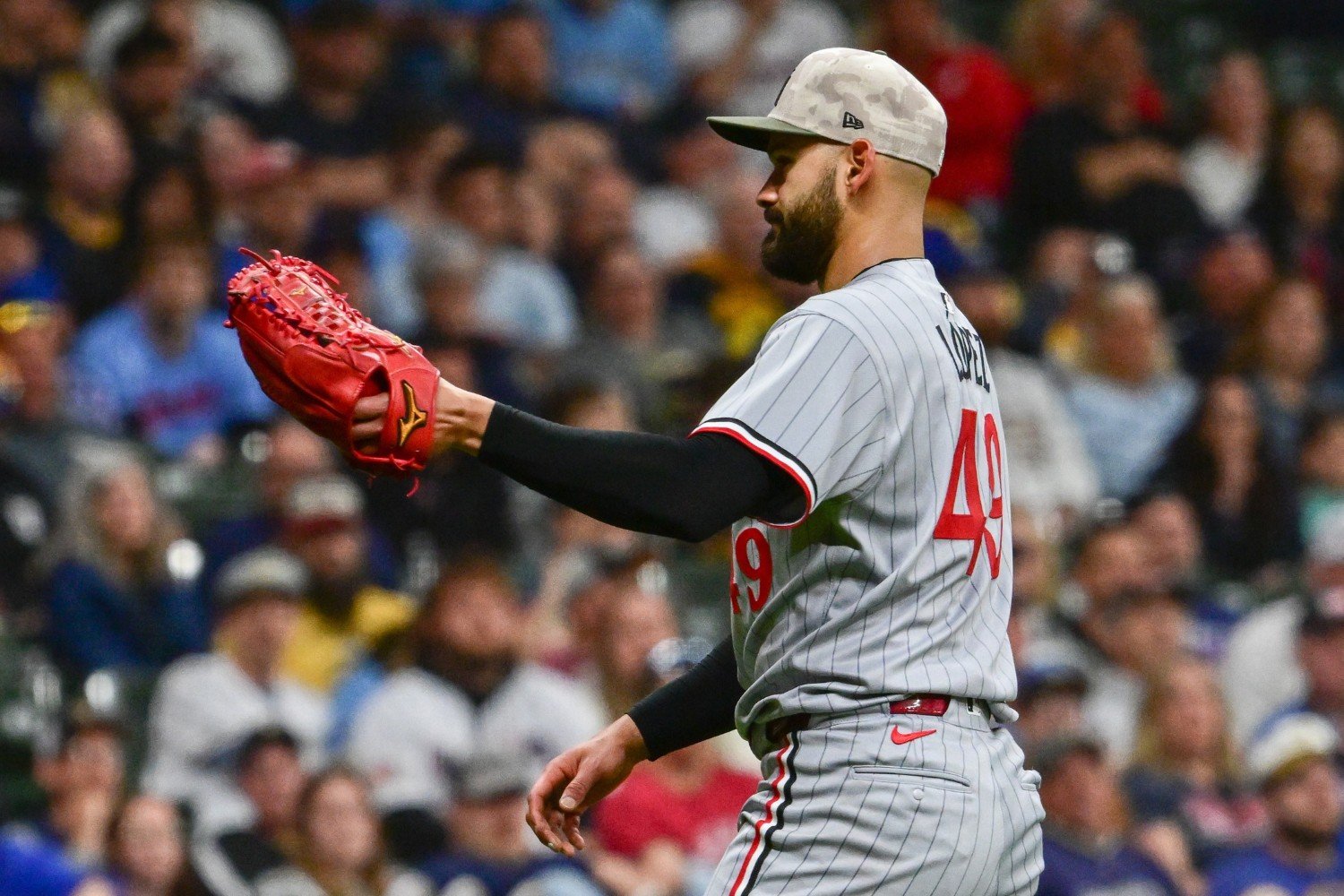 Coming into the 2025 season, the Minnesota Twins had an obvious need: more offense. The lineup looked thin, and the departure of key bats raised real concerns about run production. At the same time, the Twins appeared to have a surplus of starting pitching, both at the major-league level and in the high minors. That imbalance led to a winter full of speculation. If the Twins were going to improve the offense, it seemed clear that pitching was the currency they'd use to do it. One name at the center of those conversations was Chris Paddack. After missing significant time recovering from Tommy John surgery, he was set to earn $7.25 million in 2025, a hefty salary for someone who hadn’t pitched a full season since 2021. Plenty of fans and media figures saw him as a logical trade candidate, not necessarily to bring back a big bat, but simply to shed salary and reallocate those dollars to offense. The front office didn’t see it that way. Instead of moving him, they kept him—not only because they believed in his upside, but because he represented something they valued more than anything this offseason, starting pitching depth. Beyond Paddack, the front office faced pressure to deal from their rotation surplus. Whether it was Bailey Ober, a proven mid-rotation starter with years of team control, or prospects like David Festa or Zebby Matthews, the Twins had arms that other teams wanted. The idea of trading one of those pitchers for a much-needed bat was a constant talking point throughout the winter. But the front office stood pat. They bet big on holding onto that depth, knowing that constructing a rotation with just five starters only gets you so far. Pitching attrition is one of the few guarantees in baseball. The Twins didn’t want to be caught scrambling when that inevitability hit. Now, we’re seeing exactly why. The first sign came when Simeon Woods Richardson struggled through the opening stretch with a 5.02 ERA. The Twins responded by calling up David Festa. Then Zebby Matthews. These weren’t emergency fill-ins. They were prospects the team had ready to slot in when called upon. When Pablo López strained his teres major and hit the injured list for multiple months, the rotation could have been in crisis. Instead, Matthews slid right in. Then, Matthews himself went down with a shoulder injury—another blow. But the team was able to recall Woods Richardson again, a young arm who broke out last year by providing steady, quality innings, even if this year’s start has been a tough one. Most teams would be sunk at this point. Their ace is out. Two young arms have already been cycled in and out. They’ve gone past Plan B and Plan C. But the Twins are still afloat. Thanks to the arms they kept and the decisions they made months ago, they can still field a credible rotation. Joe Ryan, Ober, a rejuvenated Paddack, Festa, and Woods Richardson, who is struggling, but has shown success in the majors and (as a No. 5 starter) can be hidden a bit. Still waiting in the wings is Andrew Morris, a hard-throwing righty who is climbing prospect rankings fast. None of this is to say the rotation is in perfect shape. It’s not. The group is stretched thin. But the only reason the season hasn’t been completely derailed is because the Twins built themselves a safety net of capable starting pitchers. They saw what could happen and prepared for it. While fans clamored for bats, the front office bet on depth. There’s also still a path to add more. If the Twins find out closer to the trade deadline that they have flexibility to spend money, and if the injury situation remains uncertain, the team could explore deals to bring in another starting pitcher. A midseason addition could help reinforce a rotation that, while still solid, is clearly walking a tightrope right now. The Twins' starting pitching depth hasn’t fixed the offense. It hasn’t eliminated all the problems. But it has kept the season alive. Do you think that the front office was wise to hoard pitching depth this offseason? Can they survive the onslaught of hits to their depth? Leave a comment below and start the conversation!
- 7 comments
-
- 5
-
-
- david festa
- pablo lopez
- (and 3 more)
-
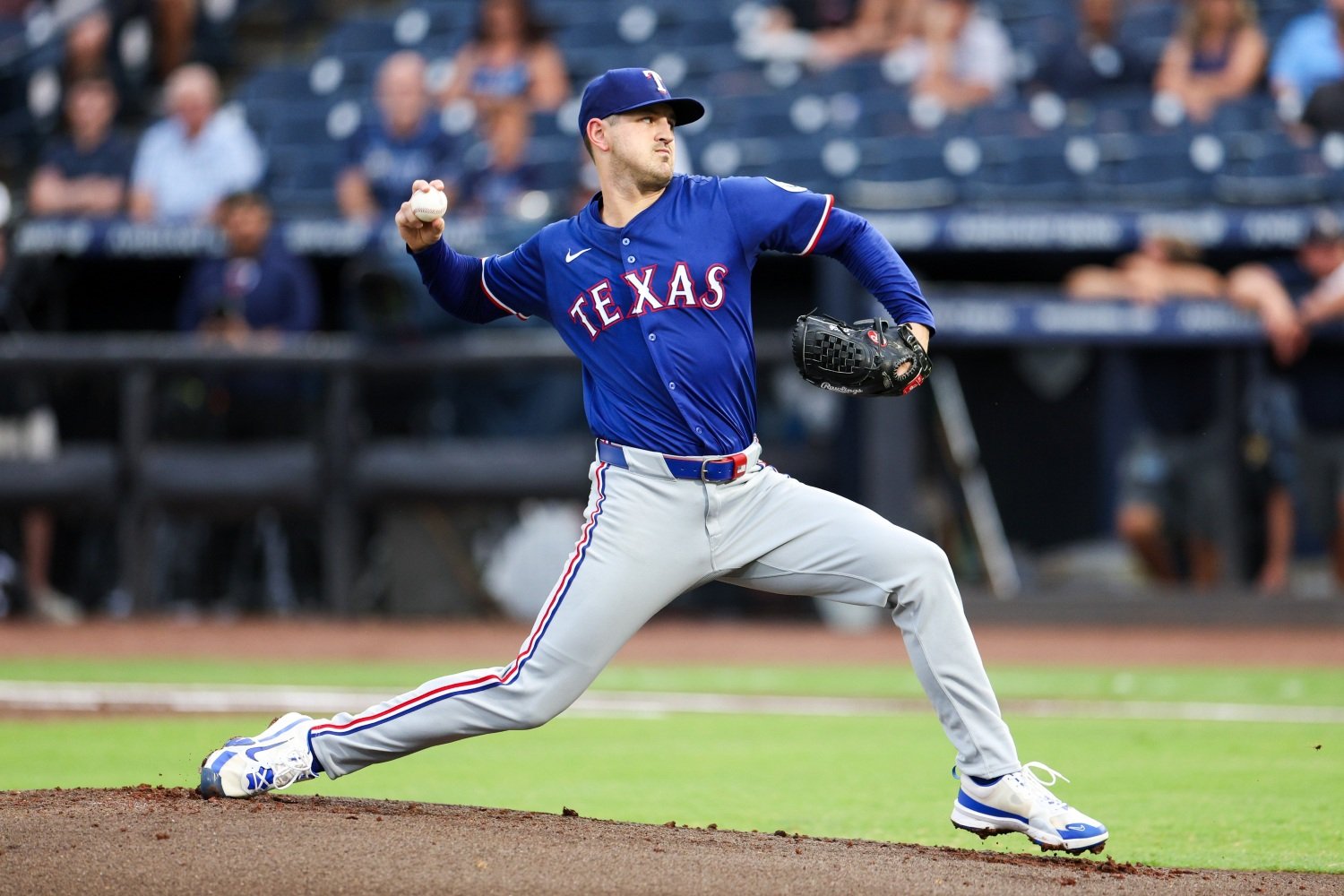 When the Minnesota Twins acquired Tyler Mahle from the Cincinnati Reds at the 2022 trade deadline, it was a bold move that showed they were serious about contending. For years, fans had been clamoring for the front office to invest in a frontline starting pitcher. Mahle, just 27 years old and under team control through 2023, looked like a smart, calculated gamble. The Twins paid a significant price, sending Spencer Steer, Steve Hajjar, and Christian Encarnacion-Strand to Cincinnati. Unfortunately, the move quickly turned into a nightmare for Minnesota. Mahle made only four starts before shoulder issues ended his 2022 season. He returned briefly in 2023, but lasted just five starts before needing Tommy John surgery. In total, he threw 42 innings with a 3.64 ERA as a Twin. The acquisition, which once looked like the missing piece for a playoff run, fizzled out almost immediately. While recovering from surgery, Mahle signed a two-year deal with the Texas Rangers. He missed most of 2024 as he worked back from Tommy John and battled more shoulder tightness, but in 2025, things have finally come together for him. Mahle enters Tuesday’s game at Target Field with a 2.02 ERA, which ranks fifth in the American League. His 1.6 fWAR is ninth among AL pitchers. For the first time in years, he is fully healthy and showing why the Twins pursued him in the first place. He’s getting it done with a different approach. His four-seam fastball averages just 92 miles per hour, down from his 93+ MPH pre-surgery, but it has been an extremely effective pitch. Opposing hitters are batting only .173 against it, and it is generating a 25% whiff rate. His splitter, which he throws nearly 30 percent of the time, is giving hitters even more trouble. The biggest change for Mahle, though, is that through 71 1/3 innings, he has allowed just three home runs. His 44% ground ball rate helps him avoid damage, and he is doing an excellent job of limiting quality contact. Compare those numbers to 2022, when Mahle had a 35% ground ball rate and allowed 1.2 home runs per nine innings. Mahle has adapted his game post-surgery, and the numbers speak for themselves. For Twins fans, seeing Mahle back in Minnesota and dominating might stir up some tough emotions. There was plenty of criticism for the front office after the trade fell apart. The Twins finally pushed in their chips for a frontline starter, and it felt like they picked the wrong guy. But in reality, they identified the right traits. Mahle has always had the ability to be a top-tier starter. Injuries are what derailed his time in Minnesota, not poor scouting or decision-making. No team can fully avoid pitcher injuries. That is the gamble every front office has to make. In Mahle’s case, the timing just didn’t work out. The front office wasn’t wrong. They were just early. Now, Mahle will take the mound against his former team for the first time since the trade, and the Twins will have their hands full. He is pitching like one of the best starters in the league and is finally healthy enough to prove it. What do you think? Was the Mahle trade a smart risk that simply didn’t pan out? Or was it a mistake from the start? How are you feeling about facing him in Tuesday’s series opener? Leave a comment below and start the conversation!
 -
When the Minnesota Twins acquired Tyler Mahle from the Cincinnati Reds at the 2022 trade deadline, it was a bold move that showed they were serious about contending. For years, fans had been clamoring for the front office to invest in a frontline starting pitcher. Mahle, just 27 years old and under team control through 2023, looked like a smart and calculated gamble. The Twins paid a significant price, sending Spencer Steer, Steve Hajjar, and Christian Encarnacion-Strand to Cincinnati. Unfortunately, the move quickly turned into a nightmare for Minnesota. Mahle made only four starts before shoulder issues ended his 2022 season. He returned briefly in 2023 but lasted just five starts before needing Tommy John surgery. In total, he threw 42 innings with a 3.64 ERA as a Twin. The acquisition, which once looked like the missing piece for a playoff run, fizzled out almost immediately. While recovering from surgery, Mahle signed a two-year deal with the Texas Rangers. He missed most of 2024 as he worked back from Tommy John and battled more shoulder tightness. But in 2025, things have finally come together for him. Mahle enters Tuesday’s game at Target Field with a 2.02 ERA, which ranks fifth in the American League. His 1.6 fWAR is ninth among AL pitchers. For the first time in years, he is fully healthy and showing why the Twins pursued him in the first place. He’s getting it done with a different approach. His four-seam fastball averages just 92 miles per hour, down from his 93+ MPH pre-surgery, but it has been an extremely effective pitch. Opposing hitters are batting only .173 against it, and it is generating a 25 percent whiff rate. His split-finger, which he throws nearly 30 percent of the time, is giving hitters even more trouble. The biggest change for Mahle, though, is that through 71 and one-third innings, he has allowed just three home runs. His 44 percent ground ball rate helps him avoid damage, and he is doing an excellent job limiting quality contact. Compare those numbers to 2022 when Mahle had a 35 percent ground ball rate and allowed 1.2 home runs per nine innings. Mahle has adapted his game post-surgery and the numbers speak for themselves. For Twins fans, seeing Mahle back in Minnesota and dominating might stir up some tough emotions. There was plenty of criticism for the front office after the trade fell apart. The Twins finally pushed in their chips for a frontline starter, and it felt like they picked the wrong guy. But in reality, they identified the right traits. Mahle has always had the ability to be a top-tier starter. Injuries are what derailed his time in Minnesota, not poor scouting or bad decision-making. No team can avoid pitcher injuries. That is the gamble every front office has to make. In Mahle’s case, the timing just didn’t work out. The front office wasn’t wrong. They were just early. Now, Mahle will take the mound against his former team for the first time since the trade. And the Twins will have their hands full. He is pitching like one of the best starters in the league and is finally healthy enough to prove it. What do you think? Was the Mahle trade a smart risk that simply didn’t pan out? Or was it a mistake from the start? How are you feeling about facing him in Tuesday’s series opener? Leave a comment below and start the conversation! View full article
-
Twins Trade Deadline Could Be Stuck in the Middle — Just Like Ownership
Matthew Taylor posted an article in Twins
 When the Pohlad family announced this offseason that they were exploring a sale of the Minnesota Twins, it immediately introduced a layer of long-term uncertainty around the franchise. Since then, news has trickled in slowly. There are interested parties, but no sale appears imminent, and certainly not before the July 31 trade deadline. So what does that mean for this critical stretch of the 2025 season? The first and most obvious implication is financial. With the Pohlads still footing the bills and presumably looking to streamline the organization before a sale, it is hard to imagine this being a deadline where the Twins take on significant salary. If a deal for the team were close to the finish line, maybe the current owners would be more willing to absorb some added payroll, knowing a new group would soon be on the hook. But as things stand, any player acquired would likely be paid out by the current regime. That all but rules out the Twins being in the market for expensive veterans on expiring deals. It is difficult to envision them parting with prospects for high-salary players, especially without a commitment from ownership to a larger budget going forward. If the Twins are active, it will likely require creativity: salary-neutral swaps, low-cost rentals, or pre-arbitration players with team control beyond this season. The bigger question might not be what the Twins do at the deadline, but who should be making the decisions. In professional sports, we have seen it plenty of times. New ownership often brings in new leadership. That makes it fair to wonder how secure the current front office feels and whether they are the ones who will be steering the ship this winter and beyond. If changes are looming at the top, it raises two serious concerns. First, should a potentially outgoing front office be allowed to make win-now trades that mortgage the future? And second, could that same front office be tempted to prioritize short-term results in a bid to protect their own jobs? Both of those questions introduce a level of risk that could discourage aggressive behavior at the deadline, even if the standings suggest the Twins should be buyers. Another major factor in all of this is organizational identity. Without clarity from ownership, what exactly is the goal for 2025? Are the Twins contenders trying to win the Central again, or are they focused on building a longer-term core? A sale-in-progress can paralyze direction, especially when ownership is not committed to either short-term aggression or long-term rebuilding. That kind of ambiguity might lead to a deadline where the Twins stand pat, not because they want to, but because they are stuck somewhere in the middle. We are still a few weeks away from trade talks truly heating up around the league, and the standings could shift between now and the end of July. But for the Twins, the questions hanging over the organization go far beyond on-field performance. Until ownership is settled or at least publicly clarified, it is hard to envision a bold, splashy deadline approach. That may come as a disappointment for fans hoping the Twins make a serious push to fortify the roster. But based on what we know now, this feels like a deadline where the team either stands pat or makes modest, lower-cost additions. Anything more aggressive would run against the current financial and structural uncertainty, and that is a tough sell for a team in transition at the top. What do you think the Twins should do at the deadline? Should they still push for short-term upgrades despite the uncertainty, or is it smarter to ride out this limbo and wait for more clarity before making big moves?
 -
Image courtesy of © Bruce Kluckhohn-Imagn Images When the Pohlad family announced this offseason that they were exploring a sale of the Minnesota Twins, it immediately introduced a layer of long-term uncertainty around the franchise. Since then, news has trickled in slowly. There are interested parties, but no sale appears imminent, and certainly not before the July 31 trade deadline. So what does that mean for this critical stretch of the 2025 season? The first and most obvious implication is financial. With the Pohlads still footing the bills and presumably looking to streamline the organization before a sale, it is hard to imagine this being a deadline where the Twins take on significant salary. If a deal for the team were close to the finish line, maybe the current owners would be more willing to absorb some added payroll, knowing a new group would soon be on the hook. But as things stand, any player acquired would likely be paid out by the current regime. That all but rules out the Twins being in the market for expensive veterans on expiring deals. It is difficult to envision them parting with prospects for high-salary players, especially without a commitment from ownership to a larger budget going forward. If the Twins are active, it will likely require creativity: salary-neutral swaps, low-cost rentals, or pre-arbitration players with team control beyond this season. The bigger question might not be what the Twins do at the deadline, but who should be making the decisions. In professional sports, we have seen it plenty of times. New ownership often brings in new leadership. That makes it fair to wonder how secure the current front office feels and whether they are the ones who will be steering the ship this winter and beyond. If changes are looming at the top, it raises two serious concerns. First, should a potentially outgoing front office be allowed to make win-now trades that mortgage the future? And second, could that same front office be tempted to prioritize short-term results in a bid to protect their own jobs? Both of those questions introduce a level of risk that could discourage aggressive behavior at the deadline, even if the standings suggest the Twins should be buyers. Another major factor in all of this is organizational identity. Without clarity from ownership, what exactly is the goal for 2025? Are the Twins contenders trying to win the Central again, or are they focused on building a longer-term core? A sale-in-progress can paralyze direction, especially when ownership is not committed to either short-term aggression or long-term rebuilding. That kind of ambiguity might lead to a deadline where the Twins stand pat, not because they want to, but because they are stuck somewhere in the middle. We are still a few weeks away from trade talks truly heating up around the league, and the standings could shift between now and the end of July. But for the Twins, the questions hanging over the organization go far beyond on-field performance. Until ownership is settled or at least publicly clarified, it is hard to envision a bold, splashy deadline approach. That may come as a disappointment for fans hoping the Twins make a serious push to fortify the roster. But based on what we know now, this feels like a deadline where the team either stands pat or makes modest, lower-cost additions. Anything more aggressive would run against the current financial and structural uncertainty, and that is a tough sell for a team in transition at the top. What do you think the Twins should do at the deadline? Should they still push for short-term upgrades despite the uncertainty, or is it smarter to ride out this limbo and wait for more clarity before making big moves? View full article
-
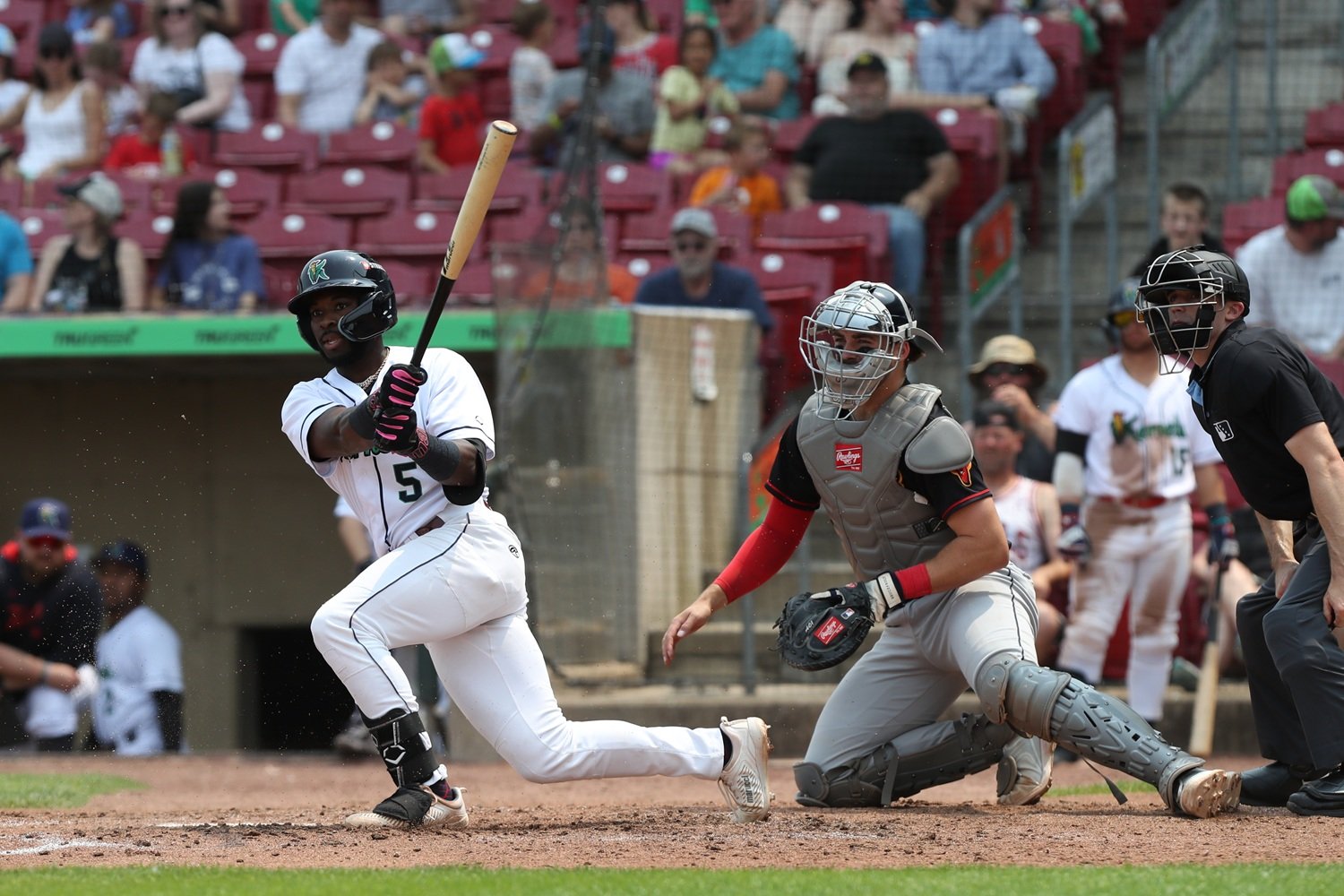 When the Minnesota Twins selected Kaelen Culpepper with the 21st overall pick in the 2024 MLB Draft, the reaction from fans was tepid. Another shortstop? Limited power? It didn’t exactly scream “impact pick”, for a team that already had a glut of middle infielders. But just a couple months into his first full professional season, Culpepper is already proving the doubters wrong. Through 190 plate appearances with High-A Cedar Rapids, Culpepper is slashing .301/.400/.503, with eight home runs and 26 RBIs. That production is quickly changing the narrative, especially for a player who was knocked for his lack of pop coming out of Kansas State University. Culpepper’s junior year at K-State saw him hit 11 homers and 15 doubles in 291 plate appearances. Scouts loved his bat-to-ball skills, but questioned whether his flat swing would ever generate enough lift to tap into more power. The Twins clearly saw something they could work with. Fast-forward to 2025, and Culpepper has already racked up 14 extra-base hits in just 38 games. The results suggest the adjustments are working. Additionally, the swing looks violent. Culpepper is attacking the ball and creating the lift required for big-league power. It’s not just the power that’s standing out, but his approach at the plate that is mature beyond where many prospects find themselves at his age. Culpepper is walking at an impressive 12.1% clip while striking out only 17.9% of the time. He’s also making an impact on the basepaths, swiping 14 bases and getting caught just twice. That’s a dynamic offensive profile at any level, and one that’s starting to garner national attention. Keith Law recently updated his top 50 prospects list and slotted Culpepper at No. 45. “He’s an above-average shortstop who might get a little better with more consistency,” Law wrote. “And I might have undersold his bat a little on draft day.” That kind of recognition speaks volumes. Prospects are inherently volatile, and Culpepper still has plenty to prove, but this looks like a pick that’s aging very well. The Twins bet on a high-contact hitter with elite athleticism and strong makeup, trusting their development system to unlock the rest. So far, that bet is paying off. Defensively, Culpepper has held his own at shortstop, though some scouts project a move to third base. Initially, that raised eyebrows. Could he hit enough to justify the move? But with the power starting to show up and his overall offensive game rounding out nicely, the concerns are fading. He may still have the bat to profile at the hot corner. And if he is able to hold his own at shortstop and stick there, we could be looking at a potentially special player. The draft is a minefield, especially when picking toward the back half of the first round. So far, the Twins look like they made a savvy play, identifying a talented player with room to grow and helping him tap into that upside quickly. There is still a lot of room for things to go wrong and for his game to fade, but for now, the Twins front office should be applauded for the draft pick. What do you think of Kaelen Culpepper’s breakout season? Is it too early to call this pick a win, or are you ready to buy in? Let us know in the comments.
 -
Image courtesy of David Malamut (photo of Kaelen Culpepper) When the Minnesota Twins selected Kaelen Culpepper with the 21st overall pick in the 2024 MLB Draft, the reaction from fans was… tepid. Another shortstop? Limited power? It didn’t exactly scream “impact pick” for a team that already had a glut of middle infielders. But just a couple months into his first full professional season, Culpepper is already proving the doubters wrong. Through 177 plate appearances with High-A Cedar Rapids, Culpepper is slashing .289/.390/.467 with an .857 OPS, six home runs, and 22 RBI. That production is quickly changing the narrative, especially for a player who was knocked for his lack of pop coming out of Kansas State. Culpepper’s junior year at K-State saw him hit 11 homers and 15 doubles in 291 plate appearances. Scouts loved his bat-to-ball skills but questioned whether his flat swing would ever generate enough lift to tap into more power. The Twins clearly saw something they could work with. Fast forward to 2025, and Culpepper has already racked up 14 extra-base hits in just 38 games. The results suggest the adjustments are working. Additionally, the swing looks violent. Culpepper is attacking the ball and creating lift required for big-league power. It’s not just the power that’s standing out, but his approach at the plate that is mature beyond where many prospects find themselves at his age. Culpepper is walking at an impressive 18% clip while striking out only 12% of the time. He’s also making an impact on the basepaths, swiping 11 bases and getting caught just once. That’s a dynamic offensive profile at any level, and one that’s starting to garner national attention. Keith Law recently updated his top 50 prospects list and slotted Culpepper at No. 45. “He’s an above-average shortstop who might get a little better with more consistency,” Law wrote. “And I might have undersold his bat a little on draft day.” That kind of recognition speaks volumes. Prospects are inherently volatile, and Culpepper still has plenty to prove, but this looks like a pick that’s aging very well. The Twins bet on a high-contact hitter with elite athleticism and strong makeup, trusting their development system to unlock the rest. So far, that bet is paying off. Defensively, Culpepper has held his own at shortstop, though some scouts project a move to third base. Initially, that raised eyebrows, could he hit enough to justify the move? But with the power starting to show up and his overall offensive game rounding out nicely, the concerns are fading. He may still have the bat to profile at the hot corner. And if he is able to hold his own at shortstop and stick there, we could be looking at a potentially special player. The draft is a minefield, especially when picking toward the back half of the first round. So far, the Twins look like they made a savvy play, identifying a talented player with room to grow and helping him tap into that upside quickly. There is still a lot of room for things to go wrong and for his game to fade, but for now the Twins front office should be applauded for the draft pick. What do you think of Kaelen Culpepper’s breakout season? Is it too early to call this pick a win, or are you ready to buy in? Let us know in the comments. View full article
-
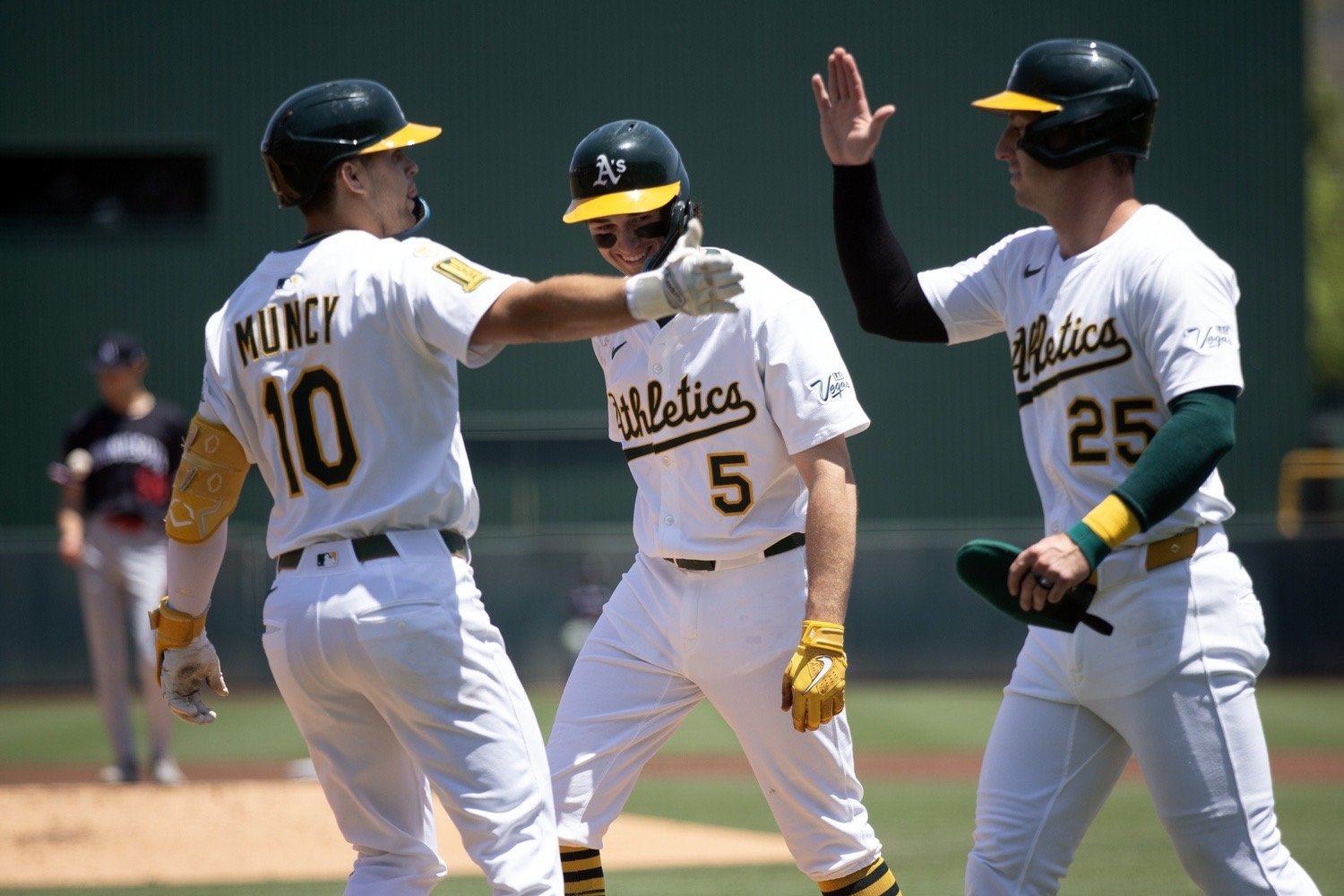 Box Score Starting Pitcher: David Festa - 3 2/3 IP, 6 H, 8 ER, 2 BB, 6 SO Home Runs: Matt Wallner (3) Bottom 3 WPA: Festa (-.356), Larnach (-.080), Lee (-.065) Win Probability Chart (via FanGraphs): The Minnesota Twins came into Thursday afternoon with a chance to finish off a four-game sweep of the lowly Athletics. Instead, they got punched in the mouth early, stumbled to their biggest blowout loss of the season, and had to turn to a position player on the mound to just get through it. Festa Falters in Opportunity With Pablo López hitting the injured list, the Twins turned to top pitching prospect David Festa to fill his spot in the rotation. It was a tough assignment made tougher by circumstance, Festa hadn’t pitched in over a week and was thrust into action immediately after his call-up. It didn’t go well. The A’s teed off on the right-hander, tagging him for eight earned runs in just 3 2/3 innings. Festa gave up three home runs, walked two, and served up a steady stream of hard contact as Oakland jumped all over him. The big blows included a pair of third-inning long balls from Jacob Wilson and Tyler Soderstrom, which turned a rough start into a disaster. It was a tough break for Festa, who likely has a decent runway in the rotation given the expected length of López’s absence. But his first start on that runway did not go the way anyone hoped it would. The Bullpen Didn’t Help The back half of the Twins bullpen didn’t stem the bleeding. Jorge Alcala coughed up a three-run homer to Soderstrom, his second of the game, in the fourth inning, and the A’s added another in the fifth to push the lead to 12-1. It continued the drought for Alacala and only amplified the questions surrounding his spot on the Twins' roster. The Twins scraped together a couple late runs thanks to RBI from Ty France and Brooks Lee, but the damage had long been done. A Position Player on the Mound With the game well out of reach and a weekend series looming, the Twins turned to utility man Jonah Bride to mop things up on the mound. Bride tossed two innings in his first career Major League pitching appearance, a silver lining only in that it saved the bullpen from further wear and tear. Road Trip in Perspective The 13-2 loss prevented a series sweep, but not a series win. The Twins took three of four from the A’s and finished their grueling 10-game, 11-day, two-coast, two-minor-league-park road trip with a 5-5 record, a perfectly acceptable outcome given the circumstances. What's Next Now, the Twins head home to Target Field, where they’ll open a weekend set against the Blue Jays. They’ll aim to flush this one and get back on track, hopefully with stronger outings from their reshuffled rotation. Bullpen Usage
- 46 comments
-
- 2
-
-
- david festa
- jorge alcala
- (and 1 more)
-
Image courtesy of © D. Ross Cameron-Imagn Images Box Score Starting Pitcher: David Festa - 3 2/3 IP, 6 H, 8 ER, 2 BB, 6 SO Home Runs: Matt Wallner (3) Bottom 3 WPA: Festa (-.356), Larnach (-.080), Lee (-.065) Win Probability Chart (via FanGraphs): The Minnesota Twins came into Thursday afternoon with a chance to finish off a four-game sweep of the lowly Athletics. Instead, they got punched in the mouth early, stumbled to their biggest blowout loss of the season, and had to turn to a position player on the mound to just get through it. Festa Falters in Opportunity With Pablo López hitting the injured list, the Twins turned to top pitching prospect David Festa to fill his spot in the rotation. It was a tough assignment made tougher by circumstance, Festa hadn’t pitched in over a week and was thrust into action immediately after his call-up. It didn’t go well. The A’s teed off on the right-hander, tagging him for eight earned runs in just 3 2/3 innings. Festa gave up three home runs, walked two, and served up a steady stream of hard contact as Oakland jumped all over him. The big blows included a pair of third-inning long balls from Jacob Wilson and Tyler Soderstrom, which turned a rough start into a disaster. It was a tough break for Festa, who likely has a decent runway in the rotation given the expected length of López’s absence. But his first start on that runway did not go the way anyone hoped it would. The Bullpen Didn’t Help The back half of the Twins bullpen didn’t stem the bleeding. Jorge Alcala coughed up a three-run homer to Soderstrom, his second of the game, in the fourth inning, and the A’s added another in the fifth to push the lead to 12-1. It continued the drought for Alacala and only amplified the questions surrounding his spot on the Twins' roster. The Twins scraped together a couple late runs thanks to RBI from Ty France and Brooks Lee, but the damage had long been done. A Position Player on the Mound With the game well out of reach and a weekend series looming, the Twins turned to utility man Jonah Bride to mop things up on the mound. Bride tossed two innings in his first career Major League pitching appearance, a silver lining only in that it saved the bullpen from further wear and tear. Road Trip in Perspective The 13-2 loss prevented a series sweep, but not a series win. The Twins took three of four from the A’s and finished their grueling 10-game, 11-day, two-coast, two-minor-league-park road trip with a 5-5 record, a perfectly acceptable outcome given the circumstances. What's Next Now, the Twins head home to Target Field, where they’ll open a weekend set against the Blue Jays. They’ll aim to flush this one and get back on track, hopefully with stronger outings from their reshuffled rotation. Bullpen Usage View full article