



Matthew Taylor
-
Posts
973 -
Joined
-
Last visited
Content Type
Profiles
News
Minnesota Twins Videos
2026 Minnesota Twins Top Prospects Ranking
2022 Minnesota Twins Draft Picks
Minnesota Twins Free Agent & Trade Rumors, Notes, & Tidbits
Guides & Resources
2023 Minnesota Twins Draft Picks
The Minnesota Twins Players Project
2024 Minnesota Twins Draft Picks
2025 Minnesota Twins Draft Pick Tracker
2026 Minnesota Twins Draft Tracker: Picks & Bonuses
Forums
Blogs
Events
Store
Downloads
Gallery
Everything posted by Matthew Taylor
-
 Image courtesy of © Jeff Hanisch-Imagn Images The Minnesota Twins’ 2026 schedule is officially here, and it arrives at a fascinating crossroads for the franchise. The 2025 season has spiraled into a full-blown tailspin. Ownership is entering a new chapter, with minority investors joining the Pohlad family; payroll questions loom large; and the roster that takes the field next spring could look dramatically different from the one we just watched. But baseball has a way of resetting things. Every team begins 0-0, and every season comes with its own set of opportunities. With that spirit in mind, here are the key highlights of the Twins’ 2026 slate. Opening Day in Baltimore The Twins open the regular season on Thursday, March 26, on the road against the Baltimore Orioles. The last time Minnesota opened in Baltimore was back in 2018, when they lost on a walkoff from Adam Jones against Twins closer Fernando Rodney. Target Field Home Opener Fans won’t have to wait long for the first baseball at Target Field, however. The home opener is set for Friday, April 3, against the Tampa Bay Rays. A weekend series for the home opener is a nice bonus for Twins fans. Notable National League Road Trips Interleague play offers several fun destinations for Twins fans in 2026, including: Cincinnati (April 17–19) Miami (May 12–14) Milwaukee (May 15–17) St. Louis (June 12–14) Los Angeles Dodgers (June 22–24) Colorado (June 26–28) Philadelphia (August 14–16) Atlanta (August 18–20) Road trip planners, take note, there’s plenty of variety here. Closing at Home The Twins finish the season in front of their home crowd, with a weekend series against the Texas Rangers on September 25-27. Whether or not those games will matter at all is the question, of course. Grueling Stretch: 17 Games in 17 Days One of the biggest challenges comes from May 22-June 5, when the Twins play a 10-game road trip (Red Sox, White Sox, Pirates), immediately followed by 7 home games. That makes for 17 consecutive games without a day off. Longest Homestand The longest stretch at Target Field is May 12-20, when the Twins host the Marlins, Brewers, and Astros in a nine-game homestand. Field of Dreams Game One of the marquee events of the summer: the Twins will face the Phillies in the Field of Dreams Game during the August 14-16 weekend. MLB hasn’t finalized which day it will fall on, but circle your calendars for that weekend for your Iowa road trip. Given the franchise’s current state, the 2026 season feels more uncertain than most. Still, baseball is a game of daily hope, and for all the questions about ownership, payroll, and roster makeup, the schedule offers the same 162 opportunities. Which part of the schedule are you most excited about? Opening Day in Baltimore? A Dodger Stadium trip in June? The Field of Dreams game? Let us know in the comments. View full article
 -
Minnesota Twins 2026 Schedule Released: Fresh Start, Fresh Questions
Matthew Taylor posted an article in Twins
 The Minnesota Twins’ 2026 schedule is officially here, and it arrives at a fascinating crossroads for the franchise. The 2025 season has spiraled into a full-blown tailspin. Ownership is entering a new chapter, with minority investors joining the Pohlad family; payroll questions loom large; and the roster that takes the field next spring could look dramatically different from the one we just watched. But baseball has a way of resetting things. Every team begins 0-0, and every season comes with its own set of opportunities. With that spirit in mind, here are the key highlights of the Twins’ 2026 slate. Opening Day in Baltimore The Twins open the regular season on Thursday, March 26, on the road against the Baltimore Orioles. The last time Minnesota opened in Baltimore was back in 2018, when they lost on a walkoff from Adam Jones against Twins closer Fernando Rodney. Target Field Home Opener Fans won’t have to wait long for the first baseball at Target Field, however. The home opener is set for Friday, April 3, against the Tampa Bay Rays. A weekend series for the home opener is a nice bonus for Twins fans. Notable National League Road Trips Interleague play offers several fun destinations for Twins fans in 2026, including: Cincinnati (April 17–19) Miami (May 12–14) Milwaukee (May 15–17) St. Louis (June 12–14) Los Angeles Dodgers (June 22–24) Colorado (June 26–28) Philadelphia (August 14–16) Atlanta (August 18–20) Road trip planners, take note, there’s plenty of variety here. Closing at Home The Twins finish the season in front of their home crowd, with a weekend series against the Texas Rangers on September 25-27. Whether or not those games will matter at all is the question, of course. Grueling Stretch: 17 Games in 17 Days One of the biggest challenges comes from May 22-June 5, when the Twins play a 10-game road trip (Red Sox, White Sox, Pirates), immediately followed by 7 home games. That makes for 17 consecutive games without a day off. Longest Homestand The longest stretch at Target Field is May 12-20, when the Twins host the Marlins, Brewers, and Astros in a nine-game homestand. Field of Dreams Game One of the marquee events of the summer: the Twins will face the Phillies in the Field of Dreams Game during the August 14-16 weekend. MLB hasn’t finalized which day it will fall on, but circle your calendars for that weekend for your Iowa road trip. Given the franchise’s current state, the 2026 season feels more uncertain than most. Still, baseball is a game of daily hope, and for all the questions about ownership, payroll, and roster makeup, the schedule offers the same 162 opportunities. Which part of the schedule are you most excited about? Opening Day in Baltimore? A Dodger Stadium trip in June? The Field of Dreams game? Let us know in the comments.
 -
Image courtesy of © Nick Turchiaro-Imagn Images As the Twins take on the Blue Jays this week, it feels like the perfect time to revisit the curious case of David Popkins. Less than a year ago, he was dismissed as the Twins’ hitting coach, packaged with assistant Rudy Hernandez as the lone fall guys for Minnesota’s late-season collapse. The front office made it clear they believed a change in the hitting staff and the team’s hitting philosophy was the fix. Today, Popkins is in Toronto, where he’s helping lead one of the best offenses in baseball. Meanwhile, the Twins’ bats have only gotten worse. Popkins’ track record in Minnesota wasn’t nearly as disastrous as his firing might suggest. From 2022 to 2024, the Twins ranked 13th in runs scored, 10th in OPS, seventh in home runs. Yes, they struck out a lot, at 23.4%, which was the 11th-highest rate in baseball. A power-heavy offense, sure, but not an incompetent one. When Popkins was let go and Matt Borgschulte was brought in, the Twins announced a shift: less boom-or-bust, more “classic” hitting, with fewer strikeouts and more balls slapped the other way. The result? Minnesota’s strikeout rate has dropped slightly, to 22.3%. But their actual production has cratered. They rank 24th in runs scored, 21st in OPS, and 14th in home runs. The power is down, the runs are down, and the offense is far less threatening than it was under Popkins. Clearly, the problems that doomed the 2024 Twins went beyond the hitting coach. In Toronto, Popkins has wasted no time proving his value. The Blue Jays offense, which had been mediocre the past few seasons, has become one of the best in baseball. They now strike out less than anyone in the league, at 17.4%. They rank fourth in OPS, eighth in runs scored, and third in wRC+, a stat that adjusts for league and park effects. Under Popkins, the Blue Jays have transformed from middling to dangerous. It’s not fair to suggest that Popkins is solely responsible for Toronto’s surge, just as it wasn’t fair for him to be the scapegoat in Minnesota. Coaching matters, but so does talent. The Blue Jays have stars like Vladimir Guerrero Jr. and George Springer, players who can elevate any philosophy, while the Twins bet on continuity with a roster that may simply not have enough offensive firepower. But the optics are undeniable: the team that fired Popkins got worse, and the team that hired him got better. This all points back to an uncomfortable truth for the Twins. They tried to fix a structural problem with a cosmetic change. Instead of reshaping the roster or rethinking their broader approach, they fired a coach and sold it as the solution. Now, with another season of offensive futility, they are right back where they were: searching for answers that go much deeper than a hitting coach. With a few days of staring across at him in the opposing dugout ahead, it’s hard not to wonder if the Twins let a good one get away—if they just never gave him the right roster to succeed. What do you think? Did Minnesota misfire in making Popkins the scapegoat, or was he simply never the right fit for this team? And with another year of offensive disappointment, should the front office be looking at the roster, the coaching staff, or both? View full article
-
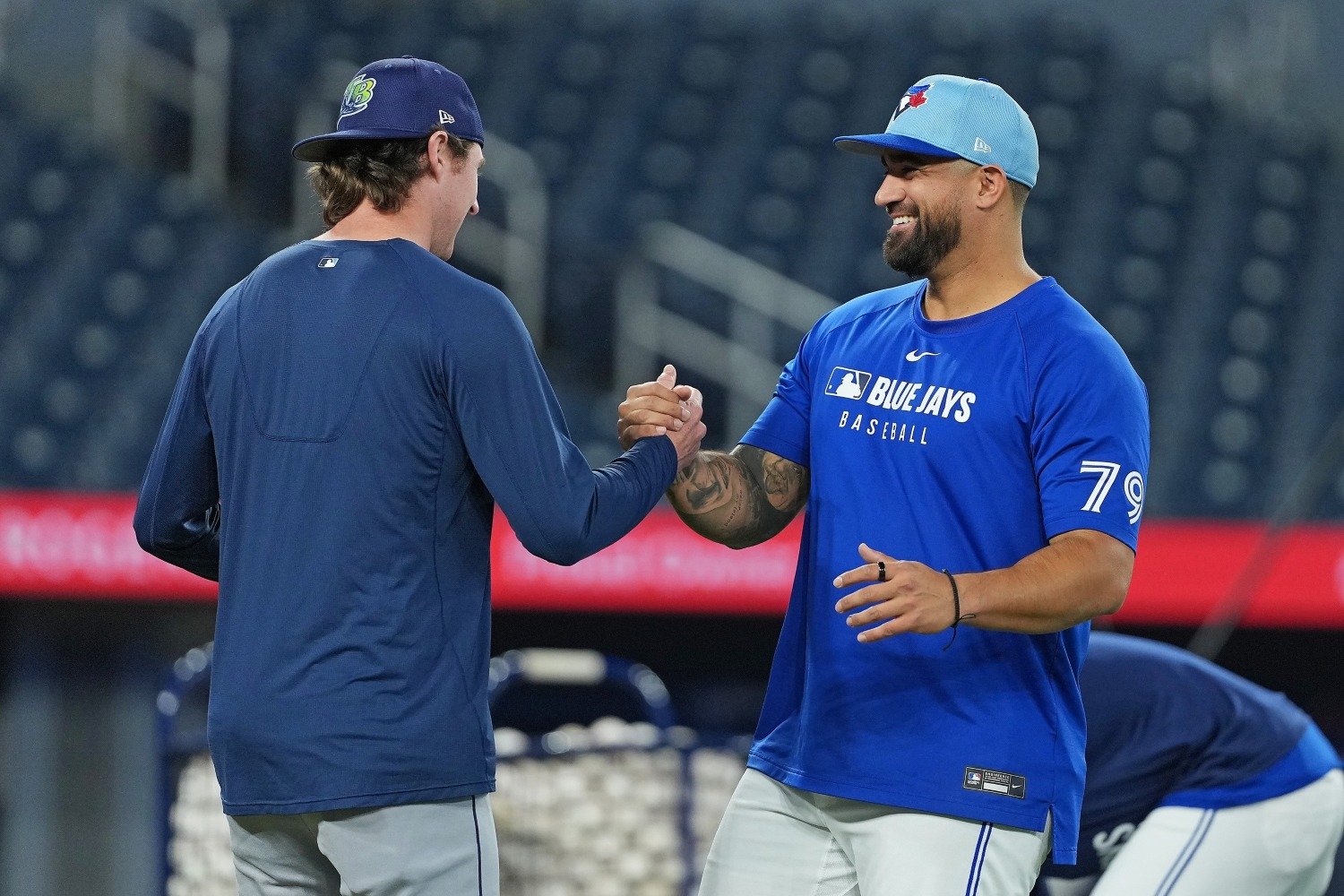 As the Twins take on the Blue Jays this week, it feels like the perfect time to revisit the curious case of David Popkins. Less than a year ago, he was dismissed as the Twins’ hitting coach, packaged with assistant Rudy Hernandez as the lone fall guys for Minnesota’s late-season collapse. The front office made it clear they believed a change in the hitting staff and the team’s hitting philosophy was the fix. Today, Popkins is in Toronto, where he’s helping lead one of the best offenses in baseball. Meanwhile, the Twins’ bats have only gotten worse. Popkins’ track record in Minnesota wasn’t nearly as disastrous as his firing might suggest. From 2022 to 2024, the Twins ranked 13th in runs scored, 10th in OPS, seventh in home runs. Yes, they struck out a lot, at 23.4%, which was the 11th-highest rate in baseball. A power-heavy offense, sure, but not an incompetent one. When Popkins was let go and Matt Borgschulte was brought in, the Twins announced a shift: less boom-or-bust, more “classic” hitting, with fewer strikeouts and more balls slapped the other way. The result? Minnesota’s strikeout rate has dropped slightly, to 22.3%. But their actual production has cratered. They rank 24th in runs scored, 21st in OPS, and 14th in home runs. The power is down, the runs are down, and the offense is far less threatening than it was under Popkins. Clearly, the problems that doomed the 2024 Twins went beyond the hitting coach. In Toronto, Popkins has wasted no time proving his value. The Blue Jays offense, which had been mediocre the past few seasons, has become one of the best in baseball. They now strike out less than anyone in the league, at 17.4%. They rank fourth in OPS, eighth in runs scored, and third in wRC+, a stat that adjusts for league and park effects. Under Popkins, the Blue Jays have transformed from middling to dangerous. It’s not fair to suggest that Popkins is solely responsible for Toronto’s surge, just as it wasn’t fair for him to be the scapegoat in Minnesota. Coaching matters, but so does talent. The Blue Jays have stars like Vladimir Guerrero Jr. and George Springer, players who can elevate any philosophy, while the Twins bet on continuity with a roster that may simply not have enough offensive firepower. But the optics are undeniable: the team that fired Popkins got worse, and the team that hired him got better. This all points back to an uncomfortable truth for the Twins. They tried to fix a structural problem with a cosmetic change. Instead of reshaping the roster or rethinking their broader approach, they fired a coach and sold it as the solution. Now, with another season of offensive futility, they are right back where they were: searching for answers that go much deeper than a hitting coach. With a few days of staring across at him in the opposing dugout ahead, it’s hard not to wonder if the Twins let a good one get away—if they just never gave him the right roster to succeed. What do you think? Did Minnesota misfire in making Popkins the scapegoat, or was he simply never the right fit for this team? And with another year of offensive disappointment, should the front office be looking at the roster, the coaching staff, or both?
 -
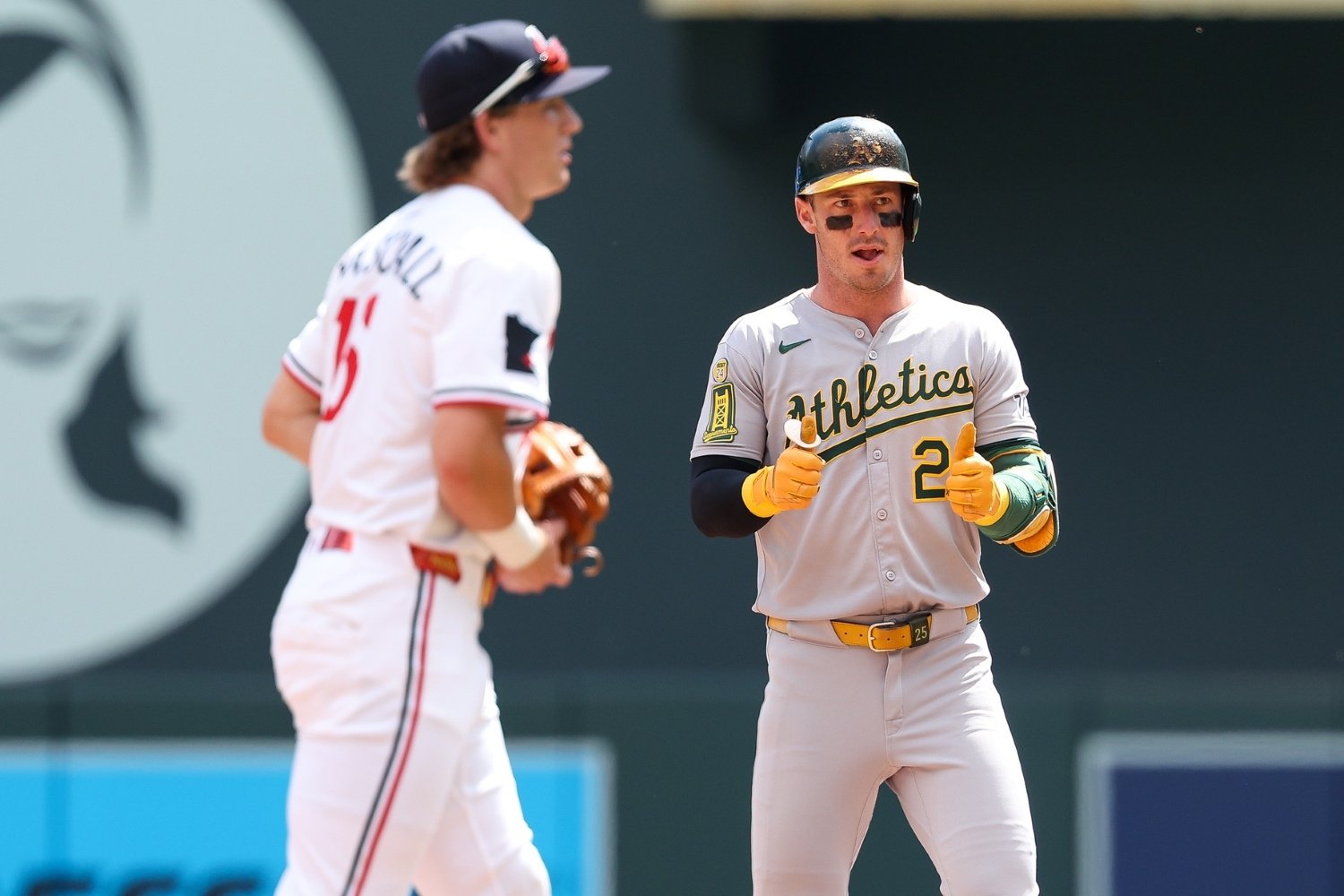 Box Score SP: José Ureña - 5 IP, 7 H, 6 ER, 2 BB, 3 K, 96 pitches (60 strikes) Home Runs: None Bottom 3 WPA: Ureña -.338, Buxton -.063, Clemens -.060 Win Probability Chart (via FanGraphs): The Minnesota Twins came into Thursday’s matinee desperate to avoid a sweep against the cellar-dwelling Oakland West Sacramento Athletics. Instead, they fell flat, undone by one disastrous inning and a sputtering offense in an 8–3 loss at Target Field. Journeyman right-hander José Ureña got the start, hoping to make a case for sticking around into next season. That hope evaporated quickly in the second inning, when the ex-Oaklanders erupted for six runs on five hits (two of them doubles), two walks, and a hit batter. By the time Ureña escaped, the Athletics had a commanding 6–0 lead, and the Twins’ chances felt slim given their season-long offensive struggles. To his credit, Ureña contained the damage to that one frame and gutted his way through five innings, sparing an overworked bullpen from further exposure. But the deficit proved insurmountable. The Twins finally broke through in the fourth inning when James Outman, collecting his first RBI as a Twin, and Austin Martin each pushed runs across with infield singles. That trimmed the deficit to 6–2, but any momentum was short-lived. The eventual Las Vegans extended their lead in the sixth when rookie sensation Nick Kurtz, the frontrunner for AL Rookie of the Year, launched a solo homer to dead center field off Michael Tonkin. They tacked on another run in the seventh to push the margin back to six. Royce Lewis plated one more run with a ninth-inning knock, but by then, the outcome had long been decided. The sweep at the hands of one of baseball’s worst teams marks another low point in a season already full of them. Minnesota now sits with the fifth-fewest wins in the majors, their post-trade deadline collapse accelerating a freefall toward the bottom of the standings. What's Next The Twins will look to regroup as they head out onto the road to face the similarly terrible Chicago White Sox. The series begins on Friday night at 6:40 pm CT, with Zebby Matthews on the mound for the Twins facing off against Aaron Civale. Postgame Interviews Bullpen Usage Chart SUN MON TUE WED THU TOT Hatch 81 0 0 0 0 81 Ohl 0 0 54 0 0 54 Topa 0 0 0 20 0 20 Kriske 0 0 0 16 10 26 Ramírez 16 0 25 0 25 66 Tonkin 16 0 0 0 32 48 Sands 14 0 0 17 0 31 Cabrera 9 0 0 20 0 29 Funderburk 0 0 0 7 0 7 Ureña 0 0 0 0 0 0
- 66 comments
-
- 3
-

-
- jose urena
- royce lewis
- (and 1 more)
-
Image courtesy of © Matt Krohn-Imagn Images Box Score SP: José Ureña - 5 IP, 7 H, 6 ER, 2 BB, 3 K, 96 pitches (60 strikes) Home Runs: None Bottom 3 WPA: Ureña -.338, Buxton -.063, Clemens -.060 Win Probability Chart (via FanGraphs): The Minnesota Twins came into Thursday’s matinee desperate to avoid a sweep against the cellar-dwelling Oakland West Sacramento Athletics. Instead, they fell flat, undone by one disastrous inning and a sputtering offense in an 8–3 loss at Target Field. Journeyman right-hander José Ureña got the start, hoping to make a case for sticking around into next season. That hope evaporated quickly in the second inning, when the ex-Oaklanders erupted for six runs on five hits (two of them doubles), two walks, and a hit batter. By the time Ureña escaped, the Athletics had a commanding 6–0 lead, and the Twins’ chances felt slim given their season-long offensive struggles. To his credit, Ureña contained the damage to that one frame and gutted his way through five innings, sparing an overworked bullpen from further exposure. But the deficit proved insurmountable. The Twins finally broke through in the fourth inning when James Outman, collecting his first RBI as a Twin, and Austin Martin each pushed runs across with infield singles. That trimmed the deficit to 6–2, but any momentum was short-lived. The eventual Las Vegans extended their lead in the sixth when rookie sensation Nick Kurtz, the frontrunner for AL Rookie of the Year, launched a solo homer to dead center field off Michael Tonkin. They tacked on another run in the seventh to push the margin back to six. Royce Lewis plated one more run with a ninth-inning knock, but by then, the outcome had long been decided. The sweep at the hands of one of baseball’s worst teams marks another low point in a season already full of them. Minnesota now sits with the fifth-fewest wins in the majors, their post-trade deadline collapse accelerating a freefall toward the bottom of the standings. What's Next The Twins will look to regroup as they head out onto the road to face the similarly terrible Chicago White Sox. The series begins on Friday night at 6:40 pm CT, with Zebby Matthews on the mound for the Twins facing off against Aaron Civale. Postgame Interviews Bullpen Usage Chart SUN MON TUE WED THU TOT Hatch 81 0 0 0 0 81 Ohl 0 0 54 0 0 54 Topa 0 0 0 20 0 20 Kriske 0 0 0 16 10 26 Ramírez 16 0 25 0 25 66 Tonkin 16 0 0 0 32 48 Sands 14 0 0 17 0 31 Cabrera 9 0 0 20 0 29 Funderburk 0 0 0 7 0 7 Ureña 0 0 0 0 0 0 View full article
-
What MLB Expansion, Realignment Could Mean for Minnesota Twins
Matthew Taylor posted an article in Twins
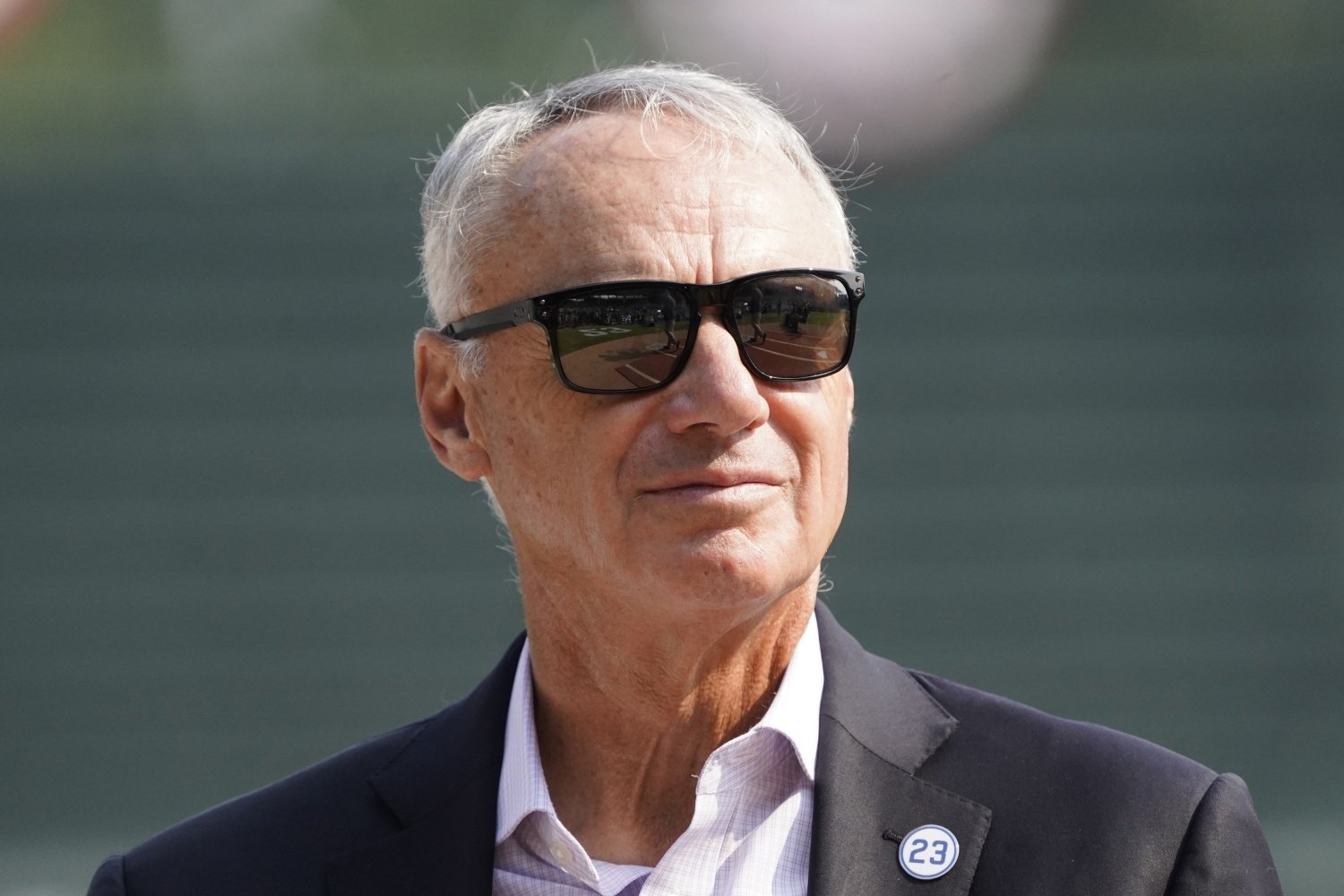 When Rob Manfred appeared on ESPN’s broadcast of the Little League Classic in Williamsport, he was asked about the future of Major League Baseball expansion. His answer raised eyebrows across the league: “I think if we expand it provides us with an opportunity to geographically realign. I think we could save a lot of wear and tear on our players in terms of travel. I think our postseason format would be even more appealing," he said. "You’d be playing [brackets made up of short series] out of the East, out of the West … That 10 o’clock slot that’s a problem for us sometimes becomes a real opportunity for our West Coast audience.” Manfred didn’t give specifics, but the implication is clear. If MLB expands to 32 teams, the American and National Leagues as we know them may be dismantled, in favor of geographically defined conferences. A couple of years ago, The Athletic’s Jim Bowden speculated on what this might look like, dropping the Twins into a division with the Cubs, White Sox, and Brewers. While purely hypothetical, it’s fun to imagine what this could mean for Minnesota. For fans, one of the biggest perks would be accessibility. Right now, divisional matchups with Kansas City, Cleveland, or Detroit aren’t exactly “must-travel” events. But if the Twins were regularly squaring off with Milwaukee, Chicago’s North Side, and the South Side, you’d suddenly have several drivable destinations for weekend baseball trips. It’s never made sense that the Twins and Brewers, just a few hours apart, weren’t in the same division. This setup would fix that, and supercharge local rivalries. A Cubs-Twins divisional matchup several times each season would sell tickets no matter the standings, and Brewers-Twins games could evolve into true border-war matchups. Beyond the gates, it could also boost the Twins’ national relevance. More high-profile games with big-name opponents would mean more chances to appear in primetime slots, something Twins fans rarely see outside of the postseason. Of course, realignment would also come with downsides. Since the 1990s, the AL Central has quietly been the most forgiving division in baseball. Division winners regularly finish with the lowest win totals of any group, and payrolls are generally in the bottom third. That reality has often played to the Twins’ benefit. Leaving behind that structure, especially in an era when the Twins project as one of the lower-spending franchises, could mean a tougher path to October. Instead of battling the Guardians and Royals (teams with modest payrolls), you could be swapping out Kansas City’s shoestring budget for the deep pockets of the Cubs. That change would immediately tilt the competitive balance, making life a lot tougher for Minnesota. There’s also the matter of tradition. Baseball is as much about history as it is about box scores. The Twins have built decades of identity in the American League, from their early days battling the Yankees and Athletics to more recent clashes with the Guardians and Tigers. Think of the unforgettable 2009 tiebreaker with Detroit or the endless duels with Cleveland pitching staffs. A geographic reshuffle would wipe away much of that history, replacing familiar foes with new faces. For long-time fans, the sense of identity tied to the “American League Minnesota Twins” would be diminished. Division realignment is an intriguing thought experiment, and there’s no doubt it comes with some fan-friendly perks. More accessible road trips, livelier rivalries, and national attention could all be positives for Minnesota. On the flip side, the Twins would lose the cushy AL Central setup and the deep traditions that come with decades of shared history. Personally, I’m against division realignment. Baseball’s two-league system has a rich history woven into its very fabric, and it feels unnecessary to rip that apart. Modern travel isn’t the grueling burden it once was; chartered flights and advanced recovery make cross-country trips far less of an obstacle. For me, the trade-offs aren’t worth erasing baseball’s heritage. What do you think? Would you welcome the Twins into a new division with the Cubs, Brewers, and White Sox? Or do you want to see the franchise remain rooted in the American League Central? Let’s hear your take in the comments.
 -
Image courtesy of © David Banks-Imagn Images When Rob Manfred appeared on ESPN’s broadcast of the Little League Classic in Williamsport, he was asked about the future of Major League Baseball expansion. His answer raised eyebrows across the league: “I think if we expand it provides us with an opportunity to geographically realign. I think we could save a lot of wear and tear on our players in terms of travel. I think our postseason format would be even more appealing," he said. "You’d be playing [brackets made up of short series] out of the East, out of the West … That 10 o’clock slot that’s a problem for us sometimes becomes a real opportunity for our West Coast audience.” Manfred didn’t give specifics, but the implication is clear. If MLB expands to 32 teams, the American and National Leagues as we know them may be dismantled, in favor of geographically defined conferences. A couple of years ago, The Athletic’s Jim Bowden speculated on what this might look like, dropping the Twins into a division with the Cubs, White Sox, and Brewers. While purely hypothetical, it’s fun to imagine what this could mean for Minnesota. For fans, one of the biggest perks would be accessibility. Right now, divisional matchups with Kansas City, Cleveland, or Detroit aren’t exactly “must-travel” events. But if the Twins were regularly squaring off with Milwaukee, Chicago’s North Side, and the South Side, you’d suddenly have several drivable destinations for weekend baseball trips. It’s never made sense that the Twins and Brewers, just a few hours apart, weren’t in the same division. This setup would fix that, and supercharge local rivalries. A Cubs-Twins divisional matchup several times each season would sell tickets no matter the standings, and Brewers-Twins games could evolve into true border-war matchups. Beyond the gates, it could also boost the Twins’ national relevance. More high-profile games with big-name opponents would mean more chances to appear in primetime slots, something Twins fans rarely see outside of the postseason. Of course, realignment would also come with downsides. Since the 1990s, the AL Central has quietly been the most forgiving division in baseball. Division winners regularly finish with the lowest win totals of any group, and payrolls are generally in the bottom third. That reality has often played to the Twins’ benefit. Leaving behind that structure, especially in an era when the Twins project as one of the lower-spending franchises, could mean a tougher path to October. Instead of battling the Guardians and Royals (teams with modest payrolls), you could be swapping out Kansas City’s shoestring budget for the deep pockets of the Cubs. That change would immediately tilt the competitive balance, making life a lot tougher for Minnesota. There’s also the matter of tradition. Baseball is as much about history as it is about box scores. The Twins have built decades of identity in the American League, from their early days battling the Yankees and Athletics to more recent clashes with the Guardians and Tigers. Think of the unforgettable 2009 tiebreaker with Detroit or the endless duels with Cleveland pitching staffs. A geographic reshuffle would wipe away much of that history, replacing familiar foes with new faces. For long-time fans, the sense of identity tied to the “American League Minnesota Twins” would be diminished. Division realignment is an intriguing thought experiment, and there’s no doubt it comes with some fan-friendly perks. More accessible road trips, livelier rivalries, and national attention could all be positives for Minnesota. On the flip side, the Twins would lose the cushy AL Central setup and the deep traditions that come with decades of shared history. Personally, I’m against division realignment. Baseball’s two-league system has a rich history woven into its very fabric, and it feels unnecessary to rip that apart. Modern travel isn’t the grueling burden it once was; chartered flights and advanced recovery make cross-country trips far less of an obstacle. For me, the trade-offs aren’t worth erasing baseball’s heritage. What do you think? Would you welcome the Twins into a new division with the Cubs, Brewers, and White Sox? Or do you want to see the franchise remain rooted in the American League Central? Let’s hear your take in the comments. View full article
-
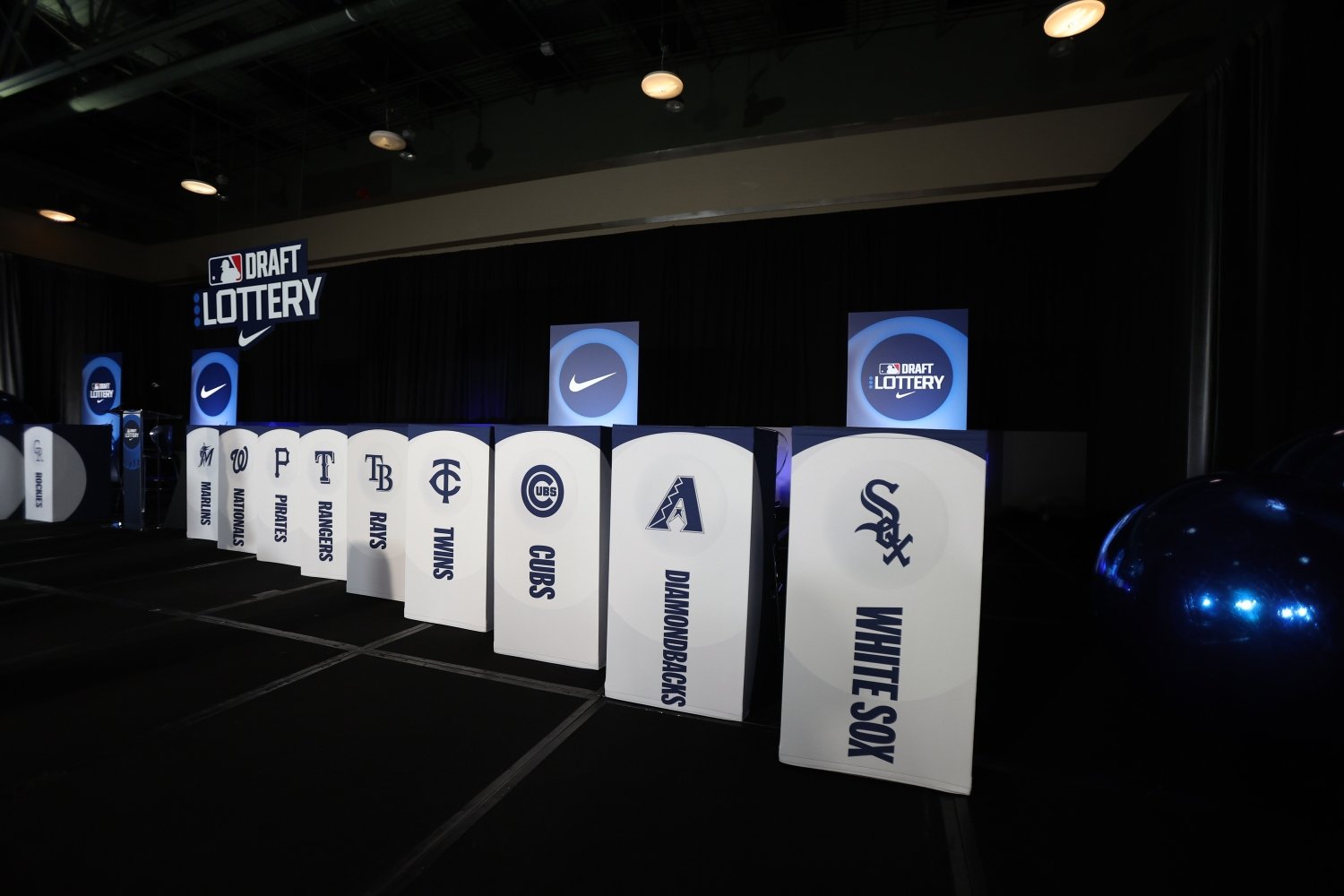 The Minnesota Twins officially waved the white flag at this year’s trade deadline. After one of the most dramatic deadline sell-offs in team history, any faint hope of a playoff push evaporated. Now, the remainder of the 2025 season isn’t about chasing October; it’s about sorting out the future. The front office and coaching staff will spend the next two months evaluating the young core. Who’s ready to stake a claim to a 2026 roster spot? Who’s still a year away? And who, bluntly, might not be part of the picture at all? Those questions will define the on-field product. But for fans, there’s a different race worth watching: the race to the bottom of the standings. One of the only silver linings to being among the worst teams in baseball is the chance to secure a premium draft pick. Thanks to MLB’s new lottery system, finishing with one of the league’s worst records doesn’t guarantee the No. 1 pick, but it dramatically improves your odds of adding a franchise-altering prospect to the farm system. As of Monday, the Twins sit at 58–66, which puts them at the eighth-worst record in baseball. On the surface, that doesn’t sound particularly “tank-worthy,” but MLB’s lottery rules give them a better shot than it seems. Because of new measures designed to discourage blatant tanking, MLB has installed restrictions on repeat appearances in the lottery. Large-market teams, those not receiving revenue sharing, are barred from lottery selections in back-to-back years. Small-market teams (revenue-sharing recipients) are barred from appearing in the lottery for three consecutive years. This wrinkle works in the Twins’ favor. Both the Colorado Rockies and Washington Nationals, teams with worse records than Minnesota, are ineligible for the 2026 lottery. That bumps the Twins up to sixth place in the current lottery standings, with 7.5% odds of landing the No. 1 overall pick and a 90% chance of picking eighth or better. Right now, the “leaders” in the tanking sweepstakes are the Chicago White Sox and Pittsburgh Pirates, who are sitting well ahead (or behind, depending on how you frame it) with a 14-game and 6.5-game cushion over the Twins, respectively. But after those two, things get interesting. The Athletics, Braves, and Orioles are all within three games of Minnesota. A particularly bad (or good, depending on your perspective) stretch could vault the Twins up to third place in the lottery odds. That would give them a 16.5% shot at the No. 1 overall pick (equal to the top two slots) and an 80% chance of selecting in the top six. It’s unlikely the Twins will “catch” the White Sox or Pirates in the tanking standings, but climbing into the top three is very much in play over the final six weeks. (Draft Lottery odds courtesy of Tankathon) The 2026 MLB Draft is already shaping up as a strong class. Early names to watch include UCLA shortstop Roch Cholowsky, Alabama shortstop Justin Lebron, and high school left-hander Gio Rojas. Adding a talent of that caliber could accelerate Minnesota’s next competitive ramp-up. That said, it’s worth remembering that the MLB Draft isn’t like the NFL or NBA drafts. Even the “can’t-miss” players often take three to four years to debut, and many never pan out at all. But data shows that the earlier you pick, the higher the odds that your prospect develops into a big leaguer. So while fans shouldn’t pin their hopes entirely on the draft, it’s not something to ignore either. The Twins aren’t playing for October anymore. They’re playing for 2026 and beyond. For the front office, that means evaluating the roster. For fans, it means keeping one eye on the standings—not for a Wild Card spot, but for draft lottery positioning. With the right mix of (bad) luck and standings movement, the Twins could walk away from 2025 not just with a new core of young players tested at the big-league level, but also with a golden ticket at the top of next year’s draft. Are you invested in the “Great Tank Race of 2025”? Do you think the Twins will finish closer to the No. 3 lottery slot or slip back toward the bottom half of the top 10? Leave a comment below and start the conversation!
 -
Image courtesy of © Tim Heitman-Imagn Images The Minnesota Twins officially waved the white flag at this year’s trade deadline. After one of the most dramatic deadline sell-offs in team history, any faint hope of a playoff push evaporated. Now, the remainder of the 2025 season isn’t about chasing October; it’s about sorting out the future. The front office and coaching staff will spend the next two months evaluating the young core. Who’s ready to stake a claim to a 2026 roster spot? Who’s still a year away? And who, bluntly, might not be part of the picture at all? Those questions will define the on-field product. But for fans, there’s a different race worth watching: the race to the bottom of the standings. One of the only silver linings to being among the worst teams in baseball is the chance to secure a premium draft pick. Thanks to MLB’s new lottery system, finishing with one of the league’s worst records doesn’t guarantee the No. 1 pick, but it dramatically improves your odds of adding a franchise-altering prospect to the farm system. As of Monday, the Twins sit at 58–66, which puts them at the eighth-worst record in baseball. On the surface, that doesn’t sound particularly “tank-worthy,” but MLB’s lottery rules give them a better shot than it seems. Because of new measures designed to discourage blatant tanking, MLB has installed restrictions on repeat appearances in the lottery. Large-market teams, those not receiving revenue sharing, are barred from lottery selections in back-to-back years. Small-market teams (revenue-sharing recipients) are barred from appearing in the lottery for three consecutive years. This wrinkle works in the Twins’ favor. Both the Colorado Rockies and Washington Nationals, teams with worse records than Minnesota, are ineligible for the 2026 lottery. That bumps the Twins up to sixth place in the current lottery standings, with 7.5% odds of landing the No. 1 overall pick and a 90% chance of picking eighth or better. Right now, the “leaders” in the tanking sweepstakes are the Chicago White Sox and Pittsburgh Pirates, who are sitting well ahead (or behind, depending on how you frame it) with a 14-game and 6.5-game cushion over the Twins, respectively. But after those two, things get interesting. The Athletics, Braves, and Orioles are all within three games of Minnesota. A particularly bad (or good, depending on your perspective) stretch could vault the Twins up to third place in the lottery odds. That would give them a 16.5% shot at the No. 1 overall pick (equal to the top two slots) and an 80% chance of selecting in the top six. It’s unlikely the Twins will “catch” the White Sox or Pirates in the tanking standings, but climbing into the top three is very much in play over the final six weeks. (Draft Lottery odds courtesy of Tankathon) The 2026 MLB Draft is already shaping up as a strong class. Early names to watch include UCLA shortstop Roch Cholowsky, Alabama shortstop Justin Lebron, and high school left-hander Gio Rojas. Adding a talent of that caliber could accelerate Minnesota’s next competitive ramp-up. That said, it’s worth remembering that the MLB Draft isn’t like the NFL or NBA drafts. Even the “can’t-miss” players often take three to four years to debut, and many never pan out at all. But data shows that the earlier you pick, the higher the odds that your prospect develops into a big leaguer. So while fans shouldn’t pin their hopes entirely on the draft, it’s not something to ignore either. The Twins aren’t playing for October anymore. They’re playing for 2026 and beyond. For the front office, that means evaluating the roster. For fans, it means keeping one eye on the standings—not for a Wild Card spot, but for draft lottery positioning. With the right mix of (bad) luck and standings movement, the Twins could walk away from 2025 not just with a new core of young players tested at the big-league level, but also with a golden ticket at the top of next year’s draft. Are you invested in the “Great Tank Race of 2025”? Do you think the Twins will finish closer to the No. 3 lottery slot or slip back toward the bottom half of the top 10? Leave a comment below and start the conversation! View full article
-
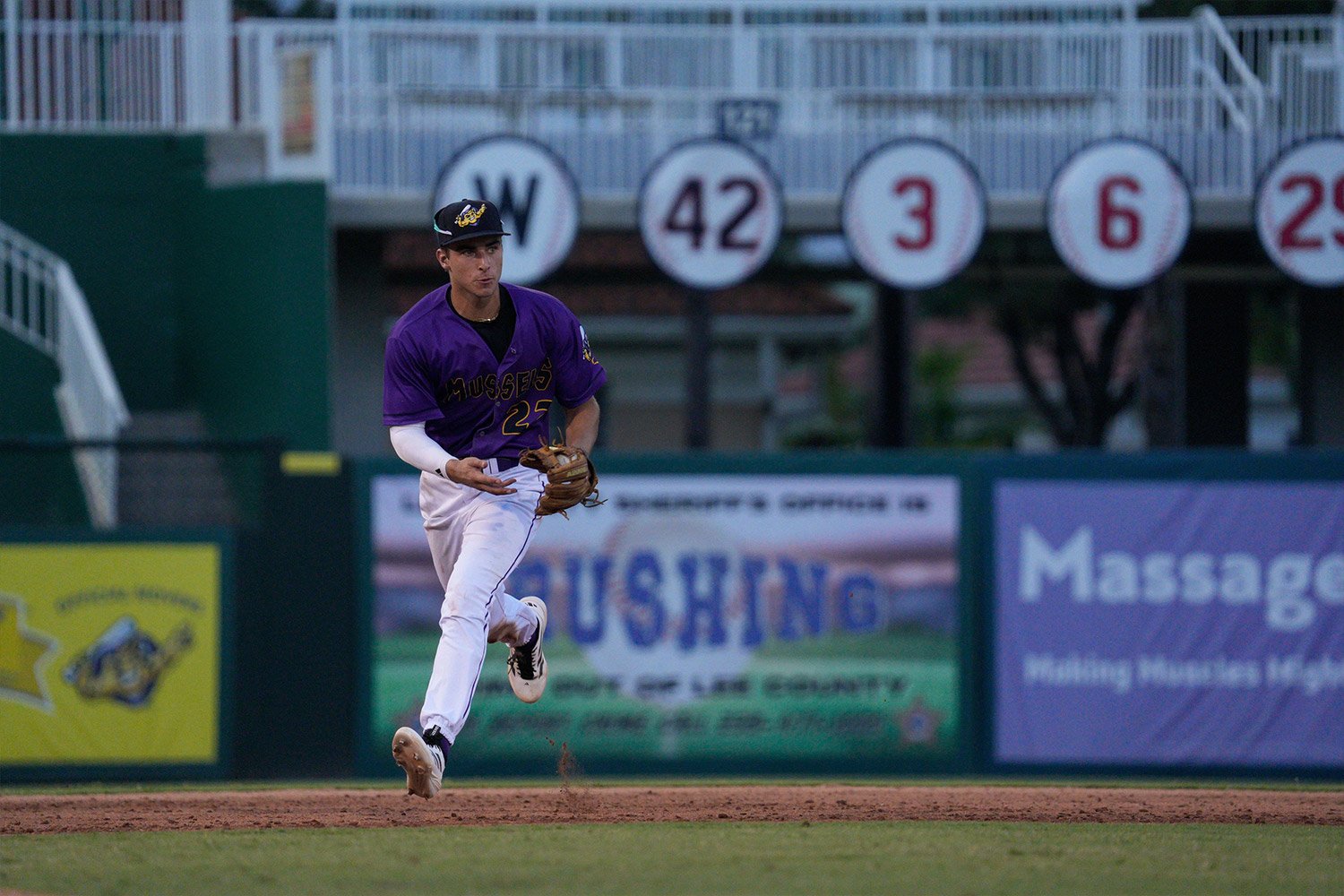 The Minnesota Twins are wasting little time challenging their top draft pick. Shortstop Marek Houston, the 16th overall selection in July’s draft, has been promoted to High-A Cedar Rapids after just 12 games with the Fort Myers Mighty Mussels. Houston impressed immediately in Low-A, slashing .370/.424/.444 with 13 strikeouts, five walks, and plenty of highlight plays in the field. His advanced glove work, considered the best among shortstops in this year’s draft, was a major factor in the Twins selecting him in the first round. He now joins a Kernels team that already has its ticket punched for the postseason after winning the Midwest League West Division’s first half. Houston will get a taste of playoff baseball right away, with 18 regular-season games left plus Cedar Rapids’ postseason run. His High-A debut could come as soon as tomorrow, August 19, when the Kernels visit the South Bend Cubs. What do you think of Houston’s early showing in the Twins organization? Is he tracking even faster than expected? Share your thoughts in the comments below.
 -
The Minnesota Twins are wasting little time challenging their top draft pick. Shortstop Marek Houston, the 16th overall selection in July’s draft, has been promoted to High-A Cedar Rapids after just 12 games with the Fort Myers Mighty Mussels. Houston impressed immediately in Low-A, slashing .370/.424/.444 with 13 strikeouts, five walks, and plenty of highlight plays in the field. His advanced glove work, considered the best among shortstops in this year’s draft, was a major factor in the Twins selecting him in the first round. He now joins a Kernels team that already has its ticket punched for the postseason after winning the Midwest League West Division’s first half. Houston will get a taste of playoff baseball right away, with 18 regular-season games left plus Cedar Rapids’ postseason run. His High-A debut could come as soon as tomorrow, August 19, when the Kernels visit the South Bend Cubs. What do you think of Houston’s early showing in the Twins organization? Is he tracking even faster than expected? Share your thoughts in the comments below. View full rumor
-
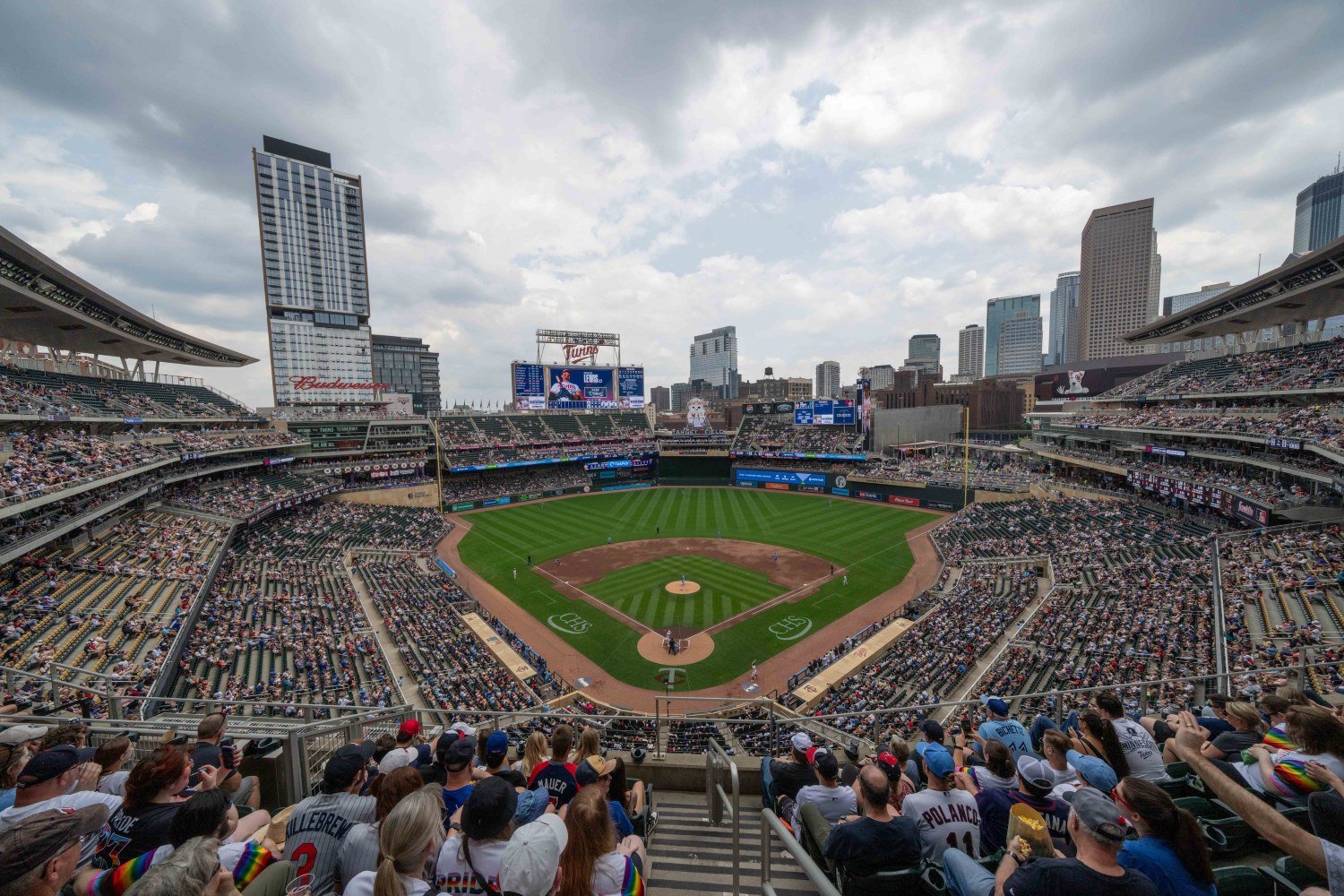 Last week, the Pohlad family made it official: they’re not selling the Twins. After nearly a year of dangling the idea that ownership might finally change hands, they announced they’ll stay on as principal owners and only sell a portion of the team to minority investors. For Twins fans, that shifts everything. A new question is front and center now: if the Pohlads aren’t going anywhere, should we still go to games, knowing it means putting money in their pockets? It’s hard to think of an ownership group that inspires less confidence. The Pohlads have made it clear, over and over, that their priority isn’t building a winner—it’s protecting the bottom line. They’ve had decades to prove otherwise, and they haven’t. Look no further than this year’s trade deadline, when the front office appeared to be under a mandate to shed payroll. To many fans, the fire sale appeared not to be about making the team better; it was about cutting costs. In the wake of the announcement about the future of the team, fans got empty corporate doublespeak from Joe Pohlad. It’s clear where their values are. That leaves fans with a tough choice. On the surface, boycotting games feels like the natural response. Why give money to billionaires who refuse to invest in the team at a competitive level? But here’s the reality: In all likelihood, the owners will take lower attendance as an excuse to justify slashing payroll even further. They’ll claim revenue is down, and instead of responding by making the team more competitive to draw fans back, they’ll lean on the same tired logic. Cut costs, keep profits steady, and let the product suffer. It’s not a cycle we should accept. It’s a cycle they’ll exploit. Now, that doesn’t mean fans who walk away are wrong. If you’ve had enough and you cancel Twins.TV, stop buying tickets, or simply check out altogether, nobody can blame you. Ownership has earned every bit of the frustration it gets. There’s no “wrong” way to show displeasure with how this team has been run, as long as what you're doing is motivated by the protection of your own time, rather than the notion that you can influence the Pohlads. But if you still want to go to the ballpark, you shouldn’t feel guilty about it, or let others make you feel bad. Going to Target Field doesn’t mean you’re supporting the Pohlads. It means you’re taking back something that already belongs to us. The stadium was built with public money. It’s not their private playground. It’s Minnesota’s ballpark, and it’s where our connection to this team lives, no matter how poorly it’s managed at the top. Being there also doesn’t have to mean sitting quietly. Fans have power, and it comes from showing up, making noise, and refusing to let ownership own the narrative. Boo when payroll is slashed. Chant when frustration boils over. The Pohlads may hold the title of “owners,” but they don’t own what really matters: the passion, the culture, and the heartbeat of Twins baseball. Just make whatever you do is an authentic and reasonable reaction to what you see out there, rather than either a forced gesture or an unconsidered reflex. This team isn’t just a business, it’s part of Minnesota’s fabric. It’s the memories of 1987 and 1991, it’s Joe Mauer’s debut, it’s Game 163, it’s Byron Buxton making highlight-reel catches. It’s fathers and daughters, friends on a summer night, the joy of a walk-off win or the shared groan of a bullpen collapse. Those belong to us. Giving them up doesn’t punish the Pohlads. It just gives them more power. So yes, if you want to go, go. Don’t let ownership steal the joy of baseball from you. Don’t hand billionaires the satisfaction of taking away nights at Target Field with your family, your friends, and your community. This isn’t just their team. It’s ours.
- 69 comments
-
- 12
-

-
-
- pohlad
- pohlad family
- (and 1 more)
-
Image courtesy of © Matt Blewett-Imagn Images Last week, the Pohlad family made it official: they’re not selling the Twins. After nearly a year of dangling the idea that ownership might finally change hands, they announced they’ll stay on as principal owners and only sell a portion of the team to minority investors. For Twins fans, that shifts everything. A new question is front and center now: if the Pohlads aren’t going anywhere, should we still go to games, knowing it means putting money in their pockets? It’s hard to think of an ownership group that inspires less confidence. The Pohlads have made it clear, over and over, that their priority isn’t building a winner—it’s protecting the bottom line. They’ve had decades to prove otherwise, and they haven’t. Look no further than this year’s trade deadline, when the front office appeared to be under a mandate to shed payroll. To many fans, the fire sale appeared not to be about making the team better; it was about cutting costs. In the wake of the announcement about the future of the team, fans got empty corporate doublespeak from Joe Pohlad. It’s clear where their values are. That leaves fans with a tough choice. On the surface, boycotting games feels like the natural response. Why give money to billionaires who refuse to invest in the team at a competitive level? But here’s the reality: In all likelihood, the owners will take lower attendance as an excuse to justify slashing payroll even further. They’ll claim revenue is down, and instead of responding by making the team more competitive to draw fans back, they’ll lean on the same tired logic. Cut costs, keep profits steady, and let the product suffer. It’s not a cycle we should accept. It’s a cycle they’ll exploit. Now, that doesn’t mean fans who walk away are wrong. If you’ve had enough and you cancel Twins.TV, stop buying tickets, or simply check out altogether, nobody can blame you. Ownership has earned every bit of the frustration it gets. There’s no “wrong” way to show displeasure with how this team has been run, as long as what you're doing is motivated by the protection of your own time, rather than the notion that you can influence the Pohlads. But if you still want to go to the ballpark, you shouldn’t feel guilty about it, or let others make you feel bad. Going to Target Field doesn’t mean you’re supporting the Pohlads. It means you’re taking back something that already belongs to us. The stadium was built with public money. It’s not their private playground. It’s Minnesota’s ballpark, and it’s where our connection to this team lives, no matter how poorly it’s managed at the top. Being there also doesn’t have to mean sitting quietly. Fans have power, and it comes from showing up, making noise, and refusing to let ownership own the narrative. Boo when payroll is slashed. Chant when frustration boils over. The Pohlads may hold the title of “owners,” but they don’t own what really matters: the passion, the culture, and the heartbeat of Twins baseball. Just make whatever you do is an authentic and reasonable reaction to what you see out there, rather than either a forced gesture or an unconsidered reflex. This team isn’t just a business, it’s part of Minnesota’s fabric. It’s the memories of 1987 and 1991, it’s Joe Mauer’s debut, it’s Game 163, it’s Byron Buxton making highlight-reel catches. It’s fathers and daughters, friends on a summer night, the joy of a walk-off win or the shared groan of a bullpen collapse. Those belong to us. Giving them up doesn’t punish the Pohlads. It just gives them more power. So yes, if you want to go, go. Don’t let ownership steal the joy of baseball from you. Don’t hand billionaires the satisfaction of taking away nights at Target Field with your family, your friends, and your community. This isn’t just their team. It’s ours. View full article
- 69 replies
-
- 1
-

-
- pohlad
- pohlad family
- (and 1 more)
-
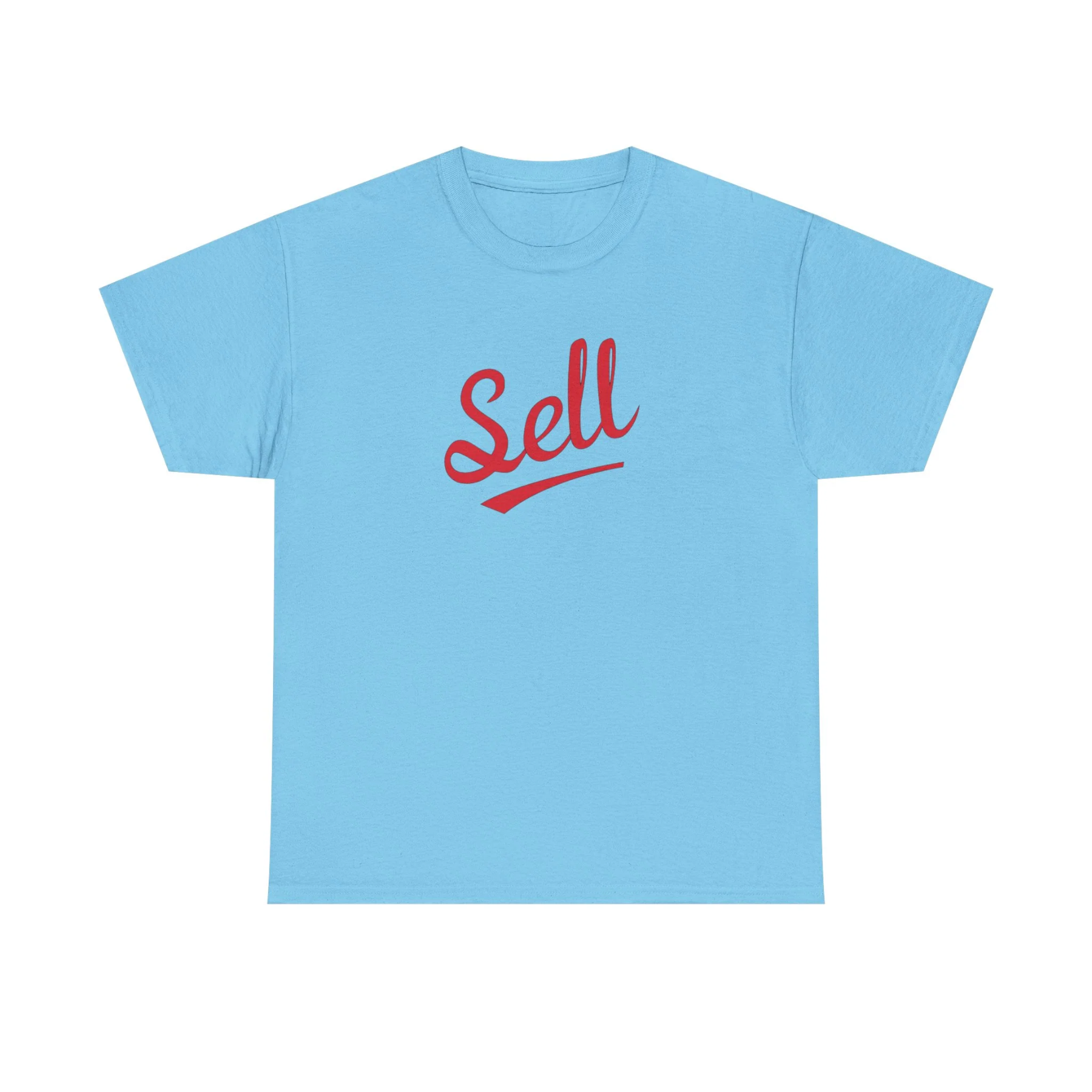
Hi everyone, My name is Matthew Taylor and I write for the front page of this awesome website if you don't know me already. Just like the rest of you, I'm sick and tired of the Pohlads. Not only their refusal to invest in the team, but just in general the corporate BS that comes out of their mouths anytime they talk drives me insane. Anyways, the latest news of the Pohalds hanging onto the team has pushed me over the edge. With the help of my wife, I designed a shirt that we, Twins fans, can wear to show where we stand as Twins Territory. That we don't support this ownership and we won't until they SELL. You can join me and purchase these shirts over at sellpohlads.com. Let's take a stand, together! P.S. 20% of all proceeds from these shirts will benefit an awesome charity, People Serving People, an emergency shelter for families experiencing homelessness in Minnesota.
-
- 5
-
-
-
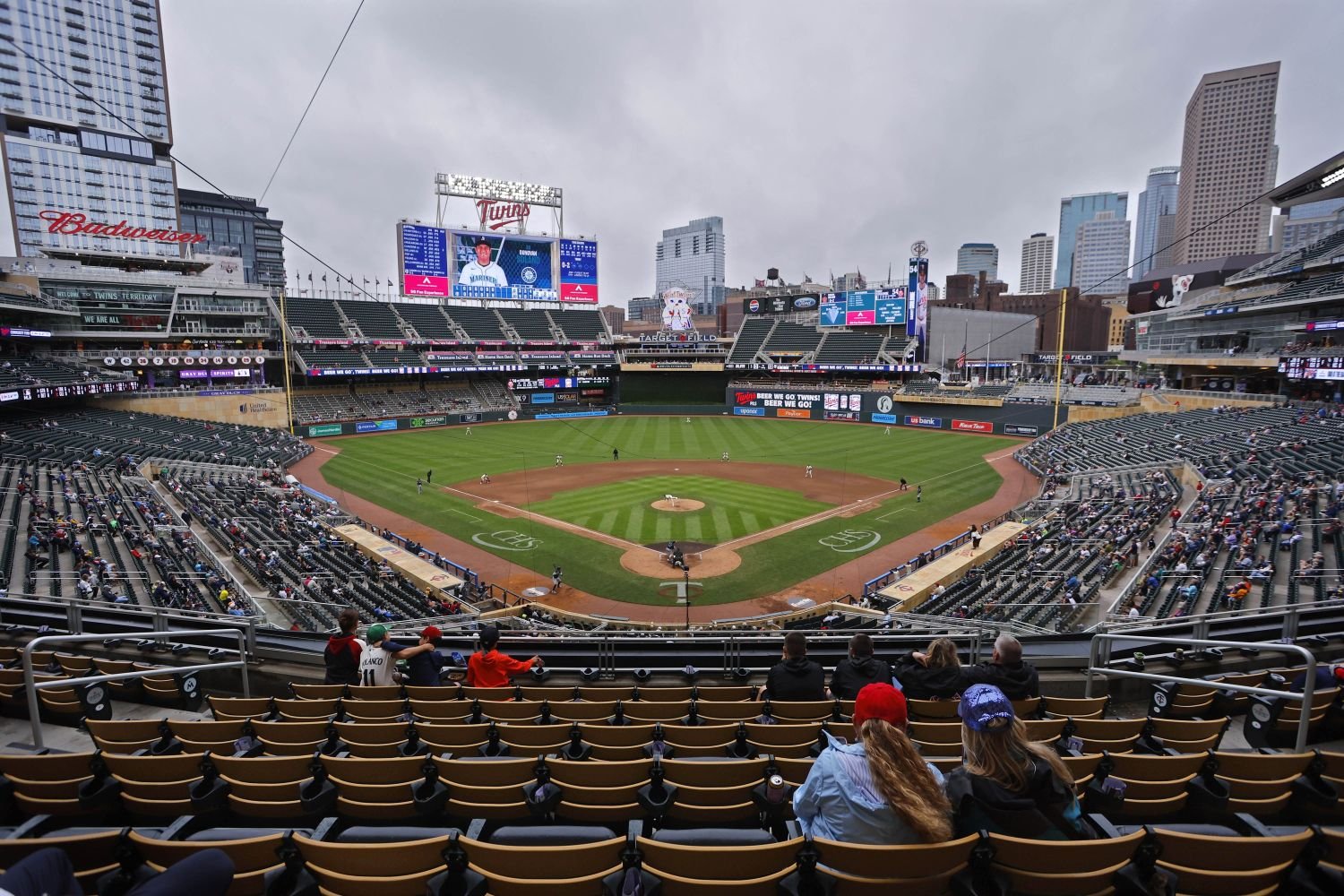 On Wednesday, the Pohlads announced they will remain the principal owners of the Minnesota Twins, selling only a minority stake in the team. Joe Pohlad opened his remarks, as quoted in Phil Miller’s Star Tribune piece, by saying, “I don’t think we could have imagined a better outcome than where we landed.” For a fanbase that has spent nearly a year hoping for new leadership, new philosophies, and an ownership group willing to invest more aggressively in winning, this is a slap in the face. It's tone-deaf at best and deliberately insulting at worst, as if we are all supposed to smile and nod at the idea that this was the best possible result. Pohlad’s entire interview with the paper was filled with the kind of corporate speak that pretends everything is fine, even when it clearly is not. He spoke as though keeping control was a universally positive development, praising “alignment” with the new minority partners and expressing faith in the “future of baseball in Minnesota.” It's empty PR fluff, designed to paper over the reality that nothing meaningful has changed; the same ownership group is still in charge; and the fans who wanted a new voice have been strung along for months. The expectation seems to be that we will all just buy whatever he is selling. On the trade deadline fire sale, Pohlad claimed the decision to deal 10 players on July 31 “took him by surprise” and that the moves “had little to do with saving money” and were “primarily baseball decisions.” That is simply not credible. In addition to the other nine trades (which were likely financially motivated as well), the Carlos Correa trade was a pure salary dump, the very definition of a move made for financial reasons. Multiple reports say it was ownership, not Derek Falvey, who pushed the trade across the finish line. To tell fans this was “primarily” about baseball is to assume we are too gullible to connect the dots. He also addressed criticism by saying that being booed is “part of the role” and that he would “rather have passionate fans than fans who are disengaged.” That is not just tone-deaf; it's a lie. This fanbase is already incredibly disengaged, as evidenced by the Twins being on pace for the lowest attendance in Target Field history this season, a pace set long before this ownership news. Saying boos mean all is well ignores the fact that many fans are not booing; they are simply not showing up. Then came perhaps the most outrageous claim, that the Twins have taken on “significant debt,” up to $400 million, since the summer of 2020. This from a franchise that receives lucrative national media rights money, revenue sharing, and has run average to below-average payrolls for years. We are supposed to believe that, somehow, they have lost nearly half a billion dollars in four seasons. It defies logic. And Pohlad’s follow-up only made it worse: “As far as I’m aware, that debt was not a hindrance in this process… but with this transaction, we’re going to be paying that debt down," he said. In this context, “process” meant selling the team in full, and claiming that the debt was not an issue in doing so is just not true. It's clear the Pohlads were seeking extra money beyond a reasonable valuation, so they could pay off that debt and still walk away with the payday they wanted. The fact that he frames this as if it had no impact on the outcome is yet another example of how little regard this ownership has for fans’ ability to see through the spin. In the end, the most disappointing part is not just that bad owners are staying put. It is that they are doing it while acting like Twins fans are too naive to see through the contradictions, spin, and corporate word salad. We were promised change. Instead, we are told this is the best possible outcome, that money is no object, and that ownership is as committed to winning as we are. Their words say one thing, their actions say another, and they expect us to believe them, anyway. That's not just frustrating. It is insulting.
- 45 comments
-
- 12
-
-
-

-
Image courtesy of © Bruce Kluckhohn-Imagn Images On Wednesday, the Pohlads announced they will remain the principal owners of the Minnesota Twins, selling only a minority stake in the team. Joe Pohlad opened his remarks, as quoted in Phil Miller’s Star Tribune piece, by saying, “I don’t think we could have imagined a better outcome than where we landed.” For a fanbase that has spent nearly a year hoping for new leadership, new philosophies, and an ownership group willing to invest more aggressively in winning, this is a slap in the face. It's tone-deaf at best and deliberately insulting at worst, as if we are all supposed to smile and nod at the idea that this was the best possible result. Pohlad’s entire interview with the paper was filled with the kind of corporate speak that pretends everything is fine, even when it clearly is not. He spoke as though keeping control was a universally positive development, praising “alignment” with the new minority partners and expressing faith in the “future of baseball in Minnesota.” It's empty PR fluff, designed to paper over the reality that nothing meaningful has changed; the same ownership group is still in charge; and the fans who wanted a new voice have been strung along for months. The expectation seems to be that we will all just buy whatever he is selling. On the trade deadline fire sale, Pohlad claimed the decision to deal 10 players on July 31 “took him by surprise” and that the moves “had little to do with saving money” and were “primarily baseball decisions.” That is simply not credible. In addition to the other nine trades (which were likely financially motivated as well), the Carlos Correa trade was a pure salary dump, the very definition of a move made for financial reasons. Multiple reports say it was ownership, not Derek Falvey, who pushed the trade across the finish line. To tell fans this was “primarily” about baseball is to assume we are too gullible to connect the dots. He also addressed criticism by saying that being booed is “part of the role” and that he would “rather have passionate fans than fans who are disengaged.” That is not just tone-deaf; it's a lie. This fanbase is already incredibly disengaged, as evidenced by the Twins being on pace for the lowest attendance in Target Field history this season, a pace set long before this ownership news. Saying boos mean all is well ignores the fact that many fans are not booing; they are simply not showing up. Then came perhaps the most outrageous claim, that the Twins have taken on “significant debt,” up to $400 million, since the summer of 2020. This from a franchise that receives lucrative national media rights money, revenue sharing, and has run average to below-average payrolls for years. We are supposed to believe that, somehow, they have lost nearly half a billion dollars in four seasons. It defies logic. And Pohlad’s follow-up only made it worse: “As far as I’m aware, that debt was not a hindrance in this process… but with this transaction, we’re going to be paying that debt down," he said. In this context, “process” meant selling the team in full, and claiming that the debt was not an issue in doing so is just not true. It's clear the Pohlads were seeking extra money beyond a reasonable valuation, so they could pay off that debt and still walk away with the payday they wanted. The fact that he frames this as if it had no impact on the outcome is yet another example of how little regard this ownership has for fans’ ability to see through the spin. In the end, the most disappointing part is not just that bad owners are staying put. It is that they are doing it while acting like Twins fans are too naive to see through the contradictions, spin, and corporate word salad. We were promised change. Instead, we are told this is the best possible outcome, that money is no object, and that ownership is as committed to winning as we are. Their words say one thing, their actions say another, and they expect us to believe them, anyway. That's not just frustrating. It is insulting. View full article
-
Image courtesy of © Jesse Johnson-Imagn Images Box Score SP: Bailey Ober 5.1 IP, 4 H, 3 ER, 0 BB, 4 K (89 pitches, 58 strikes) Home Runs: Edouard Julien (4) Bottom 3 WPA: Austin Martin -.289, Royce Lewis -.271, Alan Roden -.185 Win Probability Chart (via FanGraphs): In their first home game since the Pohlad family reaffirmed their commitment to remain principal owners of the Minnesota Twins, the team delivered a gritty effort in the opener of a four game series against the Detroit Tigers, but opportunities slipped away as the night wore on. Facing one of the league’s toughest arms in Cy Young front runner Tarik Skubal, the Twins came out swinging early but couldn’t land the decisive blow. Against what looked like an impossible assignment with Cy Young favorite Tarik Skubal on the mound, the Twins broke through in the third inning. Edouard Julien opened the scoring with a solo home run, his third of the season and just the second of his career off a left handed pitcher. The inning continued with Ryan Jeffers driving in a run with an RBI groundout and rookie Luke Keaschall delivering a clutch two-out, RBI single to stretch the lead to 3-0, a cushion that would eventually disappear. Bailey Ober, in just his third start since returning from injury, looked sharp early, retiring the first 11 batters he faced. That run ended abruptly in the fourth when Kerry Carpenter’s two out double set the stage for Riley Greene’s two run homer, slicing the Twins’ lead to a single run. Ober kept the game in check until the sixth, when a Colt Keith RBI single tied it and ended his night. He left with 5 1/3 innings pitched, four hits allowed, three runs, and 14 swinging strikes, an encouraging sign for his stuff even if the lead was gone. The Minnesota Twins bullpen did its job, with shutout appearances from Kody Funderburk, Brooks Kriske, Michael Tonkin and Cole Sands to keep the game even. The offense, however, couldn’t capitalize. In the ninth, Brooks Lee ripped a two out double to put the winning run in scoring position, but newly acquired Alan Roden flew out to end the threat. After Sands held the Tigers scoreless in the top of the tenth with the ghost runner aboard, the Twins were again in prime position. Gasper, who failed in a similar spot earlier this week against Kansas City, laid down a perfect sacrifice bunt to move the runner to third with one out. Yet the moment slipped away. Austin Martin failed to execute a squeeze bunt, with Roden thrown out at the plate, and Byron Buxton lined out to end the inning. In the top of the 11th inning, the Tigers executed in a way the Twins could not, scoring on a sacrifice fly to take the lead after an Erasmo Ramirez wild pitch. The bottom half turned heated when home plate umpire John Bacon called Ryan Jeffers out on a foul tip that appeared to have hit the ground. Rocco Baldelli stormed out to argue, furiously, and was ejected after which he threw his hat and let loose a string of expletives. With two outs and a runner on third, Royce Lewis struck out on a check swing to end the game as the Twins fell 4-3. The loss dropped Minnesota to 57-64 and 4-8 in extra innings this season. What's Next The Twins will continue the home series tomorrow night at 7:10 p.m. with José Ureña on the mound to face long-time veteran Charlie Morton. Following the game will be a Dustin Lynch postgame concert, if you’re into that sort of thing. Postgame Interviews Coming soon... Bullpen Usage Spreadsheet View full article
-
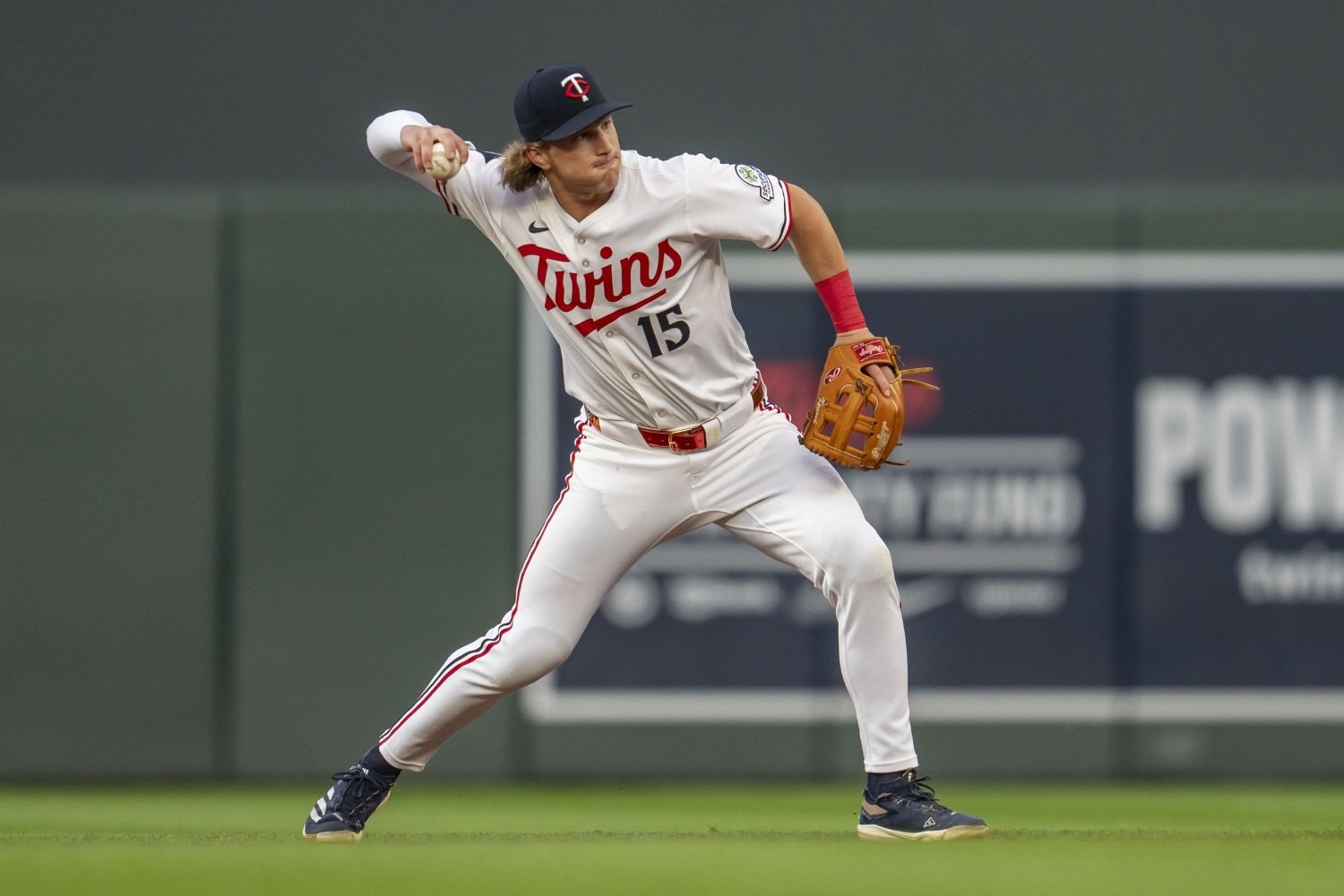 Box Score SP: Bailey Ober 5.1 IP, 4 H, 3 ER, 0 BB, 4 K (89 pitches, 58 strikes) Home Runs: Edouard Julien (4) Bottom 3 WPA: Austin Martin -.289, Royce Lewis -.271, Alan Roden -.185 Win Probability Chart (via FanGraphs): In their first home game since the Pohlad family reaffirmed their commitment to remain principal owners of the Minnesota Twins, the team delivered a gritty effort in the opener of a four game series against the Detroit Tigers, but opportunities slipped away as the night wore on. Facing one of the league’s toughest arms in Cy Young front runner Tarik Skubal, the Twins came out swinging early but couldn’t land the decisive blow. Against what looked like an impossible assignment with Cy Young favorite Tarik Skubal on the mound, the Twins broke through in the third inning. Edouard Julien opened the scoring with a solo home run, his third of the season and just the second of his career off a left handed pitcher. The inning continued with Ryan Jeffers driving in a run with an RBI groundout and rookie Luke Keaschall delivering a clutch two-out, RBI single to stretch the lead to 3-0, a cushion that would eventually disappear. Bailey Ober, in just his third start since returning from injury, looked sharp early, retiring the first 11 batters he faced. That run ended abruptly in the fourth when Kerry Carpenter’s two out double set the stage for Riley Greene’s two run homer, slicing the Twins’ lead to a single run. Ober kept the game in check until the sixth, when a Colt Keith RBI single tied it and ended his night. He left with 5 1/3 innings pitched, four hits allowed, three runs, and 14 swinging strikes, an encouraging sign for his stuff even if the lead was gone. The Minnesota Twins bullpen did its job, with shutout appearances from Kody Funderburk, Brooks Kriske, Michael Tonkin and Cole Sands to keep the game even. The offense, however, couldn’t capitalize. In the ninth, Brooks Lee ripped a two out double to put the winning run in scoring position, but newly acquired Alan Roden flew out to end the threat. After Sands held the Tigers scoreless in the top of the tenth with the ghost runner aboard, the Twins were again in prime position. Gasper, who failed in a similar spot earlier this week against Kansas City, laid down a perfect sacrifice bunt to move the runner to third with one out. Yet the moment slipped away. Austin Martin failed to execute a squeeze bunt, with Roden thrown out at the plate, and Byron Buxton lined out to end the inning. In the top of the 11th inning, the Tigers executed in a way the Twins could not, scoring on a sacrifice fly to take the lead after an Erasmo Ramirez wild pitch. The bottom half turned heated when home plate umpire John Bacon called Ryan Jeffers out on a foul tip that appeared to have hit the ground. Rocco Baldelli stormed out to argue, furiously, and was ejected after which he threw his hat and let loose a string of expletives. With two outs and a runner on third, Royce Lewis struck out on a check swing to end the game as the Twins fell 4-3. The loss dropped Minnesota to 57-64 and 4-8 in extra innings this season. What's Next The Twins will continue the home series tomorrow night at 7:10 p.m. with José Ureña on the mound to face long-time veteran Charlie Morton. Following the game will be a Dustin Lynch postgame concert, if you’re into that sort of thing. Postgame Interviews Coming soon... Bullpen Usage Spreadsheet
 -
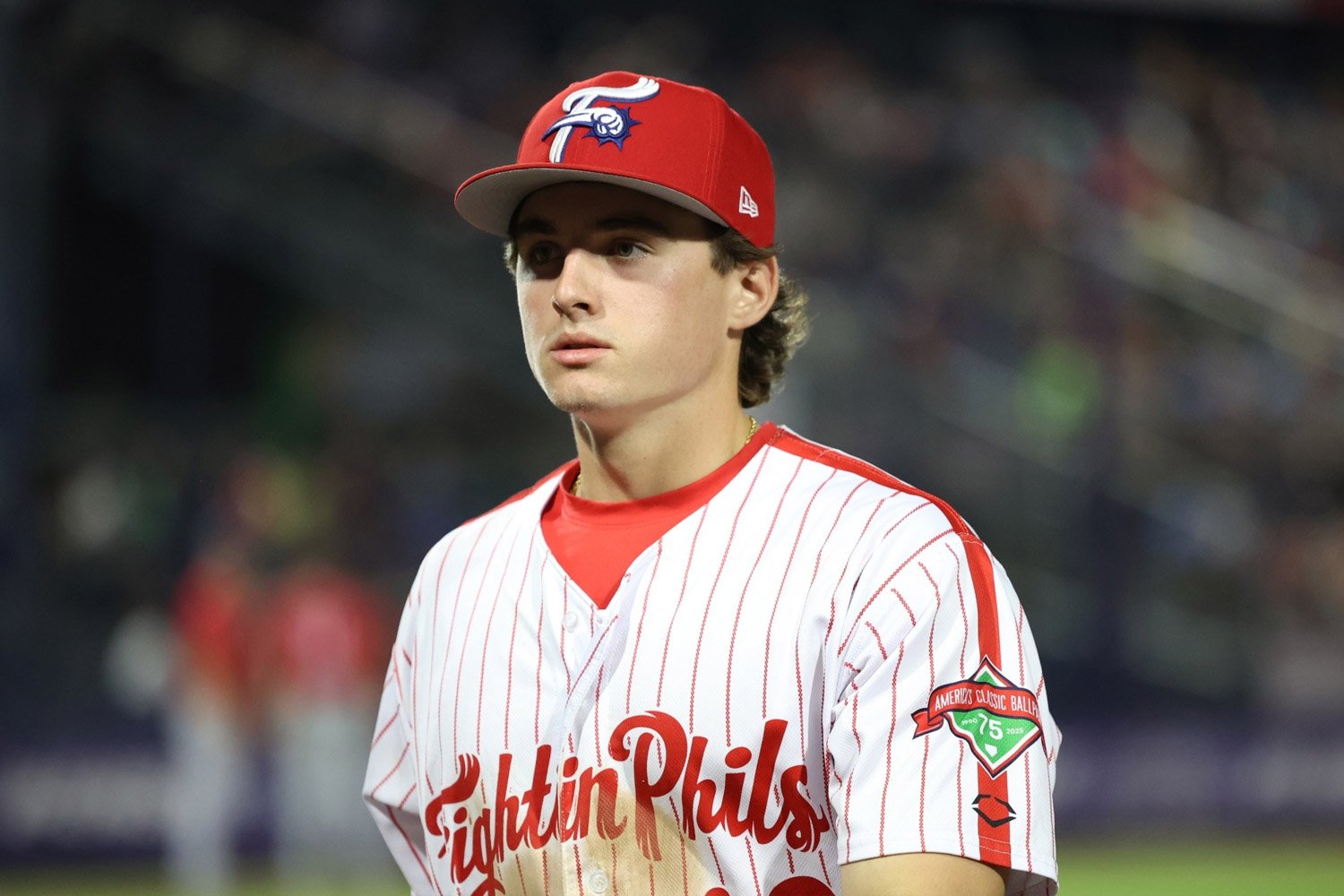 In his latest article, Bobby Nightengale reported that the Twins had talks with the Mariners at the trade deadline, but a deal never came together because Seattle was unwilling to include two of their best prospects. Minnesota’s ask? Two top-100 prospects. Nightengale also noted that the Twins actually preferred 18-year-old catcher Eduardo Tait over Phillies shortstop prospect Aidan Miller. The hesitation with Miller, ranked #17 in baseball by MLB Pipeline, came from concerns about his ability to stick at shortstop long-term. Miller, currently in Double A, has posted a .740 OPS this season. The Twins felt Tait carried more upside and made him their request from Philadelphia instead. You can read the rest of Bobby’s piece here. What do you think, do you like Tait over Miller?
 -
In his latest article, Bobby Nightengale reported that the Twins had talks with the Mariners at the trade deadline, but a deal never came together because Seattle was unwilling to include two of their best prospects. Minnesota’s ask? Two top-100 prospects. Nightengale also noted that the Twins actually preferred 18-year-old catcher Eduardo Tait over Phillies shortstop prospect Aidan Miller. The hesitation with Miller, ranked #17 in baseball by MLB Pipeline, came from concerns about his ability to stick at shortstop long-term. Miller, currently in Double A, has posted a .740 OPS this season. The Twins felt Tait carried more upside and made him their request from Philadelphia instead. You can read the rest of Bobby’s piece here. What do you think, do you like Tait over Miller? View full rumor
-
Image courtesy of © Troy Taormina-Imagn Images It’s been surreal watching the reactions unfold across Twins Territory since Carlos Correa was traded back to Houston at the deadline. There’s anger. There’s mockery. There are literal jersey burnings. Social media is filled with hot takes and a new nickname: “C-463,” a jab at his recent struggles at the plate and a reference to the scorebook code for a double play. And to be honest… I don’t get it. Yes, Correa waived his no-trade clause and agreed to go back to Houston. But the narrative that he somehow betrayed the Twins or abandoned the team doesn’t hold up. From everything we’ve seen reported, it wasn’t Correa who initiated this move. The front office approached him, not the other way around. He didn’t walk into Rocco Baldelli’s office and ask out. He didn’t demand anything. He was presented with an option to join his former team, the defending champs, in first place, and he agreed. In the middle of a fire sale, after watching other teammates be shipped out, and after ownership slammed the door on the season and turned the lights off, he simply agreed to participate in the exodus. So why are fans acting like he’s the villain? We can’t talk about Correa’s time in Minnesota without starting with October 2023. The Twins hadn’t won a playoff game in 19 years. The narrative of futility was entrenched. Then came Correa, signed in large part because of his postseason track record, and he delivered precisely the performance the team had asked of him. Nine hits in 22 at-bats. Three doubles. Four RBIs. The game-winning hit in Game 2. The improvised throw home. The pickoff play that sealed the sweep. Those aren’t just memorable moments; they’re historic ones. The Twins finally broke the curse, and Correa was the driving force. Simply put, the Twins don't beat the Blue Jays without Correa. He provided the October heroics that he was signed to deliver. And then in 2024, he followed it up with a strong season, his best in a Twins uniform. Despite being limited to just 86 games because of injuries, Correa led the team in WAR at 3.7. He was the stabilizing force in the lineup when healthy, and even when banged up, he worked his way back late in the year, hoping to help the team reach the postseason again. He would’ve been in the lineup in October if the roster hadn’t crumbled around him. Then came this year, and yeah, it’s been rough. This season has not been kind to him. He hasn’t looked right at the plate. But he was still out there every day, playing shortstop, doing his job, even as the season turned to dust. That has to count for something. And let’s not forget, Correa chose the Twins—not once, but twice. The Twins weren’t his first choice, sure. But after the Giants and Mets backed out, he had options. He didn’t have to return to Minnesota. He could’ve gone elsewhere, but he chose this team. And he bought in. That’s not something Twins fans get from star free agents in Minnesota, and I think some fans have taken that for granted. Look, I get it. Correa’s contract was massive. He was the highest-paid player in franchise history, and no, he didn’t deliver superstar production for 162 games each year. That’s fair to acknowledge. You can absolutely argue that he wasn’t worth the full price tag of that deal, but the postseason heroics in 2023 alone were incredibly valuable. He didn’t just show up when it mattered. He delivered in ways that ended 19 years of playoff misery. How do you even put a dollar figure on that? Beyond that, do we really believe that if the Twins hadn’t signed Correa, that money would have gone somewhere else? We’ve all watched how the Pohlads operate. That money wasn’t going to another shortstop or a front-line starter. It would have gone right back into ownership’s pockets. Correa wasn’t blocking spending. He was the spending. Perhaps more precisely, he was what the front office thought would be the tip of the spear, with more weight behind it. If there's a betrayal to talk about here, it's the same one we've talked about all along, with a new victim: Ownership pulled the rug out from under the front office and flouted the fans' trust by constricting the payroll after 2023, and that also double-crossed Correa himself. Admittedly, Correa didn’t live up to every dollar. Most mega-contracts don’t. However, he gave the Twins something they hadn’t had in a generation: a postseason hero. For that alone, he deserves a better sendoff than this. I’ll look back on Correa’s time in Minnesota fondly. He helped rewrite the story of this franchise. He brought a winning pedigree, big-game production, and stability to a position that had long been in flux. He was a leader, a clutch performer, and (in many ways) the face of a new era. That that era might now be defined by its shortcomings, rather than its successess, is the fault of many people, but Correa is low on the list. I’m not going to burn his jersey. I’m not going to call him C-463. I’m going to remember the moments; the hits; the celebrations; and the joy of October 2023. I’ll wish him well, even in Houston. What about you? View full article
-
Carlos Correa Isn’t the Enemy (Some) Twins Fans Are Making Him Out to Be
Matthew Taylor posted an article in Twins
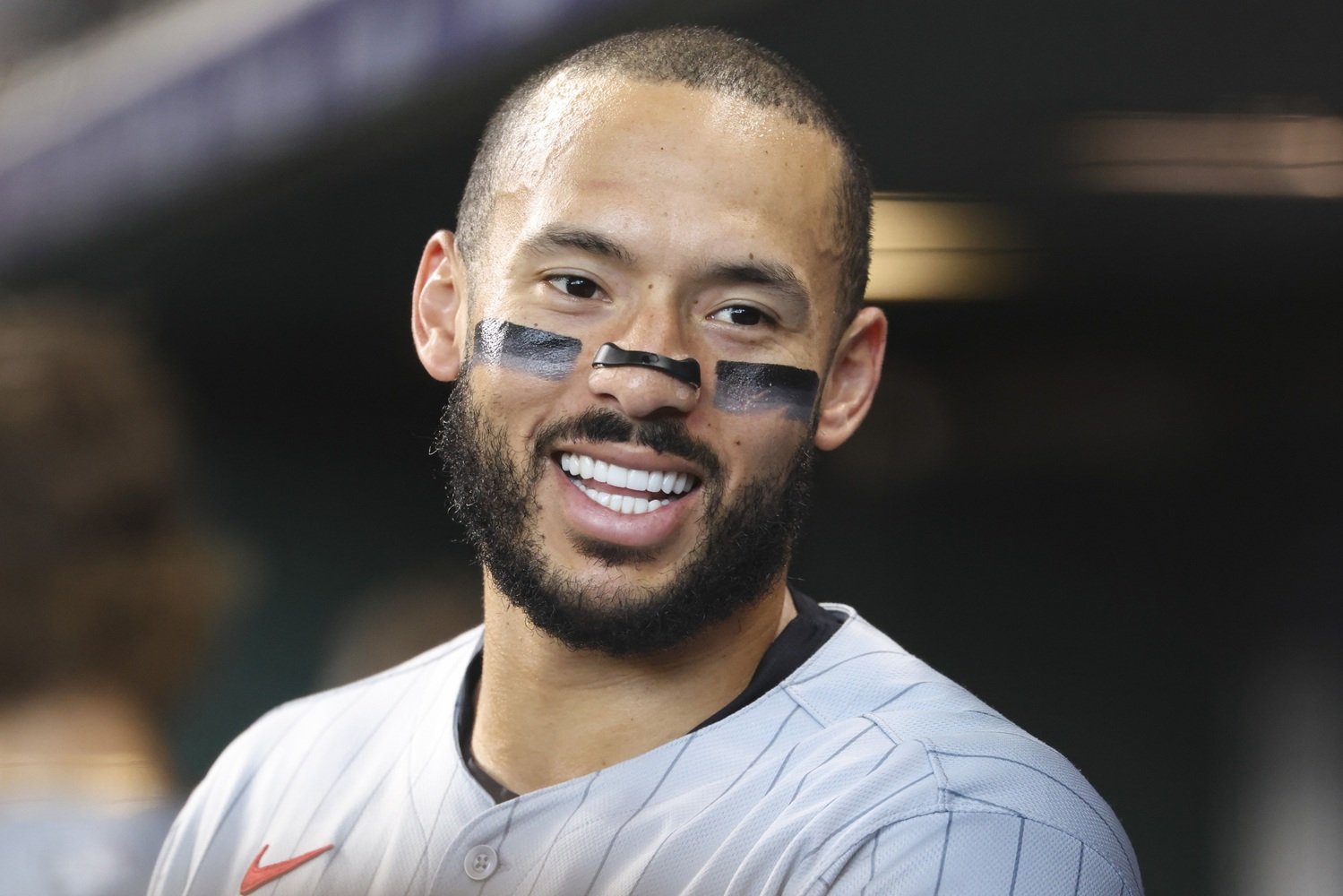 It’s been surreal watching the reactions unfold across Twins Territory since Carlos Correa was traded back to Houston at the deadline. There’s anger. There’s mockery. There are literal jersey burnings. Social media is filled with hot takes and a new nickname: “C-463,” a jab at his recent struggles at the plate and a reference to the scorebook code for a double play. And to be honest… I don’t get it. Yes, Correa waived his no-trade clause and agreed to go back to Houston. But the narrative that he somehow betrayed the Twins or abandoned the team doesn’t hold up. From everything we’ve seen reported, it wasn’t Correa who initiated this move. The front office approached him, not the other way around. He didn’t walk into Rocco Baldelli’s office and ask out. He didn’t demand anything. He was presented with an option to join his former team, the defending champs, in first place, and he agreed. In the middle of a fire sale, after watching other teammates be shipped out, and after ownership slammed the door on the season and turned the lights off, he simply agreed to participate in the exodus. So why are fans acting like he’s the villain? We can’t talk about Correa’s time in Minnesota without starting with October 2023. The Twins hadn’t won a playoff game in 19 years. The narrative of futility was entrenched. Then came Correa, signed in large part because of his postseason track record, and he delivered precisely the performance the team had asked of him. Nine hits in 22 at-bats. Three doubles. Four RBIs. The game-winning hit in Game 2. The improvised throw home. The pickoff play that sealed the sweep. Those aren’t just memorable moments; they’re historic ones. The Twins finally broke the curse, and Correa was the driving force. Simply put, the Twins don't beat the Blue Jays without Correa. He provided the October heroics that he was signed to deliver. And then in 2024, he followed it up with a strong season, his best in a Twins uniform. Despite being limited to just 86 games because of injuries, Correa led the team in WAR at 3.7. He was the stabilizing force in the lineup when healthy, and even when banged up, he worked his way back late in the year, hoping to help the team reach the postseason again. He would’ve been in the lineup in October if the roster hadn’t crumbled around him. Then came this year, and yeah, it’s been rough. This season has not been kind to him. He hasn’t looked right at the plate. But he was still out there every day, playing shortstop, doing his job, even as the season turned to dust. That has to count for something. And let’s not forget, Correa chose the Twins—not once, but twice. The Twins weren’t his first choice, sure. But after the Giants and Mets backed out, he had options. He didn’t have to return to Minnesota. He could’ve gone elsewhere, but he chose this team. And he bought in. That’s not something Twins fans get from star free agents in Minnesota, and I think some fans have taken that for granted. Look, I get it. Correa’s contract was massive. He was the highest-paid player in franchise history, and no, he didn’t deliver superstar production for 162 games each year. That’s fair to acknowledge. You can absolutely argue that he wasn’t worth the full price tag of that deal, but the postseason heroics in 2023 alone were incredibly valuable. He didn’t just show up when it mattered. He delivered in ways that ended 19 years of playoff misery. How do you even put a dollar figure on that? Beyond that, do we really believe that if the Twins hadn’t signed Correa, that money would have gone somewhere else? We’ve all watched how the Pohlads operate. That money wasn’t going to another shortstop or a front-line starter. It would have gone right back into ownership’s pockets. Correa wasn’t blocking spending. He was the spending. Perhaps more precisely, he was what the front office thought would be the tip of the spear, with more weight behind it. If there's a betrayal to talk about here, it's the same one we've talked about all along, with a new victim: Ownership pulled the rug out from under the front office and flouted the fans' trust by constricting the payroll after 2023, and that also double-crossed Correa himself. Admittedly, Correa didn’t live up to every dollar. Most mega-contracts don’t. However, he gave the Twins something they hadn’t had in a generation: a postseason hero. For that alone, he deserves a better sendoff than this. I’ll look back on Correa’s time in Minnesota fondly. He helped rewrite the story of this franchise. He brought a winning pedigree, big-game production, and stability to a position that had long been in flux. He was a leader, a clutch performer, and (in many ways) the face of a new era. That that era might now be defined by its shortcomings, rather than its successess, is the fault of many people, but Correa is low on the list. I’m not going to burn his jersey. I’m not going to call him C-463. I’m going to remember the moments; the hits; the celebrations; and the joy of October 2023. I’ll wish him well, even in Houston. What about you?
 -
Image courtesy of Bill Streicher-Imagn Images At the 2025 trade deadline, two of the most electric arms in baseball were moved within a day of each other. The Twins traded Jhoan Duran to the Phillies. The Athletics traded Mason Miller to the Padres. Both are high-octane relievers who light up the radar gun and make hitters look overmatched. Both had multiple years of team control left. Both brought back strong returns for their clubs, but Miller’s package from San Diego reached another level entirely. The Miller deal turned heads immediately. Oakland landed Leo De Vries, a consensus top five prospect in all of baseball and the type of player teams dream of building around. They also got Braden Nett, the Padres’ number three prospect, plus Henry Báez and Eduarniel Nuñez, ranked thirteenth and seventeenth in the system. It was an aggressive push from Padres GM AJ Preller, who has never shied away from paying premium prices when he is locked in on a player. The Twins’ deal for Duran, made a day earlier, brought back Eduardo Tait, ranked 57th overall, and Mick Abel, ranked 92nd. Both are top 100 prospects with upside, Tait as a talented player at a premium position and Abel as a big-armed pitcher who will slot into the rotation. By any measure, that is a strong return. But there was a sense leading into the deadline that the Twins did not need to trade Duran unless the offer was exceptional. Early in talks with Philadelphia, Minnesota asked for Andrew Painter, the Phillies’ top prospect and one of the ten best in the sport. The Phillies made it clear Painter was off the table, and the Twins ultimately pivoted to a package centered around Tait and Abel. Part of why Miller fetched more comes down to controllability and cost. Miller is still in pre-arbitration, making the league minimum, and will have four years of control after this season. Duran is already in arbitration, earning over four million this year with projected jumps to around seven and ten million in the following seasons. Then there is the raw stuff. Miller strikes out more batters per nine innings compared to Duran (13.9 vs 9.7,) throws even harder (101.2 vs 100.3), and generates more swings and misses (37.4% vs 31.0%). His FIP is stronger despite pitching in a challenging home park. There is also the possibility, however uncertain, that the Padres could try him as a starter again, which could boost his value even higher. Timing may have played a role as well. We cannot know for sure, but we do know that the deadline itself creates leverage for selling teams, especially those holding premium arms with years of control. The A’s held Miller until the final hours, which may have forced the Padres into their most aggressive offer. The Twins moved Duran a day earlier, before the Miller package was on the board. It is natural to wonder if waiting could have shifted the conversation with Philadelphia, perhaps bringing Painter’s name back into play, or even drawing interest from another team like San Diego if they had not landed Miller. When you put all the factors together, Miller’s profile simply carried more trade value, and the Athletics maximized it. The Twins still landed two top 100 prospects for a reliever, something many front offices would be thrilled with, and the deal may look even better in a few years depending on how Tait and Abel develop. The question is less about whether Minnesota made a good trade and more about whether there was an opportunity to push it into the “too good to refuse” category. Could the timing have made the difference? Could Painter have been part of the return? Or was this simply the right moment to act with the offer they had? Miller’s trade will be remembered as one of the biggest bullpen blockbusters in recent years. Duran’s may quietly age into one of the Twins’ smarter plays if their new prospects hit. For now, it is a fascinating case study in market dynamics, perceived value, and the subtle decisions that shape a team’s future. What do you think? Should the Twins have held onto Duran until the very last moment, or did they make the right call taking the Phillies’ offer when they did? Share your thoughts in the comments below. View full article

