



Matthew Taylor
-
Posts
973 -
Joined
-
Last visited
Content Type
Profiles
News
Minnesota Twins Videos
2026 Minnesota Twins Top Prospects Ranking
2022 Minnesota Twins Draft Picks
Minnesota Twins Free Agent & Trade Rumors, Notes, & Tidbits
Guides & Resources
2023 Minnesota Twins Draft Picks
The Minnesota Twins Players Project
2024 Minnesota Twins Draft Picks
2025 Minnesota Twins Draft Pick Tracker
2026 Minnesota Twins Draft Tracker: Picks & Bonuses
Forums
Blogs
Events
Store
Downloads
Gallery
Everything posted by Matthew Taylor
-
 Image courtesy of IMAGN IMAGES via Reuters Connect The Minnesota Twins entered last week's trade deadline with three obvious needs. They needed relief help, more starting pitching depth, and another right-handed bat to balance out a lineup that has struggled badly against left-handed pitching. General Manager Jeremy Zoll addressed the first two needs. The Twins added bullpen reinforcements in Tommy Nance, A.J. Minter and Jeff Hoffman while also acquiring Dean Kremer from the Baltimore Orioles to provide another quality starter for the rotation. The one need that went unaddressed was adding another right-handed hitter. There were rumors late in deadline day that Minnesota had interest in Angels shortstop Zach Neto, but that didn't come to fruition. That leaves the Twins with the same lineup that currently ranks 26th in baseball with a .676 OPS against left-handed pitching, an area that has been one of their biggest weaknesses all season. With the trade deadline now behind them, the waiver wire becomes the only avenue for Minnesota to make additions before the stretch run. Interestingly, three veteran right-handed hitters hit waivers the day after the deadline when Jorge Soler was designated for assignment by the Los Angeles Angels, while the Seattle Mariners DFA'd both Mitch Garver and Rob Refsnyder. Of those three names, Soler is the most intriguing. Twins fans know Soler well from his four-and-a-half seasons with the Kansas City Royals. Since leaving Kansas City, the veteran slugger has bounced around the league, most recently landing with the Angels after they acquired him following the 2024 season. At his best, Soler has been one of baseball's premier power hitters. He owns a career 110 OPS+, has multiple seasons with at least 35 home runs, won World Series MVP with the Atlanta Braves in 2021, earned an All-Star selection in 2023, and followed that up with another strong season in 2024 when he posted a 120 OPS+. The problem has been staying healthy. A back injury limited Soler to just 82 games in 2025. Hip and oblique injuries have continued to plague him throughout 2026, and the production has suffered as a result. Through 86 games, Soler owns a .664 OPS with 12 home runs while striking out at a career-high 32.7 percent clip. One of Soler's biggest strengths throughout his career has been demolishing left-handed pitching. He owns a career .841 OPS against southpaws, which is exactly the type of production Minnesota has lacked. Unfortunately, that advantage has disappeared over the last two seasons. Soler managed just a .685 OPS against lefties in 2025 and owns a .626 mark this year, although those numbers have come in relatively small samples of 51 and 95 plate appearances. Even with the disappointing production, there are still reasons to believe there may be something left in the tank. Soler still ranks in the 86th percentile in bat speed and continues to barrel baseballs at an 11 percent clip, placing him among the better hitters in baseball in that category. He continues to control the strike zone well with above-average walk rates and below-average chase rates, despite his high strikeout rate. The underlying tools are still there if he can finally get healthy and receive consistent playing time. That makes Soler an interesting gamble. Minnesota desperately needs right-handed power, especially after Byron Buxton landed on the injured list. Soler would fit naturally as either a designated hitter or a right fielder against left-handed pitching while allowing Trevor Larnach to sit against tough southpaws. Soler is in the final season of his three-year, $42 million contract. If he clears waivers, the Twins could sign him for the league minimum while the Angels remain responsible for the rest of his salary. The Mariners also designated both Mitch Garver and Rob Refsnyder for assignment after acquiring Taylor Ward at the deadline and making room on the roster for both Ward and Jhonny Pereda. Garver certainly brings plenty of nostalgia. He played the best baseball of his career in Minnesota before being traded away more than five years ago. Unfortunately, he simply hasn't been the same hitter recently. Since the beginning of 2024, Garver owns just a .626 OPS. Like Soler, Garv Sauce built much of his value by crushing left-handed pitching. He owns a career .820 OPS against lefties, but that production has slipped as well. He managed a .718 OPS against left-handers last season before dropping to just .659 in 64 plate appearances this year. At 35 years old, and after years of catching, it is fair to wonder how much wear and tear his body has accumulated. Minnesota is also set behind the plate, making Garver's primary position unnecessary. Asking him to fill a designated hitter role simply doesn't seem like the best fit. Refsnyder presents a much more interesting case. Twins fans may remember his brief stint in Minnesota during the 2021 season when he posted an 86 OPS+ over 157 plate appearances. Since then, he reinvented himself with the Boston Red Sox, producing back-to-back excellent seasons with 133 and 132 OPS+ marks in 2024 and 2025. Even more importantly, Refsnyder became one of baseball's better hitters against left-handed pitching. He posted a .941 OPS against southpaws in 2024 before somehow improving to .959 in 2025. This season has been a completely different story. Refsnyder owns just a .465 OPS overall and a .506 OPS against left-handed pitching in 129 plate appearances. The underlying metrics are just as concerning. His average exit velocity has fallen from 92 mph last season to just 86.6 mph this year. His strikeout rate has climbed while his walk rate has fallen, and nearly every Statcast percentile sits near the bottom of the league. There is certainly reason for skepticism, but there is also reason to wonder whether Seattle simply wasn't the right fit. Refsnyder was one of baseball's better platoon bats for two consecutive seasons before arriving with the Mariners, and returning to a more hitter-friendly environment could potentially help him rediscover that version of himself. Like Soler, he can play the corner outfield while filling exactly the type of platoon role the Twins have been missing. None of these three players are perfect. Garver looks like a poor positional fit, and his recent production doesn't inspire much confidence. Soler comes with significant injury concerns but still offers intriguing power upside if he can finally get healthy. Refsnyder has been one of the worst hitters in baseball this season, yet his success over the previous two years suggests there may still be something worth betting on. Considering the Twins' struggles against left-handed pitching and the fact that adding a right-handed bat was the one need left unresolved at the trade deadline, taking a low-cost chance on either Soler or Refsnyder feels like a worthwhile gamble. Neither move would require surrendering prospects or taking on financial risk. If either player rediscovers his previous form, the Twins could suddenly have exactly the platoon bat they've been searching for all season. What do you think? Should the Twins pursue Jorge Soler or Rob Refsnyder once they clear waivers, or should they stick with the roster they have for the remainder of the season? Leave a comment below and start the conversation! View full article
 -
Should the Twins Pursue These Newly DFA'd Right-Handed Bats?
Matthew Taylor posted an article in Twins
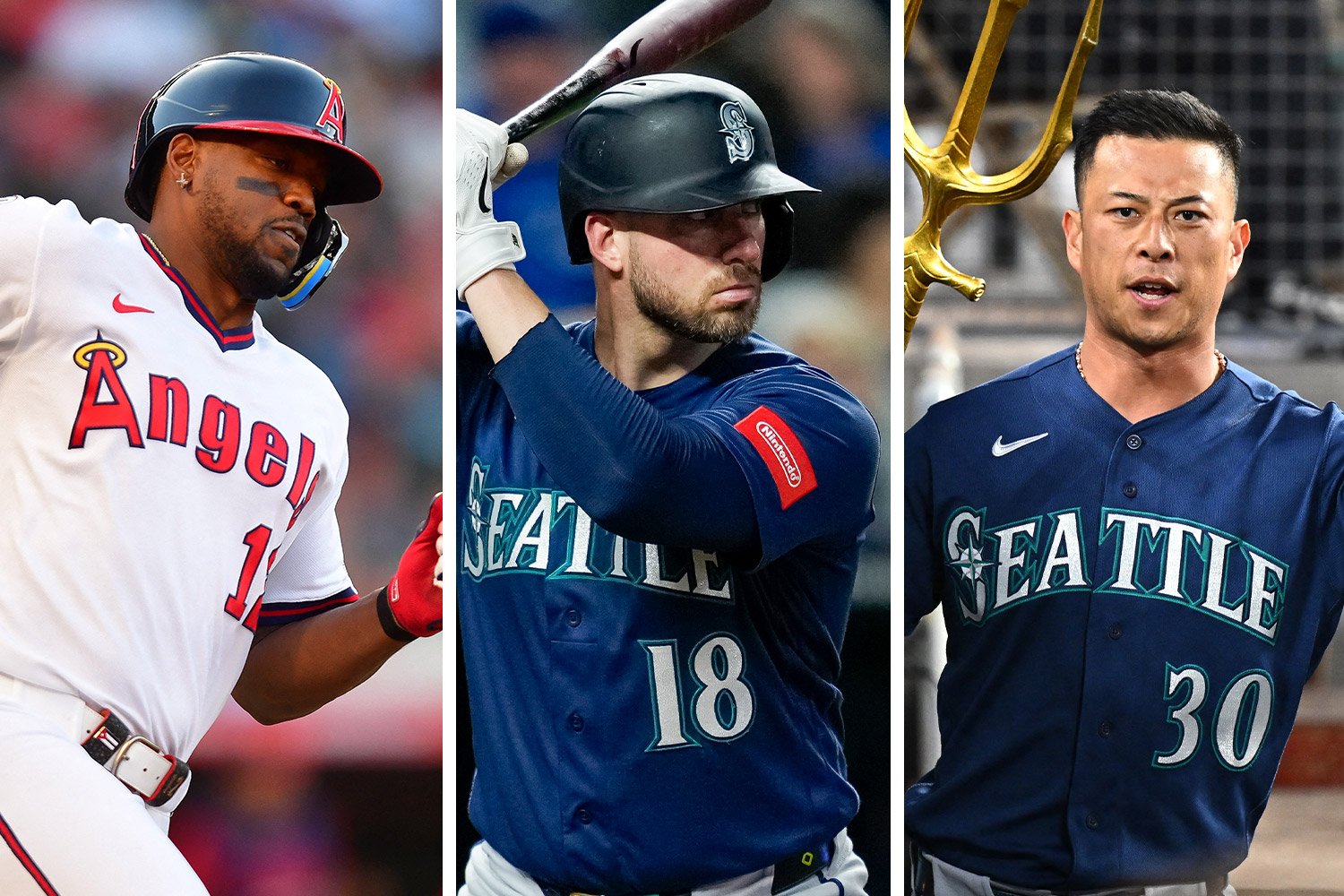 The Minnesota Twins entered last week's trade deadline with three obvious needs. They needed relief help, more starting pitching depth, and another right-handed bat to balance out a lineup that has struggled badly against left-handed pitching. General Manager Jeremy Zoll addressed the first two needs. The Twins added bullpen reinforcements in Tommy Nance, A.J. Minter and Jeff Hoffman while also acquiring Dean Kremer from the Baltimore Orioles to provide another quality starter for the rotation. The one need that went unaddressed was adding another right-handed hitter. There were rumors late in deadline day that Minnesota had interest in Angels shortstop Zach Neto, but that didn't come to fruition. That leaves the Twins with the same lineup that currently ranks 26th in baseball with a .676 OPS against left-handed pitching, an area that has been one of their biggest weaknesses all season. With the trade deadline now behind them, the waiver wire becomes the only avenue for Minnesota to make additions before the stretch run. Interestingly, three veteran right-handed hitters hit waivers the day after the deadline when Jorge Soler was designated for assignment by the Los Angeles Angels, while the Seattle Mariners DFA'd both Mitch Garver and Rob Refsnyder. Of those three names, Soler is the most intriguing. Twins fans know Soler well from his four-and-a-half seasons with the Kansas City Royals. Since leaving Kansas City, the veteran slugger has bounced around the league, most recently landing with the Angels after they acquired him following the 2024 season. At his best, Soler has been one of baseball's premier power hitters. He owns a career 110 OPS+, has multiple seasons with at least 35 home runs, won World Series MVP with the Atlanta Braves in 2021, earned an All-Star selection in 2023, and followed that up with another strong season in 2024 when he posted a 120 OPS+. The problem has been staying healthy. A back injury limited Soler to just 82 games in 2025. Hip and oblique injuries have continued to plague him throughout 2026, and the production has suffered as a result. Through 86 games, Soler owns a .664 OPS with 12 home runs while striking out at a career-high 32.7 percent clip. One of Soler's biggest strengths throughout his career has been demolishing left-handed pitching. He owns a career .841 OPS against southpaws, which is exactly the type of production Minnesota has lacked. Unfortunately, that advantage has disappeared over the last two seasons. Soler managed just a .685 OPS against lefties in 2025 and owns a .626 mark this year, although those numbers have come in relatively small samples of 51 and 95 plate appearances. Even with the disappointing production, there are still reasons to believe there may be something left in the tank. Soler still ranks in the 86th percentile in bat speed and continues to barrel baseballs at an 11 percent clip, placing him among the better hitters in baseball in that category. He continues to control the strike zone well with above-average walk rates and below-average chase rates, despite his high strikeout rate. The underlying tools are still there if he can finally get healthy and receive consistent playing time. That makes Soler an interesting gamble. Minnesota desperately needs right-handed power, especially after Byron Buxton landed on the injured list. Soler would fit naturally as either a designated hitter or a right fielder against left-handed pitching while allowing Trevor Larnach to sit against tough southpaws. Soler is in the final season of his three-year, $42 million contract. If he clears waivers, the Twins could sign him for the league minimum while the Angels remain responsible for the rest of his salary. The Mariners also designated both Mitch Garver and Rob Refsnyder for assignment after acquiring Taylor Ward at the deadline and making room on the roster for both Ward and Jhonny Pereda. Garver certainly brings plenty of nostalgia. He played the best baseball of his career in Minnesota before being traded away more than five years ago. Unfortunately, he simply hasn't been the same hitter recently. Since the beginning of 2024, Garver owns just a .626 OPS. Like Soler, Garv Sauce built much of his value by crushing left-handed pitching. He owns a career .820 OPS against lefties, but that production has slipped as well. He managed a .718 OPS against left-handers last season before dropping to just .659 in 64 plate appearances this year. At 35 years old, and after years of catching, it is fair to wonder how much wear and tear his body has accumulated. Minnesota is also set behind the plate, making Garver's primary position unnecessary. Asking him to fill a designated hitter role simply doesn't seem like the best fit. Refsnyder presents a much more interesting case. Twins fans may remember his brief stint in Minnesota during the 2021 season when he posted an 86 OPS+ over 157 plate appearances. Since then, he reinvented himself with the Boston Red Sox, producing back-to-back excellent seasons with 133 and 132 OPS+ marks in 2024 and 2025. Even more importantly, Refsnyder became one of baseball's better hitters against left-handed pitching. He posted a .941 OPS against southpaws in 2024 before somehow improving to .959 in 2025. This season has been a completely different story. Refsnyder owns just a .465 OPS overall and a .506 OPS against left-handed pitching in 129 plate appearances. The underlying metrics are just as concerning. His average exit velocity has fallen from 92 mph last season to just 86.6 mph this year. His strikeout rate has climbed while his walk rate has fallen, and nearly every Statcast percentile sits near the bottom of the league. There is certainly reason for skepticism, but there is also reason to wonder whether Seattle simply wasn't the right fit. Refsnyder was one of baseball's better platoon bats for two consecutive seasons before arriving with the Mariners, and returning to a more hitter-friendly environment could potentially help him rediscover that version of himself. Like Soler, he can play the corner outfield while filling exactly the type of platoon role the Twins have been missing. None of these three players are perfect. Garver looks like a poor positional fit, and his recent production doesn't inspire much confidence. Soler comes with significant injury concerns but still offers intriguing power upside if he can finally get healthy. Refsnyder has been one of the worst hitters in baseball this season, yet his success over the previous two years suggests there may still be something worth betting on. Considering the Twins' struggles against left-handed pitching and the fact that adding a right-handed bat was the one need left unresolved at the trade deadline, taking a low-cost chance on either Soler or Refsnyder feels like a worthwhile gamble. Neither move would require surrendering prospects or taking on financial risk. If either player rediscovers his previous form, the Twins could suddenly have exactly the platoon bat they've been searching for all season. What do you think? Should the Twins pursue Jorge Soler or Rob Refsnyder once they clear waivers, or should they stick with the roster they have for the remainder of the season? Leave a comment below and start the conversation!
- 51 comments
-
- 7
-

-

-

-
- jorge soler
- mitch garver
- (and 1 more)
-
Image courtesy of Bob Kupbens-Imagn Images When Tom Pohlad was introduced as the Twins' new control person and ownership figure, he made one thing abundantly clear. "Half measures are not good, and you'll probably get to know me over time," Pohlad said. "I'm not a half-measure guy. I'm a 'go big or go home' guy." It was a bold statement from someone taking over an ownership group that has often been criticized for being too conservative. There was also an understanding that fans would have to wait before judging whether Pohlad actually meant it. By the time he assumed his new role, most of the top free agents had already signed elsewhere. There simply wasn't much opportunity to reshape the roster over the winter. Instead, Pohlad pointed toward the trade deadline. If the Twins put themselves in position to contend, that would be his opportunity to prove he wasn't just making empty promises. The players held up their end of the bargain by climbing back into the thick of the playoff race, leaving Pohlad with the chance to support a team that had earned reinforcements. That opportunity arrived last month, and matured nicely on Monday. During trade season, the Twins acquired Tommy Nance, A.J. Minter, Dean Kremer and—with roughly 30 minutes remaining before the deadline—Jeff Hoffman. The question coming out of the deadline is whether Pohlad lived up to the standard he set for himself. The answer is yes. For the first time since becoming the face of ownership, Pohlad had a meaningful opportunity to back up the aggressive rhetoric with which he introduced himself. Rather than settling for one modest addition and calling it a successful deadline, he authorized four trades, added significant payroll and gave Jeremy Zoll the resources to meaningfully improve a roster that had earned reinforcements. The words were bold when he spoke them. The actions matched them. The easiest way to judge Pohlad's aggressiveness is by asking whether the organization followed through on exactly what it said it wanted to accomplish. Going into the deadline, Zoll repeatedly identified pitching, and specifically relief pitching, as the club's biggest need. Pohlad could have taken the conservative route by approving one bullpen arm and leaving it at that. Instead, the Twins added one starting pitcher and three relievers, dramatically reshaping a pitching staff that desperately needed help. Just as importantly, these weren't token additions made simply to satisfy fans. Dean Kremer immediately slots into the rotation. Tommy Nance gives the bullpen another quality arm with multiple years of team control. A.J. Minter has a legitimate case for being the best left-handed reliever traded before the deadline, while Jeff Hoffman can make the same argument among right-handed relievers. Hoffman immediately becomes the team's closer, in practice if not in name. If Pohlad was going to buy, he made sure the Twins were buying impact players rather than simply checking a box. Perhaps the biggest statement, though, was the money Pohlad approved spending to acquire them. For years, Twins fans have questioned whether ownership would be willing to meaningfully increase payroll during a playoff push. Pohlad answered that question this week. The Twins assumed all of Minter's remaining $3.5 million in salary this season. They also took on the remainder of Hoffman's $3.25 million in salary for 2026, while committing to pay $7.25 million of his contract next season. They did all of that without offsetting those additions by trading away established major-league contributors. As those trades were unfolding, it felt reasonable to wonder whether someone like Trevor Larnach or Ryan Jeffers might be moved simply to balance the payroll. Instead, Pohlad authorized adding salary while keeping the roster intact. That may seem routine for some organizations, but it represents a meaningful shift for a Twins ownership group that has often been accused of letting payroll dictate baseball decisions. Could Pohlad have gone even further? Absolutely. The Twins could have pursued larger financial commitments like Tarik Skubal or Luis Castillo if ownership had wanted to make an even bigger splash. However, considering where the Twins stood entering the deadline, it's fair to wonder if that would have even been a wise decision. Minnesota is firmly in the playoff race, but it also isn't running away with the division or one player away from becoming a World Series favorite. Emptying the farm system while taking on massive long-term financial commitments would have bordered on reckless. Instead, Pohlad gave Zoll the flexibility to aggressively improve the roster without compromising the organization's future. That's what makes this deadline so significant. It wasn't simply about adding talent. It was about whether the person leading the organization would follow through when the moment called for ownership support. Pohlad didn't hesitate. He approved four meaningful additions, authorized the largest payroll increase of his tenure at a trade deadline and resisted the temptation to offset those moves by subtracting from the major-league roster. There will always be bigger names that weren't acquired and more money that could have been spent. Every contender can make that argument after the deadline passes. But if the question is whether Tom Pohlad backed up the words he spoke during his introductory press conference, this trade deadline answered it. He said he wasn't a half-measure guy. When the Twins gave him a roster worth investing in, he invested. He gave the front office the resources to address its biggest needs, spent more aggressively than at any previous deadline under his brother's leadership, and showed a willingness to support a contender, rather than simply protecting the bottom line. For an executive who promised to be aggressive, that's exactly what this trade deadline looked like. What do you think? Did Tom Pohlad do enough to prove he's willing to be aggressive, or should the Twins have pushed even harder at the trade deadline? Leave a comment below and start the conversation! View full article
-
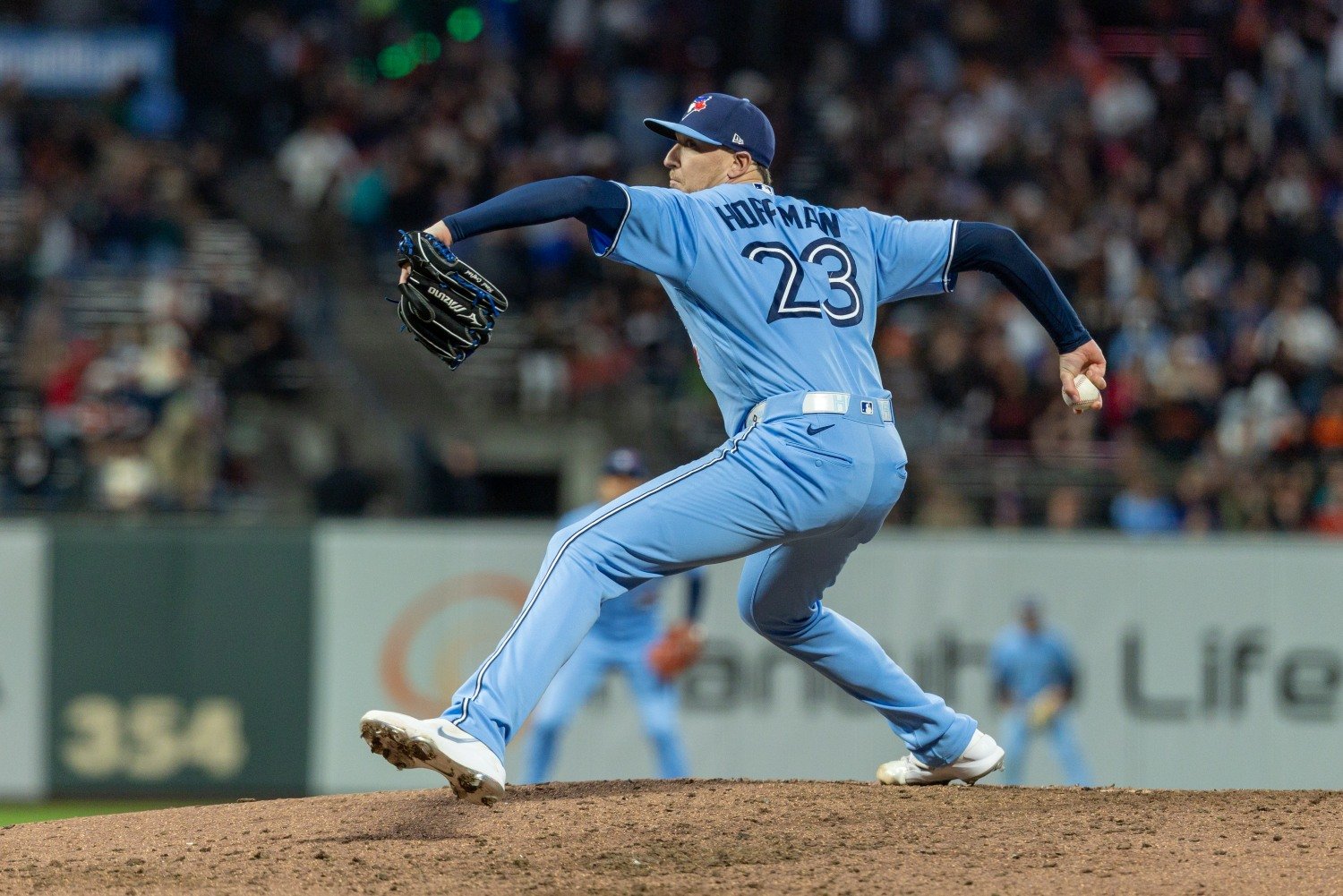 When Tom Pohlad was introduced as the Twins' new control person and ownership figure, he made one thing abundantly clear. "Half measures are not good, and you'll probably get to know me over time," Pohlad said. "I'm not a half-measure guy. I'm a 'go big or go home' guy." It was a bold statement from someone taking over an ownership group that has often been criticized for being too conservative. There was also an understanding that fans would have to wait before judging whether Pohlad actually meant it. By the time he assumed his new role, most of the top free agents had already signed elsewhere. There simply wasn't much opportunity to reshape the roster over the winter. Instead, Pohlad pointed toward the trade deadline. If the Twins put themselves in position to contend, that would be his opportunity to prove he wasn't just making empty promises. The players held up their end of the bargain by climbing back into the thick of the playoff race, leaving Pohlad with the chance to support a team that had earned reinforcements. That opportunity arrived last month, and matured nicely on Monday. During trade season, the Twins acquired Tommy Nance, A.J. Minter, Dean Kremer and—with roughly 30 minutes remaining before the deadline—Jeff Hoffman. The question coming out of the deadline is whether Pohlad lived up to the standard he set for himself. The answer is yes. For the first time since becoming the face of ownership, Pohlad had a meaningful opportunity to back up the aggressive rhetoric with which he introduced himself. Rather than settling for one modest addition and calling it a successful deadline, he authorized four trades, added significant payroll and gave Jeremy Zoll the resources to meaningfully improve a roster that had earned reinforcements. The words were bold when he spoke them. The actions matched them. The easiest way to judge Pohlad's aggressiveness is by asking whether the organization followed through on exactly what it said it wanted to accomplish. Going into the deadline, Zoll repeatedly identified pitching, and specifically relief pitching, as the club's biggest need. Pohlad could have taken the conservative route by approving one bullpen arm and leaving it at that. Instead, the Twins added one starting pitcher and three relievers, dramatically reshaping a pitching staff that desperately needed help. Just as importantly, these weren't token additions made simply to satisfy fans. Dean Kremer immediately slots into the rotation. Tommy Nance gives the bullpen another quality arm with multiple years of team control. A.J. Minter has a legitimate case for being the best left-handed reliever traded before the deadline, while Jeff Hoffman can make the same argument among right-handed relievers. Hoffman immediately becomes the team's closer, in practice if not in name. If Pohlad was going to buy, he made sure the Twins were buying impact players rather than simply checking a box. Perhaps the biggest statement, though, was the money Pohlad approved spending to acquire them. For years, Twins fans have questioned whether ownership would be willing to meaningfully increase payroll during a playoff push. Pohlad answered that question this week. The Twins assumed all of Minter's remaining $3.5 million in salary this season. They also took on the remainder of Hoffman's $3.25 million in salary for 2026, while committing to pay $7.25 million of his contract next season. They did all of that without offsetting those additions by trading away established major-league contributors. As those trades were unfolding, it felt reasonable to wonder whether someone like Trevor Larnach or Ryan Jeffers might be moved simply to balance the payroll. Instead, Pohlad authorized adding salary while keeping the roster intact. That may seem routine for some organizations, but it represents a meaningful shift for a Twins ownership group that has often been accused of letting payroll dictate baseball decisions. Could Pohlad have gone even further? Absolutely. The Twins could have pursued larger financial commitments like Tarik Skubal or Luis Castillo if ownership had wanted to make an even bigger splash. However, considering where the Twins stood entering the deadline, it's fair to wonder if that would have even been a wise decision. Minnesota is firmly in the playoff race, but it also isn't running away with the division or one player away from becoming a World Series favorite. Emptying the farm system while taking on massive long-term financial commitments would have bordered on reckless. Instead, Pohlad gave Zoll the flexibility to aggressively improve the roster without compromising the organization's future. That's what makes this deadline so significant. It wasn't simply about adding talent. It was about whether the person leading the organization would follow through when the moment called for ownership support. Pohlad didn't hesitate. He approved four meaningful additions, authorized the largest payroll increase of his tenure at a trade deadline and resisted the temptation to offset those moves by subtracting from the major-league roster. There will always be bigger names that weren't acquired and more money that could have been spent. Every contender can make that argument after the deadline passes. But if the question is whether Tom Pohlad backed up the words he spoke during his introductory press conference, this trade deadline answered it. He said he wasn't a half-measure guy. When the Twins gave him a roster worth investing in, he invested. He gave the front office the resources to address its biggest needs, spent more aggressively than at any previous deadline under his brother's leadership, and showed a willingness to support a contender, rather than simply protecting the bottom line. For an executive who promised to be aggressive, that's exactly what this trade deadline looked like. What do you think? Did Tom Pohlad do enough to prove he's willing to be aggressive, or should the Twins have pushed even harder at the trade deadline? Leave a comment below and start the conversation!
 -
Trade speculation surrounding the Minnesota Twins had been relatively quiet on deadline day until USA Today's Bob Nightengale dropped an interesting nugget during an appearance on the Foul Territory podcast. When discussing Los Angeles Angels shortstop Zach Neto, Nightengale said the Twins are "all over him" and "would love to have him." It's important to note that in the same interview, he said that he doesn't think the Angels will trade the right-handed shortstop. It's a surprising report given that very little had connected the Twins to Neto leading up to Monday's 5 p.m. trade deadline. The 25-year-old has quietly established himself as one of the better young shortstops in baseball, posting a 110 OPS+ across his first three-plus Major League seasons. This year, he's hitting with a .745 OPS while launching 19 home runs and producing 1.9 fWAR. He has also struck out a league-leading 155 times. Defensively, the picture is a bit more complicated. Baseball Savant credits Neto with negative eight Outs Above Average at shortstop this season, though some evaluators believe he's a better defender than the metrics indicate. He also possesses a strong throwing arm. Perhaps the biggest appeal is his contract status. Neto is making just $4.15 million in his first year of arbitration and remains under team control through the 2029 season, making him a potential long-term building block. That also means the acquisition cost would be enormous. Red Sox reporter Tim Healy indicated the Angels are seeking a massive return for Neto, reporting that the Angels' asking price included top Boston Red Sox prospect Franklin Arias along with additional prospects. If the Twins were to seriously pursue Neto, it's hard to imagine a deal getting done without Kaelen Culpepper being part of the package, plus additional prospect capital. That would be a difficult decision. Culpepper has long been viewed as Minnesota's shortstop of the future, but Neto is already an established big leaguer with four more years of team control after this season. A scenario where Neto handles shortstop until Marek Houston is ready before eventually sliding over to third base could make plenty of sense for the Twins' long-term roster construction. Whether anything comes of Nightengale's report remains to be seen. With roughly three hours remaining before the deadline, the Twins may have something up their sleeve. Would you trade Kaelen Culpepper and additional prospects for Zach Neto? Let us know what you think in the comments. View full rumor
-
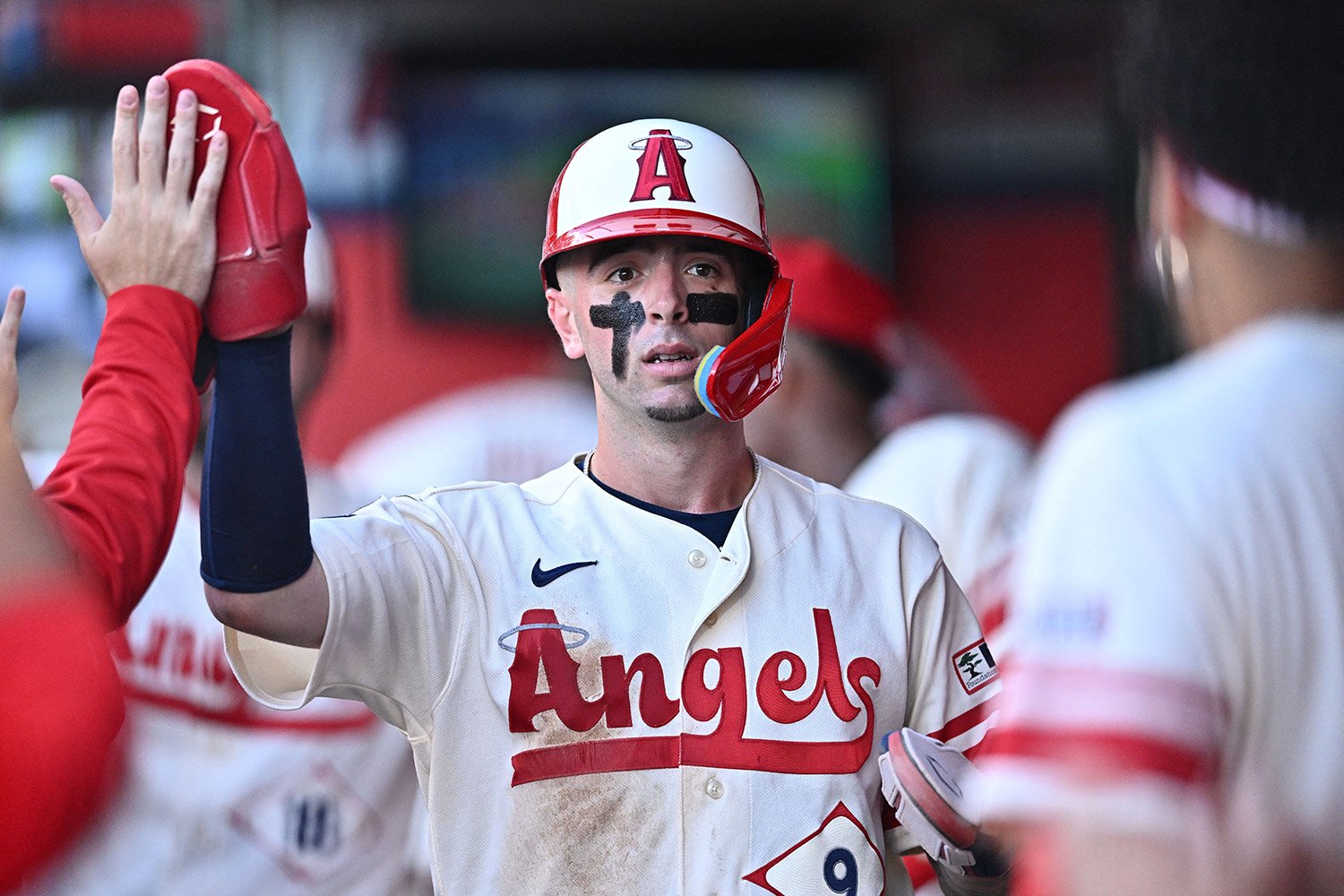 Trade speculation surrounding the Minnesota Twins had been relatively quiet on deadline day until USA Today's Bob Nightengale dropped an interesting nugget during an appearance on the Foul Territory podcast. When discussing Los Angeles Angels shortstop Zach Neto, Nightengale said the Twins are "all over him" and "would love to have him." It's important to note that in the same interview, he said that he doesn't think the Angels will trade the right-handed shortstop. It's a surprising report given that very little had connected the Twins to Neto leading up to Monday's 5 p.m. trade deadline. The 25-year-old has quietly established himself as one of the better young shortstops in baseball, posting a 110 OPS+ across his first three-plus Major League seasons. This year, he's hitting with a .745 OPS while launching 19 home runs and producing 1.9 fWAR. He has also struck out a league-leading 155 times. Defensively, the picture is a bit more complicated. Baseball Savant credits Neto with negative eight Outs Above Average at shortstop this season, though some evaluators believe he's a better defender than the metrics indicate. He also possesses a strong throwing arm. Perhaps the biggest appeal is his contract status. Neto is making just $4.15 million in his first year of arbitration and remains under team control through the 2029 season, making him a potential long-term building block. That also means the acquisition cost would be enormous. Red Sox reporter Tim Healy indicated the Angels are seeking a massive return for Neto, reporting that the Angels' asking price included top Boston Red Sox prospect Franklin Arias along with additional prospects. If the Twins were to seriously pursue Neto, it's hard to imagine a deal getting done without Kaelen Culpepper being part of the package, plus additional prospect capital. That would be a difficult decision. Culpepper has long been viewed as Minnesota's shortstop of the future, but Neto is already an established big leaguer with four more years of team control after this season. A scenario where Neto handles shortstop until Marek Houston is ready before eventually sliding over to third base could make plenty of sense for the Twins' long-term roster construction. Whether anything comes of Nightengale's report remains to be seen. With roughly three hours remaining before the deadline, the Twins may have something up their sleeve. Would you trade Kaelen Culpepper and additional prospects for Zach Neto? Let us know what you think in the comments.
 -
The Minnesota Twins officially added newly acquired right-handed starting pitcher Dean Kremer to the active roster on Sunday, optioning right-handed reliever Jack Anderson to Triple-A St. Paul in the corresponding move. Minnesota acquired Kremer from the Baltimore Orioles on Friday night in exchange for 18-year-old outfield prospect Jhomnardo Reyes, and this move confirms the club's intention of immediately inserting him into the major league rotation. Combined with Saturday's decision to option Zebby Matthews to St. Paul, Kremer is now expected to take over Matthews' spot in the rotation. If that lines up as expected, Kremer will make his Twins debut on Thursday, August 6, in Kansas City. Kremer last pitched for Baltimore on July 28 when he allowed eight earned runs against the Detroit Tigers. The decision to option Anderson is a logical one. The Twins claimed the right-hander off waivers from the Red Sox earlier in July, and while he impressed during his brief stint in Minneapolis by tossing 4 1/3 scoreless innings, most of his appearances came in low-leverage situations. With Kremer needing a roster spot, Anderson was the easiest move. The more intriguing question is what comes next for Matthews. Will he remain stretched out as rotation depth at Triple-A? Could he replace Connor Prielipp in the Saints' rotation if the organization wants to manage Prielipp's workload after the heaviest season of his professional career? Or do the Twins see Matthews as a potential bullpen option down the stretch? Those answers should become clearer over the next few weeks. What do you expect to see from Dean Kremer in the Minnesota Twins' rotation? Leave a comment below and start the conversation! View full rumor
-
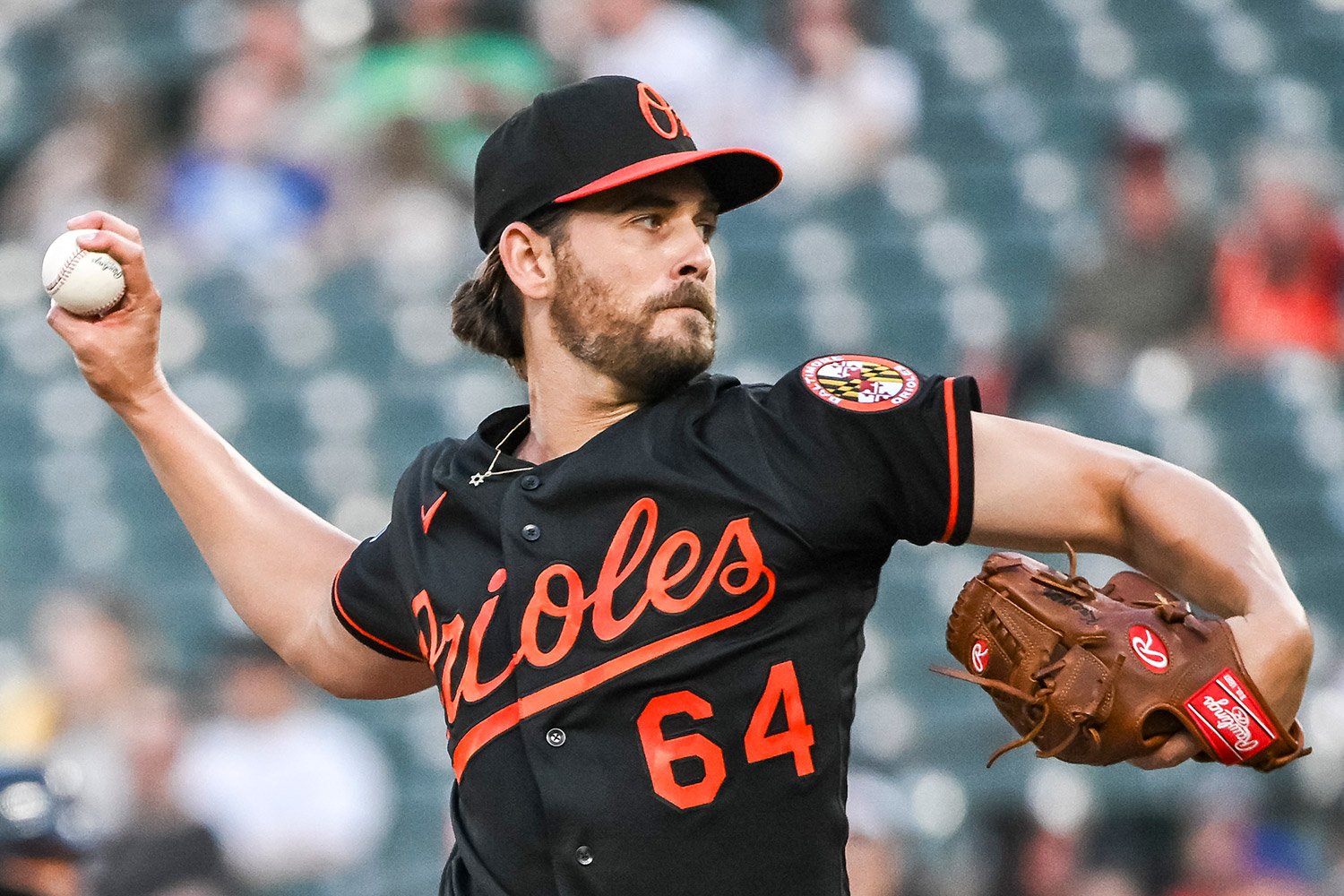 The Minnesota Twins officially added newly acquired right-handed starting pitcher Dean Kremer to the active roster on Sunday, optioning right-handed reliever Jack Anderson to Triple-A St. Paul in the corresponding move. Minnesota acquired Kremer from the Baltimore Orioles on Friday night in exchange for 18-year-old outfield prospect Jhomnardo Reyes, and this move confirms the club's intention of immediately inserting him into the major league rotation. Combined with Saturday's decision to option Zebby Matthews to St. Paul, Kremer is now expected to take over Matthews' spot in the rotation. If that lines up as expected, Kremer will make his Twins debut on Thursday, August 6, in Kansas City. Kremer last pitched for Baltimore on July 28 when he allowed eight earned runs against the Detroit Tigers. The decision to option Anderson is a logical one. The Twins claimed the right-hander off waivers from the Red Sox earlier in July, and while he impressed during his brief stint in Minneapolis by tossing 4 1/3 scoreless innings, most of his appearances came in low-leverage situations. With Kremer needing a roster spot, Anderson was the easiest move. The more intriguing question is what comes next for Matthews. Will he remain stretched out as rotation depth at Triple-A? Could he replace Connor Prielipp in the Saints' rotation if the organization wants to manage Prielipp's workload after the heaviest season of his professional career? Or do the Twins see Matthews as a potential bullpen option down the stretch? Those answers should become clearer over the next few weeks. What do you expect to see from Dean Kremer in the Minnesota Twins' rotation? Leave a comment below and start the conversation!
 -
Image courtesy of Mark J. Rebilas-Imagn Images After taking the opener of a three-game series against the Seattle Mariners on Friday night, the Twins looked poised to leave Seattle with another series victory. Instead, they suffered back-to-back walk-off losses on Saturday and Sunday, dropping the series in heartbreaking fashion. Those games featured remarkably similar situations in the bottom of the ninth inning. In each case, Derek Shelton had the opportunity to intentionally load the bases and create force outs at every base, and both times, he chose not to. While the decisions looked similar on the surface, they weren't equal. One was rooted in solid process. The other is much harder to defend. Saturday's game presented the first opportunity. With one out in the bottom of the ninth and the score tied, Seattle had runners on first and third after the Twins intentionally walked Julio Rodríguez. That brought Cal Raleigh to the plate, leaving Shelton with a choice. He could intentionally walk Raleigh to load the bases and create force plays everywhere, or trust his closer (on that day, Andrew Morris) to get Raleigh out. Given the circumstances, pitching to Raleigh wasn't an unreasonable decision. Before that at-bat, Raleigh was 0-for-4 with three strikeouts. Josh Naylor, a left-handed hitter, was waiting on deck, and Raleigh had looked overmatched all afternoon. It wasn't simply a matter of challenging one of baseball's premier (albeit struggling) sluggers. Shelton had reason to believe Raleigh wasn't seeing the ball well, and the matchup wasn't nearly as intimidating as it normally would have been. Ironically, the Twins got exactly the result they were hoping for. Raleigh hit a routine ground ball to first base that should have ended the inning with a double play. Instead, Royce Lewis had a momentary brain freeze. After fielding the ball, he instinctively stepped on first base, eliminating all force plays, and then hesitated before attempting to throw home anyway. Because the runner now had to be tagged instead of forced out, Lewis's throw wasn't good enough, and the winning run crossed the plate. It was a painful ending, but it doesn't necessarily mean the strategy was wrong. Shelton trusted his defense to make a routine play, and more often than not, they probably do. Sunday's situation felt much different. Again, the game was tied in the bottom of the ninth, with one out. This time, the Mariners had runners on second and third with top prospect Colt Emerson due up against closer Yoendrys Gómez. Shelton once again had the option of intentionally loading the bases, creating force outs everywhere while bringing the No. 9 hitter, Leo Rivas, to the plate. Instead, he elected to pitch to Emerson. That's where the decision becomes much harder to understand. Unlike Raleigh the day before, Emerson wasn't coming off an 0-for-4 afternoon with three strikeouts. He is one of Seattle's premier young hitters (though he's admittedly struggled to begin his major-league career), and he also held the platoon advantage against the right-handed Gómez. By putting him on first, the Twins not only would have set up force plays at every base, but also would have been facing Rivas, who entered the game hitting just .127. Yes, there was always the possibility that Seattle would counter by pinch-hitting with Rob Refsnyder or Mitch Garver for Rivas. Even then, the Twins still would have had force plays at every base, and Refsnyder entered the game hitting just .140. Both Refsnyder and Garver are right-handed batters, so that also would have netted the Twins the platoon advantage, Minnesota still would have been in a favorable position to escape with a ground ball. Instead, Shelton challenged Emerson. The result was exactly what the Twins feared. Emerson lined a game-winning single before Rivas ever had an opportunity to step into the batter's box. Baseball strategy is always easier to criticize after the outcome is known, and intentional walks have burned plenty of managers over the years. The results alone shouldn't determine whether the process was sound. That's why these two games deserve to be evaluated differently. Saturday's decision made sense. Raleigh had been shut down all game, and the Twins induced the exact contact they wanted. A defensive mistake, not the managerial decision, ultimately cost them the game. Sunday, however, feels like a missed opportunity. The Twins had a chance to avoid pitching to one of Seattle's most dangerous young hitters, while setting up force plays all over the diamond against a struggling No. 9 hitter. Instead, they chose the more difficult path, and this time, it came back to bite them immediately. The outcomes may have looked the same, but the process certainly didn't. What do you think? Was Shelton right to avoid the bases-loaded situation on Saturday and Sunday? Leave a comment and start the conversation! View full article
-
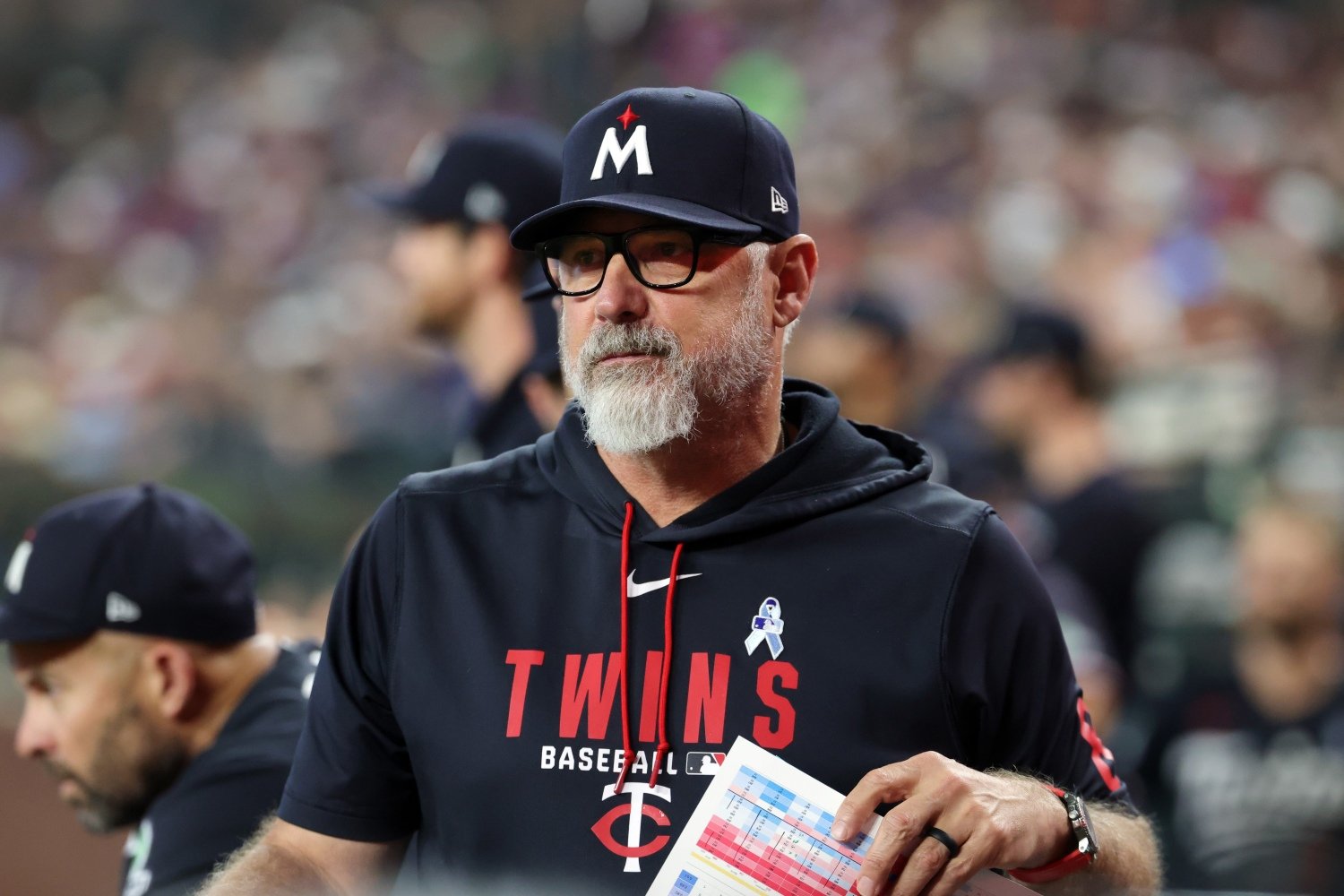 After taking the opener of a three-game series against the Seattle Mariners on Friday night, the Twins looked poised to leave Seattle with another series victory. Instead, they suffered back-to-back walk-off losses on Saturday and Sunday, dropping the series in heartbreaking fashion. Those games featured remarkably similar situations in the bottom of the ninth inning. In each case, Derek Shelton had the opportunity to intentionally load the bases and create force outs at every base, and both times, he chose not to. While the decisions looked similar on the surface, they weren't equal. One was rooted in solid process. The other is much harder to defend. Saturday's game presented the first opportunity. With one out in the bottom of the ninth and the score tied, Seattle had runners on first and third after the Twins intentionally walked Julio Rodríguez. That brought Cal Raleigh to the plate, leaving Shelton with a choice. He could intentionally walk Raleigh to load the bases and create force plays everywhere, or trust his closer (on that day, Andrew Morris) to get Raleigh out. Given the circumstances, pitching to Raleigh wasn't an unreasonable decision. Before that at-bat, Raleigh was 0-for-4 with three strikeouts. Josh Naylor, a left-handed hitter, was waiting on deck, and Raleigh had looked overmatched all afternoon. It wasn't simply a matter of challenging one of baseball's premier (albeit struggling) sluggers. Shelton had reason to believe Raleigh wasn't seeing the ball well, and the matchup wasn't nearly as intimidating as it normally would have been. Ironically, the Twins got exactly the result they were hoping for. Raleigh hit a routine ground ball to first base that should have ended the inning with a double play. Instead, Royce Lewis had a momentary brain freeze. After fielding the ball, he instinctively stepped on first base, eliminating all force plays, and then hesitated before attempting to throw home anyway. Because the runner now had to be tagged instead of forced out, Lewis's throw wasn't good enough, and the winning run crossed the plate. It was a painful ending, but it doesn't necessarily mean the strategy was wrong. Shelton trusted his defense to make a routine play, and more often than not, they probably do. Sunday's situation felt much different. Again, the game was tied in the bottom of the ninth, with one out. This time, the Mariners had runners on second and third with top prospect Colt Emerson due up against closer Yoendrys Gómez. Shelton once again had the option of intentionally loading the bases, creating force outs everywhere while bringing the No. 9 hitter, Leo Rivas, to the plate. Instead, he elected to pitch to Emerson. That's where the decision becomes much harder to understand. Unlike Raleigh the day before, Emerson wasn't coming off an 0-for-4 afternoon with three strikeouts. He is one of Seattle's premier young hitters (though he's admittedly struggled to begin his major-league career), and he also held the platoon advantage against the right-handed Gómez. By putting him on first, the Twins not only would have set up force plays at every base, but also would have been facing Rivas, who entered the game hitting just .127. Yes, there was always the possibility that Seattle would counter by pinch-hitting with Rob Refsnyder or Mitch Garver for Rivas. Even then, the Twins still would have had force plays at every base, and Refsnyder entered the game hitting just .140. Both Refsnyder and Garver are right-handed batters, so that also would have netted the Twins the platoon advantage, Minnesota still would have been in a favorable position to escape with a ground ball. Instead, Shelton challenged Emerson. The result was exactly what the Twins feared. Emerson lined a game-winning single before Rivas ever had an opportunity to step into the batter's box. Baseball strategy is always easier to criticize after the outcome is known, and intentional walks have burned plenty of managers over the years. The results alone shouldn't determine whether the process was sound. That's why these two games deserve to be evaluated differently. Saturday's decision made sense. Raleigh had been shut down all game, and the Twins induced the exact contact they wanted. A defensive mistake, not the managerial decision, ultimately cost them the game. Sunday, however, feels like a missed opportunity. The Twins had a chance to avoid pitching to one of Seattle's most dangerous young hitters, while setting up force plays all over the diamond against a struggling No. 9 hitter. Instead, they chose the more difficult path, and this time, it came back to bite them immediately. The outcomes may have looked the same, but the process certainly didn't. What do you think? Was Shelton right to avoid the bases-loaded situation on Saturday and Sunday? Leave a comment and start the conversation!
 -
Image courtesy of Jeff Curry, IMAGN IMAGES via Reuters Connect The Minnesota Twins have officially chosen their direction. For weeks, the biggest question surrounding this club was whether it would buy or sell at the trade deadline. General Manager Jeremy Zoll answered that question on Wednesday when he told reporters the Twins intend to add to the roster, and Kody Clemens' dramatic walk-off grand slam on Thursday only reinforced why, and we saw the first domino drop Thursday night when the Twins made their first acquisition in left handed reliever AJ Minter. Minnesota is right in the middle of the American League playoff race and has every reason to push for October. Bullpen help remains the organization's biggest need, even after the Minter acquisition. (Or does it?) The Twins could also use another frontline starter, especially because Joe Ryan has looked a little shaky to begin the second half. After all, the goal isn't just to make the postseason. While Taj Bradley gives the rotation another talented arm, this team could still use another true ace to lead a playoff rotation. As it turns out, one may actually be available. Hunter Greene has become one of the hottest names on the trade market over the last week, and on Thursday the rumors surrounding the Cincinnati Reds right-hander intensified. MLB.com senior reporter Mark Feinsand reported, "The Reds have received interest in former All-Star right-hander Hunter Greene, and according to a source, there's a '50-50' chance he could be moved this week." If Cincinnati is seriously considering offers, Greene immediately jumps near the top of anyone's list of potential trade deadline targets, and should be considered by the Twins as well. Greene entered professional baseball with sky-high expectations after being selected second overall in the 2017 MLB Draft, immediately behind Royce Lewis , whom the Twins selected first overall. Injuries slowed his development during the early years of his career, but once he finally stayed healthy long enough to establish himself, he looked every bit like the ace scouts envisioned. His breakout came in 2024 when he earned his first All-Star selection and finished among the top ten in National League Cy Young voting. Greene posted a 2.75 ERA, accumulated 3.7 fWAR and threw 150 innings while establishing himself as one of the most dominant pitchers in baseball. He followed that performance with another outstanding season in 2025, although injuries again interrupted things. Greene missed roughly three months with a groin strain, limiting him to just 107 2/3 innings, but he remained incredibly effective whenever he took the mound, posting a 2.76 ERA and an outstanding 0.94 WHIP. Unfortunately, the injuries continued into 2026 when Greene underwent elbow surgery during the offseason and missed the first three months of the year before finally making his season debut at the beginning of July. There is no getting around the fact that Greene is an injury-prone pitcher. At the same time, there are very few pitchers in baseball with his combination of stuff, age, and upside. His fastball still lives in the upper 90s despite everything his arm has been through. He consistently posts strikeout rates north of 30 percent while pairing that swing-and-miss ability with impressive control, carrying a career walk rate of just 6.2 percent. When Greene is healthy, he doesn't pitch like a No. 1 starter. He pitches like one of the very best pitchers in the sport. He's also still only 26 years old, and just as importantly, he's signed to one of the best contracts of any frontline starter in baseball. Greene agreed to a long-term extension before his breakout season in 2023 and is under team control through the 2029 season. He is scheduled to make $15 million in 2027, $16 million in 2028, and has a club option worth $21 million in 2029. That is an incredible bargain for an ace. Those salaries are much closer to what teams pay solid mid-rotation veterans like Mitch Keller or Michael Wacha than what they normally pay a pitcher capable of competing for Cy Young Awards. Of course, there is a reason that contract looks so appealing. Greene's injury history is almost certainly the reason the Reds would even entertain moving him. Teams do not willingly trade away 26-year-old aces with years of affordable control. If Greene had been perfectly healthy throughout his career, there probably wouldn't be a conversation to have. It's a situation that feels somewhat familiar. When the Twins signed Byron Buxton to his seven-year, $100 million extension, they were betting on elite talent despite an extensive injury history. That risk was exactly what made the contract possible in the first place. Had Buxton been perfectly healthy to that point, he almost certainly would have commanded significantly more money on the open market. The same principle applies here. Greene's durability concerns create substantial risk, but they are also the only reason a pitcher of this caliber is realistically obtainable. So what would it actually take to land him? Feinsand provided a useful comparison in his report. "One American League executive pointed to the White Sox return from the Red Sox in the December 2024 Garrett Crochet trade, which saw Chicago land two Top-100 prospects (Kyle Teel and Braden Montgomery) along with two of Boston's other Top 15 prospects (Chase Meidroth and Wikelman González)." That feels like a very reasonable framework. Crochet and Greene share several similarities. Both are young, controllable starters with ace-level ceilings and injury histories that add risk to their value. Acquiring either pitcher requires paying an enormous premium because elite starting pitching remains one of the hardest commodities to find anywhere in baseball. Using that framework, it's possible to build a realistic proposal from Minnesota's perspective. Boston didn't surrender a top-10 overall prospect for Crochet. Instead, the package was built around players ranked No. 25 and No. 54 overall by MLB Pipeline, along with two additional top-15 organizational prospects. The Twins have a remarkably similar group. Kaelen Culpepper and Emmanuel Rodriguez are currently ranked No. 29 and No. 55 overall by MLB Pipeline, making them the closest comparisons to Kyle Teel and Braden Montgomery. To round out the package, Minnesota could include top-15ish prospects like Khadim Diaw and Ryan Gallagher. The hypothetical trade would look something like this: Twins receive: Hunter Greene Reds receive: Kaelen Culpepper, Emmanuel Rodriguez, Khadim Diaw and Ryan Gallagher There is no sugarcoating it. That is a massive price to pay. Parting with Culpepper and Rodriguez would sting. Both project as impact major leaguers and have become two of the most valuable prospects in the organization. But prospects ultimately exist for two reasons. Either they become stars for your club or they become the assets used to acquire established stars. There are few players worth cashing in that kind of prospect capital for; however, a 26-year-old ace signed through 2029 may be one of them. The Twins are also in a position where they could absorb those losses better than many organizations. Marek Houston has enjoyed an outstanding season at Double-A and continues to strengthen his case as the organization's shortstop of the future. The system also features an abundance of left-handed hitting outfielders, making Rodriguez more expendable than he otherwise might be. The reward could completely reshape Minnesota's future. This October, a playoff rotation featuring Ryan, Greene and Bradley would be capable of matching up with just about anyone in the American League. Looking ahead to next season is even more exciting. With Greene under contract for three more years after this season, the Twins could enter 2027 with a rotation built around Pablo López, Ryan, Greene and Bradley while continuing to develop Mick Abel, Connor Prielipp and Kendry Rojas behind them. None of this removes the risk. Greene's injury history is frightening, and there is a very real possibility the Twins could trade away four premium prospects only to watch injuries continue to derail his career. There is also another possibility. Greene stays healthy and pitches exactly the way he has whenever he has been available, like he did just two weeks ago when he threw seven shutout innings with 12 strikeouts against the Cubs. That is the pitcher the Twins would be betting on. If they get that version of Greene, they suddenly possess one of the most dangerous playoff rotations in baseball this season while adding a legitimate ace to build around for years to come. Moves like this are uncomfortable because they carry enormous risk, but they also have the potential to completely change the direction of a franchise. If the Reds are truly open to moving Greene, the Twins should absolutely be one of the teams picking up the phone. Would you make a trade centered around Culpepper and Rodriguez for Greene, or is that simply too much prospect capital to surrender? Leave a comment below and start the conversation! View full article
-
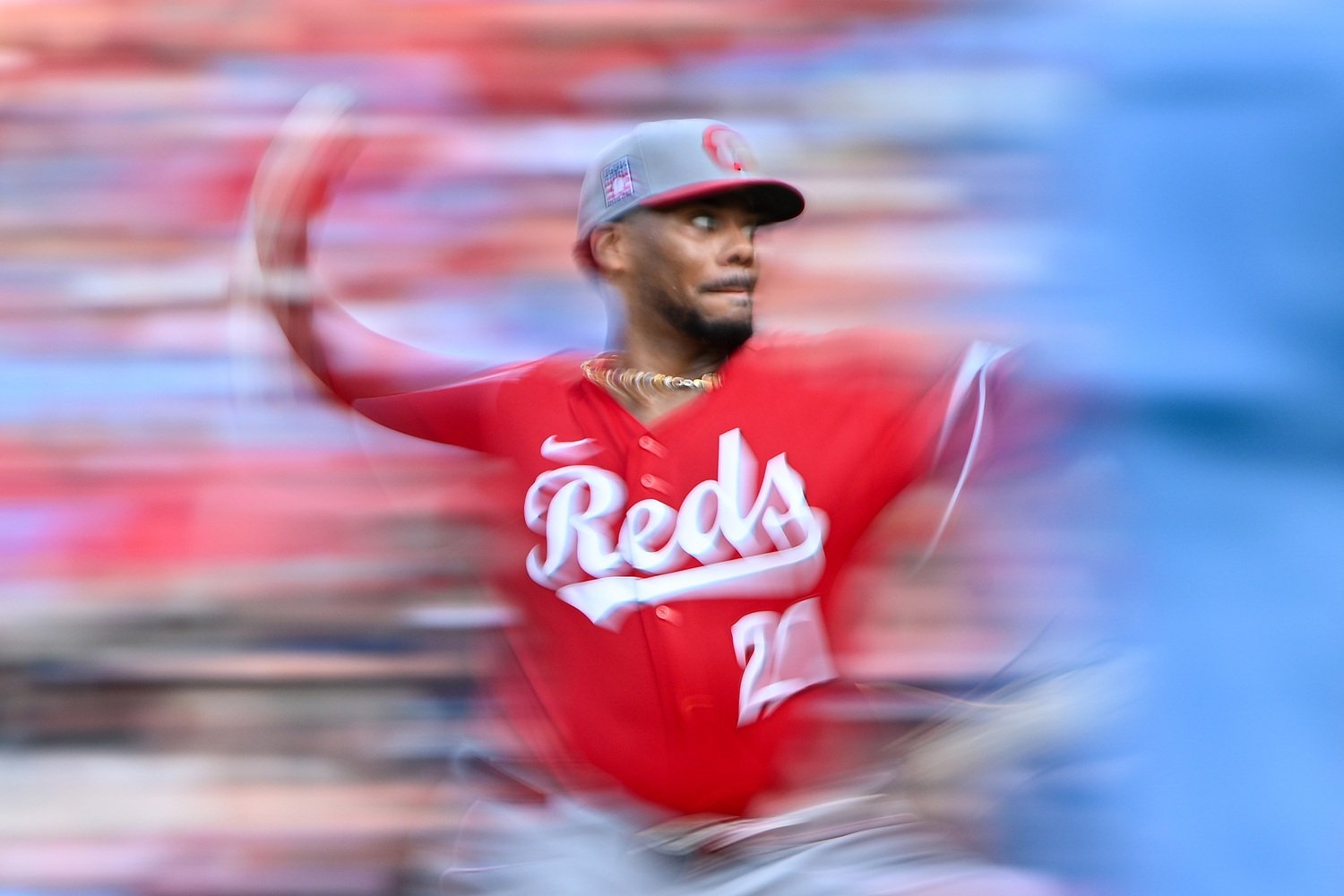 The Minnesota Twins have officially chosen their direction. For weeks, the biggest question surrounding this club was whether it would buy or sell at the trade deadline. General Manager Jeremy Zoll answered that question on Wednesday when he told reporters the Twins intend to add to the roster, and Kody Clemens' dramatic walk-off grand slam on Thursday only reinforced why, and we saw the first domino drop Thursday night when the Twins made their first acquisition in left handed reliever AJ Minter. Minnesota is right in the middle of the American League playoff race and has every reason to push for October. Bullpen help remains the organization's biggest need, even after the Minter acquisition. (Or does it?) The Twins could also use another frontline starter, especially because Joe Ryan has looked a little shaky to begin the second half. After all, the goal isn't just to make the postseason. While Taj Bradley gives the rotation another talented arm, this team could still use another true ace to lead a playoff rotation. As it turns out, one may actually be available. Hunter Greene has become one of the hottest names on the trade market over the last week, and on Thursday the rumors surrounding the Cincinnati Reds right-hander intensified. MLB.com senior reporter Mark Feinsand reported, "The Reds have received interest in former All-Star right-hander Hunter Greene, and according to a source, there's a '50-50' chance he could be moved this week." If Cincinnati is seriously considering offers, Greene immediately jumps near the top of anyone's list of potential trade deadline targets, and should be considered by the Twins as well. Greene entered professional baseball with sky-high expectations after being selected second overall in the 2017 MLB Draft, immediately behind Royce Lewis , whom the Twins selected first overall. Injuries slowed his development during the early years of his career, but once he finally stayed healthy long enough to establish himself, he looked every bit like the ace scouts envisioned. His breakout came in 2024 when he earned his first All-Star selection and finished among the top ten in National League Cy Young voting. Greene posted a 2.75 ERA, accumulated 3.7 fWAR and threw 150 innings while establishing himself as one of the most dominant pitchers in baseball. He followed that performance with another outstanding season in 2025, although injuries again interrupted things. Greene missed roughly three months with a groin strain, limiting him to just 107 2/3 innings, but he remained incredibly effective whenever he took the mound, posting a 2.76 ERA and an outstanding 0.94 WHIP. Unfortunately, the injuries continued into 2026 when Greene underwent elbow surgery during the offseason and missed the first three months of the year before finally making his season debut at the beginning of July. There is no getting around the fact that Greene is an injury-prone pitcher. At the same time, there are very few pitchers in baseball with his combination of stuff, age, and upside. His fastball still lives in the upper 90s despite everything his arm has been through. He consistently posts strikeout rates north of 30 percent while pairing that swing-and-miss ability with impressive control, carrying a career walk rate of just 6.2 percent. When Greene is healthy, he doesn't pitch like a No. 1 starter. He pitches like one of the very best pitchers in the sport. He's also still only 26 years old, and just as importantly, he's signed to one of the best contracts of any frontline starter in baseball. Greene agreed to a long-term extension before his breakout season in 2023 and is under team control through the 2029 season. He is scheduled to make $15 million in 2027, $16 million in 2028, and has a club option worth $21 million in 2029. That is an incredible bargain for an ace. Those salaries are much closer to what teams pay solid mid-rotation veterans like Mitch Keller or Michael Wacha than what they normally pay a pitcher capable of competing for Cy Young Awards. Of course, there is a reason that contract looks so appealing. Greene's injury history is almost certainly the reason the Reds would even entertain moving him. Teams do not willingly trade away 26-year-old aces with years of affordable control. If Greene had been perfectly healthy throughout his career, there probably wouldn't be a conversation to have. It's a situation that feels somewhat familiar. When the Twins signed Byron Buxton to his seven-year, $100 million extension, they were betting on elite talent despite an extensive injury history. That risk was exactly what made the contract possible in the first place. Had Buxton been perfectly healthy to that point, he almost certainly would have commanded significantly more money on the open market. The same principle applies here. Greene's durability concerns create substantial risk, but they are also the only reason a pitcher of this caliber is realistically obtainable. So what would it actually take to land him? Feinsand provided a useful comparison in his report. "One American League executive pointed to the White Sox return from the Red Sox in the December 2024 Garrett Crochet trade, which saw Chicago land two Top-100 prospects (Kyle Teel and Braden Montgomery) along with two of Boston's other Top 15 prospects (Chase Meidroth and Wikelman González)." That feels like a very reasonable framework. Crochet and Greene share several similarities. Both are young, controllable starters with ace-level ceilings and injury histories that add risk to their value. Acquiring either pitcher requires paying an enormous premium because elite starting pitching remains one of the hardest commodities to find anywhere in baseball. Using that framework, it's possible to build a realistic proposal from Minnesota's perspective. Boston didn't surrender a top-10 overall prospect for Crochet. Instead, the package was built around players ranked No. 25 and No. 54 overall by MLB Pipeline, along with two additional top-15 organizational prospects. The Twins have a remarkably similar group. Kaelen Culpepper and Emmanuel Rodriguez are currently ranked No. 29 and No. 55 overall by MLB Pipeline, making them the closest comparisons to Kyle Teel and Braden Montgomery. To round out the package, Minnesota could include top-15ish prospects like Khadim Diaw and Ryan Gallagher. The hypothetical trade would look something like this: Twins receive: Hunter Greene Reds receive: Kaelen Culpepper, Emmanuel Rodriguez, Khadim Diaw and Ryan Gallagher There is no sugarcoating it. That is a massive price to pay. Parting with Culpepper and Rodriguez would sting. Both project as impact major leaguers and have become two of the most valuable prospects in the organization. But prospects ultimately exist for two reasons. Either they become stars for your club or they become the assets used to acquire established stars. There are few players worth cashing in that kind of prospect capital for; however, a 26-year-old ace signed through 2029 may be one of them. The Twins are also in a position where they could absorb those losses better than many organizations. Marek Houston has enjoyed an outstanding season at Double-A and continues to strengthen his case as the organization's shortstop of the future. The system also features an abundance of left-handed hitting outfielders, making Rodriguez more expendable than he otherwise might be. The reward could completely reshape Minnesota's future. This October, a playoff rotation featuring Ryan, Greene and Bradley would be capable of matching up with just about anyone in the American League. Looking ahead to next season is even more exciting. With Greene under contract for three more years after this season, the Twins could enter 2027 with a rotation built around Pablo López, Ryan, Greene and Bradley while continuing to develop Mick Abel, Connor Prielipp and Kendry Rojas behind them. None of this removes the risk. Greene's injury history is frightening, and there is a very real possibility the Twins could trade away four premium prospects only to watch injuries continue to derail his career. There is also another possibility. Greene stays healthy and pitches exactly the way he has whenever he has been available, like he did just two weeks ago when he threw seven shutout innings with 12 strikeouts against the Cubs. That is the pitcher the Twins would be betting on. If they get that version of Greene, they suddenly possess one of the most dangerous playoff rotations in baseball this season while adding a legitimate ace to build around for years to come. Moves like this are uncomfortable because they carry enormous risk, but they also have the potential to completely change the direction of a franchise. If the Reds are truly open to moving Greene, the Twins should absolutely be one of the teams picking up the phone. Would you make a trade centered around Culpepper and Rodriguez for Greene, or is that simply too much prospect capital to surrender? Leave a comment below and start the conversation!
- 86 comments
-
- 10
-
-
-
- trade deadline
- hunter greene
- (and 2 more)
-
Image courtesy of Vincent Carchietta, IMAGN IMAGES via Reuters Connect The Minnesota Twins made their first splash of the 2026 trade deadline late Thursday evening, acquiring left-handed reliever AJ Minter from the New York Mets in exchange for Bruin Agbayani and Billy Amick. On the surface, it was exactly the type of move Twins fans had been hoping to see. The bullpen desperately needed another late-inning arm, and Minter immediately gives Minnesota one of the better left-handed relievers available on the market. As exciting as the addition itself was, an even more intriguing detail surfaced shortly afterward. In his trade recap for The Athletic, Will Sammon reported, "Minter is owed $3.3 million after Monday before becoming a free agent this offseason. The Mets are not paying down any of the remaining salary, said a person with knowledge of the situation." For most organizations, that line probably wouldn't generate much discussion. For the Twins, though, it stands out. For years, Minnesota has operated differently than many contenders at the trade deadline. Rather than simply absorbing contracts, the Twins have often preferred to include additional prospect value in exchange for financial relief. When they acquired Chris Paddack from the Padres and Jorge López from the Orioles, both trades included cash considerations to help offset the remaining salary. There are many more examples. That has become part of the organization's identity. If there was an opportunity to have the selling team eat money, the Twins almost always took it. That's what makes the Minter trade feel different. Minter is making $11 million this season before becoming a free agent this winter. While Minnesota is only responsible for the final $3.3 million, that's still a significant investment for roughly two months of relief pitching. This is an organization that has rarely shown a willingness to spend that kind of money on a bullpen arm. As The Athletic's Dan Hayes pointed out on X, the last time the Twins had an $11 million reliever on their roster was Joe Nathan. The Twins obviously aren't paying Minter's full salary, but paying more than $3 million for two months of a reliever is still noteworthy. To put that into perspective, Taylor Rogers entered the season as the highest-paid reliever on the roster at $2 million. The Twins are now paying roughly 50 percent more than that for just the final two months of Minter's contract. That may not seem like a huge financial commitment compared to many of baseball's biggest spenders, but it represents a noticeable departure from how the Twins have traditionally approached these types of deals. It also happens to align with everything Tom Pohlad has been saying publicly. Ahead of the trade deadline in an interview with the media, Pohlad acknowledged that if the Twins want to become the kind of organization they aspire to be, they can't continue operating with one of the league's smaller payrolls. "We might have a magical year this year, but a $100 million payroll is not going to get the job done for trying to accomplish the kinds of things we want to accomplish." Those comments were encouraging, but they were still only words. Twins fans have heard optimistic messaging before. What they've wanted to see is action. While one trade certainly doesn't erase years of frustration, this is at least an encouraging first step. The Twins had every opportunity to ask the Mets to pay down part of Minter's remaining salary. Instead, they simply took on the contract themselves. That may not be groundbreaking around Major League Baseball, but it absolutely is in Minnesota. It also raises an interesting question about whether Pohlad truly intends to operate differently than previous generations of ownership. Nobody should be declaring victory after one move, and one $3.3 million commitment doesn't suddenly erase years of payroll limitations. More moves will have to follow before anyone can confidently say that the first name matters more than the last name. Still, if Pohlad was looking for a way to begin changing the perception surrounding the organization, this was a pretty good place to start. Perhaps the biggest takeaway isn't AJ Minter himself. It's what this newfound willingness to absorb salary could mean over the next few days. If the Twins are genuinely willing to take on contracts instead of insisting that the selling club pay down salary, their list of potential trade targets becomes significantly larger. Expensive players naturally require less prospect capital because the acquiring team is assuming the financial burden. For years, that market has essentially been closed to Minnesota. Take Kevin Gausman as an example. The veteran right-hander is still owed more than $7 million over the remainder of this season on an expiring deal. Under the Twins' previous operating philosophy, a contract like that likely would have been a nonstarter unless Toronto agreed to eat a substantial portion of the money while receiving a better prospect package in return. If the Twins are actually willing to absorb contracts like that, the equation changes dramatically. Instead of paying with premium prospects, the Twins can use payroll flexibility as part of the acquisition cost. That opens the door to talented veterans who may have previously been unavailable simply because of the dollars attached to their contracts. There's still a long way to go before the trade deadline passes, and one move doesn't establish a trend. The Twins will ultimately be judged by what they do over the next several days, not just by their first trade. Even so, it's hard to ignore the symbolism of this deal. After an offseason full of promises, followed by Pohlad publicly saying that a $100 million payroll isn't enough to accomplish the organization's goals, the Twins responded by making a move they simply haven't made in the past. Paying the entirety of Minter's remaining salary won't make headlines across baseball, but in Minnesota it represents a meaningful philosophical shift. Maybe it's just one trade. Maybe it's the first sign of a new way of doing business. Either way, it's a promising start. What do you make of the Twins absorbing the rest of Minter's salary? Is this the first indication that Tom Pohlad is serious about increasing payroll, or do you need to see more before believing things have truly changed? Leave a comment below and start the conversation! View full article
-
Does the AJ Minter Trade Prove Tom Pohlad Is Serious About Spending?
Matthew Taylor posted an article in Twins
 The Minnesota Twins made their first splash of the 2026 trade deadline late Thursday evening, acquiring left-handed reliever AJ Minter from the New York Mets in exchange for Bruin Agbayani and Billy Amick. On the surface, it was exactly the type of move Twins fans had been hoping to see. The bullpen desperately needed another late-inning arm, and Minter immediately gives Minnesota one of the better left-handed relievers available on the market. As exciting as the addition itself was, an even more intriguing detail surfaced shortly afterward. In his trade recap for The Athletic, Will Sammon reported, "Minter is owed $3.3 million after Monday before becoming a free agent this offseason. The Mets are not paying down any of the remaining salary, said a person with knowledge of the situation." For most organizations, that line probably wouldn't generate much discussion. For the Twins, though, it stands out. For years, Minnesota has operated differently than many contenders at the trade deadline. Rather than simply absorbing contracts, the Twins have often preferred to include additional prospect value in exchange for financial relief. When they acquired Chris Paddack from the Padres and Jorge López from the Orioles, both trades included cash considerations to help offset the remaining salary. There are many more examples. That has become part of the organization's identity. If there was an opportunity to have the selling team eat money, the Twins almost always took it. That's what makes the Minter trade feel different. Minter is making $11 million this season before becoming a free agent this winter. While Minnesota is only responsible for the final $3.3 million, that's still a significant investment for roughly two months of relief pitching. This is an organization that has rarely shown a willingness to spend that kind of money on a bullpen arm. As The Athletic's Dan Hayes pointed out on X, the last time the Twins had an $11 million reliever on their roster was Joe Nathan. The Twins obviously aren't paying Minter's full salary, but paying more than $3 million for two months of a reliever is still noteworthy. To put that into perspective, Taylor Rogers entered the season as the highest-paid reliever on the roster at $2 million. The Twins are now paying roughly 50 percent more than that for just the final two months of Minter's contract. That may not seem like a huge financial commitment compared to many of baseball's biggest spenders, but it represents a noticeable departure from how the Twins have traditionally approached these types of deals. It also happens to align with everything Tom Pohlad has been saying publicly. Ahead of the trade deadline in an interview with the media, Pohlad acknowledged that if the Twins want to become the kind of organization they aspire to be, they can't continue operating with one of the league's smaller payrolls. "We might have a magical year this year, but a $100 million payroll is not going to get the job done for trying to accomplish the kinds of things we want to accomplish." Those comments were encouraging, but they were still only words. Twins fans have heard optimistic messaging before. What they've wanted to see is action. While one trade certainly doesn't erase years of frustration, this is at least an encouraging first step. The Twins had every opportunity to ask the Mets to pay down part of Minter's remaining salary. Instead, they simply took on the contract themselves. That may not be groundbreaking around Major League Baseball, but it absolutely is in Minnesota. It also raises an interesting question about whether Pohlad truly intends to operate differently than previous generations of ownership. Nobody should be declaring victory after one move, and one $3.3 million commitment doesn't suddenly erase years of payroll limitations. More moves will have to follow before anyone can confidently say that the first name matters more than the last name. Still, if Pohlad was looking for a way to begin changing the perception surrounding the organization, this was a pretty good place to start. Perhaps the biggest takeaway isn't AJ Minter himself. It's what this newfound willingness to absorb salary could mean over the next few days. If the Twins are genuinely willing to take on contracts instead of insisting that the selling club pay down salary, their list of potential trade targets becomes significantly larger. Expensive players naturally require less prospect capital because the acquiring team is assuming the financial burden. For years, that market has essentially been closed to Minnesota. Take Kevin Gausman as an example. The veteran right-hander is still owed more than $7 million over the remainder of this season on an expiring deal. Under the Twins' previous operating philosophy, a contract like that likely would have been a nonstarter unless Toronto agreed to eat a substantial portion of the money while receiving a better prospect package in return. If the Twins are actually willing to absorb contracts like that, the equation changes dramatically. Instead of paying with premium prospects, the Twins can use payroll flexibility as part of the acquisition cost. That opens the door to talented veterans who may have previously been unavailable simply because of the dollars attached to their contracts. There's still a long way to go before the trade deadline passes, and one move doesn't establish a trend. The Twins will ultimately be judged by what they do over the next several days, not just by their first trade. Even so, it's hard to ignore the symbolism of this deal. After an offseason full of promises, followed by Pohlad publicly saying that a $100 million payroll isn't enough to accomplish the organization's goals, the Twins responded by making a move they simply haven't made in the past. Paying the entirety of Minter's remaining salary won't make headlines across baseball, but in Minnesota it represents a meaningful philosophical shift. Maybe it's just one trade. Maybe it's the first sign of a new way of doing business. Either way, it's a promising start. What do you make of the Twins absorbing the rest of Minter's salary? Is this the first indication that Tom Pohlad is serious about increasing payroll, or do you need to see more before believing things have truly changed? Leave a comment below and start the conversation!
- 38 comments
-
- 4
-
-
- aj minter
- tom pohlad
- (and 3 more)
-
Image courtesy of Bruce Kluckhohn-Imagn Images Byron Buxton's exit from Tuesday night's game against the Kansas City Royals immediately became the biggest storyline surrounding the Twins. After leaving in the fifth inning because of discomfort during his second plate appearance, the club officially placed him on the injured list Wednesday with a hip impingement. That decision wasn't surprising. Buxton has been ailing since before the All-Star break, and he needed an injection Wednesday that would have sidelined him for at least a week, anyway. The corresponding roster move, however, was extremely surprising. Rather than using Buxton's absence as an opportunity to add an impact player or someone capable of filling the obvious void in center field, the Twins called up Tristan Gray. It was a move that continued one of the more confusing trends of Minnesota's season. Gray simply has not earned another opportunity at the major-league level, but he's getting one, anyway. He owns a .604 OPS this season, and if you remove his hot opening week, that number drops to .580. Defensively, he's struggled at shortstop, posting -4 Outs Above Average according to Baseball Savant. He currently owns both a negative fWAR and negative Win Probability Added. Nothing about Gray's performance this season suggests he deserves another call-up. Yet the Twins continue to show an unusual amount of faith in him. Earlier this year, Gray remained on the roster much longer than many expected. While he was with the club, he started far more games at shortstop than his production warranted. Now, with Buxton landing on the injured list, Gray was once again the organization's choice—this time, over some much more compelling alternatives. Buxton's injury leaves a massive hole in center field. Luke Keaschall is now the closest thing to an everyday option, but he has played just 11 games at the position and has not exactly looked comfortable there. That inexperience showed up again on Wednesday when he misplayed a carom off the wall, allowing Salvador Perez to take an extra base. Beyond Keaschall, the Twins technically have Alan Roden, Ryan Kreidler, and Kody Clemens who can handle center field, but their usage throughout the season suggests the coaching staff does not view any of them as legitimate options. Manager Derek Shelton said after the game Wednesday night that Kreidler could see more time in center, but that Keaschall would keep getting most of the run. That's exactly why this felt like the perfect opportunity to promote Walker Jenkins. Jenkins is widely regarded as one of baseball's top prospects and projects to be a cornerstone of the Twins' future. He's capable of playing center field and has looked every bit like himself since returning from injury. Since rejoining Triple-A St. Paul at the end of June, Jenkins has posted an .858 OPS, while continuing to show the all-around offensive skill set that made him one of the game's top prospects. There was a natural opening on the roster at a position that matched his defensive ability, for a team desperately looking for an offensive spark heading into one of the biggest stretches of its season. Everything seemed to be lining up for Jenkins. Some have pointed to the 40-man roster as the reason Minnesota chose not to make the move, but that explanation doesn't really hold up. The Twins have multiple players occupying 40-man roster spots who are not part of the immediate picture, and someone like Mike Paredes could have been transferred to the 60-day injured list to create space if necessary. If the organization truly believes Jenkins needs more development time, that is a separate conversation. But even then, Gray doesn't feel like the best alternative. Matt Wallner has been on a tear with St. Paul, posting a 1.089 OPS since the beginning of June. Gabriel Gonzalez has offensive upside while providing the right-handed hitting the Twins are losing with Buxton's injury. Kyler Fedko may not have impressed during his first taste of the majors, but he offers legitimate center field defense and speed off the bench—two things that became much more valuable the moment Buxton hit the injured list. Each of those players would have addressed a roster need more directly than Gray. Instead, the Twins once again chose a player whose overall production has been below replacement level. It's a particularly frustrating decision given where the Twins sit on the calendar. Every game matters as the trade deadline approaches. The front office is focused on buying, but how aggressively they do so could be calibrated by the way they play this week. Calling up Jenkins could have energized the clubhouse, excited a fan base looking for something to rally around, and filled an obvious positional need. Instead, the Twins made one of the least inspiring roster moves they could have made. What do you think? Should the Twins have promoted Walker Jenkins, or was Tristan Gray the right choice? Leave a comment below and start the conversation! View full article
- 204 replies
-
- 3
-
-
-
- tristan gray
- byron buxton
- (and 2 more)
-
Twins Missed a Golden Opportunity with Byron Buxton Roster Move
Matthew Taylor posted an article in Twins
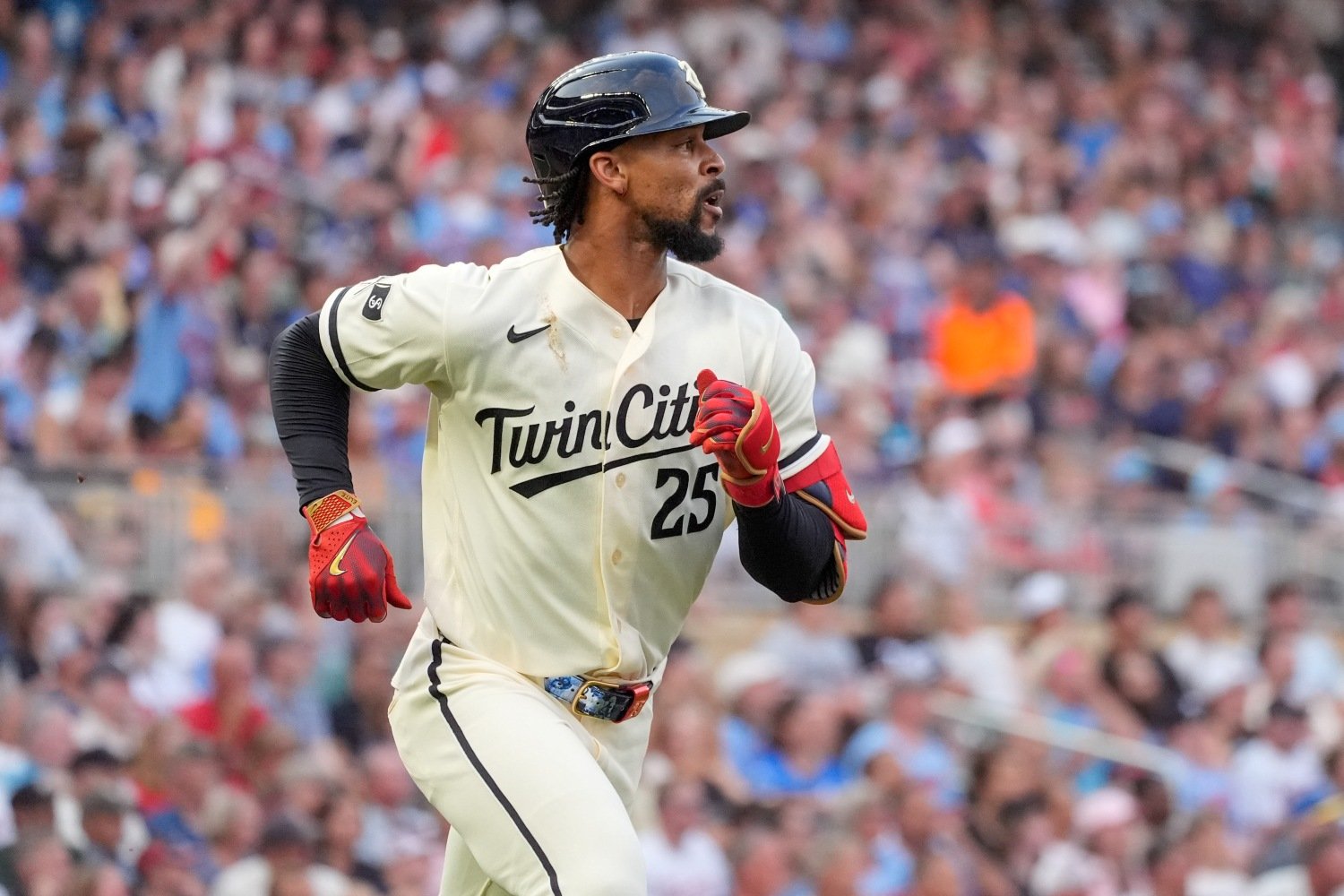 Byron Buxton's exit from Tuesday night's game against the Kansas City Royals immediately became the biggest storyline surrounding the Twins. After leaving in the fifth inning because of discomfort during his second plate appearance, the club officially placed him on the injured list Wednesday with a hip impingement. That decision wasn't surprising. Buxton has been ailing since before the All-Star break, and he needed an injection Wednesday that would have sidelined him for at least a week, anyway. The corresponding roster move, however, was extremely surprising. Rather than using Buxton's absence as an opportunity to add an impact player or someone capable of filling the obvious void in center field, the Twins called up Tristan Gray. It was a move that continued one of the more confusing trends of Minnesota's season. Gray simply has not earned another opportunity at the major-league level, but he's getting one, anyway. He owns a .604 OPS this season, and if you remove his hot opening week, that number drops to .580. Defensively, he's struggled at shortstop, posting -4 Outs Above Average according to Baseball Savant. He currently owns both a negative fWAR and negative Win Probability Added. Nothing about Gray's performance this season suggests he deserves another call-up. Yet the Twins continue to show an unusual amount of faith in him. Earlier this year, Gray remained on the roster much longer than many expected. While he was with the club, he started far more games at shortstop than his production warranted. Now, with Buxton landing on the injured list, Gray was once again the organization's choice—this time, over some much more compelling alternatives. Buxton's injury leaves a massive hole in center field. Luke Keaschall is now the closest thing to an everyday option, but he has played just 11 games at the position and has not exactly looked comfortable there. That inexperience showed up again on Wednesday when he misplayed a carom off the wall, allowing Salvador Perez to take an extra base. Beyond Keaschall, the Twins technically have Alan Roden, Ryan Kreidler, and Kody Clemens who can handle center field, but their usage throughout the season suggests the coaching staff does not view any of them as legitimate options. Manager Derek Shelton said after the game Wednesday night that Kreidler could see more time in center, but that Keaschall would keep getting most of the run. That's exactly why this felt like the perfect opportunity to promote Walker Jenkins. Jenkins is widely regarded as one of baseball's top prospects and projects to be a cornerstone of the Twins' future. He's capable of playing center field and has looked every bit like himself since returning from injury. Since rejoining Triple-A St. Paul at the end of June, Jenkins has posted an .858 OPS, while continuing to show the all-around offensive skill set that made him one of the game's top prospects. There was a natural opening on the roster at a position that matched his defensive ability, for a team desperately looking for an offensive spark heading into one of the biggest stretches of its season. Everything seemed to be lining up for Jenkins. Some have pointed to the 40-man roster as the reason Minnesota chose not to make the move, but that explanation doesn't really hold up. The Twins have multiple players occupying 40-man roster spots who are not part of the immediate picture, and someone like Mike Paredes could have been transferred to the 60-day injured list to create space if necessary. If the organization truly believes Jenkins needs more development time, that is a separate conversation. But even then, Gray doesn't feel like the best alternative. Matt Wallner has been on a tear with St. Paul, posting a 1.089 OPS since the beginning of June. Gabriel Gonzalez has offensive upside while providing the right-handed hitting the Twins are losing with Buxton's injury. Kyler Fedko may not have impressed during his first taste of the majors, but he offers legitimate center field defense and speed off the bench—two things that became much more valuable the moment Buxton hit the injured list. Each of those players would have addressed a roster need more directly than Gray. Instead, the Twins once again chose a player whose overall production has been below replacement level. It's a particularly frustrating decision given where the Twins sit on the calendar. Every game matters as the trade deadline approaches. The front office is focused on buying, but how aggressively they do so could be calibrated by the way they play this week. Calling up Jenkins could have energized the clubhouse, excited a fan base looking for something to rally around, and filled an obvious positional need. Instead, the Twins made one of the least inspiring roster moves they could have made. What do you think? Should the Twins have promoted Walker Jenkins, or was Tristan Gray the right choice? Leave a comment below and start the conversation!
- 204 comments
-
- 12
-
-
-
- tristan gray
- byron buxton
- (and 2 more)
-
Image courtesy of Joe Nicholson-Imagn Images For the past several weeks, the biggest debate surrounding the Twins has centered around one question: should they buy or should they sell? With the club hovering around the Wild Card race, there are compelling arguments on both sides. Buyers believe the Twins have enough talent to make a postseason run if they reinforce a few weaknesses before the August 3 trade deadline. Sellers point to the club's roughly one-in-three playoff odds and argue that it would be wiser to shift focus toward building the next core of championship-caliber players. The Twins staked out their position Tuesday, though: they're buying. The goal now is to do it responsibly. Most trade deadline decisions force teams to pick a lane. Emerson Hancock is one of the few players who could allow the Twins to both shore up this year's rotation and carry that help forward for multiple seasons. The Seattle Mariners find themselves in an interesting position. They sit at 53-55, third place in the AL West, with three teams (including the Twins) standing between them and the final Wild Card spot. Despite those standings, FanGraphs still gives Seattle a 59.1% chance to reach the postseason, making them one of the more fascinating teams to watch over the next several days. Even with those favorable playoff odds, nearly every report surrounding the Mariners suggests they are expected to move at least one of their starting pitchers. During his trade deadline preview on YouTube, Jeff Passan said he expects Seattle to trade Emerson Hancock before the deadline. Trading Hancock would not necessarily signal a sell-off. Quite the opposite. The Mariners simply possess more starting pitching than almost anyone else in baseball. Their current rotation is six arms deep, and help is already on the way. Two of baseball's premier pitching prospects, Kade Anderson and Ryan Sloan, are nearing the majors, giving Seattle the luxury of dealing from an area of tremendous organizational strength. What the Mariners desperately need is offense. Seattle owns one of baseball's weakest lineups, entering the deadline with a .690 team OPS. Their struggles become even more pronounced against left-handed pitching, where their .656 OPS ranks third-worst in baseball. If the Mariners intend to chase a playoff spot, their priority will almost certainly be acquiring impact bats. From the Twins' perspective, Hancock checks nearly every box. The former top-50 prospect debuted in 2023, and while his first taste of the majors came with growing pains, 2026 has looked much more like the version scouts envisioned when Seattle selected him sixth overall in the 2020 draft. This season, Hancock owns a 3.16 ERA while posting career bests nearly across the board. His strikeout rate has climbed to 23%, and his 3.73 strikeout-to-walk ratio reflects the improved command that made him such a highly regarded prospect. His arsenal has taken another step forward, as well. Hancock's fastball has become one of the more effective pitches in his repertoire, while his sweeper has generated a 37% whiff rate. Just as importantly, he has handled both right-handed and left-handed hitters effectively, avoiding the dramatic platoon splits that often limit young starters. Perhaps the most attractive part of his profile has nothing to do with this season. Hancock remains in his pre-arbitration years and is under team control through the 2030 season. That's exactly the type of pitcher the Twins should be targeting. Rather than acquiring a rental starter who only helps for two months, Minnesota could add a pitcher capable of sliding immediately into the middle of the rotation while also becoming a foundational piece for several seasons. Whether the Twins ultimately sneak into the playoffs or not, Hancock would remain one of the organization's most valuable long-term assets. That makes him one of the rare deadline acquisitions who strengthens both the present and the future. Of course, acquiring that kind of pitcher will not come cheaply. Making things even more interesting is the schedule. Minnesota travels to Seattle this weekend for a three-game series, the final series before both clubs reach the August 3 trade deadline. Those games could dramatically alter the outlook for both organizations. If the Twins win the series and bury the Mariners a little deeper in the Wild Card standings, Seattle could become much more motivated to prioritize future value over a playoff chase. On the other hand, if the Mariners surge over the next week, they could still view themselves as buyers while remaining motivated to move Hancock in exchange for immediate offensive help. In that scenario, the Mariners would likely seek hitters who can help them immediately, especially a right-handed bat. Minnesota is one of the few organizations capable of satisfying that need. A package centered around Royce Lewis and a couple of the team's higher-level prospects could make sense, if Seattle believes Lewis can regain his All-Star form while giving them another impact right-handed bat. Another possibility would be a deal built around Luke Keaschall, whose offensive upside and ability to play the outfield would fit well with what the Mariners are trying to accomplish. Those kinds of moves become much more palatable for Minnesota because of the talent waiting in the upper levels of the farm system. Kaelen Culpepper continues to move toward the majors, Walker Jenkins remains one of baseball's top prospects, and the Twins have enough young position-player depth to replace a player like Lewis or Keaschall internally while strengthening a rotation that still needs another dependable arm. That flexibility is exactly what makes Hancock such an appealing target. Most deadline additions force teams into an all-in approach or push them toward selling off pieces for tomorrow. Hancock represents something different. He would improve Minnesota's chances of competing this season while giving the organization another controllable starter to build around for 2027, 2028 and beyond. If the Twins are looking for a way to invest in the present without sacrificing the future, there may not be a better trade target available at this year's deadline. What do you think? Should the Twins pursue Emerson Hancock if the Mariners make him available? Leave a comment below and start the conversation! View full article
-
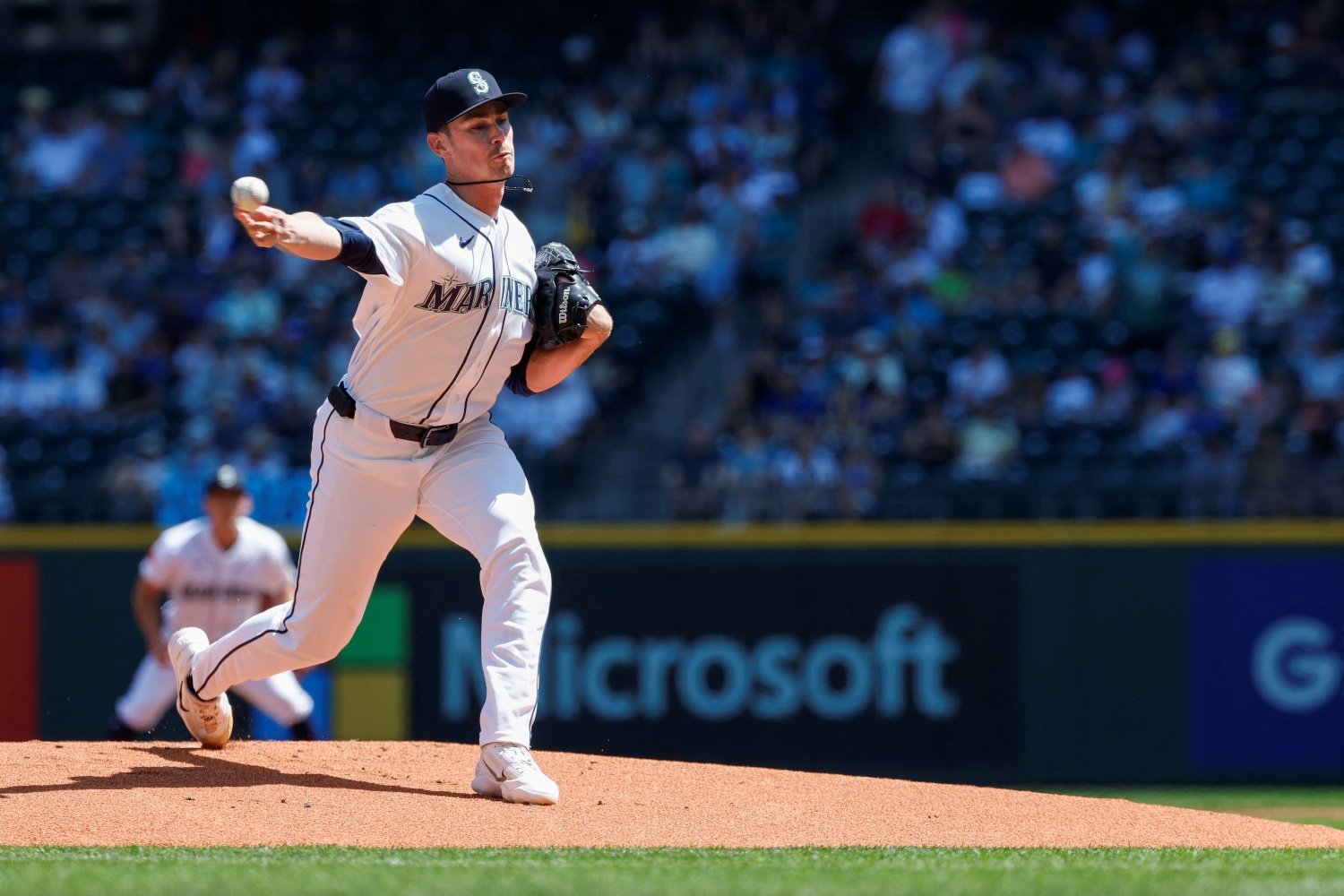 For the past several weeks, the biggest debate surrounding the Twins has centered around one question: should they buy or should they sell? With the club hovering around the Wild Card race, there are compelling arguments on both sides. Buyers believe the Twins have enough talent to make a postseason run if they reinforce a few weaknesses before the August 3 trade deadline. Sellers point to the club's roughly one-in-three playoff odds and argue that it would be wiser to shift focus toward building the next core of championship-caliber players. The Twins staked out their position Tuesday, though: they're buying. The goal now is to do it responsibly. Most trade deadline decisions force teams to pick a lane. Emerson Hancock is one of the few players who could allow the Twins to both shore up this year's rotation and carry that help forward for multiple seasons. The Seattle Mariners find themselves in an interesting position. They sit at 53-55, third place in the AL West, with three teams (including the Twins) standing between them and the final Wild Card spot. Despite those standings, FanGraphs still gives Seattle a 59.1% chance to reach the postseason, making them one of the more fascinating teams to watch over the next several days. Even with those favorable playoff odds, nearly every report surrounding the Mariners suggests they are expected to move at least one of their starting pitchers. During his trade deadline preview on YouTube, Jeff Passan said he expects Seattle to trade Emerson Hancock before the deadline. Trading Hancock would not necessarily signal a sell-off. Quite the opposite. The Mariners simply possess more starting pitching than almost anyone else in baseball. Their current rotation is six arms deep, and help is already on the way. Two of baseball's premier pitching prospects, Kade Anderson and Ryan Sloan, are nearing the majors, giving Seattle the luxury of dealing from an area of tremendous organizational strength. What the Mariners desperately need is offense. Seattle owns one of baseball's weakest lineups, entering the deadline with a .690 team OPS. Their struggles become even more pronounced against left-handed pitching, where their .656 OPS ranks third-worst in baseball. If the Mariners intend to chase a playoff spot, their priority will almost certainly be acquiring impact bats. From the Twins' perspective, Hancock checks nearly every box. The former top-50 prospect debuted in 2023, and while his first taste of the majors came with growing pains, 2026 has looked much more like the version scouts envisioned when Seattle selected him sixth overall in the 2020 draft. This season, Hancock owns a 3.16 ERA while posting career bests nearly across the board. His strikeout rate has climbed to 23%, and his 3.73 strikeout-to-walk ratio reflects the improved command that made him such a highly regarded prospect. His arsenal has taken another step forward, as well. Hancock's fastball has become one of the more effective pitches in his repertoire, while his sweeper has generated a 37% whiff rate. Just as importantly, he has handled both right-handed and left-handed hitters effectively, avoiding the dramatic platoon splits that often limit young starters. Perhaps the most attractive part of his profile has nothing to do with this season. Hancock remains in his pre-arbitration years and is under team control through the 2030 season. That's exactly the type of pitcher the Twins should be targeting. Rather than acquiring a rental starter who only helps for two months, Minnesota could add a pitcher capable of sliding immediately into the middle of the rotation while also becoming a foundational piece for several seasons. Whether the Twins ultimately sneak into the playoffs or not, Hancock would remain one of the organization's most valuable long-term assets. That makes him one of the rare deadline acquisitions who strengthens both the present and the future. Of course, acquiring that kind of pitcher will not come cheaply. Making things even more interesting is the schedule. Minnesota travels to Seattle this weekend for a three-game series, the final series before both clubs reach the August 3 trade deadline. Those games could dramatically alter the outlook for both organizations. If the Twins win the series and bury the Mariners a little deeper in the Wild Card standings, Seattle could become much more motivated to prioritize future value over a playoff chase. On the other hand, if the Mariners surge over the next week, they could still view themselves as buyers while remaining motivated to move Hancock in exchange for immediate offensive help. In that scenario, the Mariners would likely seek hitters who can help them immediately, especially a right-handed bat. Minnesota is one of the few organizations capable of satisfying that need. A package centered around Royce Lewis and a couple of the team's higher-level prospects could make sense, if Seattle believes Lewis can regain his All-Star form while giving them another impact right-handed bat. Another possibility would be a deal built around Luke Keaschall, whose offensive upside and ability to play the outfield would fit well with what the Mariners are trying to accomplish. Those kinds of moves become much more palatable for Minnesota because of the talent waiting in the upper levels of the farm system. Kaelen Culpepper continues to move toward the majors, Walker Jenkins remains one of baseball's top prospects, and the Twins have enough young position-player depth to replace a player like Lewis or Keaschall internally while strengthening a rotation that still needs another dependable arm. That flexibility is exactly what makes Hancock such an appealing target. Most deadline additions force teams into an all-in approach or push them toward selling off pieces for tomorrow. Hancock represents something different. He would improve Minnesota's chances of competing this season while giving the organization another controllable starter to build around for 2027, 2028 and beyond. If the Twins are looking for a way to invest in the present without sacrificing the future, there may not be a better trade target available at this year's deadline. What do you think? Should the Twins pursue Emerson Hancock if the Mariners make him available? Leave a comment below and start the conversation!
- 38 comments
-
- 7
-
-
- emerson hancock
- trade deadline
- (and 1 more)
-
Image courtesy of Jeffrey Becker-Imagn Images The countdown to the trade deadline is officially on. With just six days remaining until the August 3 deadline, the Minnesota Twins are rapidly approaching the moment where they have to choose a direction. Are they buyers? Are they sellers? Or do they try to thread the needle somewhere in between? There is always a third path available. The Twins could trade from areas of depth to address areas of weakness, without fully committing to either side. They could move one of their left-handed hitters to acquire bullpen help or make another baseball trade that reallocates resources, rather than signaling a clear buy or sell. Those types of deals happen every deadline. But at its core, this deadline still comes down to one simple question: do the Twins believe enough in this team to invest in it? That is a much tougher question. After taking a series from the Athletics over the weekend, the Twins now sit at 53-54, with a 32.9% chance of reaching the postseason, according to FanGraphs. They trail the first-place White Sox by 3.0 games in the American League Central, while sitting just one game behind the final Wild Card spot. The challenge is that they aren't chasing just one team. Four other clubs are also within 3.5 games of that final playoff berth, making one of the tightest postseason races in baseball even more crowded. There are only six games remaining before the deadline. Unless the Twins catch fire and go 5-1 or collapse with a 1-5 stretch, they're likely heading into August 3 with playoff odds hovering right around 30%. That leaves the front office with one difficult decision: is a 30% chance at October baseball worth investing in? Looking strictly at the math, the answer probably isn't yes. After all, flipping those odds around tells an even bigger story. If the Twins have roughly a 30% chance of making the playoffs, they also have about a 70% chance of missing them. Asking the organization to trade away future assets for bullpen help or another rental player in hopes of beating those odds feels difficult to justify. But baseball decisions aren't made in a vacuum. It's impossible to separate this deadline from everything this organization and its fans have experienced over the past three years. The 2023 season represented the highest point of Twins baseball for an entire generation. Minnesota finally snapped its 18-game postseason losing streak, won its first playoff series in 21 years and looked like it was just scratching the surface on what's possible. Since then, almost everything that could go wrong has done so. The Twins slashed payroll; collapsed down the stretch in 2024 after carrying roughly a 95% chance of making the playoffs in September; conducted a trade-deadline fire sale; and the Pohlad family took the club off the market after months of uncertainty. Now, they're trying to avoid missing the postseason for a third consecutive year. It's been an exhausting stretch for a fanbase that finally believed brighter days were ahead. That's what makes this year's deadline so fascinating. Nobody expected much from the 2026 Twins entering the season, but here they are, entering the final week before the deadline with meaningful baseball still left to play. The numbers may say selling is the safest long-term decision, but is it the right decision for the franchise? Certainly not. Target Field is in the midst of its lowest-attended season ever, and another sell-off would almost guarantee another two months of meaningless baseball. Fans would spend August and September watching unfamiliar faces play in uncompetitive games, instead of watching a club trying to chase down a playoff spot. Buying, on the other hand, would send a completely different message. It would tell the clubhouse that the front office believes this team has earned the chance to compete. It would tell fans that ownership is finally willing to invest in a team that has exceeded expectations instead of immediately looking toward the future and instill hope into a team and fanbase that desperately needs it Maybe the Twins buy and still miss the playoffs. Maybe another contender catches fire the way Boston did with its 15-game winning streak and boxes Minnesota out of a Wild Card spot. That's entirely possible, and it may ultimately be the most likely outcome. But even then, the Twins would have spent the final two months of the season playing meaningful baseball. Fans would have had a reason to come to the ballpark. The front office would have shown belief in a clubhouse that has fought its way into contention, despite modest expectations. Tom Pohlad would have put his money where his mouth is by investing in a team that gave him every reason to do so. And the team could always get lucky in this winter's MLB Draft Lottery, too. These playoff odds create one of the toughest decisions a front office can face. They're too high to justify an obvious sell-off, but too low to comfortably sacrifice future assets. It's the definition of baseball's gray area. Should they trust the math? Or should they recognize where this franchise and its fanbase are today and decide that, after everything that's happened over the last three years, hope is worth betting on? What do you think the Twins should do at the trade deadline? Should they buy, sell, or try to walk the line somewhere in the middle? Leave a comment below and start the conversation! View full article
-
Are 30% Playoff Odds Enough for Twins to Buy at MLB Trade Deadline?
Matthew Taylor posted an article in Twins
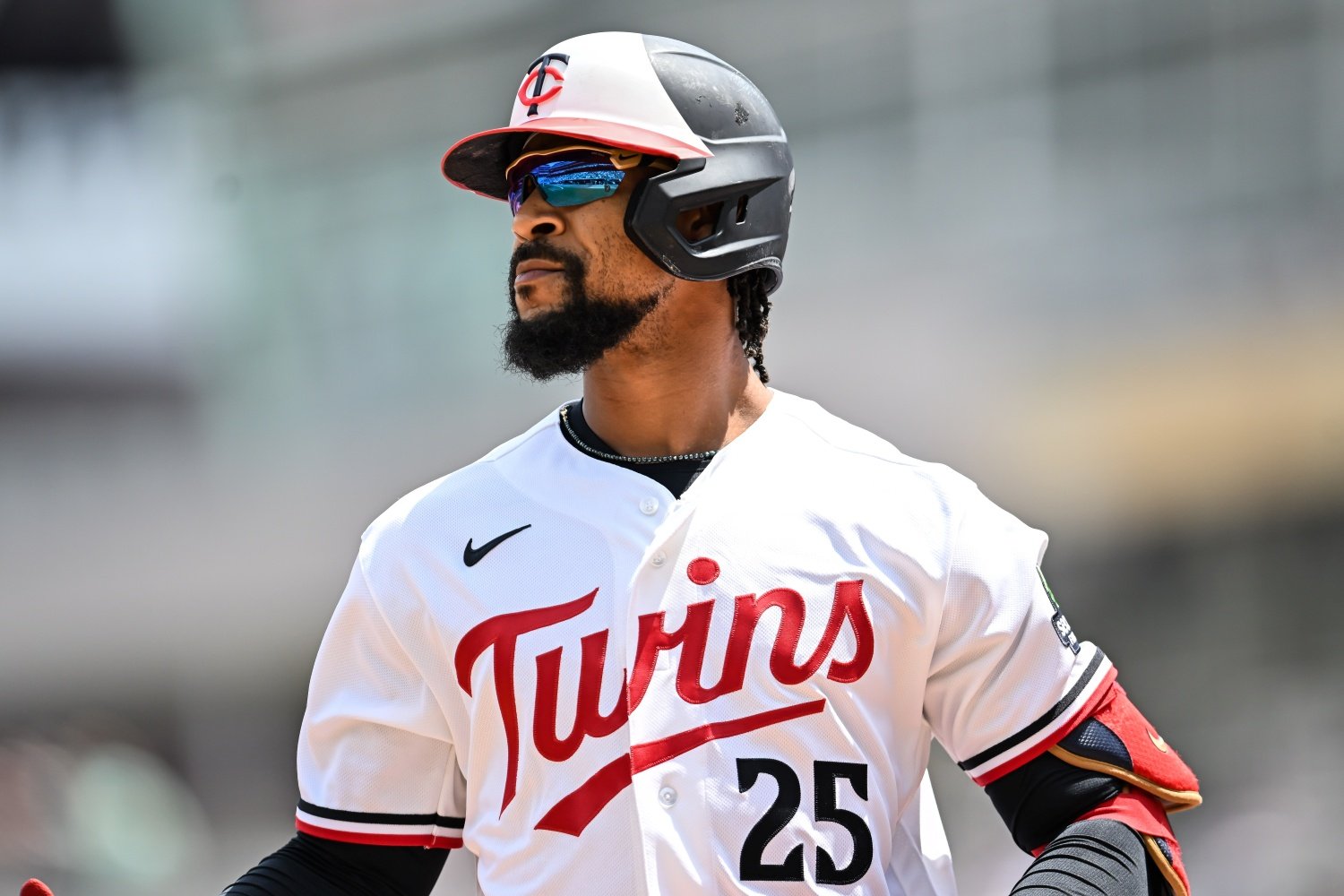 The countdown to the trade deadline is officially on. With just six days remaining until the August 3 deadline, the Minnesota Twins are rapidly approaching the moment where they have to choose a direction. Are they buyers? Are they sellers? Or do they try to thread the needle somewhere in between? There is always a third path available. The Twins could trade from areas of depth to address areas of weakness, without fully committing to either side. They could move one of their left-handed hitters to acquire bullpen help or make another baseball trade that reallocates resources, rather than signaling a clear buy or sell. Those types of deals happen every deadline. But at its core, this deadline still comes down to one simple question: do the Twins believe enough in this team to invest in it? That is a much tougher question. After taking a series from the Athletics over the weekend, the Twins now sit at 53-54, with a 32.9% chance of reaching the postseason, according to FanGraphs. They trail the first-place White Sox by 3.0 games in the American League Central, while sitting just one game behind the final Wild Card spot. The challenge is that they aren't chasing just one team. Four other clubs are also within 3.5 games of that final playoff berth, making one of the tightest postseason races in baseball even more crowded. There are only six games remaining before the deadline. Unless the Twins catch fire and go 5-1 or collapse with a 1-5 stretch, they're likely heading into August 3 with playoff odds hovering right around 30%. That leaves the front office with one difficult decision: is a 30% chance at October baseball worth investing in? Looking strictly at the math, the answer probably isn't yes. After all, flipping those odds around tells an even bigger story. If the Twins have roughly a 30% chance of making the playoffs, they also have about a 70% chance of missing them. Asking the organization to trade away future assets for bullpen help or another rental player in hopes of beating those odds feels difficult to justify. But baseball decisions aren't made in a vacuum. It's impossible to separate this deadline from everything this organization and its fans have experienced over the past three years. The 2023 season represented the highest point of Twins baseball for an entire generation. Minnesota finally snapped its 18-game postseason losing streak, won its first playoff series in 21 years and looked like it was just scratching the surface on what's possible. Since then, almost everything that could go wrong has done so. The Twins slashed payroll; collapsed down the stretch in 2024 after carrying roughly a 95% chance of making the playoffs in September; conducted a trade-deadline fire sale; and the Pohlad family took the club off the market after months of uncertainty. Now, they're trying to avoid missing the postseason for a third consecutive year. It's been an exhausting stretch for a fanbase that finally believed brighter days were ahead. That's what makes this year's deadline so fascinating. Nobody expected much from the 2026 Twins entering the season, but here they are, entering the final week before the deadline with meaningful baseball still left to play. The numbers may say selling is the safest long-term decision, but is it the right decision for the franchise? Certainly not. Target Field is in the midst of its lowest-attended season ever, and another sell-off would almost guarantee another two months of meaningless baseball. Fans would spend August and September watching unfamiliar faces play in uncompetitive games, instead of watching a club trying to chase down a playoff spot. Buying, on the other hand, would send a completely different message. It would tell the clubhouse that the front office believes this team has earned the chance to compete. It would tell fans that ownership is finally willing to invest in a team that has exceeded expectations instead of immediately looking toward the future and instill hope into a team and fanbase that desperately needs it Maybe the Twins buy and still miss the playoffs. Maybe another contender catches fire the way Boston did with its 15-game winning streak and boxes Minnesota out of a Wild Card spot. That's entirely possible, and it may ultimately be the most likely outcome. But even then, the Twins would have spent the final two months of the season playing meaningful baseball. Fans would have had a reason to come to the ballpark. The front office would have shown belief in a clubhouse that has fought its way into contention, despite modest expectations. Tom Pohlad would have put his money where his mouth is by investing in a team that gave him every reason to do so. And the team could always get lucky in this winter's MLB Draft Lottery, too. These playoff odds create one of the toughest decisions a front office can face. They're too high to justify an obvious sell-off, but too low to comfortably sacrifice future assets. It's the definition of baseball's gray area. Should they trust the math? Or should they recognize where this franchise and its fanbase are today and decide that, after everything that's happened over the last three years, hope is worth betting on? What do you think the Twins should do at the trade deadline? Should they buy, sell, or try to walk the line somewhere in the middle? Leave a comment below and start the conversation!
 -
Image courtesy of Jordan Johnson-Imagn Images The trade market for Ryan Jeffers continues to gain momentum. According to USA Today's Bob Nightengale (so, take it with a grain of salt, but still), rival executives now believe the Minnesota Twins are likely to trade Jeffers before the deadline, with the New York Yankees viewed as the leading destination. That report makes plenty of sense, given where both organizations currently stand. The Twins have difficult decisions looming as they weigh buying versus selling, while the Yankees have one of the biggest holes of any contender behind the plate. Jeffers is enjoying the best season of his career, slashing .283/.390/.532 with nine home runs and a .922 OPS. He's been one of baseball's most productive offensive catchers, and after Shea Langeliers suffered a meniscus tear that could sideline him for the remainder of the season, Jeffers has arguably become the premier catcher available on the trade market. That doesn't necessarily mean the Twins are about to land one of baseball's elite prospects, even if they do trade him. Jeffers is scheduled to become a free agent after the season, meaning any acquiring club would only receive roughly two months of regular-season production and a potential postseason run before he reaches the open market. Rental players rarely command elite prospect packages, regardless of how productive they have been. Instead, Minnesota's return is more likely to center around a fringe top-100 prospect or a young major leaguer with several years of club control, paired with one or two spare parts. That's where the Yankees become particularly interesting. According to MLB Pipeline, New York owns the fifth-weakest farm system in baseball. While the overall depth is lacking, there are still several intriguing pitchers who could make plenty of sense for Minnesota. If the Yankees ultimately become Jeffers's landing spot, these are some of the names the Twins should target. Will Warren, RHP Will Warren may no longer qualify as a prospect, but he should be one of the very first players Minnesota asks about. The 27-year-old has already established himself in the major leagues after debuting in 2024. The results have been inconsistent, as Warren owns a 4.75 ERA across 284 major league innings, but there is still plenty of upside to work with. His fastball has consistently overpowered hitters, limiting opponents to a .225 batting average against the pitch in each of the past two seasons. The raw stuff is evident, but command inconsistencies and the long ball have prevented everything from coming together. That's been especially apparent recently, with Warren allowing five or more earned runs in three of his last six starts, including a six-run outing against the Phillies on Sunday. Warren has a 6.57 ERA over his last eight starts. He was 7-1 with a 3.22 ERA in his first 12 starts of the season. Despite the uneven results, Warren still carries significant value. He remains pre-arbitration, has four years of club control remaining after this season, and has proven to be one of baseball's most durable starters. He led the league with 33 starts last season and has already made 20 starts this year. The Yankees also have a crowded rotation with Carlos Rodón expected to return from the injured list, making Warren a player they could consider moving for immediate help behind the plate. For the Twins, Warren represents exactly the type of pitcher their player development staff has had success refining. Whether he develops into a reliable mid-rotation starter or eventually shifts into a dominant late-inning reliever, his combination of velocity, durability, and years of control would make him an excellent centerpiece in a Ryan Jeffers trade. Carlos Lagrange, RHP Carlos Lagrange is the highest-upside pitching prospects in the Yankees organization. The 23-year-old is the No. 79 prospect in baseball according to MLB Pipeline and No. 62 according to Baseball America. Standing 6-foot-7 with a fastball that routinely reaches triple digits, Lagrange possesses the elite arm talent that organizations dream on. Last season, Lagrange posted a 3.53 ERA across 120 innings between High-A and Double-A while striking out hitters at an incredible 33.4% clip. His first taste of Triple-A has come with growing pains, as he owns a 5.26 ERA through 63 innings, but the strikeout ability has remained intact with an impressive 29.5%. The Yankees certainly value Lagrange highly, but they also have plenty of starting pitching depth both in the majors and throughout the farm system. With another talented arm like Elmer Rodríguez climbing the ladder, New York could decide to move one of its top pitching prospects to address an immediate need behind the plate. If the Twins are looking for the highest-upside prospect they could realistically land for Jeffers, Lagrange may be at the top of the list. Right now, though, it would be a massive risk to accept him as a headliner. He's currently shut down with a capsular sprain in his shoulder. Down that road lies a surgery that takes roughly 18 months to return from and imperils careers. Hopefully, Lagrange will avoid that fate by resting and rehabbing the sprain before it becomes a tear, but trading for him this month is probably a non-starter. Ben Hess, RHP If Minnesota cannot pry away Will Warren or one of the Yankees' top-100 prospects, Ben Hess could be another intriguing target. The first-round pick from the 2024 draft possesses the type of power arsenal teams covet. Hess stands 6-foot-5 and 255 pounds and features a fastball that sits between 94 and 99 mph with outstanding ride. He pairs it with a plus slider that has generated plenty of swings and misses. At just 23 years old, Hess still has plenty of development ahead of him, but the raw ingredients are easy to dream on. He fits the mold of the high-upside pitching prospects the Twins have targeted in recent years, and he could become another important piece in Minnesota's growing stable of young arms. Henry Lalane, LHP Henry Lalane may be one of the more under-the-radar names in the Yankees organization, but he could also be one of the most intriguing. Once viewed as one of New York's better pitching prospects, Lalane saw his stock tumble after shoulder issues derailed his 2023 and 2024 seasons. He then missed most of 2025 while recovering from surgery. This year has been a completely different story. Lalane has regained both his health and his stuff. His fastball now sits comfortably in the mid-90s and touches 98 mph. He complements it with a low-80s changeup and a high-70s slider. All three offerings project as at least above-average major-league pitches. Standing 6-foot-7 and having just turned 21 years old, Lalane still possesses the physical tools to develop into a quality major-league starter—if he can stay healthy. The Yankees have understandably managed his workload carefully, but the results have been outstanding. After recently earning a promotion to High-A, Lalane owns a 3.01 ERA with 93 strikeouts in 71 innings. His injury history adds some risk, but the upside of a potential mid-rotation left-handed starter makes him an intriguing piece for Minnesota to pursue. The Yankees' farm system may not be as loaded as it has been in years past, but it still features several pitchers capable of helping the Twins both now and in the future. Whether the centerpiece is a controllable major-league arm like Will Warren or a high-ceiling prospect, Minnesota should have plenty of interesting options to discuss if trade talks surrounding Jeffers intensify over the coming days. If the Twins ultimately move Jeffers to New York, which Yankees prospect would you want to see included in the return? Leave a comment below and start the conversation! View full article
-
If Yankees Want Ryan Jeffers, Twins Should Target These Prospects
Matthew Taylor posted an article in Twins
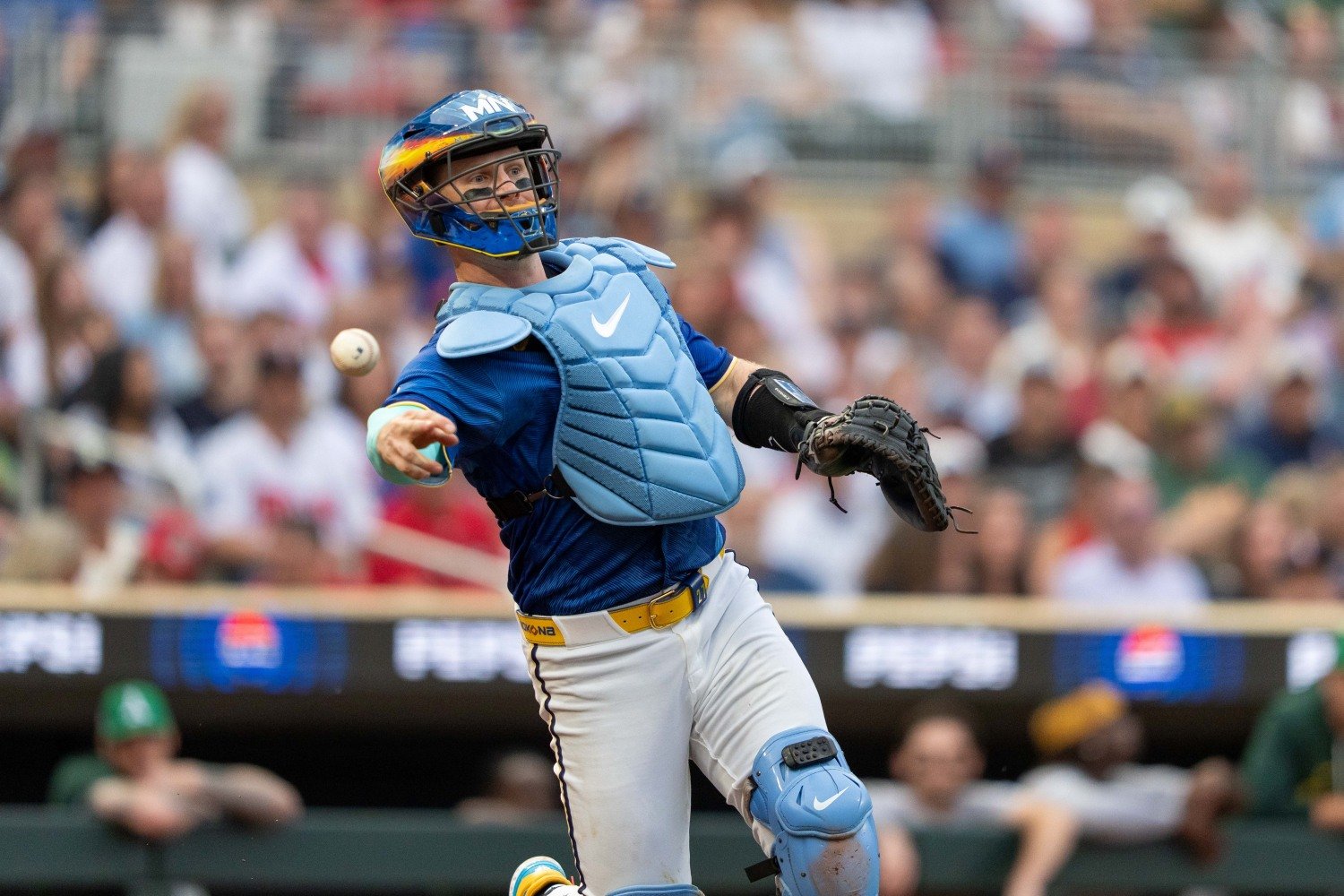 The trade market for Ryan Jeffers continues to gain momentum. According to USA Today's Bob Nightengale (so, take it with a grain of salt, but still), rival executives now believe the Minnesota Twins are likely to trade Jeffers before the deadline, with the New York Yankees viewed as the leading destination. That report makes plenty of sense, given where both organizations currently stand. The Twins have difficult decisions looming as they weigh buying versus selling, while the Yankees have one of the biggest holes of any contender behind the plate. Jeffers is enjoying the best season of his career, slashing .283/.390/.532 with nine home runs and a .922 OPS. He's been one of baseball's most productive offensive catchers, and after Shea Langeliers suffered a meniscus tear that could sideline him for the remainder of the season, Jeffers has arguably become the premier catcher available on the trade market. That doesn't necessarily mean the Twins are about to land one of baseball's elite prospects, even if they do trade him. Jeffers is scheduled to become a free agent after the season, meaning any acquiring club would only receive roughly two months of regular-season production and a potential postseason run before he reaches the open market. Rental players rarely command elite prospect packages, regardless of how productive they have been. Instead, Minnesota's return is more likely to center around a fringe top-100 prospect or a young major leaguer with several years of club control, paired with one or two spare parts. That's where the Yankees become particularly interesting. According to MLB Pipeline, New York owns the fifth-weakest farm system in baseball. While the overall depth is lacking, there are still several intriguing pitchers who could make plenty of sense for Minnesota. If the Yankees ultimately become Jeffers's landing spot, these are some of the names the Twins should target. Will Warren, RHP Will Warren may no longer qualify as a prospect, but he should be one of the very first players Minnesota asks about. The 27-year-old has already established himself in the major leagues after debuting in 2024. The results have been inconsistent, as Warren owns a 4.75 ERA across 284 major league innings, but there is still plenty of upside to work with. His fastball has consistently overpowered hitters, limiting opponents to a .225 batting average against the pitch in each of the past two seasons. The raw stuff is evident, but command inconsistencies and the long ball have prevented everything from coming together. That's been especially apparent recently, with Warren allowing five or more earned runs in three of his last six starts, including a six-run outing against the Phillies on Sunday. Warren has a 6.57 ERA over his last eight starts. He was 7-1 with a 3.22 ERA in his first 12 starts of the season. Despite the uneven results, Warren still carries significant value. He remains pre-arbitration, has four years of club control remaining after this season, and has proven to be one of baseball's most durable starters. He led the league with 33 starts last season and has already made 20 starts this year. The Yankees also have a crowded rotation with Carlos Rodón expected to return from the injured list, making Warren a player they could consider moving for immediate help behind the plate. For the Twins, Warren represents exactly the type of pitcher their player development staff has had success refining. Whether he develops into a reliable mid-rotation starter or eventually shifts into a dominant late-inning reliever, his combination of velocity, durability, and years of control would make him an excellent centerpiece in a Ryan Jeffers trade. Carlos Lagrange, RHP Carlos Lagrange is the highest-upside pitching prospects in the Yankees organization. The 23-year-old is the No. 79 prospect in baseball according to MLB Pipeline and No. 62 according to Baseball America. Standing 6-foot-7 with a fastball that routinely reaches triple digits, Lagrange possesses the elite arm talent that organizations dream on. Last season, Lagrange posted a 3.53 ERA across 120 innings between High-A and Double-A while striking out hitters at an incredible 33.4% clip. His first taste of Triple-A has come with growing pains, as he owns a 5.26 ERA through 63 innings, but the strikeout ability has remained intact with an impressive 29.5%. The Yankees certainly value Lagrange highly, but they also have plenty of starting pitching depth both in the majors and throughout the farm system. With another talented arm like Elmer Rodríguez climbing the ladder, New York could decide to move one of its top pitching prospects to address an immediate need behind the plate. If the Twins are looking for the highest-upside prospect they could realistically land for Jeffers, Lagrange may be at the top of the list. Right now, though, it would be a massive risk to accept him as a headliner. He's currently shut down with a capsular sprain in his shoulder. Down that road lies a surgery that takes roughly 18 months to return from and imperils careers. Hopefully, Lagrange will avoid that fate by resting and rehabbing the sprain before it becomes a tear, but trading for him this month is probably a non-starter. Ben Hess, RHP If Minnesota cannot pry away Will Warren or one of the Yankees' top-100 prospects, Ben Hess could be another intriguing target. The first-round pick from the 2024 draft possesses the type of power arsenal teams covet. Hess stands 6-foot-5 and 255 pounds and features a fastball that sits between 94 and 99 mph with outstanding ride. He pairs it with a plus slider that has generated plenty of swings and misses. At just 23 years old, Hess still has plenty of development ahead of him, but the raw ingredients are easy to dream on. He fits the mold of the high-upside pitching prospects the Twins have targeted in recent years, and he could become another important piece in Minnesota's growing stable of young arms. Henry Lalane, LHP Henry Lalane may be one of the more under-the-radar names in the Yankees organization, but he could also be one of the most intriguing. Once viewed as one of New York's better pitching prospects, Lalane saw his stock tumble after shoulder issues derailed his 2023 and 2024 seasons. He then missed most of 2025 while recovering from surgery. This year has been a completely different story. Lalane has regained both his health and his stuff. His fastball now sits comfortably in the mid-90s and touches 98 mph. He complements it with a low-80s changeup and a high-70s slider. All three offerings project as at least above-average major-league pitches. Standing 6-foot-7 and having just turned 21 years old, Lalane still possesses the physical tools to develop into a quality major-league starter—if he can stay healthy. The Yankees have understandably managed his workload carefully, but the results have been outstanding. After recently earning a promotion to High-A, Lalane owns a 3.01 ERA with 93 strikeouts in 71 innings. His injury history adds some risk, but the upside of a potential mid-rotation left-handed starter makes him an intriguing piece for Minnesota to pursue. The Yankees' farm system may not be as loaded as it has been in years past, but it still features several pitchers capable of helping the Twins both now and in the future. Whether the centerpiece is a controllable major-league arm like Will Warren or a high-ceiling prospect, Minnesota should have plenty of interesting options to discuss if trade talks surrounding Jeffers intensify over the coming days. If the Twins ultimately move Jeffers to New York, which Yankees prospect would you want to see included in the return? Leave a comment below and start the conversation!
- 97 comments
-
- 9
-
-
-
- ryan jeffers
- 2026 trade deadline
- (and 4 more)
-
According to USA Today's Bob Nightengale, rival executives are increasingly expecting the Minnesota Twins to move catcher Ryan Jeffers before the trade deadline. In his latest report, Nightengale wrote, "Rival teams now believe that the Minnesota Twins will trade catcher Ryan Jeffers, with the Yankees the leading candidate to sign him." The report lines up with what has seemed like the most logical outcome for weeks. Jeffers is set to become a free agent after the season, meaning the Twins risk losing him for nothing this winter. Even if Minnesota decides to make a modest buy at the deadline instead of becoming outright sellers, dealing Jeffers could still make sense if it allows the organization to add long-term value while replacing his production internally. The timing of the report is also notable because the catching market changed dramatically on Sunday morning. Athletics All-Star Shea Langeliers suffered a torn meniscus in his knee and could miss the remainder of the season. Langeliers was widely viewed as the premier catcher available at the deadline thanks to his offensive production and team control through the 2028 season. With him now likely off the market, Jeffers becomes the clear top catching option available to contenders. That shift in the market only increases Jeffers' value and could make it even more difficult for the Twins to justify holding onto him through the end of the season. If multiple contenders are searching for catching help and the best alternative is no longer available, Minnesota could find itself in an excellent position to maximize Jeffers' trade value. Do you think the Twins should capitalize on Jeffers' value and trade him before the deadline, or should they keep him for a postseason push? Leave a comment below and start the conversation! View full rumor
-
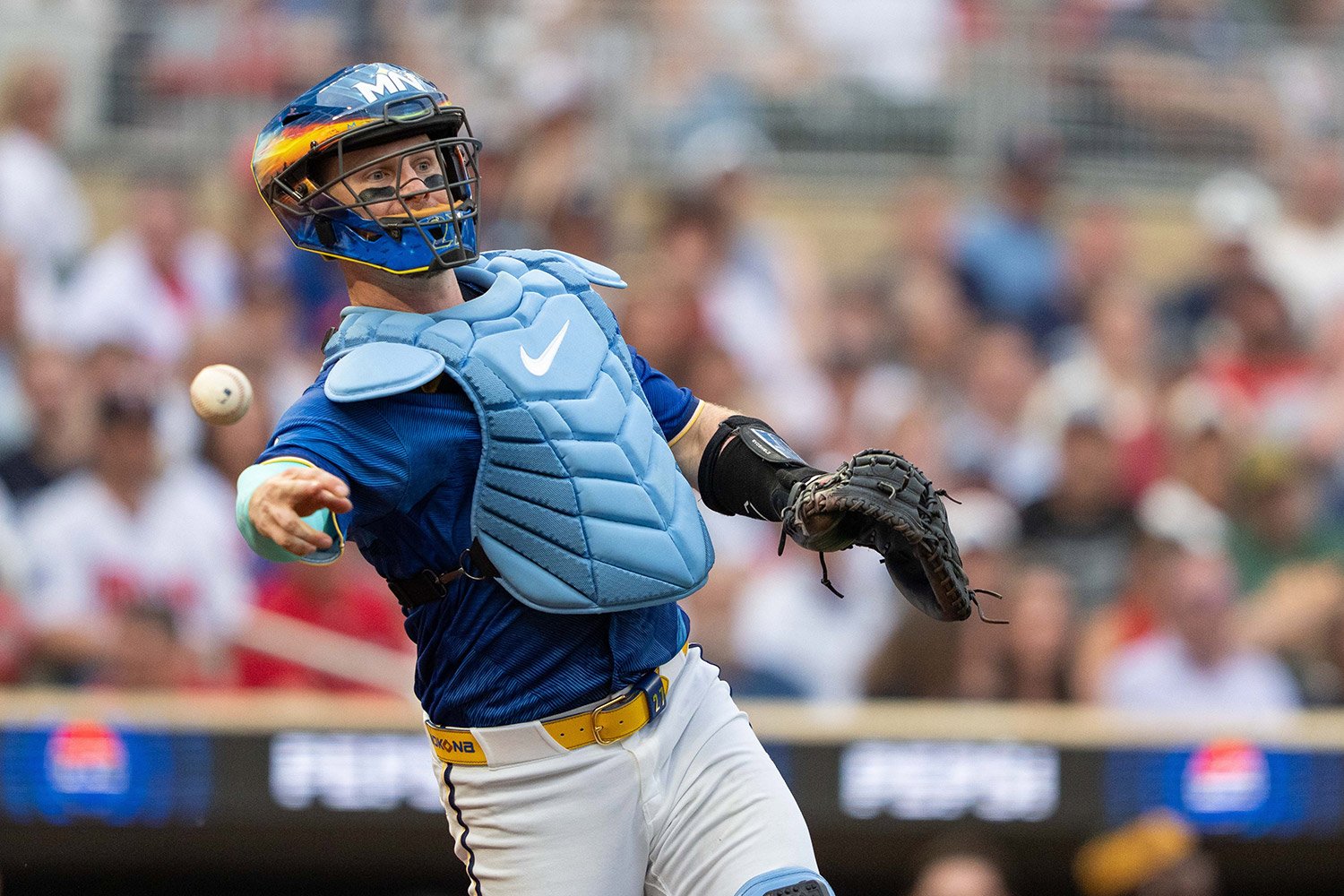 According to USA Today's Bob Nightengale, rival executives are increasingly expecting the Minnesota Twins to move catcher Ryan Jeffers before the trade deadline. In his latest report, Nightengale wrote, "Rival teams now believe that the Minnesota Twins will trade catcher Ryan Jeffers, with the Yankees the leading candidate to sign him." The report lines up with what has seemed like the most logical outcome for weeks. Jeffers is set to become a free agent after the season, meaning the Twins risk losing him for nothing this winter. Even if Minnesota decides to make a modest buy at the deadline instead of becoming outright sellers, dealing Jeffers could still make sense if it allows the organization to add long-term value while replacing his production internally. The timing of the report is also notable because the catching market changed dramatically on Sunday morning. Athletics All-Star Shea Langeliers suffered a torn meniscus in his knee and could miss the remainder of the season. Langeliers was widely viewed as the premier catcher available at the deadline thanks to his offensive production and team control through the 2028 season. With him now likely off the market, Jeffers becomes the clear top catching option available to contenders. That shift in the market only increases Jeffers' value and could make it even more difficult for the Twins to justify holding onto him through the end of the season. If multiple contenders are searching for catching help and the best alternative is no longer available, Minnesota could find itself in an excellent position to maximize Jeffers' trade value. Do you think the Twins should capitalize on Jeffers' value and trade him before the deadline, or should they keep him for a postseason push? Leave a comment below and start the conversation!
 -
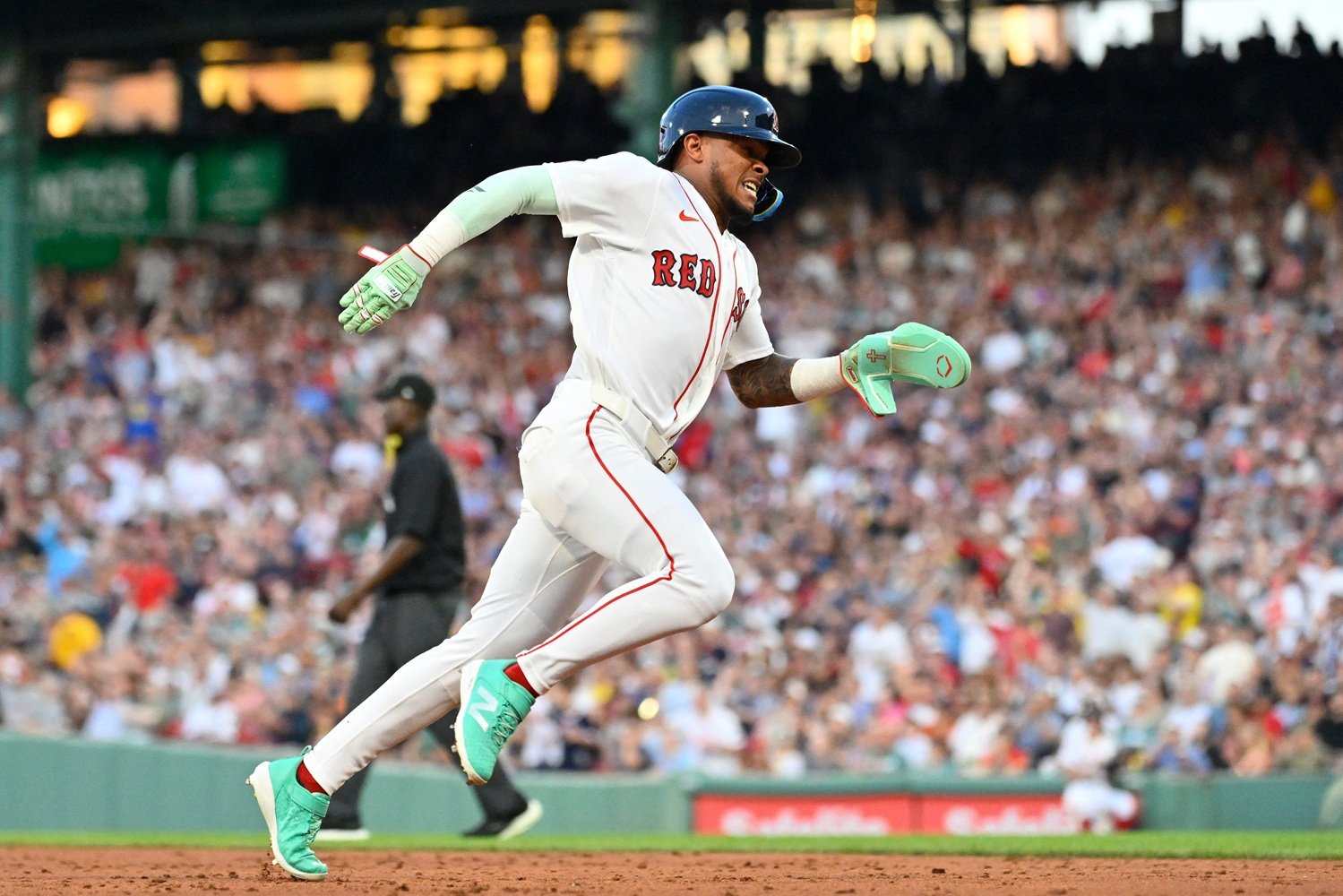 For much of the 2026 season, the American League has been defined by mediocrity. Outside of the division leaders and whichever AL East club happened to occupy second place between the Yankees and Rays, there were no clear playoff teams. Instead, the Wild Card race became a crowded collection of six or seven clubs hovering around the .500 mark, all believing they had a legitimate chance to reach October. That environment has been one of the biggest reasons the Twins have remained in the playoff conversation despite an underwhelming season. Their record has often looked uninspiring, but so has almost everyone else's. On July 1, Minnesota sat at 42-46, yet still carried a 27 percent chance of making the postseason. At that same point, no non-division leader in the American League had playoff odds higher than 33 percent. It was an indication of just how unsettled the Wild Card picture had become. As long as the Twins stayed within striking distance of .500, they were always going to remain part of that conversation. The math worked in their favor because there simply weren't enough teams separating themselves from the pack. The biggest threat to Minnesota's playoff hopes wasn't necessarily their own record. It was the possibility that another team would finally catch fire and turn a wide open race into a much more exclusive one. That is exactly what has happened. On July 1, the Boston Red Sox looked finished. They were 37-48, sitting in last place in the American League East and carrying just a 13.8 percent chance to make the playoffs. Reports had already surfaced that Boston was deep into trade discussions and preparing to sell ahead of the deadline. They appeared to be on the verge of waving the white flag on their season. Instead, they completely changed the landscape of the American League. Beginning on July 1, Boston ripped off a remarkable 15-game winning streak that transformed its season almost overnight. The Red Sox went from 11 games under .500 to 52-48 and suddenly found themselves two games clear of a Wild Card spot. Their playoff odds have skyrocketed to 61.3 percent, and rather than preparing to sell, they now look like one of the most aggressive buyers at the trade deadline. A team that was days away from pulling itself out of the playoff race is now firmly in the driver's seat for October baseball. For the Twins, the implications are significant. Minnesota has actually improved since July 1, climbing from three games under .500 to just two games below the break-even mark. Under normal circumstances, that would be encouraging progress in such a tightly packed Wild Card race. Instead, their playoff odds have actually declined because the overall landscape has changed. There is essentially one fewer playoff spot available. The American League once looked like six teams battling for two Wild Card berths. Boston's surge has effectively allowed one club to separate from the pack, leaving everyone else fighting over what may now amount to a single remaining opening. The margin for error has become much smaller. That is the danger of relying on the struggles of everyone around you. It can be tempting to look at a mediocre field and believe that simply hanging around .500 will be enough to stay alive until September. The problem is that those standings are never frozen in place. Eventually, somebody gets hot. This time it was Boston. Could another team make a similar run? Absolutely. Could it be the Twins? They certainly hope so. There is still plenty of baseball left, and Minnesota remains close enough to make a legitimate push. Their front office can still justify buying at the deadline if they believe this roster has another level to reach. What Boston's run should eliminate, however, is any thought that simply staying afloat will be enough. An 81-win season was never likely to earn a playoff berth, even in a weak American League. The Red Sox have reinforced that reality. Teams that want to play in October have to create separation, not wait for everyone else to stay mediocre. The Red Sox have reminded everyone that playoff races are won by taking advantage of opportunities, not by waiting for opportunities to come to you. Do you think Boston has effectively claimed one of the American League Wild Card spots, or is the race still wide open? Can the Twins put together a run of their own over the final two months, and should that possibility influence how aggressive they are at the trade deadline? Leave a comment below and start the conversation!

