



Matthew Taylor
-
Posts
973 -
Joined
-
Last visited
Content Type
Profiles
News
Minnesota Twins Videos
2026 Minnesota Twins Top Prospects Ranking
2022 Minnesota Twins Draft Picks
Minnesota Twins Free Agent & Trade Rumors, Notes, & Tidbits
Guides & Resources
2023 Minnesota Twins Draft Picks
The Minnesota Twins Players Project
2024 Minnesota Twins Draft Picks
2025 Minnesota Twins Draft Pick Tracker
2026 Minnesota Twins Draft Tracker: Picks & Bonuses
Forums
Blogs
Events
Store
Downloads
Gallery
Everything posted by Matthew Taylor
-
 Image courtesy of © Thomas Shea-Imagn Images Box Score SP: Zebby Matthews: 7 IP, 4 H, 1 ER, 7 K, 1 BB HR: Royce Lewis (8), Victor Caratini (7), Josh Bell (10) Top 3 WPA: Matthews 0.25, Caratini 0.13, Bell 0.12 Win Probability Chart (via FanGraphs): The Minnesota Twins entered Monday night's series opener in Houston knowing the competition was about to get much tougher. After taking a series from the Colorado Rockies, Minnesota kicked off a six-game road trip against an Astros club that had won nine of its previous 12 games, before heading to Yankee Stadium this weekend. The Twins were also without Byron Buxton, who was held out of the lineup after experiencing a recurrence of hip discomfort and undergoing imaging, according to MLB.com's Matthew Leach. That didn't stop them from taking control of the game early, even if the finish ended up being far more dramatic than it needed to be. The biggest reason was Zebby Matthews. After recording three quality starts in his previous four outings while pitching at least six innings in each, Matthews built on that momentum with arguably his best start of the 2026 season. The right-hander tossed seven innings of one-run ball, allowing just four hits while striking out seven and walking only one. His only mistake came in the fifth inning, when Cam Smith connected for a solo home run. Outside of that swing, Matthews was in complete control all night. Matthews gave the Twins exactly the kind of start they needed, and the offense rewarded him with an early cushion. After being held hitless through the first three innings, Minnesota broke through in the fourth when Victor Caratini and Royce Lewis launched back-to-back home runs. Both hitters continued their outstanding months of June, and Josh Bell joined them two innings later. Bell, who entered the night with an .880 OPS this month after his miserable start to the season, crushed a two-run homer to extend the lead to 4-1. Kody Clemens added one more insurance run in the seventh with an RBI groundout, giving the Twins what looked like a comfortable 5-1 advantage. Matthews's seven frames meant the bullpen only needed to notch the final six outs. Travis Adams looked poised to do just that, retiring the first five batters he faced before Taylor Trammell spoiled the effort with a two-out, full-count, two-run home run in the ninth inning to trim Minnesota's lead to 5-3. That forced the Twins to turn to Yoendrys Gómez for the final out. Instead, the Astros made things even more interesting when Smith launched a solo homer to make it a one-run game. Gómez settled down, however, retiring the final batter of the night to earn his eighth save of the season as the Twins hung on for the 5-4 victory. The Twins passed the first test of a challenging road trip. Matthews delivered the best outing of his season, while Lewis, Bell, and Caratini continued their hot stretches at the plate to provide enough offense. It got far more interesting than anyone expected over the final two outs, but the Twins ultimately did enough to open the road trip with a much-needed win. What's Next The Twins will look to lock up the series on Tuesday evening at 7:10 p.m. CT. Joe Ryan is scheduled to take the mound for Minnesota against Astros right-hander Mike Burrows, as the Twins try to string together some series victories and position themselves to buy (or at least not sell) at the trade deadline. Bullpen Usage Chart THU FRI SAT SUN SUN P Raya 0 0 40 0 0 40 Banda 0 11 0 14 0 25 Morris 0 6 0 12 0 18 Funderburk 0 20 25 0 0 45 Orze 0 14 0 0 0 14 Gómez 0 0 0 4 7 11 Rogers 0 0 9 0 0 9 Adams 0 0 0 0 35 35 View full article
 -
Image courtesy of © Nick Wosika-Imagn Images When the Minnesota Twins optioned Royce Lewis to Triple-A St. Paul on May 19, it felt like more than just a roster move. Lewis had endured a miserable start to the 2026 season, hitting his way to a .539 OPS in 31 games while striking out 37 times and drawing just 12 walks. Every at-bat seemed to bring more frustration. The former No. 1 overall pick looked completely lost at the plate, and the confidence that once made him one of baseball's most exciting young players appeared to be gone. The decision to send Lewis to Triple-A wasn't made with the expectation that he would be back in a week or two. This was supposed to be a true reset. In many ways, it felt like the Twins had reached a crossroads with Lewis. His struggles didn't begin in 2026. They stretched back into the second half of 2024 and continued through the 2025 season. By the time the Twins made the decision to send him to St. Paul, the organization seemed to be acknowledging that something significant needed to change. The goal wasn't simply to get Lewis hot for a few games. The Twins wanted him to rebuild everything. His swing needed work. His defense needed work. His confidence needed work. Most importantly, he needed time. If Lewis was going to get another opportunity in Minnesota, the Twins needed to know that the changes were real. Given how long the struggles had lasted, a quick hot streak wasn't going to be enough to convince anyone that he was ready. At least, that's what everyone thought. The only thing that could have changed that timeline would be if Lewis went to Triple-A and immediately started doing something absurd. Something that made it impossible for the Twins to ignore. Something like hitting eight home runs in 11 games. As ridiculous as that sounds, that's exactly what Lewis has done. Through his first 12 games with the St. Paul Saints, Lewis has gone 18-for-49 with eight home runs and 19 RBIs. Nearly every night has featured another home run—another reminder of why the Twins once viewed him as a franchise cornerstone. Instead of simply looking better, Lewis has looked dominant. Now the Twins may need to start asking themselves a difficult question. How much longer can they realistically keep him in Triple-A? After all, a hot streak in Triple-A is no guarantee that a player has figured things out. Twelve games is still a tiny sample size, and there is certainly value in letting Lewis continue to prove that the adjustments are real over a longer period of time. But considering how lost he looked for much of the last two seasons, it wasn't a given that he would be able to dominate any level of pitching. The fact that he has immediately gone to St. Paul and started punishing baseballs should not be dismissed. In a perfect world, the Twins would probably love to give Lewis another month in Triple-A and see if he can sustain this pace. The problem is that the Twins don't live in a perfect world. They need offense right now. Since May 15, Minnesota ranks 24th in baseball with a .669 OPS. Injuries and underperformance have left the lineup searching for answers, and Ryan Jeffers's injury has only made matters worse. On a nightly basis, the Twins are relying on players such as Ryan Kreidler, Victor Caratini, Tristan Gray, Kody Clemens, and Josh Bell to carry the offense. Keeping a player with Lewis's upside in Triple-A while he is hitting the way he is simply doesn't make sense. He wants to be back in the big leagues. He is showing signs of being the player the Twins know he can be. And most importantly, Minnesota is still very much in the middle of a season that could go either direction. If the Twins wait another two or three weeks for additional proof, they may find themselves running out of time to make a move that could impact the season. Of course, calling Lewis up raises an obvious question. Where would he play? Third base, his primary position, now belongs to Brooks Lee. Since Lewis's demotion, Lee has settled in at third and has given the Twins little reason to make another change. Fortunately, there may be a natural solution. On Thursday night, the St. Paul Saints started Lewis at first base for the first time, a move that could offer a glimpse into the Twins' plans. If Lewis can become comfortable at first base, Minnesota suddenly has a much easier path to getting his bat back into the lineup. A first-base platoon involving Lewis and Clemens would allow the Twins to maximize matchups while keeping Bell in a full-time designated hitter role. More importantly, it would create a way to add Lewis's bat without disrupting what Lee has established at third base. If he can play a bit of second, it's easy to make room for him there, too, since Luke Keaschall doesn't look like he belongs at that position defensively. The Twins sent Lewis to St. Paul looking for signs of life. They've gotten much more than that. Now it's time to give him another shot. What do you think? Should the Twins call Royce Lewis up immediately, or would you like to see him spend more time in Triple-A before getting another opportunity in Minnesota? Leave a comment below and start the conversation! View full article
-
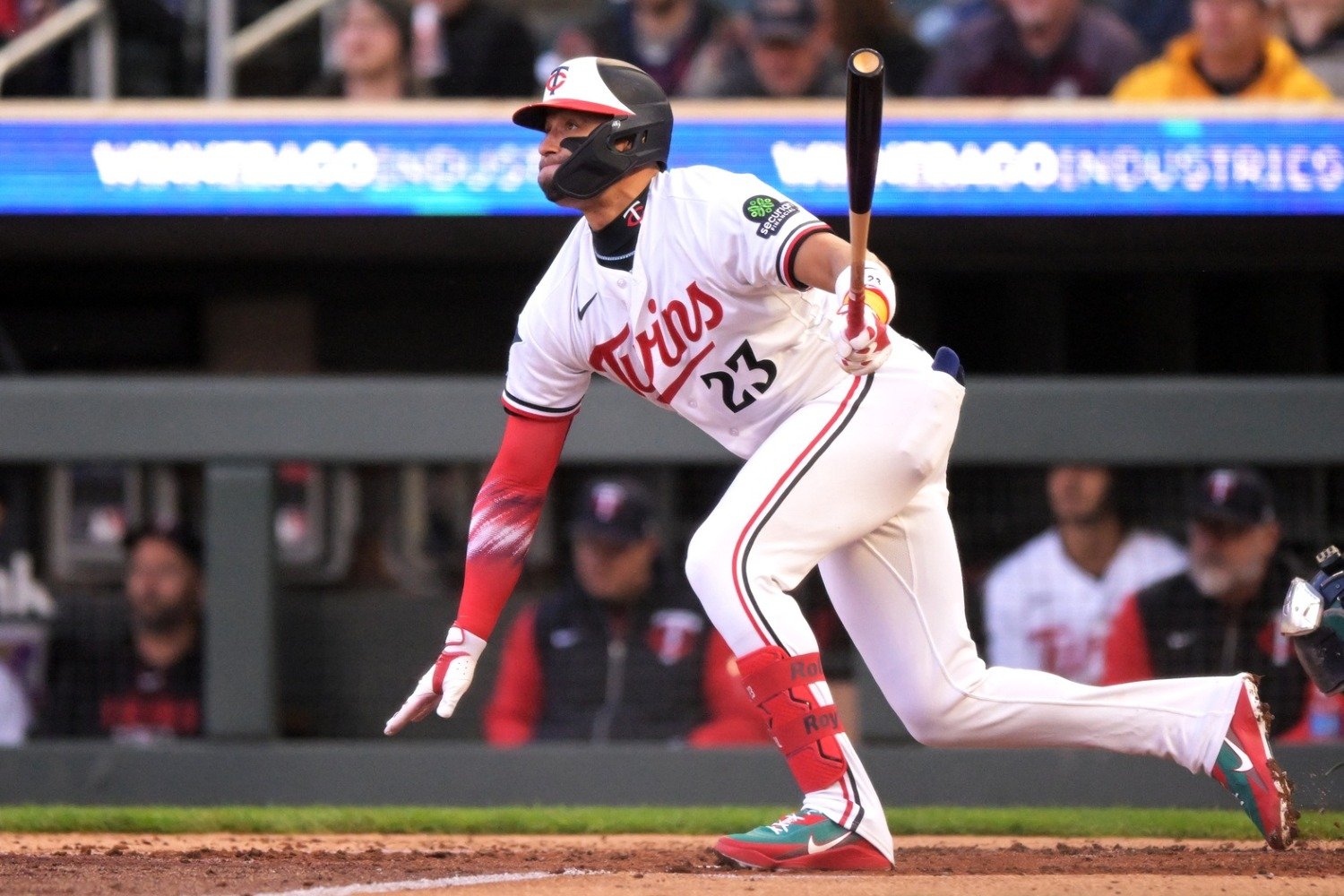 When the Minnesota Twins optioned Royce Lewis to Triple-A St. Paul on May 19, it felt like more than just a roster move. Lewis had endured a miserable start to the 2026 season, hitting his way to a .539 OPS in 31 games while striking out 37 times and drawing just 12 walks. Every at-bat seemed to bring more frustration. The former No. 1 overall pick looked completely lost at the plate, and the confidence that once made him one of baseball's most exciting young players appeared to be gone. The decision to send Lewis to Triple-A wasn't made with the expectation that he would be back in a week or two. This was supposed to be a true reset. In many ways, it felt like the Twins had reached a crossroads with Lewis. His struggles didn't begin in 2026. They stretched back into the second half of 2024 and continued through the 2025 season. By the time the Twins made the decision to send him to St. Paul, the organization seemed to be acknowledging that something significant needed to change. The goal wasn't simply to get Lewis hot for a few games. The Twins wanted him to rebuild everything. His swing needed work. His defense needed work. His confidence needed work. Most importantly, he needed time. If Lewis was going to get another opportunity in Minnesota, the Twins needed to know that the changes were real. Given how long the struggles had lasted, a quick hot streak wasn't going to be enough to convince anyone that he was ready. At least, that's what everyone thought. The only thing that could have changed that timeline would be if Lewis went to Triple-A and immediately started doing something absurd. Something that made it impossible for the Twins to ignore. Something like hitting eight home runs in 11 games. As ridiculous as that sounds, that's exactly what Lewis has done. Through his first 12 games with the St. Paul Saints, Lewis has gone 18-for-49 with eight home runs and 19 RBIs. Nearly every night has featured another home run—another reminder of why the Twins once viewed him as a franchise cornerstone. Instead of simply looking better, Lewis has looked dominant. Now the Twins may need to start asking themselves a difficult question. How much longer can they realistically keep him in Triple-A? After all, a hot streak in Triple-A is no guarantee that a player has figured things out. Twelve games is still a tiny sample size, and there is certainly value in letting Lewis continue to prove that the adjustments are real over a longer period of time. But considering how lost he looked for much of the last two seasons, it wasn't a given that he would be able to dominate any level of pitching. The fact that he has immediately gone to St. Paul and started punishing baseballs should not be dismissed. In a perfect world, the Twins would probably love to give Lewis another month in Triple-A and see if he can sustain this pace. The problem is that the Twins don't live in a perfect world. They need offense right now. Since May 15, Minnesota ranks 24th in baseball with a .669 OPS. Injuries and underperformance have left the lineup searching for answers, and Ryan Jeffers's injury has only made matters worse. On a nightly basis, the Twins are relying on players such as Ryan Kreidler, Victor Caratini, Tristan Gray, Kody Clemens, and Josh Bell to carry the offense. Keeping a player with Lewis's upside in Triple-A while he is hitting the way he is simply doesn't make sense. He wants to be back in the big leagues. He is showing signs of being the player the Twins know he can be. And most importantly, Minnesota is still very much in the middle of a season that could go either direction. If the Twins wait another two or three weeks for additional proof, they may find themselves running out of time to make a move that could impact the season. Of course, calling Lewis up raises an obvious question. Where would he play? Third base, his primary position, now belongs to Brooks Lee. Since Lewis's demotion, Lee has settled in at third and has given the Twins little reason to make another change. Fortunately, there may be a natural solution. On Thursday night, the St. Paul Saints started Lewis at first base for the first time, a move that could offer a glimpse into the Twins' plans. If Lewis can become comfortable at first base, Minnesota suddenly has a much easier path to getting his bat back into the lineup. A first-base platoon involving Lewis and Clemens would allow the Twins to maximize matchups while keeping Bell in a full-time designated hitter role. More importantly, it would create a way to add Lewis's bat without disrupting what Lee has established at third base. If he can play a bit of second, it's easy to make room for him there, too, since Luke Keaschall doesn't look like he belongs at that position defensively. The Twins sent Lewis to St. Paul looking for signs of life. They've gotten much more than that. Now it's time to give him another shot. What do you think? Should the Twins call Royce Lewis up immediately, or would you like to see him spend more time in Triple-A before getting another opportunity in Minnesota? Leave a comment below and start the conversation!
 -
The Minnesota Twins have traded right-handed pitcher Simeon Woods Richardson to the Toronto Blue Jays in exchange for cash considerations. The move comes just days after the Twins designated Woods Richardson for assignment following his emergency start on Saturday. In that outing, the right-hander allowed five runs in 2 2/3 innings, raising his season ERA to 7.74. Once Woods Richardson was designated for assignment, the Twins had the opportunity to trade him before placing him on outright waivers. Teams interested in acquiring him could jump the waiver line by working out a trade, and the Blue Jays were seemingly the only club willing to do so. As a result, Minnesota's return was limited to cash considerations. The trade marks a return to the organization where Woods Richardson first emerged a top pitching prospect. He was acquired by the Twins alongside Austin Martin from Toronto at the 2021 trade deadline in exchange for José Berríos. Over parts of five seasons with Minnesota, Woods Richardson logged 302 1/3 innings at the major-league level, posting a 4.76 ERA while making 62 appearances. What do you think of the move? Did the Twins make the right decision by moving on from Woods Richardson, or would you have preferred they hold onto him for additional depth? View full rumor
-
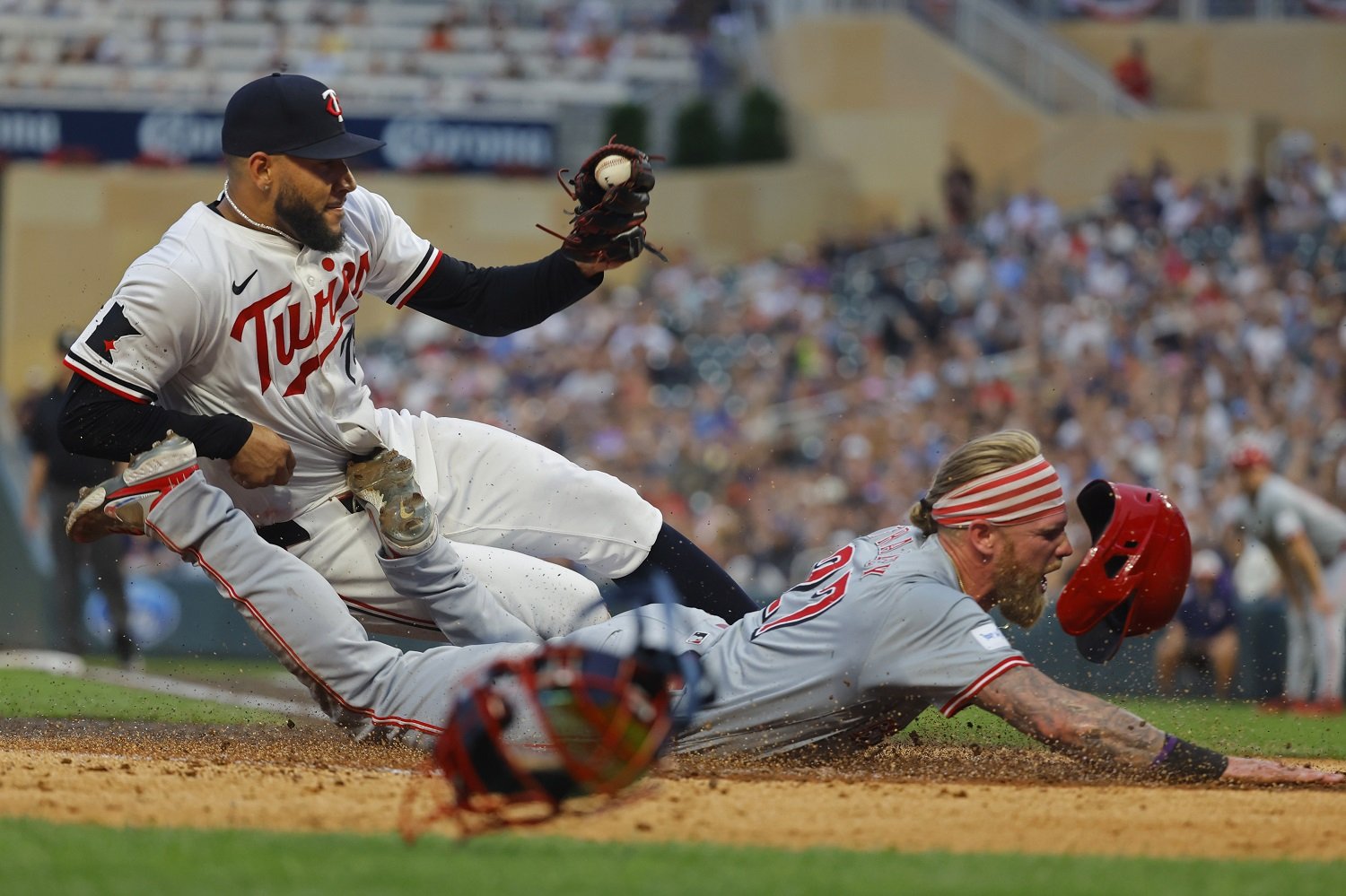 The Minnesota Twins have traded right-handed pitcher Simeon Woods Richardson to the Toronto Blue Jays in exchange for cash considerations. The move comes just days after the Twins designated Woods Richardson for assignment following his emergency start on Saturday. In that outing, the right-hander allowed five runs in 2 2/3 innings, raising his season ERA to 7.74. Once Woods Richardson was designated for assignment, the Twins had the opportunity to trade him before placing him on outright waivers. Teams interested in acquiring him could jump the waiver line by working out a trade, and the Blue Jays were seemingly the only club willing to do so. As a result, Minnesota's return was limited to cash considerations. The trade marks a return to the organization where Woods Richardson first emerged a top pitching prospect. He was acquired by the Twins alongside Austin Martin from Toronto at the 2021 trade deadline in exchange for José Berríos. Over parts of five seasons with Minnesota, Woods Richardson logged 302 1/3 innings at the major-league level, posting a 4.76 ERA while making 62 appearances. What do you think of the move? Did the Twins make the right decision by moving on from Woods Richardson, or would you have preferred they hold onto him for additional depth?
 -
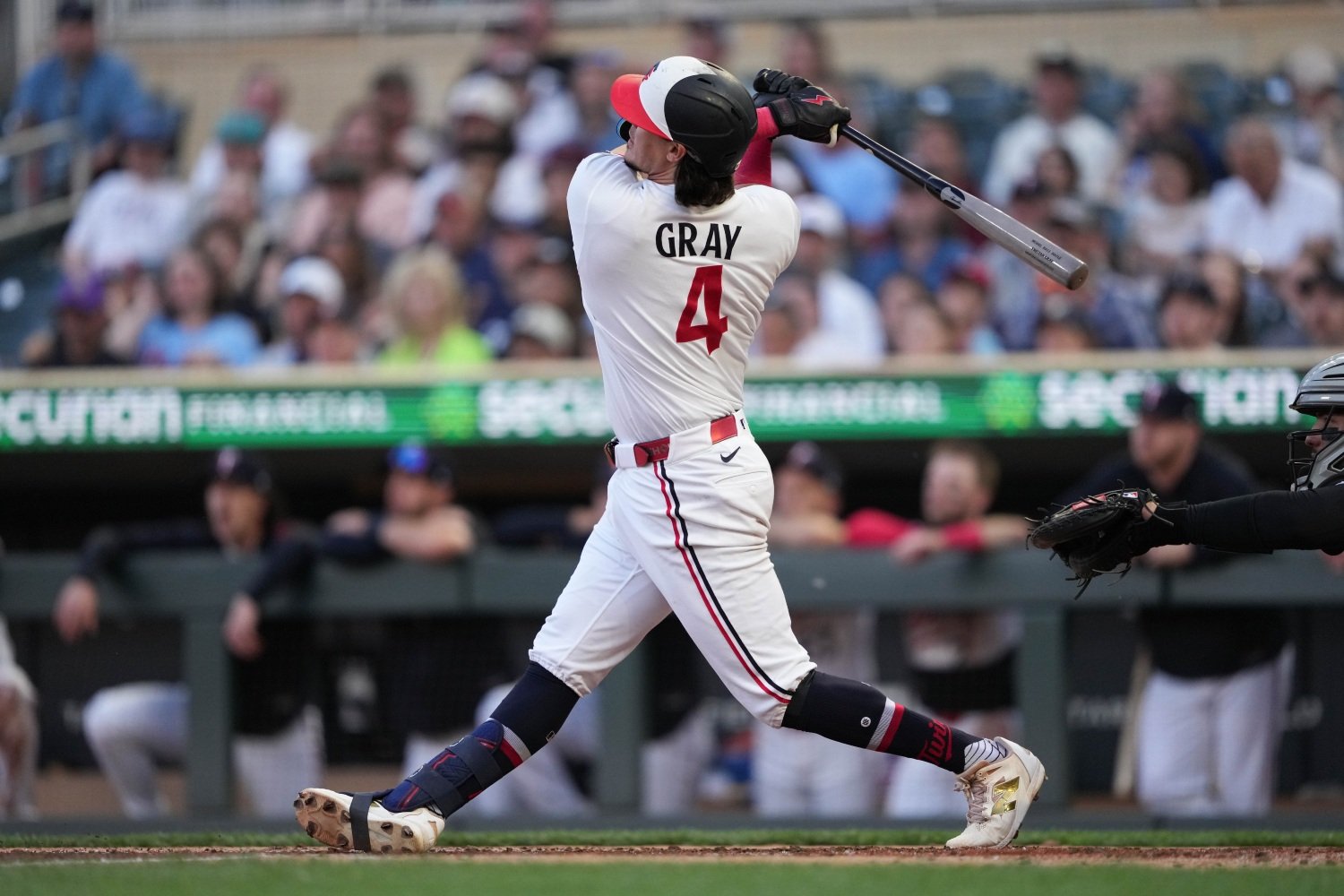 Box Score SP: Joe Ryan 6 IP, 8 H, 4 ER, 9 SO, 0 BB HR: Tristan Gray (4) Top 3 WPA: Gray 0.32, Trevor Larnach 0.24, Josh Bell 0.08 Win Probability Chart (via FanGraphs): The Twins desperately needed a reset Monday afternoon. After limping home from Pittsburgh on a five-game losing streak and coming off a sweep at the hands of the Pirates, Minnesota returned to Target Field looking to stop the bleeding against a White Sox club that arrived with momentum of its own. Chicago entered the series opener riding a five-game winning streak, after sweeping Detroit over the weekend. With the Twins searching for stability, the ball was in the hands of the one starter who has consistently provided it all season. Joe Ryan took the mound as Minnesota's unquestioned ace. At a time when injuries and inconsistency have left the rotation searching for answers, Ryan has remained the one arm the Twins can count on every fifth day. They needed another strong effort from him against White Sox rookie David Sandlin, who was making just the second start of his major league career after allowing one run in his debut victory. The Twins wasted little time making the rookie uncomfortable. Minnesota opened the bottom of the first inning by stringing together three hits, with Trevor Larnach delivering an RBI single that gave the Twins an early 1-0 advantage. The lead was short-lived, however, as Andrew Benintendi answered in the top of the second with an RBI single that tied the game. The contest remained deadlocked until the fourth inning, when the Twins finally broke through in a big way. Josh Bell started the rally with a leadoff double, and Minnesota continued to apply pressure by putting additional runners on base. That brought Tristan Gray to the plate with the bases loaded, and the infielder delivered the game's biggest swing. Gray launched a grand slam to right-center field for his fourth home run of the season and his first since April 23. It was also his second grand slam of the year, sending Target Field into a frenzy and giving the Twins a 5-1 lead. What looked like a comfortable advantage quickly became anything but. Ryan muscled his way through much of his outing, but ran into trouble in the fifth inning. Miguel Vargas connected for a two-run homer to trim the deficit, and Benintendi followed immediately with a solo shot of his own. Back-to-back home runs suddenly cut Minnesota's lead to 5-4 and put the pressure right back on the home club. This time, the offense answered immediately. The Twins erupted in the bottom half of the inning, collecting three hits, drawing two walks, and pushing four runs across the plate. Austin Martin contributed an RBI single that snapped an 0-for-18 slump, and by the end of the inning, Minnesota had rebuilt its cushion to 9-4. That offensive outburst proved critical. Ryan ultimately did not record a quality start after allowing four earned runs across six innings, but he still gave the Twins exactly what they needed. The right-hander limited further damage, completed six frames, and struck out nine hitters, matching his season high. More importantly, he kept Minnesota in position to capitalize on its best offensive performance in days. Kody Funderburk and Yoendrys Gómez each delivered scoreless innings in the seventh and eighth, preserving the lead and keeping Chicago at arm's length. The White Sox made one final push in the ninth when Vargas struck again, launching his second homer of the game, a two-run shot off Travis Adams that cut the deficit to three. The late drama wasn't enough to spoil Minnesota's night. Powered by Gray's grand slam and a four-run answer in the fifth inning, the Twins held off the White Sox 9-6 to snap their five-game losing streak and open a seven-game homestand with a much-needed victory. What's Next The Twins will look to secure a series victory Tuesday evening when Connor Prielipp takes the mound seeking a bounce-back performance after consecutive rough outings. Standing in his way will be White Sox right-hander Davis Martin, who has been Chicago's most effective starter this season with a 2.00 ERA across 67 2/3 innings. First pitch from Target Field is scheduled for 6:40 PM CT. Postgame Interview Bullpen Usage Report THU FRI SAT SUN MON TOT Paredes 0 0 0 60 0 60 Orze 0 23 0 0 0 23 Adams 12 0 0 0 19 31 Banda 14 18 0 0 0 32 Gómez 17 14 0 0 15 46 Morris 29 0 0 0 0 29 Funderburk 0 0 27 0 16 43 Rogers 7 12 0 0 0 19 Laweryson 0 16 0 0 0 16
- 18 comments
-
- 3
-

-
- game recap
- tristan gray
- (and 2 more)
-
Image courtesy of © Jordan Johnson-Imagn Images Box Score SP: Joe Ryan 6 IP, 8 H, 4 ER, 9 SO, 0 BB HR: Tristan Gray (4) Top 3 WPA: Gray 0.32, Trevor Larnach 0.24, Josh Bell 0.08 Win Probability Chart (via FanGraphs): The Twins desperately needed a reset Monday afternoon. After limping home from Pittsburgh on a five-game losing streak and coming off a sweep at the hands of the Pirates, Minnesota returned to Target Field looking to stop the bleeding against a White Sox club that arrived with momentum of its own. Chicago entered the series opener riding a five-game winning streak, after sweeping Detroit over the weekend. With the Twins searching for stability, the ball was in the hands of the one starter who has consistently provided it all season. Joe Ryan took the mound as Minnesota's unquestioned ace. At a time when injuries and inconsistency have left the rotation searching for answers, Ryan has remained the one arm the Twins can count on every fifth day. They needed another strong effort from him against White Sox rookie David Sandlin, who was making just the second start of his major league career after allowing one run in his debut victory. The Twins wasted little time making the rookie uncomfortable. Minnesota opened the bottom of the first inning by stringing together three hits, with Trevor Larnach delivering an RBI single that gave the Twins an early 1-0 advantage. The lead was short-lived, however, as Andrew Benintendi answered in the top of the second with an RBI single that tied the game. The contest remained deadlocked until the fourth inning, when the Twins finally broke through in a big way. Josh Bell started the rally with a leadoff double, and Minnesota continued to apply pressure by putting additional runners on base. That brought Tristan Gray to the plate with the bases loaded, and the infielder delivered the game's biggest swing. Gray launched a grand slam to right-center field for his fourth home run of the season and his first since April 23. It was also his second grand slam of the year, sending Target Field into a frenzy and giving the Twins a 5-1 lead. What looked like a comfortable advantage quickly became anything but. Ryan muscled his way through much of his outing, but ran into trouble in the fifth inning. Miguel Vargas connected for a two-run homer to trim the deficit, and Benintendi followed immediately with a solo shot of his own. Back-to-back home runs suddenly cut Minnesota's lead to 5-4 and put the pressure right back on the home club. This time, the offense answered immediately. The Twins erupted in the bottom half of the inning, collecting three hits, drawing two walks, and pushing four runs across the plate. Austin Martin contributed an RBI single that snapped an 0-for-18 slump, and by the end of the inning, Minnesota had rebuilt its cushion to 9-4. That offensive outburst proved critical. Ryan ultimately did not record a quality start after allowing four earned runs across six innings, but he still gave the Twins exactly what they needed. The right-hander limited further damage, completed six frames, and struck out nine hitters, matching his season high. More importantly, he kept Minnesota in position to capitalize on its best offensive performance in days. Kody Funderburk and Yoendrys Gómez each delivered scoreless innings in the seventh and eighth, preserving the lead and keeping Chicago at arm's length. The White Sox made one final push in the ninth when Vargas struck again, launching his second homer of the game, a two-run shot off Travis Adams that cut the deficit to three. The late drama wasn't enough to spoil Minnesota's night. Powered by Gray's grand slam and a four-run answer in the fifth inning, the Twins held off the White Sox 9-6 to snap their five-game losing streak and open a seven-game homestand with a much-needed victory. What's Next The Twins will look to secure a series victory Tuesday evening when Connor Prielipp takes the mound seeking a bounce-back performance after consecutive rough outings. Standing in his way will be White Sox right-hander Davis Martin, who has been Chicago's most effective starter this season with a 2.00 ERA across 67 2/3 innings. First pitch from Target Field is scheduled for 6:40 PM CT. Postgame Interview Bullpen Usage Report THU FRI SAT SUN MON TOT Paredes 0 0 0 60 0 60 Orze 0 23 0 0 0 23 Adams 12 0 0 0 19 31 Banda 14 18 0 0 0 32 Gómez 17 14 0 0 15 46 Morris 29 0 0 0 0 29 Funderburk 0 0 27 0 16 43 Rogers 7 12 0 0 0 19 Laweryson 0 16 0 0 0 16 View full article
-
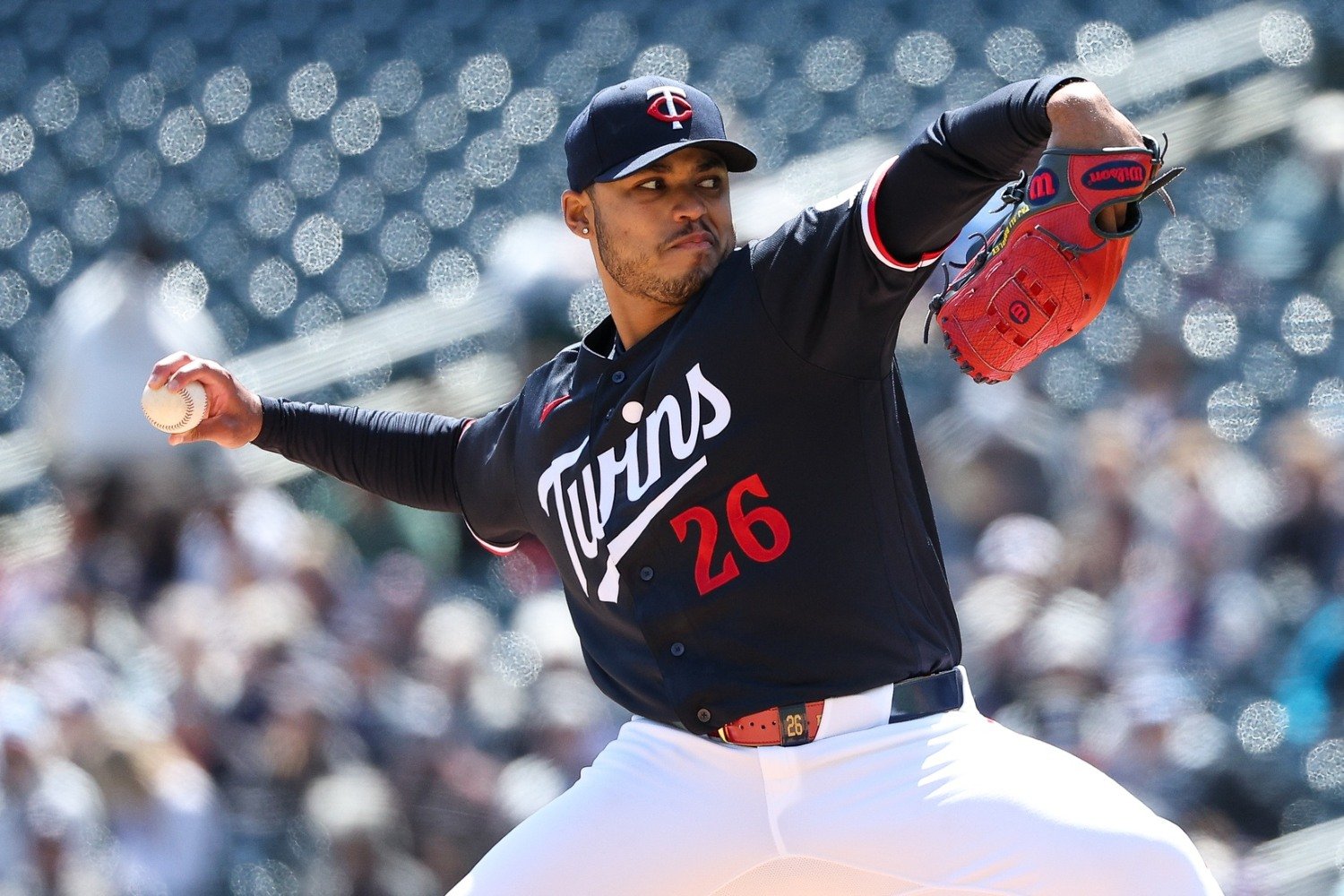 The Minnesota Twins' starting rotation was supposed to be a strength coming into 2026. On paper, it still is. And through the first stretch of the season, the numbers back that up. The Twins currently rank 5th in baseball in starting pitcher fWAR and sit in the top half of the league in ERA. But the way it has come together has looked very different than expected. Injuries to Pablo López and David Festa created immediate uncertainty, and questions around velocity and performance for Bailey Ober and Zebby Matthews only added to it. Outside of Joe Ryan, there were more question marks than answers heading into Opening Day. A month into the season, though, the results have been better than many expected—not dominant across the board, but steady enough to keep the team afloat while things sort themselves out. With that in mind, here is a confidence ranking of the current Twins starting rotation. 1. Joe Ryan* With López sidelined, Ryan stepped into the ace role like everyone expected and has continued to deliver in the way he always does. He owns a 3.76 ERA on the season, almost perfectly in line with his 3.79 career mark, and he leads the team in fWAR at 1.1. The strikeout rate has dipped slightly and his ERA+ is down a bit from last year, but the overall profile has not changed much. Ryan continues to give the Twins a dependable outing almost every time he takes the mound. He has allowed more than two earned runs in just two of his seven starts, and there is a level of long-term consistency that the rest of the rotation has not matched. With free agency approaching, his long-term future in Minnesota may be uncertain. His role as the most trusted arm in the rotation is not. Of course, after Sunday, there's a massive caveat to all of this, of the kind you never want attached to the person at the top of this kind of ranking. Ryan left his start against the Blue Jays with elbow soreness, throwing another long shadow of uncertainty over this unit (and the team of which it's a part) at a terrible moment. He's still the most trustworthy pitcher in the group, but we'd have said the same thing of Pablo López three months ago, too. 2. Taj Bradley There was plenty of hype surrounding Bradley coming into the season, and so far, he has managed to exceed it. The 2025 trade deadline acquisition has been one of the most reliable starters on the staff, leading the team with 41 innings pitched while posting a 2.85 ERA and a 25.2% strikeout rate. Outside of one rough outing against his former team on April 24, he has consistently limited damage and kept the Twins in games. He's quickly gone from a high-upside addition to someone the Twins can count on every fifth day, which is not always an easy transition to make. At the young age of 25, there's plenty of upside remaining for the right-hander, too. 3. Bailey Ober If Bradley brought the most excitement into 2026, Ober entered the season with the most uncertainty. After a difficult finish to 2025 that included a 6.30 ERA from June on, along with a hip injury and declining velocity, expectations were understandably low. The velocity concerns have not disappeared, either, as his fastball is averaging just 88.2 mph. Even so, Ober has found a way to put together a solid start to the season. Through six outings, he holds a 3.94 ERA and has done a much better job limiting damage. One of the biggest differences has been his ability to keep the ball in the park. After allowing 30 home runs last year, he has given up just three through 32 innings so far. He's not overpowering hitters or piling up strikeouts, but he has adjusted his approach, induced weaker contact, and avoided the big innings that hurt him last season. 4. Connor Prielipp It may feel early to have Prielipp this high, but the early returns make it understandable. The sample size is still small, which makes this ranking more about projection than a full body of work. Even so, he has shown enough to stand out. He has allowed two earned runs in each of his starts, including one outing where he gave up just a single hit over five innings. What stands out most is the quality of his stuff. Prielipp has shown the ability to miss bats and generate movement, and he looks comfortable attacking hitters at the major-league level. When you pair that with his pedigree as one of the top pitching prospects in the organization, it's easy to see why confidence is already building. 5. Simeon Woods Richardson This is where things start to shift in the opposite direction. Not long ago, Woods Richardson was viewed as one of the more dependable options in the rotation. He was not dominant, but he consistently gave the Twins competitive innings and avoided major blowups. That version has not been there to start 2026. He has allowed four or more earned runs in four of his first seven starts and carries a 6.49 ERA. Just as concerning is the drop in strikeouts, with his rate sitting at 10.6%. The consistency that once defined him has not shown up, and without it, it becomes much harder to trust what each outing might look like. There is still plenty of time for things to shift, and this group will likely look different as the season goes on. For now, though, this is where the confidence levels stand. What do you think? Who do you trust most in this rotation right now, and who are you still unsure about? Leave a comment below and start the conversation!
- 7 comments
-
- 3
-
-
- joe ryan
- taj bradley
- (and 3 more)
-
Image courtesy of © Matt Krohn-Imagn Images The Minnesota Twins' starting rotation was supposed to be a strength coming into 2026. On paper, it still is. And through the first stretch of the season, the numbers back that up. The Twins currently rank 5th in baseball in starting pitcher fWAR and sit in the top half of the league in ERA. But the way it has come together has looked very different than expected. Injuries to Pablo López and David Festa created immediate uncertainty, and questions around velocity and performance for Bailey Ober and Zebby Matthews only added to it. Outside of Joe Ryan, there were more question marks than answers heading into Opening Day. A month into the season, though, the results have been better than many expected—not dominant across the board, but steady enough to keep the team afloat while things sort themselves out. With that in mind, here is a confidence ranking of the current Twins starting rotation. 1. Joe Ryan* With López sidelined, Ryan stepped into the ace role like everyone expected and has continued to deliver in the way he always does. He owns a 3.76 ERA on the season, almost perfectly in line with his 3.79 career mark, and he leads the team in fWAR at 1.1. The strikeout rate has dipped slightly and his ERA+ is down a bit from last year, but the overall profile has not changed much. Ryan continues to give the Twins a dependable outing almost every time he takes the mound. He has allowed more than two earned runs in just two of his seven starts, and there is a level of long-term consistency that the rest of the rotation has not matched. With free agency approaching, his long-term future in Minnesota may be uncertain. His role as the most trusted arm in the rotation is not. Of course, after Sunday, there's a massive caveat to all of this, of the kind you never want attached to the person at the top of this kind of ranking. Ryan left his start against the Blue Jays with elbow soreness, throwing another long shadow of uncertainty over this unit (and the team of which it's a part) at a terrible moment. He's still the most trustworthy pitcher in the group, but we'd have said the same thing of Pablo López three months ago, too. 2. Taj Bradley There was plenty of hype surrounding Bradley coming into the season, and so far, he has managed to exceed it. The 2025 trade deadline acquisition has been one of the most reliable starters on the staff, leading the team with 41 innings pitched while posting a 2.85 ERA and a 25.2% strikeout rate. Outside of one rough outing against his former team on April 24, he has consistently limited damage and kept the Twins in games. He's quickly gone from a high-upside addition to someone the Twins can count on every fifth day, which is not always an easy transition to make. At the young age of 25, there's plenty of upside remaining for the right-hander, too. 3. Bailey Ober If Bradley brought the most excitement into 2026, Ober entered the season with the most uncertainty. After a difficult finish to 2025 that included a 6.30 ERA from June on, along with a hip injury and declining velocity, expectations were understandably low. The velocity concerns have not disappeared, either, as his fastball is averaging just 88.2 mph. Even so, Ober has found a way to put together a solid start to the season. Through six outings, he holds a 3.94 ERA and has done a much better job limiting damage. One of the biggest differences has been his ability to keep the ball in the park. After allowing 30 home runs last year, he has given up just three through 32 innings so far. He's not overpowering hitters or piling up strikeouts, but he has adjusted his approach, induced weaker contact, and avoided the big innings that hurt him last season. 4. Connor Prielipp It may feel early to have Prielipp this high, but the early returns make it understandable. The sample size is still small, which makes this ranking more about projection than a full body of work. Even so, he has shown enough to stand out. He has allowed two earned runs in each of his starts, including one outing where he gave up just a single hit over five innings. What stands out most is the quality of his stuff. Prielipp has shown the ability to miss bats and generate movement, and he looks comfortable attacking hitters at the major-league level. When you pair that with his pedigree as one of the top pitching prospects in the organization, it's easy to see why confidence is already building. 5. Simeon Woods Richardson This is where things start to shift in the opposite direction. Not long ago, Woods Richardson was viewed as one of the more dependable options in the rotation. He was not dominant, but he consistently gave the Twins competitive innings and avoided major blowups. That version has not been there to start 2026. He has allowed four or more earned runs in four of his first seven starts and carries a 6.49 ERA. Just as concerning is the drop in strikeouts, with his rate sitting at 10.6%. The consistency that once defined him has not shown up, and without it, it becomes much harder to trust what each outing might look like. There is still plenty of time for things to shift, and this group will likely look different as the season goes on. For now, though, this is where the confidence levels stand. What do you think? Who do you trust most in this rotation right now, and who are you still unsure about? Leave a comment below and start the conversation! View full article
-
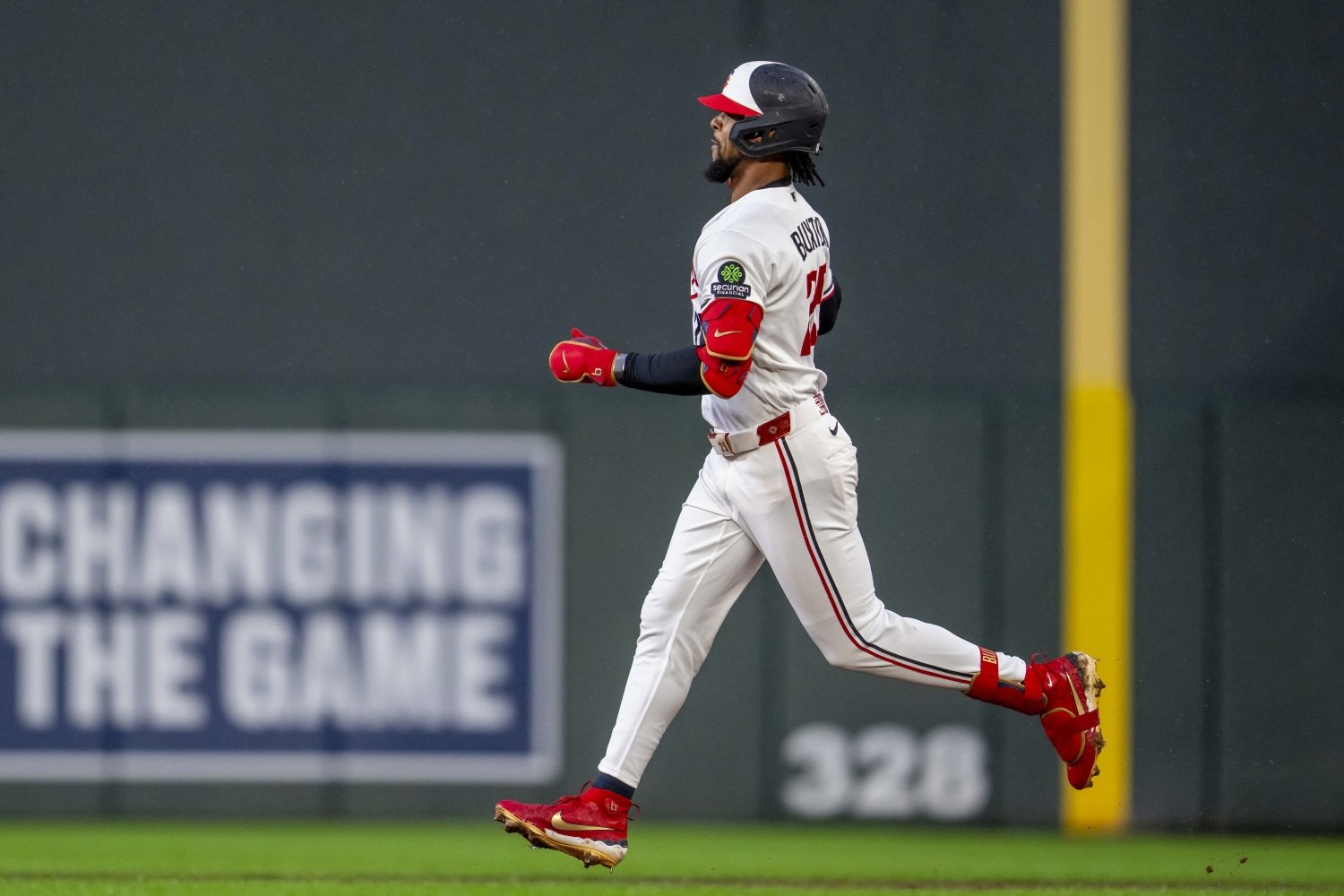 Box Score Starting Pitcher: Connor Prielipp 5 IP, 1 H, 2 ER, 5 K, 3 BB (84 pitches, 49 strikes) Home Runs: Byron Buxton (6), Kody Clemens (3) Top 3 WPA: Connor Prielipp 0.16, Kody Clemens 0.11, Luke Keaschall 0.11 Win Probability Chart (via FanGraphs): After a day filled with rain and cold that kept most fans at home, the Minnesota Twins returned to Target Field looking to stop the bleeding. A surprising 11-7 run to open the season quickly turned into the version of the Twins many expected. Entering this one, they had dropped 9 of their last 10, including a five-game losing streak and a sweep at the hands of the Tampa Bay Rays. The failures feel more real than the successes did, and the tone around the team and fanbase had shifted in a hurry. Meanwhile, the Seattle Mariners came to town with their own issues. Despite high expectations, they entered the night at 14-15, still searching for consistency. With a small, bundled-up crowd and morale already trending down, the Twins could not afford another slow start, especially against multi-time All-Star Luis Castillo. They did not wait around. The Twins got on the board in the second inning, when Luke Keaschall lined an RBI double to give them an early lead. That carried into the third. Ryan Jeffers knocked in a run with a single before Kody Clemens broke things open with a three-run homer to right field, his third of the season, pushing the lead to 4-0. An inning later, Byron Buxton added a two-run shot of his own. Just like that, the Twins had the early cushion that had been missing during their skid. They kept applying pressure. By the time Castillo exited after five innings, the Twins had tagged him for seven earned runs while striking out only three times, a sharp contrast from the swing and miss issues that defined the past week. And maybe the biggest shift came in the spots that had been killing them. After a stretch where runners in scoring position felt like a dead end, the Twins flipped it, finishing 5-for-12 in those situations. Timely hitting showed up when they needed it. On the mound, Connor Prielipp made his Target Field debut and backed up the promise he showed in his first outing, during the Mets series on the road trip. He allowed just one hit over five innings. His command wavered at times, with three walks including back-to-back in the fifth, but he limited damage, allowing two runs while striking out five and generating 11 swings and misses. It was another very strong step for a young arm showing a lot of promise. When the game turned over to Andrew Morris in long relief, the Mariners made things a bit more interesting. Cal Raleigh connected on a two-run homer in the eighth to cut the lead to 8-4. Still, Morris did enough. Over three innings, he allowed four hits and two runs, limiting damage and keeping the game under control. The offense answered right back. In the bottom of the eighth, Jeffers and Clemens each delivered RBI singles, both with runners in scoring position, pushing the lead back out and putting the game away. It was the same theme all night. When chances were there, the Twins cashed in. The Twins closed out an 11-4 win, their first since April 21, earning Prielipp his first major-league win. It moves them to 13-16 as they try to work their way back toward .500 and steady a season that started to slip. What’s Next The Twins will look for their first series win since taking two of three from the Boston Red Sox on April 14. Joe Ryan is set to take the ball for a 6:40 p.m. first pitch, facing Logan Gilbert in a matchup of frontline starters. Postgame Interviews Bullpen Usage Chart THU FRI SAT SUN MON TOT Morris 37 0 0 0 40 77 Orze 0 10 9 0 0 19 Topa 0 0 0 10 0 10 Rogers 0 0 15 0 14 29 Banda 9 7 0 9 0 25 Funderburk 0 0 0 20 0 20 Acton 0 0 18 0 0 18 Sands 0 0 0 7 0 7
- 46 comments
-
- 3
-
-
- game recap
- connor prielipp
- (and 2 more)
-
Image courtesy of © Jesse Johnson-Imagn Images Box Score Starting Pitcher: Connor Prielipp 5 IP, 1 H, 2 ER, 5 K, 3 BB (84 pitches, 49 strikes) Home Runs: Byron Buxton (6), Kody Clemens (3) Top 3 WPA: Connor Prielipp 0.16, Kody Clemens 0.11, Luke Keaschall 0.11 Win Probability Chart (via FanGraphs): After a day filled with rain and cold that kept most fans at home, the Minnesota Twins returned to Target Field looking to stop the bleeding. A surprising 11-7 run to open the season quickly turned into the version of the Twins many expected. Entering this one, they had dropped 9 of their last 10, including a five-game losing streak and a sweep at the hands of the Tampa Bay Rays. The failures feel more real than the successes did, and the tone around the team and fanbase had shifted in a hurry. Meanwhile, the Seattle Mariners came to town with their own issues. Despite high expectations, they entered the night at 14-15, still searching for consistency. With a small, bundled-up crowd and morale already trending down, the Twins could not afford another slow start, especially against multi-time All-Star Luis Castillo. They did not wait around. The Twins got on the board in the second inning, when Luke Keaschall lined an RBI double to give them an early lead. That carried into the third. Ryan Jeffers knocked in a run with a single before Kody Clemens broke things open with a three-run homer to right field, his third of the season, pushing the lead to 4-0. An inning later, Byron Buxton added a two-run shot of his own. Just like that, the Twins had the early cushion that had been missing during their skid. They kept applying pressure. By the time Castillo exited after five innings, the Twins had tagged him for seven earned runs while striking out only three times, a sharp contrast from the swing and miss issues that defined the past week. And maybe the biggest shift came in the spots that had been killing them. After a stretch where runners in scoring position felt like a dead end, the Twins flipped it, finishing 5-for-12 in those situations. Timely hitting showed up when they needed it. On the mound, Connor Prielipp made his Target Field debut and backed up the promise he showed in his first outing, during the Mets series on the road trip. He allowed just one hit over five innings. His command wavered at times, with three walks including back-to-back in the fifth, but he limited damage, allowing two runs while striking out five and generating 11 swings and misses. It was another very strong step for a young arm showing a lot of promise. When the game turned over to Andrew Morris in long relief, the Mariners made things a bit more interesting. Cal Raleigh connected on a two-run homer in the eighth to cut the lead to 8-4. Still, Morris did enough. Over three innings, he allowed four hits and two runs, limiting damage and keeping the game under control. The offense answered right back. In the bottom of the eighth, Jeffers and Clemens each delivered RBI singles, both with runners in scoring position, pushing the lead back out and putting the game away. It was the same theme all night. When chances were there, the Twins cashed in. The Twins closed out an 11-4 win, their first since April 21, earning Prielipp his first major-league win. It moves them to 13-16 as they try to work their way back toward .500 and steady a season that started to slip. What’s Next The Twins will look for their first series win since taking two of three from the Boston Red Sox on April 14. Joe Ryan is set to take the ball for a 6:40 p.m. first pitch, facing Logan Gilbert in a matchup of frontline starters. Postgame Interviews Bullpen Usage Chart THU FRI SAT SUN MON TOT Morris 37 0 0 0 40 77 Orze 0 10 9 0 0 19 Topa 0 0 0 10 0 10 Rogers 0 0 15 0 14 29 Banda 9 7 0 9 0 25 Funderburk 0 0 0 20 0 20 Acton 0 0 18 0 0 18 Sands 0 0 0 7 0 7 View full article
- 46 replies
-
- 1
-
-
- game recap
- connor prielipp
- (and 2 more)
-
Image courtesy of Denis Poroy-Imagn Images The sale of the San Diego Padres just reset the ceiling for Major League Baseball franchise valuations, and it should send a very clear message back to the Pohlad family. According to Jared Diamond of the Wall Street Journal, the Padres were sold to private-equity billionaire José E. Feliciano and his wife Kwanza Jones for a record $3.9 billion. That number doesn’t just stand out on its own. It becomes even more eye-opening when placed next to what the Pohlad family was seeking when they explored selling the Minnesota Twins. Back in October of 2024, the Pohlads made it known they were open to selling the franchise. Reports from The Athletic at the time indicated they were looking for at least $1.7 billion, a number that already exceeded Forbes’ valuation of the team at $1.46 billion. Offers reportedly reached around $1.5 billion, but those weren’t entertained. Part of the justification for holding firm was tied to roughly $425 million in debt attached to the franchise. Fast forward to now, and the gap between what the Twins were hoping to get and what the Padres actually received is massive. San Diego sold for more than double Minnesota’s reported asking price. Even more notably, the Padres entered the sale with a Forbes valuation of $3.1 billion, meaning they sold for roughly $800 million above that estimate. The Twins, on the other hand, struggled to draw offers that even matched their valuation. At first glance, market size might seem like an easy explanation, but it doesn’t hold up under scrutiny. Minneapolis-St. Paul ranks as the 16th-largest media market in the United States, while San Diego comes in at 18th. The Padres generating significantly more value than the Twins, despite being in a slightly smaller market, challenges the idea that market size alone dictates franchise worth. This gap becomes even more interesting when looking back less than a decade. In 2017, Forbes valued the Padres at $1.13 billion, ranking 21st in MLB. Right behind them were the Twins at $1.03 billion. At that point, the two franchises were essentially peers in terms of valuation and on-field results, both coming off seasons with more than 90 losses. From there, the paths diverged in a major way. The Padres chose aggression. Their payroll rankings since 2017 tell the story: 28th, then climbing to 25th, 24th, 10th, 6th, 5th, 3rd, dipping briefly, and now back up near the top of the league in 2026. This is a team that consistently spent beyond what traditional market logic would suggest. In multiple seasons, their payroll pushed well past 60 or 70 percent of team revenue. There were likely years where profitability took a back seat entirely. The Twins, on the other hand, have followed a much flatter trajectory. In 2017, their payroll ranked 21st in baseball, actually ahead of the Padres at the time. But since then, the Twins have never exceeded 16th in payroll ranking, and in 2026 they sit 22nd in the league, below even that 2017 starting point. While one organization accelerated its investment, the other largely maintained or even pulled back relative to the rest of the sport. That divergence in spending philosophy shows up everywhere. Former Padres owner John Seidler approached the franchise with a long-term vision. Rather than managing the team purely as a year-to-year business, he treated it as an investment in relevance, fan engagement, and contention. The Padres committed massive contracts to players like Manny Machado, traded for stars like Juan Soto, and made a point to stay in the national conversation. That strategy paid off. Not necessarily in annual profit margins, but in franchise value. The Padres transformed from a $1.13 billion team in 2017 into a $3.9 billion sale in 2026, completing the largest transaction in MLB history. The Twins took a different route. While their valuation did rise over time, it didn’t come close to keeping pace. From $1.03 billion in 2017 to struggling to surpass $1.5 billion in actual offers during their sale process, the growth has been comparatively modest. Over the last few seasons in particular, the Twins have operated with a more conservative approach, limiting payroll expansion and largely avoiding major splash moves that generate widespread attention. There are other contributing factors, of course. San Diego offers an attractive lifestyle and has a concentrated base of wealth. The Padres also benefit from being the only “Big 4” professional sports team in the city, allowing them to capture a larger share of local attention. But those elements alone don’t explain a multi-billion dollar gap. Fan engagement is another key piece. The Padres drew nearly 3.5 million fans in 2025, setting a franchise attendance record. The Twins, meanwhile, dropped to around 1.77 million, their lowest full-season mark since the Metrodome era. One franchise created urgency and excitement. The other failed to maintain it. The Padres provide a clear example of what can happen when an organization prioritizes investment in the on-field product, even at the expense of short-term returns. Their rise in valuation wasn’t accidental. It was built through sustained spending, star power, and a commitment to relevance. For the Twins, this moment serves as a comparison point that’s difficult to ignore. The idea that small or mid-sized markets can’t support aggressive spending looks less convincing when a team like San Diego not only spends, but turns that spending into long-term franchise growth. There’s a lesson here about how value is created in modern baseball. It’s not just about controlling costs or maximizing yearly profit. It’s about building a product that people care about, one that draws fans, commands attention, and ultimately becomes more valuable when it hits the open market. The Padres leaned into that approach and were rewarded in a historic way. The Twins now face a choice in how they want to be viewed moving forward. What do you think? Should the Twins take a more aggressive approach to spending and team-building, or is there another path to closing that valuation gap? View full article
-
$3.9 Billion Padres Sale Highlights What Pohlad Wouldn’t Do in Minnesota
Matthew Taylor posted an article in Twins
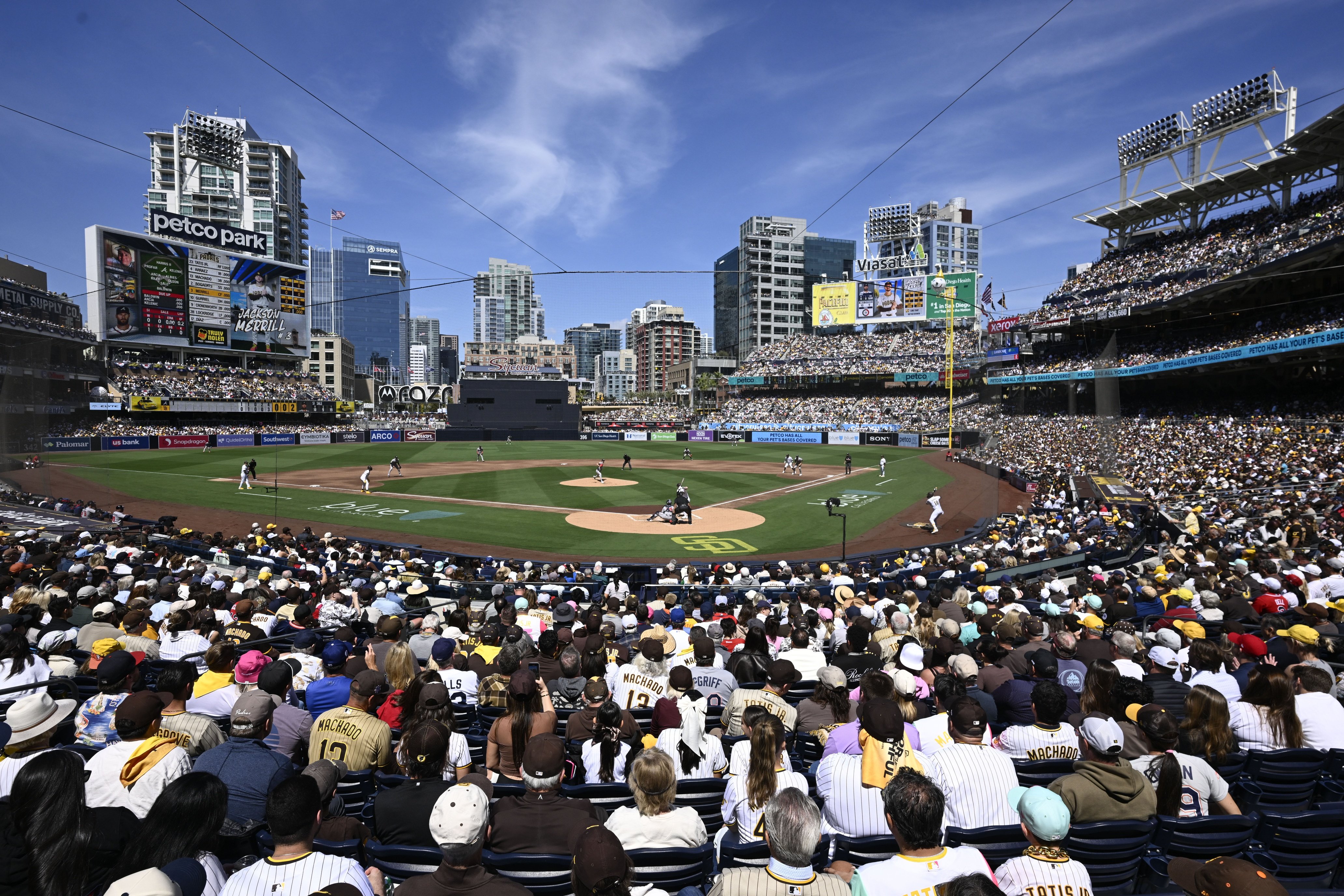 The sale of the San Diego Padres just reset the ceiling for Major League Baseball franchise valuations, and it should send a very clear message back to the Pohlad family. According to Jared Diamond of the Wall Street Journal, the Padres were sold to private-equity billionaire José E. Feliciano and his wife Kwanza Jones for a record $3.9 billion. That number doesn’t just stand out on its own. It becomes even more eye-opening when placed next to what the Pohlad family was seeking when they explored selling the Minnesota Twins. Back in October of 2024, the Pohlads made it known they were open to selling the franchise. Reports from The Athletic at the time indicated they were looking for at least $1.7 billion, a number that already exceeded Forbes’ valuation of the team at $1.46 billion. Offers reportedly reached around $1.5 billion, but those weren’t entertained. Part of the justification for holding firm was tied to roughly $425 million in debt attached to the franchise. Fast forward to now, and the gap between what the Twins were hoping to get and what the Padres actually received is massive. San Diego sold for more than double Minnesota’s reported asking price. Even more notably, the Padres entered the sale with a Forbes valuation of $3.1 billion, meaning they sold for roughly $800 million above that estimate. The Twins, on the other hand, struggled to draw offers that even matched their valuation. At first glance, market size might seem like an easy explanation, but it doesn’t hold up under scrutiny. Minneapolis-St. Paul ranks as the 16th-largest media market in the United States, while San Diego comes in at 18th. The Padres generating significantly more value than the Twins, despite being in a slightly smaller market, challenges the idea that market size alone dictates franchise worth. This gap becomes even more interesting when looking back less than a decade. In 2017, Forbes valued the Padres at $1.13 billion, ranking 21st in MLB. Right behind them were the Twins at $1.03 billion. At that point, the two franchises were essentially peers in terms of valuation and on-field results, both coming off seasons with more than 90 losses. From there, the paths diverged in a major way. The Padres chose aggression. Their payroll rankings since 2017 tell the story: 28th, then climbing to 25th, 24th, 10th, 6th, 5th, 3rd, dipping briefly, and now back up near the top of the league in 2026. This is a team that consistently spent beyond what traditional market logic would suggest. In multiple seasons, their payroll pushed well past 60 or 70 percent of team revenue. There were likely years where profitability took a back seat entirely. The Twins, on the other hand, have followed a much flatter trajectory. In 2017, their payroll ranked 21st in baseball, actually ahead of the Padres at the time. But since then, the Twins have never exceeded 16th in payroll ranking, and in 2026 they sit 22nd in the league, below even that 2017 starting point. While one organization accelerated its investment, the other largely maintained or even pulled back relative to the rest of the sport. That divergence in spending philosophy shows up everywhere. Former Padres owner John Seidler approached the franchise with a long-term vision. Rather than managing the team purely as a year-to-year business, he treated it as an investment in relevance, fan engagement, and contention. The Padres committed massive contracts to players like Manny Machado, traded for stars like Juan Soto, and made a point to stay in the national conversation. That strategy paid off. Not necessarily in annual profit margins, but in franchise value. The Padres transformed from a $1.13 billion team in 2017 into a $3.9 billion sale in 2026, completing the largest transaction in MLB history. The Twins took a different route. While their valuation did rise over time, it didn’t come close to keeping pace. From $1.03 billion in 2017 to struggling to surpass $1.5 billion in actual offers during their sale process, the growth has been comparatively modest. Over the last few seasons in particular, the Twins have operated with a more conservative approach, limiting payroll expansion and largely avoiding major splash moves that generate widespread attention. There are other contributing factors, of course. San Diego offers an attractive lifestyle and has a concentrated base of wealth. The Padres also benefit from being the only “Big 4” professional sports team in the city, allowing them to capture a larger share of local attention. But those elements alone don’t explain a multi-billion dollar gap. Fan engagement is another key piece. The Padres drew nearly 3.5 million fans in 2025, setting a franchise attendance record. The Twins, meanwhile, dropped to around 1.77 million, their lowest full-season mark since the Metrodome era. One franchise created urgency and excitement. The other failed to maintain it. The Padres provide a clear example of what can happen when an organization prioritizes investment in the on-field product, even at the expense of short-term returns. Their rise in valuation wasn’t accidental. It was built through sustained spending, star power, and a commitment to relevance. For the Twins, this moment serves as a comparison point that’s difficult to ignore. The idea that small or mid-sized markets can’t support aggressive spending looks less convincing when a team like San Diego not only spends, but turns that spending into long-term franchise growth. There’s a lesson here about how value is created in modern baseball. It’s not just about controlling costs or maximizing yearly profit. It’s about building a product that people care about, one that draws fans, commands attention, and ultimately becomes more valuable when it hits the open market. The Padres leaned into that approach and were rewarded in a historic way. The Twins now face a choice in how they want to be viewed moving forward. What do you think? Should the Twins take a more aggressive approach to spending and team-building, or is there another path to closing that valuation gap?
 -
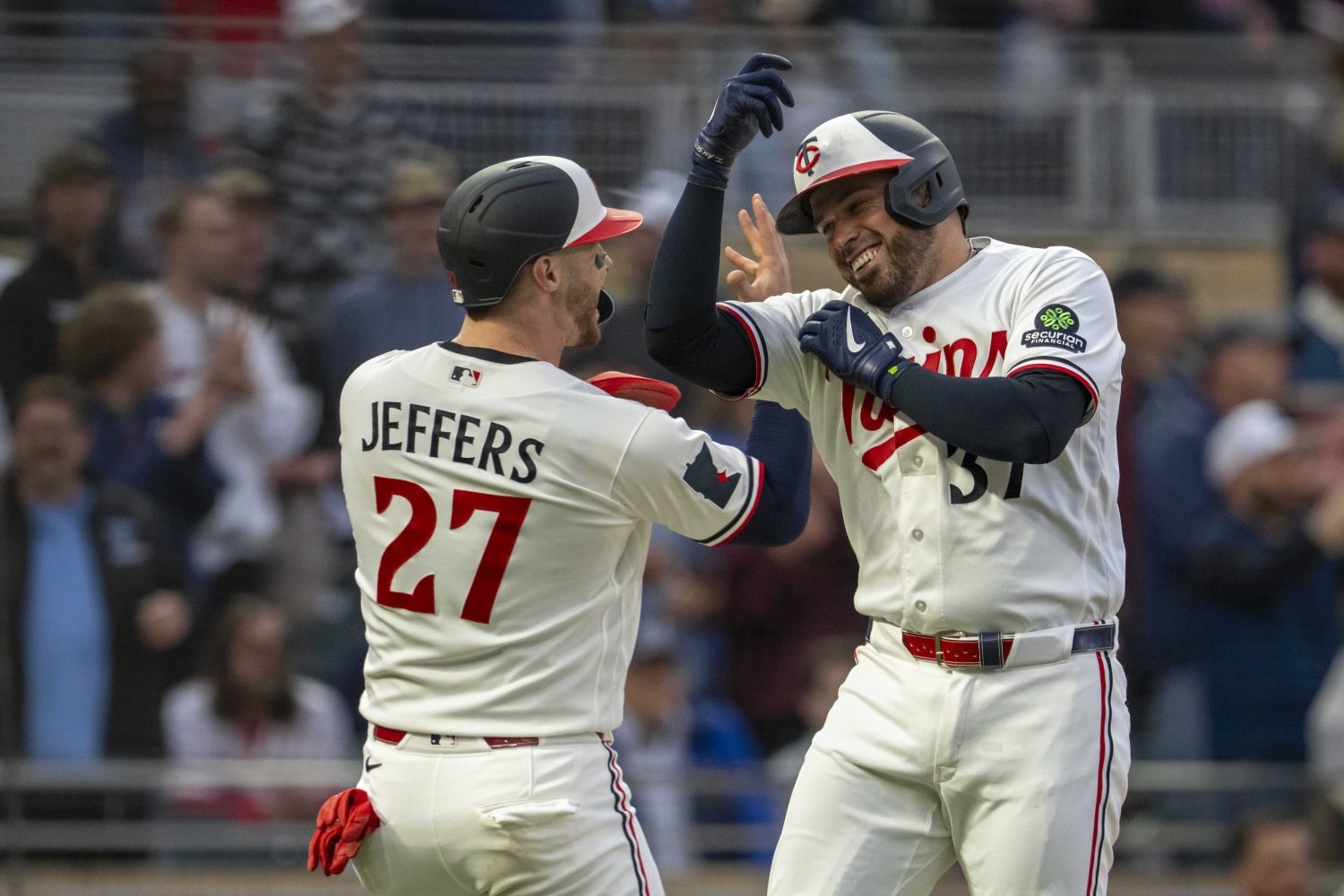 Box Score Starting Pitcher: Bailey Ober 6 IP, 7 H, 4 ER, 7 SO, 1 BB (95 pitches, 68 strikes) Home Runs: Jeffers (2), Buxton (1), Kreidler (1), Caratini (1) Top 3 WPA: Brooks Lee 0.11, Ryan Jeffers 0.10, Bailey Ober 0.09 Win Probability Chart (via FanGraphs): The Twins came into Monday night with a distinction few guessed they would hold at any point this season: They were the hottest team in baseball. After entering the season with low expectations, Minnesota returned home from a weekender in Toronto having won six of their last seven games. That stretch included a four-game sweep of the heavily favored Detroit Tigers and a series win on the road against the reigning American League champions. The competition wasn’t letting up, though, with one of the game’s premier left-handed pitchers waiting on the mound. Garrett Crochet entered the game as the reigning American League Cy Young runner-up, fresh off a strong outing against Milwaukee. On paper, it looked like a tough matchup for a Twins lineup that many questioned heading into the season, particularly against left-handed pitching. Through the first couple weeks, though, Minnesota has proved capable against top arms like Tarik Skubal and Framber Valdez. They did it again on Monday night, and then some. The Twins jumped on Crochet immediately in the first inning. Austin Martin and Luke Keaschall opened the game with back-to-back doubles, setting the tone. A couple of Red Sox miscues made things worse for them, and by the time it was over, the Twins had pushed four runs across the plate. They didn’t slow down in the second. Ryan Jeffers lined a bases-loaded RBI single. Josh Bell followed with a two-run double, and then the power surge arrived. Victor Caratini left the yard, and Ryan Kreidler delivered the loudest swing of the night—a 438-foot blast into the second deck. It was just the third home run of Kreidler’s career, in nearly 400 plate appearances, and it blew the game wide-open: 11-0, before some fans had even settled in. Crochet had no answers. The Twins tagged him for nine hits and 10 earned runs without a single strikeout in just an inning and two-thirds. It was one of the most impressive offensive showings against an elite pitcher in recent memory. The offense kept rolling even after Crochet exited. In the fifth inning, Byron Buxton launched his first home run of the season, becoming Target Field's home run leader in the process. Then Ryan Jeffers added another, giving him a three-hit, three-RBI night that pushed his early season OPS to .952. All that run support made for a relatively low-stress night for Bailey Ober. The right-hander has faced his share of questions early this season, particularly with a dip in velocity, but Monday offered some encouraging signs. Ober worked six innings, allowing four runs on seven hits while striking out seven. He generated 13 whiffs and saw his fastball tick up to 89.4 mph, a noticeable jump from his season average. It wasn’t dominant, but it was progress. The biggest damage against Ober came on a two-run home run from Jarren Duran in the third inning, but with the offense providing such a cushion, it never felt like the game was slipping. Eric Orze ran into some trouble in the seventh, allowing a pair of runs, but the outcome was never truly in doubt. Garrett Acton handled the final two innings, helping the Twins preserve the bullpen and close out a 13-6 win. The victory pushes Minnesota to 9-7 on the season and marks their seventh win in their last eight games. For a team that entered the year with modest expectations, the early stretch has been eye-opening. What's Next The Twins will look to keep it going Tuesday evening, as they aim for their third straight series win. Mick Abel is set to take the mound against an old friend, Sonny Gray, with first pitch scheduled for 6:40 PM CT. Postgame Interview Bullpen Usage Report THU FRI SAT SUN MON TOT Morris 0 0 0 67 0 67 Banda 0 36 0 0 0 36 Funderburk 0 0 17 0 0 17 Acton 35 0 0 0 33 35 Topa 0 12 0 12 0 24 Sands 0 0 22 0 0 22 Rogers 0 30 0 0 0 30 Orze 14 0 0 0 23 14
 -
Image courtesy of © Jesse Johnson-Imagn Images Box Score Starting Pitcher: Bailey Ober 6 IP, 7 H, 4 ER, 7 SO, 1 BB (95 pitches, 68 strikes) Home Runs: Jeffers (2), Buxton (1), Kreidler (1), Caratini (1) Top 3 WPA: Brooks Lee 0.11, Ryan Jeffers 0.10, Bailey Ober 0.09 Win Probability Chart (via FanGraphs): The Twins came into Monday night with a distinction few guessed they would hold at any point this season: They were the hottest team in baseball. After entering the season with low expectations, Minnesota returned home from a weekender in Toronto having won six of their last seven games. That stretch included a four-game sweep of the heavily favored Detroit Tigers and a series win on the road against the reigning American League champions. The competition wasn’t letting up, though, with one of the game’s premier left-handed pitchers waiting on the mound. Garrett Crochet entered the game as the reigning American League Cy Young runner-up, fresh off a strong outing against Milwaukee. On paper, it looked like a tough matchup for a Twins lineup that many questioned heading into the season, particularly against left-handed pitching. Through the first couple weeks, though, Minnesota has proved capable against top arms like Tarik Skubal and Framber Valdez. They did it again on Monday night, and then some. The Twins jumped on Crochet immediately in the first inning. Austin Martin and Luke Keaschall opened the game with back-to-back doubles, setting the tone. A couple of Red Sox miscues made things worse for them, and by the time it was over, the Twins had pushed four runs across the plate. They didn’t slow down in the second. Ryan Jeffers lined a bases-loaded RBI single. Josh Bell followed with a two-run double, and then the power surge arrived. Victor Caratini left the yard, and Ryan Kreidler delivered the loudest swing of the night—a 438-foot blast into the second deck. It was just the third home run of Kreidler’s career, in nearly 400 plate appearances, and it blew the game wide-open: 11-0, before some fans had even settled in. Crochet had no answers. The Twins tagged him for nine hits and 10 earned runs without a single strikeout in just an inning and two-thirds. It was one of the most impressive offensive showings against an elite pitcher in recent memory. The offense kept rolling even after Crochet exited. In the fifth inning, Byron Buxton launched his first home run of the season, becoming Target Field's home run leader in the process. Then Ryan Jeffers added another, giving him a three-hit, three-RBI night that pushed his early season OPS to .952. All that run support made for a relatively low-stress night for Bailey Ober. The right-hander has faced his share of questions early this season, particularly with a dip in velocity, but Monday offered some encouraging signs. Ober worked six innings, allowing four runs on seven hits while striking out seven. He generated 13 whiffs and saw his fastball tick up to 89.4 mph, a noticeable jump from his season average. It wasn’t dominant, but it was progress. The biggest damage against Ober came on a two-run home run from Jarren Duran in the third inning, but with the offense providing such a cushion, it never felt like the game was slipping. Eric Orze ran into some trouble in the seventh, allowing a pair of runs, but the outcome was never truly in doubt. Garrett Acton handled the final two innings, helping the Twins preserve the bullpen and close out a 13-6 win. The victory pushes Minnesota to 9-7 on the season and marks their seventh win in their last eight games. For a team that entered the year with modest expectations, the early stretch has been eye-opening. What's Next The Twins will look to keep it going Tuesday evening, as they aim for their third straight series win. Mick Abel is set to take the mound against an old friend, Sonny Gray, with first pitch scheduled for 6:40 PM CT. Postgame Interview Bullpen Usage Report THU FRI SAT SUN MON TOT Morris 0 0 0 67 0 67 Banda 0 36 0 0 0 36 Funderburk 0 0 17 0 0 17 Acton 35 0 0 0 33 35 Topa 0 12 0 12 0 24 Sands 0 0 22 0 0 22 Rogers 0 30 0 0 0 30 Orze 14 0 0 0 23 14 View full article
-
Image courtesy of © Jordan Johnson-Imagn Images It's not often that a team can say it got the better of the Tampa Bay Rays in a trade. Around baseball, that front office has built a reputation for being a step ahead; squeezing value out of every move; and rarely, if ever, coming out on the losing end of a deal. Yet, the Minnesota Twins may have done it not once, but twice in a span of four years. Back at the 2021 trade deadline, the Twins were staring down a lost season and made the decision to move on from franchise icon Nelson Cruz. In return, they acquired a relatively under-the-radar pitching prospect in Joe Ryan. At the time, Ryan was intriguing, but far from a sure thing—more of a fringe top-100 prospect than a headline return. What followed could not have gone better for Minnesota. Cruz struggled to make a significant impact in Tampa Bay, while Ryan quickly blossomed into an anchor of the Twins' rotation. Now in his fifth full season, Ryan has posted a 3.80 ERA, a 110 ERA+, earned an All-Star appearance, and taken the ball as Opening Day starter twice, all while providing surplus value on a team-friendly salary that has helped the Twins build out the rest of their roster. That deal alone would be enough to raise eyebrows. Putting one over on the Rays is rare. Doing it in convincing fashion is even rarer. The assumption across the league is that if Tampa Bay is calling, you should proceed with caution. More often than not, they're the ones spotting something others have missed. So when the two clubs linked up again at the 2025 trade deadline, it was fair to wonder if lightning could really strike twice. This time, the Twins sent high-octane reliever Griffin Jax to Tampa Bay in exchange for former top prospect Taj Bradley. Unlike the Cruz deal, this one surrendered long-term value. Jax was not a rental. He still had two and a half years of team control remaining and had been one of the most dominant relievers in the American League. Bradley, meanwhile, was no longer a prospect, but not yet a finished product, either. Across parts of three seasons with the Rays, he had flashed electric stuff, but struggled to put it all together, posting a 4.70 ERA over more than 350 innings. Still, the Twins saw something. Bradley was only 24 years old, armed with elite velocity and bat-missing ability. On a team headed nowhere in 2025, the value of a high-leverage reliever like Jax was diminished. Turning that into a controllable starting pitcher with upside fitted into the bigger picture. Early on, it looks like that bet is paying off in a big way. Bradley showed flashes late last season after arriving in Minnesota, but the real buzz began during spring training. Reports out of camp suggested that something had clicked. Bradley even withdrew from pitching for Team Mexico in the World Baseball Classic to stay with the Twins and continue his buildup for the season. That decision is already looking like a wise one. Through his first three starts of 2026, Bradley has been dominant. He's allowed just two runs over 16 2/3 innings while striking out 22 hitters. His latest outing came at Target Field against two-time defending American League Cy Young Award winner Tarik Skubal, and Bradley more than held his own. He worked 6 1/3 innings, allowed just one run, and struck out 10, consistently overpowering hitters and generating nine swings and misses. He's already touched 100 MPH multiple times and now owns the fastest pitch recorded by a Twins starting pitcher in the pitch-tracking era. There's a different look to Bradley now. The raw stuff was always there, but the Twins appear to have helped him refine it, harness it, and elevate it. At 24 years old, there is still room for growth, which makes the early results even more exciting. On the other side of the deal, the early returns have been rough for Jax. In his first four appearances of 2026, he's allowed five earned runs and carries an 11.25 ERA, along with a -0.97 Win Probability Added mark that ranks third-worst in the league. It's a very small sample, and Jax has a track record that suggests he will settle in, but the contrast in early performance only adds fuel to the narrative. None of this is to say the book is written on this trade. Baseball has a way of humbling early conclusions, and both players will have plenty of time to shape how this deal is ultimately viewed. But in the early going, the Twins look like they may have identified and unlocked something the Rays were willing to move on from. For an organization like Tampa Bay, that almost never happens. And if Bradley continues on this trajectory, the Twins may once again be able to say they got the better of one of the smartest teams in baseball. What do you think? Have the Twins pulled off another fleece, or is it too early to make that call? View full article
-
With the Taj Bradley Deal, Twins Might Have Fleeced the Rays Again
Matthew Taylor posted an article in Twins
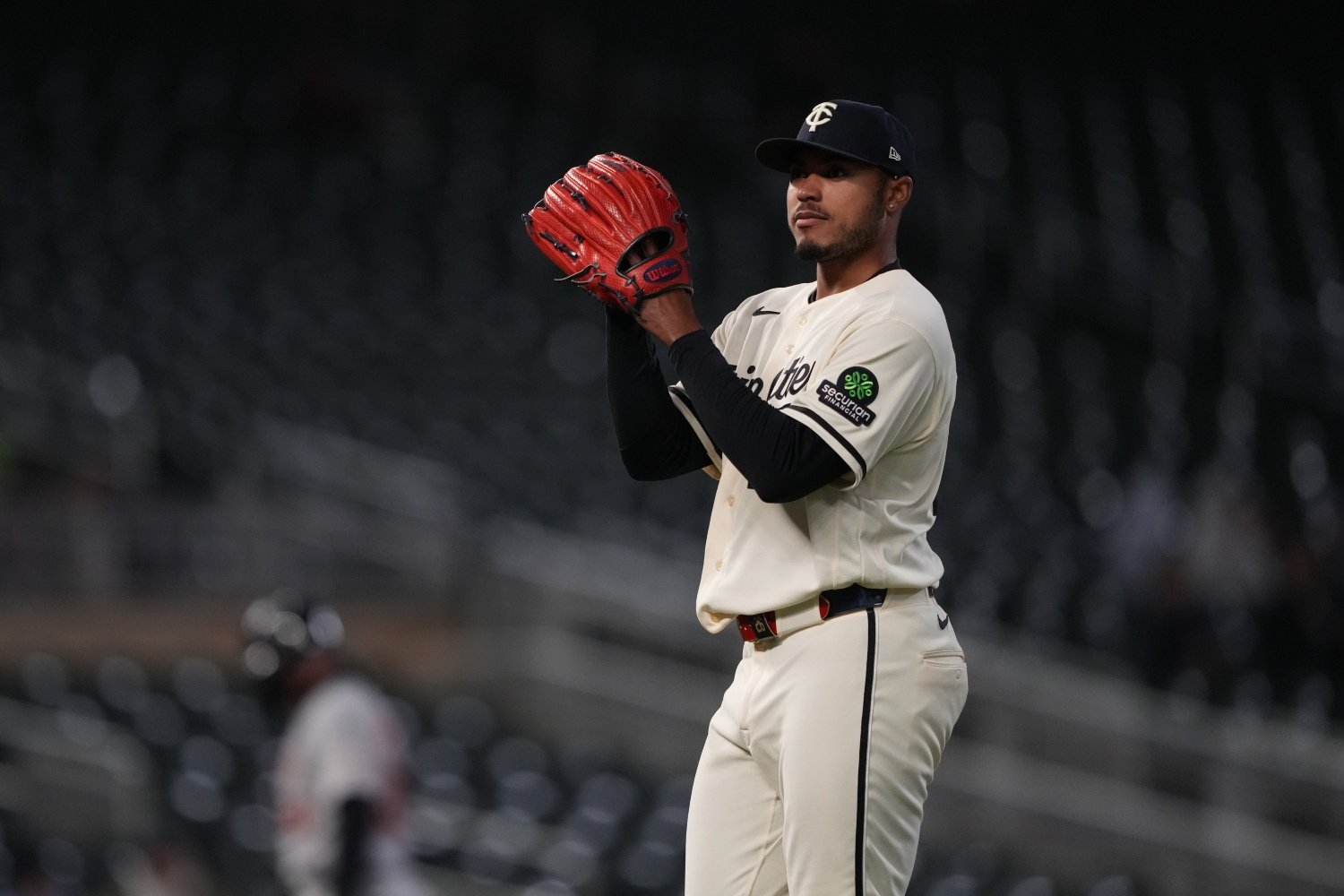 It's not often that a team can say it got the better of the Tampa Bay Rays in a trade. Around baseball, that front office has built a reputation for being a step ahead; squeezing value out of every move; and rarely, if ever, coming out on the losing end of a deal. Yet, the Minnesota Twins may have done it not once, but twice in a span of four years. Back at the 2021 trade deadline, the Twins were staring down a lost season and made the decision to move on from franchise icon Nelson Cruz. In return, they acquired a relatively under-the-radar pitching prospect in Joe Ryan. At the time, Ryan was intriguing, but far from a sure thing—more of a fringe top-100 prospect than a headline return. What followed could not have gone better for Minnesota. Cruz struggled to make a significant impact in Tampa Bay, while Ryan quickly blossomed into an anchor of the Twins' rotation. Now in his fifth full season, Ryan has posted a 3.80 ERA, a 110 ERA+, earned an All-Star appearance, and taken the ball as Opening Day starter twice, all while providing surplus value on a team-friendly salary that has helped the Twins build out the rest of their roster. That deal alone would be enough to raise eyebrows. Putting one over on the Rays is rare. Doing it in convincing fashion is even rarer. The assumption across the league is that if Tampa Bay is calling, you should proceed with caution. More often than not, they're the ones spotting something others have missed. So when the two clubs linked up again at the 2025 trade deadline, it was fair to wonder if lightning could really strike twice. This time, the Twins sent high-octane reliever Griffin Jax to Tampa Bay in exchange for former top prospect Taj Bradley. Unlike the Cruz deal, this one surrendered long-term value. Jax was not a rental. He still had two and a half years of team control remaining and had been one of the most dominant relievers in the American League. Bradley, meanwhile, was no longer a prospect, but not yet a finished product, either. Across parts of three seasons with the Rays, he had flashed electric stuff, but struggled to put it all together, posting a 4.70 ERA over more than 350 innings. Still, the Twins saw something. Bradley was only 24 years old, armed with elite velocity and bat-missing ability. On a team headed nowhere in 2025, the value of a high-leverage reliever like Jax was diminished. Turning that into a controllable starting pitcher with upside fitted into the bigger picture. Early on, it looks like that bet is paying off in a big way. Bradley showed flashes late last season after arriving in Minnesota, but the real buzz began during spring training. Reports out of camp suggested that something had clicked. Bradley even withdrew from pitching for Team Mexico in the World Baseball Classic to stay with the Twins and continue his buildup for the season. That decision is already looking like a wise one. Through his first three starts of 2026, Bradley has been dominant. He's allowed just two runs over 16 2/3 innings while striking out 22 hitters. His latest outing came at Target Field against two-time defending American League Cy Young Award winner Tarik Skubal, and Bradley more than held his own. He worked 6 1/3 innings, allowed just one run, and struck out 10, consistently overpowering hitters and generating nine swings and misses. He's already touched 100 MPH multiple times and now owns the fastest pitch recorded by a Twins starting pitcher in the pitch-tracking era. There's a different look to Bradley now. The raw stuff was always there, but the Twins appear to have helped him refine it, harness it, and elevate it. At 24 years old, there is still room for growth, which makes the early results even more exciting. On the other side of the deal, the early returns have been rough for Jax. In his first four appearances of 2026, he's allowed five earned runs and carries an 11.25 ERA, along with a -0.97 Win Probability Added mark that ranks third-worst in the league. It's a very small sample, and Jax has a track record that suggests he will settle in, but the contrast in early performance only adds fuel to the narrative. None of this is to say the book is written on this trade. Baseball has a way of humbling early conclusions, and both players will have plenty of time to shape how this deal is ultimately viewed. But in the early going, the Twins look like they may have identified and unlocked something the Rays were willing to move on from. For an organization like Tampa Bay, that almost never happens. And if Bradley continues on this trajectory, the Twins may once again be able to say they got the better of one of the smartest teams in baseball. What do you think? Have the Twins pulled off another fleece, or is it too early to make that call?
- 64 comments
-
- 10
-
-
- taj bradley
- griffin jax
- (and 2 more)
-
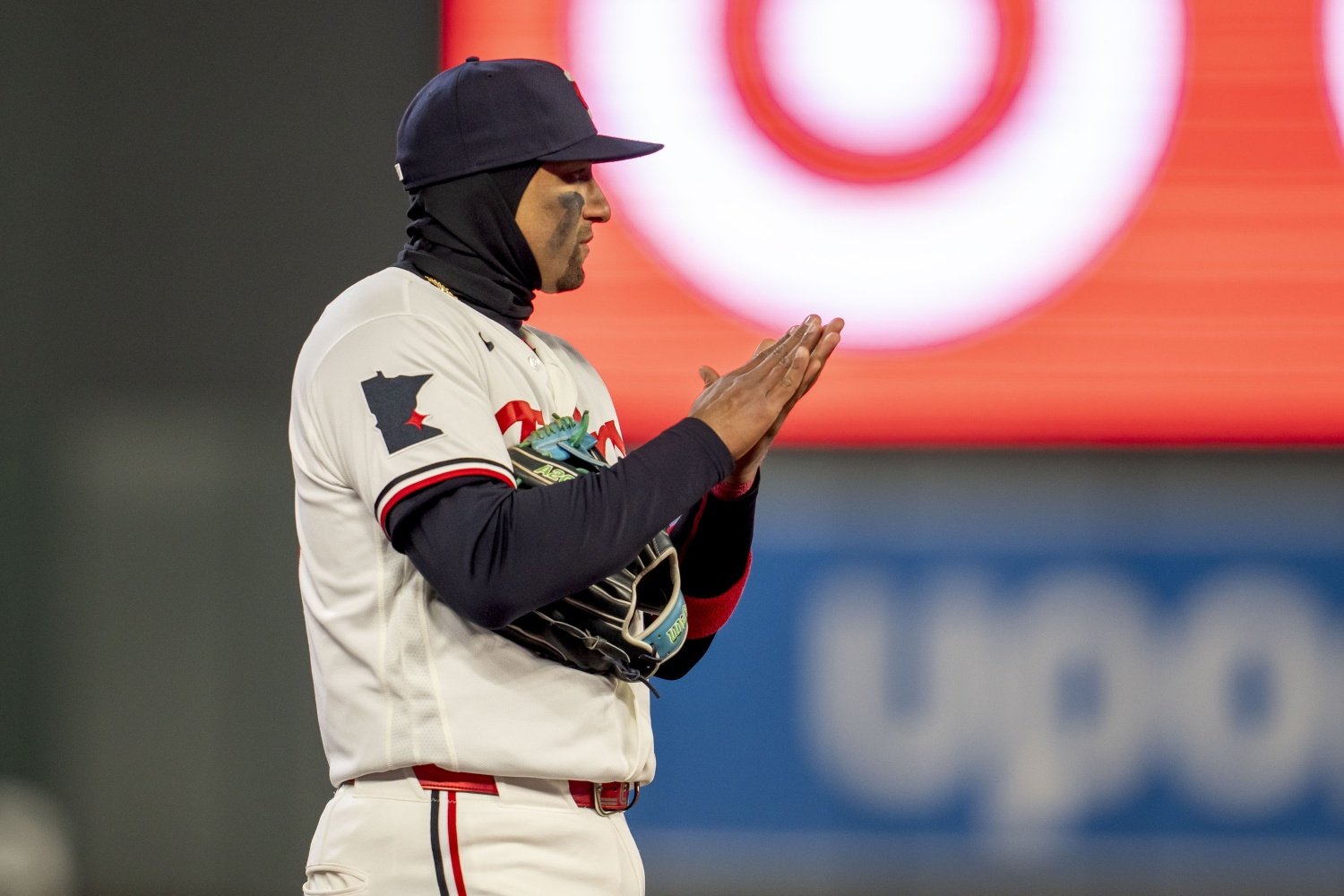 Box Score SP: Joe Ryan 5 IP, 3 H, 3 R (2 ER), 7 K, 3 BB HR: Luke Keaschall (1) Top 3 WPA: Keaschall 0.27, Lawyerson 0.17, Caratini 0.16 Win Probability Chart (via FanGraphs): The Minnesota Twins finally gave the home crowd at Target Field something to warm up about. Coming into the fourth series of the season, the Twins have yet to win a set, dropping each of their first three series two games to one. A frigid week in Minneapolis didn’t make things any easier, and a matchup with the AL Central-favorite Detroit Tigers wasn’t exactly a get-right opportunity, on paper. But behind their ace, Joe Ryan, and a much-needed offensive response, the Twins flipped a familiar script and came away with a 7-3 win to open the series. The Twins wasted no time generating offense in the third inning. Byron Buxton sparked the rally with a double, followed by a single from Trevor Larnach and a walk by Luke Keaschall to load the bases with no outs. They capitalized in methodical fashion, starting with a sacrifice fly from Victor Caratini before RBI singles from Matt Wallner and Royce Lewis gave Minnesota a 3-0 lead. Then came the moment Twins fans have seen too often. In the top of the fourth, the Tigers answered immediately. Colt Keith roped an RBI double, and Zach McKinstry followed with a two-run single to even the score at 3-3. It had all the signs of another game where early momentum would slip away. This time, it didn’t. In the bottom half of the inning, Keaschall delivered the swing of the game. After a slow start to his season, he turned on a pitch and launched his first home run of the year into the left-field bleachers, a two-run shot that immediately swung momentum back in Minnesota’s favor and put the Twins up 5-3. For Ryan, the fourth inning was the lone blemish in an otherwise steady outing. He battled some control issues but limited the damage, finishing with three runs allowed over five innings while keeping the Twins in position to win. From there, the bullpen took over and slammed the door. Anthony Banda, Eric Orze, Kody Funderburk, and Cody Laweryson combined for four scoreless innings. The Twins added breathing room in the eighth inning, and once again it was Caratini in the middle of it. With the bases loaded, he lined a two-run single to extend the lead to 7-3, giving Minnesota the cushion it had been missing in previous games. The Twins answered adversity, regained control after losing it, and got contributions up and down the roster. What’s next The Twins will look to build on the momentum as they continue the series against Detroit. They’ll face a tough test in Tarik Skubal, the two-time reigning Cy Young Award winner, who is set to take the mound for the Tigers. Opposing him will be Taj Bradley, as the Twins try to secure their first series win of the season at 6:40 PM CT. It will, blessedly, be warmer. Bullpen Usage Chart THU FRI SAT SUN MON TOT Laweryson 0 10 9 0 14 19 Topa 13 17 0 15 0 45 Rogers 4 0 23 18 0 45 Banda 0 17 15 0 17 32 Orze 0 37 0 0 12 37 Sands 11 0 0 21 0 32 Funderburk 15 2 0 3 20 20 Acton 0 0 0 0 0 0
- 58 comments
-
- 4
-
-
- luke keaschall
- joe ryan
- (and 2 more)
-
Image courtesy of © Jesse Johnson-Imagn Images Box Score SP: Joe Ryan 5 IP, 3 H, 3 R (2 ER), 7 K, 3 BB HR: Luke Keaschall (1) Top 3 WPA: Keaschall 0.27, Lawyerson 0.17, Caratini 0.16 Win Probability Chart (via FanGraphs): The Minnesota Twins finally gave the home crowd at Target Field something to warm up about. Coming into the fourth series of the season, the Twins have yet to win a set, dropping each of their first three series two games to one. A frigid week in Minneapolis didn’t make things any easier, and a matchup with the AL Central-favorite Detroit Tigers wasn’t exactly a get-right opportunity, on paper. But behind their ace, Joe Ryan, and a much-needed offensive response, the Twins flipped a familiar script and came away with a 7-3 win to open the series. The Twins wasted no time generating offense in the third inning. Byron Buxton sparked the rally with a double, followed by a single from Trevor Larnach and a walk by Luke Keaschall to load the bases with no outs. They capitalized in methodical fashion, starting with a sacrifice fly from Victor Caratini before RBI singles from Matt Wallner and Royce Lewis gave Minnesota a 3-0 lead. Then came the moment Twins fans have seen too often. In the top of the fourth, the Tigers answered immediately. Colt Keith roped an RBI double, and Zach McKinstry followed with a two-run single to even the score at 3-3. It had all the signs of another game where early momentum would slip away. This time, it didn’t. In the bottom half of the inning, Keaschall delivered the swing of the game. After a slow start to his season, he turned on a pitch and launched his first home run of the year into the left-field bleachers, a two-run shot that immediately swung momentum back in Minnesota’s favor and put the Twins up 5-3. For Ryan, the fourth inning was the lone blemish in an otherwise steady outing. He battled some control issues but limited the damage, finishing with three runs allowed over five innings while keeping the Twins in position to win. From there, the bullpen took over and slammed the door. Anthony Banda, Eric Orze, Kody Funderburk, and Cody Laweryson combined for four scoreless innings. The Twins added breathing room in the eighth inning, and once again it was Caratini in the middle of it. With the bases loaded, he lined a two-run single to extend the lead to 7-3, giving Minnesota the cushion it had been missing in previous games. The Twins answered adversity, regained control after losing it, and got contributions up and down the roster. What’s next The Twins will look to build on the momentum as they continue the series against Detroit. They’ll face a tough test in Tarik Skubal, the two-time reigning Cy Young Award winner, who is set to take the mound for the Tigers. Opposing him will be Taj Bradley, as the Twins try to secure their first series win of the season at 6:40 PM CT. It will, blessedly, be warmer. Bullpen Usage Chart THU FRI SAT SUN MON TOT Laweryson 0 10 9 0 14 19 Topa 13 17 0 15 0 45 Rogers 4 0 23 18 0 45 Banda 0 17 15 0 17 32 Orze 0 37 0 0 12 37 Sands 11 0 0 21 0 32 Funderburk 15 2 0 3 20 20 Acton 0 0 0 0 0 0 View full article
- 58 replies
-
- 1
-
-
- luke keaschall
- joe ryan
- (and 2 more)
-
Image courtesy of © Denny Medley-Imagn Images Box Score Starting Pitcher: Simeon Woods Richardson: 5 IP, 5 H, 2 ER, 1 BB, 2 K (83 pitches, 45 strikes) Home Runs: Matt Wallner (1) Bottom 3 WPA: Buxton -0.14, Jeffers -0.08, Larnach -0.08 Win Probability Chart (via FanGraphs): The Twins opened their first divisional series of the season looking to bounce back after dropping two of three to the Baltimore Orioles. Instead, it was more of the same frustrating formula as Minnesota fell to the Kansas City Royals at Kauffman Stadium in a game that felt all too familiar. Both teams entered the day at 1-2, with the Royals turning to left-hander Kris Bubic while the Twins handed the ball to Simeon Woods Richardson for his season debut. The right-hander delivered a strong outing, giving the Twins exactly what they needed on the mound. Woods Richardson worked five innings, allowing two earned runs on five hits and a walk while striking out two. He was efficient and limited damage, though he generated just six swings and misses on the night. The only real blemish came in the second inning when Kyle Isbel connected on a two-run home run that put Kansas City in front. Outside of that swing, Woods Richardson kept the Royals in check and gave Minnesota a chance to stay in the game. The Twins actually struck first in that same inning thanks to Matt Wallner, who launched a solo home run into the fountains in right-center field to lead things off. It was Wallner’s first home run of the season and just the eighth of his career against a left-handed pitcher. At the time, it looked like a sign that the Twins might be able to string together some early offense against Bubic. That hope didn’t last long. After Wallner’s blast, the Twins' offense went quiet for the remainder of the night. Minnesota managed just three more hits the rest of the way, all singles off the bats of Austin Martin, Brooks Lee, and Ryan Jeffers. The Twins had only one opportunity with a runner in scoring position and failed to capitalize, never seriously threatening again. In relief of Woods Richardson, Kyle Funderburk provided some swing and miss out of the bullpen. The left-hander struck out three over an inning and a third, but he also allowed a solo home run to Isaac Collins that extended the Royals lead to 3-1. That would be all the breathing room Kansas City needed. Justin Topa and Taylor Rogers followed with scoreless outings to keep things close, continuing what was an overall solid night from the pitching staff. The Twins allowed just three runs on seven hits across eight innings, more than enough to win on most days. This just wasn’t one of them. The game had the feel of the early 2025 Twins, with a quick burst of momentum early followed by long stretches of quiet at the plate. A quality start went to waste, and a winnable game slipped away without much resistance from the offense. What's Next Minnesota will have an off day to regroup before continuing the series on Wednesday. The Twins have yet to name a starter, while Kansas City is expected to send left-hander Noah Cameron to the mound. Postgame Interviews (Coming Soon) Bullpen Usage Chart THU FRI SAT SUN MON TOT Abel 0 0 0 81 0 81 Topa 18 0 12 0 10 30 Funderburk 17 0 13 0 26 30 Orze 0 0 21 0 0 21 Banda 0 0 15 3 0 18 Sands 0 0 16 0 0 16 Rogers 10 0 0 0 14 10 Laweryson 0 0 0 0 0 0 Kent 0 0 0 0 0 0 View full article
- 49 replies
-
- 1
-
-
- game recap
- simeon woods richardson
- (and 1 more)
-
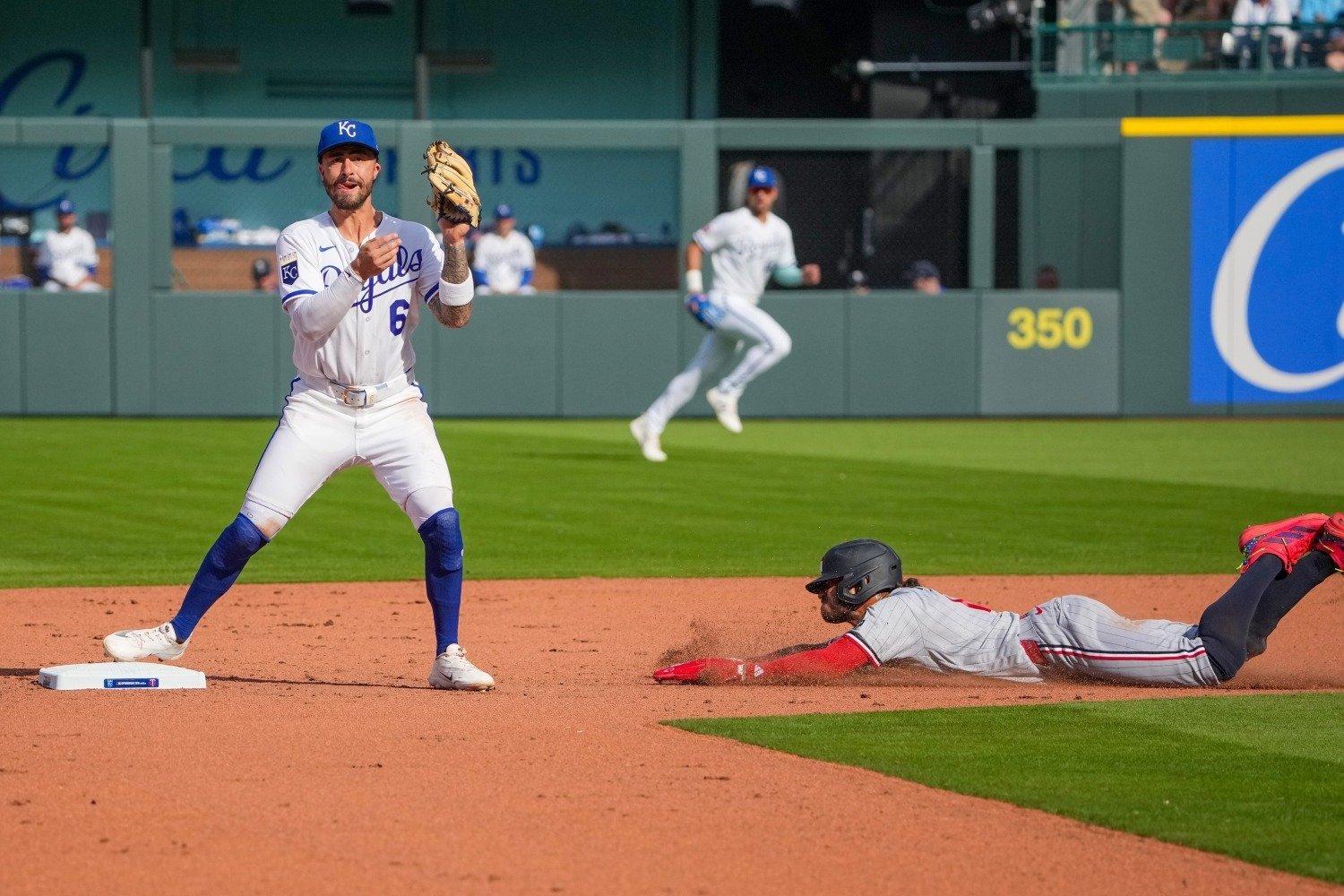 Box Score Starting Pitcher: Simeon Woods Richardson: 5 IP, 5 H, 2 ER, 1 BB, 2 K (83 pitches, 45 strikes) Home Runs: Matt Wallner (1) Bottom 3 WPA: Buxton -0.14, Jeffers -0.08, Larnach -0.08 Win Probability Chart (via FanGraphs): The Twins opened their first divisional series of the season looking to bounce back after dropping two of three to the Baltimore Orioles. Instead, it was more of the same frustrating formula as Minnesota fell to the Kansas City Royals at Kauffman Stadium in a game that felt all too familiar. Both teams entered the day at 1-2, with the Royals turning to left-hander Kris Bubic while the Twins handed the ball to Simeon Woods Richardson for his season debut. The right-hander delivered a strong outing, giving the Twins exactly what they needed on the mound. Woods Richardson worked five innings, allowing two earned runs on five hits and a walk while striking out two. He was efficient and limited damage, though he generated just six swings and misses on the night. The only real blemish came in the second inning when Kyle Isbel connected on a two-run home run that put Kansas City in front. Outside of that swing, Woods Richardson kept the Royals in check and gave Minnesota a chance to stay in the game. The Twins actually struck first in that same inning thanks to Matt Wallner, who launched a solo home run into the fountains in right-center field to lead things off. It was Wallner’s first home run of the season and just the eighth of his career against a left-handed pitcher. At the time, it looked like a sign that the Twins might be able to string together some early offense against Bubic. That hope didn’t last long. After Wallner’s blast, the Twins' offense went quiet for the remainder of the night. Minnesota managed just three more hits the rest of the way, all singles off the bats of Austin Martin, Brooks Lee, and Ryan Jeffers. The Twins had only one opportunity with a runner in scoring position and failed to capitalize, never seriously threatening again. In relief of Woods Richardson, Kyle Funderburk provided some swing and miss out of the bullpen. The left-hander struck out three over an inning and a third, but he also allowed a solo home run to Isaac Collins that extended the Royals lead to 3-1. That would be all the breathing room Kansas City needed. Justin Topa and Taylor Rogers followed with scoreless outings to keep things close, continuing what was an overall solid night from the pitching staff. The Twins allowed just three runs on seven hits across eight innings, more than enough to win on most days. This just wasn’t one of them. The game had the feel of the early 2025 Twins, with a quick burst of momentum early followed by long stretches of quiet at the plate. A quality start went to waste, and a winnable game slipped away without much resistance from the offense. What's Next Minnesota will have an off day to regroup before continuing the series on Wednesday. The Twins have yet to name a starter, while Kansas City is expected to send left-hander Noah Cameron to the mound. Postgame Interviews (Coming Soon) Bullpen Usage Chart THU FRI SAT SUN MON TOT Abel 0 0 0 81 0 81 Topa 18 0 12 0 10 30 Funderburk 17 0 13 0 26 30 Orze 0 0 21 0 0 21 Banda 0 0 15 3 0 18 Sands 0 0 16 0 0 16 Rogers 10 0 0 0 14 10 Laweryson 0 0 0 0 0 0 Kent 0 0 0 0 0 0
- 49 comments
-
- 4
-
-
- game recap
- simeon woods richardson
- (and 1 more)
-
Image courtesy of © Nathan Ray Seebeck-Imagn Images James Outman arrived in Minnesota under less-than-ideal circumstances. The Twins acquired Outman at last season’s trade deadline during the organization’s sweeping sell-off, sending reliever Brock Stewart to the Los Angeles Dodgers in a 1-for-1 deal. Among the moves the Twins made that week, that trade may have drawn the loudest criticism from the fanbase. Stewart had been one of the most reliable arms in the Twins bullpen and, perhaps more importantly, he still had multiple seasons of team control remaining. Given the demand for high-leverage relief pitching at the deadline, many assumed Stewart would command a more substantial return. Instead, the Twins flipped him for Outman, another left-handed hitting outfielder who had struggled to replicate the success of his standout rookie campaign. After bursting onto the scene in 2023 with the Dodgers, Outman has posted a sub-.700 OPS over the last two and a half seasons. To many observers, it felt like the Twins had simply added another corner outfielder to a roster that already had several. Outman’s initial performance in Minnesota did little to quiet those concerns. Over the final stretch of the 2025 season, Outman got 104 plate appearances for the Twins and struggled mightily. He posted a .558 OPS, while striking out 45 times and drawing just eight walks. For a player already fighting the perception that his rookie season might have been a mirage, the numbers didn’t help. Because of that performance and his roster status, Outman entered spring training in a precarious position. He's out of minor-league options, meaning the Twins cannot send him to Triple-A without first exposing him to waivers. In practical terms, that left the organization with a simple choice: either he makes the Opening Day roster, or he's designated for assignment near the end of this month. Coming into camp, it seemed fairly likely the Twins would take the attendant risks and end up cutting him. Given Outman’s struggles over the past three seasons, it was reasonable to believe he might clear waivers and allow the Twins to stash him in Triple-A as depth. If he didn't, it looked likely to be a palatable loss. Spring training, however, has a way of complicating things. In a very small sample, Outman has looked like a different player. Across just 25 plate appearances this spring, he has posted a 1.019 OPS while launching two home runs. He's also showcased his speed on the bases, swiping five bags in six attempts. Twenty-five plate appearances alone are not going to force the Twins to completely rethink their roster construction. But Outman’s strong start introduces a few new variables that could make the decision more complicated. The biggest, perhaps, is his waiver outlook. Earlier this spring, the Twins might have felt confident that Outman would pass through waivers unclaimed. After three disappointing seasons, the odds of another club using a roster spot on him didn’t appear particularly high. But if he continues to perform well throughout camp, that calculation changes. Outman is still only 28 years old. He’s fast; he plays a capable center field; and his rookie season remains recent enough to intrigue another front office. That year included a 114 OPS+ and meaningful postseason contributions for the Dodgers. Even after a few down seasons, it’s hard to imagine every team passing on that profile if he’s showing signs of life. The Twins also have alternatives for that left-handed outfield spot, but those alternatives come with roster flexibility that Outman does not. Alan Roden entered camp as the presumed third outfielder behind Byron Buxton and Matt Wallner, with Trevor Larnach expected to spend most of his time at designated hitter. Unlike Outman, Roden still has minor-league options remaining. That gives the Twins the ability to send him to Triple-A without risking losing him. If the Twins decide they want to keep Outman in the organization, they could choose to open the season with him on the roster while using Roden’s option. There are also defensive considerations. Outman has extensive experience in center field and grades as a strong defender there. That should translate to an even more valuable glove in a corner outfield role. Perhaps just as importantly, he provides the type of true center field depth the Twins have often looked for behind Buxton. Roden has seen time in center this spring, but Outman is a proven option there. None of this guarantees Outman a roster spot. Spring numbers can evaporate as quickly as they appear, and the Twins still have several weeks left to evaluate their roster. But the conversation has clearly shifted. What once looked like a straightforward DFA decision has turned into a legitimate roster question. If Outman continues to swing the bat well and showcase his athleticism, the Twins may decide the safer move is keeping him on the Opening Day roster, rather than risking losing him on waivers. Not bad for a player who entered camp looking like one of the most obvious roster casualties of the spring. What do you think? Has James Outman done enough to earn a spot on the Twins’ Opening Day roster, or should Minnesota still take the chance and try to sneak him through waivers? View full article
-
Is James Outman Playing His Way Onto the Twins’ Opening Day Roster?
Matthew Taylor posted an article in Twins
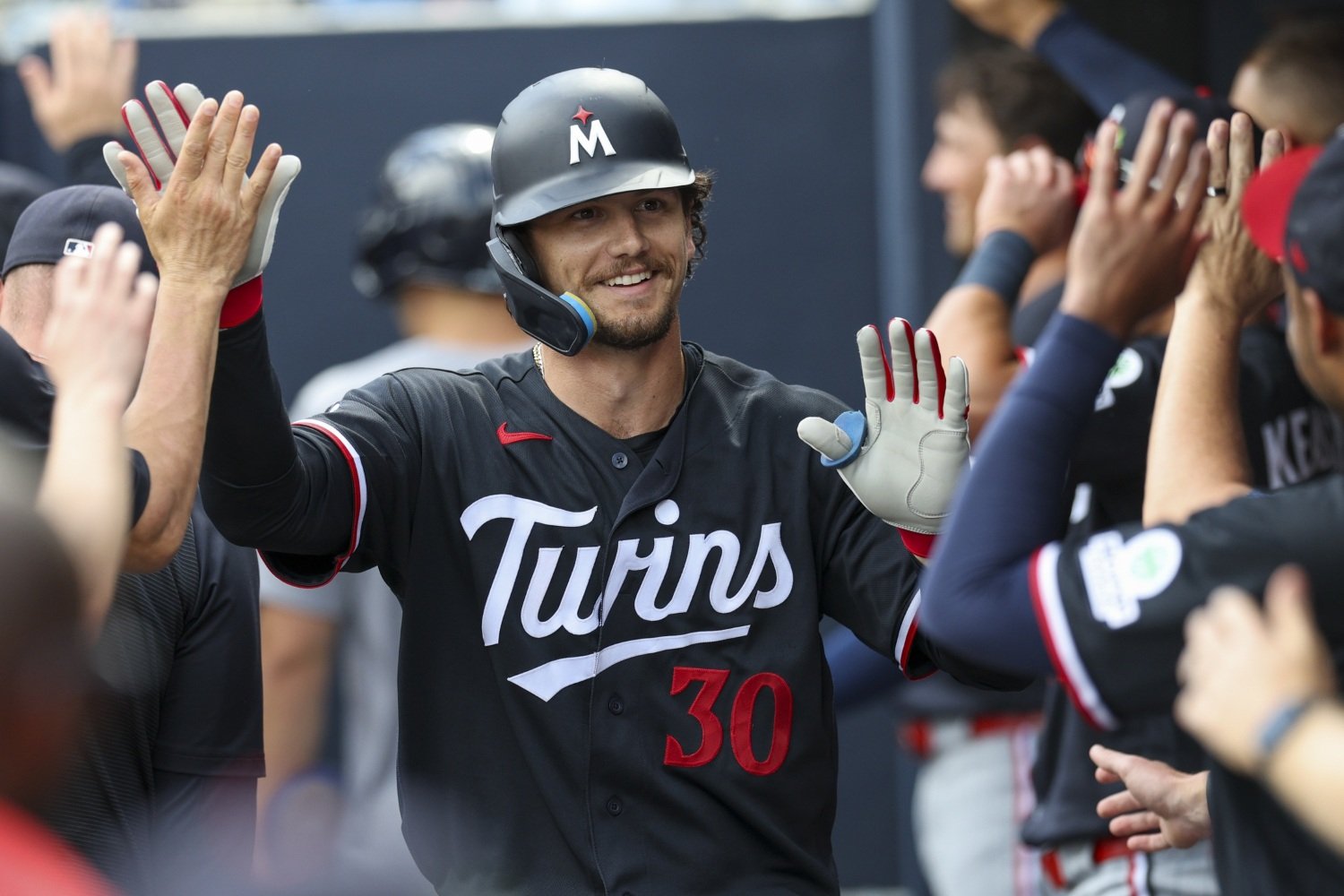 James Outman arrived in Minnesota under less-than-ideal circumstances. The Twins acquired Outman at last season’s trade deadline during the organization’s sweeping sell-off, sending reliever Brock Stewart to the Los Angeles Dodgers in a 1-for-1 deal. Among the moves the Twins made that week, that trade may have drawn the loudest criticism from the fanbase. Stewart had been one of the most reliable arms in the Twins bullpen and, perhaps more importantly, he still had multiple seasons of team control remaining. Given the demand for high-leverage relief pitching at the deadline, many assumed Stewart would command a more substantial return. Instead, the Twins flipped him for Outman, another left-handed hitting outfielder who had struggled to replicate the success of his standout rookie campaign. After bursting onto the scene in 2023 with the Dodgers, Outman has posted a sub-.700 OPS over the last two and a half seasons. To many observers, it felt like the Twins had simply added another corner outfielder to a roster that already had several. Outman’s initial performance in Minnesota did little to quiet those concerns. Over the final stretch of the 2025 season, Outman got 104 plate appearances for the Twins and struggled mightily. He posted a .558 OPS, while striking out 45 times and drawing just eight walks. For a player already fighting the perception that his rookie season might have been a mirage, the numbers didn’t help. Because of that performance and his roster status, Outman entered spring training in a precarious position. He's out of minor-league options, meaning the Twins cannot send him to Triple-A without first exposing him to waivers. In practical terms, that left the organization with a simple choice: either he makes the Opening Day roster, or he's designated for assignment near the end of this month. Coming into camp, it seemed fairly likely the Twins would take the attendant risks and end up cutting him. Given Outman’s struggles over the past three seasons, it was reasonable to believe he might clear waivers and allow the Twins to stash him in Triple-A as depth. If he didn't, it looked likely to be a palatable loss. Spring training, however, has a way of complicating things. In a very small sample, Outman has looked like a different player. Across just 25 plate appearances this spring, he has posted a 1.019 OPS while launching two home runs. He's also showcased his speed on the bases, swiping five bags in six attempts. Twenty-five plate appearances alone are not going to force the Twins to completely rethink their roster construction. But Outman’s strong start introduces a few new variables that could make the decision more complicated. The biggest, perhaps, is his waiver outlook. Earlier this spring, the Twins might have felt confident that Outman would pass through waivers unclaimed. After three disappointing seasons, the odds of another club using a roster spot on him didn’t appear particularly high. But if he continues to perform well throughout camp, that calculation changes. Outman is still only 28 years old. He’s fast; he plays a capable center field; and his rookie season remains recent enough to intrigue another front office. That year included a 114 OPS+ and meaningful postseason contributions for the Dodgers. Even after a few down seasons, it’s hard to imagine every team passing on that profile if he’s showing signs of life. The Twins also have alternatives for that left-handed outfield spot, but those alternatives come with roster flexibility that Outman does not. Alan Roden entered camp as the presumed third outfielder behind Byron Buxton and Matt Wallner, with Trevor Larnach expected to spend most of his time at designated hitter. Unlike Outman, Roden still has minor-league options remaining. That gives the Twins the ability to send him to Triple-A without risking losing him. If the Twins decide they want to keep Outman in the organization, they could choose to open the season with him on the roster while using Roden’s option. There are also defensive considerations. Outman has extensive experience in center field and grades as a strong defender there. That should translate to an even more valuable glove in a corner outfield role. Perhaps just as importantly, he provides the type of true center field depth the Twins have often looked for behind Buxton. Roden has seen time in center this spring, but Outman is a proven option there. None of this guarantees Outman a roster spot. Spring numbers can evaporate as quickly as they appear, and the Twins still have several weeks left to evaluate their roster. But the conversation has clearly shifted. What once looked like a straightforward DFA decision has turned into a legitimate roster question. If Outman continues to swing the bat well and showcase his athleticism, the Twins may decide the safer move is keeping him on the Opening Day roster, rather than risking losing him on waivers. Not bad for a player who entered camp looking like one of the most obvious roster casualties of the spring. What do you think? Has James Outman done enough to earn a spot on the Twins’ Opening Day roster, or should Minnesota still take the chance and try to sneak him through waivers?
 -
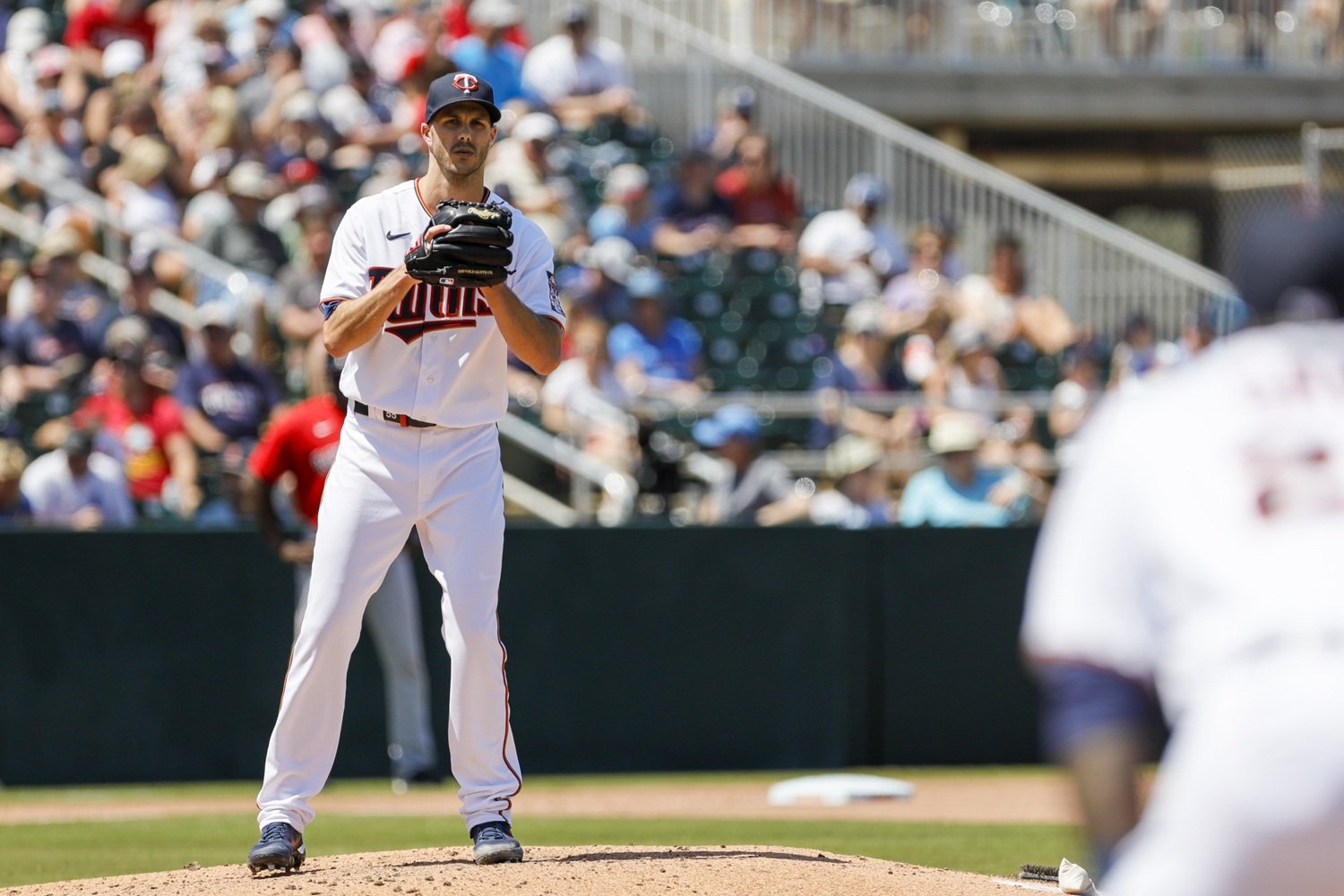 The Minnesota Twins bullpen has a left-handed problem. At least, that’s the question worth asking as Opening Day approaches. On paper, the Twins are lined up to carry a perfectly balanced bullpen in 2026: four right-handed pitchers and four left-handed pitchers. Symmetry looks nice in theory. In practice, it’s almost unheard of. This offseason the Twins added three left-handed relievers: Andrew Chafin, Taylor Rogers, and Anthony Banda. They join Kody Funderburk, who entered the winter with a presumed bullpen spot after a dominant finish to last season. Over the final two months, Funderburk posted a 0.75 ERA across 24 innings, pitching his way into high-leverage consideration. Four lefties. Four righties. Balanced. But balanced doesn’t necessarily mean optimized. Across Major League Baseball, only the Twins, Dodgers, and Brewers are expected to carry four left-handed relievers to start the season. That’s not a coincidence. In the era of the three-batter minimum rule, roster construction has shifted dramatically. The days of the pure left-handed specialist are largely gone. A bullpen arm can’t simply exist to neutralize one dangerous lefty in the seventh inning. He has to get through a pocket of hitters, and that almost always includes right-handed bats. That’s where the concern starts to creep in. Let’s look at the splits. Rogers owns a career .746 OPS allowed against right-handed hitters compared to .569 against lefties. That’s a massive gap. He can still dominate same-side matchups, but righties have long presented problems. Banda’s splits are even more pronounced. He has allowed a career .849 OPS to right-handed hitters versus .635 to lefties. That’s the profile of a pitcher you would prefer to deploy surgically, not someone you trust to navigate a mixed portion of a lineup. Chafin has the most balanced career track record of the group, with a .671 OPS allowed to righties and .617 to lefties. But even he showed vulnerability last season, surrendering an .805 OPS to right-handed hitters. At 35, expecting improvement against opposite-handed bats may be optimistic. Then there’s Funderburk. Despite his dominant finish last year, his career splits show a .768 OPS allowed to righties and .725 to lefties. He hasn’t displayed dramatic dominance over either side. Individually, none of these pitchers are unusable. Collectively, the profile becomes more concerning. Roughly three-quarters of hitters in today’s game bat right-handed. That reality makes stacking left-handed relievers risky unless those pitchers have the ability to neutralize right-handed bats consistently. The Twins did not go out and acquire elite, neutral-split lefties who can dominate anyone. They added a group of solid but unspectacular relievers whose biggest strength remains getting left-handed hitters out. Under previous rules, a manager could leverage that skill. A lefty could enter to face one dangerous left-handed bat and exit. Now he must face at least three hitters unless the inning ends. That significantly increases exposure to the platoon disadvantage, especially in late innings when managers cannot always control the matchup pocket. The construction also raises a broader roster-building question. The Twins waited deep into free agency to address the bullpen. By the time they moved, many of the premium right-handed options were gone. The arms available at their price point happened to skew left-handed, and the Twins leaned into it. Whether that was strategic or circumstantial is up for debate. It’s possible the team believes the stuff will play up. It’s possible they trust pitch shapes and usage adjustments to minimize platoon splits. It’s possible they simply valued overall depth over handedness concerns. But there’s no getting around the math. When half of your bullpen throws left-handed and most hitters bat right-handed, those pitchers are going to face tough matchups regularly. And with the three-batter minimum in place, there’s less room to hide. A bullpen with four lefties is rare for a reason. Are the Twins ahead of the curve, building flexibility others are ignoring? Or have they created an unnecessary vulnerability in a season where every late-inning edge matters? Do the Twins have a left-handedness problem? Leave a comment below and start the conversation!
- 33 comments
-
- 4
-
-
- taylor rogers
- andrew chafin
- (and 2 more)
-
The Minnesota Twins bullpen has a left-handed problem. At least, that’s the question worth asking as Opening Day approaches. On paper, the Twins are lined up to carry a perfectly balanced bullpen in 2026: four right-handed pitchers and four left-handed pitchers. Symmetry looks nice in theory. In practice, it’s almost unheard of. This offseason the Twins added three left-handed relievers: Andrew Chafin, Taylor Rogers, and Anthony Banda. They join Kody Funderburk, who entered the winter with a presumed bullpen spot after a dominant finish to last season. Over the final two months, Funderburk posted a 0.75 ERA across 24 innings, pitching his way into high-leverage consideration. Four lefties. Four righties. Balanced. But balanced doesn’t necessarily mean optimized. Across Major League Baseball, only the Twins, Dodgers, and Brewers are expected to carry four left-handed relievers to start the season. That’s not a coincidence. In the era of the three-batter minimum rule, roster construction has shifted dramatically. The days of the pure left-handed specialist are largely gone. A bullpen arm can’t simply exist to neutralize one dangerous lefty in the seventh inning. He has to get through a pocket of hitters, and that almost always includes right-handed bats. That’s where the concern starts to creep in. Let’s look at the splits. Rogers owns a career .746 OPS allowed against right-handed hitters compared to .569 against lefties. That’s a massive gap. He can still dominate same-side matchups, but righties have long presented problems. Banda’s splits are even more pronounced. He has allowed a career .849 OPS to right-handed hitters versus .635 to lefties. That’s the profile of a pitcher you would prefer to deploy surgically, not someone you trust to navigate a mixed portion of a lineup. Chafin has the most balanced career track record of the group, with a .671 OPS allowed to righties and .617 to lefties. But even he showed vulnerability last season, surrendering an .805 OPS to right-handed hitters. At 35, expecting improvement against opposite-handed bats may be optimistic. Then there’s Funderburk. Despite his dominant finish last year, his career splits show a .768 OPS allowed to righties and .725 to lefties. He hasn’t displayed dramatic dominance over either side. Individually, none of these pitchers are unusable. Collectively, the profile becomes more concerning. Roughly three-quarters of hitters in today’s game bat right-handed. That reality makes stacking left-handed relievers risky unless those pitchers have the ability to neutralize right-handed bats consistently. The Twins did not go out and acquire elite, neutral-split lefties who can dominate anyone. They added a group of solid but unspectacular relievers whose biggest strength remains getting left-handed hitters out. Under previous rules, a manager could leverage that skill. A lefty could enter to face one dangerous left-handed bat and exit. Now he must face at least three hitters unless the inning ends. That significantly increases exposure to the platoon disadvantage, especially in late innings when managers cannot always control the matchup pocket. The construction also raises a broader roster-building question. The Twins waited deep into free agency to address the bullpen. By the time they moved, many of the premium right-handed options were gone. The arms available at their price point happened to skew left-handed, and the Twins leaned into it. Whether that was strategic or circumstantial is up for debate. It’s possible the team believes the stuff will play up. It’s possible they trust pitch shapes and usage adjustments to minimize platoon splits. It’s possible they simply valued overall depth over handedness concerns. But there’s no getting around the math. When half of your bullpen throws left-handed and most hitters bat right-handed, those pitchers are going to face tough matchups regularly. And with the three-batter minimum in place, there’s less room to hide. A bullpen with four lefties is rare for a reason. Are the Twins ahead of the curve, building flexibility others are ignoring? Or have they created an unnecessary vulnerability in a season where every late-inning edge matters? Do the Twins have a left-handedness problem? Leave a comment below and start the conversation! View full article


