Matthew Taylor
-
Posts
973 -
Joined
-
Last visited
Content Type
Profiles
News
Minnesota Twins Videos
2026 Minnesota Twins Top Prospects Ranking
2022 Minnesota Twins Draft Picks
Minnesota Twins Free Agent & Trade Rumors, Notes, & Tidbits
Guides & Resources
2023 Minnesota Twins Draft Picks
The Minnesota Twins Players Project
2024 Minnesota Twins Draft Picks
2025 Minnesota Twins Draft Pick Tracker
2026 Minnesota Twins Draft Tracker: Picks & Bonuses
Forums
Blogs
Events
Store
Downloads
Gallery
Everything posted by Matthew Taylor
-
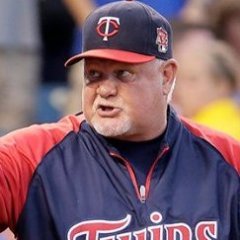
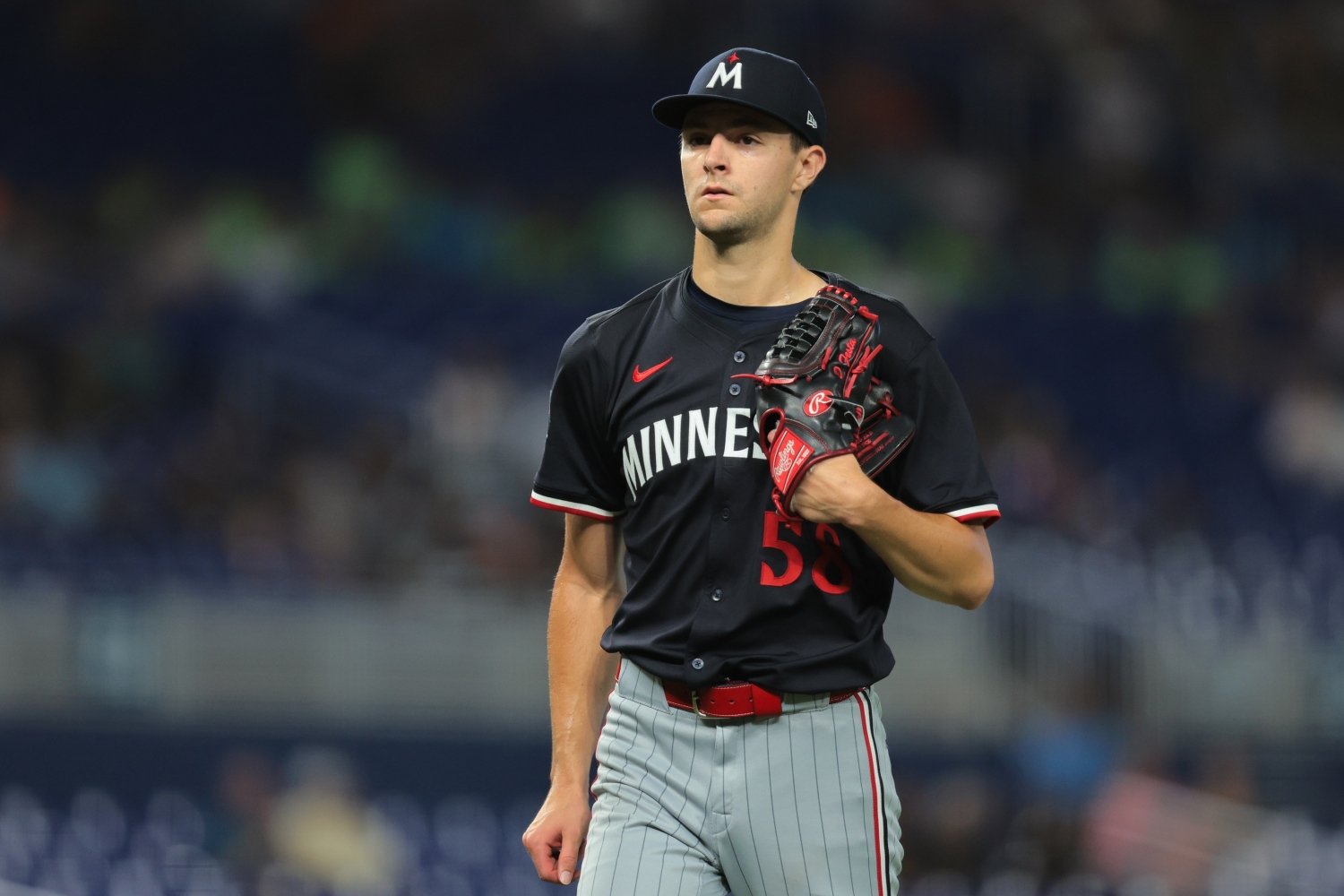 Box Score SP: David Festa 6 IP, 5 H, 4 ER, 7 K, 1 BB (87 pitches, 59 strikes (68%)) Home Runs: Matt Wallner (8) Bottom 3 WPA: Festa -.201, Lee -.093, Buxton -.082 Win Probability Chart (via FanGraphs): The Minnesota Twins’ post-winning-streak slide continued on Thursday afternoon in Miami. A first-inning barrage from the Marlins was enough to sink the Twins in a 4-1 defeat, handing them yet another series loss. They haven’t won a series since taking three of four in West Sacramento in early June, and this one slipped away quickly. David Festa got the start for the Twins and immediately found himself in trouble. After two singles and an RBI fielder's choice to open the bottom of the first, David Festa gave up a two-run home run to Marlins designated hitter Agusíin Ramírez to put the Marlins up 3-0 early. To his credit, Festa settled in after the early damage. He allowed just two hits over his final five innings and issued only one walk. His control has been a work in progress this season, so stringing together back-to-back outings with one or zero walks is a sign of real growth. Still, he was tagged for one more run in the third inning when Xavier Edwards singled, stole second, and scored on a Jesús Sánchez single to extend the lead to 4-0. He was working without his best stuff, especially velocity-wise, although his heater did warm up slightly as the game progressed. For this Twins offense, a four-run hole feels more like a bottomless pit. Minnesota has scored more than four runs just three times in its last 11 games, and this outing followed the familiar pattern. The lone bright spot came in the seventh inning, when Matt Wallner connected on a solo home run to spoil the shutout. Trevor Larnach doubled earlier in the game, but the team managed just four hits total and went a dismal 0-for-5 with runners in scoring position. It marked yet another game where the Twins failed to come through in key spots. Trailing throughout, the Twins turned to Justin Topa and Kody Funderburk out of the bullpen. Both relievers delivered clean innings, but the damage had long been done. Kudos to Festa, at least, for eating six innings on a day when he wasn't at his best. The loss dropped Minnesota to 41-46 on the season, and once again, they were left wondering what could have been if just a couple hitters had come through in the clutch. To make matters worse, it was former Twins right-hander Ronny Henriquez who closed out the win for Miami, locking down his second save in three days after being designated for assignment by Minnesota earlier this year. The Twins have now dropped seven of their last eight series. The only exception was a series split against the Mariners. The team has spiraled out of control since its 13-game winning streak in May and faces another tough test this weekend. What’s Next Minnesota returns home to Target Field for a holiday matchup against the Tampa Bay Rays on Friday. Chris Paddack will take the mound for the Twins against Zack Littell, a familiar face from his time in Minnesota. First pitch is scheduled for 3:10 p.m. on the Fourth of July. Bullpen Usage Report Postgame Interviews
- 51 comments
-
- 3
-

-
- david festa
- ronny henriquez
- (and 1 more)
-
Image courtesy of © Sam Navarro-Imagn Images Box Score SP: David Festa 6 IP, 5 H, 4 ER, 7 K, 1 BB (87 pitches, 59 strikes (68%)) Home Runs: Matt Wallner (8) Bottom 3 WPA: Festa -.201, Lee -.093, Buxton -.082 Win Probability Chart (via FanGraphs): The Minnesota Twins’ post-winning-streak slide continued on Thursday afternoon in Miami. A first-inning barrage from the Marlins was enough to sink the Twins in a 4-1 defeat, handing them yet another series loss. They haven’t won a series since taking three of four in West Sacramento in early June, and this one slipped away quickly. David Festa got the start for the Twins and immediately found himself in trouble. After two singles and an RBI fielder's choice to open the bottom of the first, David Festa gave up a two-run home run to Marlins designated hitter Agusíin Ramírez to put the Marlins up 3-0 early. To his credit, Festa settled in after the early damage. He allowed just two hits over his final five innings and issued only one walk. His control has been a work in progress this season, so stringing together back-to-back outings with one or zero walks is a sign of real growth. Still, he was tagged for one more run in the third inning when Xavier Edwards singled, stole second, and scored on a Jesús Sánchez single to extend the lead to 4-0. He was working without his best stuff, especially velocity-wise, although his heater did warm up slightly as the game progressed. For this Twins offense, a four-run hole feels more like a bottomless pit. Minnesota has scored more than four runs just three times in its last 11 games, and this outing followed the familiar pattern. The lone bright spot came in the seventh inning, when Matt Wallner connected on a solo home run to spoil the shutout. Trevor Larnach doubled earlier in the game, but the team managed just four hits total and went a dismal 0-for-5 with runners in scoring position. It marked yet another game where the Twins failed to come through in key spots. Trailing throughout, the Twins turned to Justin Topa and Kody Funderburk out of the bullpen. Both relievers delivered clean innings, but the damage had long been done. Kudos to Festa, at least, for eating six innings on a day when he wasn't at his best. The loss dropped Minnesota to 41-46 on the season, and once again, they were left wondering what could have been if just a couple hitters had come through in the clutch. To make matters worse, it was former Twins right-hander Ronny Henriquez who closed out the win for Miami, locking down his second save in three days after being designated for assignment by Minnesota earlier this year. The Twins have now dropped seven of their last eight series. The only exception was a series split against the Mariners. The team has spiraled out of control since its 13-game winning streak in May and faces another tough test this weekend. What’s Next Minnesota returns home to Target Field for a holiday matchup against the Tampa Bay Rays on Friday. Chris Paddack will take the mound for the Twins against Zack Littell, a familiar face from his time in Minnesota. First pitch is scheduled for 3:10 p.m. on the Fourth of July. Bullpen Usage Report Postgame Interviews View full article
-
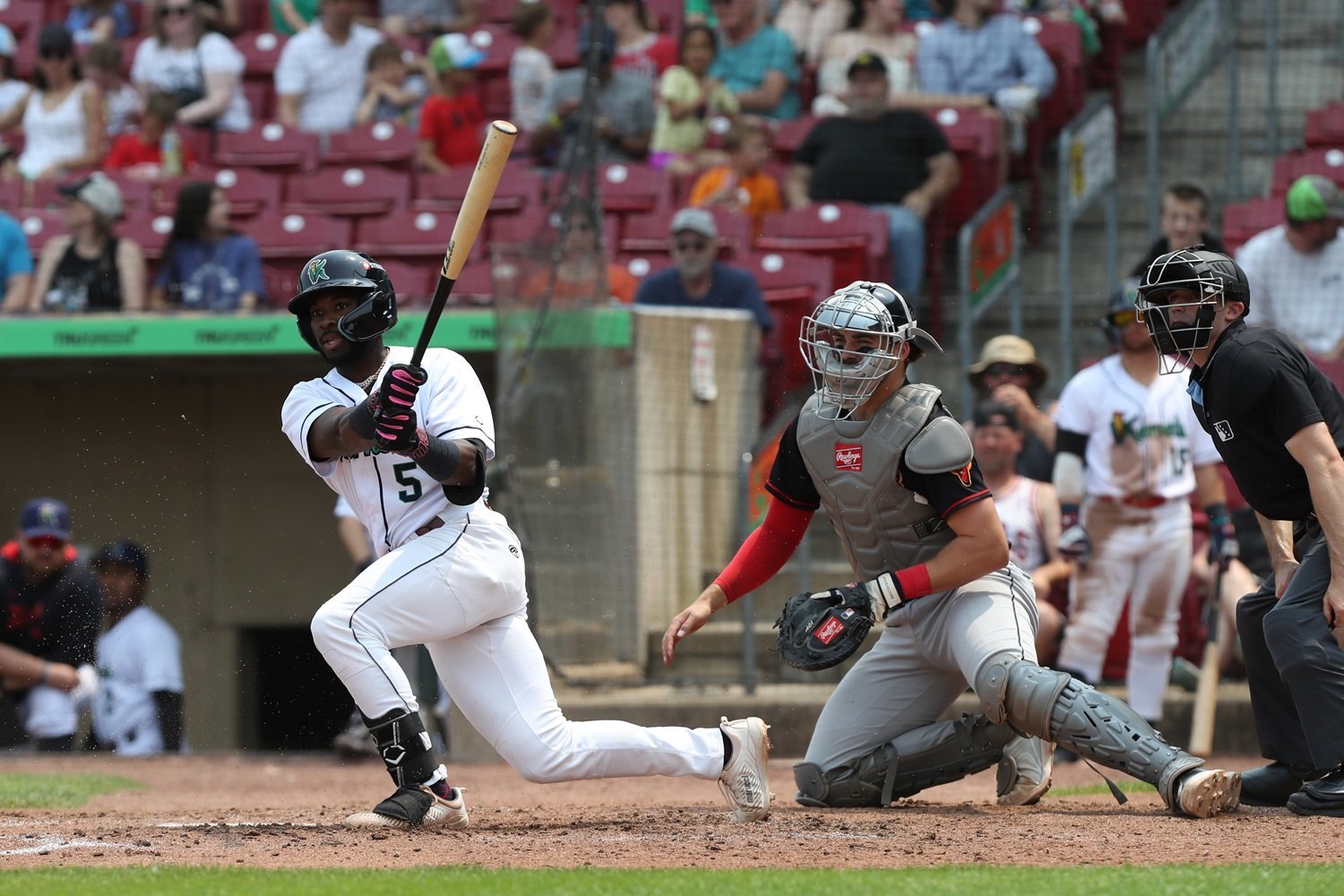 The MLB All-Star Futures Game has long been a glimpse into baseball’s future. Clayton Kershaw, Mike Trout, Ronald Acuña Jr., and Fernando Tatís Jr. all once stood on that stage, before becoming household names. This year, the Minnesota Twins will be represented by just one player at the showcase, but he is making his presence in the system impossible to ignore. Kaelen Culpepper, the Twins’ first-round pick in the 2024 MLB Draft, has been named to the 2025 Futures Game roster. He will take the field at Truist Park in the suburbs near Atlanta on Saturday, July 12, at 4 p.m. ET, standing alongside many of the top prospects in the game. It is no small honor. Every organization gets at least one player on the Futures Game roster, but some get multiple. The Detroit Tigers, for example, will be sending a trio of their rising stars: Max Clark, Kevin McGonigle, and Josue Briceño. For the Twins, Culpepper will be their only participant this year, but he is an exceptionally deserving choice. When Minnesota selected Culpepper with the 21st overall pick last summer, the reaction was subdued. Many fans viewed it as a safe selection for a club already flush with infielders. That perception did not last long. Culpepper flew through the early levels of the minors, finishing 2024 with a brief stint in High-A. In 2025, he has taken another leap forward, crushing Midwest League pitching with an .864 OPS in 54 games for Cedar Rapids before earning a promotion to Double-A Wichita last week. He has wasted no time making an impact there either, launching two home runs in his first few games and flashing his athleticism and strong arm at shortstop. His ascent is being driven not just by raw tools, but by a mature approach at the plate. If Culpepper continues this trajectory (showing strong contact skills, good plate discipline, and reliable defense), he could realistically factor into the Twins' big-league plans by this time next year. It is worth noting that Culpepper’s selection does not mean he is the only bright spot in the Twins’ farm system. According to Twins Daily’s latest prospect rankings, he ranks fourth. Ahead of him are talents like Walker Jenkins and Emmanuel Rodriguez, both of whom may have been strong candidates for the Futures Game had they not been sidelined by injuries. Jenkins recently returned to action in Wichita after missing time with a left ankle sprain, while Rodriguez just began a rehab stint following a June hip injury. The Twins have had a steady pipeline from the Futures Game to the majors in recent years, with Luke Keaschall in 2024, David Festa in 2023, and Matt Wallner in 2022 each earning the nod. Culpepper becomes the latest name on that list, and if his development continues at this pace, it will not be long before he is playing under the lights at Target Field, rather than on baseball’s prospect showcase stage. For now, he will take part in one of the sport’s most exciting annual exhibitions, surrounded by future stars and continuing to raise his stock within the game.
- 18 comments
-
- 5
-
-
- kaelen culpepper
- luke keaschall
- (and 2 more)
-
Image courtesy of David Malamut The MLB All-Star Futures Game has long been a glimpse into baseball’s future. Clayton Kershaw, Mike Trout, Ronald Acuña Jr., and Fernando Tatís Jr. all once stood on that stage, before becoming household names. This year, the Minnesota Twins will be represented by just one player at the showcase, but he is making his presence in the system impossible to ignore. Kaelen Culpepper, the Twins’ first-round pick in the 2024 MLB Draft, has been named to the 2025 Futures Game roster. He will take the field at Truist Park in the suburbs near Atlanta on Saturday, July 12, at 4 p.m. ET, standing alongside many of the top prospects in the game. It is no small honor. Every organization gets at least one player on the Futures Game roster, but some get multiple. The Detroit Tigers, for example, will be sending a trio of their rising stars: Max Clark, Kevin McGonigle, and Josue Briceño. For the Twins, Culpepper will be their only participant this year, but he is an exceptionally deserving choice. When Minnesota selected Culpepper with the 21st overall pick last summer, the reaction was subdued. Many fans viewed it as a safe selection for a club already flush with infielders. That perception did not last long. Culpepper flew through the early levels of the minors, finishing 2024 with a brief stint in High-A. In 2025, he has taken another leap forward, crushing Midwest League pitching with an .864 OPS in 54 games for Cedar Rapids before earning a promotion to Double-A Wichita last week. He has wasted no time making an impact there either, launching two home runs in his first few games and flashing his athleticism and strong arm at shortstop. His ascent is being driven not just by raw tools, but by a mature approach at the plate. If Culpepper continues this trajectory (showing strong contact skills, good plate discipline, and reliable defense), he could realistically factor into the Twins' big-league plans by this time next year. It is worth noting that Culpepper’s selection does not mean he is the only bright spot in the Twins’ farm system. According to Twins Daily’s latest prospect rankings, he ranks fourth. Ahead of him are talents like Walker Jenkins and Emmanuel Rodriguez, both of whom may have been strong candidates for the Futures Game had they not been sidelined by injuries. Jenkins recently returned to action in Wichita after missing time with a left ankle sprain, while Rodriguez just began a rehab stint following a June hip injury. The Twins have had a steady pipeline from the Futures Game to the majors in recent years, with Luke Keaschall in 2024, David Festa in 2023, and Matt Wallner in 2022 each earning the nod. Culpepper becomes the latest name on that list, and if his development continues at this pace, it will not be long before he is playing under the lights at Target Field, rather than on baseball’s prospect showcase stage. For now, he will take part in one of the sport’s most exciting annual exhibitions, surrounded by future stars and continuing to raise his stock within the game. View full article
- 18 replies
-
- 1
-
-
- kaelen culpepper
- luke keaschall
- (and 2 more)
-
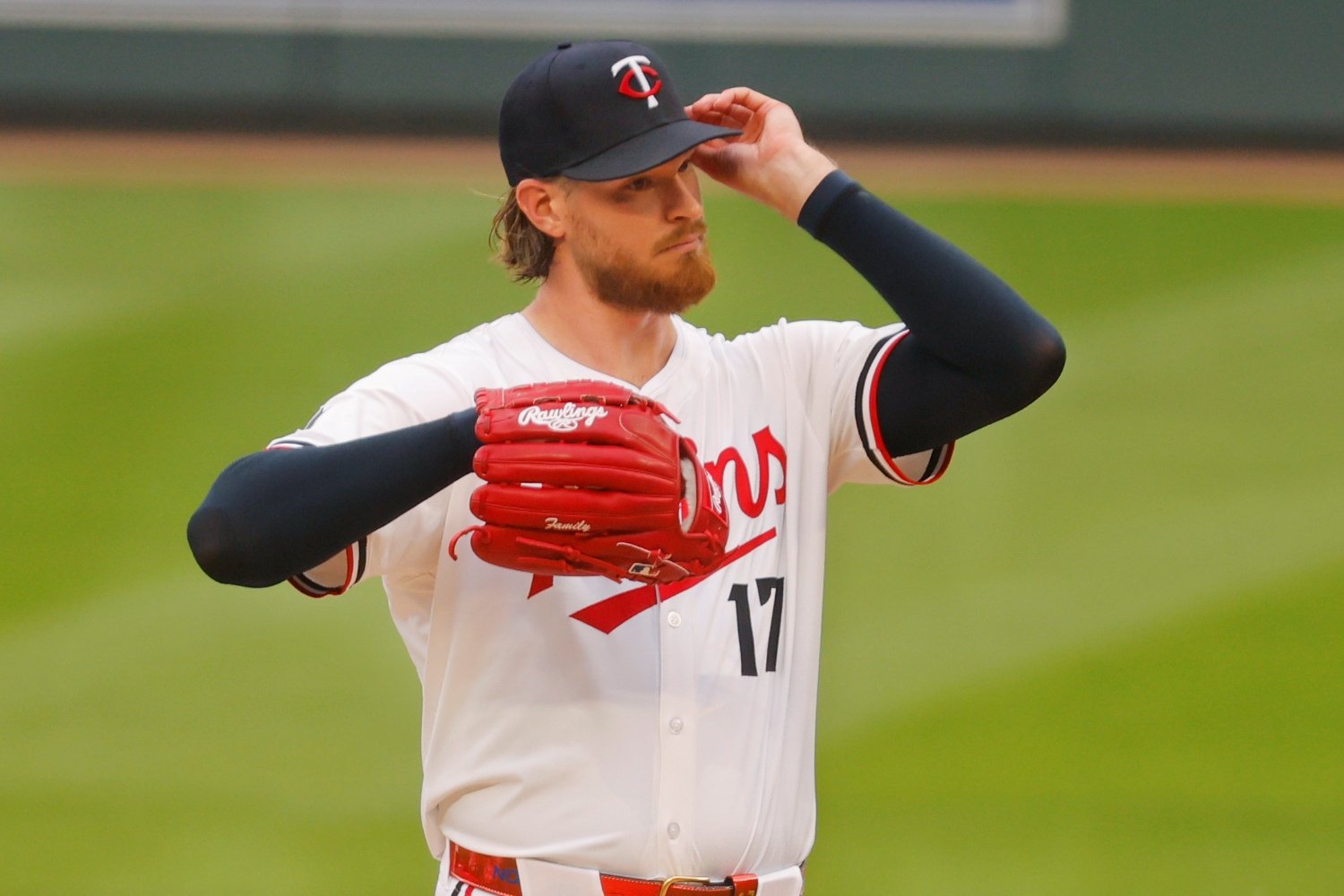 Bailey Ober used to be one of the surest things on the Minnesota Twins roster. The towering right-hander quietly established himself as a steady force in the rotation, posting ERAs under 4.00 for three consecutive seasons from 2022 through 2024. He avoided major blowups, gave the team consistent innings, and was someone the Twins could count on to keep them in games. But the 2025 version of Ober looks nothing like the one Twins fans had grown to trust. Through 17 starts this season, Ober has already allowed 21 home runs. Fourteen of those came in the month of June alone, tying the most ever allowed by a Twins pitcher in a single month. His strikeout rate has plummeted from 25.6% over the last three seasons to just 18.2% this year His average fastball velocity is down 1.3 MPH from where it was last year. His ERA has increased every month of the season, culminating in a disastrous June wherein he posted a 9.00 ERA across five starts. He entered June with a 2.43 ERA in 11 starts, and he looked like the same dependable arm Twins fans had come to rely on. But even during that stretch, there were signs that some trouble might be on the horizon. His velocity had dipped, and his swing-and-miss numbers were noticeably down from previous years. Those warning signs have now played out in full. Ober and the Twins have pointed to mechanical issues as the cause. He’s described his delivery as “not smooth and disjointed,” leading to decreased velocity and general ineffectiveness. His left hip has been a lingering issue for much of the season, but both the team and the pitcher have said that it isn’t the reason for his struggles. Regardless, the Twins have been making mechanical tweaks between starts throughout June, and the results have only gotten worse. Despite this steady decline, the Twins haven’t made any changes to Ober’s role. They haven’t skipped a start. They haven’t given him a break. They just keep sending him out there, where he keeps getting hammered. In many cases, he’s being left in to wear it in the name of saving the bullpen, taking blow after blow while his confidence erodes. There are two clear options in front of the Twins right now. They can continue on the current path, hoping he finds answers on the fly while struggling in front of frustrated fans and under the pressure that comes with being a major-league pitcher. That seems increasingly unlikely to work and risks further damage, both in the short and long term. Or, they can hit pause. Ober still has a minor-league option available. He could be sent to Triple-A St. Paul to work on his mechanics, away from the spotlight, or the Twins could place him on the injured list (citing the hip issue) and give him a couple of weeks to rest and reset. Whether the hip is the real problem or not, a break could help him physically and mentally. There is no obvious replacement. The Twins are already down Pablo López and Zebby Matthews. Andrew Morris just went on the injured list. Any replacement is going to be a stopgap, likely someone like Randy Dobnak or another fringe arm from St. Paul. But be honest: does anyone watching right now have any faith that Ober is going to turn it around on his next start? His two most recent outings were his worst of the year. At this point, the damage being done to Ober himself might outweigh the value of keeping him in the rotation just because the other options are uninspiring. Sometimes, you have to protect a player from himself. This feels like one of those times. Give Ober a break. Let him breathe. Let him work on things away from the pressure. What’s happening right now is clearly not working. What do you think the Twins should do with Bailey Ober? Should they make a move, or let him stay up and figure it out? Leave a comment below and start the conversation!
- 35 comments
-
- 9
-
-
- bailey ober
- randy dobnak
- (and 2 more)
-
Bailey Ober used to be one of the surest things on the Minnesota Twins roster. The towering right-hander had quietly established himself as a steady force in the rotation, posting an ERA in the 3s for three consecutive seasons from 2021 through 2024. He avoided major blowups, gave the team consistent innings, and was someone the Twins could count on to keep them in games. But the 2025 version of Bailey Ober looks nothing like the one Twins fans had grown to trust. Through 17 starts this season, Ober has already allowed 21 home runs. Fourteen of those came in the month of June alone, tying the most ever allowed by a Twins pitcher in a single month. His strikeout rate has plummeted from 9.2 K/9 over the last three seasons to just 7.2 this year. His BB/9 has climbed from 1.9 to 2.2. His average fastball velocity is down 1.3 MPH from where it was last year. His ERA has increased every month of the season, culminating in a disastrous June where he posted a 9.00 ERA across five starts. He entered June with a 2.43 ERA through his first 11 starts and looked like the same dependable arm Twins fans had come to rely on. But even during that stretch, there were signs that some trouble might be on the horizon. His velocity had dipped, and his swing-and-miss numbers were noticeably down from previous years. Those warning signs have now played out in full, culminating in a month of June where everything fell apart. Ober and the Twins have pointed to mechanical issues as the cause. He’s described his delivery as “not smooth and disjointed,” leading to decreased velocity and general ineffectiveness. His left hip has been a lingering issue for much of the season, but both the team and the pitcher have said that it isn’t the reason for his struggles. Regardless, the Twins have been making mechanical tweaks in between starts throughout June, and the results have only gotten worse. And yet, despite this steady decline, the Twins haven’t made any changes to Ober’s role. They haven’t skipped a start. They haven’t given him a break. They just keep sending him out there, where he keeps getting hammered. In many cases, he’s being left in to wear it in the name of saving the bullpen, taking blow after blow while his confidence erodes. There are two clear options in front of the Twins right now. They can continue on the current path, hoping he finds answers on the fly while struggling in front of frustrated fans and under the pressure that comes with being a Major League pitcher. That seems increasingly unlikely to work and risks further damage, both in the short and long term. Or they can hit pause. Ober still has a minor league option available. He could be sent to Triple-A to work on his mechanics away from the spotlight. Or the Twins could place him on the injured list, citing the hip issue, and give him a couple of weeks to rest and reset. Whether the hip is the real problem or not, a break could help him physically and mentally. Yes, there is no obvious replacement. The Twins are already down Pablo López and Zebby Matthews. Andrew Morris just went on the injured list. Any replacement is going to be a stopgap, likely someone like Randy Dobnak or another fringe arm from St. Paul. But the truth is, does anyone watching right now have any faith that Ober is going to turn it around on his next start? His two most recent outings were his worst of the year. At this point, the damage being done to Ober himself might outweigh the value of keeping him in the rotation just because the other options are uninspiring. Sometimes, you have to protect a player from himself. This feels like one of those times. Give Ober a break. Let him breathe. Let him work on things away from the pressure. What’s happening right now is clearly not working. What do you think the Twins should do with Bailey Ober? Should they make a move or let him stay up and figure it out? Leave a comment below and start the conversation! View full article
-
Inaction Has Become the Twins' Identity
Matthew Taylor posted a topic in Twins Daily Front Page News
Image courtesy of © Kim Klement Neitzel-Imagn Images There’s no polite way to frame it. The 2025 Minnesota Twins are unraveling. The starting rotation is thin and battered. The lineup is inconsistent and unreliable. The bench offers nothing. And it’s all led to a season on pace to end outside the playoffs for the fourth time in five years. It wasn’t always like this. In the early years of the Falvey-led front office, the Twins didn’t shy away from bold moves. They traded Luis Arraez, a fan favorite and batting champ, to land Pablo López and immediately extended him. They aggressively pursued and landed Carlos Correa not once, but twice. They gave Josh Donaldson the richest free-agent contract in franchise history. Whether those moves worked or not, they showed intent. They showed a front office trying to win. They showed action. But that aggressiveness is gone. Over the past few seasons, the Twins front office has settled into a frustrating pattern of inaction. Time and again, opportunities have come to shake things up or push forward. Instead, the front office has done nothing. That passivity is the common thread tying together the Twins’ latest stretch of disappointing seasons. We’ve seen it at the trade deadline. In 2022, they were aggressive, acquiring Tyler Mahle and Jorge López. Those deals didn’t work out, but at least they took their shot. Since then, nothing. In 2023, the team needed a right-handed bat and bullpen help. Their lone addition was Dylan Floro, who quickly fell out of the picture. The team still made the playoffs and even won a series, but they looked outmatched against the Astros in the ALDS. A bolder deadline could have made that a more competitive series. Then came 2024. The Twins were in first place entering the deadline. They needed pitching, both of the starting and relief variety. Instead, they added Trevor Richards, who was a disaster and didn’t finish the season with the team. The offense and bullpen collapsed, and so did the season. The front office had another chance to help. Again, they passed. That shift became painfully clear in the offseason following the 2023 playoff run. After breaking their long postseason drought and winning a series, the Twins had a chance to build on their momentum. Instead, they made no major additions. They moved Jorge Polanco in a salary-clearing trade, brought in Manuel Margot, and signed Carlos Santana. It wasn’t bold. It wasn’t even creative. It felt like the front office was content to stand still. Payroll restrictions were certainly a factor, but they made no effort to think outside the box or find other ways to bring in talent. Then came this past winter. After completely collapsing down the stretch in 2024 and missing the postseason, the Twins decided to run back nearly the exact same roster. No meaningful changes. No calculated risks. Just a belief that things would break differently. The same core, the same supporting cast, the same problems. And now, unsurprisingly, they’re getting the same results. It’s not just trades and free agency. We’ve seen inaction hurt the Twins on the roster level too. For years, they’ve been slow to respond when players struggle. They stuck with Alexander Colomé long past his expiration date. They let Matt Shoemaker start game after game when it was clear he couldn’t get outs. They refused to move on from Emilio Pagán. And now they’re wasting spots on Jonah Bride and Dashawn Keirsey Jr., both of whom have been among the worst offensive players in the league this year. The bench offers nothing, but the team refuses to make changes. Meanwhile, there are legitimate options in St. Paul. But the front office won’t pull the trigger. Weeks go by. Losses pile up. Nothing changes. The same mindset showed up with their decision on manager Rocco Baldelli. The Twins are slipping toward another disappointing finish, but it was revealed that the front office had already decided to extend him through 2026. No evaluation. No accountability. Just more status quo. Even if Baldelli isn’t the main problem, it’s another example of a front office that refuses to shake things up. Would one trade or one signing have changed the outcome of 2023? Could one roster move have saved 2024? Would a more aggressive approach in 2025 have led to a better first half? We’ll never know. But what we do know is that standing still is not working. And it hasn’t been for a long time. Other teams are willing to try something. The Padres and Mariners take chances. They make changes. Even if the results are mixed, they are at least acting like winning matters. Right now, this Twins front office doesn’t. It sends a message that they’re fine staying where they are, even as the team slides further away from contention. What do you think? Is the Twins front office doing enough to help this team? Or has their pattern of inaction run its course? View full article -
 There’s no polite way to frame it. The 2025 Minnesota Twins are unraveling. The starting rotation is thin and battered. The lineup is inconsistent and unreliable. The bench offers nothing. And it’s all led to a season on pace to end outside the playoffs for the fourth time in five years. It wasn’t always like this. In the early years of the Falvey-led front office, the Twins didn’t shy away from bold moves. They traded Luis Arraez, a fan favorite and batting champ, to land Pablo López and immediately extended him. They aggressively pursued and landed Carlos Correa not once, but twice. They gave Josh Donaldson the richest free-agent contract in franchise history. Whether those moves worked or not, they showed intent. They showed a front office trying to win. They showed action. But that aggressiveness is gone. Over the past few seasons, the Twins front office has settled into a frustrating pattern of inaction. Time and again, opportunities have come to shake things up or push forward. Instead, the front office has done nothing. That passivity is the common thread tying together the Twins’ latest stretch of disappointing seasons. We’ve seen it at the trade deadline. In 2022, they were aggressive, acquiring Tyler Mahle and Jorge López. Those deals didn’t work out, but at least they took their shot. Since then, nothing. In 2023, the team needed a right-handed bat and bullpen help. Their lone addition was Dylan Floro, who quickly fell out of the picture. The team still made the playoffs and even won a series, but they looked outmatched against the Astros in the ALDS. A bolder deadline could have made that a more competitive series. Then came 2024. The Twins were in first place entering the deadline. They needed pitching, both of the starting and relief variety. Instead, they added Trevor Richards, who was a disaster and didn’t finish the season with the team. The offense and bullpen collapsed, and so did the season. The front office had another chance to help. Again, they passed. That shift became painfully clear in the offseason following the 2023 playoff run. After breaking their long postseason drought and winning a series, the Twins had a chance to build on their momentum. Instead, they made no major additions. They moved Jorge Polanco in a salary-clearing trade, brought in Manuel Margot, and signed Carlos Santana. It wasn’t bold. It wasn’t even creative. It felt like the front office was content to stand still. Payroll restrictions were certainly a factor, but they made no effort to think outside the box or find other ways to bring in talent. Then came this past winter. After completely collapsing down the stretch in 2024 and missing the postseason, the Twins decided to run back nearly the exact same roster. No meaningful changes. No calculated risks. Just a belief that things would break differently. The same core, the same supporting cast, the same problems. And now, unsurprisingly, they’re getting the same results. It’s not just trades and free agency. We’ve seen inaction hurt the Twins on the roster level too. For years, they’ve been slow to respond when players struggle. They stuck with Alexander Colomé long past his expiration date. They let Matt Shoemaker start game after game when it was clear he couldn’t get outs. They refused to move on from Emilio Pagán. And now they’re wasting spots on Jonah Bride and Dashawn Keirsey Jr., both of whom have been among the worst offensive players in the league this year. The bench offers nothing, but the team refuses to make changes. Meanwhile, there are legitimate options in St. Paul. But the front office won’t pull the trigger. Weeks go by. Losses pile up. Nothing changes. The same mindset showed up with their decision on manager Rocco Baldelli. The Twins are slipping toward another disappointing finish, but it was revealed that the front office had already decided to extend him through 2026. No evaluation. No accountability. Just more status quo. Even if Baldelli isn’t the main problem, it’s another example of a front office that refuses to shake things up. Would one trade or one signing have changed the outcome of 2023? Could one roster move have saved 2024? Would a more aggressive approach in 2025 have led to a better first half? We’ll never know. But what we do know is that standing still is not working. And it hasn’t been for a long time. Other teams are willing to try something. The Padres and Mariners take chances. They make changes. Even if the results are mixed, they are at least acting like winning matters. Right now, this Twins front office doesn’t. It sends a message that they’re fine staying where they are, even as the team slides further away from contention. What do you think? Is the Twins front office doing enough to help this team? Or has their pattern of inaction run its course?
 -
Image courtesy of Ed Bailey, Wichita Wind Surge (Photo of C.J. Culpepper) TRANSACTIONS C Diego Cartaya transferred to development list (St. Paul) CF Austin Martin activated from injured list (St. Paul) RHP Angel Macuare released (Wichita) SAINTS SENTINEL Louisville 4, St. Paul 2 Box Score Trent Baker: 5 IP, 5 H, 2 ER, 2 BB, 3 K HR: Martin (1) Multi-hit games: Austin Martin (2-for-3, HR, 1 RBI), Aaron Sabato (3-for-4, 2 2B, 1 RBI), Carson McCusker (2-for-4) After getting rained out yesterday, the Saints were back in action today against the Louisville Bats and former Twins prospect Chase Petty. The headline coming into the game was the return of Austin Martin, who had been out since May 6. He wasted no time making an impact, launching the first pitch he saw over the left-field wall for a leadoff home run. He later added a single in the fifth inning. Aaron Sabato continued his hot streak with the Saints, going 3-for-4 with a pair of doubles and an RBI. He extended his hitting streak to nine games and boosted his OPS in St. Paul to 1.044. St. Paul had nine hits but went just 1-for-7 with runners in scoring position, plating only two runs on the day, one each from Martin and Sabato. On the mound, the Saints went with a piggyback approach between Trent Baker and Travis Adams. Baker allowed two earned runs across five innings, walking two and striking out three. Adams allowed two more runs over the final four frames, walking three and striking out five. WIND SURGE WISDOM Wichita 5, Springfield 0 Box Score C.J. Culpepper: 4 IP, 3 H, 0 ER, 1 BB, 1 K HR: Kyler Fedko (14) Multi-hit games: Kyler Fedko (2-for-4, HR, RBI) Wichita shut out Springfield for the second time in three games to win their third straight and improve to 40-32 overall and 3-0 to start the second half. Twins Daily's No. 14 prospect C.J. Culpepper delivered four strong innings in the start, allowing three hits and no runs. His one strikeout was a season-low, but he induced weak contact throughout his outing. Kyler Fedko led the way at the plate, launching his 14th home run of the year, tops on the Wind Surge, and adding another hit to finish 2-for-4 with an RBI. Yesterday’s hero Kala’i Rosario kept his momentum going with a bases-clearing double in the third inning, giving him 43 RBI on the year, most on the team. He later came around to score on a Ricardo Olivar RBI single. Kaelen Culpepper was held hitless, but flashed the leather with a highlight-reel play at shortstop, showing why the organization believes in his long-term defensive upside. Top prospect Walker Jenkins had the day off as the team monitors his workload in his return from injury. The Wind Surge have won seven straight games at home, tying the most consecutive home victories in franchise history (2021). KERNELS NUGGETS Game vs. South Bend – Suspended Box Score The Kernels' game was postponed due to inclement weather after just three innings of play. They trailed 5-0 when play was halted, with Tanner Hall allowing six hits, four walks, and five earned runs over those three innings. The game will be resumed Friday at 5:35 PM, followed by a scheduled seven-inning game afterward. MUSSEL MATTERS Fort Myers 12, Tampa 7 Box Score Adrian Bohorquez: 4 1/3 IP, 3 H, 3 ER, 2 BB, 4 K HR: None Multi-hit games: Bryan Acuña (2-for-4, 2 RBI), Caleb McNeely (2-for-3, 2 RBI) The Mighty Mussels erupted for 12 runs in a blowout win over Tampa. Leading the charge was Bryan Acuña, who tallied two hits, two RBI, and an eye-popping four stolen bases. The team as a whole swiped 10 bags, overwhelming Tampa’s battery all night. Caleb McNeely added a 2-for-3 night with a pair of RBI, and the offense took full advantage of wild Tampa pitching to extend their winning streak to two. Adrian Bohorquez started strong on the mound, but lost command in the fifth and exited after allowing three earned runs over 4 1/3 innings. COMPLEX CHRONICLES FCL Braves 7, FCL Twins 6 (10 innings) Box Score The FCL Twins let a late lead slip away, falling in extra innings after entering the ninth with a 6-3 advantage. Anderson Ramos struggled to shut the door, allowing three runs via walks, wild pitches, and defensive miscues, including a passed ball. The Braves pushed across the go-ahead run in the top of the 10th with a sacrifice fly, and the Twins couldn’t answer in their half of the inning. Daiber De Los Santos had a strong day at the plate with two doubles in a multi-hit effort, while catcher Carlos Silva contributed two RBI. DOMINICAN DAILIES DSL Cardinals 7, DSL Twins 4 Box Score The DSL Twins dropped another one to the Cardinals despite a promising start from Eli Urena, who tossed three shutout innings. The game unraveled in the middle innings when Marlon Mirabal surrendered seven hits and four runs across three rough frames, pushing his ERA to 9.53. The defense didn’t help matters, committing five errors. At the plate, the DSL Twins were quiet aside from Aaron Salazar, who went 2-for-3 and collected the only hits of the day for the team. TWINS DAILY PLAYERS OF THE DAY Twins Daily Minor League Pitcher of the Day – C.J. Culpepper, Wichita (4 IP, 3 H, 0 ER, 1 BB, 1 K) Twins Daily Minor League Hitter of the Day – Austin Martin, St. Paul (2-for-3, HR, 1 RBI) PROSPECT SUMMARY Check out the Prospect Tracker for much more on our Twins Top 20 prospects, which was recently updated! #4 – Kaelen Culpepper (Wichita) - 0-3, 1 R, 1 BB, 1 K #9 – Brandon Winokur (Cedar Rapids) - 0-1 #10 – Kyle DeBarge (Cedar Rapids) - 0-1 #12 – Billy Amick (Cedar Rapids) - 0-1 #14 – C.J. Culpepper (Wichita) - 4 IP, 3 H, 0 ER, 1 BB, 1 K #18 – Ricardo Olivar (Wichita) - 1-4, 1 RBI #19 – Danny De Andrade (Cedar Rapids) - 0-1 #20 – Payton Eeles (St. Paul) - 0-4, 2 K FRIDAY'S PROBABLE STARTERS Louisville @ St. Paul (7:07 PM) - RHP Cory Lewis Springfield @ Wichita (7:05 PM) - RHP Connor Prielipp South Bend @ Cedar Rapids (5:35 PM for resumed game, 7-inning game to follow) - RHP Jose Olivares (for 7-inning game) Fort Myers @ Tampa (5:30 PM) - RHP Dylan Questad FCL Braves @ FCL Twins (11:00 AM) - TBD DSL Twins @ DSL Tigers (10:00 AM) - TBD Please feel free to ask questions and discuss Thursday’s games. View full article
- 26 replies
-
- 1
-
-
- austin martin
- aaron sabato
- (and 2 more)
-
 TRANSACTIONS C Diego Cartaya transferred to development list (St. Paul) CF Austin Martin activated from injured list (St. Paul) RHP Angel Macuare released (Wichita) SAINTS SENTINEL Louisville 4, St. Paul 2 Box Score Trent Baker: 5 IP, 5 H, 2 ER, 2 BB, 3 K HR: Martin (1) Multi-hit games: Austin Martin (2-for-3, HR, 1 RBI), Aaron Sabato (3-for-4, 2 2B, 1 RBI), Carson McCusker (2-for-4) After getting rained out yesterday, the Saints were back in action today against the Louisville Bats and former Twins prospect Chase Petty. The headline coming into the game was the return of Austin Martin, who had been out since May 6. He wasted no time making an impact, launching the first pitch he saw over the left-field wall for a leadoff home run. He later added a single in the fifth inning. Aaron Sabato continued his hot streak with the Saints, going 3-for-4 with a pair of doubles and an RBI. He extended his hitting streak to nine games and boosted his OPS in St. Paul to 1.044. St. Paul had nine hits but went just 1-for-7 with runners in scoring position, plating only two runs on the day, one each from Martin and Sabato. On the mound, the Saints went with a piggyback approach between Trent Baker and Travis Adams. Baker allowed two earned runs across five innings, walking two and striking out three. Adams allowed two more runs over the final four frames, walking three and striking out five. WIND SURGE WISDOM Wichita 5, Springfield 0 Box Score C.J. Culpepper: 4 IP, 3 H, 0 ER, 1 BB, 1 K HR: Kyler Fedko (14) Multi-hit games: Kyler Fedko (2-for-4, HR, RBI) Wichita shut out Springfield for the second time in three games to win their third straight and improve to 40-32 overall and 3-0 to start the second half. Twins Daily's No. 14 prospect C.J. Culpepper delivered four strong innings in the start, allowing three hits and no runs. His one strikeout was a season-low, but he induced weak contact throughout his outing. Kyler Fedko led the way at the plate, launching his 14th home run of the year, tops on the Wind Surge, and adding another hit to finish 2-for-4 with an RBI. Yesterday’s hero Kala’i Rosario kept his momentum going with a bases-clearing double in the third inning, giving him 43 RBI on the year, most on the team. He later came around to score on a Ricardo Olivar RBI single. Kaelen Culpepper was held hitless, but flashed the leather with a highlight-reel play at shortstop, showing why the organization believes in his long-term defensive upside. Top prospect Walker Jenkins had the day off as the team monitors his workload in his return from injury. The Wind Surge have won seven straight games at home, tying the most consecutive home victories in franchise history (2021). KERNELS NUGGETS Game vs. South Bend – Suspended Box Score The Kernels' game was postponed due to inclement weather after just three innings of play. They trailed 5-0 when play was halted, with Tanner Hall allowing six hits, four walks, and five earned runs over those three innings. The game will be resumed Friday at 5:35 PM, followed by a scheduled seven-inning game afterward. MUSSEL MATTERS Fort Myers 12, Tampa 7 Box Score Adrian Bohorquez: 4 1/3 IP, 3 H, 3 ER, 2 BB, 4 K HR: None Multi-hit games: Bryan Acuña (2-for-4, 2 RBI), Caleb McNeely (2-for-3, 2 RBI) The Mighty Mussels erupted for 12 runs in a blowout win over Tampa. Leading the charge was Bryan Acuña, who tallied two hits, two RBI, and an eye-popping four stolen bases. The team as a whole swiped 10 bags, overwhelming Tampa’s battery all night. Caleb McNeely added a 2-for-3 night with a pair of RBI, and the offense took full advantage of wild Tampa pitching to extend their winning streak to two. Adrian Bohorquez started strong on the mound, but lost command in the fifth and exited after allowing three earned runs over 4 1/3 innings. COMPLEX CHRONICLES FCL Braves 7, FCL Twins 6 (10 innings) Box Score The FCL Twins let a late lead slip away, falling in extra innings after entering the ninth with a 6-3 advantage. Anderson Ramos struggled to shut the door, allowing three runs via walks, wild pitches, and defensive miscues, including a passed ball. The Braves pushed across the go-ahead run in the top of the 10th with a sacrifice fly, and the Twins couldn’t answer in their half of the inning. Daiber De Los Santos had a strong day at the plate with two doubles in a multi-hit effort, while catcher Carlos Silva contributed two RBI. DOMINICAN DAILIES DSL Cardinals 7, DSL Twins 4 Box Score The DSL Twins dropped another one to the Cardinals despite a promising start from Eli Urena, who tossed three shutout innings. The game unraveled in the middle innings when Marlon Mirabal surrendered seven hits and four runs across three rough frames, pushing his ERA to 9.53. The defense didn’t help matters, committing five errors. At the plate, the DSL Twins were quiet aside from Aaron Salazar, who went 2-for-3 and collected the only hits of the day for the team. TWINS DAILY PLAYERS OF THE DAY Twins Daily Minor League Pitcher of the Day – C.J. Culpepper, Wichita (4 IP, 3 H, 0 ER, 1 BB, 1 K) Twins Daily Minor League Hitter of the Day – Austin Martin, St. Paul (2-for-3, HR, 1 RBI) PROSPECT SUMMARY Check out the Prospect Tracker for much more on our Twins Top 20 prospects, which was recently updated! #4 – Kaelen Culpepper (Wichita) - 0-3, 1 R, 1 BB, 1 K #9 – Brandon Winokur (Cedar Rapids) - 0-1 #10 – Kyle DeBarge (Cedar Rapids) - 0-1 #12 – Billy Amick (Cedar Rapids) - 0-1 #14 – C.J. Culpepper (Wichita) - 4 IP, 3 H, 0 ER, 1 BB, 1 K #18 – Ricardo Olivar (Wichita) - 1-4, 1 RBI #19 – Danny De Andrade (Cedar Rapids) - 0-1 #20 – Payton Eeles (St. Paul) - 0-4, 2 K FRIDAY'S PROBABLE STARTERS Louisville @ St. Paul (7:07 PM) - RHP Cory Lewis Springfield @ Wichita (7:05 PM) - RHP Connor Prielipp South Bend @ Cedar Rapids (5:35 PM for resumed game, 7-inning game to follow) - RHP Jose Olivares (for 7-inning game) Fort Myers @ Tampa (5:30 PM) - RHP Dylan Questad FCL Braves @ FCL Twins (11:00 AM) - TBD DSL Twins @ DSL Tigers (10:00 AM) - TBD Please feel free to ask questions and discuss Thursday’s games.
- 26 comments
-
- 3
-
-

-
- austin martin
- aaron sabato
- (and 2 more)
-
Image courtesy of © Bruce Kluckhohn-Imagn Images Box Score SP: Simeon Woods Richardson 5 IP, 2 H, 0 ER, 6 K, 1 BB (82 pitches, 55 strikes (67%)) Home Runs: Matt Wallner (7), Brooks Lee (8), Trevor Larnach (12) Top 3 WPA: Woods Richardson .276, Larnach .224, Lee .064 Win Probability Chart (via FanGraphs): After ending their latest losing skid with a win Wednesday night, the Twins returned to Target Field on Thursday looking to build on that momentum. They’d have to wait a while to get started. A steady wave of morning and afternoon rain (and, in frustratingly large part, the mere anticipation thereof) delayed the game by four and a half hours. But when the clouds finally cleared, the Twins put together one of their best innings of the season on their way to a 10-1 win. Simeon Woods Richardson got the start and kept Seattle quiet, tossing five scoreless innings while allowing just two hits and one walk. He struck out six in what was his second scoreless outing in four starts since rejoining the big-league rotation. The game remained scoreless until the bottom of the fifth, when Trevor Larnach finally broke through. After Byron Buxton reached base via walk, Larnach crushed a 421-foot home run to center field, putting the Twins up 2-0. That swing opened the offensive floodgates, and runs rushed in in the bottom of the sixth. Brooks Lee kicked things off with his eighth home run of the year, a solo shot off Mariners reliever Zach Pop. The next five hitters piled on. Buxton ripped a two-run double. Willi Castro followed with an RBI double of his own. Carlos Correa added a two-run double, and Matt Wallner capped it all off with a two-run homer, his seventh of the season. When the dust settled, the Twins had put up eight runs in the inning and built a 10-0 lead. The bullpen took over from there and picked up right where Woods Richardson left off. Brock Stewart, Danny Coulombe, Justin Topa, and Cole Sands each pitched scoreless frames to keep the Mariners at bay. They were one out away from back-to-back shutouts, but with two outs in the ninth, Miles Mastrobuoni knocked in Seattle’s only run with an RBI single. Even with the shutout spoiled, the Twins locked down a convincing 10-1 win to split the series. The win ends Minnesota’s five-series losing streak. They’re now 39-42 on the season, with a -11 run differential. What's Next This weekend, the Twins hit the road for a three-game series against the Detroit Tigers, who currently own the best record in baseball. Ex-Twins farmhand Sawyer Gipson-Long will start for Detroit, while the Twins have yet to announce their starter. Postgame Interviews Bullpen Usage Chart View full article
-
 Box Score SP: Simeon Woods Richardson 5 IP, 2 H, 0 ER, 6 K, 1 BB (82 pitches, 55 strikes (67%)) Home Runs: Matt Wallner (7), Brooks Lee (8), Trevor Larnach (12) Top 3 WPA: Woods Richardson .276, Larnach .224, Lee .064 Win Probability Chart (via FanGraphs): After ending their latest losing skid with a win Wednesday night, the Twins returned to Target Field on Thursday looking to build on that momentum. They’d have to wait a while to get started. A steady wave of morning and afternoon rain (and, in frustratingly large part, the mere anticipation thereof) delayed the game by four and a half hours. But when the clouds finally cleared, the Twins put together one of their best innings of the season on their way to a 10-1 win. Simeon Woods Richardson got the start and kept Seattle quiet, tossing five scoreless innings while allowing just two hits and one walk. He struck out six in what was his second scoreless outing in four starts since rejoining the big-league rotation. The game remained scoreless until the bottom of the fifth, when Trevor Larnach finally broke through. After Byron Buxton reached base via walk, Larnach crushed a 421-foot home run to center field, putting the Twins up 2-0. That swing opened the offensive floodgates, and runs rushed in in the bottom of the sixth. Brooks Lee kicked things off with his eighth home run of the year, a solo shot off Mariners reliever Zach Pop. The next five hitters piled on. Buxton ripped a two-run double. Willi Castro followed with an RBI double of his own. Carlos Correa added a two-run double, and Matt Wallner capped it all off with a two-run homer, his seventh of the season. When the dust settled, the Twins had put up eight runs in the inning and built a 10-0 lead. The bullpen took over from there and picked up right where Woods Richardson left off. Brock Stewart, Danny Coulombe, Justin Topa, and Cole Sands each pitched scoreless frames to keep the Mariners at bay. They were one out away from back-to-back shutouts, but with two outs in the ninth, Miles Mastrobuoni knocked in Seattle’s only run with an RBI single. Even with the shutout spoiled, the Twins locked down a convincing 10-1 win to split the series. The win ends Minnesota’s five-series losing streak. They’re now 39-42 on the season, with a -11 run differential. What's Next This weekend, the Twins hit the road for a three-game series against the Detroit Tigers, who currently own the best record in baseball. Ex-Twins farmhand Sawyer Gipson-Long will start for Detroit, while the Twins have yet to announce their starter. Postgame Interviews Bullpen Usage Chart
- 46 comments
-
- 5
-
-
- brooks lee
- byron buxton
- (and 1 more)
-
Midseason Minnesota Twins MVP Ballot: Who’s Keeping This Team Relevant?
Matthew Taylor posted an article in Twins
 The Minnesota Twins were scheduled for Game 81 of the 2025 season Thursday, marking the official halfway point of the 162-game grind. That milestone brings a natural chance to pause and reflect on what's gone right, what’s gone wrong, and which players have made the biggest difference in a season that has been anything but consistent. The first half featured a 13-game winning streak that kept the Twins in the playoff race, but that hot stretch has been surrounded on both sides by some of the worst baseball the team has played in years. They’ve struggled to stay healthy; to hit consistently; and to maintain the pitching depth that was such a point of pride entering this season. Still, they’re not out of the race, and there are a few players who deserve credit for that. Here’s a look at the Twins’ first-half MVP ballot, counting down the five most valuable players who have kept this season from completely unraveling. 5. Jhoan Duran – 37 G, 35 1/3 IP, 1.78 ERA, 1.13 WHIP, 40 K, 14 BB, 1.0 fWAR, 0.58 WPA In a bullpen full of question marks and inconsistency, Duran has been one of the few answers. He’s posted a 1.78 ERA while handling by far the highest-leverage spots of any Twins reliever, with an average leverage index of 1.88. He’s allowed just seven earned runs all season, and has converted 11 saves while only blowing two opportunities. With Griffin Jax running into bad luck and others fading in and out of various roles, Duran has anchored the back end of the bullpen and been one of the most reliable arms on the entire pitching staff. 4. Pablo López – 11 G, 60 2/3 IP, 2.82 ERA, 1.07 WHIP, 61 K, 14 BB, 1.6 fWAR, 0.65 WPA Pablo López didn’t make it to the halfway point healthy, but his 11 starts before and between stints on the injured list were exactly what the Twins needed. He was sharp, efficient, and dependable, regularly going deep into games and leading the Twins rotation. Since López was placed on the IL on June 3, the Twins rotation has posted a 6.61 ERA, underscoring just how important he was. Even in limited time, he still ranks second among Twins starters in fWAR and WPA. His absence has only made his value more obvious. 3. Harrison Bader – 71 G, .251/.336/.410, 7 HR, 27 RBI, 1.4 fWAR, 0.30 WPA The Twins signed Bader as a fourth outfielder and potential insurance policy for Byron Buxton. Instead, they’ve gotten an everyday player who has quietly become one of their most valuable contributors. Bader has played excellent defense in left field, while putting together his most productive offensive season since 2021. His on-base percentage is a career-high .336, thanks to improved walk rates, and he filled in admirably when Byron Buxton missed time with a concussion. Bader has been steady and impactful, and far exceeded expectations. 2. Joe Ryan – 16 G, 91 1/3 IP, 2.86 ERA, 0.89 WHIP, 104 K, 20 BB, 1.8 fWAR, 1.78 WPA With López injured and the rest of the rotation floundering, Ryan has stepped up and pitched like a legitimate ace. He leads the staff in innings, ERA, WHIP, and strikeouts, and he's posted the highest Win Probability Added of any pitcher or hitter on the team. Ryan has taken a step forward this season, showing the ability to dominate lineups deep into games and flashing command and consistency that sets him apart from the rest of the staff. If the Twins have any chance of turning this around, it will be because Ryan continues to pitch at this level every fifth day. 1. Byron Buxton – 62 G, .280/.346/.559, 17 HR, 47 RBI, 3.1 fWAR, 1.68 WPA Byron Buxton is not only the team’s MVP at the halfway point; he’s playing like someone who belongs in the league-wide MVP conversation. He leads the Twins in nearly every major offensive category, including OPS, home runs, RBIs, stolen bases, fWAR, and WPA. Even more importantly, he’s been on the field nearly every day and playing center field at a high level. Outside of a two-week stint on the shelf with a concussion, Buxton has been a daily fixture in the lineup, and his impact is felt in every phase of the game. After years of starts and stops, Buxton is finally putting together a season that lives up to the sky-high expectations—and doing it when the Twins have desperately needed a reason to believe. Without him, it’s hard to imagine how bad things could be. The first half didn’t go according to plan, but the Twins are still within striking distance of a playoff spot, and these five players are the biggest reasons why. Whether they can keep it going or whether a new group steps forward in the second half remains to be seen. Maybe Carlos Correa finds another gear. Maybe Bailey Ober bounces back. Maybe Brooks Lee makes a leap and forces his way onto this list. For now, these are the players holding things together. Who’s on your first-half MVP ballot? Do you agree with these picks or do you have someone else in your top five? Let us know in the comments below.
- 6 comments
-
- 4
-
-

-
- byron buxton
- jhoan duran
- (and 3 more)
-
Image courtesy of © Brad Rempel-Imagn Images The Minnesota Twins were scheduled for Game 81 of the 2025 season Thursday, marking the official halfway point of the 162-game grind. That milestone brings a natural chance to pause and reflect on what's gone right, what’s gone wrong, and which players have made the biggest difference in a season that has been anything but consistent. The first half featured a 13-game winning streak that kept the Twins in the playoff race, but that hot stretch has been surrounded on both sides by some of the worst baseball the team has played in years. They’ve struggled to stay healthy; to hit consistently; and to maintain the pitching depth that was such a point of pride entering this season. Still, they’re not out of the race, and there are a few players who deserve credit for that. Here’s a look at the Twins’ first-half MVP ballot, counting down the five most valuable players who have kept this season from completely unraveling. 5. Jhoan Duran – 37 G, 35 1/3 IP, 1.78 ERA, 1.13 WHIP, 40 K, 14 BB, 1.0 fWAR, 0.58 WPA In a bullpen full of question marks and inconsistency, Duran has been one of the few answers. He’s posted a 1.78 ERA while handling by far the highest-leverage spots of any Twins reliever, with an average leverage index of 1.88. He’s allowed just seven earned runs all season, and has converted 11 saves while only blowing two opportunities. With Griffin Jax running into bad luck and others fading in and out of various roles, Duran has anchored the back end of the bullpen and been one of the most reliable arms on the entire pitching staff. 4. Pablo López – 11 G, 60 2/3 IP, 2.82 ERA, 1.07 WHIP, 61 K, 14 BB, 1.6 fWAR, 0.65 WPA Pablo López didn’t make it to the halfway point healthy, but his 11 starts before and between stints on the injured list were exactly what the Twins needed. He was sharp, efficient, and dependable, regularly going deep into games and leading the Twins rotation. Since López was placed on the IL on June 3, the Twins rotation has posted a 6.61 ERA, underscoring just how important he was. Even in limited time, he still ranks second among Twins starters in fWAR and WPA. His absence has only made his value more obvious. 3. Harrison Bader – 71 G, .251/.336/.410, 7 HR, 27 RBI, 1.4 fWAR, 0.30 WPA The Twins signed Bader as a fourth outfielder and potential insurance policy for Byron Buxton. Instead, they’ve gotten an everyday player who has quietly become one of their most valuable contributors. Bader has played excellent defense in left field, while putting together his most productive offensive season since 2021. His on-base percentage is a career-high .336, thanks to improved walk rates, and he filled in admirably when Byron Buxton missed time with a concussion. Bader has been steady and impactful, and far exceeded expectations. 2. Joe Ryan – 16 G, 91 1/3 IP, 2.86 ERA, 0.89 WHIP, 104 K, 20 BB, 1.8 fWAR, 1.78 WPA With López injured and the rest of the rotation floundering, Ryan has stepped up and pitched like a legitimate ace. He leads the staff in innings, ERA, WHIP, and strikeouts, and he's posted the highest Win Probability Added of any pitcher or hitter on the team. Ryan has taken a step forward this season, showing the ability to dominate lineups deep into games and flashing command and consistency that sets him apart from the rest of the staff. If the Twins have any chance of turning this around, it will be because Ryan continues to pitch at this level every fifth day. 1. Byron Buxton – 62 G, .280/.346/.559, 17 HR, 47 RBI, 3.1 fWAR, 1.68 WPA Byron Buxton is not only the team’s MVP at the halfway point; he’s playing like someone who belongs in the league-wide MVP conversation. He leads the Twins in nearly every major offensive category, including OPS, home runs, RBIs, stolen bases, fWAR, and WPA. Even more importantly, he’s been on the field nearly every day and playing center field at a high level. Outside of a two-week stint on the shelf with a concussion, Buxton has been a daily fixture in the lineup, and his impact is felt in every phase of the game. After years of starts and stops, Buxton is finally putting together a season that lives up to the sky-high expectations—and doing it when the Twins have desperately needed a reason to believe. Without him, it’s hard to imagine how bad things could be. The first half didn’t go according to plan, but the Twins are still within striking distance of a playoff spot, and these five players are the biggest reasons why. Whether they can keep it going or whether a new group steps forward in the second half remains to be seen. Maybe Carlos Correa finds another gear. Maybe Bailey Ober bounces back. Maybe Brooks Lee makes a leap and forces his way onto this list. For now, these are the players holding things together. Who’s on your first-half MVP ballot? Do you agree with these picks or do you have someone else in your top five? Let us know in the comments below. View full article
-
Image courtesy of © Matt Blewett-Imagn Images The Athletic's Dan Hayes reported Tuesday that the Minnesota Twins have picked up manager Rocco Baldelli’s team option for the 2026 season. In doing so, the Twins made it clear that not only is Baldelli safe for the remainder of 2025, but that they intend to continue forward with him leading the team beyond this season. It’s a baffling message to send right now, although it's not clear when the team actually made the decision and Hayes's reporting might have forced them into this untimely acknowledgment. The Twins have been a bad baseball team for a long time now. They are 49-70 in the 119 games since Jorge Alcala’s meltdown in Texas last summer, and that record doesn't begin to tell the story of how lifeless and sloppy this team has looked. They’re getting beat in ways that well-run teams simply don’t. They’re failing in the details. They’re playing poor defense, running into outs, and routinely losing winnable games. One-run games, in particular, often shine a light on a manager’s in-game decision-making. The Twins have now lost eight one-run games in a row and are 7-14 in those games on the year; they went 3-6 in those games over the final quarter of last year. It’s not the only problem, but it’s one where a manager can make a difference. This team is headed toward missing the playoffs for the fourth time in five years. That would be unacceptable for any franchise, but especially one that has consistently had the highest or second-highest payroll in a division as weak as the American League Central. For all the talk of sustained contention and long-term vision, this is a team that continues to fall short. Right now, the Twins are stuck in their worst stretch of the season. They have lost 11 of 12 and 15 of their last 18. Since this collapse began on June 5, they have the worst pitching staff in baseball, with a 7.67 ERA. And it’s not just numbers painting a bleak picture. In an in-game report on Monday, Audra Martin shared some troubling quotes from Twins batters, including Ty France, who said the Twins need to “take a little bit more pride” in themselves when they fall behind early. Even more troubling were comments from Carlos Correa, who said the team “can do a better job with preparation.” Audra Martin reported that Correa had a conversation with the front office and coaching staff about the team’s lack of readiness. You want your clubhouse leader holding people accountable, but it’s alarming to hear that your franchise shortstop felt compelled to initiate a conversation on preparedness, one of the most fundamental and important aspects of a manager's job description. And the signs of that lack of preparation show up constantly in the games themselves. To be fair, it's part of Baldelli's managerial philosophy to have players communicate with each other when expectations aren't being met, or when there's information they can share. "Staff members can do great things, but the guys in the clubhouse, they’re going through the exact same thing at the exact same time in that room," Baldelli said, back on May 25. "You have guys that have great perspective in there, and there’s nothing like a teammate being real with you and helping you out. That can happen so many different ways, but that’s the best way for it to work. If a staff member in any way feels like they have to be the one to always have a conversation with a player about any topic, you’re probably missing something along the way." All of this adds up to a message from the front office that feels completely out of touch. The decision to pick up Baldelli’s team option for 2026 might have been made quietly. We don’t know the exact timing of it, and it’s certainly possible the decision was finalized back during the team’s 13-game winning streak earlier this year, or even during spring training. That wouldn’t make it a smart move. It would just make it another example of the organization reacting to the wrong things. The winning streak, for instance, got the team back to .500 but didn’t erase the bad start, nor did it guarantee anything going forward. There was simply no need to make this move now—or at all. If the team rallies, if Baldelli proves something down the stretch, there would have been time to revisit this later. But having this information leak out during the worst stretch of baseball the Twins have played in years makes it feel like a slap in the face to fans who are tired of being told that everything is fine. Even if Baldelli isn’t one of the main reasons the Twins are underperforming (and that's a very defensible position), he is still the public face of the team. Managers get fired all the time, less because of what they do strategically and more because of the message it sends when you let them stick around. Keeping him is a vote of confidence not just in his leadership, but in the direction of the organization. Right now, that direction is not acceptable. The front office didn’t need to fire Baldelli. That’s not the argument. But to pick up his 2026 option right now communicates that they are perfectly okay with how things are going. That’s the problem. There’s still time for things to turn around. A hot month or two could push the Twins back into the race and take the heat off. But there’s just as much chance that things continue spiraling and the frustration grows louder. Either way, picking up Baldelli’s option was unnecessary, and it sends the wrong message. Twins fans don’t want to be told that what they’ve seen for five years is good enough. Because it’s not. Unfortunately, with the sale of the team on hold, it seems that all leadership decisions are cleaving to the status quo. What do you think about the timing of this decision? Should the Twins have waited to make a call on Rocco's 2026 status? Share your thoughts in the comments below. View full article
- 49 replies
-
- 1
-
-
- rocco baldelli
- carlos correa
- (and 1 more)
-
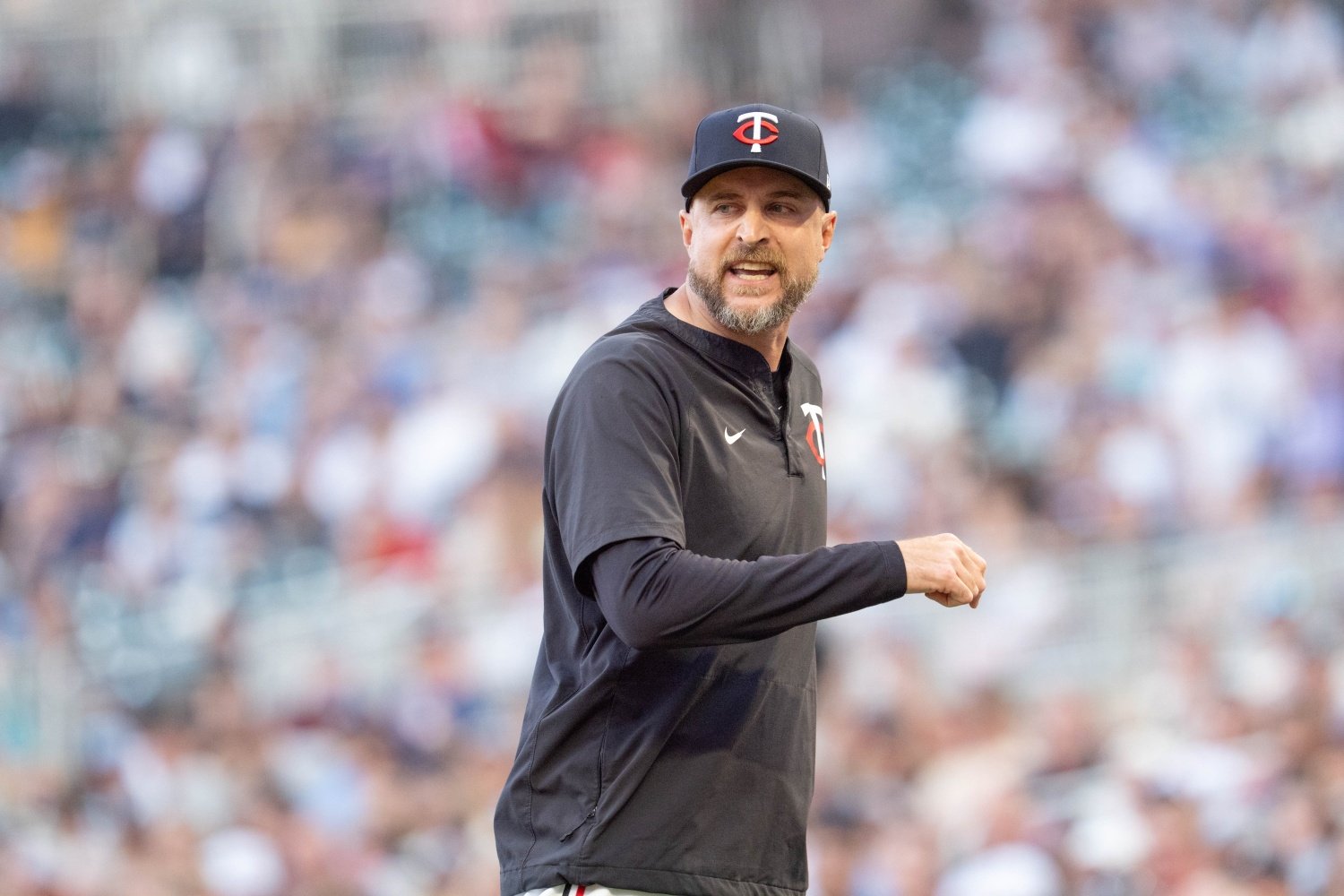 The Athletic's Dan Hayes reported Tuesday that the Minnesota Twins have picked up manager Rocco Baldelli’s team option for the 2026 season. In doing so, the Twins made it clear that not only is Baldelli safe for the remainder of 2025, but that they intend to continue forward with him leading the team beyond this season. It’s a baffling message to send right now, although it's not clear when the team actually made the decision and Hayes's reporting might have forced them into this untimely acknowledgment. The Twins have been a bad baseball team for a long time now. They are 49-70 in the 119 games since Jorge Alcala’s meltdown in Texas last summer, and that record doesn't begin to tell the story of how lifeless and sloppy this team has looked. They’re getting beat in ways that well-run teams simply don’t. They’re failing in the details. They’re playing poor defense, running into outs, and routinely losing winnable games. One-run games, in particular, often shine a light on a manager’s in-game decision-making. The Twins have now lost eight one-run games in a row and are 7-14 in those games on the year; they went 3-6 in those games over the final quarter of last year. It’s not the only problem, but it’s one where a manager can make a difference. This team is headed toward missing the playoffs for the fourth time in five years. That would be unacceptable for any franchise, but especially one that has consistently had the highest or second-highest payroll in a division as weak as the American League Central. For all the talk of sustained contention and long-term vision, this is a team that continues to fall short. Right now, the Twins are stuck in their worst stretch of the season. They have lost 11 of 12 and 15 of their last 18. Since this collapse began on June 5, they have the worst pitching staff in baseball, with a 7.67 ERA. And it’s not just numbers painting a bleak picture. In an in-game report on Monday, Audra Martin shared some troubling quotes from Twins batters, including Ty France, who said the Twins need to “take a little bit more pride” in themselves when they fall behind early. Even more troubling were comments from Carlos Correa, who said the team “can do a better job with preparation.” Audra Martin reported that Correa had a conversation with the front office and coaching staff about the team’s lack of readiness. You want your clubhouse leader holding people accountable, but it’s alarming to hear that your franchise shortstop felt compelled to initiate a conversation on preparedness, one of the most fundamental and important aspects of a manager's job description. And the signs of that lack of preparation show up constantly in the games themselves. To be fair, it's part of Baldelli's managerial philosophy to have players communicate with each other when expectations aren't being met, or when there's information they can share. "Staff members can do great things, but the guys in the clubhouse, they’re going through the exact same thing at the exact same time in that room," Baldelli said, back on May 25. "You have guys that have great perspective in there, and there’s nothing like a teammate being real with you and helping you out. That can happen so many different ways, but that’s the best way for it to work. If a staff member in any way feels like they have to be the one to always have a conversation with a player about any topic, you’re probably missing something along the way." All of this adds up to a message from the front office that feels completely out of touch. The decision to pick up Baldelli’s team option for 2026 might have been made quietly. We don’t know the exact timing of it, and it’s certainly possible the decision was finalized back during the team’s 13-game winning streak earlier this year, or even during spring training. That wouldn’t make it a smart move. It would just make it another example of the organization reacting to the wrong things. The winning streak, for instance, got the team back to .500 but didn’t erase the bad start, nor did it guarantee anything going forward. There was simply no need to make this move now—or at all. If the team rallies, if Baldelli proves something down the stretch, there would have been time to revisit this later. But having this information leak out during the worst stretch of baseball the Twins have played in years makes it feel like a slap in the face to fans who are tired of being told that everything is fine. Even if Baldelli isn’t one of the main reasons the Twins are underperforming (and that's a very defensible position), he is still the public face of the team. Managers get fired all the time, less because of what they do strategically and more because of the message it sends when you let them stick around. Keeping him is a vote of confidence not just in his leadership, but in the direction of the organization. Right now, that direction is not acceptable. The front office didn’t need to fire Baldelli. That’s not the argument. But to pick up his 2026 option right now communicates that they are perfectly okay with how things are going. That’s the problem. There’s still time for things to turn around. A hot month or two could push the Twins back into the race and take the heat off. But there’s just as much chance that things continue spiraling and the frustration grows louder. Either way, picking up Baldelli’s option was unnecessary, and it sends the wrong message. Twins fans don’t want to be told that what they’ve seen for five years is good enough. Because it’s not. Unfortunately, with the sale of the team on hold, it seems that all leadership decisions are cleaving to the status quo. What do you think about the timing of this decision? Should the Twins have waited to make a call on Rocco's 2026 status? Share your thoughts in the comments below.
- 49 comments
-
- 6
-
-
- rocco baldelli
- carlos correa
- (and 1 more)
-
Image courtesy of © Jesse Johnson-Imagn Images For more than two decades, the Minnesota Twins failed to develop starting pitching with any consistency. When Derek Falvey was hired in 2016, one of the primary hopes was that he could change that. He had helped build Cleveland's well-regarded pitching development system, and fans in Minnesota envisioned something similar taking root here. It didn’t happen overnight, but over the past couple of years, there were real signs of progress. Joe Ryan and Bailey Ober emerged as very productive starters at the major league level. Simeon Woods Richardson broke through in 2024. David Festa and Zebby Matthews climbed the ladder. Marco Raya, Andrew Morris, Charlee Soto, and Connor Prielipp represended depth, pedigree, and momentum. The idea that Minnesota had finally built a sustainable pitching pipeline started to take hold. But now, in 2025, that belief is being tested. Nearly every name in that group has encountered struggles, setbacks, or injury concerns. It’s not time to declare the system broken, but it’s fair to revisit the optimism and ask whether we may have gotten ahead of ourselves. Ryan remains a clear success story. Acquired in the Nelson Cruz trade, he has developed into a reliable top-of-the-rotation starter and a key piece of the team’s future. He’s one of the few players in this conversation whose stock has held steady, or even improved. Ober is another developmental win. A 12th-round pick who turned into a big-league starter is a major credit to the front office. But this season has brought concerns. His fastball velocity has dipped into the upper 80s and low 90s, his ERA has crept over 4.50 again, and his mechanics are completely out of whack. For now, he looks more like a back-end starter than the mid-rotation mainstay he resembled in the past. There’s still plenty of value there, but his trajectory has shifted. Meanwhile, Woods Richardson was a key contributor in 2024, helping stabilize the rotation early in the year. In 2025, he’s struggled to miss bats, been optioned to Triple-A, and returned more out of necessity than performance. His ERA sits over 5.00, and his strikeout rate is a career low. There’s still promise in his arm, but he hasn’t looked like someone the Twins can count on every fifth day. Festa looked like he might be ready to make the leap. He finished last season strong, and expectations were high entering this year. But in 2025, he’s battled shoulder fatigue and inconsistency, posting a 6.39 ERA and struggling to pitch deep into games. His strikeouts are down, his walks are up, and he has only reached five innings once all year. Festa still has youth and tools, but this season has been a step backward. Matthews showed up to spring training with major buzz. He pitched well in Triple-A and earned a promotion. His four starts with the Twins were a mixed bag, and he’s since landed on the injured list with a shoulder strain. It’s far too soon to make any declarations, but shoulder issues are always worrisome for young starters, especially those who rely on high-end velocity. Behind them, depth is looking thinner than expected. Andrew Morris is on the IL with a forearm strain after an uneven run in Triple-A. Marco Raya has a 7.59 ERA in 13 starts and has taken a significant step back. Even his long-term role as a starter now feels uncertain. Connor Prielipp, who was once one of the most intriguing arms in the system, has pitched this year but is now trending more toward a relief profile than a rotation piece. Soto, CJ Culpepper, and others bring upside, but they are still a ways off and have yet to face advanced competition. Counting on them for meaningful big-league innings anytime soon would be premature. To be fair, none of this is unique to the Twins. Pitching development is incredibly difficult, and arm injuries are more common than ever in today's game. But it also raises the question, is this just normal turbulence in the development process, or is there something about the system itself that still hasn’t quite clicked? This front office deserves credit for finding Ryan, developing Ober, and building some bullpen depth. But if pitching was supposed to be the calling card, and if the position-player development hasn’t been a major strength, the bar has to be higher. We’re not here to declare the pipeline a failure. There is still potential in Festa. Zebby could bounce back. Raya, Morris, Prielipp, they’re not done yet. But the shine has worn off a bit, and almost every name that carried hope into the year now comes with questions. It’s fair to wonder if we crowned the Twins’ pitching pipeline too soon. View full article
-
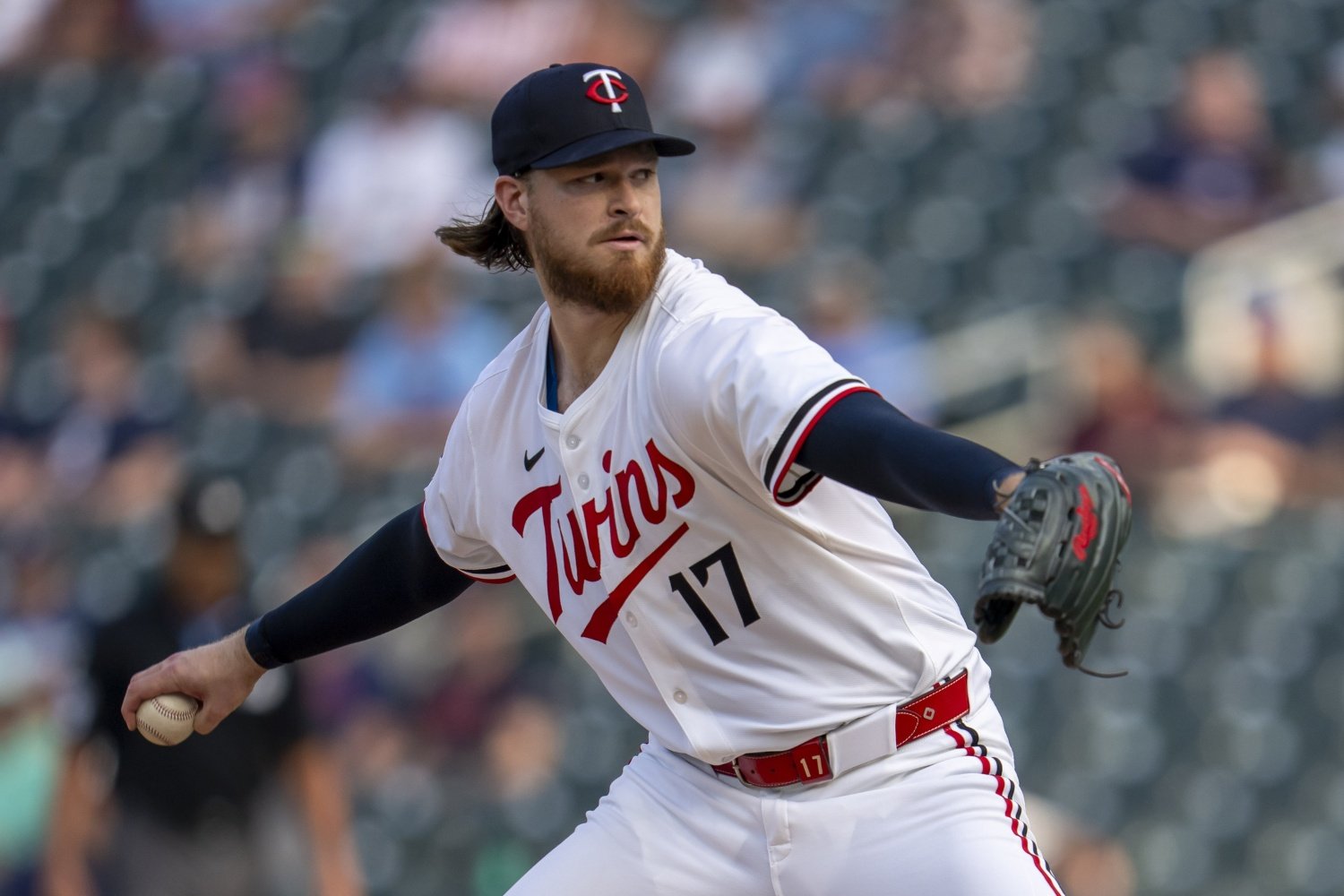 For more than two decades, the Minnesota Twins failed to develop starting pitching with any consistency. When Derek Falvey was hired in 2016, one of the primary hopes was that he could change that. He had helped build Cleveland's well-regarded pitching development system, and fans in Minnesota envisioned something similar taking root here. It didn’t happen overnight, but over the past couple of years, there were real signs of progress. Joe Ryan and Bailey Ober emerged as very productive starters at the major league level. Simeon Woods Richardson broke through in 2024. David Festa and Zebby Matthews climbed the ladder. Marco Raya, Andrew Morris, Charlee Soto, and Connor Prielipp represended depth, pedigree, and momentum. The idea that Minnesota had finally built a sustainable pitching pipeline started to take hold. But now, in 2025, that belief is being tested. Nearly every name in that group has encountered struggles, setbacks, or injury concerns. It’s not time to declare the system broken, but it’s fair to revisit the optimism and ask whether we may have gotten ahead of ourselves. Ryan remains a clear success story. Acquired in the Nelson Cruz trade, he has developed into a reliable top-of-the-rotation starter and a key piece of the team’s future. He’s one of the few players in this conversation whose stock has held steady, or even improved. Ober is another developmental win. A 12th-round pick who turned into a big-league starter is a major credit to the front office. But this season has brought concerns. His fastball velocity has dipped into the upper 80s and low 90s, his ERA has crept over 4.50 again, and his mechanics are completely out of whack. For now, he looks more like a back-end starter than the mid-rotation mainstay he resembled in the past. There’s still plenty of value there, but his trajectory has shifted. Meanwhile, Woods Richardson was a key contributor in 2024, helping stabilize the rotation early in the year. In 2025, he’s struggled to miss bats, been optioned to Triple-A, and returned more out of necessity than performance. His ERA sits over 5.00, and his strikeout rate is a career low. There’s still promise in his arm, but he hasn’t looked like someone the Twins can count on every fifth day. Festa looked like he might be ready to make the leap. He finished last season strong, and expectations were high entering this year. But in 2025, he’s battled shoulder fatigue and inconsistency, posting a 6.39 ERA and struggling to pitch deep into games. His strikeouts are down, his walks are up, and he has only reached five innings once all year. Festa still has youth and tools, but this season has been a step backward. Matthews showed up to spring training with major buzz. He pitched well in Triple-A and earned a promotion. His four starts with the Twins were a mixed bag, and he’s since landed on the injured list with a shoulder strain. It’s far too soon to make any declarations, but shoulder issues are always worrisome for young starters, especially those who rely on high-end velocity. Behind them, depth is looking thinner than expected. Andrew Morris is on the IL with a forearm strain after an uneven run in Triple-A. Marco Raya has a 7.59 ERA in 13 starts and has taken a significant step back. Even his long-term role as a starter now feels uncertain. Connor Prielipp, who was once one of the most intriguing arms in the system, has pitched this year but is now trending more toward a relief profile than a rotation piece. Soto, CJ Culpepper, and others bring upside, but they are still a ways off and have yet to face advanced competition. Counting on them for meaningful big-league innings anytime soon would be premature. To be fair, none of this is unique to the Twins. Pitching development is incredibly difficult, and arm injuries are more common than ever in today's game. But it also raises the question, is this just normal turbulence in the development process, or is there something about the system itself that still hasn’t quite clicked? This front office deserves credit for finding Ryan, developing Ober, and building some bullpen depth. But if pitching was supposed to be the calling card, and if the position-player development hasn’t been a major strength, the bar has to be higher. We’re not here to declare the pipeline a failure. There is still potential in Festa. Zebby could bounce back. Raya, Morris, Prielipp, they’re not done yet. But the shine has worn off a bit, and almost every name that carried hope into the year now comes with questions. It’s fair to wonder if we crowned the Twins’ pitching pipeline too soon.
- 30 comments
-
- 3
-
-
- joe ryan
- bailey ober
- (and 5 more)
-
Image courtesy of © Jesse Johnson-Imagn Images Box Score SP: Bailey Ober 7 IP, 7 H, 7 ER, 0 BB, 7 K (102 pitches, 71 strikes (70%)) Home Runs: Trevor Larnach (11), Carlos Correa (6) Bottom 3 WPA: Ober -.327, Byron Buxton -.087, Christian Vázquez -.083 Win Probability Chart (via FanGraphs): The Twins welcomed the Mariners to town Monday night, hoping to rebound after getting swept by Milwaukee. Instead, they fell flat again, dropping their fourth straight and 10th in their last 11 games in an 11-2 loss. Bailey Ober got the start, looking to bounce back from recent struggles with his mechanics. After two scoreless innings, things unraveled in a hurry. In the top of the third, Seattle tagged Ober for five hits and six runs, including home runs by Julio Rodríguez and Luke Raley. Ober settled in after that, retiring seven straight at one point and pitching through seven full innings, but the damage had already been done. He gave up a third home run to Dominic Canzone in the sixth and finished the night with seven earned runs on his line. He was left in to preserve the bullpen, but the early implosion left the Twins with little chance. Minnesota’s offense once again failed to deliver in key moments. They left seven men on base and went 0-for-7 with runners in scoring position, squandering an early opportunity in the second inning, when they had runners on the corners with one out but got nothing after strikeouts from Christian Vázquez and Byron Buxton. The Twins finally showed a flicker of life in the bottom of the sixth, with back-to-back solo home runs from Trevor Larnach and Carlos Correa. Those were the only two runs they managed against Mariners starter Bryan Woo, who struck out nine and didn’t walk a batter across six innings. Unfortunately, it was too little, too late, as the game had been long decided before then. A highlight for the Twins (that will quickly be forgotten, thanks to the final score) was another spectacular play by Byron Buxton, this time in the field. Vote this man in the All-Star Game. Frankly, it's the only thing we have going for us right now. Seattle padded their lead in the ninth off Joey Wentz, scoring four more runs. Cal Raleigh, the league’s home run leader, crushed a two-run homer to put an exclamation point on the night and continue the Twins’ freefall in run differential. It was yet another lifeless performance from a squad that has looked lifeless ever since its 13-game winning streak ended just one month ago. What’s Next The Twins will try to stop the bleeding on Tuesday night, with Chris Paddack facing off against Seattle ace Luis Castillo. First pitch from Target Field is scheduled for 6:40 p.m. Whether the bats or bullpen can offer any support remains to be seen. Postgame Interview Bullpen Usage Report View full article
-
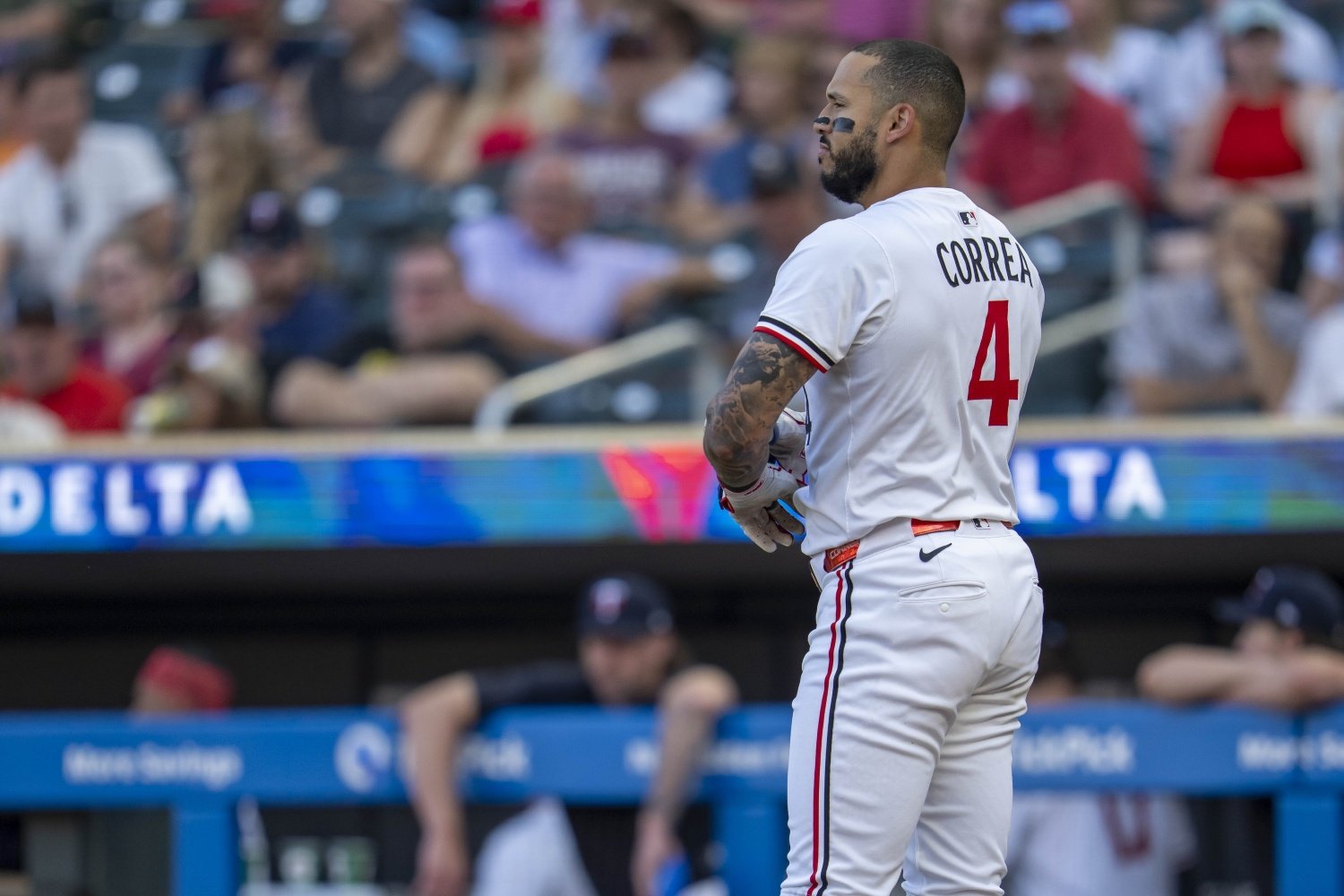 Box Score SP: Bailey Ober 7 IP, 7 H, 7 ER, 0 BB, 7 K (102 pitches, 71 strikes (70%)) Home Runs: Trevor Larnach (11), Carlos Correa (6) Bottom 3 WPA: Ober -.327, Byron Buxton -.087, Christian Vázquez -.083 Win Probability Chart (via FanGraphs): The Twins welcomed the Mariners to town Monday night, hoping to rebound after getting swept by Milwaukee. Instead, they fell flat again, dropping their fourth straight and 10th in their last 11 games in an 11-2 loss. Bailey Ober got the start, looking to bounce back from recent struggles with his mechanics. After two scoreless innings, things unraveled in a hurry. In the top of the third, Seattle tagged Ober for five hits and six runs, including home runs by Julio Rodríguez and Luke Raley. Ober settled in after that, retiring seven straight at one point and pitching through seven full innings, but the damage had already been done. He gave up a third home run to Dominic Canzone in the sixth and finished the night with seven earned runs on his line. He was left in to preserve the bullpen, but the early implosion left the Twins with little chance. Minnesota’s offense once again failed to deliver in key moments. They left seven men on base and went 0-for-7 with runners in scoring position, squandering an early opportunity in the second inning, when they had runners on the corners with one out but got nothing after strikeouts from Christian Vázquez and Byron Buxton. The Twins finally showed a flicker of life in the bottom of the sixth, with back-to-back solo home runs from Trevor Larnach and Carlos Correa. Those were the only two runs they managed against Mariners starter Bryan Woo, who struck out nine and didn’t walk a batter across six innings. Unfortunately, it was too little, too late, as the game had been long decided before then. A highlight for the Twins (that will quickly be forgotten, thanks to the final score) was another spectacular play by Byron Buxton, this time in the field. Vote this man in the All-Star Game. Frankly, it's the only thing we have going for us right now. Seattle padded their lead in the ninth off Joey Wentz, scoring four more runs. Cal Raleigh, the league’s home run leader, crushed a two-run homer to put an exclamation point on the night and continue the Twins’ freefall in run differential. It was yet another lifeless performance from a squad that has looked lifeless ever since its 13-game winning streak ended just one month ago. What’s Next The Twins will try to stop the bleeding on Tuesday night, with Chris Paddack facing off against Seattle ace Luis Castillo. First pitch from Target Field is scheduled for 6:40 p.m. Whether the bats or bullpen can offer any support remains to be seen. Postgame Interview Bullpen Usage Report
 -
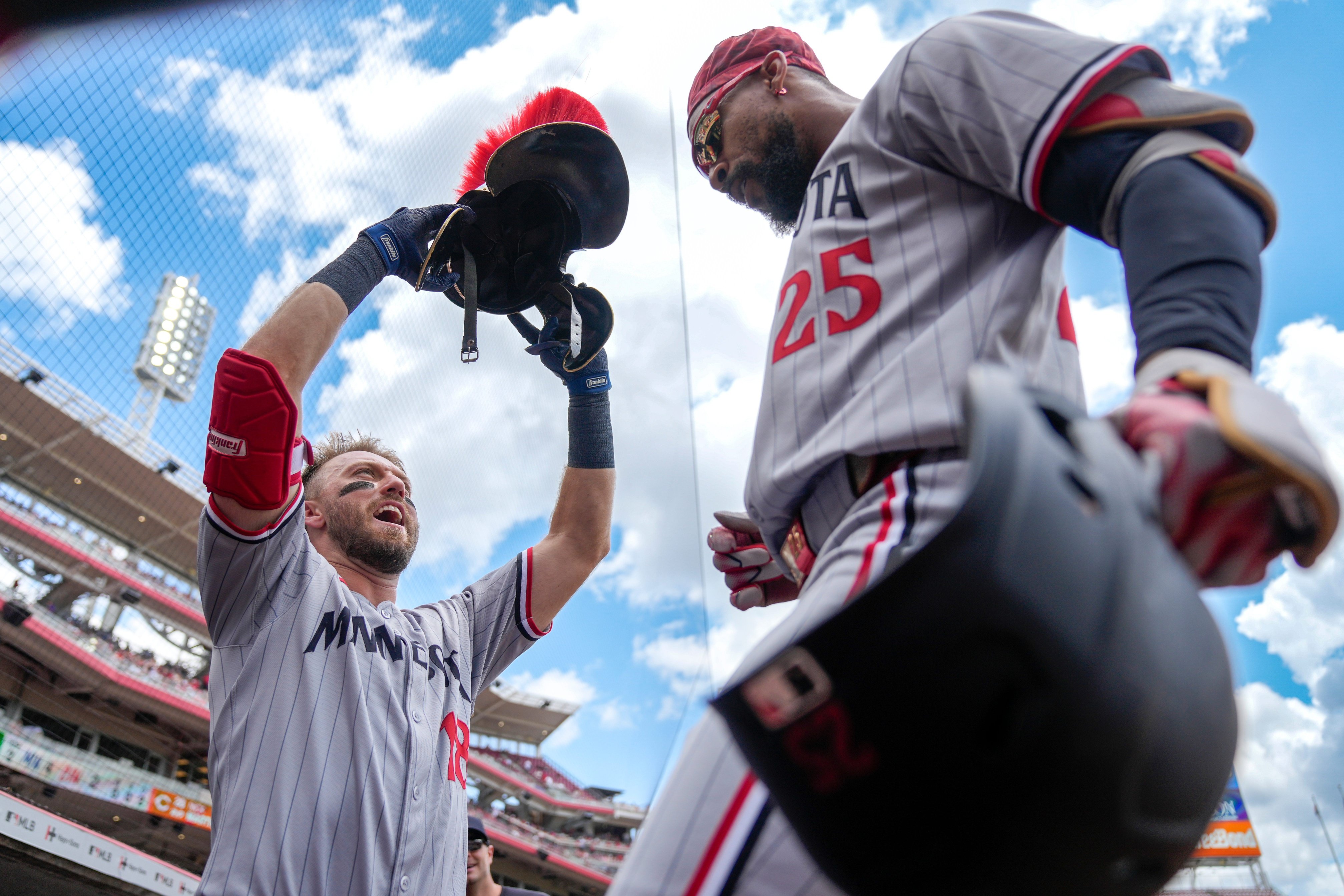 The first wave of MLB All-Star voting results dropped this week, and one thing is immediately clear: Byron Buxton is being overlooked. Again. Buxton landed 13th among American League outfielders with 219,808 votes, trailing players like Jarren Duran, George Springer, and Daulton Varsho, none of whom are having a season remotely close to Buxton’s. Let’s run the numbers. Among AL outfielders, entering the weekend: Buxton ranks 2nd in fWAR (2.9), behind only Aaron Judge 2nd in wRC+ (148), again trailing only Judge 3rd in home runs (15) 6th in stolen bases And he’s doing all that while playing Gold-Glove caliber center field. He’s crashing into walls, robbing home runs, and making catches that defy logic. Buxton is finally healthy, finally playing center field again, and doing it all at an elite level. For years, the only thing holding him back was availability. This season, aside from a brief IL stint with a concussion, he’s been in the lineup almost every day. He’s not just living up to expectations. He’s surpassing them. So why isn’t he getting the recognition? It’s not about team success. The Twins are hovering around .500, just like the Mariners, Angels, Guardians, and Red Sox. Those teams all have players ahead of Buxton in the voting. The reality is more frustrating. Major League Baseball has long failed to market its stars, especially those outside of big markets. Byron Buxton is the exact kind of player baseball should be promoting: fast, powerful, highlight-reel ready. But he plays in Minnesota. And that means national exposure is minimal. But the national vote isn’t the only issue. Twins fans also need to look in the mirror. Yes, it’s hard to stay engaged. The frustration with ownership, declining Target Field attendance, and front office decisions is real and valid. But the disinterest that's grown out of those frustrations is showing up in moments like this. And it’s a shame. Because Byron Buxton has given everything to this franchise. He’s battled injuries year after year, stayed positive, signed a long-term extension to remain in Minnesota, and stuck it out through tough seasons and nasty things said about him online constantly. Now he’s finally healthy, finally playing happy, and he’s playing better than ever. Twins fans should be celebrating this. Voting Buxton into the All-Star Game isn’t about rewarding ownership. It’s about recognizing and honoring one of the most exciting, loyal, and elite players this franchise has ever had. We’ve seen fan bases step up before. Remember when Royals fans packed the All-Star ballot in 2016, getting players like Omar Infante into the game? It can be done. So let’s do it. Go to MLB.com/vote and vote Byron Buxton into the All-Star Game. Vote today. Vote tomorrow. Vote every day. Don’t let another season go by where Byron Buxton doesn’t get the national recognition he’s earned. Let’s make sure baseball’s most electrifying center fielder is in Atlanta this July where he belongs.
 -
Image courtesy of © Sam Greene/The Enquirer / USA TODAY NETWORK via Imagn Images The first wave of MLB All-Star voting results dropped this week, and one thing is immediately clear: Byron Buxton is being overlooked. Again. Buxton landed 13th among American League outfielders with 219,808 votes, trailing players like Jarren Duran, George Springer, and Daulton Varsho, none of whom are having a season remotely close to Buxton’s. Let’s run the numbers. Among AL outfielders, entering the weekend: Buxton ranks 2nd in fWAR (2.9), behind only Aaron Judge 2nd in wRC+ (148), again trailing only Judge 3rd in home runs (15) 6th in stolen bases And he’s doing all that while playing Gold-Glove caliber center field. He’s crashing into walls, robbing home runs, and making catches that defy logic. Buxton is finally healthy, finally playing center field again, and doing it all at an elite level. For years, the only thing holding him back was availability. This season, aside from a brief IL stint with a concussion, he’s been in the lineup almost every day. He’s not just living up to expectations. He’s surpassing them. So why isn’t he getting the recognition? It’s not about team success. The Twins are hovering around .500, just like the Mariners, Angels, Guardians, and Red Sox. Those teams all have players ahead of Buxton in the voting. The reality is more frustrating. Major League Baseball has long failed to market its stars, especially those outside of big markets. Byron Buxton is the exact kind of player baseball should be promoting: fast, powerful, highlight-reel ready. But he plays in Minnesota. And that means national exposure is minimal. But the national vote isn’t the only issue. Twins fans also need to look in the mirror. Yes, it’s hard to stay engaged. The frustration with ownership, declining Target Field attendance, and front office decisions is real and valid. But the disinterest that's grown out of those frustrations is showing up in moments like this. And it’s a shame. Because Byron Buxton has given everything to this franchise. He’s battled injuries year after year, stayed positive, signed a long-term extension to remain in Minnesota, and stuck it out through tough seasons and nasty things said about him online constantly. Now he’s finally healthy, finally playing happy, and he’s playing better than ever. Twins fans should be celebrating this. Voting Buxton into the All-Star Game isn’t about rewarding ownership. It’s about recognizing and honoring one of the most exciting, loyal, and elite players this franchise has ever had. We’ve seen fan bases step up before. Remember when Royals fans packed the All-Star ballot in 2016, getting players like Omar Infante into the game? It can be done. So let’s do it. Go to MLB.com/vote and vote Byron Buxton into the All-Star Game. Vote today. Vote tomorrow. Vote every day. Don’t let another season go by where Byron Buxton doesn’t get the national recognition he’s earned. Let’s make sure baseball’s most electrifying center fielder is in Atlanta this July where he belongs. View full article
-
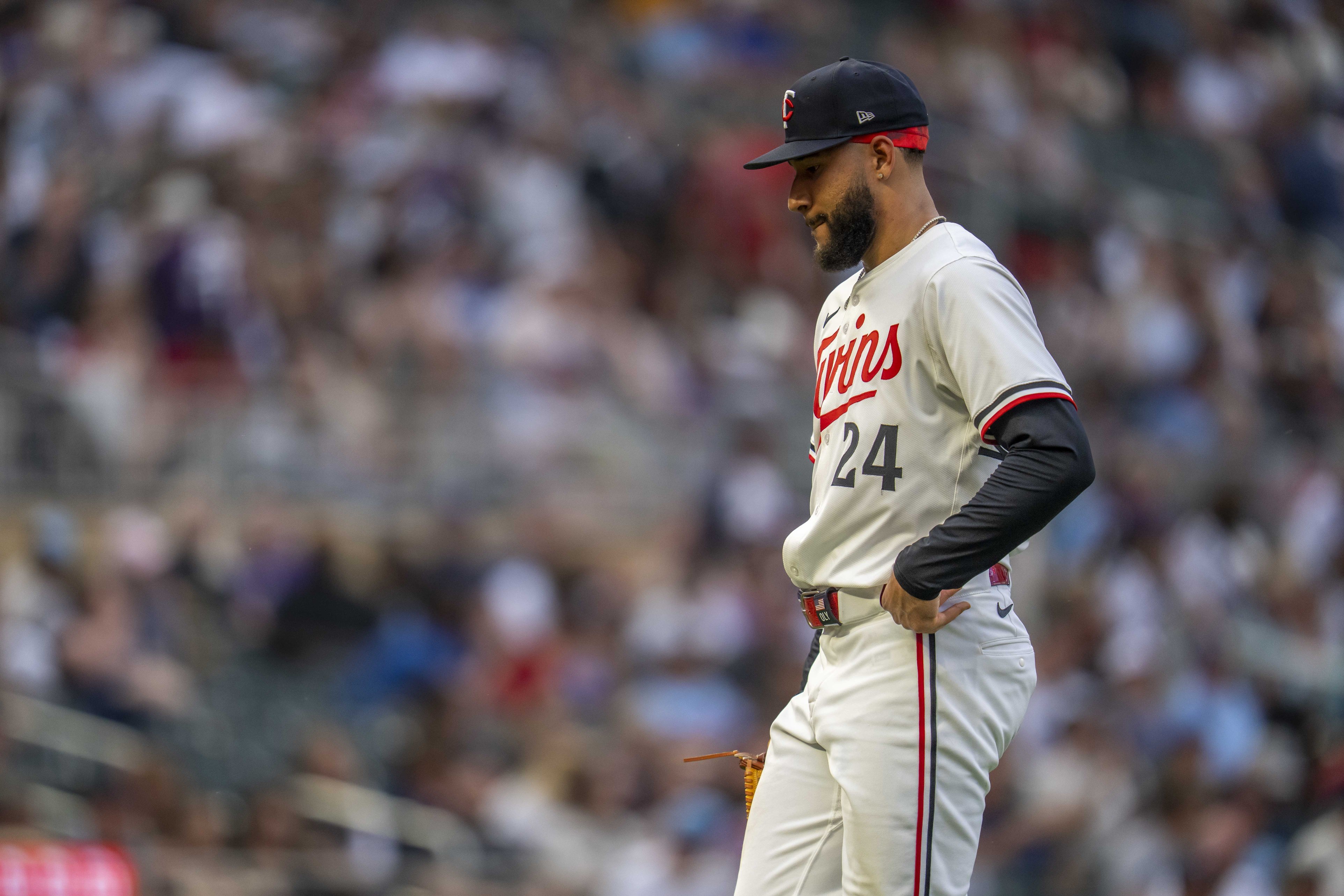 Simeon Woods Richardson had his best start of the season on Sunday, throwing five scoreless innings and allowing just one hit in Houston. It was a sharp, efficient outing that gave the bullpen a bit of a breather and kept the Twins in a tight game against a quality opponent. And yet, encouraging as the performance was, it reinforced a key truth: the Twins don’t trust SWR to face a lineup three times. Despite being at just 53 pitches, Woods Richardson was pulled after five innings because he had gone through the Astros’ order exactly twice. That is not a fluke. It is a plan. The Twins are telling us, with their actions, that Woods Richardson is a two-times-through-the-order pitcher. On Sunday, those two times happened to take him through five full innings. More often, that will mean three or four. That is why the solution is not just celebrating this outing. It is using it as a template. Woods Richardson has become a real problem in the Twins rotation. His results have been poor, his outings have been short, and the ripple effect on the bullpen has been increasingly difficult to manage. Still, despite all of that, the Twins have no real choice but to keep sending him out every fifth day. That means the solution cannot be replacing him. It has to be finding a better way to support him. Since late last season, Woods Richardson has thrown 88 innings and posted a 5.83 ERA with 16 home runs allowed. He does not just struggle with results. He also struggles with stamina and consistency, often failing to pitch deep into games. Since the start of the 2023 season, he is averaging just 4 ⅔ innings per start. That lack of length puts a heavy burden on the relief corps, a problem made worse by the rest of the rotation offering little relief. Chris Paddack has not been pitching deep into games. David Festa rarely works past the fifth. Bailey Ober has been wildly inconsistent. The Twins are getting far too few innings from their starting pitchers, and Woods Richardson is at the center of that issue. The problem is that the Twins do not have any better options. They have already cycled through just about every starter on the 40-man roster. There is no one in Triple-A clearly banging on the door. So Woods Richardson will continue to start. But instead of asking him to do what he cannot do, the Twins might be better off structuring his starts differently. One solution is to use a piggyback strategy. This means pairing Woods Richardson with another pitcher, allowing him to face the lineup once or twice before handing the ball off to someone else who can carry the game into the later innings. It is not a new concept, but it is one that makes a lot of sense given his current profile. The numbers support this approach. In his career, batters hit .246 with a .673 OPS the first time through the order. That is manageable and even solid for a starting pitcher. The second time through, those numbers climb to a .264 average and a .750 OPS. The third time through, the average drops slightly to .237, but the OPS stays high at .755. That drop in average appears to be driven by an unsustainably low .239 batting average on balls in play, well below his career BABIP of .300. In other words, the third-time-through results might look better on paper than they actually are. By capping his exposure to the lineup at one or two times through, the Twins could avoid the damage that tends to come later in his starts. He could pitch more aggressively, knowing he does not need to stretch himself out. That could lead to better results, and it could help the bullpen by bringing more structure and predictability to those outings. Of course, this plan only works if there is another pitcher available to cover the next chunk of the game. Fortunately, the Twins have some options. One is Joey Wentz, a recent pickup who is already on the roster. Wentz has 113 big league innings as a starter and has shown the stamina to work multiple innings. He also throws left-handed, which could create matchup problems for opponents if they stack a lineup full of righties to face Woods Richardson. Using a righty-lefty combo forces teams to make pinch-hitting decisions early in games, which can drain their bench and limit their flexibility later on. Another option is Travis Adams, who was recently called up but never got into a game. He has a background as a starter and could be stretched out to provide multiple innings as well. There are trade-offs to this approach. Pairing two pitchers for one game means you are effectively using two roster spots on one rotation turn. If Wentz is the piggyback arm, you are taking him out of the bullpen mix for several days between outings. But right now, the Twins are getting poor results from Woods Richardson and still requiring their bullpen to cover multiple innings. If a piggyback setup gives them a better chance to get through six innings without a blowup, it is a trade worth making. The Twins are not in a position to replace Woods Richardson. But they might be able to reimagine how they use him. Sunday’s game in Houston was the blueprint. Giving him help and reducing the strain on his arm and the bullpen could pay dividends as the season rolls on. What do you think? Should the Twins give the piggyback method a shot to help Woods Richardson and stabilize the rotation? Leave a comment and start the conversation.
- 11 comments
-
- 1
-
-
- simeon woods richardson
- joey wentz
- (and 1 more)
-
Image courtesy of © Steven Branscombe-Imagn Images The MLB Draft offers teams a chance to dream big, and after the show Gage Wood just put on in Omaha, the University of Arkansas right-hander should be near the top of Minnesota’s board at pick 16. Wood made national headlines with a performance that will be talked about for years. Against Murray State in the College World Series, Wood threw a no-hitter with 19 strikeouts, setting a record for a nine-inning game in Omaha. He was one hit batter in the eighth inning from a perfect game. It was only the third no-hitter in CWS history, and by far the most overpowering. The outing instantly elevated his stock from an intriguing draft arm to one of the most electric prospects in the country. Wood’s profile backs up the hype. His fastball sits in the mid-90s and can reach 96 miles per hour, paired with a power curveball that consistently generates swings and misses. Across 10 starts this season in the SEC, Wood posted a 3.82 ERA while striking out 16.5 batters per nine innings. He began his college career as a closer, but transitioned into a full-time starting role in 2025 and improved steadily throughout the year. ESPN’s Kiley McDaniel recently mocked Wood to the Twins at pick 16, noting that the right-hander could be moved quickly through the minors and might even see high-leverage innings out of a bullpen as a developmental stepping stone. The idea of Wood reaching the upper minors soon, or potentially helping in relief as early as this year, is drawing attention from teams seeking both ceiling and immediacy. Twins Daily draft expert Jamie Cameron highlighted Wood’s unique traits, pointing out that his fastball averages 96 with 17 inches of vertical break and 9.5 inches of arm-side movement from a 5-foot-5 release height, creating an unusual plane that makes life difficult for hitters. “If he stays healthy,” Cameron said, “he should be in the majors in two seasons.” Wood currently sits at No. 43 on Twins Daily’s consensus draft board. With mock draft updates coming after the College World Series, he’s expected to rise significantly. The comparisons to Cubs right-hander Cade Horton are already rolling in. Horton was a breakout performer in the 2022 College World Series who turned a late surge into a top-10 draft slot and was in the majors within three years. Like Horton, Wood’s combination of big-game poise, fastball power, and breaking ball effectiveness makes him one of the most compelling arms in the class. Despite Minnesota’s offensive struggles this season, the MLB Draft does not revolve around short-term roster needs. Building sustainable success means replenishing strengths, and the organization’s pitching pipeline has already shown signs of wear. Continued investment is necessary, and adding an arm like Wood helps ensure long-term depth and impact. The Twins have a proven track record of developing pitching, particularly adding velocity and refining arsenals. If the organization can help Wood tack on a few more ticks to his fastball and build a third pitch to go along with his fastball and curve, his upside could be enormous. Even if he remains a two-pitch power arm, the floor looks like a high-leverage reliever with quick upside. Minnesota has not taken a college pitcher in the first round since 2015 (who remembers Tyler Jay?). This year presents a rare opportunity to grab one with both polish and electricity, who just delivered one of the greatest postseason outings college baseball has ever seen. Gage Wood checks every box: velocity, strikeouts, swagger, and a fearless approach in the spotlight. If he is on the board at pick 16, Minnesota should not hesitate. What do you think about Gage Wood as a potential first-round pick? Which direction should the Twins go in this year’s draft? Leave a comment below and start the conversation! View full article
-
 The MLB Draft offers teams a chance to dream big, and after the show Gage Wood just put on in Omaha, the University of Arkansas right-hander should be near the top of Minnesota’s board at pick 16. Wood made national headlines with a performance that will be talked about for years. Against Murray State in the College World Series, Wood threw a no-hitter with 19 strikeouts, setting a record for a nine-inning game in Omaha. He was one hit batter in the eighth inning from a perfect game. It was only the third no-hitter in CWS history, and by far the most overpowering. The outing instantly elevated his stock from an intriguing draft arm to one of the most electric prospects in the country. Wood’s profile backs up the hype. His fastball sits in the mid-90s and can reach 96 miles per hour, paired with a power curveball that consistently generates swings and misses. Across 10 starts this season in the SEC, Wood posted a 3.82 ERA while striking out 16.5 batters per nine innings. He began his college career as a closer, but transitioned into a full-time starting role in 2025 and improved steadily throughout the year. ESPN’s Kiley McDaniel recently mocked Wood to the Twins at pick 16, noting that the right-hander could be moved quickly through the minors and might even see high-leverage innings out of a bullpen as a developmental stepping stone. The idea of Wood reaching the upper minors soon, or potentially helping in relief as early as this year, is drawing attention from teams seeking both ceiling and immediacy. Twins Daily draft expert Jamie Cameron highlighted Wood’s unique traits, pointing out that his fastball averages 96 with 17 inches of vertical break and 9.5 inches of arm-side movement from a 5-foot-5 release height, creating an unusual plane that makes life difficult for hitters. “If he stays healthy,” Cameron said, “he should be in the majors in two seasons.” Wood currently sits at No. 43 on Twins Daily’s consensus draft board. With mock draft updates coming after the College World Series, he’s expected to rise significantly. The comparisons to Cubs right-hander Cade Horton are already rolling in. Horton was a breakout performer in the 2022 College World Series who turned a late surge into a top-10 draft slot and was in the majors within three years. Like Horton, Wood’s combination of big-game poise, fastball power, and breaking ball effectiveness makes him one of the most compelling arms in the class. Despite Minnesota’s offensive struggles this season, the MLB Draft does not revolve around short-term roster needs. Building sustainable success means replenishing strengths, and the organization’s pitching pipeline has already shown signs of wear. Continued investment is necessary, and adding an arm like Wood helps ensure long-term depth and impact. The Twins have a proven track record of developing pitching, particularly adding velocity and refining arsenals. If the organization can help Wood tack on a few more ticks to his fastball and build a third pitch to go along with his fastball and curve, his upside could be enormous. Even if he remains a two-pitch power arm, the floor looks like a high-leverage reliever with quick upside. Minnesota has not taken a college pitcher in the first round since 2015 (who remembers Tyler Jay?). This year presents a rare opportunity to grab one with both polish and electricity, who just delivered one of the greatest postseason outings college baseball has ever seen. Gage Wood checks every box: velocity, strikeouts, swagger, and a fearless approach in the spotlight. If he is on the board at pick 16, Minnesota should not hesitate. What do you think about Gage Wood as a potential first-round pick? Which direction should the Twins go in this year’s draft? Leave a comment below and start the conversation!