



Matthew Taylor
-
Posts
973 -
Joined
-
Last visited
Content Type
Profiles
News
Minnesota Twins Videos
2026 Minnesota Twins Top Prospects Ranking
2022 Minnesota Twins Draft Picks
Minnesota Twins Free Agent & Trade Rumors, Notes, & Tidbits
Guides & Resources
2023 Minnesota Twins Draft Picks
The Minnesota Twins Players Project
2024 Minnesota Twins Draft Picks
2025 Minnesota Twins Draft Pick Tracker
2026 Minnesota Twins Draft Tracker: Picks & Bonuses
Forums
Blogs
Events
Store
Downloads
Gallery
Everything posted by Matthew Taylor
-
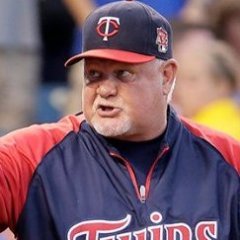 While the NFL draft sets a fire underneath sports fans everywhere tonight, let’s keep with the draft theme and look back at the Minnesota Twins' draft history. As NFL fans are ranking football prospects, I took to the diamond and ranked the Twins' draft classes of the 2000s.The Twins’ amateur draft classes of the 2000s provided a piranha, a major trade chip, a proven closer, a five-year lead off man, a future hall of famer (hopefully), and plenty of duds in between. Here are how the Twins draft classes from the 2000s stack up, ranked from worst class to best. The rankings will look at the entire career of a player, not just his tenure with the Twins. 10. 2007 Notable draftee(s): Ben Revere Draft class combined WAR: 7.9 The 2007 amateur draft class for the Minnesota Twins only provided one player who would go on to play in the major leagues, Ben Revere. Revere played three seasons with the Twins, peaking in 2012 when he provided 2.8 WAR, thanks in large part to his 40 stolen bases. Revere never lived up to his draft stock or his top-100 draft prospect status, and as the only thing to show for the 2007 draft, puts this class at the bottom of our rankings. 9. 2000 Notable draftee(s): Jason Kubel Draft class combined WAR: 1.8 After a 63-97 record in 1999, the Twins had the second overall pick in the 2000 draft, after five-time All-Star, Adrián González, was taken first overall. At number two, the Twins took pitcher Adam Johnson, who appeared in nine games in his major league career. One of the bigger draft flops in baseball history. The lone bright spot of the 2000 MLB draft was Jason Kubel, who the Twins took in the 12th round. Kubel had a 10-year MLB career, peaking in 2009 when he posted a .907 OPS for the 87-win Twins. 7. 2006 Notable draftee(s): Chris Parmelee, Jeff Manship, Danny Valencia, Anthony Slama Draft class combined WAR: 4.3 While the 2006 draft class provided some notable names that got playing time for the Minnesota Twins, many of these players were below-average that only got playing time because they were on terrible mid-2010s Twins teams. The bright spot for the draft class was Danny Valencia who was a 19th-round draft selection. Valencia finished third in Rookie of the Year voting in 2010 for the Twins. Valencia was later traded to the Red Sox, and went on to have an admirable 8-year big league career. 8. 2003 Notable draftee(s): Scott Baker Draft class combined WAR: 13.9 Similar to 2007, the 2003 draft class for the Twins only provided one major league player in Scott Baker. While never an All-Star, Baker was a solid starting pitcher for the late 2000s Twins, posting a 4.15 ERA in seven seasons with the Twins. Baker was the starting pitcher in Game 163 against the Tigers and provided a really strong performance that put the Twins in a position to win the 2009 AL Central division. 6. 2008 Notable draftee(s): Aaron Hicks, Michael Tonkin Draft class combined WAR: 10.7 While Michael Tonkin provided some average relief for the awful Twins teams from 2013-2016, first-rounder Aaron Hicks was the main piece from the 2008 draft class. Hicks really struggled in his three years in Minnesota, posting a .201 BA in 538 plate appearances. Since getting traded to the Yankees, though, Hicks has really blossomed into a good baseball player. In 2018, Hicks received MVP votes after posting a .833 OPS, and has provided great defense in center field, lest we forget his in the 10th inning against the Twins last season. Did the Twins give up on Hicks too early? 5. 2005 Notable draftee(s): Matt Garza, Kein Slowey, Brian Duensing, Alex Burnett Draft class combined WAR: 23.5 In the first round of the 2005 draft, the Twins drafted Matt Garza who had a 12-year MLB career, and was the main piece in the blockbuster trade in 2007 which brought Delmon Young to Minnesota. In addition to Garza, second-rounder, Kevin Slowey, pitched five seasons with the Twins, posting a 4.66 ERA over that time. In the third round the Twins nabbed starter-turned-reliever, Brian Duensing, as well as reliever Alex Burnett in the 12th round. 4. 2004 Notable draftee(s): Trevor Plouffe, Glen Perkins, Anthony Swarzak, Matt Tolbert Draft class combined WAR: 21.9 After a pretty weak six draft classes at the bottom of our list, the Twins picked up some pretty solid players through the amateur draft in our top four, starting with 2004. Trevor Plouffe had a seven-year career with the Minnesota Twins before going on to play with Oakland, Tampa Bay and Philadelphia. In addition the Twins picked up Perkins who turned in some outstanding years in the Twins bullpen, as well as Swarzak who put together a 10-year career along with piranha, Matt Tolbert. 3. 2009 Notable draftee(s): Kyle Gibson, Chris Herrmann, Brian Dozier Draft class combined WAR: 32.4 While Kyle Gibson never lived up to the first-round expectations that were placed on him, he still proved to be a solid pitcher who provided value to a Twins club in his seven-year tenure on the team. Gibson peaked in 2018 when he threw 196.2 innings, with a 118 ERA+ and 3.3 WAR. The real gem from the 2009 draft, though, came in the eighth round when the Twins selected Brian Dozier. In his seven years with the Twins, Doz hit 166 home runs and stands as one of the best Twins second basemen of all time, and thanks to joining the Nationals now has a championship ring. 2. 2002 Notable draftee(s): Denard Span, Jesse Crain, Pat Neshek Draft class combined WAR: 51.3 The 2002 draft class for the Twins stands out as the only draft class that provided three players who have exceeded 10 career WAR in Span, Crain and Neshek. In his 11-year baseball career, Denard Span has a career .281 batting average and was the lead-off man and center fielder for some really good Twins teams in the late 2000s. Crain was also a really good relief pitcher, with a career 143 ERA+ as well as one of the strangest RP seasons of all time. Submarine pitcher, Pat Neshek, ended his career as a two-time All-Star with a 2.82 career ERA in 13 seasons. 1. 2001 Notable draftee(s): Joe Mauer, José Morales, Nick Blackburn Draft class combined WAR: 59.6 The best Twins draft class of the 2000s was 2001 when the Twins drafted none other than Joe Mauer with the first overall pick. A six-time All-Star, MVP, multi-Gold Glover, Mauer provided 55.3 career WAR and stands as one of the best Twins players of all time. Although the Twins drafted Morales and Blackburn who had tenures with the Twins, the only thing that matters from the 2001 draft was Joe Mauer, and he alone earns the number one spot on the draft class rankings. How would you rank the Twins’ draft classes from the 2000s? Would you have them in a different order? How do you think the Twins fared in their drafts overall? Leave a comment below and start the conversation! MORE FROM TWINS DAILY — Latest Twins coverage from our writers — Recent Twins discussion in our forums — Follow Twins Daily via Twitter, Facebook or email Click here to view the article
 -
Draft SZN: Ranking the Twins' Draft Classes from the 2000s
Matthew Taylor posted an article in Twins
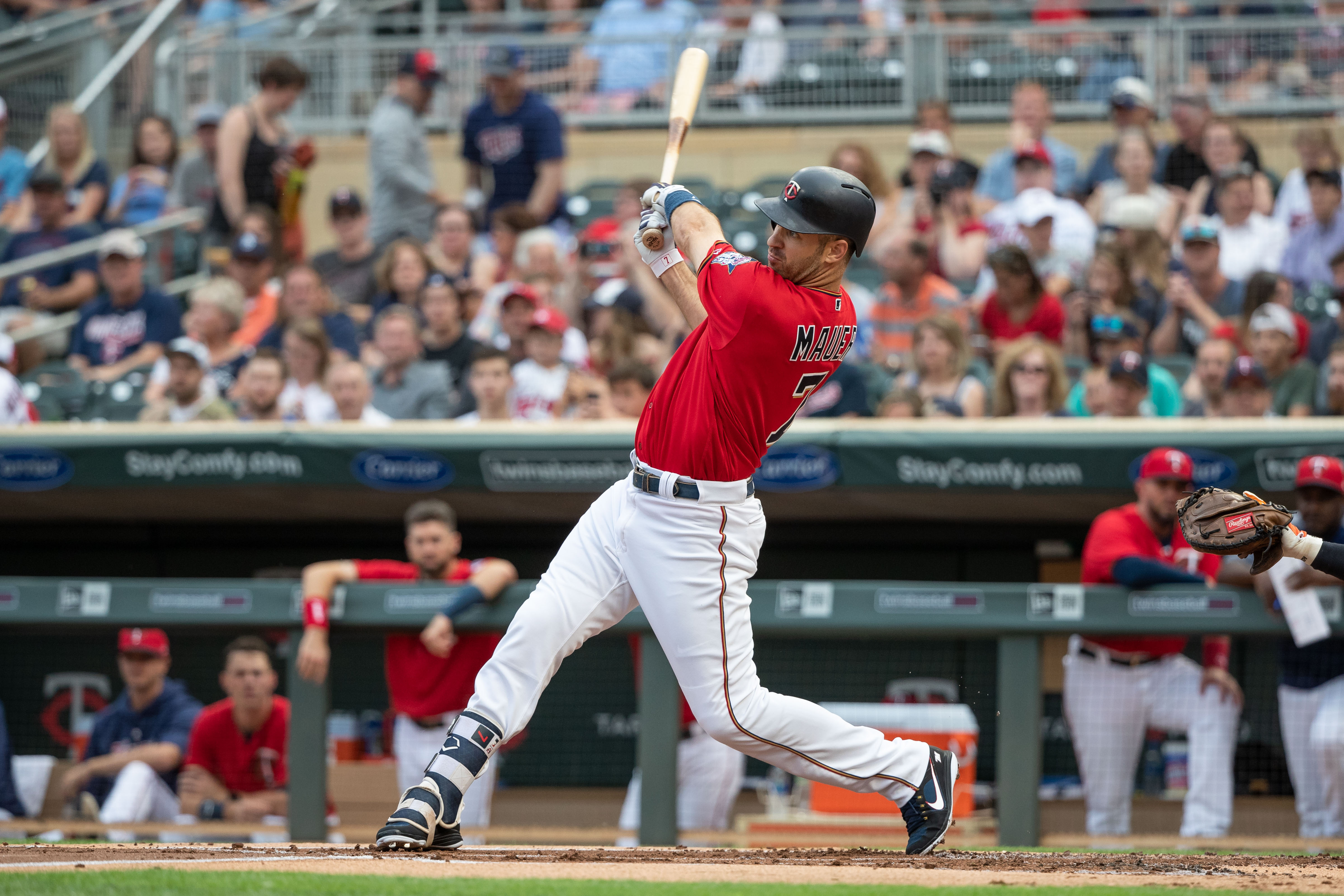 The Twins’ amateur draft classes of the 2000s provided a piranha, a major trade chip, a proven closer, a five-year lead off man, a future hall of famer (hopefully), and plenty of duds in between. Here are how the Twins draft classes from the 2000s stack up, ranked from worst class to best. The rankings will look at the entire career of a player, not just his tenure with the Twins. 10. 2007 Notable draftee(s): Ben Revere Draft class combined WAR: 7.9 The 2007 amateur draft class for the Minnesota Twins only provided one player who would go on to play in the major leagues, Ben Revere. Revere played three seasons with the Twins, peaking in 2012 when he provided 2.8 WAR, thanks in large part to his 40 stolen bases. Revere never lived up to his draft stock or his top-100 draft prospect status, and as the only thing to show for the 2007 draft, puts this class at the bottom of our rankings. 9. 2000 Notable draftee(s): Jason Kubel Draft class combined WAR: 1.8 After a 63-97 record in 1999, the Twins had the second overall pick in the 2000 draft, after five-time All-Star, Adrián González, was taken first overall. At number two, the Twins took pitcher Adam Johnson, who appeared in nine games in his major league career. One of the bigger draft flops in baseball history. The lone bright spot of the 2000 MLB draft was Jason Kubel, who the Twins took in the 12th round. Kubel had a 10-year MLB career, peaking in 2009 when he posted a .907 OPS for the 87-win Twins. 7. 2006 Notable draftee(s): Chris Parmelee, Jeff Manship, Danny Valencia, Anthony Slama Draft class combined WAR: 4.3 While the 2006 draft class provided some notable names that got playing time for the Minnesota Twins, many of these players were below-average that only got playing time because they were on terrible mid-2010s Twins teams. The bright spot for the draft class was Danny Valencia who was a 19th-round draft selection. Valencia finished third in Rookie of the Year voting in 2010 for the Twins. Valencia was later traded to the Red Sox, and went on to have an admirable 8-year big league career. 8. 2003 Notable draftee(s): Scott Baker Draft class combined WAR: 13.9 Similar to 2007, the 2003 draft class for the Twins only provided one major league player in Scott Baker. While never an All-Star, Baker was a solid starting pitcher for the late 2000s Twins, posting a 4.15 ERA in seven seasons with the Twins. Baker was the starting pitcher in Game 163 against the Tigers and provided a really strong performance that put the Twins in a position to win the 2009 AL Central division. 6. 2008 Notable draftee(s): Aaron Hicks, Michael Tonkin Draft class combined WAR: 10.7 While Michael Tonkin provided some average relief for the awful Twins teams from 2013-2016, first-rounder Aaron Hicks was the main piece from the 2008 draft class. Hicks really struggled in his three years in Minnesota, posting a .201 BA in 538 plate appearances. Since getting traded to the Yankees, though, Hicks has really blossomed into a good baseball player. In 2018, Hicks received MVP votes after posting a .833 OPS, and has provided great defense in center field, lest we forget his in the 10th inning against the Twins last season. Did the Twins give up on Hicks too early?5. 2005 Notable draftee(s): Matt Garza, Kein Slowey, Brian Duensing, Alex Burnett Draft class combined WAR: 23.5 In the first round of the 2005 draft, the Twins drafted Matt Garza who had a 12-year MLB career, and was the main piece in the blockbuster trade in 2007 which brought Delmon Young to Minnesota. In addition to Garza, second-rounder, Kevin Slowey, pitched five seasons with the Twins, posting a 4.66 ERA over that time. In the third round the Twins nabbed starter-turned-reliever, Brian Duensing, as well as reliever Alex Burnett in the 12th round. 4. 2004 Notable draftee(s): Trevor Plouffe, Glen Perkins, Anthony Swarzak, Matt Tolbert Draft class combined WAR: 21.9 After a pretty weak six draft classes at the bottom of our list, the Twins picked up some pretty solid players through the amateur draft in our top four, starting with 2004. Trevor Plouffe had a seven-year career with the Minnesota Twins before going on to play with Oakland, Tampa Bay and Philadelphia. In addition the Twins picked up Perkins who turned in some outstanding years in the Twins bullpen, as well as Swarzak who put together a 10-year career along with piranha, Matt Tolbert. 3. 2009 Notable draftee(s): Kyle Gibson, Chris Herrmann, Brian Dozier Draft class combined WAR: 32.4 While Kyle Gibson never lived up to the first-round expectations that were placed on him, he still proved to be a solid pitcher who provided value to a Twins club in his seven-year tenure on the team. Gibson peaked in 2018 when he threw 196.2 innings, with a 118 ERA+ and 3.3 WAR. The real gem from the 2009 draft, though, came in the eighth round when the Twins selected Brian Dozier. In his seven years with the Twins, Doz hit 166 home runs and stands as one of the best Twins second basemen of all time, and thanks to joining the Nationals now has a championship ring. 2. 2002 Notable draftee(s): Denard Span, Jesse Crain, Pat Neshek Draft class combined WAR: 51.3 The 2002 draft class for the Twins stands out as the only draft class that provided three players who have exceeded 10 career WAR in Span, Crain and Neshek. In his 11-year baseball career, Denard Span has a career .281 batting average and was the lead-off man and center fielder for some really good Twins teams in the late 2000s. Crain was also a really good relief pitcher, with a career 143 ERA+ as well as one of the strangest RP seasons of all time. Submarine pitcher, Pat Neshek, ended his career as a two-time All-Star with a 2.82 career ERA in 13 seasons. 1. 2001 Notable draftee(s): Joe Mauer, José Morales, Nick Blackburn Draft class combined WAR: 59.6 The best Twins draft class of the 2000s was 2001 when the Twins drafted none other than Joe Mauer with the first overall pick. A six-time All-Star, MVP, multi-Gold Glover, Mauer provided 55.3 career WAR and stands as one of the best Twins players of all time. Although the Twins drafted Morales and Blackburn who had tenures with the Twins, the only thing that matters from the 2001 draft was Joe Mauer, and he alone earns the number one spot on the draft class rankings. How would you rank the Twins’ draft classes from the 2000s? Would you have them in a different order? How do you think the Twins fared in their drafts overall? Leave a comment below and start the conversation! MORE FROM TWINS DAILY — Latest Twins coverage from our writers — Recent Twins discussion in our forums — Follow Twins Daily via Twitter, Facebook or email
 -
In the event of a cancelled season, arbitration eligible players will receive the same salary in 2021 as they were due in 2020. With a salary of just $7.75M, I would bet that the Twins hang onto Rosario. With the cancelled season, I can’t imagine that the Twins will feel comfortable tossing Larnach/Rooker in as the starting OF. Especially with Marwin walking, the Twins could certainly stand to hang onto Rosario in his last arbitration season. IMO, a cancelled season only increases the likelihood that Eddie remains a Twin.
- 15 replies
-
- 10
-

-
This was a lot of fun. Nice job, Matt!
-
It's definitely a strong argument, and your point is very well taken. For me it was hard to not put a Game 7 walk-off as #1, though. It's only happened four times in the modern era.
-
Commonly referred to as the greatest Series ever played, the 1991 World Series was full of great moments. From extra inning games, to walk-off hits, to controversial calls, to complete game shutouts, the ‘91 Series was no short on drama. There were ten moments, though, that stood above the rest.Here are the top 10 moments from the 1991 World Series, ranked in descending order of drama and excitement: 10. Game 3 - Chili’s pinch hit home run ties the game Even though it was in a losing effort, Chili Davis’s home run in Game 3 was monumental at the time. The home run for Davis came in the eighth inning when the Twins were down 4-2. Pitching for the Braves was closer Alejandro Peña who was 13-for-13 in save opportunities since being acquired by the Braves earlier that season. Chili was called upon to pinch hit for the pitcher spot (universal DH please) and blasted a two-run shot to tie the game and eventually force extra innings. 9. Game 2 - Chili homers off Glavine Chili Davis hit two home runs in the 1991 World Series and both of them proved to be big ones. His first home run of the Series came in the second inning of Game 2 where he hit a homer off of Cy Young Award winner, Tom Glavine. While the Davis home run didn’t come late in the game or win the game, it was huge given the opposing pitcher and the opportunity to set the tone in Game 2. 8. Game 1 - Gagne’s three-run Shot The 1991 World Series started off as a nail biter in Game 1. Through 4 1/2 innings, the Twins were just up 1-0, however that all changed in the bottom of the fifth inning when Greg Gagne stepped up to the plate with two-runners on and knocked a three-run shot. This put the Twins up 4-0 and the Twins never looked back in taking a 1-0 series lead. 7. Game 2 - Leius’s eighth innning bomb secures win After Chili Davis’s first inning home run off of Glavine, the Twins only managed one more hit off of Tom Glavine up to the eighth innning. In a 2-2 tie game, Scott Leius took the first pitch in the bottom of the eighth inning and hit it over the left field fence to give the Twins a 3-2 lead and secure a 2-0 series lead for the Twins. 6. Game 2 - Hrbek “pulls Gant off the bag” In “the tag heard ‘round the world”, Kent Hrbek fielded a Kevin Tapani throw and placed a tag on Gant’s leg, getting tangled with him in the process. Gant and Braves’ first base coach pleaded with the first base umpire that he was pulled off the bag. For the rest of this series and to this day, Hrbek remains hated by Braves fans. Did he pull Gant off the bag, though? Let’s ask the man himself:
-
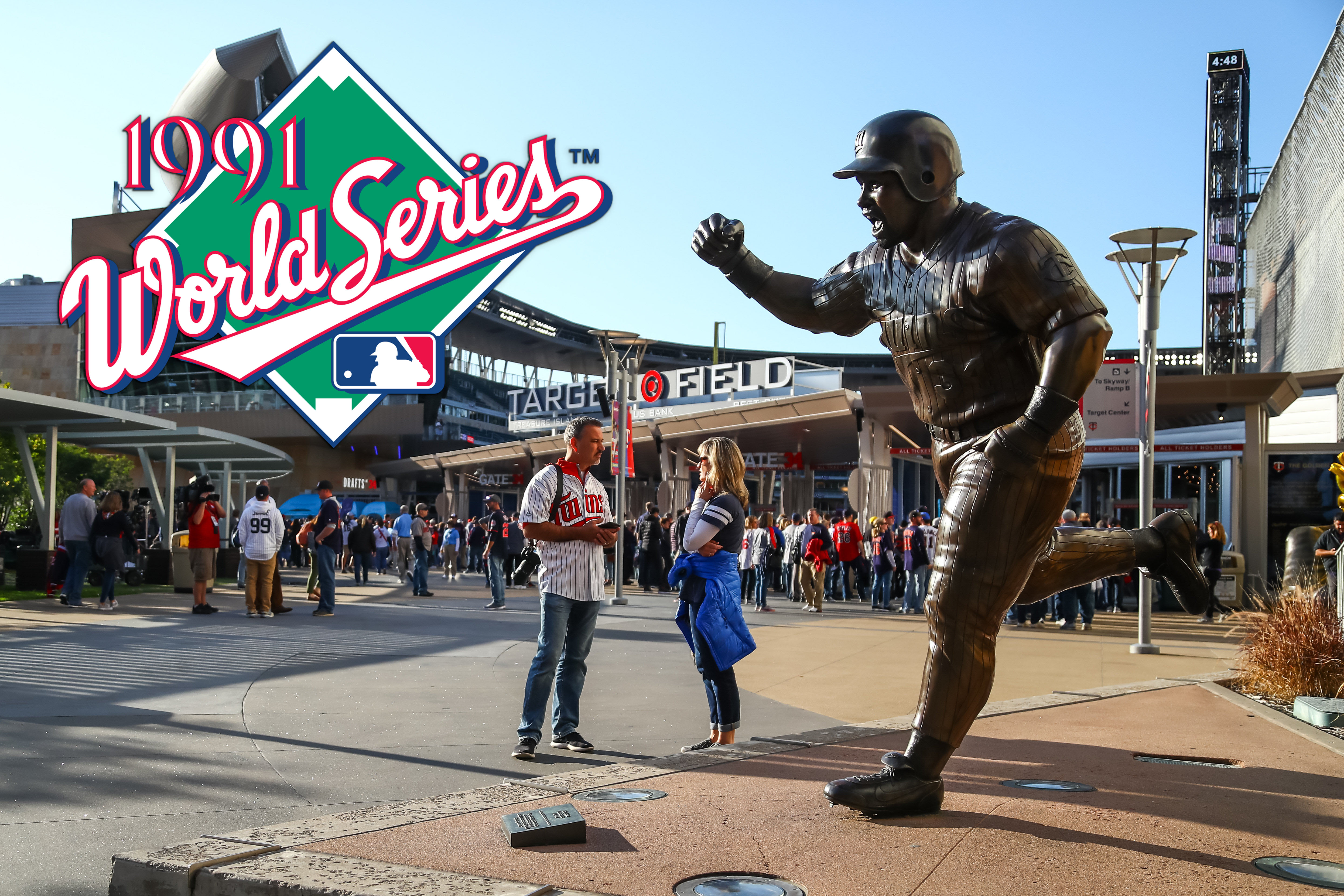 Here are the top 10 moments from the 1991 World Series, ranked in descending order of drama and excitement: 10. Game 3 - Chili’s pinch hit home run ties the game Even though it was in a losing effort, Chili Davis’s home run in Game 3 was monumental at the time. The home run for Davis came in the eighth inning when the Twins were down 4-2. Pitching for the Braves was closer Alejandro Peña who was 13-for-13 in save opportunities since being acquired by the Braves earlier that season. Chili was called upon to pinch hit for the pitcher spot (universal DH please) and blasted a two-run shot to tie the game and eventually force extra innings. 9. Game 2 - Chili homers off Glavine Chili Davis hit two home runs in the 1991 World Series and both of them proved to be big ones. His first home run of the Series came in the second inning of Game 2 where he hit a homer off of Cy Young Award winner, Tom Glavine. While the Davis home run didn’t come late in the game or win the game, it was huge given the opposing pitcher and the opportunity to set the tone in Game 2. 8. Game 1 - Gagne’s three-run Shot The 1991 World Series started off as a nail biter in Game 1. Through 4 1/2 innings, the Twins were just up 1-0, however that all changed in the bottom of the fifth inning when Greg Gagne stepped up to the plate with two-runners on and knocked a three-run shot. This put the Twins up 4-0 and the Twins never looked back in taking a 1-0 series lead. 7. Game 2 - Leius’s eighth innning bomb secures win After Chili Davis’s first inning home run off of Glavine, the Twins only managed one more hit off of Tom Glavine up to the eighth innning. In a 2-2 tie game, Scott Leius took the first pitch in the bottom of the eighth inning and hit it over the left field fence to give the Twins a 3-2 lead and secure a 2-0 series lead for the Twins. 6. Game 2 - Hrbek “pulls Gant off the bag” In “the tag heard ‘round the world”, Kent Hrbek fielded a Kevin Tapani throw and placed a tag on Gant’s leg, getting tangled with him in the process. Gant and Braves’ first base coach pleaded with the first base umpire that he was pulled off the bag. For the rest of this series and to this day, Hrbek remains hated by Braves fans. Did he pull Gant off the bag, though? Let’s ask the man himself: https://twitter.com/Hrbie14/status/1249137689112215553?s=20 5. Game 7 - Morris escapes jam in eighth with 3-2-3 double play Before the Larkin walk-off in the 10th, the Twins found themselves in a tough position in the top of the 8th inning in Game 7 as the Braves had the bases loaded with just one out in a 0-0 game. Tom Kelly decided to keep Jack Morris in the game and allow him to pitch to Braves batter, Sid Bream, who proceeded to hit into a 3-2-3 double play and keep the game at 0-0. This moment probably induced the second loudest roar from the Metrodome crowd in what was an all-timer Game 7. 4. Game 6 - Puckett scales the plexiglass Puckett had another incredible moment in Game 6 that will come up later, but that moment may not have been possible if it wasn’t for his catch in the top of the third inning off of the bat of Ron Gant. Puckett scaled the plexiglass wall in center field to secure the fly ball. With a runner on first base, Puckett saved a run and made the most iconic catch in Twins history. 3. Game 7 - Morris throws 10 shutout innings While not a single play, Jack Morris’s 10 shutout innings remains the best pitching performance in World Series history. Morris threw a total of 126 pitches in the 10 inning outing and provided Larkin with the opportunity to win the baseball game for the Twins. When Tom Kelly was thinking about whether he should’ve continued with Morris in the game or taken it out, Kelly iconically was quoted by saying, “Oh hell. It’s only a game.” 2. Game 6 - Puckett’s walk off Bottom of the 11th inning, no outs, nobody on, tie game. Puckett launched a 2-1 pitch over the left-center fence and won the game for the Minnesota Twins, forcing a Game 7. This was the moment that spurred the legendary Jack Buck call, “We’ll see you tomorrow night” and still stands as the lasting Kirby Puckett memory for Twins fans everywhere. While the Puckett walk-off isn’t number one since it didn’t win a World Series, our number one moment would’ve been possible without it, and it’s a moment that will never be forgotten. 1. Game 7 - Larkin’s single wins it The number one moment from the 1991 World Series was, of course, the moment that won the series. Larkin hit a walk-off single in the bottom of the 10th inning to score Dan Gladden and win the Twins their second World Series in team history. Up to the point of the hit, Larkin had only hit .167 in the postseason but came through when it mattered most. Larkin remains a Minnesota legend and will never buy a meal again in Minnesota after delivering the deciding hit of Game 7. What was your favorite moment from the 1991 World Series? Did I leave any off? Leave a comment below and start the conversation.
 -
Metrodome Magic was on full display today, as Dan Gladden’s walk-off single finished off a 3-run comeback for the Twins in the 9th inning to complete an opening-series sweep of the Oakland Athletics. The Twins are now off to a 3-0 start, their best start to a season since 1973.Twins 5, Oakland 4 | Box Score Portugal: 5.2 IP, 7H, 4 R, 4 ER, 5 BB, 5 K Home Runs: Hrbek (1) Multi-hit Games: Brunansky (3-for-4), Gagne (2-for-3) Top 3 WPA: Gladden .449, Smalley .289, Brunansky .177 Chart via Fangraphs Download attachment: Screen Shot 2020-04-08 at 8.12.40 PM.png When the Minnesota Twins traded for Dan Gladden (career .282 BA) this offseason, they knew they were getting a guy who could put his bat on the ball. His bat-to-ball skills were needed in the bottom of the 9th inning when he was called upon to pinch hit for Tom Nieto with the bases loaded. After getting ahead of the count 2-0, Gladden got a high fastball from reliever Jay Howell, and was able to drive it for a 2-RBI, walk off single, a welcomed first impression to his new base. The Twins got on the board early in today’s afternoon affair when Kent Hrbek hit a solo shot in the bottom of the second inning off of starting pitcher, Chris Codiroli. Later in the inning, the Twins pushed across another run when designated hitter, Roy Smalley, scored off of a Codiroli wild pitch to take a 2-0 lead. The A’s were quick to respond as they took advantage of Minnesota starter, Mark Portugal’s, control issues and scored two runs in the third and two runs in the sixth inning to take a 4-2 lead over the Twins. Portugal struggled through 5.2 innings, allowing 7 hits, 5 walks, and 4 runs. Kelly voiced disappointment in his starting pitcher after the game saying, “Mark’s certainly got the equipment to be a good pitcher, but he’s got to get together a little bit”. Lucky for the Twins, reliever Juan Berenguer picked up the slack that Portugal left, pitching three shutout innings, allowing just one hit while striking out five. Kelly praised his reliever following the game stating, “He did a super job”. Berenguer’s super performance kept the Minnesota Twins in the game and allowed them to get to the bottom of the 9th inning with a shot at a comeback. Following a leadoff groundout by Kent Hrbek, the Minnesota Twins recorded consecutive hits from Gary Gaetti (double), Tom Brunansky (RBI single), and Roy Smalley (double), to put the Twins in a position to win the game. After electing to intentionally walk Mark Salas, and bringing in pinch hitter Dan Gladden, the newly acquired outfielder was able to come through when it mattered most by hitting a 2-RBI single and completing the comeback. The win capped off an opening series sweep of the Oakland Athletics and brought the Twins record to a 3-0, their best start to a season in nearly 15 years. Although Gladden was the hero in a dramatic win, he was sure to stay even-keel afterward. In a postgame interview with Star Tribune’s Dennis Bracken, Gladden said, “When you get real high, it’s a long way to fall down. That’s just something you learn in this game.” MORE FROM TWINS DAILY — Latest Twins coverage from our writers — Recent Twins discussion in our forums — Follow Twins Daily via Twitter, Facebook or email Click here to view the article
-
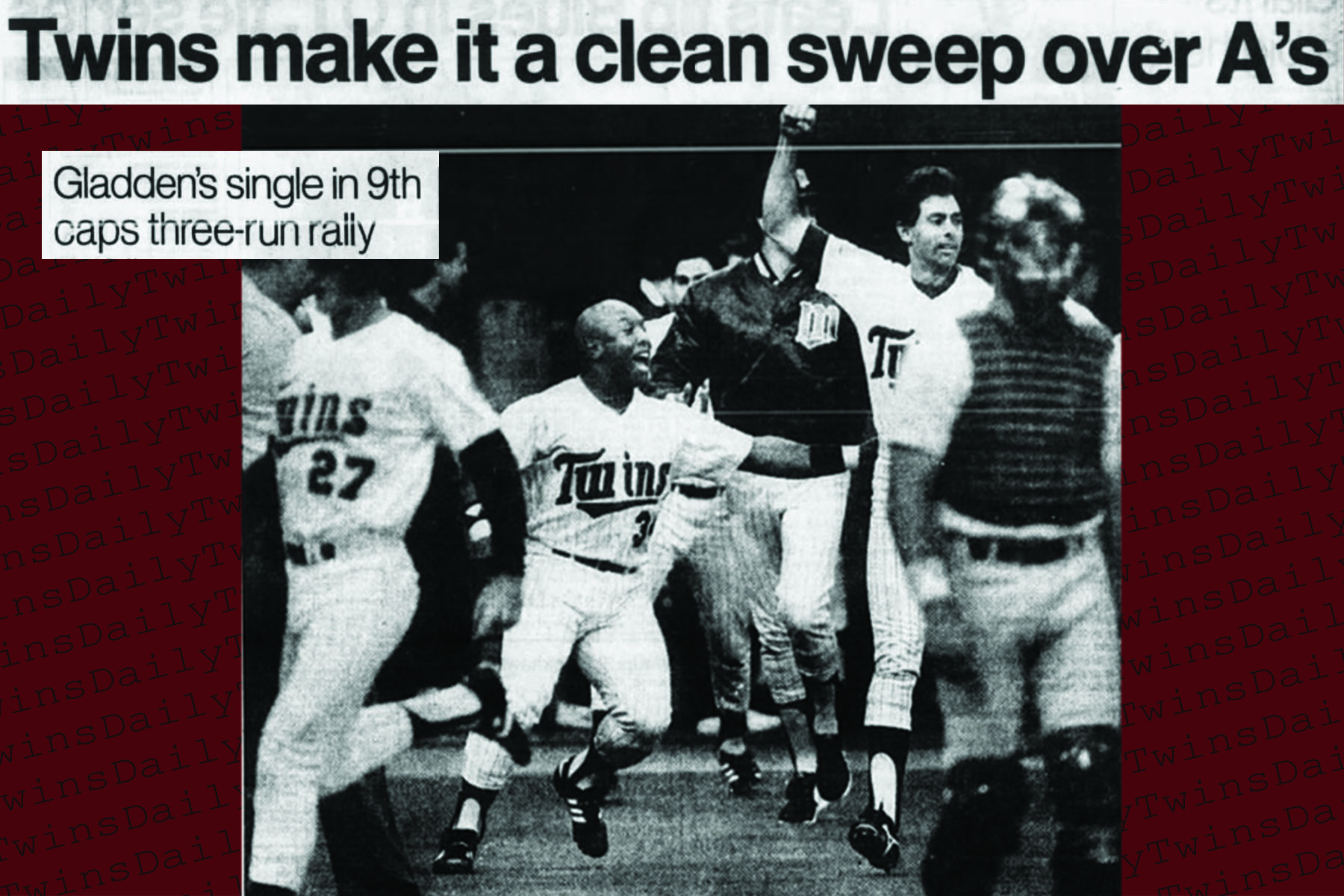 Twins 5, Oakland 4 | Box Score Portugal: 5.2 IP, 7H, 4 R, 4 ER, 5 BB, 5 K Home Runs: Hrbek (1) Multi-hit Games: Brunansky (3-for-4), Gagne (2-for-3) Top 3 WPA: Gladden .449, Smalley .289, Brunansky .177 Chart via Fangraphs When the Minnesota Twins traded for Dan Gladden (career .282 BA) this offseason, they knew they were getting a guy who could put his bat on the ball. His bat-to-ball skills were needed in the bottom of the 9th inning when he was called upon to pinch hit for Tom Nieto with the bases loaded. After getting ahead of the count 2-0, Gladden got a high fastball from reliever Jay Howell, and was able to drive it for a 2-RBI, walk off single, a welcomed first impression to his new base. The Twins got on the board early in today’s afternoon affair when Kent Hrbek hit a solo shot in the bottom of the second inning off of starting pitcher, Chris Codiroli. Later in the inning, the Twins pushed across another run when designated hitter, Roy Smalley, scored off of a Codiroli wild pitch to take a 2-0 lead. The A’s were quick to respond as they took advantage of Minnesota starter, Mark Portugal’s, control issues and scored two runs in the third and two runs in the sixth inning to take a 4-2 lead over the Twins. Portugal struggled through 5.2 innings, allowing 7 hits, 5 walks, and 4 runs. Kelly voiced disappointment in his starting pitcher after the game saying, “Mark’s certainly got the equipment to be a good pitcher, but he’s got to get together a little bit”. Lucky for the Twins, reliever Juan Berenguer picked up the slack that Portugal left, pitching three shutout innings, allowing just one hit while striking out five. Kelly praised his reliever following the game stating, “He did a super job”. Berenguer’s super performance kept the Minnesota Twins in the game and allowed them to get to the bottom of the 9th inning with a shot at a comeback. Following a leadoff groundout by Kent Hrbek, the Minnesota Twins recorded consecutive hits from Gary Gaetti (double), Tom Brunansky (RBI single), and Roy Smalley (double), to put the Twins in a position to win the game. After electing to intentionally walk Mark Salas, and bringing in pinch hitter Dan Gladden, the newly acquired outfielder was able to come through when it mattered most by hitting a 2-RBI single and completing the comeback. The win capped off an opening series sweep of the Oakland Athletics and brought the Twins record to a 3-0, their best start to a season in nearly 15 years. Although Gladden was the hero in a dramatic win, he was sure to stay even-keel afterward. In a postgame interview with Star Tribune’s Dennis Bracken, Gladden said, “When you get real high, it’s a long way to fall down. That’s just something you learn in this game.” MORE FROM TWINS DAILY — Latest Twins coverage from our writers — Recent Twins discussion in our forums — Follow Twins Daily via Twitter, Facebook or email
 -
Awesome!
-
Since moving to Minnesota and becoming the Twins in 1961, the Minnesota Twins have produced five American League MVP winners. How do those five MVP seasons rank and who had the best MVP season in Twins history?5. Justin Morneau | 2006 .321/.375/.559 (.934 OPS/140 OPS+)34 HR130 RBI4.3 bWAROn June 7 of the 2006 season, Justin Morneau was benched by Ron Gardenhire for a game against the Seattle Mariners after he had started the season with a .236 batting average. From that day forward, Morneau batted .362 with 23 home runs and 92 RBI. Because of his slow start to the season, Morneau wasn’t even named an American League All-Star in 2006, yet was crowned MVP when all was said and done. The MVP voting in Morneau’s award-winning season was extremely close, as he edged out Derek Jeter by only 14 points, and only received three more first place votes than Jeter. Morneau had an excellent season at the plate, but because of his slow start to the season and his play at a less vital defensive position, Morneau’s MVP in 2006 comes up fifth in the ranking of Twins MVP seasons. 4. Zoilo Versalles | 1965 .273/.319/.462 (.781 OPS/115 OPS+)19 HR77 RBI7.2 bWARZoilo Versalles missed out on being a unanimous choice for MVP in 1965 after losing out on one first place vote to fellow teammate, and fellow Cuban, Tony Oliva. Versalles didn’t have the traditional MVP season as he only posted an OPS of .781 and drove in just 77 RBI. Versalles contributed all over the place in his MVP season, though, leading the league in runs, doubles, triples and total bases. Where Versalles really secured the MVP, though, was in the field where he won a Gold Glove from the shortstop position. Versalles will always be an interesting discussion piece in Minnesota Twins history, and his MVP season of 1965 ranks fourth in the discussion of all-time MVP seasons for the Twins. 3. Harmon Killebrew | 1969 .276/.427/.584 (1.011 OPS/177 OPS+)49 HR140 RBI6.2 bWARThe greatest player to ever don a Minnesota Twins jersey, Killebrew had the best season of his career in 1969 when he set career highs in home runs, RBI, and on-base percentage. Each of those three categories led Major League Baseball in 1969 and each of them still hold as team records for the Minnesota Twins. Killebrew helped lead the Minnesota Twins to an AL West title with a 97-65 record, but comes in third place due to his performance in the field. After having played majority of the decade at first base, Killebrew played 105 games at third base in 1969 and struggled, with a TZR of -12. 2. Rod Carew | 1977 .388/.449/.570 (1.019 OPS/178 OPS+)14 HR100 RBI9.7 bWARCarew’s 1977 season still stands as one of the greatest pure hitting seasons we’ve ever seen in baseball, as evidenced by his .388 batting average, the second highest batting average in the integration era of baseball (1947-present). Additionally in 1977, Carew led baseball in runs, hits, triples and OPS. After finishing in the top-10 in MVP voting the previous four seasons, Carew finally pushed through in ‘77 with a 70% award share. Carew was held back from the number one position in our rankings because of playing first base as well as his performance coming on a 1977 Twins team that finished fourth in the AL West and missed out on the playoffs. 1. Joe Mauer | 2009 .365/.444/.587 (1.031 OPS/171 OPS+)28 HR96 RBI7.8 bWARThe number one ranked MVP season in Minnesota Twins history is Joe Mauer’s MVP from 2009. The 2009 season for Mauer featured him earning a third batting title, as well as setting career highs in hits, home runs, RBI, BA, OBP, SLG, OPS, and total bases. Mauer’s 2009 season remains the best OPS season in Minnesota Twins history, and to top it off he won a Gold Glove as the best defensive catcher in baseball. Getting top flight performance in offense and defense from the most important defensive position in baseball is enough to warrant the top spot as the best MVP season in Minnesota Twins history. Additionally, Mauer led the Minnesota Twins to an 87-76 record and an American League Central division title. How would you rank the five MVP seasons in Minnesota Twins history? Do you agree that Joe Mauer has the best single season in team history? Leave a comment below and start the conversation! MORE FROM TWINS DAILY — Latest Twins coverage from our writers — Recent Twins discussion in our forums — Follow Twins Daily via Twitter, Facebook or email Click here to view the article
-
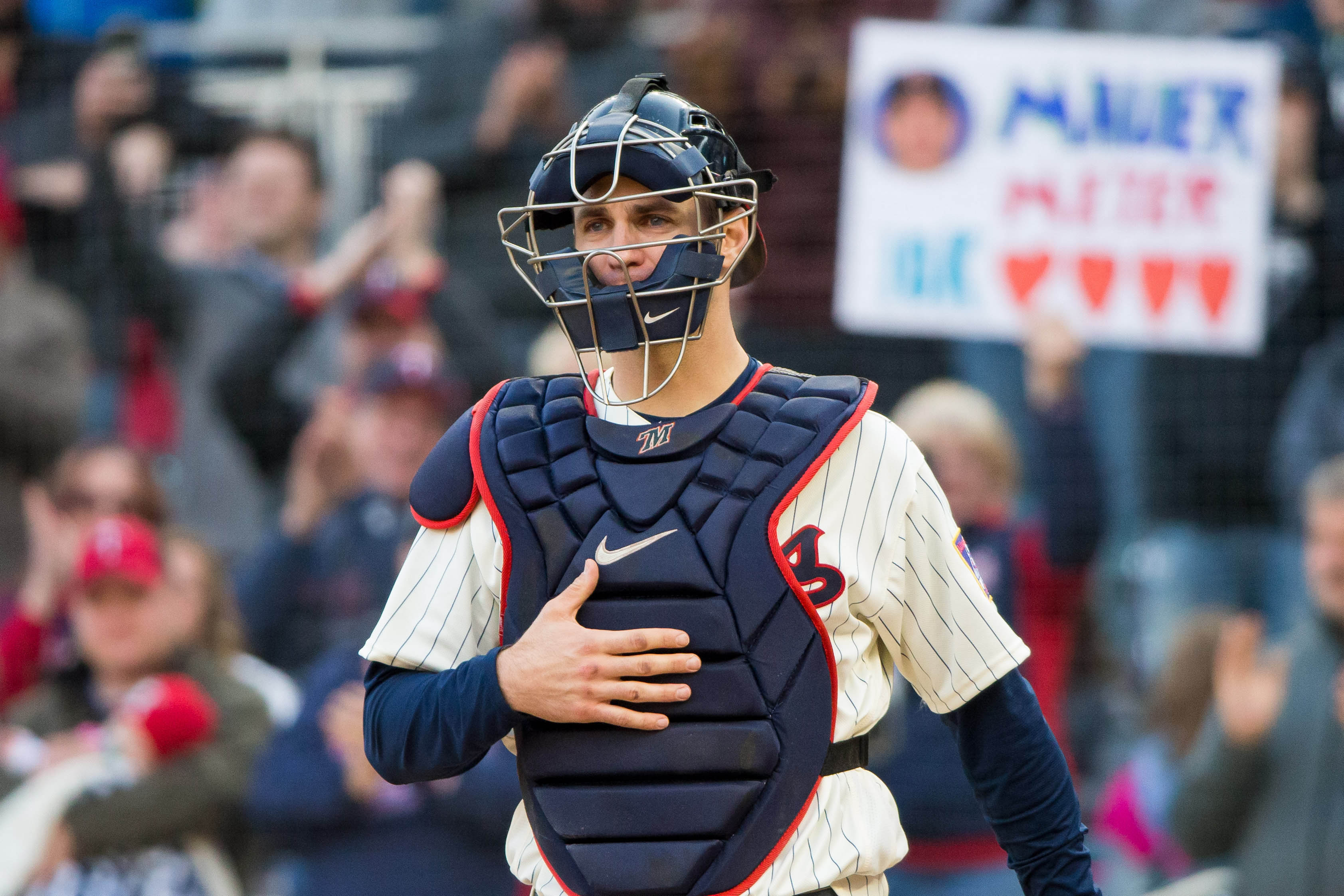 5. Justin Morneau | 2006 .321/.375/.559 (.934 OPS/140 OPS+) 34 HR 130 RBI 4.3 bWAR On June 7 of the 2006 season, Justin Morneau was benched by Ron Gardenhire for a game against the Seattle Mariners after he had started the season with a .236 batting average. From that day forward, Morneau batted .362 with 23 home runs and 92 RBI. Because of his slow start to the season, Morneau wasn’t even named an American League All-Star in 2006, yet was crowned MVP when all was said and done. The MVP voting in Morneau’s award-winning season was extremely close, as he edged out Derek Jeter by only 14 points, and only received three more first place votes than Jeter. Morneau had an excellent season at the plate, but because of his slow start to the season and his play at a less vital defensive position, Morneau’s MVP in 2006 comes up fifth in the ranking of Twins MVP seasons. 4. Zoilo Versalles | 1965 .273/.319/.462 (.781 OPS/115 OPS+) 19 HR 77 RBI 7.2 bWAR Zoilo Versalles missed out on being a unanimous choice for MVP in 1965 after losing out on one first place vote to fellow teammate, and fellow Cuban, Tony Oliva. Versalles didn’t have the traditional MVP season as he only posted an OPS of .781 and drove in just 77 RBI. Versalles contributed all over the place in his MVP season, though, leading the league in runs, doubles, triples and total bases. Where Versalles really secured the MVP, though, was in the field where he won a Gold Glove from the shortstop position. Versalles will always be an interesting discussion piece in Minnesota Twins history, and his MVP season of 1965 ranks fourth in the discussion of all-time MVP seasons for the Twins. 3. Harmon Killebrew | 1969 .276/.427/.584 (1.011 OPS/177 OPS+) 49 HR 140 RBI 6.2 bWAR The greatest player to ever don a Minnesota Twins jersey, Killebrew had the best season of his career in 1969 when he set career highs in home runs, RBI, and on-base percentage. Each of those three categories led Major League Baseball in 1969 and each of them still hold as team records for the Minnesota Twins. Killebrew helped lead the Minnesota Twins to an AL West title with a 97-65 record, but comes in third place due to his performance in the field. After having played majority of the decade at first base, Killebrew played 105 games at third base in 1969 and struggled, with a TZR of -12. 2. Rod Carew | 1977 .388/.449/.570 (1.019 OPS/178 OPS+) 14 HR 100 RBI 9.7 bWAR Carew’s 1977 season still stands as one of the greatest pure hitting seasons we’ve ever seen in baseball, as evidenced by his .388 batting average, the second highest batting average in the integration era of baseball (1947-present). Additionally in 1977, Carew led baseball in runs, hits, triples and OPS. After finishing in the top-10 in MVP voting the previous four seasons, Carew finally pushed through in ‘77 with a 70% award share. Carew was held back from the number one position in our rankings because of playing first base as well as his performance coming on a 1977 Twins team that finished fourth in the AL West and missed out on the playoffs. 1. Joe Mauer | 2009 .365/.444/.587 (1.031 OPS/171 OPS+) 28 HR 96 RBI 7.8 bWAR The number one ranked MVP season in Minnesota Twins history is Joe Mauer’s MVP from 2009. The 2009 season for Mauer featured him earning a third batting title, as well as setting career highs in hits, home runs, RBI, BA, OBP, SLG, OPS, and total bases. Mauer’s 2009 season remains the best OPS season in Minnesota Twins history, and to top it off he won a Gold Glove as the best defensive catcher in baseball. Getting top flight performance in offense and defense from the most important defensive position in baseball is enough to warrant the top spot as the best MVP season in Minnesota Twins history. Additionally, Mauer led the Minnesota Twins to an 87-76 record and an American League Central division title. How would you rank the five MVP seasons in Minnesota Twins history? Do you agree that Joe Mauer has the best single season in team history? Leave a comment below and start the conversation! MORE FROM TWINS DAILY — Latest Twins coverage from our writers — Recent Twins discussion in our forums — Follow Twins Daily via Twitter, Facebook or email
 -
Thanks for this info, Nate. I thought about consulting you on this piece knowing that you've been reading a ton about the '65 team. I had the feeling that it was Versalles's defense that pushed him over the edge, and certainly seems like that was the sentiment back then.
-
It's an interesting thought experiment for sure. I'm not sure that he would have gotten in even with an MVP through the BBWAA voting as at his peak he only reached 47% of the needed 75% of the votes. However, he was only one vote shy of getting in through the Golden Era Committee election 2011. So maybe an MVP award could have swayed one of those voters to go the other way?
-
Strikeout totals were a mis-type which has been fixed. Thank you!
-
The 1965 MVP race came down to two Cuban-born Minnesota Twins players in Zoilo Versalles and Tony Oliva. Versalles ended up taking home the hardware, but did the right Minnesota Twins player win the award?At 25-years old, Zoilo Versalles became the first ever Minnesota Twins player to win the American League MVP. Versalles was a near-unanimous MVP, by claiming 19 out of 20 first place votes, ceding the only other first place vote to fellow teammate and fellow Cuban, Tony Oliva. With all of the advanced statistics and sabermetrics that we now have at the tip of our fingers, we are able to look back at the 1965 MVP race in a fresh way and see if the right decision was made, or if Oliva had a rightful claim to the award. With a mediocre slash line of .273/.319/.462, it’s fair to question the validity of Zoilo Versalles’ MVP campaign. In fact, the .273 batting average for Versalles is the second-lowest batting average for any MVP since 1960. In addition, Versalles led the Majors in strikeouts with 122, 58 more strikeouts than his teammate Oliva. So why exactly did Versalles win the award? Versalles put together a career year in 1965 and led Major League Baseball in runs, doubles, triples, extra base hits, total bases and WAR. He recorded 27 steals and was the leadoff man for the best team in the American League. Aside from his bat and his legs, he was publicly viewed as a great defensive shortstop and was awarded a Gold Glove, despite the fact that he led baseball with 39 errors. Additionally, Versalles heated up at the stretch run of the season, posting a 1.004 OPS in August and a .912 OPS in September. Oliva was no slouch in 1965 and certainly has a case to make for being the 1965 MVP. After posting a .321 average, Olivia claimed his second straight batting title in addition to posting his second straight season atop the hits leaderboard with 185 hits. Oliva bested Versalles in plate discipline with a far better K% and BB%. Although Oliva played a less important position in the field, he did so admirably with a 96% fielding percentage. Here is a side-by-side comparison of the stats for the cuban-born Twins players: Download attachment: Screen Shot 2020-04-02 at 9.52.41 PM.png From a strictly offensive standpoint, Oliva posted the superior numbers in 1965, especially when we take into account the advanced statistics we use in baseball today. In addition to the stats above, Oliva bested Versalles in wRC+ by 23 points and OPS+ by 26 points. Even when you shift towards situational hitting, Oliva was the superior player, with an .837 OPS in high leverage situations compared to Versalles's .806 OPS in those high leverage situations. Aside from the apparent MVP lobbying that went on from third base coach, Billy Martin, on behalf of Versalles, what seemed to have pushed him over Oliva in the minds of MVP voters was his defensive play, which was deemed Gold Glove-worthy. On the surface, the defensive praise for Versalles appears to be misguided as evidenced by his afore-mentioned 39 errors. Using the statistics that we have today, though, confirms that Versalles was a wizard with the glove. According to Fangraph's "total zone" statistic, Versalles saved 17 runs above average in 1965, compared to the 6 runs saved above average for Oliva. Taking positions into account, Versalles's defensive ability shines even more. Fangraphs uses a statistic called defensive runs above average, which adjusts for positional difficulty and awards a defensive value — using this metric, Versalles scored a 26.6 compared to the below average -1.6 for Oliva. Certainly a case can be made for either of these players to have won the MVP in 1965, but which one was more deserving of the award? Do you think Olivia should have won the MVP? Or was Versalles the correct winner? Leave a comment below and start the conversation! MORE FROM TWINS DAILY — Latest Twins coverage from our writers — Recent Twins discussion in our forums — Follow Twins Daily via Twitter, Facebook or email Click here to view the article
-
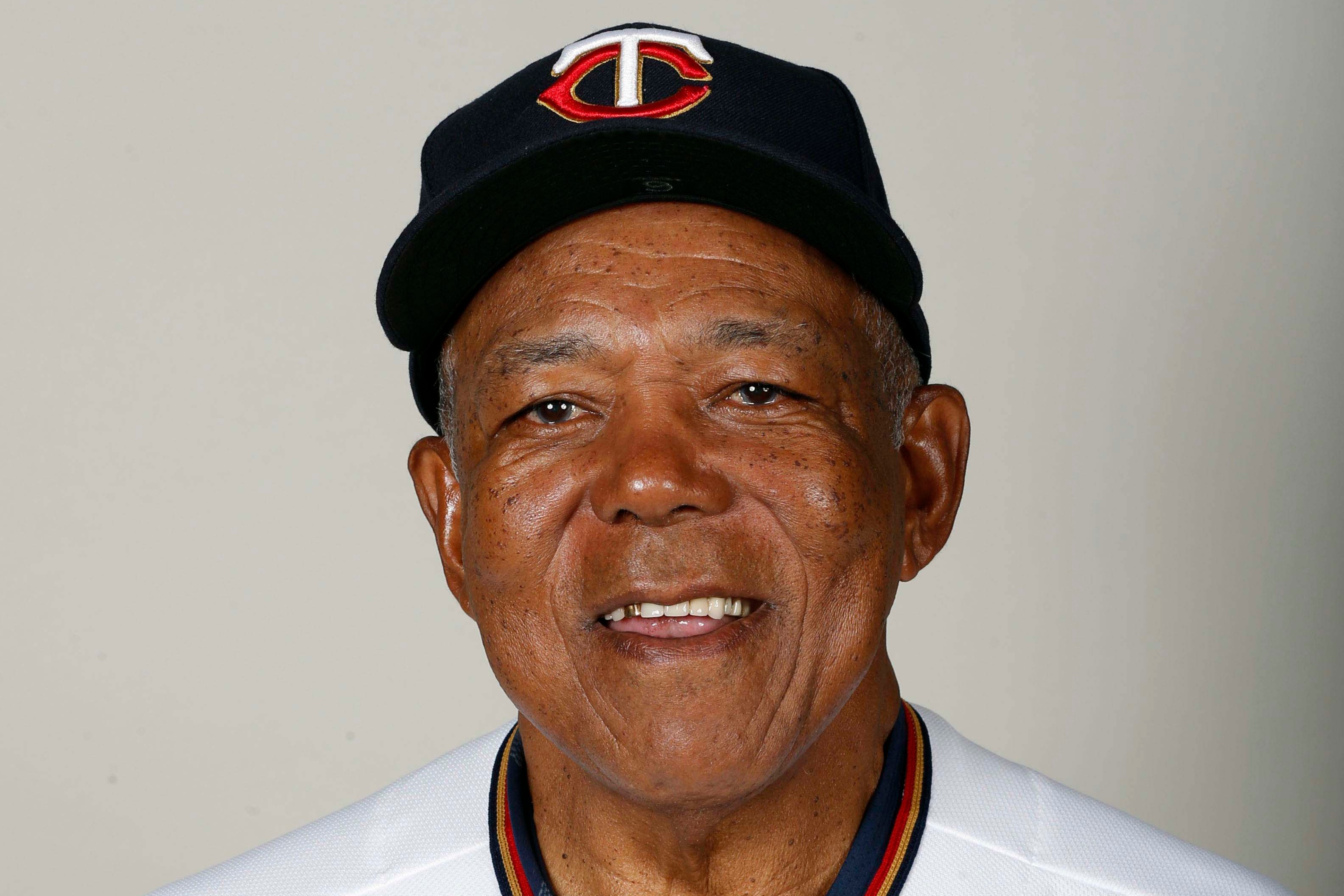 At 25-years old, Zoilo Versalles became the first ever Minnesota Twins player to win the American League MVP. Versalles was a near-unanimous MVP, by claiming 19 out of 20 first place votes, ceding the only other first place vote to fellow teammate and fellow Cuban, Tony Oliva. With all of the advanced statistics and sabermetrics that we now have at the tip of our fingers, we are able to look back at the 1965 MVP race in a fresh way and see if the right decision was made, or if Oliva had a rightful claim to the award. With a mediocre slash line of .273/.319/.462, it’s fair to question the validity of Zoilo Versalles’ MVP campaign. In fact, the .273 batting average for Versalles is the second-lowest batting average for any MVP since 1960. In addition, Versalles led the Majors in strikeouts with 122, 58 more strikeouts than his teammate Oliva. So why exactly did Versalles win the award? Versalles put together a career year in 1965 and led Major League Baseball in runs, doubles, triples, extra base hits, total bases and WAR. He recorded 27 steals and was the leadoff man for the best team in the American League. Aside from his bat and his legs, he was publicly viewed as a great defensive shortstop and was awarded a Gold Glove, despite the fact that he led baseball with 39 errors. Additionally, Versalles heated up at the stretch run of the season, posting a 1.004 OPS in August and a .912 OPS in September. Oliva was no slouch in 1965 and certainly has a case to make for being the 1965 MVP. After posting a .321 average, Olivia claimed his second straight batting title in addition to posting his second straight season atop the hits leaderboard with 185 hits. Oliva bested Versalles in plate discipline with a far better K% and BB%. Although Oliva played a less important position in the field, he did so admirably with a 96% fielding percentage. Here is a side-by-side comparison of the stats for the cuban-born Twins players: From a strictly offensive standpoint, Oliva posted the superior numbers in 1965, especially when we take into account the advanced statistics we use in baseball today. In addition to the stats above, Oliva bested Versalles in wRC+ by 23 points and OPS+ by 26 points. Even when you shift towards situational hitting, Oliva was the superior player, with an .837 OPS in high leverage situations compared to Versalles's .806 OPS in those high leverage situations. Aside from the apparent MVP lobbying that went on from third base coach, Billy Martin, on behalf of Versalles, what seemed to have pushed him over Oliva in the minds of MVP voters was his defensive play, which was deemed Gold Glove-worthy. On the surface, the defensive praise for Versalles appears to be misguided as evidenced by his afore-mentioned 39 errors. Using the statistics that we have today, though, confirms that Versalles was a wizard with the glove. According to Fangraph's "total zone" statistic, Versalles saved 17 runs above average in 1965, compared to the 6 runs saved above average for Oliva. Taking positions into account, Versalles's defensive ability shines even more. Fangraphs uses a statistic called defensive runs above average, which adjusts for positional difficulty and awards a defensive value — using this metric, Versalles scored a 26.6 compared to the below average -1.6 for Oliva. Certainly a case can be made for either of these players to have won the MVP in 1965, but which one was more deserving of the award? Do you think Olivia should have won the MVP? Or was Versalles the correct winner? Leave a comment below and start the conversation! MORE FROM TWINS DAILY — Latest Twins coverage from our writers — Recent Twins discussion in our forums — Follow Twins Daily via Twitter, Facebook or email
 -
The History of the Minnesota Twins Bomba Belt
Matthew Taylor replied to Matthew Taylor's topic in Twins Daily Front Page News
It's really a great point and something I considered. It's hard to award the belt in real time, and I think this exercise bears that out. Keeping Berrios with the belt is more than reasonable. -
Since relocating from Washington to Minnesota 59 years ago, 12 different Minnesota Twins players have taken turns as the acting best player on the team. In this exercise, they will be awarded the “Minnesota Twins Bomba Belt”. Who has worn the belt over the years, and who possesses it now?Bill Simmons of The Ringer made this idea famous from a 2014 column that he titled “The Action Hero Championship Belt”, where he went back in history and awarded the championship belt to the reigning king of action movies. That actor would don the belt until the next movie star would perform well enough to snatch the belt away from him. For our purposes, we are going to do the same thing but with Minnesota Twins players throughout history. Here are our rules: We’re starting from 1961, when the Washington Senators became the Minnesota Twins.The bomba belt can only get traded when the reigning belt wearer changes teams or another player snatches the belt away by incredible, sustained performance.1961-1971 (11 seasons) — Harmon KillebrewAverage season: .265/.390/.540, 39 HR, 106 RBI, 154 OPS+ Arguably the greatest Minnesota Twins player of all time, Killebrew held the Minnesota Twins bomba belt for 11 seasons, longer than any other Minnesota Twins player has held onto the belt. During his 11 seasons with the belt, Killebrew was an all-star in each season, finished top-5 in MVP voting six times, and won the MVP 1969. Killebrew lost his championship belt in 1972 at the age of 36 when his batting average dipped down to .231. 1972-1978 (7 seasons) — Rod Carew Average season: .350/.414/.468, 201 H, 32 SB, 149 OPS+ Carew nabbed the bomba belt from Killebrew in 1972 and held onto it for 7 seasons where he finished in the top-10 in MVP voting five times and won the MVP award in 1977 after posting a .388 batting average and an OPS+ of 178. Carew lost the belt in 1979 after he was traded to the California Angels. 1979-1981 (3 seasons) — Roy Smalley Average season: .272/.358/.786, 110 OPS+ The Minnesota Twins were in pretty rough shape in the beginning of the 1980s, and our belt holder, Roy Smalley, reflects the rough shape that the Twins were in. Arguably the weakest belt holder in Twins history, Smalley was awarded the belt due to having little competition. In 1979, Smalley was named the starting shortstop for the American League all-star team. Smalley lost the belt once he got traded to the New York Yankees midway through the 1982 season. 1982-1985 (4 seasons) — Kent Hrbek Average season: .296/.366/.484, 22 HR, 94 RBI, 129 OPS+ The Twins continued to struggle throughout the beginning of the 1980s, however a new star began to emerge for them in Hrbek who burst onto the scene in 1982 to grab the bomba belt that Smalley left behind. Hrbek was an all-star in 1982 and was runner-up in the MVP voting in 1984 after posting an OPS+ of 145 and knocking in 107 runs. Hrbek lost the belt in 1986 when a certain Twins legend played well enough to snatch it away from him. 1986-1995 (10 seasons) — Kirby Puckett Average season: .324/.366/.499, 20 HR, 98 RBI, 132 OPS+ Kirby Puckett needs no introduction. The hall-of-famer snatched the bomba belt from Hrbek in 1986 and held onto it for 10 years, the second-longest of any Twins player. Puckett held the belt through 10 all-star seasons, 7 top-10 MVP seasons, and 2 World Series championships. Puckett only gave up his belt when his glaucoma forced him to abruptly retire. 1996-1997 (2 seasons) — Chuck Knoblauch Average season: .315/.418/.463, 188 H, 54 SB, 127 OPS+ After Puckett’s retirement, Knoblauch took the bomba belt and wore it admirably for two seasons. In those 2 seasons, Knoblauch was an all-star each year, posted a top-20 MVP season, and won a gold glove and silver slugger in 1997. After getting traded to the Yankees (at his request), Koblauch surrendered his bomba belt. 1998-2002 (5 seasons) — Brad Radke Average season: 12-12, 4.18 ERA, 116 ERA+ In another rough stretch of Minnesota Twins baseball, Radke was the highlight for the Twins, earning an all-star game appearance and leading the Twins in bWAR over the course of those 5 seasons. Radke didn’t have the strongest of belt-wearer resumes, but was an underrated pitcher who capped off his belt-wearing campaign by posting winning performances in games 1 and 5 of the 2002 ALDS. 2003-2007 (5 seasons) — Johan Santana Average season: 17-6, 2.81 ERA, 162 ERA+ No pitcher in Twins history has had a stronger 5 year run than Santana from 2003-2007. During this run, Santana earned five top-10 Cy Young Award finishes and nabbed the award twice. Santana only gave up the belt when he was traded to the New York Mets prior to the 2008 season. 2008-2013 (6 seasons) — Joe Mauer Average season: .328/.411/.474, 156 H, 141 OPS+ From the end of the Metrodome era to the opening seasons at Target Field, no player was better for the Minnesota Twins than Joe Mauer. Over his 6 years with the bomba belt, Mauer was a 5-time all-star, 4-time silver slugger, 3-time gold glover, and an MVP in 2009. Mauer gave up his belt in 2014 when he slugged a career low .371. 2014-2017 (4 seasons) — Brian Dozier Average season: .254/.338/.476, 32 HR, 120 OPS+ The Twins were far from competitive during these years, and Brian Dozier was the lone bright spot for what were otherwise forgettable teams. Dozier eclipsed 20 home runs in each of his four seasons with the belt, and posted his best season in 2016 when he hit 42 home runs, the most by any Twins player not named Harmon Killebrew. Dozier surrendered his belt in 2018 after being traded to the Dodgers at the trade deadline. 2018 (1 season) — José Berríos Season: 12-11, 3.84 ERA, 111 ERA+ 2018 was largely a transition year for the Minnesota Twins as they traded away many of their best players from the previous era and the stars of the current era had yet to break out. The one player who did was José Berríos, who earned his first opening day start and his first all star appearance. While Berríos didn’t hang onto the belt for long, at only 26 years of age he has more than enough potential to grab it again. 2019 - ? — Nelson Cruz Season: .311/.392/.639, 41 HR, 166 OPS+ In a season where the Minnesota Twins won their second most games in team history, Nelson Cruz was the man who grabbed the bomba belt with the best performance of the year. Cruz led the Minnesota Twins in home runs, slugging %, and OPS. Cruz was the driving force behind the 102-win season and currently holds the Minnesota Twins bomba belt. Will he hang onto it past 2019? Or will a new challenger step up in 2020 and snatch it away from him? What do you think about the history of the Twins bomba Belt? Who do you think will hold it in 2020 and moving forward? Leave a comment below and start the conversation! MORE FROM TWINS DAILY — Latest Twins coverage from our writers — Recent Twins discussion in our forums — Follow Twins Daily via Twitter, Facebook or email Click here to view the article
-
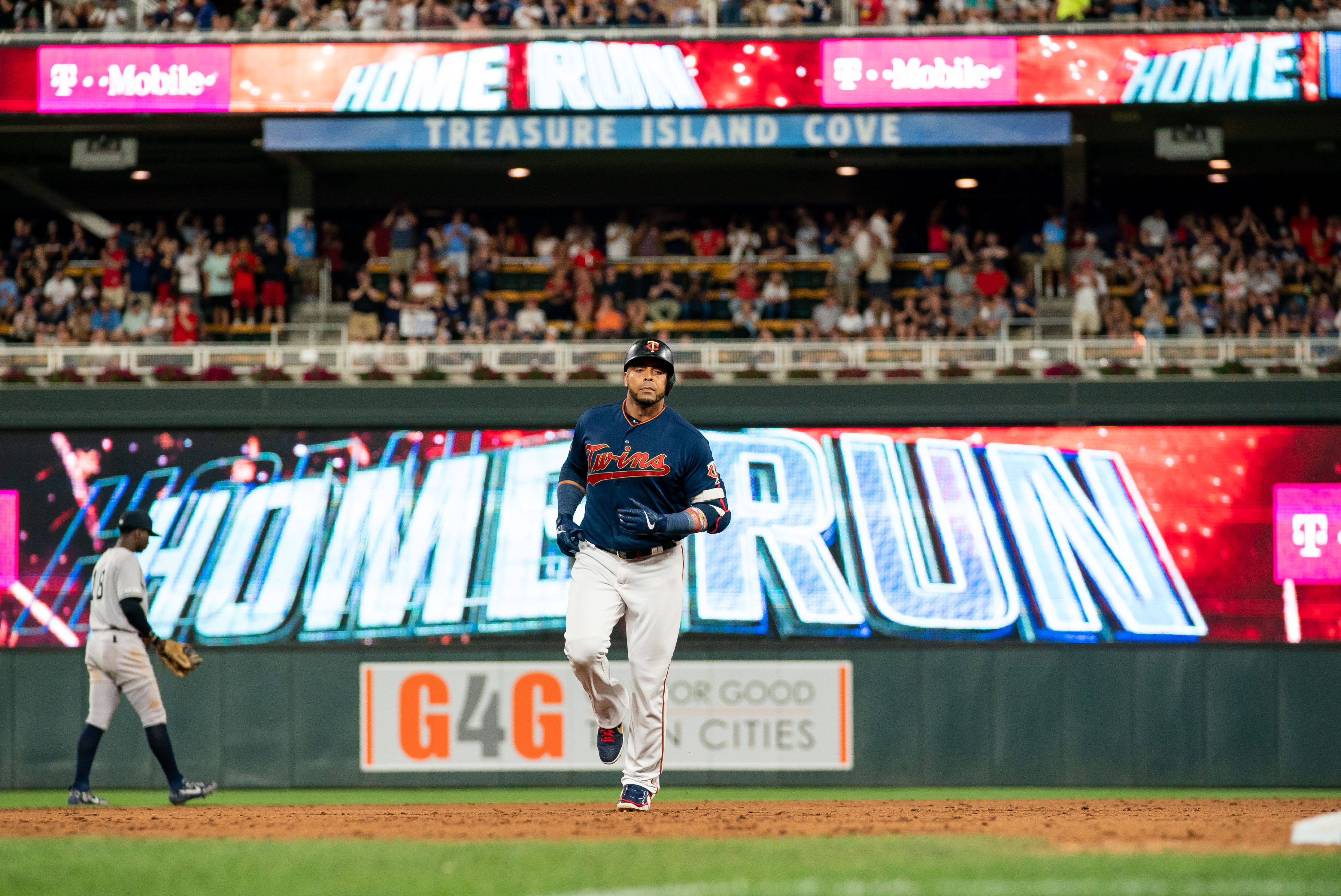 Bill Simmons of The Ringer made this idea famous from a 2014 column that he titled “The Action Hero Championship Belt”, where he went back in history and awarded the championship belt to the reigning king of action movies. That actor would don the belt until the next movie star would perform well enough to snatch the belt away from him. For our purposes, we are going to do the same thing but with Minnesota Twins players throughout history. Here are our rules: We’re starting from 1961, when the Washington Senators became the Minnesota Twins. The bomba belt can only get traded when the reigning belt wearer changes teams or another player snatches the belt away by incredible, sustained performance. 1961-1971 (11 seasons) — Harmon Killebrew Average season: .265/.390/.540, 39 HR, 106 RBI, 154 OPS+ Arguably the greatest Minnesota Twins player of all time, Killebrew held the Minnesota Twins bomba belt for 11 seasons, longer than any other Minnesota Twins player has held onto the belt. During his 11 seasons with the belt, Killebrew was an all-star in each season, finished top-5 in MVP voting six times, and won the MVP 1969. Killebrew lost his championship belt in 1972 at the age of 36 when his batting average dipped down to .231. 1972-1978 (7 seasons) — Rod Carew Average season: .350/.414/.468, 201 H, 32 SB, 149 OPS+ Carew nabbed the bomba belt from Killebrew in 1972 and held onto it for 7 seasons where he finished in the top-10 in MVP voting five times and won the MVP award in 1977 after posting a .388 batting average and an OPS+ of 178. Carew lost the belt in 1979 after he was traded to the California Angels. 1979-1981 (3 seasons) — Roy Smalley Average season: .272/.358/.786, 110 OPS+ The Minnesota Twins were in pretty rough shape in the beginning of the 1980s, and our belt holder, Roy Smalley, reflects the rough shape that the Twins were in. Arguably the weakest belt holder in Twins history, Smalley was awarded the belt due to having little competition. In 1979, Smalley was named the starting shortstop for the American League all-star team. Smalley lost the belt once he got traded to the New York Yankees midway through the 1982 season. 1982-1985 (4 seasons) — Kent Hrbek Average season: .296/.366/.484, 22 HR, 94 RBI, 129 OPS+ The Twins continued to struggle throughout the beginning of the 1980s, however a new star began to emerge for them in Hrbek who burst onto the scene in 1982 to grab the bomba belt that Smalley left behind. Hrbek was an all-star in 1982 and was runner-up in the MVP voting in 1984 after posting an OPS+ of 145 and knocking in 107 runs. Hrbek lost the belt in 1986 when a certain Twins legend played well enough to snatch it away from him. 1986-1995 (10 seasons) — Kirby Puckett Average season: .324/.366/.499, 20 HR, 98 RBI, 132 OPS+ Kirby Puckett needs no introduction. The hall-of-famer snatched the bomba belt from Hrbek in 1986 and held onto it for 10 years, the second-longest of any Twins player. Puckett held the belt through 10 all-star seasons, 7 top-10 MVP seasons, and 2 World Series championships. Puckett only gave up his belt when his glaucoma forced him to abruptly retire. 1996-1997 (2 seasons) — Chuck Knoblauch Average season: .315/.418/.463, 188 H, 54 SB, 127 OPS+ After Puckett’s retirement, Knoblauch took the bomba belt and wore it admirably for two seasons. In those 2 seasons, Knoblauch was an all-star each year, posted a top-20 MVP season, and won a gold glove and silver slugger in 1997. After getting traded to the Yankees (at his request), Koblauch surrendered his bomba belt. 1998-2002 (5 seasons) — Brad Radke Average season: 12-12, 4.18 ERA, 116 ERA+ In another rough stretch of Minnesota Twins baseball, Radke was the highlight for the Twins, earning an all-star game appearance and leading the Twins in bWAR over the course of those 5 seasons. Radke didn’t have the strongest of belt-wearer resumes, but was an underrated pitcher who capped off his belt-wearing campaign by posting winning performances in games 1 and 5 of the 2002 ALDS. 2003-2007 (5 seasons) — Johan Santana Average season: 17-6, 2.81 ERA, 162 ERA+ No pitcher in Twins history has had a stronger 5 year run than Santana from 2003-2007. During this run, Santana earned five top-10 Cy Young Award finishes and nabbed the award twice. Santana only gave up the belt when he was traded to the New York Mets prior to the 2008 season. 2008-2013 (6 seasons) — Joe Mauer Average season: .328/.411/.474, 156 H, 141 OPS+ From the end of the Metrodome era to the opening seasons at Target Field, no player was better for the Minnesota Twins than Joe Mauer. Over his 6 years with the bomba belt, Mauer was a 5-time all-star, 4-time silver slugger, 3-time gold glover, and an MVP in 2009. Mauer gave up his belt in 2014 when he slugged a career low .371. 2014-2017 (4 seasons) — Brian Dozier Average season: .254/.338/.476, 32 HR, 120 OPS+ The Twins were far from competitive during these years, and Brian Dozier was the lone bright spot for what were otherwise forgettable teams. Dozier eclipsed 20 home runs in each of his four seasons with the belt, and posted his best season in 2016 when he hit 42 home runs, the most by any Twins player not named Harmon Killebrew. Dozier surrendered his belt in 2018 after being traded to the Dodgers at the trade deadline. 2018 (1 season) — José Berríos Season: 12-11, 3.84 ERA, 111 ERA+ 2018 was largely a transition year for the Minnesota Twins as they traded away many of their best players from the previous era and the stars of the current era had yet to break out. The one player who did was José Berríos, who earned his first opening day start and his first all star appearance. While Berríos didn’t hang onto the belt for long, at only 26 years of age he has more than enough potential to grab it again. 2019 - ? — Nelson Cruz Season: .311/.392/.639, 41 HR, 166 OPS+ In a season where the Minnesota Twins won their second most games in team history, Nelson Cruz was the man who grabbed the bomba belt with the best performance of the year. Cruz led the Minnesota Twins in home runs, slugging %, and OPS. Cruz was the driving force behind the 102-win season and currently holds the Minnesota Twins bomba belt. Will he hang onto it past 2019? Or will a new challenger step up in 2020 and snatch it away from him? What do you think about the history of the Twins bomba Belt? Who do you think will hold it in 2020 and moving forward? Leave a comment below and start the conversation! MORE FROM TWINS DAILY — Latest Twins coverage from our writers — Recent Twins discussion in our forums — Follow Twins Daily via Twitter, Facebook or email
 -
There are no-brainers..and then there's that Jon Gray trade.
-
Building Dr. Taylor-stein's Twins Monster
Matthew Taylor replied to Matthew Taylor's topic in Twins Daily Front Page News
Alex Cole is a deep cut. I like it. -
Building Dr. Taylor-stein's Twins Monster
Matthew Taylor replied to Matthew Taylor's topic in Twins Daily Front Page News
I definitely looked at Torii for that spot. While we don't have objective Statcast data, I used SB, SB% and triples as measures of speed. Knoblauch laps Torii in all three of these categories. -
With the 2020 baseball season now officially under delay, the Minnesota Twins have time to add to an already-talented team. Only this time the Twins won’t be using traditional methods of adding talent.As the Twins brass looked on at the roster, evaluating who should be the 26th man, they weren’t too pleased with their options. Jake Cave has a nice bat, but is a bit redundant as another left-handed corner outfielder. Willians Astudillo can catch, but regressed quite a bit in 2019. With nowhere else to turn in a season when expectations are so high, the Twins called upon Dr. Matthew von Taylor-stein to concoct a Twins monster that would slot in as the 26th man and push this team over the edge. In building his Twins monster, Dr. Taylor-stein will be taking key attributes from various Minnesota Twins players over the years to build the ultimate Minnesota Twins player with just three simple rules: We are only building for a batter, fielding is not considered.We can’t take more than one attribute from a single Twins player.We can’t operate on current Twins players.With that in mind, let’s get our operation started: Intelligence: Joe Mauer Honorable Mention: Kent Hrbek We can have all of the physical tools in the world, but if we don’t have a bright head on our shoulders, all of our talent will go to waste. That is why we are starting our Twins monster with the head and using the head of Joe Mauer. From the moment he was drafted first overall, Mauer has always revelled in the mental parts of baseball. He turned swinging the baseball bat into a science and used patience and plate discipline to ensure that he would make every pitcher work hard. Mauer famously showed patience with his 12% BB% and showed plate discipline by never posting a K% higher than 18%. In addition, by taking Mauer’s head, we get to sport the sideburns that would make any man jealous. Power: Harmon Killebrew Honorable Mention: Justin Morneau Knowing that we have the head of Joe Mauer, we can add some brute strength to our Twins monster, and who embodies this better than Twins Hall of Famer, Harmon Killebrew? Killebrew is the all-time club leader in home runs in a season (49), seasons with 40+ home runs (8) and career home runs (559). The Killer not only hit home runs in bunches, but he hit them far, by recording the farthest home run in the history of Metropolitan Stadium when he launched a homer 520 feet. Taking the arms of any other Twins player in this situation just isn’t an option. Contact: Rod Carew Honorable Mention: Tony Oliva For the hands of our Twins monster we need a player who can handle the bat well, ensure that he will make good contact, and get on base. The perfect candidate for this is Rod Carew. In the history of the Minnesota Twins franchise, no player has a higher career batting average than Carew’s career .334. Over the course of his 19 year career, Carew won 7 batting titles and just 4 times failed to eclipse a .300 batting average. By combining the power of Killebrew with the hands and bat control of Rod Carew, our Twins monster is going to be one powerful beast. Speed: Chuck Knoblauch Honorable Mention: Cesar Tovar With all of the baseballs that our Twins monster is going to be hitting, we’ll need to be sure that we have the legs to get around the bases, and with Knoblauch we will do just that. His career 276 stolen bases is most in team history, as is his 62 stolen bases that he recorded in 1997. In total, Chuck has posted 6 different seasons with more than 30 stolen bases and will do an incredible job moving our Twins monster across the baseball diamond. Heart: Kirby Puckett Honorable Mention: Gary Gaetti All that is missing from our Twins player now is the heart. The heart of our player is what will produce in the clutch. It’s what will give our player the drive and the passion to inspire his teammates and galvanize our team. No player in Twins history embodied this more than Kirby Puckett. While you can bring up some questionable parts of his past, nobody can ever doubt his passion, his love for the game, and his ability to rise up when the team needed him most. Puckett is the team-leader in career walk off hits and has the most memorable and in team history. No player loved the game more than Puck, and no player showed greater passion for the game he loved than Mr. Puckett. There is no better player’s heart that is better to give to our Twins monster than Kirby Puckett. After compiling all of the attributes from the best players in Twins history, Dr. Taylor-stein’s surgery is complete, the Twins monster has been assembled, and is ready to compete for the 2020 Minnesota Twins. How do you think our Minnesota Twins monster turned out? Would you have changed any of his attributes? Leave a comment below and start the conversation! MORE FROM TWINS DAILY — Latest Twins coverage from our writers — Recent Twins discussion in our forums — Follow Twins Daily via Twitter, Facebook or email Click here to view the article
-
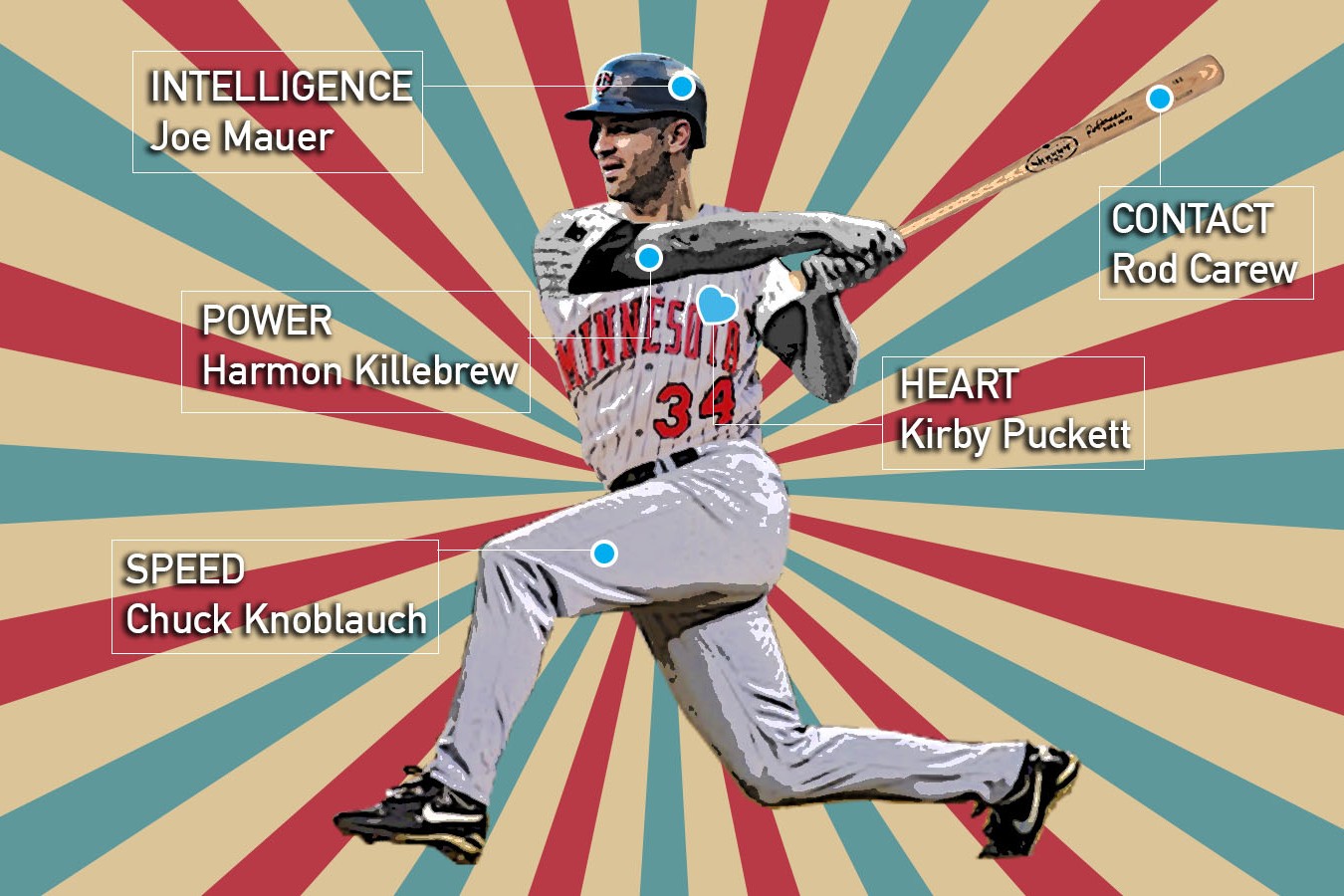 As the Twins brass looked on at the roster, evaluating who should be the 26th man, they weren’t too pleased with their options. Jake Cave has a nice bat, but is a bit redundant as another left-handed corner outfielder. Willians Astudillo can catch, but regressed quite a bit in 2019. With nowhere else to turn in a season when expectations are so high, the Twins called upon Dr. Matthew von Taylor-stein to concoct a Twins monster that would slot in as the 26th man and push this team over the edge. In building his Twins monster, Dr. Taylor-stein will be taking key attributes from various Minnesota Twins players over the years to build the ultimate Minnesota Twins player with just three simple rules: We are only building for a batter, fielding is not considered. We can’t take more than one attribute from a single Twins player. We can’t operate on current Twins players. With that in mind, let’s get our operation started: Intelligence: Joe Mauer Honorable Mention: Kent Hrbek We can have all of the physical tools in the world, but if we don’t have a bright head on our shoulders, all of our talent will go to waste. That is why we are starting our Twins monster with the head and using the head of Joe Mauer. From the moment he was drafted first overall, Mauer has always revelled in the mental parts of baseball. He turned swinging the baseball bat into a science and used patience and plate discipline to ensure that he would make every pitcher work hard. Mauer famously showed patience with his 12% BB% and showed plate discipline by never posting a K% higher than 18%. In addition, by taking Mauer’s head, we get to sport the sideburns that would make any man jealous. Power: Harmon Killebrew Honorable Mention: Justin Morneau Knowing that we have the head of Joe Mauer, we can add some brute strength to our Twins monster, and who embodies this better than Twins Hall of Famer, Harmon Killebrew? Killebrew is the all-time club leader in home runs in a season (49), seasons with 40+ home runs (8) and career home runs (559). The Killer not only hit home runs in bunches, but he hit them far, by recording the farthest home run in the history of Metropolitan Stadium when he launched a homer 520 feet. Taking the arms of any other Twins player in this situation just isn’t an option. Contact: Rod Carew Honorable Mention: Tony Oliva For the hands of our Twins monster we need a player who can handle the bat well, ensure that he will make good contact, and get on base. The perfect candidate for this is Rod Carew. In the history of the Minnesota Twins franchise, no player has a higher career batting average than Carew’s career .334. Over the course of his 19 year career, Carew won 7 batting titles and just 4 times failed to eclipse a .300 batting average. By combining the power of Killebrew with the hands and bat control of Rod Carew, our Twins monster is going to be one powerful beast. Speed: Chuck Knoblauch Honorable Mention: Cesar Tovar With all of the baseballs that our Twins monster is going to be hitting, we’ll need to be sure that we have the legs to get around the bases, and with Knoblauch we will do just that. His career 276 stolen bases is most in team history, as is his 62 stolen bases that he recorded in 1997. In total, Chuck has posted 6 different seasons with more than 30 stolen bases and will do an incredible job moving our Twins monster across the baseball diamond. Heart: Kirby Puckett Honorable Mention: Gary Gaetti All that is missing from our Twins player now is the heart. The heart of our player is what will produce in the clutch. It’s what will give our player the drive and the passion to inspire his teammates and galvanize our team. No player in Twins history embodied this more than Kirby Puckett. While you can bring up some questionable parts of his past, nobody can ever doubt his passion, his love for the game, and his ability to rise up when the team needed him most. Puckett is the team-leader in career walk off hits and has the most memorable and in team history. No player loved the game more than Puck, and no player showed greater passion for the game he loved than Mr. Puckett. There is no better player’s heart that is better to give to our Twins monster than Kirby Puckett.After compiling all of the attributes from the best players in Twins history, Dr. Taylor-stein’s surgery is complete, the Twins monster has been assembled, and is ready to compete for the 2020 Minnesota Twins. How do you think our Minnesota Twins monster turned out? Would you have changed any of his attributes? Leave a comment below and start the conversation! MORE FROM TWINS DAILY — Latest Twins coverage from our writers — Recent Twins discussion in our forums — Follow Twins Daily via Twitter, Facebook or email
