



Matthew Taylor
-
Posts
973 -
Joined
-
Last visited
Content Type
Profiles
News
Minnesota Twins Videos
2026 Minnesota Twins Top Prospects Ranking
2022 Minnesota Twins Draft Picks
Minnesota Twins Free Agent & Trade Rumors, Notes, & Tidbits
Guides & Resources
2023 Minnesota Twins Draft Picks
The Minnesota Twins Players Project
2024 Minnesota Twins Draft Picks
2025 Minnesota Twins Draft Pick Tracker
2026 Minnesota Twins Draft Tracker: Picks & Bonuses
Forums
Blogs
Events
Store
Downloads
Gallery
Everything posted by Matthew Taylor
-
Using History to Decipher Who the Twins Will Sign This Offseason
Matthew Taylor posted an article in Twins
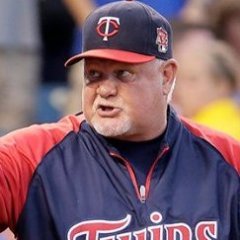
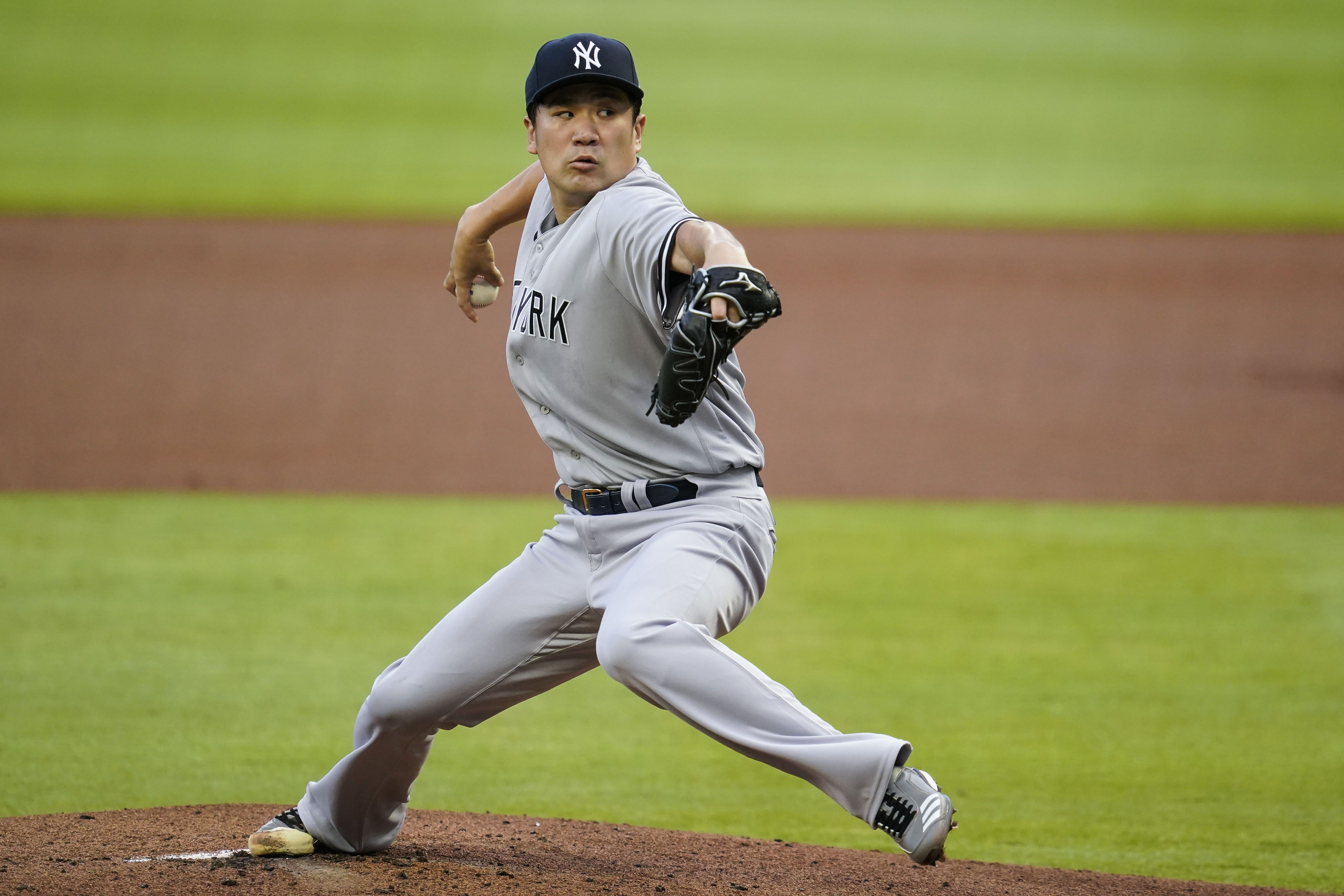
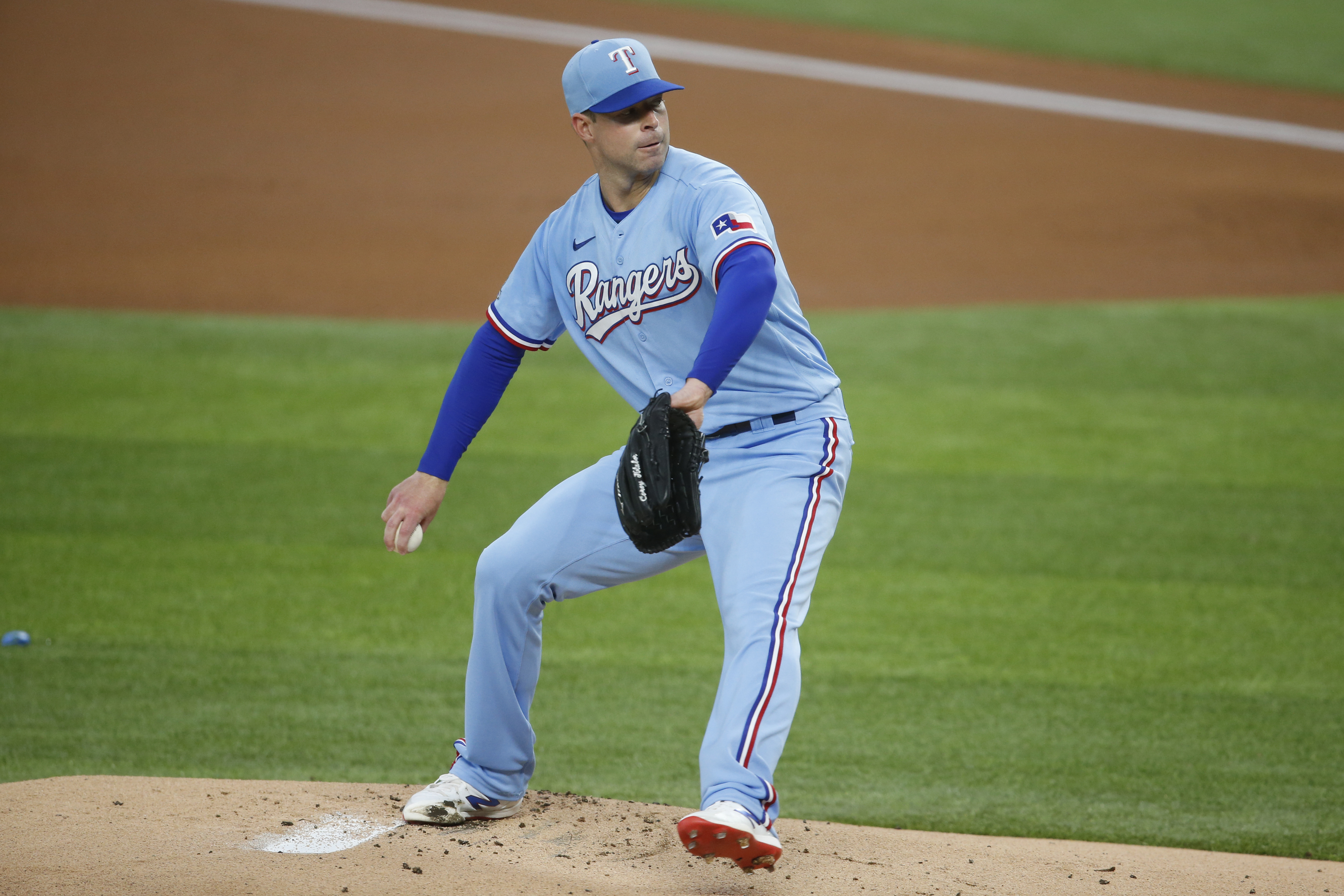 While it’s fun to speculate on which free agents we think the Minnesota Twins should sign this offseason, it might be more worthwhile to use recent history as an indicator of who the Minnesota Twins are most likely to sign. To do this, we will take a look back at the prior four offseasons for the Twins under the Derek Falvey regime and the archetypes of players that Falvey & company have signed. Then using that history, we can see which types of players in this free agency class match that archetype and could be a realistic free agent for the Twins this offseason. Archetype #1: Veteran Relievers on 1 Year Deals Prior examples: Zach Duke, 1 year/$2.15M (2018) Fernando Rodney, 1 year/$4.5M (2018) Tyler Clippard, 1 year/$3M (2020) Sergio Romo, 1 year/$5M (2020) 2021 possibilities: Joakim Soria Sean Doolittle Darren O’Day Tyler Clippard Like most teams, the position that the Minnesota Twins have attacked most frequently in free agency over the past four seasons has been relief pitcher. Upon looking at those reliever free agency signings, there is one singular theme that binds them together — they are largely veteran on one-year deals. Over the past four years the Twins have signed 8 relief pitchers. Seven of those eight relief pitchers have been signed on one-year deals (only Addison Reed’s two-year deal being the outlier), and the average age of those seven relief pitchers has been 37 years old. So, while it’s fun to speculate on the Twins going out and signing a top-tier free agent reliever like Liam Hendriks or Brad Hand, chances are the Minnesota Twins are going to stick with what has worked for them, and sign another aging veteran on a one-year contract. Players like Joakim Soria (36), Sean Doolittle (34), Darren O’Day (38) or Tyler Clippard (35) definitely fit the archetype for a Falvey-like free agent more than Liam Hendriks and are the names we should expect to see the Minnesota Twins go after this offseason. Archetype #2: Starting Pitchers Recovering from Injury Prior examples: Rich Hill, 1 year/$3M (2020) Michael Pineda, 2 years/$10M (2018) 2021 possibilities: Cole Hamels Corey Kluber Another archetype that we have seen the Falvey-era Minnesota Twins sign in free agency has been starting pitchers recovering from injury. This is a category of player that typically comes with a built-in discount due to the inherent risk of pitching injuries, and the Twins haven’t shied away from capitalizing on that discount. The previous names that we have seen the Twins sign under this archetype have been Rich Hill, who was originally scheduled to miss half of the following season due to elbow surgery, and Michael Pineda who was signed with the understanding that he would miss the entirety of the first season of his contract due to elbow surgery. Teams like the Minnesota Twins might not be able to compete for the Gerrit Coles of the world, but if they hit on a discounted pitcher due to injury, they could acquire a top-flight pitcher for a fraction of the cost. This offseason there are two starting pitchers that fit the bill for a starting pitcher recovering from injury, Cole Hamels and Corey Kluber. Hamels signed with the Atlanta Braves last offseason, only to pitch 3 1/3 innings and ultimately be shut down with shoulder fatigue. Kluber was another starting pitcher with a new team last season only to struggle with injury, pitching just one inning for the Rangers before being shut down with a shoulder tear. Both of these players would make a lot of sense on the Minnesota Twins on reclamation projects, and there has already been buzz of the Minnesota Twins showing interest in Kluber. Archetype #3: Veteran, Frame-Savvy, “Clubhouse Guy” Catchers Prior examples: Jason Castro, 3 year/$24.5M (2017) Alex Avila, 1 year/$4.25M (2020) 2021 possibilities: Alex Avila Jason Castro With Alex Avila becoming a free agent, the Twins have a backup catcher spot to fill on their roster this offseason. Under the Falvey regime, the two catchers that the Twins have signed (Castro and Avila) have both been veteran, frame-savvy, “clubhouse guy” catchers. They have been field-first catchers who excel in making pitchers look better, while being high character guys in the clubhouse. With a hole at backup catcher, the Twins could certainly go out and acquire another framing specialist behind the plate, with the two most likely names, ironically, being Alex Avila and Jason Castro. The most likely path for the Twins, though, will be to not sign either of those names as they have their own frame-savvy catcher within their organization in Ryan Jeffers. Jeffers might not be a 10-year veteran in the Majors like Castro and Avila, but he showed last season that he is an adept pitch framer, and by all accounts has what it takes to be the backup catcher, if not ultimately the starting catcher for the Minnesota Twins in 2021 and beyond. Archetype #4: Top-Tier, Superstar Free Agent Prior examples: Nelson Cruz, 1 year/$14M + $12M second year option (2019) Josh Donaldson, 4 years/$92M (2020) 2021 possibilities: Trevor Bauer Masahiro Tanaka Marcell Ozuna Nelson Cruz The final archetype of free agent that the Falvey-era Twins have shown that they are capable of signing is the top-tier, superstar free agent. While the Twins have looked to find discounts on the reliever market or by signing starting pitchers coming off of injury, they have also shown that they are capable of ponying up and signing a star when the opportunity presents itself. They somewhat showed that in 2019, when the Twins signed Nelson Cruz to a nice contract, but they really proved it last offseason, when they signed Josh Donaldson to a franchise record $92M deal. Twins fans might still cry “Pohlad Pocket Protector”, but this front office has shown that when the right player is out there, and the need presents itself, they will spend big-time money to bring in talent. Because they have shown in the past that they are willing to spend, no free agent should be thought of as completely off the table for this Twins front office. The big time players this year are Trevor Bauer, Masahiro Tanaka, Marcell Ozuna and Nelson Cruz. Look for the Twins to explore deals with all of these free agents, and potentially ink a deal. Which archetype of free agent do you think the Twins are most likely to sign this offseason? Is there another theme of free agent that was missed? Leave a comment below and start the conversation! MORE FROM TWINS DAILY — Latest Twins coverage from our writers — Recent Twins discussion in our forums — Follow Twins Daily via Twitter, Facebook or email
 -
Great question. They have not. It's just an educated guess given the state of the economy of baseball. I usually prefer to be conservative when I estimate payroll numbers. Twins could definitely spend more than I'm thinking.
-
While free agency has been slow-moving for the Minnesota Twins to begin the 2020 offseason, the Twins have plenty of moves yet to make and plenty of funds yet to spend. How the Twins will allocate those funds, though, is another question.Now that the team option and arbitration deadlines have passed, the Minnesota Twins payroll picture has become much clearer. Currently, the Minnesota Twins have ~$84.5M guaranteed to 14 of its players. That leaves anywhere from $5M to $65M in room for Derek Falvey to go out and sign free agents. Where exactly the Minnesota Twins will land in that range of offseason spending is impossible to know for sure, but scaling back the payroll 10% to a $125M opening day payroll in 2021 remains the most likely path. Could the Twins surprise fans and take advantage of their open window by outspending rival teams? Absolutely. As we plan for the Twins spending, though, it’s best to be conservative and realistic and assume a $125M payroll, or $40M in spending room this offseason. Below is an illustration of where the payroll sits now: Download attachment: current payroll.png Each of the blue spaces are areas that the Twins have yet to solidify for next season. Whether it is through free agency, through trade, or through their own 40-man roster, each of those blue spaces will need to be filled by Opening Day 2021. How the Twins choose to fill those spots remains to be seen, but with the remaining $40M in our proverbial “budget” let’s lay out different ways that the Twins could choose to do so. (Check out last offseason's version of "Choose Your Own Path" where the Twins ended up following one of the plans very closely"). Plan 1: The Bauer Plan Download attachment: bauer.png As you can see, with a $125M budget, there is next to no way that the Twins would be able to bring in Trevor Bauer and still field a competitive ball club. Signing Bauer at a $30M/year price tag (likely conservative estimate), would leave the Twins with essentially no room to sign anyone else on the free agent market to fill out their roster. The Twins would be forced to roll with rookies and minimum salary players up and down the roster to make the money work, negating any of the value that would be added by signing Bauer. It could still be possible that the Twins go out and spend on Trevor Bauer this offseason, but increased spending past what anybody expects would have to come along with it. Plan 2: The “Elite Pitching” Plan Download attachment: pitching.png While signing Trevor Bauer might not be realistic, the Twins could still acquire top end pitching talent this offseason. The additions shown above would not only give the Twins the best pitching rotation in the American League central, but put them in the conversation for the best rotation in the American League. With this plan the Twins would add Masahiro Tanaka, a multi-time all-star as well as Alex Wood. In the 4 seasons of his 7 year career in which he has been fully healthy, Wood has posted ERAs of 2.78, 3.84, 2.72 and 3.68. Additionally with this plan, the Twins would bolster their bullpen by adding 100+ MPH flamethrower Trevor Rosenthal and bring back Tyler Clippard who was excellent in 2020 for the Twins. Going all-in on pitching would admittedly leave the Twins thin at the plate, but the hope would be that they could get Eddie Rosario-type production from Alex Kirilloff in left field, while a Rooker/Cave platoon at DH would produce above average numbers. Plan 3: The “Elite Offense” Plan Download attachment: hitting.png In 2020, the Minnesota Twins finished second in the Majors in pitching fWAR, so maybe the strategy for the Twins going into 2021 should be to sure up their offense, as they finished 15th in baseball in terms of OPS last season. Attacking the offensive side of the plate with their payroll dollars could definitely put together a scary offensive attack for the Twins in 2021. Under this plan, the Twins would bring back Nelson Cruz and his back-to-back Silver Slugger Awards. Additionally they could bring in Yasiel Puig, a proven slugger, as a 4th outfielder to fill in for Alex Kirilloff against left-handed pitching. The Twins don't have to stop there, as Minnesota could still bolster their bench by signing utilitymen Tommy La Stella (.800 OPS from 2017-2020) and Jonathan Villar (20+ home run power with great speed). Plan 4: The “Spread it Around” Plan Download attachment: spread.png For those who don’t want the Twins to spend too much on a specific area of the Twins roster, the “Spread it Around” plan might be of most interest to you. In this plan the Twins would spend ~$17M on their batters and ~$20M on their pitchers, forming a well-rounded team, while staying under our self-imposed $125M budget. We were able to do this by substituting in Kyle Schwarber for Nelson Cruz, which still provides a potent bat while saving on the money needed for Nelson Cruz. Additionally, the Twins would sign a mid-tier free agent starting pitcher, in Jake Odorizzi, while signing Trevor Rosenthal who has the ceiling of a top-tier reliever with a more reasonable salary than someone like Liam Hendriks. Plan 5: The “Run it Back” Plan Download attachment: bring back.png The final strategy that the Minnesota Twins could employ this offseason would be to simply run it back. After all, the Twins are coming off of back-to-back AL Central titles and 100-win pace teams, why mess with what has been working? The Twins obviously won’t be bringing back Eddie Rosario or Trevor May, but they could bring back Cruz, Marwin, Adrianza, Odorizzi, Romo and Clippard and still come in under budget. It wouldn’t be the flashy offseason that Twins fans are hoping for, but could running it back actually make the most sense? Which of the above offseason plans do you think makes the most sense for the Minnesota Twins? Leave a comment below and start the conversation! Want to create your own plan? Head over to www.TwinsPayroll.com and share your own! MORE FROM TWINS DAILY — Latest Twins coverage from our writers — Recent Twins discussion in our forums — Follow Twins Daily via Twitter, Facebook or email Click here to view the article
-
 Now that the team option and arbitration deadlines have passed, the Minnesota Twins payroll picture has become much clearer. Currently, the Minnesota Twins have ~$84.5M guaranteed to 14 of its players. That leaves anywhere from $5M to $65M in room for Derek Falvey to go out and sign free agents. Where exactly the Minnesota Twins will land in that range of offseason spending is impossible to know for sure, but scaling back the payroll 10% to a $125M opening day payroll in 2021 remains the most likely path. Could the Twins surprise fans and take advantage of their open window by outspending rival teams? Absolutely. As we plan for the Twins spending, though, it’s best to be conservative and realistic and assume a $125M payroll, or $40M in spending room this offseason. Below is an illustration of where the payroll sits now: Each of the blue spaces are areas that the Twins have yet to solidify for next season. Whether it is through free agency, through trade, or through their own 40-man roster, each of those blue spaces will need to be filled by Opening Day 2021. How the Twins choose to fill those spots remains to be seen, but with the remaining $40M in our proverbial “budget” let’s lay out different ways that the Twins could choose to do so. (Check out last offseason's version of "Choose Your Own Path" where the Twins ended up following one of the plans very closely"). Plan 1: The Bauer Plan As you can see, with a $125M budget, there is next to no way that the Twins would be able to bring in Trevor Bauer and still field a competitive ball club. Signing Bauer at a $30M/year price tag (likely conservative estimate), would leave the Twins with essentially no room to sign anyone else on the free agent market to fill out their roster. The Twins would be forced to roll with rookies and minimum salary players up and down the roster to make the money work, negating any of the value that would be added by signing Bauer. It could still be possible that the Twins go out and spend on Trevor Bauer this offseason, but increased spending past what anybody expects would have to come along with it. Plan 2: The “Elite Pitching” Plan While signing Trevor Bauer might not be realistic, the Twins could still acquire top end pitching talent this offseason. The additions shown above would not only give the Twins the best pitching rotation in the American League central, but put them in the conversation for the best rotation in the American League. With this plan the Twins would add Masahiro Tanaka, a multi-time all-star as well as Alex Wood. In the 4 seasons of his 7 year career in which he has been fully healthy, Wood has posted ERAs of 2.78, 3.84, 2.72 and 3.68. Additionally with this plan, the Twins would bolster their bullpen by adding 100+ MPH flamethrower Trevor Rosenthal and bring back Tyler Clippard who was excellent in 2020 for the Twins. Going all-in on pitching would admittedly leave the Twins thin at the plate, but the hope would be that they could get Eddie Rosario-type production from Alex Kirilloff in left field, while a Rooker/Cave platoon at DH would produce above average numbers. Plan 3: The “Elite Offense” Plan In 2020, the Minnesota Twins finished second in the Majors in pitching fWAR, so maybe the strategy for the Twins going into 2021 should be to sure up their offense, as they finished 15th in baseball in terms of OPS last season. Attacking the offensive side of the plate with their payroll dollars could definitely put together a scary offensive attack for the Twins in 2021. Under this plan, the Twins would bring back Nelson Cruz and his back-to-back Silver Slugger Awards. Additionally they could bring in Yasiel Puig, a proven slugger, as a 4th outfielder to fill in for Alex Kirilloff against left-handed pitching. The Twins don't have to stop there, as Minnesota could still bolster their bench by signing utilitymen Tommy La Stella (.800 OPS from 2017-2020) and Jonathan Villar (20+ home run power with great speed). Plan 4: The “Spread it Around” Plan For those who don’t want the Twins to spend too much on a specific area of the Twins roster, the “Spread it Around” plan might be of most interest to you. In this plan the Twins would spend ~$17M on their batters and ~$20M on their pitchers, forming a well-rounded team, while staying under our self-imposed $125M budget. We were able to do this by substituting in Kyle Schwarber for Nelson Cruz, which still provides a potent bat while saving on the money needed for Nelson Cruz. Additionally, the Twins would sign a mid-tier free agent starting pitcher, in Jake Odorizzi, while signing Trevor Rosenthal who has the ceiling of a top-tier reliever with a more reasonable salary than someone like Liam Hendriks. Plan 5: The “Run it Back” Plan The final strategy that the Minnesota Twins could employ this offseason would be to simply run it back. After all, the Twins are coming off of back-to-back AL Central titles and 100-win pace teams, why mess with what has been working? The Twins obviously won’t be bringing back Eddie Rosario or Trevor May, but they could bring back Cruz, Marwin, Adrianza, Odorizzi, Romo and Clippard and still come in under budget. It wouldn’t be the flashy offseason that Twins fans are hoping for, but could running it back actually make the most sense? Which of the above offseason plans do you think makes the most sense for the Minnesota Twins? Leave a comment below and start the conversation! Want to create your own plan? Head over to www.TwinsPayroll.com and share your own! MORE FROM TWINS DAILY — Latest Twins coverage from our writers — Recent Twins discussion in our forums — Follow Twins Daily via Twitter, Facebook or email
 -
Off-Season Blueprint: Punting at DH
Matthew Taylor commented on Vanimal46's blog entry in Minnesota Twins Whine Line
I'm starting to come around on Kluber as a 1-year flyer similar to Rich Hill. Also a big fan of your bullpen options. Think Bradley on a 2-year deal would be really solid. Nice work! -
I posted this on Twitter, but think it's worth posting here as well:
-
Much has been made this offseason about what the Minnesota Twins should do at designated hitter. Should the Twins bring back Nelson Cruz? Should they make a big offer for Marcell Ozuna? What about Yasiel Puig? What if, though, the best DH option for the Minnesota Twins is no DH at all?After the other-worldly production that the Minnesota Twins have received from the designated hitter position over the past two seasons, it’s easy for Twins fans talk themselves into spending money on bringing back a big name designated hitter again for 2021 and beyond. However, with the scarcity of payroll capital in a COVID economy, as well as the replaceability involved with the DH position, rolling with internal options could make a lot of sense. There is another benefit involved with entering the 2021 season without a de-facto designated hitter though ... In each of the past two seasons, the Minnesota Twins have suffered from critical injuries at inopportune times. In 2019 Byron Buxton (shoulder) missed the entire postseason while Max Kepler (shoulder) and Marwin Gonzalez (oblique) were extremely hampered by injury in October. In 2020, the Minnesota Twins suffered all season with injuries, finishing third in the American League with its batters spending 212 days on the injured list throughout the course of the season, and had Byron Buxton (concussion) and Josh Donaldson (quad) miss some and all of the postseason, respectively. Some injuries are inevitable and will happen no matter what, but there are ways to curb the likelihood of injuries for a Major League clubhouse. One of those ways is to utilize off days and have players spend entire games on the bench. Another way is to utilize the designated hitter position as a way to give players rest from the field while keeping their bats in the lineup. The former is something that Rocco Baldelli has done constantly since joining the Twins, while the latter has yet to be used in the Badelli era. The reason that the Twins have not been able to cycle players through the designated hitter position over the past two seasons is because of the presence of Nelson Cruz. While Cruz is an absolute force at the plate, he has no ability to play in the field and is thus permanently penned in as the Twins designated hitter. This then puts the Twins in a position where they need to either play their players nine innings in the field and suffer the health consequences, or not play them at all and suffer the on-field production consequences. While the Twins would certainly feel the giant loss of Nelson Cruz’s right handed bat from this lineup next season, the added flexibility that the Minnesota Twins would gain in the health and freshness department would be a huge development for the team. Additionally, the DH flexibility would allow the Twins to platoon the position and play the matchup game to set themselves up for success and minimize the impact felt by the loss of Nelson Cruz. Against right handed pitchers the Twins could platoon any of Jake Cave, Alex Kirilloff, Max Kepler, or Luis Arráez who all own an OPS above .800 against RHP and against southpaws the Twins could cycle Miguel Sanó, Josh Donaldson, Byron Buxton and Mitch Garver who similarly all mash left handed pitching. Together, the Minnesota Twins could put together a “cumulative” designated hitter with an OPS above .800. This “cumulative” DH would be a downgrade over the production that Cruz has put up by himself over the past two seasons, but as he continues to age will likely match the numbers that Cruz will put up and will provide the team with tremendous flexibility to both stay fresh and healthy, expose matchups, and provide the team with a financial boost to spend their payroll space in other areas. What would you think about the Minnesota Twins entering the 2021 season without a designated hitter? Do you think the added financial and health flexibility gained would be worth the loss of a bat like Nelson Cruz? Leave a comment below and start the conversation! MORE FROM TWINS DAILY — Latest Twins coverage from our writers — Recent Twins discussion in our forums — Follow Twins Daily via Twitter, Facebook or email — Follow Matthew Taylor on Twitter here Click here to view the article
-
What if the Best DH Option for the Minnesota Twins is No DH At All?
Matthew Taylor posted an article in Twins
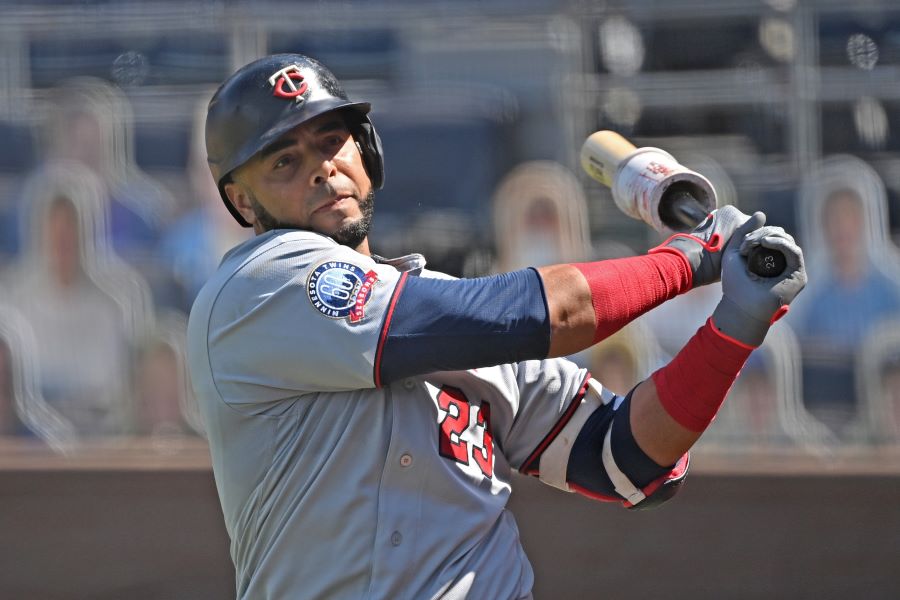 After the other-worldly production that the Minnesota Twins have received from the designated hitter position over the past two seasons, it’s easy for Twins fans talk themselves into spending money on bringing back a big name designated hitter again for 2021 and beyond. However, with the scarcity of payroll capital in a COVID economy, as well as the replaceability involved with the DH position, rolling with internal options could make a lot of sense. There is another benefit involved with entering the 2021 season without a de-facto designated hitter though ... In each of the past two seasons, the Minnesota Twins have suffered from critical injuries at inopportune times. In 2019 Byron Buxton (shoulder) missed the entire postseason while Max Kepler (shoulder) and Marwin Gonzalez (oblique) were extremely hampered by injury in October. In 2020, the Minnesota Twins suffered all season with injuries, finishing third in the American League with its batters spending 212 days on the injured list throughout the course of the season, and had Byron Buxton (concussion) and Josh Donaldson (quad) miss some and all of the postseason, respectively. Some injuries are inevitable and will happen no matter what, but there are ways to curb the likelihood of injuries for a Major League clubhouse. One of those ways is to utilize off days and have players spend entire games on the bench. Another way is to utilize the designated hitter position as a way to give players rest from the field while keeping their bats in the lineup. The former is something that Rocco Baldelli has done constantly since joining the Twins, while the latter has yet to be used in the Badelli era. The reason that the Twins have not been able to cycle players through the designated hitter position over the past two seasons is because of the presence of Nelson Cruz. While Cruz is an absolute force at the plate, he has no ability to play in the field and is thus permanently penned in as the Twins designated hitter. This then puts the Twins in a position where they need to either play their players nine innings in the field and suffer the health consequences, or not play them at all and suffer the on-field production consequences. While the Twins would certainly feel the giant loss of Nelson Cruz’s right handed bat from this lineup next season, the added flexibility that the Minnesota Twins would gain in the health and freshness department would be a huge development for the team. Additionally, the DH flexibility would allow the Twins to platoon the position and play the matchup game to set themselves up for success and minimize the impact felt by the loss of Nelson Cruz. Against right handed pitchers the Twins could platoon any of Jake Cave, Alex Kirilloff, Max Kepler, or Luis Arráez who all own an OPS above .800 against RHP and against southpaws the Twins could cycle Miguel Sanó, Josh Donaldson, Byron Buxton and Mitch Garver who similarly all mash left handed pitching. Together, the Minnesota Twins could put together a “cumulative” designated hitter with an OPS above .800. This “cumulative” DH would be a downgrade over the production that Cruz has put up by himself over the past two seasons, but as he continues to age will likely match the numbers that Cruz will put up and will provide the team with tremendous flexibility to both stay fresh and healthy, expose matchups, and provide the team with a financial boost to spend their payroll space in other areas. What would you think about the Minnesota Twins entering the 2021 season without a designated hitter? Do you think the added financial and health flexibility gained would be worth the loss of a bat like Nelson Cruz? Leave a comment below and start the conversation! MORE FROM TWINS DAILY — Latest Twins coverage from our writers — Recent Twins discussion in our forums — Follow Twins Daily via Twitter, Facebook or email — Follow Matthew Taylor on Twitter here
 -
Where Will Eddie Rosario Land?
Matthew Taylor replied to David Youngs's topic in Twins Daily Front Page News
If Gardy was still in Detroit, they would 100% go after Eddie. He just seems so much like a future Red Sock. -
With only three pitchers locked into the rotation for the 2021 season, starting pitching is a need that the Minnesota Twins must address this offseason. After free agent targets Marcus Stroman and Kevin Gausman came off the market on Wednesday, it became clear that Jake Odorizzi needs to be a priority for the Minnesota Twins.Wednesday afternoon was the deadline for Major League players to accept or decline the one-year, $18.9M qualifying offers that they were offered. Marcus Stroman and Kevin Gausman were two of those players, and each of them opted to accept the one-year offer and re-join the Mets and Giants respectively. This was major news for the Minnesota Twins as Stroman and Gausman were both pitchers who made a lot of sense as free agent targets for the reigning AL Central champions. With Trevor Bauer likely a pipe dream for the Twins and Tanaka likely returning in pinstripes next season, Stroman and Gausman were in that next tier of free agent starting pitchers with tremendous upside at a more reasonable cost. Now that they are both off the table, the list of impact starting pitchers has been trimmed considerably. Left in that group are James Paxton, who has injury concerns and will need to be pried away from the Yankees, José Quintana, who doesn’t inspire a ton of confidence, Charlie Morton, who has already expressed a desire to stay on the east coast, and a name that Minnesota Twins fans are very familiar with — Jake Odorizzi. Jake Odorizzi has had an up-and-down tenure with the Minnesota Twins over the past three seasons. After a shaky debut in 2018, Odorizzi added velocity to his fastball in 2019 and posted the best season of his career, with an all-star appearance and a 3.51 ERA. 2020 was, unfortunately, a lost season for Odorizzi, who battled injuries all year and was only able to throw 13 2/3 innings. Because of his lost season in 2020, it’s easy to forget just how dominant of a pitcher Odorizzi was in 2019. While Kenta Maeda just posted an incredible season for the Minnesota Twins en route to finishing second in American League Cy Young voting, Jake Odorizzi had arguably a better 60-game stretch to start the 2019 season. Over the first 60 games of the 2019 season, Odorizzi bested Maeda in both ERA and FIP. Some additional highlights from Odorizzi’s 2019 season: Odorizzi’s ERA+ of 131 is the second best single-season number by a Twins pitcher since 2010.Odorizzi’s K/9 of 10.08 remains the third best single-season K/9 in Twins history after Tom Hall in 1970 and Johan Santana in 2004.Odorizzi delivered the best pitching performance for the Minnesota Twins in the 2019 postseason, allowing just two earned runs in five innings while striking out five in Game 3 of the ALDS against the New York Yankees.Odorizzi and the Minnesota Twins organization both have great deal of familiarity with each other, so bringing back the right hander makes a lot of sense. Additionally, there’s reason to believe that the price tag on Odorizzi may be depressed due to his struggles from the 2020 season. Odorizzi is still just 30 years old and might still have his best years ahead of him. Assuming that the price tag is within range of what the Minnesota Twins are looking to spend, the key question will be what the interest level is for Odorizzi to return to the Land of 10,000 lakes on a potential multi-year contract. All signs point to Odorizzi enjoying his time with the Minnesota Twins, and a great fit with Wes Johnson as his pitching coach. However, after the qualifying offer kept him from cashing in on a long-term deal last offseason, as well as being held out of the 2020 postseason, it’s fair to wonder if Odorizzi is ready to move onto a different franchise and hopefully find better luck elsewhere. As currently constructed the Minnesota Twins would be relying on Devin Smeltzer and Randy Dobnak as their fourth and fifth starting pitchers, with the hope of a younger prospect such as Jhoan Duran making an impact later in the season. With championship aspirations in mind, the Twins simply need to add more impact pitching. The trade market will certainly be something the Twins will look to explore this offseason, but adding an impact starting pitcher via free agency is another area the Twins will need to capitalize on. While it’s often tempting to look outside the organization for those impact free agents, the Minnesota Twins don’t need to look far to bring back their impact pitcher, as Jake Odorizzi would be a huge piece to kick-start a big season in 2021. MORE FROM TWINS DAILY — Latest Twins coverage from our writers — Recent Twins discussion in our forums — Follow Twins Daily via Twitter, Facebook or email Click here to view the article
-
Re-Signing Jake Odorizzi Needs to be a Priority for the Minnesota Twins
Matthew Taylor posted an article in Twins
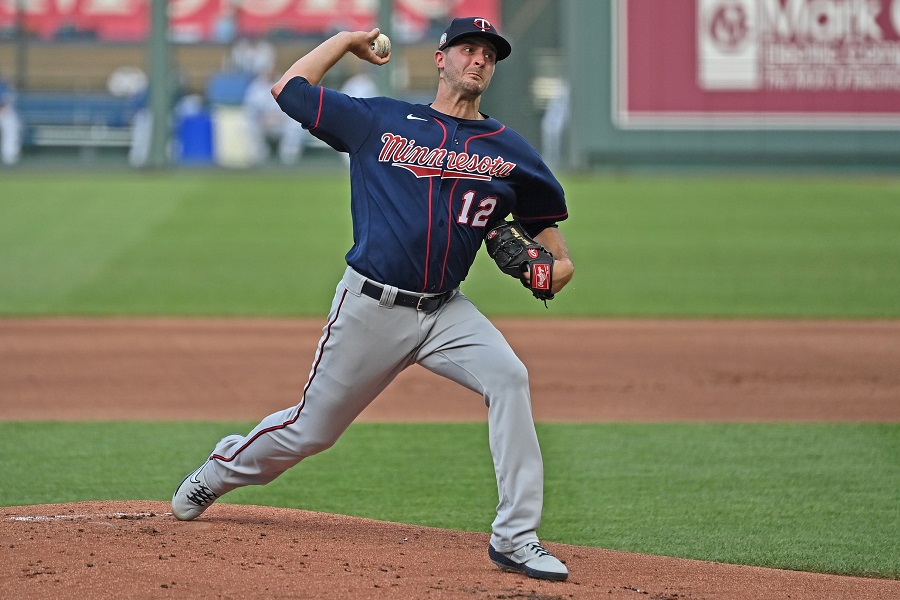 Wednesday afternoon was the deadline for Major League players to accept or decline the one-year, $18.9M qualifying offers that they were offered. Marcus Stroman and Kevin Gausman were two of those players, and each of them opted to accept the one-year offer and re-join the Mets and Giants respectively. This was major news for the Minnesota Twins as Stroman and Gausman were both pitchers who made a lot of sense as free agent targets for the reigning AL Central champions. With Trevor Bauer likely a pipe dream for the Twins and Tanaka likely returning in pinstripes next season, Stroman and Gausman were in that next tier of free agent starting pitchers with tremendous upside at a more reasonable cost. Now that they are both off the table, the list of impact starting pitchers has been trimmed considerably. Left in that group are James Paxton, who has injury concerns and will need to be pried away from the Yankees, José Quintana, who doesn’t inspire a ton of confidence, Charlie Morton, who has already expressed a desire to stay on the east coast, and a name that Minnesota Twins fans are very familiar with — Jake Odorizzi. Jake Odorizzi has had an up-and-down tenure with the Minnesota Twins over the past three seasons. After a shaky debut in 2018, Odorizzi added velocity to his fastball in 2019 and posted the best season of his career, with an all-star appearance and a 3.51 ERA. 2020 was, unfortunately, a lost season for Odorizzi, who battled injuries all year and was only able to throw 13 2/3 innings. Because of his lost season in 2020, it’s easy to forget just how dominant of a pitcher Odorizzi was in 2019. While Kenta Maeda just posted an incredible season for the Minnesota Twins en route to finishing second in American League Cy Young voting, Jake Odorizzi had arguably a better 60-game stretch to start the 2019 season. Over the first 60 games of the 2019 season, Odorizzi bested Maeda in both ERA and FIP. Some additional highlights from Odorizzi’s 2019 season: Odorizzi’s ERA+ of 131 is the second best single-season number by a Twins pitcher since 2010. Odorizzi’s K/9 of 10.08 remains the third best single-season K/9 in Twins history after Tom Hall in 1970 and Johan Santana in 2004. Odorizzi delivered the best pitching performance for the Minnesota Twins in the 2019 postseason, allowing just two earned runs in five innings while striking out five in Game 3 of the ALDS against the New York Yankees. Odorizzi and the Minnesota Twins organization both have great deal of familiarity with each other, so bringing back the right hander makes a lot of sense. Additionally, there’s reason to believe that the price tag on Odorizzi may be depressed due to his struggles from the 2020 season. Odorizzi is still just 30 years old and might still have his best years ahead of him. Assuming that the price tag is within range of what the Minnesota Twins are looking to spend, the key question will be what the interest level is for Odorizzi to return to the Land of 10,000 lakes on a potential multi-year contract. All signs point to Odorizzi enjoying his time with the Minnesota Twins, and a great fit with Wes Johnson as his pitching coach. However, after the qualifying offer kept him from cashing in on a long-term deal last offseason, as well as being held out of the 2020 postseason, it’s fair to wonder if Odorizzi is ready to move onto a different franchise and hopefully find better luck elsewhere. As currently constructed the Minnesota Twins would be relying on Devin Smeltzer and Randy Dobnak as their fourth and fifth starting pitchers, with the hope of a younger prospect such as Jhoan Duran making an impact later in the season. With championship aspirations in mind, the Twins simply need to add more impact pitching. The trade market will certainly be something the Twins will look to explore this offseason, but adding an impact starting pitcher via free agency is another area the Twins will need to capitalize on. While it’s often tempting to look outside the organization for those impact free agents, the Minnesota Twins don’t need to look far to bring back their impact pitcher, as Jake Odorizzi would be a huge piece to kick-start a big season in 2021. MORE FROM TWINS DAILY — Latest Twins coverage from our writers — Recent Twins discussion in our forums — Follow Twins Daily via Twitter, Facebook or email
 -
Twins' Payroll Points to Six Big Decisions
Matthew Taylor replied to John Bonnes's topic in Twins Daily Front Page News
My biggest takeaway from this is that it's going to be really challenging to hang onto Nelson Cruz. I agree that the payroll will most likely take a dip. With that in mind, it's hard to justify spending half of the cap space on a 41 year old designated hitter, even if that DH is Nelson Cruz. Although this team will be coming off of back-to-back division titles and is in a great spot, there are just so many holes. With all of the injury issues last year, I don't think it's the worst thing in the world to keep the DH spot open for giving guys days off. -
The 2020 All-AL Central Team
Matthew Taylor replied to Matthew Taylor's topic in Twins Daily Front Page News
He was fine at the plate, but a step below from where he had been the previous two seasons. He struck out more than ever before and posted his lowest SLG% since 2015. -
Each year in college football, conferences release their “All-Conference” teams, recognizing the best player at each position from their conference. Now that the 2020 regular season has wrapped up, let’s see who made the 2020 All-AL Central Team.Outlined below is how the All-AL Central Team shook out, with the best player from the AL Central recognized at each position. Also outlined below are the preseason selections, the players selected by the selection committee (me) as the best players position-by-position coming into the 2020 season. This article will outline the All-AL Central team selections, as well as look at which preseason selections played up to expectations and maintained their title as the best at their position through the duration of the 2020 season. Your 2020 All-AL Central team: Catcher: Salvador Perez Preseason selection: Yasmani Grandal ❌ After missing the entirety of the 2019 season due to Tommy John surgery and missing the start of this season with a COVID-19 diagnosis, Salvador Perez responded by posting excellent numbers over the 2020 campaign. Perez ended the 2020 season with a .333/.353/.633 slash line and led all Major League catchers in wins above replacement, despite missing the beginning of the season. Despite providing excellent defense behind the plate, Yasmani Grandal struggled at the dish this season, hitting just .230. 1st Base: José Abreu Preseason selection: Miguel Sanó ❌ After signing a $50M contract extension in the offseason, José Abreu rewarded the White Sox with a massive season at the plate in 2020. Abreu led baseball with 60 RBI and led the American League with a SLG% of .617. Abreu was clutch all season long for the White Sox and has a case for American League MVP honors. Preseason selection, Miguel Sanó, had a very up-and-down season in 2020. After missing out on much of Summer Camp with a COVID-19 diagnosis Sanó had a slow start to the season, beginning the year going 1-for-17. In the middle of the season Sanó caught fire, posting a 1.126 OPS over a 21 game stretch. Sanó then struggled with a neck injury to end the year and saw his play suffer down the stretch as a result. 2nd Base: César Hernández Preseason selection: Luis Arráez❌ César Hernández wasn’t on anybody’s radar as the starting second baseman for the All-AL Central team, but because of his consistent play and injury to front runner, Arráez, Hernández earned the honor. In a season where the Cleveland Indians offense struggled for much of the year, Hernández was consistently solid, slashing .283/.355/.408 over 58 games and providing solid second base defense. Arráez struggled with knee problems all season, and though he ended the season with another high batting average of .321, he was only able to appear in 32 games. Expect Arráez to bounce back in a big way in 2020. Shortstop: Tim Anderson Preseason selection: Francisco Lindor ❌ After winning the batting title in 2019, many pointed to Anderson’s sky-high BABIP as a reason why he was due for regression in 2020. Anderson’s batting average took a slight dip, but his overall game improved as his .886 OPS was a career high. At just 27 years old, Anderson is only beginning to enter his prime. Lindor, like most of Cleveland’s offense, struggled for much of the 2020 season, posting a career low OPS of .750. Third Base: José Ramírez Preseason selection: Josh Donaldson ❌ After a slow start to the 2020 campaign that had Ramírez hitting just .230 through the season’s first 30 games, Ramírez finished the season as the hottest player in baseball. Over the season’s final 29 games, Ramírez slashed .358/.447/.792 and propelled the Indians to a near AL Central division title. It will be a tight race between José Abreu and Ramírez for the American League MVP. Josh Donaldson had some promising moments in the 2020 season, but unfortunately his season will mostly be remembered by injury as he played in less than half of Minnesota’s games in 2020 and missed out on the postseason completely. Outfield: Eloy Jimenez Outfield: Luis Robert Outfield: Whit Merrifield Preseason selections: Eloy Jimenez, Luis Robert, Max Kepler ✅✅❌ Chicago’s outfield was expected to be impressive in 2020 and they certainly were. They were led by Eloy Jiménez who followed up his rookie campaign with an even better year in 2020. Over 55 games, Eloy posted an OPS of .891, 40% better than average. Through August of the 2020 season, Luis Robert looked like every bit of the prospect he was hyped up to be and more, posting an OPS of .960. Robert struggled mightily down the stretch of the season, as he hit just .136 in the month of September. Though he had a tough final month of the year, Robert still did enough for an All-AL Central spot, especially with his elite center field defense. Rounding out the All-AL Central outfield is Whit Merrifield. Merrifield put together his second season in a row playing in 100% of his team’s games and once again had successful numbers at the plate, slashing .282/.325/.764. It was another poor season for the Royals, but Merrifield was not at all to blame. Designated Hitter: Nelson Cruz Preseason selection: Nelson Cruz✅ Nelson Cruz was the easy choice as the designated hitter on the All-AL Central team, and he left no room for debate as to who was the best DH in the division in 2020. Cruz once again dominated at the plate, posting a .992 OPS and leading the Twins with 16 home runs. As an impending free agent, the Minnesota Twins will have a massive decision to make on whether or not they choose to bring back the 40-year-old designated hitter. SP: Shane Bieber SP: Lucas Giolito SP: Kenta Maeda SP: Dallas Keuchel SP: Carlos Carrasco Preseason selections: Shane Bieber, Lucas Giolito, Mike Clevinger, Jose Berrios, Jake Odorizzi ✅✅❌❌❌ The starting pitching was suspected to be the strength of the American League Central, and that turned out to be the case. The starting pitching in the AL Central was led by the dominant quartet of Bieber, Maeda, Giolito, and Keuchel who posted ERAs of 1.63, 3.48, 2.70 and 1.99 respectively. Bieber was dominant from start to finish for the Indians and will win the Cy Young, Maeda was the ace that the Twins had been seeking, Gioltio posted a career-high 12.07 K/9 and turned in a no-hitter, and Keuchel posted a team-low ERA of 1.99. Rounding out the starting pitchers for the American league was Carlos Carrasco, an amazing turn-around for a guy who recently returned from a Leukemia diagnosis last year. RP: James Karinchak RP: Brad Hand RP: Evan Marshall RP: Tyler Duffey RP: Alex Colomé Preseason selections: Tyler Duffey, Alex Colomé, Brad Hand, Taylor Rogers, Aaron Bummer ✅✅✅❌❌ While Taylor Rogers and Aaron Bummer weren’t the class of the American League Central relief pitchers as expected, they were replaced on the All-AL central team by some dominant relievers in their own right in James Karinchak and Evan Marshall. Karinchak as a rookie, led all AL Central relievers in fWAR with 1.1 and owned an absolutely ridiculous K/9 of 17.67, which is the highest single season K/9 in the expansion era. Marshall was a god-send for Chicago in 2020 as he filled in for the injured Aaron Bummer and was dominant with a 2.38 ERA and 11.91 K/9. The remainder of the All-AL Central relievers were the expected names in Brad Hand (2.05 ERA, 13.50 K/9), Tyler Duffey (1.88 ERA, 0.79 WHIP) and Alex Colomé (0.81 ERA). Overall, only 8 of the 19 2020 Pre-Season All-AL Central team members made it on the team following the 2020 season. The biggest reason for this was the complete no-show from the Minnesota Twins offense in 2020. After dominating baseball at the plate in 2019, the 2020 crop only produced one position player on the All-AL Central team with Nelson Cruz. From the 19 spots on our All-AL Central Team here is how many players each team in the AL Central contributed: Minnesota Twins - 3 (9 preseason selections)Chicago White Sox - 8 (6 preseason selections)Cleveland Indians - 6 (4 preseason selections)Kansas City Royals - 2 (0 preseason selections)Detroit Tigers - 0 (0 preseason selections)What are your thoughts on the 2020 All-AL Central team? What surprised you most about how the team shook out after the season? Do you disagree with any of the selections? Leave a comment below and start the conversation! MORE FROM TWINS DAILY — Latest Twins coverage from our writers — Recent Twins discussion in our forums — Follow Twins Daily via Twitter, Facebook or email Click here to view the article
-
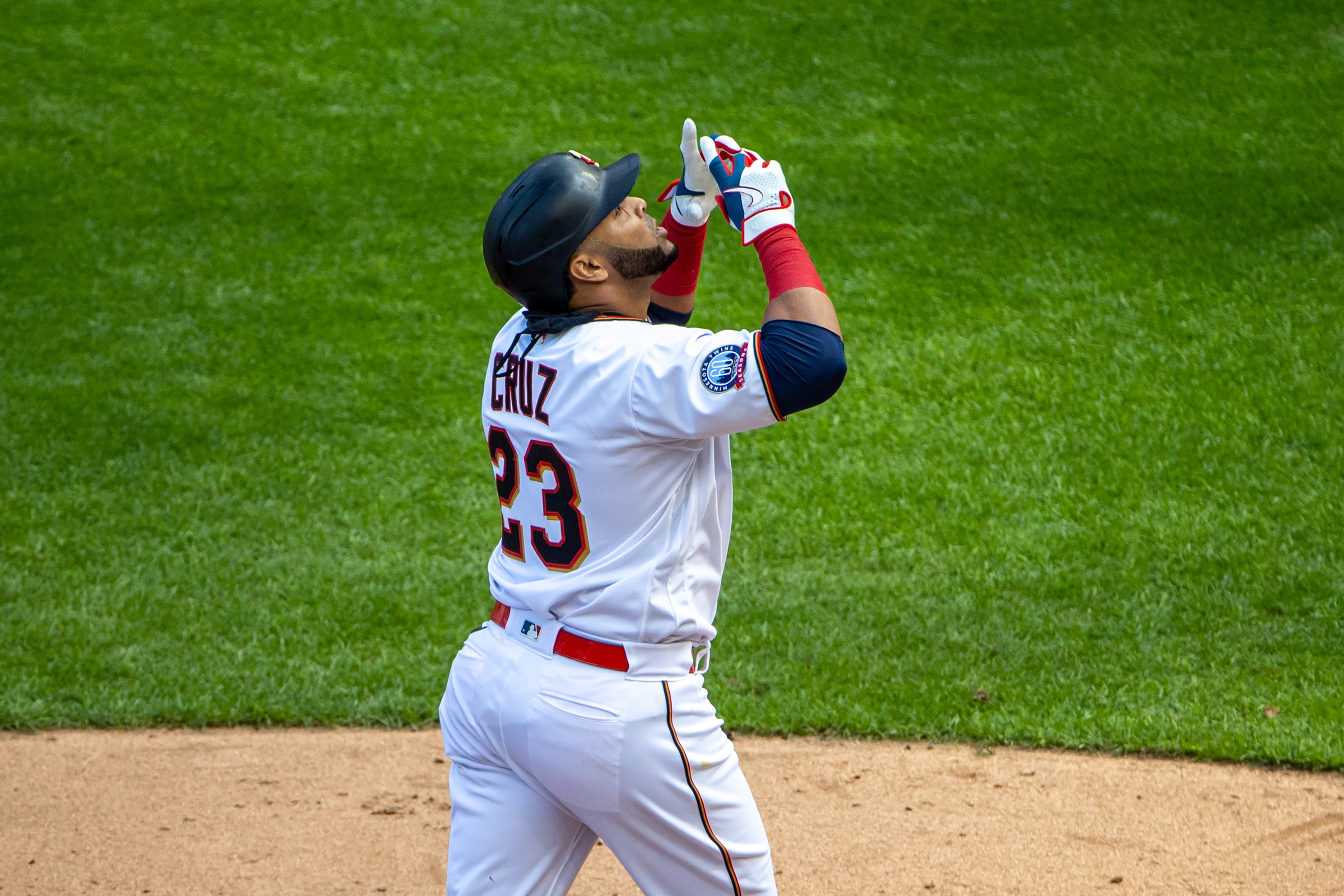 Outlined below is how the All-AL Central Team shook out, with the best player from the AL Central recognized at each position. Also outlined below are the preseason selections, the players selected by the selection committee (me) as the best players position-by-position coming into the 2020 season. This article will outline the All-AL Central team selections, as well as look at which preseason selections played up to expectations and maintained their title as the best at their position through the duration of the 2020 season. Your 2020 All-AL Central team: Catcher: Salvador Perez Preseason selection: Yasmani Grandal ❌ After missing the entirety of the 2019 season due to Tommy John surgery and missing the start of this season with a COVID-19 diagnosis, Salvador Perez responded by posting excellent numbers over the 2020 campaign. Perez ended the 2020 season with a .333/.353/.633 slash line and led all Major League catchers in wins above replacement, despite missing the beginning of the season. Despite providing excellent defense behind the plate, Yasmani Grandal struggled at the dish this season, hitting just .230. 1st Base: José Abreu Preseason selection: Miguel Sanó ❌ After signing a $50M contract extension in the offseason, José Abreu rewarded the White Sox with a massive season at the plate in 2020. Abreu led baseball with 60 RBI and led the American League with a SLG% of .617. Abreu was clutch all season long for the White Sox and has a case for American League MVP honors. Preseason selection, Miguel Sanó, had a very up-and-down season in 2020. After missing out on much of Summer Camp with a COVID-19 diagnosis Sanó had a slow start to the season, beginning the year going 1-for-17. In the middle of the season Sanó caught fire, posting a 1.126 OPS over a 21 game stretch. Sanó then struggled with a neck injury to end the year and saw his play suffer down the stretch as a result. 2nd Base: César Hernández Preseason selection: Luis Arráez❌ César Hernández wasn’t on anybody’s radar as the starting second baseman for the All-AL Central team, but because of his consistent play and injury to front runner, Arráez, Hernández earned the honor. In a season where the Cleveland Indians offense struggled for much of the year, Hernández was consistently solid, slashing .283/.355/.408 over 58 games and providing solid second base defense. Arráez struggled with knee problems all season, and though he ended the season with another high batting average of .321, he was only able to appear in 32 games. Expect Arráez to bounce back in a big way in 2020. Shortstop: Tim Anderson Preseason selection: Francisco Lindor ❌ After winning the batting title in 2019, many pointed to Anderson’s sky-high BABIP as a reason why he was due for regression in 2020. Anderson’s batting average took a slight dip, but his overall game improved as his .886 OPS was a career high. At just 27 years old, Anderson is only beginning to enter his prime. Lindor, like most of Cleveland’s offense, struggled for much of the 2020 season, posting a career low OPS of .750. Third Base: José Ramírez Preseason selection: Josh Donaldson ❌ After a slow start to the 2020 campaign that had Ramírez hitting just .230 through the season’s first 30 games, Ramírez finished the season as the hottest player in baseball. Over the season’s final 29 games, Ramírez slashed .358/.447/.792 and propelled the Indians to a near AL Central division title. It will be a tight race between José Abreu and Ramírez for the American League MVP. Josh Donaldson had some promising moments in the 2020 season, but unfortunately his season will mostly be remembered by injury as he played in less than half of Minnesota’s games in 2020 and missed out on the postseason completely. Outfield: Eloy Jimenez Outfield: Luis Robert Outfield: Whit Merrifield Preseason selections: Eloy Jimenez, Luis Robert, Max Kepler ✅✅❌ Chicago’s outfield was expected to be impressive in 2020 and they certainly were. They were led by Eloy Jiménez who followed up his rookie campaign with an even better year in 2020. Over 55 games, Eloy posted an OPS of .891, 40% better than average. Through August of the 2020 season, Luis Robert looked like every bit of the prospect he was hyped up to be and more, posting an OPS of .960. Robert struggled mightily down the stretch of the season, as he hit just .136 in the month of September. Though he had a tough final month of the year, Robert still did enough for an All-AL Central spot, especially with his elite center field defense. Rounding out the All-AL Central outfield is Whit Merrifield. Merrifield put together his second season in a row playing in 100% of his team’s games and once again had successful numbers at the plate, slashing .282/.325/.764. It was another poor season for the Royals, but Merrifield was not at all to blame. Designated Hitter: Nelson Cruz Preseason selection: Nelson Cruz✅ Nelson Cruz was the easy choice as the designated hitter on the All-AL Central team, and he left no room for debate as to who was the best DH in the division in 2020. Cruz once again dominated at the plate, posting a .992 OPS and leading the Twins with 16 home runs. As an impending free agent, the Minnesota Twins will have a massive decision to make on whether or not they choose to bring back the 40-year-old designated hitter. SP: Shane Bieber SP: Lucas Giolito SP: Kenta Maeda SP: Dallas Keuchel SP: Carlos Carrasco Preseason selections: Shane Bieber, Lucas Giolito, Mike Clevinger, Jose Berrios, Jake Odorizzi ✅✅❌❌❌ The starting pitching was suspected to be the strength of the American League Central, and that turned out to be the case. The starting pitching in the AL Central was led by the dominant quartet of Bieber, Maeda, Giolito, and Keuchel who posted ERAs of 1.63, 3.48, 2.70 and 1.99 respectively. Bieber was dominant from start to finish for the Indians and will win the Cy Young, Maeda was the ace that the Twins had been seeking, Gioltio posted a career-high 12.07 K/9 and turned in a no-hitter, and Keuchel posted a team-low ERA of 1.99. Rounding out the starting pitchers for the American league was Carlos Carrasco, an amazing turn-around for a guy who recently returned from a Leukemia diagnosis last year. RP: James Karinchak RP: Brad Hand RP: Evan Marshall RP: Tyler Duffey RP: Alex Colomé Preseason selections: Tyler Duffey, Alex Colomé, Brad Hand, Taylor Rogers, Aaron Bummer ✅✅✅❌❌ While Taylor Rogers and Aaron Bummer weren’t the class of the American League Central relief pitchers as expected, they were replaced on the All-AL central team by some dominant relievers in their own right in James Karinchak and Evan Marshall. Karinchak as a rookie, led all AL Central relievers in fWAR with 1.1 and owned an absolutely ridiculous K/9 of 17.67, which is the highest single season K/9 in the expansion era. Marshall was a god-send for Chicago in 2020 as he filled in for the injured Aaron Bummer and was dominant with a 2.38 ERA and 11.91 K/9. The remainder of the All-AL Central relievers were the expected names in Brad Hand (2.05 ERA, 13.50 K/9), Tyler Duffey (1.88 ERA, 0.79 WHIP) and Alex Colomé (0.81 ERA). Overall, only 8 of the 19 2020 Pre-Season All-AL Central team members made it on the team following the 2020 season. The biggest reason for this was the complete no-show from the Minnesota Twins offense in 2020. After dominating baseball at the plate in 2019, the 2020 crop only produced one position player on the All-AL Central team with Nelson Cruz. From the 19 spots on our All-AL Central Team here is how many players each team in the AL Central contributed: Minnesota Twins - 3 (9 preseason selections) Chicago White Sox - 8 (6 preseason selections) Cleveland Indians - 6 (4 preseason selections) Kansas City Royals - 2 (0 preseason selections) Detroit Tigers - 0 (0 preseason selections) What are your thoughts on the 2020 All-AL Central team? What surprised you most about how the team shook out after the season? Do you disagree with any of the selections? Leave a comment below and start the conversation! MORE FROM TWINS DAILY — Latest Twins coverage from our writers — Recent Twins discussion in our forums — Follow Twins Daily via Twitter, Facebook or email
 -
LaMonte Wade Jr. is Too Interesting To Ignore
Matthew Taylor replied to Matt Braun's topic in Twins Daily Front Page News
Really well written article, Matt. Wade is a solid MLB player who unfortunately just found himself on the wrong MLB roster. The biggest knock against Wade is something that's completely out of his control, he's left handed! The Twins have just so many left handed corner OFers, with more to come in Larnach and Kirilloff, that it's just hard to see him having much of a long term impact with this club IMO. -
This is a great point, Spycake! Thanks for clarifying!
-
Although the Minnesota Twins have been eliminated from the 2020 MLB playoffs, there are still many reasons to continue watching October baseball. One reason being that there are many impending free agents playing, who the Twins could pursue this offseason.Starting Pitchers: With Kenta Maeda, José Berríos, and Michael Pineda due back for the Minnesota Twins in 2020, the Twins’ starting pitching situation is in a lot better shape than it was at this time last season. The Twins have a decision to make on pursuing Jake Odorizzi and have guys in the system (Dobnak, Duran) who will surely be a part of the 2021 rotation, but if 2020 showed us anything it’s how valuable starting pitching depth is. The Twins will definitely need to dip into free agency at the starting pitcher position for a back-end starter or two. Mike Minor - Oakland Athletics Coming off of an excellent 2019 season in which he finished the season 8th in Cy Young voting, Mike Minor struggled from start to finish in the 2020 season. Although he saw an uptick in strikeout numbers in 2020, he struggled with his command for much of the season on his way to a 5.56 ERA. At just 32 years old, there’s reason to believe that Minor could still turn back to his old self. Over 588 innings from 2014-2019, Minor owned a 3.90 ERA and 117 ERA+. Mike Fiers - Oakland Athletics While he is mostly known for being the whistleblower in the Houston Astros cheating scandal, Mike Fiers is also a quality pitcher in his own right. Since 2018, Fiers owns a 3.85 ERA and 112 ERA+. At 35 years old, Fiers isn’t likely to garner a huge contract and could be a back of the rotation free agent signing for the Minnesota Twins this offseason. Garrett Richards - San Diego Padres Garrett Richards has struggled with injuries for a large portion of his career, but when he’s healthy, he has proven himself to be a really good starting pitcher. Richards owns a career ERA of just 3.62 and is still just 32 years old. The injury history of Richards is certainly a concern (hasn’t pitched 150 innings in a season since 2015), but could also mean a steep discount for a really good MLB pitcher. Relief Pitchers: As with starting pitching, depth in the bullpen will be huge for the Minnesota Twins next season. Currently, the Twins will have a decision to make on Sergio Romo ($5M team option for next season), as well as Trevor May and Tyler Clippard entering free agency. While the Twins may try to retain all three of these pitchers, the Twins could still use a top-end relief pitcher that they trust in big spots of big games. The Twins bullpen has been burned in big spots in each of the past two bullpens, but this year’s crop of relief pitchers touts some big time names the Twins could acquire. Liam Hendriks - Oakland Athletics A name that Minnesota Twins fans should remember, Liam Hendriks pitched with the Minnesota Twins for three seasons as a starting pitcher, posting a 6.06 ERA and 5.8 K/9 over that time. Over the past two seasons, though, Hendriks has completely reinvented himself and turned himself into arguably the best relief pitcher in baseball. Since the start of 2019, Hendriks leads all MLB relievers with a 1.66 ERA and 5.2 fWAR. Using his upper-90s fastball, Hendriks strikes out an absurd 13.2 batters per 9 innings. Given his ability, he will certainly go for big time money, but Hendriks would be an excellent fit in the Minnesota Twins bullpen and immediately slot in as the high leverage arm with a proven track record in the biggest moments. Blake Treinen - Los Angeles Dodgers In 2018, Blake Treinen posted one of the greatest seasons out of the bullpen that we have ever seen, putting up a 0.78 ERA over 80 innings with the Oakland Athletics. After a down season in 2019 riddled by injury, Treinen signed a 1 year deal with the Dodgers this season and has gotten back on track, posting a 3.86 ERA with a more favorable FIP of 3.15. Treinen still owns a fastball in the upper-90s, though his strikeout numbers have dipped in consecutive seasons. Treinen will go for less money than Hendriks but still has the upside to be a big-time contributor for the Minnesota Twins. Trevor Rosenthal - San Diego Padres An incredible comeback story, Trevor Rosenthal rebounded from Tommy John surgery in 2018 and a 13.50 ERA in 2019 to become one of the more lethal relief pitchers in baseball in 2020. Between his time in Kansas City and San Diego this season, Rosenthal combined for a 1.90 ERA and a 14.5 (!!!) K/9 in 23.2 innings in 2020. Rosenthal can hit triple digits with his fastball, and at the ripe age of 30-years old, is a good bet to continue his dominance into next season and beyond if the Minnesota Twins decide to pursue him in free agency. Position Players: Barring a major trade of a key player, the Minnesota Twins starting lineup is pretty much set for 2021 with their returning players or their farm system (hello, Alex Kirilloff!). Where they have a major need to fill, though, will be in a utility role with Marwin Gonzalez and Ehrie Adrianza both impending free agents and the Twins unlikely to re-sign both. The Twins will need a utility man who can play all over the infield to fill in for injuries that will pop up to oft-injured Josh Donaldson and Miguel Sanó, with a bonus for shortstop ability. Tommy La Stella - Oakland Athletics Tommy LaStella has been an adept-hitting utility man in this league for a long time and is putting up the most productive season of his career in 2020. La Stella has put up back-to-back seasons with an .800+ OPS and at just 31 years old, could warrant a multi-year contract at an affordable rate. La Stella plays solid defense at first, second and third base, though does not possess the chops to play shortstop. The other strike against La Stella is that he is a left handed bat, where the Twins struggled to hit left handers all season in 2020. Kiké Hernández - Los Angeles Dodgers A name that baseball fans have gotten to know over the past handful of seasons thanks to his constant postseason presence, Hernández is an impending free agent who could certainly bring postseason experience to the Minnesota Twins. Hernández can literally play all over the diamond, including the shortstop position with an average right handed bat. Over the past three seasons Hernández owns a .749 OPS, as well as a .750 OPS in the postseason. Jurickson Profar - San Diego Padres Profar was a top prospect prior to making it to the Majors, but he struggled initially after arriving. Profar has made strides at the plate over the past few seasons, though, posting a .755 OPS over his past three seasons as a switch hitter. Profar mostly plays corner outfield and second base, but has prior experience playing third base and shortstop. Profar’s glove isn’t exactly elite, but at just 27 years old he has a lot of room to improve in his all-around game and could become an asset for the Minnesota Twins off the bench, should the Twins decide to pursue him this offseason. Which of the above players do you think the Minnesota Twins should pursue this offseason? Leave a comment below and start the conversation! MORE FROM TWINS DAILY — Latest Twins coverage from our writers — Recent Twins discussion in our forums — Follow Twins Daily via Twitter, Facebook or email Click here to view the article
-
Pending Free Agents to Keep an Eye on the Rest of the Postseason
Matthew Taylor posted an article in Twins
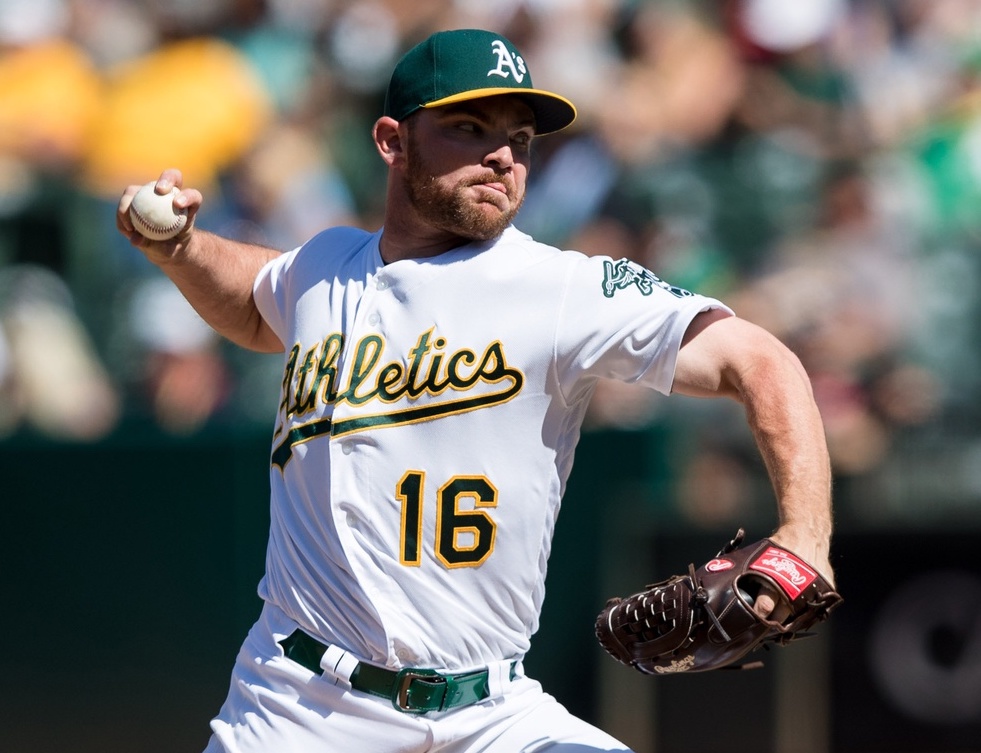 Starting Pitchers: With Kenta Maeda, José Berríos, and Michael Pineda due back for the Minnesota Twins in 2020, the Twins’ starting pitching situation is in a lot better shape than it was at this time last season. The Twins have a decision to make on pursuing Jake Odorizzi and have guys in the system (Dobnak, Duran) who will surely be a part of the 2021 rotation, but if 2020 showed us anything it’s how valuable starting pitching depth is. The Twins will definitely need to dip into free agency at the starting pitcher position for a back-end starter or two. Mike Minor - Oakland Athletics Coming off of an excellent 2019 season in which he finished the season 8th in Cy Young voting, Mike Minor struggled from start to finish in the 2020 season. Although he saw an uptick in strikeout numbers in 2020, he struggled with his command for much of the season on his way to a 5.56 ERA. At just 32 years old, there’s reason to believe that Minor could still turn back to his old self. Over 588 innings from 2014-2019, Minor owned a 3.90 ERA and 117 ERA+. Mike Fiers - Oakland Athletics While he is mostly known for being the whistleblower in the Houston Astros cheating scandal, Mike Fiers is also a quality pitcher in his own right. Since 2018, Fiers owns a 3.85 ERA and 112 ERA+. At 35 years old, Fiers isn’t likely to garner a huge contract and could be a back of the rotation free agent signing for the Minnesota Twins this offseason. Garrett Richards - San Diego Padres Garrett Richards has struggled with injuries for a large portion of his career, but when he’s healthy, he has proven himself to be a really good starting pitcher. Richards owns a career ERA of just 3.62 and is still just 32 years old. The injury history of Richards is certainly a concern (hasn’t pitched 150 innings in a season since 2015), but could also mean a steep discount for a really good MLB pitcher. Relief Pitchers: As with starting pitching, depth in the bullpen will be huge for the Minnesota Twins next season. Currently, the Twins will have a decision to make on Sergio Romo ($5M team option for next season), as well as Trevor May and Tyler Clippard entering free agency. While the Twins may try to retain all three of these pitchers, the Twins could still use a top-end relief pitcher that they trust in big spots of big games. The Twins bullpen has been burned in big spots in each of the past two bullpens, but this year’s crop of relief pitchers touts some big time names the Twins could acquire. Liam Hendriks - Oakland Athletics A name that Minnesota Twins fans should remember, Liam Hendriks pitched with the Minnesota Twins for three seasons as a starting pitcher, posting a 6.06 ERA and 5.8 K/9 over that time. Over the past two seasons, though, Hendriks has completely reinvented himself and turned himself into arguably the best relief pitcher in baseball. Since the start of 2019, Hendriks leads all MLB relievers with a 1.66 ERA and 5.2 fWAR. Using his upper-90s fastball, Hendriks strikes out an absurd 13.2 batters per 9 innings. Given his ability, he will certainly go for big time money, but Hendriks would be an excellent fit in the Minnesota Twins bullpen and immediately slot in as the high leverage arm with a proven track record in the biggest moments. Blake Treinen - Los Angeles Dodgers In 2018, Blake Treinen posted one of the greatest seasons out of the bullpen that we have ever seen, putting up a 0.78 ERA over 80 innings with the Oakland Athletics. After a down season in 2019 riddled by injury, Treinen signed a 1 year deal with the Dodgers this season and has gotten back on track, posting a 3.86 ERA with a more favorable FIP of 3.15. Treinen still owns a fastball in the upper-90s, though his strikeout numbers have dipped in consecutive seasons. Treinen will go for less money than Hendriks but still has the upside to be a big-time contributor for the Minnesota Twins. Trevor Rosenthal - San Diego Padres An incredible comeback story, Trevor Rosenthal rebounded from Tommy John surgery in 2018 and a 13.50 ERA in 2019 to become one of the more lethal relief pitchers in baseball in 2020. Between his time in Kansas City and San Diego this season, Rosenthal combined for a 1.90 ERA and a 14.5 (!!!) K/9 in 23.2 innings in 2020. Rosenthal can hit triple digits with his fastball, and at the ripe age of 30-years old, is a good bet to continue his dominance into next season and beyond if the Minnesota Twins decide to pursue him in free agency. Position Players: Barring a major trade of a key player, the Minnesota Twins starting lineup is pretty much set for 2021 with their returning players or their farm system (hello, Alex Kirilloff!). Where they have a major need to fill, though, will be in a utility role with Marwin Gonzalez and Ehrie Adrianza both impending free agents and the Twins unlikely to re-sign both. The Twins will need a utility man who can play all over the infield to fill in for injuries that will pop up to oft-injured Josh Donaldson and Miguel Sanó, with a bonus for shortstop ability. Tommy La Stella - Oakland Athletics Tommy LaStella has been an adept-hitting utility man in this league for a long time and is putting up the most productive season of his career in 2020. La Stella has put up back-to-back seasons with an .800+ OPS and at just 31 years old, could warrant a multi-year contract at an affordable rate. La Stella plays solid defense at first, second and third base, though does not possess the chops to play shortstop. The other strike against La Stella is that he is a left handed bat, where the Twins struggled to hit left handers all season in 2020. Kiké Hernández - Los Angeles Dodgers A name that baseball fans have gotten to know over the past handful of seasons thanks to his constant postseason presence, Hernández is an impending free agent who could certainly bring postseason experience to the Minnesota Twins. Hernández can literally play all over the diamond, including the shortstop position with an average right handed bat. Over the past three seasons Hernández owns a .749 OPS, as well as a .750 OPS in the postseason. Jurickson Profar - San Diego Padres Profar was a top prospect prior to making it to the Majors, but he struggled initially after arriving. Profar has made strides at the plate over the past few seasons, though, posting a .755 OPS over his past three seasons as a switch hitter. Profar mostly plays corner outfield and second base, but has prior experience playing third base and shortstop. Profar’s glove isn’t exactly elite, but at just 27 years old he has a lot of room to improve in his all-around game and could become an asset for the Minnesota Twins off the bench, should the Twins decide to pursue him this offseason. Which of the above players do you think the Minnesota Twins should pursue this offseason? Leave a comment below and start the conversation! MORE FROM TWINS DAILY — Latest Twins coverage from our writers — Recent Twins discussion in our forums — Follow Twins Daily via Twitter, Facebook or email
 -
All season the Minnesota Twins reaped success from a bullpen chock-full of depth and high end talent alike. As the Twins head into the Wild Card round of the MLB playoffs, how does their bullpen compare to the relief corps out of the Houston Astros?Minnesota Twins Download attachment: twins bullpen.png What has made the Minnesota Twins bullpen so formidable in this 2020 season has been their mix of dominant, high-end talent at the top of the bullpen, with exceptional depth throughout the back of their bullpen. No matter the occasion, the Twins are always able to throw out a quality arm who can get guys out at the plate. Coming into 2020, the high end reliever for the Twins was supposed to be left hander, Taylor Rogers. That hasn’t exactly panned out as Rogers has struggled with consistency, and he has played himself into more of a matchup-type role rather than the no-doubt closer for the Minnesota Twins. Filling his role as the ace of the bullpen has been Tyler Duffey. Duffey has pitched like one of the best relievers in baseball over the last 14 months thanks to his outstanding command and ridiculous curveball that generates a whiff % of 41.3. The other carryovers from last year’s bullpen have been Sergio Romo and Trevor May. Sergio Romo still kills right handers, and while Trevor May struggled for much of this season, he hasn’t allowed a run in his last 8 appearances. The new additions to the bullpen in 2020 have been what has really pushed this group over the top. That has started with Matt Wisler. Wisler was acquired off of waivers this offseason and has posted ridiculous numbers as his 1.07 ERA is third best among all American League pitchers with at least 20 IP. Tyler Clippard was acquired via free agency this offseason and has used reverse splits for much of the year to shut down left handed hitters. Finally there’s Caleb Thielbar and Jorge Alcalá at the back of the bullpen who have been surprise contributors for the Twins in 2020. Though they are at the back of the bullpen, don’t be surprised to see them get work this postseason. Houston Astros Download attachment: astros bullpen.png Coming off of an excellent 2019 season in which the Astros bullpen finished with the 2nd best ERA in all of baseball, Houston’s bullpen hasn’t quite been as dominant in 2020. One key reason for this has been that their star closer, Roberto Osuna, only pitched in 4 games this season before being shelved with elbow problems. As a result, Houston was forced to shift everyone up in their bullpen and count on guys that weren’t originally in their plans. The ace of the Astros bullpen is a name that Minnesota Twins fans should all know extremely well, Ryan Pressly. Pressly pitched with the Minnesota Twins for 5 and a half years before being traded away to the Astros in 2018 for Jorge Alcalá and Gilberto Celestino. Pressly hasn’t been quite as dominant this season as he was last year, but his 2.81 FIP indicates that he has been better than his numbers might suggest. After Ryan Pressly the Astros will trot out some unfamiliar names in Blake Taylor, Enoli Paredes, Brooks Raley, and Andre Scrubb. None of these pitchers have experience on the playoff stage before. The Astros have a tendency of moving starting pitchers into the bullpen in the playoffs. In 2017, Houston shifted Lance McCullers and Charlie Morton to the bullpen and found success. They figure to do the same this year by moving starting pitchers Josh James and Cristian Javier to the bullpen along with José Urquidy (figuring Framber Valdez starts game 2). This group isn’t the dominant group of Roberto Osuna, Collin McHugh, Will Harris and Héctor Rondón from last season, but their mix of solid relievers with their starting pitchers should form a formidable group for the Wild Card round. Who Has the Edge? Download attachment: matchup.png Above are the combined statistics of the expected relievers for each team in the Wild Card round of the playoffs. These numbers are different than the bullpen statistics for each team, but are a better indicator of the actual group that will be appearing over the next three days. As shown above, the Minnesota Twins group of relievers has a clear edge in terms of 2020 production. Twins relievers are striking out more batters while allowing less runs and less baserunners. At the top of the respective bullpens, Tyler Duffey has been performing better than Ryan Pressly, and down the list the Twins have better performers towards the bottom of their bullpen in Caleb Thielbar and Jorge Alcalá than do the Houston Astros. While the Twins have the clear numbers advantage in terms of bullpen performance, the wild card will come from how well the Astros converted bullpen arms perform out of the bullpen. Many times we see converted bullpen arms put up better numbers in limited innings out of the bullpen than they do over 6 innings as the starting pitcher. In Josh James, Cristian Javier and José Urquidy, you could see stellar performances out of the bullpen that we might not be expecting or the numbers might not suggest based on how they’ve pitched as starting pitchers. The other advantage for the Minnesota Twins comes from the fact that the Houston Astros are light on left handed bullpen arms. The Twins have struggled all season against left handed pitching, especially left handed relievers. The Astros best reliever, Ryan Pressly, is right handed and 6 of their 8 expected relievers will be right handed. Do you think the Minnesota Twins edge the Houston Astros in relief pitching? Which reliever will be the biggest X-Factor for the Minnesota Twins in this series? Leave a comment below and start the conversation! MORE FROM TWINS DAILY — Latest Twins coverage from our writers — Recent Twins discussion in our forums — Follow Twins Daily via Twitter, Facebook or email Click here to view the article
-
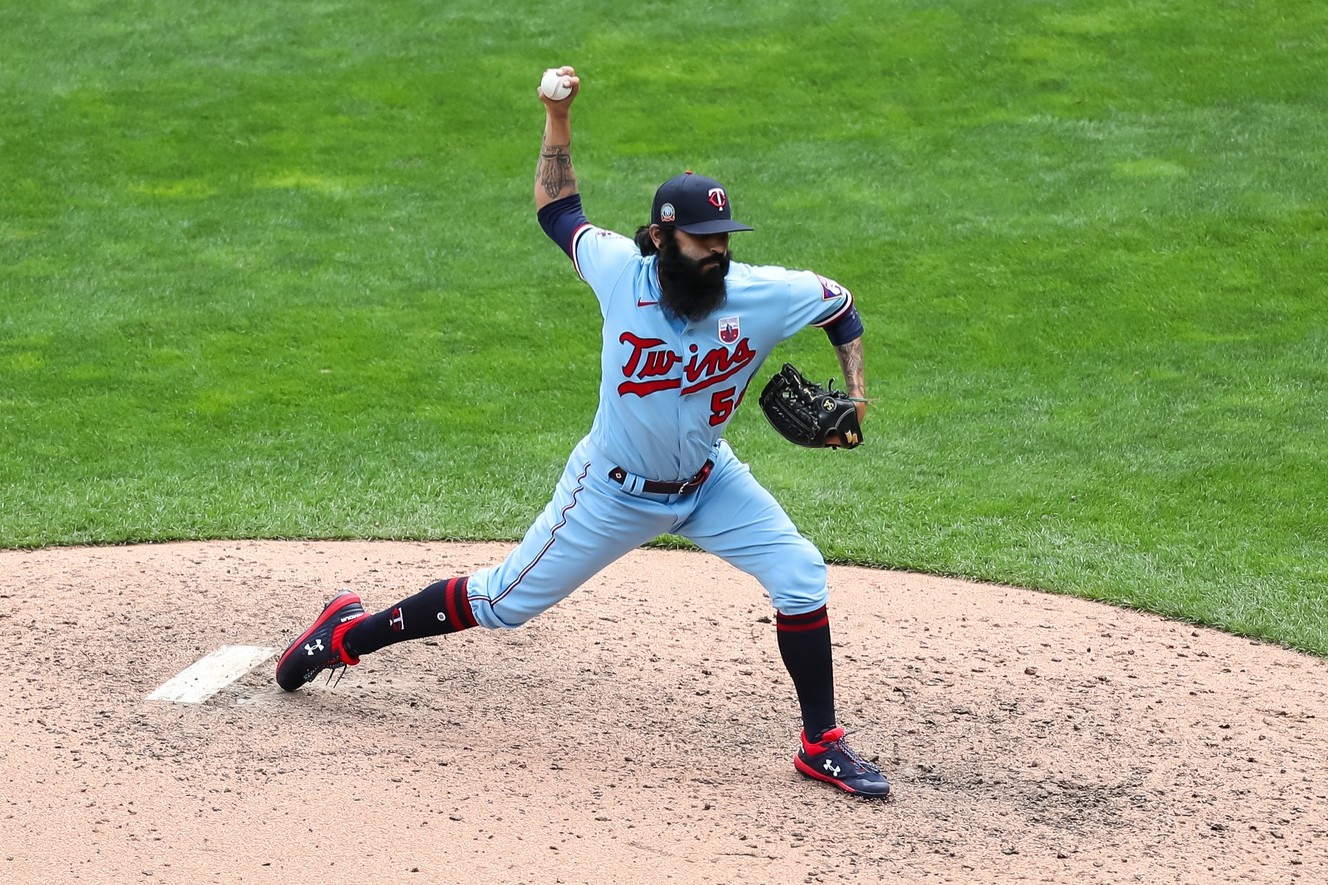 Minnesota Twins What has made the Minnesota Twins bullpen so formidable in this 2020 season has been their mix of dominant, high-end talent at the top of the bullpen, with exceptional depth throughout the back of their bullpen. No matter the occasion, the Twins are always able to throw out a quality arm who can get guys out at the plate. Coming into 2020, the high end reliever for the Twins was supposed to be left hander, Taylor Rogers. That hasn’t exactly panned out as Rogers has struggled with consistency, and he has played himself into more of a matchup-type role rather than the no-doubt closer for the Minnesota Twins. Filling his role as the ace of the bullpen has been Tyler Duffey. Duffey has pitched like one of the best relievers in baseball over the last 14 months thanks to his outstanding command and ridiculous curveball that generates a whiff % of 41.3. The other carryovers from last year’s bullpen have been Sergio Romo and Trevor May. Sergio Romo still kills right handers, and while Trevor May struggled for much of this season, he hasn’t allowed a run in his last 8 appearances. The new additions to the bullpen in 2020 have been what has really pushed this group over the top. That has started with Matt Wisler. Wisler was acquired off of waivers this offseason and has posted ridiculous numbers as his 1.07 ERA is third best among all American League pitchers with at least 20 IP. Tyler Clippard was acquired via free agency this offseason and has used reverse splits for much of the year to shut down left handed hitters. Finally there’s Caleb Thielbar and Jorge Alcalá at the back of the bullpen who have been surprise contributors for the Twins in 2020. Though they are at the back of the bullpen, don’t be surprised to see them get work this postseason. Houston Astros Coming off of an excellent 2019 season in which the Astros bullpen finished with the 2nd best ERA in all of baseball, Houston’s bullpen hasn’t quite been as dominant in 2020. One key reason for this has been that their star closer, Roberto Osuna, only pitched in 4 games this season before being shelved with elbow problems. As a result, Houston was forced to shift everyone up in their bullpen and count on guys that weren’t originally in their plans. The ace of the Astros bullpen is a name that Minnesota Twins fans should all know extremely well, Ryan Pressly. Pressly pitched with the Minnesota Twins for 5 and a half years before being traded away to the Astros in 2018 for Jorge Alcalá and Gilberto Celestino. Pressly hasn’t been quite as dominant this season as he was last year, but his 2.81 FIP indicates that he has been better than his numbers might suggest. After Ryan Pressly the Astros will trot out some unfamiliar names in Blake Taylor, Enoli Paredes, Brooks Raley, and Andre Scrubb. None of these pitchers have experience on the playoff stage before. The Astros have a tendency of moving starting pitchers into the bullpen in the playoffs. In 2017, Houston shifted Lance McCullers and Charlie Morton to the bullpen and found success. They figure to do the same this year by moving starting pitchers Josh James and Cristian Javier to the bullpen along with José Urquidy (figuring Framber Valdez starts game 2). This group isn’t the dominant group of Roberto Osuna, Collin McHugh, Will Harris and Héctor Rondón from last season, but their mix of solid relievers with their starting pitchers should form a formidable group for the Wild Card round. Who Has the Edge? Above are the combined statistics of the expected relievers for each team in the Wild Card round of the playoffs. These numbers are different than the bullpen statistics for each team, but are a better indicator of the actual group that will be appearing over the next three days. As shown above, the Minnesota Twins group of relievers has a clear edge in terms of 2020 production. Twins relievers are striking out more batters while allowing less runs and less baserunners. At the top of the respective bullpens, Tyler Duffey has been performing better than Ryan Pressly, and down the list the Twins have better performers towards the bottom of their bullpen in Caleb Thielbar and Jorge Alcalá than do the Houston Astros. While the Twins have the clear numbers advantage in terms of bullpen performance, the wild card will come from how well the Astros converted bullpen arms perform out of the bullpen. Many times we see converted bullpen arms put up better numbers in limited innings out of the bullpen than they do over 6 innings as the starting pitcher. In Josh James, Cristian Javier and José Urquidy, you could see stellar performances out of the bullpen that we might not be expecting or the numbers might not suggest based on how they’ve pitched as starting pitchers. The other advantage for the Minnesota Twins comes from the fact that the Houston Astros are light on left handed bullpen arms. The Twins have struggled all season against left handed pitching, especially left handed relievers. The Astros best reliever, Ryan Pressly, is right handed and 6 of their 8 expected relievers will be right handed. Do you think the Minnesota Twins edge the Houston Astros in relief pitching? Which reliever will be the biggest X-Factor for the Minnesota Twins in this series? Leave a comment below and start the conversation! MORE FROM TWINS DAILY — Latest Twins coverage from our writers — Recent Twins discussion in our forums — Follow Twins Daily via Twitter, Facebook or email
 -
The Minnesota Twins may have hit rock bottom on Monday night when they blew a 4 run lead against the rival White Sox and extended their losing streak to six games. With Michael Pineda coming back and the calendar flipping to September, though, the Minnesota Twins will look to turn the page.Last Night’s Game Recap White Sox 8, Twins 5: Drop Kick TODAY Chicago White Sox at Minnesota Twins, 7:10 PM CT Twins Starter: Michael Pineda Download attachment: pineda.png Michael Pineda will make his return from suspension tonight and pitch for the Minnesota Twins for the first time in 361 days. The last time we saw Michael Pineda he was pitching like the best pitcher on the Minnesota Twins staff. Over his last 11 starts in 2019, Michael Pineda posted a 7-1 record with a 2.76 ERA and a 73/14 K/BB. What made Pineda so special in 2019, though, was his consistency with going deep into games. Of his 26 starts last season, Pineda went at least 5 innings in 24 starts and at least 6 innings in 14 starts. Pineda never wore out his bullpen and would almost always give the team a reasonable chance to win a game. In a season in which the Minnesota Twins bullpen is being taxed seemingly every night, Pineda’s durability and consistency will be very much welcomed. How Pineda looks after taking a year away from the game and how deep he is able to go in his first start back will be something to monitor, but it’s clear that Michael Pineda was the biggest Minnesota Twins “acquisition” at the trade deadline. White Sox Starter: Dallas Keuchel 5-2, 2.70 ERA, 1.04 WHIP Download attachment: keuchel.png After a couple of disappointing seasons, Dallas Keuchel has thus far looked like the Keuchel of old in 2020. Through 7 starts, Keuchel owns his lowest ERA and WHIP since his Cy Young winning season in 2015. Last time out against the Minnesota Twins earlier this season, Keuchel earned his first win of the season. Allowing a season low 3 hits, across 5.1 innings and allowing 2 runs. Keuchel held Jorge Polanco, Miguel Sanó, and Max Kepler to a combined 0-for-12 with 2 strikeouts. Lineups Minnesota Twins: Chicago White Sox: 2 Things to Watch For 1. Can the Twins offense break through against a lefty? The Minnesota Twins have struggled mightily against left handed pitching all season. After finishing with the best OPS in baseball against left handed pitching in 2019 (.872), the Twins currently rank 24th in baseball with a .654 OPS against left handed pitching in 2020. An area of historic strength has turned into a legitimate weakness for this team. With another lefty taking the mound tonight in Dallas Keuchel, the Twins will hope to rebound and show some of their prowess against lefties that they have yet to show thus far in 2020. 2. Reinforcements coming Not only will the Minnesota Twins be bringing back Michael Pineda tonight, but it was reported late last night that the Twins will also be bringing back reinforcements in Byron Buxton and Josh Donaldson for tonight and tomorrow respectively. These two right handed additions will be absolutely massive for helping the Twins’ struggles against left handed pitching, and should also be the jolt in the arm that this struggling team needs right now. Apart from Buxton and Donaldson, I would expect that the Twins make a move to bring in reinforcements from St. Paul in the very near future. Brent Rooker and his right handed bat would make the most sense, but Trevor Larnach and Alex Kirilloff could make sense too. The Twins didn’t make moves at the trade deadline, but that doesn’t mean that they are keeping the team as currently constructed throughout the season. News & Notes While the Minnesota Twins weren’t active at the trade deadline, there was no shortage of trading across the Major Leagues. The headliner was Mike Clevinger getting dealt to the San Diego Padres, but we also saw Starling Marte head to Miami, Robbie Ray and Ross Stripling move to Canada and Archie Bradley move to Cincinnati. What was your favorite trade at the deadline? It was a battle of aces last night in the Bronx between the Rays and Yankees, but in the end Tyler Glasnow got the best of Gerrit Cole as the Rays beat the Yankees 5-3. The Tampa Bay Rays have now won 6 games in a row while the Yankees record fell to 19-14. The Indians squandered an excellent Shane Bieber start in last night’s 2-1 loss to the Kansas City Royals. Bieber through 6 shutout innings with 9 strikeouts, but the Tribe was only able to score 1 run off of the Royals pitching all night. Superstar reliever James Karinchak ended up blowing the game for the Indians, allowing 1 hit, 2 walks and 2 runs in the 8th inning to give the Royals the victory.Around the AL Central KCR 2, CLE 1 CWS 22-13 (+45)CLE 21-14 (+39)MIN 20-16 (+24)DET 16-16 (-21)KCR 14-21 (-18)MORE FROM TWINS DAILY— Latest Twins coverage from our writers — Recent Twins discussion in our forums — Follow Twins Daily via Twitter, Facebook or email Click here to view the article
-
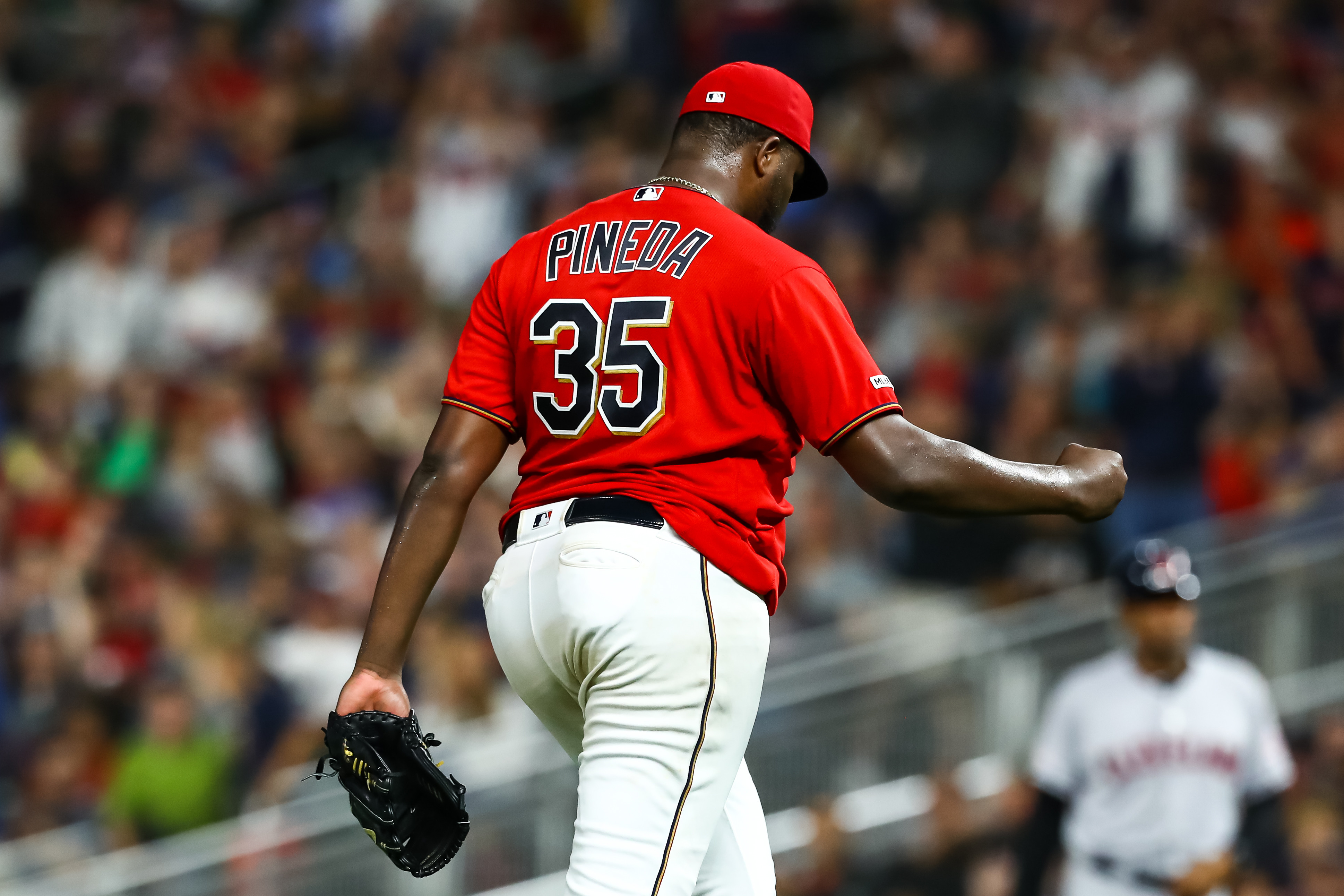 Last Night’s Game Recap White Sox 8, Twins 5: Drop Kick TODAY Chicago White Sox at Minnesota Twins, 7:10 PM CT Twins Starter: Michael Pineda Michael Pineda will make his return from suspension tonight and pitch for the Minnesota Twins for the first time in 361 days. The last time we saw Michael Pineda he was pitching like the best pitcher on the Minnesota Twins staff. Over his last 11 starts in 2019, Michael Pineda posted a 7-1 record with a 2.76 ERA and a 73/14 K/BB. What made Pineda so special in 2019, though, was his consistency with going deep into games. Of his 26 starts last season, Pineda went at least 5 innings in 24 starts and at least 6 innings in 14 starts. Pineda never wore out his bullpen and would almost always give the team a reasonable chance to win a game. In a season in which the Minnesota Twins bullpen is being taxed seemingly every night, Pineda’s durability and consistency will be very much welcomed. How Pineda looks after taking a year away from the game and how deep he is able to go in his first start back will be something to monitor, but it’s clear that Michael Pineda was the biggest Minnesota Twins “acquisition” at the trade deadline. White Sox Starter: Dallas Keuchel 5-2, 2.70 ERA, 1.04 WHIP After a couple of disappointing seasons, Dallas Keuchel has thus far looked like the Keuchel of old in 2020. Through 7 starts, Keuchel owns his lowest ERA and WHIP since his Cy Young winning season in 2015. Last time out against the Minnesota Twins earlier this season, Keuchel earned his first win of the season. Allowing a season low 3 hits, across 5.1 innings and allowing 2 runs. Keuchel held Jorge Polanco, Miguel Sanó, and Max Kepler to a combined 0-for-12 with 2 strikeouts. Lineups Minnesota Twins: https://twitter.com/dailyrotonews/status/1300899730944294913?s=20 Chicago White Sox: https://twitter.com/dailyrotonews/status/1300878340576948225?s=20 2 Things to Watch For 1. Can the Twins offense break through against a lefty? The Minnesota Twins have struggled mightily against left handed pitching all season. After finishing with the best OPS in baseball against left handed pitching in 2019 (.872), the Twins currently rank 24th in baseball with a .654 OPS against left handed pitching in 2020. An area of historic strength has turned into a legitimate weakness for this team. With another lefty taking the mound tonight in Dallas Keuchel, the Twins will hope to rebound and show some of their prowess against lefties that they have yet to show thus far in 2020. 2. Reinforcements coming Not only will the Minnesota Twins be bringing back Michael Pineda tonight, but it was reported late last night that the Twins will also be bringing back reinforcements in Byron Buxton and Josh Donaldson for tonight and tomorrow respectively. These two right handed additions will be absolutely massive for helping the Twins’ struggles against left handed pitching, and should also be the jolt in the arm that this struggling team needs right now. Apart from Buxton and Donaldson, I would expect that the Twins make a move to bring in reinforcements from St. Paul in the very near future. Brent Rooker and his right handed bat would make the most sense, but Trevor Larnach and Alex Kirilloff could make sense too. The Twins didn’t make moves at the trade deadline, but that doesn’t mean that they are keeping the team as currently constructed throughout the season. News & Notes While the Minnesota Twins weren’t active at the trade deadline, there was no shortage of trading across the Major Leagues. The headliner was Mike Clevinger getting dealt to the San Diego Padres, but we also saw Starling Marte head to Miami, Robbie Ray and Ross Stripling move to Canada and Archie Bradley move to Cincinnati. https://twitter.com/Padres/status/1300470921048752129?s=20 What was your favorite trade at the deadline? It was a battle of aces last night in the Bronx between the Rays and Yankees, but in the end Tyler Glasnow got the best of Gerrit Cole as the Rays beat the Yankees 5-3. The Tampa Bay Rays have now won 6 games in a row while the Yankees record fell to 19-14. https://twitter.com/RaysBaseball/status/1300637027780702209?s=20 The Indians squandered an excellent Shane Bieber start in last night’s 2-1 loss to the Kansas City Royals. Bieber through 6 shutout innings with 9 strikeouts, but the Tribe was only able to score 1 run off of the Royals pitching all night. Superstar reliever James Karinchak ended up blowing the game for the Indians, allowing 1 hit, 2 walks and 2 runs in the 8th inning to give the Royals the victory. Around the AL Central KCR 2, CLE 1 CWS 22-13 (+45) CLE 21-14 (+39) MIN 20-16 (+24) DET 16-16 (-21) KCR 14-21 (-18) MORE FROM TWINS DAILY — Latest Twins coverage from our writers — Recent Twins discussion in our forums — Follow Twins Daily via Twitter, Facebook or email
 -
Though it doesn’t feel like it, we are already halfway through the 2020 MLB season. In just 30 games the Minnesota Twins have already experienced plenty of exceptional performances, suffered lots of injuries, and spared no drama. It’s time for the 2020 Minnesota Twins mid-season superlatives!Best Pitcher Kenta Maeda At the time of the offseason trade, many fans in Twins Territory questioned why the Minnesota Twins would trade away its prized 100 MPH hurling pitching prospect for a relatively unknown starting pitcher from the Los Angeles Dodgers. The move was extremely unheralded and didn’t receive national headlines as a big time addition for the Twins. The move, though, has worked out exceptionally well for the Minnesota Twins as Maeda has been pitching like one of the best starters in all of baseball. Through his first six starts, Maeda owns a 4-0 record with a 2.21 ERA and 0.71 WHIP (best among all MLB starting pitchers). Maeda has yet to allow more than 3 earned runs in a start, and leads the Twins with a 9.8 K/9. Maeda has been nothing short of incredible for the Minnesota Twins through the first half of 2020, and there’s little question that he has been the best pitcher for the 1st place Minnesota Twins up to this point. Honorable mention: Randy Dobnak Best Hitter Nelson Cruz Yes, he’s 40 years old. Yes, he is missing a tendon in his wrist. Yes, Nelson Cruz remains the best hitter on the Minnesota Twins. The man they call Boomstick hasn’t missed a beat since turning the page to his fourth decade of life as he currently owns an OPS of 1.050 and has crushed 11 home runs, second in the American League. In a Minnesota Twins season filled with struggling bats and a barrage of injuries, Cruz has led this offense through steady, patient, hitting and a violent swing that continues to send baseballs into orbit. Did I mention he’s 40? Honorable Mention: Miguel Sanó Most Improved Team Defense Heading into the 2020 season, one of the areas for the Minnesota Twins that was of the most concern was the team defense. In 2019, the Minnesota Twins ranked 4th from the bottom of the Majors with -17 outs above average. The offseason addition of Josh Donaldson and a healthy Byron Buxton was thought to help the defense get back to average, but there were still concerns over how good a defense with 3 below average infielders (Arráez, Polanco, Sanó) could be over the course of a season. Through the midway point of the 2020 season, the Twins defense not only hasn’t been a weakness, but it has been a strength. To this point, the Minnesota Twins rank second in all of baseball in defensive runs saved and both Jorge Polanco and Luis Arráez have made massive defensive gains. What has been the craziest part of the Twins fielding resurgence in 2020 has been that they have done it without Josh Donaldson and Byron Buxton for most of the season. Honorable Mention: Eddie Rosario’s Plate Discipline Biggest Disappointment Mitch Garver After his huge breakout season in 2019, Twins fans were excited to see Mitch Garver’s encore in 2020. He was coming off of a season in which he posted an OPS of .995, and was finally entering a season as the without-a-doubt starting catcher. Unfortunately for Garver, the 2020 season hasn’t gone the way that he would like. The right hander started off the season extremely poorly, posting a .154 batting average in 61 at bats and just 1 home run. His season got even worse on August 19 when Garver was pulled from the game after grabbing his side following a strikeout. Garver is currently on the injured list with an intercostal strain and has yet to resume swinging a bat. Honorable Mention: Byron Buxton’s Injury Luck Best Game Twins vs. Brewers, 8/18/20 The Twins/Brewers game from August 18 had absolutely everything you could ask for in a baseball game. Kenta Maeda struck out eight consecutive batters, and then flirted with a no-hitter, only allowing a hit to the first batter of the 9th inning. Taylor Rogers blew a save in the 9th inning. The Twins got their first taste of the new extra innings rule, and ultimately ended up winning in walkoff fashion in the bottom of the 12th inning. It was an exciting game filled with drama, that ultimately ended with a Twins victory. What else could you possibly ask for in a baseball game? Honorable Mention: Twins vs. White Sox, 7/26/20 (“The Nelson Cruz Game”) Funniest Moment Sergio Romo, “Keep Talkin’” Biggest “I Wish There Were Fans For This” Moment Kenta Maeda’s Hat Tip Kenta Maeda provided the Minnesota Twins with a start for the ages in his near no-hitter against the Milwaukee Brewers. Throughout the course of the start, the buzz at Target Field would have been something to witness. After exiting the game, Maeda tipped his cap to the fan-less stadium, and one could only imagine that massive standing ovation that the Japanese right hander would received after such a memorable night on the mound. It was the first time all season that having no fans in the stadium was noticeable, and it was a shame that Twins fans weren’t able to give Maeda his proper due. Biggest Surprise Matt Wisler There was no more of an under the radar move that the Minnesota Twins made this offseason than when they claimed Matt Wisler off of waivers last October. When the Twins picked up Wisler, he was coming off of a season in which he posted a 5.61 ERA. Wisler was widely available for any team to have for free, and he fell into the lap of the Twins. The acquisition has turned out to be a massive one as the Twins have turned Wisler into an asset in an impressive Twins bullpen. Through the first half of the 2020 season, Wisler has a 1.29 ERA with a 1.00 WHIP. Wisler has been called upon to start bullpen games and has consistently come through for the Twins when he’s been needed. Honorable Mention: Jorge Alcalá Biggest Storyline from the First Half of the Season Injuries It’s been a season with drama-filled games and exciting moments for the Minnesota Twins but the biggest storyline from the first half of the 2020 season has been injuries. Over the course of 30 games, the Twins have seen Byron Buxton, Josh Donaldson, Jake Odorizzi, Rich Hill, Homer Bailey, Cody Stashak and Zack Littell all forced to the injured list. The depth of the Twins has been tested all season, and injuries have kept the Twins from reaching their full potential at the plate. How the Twins recover in the second half of the season and how they respond when coming off of the injured list might very well be the key in how far the Twins can go in October. What are some of your superlatives from the first half of the 2020 Minnesota Twins season? What are some of your predictions for the second half of the season? Leave a comment below and start the conversation! MORE FROM TWINS DAILY — Latest Twins coverage from our writers — Recent Twins discussion in our forums — Follow Twins Daily via Twitter, Facebook or email Click here to view the article
-
 Best Pitcher Kenta Maeda At the time of the offseason trade, many fans in Twins Territory questioned why the Minnesota Twins would trade away its prized 100 MPH hurling pitching prospect for a relatively unknown starting pitcher from the Los Angeles Dodgers. The move was extremely unheralded and didn’t receive national headlines as a big time addition for the Twins. The move, though, has worked out exceptionally well for the Minnesota Twins as Maeda has been pitching like one of the best starters in all of baseball. Through his first six starts, Maeda owns a 4-0 record with a 2.21 ERA and 0.71 WHIP (best among all MLB starting pitchers). Maeda has yet to allow more than 3 earned runs in a start, and leads the Twins with a 9.8 K/9. Maeda has been nothing short of incredible for the Minnesota Twins through the first half of 2020, and there’s little question that he has been the best pitcher for the 1st place Minnesota Twins up to this point. Honorable mention: Randy Dobnak Best Hitter Nelson Cruz Yes, he’s 40 years old. Yes, he is missing a tendon in his wrist. Yes, Nelson Cruz remains the best hitter on the Minnesota Twins. The man they call Boomstick hasn’t missed a beat since turning the page to his fourth decade of life as he currently owns an OPS of 1.050 and has crushed 11 home runs, second in the American League. In a Minnesota Twins season filled with struggling bats and a barrage of injuries, Cruz has led this offense through steady, patient, hitting and a violent swing that continues to send baseballs into orbit. Did I mention he’s 40? Honorable Mention: Miguel Sanó Most Improved Team Defense Heading into the 2020 season, one of the areas for the Minnesota Twins that was of the most concern was the team defense. In 2019, the Minnesota Twins ranked 4th from the bottom of the Majors with -17 outs above average. The offseason addition of Josh Donaldson and a healthy Byron Buxton was thought to help the defense get back to average, but there were still concerns over how good a defense with 3 below average infielders (Arráez, Polanco, Sanó) could be over the course of a season. Through the midway point of the 2020 season, the Twins defense not only hasn’t been a weakness, but it has been a strength. To this point, the Minnesota Twins rank second in all of baseball in defensive runs saved and both Jorge Polanco and Luis Arráez have made massive defensive gains. What has been the craziest part of the Twins fielding resurgence in 2020 has been that they have done it without Josh Donaldson and Byron Buxton for most of the season. Honorable Mention: Eddie Rosario’s Plate Discipline Biggest Disappointment Mitch Garver After his huge breakout season in 2019, Twins fans were excited to see Mitch Garver’s encore in 2020. He was coming off of a season in which he posted an OPS of .995, and was finally entering a season as the without-a-doubt starting catcher. Unfortunately for Garver, the 2020 season hasn’t gone the way that he would like. The right hander started off the season extremely poorly, posting a .154 batting average in 61 at bats and just 1 home run. His season got even worse on August 19 when Garver was pulled from the game after grabbing his side following a strikeout. Garver is currently on the injured list with an intercostal strain and has yet to resume swinging a bat. Honorable Mention: Byron Buxton’s Injury Luck Best Game Twins vs. Brewers, 8/18/20 The Twins/Brewers game from August 18 had absolutely everything you could ask for in a baseball game. Kenta Maeda struck out eight consecutive batters, and then flirted with a no-hitter, only allowing a hit to the first batter of the 9th inning. Taylor Rogers blew a save in the 9th inning. The Twins got their first taste of the new extra innings rule, and ultimately ended up winning in walkoff fashion in the bottom of the 12th inning. It was an exciting game filled with drama, that ultimately ended with a Twins victory. What else could you possibly ask for in a baseball game? Honorable Mention: Twins vs. White Sox, 7/26/20 (“The Nelson Cruz Game”) Funniest Moment Sergio Romo, “Keep Talkin’” Biggest “I Wish There Were Fans For This” Moment Kenta Maeda’s Hat Tip https://twitter.com/betsyhelfand/status/1295920191638048768?s=20 Kenta Maeda provided the Minnesota Twins with a start for the ages in his near no-hitter against the Milwaukee Brewers. Throughout the course of the start, the buzz at Target Field would have been something to witness. After exiting the game, Maeda tipped his cap to the fan-less stadium, and one could only imagine that massive standing ovation that the Japanese right hander would received after such a memorable night on the mound. It was the first time all season that having no fans in the stadium was noticeable, and it was a shame that Twins fans weren’t able to give Maeda his proper due. Biggest Surprise Matt Wisler There was no more of an under the radar move that the Minnesota Twins made this offseason than when they claimed Matt Wisler off of waivers last October. When the Twins picked up Wisler, he was coming off of a season in which he posted a 5.61 ERA. Wisler was widely available for any team to have for free, and he fell into the lap of the Twins. The acquisition has turned out to be a massive one as the Twins have turned Wisler into an asset in an impressive Twins bullpen. Through the first half of the 2020 season, Wisler has a 1.29 ERA with a 1.00 WHIP. Wisler has been called upon to start bullpen games and has consistently come through for the Twins when he’s been needed. Honorable Mention: Jorge Alcalá Biggest Storyline from the First Half of the Season Injuries It’s been a season with drama-filled games and exciting moments for the Minnesota Twins but the biggest storyline from the first half of the 2020 season has been injuries. Over the course of 30 games, the Twins have seen Byron Buxton, Josh Donaldson, Jake Odorizzi, Rich Hill, Homer Bailey, Cody Stashak and Zack Littell all forced to the injured list. The depth of the Twins has been tested all season, and injuries have kept the Twins from reaching their full potential at the plate. How the Twins recover in the second half of the season and how they respond when coming off of the injured list might very well be the key in how far the Twins can go in October. What are some of your superlatives from the first half of the 2020 Minnesota Twins season? What are some of your predictions for the second half of the season? Leave a comment below and start the conversation! MORE FROM TWINS DAILY — Latest Twins coverage from our writers — Recent Twins discussion in our forums — Follow Twins Daily via Twitter, Facebook or email

