Matthew Taylor
-
Posts
973 -
Joined
-
Last visited
Content Type
Profiles
News
Minnesota Twins Videos
2026 Minnesota Twins Top Prospects Ranking
2022 Minnesota Twins Draft Picks
Minnesota Twins Free Agent & Trade Rumors, Notes, & Tidbits
Guides & Resources
2023 Minnesota Twins Draft Picks
The Minnesota Twins Players Project
2024 Minnesota Twins Draft Picks
2025 Minnesota Twins Draft Pick Tracker
2026 Minnesota Twins Draft Tracker: Picks & Bonuses
Forums
Blogs
Events
Store
Downloads
Gallery
Everything posted by Matthew Taylor
-
 The Minnesota Twins offense looked completely lifeless in game one, but awoke in a big way in game 2, leading to a split doubleheader for the last place Minnesota Twins. Game 1: Twins 1, Angels 7 Box Score Thorpe: 4.0 IP, 5 H, 4 ER, 2 BB, 0 K Home runs: None Bottom 3 WPA: Thorpe -.317, Larnach -.101, Donaldson -.100 Win Probability Chart (Via FanGraphs) Game 2: Twins 6, Angels 3 Box Score Berríos: 5.0 IP, 3 H, 3 ER, 1 BB, 7 K Home Runs: Sanó (7), Garver (7), Larnach (1) Top 3 WPA: Sanó .230, Garver .090, Rogers .088 Win Probability Chart (Via FanGraphs) Game 1: More of the Same The first half of the double header for the Minnesota Twins largely followed the same script as every Minnesota Twins game this season. The bats were quiet, their starter only went 4 innings and the bullpen again allowed the walls to cave in. The Angels wasted no time getting on the scoreboard in game one Thursday afternoon, as Lewis Thorpe served up a solo home run to the second batter of the game, Phil Gosselin. After the Twins tied up the game on a sacrifice fly in the second inning, the Angels kept their foot on the gas and didn’t let up, pushing across runs on extra base hits in the 2nd, 5th and 7th innings while the Minnesota Twins didn’t hit a single extra base hit after the 2nd inning. The Angels took the game 7-1 with the result of the game never in doubt. Apart from the silent bats, the most concerning part of Game 1 was the discouraging start from Lewis Thorpe. The southpaw’s fastball topped out at a meager 91.5 MPH, though for the majority of the game it was in the 80s. Thorpe only generated 2 swings and misses in his 4 innings of work and was unable to strike out a single batter. What the Twins do with Thorpe will be something to monitor, as it has now been 2 full years since he has shown legitimate stuff and the more time that goes by the more it appears that this is the real Lewis Thorpe. Additionally, it was another discouraging appearance for Tyler Duffey who went from one of the best relievers in all of baseball to an absolute trainwreck for the Minnesota Twins out of the ‘pen this year. Duffey served up 3 runs on 4 hits in just 1 inning, raising his ERA on the season to a massive 5.87. Game 2: The Sanó Storm Continues The Minnesota Twins wasted no time turning their fortunes around at the plate in the latter half of the double header. To start the first inning the Twins followed up a leadoff groundout with a Donaldson walk, followed by a Kepler double and a Polanco walk before Miguel Sanó cleared the bases with a grand slam to give the Twins an early 4-0 lead. The 413-foot shot was Sanó’s 7th home run of the season and 5th in his last 7 games. The home run parade continued for the Twins in the 3rd inning when Mitch Garver took Hunter Strickland deep for a solo home run, his 7th of the season and ended with Trevor Larnach connecting on his first career home run as a big leaguer, a 397-foot shot to right field in the 7th. On the mound, José Berríos turned in a solid, yet not spectacular start for the Minnesota Twins. Berríos tossed 5 innings, allowing just 3 hits, however those hits were costly as Berríos allowed a solo home run in the first and a double in the 2nd inning on his way to allowing 3 earned runs on 84 pitches. After faltering in game 1, the Twins bullpen was up to the task in game 2 with 2 scoreless, hitless innings from Taylor Rogers and Hansel Robles, who converted his second save of the 2021 season. Suspensions Handed Down As game 1 of the double header began, news came out of the suspensions handed down from the Duffey situation in Tuesday night’s ball game. Tyler Duffey was suspended two game and Baldelli three, although Duffey was said to be appealing his 2-game suspension. News later came out that Duffey’s suspension was lessened to 2 games and that he would begin serving it starting in game 2 of the double header. Nelson Cruz Injury After being hit by a pitch in the first game of the double header, Nelson Cruz was scratched for the second game with a left wrist contusion. What’s Next The Minnesota Twins will fly out of Los Angeles tonight before kicking off a 3-game series in Cleveland on Friday. Following the game, the Minnesota Twins announced that Randy Dobnak would be making his first start of the season for the Minnesota Twins on Friday night. The Minnesota Twins now find themselves 15-28 and 11.5 games back of the Chicago White Sox in the American League Central. MORE FROM TWINS DAILY — Latest Twins coverage from our writers — Recent Twins discussion in our forums — Follow Twins Daily via Twitter, Facebook or email View full article
 -
Doubleheader Recap: Minnesota Twins Split 2-Gamer with Angels
Matthew Taylor posted an article in Twins
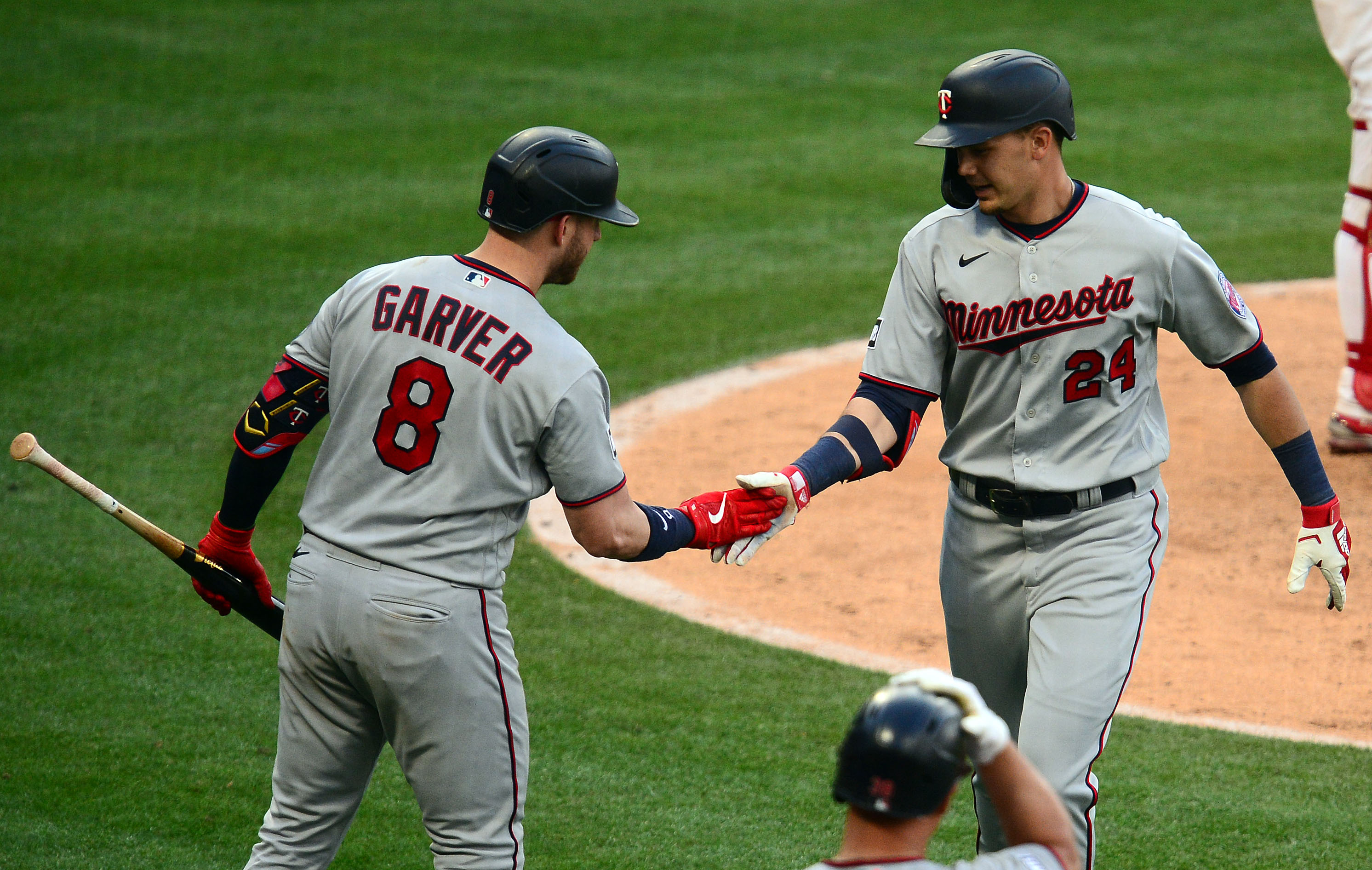 Game 1: Twins 1, Angels 7 Box Score Thorpe: 4.0 IP, 5 H, 4 ER, 2 BB, 0 K Home runs: None Bottom 3 WPA: Thorpe -.317, Larnach -.101, Donaldson -.100 Win Probability Chart (Via FanGraphs) Game 2: Twins 6, Angels 3 Box Score Berríos: 5.0 IP, 3 H, 3 ER, 1 BB, 7 K Home Runs: Sanó (7), Garver (7), Larnach (1) Top 3 WPA: Sanó .230, Garver .090, Rogers .088 Win Probability Chart (Via FanGraphs) Game 1: More of the Same The first half of the double header for the Minnesota Twins largely followed the same script as every Minnesota Twins game this season. The bats were quiet, their starter only went 4 innings and the bullpen again allowed the walls to cave in. The Angels wasted no time getting on the scoreboard in game one Thursday afternoon, as Lewis Thorpe served up a solo home run to the second batter of the game, Phil Gosselin. After the Twins tied up the game on a sacrifice fly in the second inning, the Angels kept their foot on the gas and didn’t let up, pushing across runs on extra base hits in the 2nd, 5th and 7th innings while the Minnesota Twins didn’t hit a single extra base hit after the 2nd inning. The Angels took the game 7-1 with the result of the game never in doubt. Apart from the silent bats, the most concerning part of Game 1 was the discouraging start from Lewis Thorpe. The southpaw’s fastball topped out at a meager 91.5 MPH, though for the majority of the game it was in the 80s. Thorpe only generated 2 swings and misses in his 4 innings of work and was unable to strike out a single batter. What the Twins do with Thorpe will be something to monitor, as it has now been 2 full years since he has shown legitimate stuff and the more time that goes by the more it appears that this is the real Lewis Thorpe. Additionally, it was another discouraging appearance for Tyler Duffey who went from one of the best relievers in all of baseball to an absolute trainwreck for the Minnesota Twins out of the ‘pen this year. Duffey served up 3 runs on 4 hits in just 1 inning, raising his ERA on the season to a massive 5.87. Game 2: The Sanó Storm Continues The Minnesota Twins wasted no time turning their fortunes around at the plate in the latter half of the double header. To start the first inning the Twins followed up a leadoff groundout with a Donaldson walk, followed by a Kepler double and a Polanco walk before Miguel Sanó cleared the bases with a grand slam to give the Twins an early 4-0 lead. The 413-foot shot was Sanó’s 7th home run of the season and 5th in his last 7 games. The home run parade continued for the Twins in the 3rd inning when Mitch Garver took Hunter Strickland deep for a solo home run, his 7th of the season and ended with Trevor Larnach connecting on his first career home run as a big leaguer, a 397-foot shot to right field in the 7th. On the mound, José Berríos turned in a solid, yet not spectacular start for the Minnesota Twins. Berríos tossed 5 innings, allowing just 3 hits, however those hits were costly as Berríos allowed a solo home run in the first and a double in the 2nd inning on his way to allowing 3 earned runs on 84 pitches. After faltering in game 1, the Twins bullpen was up to the task in game 2 with 2 scoreless, hitless innings from Taylor Rogers and Hansel Robles, who converted his second save of the 2021 season. Suspensions Handed Down As game 1 of the double header began, news came out of the suspensions handed down from the Duffey situation in Tuesday night’s ball game. Tyler Duffey was suspended two game and Baldelli three, although Duffey was said to be appealing his 2-game suspension. News later came out that Duffey’s suspension was lessened to 2 games and that he would begin serving it starting in game 2 of the double header. Nelson Cruz Injury After being hit by a pitch in the first game of the double header, Nelson Cruz was scratched for the second game with a left wrist contusion. What’s Next The Minnesota Twins will fly out of Los Angeles tonight before kicking off a 3-game series in Cleveland on Friday. Following the game, the Minnesota Twins announced that Randy Dobnak would be making his first start of the season for the Minnesota Twins on Friday night. The Minnesota Twins now find themselves 15-28 and 11.5 games back of the Chicago White Sox in the American League Central. MORE FROM TWINS DAILY — Latest Twins coverage from our writers — Recent Twins discussion in our forums — Follow Twins Daily via Twitter, Facebook or email
 -
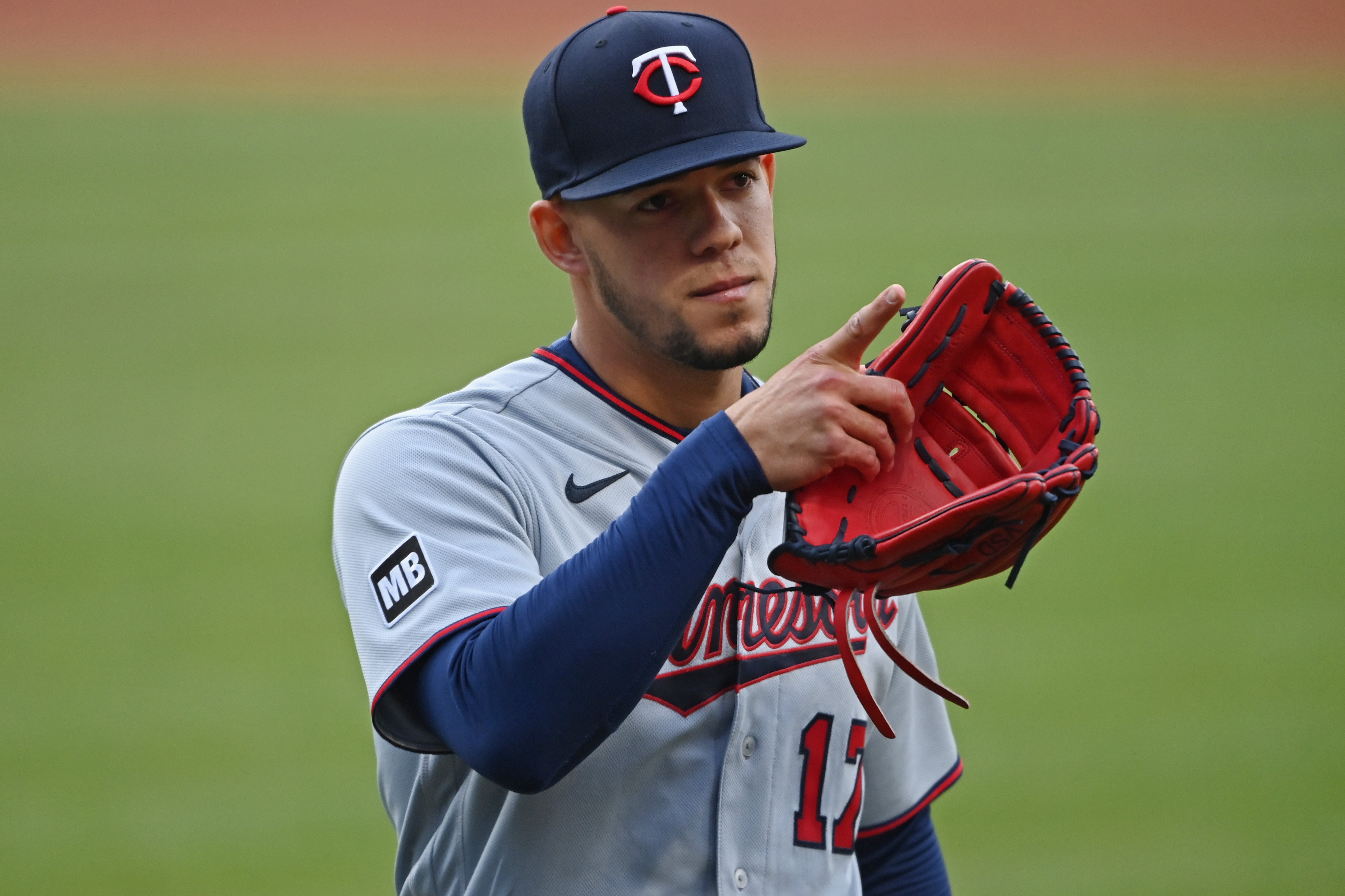 When a baseball team deems itself a seller at the trade deadline, the names that most often pop up are the players who are on expiring contracts. For the Twins, those names are Nelson Cruz, Andrelton Simmons, J.A. Happ and Hansel Robles, among others. Those players will undoubtedly be in trade rumors all trade season, as they are bound for free agency at the end of the year anyways. While it makes a ton of sense to trade expiring players, the lack of team control that comes with those players suppresses the return that can be expected in those trades. Greater assets can be had when players are traded who bring with them multiple years of team control such as Minnesota Twins’ team ace, José Berríos. Berríos has this year and next of arbitration before becoming a free agent after the 2022 season. Already there is national speculation that Berríos could be dealt, as Jon Morosi from MLB Network tweeted yesterday that he could be a name for which the Twins field offers. Over each of the past few offseasons, the Minnesota Twins have worked with Berríos to get an extension done to keep him in Minnesota past 2022, but Berríos and his camp have turned down those team-friendly deals in favor of working Berríos toward free agency. With his free agency now just 18 months away, the odds of getting an extension done with the right hander are next to nothing. Berríos is now already making serious money in arbitration, and his free agency is so close that the Twins no longer hold any type of leverage over José. This will leave the Minnesota Twins in a situation where they will be bidding against 29 other teams for the right to sign Berríos, where realistically they will likely get outbid and lose out on their 2-time all-star. Operating under the above assumption, that means that the Minnesota Twins have a year and a half left of Berríos’s services. The 2021 season for the Twins is already a lost cause, leaving only the 2022 season for Berríos to bring value to this club. The only reason that the Twins would hang onto Berríos at this point is if they truly believe that 2021 is an outlier and that they expect to compete for a division title and World Series in 2022. How realistic is that, though? After all, the Twins have the worst record in Major League Baseball with the 5th worst run differential. The Twins have the second worst pitching staff in the American League, and after the season the Twins will lose 3/5 of their rotation, their home run leader, their starting shortstop and their second best bullpen arm to free agency. There are reasons to think that with better luck and injury fortune things could get better, but acting as if everything will turn around in 2022 when the numbers suggest that this isn’t a good team, could be detrimental. That is what happened with the 2011 team, and it led into a 8-year rebuild featuring some of the worst Minnesota Twins teams in team history (Aaron Gleeman wrote an excellent piece about this a couple of weeks ago). On the flipside, the Minnesota Twins could take advantage of this opportunity where they have a true asset with massive trade value that they could flip to bring back a big return, fueling the Minnesota Twins’ next run in 2023, 2024 and beyond. This 2021 season has shown that the Twins have legit young talent joining the fold in Alex Kirilloff and Trevor Larnach, with pitching prospects soon to come. Gaining more future assets to pair along with the young core the Twins have could lead into their next competitive window, not far off. The Morosi tweet above mentions the Toronto Blue Jays, who boast a top-10 farm system in all of baseball with massive prospect names such as Nate Pearson, Austin Martin and Nate Groshans. Whether it’s the Blue Jays or another team, Berríos possesses the talent and the years of control that should bring back a top-100 prospect (and then some) in return. That return could be what gives the Twins their next ace, cleanup hitter, or gives them the trade ammunition to make a veteran deal down the line. Next deadline, Berríos could be struggling or injured, and his team control of just 3 months at that point will hugely suppress the return that he will bring should the Twins decide to play things out. The difference in trade return between now and then could set the Twins back years. Berríos’ trade value is as high as it is ever going to be until he becomes a free agent and the Twins are as low as they have been in a while, with no guarantee they will claw themselves back anytime soon. The Time to Trade José Berríos is Now. MORE FROM TWINS DAILY — Latest Twins coverage from our writers — Recent Twins discussion in our forums — Follow Twins Daily via Twitter, Facebook or email — Follow Matthew Taylor on Twitter here
 -
Lost in the bottom of the standings with postseason odds in the single digits, the Minnesota Twins have no choice but to be sellers at the deadline. Most of the moveable names are obvious, but José Berríos is more controversial. The time to trade the Twins’ ace is now. When a baseball team deems itself a seller at the trade deadline, the names that most often pop up are the players who are on expiring contracts. For the Twins, those names are Nelson Cruz, Andrelton Simmons, J.A. Happ and Hansel Robles, among others. Those players will undoubtedly be in trade rumors all trade season, as they are bound for free agency at the end of the year anyways. While it makes a ton of sense to trade expiring players, the lack of team control that comes with those players suppresses the return that can be expected in those trades. Greater assets can be had when players are traded who bring with them multiple years of team control such as Minnesota Twins’ team ace, José Berríos. Berríos has this year and next of arbitration before becoming a free agent after the 2022 season. Already there is national speculation that Berríos could be dealt, as Jon Morosi from MLB Network tweeted yesterday that he could be a name for which the Twins field offers. Over each of the past few offseasons, the Minnesota Twins have worked with Berríos to get an extension done to keep him in Minnesota past 2022, but Berríos and his camp have turned down those team-friendly deals in favor of working Berríos toward free agency. With his free agency now just 18 months away, the odds of getting an extension done with the right hander are next to nothing. Berríos is now already making serious money in arbitration, and his free agency is so close that the Twins no longer hold any type of leverage over José. This will leave the Minnesota Twins in a situation where they will be bidding against 29 other teams for the right to sign Berríos, where realistically they will likely get outbid and lose out on their 2-time all-star. Operating under the above assumption, that means that the Minnesota Twins have a year and a half left of Berríos’s services. The 2021 season for the Twins is already a lost cause, leaving only the 2022 season for Berríos to bring value to this club. The only reason that the Twins would hang onto Berríos at this point is if they truly believe that 2021 is an outlier and that they expect to compete for a division title and World Series in 2022. How realistic is that, though? After all, the Twins have the worst record in Major League Baseball with the 5th worst run differential. The Twins have the second worst pitching staff in the American League, and after the season the Twins will lose 3/5 of their rotation, their home run leader, their starting shortstop and their second best bullpen arm to free agency. There are reasons to think that with better luck and injury fortune things could get better, but acting as if everything will turn around in 2022 when the numbers suggest that this isn’t a good team, could be detrimental. That is what happened with the 2011 team, and it led into a 8-year rebuild featuring some of the worst Minnesota Twins teams in team history (Aaron Gleeman wrote an excellent piece about this a couple of weeks ago). On the flipside, the Minnesota Twins could take advantage of this opportunity where they have a true asset with massive trade value that they could flip to bring back a big return, fueling the Minnesota Twins’ next run in 2023, 2024 and beyond. This 2021 season has shown that the Twins have legit young talent joining the fold in Alex Kirilloff and Trevor Larnach, with pitching prospects soon to come. Gaining more future assets to pair along with the young core the Twins have could lead into their next competitive window, not far off. The Morosi tweet above mentions the Toronto Blue Jays, who boast a top-10 farm system in all of baseball with massive prospect names such as Nate Pearson, Austin Martin and Nate Groshans. Whether it’s the Blue Jays or another team, Berríos possesses the talent and the years of control that should bring back a top-100 prospect (and then some) in return. That return could be what gives the Twins their next ace, cleanup hitter, or gives them the trade ammunition to make a veteran deal down the line. Next deadline, Berríos could be struggling or injured, and his team control of just 3 months at that point will hugely suppress the return that he will bring should the Twins decide to play things out. The difference in trade return between now and then could set the Twins back years. Berríos’ trade value is as high as it is ever going to be until he becomes a free agent and the Twins are as low as they have been in a while, with no guarantee they will claw themselves back anytime soon. The Time to Trade José Berríos is Now. MORE FROM TWINS DAILY — Latest Twins coverage from our writers — Recent Twins discussion in our forums — Follow Twins Daily via Twitter, Facebook or email — Follow Matthew Taylor on Twitter here View full article
-
The Minnesota Twins fell once again on Thursday night, capping off another sweep and pushing their record down to a lowly 12-23. Box Score Pineda: 5.1 IP, 4 H, 3 ER, 3 BB, 7 K Home Runs: Kepler (3) Bottom 3 WPA: Arraez -.179, Garver -.124, Donaldson -.110 Win Probability Chart (via FanGraphs) After the Twins allowed the White Sox offense to go wild on Wednesday evening, Michael Pineda did a much better job keeping the bats at bay on Thursday afternoon. Through the first five innings, Pineda only allowed two runs on solo shots from Tim Anderson and Jake Lamb in the first and third innings, respectively. While fans have criticized Baldelli all year for pulling his starters too early, Rocco trotted out Pineda for the sixth inning where he quickly found himself in trouble, walking the first two batters of the sixth inning. Baldelli then turned the ball over to Hansel Robles and the Twins bullpen, who again allowed an inherited runner to score after Andrew Vaughn connected for an RBI single to push the White Sox lead to 3-1. On the offensive side of the ball, the Minnesota Twins struggled early to get anything going, connecting on only two hits through the first seven innings, though they were able to generate base runners via the base on balls, walking five times in the game. The Twins finally found a spark at the plate in the eighth inning, led off by a solo home run from Max Kepler, cutting the lead down to 3-2. Following the home run, the Twins strung two consecutive singles together before manager Tony La Russa decided to go to his closer and former Minnesota Twins, Liam Hendriks, to attempt a five-out save. Hendriks was successful in doing so, as he shut down the Minnesota Twins with no trouble, taking them down in order to close out the game 4-2 following Yermin Mercedes' insurance RBI single in the eighth. Trevor Larnach Finding Success After achieving his first career Major League hit on Wednesday night, Larnach again found success at the plate on Thursday, connecting on a fourth-inning double with a 105 MPH exit velocity, where he would in turn come around to score the Twins first run of the game. In the fifth inning, Larnach demonstrated terrific plate discipline, drawing a nine-pitch walk off of Lance Lynn. In a season that has been disappointing on so many levels, being able to get performances like these from rookies are big-time wins for the long-term outlook of the Minnesota Twins. More Trouble with RISP In what has been a consistent theme throughout the season for the Minnesota Twins, the team once again was unable to come through with runners in scoring position. Today, the Twins went 0-for-10 with RISP, lowering their average to .230 in those situations on the season. For a team that is already struggling in so many different areas, they cannot afford to melt down with runners in scoring position, but that is exactly what they have done time and time again all year. Bullpen Usage Chart Click here to see the bullpen usage over the past five days (link opens a Google Sheet). What’s Next Things don’t get much easier for the Minnesota Twins as they will now return to Target Field to kick off a 3-game series against the 1st place Oakland Athletics. View full article
-
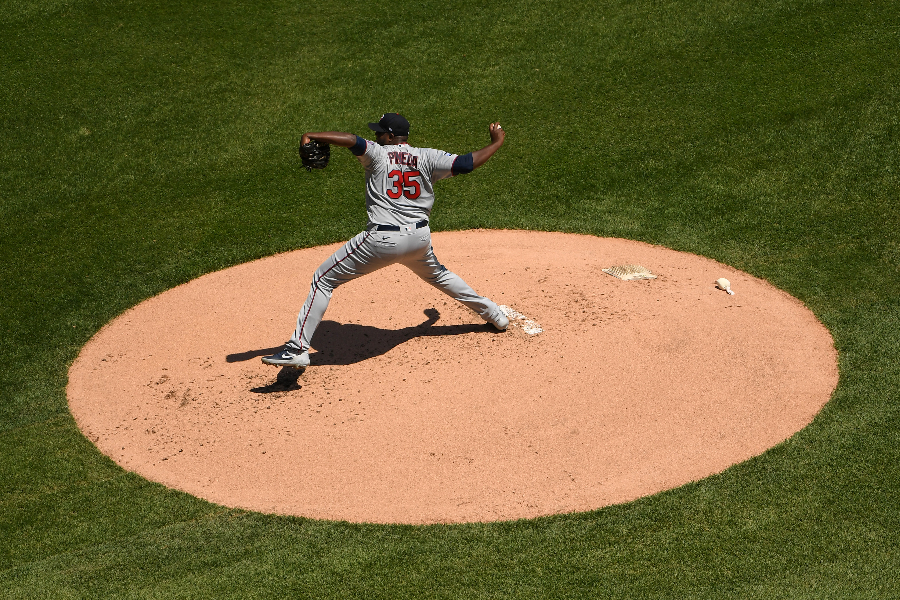 Box Score Pineda: 5.1 IP, 4 H, 3 ER, 3 BB, 7 K Home Runs: Kepler (3) Bottom 3 WPA: Arraez -.179, Garver -.124, Donaldson -.110 Win Probability Chart (via FanGraphs) After the Twins allowed the White Sox offense to go wild on Wednesday evening, Michael Pineda did a much better job keeping the bats at bay on Thursday afternoon. Through the first five innings, Pineda only allowed two runs on solo shots from Tim Anderson and Jake Lamb in the first and third innings, respectively. While fans have criticized Baldelli all year for pulling his starters too early, Rocco trotted out Pineda for the sixth inning where he quickly found himself in trouble, walking the first two batters of the sixth inning. Baldelli then turned the ball over to Hansel Robles and the Twins bullpen, who again allowed an inherited runner to score after Andrew Vaughn connected for an RBI single to push the White Sox lead to 3-1. On the offensive side of the ball, the Minnesota Twins struggled early to get anything going, connecting on only two hits through the first seven innings, though they were able to generate base runners via the base on balls, walking five times in the game. The Twins finally found a spark at the plate in the eighth inning, led off by a solo home run from Max Kepler, cutting the lead down to 3-2. Following the home run, the Twins strung two consecutive singles together before manager Tony La Russa decided to go to his closer and former Minnesota Twins, Liam Hendriks, to attempt a five-out save. Hendriks was successful in doing so, as he shut down the Minnesota Twins with no trouble, taking them down in order to close out the game 4-2 following Yermin Mercedes' insurance RBI single in the eighth. Trevor Larnach Finding Success After achieving his first career Major League hit on Wednesday night, Larnach again found success at the plate on Thursday, connecting on a fourth-inning double with a 105 MPH exit velocity, where he would in turn come around to score the Twins first run of the game. In the fifth inning, Larnach demonstrated terrific plate discipline, drawing a nine-pitch walk off of Lance Lynn. In a season that has been disappointing on so many levels, being able to get performances like these from rookies are big-time wins for the long-term outlook of the Minnesota Twins. More Trouble with RISP In what has been a consistent theme throughout the season for the Minnesota Twins, the team once again was unable to come through with runners in scoring position. Today, the Twins went 0-for-10 with RISP, lowering their average to .230 in those situations on the season. For a team that is already struggling in so many different areas, they cannot afford to melt down with runners in scoring position, but that is exactly what they have done time and time again all year. Bullpen Usage Chart Click here to see the bullpen usage over the past five days (link opens a Google Sheet). What’s Next Things don’t get much easier for the Minnesota Twins as they will now return to Target Field to kick off a 3-game series against the 1st place Oakland Athletics.
 -
They did it again. The Minnesota Twins once again blew an early lead and once again lost in extra innings. The Minnesota Twins dropped three out of four in their home series against the Texas Rangers.Box Score Pineda: 6 IP, 6 H, 2 ER, 1 BB, 5 K Home Runs: Kepler (1) Bottom 3 WPA: Sanó -.276, Donaldson -.138, Robles -.107 Win Probability Chart (via Fangraphs) Download attachment: twins.png The Minnesota Twins wasted no time getting on the scoreboard today as Max Kepler finally broke through with his first home run of the season on a middle-middle fastball from Jordan Lyles. The leadoff home run marked the 10th leadoff homer of his career and it was a no-doubter: The Minnesota Twins quickly allowed the Rangers to tie the game back up, though, when Michael Pineda served up a solo home run to Joey Gallo, his second home run and fourth RBI in the four-game series. After Texas tacked on another run later in the second inning, La Tortuga put the Minnesota Twins back in front with a two-run single to give the Twins a 3-2 lead. Michael Pineda finished his day after six innings pitched, logging his third quality start of the season. Pineda finished his day allowing two earned runs on six hits, with two walks and five strikeouts. After Pineda called it a day, the Minnesota Twins’ bullpen struggles continued, as reliever Hansel Robles surrendered a tying home run to Rangers’ backup catcher, Jonah Heim, just the second home run of his career. Staying deadlocked through the high leverage innings, the Minnesota Twins found themselves in an all-too-familiar position, extra innings. Entering today’s game the Minnesota Twins were 0-6 in extra innings. It didn’t take long for things to work themselves out how they usually do. The Texas Rangers scored the go-ahead run on the first at-bat of the 10th inning, a RBI single from Willie Calhoun off of Tyler Duffey, to give the Rangers a 4-3 lead. In typical 2021 Twins fashion, the Minnesota Twins came up empty handed in the bottom of the 10th inning, not even putting up any fight whatsoever. The Twins went down 1-2-3 in the 10th with consecutive strikeouts from Astudillo and a pinch-hitting Donaldson, before Joey Gallo made a diving catch off the bat of Miguel Sanó and the game was over. The Minnesota Twins are now 0-7 in extra inning games. They are 11-19 and on pace for a 103-loss season. Oh yeah, and Byron Buxton looks to have injured his leg late in Thursday's game. Things are bad. Nick Gordon's Unforgettable Debut To not ruin your entire afternoon on the sourest of notes, let’s end this article with the best part of Thursday’s ballgame, Nick Gordon. After being drafted fourth overall by the Minnesota Twins seven years ago, Nick Gordon finally made his MLB debut and boy did he show out! Gordon drew a walk in his first plate appearance, later connected for a single, and stole two bases along the way. It was a day to remember for a prospect who has not had many things go his way. Congratulations to Nick on an unforgettable debut! Byron Buxton Update Bullpen Usage Spreadsheet Click here to see the bullpen usage over the past five days (link opens a Google Sheet). MORE FROM TWINS DAILY — Latest Twins coverage from our writers — Recent Twins discussion in our forums — Follow Twins Daily via Twitter, Facebook or email Click here to view the article
-
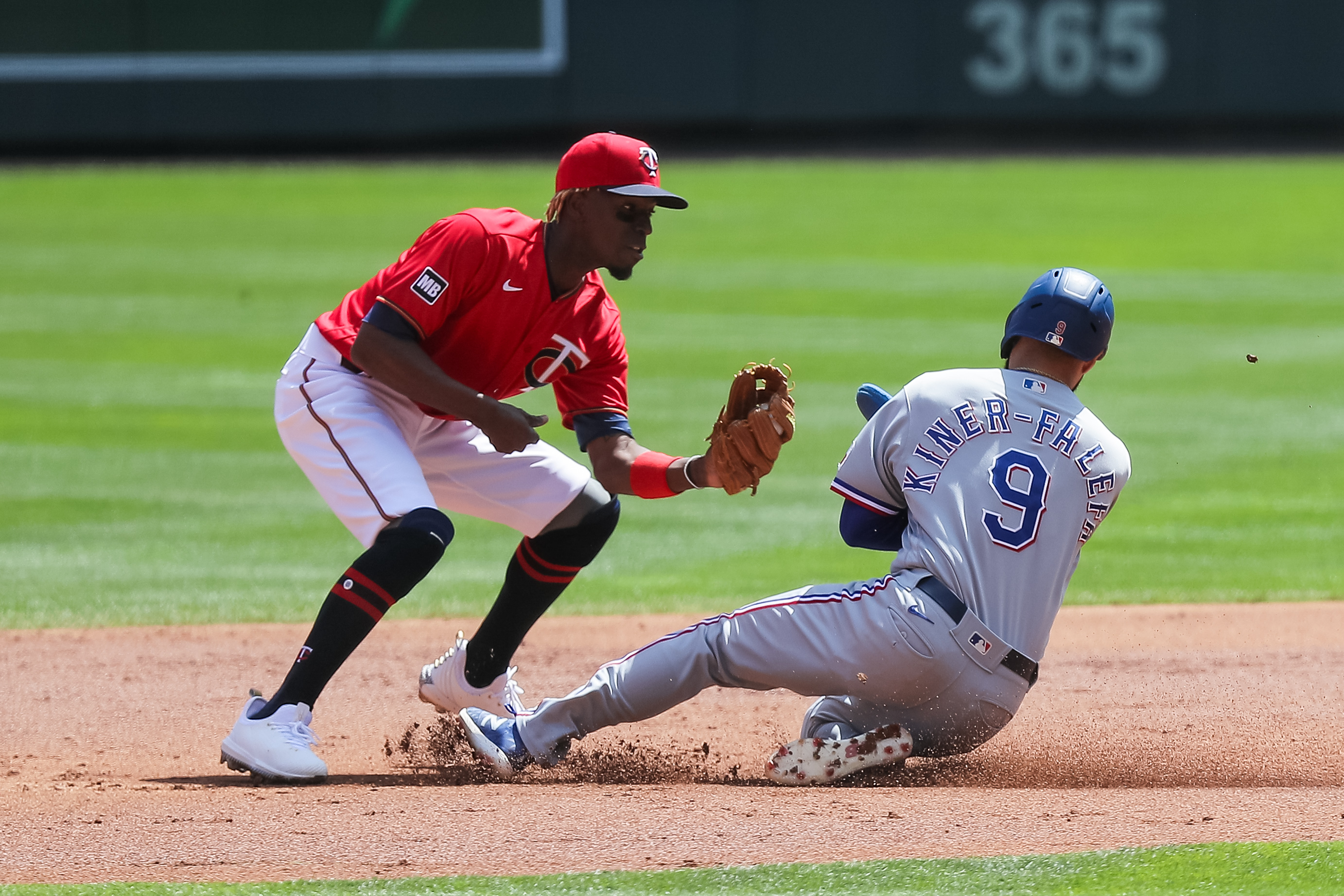 Box Score Pineda: 6 IP, 6 H, 2 ER, 1 BB, 5 K Home Runs: Kepler (1) Bottom 3 WPA: Sanó -.276, Donaldson -.138, Robles -.107 Win Probability Chart (via Fangraphs) The Minnesota Twins wasted no time getting on the scoreboard today as Max Kepler finally broke through with his first home run of the season on a middle-middle fastball from Jordan Lyles. The leadoff home run marked the 10th leadoff homer of his career and it was a no-doubter: https://twitter.com/BallySportsNOR/status/1390356012541022214?s=20 The Minnesota Twins quickly allowed the Rangers to tie the game back up, though, when Michael Pineda served up a solo home run to Joey Gallo, his second home run and fourth RBI in the four-game series. After Texas tacked on another run later in the second inning, La Tortuga put the Minnesota Twins back in front with a two-run single to give the Twins a 3-2 lead. https://twitter.com/Twins/status/1390377236688220162?s=20 Michael Pineda finished his day after six innings pitched, logging his third quality start of the season. Pineda finished his day allowing two earned runs on six hits, with two walks and five strikeouts. After Pineda called it a day, the Minnesota Twins’ bullpen struggles continued, as reliever Hansel Robles surrendered a tying home run to Rangers’ backup catcher, Jonah Heim, just the second home run of his career. Staying deadlocked through the high leverage innings, the Minnesota Twins found themselves in an all-too-familiar position, extra innings. Entering today’s game the Minnesota Twins were 0-6 in extra innings. It didn’t take long for things to work themselves out how they usually do. The Texas Rangers scored the go-ahead run on the first at-bat of the 10th inning, a RBI single from Willie Calhoun off of Tyler Duffey, to give the Rangers a 4-3 lead. In typical 2021 Twins fashion, the Minnesota Twins came up empty handed in the bottom of the 10th inning, not even putting up any fight whatsoever. The Twins went down 1-2-3 in the 10th with consecutive strikeouts from Astudillo and a pinch-hitting Donaldson, before Joey Gallo made a diving catch off the bat of Miguel Sanó and the game was over. The Minnesota Twins are now 0-7 in extra inning games. They are 11-19 and on pace for a 103-loss season. Oh yeah, and Byron Buxton looks to have injured his leg late in Thursday's game. Things are bad. Nick Gordon's Unforgettable Debut To not ruin your entire afternoon on the sourest of notes, let’s end this article with the best part of Thursday’s ballgame, Nick Gordon. After being drafted fourth overall by the Minnesota Twins seven years ago, Nick Gordon finally made his MLB debut and boy did he show out! Gordon drew a walk in his first plate appearance, later connected for a single, and stole two bases along the way. It was a day to remember for a prospect who has not had many things go his way. Congratulations to Nick on an unforgettable debut! https://twitter.com/Twins/status/1390376466018361347?s=20 Byron Buxton Update Bullpen Usage Spreadsheet Click here to see the bullpen usage over the past five days (link opens a Google Sheet). MORE FROM TWINS DAILY — Latest Twins coverage from our writers — Recent Twins discussion in our forums — Follow Twins Daily via Twitter, Facebook or email
 -
The Minnesota Twins bullpen is in dire straits and changes need to be made. There are four relievers that the Twins should try to trade for right now.Nick Nelson of Twins Daily wrote on Tuesday night about the potential paths the Twins can take to improve their bullpen, one of those paths included making an early-season trade. While trades typically aren’t made until closer to the trade deadline when teams have a better idea as to whether or not they are sellers, time is not on the Twins’ side, and there are already some teams that figure to be in a sell-now mindset who have quality arms to offer. Richard Rodríguez, Pittsburgh Pirates Rodríguez was a popular name in the offseason as a potential trade target for the Minnesota Twins after he posted a 2.70 ERA in 23 1/3 innings for the Pirates in 2020. Now 12 games into the 2021 season, Rodríguez has been even better. Through 12 1/3 innings this season, the right hander has yet to allow a run, and has only allowed one hit and one walk thus far. While Rodríguez relies heavily on only one pitch (Throws his fastball 89% of the time), players have yet to prove that they can hit it, and coming from the National League he would face a new batch of hitters who have little exposure to the pitch at all. Because of his elite performance and his younger age of just 31-years-old, acquiring Rodríguez might require some additional prospect capital, but the value that the right-hander would bring the Twins figures to be worth the cost. The Pittsburgh Pirates have the second worst run differential and baseball and figure to be active this trade season. César Valdez, Baltimore Orioles After he was outrighted to the minor leagues by the Toronto Blue Jays in 2017, Valdez opted to leave Major League Baseball for the Mexican League where he spent the 2018 and 2019 seasons. In 2020, Valdez returned to the United States to pitch for the Baltimore Orioles and he has been outstanding ever since. In the 28 innings since coming back to Major League Baseball in 2020, Valdez owns a 1.29 ERA with a 0.86 WHIP. The right-handed reliever relies primarily on his changeup and fastball which allows him to have success against batters from both sides of the plate. At 36-years-old, Valdez certainly won’t require much prospect capital to acquire, but his strikeout ability and whiff rates would be welcomed additions to this struggling Minnesota Twins bullpen. The Baltimore Orioles already find themselves in last place in the American League East and shouldn’t be hesitant to begin trading away their assets. Gregory Soto, Detroit Tigers The southpaw closer for the Detroit Tigers has shown that he has the stuff to shut down batters late in games as his fastball velocity is up to 98 MPH this season with a K/9 in double digits. The flamethrower owns a 3.89 ERA in 34 2/3 innings since the start of 2020 and at the young age of 26, could be acquired with multiple years of control still remaining. The Minnesota Twins could certainly use a left-handed reliever as Caleb Thielbar has looked shaky to this point in the season and Brandon Waddell has looked...did you watch last night’s game? The Detroit Tigers have been the worst team in baseball up to this point and have no reason to push for success in the present. Intra-division trades are never common, but given how far off the Tigers appear to be, it wouldn’t be shocking to see them send their lefty to Minnesota in the right trade package. Ian Kennedy, Texas Rangers The final player who could make sense for the Minnesota Twins as a reliever trade target is Ian Kennedy, from the Texas Rangers team that the Minnesota Twins just lost to on Tuesday night. A long-time AL Central starter with Kansas City, Kennedy has found success since moving to the bullpen in 2019 where he owns a 4.08 ERA (3.83 FIP) and a K/9 of 10.5. Thus far in 2021 in his first season with the Rangers, Kennedy owns a 2.08 ERA and is striking out more batters than he ever has in his career, thanks to increased usage and velocity on his four-seam fastball. At 36-years-old, Kennedy should be cheap to acquire, and the Texas Rangers figure to not be going anywhere in 2021. Maybe after the 4-game stand against the Rangers, Kennedy can just stay back with the Twins rather than leave with his current teammates? Which of these four reliever options do you think would be the best for the Minnesota Twins to trade for? Is there another name you think who could be better? Leave a comment below and start the conversation! MORE FROM TWINS DAILY — Latest Twins coverage from our writers — Recent Twins discussion in our forums — Follow Twins Daily via Twitter, Facebook or email Click here to view the article
-
4 Reliever Options the Minnesota Twins Should Trade For Right Now
Matthew Taylor posted an article in Twins
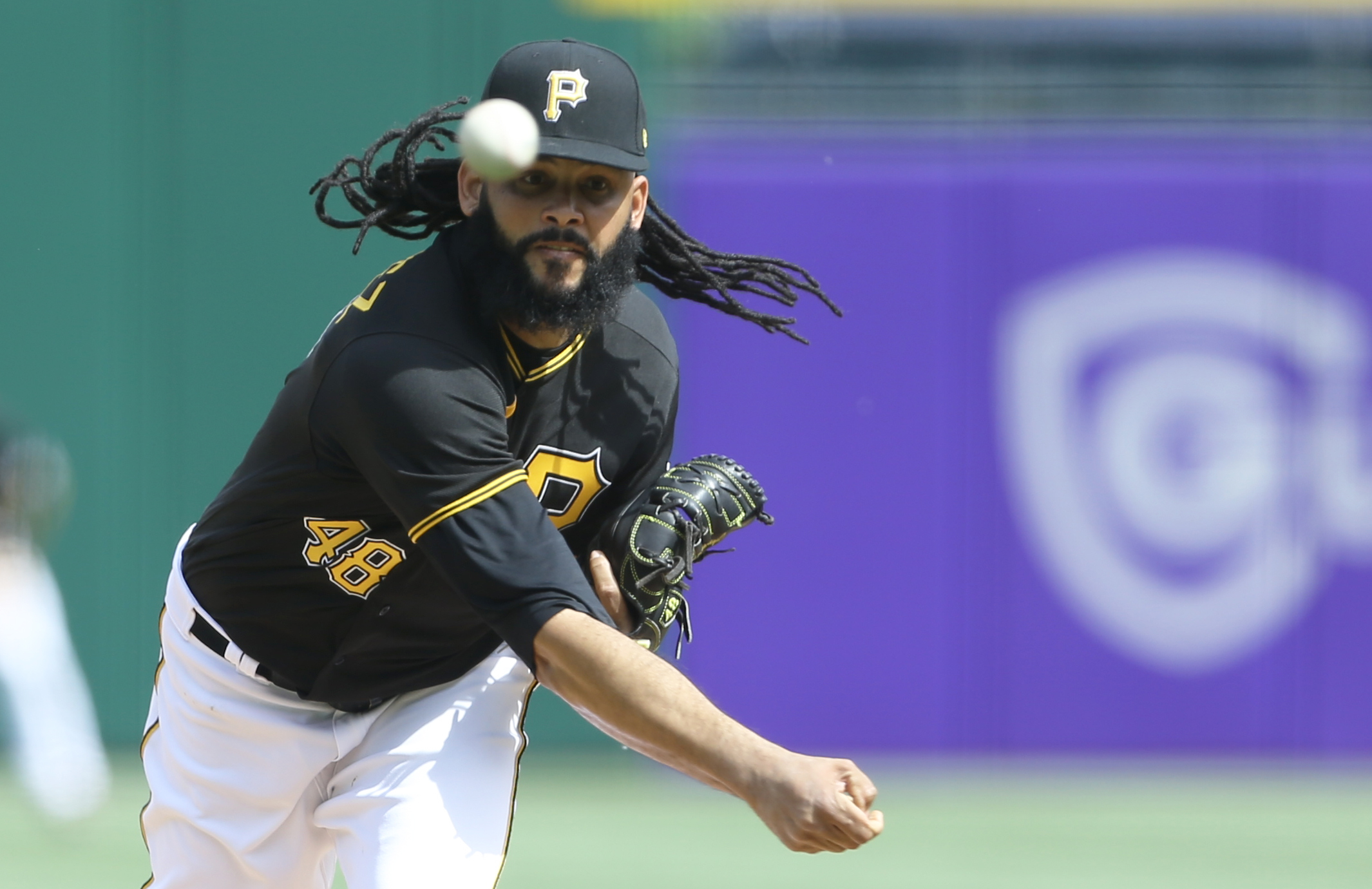 Nick Nelson of Twins Daily wrote on Tuesday night about the potential paths the Twins can take to improve their bullpen, one of those paths included making an early-season trade. While trades typically aren’t made until closer to the trade deadline when teams have a better idea as to whether or not they are sellers, time is not on the Twins’ side, and there are already some teams that figure to be in a sell-now mindset who have quality arms to offer. Richard Rodríguez, Pittsburgh Pirates Rodríguez was a popular name in the offseason as a potential trade target for the Minnesota Twins after he posted a 2.70 ERA in 23 1/3 innings for the Pirates in 2020. Now 12 games into the 2021 season, Rodríguez has been even better. Through 12 1/3 innings this season, the right hander has yet to allow a run, and has only allowed one hit and one walk thus far. While Rodríguez relies heavily on only one pitch (Throws his fastball 89% of the time), players have yet to prove that they can hit it, and coming from the National League he would face a new batch of hitters who have little exposure to the pitch at all. Because of his elite performance and his younger age of just 31-years-old, acquiring Rodríguez might require some additional prospect capital, but the value that the right-hander would bring the Twins figures to be worth the cost. The Pittsburgh Pirates have the second worst run differential and baseball and figure to be active this trade season. César Valdez, Baltimore Orioles After he was outrighted to the minor leagues by the Toronto Blue Jays in 2017, Valdez opted to leave Major League Baseball for the Mexican League where he spent the 2018 and 2019 seasons. In 2020, Valdez returned to the United States to pitch for the Baltimore Orioles and he has been outstanding ever since. In the 28 innings since coming back to Major League Baseball in 2020, Valdez owns a 1.29 ERA with a 0.86 WHIP. The right-handed reliever relies primarily on his changeup and fastball which allows him to have success against batters from both sides of the plate. At 36-years-old, Valdez certainly won’t require much prospect capital to acquire, but his strikeout ability and whiff rates would be welcomed additions to this struggling Minnesota Twins bullpen. The Baltimore Orioles already find themselves in last place in the American League East and shouldn’t be hesitant to begin trading away their assets. Gregory Soto, Detroit Tigers The southpaw closer for the Detroit Tigers has shown that he has the stuff to shut down batters late in games as his fastball velocity is up to 98 MPH this season with a K/9 in double digits. The flamethrower owns a 3.89 ERA in 34 2/3 innings since the start of 2020 and at the young age of 26, could be acquired with multiple years of control still remaining. The Minnesota Twins could certainly use a left-handed reliever as Caleb Thielbar has looked shaky to this point in the season and Brandon Waddell has looked...did you watch last night’s game? The Detroit Tigers have been the worst team in baseball up to this point and have no reason to push for success in the present. Intra-division trades are never common, but given how far off the Tigers appear to be, it wouldn’t be shocking to see them send their lefty to Minnesota in the right trade package. Ian Kennedy, Texas Rangers The final player who could make sense for the Minnesota Twins as a reliever trade target is Ian Kennedy, from the Texas Rangers team that the Minnesota Twins just lost to on Tuesday night. A long-time AL Central starter with Kansas City, Kennedy has found success since moving to the bullpen in 2019 where he owns a 4.08 ERA (3.83 FIP) and a K/9 of 10.5. Thus far in 2021 in his first season with the Rangers, Kennedy owns a 2.08 ERA and is striking out more batters than he ever has in his career, thanks to increased usage and velocity on his four-seam fastball. At 36-years-old, Kennedy should be cheap to acquire, and the Texas Rangers figure to not be going anywhere in 2021. Maybe after the 4-game stand against the Rangers, Kennedy can just stay back with the Twins rather than leave with his current teammates? Which of these four reliever options do you think would be the best for the Minnesota Twins to trade for? Is there another name you think who could be better? Leave a comment below and start the conversation! MORE FROM TWINS DAILY — Latest Twins coverage from our writers — Recent Twins discussion in our forums — Follow Twins Daily via Twitter, Facebook or email
 -
6 Reasons to Feel Hopeful about the Minnesota Twins in 2021
Matthew Taylor posted an article in Twins
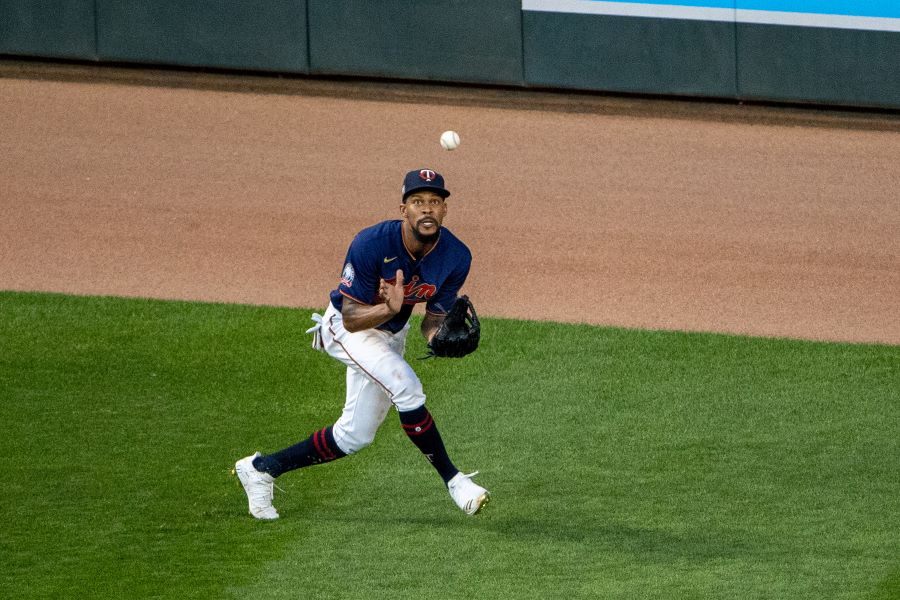 1. The Minnesota Twins have the unluckiest record in baseball While the Minnesota Twins have gotten off to a miserable 8-15 start, they have also been extremely unlucky. The unluckiest team in baseball, in fact. According to pythagorean win/loss which is the expected record for a baseball team based on their run differential, the Minnesota Twins should be an 11-12 team and just 2.5 GB of the division lead. The 3 game difference between the Twins’ actual win/loss and their expected win/loss is the largest in baseball. The luckiest team in baseball thus far? The AL Central leading Kansas City Royals. The biggest reason for this discrepancy between expected and actual win/loss for the Minnesota Twins has been their miserable performance in one-run games. Typically one-run games are coin flips in baseball, but thus far the Twins have been 2-6 in one run games and an unfathomable 0-5 in extra inning games. While much of that poor performance can be equated to what has been a poor bullpen, a lot of it can also be equated to bad luck, and bad luck that you would expect to regress back to the mean over the course of a 162-game season. 2. The Minnesota Twins are hitting the ball extremely hard Only the Atlanta Braves and the Toronto Blue Jays have a higher average exit velocity than the Minnesota Twins who on average are hitting the ball at 90 MPH. What has hurt the Twins up to this point has been the lack of launch angle that they are putting on the baseball. While each of the past four seasons, the Twins have finished in the top three in all of baseball in average launch angle, to this point in the season the Twins are 20th in Major League Baseball in average launch angle. With the bat speed already there, as soon as the Twins start hitting the ball up a bit more, the extra base hits and bombas should follow. 3. The Minnesota Twins’ batted balls are not finding holes If it seems like many hard hit balls are not finding holes for the Minnesota Twins up to this point in the season it’s because they aren’t. In fact, the Minnesota Twins have the third largest differential in the American League between expected slugging percentage (.488) and actual slugging percentage (.409). This is another statistic that one can assume will even out over the course of a 162-game season and all of those holes that the Twins have failed to find to this point will soon turn into seeing-eye singles and doubles down the line. 4. The Minnesota Twins are finally past their COVID-19 Issues With the report that Max Kepler and Kyle Garlick have cleared COVID-19 protocols, the Minnesota Twins appear to finally be out of the woods with the COVID-19 virus that has spread through their locker room over the past two weeks *knock on wood*. Because of their mini outbreak the Minnesota Twins were without Kepler, Garlick and Simmons for a prolonged period of time and have been forced to rely heavily upon guys like JT Riddle and Willians Astudillo. The virus issues have eaten into the Twins depth a ton and has crippled them greatly over the course of their losing skid. With Kepler and Garlick re-joining the team this weekend, the Twins should hopefully be back at full strength for the first time this season. 5. The Minnesota Twins have yet to play the top two teams in their division In any given season, what typically decides the division winner is the team that performs the best against their top competition in the division. In the case of the Minnesota Twins, they still have yet to play the Chicago White Sox and just this weekend are starting competition against the Kansas City Royals. The Twins find themselves in a deficit in the American League Central, but there is no quicker way for them to make up ground than to perform well against the best. 6. The Season is only 14% over While many of our brains are still used to the 60-game sprint of 2020, we are back into the marathon that is a 162-game season, and the Minnesota Twins have only played 21 of those 162 games, or 14%. The start of the year has not gone the way that anyone has wanted, but there is ample time for them to make up ground. The season is extremely young, and time is on the side of the two-time reigning American League Central champions. What other reasons can you think of for reasons to have hope in the Minnesota Twins? Leave a comment below and start the conversation? MORE FROM TWINS DAILY — Latest Twins coverage from our writers — Recent Twins discussion in our forums — Follow Twins Daily via Twitter, Facebook or email
 -
The 2021 Minnesota Twins have quickly dug themselves into an unexpected 8-15 hole. While there are plenty of reasons to feel down about this team, there are plenty of reasons to feel hopeful.1. The Minnesota Twins have the unluckiest record in baseball While the Minnesota Twins have gotten off to a miserable 8-15 start, they have also been extremely unlucky. The unluckiest team in baseball, in fact. According to pythagorean win/loss which is the expected record for a baseball team based on their run differential, the Minnesota Twins should be an 11-12 team and just 2.5 GB of the division lead. The 3 game difference between the Twins’ actual win/loss and their expected win/loss is the largest in baseball. The luckiest team in baseball thus far? The AL Central leading Kansas City Royals. The biggest reason for this discrepancy between expected and actual win/loss for the Minnesota Twins has been their miserable performance in one-run games. Typically one-run games are coin flips in baseball, but thus far the Twins have been 2-6 in one run games and an unfathomable 0-5 in extra inning games. While much of that poor performance can be equated to what has been a poor bullpen, a lot of it can also be equated to bad luck, and bad luck that you would expect to regress back to the mean over the course of a 162-game season. 2. The Minnesota Twins are hitting the ball extremely hard Only the Atlanta Braves and the Toronto Blue Jays have a higher average exit velocity than the Minnesota Twins who on average are hitting the ball at 90 MPH. What has hurt the Twins up to this point has been the lack of launch angle that they are putting on the baseball. While each of the past four seasons, the Twins have finished in the top three in all of baseball in average launch angle, to this point in the season the Twins are 20th in Major League Baseball in average launch angle. With the bat speed already there, as soon as the Twins start hitting the ball up a bit more, the extra base hits and bombas should follow. 3. The Minnesota Twins’ batted balls are not finding holes If it seems like many hard hit balls are not finding holes for the Minnesota Twins up to this point in the season it’s because they aren’t. In fact, the Minnesota Twins have the third largest differential in the American League between expected slugging percentage (.488) and actual slugging percentage (.409). This is another statistic that one can assume will even out over the course of a 162-game season and all of those holes that the Twins have failed to find to this point will soon turn into seeing-eye singles and doubles down the line. 4. The Minnesota Twins are finally past their COVID-19 Issues With the report that Max Kepler and Kyle Garlick have cleared COVID-19 protocols, the Minnesota Twins appear to finally be out of the woods with the COVID-19 virus that has spread through their locker room over the past two weeks *knock on wood*. Because of their mini outbreak the Minnesota Twins were without Kepler, Garlick and Simmons for a prolonged period of time and have been forced to rely heavily upon guys like JT Riddle and Willians Astudillo. The virus issues have eaten into the Twins depth a ton and has crippled them greatly over the course of their losing skid. With Kepler and Garlick re-joining the team this weekend, the Twins should hopefully be back at full strength for the first time this season. 5. The Minnesota Twins have yet to play the top two teams in their division In any given season, what typically decides the division winner is the team that performs the best against their top competition in the division. In the case of the Minnesota Twins, they still have yet to play the Chicago White Sox and just this weekend are starting competition against the Kansas City Royals. The Twins find themselves in a deficit in the American League Central, but there is no quicker way for them to make up ground than to perform well against the best. 6. The Season is only 14% over While many of our brains are still used to the 60-game sprint of 2020, we are back into the marathon that is a 162-game season, and the Minnesota Twins have only played 21 of those 162 games, or 14%. The start of the year has not gone the way that anyone has wanted, but there is ample time for them to make up ground. The season is extremely young, and time is on the side of the two-time reigning American League Central champions. What other reasons can you think of for reasons to have hope in the Minnesota Twins? Leave a comment below and start the conversation? MORE FROM TWINS DAILY — Latest Twins coverage from our writers — Recent Twins discussion in our forums — Follow Twins Daily via Twitter, Facebook or email Click here to view the article
-
The Minnesota Twins suffered one of the most discouraging losses you are ever going to see on Wednesday afternoon. There is plenty of blame to go around for what happened, but the Minnesota Twins’ skipper deserves some of it.The Minnesota Twins again suffered a loss in a game in which they were in a prime position to win. Kenta Maeda had an uncharacteristically rough start, the bottom of the Twins’ order was inept, and the defense failed to convert routine plays. Additionally, though, Rocco Baldelli made some questionable decisions that contributed greatly to the Twins losing Wednesday’s series finale in Oakland. Let’s dive into the three head scratching moves. Questionable Move #1: Letting Alexander Colomé Throw 49 Pitches Though he had been shaky to start the season, bringing in Alexander Colomé in the ninth inning for the save was the clear move for Rocco Baldelli. Colomé was signed to the club to close out games and was the last high-leverage arm that Baldelli had remaining in his bullpen. Even bringing Colomé back in the 10th inning was defendable. Although he blew the save, Colomé threw 19 pitches in the ninth inning, and two right handed hitters were due up in the 10th for Oakland with the Twins owning a two-run lead. The problem with Rocco’s decision-making was just how long he allowed Colomé to stay in the game in the 10th. After Colomé got the first two righties to make outs in the 10th inning, left hander Seth Brown was due up with Colomé now at 29 pitches. After cruising through the first two batters, Colomé began to show some clear signs of tiring, throwing a five-pitch walk to Brown to put the tying run on base. Left in to face Elvis Andrus, Colomé, clearly exhausted, walked his second straight batter to load up the bases. After not having walked a batter all season, Colomé just walked two consecutive batters and was now at 40 pitches. Although ineffective and running on total fumes, Baldelli inexplicably left Colomé in the game with the bases loaded to face Matt Chapman, arguably Oakland’s best hitter. At this point Colomé was now throwing the most pitches he had thrown in an appearance since 2015 (!!) when he was still a starting pitcher. In Devin Smeltzer and Jorge Alcala, Baldelli may not have had the greatest options remaining in the bullpen, but it was clear to everyone that Colomé was tiring quickly and that a lesser name would give the Twins a better chance at that point than Colomé throwing a pitch count that he hadn’t thrown since Barack Obama left office. Colomé was clearly going to be in the game until the end, and while he did produce grounders that should have turned into outs, the reckless handling of allowing a tired Colomé to walk the bases loaded and continue facing the heart of the Oakland order was inexcusable. Questionable Move #2: Pinch Running Travis Blankenhorn for Josh Donaldson Heading into the top of the 10th inning with the “Runner on second” rule in effect, Rocco Baldelli made the questionable move to swap out his Gold Glove-winning third baseman in favor of utilityman Travis Blankenhorn as a pinch runner. This move was questionable from the jump as Blankenhorn, a well-built corner position fielder, is not exactly the fleetest of foot and is only marginally faster than Josh Donaldson on the basepaths. If a play occurred where there was a blooper into the outfield and Blankenhorn were to need to score on a bang-bang play at the plate, then any speed advantage you can get on the basepaths is an advantage. Majority of the time, though, that runner on second will score in a different manner, and one where a very marginal difference in speed isn’t going to make a huge difference. That runner on second could score easily on a double in the gap. Or on a couple of sacrifices. Or a home run (like was the case on Wednesday). Or potentially not even get a chance to score at all. There were so many variables at play that substituting a pinch runner in that spot for a very minimal gain in speed was not worth the subsequent consequence of taking Donaldson’s glove out of the game for the bottom half of the inning with a pitch-to-contact pitcher on the mound and plenty of ground balls incoming. While it didn’t come to fruition, the swap also removed Donaldson’s bat for a potential later inning, should extras have continued past the 10th inning. The decision came back to haunt the Twins in a big way, too, as the domino effect of Josh Donaldson’s removal from the game caused two new players to enter the field on defense, each of them making consecutive errors that caused three runs and lost the Twins the ballgame. Which leads to questionable decision number three... Questionable Decision #3: Moving Luis Arraez to Third Base and Putting Blankenhorn at Second Rather than making the clean swap with putting Travis Blankenhorn in the field at third base for the bottom of the 10th, Baldelli decided to completely mix up the defensive alignment in extra innings by moving Luis Arraez to third base and slotting Travis Blankenhorn in at second. This now put the Twins in a situation where they were not only without their Gold Glove third baseman, but they had two defensive players playing in a totally new position that day, one of them completely cold, in a high leverage situation with a tiring pitch-to-contact player on the mound. This decision reared its ugly head quickly as Blankenhorn botched a ground ball to second base to allow one run to score before Luis Arraez made a throwing error on the next at-bat to allow the tying and winning runs to score. Sure, Major League Baseball players should convert those plays 95% of the time, but in a high leverage situation with all of the pressure in the world, a manager is not setting up his team for the best chance at success by taking out his Gold Glove veteran in favor of two young, stretched defensive players. Rocco Baldelli was not the only reason that the Minnesota Twins lost to the Oakland Athletics on Wendesday afternoon. Baldelli is still the best manager for this ballclub, and better days and decisions are ahead. He did make some poor decisions, though, that contributed to the Twins losing Wednesday’s ball game, and does deserve some of the criticism for those decisions. What did you think of Rocco Baldelli’s decision-making on Wednesday afternoon? Were there any other questionable decisions that stuck out to you? Leave a comment below and start the conversation! MORE FROM TWINS DAILY — Latest Twins coverage from our writers — Recent Twins discussion in our forums — Follow Twins Daily via Twitter, Facebook or email Click here to view the article
-
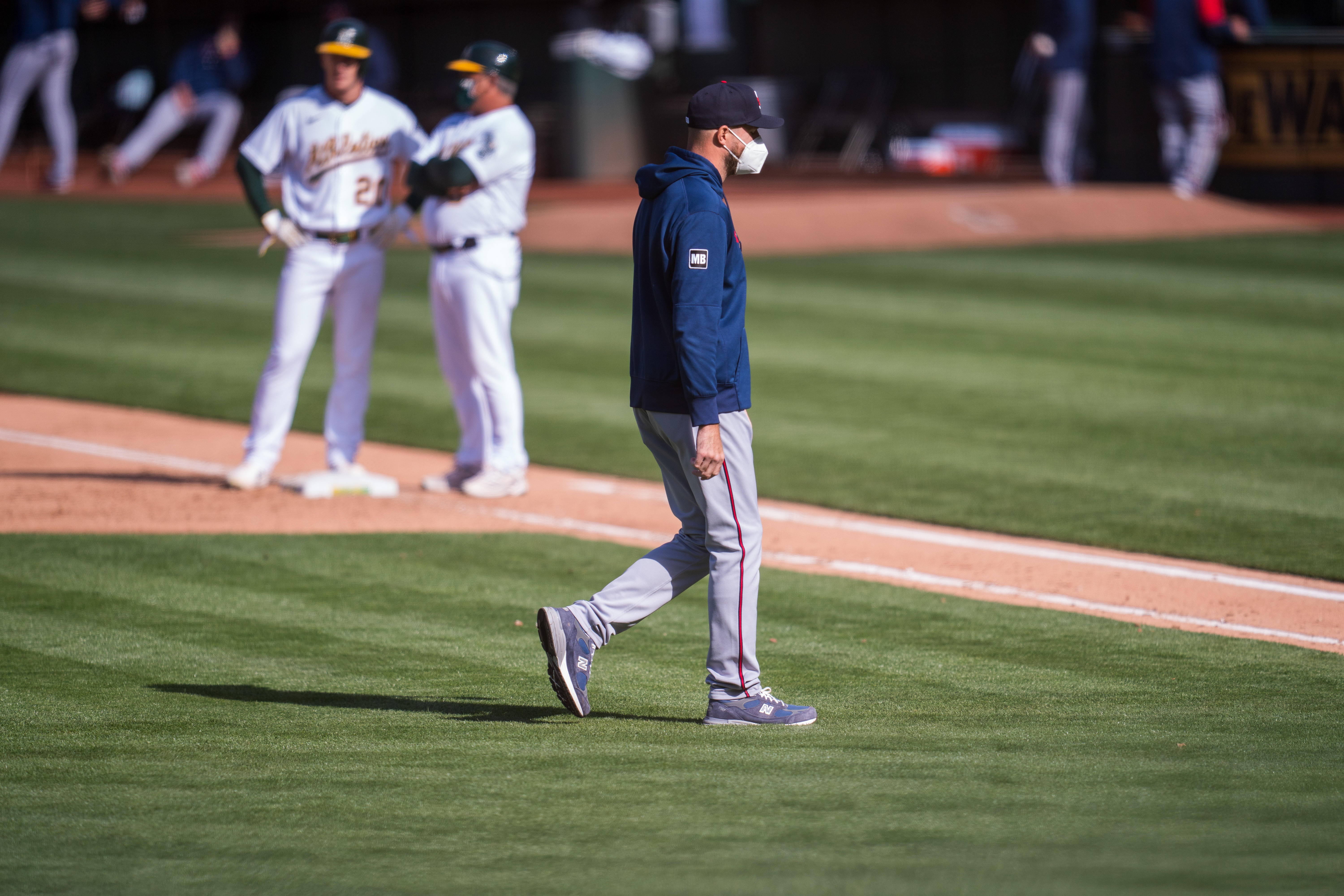 The Minnesota Twins again suffered a loss in a game in which they were in a prime position to win. Kenta Maeda had an uncharacteristically rough start, the bottom of the Twins’ order was inept, and the defense failed to convert routine plays. Additionally, though, Rocco Baldelli made some questionable decisions that contributed greatly to the Twins losing Wednesday’s series finale in Oakland. Let’s dive into the three head scratching moves. Questionable Move #1: Letting Alexander Colomé Throw 49 Pitches Though he had been shaky to start the season, bringing in Alexander Colomé in the ninth inning for the save was the clear move for Rocco Baldelli. Colomé was signed to the club to close out games and was the last high-leverage arm that Baldelli had remaining in his bullpen. Even bringing Colomé back in the 10th inning was defendable. Although he blew the save, Colomé threw 19 pitches in the ninth inning, and two right handed hitters were due up in the 10th for Oakland with the Twins owning a two-run lead. The problem with Rocco’s decision-making was just how long he allowed Colomé to stay in the game in the 10th. After Colomé got the first two righties to make outs in the 10th inning, left hander Seth Brown was due up with Colomé now at 29 pitches. After cruising through the first two batters, Colomé began to show some clear signs of tiring, throwing a five-pitch walk to Brown to put the tying run on base. Left in to face Elvis Andrus, Colomé, clearly exhausted, walked his second straight batter to load up the bases. After not having walked a batter all season, Colomé just walked two consecutive batters and was now at 40 pitches. Although ineffective and running on total fumes, Baldelli inexplicably left Colomé in the game with the bases loaded to face Matt Chapman, arguably Oakland’s best hitter. At this point Colomé was now throwing the most pitches he had thrown in an appearance since 2015 (!!) when he was still a starting pitcher. In Devin Smeltzer and Jorge Alcala, Baldelli may not have had the greatest options remaining in the bullpen, but it was clear to everyone that Colomé was tiring quickly and that a lesser name would give the Twins a better chance at that point than Colomé throwing a pitch count that he hadn’t thrown since Barack Obama left office. Colomé was clearly going to be in the game until the end, and while he did produce grounders that should have turned into outs, the reckless handling of allowing a tired Colomé to walk the bases loaded and continue facing the heart of the Oakland order was inexcusable. Questionable Move #2: Pinch Running Travis Blankenhorn for Josh Donaldson Heading into the top of the 10th inning with the “Runner on second” rule in effect, Rocco Baldelli made the questionable move to swap out his Gold Glove-winning third baseman in favor of utilityman Travis Blankenhorn as a pinch runner. This move was questionable from the jump as Blankenhorn, a well-built corner position fielder, is not exactly the fleetest of foot and is only marginally faster than Josh Donaldson on the basepaths. If a play occurred where there was a blooper into the outfield and Blankenhorn were to need to score on a bang-bang play at the plate, then any speed advantage you can get on the basepaths is an advantage. Majority of the time, though, that runner on second will score in a different manner, and one where a very marginal difference in speed isn’t going to make a huge difference. That runner on second could score easily on a double in the gap. Or on a couple of sacrifices. Or a home run (like was the case on Wednesday). Or potentially not even get a chance to score at all. There were so many variables at play that substituting a pinch runner in that spot for a very minimal gain in speed was not worth the subsequent consequence of taking Donaldson’s glove out of the game for the bottom half of the inning with a pitch-to-contact pitcher on the mound and plenty of ground balls incoming. While it didn’t come to fruition, the swap also removed Donaldson’s bat for a potential later inning, should extras have continued past the 10th inning. The decision came back to haunt the Twins in a big way, too, as the domino effect of Josh Donaldson’s removal from the game caused two new players to enter the field on defense, each of them making consecutive errors that caused three runs and lost the Twins the ballgame. Which leads to questionable decision number three... Questionable Decision #3: Moving Luis Arraez to Third Base and Putting Blankenhorn at Second Rather than making the clean swap with putting Travis Blankenhorn in the field at third base for the bottom of the 10th, Baldelli decided to completely mix up the defensive alignment in extra innings by moving Luis Arraez to third base and slotting Travis Blankenhorn in at second. This now put the Twins in a situation where they were not only without their Gold Glove third baseman, but they had two defensive players playing in a totally new position that day, one of them completely cold, in a high leverage situation with a tiring pitch-to-contact player on the mound. This decision reared its ugly head quickly as Blankenhorn botched a ground ball to second base to allow one run to score before Luis Arraez made a throwing error on the next at-bat to allow the tying and winning runs to score. Sure, Major League Baseball players should convert those plays 95% of the time, but in a high leverage situation with all of the pressure in the world, a manager is not setting up his team for the best chance at success by taking out his Gold Glove veteran in favor of two young, stretched defensive players. Rocco Baldelli was not the only reason that the Minnesota Twins lost to the Oakland Athletics on Wendesday afternoon. Baldelli is still the best manager for this ballclub, and better days and decisions are ahead. He did make some poor decisions, though, that contributed to the Twins losing Wednesday’s ball game, and does deserve some of the criticism for those decisions. What did you think of Rocco Baldelli’s decision-making on Wednesday afternoon? Were there any other questionable decisions that stuck out to you? Leave a comment below and start the conversation! MORE FROM TWINS DAILY — Latest Twins coverage from our writers — Recent Twins discussion in our forums — Follow Twins Daily via Twitter, Facebook or email
 -
After an impressive rookie debut in 2020, Ryan Jeffers has had a slow start to the 2021 campaign. Is Jeffers experiencing a sophomore slump, or are the Minnesota Twins setting up Ryan Jeffers to fail?Ryan Jeffers burst onto the scene with the Minnesota Twins after getting called up in August of last season to fill in for an injured Mitch Garver. In 26 games in 2020, Jeffers posted an OPS of .791, demonstrating hard-hit ability as well as patience at the plate. Jeffers was equally impressive behind the plate, where he quickly became a defensive savant, ending the season in the 90th percentile in all of baseball in pitch framing. Through the first handful of games in the 2021 campaign, Ryan Jeffers has had a quiet start at the plate. Through the first two weeks of the season, Jeffers has collected just four hits and is slugging a mere .190. Of course, these numbers come from a minuscule sample size of just 19 plate appearances and, while no true conclusions can be gained from these numbers, the usage plan for Rocco Baldelli’s catchers has been made crystal clear — one day on, one day off, but Mitch Garver gets to hit against lefties. Through the first 13 games of the 2021 season, the Minnesota Twins have faced four left-handed starting pitchers, and Mitch Garver has gotten the start in all four of those games. The reasoning for this is obvious, Mitch Garver destroys left-handed pitching. In the 2019 season, Garver posted a 1.170 OPS against southpaws, absolutely destroying every left handed pitcher he saw. The adverse effect that this is causing, though, is that it is leaving Ryan Jeffers in the position where he is strictly facing right-handed pitching in every game in which he appears. While Jeffers has been successful against righties up to this point in his career, nearly every baseball player is going to struggle more against same-handed pitchers than if they had a platoon advantage. Additionally, Mitch Garver simply hasn’t been that same hitter, even against lefties, since the 2019 season came to an end. Since the beginning of 2020, Garver has posted a .761 OPS against southpaws. While we have already seen what Garver’s ceiling against lefties has been, just how much leash can he have while not exactly destroying the ball, especially when it is coming at the expense of Ryan Jeffers getting advantageous batting matchups? When the Minnesota Twins made the decision to move from the traditional righty/lefty catchers split in favor of their two right handed mashers, the question of how the playing time would be divided was a big one. In the early going the Twins have clearly made that decision and it has resulted in Ryan Jeffers getting 4x the number of his plate appearances against righties rather than lefties. If Mitch Garver can get back to his mashing ways against lefties, the decision will pay off, but if he continues his marginal hitting against the opposite handed pitchers, Rocco Baldelli will need to adapt quickly and adjust his catching plan. Garver is 30-years-old and hasn’t looked impressive at the plate in 18 months, while Ryan Jeffers is 23-years-old and slated to be the catcher of the future for the Twins for the next 6+ seasons. It might be time to start setting up Ryan Jeffers to succeed. What has been your impression of the Minnesota Twins catching split to start the season? Do you think that Ryan Jeffers has been set up to fail? Leave a comment below and start the conversation! MORE FROM TWINS DAILY — Latest Twins coverage from our writers — Recent Twins discussion in our forums — Follow Twins Daily via Twitter, Facebook or email Click here to view the article
-
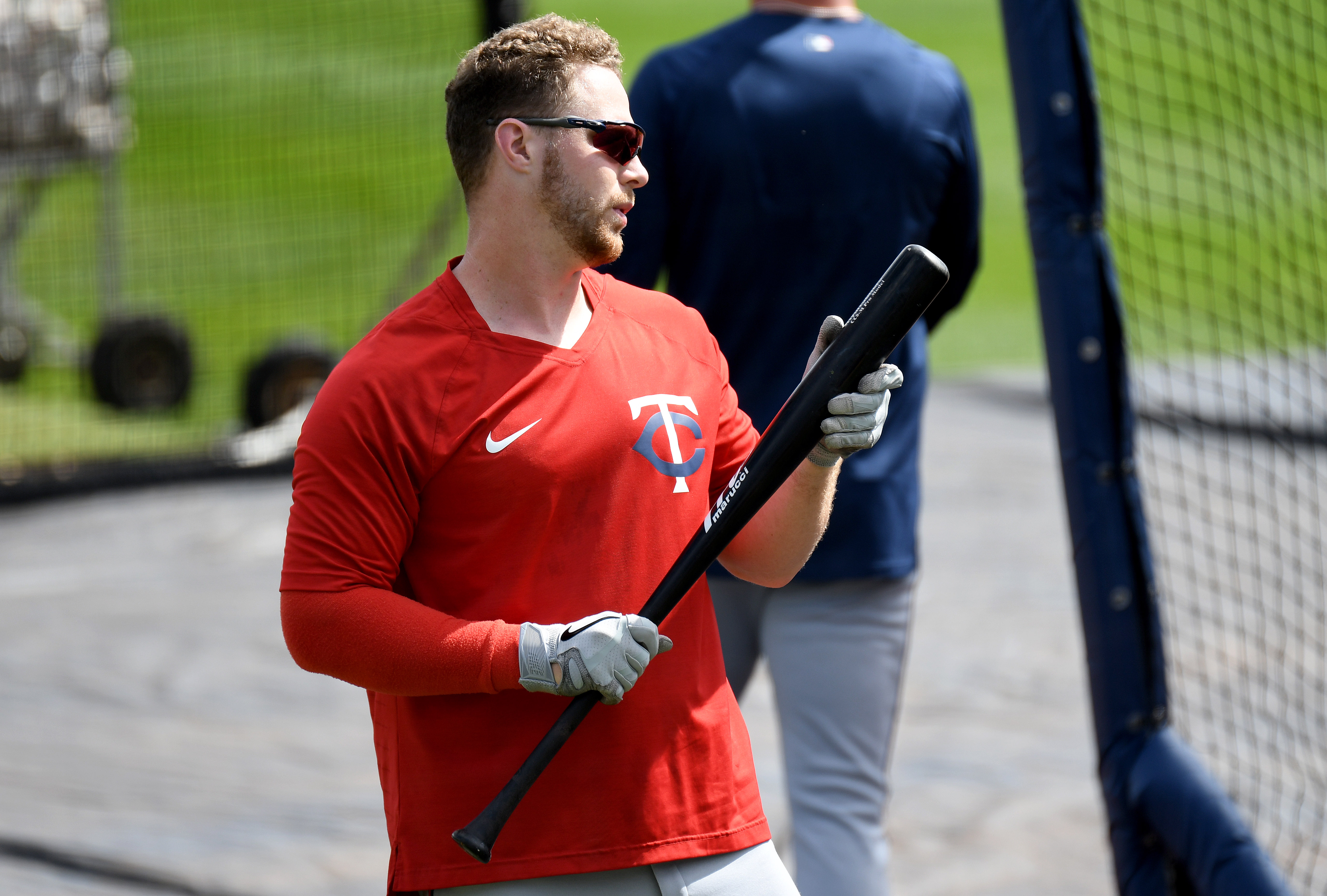 Ryan Jeffers burst onto the scene with the Minnesota Twins after getting called up in August of last season to fill in for an injured Mitch Garver. In 26 games in 2020, Jeffers posted an OPS of .791, demonstrating hard-hit ability as well as patience at the plate. Jeffers was equally impressive behind the plate, where he quickly became a defensive savant, ending the season in the 90th percentile in all of baseball in pitch framing. Through the first handful of games in the 2021 campaign, Ryan Jeffers has had a quiet start at the plate. Through the first two weeks of the season, Jeffers has collected just four hits and is slugging a mere .190. Of course, these numbers come from a minuscule sample size of just 19 plate appearances and, while no true conclusions can be gained from these numbers, the usage plan for Rocco Baldelli’s catchers has been made crystal clear — one day on, one day off, but Mitch Garver gets to hit against lefties. Through the first 13 games of the 2021 season, the Minnesota Twins have faced four left-handed starting pitchers, and Mitch Garver has gotten the start in all four of those games. The reasoning for this is obvious, Mitch Garver destroys left-handed pitching. In the 2019 season, Garver posted a 1.170 OPS against southpaws, absolutely destroying every left handed pitcher he saw. The adverse effect that this is causing, though, is that it is leaving Ryan Jeffers in the position where he is strictly facing right-handed pitching in every game in which he appears. While Jeffers has been successful against righties up to this point in his career, nearly every baseball player is going to struggle more against same-handed pitchers than if they had a platoon advantage. Additionally, Mitch Garver simply hasn’t been that same hitter, even against lefties, since the 2019 season came to an end. Since the beginning of 2020, Garver has posted a .761 OPS against southpaws. While we have already seen what Garver’s ceiling against lefties has been, just how much leash can he have while not exactly destroying the ball, especially when it is coming at the expense of Ryan Jeffers getting advantageous batting matchups? When the Minnesota Twins made the decision to move from the traditional righty/lefty catchers split in favor of their two right handed mashers, the question of how the playing time would be divided was a big one. In the early going the Twins have clearly made that decision and it has resulted in Ryan Jeffers getting 4x the number of his plate appearances against righties rather than lefties. If Mitch Garver can get back to his mashing ways against lefties, the decision will pay off, but if he continues his marginal hitting against the opposite handed pitchers, Rocco Baldelli will need to adapt quickly and adjust his catching plan. Garver is 30-years-old and hasn’t looked impressive at the plate in 18 months, while Ryan Jeffers is 23-years-old and slated to be the catcher of the future for the Twins for the next 6+ seasons. It might be time to start setting up Ryan Jeffers to succeed. What has been your impression of the Minnesota Twins catching split to start the season? Do you think that Ryan Jeffers has been set up to fail? Leave a comment below and start the conversation! MORE FROM TWINS DAILY — Latest Twins coverage from our writers — Recent Twins discussion in our forums — Follow Twins Daily via Twitter, Facebook or email
 -
Max Kepler ended an ugly homestand on a high note by delivering a walk-off hit to snap the Twins' five-game skid. Read more about the game in today’s recap.Box Score Pineda: 7.0 IP, 2 H, 0 ER, 1 BB, 6 K Home Runs: Sanó (2) Top 3 WPA: Pineda .392, Arraez .280, Kepler .231 Win Probability Chart (via FanGraphs): Download attachment: chart.png After a string of miserable performances with runners in scoring position, the Minnesota Twins got the scoring started with a key bases loaded, two out hit from Luis Arraez in the second inning to give the Minnesota Twins a 2-0 lead in the second inning. Then, after the Twins’ offense failed to get anything going in the next three innings, Miguel Sanó tacked on another run for the Twins with a much-needed solo shot into the upper deck of left field in the bottom of the sixth inning to push the Twins lead to three runs. On the mound, Michael Pineda had arguably his best start as a member of the Minnesota Twins. Pineda pitched seven innings, allowing just two hits, zero runs and striking out six. Pineda allowed a leadoff hit in the first inning, not allowing another hit in the game until the top of the seventh inning. Pineda was solid throughout the game, never sensing any trouble and cruising through seven innings while only throwing 88 pitches. In a controversial move, Baldelli opted to remove Pineda from the game before the eighth inning to prevent his starter from facing the Red Sox lineup for a third time, and instead turn the game over to Hansel Robles. Robles, who had been nearly perfect for the Minnesota Twins over his first two weeks on the team couldn’t find the strike zone at all and proceeded to load the bases on two walks and a hit batter. With two outs, the bases loaded and left hander Alex Verdugo at the plate, Rocco called on southpaw Taylor Rogers who was unsuccessful, allowing Verdugo to smack a bases-clearing double to tie the game. After Alexander Colomé navigated his way through the top of the ninth inning, the Minnesota Twins moved into the bottom of the ninth, where their offense has been completely non-existent over the first two weeks of the season. Today, though, the Twins offense produced in a clutch spot, with Arraez hitting a leadoff single, followed by a Polanco HBP, before Max Kepler walked off the Boston Red Sox for the third time in his young career with a single that scored Luis Arraez, avoiding a sweep and and ending the Twins’ five-game losing skid. Miguel Sanó is Finding His Groove It was a miserable first two weeks of the season for Miguel Sanó, who prior to this game was slashing .079/.271/.158, but the first baseman showed some real signs today that he might be turning things around. Sanó showed excellent patience and discipline today, walking twice as well as hitting his second home run of the season, a 107.3 MPH missile. Sanó’s on-base percentage is now up to .308 and trending towards his average mark of .331. Arraez’s Big Day Luis Arraez had another monster day at the ballpark, going 4-for-5 with two RBI and scoring the winning run, all the while playing three different positions in the field. The Twins got a good one. What’s Next After a 2-5 homestand for the Minnesota Twins, the team will head out west for a six-game west coast road trip where they will play three games against the Angels (7-5) and three against the Athletics (5-7). After the game, manager Rocco Baldelli announced that RP Shaun Anderson has been optioned to the alternate site and Lewis Thorpe has been recalled and will start for the Minnesota Twins on Friday in Los Angeles. Postgame With Baldelli Bullpen Usage Spreadsheet Click here to see the bullpen usage over the past five days (link opens a Google Sheet). Click here to view the article
-
MIN 4, BOS 3: Twins Snap Losing Streak Despite Another Blown Lead
Matthew Taylor posted an article in Twins
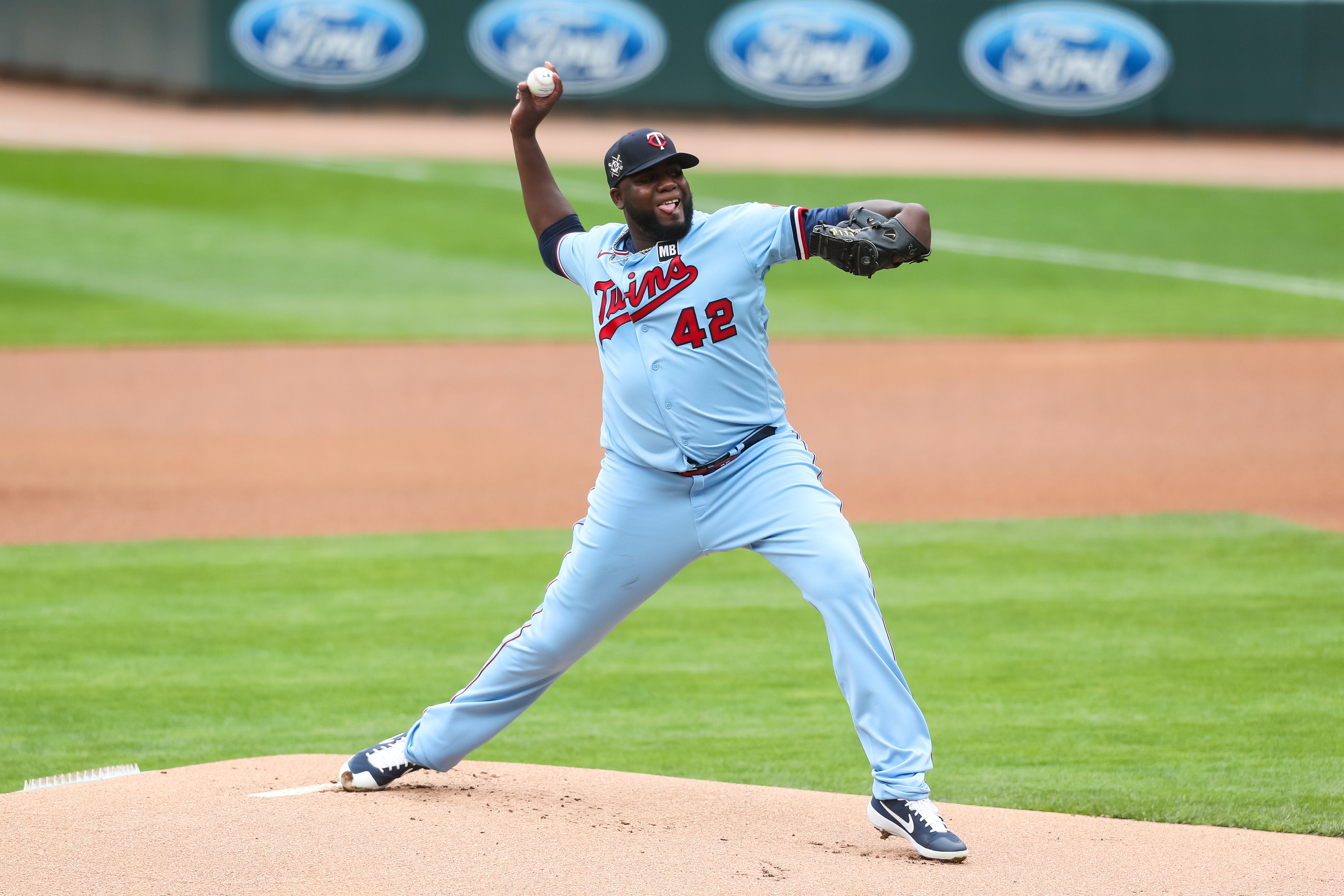 Box Score Pineda: 7.0 IP, 2 H, 0 ER, 1 BB, 6 K Home Runs: Sanó (2) Top 3 WPA: Pineda .392, Arraez .280, Kepler .231 Win Probability Chart (via FanGraphs): After a string of miserable performances with runners in scoring position, the Minnesota Twins got the scoring started with a key bases loaded, two out hit from Luis Arraez in the second inning to give the Minnesota Twins a 2-0 lead in the second inning. https://twitter.com/BallySportsNOR/status/1382756181119279106?s=20 Then, after the Twins’ offense failed to get anything going in the next three innings, Miguel Sanó tacked on another run for the Twins with a much-needed solo shot into the upper deck of left field in the bottom of the sixth inning to push the Twins lead to three runs. https://twitter.com/BallySportsNOR/status/1382774046773895174?s=20 On the mound, Michael Pineda had arguably his best start as a member of the Minnesota Twins. Pineda pitched seven innings, allowing just two hits, zero runs and striking out six. Pineda allowed a leadoff hit in the first inning, not allowing another hit in the game until the top of the seventh inning. Pineda was solid throughout the game, never sensing any trouble and cruising through seven innings while only throwing 88 pitches. In a controversial move, Baldelli opted to remove Pineda from the game before the eighth inning to prevent his starter from facing the Red Sox lineup for a third time, and instead turn the game over to Hansel Robles. Robles, who had been nearly perfect for the Minnesota Twins over his first two weeks on the team couldn’t find the strike zone at all and proceeded to load the bases on two walks and a hit batter. With two outs, the bases loaded and left hander Alex Verdugo at the plate, Rocco called on southpaw Taylor Rogers who was unsuccessful, allowing Verdugo to smack a bases-clearing double to tie the game. After Alexander Colomé navigated his way through the top of the ninth inning, the Minnesota Twins moved into the bottom of the ninth, where their offense has been completely non-existent over the first two weeks of the season. Today, though, the Twins offense produced in a clutch spot, with Arraez hitting a leadoff single, followed by a Polanco HBP, before Max Kepler walked off the Boston Red Sox for the third time in his young career with a single that scored Luis Arraez, avoiding a sweep and and ending the Twins’ five-game losing skid. Miguel Sanó is Finding His Groove It was a miserable first two weeks of the season for Miguel Sanó, who prior to this game was slashing .079/.271/.158, but the first baseman showed some real signs today that he might be turning things around. Sanó showed excellent patience and discipline today, walking twice as well as hitting his second home run of the season, a 107.3 MPH missile. Sanó’s on-base percentage is now up to .308 and trending towards his average mark of .331. Arraez’s Big Day Luis Arraez had another monster day at the ballpark, going 4-for-5 with two RBI and scoring the winning run, all the while playing three different positions in the field. The Twins got a good one. https://twitter.com/MillerStrib/status/1382803582362206208?s=20 What’s Next After a 2-5 homestand for the Minnesota Twins, the team will head out west for a six-game west coast road trip where they will play three games against the Angels (7-5) and three against the Athletics (5-7). After the game, manager Rocco Baldelli announced that RP Shaun Anderson has been optioned to the alternate site and Lewis Thorpe has been recalled and will start for the Minnesota Twins on Friday in Los Angeles. Postgame With Baldelli Bullpen Usage Spreadsheet Click here to see the bullpen usage over the past five days (link opens a Google Sheet).
 -
The Twins hit three home runs, including Byron Buxton’s fourth of the season, in a dominant performance in their home opener Thursday. It was the first time Target Field hosted fans in 549 days. Much more on the game in today’s recap.Box Score Berríos: 5.2 IP, 5 H, 2 ER, 3 BB, 8 K Home Runs: Garver (2), Buxton (4), Arraez (1) Top 3 WPA: Garver .148, Berríos .141, Garlick .122 Win Probability Chart (via FanGraphs): Download attachment: chart.png After a 2020 season in which the Twins struggled to get anything together against left-handed pitching, the Minnesota Twins exploded against southpaw Marco Gonzales on Thursday afternoon. The scoring parade started for the Twins in the third inning when Kyle Garlick drove in the first run of the day on an RBI single. Then three batters later with two runners on, Mitch Garver connected on a 2-2 changeup off Marco Gonzales to hit his second home run of the 2021 season. The Garver home run was just the beginning for the Twins offense as two innings later Byron Buxton continued his scorching hot start to the season, hitting his fourth home run of the 2021 season on a towering 435-foot home run to the left field upper deck in the fifth inning. The Twins pushed across two more runs in the fifth inning and one in the sixth before Luis Arraez pushed the Minnesota Twins into double digits in the run column for the second time this season with his first home run of the 2021 season in the seventh inning. On the pitching side for the Minnesota Twins, José Berríos got the start for the home opener at Target Field. Berríos wasn’t as sharp as his start on Saturday, but still got credited with a win on a solid outing, allowing just two runs in 5 2/3 innings while striking out eight. Berríos struggled with his command, allowing 3 free passes, but was able to get key strikeouts when he needed them and limited himself to damage on a RBI single in the third and a José Marmolejos home run in the sixth. Home Opener Excitement Today’s home opener was arguably the most exciting one in team history as it was the first time in over a year that fans were able to cheer on their home team Minnesota Twins. It was a sellout crowd for the hometown faithful of 9,675 and they had plenty to cheer about. Max Kepler Removed From Game After reaching base on an infield single in the bottom of the sixth inning, Max Kepler was removed from the game with what appeared to be some leg discomfort. It appeared that the injury wasn’t serious and was precautionary, but more information will be coming out to confirm. Byron Buxton ... MVP? It was another incredible game in an unbelievable start to the season for Byron Buxton who went 3-for-5 with a home run and just a triple shy of the cycle. After today’s performance, Buxton’s slash line is now up to .421/.476/1.211. Now finally getting the chance to play in front of fans at Target Field, Buxton received “M-V-P” chants. It’s much too early for any MVP discussion, but after so many years of theoretical potential, it’s so refreshing to watch Byron Buxton put it all together at the plate as well as in the field. Postgame With Baldelli Bullpen Usage Spreadsheet Download attachment: bullpen.png What were your thoughts on today’s game? How confident do you feel about the prospect of this team moving forward? Did you attend today’s game? Leave a comment below and start the conversation! MORE FROM TWINS DAILY — Latest Twins coverage from our writers — Recent Twins discussion in our forums — Follow Twins Daily via Twitter, Facebook or email Click here to view the article
-
MIN 10, SEA 2: Twins Treat Returning Fans With Dominant Victory
Matthew Taylor posted an article in Twins
 Box Score Berríos: 5.2 IP, 5 H, 2 ER, 3 BB, 8 K Home Runs: Garver (2), Buxton (4), Arraez (1) Top 3 WPA: Garver .148, Berríos .141, Garlick .122 Win Probability Chart (via FanGraphs): After a 2020 season in which the Twins struggled to get anything together against left-handed pitching, the Minnesota Twins exploded against southpaw Marco Gonzales on Thursday afternoon. The scoring parade started for the Twins in the third inning when Kyle Garlick drove in the first run of the day on an RBI single. Then three batters later with two runners on, Mitch Garver connected on a 2-2 changeup off Marco Gonzales to hit his second home run of the 2021 season. https://twitter.com/BallySportsNOR/status/1380269313848971266?s=20 The Garver home run was just the beginning for the Twins offense as two innings later Byron Buxton continued his scorching hot start to the season, hitting his fourth home run of the 2021 season on a towering 435-foot home run to the left field upper deck in the fifth inning. https://twitter.com/BallySportsNOR/status/1380284769896960000?s=20 The Twins pushed across two more runs in the fifth inning and one in the sixth before Luis Arraez pushed the Minnesota Twins into double digits in the run column for the second time this season with his first home run of the 2021 season in the seventh inning. https://twitter.com/BallySportsNOR/status/1380301542151094276?s=20 On the pitching side for the Minnesota Twins, José Berríos got the start for the home opener at Target Field. Berríos wasn’t as sharp as his start on Saturday, but still got credited with a win on a solid outing, allowing just two runs in 5 2/3 innings while striking out eight. Berríos struggled with his command, allowing 3 free passes, but was able to get key strikeouts when he needed them and limited himself to damage on a RBI single in the third and a José Marmolejos home run in the sixth. Home Opener Excitement Today’s home opener was arguably the most exciting one in team history as it was the first time in over a year that fans were able to cheer on their home team Minnesota Twins. It was a sellout crowd for the hometown faithful of 9,675 and they had plenty to cheer about. https://twitter.com/dohyoungpark/status/1380248877824098322?s=20 Max Kepler Removed From Game After reaching base on an infield single in the bottom of the sixth inning, Max Kepler was removed from the game with what appeared to be some leg discomfort. It appeared that the injury wasn’t serious and was precautionary, but more information will be coming out to confirm. Byron Buxton ... MVP? It was another incredible game in an unbelievable start to the season for Byron Buxton who went 3-for-5 with a home run and just a triple shy of the cycle. After today’s performance, Buxton’s slash line is now up to .421/.476/1.211. Now finally getting the chance to play in front of fans at Target Field, Buxton received “M-V-P” chants. It’s much too early for any MVP discussion, but after so many years of theoretical potential, it’s so refreshing to watch Byron Buxton put it all together at the plate as well as in the field. Postgame With Baldelli Bullpen Usage Spreadsheet What were your thoughts on today’s game? How confident do you feel about the prospect of this team moving forward? Did you attend today’s game? Leave a comment below and start the conversation! MORE FROM TWINS DAILY — Latest Twins coverage from our writers — Recent Twins discussion in our forums — Follow Twins Daily via Twitter, Facebook or email
 -
After a rough string of injuries to open the season, the Minnesota Twins have needed to dip into their depth. They may have unearthed a player who is ready to contribute.When Josh Donaldson was injured on his first plate appearance of the 2021 season, it suddenly shifted the entire plan for the Minnesota Twins roster. Suddenly Luis Arraez was thrust into an everyday role leaving behind a hole in the utility spot for the Twins. Enter La Tortuga. Now as the lone utilityman on the Minnesota Twins roster, Willians Astudillo was called to fill in mid-game for Luis Arraez on Monday afternoon, before starting at 3rd base on Tuesday. Since getting real playing time, Astudillo has appeared locked in at the plate. The utilityman went 3-for-4 with two doubles on Monday before backing it up with a 2-for-4 performance on Tuesday. Astudillo has racked up hits with some oomf, too, connecting with 3 balls deemed as “hard hits” of 95+ MPH, including two of them over 107 MPH. Where there is always the most hesitation with Astudillo comes in the field, as he is able to play a multitude of positions, however you really aren’t super comfortable with him playing most of those positions. To this point, Astudillo has primarily played at third base, which suits his game well as 3rd base doesn’t require as much range as some of the other positions. Thus far, Tortuga has more than held his own at the hot corner, making the plays that he should make up to this point, and yet to look over-matched. Further, Astudillo’s ability to play catcher has allowed Rocco Baldelli the flexibility to use his catchers as pinch hitters on Monday and Tuesday, knowing that he has a third catcher he can utilize in a pinch, if needed. Willians Astudillo burst onto the scene with the Minnesota Twins in 2018 as a July call-up, slashing .355/.371/.516 in 29 games. In the 66 games in which he has appeared since, though, Astudillo has posted an OPS of just .684. Astudillo has shown that he can make contact with the best of them, however his lack of patience at the plate has consistently prohibited him from putting together quality at-bats and capitalizing on pitches that he can drive. As a result, Astudillo was no slam-dunk to make the roster. Through his first handful of at bats in 2021, the Venezuelan utilityman has found pitches he can drive and shown the pop that he possesses when he gets pitches in the zone. As with any article written 5 days into the baseball season, small samples are extremely dangerous to put any stock into. The very, very initial returns on Willians Astudillo at the plate, though, have been promising. Championship teams are built on depth, and while at full strength the Minnesota Twins will not need Astudillo, the first week of the season has shown us just how important depth can be. What has been your first impression of Willians Astudillo in 2021? Do you think he could come into play as a key depth piece for the Minnesota Twins? Leave a comment below and start the conversation! MORE FROM TWINS DAILY — Latest Twins coverage from our writers — Recent Twins discussion in our forums — Follow Twins Daily via Twitter, Facebook or email Click here to view the article
-
 When Josh Donaldson was injured on his first plate appearance of the 2021 season, it suddenly shifted the entire plan for the Minnesota Twins roster. Suddenly Luis Arraez was thrust into an everyday role leaving behind a hole in the utility spot for the Twins. Enter La Tortuga. Now as the lone utilityman on the Minnesota Twins roster, Willians Astudillo was called to fill in mid-game for Luis Arraez on Monday afternoon, before starting at 3rd base on Tuesday. Since getting real playing time, Astudillo has appeared locked in at the plate. The utilityman went 3-for-4 with two doubles on Monday before backing it up with a 2-for-4 performance on Tuesday. Astudillo has racked up hits with some oomf, too, connecting with 3 balls deemed as “hard hits” of 95+ MPH, including two of them over 107 MPH. Where there is always the most hesitation with Astudillo comes in the field, as he is able to play a multitude of positions, however you really aren’t super comfortable with him playing most of those positions. To this point, Astudillo has primarily played at third base, which suits his game well as 3rd base doesn’t require as much range as some of the other positions. Thus far, Tortuga has more than held his own at the hot corner, making the plays that he should make up to this point, and yet to look over-matched. Further, Astudillo’s ability to play catcher has allowed Rocco Baldelli the flexibility to use his catchers as pinch hitters on Monday and Tuesday, knowing that he has a third catcher he can utilize in a pinch, if needed. Willians Astudillo burst onto the scene with the Minnesota Twins in 2018 as a July call-up, slashing .355/.371/.516 in 29 games. In the 66 games in which he has appeared since, though, Astudillo has posted an OPS of just .684. Astudillo has shown that he can make contact with the best of them, however his lack of patience at the plate has consistently prohibited him from putting together quality at-bats and capitalizing on pitches that he can drive. As a result, Astudillo was no slam-dunk to make the roster. Through his first handful of at bats in 2021, the Venezuelan utilityman has found pitches he can drive and shown the pop that he possesses when he gets pitches in the zone. As with any article written 5 days into the baseball season, small samples are extremely dangerous to put any stock into. The very, very initial returns on Willians Astudillo at the plate, though, have been promising. Championship teams are built on depth, and while at full strength the Minnesota Twins will not need Astudillo, the first week of the season has shown us just how important depth can be. What has been your first impression of Willians Astudillo in 2021? Do you think he could come into play as a key depth piece for the Minnesota Twins? Leave a comment below and start the conversation! MORE FROM TWINS DAILY — Latest Twins coverage from our writers — Recent Twins discussion in our forums — Follow Twins Daily via Twitter, Facebook or email
 -
Josh Donaldson was forced to exit Thursday’s game following what was called a pulled hamstring. While we do not yet know the severity of the injury or how much time (if any) the former MVP will miss, let’s look at potential replacements.Opening Day for the Minnesota Twins reminded us just how real the risk of injury is in baseball each and every day. On just the second at-bat of the game, Josh Donaldson pulled his hamstring rounding first base and was forced to leave a 0-0 ballgame. After the game, manager Rocco Baldelli didn’t give out too much information regarding the severity of Donaldson’s injury saying, “Obviously there has to be some concern, but we’ll wait and see until we know a bit more to comment further.” While we do not yet know if Josh Donaldson will go to the injured list or not, it’s clear that a contingency plan needs to be in place. Let’s look at the four minor league call-up options should Josh Donaldson land on the injured list. Brent Rooker When Brent Rooker was surprisingly left off of the Opening Day roster, the primary reason given was that Baldelli did not want Rooker to be up with the Twins if he was not going to get every-day at bats. If Donaldson were to hit the injured list, and Luis Arráez were converted over to be the every-day third baseman, there would be a full-time opening at left field, with Jake Cave then able to act in his usual fourth outfielder role. Brent Rooker has always had the bat to compete in the Major Leagues, however his outfield glove is a major question mark. Additionally, with Kyle Garlick already up with the Big League club, Rooker’s right-handed power bat would be a bit redundant. Alex Kirilloff The controversial decision to start Alex Kirilloff at the alternate site was similarly made with the primary reason being that Kirilloff would need to get consistent work. A decision that fans were largely disappointed by, could be corrected here, calling up Kirilloff to cover the void in left field caused by Donaldson’s injury. This decision would cause Alex Kirilloff’s service time clock to start earlier than ownership may like, and his readiness for the Majors is still a question mark after his troublesome Spring. Extra Infielder Calling up a fifth outfielder to replace an injured infielder might not make the most sense. Calling up a replacement infielder for Donaldson, might be the most prudent decision as currently, Willians Astudillo would be the only backup infielder on the roster. Under this line of thinking, infielders Travis Blankenhorn, JT Riddle or Tzu-Wei Lin would give the Twins more defensive flexibility and allow them to not need to rely as heavily on La Tortuga as a backup infielder. Of the three mentioned infielders, Blankenhorn is the only one currently on the 40-man roster. One other option would be Nick Gordon, who is also on the 40-man roster, but it’s not totally clear how Major League ready he is at this time. Extra Reliever The final option for the Twins would be to not call up another bat, but instead call up an extra arm for Josh Donaldson’s roster spot, should he hit the IL. Heading into the season, some thought that the Twins should roster 14 pitchers, however they opted for 13. With this injury, the Twins could bring up another reliever such as Shaun Anderson or Lewis Thorpe who are both on the 40-man roster. The Twins could then roll with Arráez as the everyday third baseman, a Garlick/Cave platoon and left field, with Astudillo filling in as the utilityman across the diamond. This option would give the Twins much more flexibility with their pitchers in a season in which pitchers will need to be handled with care, however having Astudillo as the lone utilityman isn’t the most ideal option. Which call-up option do you think the Twins should go with should Josh Donaldson be forced to go on the injured list? Is there a fifth option not mentioned above? Leave a comment below and start the conversation! MORE FROM TWINS DAILY — Latest Twins coverage from our writers — Recent Twins discussion in our forums — Follow Twins Daily via Twitter, Facebook or email Click here to view the article
-
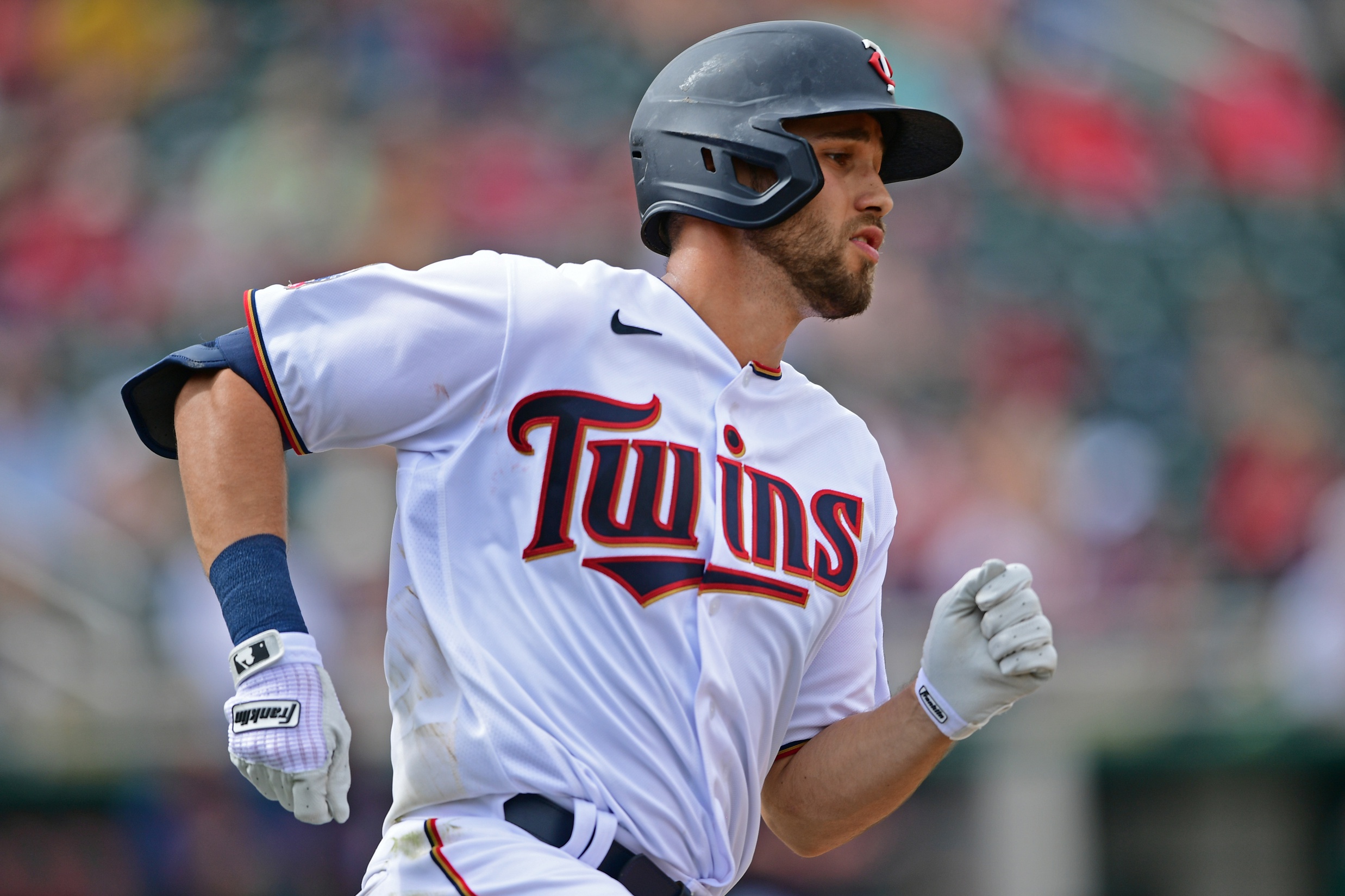 Opening Day for the Minnesota Twins reminded us just how real the risk of injury is in baseball each and every day. On just the second at-bat of the game, Josh Donaldson pulled his hamstring rounding first base and was forced to leave a 0-0 ballgame. After the game, manager Rocco Baldelli didn’t give out too much information regarding the severity of Donaldson’s injury saying, “Obviously there has to be some concern, but we’ll wait and see until we know a bit more to comment further.” While we do not yet know if Josh Donaldson will go to the injured list or not, it’s clear that a contingency plan needs to be in place. Let’s look at the four minor league call-up options should Josh Donaldson land on the injured list. Brent Rooker When Brent Rooker was surprisingly left off of the Opening Day roster, the primary reason given was that Baldelli did not want Rooker to be up with the Twins if he was not going to get every-day at bats. If Donaldson were to hit the injured list, and Luis Arráez were converted over to be the every-day third baseman, there would be a full-time opening at left field, with Jake Cave then able to act in his usual fourth outfielder role. Brent Rooker has always had the bat to compete in the Major Leagues, however his outfield glove is a major question mark. Additionally, with Kyle Garlick already up with the Big League club, Rooker’s right-handed power bat would be a bit redundant. Alex Kirilloff The controversial decision to start Alex Kirilloff at the alternate site was similarly made with the primary reason being that Kirilloff would need to get consistent work. A decision that fans were largely disappointed by, could be corrected here, calling up Kirilloff to cover the void in left field caused by Donaldson’s injury. This decision would cause Alex Kirilloff’s service time clock to start earlier than ownership may like, and his readiness for the Majors is still a question mark after his troublesome Spring. Extra Infielder Calling up a fifth outfielder to replace an injured infielder might not make the most sense. Calling up a replacement infielder for Donaldson, might be the most prudent decision as currently, Willians Astudillo would be the only backup infielder on the roster. Under this line of thinking, infielders Travis Blankenhorn, JT Riddle or Tzu-Wei Lin would give the Twins more defensive flexibility and allow them to not need to rely as heavily on La Tortuga as a backup infielder. Of the three mentioned infielders, Blankenhorn is the only one currently on the 40-man roster. One other option would be Nick Gordon, who is also on the 40-man roster, but it’s not totally clear how Major League ready he is at this time. Extra Reliever The final option for the Twins would be to not call up another bat, but instead call up an extra arm for Josh Donaldson’s roster spot, should he hit the IL. Heading into the season, some thought that the Twins should roster 14 pitchers, however they opted for 13. With this injury, the Twins could bring up another reliever such as Shaun Anderson or Lewis Thorpe who are both on the 40-man roster. The Twins could then roll with Arráez as the everyday third baseman, a Garlick/Cave platoon and left field, with Astudillo filling in as the utilityman across the diamond. This option would give the Twins much more flexibility with their pitchers in a season in which pitchers will need to be handled with care, however having Astudillo as the lone utilityman isn’t the most ideal option. Which call-up option do you think the Twins should go with should Josh Donaldson be forced to go on the injured list? Is there a fifth option not mentioned above? Leave a comment below and start the conversation! MORE FROM TWINS DAILY — Latest Twins coverage from our writers — Recent Twins discussion in our forums — Follow Twins Daily via Twitter, Facebook or email
 -
The Minnesota Twins blew a 5-2 lead in the ninth inning and lost in extras. The game got off to an ominous start, as Josh Donaldson suffered a hamstring injury in the top of the first inning. Read all about it in today’s game recap.Box Score Maeda: 4.1 IP, 6 H, 2 R, 1 ER, 2 BB, 5 K Home Runs: Buxton (1) Bottom 3 WPA: Colome -.455, Dobnak -.355, Garver -.104 Win Probability Chart (via FanGraphs): Download attachment: chart.png In an emotional roller coaster of an opener for Minnesota Twins fans, the coaster ended in a valley as the Minnesota Twins blew a three-run ninth inning lead and lost in extra innings to their border rivals. Let’s take a ride: Kenta Maeda had a solid, yet not spectacular start for the Minnesota Twins as the Opening Day starter. While he only allowed one earned run, Maeda was only able to go 4 1/3 innings and allowed six hits, two walks and a hit batter over his start. Maeda flirted with trouble throughout his start, stranding a total of seven batters in the four complete innings that he pitched. The right hander did show increased velocity, tossing his fastball at an average of 92.8 MPH, 1.2 MPH above his average in 2020. At the plate, the Minnesota Twins kicked off the scoring with two runs in the third inning on a Woodruff wild pitch and a Max Kepler RBI single. After trading runs in the middle innings, the game seemed like it was sealed in the seventh inning when Byron Buxton blasted a 114 MPH two-run home run into left-center field. This gave the Minnesota Twins a three-run lead with Rogers, Robles and Colomé set to close out the game. After two perfect innings from Taylor Rogers and Hansel Robles in the seventh and eighth innings, newly acquired Alex Colomé gifted the game away by allowing two hits, a hit batter and three runs in the bottom of the ninth inning to force extra innings where the Brewers walked off the Twins on a walk-off single by Avisail Garcia to give the Brewers a 6-5 victory. Donaldson Injury While a loss is never fun, the most important development from Opening Day was the injury to Josh Donaldson. Donaldson injured his leg in the top of the first inning running to second base on a double. At first glance, it appeared that Josh Donaldson re-injured the calf that has plagued him throughout his career. As more information came out, though, it was revealed that the injury was a hamstring pull. We still don’t know the severity of the injury or how much (if any) time Donaldson will miss, but after an injury-riddled 2020, this is just about the worst way to begin the 2021 season for the former MVP. Rocco Baldelli indicated that the team would re-evaluate Josh Donaldson tomorrow on the team’s off day. Poor Defense While defense was a priority in the offseason for the Minnesota Twins, Opening Day was not the best showcase of their gloves. The Minnesota Twins made two official errors with a third error not being officially called as such. The first error came in the fifth inning from newly-acquired shortstop, Andrelton Simmons. Simmons dropped a Miguel Sanó throw that should have been a double play. That runner later went on to score in the inning. The second error of the game came from Alex Colomé when he tried throwing out the lead runner at second base rather than taking the easy out at first in the ninth inning. Additionally in the ninth inning, Max Kepler dropped a fly ball off the bat of Christian Yelich in right field that should have been out number two, but instead turned into a run-scoring single. Better days will surely be ahead for the Minnesota Twins defense, but it was disappointing watching a unit that was supposed to be a strength struggle so much. Big Day for Max Kepler After a miserable Spring Training in which he went 3-for-43, Kepler matched his Spring hit total in today’s opener, going 3-for-5 and just a home run short of hitting for the cycle. Kepler is in a prove-it year in 2021 after a down season in 2020 and is already showing that his Spring struggles are behind him and he is primed for a bounce-back season this year. Up Next The Minnesota Twins have an off-day tomorrow before facing off against Milwaukee again on Saturday where José Berríos will make his season debut. Bullpen Usage Spreadsheet Download attachment: Bullpen.png MORE FROM TWINS DAILY — Latest Twins coverage from our writers — Recent Twins discussion in our forums — Follow Twins Daily via Twitter, Facebook or email Click here to view the article