



Matthew Taylor
-
Posts
973 -
Joined
-
Last visited
Content Type
Profiles
News
Minnesota Twins Videos
2026 Minnesota Twins Top Prospects Ranking
2022 Minnesota Twins Draft Picks
Minnesota Twins Free Agent & Trade Rumors, Notes, & Tidbits
Guides & Resources
2023 Minnesota Twins Draft Picks
The Minnesota Twins Players Project
2024 Minnesota Twins Draft Picks
2025 Minnesota Twins Draft Pick Tracker
2026 Minnesota Twins Draft Tracker: Picks & Bonuses
Forums
Blogs
Events
Store
Downloads
Gallery
Everything posted by Matthew Taylor
-
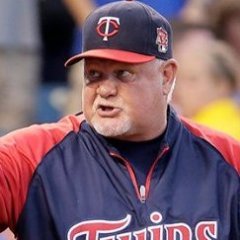 The midseason hot stove heated up in a big way on Wednesday with trades and rumors galore and the Minnesota Twins continue to stay in the news. Come read about the latest trade deadline news and rumors. Below we will review the trades from Wednesday and how (or if) they have any impact on the Minnesota Twins. Oakland Athletics Trade For Starling Marte The first trade of the day came from the Oakland Athletics who acquired outfielder Starling Marte from the Miami Marlins in exchange for former top-100 pitching prospect Jesús Luzardo. While Starling Marte is an excellent talent, the overwhelming reaction from experts was that the A’s paid a big price for Marte, who is set to be a free agent at the end of the season. This is a big development for the Minnesota Twins who appear open to moving both Byron Buxton and Max Kepler. If Marte, an impending free agent, was able to fetch a big-time pitching prospect, then Max Kepler and Byron Buxton would seem to be able to fetch even more. Milwaukee Brewers Sign Eduardo Escobar The next major deal to take place on Wednesday came from the Milwaukee Brewers when they acquired former Twins infielder Eduardo Escobar in exchange for AAA catcher Cooper Hummel. In addition to the obvious Twins connection with Escobar changing teams, the mid-afternoon deal impacted the Twins by removing a potential Josh Donaldson buyer from the trade market. Earlier this week, MLB insider Jon Heyman reported that the Milwaukee Brewers had checked in on Josh Donaldson. Now that the Brewers have acquired their third baseman in Escobar, finding a potential trade partner for the Twins third baseman might be more difficult. New York Yankees Sign Joey Gallo To cap off a trade-filled day, the New York Yankees made a big move on Wednesday night when they acquired outfielder Joey Gallo from the Texas Ranges in exchange for a hefty package of minor league prospects. The trade had big ripple effects for the Minnesota Twins, as earlier in the day there were multiple reports linking the New York Yankees as a potential trade partner for Twins’ outfielder Max Kepler. Now that the Yankees traded for another outfielder in Gallo, Max Kepler’s odds of remaining with the Twins for the balance of 2022 increased. Continued José Berríos Trade Rumor Steam The smoke around a José Berríos trade hasn’t slowed down a bit as MLB insiders continue to report on interest and talk between contending teams and the Minnesota Twins for their ace starting pitcher. The big report today came from MLB Network’s Jon Morosi, reporting that the Padres lost out on Joey Gallo, but are prioritizing starting pitchers and speaking with the Twins regarding José Berríos. The list of teams interested in Berríos is long, but the Dodgers and Padres seem to be the teams most often linked to Berríos over the past couple of days. How do you think today's moves impacted the Minnesota Twins? Do you think José Berríos will be moved ahead of the deadline? How about other Twins players? Who will they trade? Leave a comment and start the conversation! MORE FROM TWINS DAILY — Latest Twins coverage from our writers — Recent Twins discussion in our forums — Follow Twins Daily via Twitter, Facebook or email View full article
 -
Fitting that in a game in which its offensive leader was traded just hours before the first pitch, the Minnesota Twins' offense could only muster 2 runs en route to yet another loss, this time to the Los Angeles Angels of Anaheim. Box Score Starting Pitcher: Maeda 7 IP, 7 H, 3 ER, 0 BB, 6 K Home runs: None Bottom 3 WPA: Donaldson -.209, Jeffers -.191, Polanco -.148 Win Probability Chart (via FanGraphs) After the Twins and Angels played each other to a 0-0 deadlock through the first 3 innings, the Nelson Cruz-less Twins’ offense burst through for a crooked number in the 4th inning. The 4th inning rally for the Twins was kicked off by a leadoff ground-rule double by Miguel Sanó who was later brought in by an RBI double from newly called-up Willians Astudillo before Gilberto Celestino’s RBI groundout gave the Twins an early 2-0 lead. The Twins’ lead didn’t last long, though, as the Angels responded quickly in the top of the 5th inning when their bottom of the order spoiled what was a great start for Kenta Maeda. After a leadoff groundout, the Angels got a double, single and home run in three consecutive plate appearances from their 7-8-9 hitters, capped off by a three-run home run from Jack Mayfield. Aside from the rough 5th inning, Maeda put together a strong outing, tossing 95 pitches in seven innings, allowing three runs on seven hits, while striking out six batters. Unfortunately for Maeda, the Minnesota Twins offense couldn’t put together any runs outside of the two runs they tacked on in the 4th inning, getting blanked by the Angels bullpen and in total only tallying six hits and two extra base hits. With Nelson Cruz now off the club, hits and runs are going to be hard to come by for the Twins. In the end, the Twins ultimately fell 3-2 to the Angels and dropped down to 41-56 on the season. As the trade deadline approaches, it seems like only a matter of time until more players join Nelson Cruz in the “traded” category and the active roster looks a lot different over the last 2 months of the season. Lucky Pants? The talk of today’s game revolved completely around the departure of Nelson Cruz which occurred just before the first pitch of Thursday night’s game. One of the more touching parts of the game was how much the move impacted Miguel Sanó who developed a very close relationship with the former Twins DH. In a way to honor Nelson Cruz, Sanó wore Cruz’s pants for today’s game. With his ground-rule double, maybe the pants will be here to stay? Ohtani Tracker Target Field was packed for Thursday night’s game, in part to see the Japanese phenom, Shohei Ohtani. Unfortunately in attendance to see a ShoTime show, Ohtani had a quiet night, going 0-for-4 with three strikeouts. Bullpen Usage Chart SUN MON TUE WED THU TOT Alcala 0 23 24 0 0 47 Robles 0 19 7 0 0 26 Rogers 0 19 0 0 0 19 Colomé 0 0 26 22 0 48 Thielbar 0 0 17 16 0 33 Duffey 0 16 0 38 0 54 Minaya 13 0 0 0 0 13 Coulombe 0 0 5 0 32 37 What’s Next The Minnesota Twins will continue their homestand against the Angels on Friday night when J.A. Happ squares off against Alex Cobb. View full article
-
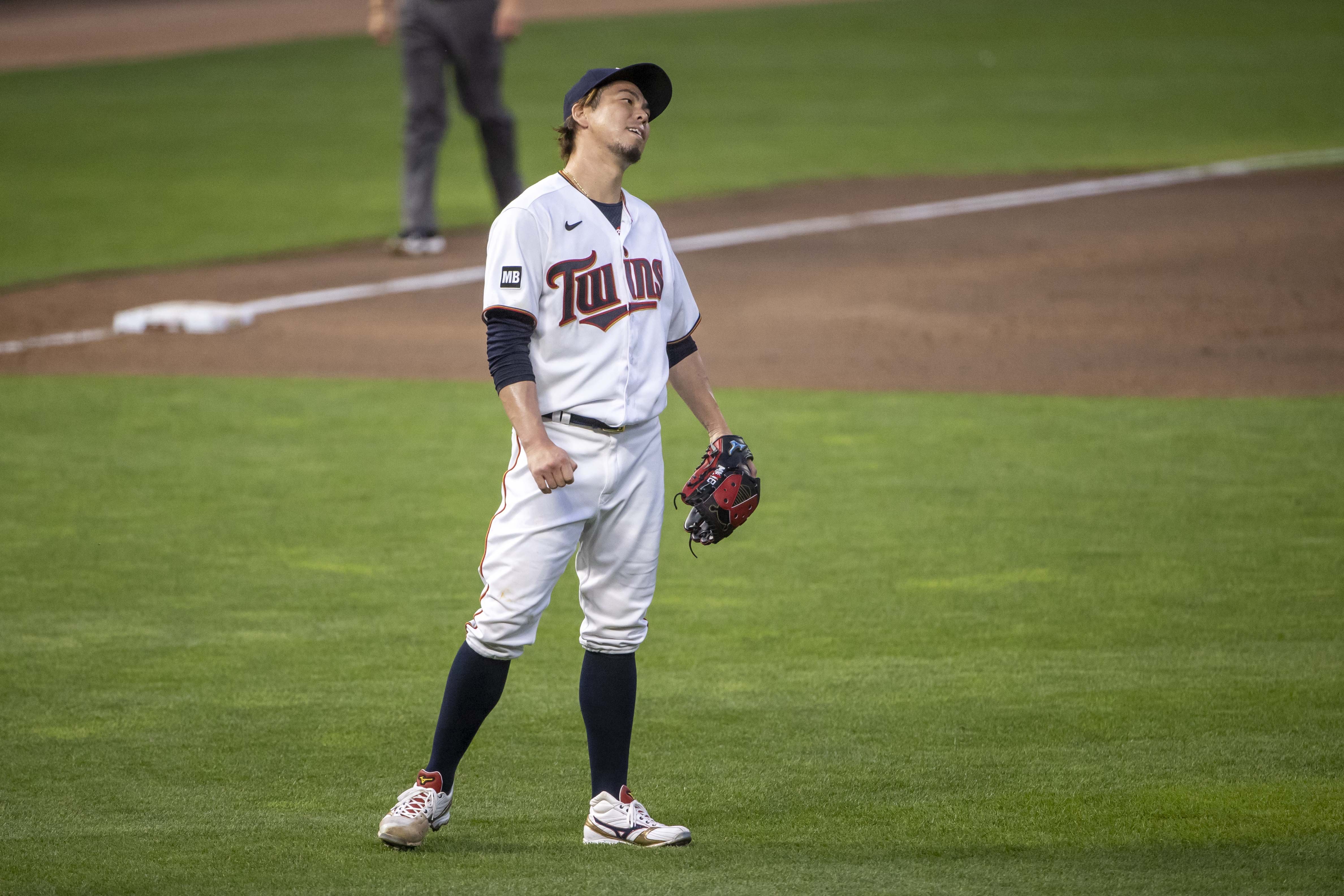 Box Score Starting Pitcher: Maeda 7 IP, 7 H, 3 ER, 0 BB, 6 K Home runs: None Bottom 3 WPA: Donaldson -.209, Jeffers -.191, Polanco -.148 Win Probability Chart (via FanGraphs) After the Twins and Angels played each other to a 0-0 deadlock through the first 3 innings, the Nelson Cruz-less Twins’ offense burst through for a crooked number in the 4th inning. The 4th inning rally for the Twins was kicked off by a leadoff ground-rule double by Miguel Sanó who was later brought in by an RBI double from newly called-up Willians Astudillo before Gilberto Celestino’s RBI groundout gave the Twins an early 2-0 lead. The Twins’ lead didn’t last long, though, as the Angels responded quickly in the top of the 5th inning when their bottom of the order spoiled what was a great start for Kenta Maeda. After a leadoff groundout, the Angels got a double, single and home run in three consecutive plate appearances from their 7-8-9 hitters, capped off by a three-run home run from Jack Mayfield. Aside from the rough 5th inning, Maeda put together a strong outing, tossing 95 pitches in seven innings, allowing three runs on seven hits, while striking out six batters. Unfortunately for Maeda, the Minnesota Twins offense couldn’t put together any runs outside of the two runs they tacked on in the 4th inning, getting blanked by the Angels bullpen and in total only tallying six hits and two extra base hits. With Nelson Cruz now off the club, hits and runs are going to be hard to come by for the Twins. In the end, the Twins ultimately fell 3-2 to the Angels and dropped down to 41-56 on the season. As the trade deadline approaches, it seems like only a matter of time until more players join Nelson Cruz in the “traded” category and the active roster looks a lot different over the last 2 months of the season. Lucky Pants? The talk of today’s game revolved completely around the departure of Nelson Cruz which occurred just before the first pitch of Thursday night’s game. One of the more touching parts of the game was how much the move impacted Miguel Sanó who developed a very close relationship with the former Twins DH. In a way to honor Nelson Cruz, Sanó wore Cruz’s pants for today’s game. With his ground-rule double, maybe the pants will be here to stay? Ohtani Tracker Target Field was packed for Thursday night’s game, in part to see the Japanese phenom, Shohei Ohtani. Unfortunately in attendance to see a ShoTime show, Ohtani had a quiet night, going 0-for-4 with three strikeouts. Bullpen Usage Chart SUN MON TUE WED THU TOT Alcala 0 23 24 0 0 47 Robles 0 19 7 0 0 26 Rogers 0 19 0 0 0 19 Colomé 0 0 26 22 0 48 Thielbar 0 0 17 16 0 33 Duffey 0 16 0 38 0 54 Minaya 13 0 0 0 0 13 Coulombe 0 0 5 0 32 37 What’s Next The Minnesota Twins will continue their homestand against the Angels on Friday night when J.A. Happ squares off against Alex Cobb.
 -
A much needed quality start on the mound along with a pair of blasts at the plate helped the Minnesota Twins get back into the win column on Thursday night as the home team took down the Detroit Tigers 5-3. Box Score Happ: 7.0 IP, 8 H, 3 ER, 1 BB, 8 K Home Run(s): Jeffers (6), Sanó (15) Top 3 WPA: Sanó .175, Kepler .151, Rogers .079 Win Probability Chart (via FanGraphs) Entering Thursday night with J.A. Happ set to start for the Minnesota Twins, one would have thought that the Twins would need to bring their bats to the park, as Happ has put the Twins in holes all season. Thursday night was different though, as Happ put together one of his best performances of the year, allowing three runs over 7 innings and striking out 8, the second highest number of strikeouts he has recorded in 2021. In a similar fashion to how many Twins games have gone in which they received a good start from their pitcher, though, the offense looked like it might not be able to return the favor to their southpaw starter. Through 4 innings the Twins offense looked lifeless at the plate, going 12-up, 12-down to start the game. Things changed for the Twins in the 5th inning, though, when a struggling Ryan Jeffers broke through with a home run to the left field bleachers to put the Twins on the board and wake up the bats that had been dormant up to that point. After notching a second run in the 6th inning, the Twins really grabbed the game in the bottom of the 7th when they plated 3 runs, started by a massive Sanó shot above the right center field scoreboard to tie the game. After taking the lead on a wild pitch and sacrifice fly, the Twins handed the game over to their bullpen to finish the game, and in a shocking turn of events, the bullpen came through. The Twins received perfect innings from Tyler Duffey and Taylor Rogers to solidify a 5-3 win for the Twins. What’s Next The Twins’ record now stands at 36-50. They will come back to Target Field on Friday evening to pit Kenta Maeda against Tigers’ rookie, Matt Manning. Bullpen Usage Chart View full article
-
.jpg.f5ef37cdbddc2a9b70be6dc17a8b9ece.jpg) Box Score Happ: 7.0 IP, 8 H, 3 ER, 1 BB, 8 K Home Run(s): Jeffers (6), Sanó (15) Top 3 WPA: Sanó .175, Kepler .151, Rogers .079 Win Probability Chart (via FanGraphs) Entering Thursday night with J.A. Happ set to start for the Minnesota Twins, one would have thought that the Twins would need to bring their bats to the park, as Happ has put the Twins in holes all season. Thursday night was different though, as Happ put together one of his best performances of the year, allowing three runs over 7 innings and striking out 8, the second highest number of strikeouts he has recorded in 2021. In a similar fashion to how many Twins games have gone in which they received a good start from their pitcher, though, the offense looked like it might not be able to return the favor to their southpaw starter. Through 4 innings the Twins offense looked lifeless at the plate, going 12-up, 12-down to start the game. Things changed for the Twins in the 5th inning, though, when a struggling Ryan Jeffers broke through with a home run to the left field bleachers to put the Twins on the board and wake up the bats that had been dormant up to that point. After notching a second run in the 6th inning, the Twins really grabbed the game in the bottom of the 7th when they plated 3 runs, started by a massive Sanó shot above the right center field scoreboard to tie the game. After taking the lead on a wild pitch and sacrifice fly, the Twins handed the game over to their bullpen to finish the game, and in a shocking turn of events, the bullpen came through. The Twins received perfect innings from Tyler Duffey and Taylor Rogers to solidify a 5-3 win for the Twins. What’s Next The Twins’ record now stands at 36-50. They will come back to Target Field on Friday evening to pit Kenta Maeda against Tigers’ rookie, Matt Manning. Bullpen Usage Chart
Box Score Happ: 7.0 IP, 8 H, 3 ER, 1 BB, 8 K Home Run(s): Jeffers (6), Sanó (15) Top 3 WPA: Sanó .175, Kepler .151, Rogers .079 Win Probability Chart (via FanGraphs) Entering Thursday night with J.A. Happ set to start for the Minnesota Twins, one would have thought that the Twins would need to bring their bats to the park, as Happ has put the Twins in holes all season. Thursday night was different though, as Happ put together one of his best performances of the year, allowing three runs over 7 innings and striking out 8, the second highest number of strikeouts he has recorded in 2021. In a similar fashion to how many Twins games have gone in which they received a good start from their pitcher, though, the offense looked like it might not be able to return the favor to their southpaw starter. Through 4 innings the Twins offense looked lifeless at the plate, going 12-up, 12-down to start the game. Things changed for the Twins in the 5th inning, though, when a struggling Ryan Jeffers broke through with a home run to the left field bleachers to put the Twins on the board and wake up the bats that had been dormant up to that point. After notching a second run in the 6th inning, the Twins really grabbed the game in the bottom of the 7th when they plated 3 runs, started by a massive Sanó shot above the right center field scoreboard to tie the game. After taking the lead on a wild pitch and sacrifice fly, the Twins handed the game over to their bullpen to finish the game, and in a shocking turn of events, the bullpen came through. The Twins received perfect innings from Tyler Duffey and Taylor Rogers to solidify a 5-3 win for the Twins. What’s Next The Twins’ record now stands at 36-50. They will come back to Target Field on Friday evening to pit Kenta Maeda against Tigers’ rookie, Matt Manning. Bullpen Usage Chart -
The Minnesota Twins followed up Wednesday’s drubbing with another letdown on Thursday evening. The Minnesota Twins are now 33-46 and any potential hope that was remaining for a comeback season has once again been washed away. Box Score Berríos: 5.0 IP, 10 H, 3 ER, 1 BB, 0 K Home Run(s): None Bottom 3 WPA: Sanó -.257, Alcala -.241, Berríos -.221 -Win Probability Chart (via FanGraphs) Prior to today, José Berríos had been a staple of consistency for the Minnesota Twins this season. That was not the case today, though, as Berríos was anything but his typical, sharp self. Berríos allowed the White Sox to run all across the basebaths today to the tune of 10 hits, a walk and 3 earned runs across 89 pitches in just 5 innings of work. For the White Sox, the scoring got started early when Berríos allowed a solo home run to right center to White Sox center fielder, Brian Goodwin. The White Sox added on again in the 3rd inning with two more runs to give the Sox an early 3-0 lead. The Twins bounced back in the 5th, though, as the bottom of the Twins lineup erupted to lead a 4-run rally in the inning highlighted by a Celestino single, Simmons double and a Nelson Cruz, happy birthday, RBI single to help the Twins take the lead back 4-3. After Berríos allowed the White Sox to tie the game in the bottom of the 5th inning, the game quickly turned into a battle of the bullpens, which has typically not been a battle the Twins have fared well in this season. The bullpen failed to show up once again for the Minnesota Twins as Jorge Alcala and Hansel Robles combined to allow 4 earned runs in 1.1 innings, giving the White Sox an 8-4 lead. The Minnesota Twins tried to make things interesting against Liam Hendricks in the 9th inning, but they were unsuccessful in mounting a comeback, ultimately losing with a final score of 8-5. The Minnesota Twins have now been swept again by the Chicago White Sox and are 1-8 against the South Siders on the season and 14.5 games back in the American League Central. Bullpen Usage Chart What’s Next? The Minnesota Twins will continue their road trip on Friday as they will travel to Kansas City to kickoff a 3 game series against the reeling Royals. The Twins will turn to southpaw J.A. Happ who will oppose Royals’ right-hander, Brady Singer. View full article
-
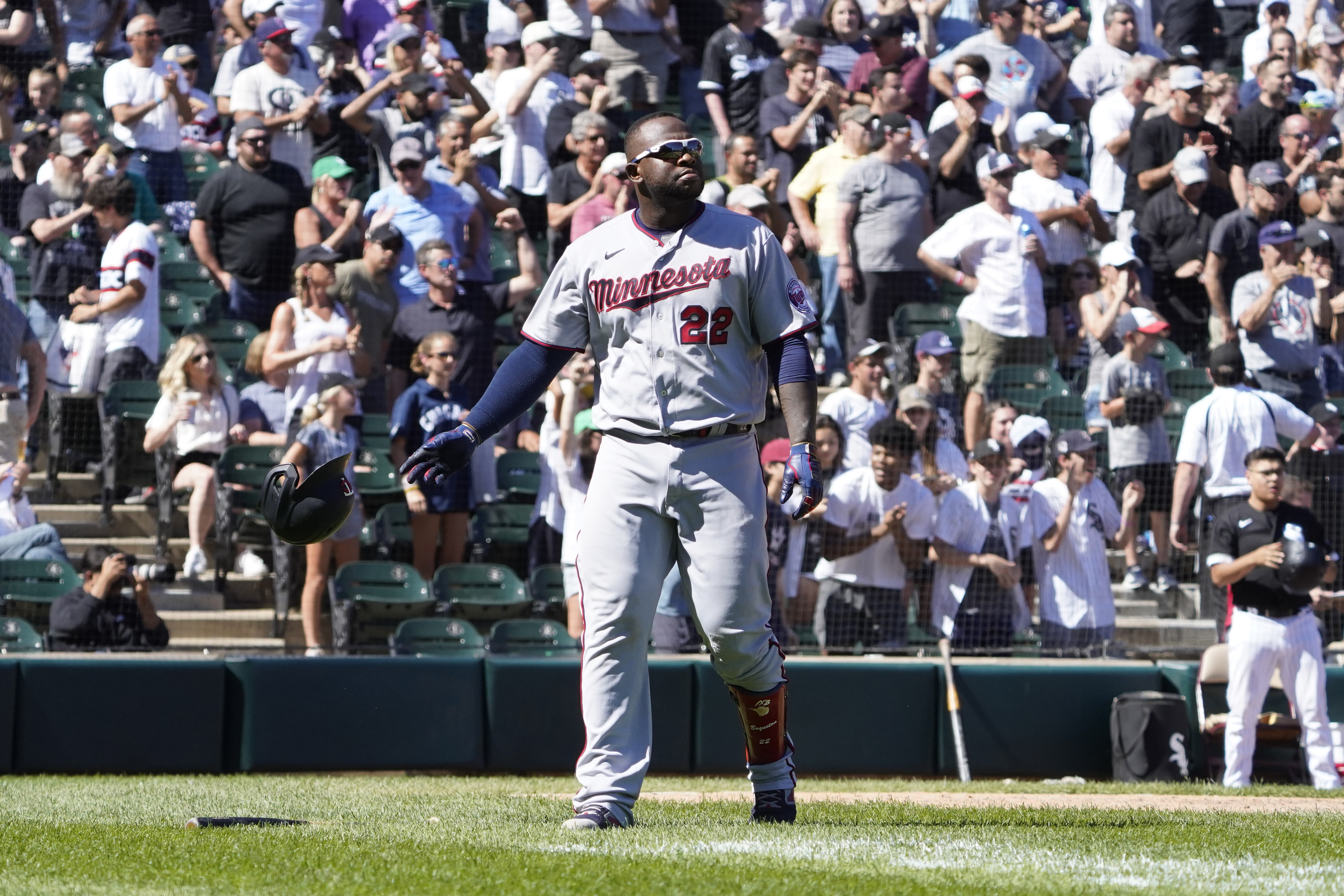 Box Score Berríos: 5.0 IP, 10 H, 3 ER, 1 BB, 0 K Home Run(s): None Bottom 3 WPA: Sanó -.257, Alcala -.241, Berríos -.221 -Win Probability Chart (via FanGraphs) Prior to today, José Berríos had been a staple of consistency for the Minnesota Twins this season. That was not the case today, though, as Berríos was anything but his typical, sharp self. Berríos allowed the White Sox to run all across the basebaths today to the tune of 10 hits, a walk and 3 earned runs across 89 pitches in just 5 innings of work. For the White Sox, the scoring got started early when Berríos allowed a solo home run to right center to White Sox center fielder, Brian Goodwin. The White Sox added on again in the 3rd inning with two more runs to give the Sox an early 3-0 lead. The Twins bounced back in the 5th, though, as the bottom of the Twins lineup erupted to lead a 4-run rally in the inning highlighted by a Celestino single, Simmons double and a Nelson Cruz, happy birthday, RBI single to help the Twins take the lead back 4-3. After Berríos allowed the White Sox to tie the game in the bottom of the 5th inning, the game quickly turned into a battle of the bullpens, which has typically not been a battle the Twins have fared well in this season. The bullpen failed to show up once again for the Minnesota Twins as Jorge Alcala and Hansel Robles combined to allow 4 earned runs in 1.1 innings, giving the White Sox an 8-4 lead. The Minnesota Twins tried to make things interesting against Liam Hendricks in the 9th inning, but they were unsuccessful in mounting a comeback, ultimately losing with a final score of 8-5. The Minnesota Twins have now been swept again by the Chicago White Sox and are 1-8 against the South Siders on the season and 14.5 games back in the American League Central. Bullpen Usage Chart What’s Next? The Minnesota Twins will continue their road trip on Friday as they will travel to Kansas City to kickoff a 3 game series against the reeling Royals. The Twins will turn to southpaw J.A. Happ who will oppose Royals’ right-hander, Brady Singer.
 -
We are exactly one month away from the 2021 MLB trade deadline, and the Minnesota Twins figure to be active participants in the trade market. One player to keep an eye on is José Berríos. Who could the Twins get back in return? In his second to last season of arbitration, José Berríos has been having another José Berríos-type season. Through 15 starts, Berríos owns a 3.41 ERA and 1.08 WHIP, both numbers that would be career bests for him. Berríos has been an extremely consistent and reliable starter for the Twins all season, and the sports books reflect that, as Berríos is on the board at +5000 to take home the American League Cy Young. Along with his strong play, Berríos makes for an intriguing trade candidate because of his age and years of control. At just 27 years old, teams might be optimistic that Berríos still has another level to reach, and with 1.5 years of control remaining, they will be able to hang onto him for enough time to realize that next level. For the Minnesota Twins, it would be tough to part with such a talented arm, but with as bad as they have been in 2021 and no guarantees about 2022, it might just be the most prudent move. In laying out trade proposals for José Berríos, we will use Baseball Trade Values. BTV is a website that assigns a point total of “value” to all Major and Minor Leaguers, and based on those point values assesses whether a trade would be accepted or not. Baseball Trade Values is certainly not a perfect resource, but it gives an objective way to start the trade conversation and provide a starting point for a trade proposal. With that being said… Trade Proposal #1: In the first hypothetical José Berríos trade, the Minnesota Twins would be making a deal with the devil, sending the right hander to the Bronx. The New York Yankees are struggling mightily right now as they currently find themselves 4th in the American League East with a record just three games above .500. The New York Yankees are never going to be satisfied with mediocrity and are always going to be pushing for contention, which would make a José Berríos trade extremely tantalizing for them. In the proposed trade, the New York Yankees would send back to Minnesota Oswald Peraza, Luis Gil and T.J. Sikkema. The headliner of the deal would be Oswald Peraza, the 97th ranked prospect in baseball. Pereza is a slick-fielding shortstop, an area that the Minnesota Twins don’t have a ton of depth within their system outside of Royce Lewis who is no sure thing after undergoing an ACL repair this spring. Peraza has exceptional plate discipline and contact skills and could be the perfect pairing with Luis Arraez over the next six years. In addition to Peraza, the Yankees would send back Luis Gil who, if you remember, was formerly with the Minnesota Twins and traded away in a trade for Jake Cave in 2018. Since being traded away, Gil has turned into a borderline top-100 prospect with immense upside. At just 23 years old, Gil posted a 2.64 ERA and a 14.7 K/9 in 30 innings in AA before earning a AAA promotion. Getting Gil back in the Twins organization would be a nice flip of the script for the Twins. Finally, the Twins would also acquire T.J. Sikkema, a single-A right hander who ranks as the Yankees’ 16th best prospect. Sikkema is just 22 years old and still raw, but as a former first round pick in 2019, offers some nice upside that the Twins could use. Trade Proposal #2: In the second trade proposal for the Minnesota Twins’ ace, the Twins would deal with the other New York baseball team, the Mets. After many years stuck in mediocrity, the New York Mets have broken out as a legit contender this year, racing out to a 41-34 start with a 3 game lead in the NL East. The New York market is always going to be one that wants to compete, which is why the Mets could certainly get aggressive at the trade deadline and pursue José Berríos. Back from the Mets, the Twins could get a nice return in exchange for Berríos, as New York boasts some quality top-end prospect names. The headliner of the deal would be shortstop phenom, Ronny Mauricio, the 50th ranked prospect in baseball. Mauricio is extremely raw, as he is just 20 years old, but has as much upside as almost any prospect in baseball. Mauricio projects to be a franchise cornerstone at the shortstop position and is a prototypical 5-tool player who can run and field in addition to hitting the snot out of the ball. The Twins should be looking to get a top pitching prospect at the deadline this year, but Mauricio is the type of talent you just can’t turn away from, even if pitching is the bigger need. To supplement the addition of a bat, the Minnesota Twins could push the New York Mets and try to get a top-100 pitching prospect from them as well, which would be right-hander Matt Allan. Allan projects as one of the top pitching prospects in baseball and boasts a fastball that sits in the upper-90s, along with a devastating curveball. Unfortunately, Allan underwent Tommy John surgery earlier this year and will miss the entire 2021 season and potentially part of 2022. The surgery for Allan certainly adds some risk to his profile, but also means that he can be had and the Minnesota Twins have shown in the past that they aren’t afraid of an injury reclamation project as they showed with Michael Pineda and Rich Hill in free agency in the past. Trade Proposal #3: Not only are the Toronto Blue Jays competing in the best division in baseball, they also boast one of best farm systems in all of baseball, with the 7th ranked system in the league. The Blue Jays are in the rare position where they are ready to compete and also have such great prospect talent that they can afford to part with names in order to acquire a name like José Berríos who could help lead them to the playoffs each of the next two seasons. The headliner in a Berríos trade to Toronto would be right handed pitcher, Simeon Woods-Richardson, the 68th ranked prospect in baseball. Woods-Richardson has been shooting up prospect lists over this past season as he started his 2021 campaign in AA with a 2.16 ERA and 39 strikeouts over his first 6 starts. Woods-Richardson stands tall at 6-foot-3 and can pump his fastball up to 95 miles per hour. SWR is a name that could turn into a top of the rotation starter sooner rather than later and could be the ideal replacement for someone like José Berríos, who has no guarantees of staying in Minnesota past his arbitration. Additionally, the Toronto Blue Jays would send back their 8th and 9th ranked prospects in 20-year-olds, Miguel Hiraldo and Adam Kloffenstein. Hiraldo is a middle infield prospect whose long term position could end up being third base, but owns impressive power and bat-to-ball skills and could one day be a middle of the order bat. Kloffenstein is still raw in A+, but is a former 3rd round pick with a 4-pitch repertoire who projects as a middle of the rotation starter one day. Which of the 3 trades above is of most interest to you? Do you think these are fair values for José Berríos? What other trade ideas can you think of? Leave a comment below and start the conversation! MORE FROM TWINS DAILY — Latest Twins coverage from our writers — Recent Twins discussion in our forums — Follow Twins Daily via Twitter, Facebook or email View full article
-
(11).png.029743167aa3aae2194fbc38e032a8ad.png) In his second to last season of arbitration, José Berríos has been having another José Berríos-type season. Through 15 starts, Berríos owns a 3.41 ERA and 1.08 WHIP, both numbers that would be career bests for him. Berríos has been an extremely consistent and reliable starter for the Twins all season, and the sports books reflect that, as Berríos is on the board at +5000 to take home the American League Cy Young. Along with his strong play, Berríos makes for an intriguing trade candidate because of his age and years of control. At just 27 years old, teams might be optimistic that Berríos still has another level to reach, and with 1.5 years of control remaining, they will be able to hang onto him for enough time to realize that next level. For the Minnesota Twins, it would be tough to part with such a talented arm, but with as bad as they have been in 2021 and no guarantees about 2022, it might just be the most prudent move. In laying out trade proposals for José Berríos, we will use Baseball Trade Values. BTV is a website that assigns a point total of “value” to all Major and Minor Leaguers, and based on those point values assesses whether a trade would be accepted or not. Baseball Trade Values is certainly not a perfect resource, but it gives an objective way to start the trade conversation and provide a starting point for a trade proposal. With that being said… Trade Proposal #1: In the first hypothetical José Berríos trade, the Minnesota Twins would be making a deal with the devil, sending the right hander to the Bronx. The New York Yankees are struggling mightily right now as they currently find themselves 4th in the American League East with a record just three games above .500. The New York Yankees are never going to be satisfied with mediocrity and are always going to be pushing for contention, which would make a José Berríos trade extremely tantalizing for them. In the proposed trade, the New York Yankees would send back to Minnesota Oswald Peraza, Luis Gil and T.J. Sikkema. The headliner of the deal would be Oswald Peraza, the 97th ranked prospect in baseball. Pereza is a slick-fielding shortstop, an area that the Minnesota Twins don’t have a ton of depth within their system outside of Royce Lewis who is no sure thing after undergoing an ACL repair this spring. Peraza has exceptional plate discipline and contact skills and could be the perfect pairing with Luis Arraez over the next six years. In addition to Peraza, the Yankees would send back Luis Gil who, if you remember, was formerly with the Minnesota Twins and traded away in a trade for Jake Cave in 2018. Since being traded away, Gil has turned into a borderline top-100 prospect with immense upside. At just 23 years old, Gil posted a 2.64 ERA and a 14.7 K/9 in 30 innings in AA before earning a AAA promotion. Getting Gil back in the Twins organization would be a nice flip of the script for the Twins. Finally, the Twins would also acquire T.J. Sikkema, a single-A right hander who ranks as the Yankees’ 16th best prospect. Sikkema is just 22 years old and still raw, but as a former first round pick in 2019, offers some nice upside that the Twins could use. Trade Proposal #2: In the second trade proposal for the Minnesota Twins’ ace, the Twins would deal with the other New York baseball team, the Mets. After many years stuck in mediocrity, the New York Mets have broken out as a legit contender this year, racing out to a 41-34 start with a 3 game lead in the NL East. The New York market is always going to be one that wants to compete, which is why the Mets could certainly get aggressive at the trade deadline and pursue José Berríos. Back from the Mets, the Twins could get a nice return in exchange for Berríos, as New York boasts some quality top-end prospect names. The headliner of the deal would be shortstop phenom, Ronny Mauricio, the 50th ranked prospect in baseball. Mauricio is extremely raw, as he is just 20 years old, but has as much upside as almost any prospect in baseball. Mauricio projects to be a franchise cornerstone at the shortstop position and is a prototypical 5-tool player who can run and field in addition to hitting the snot out of the ball. The Twins should be looking to get a top pitching prospect at the deadline this year, but Mauricio is the type of talent you just can’t turn away from, even if pitching is the bigger need. To supplement the addition of a bat, the Minnesota Twins could push the New York Mets and try to get a top-100 pitching prospect from them as well, which would be right-hander Matt Allan. Allan projects as one of the top pitching prospects in baseball and boasts a fastball that sits in the upper-90s, along with a devastating curveball. Unfortunately, Allan underwent Tommy John surgery earlier this year and will miss the entire 2021 season and potentially part of 2022. The surgery for Allan certainly adds some risk to his profile, but also means that he can be had and the Minnesota Twins have shown in the past that they aren’t afraid of an injury reclamation project as they showed with Michael Pineda and Rich Hill in free agency in the past. Trade Proposal #3: Not only are the Toronto Blue Jays competing in the best division in baseball, they also boast one of best farm systems in all of baseball, with the 7th ranked system in the league. The Blue Jays are in the rare position where they are ready to compete and also have such great prospect talent that they can afford to part with names in order to acquire a name like José Berríos who could help lead them to the playoffs each of the next two seasons. The headliner in a Berríos trade to Toronto would be right handed pitcher, Simeon Woods-Richardson, the 68th ranked prospect in baseball. Woods-Richardson has been shooting up prospect lists over this past season as he started his 2021 campaign in AA with a 2.16 ERA and 39 strikeouts over his first 6 starts. Woods-Richardson stands tall at 6-foot-3 and can pump his fastball up to 95 miles per hour. SWR is a name that could turn into a top of the rotation starter sooner rather than later and could be the ideal replacement for someone like José Berríos, who has no guarantees of staying in Minnesota past his arbitration. Additionally, the Toronto Blue Jays would send back their 8th and 9th ranked prospects in 20-year-olds, Miguel Hiraldo and Adam Kloffenstein. Hiraldo is a middle infield prospect whose long term position could end up being third base, but owns impressive power and bat-to-ball skills and could one day be a middle of the order bat. Kloffenstein is still raw in A+, but is a former 3rd round pick with a 4-pitch repertoire who projects as a middle of the rotation starter one day. Which of the 3 trades above is of most interest to you? Do you think these are fair values for José Berríos? What other trade ideas can you think of? Leave a comment below and start the conversation! MORE FROM TWINS DAILY — Latest Twins coverage from our writers — Recent Twins discussion in our forums — Follow Twins Daily via Twitter, Facebook or email
In his second to last season of arbitration, José Berríos has been having another José Berríos-type season. Through 15 starts, Berríos owns a 3.41 ERA and 1.08 WHIP, both numbers that would be career bests for him. Berríos has been an extremely consistent and reliable starter for the Twins all season, and the sports books reflect that, as Berríos is on the board at +5000 to take home the American League Cy Young. Along with his strong play, Berríos makes for an intriguing trade candidate because of his age and years of control. At just 27 years old, teams might be optimistic that Berríos still has another level to reach, and with 1.5 years of control remaining, they will be able to hang onto him for enough time to realize that next level. For the Minnesota Twins, it would be tough to part with such a talented arm, but with as bad as they have been in 2021 and no guarantees about 2022, it might just be the most prudent move. In laying out trade proposals for José Berríos, we will use Baseball Trade Values. BTV is a website that assigns a point total of “value” to all Major and Minor Leaguers, and based on those point values assesses whether a trade would be accepted or not. Baseball Trade Values is certainly not a perfect resource, but it gives an objective way to start the trade conversation and provide a starting point for a trade proposal. With that being said… Trade Proposal #1: In the first hypothetical José Berríos trade, the Minnesota Twins would be making a deal with the devil, sending the right hander to the Bronx. The New York Yankees are struggling mightily right now as they currently find themselves 4th in the American League East with a record just three games above .500. The New York Yankees are never going to be satisfied with mediocrity and are always going to be pushing for contention, which would make a José Berríos trade extremely tantalizing for them. In the proposed trade, the New York Yankees would send back to Minnesota Oswald Peraza, Luis Gil and T.J. Sikkema. The headliner of the deal would be Oswald Peraza, the 97th ranked prospect in baseball. Pereza is a slick-fielding shortstop, an area that the Minnesota Twins don’t have a ton of depth within their system outside of Royce Lewis who is no sure thing after undergoing an ACL repair this spring. Peraza has exceptional plate discipline and contact skills and could be the perfect pairing with Luis Arraez over the next six years. In addition to Peraza, the Yankees would send back Luis Gil who, if you remember, was formerly with the Minnesota Twins and traded away in a trade for Jake Cave in 2018. Since being traded away, Gil has turned into a borderline top-100 prospect with immense upside. At just 23 years old, Gil posted a 2.64 ERA and a 14.7 K/9 in 30 innings in AA before earning a AAA promotion. Getting Gil back in the Twins organization would be a nice flip of the script for the Twins. Finally, the Twins would also acquire T.J. Sikkema, a single-A right hander who ranks as the Yankees’ 16th best prospect. Sikkema is just 22 years old and still raw, but as a former first round pick in 2019, offers some nice upside that the Twins could use. Trade Proposal #2: In the second trade proposal for the Minnesota Twins’ ace, the Twins would deal with the other New York baseball team, the Mets. After many years stuck in mediocrity, the New York Mets have broken out as a legit contender this year, racing out to a 41-34 start with a 3 game lead in the NL East. The New York market is always going to be one that wants to compete, which is why the Mets could certainly get aggressive at the trade deadline and pursue José Berríos. Back from the Mets, the Twins could get a nice return in exchange for Berríos, as New York boasts some quality top-end prospect names. The headliner of the deal would be shortstop phenom, Ronny Mauricio, the 50th ranked prospect in baseball. Mauricio is extremely raw, as he is just 20 years old, but has as much upside as almost any prospect in baseball. Mauricio projects to be a franchise cornerstone at the shortstop position and is a prototypical 5-tool player who can run and field in addition to hitting the snot out of the ball. The Twins should be looking to get a top pitching prospect at the deadline this year, but Mauricio is the type of talent you just can’t turn away from, even if pitching is the bigger need. To supplement the addition of a bat, the Minnesota Twins could push the New York Mets and try to get a top-100 pitching prospect from them as well, which would be right-hander Matt Allan. Allan projects as one of the top pitching prospects in baseball and boasts a fastball that sits in the upper-90s, along with a devastating curveball. Unfortunately, Allan underwent Tommy John surgery earlier this year and will miss the entire 2021 season and potentially part of 2022. The surgery for Allan certainly adds some risk to his profile, but also means that he can be had and the Minnesota Twins have shown in the past that they aren’t afraid of an injury reclamation project as they showed with Michael Pineda and Rich Hill in free agency in the past. Trade Proposal #3: Not only are the Toronto Blue Jays competing in the best division in baseball, they also boast one of best farm systems in all of baseball, with the 7th ranked system in the league. The Blue Jays are in the rare position where they are ready to compete and also have such great prospect talent that they can afford to part with names in order to acquire a name like José Berríos who could help lead them to the playoffs each of the next two seasons. The headliner in a Berríos trade to Toronto would be right handed pitcher, Simeon Woods-Richardson, the 68th ranked prospect in baseball. Woods-Richardson has been shooting up prospect lists over this past season as he started his 2021 campaign in AA with a 2.16 ERA and 39 strikeouts over his first 6 starts. Woods-Richardson stands tall at 6-foot-3 and can pump his fastball up to 95 miles per hour. SWR is a name that could turn into a top of the rotation starter sooner rather than later and could be the ideal replacement for someone like José Berríos, who has no guarantees of staying in Minnesota past his arbitration. Additionally, the Toronto Blue Jays would send back their 8th and 9th ranked prospects in 20-year-olds, Miguel Hiraldo and Adam Kloffenstein. Hiraldo is a middle infield prospect whose long term position could end up being third base, but owns impressive power and bat-to-ball skills and could one day be a middle of the order bat. Kloffenstein is still raw in A+, but is a former 3rd round pick with a 4-pitch repertoire who projects as a middle of the rotation starter one day. Which of the 3 trades above is of most interest to you? Do you think these are fair values for José Berríos? What other trade ideas can you think of? Leave a comment below and start the conversation! MORE FROM TWINS DAILY — Latest Twins coverage from our writers — Recent Twins discussion in our forums — Follow Twins Daily via Twitter, Facebook or email -
The Minnesota Twins got an excellent performance on the mound from José Berríos but the offense failed to do their part, giving Cleveland the win in Eddie Rosario’s return to Target Field. Box Score Berríos: 6.1 IP, 4 H, 1 ER, 2 BB, 9 K Home Run(s): None Bottom 3 WPA: Rogers -.232, Alcala -.178, Cruz -.169 Win Probability Chart (via FanGraphs) Coming off of an off-day, the Minnesota Twins were hoping to get back on the right foot as they kicked off a 4-game series with Cleveland on Thursday night, leaning on their ace José Berríos to get them a much needed win. Berríos did all that he could for the Minnesota Twins on Thursday night and he was masterful, tossing 6.1 innings and allowing just 1 run while striking out 9, tied for his second-highest strikeout total on the season. Berríos had Cleveland guessing all night, inducing 12 swings-and-misses, leaning heavily on his curveball to put Cleveland batters away. The only damage that Berríos allowed on the night came in the second inning when Berríos allowed a walk and a single to start the inning before an RBI single from Austin Hedges. After that, Berríos allowed some spot singles, but always prevented damage and didn’t allow a single extra base hit all night. Unfortunately for Berríos, the Minnesota Twins offense provided no support on the other side of the ball, contributing their only run of the game in the first inning when Luis Arraez scored on a wild pitch. On the night, the Twins offense only mustered 5 singles and a 9th inning double from Jorge Polanco. With an offense that was finally close to full strength with Donaldson, Kepler, and Arraez all in the fold, it was an especially disheartening performance from the offense which showed no life all night. Despite the lackluster performance from the Twins’ offense, Berríos kept the Twins in the game as the Twins entered the 8th inning tied 1-1 with Jorge Alcala on the mound for the Twins. Cleveland wasted no time getting to Alcala, though, as Cleveland smacked back-to-back singles off the right hander and 2 batters later Taylor Rogers came into the game with the bases loaded and one out. From there, Eddie Rosario broke the game open in his return to target field with a 2 RBI single followed by another RBI single from Bobby Bradley to give Cleveland a 4-1 lead that would hold through the end of the game. The loss for the Twins brings their record to 31-43, again falling to last place in the American League Central and 13 games back of the Chicago White Sox. Eddie’s Eventful Return In typical Eddie Rosario fashion, his return to Target Field was not short on drama. Although he knocked in the game-winning runs for Cleveland, the most memorable moment from Eddie’s return to Target Field was his unbelievable baserunning gaffe in the top of the 6th inning. Or maybe not so unbelievable if you’ve paid attention to Eddie Rosario’s career. Bullpen Usage Chart What’s Next? Bullpen game? Bullpen game! View full article
-
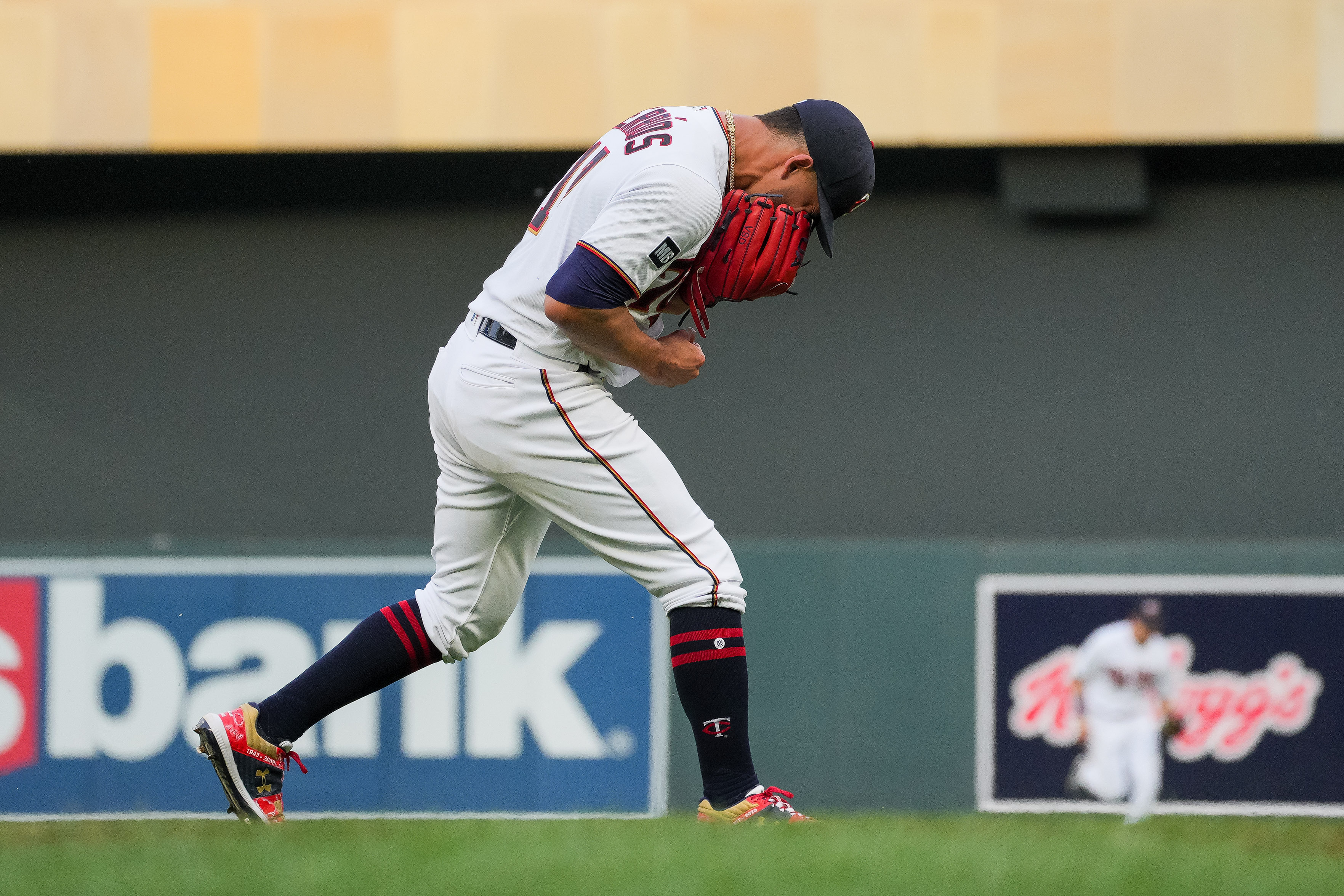 Box Score Berríos: 6.1 IP, 4 H, 1 ER, 2 BB, 9 K Home Run(s): None Bottom 3 WPA: Rogers -.232, Alcala -.178, Cruz -.169 Win Probability Chart (via FanGraphs) Coming off of an off-day, the Minnesota Twins were hoping to get back on the right foot as they kicked off a 4-game series with Cleveland on Thursday night, leaning on their ace José Berríos to get them a much needed win. Berríos did all that he could for the Minnesota Twins on Thursday night and he was masterful, tossing 6.1 innings and allowing just 1 run while striking out 9, tied for his second-highest strikeout total on the season. Berríos had Cleveland guessing all night, inducing 12 swings-and-misses, leaning heavily on his curveball to put Cleveland batters away. The only damage that Berríos allowed on the night came in the second inning when Berríos allowed a walk and a single to start the inning before an RBI single from Austin Hedges. After that, Berríos allowed some spot singles, but always prevented damage and didn’t allow a single extra base hit all night. Unfortunately for Berríos, the Minnesota Twins offense provided no support on the other side of the ball, contributing their only run of the game in the first inning when Luis Arraez scored on a wild pitch. On the night, the Twins offense only mustered 5 singles and a 9th inning double from Jorge Polanco. With an offense that was finally close to full strength with Donaldson, Kepler, and Arraez all in the fold, it was an especially disheartening performance from the offense which showed no life all night. Despite the lackluster performance from the Twins’ offense, Berríos kept the Twins in the game as the Twins entered the 8th inning tied 1-1 with Jorge Alcala on the mound for the Twins. Cleveland wasted no time getting to Alcala, though, as Cleveland smacked back-to-back singles off the right hander and 2 batters later Taylor Rogers came into the game with the bases loaded and one out. From there, Eddie Rosario broke the game open in his return to target field with a 2 RBI single followed by another RBI single from Bobby Bradley to give Cleveland a 4-1 lead that would hold through the end of the game. The loss for the Twins brings their record to 31-43, again falling to last place in the American League Central and 13 games back of the Chicago White Sox. Eddie’s Eventful Return In typical Eddie Rosario fashion, his return to Target Field was not short on drama. Although he knocked in the game-winning runs for Cleveland, the most memorable moment from Eddie’s return to Target Field was his unbelievable baserunning gaffe in the top of the 6th inning. Or maybe not so unbelievable if you’ve paid attention to Eddie Rosario’s career. Bullpen Usage Chart What’s Next? Bullpen game? Bullpen game!
 -
We are less than 6 weeks away from the 2021 MLB trade deadline, and the Minnesota Twins figure to be active participants in the trade market. One player likely to get traded is Nelson Cruz. Who could the Twins get back in return? At age 40, Nelson Cruz has picked up right where he left off in 2020. In 63 games thus far in 2021, Cruz owns a .936 OPS and leads the Minnesota Twins in home runs and RBI. Set to become a free agent at the end of the season, Cruz figures to be a prime trade piece for the Minnesota Twins this July. Cruz provides a middle-of-the order bat that many teams look for as they beef up for a playoff run. What the Twins have working against themselves, though, in looking for a trade partner is the nature of Nelson Cruz’s position. As a designated hitter, the list of potential suitors for Cruz is automatically cut in half to be just American League teams. From there, you trim down the list to only the contending teams, and suddenly there aren’t many teams left who would be interested in Cruz. Nevertheless, a Nelson Cruz trade makes a ton of sense for the Twins and we’re going to find some potential trade options for him. In laying out trade proposals for Nelson Cruz, we will use Baseball Trade Values. BTV is a website that assigns a point total of “value” to all Major and Minor Leaguers, and based on those point values assesses whether a trade would be accepted or not. Baseball Trade Values is certainly not an imperfect resource, but it gives an objective way to start the trade conversation and provide a starting point for a trade proposal. With that being said… Trade Proposal #1: The first trade proposal for Nelson Cruz would be a deal sending the designated hitter to the Toronto Blue Jays. Toronto figures to have a lot of interest in the 40-year-old Cruz, as their .622 team OPS from the designated hitter position is 2nd worst in the American League. As a team, the Blue Jays are 36-35 and 5.5 games back from a wild card spot. With a masher like Cruz being implemented into the lineup, the Blue Jays would have a real shot at making their first postseason appearance since 2016. Coming back to the Minnesota Twins, the Toronto Blue Jays would send two of their top-20 prospects in RHP Adam Kloffenstein and RHP T.J. Zeuch. Kloffenstein is the Toronto Blue Jays’ 9th ranked prospect and is still just 20 years old. Kloffenstein was a 3rd round draft pick as a high school pitcher and throws a solid fastball with a good curveball and slider. In low-A in 2019, the right hander posted a 2.24 ERA in 64.1 innings. In addition to Kloffenstein, the Twins would acquire AAA pitcher, T.J. Zeuch. Zeuch is the Blue Jays’ 26th ranked prospect and at the age of 25 is Major League ready. In 49 career innings in the Majors, Zeuch owns a 4.59 ERA, but his 6-foot-7 frame and quality slider could turn him into a quality reliever in the Majors. Trade Proposal #2: Another contending team that has struggled from the DH position this season has been the Twins’ central division foes, the Chicago White Sox. The Sox are currently getting a .707 OPS this season from the DH spot, the 6th worst mark in the American League. While the White Sox are leading the AL Central, they have dropped 5 games in a row, and will likely be looking to tie up the loose ends of their roster in preparation for a playoff run. One of those loose ends could be DH, and Nelson Cruz could be the name that makes the most sense. In return for Nelson Cruz, one name the Twins could be looking at is single-A middle infield prospect, Jose Rodriguez. At the age of 20, Rodriguez is still an extremely raw prospect, but he has the upside to be a cornerstone in the middle infield one day. Rodriguez ranks as the White Sox #15 prospect, but could move up the ranks quickly. With not much pipeline depth at middle infield, Rodriguez could be a nice prize for the Twins to get back in exchange for Cruz. Trade Proposal #3: Locked into a tight AL West division race with the Houston Astros, the Oakland Athletics will be looking to bolster their lineup with some much needed pop, as the Athletics have received a sub-.700 OPS from their DH position this season. Nelson Cruz would naturally fill in for a struggling Mitch Moreland and give the A’s the help they need. In return, the Athletics would send the Twins their 8th ranked prospect, RHP Jeff Criswell. At 22 years old, Criswell was a 2nd round pick in 2022 and owns a fastball that sticks in the mid-90s. With a farm system fighting through injuries this season, a pitching prospect would be a big deal for the Minnesota Twins, and Criswell could be the perfect fit. Which of the 3 trade proposals above would you like best for Nelson Cruz? Given the likely trade returns for the Twins’ DH do you think the Twins are better off hanging onto him? Leave a comment below and start the conversation. MORE FROM TWINS DAILY — Latest Twins coverage from our writers — Recent Twins discussion in our forums — Follow Twins Daily via Twitter, Facebook or email View full article
-
Twins Trade Deadline Szn: 3 Trade Proposals for Nelson Cruz
Matthew Taylor posted an article in Twins
(9).png.6689a1acfcfe04026bc9976ed80828c3.png) At age 40, Nelson Cruz has picked up right where he left off in 2020. In 63 games thus far in 2021, Cruz owns a .936 OPS and leads the Minnesota Twins in home runs and RBI. Set to become a free agent at the end of the season, Cruz figures to be a prime trade piece for the Minnesota Twins this July. Cruz provides a middle-of-the order bat that many teams look for as they beef up for a playoff run. What the Twins have working against themselves, though, in looking for a trade partner is the nature of Nelson Cruz’s position. As a designated hitter, the list of potential suitors for Cruz is automatically cut in half to be just American League teams. From there, you trim down the list to only the contending teams, and suddenly there aren’t many teams left who would be interested in Cruz. Nevertheless, a Nelson Cruz trade makes a ton of sense for the Twins and we’re going to find some potential trade options for him. In laying out trade proposals for Nelson Cruz, we will use Baseball Trade Values. BTV is a website that assigns a point total of “value” to all Major and Minor Leaguers, and based on those point values assesses whether a trade would be accepted or not. Baseball Trade Values is certainly not an imperfect resource, but it gives an objective way to start the trade conversation and provide a starting point for a trade proposal. With that being said… Trade Proposal #1: The first trade proposal for Nelson Cruz would be a deal sending the designated hitter to the Toronto Blue Jays. Toronto figures to have a lot of interest in the 40-year-old Cruz, as their .622 team OPS from the designated hitter position is 2nd worst in the American League. As a team, the Blue Jays are 36-35 and 5.5 games back from a wild card spot. With a masher like Cruz being implemented into the lineup, the Blue Jays would have a real shot at making their first postseason appearance since 2016. Coming back to the Minnesota Twins, the Toronto Blue Jays would send two of their top-20 prospects in RHP Adam Kloffenstein and RHP T.J. Zeuch. Kloffenstein is the Toronto Blue Jays’ 9th ranked prospect and is still just 20 years old. Kloffenstein was a 3rd round draft pick as a high school pitcher and throws a solid fastball with a good curveball and slider. In low-A in 2019, the right hander posted a 2.24 ERA in 64.1 innings. In addition to Kloffenstein, the Twins would acquire AAA pitcher, T.J. Zeuch. Zeuch is the Blue Jays’ 26th ranked prospect and at the age of 25 is Major League ready. In 49 career innings in the Majors, Zeuch owns a 4.59 ERA, but his 6-foot-7 frame and quality slider could turn him into a quality reliever in the Majors. Trade Proposal #2: Another contending team that has struggled from the DH position this season has been the Twins’ central division foes, the Chicago White Sox. The Sox are currently getting a .707 OPS this season from the DH spot, the 6th worst mark in the American League. While the White Sox are leading the AL Central, they have dropped 5 games in a row, and will likely be looking to tie up the loose ends of their roster in preparation for a playoff run. One of those loose ends could be DH, and Nelson Cruz could be the name that makes the most sense. In return for Nelson Cruz, one name the Twins could be looking at is single-A middle infield prospect, Jose Rodriguez. At the age of 20, Rodriguez is still an extremely raw prospect, but he has the upside to be a cornerstone in the middle infield one day. Rodriguez ranks as the White Sox #15 prospect, but could move up the ranks quickly. With not much pipeline depth at middle infield, Rodriguez could be a nice prize for the Twins to get back in exchange for Cruz. Trade Proposal #3: Locked into a tight AL West division race with the Houston Astros, the Oakland Athletics will be looking to bolster their lineup with some much needed pop, as the Athletics have received a sub-.700 OPS from their DH position this season. Nelson Cruz would naturally fill in for a struggling Mitch Moreland and give the A’s the help they need. In return, the Athletics would send the Twins their 8th ranked prospect, RHP Jeff Criswell. At 22 years old, Criswell was a 2nd round pick in 2022 and owns a fastball that sticks in the mid-90s. With a farm system fighting through injuries this season, a pitching prospect would be a big deal for the Minnesota Twins, and Criswell could be the perfect fit. Which of the 3 trade proposals above would you like best for Nelson Cruz? Given the likely trade returns for the Twins’ DH do you think the Twins are better off hanging onto him? Leave a comment below and start the conversation. MORE FROM TWINS DAILY — Latest Twins coverage from our writers — Recent Twins discussion in our forums — Follow Twins Daily via Twitter, Facebook or email
At age 40, Nelson Cruz has picked up right where he left off in 2020. In 63 games thus far in 2021, Cruz owns a .936 OPS and leads the Minnesota Twins in home runs and RBI. Set to become a free agent at the end of the season, Cruz figures to be a prime trade piece for the Minnesota Twins this July. Cruz provides a middle-of-the order bat that many teams look for as they beef up for a playoff run. What the Twins have working against themselves, though, in looking for a trade partner is the nature of Nelson Cruz’s position. As a designated hitter, the list of potential suitors for Cruz is automatically cut in half to be just American League teams. From there, you trim down the list to only the contending teams, and suddenly there aren’t many teams left who would be interested in Cruz. Nevertheless, a Nelson Cruz trade makes a ton of sense for the Twins and we’re going to find some potential trade options for him. In laying out trade proposals for Nelson Cruz, we will use Baseball Trade Values. BTV is a website that assigns a point total of “value” to all Major and Minor Leaguers, and based on those point values assesses whether a trade would be accepted or not. Baseball Trade Values is certainly not an imperfect resource, but it gives an objective way to start the trade conversation and provide a starting point for a trade proposal. With that being said… Trade Proposal #1: The first trade proposal for Nelson Cruz would be a deal sending the designated hitter to the Toronto Blue Jays. Toronto figures to have a lot of interest in the 40-year-old Cruz, as their .622 team OPS from the designated hitter position is 2nd worst in the American League. As a team, the Blue Jays are 36-35 and 5.5 games back from a wild card spot. With a masher like Cruz being implemented into the lineup, the Blue Jays would have a real shot at making their first postseason appearance since 2016. Coming back to the Minnesota Twins, the Toronto Blue Jays would send two of their top-20 prospects in RHP Adam Kloffenstein and RHP T.J. Zeuch. Kloffenstein is the Toronto Blue Jays’ 9th ranked prospect and is still just 20 years old. Kloffenstein was a 3rd round draft pick as a high school pitcher and throws a solid fastball with a good curveball and slider. In low-A in 2019, the right hander posted a 2.24 ERA in 64.1 innings. In addition to Kloffenstein, the Twins would acquire AAA pitcher, T.J. Zeuch. Zeuch is the Blue Jays’ 26th ranked prospect and at the age of 25 is Major League ready. In 49 career innings in the Majors, Zeuch owns a 4.59 ERA, but his 6-foot-7 frame and quality slider could turn him into a quality reliever in the Majors. Trade Proposal #2: Another contending team that has struggled from the DH position this season has been the Twins’ central division foes, the Chicago White Sox. The Sox are currently getting a .707 OPS this season from the DH spot, the 6th worst mark in the American League. While the White Sox are leading the AL Central, they have dropped 5 games in a row, and will likely be looking to tie up the loose ends of their roster in preparation for a playoff run. One of those loose ends could be DH, and Nelson Cruz could be the name that makes the most sense. In return for Nelson Cruz, one name the Twins could be looking at is single-A middle infield prospect, Jose Rodriguez. At the age of 20, Rodriguez is still an extremely raw prospect, but he has the upside to be a cornerstone in the middle infield one day. Rodriguez ranks as the White Sox #15 prospect, but could move up the ranks quickly. With not much pipeline depth at middle infield, Rodriguez could be a nice prize for the Twins to get back in exchange for Cruz. Trade Proposal #3: Locked into a tight AL West division race with the Houston Astros, the Oakland Athletics will be looking to bolster their lineup with some much needed pop, as the Athletics have received a sub-.700 OPS from their DH position this season. Nelson Cruz would naturally fill in for a struggling Mitch Moreland and give the A’s the help they need. In return, the Athletics would send the Twins their 8th ranked prospect, RHP Jeff Criswell. At 22 years old, Criswell was a 2nd round pick in 2022 and owns a fastball that sticks in the mid-90s. With a farm system fighting through injuries this season, a pitching prospect would be a big deal for the Minnesota Twins, and Criswell could be the perfect fit. Which of the 3 trade proposals above would you like best for Nelson Cruz? Given the likely trade returns for the Twins’ DH do you think the Twins are better off hanging onto him? Leave a comment below and start the conversation. MORE FROM TWINS DAILY — Latest Twins coverage from our writers — Recent Twins discussion in our forums — Follow Twins Daily via Twitter, Facebook or email -
Taylor Rogers is having one of the best seasons of his career. While that makes him a great trade candidate for the Minnesota Twins, they might be better off exploring an extension with the southpaw. In what has been a nightmare season for the Minnesota Twins’ bullpen, Taylor Rogers has been one of the few bright spots. Through 29 appearances thus far, Rogers owns a sparkling 2.67 ERA with a career high K/9 of 12.5. Rogers has been used in every type of situation as well, playing the role of left-handed specialist, fireman and closer, proving time and time again to be Rocco Baldelli’s most trusted arm in the bullpen. After a 2020 season in which Rogers was extremely unlucky, regression has tilted back in his favor in 2021, and the results are proving again that he is an exceptionally talented pitcher. As a talented pitcher on a struggling baseball team, the reaction from some may be that Taylor Rogers is a prime trade candidate. Playoff teams can always use another reliever, and with 1.5 years remaining on his deal, a Taylor Rogers trade could net the Twins a solid return. While the logic behind that thinking is sound, there is another alternative that could benefit the Twins even more, a contract extension. There are several reasons why a contract extension for Taylor Rogers would make a lot of sense for the Minnesota Twins. The first of which is extremely basic, Taylor Rogers is a really good pitcher. Since the start of 2018, Rogers ranks in the top-20 among all relievers in innings pitched, ERA, WHIP and K/BB ratio. Simply put, Rogers is one of the best bullpen arms in all of baseball. Secondly, the Minnesota Twins bullpen is one of the worst bullpens in baseball with not many names to count on going forward. Outside of Taylor Rogers, the only semi-reliable names that the Twins have for the future are Tyler Duffey, who is having his worst season since 2018, and Jorge Alcala, who has shown promise but is nowhere near a sure thing. Taking a bad bullpen, and removing its best piece would be risky and leave a huge question mark for that unit for a Minnesota Twins team who will be hoping to compete again in 2022 or 2023. Additionally, by extending Taylor Rogers this offseason, the Minnesota Twins would be able to save annual money by committing longevity to Rogers. After earning $6M in his second year of arbitration prior to 2021, Rogers will likely be looking at a 3rd year arbitration contract of $7.5M heading into 2022. If the Twins want to save money on Rogers’ third year of arbitration, as well as avoid Rogers becoming an unrestricted free agent, they could offer Rogers a 3 year contract at $20M. This contract would net Rogers an AAV of $6.67M, saving the Twins money in 2022, as well as ensuring that they maintain some consistency in their bullpen by bringing back their best reliever at a reasonable contract. Signing a reliever to a contract extension is always going to be a risky proposition, especially for someone like Rogers who will turn 31 this offseason. The lefty, however, has just 300 big league innings on his arm and has shown no signs of slowing down, increasing his velocity and whiff % to career highs in 2021. As a great clubhouse guy, Rogers brings more than just talent to the Minnesota Twins and would be the perfect bridge player to not only lead the bullpen over the next couple of years, but usher in the bullpen arms of the future. The Twins should extend Taylor Rogers. View full article
-
The Minnesota Twins Should Give Taylor Rogers a Contract Extension
Matthew Taylor posted an article in Twins
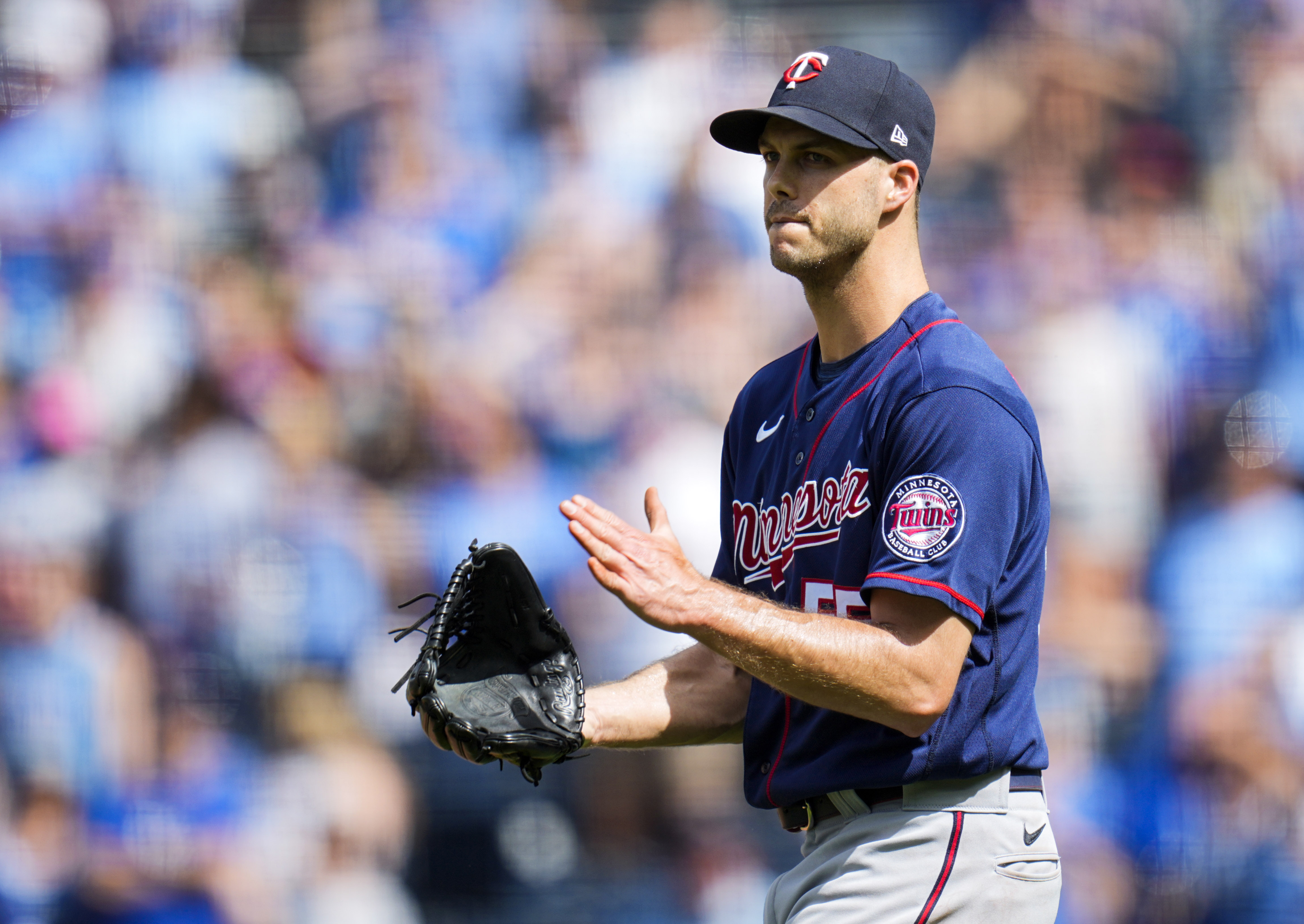 In what has been a nightmare season for the Minnesota Twins’ bullpen, Taylor Rogers has been one of the few bright spots. Through 29 appearances thus far, Rogers owns a sparkling 2.67 ERA with a career high K/9 of 12.5. Rogers has been used in every type of situation as well, playing the role of left-handed specialist, fireman and closer, proving time and time again to be Rocco Baldelli’s most trusted arm in the bullpen. After a 2020 season in which Rogers was extremely unlucky, regression has tilted back in his favor in 2021, and the results are proving again that he is an exceptionally talented pitcher. As a talented pitcher on a struggling baseball team, the reaction from some may be that Taylor Rogers is a prime trade candidate. Playoff teams can always use another reliever, and with 1.5 years remaining on his deal, a Taylor Rogers trade could net the Twins a solid return. While the logic behind that thinking is sound, there is another alternative that could benefit the Twins even more, a contract extension. There are several reasons why a contract extension for Taylor Rogers would make a lot of sense for the Minnesota Twins. The first of which is extremely basic, Taylor Rogers is a really good pitcher. Since the start of 2018, Rogers ranks in the top-20 among all relievers in innings pitched, ERA, WHIP and K/BB ratio. Simply put, Rogers is one of the best bullpen arms in all of baseball. Secondly, the Minnesota Twins bullpen is one of the worst bullpens in baseball with not many names to count on going forward. Outside of Taylor Rogers, the only semi-reliable names that the Twins have for the future are Tyler Duffey, who is having his worst season since 2018, and Jorge Alcala, who has shown promise but is nowhere near a sure thing. Taking a bad bullpen, and removing its best piece would be risky and leave a huge question mark for that unit for a Minnesota Twins team who will be hoping to compete again in 2022 or 2023. Additionally, by extending Taylor Rogers this offseason, the Minnesota Twins would be able to save annual money by committing longevity to Rogers. After earning $6M in his second year of arbitration prior to 2021, Rogers will likely be looking at a 3rd year arbitration contract of $7.5M heading into 2022. If the Twins want to save money on Rogers’ third year of arbitration, as well as avoid Rogers becoming an unrestricted free agent, they could offer Rogers a 3 year contract at $20M. This contract would net Rogers an AAV of $6.67M, saving the Twins money in 2022, as well as ensuring that they maintain some consistency in their bullpen by bringing back their best reliever at a reasonable contract. Signing a reliever to a contract extension is always going to be a risky proposition, especially for someone like Rogers who will turn 31 this offseason. The lefty, however, has just 300 big league innings on his arm and has shown no signs of slowing down, increasing his velocity and whiff % to career highs in 2021. As a great clubhouse guy, Rogers brings more than just talent to the Minnesota Twins and would be the perfect bridge player to not only lead the bullpen over the next couple of years, but usher in the bullpen arms of the future. The Twins should extend Taylor Rogers.
 -
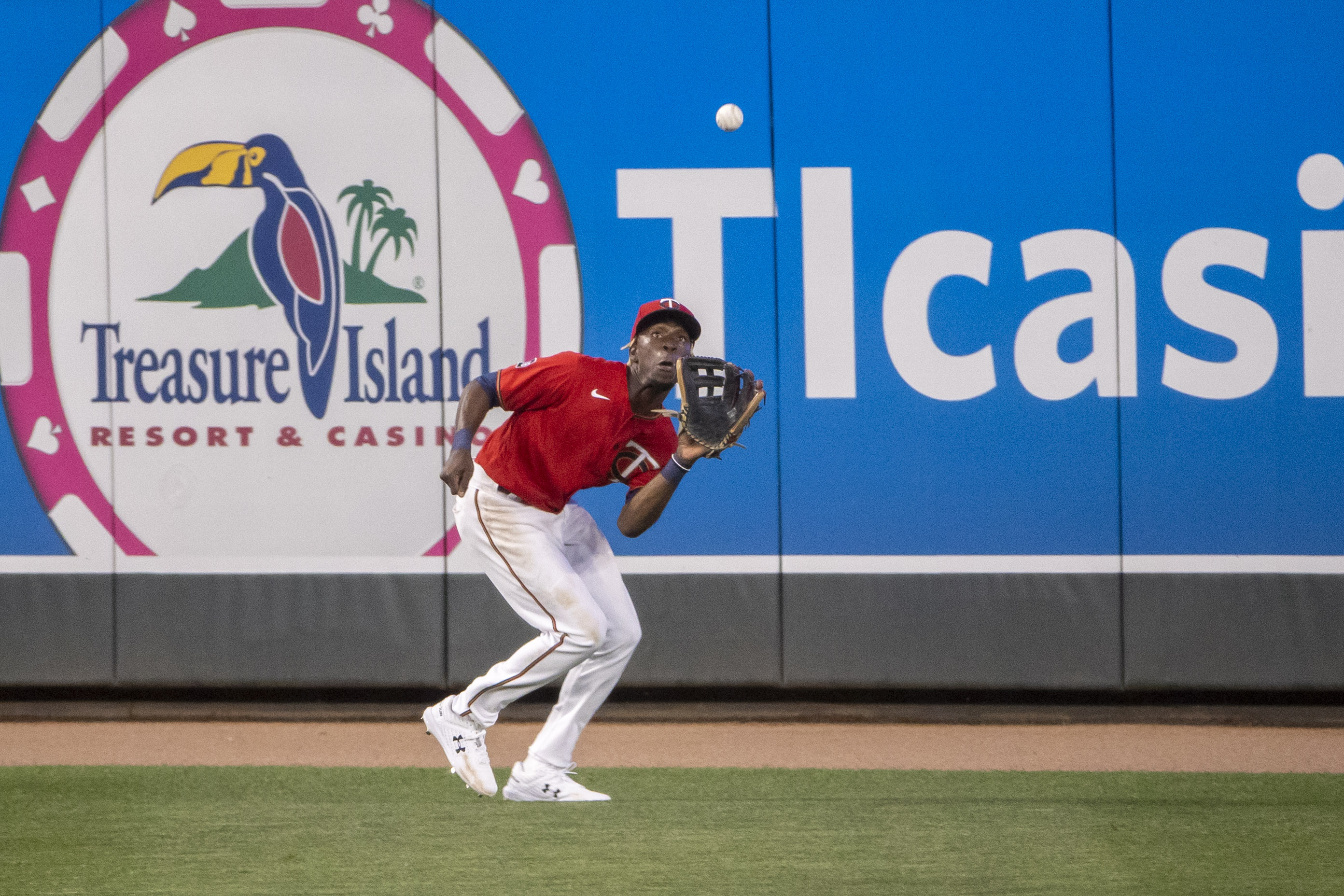 The career path for Nick Gordon hasn’t been an easy one. After being drafted fifth overall by the Twins in the 2014 MLB Amateur Draft, Gordon was quickly labeled a bust by many, as the second baseman wasn’t progressing through the minor leagues as quickly as many hoped he would. In the Minors, Gordon consistently showed good contact skills, but failed to develop the power skills that would take his game to the next level. In 2019, Gordon put up his best season in the Minor Leagues, posting a .298 average in 70 games with the AAA Rochester Red Wings and showing solid plate discipline that would transition to the Major League game. Then 2020 happened. With eyes on a Major League roster spot, Gordon’s plans were put on hold after he was diagnosed with COVID-19 right before the start of Summer Camp. The disease hit Gordon extremely hard, forcing him to miss the entirety of the 2020 season and putting his future Major League Baseball hopes in serious jeopardy. After narrowly avoiding roster cuts and sticking on the 40-man roster with the Minnesota Twins, Nick Gordon came into the 2021 season with hopes of finally playing in the Major Leagues like his father and half brother had done before him. After seven years of perseverance, Gordon finally achieved his lifelong dream and made it to the Major Leagues. And boy, is he making a first impression. Through his first 24 plate appearances in the Big Leagues, Nick Gordon has collected 10 hits, posting a .435/.458/.565 slash line, with three stolen bases and a home run that he hit in front of his father, long time Major League pitcher, Flash Gordon. Showing nice bat control and even a little bit of pop, Gordon has been showing early on in his big league career that his bat can play at the Major League level. The problem that Gordon faced, though, was his defensive limitations. Throughout his Minor League career, Gordon has shown himself to potentially be a bit stretched at the shortstop position, limiting his defensive abilities to just be second base. Backup second basemen without much additional positional flexibility don’t have much utility in the Majors, and unless Gordon could show defensive abilities elsewhere, his future role was still somewhat of a question. Gordon’s future outlook changed on Thursday night, though, when he was thrust into center field after an Alex Kirilloff injury forced Gilberto Celestino to right field and opened up center for the former first round pick. Although it was just a one-game sample size, Gordon sure looked like a natural out there, showing the smooth movement, quick feet, and athleticism that it takes to stick in center field. Center fielders in baseball, especially ones who can hit, are always going to be a coveted asset in Major League Baseball. While Gordon might not have what it takes to stick as a full-time center fielder, if he can get some opportunities in 2021 to show that he can fill in there, he will most definitely carve out a long-term role in the Majors as a multi-positional utilityman with plus-speed and plus-contact ability. This role especially being useful on a Minnesota Twins team that has consistently needed backup centerfield services over the years. The road to the Majors for Nick Gordon has been more challenging than anyone could have anticipated. Gordon is finally getting his opportunity, though, and by the looks of it, he’s not going to give it up. What have been your first impressions of Nick Gordon in 2021? Do you think he has carved out a role in the Big Leagues? Leave a comment below and start the conversation! MORE FROM TWINS DAILY — Latest Twins coverage from our writers — Recent Twins discussion in our forums — Follow Twins Daily via Twitter, Facebook or email
 -
It took him seven years to get there, but Nick Gordon has found himself on the Twins’ Major League roster. Not only that, the former first round pick is showing that he has what it takes to stick in the Big Leagues. The career path for Nick Gordon hasn’t been an easy one. After being drafted fifth overall by the Twins in the 2014 MLB Amateur Draft, Gordon was quickly labeled a bust by many, as the second baseman wasn’t progressing through the minor leagues as quickly as many hoped he would. In the Minors, Gordon consistently showed good contact skills, but failed to develop the power skills that would take his game to the next level. In 2019, Gordon put up his best season in the Minor Leagues, posting a .298 average in 70 games with the AAA Rochester Red Wings and showing solid plate discipline that would transition to the Major League game. Then 2020 happened. With eyes on a Major League roster spot, Gordon’s plans were put on hold after he was diagnosed with COVID-19 right before the start of Summer Camp. The disease hit Gordon extremely hard, forcing him to miss the entirety of the 2020 season and putting his future Major League Baseball hopes in serious jeopardy. After narrowly avoiding roster cuts and sticking on the 40-man roster with the Minnesota Twins, Nick Gordon came into the 2021 season with hopes of finally playing in the Major Leagues like his father and half brother had done before him. After seven years of perseverance, Gordon finally achieved his lifelong dream and made it to the Major Leagues. And boy, is he making a first impression. Through his first 24 plate appearances in the Big Leagues, Nick Gordon has collected 10 hits, posting a .435/.458/.565 slash line, with three stolen bases and a home run that he hit in front of his father, long time Major League pitcher, Flash Gordon. Showing nice bat control and even a little bit of pop, Gordon has been showing early on in his big league career that his bat can play at the Major League level. The problem that Gordon faced, though, was his defensive limitations. Throughout his Minor League career, Gordon has shown himself to potentially be a bit stretched at the shortstop position, limiting his defensive abilities to just be second base. Backup second basemen without much additional positional flexibility don’t have much utility in the Majors, and unless Gordon could show defensive abilities elsewhere, his future role was still somewhat of a question. Gordon’s future outlook changed on Thursday night, though, when he was thrust into center field after an Alex Kirilloff injury forced Gilberto Celestino to right field and opened up center for the former first round pick. Although it was just a one-game sample size, Gordon sure looked like a natural out there, showing the smooth movement, quick feet, and athleticism that it takes to stick in center field. Center fielders in baseball, especially ones who can hit, are always going to be a coveted asset in Major League Baseball. While Gordon might not have what it takes to stick as a full-time center fielder, if he can get some opportunities in 2021 to show that he can fill in there, he will most definitely carve out a long-term role in the Majors as a multi-positional utilityman with plus-speed and plus-contact ability. This role especially being useful on a Minnesota Twins team that has consistently needed backup centerfield services over the years. The road to the Majors for Nick Gordon has been more challenging than anyone could have anticipated. Gordon is finally getting his opportunity, though, and by the looks of it, he’s not going to give it up. What have been your first impressions of Nick Gordon in 2021? Do you think he has carved out a role in the Big Leagues? Leave a comment below and start the conversation! MORE FROM TWINS DAILY — Latest Twins coverage from our writers — Recent Twins discussion in our forums — Follow Twins Daily via Twitter, Facebook or email View full article
-
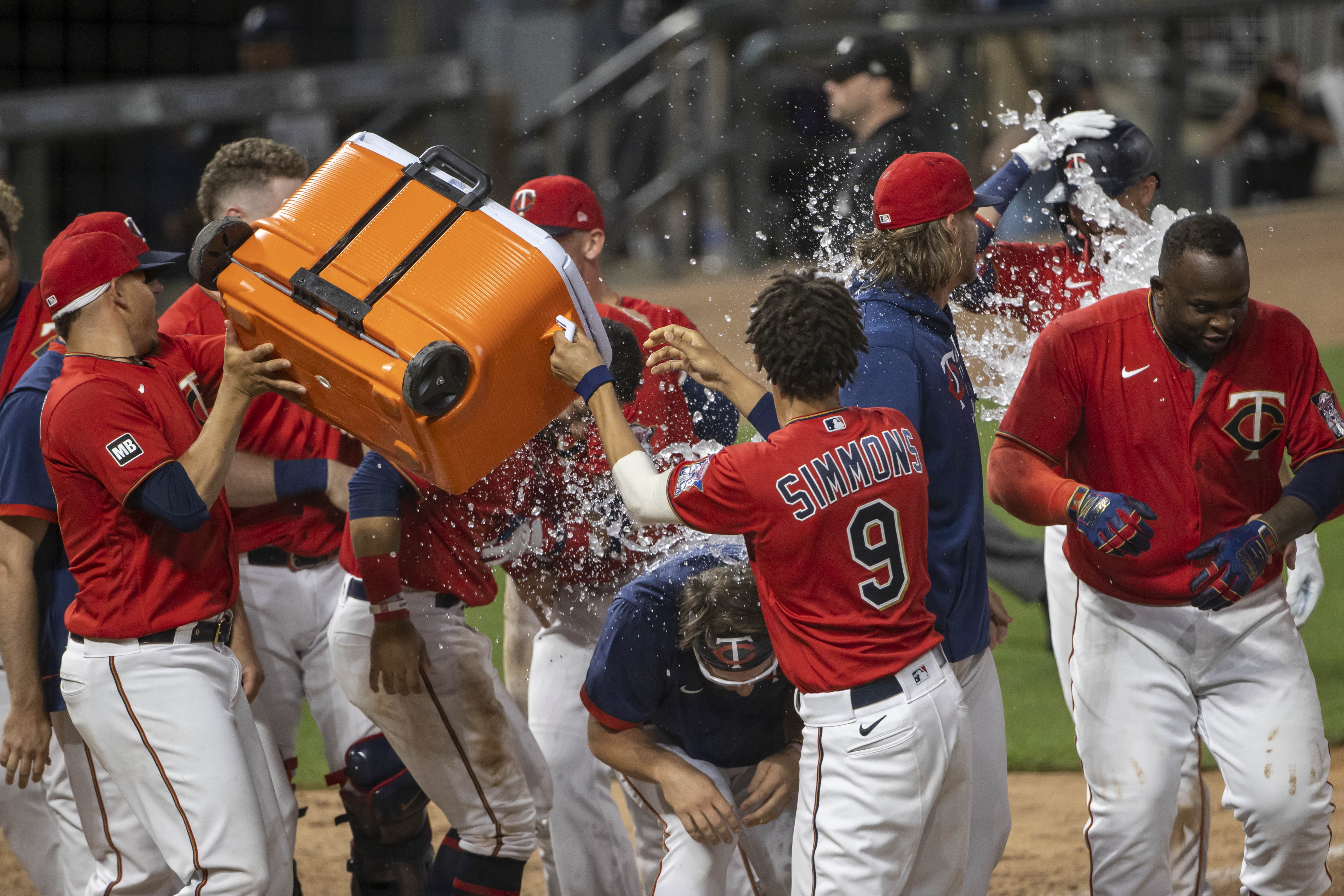 Box Score Happ: 5.0 IP, 8 H, 4 ER, 1 BB, 2 K Home Runs: Donaldson (8), Cruz (11) Top 3 WPA: Cruz .447, Donaldson .376, Astudillo .074 Win Probability Chart (via FanGraphs) Coming into Thursday night’s game, the Minnesota Twins were leaning on the left arm of J.A. Happ to avoid a 3-game sweep against the evil empire, a tall task considering how the free agent had been performing up to that point. Early on, the game started how all Twins fans imagined that it might, as the righty-heavy New York Yankees lineup got to Happ early, capped off by cleanup hitter Giancarlo Stanton launching a three-run blast to the batter’s eye off Happ in the top of the 1st inning to give the Yankees an early 3-0 lead. After settling down a bit in the 2nd and 3rd, the Yankees got to Happ again in the 4th inning when third baseman, Gio Urshela, hit a solo home run. In his start, Happ threw 101 pitches across 5 innings, allowing 8 hits, 4 earned runs, and a walk while striking out just 2. The start marked Happ’s third in a row that he was unable to get past 5 innings and his 7th consecutive “non-quality” start. Through 11 starts, Happ now owns a 5.75 ERA and on an expiring contract brings almost no trade value to a team desperate for tradeable assets. The Twins’ bullpen did a nice job keeping the Yankee bats at bay, aside from Tyler Duffey in the 6th inning who allowed the Yankees to connect on 3 hits, including an RBI single from D.J. LeMahieu to give the Yankees their 5th run of the ballgame. After that, the Twins received scoreless innings from Jorge Alcala, Luke Farrell and Hansel Robles to keep the game within reach. For much of the game, the 5 runs for the Yankees looked as if they would be enough, as the Twins were unable to form any rallies or score runs in bunches, limiting their damage to singular runs in the 1st, 4th and 7th innings with an RBI double from Andrelton Simmons along with 2 RBI from Nelson Cruz. Heading into the 9th inning, the Minnesota Twins were down 5-3 and the game seemed that it was inevitably headed towards the same fate as so many games from Twins/Yankees past with Aroldis Chapman on the mound, ready to close out yet another Yankee sweep. The Minnesota Twins’ veterans had other plans, though, as the top of the order came up to bat and immediately showed that they were seeing Chapman well. Polanco led off the inning with a single before Josh Donaldson tied up the game on a 1-0 fastball that he launched to left center for a game-tying home run. The Minnesota Twins weren’t satisfied with just tying the game, though, as the Twins quickly looked to keep the momentum rolling. Immediately following the Donaldson home run, Willians Astudillo knocked a single before Nelson Cruz came up to the plate and mashed the first pitch of the at-bat, a 97 miles-per-hour fastball to center field to win the game for the Minnesota Twins. In total, Aroldis Chapman threw just 9 pitches, allowing 4 runs on 4 hits and giving the Minnesota Twins the win. Another Injury for the Home Team In a season that has largely been defined by injuries for the Minnesota Twins, yet another player fell victim to the injury bug in Thursday night’s game, Alex Kirilloff. Kirilloff was forced to leave the game after fielding Gio Urshela’s triple in the first inning. Per media, Kirilloff has what has been diagnosed as a left low-grade ankle sprain. Another Big Night for Nick The injury to Alex Kirilloff forced the Minnesota Twins to move Gilberto Celestino to right field and thrust utility infielder, Nick Gordon, in center field. Gordon pleasantly more than held his own out in centerfield and did not look overmatched at all, a huge development for the future career of the Twins former first round draft pick. At the plate, Gordon went 2-for-3 and raised his batting average to .435. Twins Bullpen Usage
 -
In a plot twist more shocking than anything you’ll see from Hollywood, the Minnesota Twins toppled the New York Yankees in dramatic fashion thanks to 9th inning heroics from 2 veterans. Box Score Happ: 5.0 IP, 8 H, 4 ER, 1 BB, 2 K Home Runs: Donaldson (8), Cruz (11) Top 3 WPA: Cruz .447, Donaldson .376, Astudillo .074 Win Probability Chart (via FanGraphs) Coming into Thursday night’s game, the Minnesota Twins were leaning on the left arm of J.A. Happ to avoid a 3-game sweep against the evil empire, a tall task considering how the free agent had been performing up to that point. Early on, the game started how all Twins fans imagined that it might, as the righty-heavy New York Yankees lineup got to Happ early, capped off by cleanup hitter Giancarlo Stanton launching a three-run blast to the batter’s eye off Happ in the top of the 1st inning to give the Yankees an early 3-0 lead. After settling down a bit in the 2nd and 3rd, the Yankees got to Happ again in the 4th inning when third baseman, Gio Urshela, hit a solo home run. In his start, Happ threw 101 pitches across 5 innings, allowing 8 hits, 4 earned runs, and a walk while striking out just 2. The start marked Happ’s third in a row that he was unable to get past 5 innings and his 7th consecutive “non-quality” start. Through 11 starts, Happ now owns a 5.75 ERA and on an expiring contract brings almost no trade value to a team desperate for tradeable assets. The Twins’ bullpen did a nice job keeping the Yankee bats at bay, aside from Tyler Duffey in the 6th inning who allowed the Yankees to connect on 3 hits, including an RBI single from D.J. LeMahieu to give the Yankees their 5th run of the ballgame. After that, the Twins received scoreless innings from Jorge Alcala, Luke Farrell and Hansel Robles to keep the game within reach. For much of the game, the 5 runs for the Yankees looked as if they would be enough, as the Twins were unable to form any rallies or score runs in bunches, limiting their damage to singular runs in the 1st, 4th and 7th innings with an RBI double from Andrelton Simmons along with 2 RBI from Nelson Cruz. Heading into the 9th inning, the Minnesota Twins were down 5-3 and the game seemed that it was inevitably headed towards the same fate as so many games from Twins/Yankees past with Aroldis Chapman on the mound, ready to close out yet another Yankee sweep. The Minnesota Twins’ veterans had other plans, though, as the top of the order came up to bat and immediately showed that they were seeing Chapman well. Polanco led off the inning with a single before Josh Donaldson tied up the game on a 1-0 fastball that he launched to left center for a game-tying home run. The Minnesota Twins weren’t satisfied with just tying the game, though, as the Twins quickly looked to keep the momentum rolling. Immediately following the Donaldson home run, Willians Astudillo knocked a single before Nelson Cruz came up to the plate and mashed the first pitch of the at-bat, a 97 miles-per-hour fastball to center field to win the game for the Minnesota Twins. In total, Aroldis Chapman threw just 9 pitches, allowing 4 runs on 4 hits and giving the Minnesota Twins the win. Another Injury for the Home Team In a season that has largely been defined by injuries for the Minnesota Twins, yet another player fell victim to the injury bug in Thursday night’s game, Alex Kirilloff. Kirilloff was forced to leave the game after fielding Gio Urshela’s triple in the first inning. Per media, Kirilloff has what has been diagnosed as a left low-grade ankle sprain. Another Big Night for Nick The injury to Alex Kirilloff forced the Minnesota Twins to move Gilberto Celestino to right field and thrust utility infielder, Nick Gordon, in center field. Gordon pleasantly more than held his own out in centerfield and did not look overmatched at all, a huge development for the future career of the Twins former first round draft pick. At the plate, Gordon went 2-for-3 and raised his batting average to .435. Twins Bullpen Usage View full article
-
As the Minnesota Twins continue to lose, selling at the trade deadline has gone from a possibility to an inevitability. How do the Twins’ most tradable assets stack up in terms of trade value? When a team deems itself to be a seller at the trade deadline, the first names to go on the trade block are that team’s impending free agents. After all, if a team is declaring the current season to be a lost one, the best move for a team is to recoup as many assets as possible for the players who will be gone at the end of that season anyways. The Minnesota Twins have 7 players on their roster who are set to become free agents at the end of this season. When the Twins ultimately decide that it is time to trade present for future, these 7 names will be the ones that everyone points to as the obvious names that need to be moved. Let’s take a look at how these 7 players rank in terms of trade value. 1. Nelson Cruz While he has not been the same Boomstick that Minnesota Twins fans have grown accustomed to watching over each of the last two seasons, Nelson Cruz is still having a very strong year at the plate. Through 51 games, Cruz owns a .858 OPS and is hitting 43% above league average according to OPS+. The designated hitter is leading the Twins in home runs (10) and RBI (25). A middle of the order bat like Cruz’s is the type of player that is always going to be coveted by teams pushing for the playoffs at the trade deadline and will certainly generate many phone calls from buying teams this Summer. The issue for Cruz at the trade deadline is the same issue that he faced this past winter in free agency, which is the fact that he is a designated hitter. After MLB brought the designated hitter position back to just the American League, the potential number of suitors for a Nelson Cruz trade is much less than it would be if all 30 teams adopted the rule. Teams that could be interested in trading for Cruz at the deadline are the Blue Jays, White Sox, or as Twins Daily’s Cody Christie recently wrote, the reigning American League Champions. 2. Michael Pineda Even more so than a middle of the order bat, the most coveted position that teams target at the trade deadline is starting pitching. Because of injuries that occur during the year along with the scarcity of position, there will always be the demand for starting pitching. The best starting pitcher that the Minnesota Twins have as an impending free agent this Summer is undoubtedly Michael Pineda. Since joining the Twins rotation in 2019, Pineda owns a 3.80 ERA over 220 innings while nearly striking out a batter an inning. The problem with Pineda, and the reason why his trade value isn’t as strong as Cruz’s, is that recent performance suggests that Pineda may be on the way down rather than the way up. Over his last 6 starts, Pineda has posted a 4.85 ERA with an opponent OPS of .802. Pineda has allowed loud contact all season, and underlying numbers suggest that things might get worse before they get better. To top it off, Pineda has been dealing with injuries to his leg and forearm over the past few weeks, which will make teams nervous to pull the trigger. Even with all of the concerns listed above, starting pitching fetches value, and if Pineda can string together a few good starts before the trade deadline, he could bring a decent haul back to Minnesota in a potential trade. 3. Andrelton Simmons When the Minnesota Twins signed Andrelton Simmons this offseason, they signed an elite shortstop glove with an average-at-best bat. While Simmons’ defensive numbers suggest that he has fit that bill in the field, his numbers at the plate have been rough, hitting just .233 with a .601 OPS in his 127 PAs after coming off of the COVID-19 injured list. In addition to the poor numbers at the plate, the issue with Simmons’s trade value is that there are just not a lot of contending teams out there in need of a shortstop. One team that could make a lot of sense as a trade partner for Simmons is the Oakland Athletics who rank 29th in baseball in terms of fWAR provided by the shortstop position. 4. Hansel Robles The Minnesota Twins signed Hansel Robles early in free agency as a player they really liked out of the bullpen, and that signing has worked out well for the Twins up to this point. In 26.2 innings pitched so far in 2021, Robles owns a 3.04 ERA and owns a K/9 of 9.5. Contending teams are always looking to add arms to the back of their bullpen at the trade deadline, and there will be no shortage of interest in the Twins’ reliever. As is typically the case with relievers, especially ones on an expiring deal, the return on these trades is never too great. So while Robles will have a lot of trade interest, his return will almost certainly be less than the players named ahead of him on this list. 5. Alexander Colomé There is definitely a drop-off in terms of trade value after number 4 on our list and the drop-off starts with Alexander Colomé. Colomé was a big name free agency signing for the front office this winter that has gone about as poorly as anyone could have imagined. Through 20 innings, Colomé owns a 5.31 ERA and is securely sitting at the bottom of all of baseball in terms of win probability added. In addition to the poor performance (putting it lightly) that Colomé has shown on the field in 2021, the other thing holding back the right hander’s trade value is the mutual option on his contract for 2022. If the Twins (or the team Colomé gets traded to) wishes to decline Colomé’s option of $5.5M in 2022, the team will be on the hook for paying Colomé a $1.25M buyout. With how poorly Colomé has pitched in 2021, any team will decline that $5.5M and be forced to pay the buyout. Maybe the Twins can attach money to a Colomé trade to ease that financial burden, but at that point, what are you receiving back for the reliever that would bring back any type of value? 6. J.A. Happ Yet another miserable offseason signing for the Twins’ front office, J.A. Happ has been atrocious for the Minnesota Twins thus far in 2021. Through 10 starts, Happ owns a career worst 5.61 ERA and a career low 6.5 K/9. Opponents are hitting .260 off the left hander, and with each start Happ looks worse and worse, posting a 10.17 ERA over his past 5 starts. Could Happ put together a run of 3 or 4 quality starts and a team takes a flyer on him as a veteran with playoff experience? Maybe. The most likely scenario is that he either just sticks with the Twins for the balance of the season and eats innings on an injury-riddled roster, or Happ gets DFA’d for a minor league arm. 7. Matt Shoemaker Zero trade value. None. Nada. Zilch. Not going to happen. Do you agree with the above list of impending free agents and the amount of trade value that they possess? Leave a comment below and start the conversation. MORE FROM TWINS DAILY — Latest Twins coverage from our writers — Recent Twins discussion in our forums — Follow Twins Daily via Twitter, Facebook or email View full article
-
Ranking the Trade Value of the Minnesota Twins' 7 Impending Free Agents
Matthew Taylor posted an article in Twins
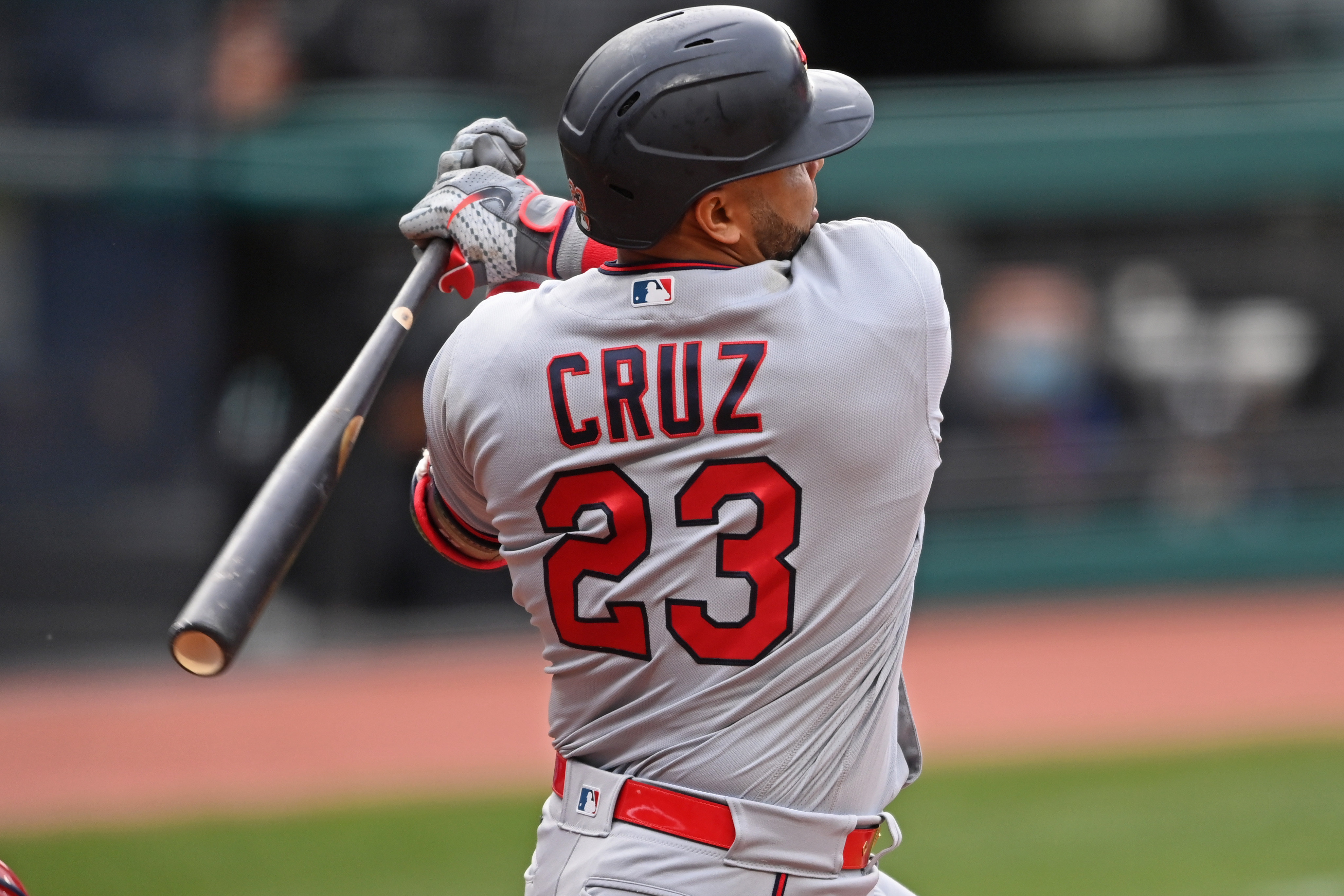 When a team deems itself to be a seller at the trade deadline, the first names to go on the trade block are that team’s impending free agents. After all, if a team is declaring the current season to be a lost one, the best move for a team is to recoup as many assets as possible for the players who will be gone at the end of that season anyways. The Minnesota Twins have 7 players on their roster who are set to become free agents at the end of this season. When the Twins ultimately decide that it is time to trade present for future, these 7 names will be the ones that everyone points to as the obvious names that need to be moved. Let’s take a look at how these 7 players rank in terms of trade value. 1. Nelson Cruz While he has not been the same Boomstick that Minnesota Twins fans have grown accustomed to watching over each of the last two seasons, Nelson Cruz is still having a very strong year at the plate. Through 51 games, Cruz owns a .858 OPS and is hitting 43% above league average according to OPS+. The designated hitter is leading the Twins in home runs (10) and RBI (25). A middle of the order bat like Cruz’s is the type of player that is always going to be coveted by teams pushing for the playoffs at the trade deadline and will certainly generate many phone calls from buying teams this Summer. The issue for Cruz at the trade deadline is the same issue that he faced this past winter in free agency, which is the fact that he is a designated hitter. After MLB brought the designated hitter position back to just the American League, the potential number of suitors for a Nelson Cruz trade is much less than it would be if all 30 teams adopted the rule. Teams that could be interested in trading for Cruz at the deadline are the Blue Jays, White Sox, or as Twins Daily’s Cody Christie recently wrote, the reigning American League Champions. 2. Michael Pineda Even more so than a middle of the order bat, the most coveted position that teams target at the trade deadline is starting pitching. Because of injuries that occur during the year along with the scarcity of position, there will always be the demand for starting pitching. The best starting pitcher that the Minnesota Twins have as an impending free agent this Summer is undoubtedly Michael Pineda. Since joining the Twins rotation in 2019, Pineda owns a 3.80 ERA over 220 innings while nearly striking out a batter an inning. The problem with Pineda, and the reason why his trade value isn’t as strong as Cruz’s, is that recent performance suggests that Pineda may be on the way down rather than the way up. Over his last 6 starts, Pineda has posted a 4.85 ERA with an opponent OPS of .802. Pineda has allowed loud contact all season, and underlying numbers suggest that things might get worse before they get better. To top it off, Pineda has been dealing with injuries to his leg and forearm over the past few weeks, which will make teams nervous to pull the trigger. Even with all of the concerns listed above, starting pitching fetches value, and if Pineda can string together a few good starts before the trade deadline, he could bring a decent haul back to Minnesota in a potential trade. 3. Andrelton Simmons When the Minnesota Twins signed Andrelton Simmons this offseason, they signed an elite shortstop glove with an average-at-best bat. While Simmons’ defensive numbers suggest that he has fit that bill in the field, his numbers at the plate have been rough, hitting just .233 with a .601 OPS in his 127 PAs after coming off of the COVID-19 injured list. In addition to the poor numbers at the plate, the issue with Simmons’s trade value is that there are just not a lot of contending teams out there in need of a shortstop. One team that could make a lot of sense as a trade partner for Simmons is the Oakland Athletics who rank 29th in baseball in terms of fWAR provided by the shortstop position. 4. Hansel Robles The Minnesota Twins signed Hansel Robles early in free agency as a player they really liked out of the bullpen, and that signing has worked out well for the Twins up to this point. In 26.2 innings pitched so far in 2021, Robles owns a 3.04 ERA and owns a K/9 of 9.5. Contending teams are always looking to add arms to the back of their bullpen at the trade deadline, and there will be no shortage of interest in the Twins’ reliever. As is typically the case with relievers, especially ones on an expiring deal, the return on these trades is never too great. So while Robles will have a lot of trade interest, his return will almost certainly be less than the players named ahead of him on this list. 5. Alexander Colomé There is definitely a drop-off in terms of trade value after number 4 on our list and the drop-off starts with Alexander Colomé. Colomé was a big name free agency signing for the front office this winter that has gone about as poorly as anyone could have imagined. Through 20 innings, Colomé owns a 5.31 ERA and is securely sitting at the bottom of all of baseball in terms of win probability added. In addition to the poor performance (putting it lightly) that Colomé has shown on the field in 2021, the other thing holding back the right hander’s trade value is the mutual option on his contract for 2022. If the Twins (or the team Colomé gets traded to) wishes to decline Colomé’s option of $5.5M in 2022, the team will be on the hook for paying Colomé a $1.25M buyout. With how poorly Colomé has pitched in 2021, any team will decline that $5.5M and be forced to pay the buyout. Maybe the Twins can attach money to a Colomé trade to ease that financial burden, but at that point, what are you receiving back for the reliever that would bring back any type of value? 6. J.A. Happ Yet another miserable offseason signing for the Twins’ front office, J.A. Happ has been atrocious for the Minnesota Twins thus far in 2021. Through 10 starts, Happ owns a career worst 5.61 ERA and a career low 6.5 K/9. Opponents are hitting .260 off the left hander, and with each start Happ looks worse and worse, posting a 10.17 ERA over his past 5 starts. Could Happ put together a run of 3 or 4 quality starts and a team takes a flyer on him as a veteran with playoff experience? Maybe. The most likely scenario is that he either just sticks with the Twins for the balance of the season and eats innings on an injury-riddled roster, or Happ gets DFA’d for a minor league arm. 7. Matt Shoemaker Zero trade value. None. Nada. Zilch. Not going to happen. Do you agree with the above list of impending free agents and the amount of trade value that they possess? Leave a comment below and start the conversation. MORE FROM TWINS DAILY — Latest Twins coverage from our writers — Recent Twins discussion in our forums — Follow Twins Daily via Twitter, Facebook or email
 -
4 Candidates to Represent the Minnesota Twins in the 2021 All-Star Game
Matthew Taylor posted an article in Twins
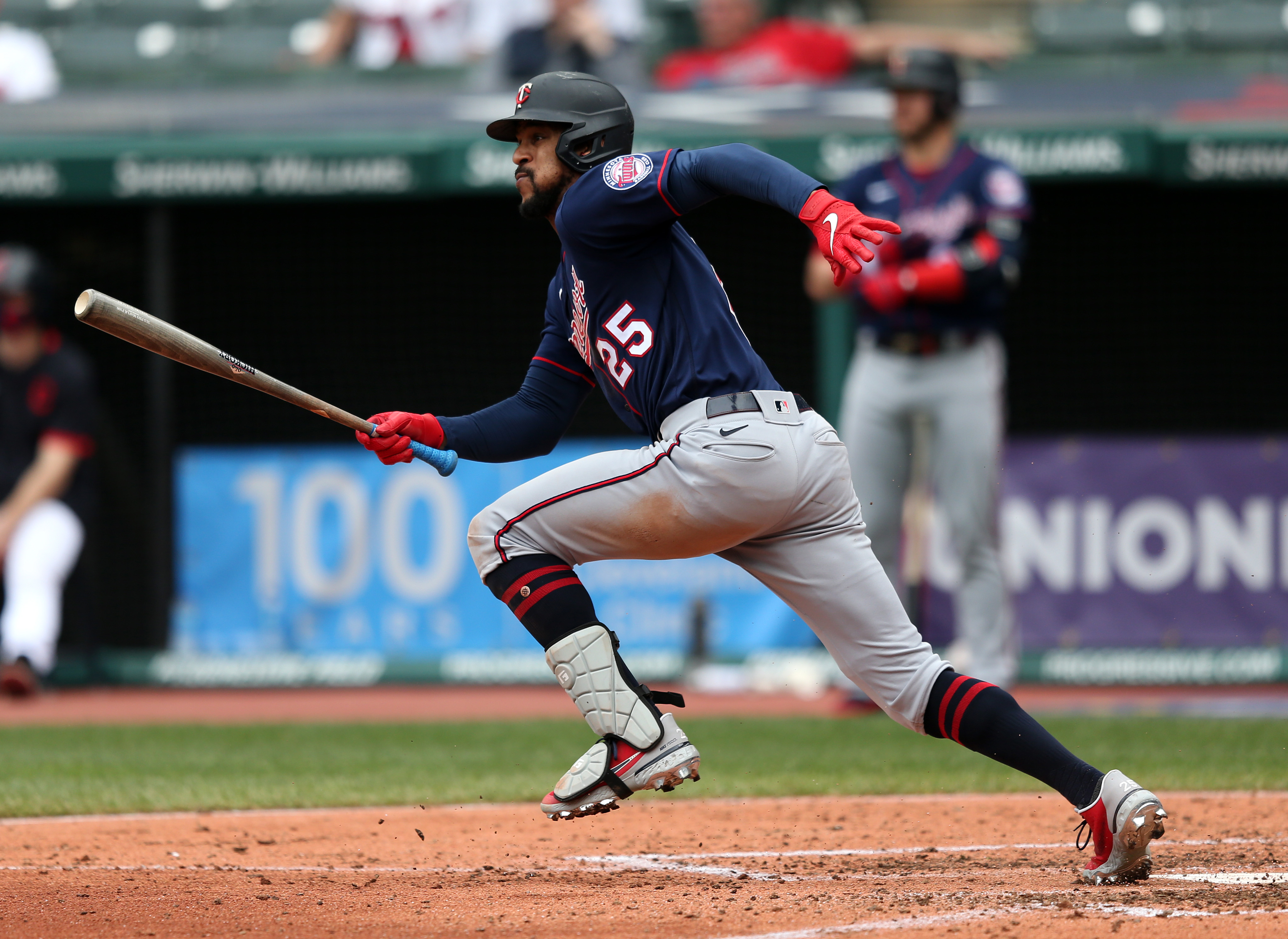 MLB all-star voting this season will be handled the same as the past two seasons, where the starters will be voted in via a fan vote over two rounds. The first round of fan voting will decide the top-3 candidates at each position and the second round will consist of voting between the top-3 vote-getters at each position to determine the starters. The all-star reserves will then be selected via player ballots as well as selections by the Commissioner’s office. As always, every MLB team must have at least one representative in the MLB all-star game, which means that no matter what the Minnesota Twins will have someone represented in the mid-summer classic. Let’s look at the candidates. Honorable Mention: Mitch Garver Mitch Garver was looking like one of the best candidates on the Minnesota Twins to earn a trip to the all-star game prior to his injury and subsequent surgery on Tuesday night. Up to that point Garver had posted a .833 OPS, second best amongst American League catchers, and was playing his best baseball of the young season. While we don’t have an exact timetable for the Twins’ backstop, Rocco Baldelli indicated that it will be “at least a few weeks” for Garver to recover, which all but removes Garver from all-star contention. Candidate #1: José Berríos Résumé: ERA: 3.36 ERA (10th among AL SPs) WHIP: 1.09 (11th) K/9: 9.65 (11th) fWAR: 1.3 (10th) While Berríos hasn’t taken that next step forward and broken out for the Minnesota Twins in 2021 like many hoped he would, the Twins’ right-hander has again been putting together a strong and steady season very similar to those of the past 4 years. Berríos’ numbers this year show that he is teetering on the edge of being a top-10 pitcher in the American League, which is right on the cusp of all-star candidacy. Berríos has been elected to the all-star game two years previously, and in a year in which the Minnesota Twins will need to send someone to the game, Berríos could nab his 3rd all-star appearance this year. Candidate #2: Taylor Rogers Résumé: ERA: 2.82 ERA (33rd among AL RPs) WHIP: 1.16 (35th) K/9: 12.49 (14th) fWAR: 0.5 (13th) In a 2021 season that has been miserable for the Minnesota Twins’ bullpen, Taylor Rogers has been the lone bright spot. After a down season in 2020, Rogers has been extremely effective this year, striking out more batters than ever before in his career. Rogers’ numbers lag behind other relievers in the American League, but in a scenario where the Minnesota Twins need to have one all-star, it’s easy to see a scenario where Rogers gets the nod above lesser known relievers. Candidate #3: Nelson Cruz Résumé: OPS: .849 (7th among AL DHs) HR: 10 (6th) RBI: 25 (9th) fWAR: 0.9 (6th) Nelson Cruz is having another strong year at the plate with an OPS of .849 and is leading the Minnesota Twins in home runs and RBIs. Because of his strong name recognition, Cruz could earn himself a starting spot via the fan vote, but his most likely path to an all-star berth would be more of a “legacy” nod from the players or Commissioner's office as a reserve with the stiff competition this year at the DH spot. Candidate #4: Byron Buxton Résumé: OPS: 1.180 HR: 9 RBI: 17 fWAR: 2.6 Through the first month of the 2021 season, Byron Buxton was playing like a lock to be an all-star starter, as he was pacing the field in just about every offensive metric along with his always-stellar defensive play, en route to capturing the American League Player of the Month award for April. Unfortunately for Buxton, a hamstring injury has kept him off the field since May 6. The question that all-star voters, players, and the Commissioner's office will have to wrestle with is how few games can someone play to still earn an all-star bid. Up to this point, Buxton has appeared in just 24 games with still no rehab assignment having been announced yet. If Buxton can get into games by the middle of June, he would have about 45 games under his belt by the time the all-star game is played. Is 50% of games played at an elite level enough to earn an all-star bid? We will find out. Which Twin(s) do you think will earn an all-star bid for the Minnesota Twins this summer? Are there any other candidates who weren’t listed? Leave a comment below and start the conversation! To vote your favorite players to the all-star game, click here! MORE FROM TWINS DAILY — Latest Twins coverage from our writers — Recent Twins discussion in our forums — Follow Twins Daily via Twitter, Facebook or email
 -
Voting for the 2021 MLB all-star game opened on Thursday morning. While the Minnesota Twins have hardly had many all-star-worthy moments up to this point, the Twins do have 4 solid candidates for an all-star berth. MLB all-star voting this season will be handled the same as the past two seasons, where the starters will be voted in via a fan vote over two rounds. The first round of fan voting will decide the top-3 candidates at each position and the second round will consist of voting between the top-3 vote-getters at each position to determine the starters. The all-star reserves will then be selected via player ballots as well as selections by the Commissioner’s office. As always, every MLB team must have at least one representative in the MLB all-star game, which means that no matter what the Minnesota Twins will have someone represented in the mid-summer classic. Let’s look at the candidates. Honorable Mention: Mitch Garver Mitch Garver was looking like one of the best candidates on the Minnesota Twins to earn a trip to the all-star game prior to his injury and subsequent surgery on Tuesday night. Up to that point Garver had posted a .833 OPS, second best amongst American League catchers, and was playing his best baseball of the young season. While we don’t have an exact timetable for the Twins’ backstop, Rocco Baldelli indicated that it will be “at least a few weeks” for Garver to recover, which all but removes Garver from all-star contention. Candidate #1: José Berríos Résumé: ERA: 3.36 ERA (10th among AL SPs) WHIP: 1.09 (11th) K/9: 9.65 (11th) fWAR: 1.3 (10th) While Berríos hasn’t taken that next step forward and broken out for the Minnesota Twins in 2021 like many hoped he would, the Twins’ right-hander has again been putting together a strong and steady season very similar to those of the past 4 years. Berríos’ numbers this year show that he is teetering on the edge of being a top-10 pitcher in the American League, which is right on the cusp of all-star candidacy. Berríos has been elected to the all-star game two years previously, and in a year in which the Minnesota Twins will need to send someone to the game, Berríos could nab his 3rd all-star appearance this year. Candidate #2: Taylor Rogers Résumé: ERA: 2.82 ERA (33rd among AL RPs) WHIP: 1.16 (35th) K/9: 12.49 (14th) fWAR: 0.5 (13th) In a 2021 season that has been miserable for the Minnesota Twins’ bullpen, Taylor Rogers has been the lone bright spot. After a down season in 2020, Rogers has been extremely effective this year, striking out more batters than ever before in his career. Rogers’ numbers lag behind other relievers in the American League, but in a scenario where the Minnesota Twins need to have one all-star, it’s easy to see a scenario where Rogers gets the nod above lesser known relievers. Candidate #3: Nelson Cruz Résumé: OPS: .849 (7th among AL DHs) HR: 10 (6th) RBI: 25 (9th) fWAR: 0.9 (6th) Nelson Cruz is having another strong year at the plate with an OPS of .849 and is leading the Minnesota Twins in home runs and RBIs. Because of his strong name recognition, Cruz could earn himself a starting spot via the fan vote, but his most likely path to an all-star berth would be more of a “legacy” nod from the players or Commissioner's office as a reserve with the stiff competition this year at the DH spot. Candidate #4: Byron Buxton Résumé: OPS: 1.180 HR: 9 RBI: 17 fWAR: 2.6 Through the first month of the 2021 season, Byron Buxton was playing like a lock to be an all-star starter, as he was pacing the field in just about every offensive metric along with his always-stellar defensive play, en route to capturing the American League Player of the Month award for April. Unfortunately for Buxton, a hamstring injury has kept him off the field since May 6. The question that all-star voters, players, and the Commissioner's office will have to wrestle with is how few games can someone play to still earn an all-star bid. Up to this point, Buxton has appeared in just 24 games with still no rehab assignment having been announced yet. If Buxton can get into games by the middle of June, he would have about 45 games under his belt by the time the all-star game is played. Is 50% of games played at an elite level enough to earn an all-star bid? We will find out. Which Twin(s) do you think will earn an all-star bid for the Minnesota Twins this summer? Are there any other candidates who weren’t listed? Leave a comment below and start the conversation! To vote your favorite players to the all-star game, click here! MORE FROM TWINS DAILY — Latest Twins coverage from our writers — Recent Twins discussion in our forums — Follow Twins Daily via Twitter, Facebook or email View full article
-
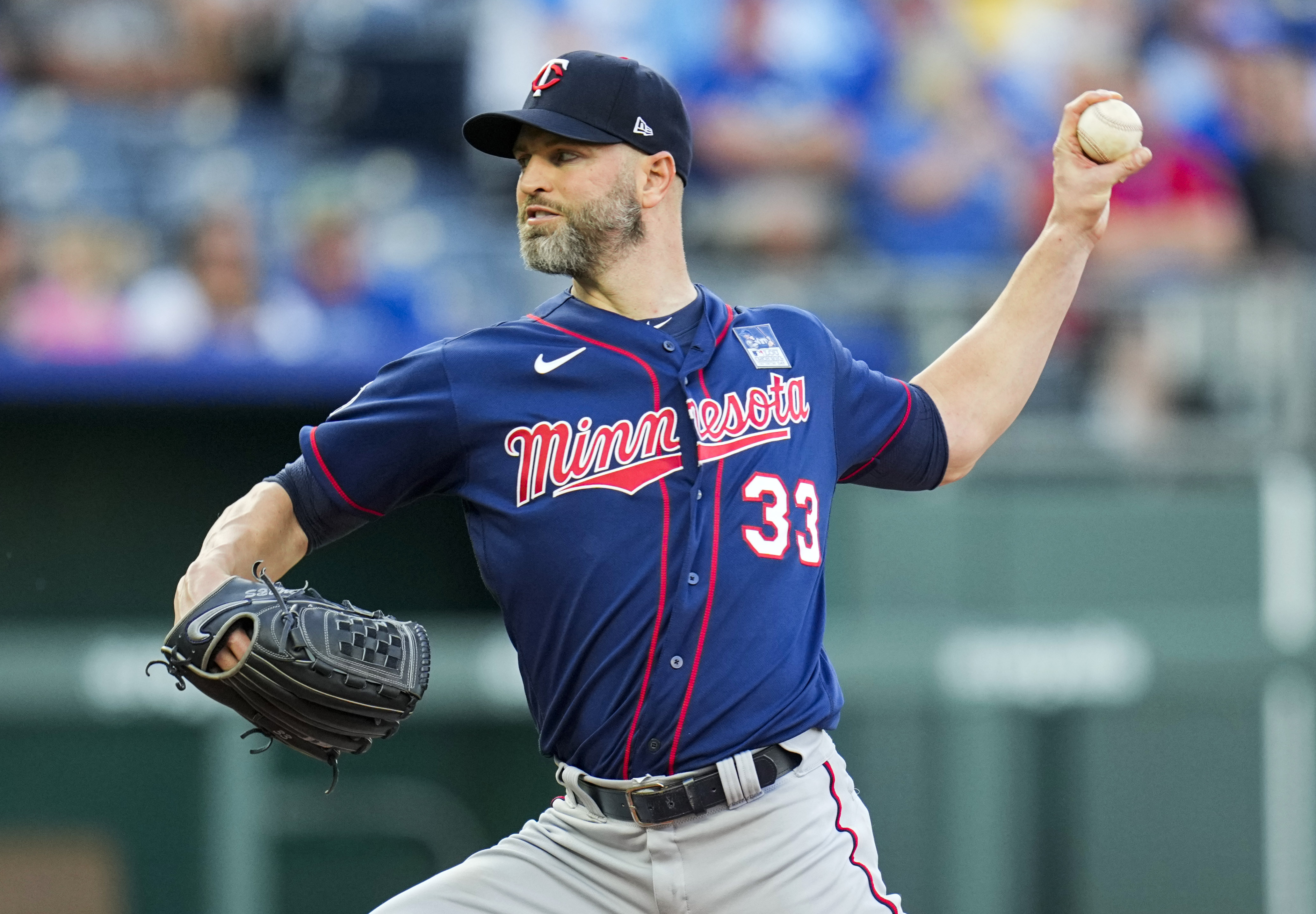 Box Score Happ: 5.0 IP, 9 H, 5 ER, 0 BB, 2 K Home Runs: Donaldson 2 (7) Bottom 3 WPA: Happ -.345, Celestino -.174, Larnach -.155 Win Probability Chart (via FanGraphs) The Minnesota Twins set a strong tone early right away on Thursday night, when Josh Donaldson belted a solo home run in the top of the 1st inning to give the Twins an early 1-0 lead over the hometown Kansas City Royals. Maybe today would be the day that the Twins turned their fortunes around? After the Kansas City Royals got two runs of their own in the 1st and 3rd innings, the Minnesota Twins tied the game again in the top of the 4th inning on a Nick Gordon RBI single, the first RBI of the infielder’s major league career. After trading the lead back and forth in the middle innings, the Minnesota Twins found themselves down 5-4 in the 7th inning when Josh Donaldson blasted a tying solo shot to center field for his second home run of the game. The home run marked Donaldson’s first multi-homer game in a Minnesota Twins uniform and his first multi-home run game since August 25, 2019 with the Atlanta Braves. The home run capped off an excellent night for Donaldson who went 3-5 with a double, two home runs and 2 RBI. The momentum didn’t last long though, as the Twins gave up what ultimately ended up being the deciding run in the bottom half of the 7th inning when Gilberto Celestino and Trevor Larnach misplayed a routine fly ball to left center before Celestino had a mind fart and threw the ball to first base, allowing Kansas City’s Jarrod Dyson to score from 3rd base. On the mound, J.A. Happ was extremely inconsistent, allowing loud contact, highlighted by the 3 home runs combined from Salvador Perez and Hunter Dozier. The Minnesota Twins bullpen pitched better than we’ve been accustomed to seeing, but in the end the Twins couldn’t overcome the lackluster start from Happ or yet another miscue in the field and the Minnesota Twins fell to Kansas City Royals 6-5. The Twins are now 10 games into their 13-game run against the lowly Royals and Orioles and are a meager 5-5 over that stretch. The Twins What’s Next The Minnesota Twins will attempt to turn things in the right direction on Friday evening against the Kansas City Royals with Matt Shoemaker taking the hill against Brad Keller.
 -
Despite a 2-homer performance from Josh Donaldson, the Twins lost yet again. This time to the Kansas City Royals. The Minnesota Twins are now 22-34 and as lost as ever. Box Score Happ: 5.0 IP, 9 H, 5 ER, 0 BB, 2 K Home Runs: Donaldson 2 (7) Bottom 3 WPA: Happ -.345, Celestino -.174, Larnach -.155 Win Probability Chart (via FanGraphs) The Minnesota Twins set a strong tone early right away on Thursday night, when Josh Donaldson belted a solo home run in the top of the 1st inning to give the Twins an early 1-0 lead over the hometown Kansas City Royals. Maybe today would be the day that the Twins turned their fortunes around? After the Kansas City Royals got two runs of their own in the 1st and 3rd innings, the Minnesota Twins tied the game again in the top of the 4th inning on a Nick Gordon RBI single, the first RBI of the infielder’s major league career. After trading the lead back and forth in the middle innings, the Minnesota Twins found themselves down 5-4 in the 7th inning when Josh Donaldson blasted a tying solo shot to center field for his second home run of the game. The home run marked Donaldson’s first multi-homer game in a Minnesota Twins uniform and his first multi-home run game since August 25, 2019 with the Atlanta Braves. The home run capped off an excellent night for Donaldson who went 3-5 with a double, two home runs and 2 RBI. The momentum didn’t last long though, as the Twins gave up what ultimately ended up being the deciding run in the bottom half of the 7th inning when Gilberto Celestino and Trevor Larnach misplayed a routine fly ball to left center before Celestino had a mind fart and threw the ball to first base, allowing Kansas City’s Jarrod Dyson to score from 3rd base. On the mound, J.A. Happ was extremely inconsistent, allowing loud contact, highlighted by the 3 home runs combined from Salvador Perez and Hunter Dozier. The Minnesota Twins bullpen pitched better than we’ve been accustomed to seeing, but in the end the Twins couldn’t overcome the lackluster start from Happ or yet another miscue in the field and the Minnesota Twins fell to Kansas City Royals 6-5. The Twins are now 10 games into their 13-game run against the lowly Royals and Orioles and are a meager 5-5 over that stretch. The Twins What’s Next The Minnesota Twins will attempt to turn things in the right direction on Friday evening against the Kansas City Royals with Matt Shoemaker taking the hill against Brad Keller. View full article

.jpg.f5ef37cdbddc2a9b70be6dc17a8b9ece.jpg)
(11).png.029743167aa3aae2194fbc38e032a8ad.png)
(9).png.6689a1acfcfe04026bc9976ed80828c3.png)
