


Twins Video
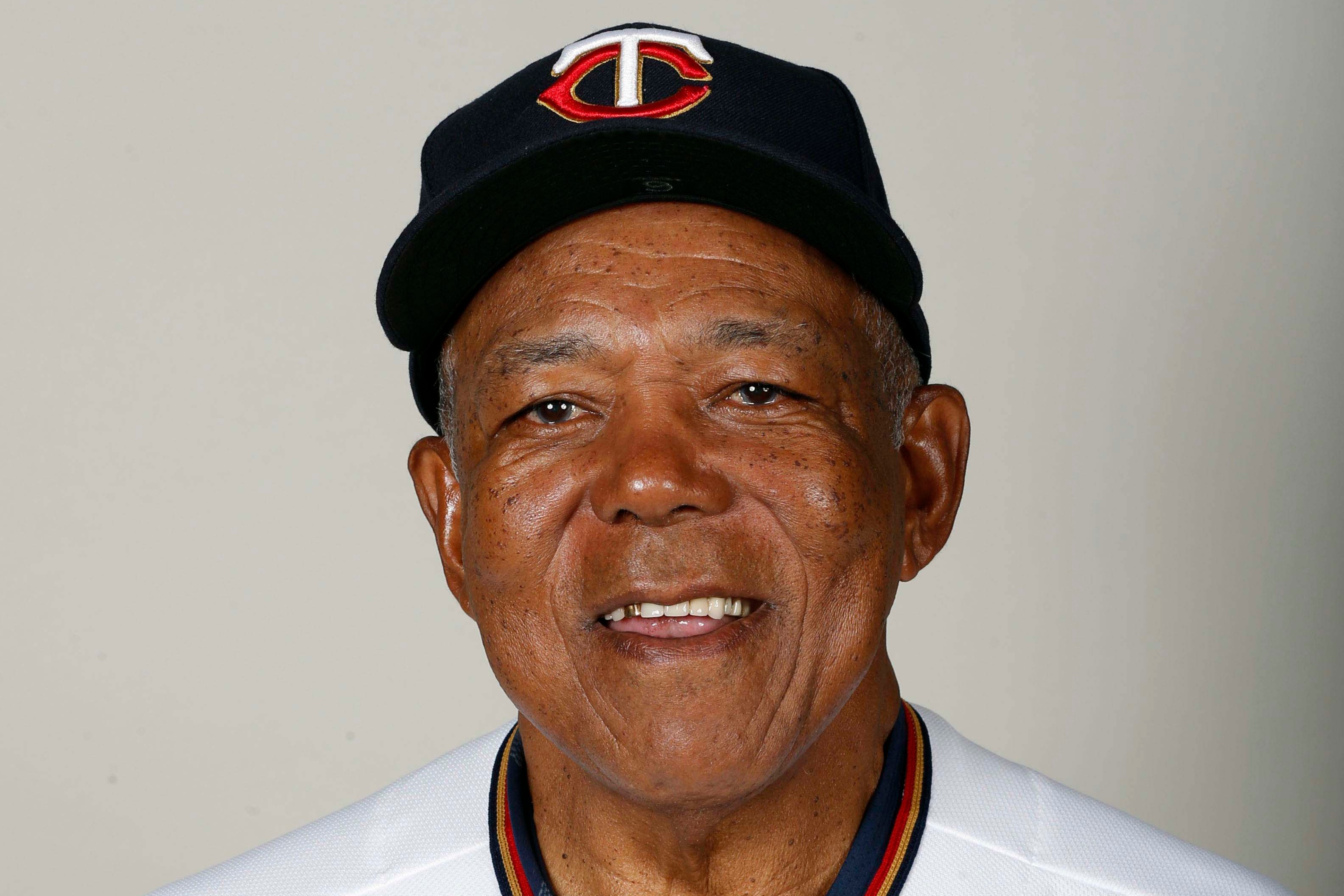
At 25-years old, Zoilo Versalles became the first ever Minnesota Twins player to win the American League MVP. Versalles was a near-unanimous MVP, by claiming 19 out of 20 first place votes, ceding the only other first place vote to fellow teammate and fellow Cuban, Tony Oliva. With all of the advanced statistics and sabermetrics that we now have at the tip of our fingers, we are able to look back at the 1965 MVP race in a fresh way and see if the right decision was made, or if Oliva had a rightful claim to the award.
With a mediocre slash line of .273/.319/.462, it’s fair to question the validity of Zoilo Versalles’ MVP campaign. In fact, the .273 batting average for Versalles is the second-lowest batting average for any MVP since 1960. In addition, Versalles led the Majors in strikeouts with 122, 58 more strikeouts than his teammate Oliva.
So why exactly did Versalles win the award?
Versalles put together a career year in 1965 and led Major League Baseball in runs, doubles, triples, extra base hits, total bases and WAR. He recorded 27 steals and was the leadoff man for the best team in the American League. Aside from his bat and his legs, he was publicly viewed as a great defensive shortstop and was awarded a Gold Glove, despite the fact that he led baseball with 39 errors. Additionally, Versalles heated up at the stretch run of the season, posting a 1.004 OPS in August and a .912 OPS in September.
Oliva was no slouch in 1965 and certainly has a case to make for being the 1965 MVP. After posting a .321 average, Olivia claimed his second straight batting title in addition to posting his second straight season atop the hits leaderboard with 185 hits. Oliva bested Versalles in plate discipline with a far better K% and BB%. Although Oliva played a less important position in the field, he did so admirably with a 96% fielding percentage.
Here is a side-by-side comparison of the stats for the cuban-born Twins players:

From a strictly offensive standpoint, Oliva posted the superior numbers in 1965, especially when we take into account the advanced statistics we use in baseball today. In addition to the stats above, Oliva bested Versalles in wRC+ by 23 points and OPS+ by 26 points. Even when you shift towards situational hitting, Oliva was the superior player, with an .837 OPS in high leverage situations compared to Versalles's .806 OPS in those high leverage situations.
Aside from the apparent MVP lobbying that went on from third base coach, Billy Martin, on behalf of Versalles, what seemed to have pushed him over Oliva in the minds of MVP voters was his defensive play, which was deemed Gold Glove-worthy. On the surface, the defensive praise for Versalles appears to be misguided as evidenced by his afore-mentioned 39 errors. Using the statistics that we have today, though, confirms that Versalles was a wizard with the glove. According to Fangraph's "total zone" statistic, Versalles saved 17 runs above average in 1965, compared to the 6 runs saved above average for Oliva. Taking positions into account, Versalles's defensive ability shines even more. Fangraphs uses a statistic called defensive runs above average, which adjusts for positional difficulty and awards a defensive value — using this metric, Versalles scored a 26.6 compared to the below average -1.6 for Oliva.
Certainly a case can be made for either of these players to have won the MVP in 1965, but which one was more deserving of the award? Do you think Olivia should have won the MVP? Or was Versalles the correct winner? Leave a comment below and start the conversation!
MORE FROM TWINS DAILY
— Latest Twins coverage from our writers
— Recent Twins discussion in our forums
— Follow Twins Daily via Twitter, Facebook or email





Recommended Comments
Create an account or sign in to comment
You need to be a member in order to leave a comment
Create an account
Sign up for a new account in our community. It's easy!
Register a new accountSign in
Already have an account? Sign in here.
Sign In Now