



Matthew Taylor
-
Posts
973 -
Joined
-
Last visited
Content Type
Profiles
News
Minnesota Twins Videos
2026 Minnesota Twins Top Prospects Ranking
2022 Minnesota Twins Draft Picks
Minnesota Twins Free Agent & Trade Rumors, Notes, & Tidbits
Guides & Resources
2023 Minnesota Twins Draft Picks
The Minnesota Twins Players Project
2024 Minnesota Twins Draft Picks
2025 Minnesota Twins Draft Pick Tracker
2026 Minnesota Twins Draft Tracker: Picks & Bonuses
Forums
Blogs
Events
Store
Downloads
Gallery
Everything posted by Matthew Taylor
-
 Image courtesy of © Isaiah J. Downing-Imagn Images If the Minnesota Twins trade Joe Ryan at this year’s deadline, it better be for a deal that makes them truly stop in their tracks. Ryan is the type of player small and mid-market teams try to build around: a young, durable, strike-throwing All-Star with 2.5 years of team control and the demeanor to pitch at the top of a rotation. Reports have suggested the Twins are not actively shopping him, and they shouldn’t be. But if a contender is desperate enough, and the Twins are offered a truly game-changing return, the front office at least owes it to themselves to listen. This piece isn't advocating for a Ryan trade, but it does explore what "blown away" would look like. And it starts with a package headlined by a global Top 25 prospect. These are the caliber of names that would make the Twins have to think long and hard about giving up their prized young ace. Leo De Vries, San Diego Padres, SS Prospect Rankings: MLB Pipeline: #3 Baseball America: #6 The Athletic: #13 Leo De Vries is one of the fastest-rising stars in the minor leagues. The switch-hitting shortstop was the top international prospect in the 2024 class and has already made it to High-A ball at just 18 years old. His profile is loaded: elite swing speed, premium exit velocities, speed on the basepaths, and the kind of glove and arm combo that should stick at shortstop long-term. It’s not hard to imagine him becoming the number one prospect in baseball within the next year or two. It would take a haul to pry him away from the Padres, but for a player like Joe Ryan, who is not only under control through 2026 but could start Game 1 of a playoff series, San Diego could be tempted. A.J. Preller has a well-documented history of going all in at the deadline, flipping top prospects like James Wood and CJ Abrams in the Juan Soto trade. Now sitting in a hyper-competitive NL West and watching the Dodgers stumble with injuries, this could be the moment Preller again pushes all his chips to the center of the table. Jesús Made, Milwaukee Brewers, SS/3B Prospect Rankings: MLB Pipeline: #7 Baseball America: #4 The Athletic: #5 Another young infielder with top-of-the-scale upside, Jesús Made might be the type of player who makes the Twins pause and consider a Ryan trade. The switch-hitting Dominican burst onto the scene as a Dominican Summer League All-Star, slashing .331/.458/.554 with six homers, 28 steals, and an absurd 28-to-39 strikeout-to-walk ratio in just 51 games. Evaluators rave about his plate discipline and underlying metrics, and even if he doesn’t stick at shortstop, his bat could make him an elite third baseman with future number one overall prospect potential. The Brewers are white-hot, winning 13 of their last 15 and currently boasting the best record in the majors. They already have the top ERA in the National League, but adding Joe Ryan could give them a playoff rotation that few teams can match. Bryce Eldridge, San Francisco Giants, OF Prospect Rankings: MLB Pipeline: #17 Baseball America: #22 The Athletic: #28 Bryce Eldridge, the 16th overall pick in the 2023 draft, is the type of slugger you dream on. At 6-foot-7 with top-of-the-scale raw power, Eldridge moved from Single-A to Triple-A as a 19-year-old in his first full professional season. His left-handed swing is quick and powerful, and he generates elite exit velocities that have some projecting him as a 35 to 45 homer bat in the majors. While his glove doesn’t stand out and he’s unlikely to be a defensive asset, his bat alone makes him a high-ceiling player. The Giants are firmly in the playoff race at 54–49 and in need of rotation help behind Logan Webb and a rehabbing Robbie Ray. They’ve shown they’re willing to make impact moves at the deadline when the time is right. San Francisco has proven they’re willing to be bold, swinging a huge deal for Rafael Devers earlier this season. They’ve sent a clear message: they’re going for it in 2025. Josue De Paula, Los Angeles Dodgers, OF Prospect Rankings: MLB Pipeline: #22 Baseball America: #21 The Athletic: #17 Josue De Paula offers a tantalizing mix of youth, power, and plate discipline. The 19-year-old left-handed hitter slashed .268/.404/.405 with 10 homers across two Class A levels last season. He controls the strike zone extremely well and has the ability to make hard contact to all fields. He’s already projected to develop 30-plus homer power and likely profiles as a corner outfielder in the long run. Scouts love his polish and projectability. The Dodgers have lost 11 of their last 15 games and are dealing with injuries across their pitching staff. Still, with the second-highest payroll in baseball and championship expectations, they are always a threat to make a splash. Pairing Joe Ryan with Yoshinobu Yamamoto would give Los Angeles a formidable top of the rotation while also serving as a hedge against health questions surrounding Shohei Ohtani and Tyler Glasnow. De Paula is one of their crown jewels, but the Dodgers have moved top names in the past when the stakes were high enough. What do you think? Would you be willing to trade Joe Ryan if a Top 25 global prospect is coming back? Or should the Twins keep their ace no matter the offer? Which of the above names is most intriguing to you? Let us know in the comments. View full article
 -
These 4 Phenom Prospects Could Convince the Twins to Trade Joe Ryan
Matthew Taylor posted an article in Twins
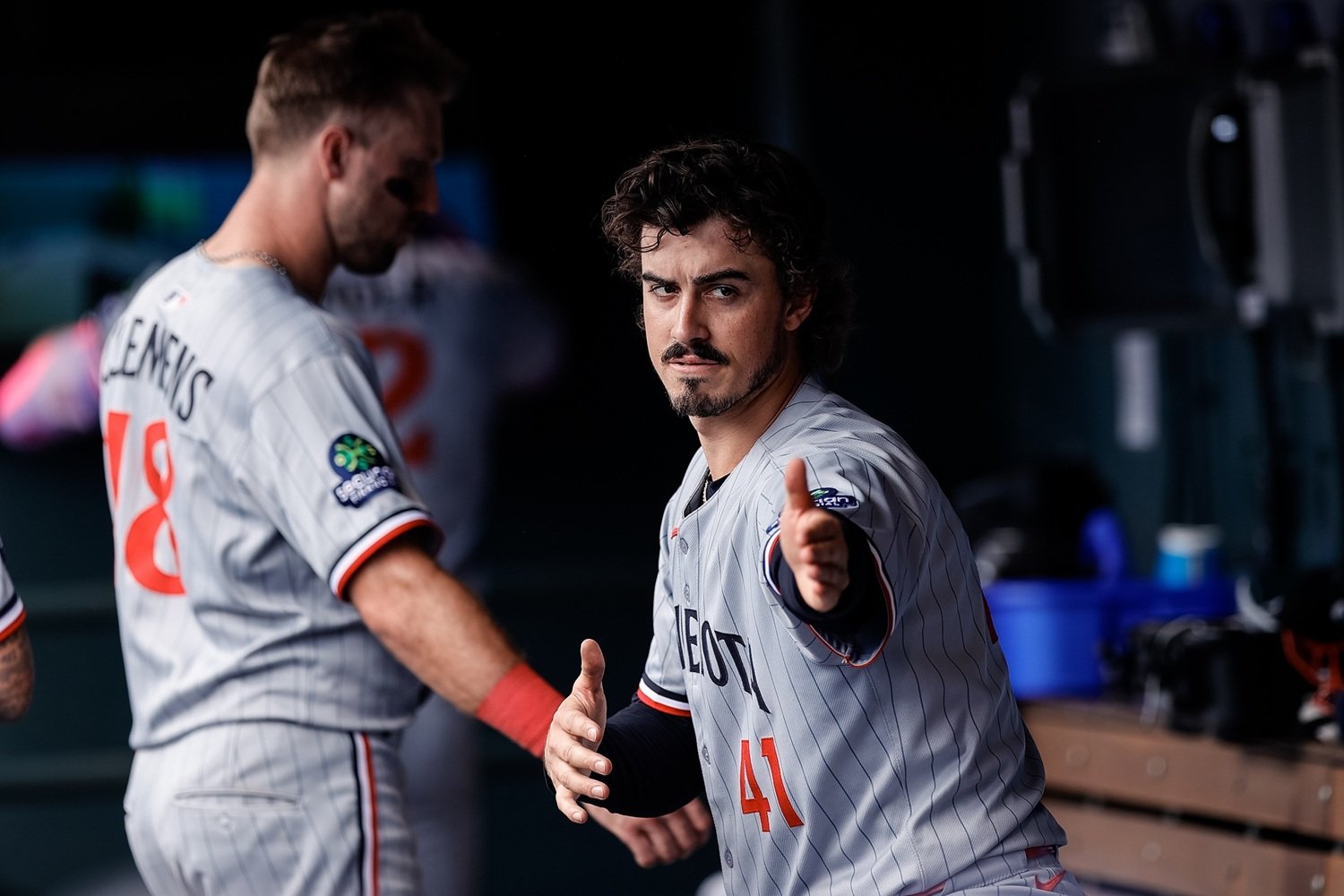 If the Minnesota Twins trade Joe Ryan at this year’s deadline, it better be for a deal that makes them truly stop in their tracks. Ryan is the type of player small and mid-market teams try to build around: a young, durable, strike-throwing All-Star with 2.5 years of team control and the demeanor to pitch at the top of a rotation. Reports have suggested the Twins are not actively shopping him, and they shouldn’t be. But if a contender is desperate enough, and the Twins are offered a truly game-changing return, the front office at least owes it to themselves to listen. This piece isn't advocating for a Ryan trade, but it does explore what "blown away" would look like. And it starts with a package headlined by a global Top 25 prospect. These are the caliber of names that would make the Twins have to think long and hard about giving up their prized young ace. Leo De Vries, San Diego Padres, SS Prospect Rankings: MLB Pipeline: #3 Baseball America: #6 The Athletic: #13 Leo De Vries is one of the fastest-rising stars in the minor leagues. The switch-hitting shortstop was the top international prospect in the 2024 class and has already made it to High-A ball at just 18 years old. His profile is loaded: elite swing speed, premium exit velocities, speed on the basepaths, and the kind of glove and arm combo that should stick at shortstop long-term. It’s not hard to imagine him becoming the number one prospect in baseball within the next year or two. It would take a haul to pry him away from the Padres, but for a player like Joe Ryan, who is not only under control through 2026 but could start Game 1 of a playoff series, San Diego could be tempted. A.J. Preller has a well-documented history of going all in at the deadline, flipping top prospects like James Wood and CJ Abrams in the Juan Soto trade. Now sitting in a hyper-competitive NL West and watching the Dodgers stumble with injuries, this could be the moment Preller again pushes all his chips to the center of the table. Jesús Made, Milwaukee Brewers, SS/3B Prospect Rankings: MLB Pipeline: #7 Baseball America: #4 The Athletic: #5 Another young infielder with top-of-the-scale upside, Jesús Made might be the type of player who makes the Twins pause and consider a Ryan trade. The switch-hitting Dominican burst onto the scene as a Dominican Summer League All-Star, slashing .331/.458/.554 with six homers, 28 steals, and an absurd 28-to-39 strikeout-to-walk ratio in just 51 games. Evaluators rave about his plate discipline and underlying metrics, and even if he doesn’t stick at shortstop, his bat could make him an elite third baseman with future number one overall prospect potential. The Brewers are white-hot, winning 13 of their last 15 and currently boasting the best record in the majors. They already have the top ERA in the National League, but adding Joe Ryan could give them a playoff rotation that few teams can match. Bryce Eldridge, San Francisco Giants, OF Prospect Rankings: MLB Pipeline: #17 Baseball America: #22 The Athletic: #28 Bryce Eldridge, the 16th overall pick in the 2023 draft, is the type of slugger you dream on. At 6-foot-7 with top-of-the-scale raw power, Eldridge moved from Single-A to Triple-A as a 19-year-old in his first full professional season. His left-handed swing is quick and powerful, and he generates elite exit velocities that have some projecting him as a 35 to 45 homer bat in the majors. While his glove doesn’t stand out and he’s unlikely to be a defensive asset, his bat alone makes him a high-ceiling player. The Giants are firmly in the playoff race at 54–49 and in need of rotation help behind Logan Webb and a rehabbing Robbie Ray. They’ve shown they’re willing to make impact moves at the deadline when the time is right. San Francisco has proven they’re willing to be bold, swinging a huge deal for Rafael Devers earlier this season. They’ve sent a clear message: they’re going for it in 2025. Josue De Paula, Los Angeles Dodgers, OF Prospect Rankings: MLB Pipeline: #22 Baseball America: #21 The Athletic: #17 Josue De Paula offers a tantalizing mix of youth, power, and plate discipline. The 19-year-old left-handed hitter slashed .268/.404/.405 with 10 homers across two Class A levels last season. He controls the strike zone extremely well and has the ability to make hard contact to all fields. He’s already projected to develop 30-plus homer power and likely profiles as a corner outfielder in the long run. Scouts love his polish and projectability. The Dodgers have lost 11 of their last 15 games and are dealing with injuries across their pitching staff. Still, with the second-highest payroll in baseball and championship expectations, they are always a threat to make a splash. Pairing Joe Ryan with Yoshinobu Yamamoto would give Los Angeles a formidable top of the rotation while also serving as a hedge against health questions surrounding Shohei Ohtani and Tyler Glasnow. De Paula is one of their crown jewels, but the Dodgers have moved top names in the past when the stakes were high enough. What do you think? Would you be willing to trade Joe Ryan if a Top 25 global prospect is coming back? Or should the Twins keep their ace no matter the offer? Which of the above names is most intriguing to you? Let us know in the comments.
 -
Image courtesy of © Jayne Kamin-Oncea-Imagn Images With the 2025 trade deadline approaching, the Minnesota Twins have made it clear that they are open for business. The assumption has been that the team would be moving impending free agents, but reports have surfaced that the front office is also listening on players with team control beyond this season—names like Joe Ryan, Griffin Jax, and Jhoan Duran. That naturally leads to questions. First, should the Twins be looking to trade players who (despite the current odds) could still help push for a playoff spot this year, and certainly contend next year? But even if the answer to that question is yes—if now is the best time to move those players at peak value—the follow-up is just as important: is Derek Falvey the right person to be making those decisions? There are two main reasons why that question matters. First, Falvey’s long-term status in Minnesota is uncertain. With the sale of the team still pending, it’s entirely plausible that new ownership will want to install their own front office. That possibility alone raises real concerns about letting a potentially lame-duck executive make trades with long-term consequences. And second, even without the ownership factor, it’s not obvious that Falvey has earned the right to continue leading baseball operations. If this year goes the way it appears to be going, the Twins will have missed the playoffs four of the last five seasons, and the roster (while not without talent) doesn’t look like the product of a visionary baseball mind. The results simply haven’t been there. There’s a natural misalignment of incentives when someone with an uncertain future is asked to make decisions that will affect the franchise for years to come. Even with the best intentions, it’s human nature to act in ways that protect your own position. That might mean targeting players who are closer to the majors over ones with more upside but more risk. It could mean making trades that look good in the short term, but don’t truly serve the long game. It’s not necessarily sabotage, but it’s not necessarily stewardship, either. You have to ask yourself if you’d rather let the next front office make those decisions—one that will be living with them—rather than someone who might not be around to see how they play out. Ryan, Jax, and Duran will all still have significant trade value in the offseason, or even at next season’s deadline. There’s also the matter of whether Falvey is equipped to make these decisions, regardless of his job status. During his time with the Twins, he’s made two major selling trades. The first, acquiring Joe Ryan for Nelson Cruz, was a clear win. The second, trading José Berríos for Austin Martin and Simeon Woods Richardson, is more complicated. Woods Richardson has turned things around lately, but the deal was centered on Martin, who has either been a scouting miss or a development failure. Beyond that, the record isn’t exactly inspiring. The draft has been inconsistent, acquisitions have been middling, and the team stuck with an underwhelming core too long. On the development front, names like Jose Miranda, Edouard Julien, Trevor Larnach, Matt Wallner, and Austin Martin all flashed potential but haven’t reached anything close to consistency. That’s not just bad luck; it reflects poorly on the infrastructure. So if the front office has shown it can’t consistently evaluate or develop talent, do you trust it to execute a complex, high-leverage trade? Of course, there’s an opportunity cost in doing nothing. The trade deadline is when contenders pay the highest prices. If you’re going to trade Ryan, Jax, or Duran, now is when you’re likely to get the biggest return. Waiting until the offseason may mean settling for less. But you also have to ask whether the return Falvey would get—while potentially greater on the surface—would actually deliver long-term value, or whether a new front office might do more with a little less. Sometimes it’s not just about the pieces you get, but how you build around them. So what do you think? Should Derek Falvey be the one calling the shots on trades involving Jhoan Duran, Joe Ryan, and Griffin Jax? Or would you rather wait for a new front office to make those decisions, even if it means taking a little less in return? Leave a comment and start the conversation! View full article
-
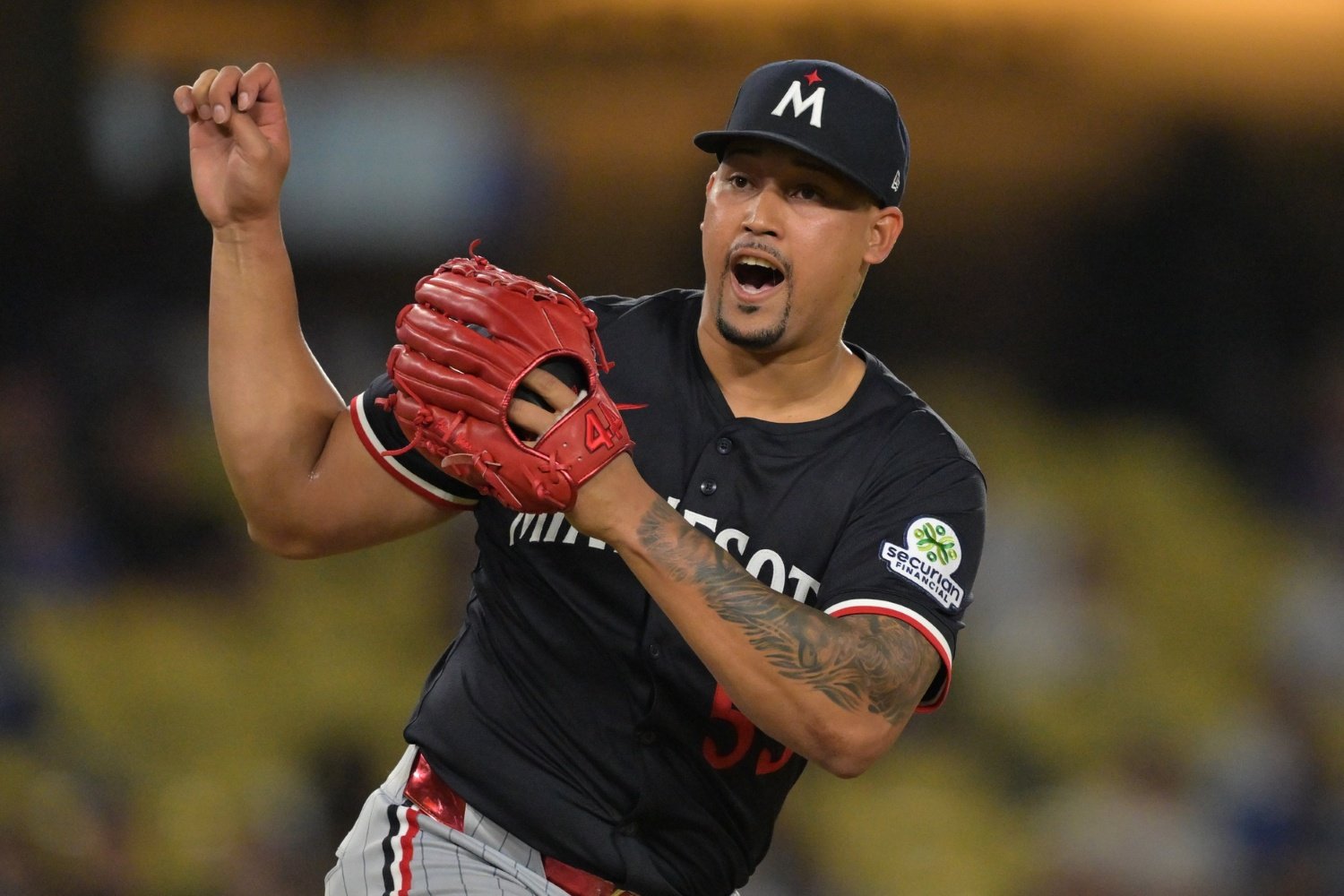 With the 2025 trade deadline approaching, the Minnesota Twins have made it clear that they are open for business. The assumption has been that the team would be moving impending free agents, but reports have surfaced that the front office is also listening on players with team control beyond this season—names like Joe Ryan, Griffin Jax, and Jhoan Duran. That naturally leads to questions. First, should the Twins be looking to trade players who (despite the current odds) could still help push for a playoff spot this year, and certainly contend next year? But even if the answer to that question is yes—if now is the best time to move those players at peak value—the follow-up is just as important: is Derek Falvey the right person to be making those decisions? There are two main reasons why that question matters. First, Falvey’s long-term status in Minnesota is uncertain. With the sale of the team still pending, it’s entirely plausible that new ownership will want to install their own front office. That possibility alone raises real concerns about letting a potentially lame-duck executive make trades with long-term consequences. And second, even without the ownership factor, it’s not obvious that Falvey has earned the right to continue leading baseball operations. If this year goes the way it appears to be going, the Twins will have missed the playoffs four of the last five seasons, and the roster (while not without talent) doesn’t look like the product of a visionary baseball mind. The results simply haven’t been there. There’s a natural misalignment of incentives when someone with an uncertain future is asked to make decisions that will affect the franchise for years to come. Even with the best intentions, it’s human nature to act in ways that protect your own position. That might mean targeting players who are closer to the majors over ones with more upside but more risk. It could mean making trades that look good in the short term, but don’t truly serve the long game. It’s not necessarily sabotage, but it’s not necessarily stewardship, either. You have to ask yourself if you’d rather let the next front office make those decisions—one that will be living with them—rather than someone who might not be around to see how they play out. Ryan, Jax, and Duran will all still have significant trade value in the offseason, or even at next season’s deadline. There’s also the matter of whether Falvey is equipped to make these decisions, regardless of his job status. During his time with the Twins, he’s made two major selling trades. The first, acquiring Joe Ryan for Nelson Cruz, was a clear win. The second, trading José Berríos for Austin Martin and Simeon Woods Richardson, is more complicated. Woods Richardson has turned things around lately, but the deal was centered on Martin, who has either been a scouting miss or a development failure. Beyond that, the record isn’t exactly inspiring. The draft has been inconsistent, acquisitions have been middling, and the team stuck with an underwhelming core too long. On the development front, names like Jose Miranda, Edouard Julien, Trevor Larnach, Matt Wallner, and Austin Martin all flashed potential but haven’t reached anything close to consistency. That’s not just bad luck; it reflects poorly on the infrastructure. So if the front office has shown it can’t consistently evaluate or develop talent, do you trust it to execute a complex, high-leverage trade? Of course, there’s an opportunity cost in doing nothing. The trade deadline is when contenders pay the highest prices. If you’re going to trade Ryan, Jax, or Duran, now is when you’re likely to get the biggest return. Waiting until the offseason may mean settling for less. But you also have to ask whether the return Falvey would get—while potentially greater on the surface—would actually deliver long-term value, or whether a new front office might do more with a little less. Sometimes it’s not just about the pieces you get, but how you build around them. So what do you think? Should Derek Falvey be the one calling the shots on trades involving Jhoan Duran, Joe Ryan, and Griffin Jax? Or would you rather wait for a new front office to make those decisions, even if it means taking a little less in return? Leave a comment and start the conversation!
- 108 comments
-
- 8
-

-
- derek falvey
- jhoan duran
- (and 3 more)
-
TRANSACTIONS 2B Mickey Gasper activated from injured list (St. Paul) C Ricardo Peña transferred to 60-day injured list (Fort Myers) SAINTS SENTINEL Game 1 Worcester Red Sox 4, St. Paul Saints 0 Darren McCaughan: 4.0 IP, 8 H, 4 ER, 0 BB, 5 K HR: None Multi-hit games: None In the first game of the 7-inning doubleheader, it was a lackluster offensive performance for the Saints, who only mustered two hits—one each from Austin Martin and Jonah Bride. The rest of the lineup was held completely in check. Carson McCusker had a particularly tough game, going 0-for-3 with three strikeouts. On the mound, Darren McCaughan gave up four earned runs in four innings, including a first-inning homer to Red Sox prospect Kristian Campbell. His ERA rose to 5.40 on the season. Game 2 Worcester Red Sox 5, St. Paul Saints 2 Pierson Ohl: 4.0 IP, 1 H, 1 R, 0 ER, 0 BB, 5 K HR: None Multi-hit games: None The Saints got a gem from Pierson Ohl in game two, as he threw four innings of one-hit, zero-earned run baseball while striking out five. The lone run he allowed came on an unearned sequence after a Payton Eeles error. Ohl lowered his season ERA to 2.82. Unfortunately for St. Paul, Erasmo Ramirez gave up six hits and four runs in two innings of relief, including a bases-clearing double from Red Sox prospect Nathan Hickey. Offensively, the Saints looked promising early with three hits and two runs in the first, highlighted by Jonah Bride's 2-run single with the bases loaded. But they collected just one more hit the rest of the game. McCusker finished the doubleheader 0-for-7 with five strikeouts. WIND SURGE WISDOM Wichita Wind Surge 6, Frisco RoughRiders 5 C.J. Culpepper: 3.0 IP, 3 H, 2 R, 1 ER, 1 BB, 1 K HR: None Multi-hit games: Kala’i Rosario (2-for-4, 2B, RBI) CJ Culpepper got the start and worked three innings, allowing just one earned run. The Wind Surge mounted two different comebacks, first rallying for three runs in the 7th on a Jose Salas hit-by-pitch with the bases loaded and a Jorel Ortega RBI single. After surrendering the lead in the 8th, Wichita responded again with a three-run bottom half featuring key doubles from Kala’i Rosario and Ben Ross. Cole Percival gave up one in the 9th, but the Surge held on to improve their second-half record. KERNELS NUGGETS Fort Wayne TinCaps 2, Cedar Rapids Kernels 1 Cole Peschl: 1.0 IP, 0 H, 0 ER, 1 BB, 1 K HR: None Multi-hit games: Caden Kendle (2-for-4) Cole Peschl was slotted to be the starter for the Kernels today but left after just one inning with some sort of injury. Even given the tough assignment for the rest of the game, the Kernels got strong pitching, allowing just two runs and five hits on the day. Jacob Kisting was particularly impressive, tossing three hitless innings, striking out four and lowering his ERA to 1.17. Unfortunately, the Kernels offense was unable to pull through, crossing just one run when Kyle Debarge scored on a wild pitch. Center fielder Caden Kendle delivered the lone multi-hit game of the day for Cedar Rapids. MUSSEL MATTERS Fort Myers Mighty Mussels 5, Lakeland Flying Tigers 4 (10 innings) Adrian Bohorquez: 4.0 IP, 2 H, 1 R, 0 ER, 0 BB, 3 K HR: Yasser Mercedes (6), Dameury Pena (6), Blaze O'Saben (1) Multi-hit games: Yasser Mercedes (2-for-5, HR, RBI), Blaze O'Saben (3-for-3, HR, 2 RBI, BB) While the other Minor League clubs had slow days at the plate, the bats were hot in Lakeland, Florida for the Fort Myers Mighty Mussels, who launched three home runs. Yasser Mercedes got it started in the first inning with his sixth of the season. Dameury Pena followed with a solo shot of his own in the fifth, and Blaze O'Saben added his first home run of the season in the eighth. On the mound, Adrian Bohorquez gave the Mussels four innings of one-run (unearned) ball before handing things off to the bullpen. After Tyler Stasiowski blew the save in the ninth, Blaze O'Saben stepped up again in the top of the 10th, driving in Bryan Acuña with the go-ahead run. Ivran Romero closed the door in the bottom half to secure the win. The Mussels are now 7-1 in extra inning games this season. COMPLEX CHRONICLES (Double Header) Game 1 FCL Twins 4, FCL Orioles 1 Melvin Rodriguez: 3.0 IP, 3 H, 1 ER, 4 BB, 3 K HR: None Multi-hit games: None The FCL Twins grabbed a win against the FCL Orioles thanks to strong pitching from Melvin Rodriguez, Xander Hamilton, and Brent Francisco, who allowed just four hits and one run combined. Offensively, Ricardo Paez reached base three times via walk and scored three of the Twins' four runs on the day. Game 2 FCL Twins 4, FCL Orioles 3 Xavier Kolhosser 3.0 IP, 2 H, 2 ER, 0 BB, 2 K HR: Yandro Hernandez (2) Multi-hit games: Yandro Hernandez (2-3, HR, 2 R, RBI) The FCL Twins were able to sweep the double header today in walk-off fashion when Merphy Hernandez scored Carlos Silva on an RBI single in the 8th inning. The standout performance came from Yandro Hernandez who contributed an inside-the-park home run in the 1st inning. Following the double header sweep the FCL Twins finished the regular season at 39-20, the best record in the Complex League this season. The FCL Twins will play the Tigers on Saturday in the four-team playoff. DOMINICAN DAILIES DSL Rangers 7, DSL Twins 5 Jesus Gomez: 4.0 IP, 3 H, 3 R, 2 ER, 1 BB, 6 K HR: None Multi-hit games: Yovanny Duran (2-for-4, BB, RBI), Haritzon Castillo (2-for-5, 2B, RBI), Joyner Perez (2-for-4, 2 RBI) Despite a strong day at the plate with nine hits, the DSL Twins fell to the Rangers 7-5. Jesus Gomez struck out six and allowed just two earned runs over four innings before the game unraveled in the fifth. Eli Urena struggled with control, issuing a walk, hitting a batter, and throwing three wild pitches. Yovanny Duran, Haritzon Castillo, and Joyner Perez each turned in multi-hit games and continue to be bright spots in the DSL lineup. PLAYERS OF THE DAY Batter: Blaze O'Saben (Ft. Myers): 3-for-3, HR, 2 RBI, BB Pitcher: Pierson Ohl (St. Paul): 4.0 IP, 1 H, 1 R, 0 ER, 0 BB, 5 K FRIDAY PITCHING PROBABLES Worcester @ St. Paul (7:07 PM CT) - RHP Bailey Ober (0-0, 0.00 ERA) Frisco @ Wichita (7:05 PM CT) - RHP John Klein (6-5, 3.52 ERA) Fort Wayne @ Cedar Rapids (6:35 PM CT) - RHP Isaiah Lowe (3-8, 5.77 ERA) Fort Myers @ Lakeland (6:05 PM CT) - RHP Jason Doktorczyk (3-4, 4.81 ERA) DSL Twins @ DSL Marlins (10:00 AM CT) - TBD PROSPECT SUMMARY #1 - Walker Jenkins (Wichita) - 0-for-3, 2 K #2 - Luke Keashall (St. Paul) - 1-for-6, BB #3 - Kaelen Culpepper (Wichita) - 0-for-4, BB, 2 K #8 - Gabriel Gonzalez (Wichita) - 1-for-3, BB, 2 K #11 - Brandon Winkour (Cedar Rapids) - 1-for-4, R, 2 K #14 - Kyle DeBarge (Cedar Rapids) - 0-for-3, R, K #15 - C.J. Culpepper (Wichita) - 3.0 IP, 3 H, 2 R, 1 ER, 1 BB, 1 K #16 - Billy Amick (Cedar Rapids) - 0-for-3, 1 BB, 1 K #19 - Eduardo Beltra (FCL Twins) - 1-for-4, 2 RBI, 2 K View full article
-
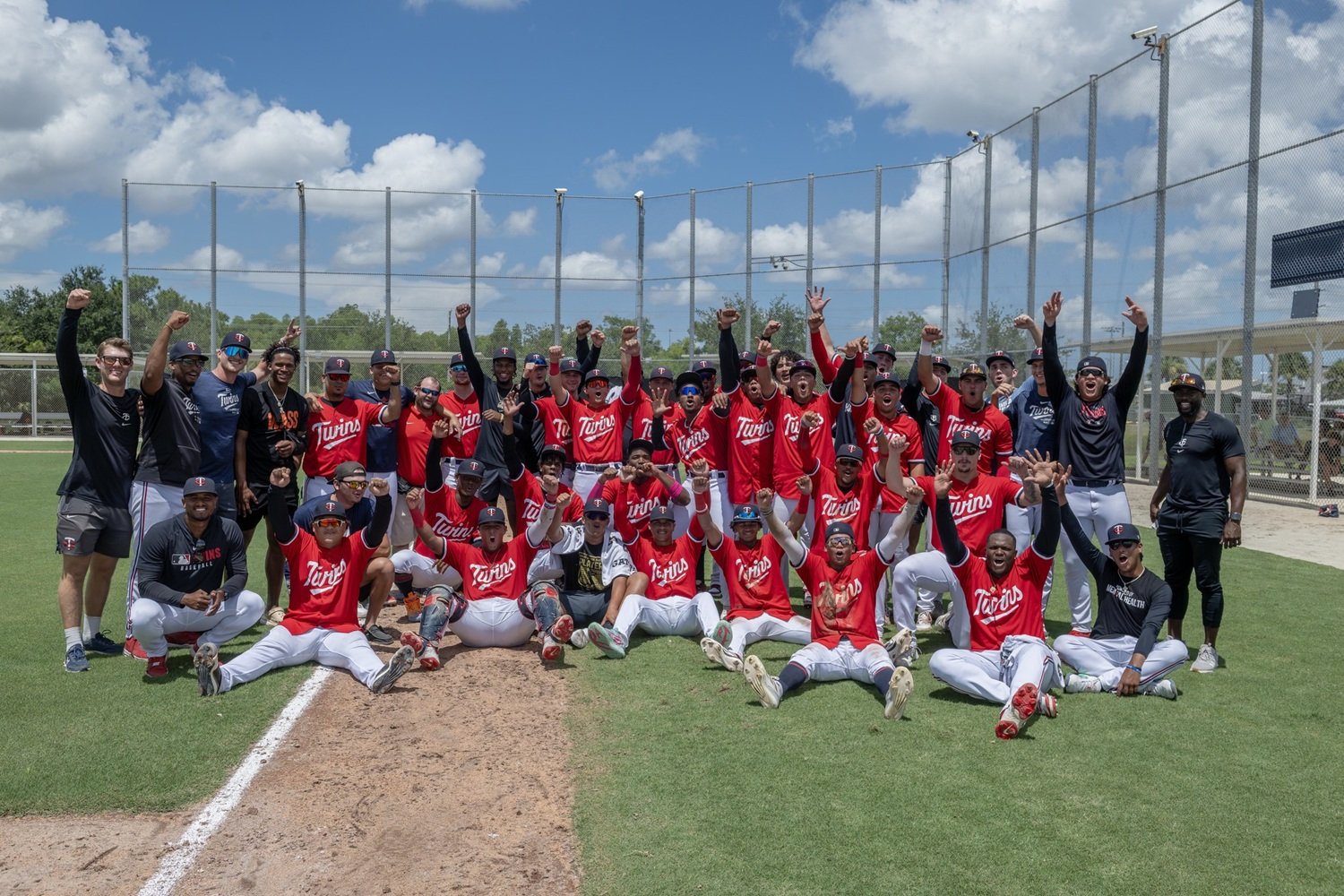 TRANSACTIONS UT Mickey Gasper activated from injured list (St. Paul) C Ricardo Peña transferred to 60-day injured list (Fort Myers) RHP Carlos Gutierrez was released by the Twins (FCL Twins) SAINTS SENTINEL Game 1 Worcester Red Sox 4, St. Paul Saints 0 SP: Darren McCaughan: 4.0 IP, 8 H, 4 ER, 0 BB, 5 K HR: None Multi-hit games: None In the first seven-inning game of the doubleheader, it was a lackluster offensive performance for the Saints, who only mustered two hits—one each from Austin Martin and Jonah Bride. The rest of the lineup was held completely in check. Carson McCusker had a particularly tough game, going 0-for-3 with three strikeouts. On the mound, Darren McCaughan gave up four earned runs in four innings, including a first-inning homer to Red Sox prospect Kristian Campbell. His ERA rose to 5.40 on the season. Game 2 Worcester Red Sox 5, St. Paul Saints 2 SP: Pierson Ohl: 4.0 IP, 1 H, 1 R, 0 ER, 0 BB, 5 K HR: None Multi-hit games: None The Saints got a gem from Pierson Ohl in Game 2. He threw four innings of one-hit, zero-earned run baseball while striking out five. The lone run he allowed came on an unearned sequence after a Payton Eeles error. Ohl lowered his Saints ERA to 2.82. Unfortunately for St. Paul, Erasmo Ramirez gave up six hits and four runs in two innings of relief, including a bases-clearing double from Red Sox prospect Nathan Hickey. Offensively, the Saints looked promising early with three hits and two runs in the first, highlighted by Jonah Bride's two-run single with the bases loaded. But they collected just one more hit the rest of the game. McCusker finished the doubleheader 0-for-7 with five strikeouts. WIND SURGE WISDOM Wichita Wind Surge 6, Frisco RoughRiders 5 SP: C.J. Culpepper: 3.0 IP, 3 H, 2 R, 1 ER, 1 BB, 1 K HR: None Multi-hit games: Kala’i Rosario (2-for-4, 2B, RBI) CJ Culpepper got the start and worked three innings, allowing just one earned run. The Wind Surge mounted two different comebacks, first rallying for three runs in the seventh on a Jose Salas hit-by-pitch with the bases loaded and a Jorel Ortega RBI single. After surrendering the lead in the eighth, Wichita responded again with a three-run bottom half featuring key doubles from Kala’i Rosario and Ben Ross. Cole Percival gave up one in the ninth, but the Surge held on to improve their second-half record. KERNELS NUGGETS Fort Wayne TinCaps 2, Cedar Rapids Kernels 1 SP: Cole Peschl: 1.0 IP, 0 H, 0 ER, 1 BB, 1 K HR: None Multi-hit games: Caden Kendle (2-for-4) Cole Peschl was slotted to be the starter for the Kernels today but left after just one inning with some sort of injury. Even given the tough assignment for the rest of the game, the Kernels got strong pitching, allowing just two runs and five hits on the day. Jacob Kisting was particularly impressive, tossing three hitless innings, striking out four and lowering his ERA to 1.17. Unfortunately, the Kernels offense was unable to pull through, crossing just one run when Kyle DeBarge scored on a wild pitch. Center fielder Caden Kendle delivered the lone multi-hit game of the day for Cedar Rapids. MUSSEL MATTERS Fort Myers Mighty Mussels 5, Lakeland Flying Tigers 4 (10 innings) SP: Adrian Bohorquez: 4.0 IP, 2 H, 1 R, 0 ER, 0 BB, 3 K HR: Yasser Mercedes (6), Dameury Pena (6), Blaze O'Saben (1) Multi-hit games: Yasser Mercedes (2-for-5, HR, RBI), Blaze O'Saben (3-for-3, HR, 2 RBI, BB) While the other Minor League clubs had slow days at the plate, the bats were hot in Lakeland, Florida for the Fort Myers Mighty Mussels, who launched three home runs. Yasser Mercedes got it started in the first inning with his sixth of the season. Dameury Pena followed with a solo shot of his own in the fifth, and Blaze O'Saben added his first home run of the season in the eighth. On the mound, Adrian Bohorquez gave the Mussels four innings of one-run (unearned) ball before handing things off to the bullpen. After Tyler Stasiowski blew the save in the ninth, Blaze O'Saben stepped up again in the top of the 10th, driving in Bryan Acuña with the go-ahead run. Ivran Romero closed the door in the bottom half to secure the win. The Mussels are now 7-1 in extra inning games this season. COMPLEX CHRONICLES (Double Header) Game 1 FCL Twins 4, FCL Orioles 1 Melvin Rodriguez: 3.0 IP, 3 H, 1 ER, 4 BB, 3 K HR: None Multi-hit games: None The FCL Twins grabbed a win against the FCL Orioles thanks to strong pitching from Melvin Rodriguez, Xander Hamilton, and Brent Francisco, who allowed just four hits and one run combined. Offensively, Ricardo Paez reached base three times via walk and scored three of the Twins' four runs on the day. Game 2 FCL Twins 4, FCL Orioles 3 SP: Xavier Kolhosser 3.0 IP, 2 H, 2 ER, 0 BB, 2 K HR: Yandro Hernandez (2) Multi-hit games: Yandro Hernandez (2-3, HR, 2 R, RBI) The FCL Twins were able to sweep the doubleheader in walk-off fashion when Merphy Hernandez scored Carlos Silva on an RBI single in the eighth inning. The standout performance came from Yandro Hernandez who contributed an inside-the-park home run in the 1st inning. Following the double header sweep the FCL Twins finished the regular season at 39-20, the best record in the Florida Complex League this season. The FCL Twins will play the Tigers on Saturday in the four-team playoff. DOMINICAN DAILIES DSL Rangers 7, DSL Twins 5 SP: Jesus Gomez: 4.0 IP, 3 H, 3 R, 2 ER, 1 BB, 6 K HR: None Multi-hit games: Yovanny Duran (2-for-4, BB, RBI), Haritzon Castillo (2-for-5, 2B, RBI), Joyner Perez (2-for-4, 2 RBI) Despite a strong day at the plate with nine hits, the DSL Twins fell to the Rangers 7-5. Jesus Gomez struck out six and allowed just two earned runs over four innings before the game unraveled in the fifth. Eli Urena struggled with control, issuing a walk, hitting a batter, and throwing three wild pitches. Yovanny Duran, Haritzon Castillo, and Joyner Perez each turned in multi-hit games and continue to be bright spots in the DSL lineup. PLAYERS OF THE DAY Batter: Blaze O'Saben (Ft. Myers): 3-for-3, HR, 2 RBI, BB Pitcher: Pierson Ohl (St. Paul): 4.0 IP, 1 H, 1 R, 0 ER, 0 BB, 5 K FRIDAY PITCHING PROBABLES Worcester @ St. Paul (7:07 PM CT) - RHP Bailey Ober (0-0, 0.00 ERA) Frisco @ Wichita (7:05 PM CT) - RHP John Klein (6-5, 3.52 ERA) Fort Wayne @ Cedar Rapids (6:35 PM CT) - RHP Ty Langenberg (2-4, 5.32 ERA) Fort Myers @ Lakeland (6:05 PM CT) - RHP Jason Doktorczyk (3-4, 4.81 ERA) DSL Twins @ DSL Marlins (10:00 AM CT) - TBD PROSPECT SUMMARY #1 - Walker Jenkins (Wichita) - 0-for-3, 2 K #2 - Luke Keaschall (St. Paul) - 1-for-6, BB #3 - Kaelen Culpepper (Wichita) - 0-for-4, BB, 2 K #8 - Gabriel Gonzalez (Wichita) - 1-for-3, BB, 2 K #11 - Brandon Winkour (Cedar Rapids) - 1-for-4, R, 2 K #14 - Kyle DeBarge (Cedar Rapids) - 0-for-3, R, K #15 - C.J. Culpepper (Wichita) - 3.0 IP, 3 H, 2 R, 1 ER, 1 BB, 1 K #16 - Billy Amick (Cedar Rapids) - 0-for-3, 1 BB, 1 K #19 - Eduardo Beltre (FCL Twins) - 1-for-4, 2 RBI, 2 K
- 9 comments
-
- 5
-
-

-
- pierson ohl
- blaze o saben
- (and 8 more)
-
The Twins got 2 top-100 prospects for Jose Berrios. They're not getting 2 top-100 prospects for Duran or Jax. A package deal of them? Yes, they could get two top-100 guys for them.
-
Image courtesy of © Jayne Kamin-Oncea-Imagn Images A recent report from ESPN Insider Jeff Passan has sparked discussion throughout Twins Territory. According to Passan, the Minnesota Twins are open to trading both Jhoan Duran and Griffin Jax, two of the most electric relievers in baseball, as a package deal. The asking price? Two top-100-caliber prospects. It’s a steep ask, but given the dominance, age, and team control of both relievers, it's entirely justified. This wouldn’t be the first time a contender paid a premium for elite bullpen arms. In 2018, the Padres flipped Brad Hand and Adam Cimber to Cleveland for Francisco Mejía, a top-20 global prospect at the time. That deal saw two relievers with similar team control flipped for one high-end return. Now, the Twins may be looking to repeat history, albeit with even greater upside. So what might a two-for-two top-100 swap look like? Let’s dig into potential trade packages with some of the reported suitors: the Dodgers, Phillies, Yankees, Mets, Cubs, and (though less likely) the division-rival Tigers. Note: These prospect rankings are according to MLB Pipeline. Los Angeles Dodgers: Jackson Ferris, LHP (#65) and Dalton Rushing, C (formerly top-30) The Dodgers boast one of the deepest farm systems in the league and could be a strong match. A potential package could include left-handed pitcher Jackson Ferris and catcher Dalton Rushing, who recently graduated from prospect status but was a top-30 prospect before that. Ferris is a towering 6-foot-4 southpaw who’s already making strides in Double A at age 21. He’s turned a corner with a 1.30 ERA over his last five starts, and would add valuable left-handed depth to a Twins system heavy on right-handed arms. Rushing, meanwhile, fits a clear organizational need. With Ryan Jeffers under team control only through 2026 and little catching depth behind him, the left-handed-hitting Rushing, who posted a .907 OPS in Triple A last season, could quickly become Jeffers’s heir. The Dodgers have a stud catcher on their roster already in Will Smith, and may be willing to move on from Rushing. Philadelphia Phillies: Mick Abel, RHP (#71) and Eduardo Tait (#59) The Phillies could offer another combination pitching-catching package centered around Mick Abel and Eduardo Tait. Abel, a former 15th overall pick in the 2020 draft, has been a fixture on prospect lists since 2021. Though he struggled in Triple-A last season with a 6.46 ERA over 108 innings, he’s rebounded in a big way in 2025. In 69 innings at Triple-A this year, Abel owns a sparkling 1.83 ERA, showcasing his ability to adjust and develop. He made his MLB debut earlier this summer with mixed results, but his five-pitch mix and a fastball that touches the upper 90s give him mid-rotation (or a touch higher) upside. The hope is that he sticks as a starter long-term, with the tools to anchor a rotation for years to come. Eduardo Tait, meanwhile, is one of the youngest names on this list and a longer-term play. A bat-first catcher out of Panama, Tait turns 19 in August and already flashes power from the left side. His defense is coming along, and his size and offensive profile could eventually make him a high-impact player at a position of need for Minnesota. New York Yankees: George Lombard Jr., MI (#32) and Carlos Lagrange, RHP (#100) This might be the most exciting mix of tools and upside. George Lombard Jr. (MLB Pipeline #32) is already in Double-A at age 20 and offers contact ability, speed, and defensive versatility in the middle infield. The Yankees love his makeup, but the Twins could pry him loose in a deal of this magnitude. Carlos Lagrange brings a flamethrowing presence to the mound, reaching up to 102 mph with his fastball while mixing in a sharp sweeper and an improving changeup. His control remains a work in progress, and whether he can remain a starter depends largely on his ability to consistently command the zone. Ideally, he sticks as a high-octane starting pitcher, but if he’s moved to the bullpen down the line, his stuff could make him a Duran clone in a late-inning role. That seems more likely, but would be a nice bit of serendipity: by extending the same trade tree that brought them Duran, they could get a very Duran-like arm. New York Mets: Jonah Tong, RHP (#55) and Nolan McLean, RHP (#72) If the Twins prefer pitchers-for-relievers, the Mets could offer two top-end arms: Jonah Tong and Noah McLean. Tong has been electric at Double-A this season, with a 1.71 ERA and a staggering 14.1 K/9 across 84 innings. He profiles as a mid-rotation starter or better. McLean is more advanced, already pitching in Triple-A with strong fastball/slider metrics and a 3.64 ERA. He could be in the Twins’ rotation as early as the end of 2025. Chicago Cubs: Moisés Ballesteros, C/1B (#49) and Kevin Alcántara, OF (#82) Moisés Ballesteros is a bat-first catcher with massive power, but a questionable long-term outlook behind the plate. If he can stick at catcher, he’s a game-changer. If not, he may be confined to first base or DH. Ballesteros has already made his big-league debut with the Cubs. Kevin Alcántara is a towering 6-foot-6 center fielder with impressive speed and feel for contact. He could be a future Buxton replacement, if everything clicks. (That's a big 'if,' but if it weren't, he wouldn't be available even in a trade like this.) Detroit Tigers: Bryce Rainer, SS (#37) and Thayron Liranzo, C/1B (#84) An intradivisional trade is highly unlikely, but for the sake of speculation, Bryce Rainer and Thayron Liranzo could tempt the Twins to deal with their rivals. Rainer, the 2024 No. 11 overall pick, has already flashed elite tools at Low-A. A likely shortstop with power and an elite arm, he could be a star in the making. Liranzo is a switch-hitter with 60-grade power and big-time exit velocities, though he may end up at first base. There’s no doubt the Twins’ bullpen has been a major strength. Jhoan Duran and Griffin Jax have formed a dominant 1-2 punch late in games, and moving them would signal a shift toward long-term planning. But the opportunity to secure two blue-chip talents, especially at premium positions, doesn’t come often. Which package stands out to you? Would you pull the trigger on any of these? Or do you want the Twins to hold firm? Leave a comment and start the conversation! View full article
-
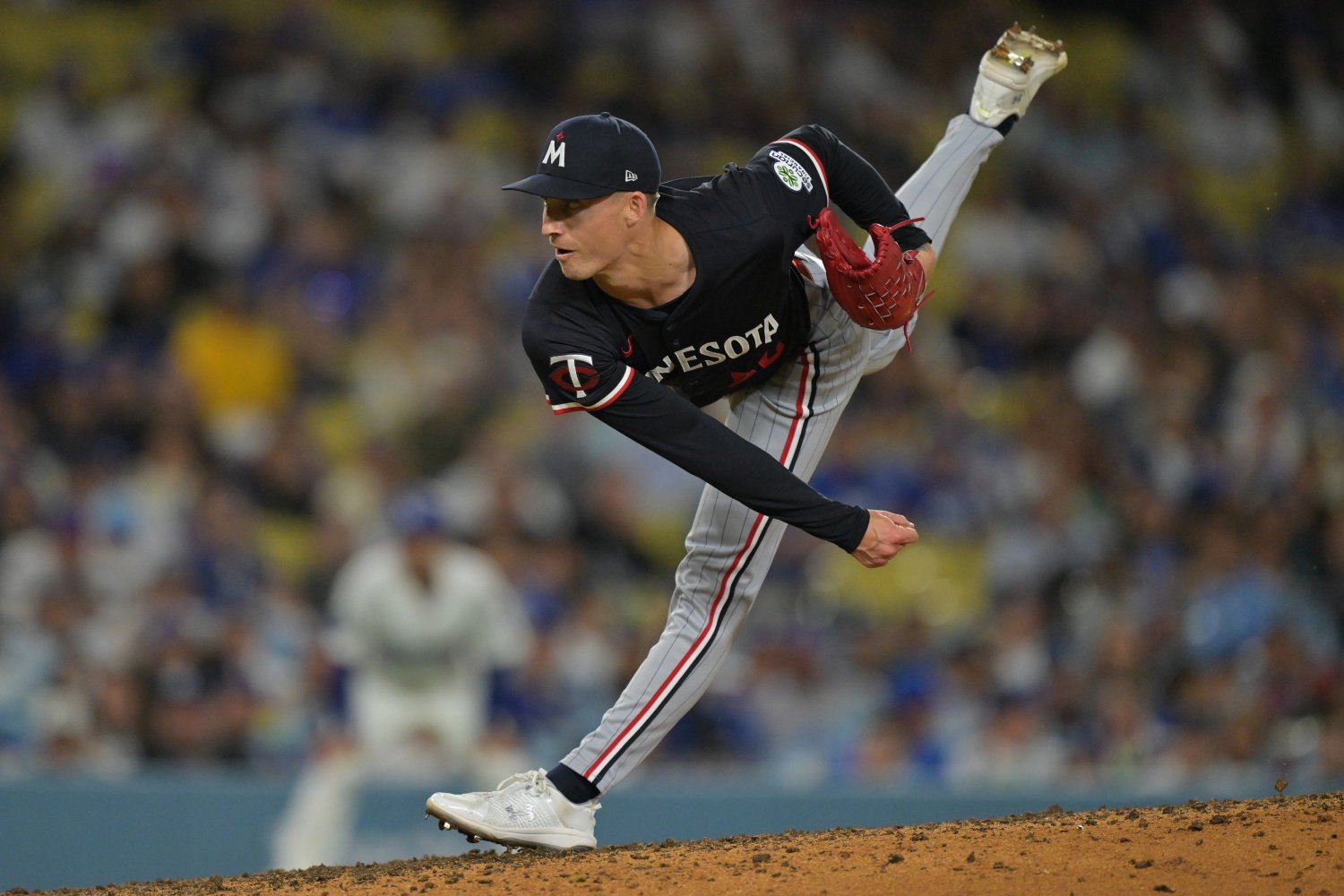 A recent report from ESPN Insider Jeff Passan has sparked discussion throughout Twins Territory. According to Passan, the Minnesota Twins are open to trading both Jhoan Duran and Griffin Jax, two of the most electric relievers in baseball, as a package deal. The asking price? Two top-100-caliber prospects. It’s a steep ask, but given the dominance, age, and team control of both relievers, it's entirely justified. This wouldn’t be the first time a contender paid a premium for elite bullpen arms. In 2018, the Padres flipped Brad Hand and Adam Cimber to Cleveland for Francisco Mejía, a top-20 global prospect at the time. That deal saw two relievers with similar team control flipped for one high-end return. Now, the Twins may be looking to repeat history, albeit with even greater upside. So what might a two-for-two top-100 swap look like? Let’s dig into potential trade packages with some of the reported suitors: the Dodgers, Phillies, Yankees, Mets, Cubs, and (though less likely) the division-rival Tigers. Note: These prospect rankings are according to MLB Pipeline. Los Angeles Dodgers: Jackson Ferris, LHP (#65) and Dalton Rushing, C (formerly top-30) The Dodgers boast one of the deepest farm systems in the league and could be a strong match. A potential package could include left-handed pitcher Jackson Ferris and catcher Dalton Rushing, who recently graduated from prospect status but was a top-30 prospect before that. Ferris is a towering 6-foot-4 southpaw who’s already making strides in Double A at age 21. He’s turned a corner with a 1.30 ERA over his last five starts, and would add valuable left-handed depth to a Twins system heavy on right-handed arms. Rushing, meanwhile, fits a clear organizational need. With Ryan Jeffers under team control only through 2026 and little catching depth behind him, the left-handed-hitting Rushing, who posted a .907 OPS in Triple A last season, could quickly become Jeffers’s heir. The Dodgers have a stud catcher on their roster already in Will Smith, and may be willing to move on from Rushing. Philadelphia Phillies: Mick Abel, RHP (#71) and Eduardo Tait (#59) The Phillies could offer another combination pitching-catching package centered around Mick Abel and Eduardo Tait. Abel, a former 15th overall pick in the 2020 draft, has been a fixture on prospect lists since 2021. Though he struggled in Triple-A last season with a 6.46 ERA over 108 innings, he’s rebounded in a big way in 2025. In 69 innings at Triple-A this year, Abel owns a sparkling 1.83 ERA, showcasing his ability to adjust and develop. He made his MLB debut earlier this summer with mixed results, but his five-pitch mix and a fastball that touches the upper 90s give him mid-rotation (or a touch higher) upside. The hope is that he sticks as a starter long-term, with the tools to anchor a rotation for years to come. Eduardo Tait, meanwhile, is one of the youngest names on this list and a longer-term play. A bat-first catcher out of Panama, Tait turns 19 in August and already flashes power from the left side. His defense is coming along, and his size and offensive profile could eventually make him a high-impact player at a position of need for Minnesota. New York Yankees: George Lombard Jr., MI (#32) and Carlos Lagrange, RHP (#100) This might be the most exciting mix of tools and upside. George Lombard Jr. (MLB Pipeline #32) is already in Double-A at age 20 and offers contact ability, speed, and defensive versatility in the middle infield. The Yankees love his makeup, but the Twins could pry him loose in a deal of this magnitude. Carlos Lagrange brings a flamethrowing presence to the mound, reaching up to 102 mph with his fastball while mixing in a sharp sweeper and an improving changeup. His control remains a work in progress, and whether he can remain a starter depends largely on his ability to consistently command the zone. Ideally, he sticks as a high-octane starting pitcher, but if he’s moved to the bullpen down the line, his stuff could make him a Duran clone in a late-inning role. That seems more likely, but would be a nice bit of serendipity: by extending the same trade tree that brought them Duran, they could get a very Duran-like arm. New York Mets: Jonah Tong, RHP (#55) and Nolan McLean, RHP (#72) If the Twins prefer pitchers-for-relievers, the Mets could offer two top-end arms: Jonah Tong and Noah McLean. Tong has been electric at Double-A this season, with a 1.71 ERA and a staggering 14.1 K/9 across 84 innings. He profiles as a mid-rotation starter or better. McLean is more advanced, already pitching in Triple-A with strong fastball/slider metrics and a 3.64 ERA. He could be in the Twins’ rotation as early as the end of 2025. Chicago Cubs: Moisés Ballesteros, C/1B (#49) and Kevin Alcántara, OF (#82) Moisés Ballesteros is a bat-first catcher with massive power, but a questionable long-term outlook behind the plate. If he can stick at catcher, he’s a game-changer. If not, he may be confined to first base or DH. Ballesteros has already made his big-league debut with the Cubs. Kevin Alcántara is a towering 6-foot-6 center fielder with impressive speed and feel for contact. He could be a future Buxton replacement, if everything clicks. (That's a big 'if,' but if it weren't, he wouldn't be available even in a trade like this.) Detroit Tigers: Bryce Rainer, SS (#37) and Thayron Liranzo, C/1B (#84) An intradivisional trade is highly unlikely, but for the sake of speculation, Bryce Rainer and Thayron Liranzo could tempt the Twins to deal with their rivals. Rainer, the 2024 No. 11 overall pick, has already flashed elite tools at Low-A. A likely shortstop with power and an elite arm, he could be a star in the making. Liranzo is a switch-hitter with 60-grade power and big-time exit velocities, though he may end up at first base. There’s no doubt the Twins’ bullpen has been a major strength. Jhoan Duran and Griffin Jax have formed a dominant 1-2 punch late in games, and moving them would signal a shift toward long-term planning. But the opportunity to secure two blue-chip talents, especially at premium positions, doesn’t come often. Which package stands out to you? Would you pull the trigger on any of these? Or do you want the Twins to hold firm? Leave a comment and start the conversation!
 -
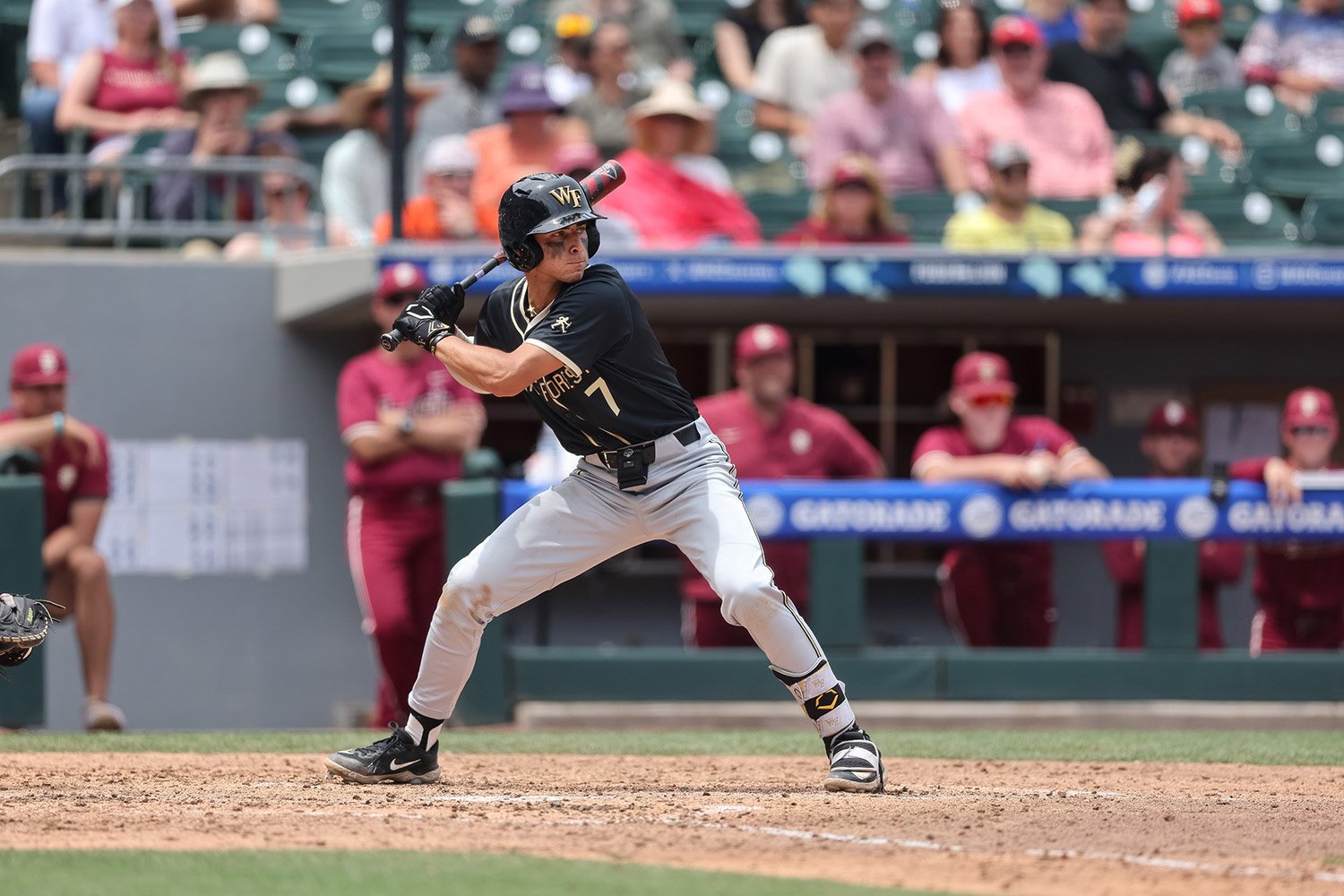 The Minnesota Twins have begun locking in their 2025 draft class, announcing the signings of three of their top selections, including their first-rounder, just days after the MLB Draft. Marek Houston, the Twins' first-round pick at No. 16 overall, has officially signed for $4,497,500, slightly under the assigned slot value of $4,929,600. Houston, widely regarded as the best defensive shortstop in the class, brings elite glove work and advanced instincts to the organization. Though questions remain about the bat, his athleticism and polish make him a potential fast mover in the system. Joining him is Riley Quick, the Twins' supplemental first-rounder out of Alabama, who signed for his full slot value of $2,692,000. A hard-throwing righty with a deep pitch mix, Quick profiles as a potential rotation mainstay with multiple plus offerings and a competitive SEC pedigree. Second-round pick Quentin Young, the nephew of former Twin Delmon Young, also signed for full slot value at $1,761,600. One of the more intriguing upside plays in the class, Young brings raw but electric tools, boasting elite athleticism and massive power potential. If the Twins can refine his approach, he could become a high-ceiling force in the lineup down the line. The Twins are expected to announce additional signings in the coming days as they work to finalize the rest of their 2025 class. Stay up-to-date on the 2025 MLB Draft with Twins Daily's draft tracker.
- 7 comments
-
- 6
-
-
- marek houston
- riley quick
- (and 1 more)
-
The Minnesota Twins have begun locking in their 2025 draft class, announcing the signings of three of their top selections, including their first-rounder, just days after the MLB Draft. Marek Houston, the Twins' first-round pick at No. 16 overall, has officially signed for $4,497,500, slightly under the assigned slot value of $4,929,600. Houston, widely regarded as the best defensive shortstop in the class, brings elite glove work and advanced instincts to the organization. Though questions remain about the bat, his athleticism and polish make him a potential fast mover in the system. Joining him is Riley Quick, the Twins' supplemental first-rounder out of Alabama, who signed for his full slot value of $2,692,000. A hard-throwing righty with a deep pitch mix, Quick profiles as a potential rotation mainstay with multiple plus offerings and a competitive SEC pedigree. Second-round pick Quentin Young, the nephew of former Twin Delmon Young, also signed for full slot value at $1,761,600. One of the more intriguing upside plays in the class, Young brings raw but electric tools, boasting elite athleticism and massive power potential. If the Twins can refine his approach, he could become a high-ceiling force in the lineup down the line. The Twins are expected to announce additional signings in the coming days as they work to finalize the rest of their 2025 class. Stay up-to-date on the 2025 MLB Draft with Twins Daily's draft tracker. View full rumor
-
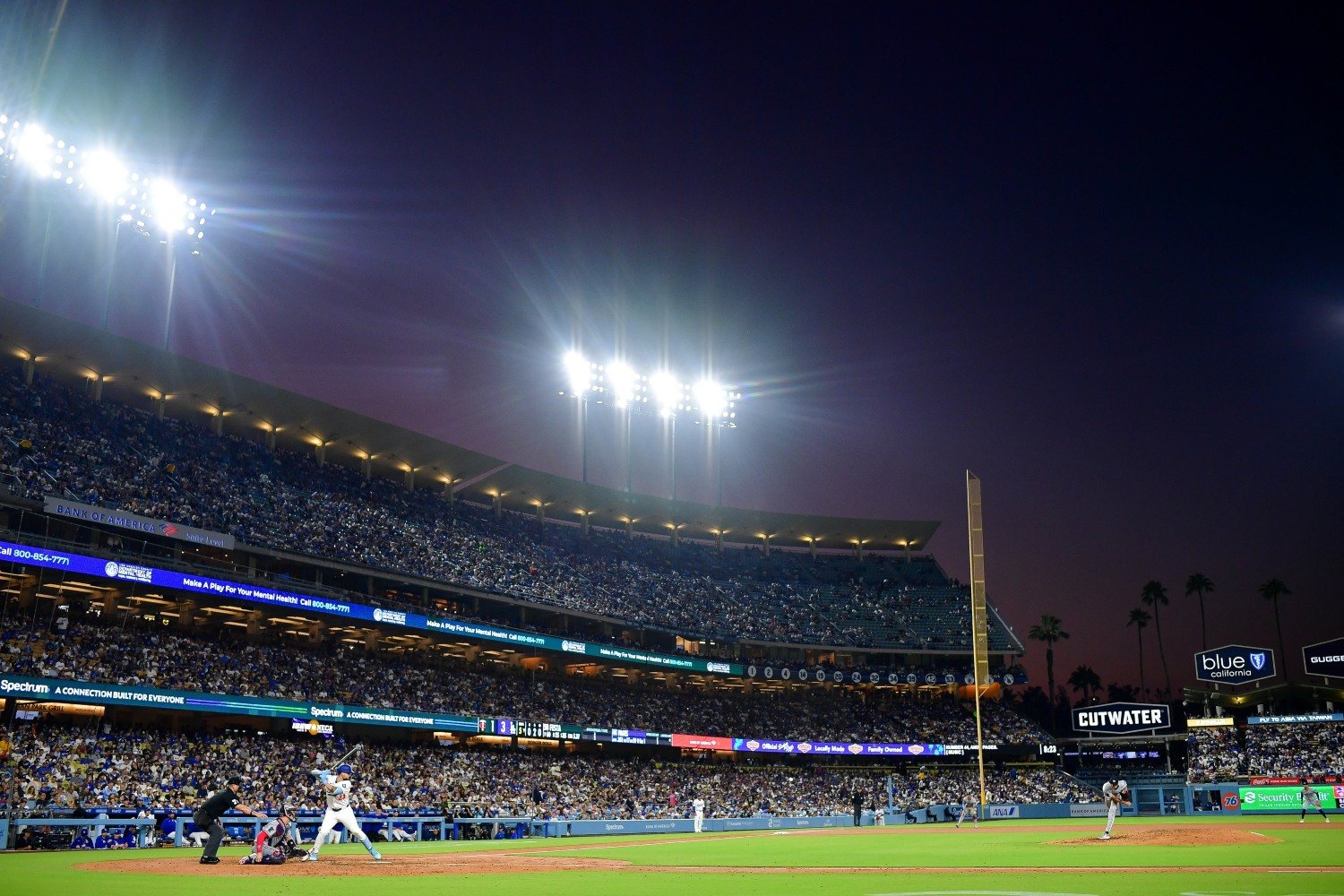 Monday night in Los Angeles, the Minnesota Twins found themselves in a pivotal moment that revealed not just a decision, but a departure from the philosophy they've followed all season. Trailing 3-1 in the bottom of the sixth inning, manager Rocco Baldelli made a surprising call. He sent rookie starter David Festa back out to the mound to face the most dangerous part of the Dodgers lineup for a third time. Shohei Ohtani, Will Smith, and Freddie Freeman were due. All three are elite hitters. Two are left-handed. All are capable of punishing even the slightest mistake. Against that trio, in that situation, on the road, in a critical game, the odds were not just stacked against Festa; they were practically daring the Twins to blink. What followed played out almost exactly as expected. Festa somehow managed to strike out Ohtani to open the inning, a result that felt more like a gift than a plan. But any luck quickly vanished. Smith, who had already homered off Festa earlier in the game, crushed another one over the wall to give the Dodgers a 4-1 lead. Next came Freeman, who drilled a double to keep the inning going. Only then did Baldelli make the move to the bullpen. By then, the damage was done. What made the decision so baffling was how starkly it contrasted with how the Twins have handled their young starting pitchers all year. From the very beginning of the season, the Twins have made a point to shield their starters, especially the young ones, from facing opposing lineups for the third time. We’ve seen it with Simeon Woods Richardson almost weekly. Festa, too, has been managed carefully. Before last night, he had faced just 18 batters all season for a third time in a game. And yet, in one of the most hostile environments in baseball, against perhaps the best offensive lineup in the league, with two of the three hitters being left-handed, and two of them already having homered off of him, Festa was left in. The decision is even more puzzling when viewed in the broader context of where the Twins are in the season. This current stretch leading up to the trade deadline could determine the entire course of the franchise’s summer. A strong showing might convince the front office to invest in the roster, or at least hold firm. A slump might signal that it’s time to sell. Every game carries added weight right now. Every decision matters just a little bit more. That was certainly how Baldelli went on to manage Tuesday night. This was a time to be bold and proactive. Instead, the Twins stayed passive. They gambled on a young starter surviving a near-impossible situation, and they paid the price. It wasn’t even a matter of necessity. The bullpen was in a good spot. Thanks to a comfortable win Sunday in Colorado, only Jhoan Duran and Griffin Jax pitched the day before, and both of them were coming off four full days of rest. The relievers were ready. There was no shortage of arms, no strain on the staff. There was a clear opportunity to go to the pen early and give the team a real chance to claw back into the game. Here's a look at how the bullpen usage was lined up heading into Monday night's game: WED THU FRI SAT SUN TOT Topa 0 0 17 16 0 33 Sands 0 0 22 0 0 22 Misiewicz 0 0 0 21 0 21 Durán 0 0 0 0 16 16 Coulombe 0 0 0 12 0 12 Stewart 0 0 0 9 0 9 Jax 0 0 0 0 8 8 Varland 0 0 0 0 0 0 Yes, the offense struggled again. The Twins only scored two runs on the night. Even if the bullpen had shut the Dodgers down the rest of the way, there’s a good chance the bats wouldn’t have come through. That has been a consistent theme for much of the season. But poor offensive output doesn’t excuse poor pitching decisions. What the Twins had control over was who pitched that sixth inning, and they chose to keep Festa in. It was out of character for this staff. It didn’t align with the data or the matchups. The one way in which the move makes sense, actually, is the one we should consider a bit more deeply. Festa was slotted fourth in the team's rotation coming out of the All-Star break; Woods Richardson was set to pitch fifth. Baldelli and the staff might have wanted to get an extra inning from a starter pitching relatively well, knowing they would need to be proactive with Woods Richardson and go to the pen early Tuesday night. (That, of course, is exactly how it turned out.) If that's the case, though, doesn't it follow that having Festa and Woods Richardson pitch back-to-back (especially against the Dodgers, when they had the available alternative of having one face the lighter-hitting Rockies instead) is an error? Of course, the team doesn't have as many sponges for innings as they'd like to, until Pablo López and Bailey Ober return, and of Woods Richardson, Festa and Zebby Matthews, two have to work on consecutive days at some point. Maybe the team wanted to shield the bullpen, in a game they were already losing, but again, that just highlights the dire straits they're in as a team. Whether this was a one-time misjudgment or a signal of a shift in thinking remains to be seen. What’s clear is that in a critical game, against a juggernaut opponent, with the season tilting toward a defining moment, the Twins veered off course. And it cost them. What do you think? Was Baldelli justified in sticking with Festa, or was this a misstep in a must-win game? Let us know in the comments.
- 23 comments
-
- 3
-
-
-
- david festa
- simeon woods richardson
- (and 2 more)
-
Last night in Los Angeles, the Minnesota Twins found themselves in a pivotal moment that revealed not just a decision but a departure from the philosophy they've followed all season. Trailing 3-1 in the bottom of the sixth inning, manager Rocco Baldelli made a surprising call. He sent rookie starter David Festa back out to the mound to face the most dangerous part of the Dodgers lineup for a third time. Shohei Ohtani, Will Smith, and Freddie Freeman were due up. All three are elite hitters. Two are left-handed. All are capable of punishing even the slightest mistake. Against that trio, in that situation, on the road, in a critical game, the odds were not just stacked against Festa — they were practically daring the Twins to blink. What followed played out almost exactly as expected. Festa somehow managed to strike out Ohtani to open the inning, a result that felt more like a gift than a plan. But any luck quickly vanished. Will Smith, who had already homered off Festa earlier in the game, crushed another one over the wall to give the Dodgers a 4-1 lead. Next came Freddie Freeman, who drilled a double to keep the inning going. Only then did Baldelli make the move to the bullpen. By then, the damage was done. What made the decision so baffling was how starkly it contrasted with how the Twins have handled their young starting pitchers all year. From the very beginning of the season, the Twins have made a point to shield their starters, especially the young ones, from facing opposing lineups for the third time. We’ve seen it with Simeon Woods Richardson almost weekly. Festa, too, has been managed carefully. Before last night, he had faced just 18 batters all season for a third time in a game. And yet, in one of the most hostile environments in baseball, against perhaps the best offensive lineup in the league, with two of the three hitters being left-handed, and two of them already having homered off of him, Festa was left in. The decision is even more puzzling when viewed in the broader context of where the Twins are in the season. This current stretch leading up to the trade deadline could determine the entire course of the franchise’s summer. A strong showing might convince the front office to invest in the roster, or at least hold firm. A slump might signal that it’s time to sell. Every game carries added weight right now. Every decision matters just a little bit more. This was a time to be bold and proactive. Instead, the Twins stayed passive. They gambled on a young starter surviving a near-impossible situation, and they paid the price. It wasn’t even a matter of necessity. The bullpen was in a good spot heading into this game. Thanks to a comfortable win Sunday in Colorado, only Jhoan Duran and Griffin Jax pitched the day before, and both of them were coming off four full days of rest. The relievers were ready. There was no shortage of arms, no strain on the staff. There was a clear opportunity to go to the pen early and give the team a real chance to claw back into the game. Here's a look at how the bullpen usage was lined up heading into Monday night's game: WED THU FRI SAT SUN TOT Topa 0 0 17 16 0 33 Sands 0 0 22 0 0 22 Misiewicz 0 0 0 21 0 21 Durán 0 0 0 0 16 16 Coulombe 0 0 0 12 0 12 Stewart 0 0 0 9 0 9 Jax 0 0 0 0 8 8 Varland 0 0 0 0 0 0 Yes, the offense struggled again. The Twins only scored two runs on the night. Even if the bullpen had shut the Dodgers down the rest of the way, there’s a good chance the bats wouldn’t have come through. That has been a consistent theme for much of the season. But poor offensive output doesn’t excuse poor pitching decisions. What the Twins had control over was who pitched that sixth inning. And they chose to keep Festa in. It was out of character for this staff. It didn’t align with the data or the matchups. It didn’t make sense in the moment, and it doesn’t make sense in hindsight. Whether this was a one-time misjudgment or a signal of a shift in thinking remains to be seen. What’s clear is that in a critical game, against a juggernaut opponent, with the season tilting toward a defining moment, the Twins veered off course. And it cost them. What do you think? Was Baldelli justified in sticking with Festa, or was this a misstep in a must-win game? Let us know in the comments. View full article
-
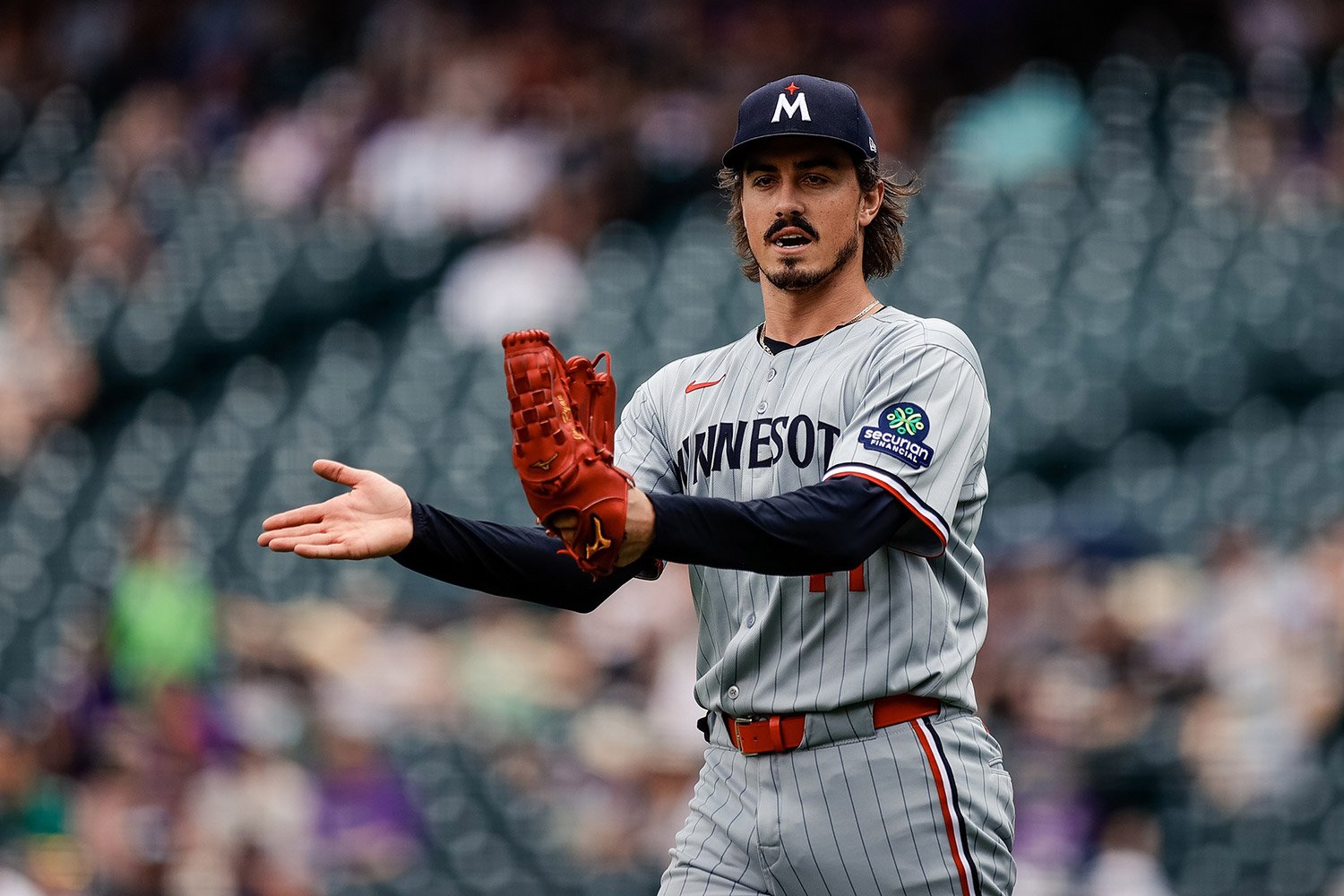 According to Jon Heyman of The New York Post and MLB Network, the Twins are now “seriously listening” on several of their rental players, including Harrison Bader, Willi Castro, and Danny Coulombe. Given the team’s inconsistent play and recent slide heading into the deadline, this shift is hardly surprising. Heyman also notes that Minnesota is willing to listen on bigger names like Joe Ryan and Jhoan Duran, though it would take a significant offer to pry either away — especially Ryan, who’s under team control through 2027. This doesn’t appear to be a full-scale fire sale, but it’s a clear sign the Twins are preparing to pivot if their deadline outlook continues to dim. With no extension talks brewing for their rentals and a tough stretch of games underway, the front office looks ready to retool if the right offers come along. What do you think the Twins should do? Leave a comment and start the conversation!
 -
According to Jon Heyman of The New York Post and MLB Network, the Twins are now “seriously listening” on several of their rental players, including Harrison Bader, Willi Castro, and Danny Coulombe. Given the team’s inconsistent play and recent slide heading into the deadline, this shift is hardly surprising. Heyman also notes that Minnesota is willing to listen on bigger names like Joe Ryan and Jhoan Duran, though it would take a significant offer to pry either away — especially Ryan, who’s under team control through 2027. This doesn’t appear to be a full-scale fire sale, but it’s a clear sign the Twins are preparing to pivot if their deadline outlook continues to dim. With no extension talks brewing for their rentals and a tough stretch of games underway, the front office looks ready to retool if the right offers come along. What do you think the Twins should do? Leave a comment and start the conversation! View full rumor
-
Image courtesy of © Isaiah J. Downing-Imagn Images Byron Buxton’s 2025 season has been nothing short of electric. He's healthy (knock on wood), playing elite defense in center field, swiping bags with ease, and crushing baseballs at the plate. As the Twins push toward the postseason, it's worth asking the question: Is Buxton putting together one of the greatest individual seasons in Minnesota Twins history? In 79 games (through Friday), Buxton has delivered a .939 OPS, 22 home runs, and 17 stolen bases without being caught. He’s racked up 4.0 fWAR and 4.1 bWAR already, and is currently carrying a 156 wRC+, meaning he's been 56 percent better than the average major league hitter. Combine that with his defensive contributions in center field and you've got a player who's impacting the game in almost every conceivable way. With the Twins around 60 percent through the season, Buxton is on pace for a final stat line of about 135 games played, 33 home runs, 25 stolen bases, a .939 OPS, and roughly 6.5 WAR. That production level would put him in truly elite company when comparing across franchise history. For OPS, Buxton's projected .939 would rank as the 10th highest in a single season in Twins history. The only names ahead of him are Nelson Cruz in 2019, Joe Mauer in 2009, Rod Carew in 1977, Harmon Killebrew multiple times in the 60s, Chuck Knoblauch in 1996, and Bob Allison in 1964. But here's the key: of those nine seasons, only Mauer and Knoblauch were playing premium defensive positions. Mauer was catching in his MVP season. Knoblauch was playing second base. Buxton is doing it in center field, one of the most demanding positions in the sport. So while his OPS might not be the very top in club history, it's arguably more impressive when you factor in the defensive value. When looking at WAR, Buxton's projected 6.5 fWAR would be tied for 11th-best in Twins history. He’d be just behind the likes of Carew, Mauer, Knoblauch, Killebrew, Puckett, Versalles, and Allison. That group includes MVPs and Hall of Famers. Buxton wouldn’t be outpacing the very best seasons in club history, but he’s getting close. One interesting lens is Win Probability Added (WPA), which captures how much a player contributes in high-leverage moments. WPA isn’t necessarily predictive and doesn’t scale linearly, so we can’t simply extrapolate it to the end of the season. But if we take what Buxton has done so far in clutch situations and extend that pace, he’d finish with about 3.4 WPA. That would put him behind only a few of the highest WAR seasons in Twins history, including Rod Carew in 1977 (5.8), Carew again in 1975 (4.7), and Joe Mauer in 2009 (3.9). That means in terms of clutch performance, Buxton is right up there with some of the all-time greats. Where Buxton really separates himself is in the combination of power and speed. If he finishes with 30 or more home runs and 25 stolen bases, he would become the only player in Minnesota Twins history to ever hit those two marks in the same season. Add in the fact that he has yet to be caught stealing and you’re looking at a level of efficiency and explosiveness the franchise has never seen before. This isn't just about accumulating stats. It’s about doing things we’ve never seen in a Twins uniform. So is Byron Buxton having the best season in Twins history? Probably not. The 1977 Rod Carew season and the 2009 Joe Mauer MVP year still hold the crown. The high-WAR seasons from Knoblauch, Killebrew, and Zoilo Versalles likely remain a step ahead too. But what is clear from the numbers is that Buxton is firmly in that conversation. He’s on pace for a top-10 season in Twins history. He’s delivering elite offensive value, bringing premium defense in center field, showing up in big moments, and blending speed and power in a way we’ve never seen in Minnesota before. This is a season to savor. We haven’t seen anything like this since Mauer’s MVP run. Who knows when we’ll see it again. What do you think about Buxton’s 2025 season? Where does it rank in Twins history in your eyes? Can he maintain this pace? Drop your thoughts in the comments and join the conversation. View full article
-
Is Byron Buxton Having One of the Best Seasons in Twins History?
Matthew Taylor posted an article in Twins
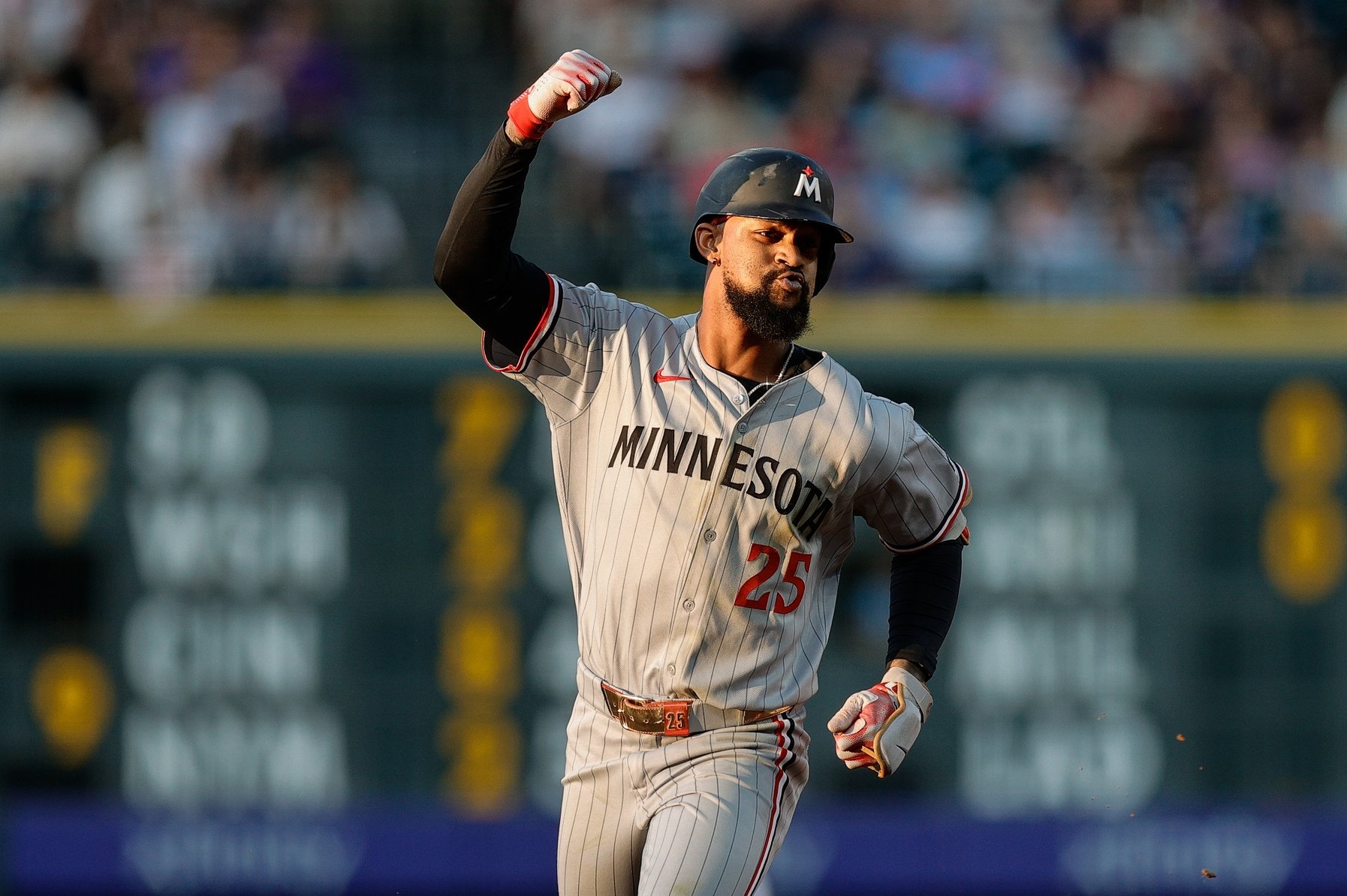 Byron Buxton’s 2025 season has been nothing short of electric. He's healthy (knock on wood), playing elite defense in center field, swiping bags with ease, and crushing baseballs at the plate. As the Twins push toward the postseason, it's worth asking the question: Is Buxton putting together one of the greatest individual seasons in Minnesota Twins history? In 79 games (through Friday), Buxton has delivered a .939 OPS, 22 home runs, and 17 stolen bases without being caught. He’s racked up 4.0 fWAR and 4.1 bWAR already, and is currently carrying a 156 wRC+, meaning he's been 56 percent better than the average major league hitter. Combine that with his defensive contributions in center field and you've got a player who's impacting the game in almost every conceivable way. With the Twins around 60 percent through the season, Buxton is on pace for a final stat line of about 135 games played, 33 home runs, 25 stolen bases, a .939 OPS, and roughly 6.5 WAR. That production level would put him in truly elite company when comparing across franchise history. For OPS, Buxton's projected .939 would rank as the 10th highest in a single season in Twins history. The only names ahead of him are Nelson Cruz in 2019, Joe Mauer in 2009, Rod Carew in 1977, Harmon Killebrew multiple times in the 60s, Chuck Knoblauch in 1996, and Bob Allison in 1964. But here's the key: of those nine seasons, only Mauer and Knoblauch were playing premium defensive positions. Mauer was catching in his MVP season. Knoblauch was playing second base. Buxton is doing it in center field, one of the most demanding positions in the sport. So while his OPS might not be the very top in club history, it's arguably more impressive when you factor in the defensive value. When looking at WAR, Buxton's projected 6.5 fWAR would be tied for 11th-best in Twins history. He’d be just behind the likes of Carew, Mauer, Knoblauch, Killebrew, Puckett, Versalles, and Allison. That group includes MVPs and Hall of Famers. Buxton wouldn’t be outpacing the very best seasons in club history, but he’s getting close. One interesting lens is Win Probability Added (WPA), which captures how much a player contributes in high-leverage moments. WPA isn’t necessarily predictive and doesn’t scale linearly, so we can’t simply extrapolate it to the end of the season. But if we take what Buxton has done so far in clutch situations and extend that pace, he’d finish with about 3.4 WPA. That would put him behind only a few of the highest WAR seasons in Twins history, including Rod Carew in 1977 (5.8), Carew again in 1975 (4.7), and Joe Mauer in 2009 (3.9). That means in terms of clutch performance, Buxton is right up there with some of the all-time greats. Where Buxton really separates himself is in the combination of power and speed. If he finishes with 30 or more home runs and 25 stolen bases, he would become the only player in Minnesota Twins history to ever hit those two marks in the same season. Add in the fact that he has yet to be caught stealing and you’re looking at a level of efficiency and explosiveness the franchise has never seen before. This isn't just about accumulating stats. It’s about doing things we’ve never seen in a Twins uniform. So is Byron Buxton having the best season in Twins history? Probably not. The 1977 Rod Carew season and the 2009 Joe Mauer MVP year still hold the crown. The high-WAR seasons from Knoblauch, Killebrew, and Zoilo Versalles likely remain a step ahead too. But what is clear from the numbers is that Buxton is firmly in that conversation. He’s on pace for a top-10 season in Twins history. He’s delivering elite offensive value, bringing premium defense in center field, showing up in big moments, and blending speed and power in a way we’ve never seen in Minnesota before. This is a season to savor. We haven’t seen anything like this since Mauer’s MVP run. Who knows when we’ll see it again. What do you think about Buxton’s 2025 season? Where does it rank in Twins history in your eyes? Can he maintain this pace? Drop your thoughts in the comments and join the conversation.
- 9 comments
-
- 7
-
-
- byron buxton
- rod carew
- (and 4 more)
-
Image courtesy of Isaiah J. Downing–Imagn Images The Minnesota Twins have officially entered Major League Baseball’s jersey advertisement era. On Thursday, the team announced a new multi-year partnership with Securian Financial, which includes the addition of a jersey patch featuring the St. Paul-based financial services firm. Beginning with their first game out of the All-Star Break in Colorado, the Twins will now take the field wearing the Securian Financial patch on their uniforms. With this move, Minnesota joins the vast majority of MLB teams who have added jersey ads since the league first allowed them in 2022. Until now, the Twins were one of just four teams holding out, alongside the Rockies, Nationals, and Rays. The team has never publicly explained why it took this long, but it likely came down to finding the right deal. Now they have one. In addition to the jersey patch, the Twins shared that Securian Financial will have a visible presence at Target Field as well as throughout their television and radio broadcasts. This won’t change anything on the field, but it does bring in a few more dollars for the Pohlad family, who are in the process of selling the team. Commissioner Rob Manfred recently indicated that a sale might not be far off. While this sponsorship probably won’t affect that timeline, it could be a small bonus for a potential buyer to inherit an active and monetized partner. For fans, the disappointment comes in seeing another ad on a jersey. The Twins were one of the last teams keeping their uniforms clean, and that felt somewhat refreshing in an increasingly branded sports world. Of course, people will get used to it, and the outrage will fade. But it’s still a little sad to see one more piece of the game give way to advertising. What do you think of the new jersey patch? Are you for it, against it, or indifferent? Let us know in the comments. View full article
-
Twins Join the Jersey Patch Era with Securian Financial Sponsorship
Matthew Taylor posted an article in Twins
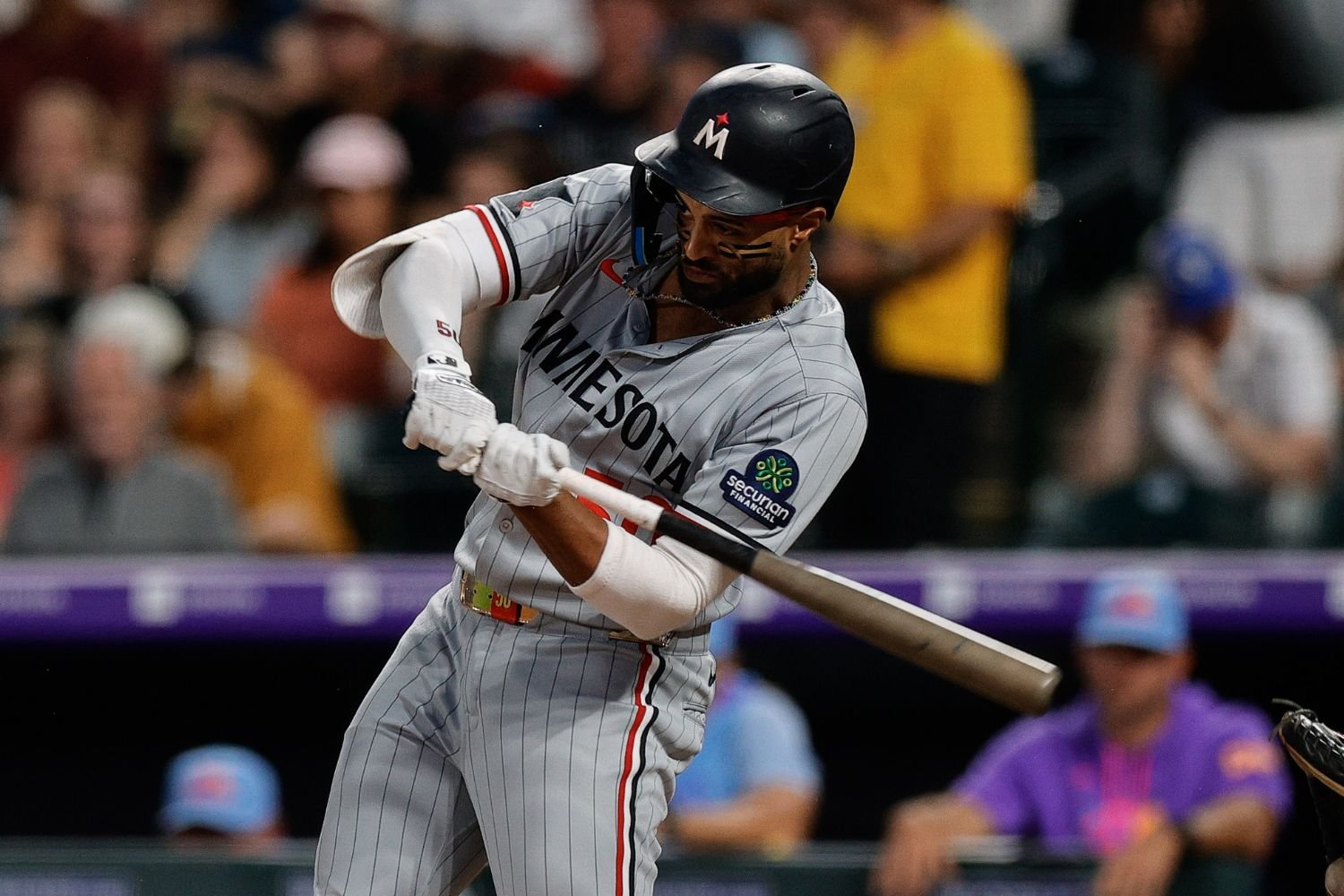 The Minnesota Twins have officially entered Major League Baseball’s jersey advertisement era. On Thursday, the team announced a new multi-year partnership with Securian Financial, which includes the addition of a jersey patch featuring the St. Paul-based financial services firm. Beginning with their first game out of the All-Star Break in Colorado, the Twins will now take the field wearing the Securian Financial patch on their uniforms. With this move, Minnesota joins the vast majority of MLB teams who have added jersey ads since the league first allowed them in 2022. Until now, the Twins were one of just four teams holding out, alongside the Rockies, Nationals, and Rays. The team has never publicly explained why it took this long, but it likely came down to finding the right deal. Now they have one. In addition to the jersey patch, the Twins shared that Securian Financial will have a visible presence at Target Field as well as throughout their television and radio broadcasts. This won’t change anything on the field, but it does bring in a few more dollars for the Pohlad family, who are in the process of selling the team. Commissioner Rob Manfred recently indicated that a sale might not be far off. While this sponsorship probably won’t affect that timeline, it could be a small bonus for a potential buyer to inherit an active and monetized partner. For fans, the disappointment comes in seeing another ad on a jersey. The Twins were one of the last teams keeping their uniforms clean, and that felt somewhat refreshing in an increasingly branded sports world. Of course, people will get used to it, and the outrage will fade. But it’s still a little sad to see one more piece of the game give way to advertising. What do you think of the new jersey patch? Are you for it, against it, or indifferent? Let us know in the comments.
 -
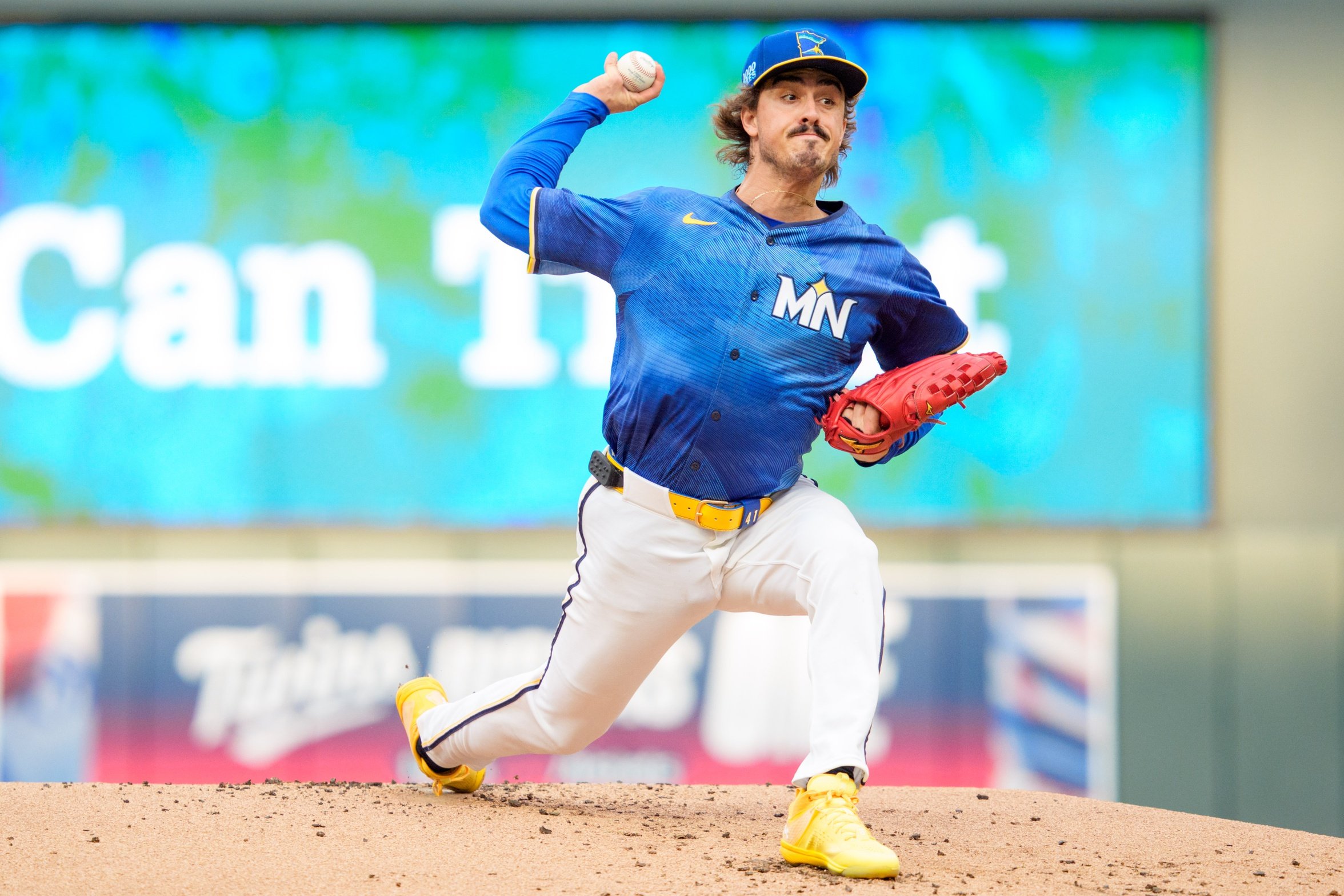 With the trade deadline approaching and the Twins still stuck under .500, it’s no surprise that teams are calling to ask about players. What is surprising is who they’re asking about, and who the Twins might actually be listening on. According to MLB Network and reporter Jon Morosi, multiple teams are monitoring Joe Ryan, including the Boston Red Sox, as a potential deadline trade target. Let’s stop right here. That should not even be a conversation. Trading Joe Ryan would be, without exaggeration, a franchise-level mistake. Ryan has been brilliant this season, earning a deserved spot in the 2025 MLB All-Star Game and leading the team’s rotation with a 2.76 ERA and a 0.89 WHIP, the third-best mark in all of baseball. With Pablo López sidelined and the rest of the rotation in chaos, Ryan hasn’t just held steady, he’s taken on the role of staff ace and delivered the best stretch of his young career exactly when the team needed it most. In the midst of a disappointing season and amid growing uncertainty about the team’s direction, Joe Ryan has been one of the few things the Twins can truly feel good about. Not only is he thriving now, but he’s also cost-controlled and under team control through 2027. This is just his first arbitration year. He’ll likely earn somewhere around $8 million next year, then around $15 million in 2027. That’s affordable for a mid-rotation starter, let alone a legitimate top-of-the-rotation arm trending upward. His age, contract, performance, and personality all make him one of the most valuable pitchers in baseball, and while that may sound like the perfect formula for a trade chip, it’s actually the reason you don’t move him. These are the exact types of players you build around, not flip for future maybes. And that’s the real issue here. If you deal Joe Ryan, what exactly are you trying to get in return? Prospects? A few Top 100 guys? Maybe one pitcher and two hitters, or vice versa? Let’s say you hit on one of them. Great, you got one impact player. The other two flame out, because that’s how this works. You end up spending years hoping to replace the guy you already had. Why not just keep the guy who’s already proven he can pitch like a frontline starter, thrives in your system, and actually seems to enjoy playing in Minnesota? This is the exact type of pitcher the Twins have spent the better part of two decades trying to develop. Since Johan Santana in 2005, the only two starting pitchers the Twins have turned into All-Stars from within are José Berríos and Joe Ryan. That’s it. And while Berríos had his moments, Ryan is trending toward something even more special. His buy-in to analytics, his work ethic, his constant evolution as a pitcher, all of it points to a guy who still hasn’t hit his ceiling. You don’t sell on that. You double down on it. And don’t give me the “we can’t afford him later” excuse. Nobody knows what the payroll outlook is going to look like in a year or two because the team is in the middle of a sale. It’s already awkward for the front office to be making any big-picture decisions when ownership is in flux and the regime itself could be out the door depending on who buys the team. Trading a foundational piece of the roster because of vague future financial concerns is not just short-sighted, it’s irresponsible. Maybe the next owner is willing to spend. Maybe they’re eager to keep guys like Ryan and López and actually build something lasting. Why take that decision out of their hands before they even get here? We’ve seen how this plays out before. The Berríos trade was praised at the time. The Twins got two highly regarded prospects in Austin Martin and Simeon Woods Richardson. But so far, neither one has come close to making the impact Berríos once had, and he wasn’t even at Ryan’s level. Go back further to the Johan Santana trade. The Twins traded away a true ace and got back a handful of top-10 Mets prospects, including Carlos Gómez. Gómez turned into a fine big leaguer, just not with the Twins. And the rest of the return flamed out. Once again, the dream of what those prospects could be never came close to matching what the Twins gave up. That’s almost always the case. Prospects are enticing because they represent possibility. But they rarely fulfill it. So yes, Joe Ryan would bring back a haul. But there’s a reason for that, because every team in baseball wants a Joe Ryan. The question isn’t whether the Twins could trade him. It’s why on earth they would. You can still retool. You can still sell off rentals or arms in the bullpen. You can still plan for the future without throwing away the present. Because that’s what Joe Ryan gives you, a present and a future. A guy you trust to take the ball every five days. A guy who gives you a chance to win. A guy you can build around. The Twins already lived through one decade of darkness after they tore down their core. Trading away the one legitimate ace they’ve developed in the last 20 years would be the first step toward repeating that exact same mistake. This team may not be good right now, but moving Joe Ryan would be waving the white flag not just on this year, but on the years ahead, too. Want to see Joe Ryan stay in Minnesota? Think the Twins should cash in on a trade? Leave a comment below and start the conversation!
- 41 comments
-
- 9
-
-
- joe ryan
- jose berrios
- (and 1 more)
-
Image courtesy of © Matt Blewett-Imagn Images With the trade deadline approaching and the Twins still stuck under .500, it’s no surprise that teams are calling to ask about players. What is surprising is who they’re asking about, and who the Twins might actually be listening on. According to MLB Network and reporter Jon Morosi, multiple teams are monitoring Joe Ryan, including the Boston Red Sox, as a potential deadline trade target. Let’s stop right here. That should not even be a conversation. Trading Joe Ryan would be, without exaggeration, a franchise-level mistake. Ryan has been brilliant this season, earning a deserved spot in the 2025 MLB All-Star Game and leading the team’s rotation with a 2.76 ERA and a 0.89 WHIP, the third-best mark in all of baseball. With Pablo López sidelined and the rest of the rotation in chaos, Ryan hasn’t just held steady, he’s taken on the role of staff ace and delivered the best stretch of his young career exactly when the team needed it most. In the midst of a disappointing season and amid growing uncertainty about the team’s direction, Joe Ryan has been one of the few things the Twins can truly feel good about. Not only is he thriving now, but he’s also cost-controlled and under team control through 2027. This is just his first arbitration year. He’ll likely earn somewhere around $8 million next year, then around $15 million in 2027. That’s affordable for a mid-rotation starter, let alone a legitimate top-of-the-rotation arm trending upward. His age, contract, performance, and personality all make him one of the most valuable pitchers in baseball, and while that may sound like the perfect formula for a trade chip, it’s actually the reason you don’t move him. These are the exact types of players you build around, not flip for future maybes. And that’s the real issue here. If you deal Joe Ryan, what exactly are you trying to get in return? Prospects? A few Top 100 guys? Maybe one pitcher and two hitters, or vice versa? Let’s say you hit on one of them. Great, you got one impact player. The other two flame out, because that’s how this works. You end up spending years hoping to replace the guy you already had. Why not just keep the guy who’s already proven he can pitch like a frontline starter, thrives in your system, and actually seems to enjoy playing in Minnesota? This is the exact type of pitcher the Twins have spent the better part of two decades trying to develop. Since Johan Santana in 2005, the only two starting pitchers the Twins have turned into All-Stars from within are José Berríos and Joe Ryan. That’s it. And while Berríos had his moments, Ryan is trending toward something even more special. His buy-in to analytics, his work ethic, his constant evolution as a pitcher, all of it points to a guy who still hasn’t hit his ceiling. You don’t sell on that. You double down on it. And don’t give me the “we can’t afford him later” excuse. Nobody knows what the payroll outlook is going to look like in a year or two because the team is in the middle of a sale. It’s already awkward for the front office to be making any big-picture decisions when ownership is in flux and the regime itself could be out the door depending on who buys the team. Trading a foundational piece of the roster because of vague future financial concerns is not just short-sighted, it’s irresponsible. Maybe the next owner is willing to spend. Maybe they’re eager to keep guys like Ryan and López and actually build something lasting. Why take that decision out of their hands before they even get here? We’ve seen how this plays out before. The Berríos trade was praised at the time. The Twins got two highly regarded prospects in Austin Martin and Simeon Woods Richardson. But so far, neither one has come close to making the impact Berríos once had, and he wasn’t even at Ryan’s level. Go back further to the Johan Santana trade. The Twins traded away a true ace and got back a handful of top-10 Mets prospects, including Carlos Gómez. Gómez turned into a fine big leaguer, just not with the Twins. And the rest of the return flamed out. Once again, the dream of what those prospects could be never came close to matching what the Twins gave up. That’s almost always the case. Prospects are enticing because they represent possibility. But they rarely fulfill it. So yes, Joe Ryan would bring back a haul. But there’s a reason for that, because every team in baseball wants a Joe Ryan. The question isn’t whether the Twins could trade him. It’s why on earth they would. You can still retool. You can still sell off rentals or arms in the bullpen. You can still plan for the future without throwing away the present. Because that’s what Joe Ryan gives you, a present and a future. A guy you trust to take the ball every five days. A guy who gives you a chance to win. A guy you can build around. The Twins already lived through one decade of darkness after they tore down their core. Trading away the one legitimate ace they’ve developed in the last 20 years would be the first step toward repeating that exact same mistake. This team may not be good right now, but moving Joe Ryan would be waving the white flag not just on this year, but on the years ahead, too. Want to see Joe Ryan stay in Minnesota? Think the Twins should cash in on a trade? Leave a comment below and start the conversation! View full article
-
Cubs 8, Twins 1: Twins Blasted in Finale, Miss Chance at Rare Sweep
Matthew Taylor posted an article in Twins
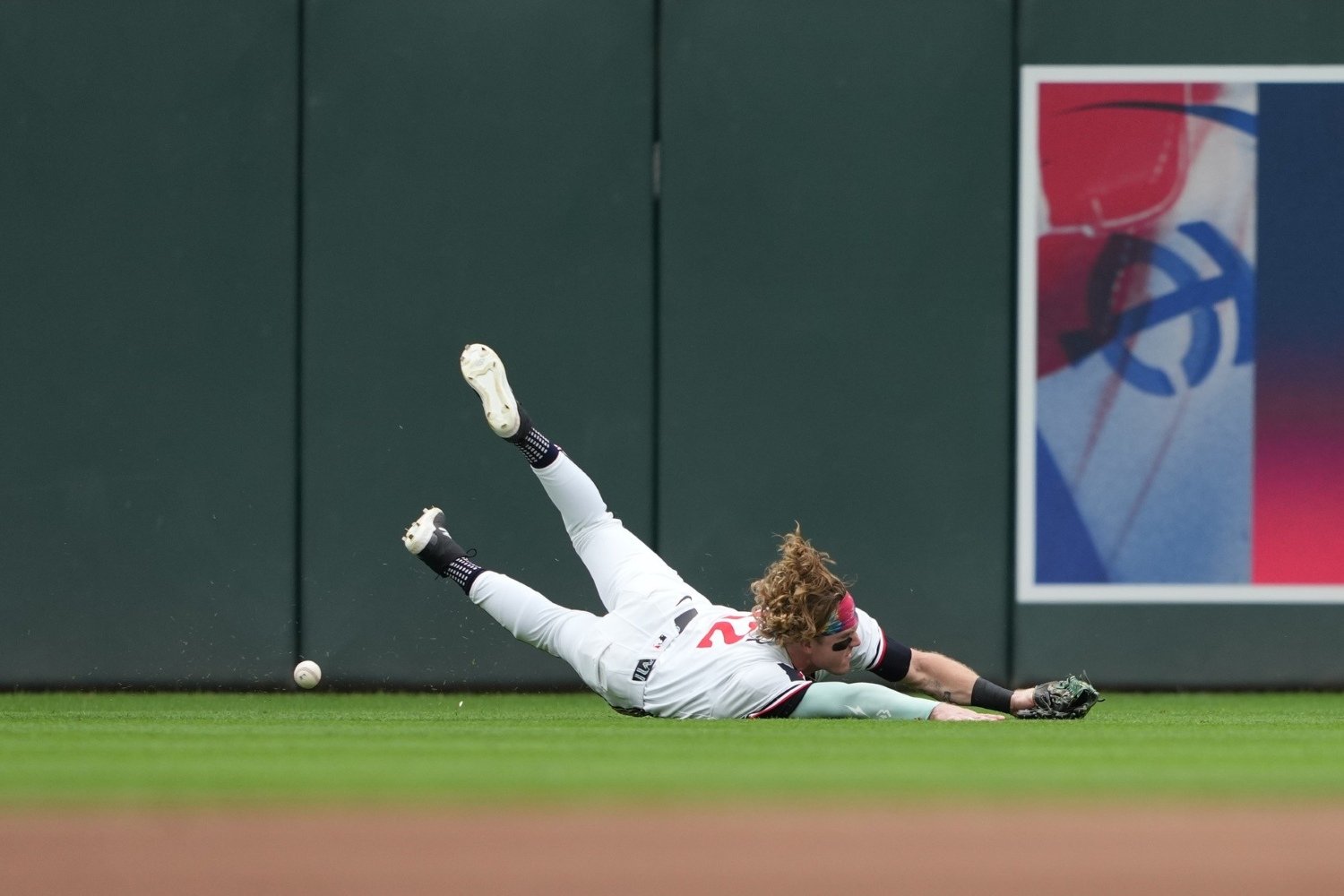 Box Score Starting Pitcher: Chris Paddack 5 IP, 11 H, 6 ER, 2 K, 1 B (98 pitches (63 strikes (64%)) Home Runs: Kody Clemens (11) Bottom 3 WPA: Paddack -.270, Correa -.130, Larnach -.059 Win Probability Chart (via FanGraphs): After taking the first two games from the first-place Cubs, the Minnesota Twins had a golden opportunity to complete their first series sweep in nearly two months and pull back to within one game of .500. Instead, they fell flat on Thursday afternoon, getting hammered 8-1 at Target Field in a lopsided loss that highlighted both rotation struggles and offensive inconsistency. Chris Paddack took the mound for the Twins and delivered another shaky outing. The Cubs got to him early, with Dansby Swanson doubling in the second and scoring on an RBI single from Nico Hoerner. In the third, Pete Crow-Armstrong continued his breakout season with a towering two-run homer, his 24th of the year, to put the Cubs up 3-0. Chicago kept adding on in the fourth and fifth innings, eventually chasing Paddack after five innings and 98 pitches. Paddack’s final line was rough: 11 hits, 6 earned runs, one walk, and just two strikeouts. He only generated seven whiffs all game. It's been over a month since his last quality start, and while his spot in the rotation would normally be in question, the Twins' current pitching depth issues likely mean he’ll remain in the mix... for now. Things didn’t get much better after Paddack left. Anthony Misiewicz, newly recalled to help eat innings, served up Crow-Armstrong’s second homer of the day in the sixth to push the Cubs' lead to 7-0. Justin Topa took over for the final two frames, allowing one more run as the game got further out of reach. Offensively, the Twins were lifeless. They managed just four hits all afternoon, and largely looked uncompetitive. The lone bright spot came in the fifth, when Kody Clemens launched a solo homer to center (his 11th of the year) to briefly cut into the deficit. The top three hitters in the lineup—Willi Castro, Trevor Larnach, and Brooks Lee—combined to go 0-for-11, and the team only hit four balls over 100 MPH all game. The Cubs, by contrast, had nine. The broadcast added a lighthearted twist to the otherwise rough afternoon. Former Twins general manager Terry Ryan joined the players-only booth, where he chatted with the former players that he once drafted or acquired and even read old scouting reports on-air. It was a fun and nostalgic wrap to a new-look booth for this series that featured Glen Perkins, Justin Morneau, and Trevor Plouffe in a series that didn’t include the familiar voice of Cory Provus, or any traditional play-by-play voice at all. Despite the ugly finale, the Twins still took the series against the NL Central leaders and have now won back-to-back series. The loss dropped Minnesota to 45-48 on the season, with just three games remaining before the All-Star break. What’s Next Friday night’s matchup is one of the most anticipated of the season. Second-year phenom Paul Skenes makes his Target Field debut for the Pirates, going head-to-head with Twins All-Star Joe Ryan. First pitch is set for 7:10 pm, followed by the postgame Nelly concert under the lights. Postgame Interviews Coming soon... Bullpen Usage Report
- 26 comments
-
- 3
-
-
- chris paddack
- kody clemens
- (and 1 more)
-
Image courtesy of © Jordan Johnson-Imagn Images Box Score Starting Pitcher: Chris Paddack 5 IP, 11 H, 6 ER, 2 K, 1 B (98 pitches (63 strikes (64%)) Home Runs: Kody Clemens (11) Bottom 3 WPA: Paddack -.270, Correa -.130, Larnach -.059 Win Probability Chart (via FanGraphs): After taking the first two games from the first-place Cubs, the Minnesota Twins had a golden opportunity to complete their first series sweep in nearly two months and pull back to within one game of .500. Instead, they fell flat on Thursday afternoon, getting hammered 8-1 at Target Field in a lopsided loss that highlighted both rotation struggles and offensive inconsistency. Chris Paddack took the mound for the Twins and delivered another shaky outing. The Cubs got to him early, with Dansby Swanson doubling in the second and scoring on an RBI single from Nico Hoerner. In the third, Pete Crow-Armstrong continued his breakout season with a towering two-run homer, his 24th of the year, to put the Cubs up 3-0. Chicago kept adding on in the fourth and fifth innings, eventually chasing Paddack after five innings and 98 pitches. Paddack’s final line was rough: 11 hits, 6 earned runs, one walk, and just two strikeouts. He only generated seven whiffs all game. It's been over a month since his last quality start, and while his spot in the rotation would normally be in question, the Twins' current pitching depth issues likely mean he’ll remain in the mix... for now. Things didn’t get much better after Paddack left. Anthony Misiewicz, newly recalled to help eat innings, served up Crow-Armstrong’s second homer of the day in the sixth to push the Cubs' lead to 7-0. Justin Topa took over for the final two frames, allowing one more run as the game got further out of reach. Offensively, the Twins were lifeless. They managed just four hits all afternoon, and largely looked uncompetitive. The lone bright spot came in the fifth, when Kody Clemens launched a solo homer to center (his 11th of the year) to briefly cut into the deficit. The top three hitters in the lineup—Willi Castro, Trevor Larnach, and Brooks Lee—combined to go 0-for-11, and the team only hit four balls over 100 MPH all game. The Cubs, by contrast, had nine. The broadcast added a lighthearted twist to the otherwise rough afternoon. Former Twins general manager Terry Ryan joined the players-only booth, where he chatted with the former players that he once drafted or acquired and even read old scouting reports on-air. It was a fun and nostalgic wrap to a new-look booth for this series that featured Glen Perkins, Justin Morneau, and Trevor Plouffe in a series that didn’t include the familiar voice of Cory Provus, or any traditional play-by-play voice at all. Despite the ugly finale, the Twins still took the series against the NL Central leaders and have now won back-to-back series. The loss dropped Minnesota to 45-48 on the season, with just three games remaining before the All-Star break. What’s Next Friday night’s matchup is one of the most anticipated of the season. Second-year phenom Paul Skenes makes his Target Field debut for the Pirates, going head-to-head with Twins All-Star Joe Ryan. First pitch is set for 7:10 pm, followed by the postgame Nelly concert under the lights. Postgame Interviews Coming soon... Bullpen Usage Report View full article
-
Minnesota Twins Minor League Hitters of the Month - June 2025
Matthew Taylor posted an article in Minor Leagues
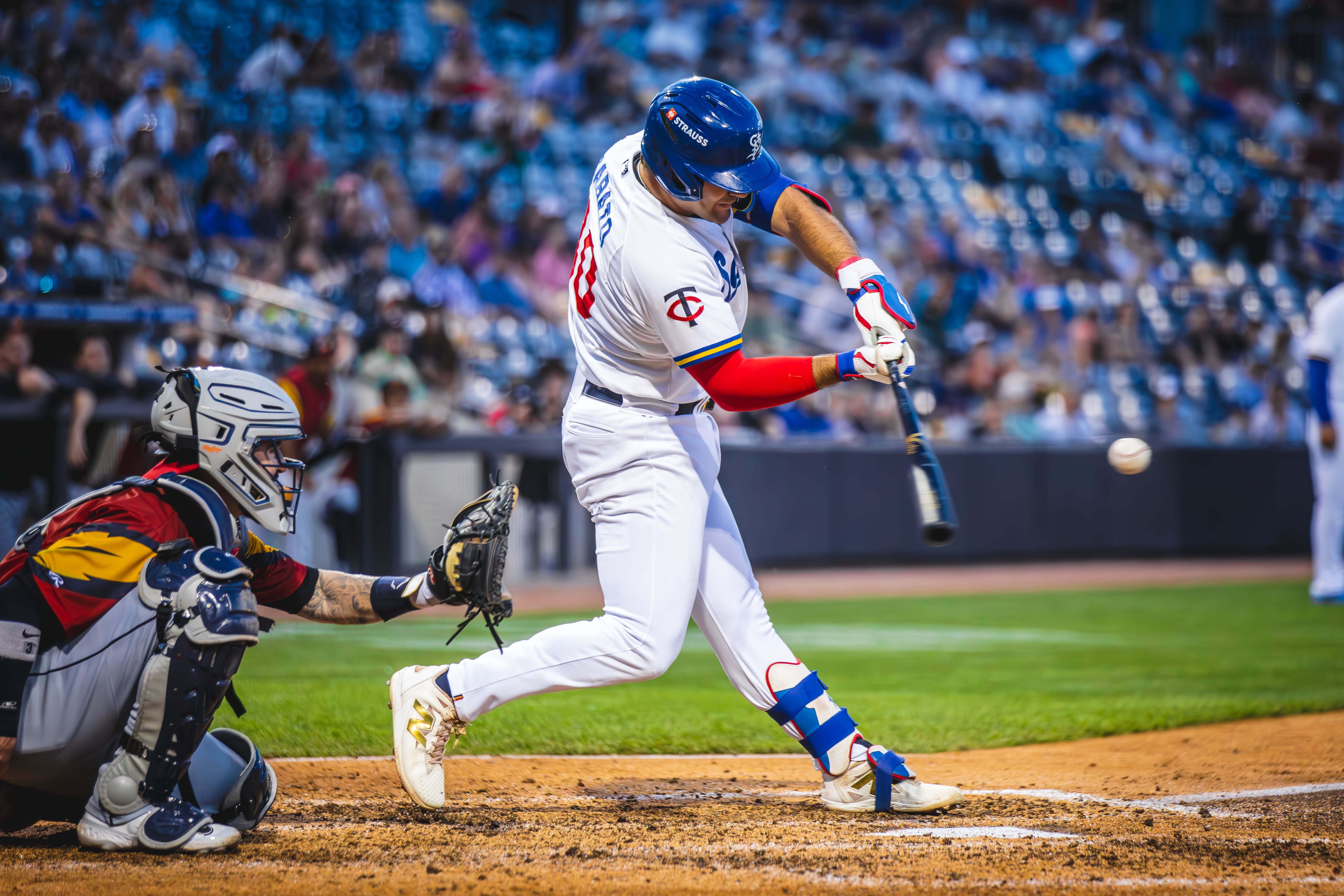 Last month, outfielder Gabriel Gonzalez claimed the esteemed title of Minnesota Twins Minor League Hitter of the Month. As the calendar turned to June, several new names joined the conversation, and a first-time winner stepped up to take home the top honor. Before we get into the top five, a pair of strong performers just missed the cut. Honorable Mentions Danny De Andrade quietly pieced together a quality month for Cedar Rapids. Over 102 plate appearances, the 21-year-old infielder posted an .873 OPS with 3 home runs and 20 RBI. Wichita catcher Andrew Cossetti also made a strong push, especially considering the strides he’s made compared to a tough 2024 campaign. Cossetti turned in a .995 OPS in 62 June plate appearances, but the limited playing time ultimately held him out of the top five. Let’s dive into the standouts who did make the cut. 5. Kyler Fedko – OF, Wichita 101 PA, .278/.356/.522 (.879 OPS), 6 HR, 18 RBI, 18 K, 9 BB Fedko continued to flash his power in the Texas League, finishing June with a .879 OPS across 101 plate appearances. His 6 home runs brought his season total to a league-leading 17, and all 6 blasts came in the final 12 games of the month. The 25-year-old capped the month with a monster performance on June 27 when he went 3-for-4 with two homers and six RBI against the Springfield Cardinals. The late-month surge secured his spot in this ranking and further solidified his reputation as one of the organization’s most consistent sluggers. 4. Edouard Julien – 2B, St. Paul 108 PA, .284/.417/.500 (.917 OPS), 5 HR, 13 RBI, 25 K, 18 BB Julien’s June resurgence in St. Paul has brought him back into the spotlight. After struggling upon his demotion, the 26-year-old has rediscovered his form with a .917 OPS and 5 home runs over 108 plate appearances. He showed significant improvement in plate discipline, drawing 18 walks and pushing his on-base percentage to .417, a stark contrast to the .288 OBP he posted during his stint with the Twins earlier this year. Julien’s production in June makes a strong case that his return to the majors could be right around the corner. 3. Gabriel Gonzalez – OF, Wichita 95 PA, .366/.436/.488 (.924 OPS), 10 2B, 5 RBI, 10 K, 10 BB After winning the May award, Gonzalez followed up with another stellar month. The 21-year-old tallied a .924 OPS in 95 plate appearances despite not hitting a home run. Instead, he doubled ten times and struck out just 10 times while walking 10 times, a sign of his growing comfort and vision at the plate. Since his promotion to Wichita on May 20, Gonzalez has posted a .938 OPS with an almost even strikeout-to-walk ratio. He remains one of the brightest rising stars in the Twins system. 2. Kala’i Rosario – OF, Wichita 105 PA, .282/.419/.529 (.948 OPS), 3 HR, 23 RBI, 25 K, 18 BB Rosario was red-hot in June and gave this month’s winner a run for his money. The 23-year-old outfielder delivered a .948 OPS in 105 plate appearances, collecting 13 extra-base hits and walking 18 times. He etched his name in the box score with one of the most memorable games of the month, hitting for the cycle on June 25 as part of a 4-for-5 day. After a sluggish start to the year, Rosario is heating up and proving why he remains a prospect to watch. 1. Aaron Sabato – 1B, Wichita/St. Paul 102 PA, .337/.418/.651 (1.070 OPS), 6 HR, 21 RBI, 19 K, 12 BB It’s time to give credit where it’s due. Aaron Sabato has turned his career around in 2025, and his June performance earns him the title of Minor League Hitter of the Month. The 26-year-old slugger posted a 1.062 OPS with 6 home runs and 21 RBI in 102 plate appearances. Even more encouraging than the power was his improved approach at the plate, as he struck out in just 19 percent of his trips. Sabato was promoted to Triple-A on June 12, a long-awaited next step five years after being selected in the first round. He’s continued to produce at the higher level and has pushed his way into the fringes of the big league conversation. It’s a feel-good story and one that Twins fans will be rooting for as the summer continues. Congratulations to Sabato and the rest of this month’s standout performers. Will Sabato carry the momentum into July or will a new name rise to the top next month? What do you think of this month’s list? Did we get it right? Let us know in the comments below.
- 15 comments
-
- 3
-
-
- aaron sabato
- kalai rosario
- (and 5 more)
-
Image courtesy of Rob Thompson, St. Paul Saints Last month, outfielder Gabriel Gonzalez claimed the esteemed title of Minnesota Twins Minor League Hitter of the Month. As the calendar turned to June, several new names joined the conversation, and a first-time winner stepped up to take home the top honor. Before we get into the top five, a pair of strong performers just missed the cut. Honorable Mentions Danny De Andrade quietly pieced together a quality month for Cedar Rapids. Over 102 plate appearances, the 21-year-old infielder posted an .873 OPS with 3 home runs and 20 RBI. Wichita catcher Andrew Cossetti also made a strong push, especially considering the strides he’s made compared to a tough 2024 campaign. Cossetti turned in a .995 OPS in 62 June plate appearances, but the limited playing time ultimately held him out of the top five. Let’s dive into the standouts who did make the cut. 5. Kyler Fedko – OF, Wichita 101 PA, .278/.356/.522 (.879 OPS), 6 HR, 18 RBI, 18 K, 9 BB Fedko continued to flash his power in the Texas League, finishing June with a .879 OPS across 101 plate appearances. His 6 home runs brought his season total to a league-leading 17, and all 6 blasts came in the final 12 games of the month. Fedko capped the month with a monster performance on June 27 when he went 3-for-4 with two homers and six RBI against the Springfield Cardinals. The late-month surge secured his spot in this ranking and further solidified his reputation as one of the organization’s most consistent sluggers. 4. Edouard Julien – 2B, St. Paul 108 PA, .284/.417/.500 (.917 OPS), 5 HR, 13 RBI, 25 K, 18 BB Julien’s June resurgence in St. Paul has brought him back into the spotlight. After struggling upon his demotion, the 25-year-old rediscovered his form with a .917 OPS and 5 home runs over 108 plate appearances. He showed significant improvement in plate discipline, drawing 18 walks and pushing his on-base percentage to .417, a stark contrast to the .288 OBP he posted during his stint with the Twins earlier this year. Julien’s production in June makes a strong case that his return to the majors could be right around the corner. 3. Gabriel Gonzalez – OF, Wichita 95 PA, .366/.436/.488 (.924 OPS), 10 2B, 5 RBI, 10 K, 10 BB After winning the May award, Gonzalez followed up with another stellar month. The 20-year-old tallied a .924 OPS in 95 plate appearances despite not hitting a home run. Instead, he doubled ten times and struck out just 10 times while walking 10 times, a sign of his growing comfort and vision at the plate. Since his promotion to Wichita on May 20, Gonzalez has posted a .938 OPS with an almost even strikeout-to-walk ratio. He remains one of the brightest rising stars in the Twins system. 2. Kala’i Rosario – OF, Wichita 105 PA, .282/.419/.529 (.948 OPS), 3 HR, 23 RBI, 25 K, 18 BB Rosario was red-hot in June and gave this month’s winner a run for his money. The 22-year-old outfielder delivered a .948 OPS in 105 plate appearances, collecting 13 extra-base hits and walking 18 times. He etched his name in the box score with one of the most memorable games of the month, hitting for the cycle on June 25 as part of a 4-for-5 day. After a sluggish start to the year, Rosario is heating up and proving why he remains a prospect to watch. 1. Aaron Sabato – 1B, Wichita/St. Paul 102 PA, .337/.418/.651 (1.070 OPS), 6 HR, 21 RBI, 19 K, 12 BB It’s time to give credit where it’s due. Aaron Sabato has turned his career around in 2025 and his June performance earns him the title of Minor League Hitter of the Month. The 26-year-old slugger posted a 1.062 OPS with 6 home runs and 21 RBI in 102 plate appearances. Even more encouraging than the power was his improved approach at the plate, as he struck out in just 19 percent of his trips. Sabato was promoted to Triple-A on June 12, a long-awaited next step five years after being selected in the first round. He’s continued to produce at the higher level and has pushed his way into the fringes of the big league conversation. It’s a feel-good story and one that Twins fans will be rooting for as the summer continues. Congratulations to Sabato and the rest of this month’s standout performers. Will Sabato carry the momentum into July or will a new name rise to the top next month? What do you think of this month’s list? Did we get it right? Let us know in the comments below. View full article
- 15 replies
-
- 1
-
-
- aaron sabato
- kalai rosario
- (and 5 more)

